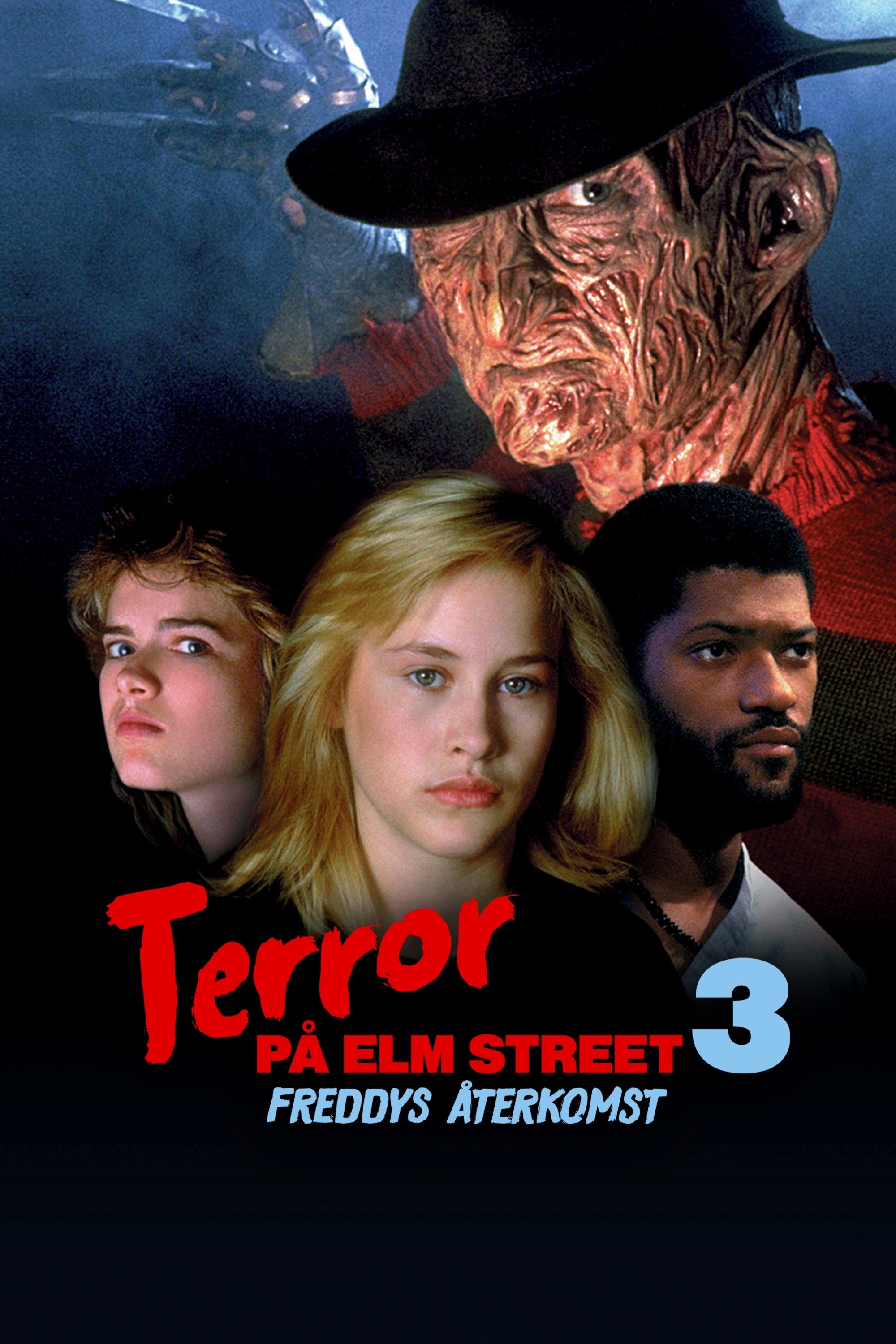
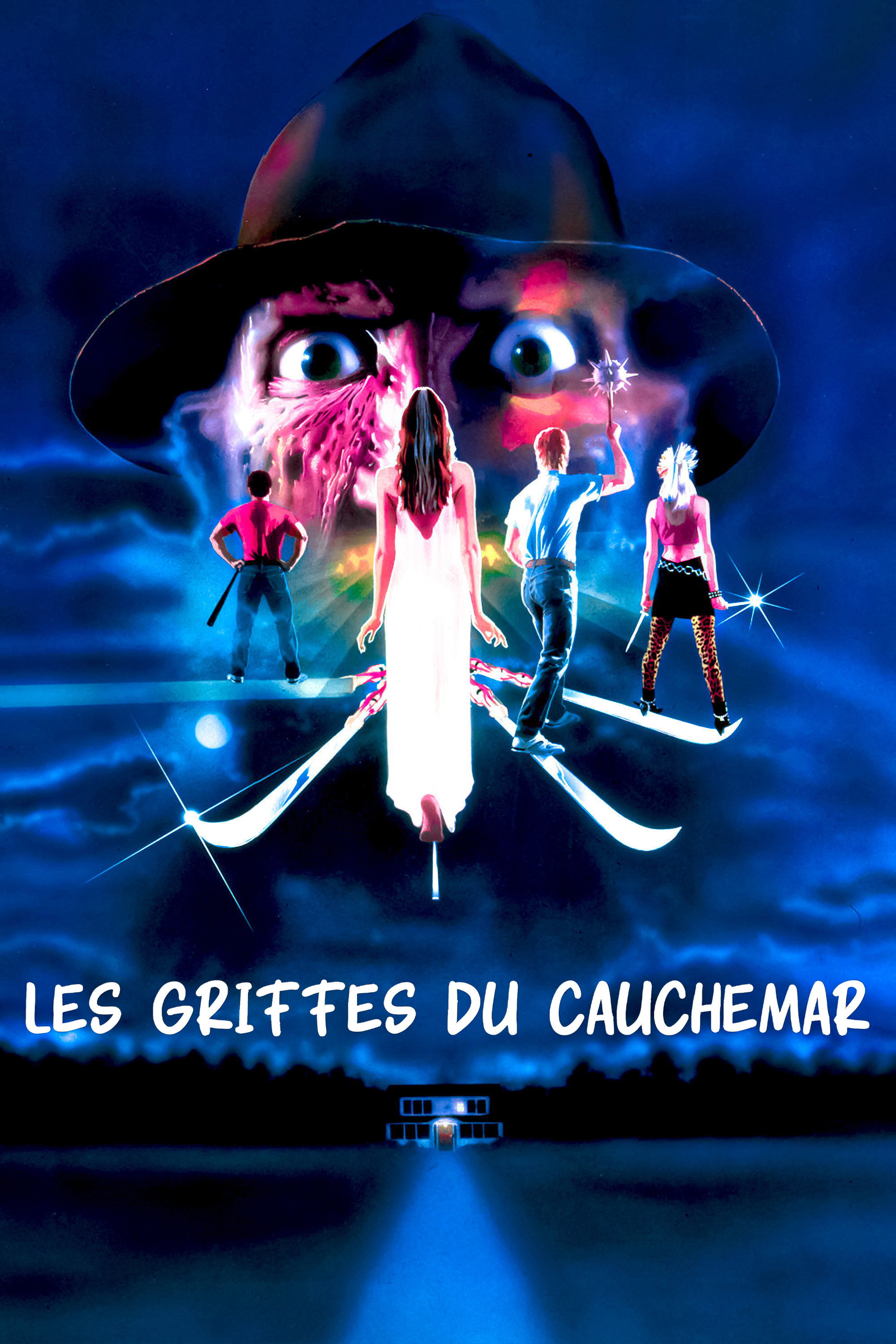
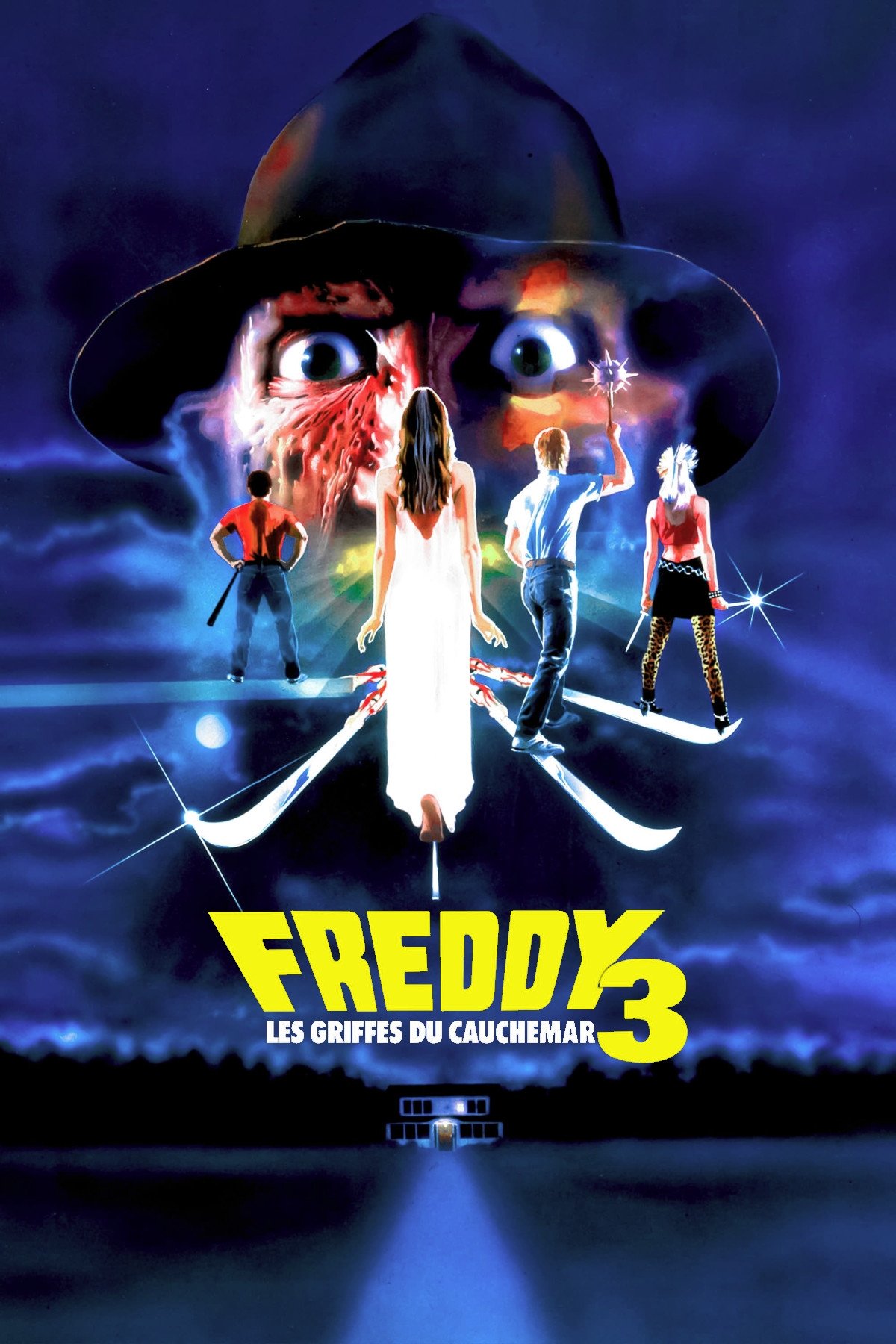
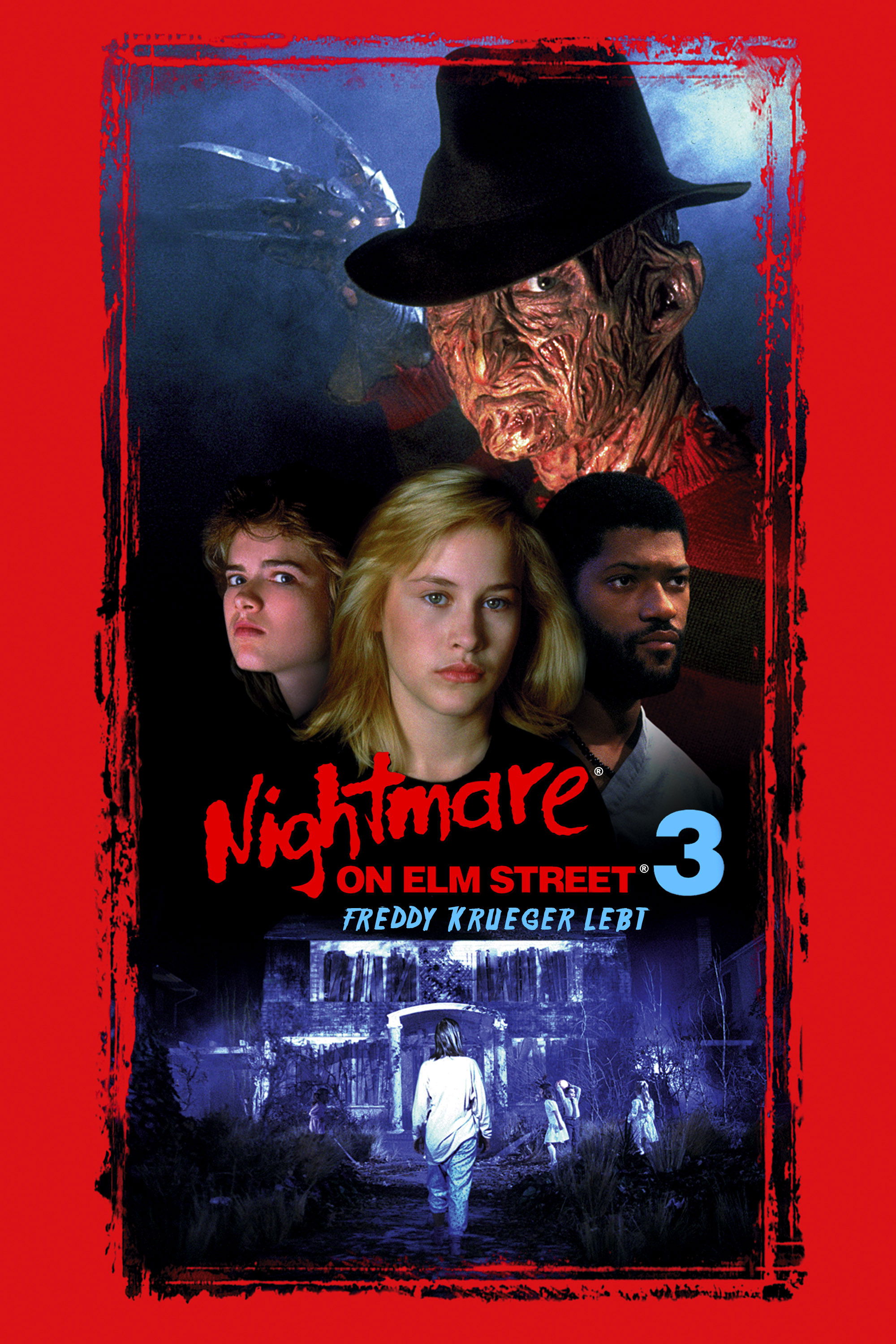
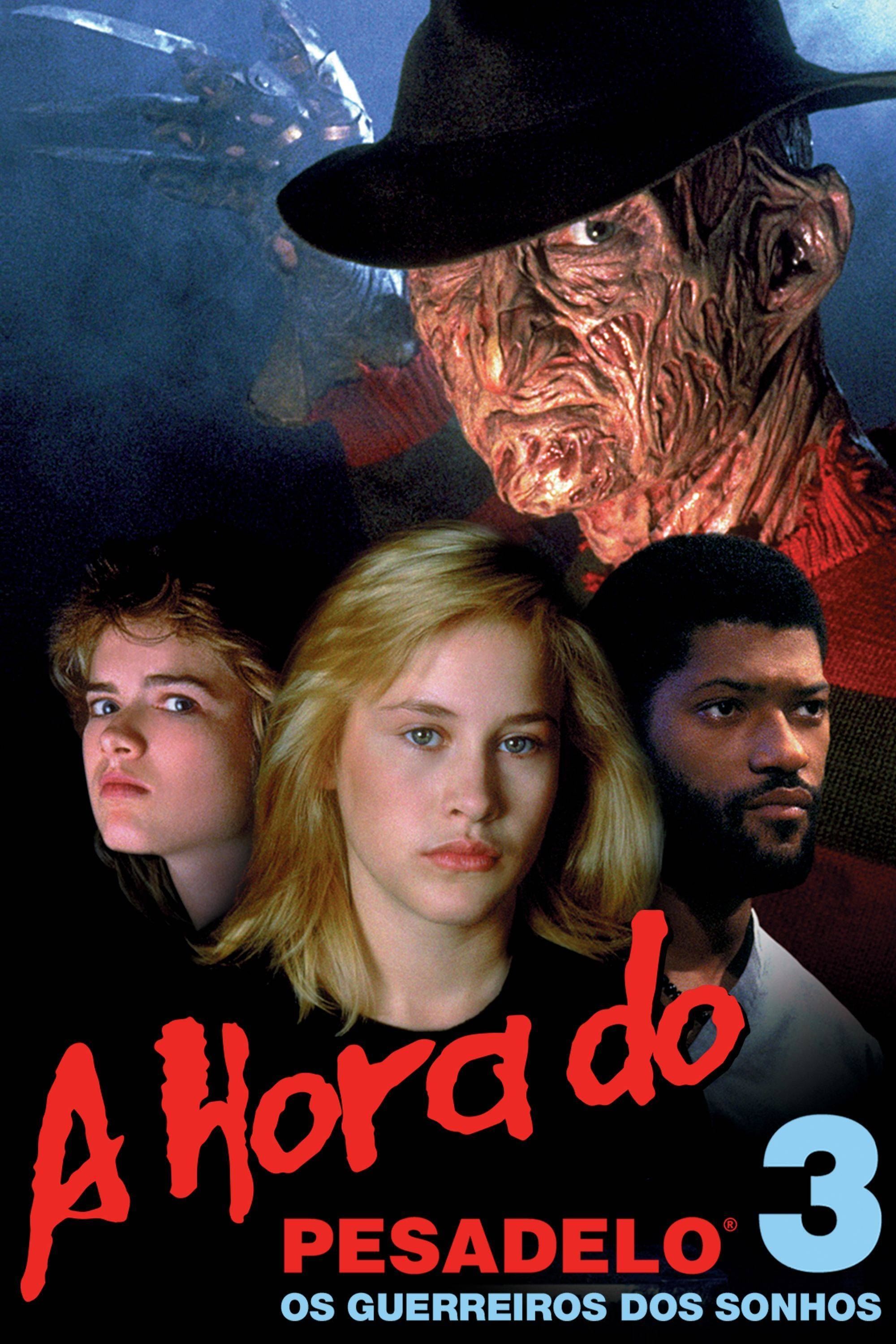
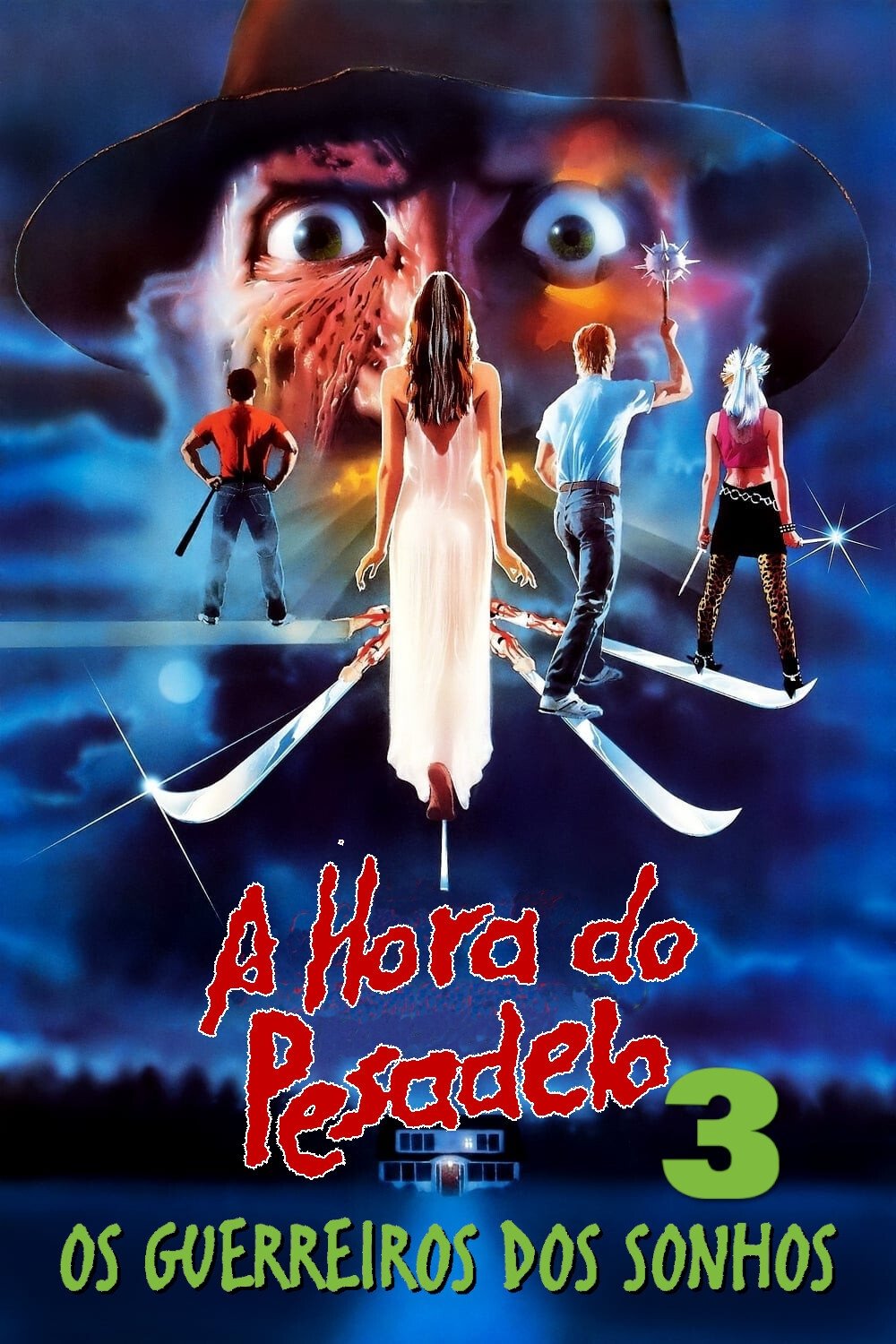
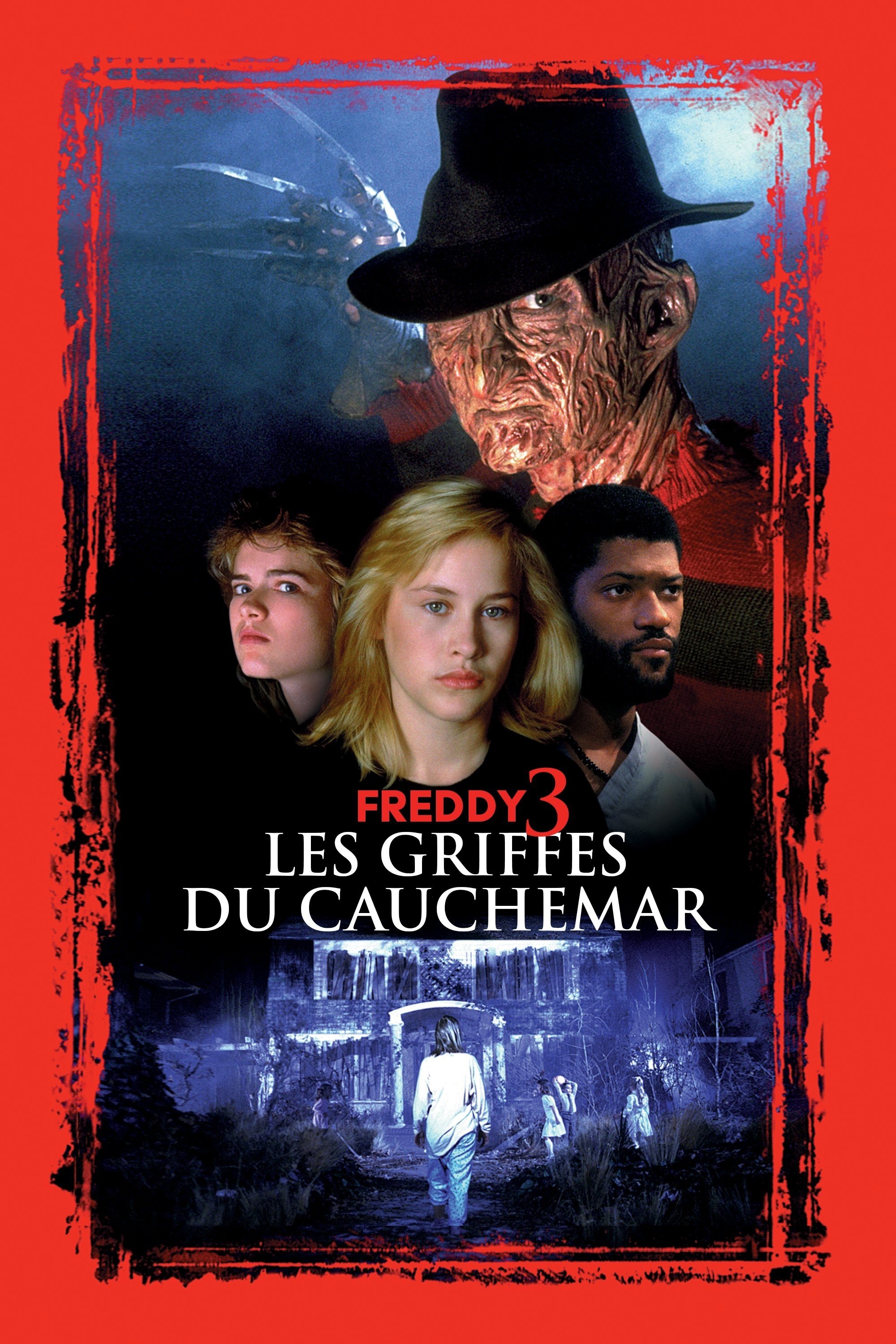
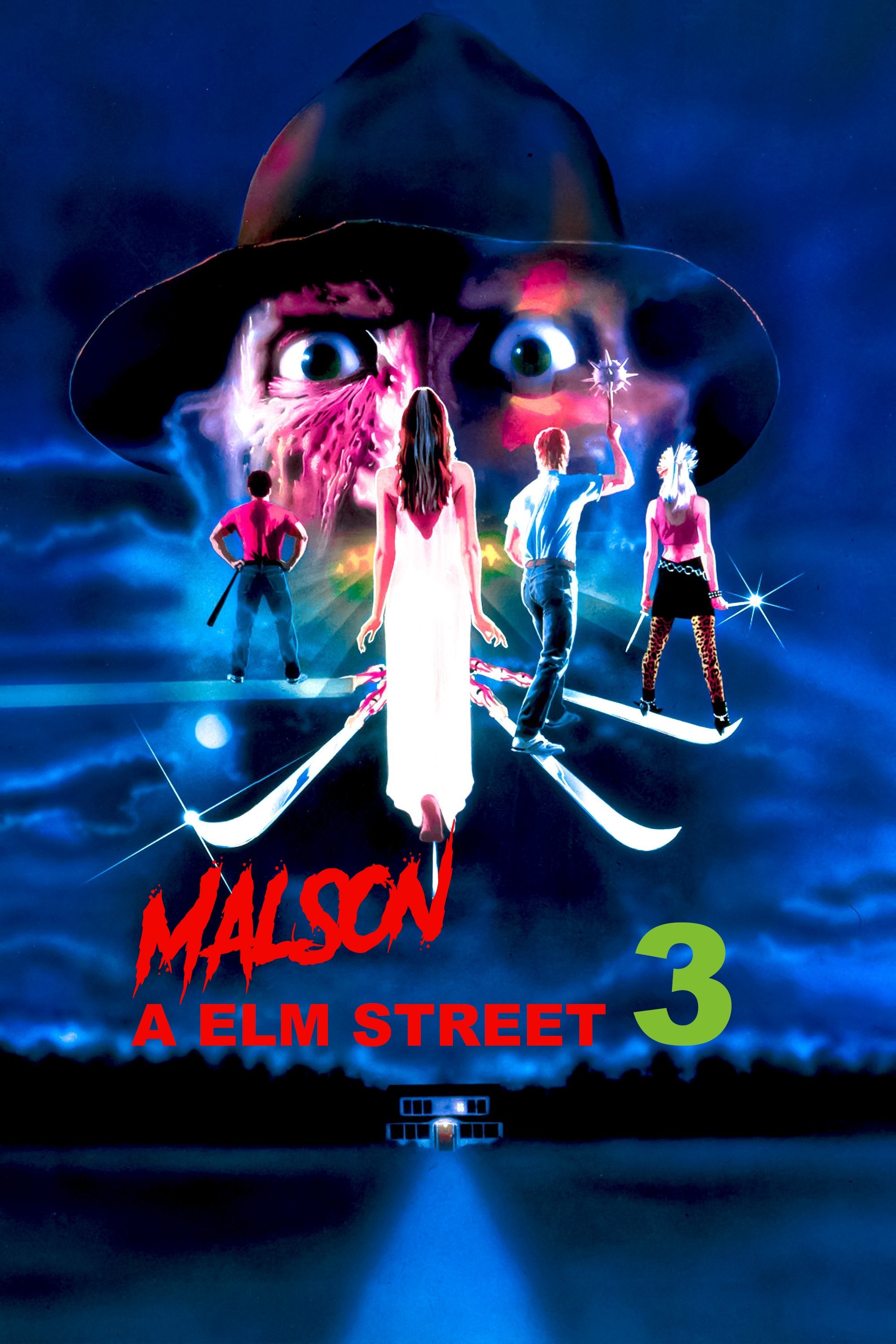
Craven Returns and the Screenplay Changes
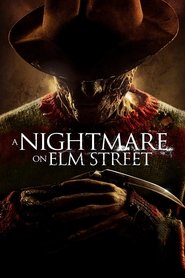
New Line pursued another Elm Street installment after the financial performance of Freddy's Revenge (1985). Craven had not written that sequel, but returned to develop the third film with Bruce Wagner. In comments preserved by a specialist archive of the franchise, Craven explained that a single survivor could no longer carry the struggle against a killer strengthened by the souls of previous victims. The proposed answer was collective resistance by teenagers with different abilities. He was occupied with Deadly Friend and did not direct. Instead, his participation brought the originator of the series back into its writing process while opening the way for another filmmaker to interpret the material.
Russell entered a project whose script was already in circulation. He and Darabont revised Craven and Wagner's screenplay, retaining the group premise while adjusting the balance of terror, character action and visual fantasy. Craven later said that some of the changes reduced the creative involvement he had expected as executive producer; that complaint is his retrospective account of the working relationship. Russell, speaking in contemporary and later interviews, emphasized his interest in expanding the physical possibilities of the dream world. The completed credits preserve the participation of all four writers, although their differing recollections caution against attributing every sequence to a single author.
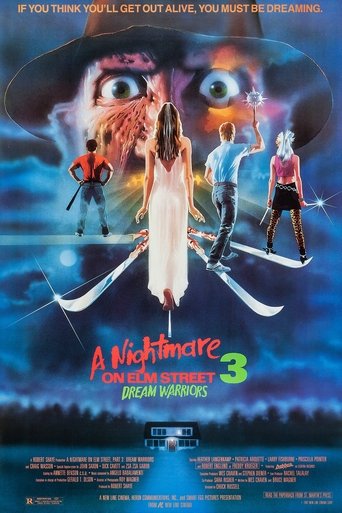
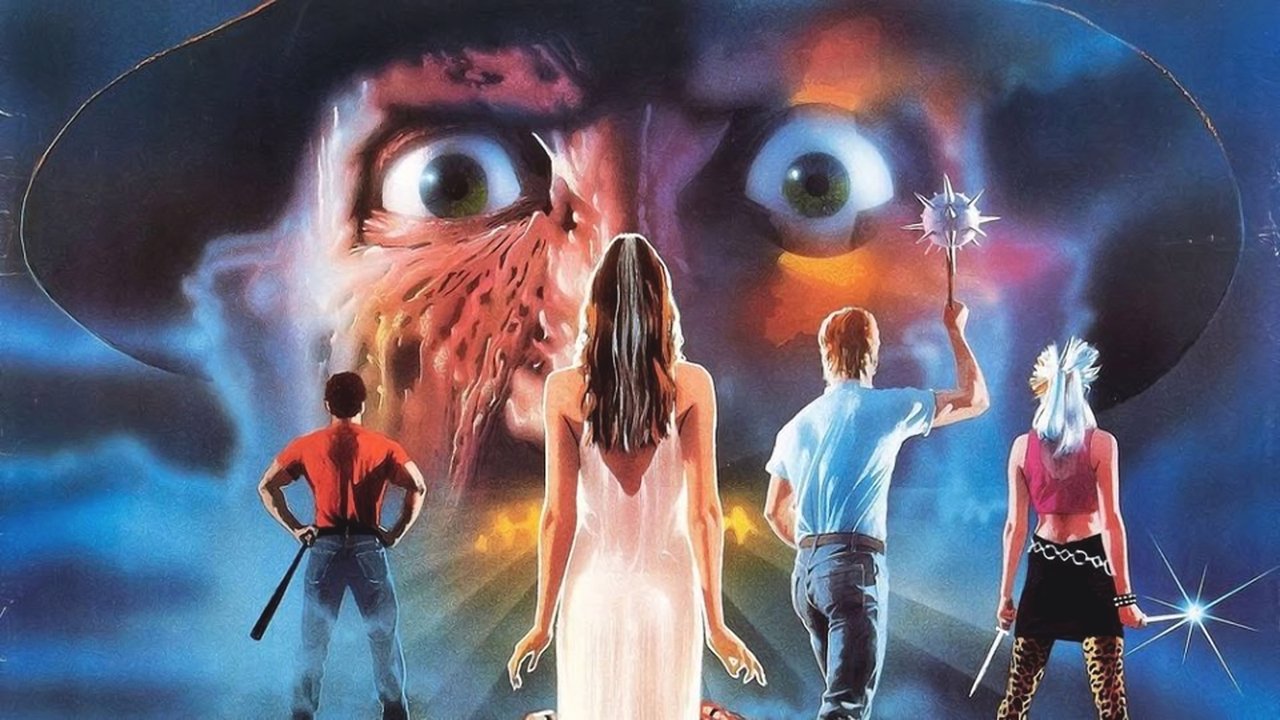
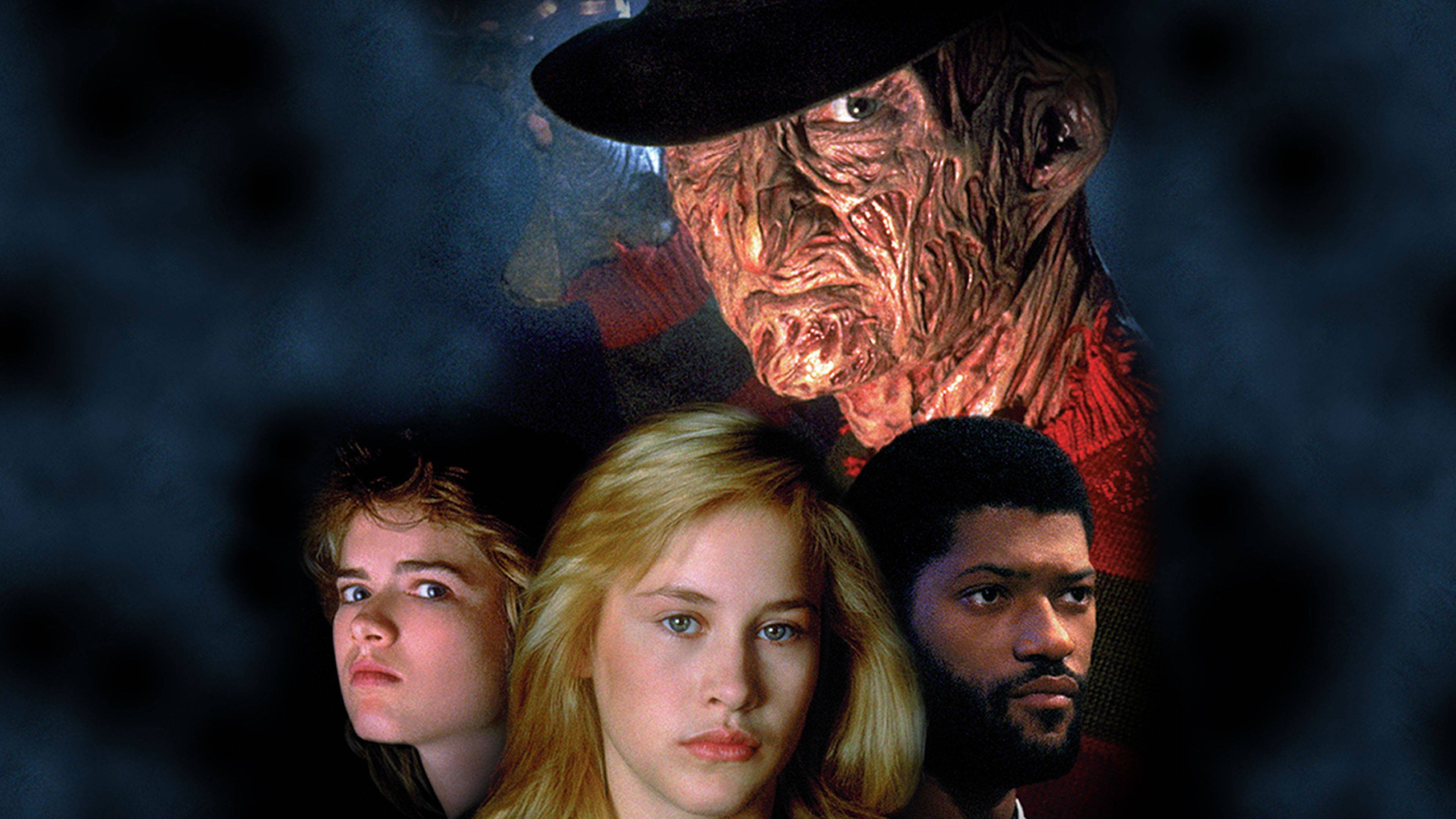
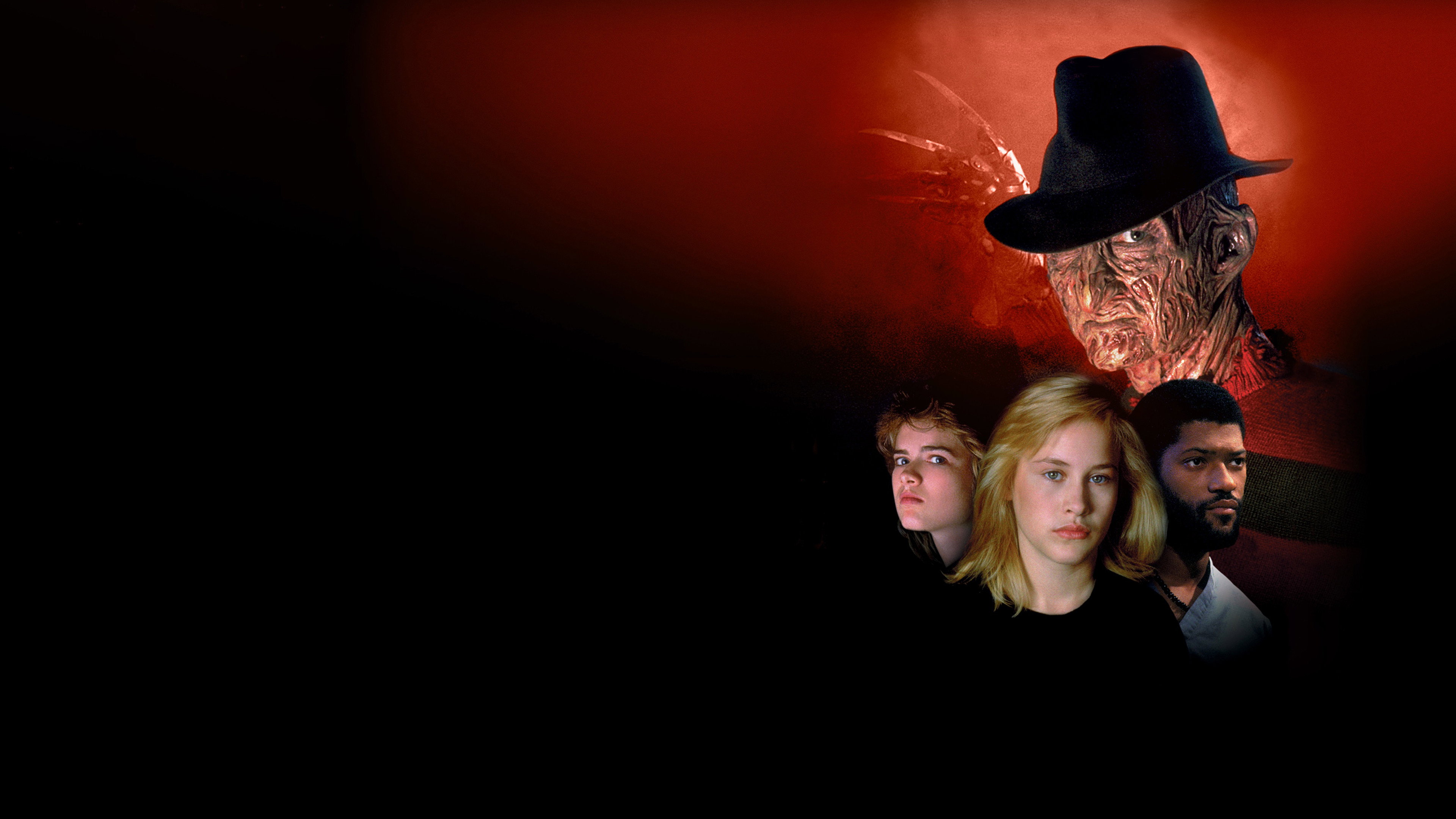
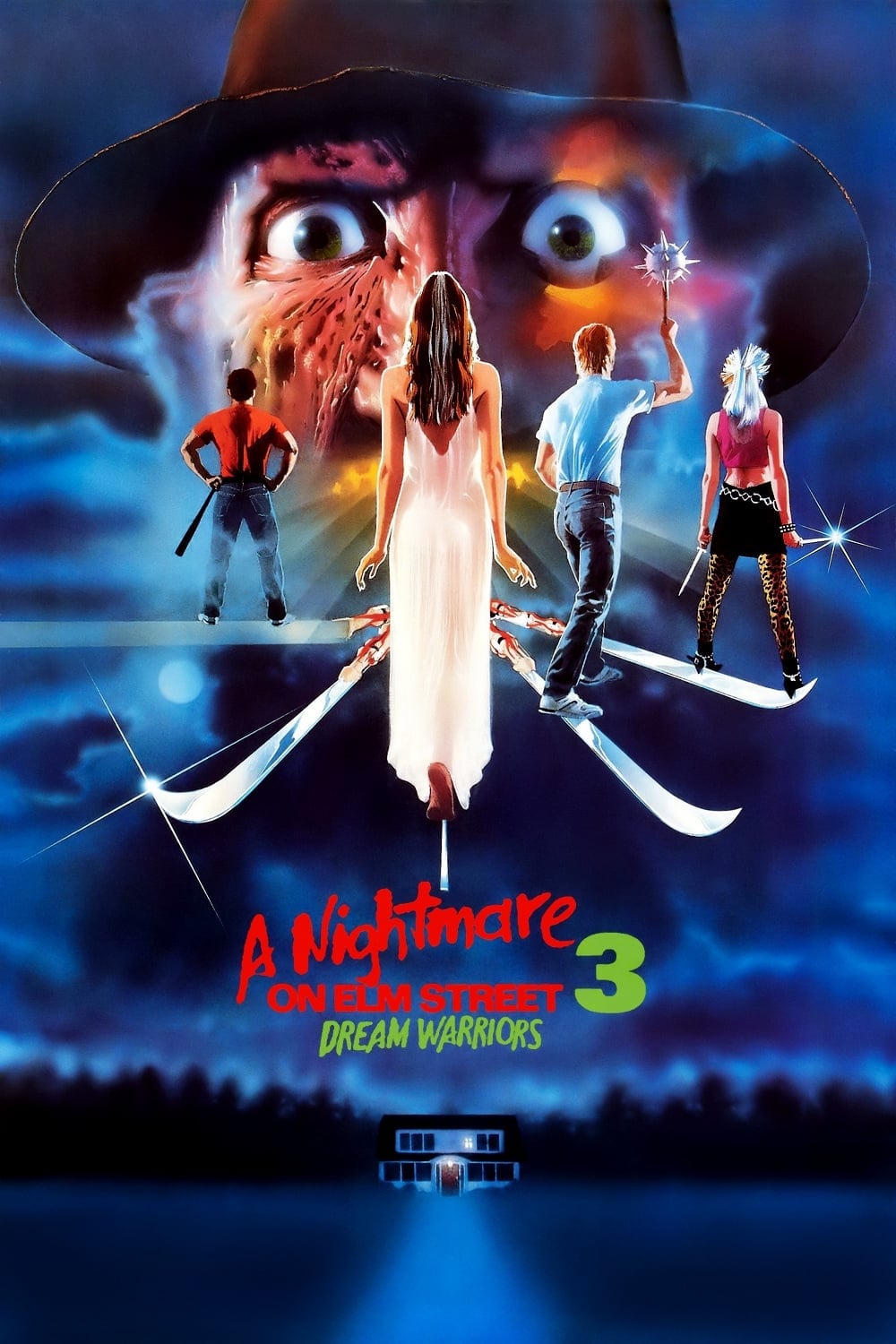
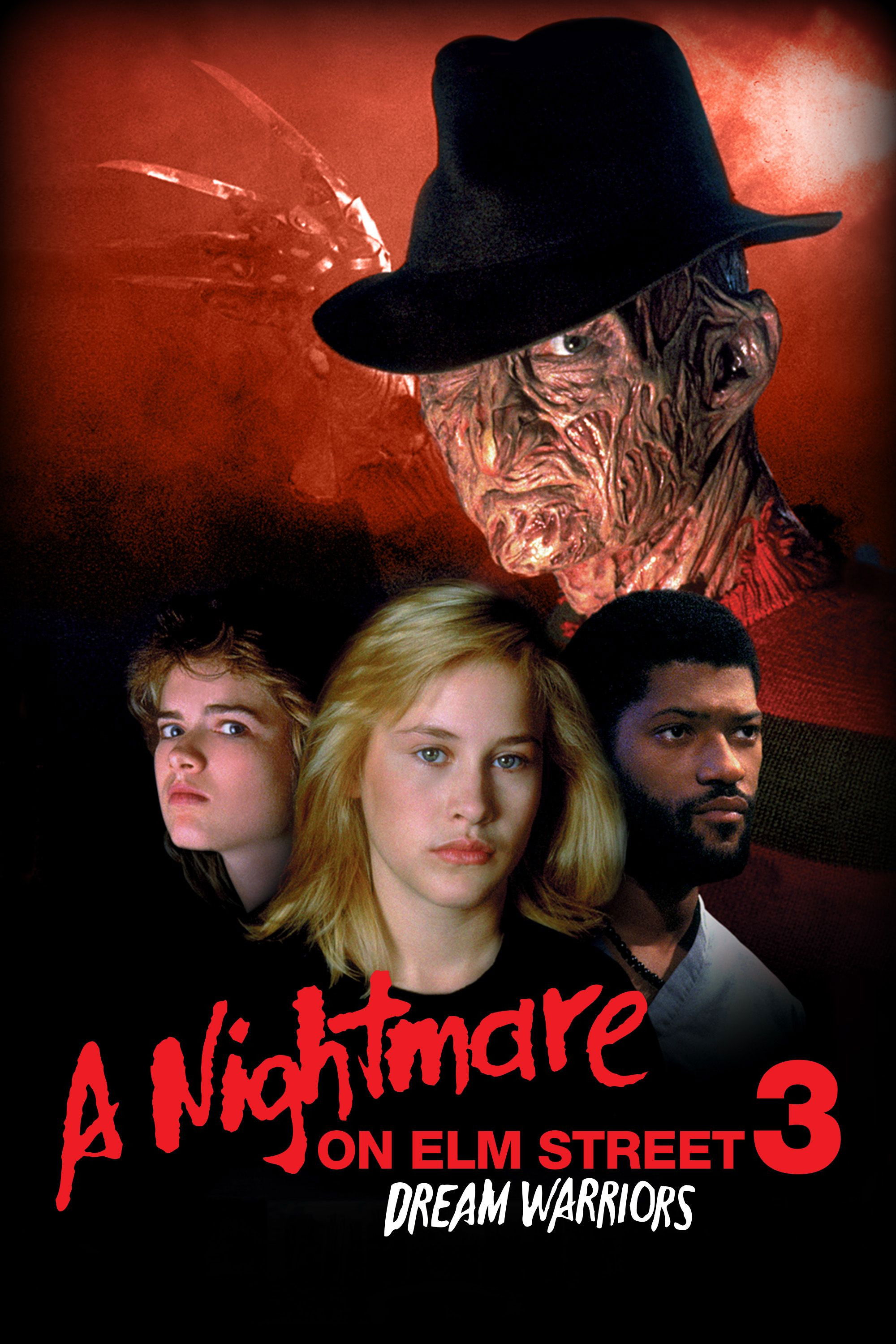
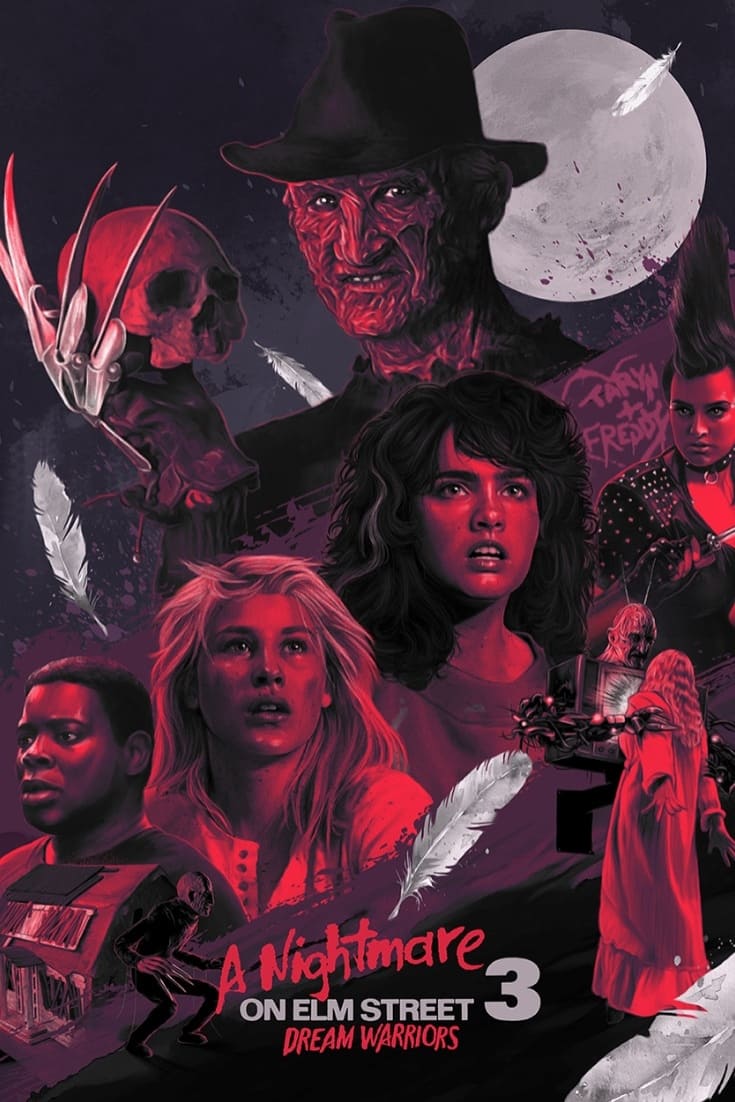
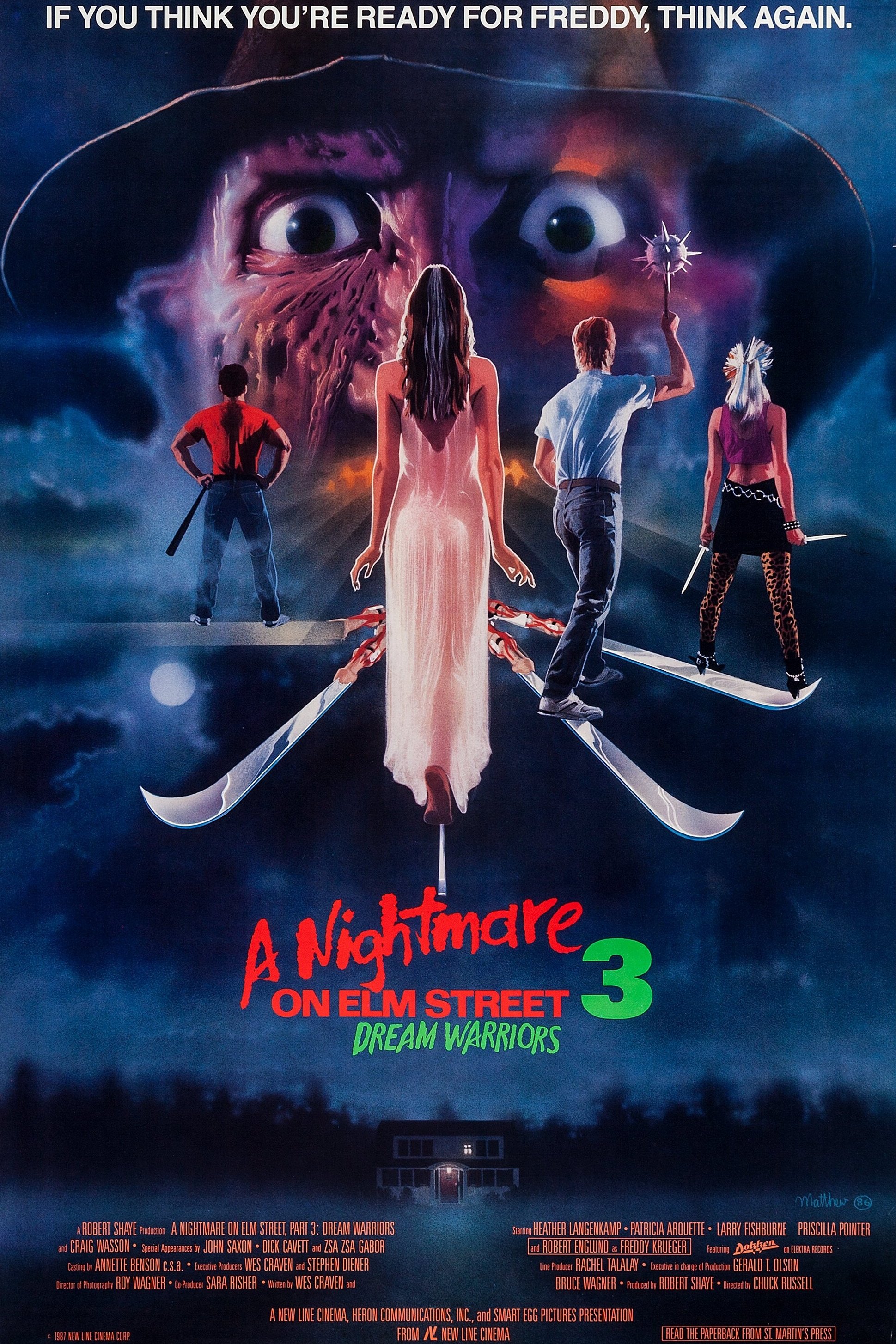
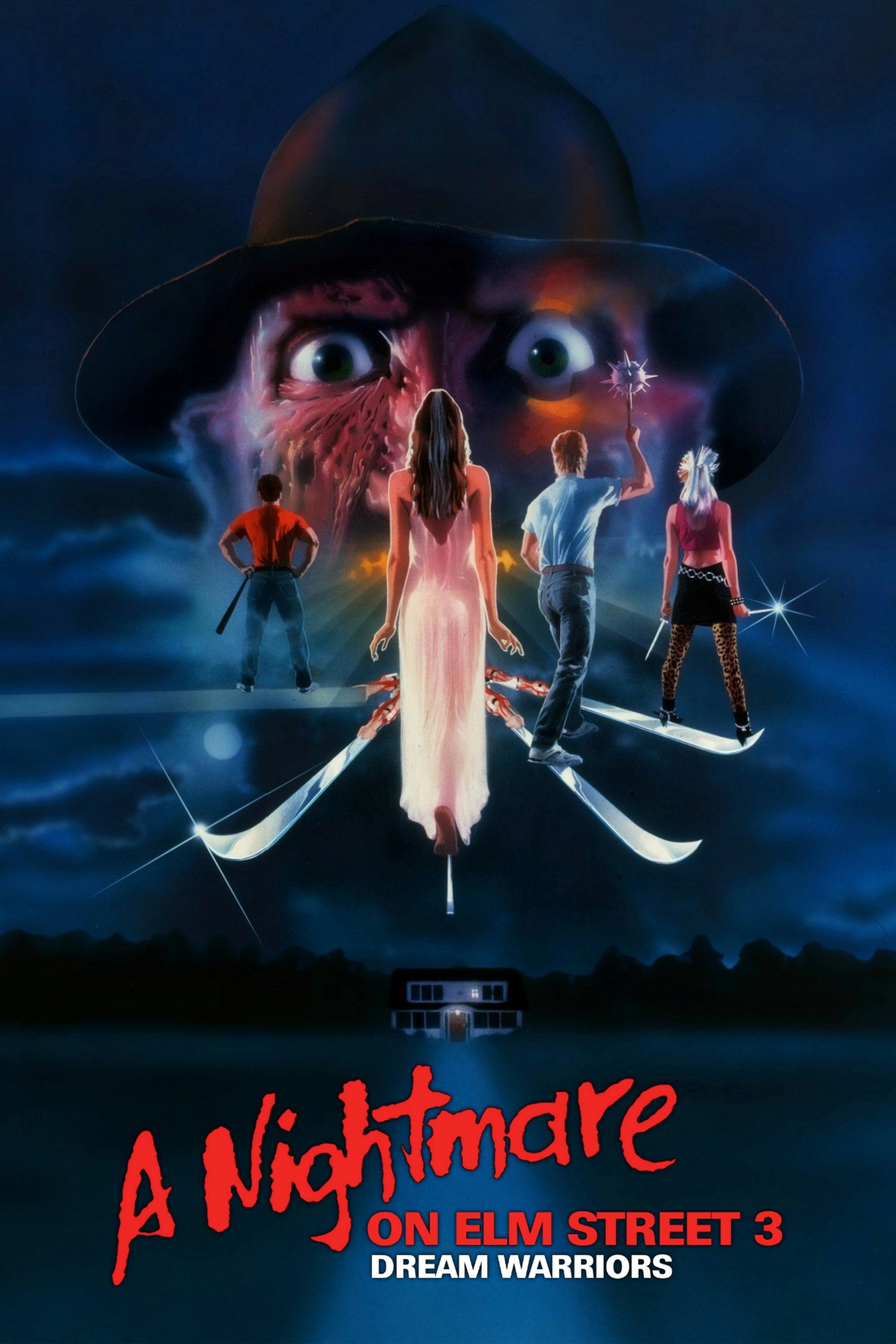
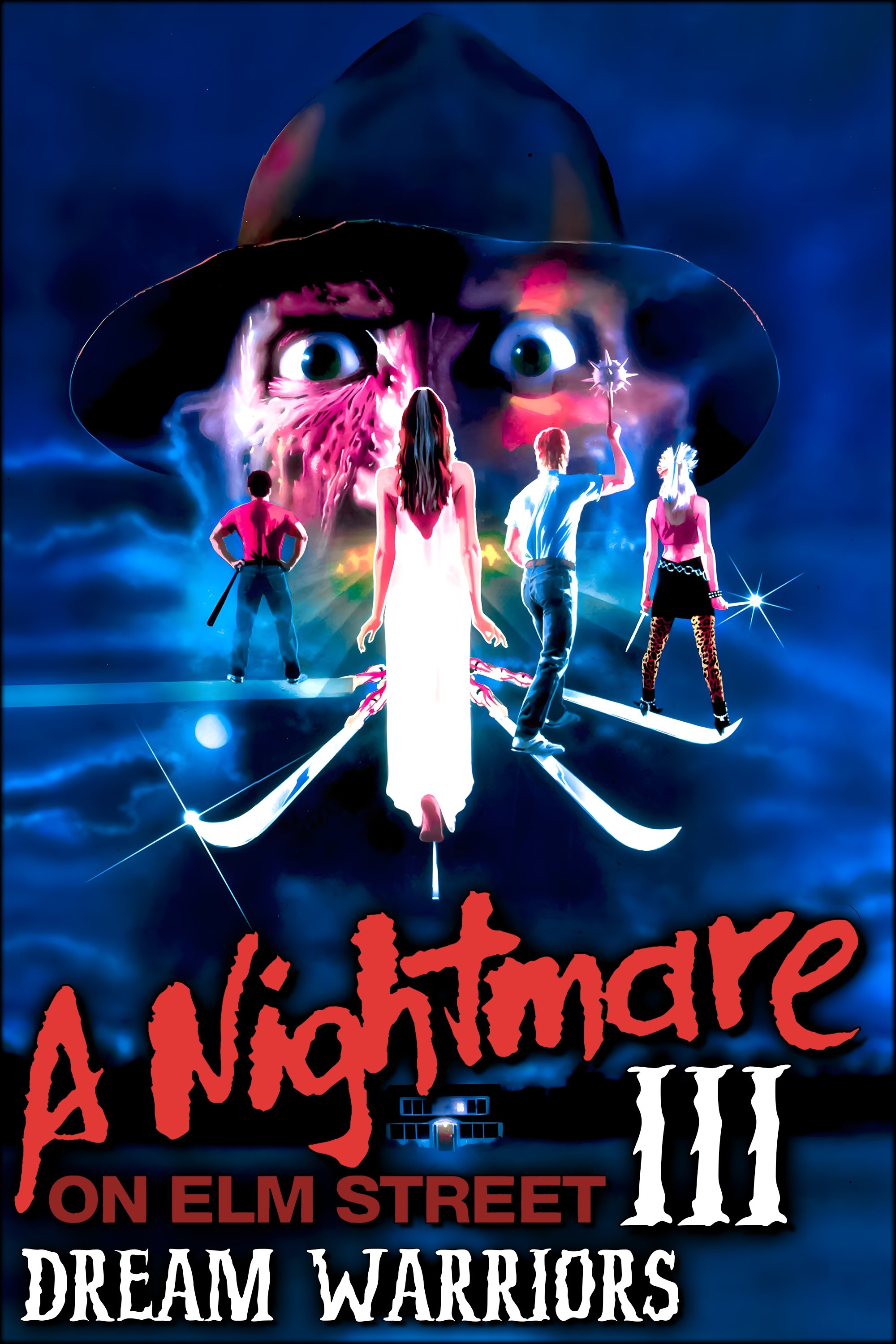
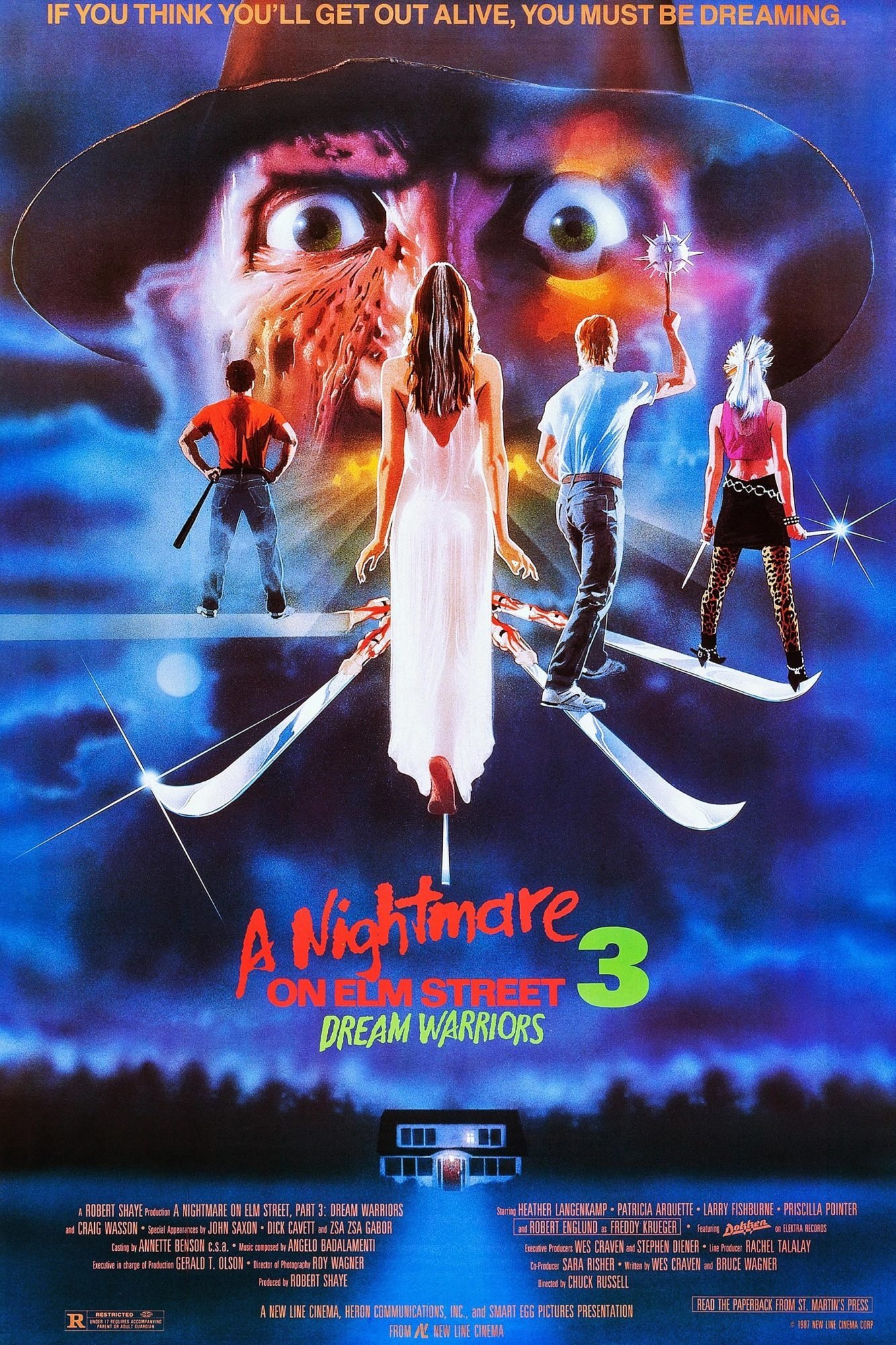
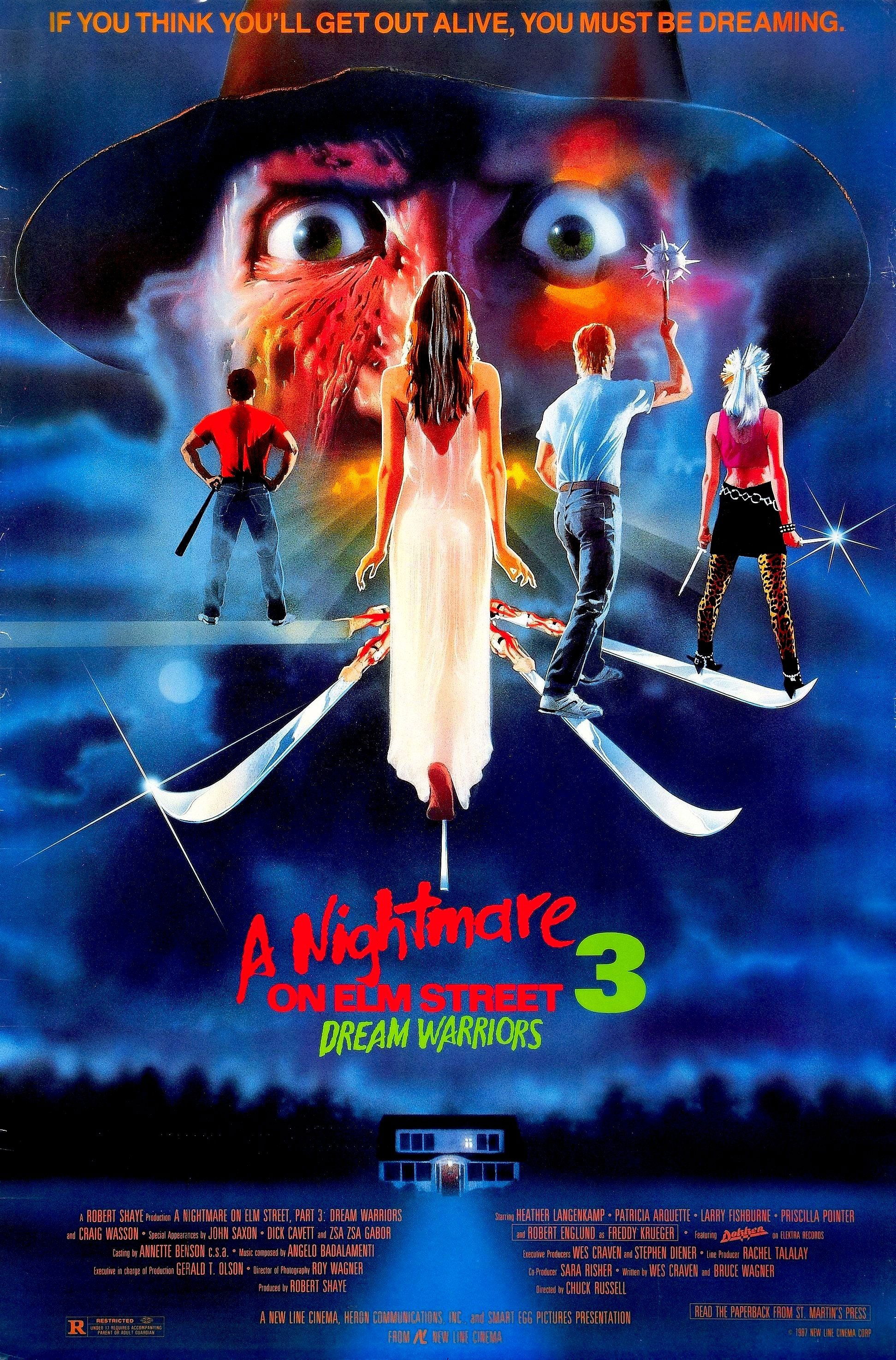
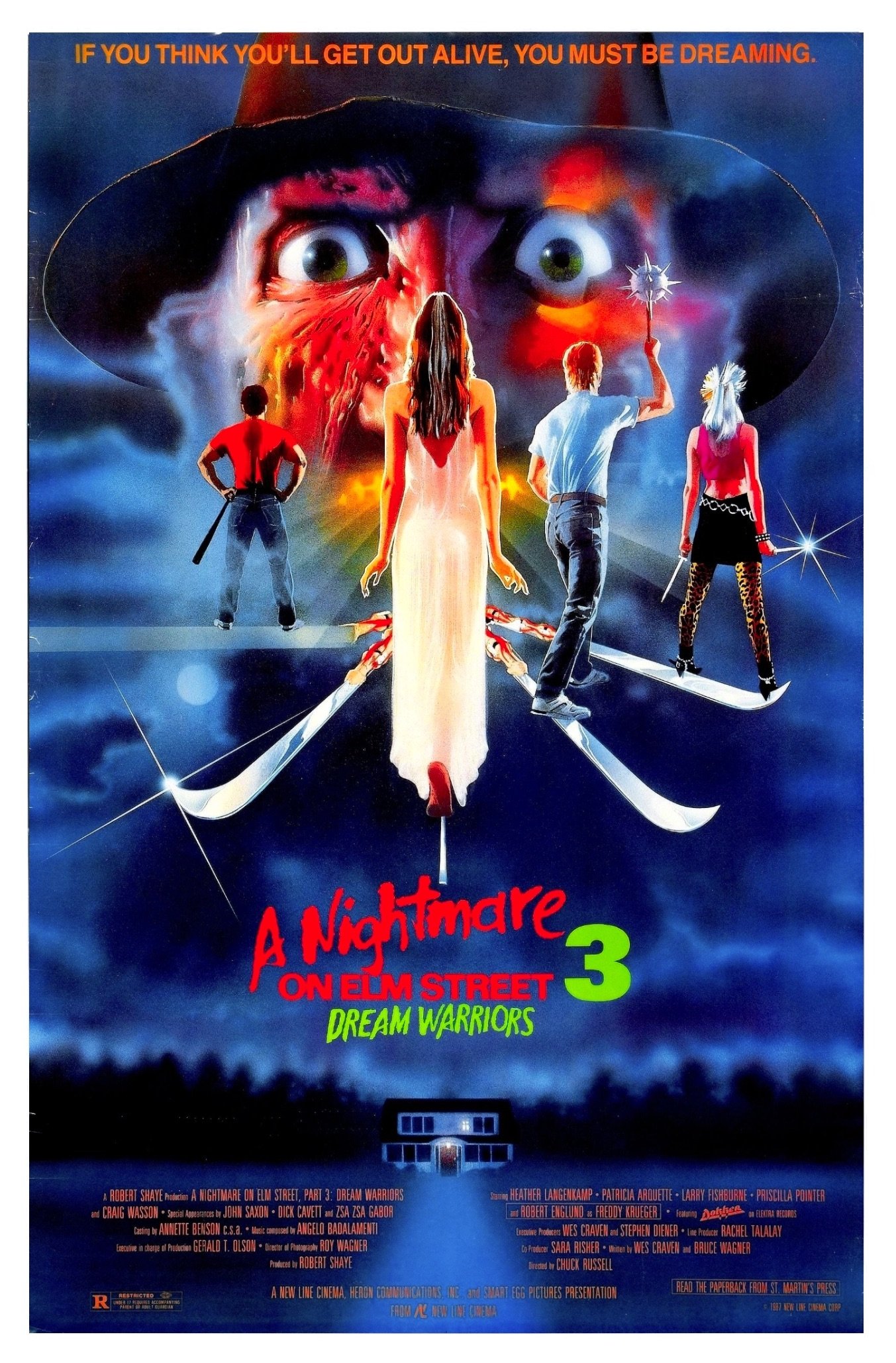
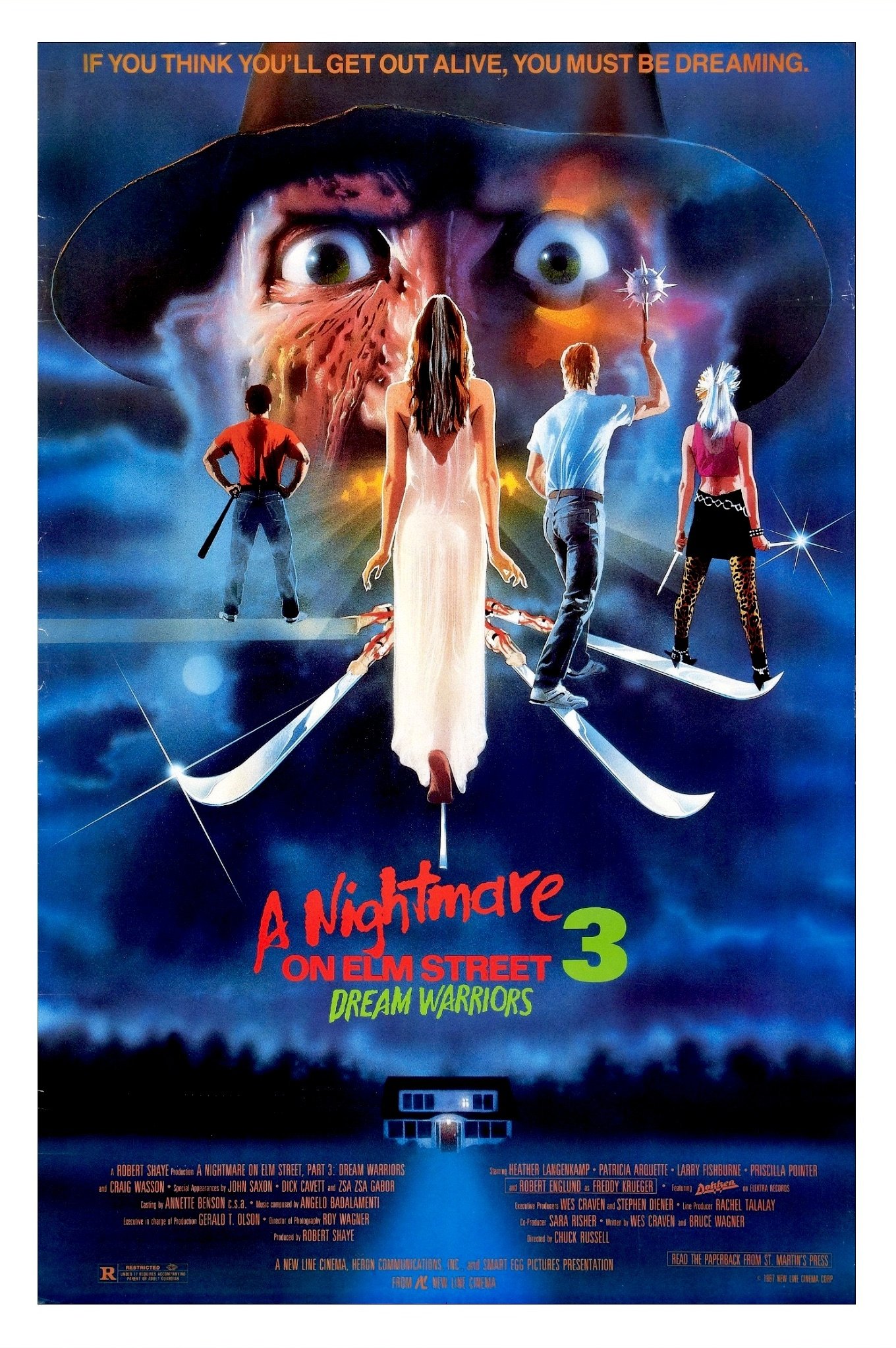
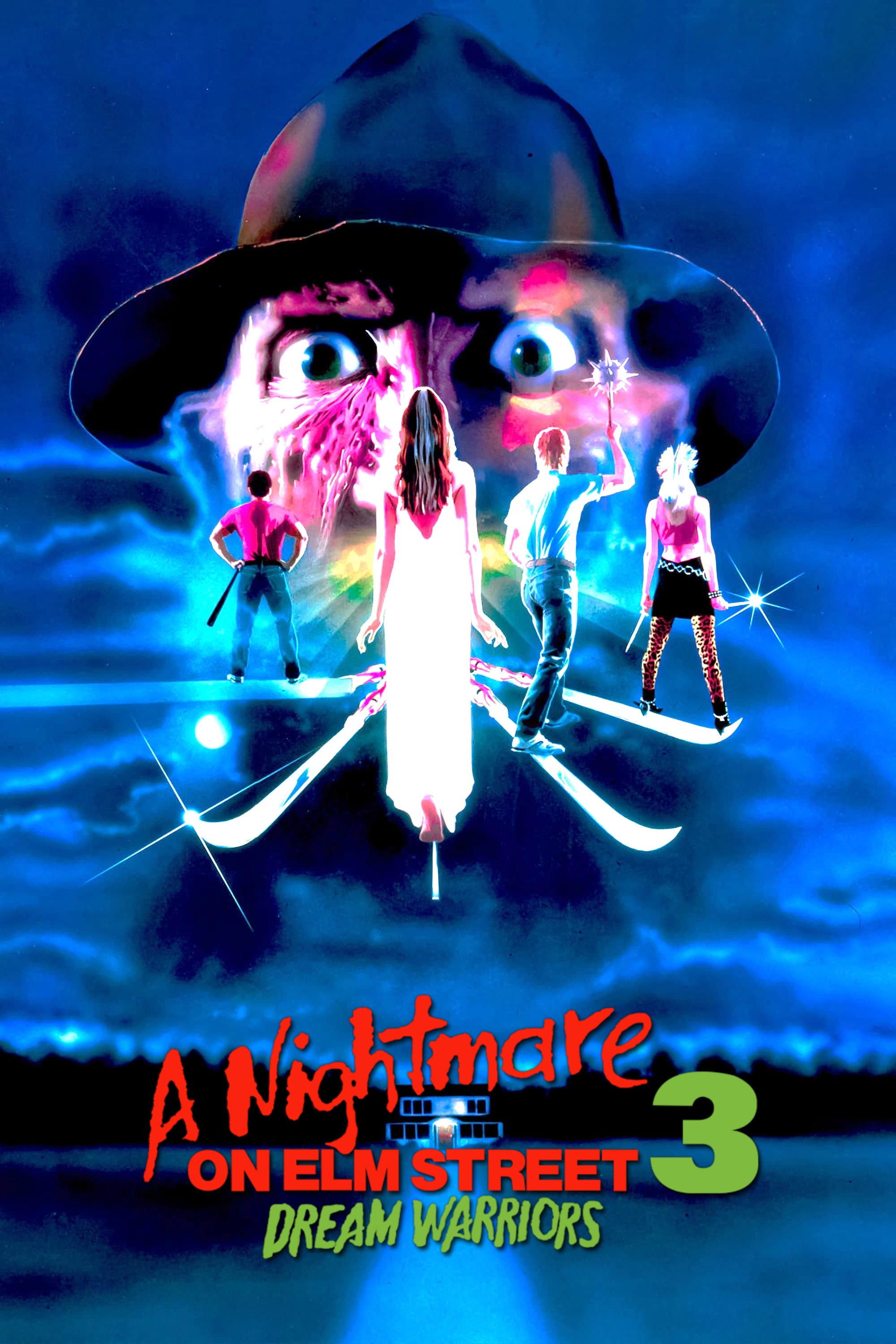
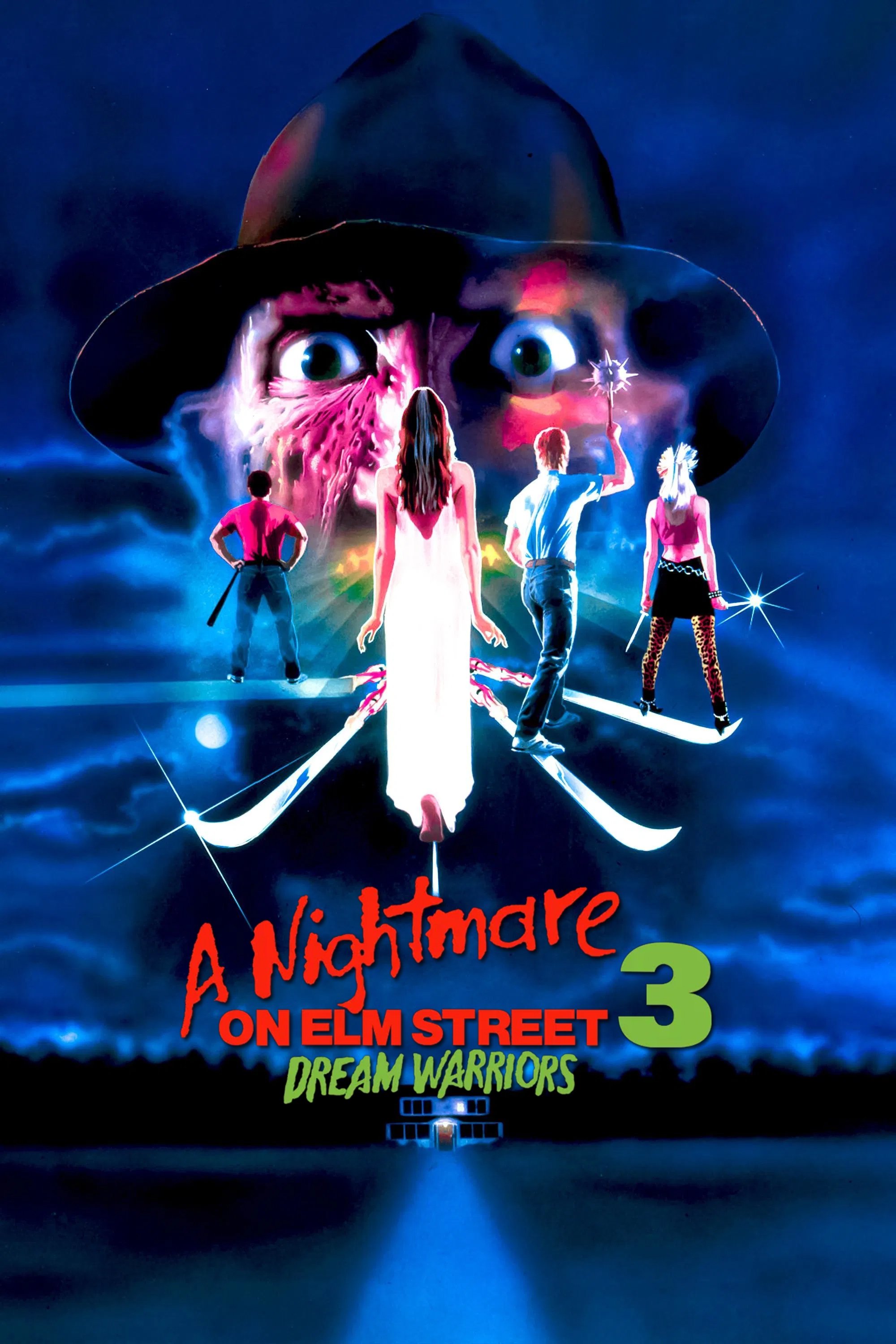
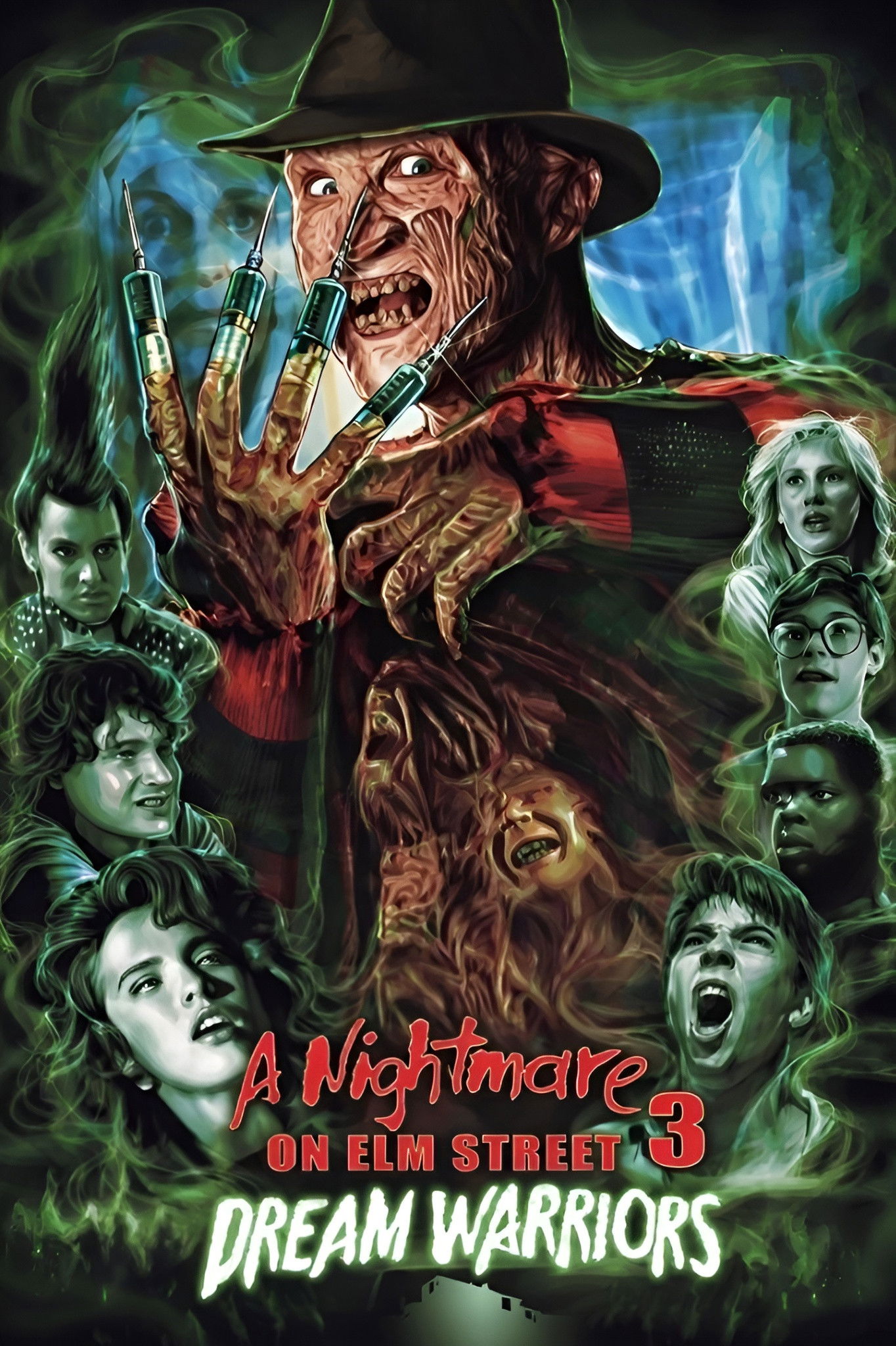
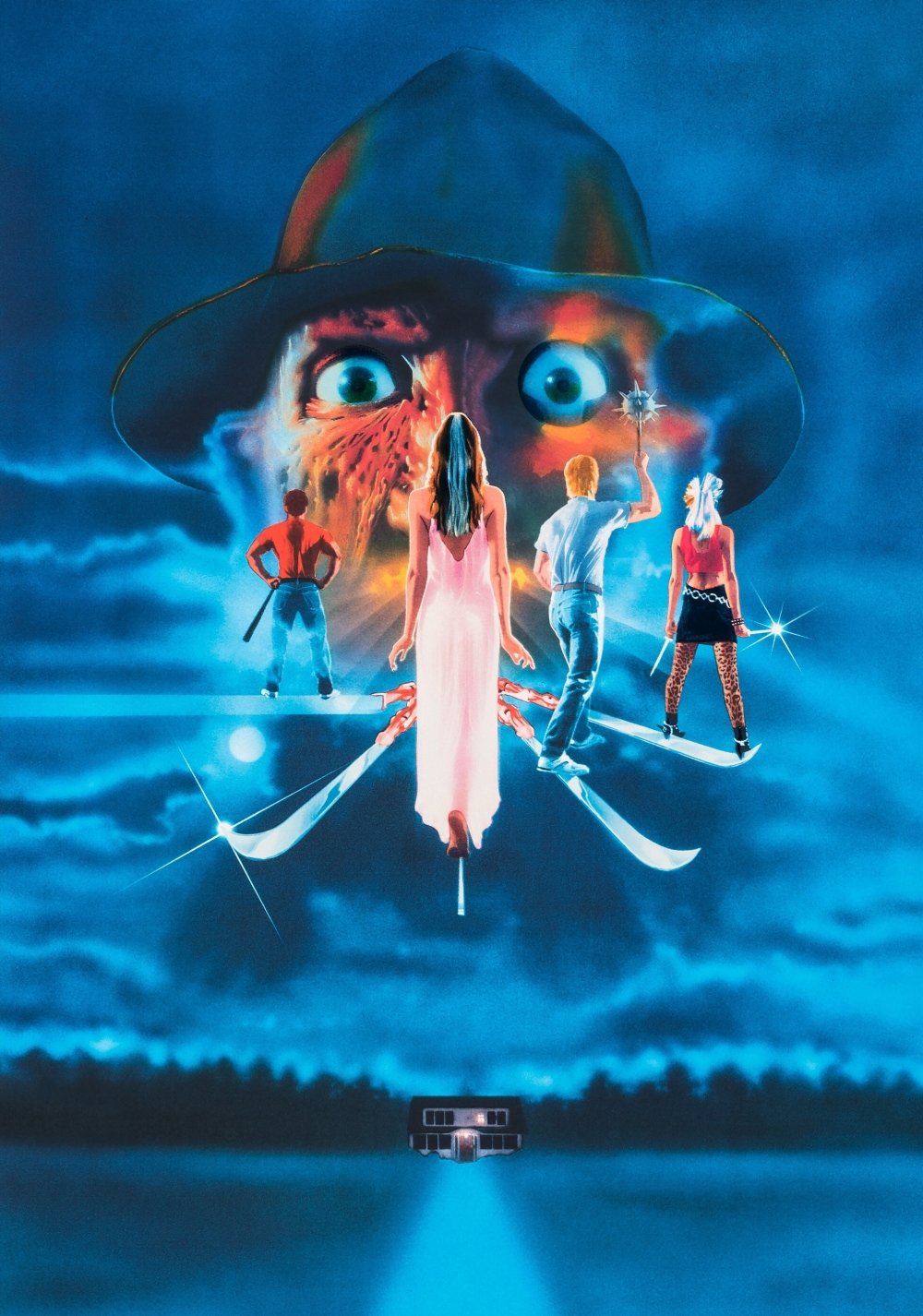
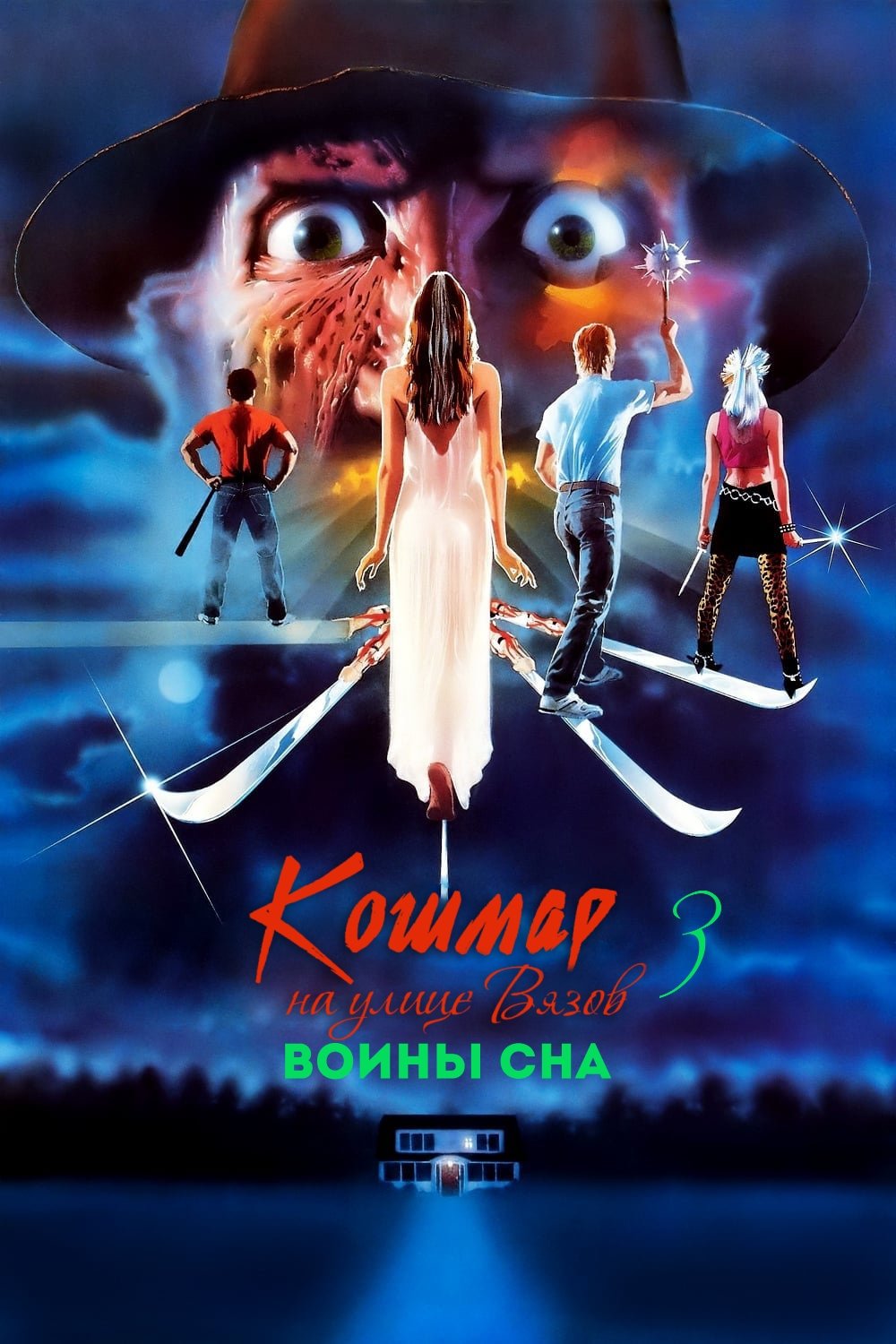
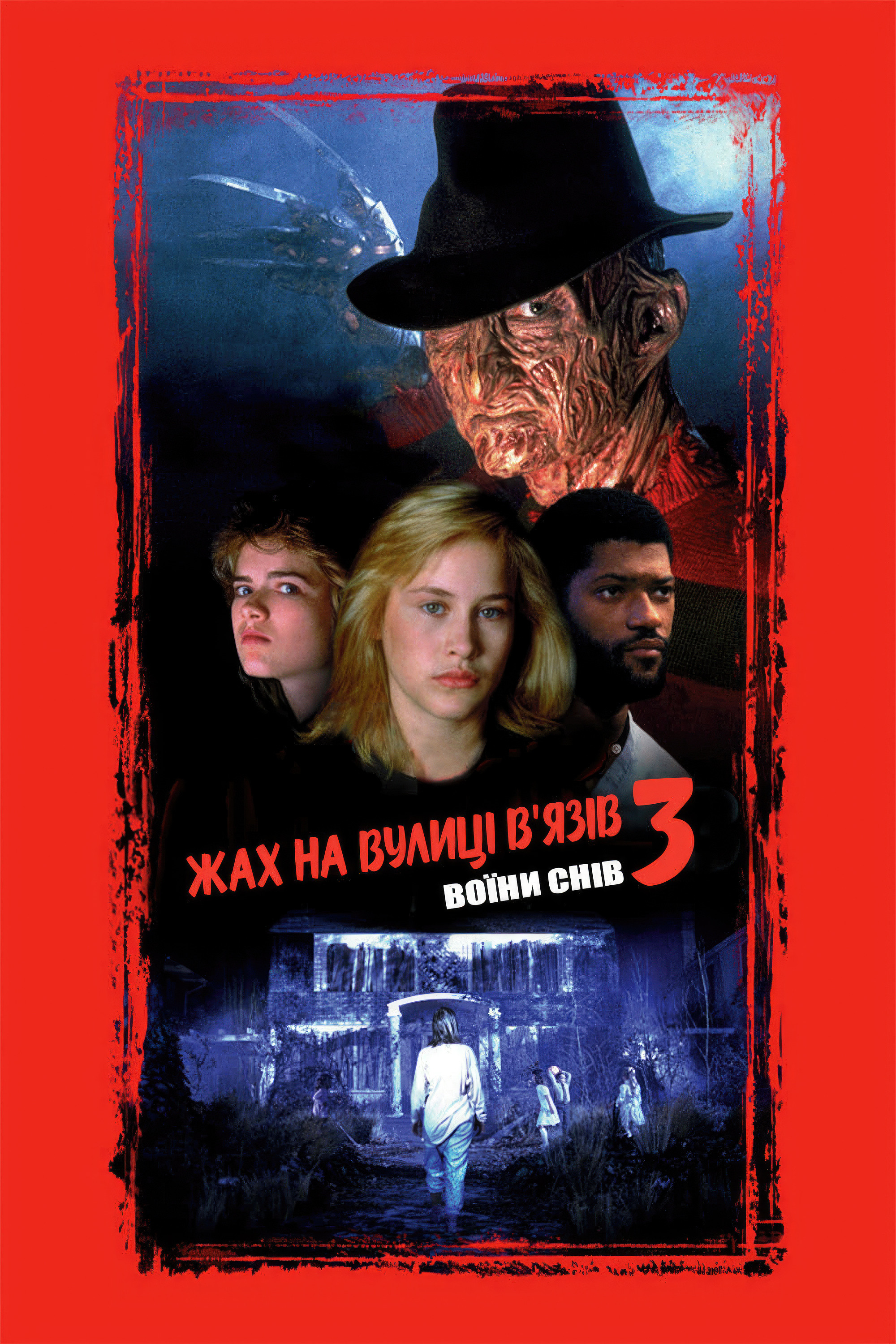
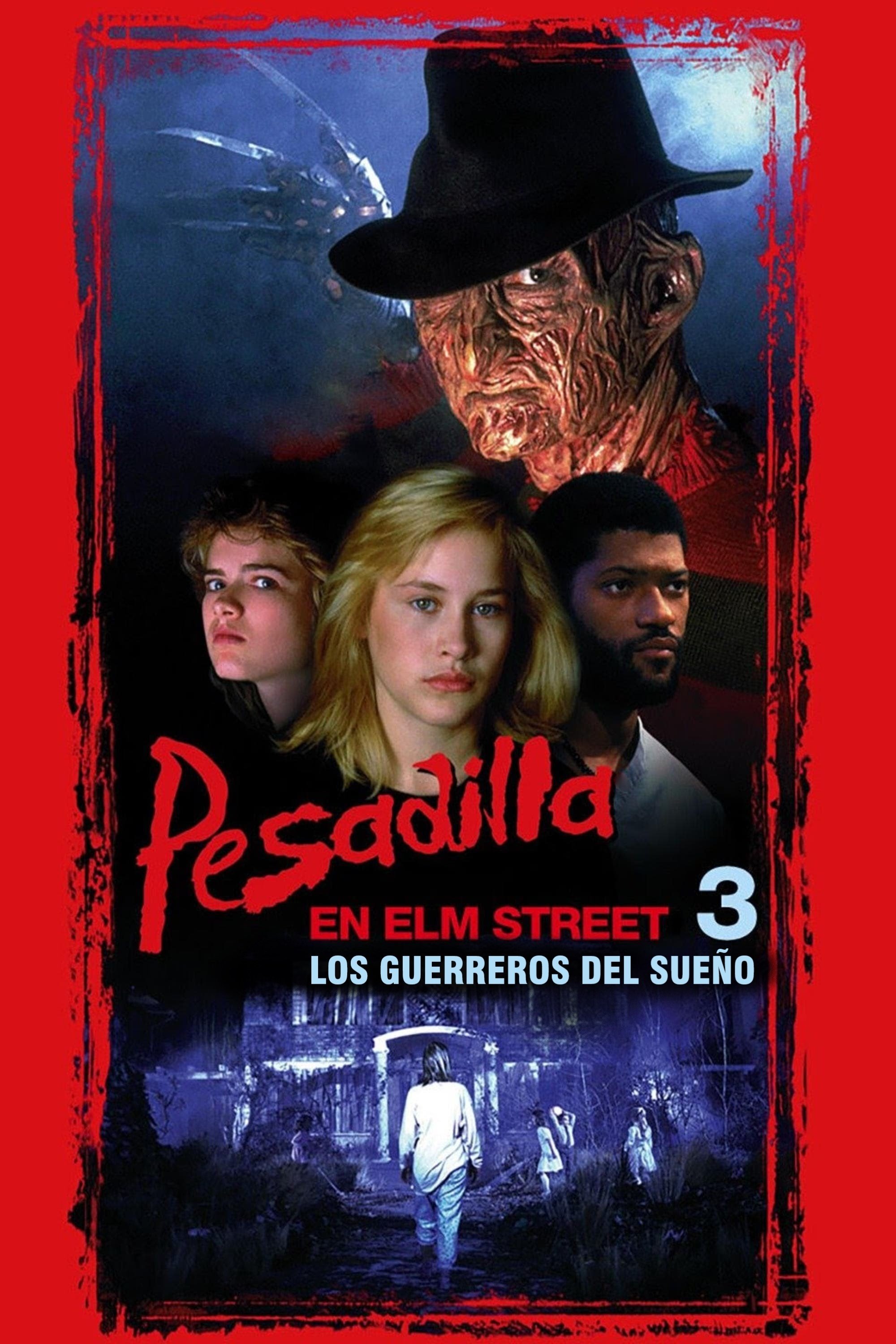
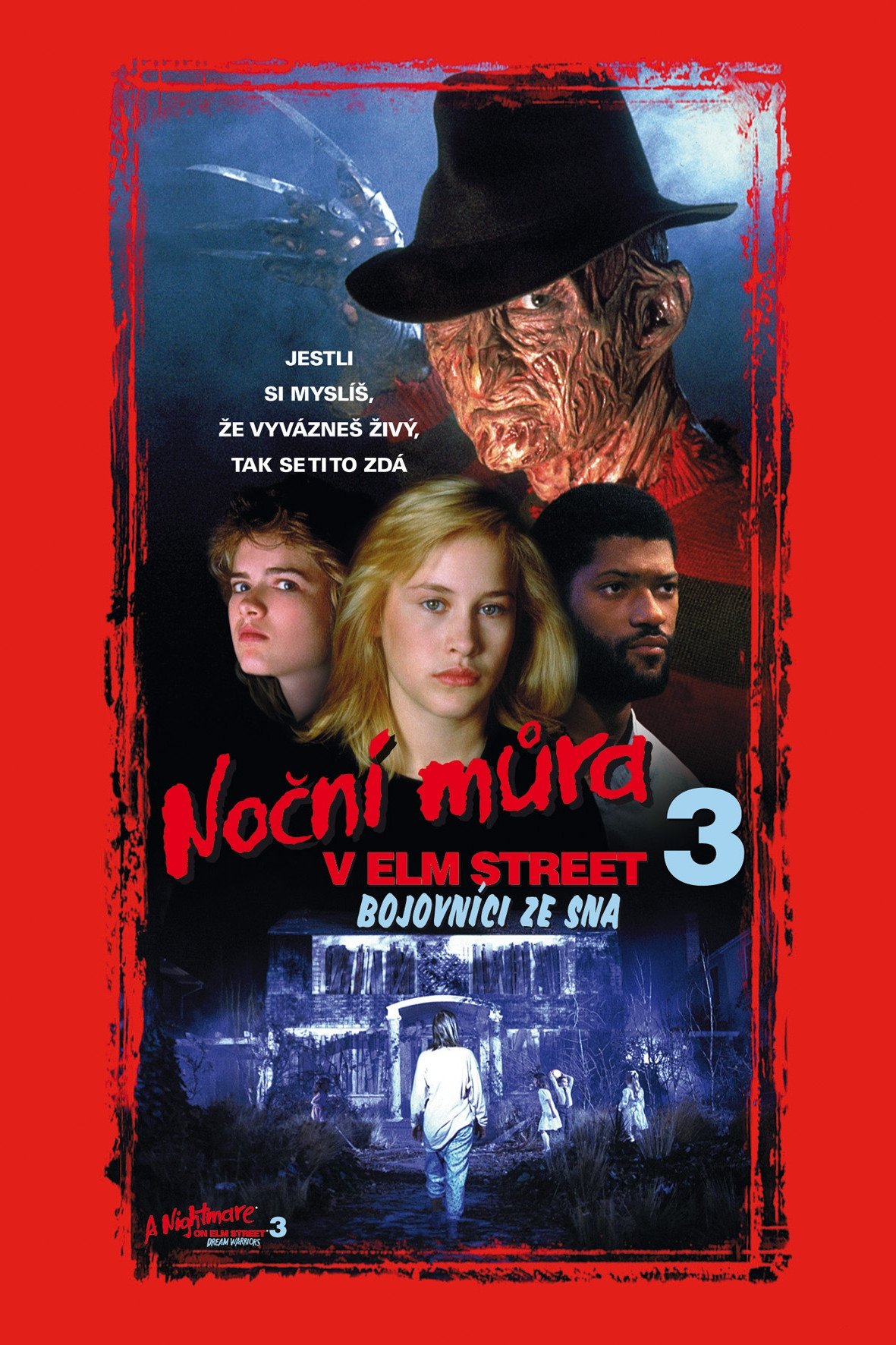
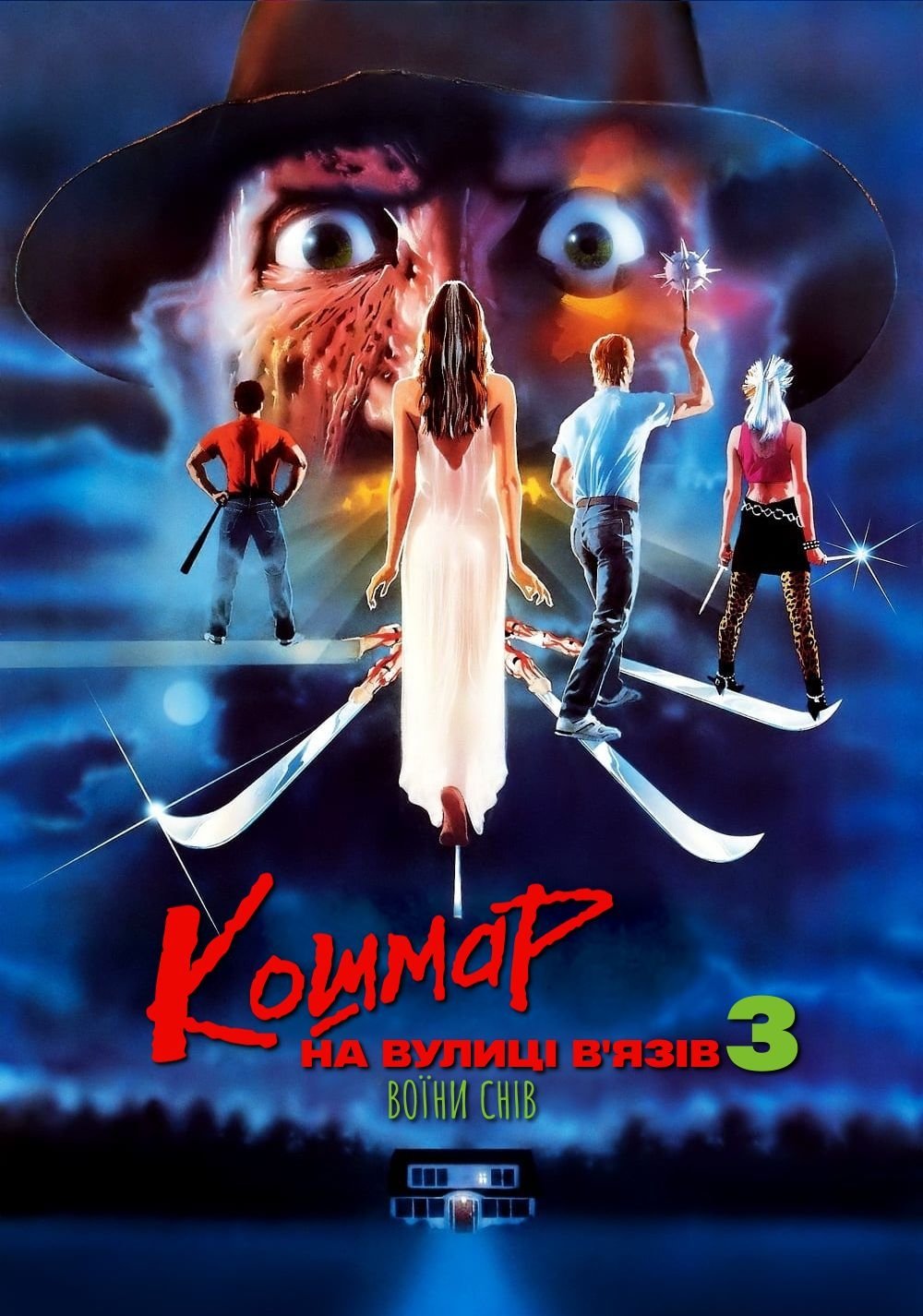
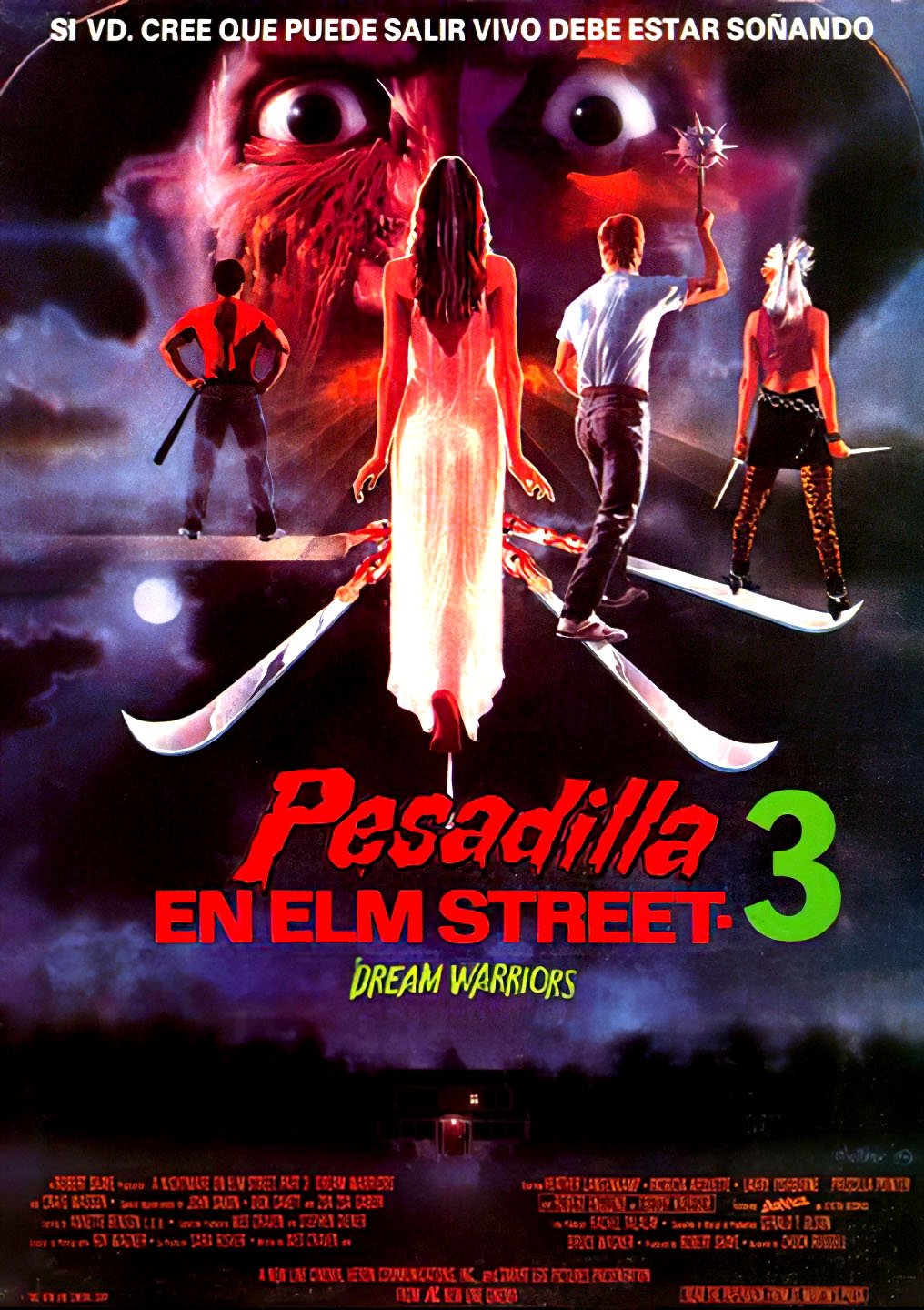
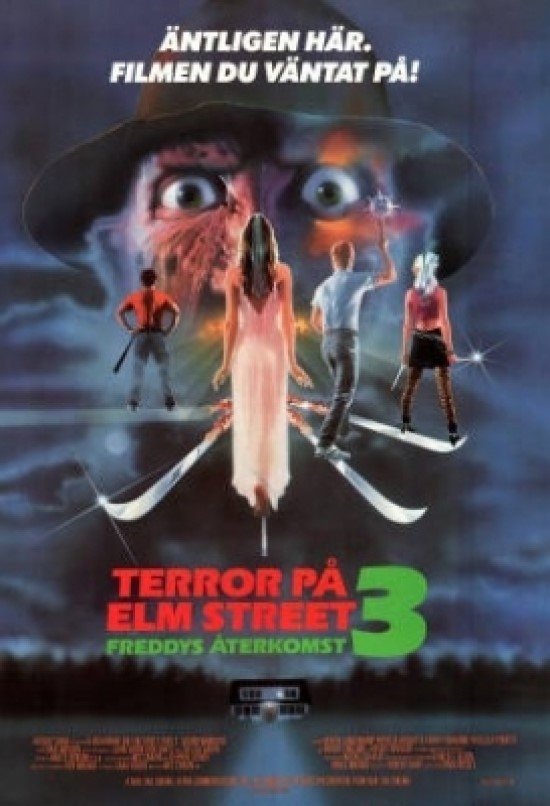
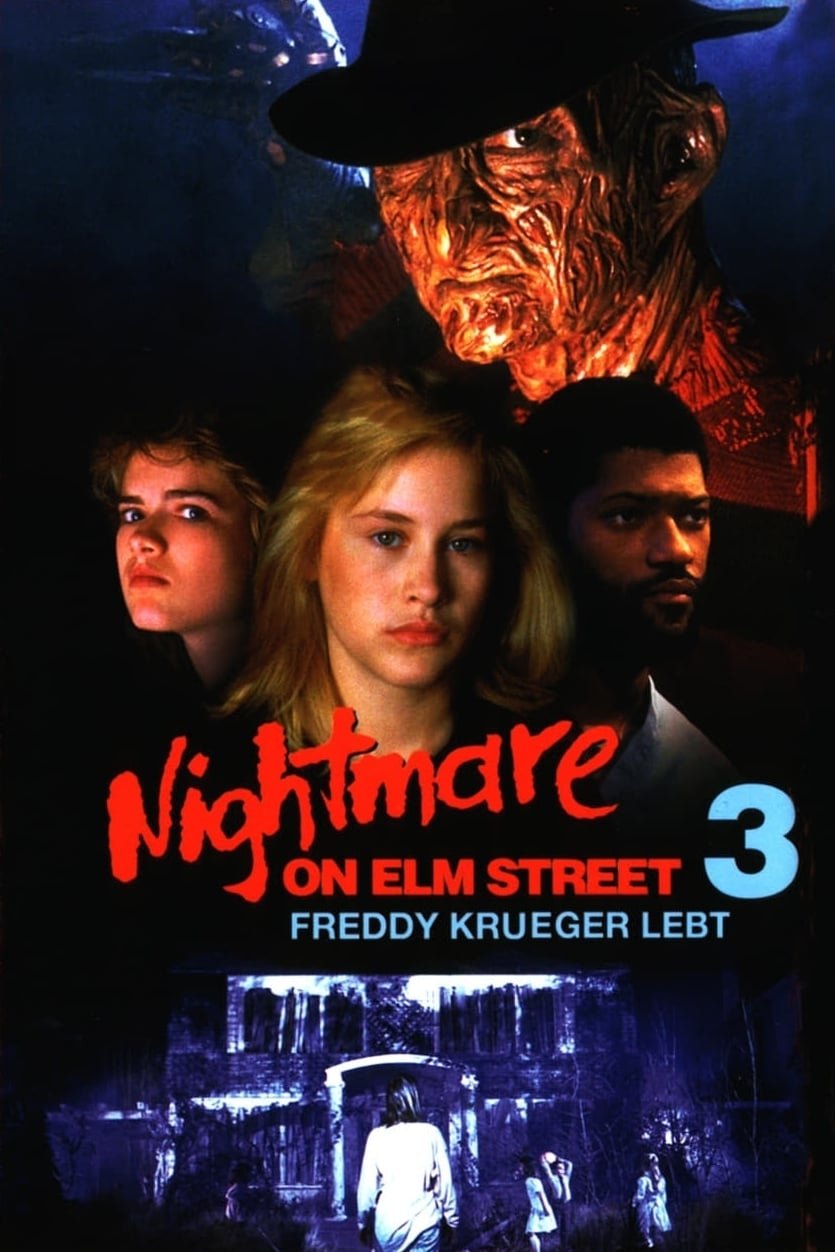
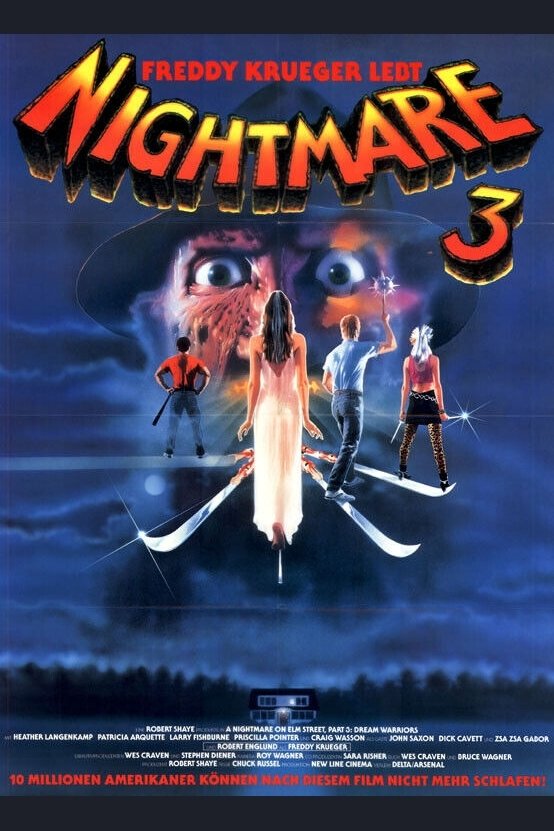
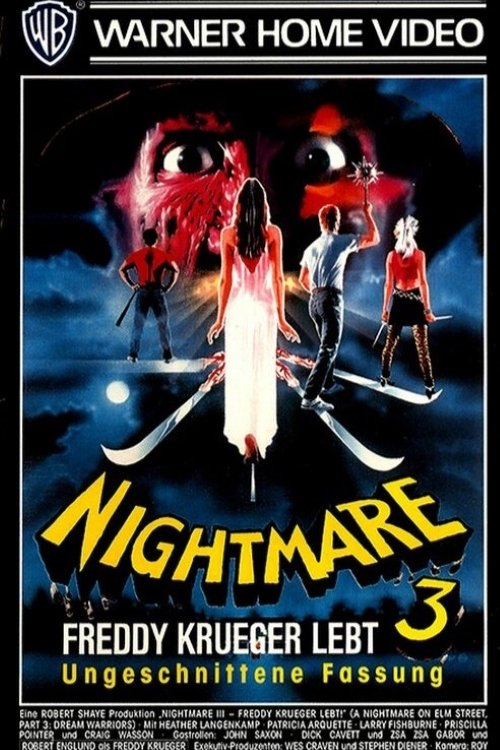
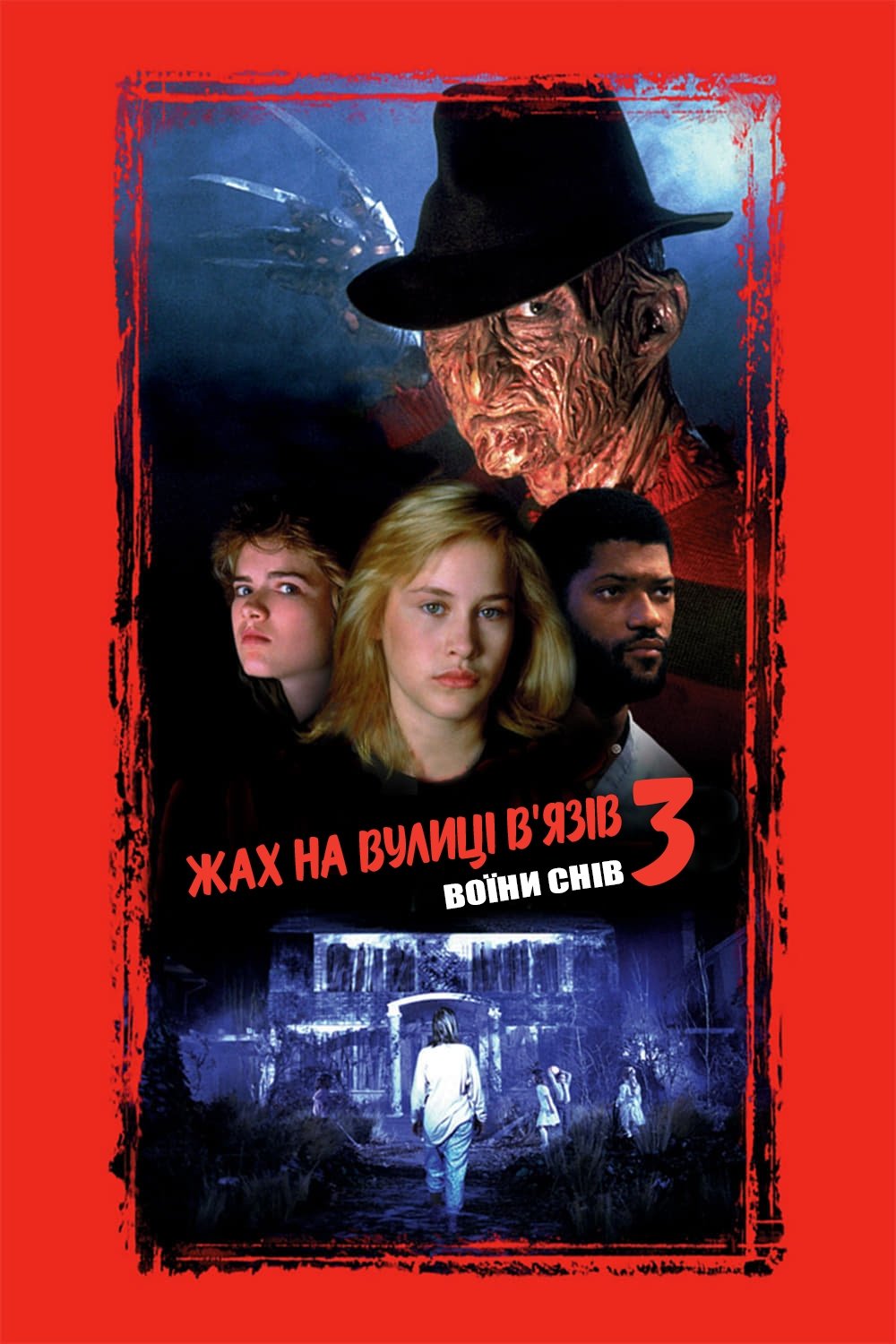
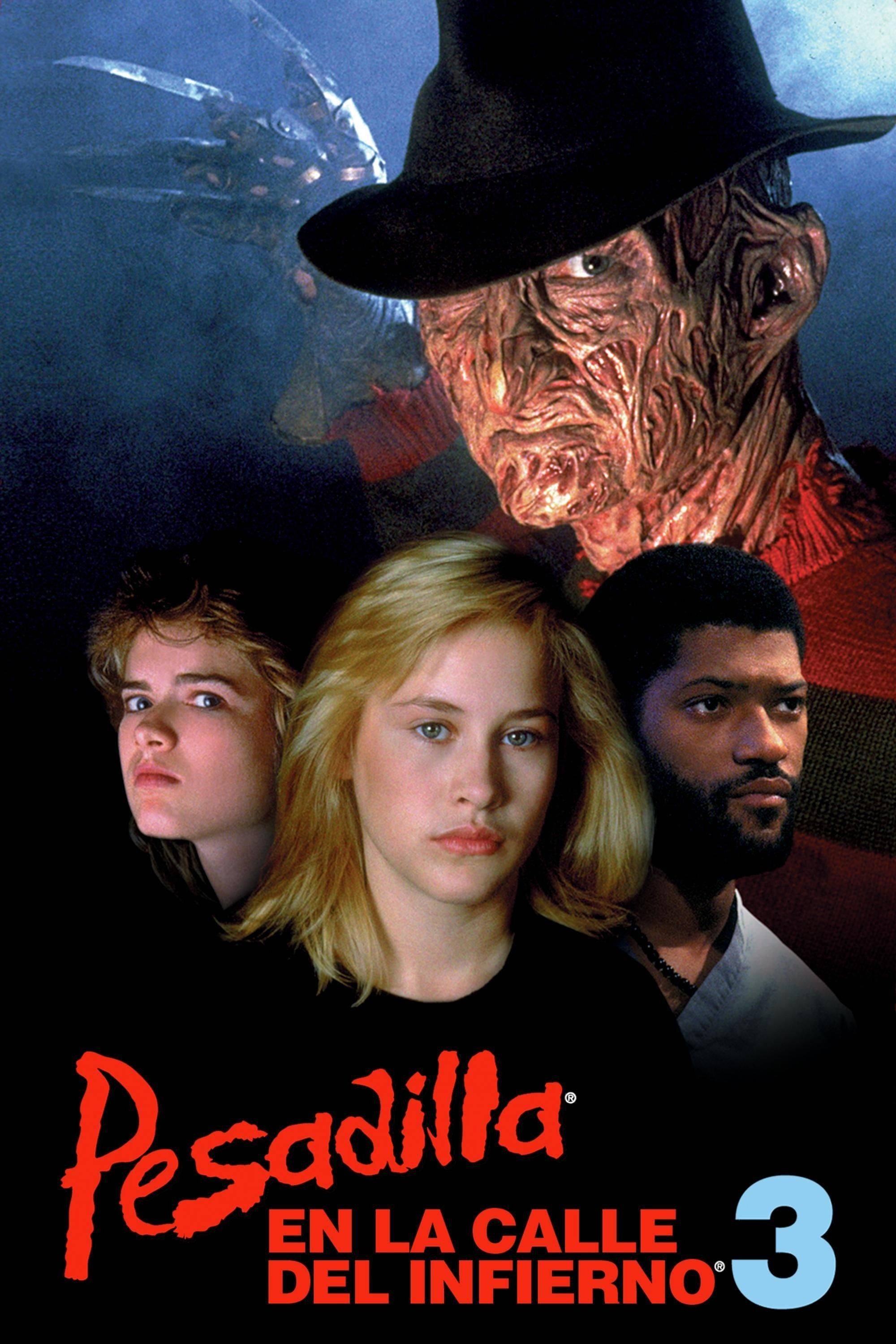
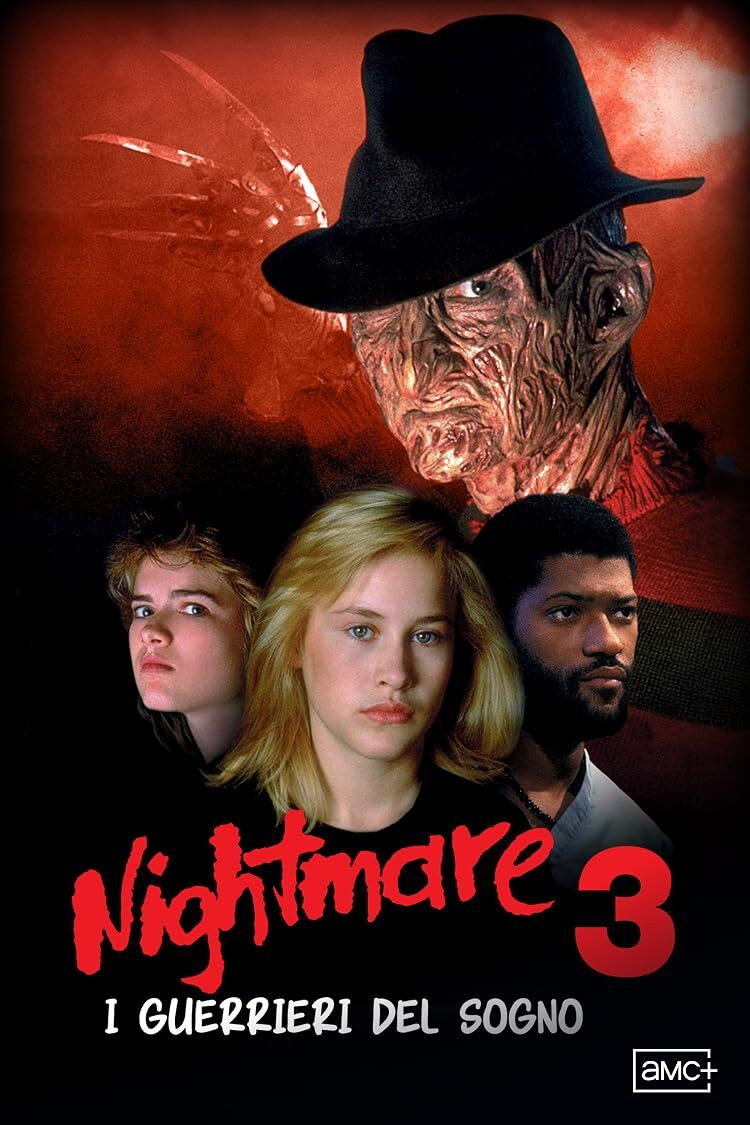
The screenplay links a new institution to the franchise's original family history. Nancy returns with knowledge acquired during her earlier confrontation with Krueger, while the young patients have been isolated by adults who doubt their testimony. Their dreams provide powers linked to self-image and aspiration: Taryn fights with blades, Will imagines himself as a fantasy-game wizard, and Kincaid gains unusual strength. Such abilities do not make the patients invulnerable. The screenplay gives Freddy a different way to turn individual hopes against their owners, preserving the lethal uncertainty of sleep even after the group learns to cooperate.
The Hospital, Nancy and Collective Survival
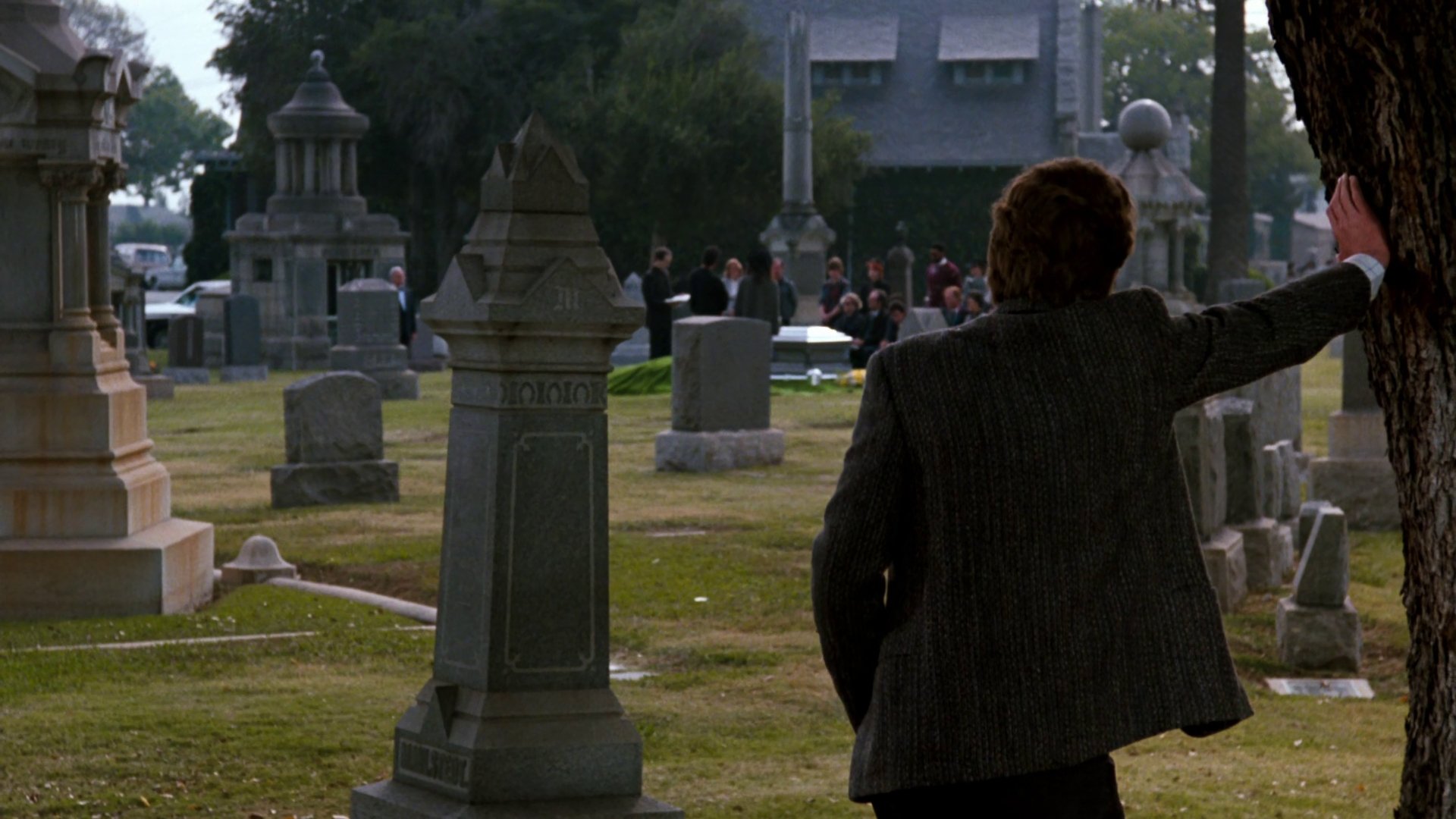
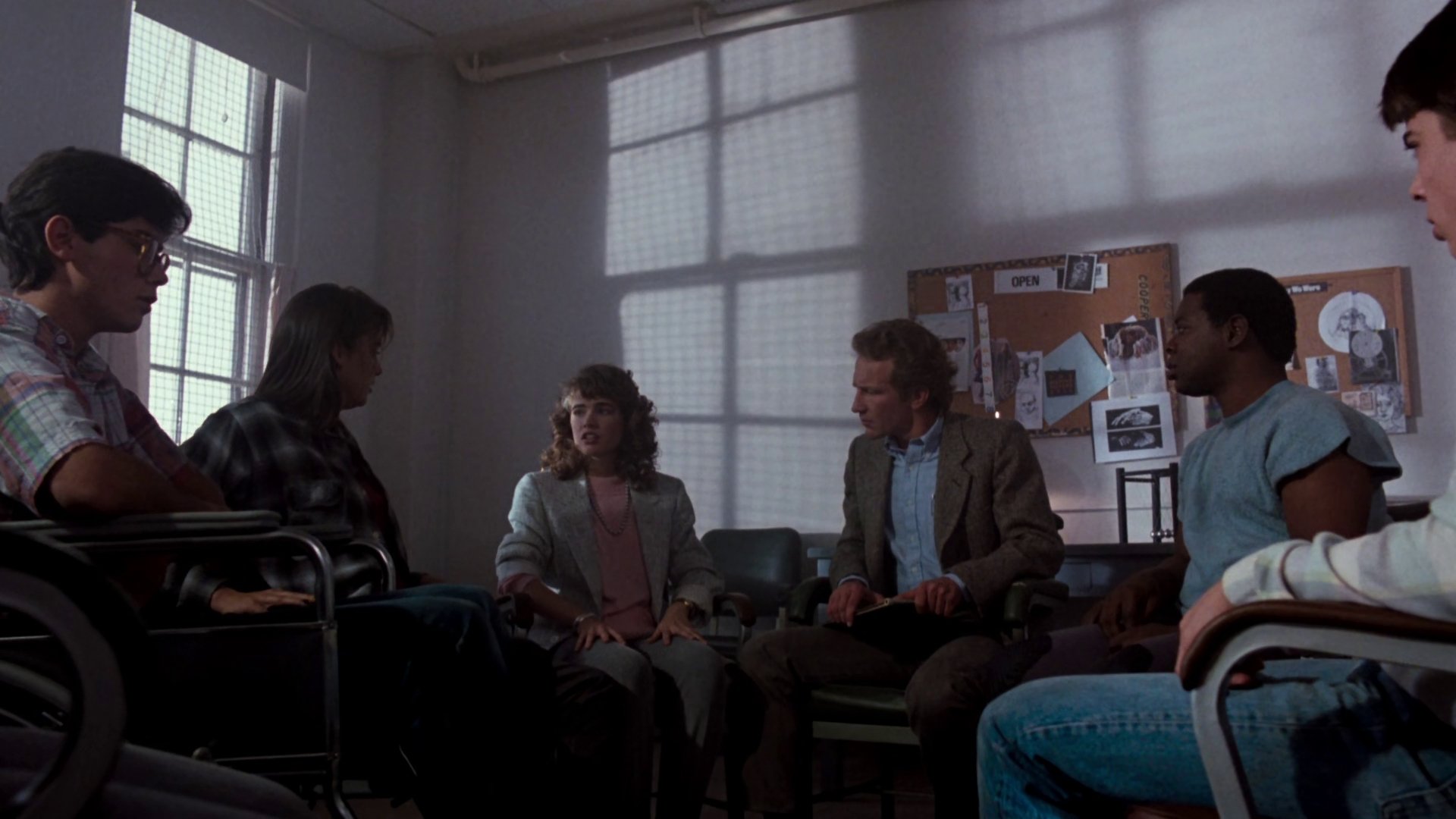
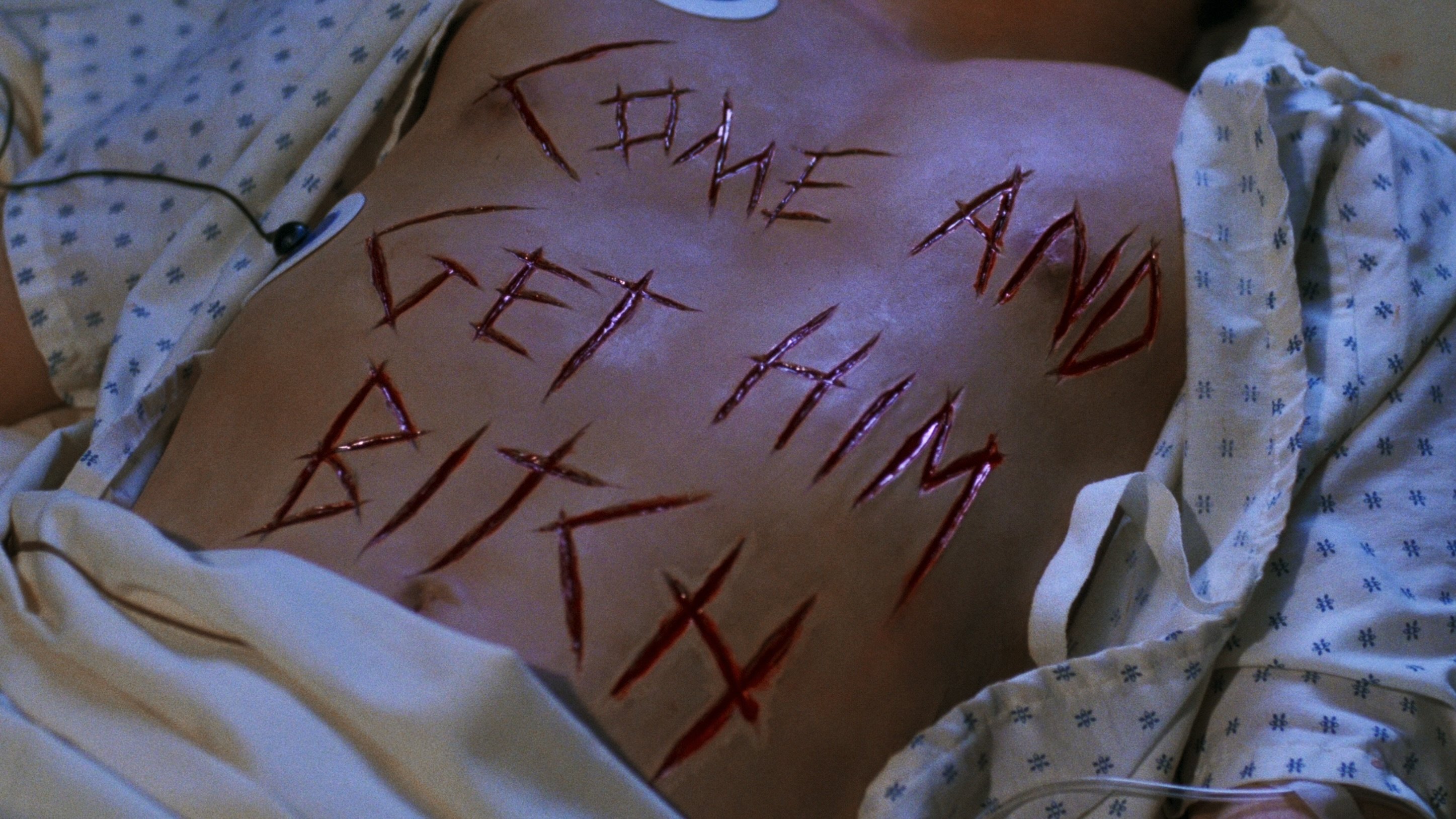
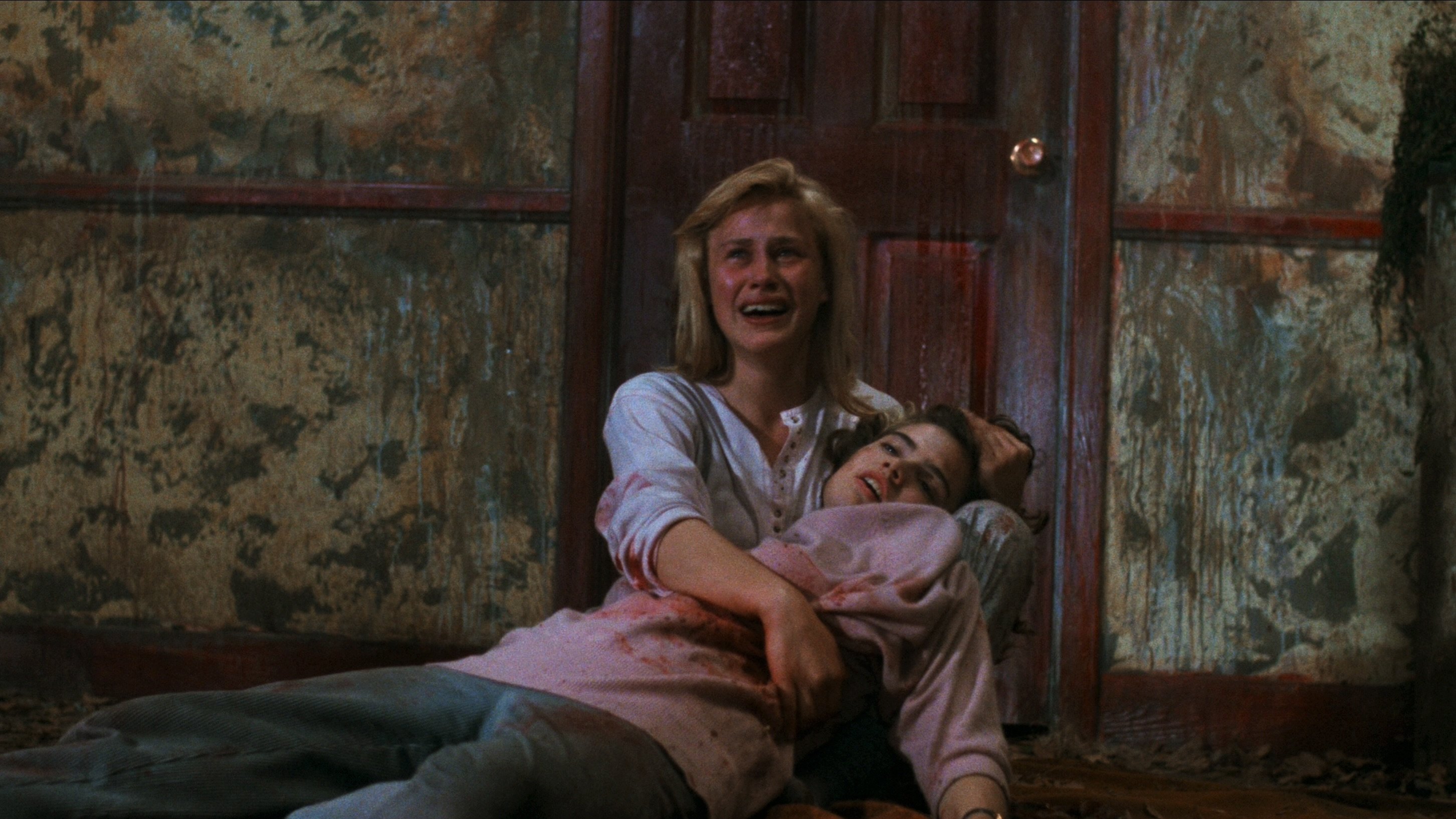
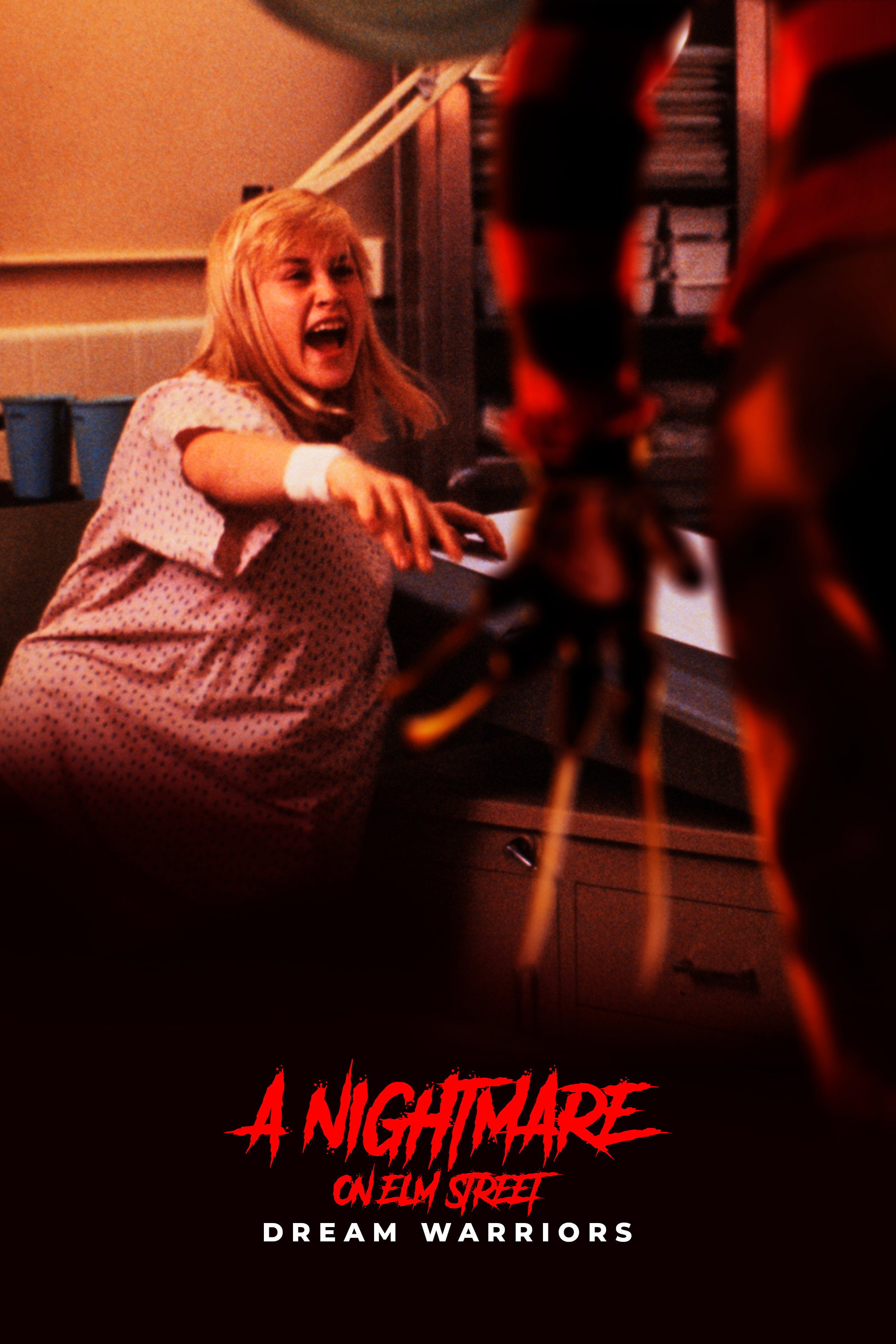
Westin Hills Psychiatric Hospital supplies a setting in which sleep itself becomes a contested medical problem. Kristen Parker's mother interprets injuries associated with a nightmare as evidence of self-harm, and the institution receives other young people with equally alarming symptoms. Dr. Neil Gordon begins as a conventional physician looking for a plausible diagnosis. His gradual willingness to listen creates an alternative to the dismissive attitudes that trap the patients. The horror rests partly on the difference between what the audience knows and what authority figures can accept: ordinary treatment cannot protect people whose dreams expose them to physical attack.
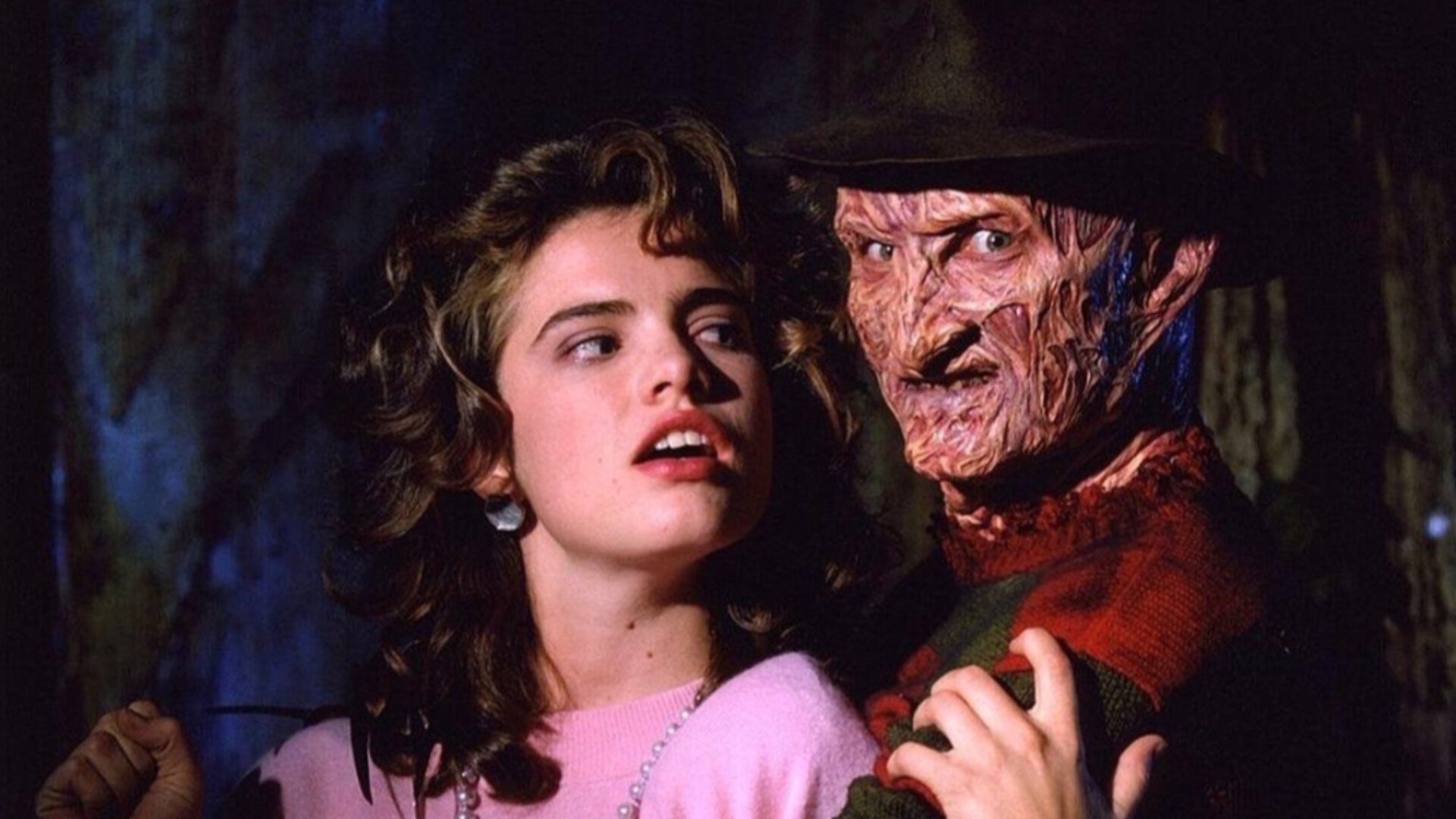
Nancy's new role alters the pattern established in the 1984 film. She is an adult ally who understands that the patients' fear is justified, yet her presence does not guarantee their safety. Her familiarity with Krueger creates access to knowledge that the hospital lacks, including the suggestion that suppressing dreams may interrupt his attacks. Kristen's ability to draw someone else into a nightmare extends that knowledge into a practical form of group action. These episodes produce suspense from the act of organizing resistance, as well as from the threat posed to each isolated sleeper.
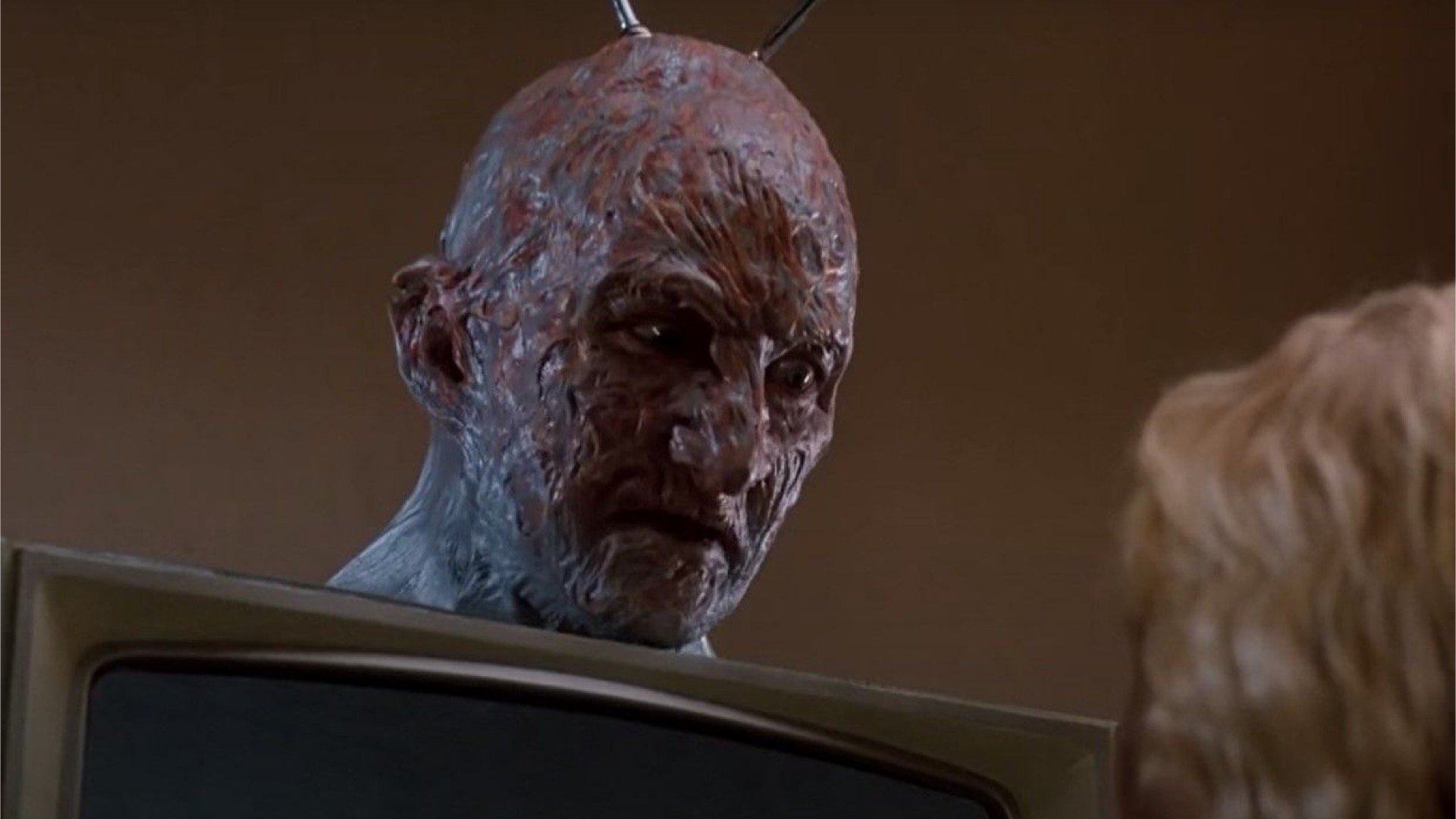
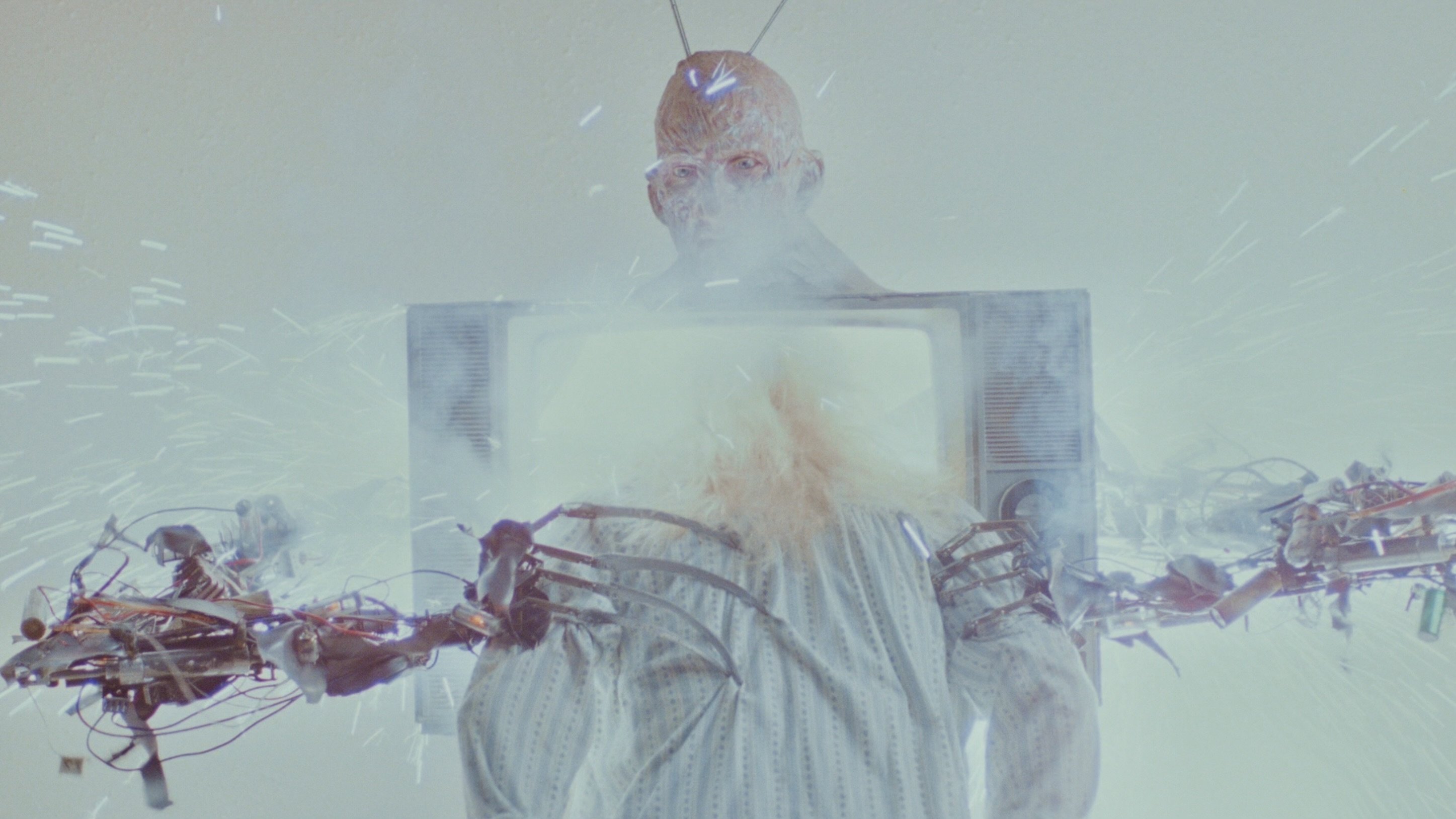
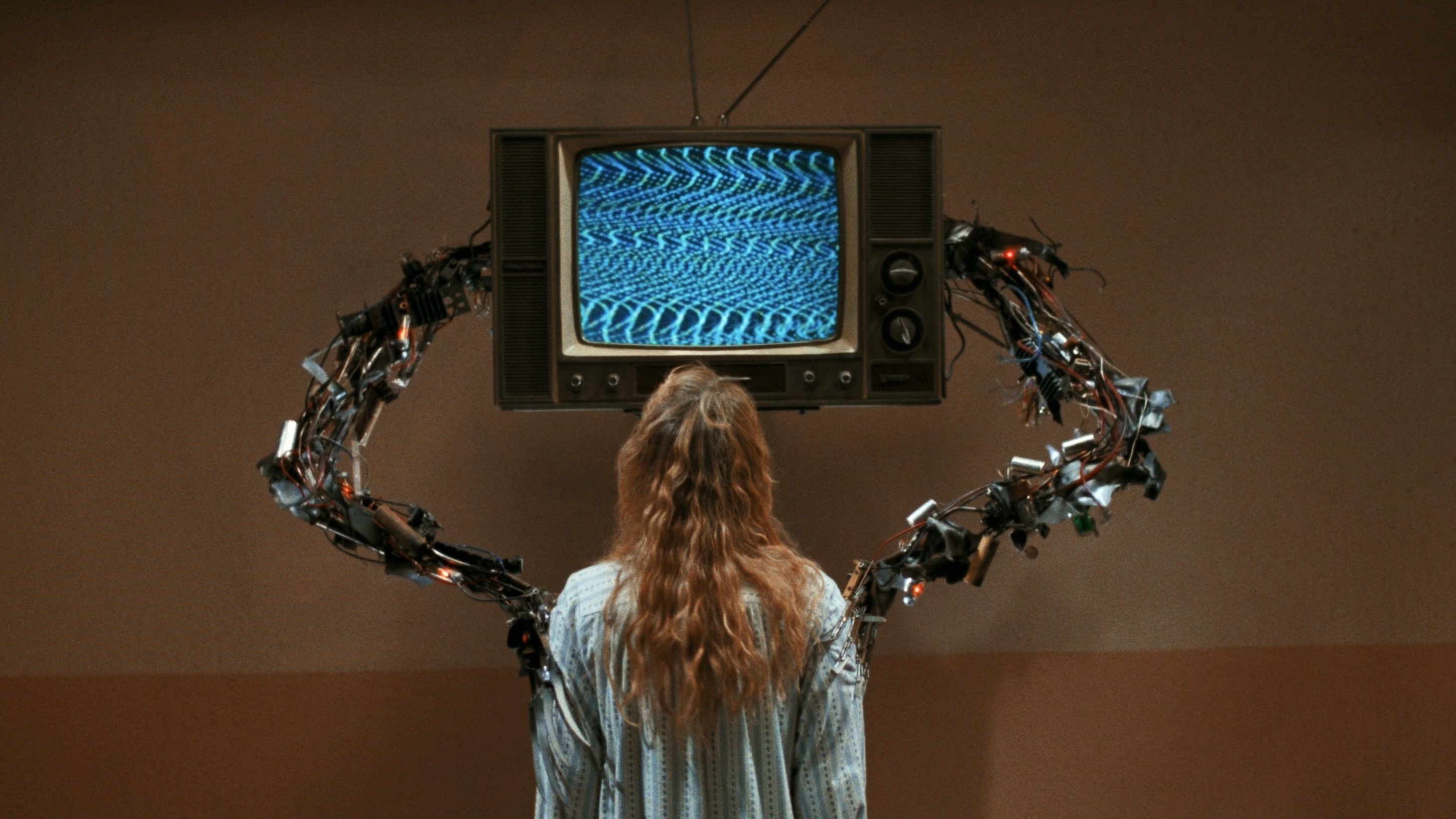
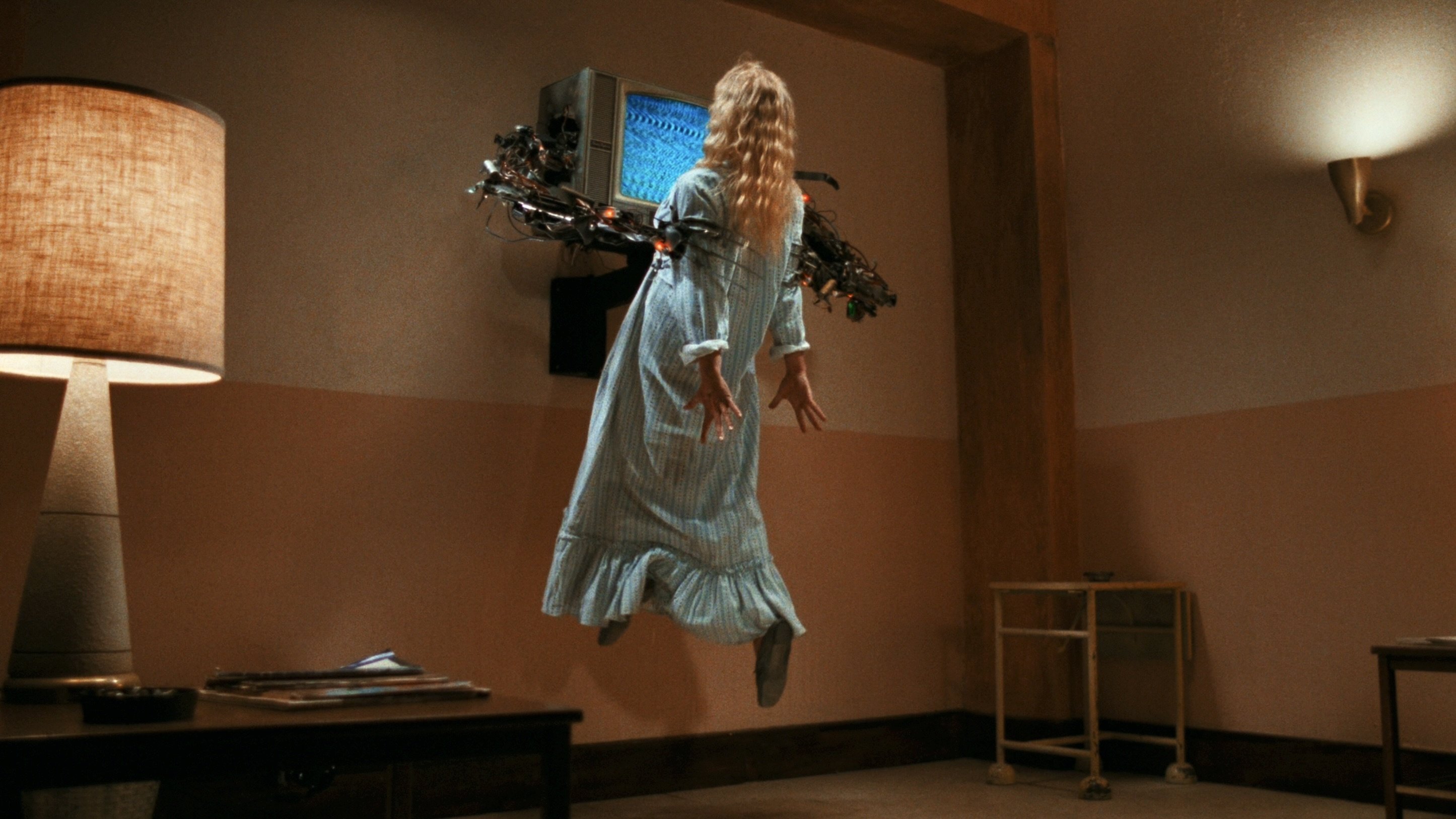
The narrative also explores how adolescents imagine agency under severe restrictions. The patients cannot simply leave the hospital, and the rules of the ward repeatedly interrupt their attempts to communicate. Dreams briefly allow bodies and identities to take forms denied by waking circumstances, giving each transformation an emotional basis. Freddy exploits those same wishes in cruel inversions: a fantasy of mastery becomes a trap, and a familiar television or puppet assumes lethal properties. Interpreting these scenes as a struggle over credibility and control follows their dramatic structure; it need not be presented as a clinical description of mental illness.
Sets, Lighting and the Boundaries of Dreams
The scale of the production is documented unusually well. In a contemporary American Cinematographer article, Roy H. Wagner described arriving after filming had begun and replacing the original director of photography with virtually no preparation. One of his first assignments involved the junkyard confrontation with Freddy's animated skeleton, requiring bluescreen photography and multiple effects elements. The article records a warehouse near the Los Angeles County Jail that housed roughly twenty-seven sets, including the hospital interiors, Elm Street house, television studio and a multi-level industrial environment dubbed Freddy Hell. Construction of that final space took eight weeks, while several production units worked on scenes simultaneously.
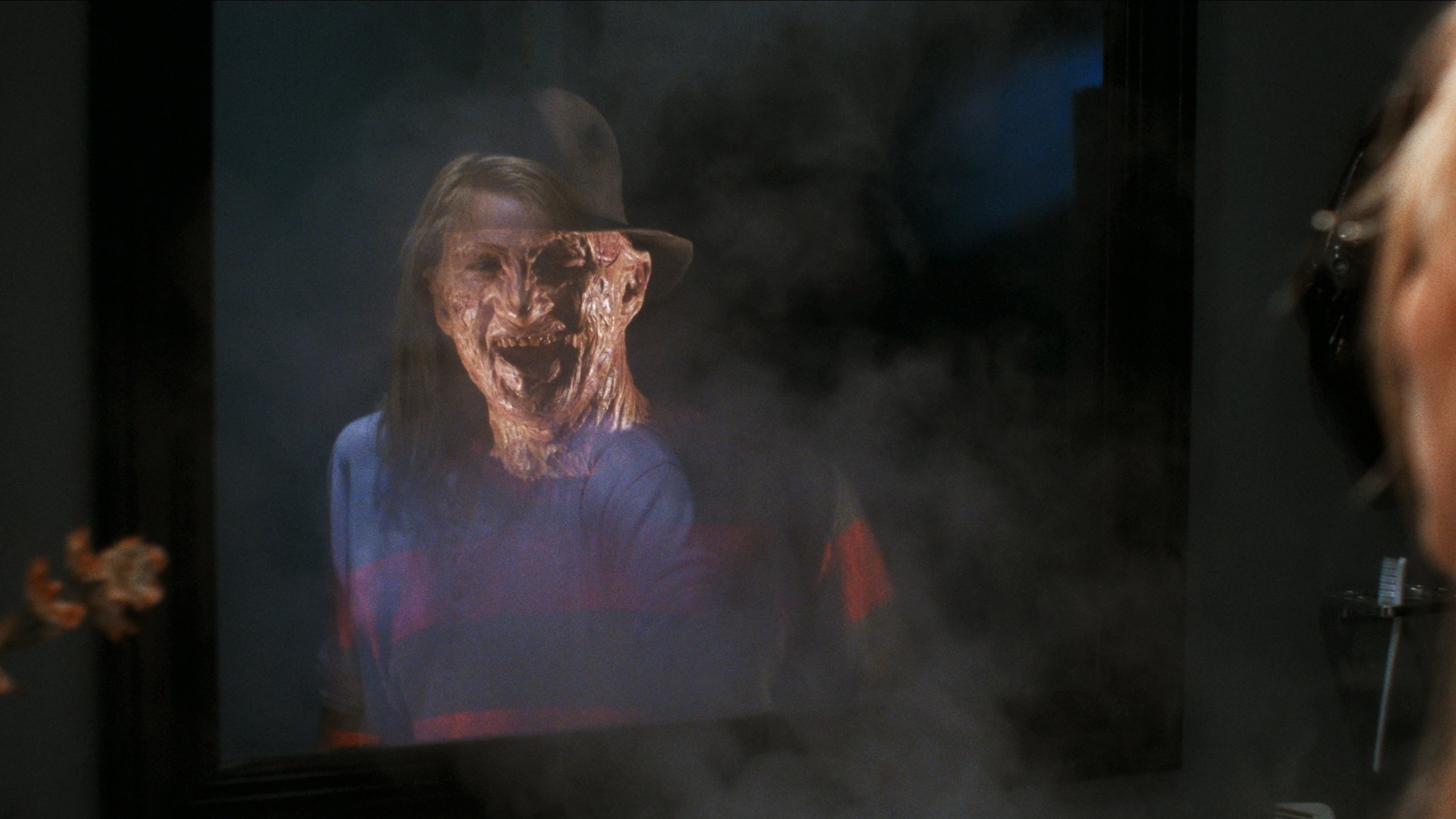
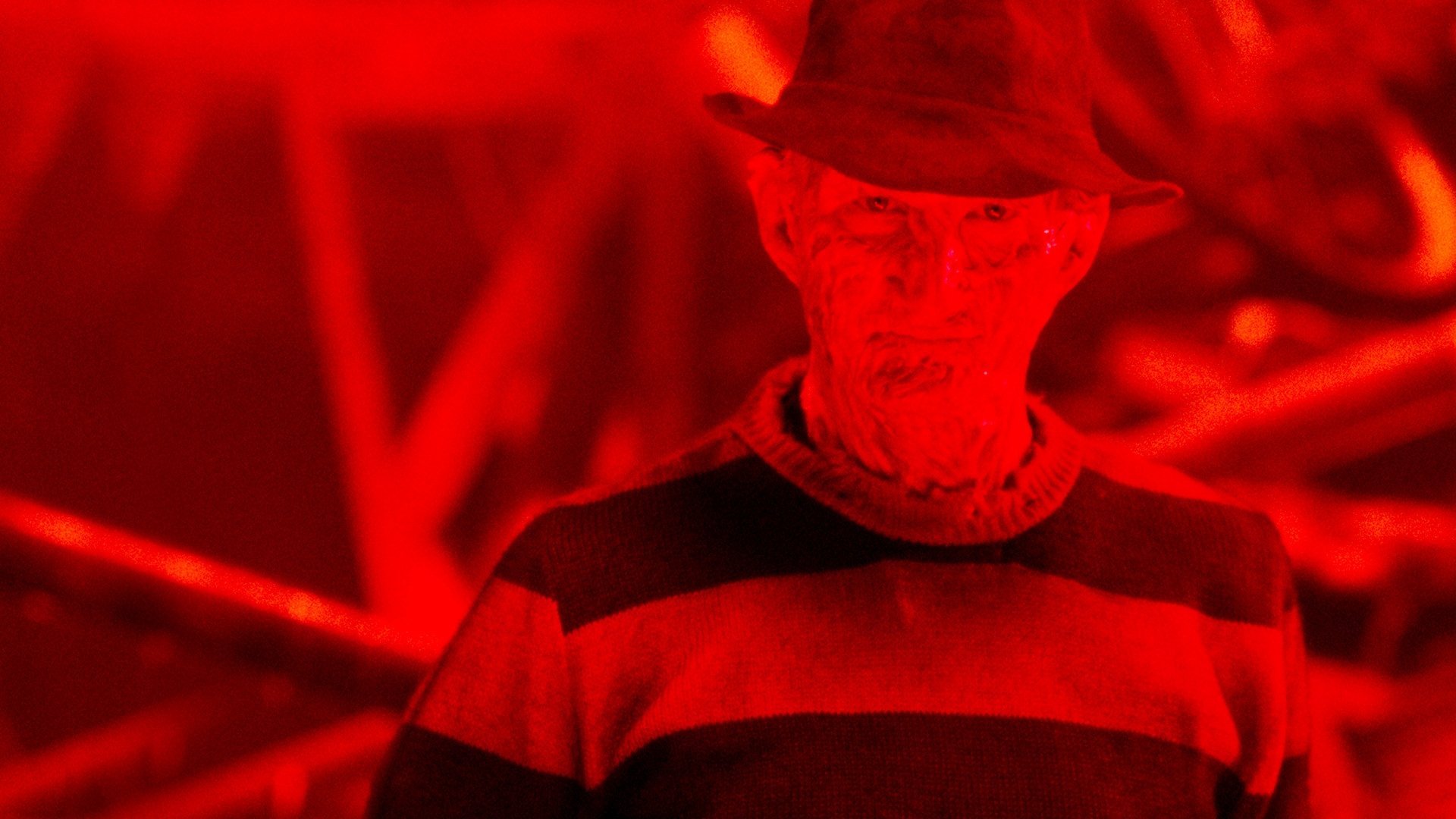
Wagner used lighting to hold together environments that could change during a camera movement. The production often needed to return to unfinished effects shots after other units completed mechanical or optical work, so he kept detailed records of lens choices, exposure, filtration and lamp positions. He described using smoke to restore depth within artificially lit spaces and limiting front light on Freddy's face to preserve its texture and threatening obscurity. Mitchell diffusion, coral and super-frost filters served different purposes, from softening faces to recovering detail in dark backgrounds. The cinematography was therefore an exercise in continuity under production pressure as well as a distinctive treatment of the villain.
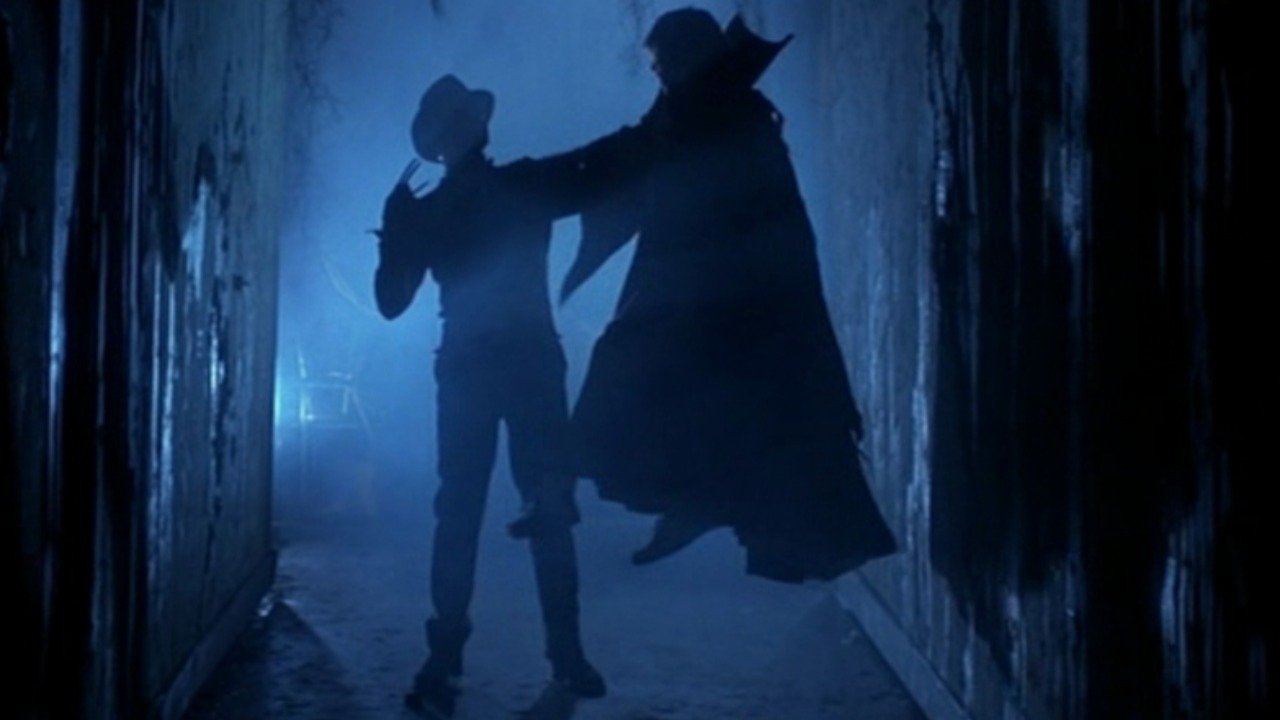
Transitions between hospital reality and nightmare geography were engineered in the camera. Wagner explained how changes in frame rate could make an ordinary movement slide into slow motion while background figures behaved differently. In another setup a hospital corridor gave way to the entrance of the Elm Street house as movable walls altered the apparent space. For the complicated Freddy Hell set, a Louma crane let the camera travel through levels that otherwise restricted its position. These operations matter because the audience can no longer trust a room's layout: architectural boundaries seem stable until a movement or a cut reveals that the sleeper has crossed into Freddy's territory.
Practical Effects and Personalized Deaths
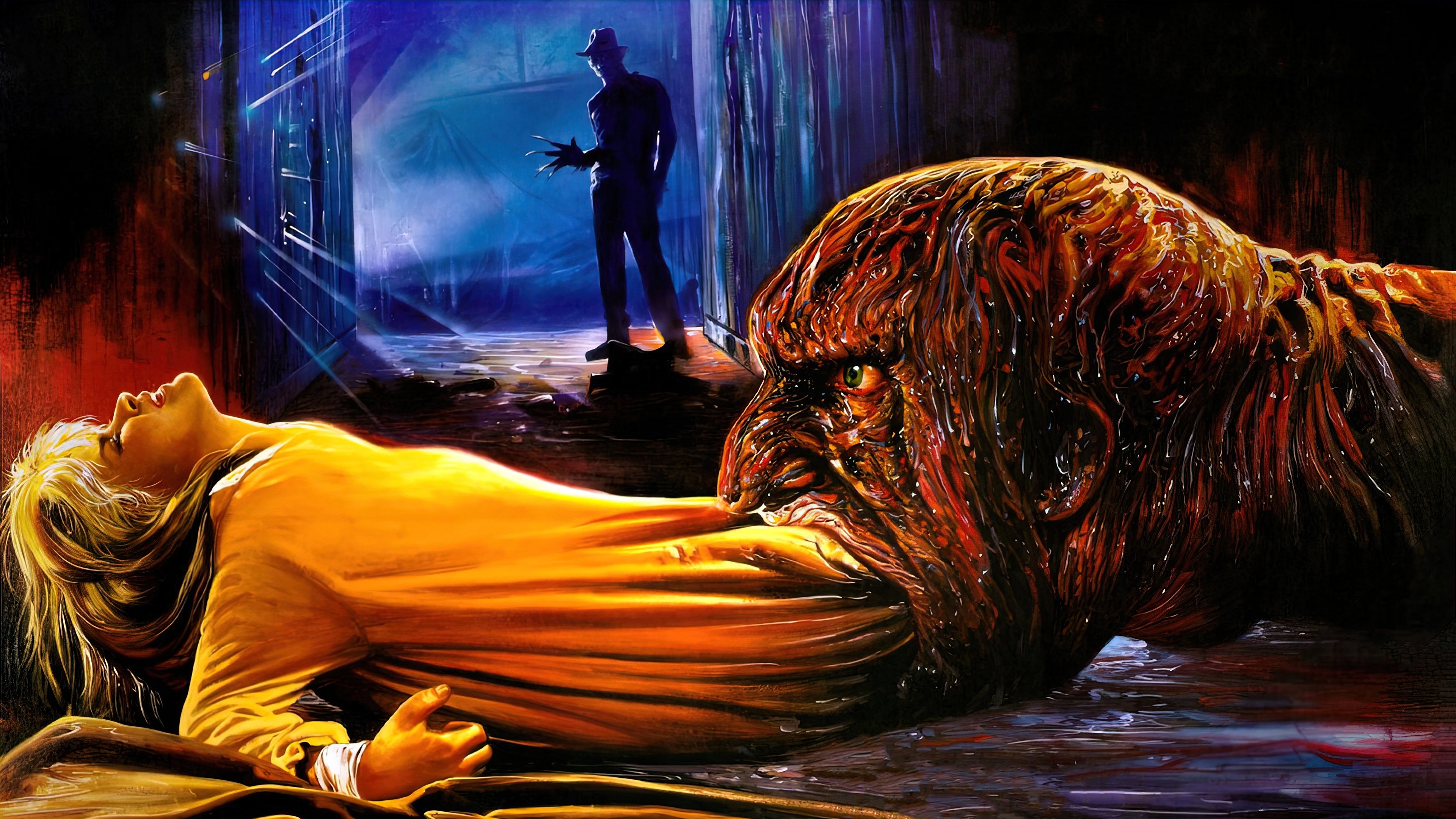
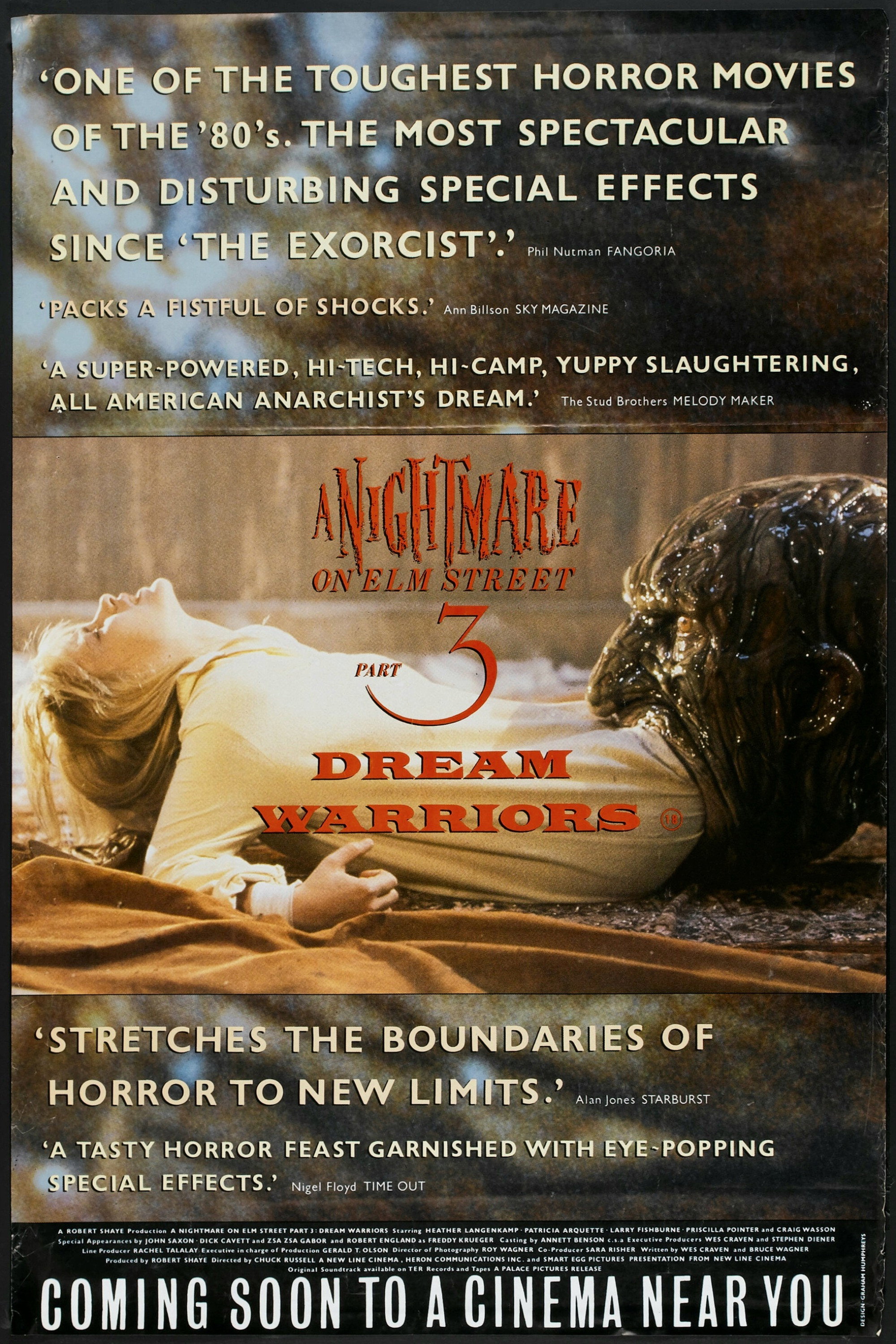
The technical report from 1987 describes separate teams handling mechanical devices, optical imagery and creature components, with production schedules arranged around the completion of individual gags. One particularly expensive sequence turns Freddy into a serpent capable of swallowing Kristen. Wagner identified Kevin Yagher as the artist responsible for the snake and reported that roughly fifteen seconds of finished action occupied three sets and approximately a week and a half of shooting. The effect's disproportionate demands illustrate the film's method: an improbable nightmare image had to occupy a measurable physical space, meet an actor's movement and remain photographable from several angles.
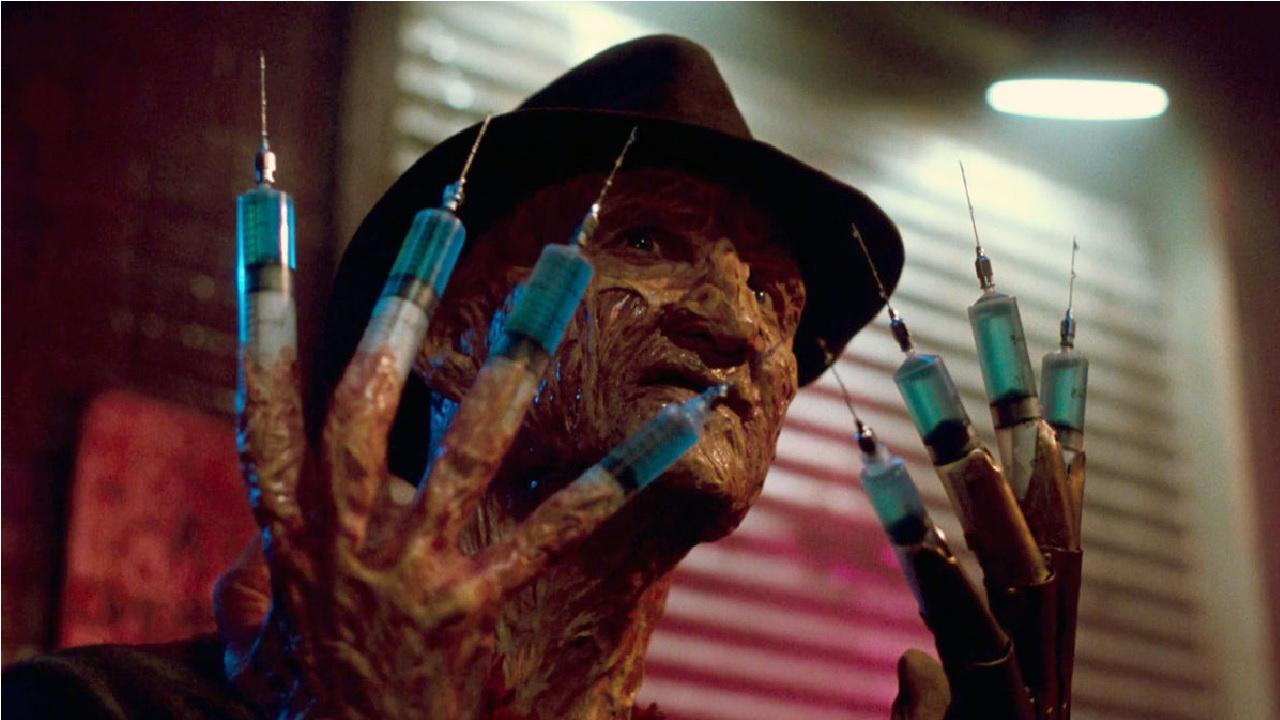
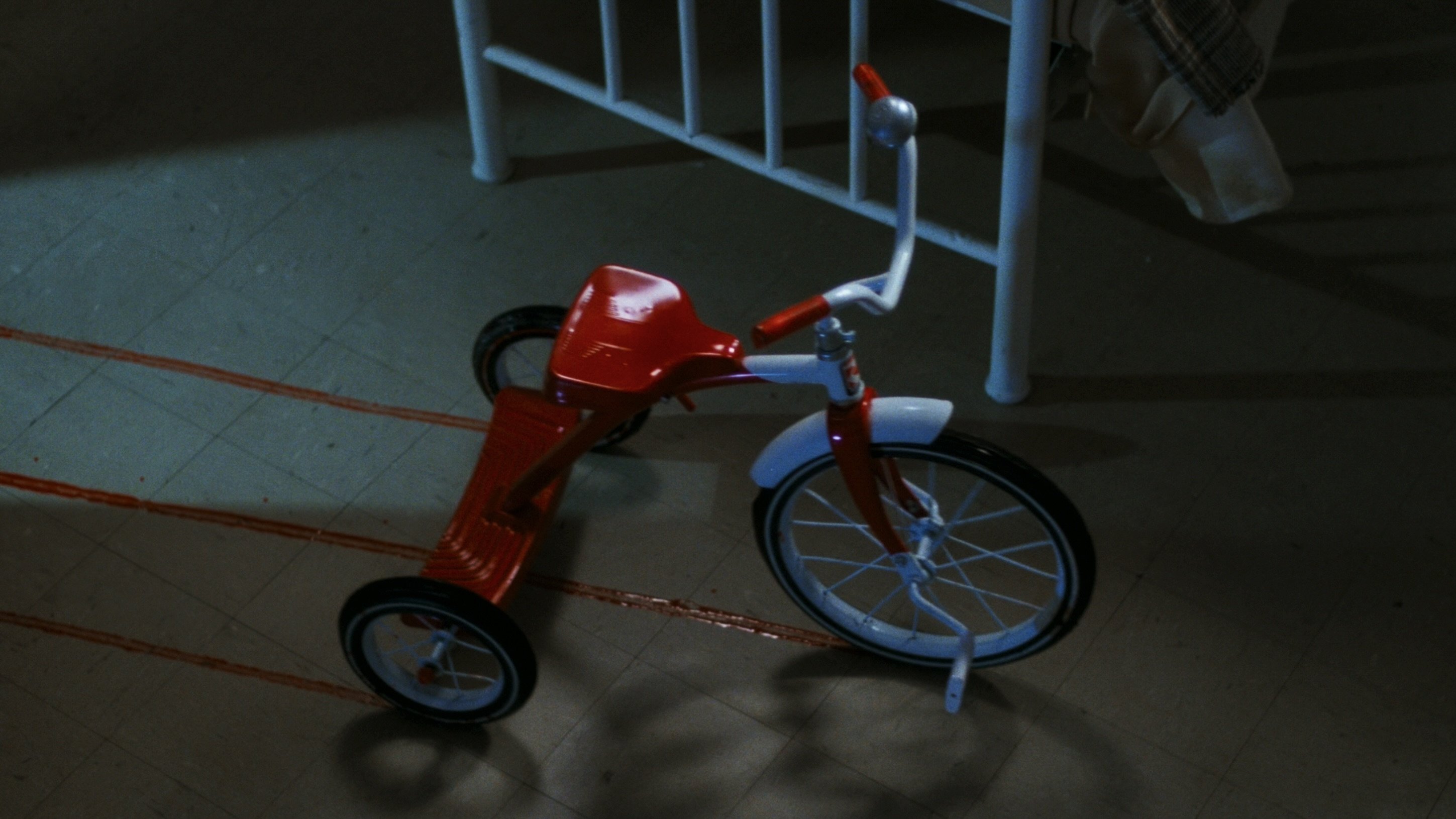
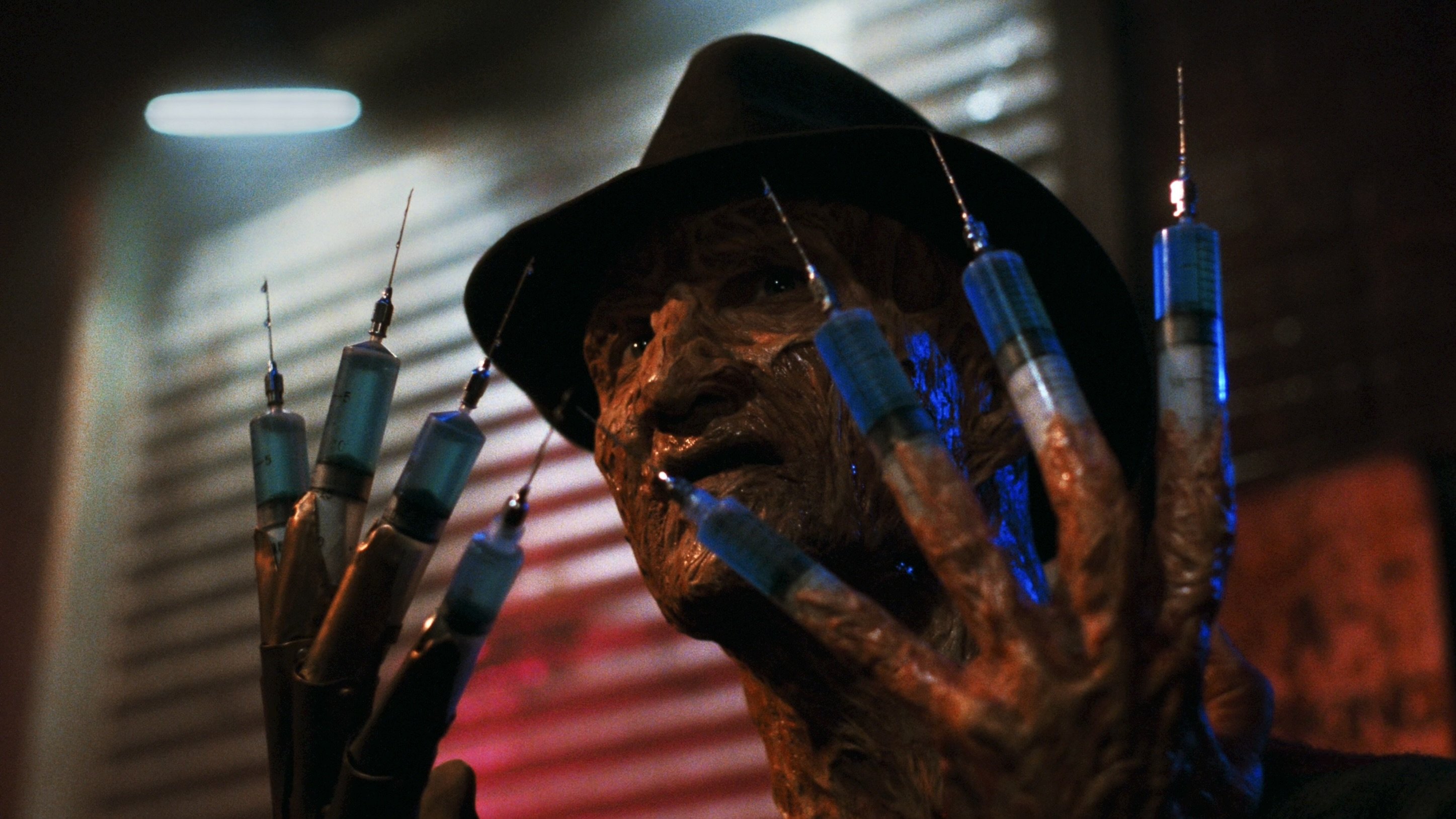
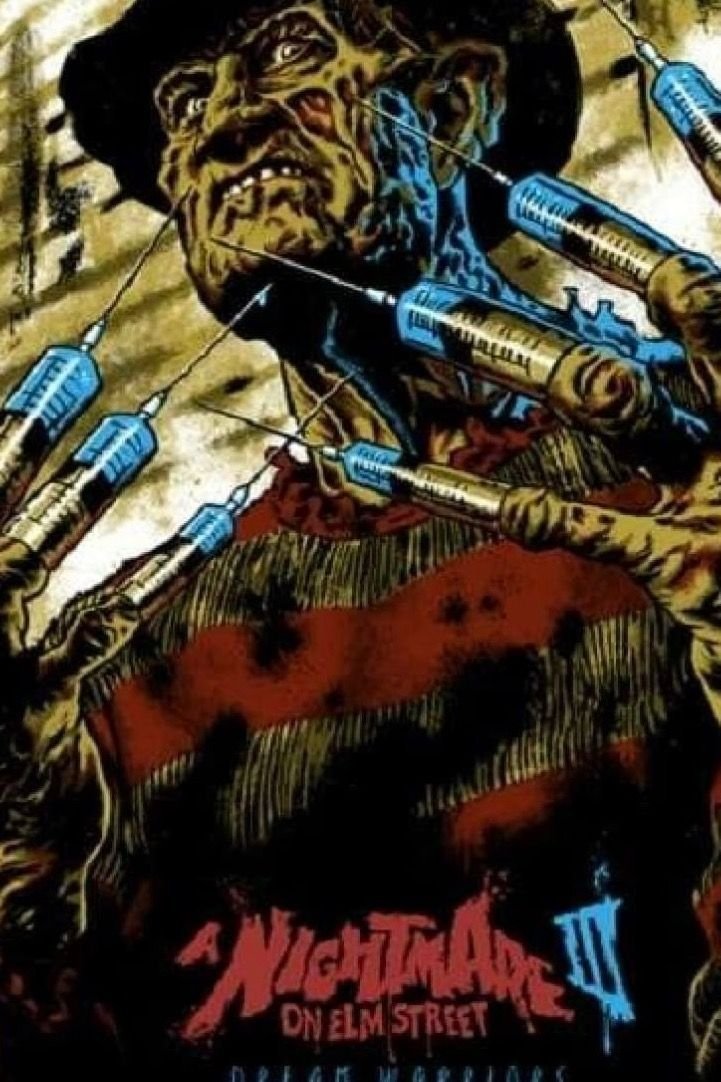
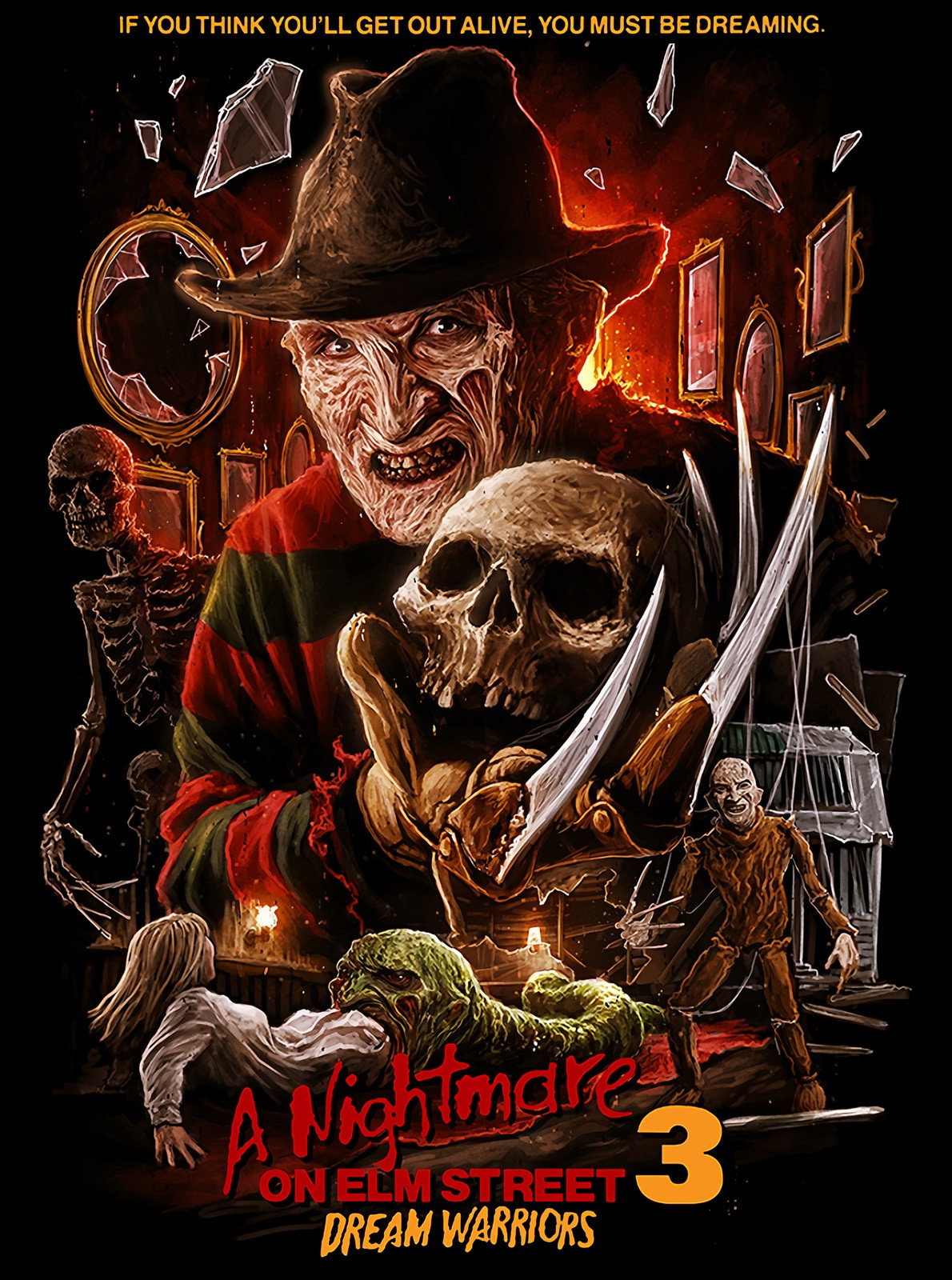
Phillip's death changes the language of an ordinary puppet into body horror. The patient is pulled from bed and guided toward a fatal fall by cords associated with his own tendons, making human motion appear externally controlled. The climactic skeleton used stop-motion work associated with Doug Beswick, together with photographed puppet and optical material. Elsewhere the dream attacks transform the mechanisms of television entertainment and medical treatment into weapons. These scenes vary the form of danger without repeating a single method of assault, and their effects remain tied to the circumstances of the intended victim.
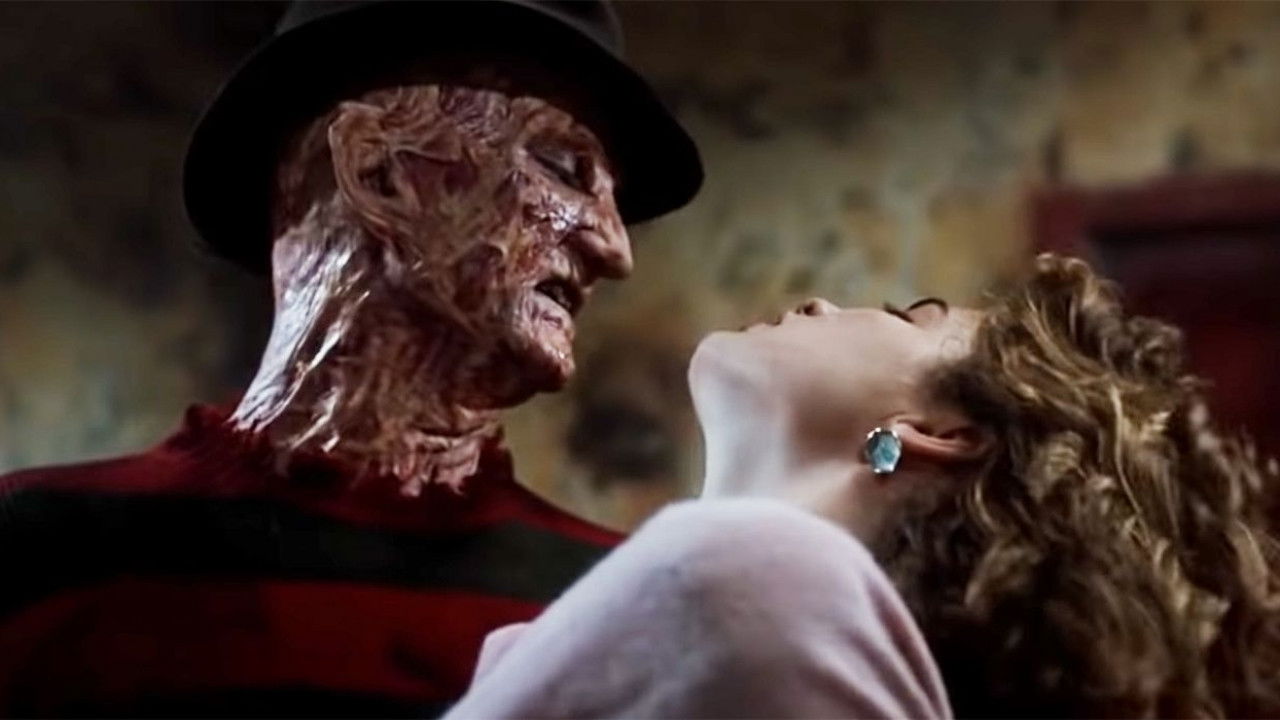
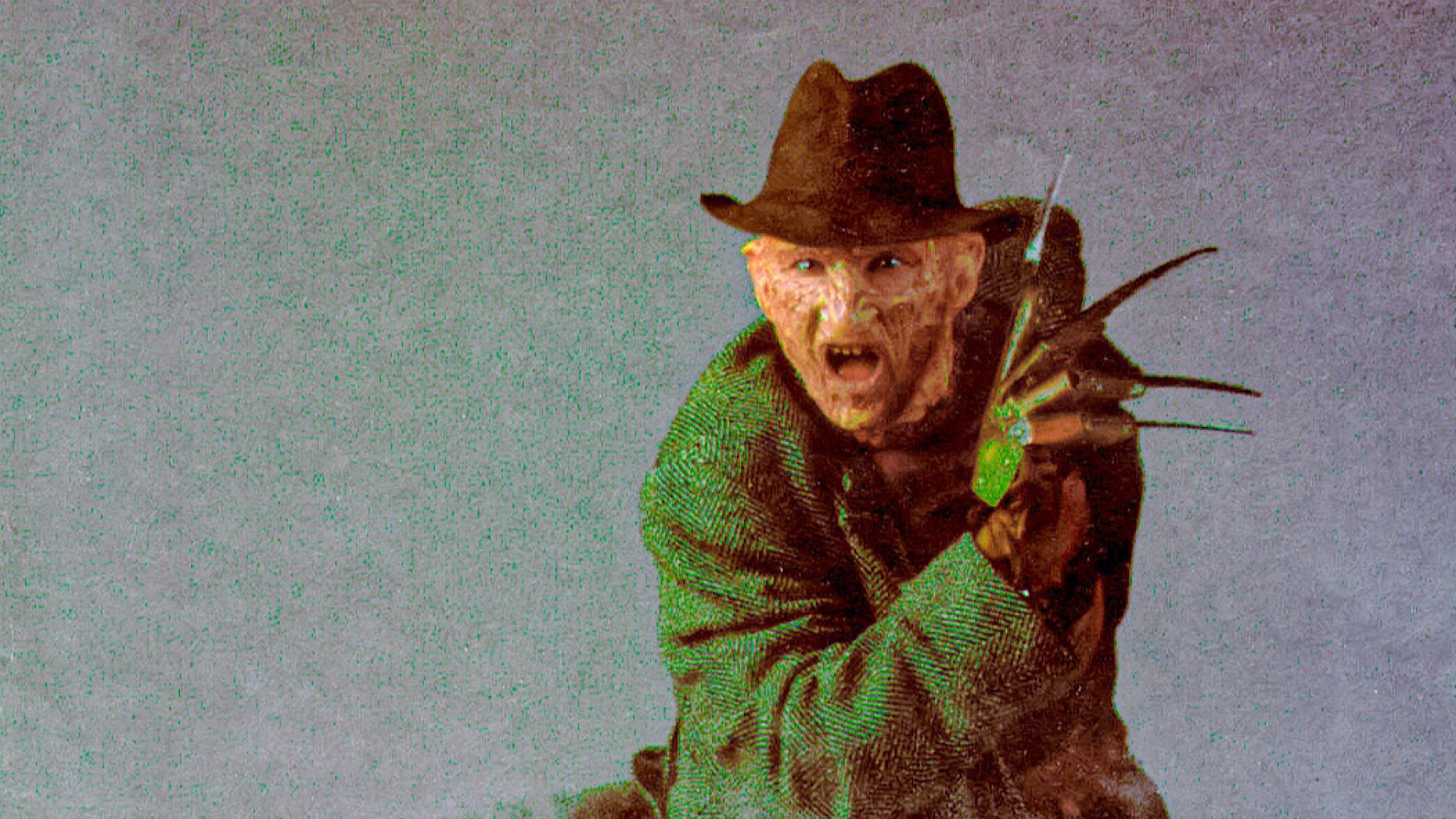
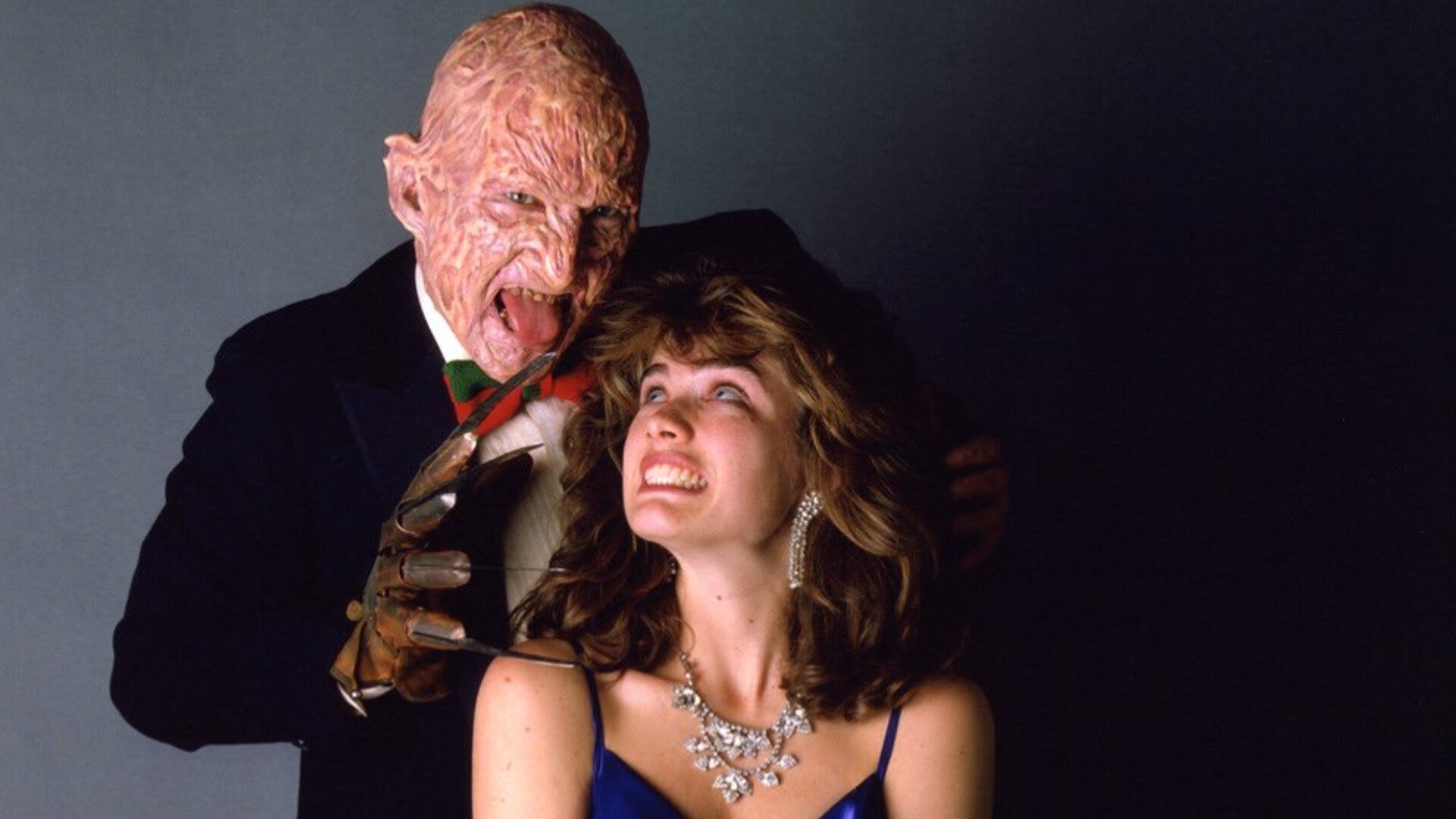
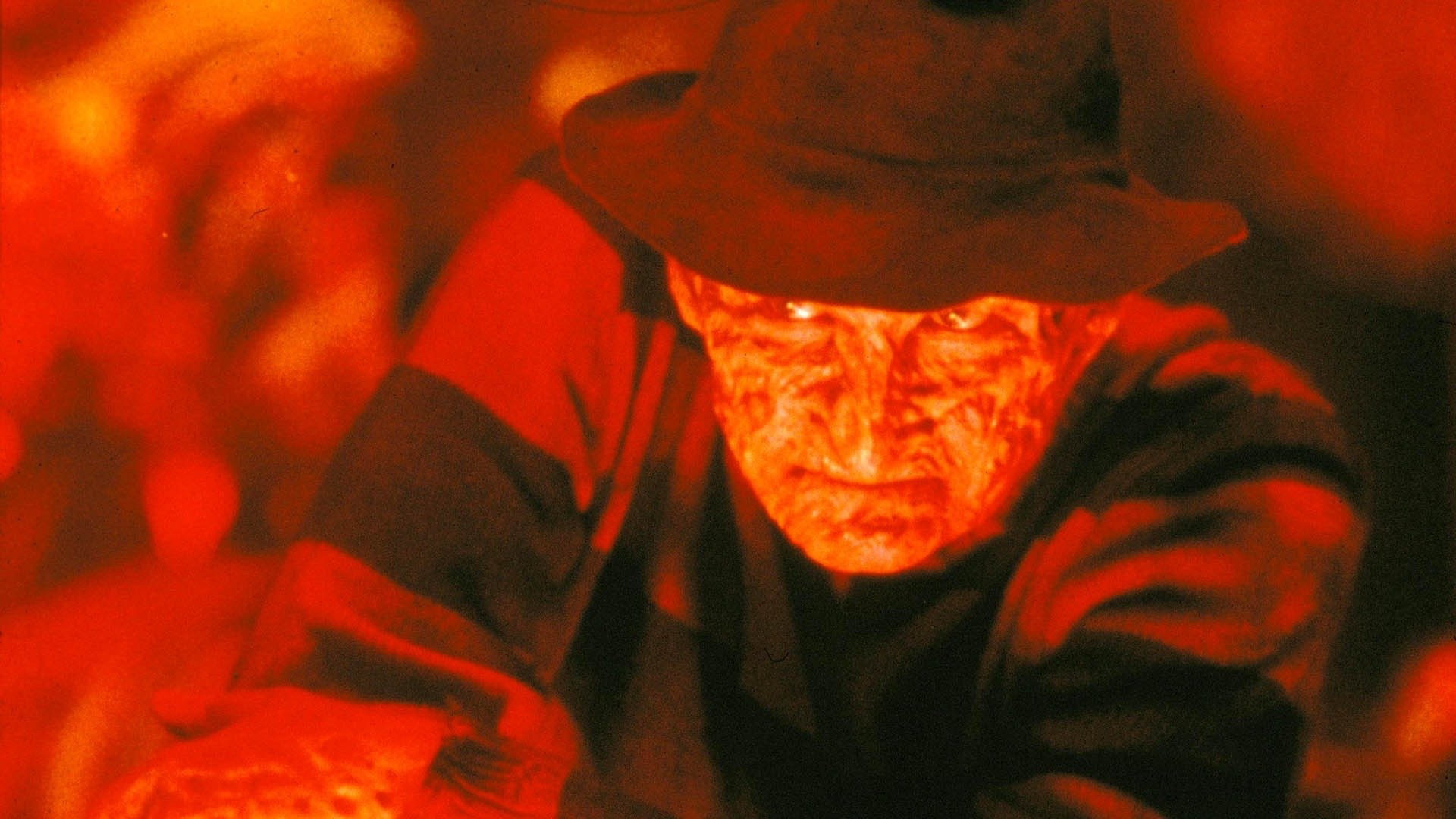
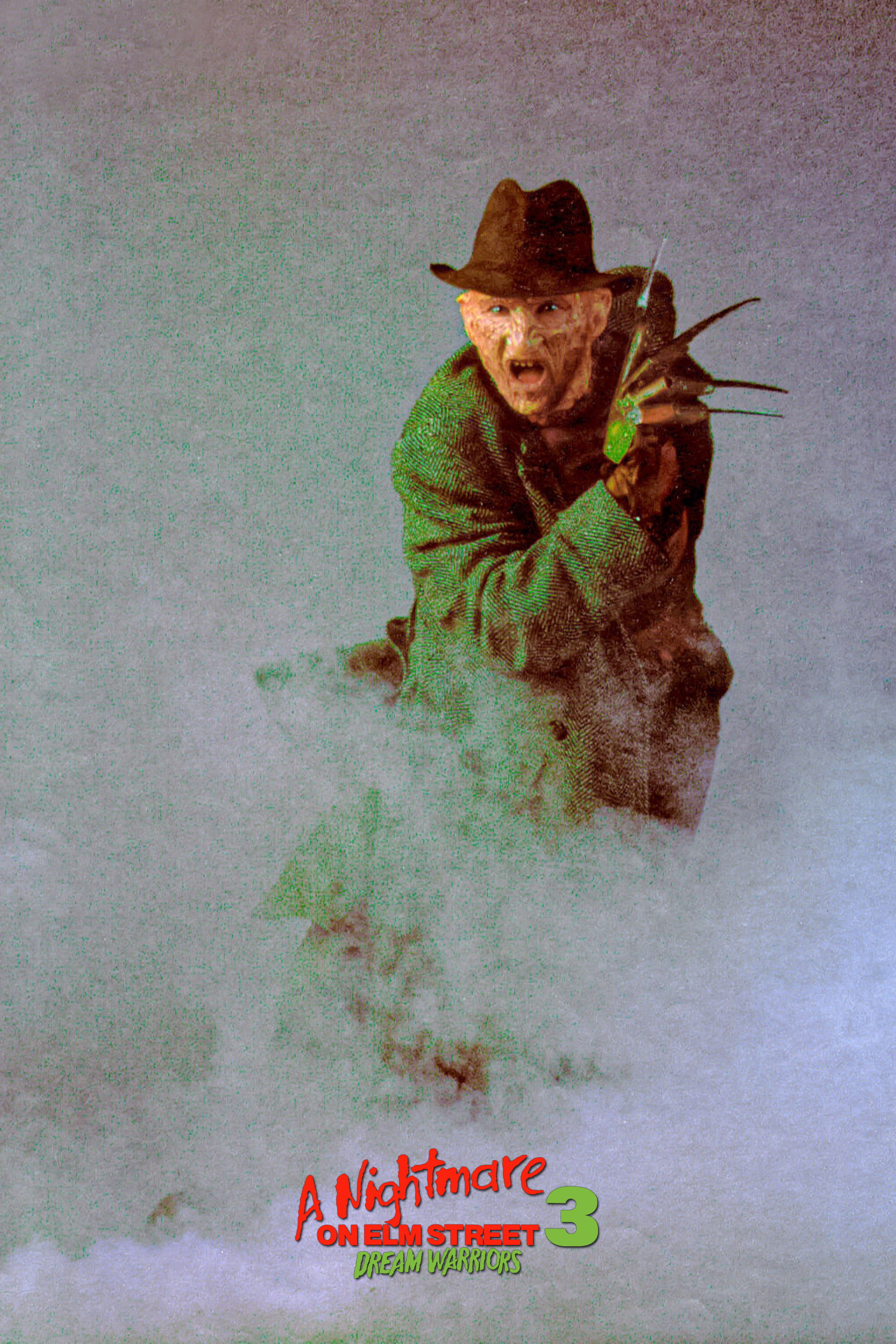
Freddy's expanded transformations also change his screen identity. Robert Englund's performance combines a physically recognizable attacker with a figure able to inhabit machines, toys and monstrous bodies. The film makes room for jokes without removing the consequences of the violence: the verbal taunt often arrives at the moment the victim loses control. Russell and his collaborators could therefore broaden the creature's personality while retaining the original series' governing rule that dream injuries are real. The result belongs to the late-1980s period of ambitious prosthetic and optical horror, with visible craftsmanship becoming an essential part of the spectacle.
Angelo Badalamenti, Dokken and the Sound of Nightmares
Angelo Badalamenti's score works within scenes built around uncertain transitions between ordinary perception and the supernatural. The soundtrack also includes recognizable musical connections to the series' earlier installments, with the credits acknowledging material originally composed by Charles Bernstein. The juxtaposition of orchestral scoring and popular music reflects the film's broader strategy of making Freddy both a cinematic threat and an increasingly marketable character. Any detailed claim about a particular synthesizer, orchestral session or unusual recording technique would require production evidence beyond the credits; the better-documented musical process concerns the title song.
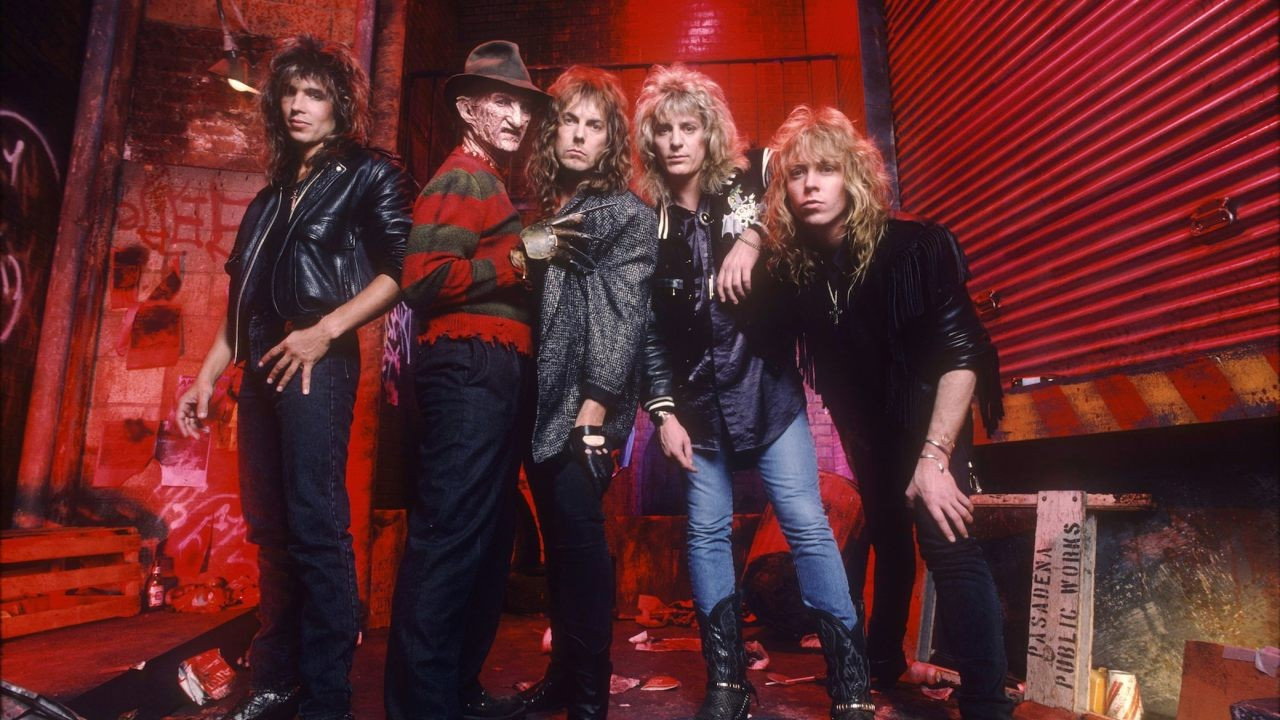
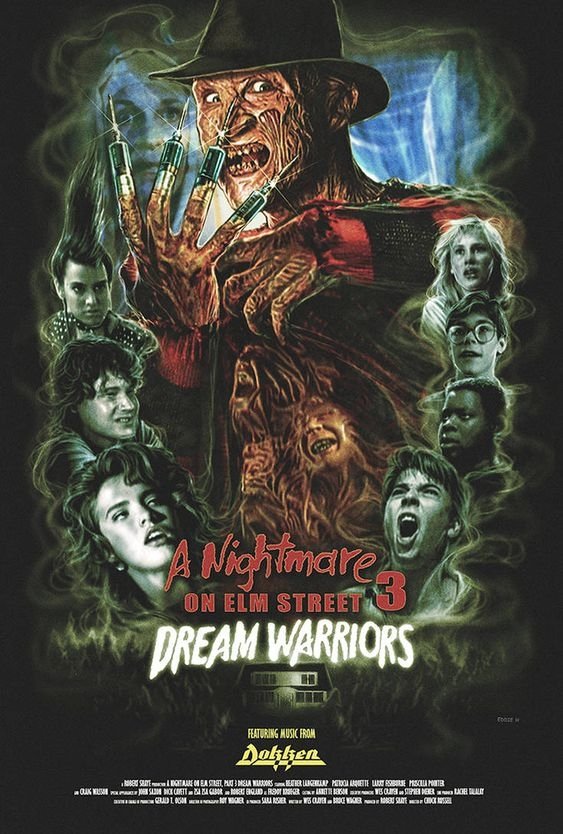
Dokken's Dream Warriors was prepared for the film and subsequently appeared on the band's album Back for the Attack. Frank Gryner's 2010 Premier Guitar study examined the original multitrack tapes and recording paperwork instead of relying on promotional recollection. It identifies a session at Rumbo Recorders in Canoga Park, producer Neil Kernon and the contributions of guitarist George Lynch and bassist Jeff Pilson. The study explains how the drums were recorded and how the guitar parts were constructed, making the song a rare instance where a horror tie-in can be discussed through surviving technical evidence. Its hard-rock identity carried the film into radio and music-video circulation beyond the theater.
A National Release and Contemporary Responses
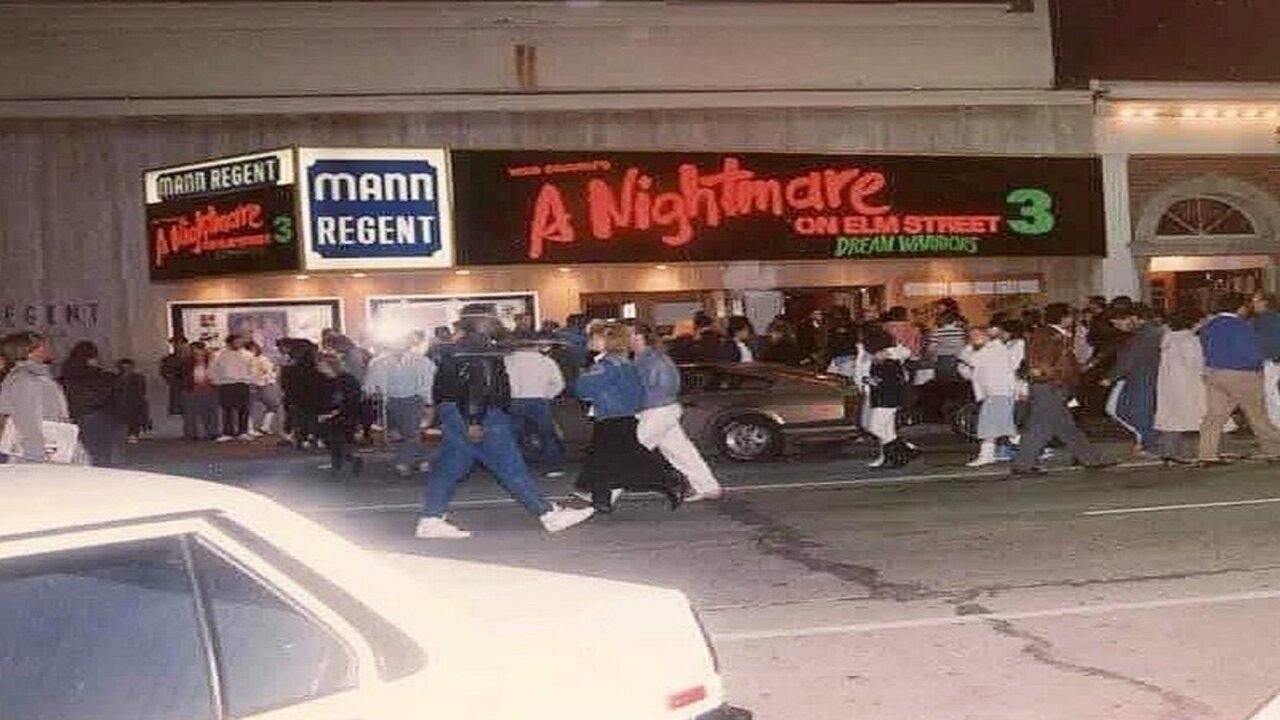
The American Film Institute documents the film's opening in New York and Los Angeles on February 27, 1987, following photography that began in July 1986. It was New Line's first national release of this scale, replacing the regional distribution pattern associated with the earlier Elm Street entries. Contemporary trade reporting cited by AFI places the production budget at different figures: an early projection of three million dollars, Robert Shaye's later statement of roughly $4.3 million, and trade charts nearer $4.6 million. These figures describe different stages or accounts and should not be flattened into a single unquestioned cost. New Line also spent heavily on prints and advertising.
Dream Warriors led the American box office during its opening weekend, with the AFI historical entry giving approximately $8.88 million for the first three days. Later industry charts cited there placed its domestic theatrical gross near $45 million, above that of the preceding sequel. The film was issued with an R rating in the United States. British Board of Film Classification records list a cinema submission in August 1987 and later home-video classifications whose displayed running times are shorter. Those duration differences alone cannot demonstrate censorship, since film-to-video speed conversion can change the timing. Distribution success and the classification history are distinct from questions about the film's artistic reception.
Contemporary criticism was divided in specific, identifiable ways. Roger Ebert's February 1987 review acknowledged the elaborate production but argued that the characters failed to inspire sympathy. Kevin Thomas, writing in the Los Angeles Times on the opening date, treated the growing comic dimension more positively and welcomed Russell's handling of the material. These responses capture an enduring tension in the film: its extravagant dream imagery can be admired as horror invention while prompting disagreement about whether the ensemble has enough dramatic depth. Neither view can be reduced to a single universal contemporary consensus.
A New Vocabulary for the Elm Street Series
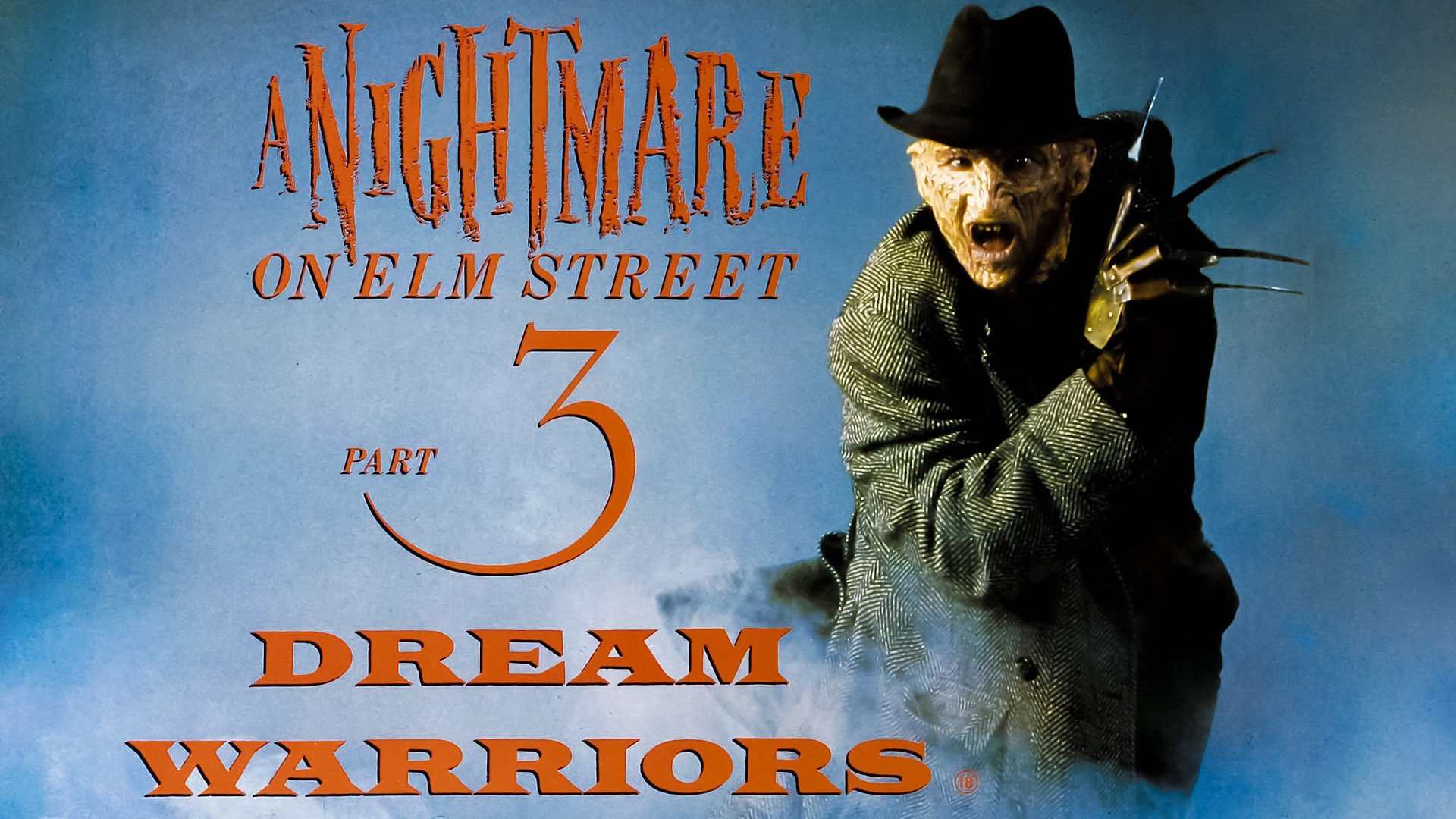
Dream Warriors established a durable narrative configuration for later Elm Street stories: Freddy's accumulated power is matched against several young people whose relationships determine whether they can resist him. It also develops his mythology through explanations of his origins and the supernatural consequences of his victims' deaths. Nancy's return connects the new cast to Craven's original film, while the institutional setting gives their contest a different social framework. The coexistence of shared dream action, spectacular transformations and a more talkative antagonist became a recognizable direction for the continuing series, though its later use does not mean every sequel reproduced this film's structure.
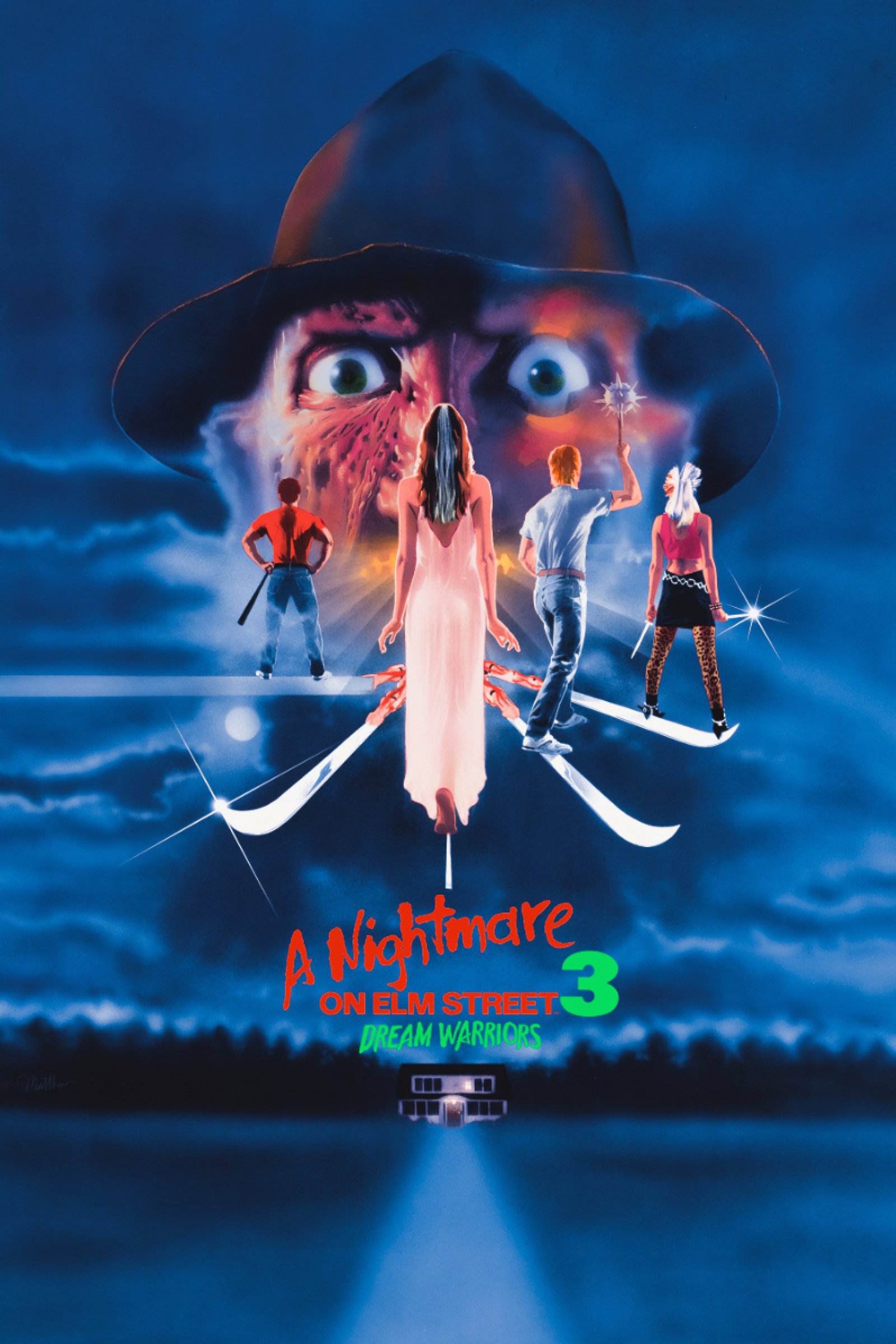
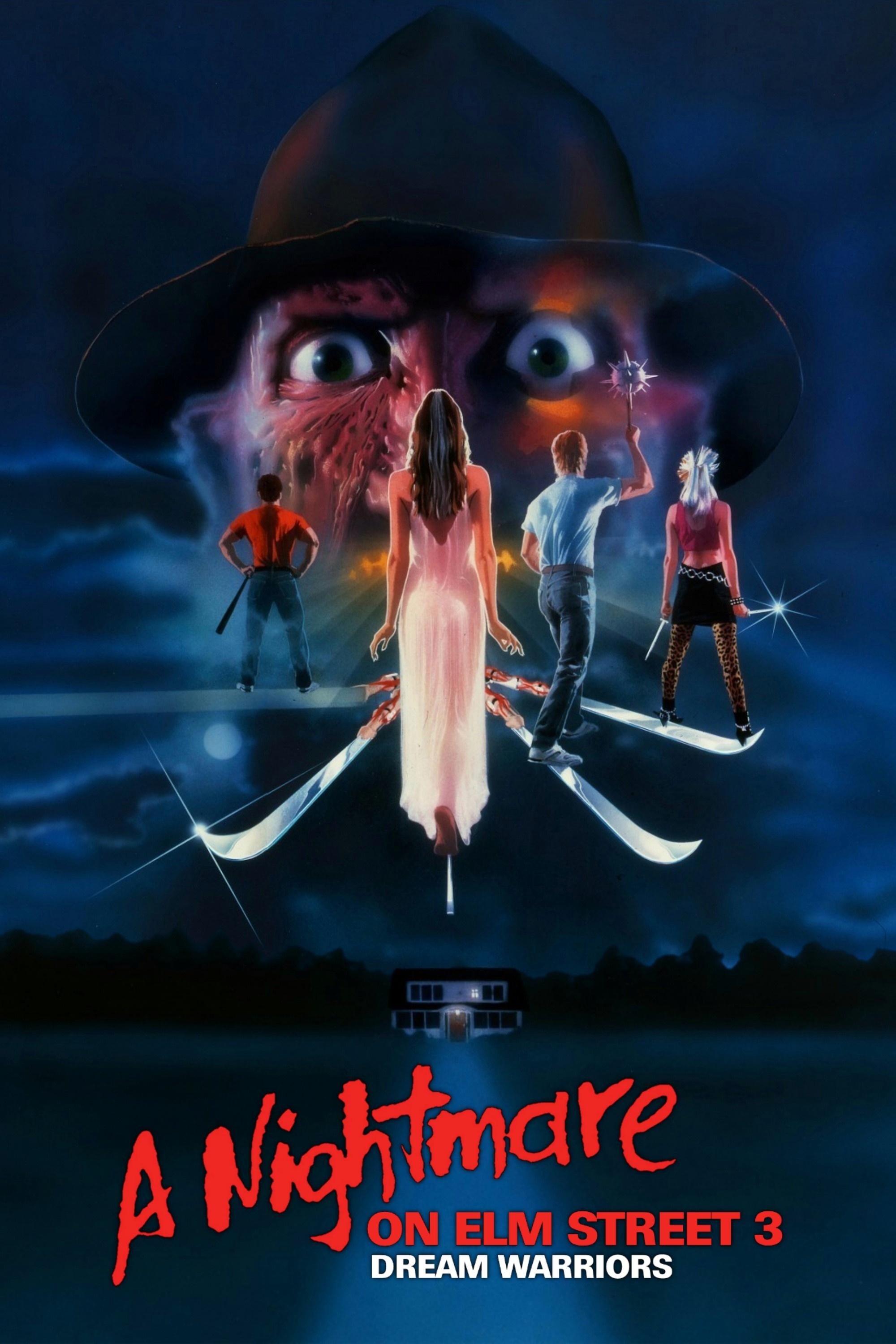
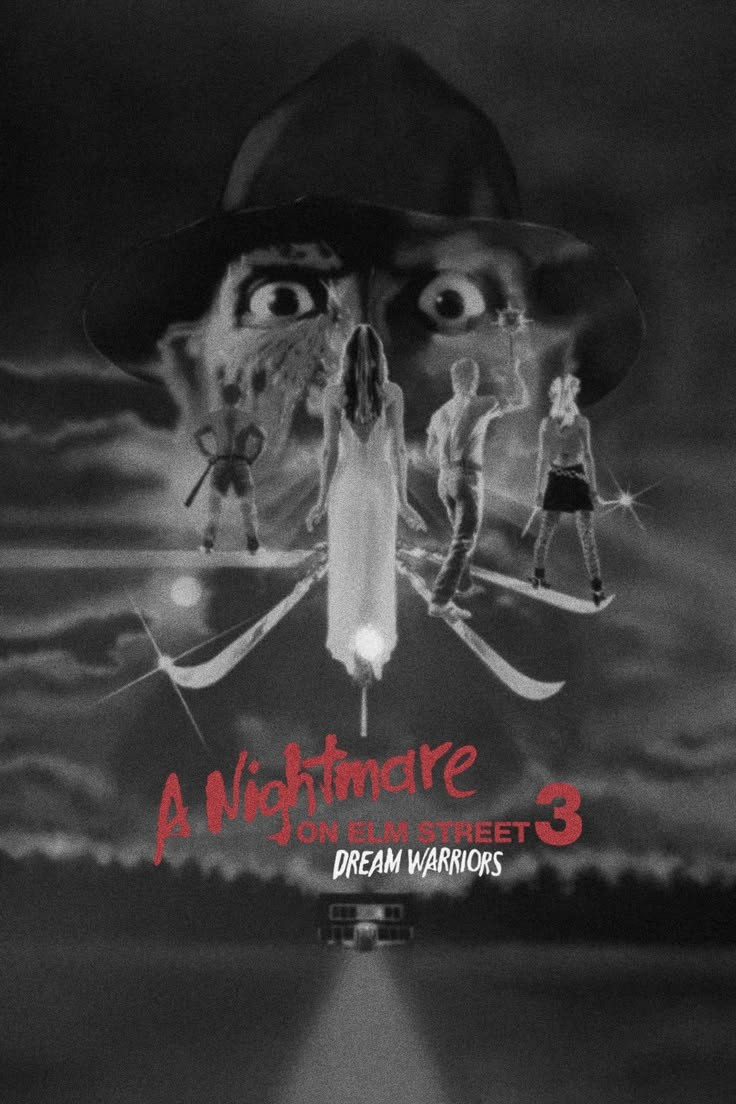
The picture's historical importance is visible in more concrete ways than claims that it invented an entire subgenre. AFI records an identifiable expansion of New Line's release ambitions; American Cinematographer preserves the techniques used to realize moving nightmare spaces; the surviving scripts document a major collaborative rewrite; and the Dokken recording offers evidence of horror promotion intersecting with mainstream hard rock. These different forms of documentation explain why the third installment remains especially useful for studying 1980s commercial horror. Its achievement lies in the integration of dramatic group resistance with effects-led fantasy at the moment Freddy Krueger was becoming a broad popular-culture figure.