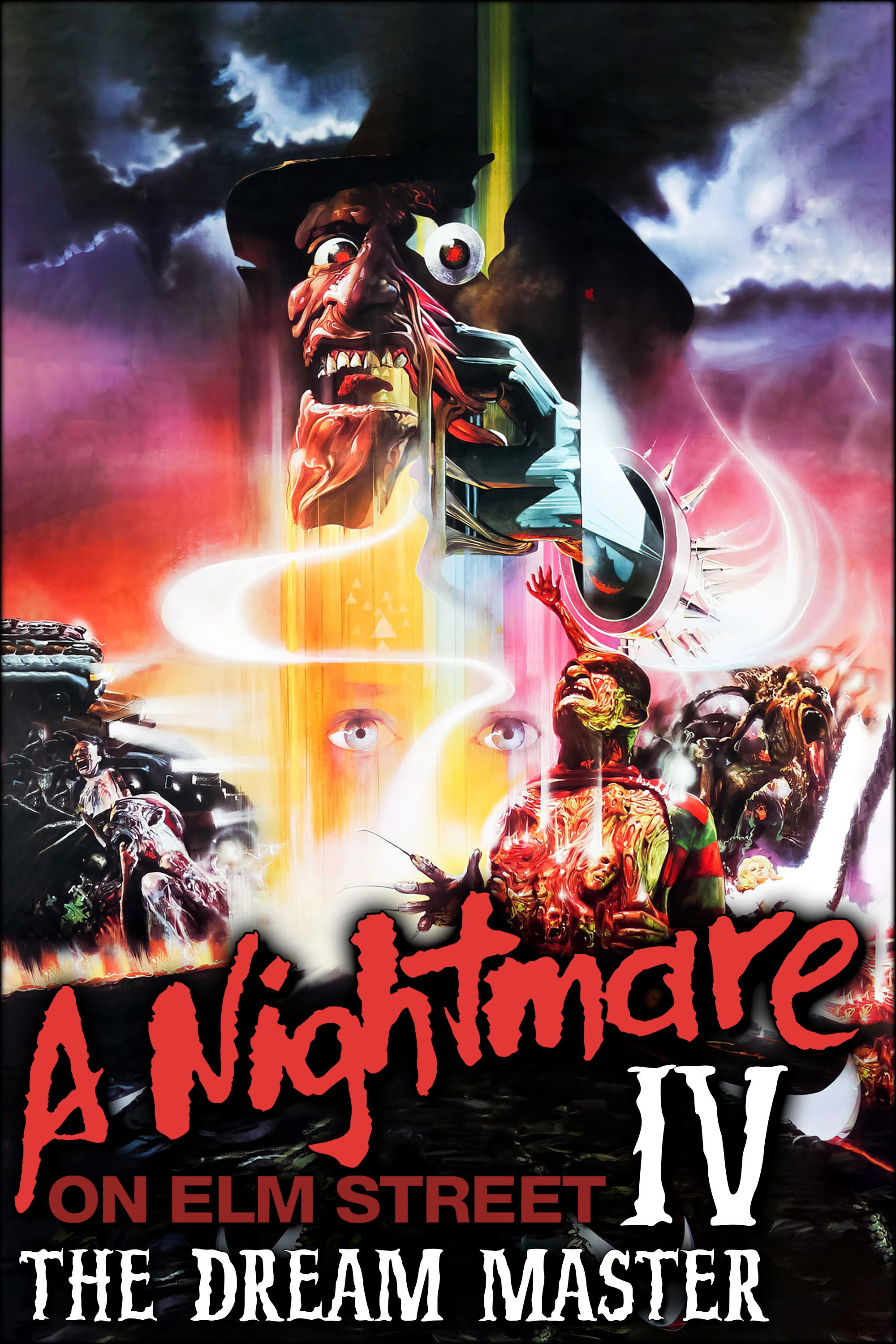
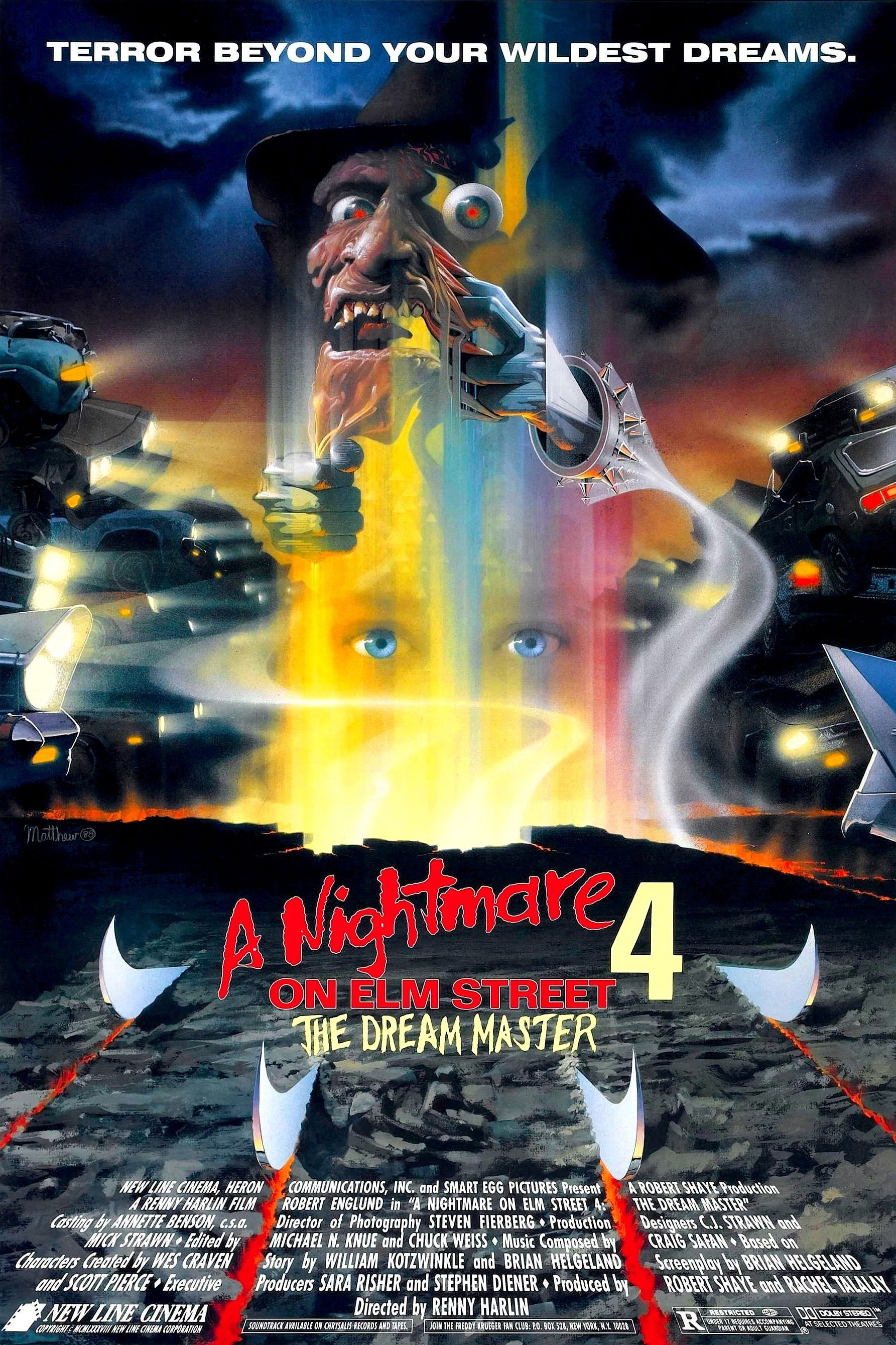
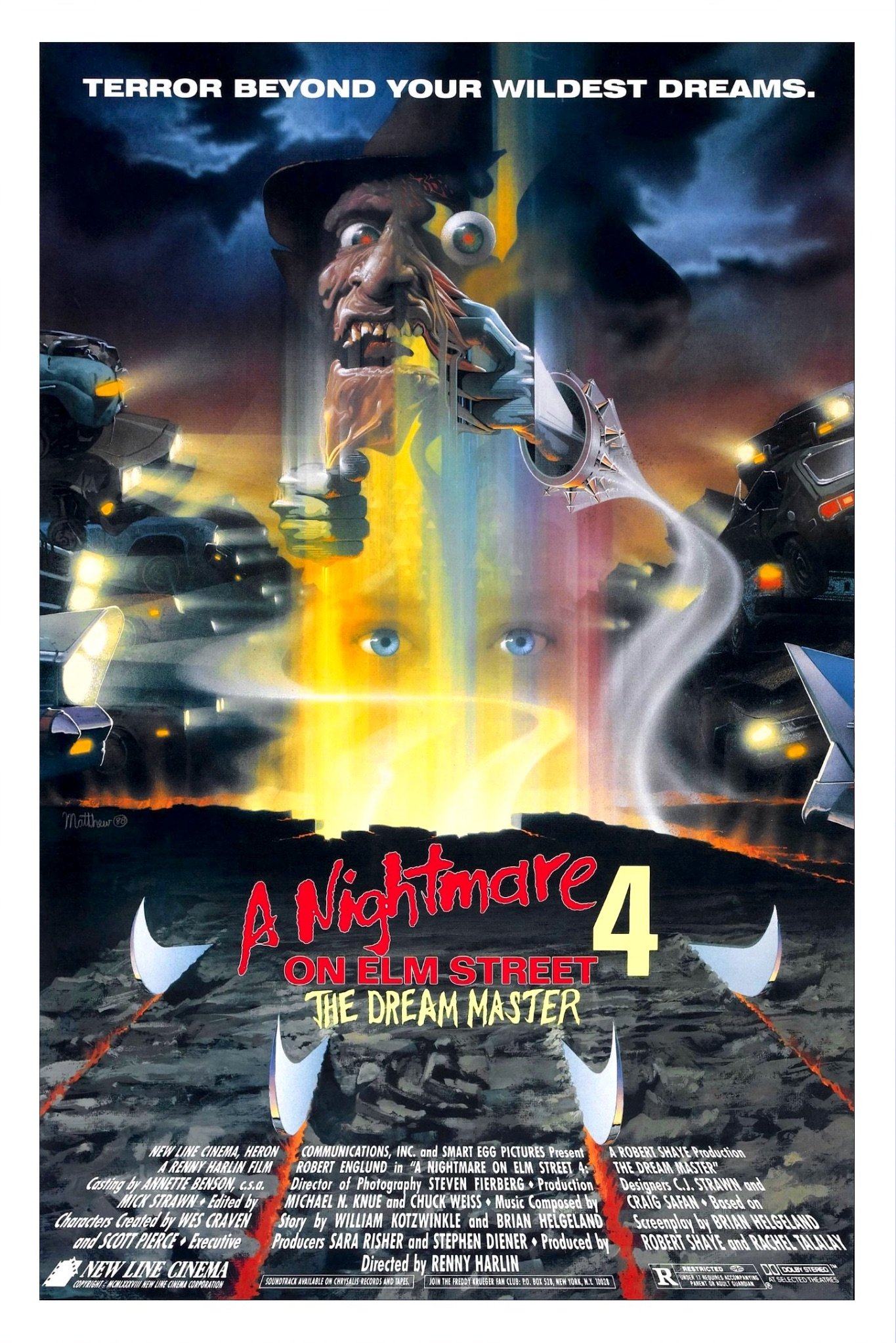
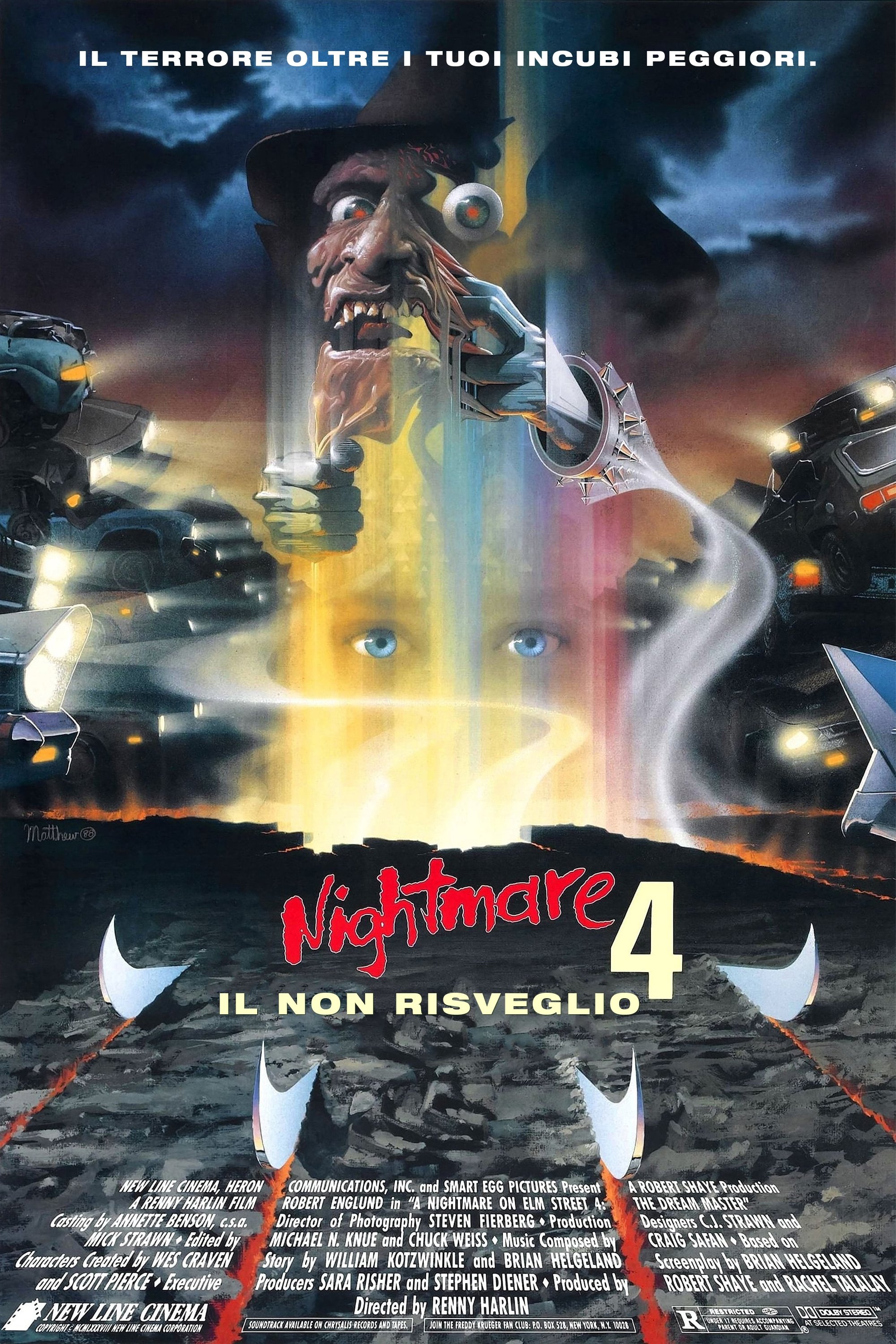
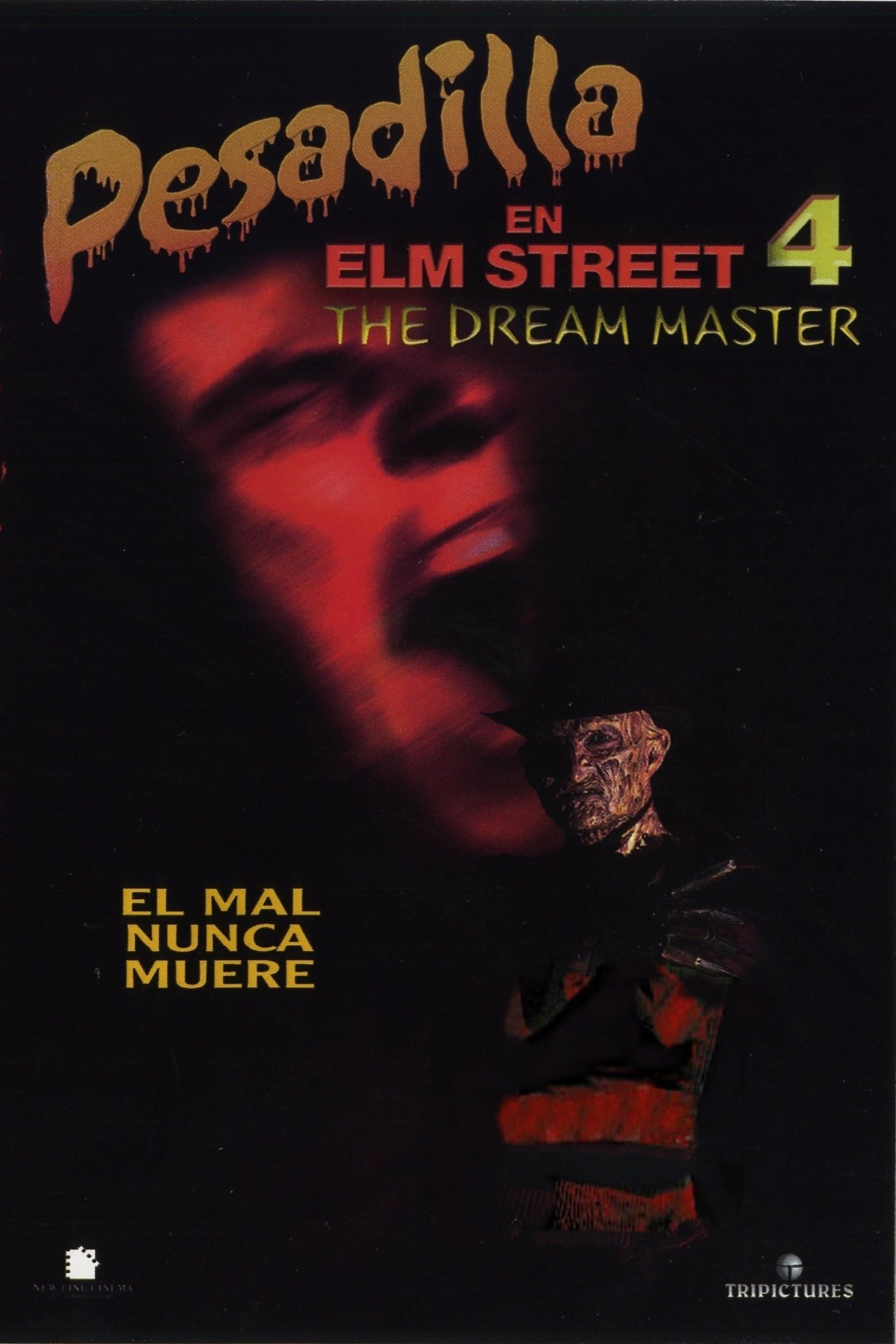
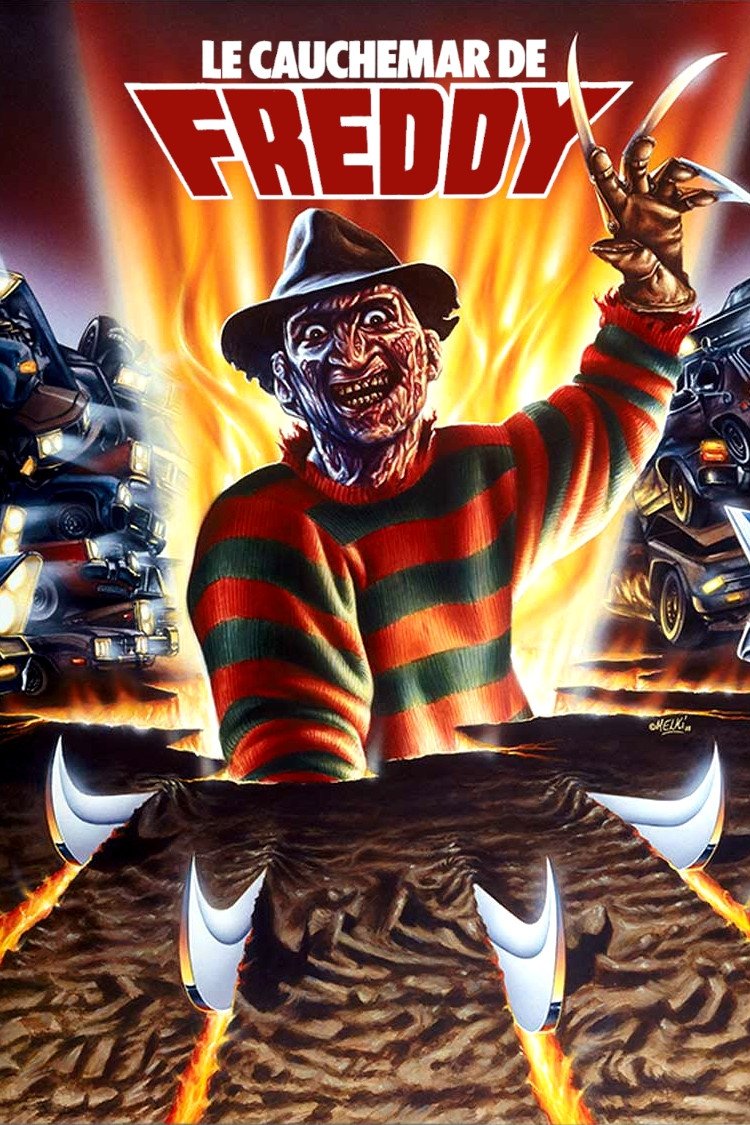
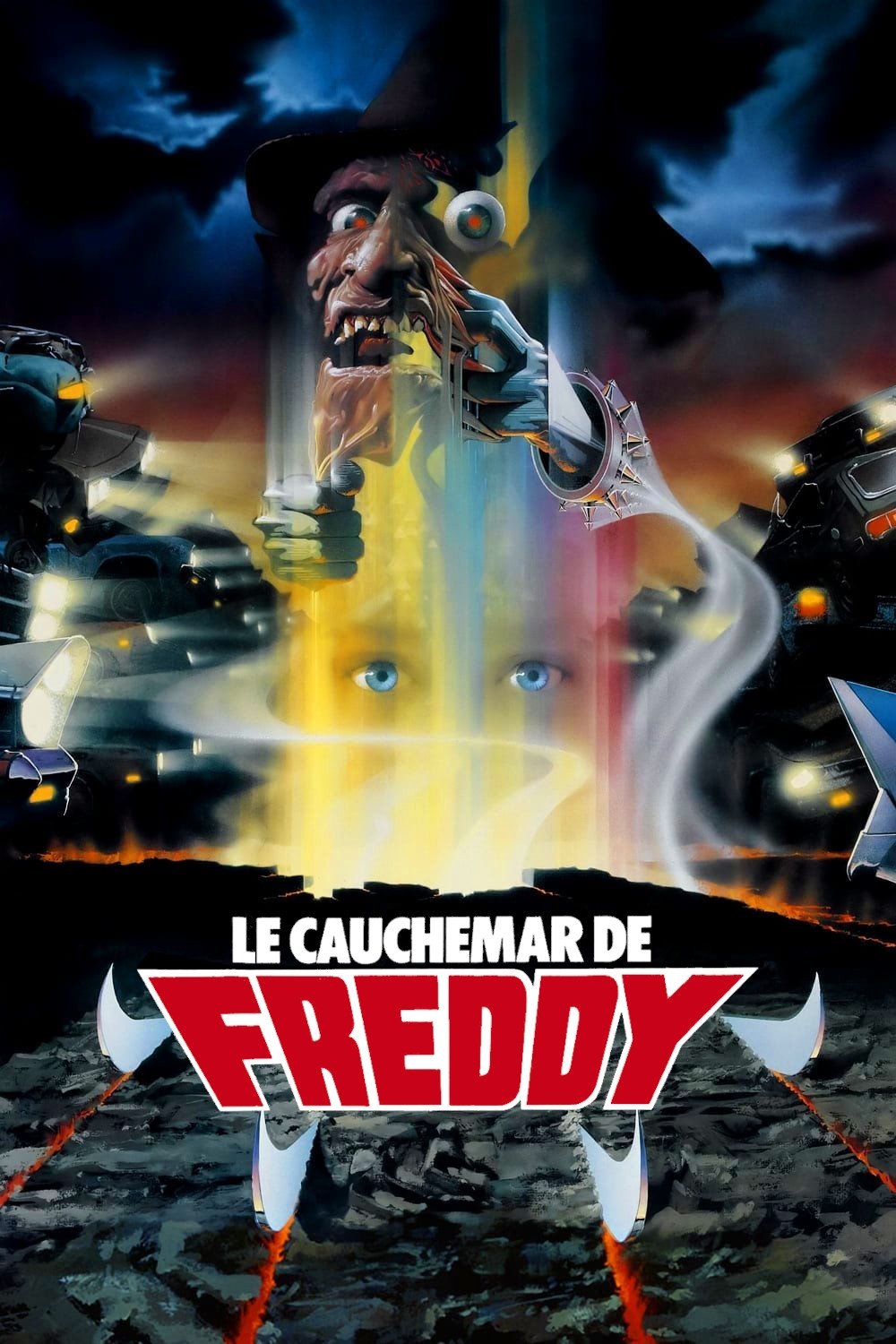
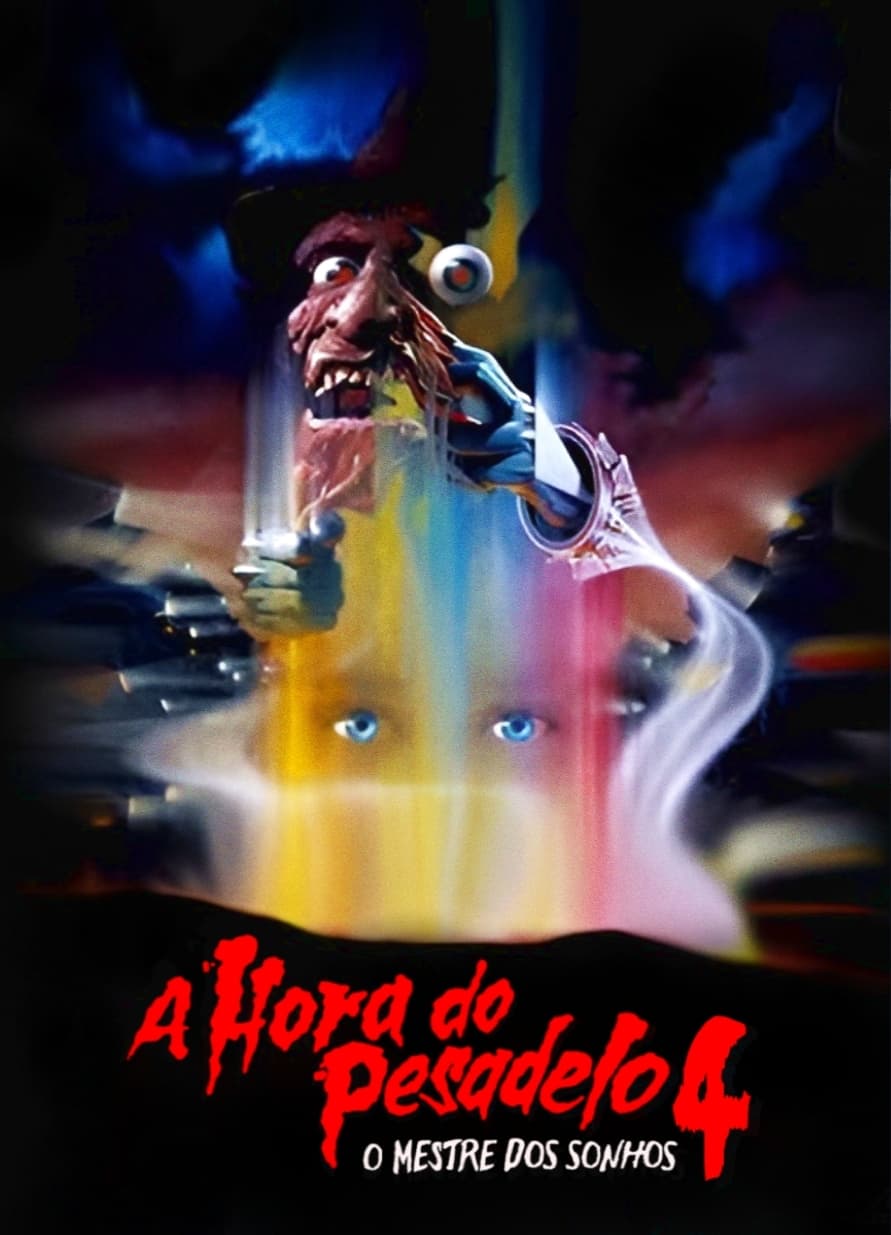
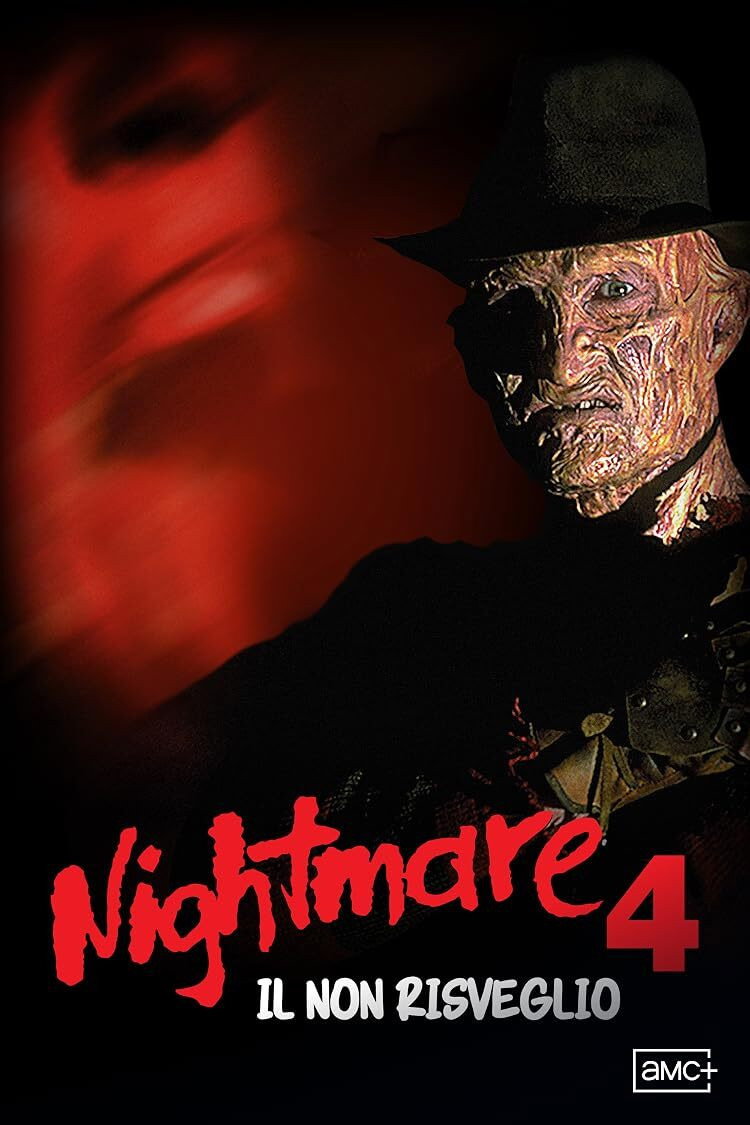
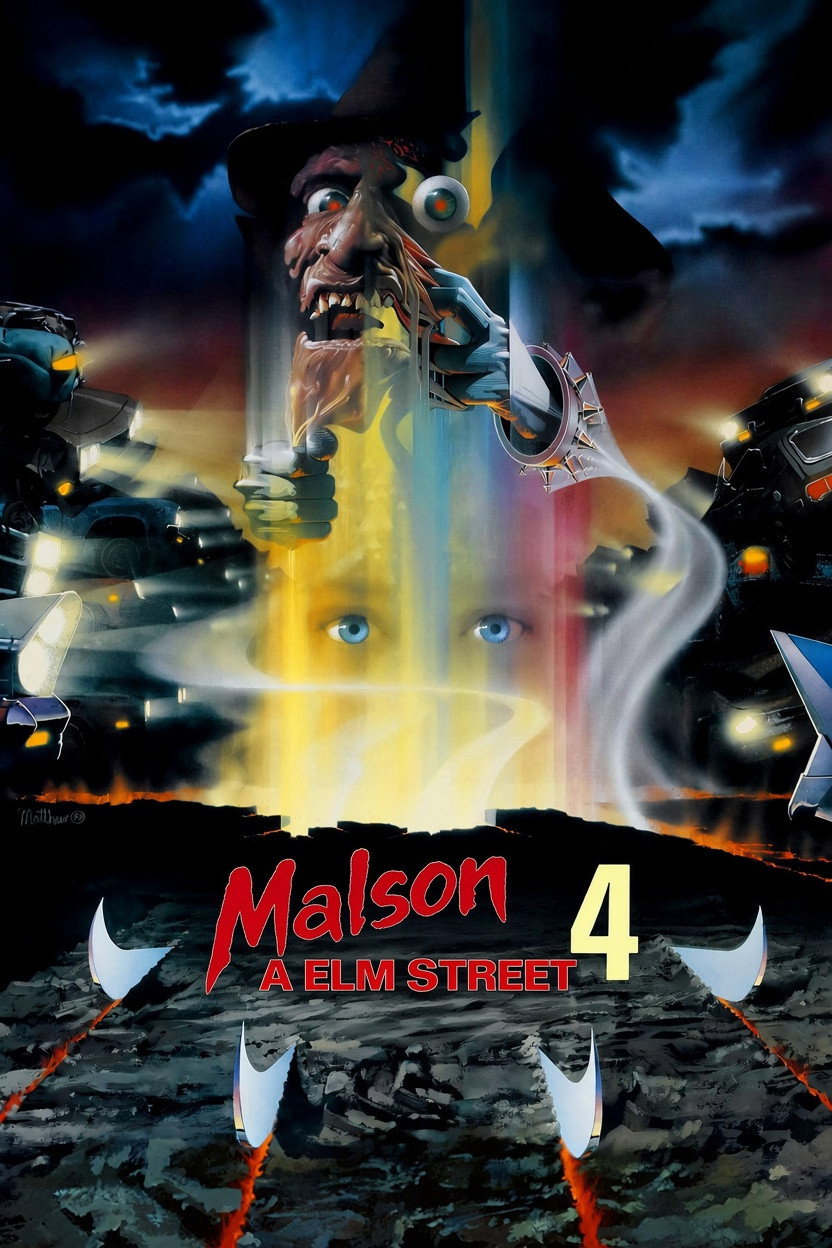
Development: An Unfinished Script and a Summer Deadline
New Line Cinema entered the fourth Nightmare production with commercial momentum from the previous installment and a firm interest in expanding the series. Harlin, a Finnish director then establishing himself in Hollywood, persistently sought the assignment. He later recalled approaching the company repeatedly and eventually receiving the job when a stalled screenplay and the writers' strike made a conventional development period impossible. Brian Helgeland had worked on the material, but Harlin describes entering production with an outline that did not provide every scene in finished form.
Rather than relying on a stable shooting script, Harlin and producers Michael De Luca and Rachel Talalay developed dialogue and narrative connections around the daily shooting schedule. The director remembered drawing storyboards for sequences inspired partly by dreams he had experienced himself. Harlin also understood that audiences knew Freddy's abilities well enough to expect variations on established patterns. He approached the sequel as a chance to enlarge the character's performance and the scale of the surrounding visual world, while recognizing the financial risks of those ambitions. His later remarks are especially useful when read alongside the studio's documented rush to secure a late-summer theatrical opening.
The timetable became another formative pressure. Contemporary trade reporting preserved in the American Film Institute catalog records New Line's decision to move the opening from autumn to August 19, 1988, making this the first entry released during the summer. That strategy demanded a rapid completion and a substantial promotional campaign. The resulting film bears traces of compressed development, especially in abrupt transitions between episodes, yet it maintains a recognizable structure through Alice's increasing importance.
Alice Johnson: Survival, Memory and Changing Identity
The sequel initially returns to the survivors of the third film, including Kristen Parker, Kincaid and Joey. Their presence offers an immediate connection to earlier events, then makes way for a different heroine and a changed relationship between Freddy and his potential victims. Alice begins as a young woman whose imagination provides a refuge from conflict at home and whose social confidence is limited. After Kristen passes on her power to draw others into dreams, Alice becomes increasingly exposed to the killer.
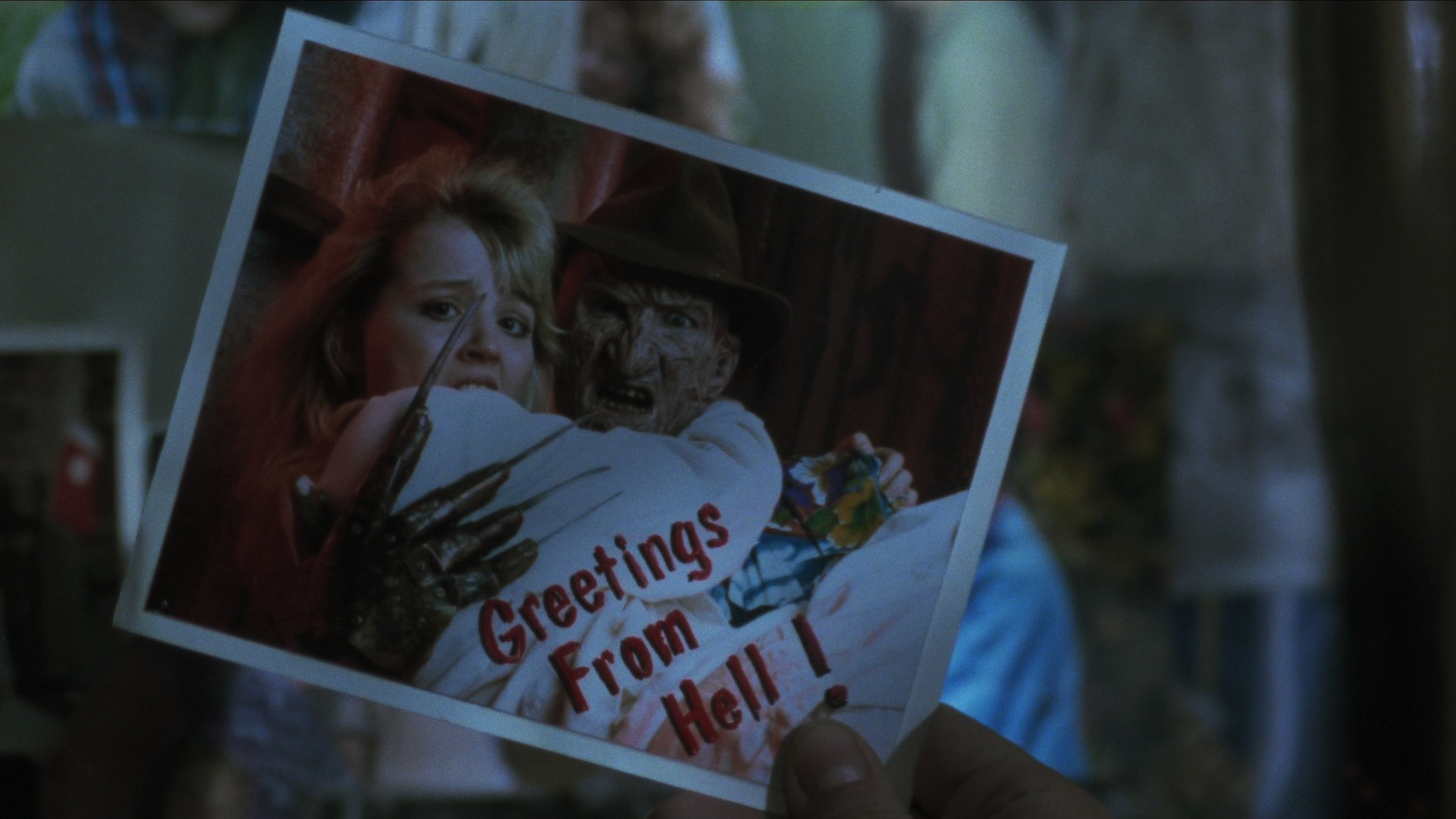
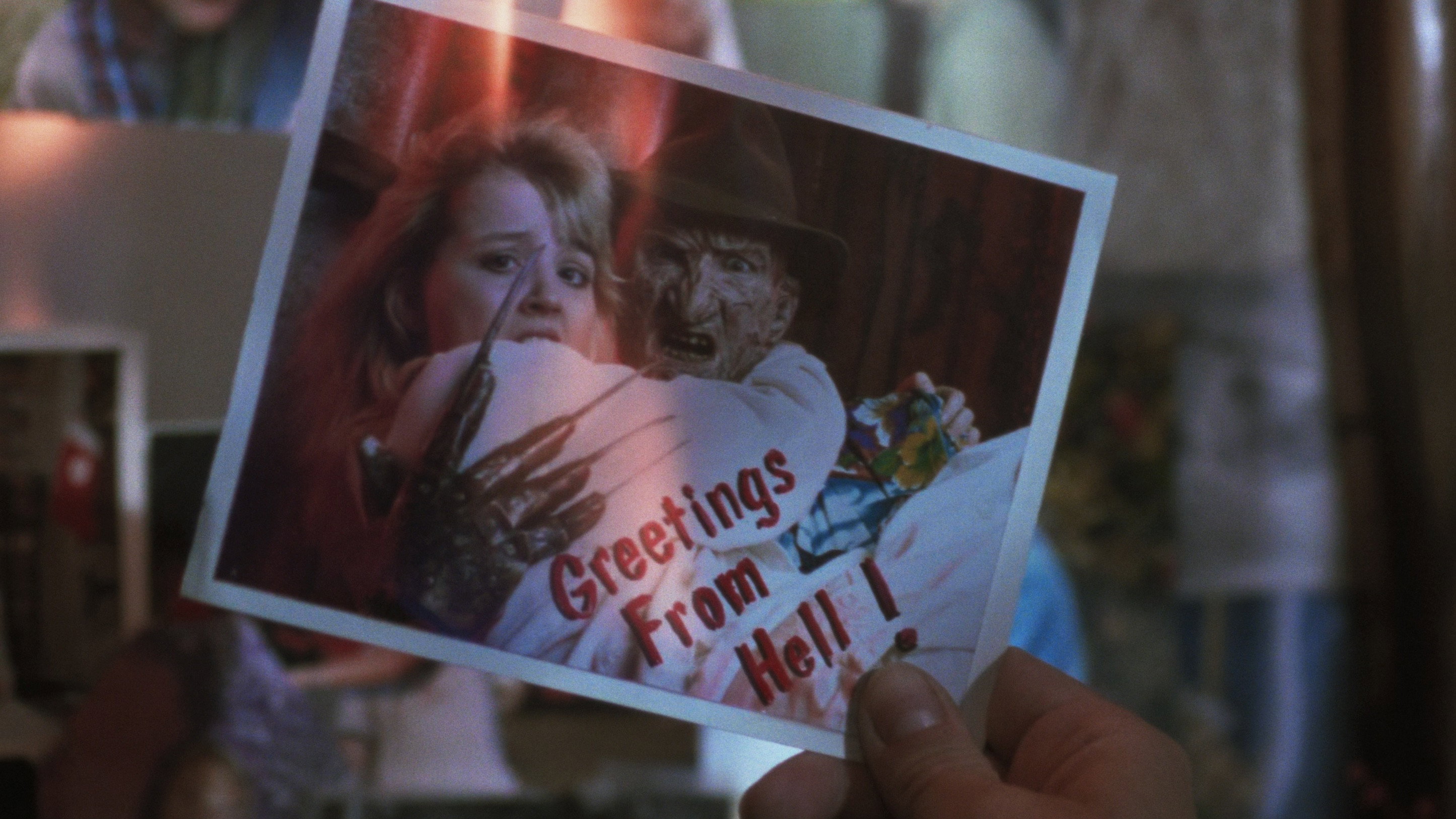
Lisa Wilcox's portrayal gives this transition a physical dimension. Alice's manner becomes more assertive as she inherits aspects of her friends' identities, while the bedroom mirror and its accumulated photographs organize the change visually. The idea is unsettling as well as empowering: a survivor's new confidence comes from losses that cannot be undone. In a retrospective interview, Wilcox recalled tracking which characters had already died when filming scenes out of sequence. Her script notes helped her determine which behaviors Alice could plausibly have acquired at each point. Even small alterations in posture and expression thus form part of the evolving supernatural rules, giving the performance a continuity the shifting dreams might otherwise obscure.
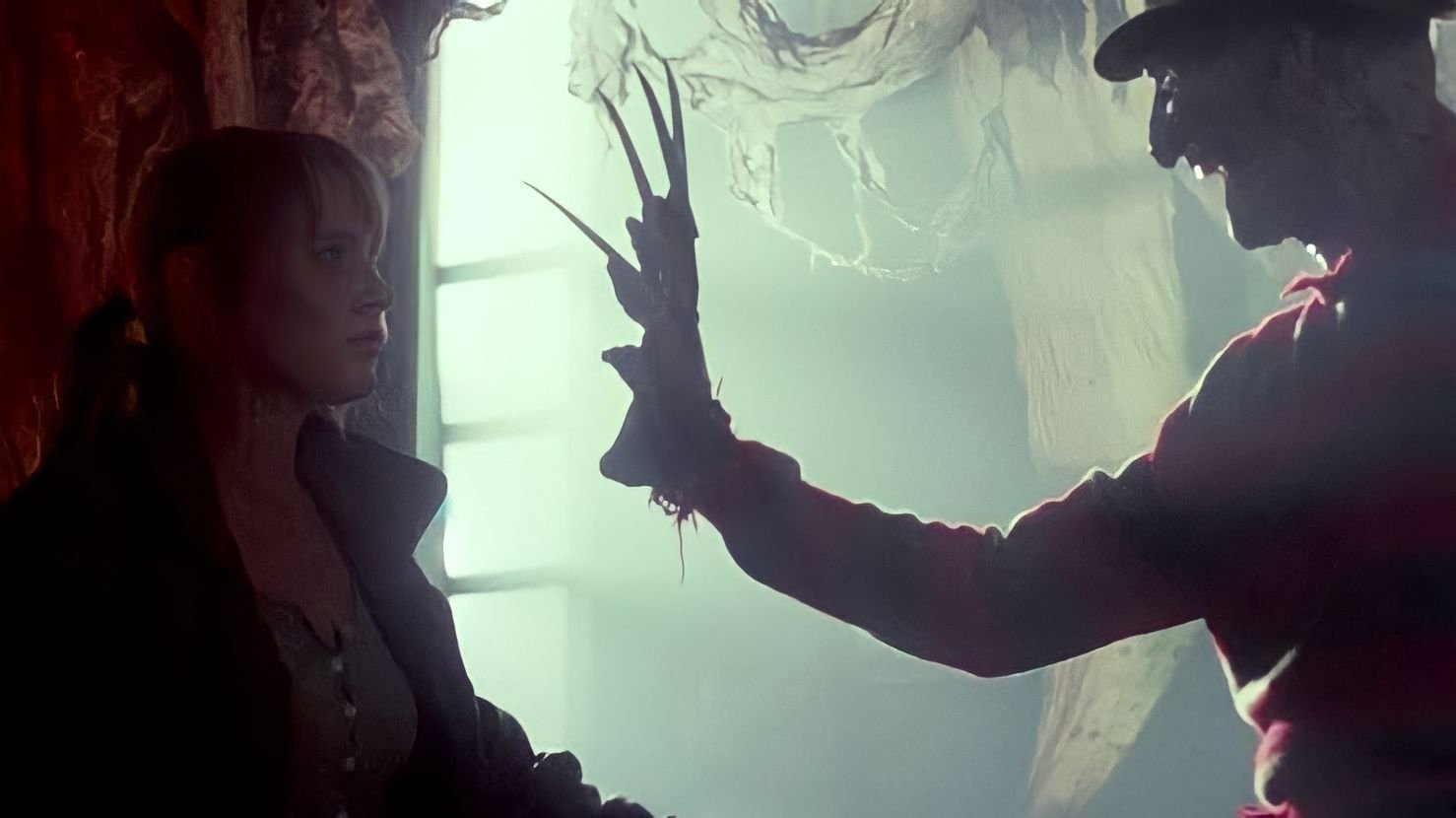
The family scenes add a domestic source of anxiety to the attacks. Alice's difficult relationship with her widowed father establishes an atmosphere of emotional constraint, giving the dream encounters a link to ordinary vulnerability without claiming that the killer is merely psychological. Rick's support and Dan's affection provide connections outside the supernatural struggle. Alice's confrontation with Freddy eventually requires her to recognize the accumulated identities she carries. The character's journey binds the elaborate deaths to their surviving witnesses.
Harlin, Cinematography and the Geography of Nightmares
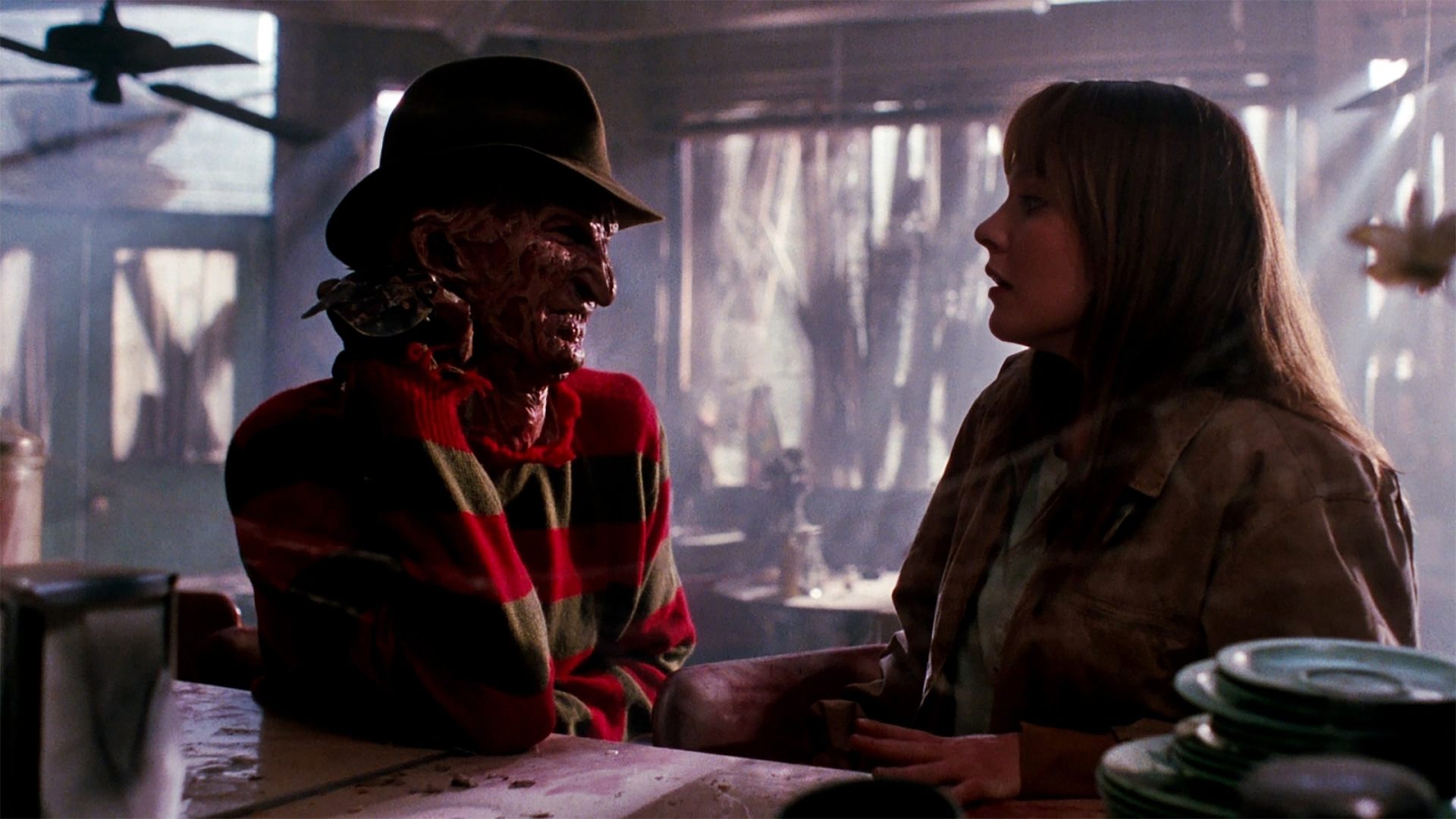
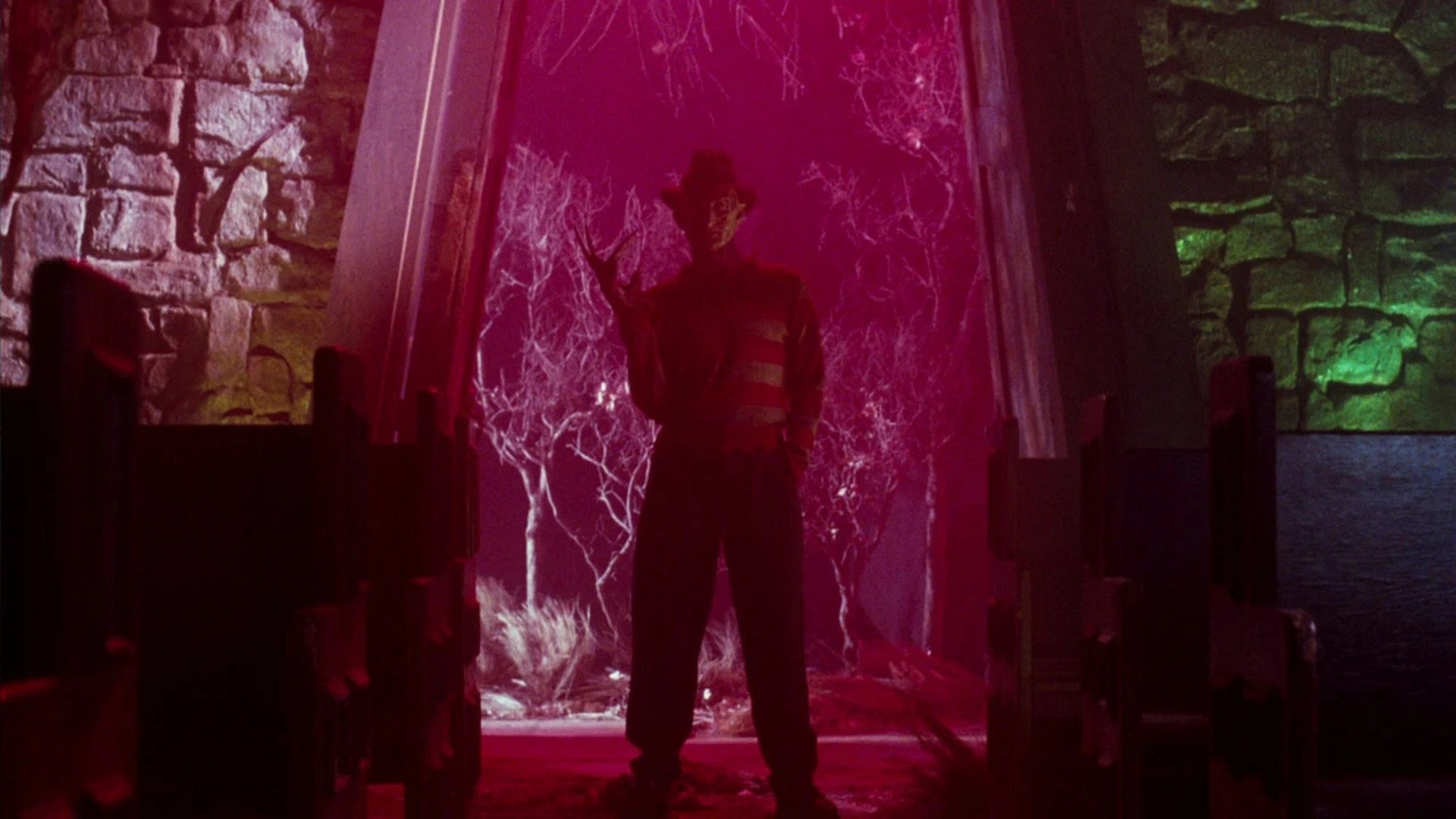
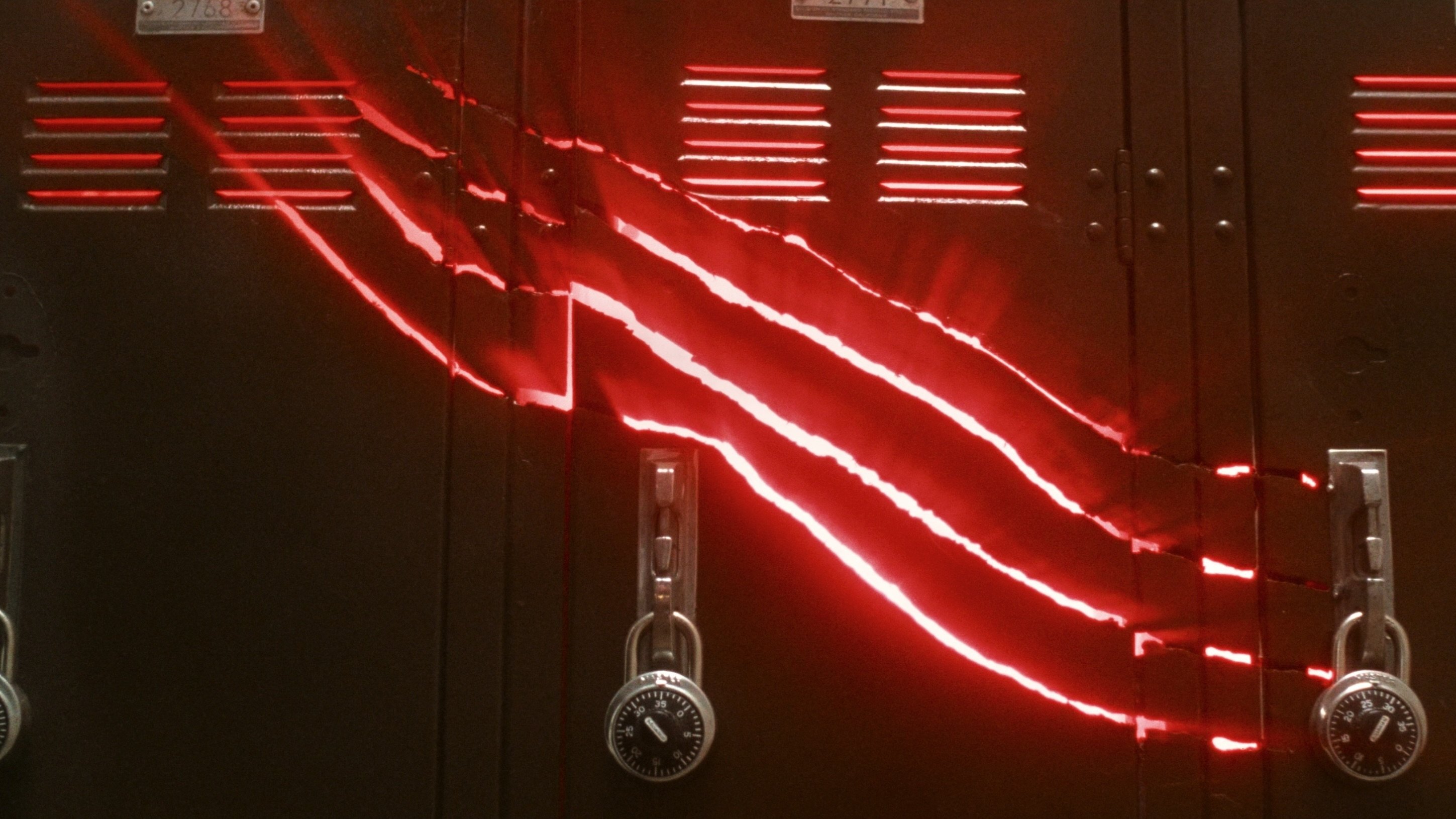
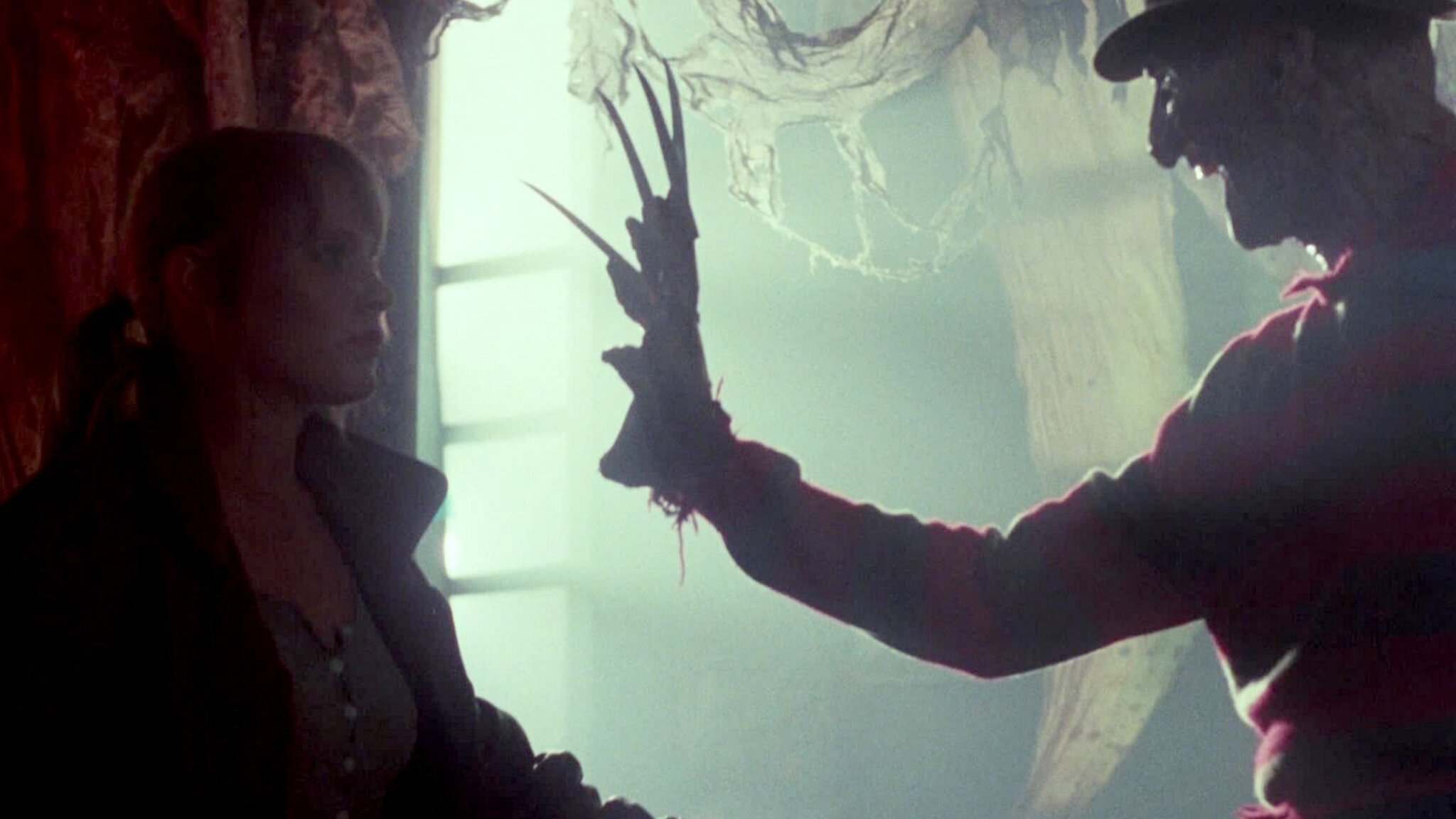
Harlin's direction and Steven Fierberg's cinematography create a brightly articulated dream world that differs from the original film's more restricted, shadowy spaces. The camera often moves assertively through familiar rooms, then alters their scale or perspective as nightmare logic takes hold. School corridors, a diner, a cinema and a bedroom become thresholds into threatening environments. The contrast between everyday interiors and fantastic extensions is vital: objects first appear harmless before assuming impossible dimensions or acquiring a predatory life.
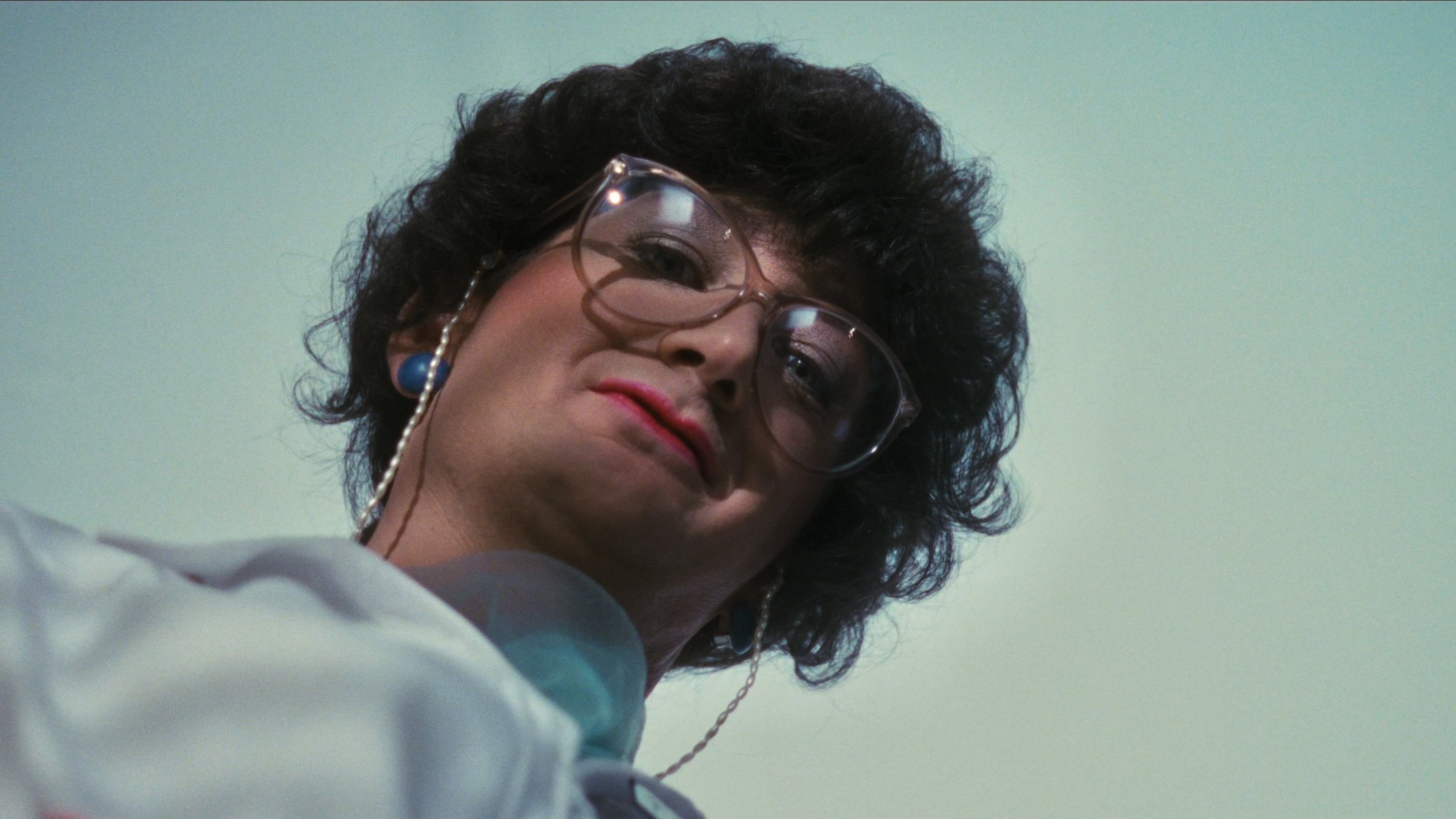
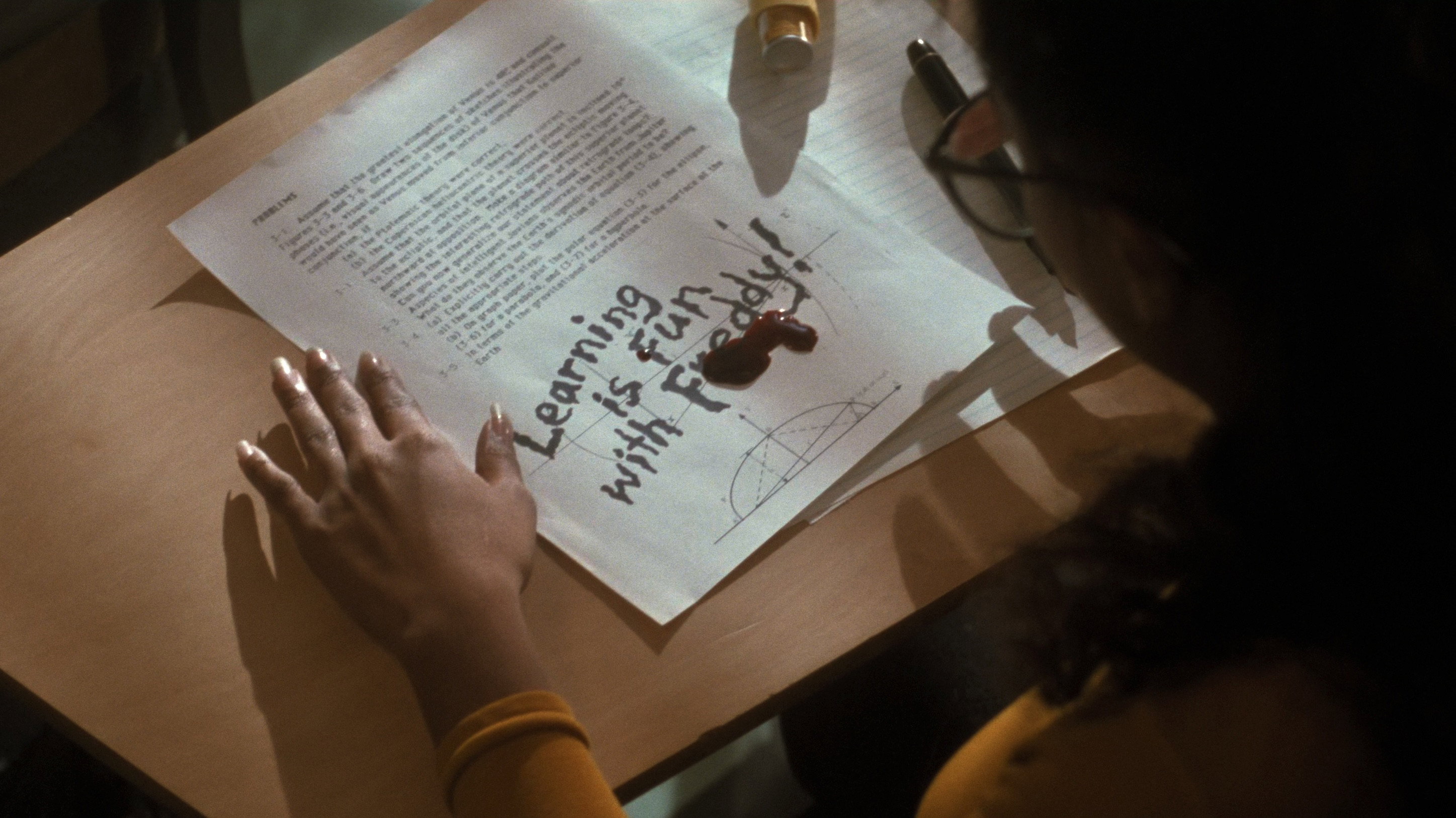
Several sequences depend on repetition and the frustration of movement. In the classroom, Sheila's increasingly helpless encounter converts a familiar educational setting into a place where her own body ceases to obey ordinary limits. Rick faces martial-arts opponents who materialize within a dojo-like dream space, while Alice later experiences an extended loop that keeps her from reaching a friend in danger. Their attempts at escape obey waking habits that dreams render useless.
This visual strategy also shapes the film's tempo. Nightmares arrive with the clarity of separate performances, each designed around a victim's anxieties or habits. Between them, the story moves through recognizable friendships and family tensions. Harlin's willingness to foreground spectacle produces a highly varied surface, yet the best transitions depend on concrete emotional associations. Water, food, exercise equipment and reflective glass are familiar enough to register immediately before becoming grotesque. Contemporary critic Kevin Thomas singled out the visual ambition of the picture in a Los Angeles Times review, treating its invention as an essential part of the horror rather than merely decoration.
Practical Makeup: Transformations and the Destruction of Freddy
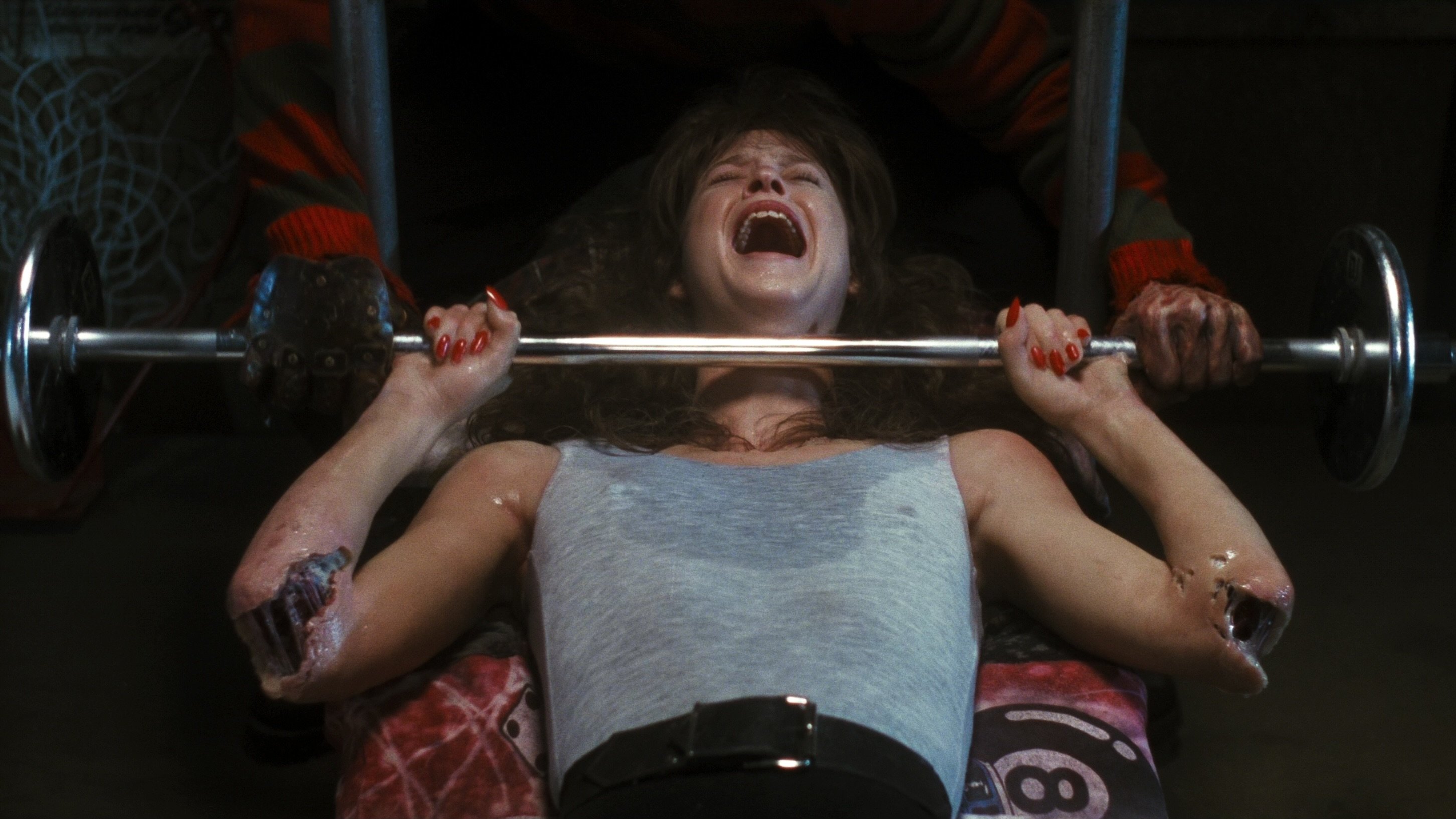
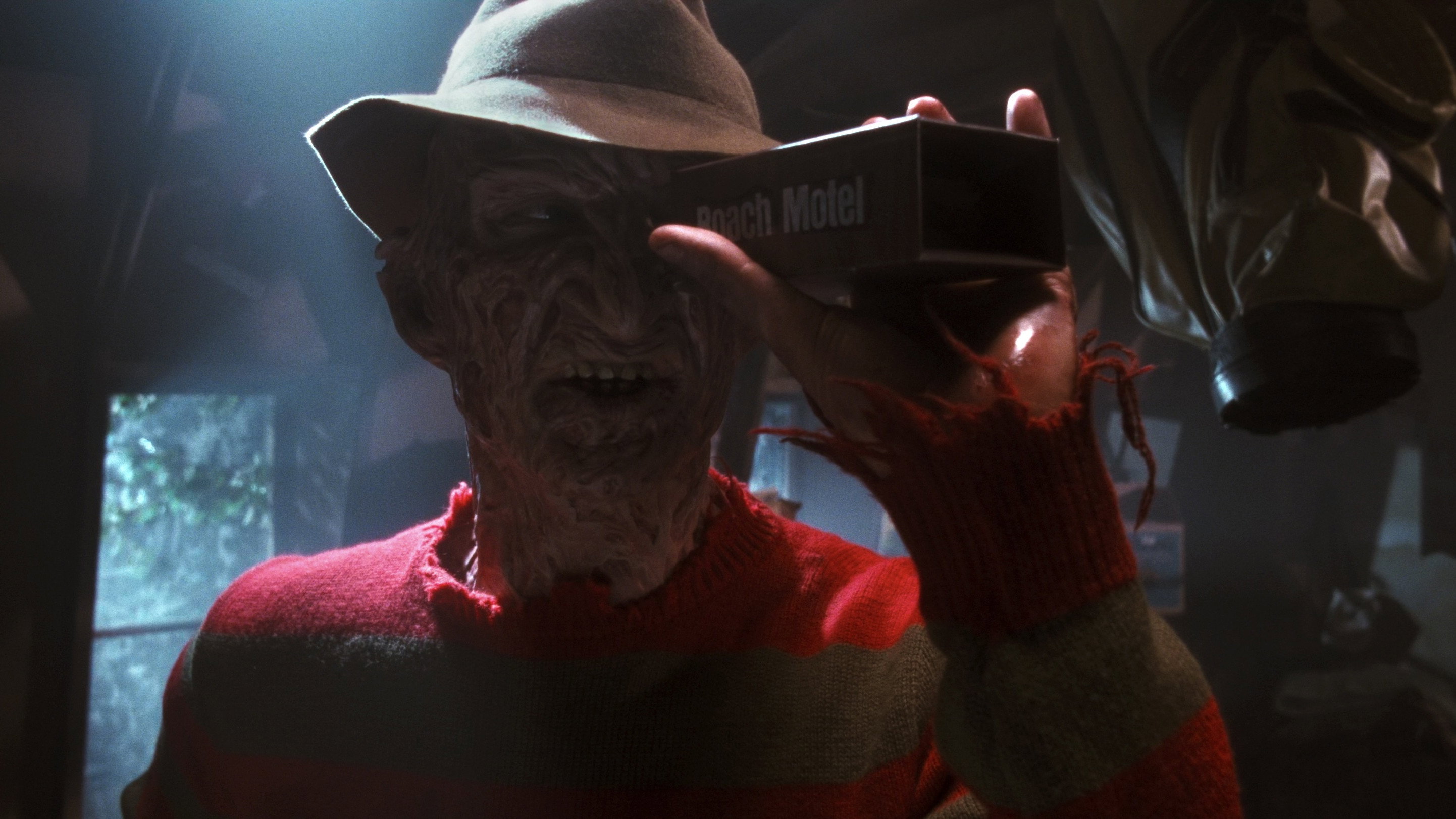
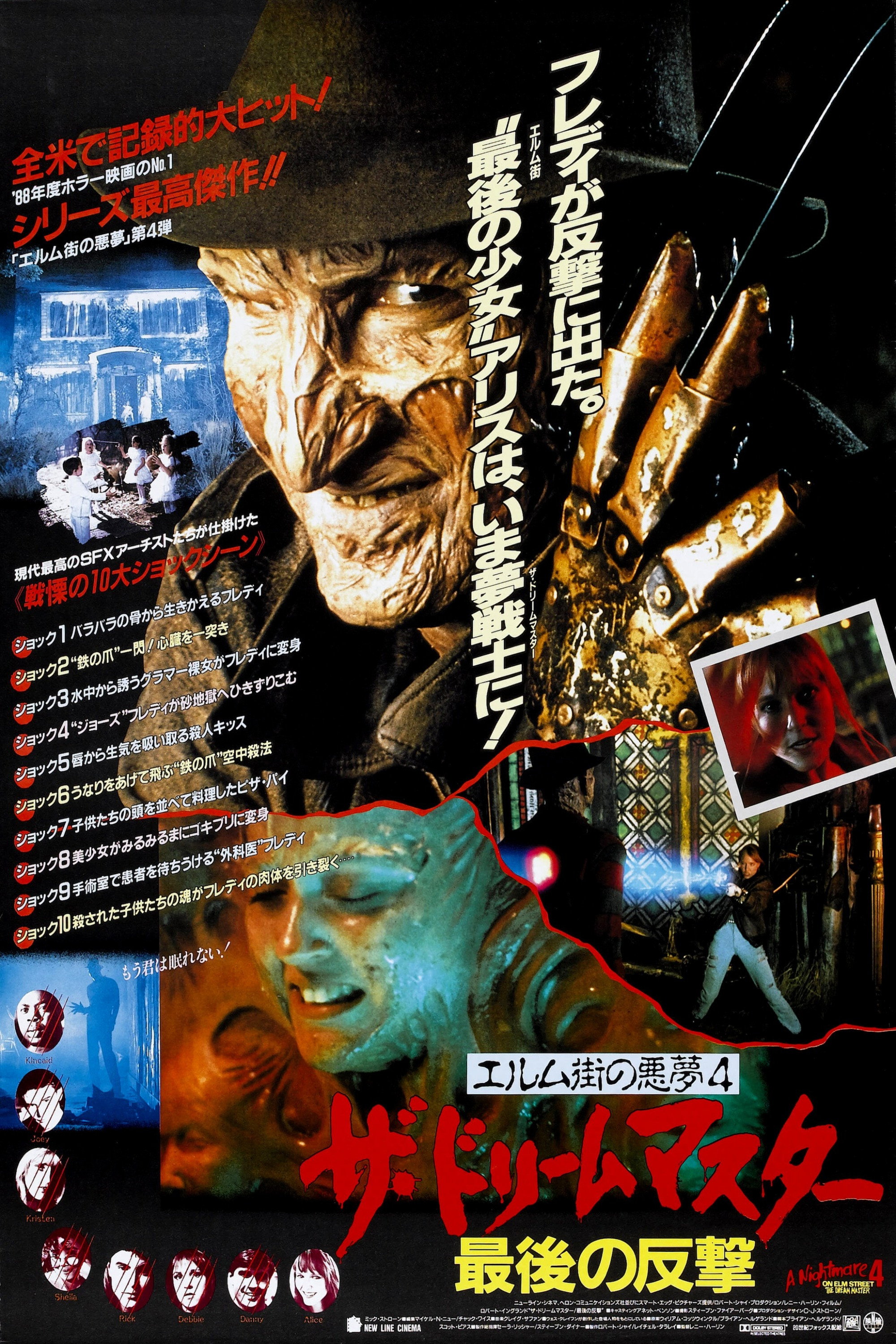
The fourth installment required several effects teams because its nightmares demanded different techniques and rapid construction. The transformation of Debbie into a cockroach stands among its most disquieting images. A character associated with physical discipline and disgust at insects loses control over her own anatomy as her limbs and skin change. The sequence progresses from close bodily distortion toward an enormous pest trap, with scale shifting around the victim. Its discomfort comes from the duration of the metamorphosis and from the contrast between a human performer and an increasingly recognizable insect body. The scene belongs to the body-horror tradition within an otherwise extravagant supernatural slasher.
Steve Johnson has described a separate assignment undertaken by his effects company: the climactic destruction of Freddy. In a substantial interview, he explained that his team concentrated on the final sequence, where the imprisoned souls emerge from the killer's body. It required matching inserts on Robert Englund with an oversized Freddy construction, using human performers and small puppet elements in combinations intended to make the changes of scale convincing. His testimony helps explain why the climax feels like a physical uprising from inside a costume rather than an abstract magical disappearance. The scale trick was a practical answer to a dramatic idea: Freddy had become a prison for the very people he had murdered.
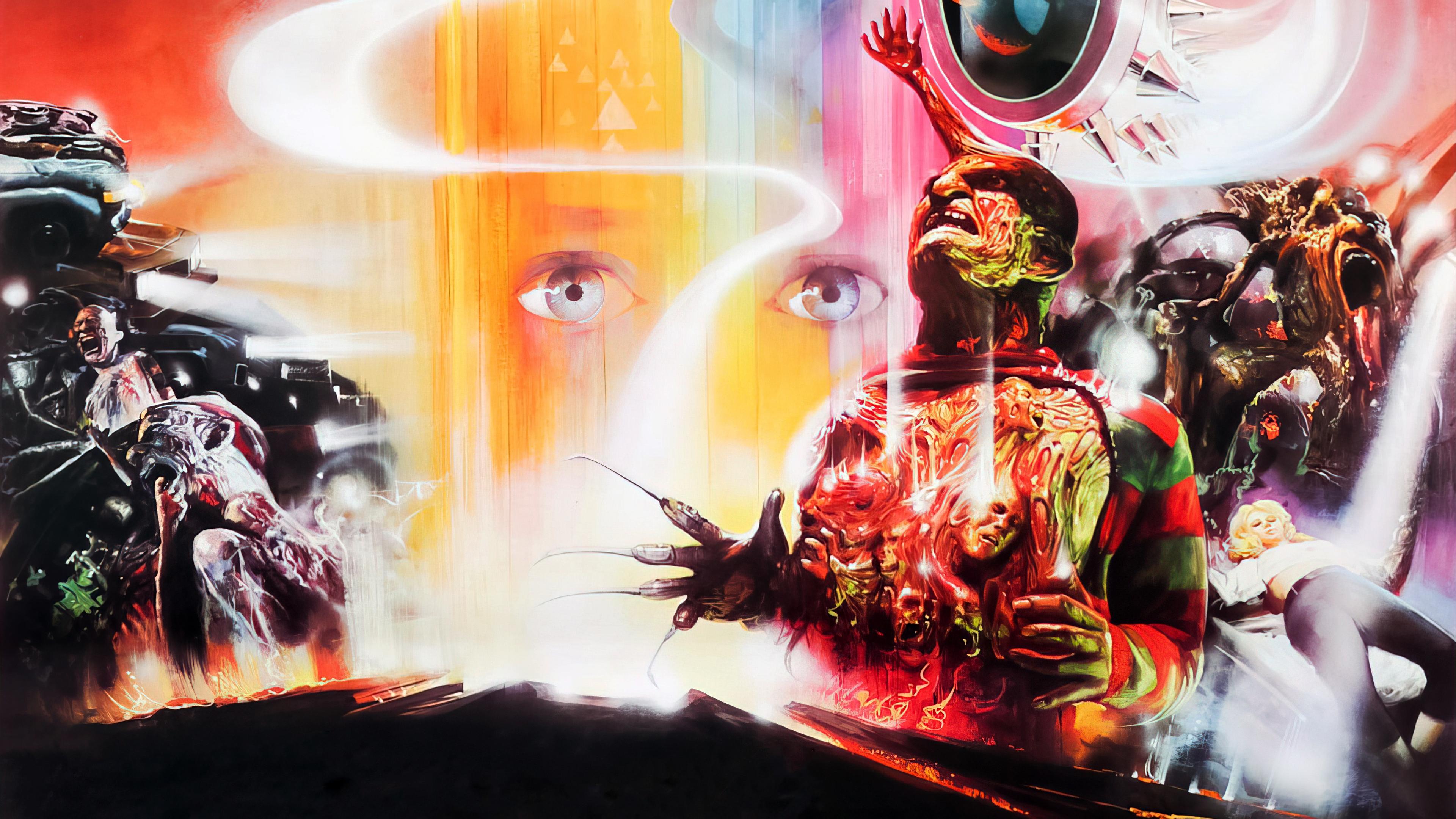
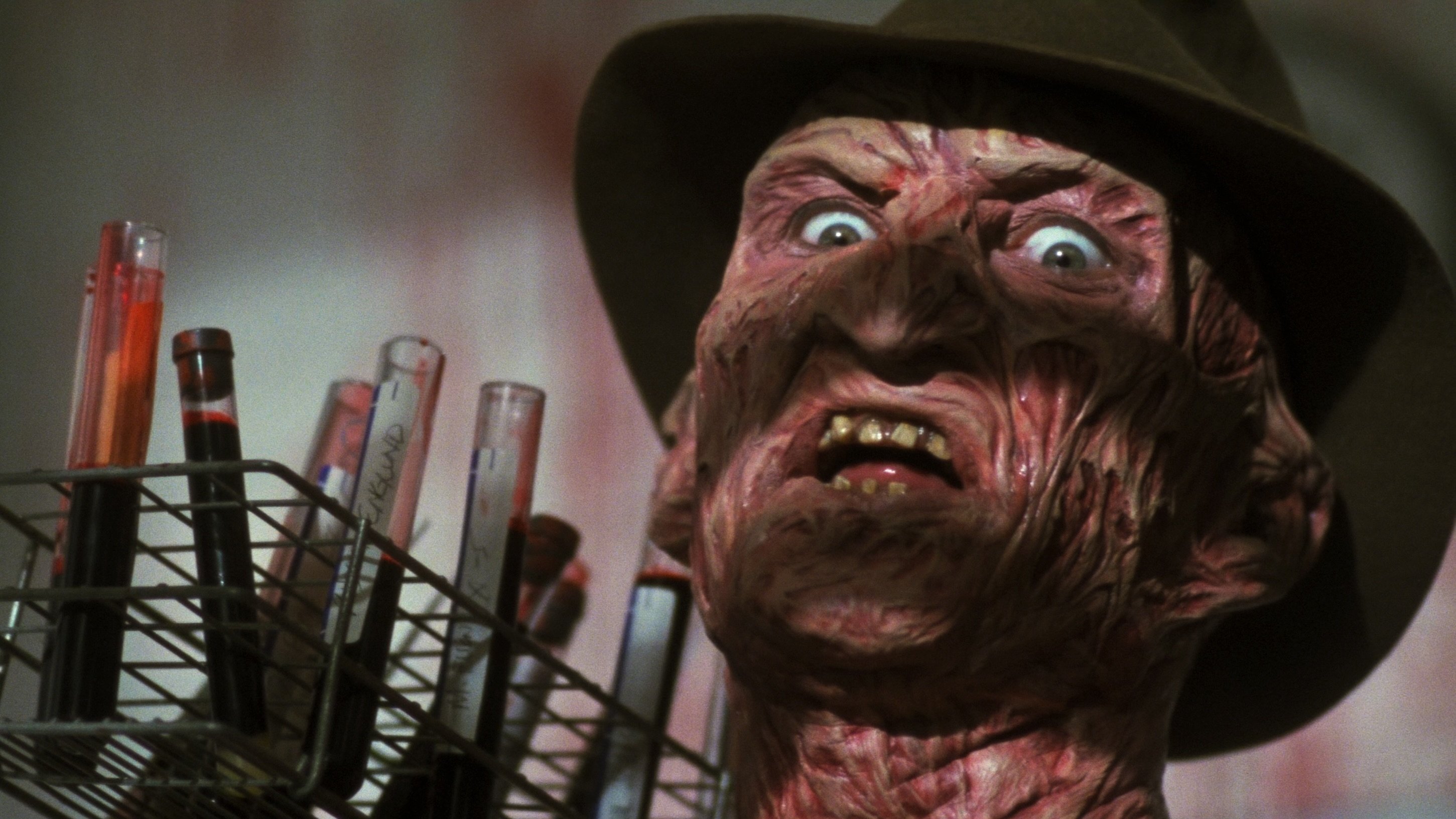
Other makeup specialists contributed distinct creations, with Freddy's familiar burned face remaining the visual anchor amid changing forms. Dividing work between shops encouraged variety, but it also required their results to coexist within a consistent screen universe. Practical mechanisms permit the camera to linger on flesh deforming, a head or torso assuming another shape, or trapped faces pushing outward. The sequence design gives the film a strong tactile identity, and the grotesque detail preserves an element of revulsion within Harlin's increasingly playful treatment of the character.
Freddy as Performer: Cruel Comedy and Popular Culture
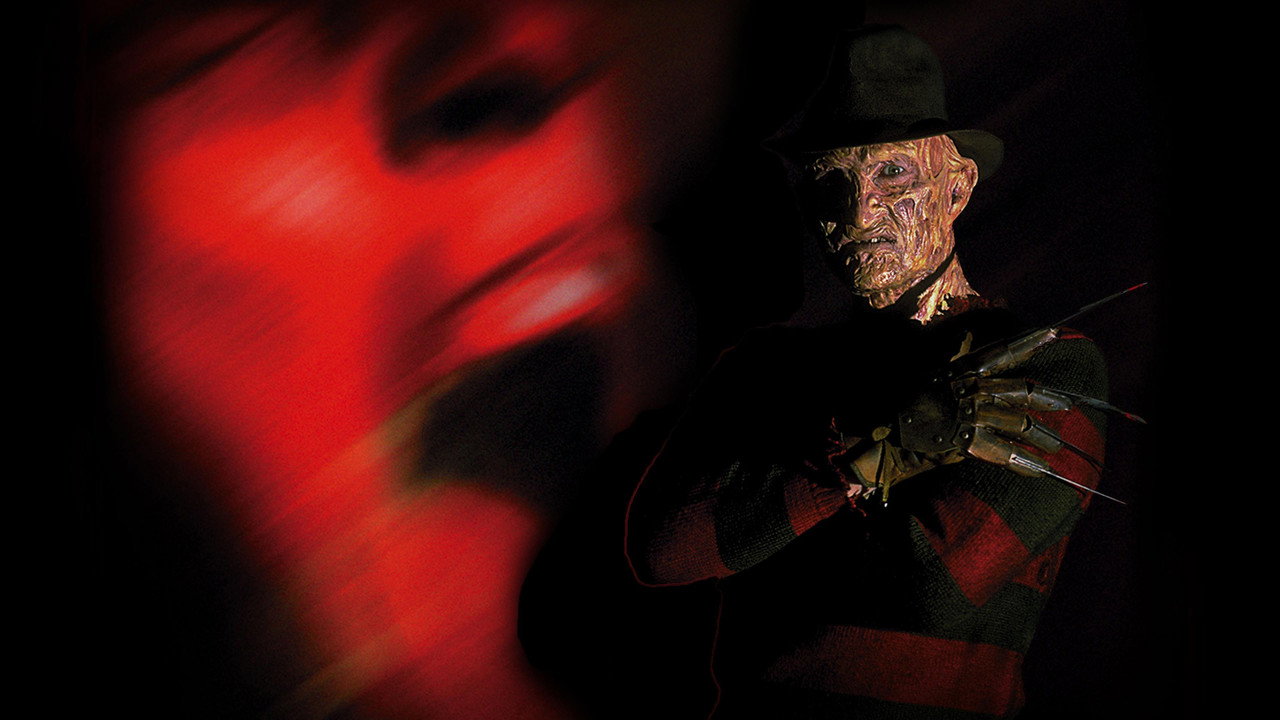
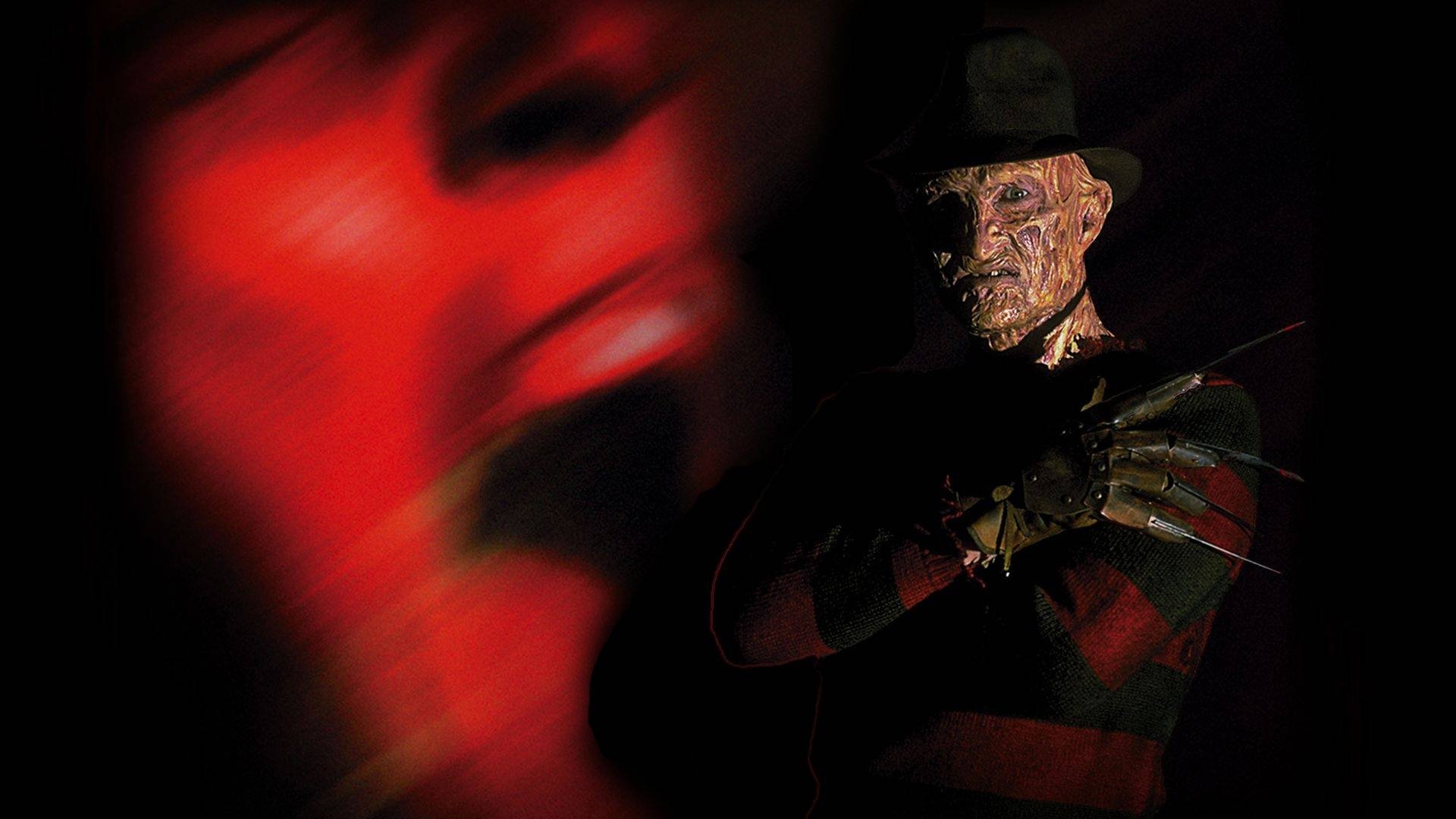
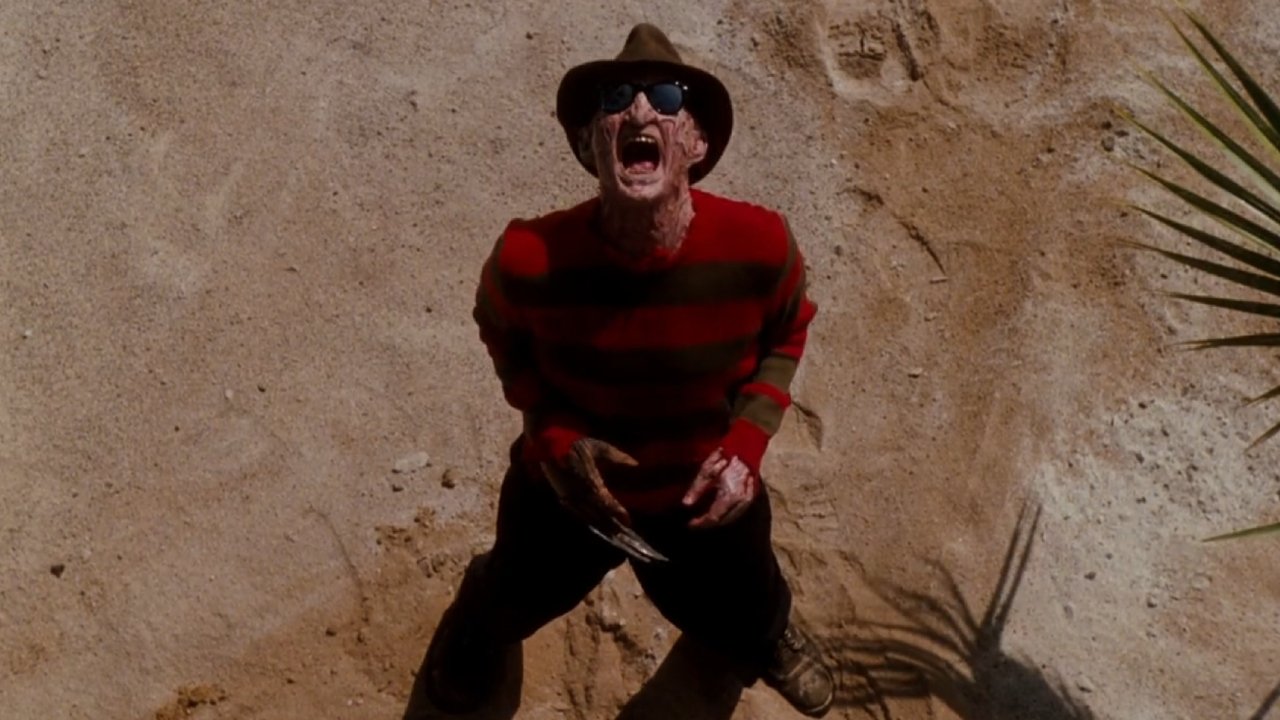
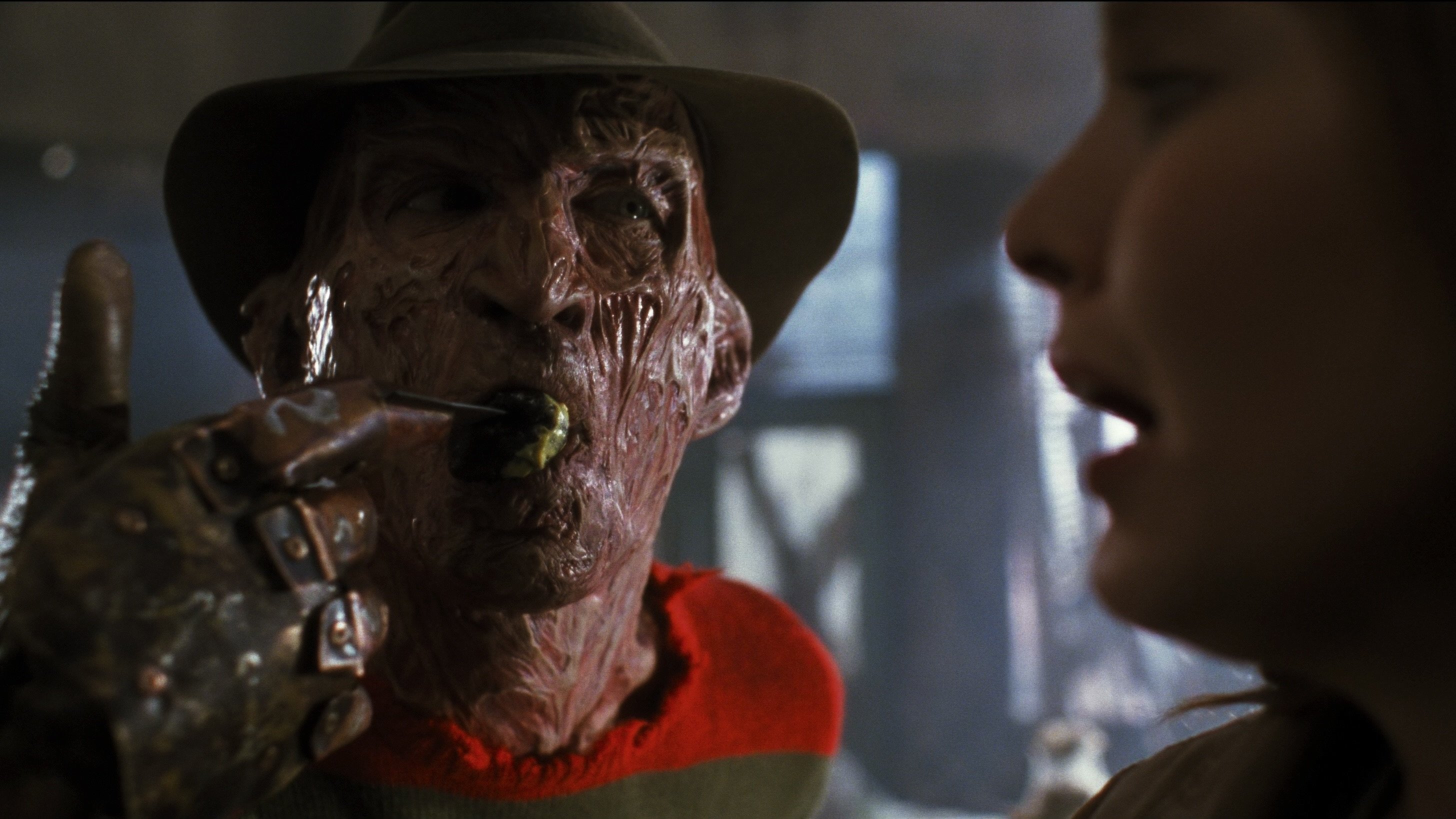
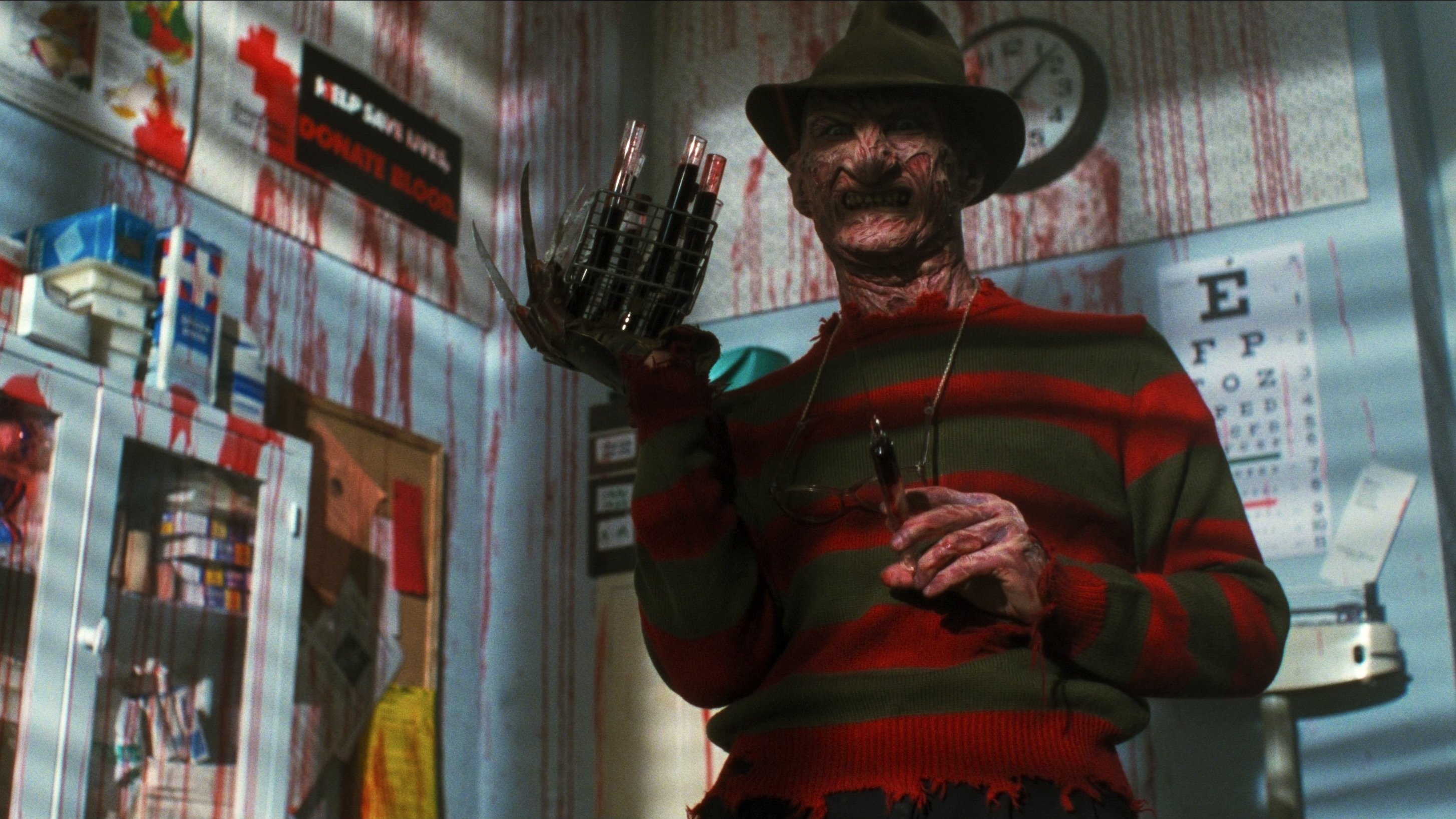
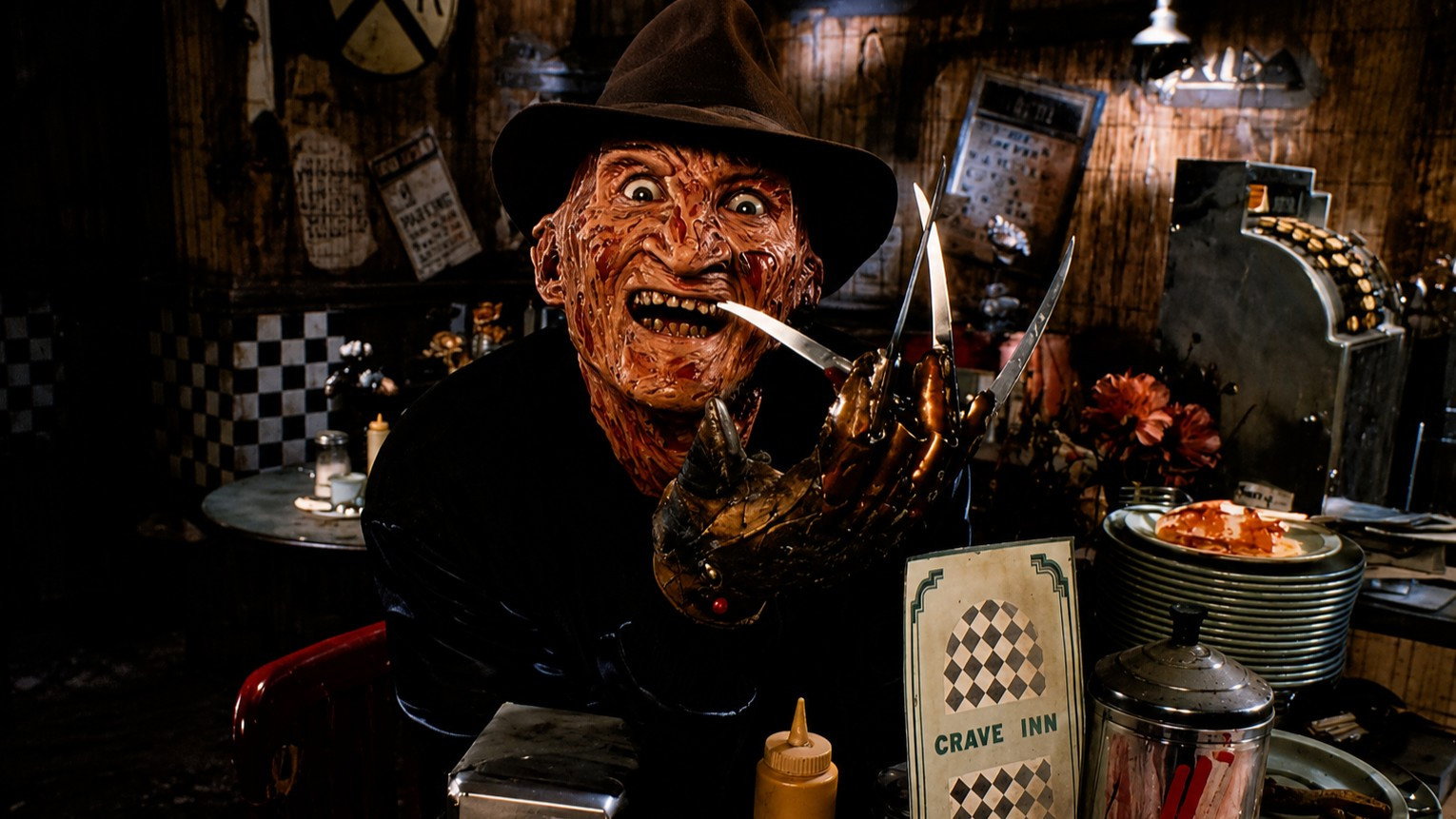
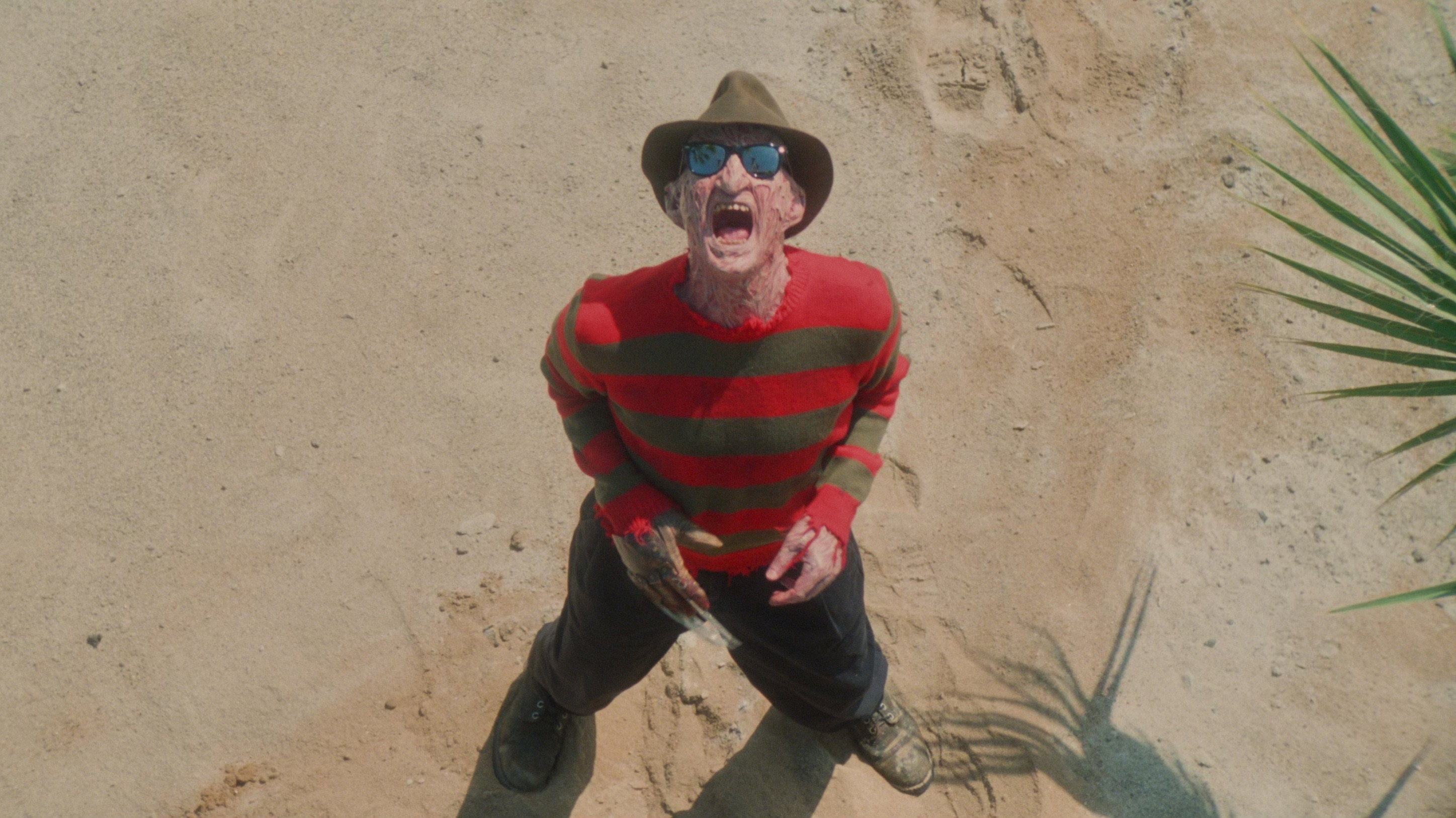
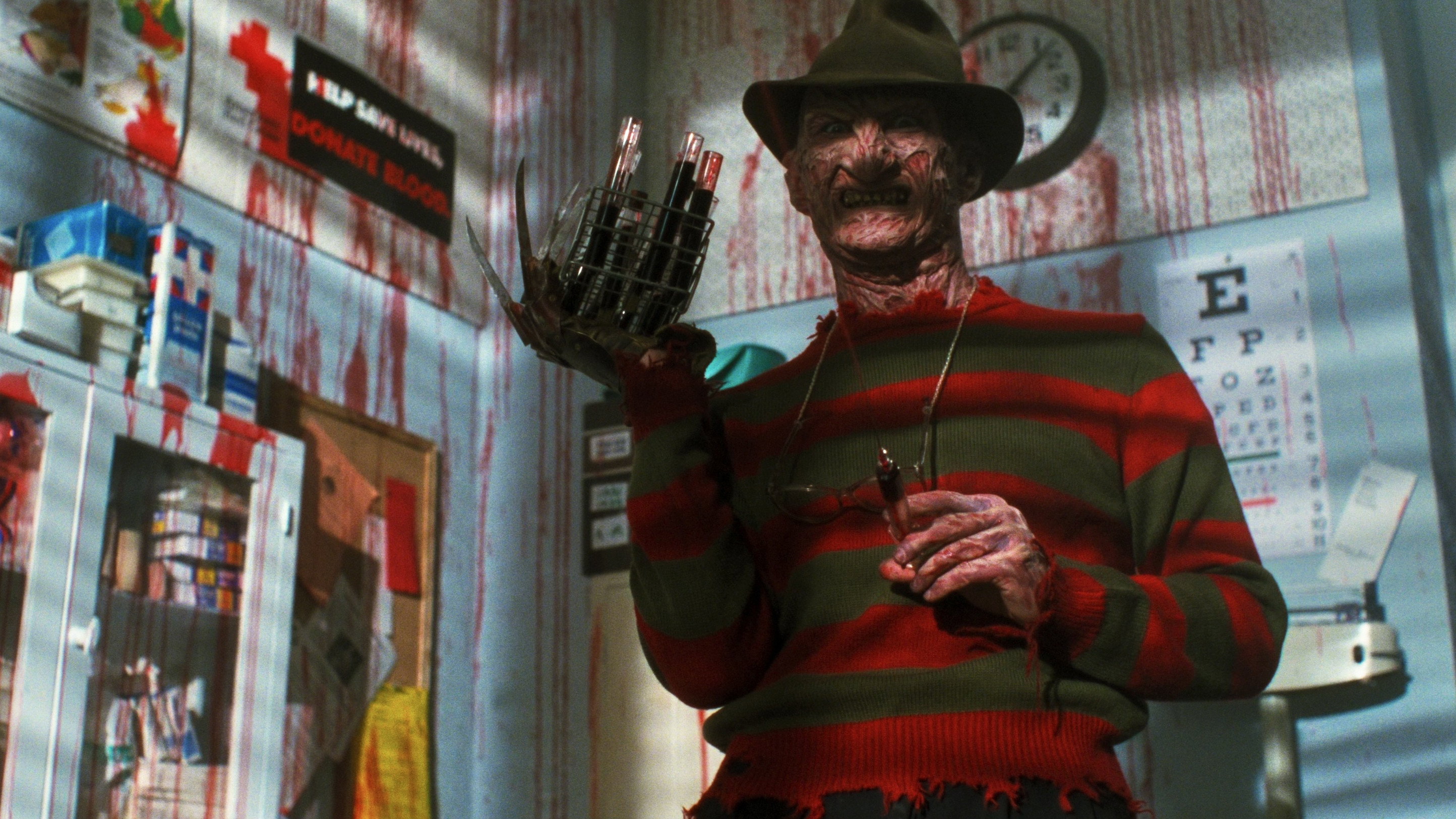
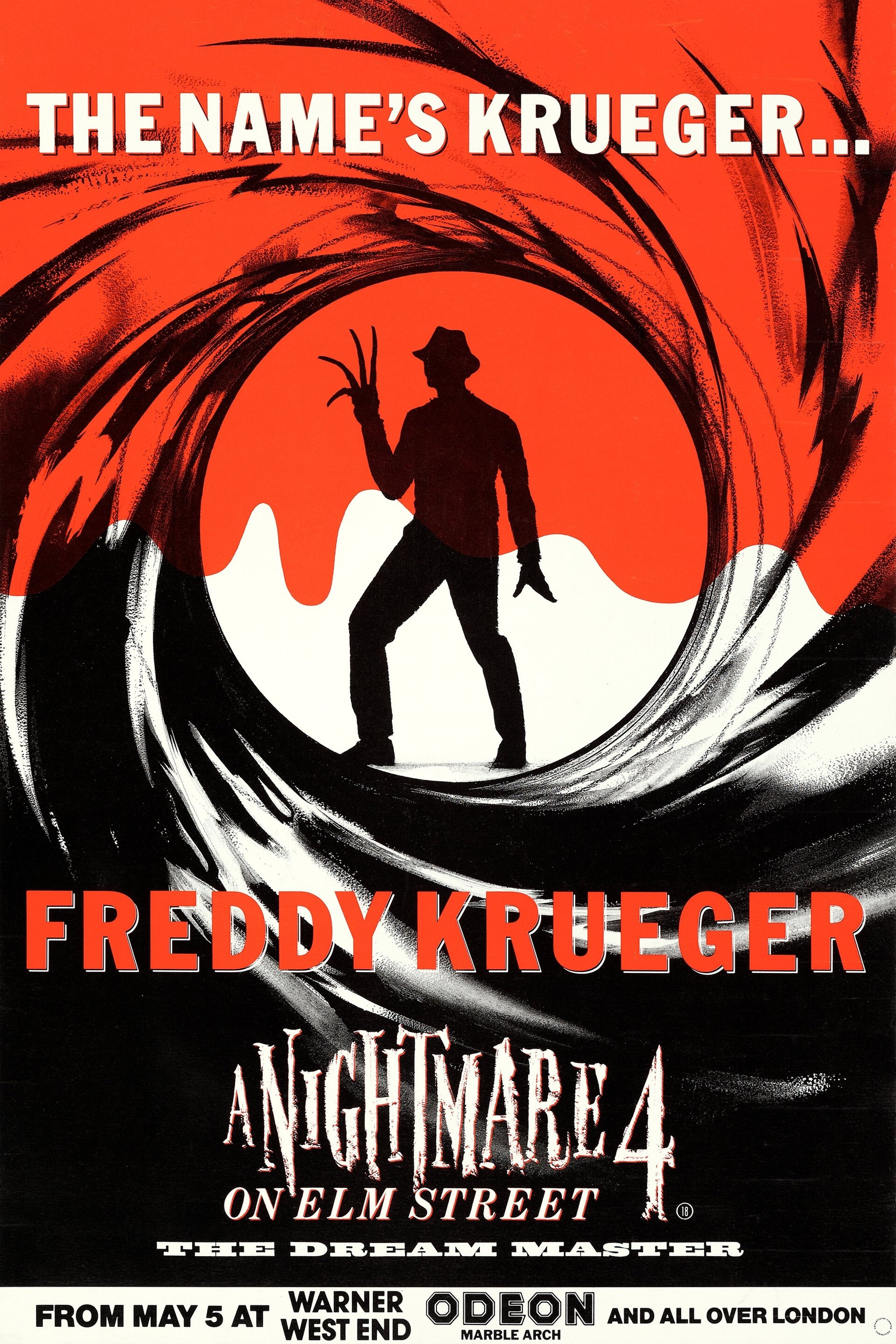
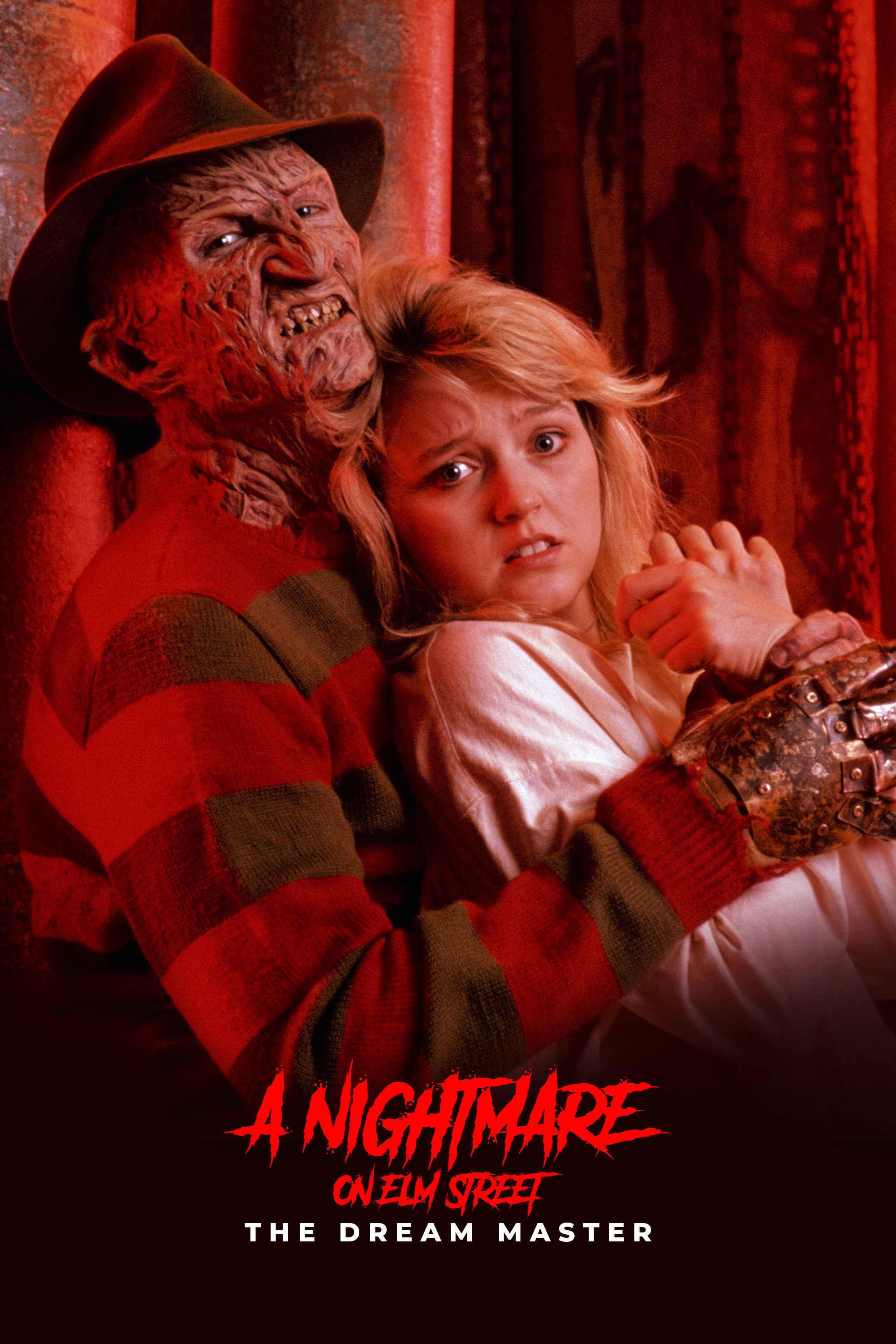
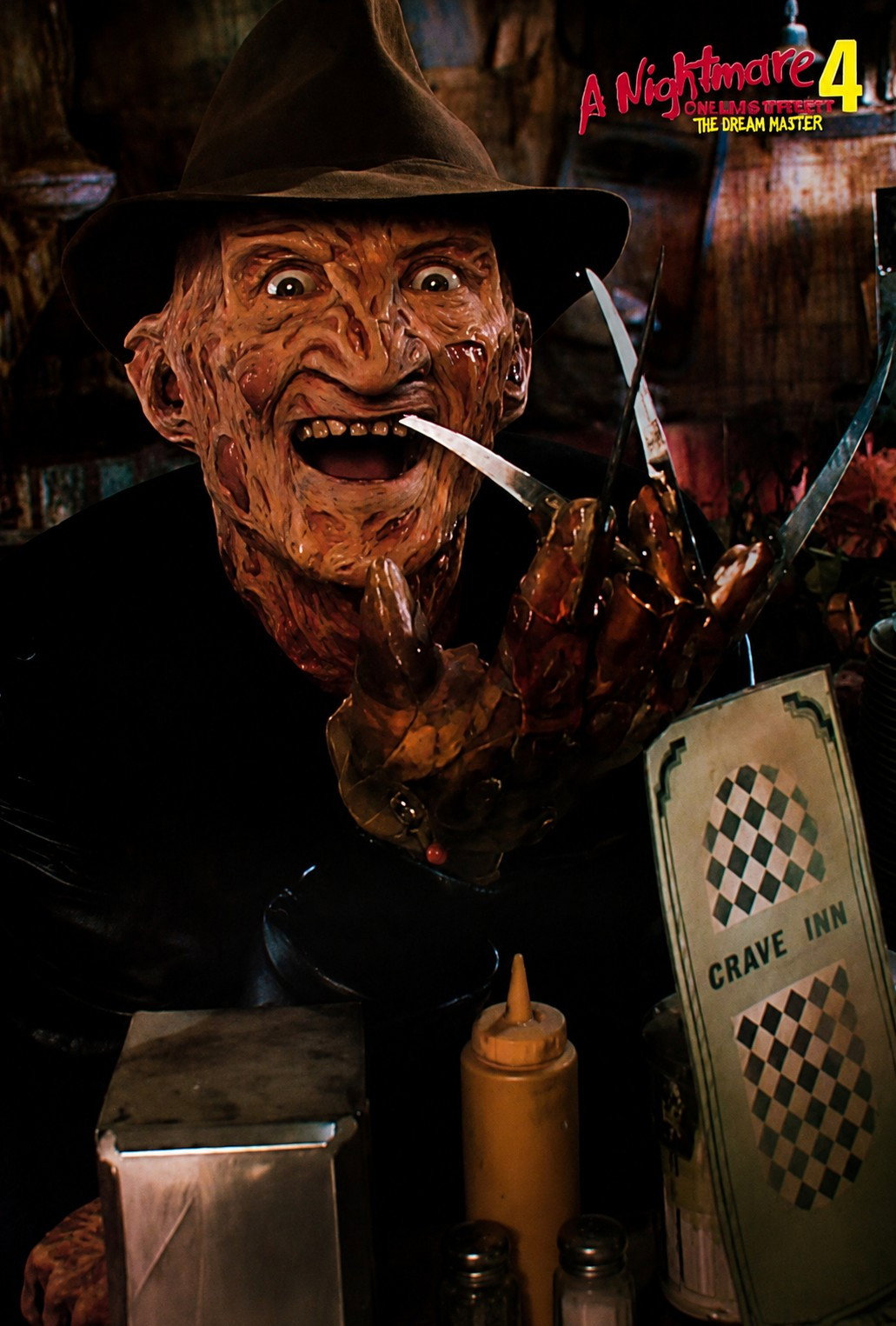
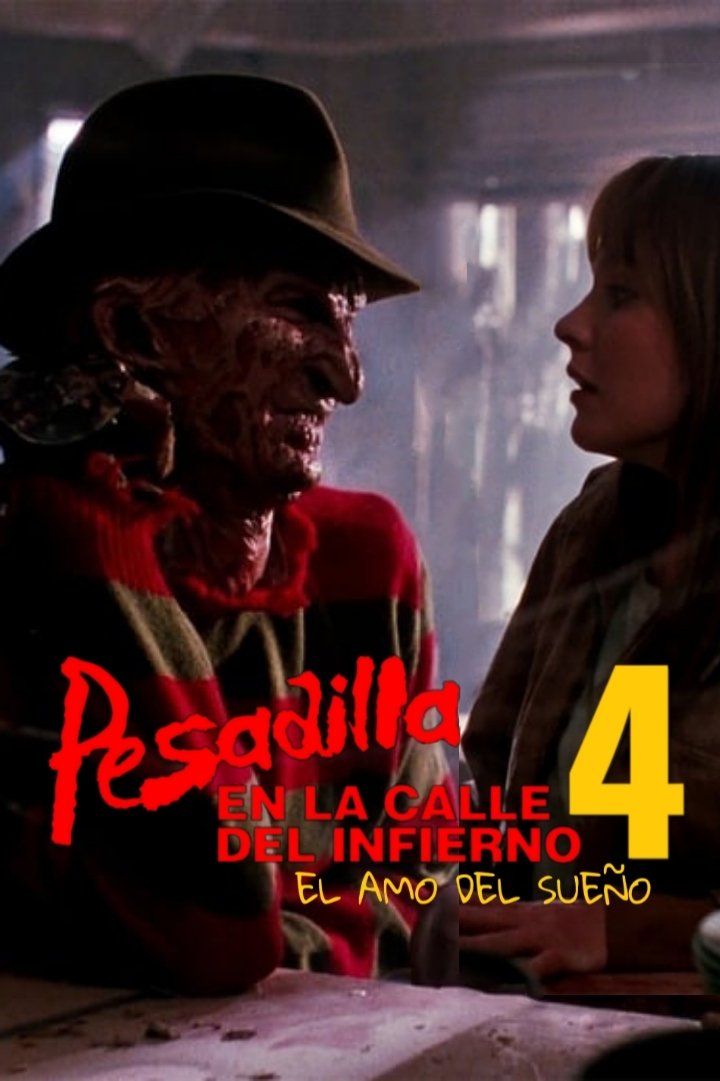
By 1988, Freddy Krueger's voice, silhouette and verbal wit were already familiar to much of the series' intended audience. Harlin later explained that he had consciously imagined the killer as a larger-than-life figure, invoking the idea of a James Bond of horror. The comparison described an approach to presentation, not a change in the character's moral position. Robert Englund's timing gives Freddy the confidence of an entertainer who understands the cruelty of each staged encounter. The jokes intensify the villain's pleasure in torment. His playful threats are therefore also statements of power; he controls the rules of the scene while the endangered characters discover them too late.
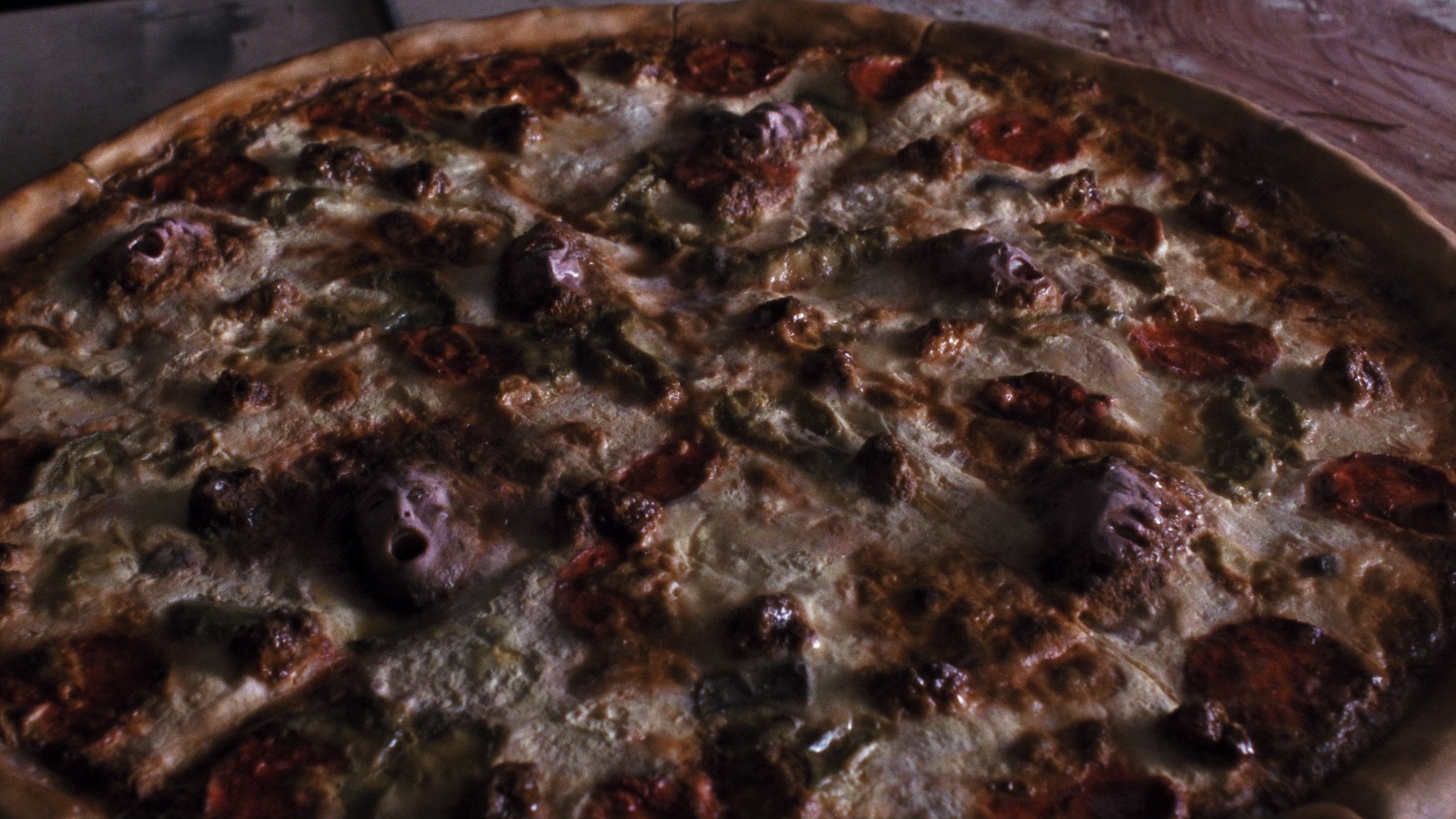
The soul-covered pizza, the murderous transformation of a waterbed and the multiplication of bodily terrors all exploit associations between consumer objects and ordinary teenage life. Harlin said these images grew from his own imagination, and his recollections suggest how far he was prepared to push the premise of unrestricted dreams. Their inventiveness also raises a question at the heart of the series' development: when a killer becomes a source of spectacle, the audience may anticipate his next invention as eagerly as the survivors fear it.
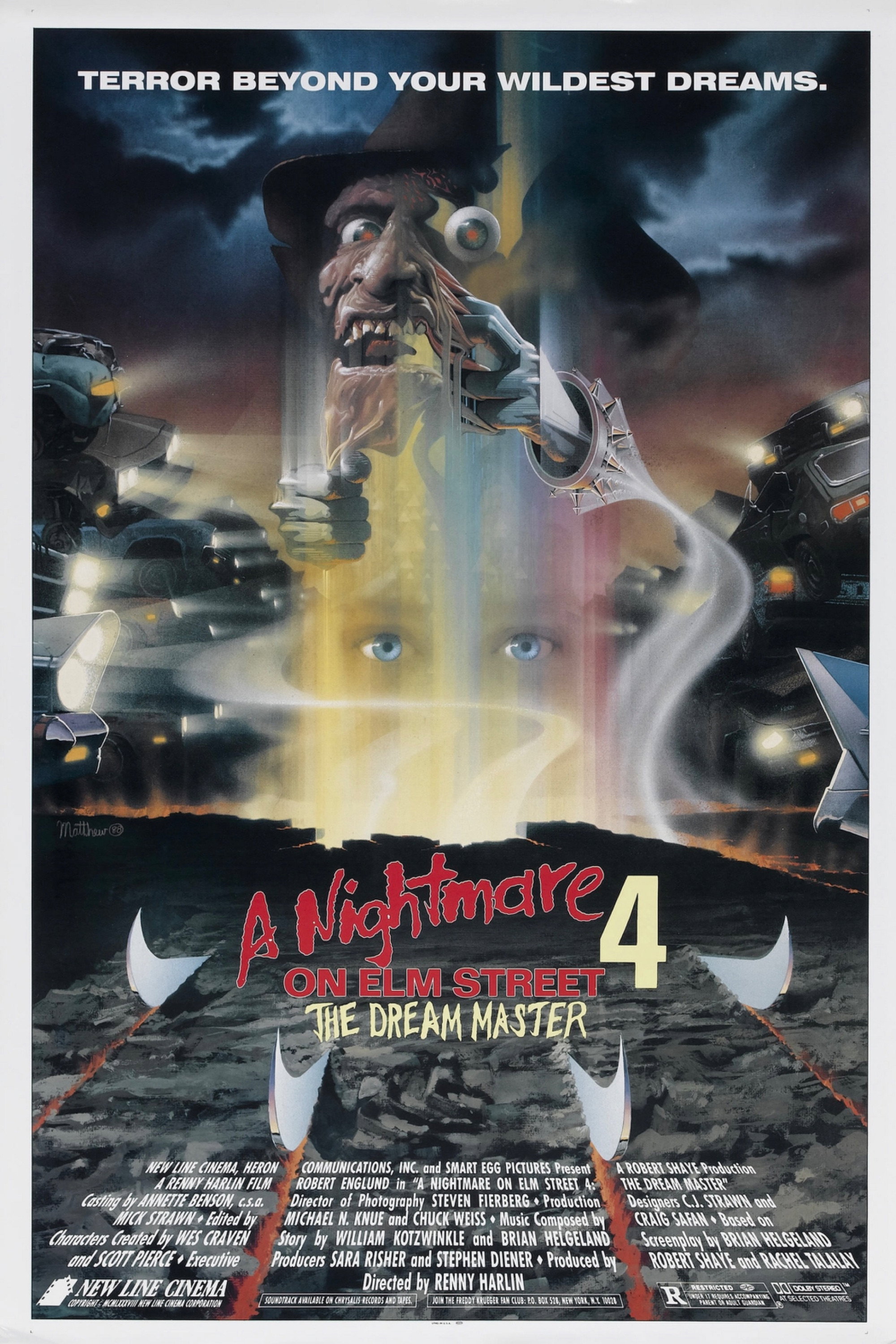
The musical environment reinforces its period setting. Craig Safan's score appears amid a soundtrack shaped by contemporary rock and pop, while the opening credits feature the song performed by Tuesday Knight, who also portrays Kristen. The broader marketing campaign likewise treated Freddy as an immediately recognizable entertainment property. The tension between cruelty and celebrity is a defining feature of this stage of the franchise.
1988 Release, Contemporary Reception and Franchise Position
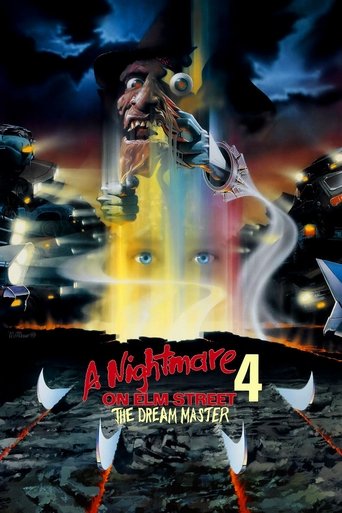
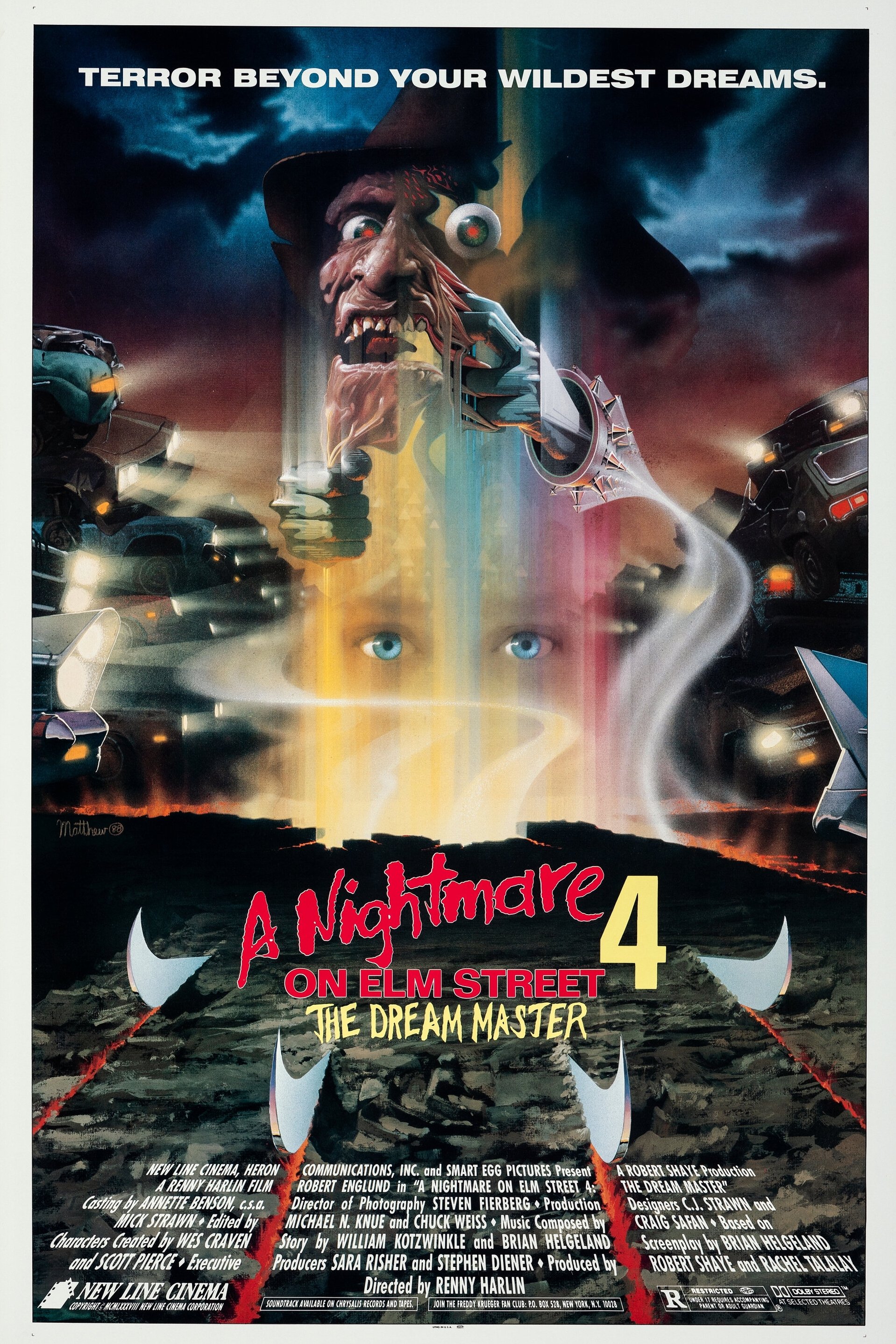
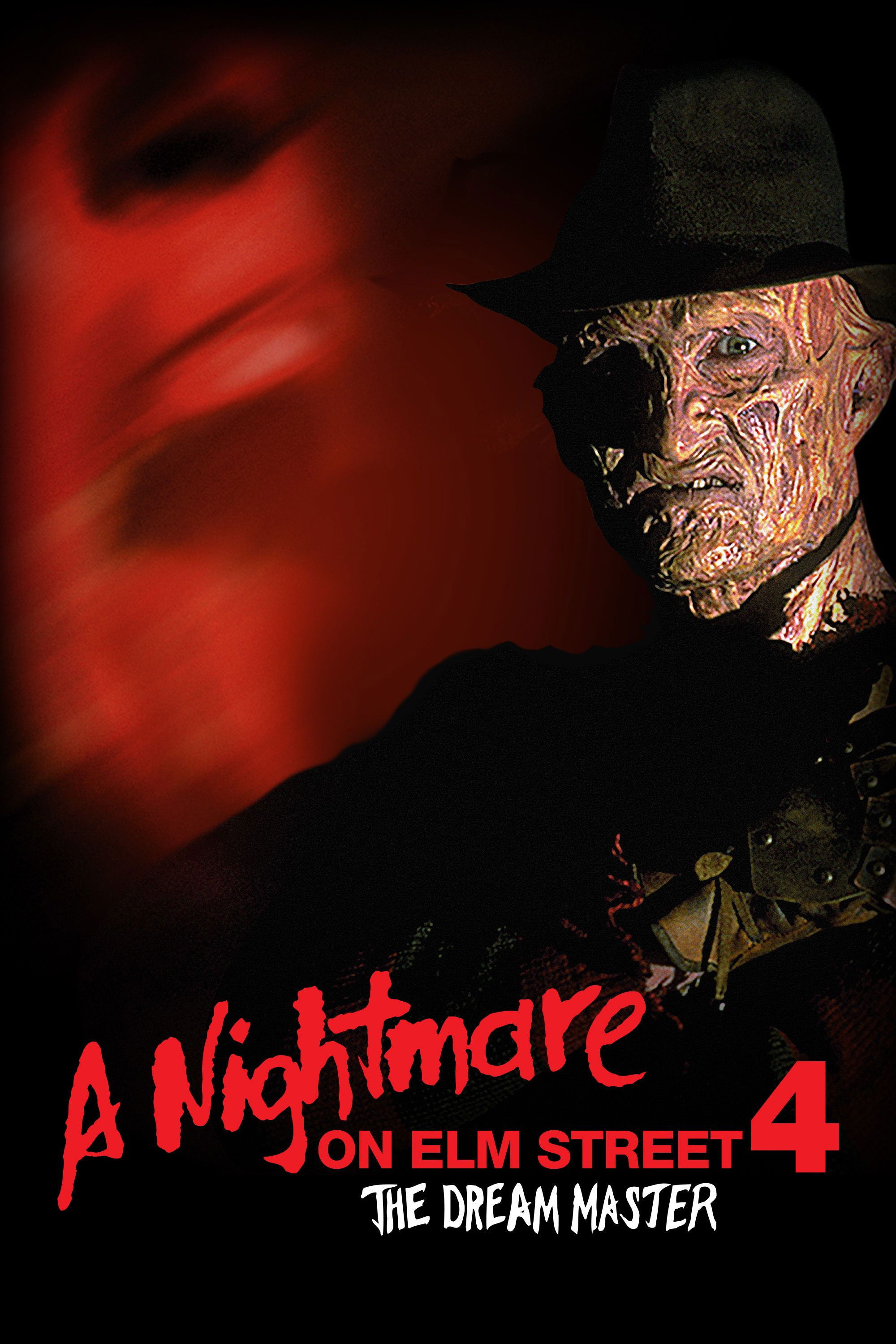
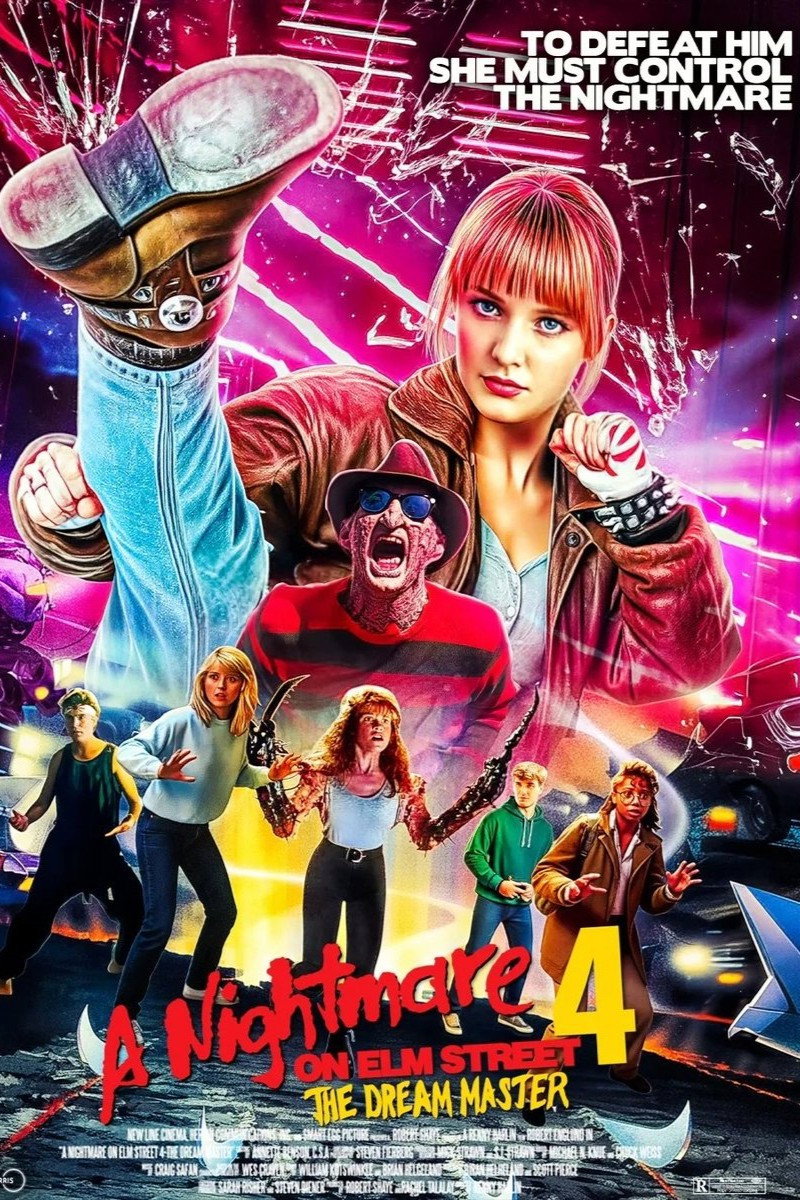
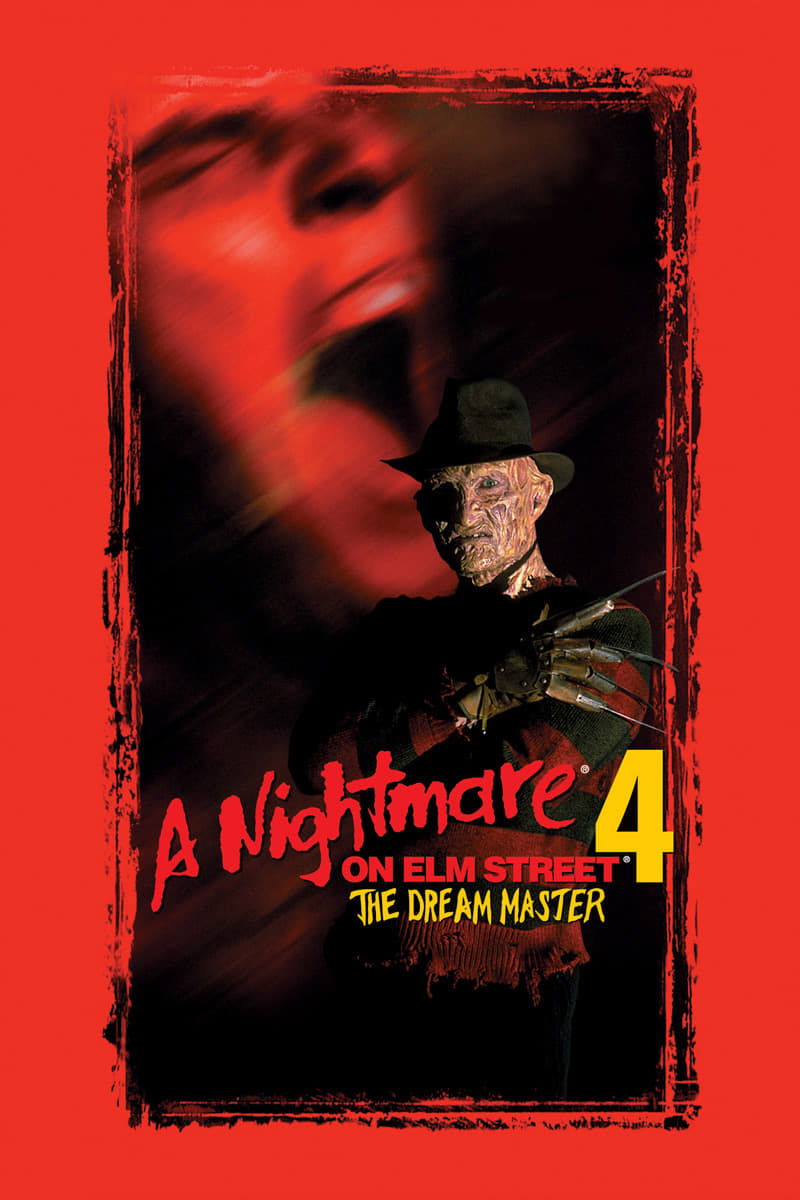
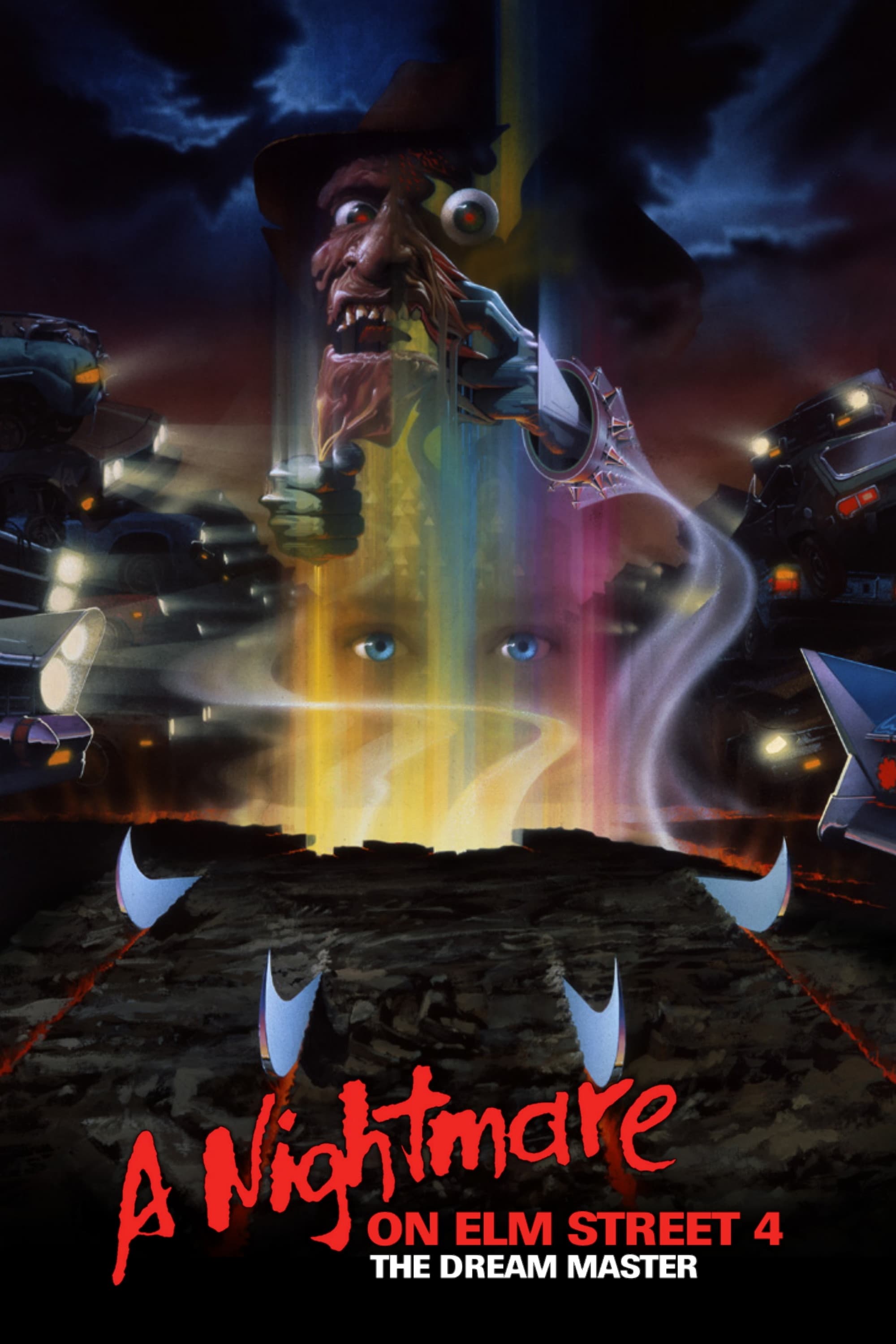
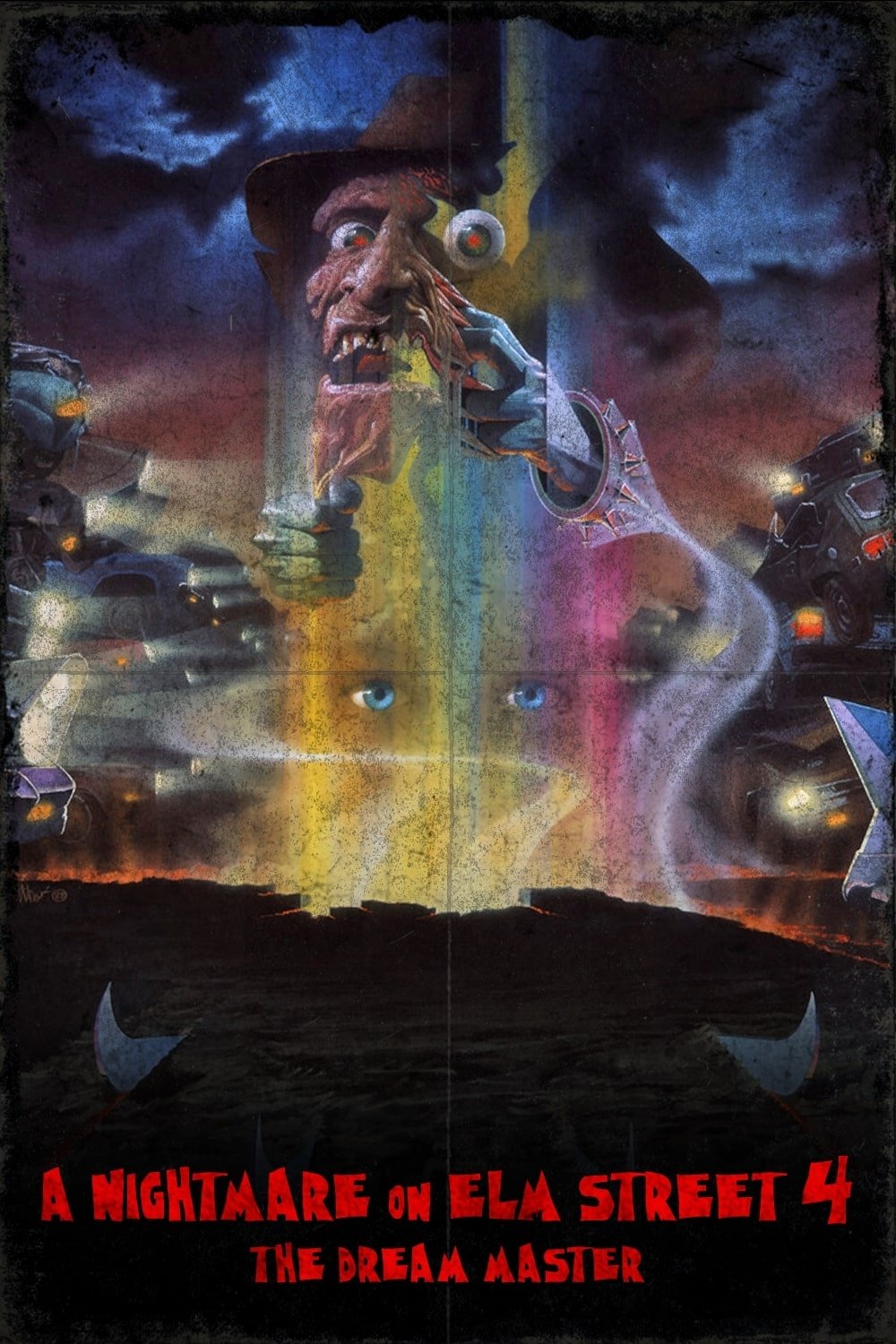
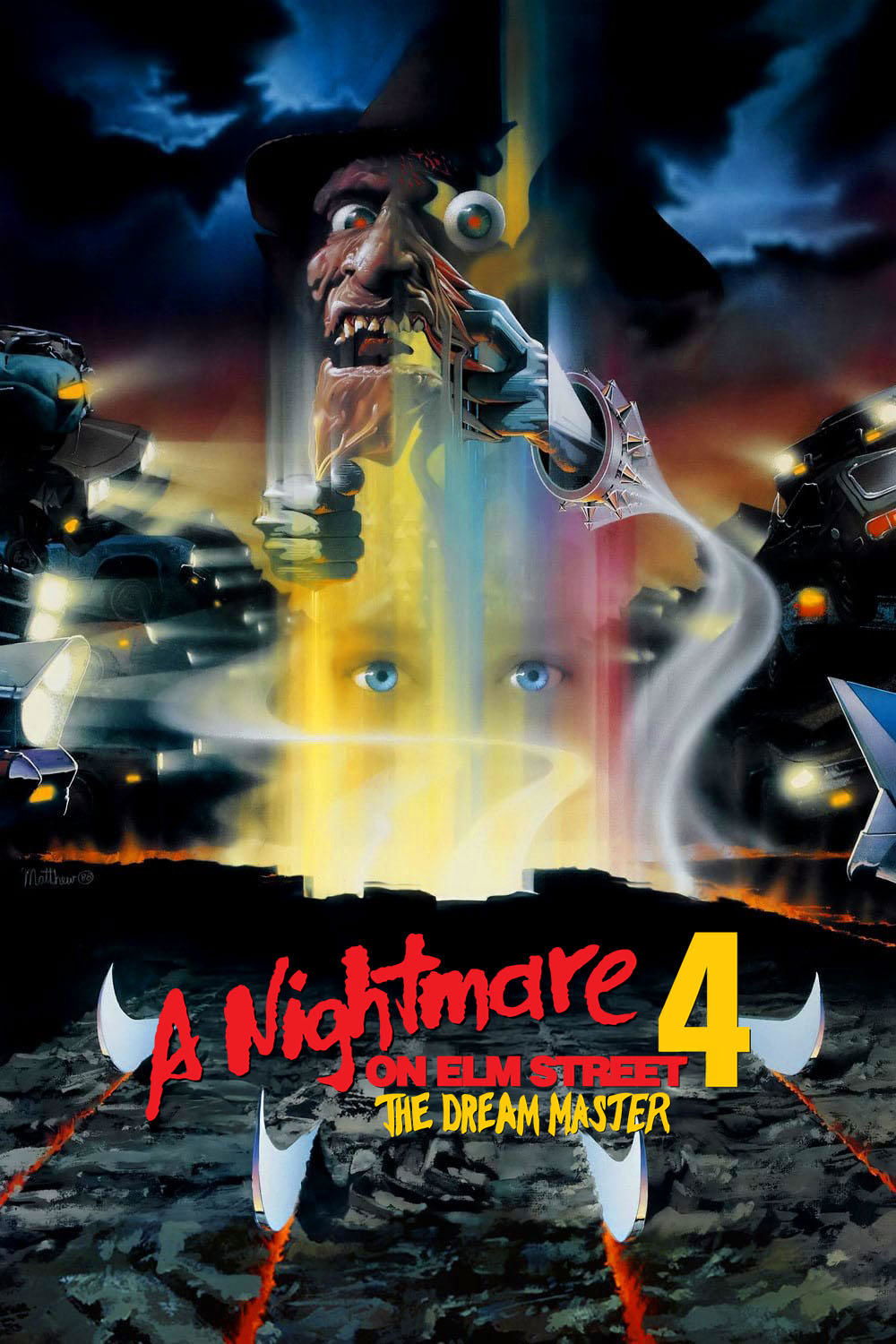
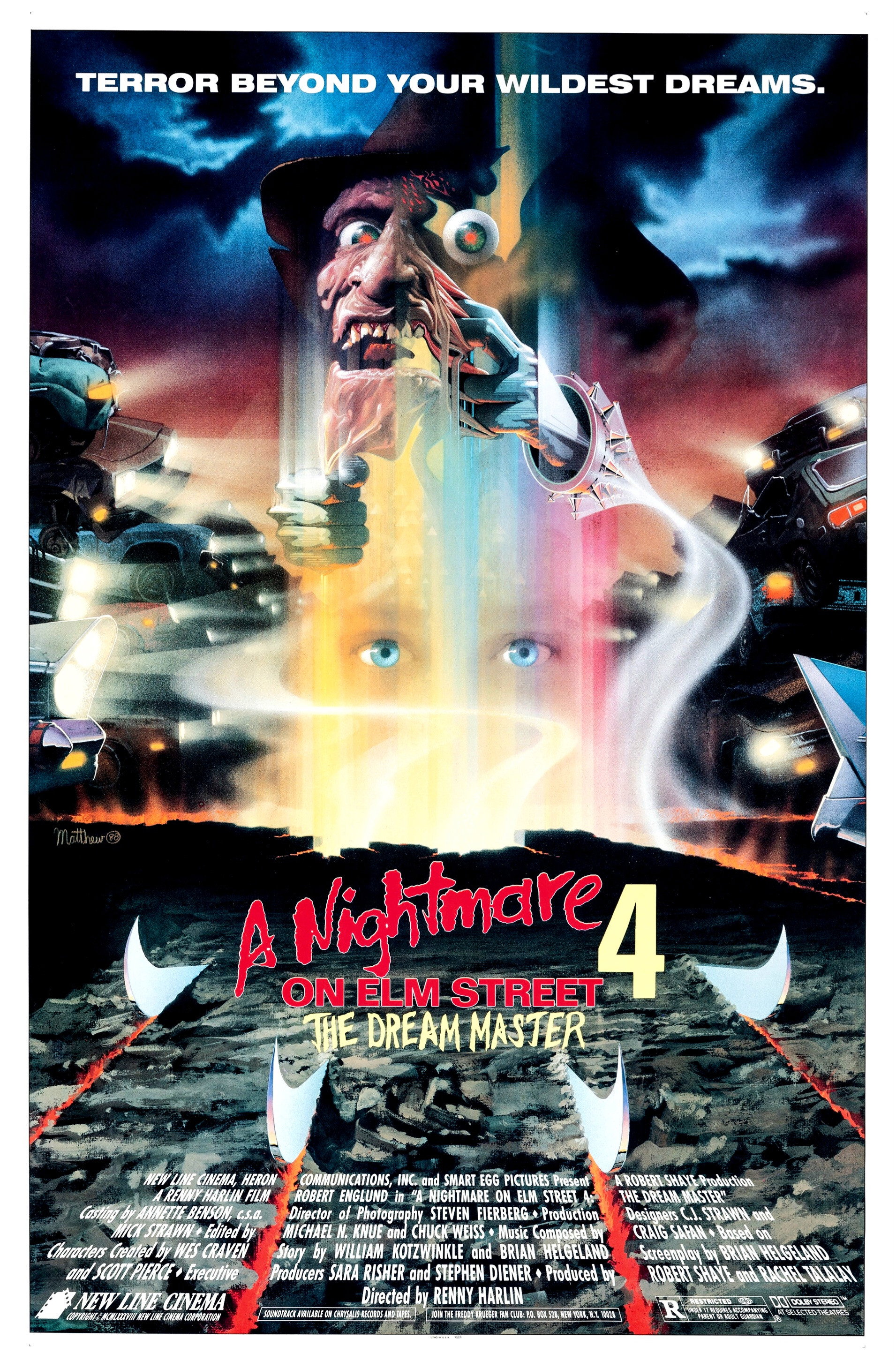
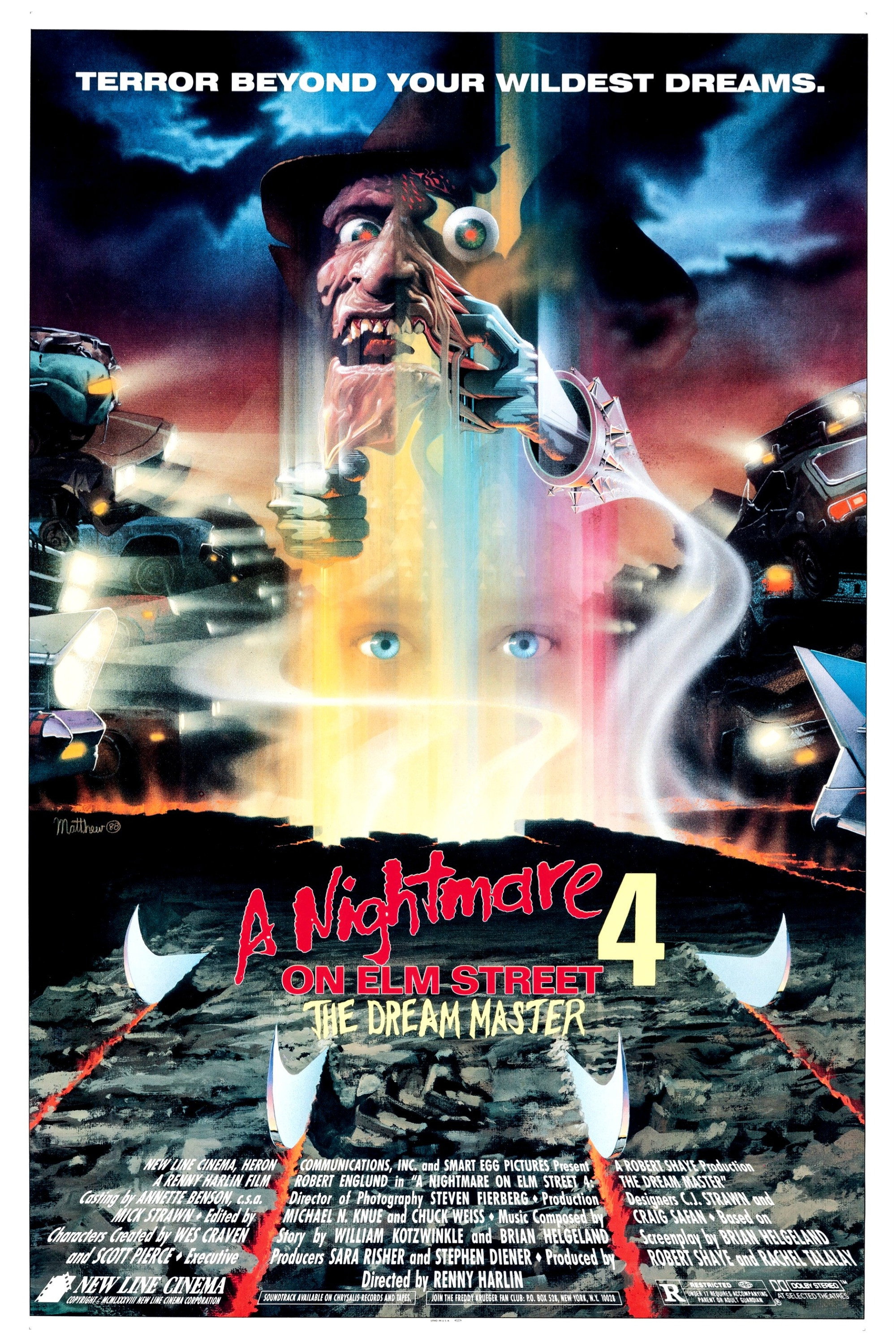
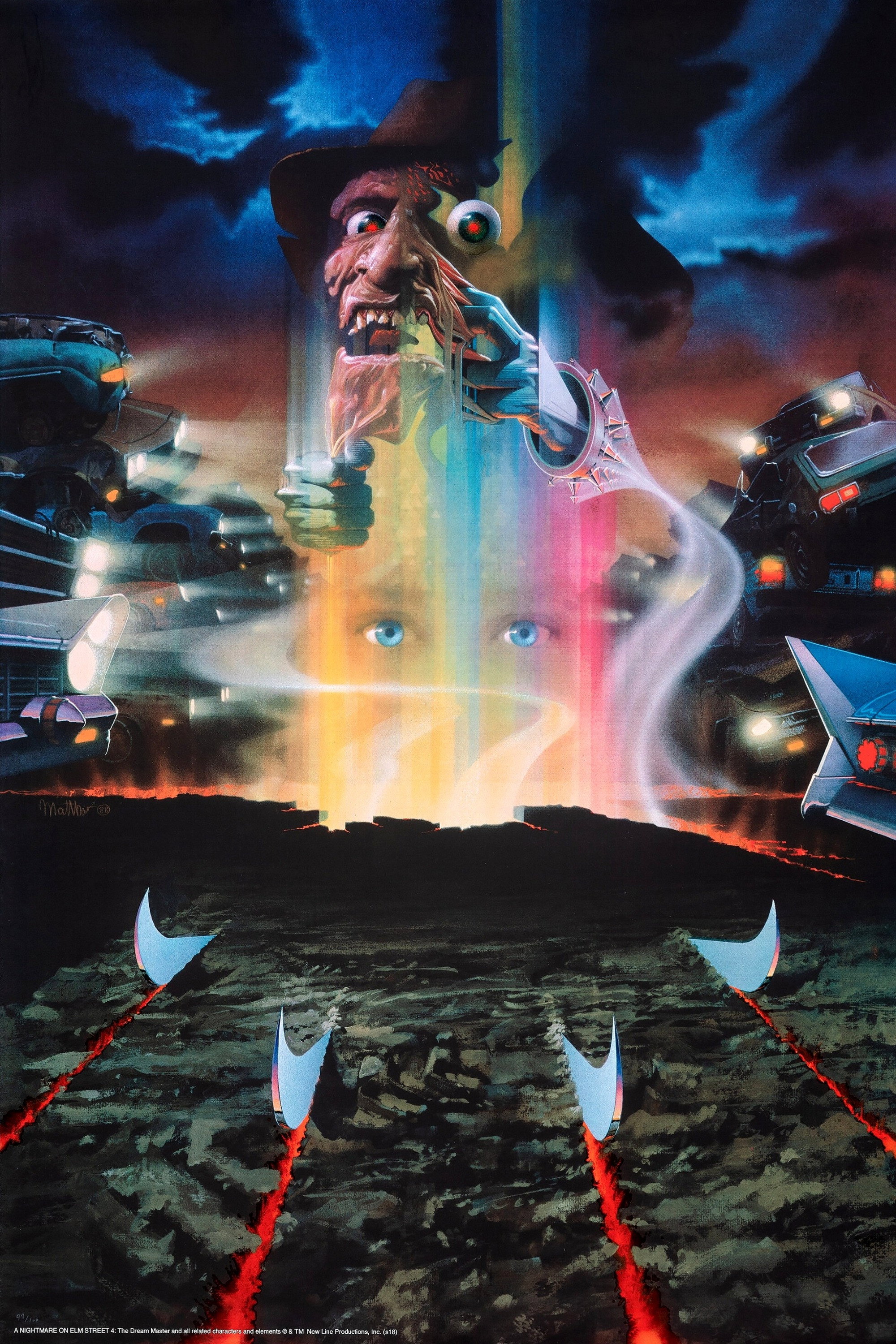
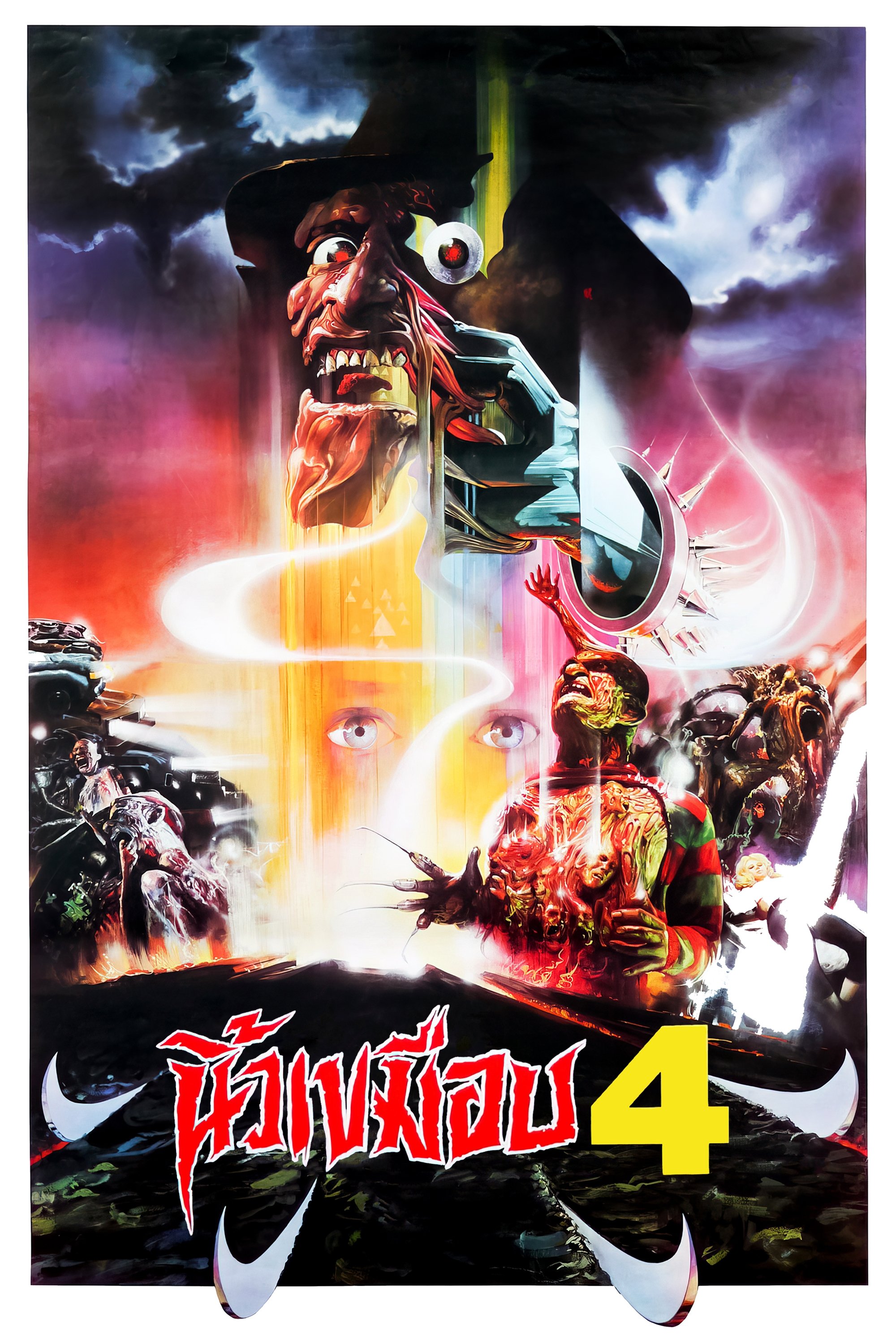
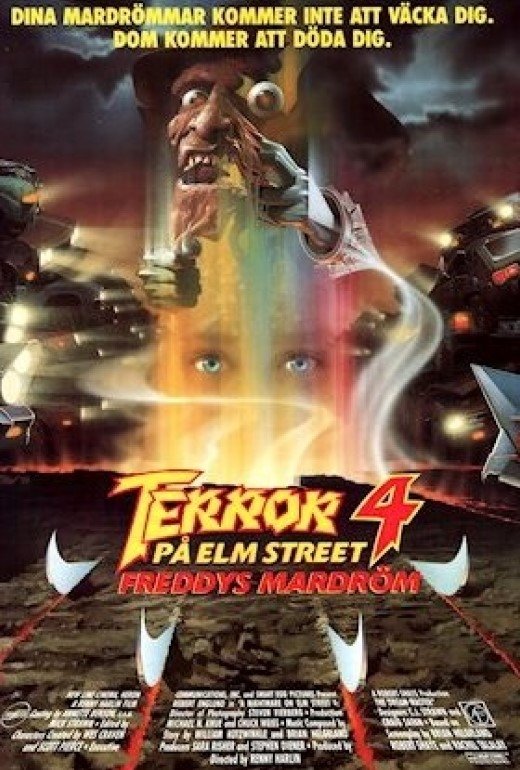
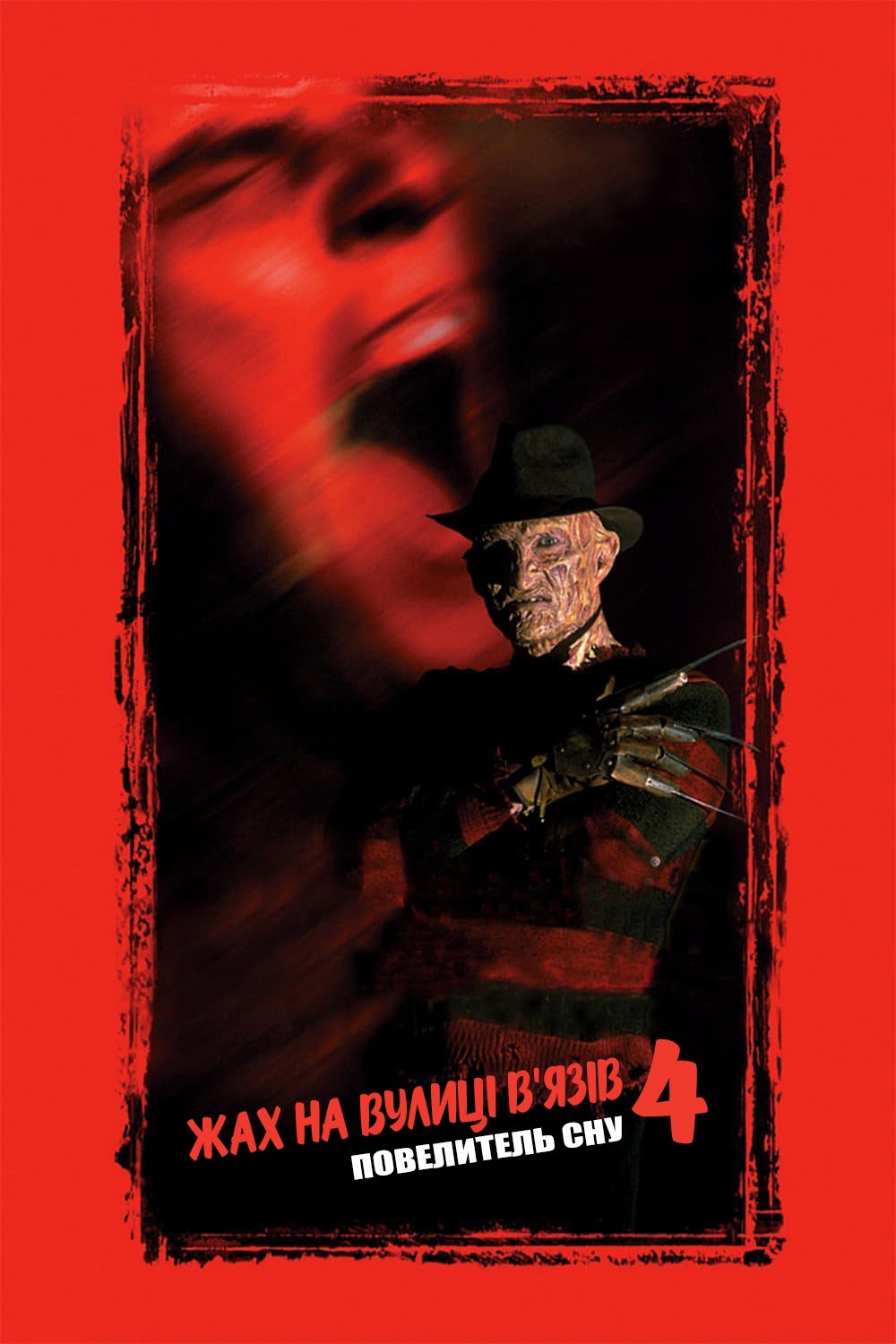
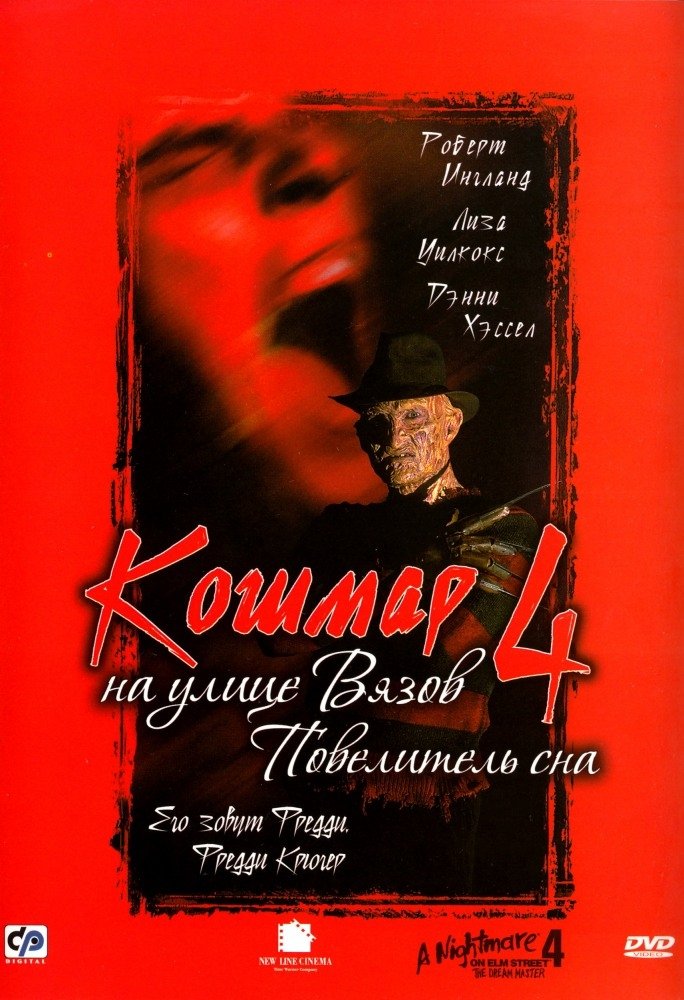
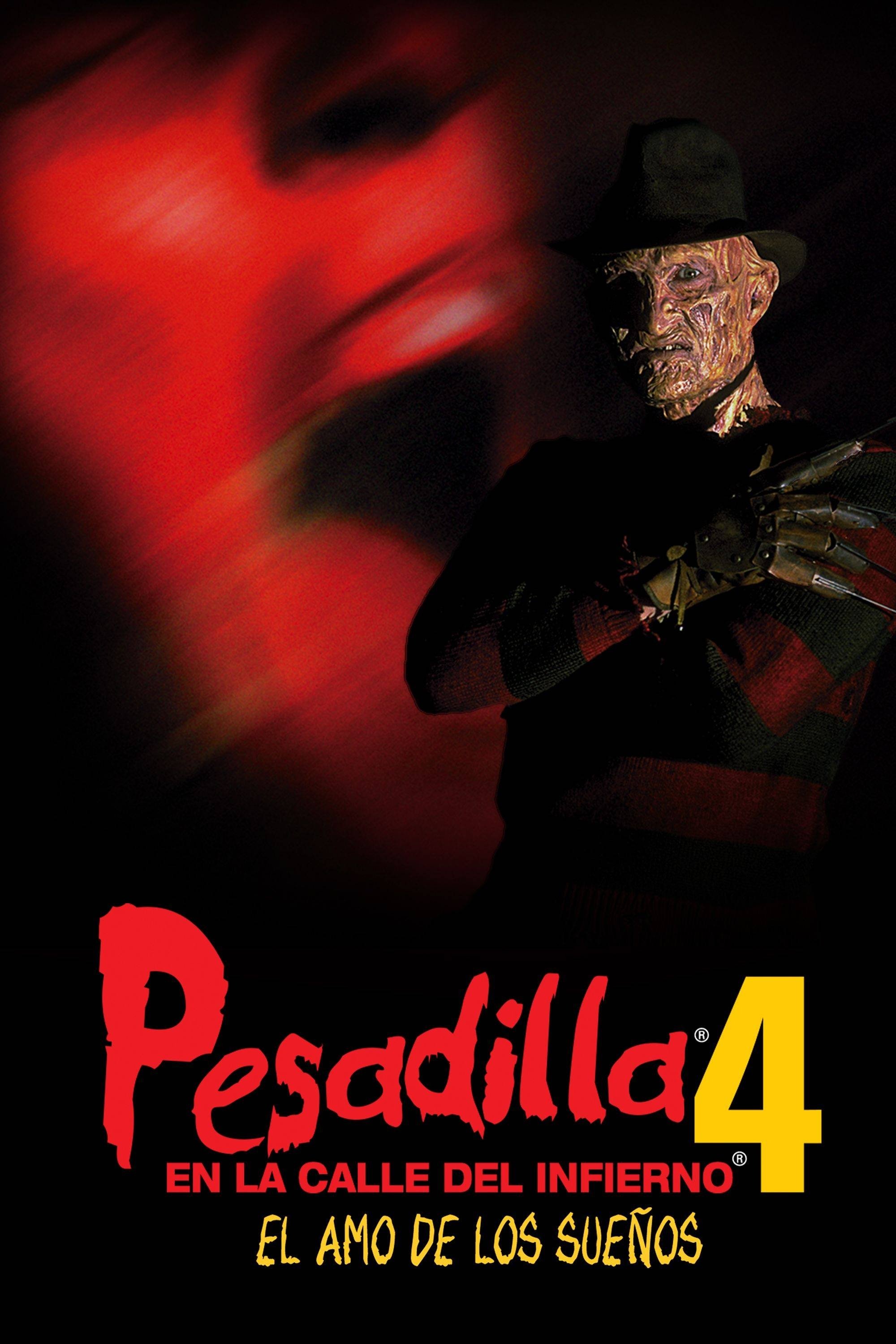
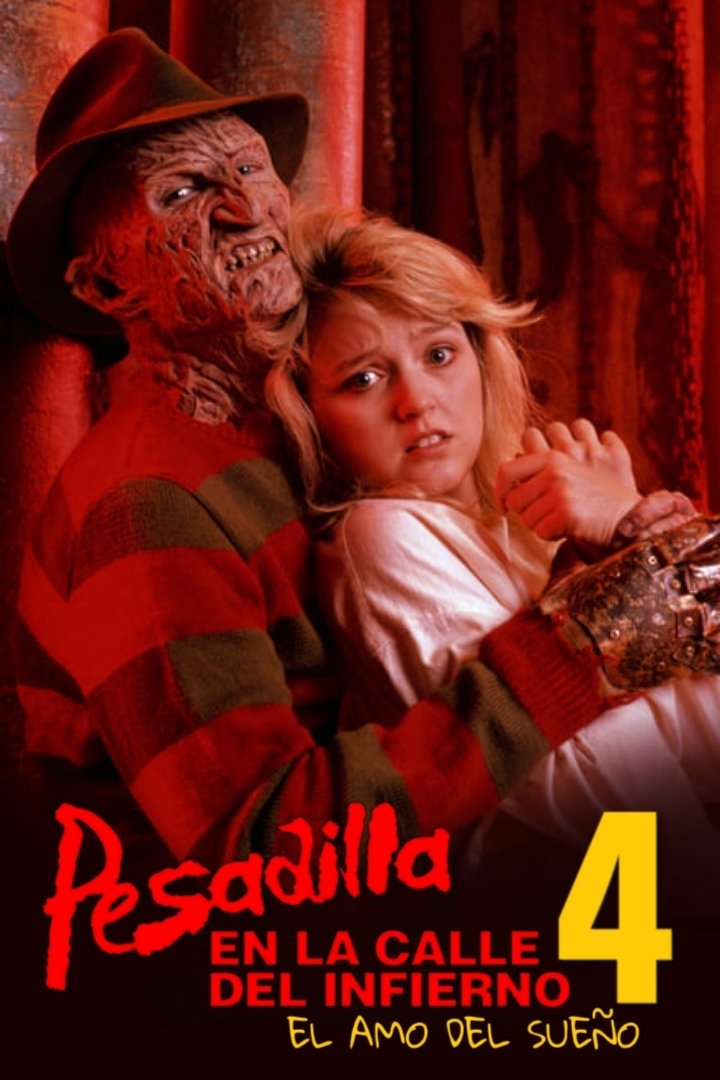
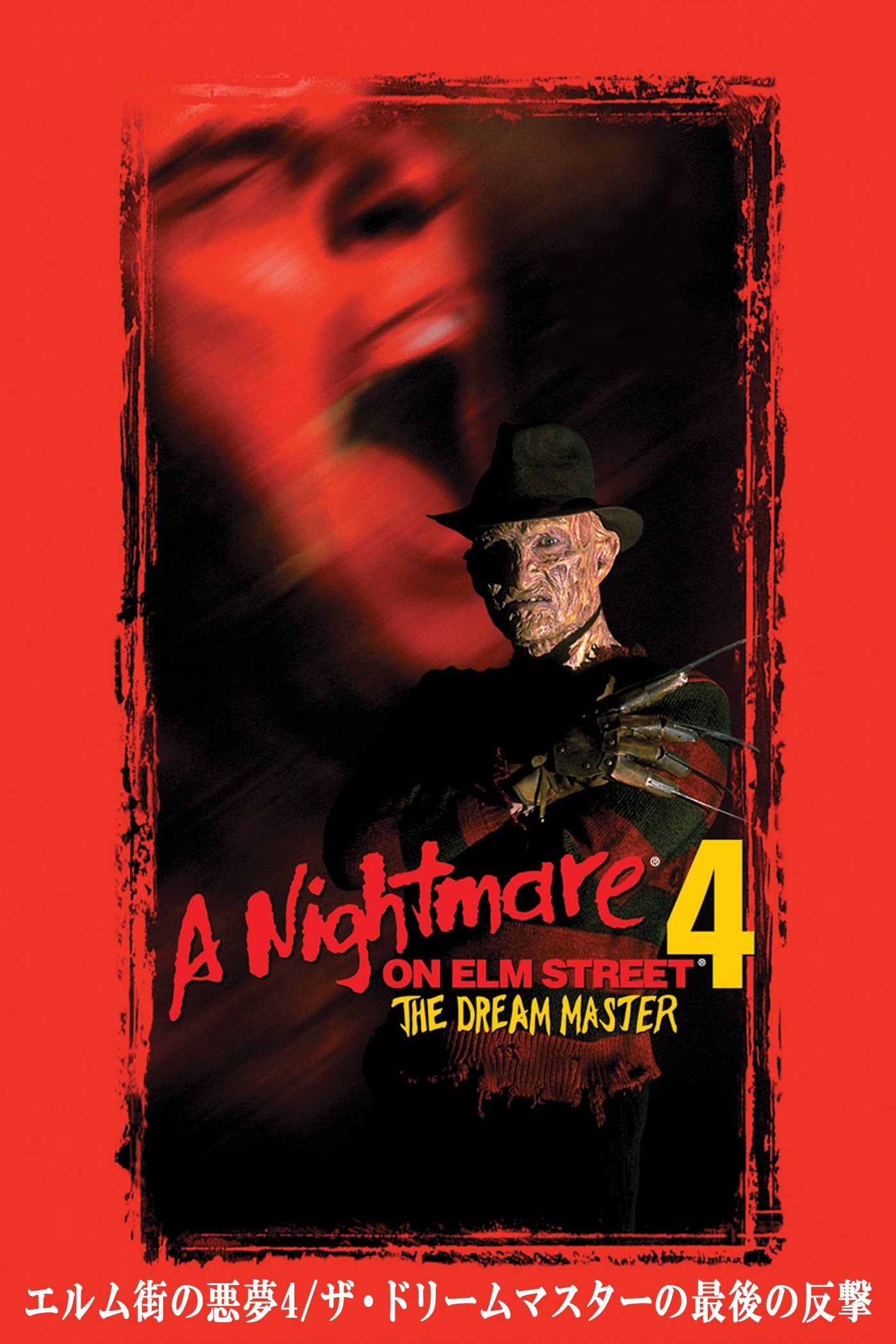
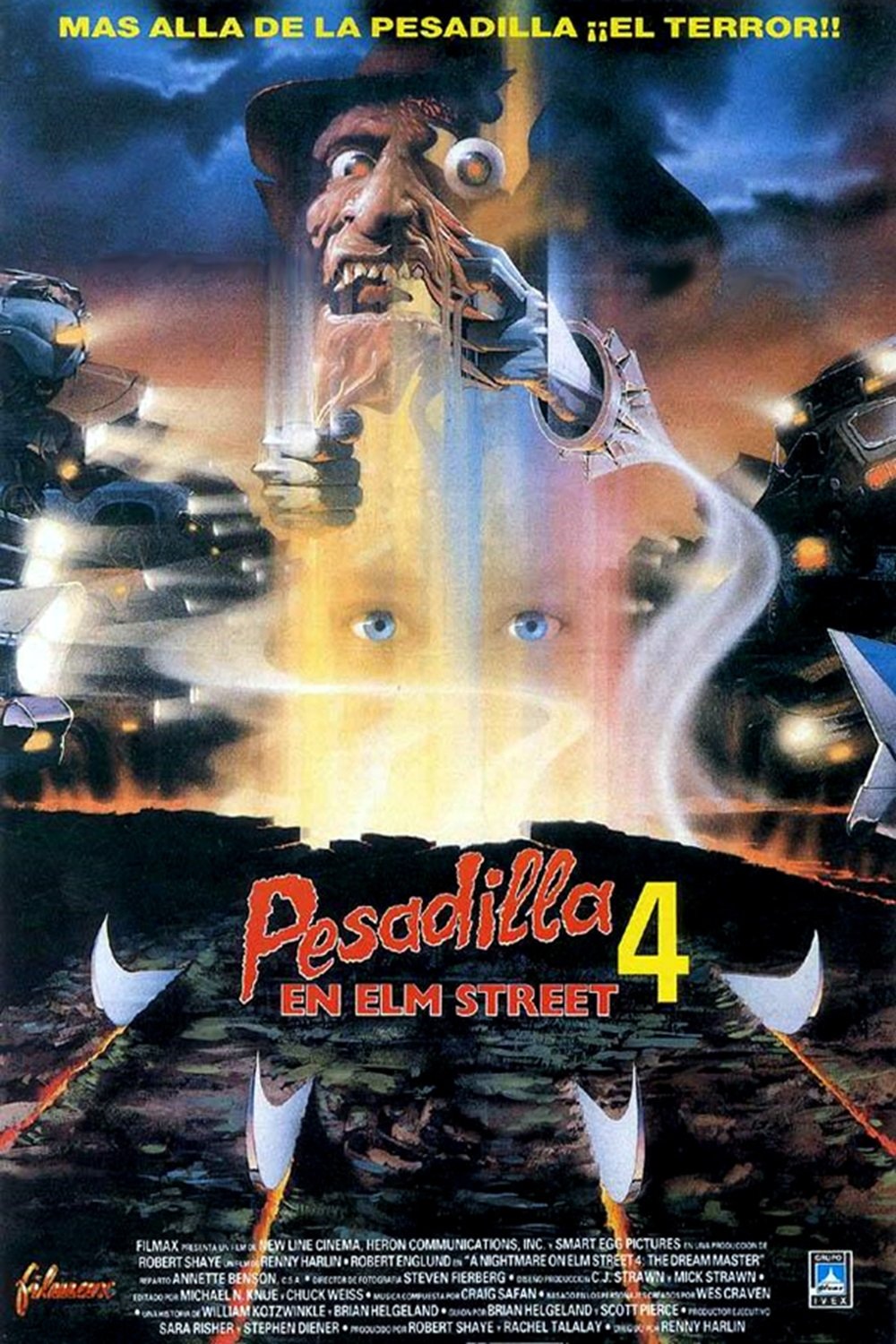
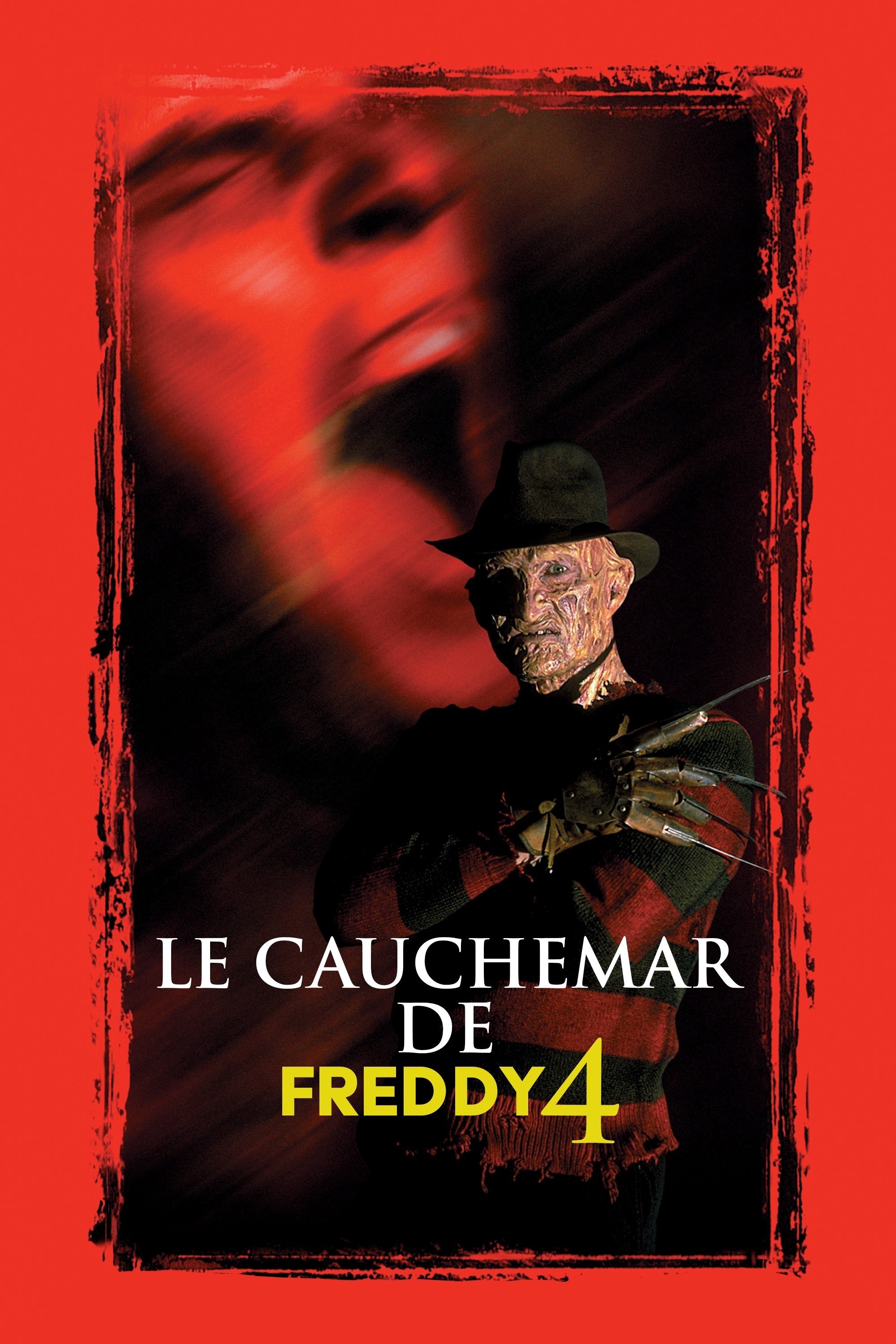
New Line released The Dream Master in the United States on August 19, 1988. The AFI's reconstruction of contemporary trade coverage records an opening on 1,765 screens and approximately $12.8 million earned over its first weekend. The domestic theatrical total approached $50 million, making the release a conspicuous commercial success at a moment when the distributor was still strongly associated with independent filmmaking. What can be established is that New Line successfully expanded the series' audience through a wide summer opening and intensive publicity.
Critical reception was not simply a uniform response to another sequel. On the opening date, Kevin Thomas of the Los Angeles Times described the picture as an especially effective entry, praising its combination of humor, gore and inventive visual design. His assessment also attended to Lisa Wilcox's performance, treating Alice as a substantial part of its appeal. Such a favorable contemporary notice contrasts with the tendency to describe later Nightmare installments solely as examples of franchise exhaustion. A review written at the time is particularly valuable here because it records reactions before later sequels reshaped the franchise's reputation.
The sequel's historical position rests on several identifiable developments. It demonstrated that the Elm Street formula could sustain a new central survivor after the Dream Warriors storyline, and it made increasingly spectacular dream effects part of the series' commercial identity. The film also marked an important American breakthrough for Harlin, whose career soon moved toward larger action productions. The early deaths of returning characters and Freddy's expanding comedy can weaken earlier tensions. Nevertheless, its measurable commercial reach and unusually elaborate practical effects explain why The Dream Master remains a distinctive chapter in late-eighties supernatural horror.