Production: Selling the End of Freddy Krueger
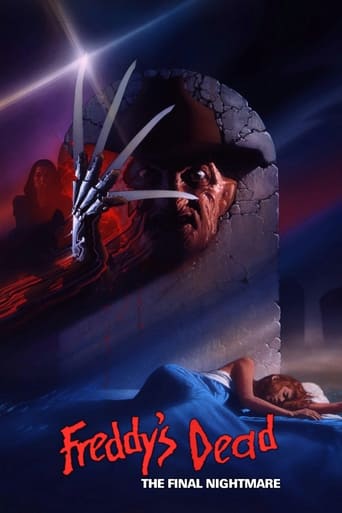
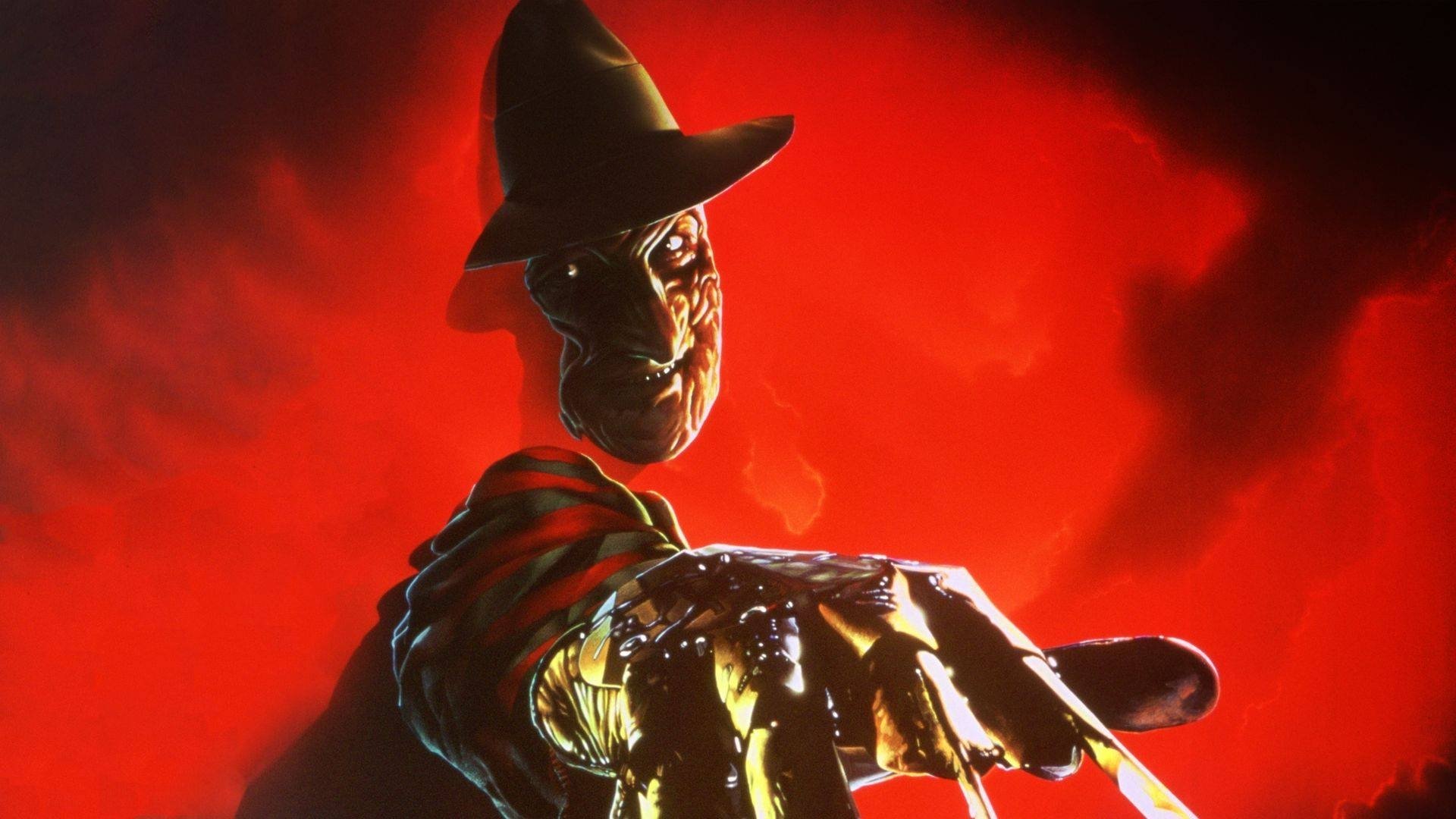
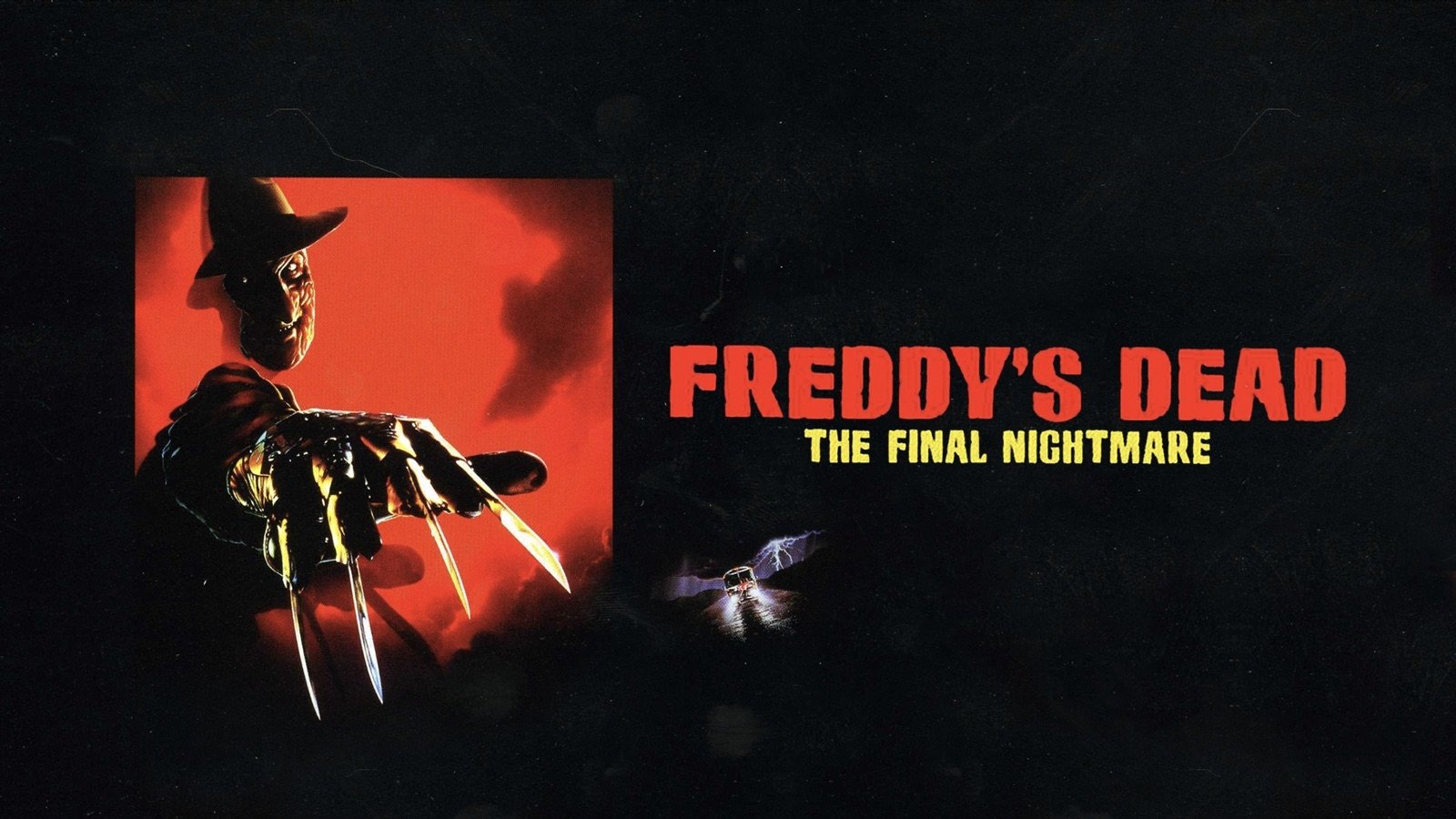
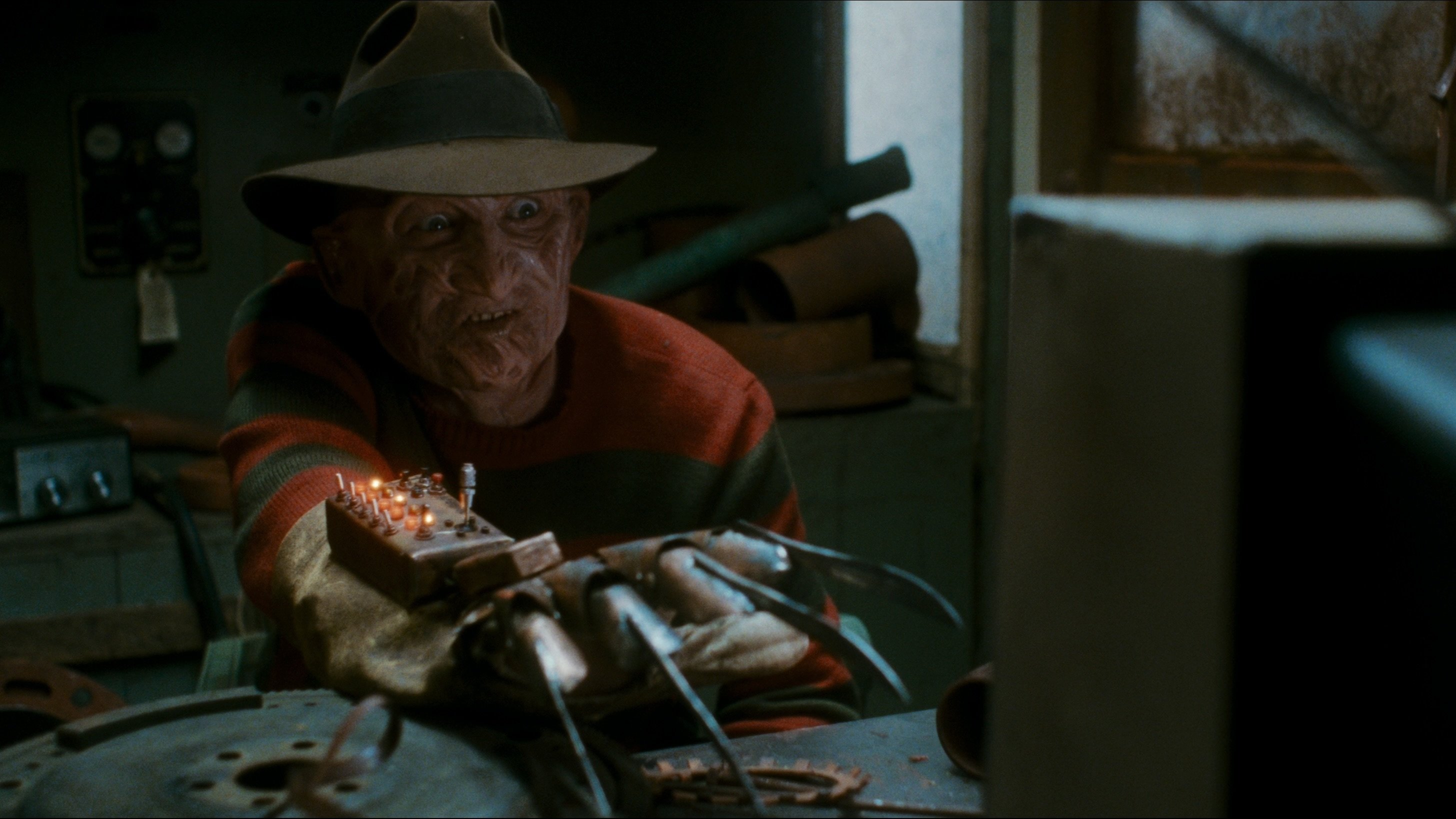
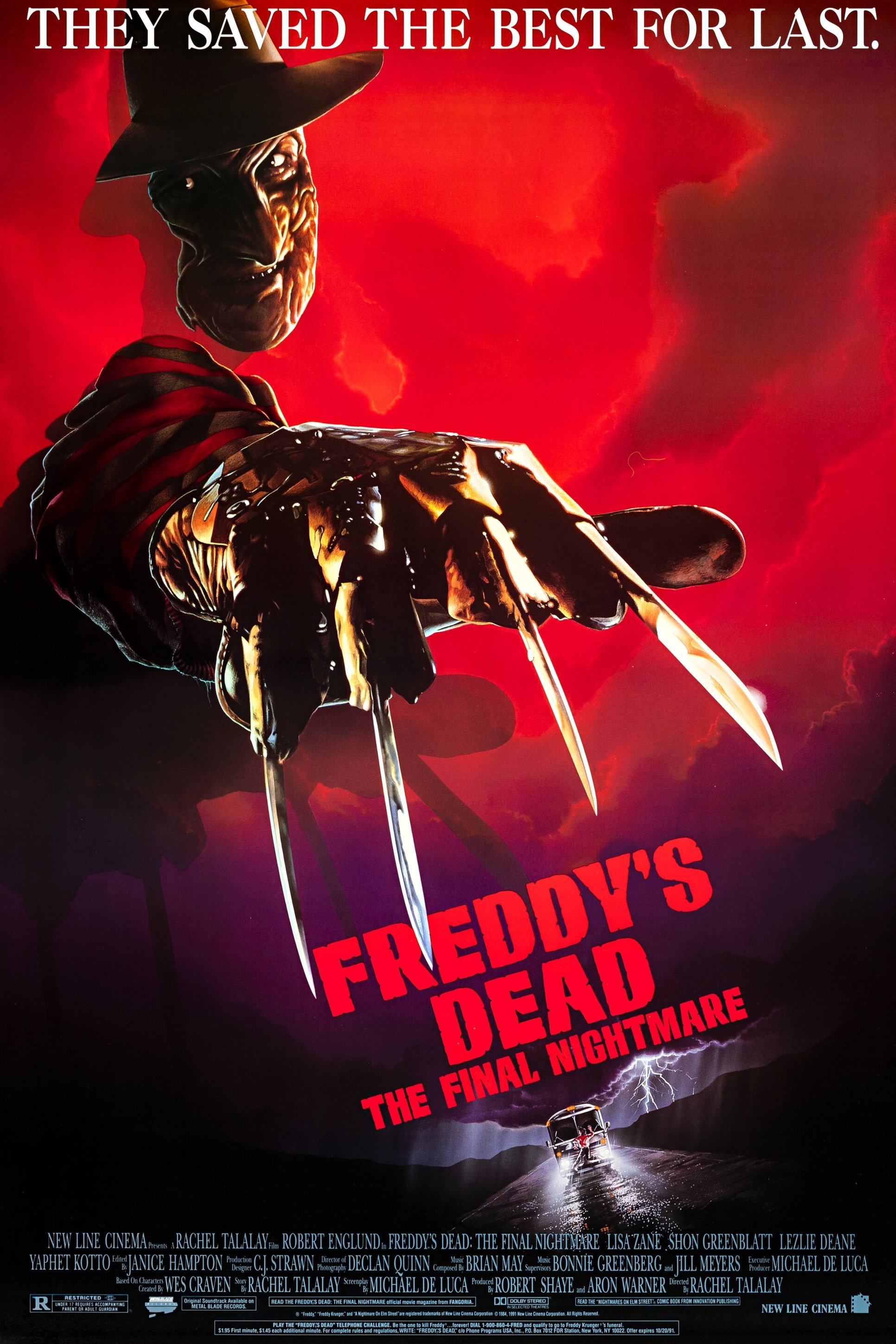
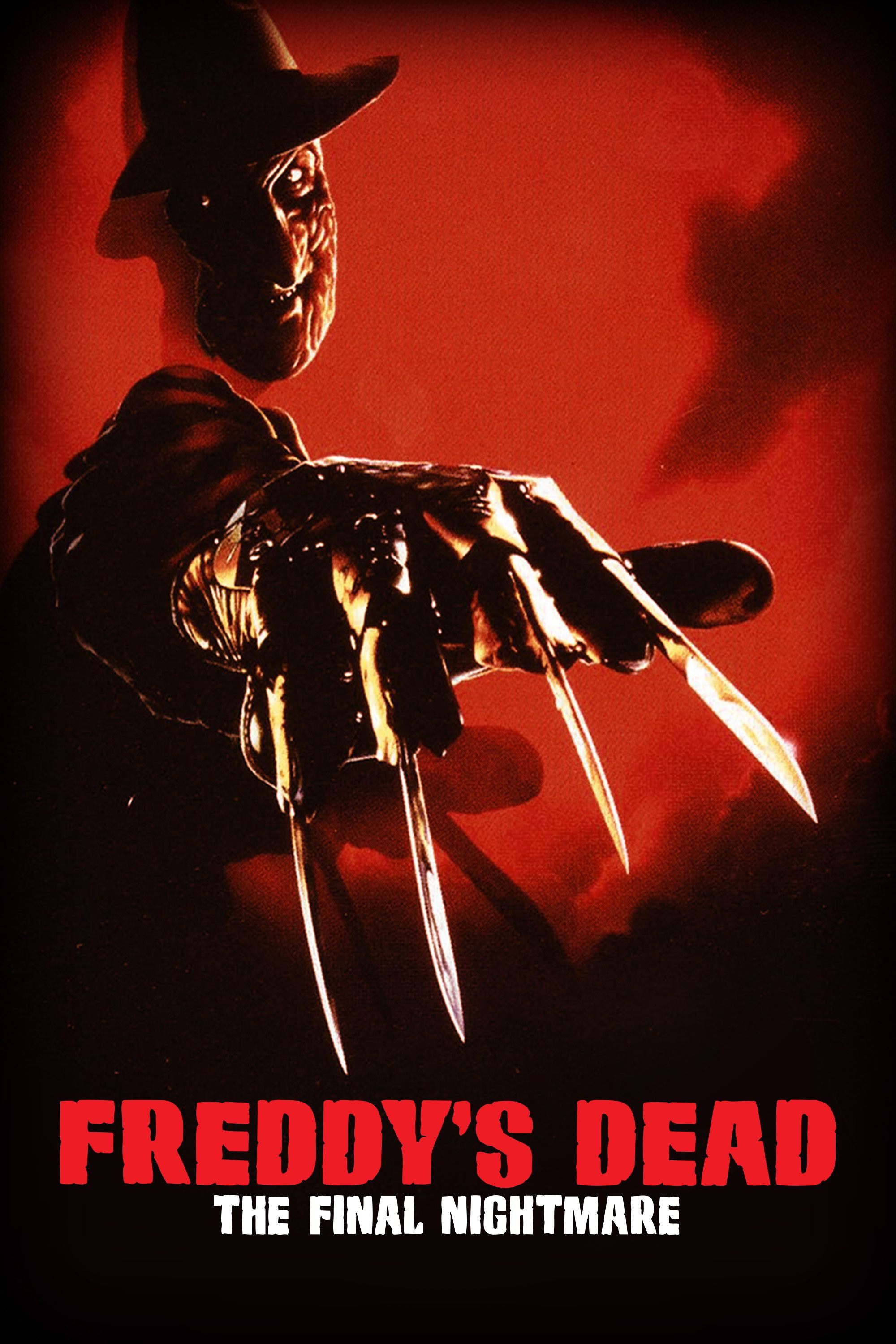
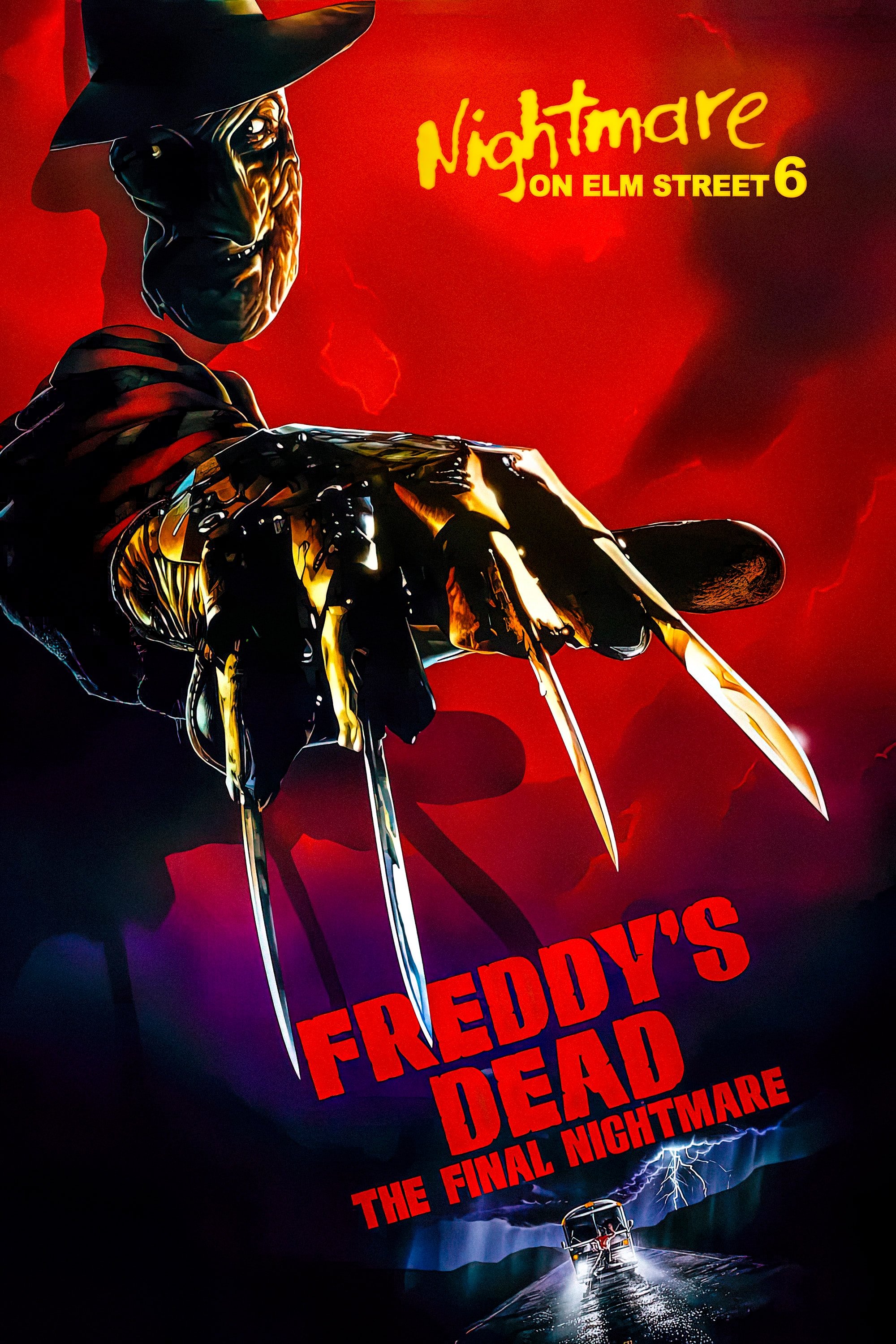
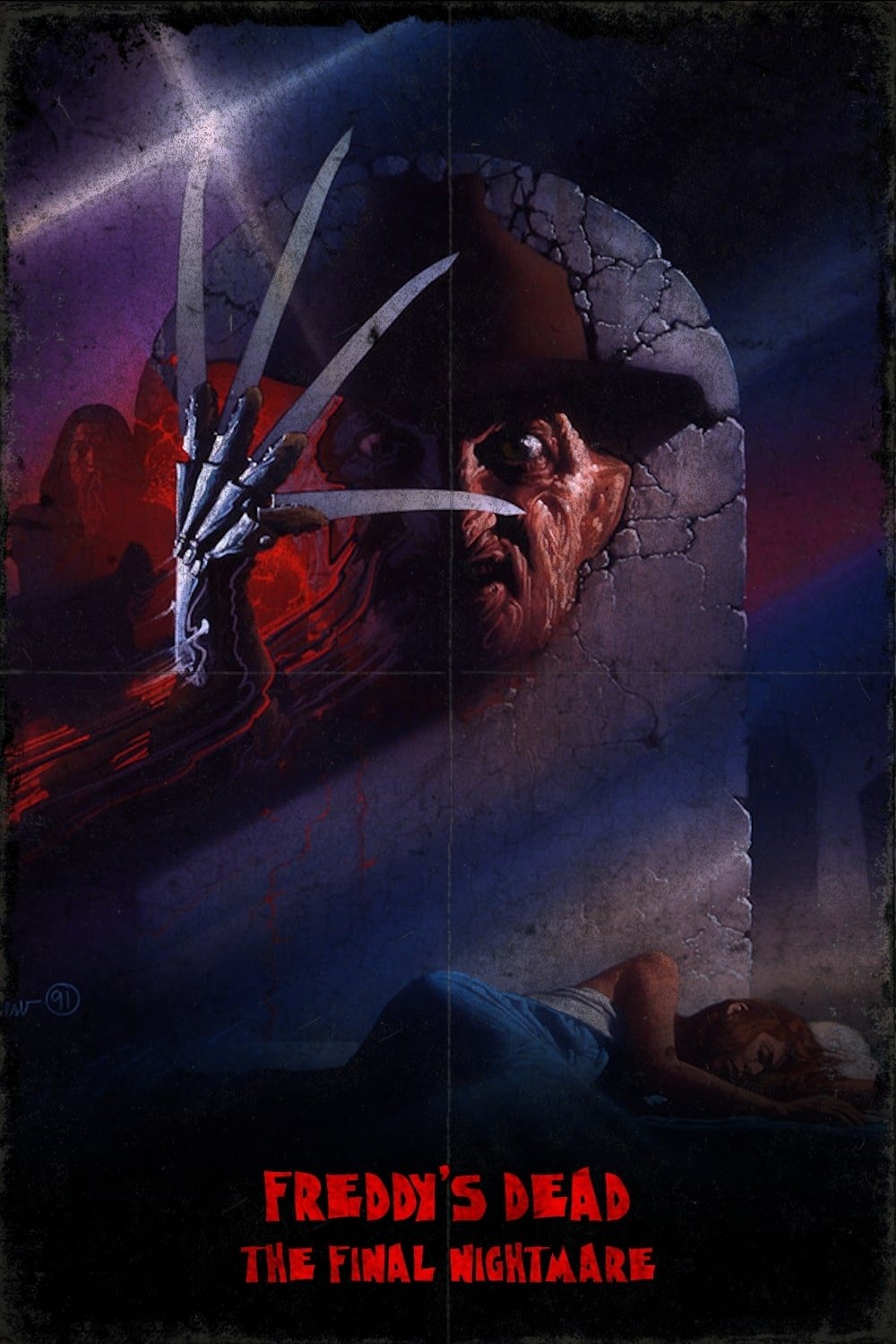
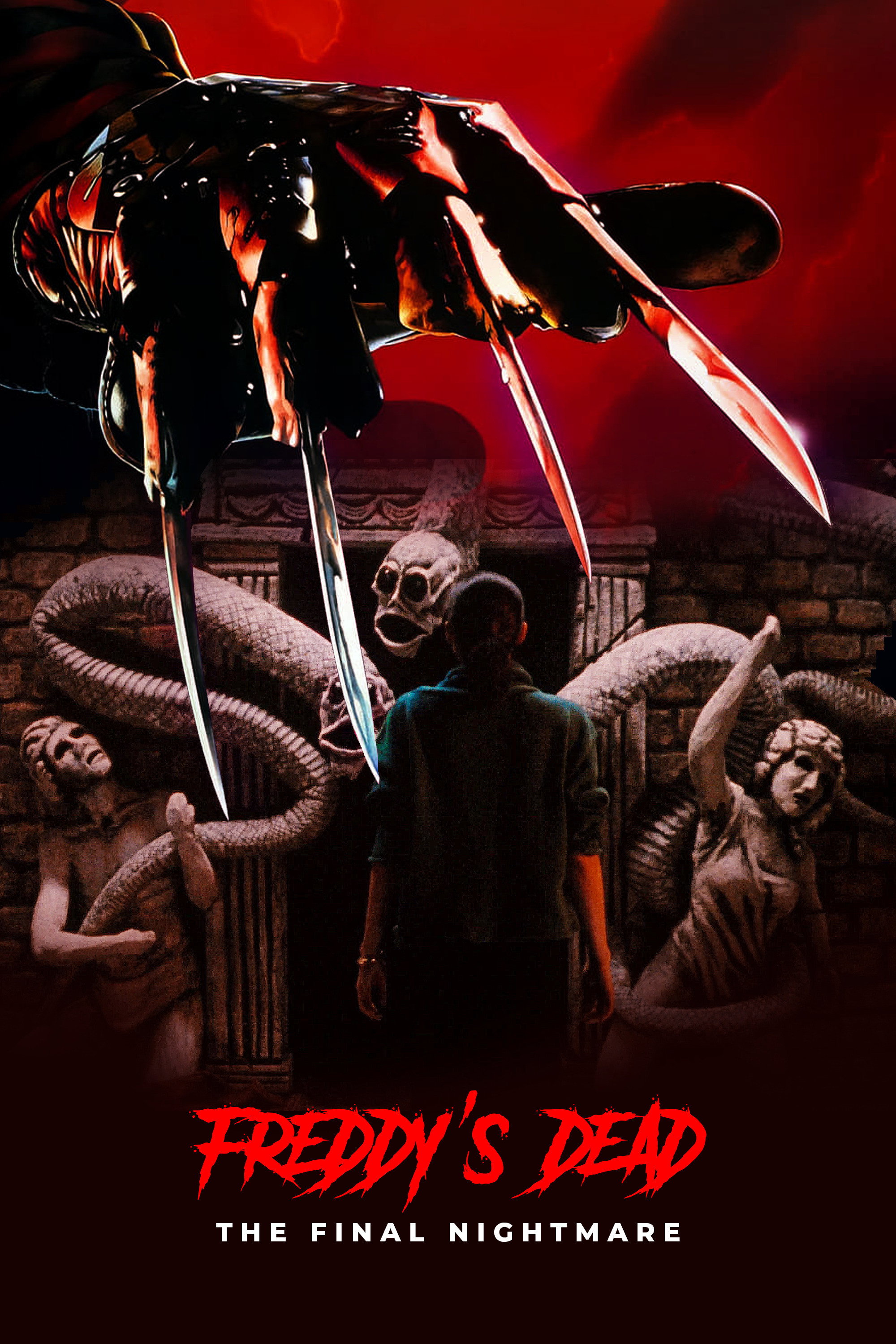
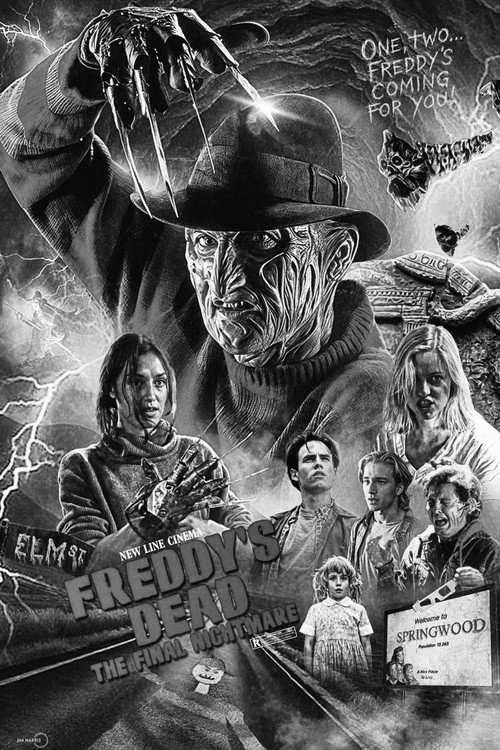
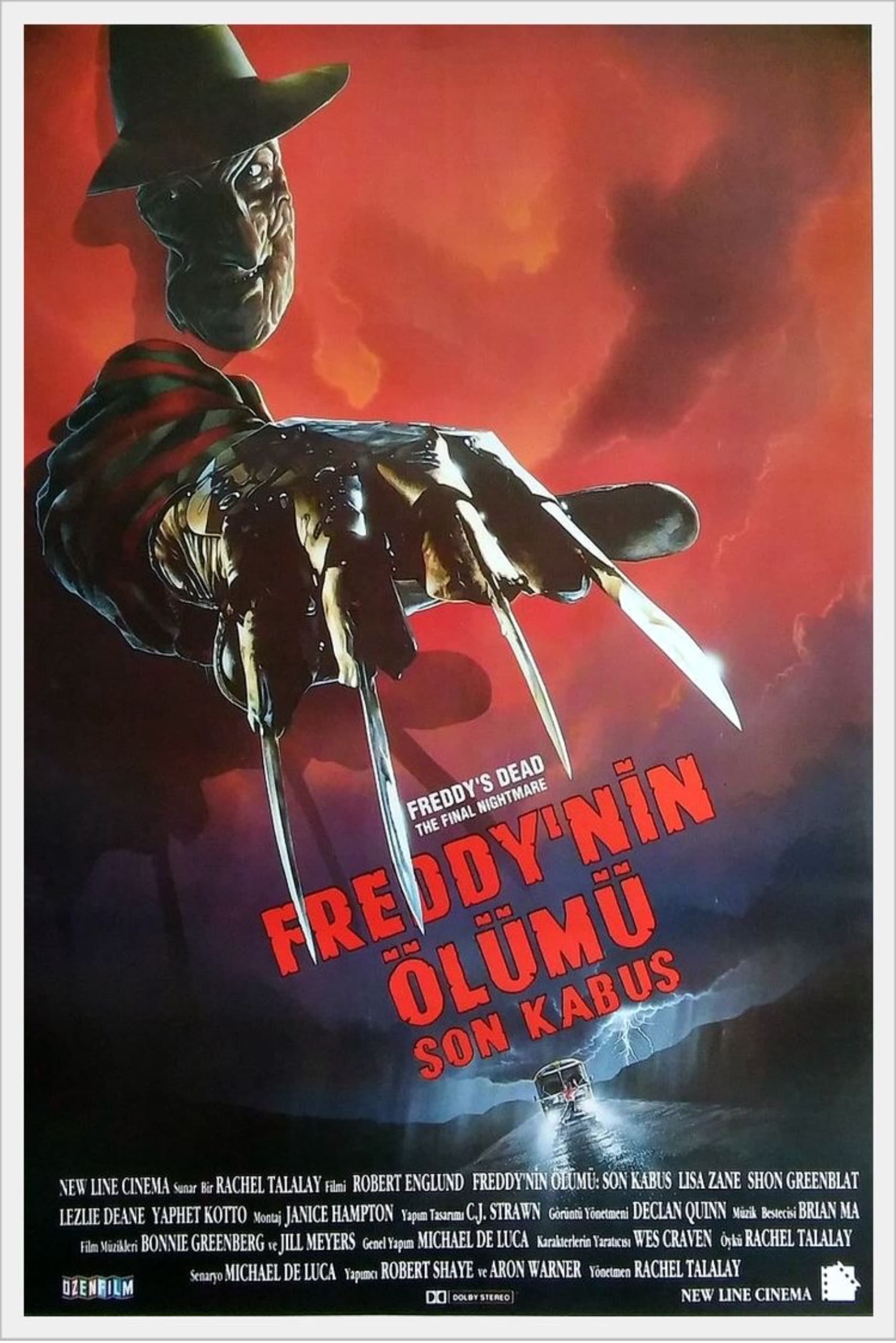
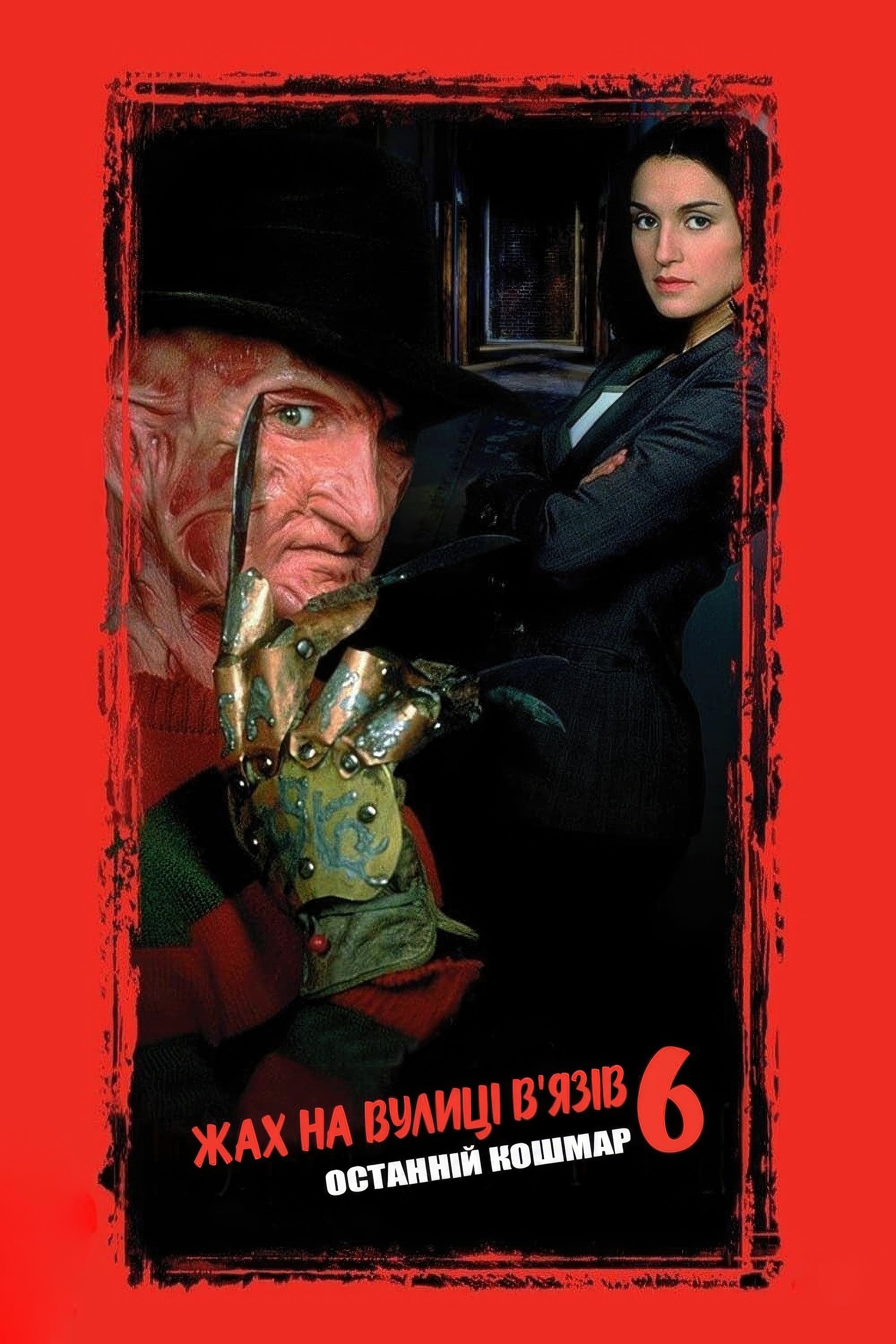
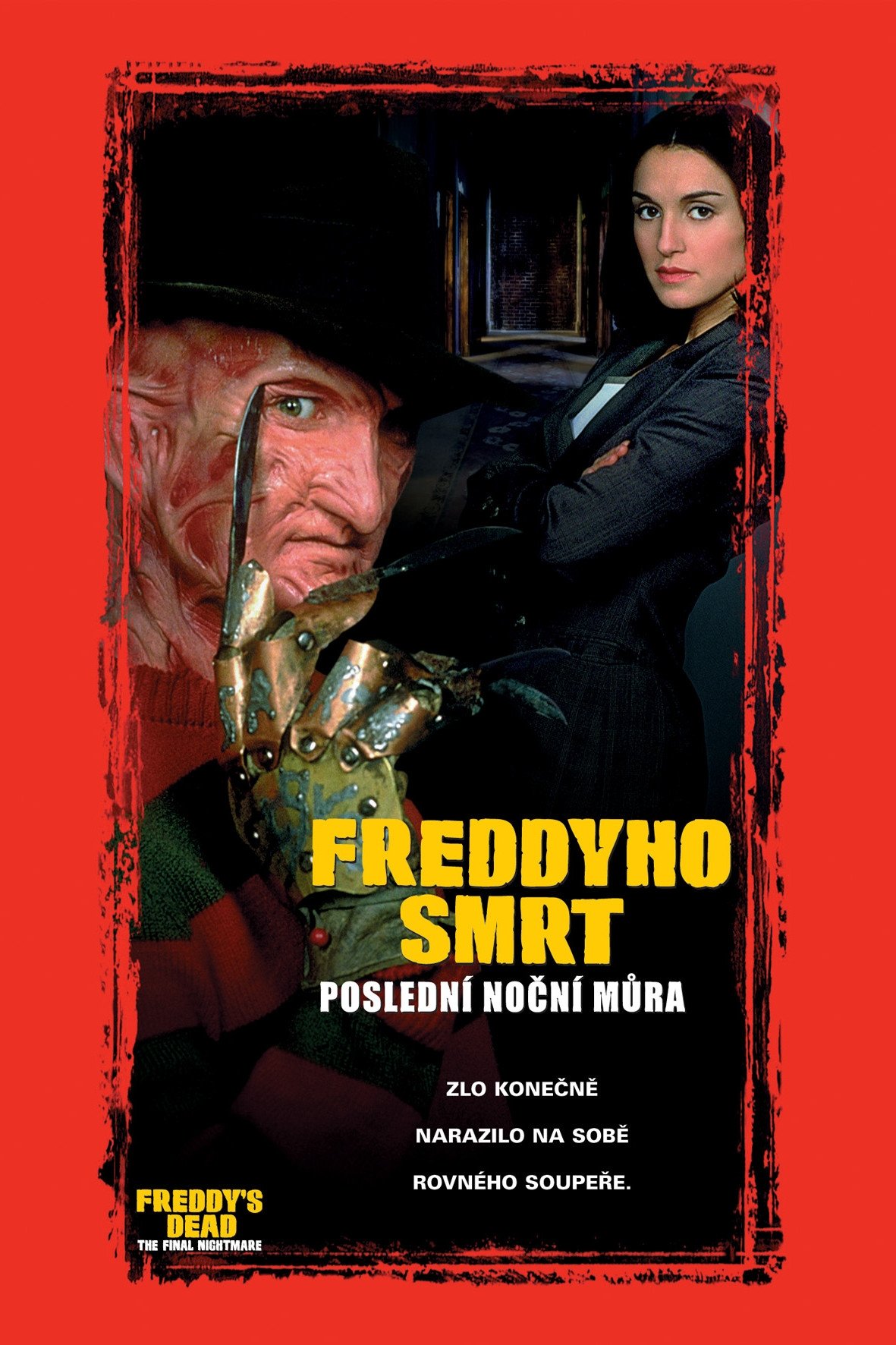
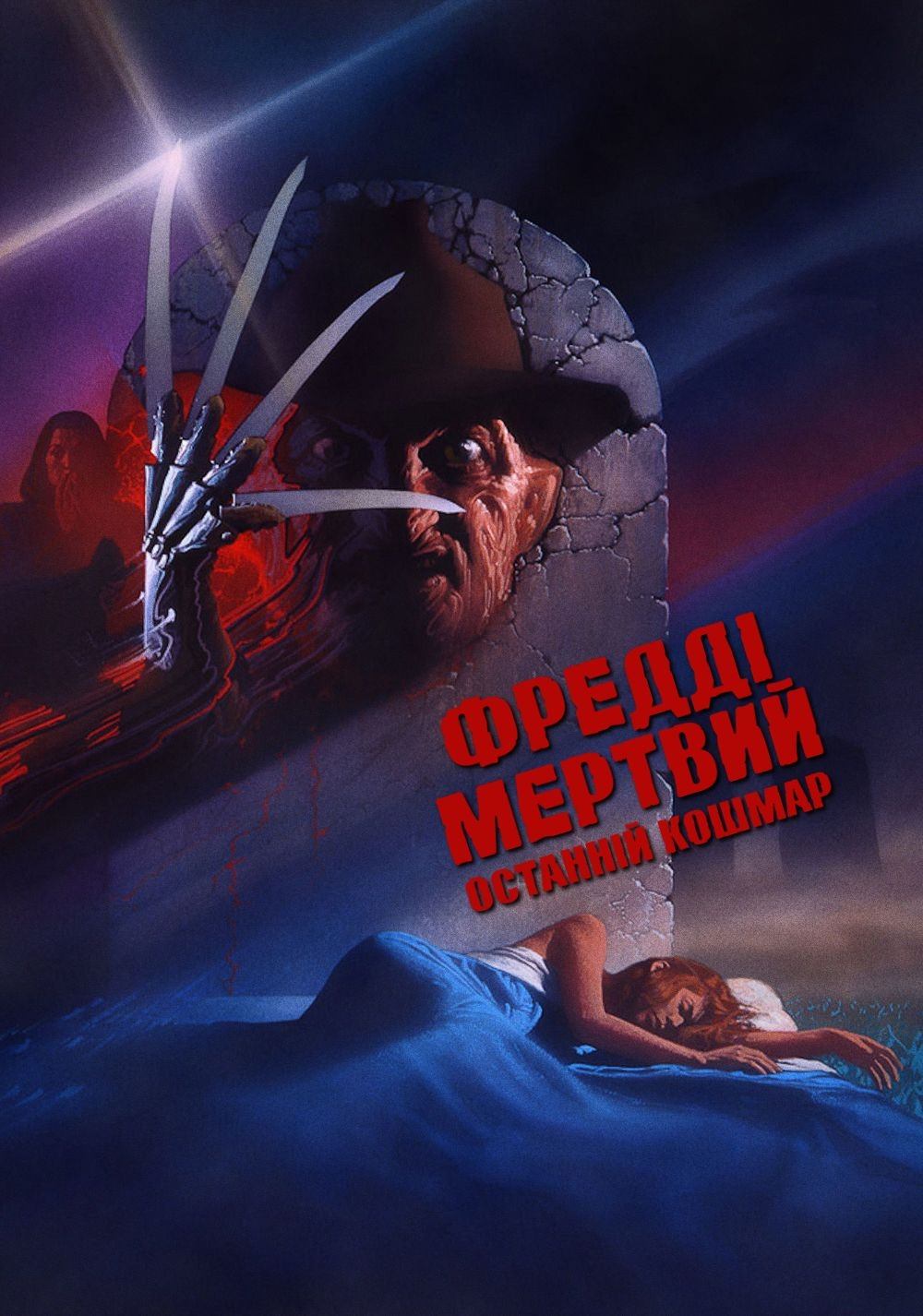
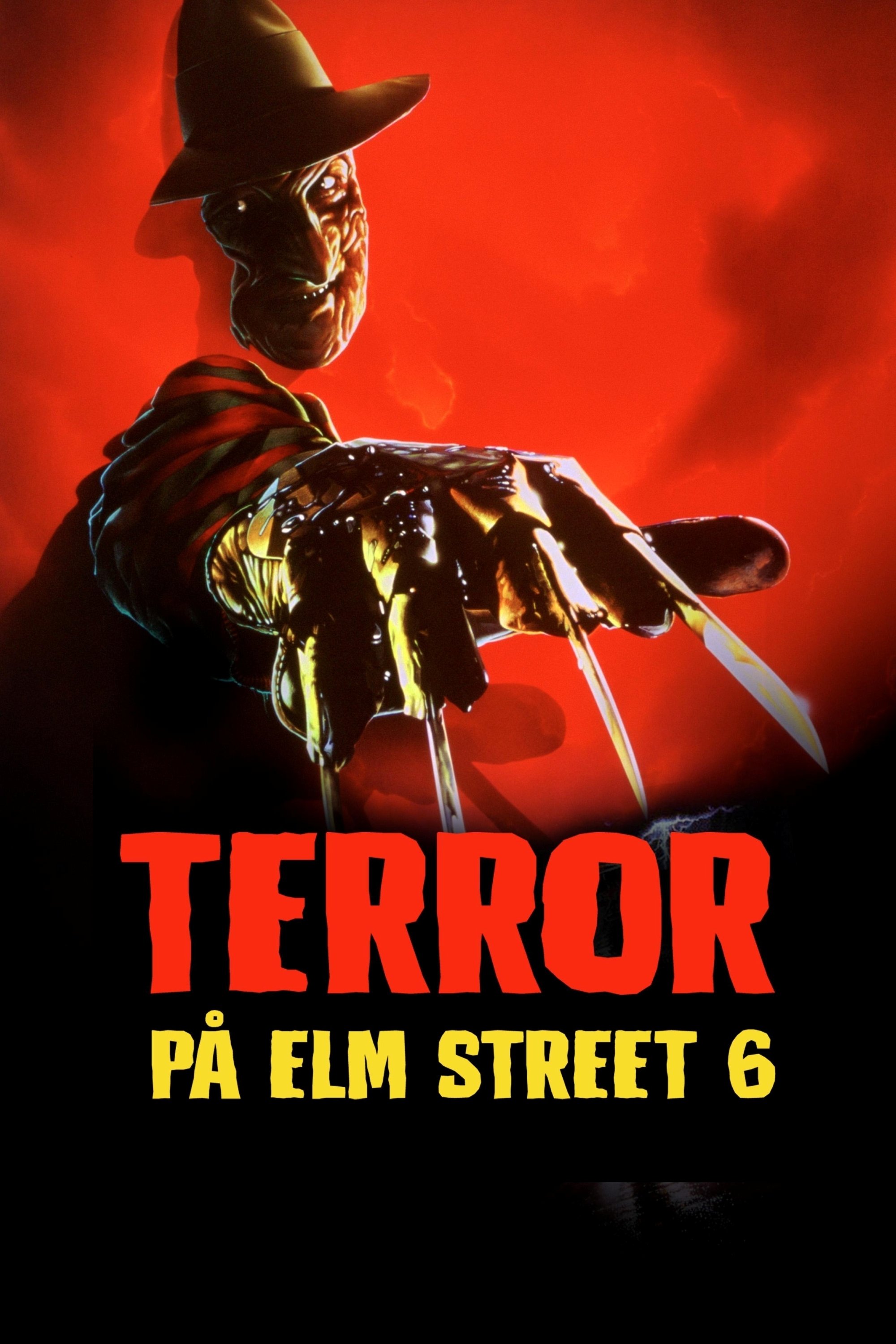
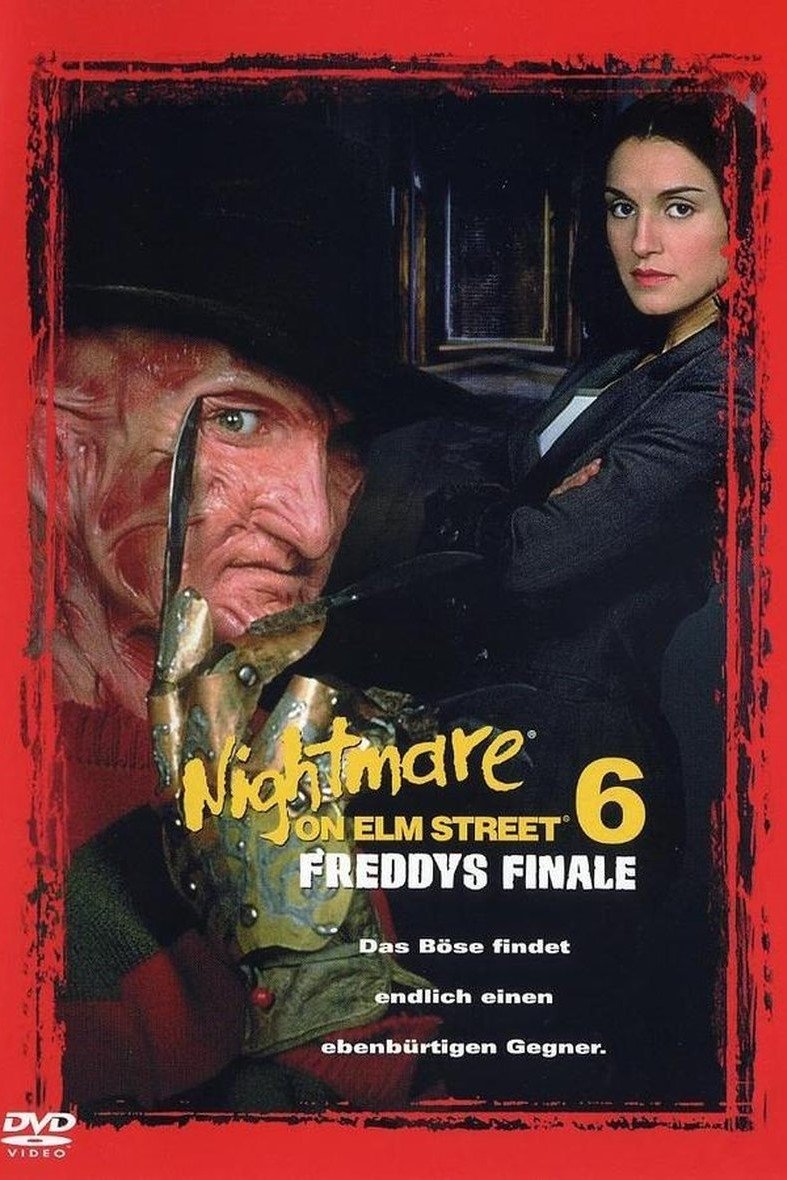
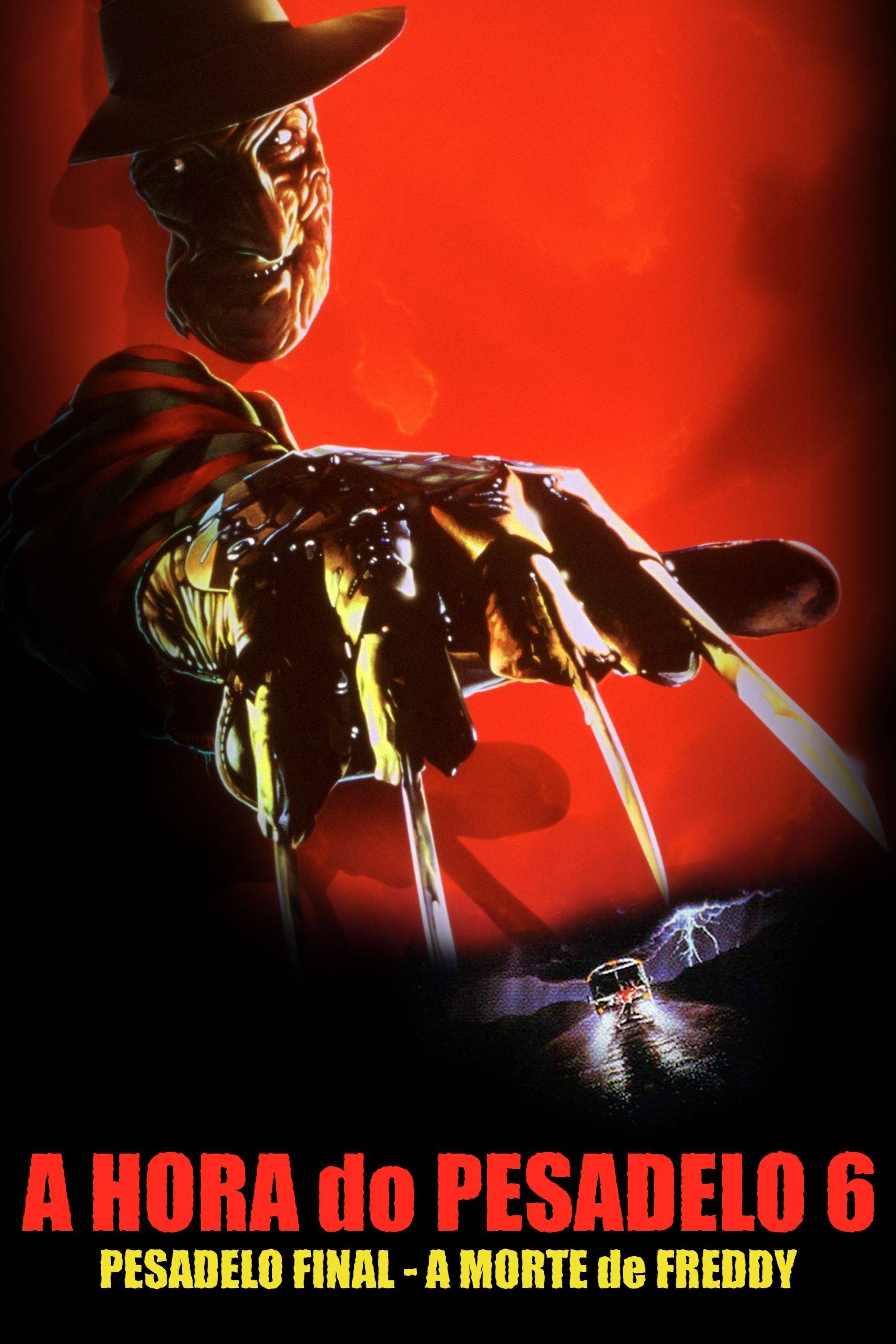
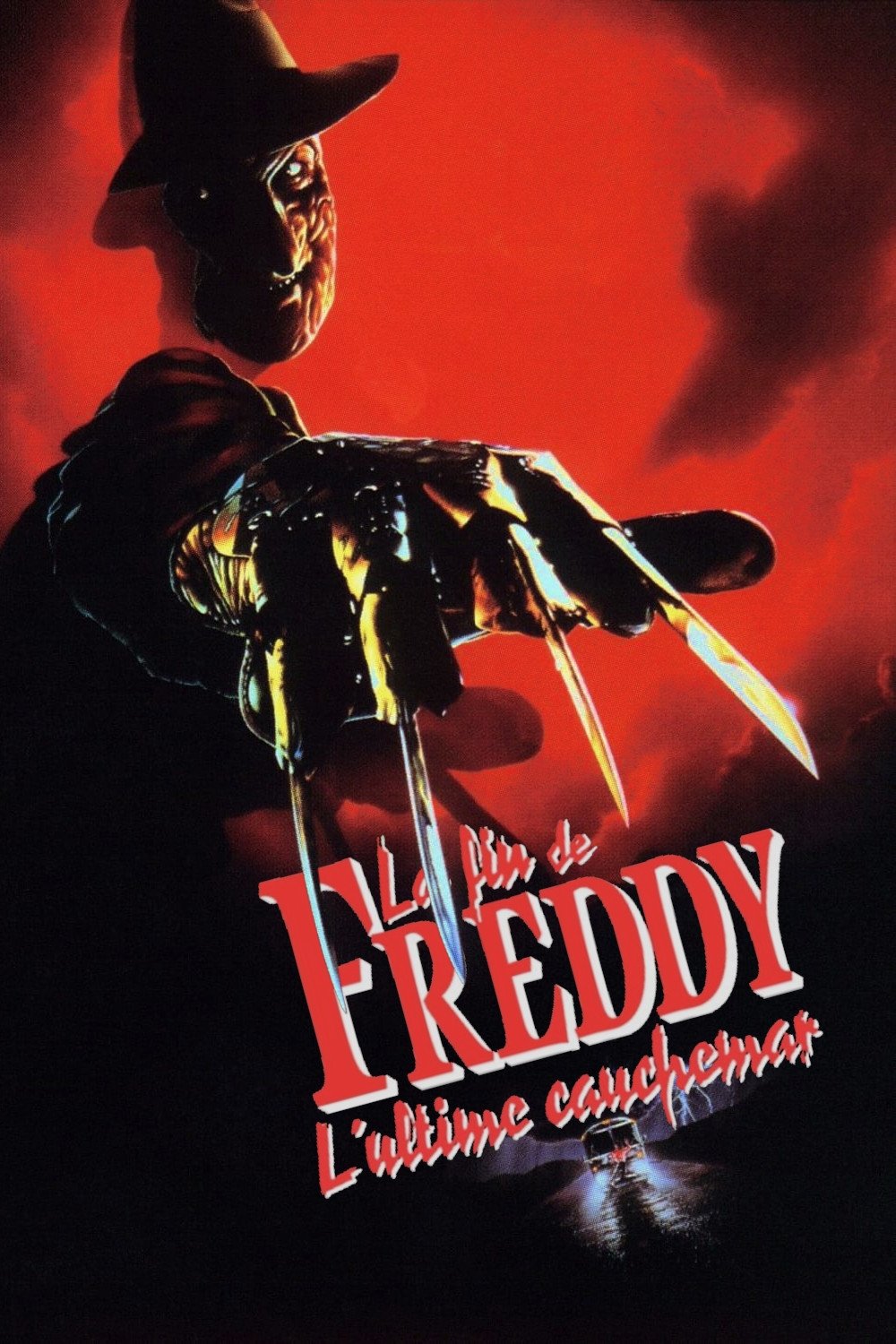
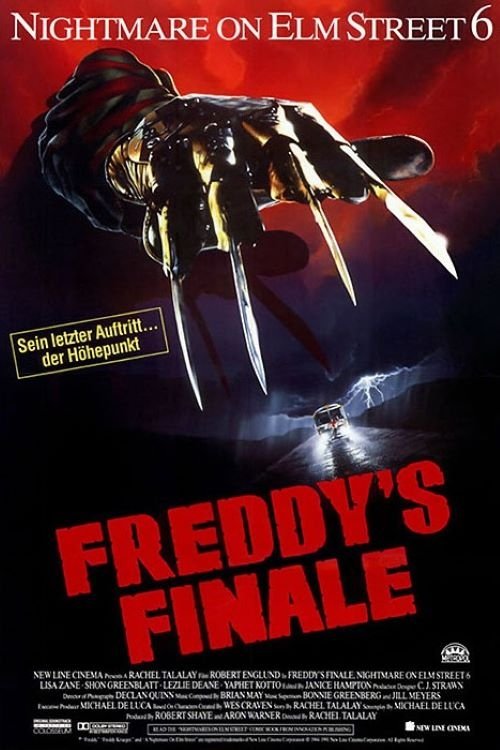
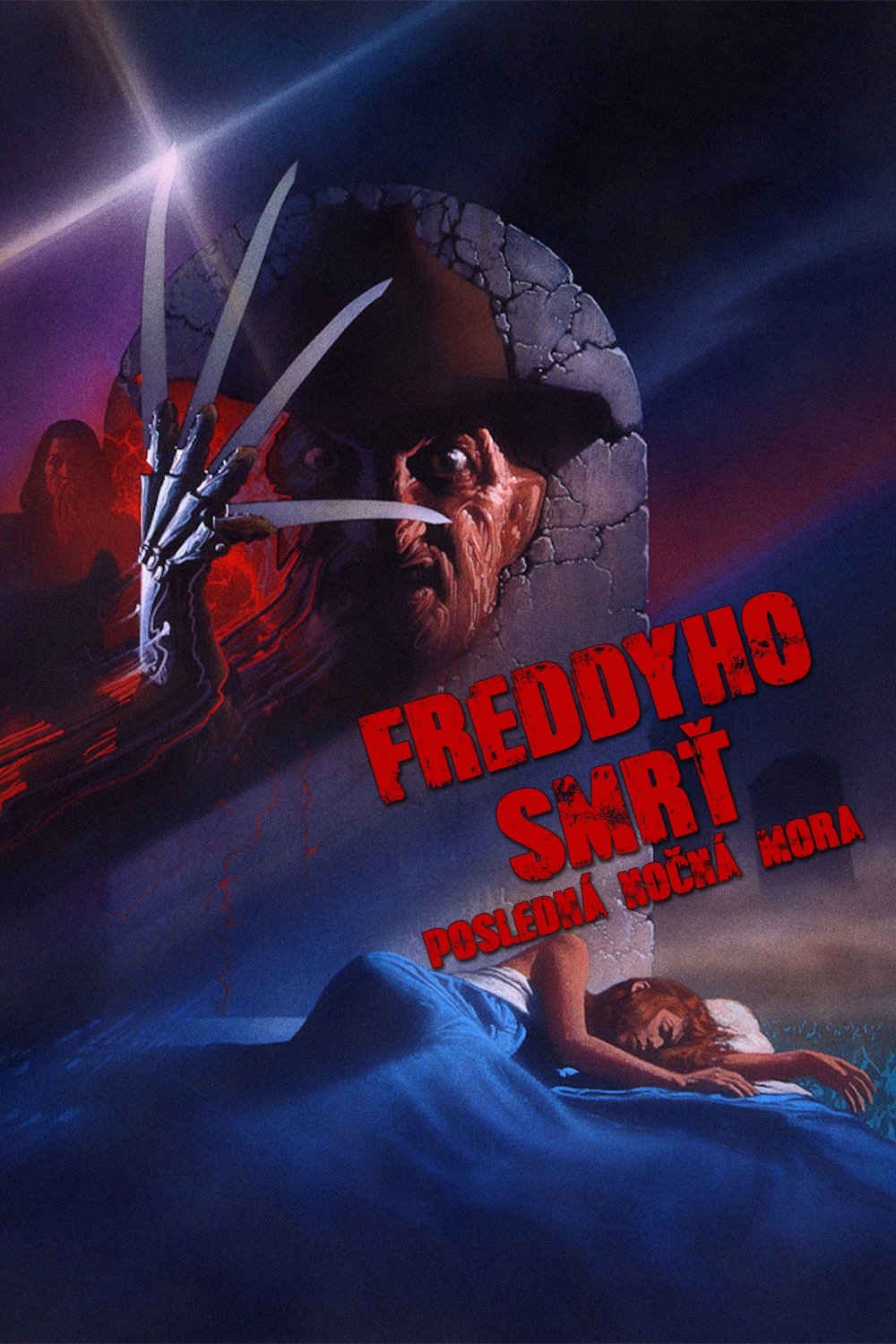
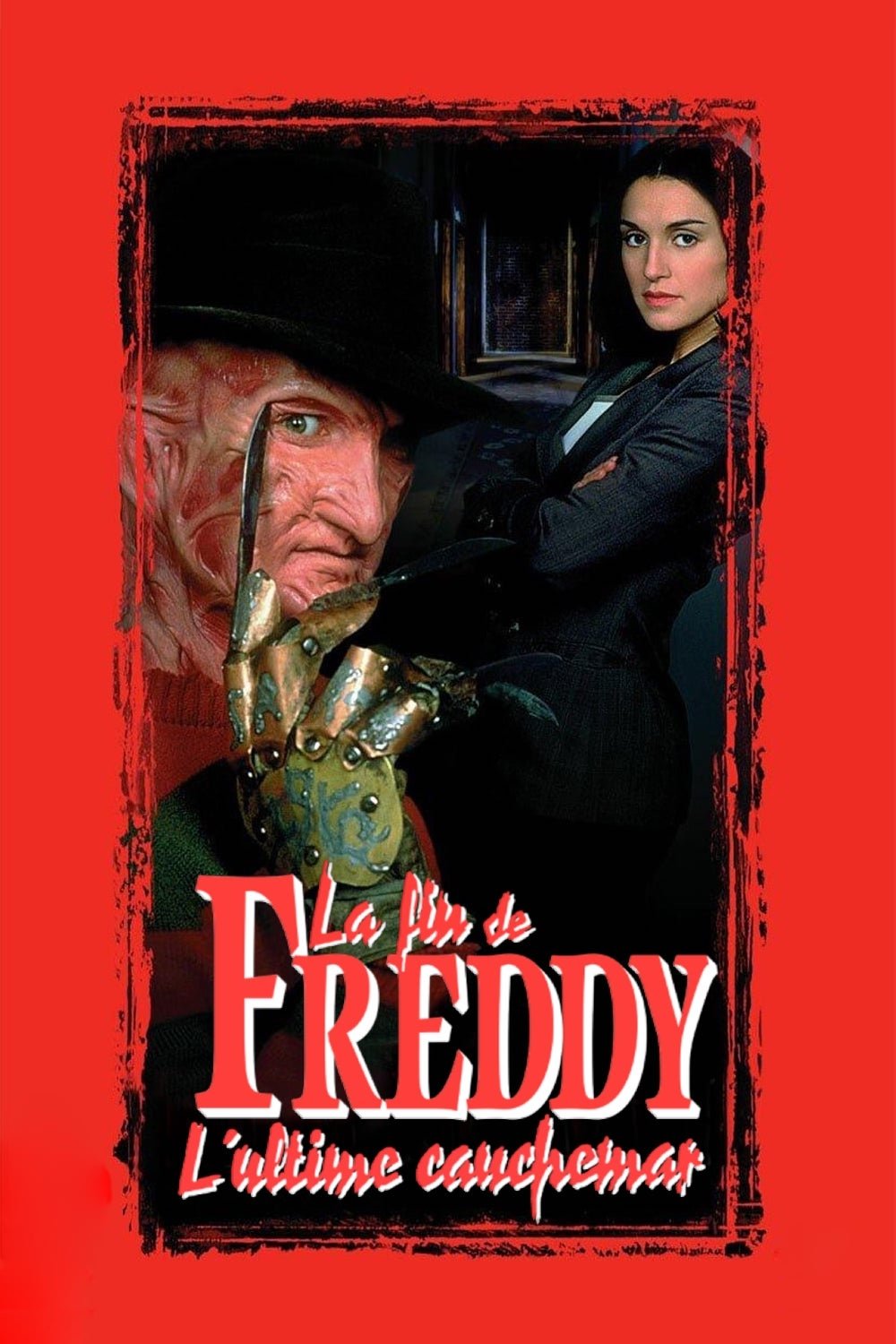
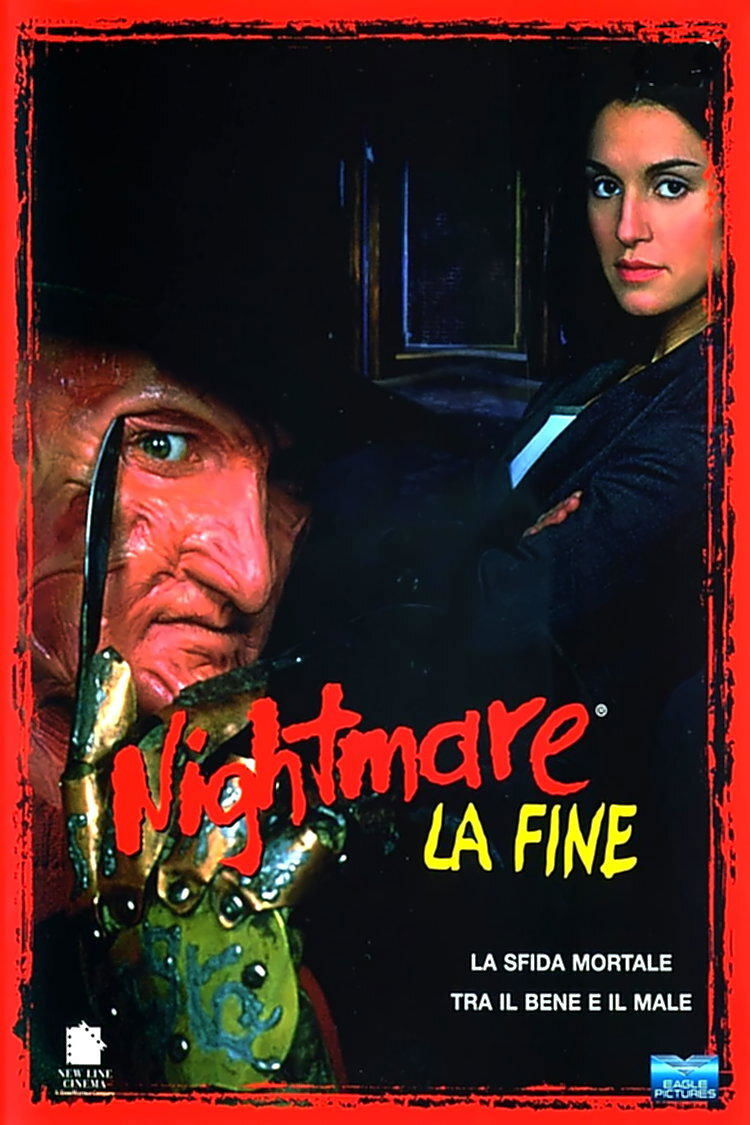
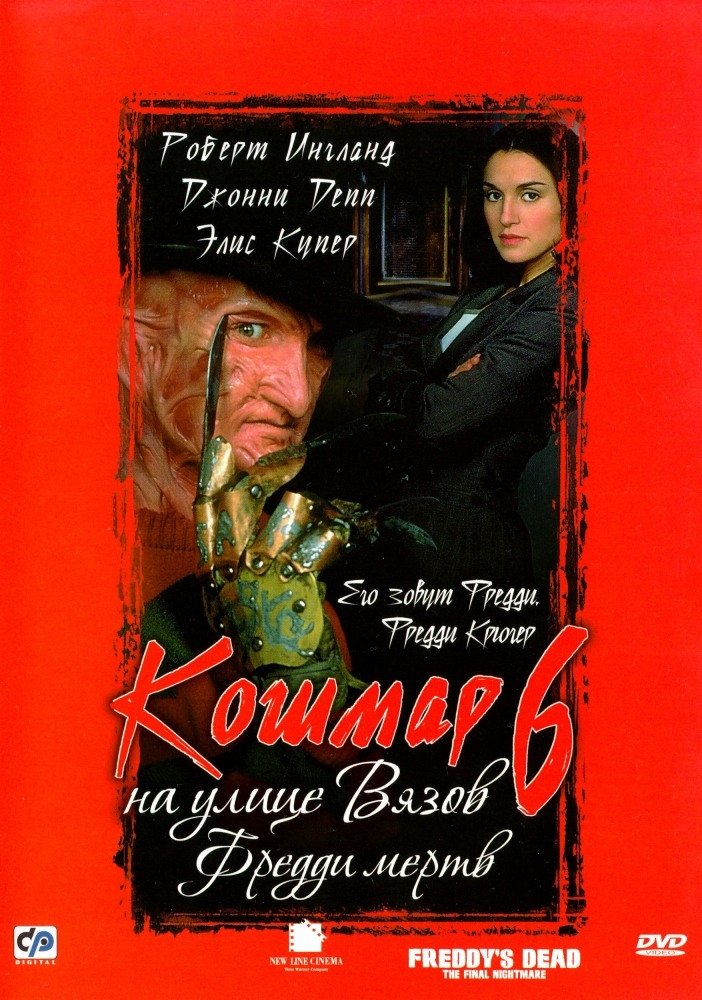
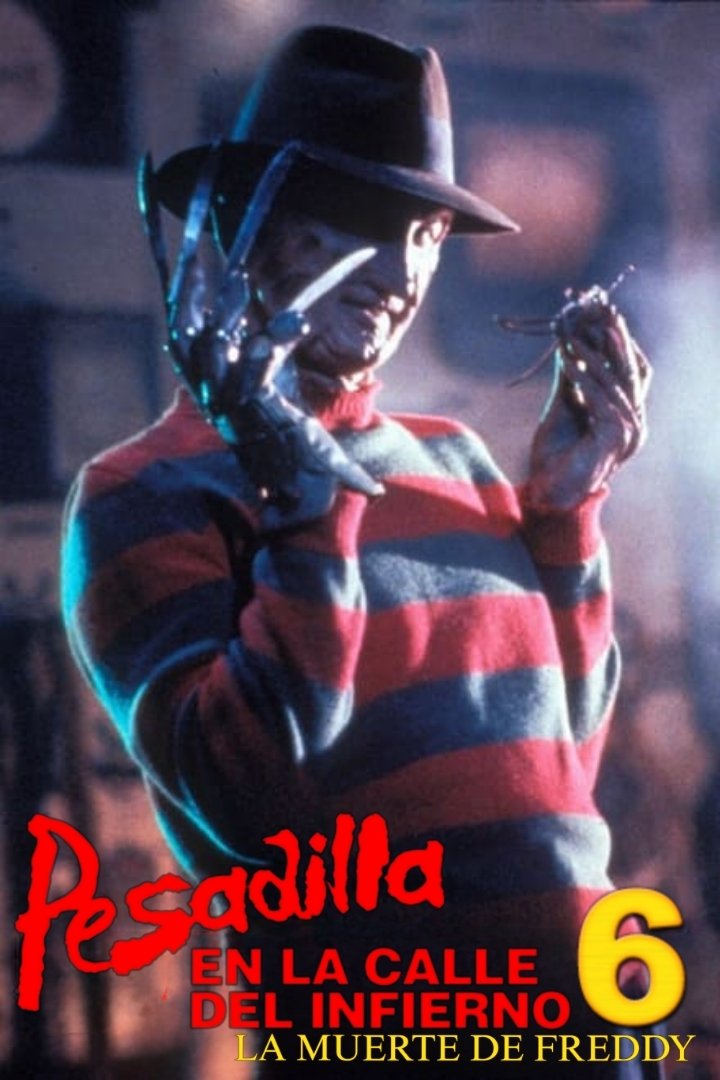
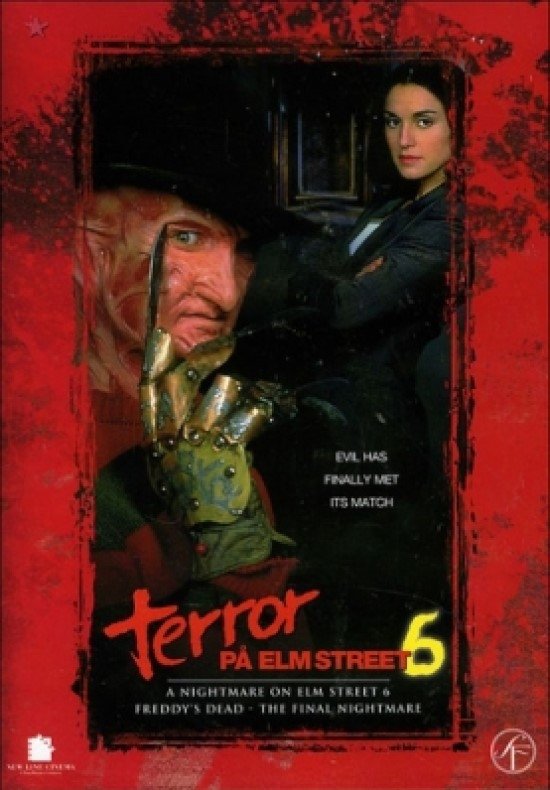
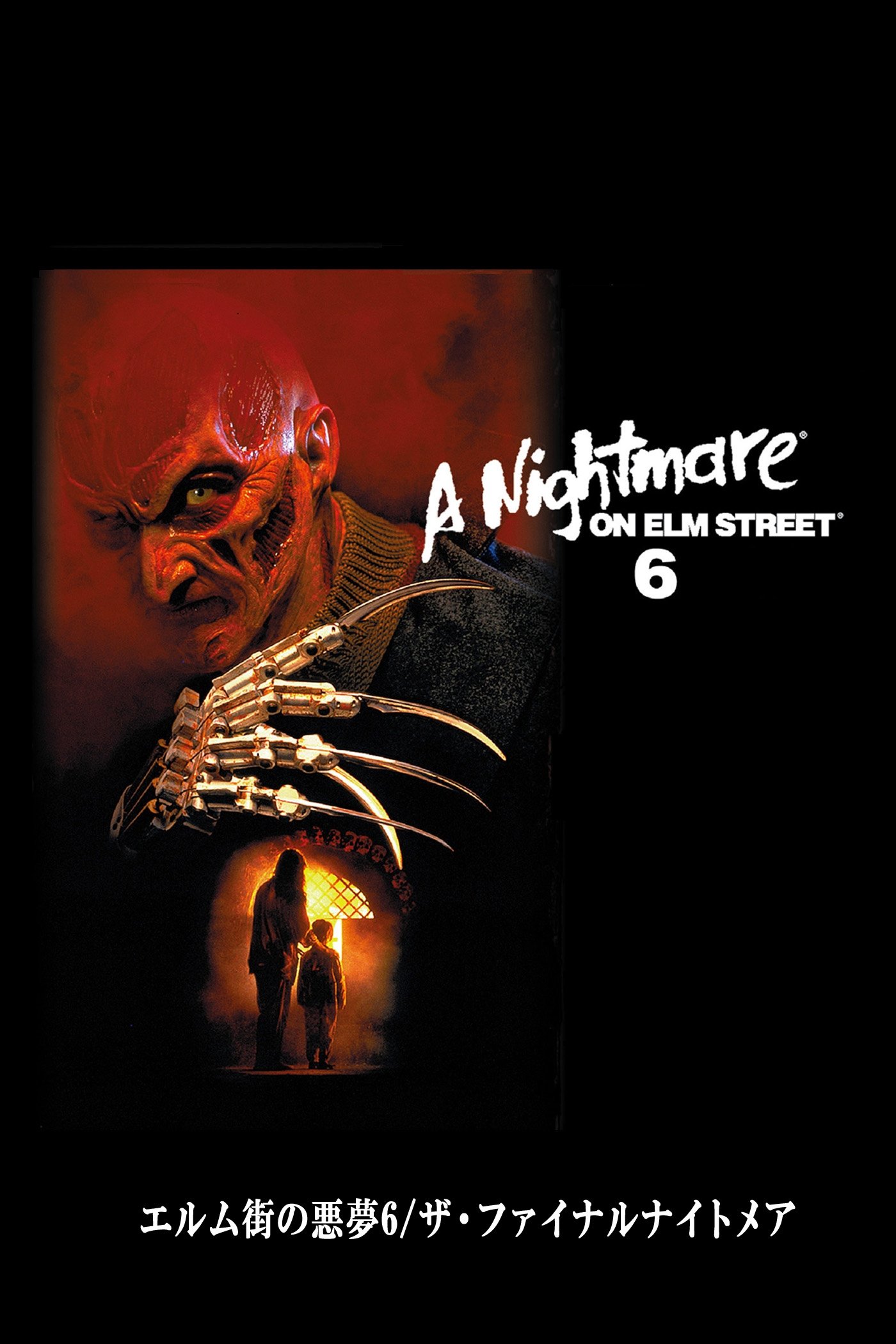
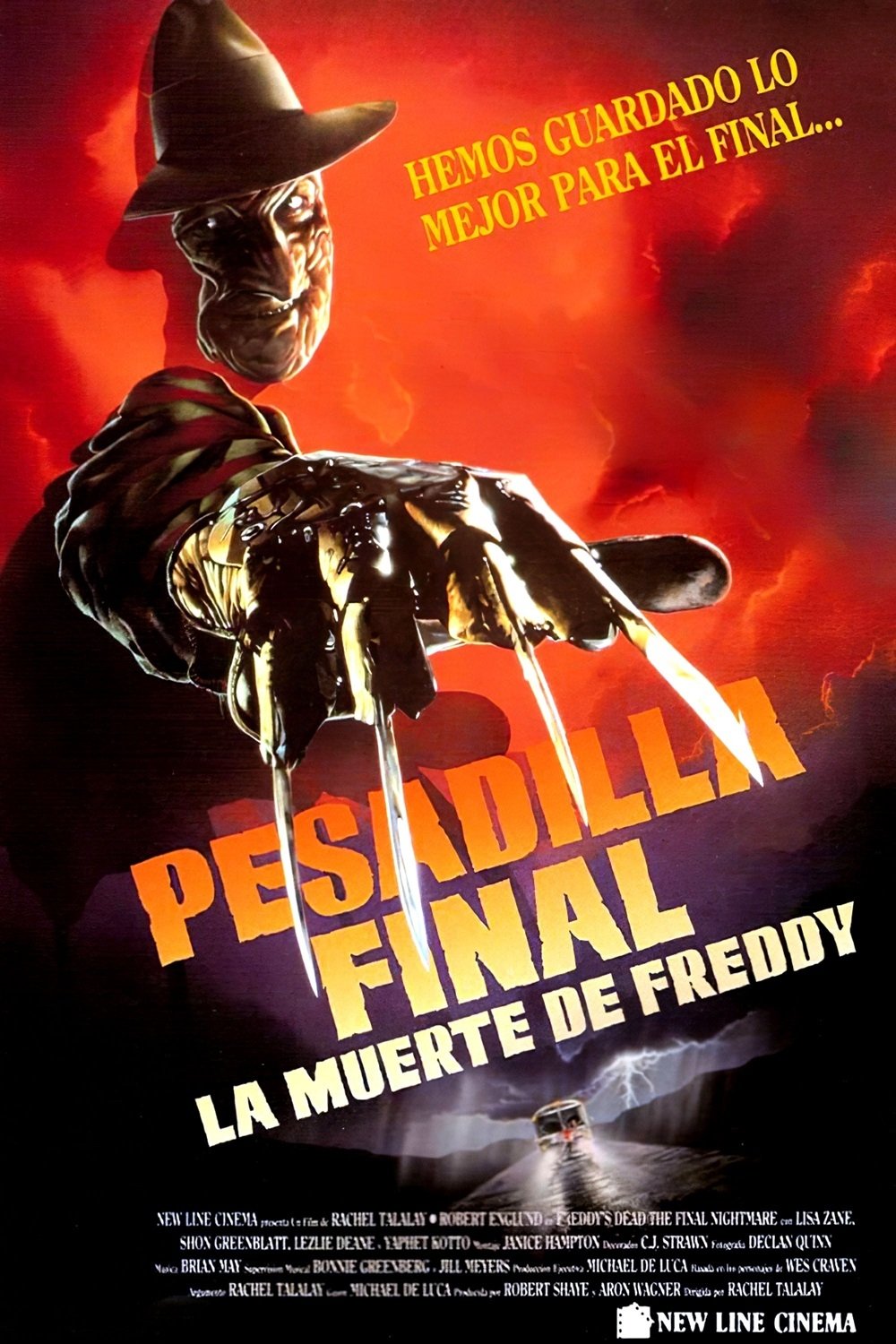
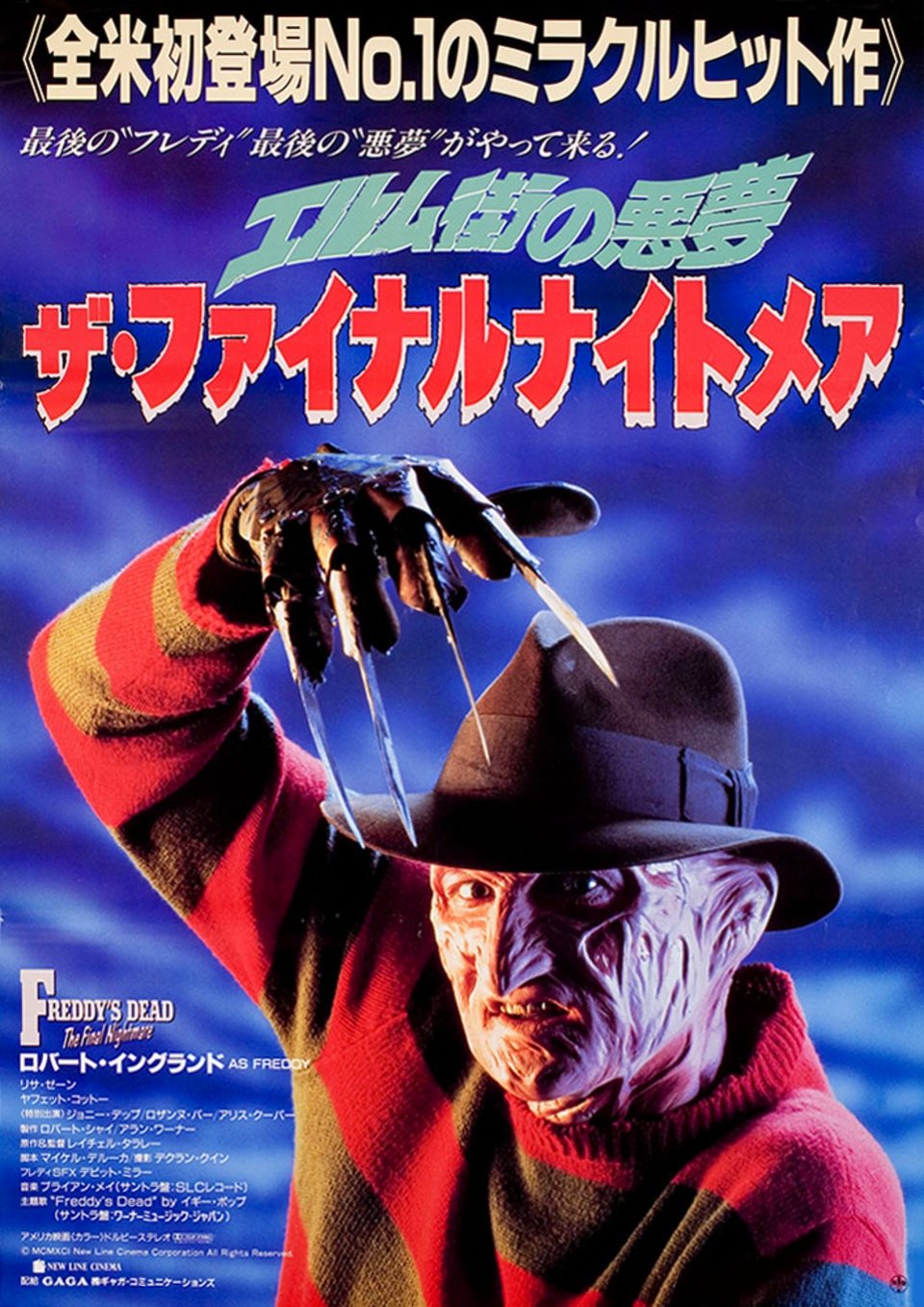
New Line Cinema marketed the sixth installment around a decisive proposition: the monster whose survival powered the series would finally die. The premise acknowledged exhaustion within an annual sequel cycle, and the studio sought a hook substantial enough to make another release seem like an event. Talalay had already worked on earlier Nightmare productions in different capacities before receiving the opportunity to direct. In a retrospective interview she described the recurring schedule as excessive and connected the proposed ending to a desire to stop making one entry after another.
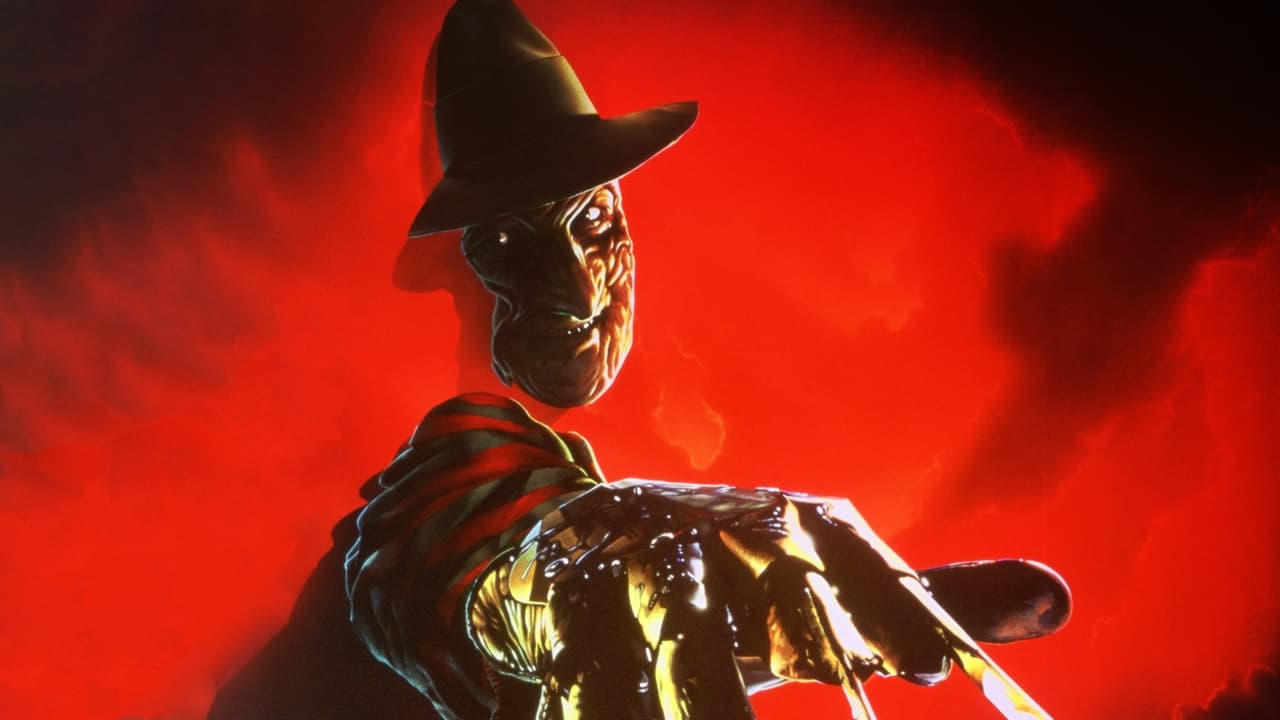
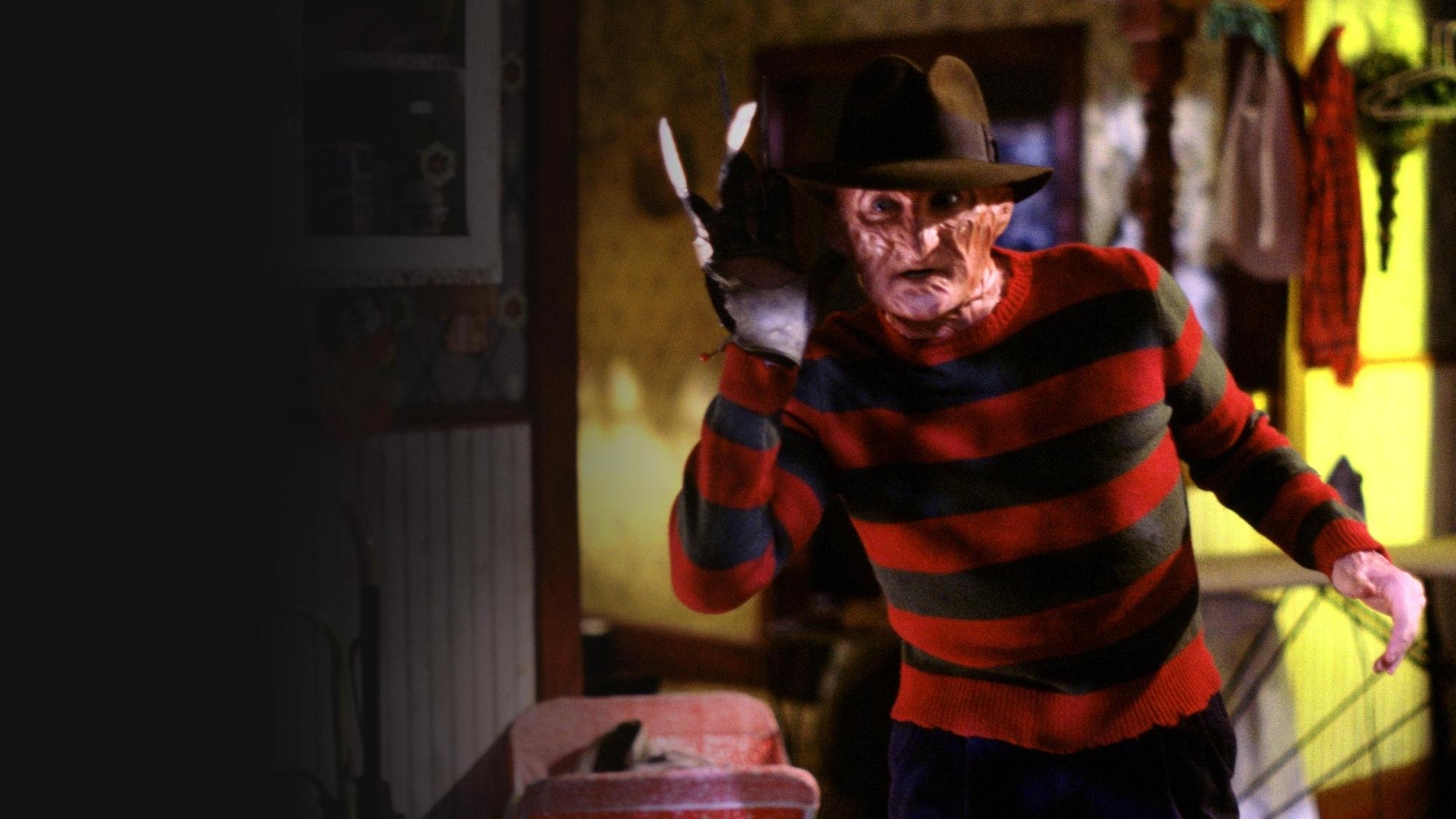
The move toward comedy was an explicit production choice. Talalay later explained that studio expectations had been shaped by the strong performance of the third installment and by dissatisfaction with the darker fifth film. Her account places the title, increased humor and three-dimensional attraction within the same commercial calculation. Robert Englund was still central to this tonal strategy: Freddy's voice and gestures had become familiar enough for a comic routine to function without lengthy explanation.
For her first feature as director, Talalay was therefore managing two assignments that did not always sit comfortably together. She had to stage a recognizable supernatural slasher while presenting its farewell as a large-scale entertainment package. The closing promise was genuine within the 1991 marketing campaign, even though it did not permanently end the property. Its importance lies in showing how New Line framed a production decision as a public farewell.
Development: A Daughter, a Mystery and a New Origin
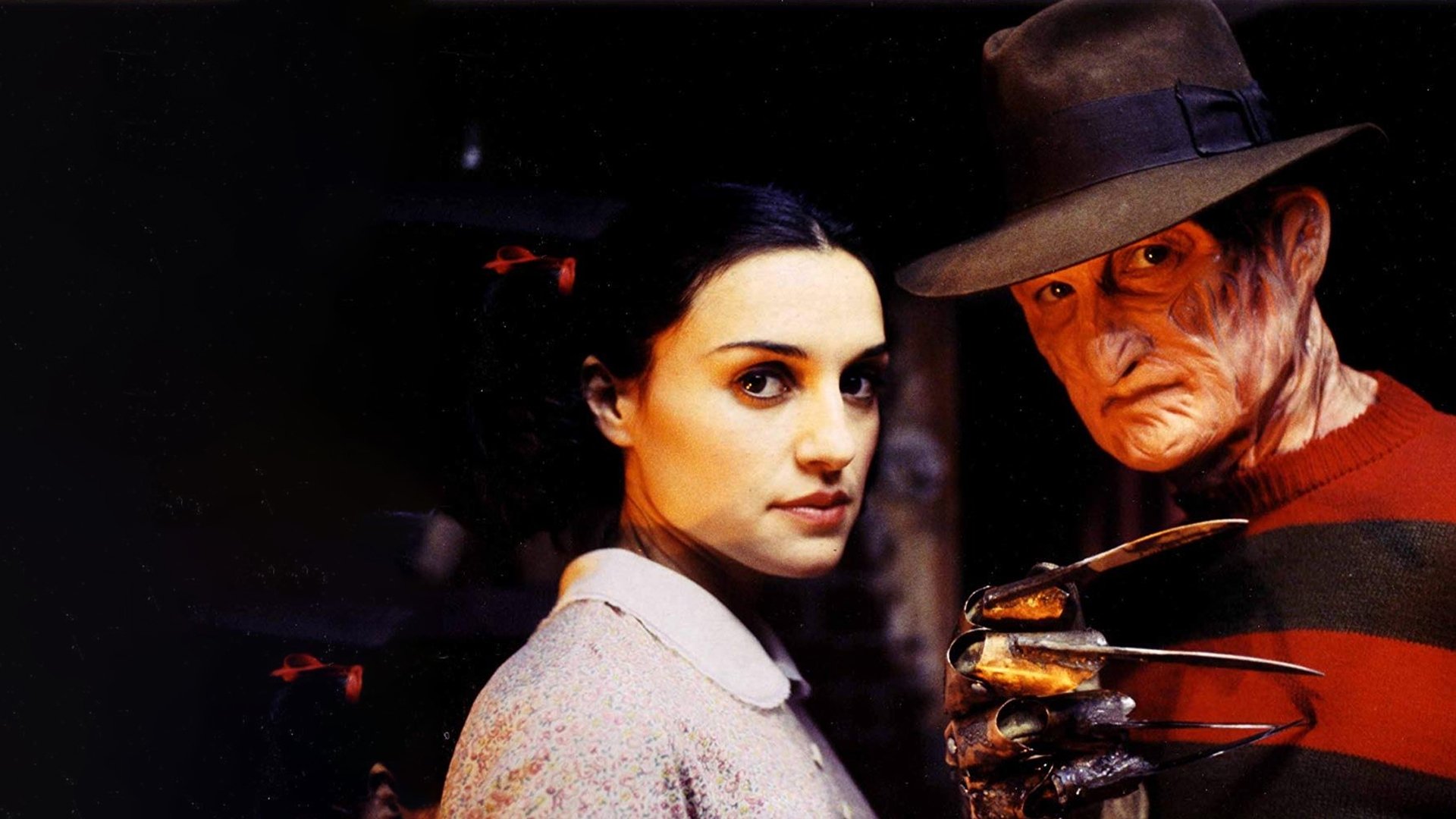
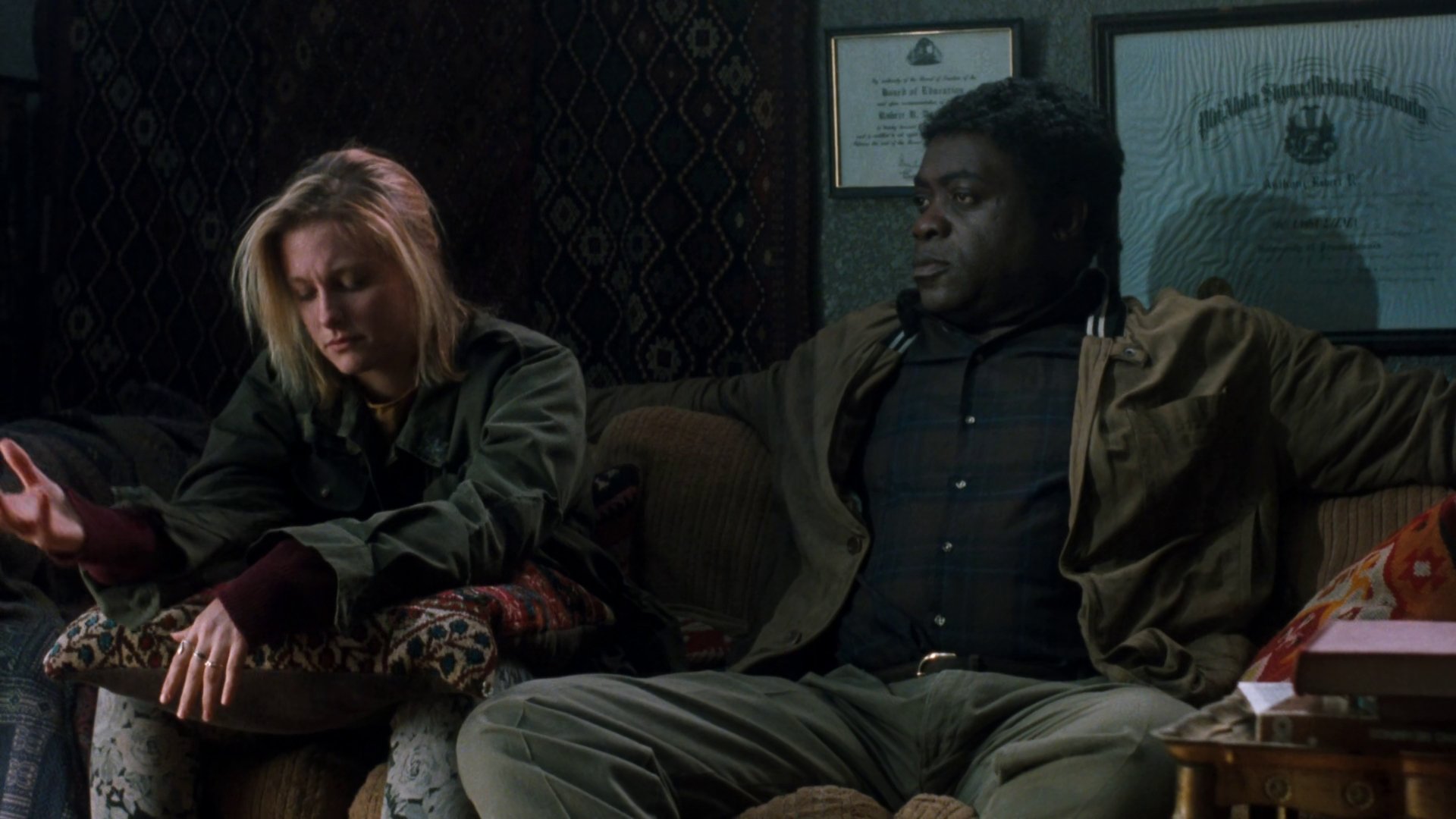
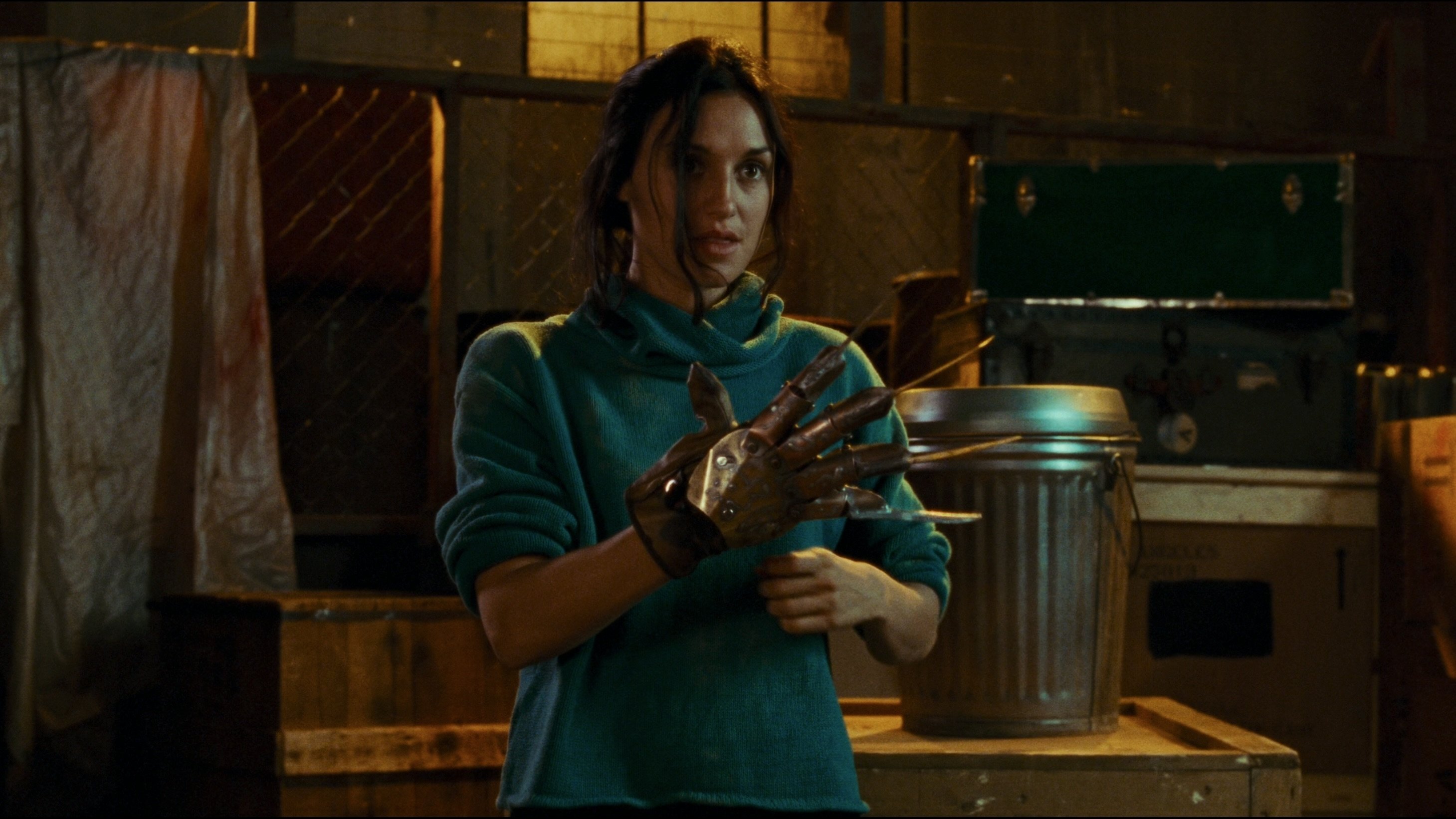
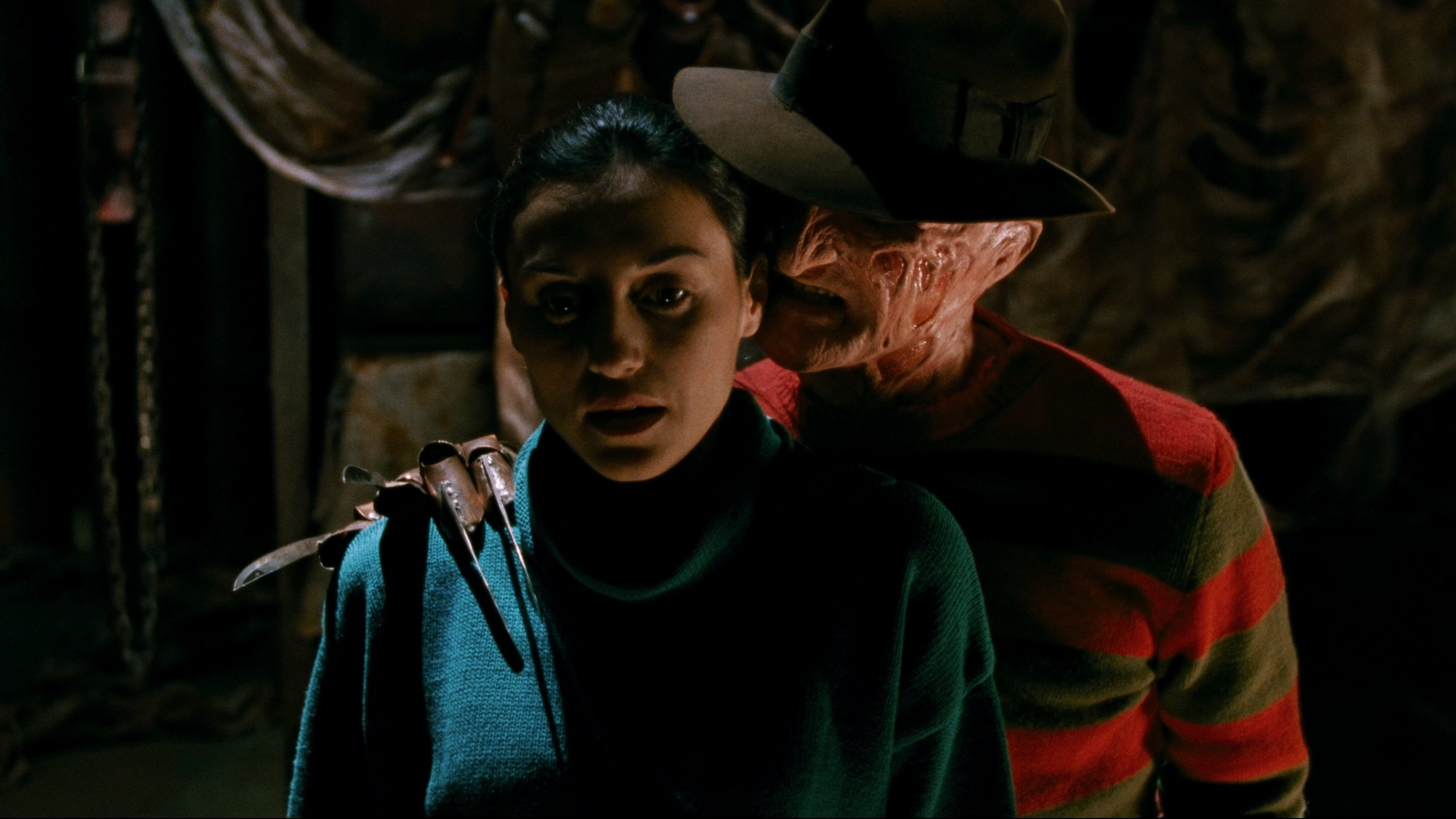
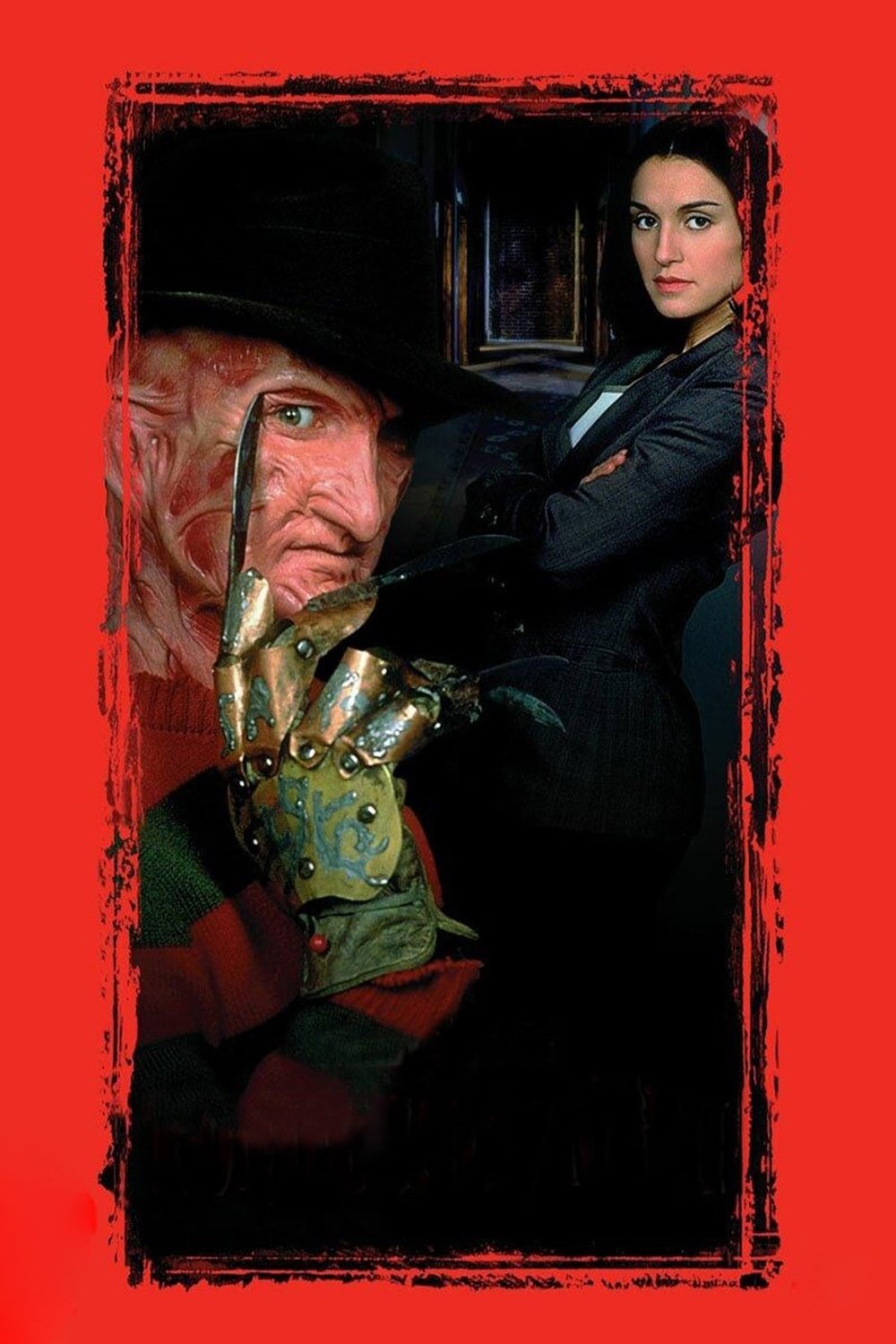
The screenplay reorganizes Freddy's history around Maggie Burroughs, a counselor whose connections to Springwood become increasingly significant. The young amnesiac known as John Doe initially appears to be the person with a privileged connection to the killer, encouraging both characters and viewers to read him as the apparent key to the mystery. The eventual revelation identifies Maggie as Freddy's daughter and converts the last confrontation into a conflict inside his own family.
Talalay has attributed the idea that a relative should kill Freddy to discussions involving New Line executive and screenwriter Michael De Luca. In her recollection, the family relationship was developed alongside the deliberate misdirection surrounding John Doe. She has also rejected a widely circulated claim that her version of the story originally relied on a grown-up Jacob from The Dream Child or a reunion of the Dream Warriors. Available interviews support a more cautious account of which ideas Talalay herself actually worked on.
The film expands the villain's origins through childhood memories, domestic abuse and the supernatural dream demons that grant his murderous abilities. These revelations supply a new explanation for how an earthly killer acquired power within dreams, though they arrive as a condensed mythology rather than a fully developed history. The decision to make Freddy a father adds a personal dimension to the final struggle, while the demonic explanation shifts the character away from the unsettling uncertainty associated with Wes Craven's first film.
Springwood: Institutional Horror and Damaged Families
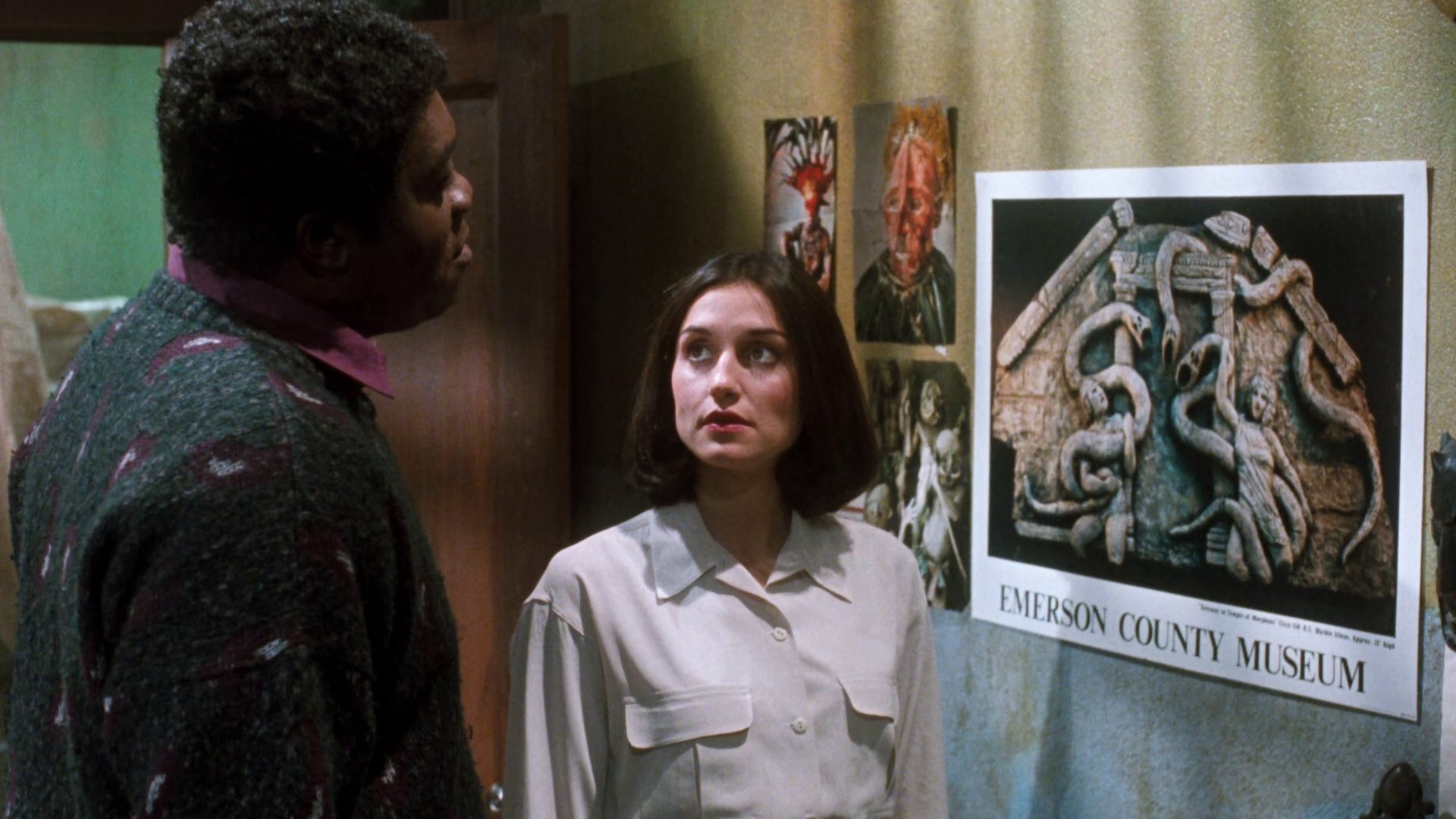
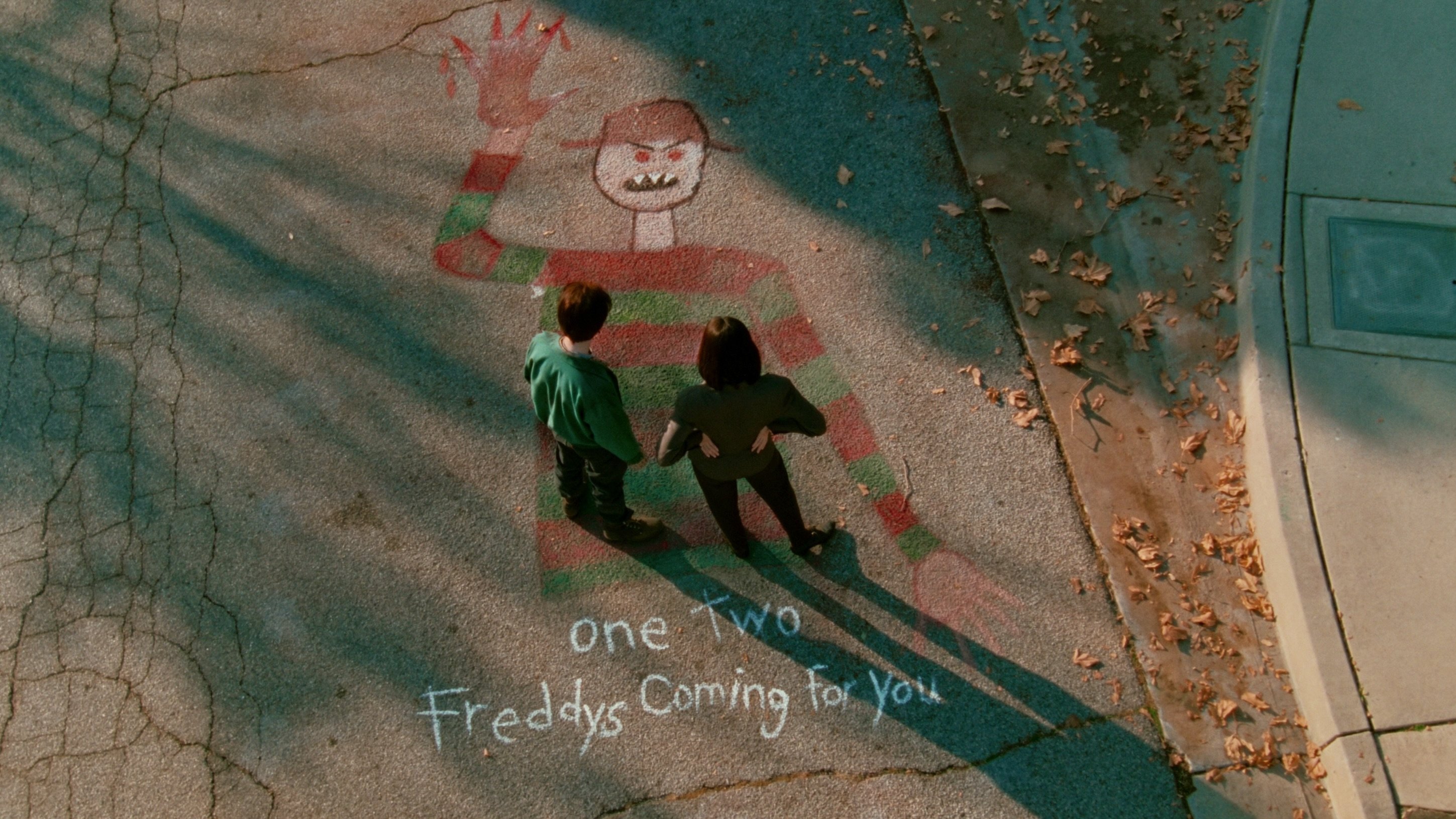
Springwood is presented as a community stripped of its young people, with its remaining adults behaving as if ordinary social life has collapsed. The imagery turns a suburban town into a distorted collective nightmare before the characters even enter an individual dream. The youth shelter that introduces Maggie and her charges supplies another important setting. Teenagers living with unstable family relationships are transported into a town where parental authority and adult protection have already become grotesque failures.
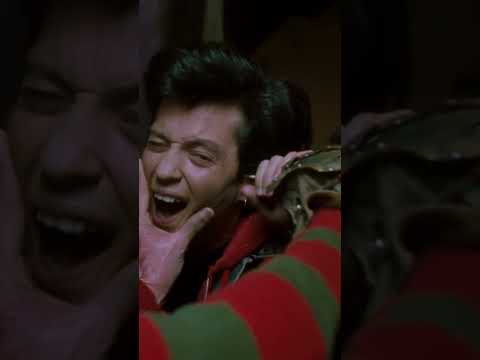
The film repeatedly associates its victims' fears with domestic violence, coercion and humiliation. Spencer's conflict with an overbearing father and Carlos's vulnerability around his hearing are incorporated into distinct nightmare sequences. Their exaggerated form, however, also exposes the tension at the center of the production. Trauma provides the dramatic material, yet the punishments are assembled as inventive horror set pieces with strongly comic timing. What might support sustained dread often becomes a rapid alternation of grotesque invention and a punch line.
Talalay has emphasized that discussions of the film's jokes and special effects can eclipse the abuse experienced by its young characters. That retrospective observation is useful without being taken as proof that all of those ideas are fully realized on screen. The shelter and the empty town offer a framework for examining neglect, while Maggie's discovery places the consequences of Freddy's violence inside his own lineage. The fragmented structure leaves much of this background schematic, but it helps distinguish the sixth film from a simple repetition of the summer-camp or suburban pursuit formulas common to slashers.
Visual Style: Cartoon Violence Inside a Nightmare
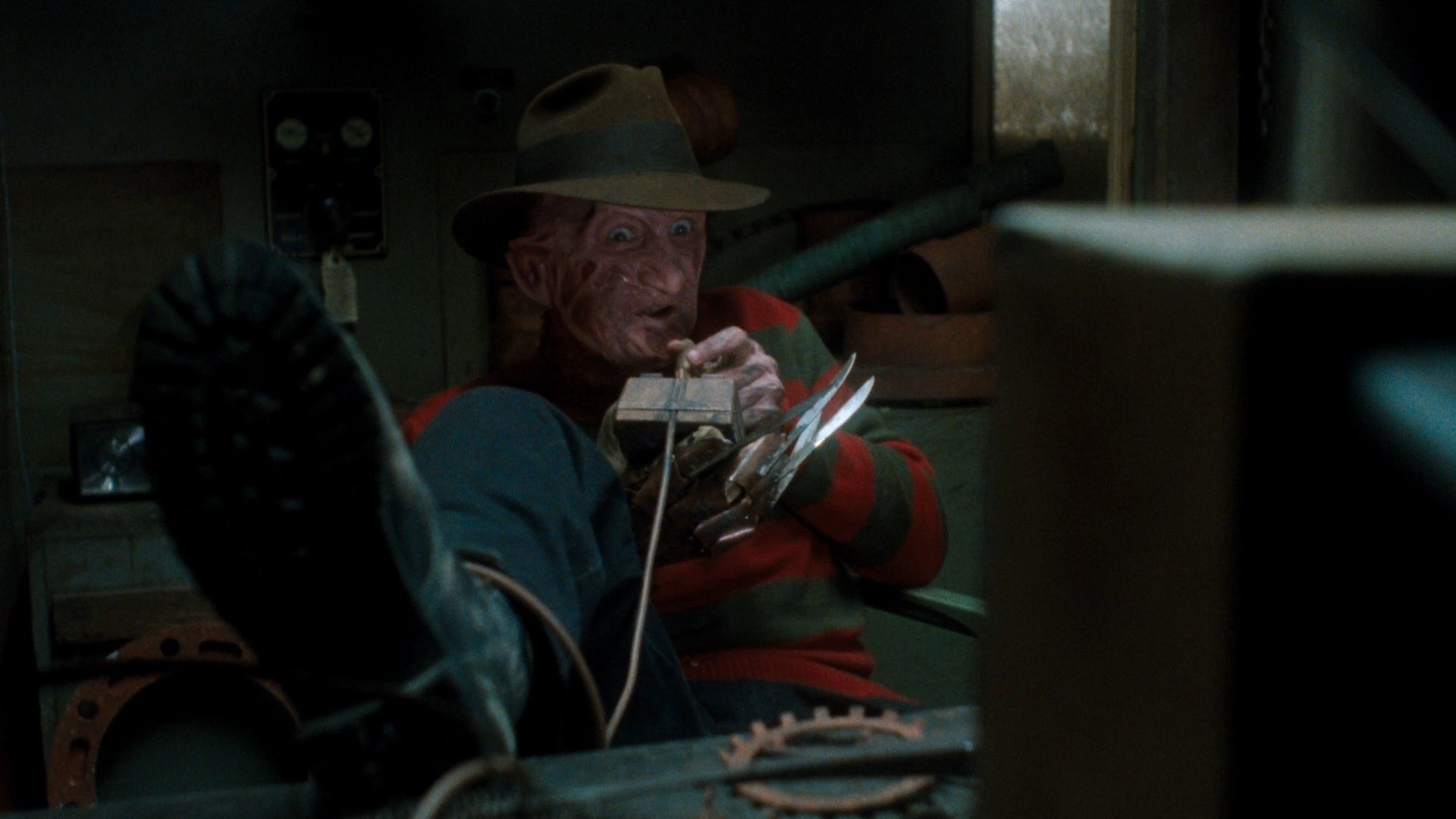
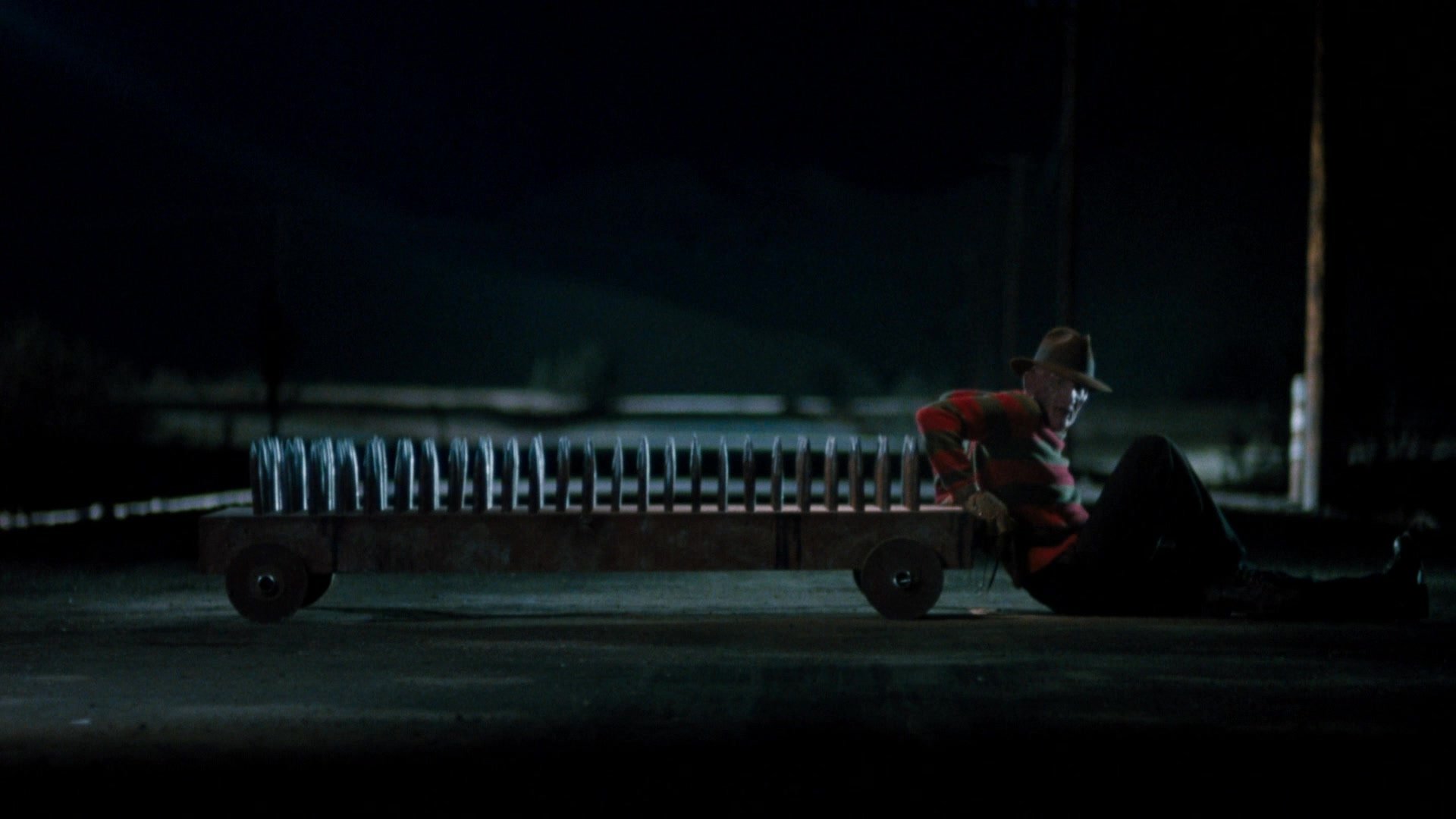
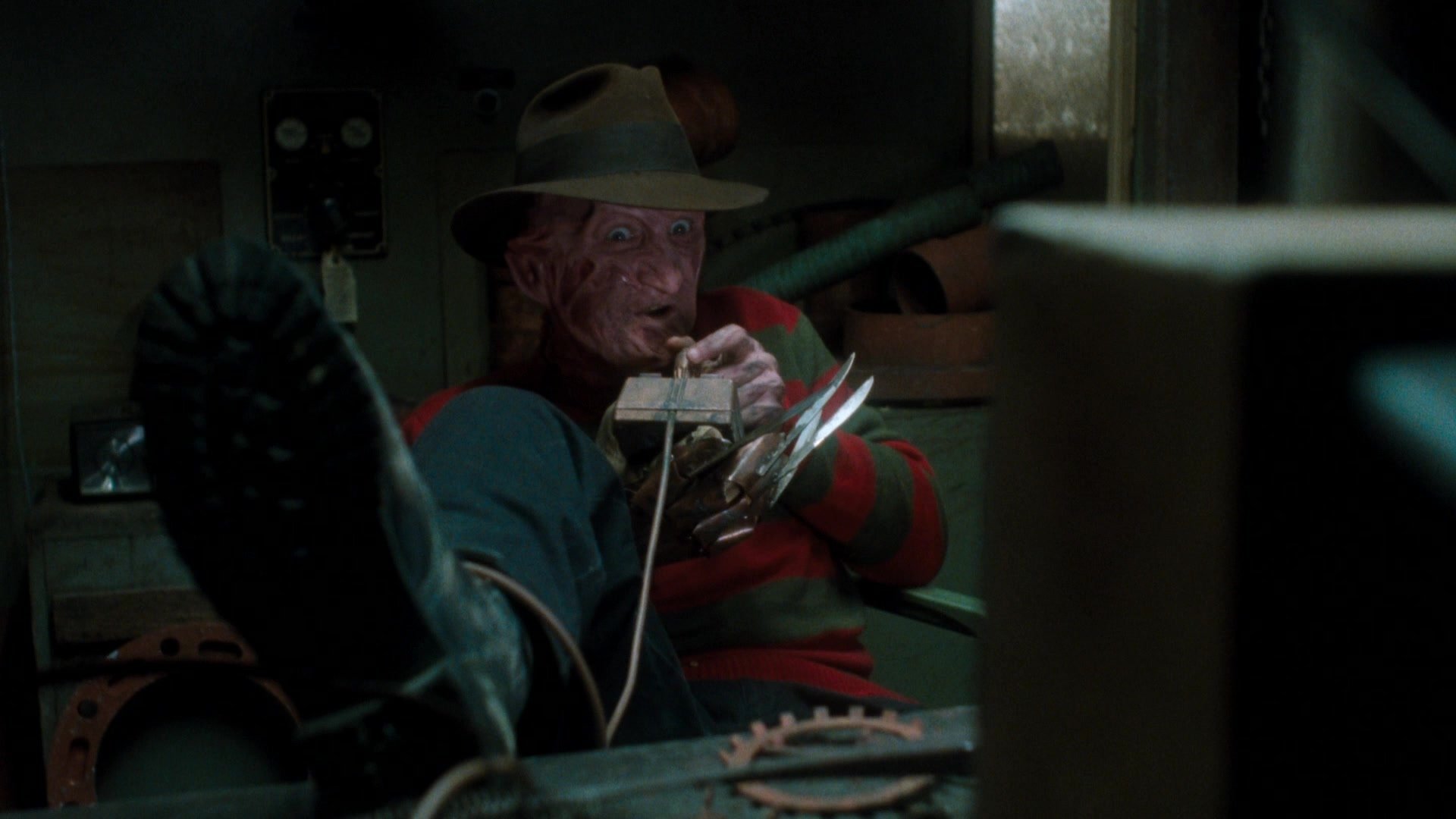
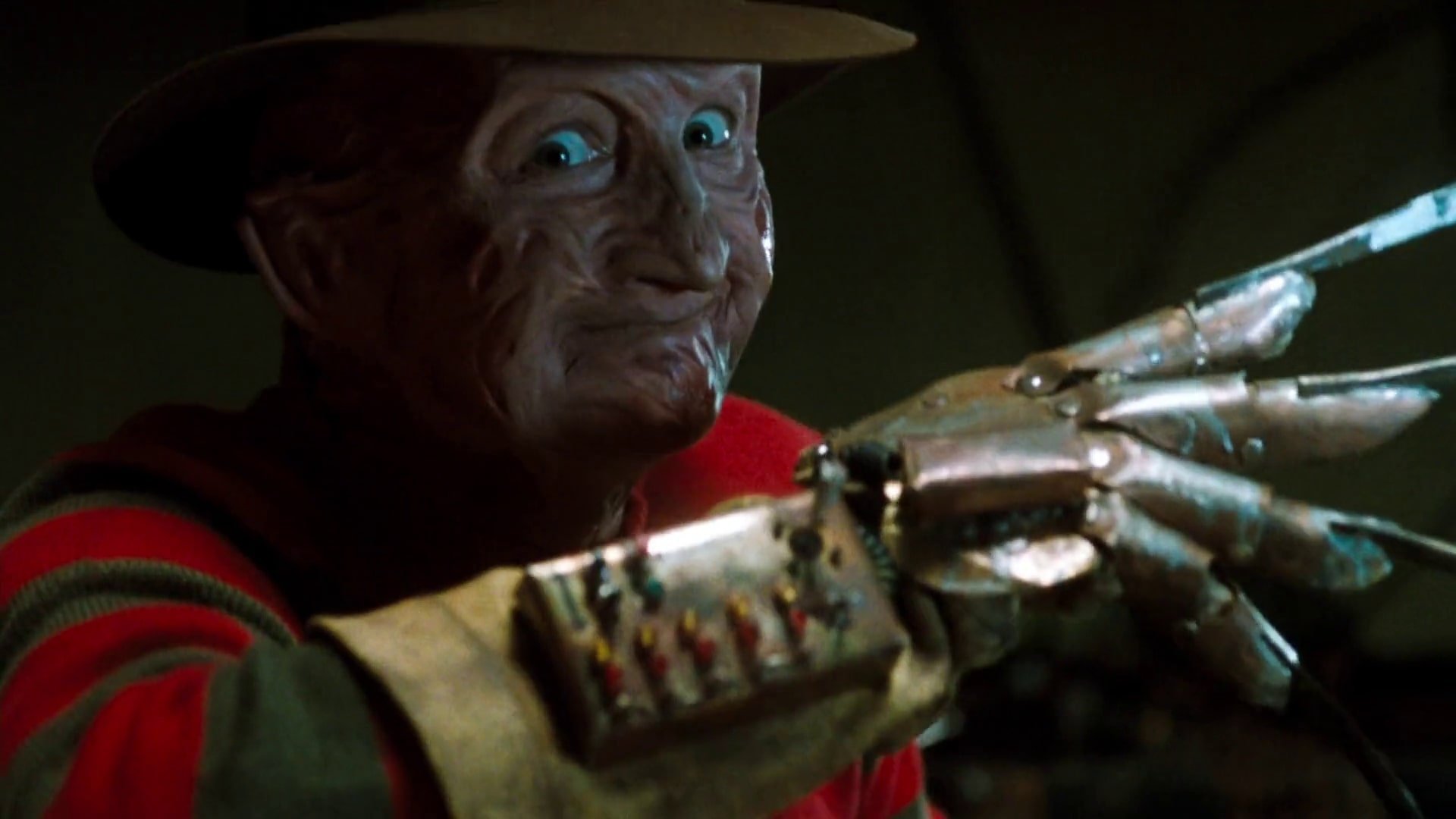
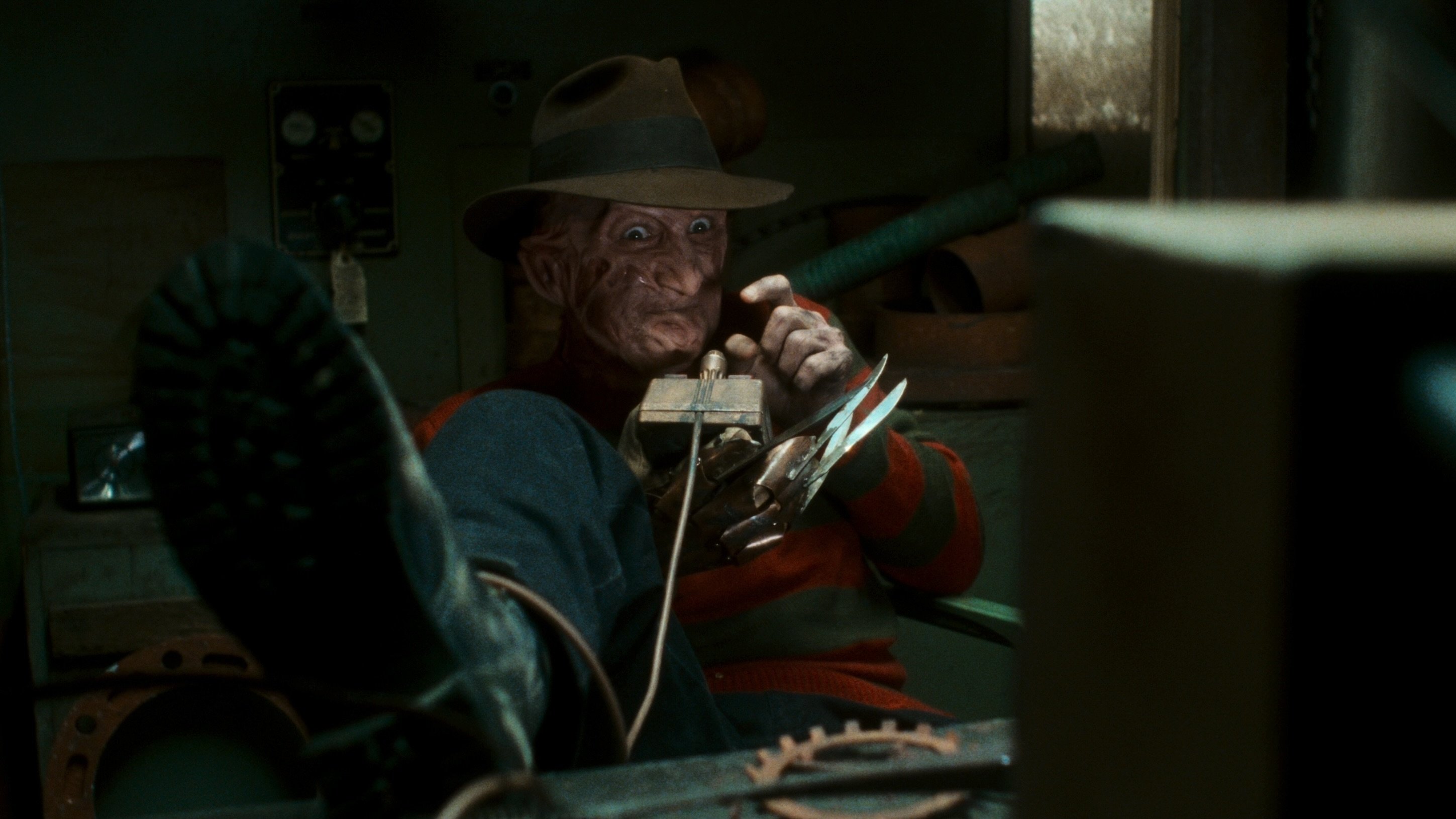
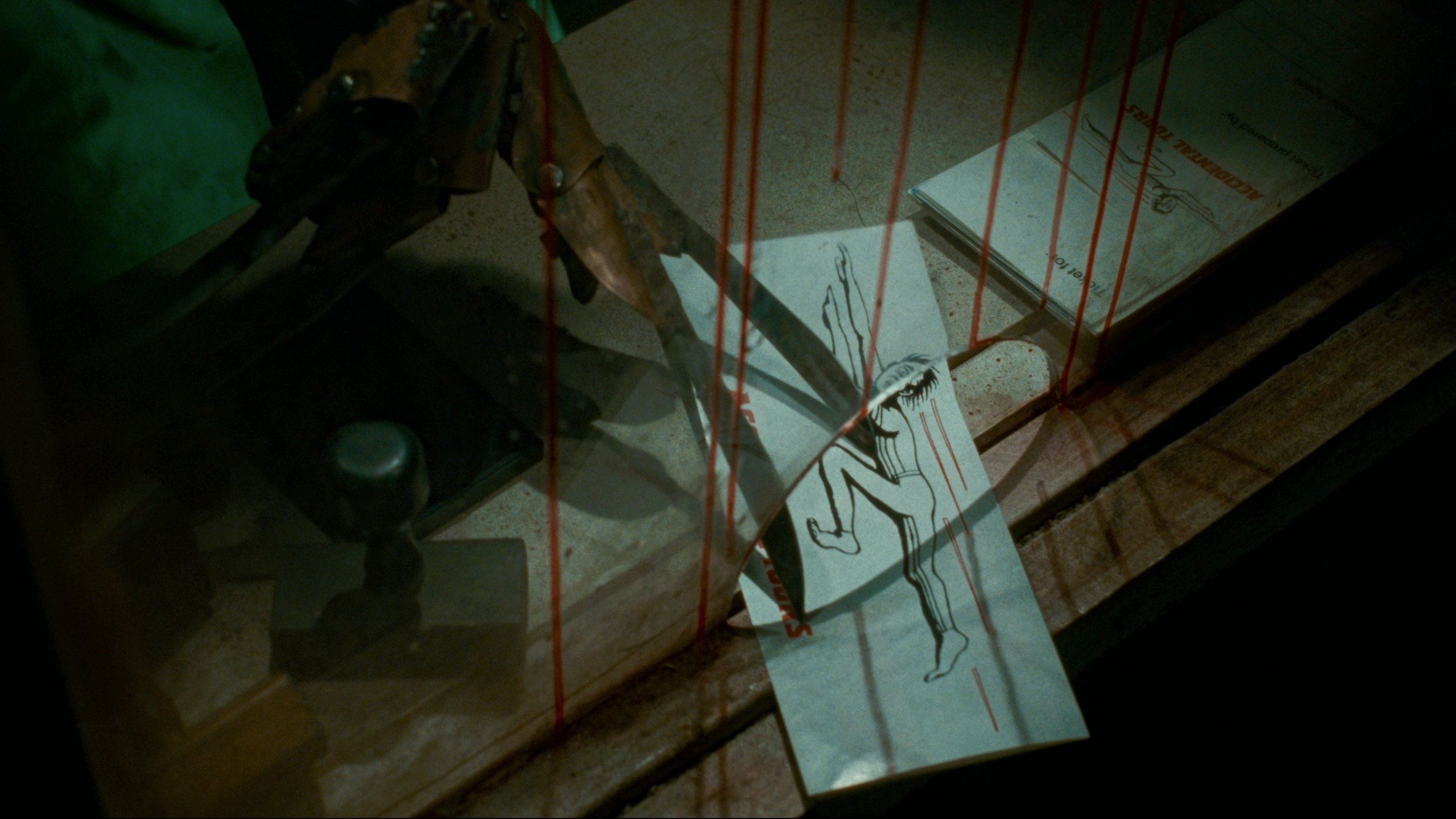
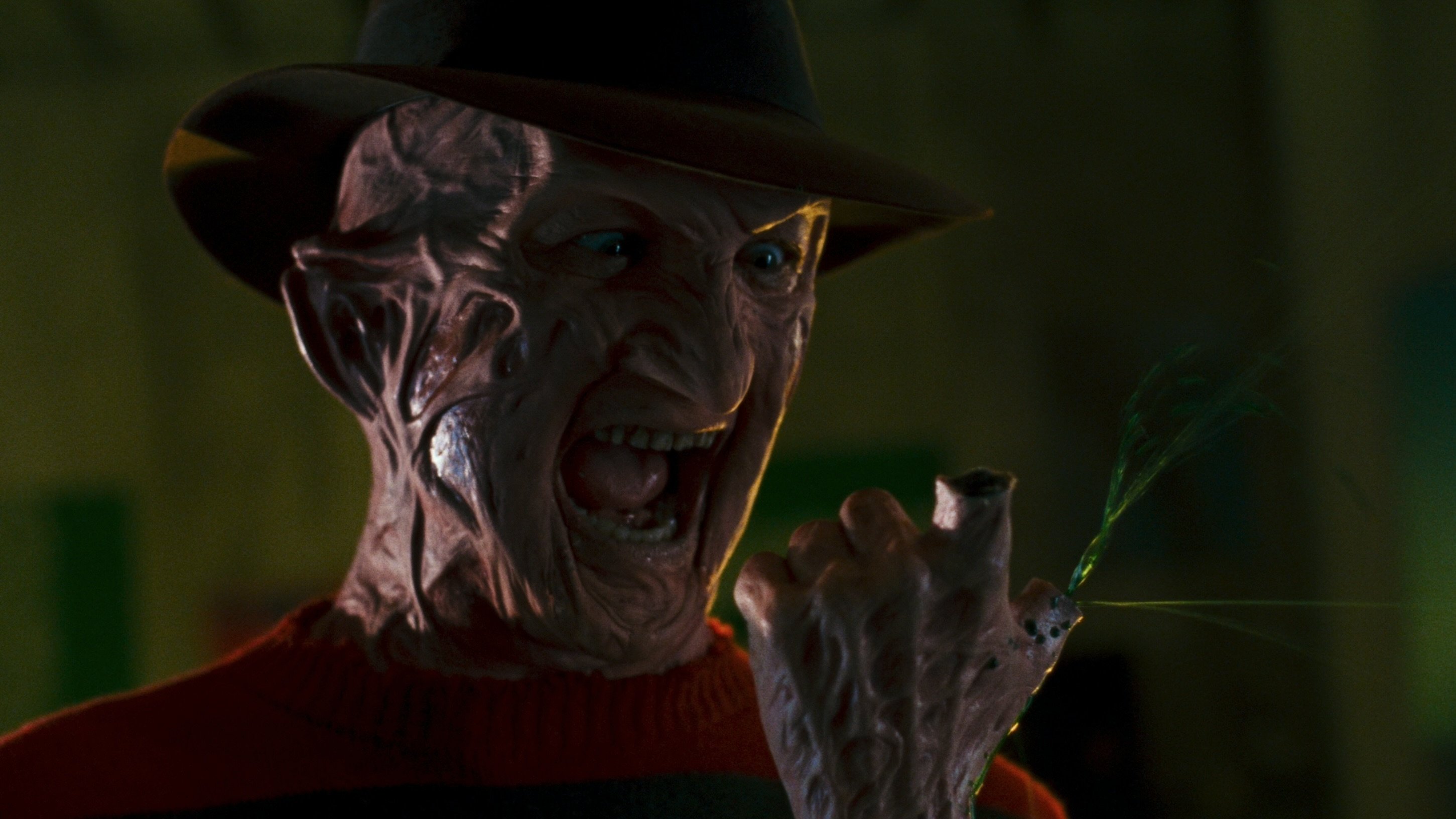
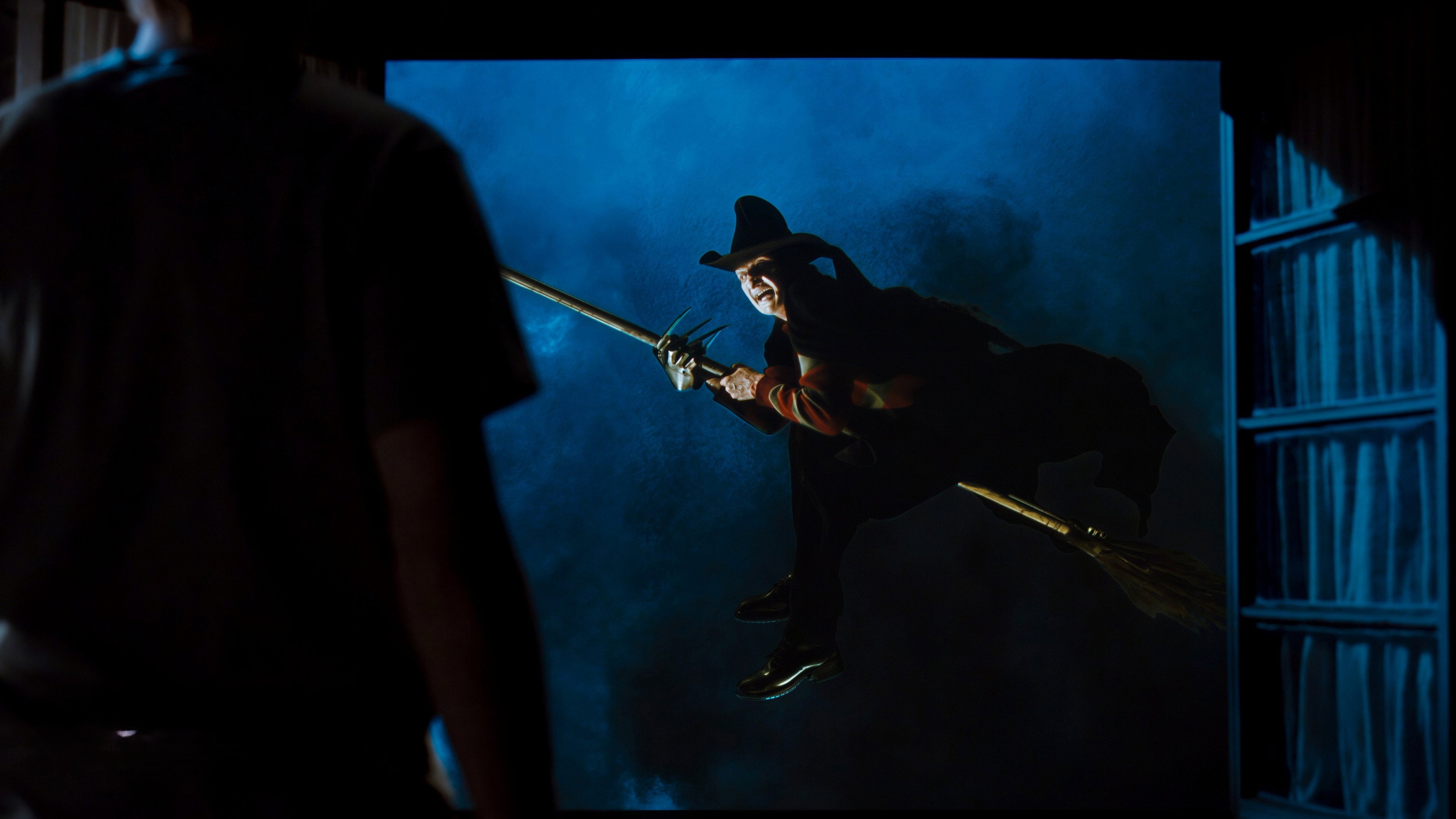
The film's dream sequences lean into broad distortions of space, personality and physical possibility. A television appearance, an elaborate video-game assault and other reality-bending gags make Freddy seem like an entertainer who can rewrite the rules of any environment. These scenes exploit the flexibility of a dream killer whose powers no longer need to be introduced. They also reduce the distance between horror cinema and the visual language of cartoons, where bodies can be stretched, displaced or struck by impossible forces. Talalay has described the conscious pursuit of a more comic Freddy, a choice visible in the timing as well as in the design of the attacks.
Cameos contribute to that deliberately unstable texture. Springwood's abandoned streets, by contrast, briefly recover a more disturbing atmosphere through absence and exaggerated adult behavior. The contrast between those settings is not always integrated. Some images imply a town governed by collective trauma; others belong to an assortment of self-contained comic nightmares linked chiefly by Englund's performance. The contrast leaves viewers moving between the recognition of a familiar entertainment brand and unease at Springwood's emptiness.
Declan Quinn's cinematography moves among theatrical color, disorienting interiors and sudden physical transformations. The original Nightmare depended heavily on the fear that ordinary domestic spaces might cease to be safe. Here, the world often announces its instability immediately. Screens within dreams also relocate Freddy's attacks into ordinary media objects, integrating familiar entertainment into his supernatural territory. The result is visually restless and sometimes imaginative, with menace repeatedly interrupted by the pleasure of recognizing another elaborate effect.
The 3D Finale: Technical Ambition and Its Costs
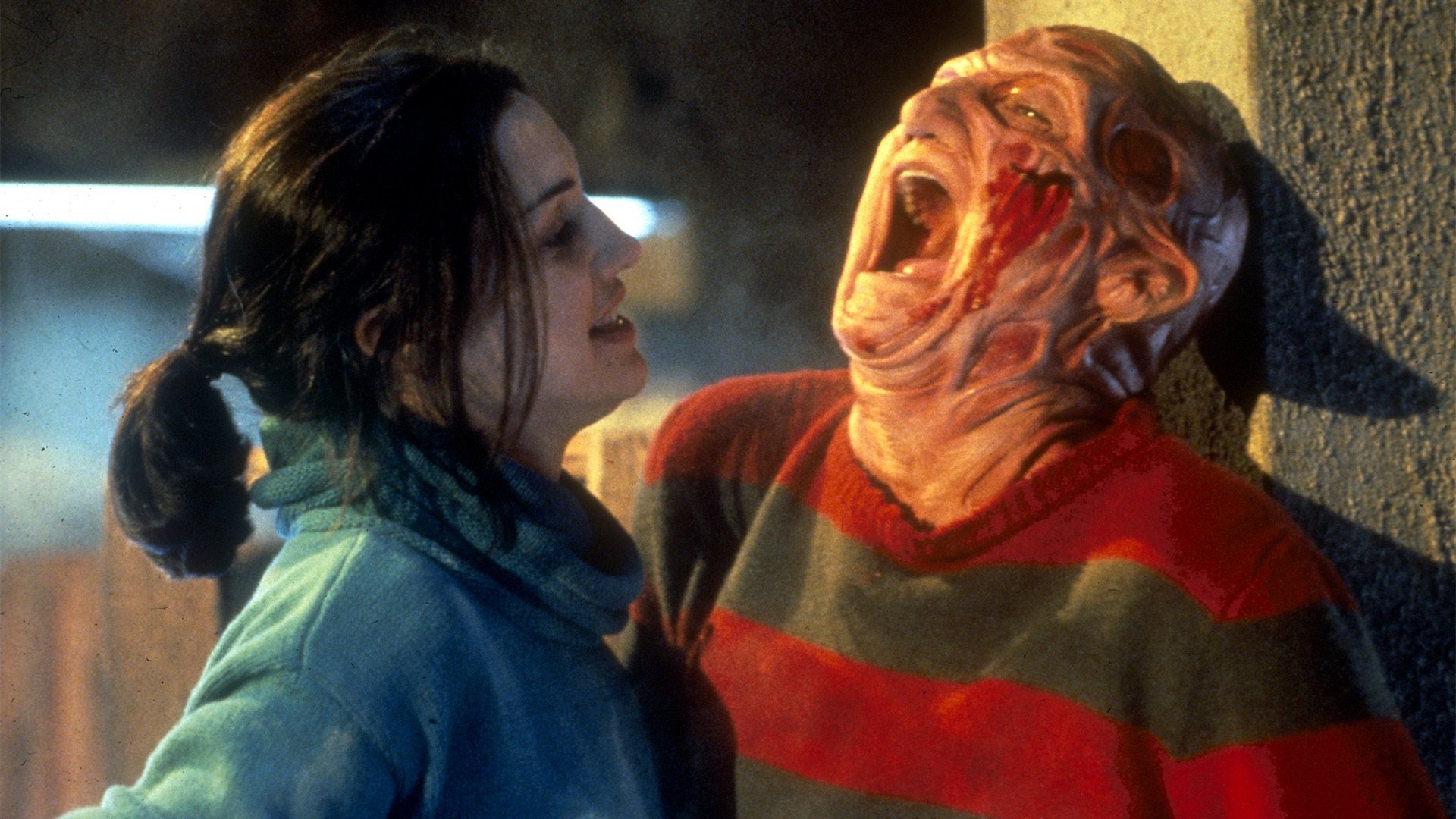
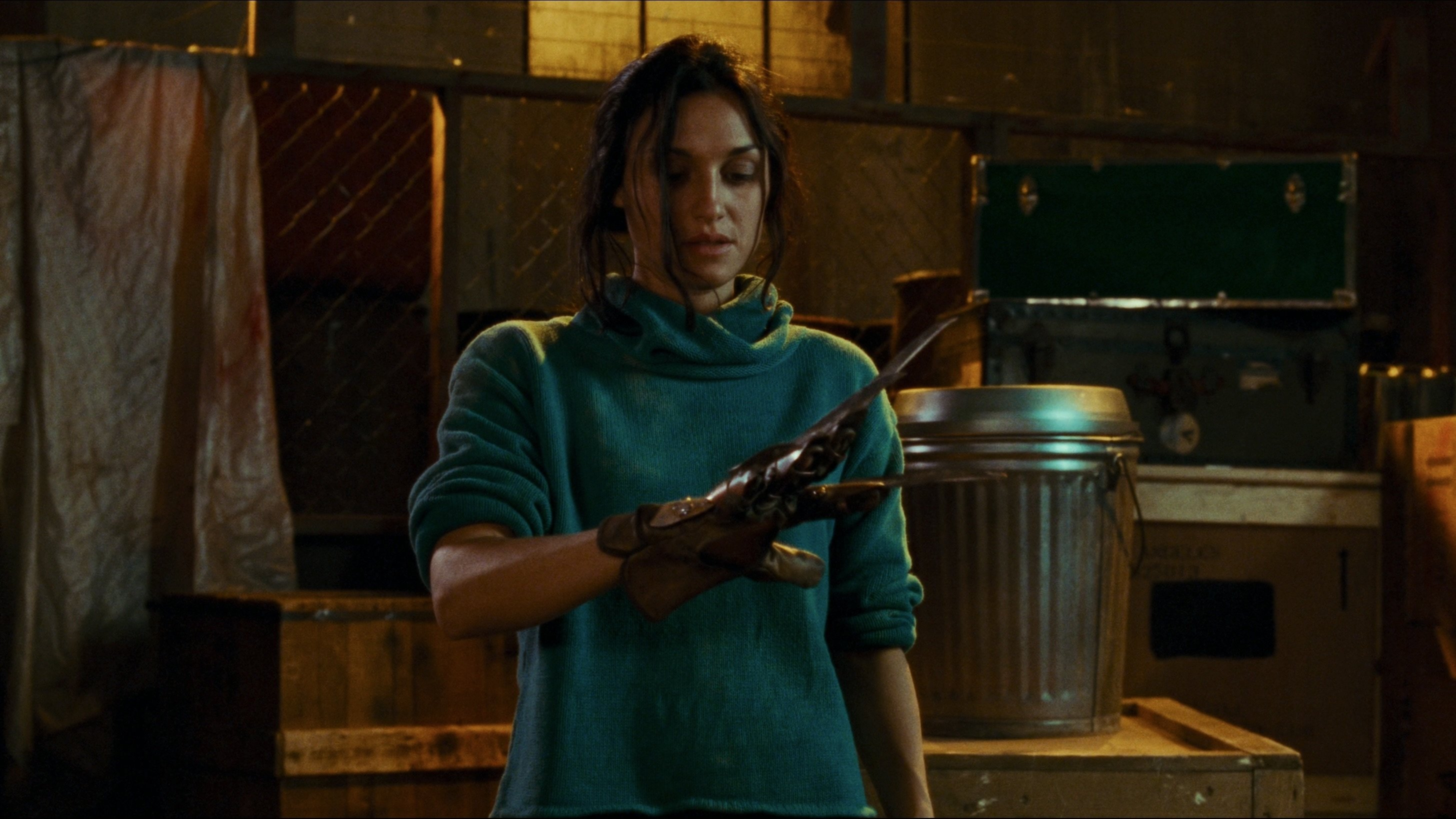
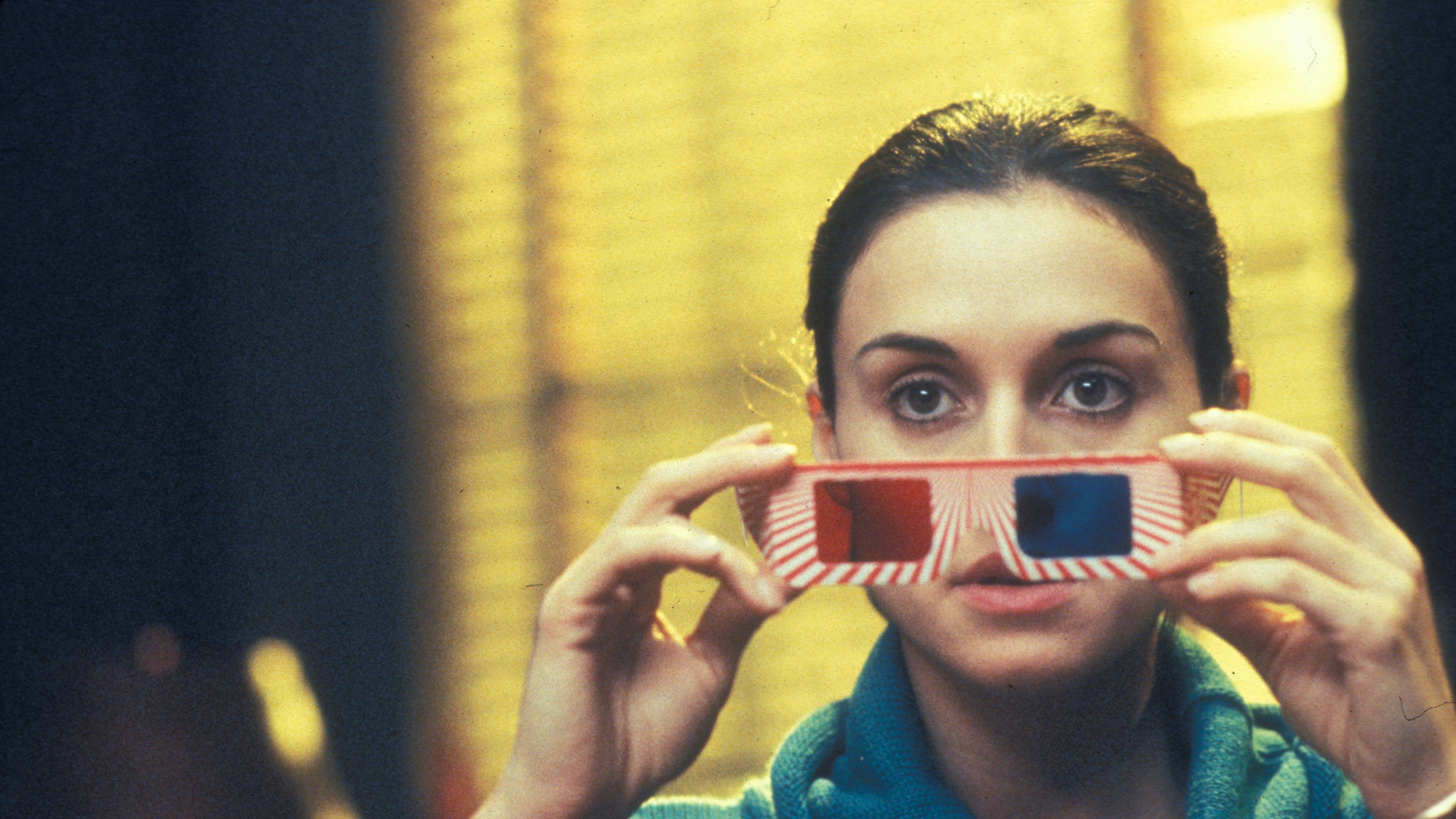
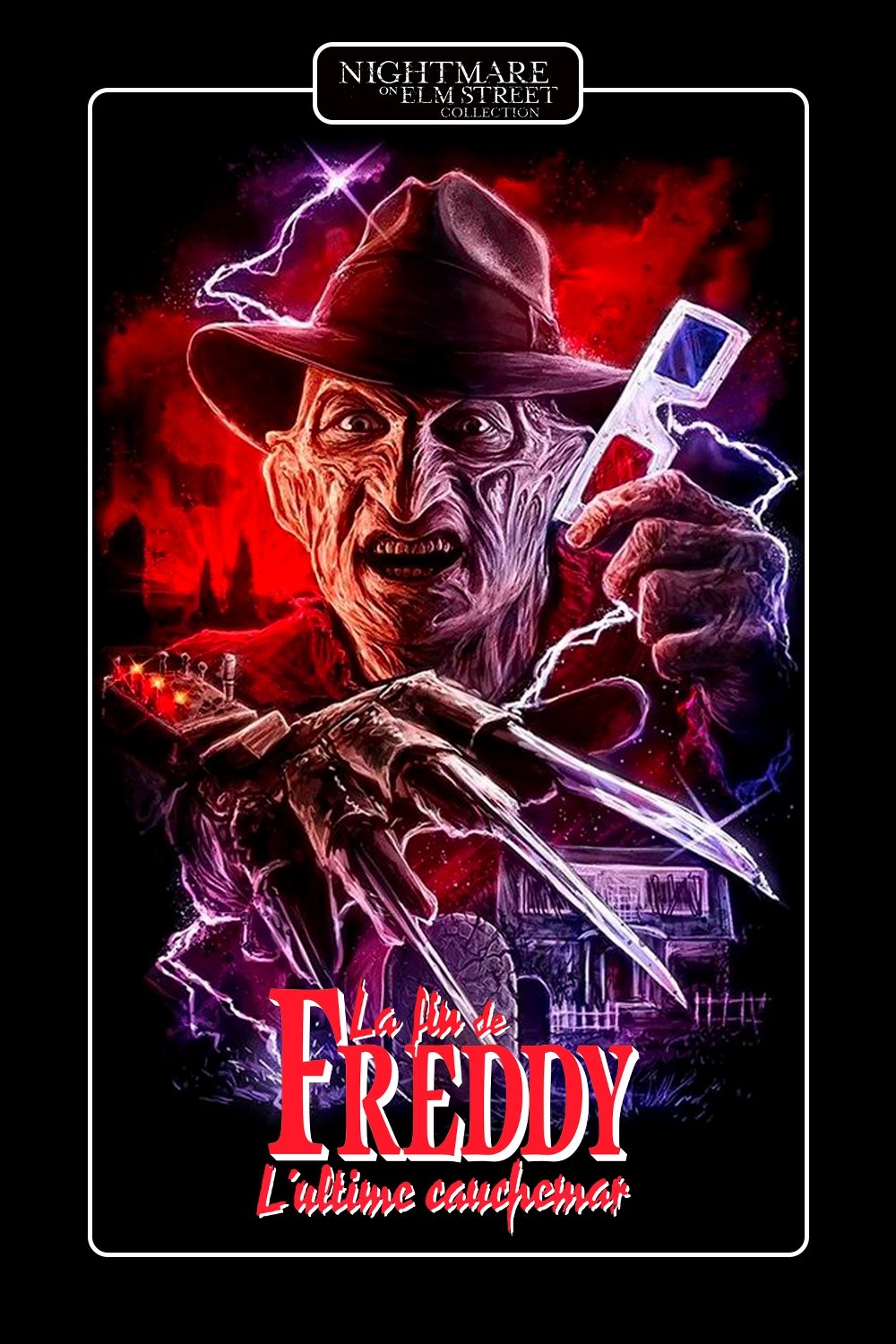
The concluding encounter was designed as a stereoscopic attraction rather than an ordinary scene that happened to receive an additional presentation format. Maggie puts on glasses within the fiction, signaling the point at which theatrical audiences were expected to do the same. That self-conscious cue makes the viewing technology part of the drama. The objects pushed toward the camera and the highly staged confrontation invite spectators to experience the death of Freddy as a physical event extending beyond the screen. The approach follows a long exploitation tradition in which exhibition gimmicks promise an experience unavailable through conventional filmmaking.
Talalay's accounts of the production are unusually revealing about the limitations behind the spectacle. She has described bulky camera equipment, insufficient testing and costly optical processes that reduced her options during the final showdown. In an earlier interview, she was openly dissatisfied with the result and argued that the technical requirements consumed resources she would rather have devoted to the rest of the picture. This distinguishes the original intention from the finished image: the filmmakers wanted the climax to feel exceptional, but achieving a usable anaglyph presentation proved demanding. Contemporary criticism likewise focused on the awkwardness of asking audiences to switch viewing modes for the closing sequence.
Later digital restoration changed the context for judging this work. Discussing the 2025 presentation, Talalay reported that surviving left- and right-eye image information made it possible to refine color and depth in ways unavailable during the original optical finishing. She also observed that three-dimensional staging affects the rhythm of cutting because viewers require time to read depth. These remarks explain why a flattened home-video version cannot fully represent the intended timing of the conclusion. They do not erase the constraints of the 1991 production, but they make the finale relevant to the history of horror exhibition and preservation as well as franchise storytelling.
Release, Contemporary Reception and the End That Did Not Last
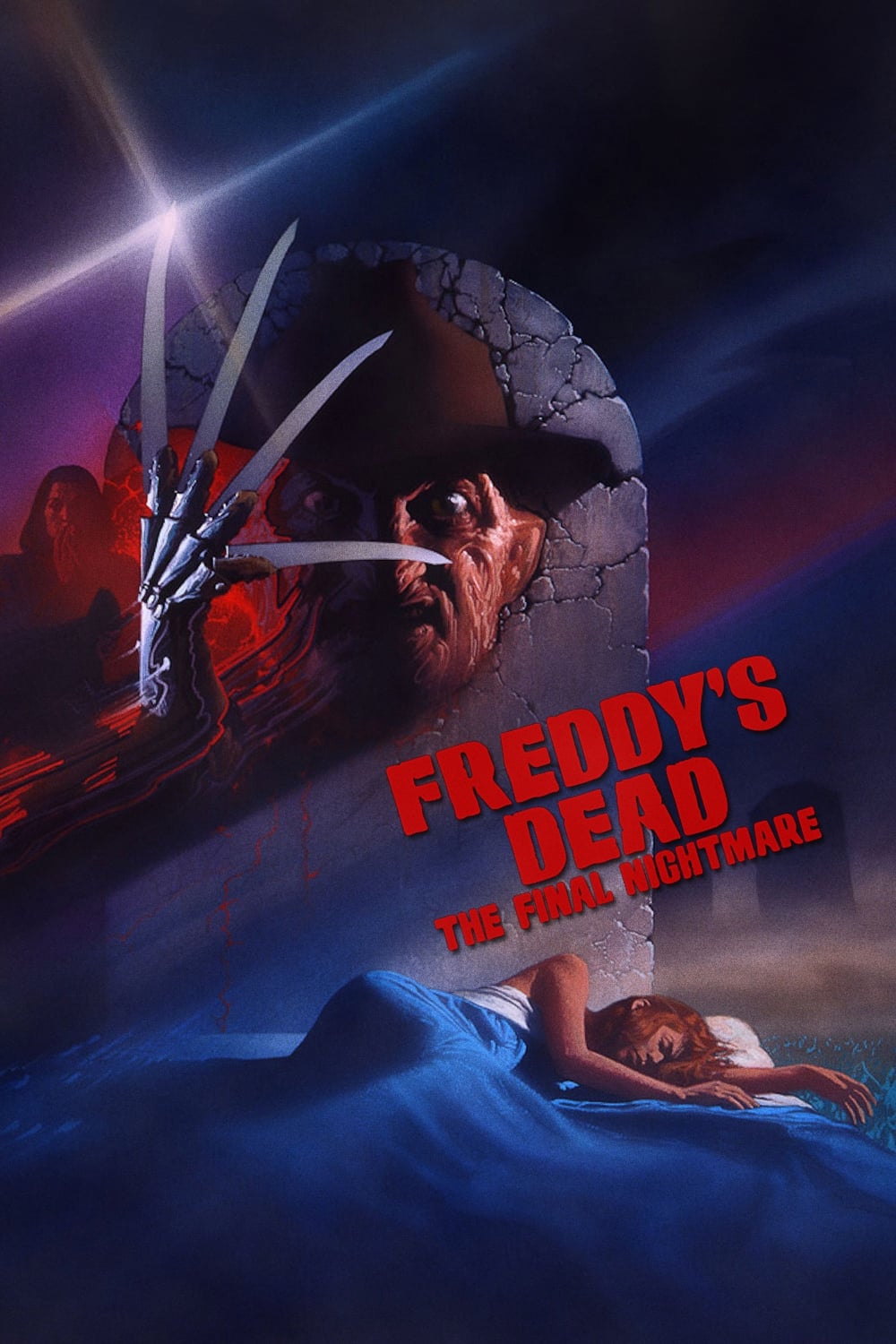
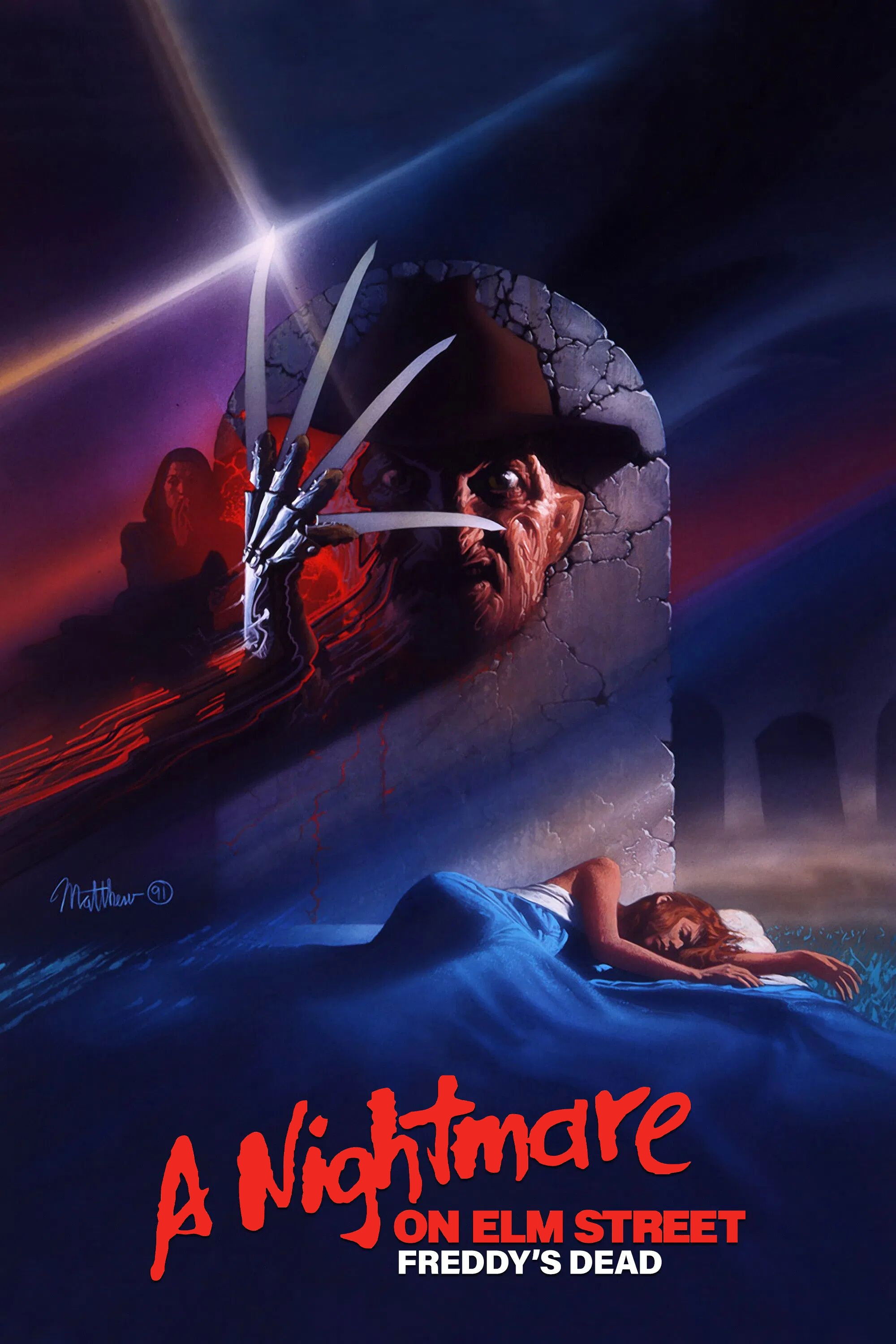
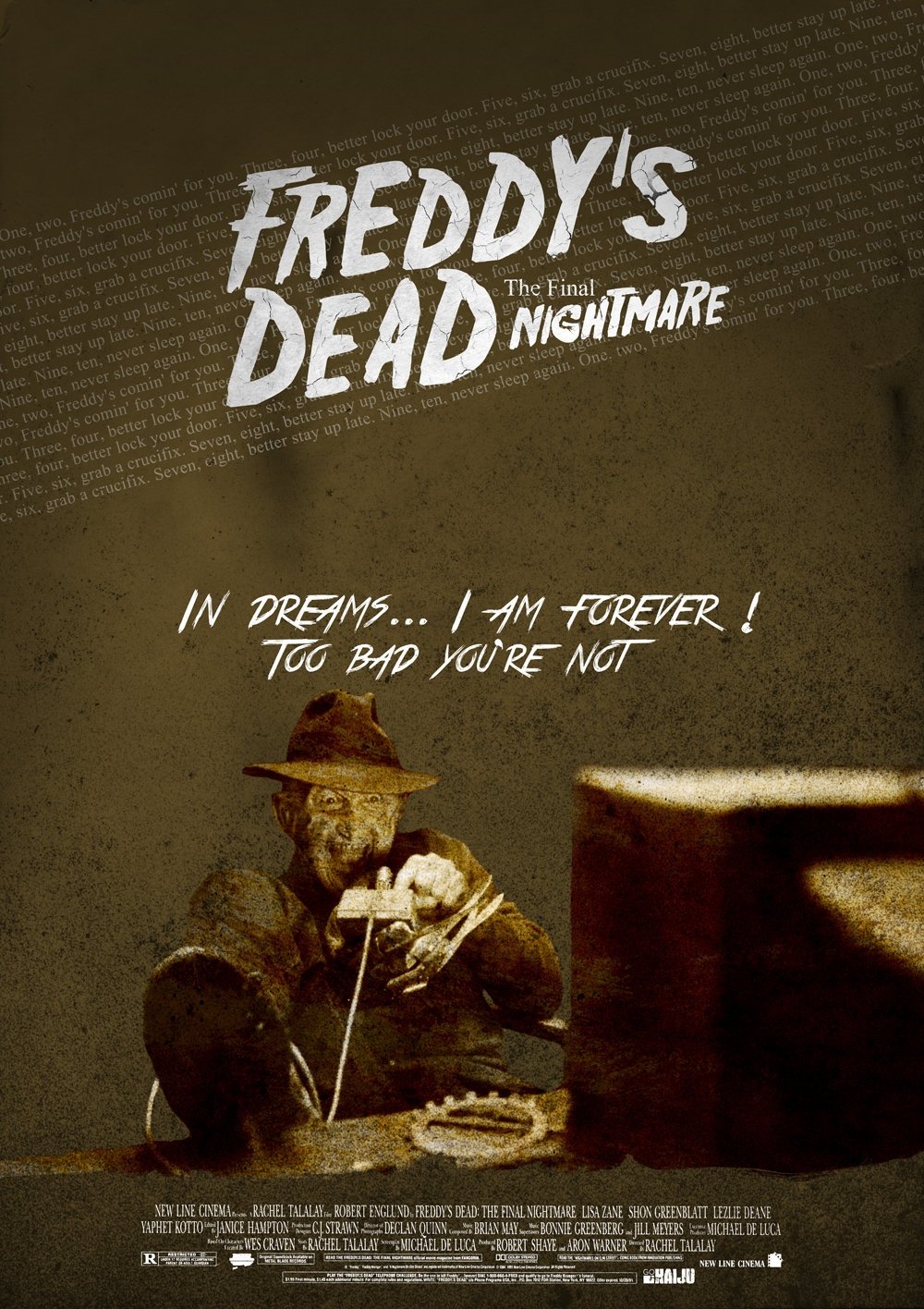
Freddy's Dead opened in the United States on September 13, 1991, with a campaign centered on the killer's announced demise. The commercial appeal rested partly on the familiarity accumulated across five earlier features and partly on the unusual promise of a three-dimensional ending. Such marketing created expectations that the picture would offer both an exceptional spectacle and a satisfying conclusion. Reviewing the film for the Los Angeles Times shortly after release, Chris Willman objected to its thin dramatic construction, uneven editing and disappointing final attraction. His response represents a specific contemporary judgment, not a universal verdict on the movie or its audience.
That reception highlights a dilemma facing horror series whose monsters have become commodities. Freddy remained instantly recognizable, yet his popularity made it difficult for a sequel to restore the danger of his earliest appearances. The film embraces his status as a joking performer even as it attempts to give his family history tragic weight. Its spectacular farewell consequently functions in two registers: as the completion of a narrative mystery and as the sale of one more encounter with a character the company had already proved capable of repeatedly reviving. The tension is visible both in the film and in contemporary writing about its release.
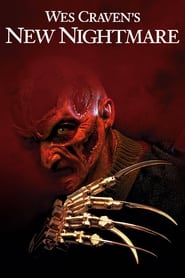
The promised ending was soon revised by the continuing life of the franchise. Wes Craven's New Nightmare (1994) approached Freddy through a self-reflexive story outside the established fictional continuity, and later projects reunited the villain with other familiar horror figures. Freddy's Dead therefore marks the conclusion of a particular industrial cycle instead of a permanent endpoint for the character. Its enduring historical value lies in how openly it exposes the machinery of a commercially mature slasher franchise: family revelations, promotional finality, technological spectacle and a star monster asked to remain entertaining at the moment of his supposed destruction.