Development: Craven Reclaims His Creation
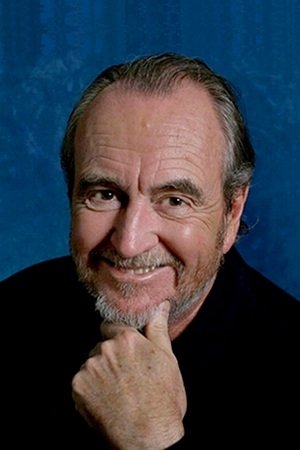
The sixth Elm Street feature had advertised Freddy Krueger's death in 1991, leaving New Line Cinema with a commercially valuable character whose latest ending appeared definitive. When the company approached Wes Craven about another project, he faced a narrative problem: resurrecting the murderer inside the established continuity would undermine a series that had already repeatedly revised its own rules. Craven had directed the 1984 original and contributed to the development of Dream Warriors, but successive filmmakers had taken Freddy toward increasingly comic and spectacular adventures. A straightforward seventh chapter offered little reason for the creator to return.
In reporting published during 1994, New Line executive Michael De Luca described a reinvention by Craven as more appealing than simply commissioning another sequel. Craven recalled needing satisfactory artistic and business terms after his earlier difficulties with the studio. The proposed solution abandoned Springwood's ongoing plot and shifted attention to the production of horror movies. This premise acknowledged an industrial reality that the previous entries usually concealed: a studio could announce a monster's final death while continuing to own and circulate his image. The screenplay turned that contradiction into the engine of supernatural danger.
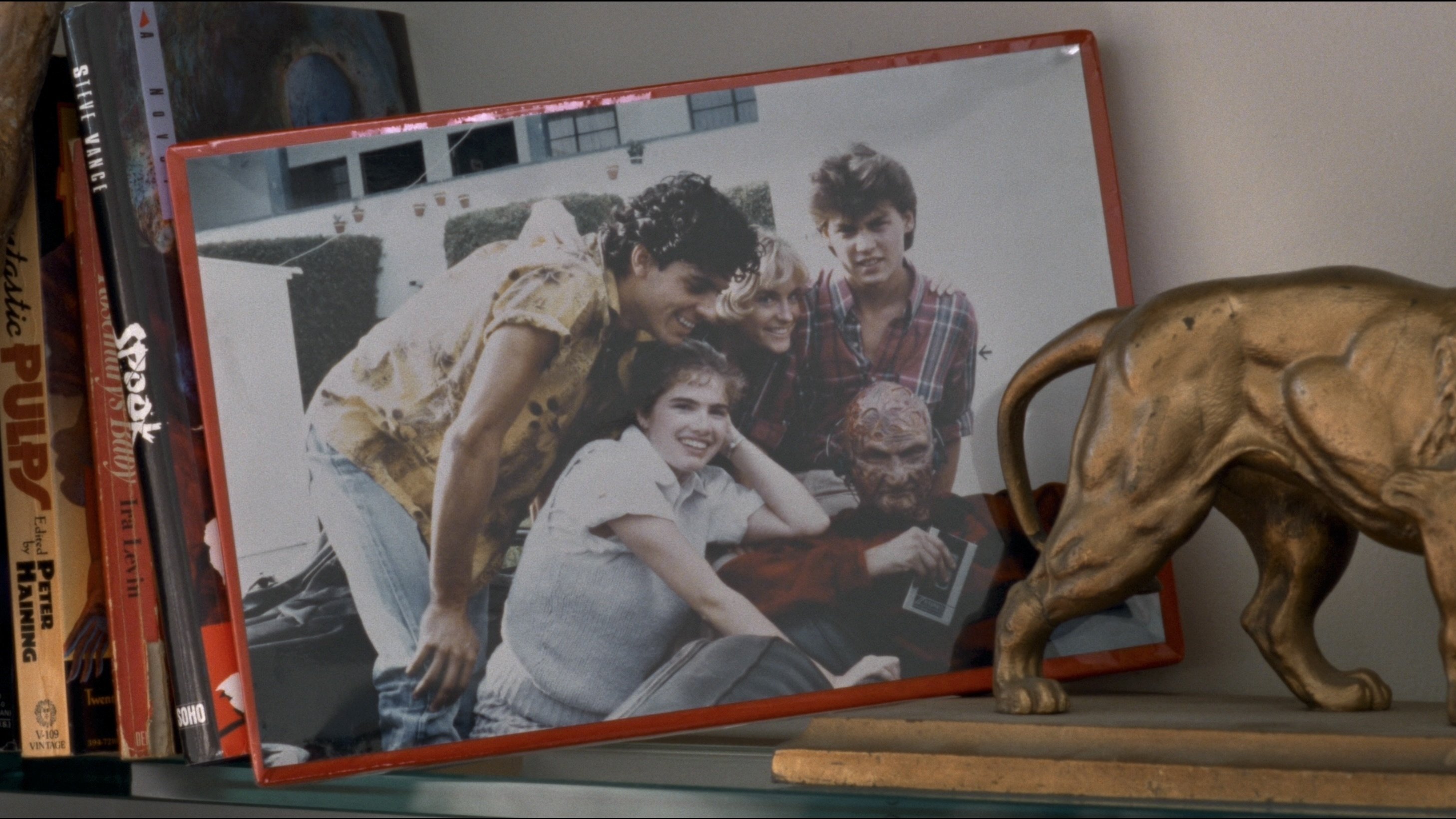
The project also changed what a franchise reunion could mean. Englund would portray himself alongside a newly threatening manifestation of Freddy; Langenkamp would confront the cultural persistence of Nancy Thompson; Craven would become a character composing the story being watched. The concept demanded participation from people whose names and public identities had acquired value through the earlier films. Langenkamp specifically recalled considering what the use of her real name might mean beyond the role she had previously played. Those concerns give the production an unusual layer of professional self-examination for a studio horror release.
Heather Langenkamp: Fame, Stalking and Maternal Fear
An important starting point came from Langenkamp's experience after the cancellation of the television series Just the Ten of Us. She told Craven about disturbing attention from an obsessed viewer, including letters and telephone calls. In an on-set Fangoria interview, both described those conversations as a catalyst for the screenplay. The film transforms the experience into a fictional stalking mystery, complete with threats that resemble Freddy's voice. The reported incident is part of the development history; the movie's deaths, supernatural intrusions and household circumstances should not be read as a documentary record of Langenkamp's life.
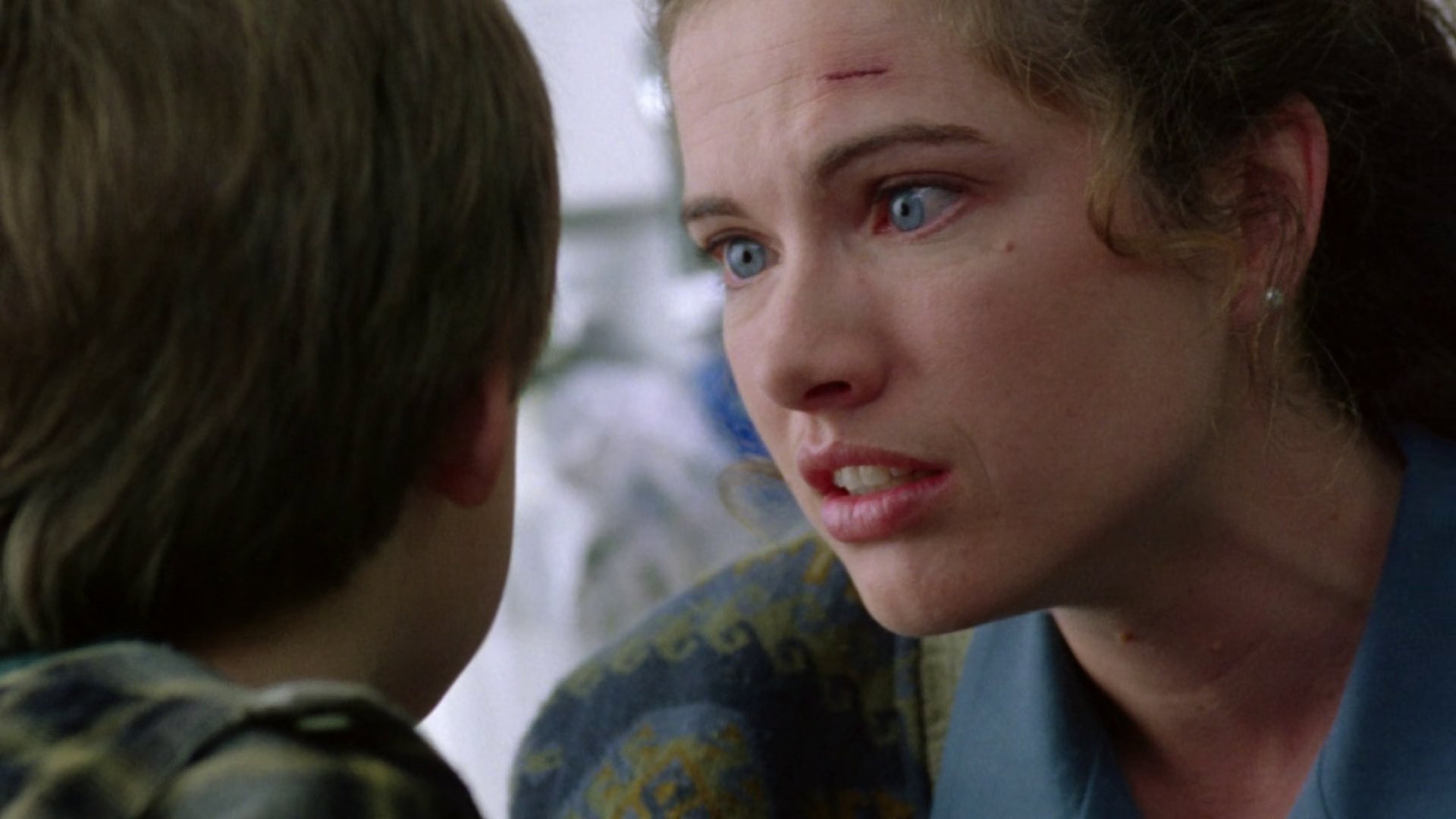
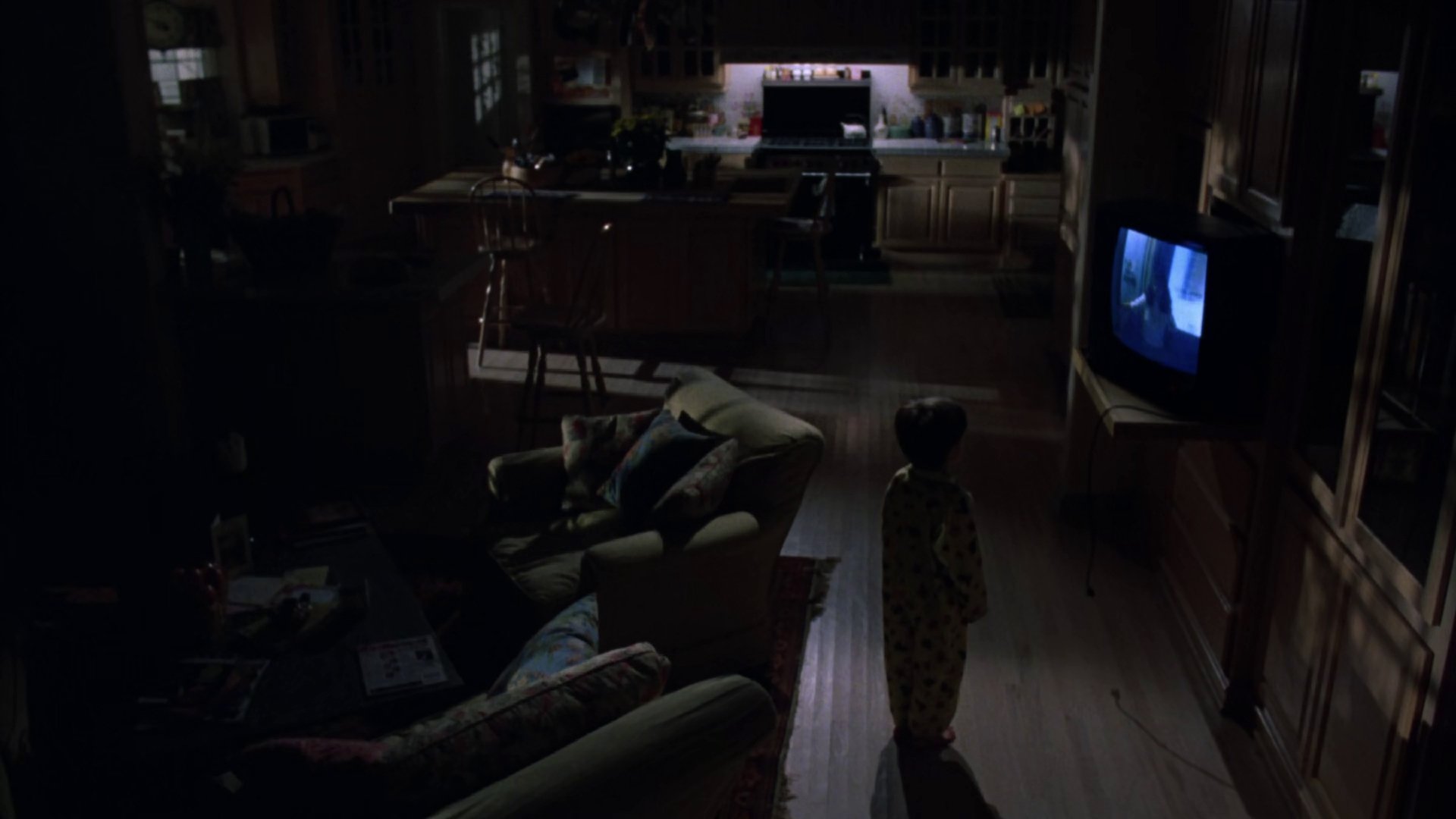
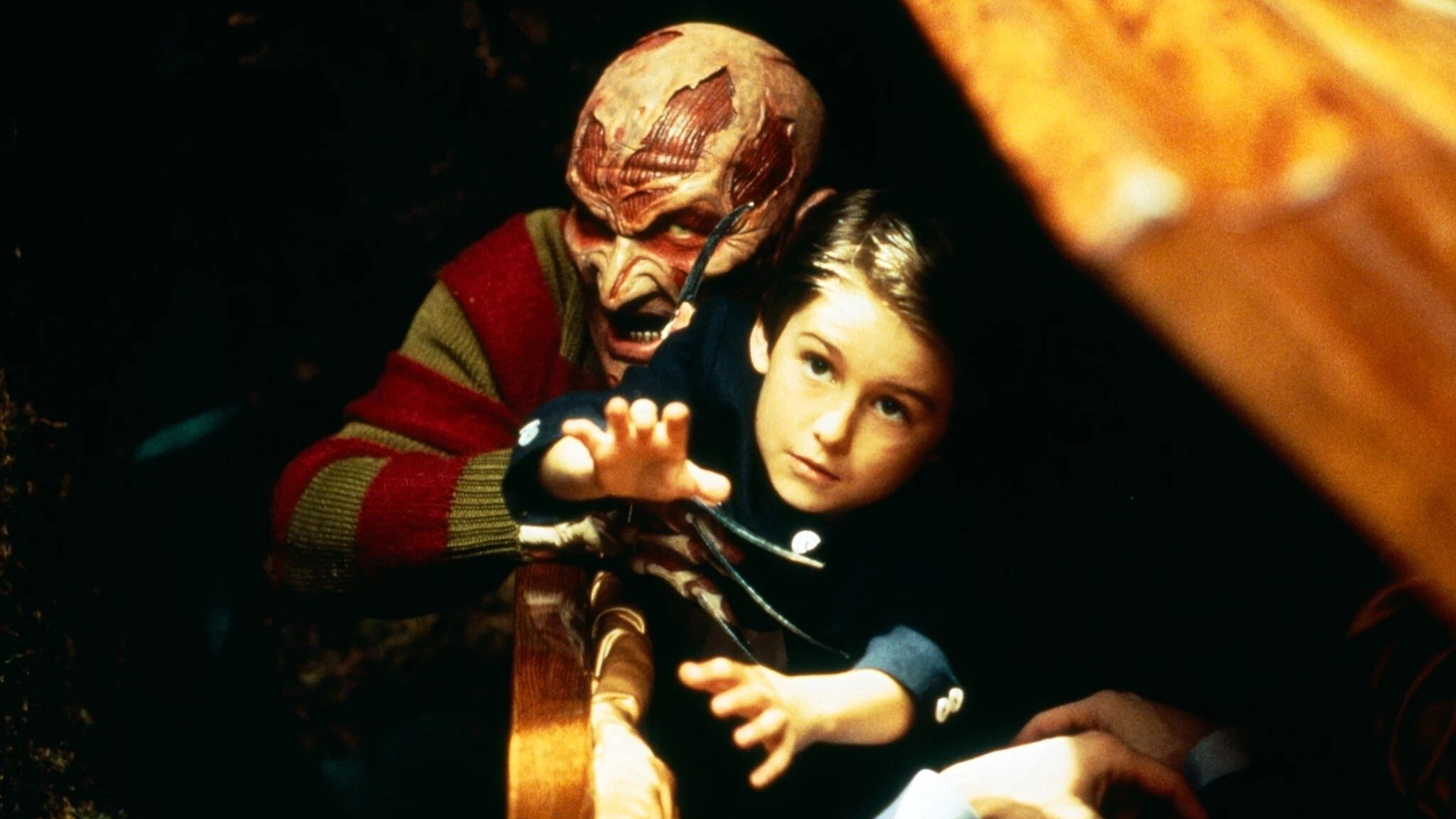
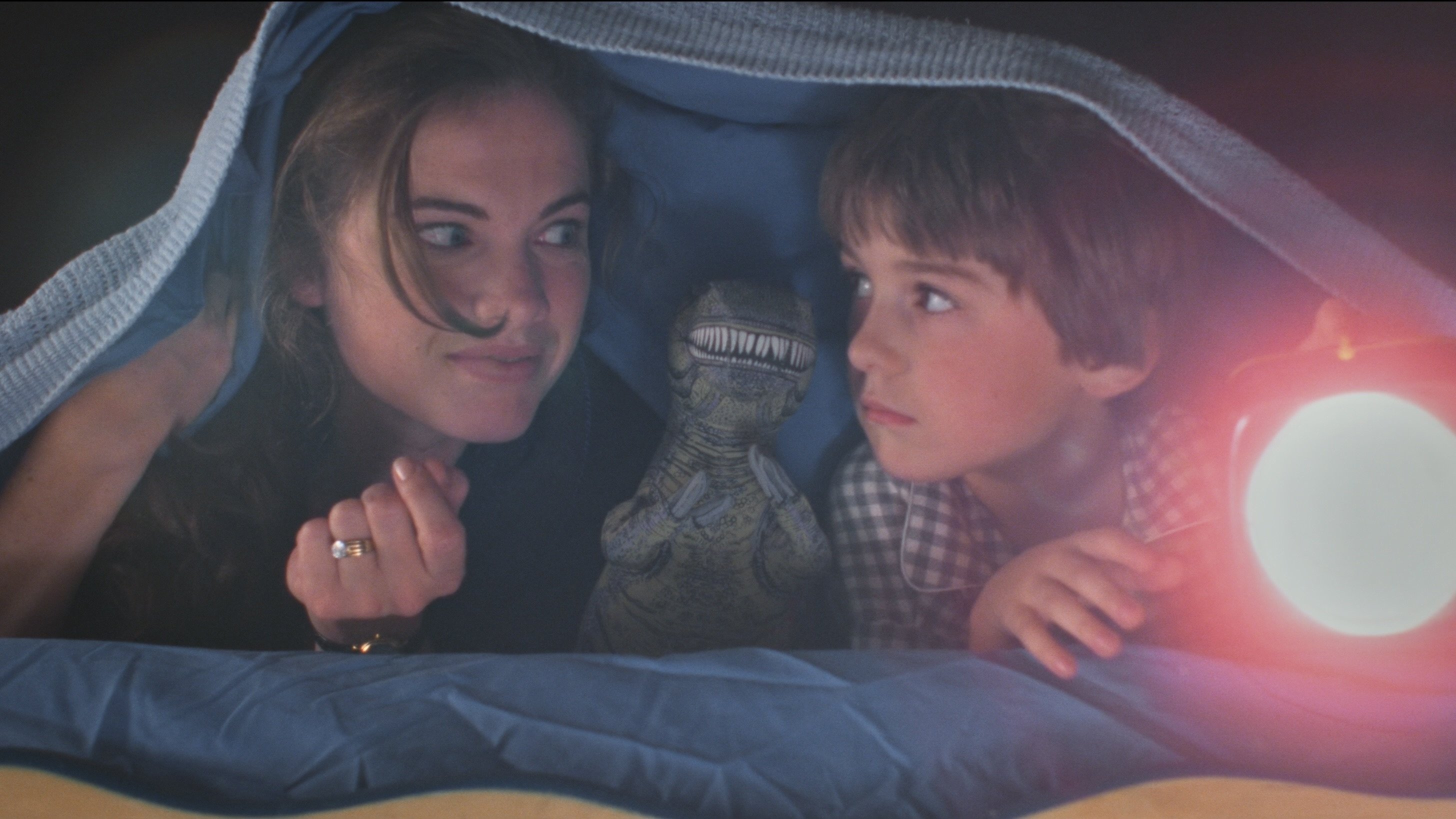
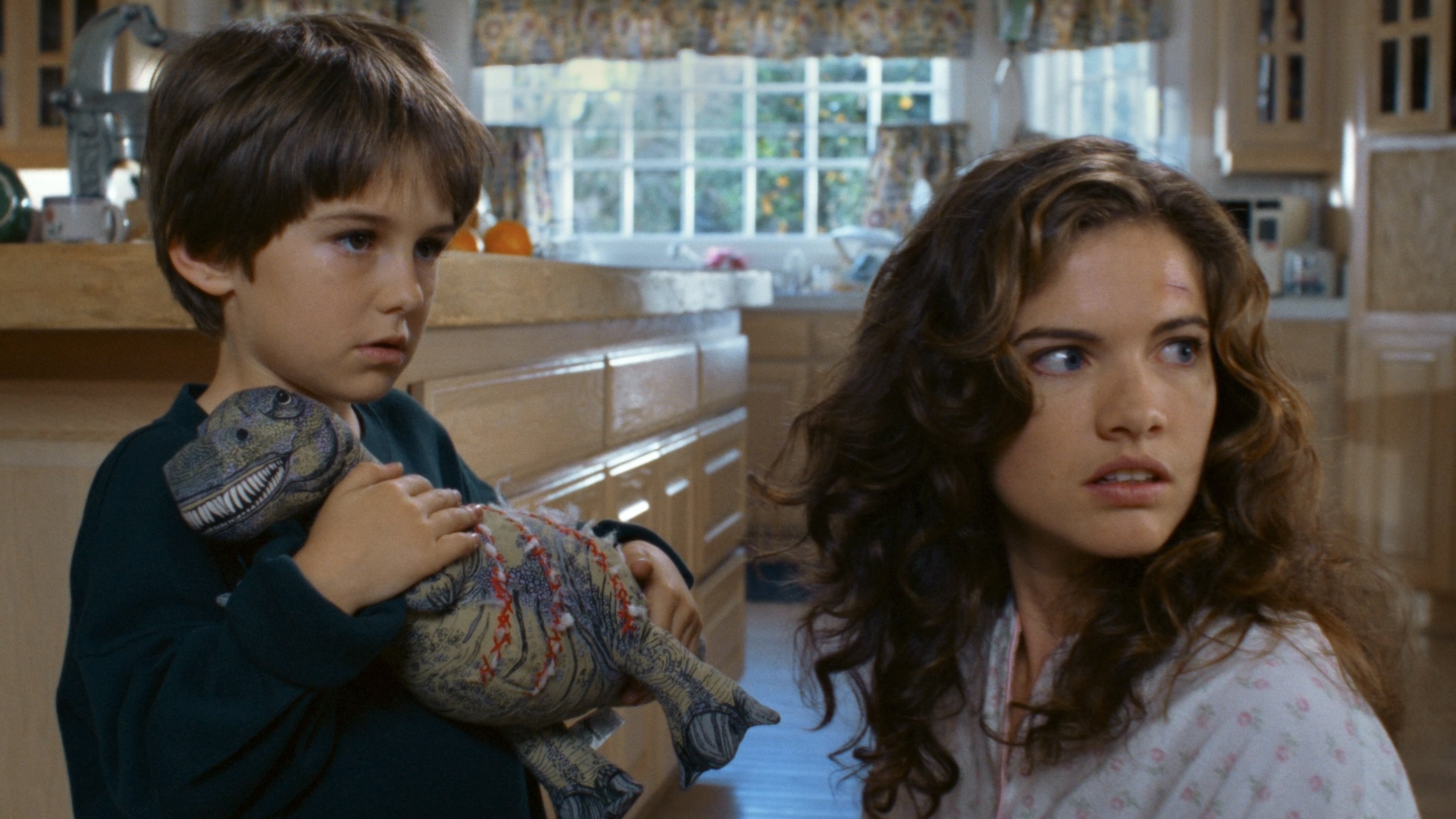
The heroine is a working actress who remains publicly associated with Nancy while trying to protect her young son Dylan, played by Miko Hughes. A television interview and the proposed reunion movie draw Heather toward her former screen identity even as frightening incidents destabilize her home. This arrangement changes the usual Elm Street perspective. The protagonist is now the adult responsible for recognizing danger and keeping a child safe, a position that gives ordinary domestic decisions the urgency previously attached to teenagers struggling against disbelieving parents. It also makes the circulation of Freddy imagery through television and fan culture a source of personal unease.
Craven described his own anxieties about fatherhood when discussing the film with Fangoria. He considered the demands of directing, his absences from family life and the implications of making violent entertainment that children might encounter. Those comments identify parental responsibility as a deliberate concern behind the picture. Heather's fictional ordeal, however, is not resolved by a simple argument about the harmfulness of horror movies. Her problem is that a particular story has begun acting upon its tellers, and protecting Dylan requires her to understand the imaginative power that allowed Freddy to become so recognizable.
Metafiction: A Monster Escapes Its Own Franchise
New Nightmare organizes its supernatural premise around a distinction between Freddy Krueger the entertainment figure and an older malevolent presence using his appearance. Craven's on-screen explanation suggests that frightening stories can give a dangerous force recognizable shape and temporarily contain it. When the series stops, the figure is freed from the fiction that had confined it. This is a rule invented for the 1994 film, not a previously established revelation about the killer in the original continuity. The new mythology lets familiar props and gestures return while changing their meaning and placing the audience's knowledge of earlier sequels under scrutiny.
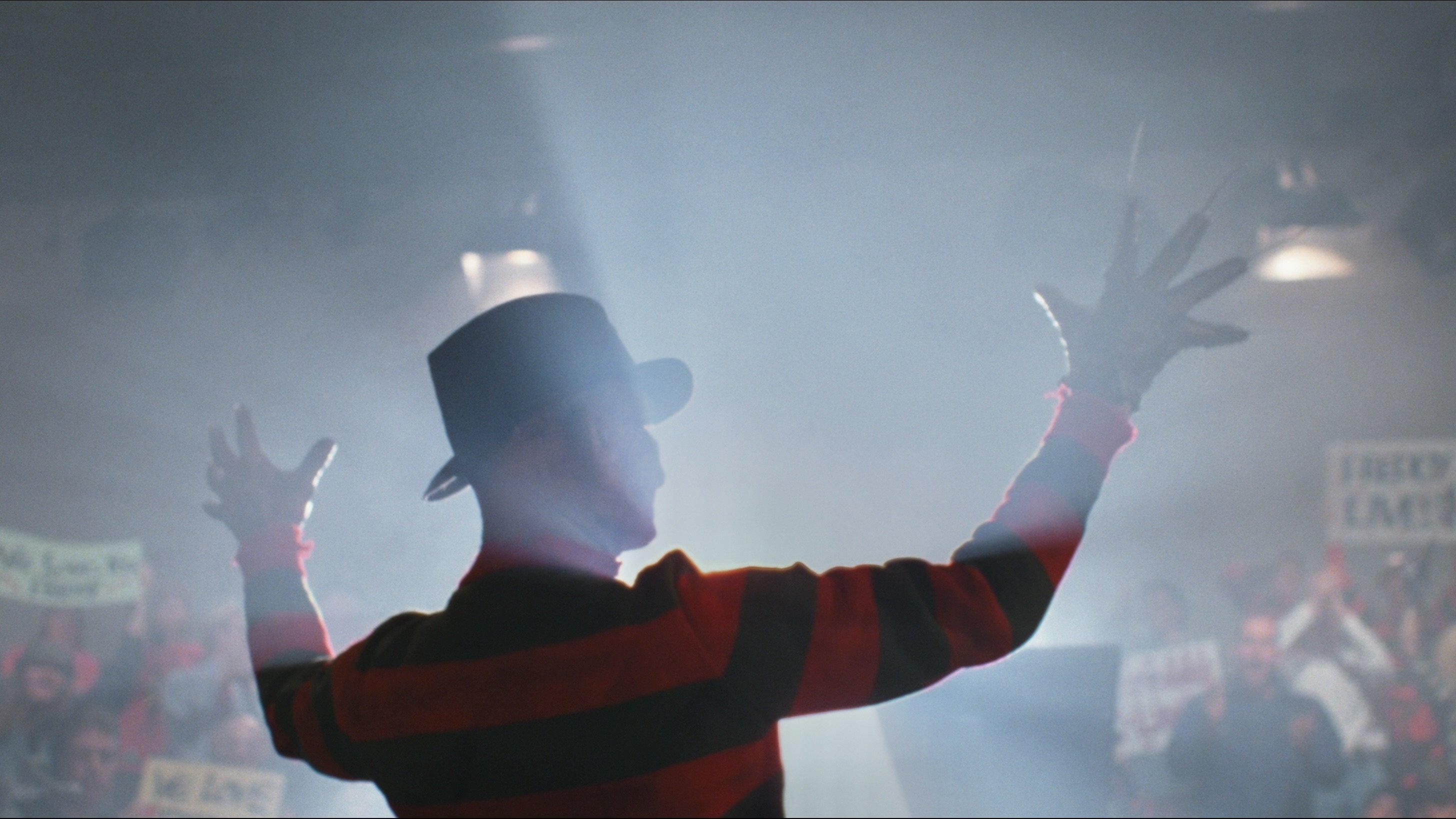
Characters move through layers of representation that cannot remain securely separate. Englund can be interviewed as an actor, then appear as the darker figure associated with his performance. New Line executives and Craven himself become participants in a world whose events seem to have been written before they occur. When Heather's surroundings increasingly resemble the original series, film memory replaces ordinary geography as the controlling logic. The effect depends upon recognition, yet the danger is intelligible without memorizing every previous installment: a mother discovers that the world of a movie has acquired the power to rearrange her own.
The film also questions how much ownership a creator has over an image once it belongs to a franchise. Freddy is a commercial character sustained by sequels, advertising and audience affection, but Craven's story treats his familiarity as a weakness in the barrier between fiction and reality. A figure repeatedly presented as a comic attraction can still carry the disturbing energies that informed its invention. This tension gives the self-referential devices a purpose beyond insider jokes. The film dramatizes the difficulty of escaping a successful horror creation while recognizing the imagination that keeps it alive.
Visual Style: Los Angeles as Unstable Reality
Craven told interviewers that he wanted much of the picture to resemble documentary observation. That preference suited the opening movement through recognizable Hollywood environments, family spaces and production offices. Mark Irwin's photography maintains a comparatively ordinary surface while minor disturbances accumulate: threatening calls, unsettling images, a child whose reactions cannot easily be explained and bodily injuries that echo dreams. This staging deliberately contrasts with the spectacular fantasy settings that had become prominent in later Elm Street sequels. The unease emerges because a recognizable location can suddenly cease to obey its apparent rules.
Earthquakes provide a distinctly Los Angeles form of instability. The film connects the physical shock of the city moving beneath its inhabitants to a psychological fear that the normal world may no longer be dependable. The 1994 Northridge disaster gives this imagery a further contemporary resonance, but the scripted supernatural events must remain separate from the historical earthquake. When domestic rooms, roads and institutional interiors begin to yield to nightmare imagery, the viewer experiences a progression from realistic disturbance to the visual logic of Freddy's world. The setting is therefore an active part of the horror, not a neutral background for celebrity cameos.
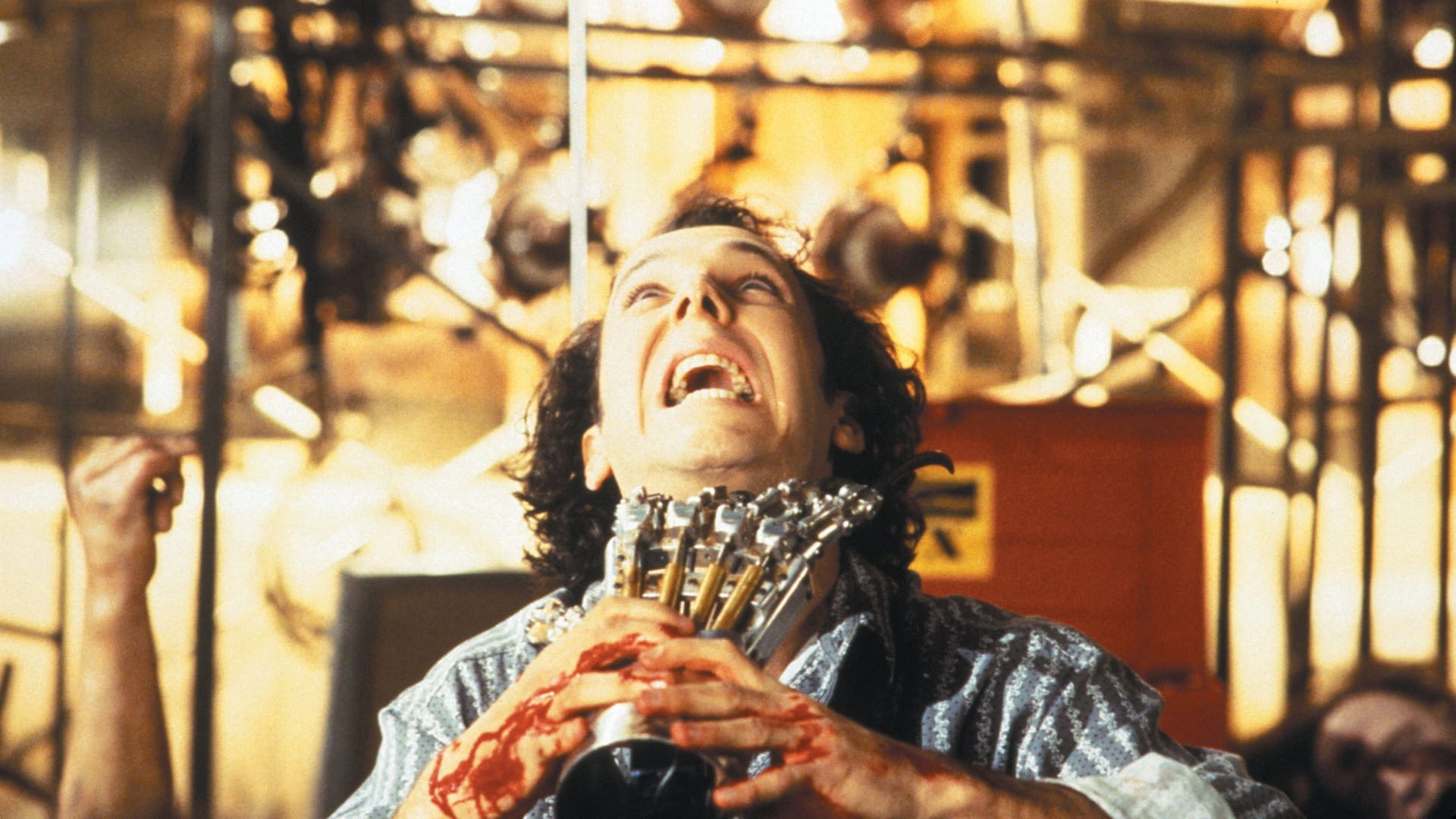
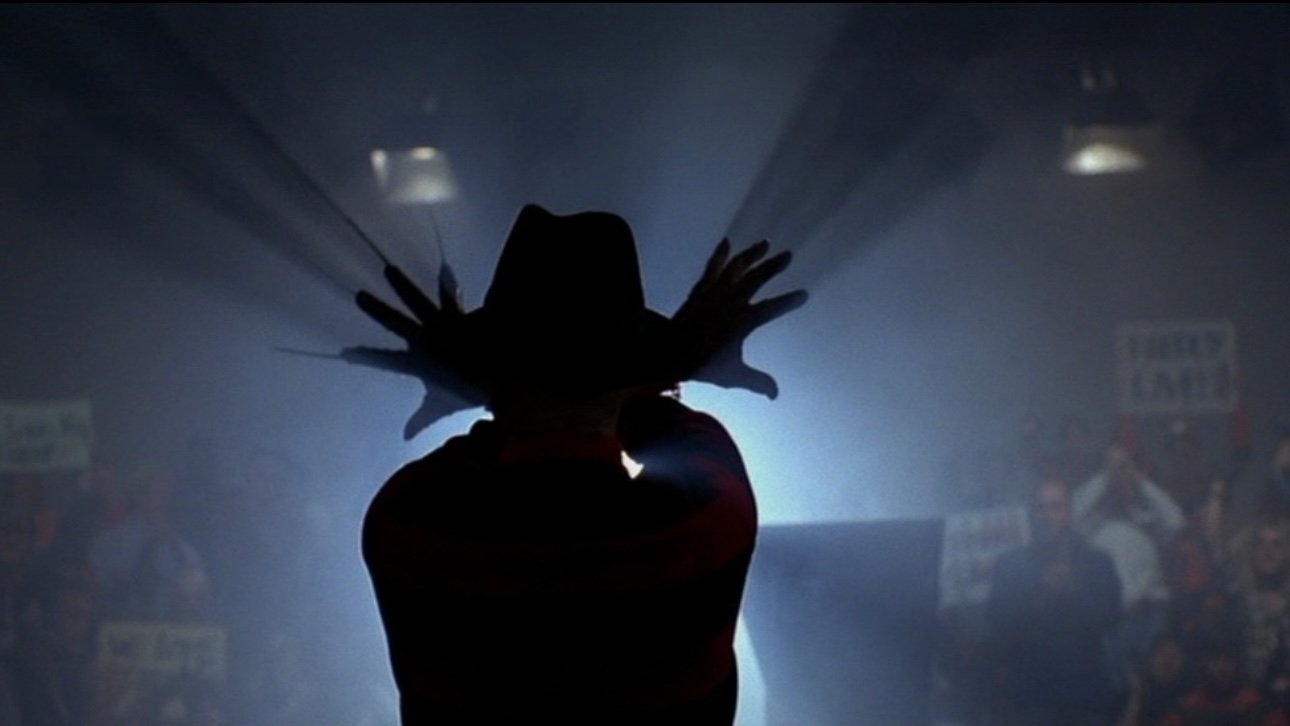
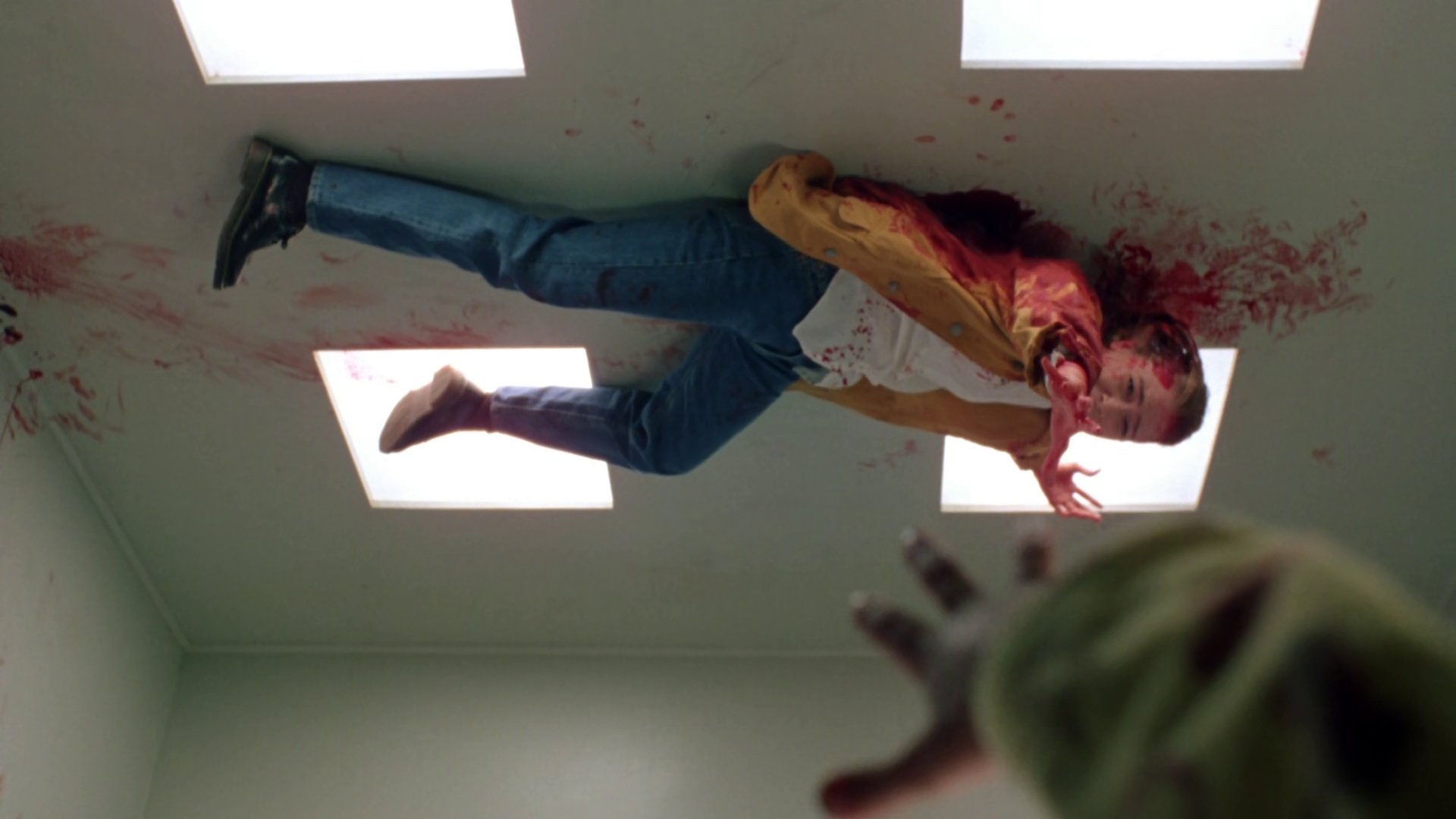
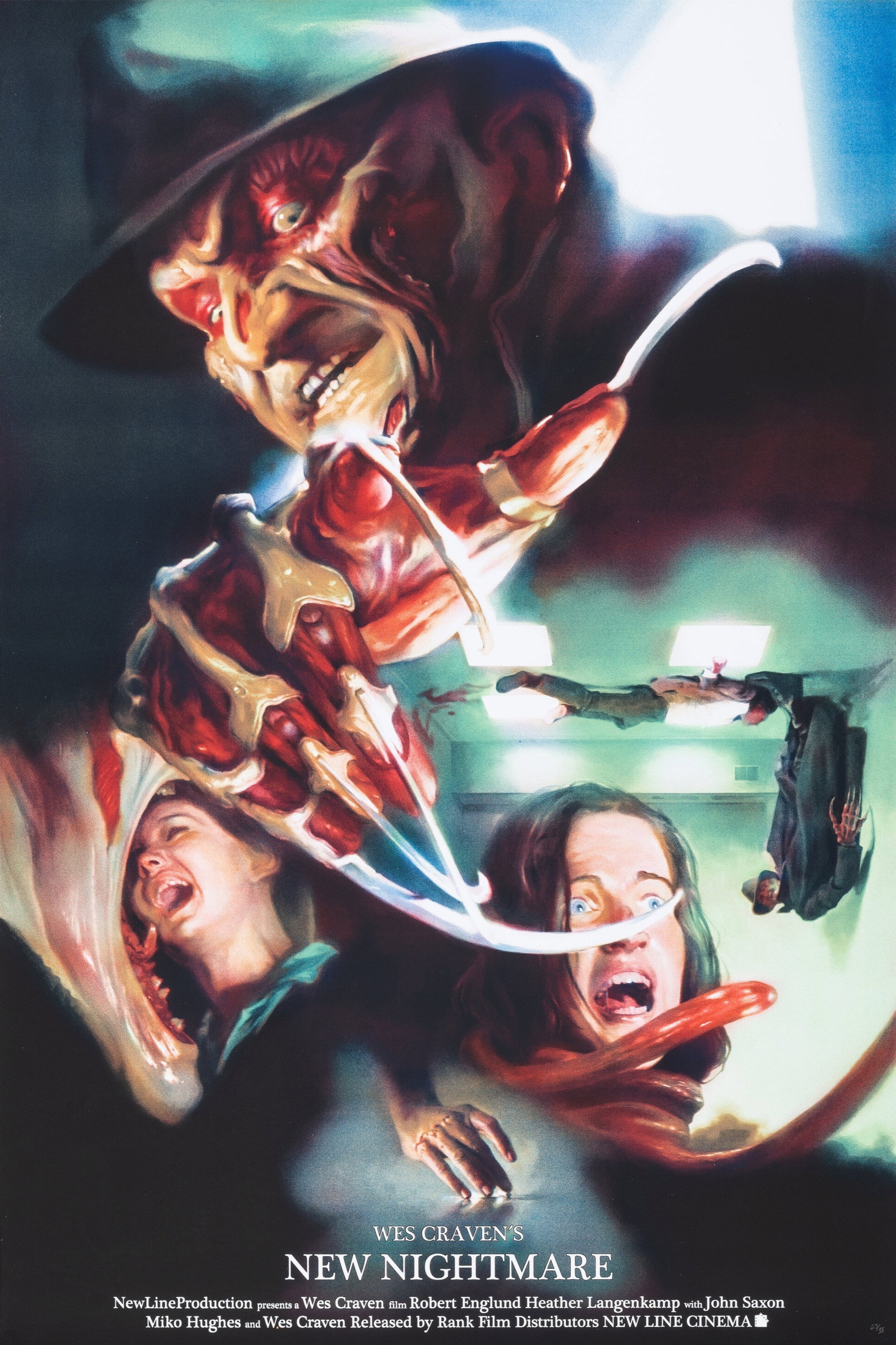
The opening's film-set nightmare establishes this uncertainty before the audience can assign the action to an ordinary level of reality. An animated claw becomes dangerous on what should be a controlled production stage, and later sequences repeatedly make familiar screen mechanisms physically threatening. Craven also revives the image of a victim dragged across a ceiling, a deliberate connection to Tina's murder in 1984. The returning motif carries different emotional weight because Heather now watches danger close around a household and her son. By the final descent into a furnace-like realm, the polished everyday spaces have given way to a constructed fairy-tale underworld.
Effects: Rebuilding Freddy and the Dream Machinery
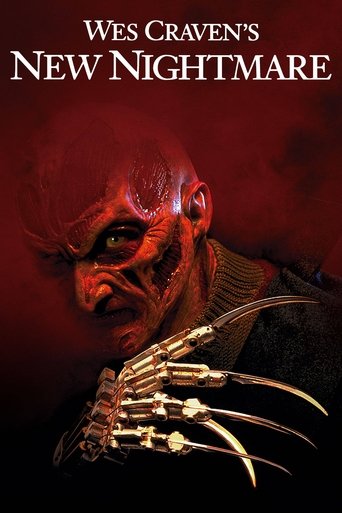
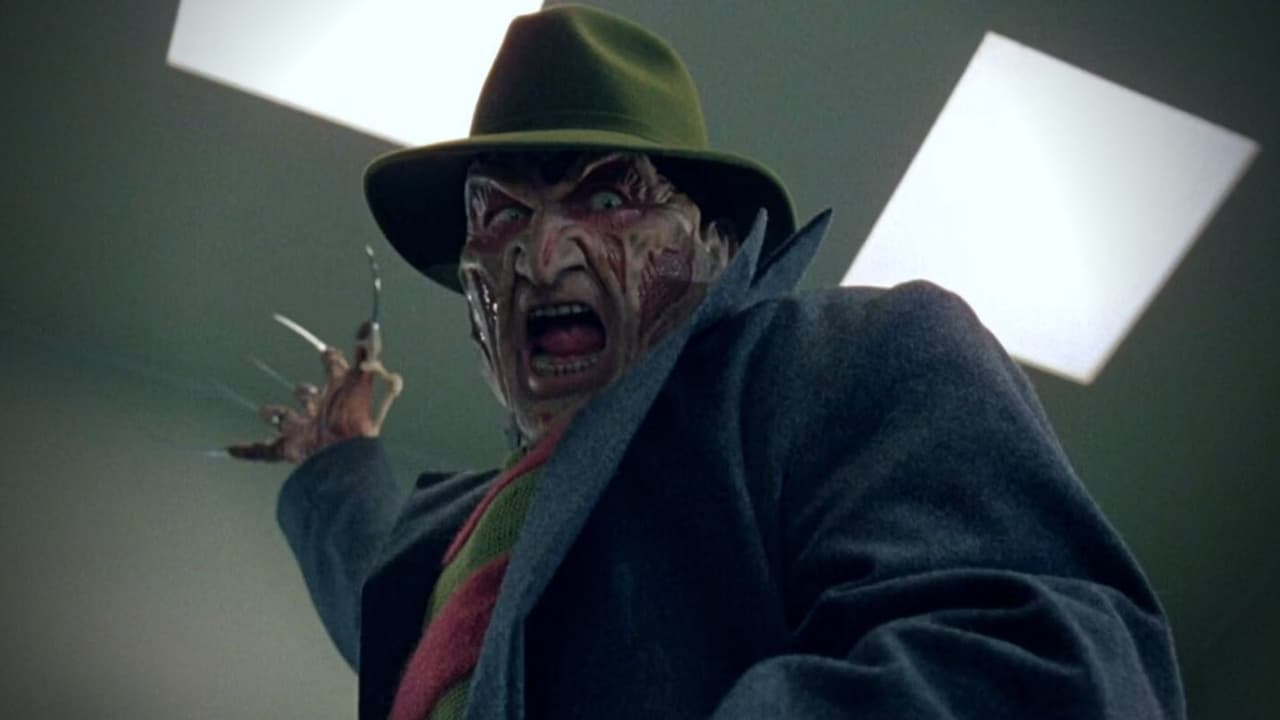
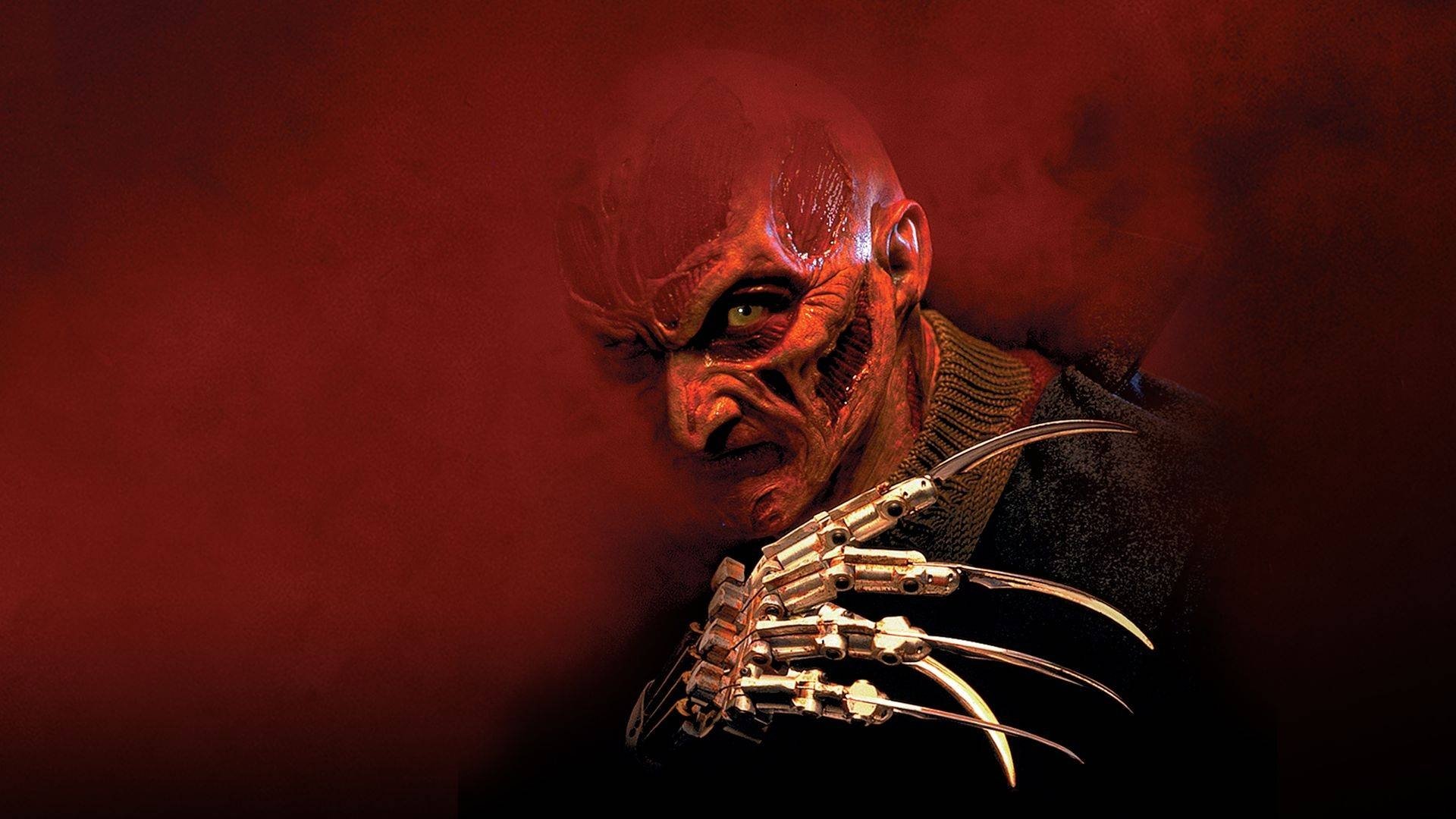
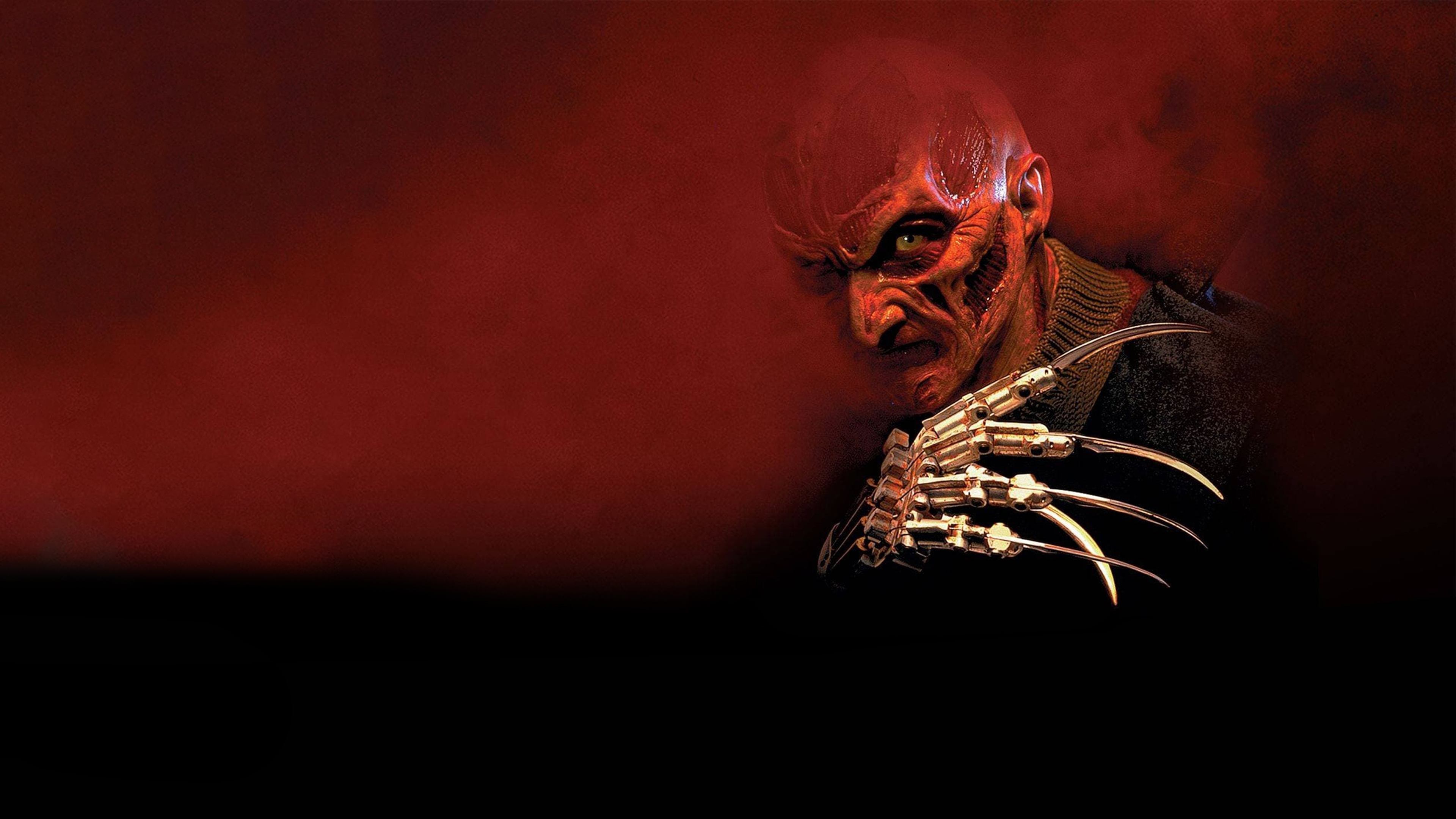
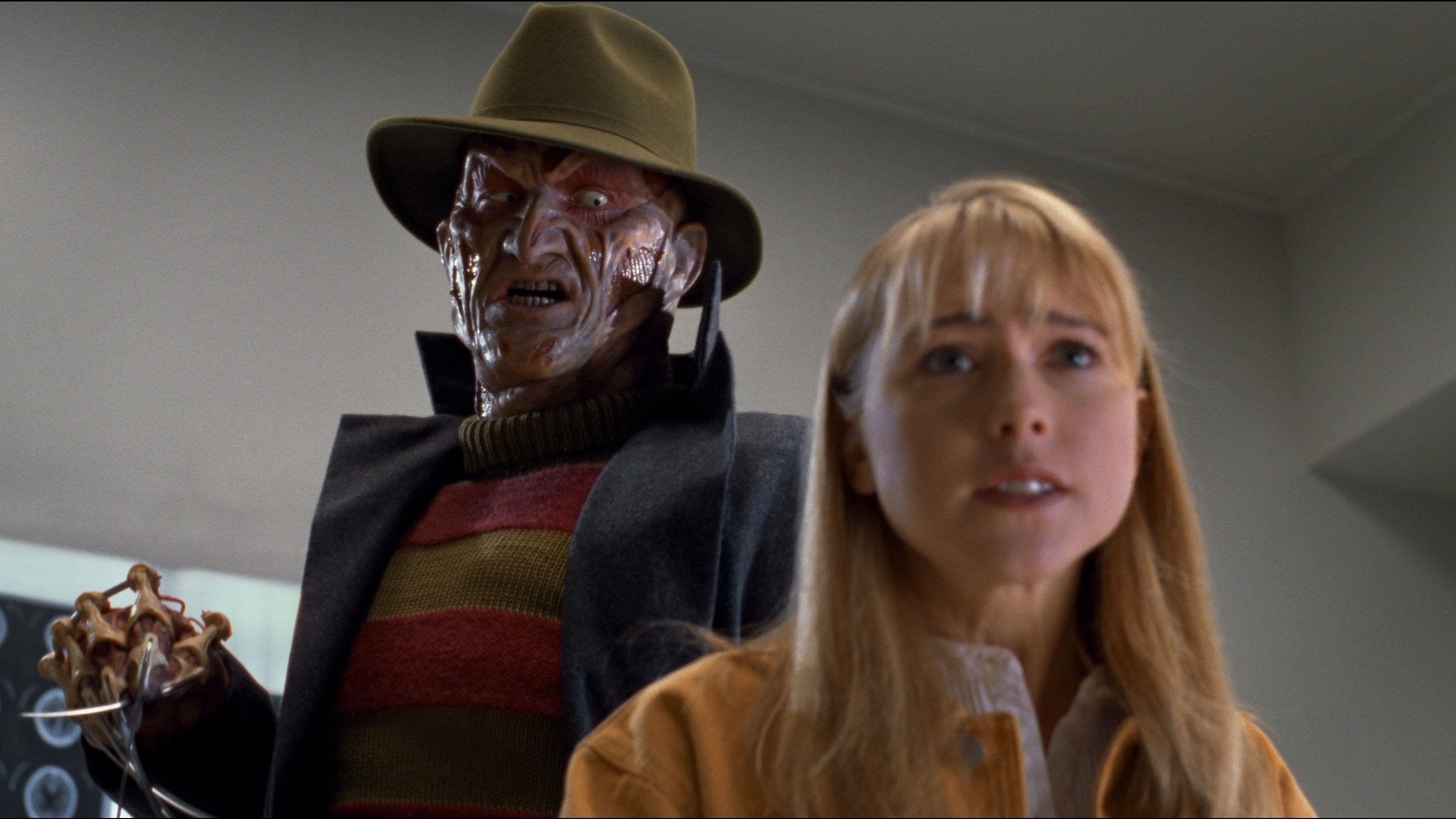
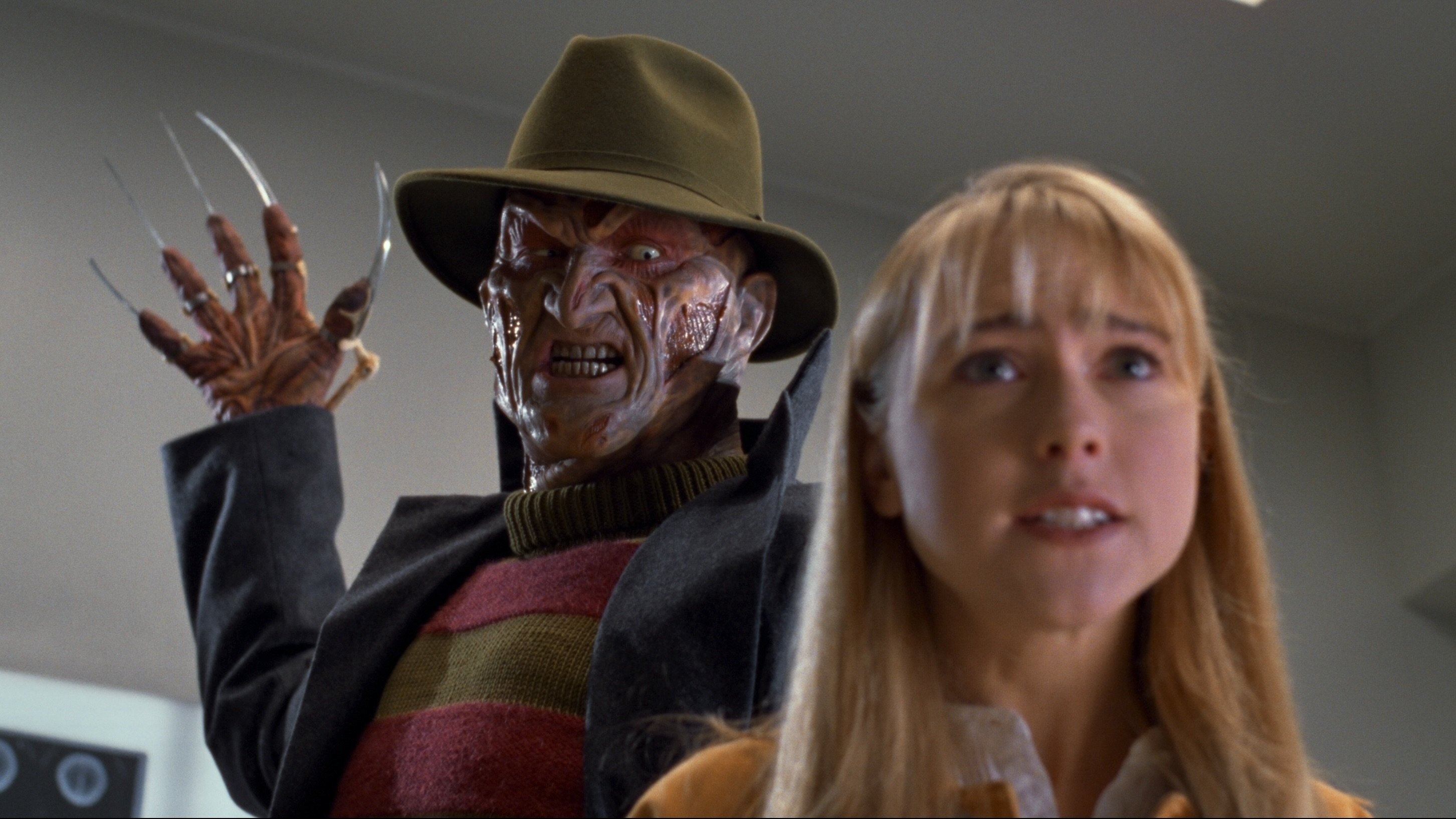
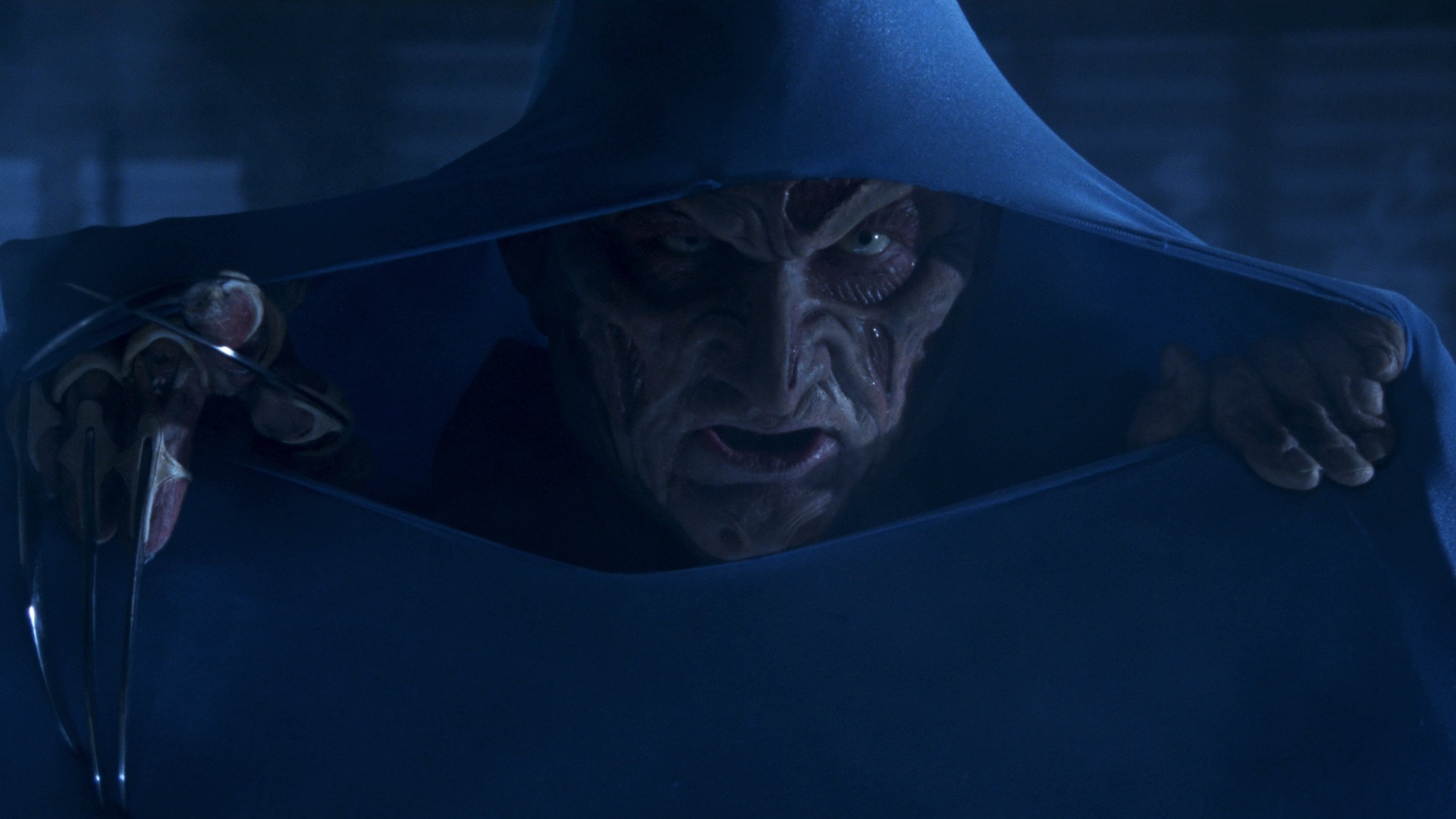
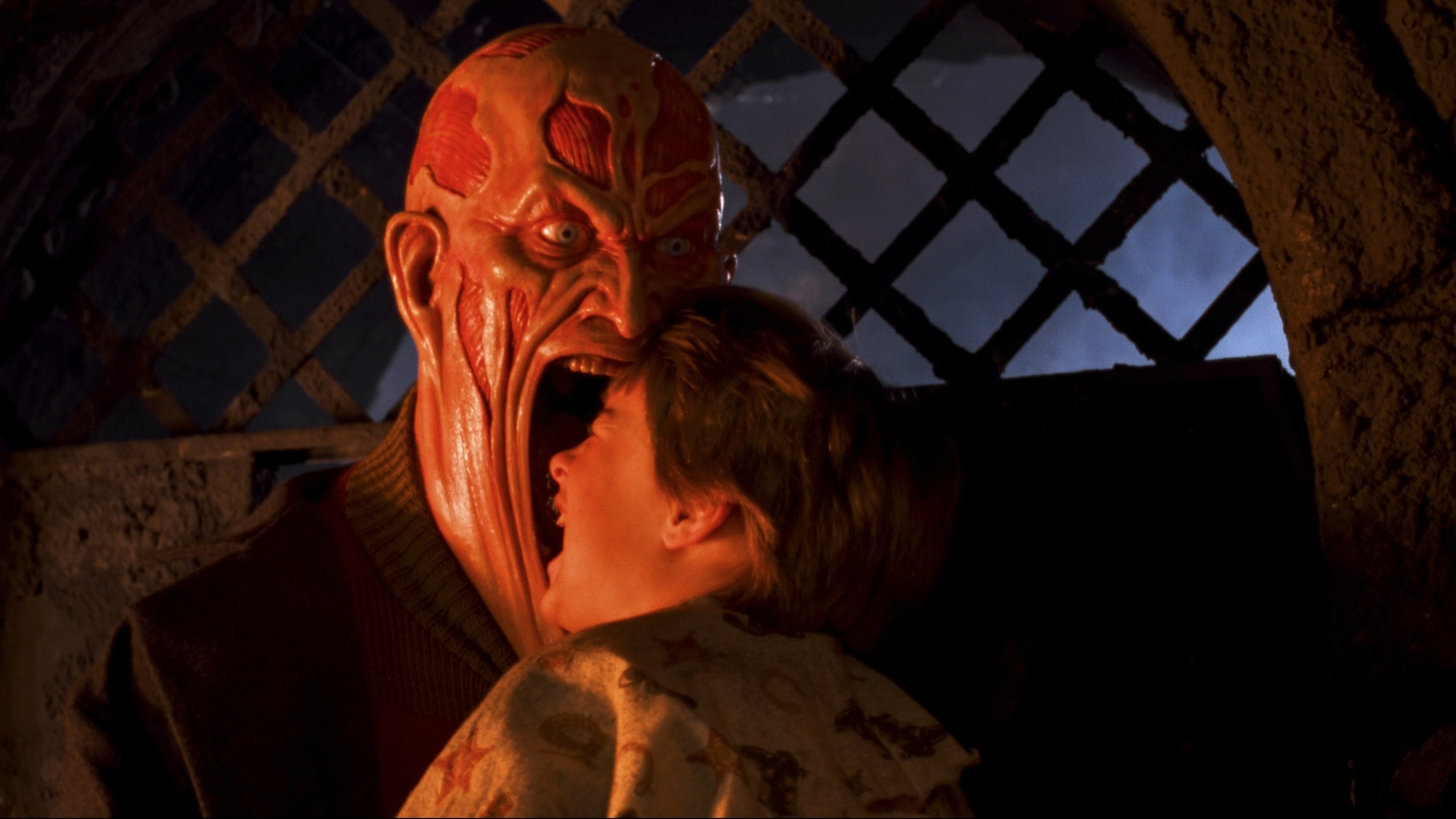
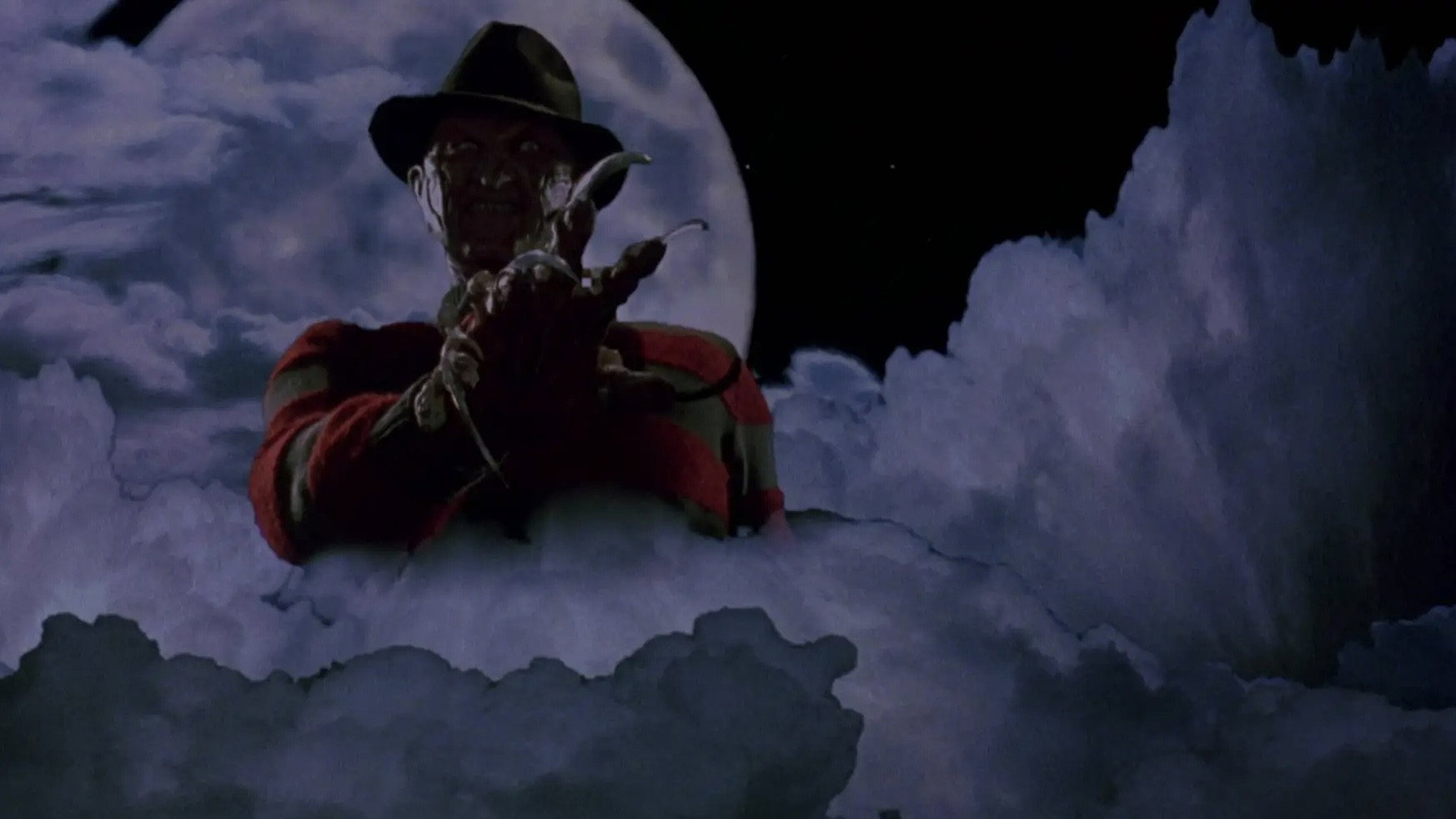
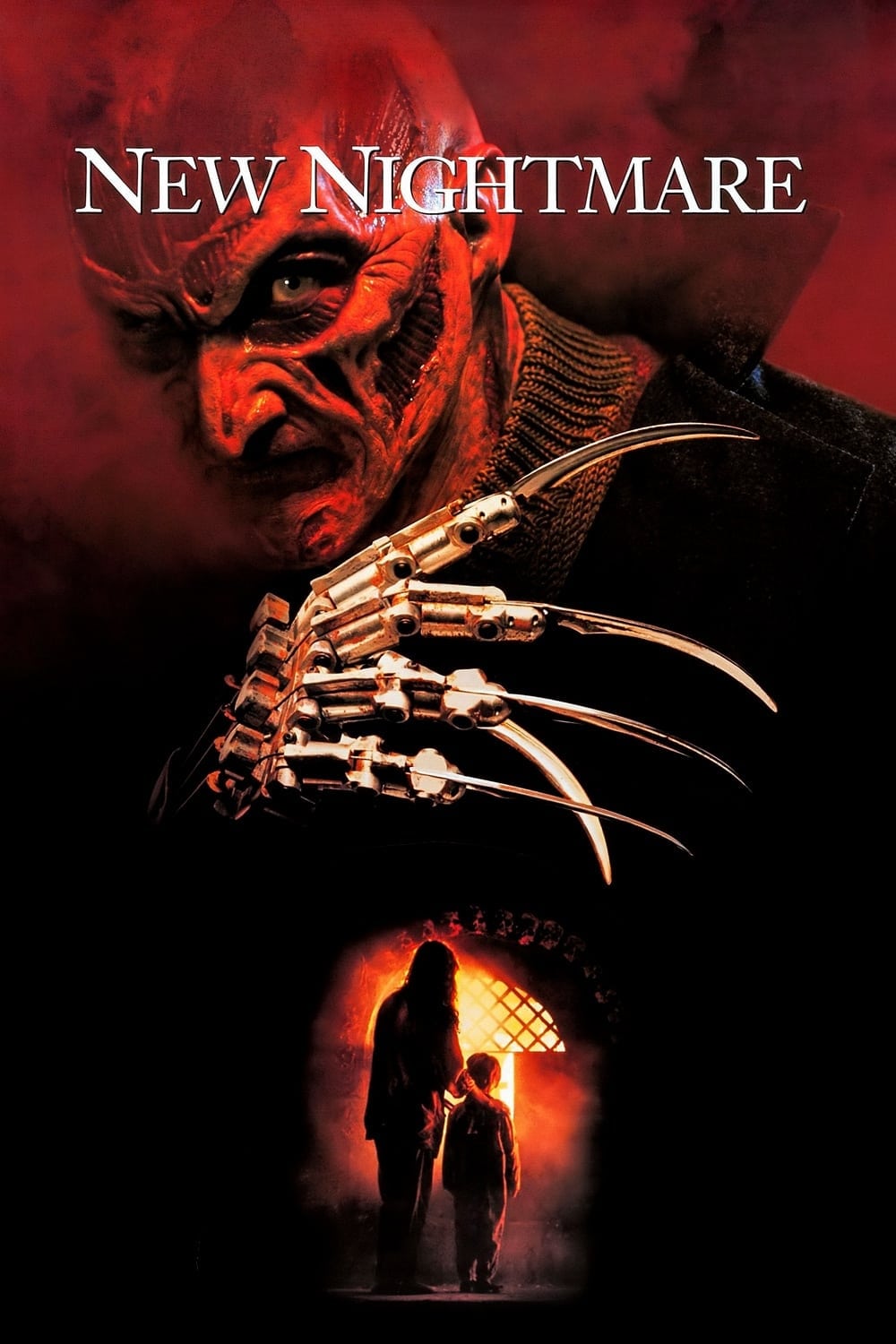
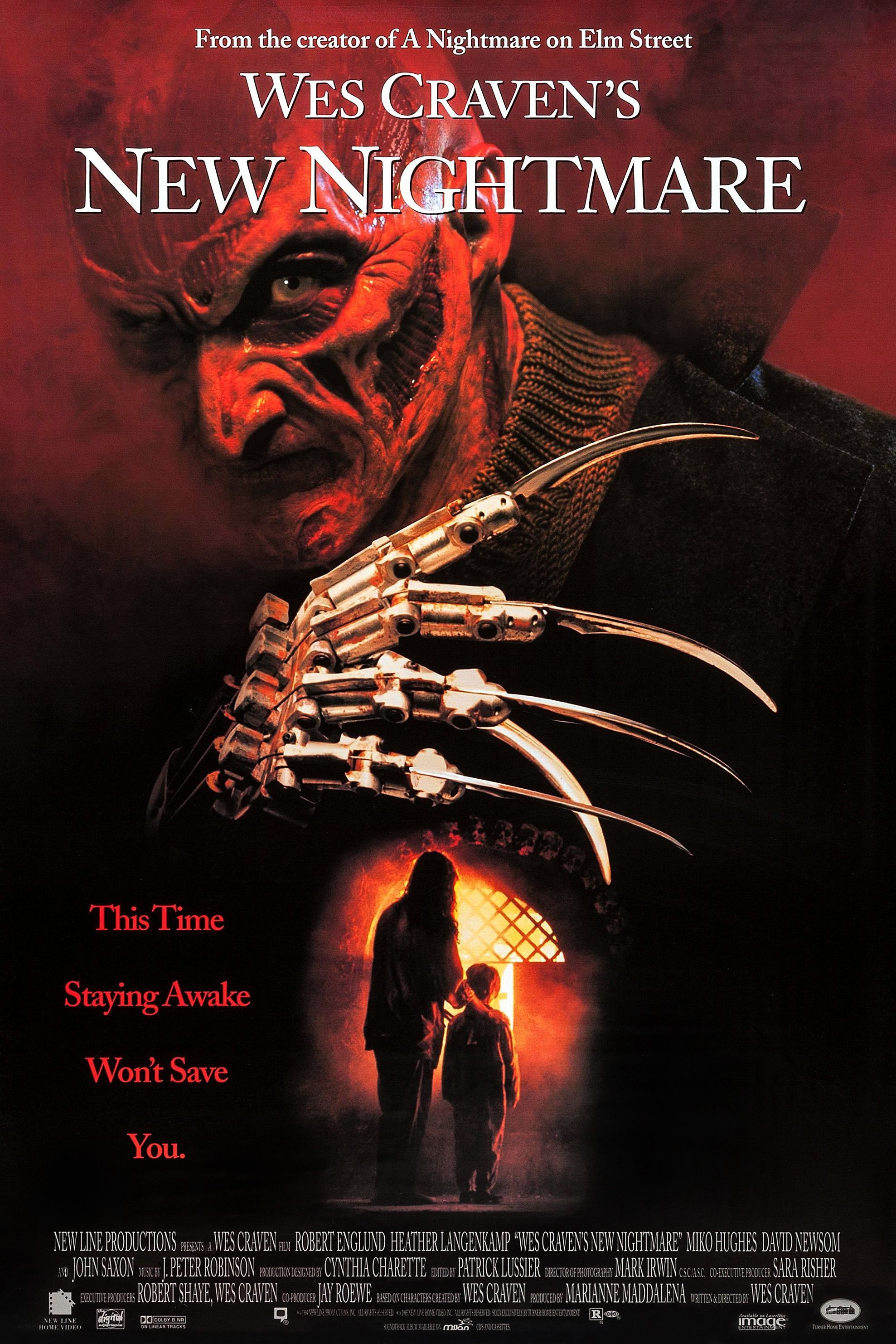
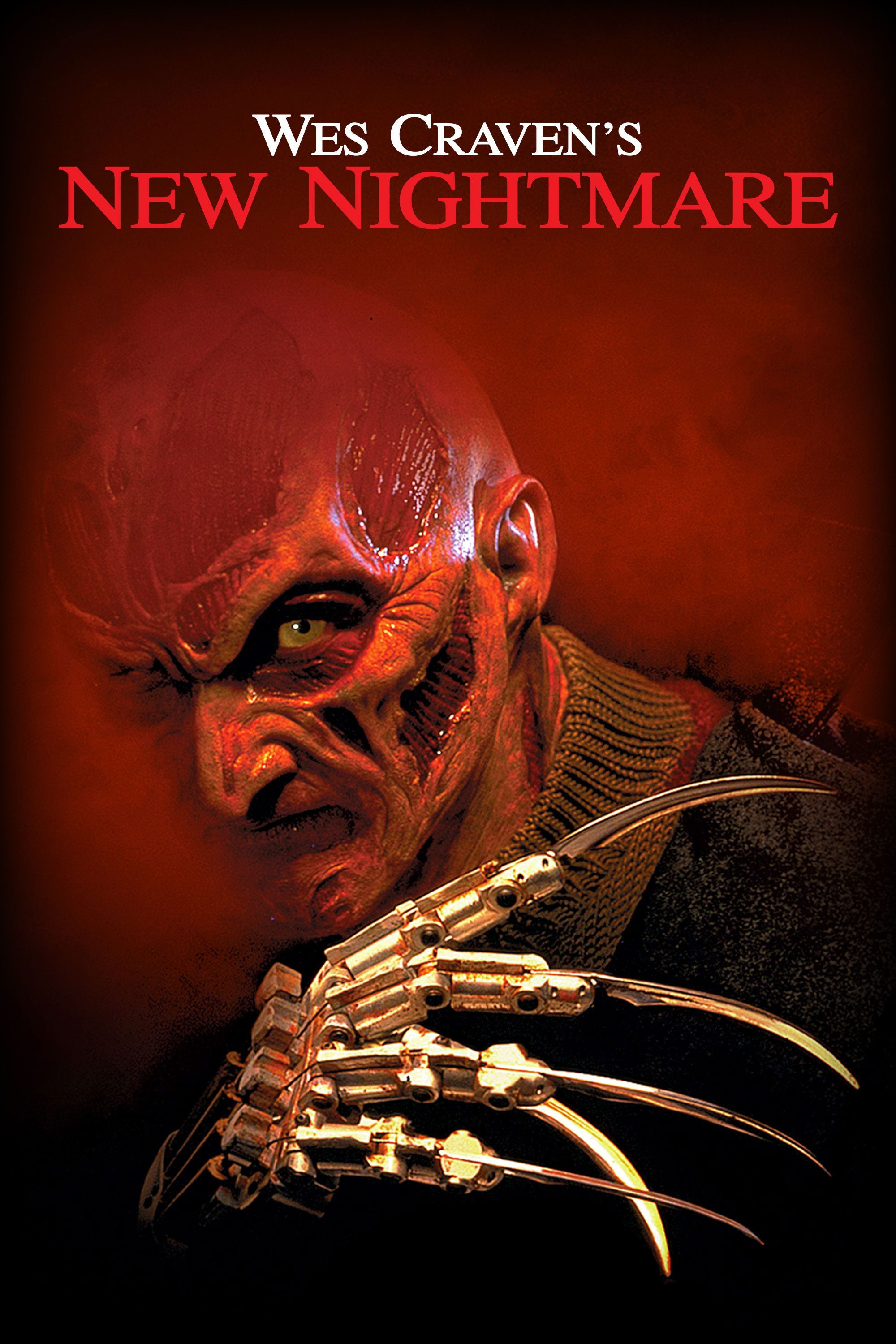
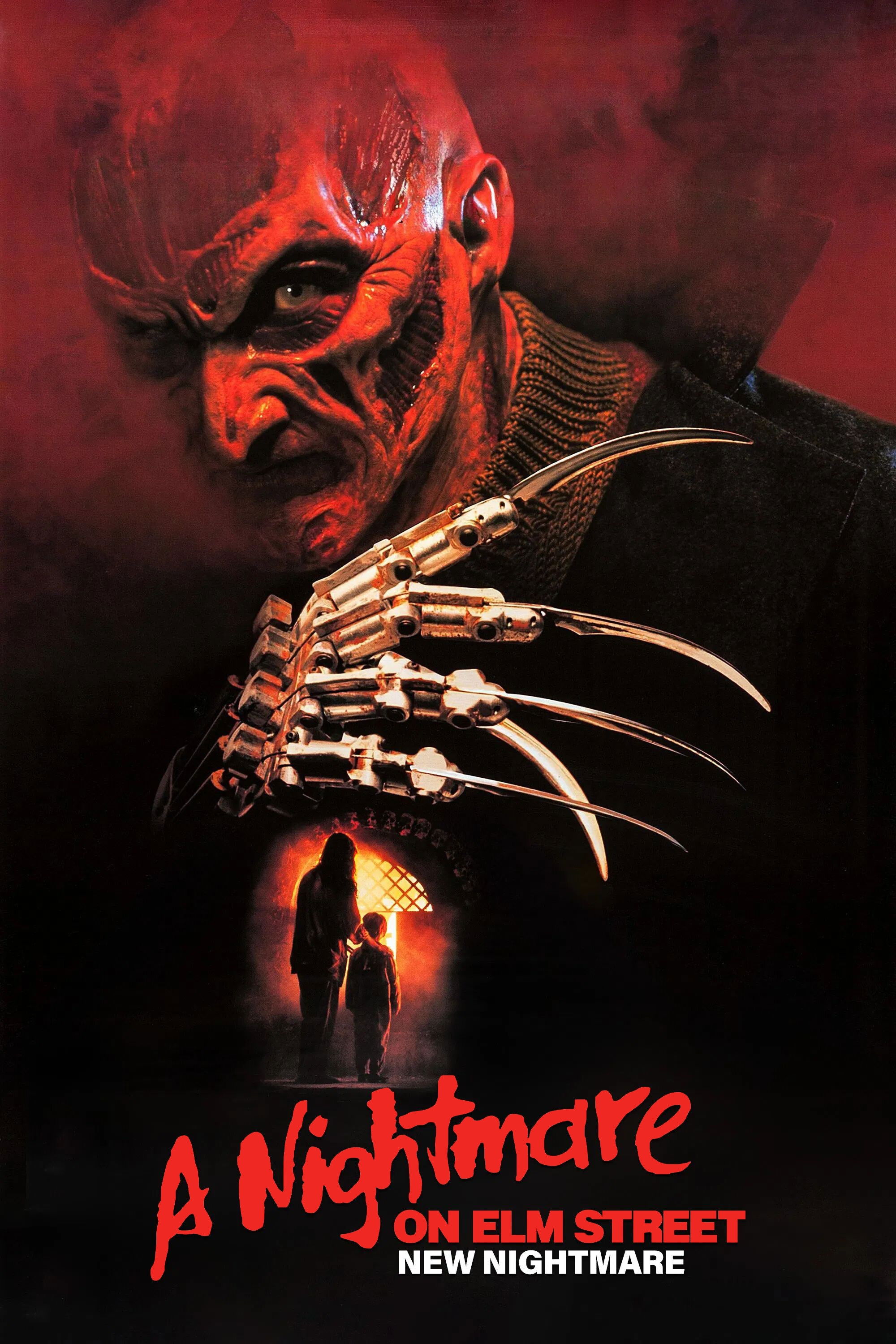
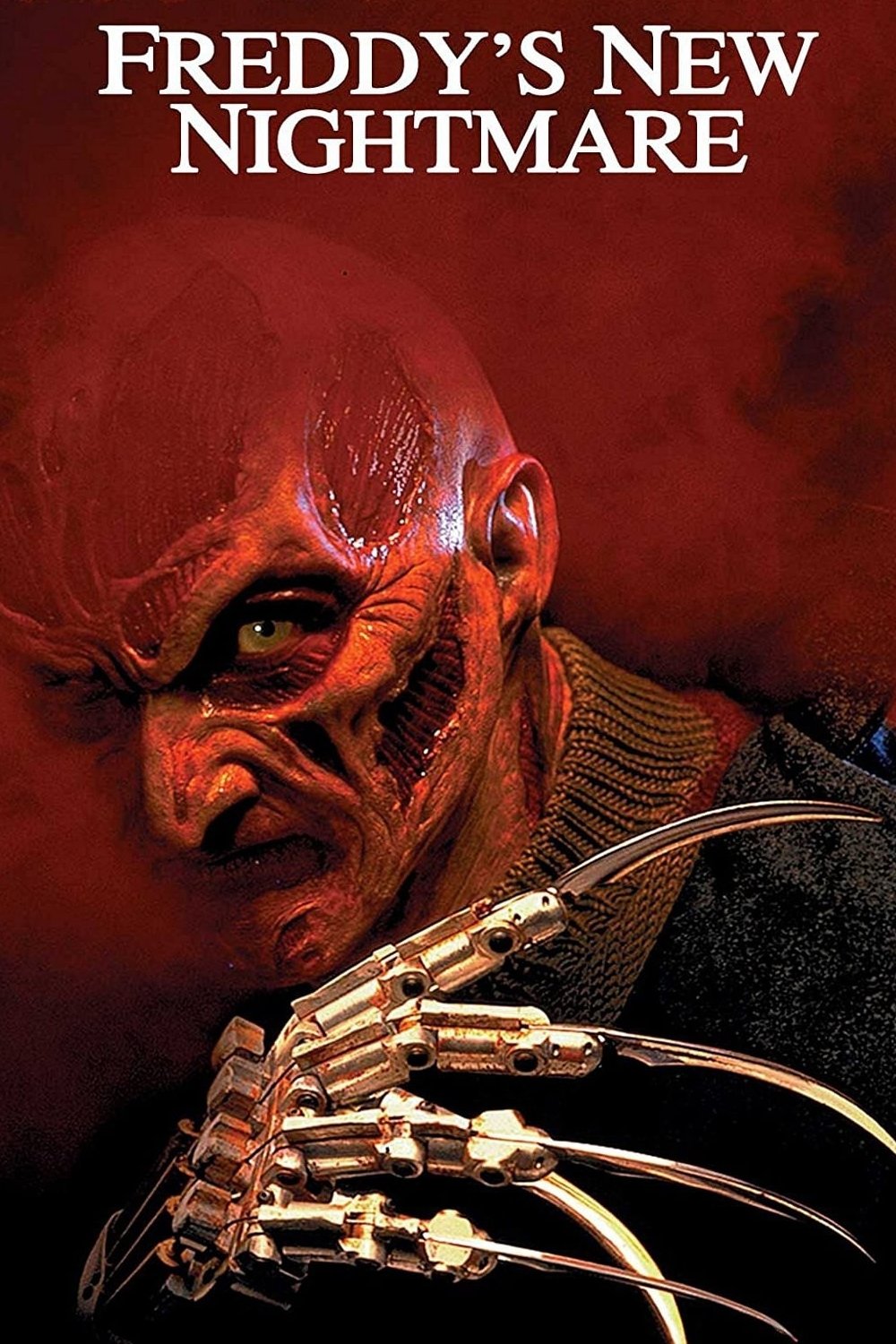
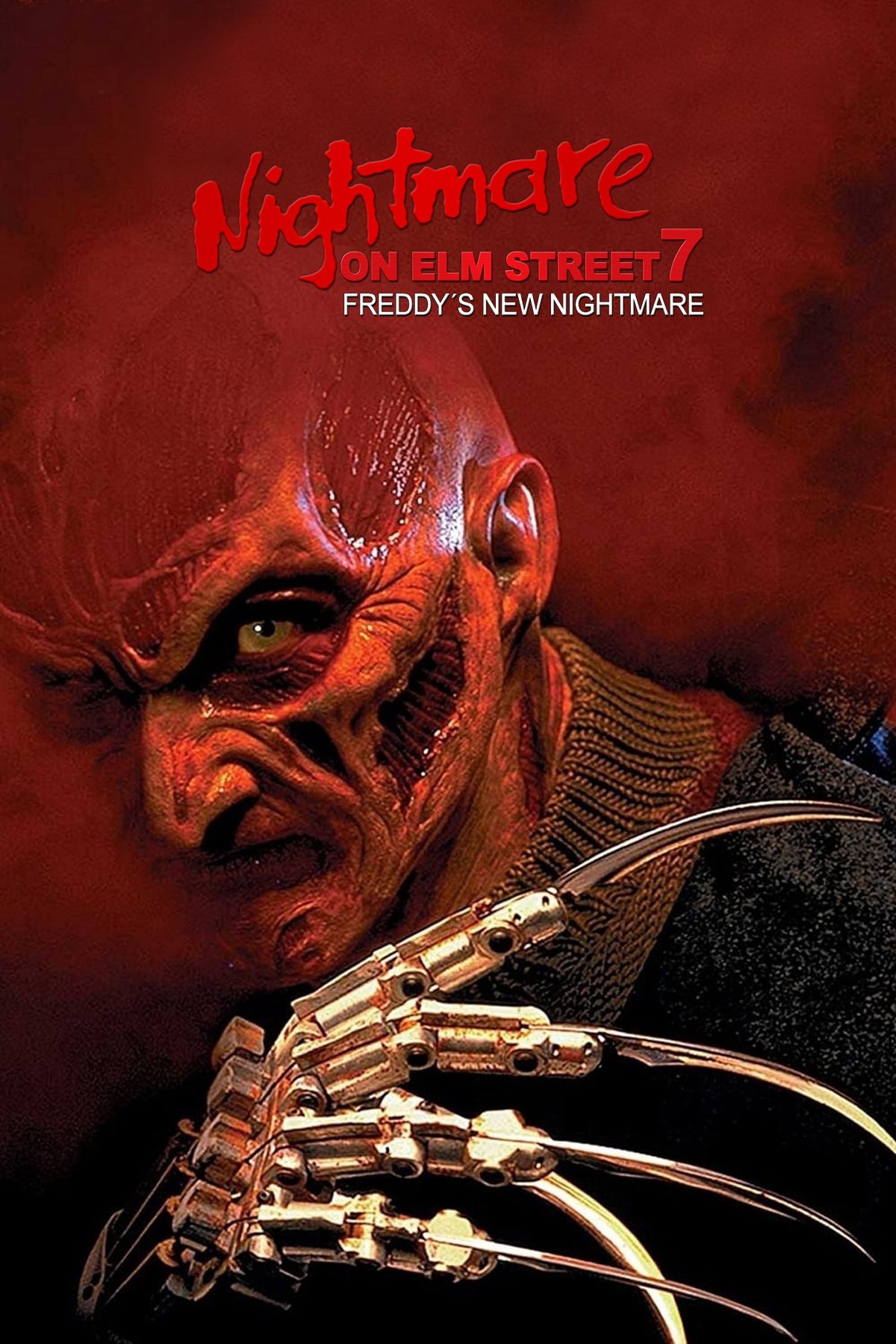
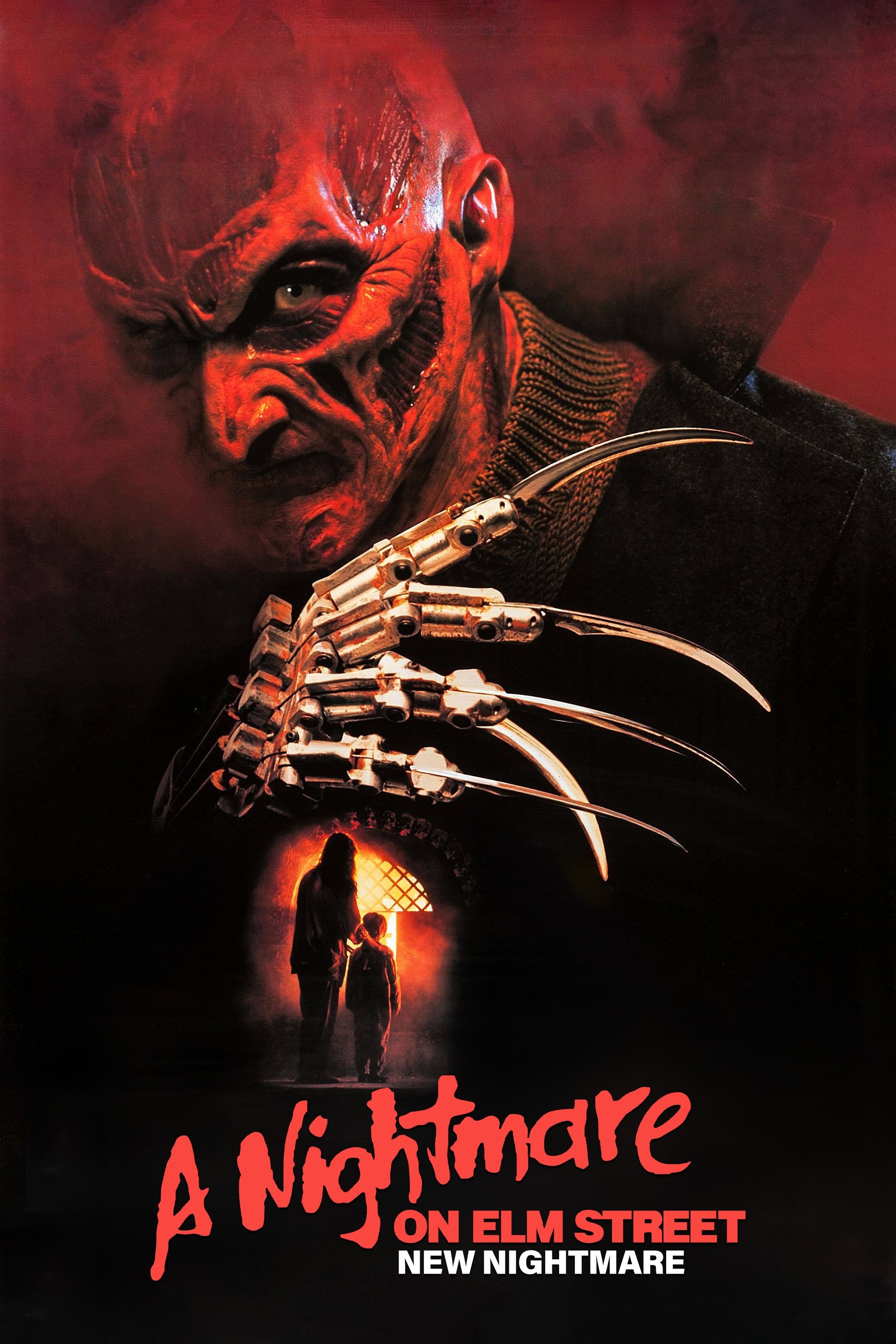
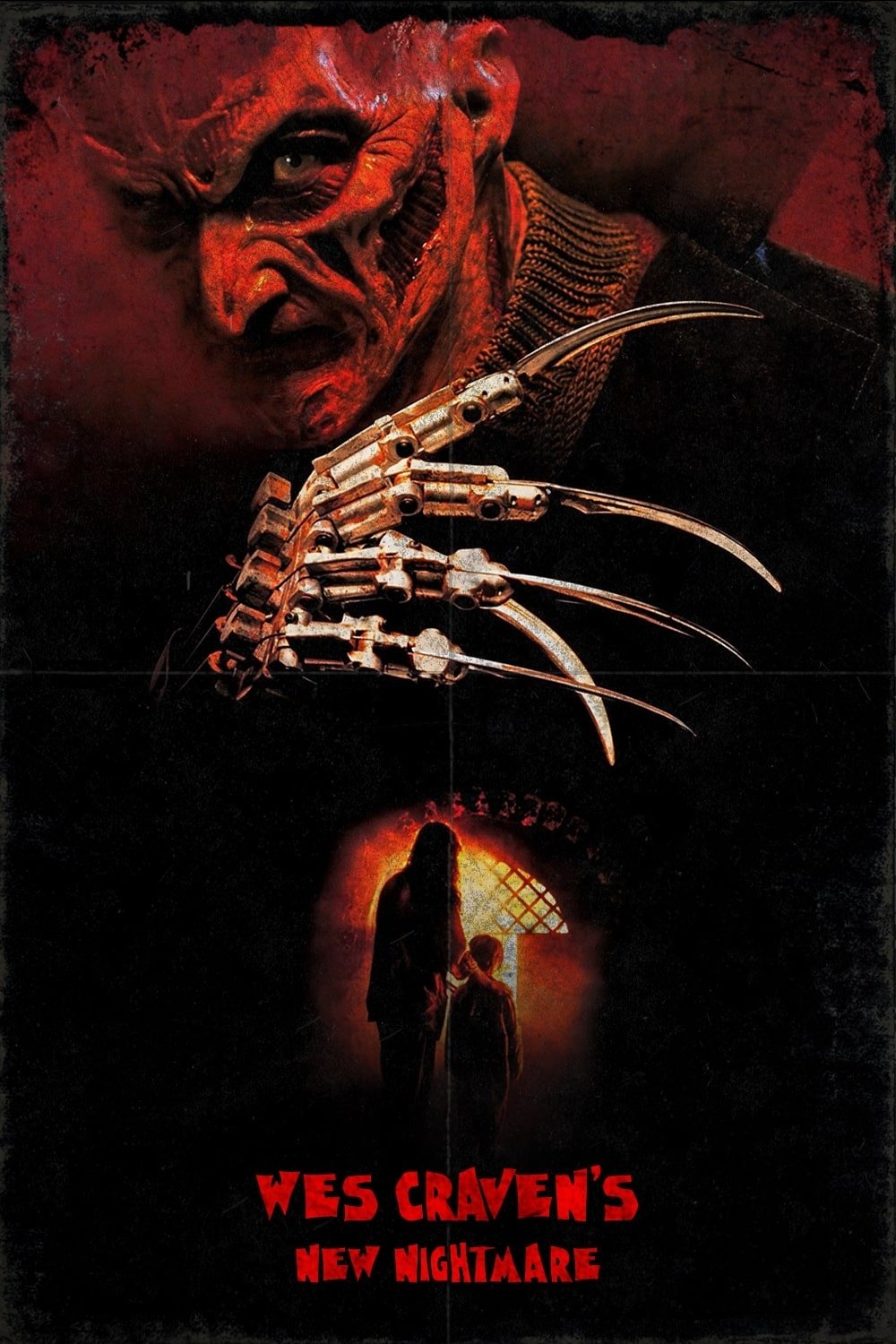
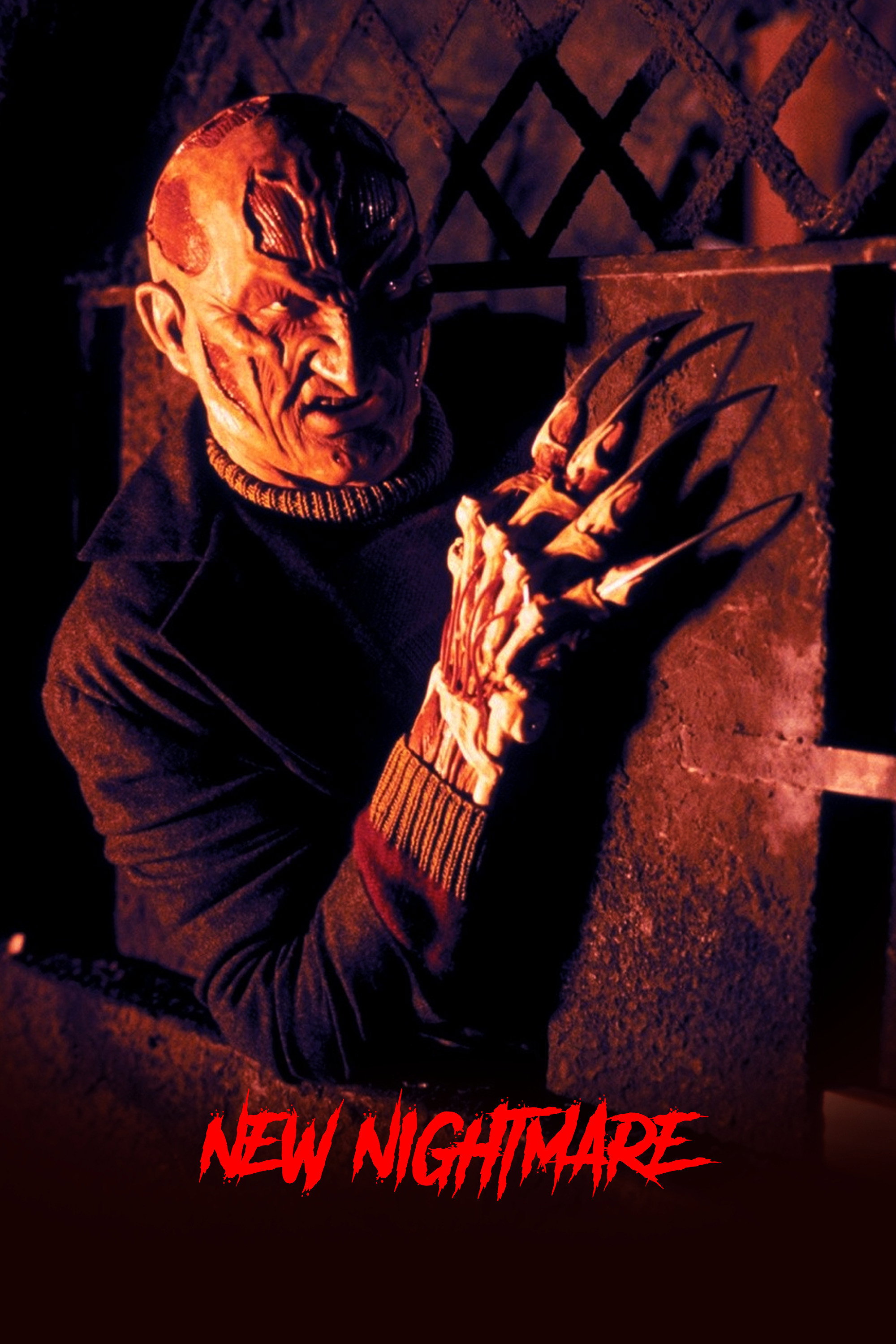
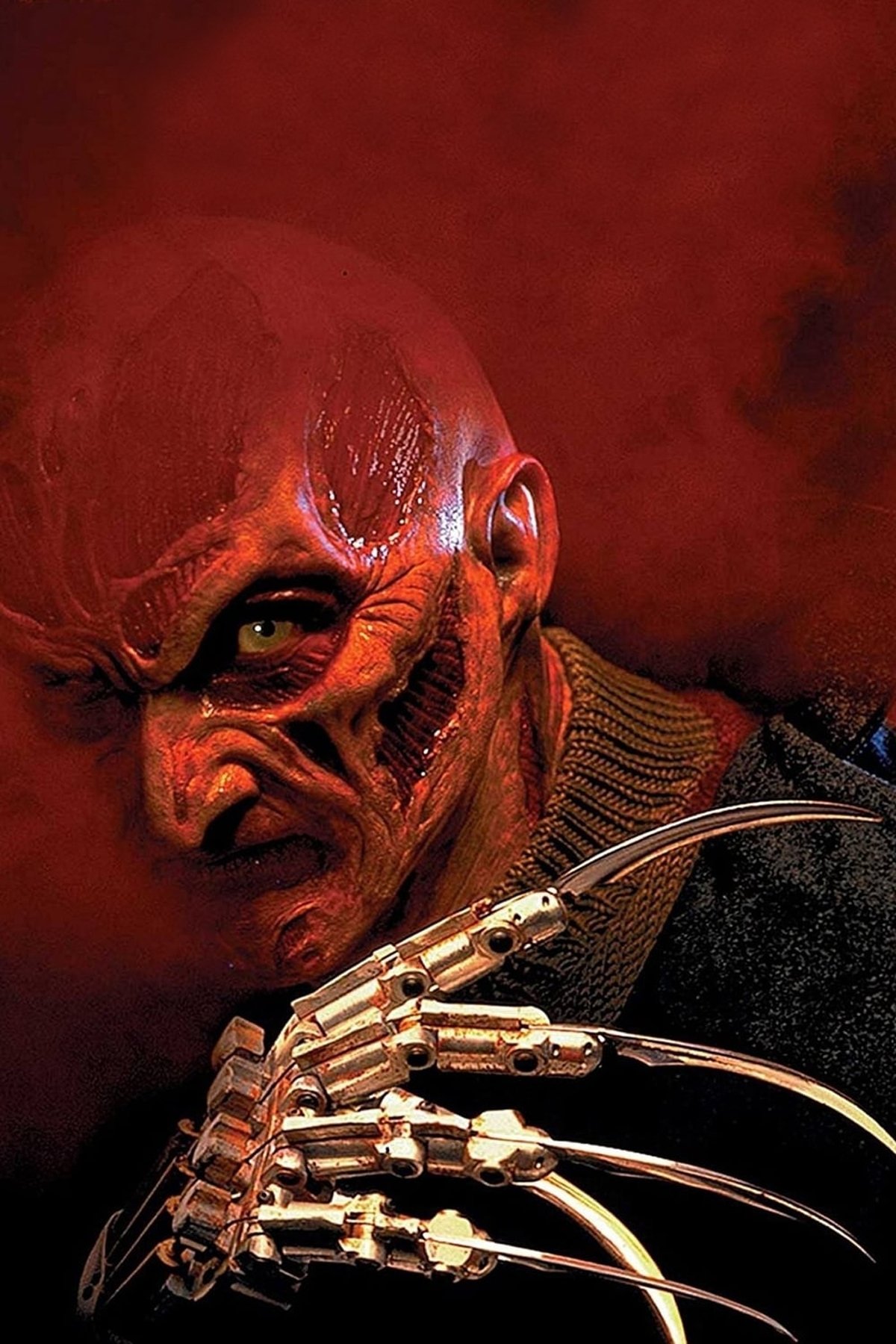
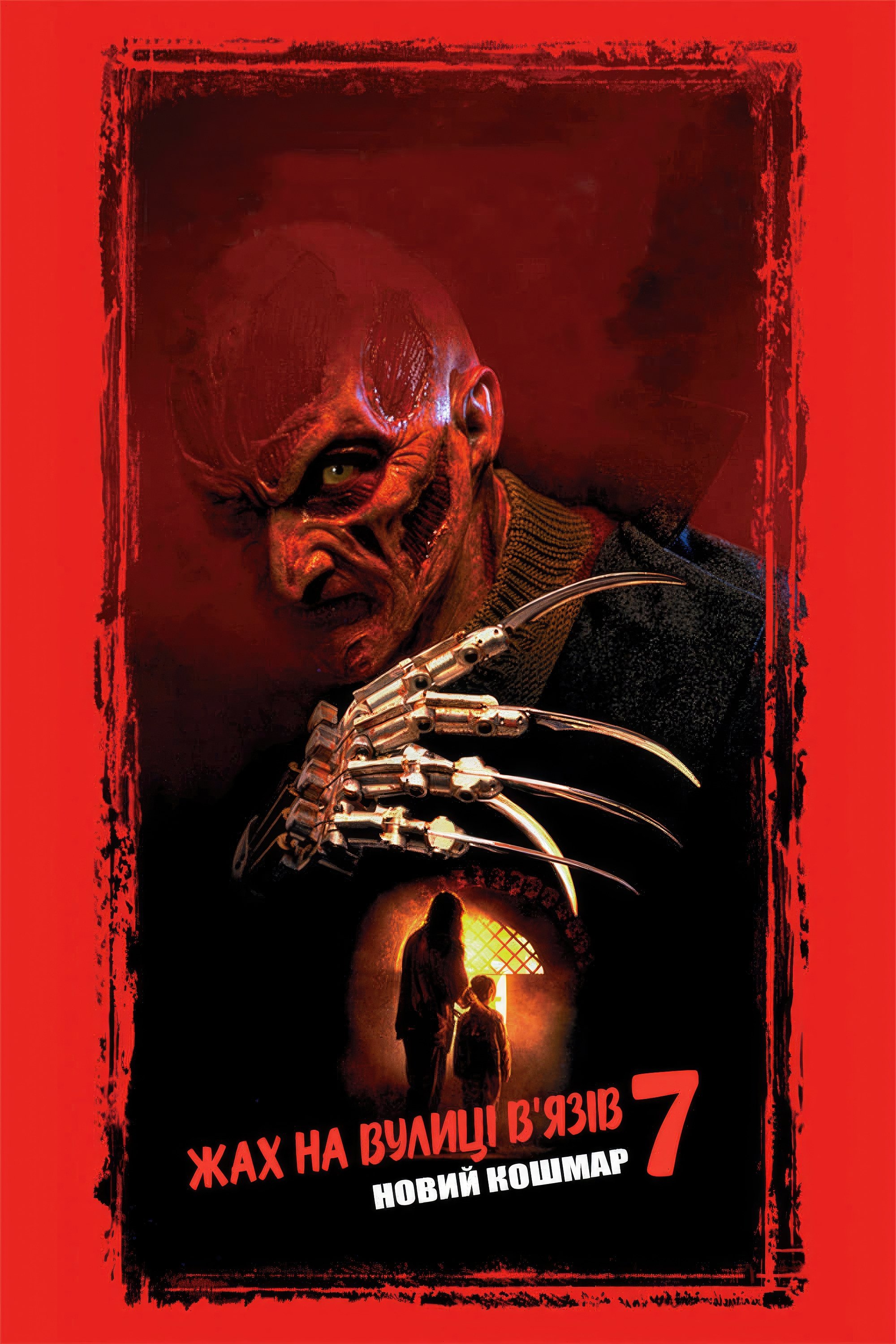
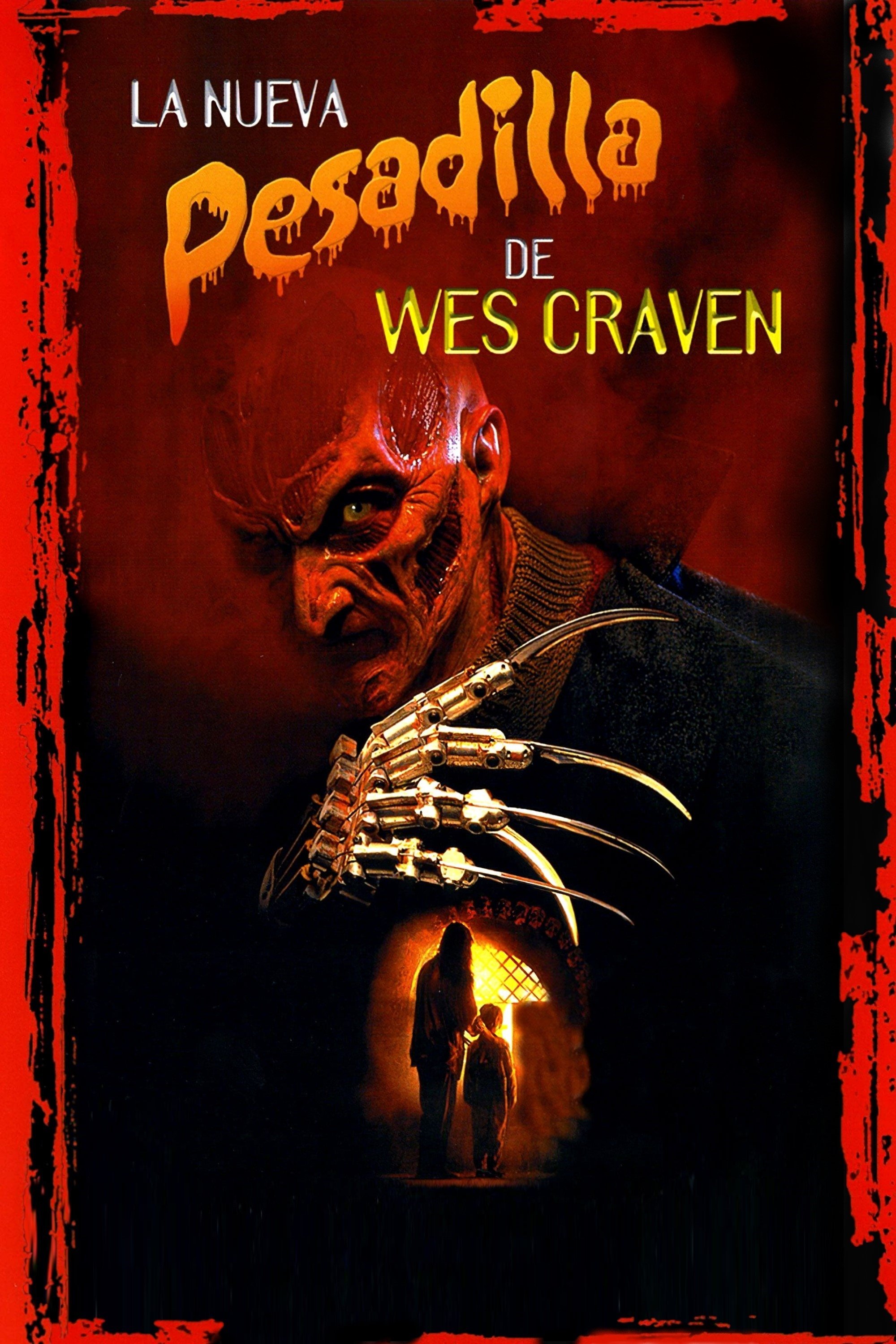
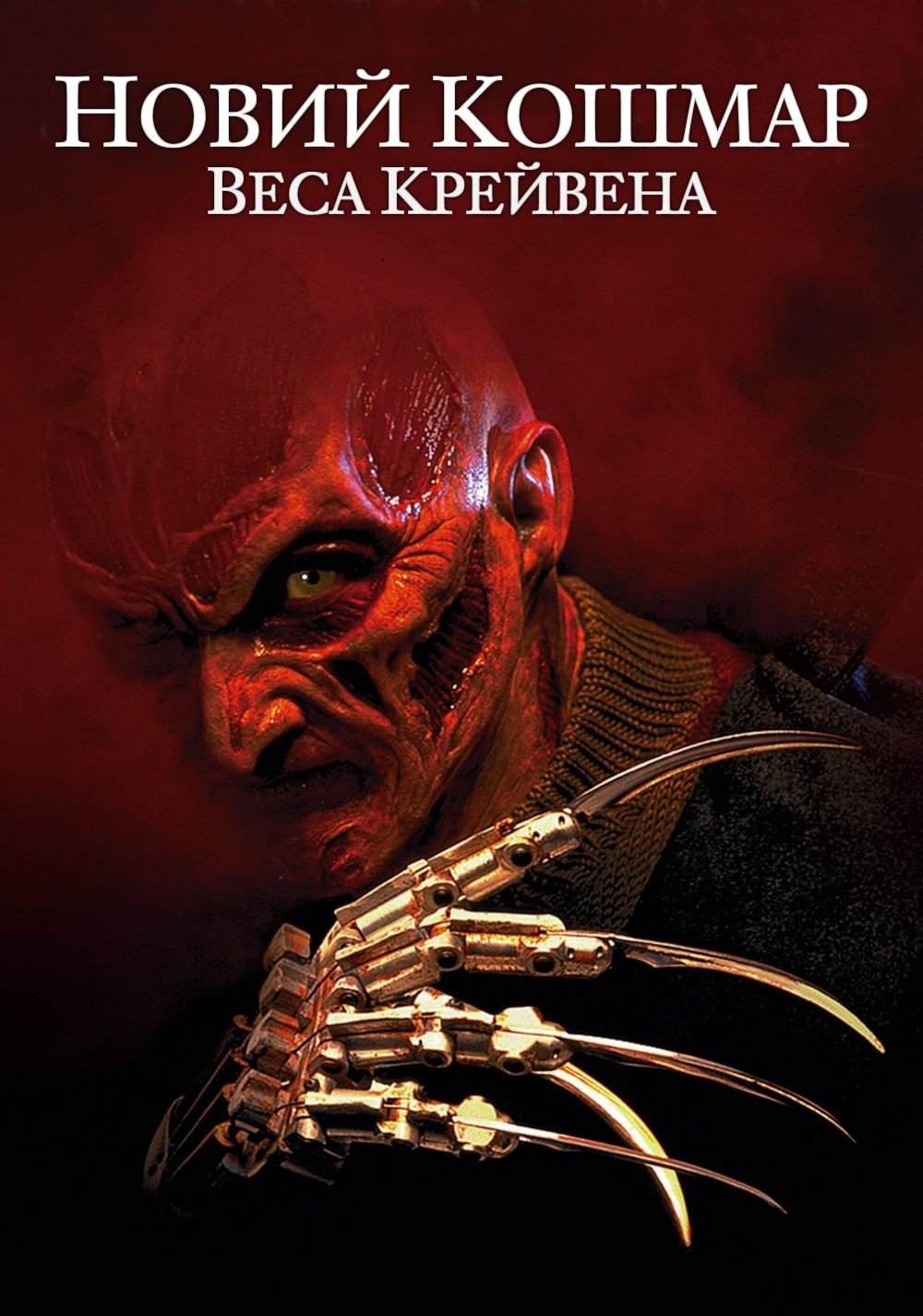
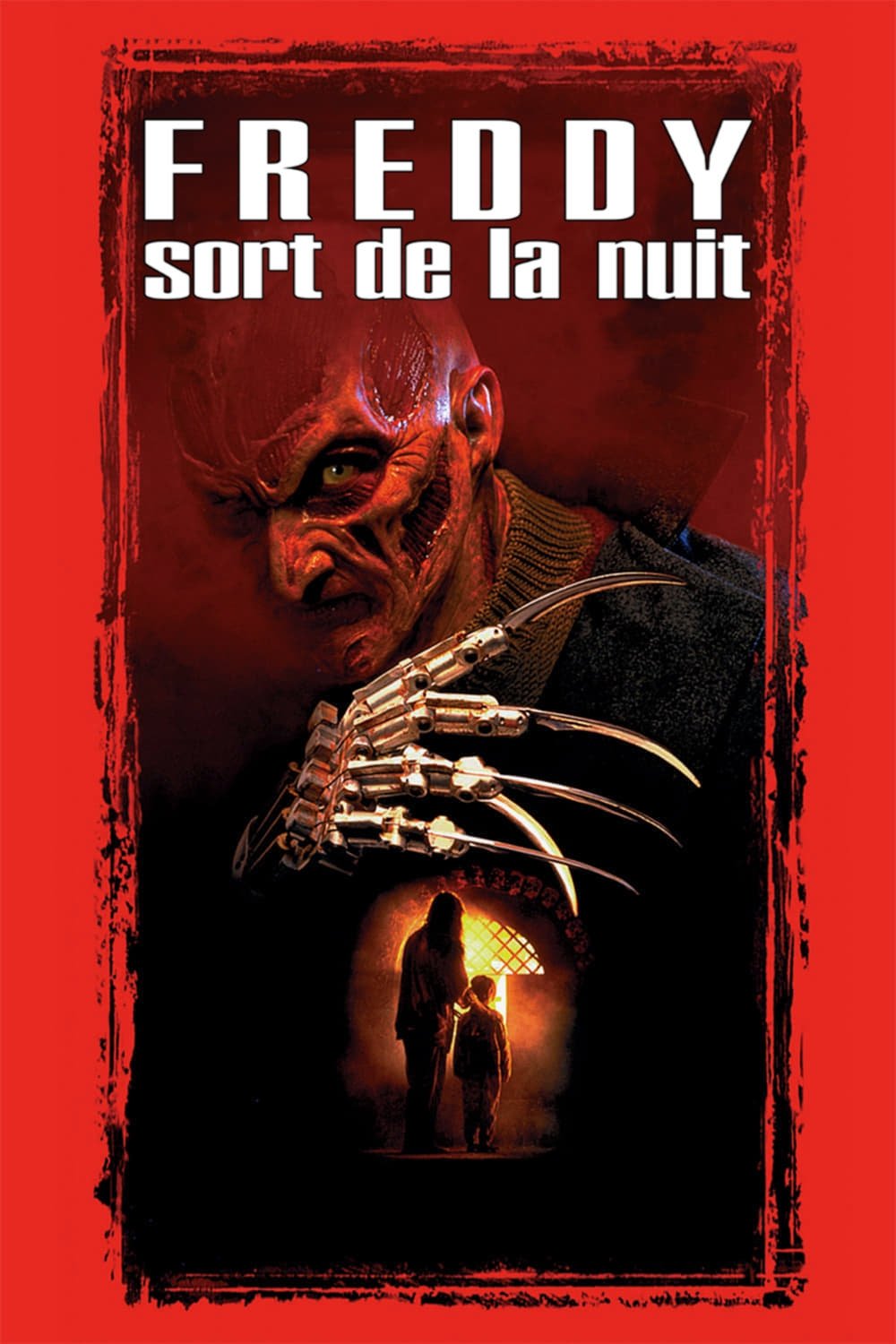
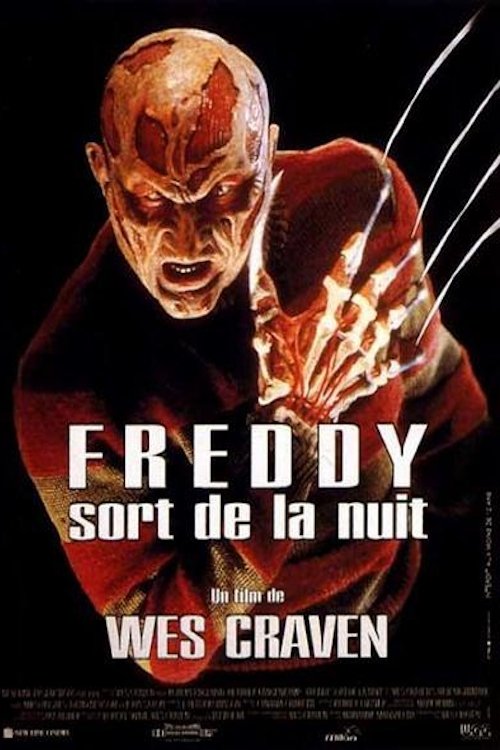
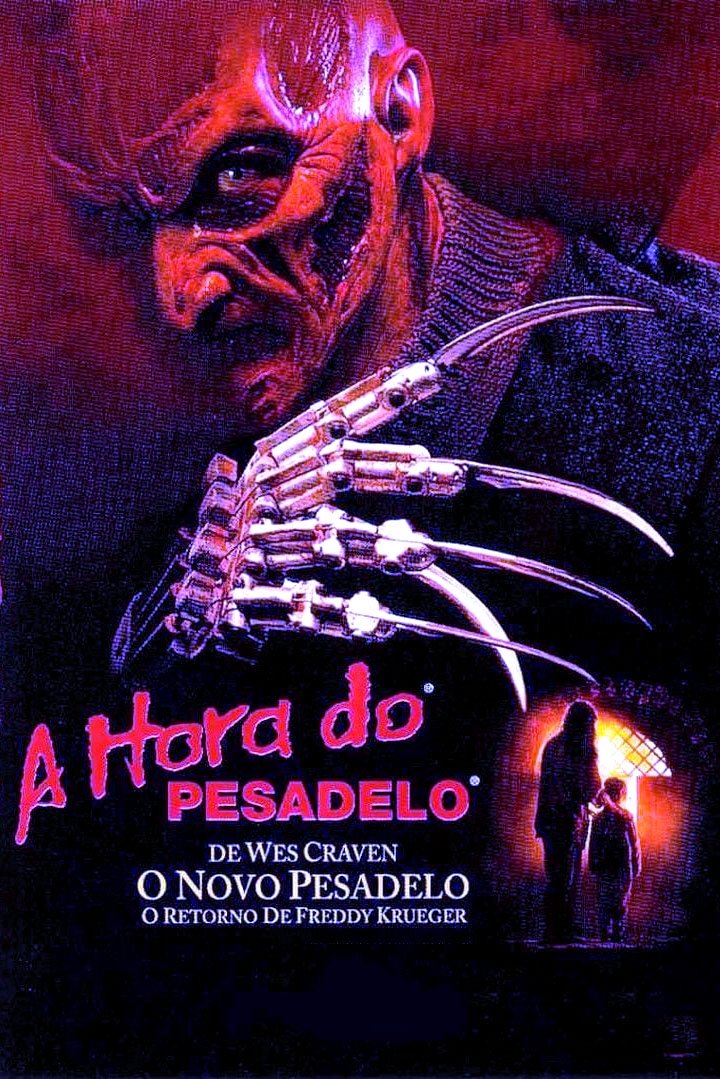
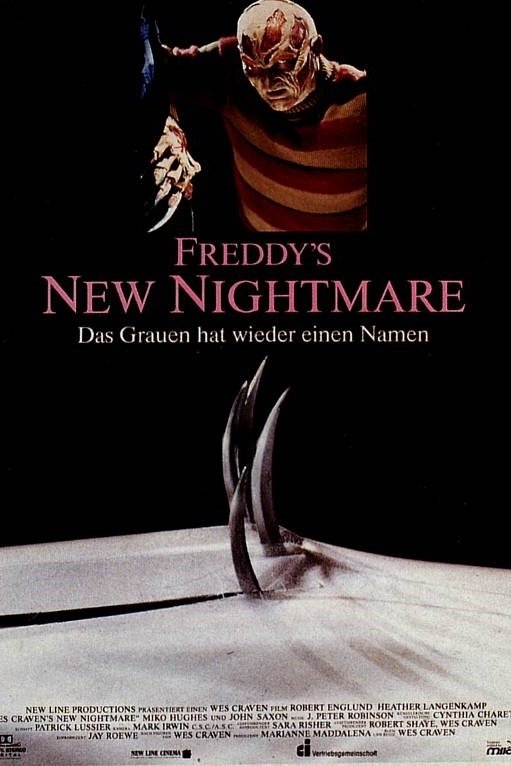
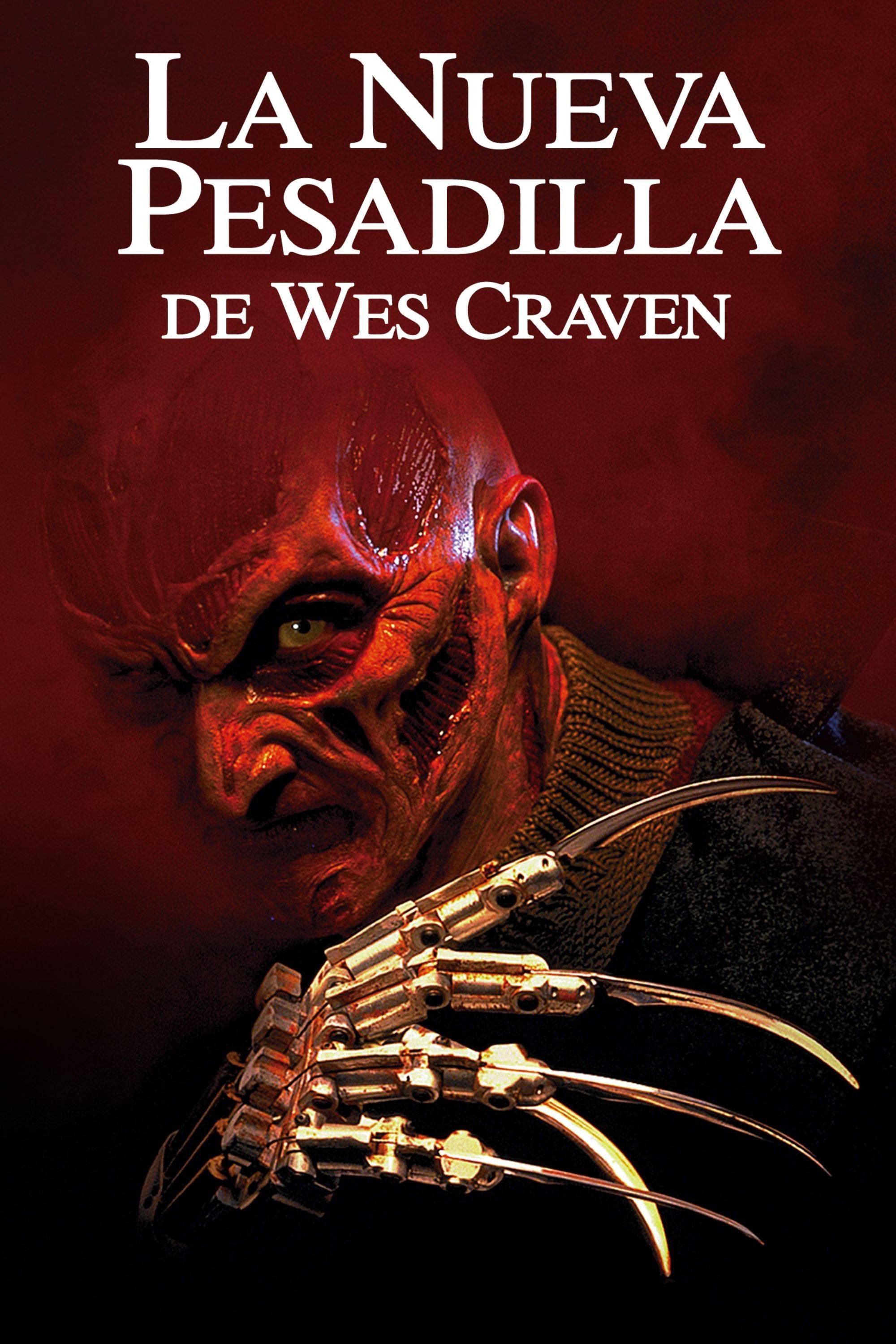
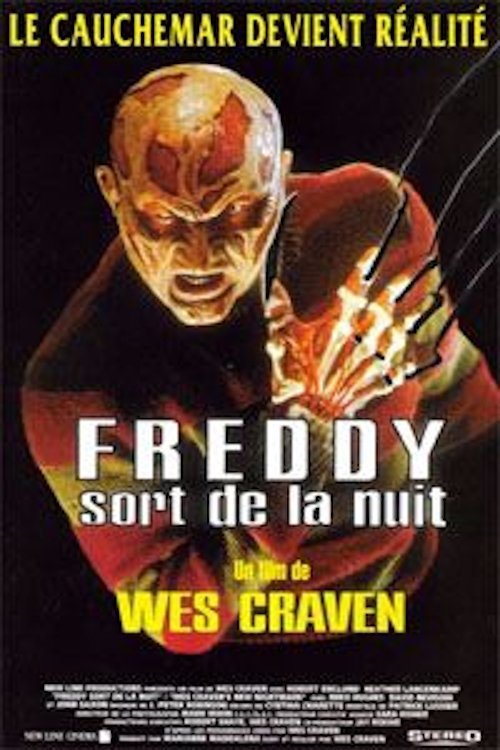
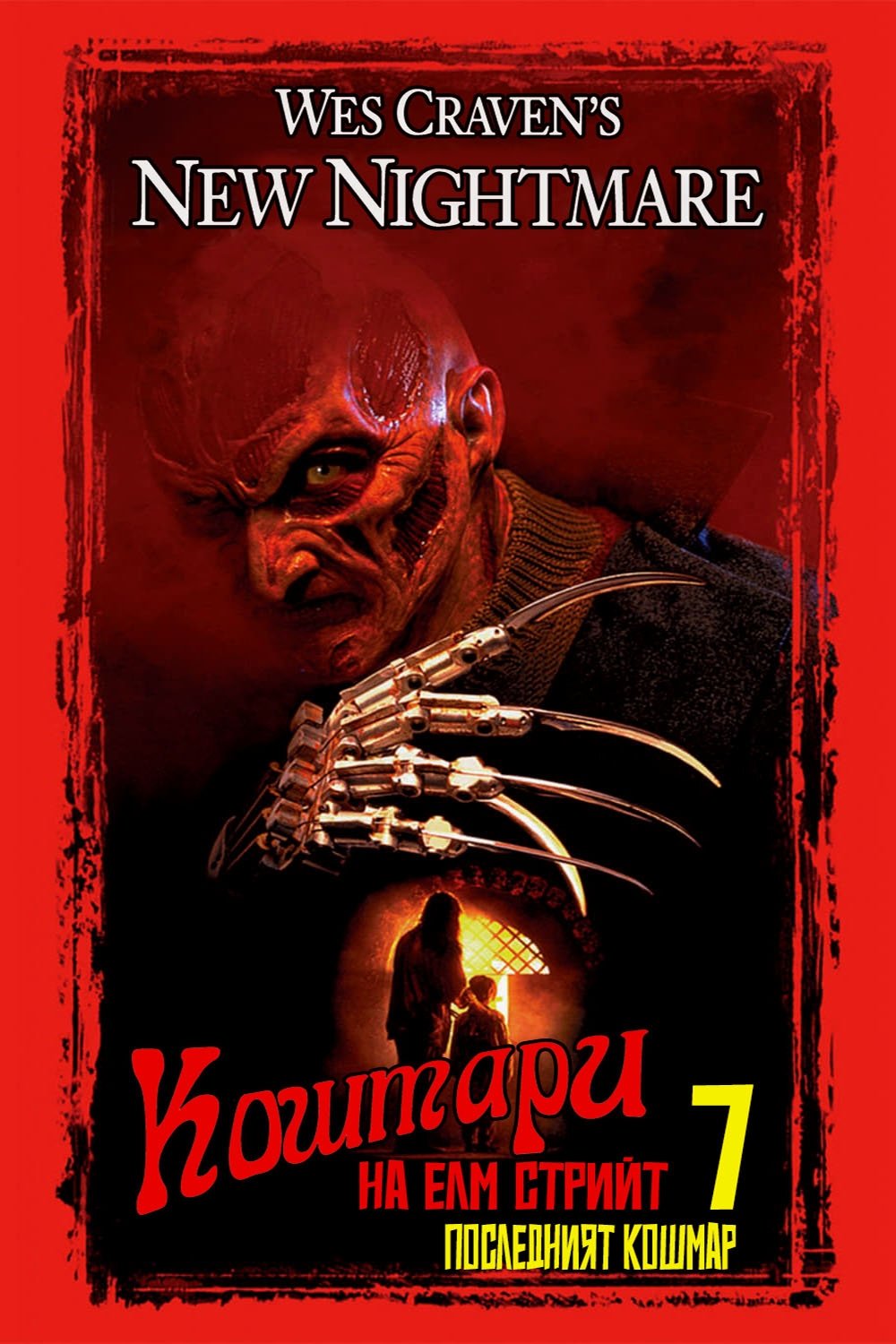
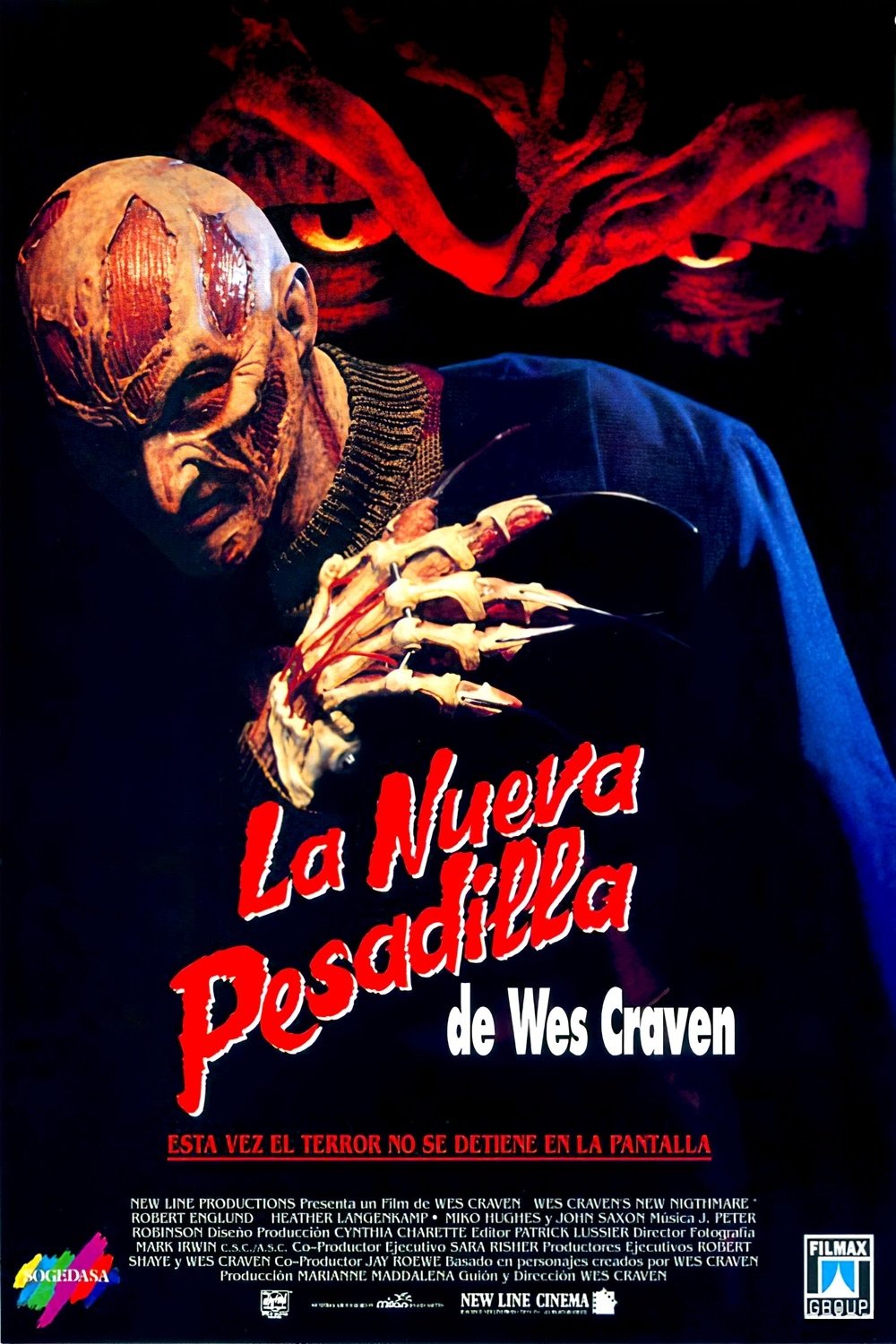
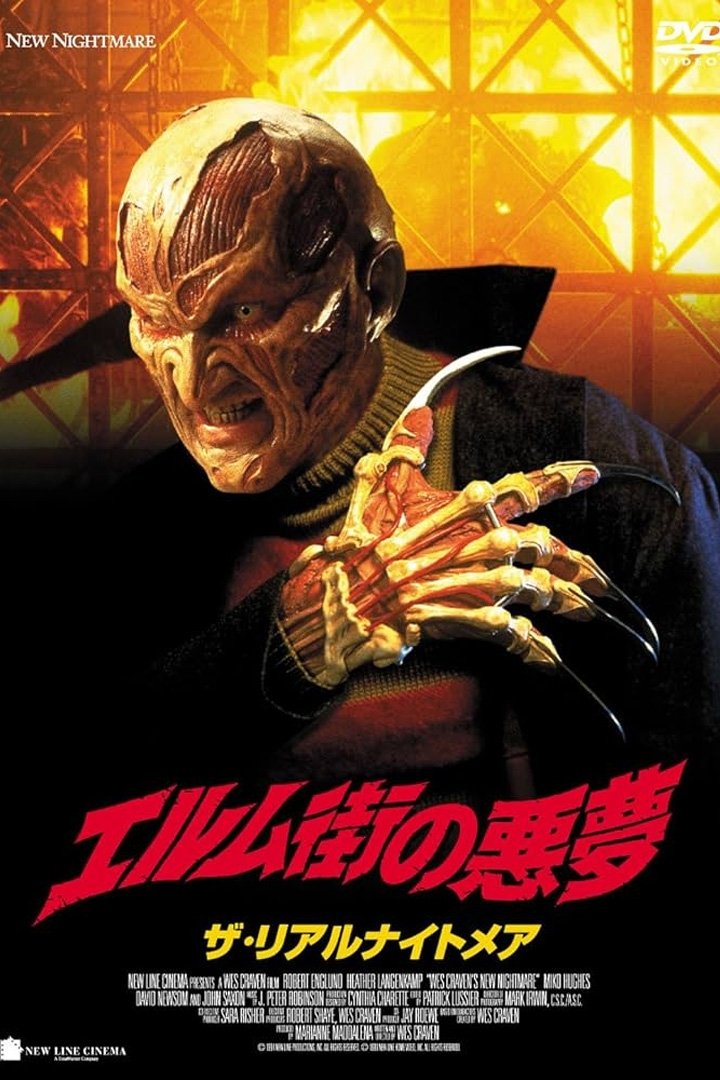
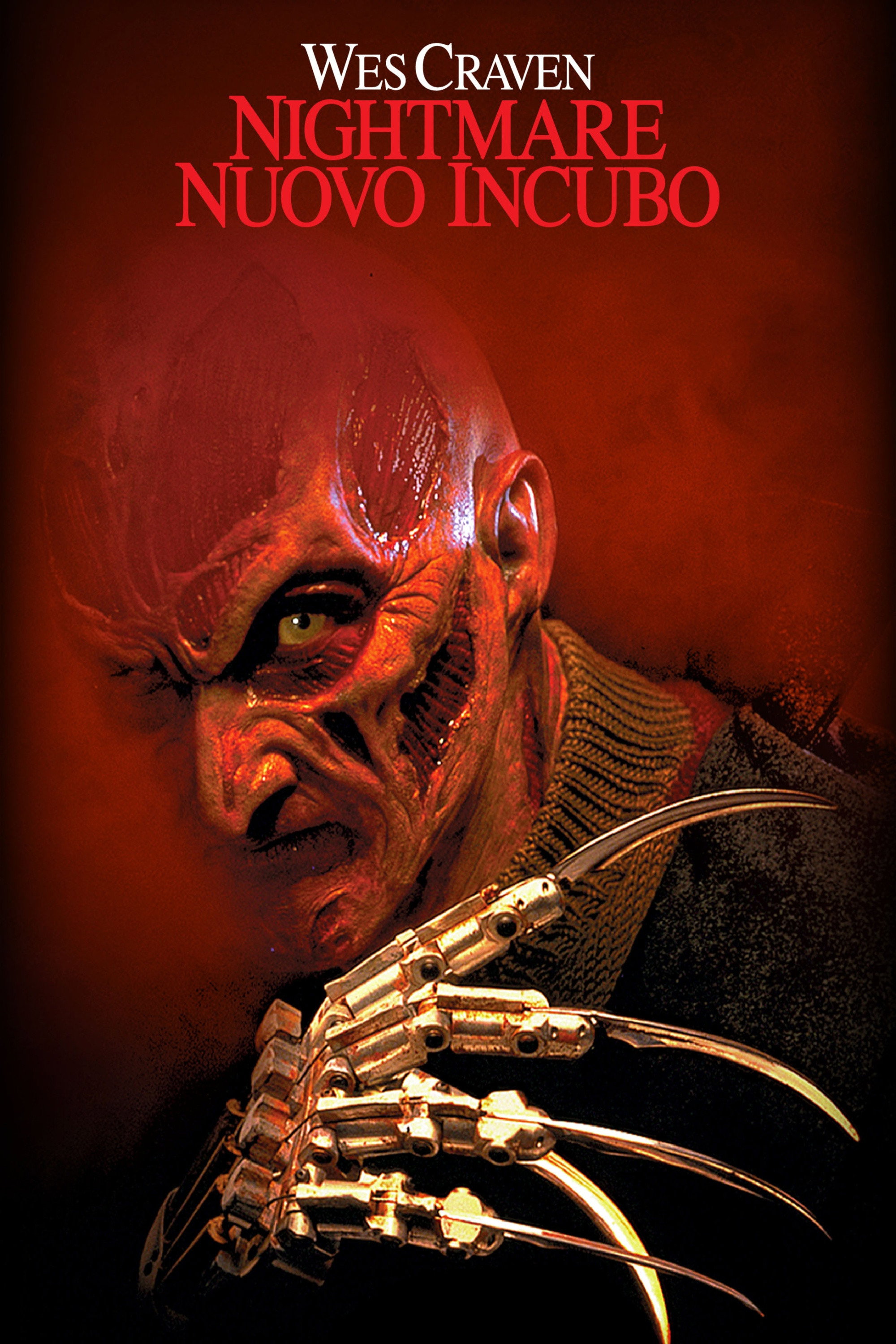
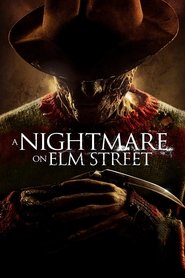
The reinvention depended on making Freddy identifiable yet visibly unlike his late-series persona. Makeup designer David Miller told Fangoria that he shifted the face toward split skin and exposed tissue, reducing the familiar burn pattern and emphasizing a harsher physical presence. The clothing also moved away from the bright, jokey associations of the later sequels. Craven described the new look as the form of something more primal operating behind the recognizable costume. That explanation applies to the new film's supernatural concept; the practical problem for the effects artists was to change an iconic silhouette without rendering the character unrecognizable.
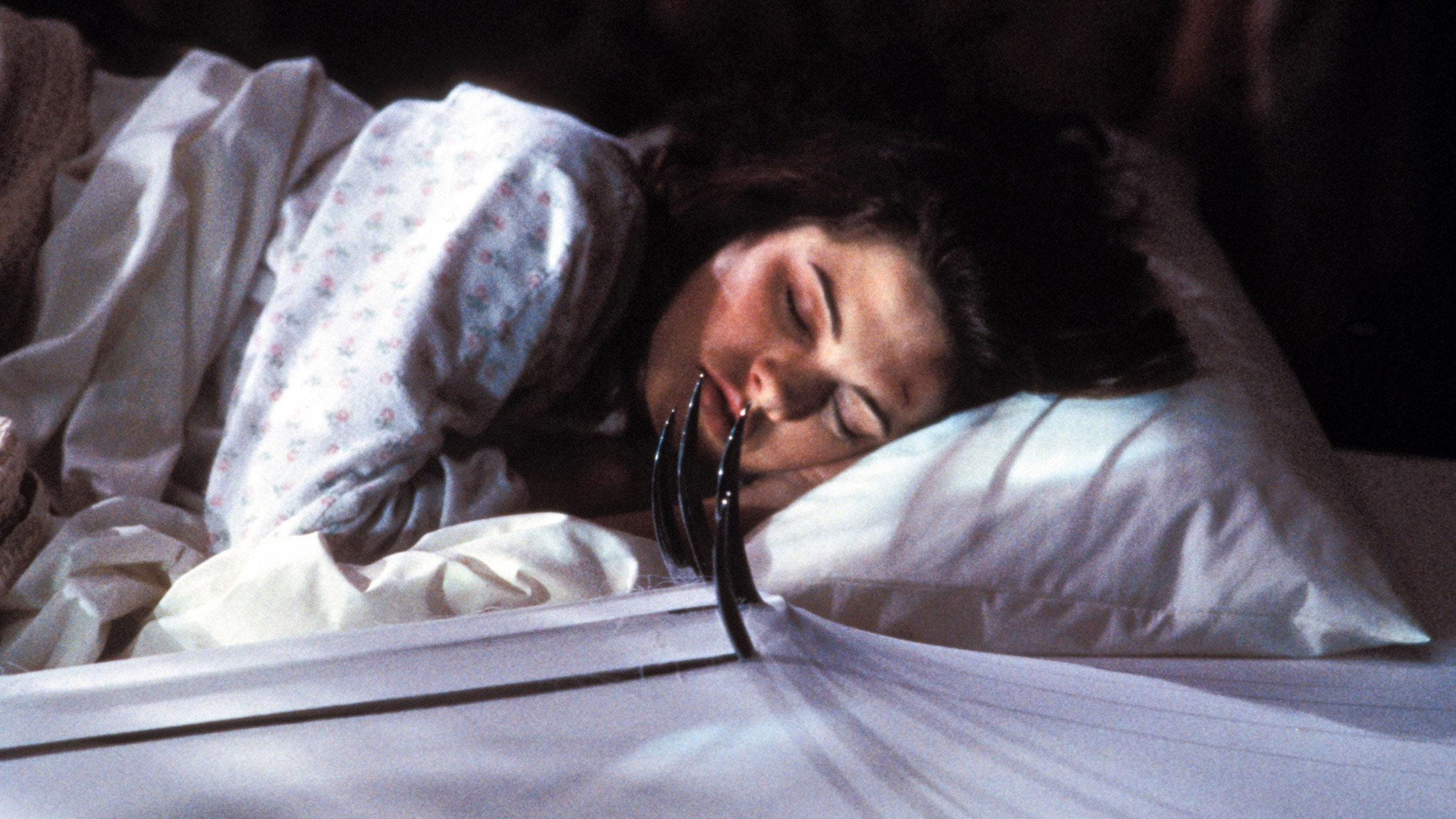
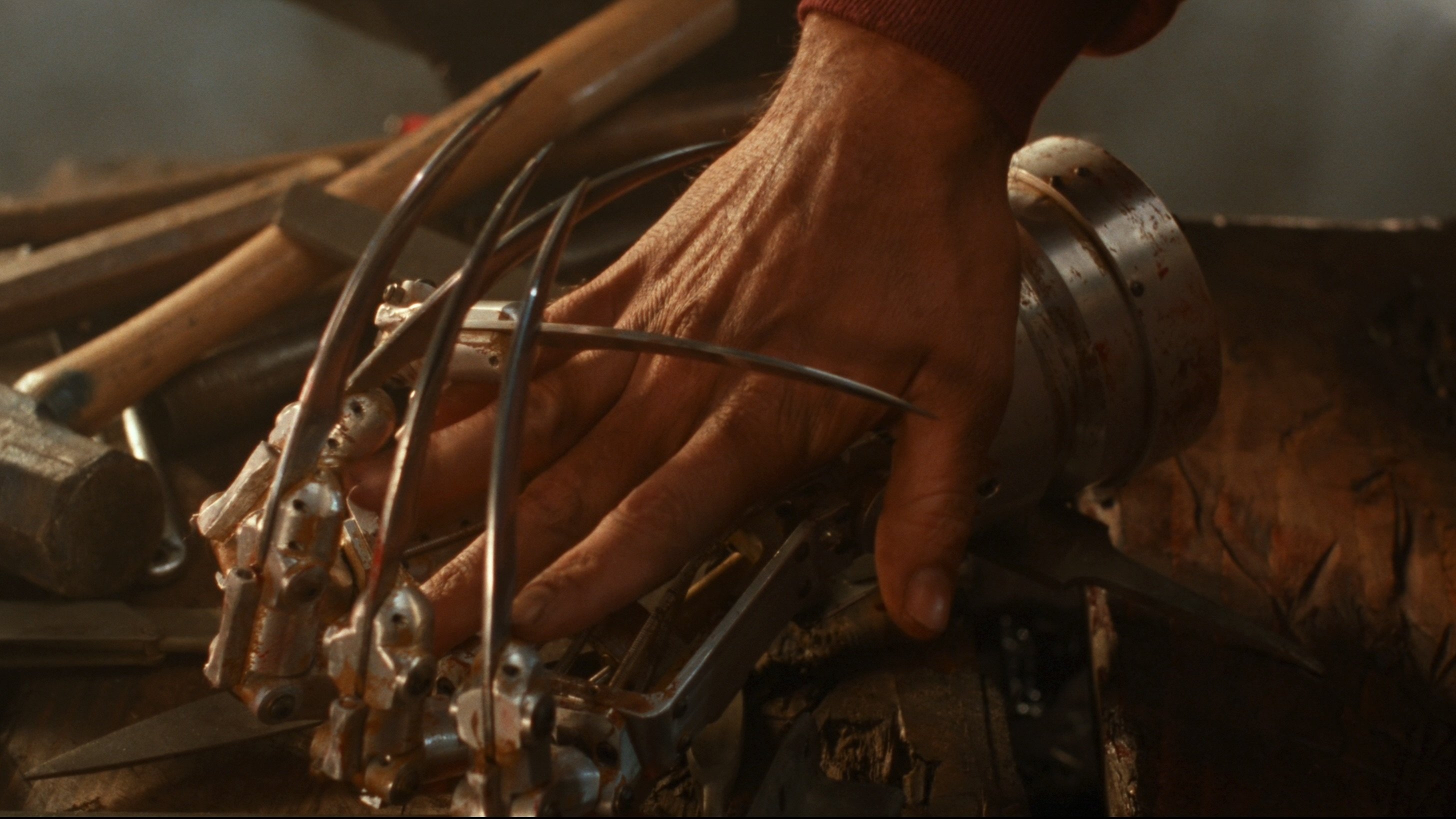
Lou Carlucci's mechanical-effects department built a more anatomical claw with blades that appeared to emerge from the hand and could retract during certain action. These design choices replace the workshop-made weapon of the original film with an extension of the creature's body. The KNB team supplied additional mechanical and makeup work, including radio-controlled devices and a puppet head with a mobile jaw and tongue. Fangoria's on-set reporting distinguishes these practical constructions from the optical effects supervised by William Mesa. The result combines older physical methods associated with the first Nightmare with techniques developed during the subsequent decade.
Craven's crew used live fire, steam, moving sets and mechanical gags to give several dream spaces material force. The renewed ceiling sequence invokes the revolving-room trick that once made domestic architecture betray its occupants. At the same time, the elaborate final environment makes the picture less strictly documentary as the narrative approaches its mythical confrontation. The contrast is important: effects are initially disturbing because they interrupt plausible surroundings, then become the visible substance of a supernatural domain. In interviews, Englund also described having to alter his performance because the new version of Freddy offered fewer comic opportunities and required a more intimidating presence.
Fairy Tales, Children and the Ethics of Horror
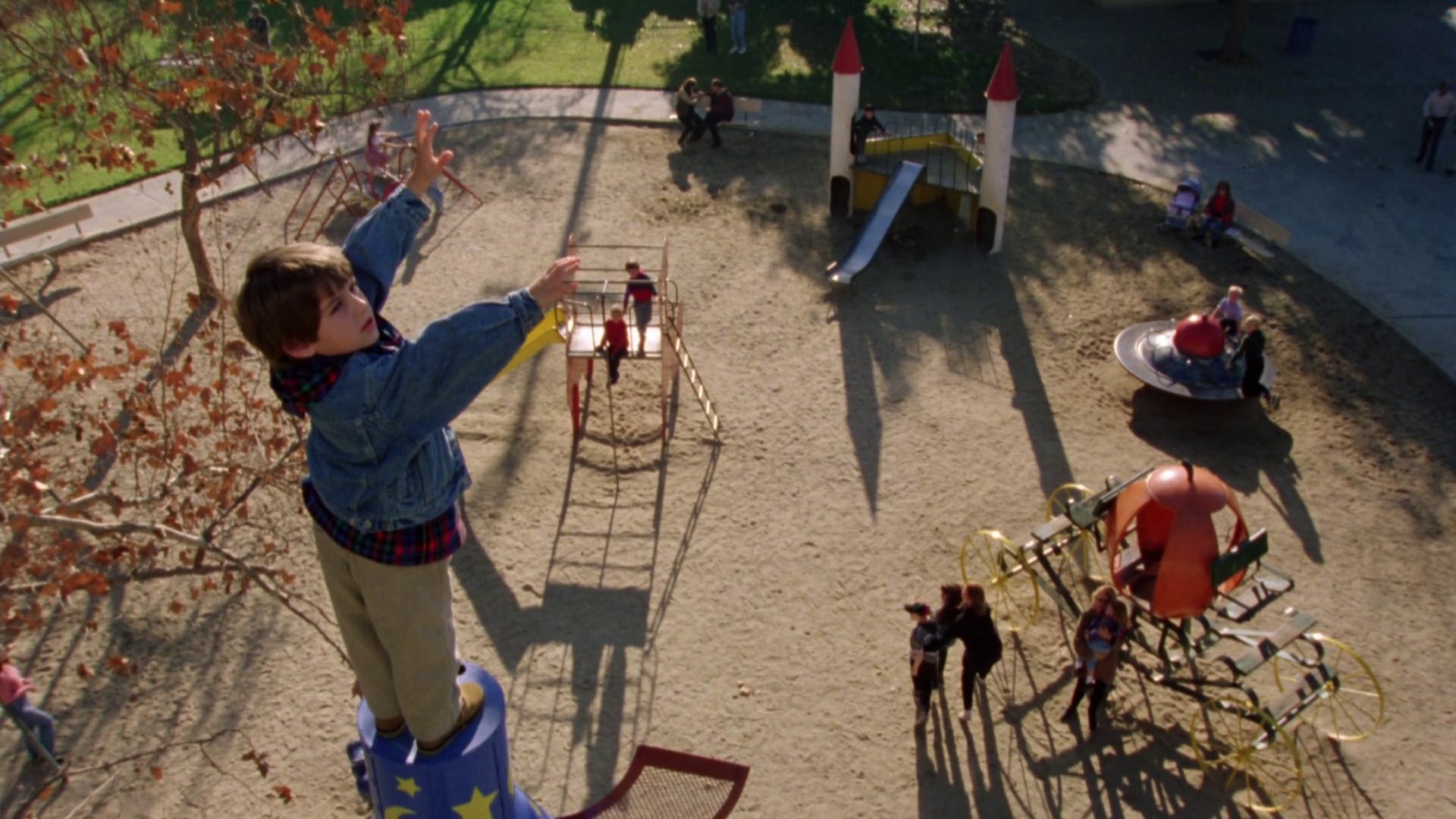
The story's later movement toward the witch's oven from Hansel and Gretel develops an idea introduced through Dylan's exposure to familiar tales. Craven's monster inhabits stories that give shape to persistent fears, and Heather's struggle becomes a test of whether a parent can enter that imaginative territory without abandoning her child. The picture revisits the original Nightmare's concern with failed adult protection, but it does so from a changed generational position. Heather is the guardian attempting to interpret the threat, while the child experiences a world that adults are tempted to explain through ordinary illness or irrational behavior.
Medical authority offers no dependable answer when Dylan's condition becomes alarming. The hospital scenes place a frightened family under institutional scrutiny, complicating Heather's efforts to describe danger in terms others will accept. Their dramatic force comes from the mismatch between a child's lived terror and the explanations available to the surrounding adults. The screenplay also makes film spectatorship uncomfortable: a child sees imagery associated with his mother's screen history, while television publicity presents a murderous figure as a playful celebrity. These scenes raise questions about fear and media without demonstrating a direct causal theory of violence or psychological harm.
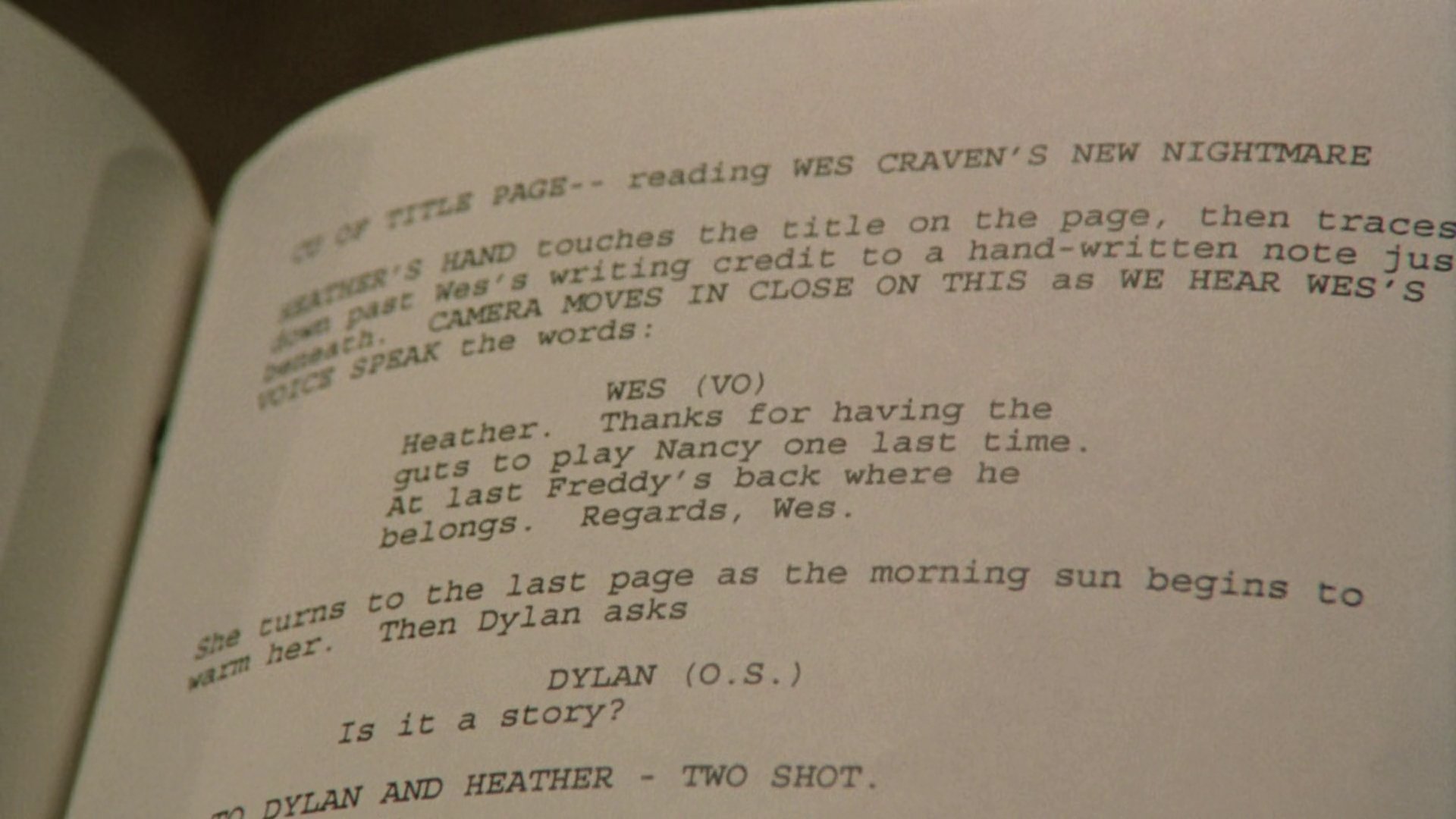
The ending folds the narrative back toward the act of reading a script, emphasizing that storytelling has been both the source of danger and the means of confronting it. This circular structure allows Heather's movement into Nancy's role to function as a choice inside the fiction, without implying a literal change in the actress's real identity. The fairy-tale framework does not cancel the modern Hollywood setting; the two coexist as different systems for describing how an image survives its makers. The final return to written pages also reflects the unusually personal creative process documented in Craven's production interviews.
1994 Reception and the Route Toward Scream
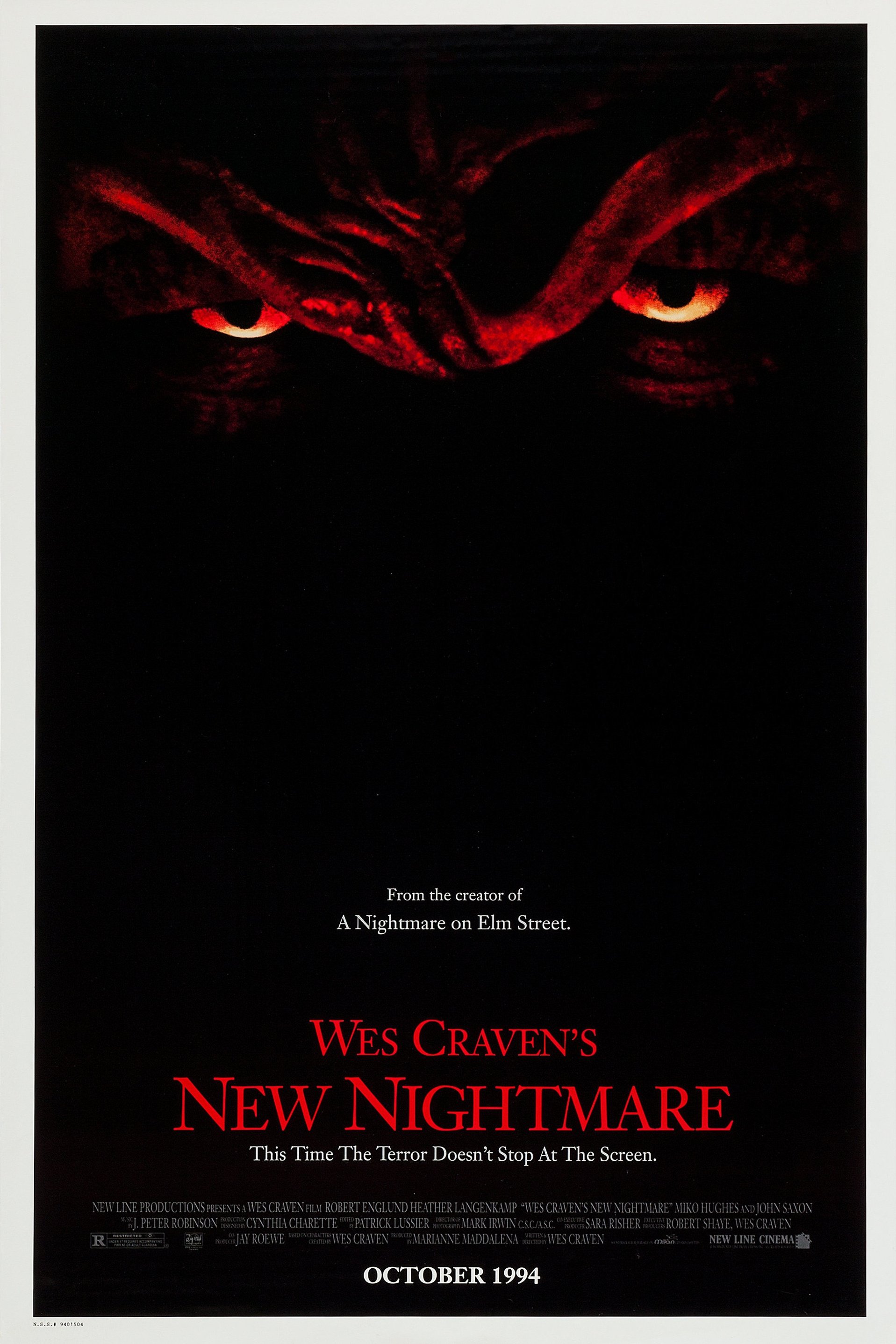
New Nightmare opened in American theaters on October 14, 1994, ten years after Freddy's screen debut. Contemporary coverage treated the film as a departure from the increasingly comic approach of the sequels. In a Los Angeles Times interview published shortly after release, Craven discussed both his discomfort with dismissive views of horror filmmaking and his desire to address more difficult feelings through genre stories. That framing matters because the picture openly places a director's artistic anxieties inside a commercial franchise. Its attempts to make the monster frightening again were accompanied by questions about the value and consequences of the medium itself.
Reviewers responded to the experiment as an unusual genre object. Richard Harrington, writing in the Washington Post at the time of release, praised the return of the original's darker spirit and the effectiveness of the fairy-tale structure. Other contemporary discussion centered on the unusual use of performers' identities and the disturbing overlap between entertainment and ordinary experience. Such contemporary reactions help distinguish the film's initial critical standing from the retrospective reputation it developed later. They also indicate that its interests were apparent in 1994, before self-referential slasher storytelling became a familiar commercial formula.
The relationship to Scream (1996) is most usefully understood as an evolution of Craven's methods. New Nightmare puts the makers and performers of a particular franchise inside its threatened world; Scream gives fictional characters an explicit awareness of slasher conventions and uses that knowledge within a murder mystery. The earlier film's circular structure and the awareness of cinema built into its premise provide identifiable groundwork for Craven's later success. That connection does not make New Nightmare merely a rehearsal. Its distinctive contribution is to confront horror's creators with the lasting consequences of the myths they have helped circulate, while returning a familiar monster to a genuinely threatening register.