Hellbound: Hellraiser II (1988)

US
HORROR FILM Thriller
10.0/10 1 votes
Runtime
97 min
Release
December 23, 1988
Budget
$3,000,000
Revenue
$12,090,735
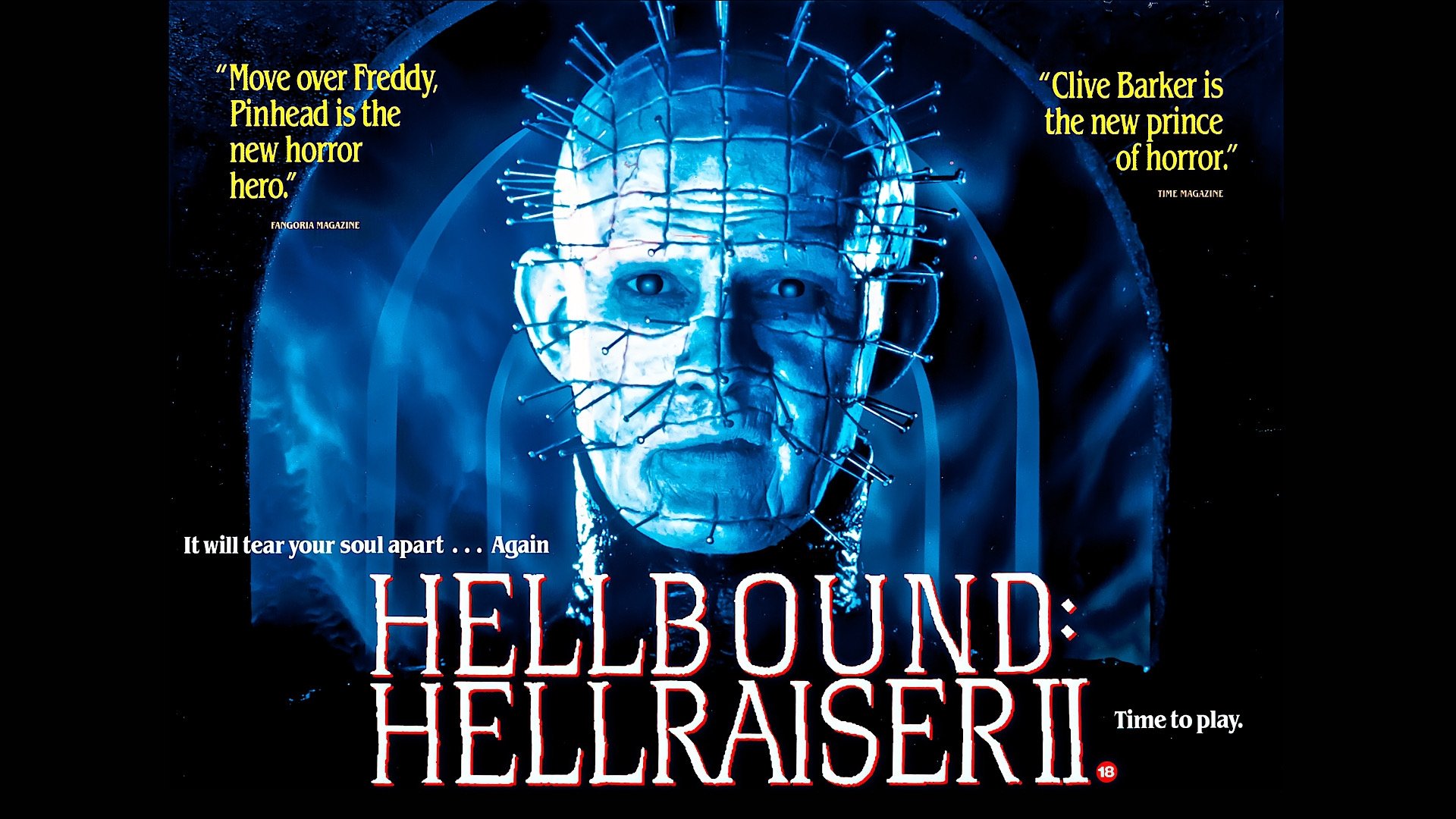
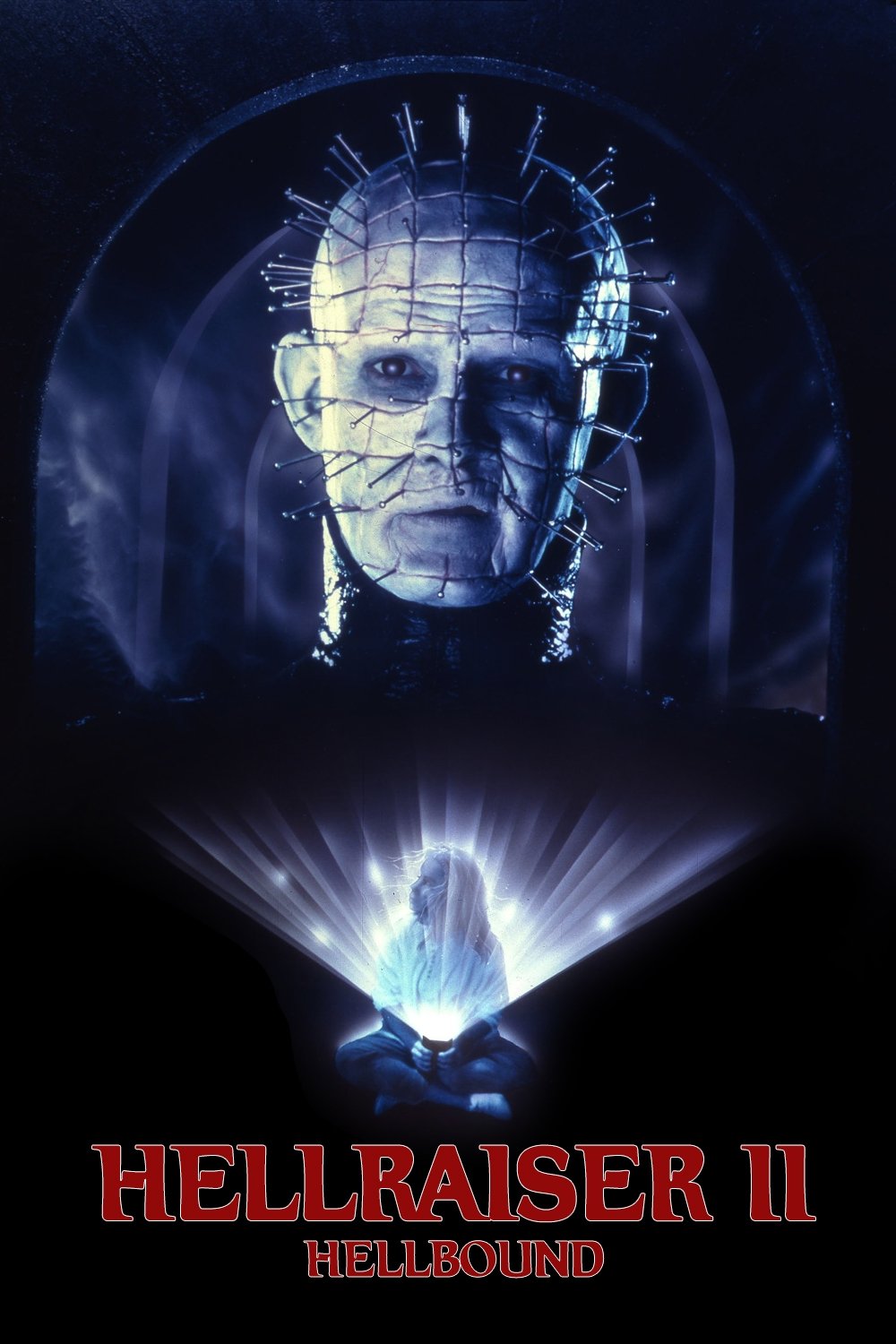
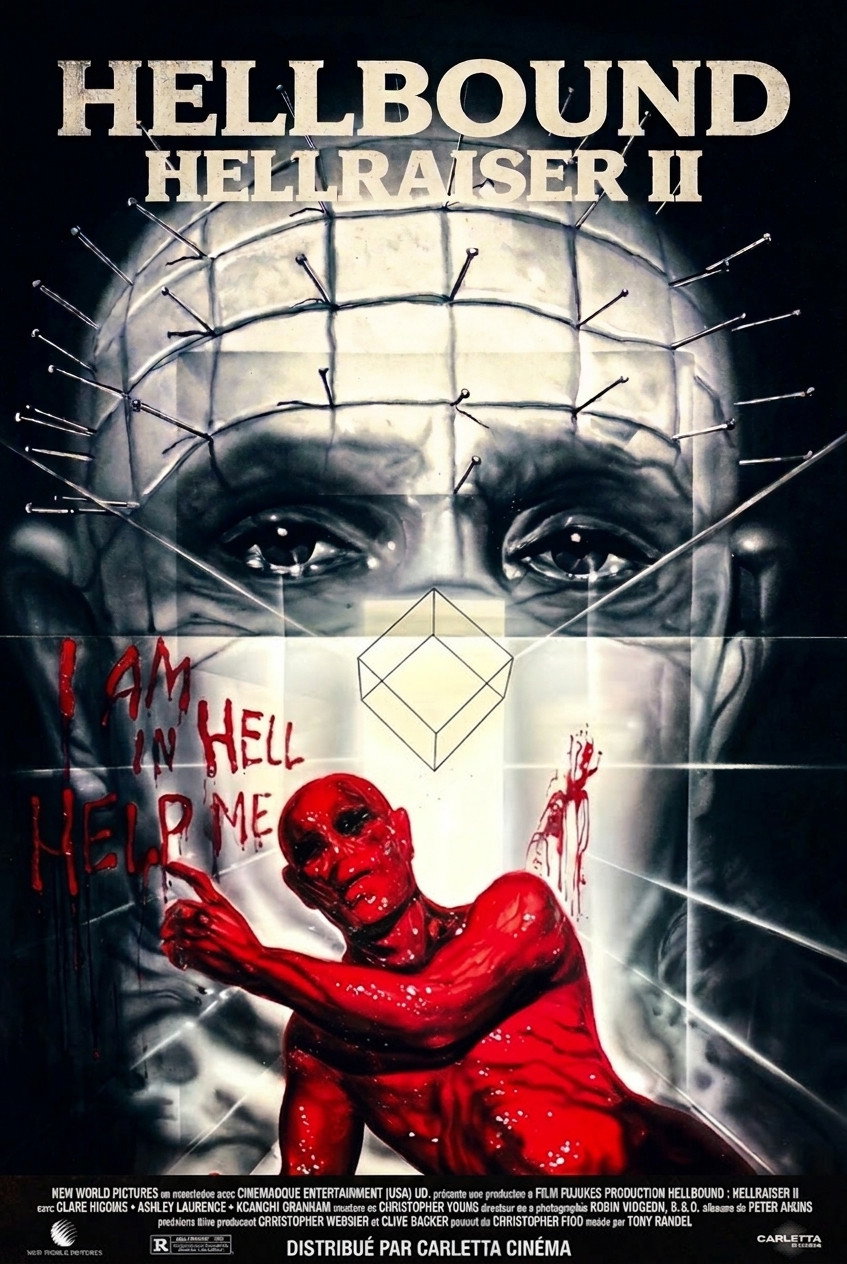
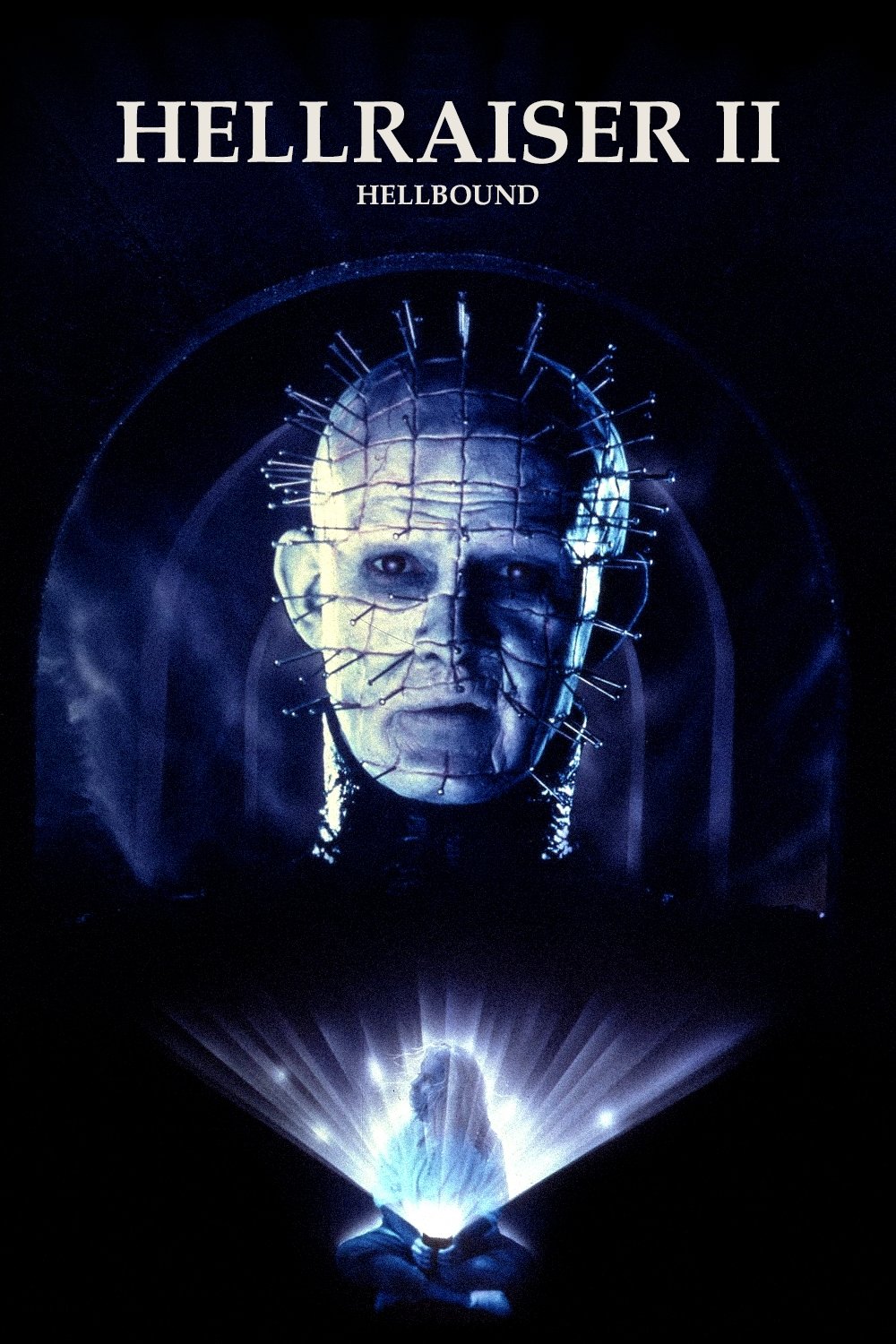
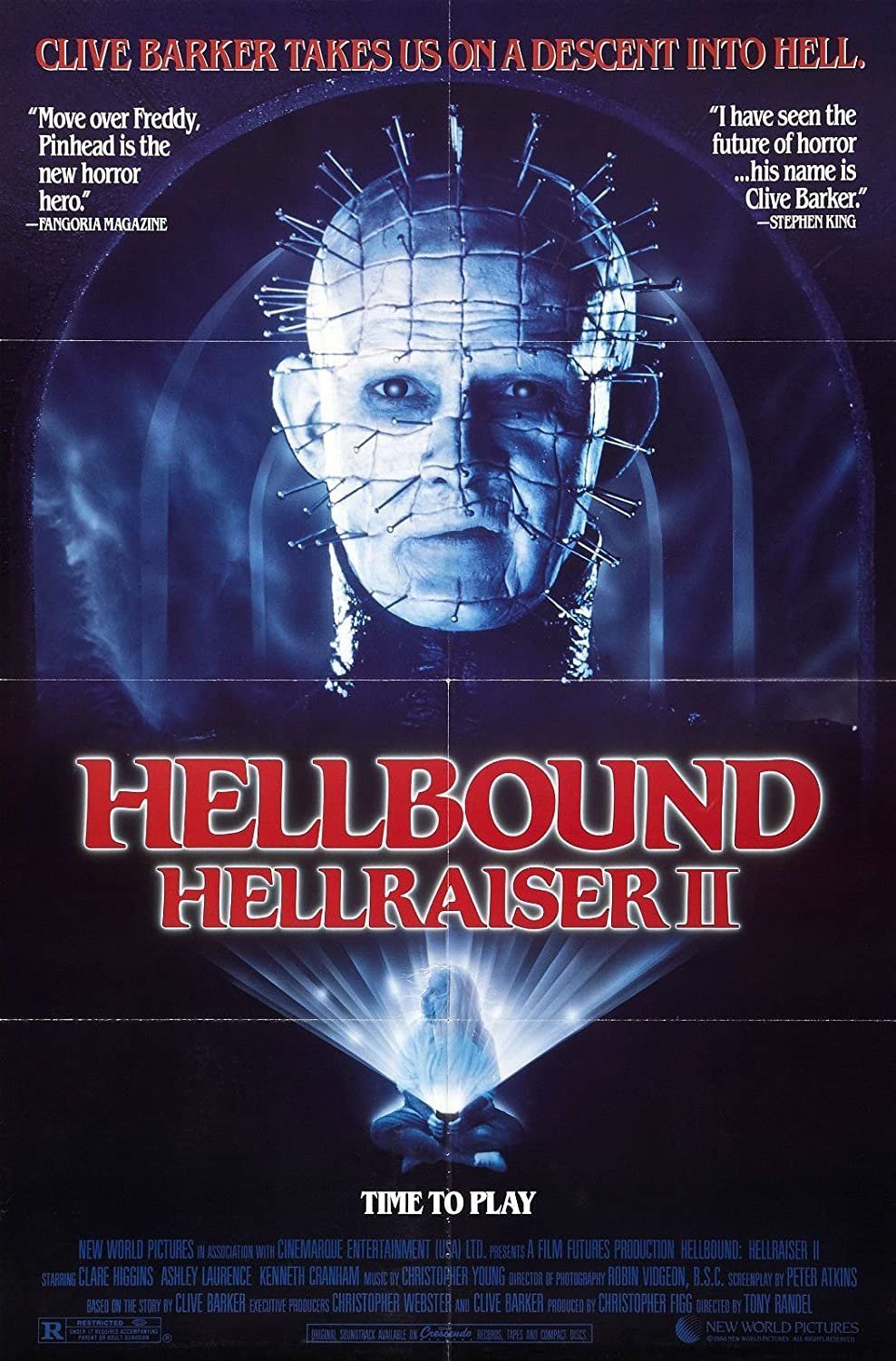
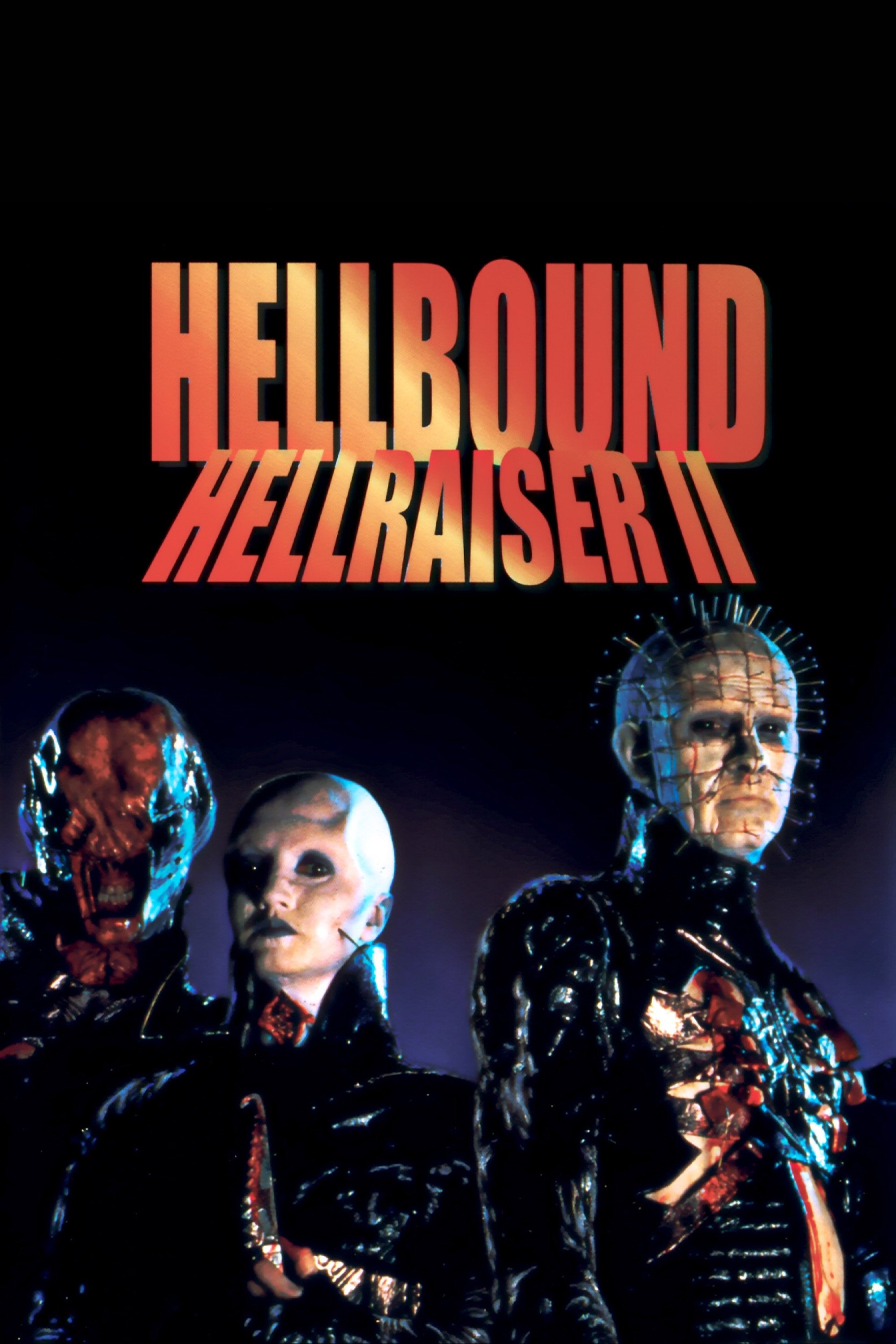
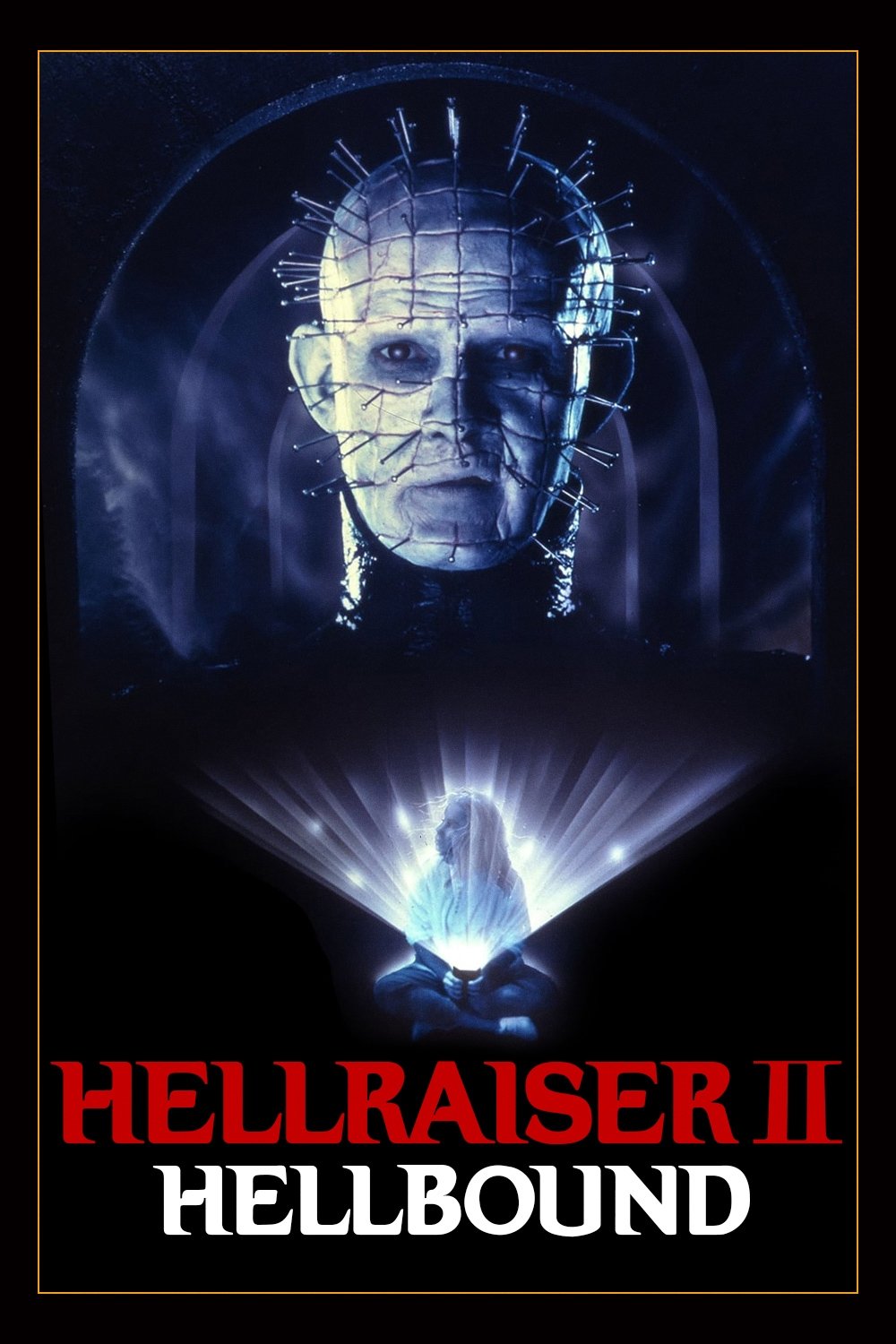
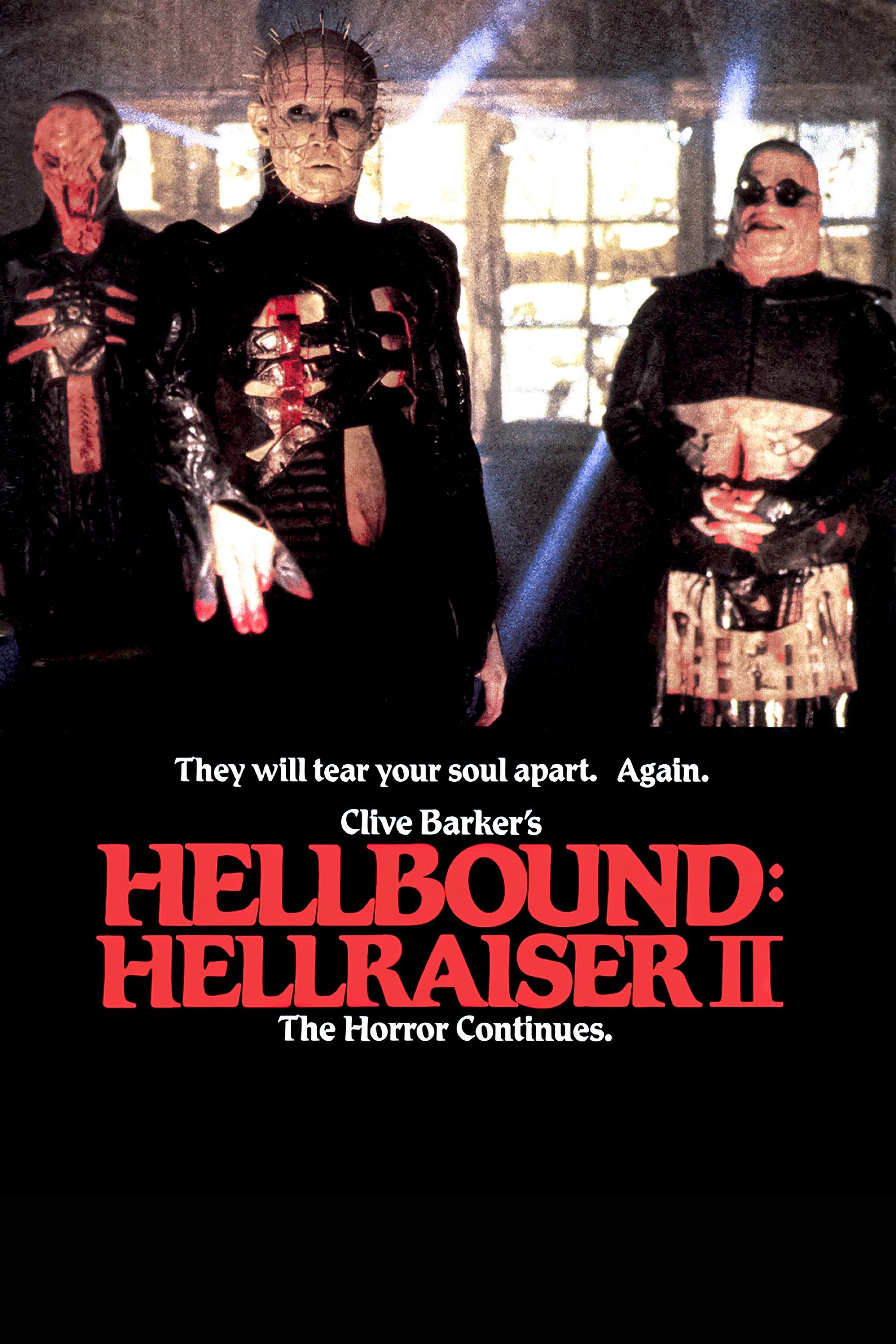
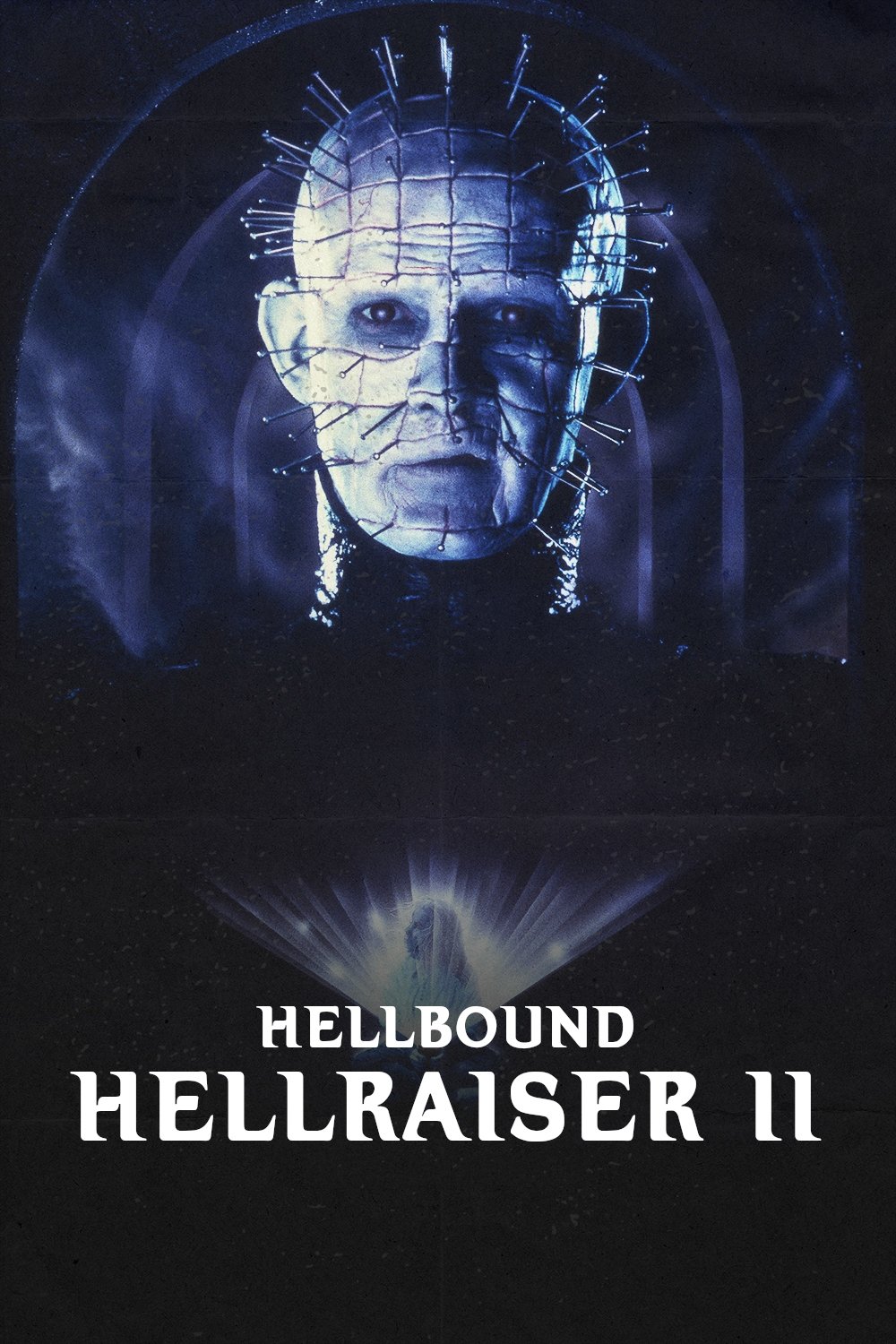
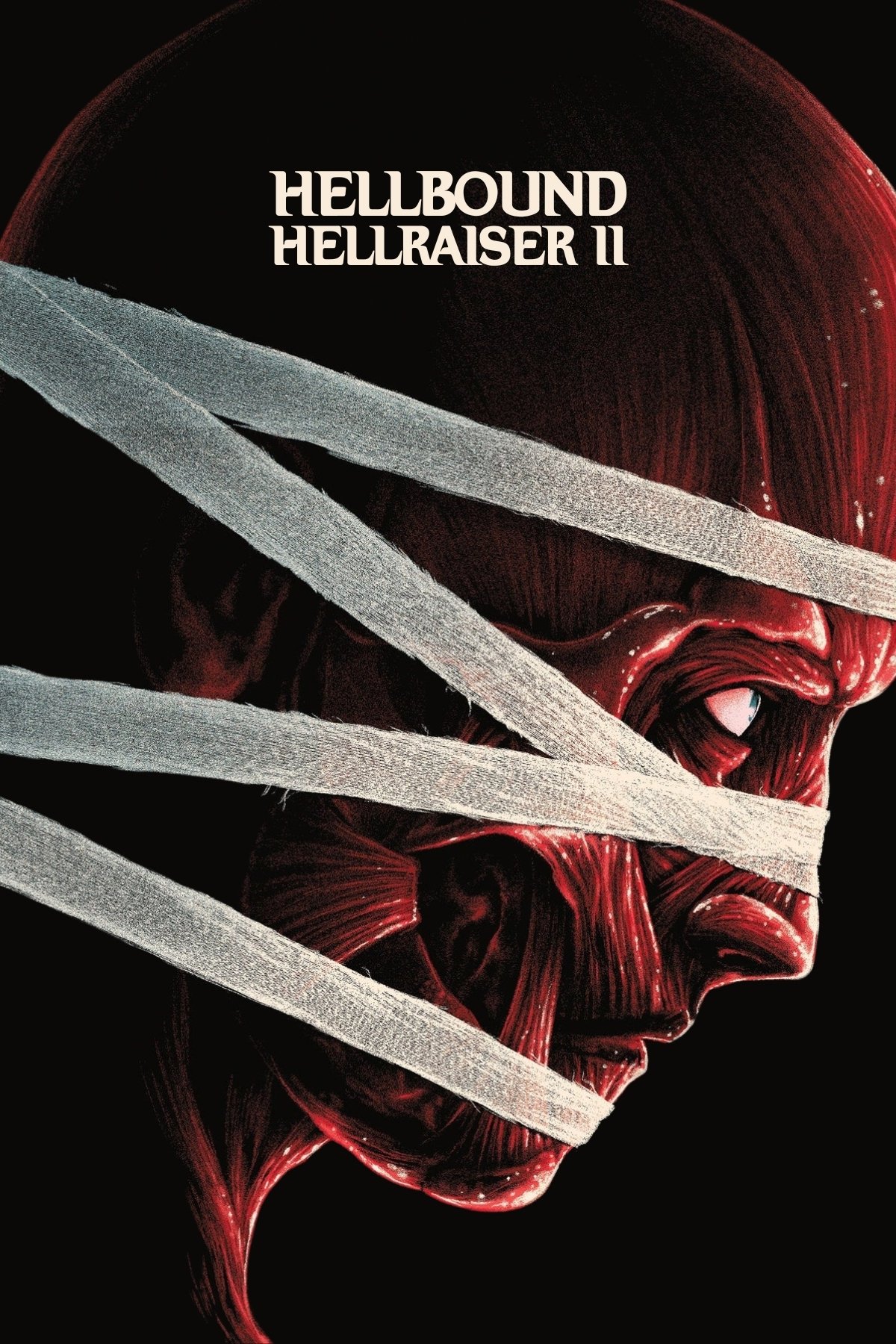
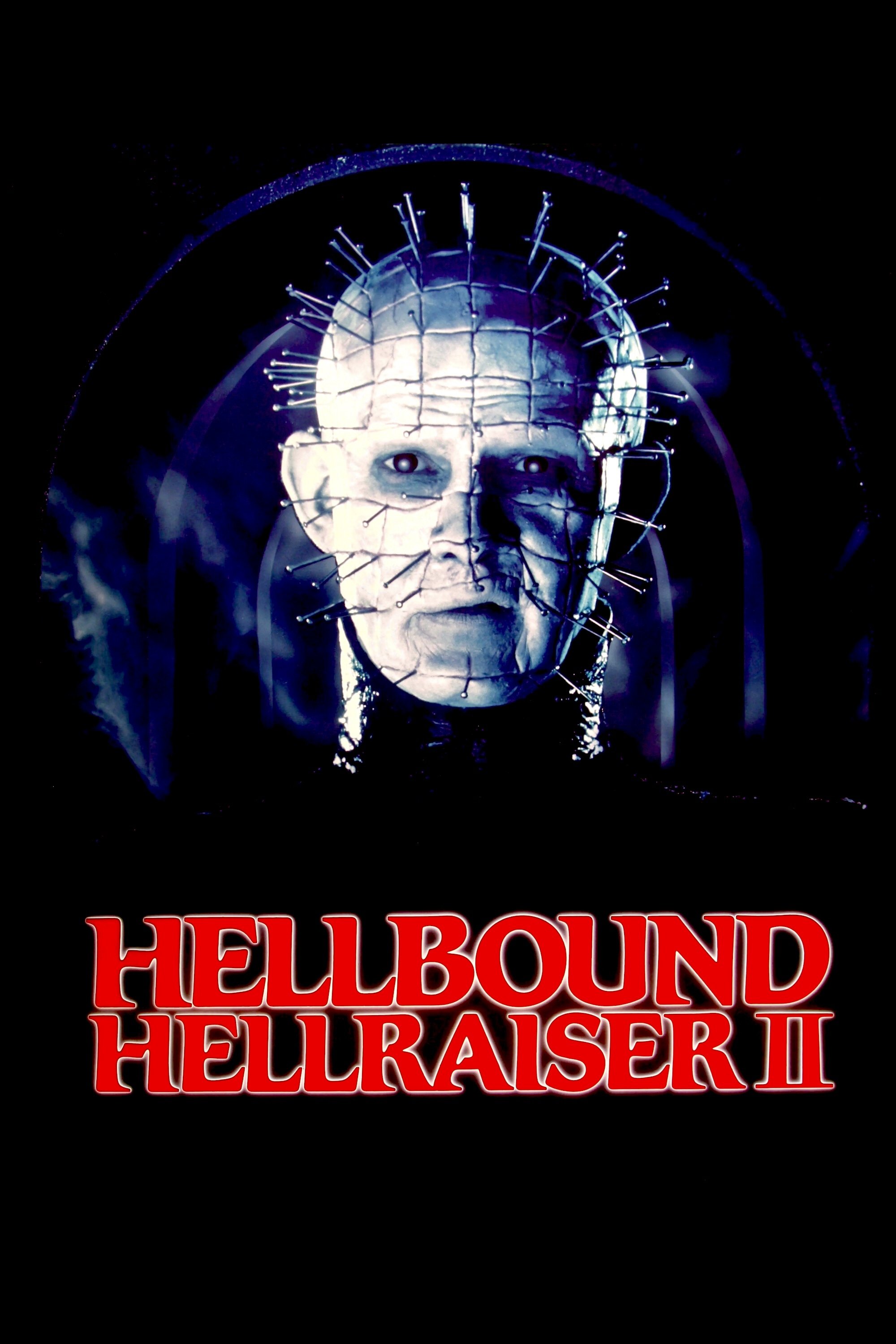
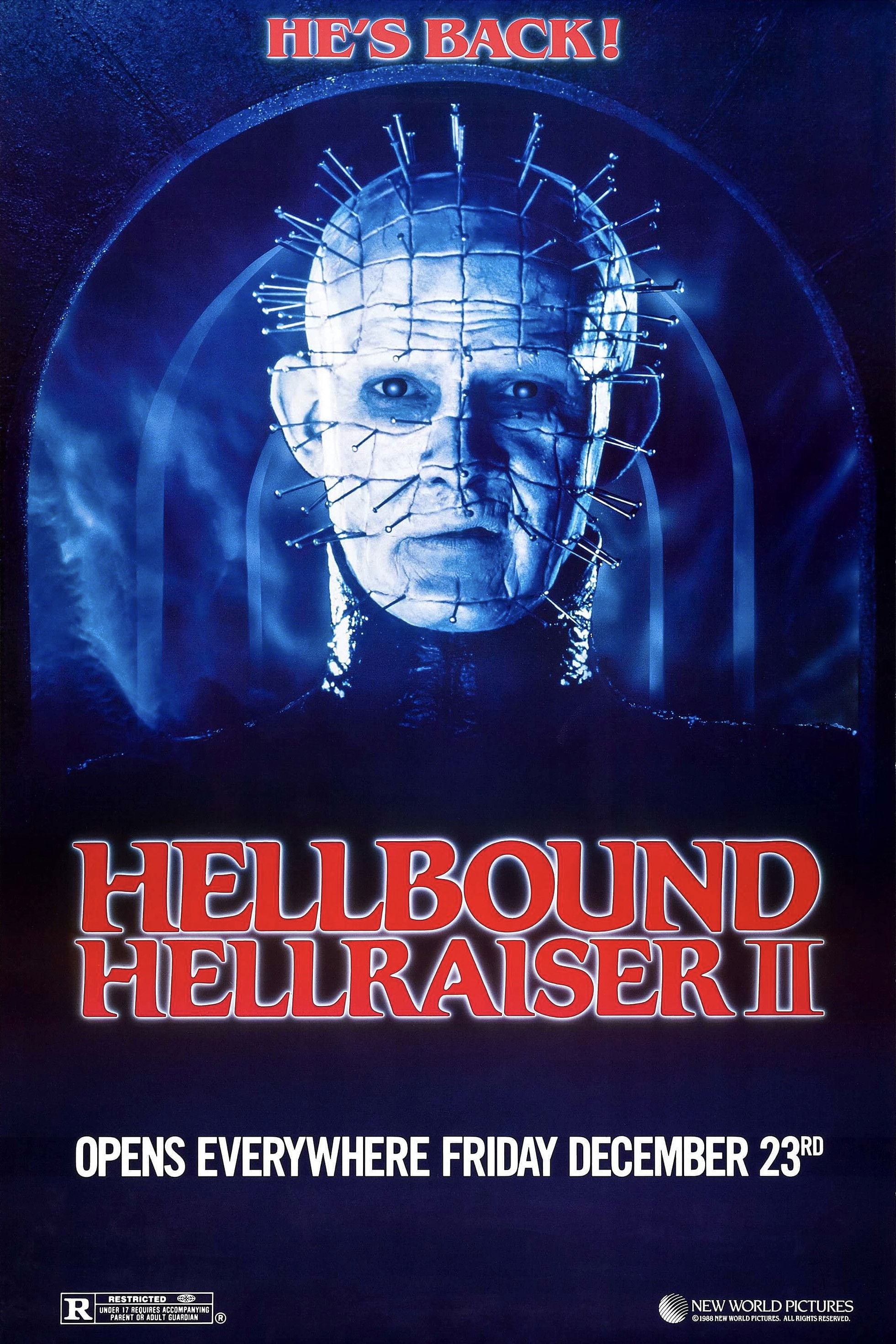
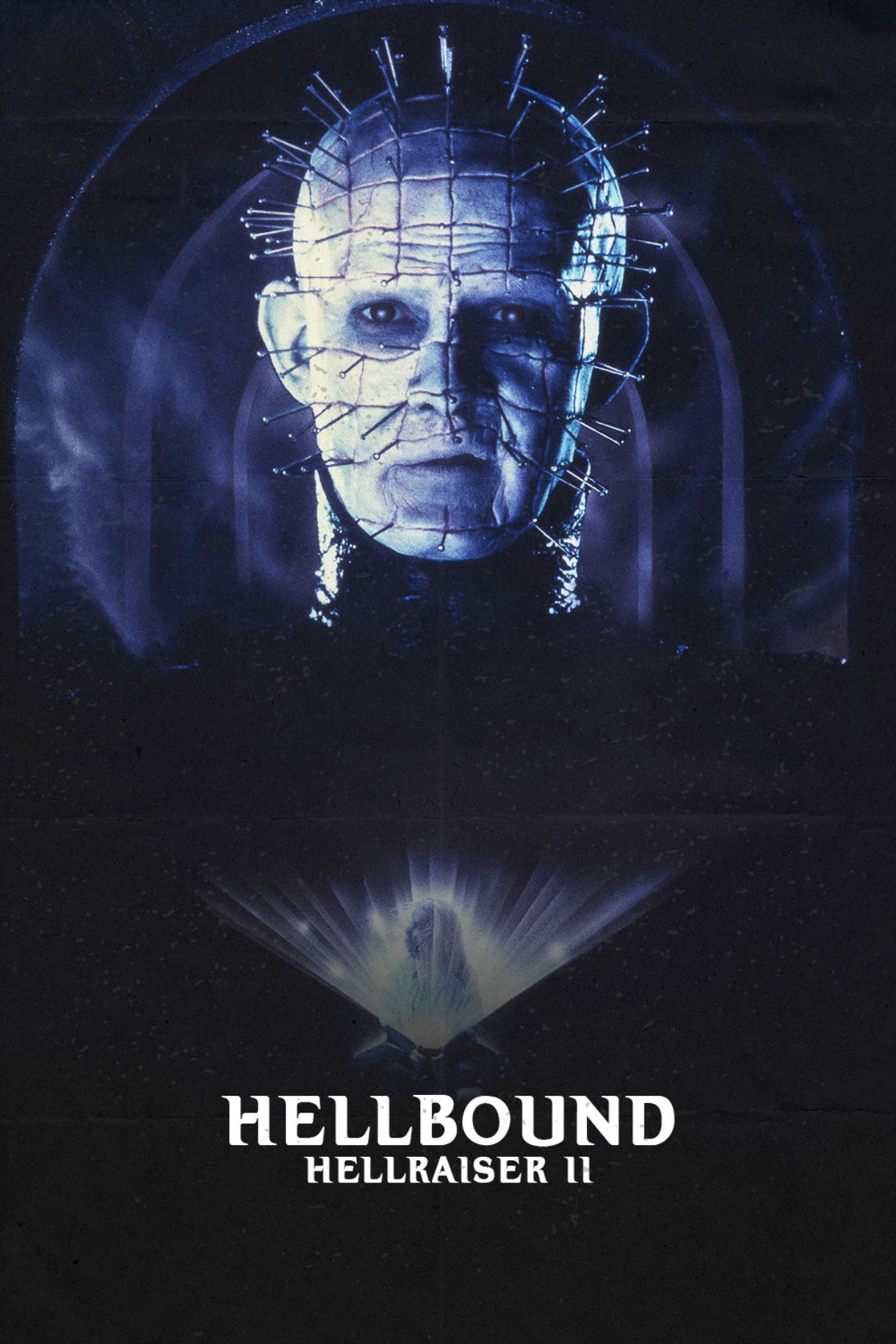
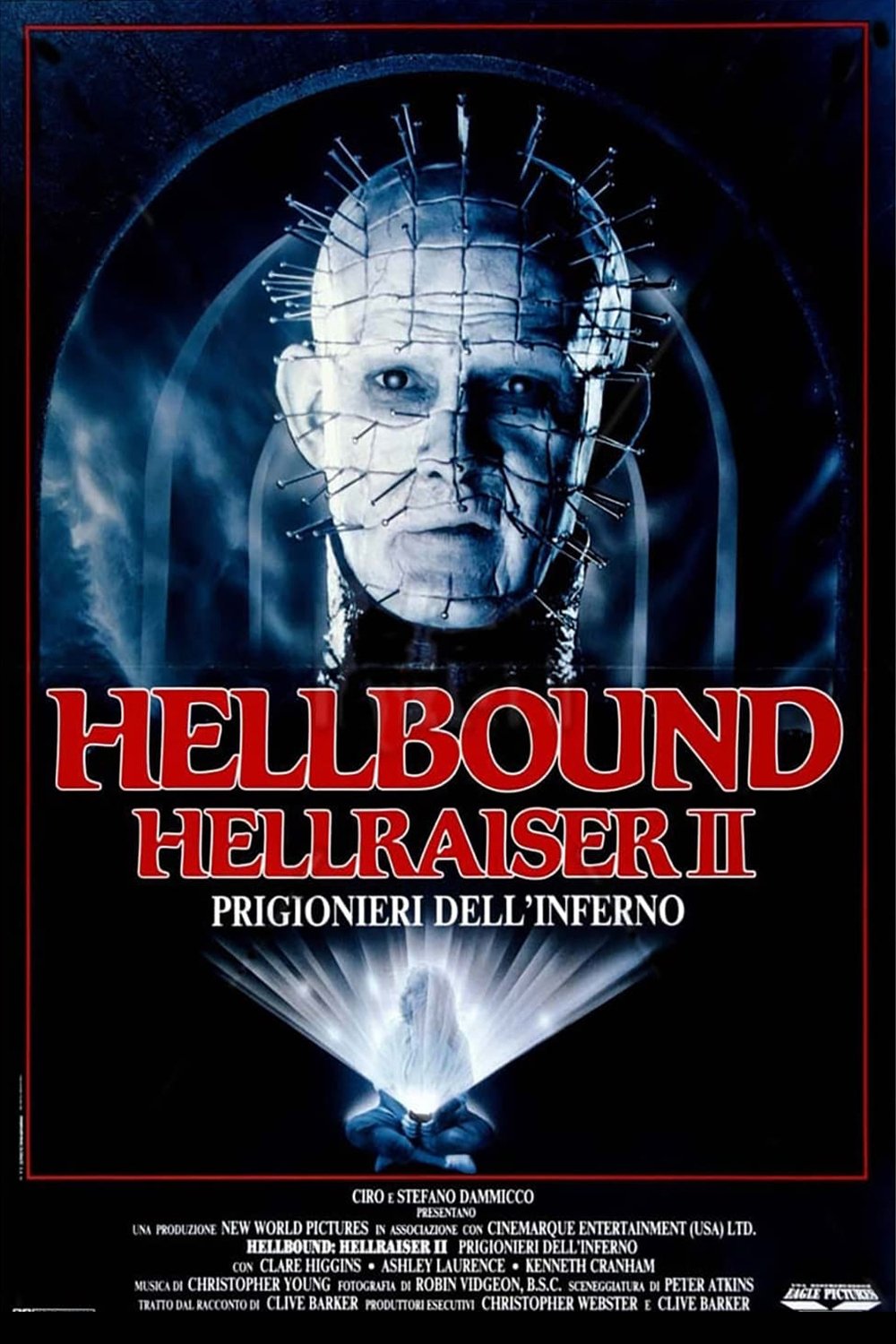
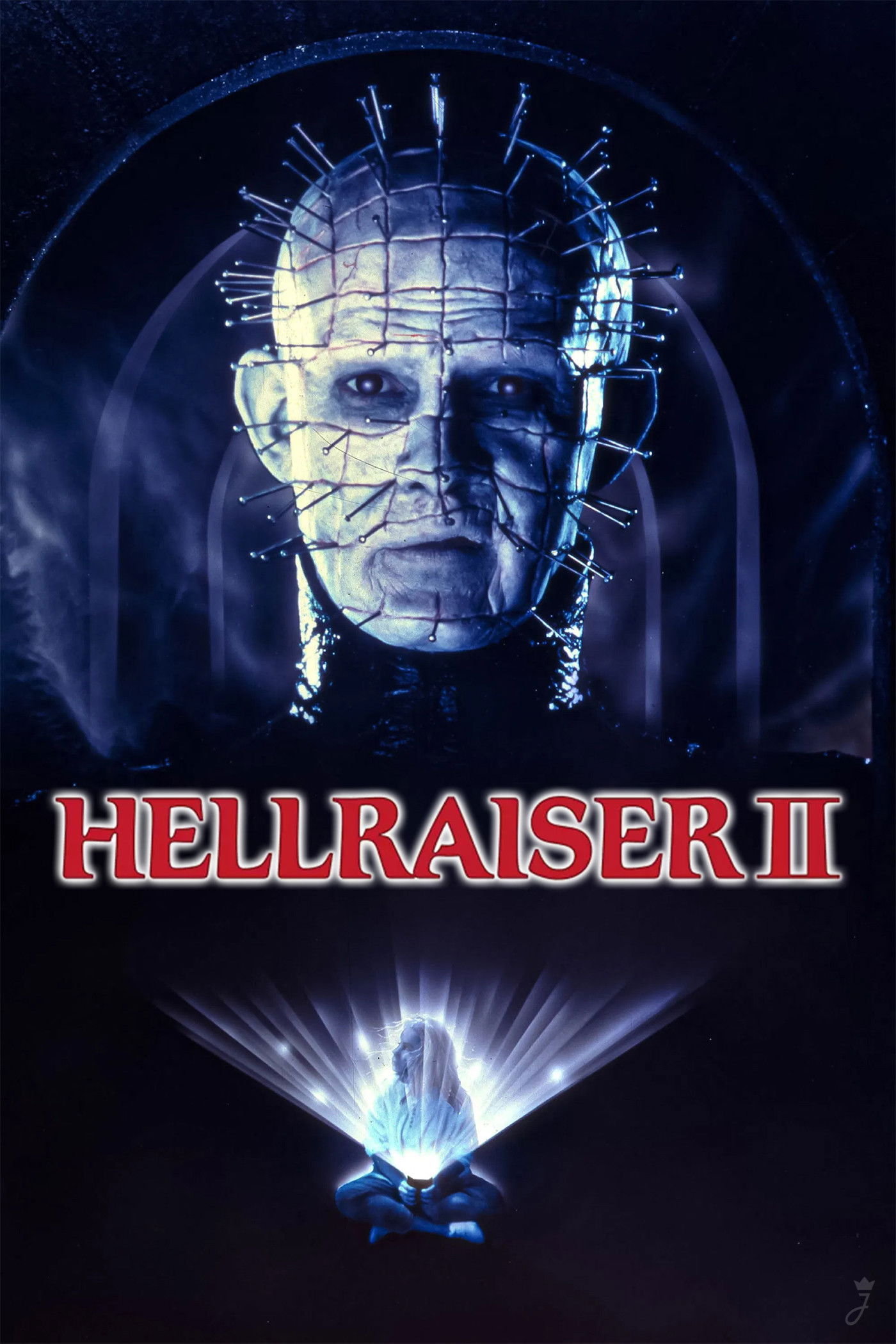
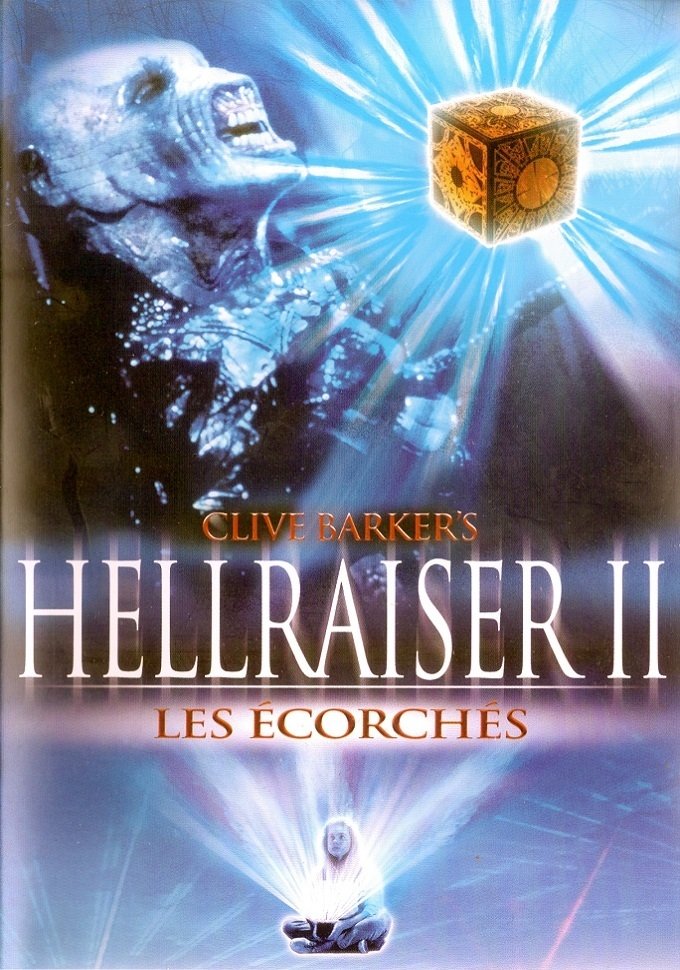
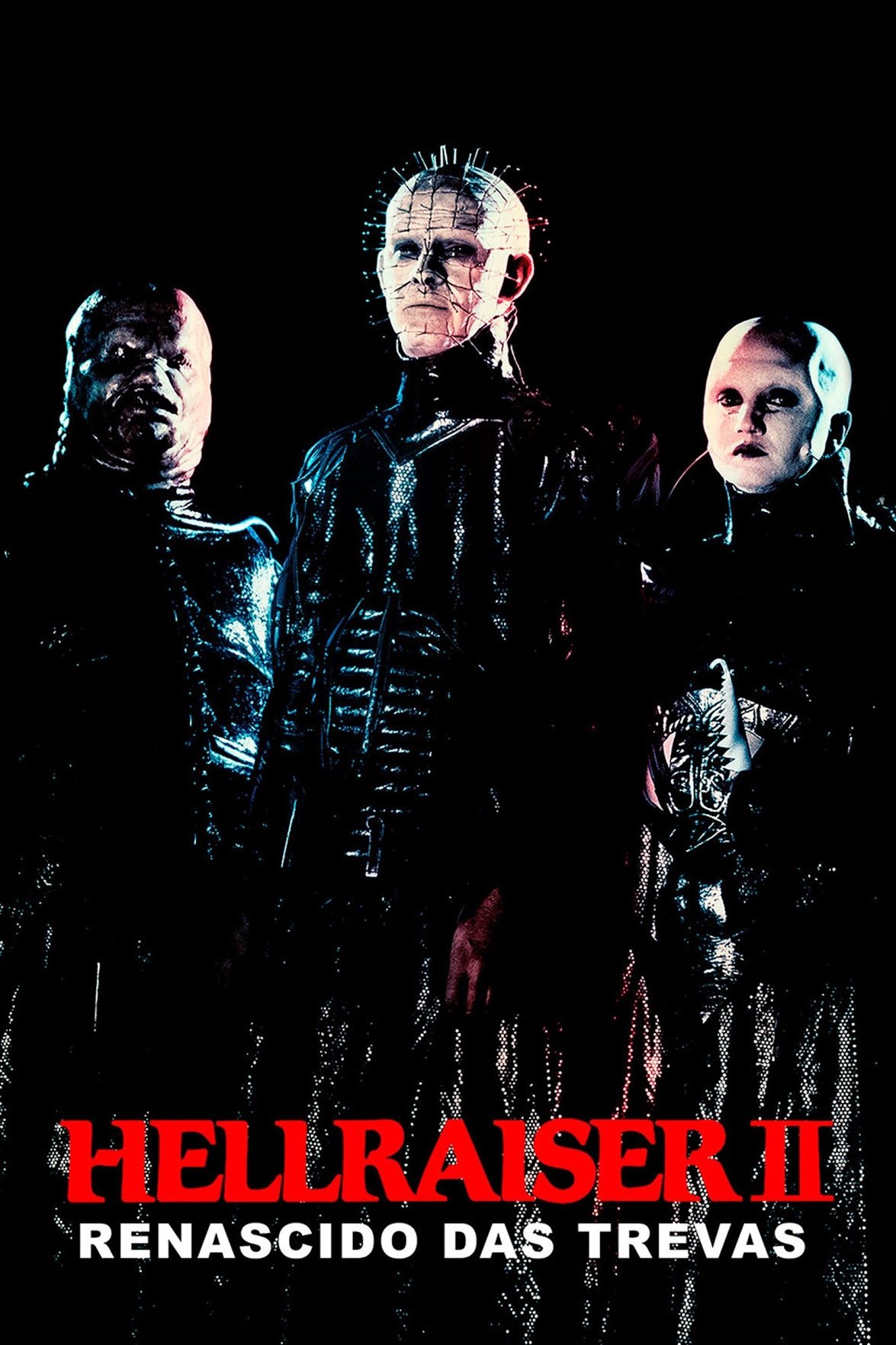
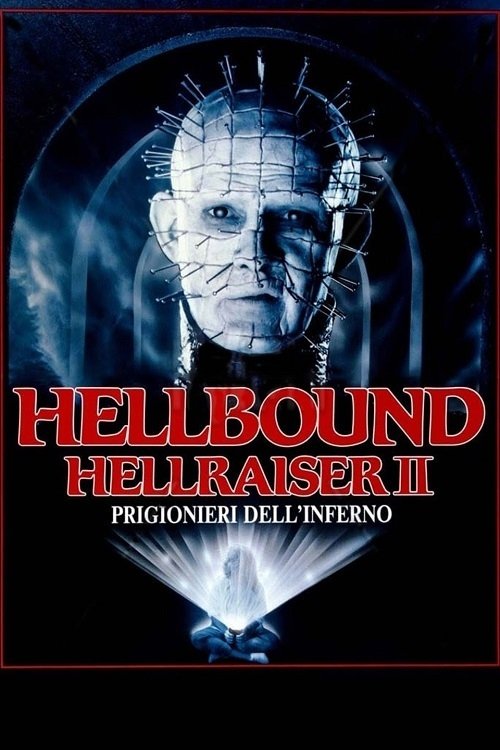
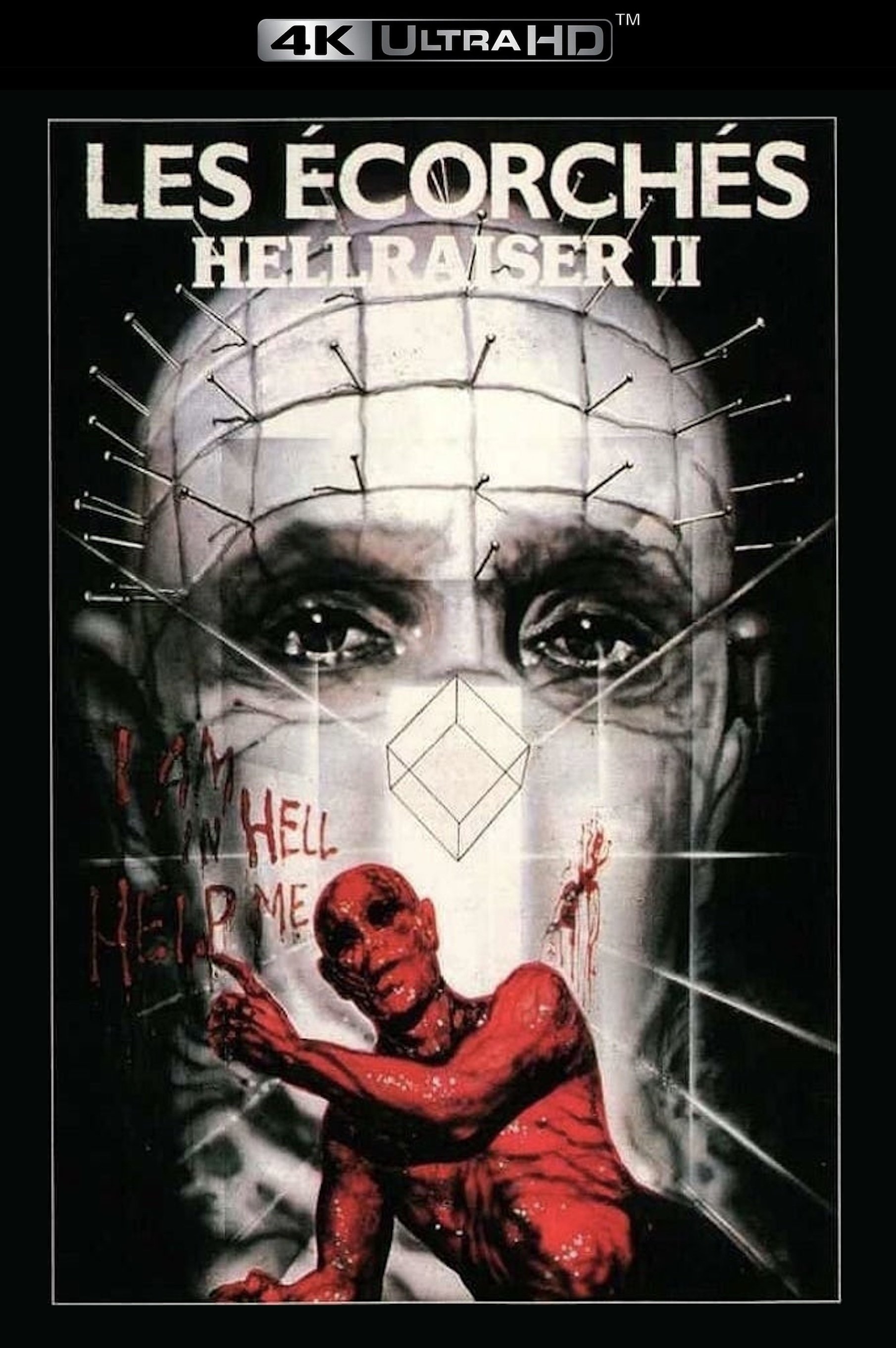
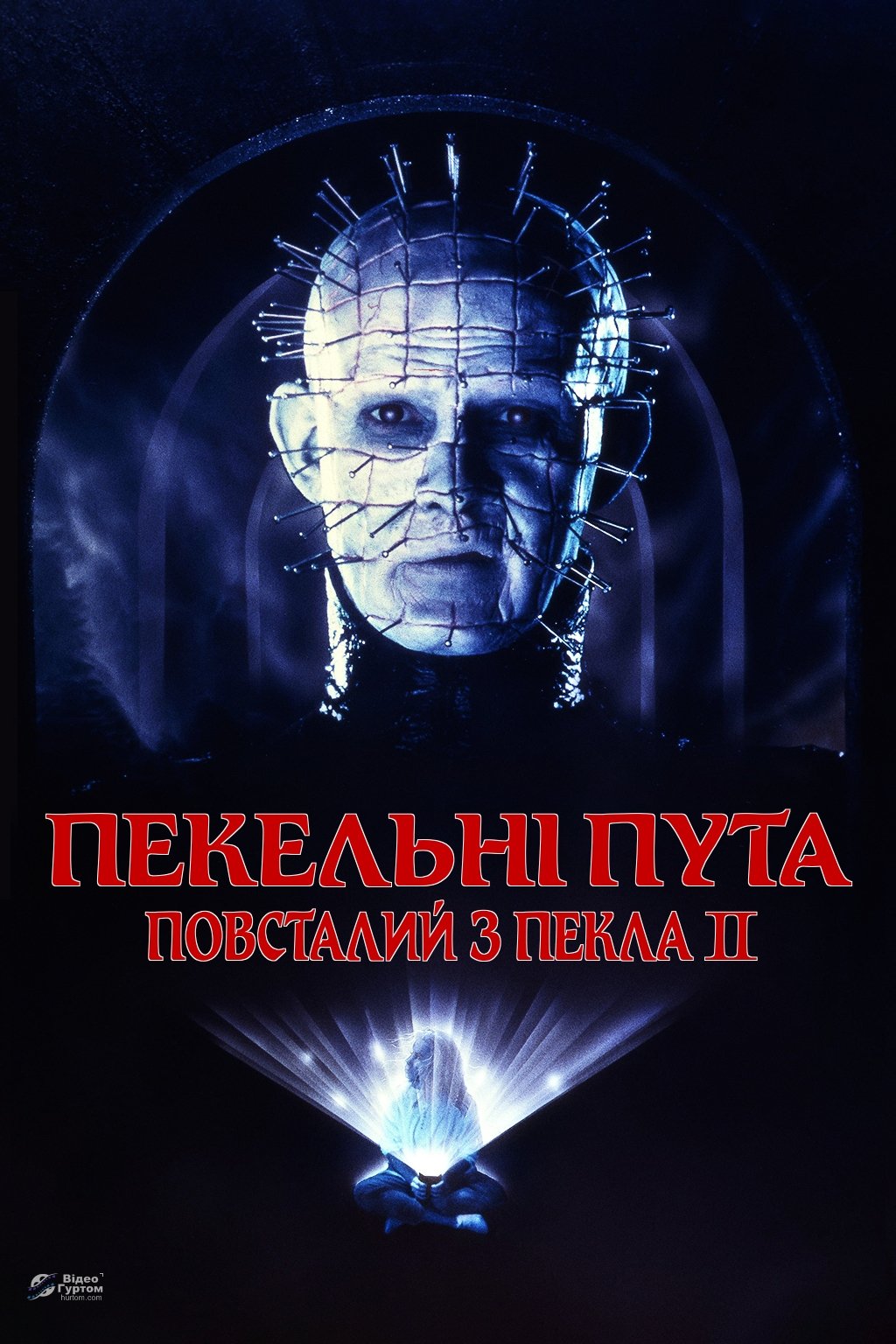
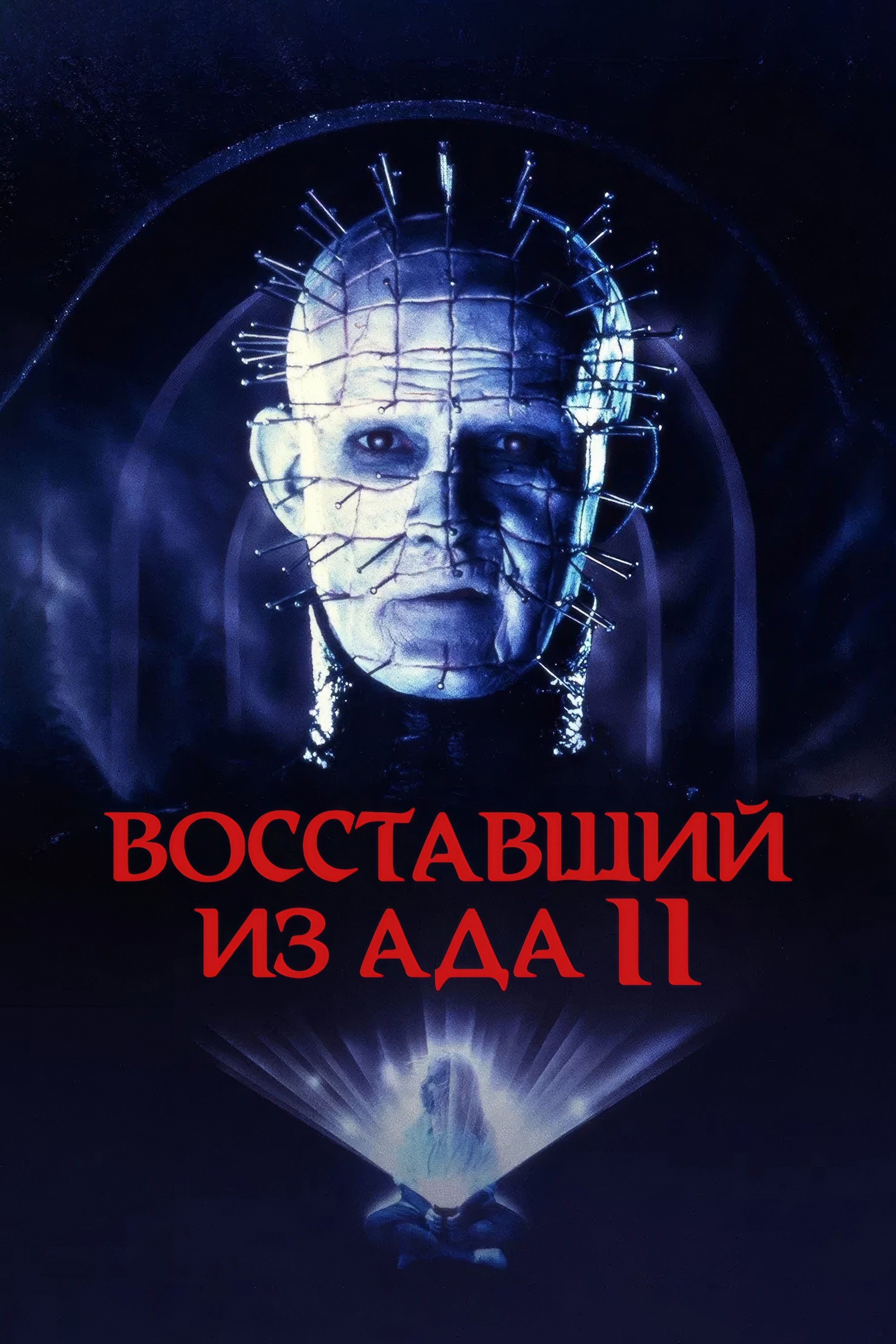
Hellbound: Hellraiser II (1988) poster
Director
Production Companies
Film Futures , New World Pictures , Cinemarque Entertainment , King Video Productions
Plot

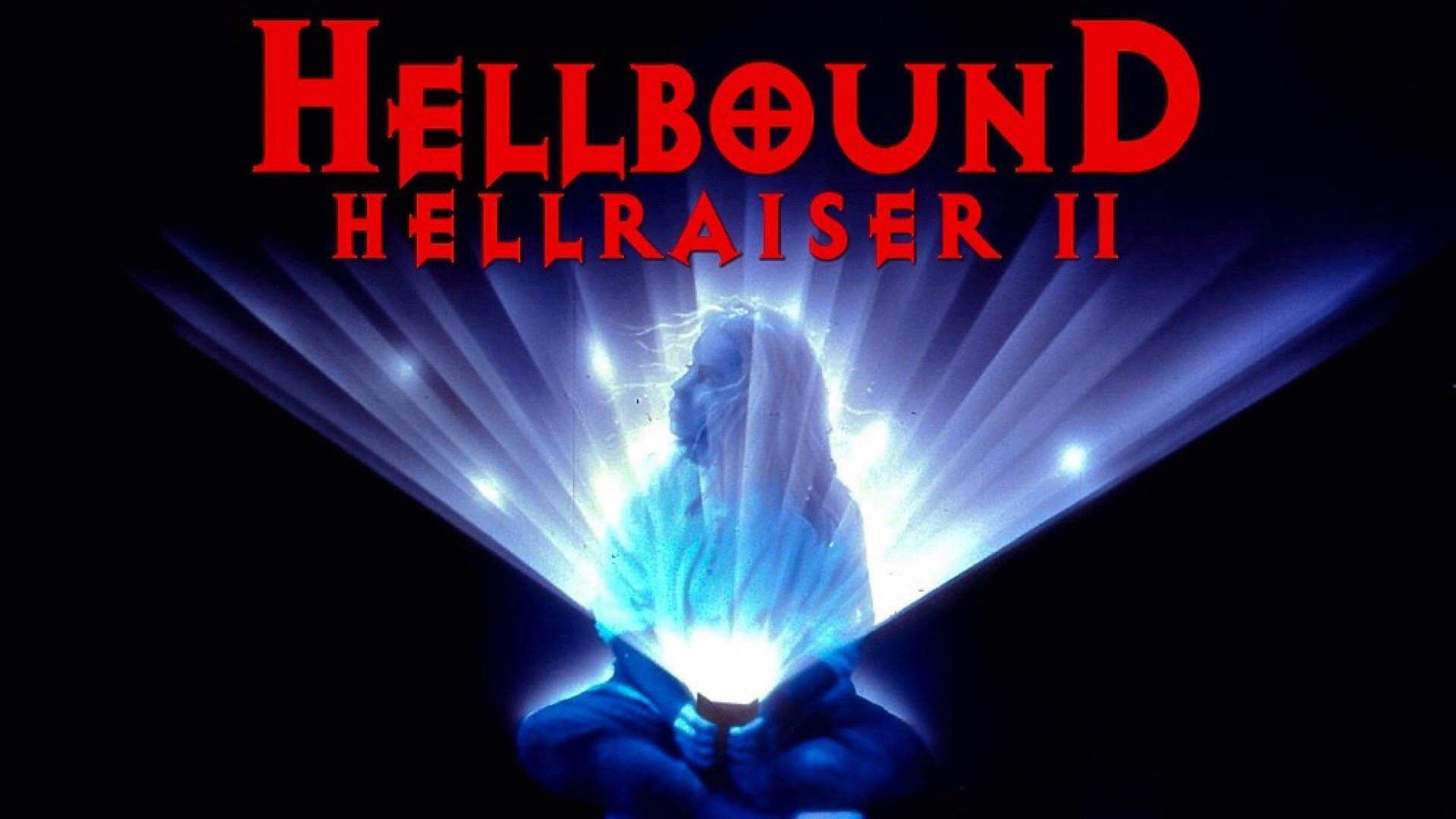
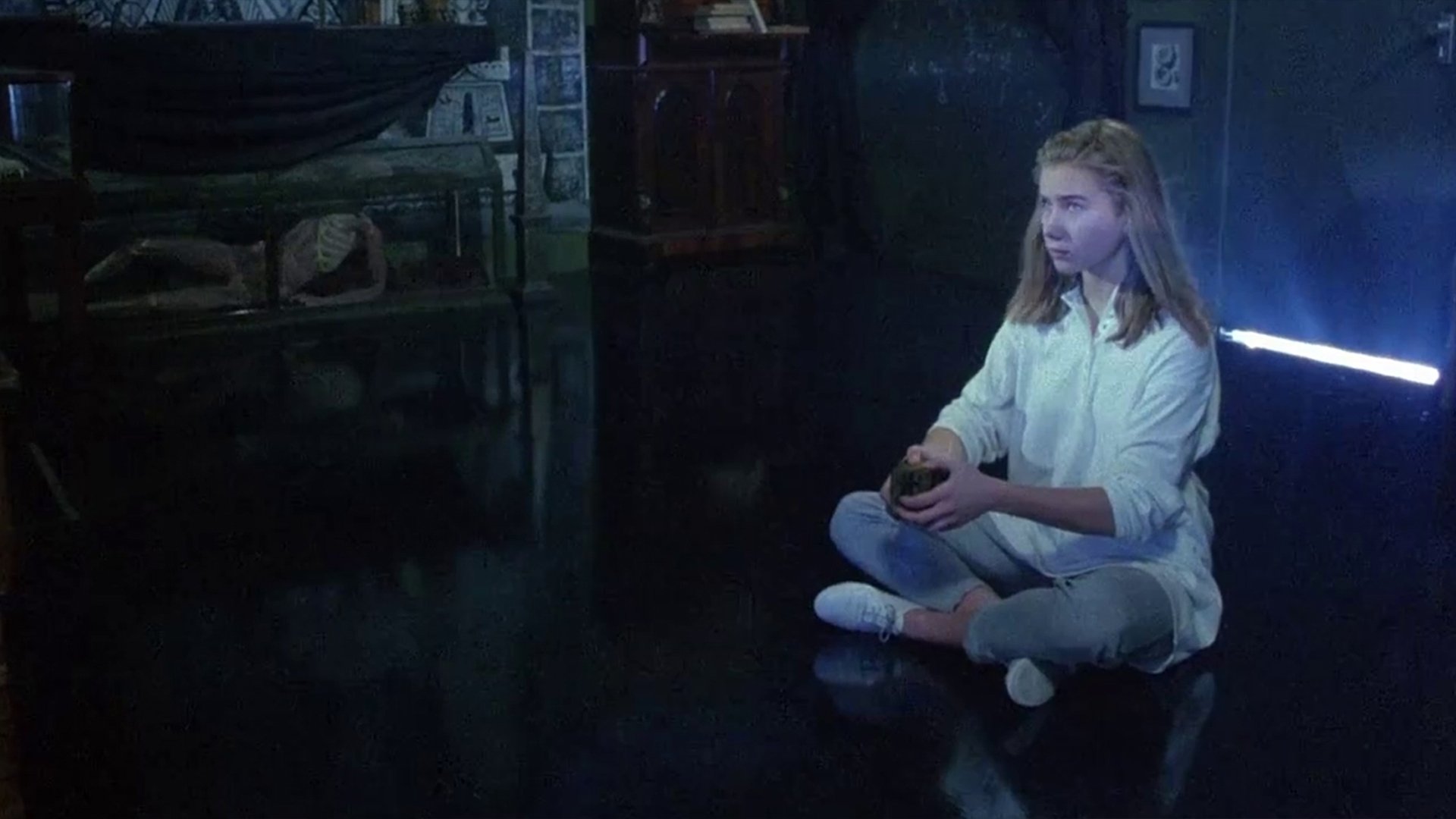
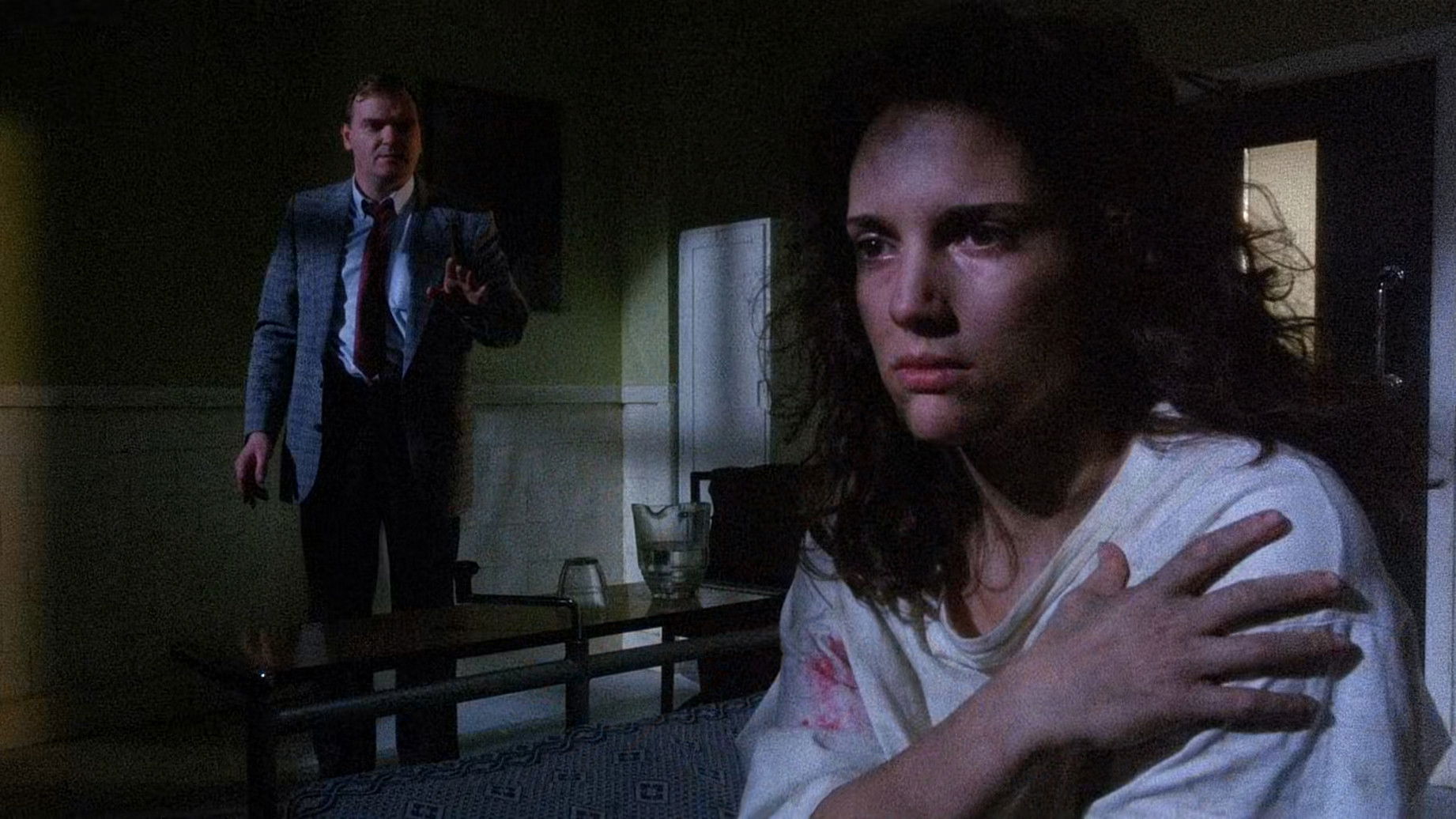
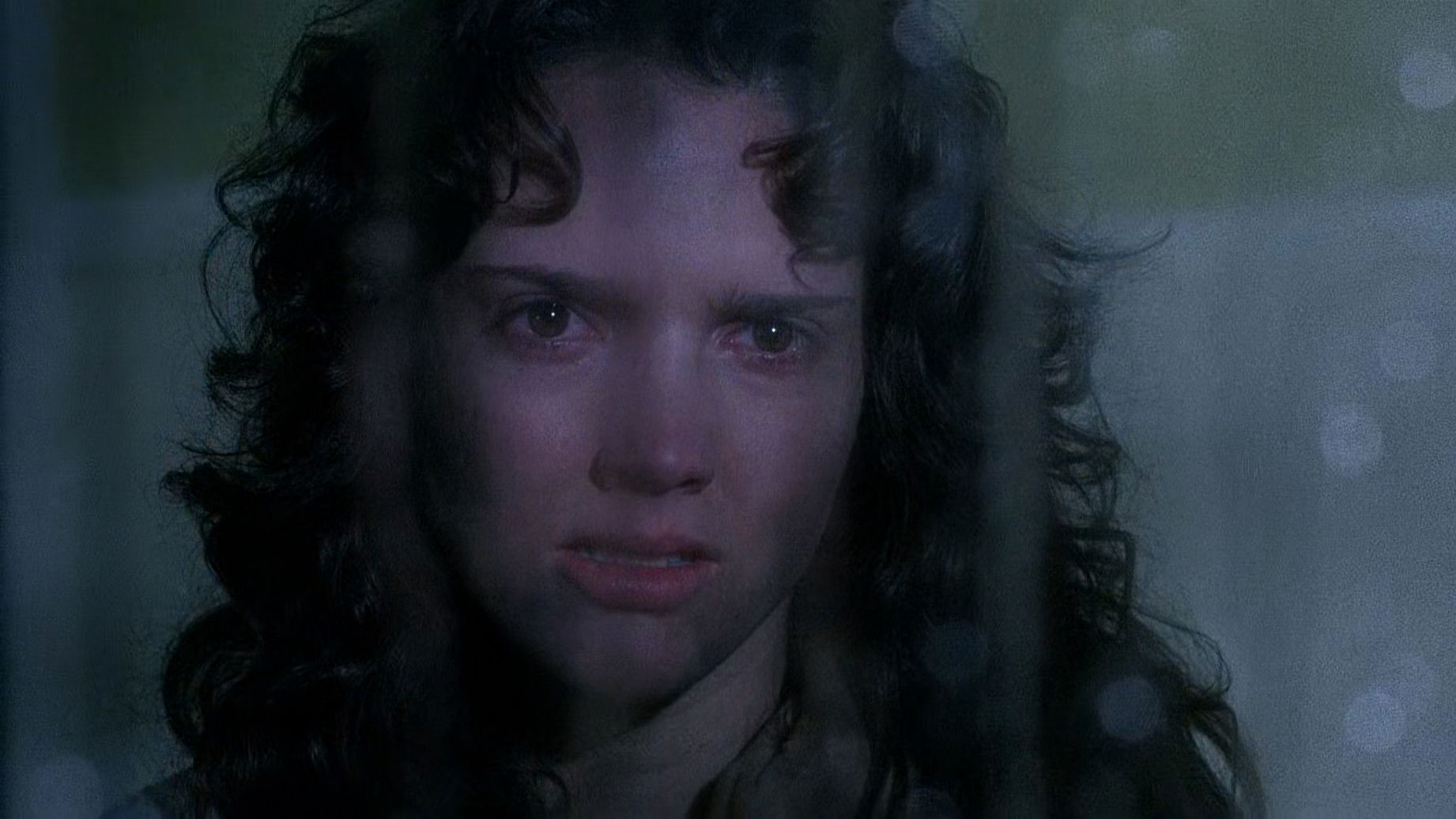
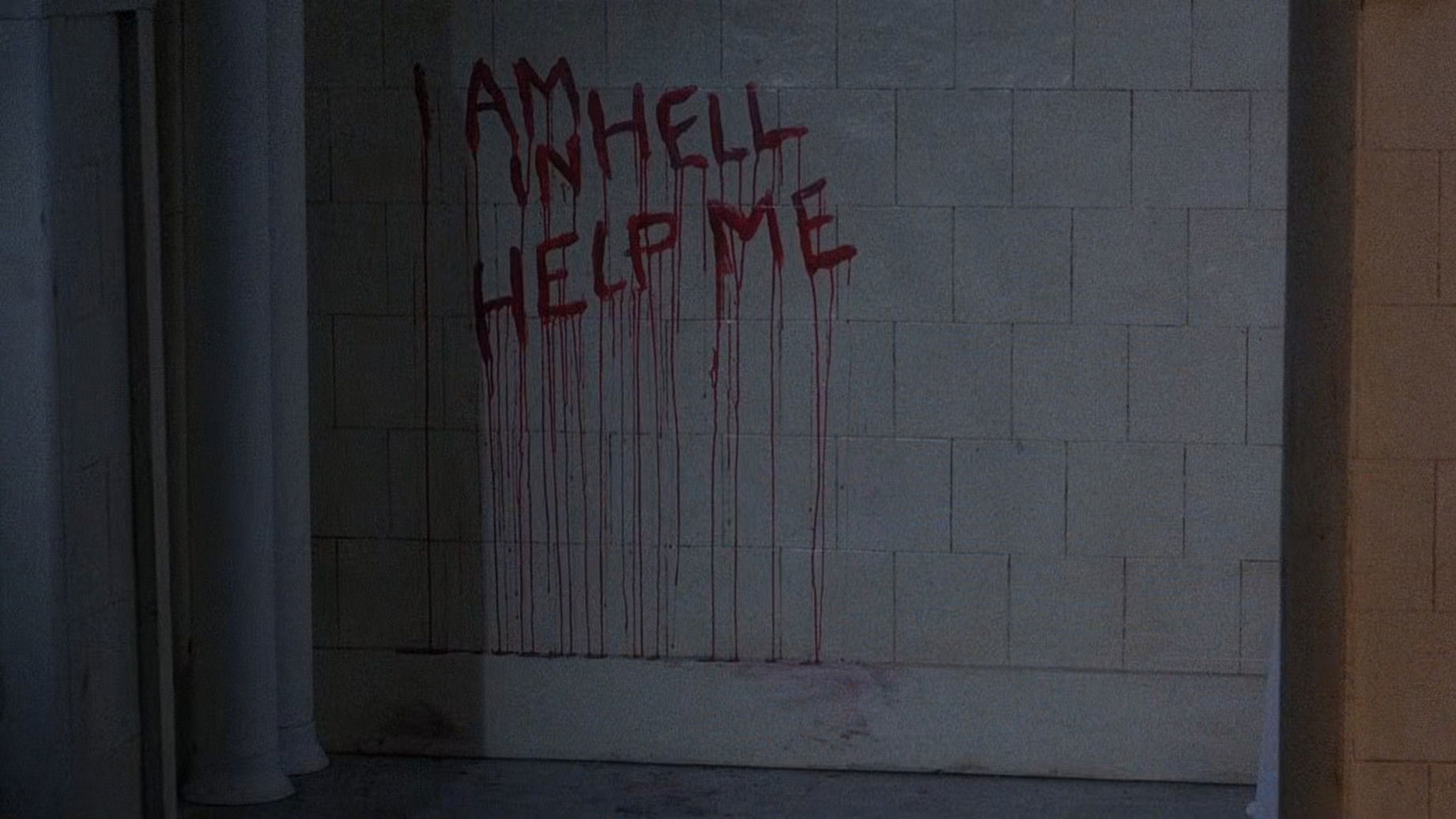
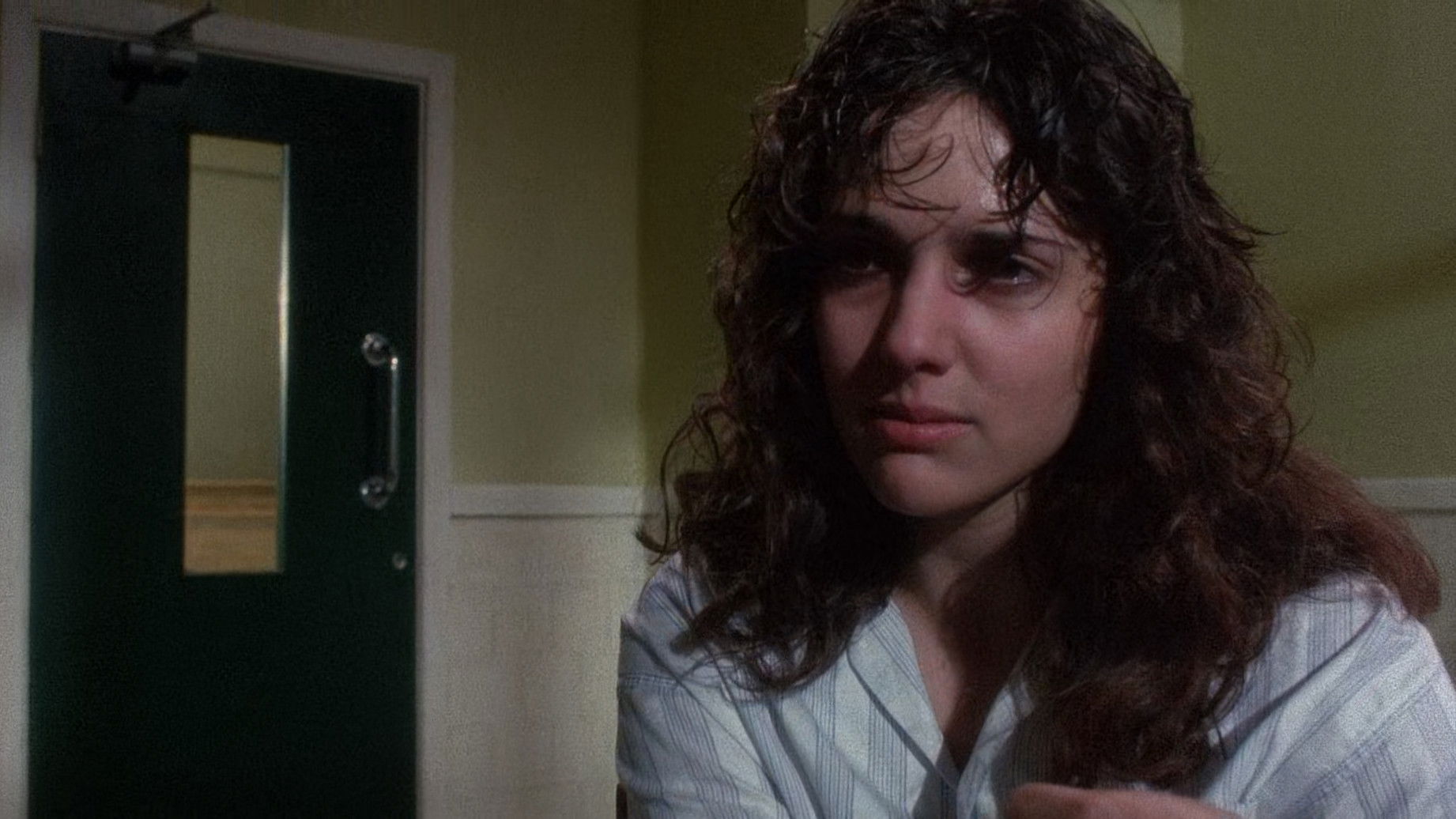
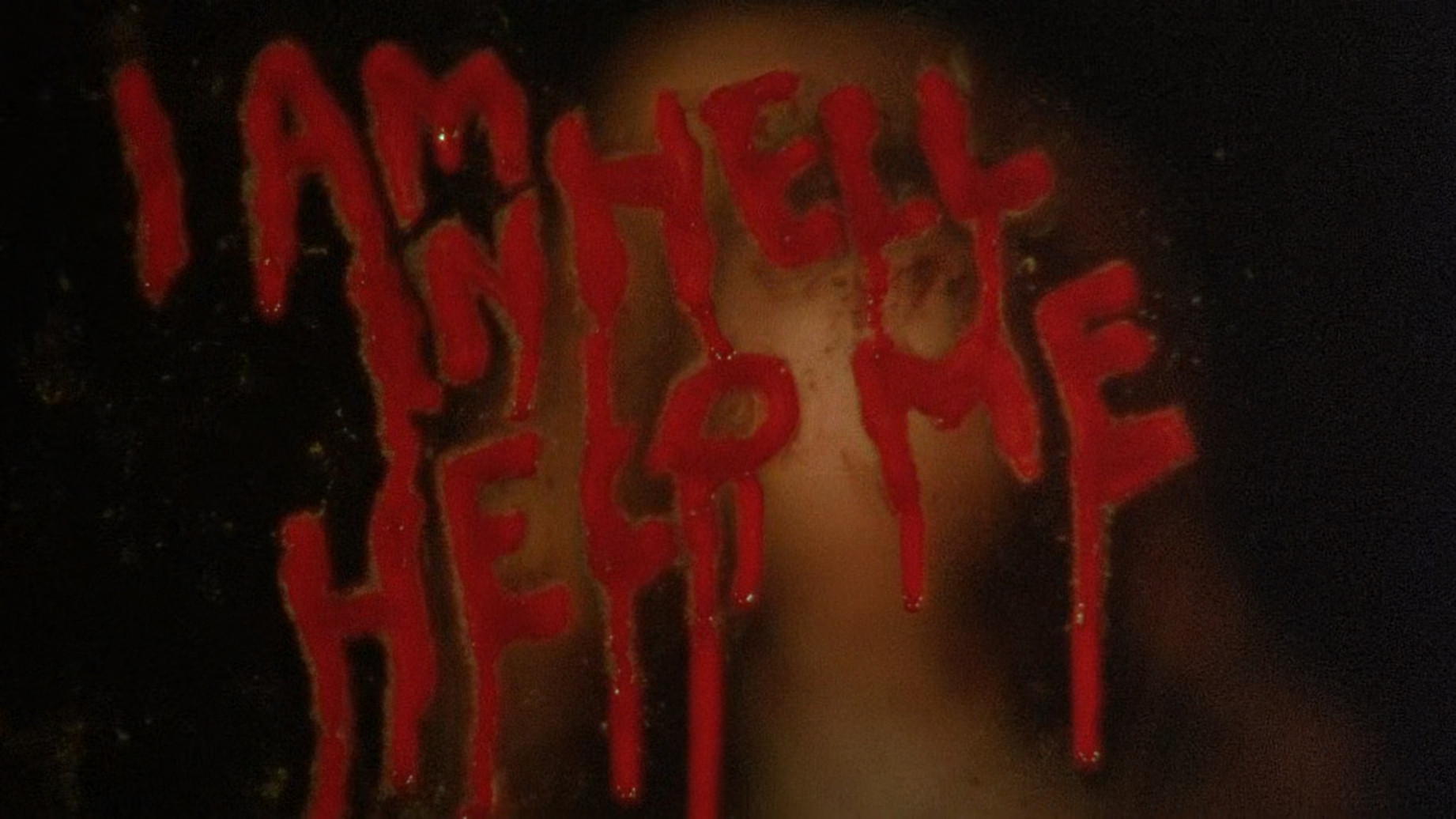
Following her ordeal in the Cotton household, Kirsty is placed in a psychiatric institution. Its director, Dr. Philip Channard, is fascinated by her account of the puzzle box and secretly pursues access to the realm of the Cenobites. As Julia returns and Channard's experiments grow more dangerous, Kirsty joins fellow patient Tiffany in an effort to understand what lies beyond the box. Their journey leads into an immense labyrinth governed by Leviathan, where the histories of the Cenobites and the fate of Kirsty's family become entangled.

Alternative Titles
Хелрейзър 2: Обречени на ада (Bulgaria) — Bulgarian Hellraiser II: Renascido das Trevas (Brazil) Hellraiser 2 : Les Écorchés (Canada) — French 养鬼吃人2:魔界追魂 (China) — Chinese Hellraiser II: Svázaný s peklem (Czechia) Hellbound - Hellraiser II (Germany) Hellraiser II Hellbound (Germany) Hellraiser 2 - Hellbound (Spain)
Show all 37 alternative titles Hellbound - Hellraiser II (Finland) — Finnish Hellraiser 2 : Les Écorchés (France) — French Hellraiser II, les écorchés (France) — alternative title Les écorchés : Hellraiser II (France) — poster title 猛鬼追魂 2:魔界追魂 (Hong Kong SAR China) — Chinese Gospodari pakla 2 (Croatia) — Croatian Hellraiser 2. (Hungary) — Hungarian מעורר השאול 2 (Israel) — Hebrew Hellbound - Hellraiser II - Prigionieri dell'inferno (Italy) Hellbound - Hellraiser II: prigionieri dell'inferno (Italy) Hellbound: Hellraiser II - Prigionieri dell'Inferno (Italy) — Italian ヘルレイザー2 (Japan) 헬레이저 2 (South Korea) — Korean Hellraiser II (Mexico) — Spanish Hellraiser 2. Hellbound (Poland) — Polish Hellraiser II - Renascido das Trevas (Portugal) — Portuguese Господари пакла II: Осуђени на пакао (Serbia) — Serbian Восставший из ада 2 (Russia) — Russian Восставший из ада 2: Обречённый на ад (Russia) Hellraiser 2: Hellbound (Sweden) — Swedish Hellraiser II Camino al Infierno (El Salvador) บิดเปิดผี 2 (Thailand) — Thai Hellraiser II (Türkiye) — Turkish 養鬼吃人2 (Taiwan) — Chinese Повсталий з пекла 2 (Ukraine) — Ukrainian Hellraiser 2 (United States) Hellraiser 2: Hellbound (United States) Hellraiser II: Hellbound (United States) Ma Đinh II: Đọa Đày (Vietnam) — Vietnamese

Trailers & Videos

5 videos

Film Guide & Analysis

Tony Randel expanded Clive Barker's nightmare into a vast architecture of flesh, geometry and desire, revealing the world of Leviathan while pushing the practical horror of Hellraiser toward a more spectacular scale.

Hellbound: Hellraiser II begins almost where Hellraiser ends and immediately announces that its ambitions are different. The first film allowed the realm of the Cenobites to remain largely outside the frame, making the Lament Configuration a doorway toward experiences the audience could only partially imagine. Tony Randel's sequel opens that doorway much wider. Kirsty Cotton is confined to a psychiatric institution after surviving the events of the previous film, but the apparent separation between the ordinary world and the Cenobites rapidly collapses when Dr. Channard deliberately seeks access to the forces she has encountered. What follows moves from institutional horror into a gigantic labyrinth controlled by Leviathan, transforming a domestic nightmare into an exploration of the mythology that had previously existed mostly in fragments.

The expansion did not abandon the central concerns of Clive Barker's original conception. Desire, curiosity, bodily transformation and the dangerous search for experiences beyond ordinary limits remain fundamental. Hellbound simply gives those ideas a much larger physical environment. Julia returns without skin, Channard pursues forbidden knowledge with increasing determination, the Cenobites acquire traces of human history and Hell itself becomes a geometric landscape of corridors, chambers and impossible distances. Practical makeup effects, matte paintings, optical work and Christopher Young's enlarged orchestral score combine to create one of the most visually extravagant entries in the franchise. The result is less intimate than Hellraiser but crucial to the development of its mythology, establishing concepts that would remain attached to the series long after its original characters had disappeared.

Development of a Genuine Sequel

Hellbound was conceived unusually quickly. Producer Christopher Figg later recalled that New World Pictures had become enthusiastic about the footage from Hellraiser before principal photography on the first film was even complete, and discussions of a continuation began while Barker's debut was still being made. Barker already knew that the mythology could expand beyond the limits imposed by the original production. The first film had introduced the puzzle box, the Cenobites and the possibility of another realm without explaining their complete relationship. Audience questions about where the Cenobites came from and what existed beyond the box gave the filmmakers an obvious direction for a sequel.

Barker wrote the underlying story but did not return as director. He was committed to other writing projects and later described Hellbound as fundamentally the film of Tony Randel and screenwriter Peter Atkins. Randel had already worked around the first production through New World and brought both editorial experience and a stronger interest in science fiction imagery. Atkins, meanwhile, was tasked with continuing the narrative almost immediately after the original ending. Barker explicitly described the project as a genuine sequel, designed to preserve the momentum of the first film while answering questions that its smaller budget had prevented it from exploring.

That philosophy shaped the structure. Kirsty returns as the emotional connection to the original story, Julia becomes far more powerful than she had been while alive, and the box ceases to be merely an object that summons the Cenobites. It becomes an entry point into an organized supernatural system. Hellbound expands the original story into a much larger supernatural world. Even when it introduces new characters such as Channard and Tiffany, their functions are tied to existing ideas about curiosity, desire and the consequences of solving the configuration.
Pinewood and an Expanded World

Principal photography began in January 1988 at Pinewood Studios in England, with an eight-week shoot planned. The production had significantly more physical resources than the first Hellraiser, which Barker had made largely inside an abandoned North London house and a comparatively small stage. Barker later admitted that he envied the freedom available to Randel, particularly the ability to use full studio facilities, move walls, control lighting and accommodate more complex camera setups. That freedom allowed the sequel to shift from the confined domestic spaces of the original toward environments designed specifically to suggest an entire metaphysical world.

The expanded resources did not remove financial pressure. The budget had been established in dollars before a sharp change in the exchange rate between the dollar and the British pound, forcing the filmmakers to rethink some proposed material. Contemporary production reporting nevertheless recorded that Hellbound ultimately completed photography under budget. The constraints are visible in the combination of large constructed spaces, matte paintings, optical effects and repeated architectural elements used to create the Labyrinth.

Randel wanted the sequel to create what he described as a form of inverse claustrophobia. The first film traps characters inside houses, rooms and narrow corridors; the Labyrinth can appear limitless, yet its size does not provide freedom. Vast perspectives make Kirsty and Tiffany appear insignificant within a structure they cannot understand. The expanded scale also changes the film's conception of the Labyrinth. The open spaces of Hell become oppressive because there is no meaningful route through them, only another corridor, another chamber or another part of the system controlled by Leviathan.

Leviathan and the Labyrinth

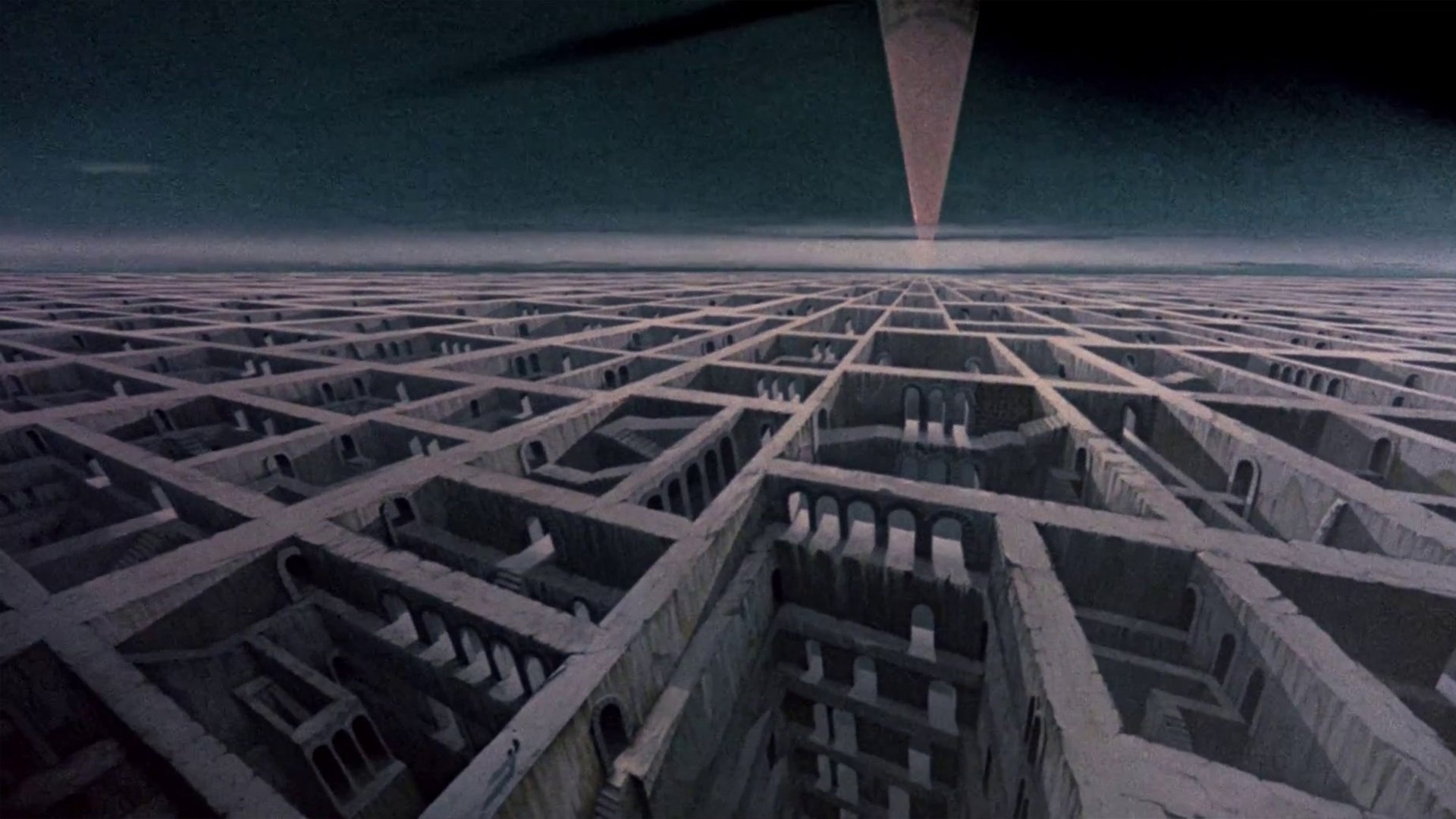
Randel rejected a conventional religious representation of Hell. He later explained that his own atheism made images of a Biblical underworld inappropriate for the film he wanted to make. Instead, he treated Hell as a symbolic psychological environment and turned to geometry as its organizing principle. The work of M. C. Escher provided an important visual reference. Repetition, impossible spatial relationships and monumental structures make the Labyrinth resemble an architecture produced by the mind, with no recognizable geographical logic.

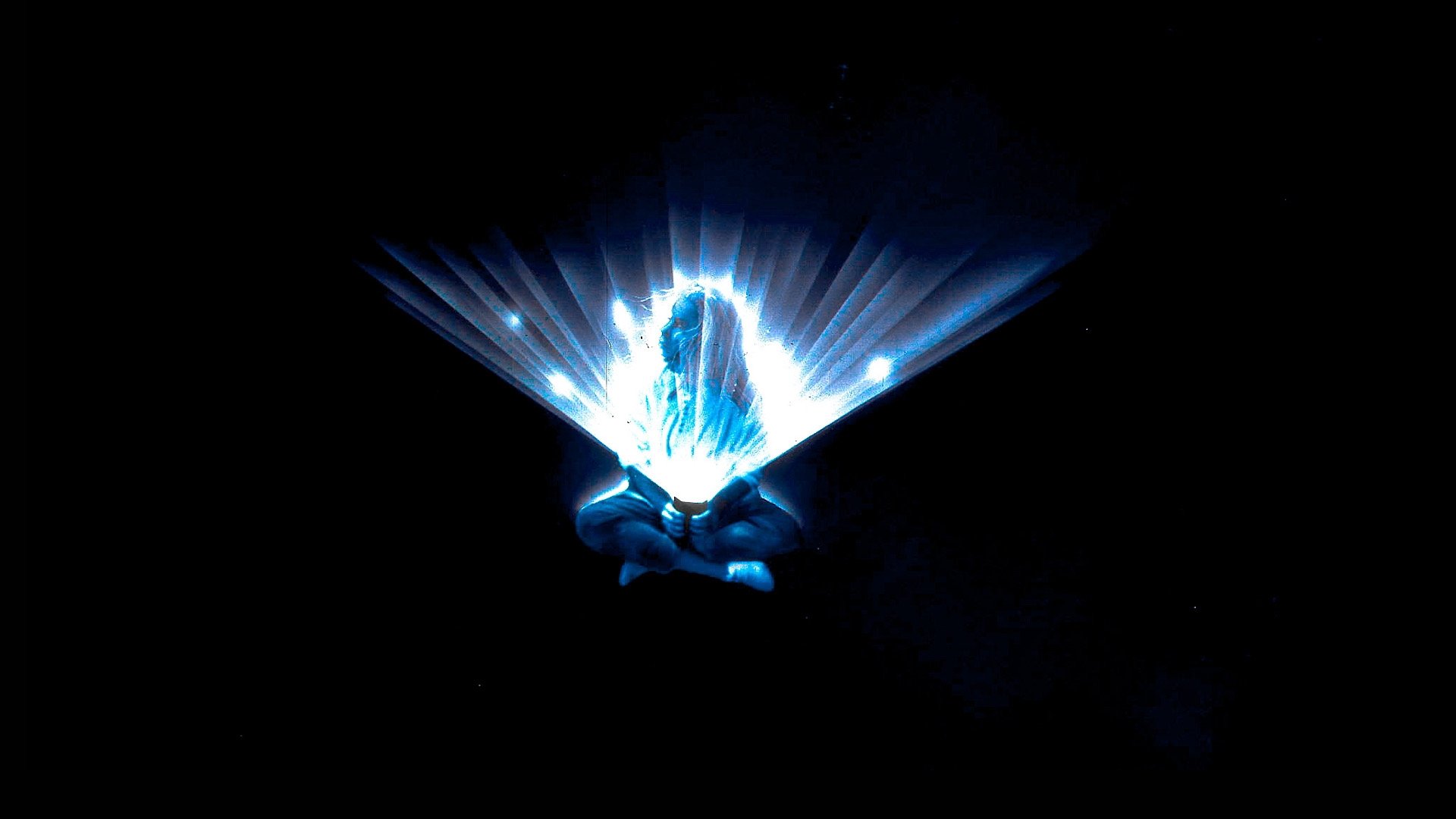
At the center is Leviathan, represented as an immense geometric object suspended above the maze. Light emitted from it sweeps across the environment while the inhabitants below occupy individualized chambers constructed from memory, obsession and desire. The design gives the Hellraiser mythology a hierarchy that the first film had only suggested. The Cenobites are no longer the highest visible authority. They belong to a larger order associated with Leviathan, and their transformations appear to serve that system.

This is one of Hellbound's most consequential additions to the franchise. Barker had wanted the first film to imply that the Cenobites possessed an entire culture beyond what the audience could see. The sequel begins to expose that submerged structure without making it completely rational. Hell remains inconsistent, personal and dreamlike even after the introduction of Leviathan. The Labyrinth explains enough to enlarge the mythology while preserving the idea that human perception cannot fully translate the realm opened by the box.

Practical Effects and Transformation

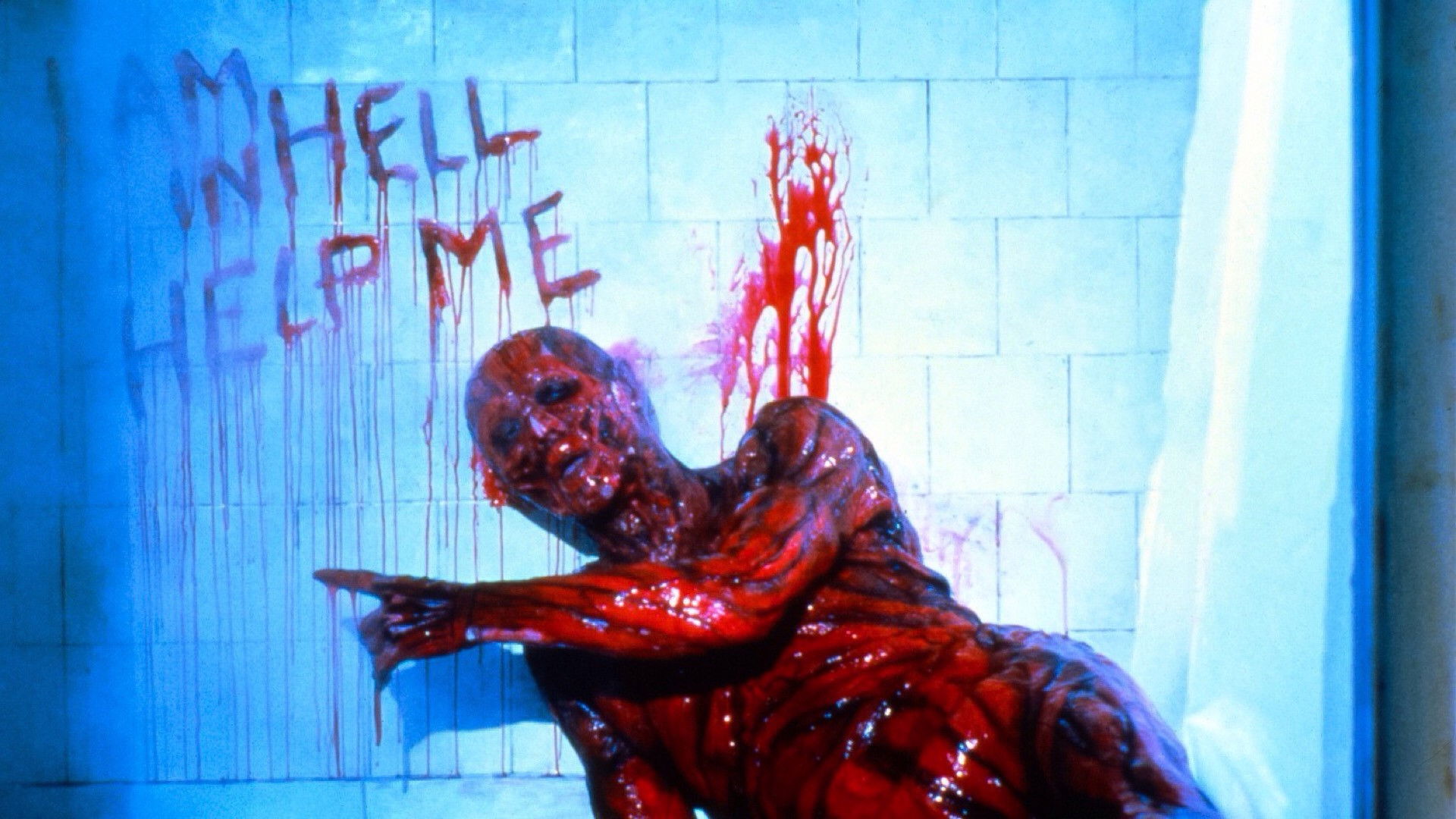
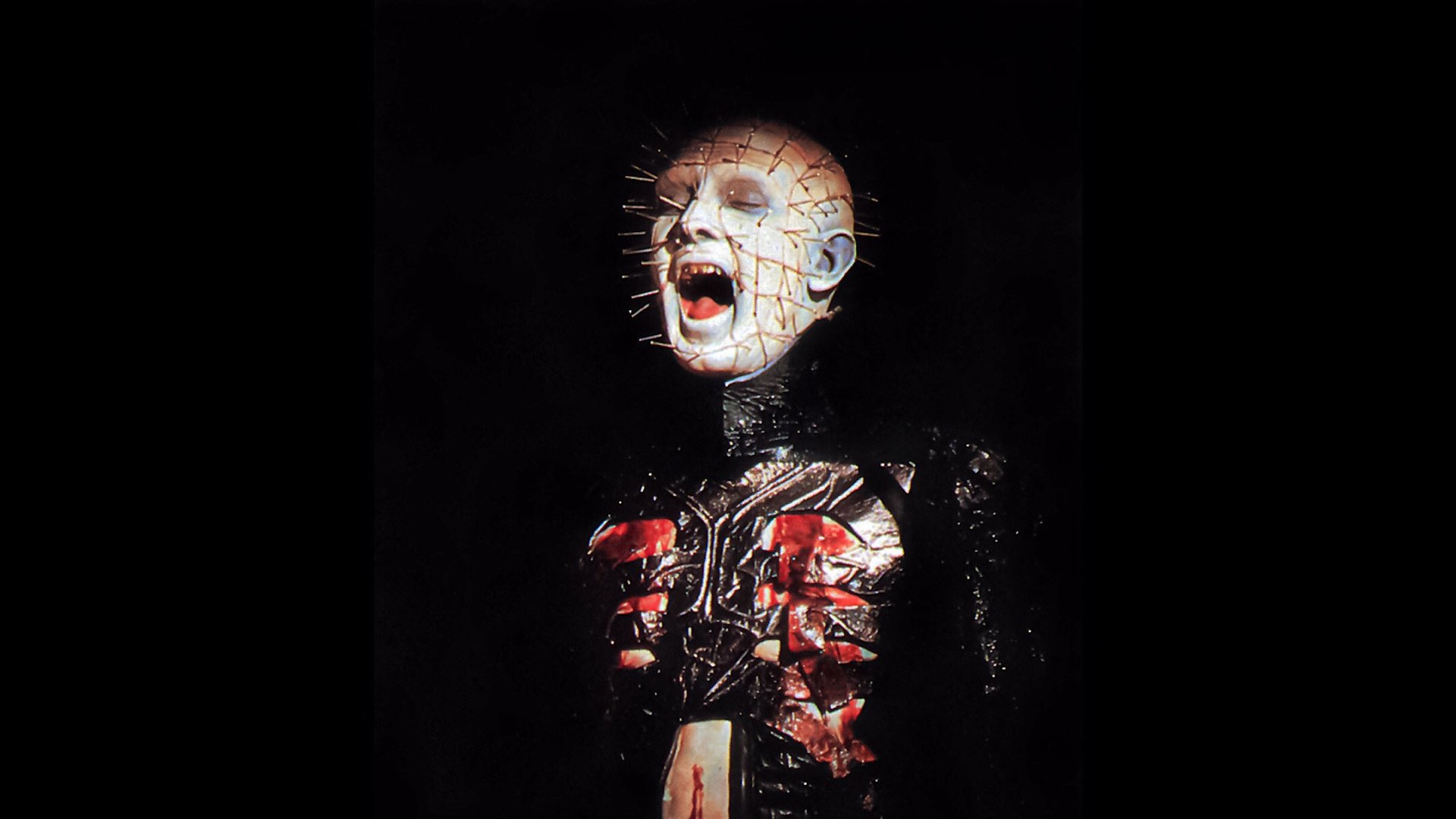
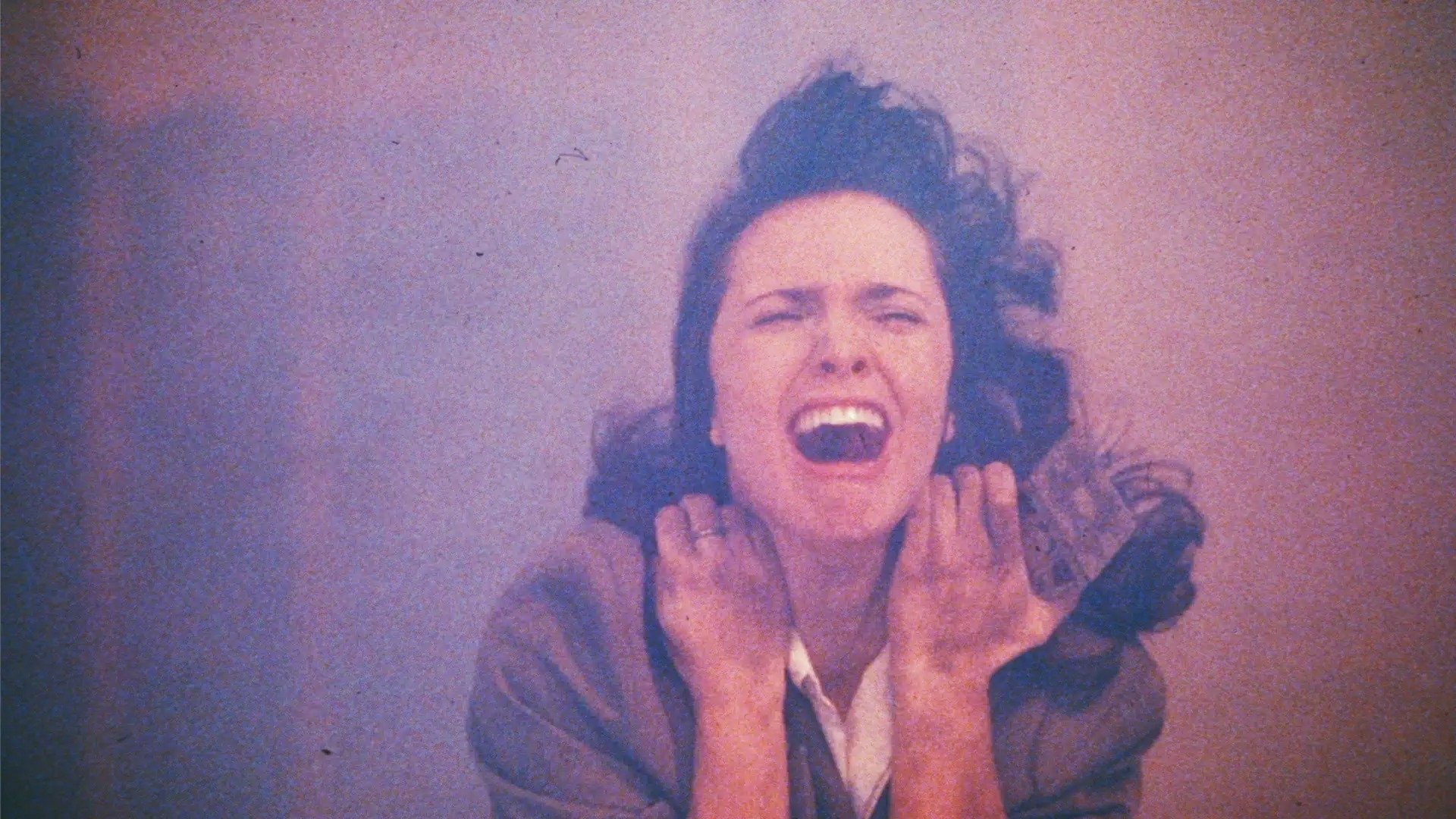
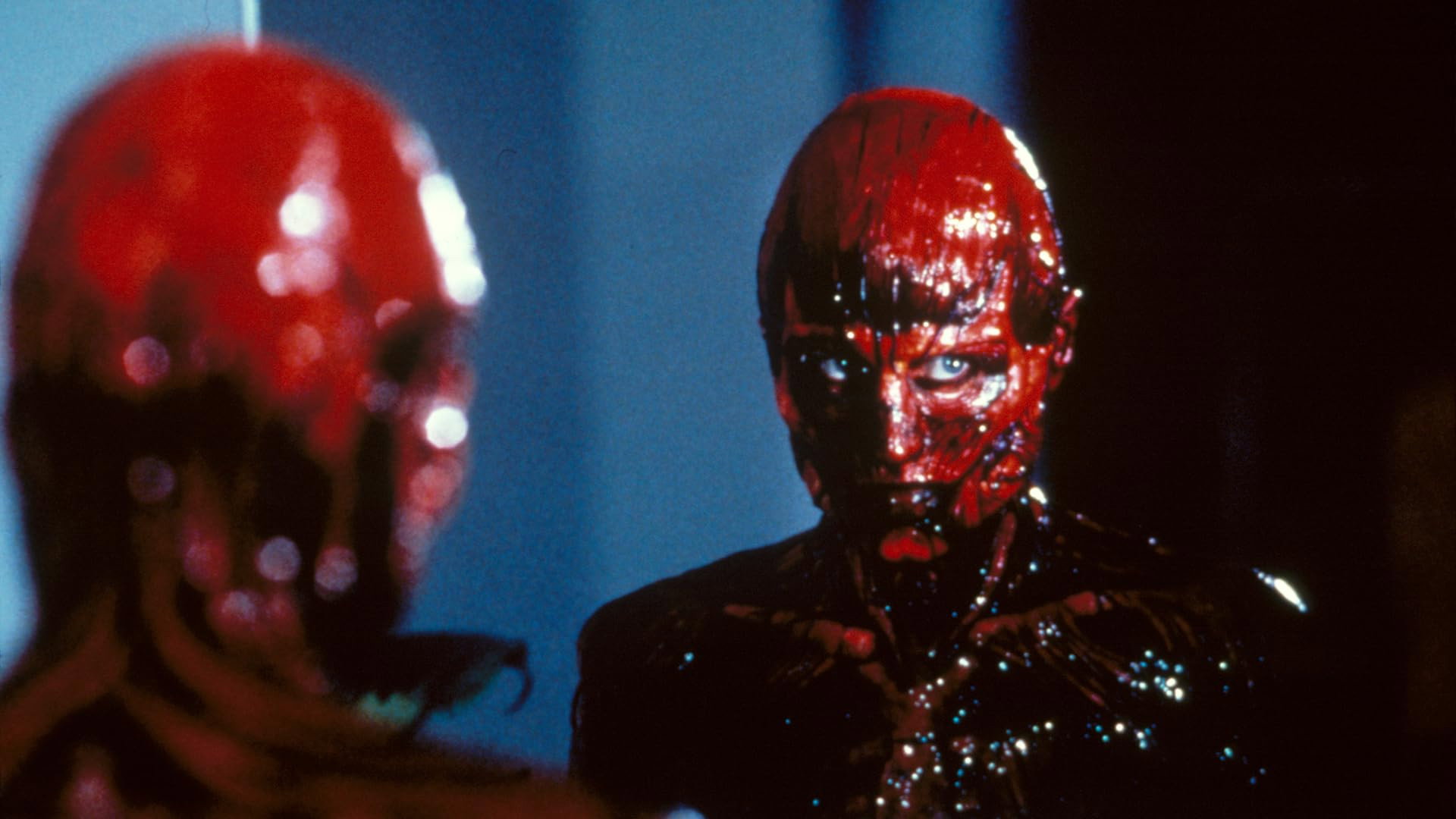
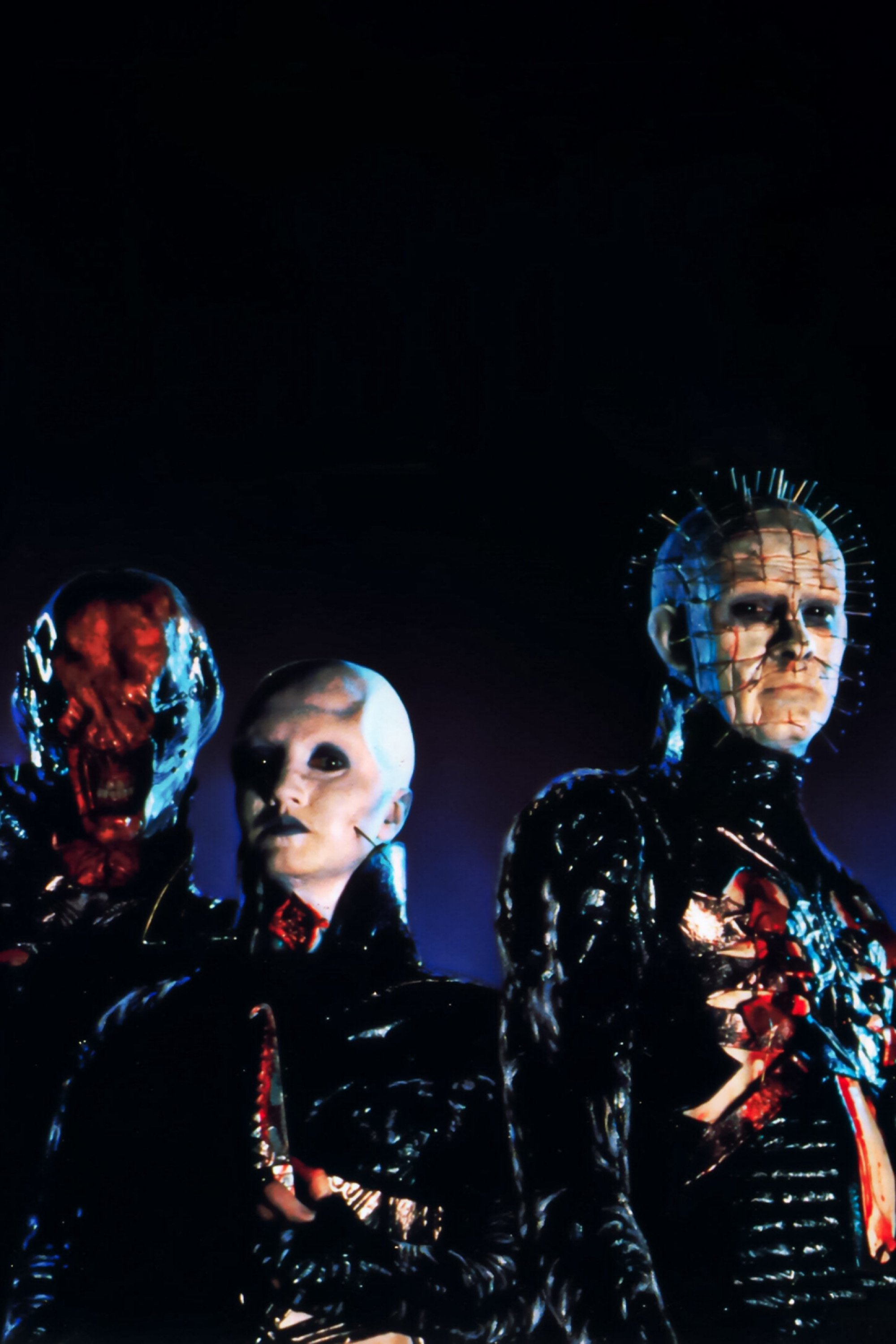
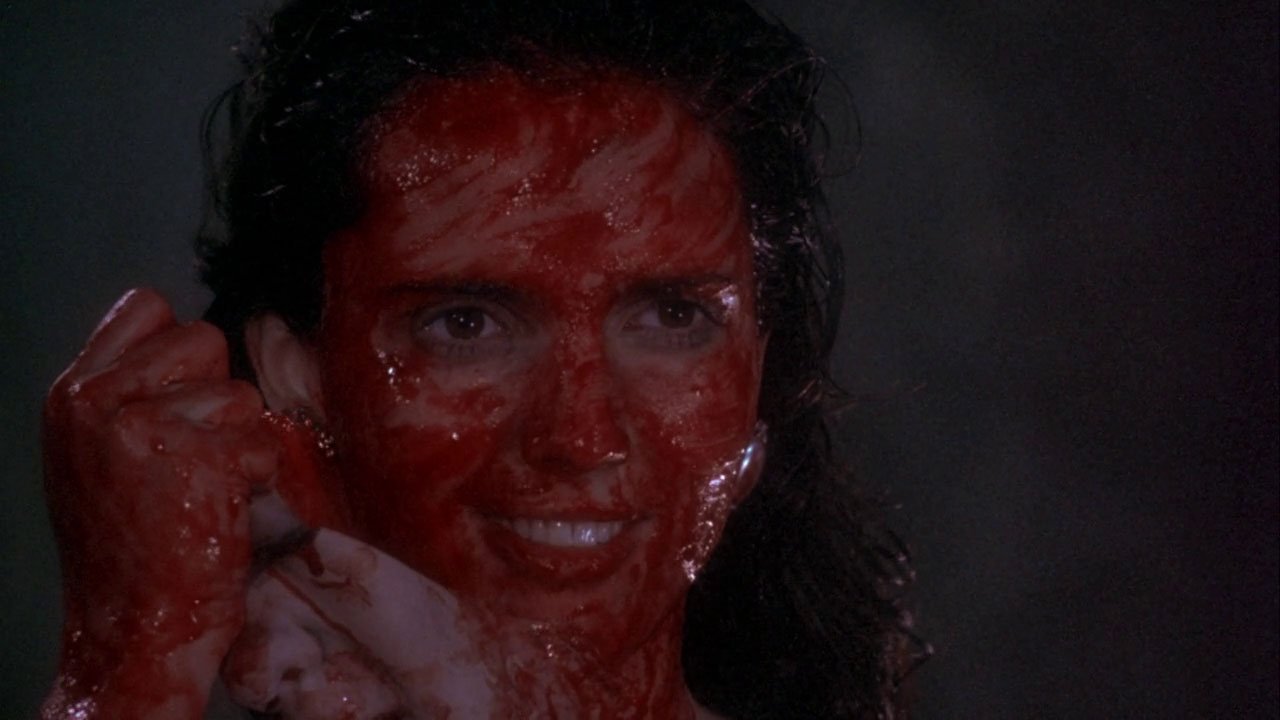
The makeup and creature work increases dramatically in both quantity and complexity. Image Animation returned to provide special makeup effects, with Geoff Portass credited as designer and Bob Keen as consultant alongside a large practical-effects crew. The sequel required the established Cenobite prosthetics alongside repeated stages of exposed flesh, resurrection, mutilation and entirely new transformations. Julia's return deliberately echoes the regeneration of Frank in Hellraiser, but her resurrection occurs through a blood-soaked mattress and develops into a different progression of prosthetic states as she rebuilds a human exterior.

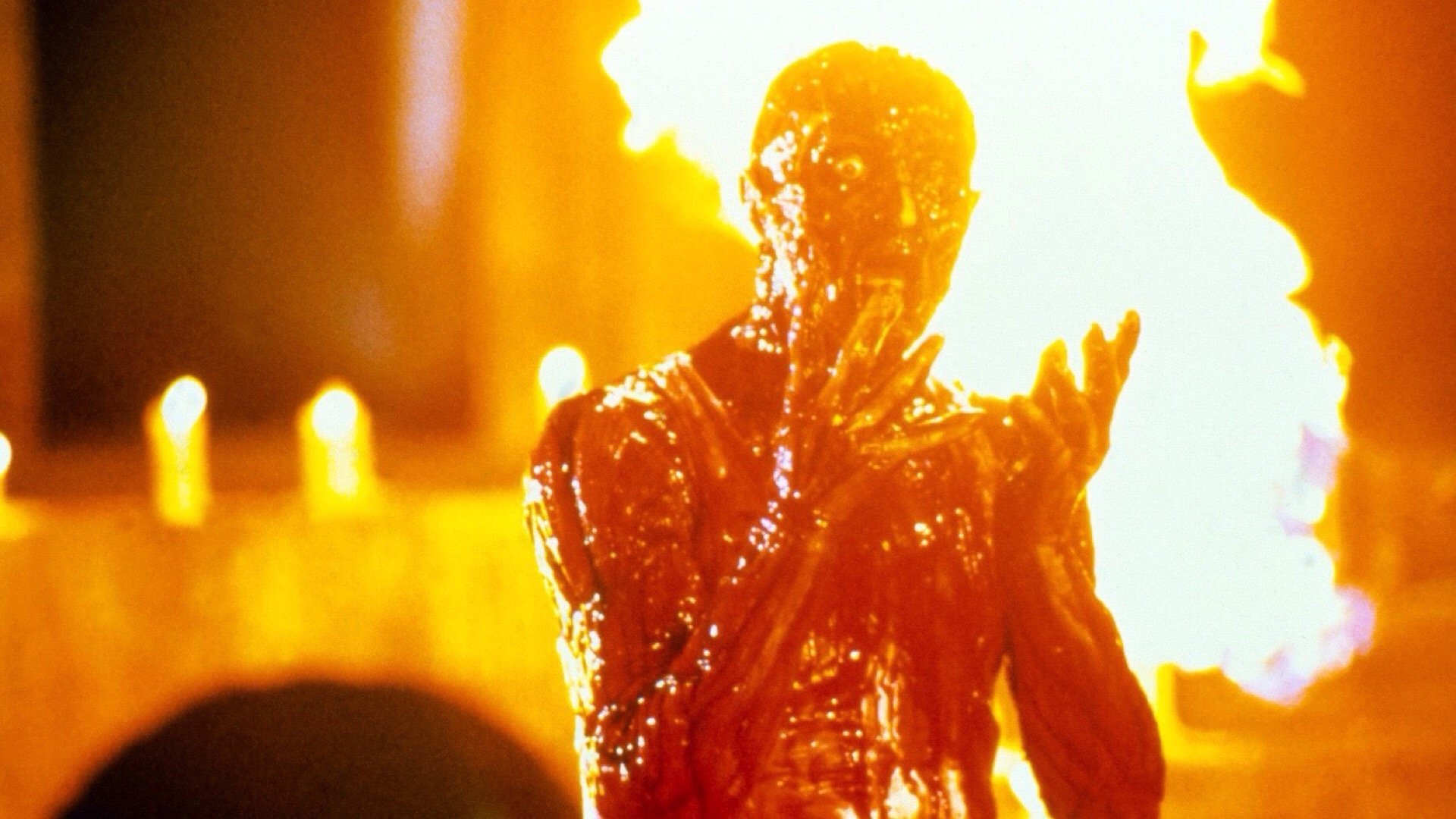
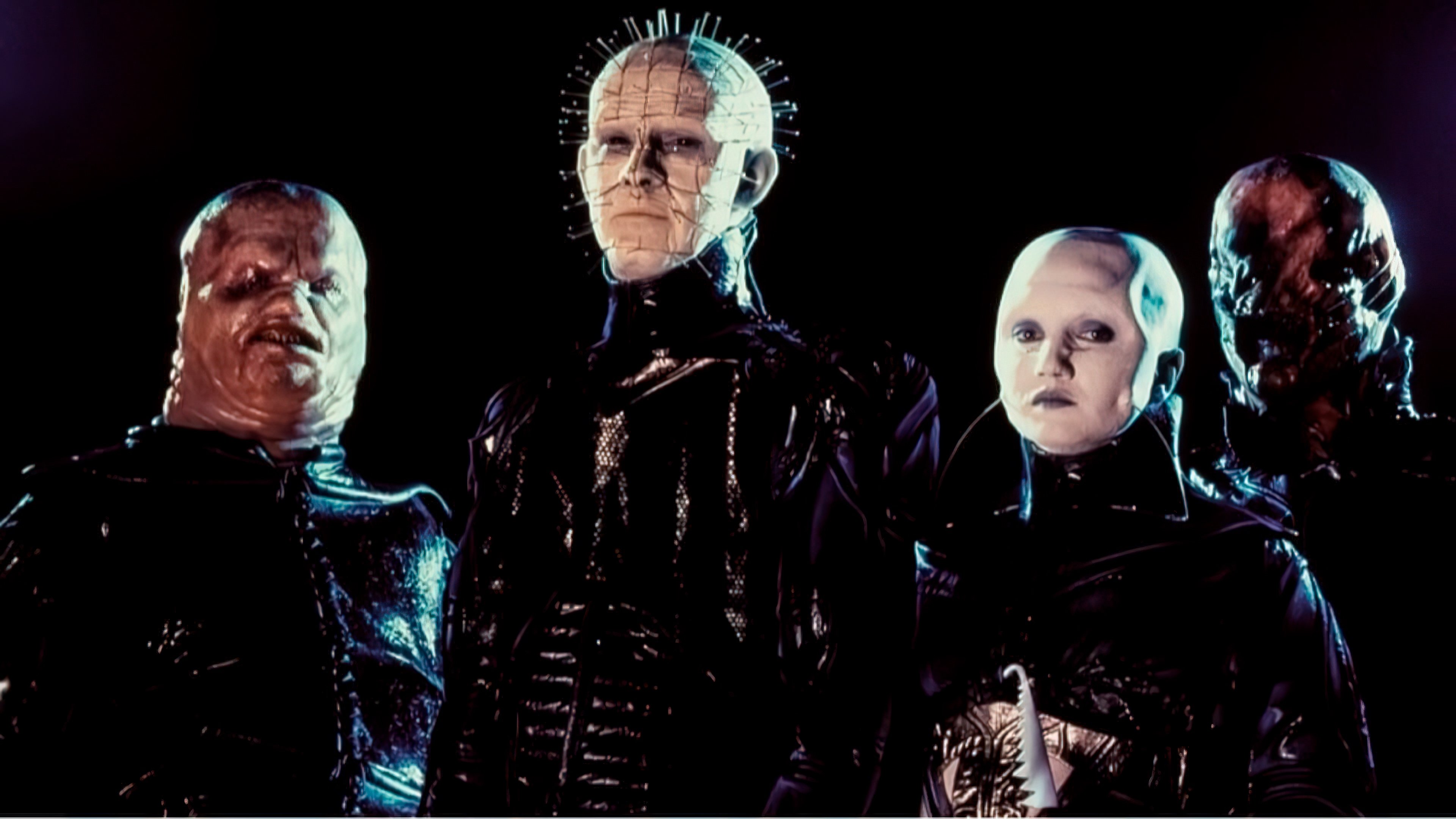
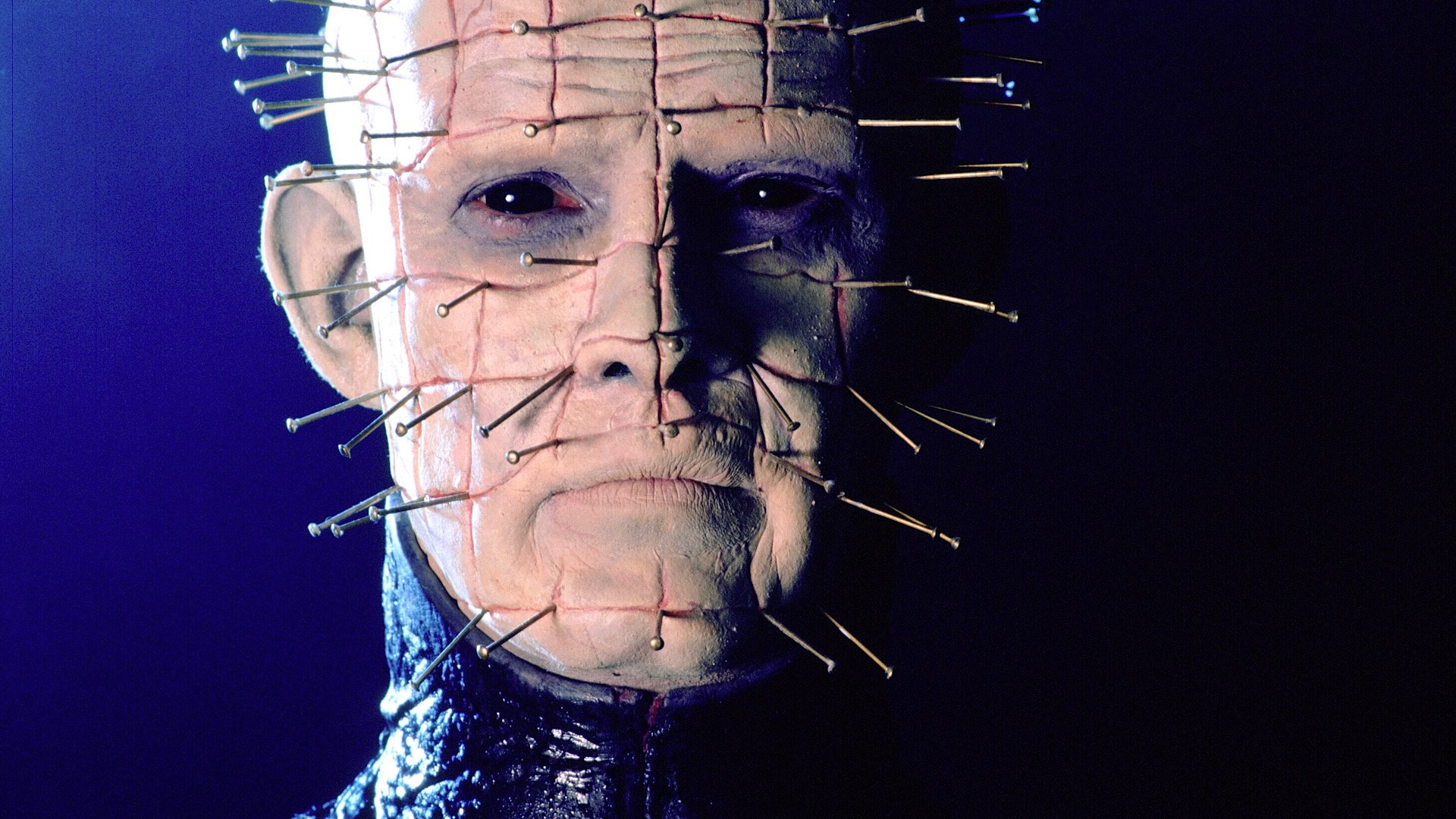
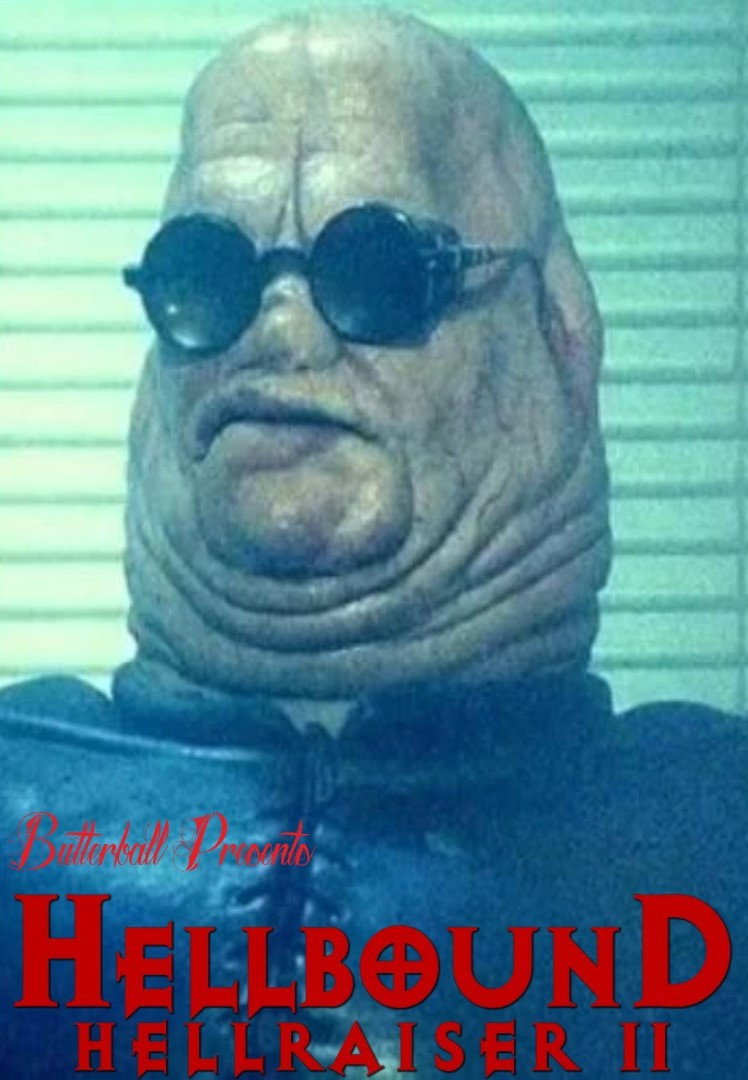
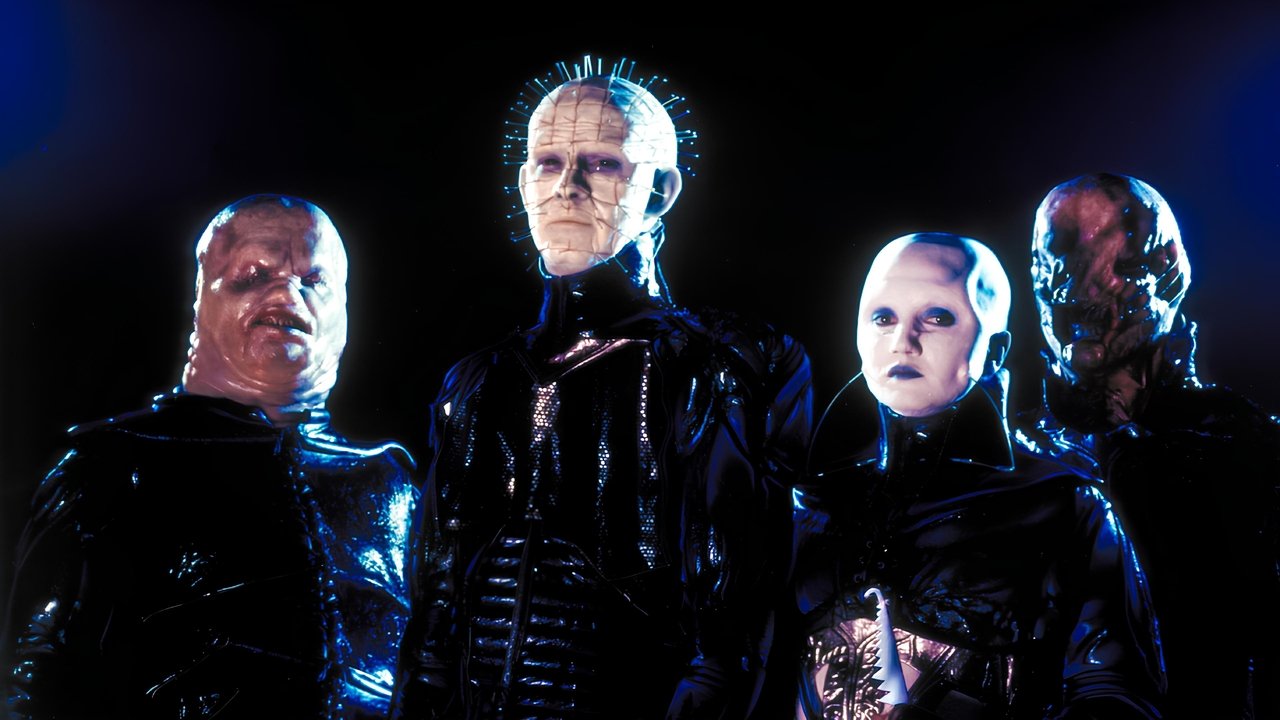
Channard supplies the film's most elaborate new Cenobite transformation. His pursuit of forbidden knowledge culminates in a mechanical and organic conversion in which human anatomy becomes part of an apparatus controlled by Leviathan. The sequence moves beyond makeup applied to an actor and combines prosthetics, mechanical elements and optical work. This gives the new Cenobite a noticeably different silhouette from Barker's original four while preserving the central design principle that mutilation is presented as deliberate bodily transformation.
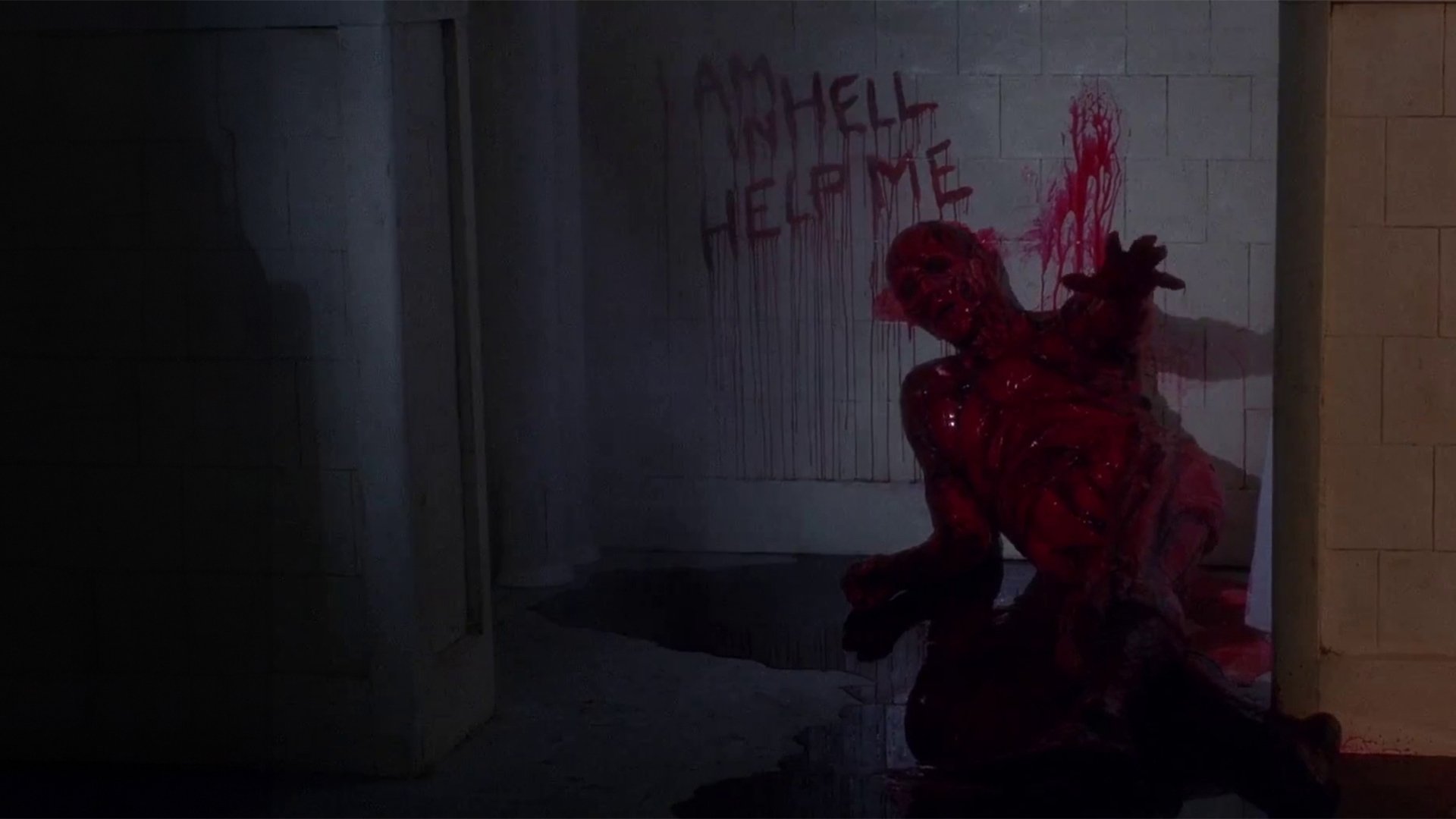
The quantity of explicit material also created problems with classification. The Motion Picture Association of America initially assigned the film an X rating. New World appealed, but the classification was upheld, and the film was reportedly rated X twice before enough footage was removed to obtain an R. Among the affected material were parts of Julia's bloody resurrection and several moments of graphic Cenobite violence. Later unrated releases restored substantially more material, making the difference between theatrical and uncut versions especially important when discussing the film's effects work.
Humanizing the Cenobites

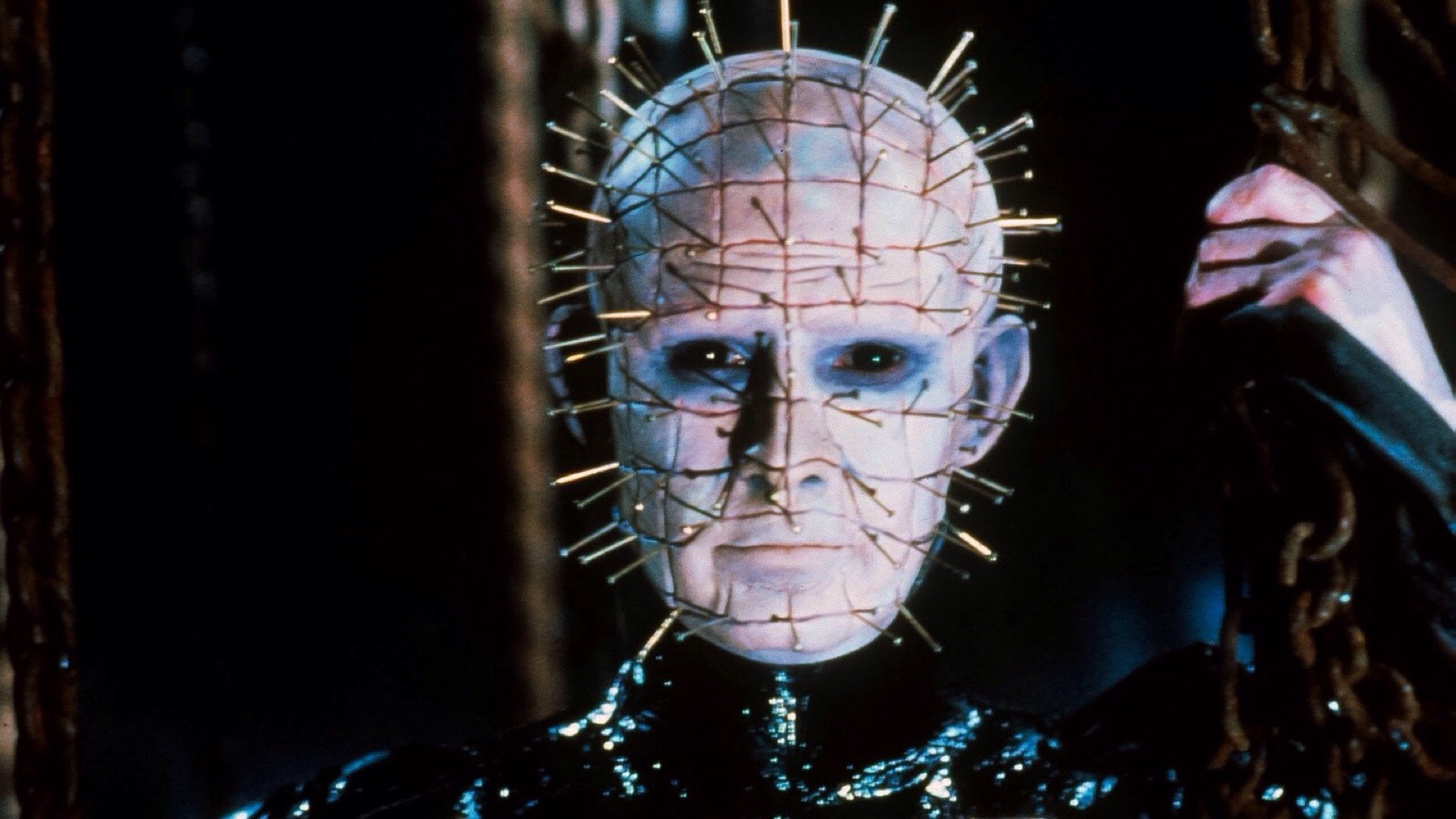
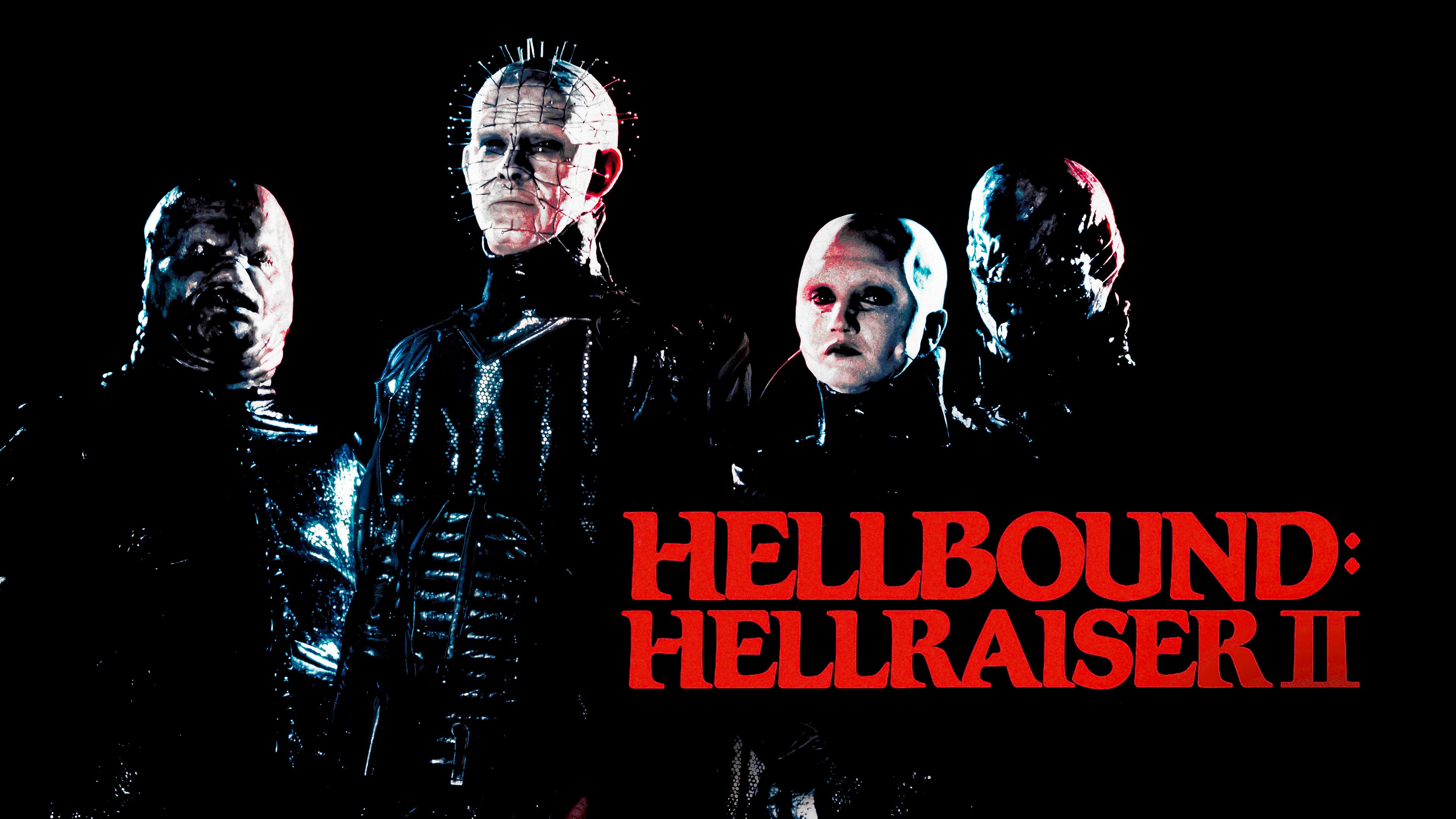
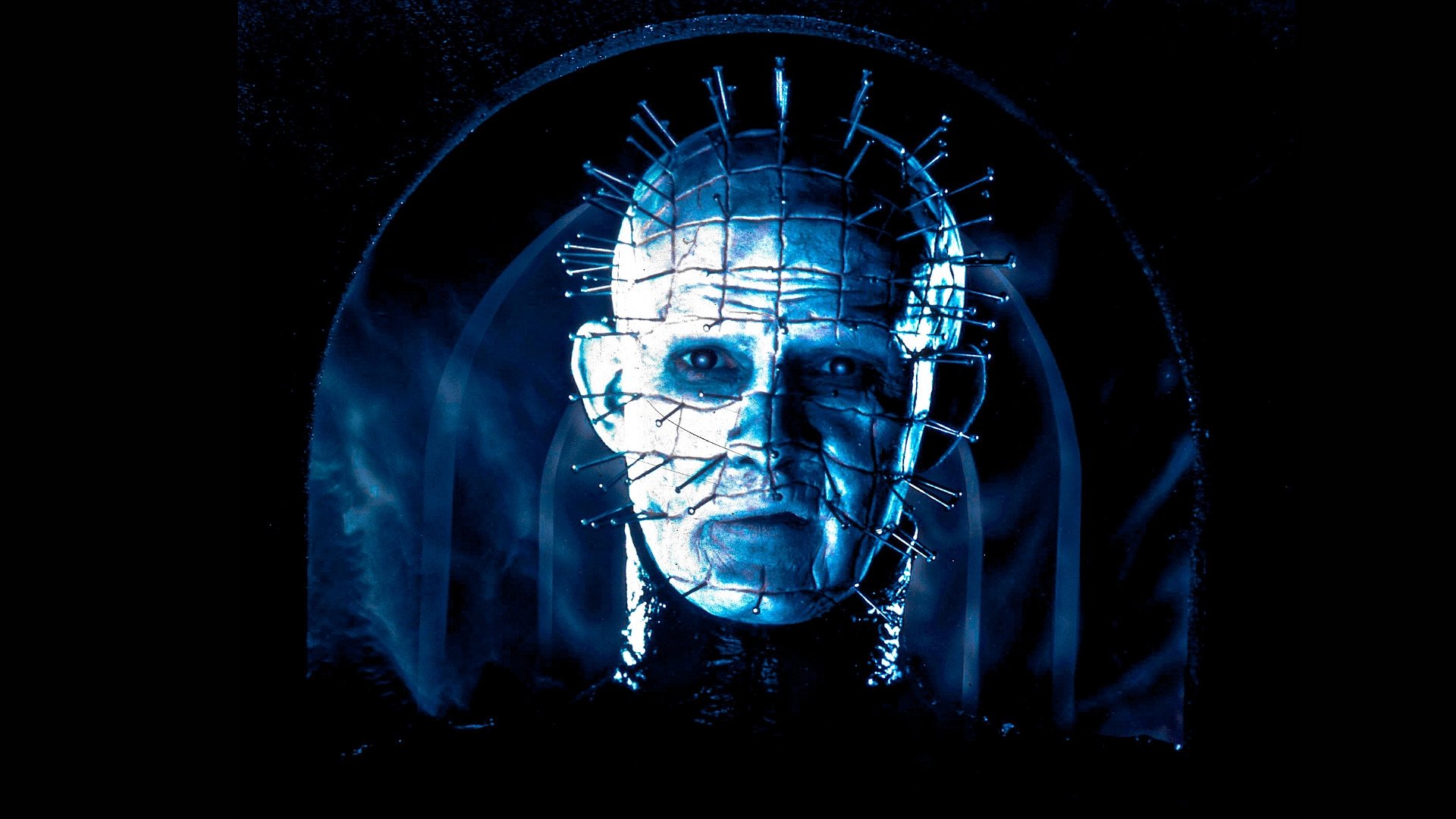
Hellbound makes one of the franchise's most important and controversial decisions by revealing that the familiar Cenobites were once human. The opening transformation of Captain Elliott Spencer establishes a human history for Pinhead before the main narrative has even begun. Later, Kirsty forces the Cenobites to confront images of their former identities, briefly interrupting their supernatural roles. Randel defended this choice as consistent with his preference for monsters who retain some dimension of victimhood despite their capacity for cruelty.
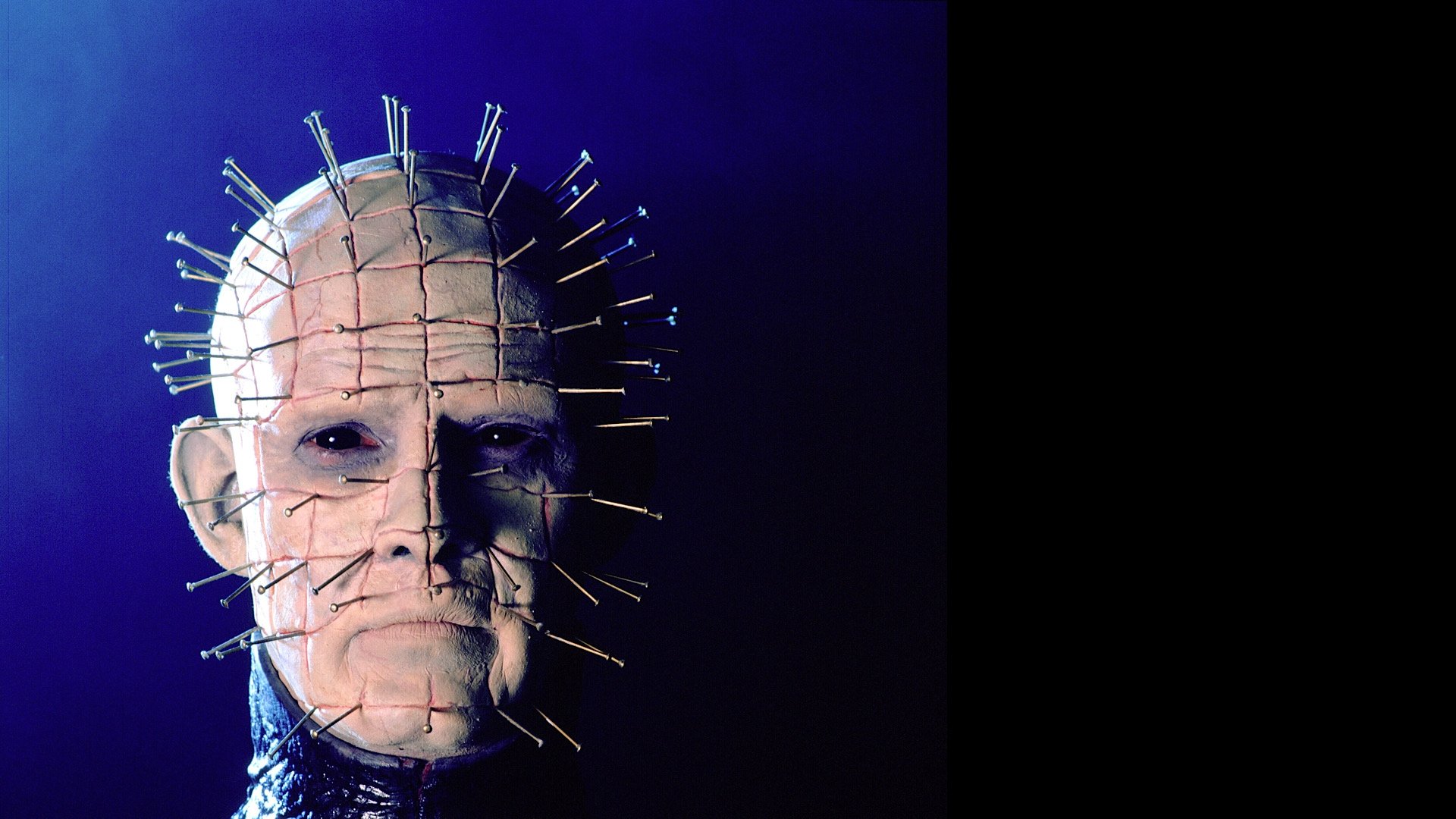
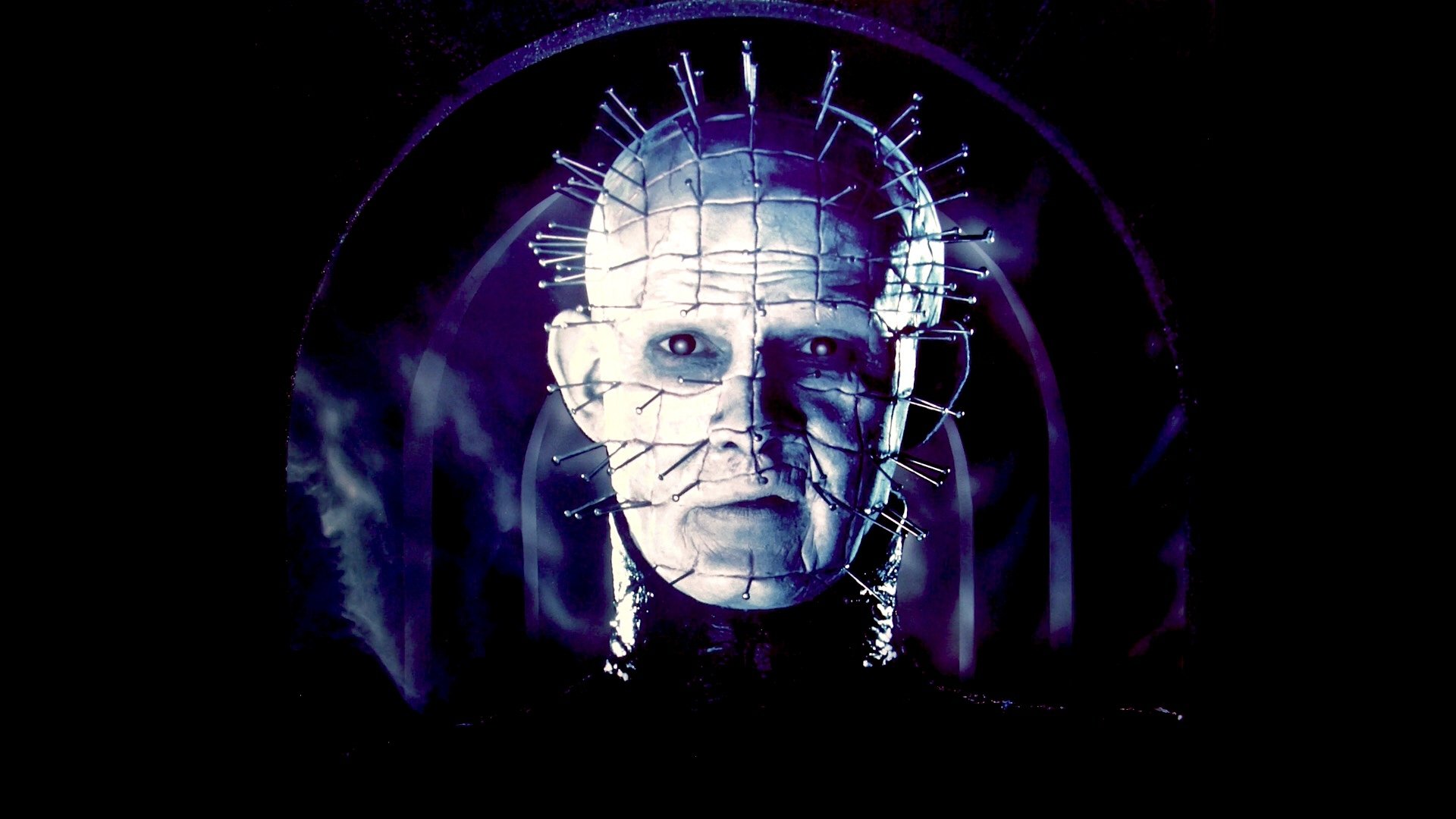
That interpretation also preserves a moral distinction already present in the first film. The Cenobites are associated with people who seek or activate the experiences represented by the box. When Tiffany solves the configuration under Channard's direction, Pinhead refuses to treat her as the person responsible, recognizing that she was manipulated into opening it. The response reinforces the idea that the Cenobites operate according to rules, however inhuman their understanding of pleasure and pain may be. Their behavior follows a particular understanding of desire, pain and consent.

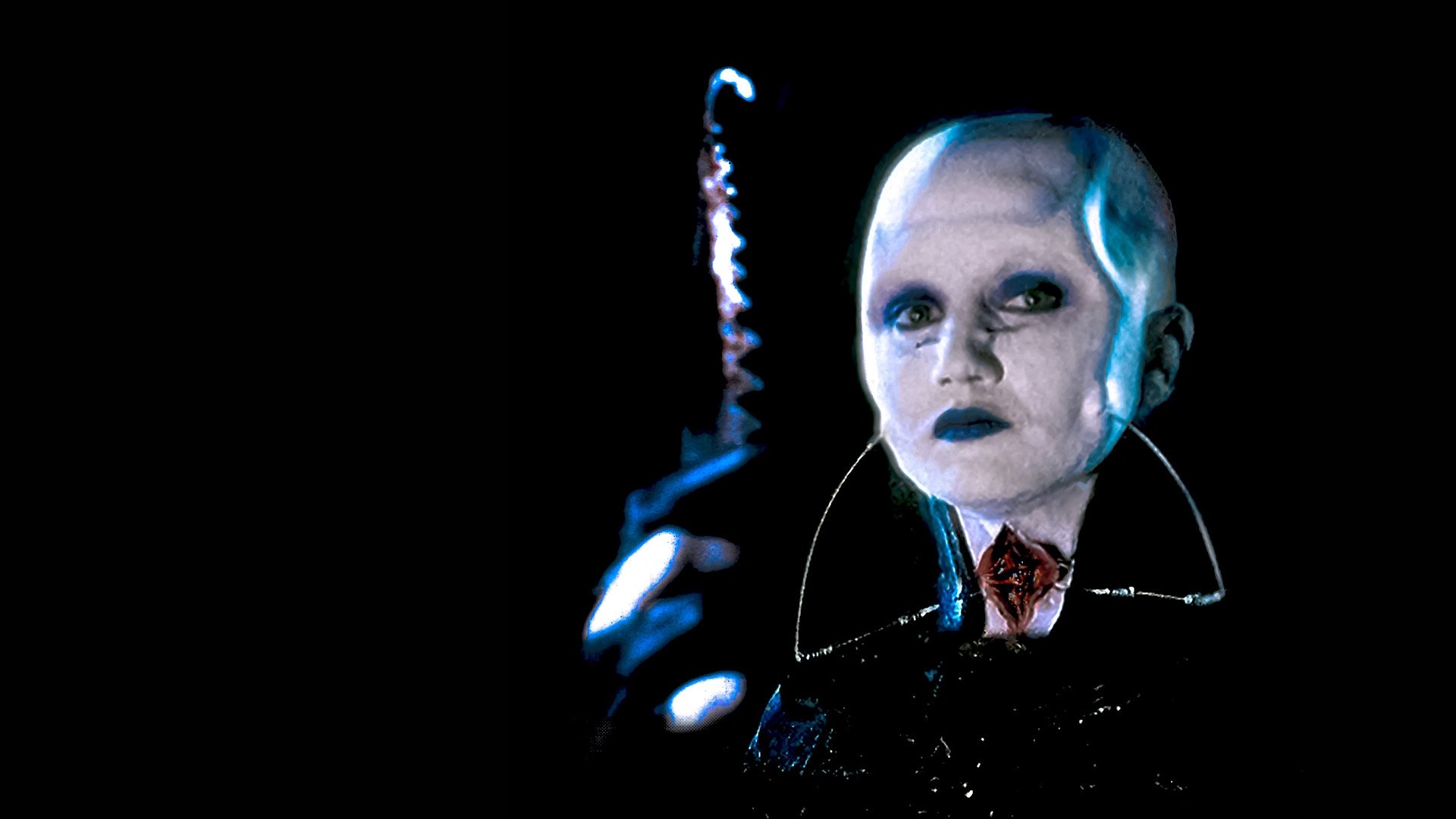
The decision divided viewers because mystery had been one of the Cenobites' greatest strengths. Randel acknowledged criticism that revealing their humanity weakened them, but argued that their past created more questions than it answered. Chatterer's revelation as a young boy is especially disturbing because the film provides no complete explanation of how such a transformation occurred. Hellbound therefore humanizes the Cenobites without fully domesticating them. Their former identities become additional fragments in a mythology that remains incomplete.

Music and the Sound of Leviathan

Christopher Young returned after scoring Hellraiser and expanded his musical language along with the physical scale of the sequel. The score was performed by the Graunke Symphony Orchestra, with choral material supplied by the Kammerchor Pro Musica Seria in Munich. The larger orchestral and choral resources allow Young to retain thematic continuity with the first film while giving the Labyrinth and Leviathan a more monumental sound. Brass, strings, percussion and voices repeatedly transform supernatural imagery into a ceremonial spectacle with an underlying threat.

Randel had known Young before the Hellraiser films and had previously hired him for other projects. Their collaboration became particularly useful on Hellbound because the director wanted the supernatural realm to feel architecturally enormous. The music can enlarge spaces beyond what sets and matte paintings physically provide. Themes that had sounded ominous and Gothic in the first film become heavier and more expansive as the characters descend further into Leviathan's world.

Young's work became one of the film's most acclaimed elements. He received the Saturn Award for Best Music for Hellbound, after having been nominated for the original Hellraiser score. The recognition reflects how central the music is to the sequel's identity. Hellbound often moves rapidly between gore, fantasy and surreal architecture, and Young provides the continuity that allows those modes to feel like connected parts of one mythology.

Release, Reception and Legacy

Hellbound was shown at the Toronto Festival of Festivals on September 9, 1988 while it was still carrying an X rating. After the prolonged dispute with the MPAA and the required alterations, New World Pictures opened the R-rated version widely in the United States on December 23, 1988. The Christmas release functioned as deliberate counter-programming. The film earned approximately $3.19 million during its opening weekend from 1,180 theaters and ultimately grossed roughly $12.1 million domestically, placing it close to the theatrical performance of the first Hellraiser.

Contemporary critical reaction was mixed to negative. Some reviewers admired the scale and energy while arguing that Randel had exchanged much of Barker's intimate Gothic menace for a faster procession of monsters and set pieces. The Los Angeles Times characterized it as more action-oriented and more overtly spectacular than its predecessor while criticizing lapses in narrative logic. Barker himself later acknowledged mixed feelings about the finished film and emphasized that Randel had made creative choices he would not necessarily have made, while still defending the sequel as a sincere continuation with its own creative decisions.

Its importance within horror has become clearer through the subsequent history of the franchise. Hellbound establishes Leviathan, visualizes the Labyrinth, gives the Cenobites human origins and turns their transformation into an observable process. Later Hellraiser films would alter, ignore or reinterpret parts of this mythology, but the conceptual expansion accomplished here remained one of the series' richest sources of imagery. Where Hellraiser created the doorway, Hellbound attempted to construct the world on the other side. Its combination of prosthetic excess, abstract geometry and metaphysical horror makes it a distinctive continuation and preserves its position as the essential companion piece to Barker's original film.

Connections

Cast

View Full Cast & Crew →

Release & Distribution

Production Companies (4)

  • Cinemarque Entertainment
  • Film Futures GB
  • King Video Productions
  • New World Pictures US

Distributors (1)

  • New World Pictures US

Release History (22)

Release DateTerritoryRelease TypeFormatDistributorCertificationNotes
1988-09-09 Canada Premiere — — 18A Toronto International Film Festival
1988-12-23 Czechia Theatrical — — —
1988-12-23 United States Theatrical — — R
1989-02-25 Japan Theatrical — — —
1989-04-13 Netherlands Theatrical — — 16
1989-05-05 Italy Theatrical — — VM14
1989-06-19 United Kingdom Theatrical — — 18
1989-07-05 France Theatrical — — 18
1989-07-06 Germany Theatrical — — 18
1989-07-20 Australia Theatrical — — —
1989-07-29 South Korea Theatrical — — —
1989-09-22 Ireland Theatrical — — 18
1989-09-28 Colombia Theatrical — — —
1989-11-02 Spain Theatrical — — 18
1989-11-03 Spain Theatrical — — 18
1990-03-08 Argentina Theatrical — — 18
1990-07-20 Portugal Theatrical — — M/18
1990-12-07 Brazil Theatrical — — 18
1994-01-01 United States Physical — — NR R&G Video / StarMaker Entertainment / Anchor Bay Entertainment #99103 [𝐕𝐇𝐒📼] 𝟭𝟬𝟳 mínutєѕ
2001-04-25 Sweden Physical DVD — 15 DVD
2001-07-18 France Physical DVD — — DVD
2019-01-22 France Physical Blu-ray — — Blu-Ray
Time to play.