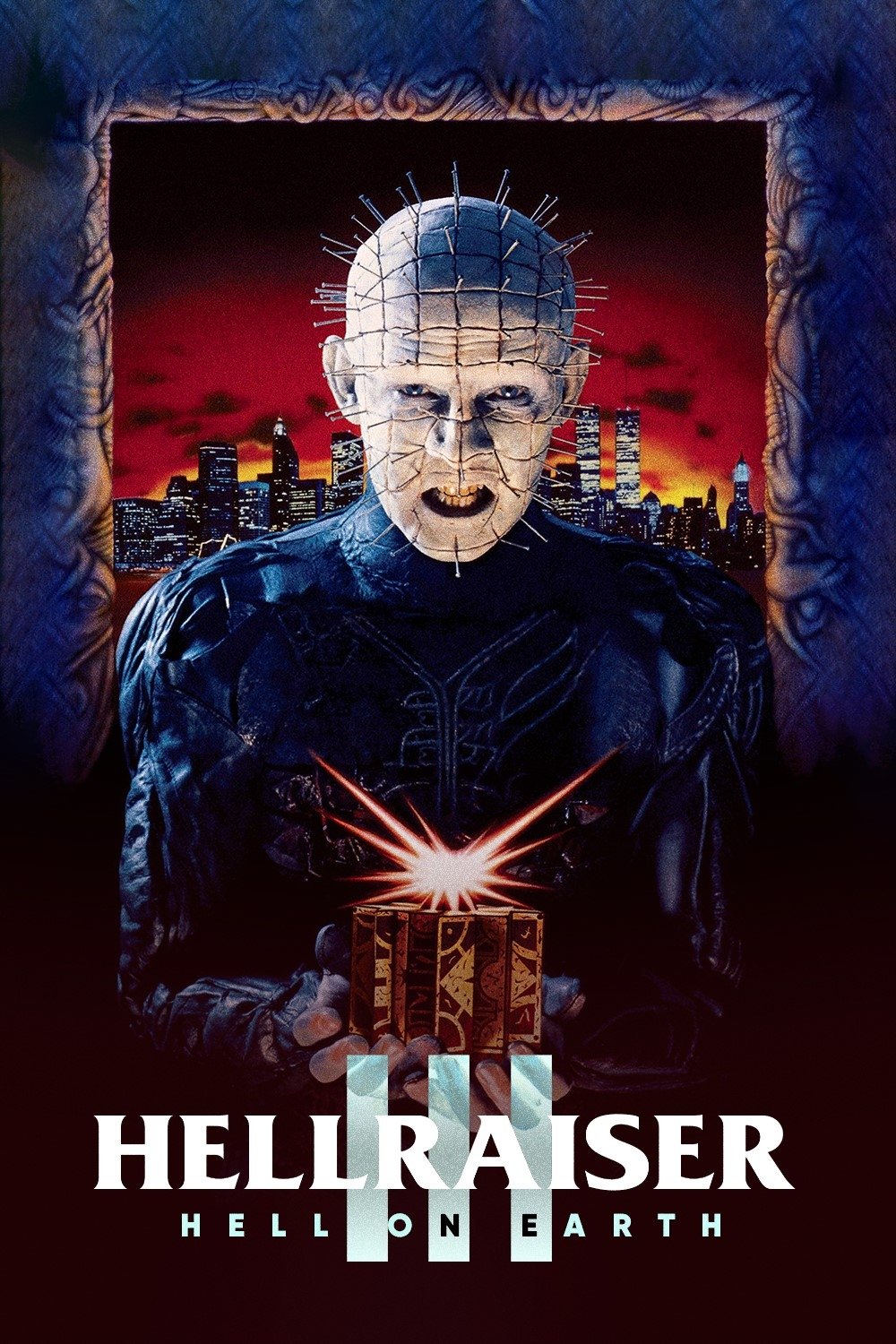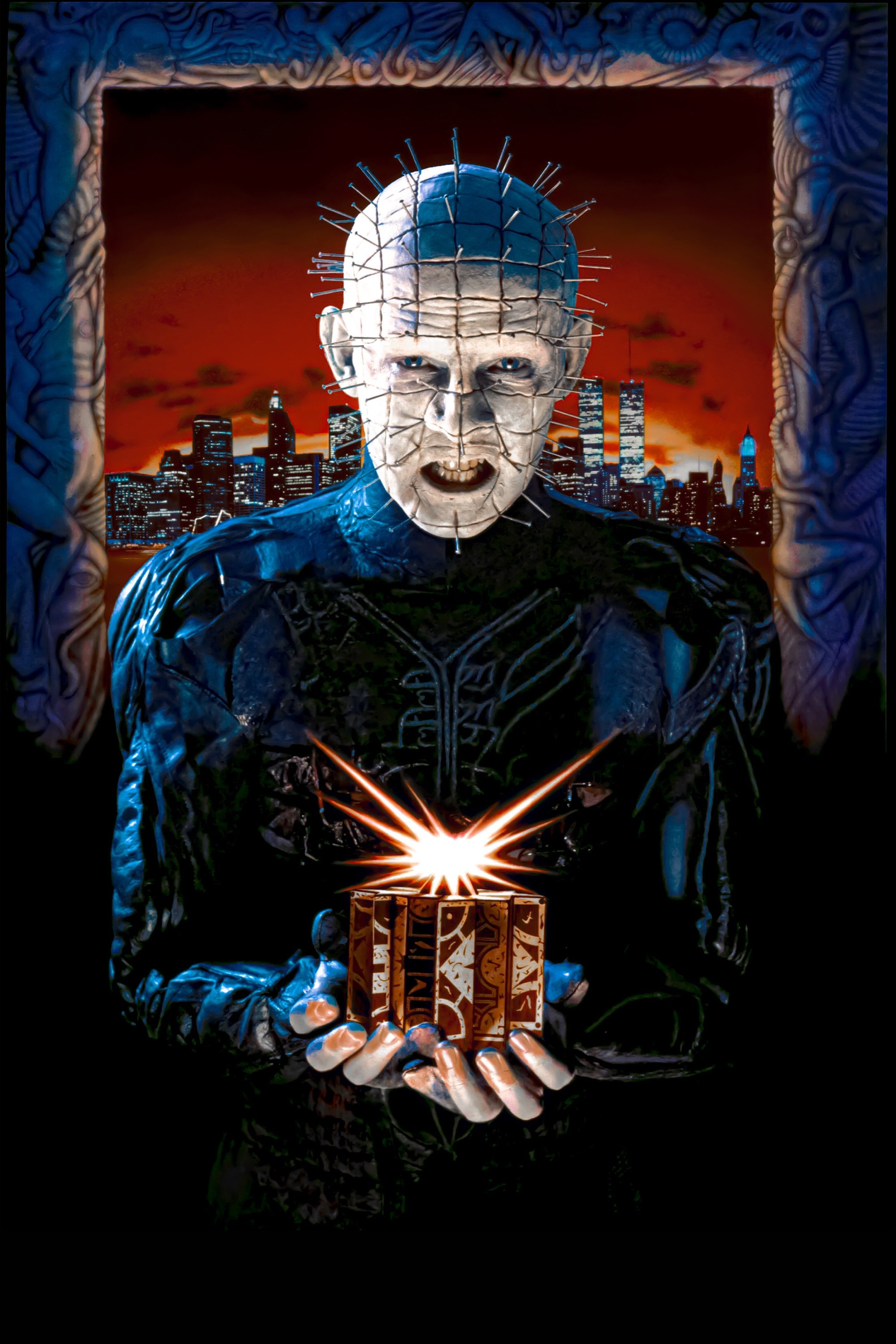




A Long Development with Several Abandoned Stories
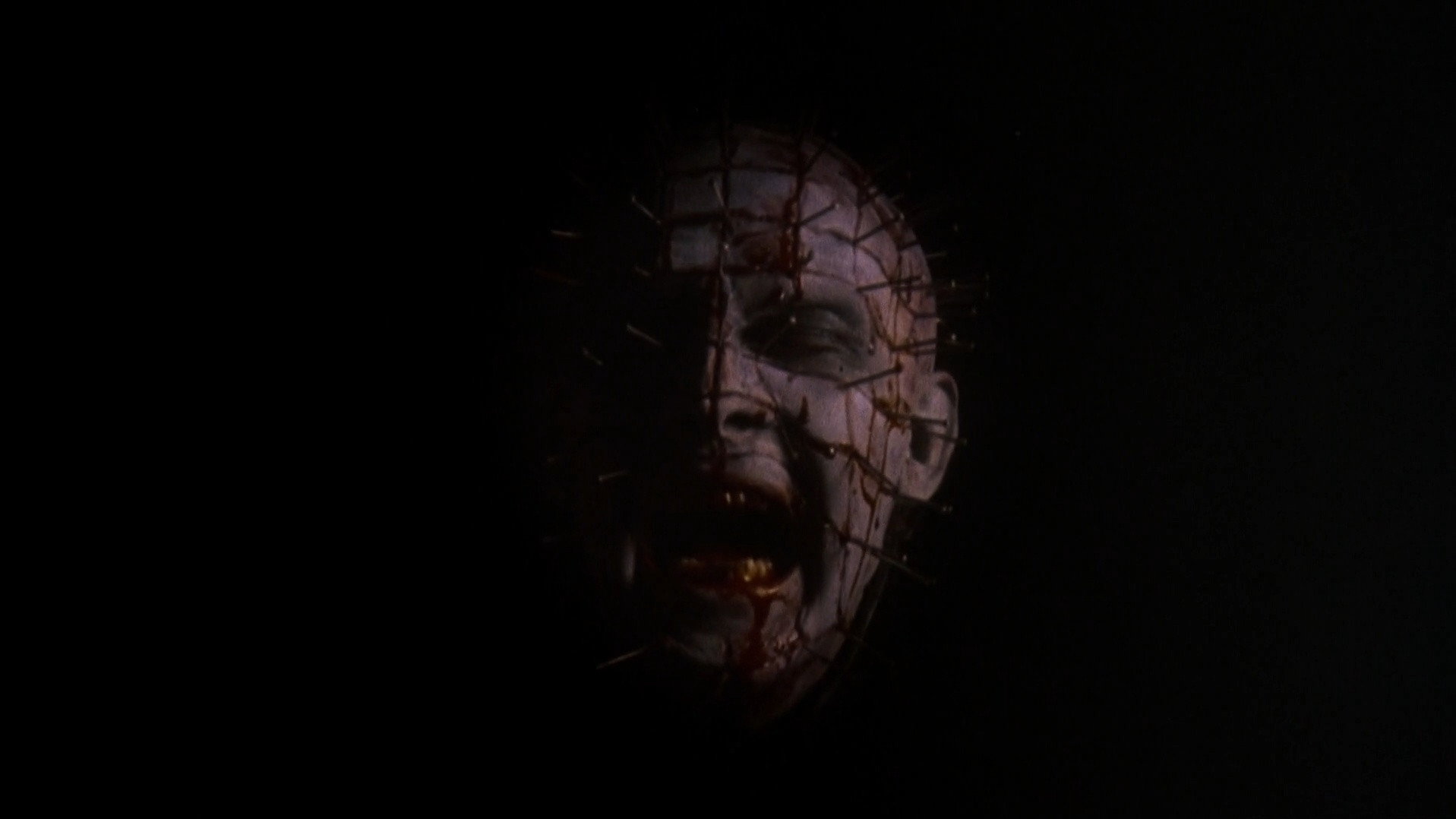
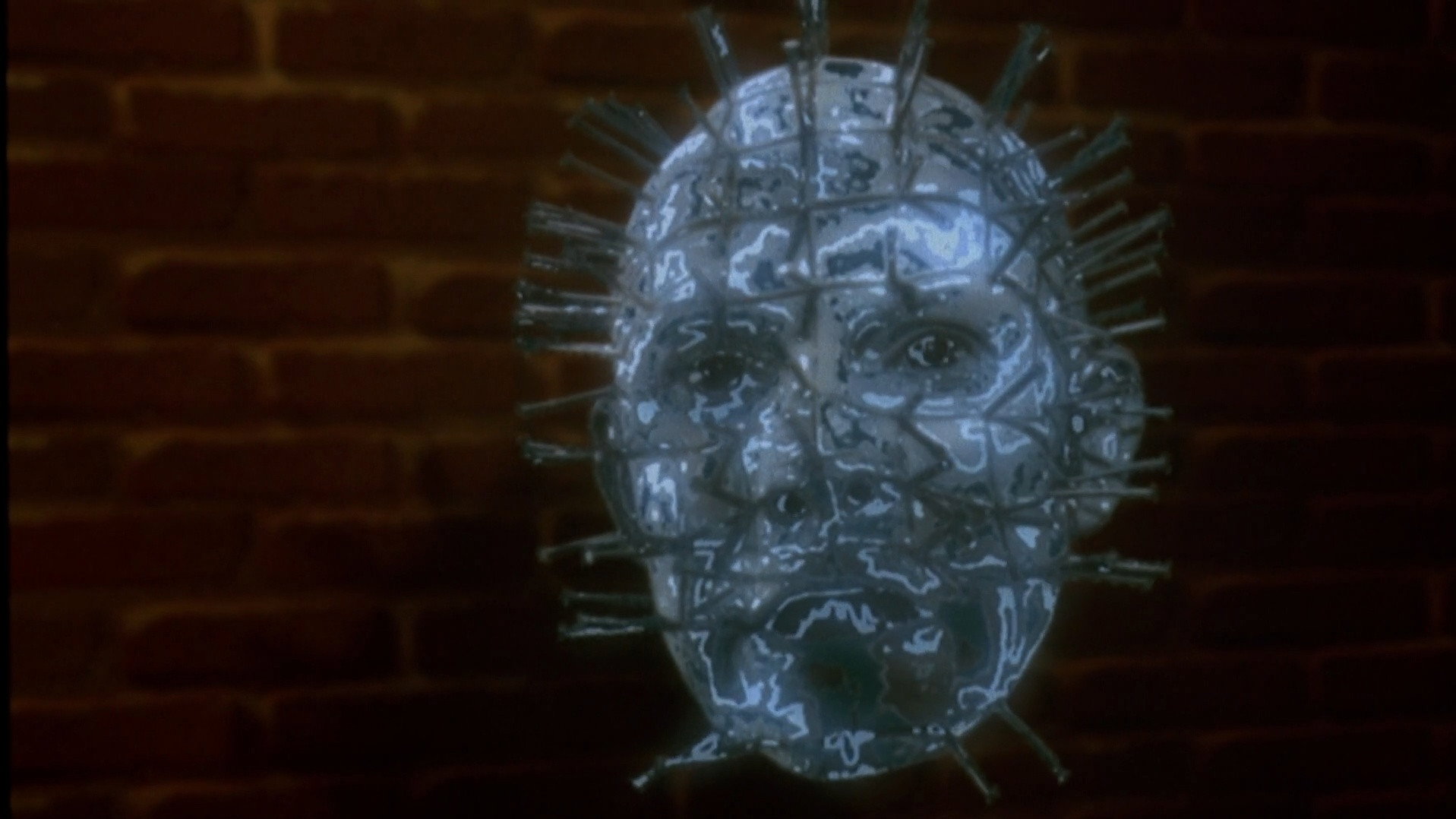
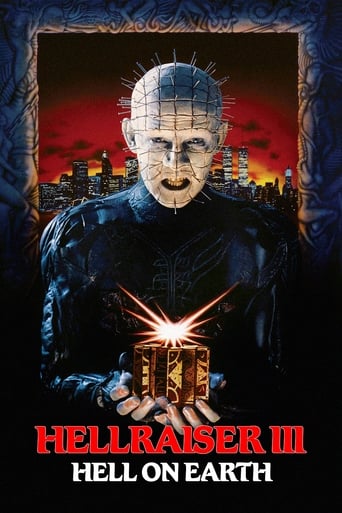
Atkins traced the project's origins to late 1987, when Barker and producer Christopher Figg approached him while Hellbound was still in preparation. The version eventually released was preceded by multiple story proposals, some of which had progressed well beyond an informal pitch. Atkins recalled an Egyptian premise involving a Pharaoh connected to the earliest Cenobites and another centered on Julia Cotton, a religious cult and the investigator Ronson. Plans to make Julia a continuing antagonist lost momentum as Pinhead attracted attention and Claire Higgins moved away from the role. These descriptions come from the screenwriter's retrospective essay and should be understood as accounts of unfilmed development, not scenes deleted from the 1992 feature.
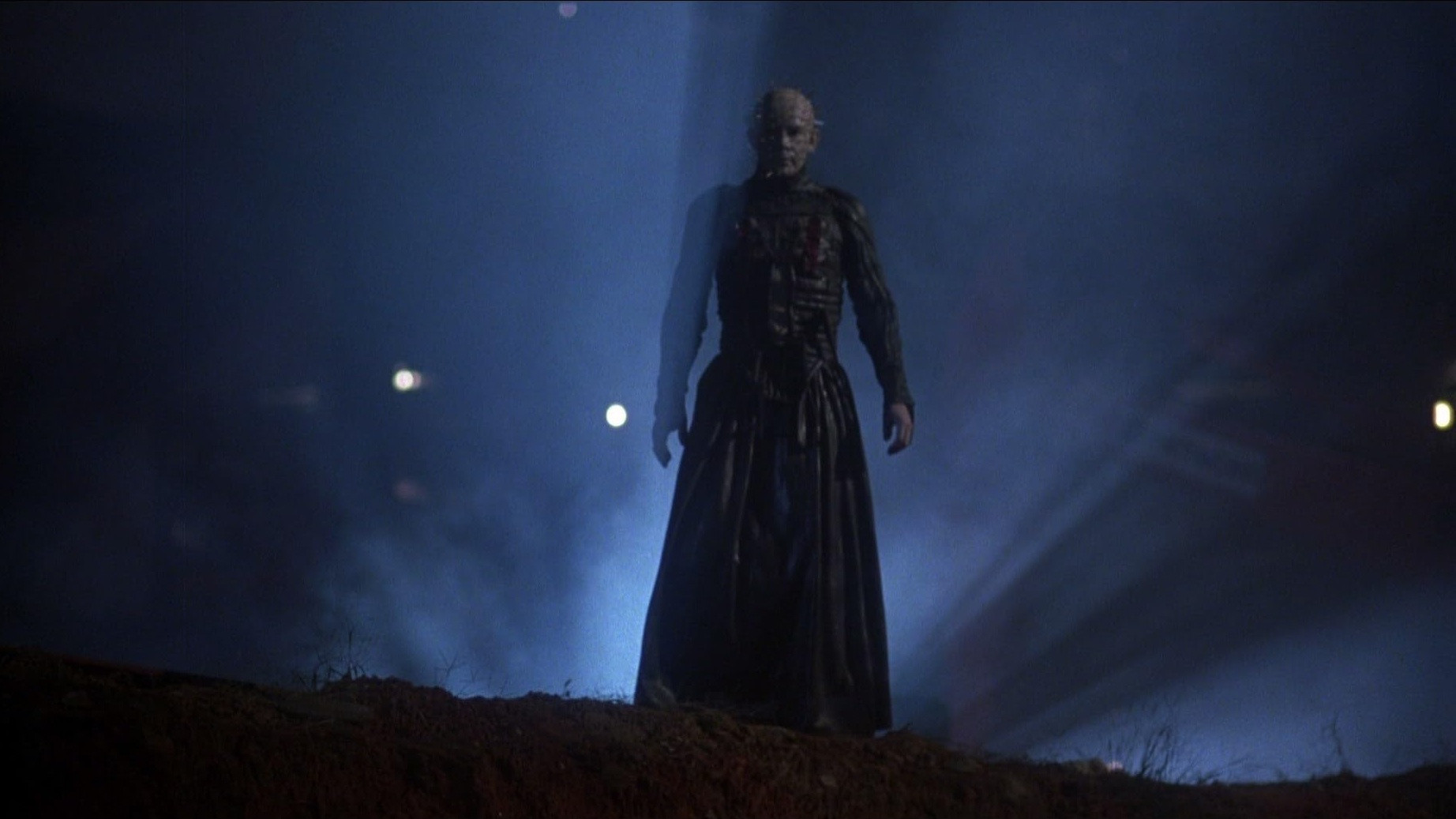
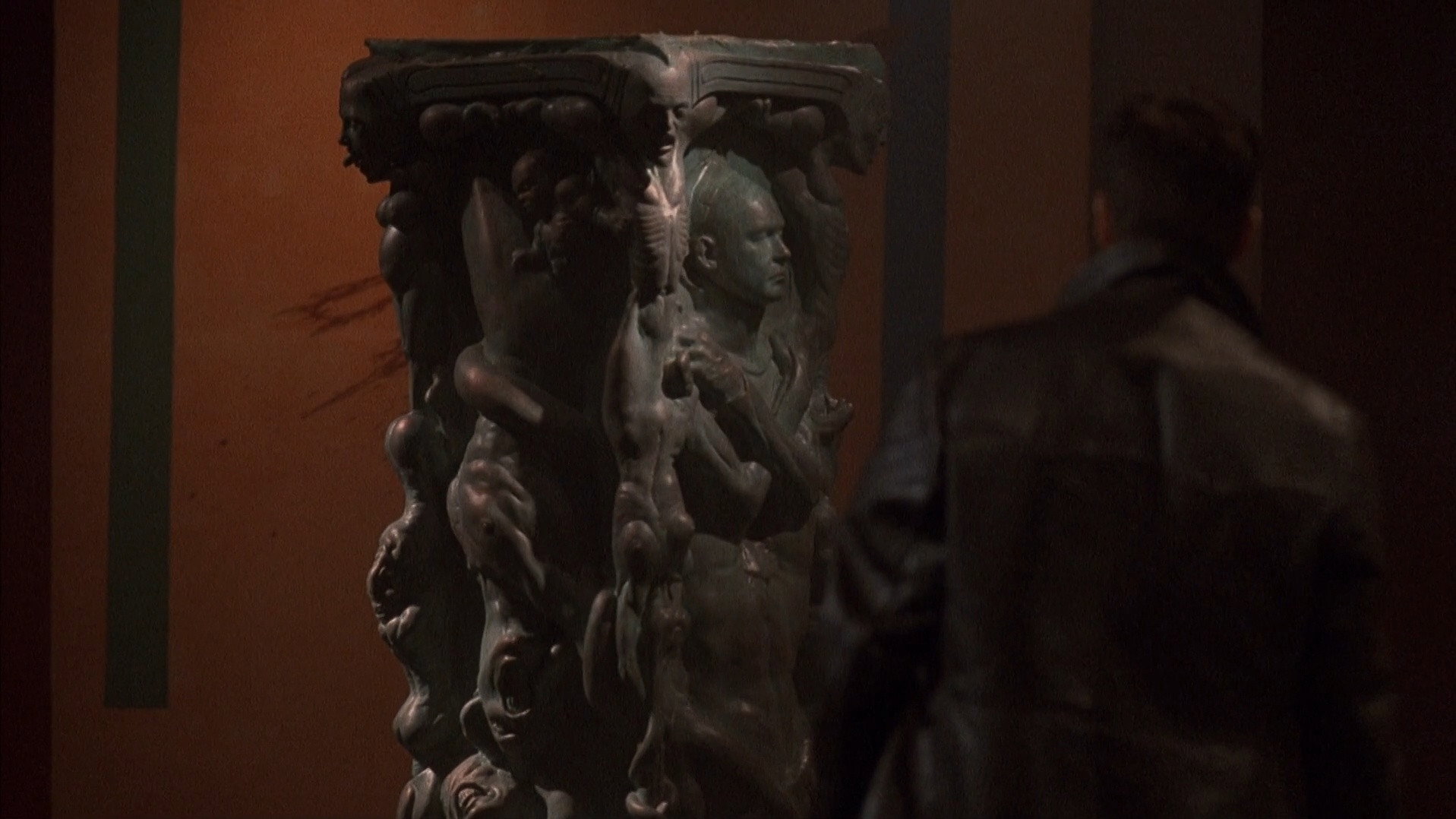
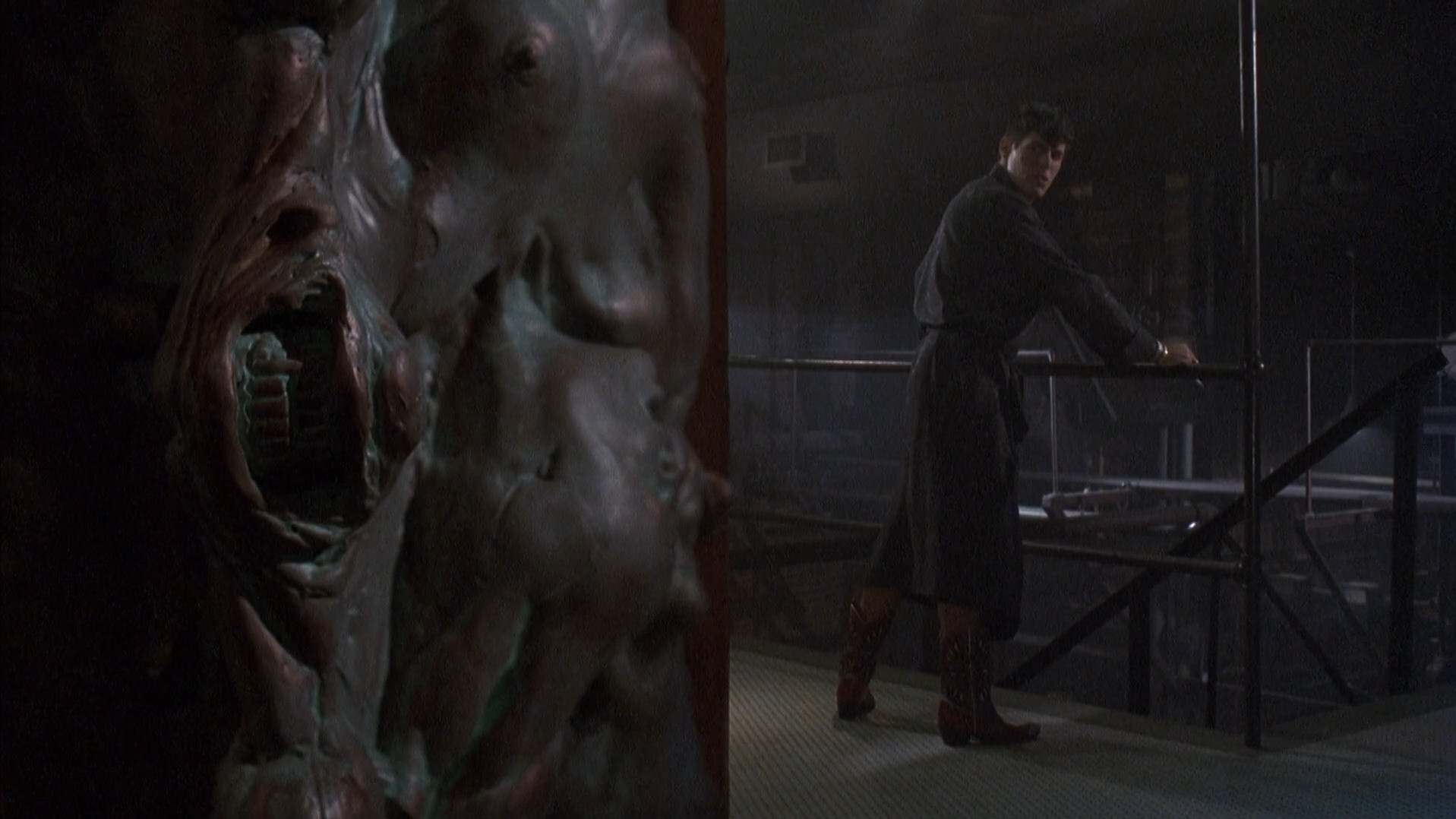
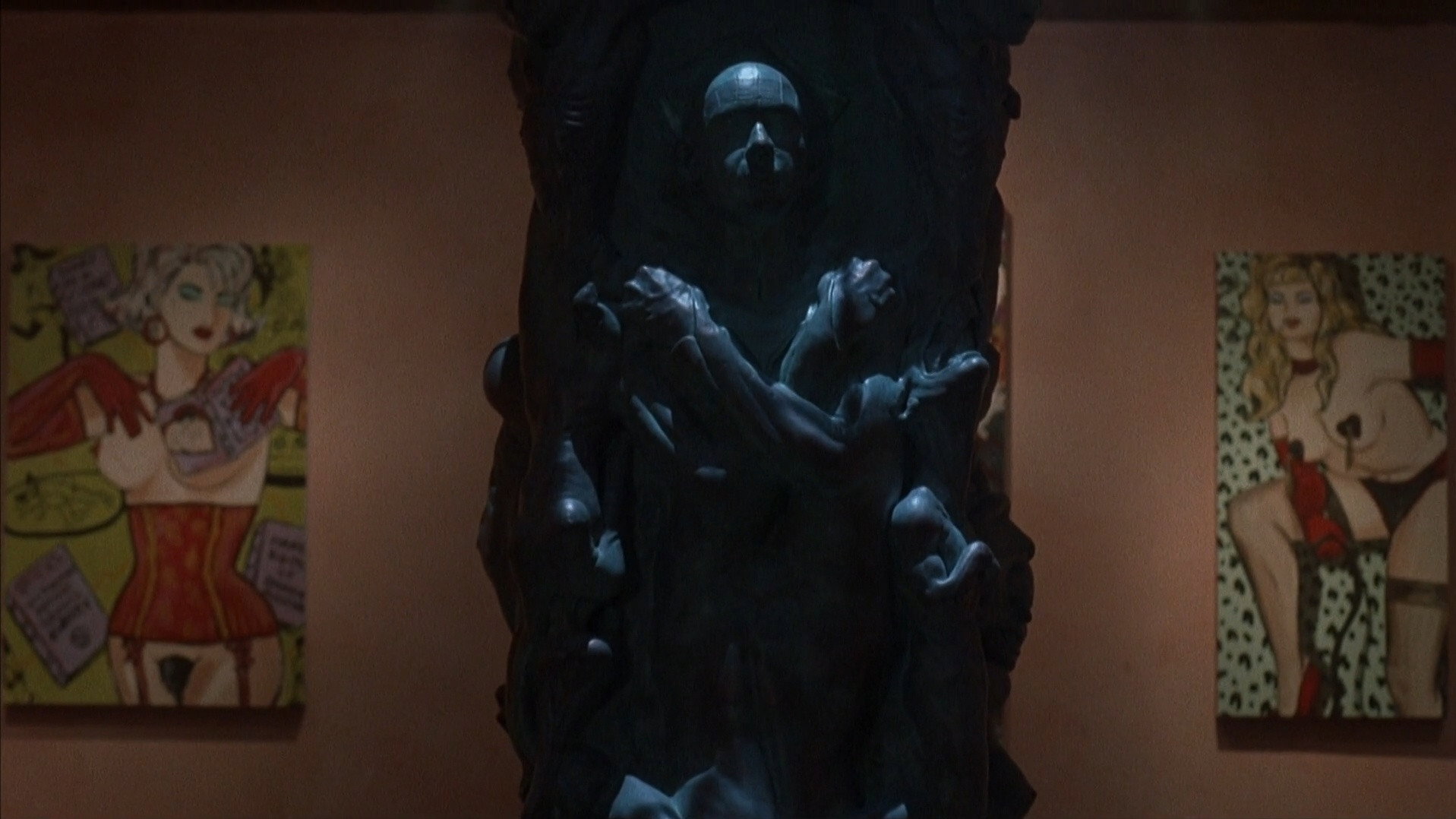
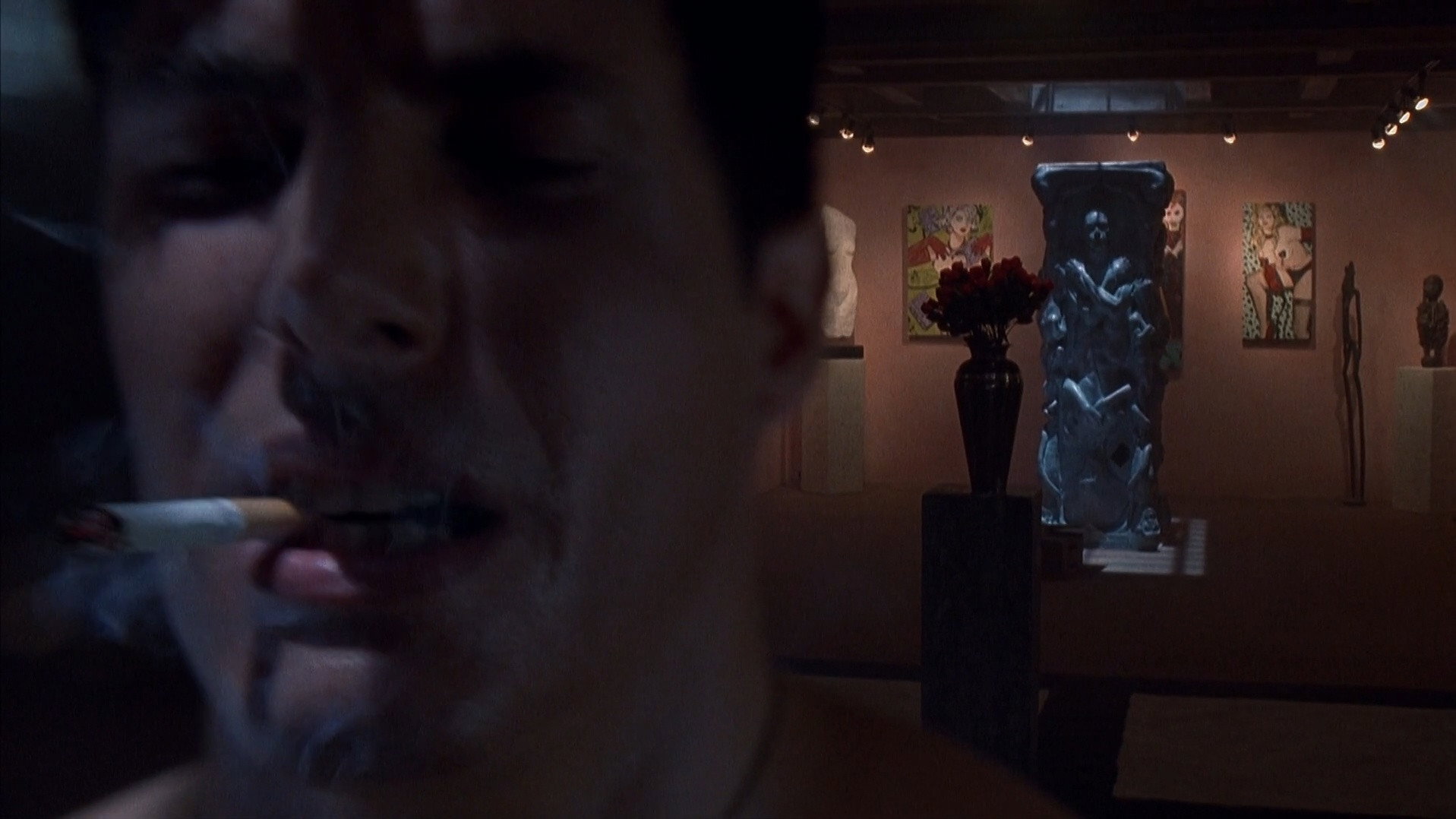
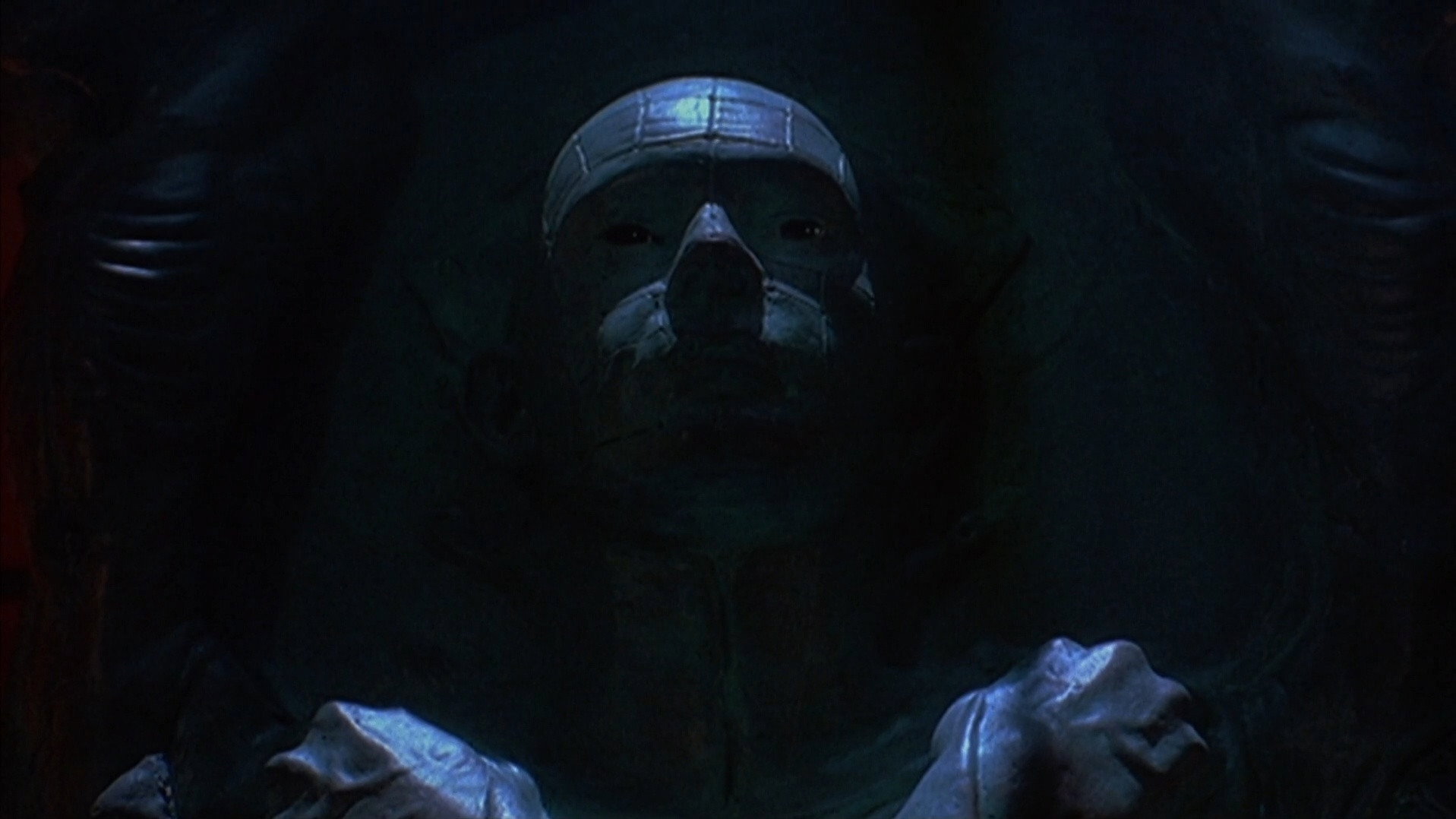
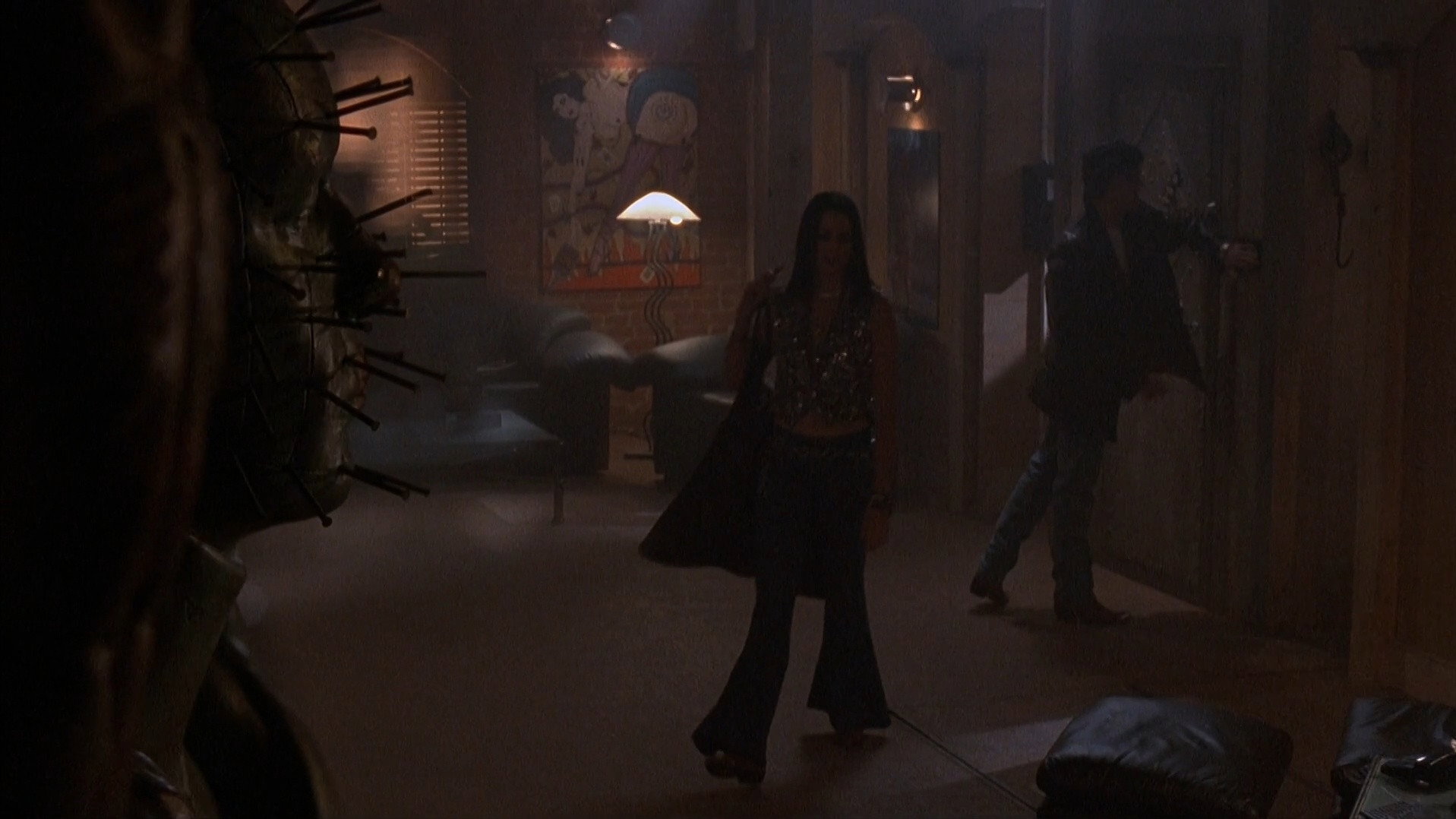
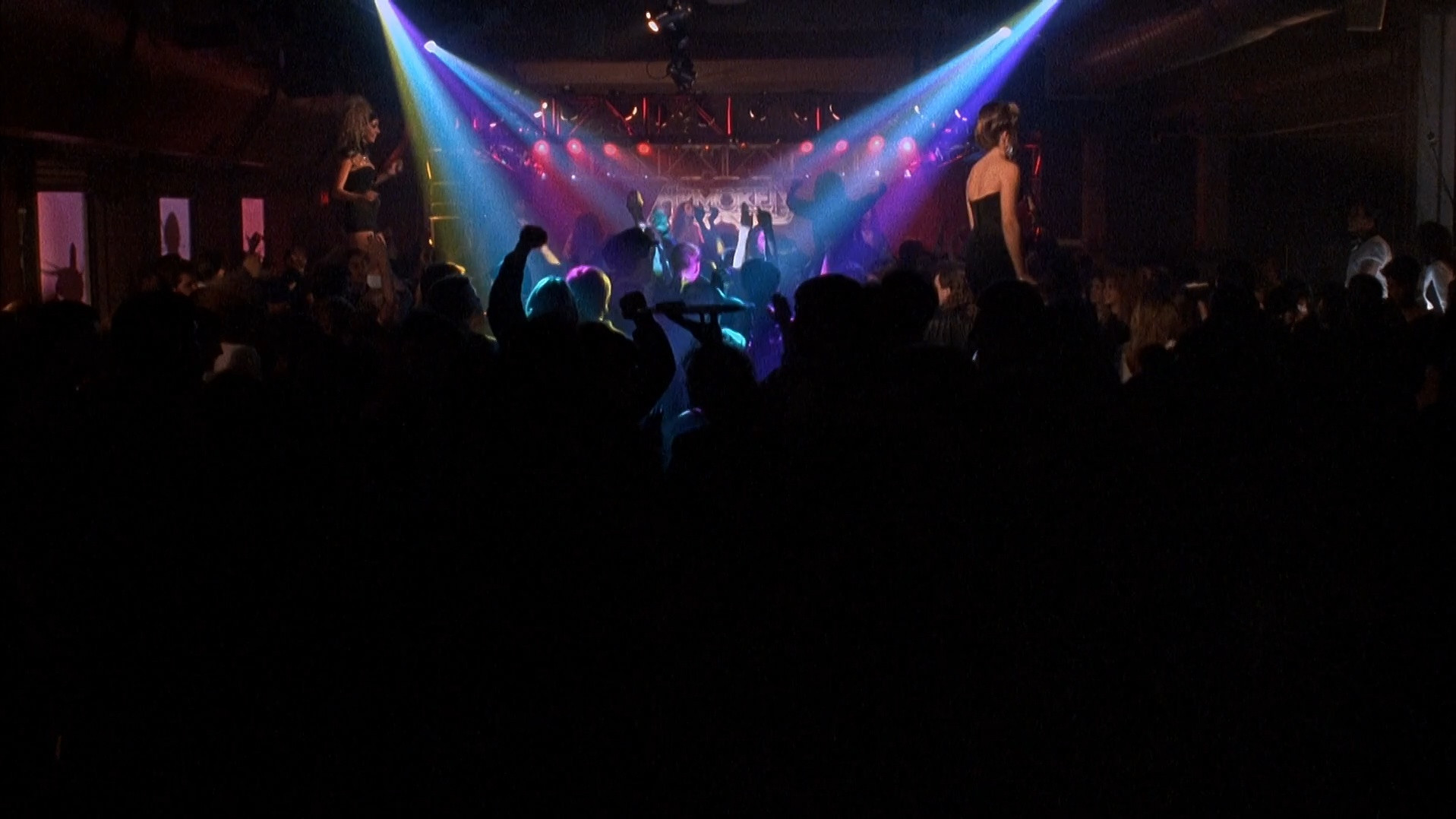
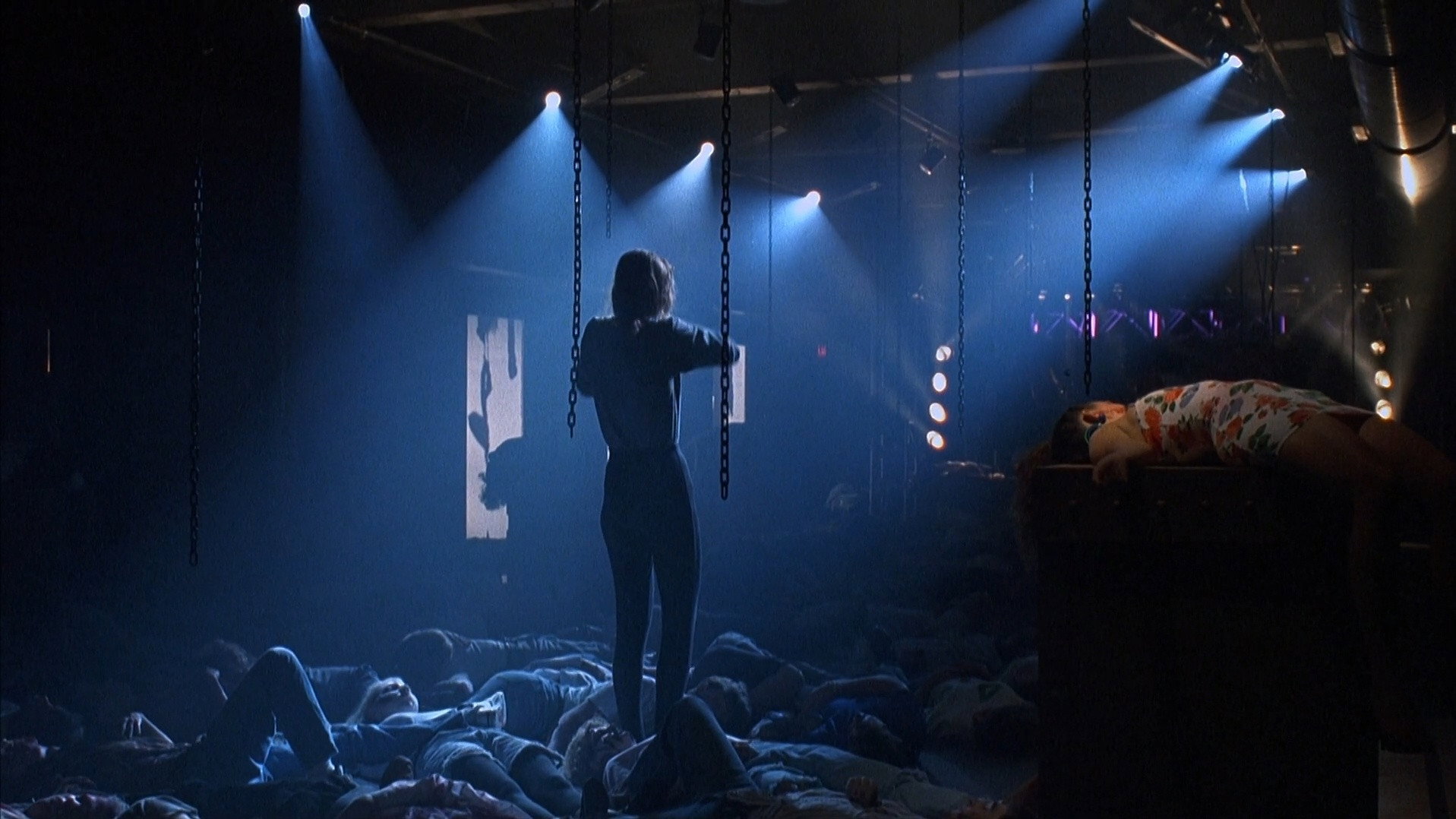
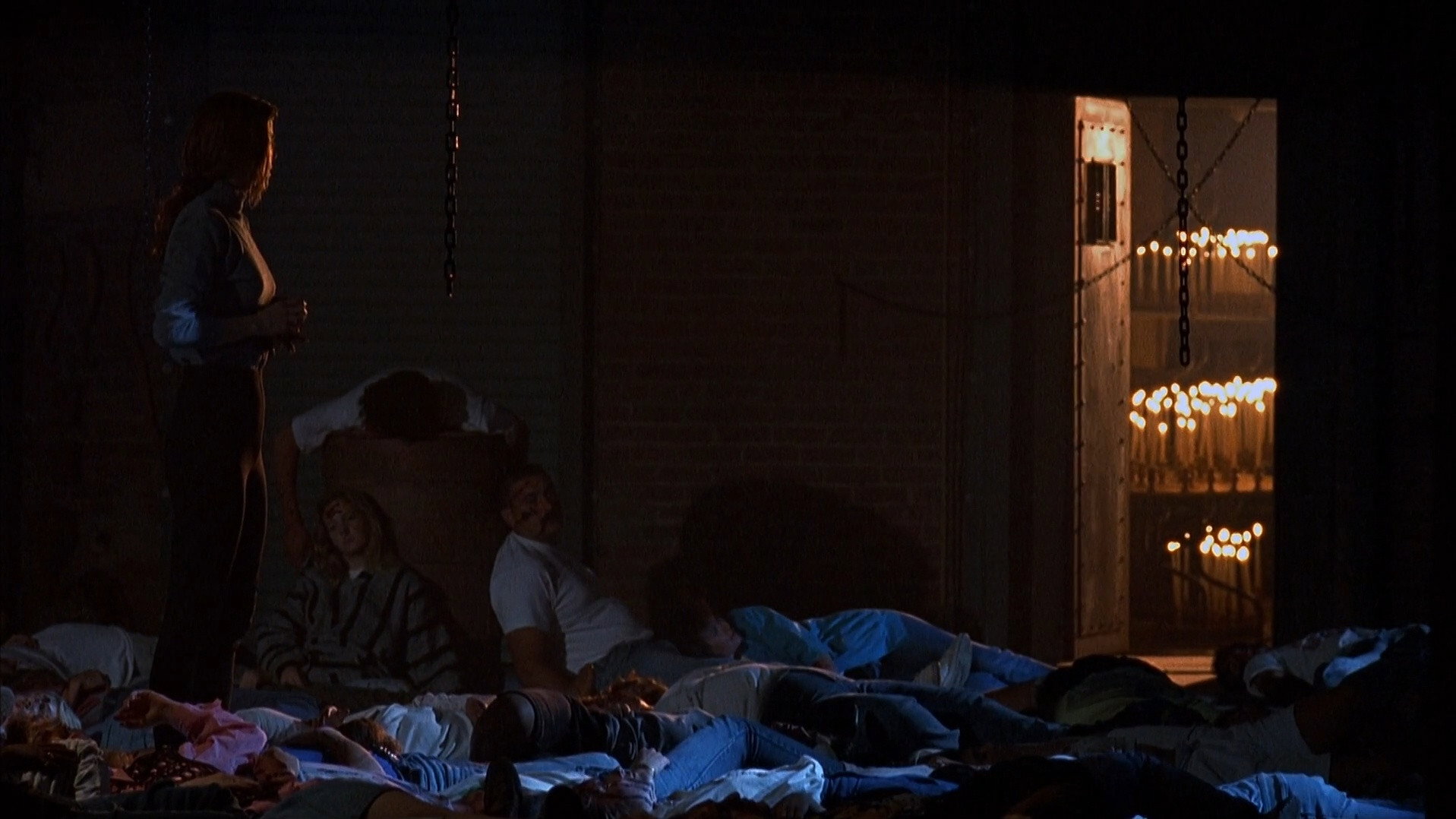
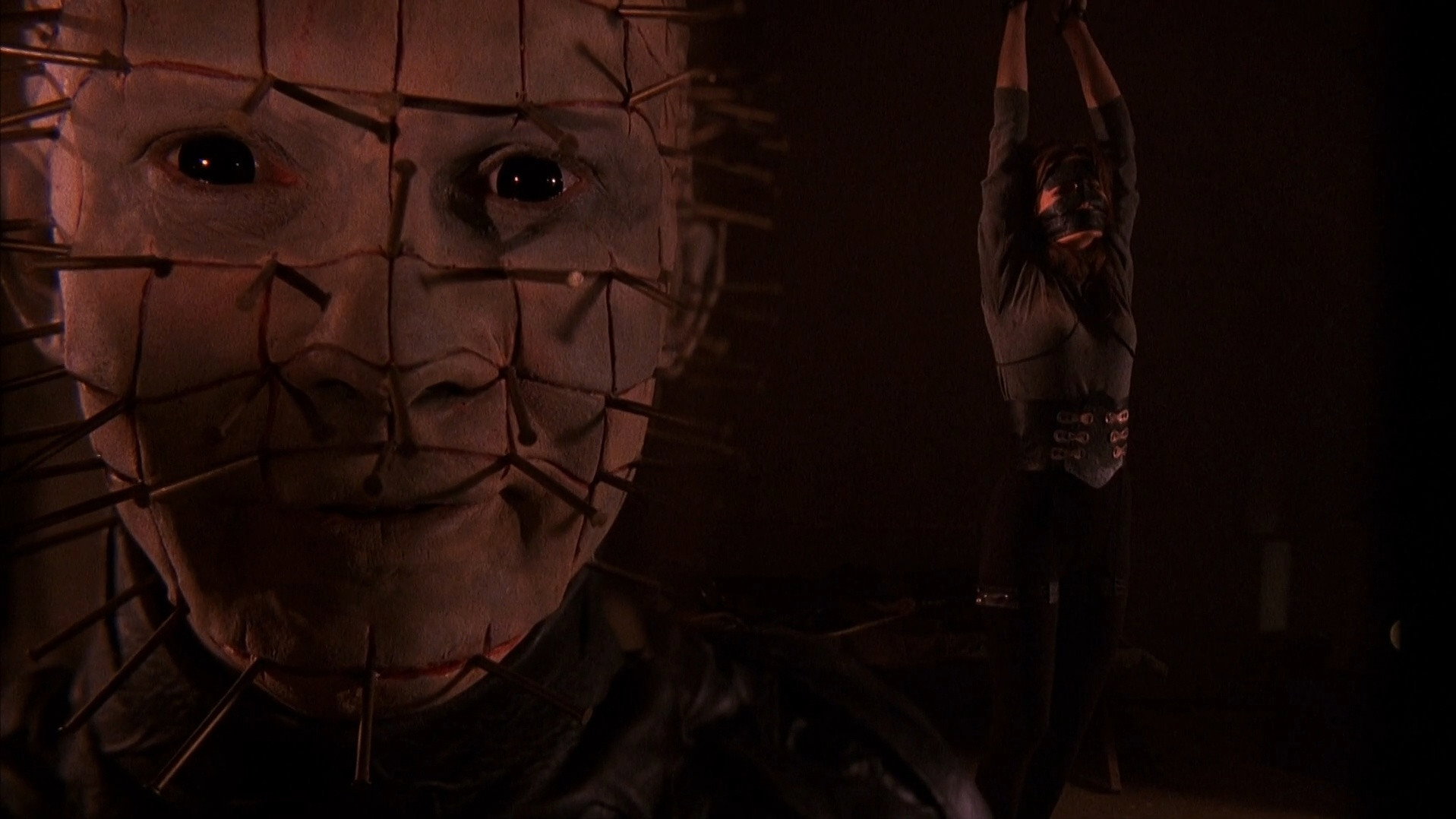
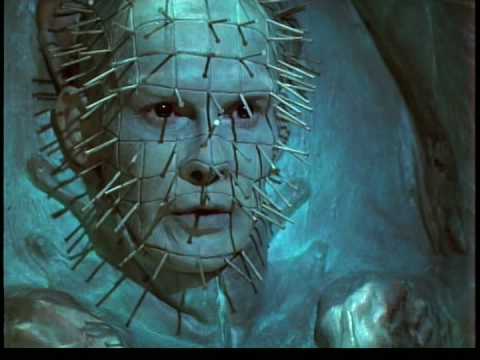
A later concept placed a resurrected Pinhead in a brothel operated by a fallen priest, with the creator of the puzzle box implicated in the deaths. New World backed this screenplay sufficiently for preliminary work, including effects preparation by Bob Keen's team and designs by Mike Ploog. The company's financial and ownership difficulties stopped that version. Under Trans-Atlantic Entertainment, Tony Randel and Atkins returned to a different idea: an affluent club owner acquires the pillar imprisoning Pinhead, while a young woman receives disturbing visions linked to the Cenobite's human past. Atkins specifically credited Randel with the club-and-pillar premise. Their combined strands became the basis of the film finally produced.