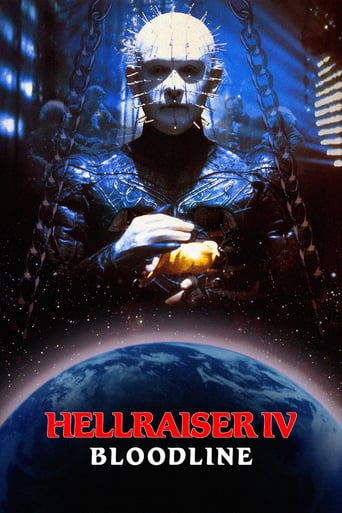
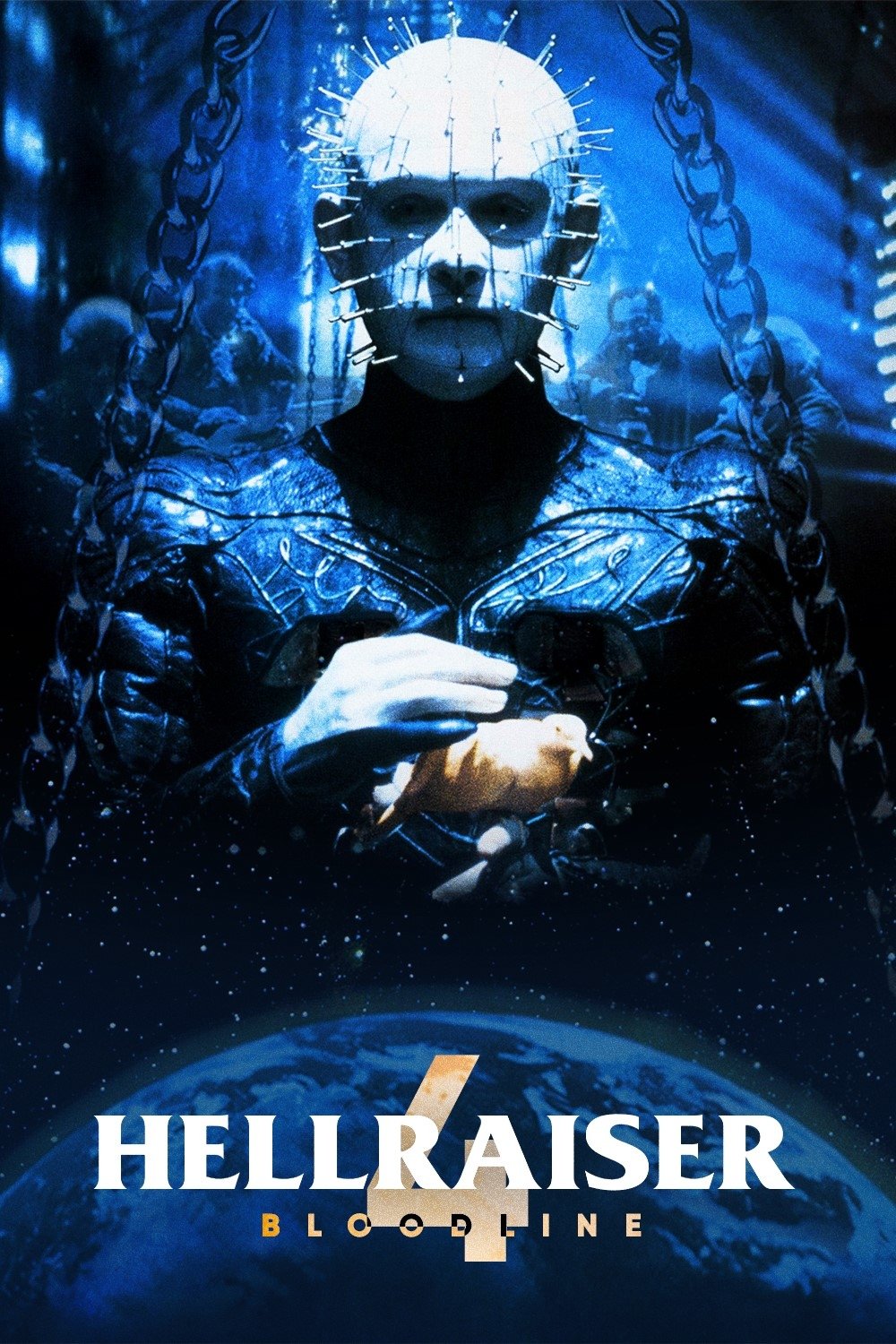
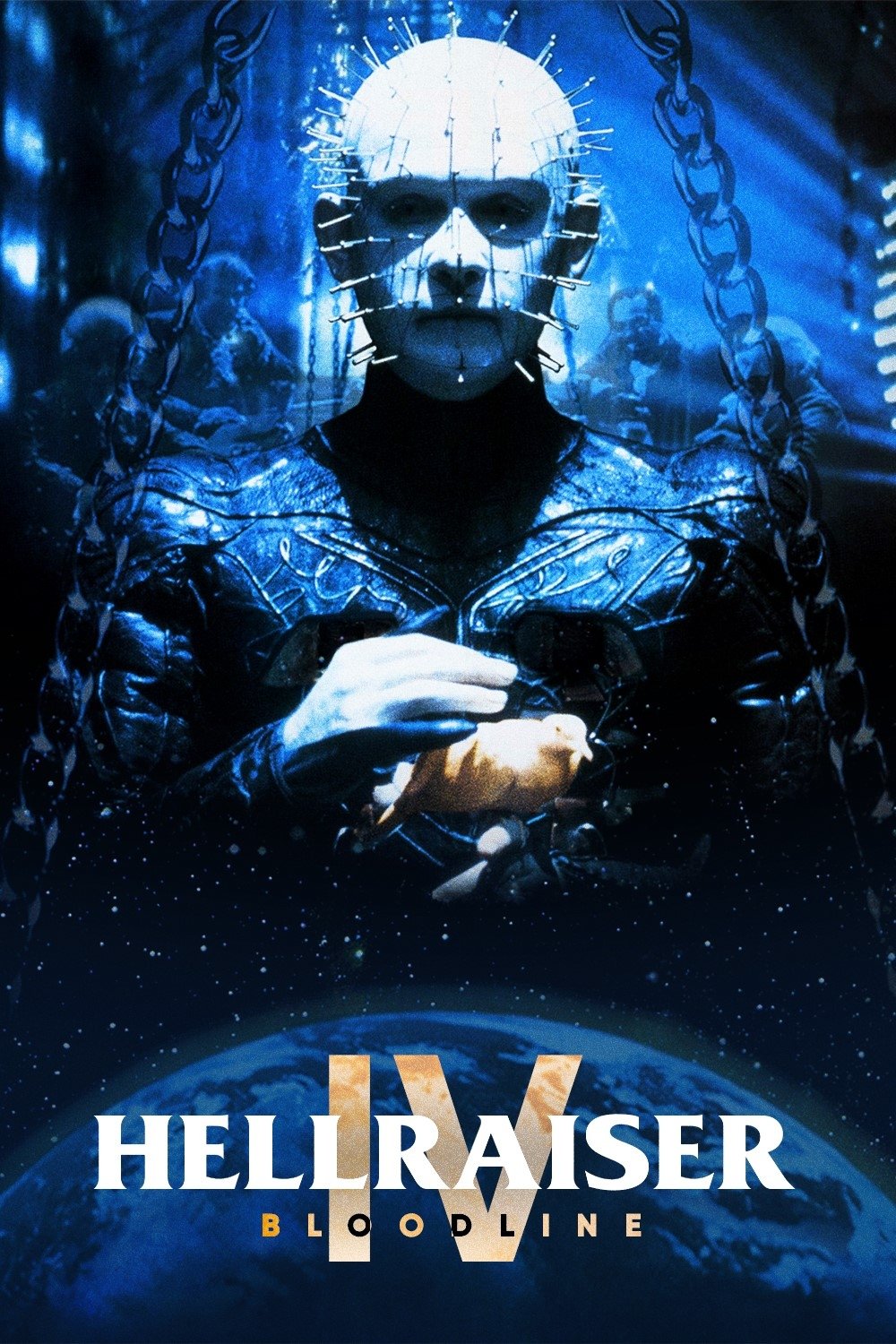
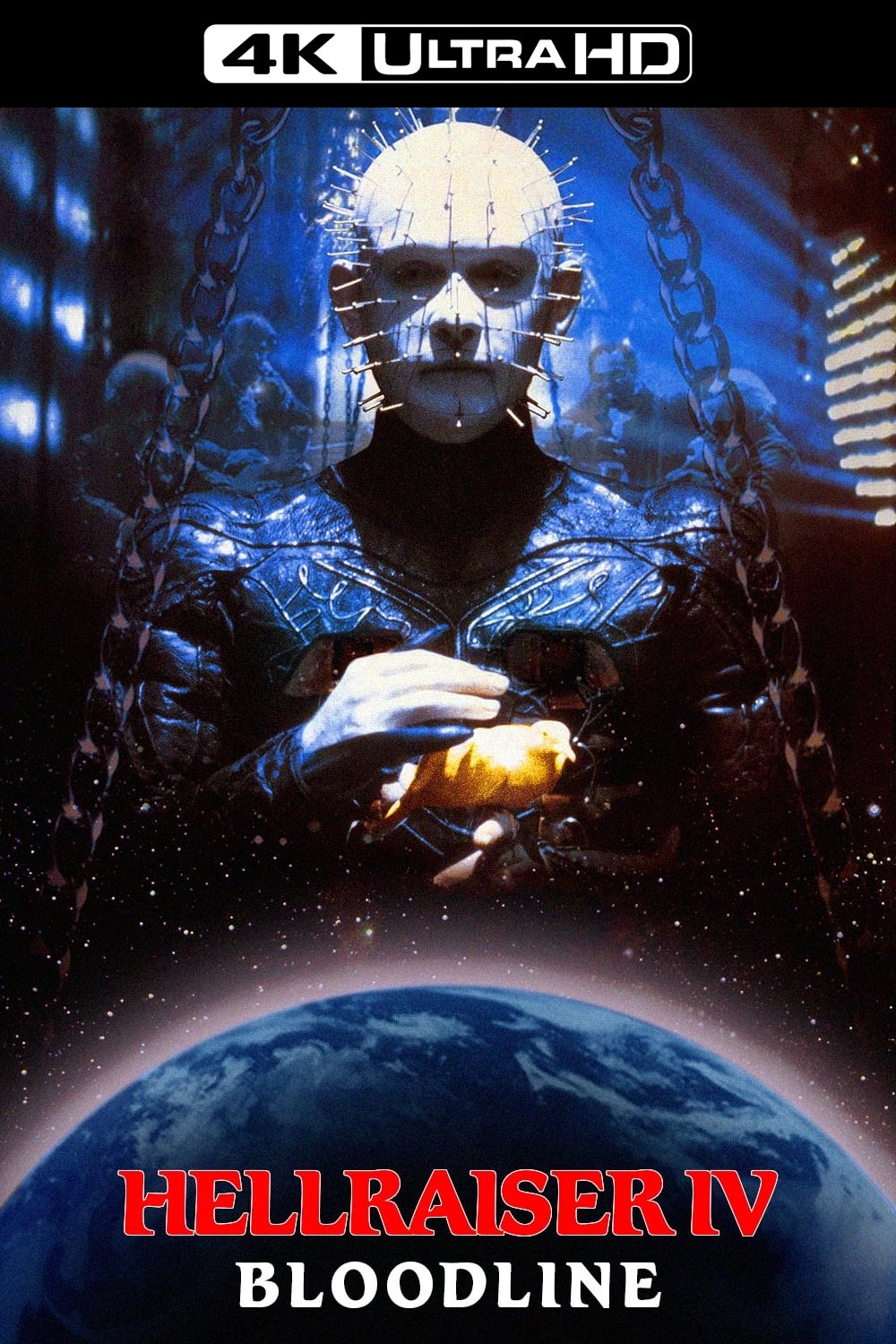
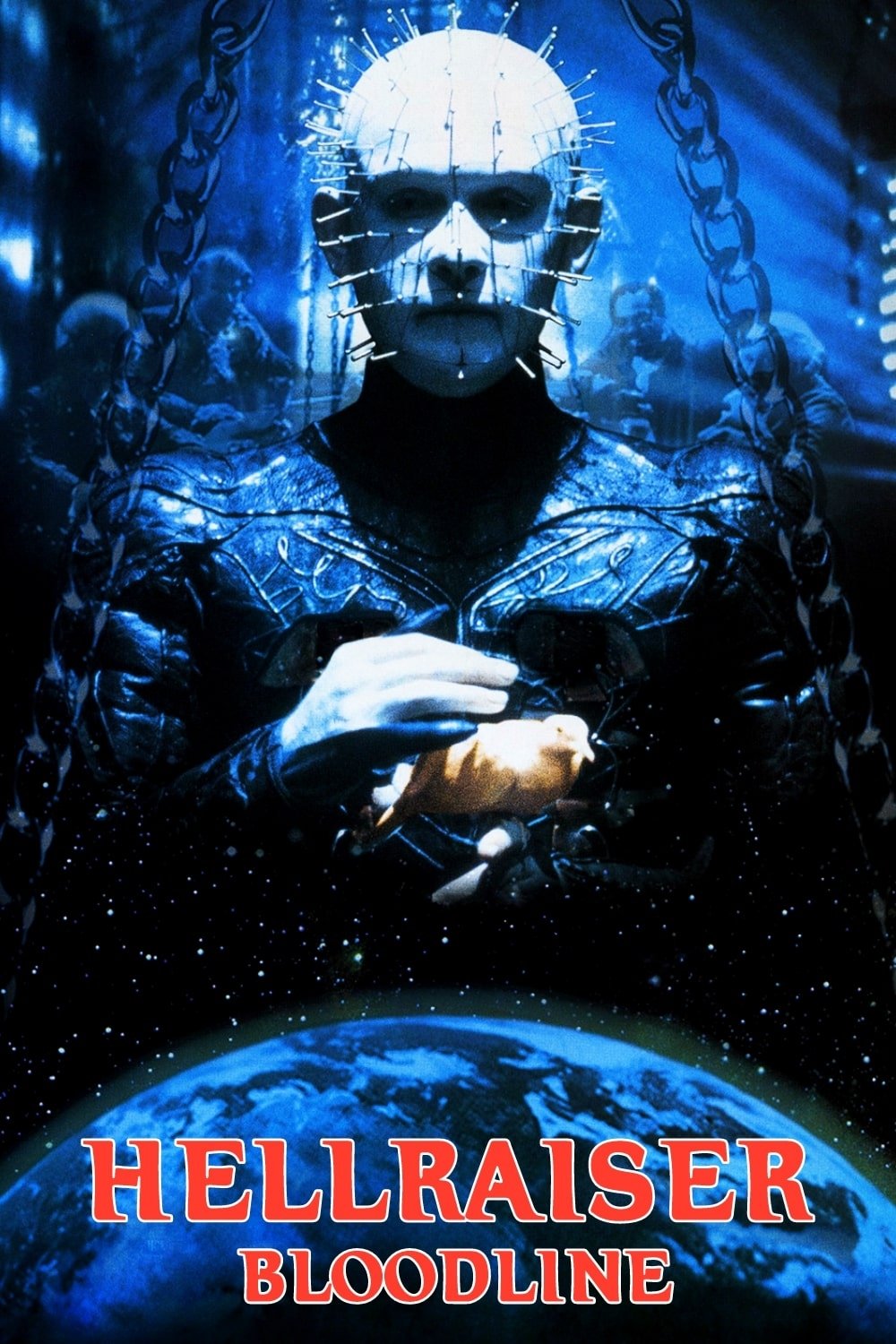
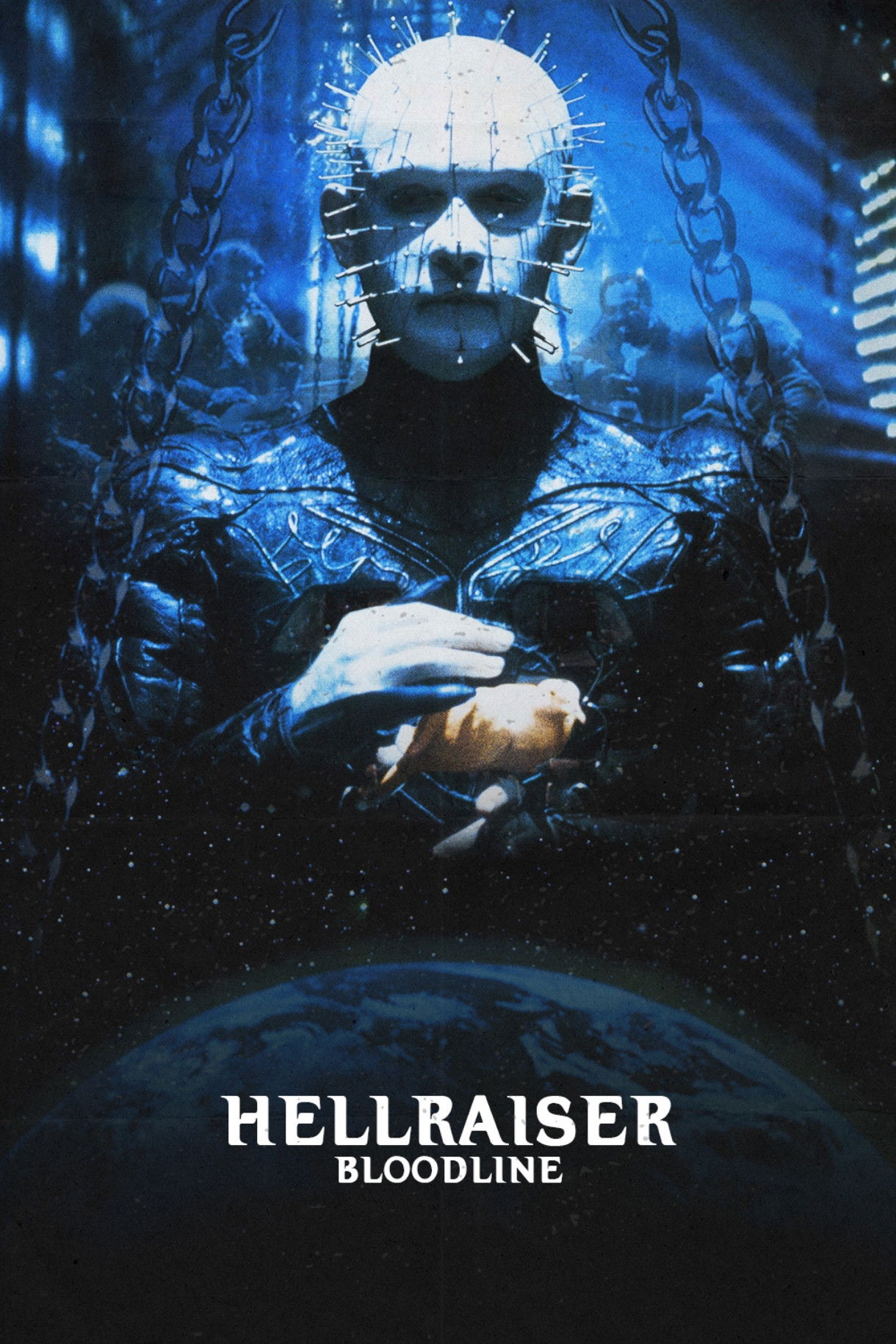
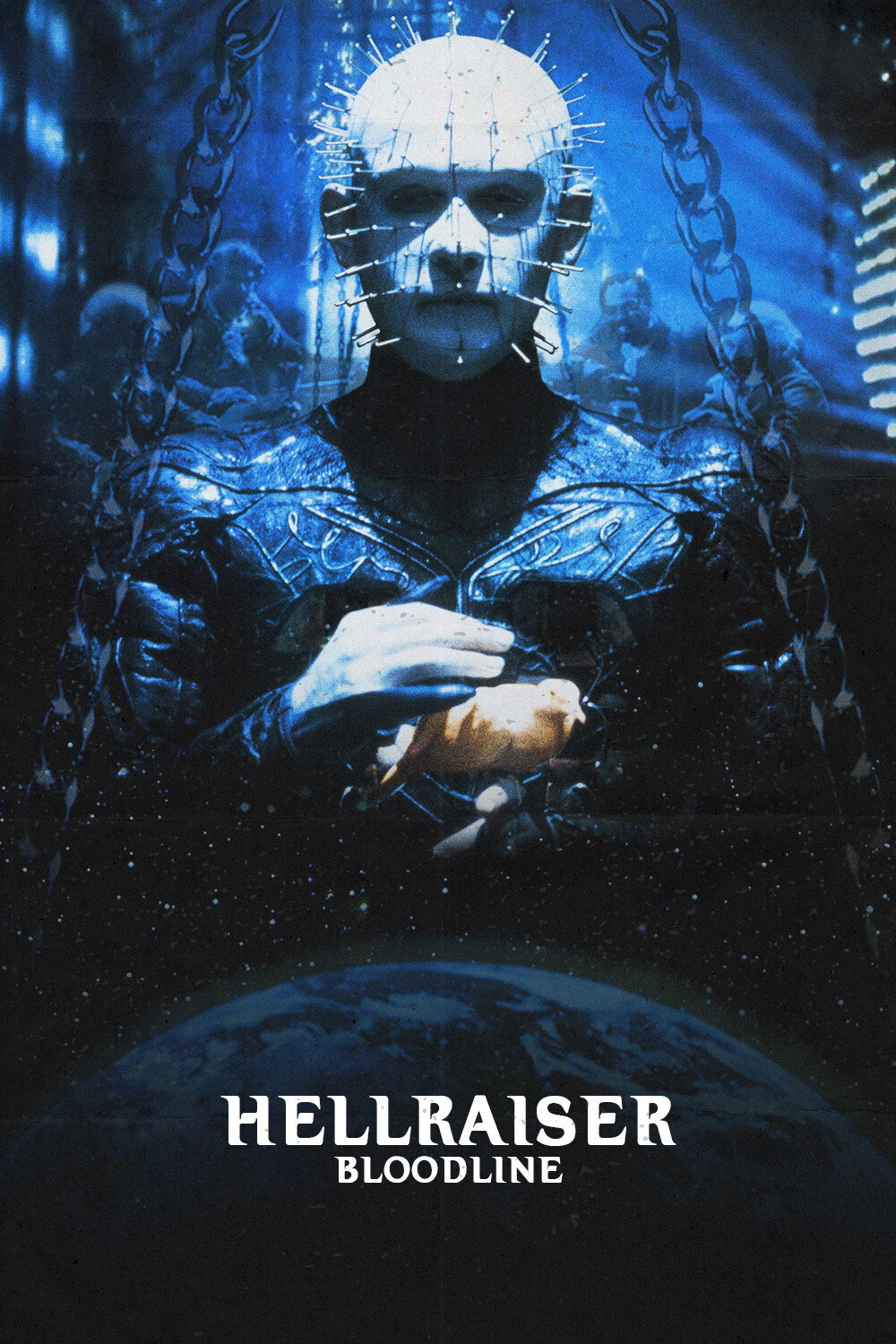
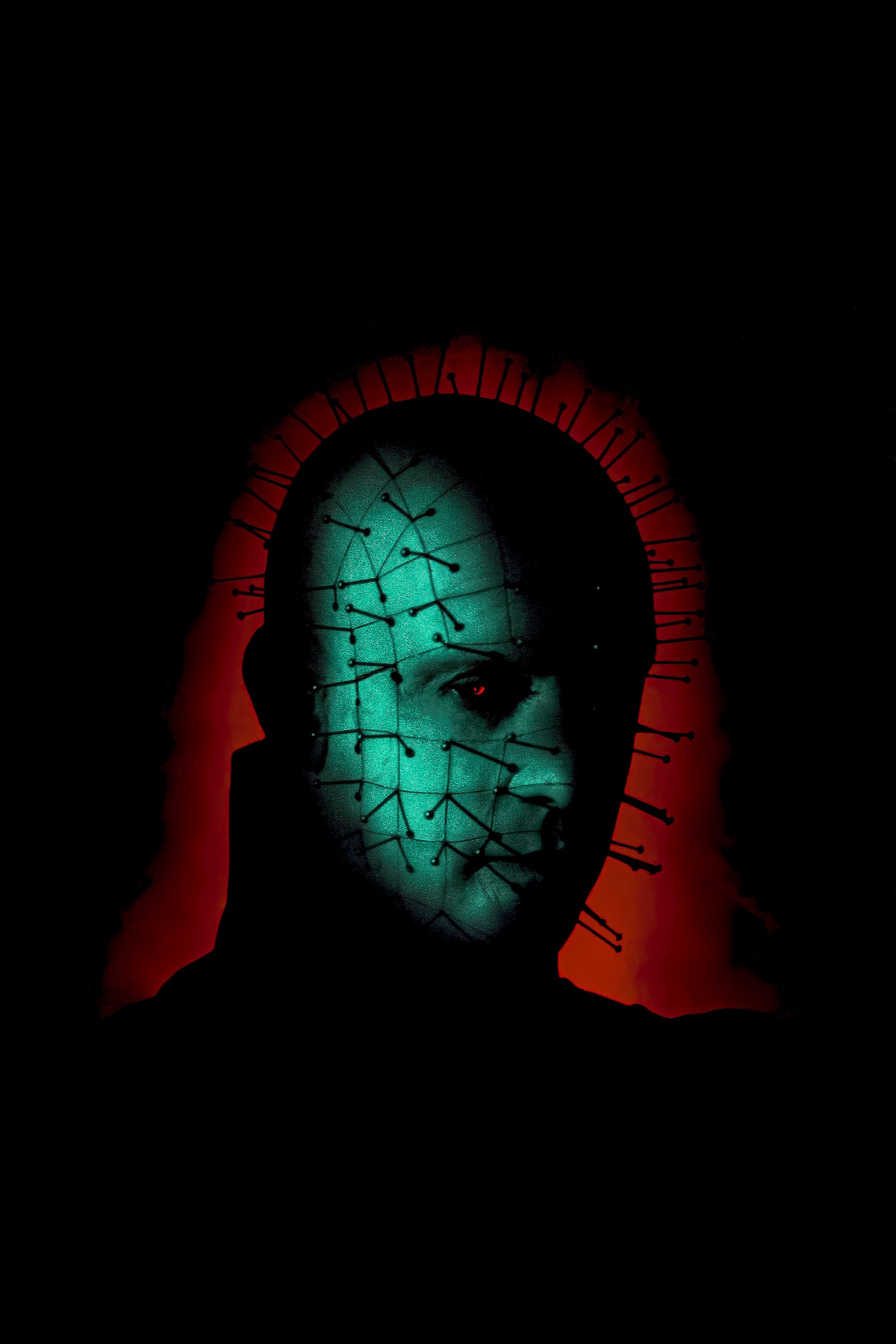
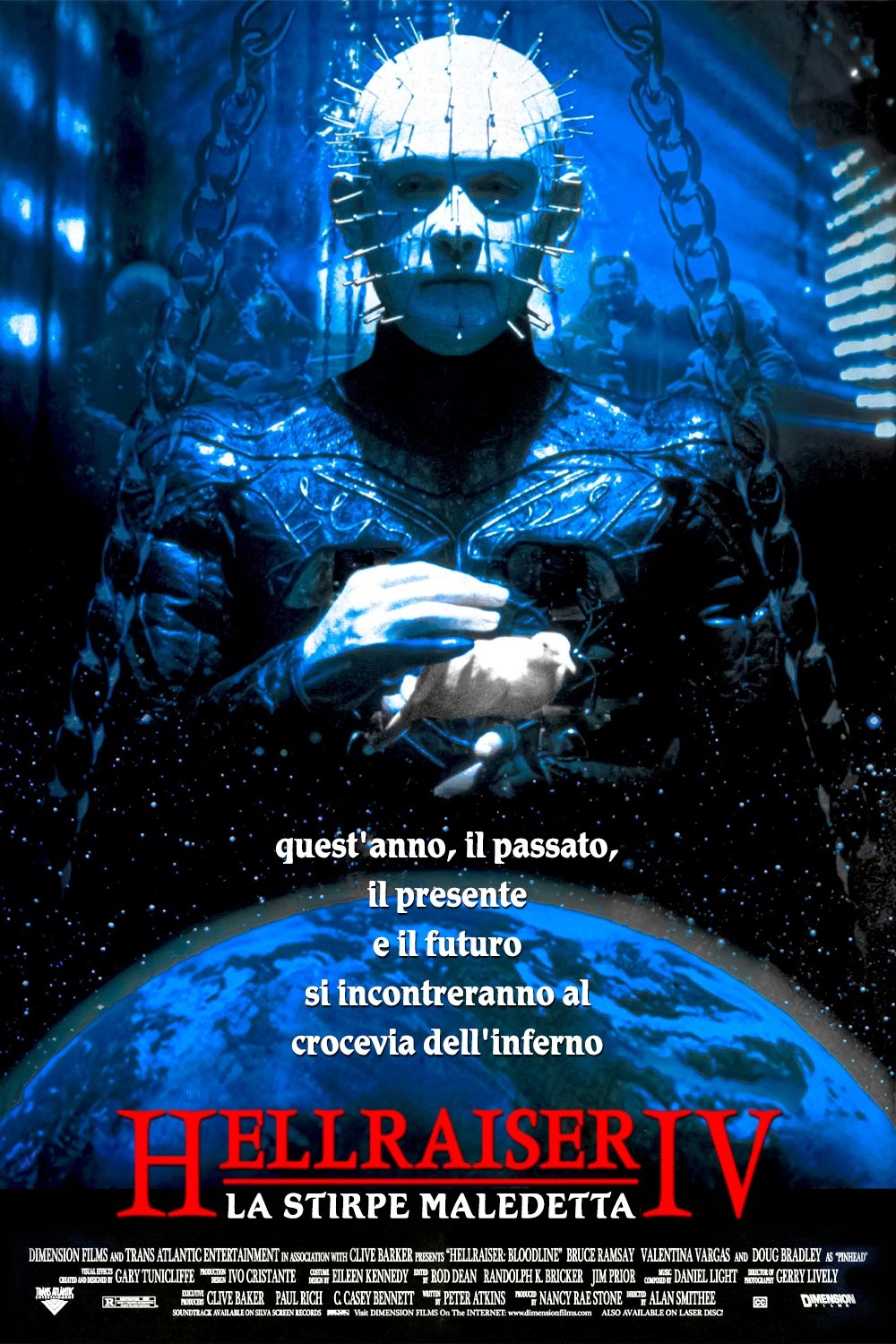
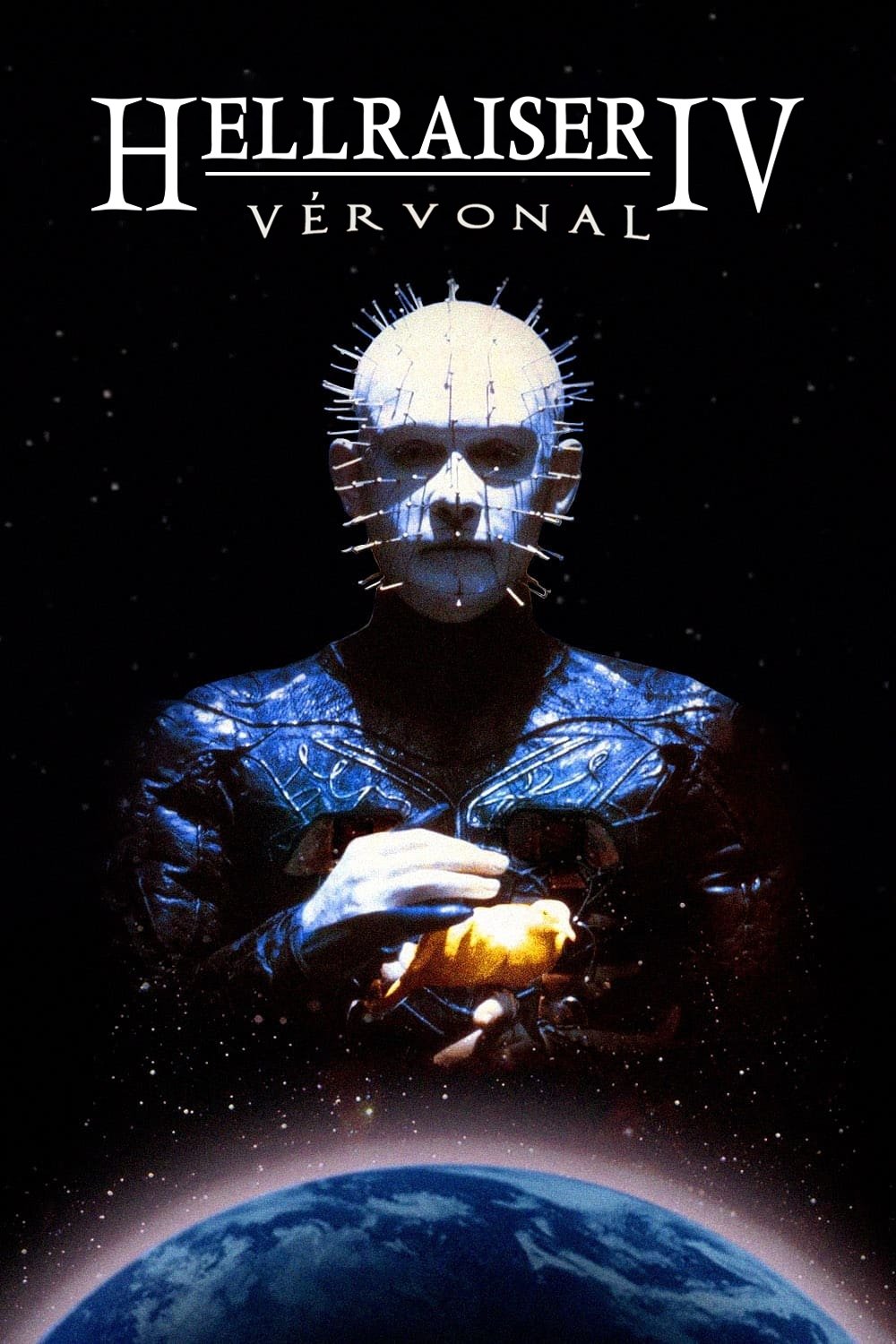
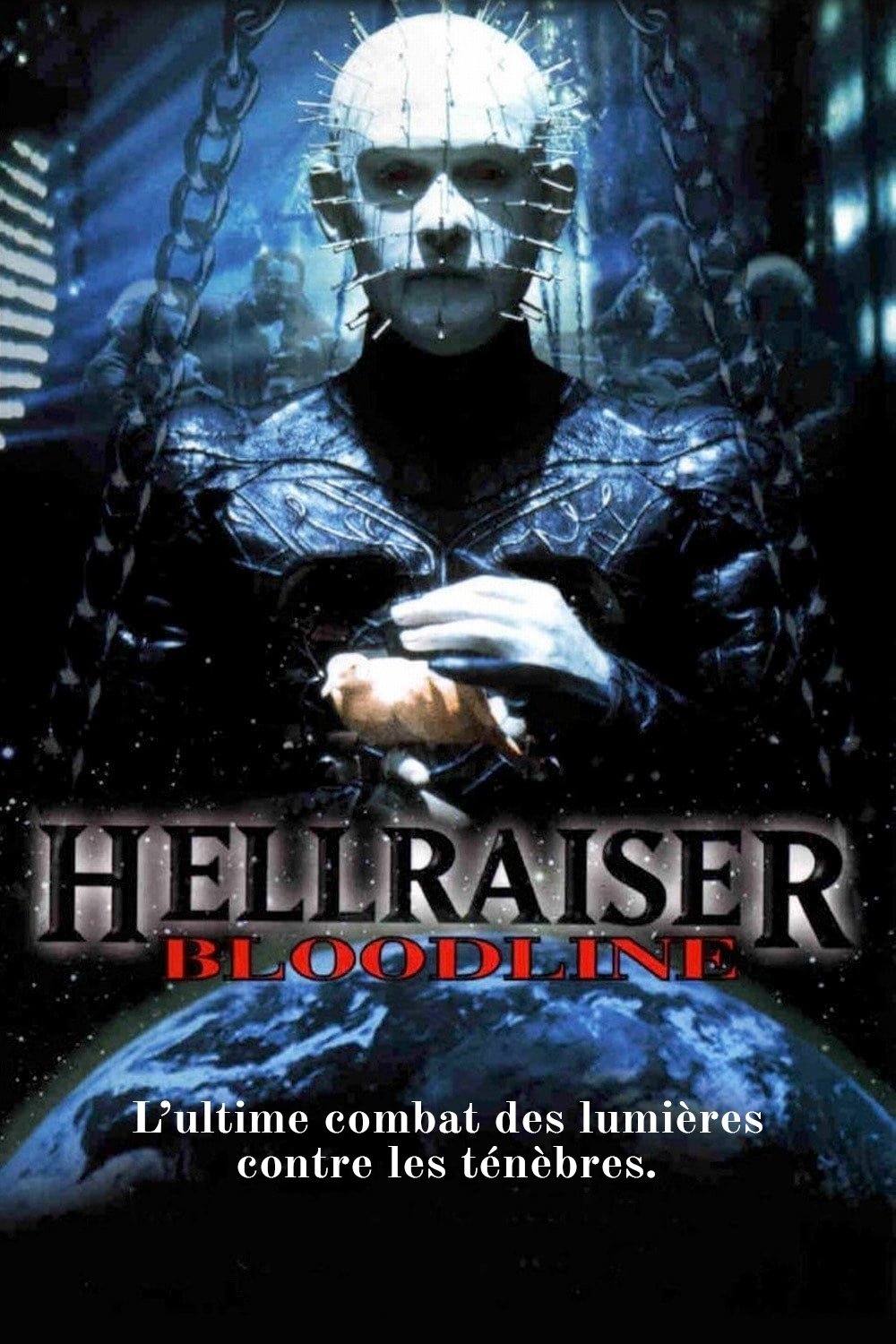
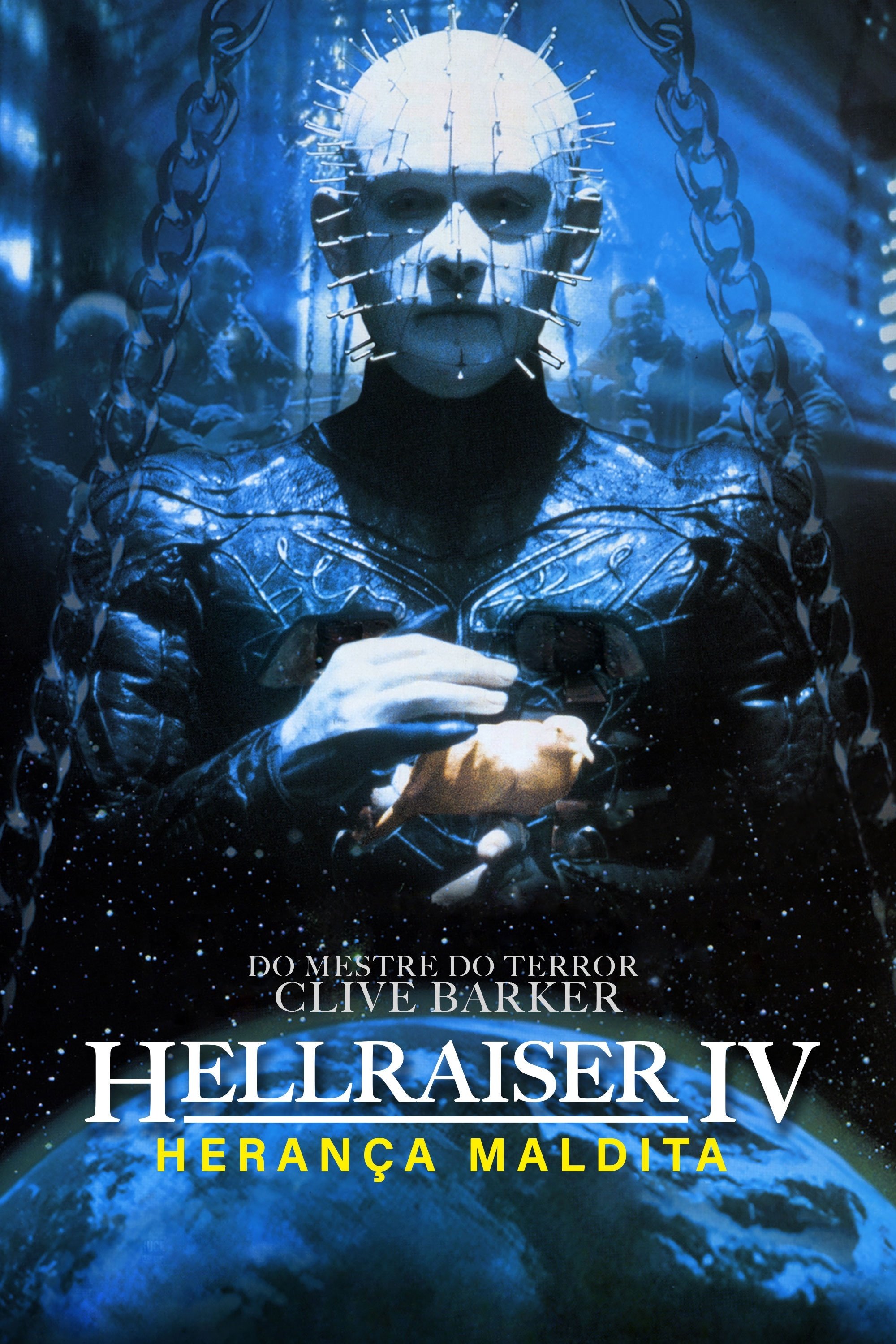
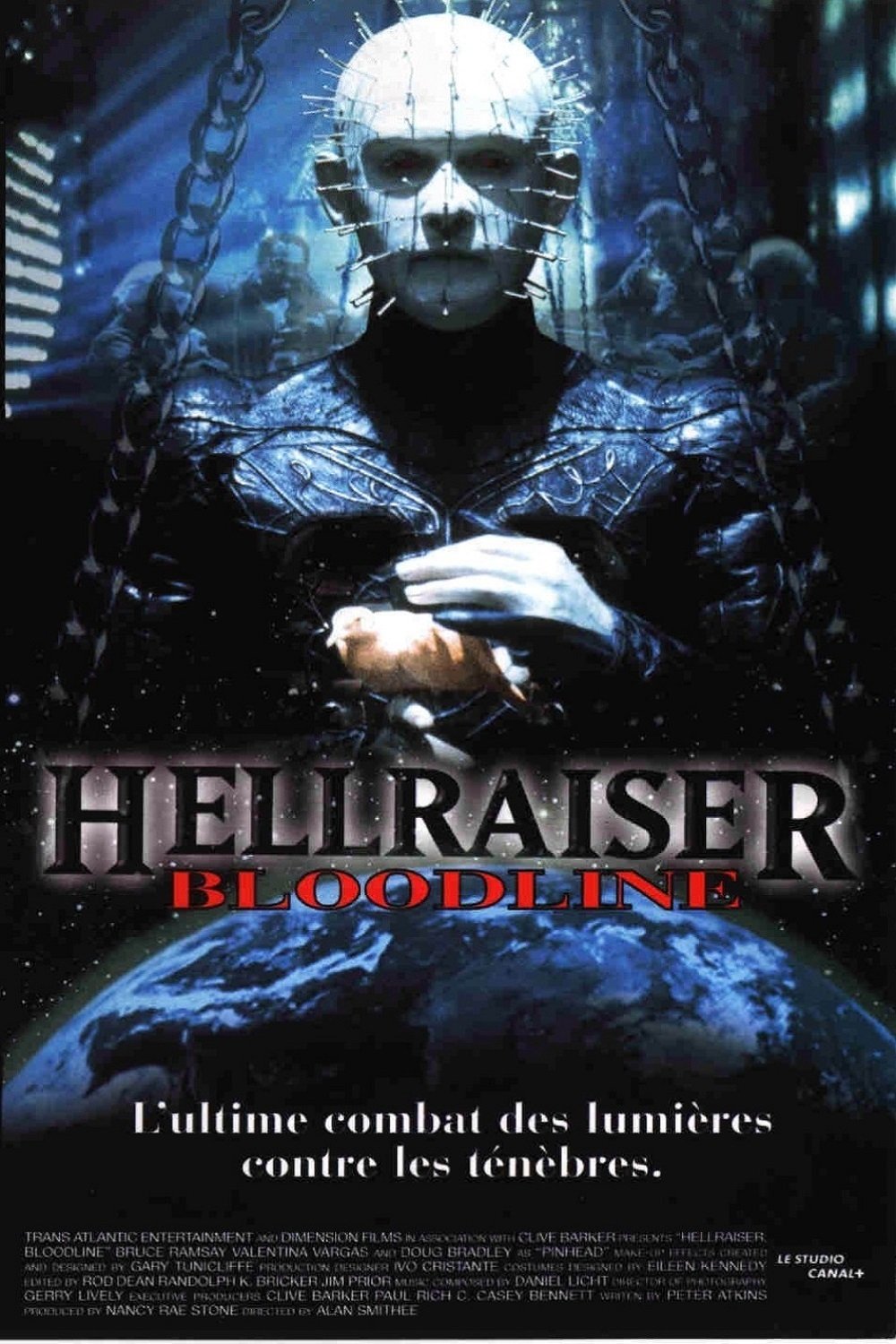
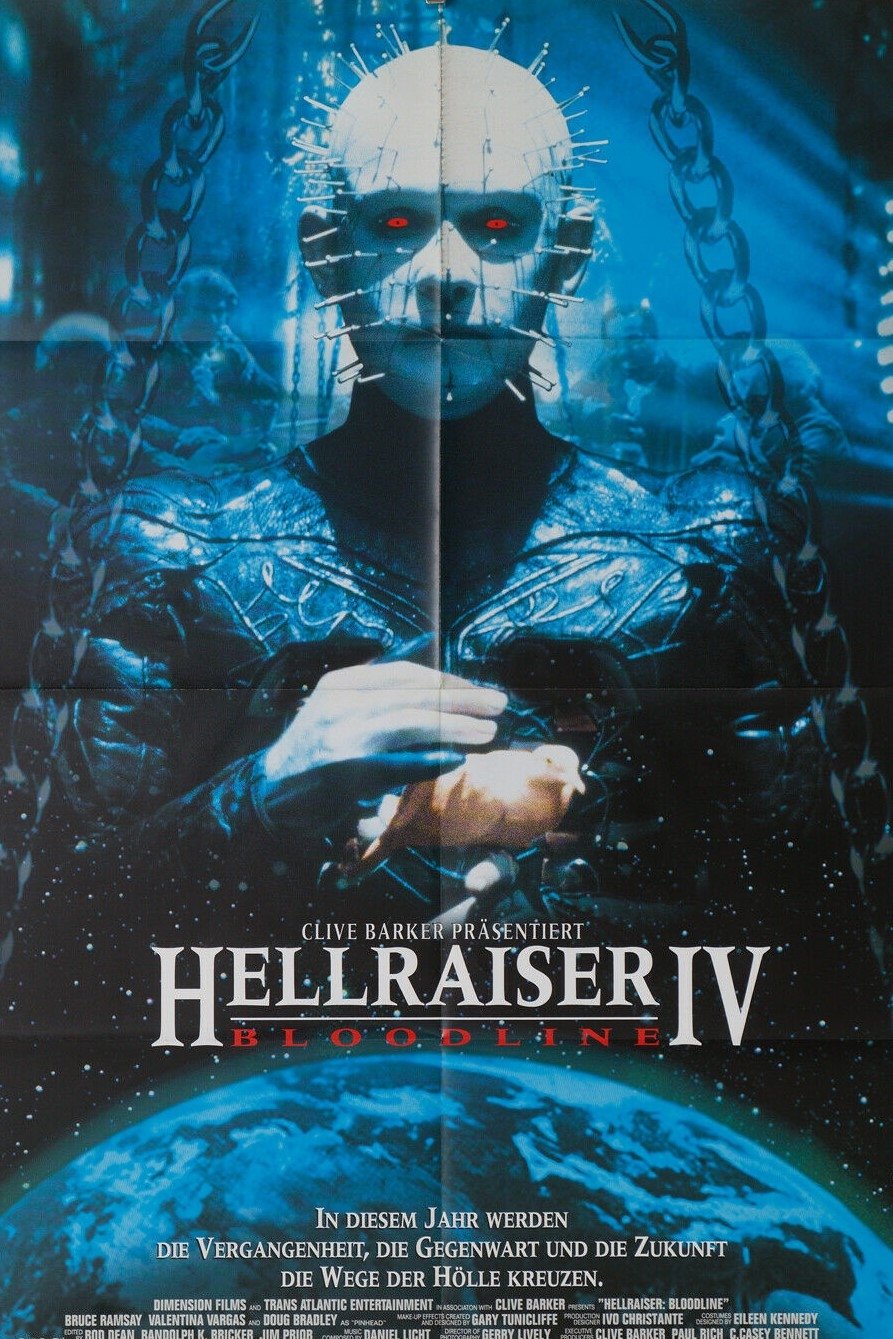
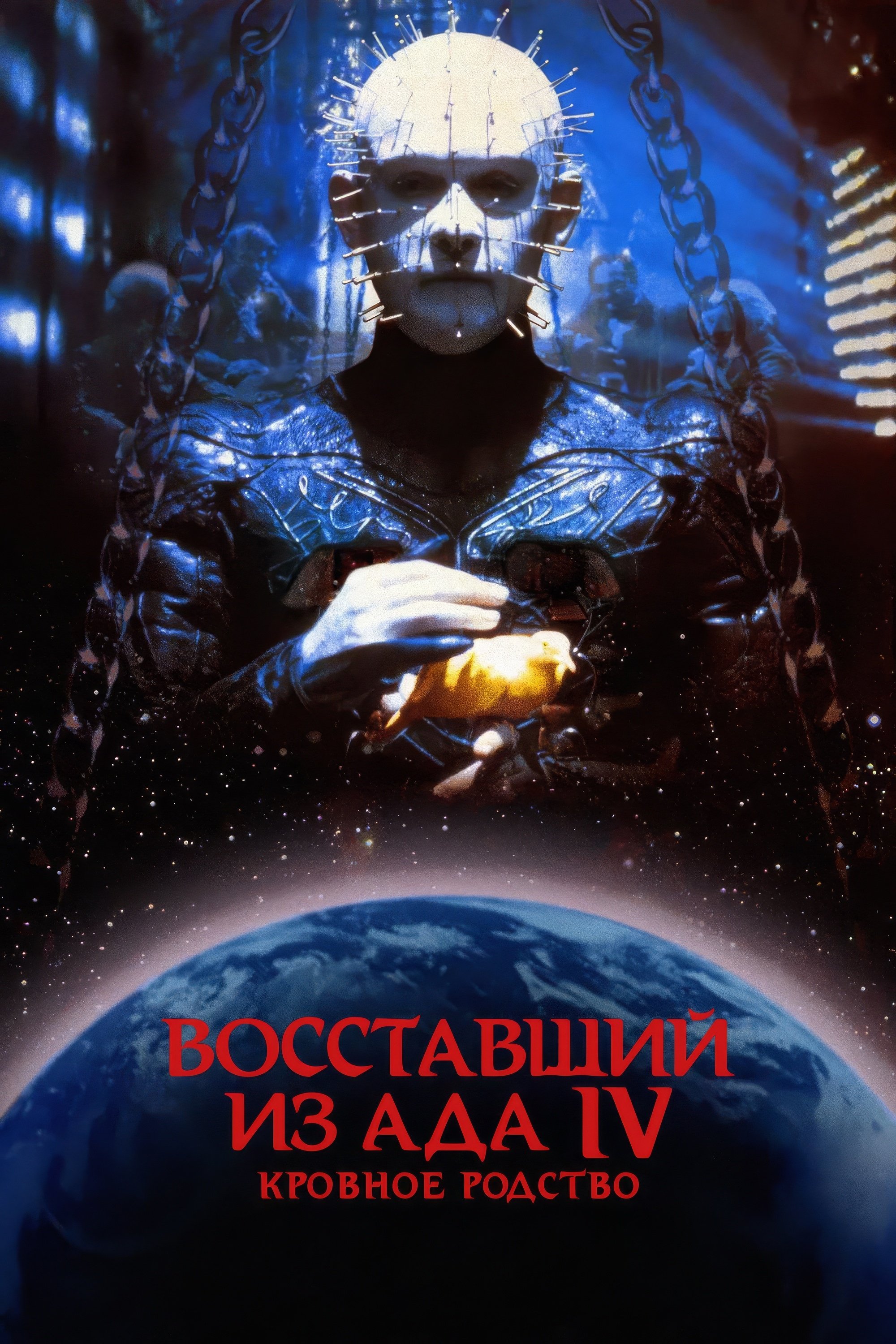
The Puzzle Box and a Story Across Three Periods
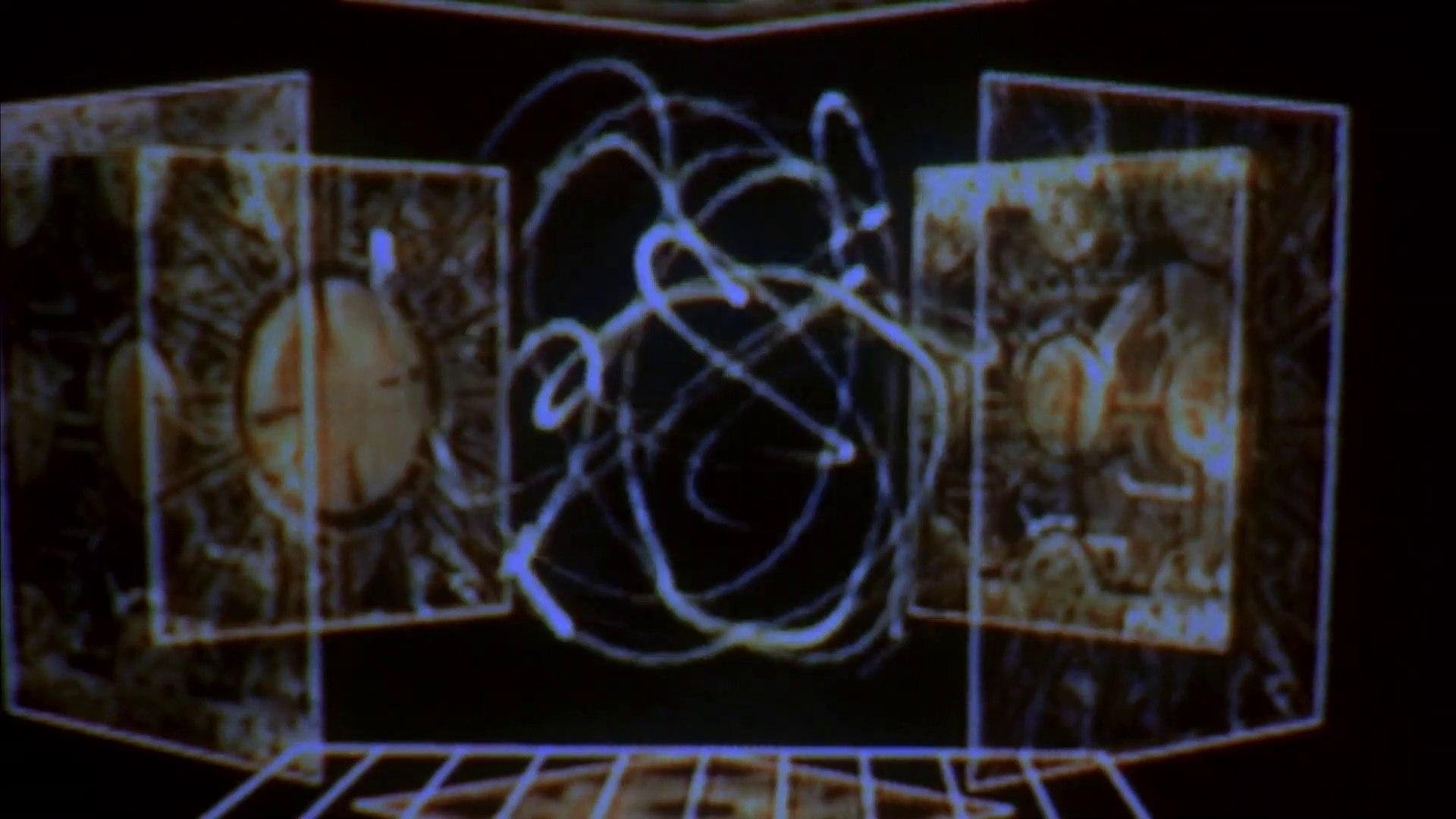
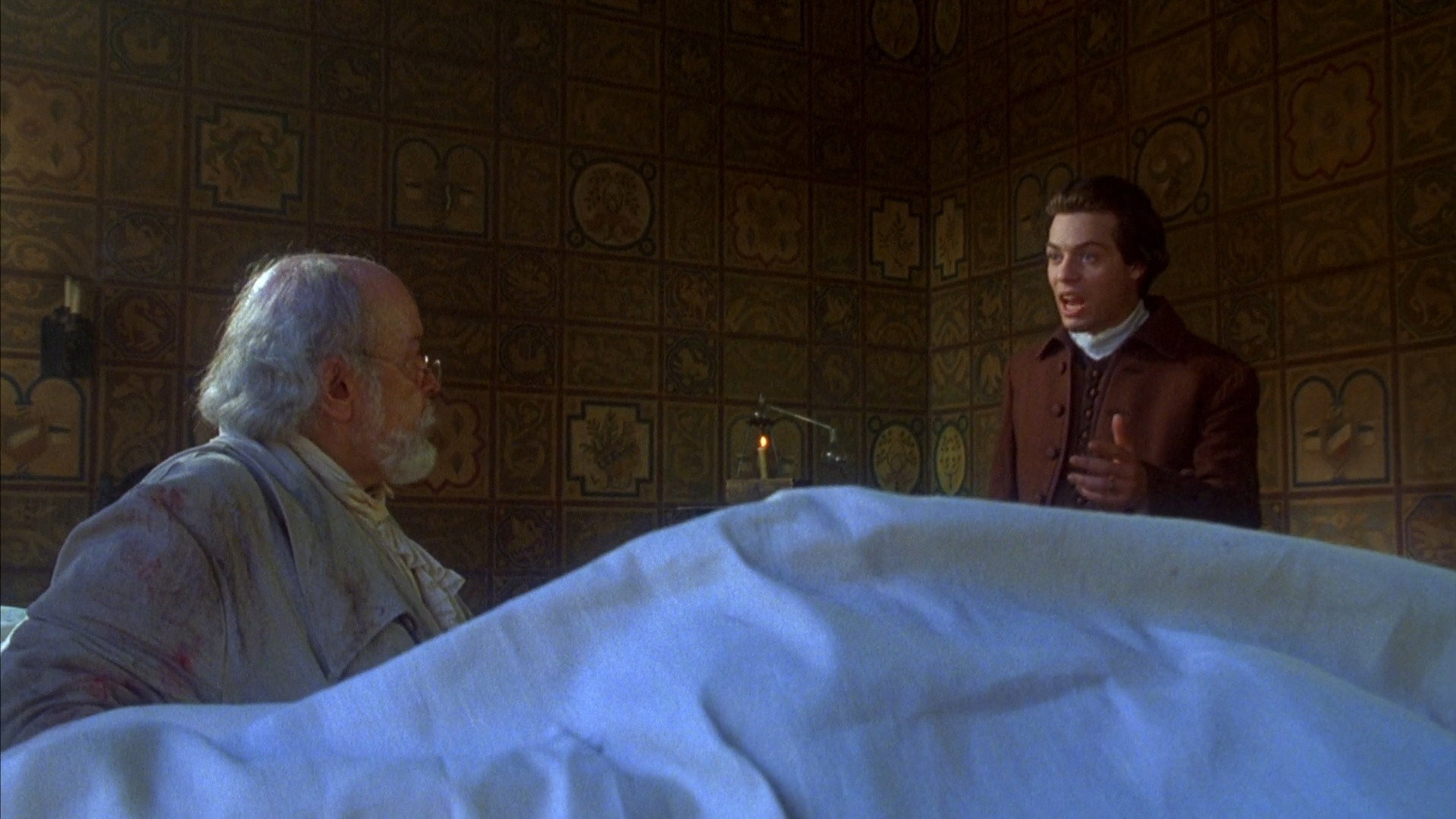
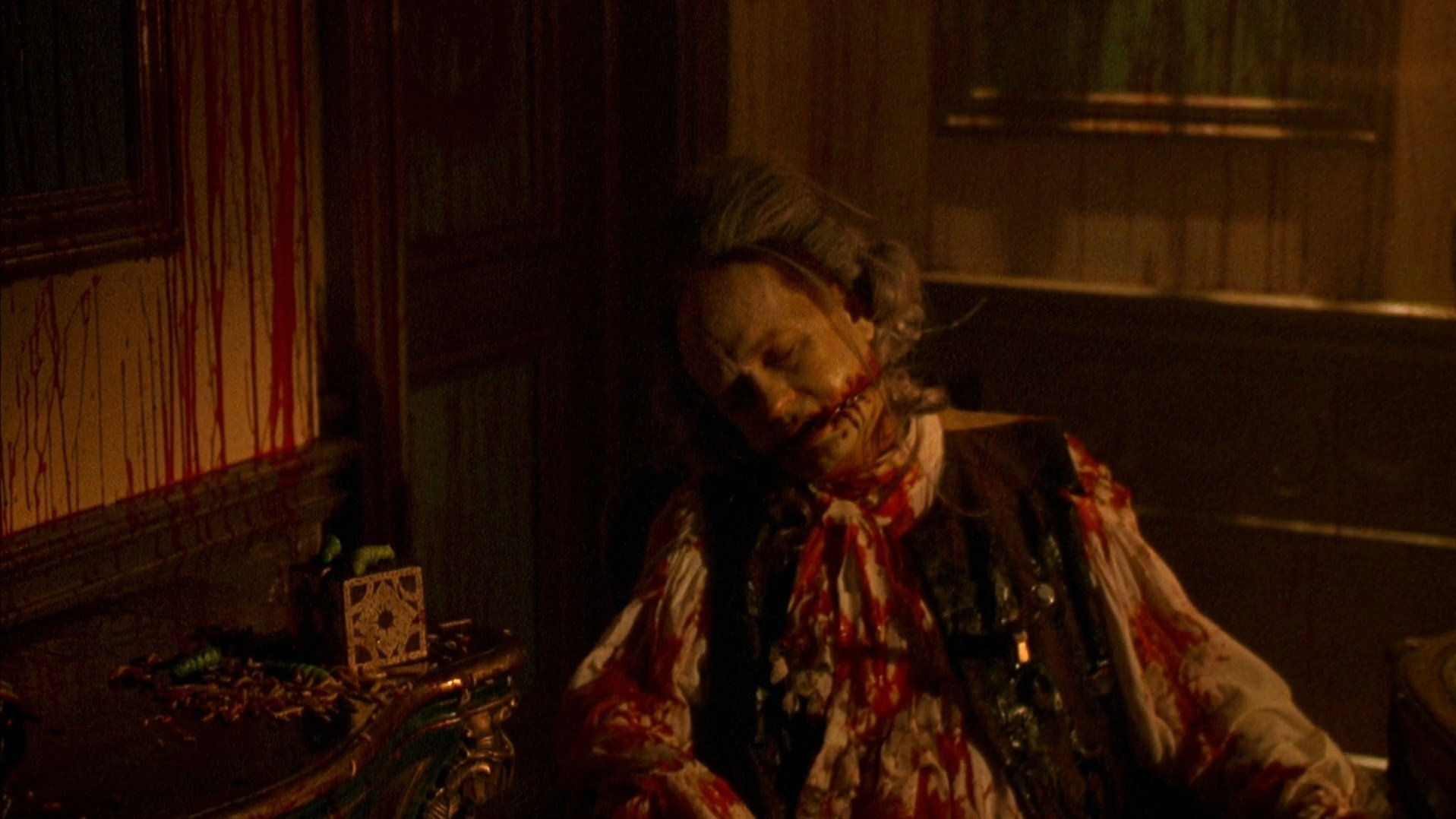
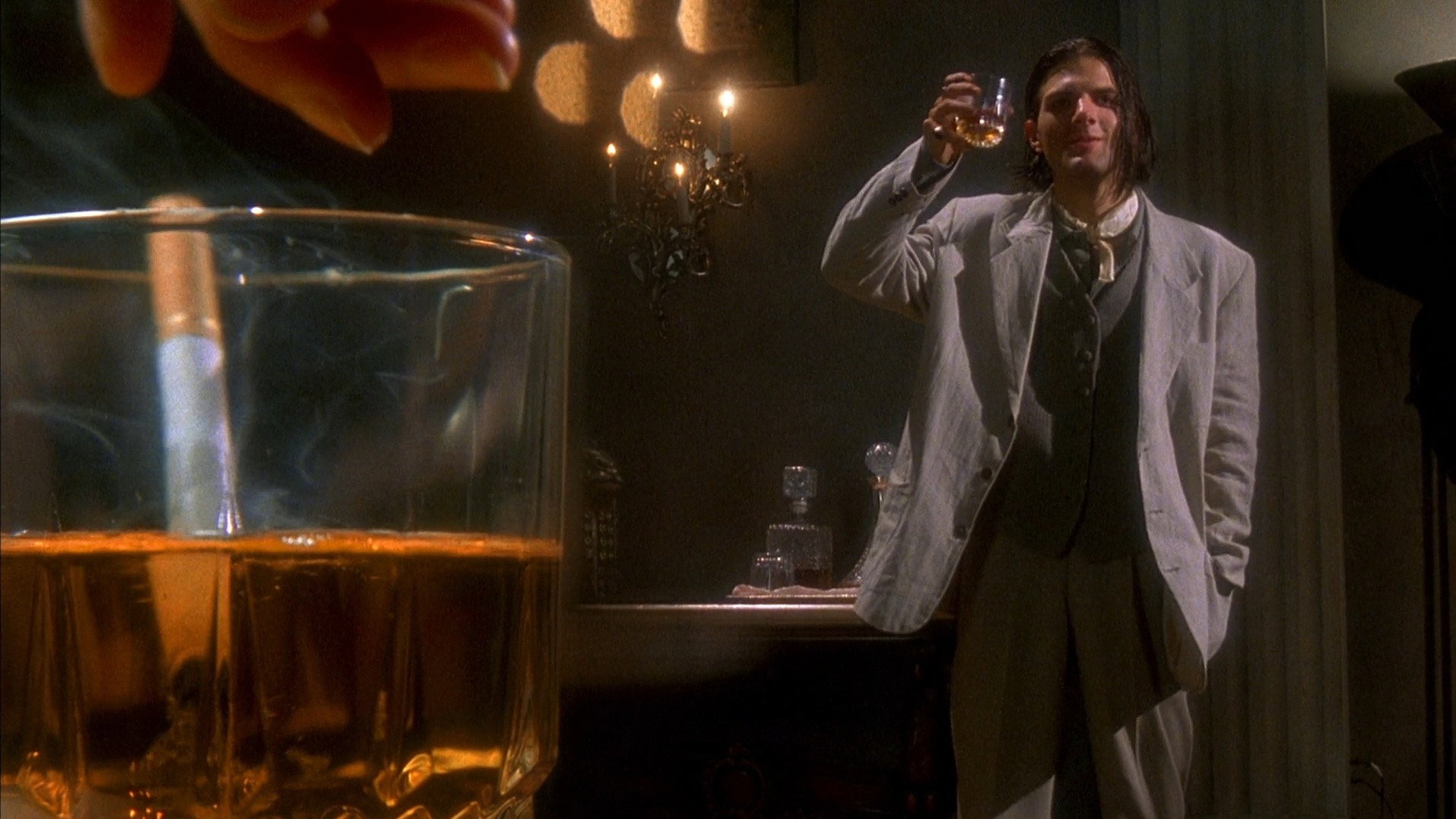
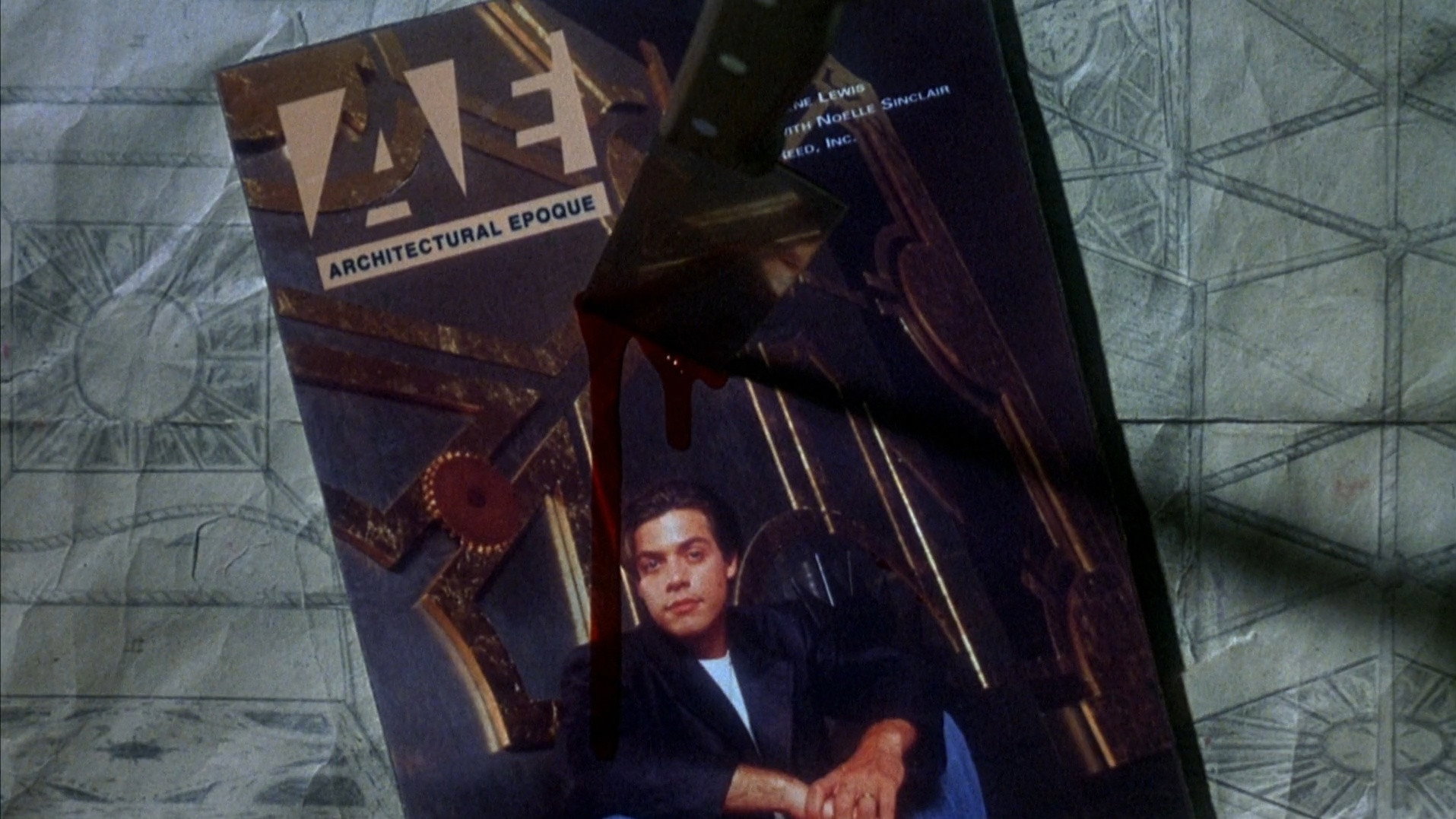
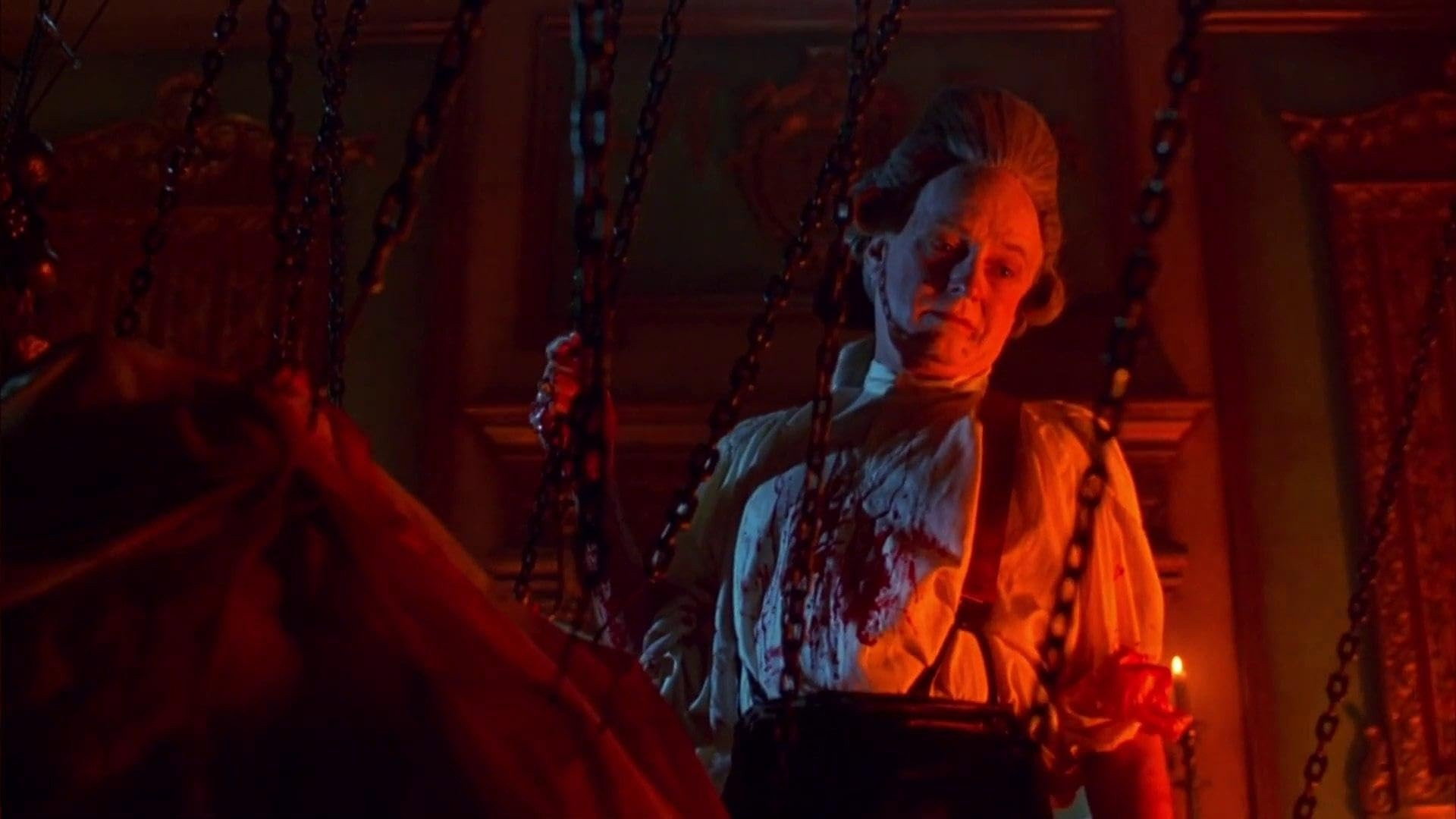
Barker and Atkins planned a narrative whose central connection would be the maker of the Lament Configuration. The first period follows French artisan Philippe Lemarchand, whose carefully engineered object is used by aristocratic patrons for a demonic purpose. His descendants then face the results of that work, culminating in an attempt to reverse the family's legacy in the distant future. Bruce Ramsay plays three members of the line. The recurring actor makes continuity visible across otherwise very different settings, although the screenplay's conception rests more substantially on an inherited obligation than on physical resemblance.
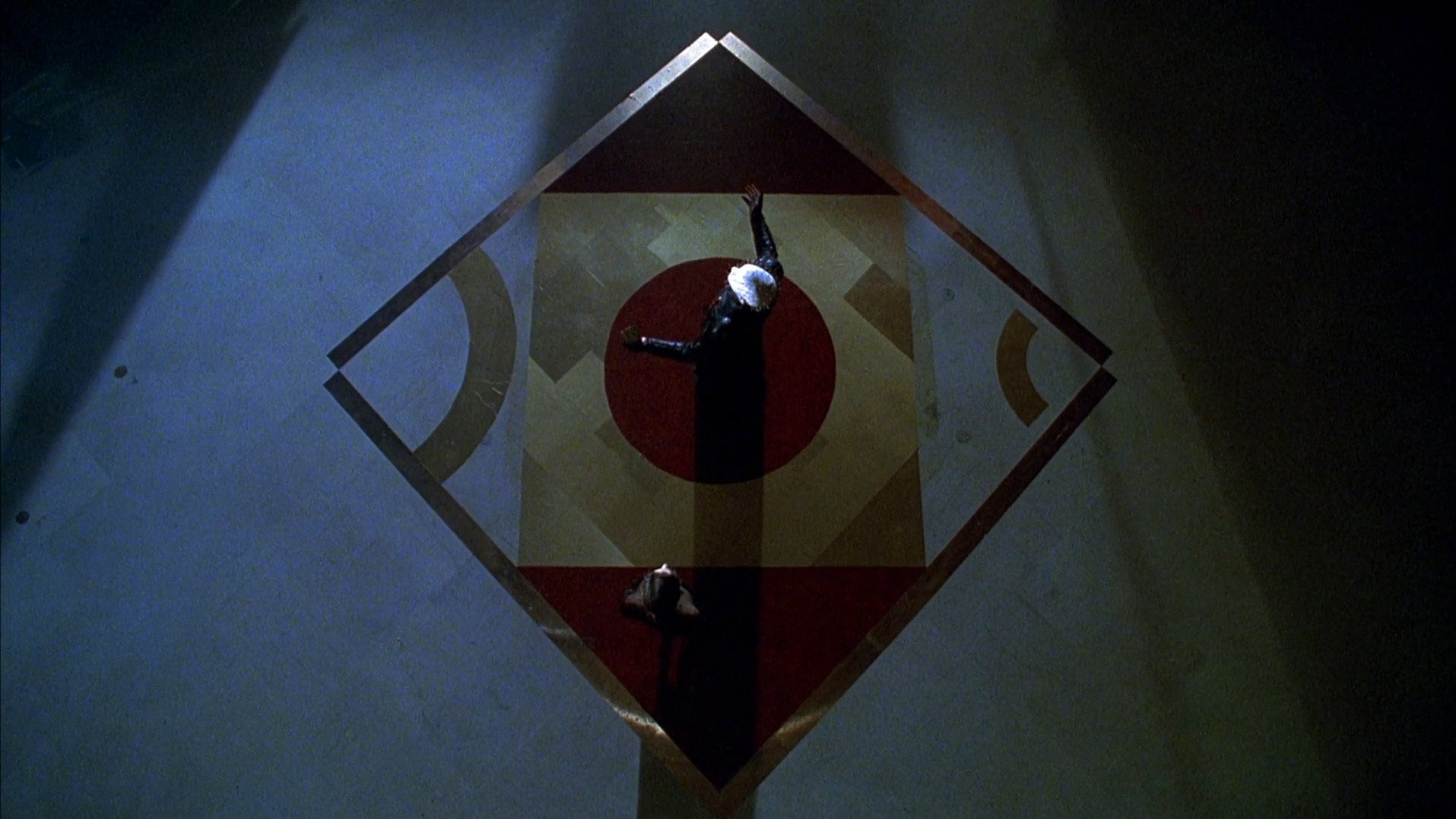
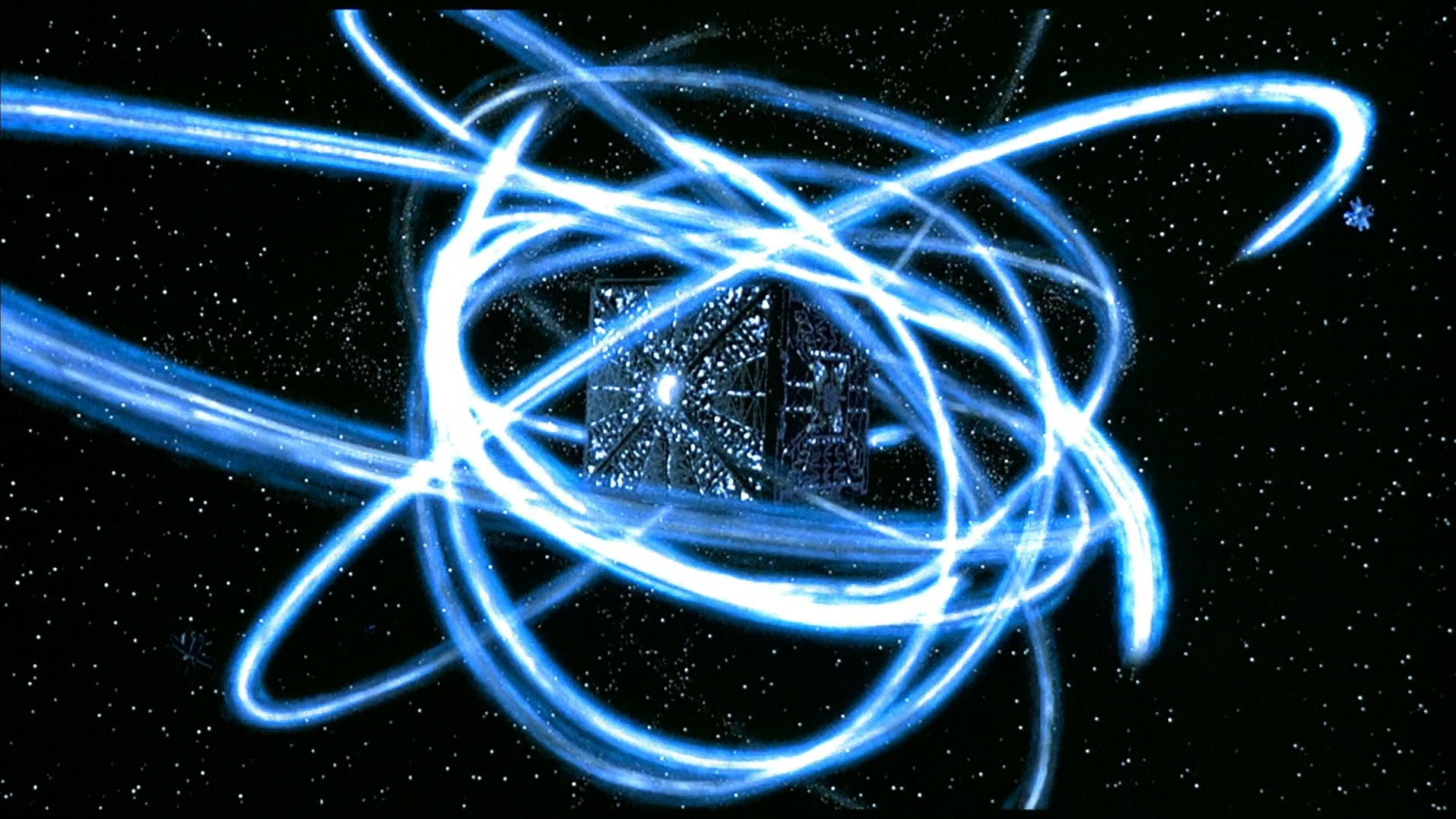
Barker told the 1996 press kit that the project sought to restore the darker, stranger quality he associated with the original film. He also identified Angelique as a challenge to Pinhead's authority, giving the Cenobites an internal struggle in addition to their confrontation with human beings. These are statements of creative intention, made before or during the film's release. The design of the box, together with its proposed destruction provides the finished story with an organizing visual idea: a human invention can open a realm of suffering, and another invention may be necessary to close it.
Budget Pressure and Unfinished Photography
The project demanded separate sets, costumes and effects for three periods. That scale proved difficult to reconcile with its financing and schedule. In a 1995 Cinefantastique interview preserved by Barker's official archive, the author argued that the early estimates of cost and shooting time were unrealistic. He said he warned Miramax that the production was stopping before essential material had been completed. His testimony is particularly valuable because it describes a problem with the initial photography, preceding the later dispute about restructuring the film in editing.
Yagher's own retrospective account, quoted in the archive from Fangoria in 1996, identifies the original screenplay as a story about the box and its maker. He described scenes being removed as the production tried to stay within available resources. Grant Watson's detailed historical study further traces the consequences: missing material weakened the transitions between periods, and the studio later required additional photography. A production that had begun with three linked episodes therefore entered postproduction with incomplete narrative and effects elements. The evidence supports a concrete account of compromises, without requiring every absent scene to be described as fully shot or recoverable.
Pinhead, Studio Revisions and the Alan Smithee Credit
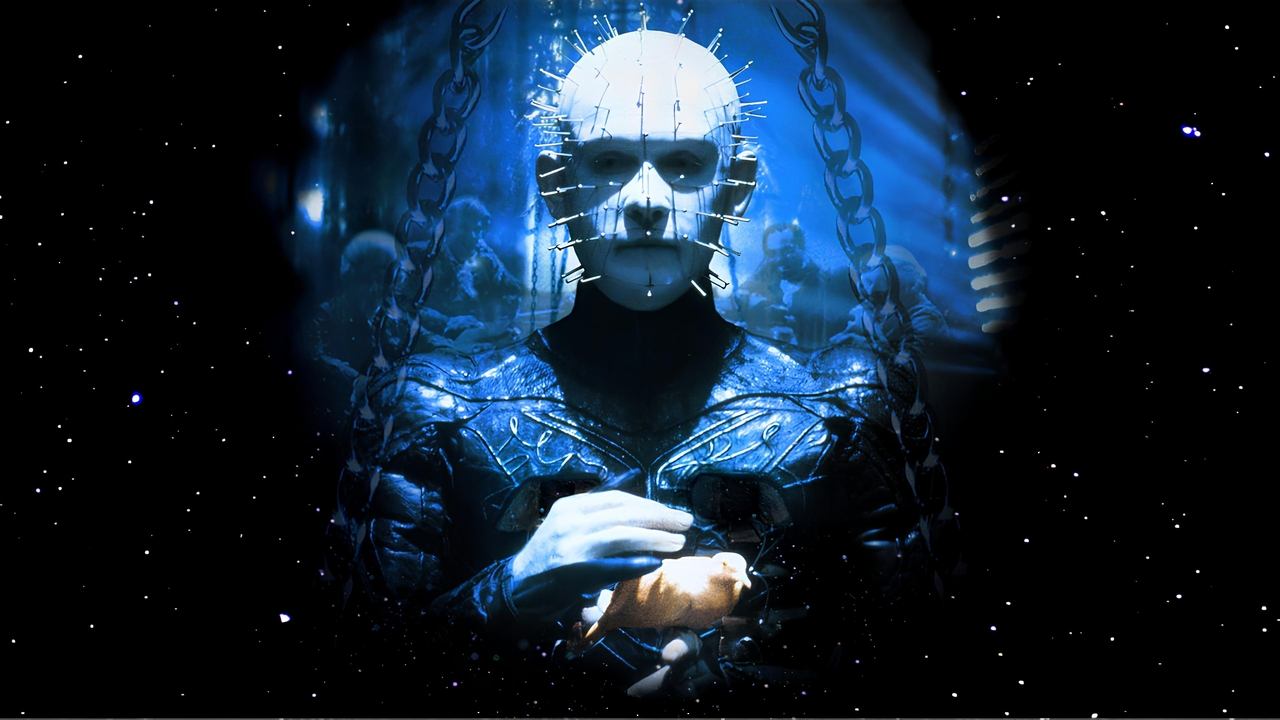
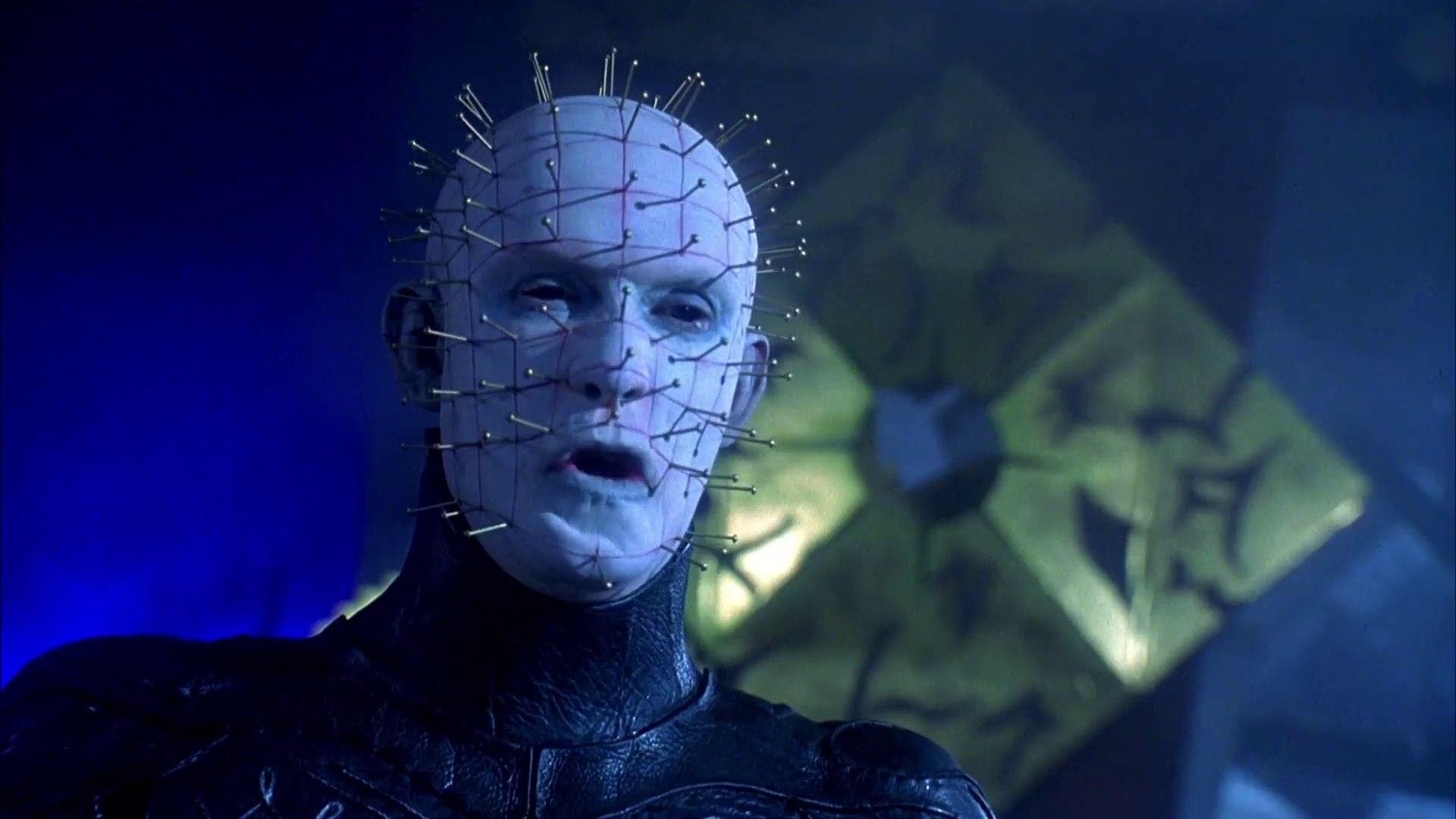
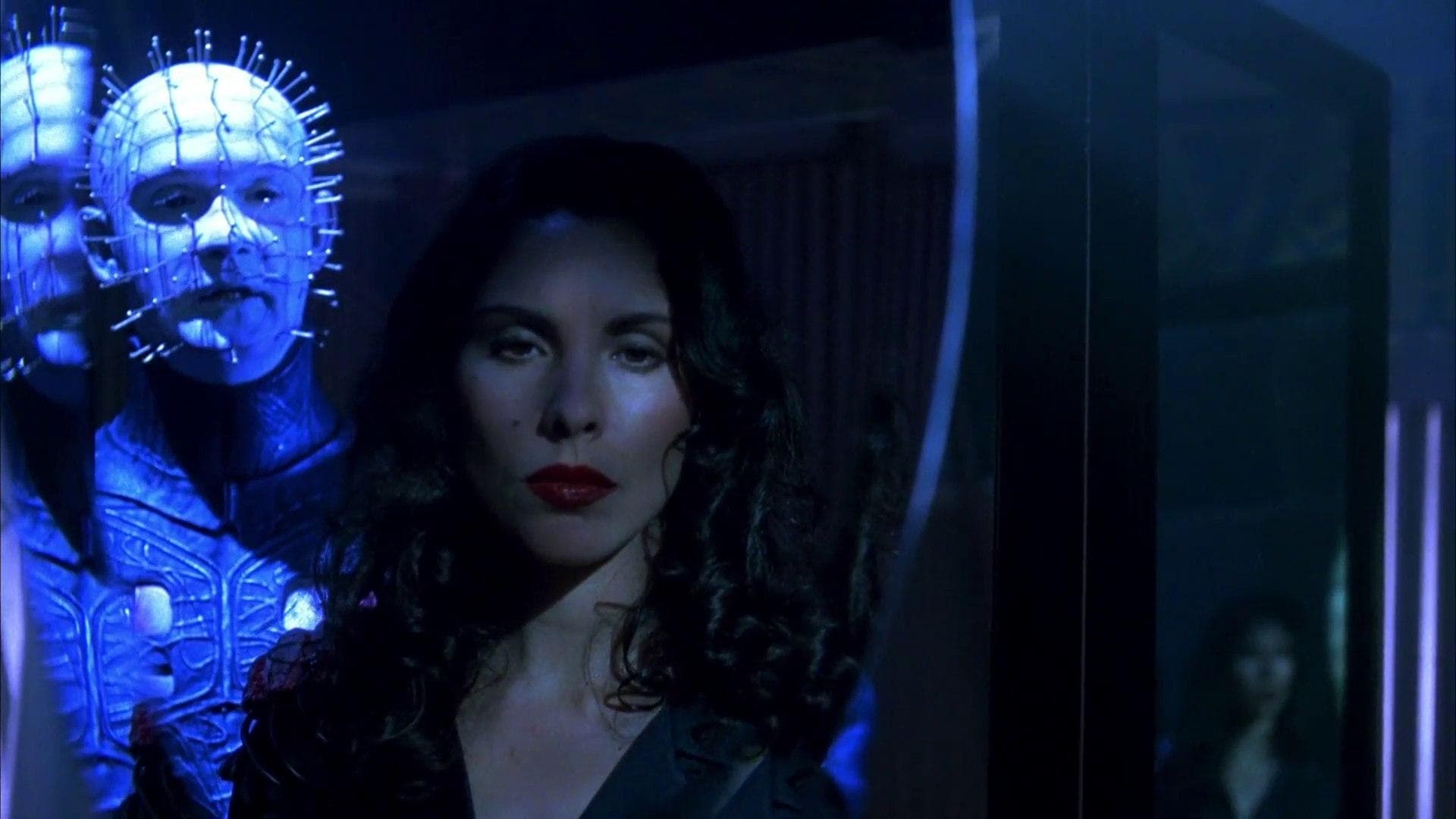
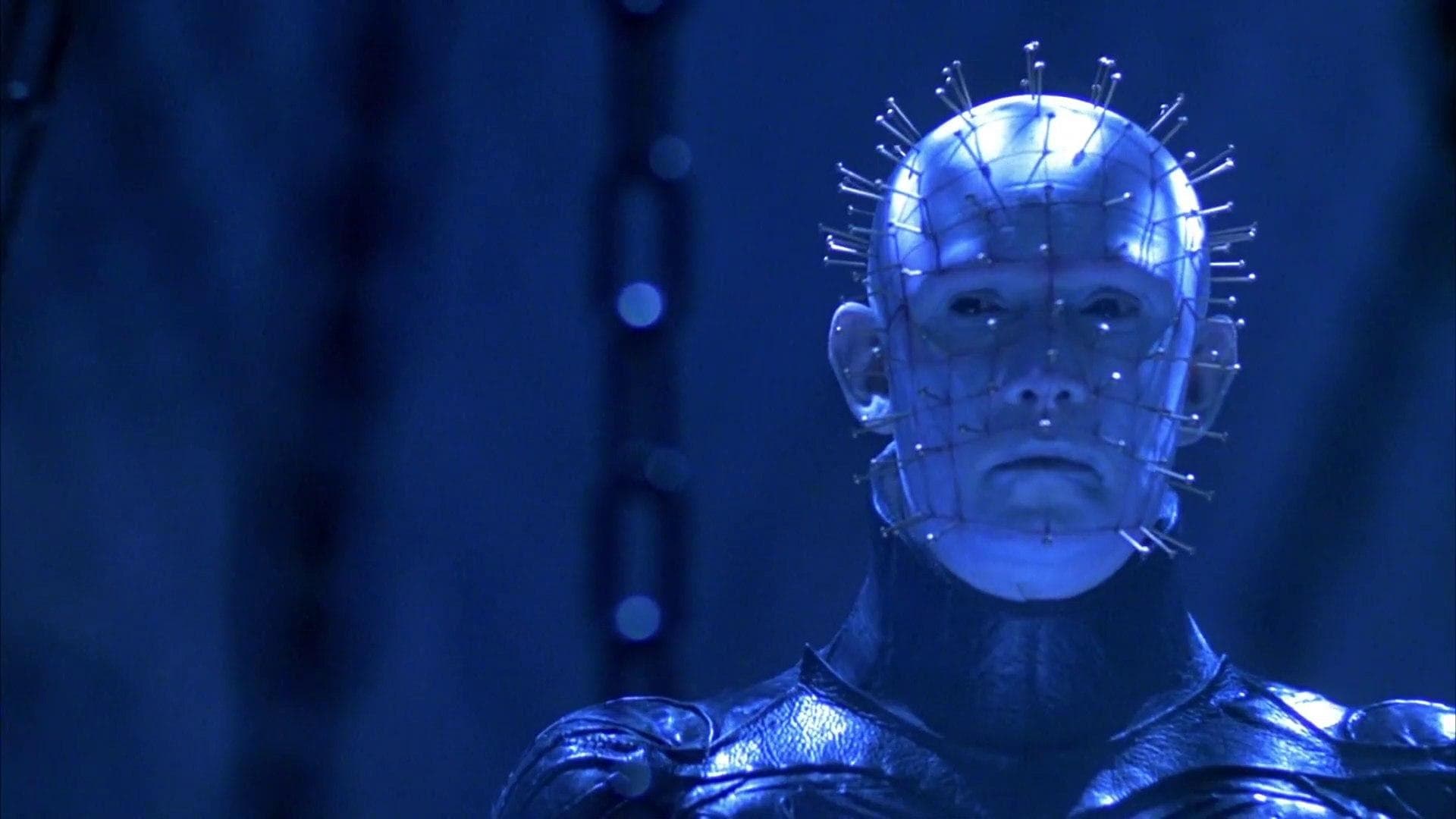
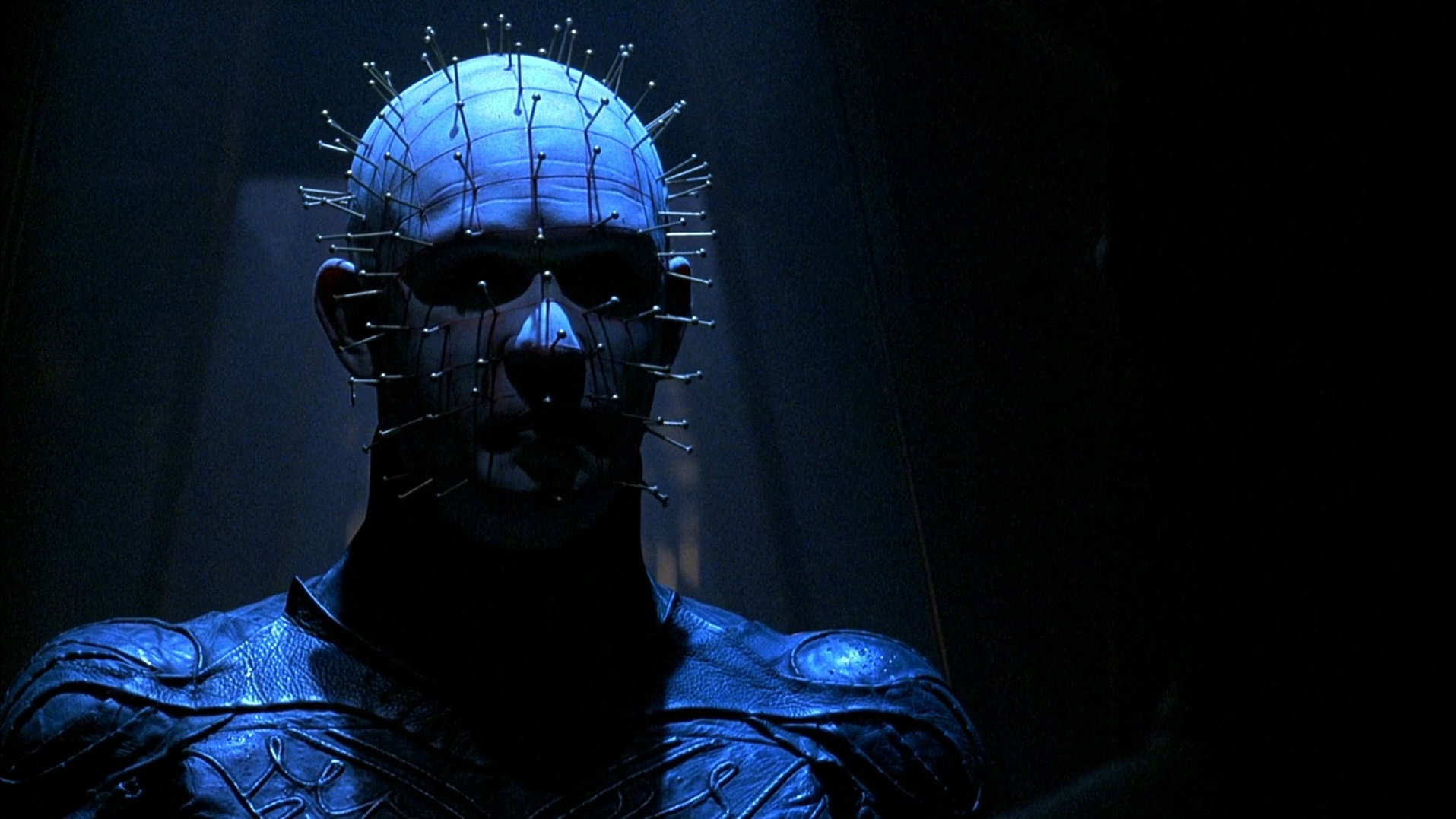
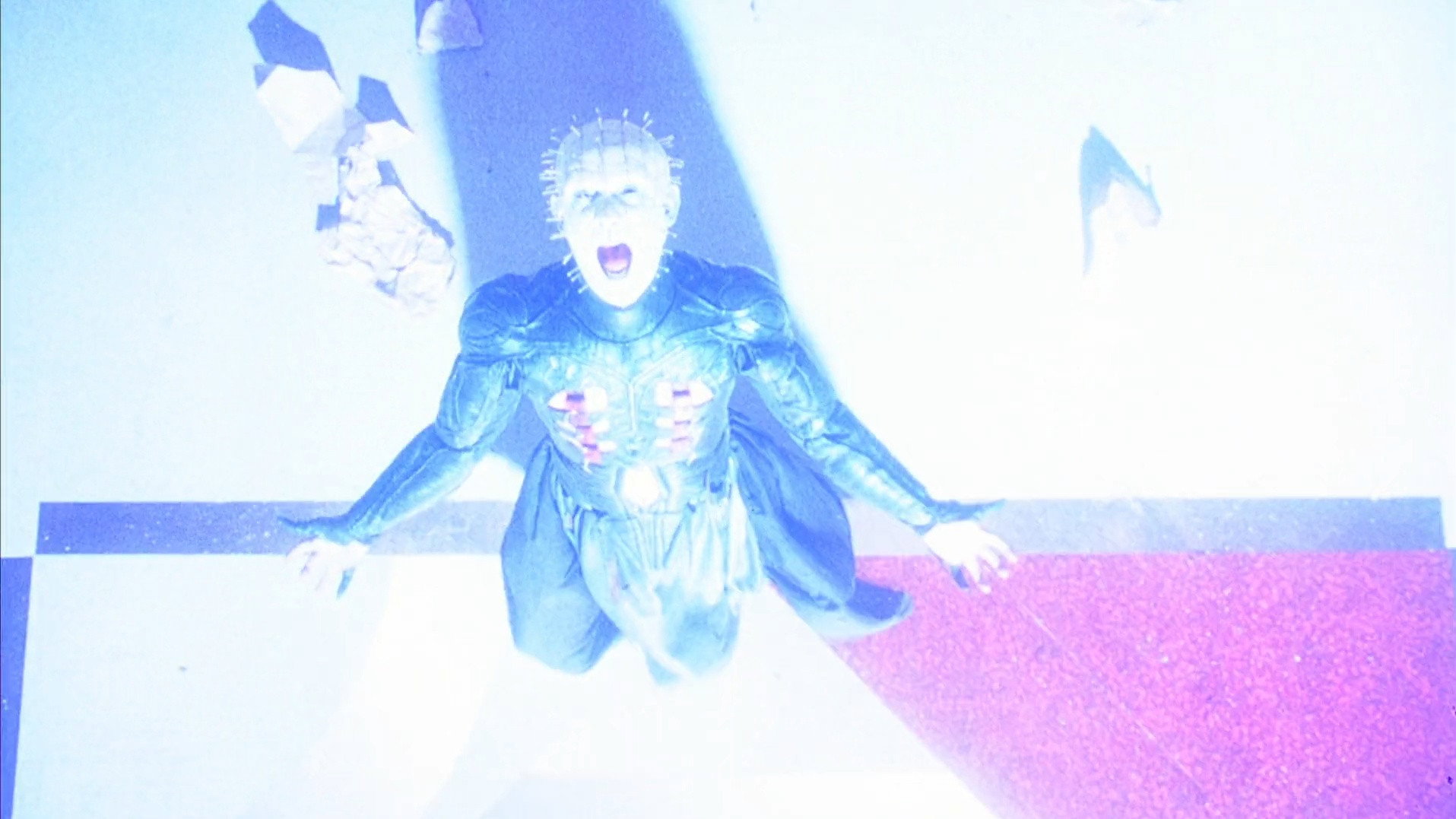
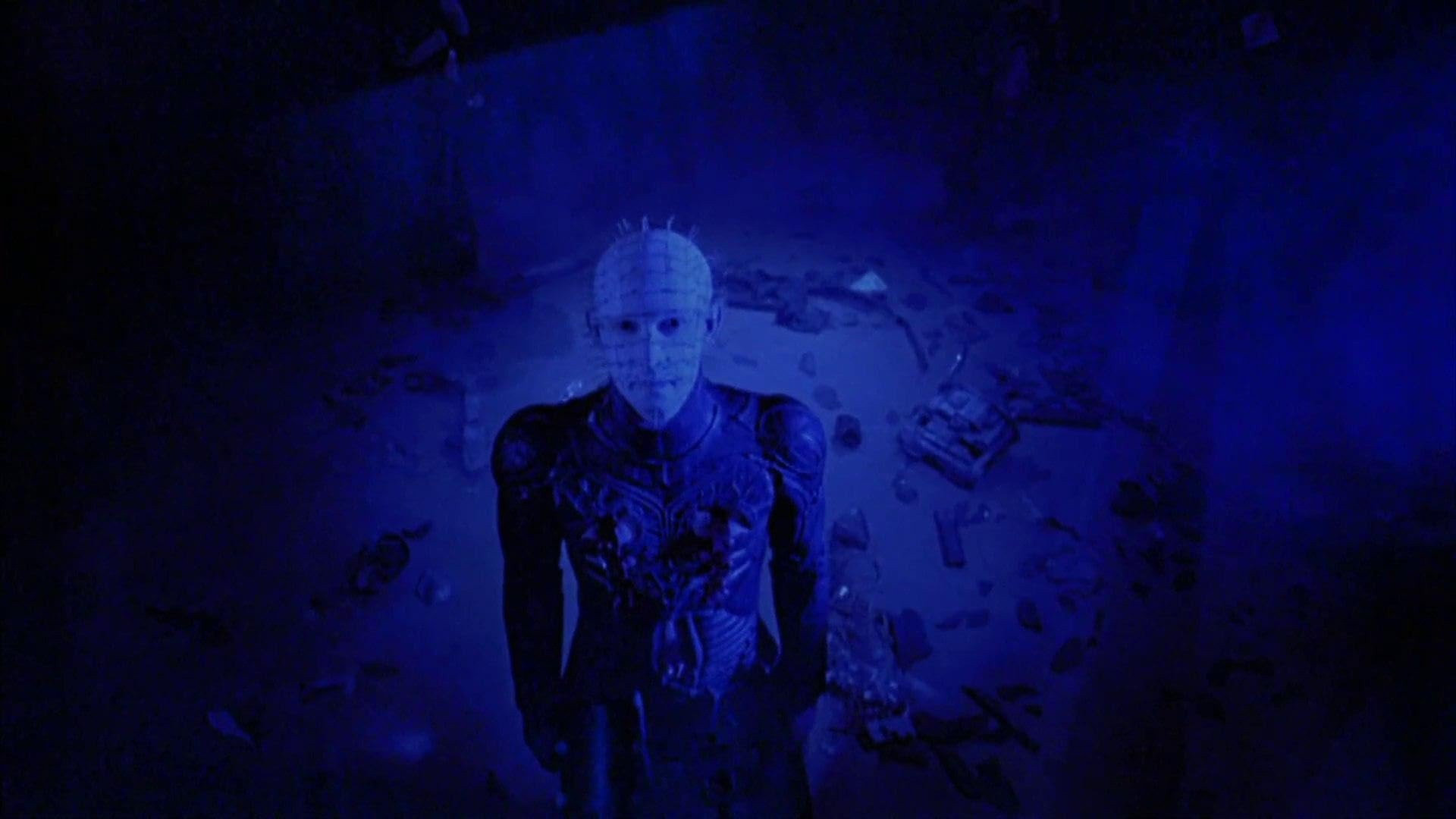
The studio's concern focused partly on the delayed appearance of the franchise's most marketable figure. Atkins recalled that the approved screenplay had always begun in an era before Pinhead's human life, leaving the character absent from the opening historical section. Yagher said the first version introduced him roughly forty minutes into the story. Barker disputed the assumption that more appearances would make the villain more frightening. Those recollections explain a specific conflict between the planned shape of the narrative and the distributor's expectations for a recognizable horror sequel.
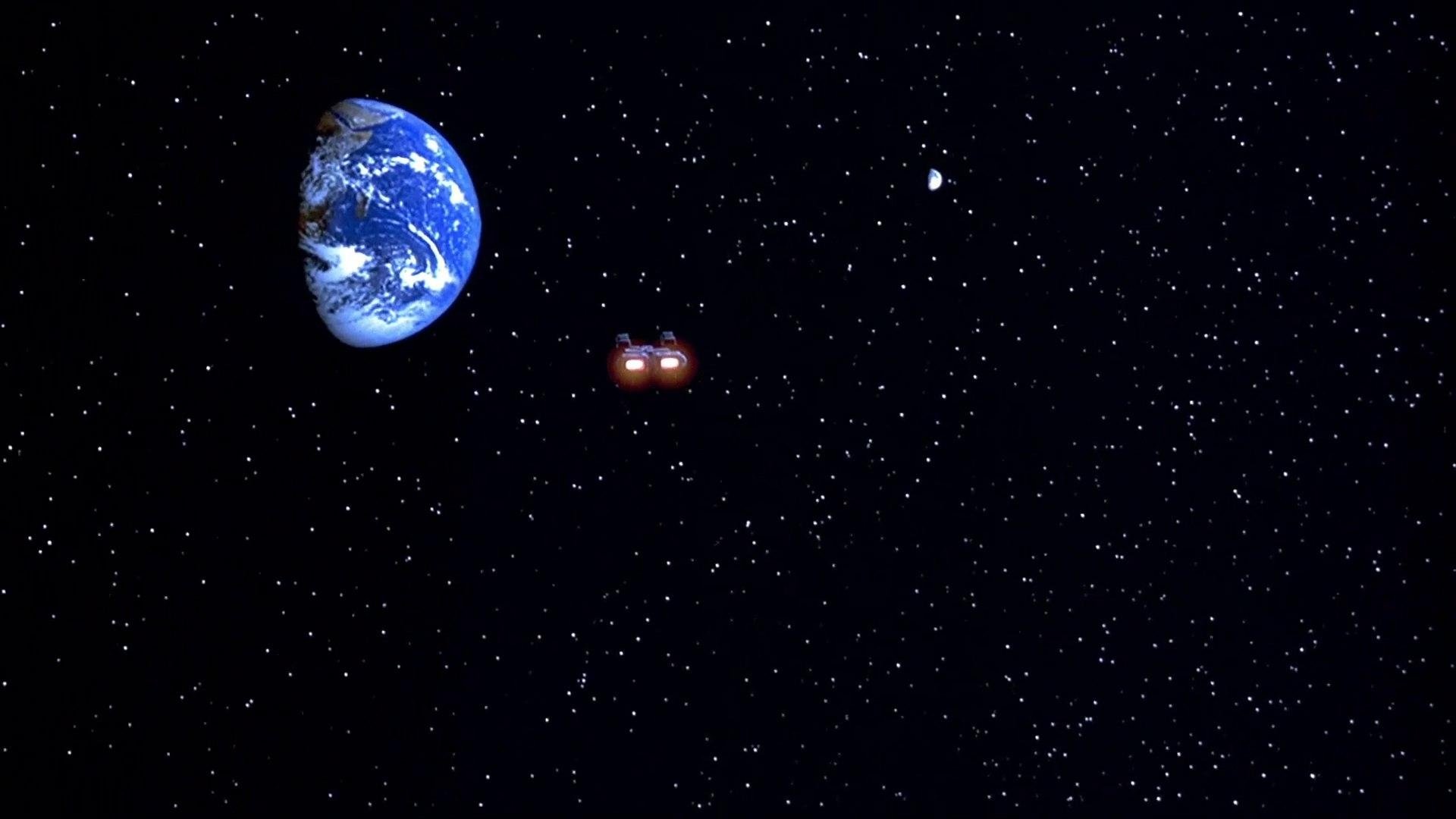
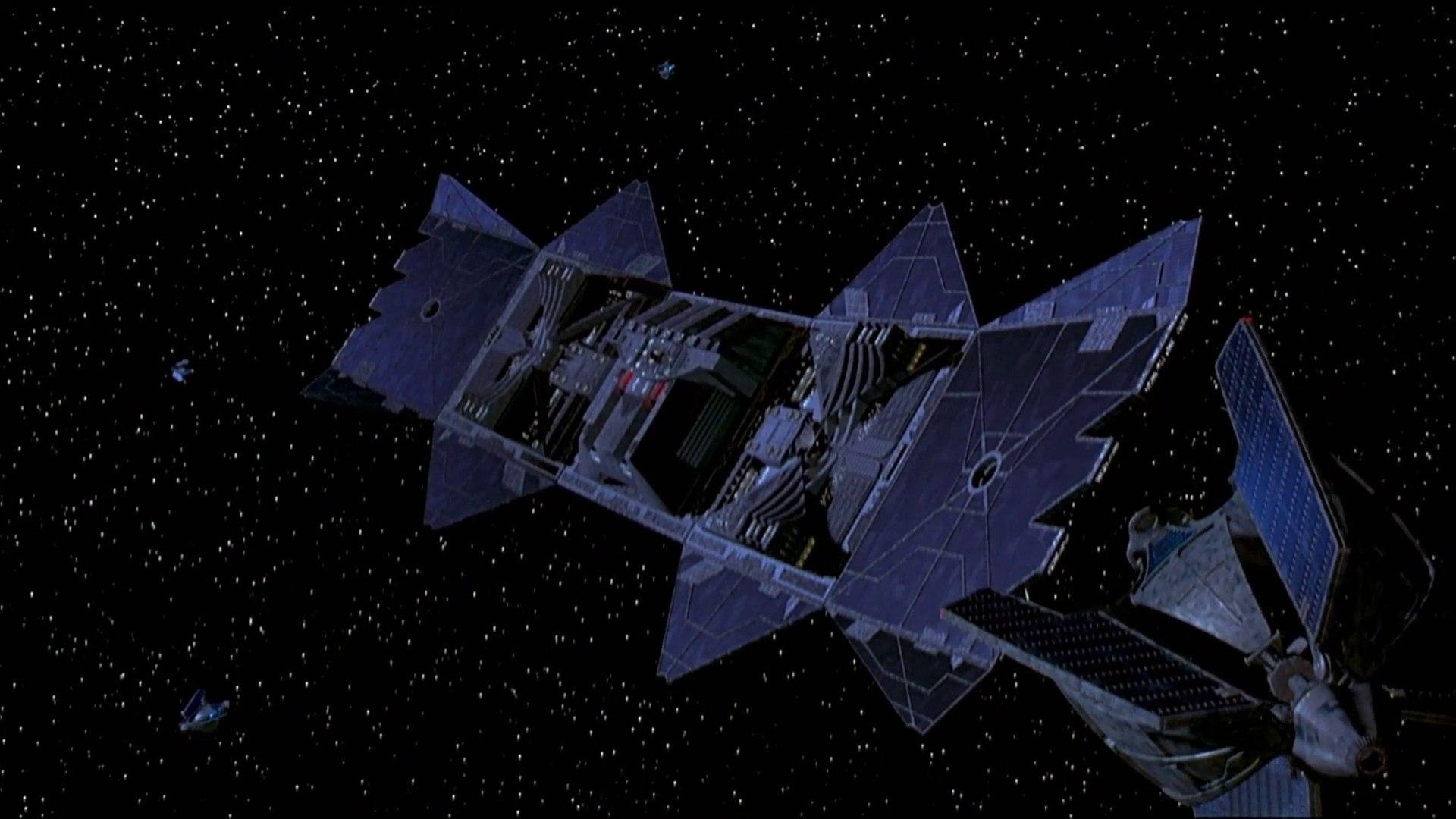
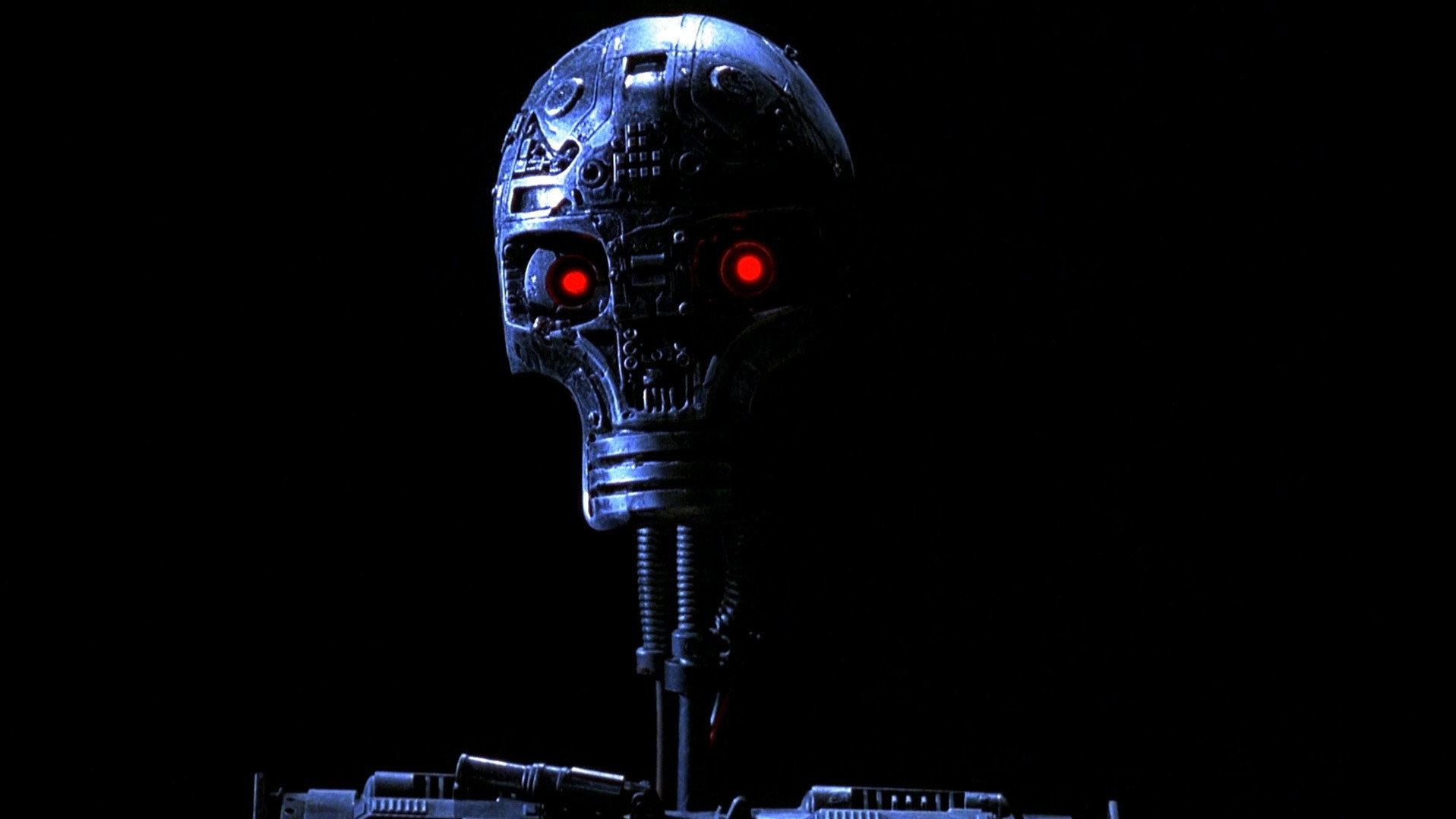
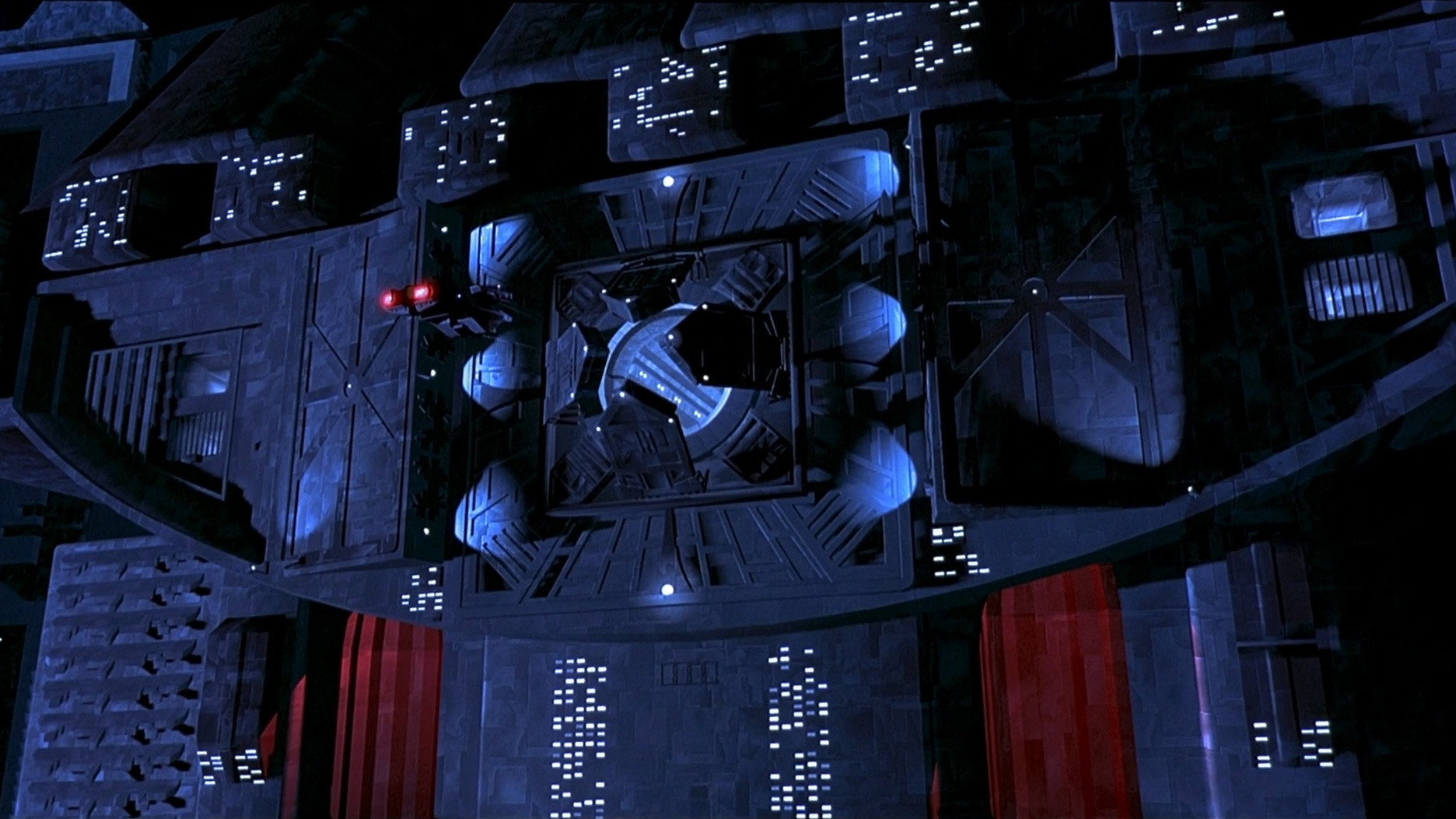
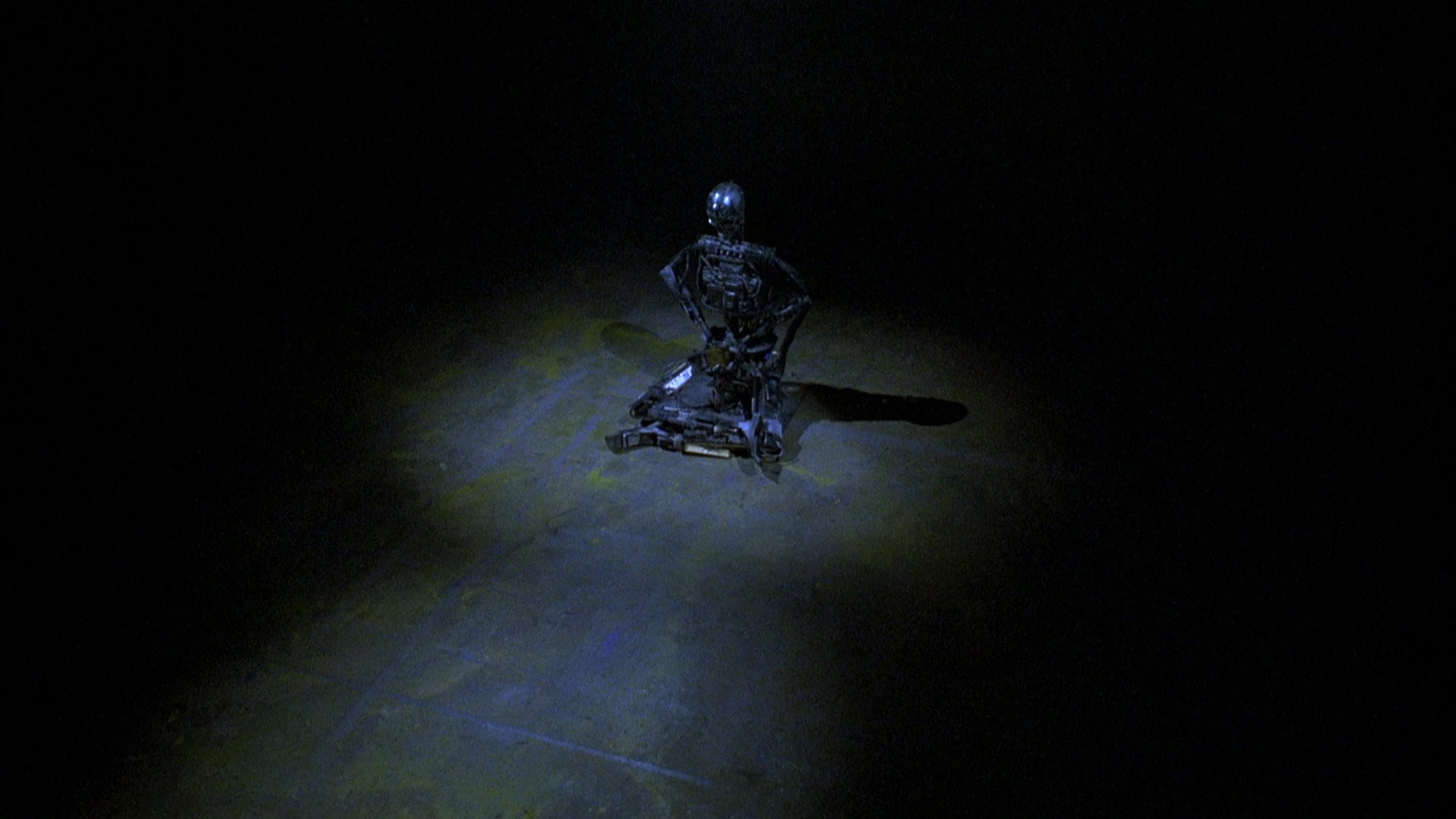
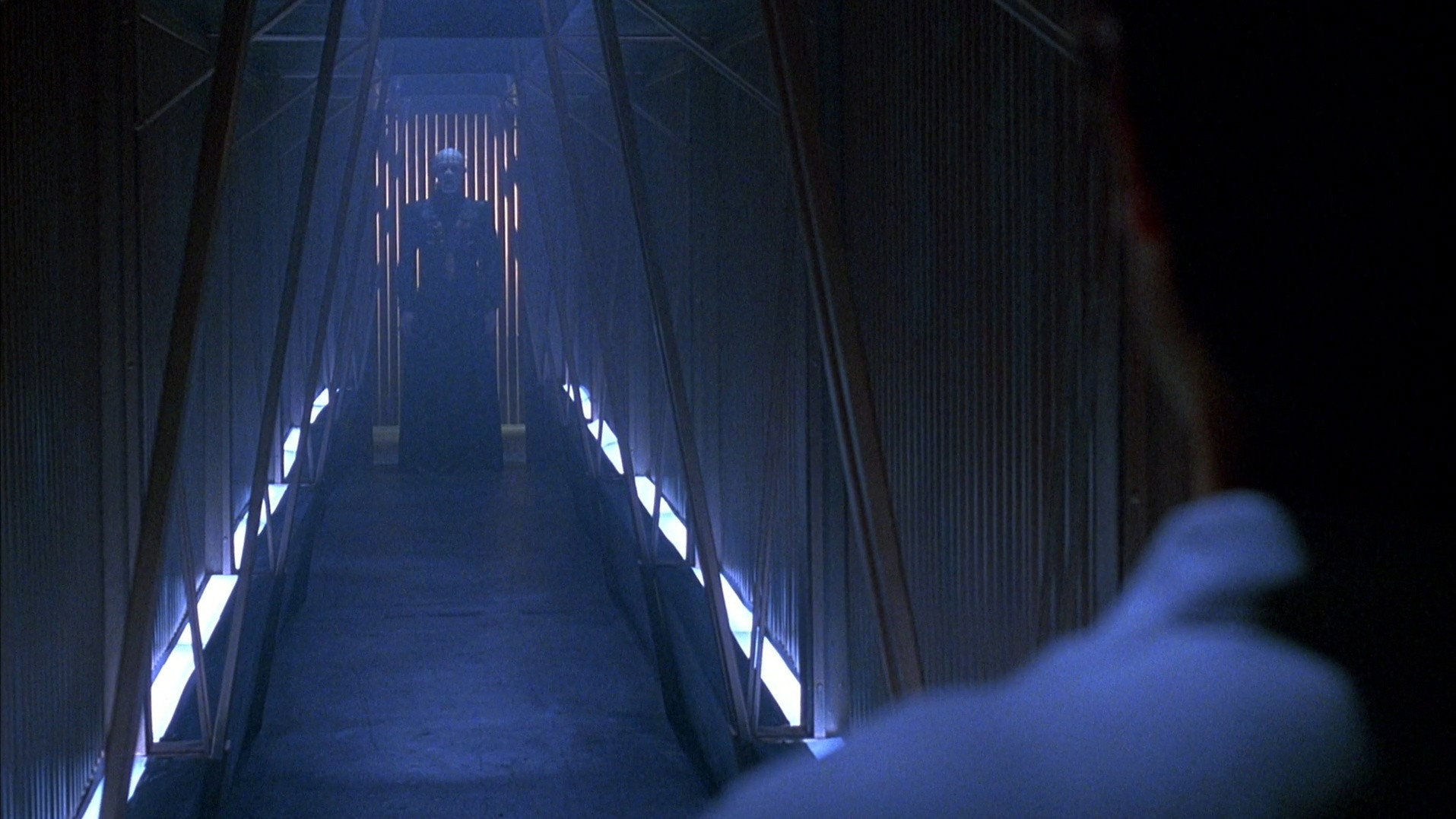
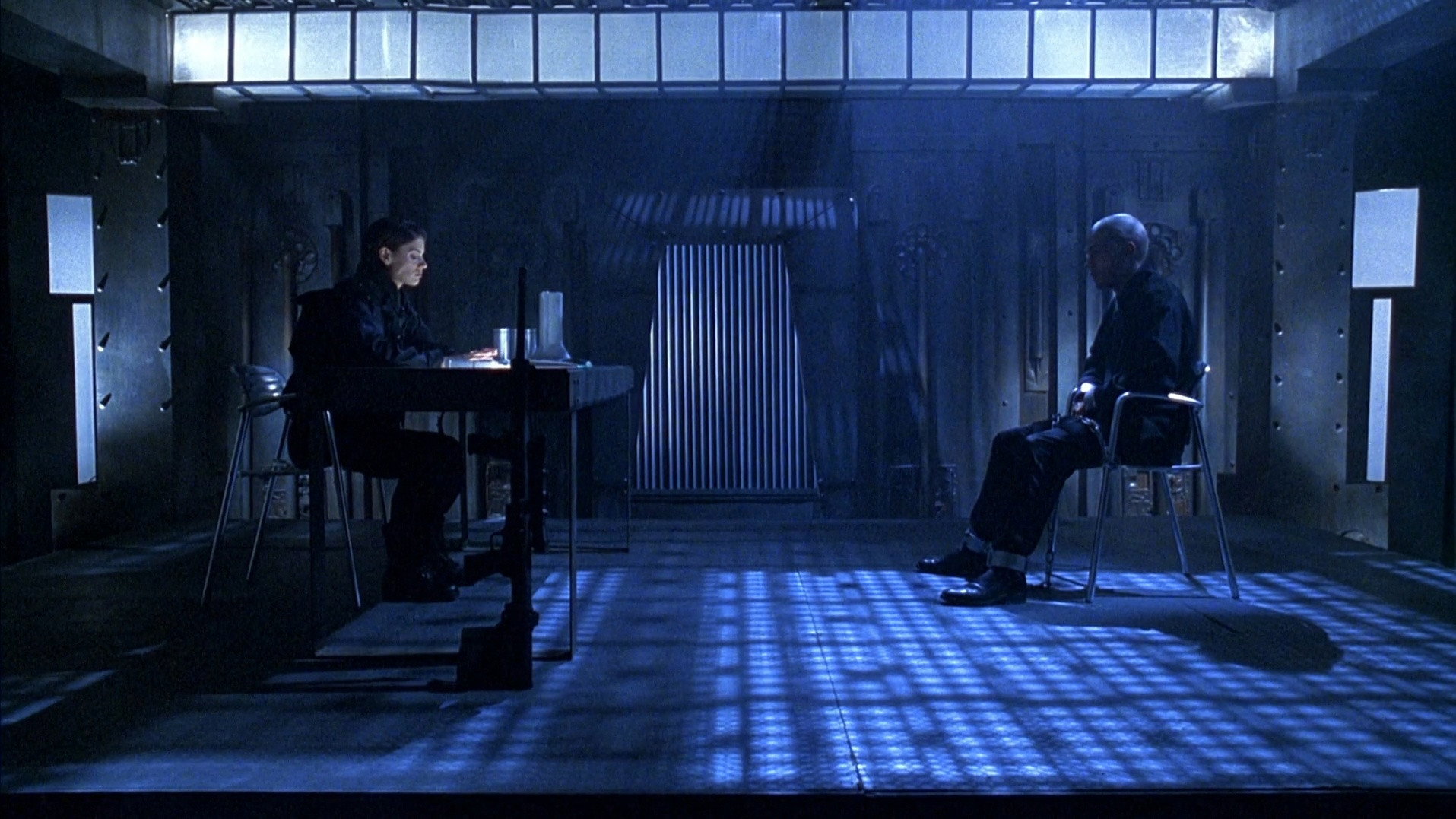
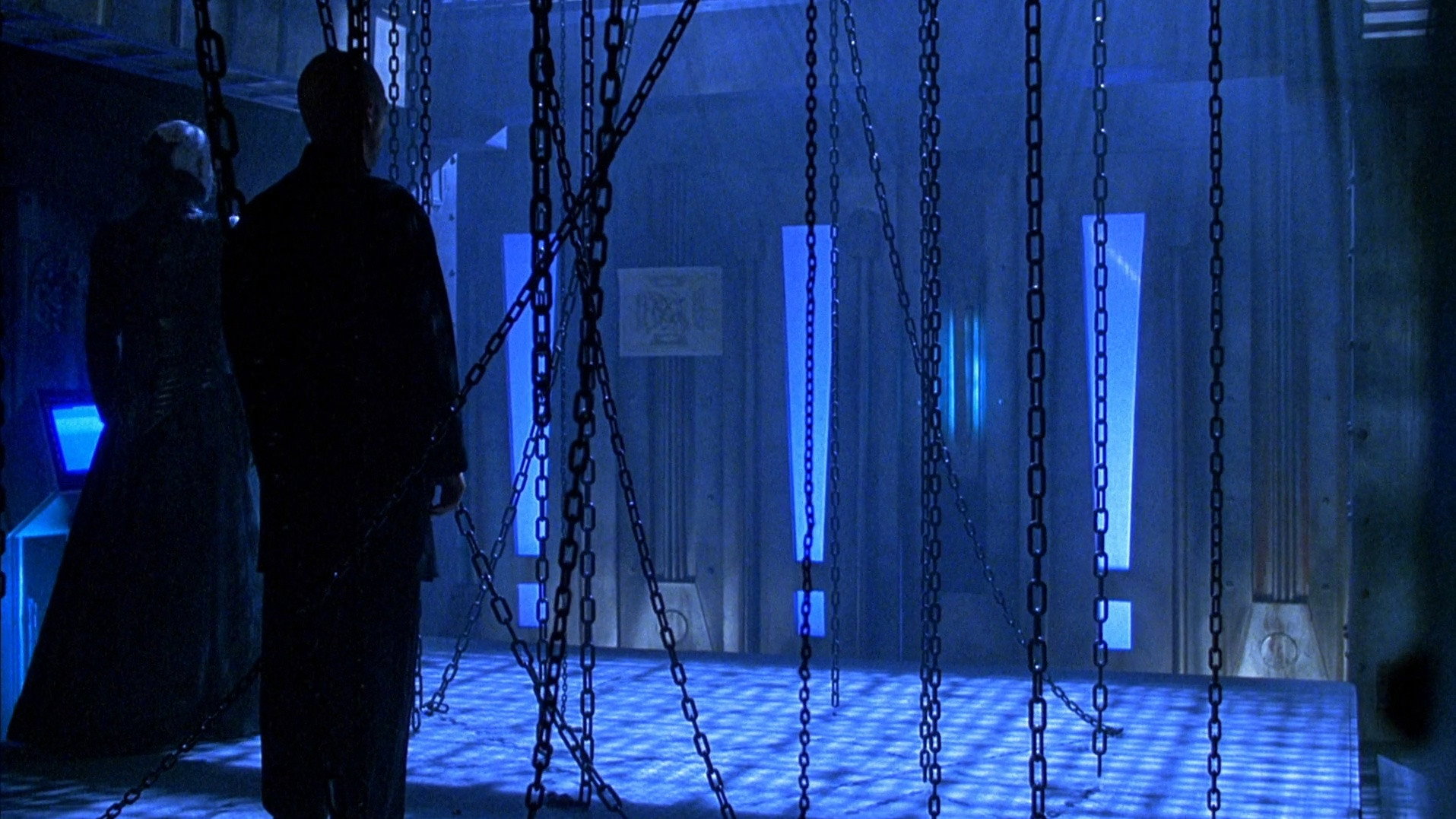
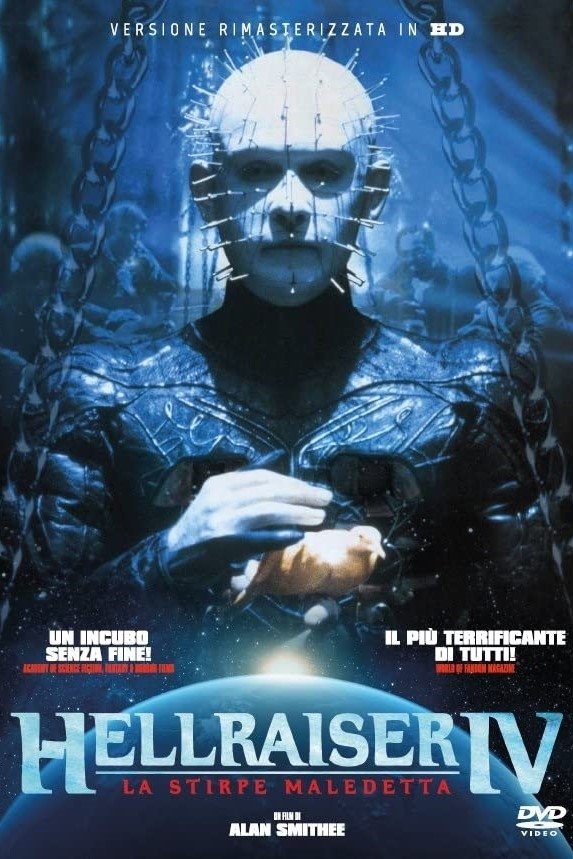
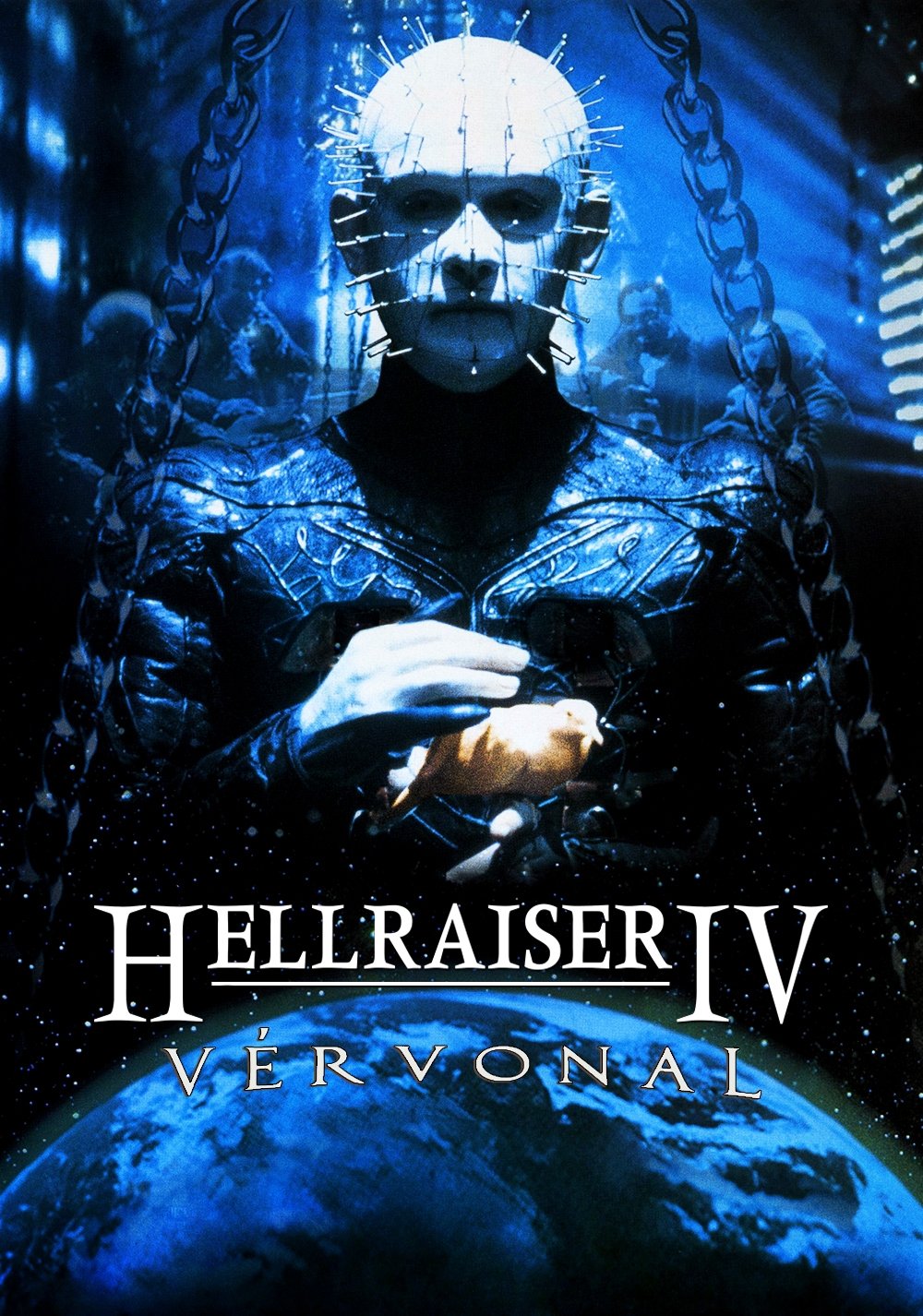
The released film uses the future space-station story as a frame and returns to the earlier periods through extended flashbacks. Following Yagher's departure, Joe Chappelle directed additional material and the picture underwent further editing. Yagher objected to the result because he felt it no longer represented his direction; his name was replaced by the industry pseudonym Alan Smithee. He also described withdrawing as a decision influenced by the time and energy another extended production period would require. That qualification matters: the available interviews do not reduce the dispute to one confrontation or a simple claim that he was summarily dismissed.
Angelique, Pinhead and Practical Body Horror
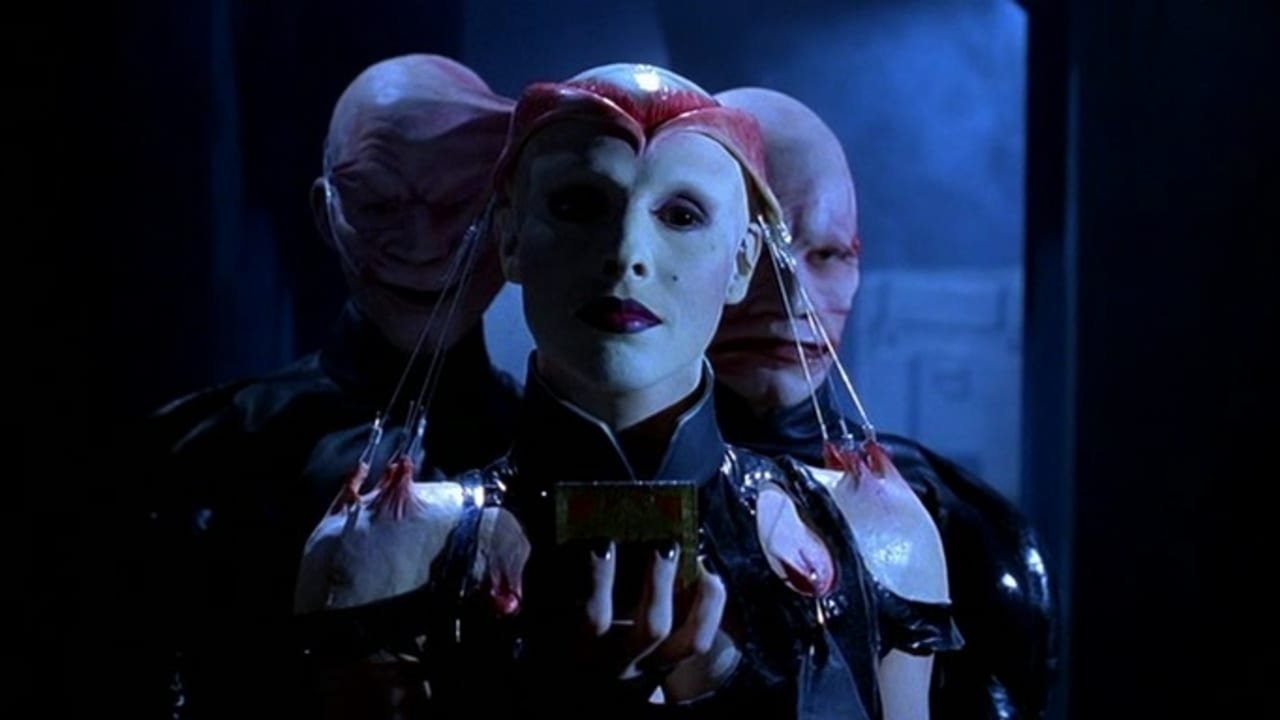
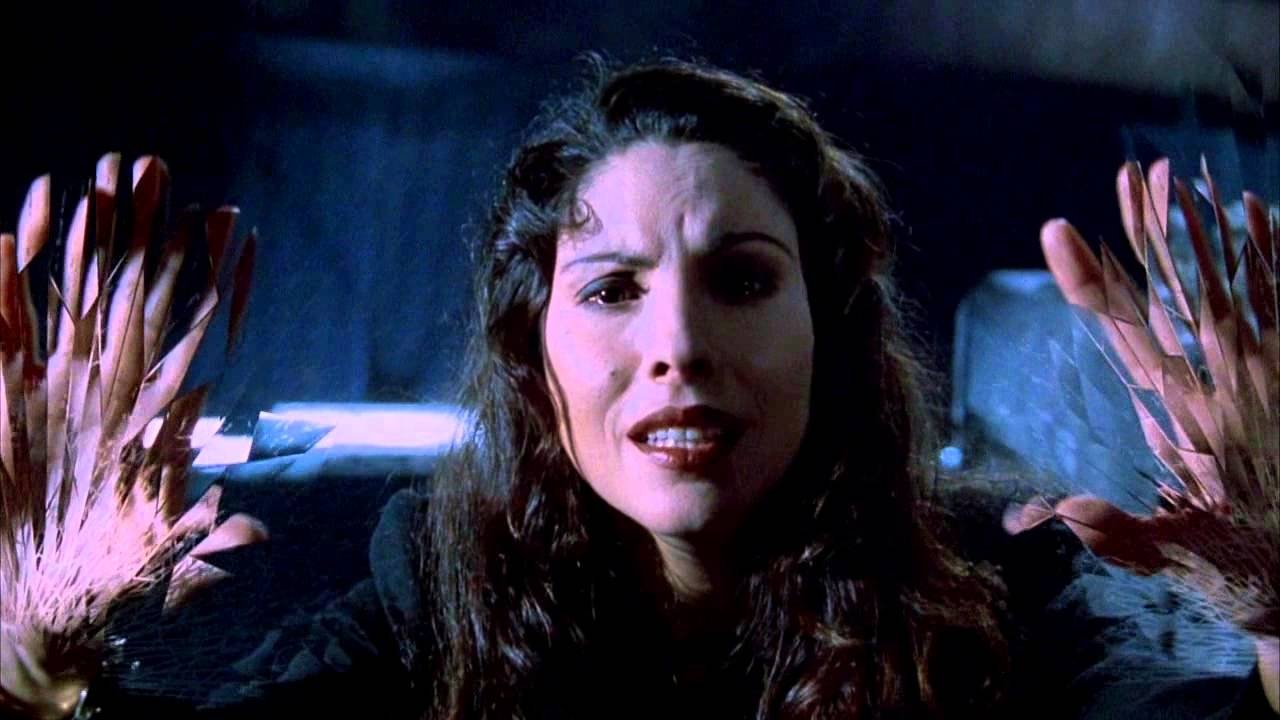
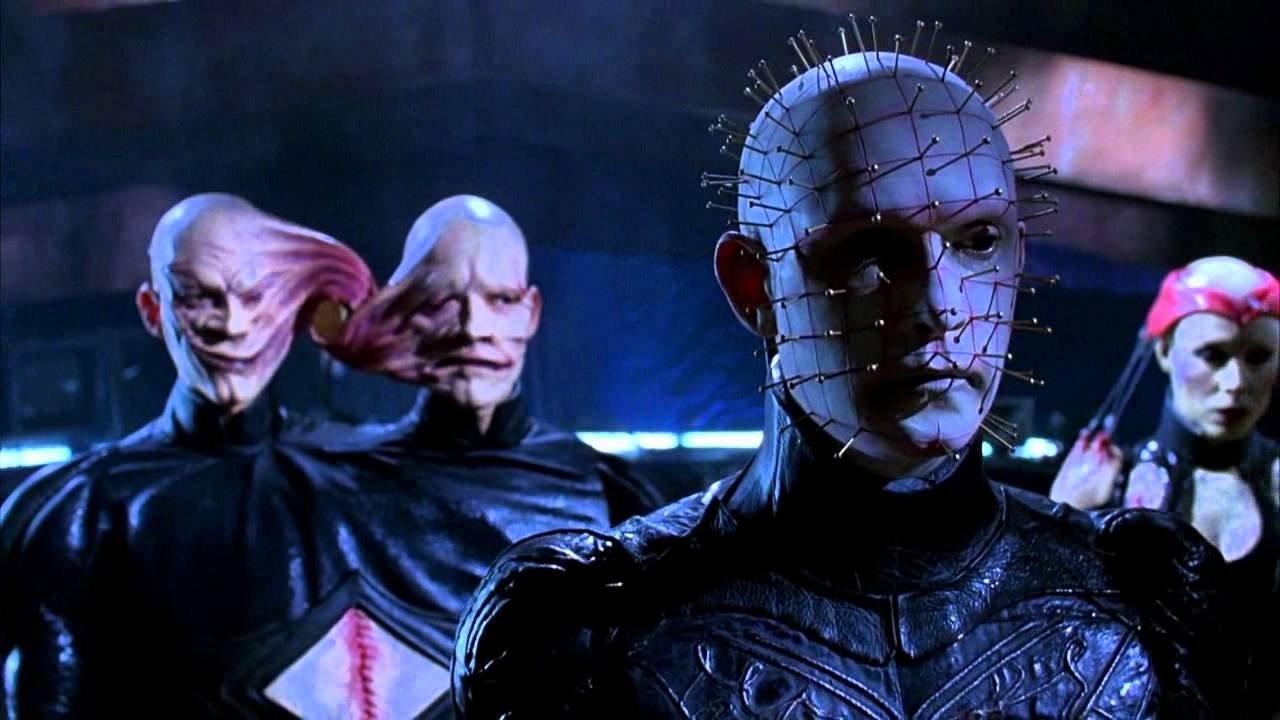
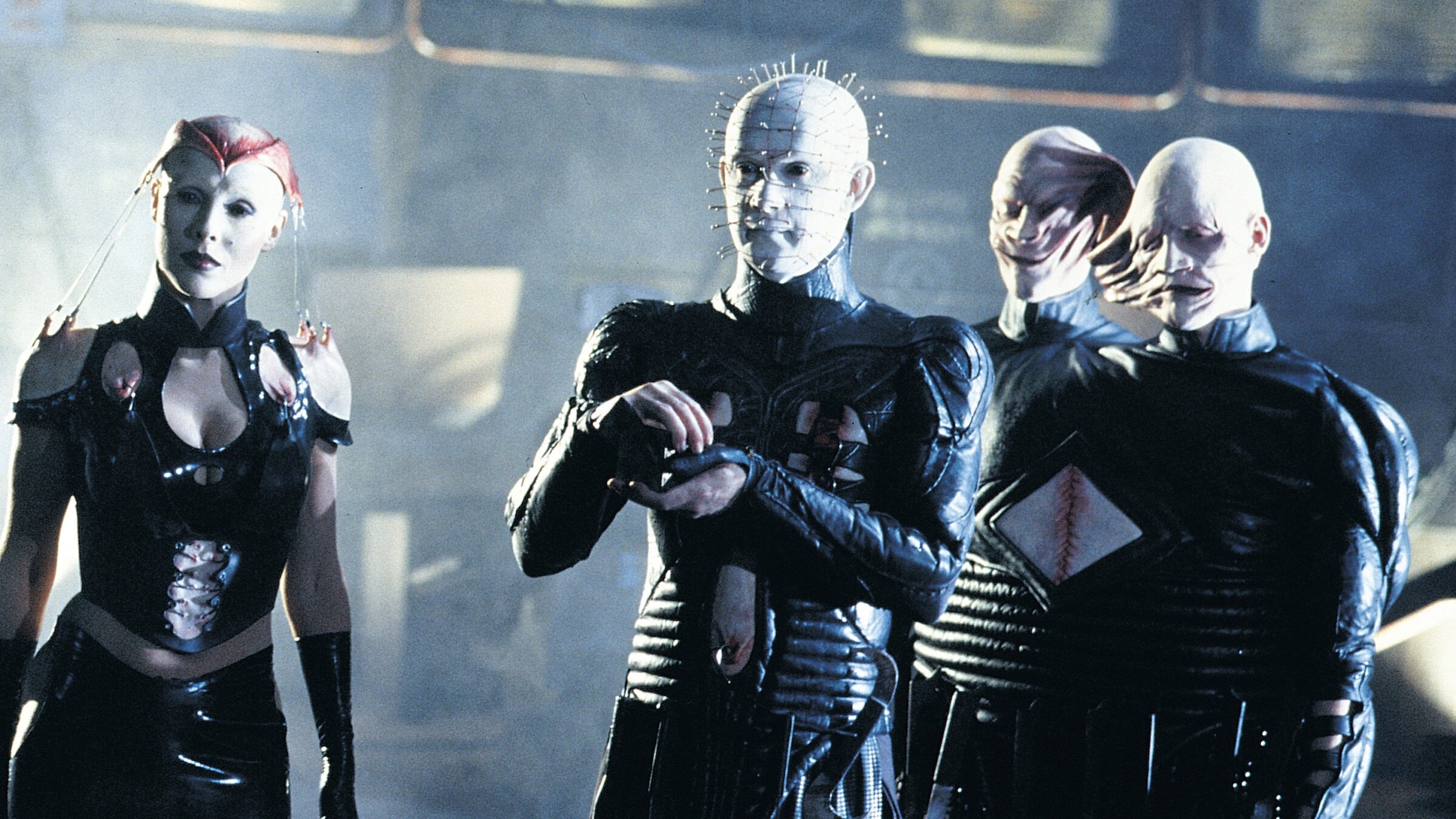
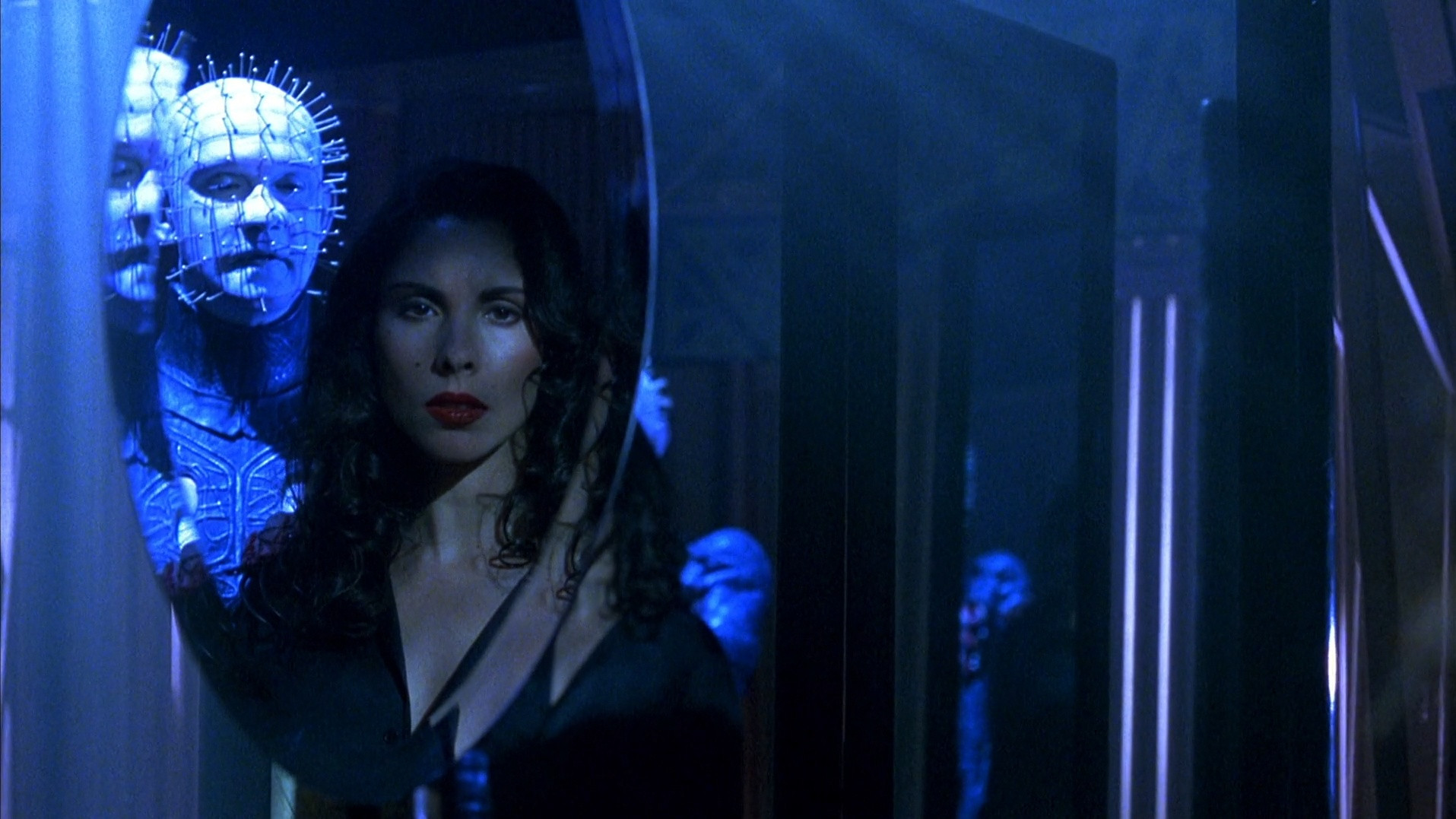
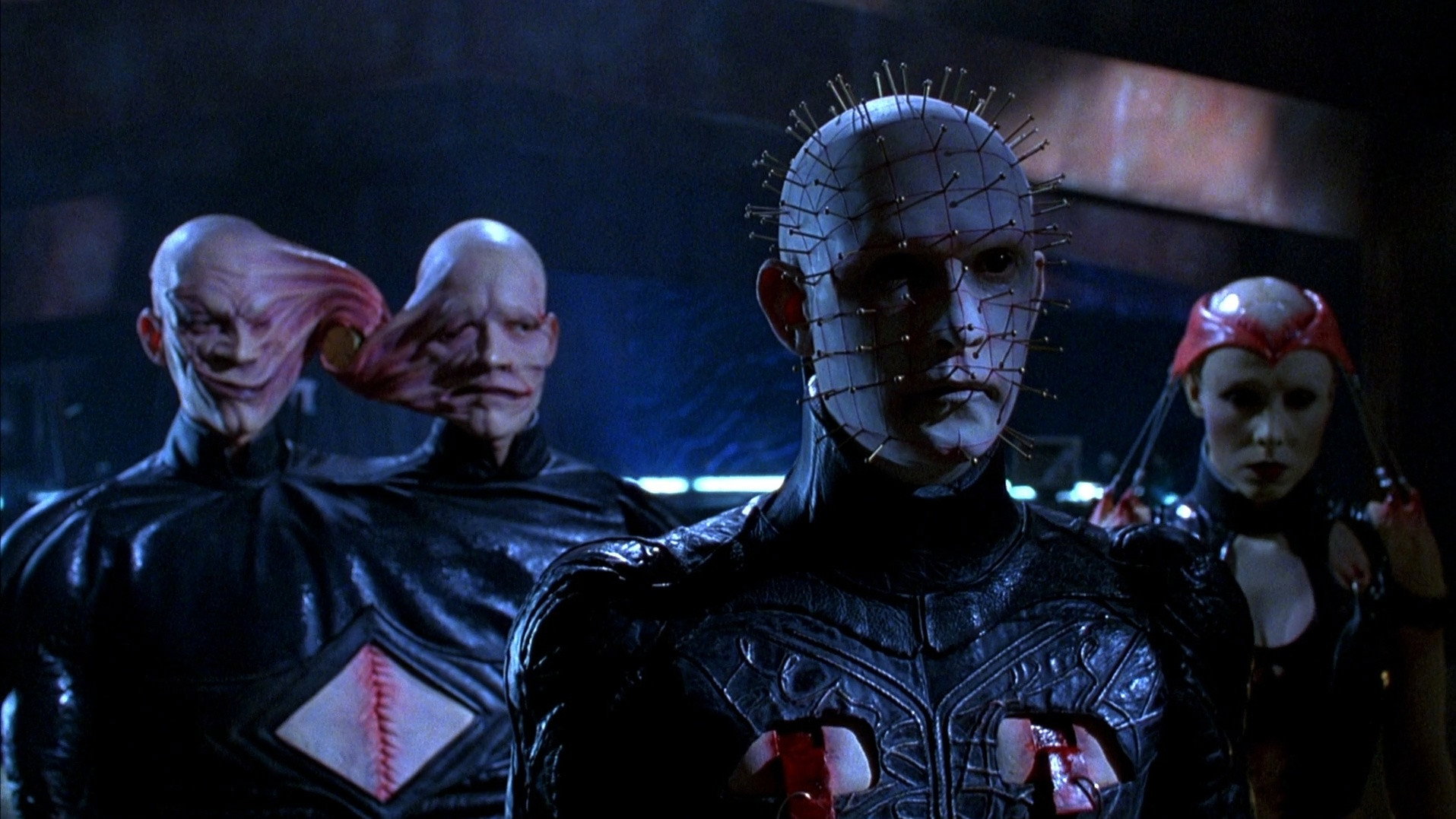
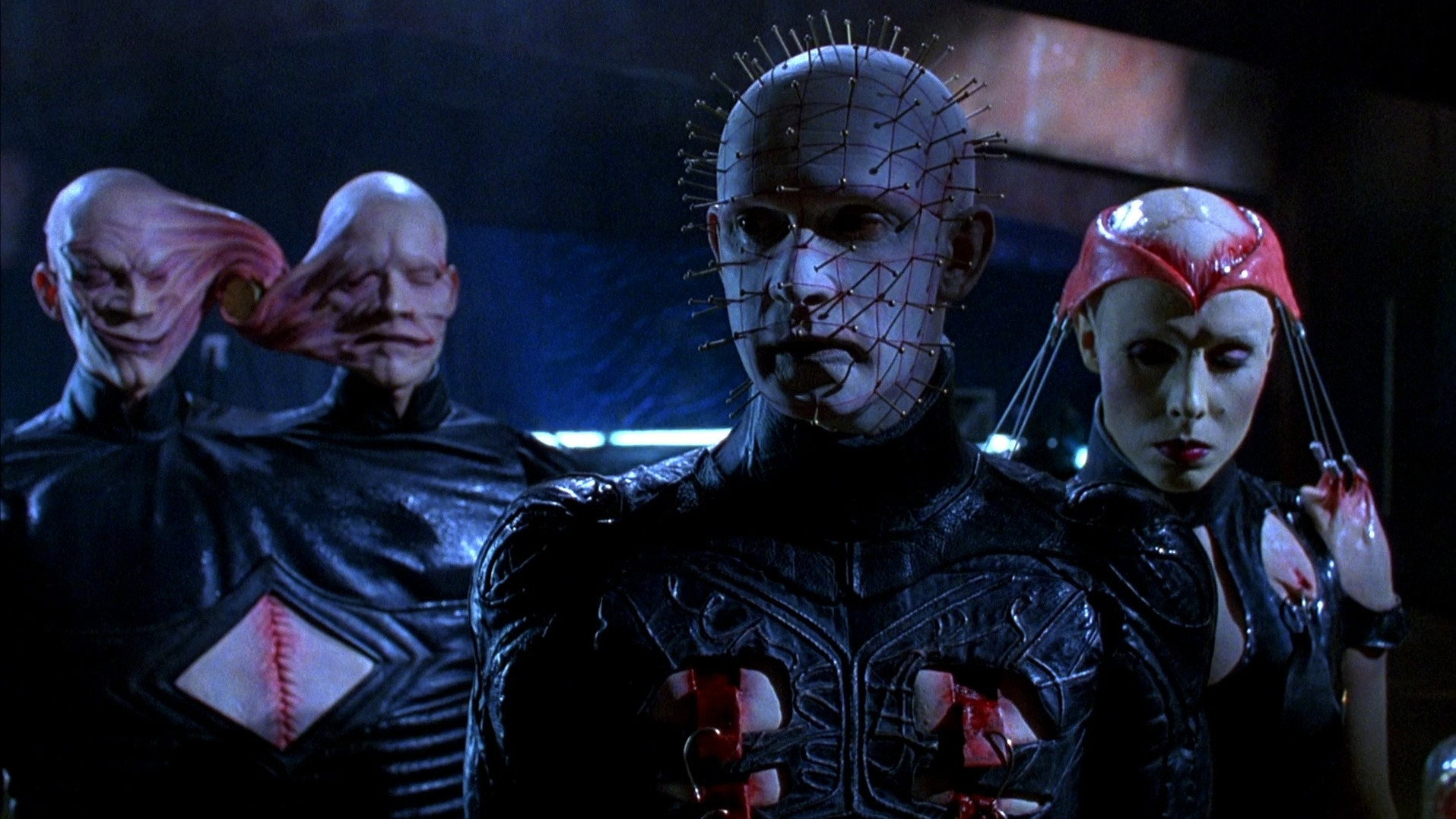
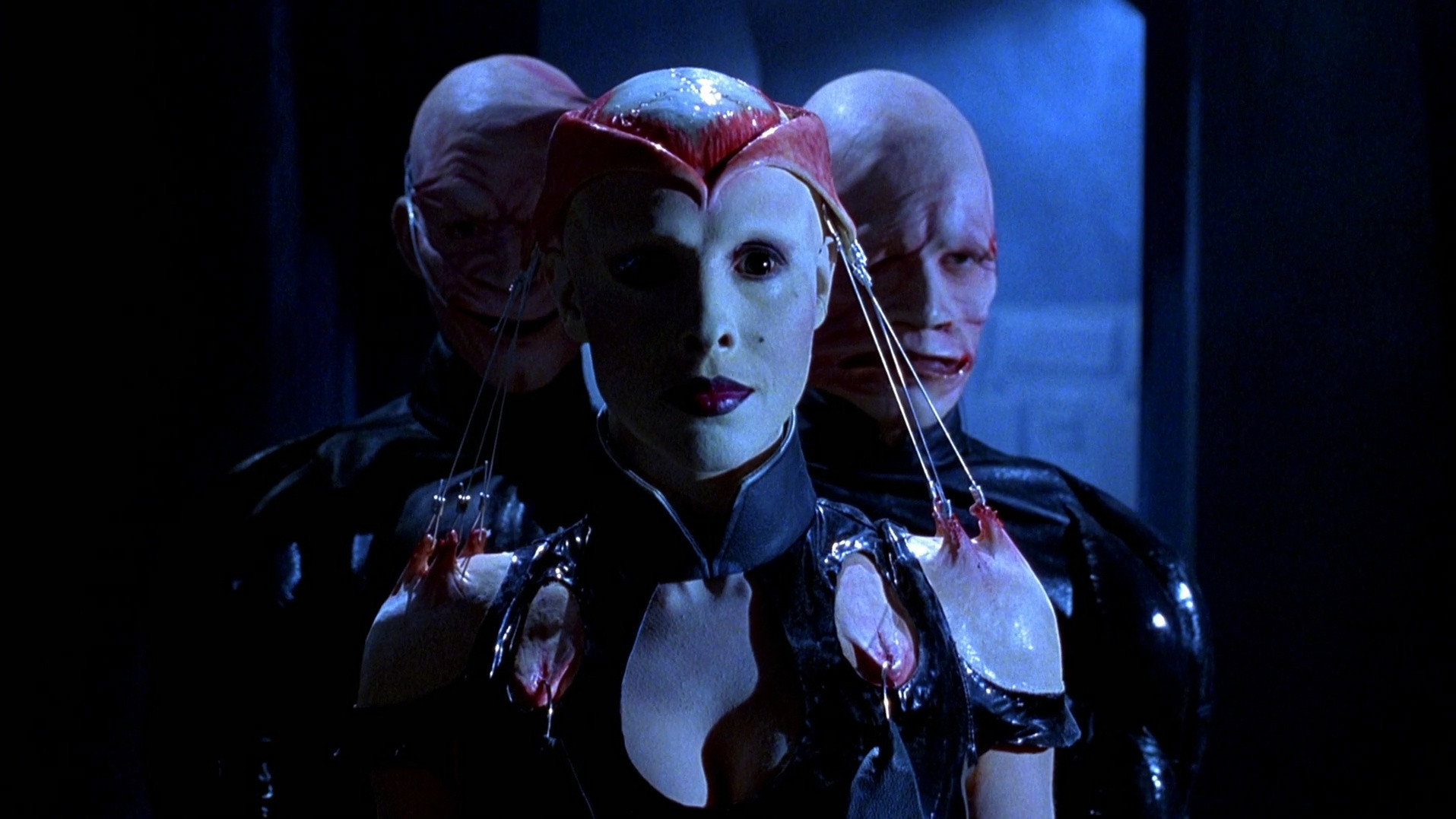
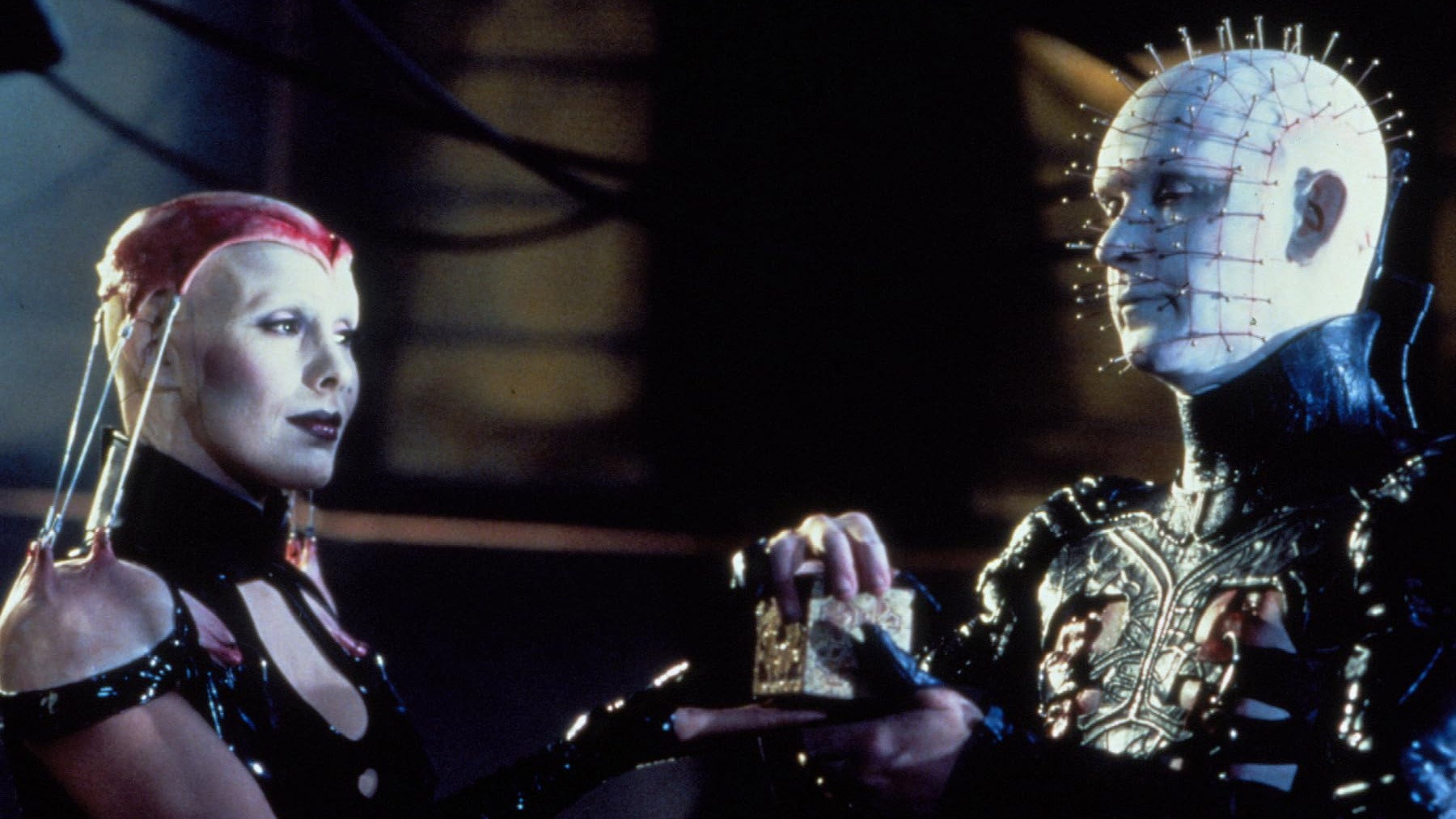
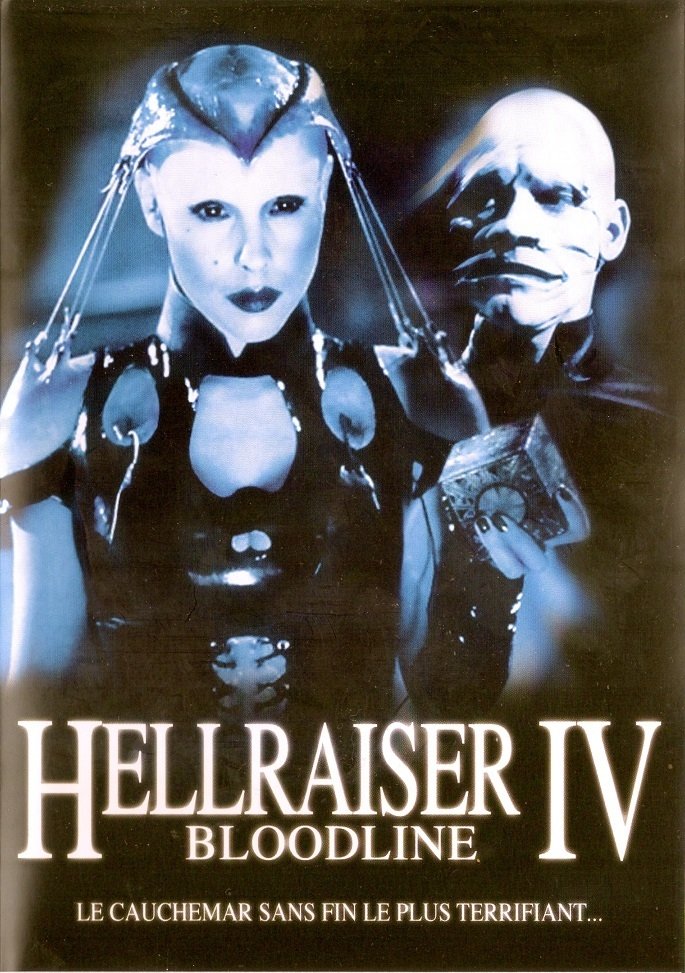
The French sequence foregrounds Angelique, played by Valentina Vargas, as an infernal presence whose relationship to Pinhead is shaped by competing ideas of power. Bradley explained in contemporary promotional material that the story placed the two supernatural figures in an unfamiliar rivalry. Their opposing temperaments provide a different source of horror from the succession of victims attacked by Cenobites in some earlier installments. Angelique's body and costume combine seduction with bodily division, keeping the Barker universe's uneasy link between sensation, ritual and mutilation visually present even when Pinhead is offscreen.
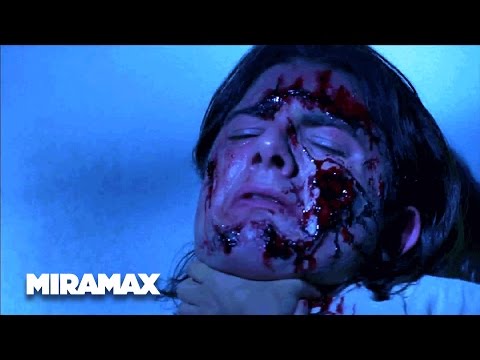
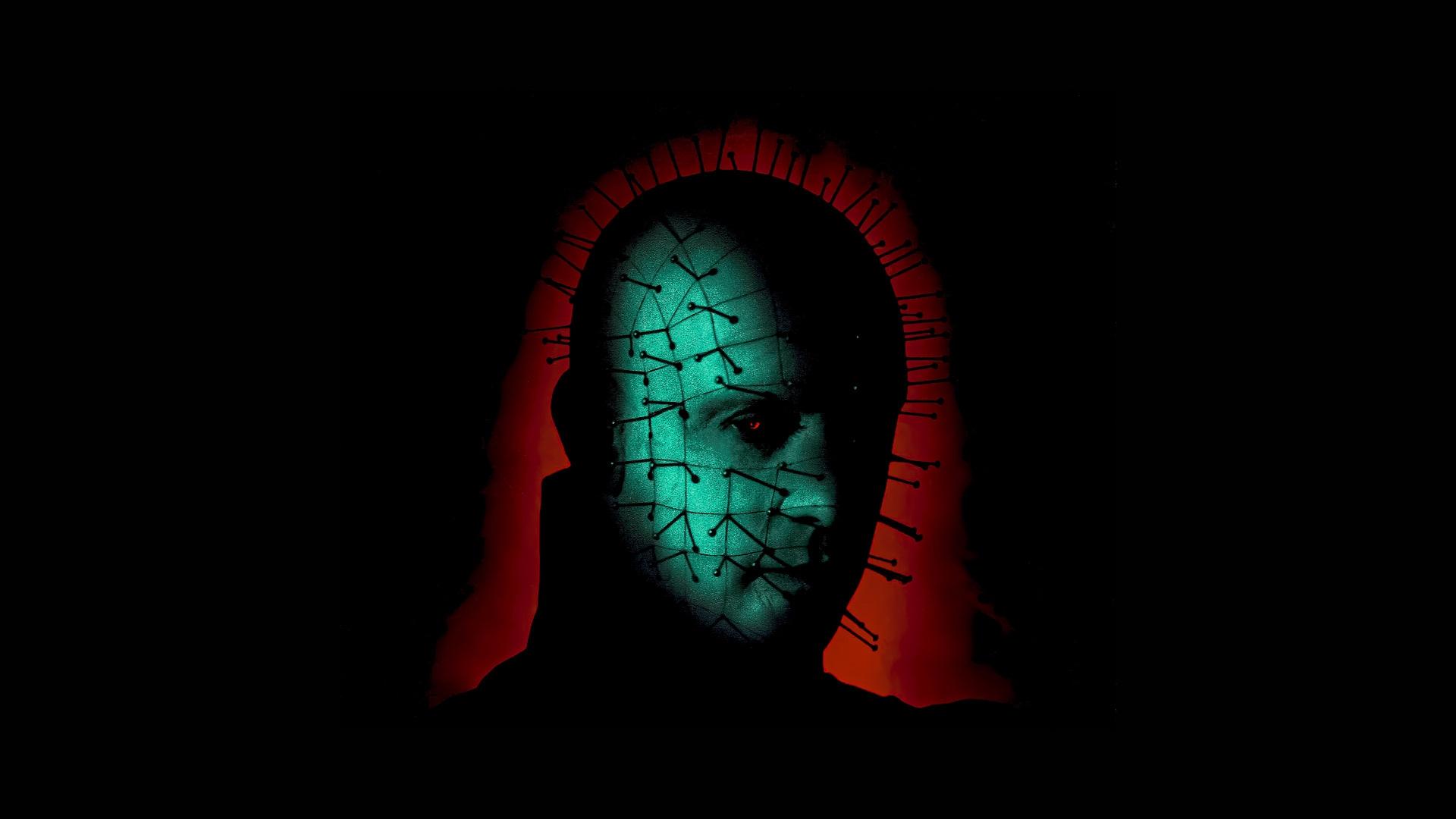
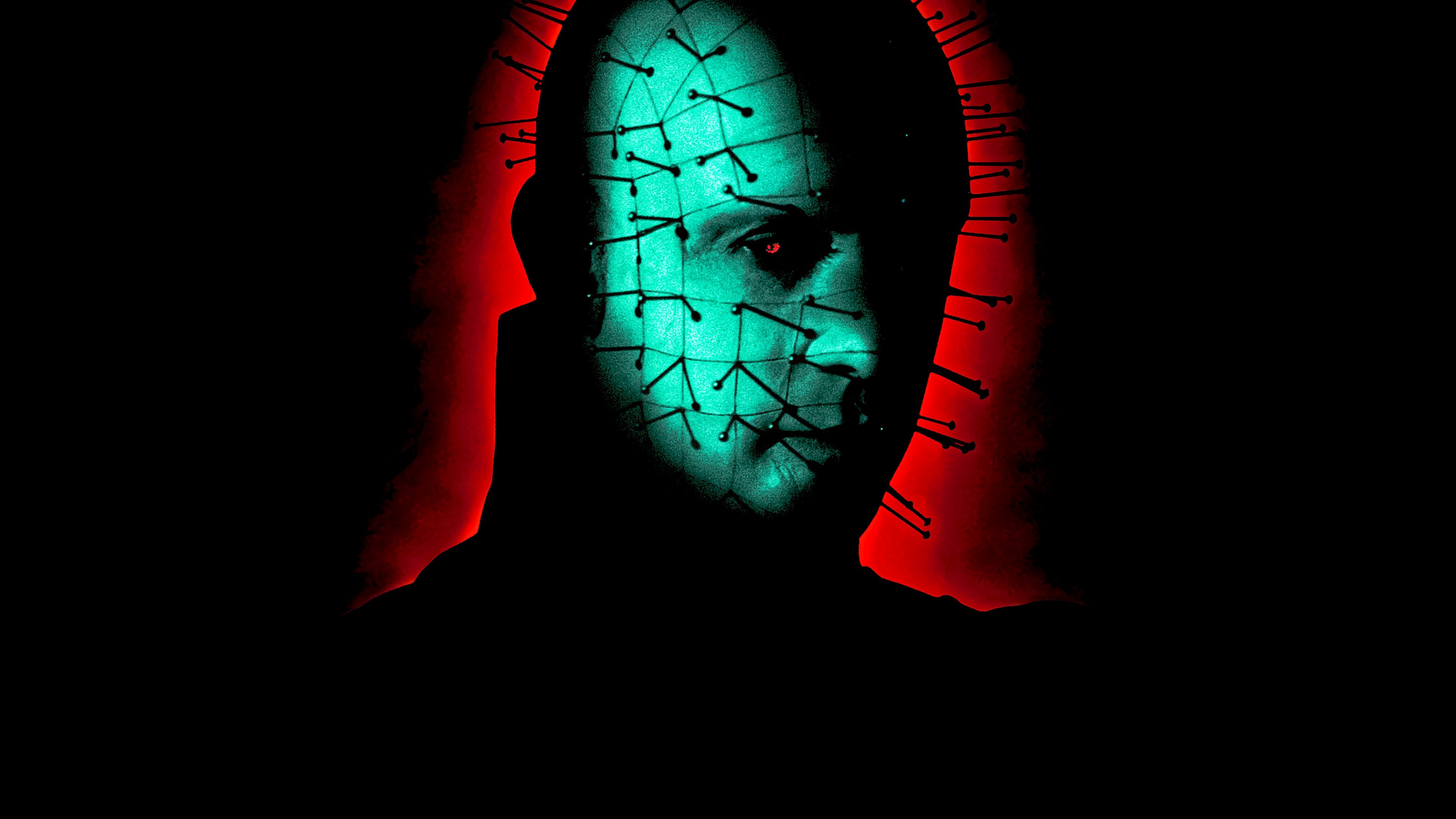
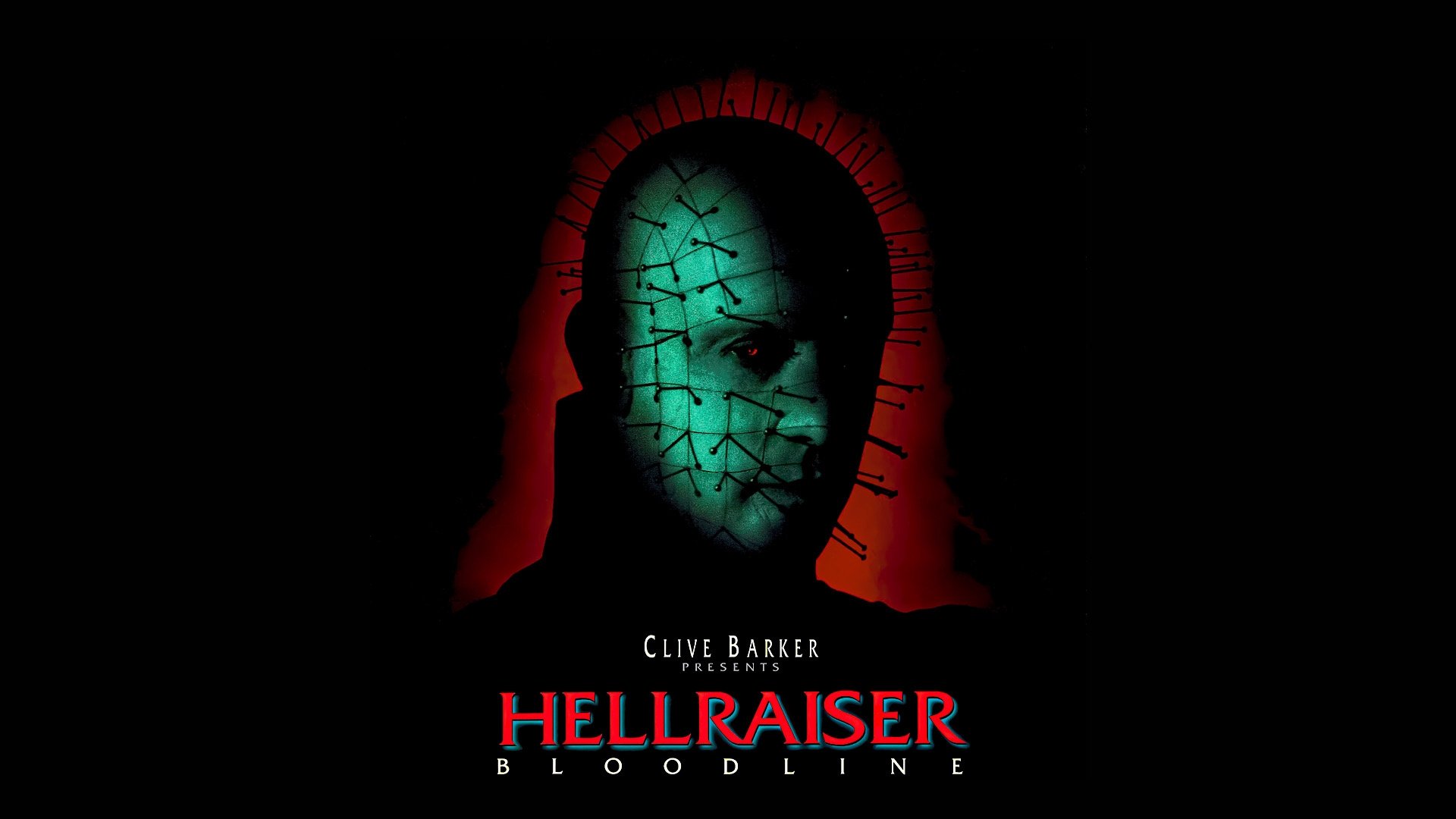
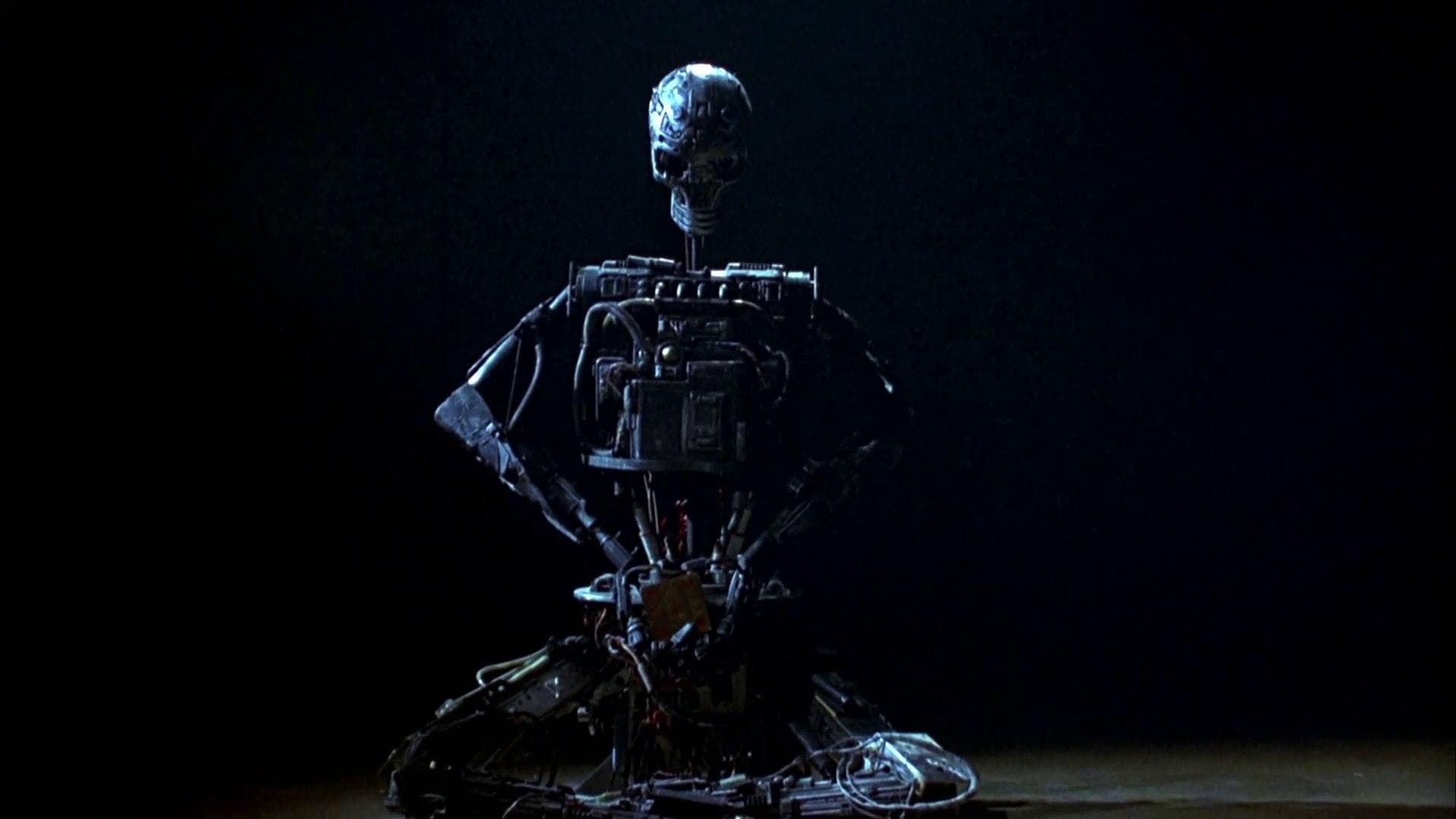
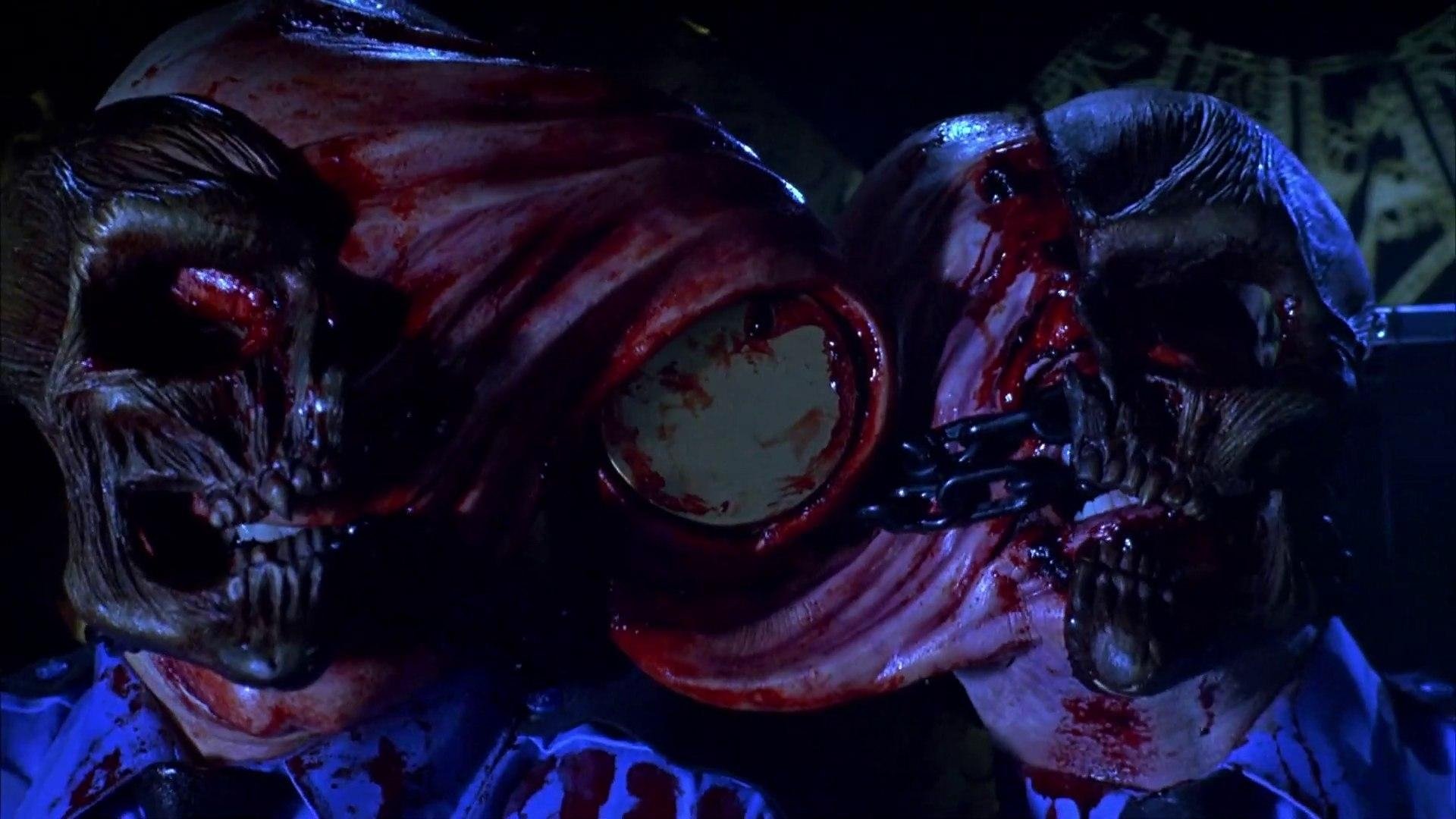
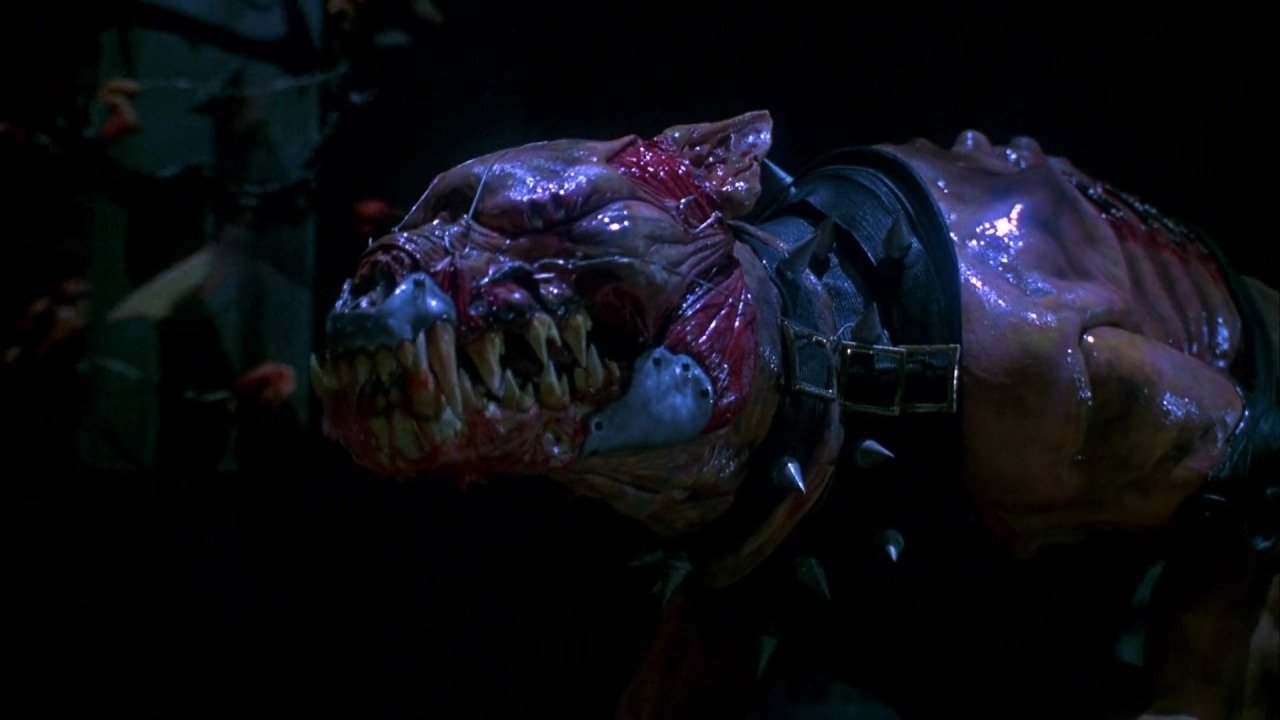
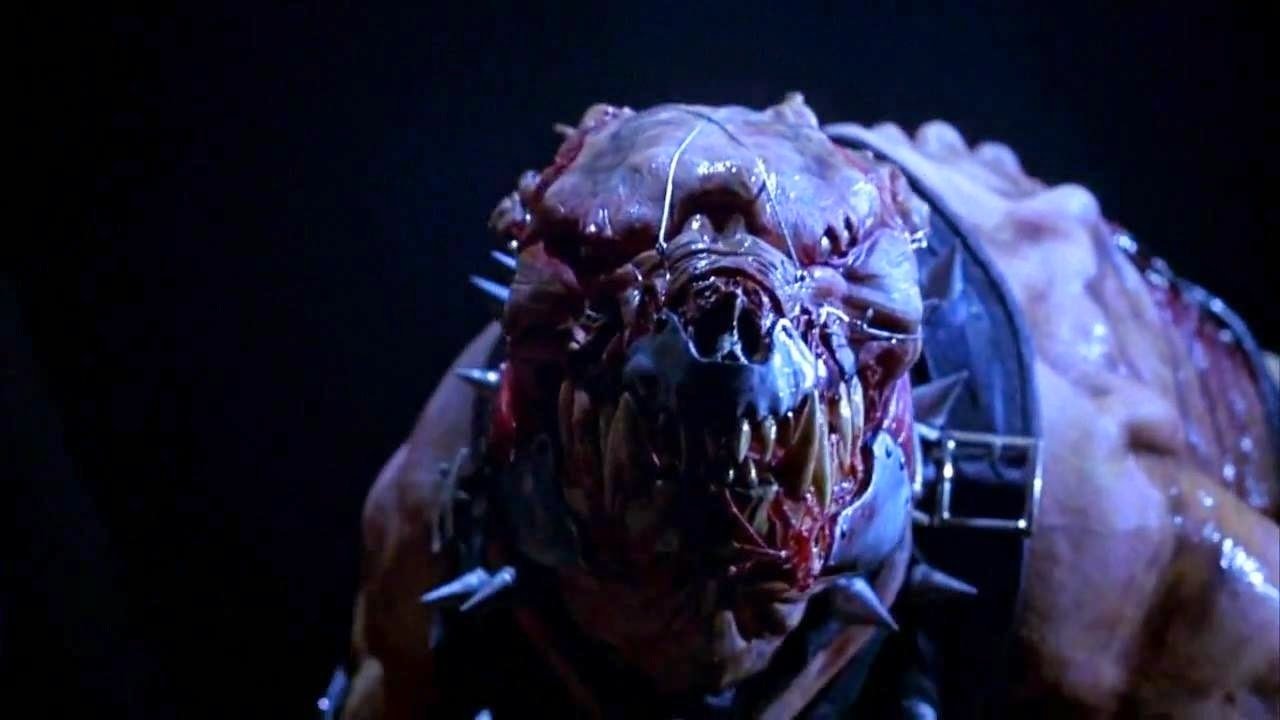
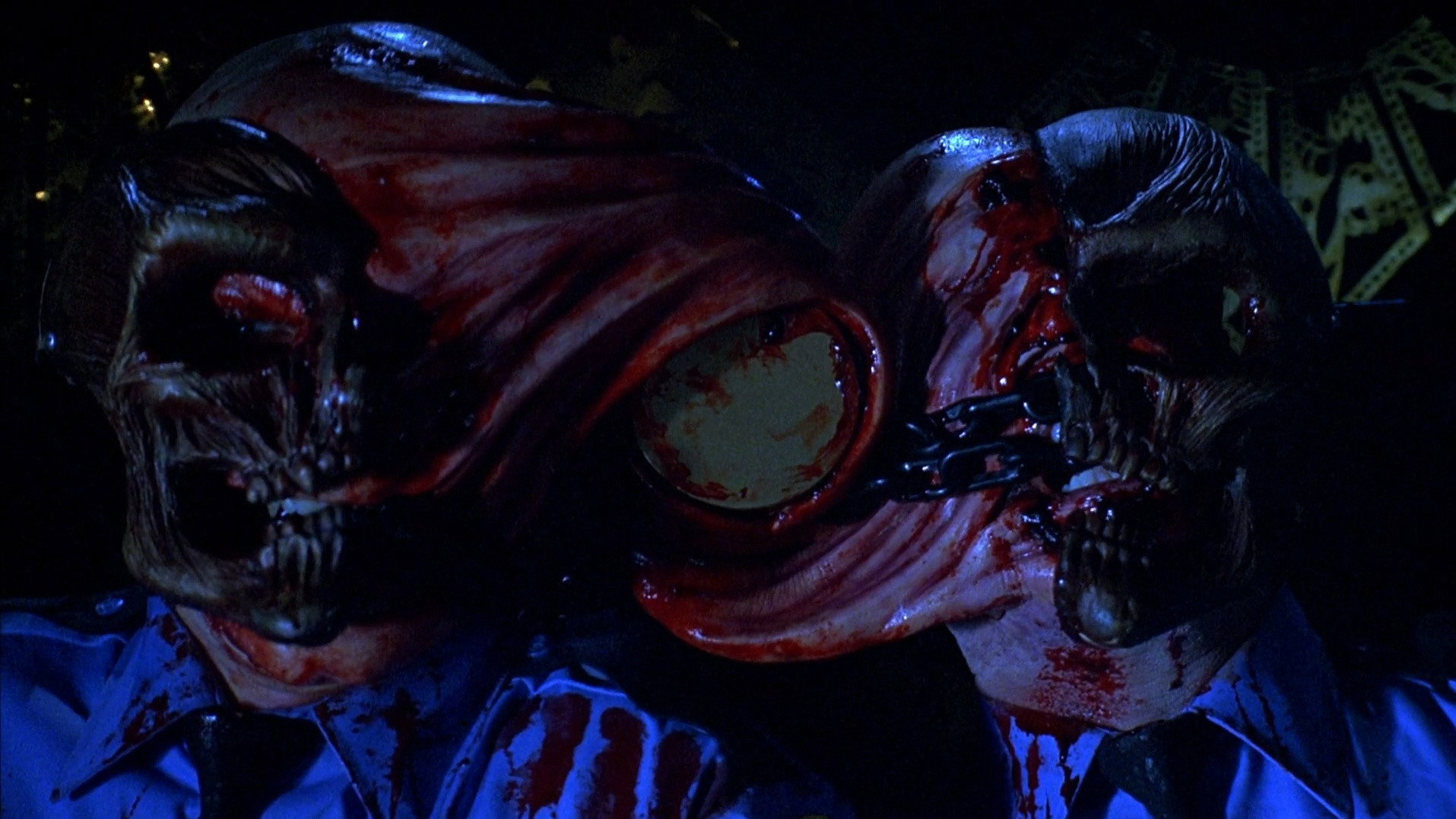
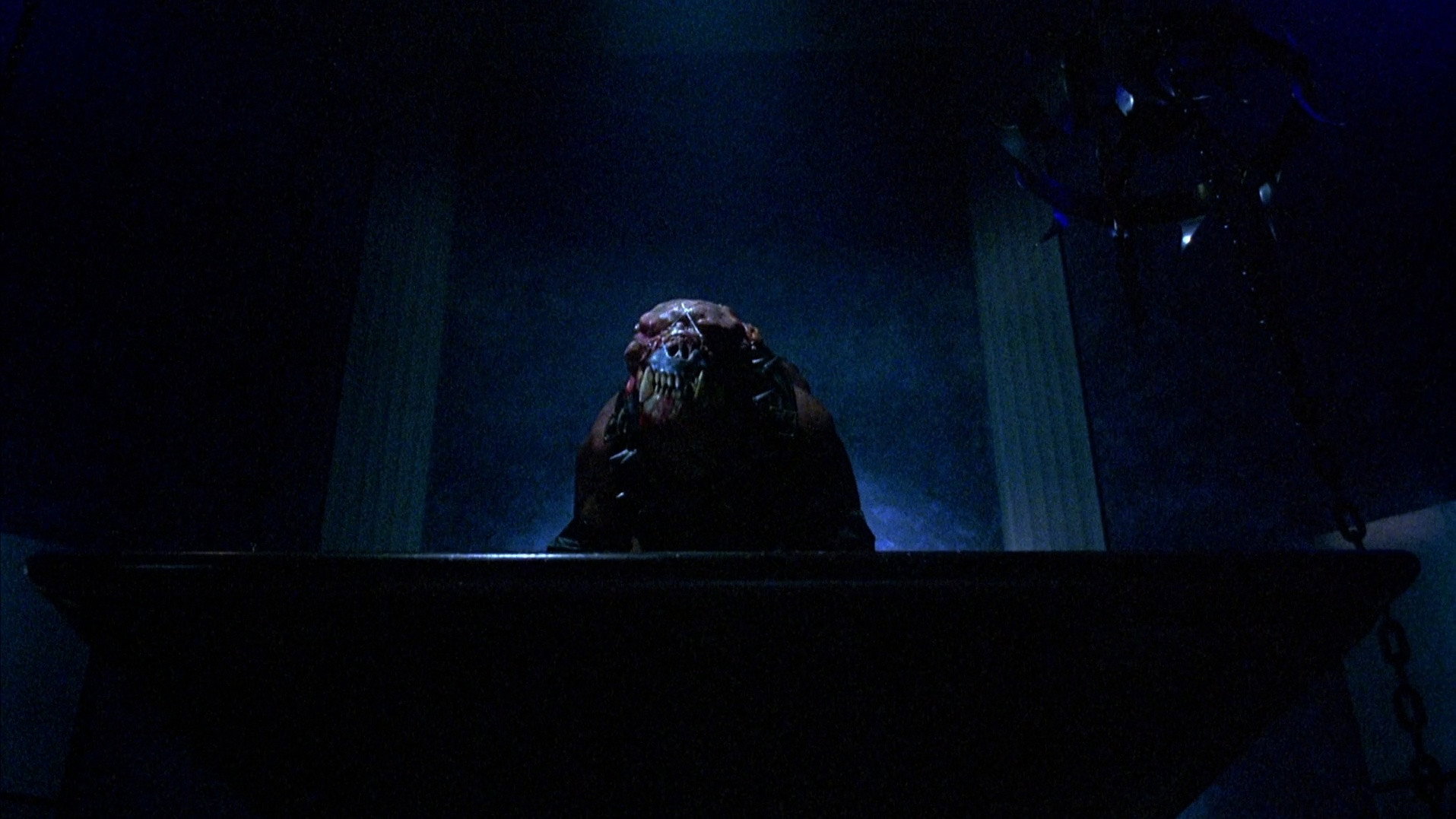
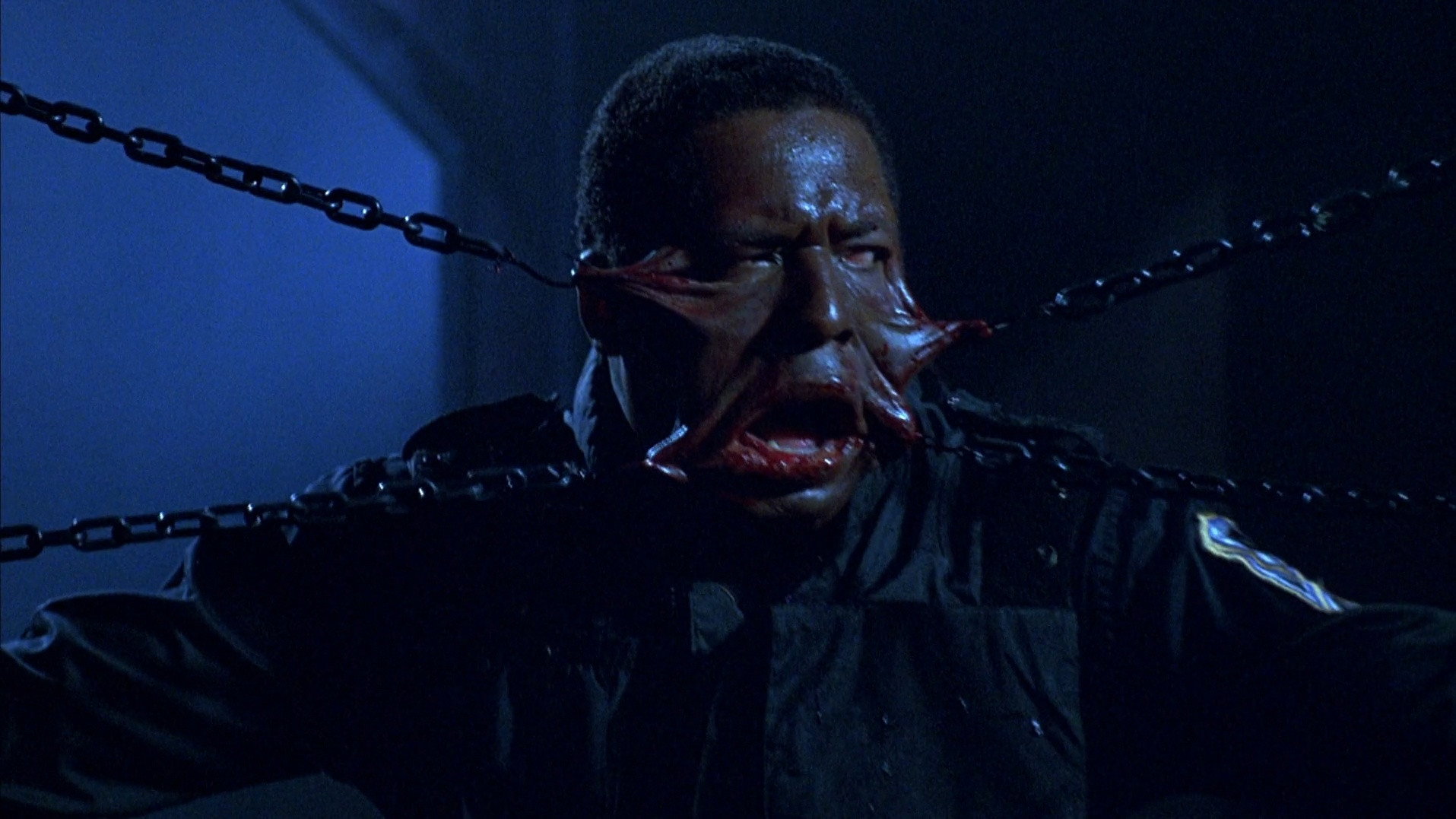
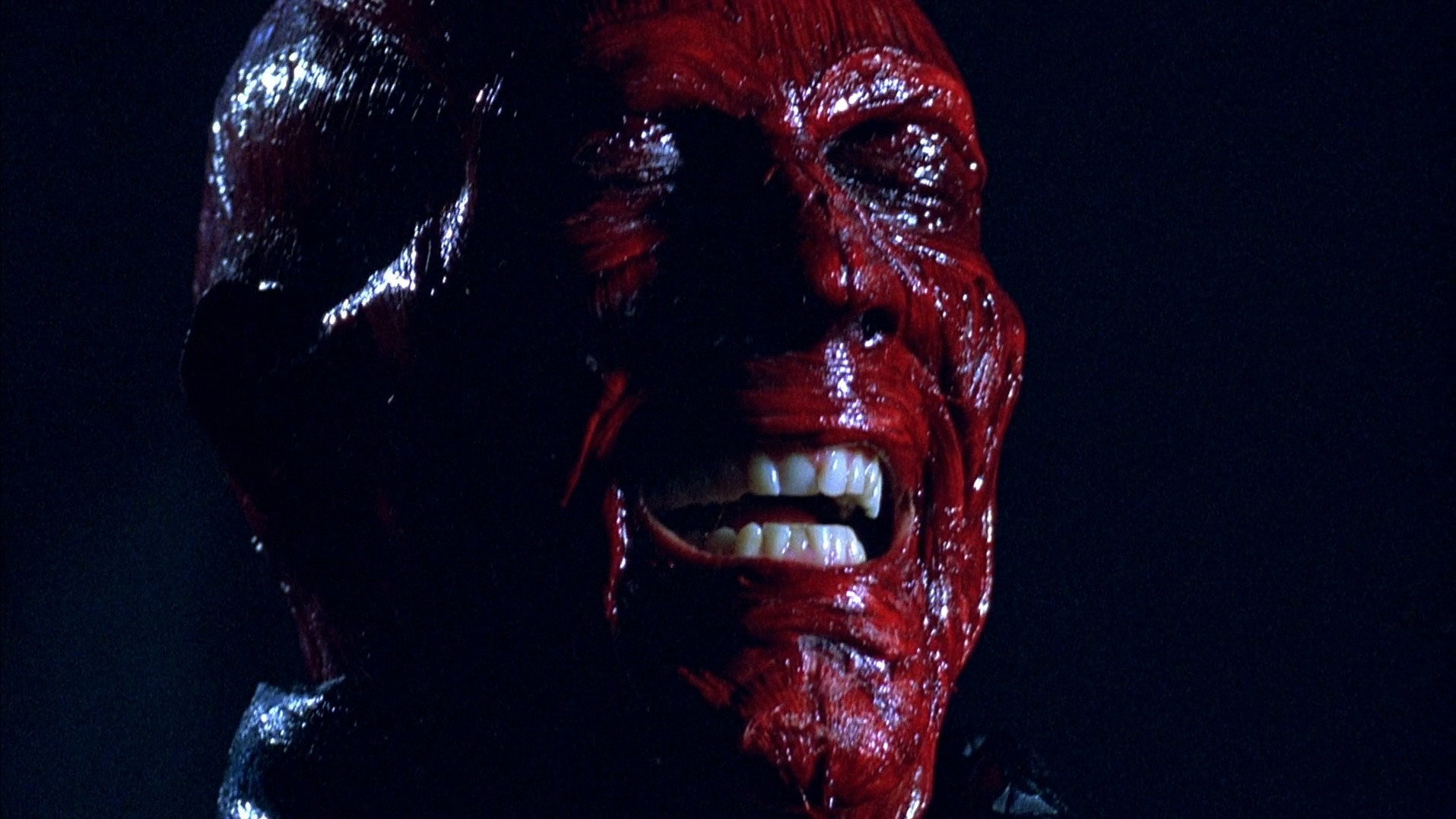
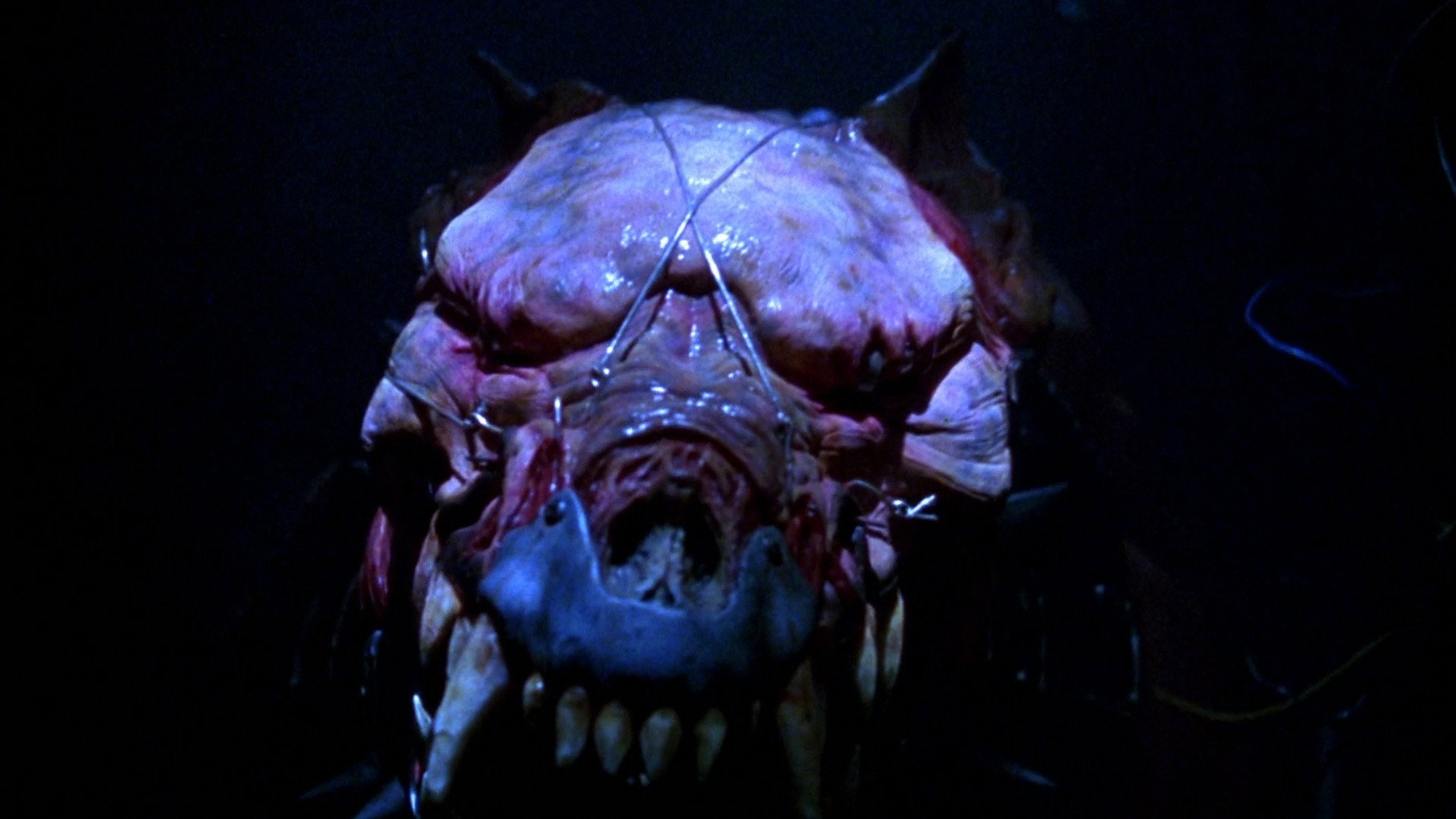
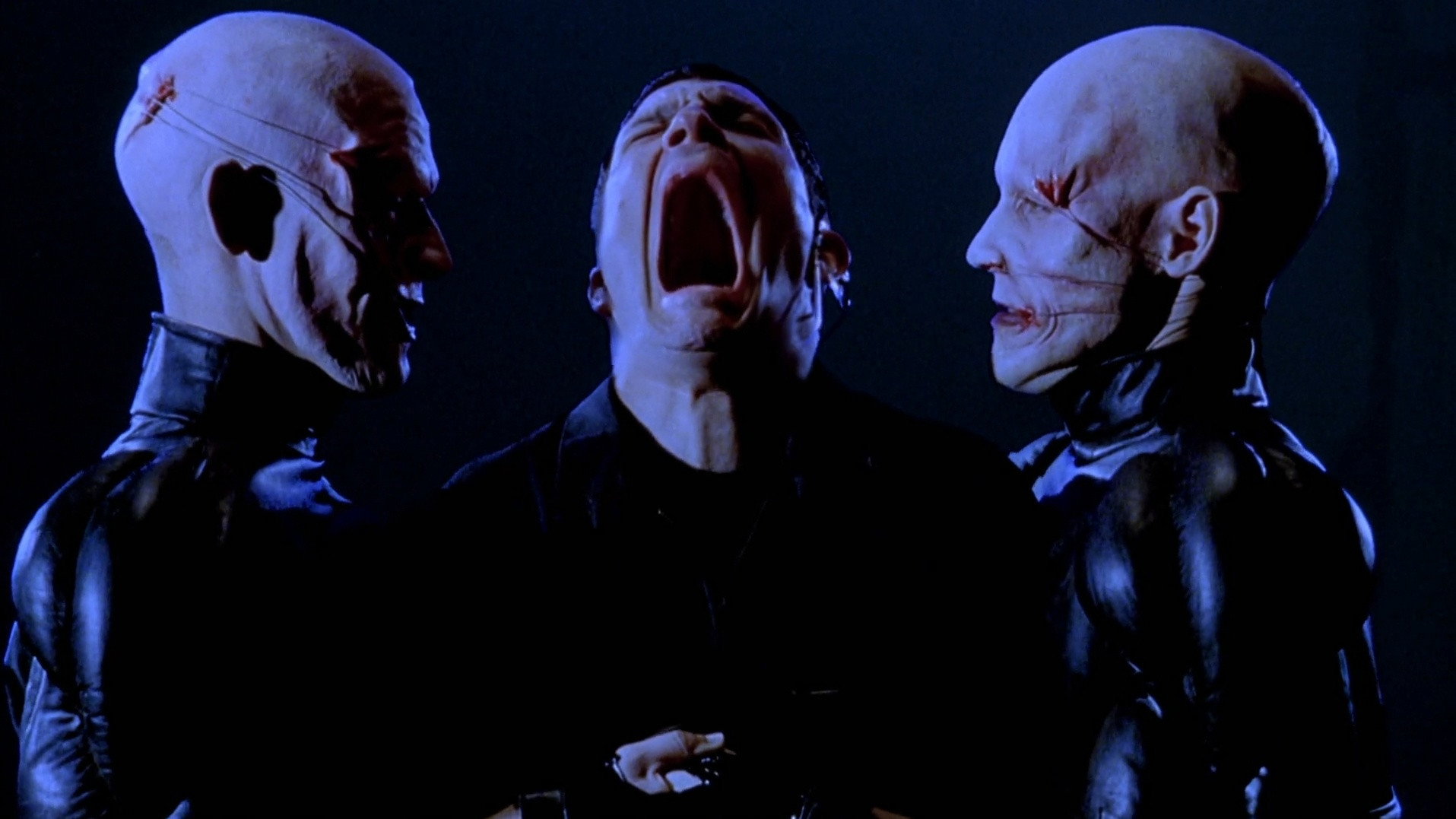
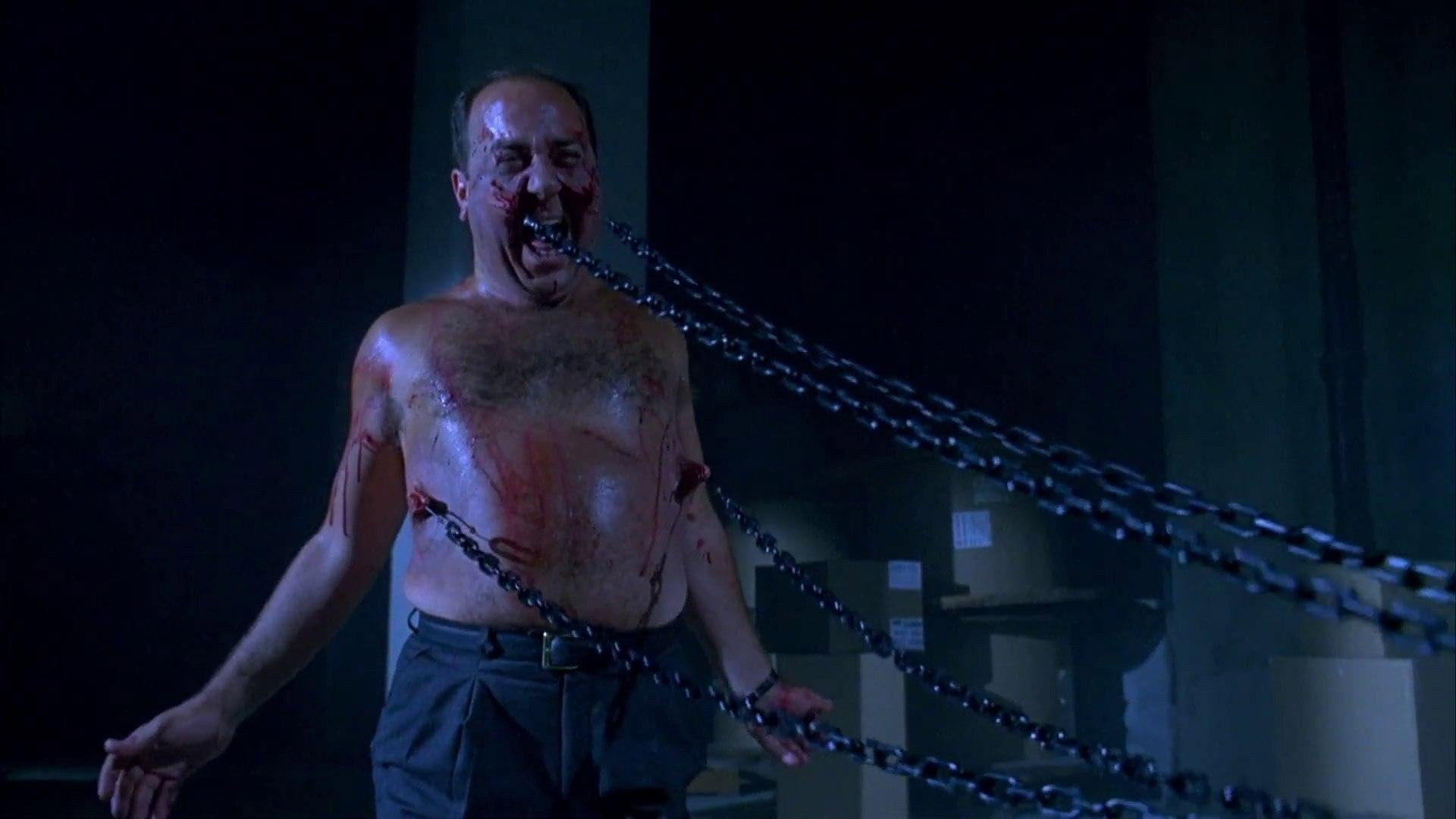
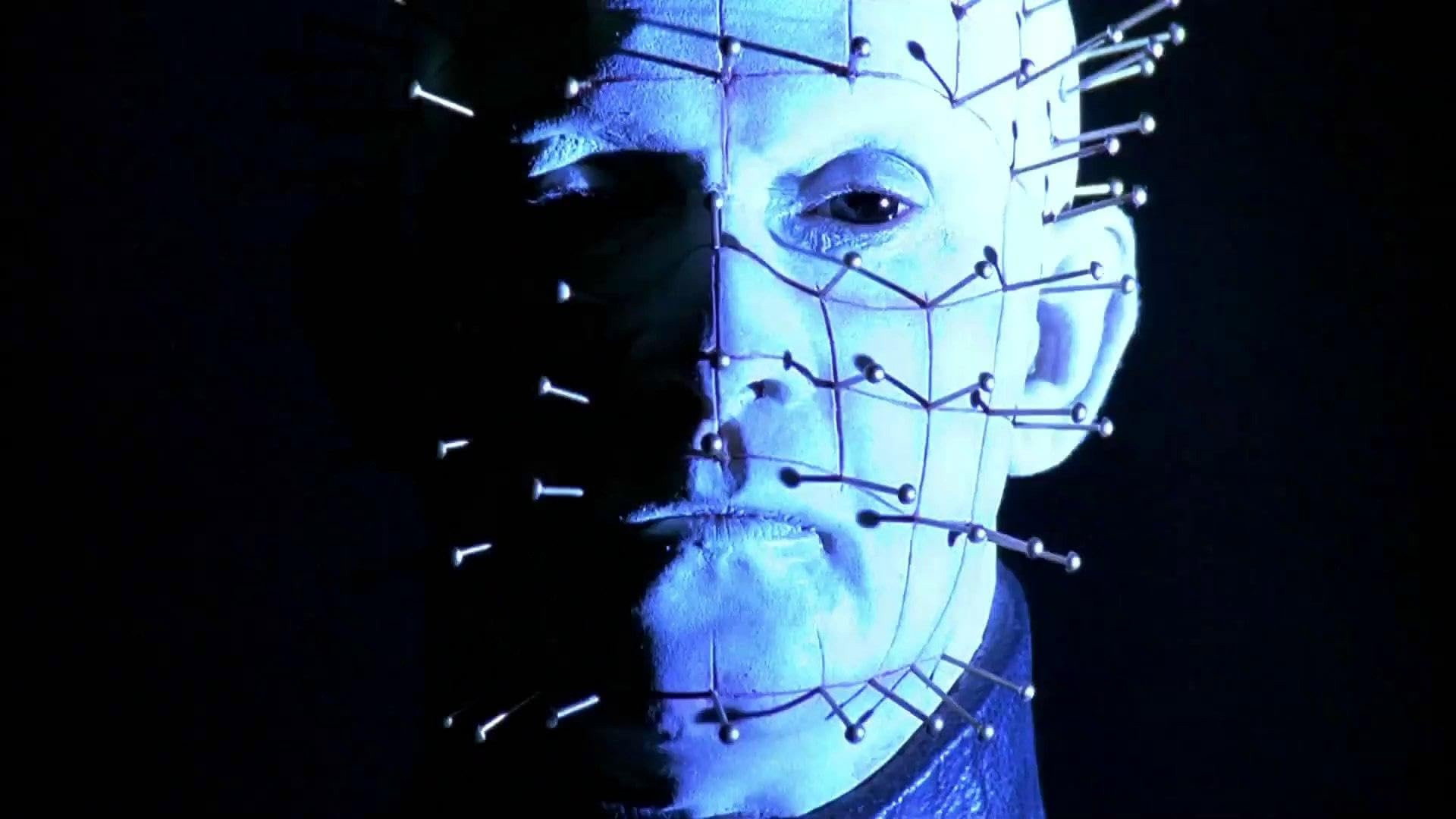
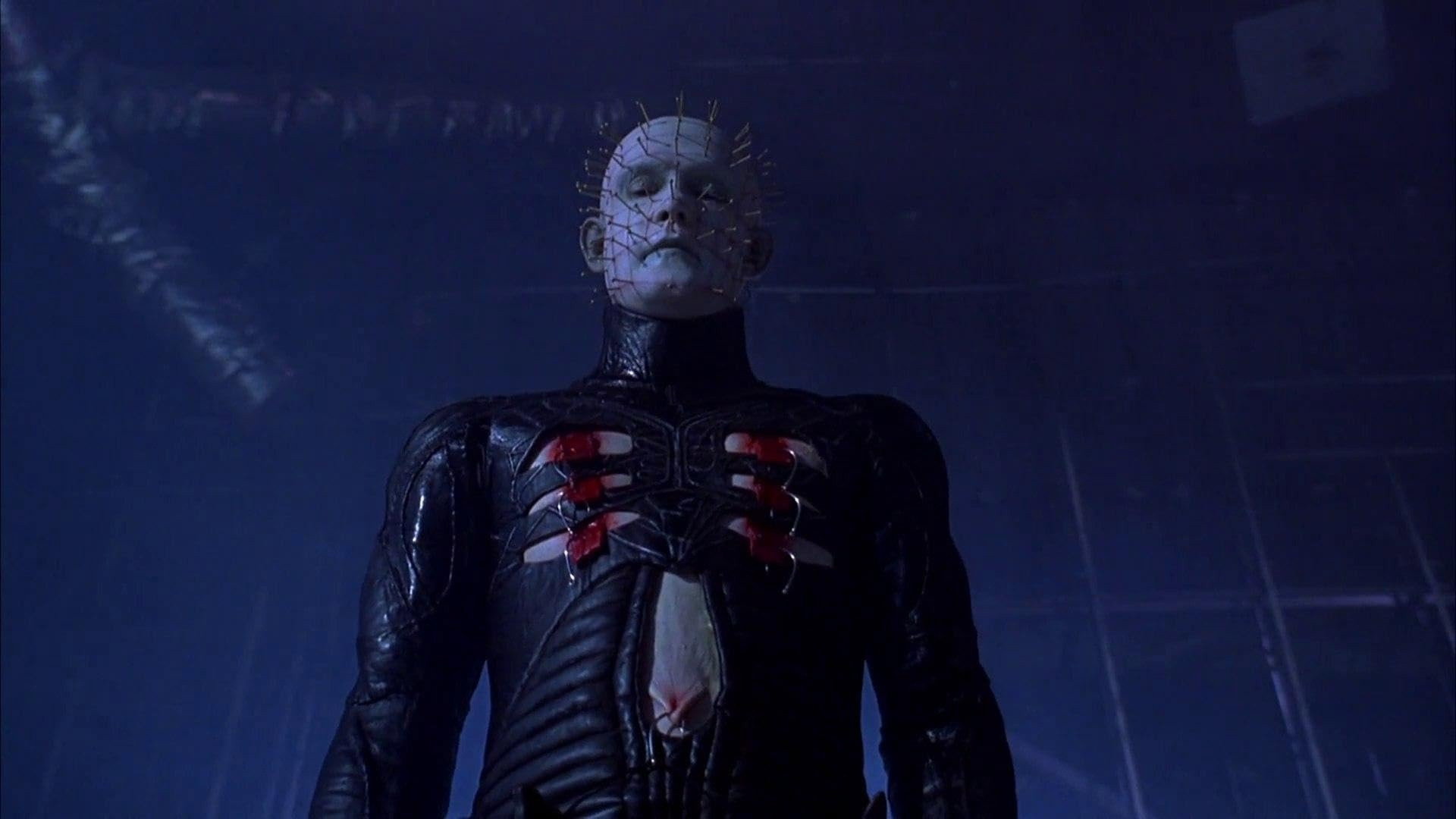
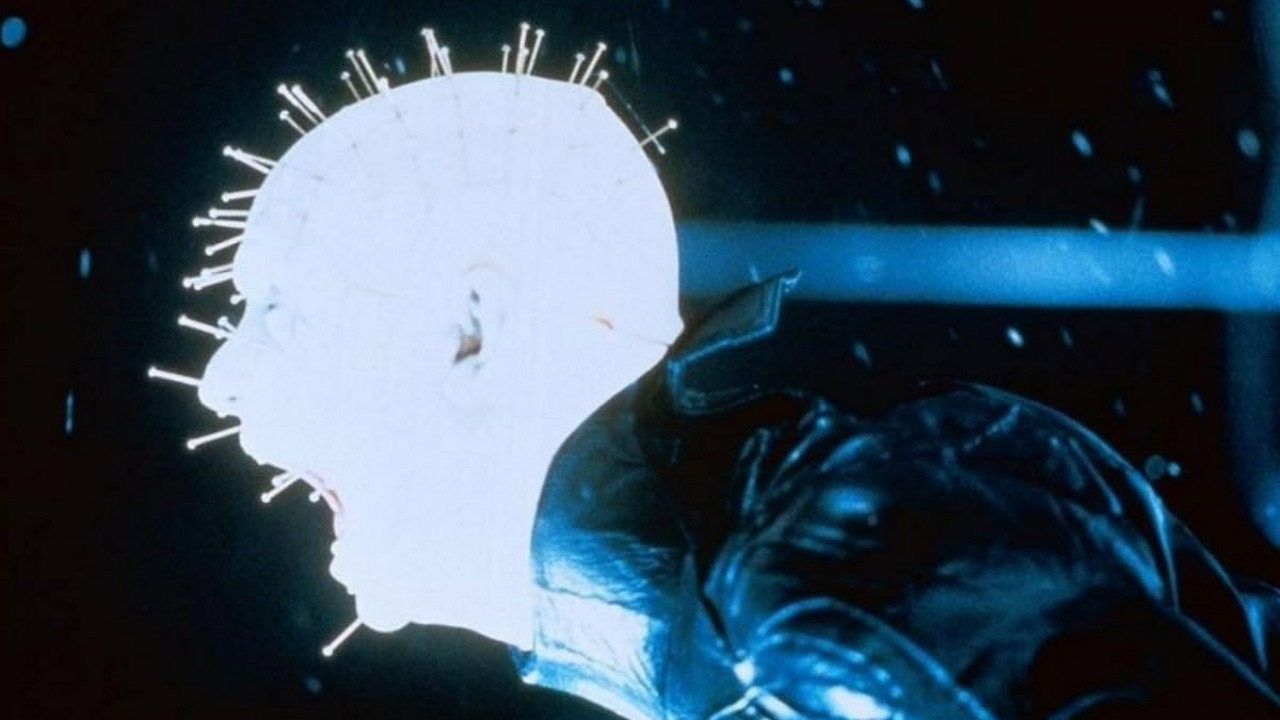
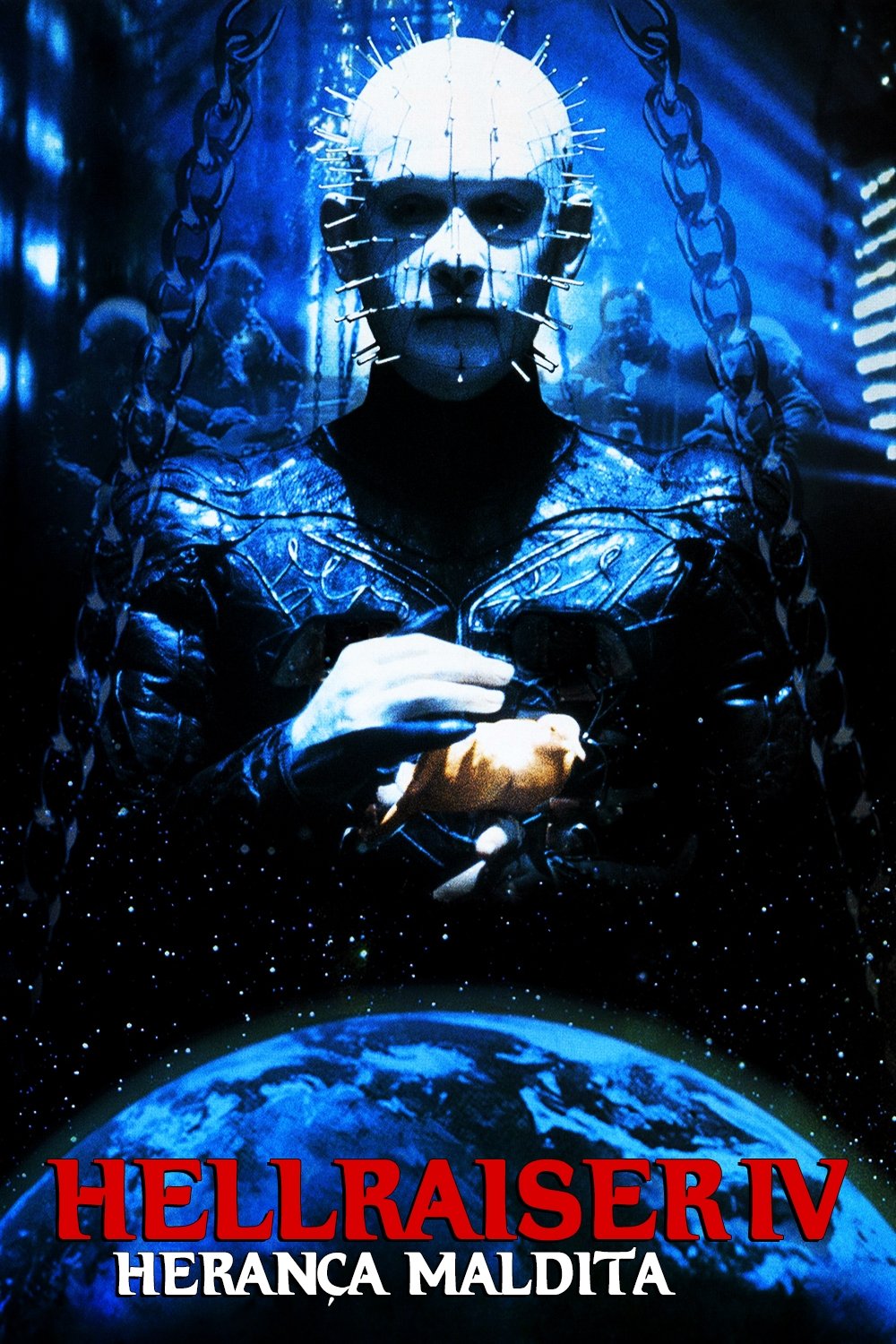
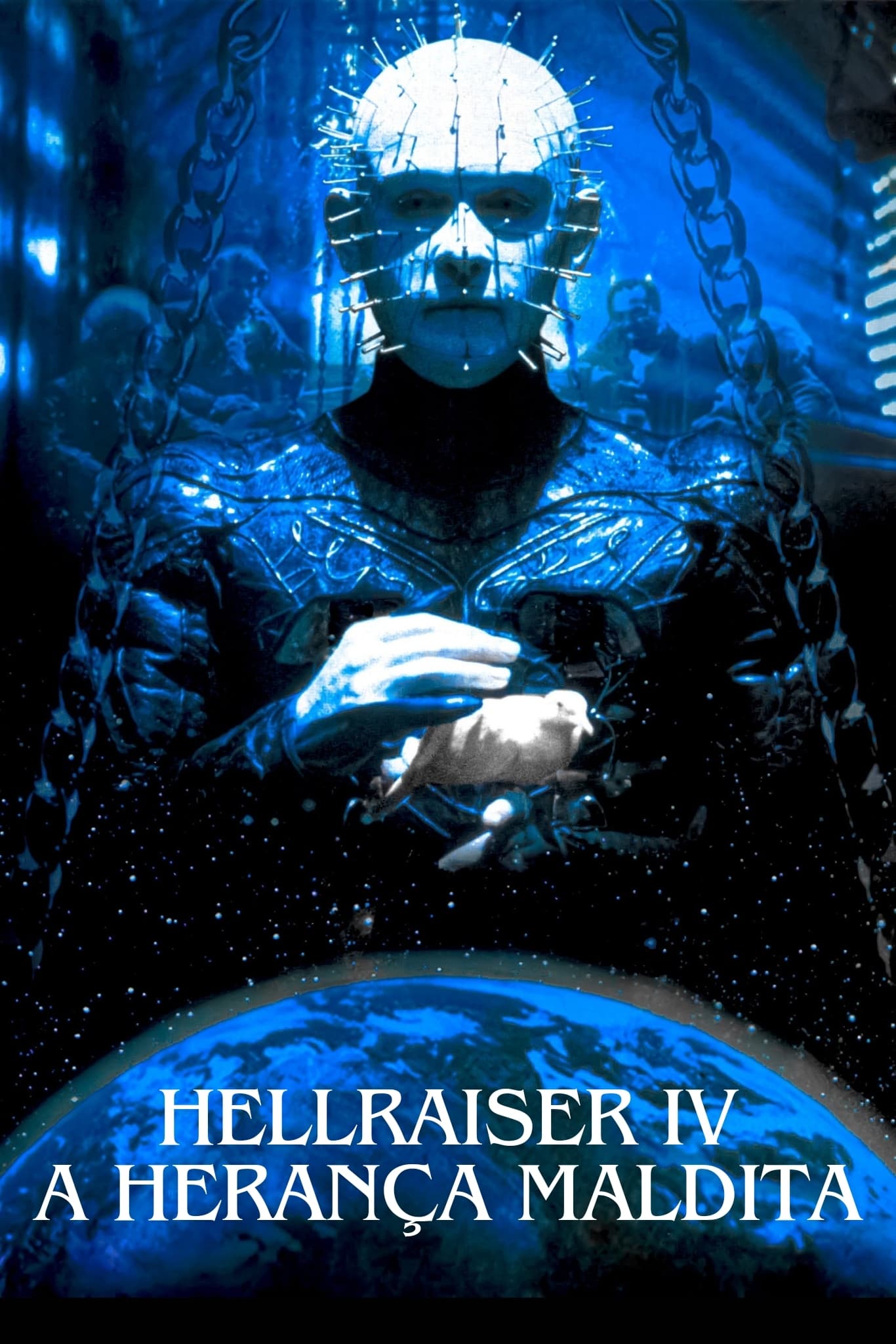
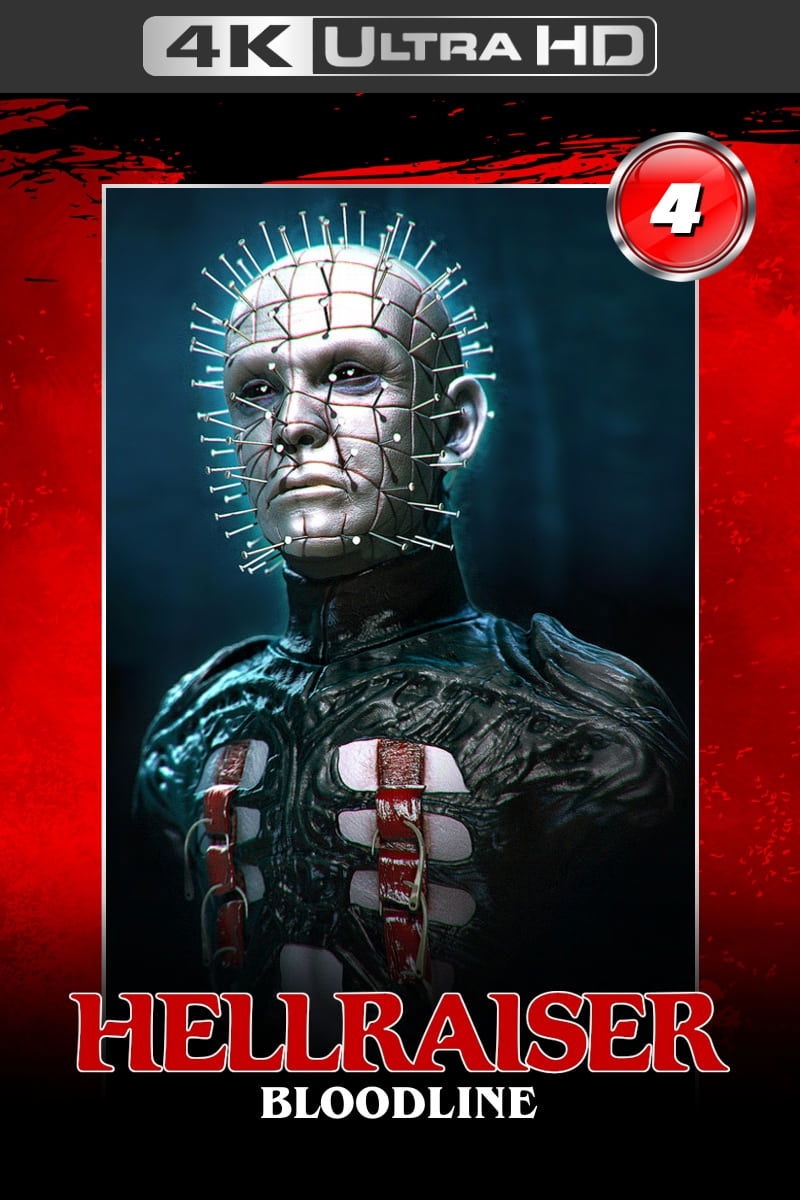
Makeup artist Gary J. Tunnicliffe supplied unusually concrete testimony about the designs. As recorded in the Barker archive and Watson's historical essay, he returned Pinhead's makeup toward the appearance of the first film and developed Angelique's opened-face silhouette from the shape of a nun's cowl. The account is a documented artistic inspiration, not a reason to identify the character as a religious figure in the story. Because the production was shortened and additional effects sequences were never filmed, surviving makeup and creature work should be distinguished from ideas that exist only in drafts or recollections. The released monsters document what the production accomplished under those limitations.
The Theatrical Version and the Surviving Workprint
The theatrical cut rearranges the historical material, using events aboard a future station to introduce the family history. It also reduces the amount of time devoted to the eighteenth-century setting. Watson's reconstruction of the production describes a longer Yagher assembly followed by reshoots and a significantly shorter commercial release. Reported lengths for early edits are useful evidence of the scale of changes, but they should not be conflated with a definitive, completed director's cut. Accounts from the filmmakers emphasize that some intended horror sequences and connective scenes had never been photographed.
In 2023 Arrow presented a previously unseen workprint with temporary audio, alternate footage and a different ordering of scenes. Leon Vegas examined it in a detailed Blueprint: Review article and reproduced the presentation's explicit warning: the surviving version was assembled after Yagher left and is not his director's cut. The workprint's existence allows comparison of editorial decisions; it cannot restore missing photography or serve as proof of how the proposed film would have played at full length. This distinction protects the film's history from an attractive but unsupported claim that the original theatrical vision has finally been recovered.
The 1996 Release and the Franchise Afterlife
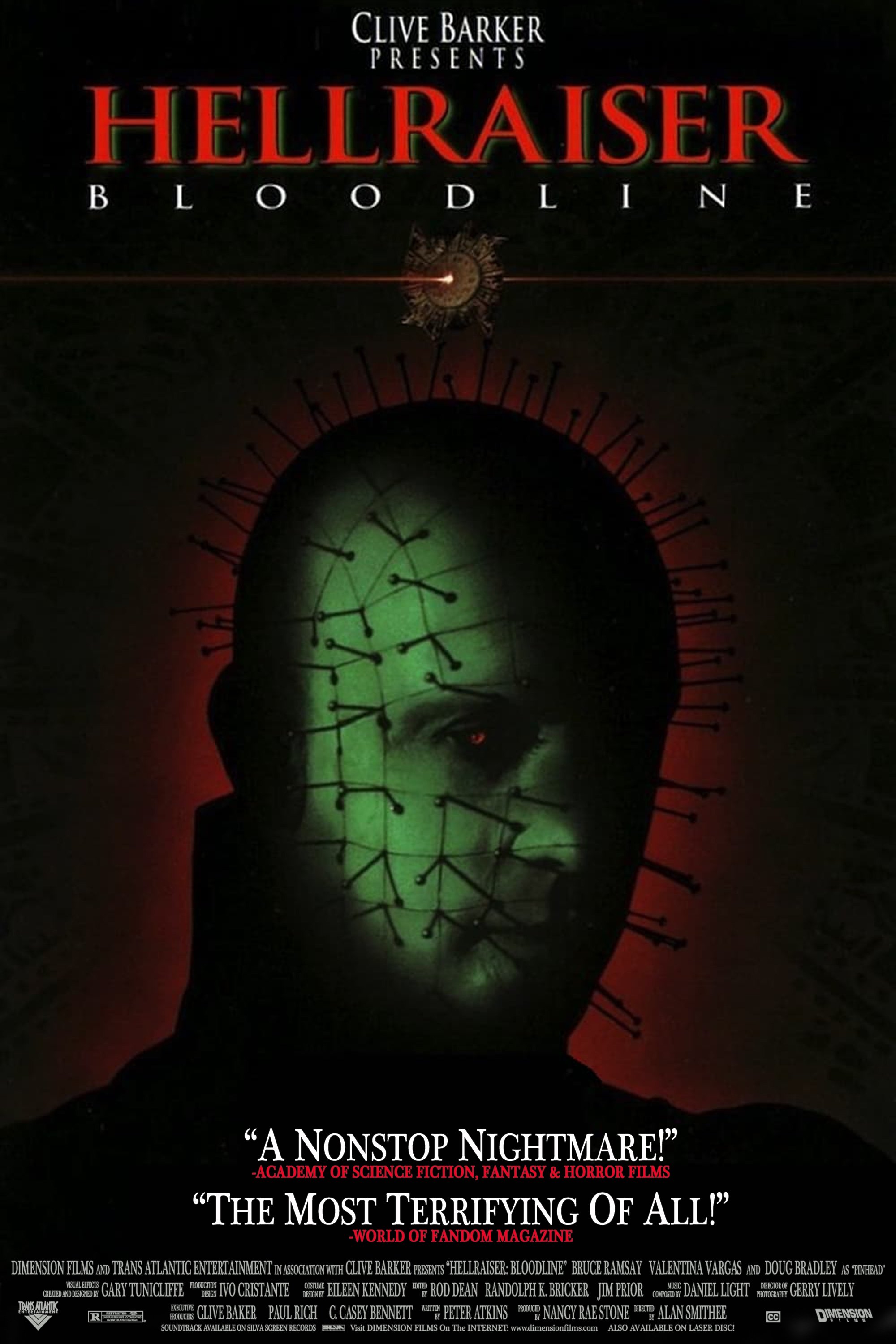
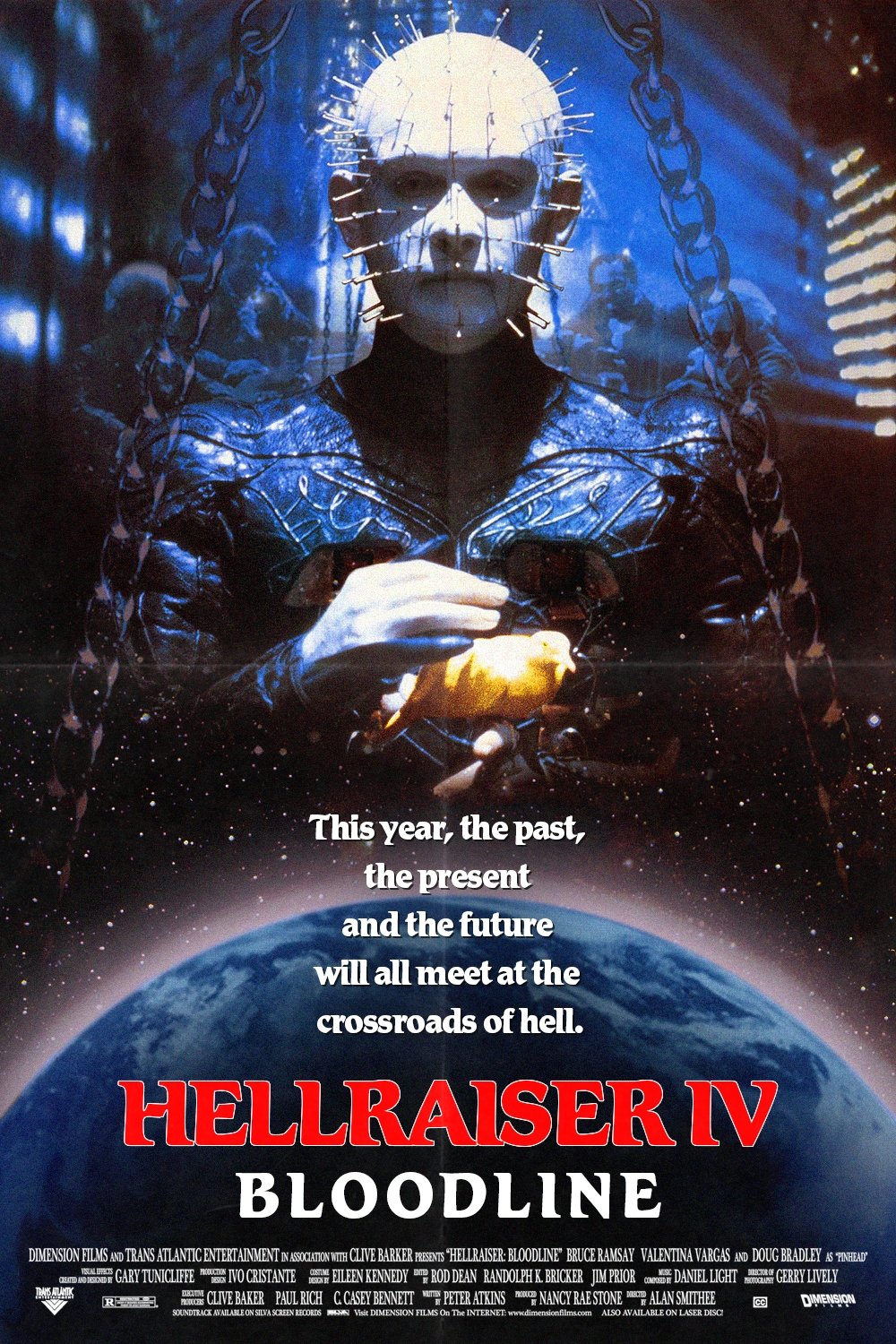
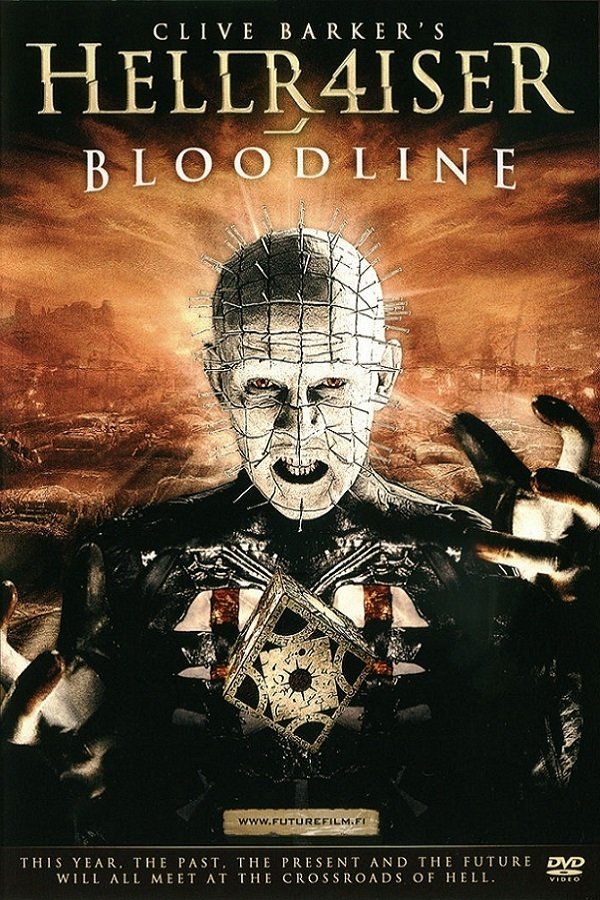
Dimension released Hellraiser: Bloodline in the United States on March 8, 1996. Kevin Thomas's contemporary Los Angeles Times review judged its movement among centuries convoluted and criticized the direction and performances, while acknowledging the striking potential of its setting and design. His assessment is one documented response to the theatrical version, not an evaluation of unseen drafts or the later workprint. The negative reception cannot be used to establish that the original screenplay or Yagher's incomplete conception would necessarily have succeeded; the available evidence supports a narrower conclusion about the film audiences actually received.
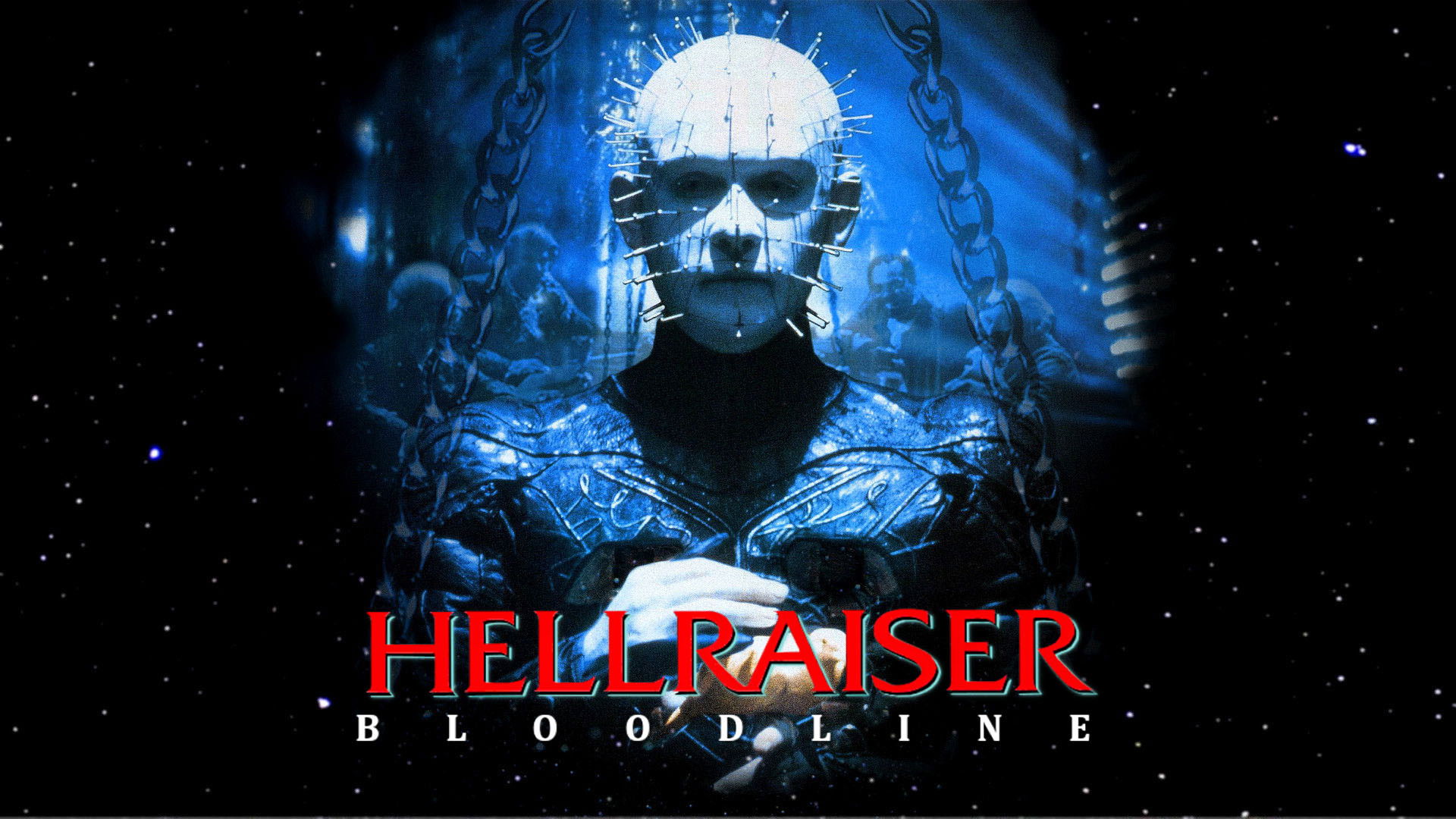
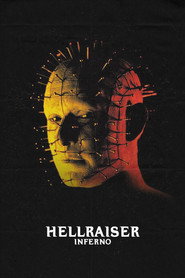
Bloodline became the last installment in the original Hellraiser theatrical sequence before the property moved to a succession of direct-to-video sequels beginning with Hellraiser: Inferno in 2000. Its value as a case study lies in the collision between a relatively elaborate gothic mythology and the commercial requirement to foreground a marketable monster. The Smithee credit, the conflicting accounts of cuts and the surviving alternative material make that collision unusually visible. Its unrealized passages remain part of the production history, while the distributed film stands as the version on which contemporary critics and viewers based their responses.