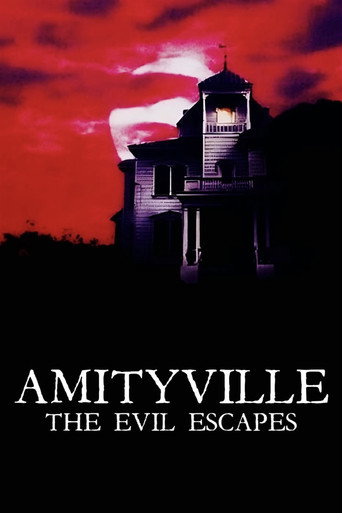
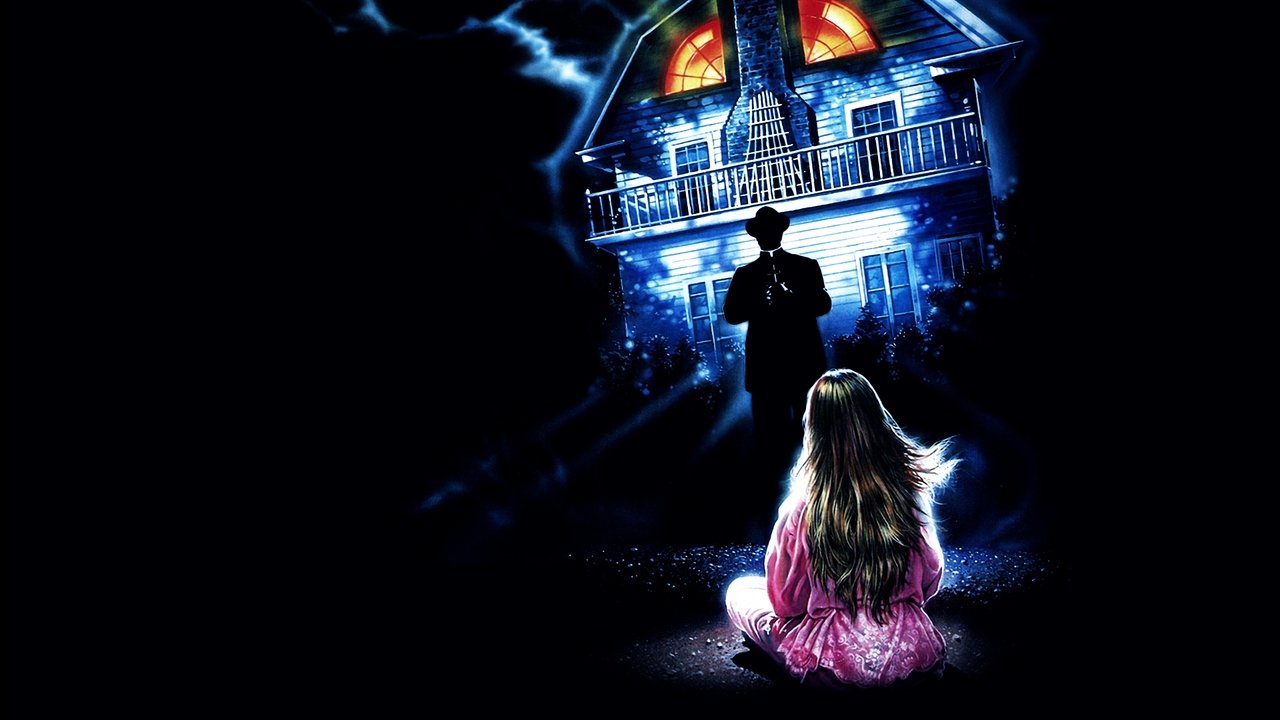
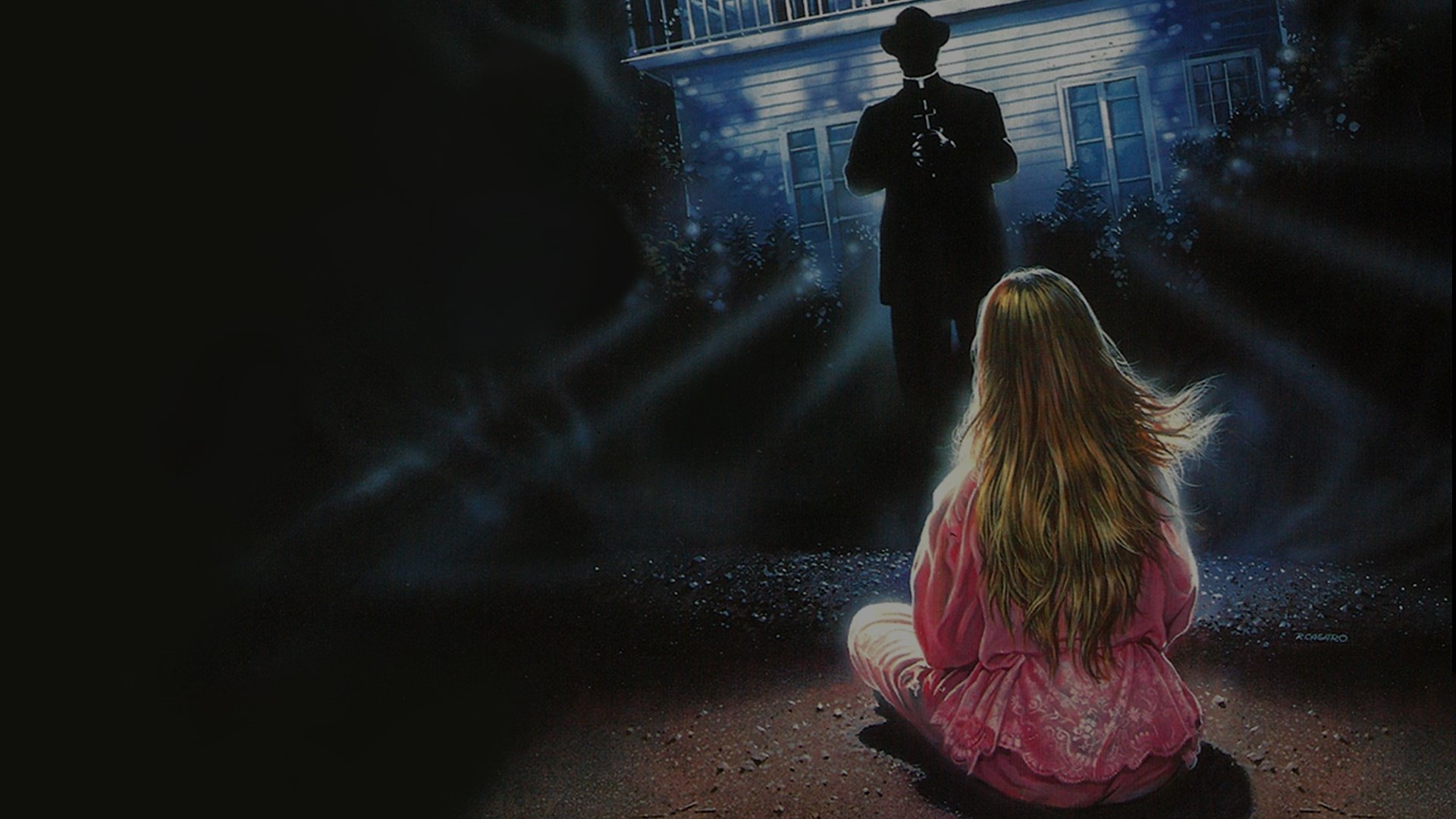
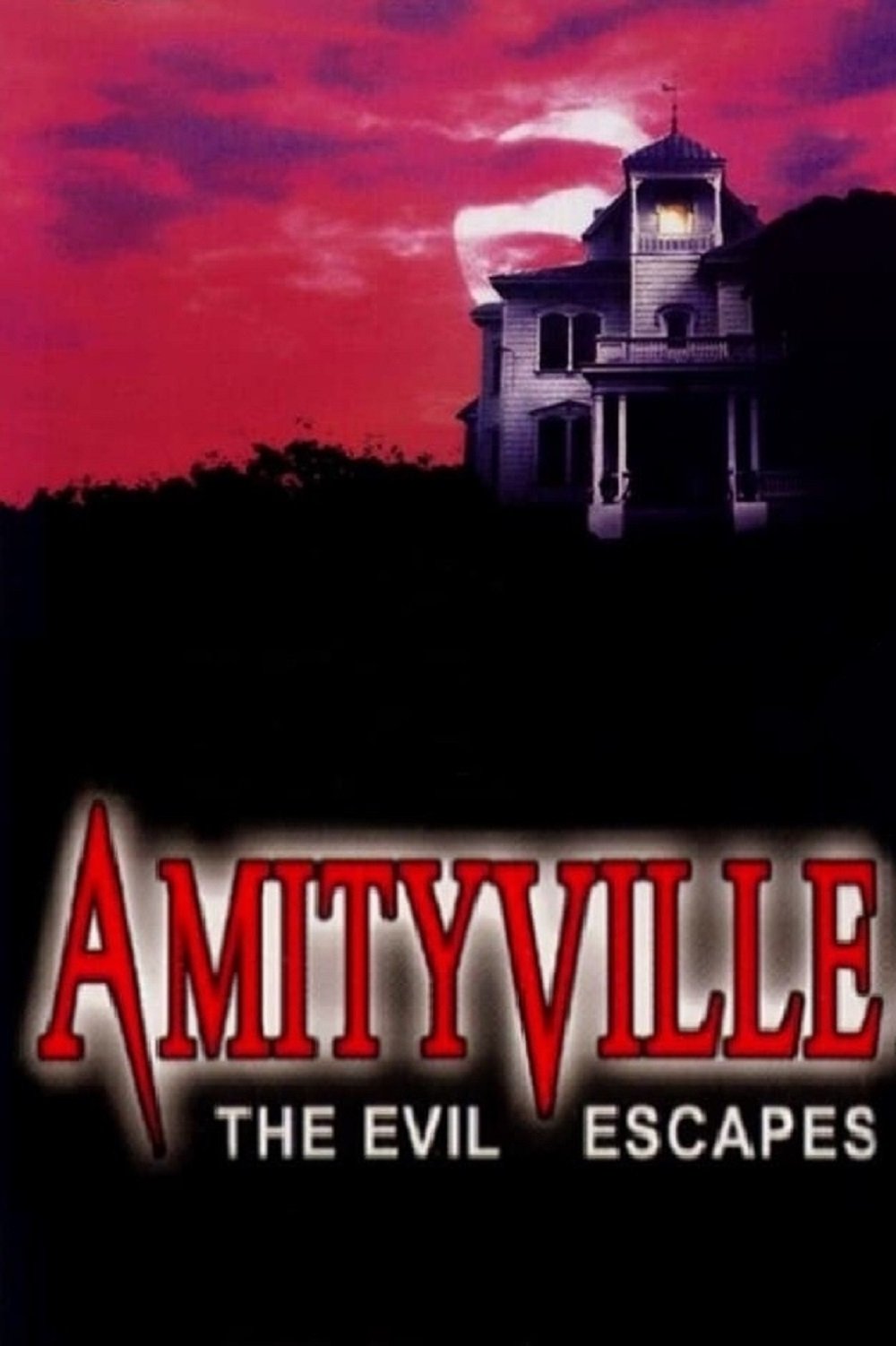
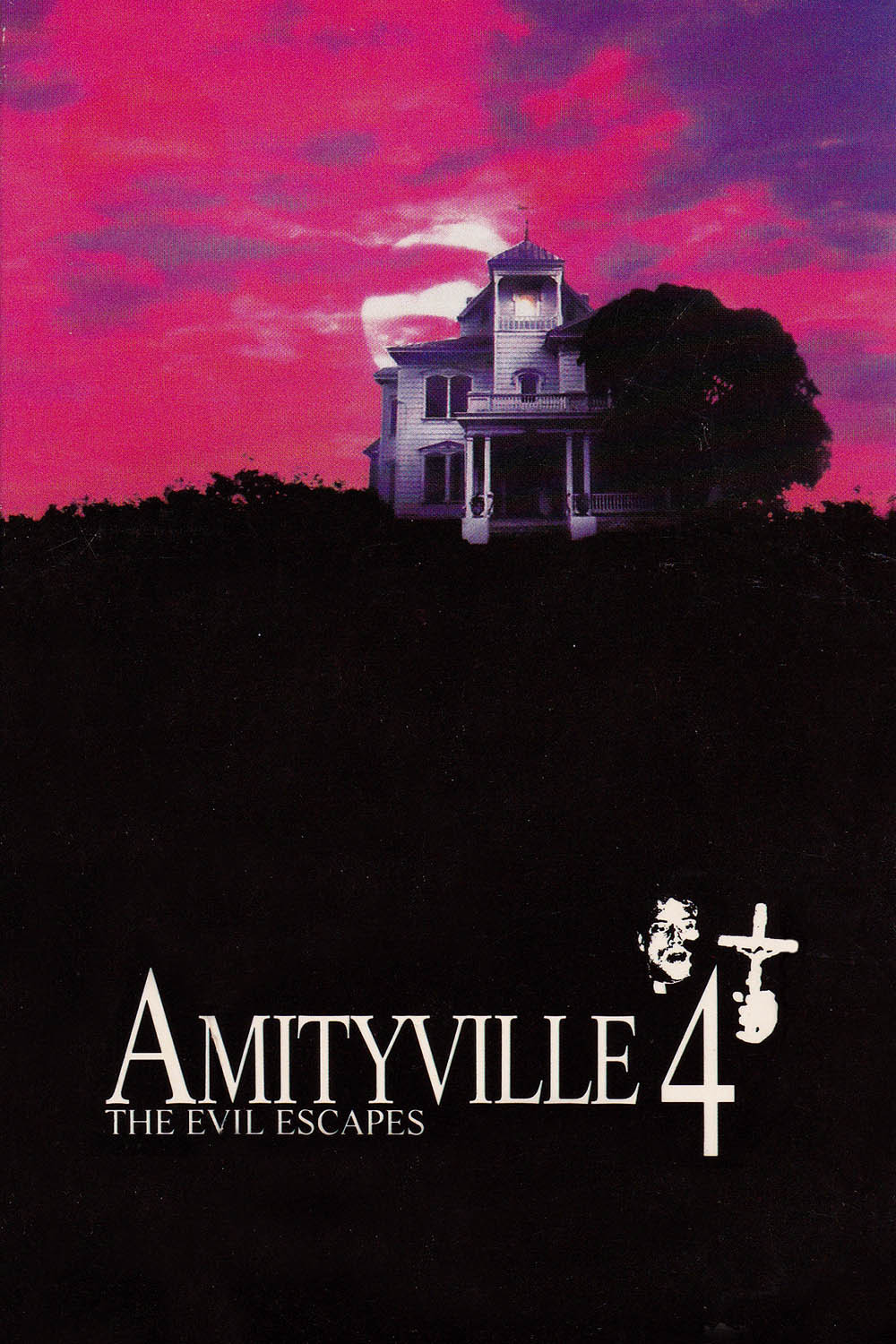
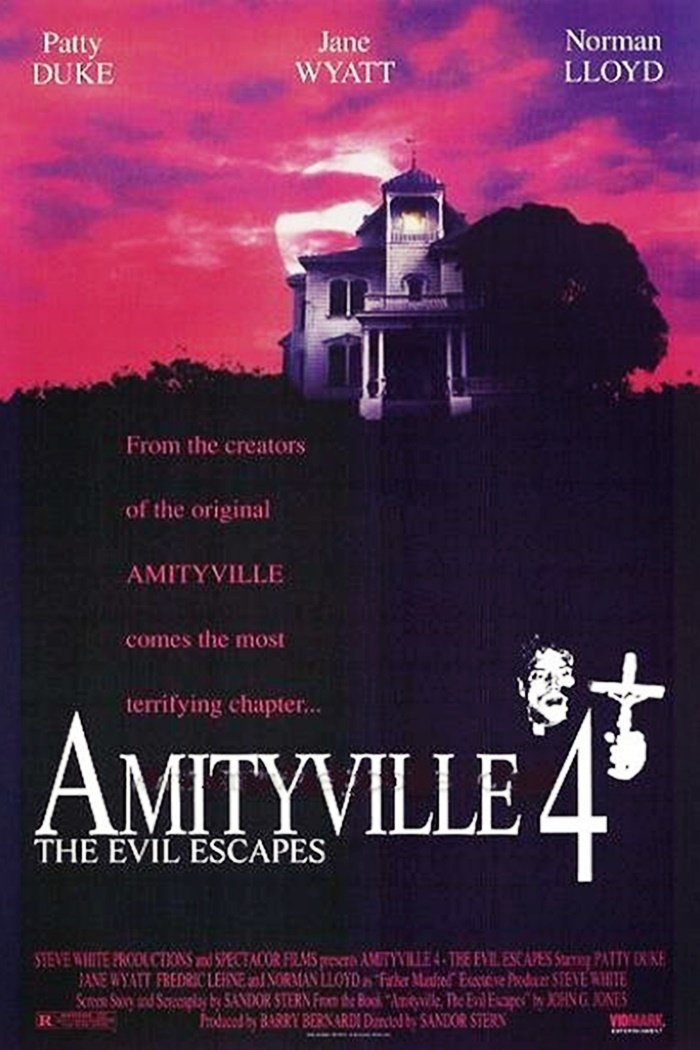
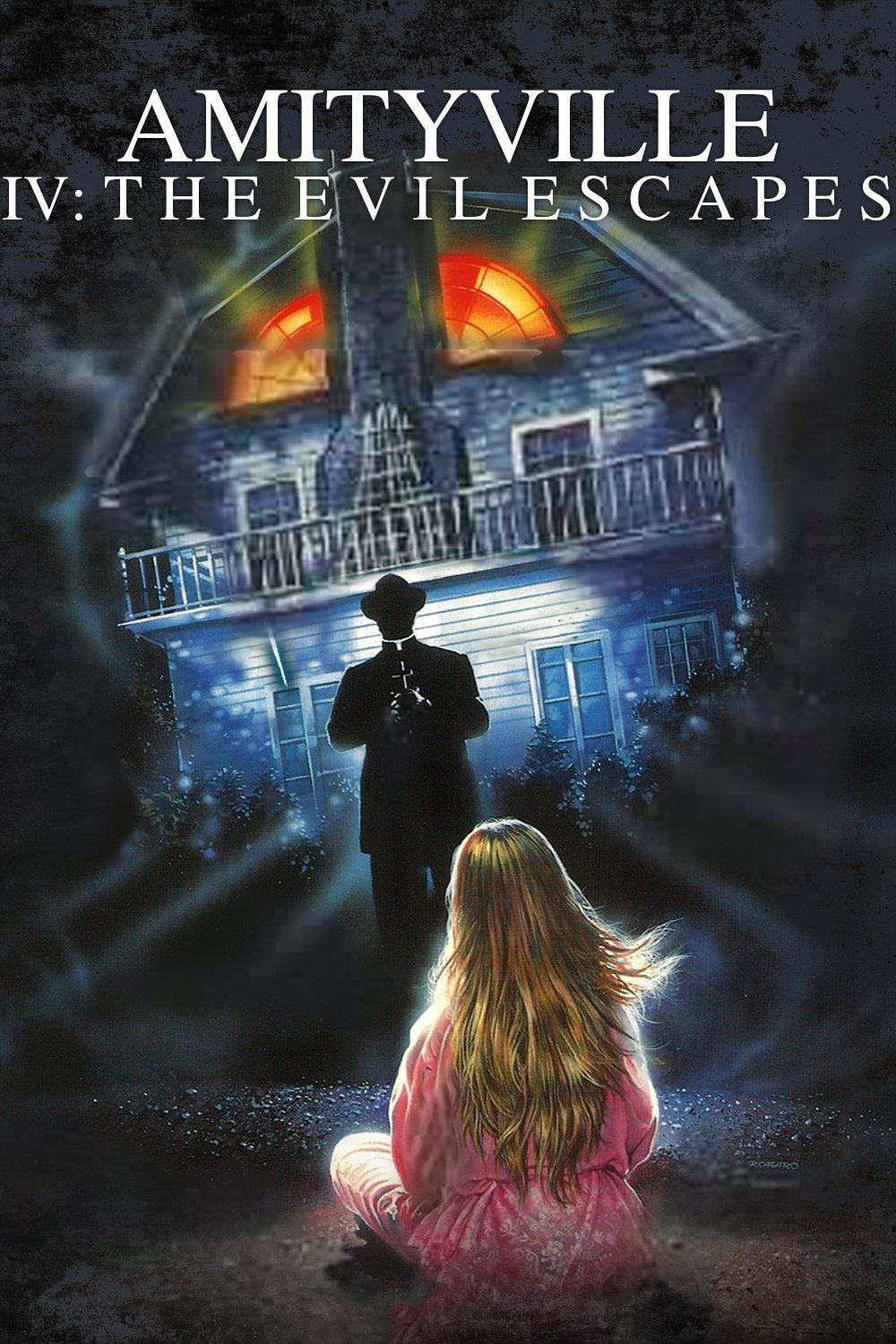
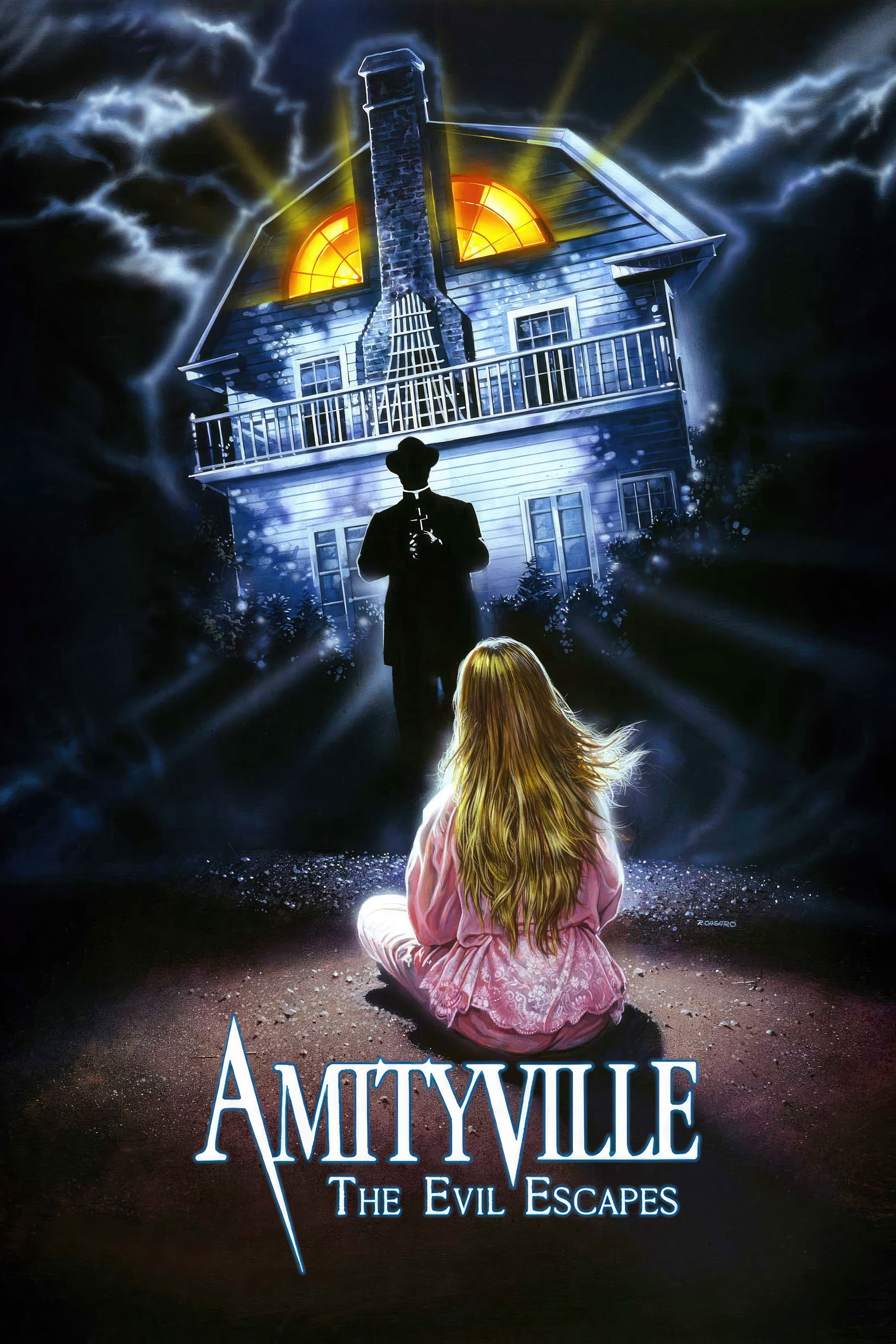
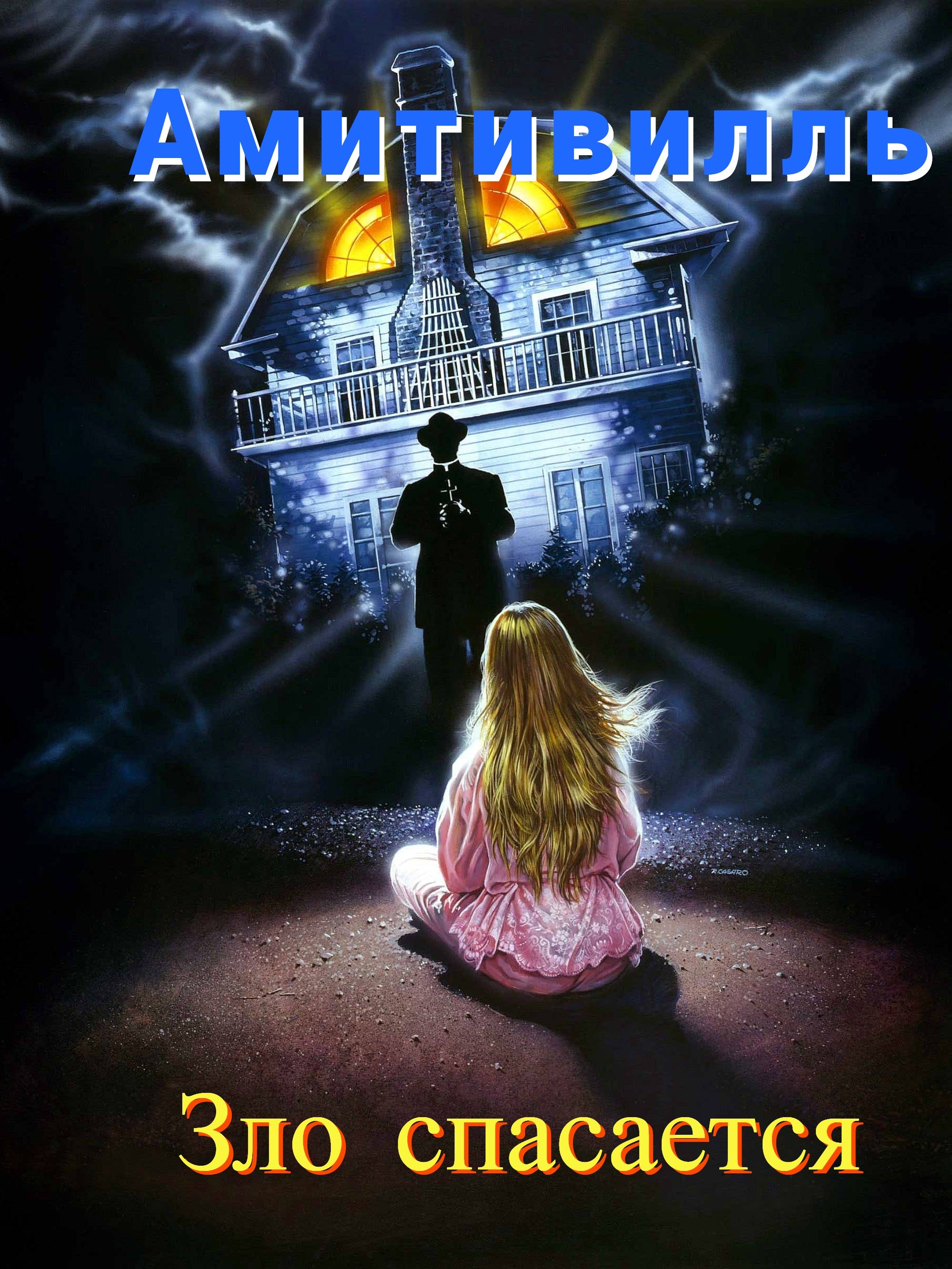
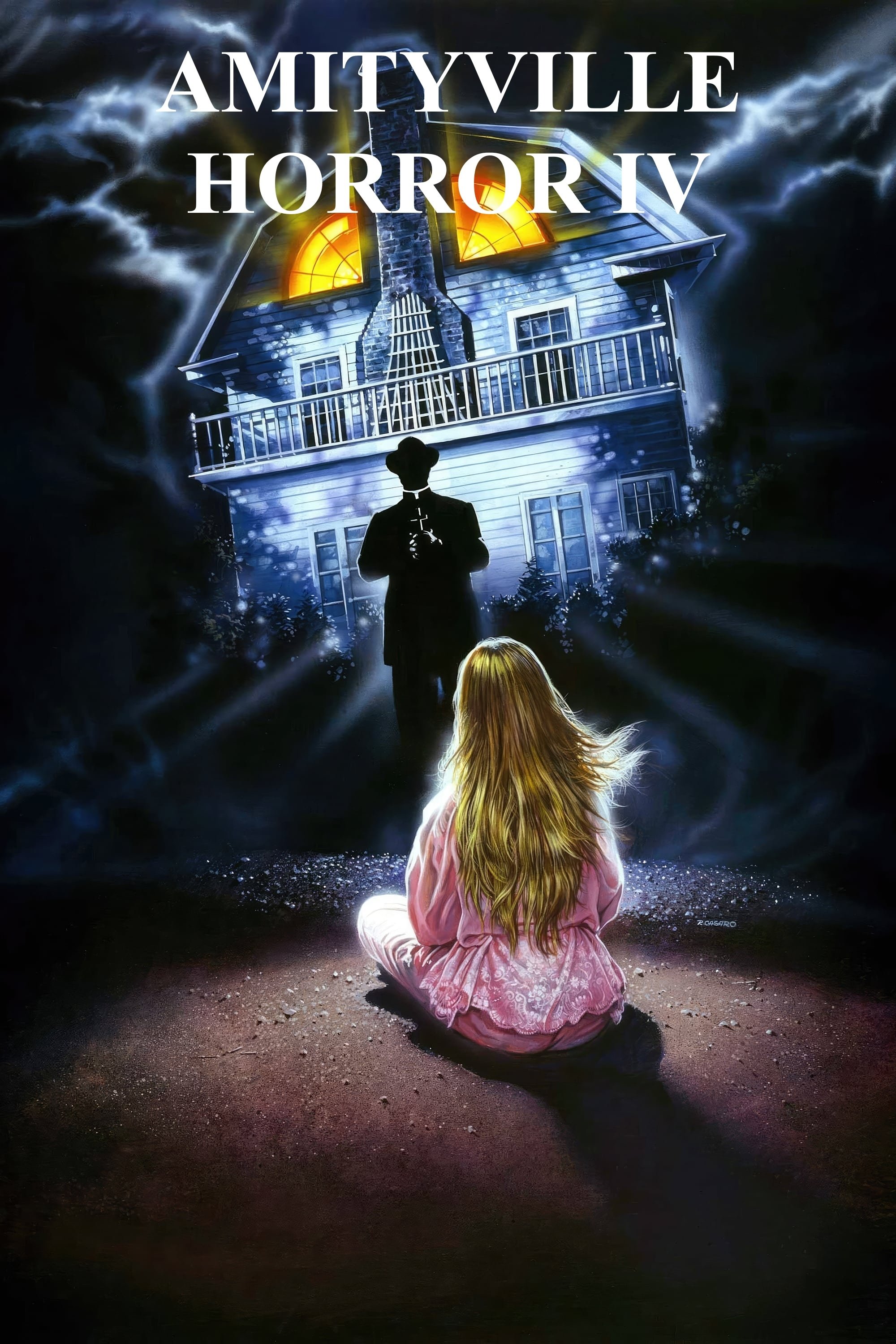
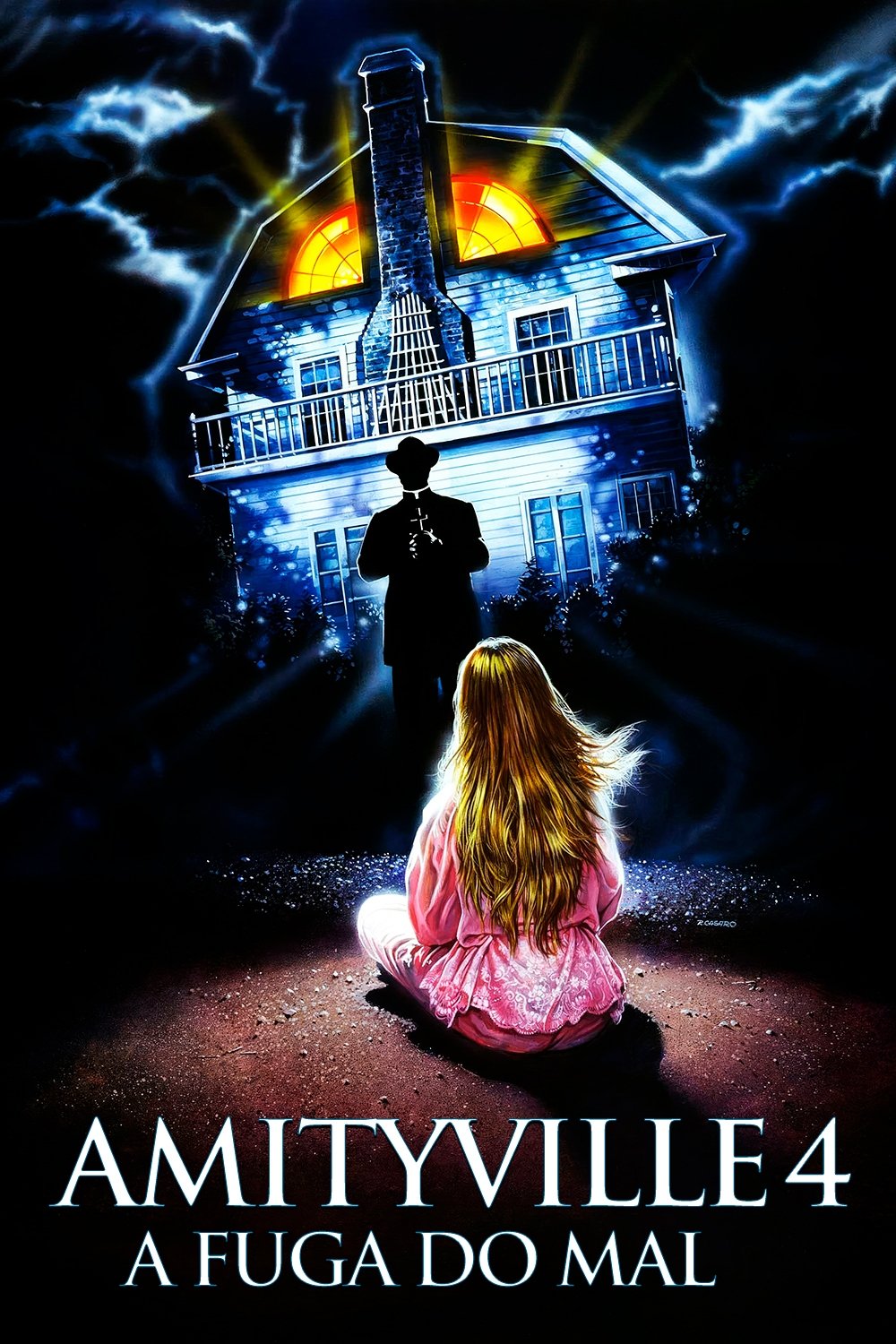
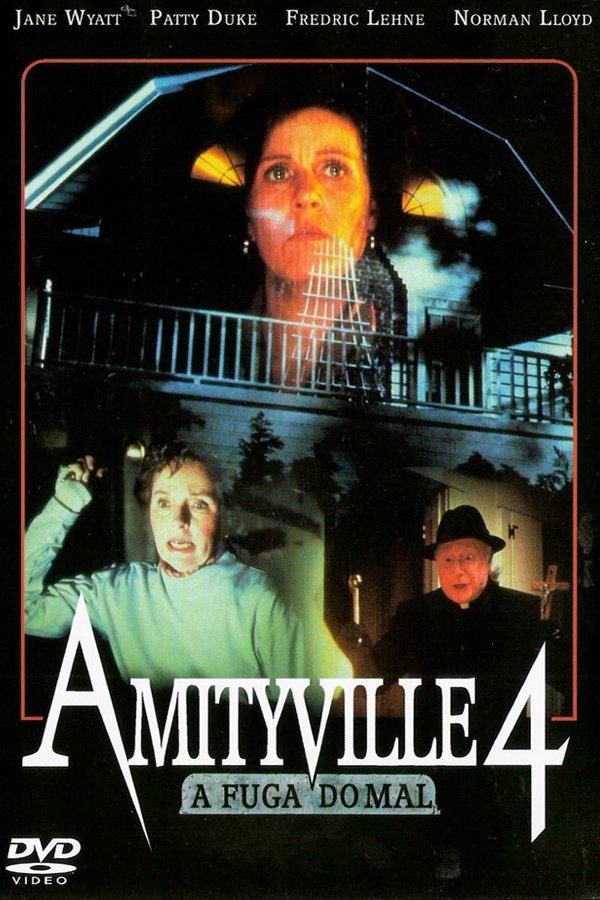
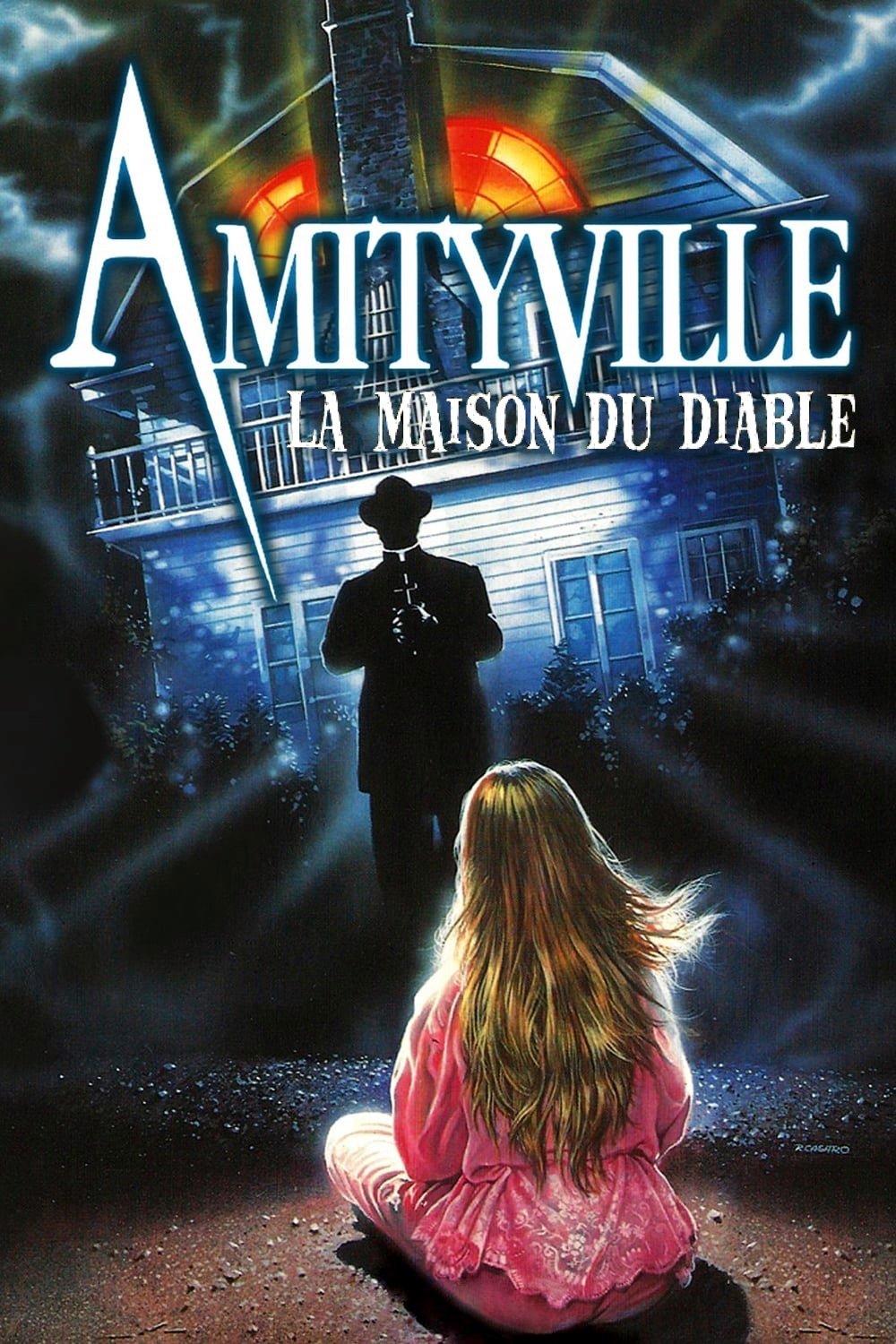
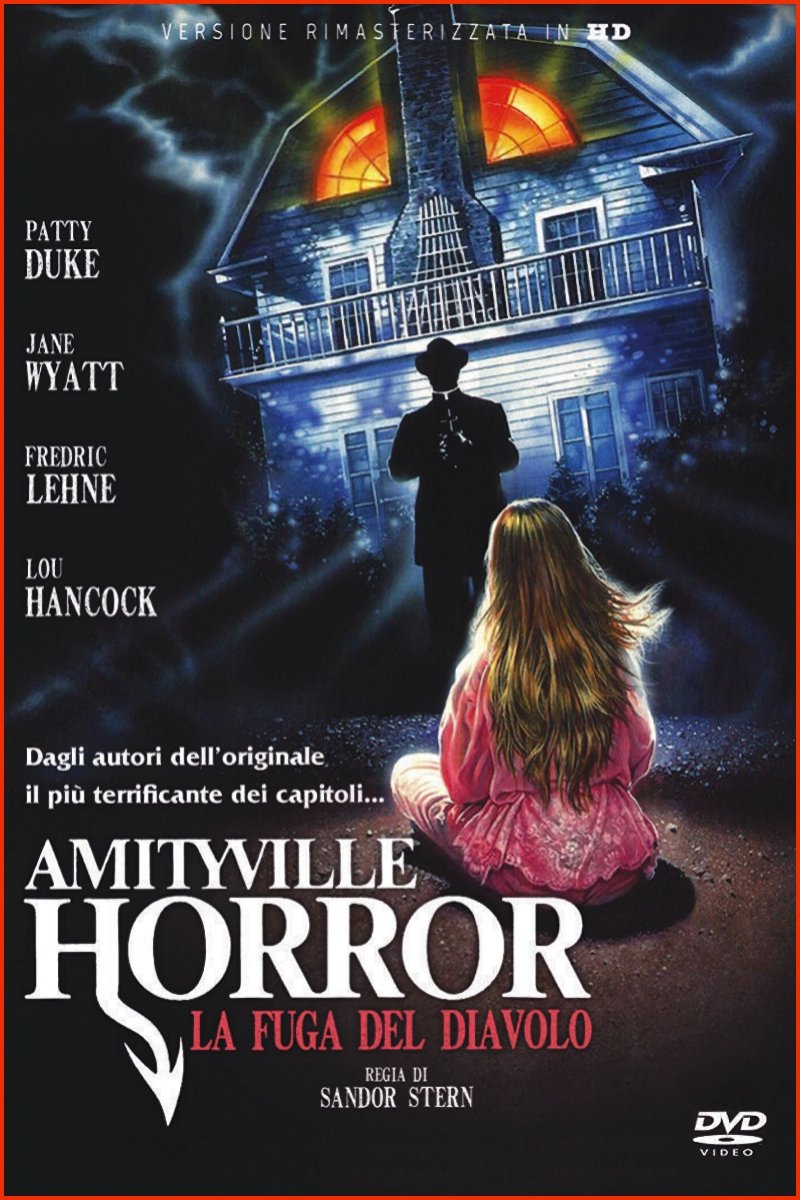
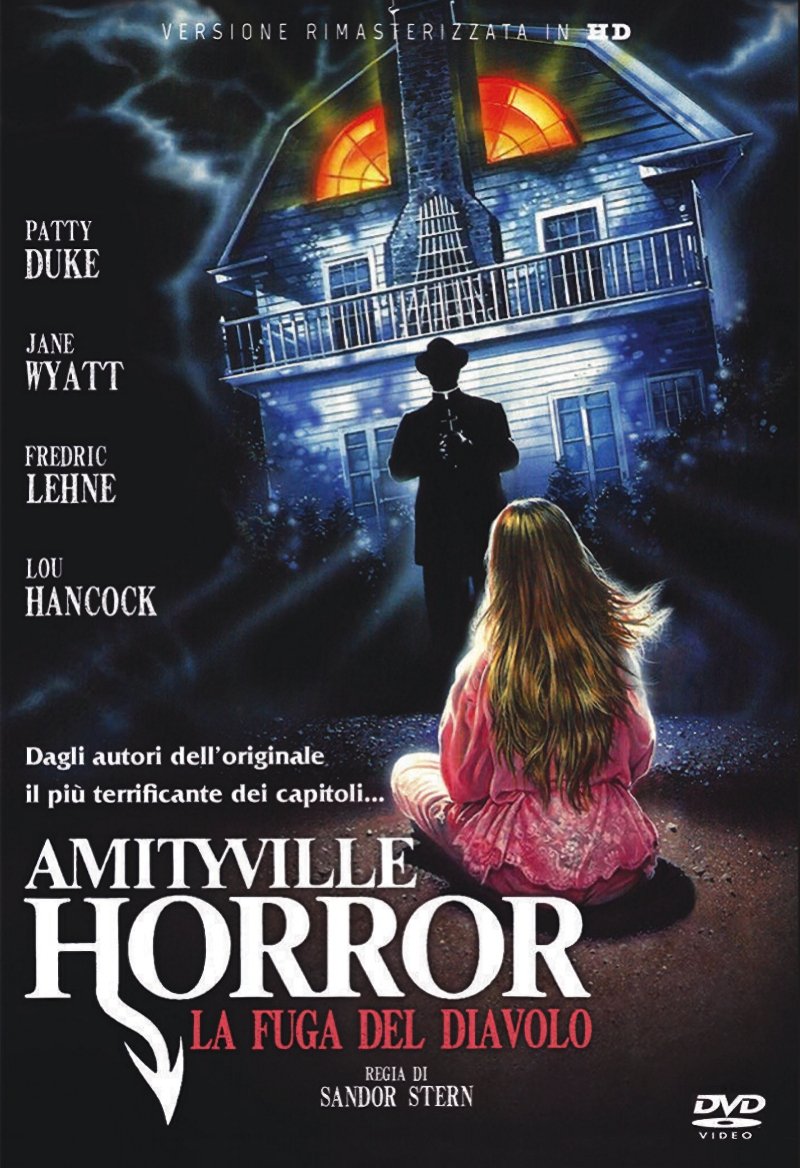
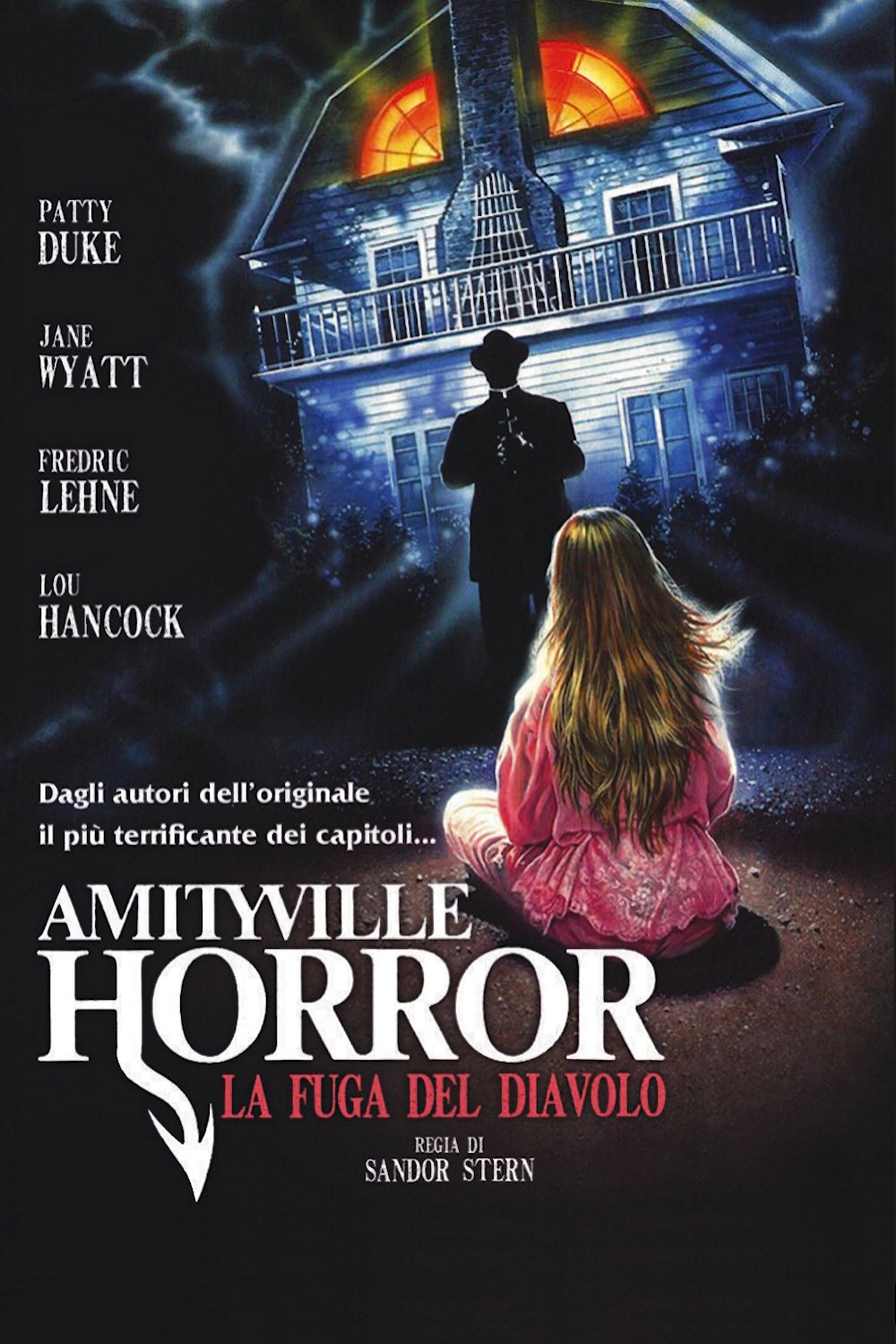
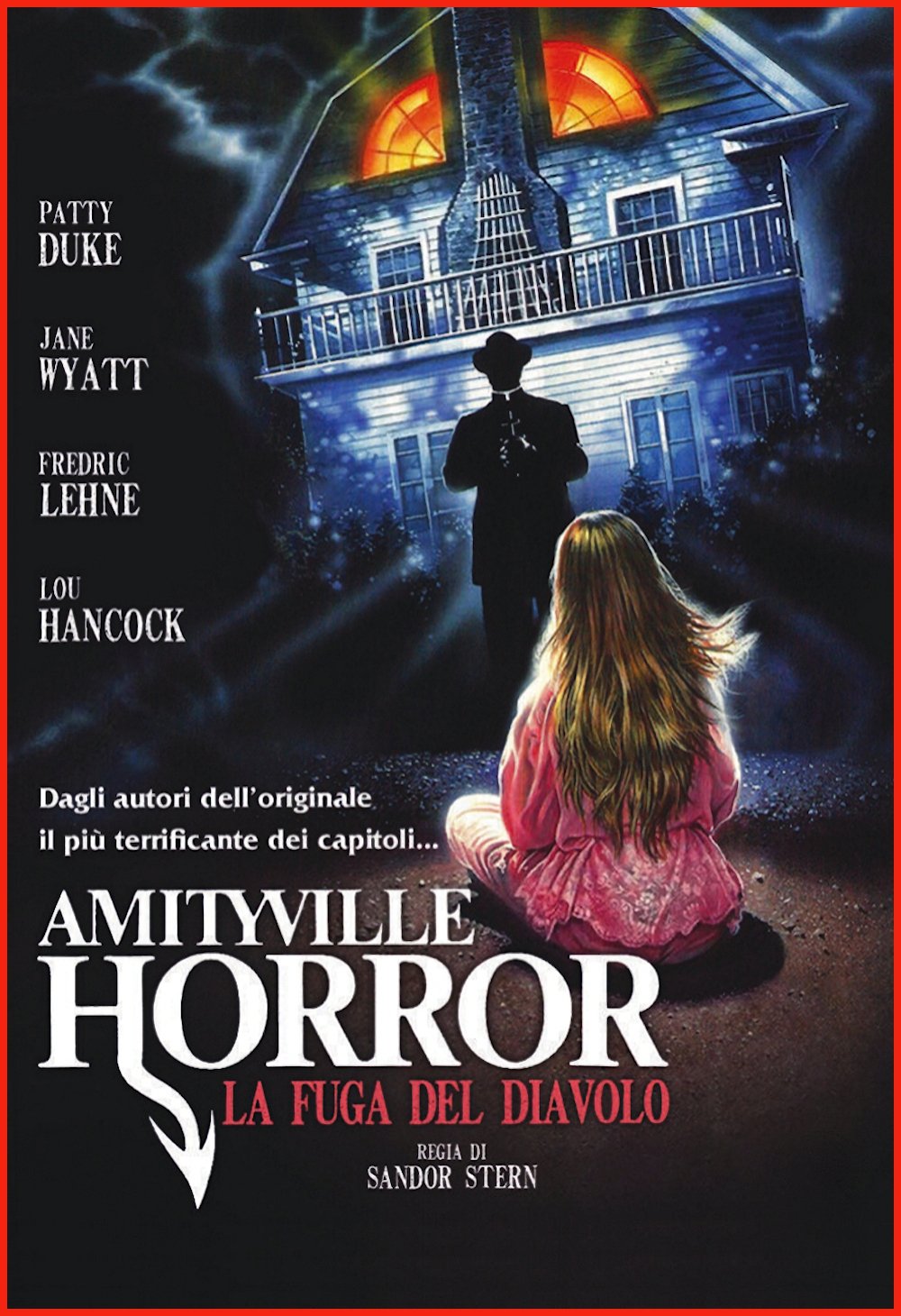
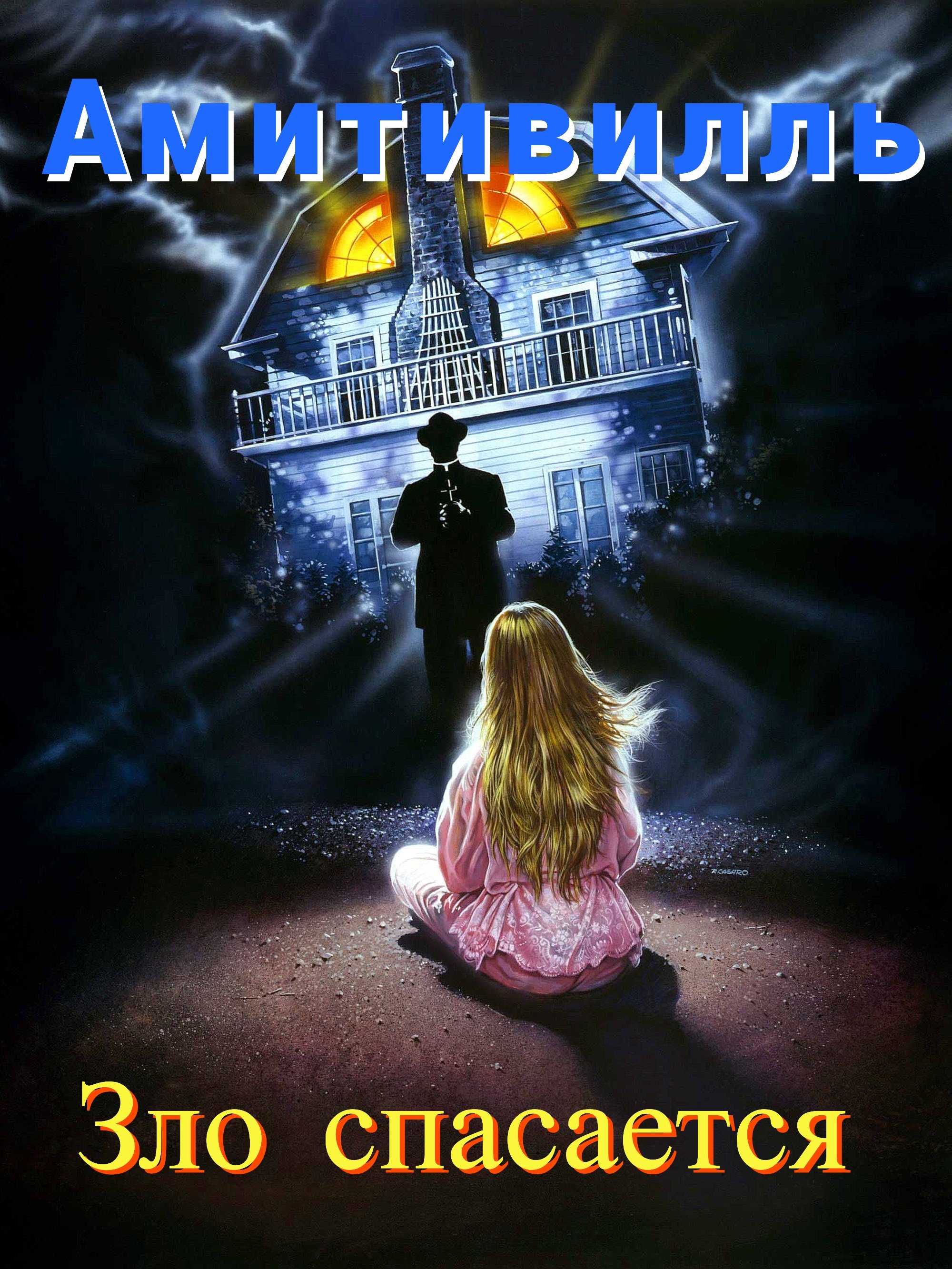
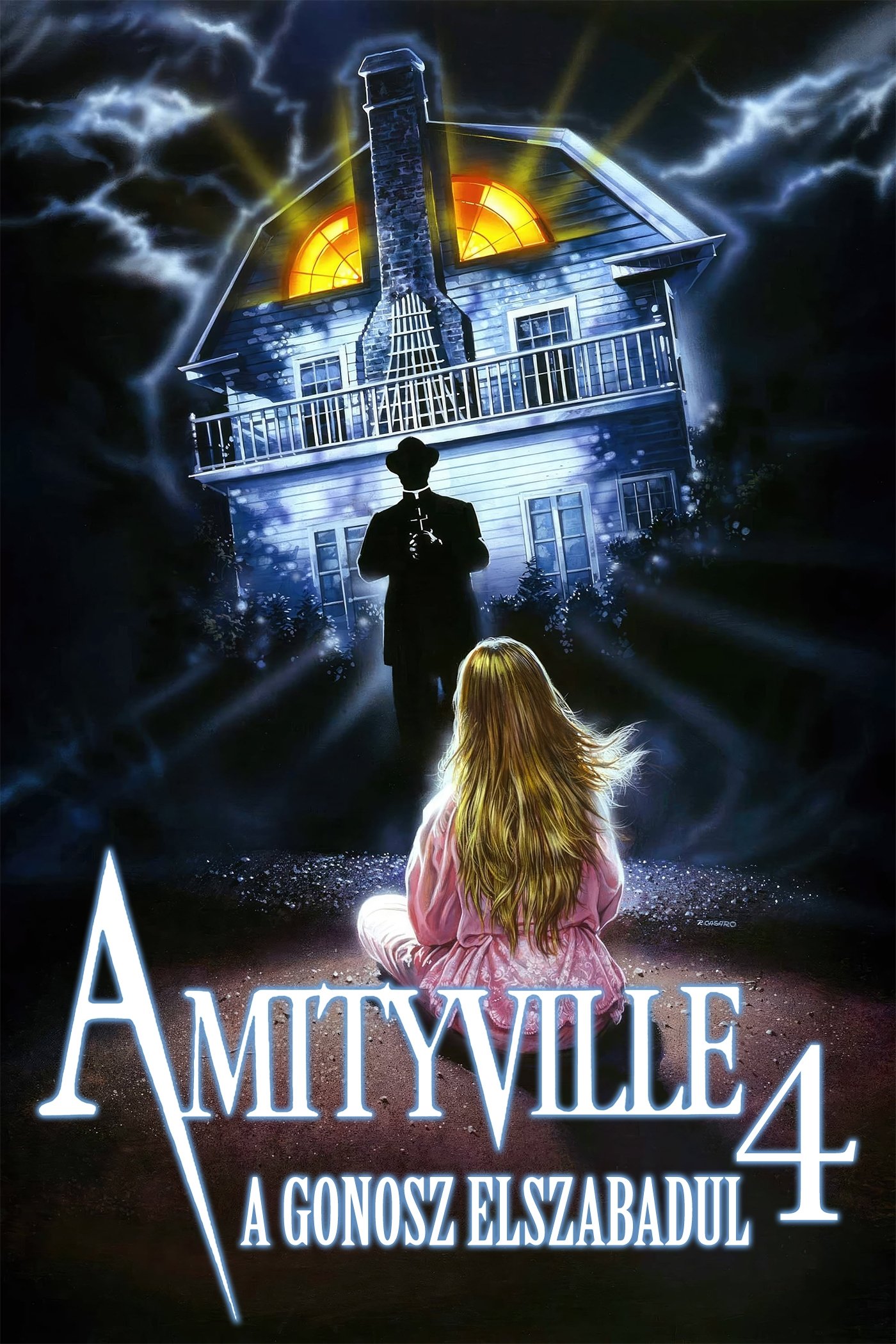
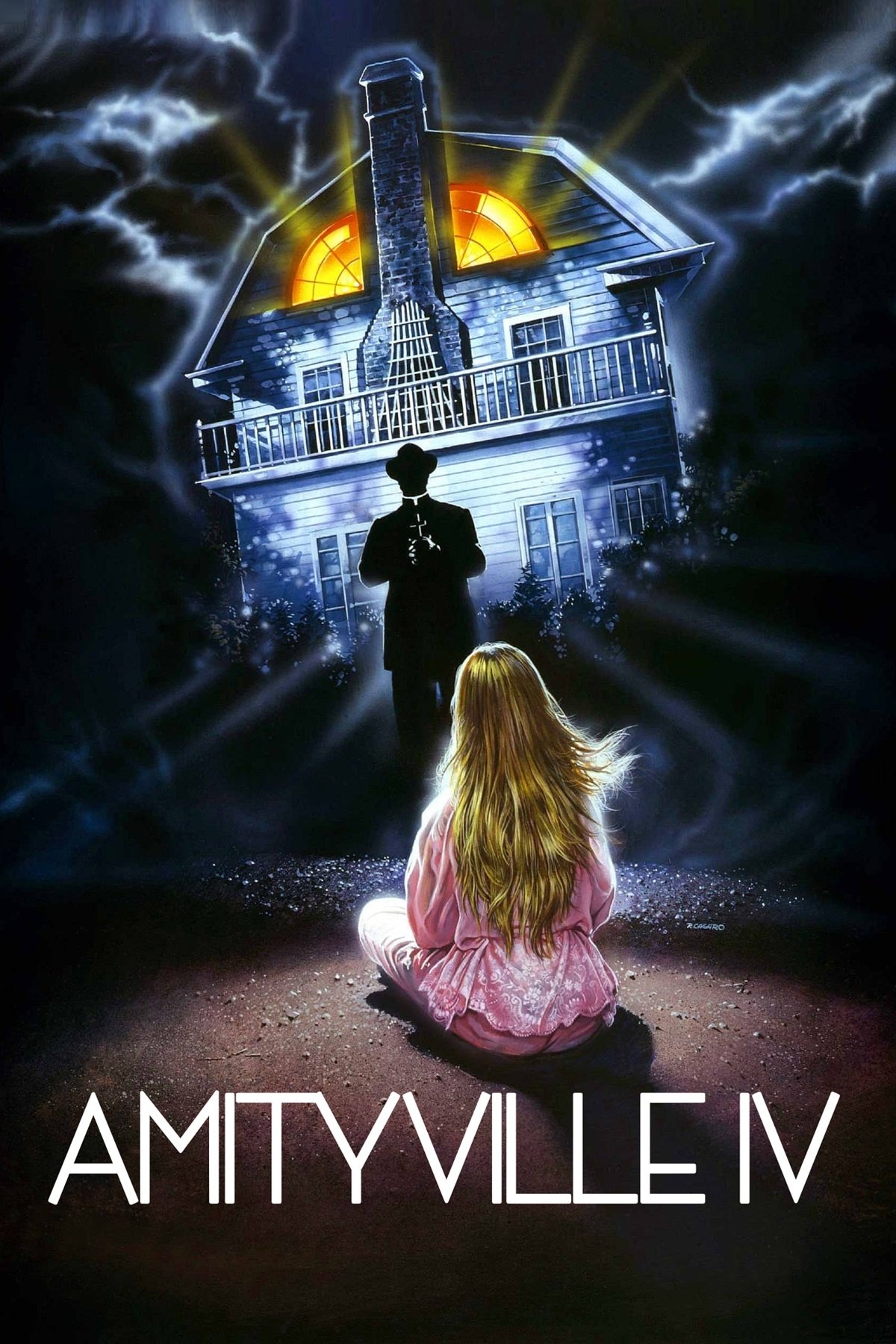
After an exorcism at the Amityville house, a distinctive antique lamp is sold and sent to a woman living in a coastal home with her extended family. The object brings an unexplained presence into the household, where electrical disturbances, frightening accidents and mounting hostility threaten the residents. As the incidents escalate, family members begin to suspect that the lamp is connected to the violence rather than simply being an unusual furnishing. Their attempt to remove the threat reveals how an object from the notorious property can carry its haunting into a different home.
Alternative Titles
Ужасът в Амитивил 4: Злото избяга (Bulgaria) — BulgarianAmityville 4 - A Fuga do Mal (Brazil) — PortugueseAmityville 4: A Fuga do Mal (Brazil) Amityville 4: Zlo uniká (Ä) Amityville: Zlo uniká (Ä) Amityville IV : La Maison du diable (Canada) — French鬼哭神嚎4:阴魂不散 (China) — ChineseĎábel v Amityville (Czechia) — CzechShow all 36 alternative titlesAmityville Horror 4 - Das unsagbar Böse (Germany) — alternative titleAmityville Horror IV (Germany) — GermanAmityville Horror IV - Das unsagbar Böse (Germany) — alternative titleAmityville Horror Teil 4 (Germany) Huset Gud glemte 4 (Denmark) — DanishAmityville IV: La fuga del mal (Spain) — SpanishTalo, jonka Jumala unohti (Finland) — FinnishAmityville IV : La Maison du diable (France) — French鬼哭神嚎 4:陰魂不散 (Hong Kong SAR China) — ChineseAmityville 4: A gonosz elszabadul (Hungary) — HungarianAmityville Horror - La fuga del diavolo (Italy) — Italianあくまのすむいえ かんけつへん (Japan) 悪魔の棲む家 完結編 (Japan) — Japanese悪魔の棲む家・完結編 (Japan) 아미티빌 4 (South Korea) — KoreanAmityville: El escape del demonio (Mexico) — SpanishAmityville: Ucieczka diabła (Poland) — PolishAmityville 4 - O Diabo Em Fuga (Portugal) — PortugueseАмитивилль 4 (Russia) — НазваниеАмитивилль 4: Зло спасается (Russia) — titleАмитивилль Зло спасается (Russia) — RussianAmityville IV: Kötülüğün Kaçışı (Türkiye) Dehşet Evi 4: Şeytanın Kaçışı (Türkiye) — TurkishAmityville 4: The Evil Escapes (United States) Amityville Horror: The Evil Escapes (United States) — complete titleAmityville IV: The Evil Escapes (United States) The Amityville Horror 4: The Evil Escapes (United States) — Working TitleThe Amityville Horror: The Evil Escapes, Part 4 (United States)
A network-television continuation that relocates the Amityville haunting into a cursed antique lamp.
Amityville: The Evil Escapes (1989) changed the mechanics of a franchise that had previously depended on a recognizable Long Island house. The fourth installment moves its supernatural threat into an antique lamp, allowing the evil associated with Amityville to travel across the United States and enter an unrelated family home. That simple device established a portable-haunting model that would recur in several later entries. The change also coincided with a major shift in exhibition: after three theatrical features, the series continued with a film produced for American network television.
Sandor Stern, who had written the screenplay for The Amityville Horror (1979), returned as writer and director. His involvement supplied a direct creative connection to the first film even as the story abandoned its central location for most of its running time. The resulting horror mixes family bereavement with attacks by domestic objects, maintaining religious confrontation as the link between the new California setting and the mythology of the original house.
A Television Continuation and a New Setting
The Evil Escapes was produced for NBC and first aired in the United States in May 1989. Its television origin matters to the history of the series: the original film and its two theatrical successors had sold the Amityville address itself as a site of supernatural danger, while this installment had to sustain another feature without keeping its characters inside that building. The opening returns briefly to the notorious house, where clergymen attempt to remove its malign presence. A lamp leaves the premises after an estate sale, carrying the threat to the West Coast.
The story follows Nancy Evans, a widow who arrives with her children at the coastal home of her mother, Alice Leacock. Their family circumstances provide the entity with a particular opportunity: young Jessica is susceptible to its impersonation of her dead father. This personal deception turns the lamp into something more threatening than an arbitrary possessed object. It exploits a child's grief while tension grows between generations sharing the house. Sandor Stern's earlier association with the series is significant, but the film's structure represents a new direction rather than a direct continuation of the previous protagonists.
The Lamp, the Household and the Horror Design
The object at the centre of the film is deliberately conspicuous. Its ornate appearance makes it difficult for the household to ignore, and its ordinary function means it can be placed in the middle of domestic activity. The screenplay gradually transforms familiar rooms and appliances into points of danger. Electrical disturbances, assaults involving household fittings and an ominous sense that the lamp can influence people extend the haunting beyond the object itself. This is an approach to supernatural horror in which an apparently mundane possession becomes the source of physical attacks throughout a home.
The lamp also changes the geography of the franchise. Earlier Amityville films tied their menace to the architecture and history of one building; here, the cursed property acts as a vehicle for transferring that menace elsewhere. The Evans residence retains the visual language of a large and vulnerable haunted house, but its relationship to Amityville has to be established through the travelled artefact. The film continues to use a priest and an exorcistic confrontation as narrative counterweights to the demon. In doing so, it preserves recognizable elements of religious horror while experimenting with the haunted-object premise.
Family Bereavement and Supernatural Possession
The most consequential part of the possession plot concerns Jessica's belief that her father may have returned. That illusion builds upon Nancy's position as a recently widowed mother and upon the difficulties of a family trying to settle in another relative's home. A child who wishes to recover a lost parent becomes a plausible target for a force seeking access to the living. The film thereby ties its supernatural danger to a recognizable emotional vulnerability rather than relying exclusively on the reputation of the cursed lamp.
The wider family creates competing responses to increasingly violent incidents. Alice's home initially represents security, but every new unexplained event erodes the assumption that relocating has provided a refuge. Father Kibbler's involvement eventually identifies the connection between the lamp and the Amityville house, bringing the story back to the religious framework of the earlier films. Although the premise can seem eccentric, its narrative function is straightforward: the evil can persist after leaving its original location, and the Evans family must confront a threat whose origin lies outside their own history.
Broadcast, Home Video and Later Reassessment
The film's initial television presentation distinguishes it from the theatrical releases that preceded it. In later circulation it also appeared on physical media, sometimes under titles emphasizing its place as the fourth Amityville film. The British Board of Film Classification records a home-video submission in February 1990, followed by other classified editions in 2005 and 2021. Those records provide concrete evidence of continued distribution, but they do not establish the precise contents of every international master or justify treating all releases as identical cuts.
Later preservation has also affected how audiences can encounter the picture. The American Genre Film Archive lists a 4K restoration for repertory exhibition, and contemporary screenings present the feature in a 95-minute version. Its place in the franchise has become clearer through that later circulation. The Evil Escapes introduced the cursed-object direction subsequently associated with films involving a clock, a mirror and a dollhouse. Its historical interest rests especially on the transition to television and the decision to detach the supernatural force from the famous house, creating a reusable formula for the series.