The Cursed Clock and the Series
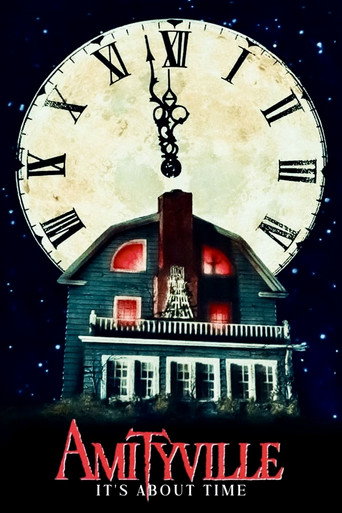
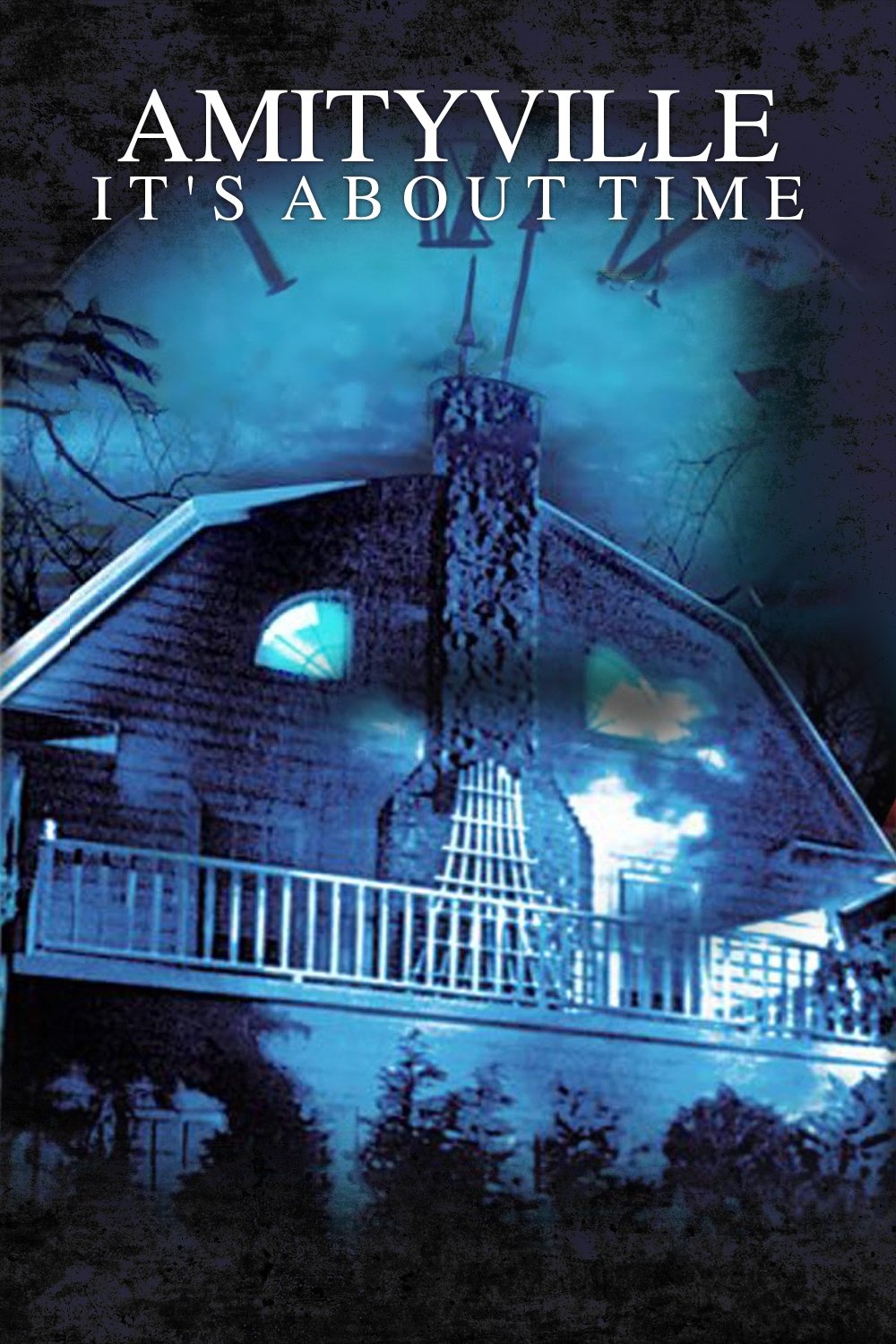
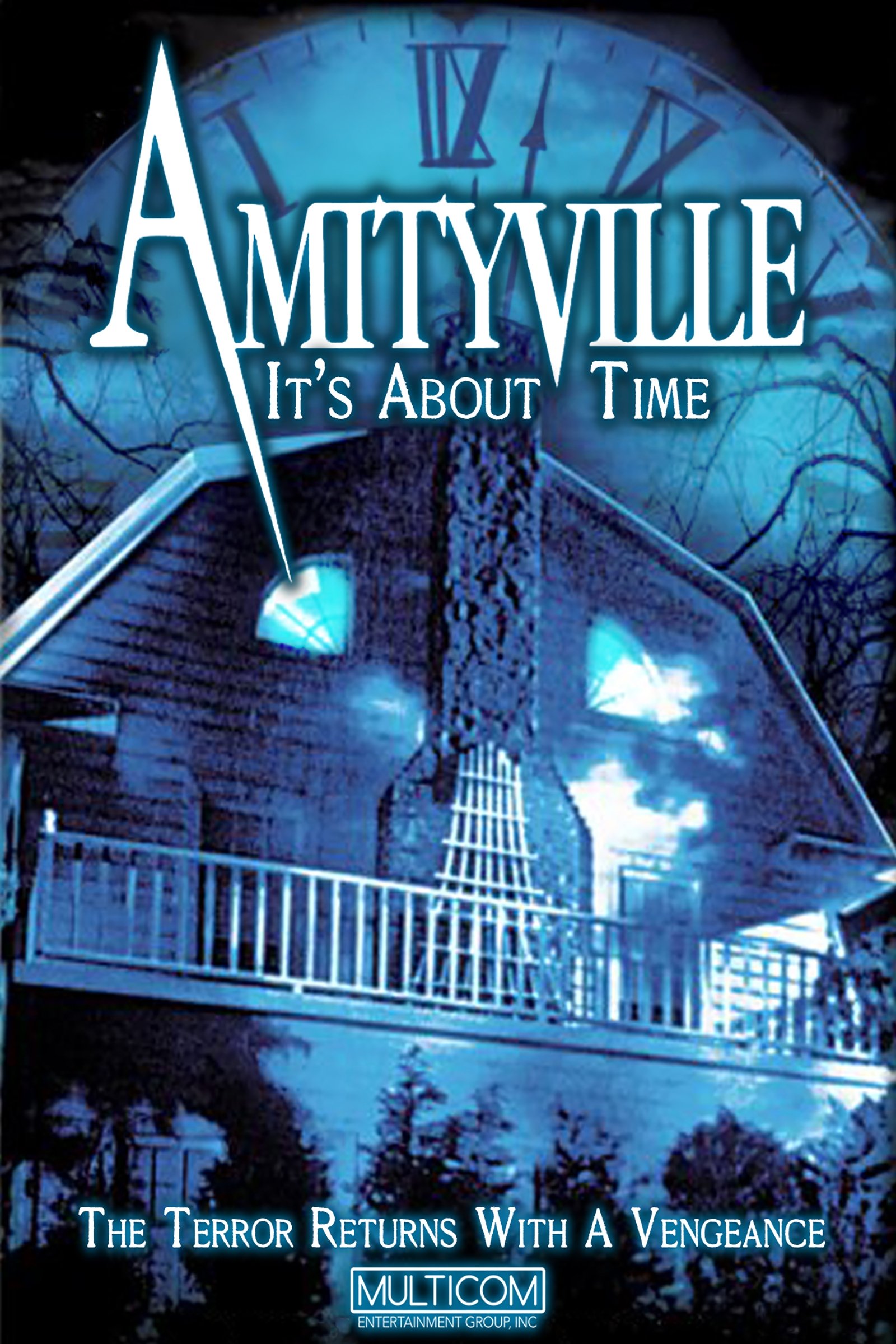
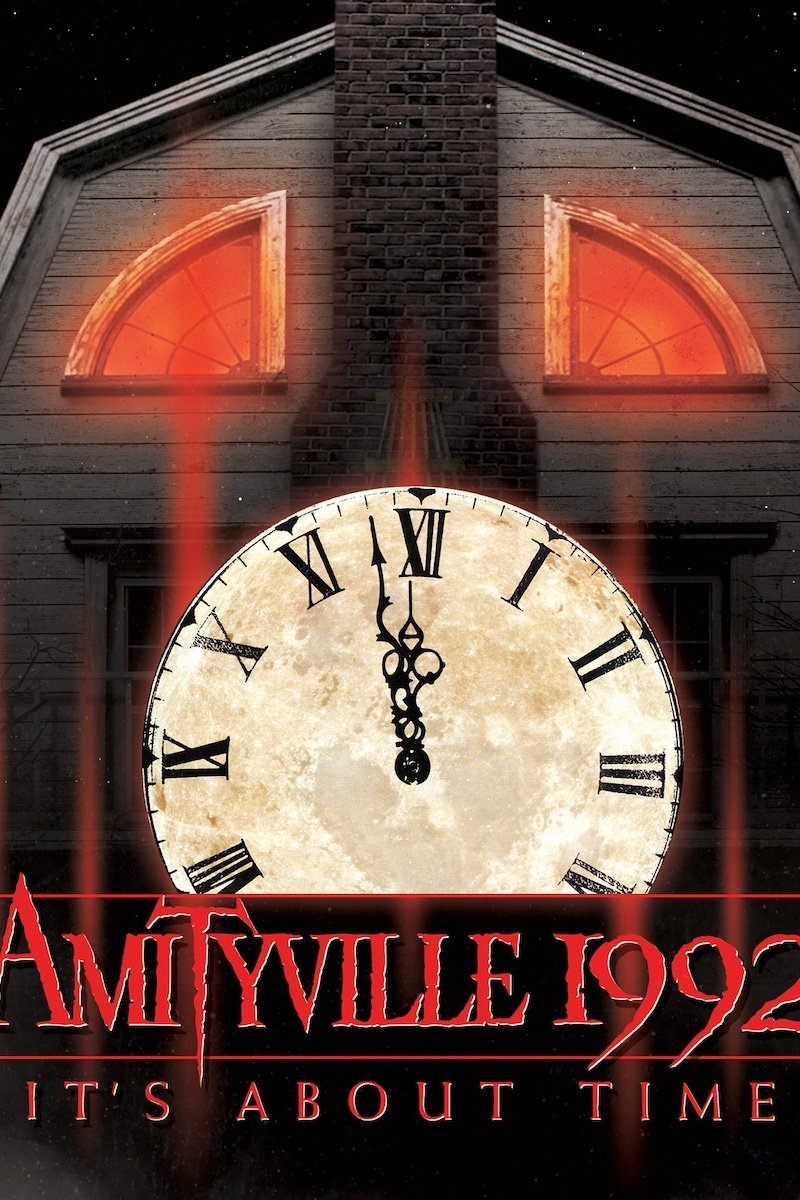
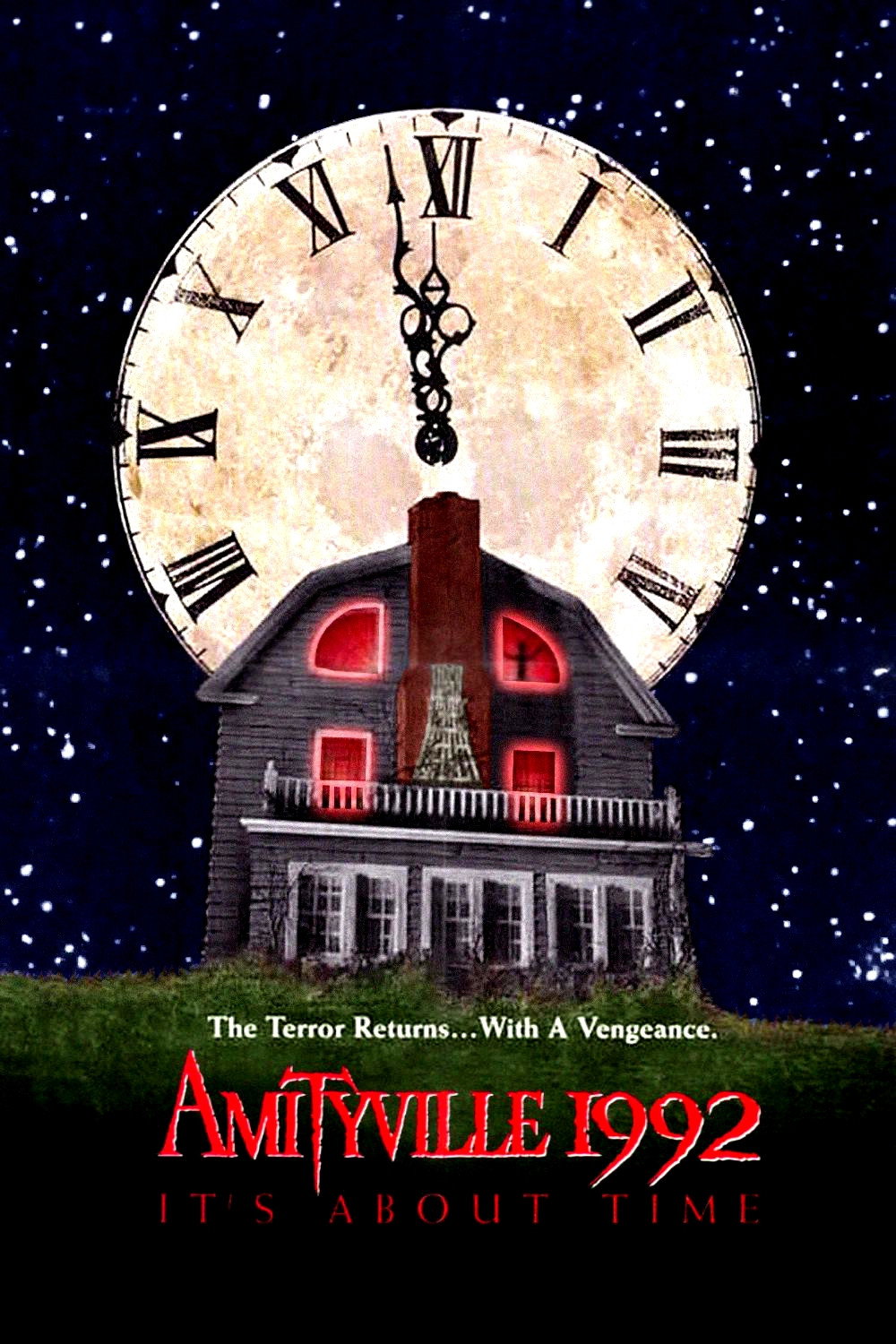
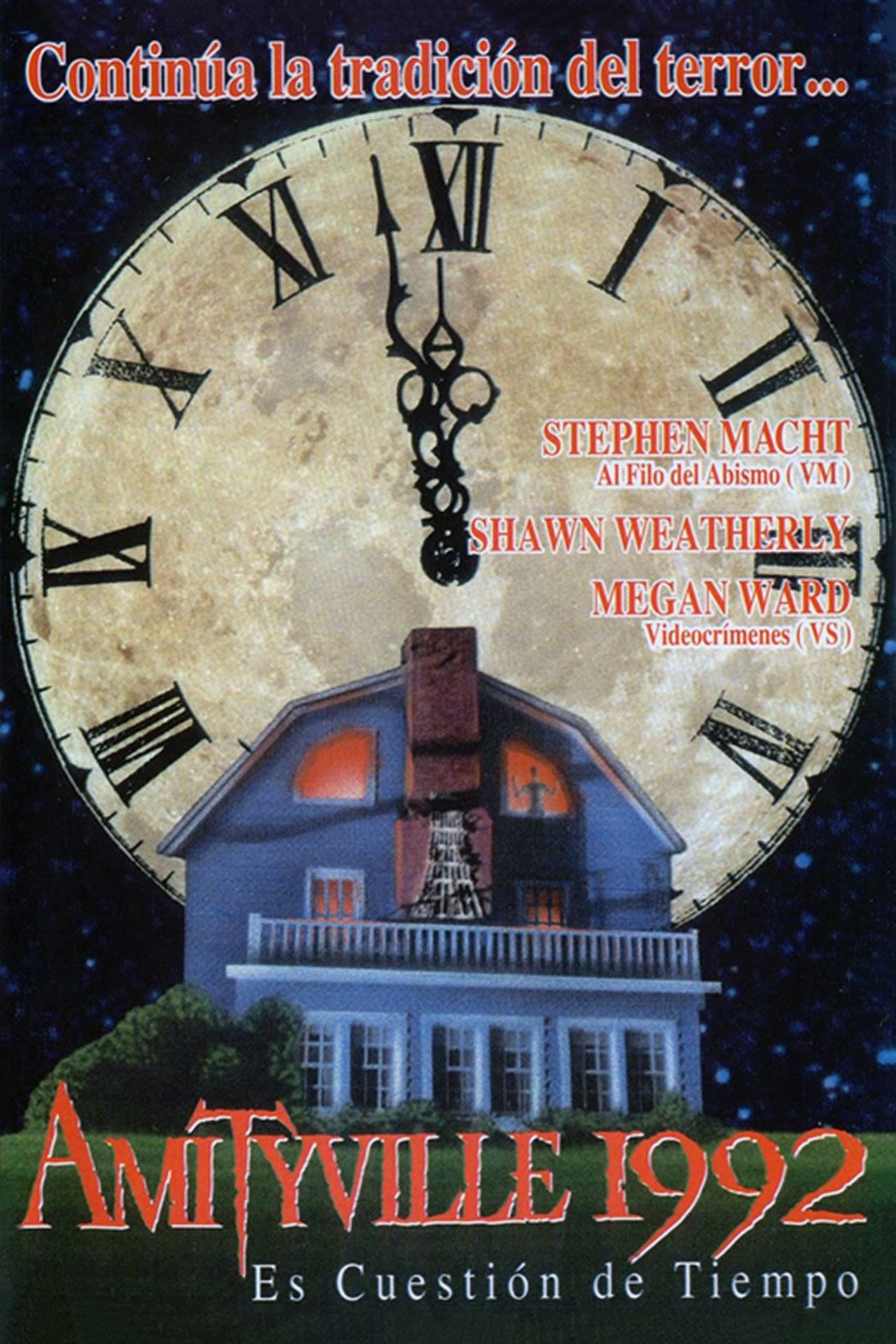
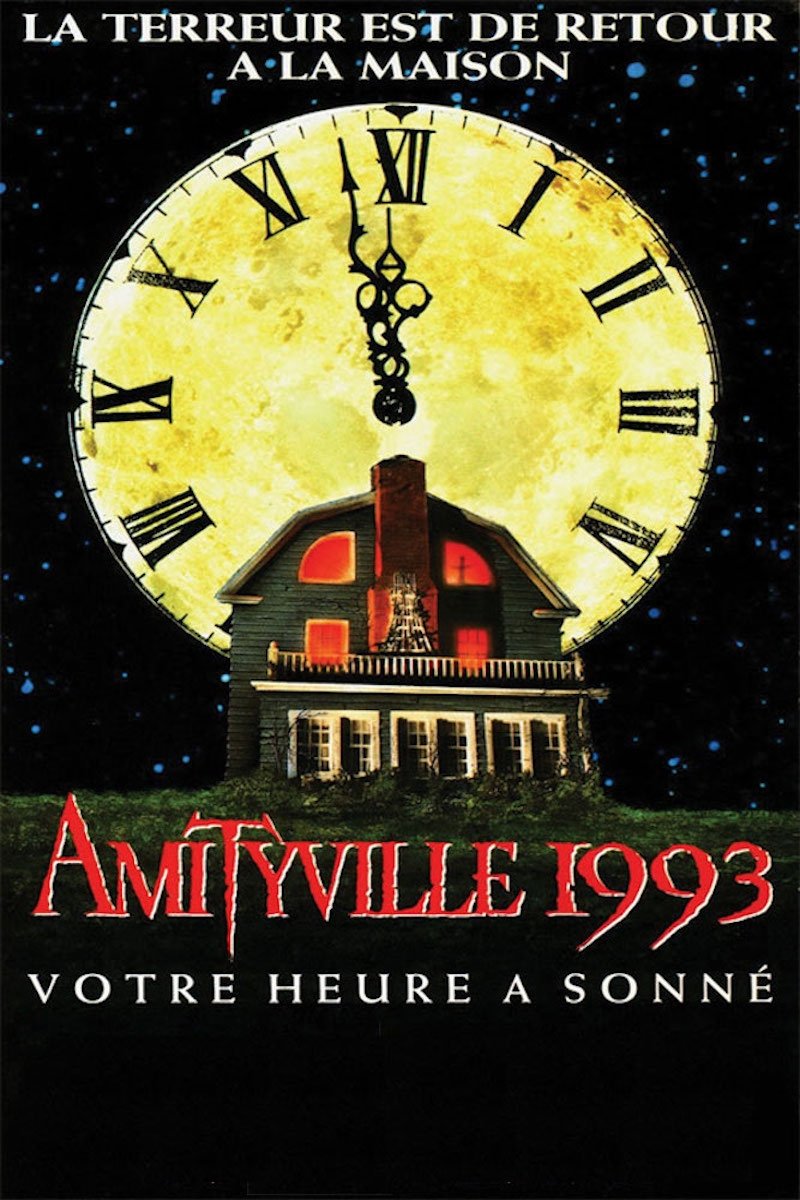
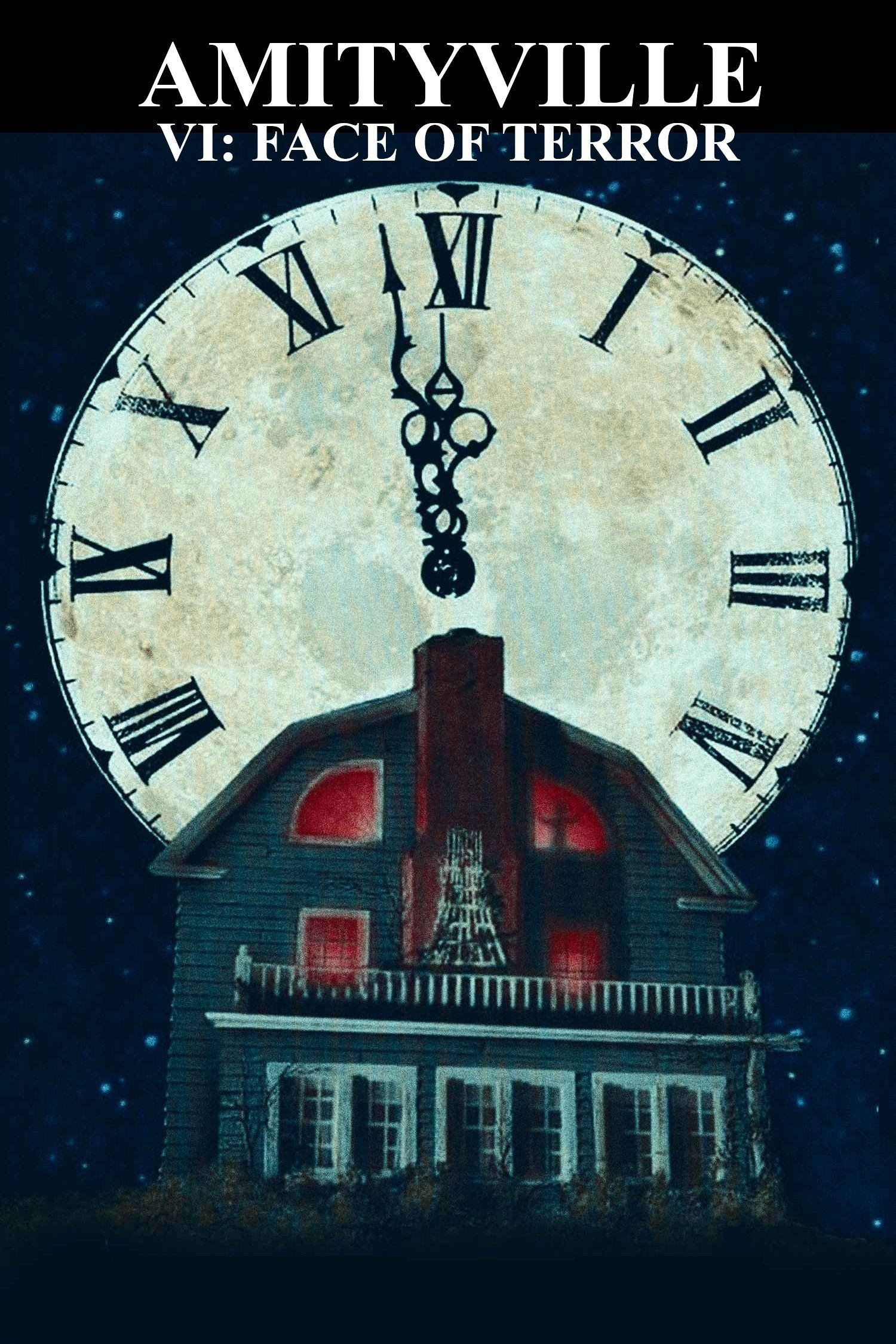
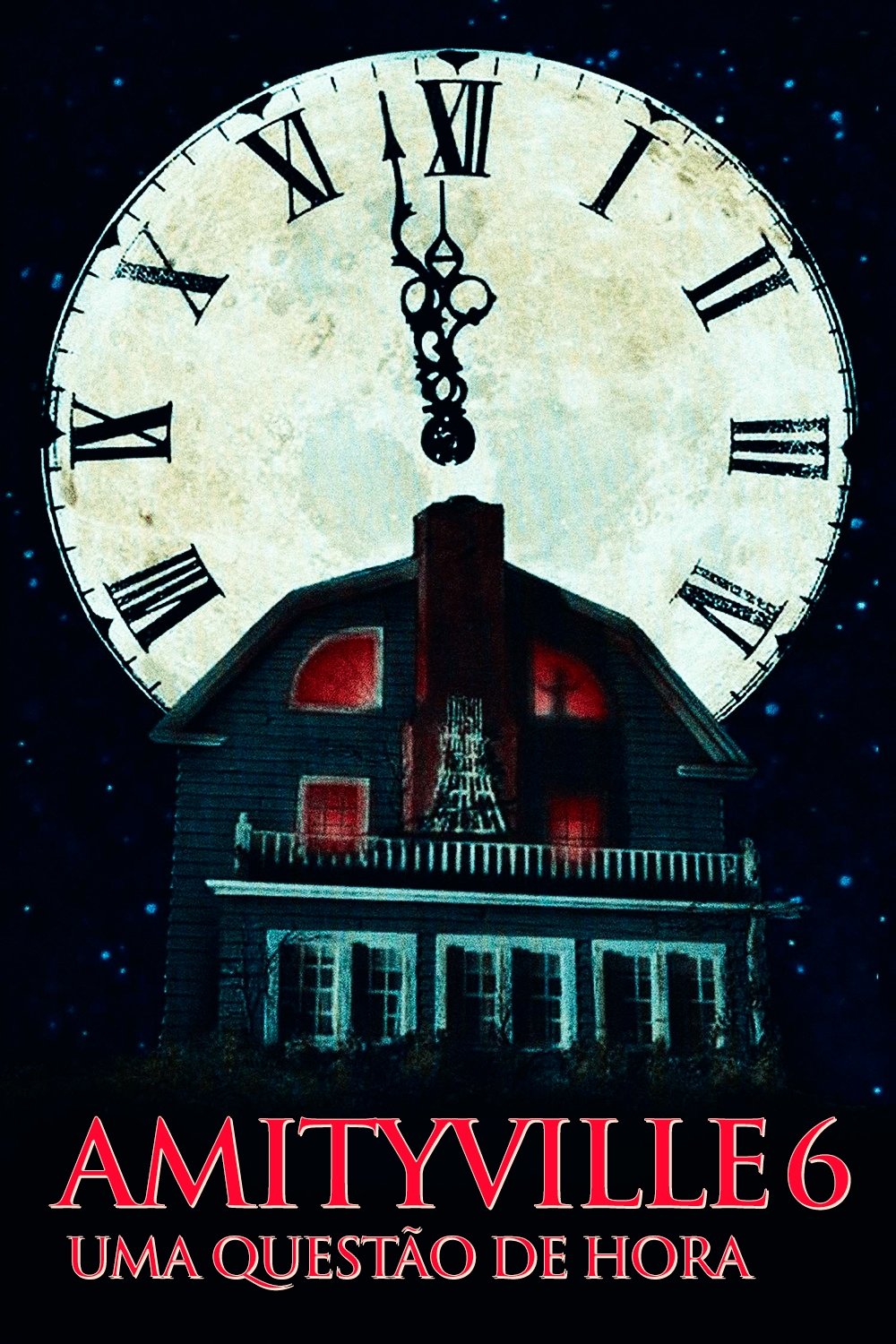
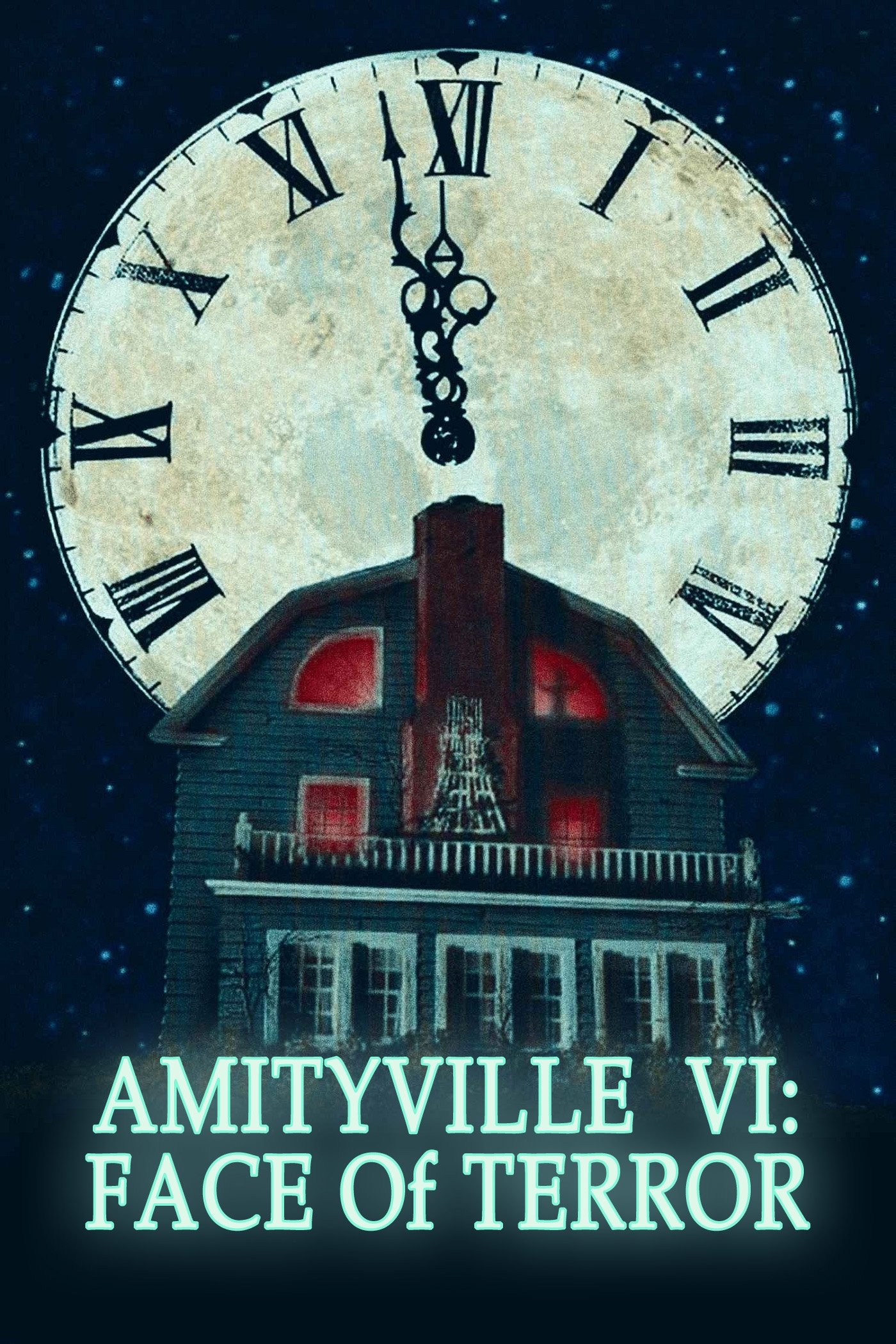
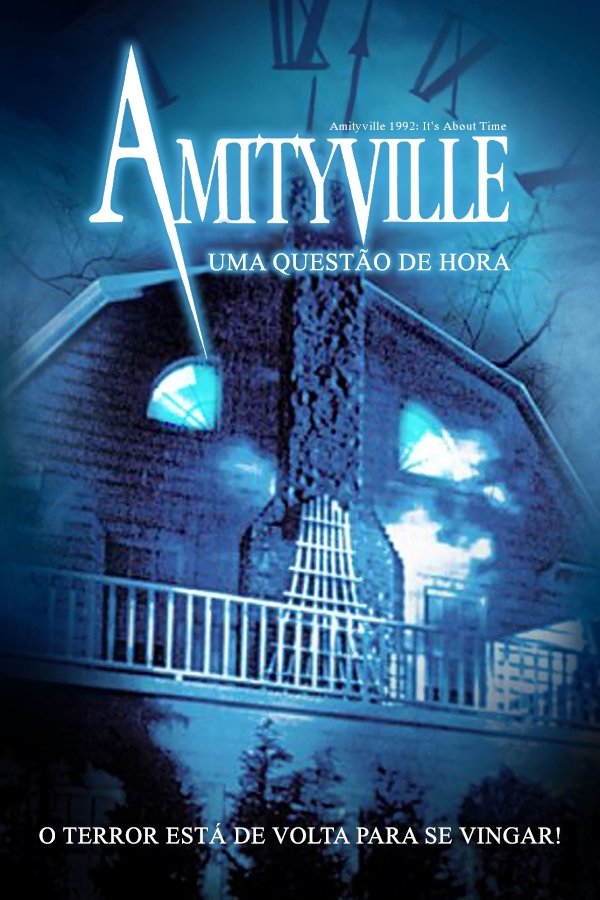
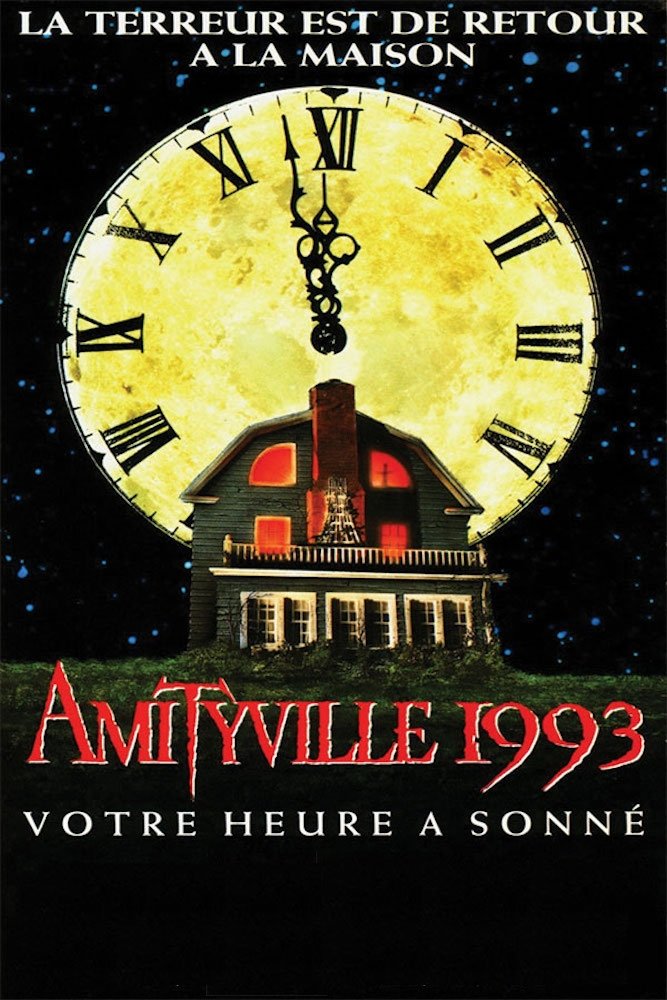
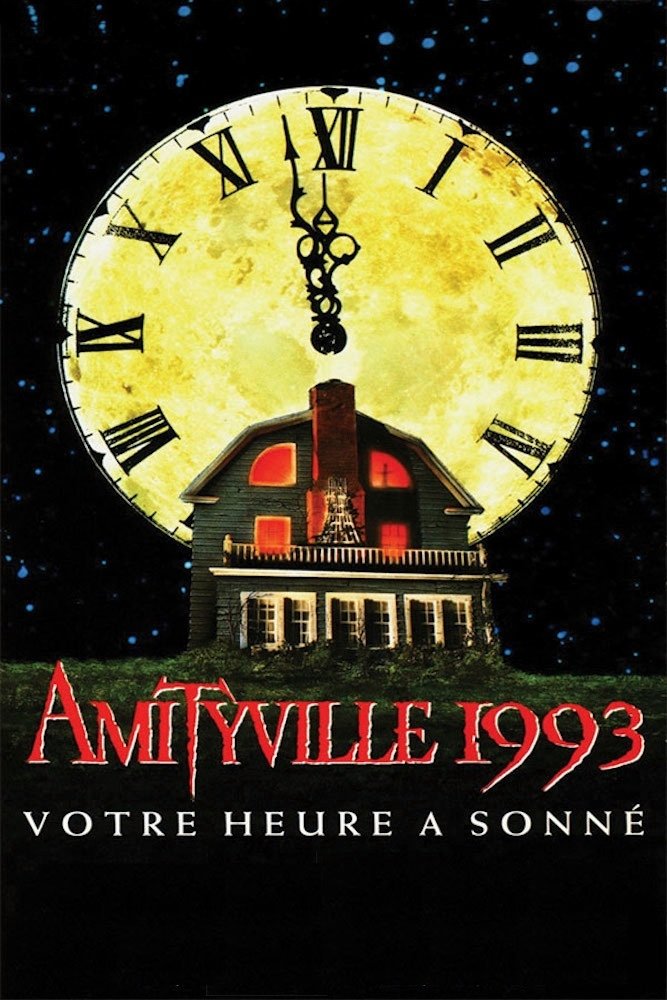
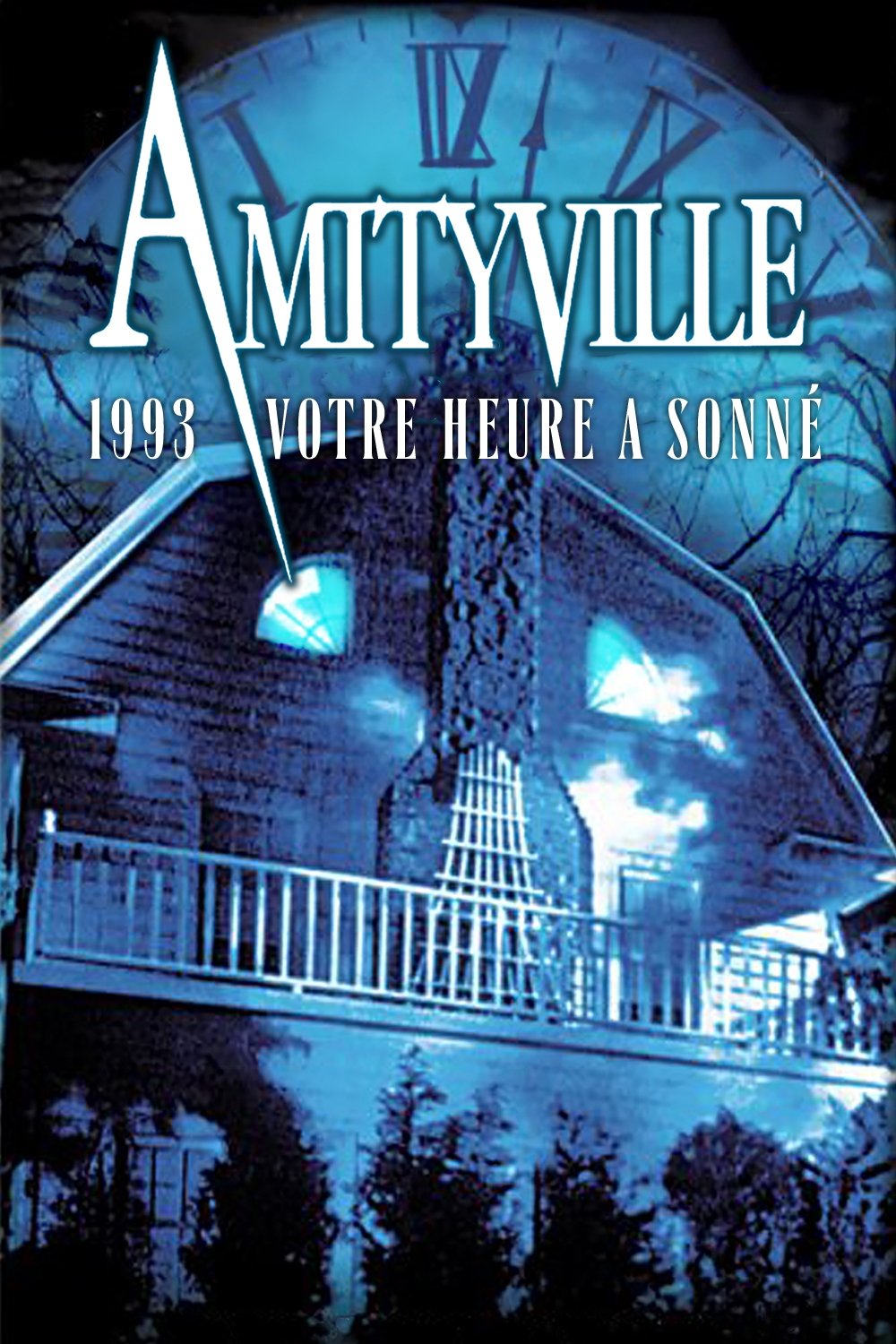
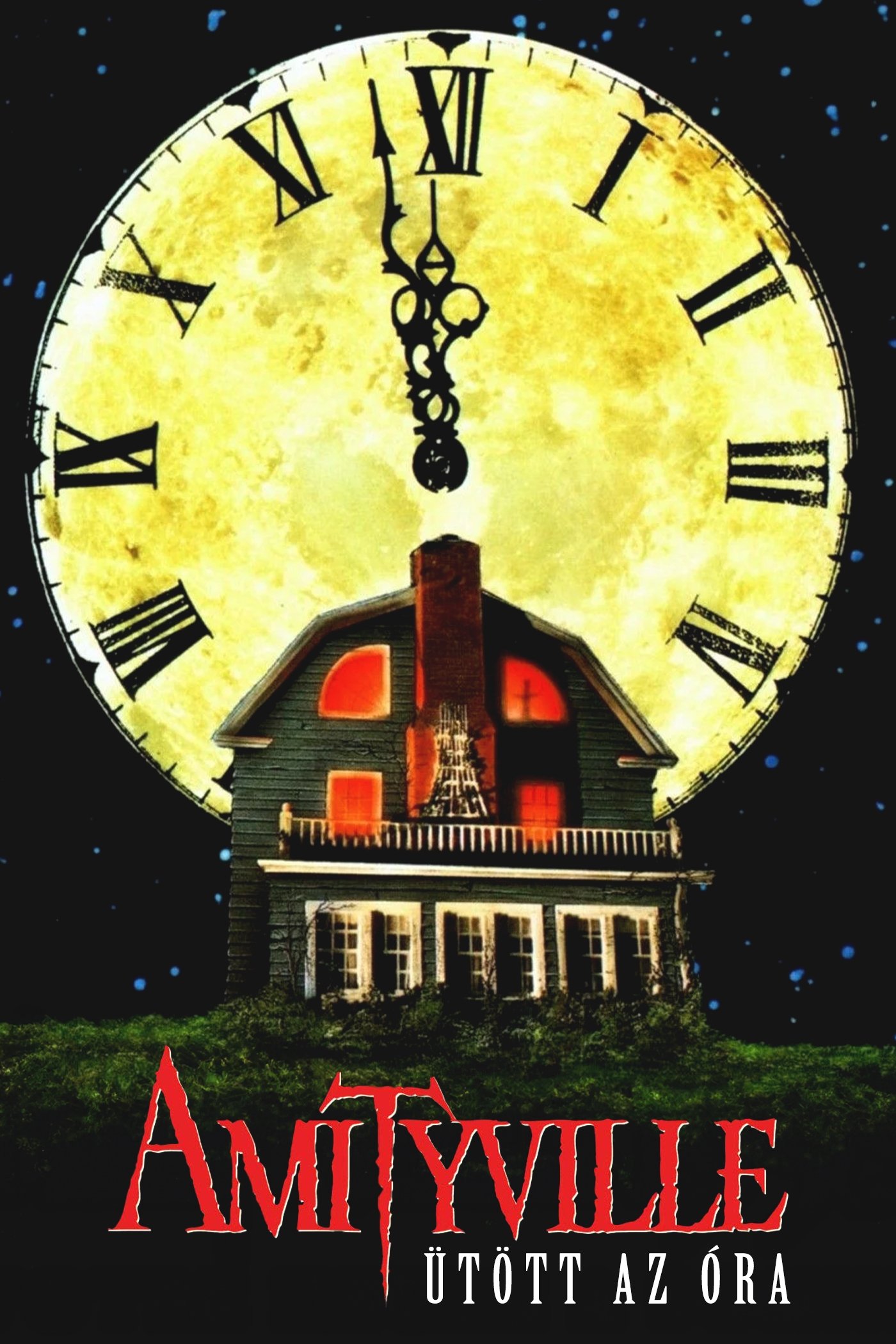
The central object enters the story through Jacob Sterling, an architect who brings home an ornate clock associated with Amityville. His home is in California, far from the house that provided the franchise with its original setting and notoriety. The relocation is central to the film's construction: the clock becomes a mechanism for importing a familiar supernatural threat into a different household. This changes the audience's relationship to the series. The source of danger can now be carried into an ordinary home and installed among its possessions, requiring little direct contact with the original location.
Jacob's household includes his children Lisa and Rusty and his partner Andrea. Their existing relationships give the haunting its immediate stakes as bodily injury, manipulation and changes in behavior accumulate. Unlike a haunting defined primarily by inexplicable noises or disturbances in a fixed building, this story repeatedly makes the family's experience of time unreliable. The clock's significance extends beyond its origin as a cursed artifact: it governs the structure of the menace, allowing familiar rooms and relationships to appear suddenly altered. These disruptions support a more grotesque variation on the Amityville premise, one in which the domestic setting is invaded from within.
Suburbia, Time and Visual Horror
The film's suburban architecture gives the supernatural episodes a recognizably everyday backdrop. Rooms, corridors and family spaces remain legible even when time changes their appearance or their inhabitants behave in unexpected ways. The contrast allows temporal distortions to emerge through seemingly simple visual reversals. Critic Adrian Martin, writing in February 1994, singled out the clock's rapidly turning hands, sudden changes in age and an image in which a doorway briefly reveals a different room. His account is useful evidence of how these effects registered in contemporary criticism, rather than proof of any particular production technique.
Randel gives the house a more elaborate and unstable presence as the disturbances intensify. The clock permits the narrative to return to spaces under altered conditions, shifting the emphasis from the geography of a haunted building to the breakdown of spatial and temporal continuity. Changes in age, appearance and personality also turn the home into a place where the family can no longer trust what it sees. The device suits the franchise's interest in invisible supernatural forces, but its specific expression is distinctly physical: the threat is recorded on bodies and in abrupt transformations of familiar domestic space.
Body Horror and the Family's Collapse
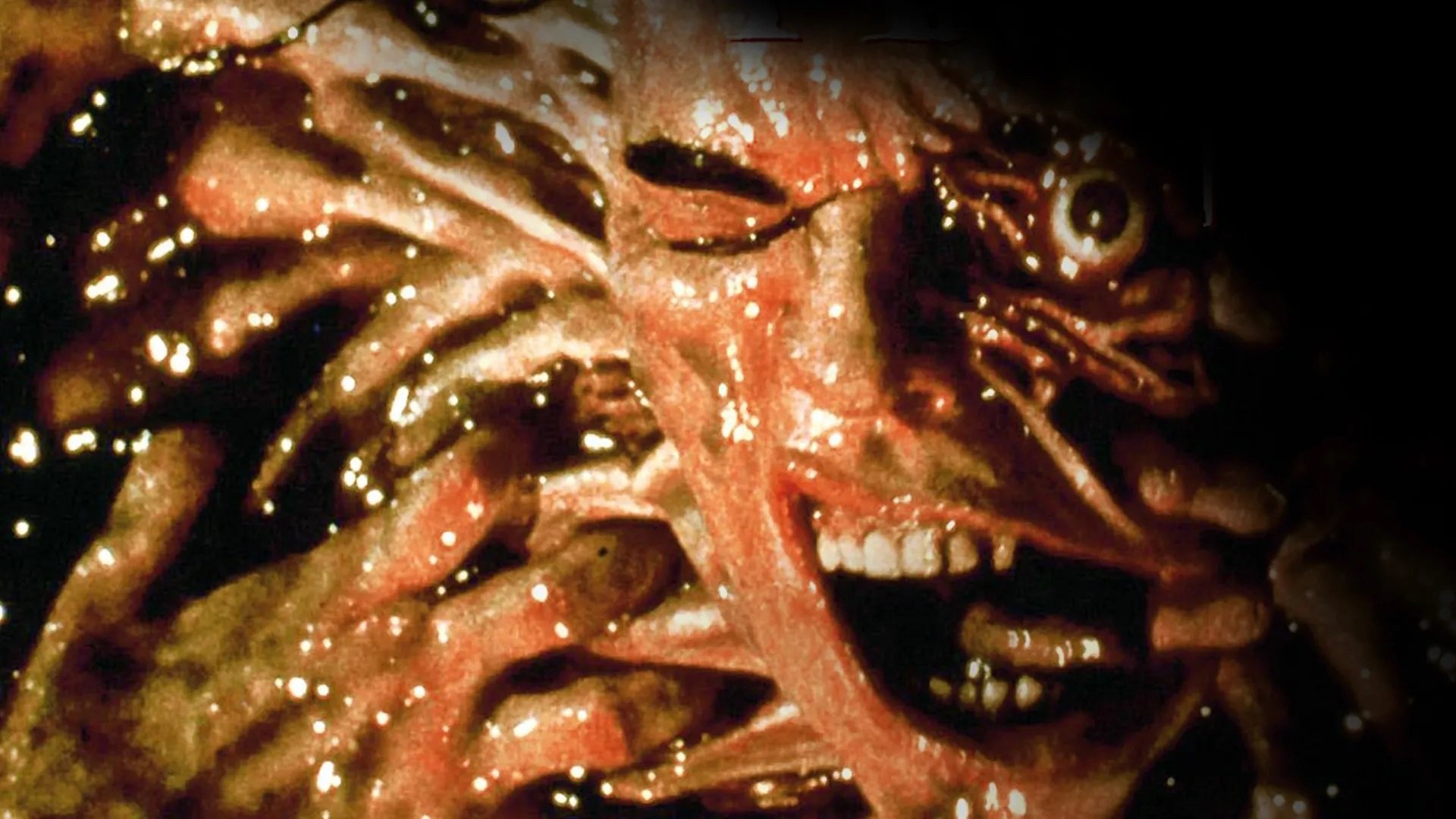
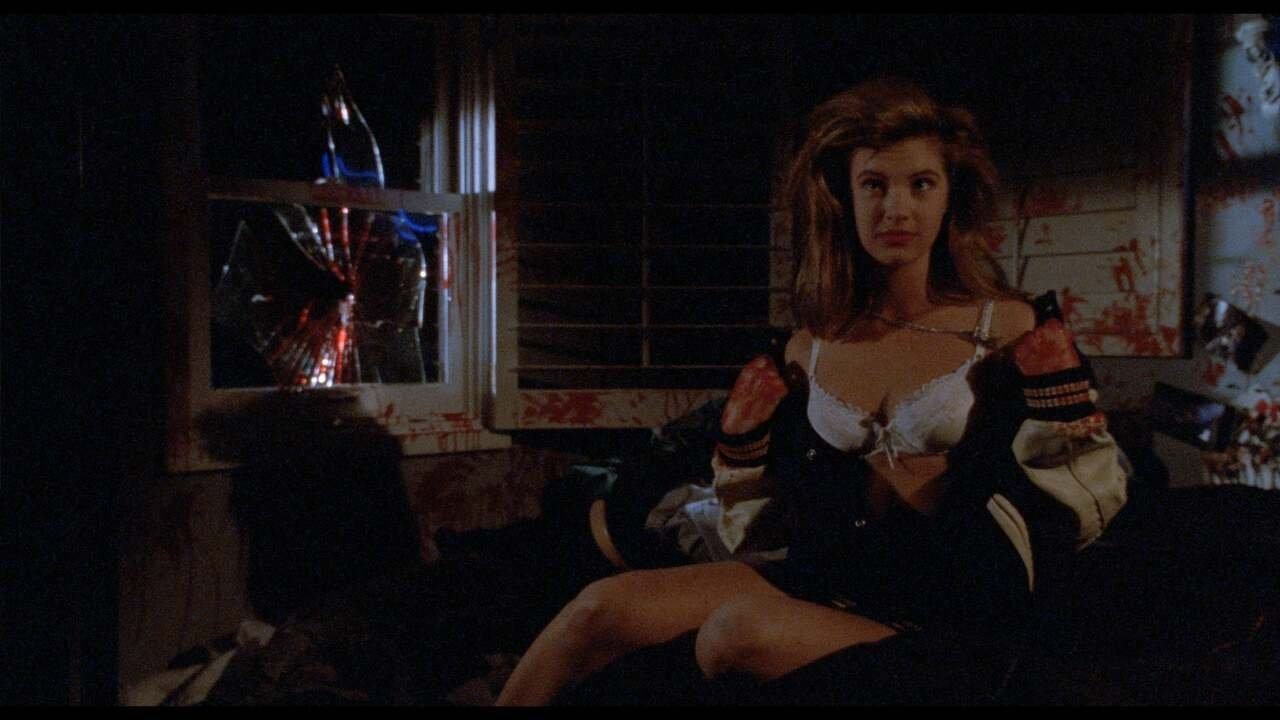
The most distinctive material in It's About Time involves the escalation from possession to damage inflicted on the body. Jacob suffers a worsening injury, while other episodes involve violent attack, sexual menace and startling changes in appearance. The British Board of Film Classification specifically records a scene of melting skin in acidic sludge, a pipe driven through an infected wound and the discovery of a severed animal head. These incidents show how far the sequel moves toward graphic physical horror, while retaining the vocabulary of a haunting in which an unseen presence drives the violence.
These images also deepen the story's tension between the outward normality of the neighborhood and the increasingly unstable Sterling home. In a February 1994 review, Adrian Martin treated the mixture of colorful teen comedy, grotesque transformations and supernatural spectacle as part of the film's appeal. His response locates the film within a strain of low-budget exploitation horror willing to juxtapose comic and disturbing material. The family drama does not remain separate from the horror effects: the breakdown of trust between adults and children makes the clock's interference more damaging, because the changes threaten both personal identity and the possibility of recognizing one another.
Distribution, Versions and Later Reappraisal
The film circulated on home video in the 1990s and has continued to be available through subsequent releases. The BBFC records a Fox Video submission classified on 18 September 1992 with a duration of 91 minutes and 12 seconds. A later Screenbound Pictures submission, classified on 26 June 2021, runs 95 minutes. These are documented records for different British video presentations; the differing timings alone do not demonstrate that particular scenes were added or removed. Without a documented comparison of the actual masters, it would be misleading to describe either runtime as a confirmed alternate narrative cut.
Later archival circulation has brought the film back into public view. The American Genre Film Archive lists a 4K restoration and a 95-minute digital cinema presentation with a 1.85:1 aspect ratio. Its repertory description places the film among the 1990s Amityville stories centered on cursed objects and highlights its unusually strong body-horror material. This renewed availability helps explain why the picture can be assessed beyond its status as a numbered sequel. It occupies a specific place in the series' changing form, demonstrating how the Amityville label could accommodate an independent supernatural premise while preserving an association with domestic corruption.