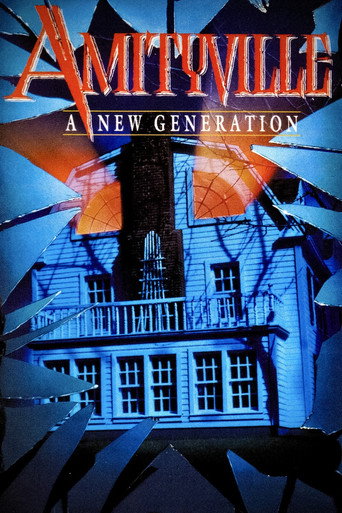
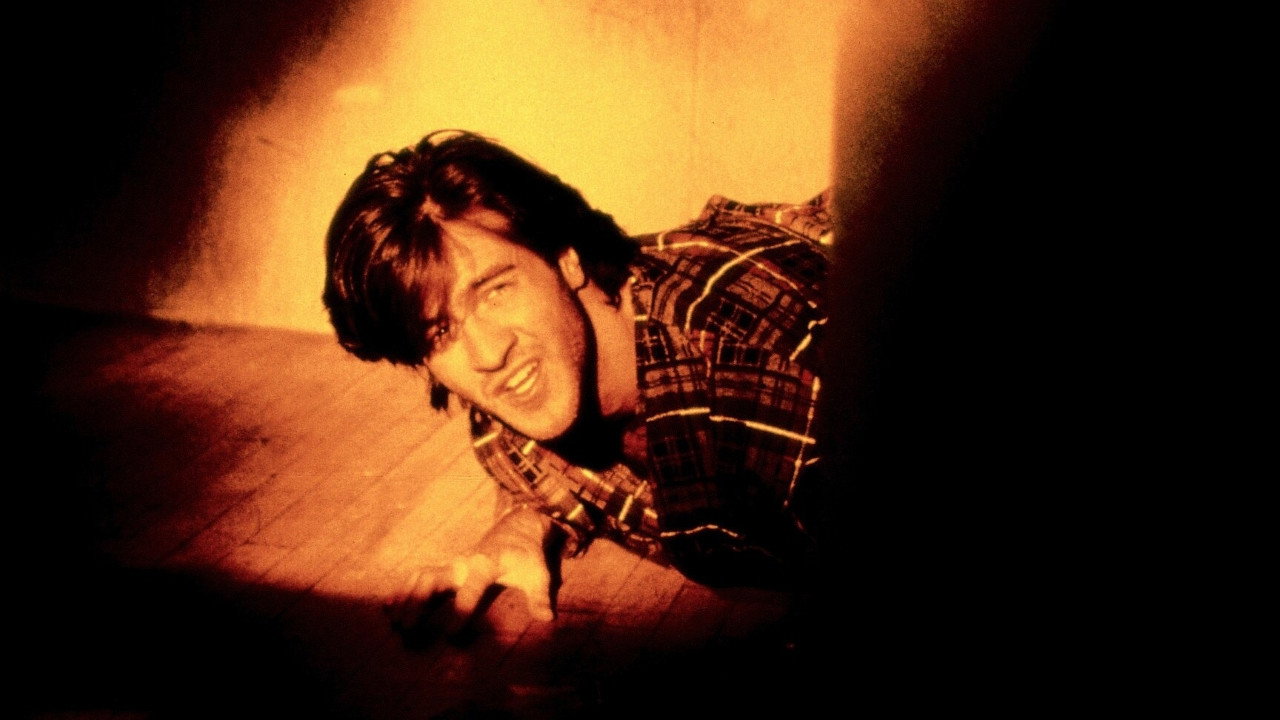
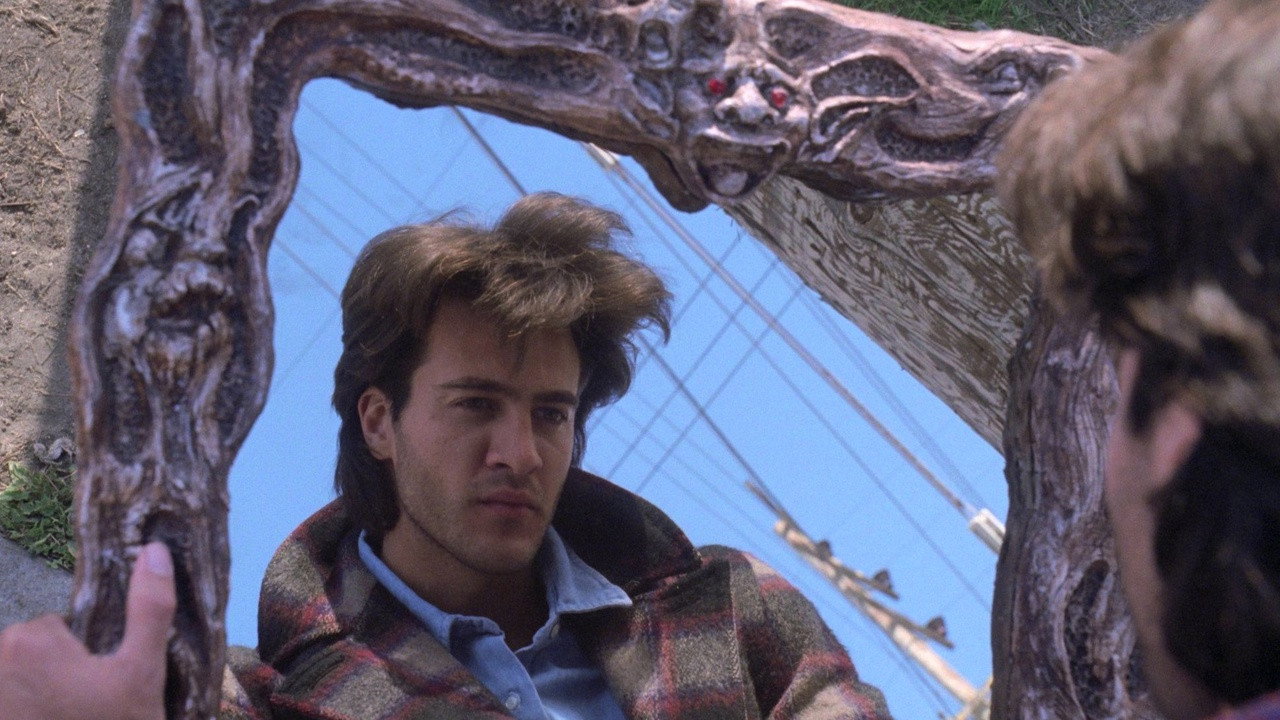
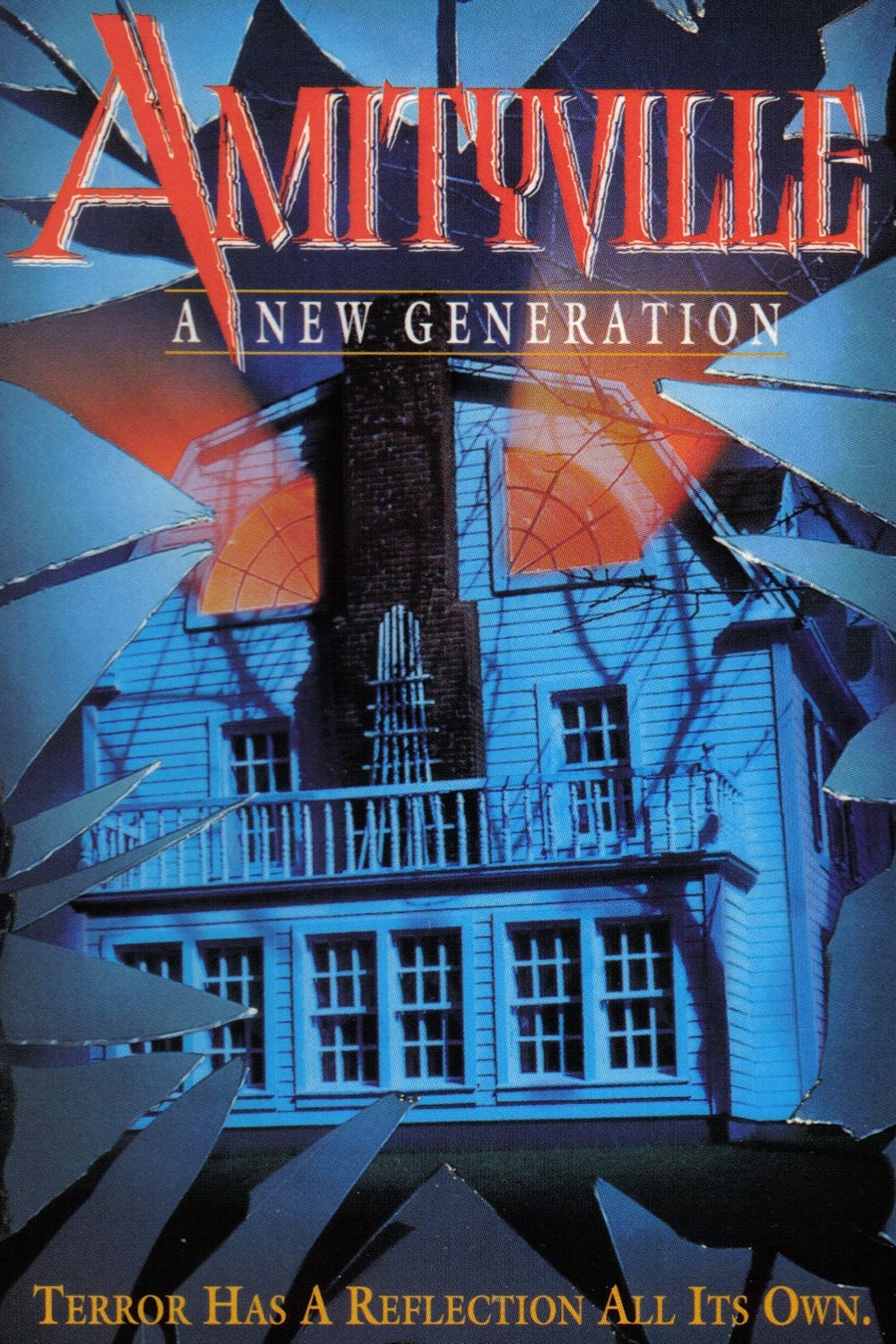
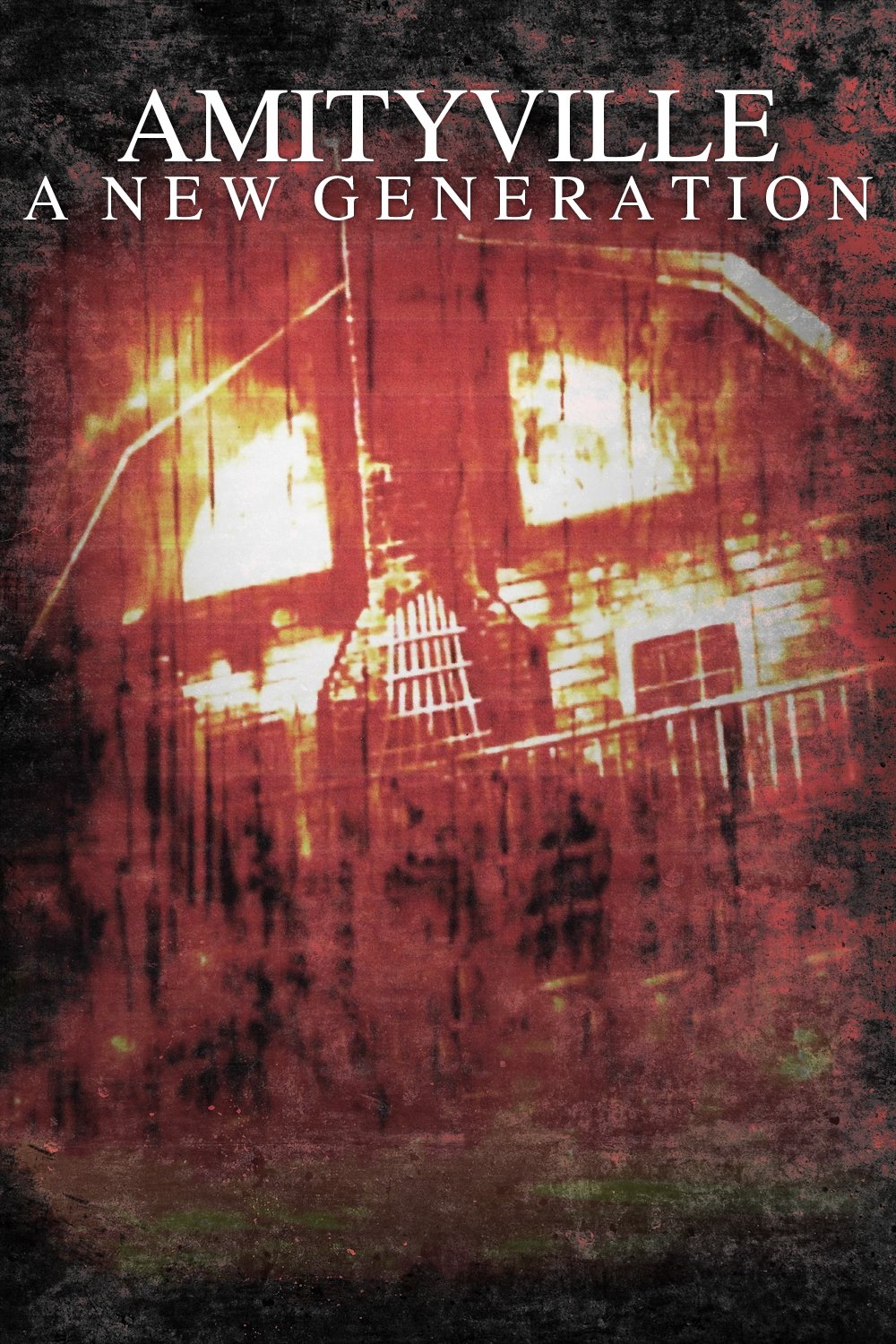
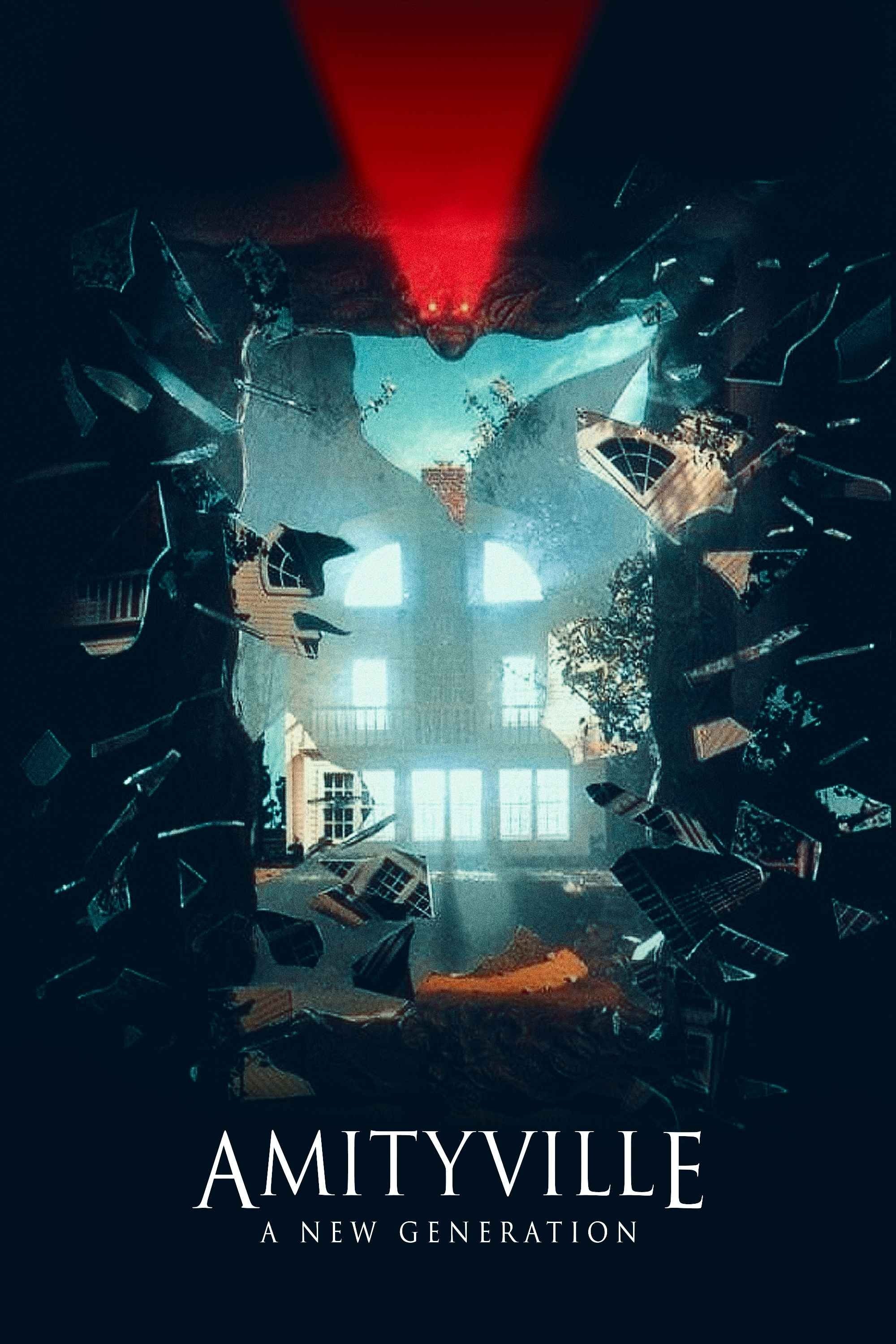
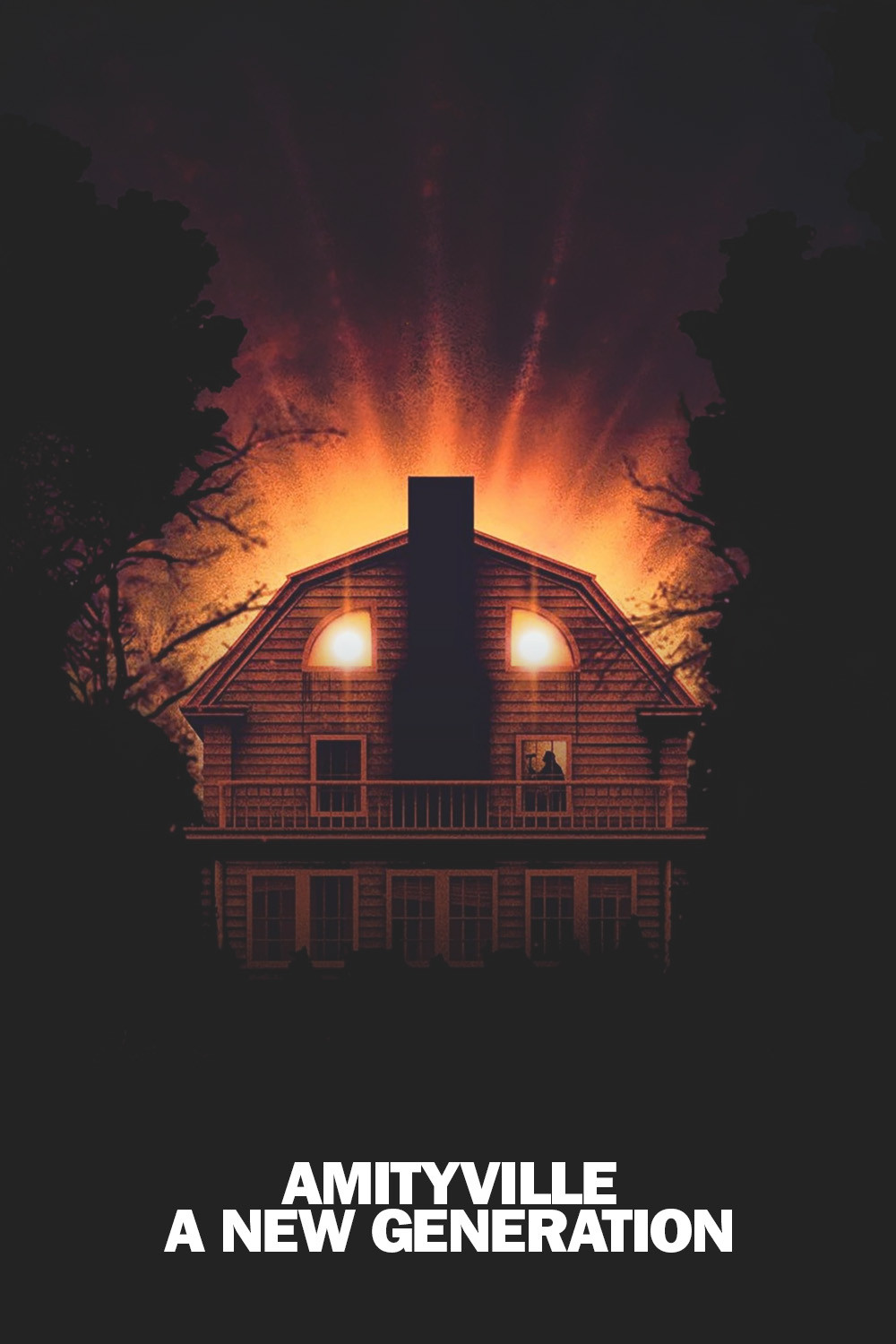
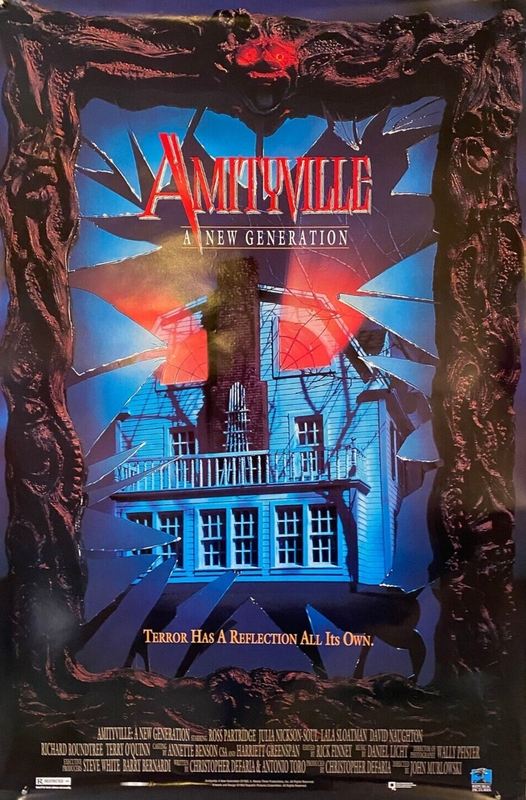
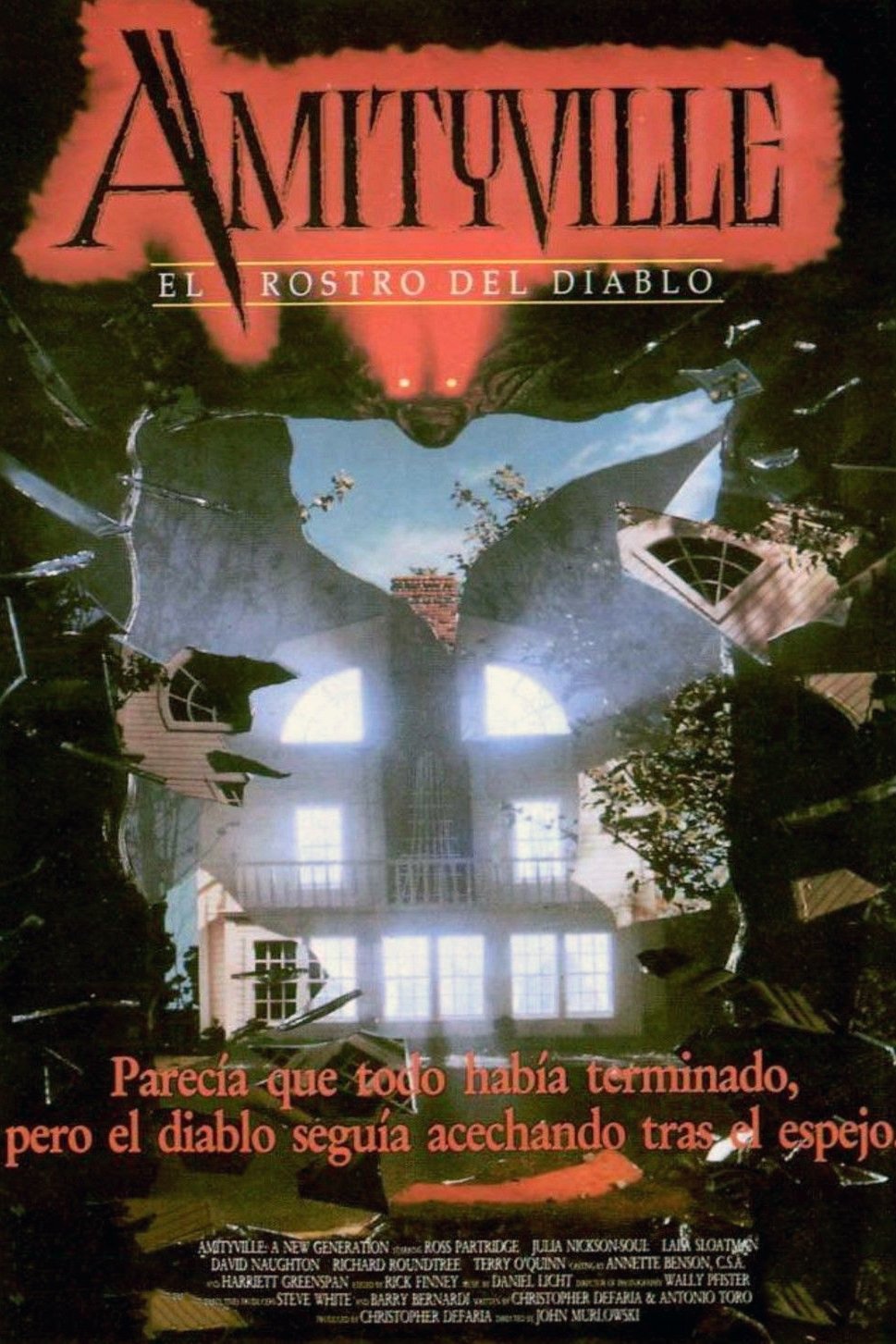
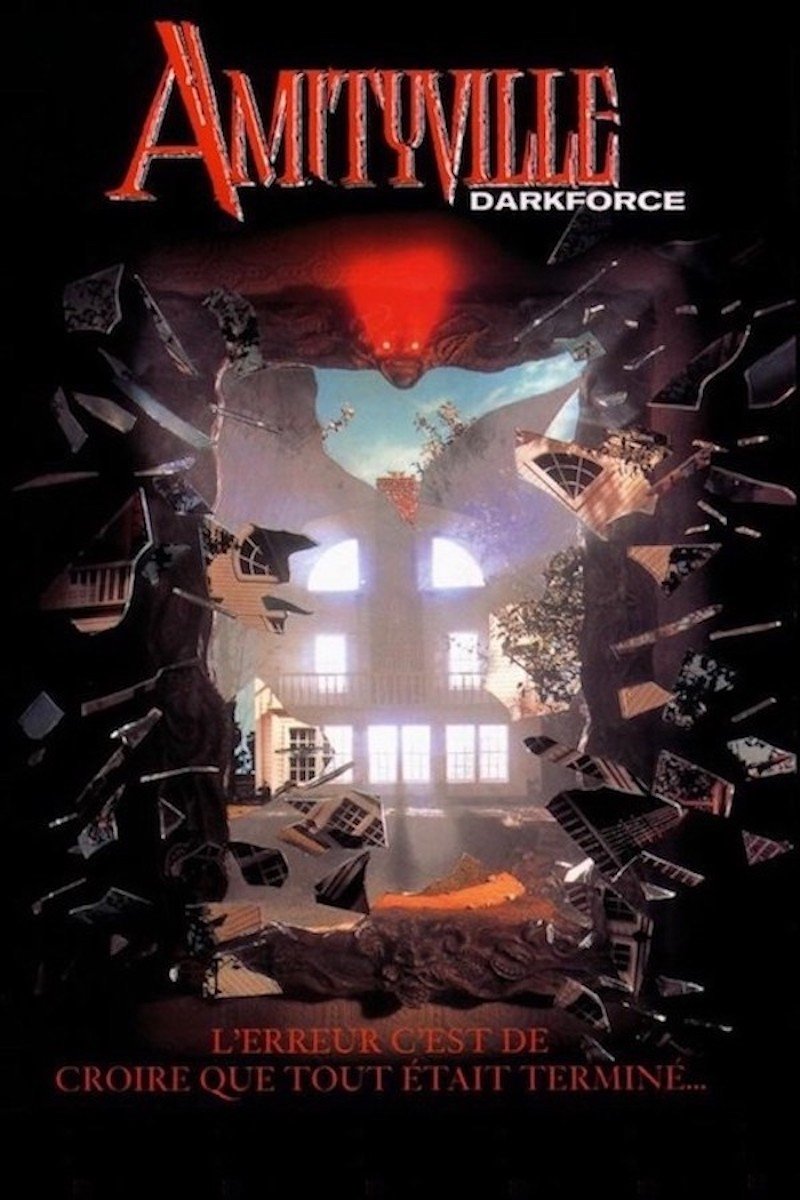
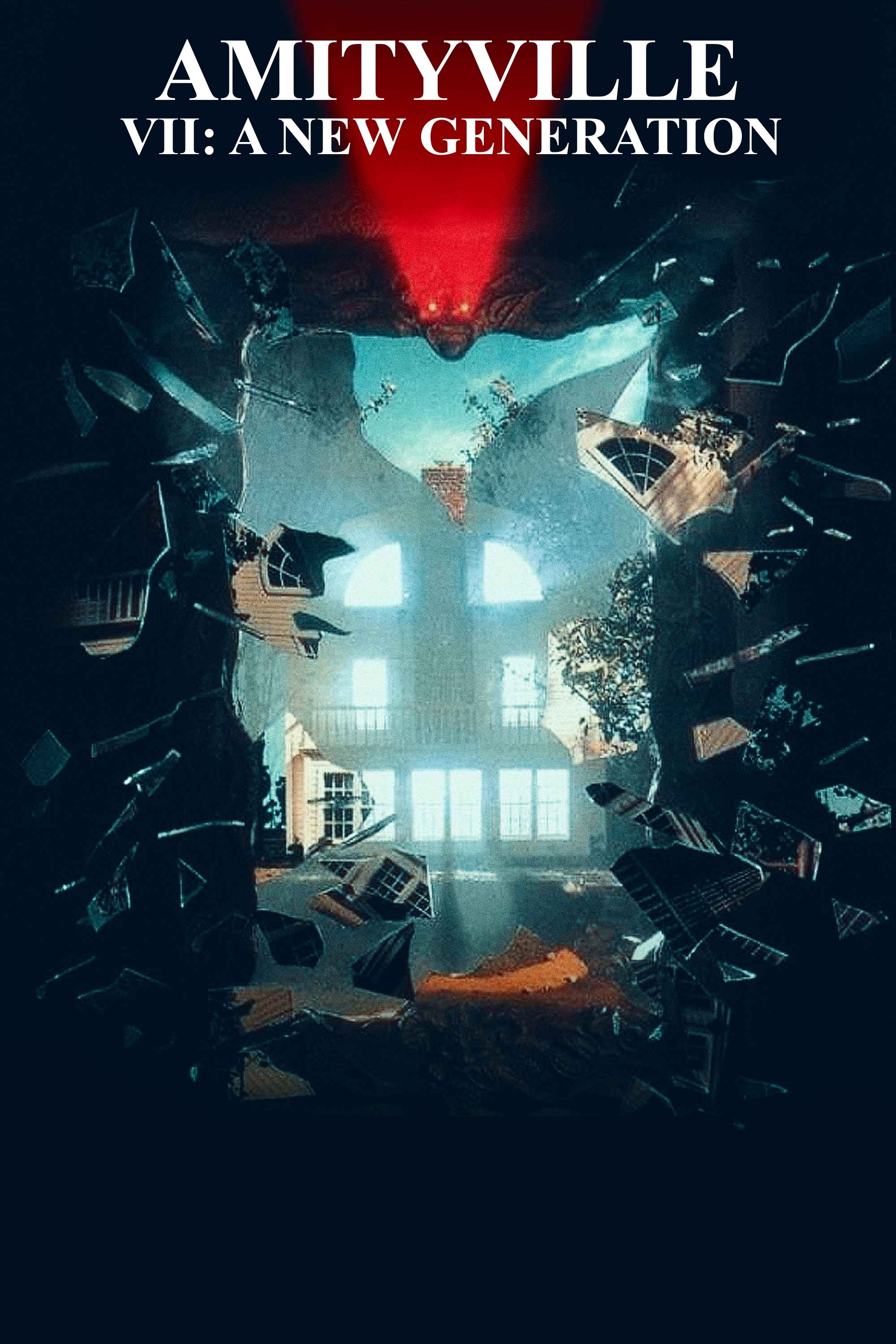
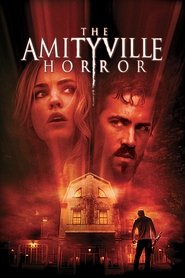
Photographer Keyes Terry acquires an old mirror from a homeless man and brings it into the communal building where he lives and works. The object begins to exert a disturbing influence on the people around him, accompanied by violent incidents and visions tied to an unresolved family history. As Keyes investigates the mirror's origins, he uncovers connections to the notorious Amityville murders and to his own past. His efforts to understand the object place his friends in increasing danger.
Alternative Titles
Амитивил: Новата Генерация (Bulgaria) — BulgarianAmityville 7: A Nova Geração (Brazil) Amityville : Une Nouvelle Génération (Canada) — French鬼哭神嚎7:魂飞魄散 (China) — ChineseAmityville - Image zla (Czechia) — CzechAmityville - Das Grauen nimmt kein Ende (Germany) — alternative titleAmityville 7 (Germany) — alternative titleAmityville Horror VII - Das Bild des Teufels (Germany) — alternative titleShow all 23 alternative titlesAmityville VII: El rostro del Diablo (Spain) — SpanishAmityville : Darkforce (France) — French鬼哭神嚎 7:魂飛魄散 (Hong Kong SAR China) — ChineseAmityville - Az új generáció (Hungary) — Hungarian真 悪魔の棲む家 (Japan) 真・悪魔の棲む家 (Japan) — Japanese아미티빌 7 (South Korea) — KoreanAmityville: Nowe pokolenie (Poland) — PolishAmityville: A Nova Geração (Portugal) — PortugueseАмитивилль 7: Новое поколение (Russia) — RussianDehşet Evi : Yeni Jenerasyon (Türkiye) — TurkishAmityville 1993: The Image of Evil (United States) — Working TitleAmityville 7: A New Generation (United States) — Home Video TitleAmityville VII: A New Generation (United States) — faux titleThe Amityville Horror 7: A New Generation (United States) — Working Title
An antique mirror carries the Amityville curse into a Los Angeles artist community in John Murlowski's 1993 direct-to-video sequel.
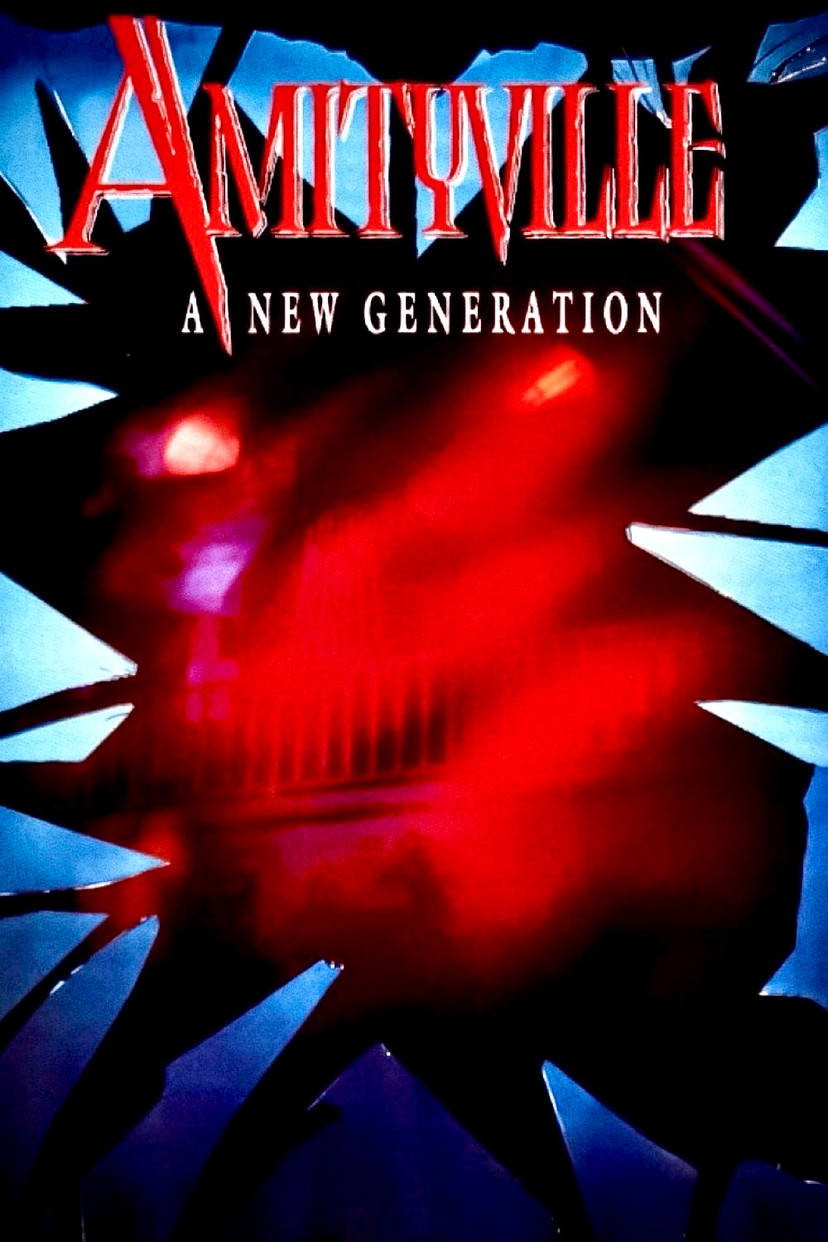
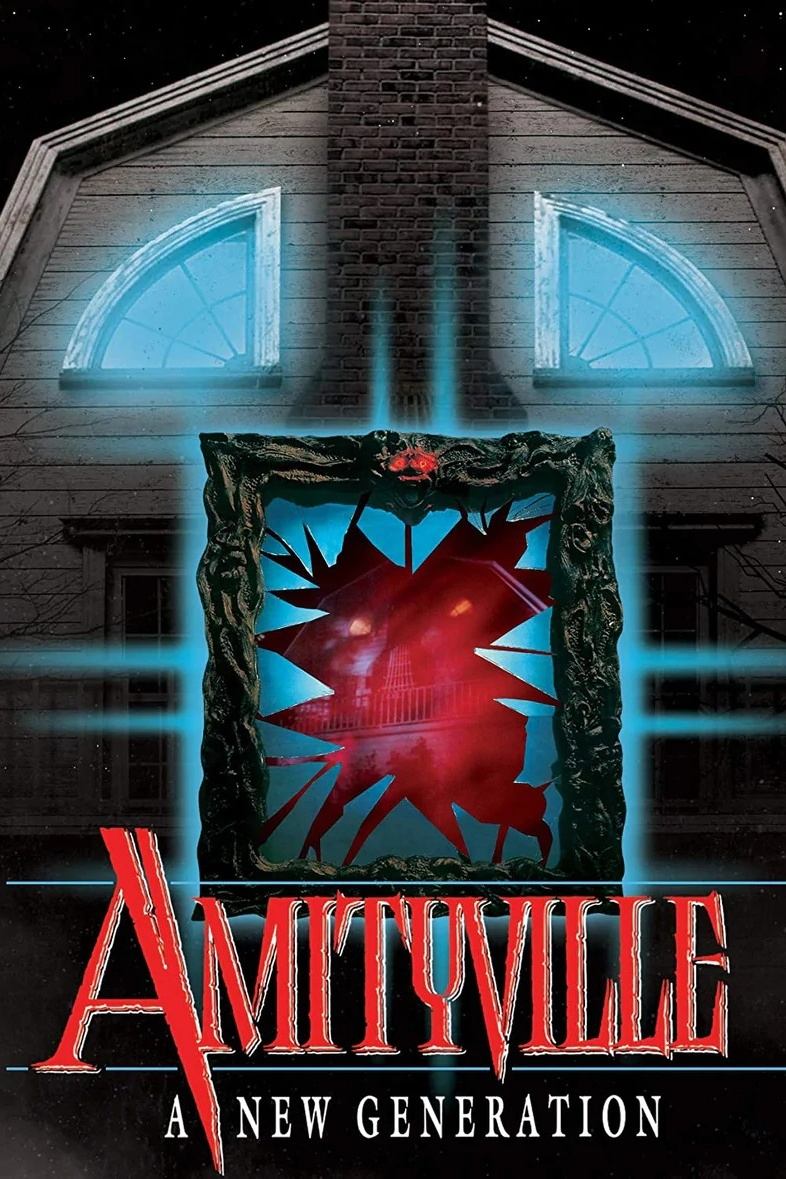
Amityville: A New Generation (1993) belongs to the period when the series moved its supernatural threat away from the familiar Long Island house and into portable objects. Director John Murlowski's film centers on an antique mirror given to photographer Keyes Terry in Los Angeles. The object carries the Amityville curse into a group of artists sharing an urban living space, replacing the earlier films' suburban family setting with a community whose creative work and personal conflicts become part of the haunting. The shift reveals how extensively the franchise premise could change while still retaining its haunted-house mythology.
The film follows Amityville: It's About Time (1992), which placed the supernatural force in a clock, and precedes Amityville: Dollhouse (1996). These entries form a loose succession of object-based stories, each using a physical reminder of the original property to initiate disturbances in a new environment. A New Generation adds a troubled family history and a photographer's fascination with images, making reflection and recovered memory integral to its version of the curse. Its historical interest lies chiefly in that adaptation of the franchise's identity to the American direct-to-video horror market of the early 1990s.
The Curse Leaves the House
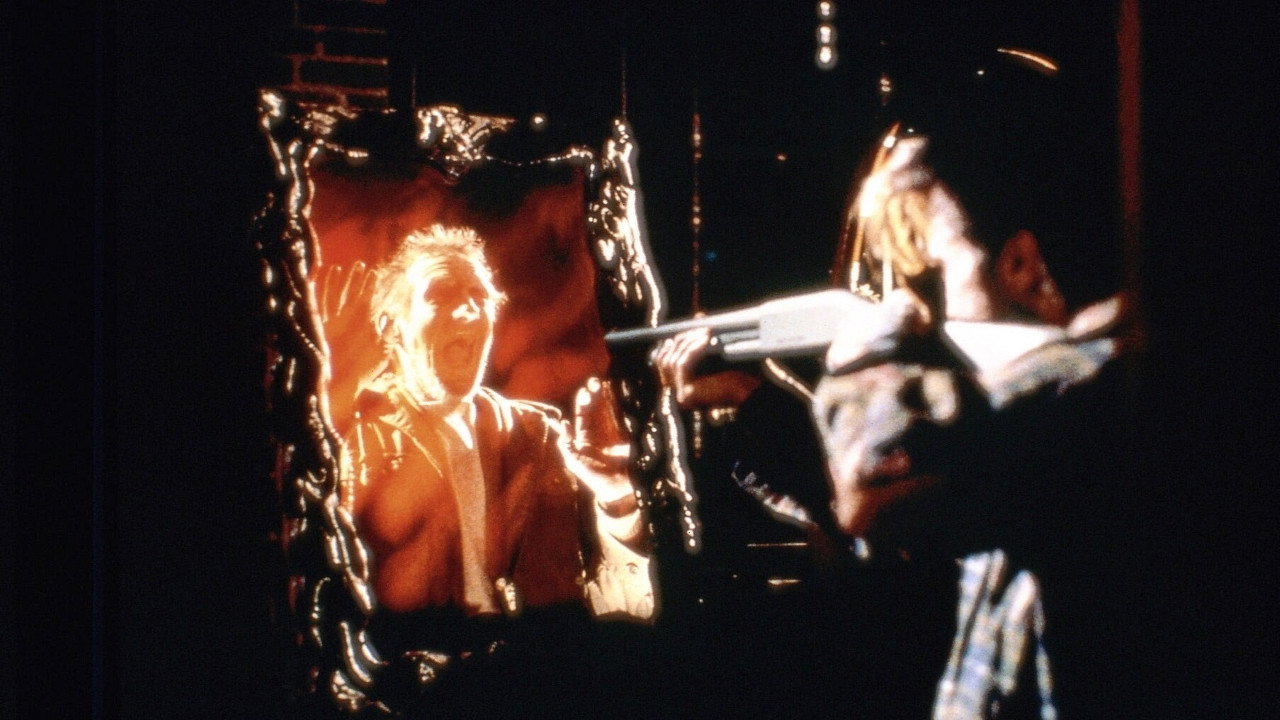
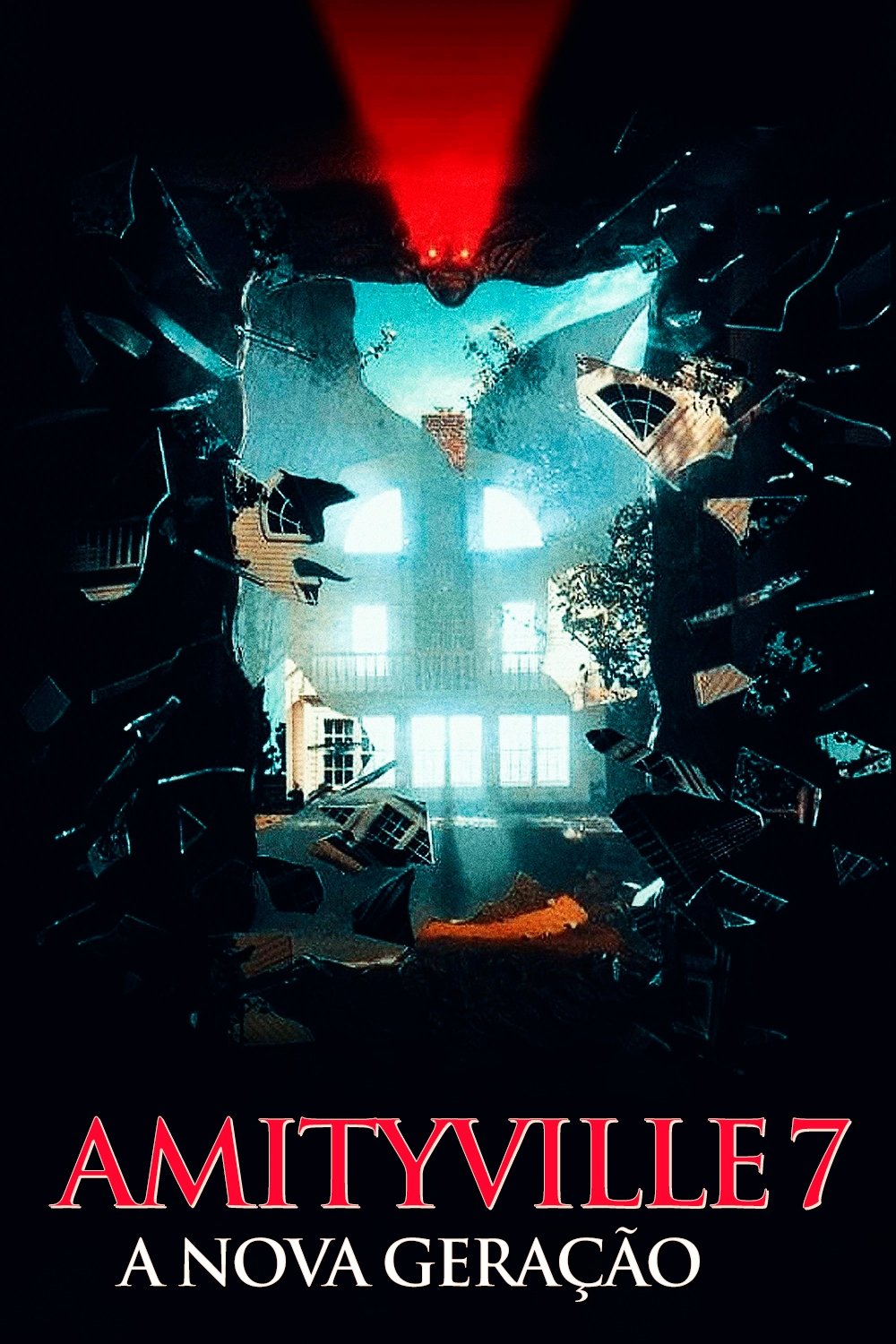
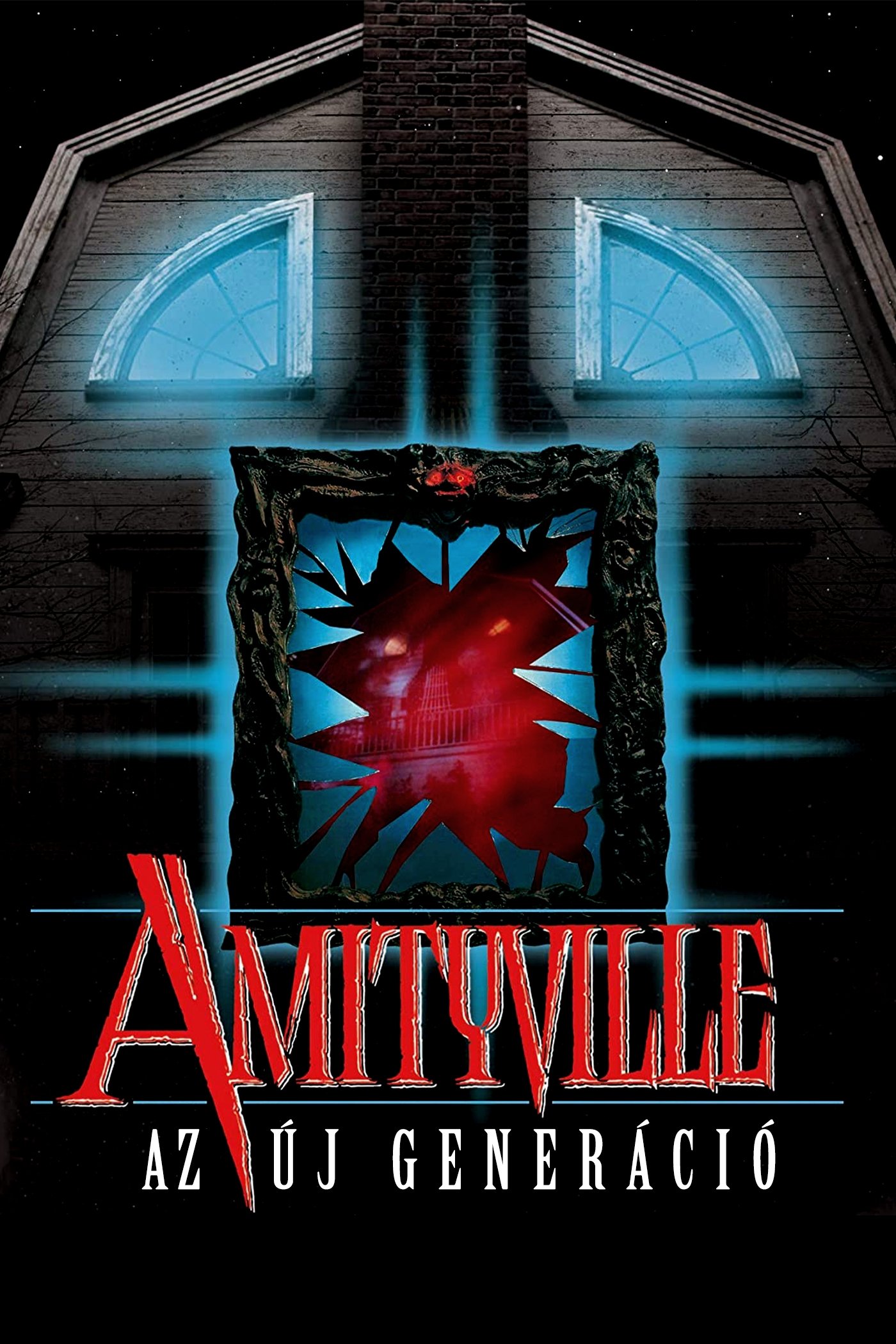
The supernatural premise begins when Keyes Terry encounters a homeless man carrying an unusual mirror. After Keyes brings it into his circle of friends, reflections become threatening and his behavior grows increasingly unstable. The original house remains important as the object's alleged point of origin, but it is no longer the location where the characters face the manifestations. The mirror permits the haunting to move with its owner, and its polished surface offers the screenplay a visual mechanism through which violent possibilities can intrude into everyday scenes.
A New Generation also connects the present danger with Keyes' repressed childhood and the history of his father, Franklin Bronner. The emphasis on inheritance gives the title a meaning beyond simply introducing a fresh cast. The threat crosses generations through an unresolved family catastrophe, while the mirror offers a tangible route by which the past returns. This device permits a narrative that can revisit the series' obsession with familial violence without replaying the experiences of the Lutz household. The film's continuity should nevertheless be understood as one branch of a franchise that developed several competing supernatural explanations.
Los Angeles and the Artist Community
The setting near Los Angeles' Skid Row distinguishes the film from the detached houses and family living rooms associated with the earlier Amityville stories. Keyes works as a photographer and moves among painters and sculptors; his artistic surroundings provide a social space in which images, surfaces and physical materials already matter. The mirror's menace develops inside a community accustomed to looking closely at objects and finding meanings in them. In this context, distorted reflection becomes an extension of the characters' ordinary attention to visual appearances.
The environment also alters the film's rhythms. Conversations between friends and disputes within their shared domestic space occupy a considerable portion of the running time, while the more overt supernatural violence arrives intermittently. The urban location does more than provide a new address: it changes the kind of everyday life that the curse interrupts. Later criticism has particularly questioned whether the extended exchanges about art and personal identity generate enough suspense, but the unusual milieu remains one of the sequel's most identifiable choices. The haunted object links an inherited suburban legend to an early-1990s city setting.
Reflection, Photography and Screen Horror
The mirror is particularly apt for a film centered on a photographer. Both photography and reflective glass promise a recognizable image of the world, and both can become disturbing when the image contradicts direct experience. A New Generation repeatedly places the possibility of danger within the act of looking. Its supernatural incidents exploit the uncertainty between an ordinary reflection and a premonition, making the mirror a device for staging visual shocks as well as an object with a narrative history. The viewer must attend to what appears inside the frame while characters struggle to interpret it.
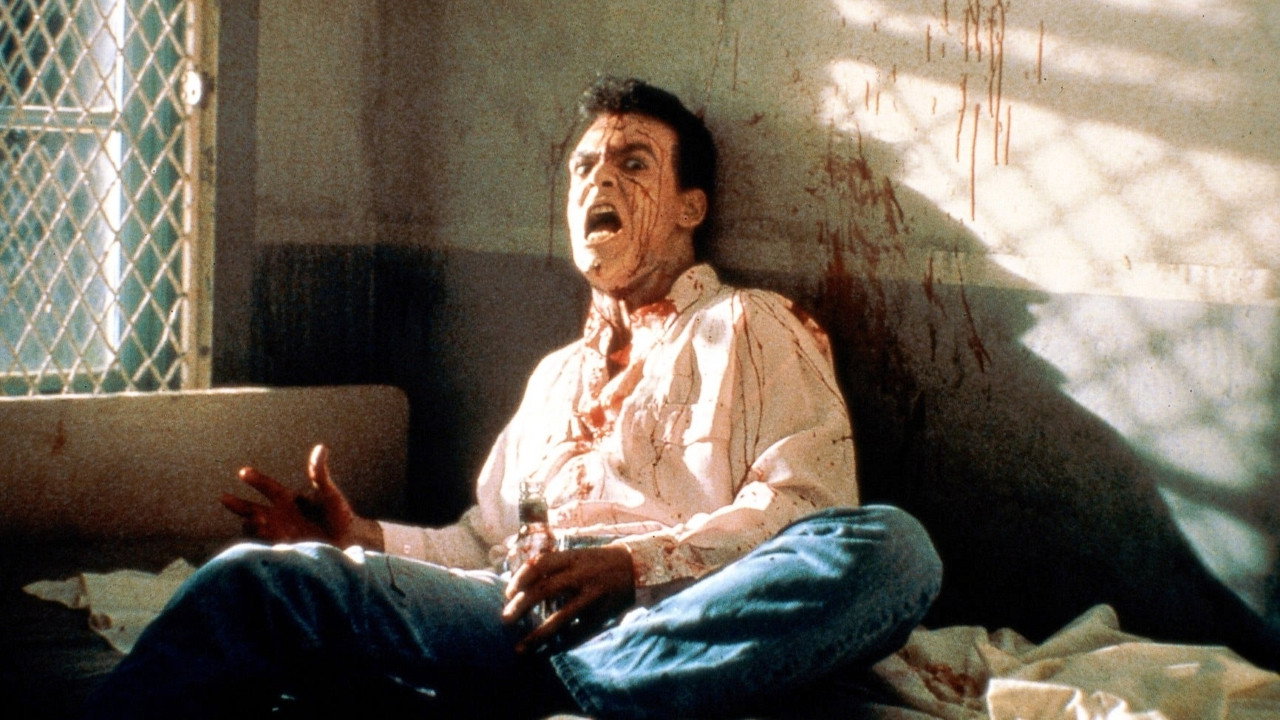
Cinematographer Wally Pfister's work gives the film an additional place in the visual history of lower-budget genre cinema before his later career on major studio productions. The image uses urban interiors and conspicuous colored lighting to distinguish this setting from the more familiar Amityville house. The film's violent incidents and altered reflections are part of a direct-to-video horror vocabulary in which recognizable practical images must remain legible on a domestic screen. Specific claims about individual makeup techniques or photographic equipment would require production documentation; the available sources support a discussion of the finished visual design, not a reconstruction of unrecorded technical methods.
Direct-to-Video Context and Critical Assessment
Released in 1993 as part of the continuing home-video franchise, A New Generation arrived after the Amityville name had already become adaptable to different households and supernatural objects. Its commercial context differs from the original 1979 theatrical success and the early cinema sequels. The film's identity rests less on an expensive return to the house than on a recognizable title and a self-contained curse, a format suitable for viewers encountering individual installments on video. It is therefore misleading to evaluate its historical position solely against theatrical box-office figures from the first three films.
Retrospective criticism has often been skeptical. In his review for Blu-ray.com, Brian Orndorf describes a deliberately slower treatment of the mirror's disturbances and an effort to reconnect the family violence to the Amityville premise. Justin Burning's later Confluence of Cult review is more dismissive of the character conversations and the pace of the first half, while acknowledging the substantial supporting cast. These are documented critical readings, not evidence of a uniform response at the time of the original release. Taken together they illustrate the central tension in the film's reception: its unusual surroundings and inherited-curse concept remain identifiable, while its ability to turn those ideas into sustained suspense has been disputed.
Restoration and Franchise Afterlife
The film's later visibility benefited from the restoration work associated with Vinegar Syndrome's collection of object-centered Amityville sequels. The 2019-era Blu-ray presentation was prepared from a new 4K scan and restoration of the original 35mm camera negative. The package also documented the production through a commentary by John Murlowski and interviews with Murlowski and producer Christopher DeFaria. The existence of these supplements is verifiable; their contents should not be paraphrased as direct testimony without consulting the recordings themselves.
The restoration gives the film a different kind of cultural afterlife from its initial home-video circulation. Details of lighting, set design and photographic texture can be assessed in a form closer to the underlying negative, while modern reviews reconsider its place among the series' increasingly autonomous stories. A New Generation stands at a point where Amityville was less a fixed domestic narrative than a premise that could travel through possessions and family histories. Its mirror supplies one of the clearest expressions of that change, even as the film's reputation remains substantially more modest than the foundational entries.
References
Blu-ray.com — Amityville: A New Generation Blu-ray Review
Brian Orndorf examines the film's mirror-centered suspense, family history and pacing in a detailed retrospective review.