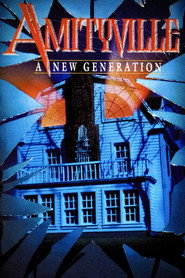
Zeta Entertainment
, Promark Entertainment Group
, Spectacor Films
Plot
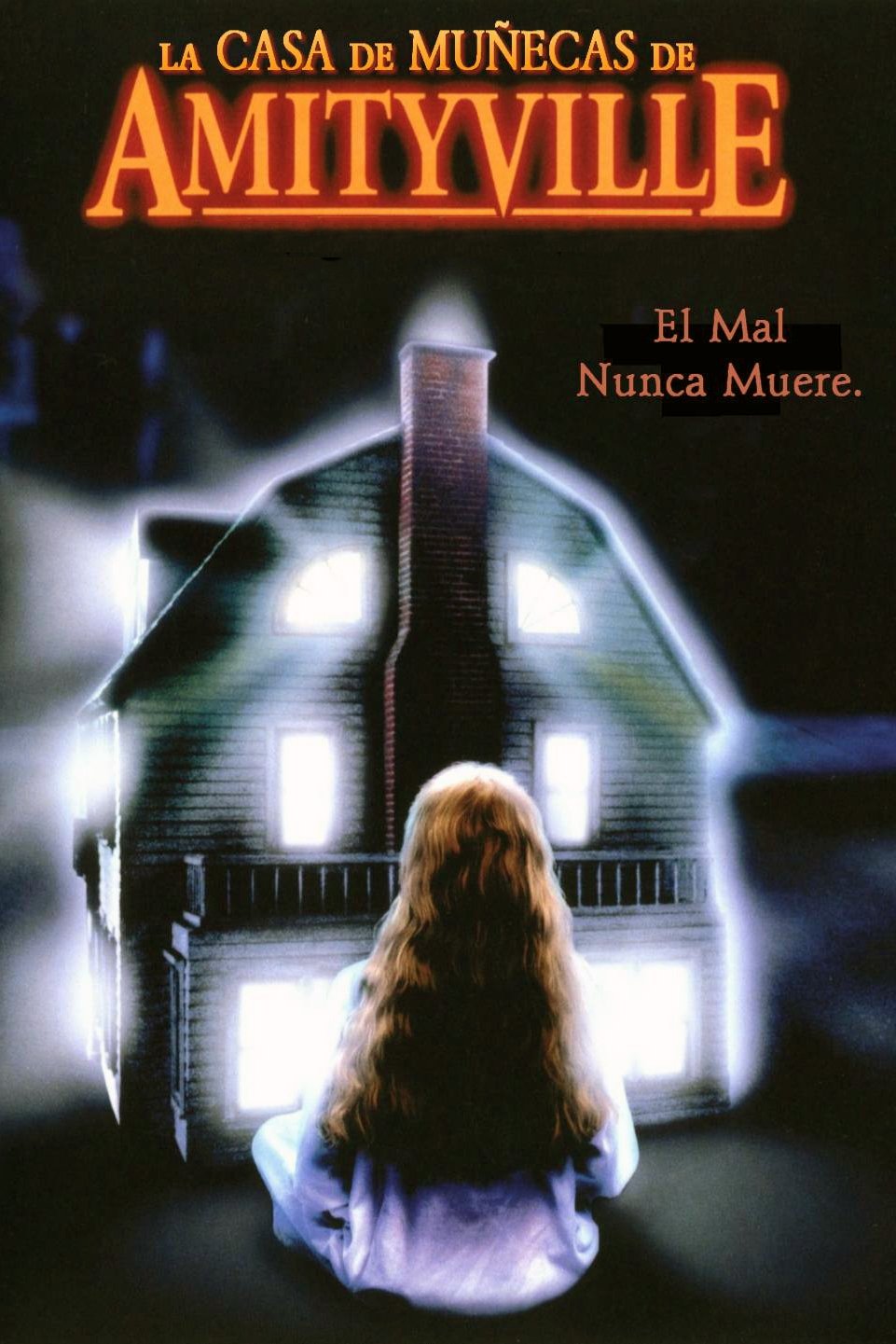
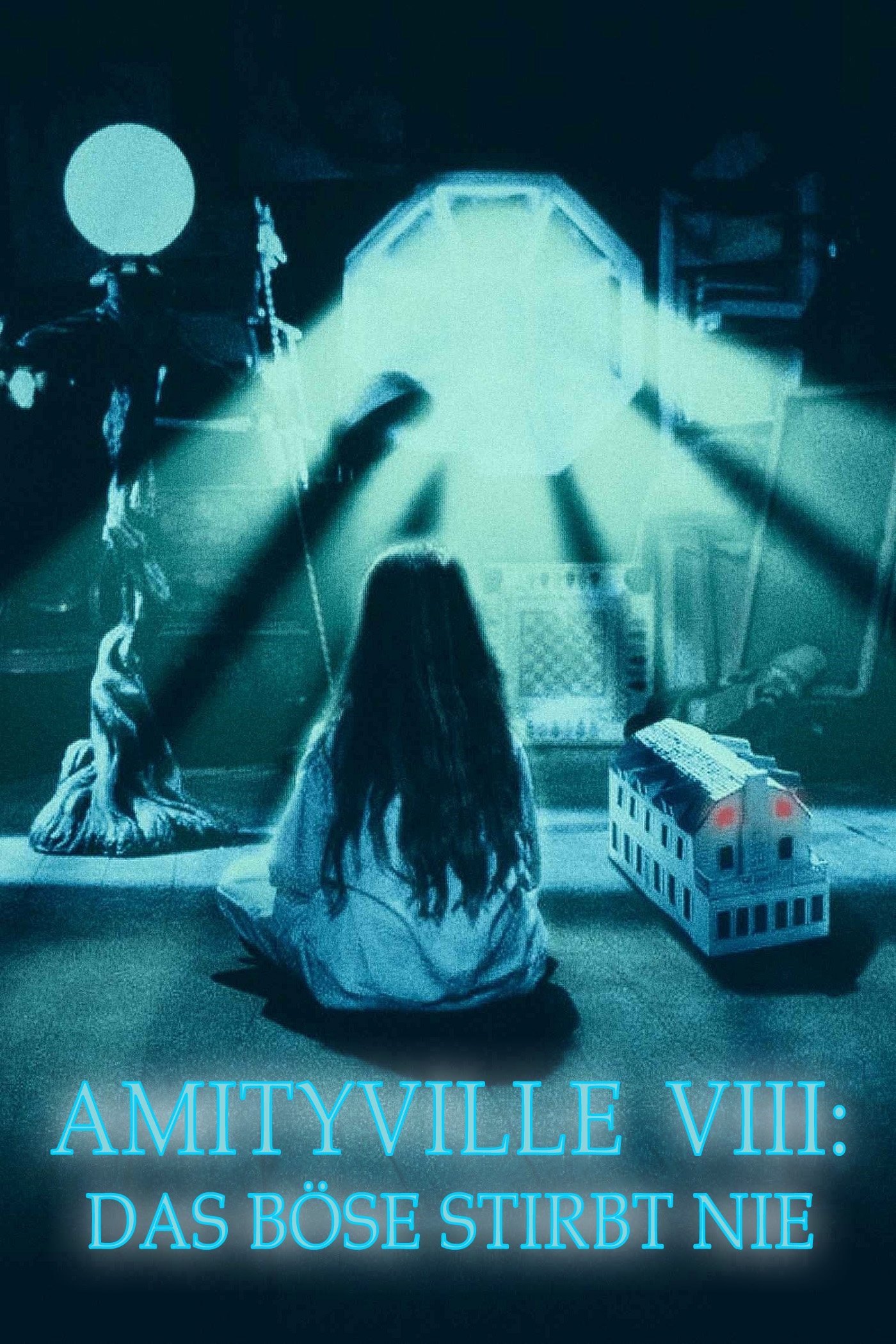
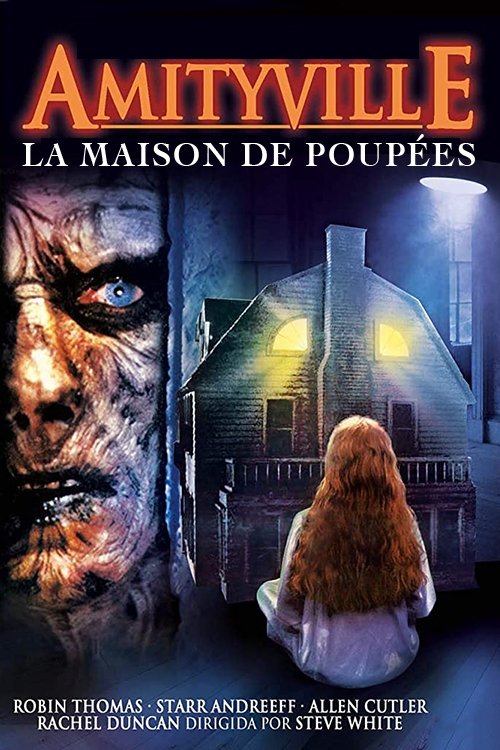
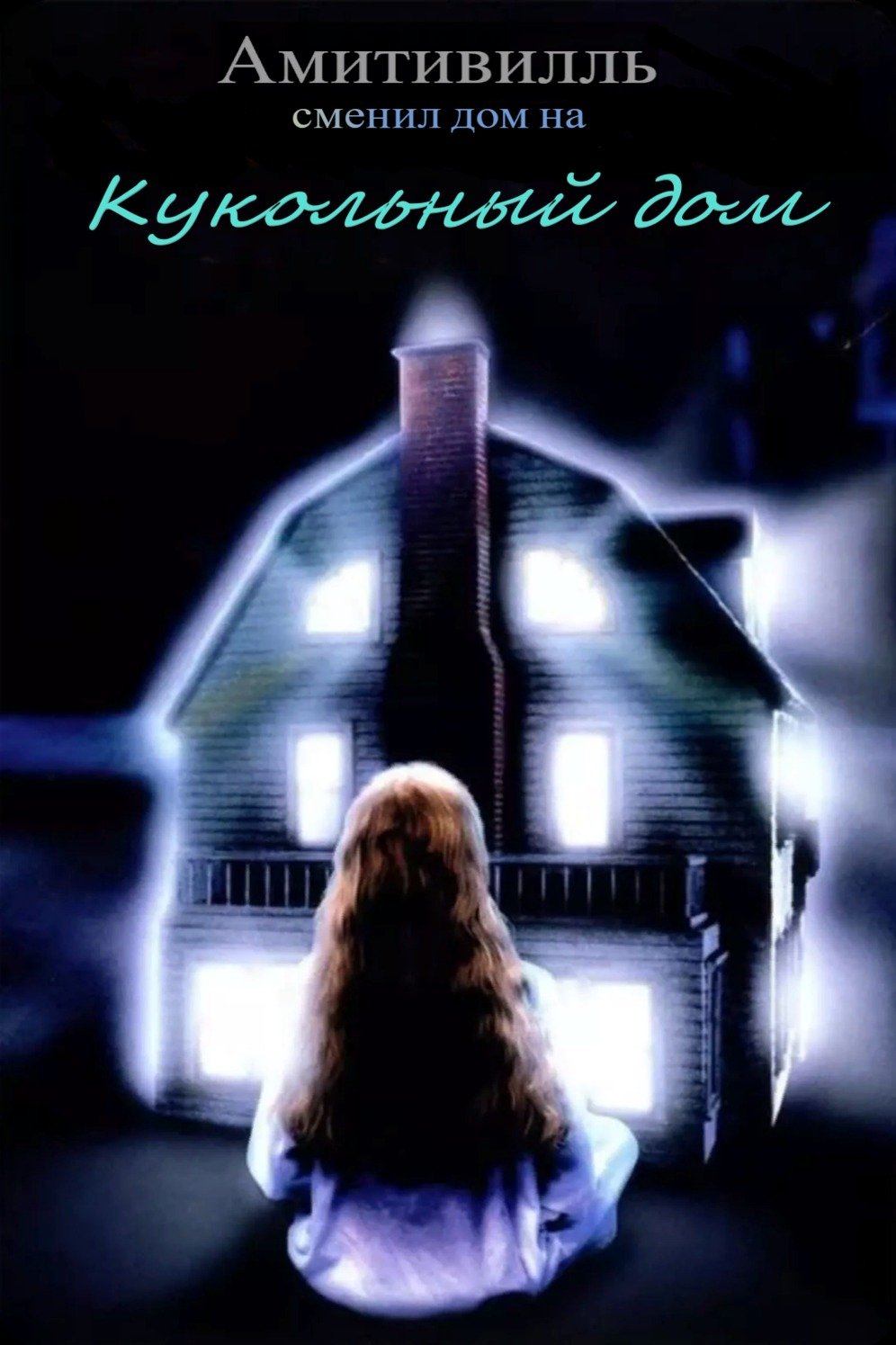
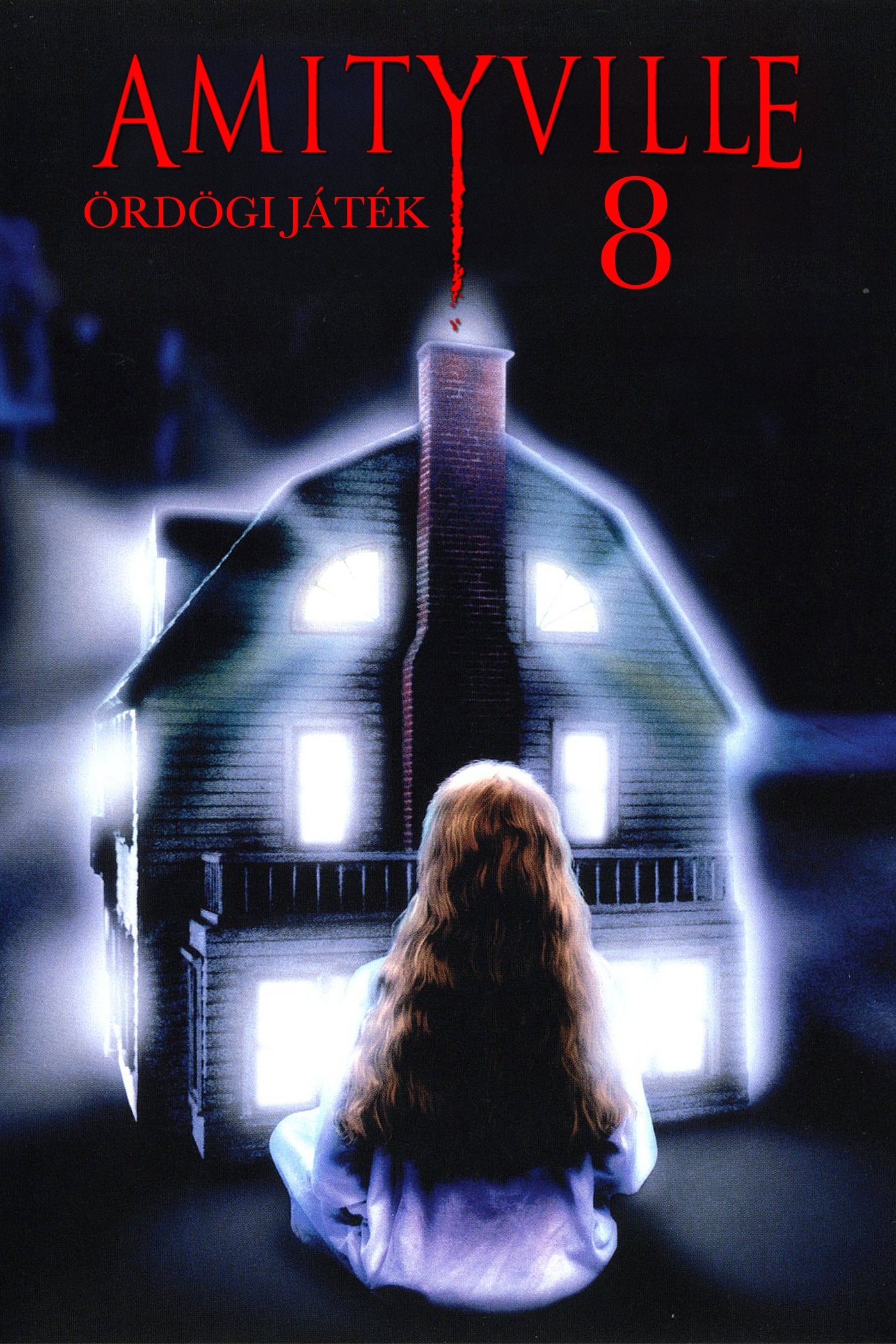
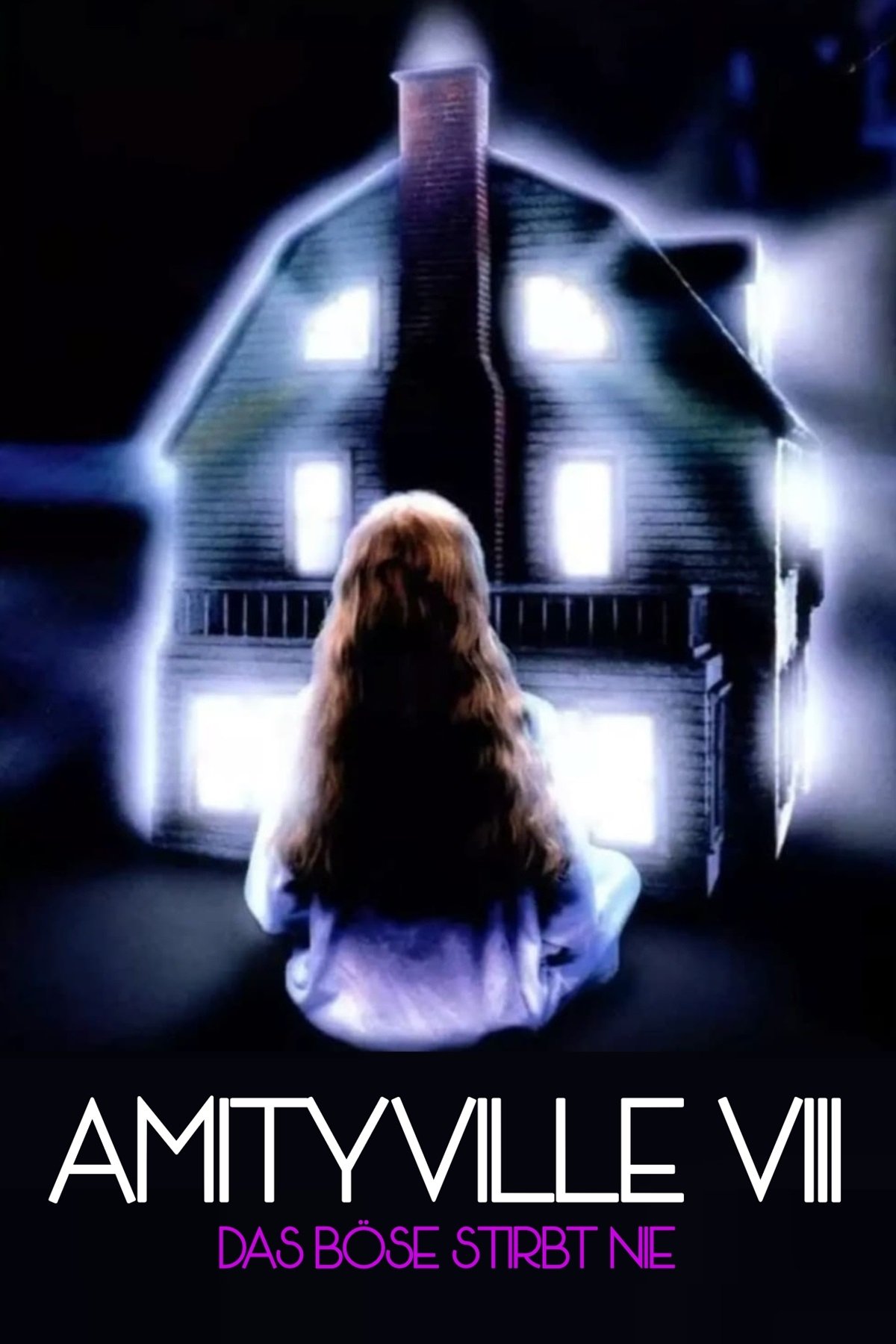
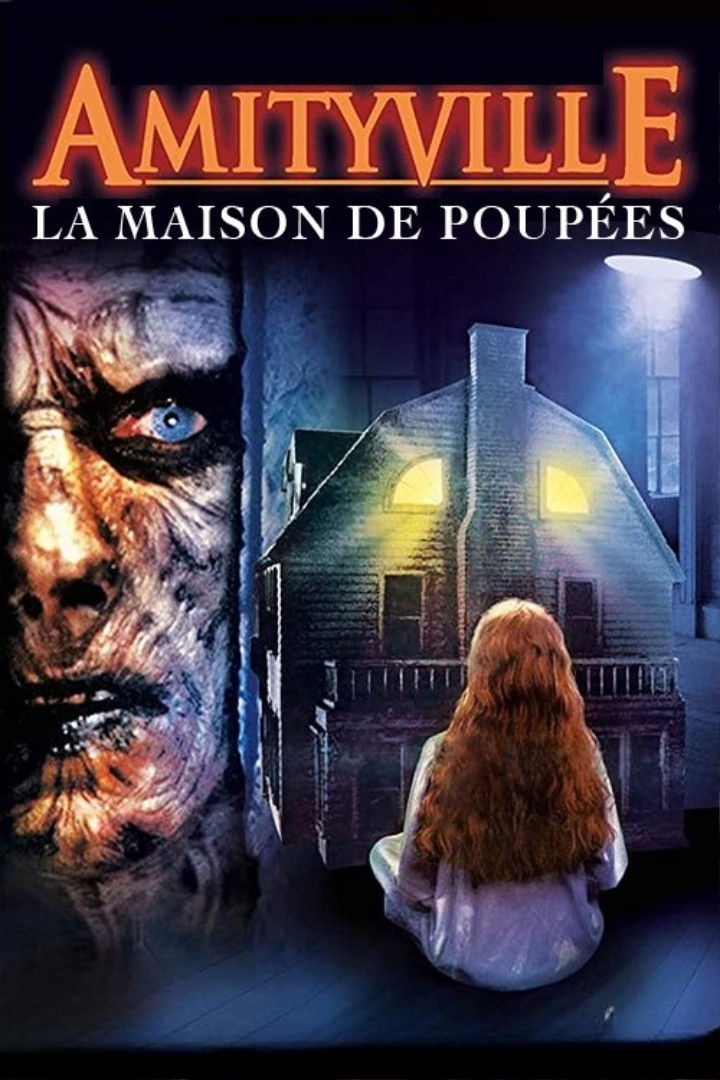
Bill Martin builds a new home for his blended family on the site of a house destroyed by fire. In a shed on the property, he finds an elaborate dollhouse modeled on the notorious Amityville house, and strange incidents begin affecting Bill, his wife Claire and their children. The children experience frightening visions while tensions within the family intensify. As the disturbances spread, the dollhouse becomes linked to a supernatural presence capable of reaching into the family's private lives and threatening their safety.
Alternative Titles
Amityville - Das Böse stirbt nie (Austria) — GermanАмитивил: Къщата на куклите (Bulgaria) — BulgarianAmityville 8: A Casa Maldita (Brazil) Amityville : La Maison des poupées (Canada) — French鬼哭神嚎8:灵异鬼现 (China) — ChineseAmityville - Das Böse stirbt nie (Germany) — GermanAmityville 8 (Germany) — alternative titleAmityville 8 - Das Böse stirbt nie (Germany) — alternative titleShow all 23 alternative titlesAmityville VIII: La casa de las muñecas (Spain) — SpanishAmityville : La Maison des poupées (France) — French鬼哭神嚎 8:靈異鬼現 (Hong Kong SAR China) — ChineseAmityville 8. - Ördögi játék (Hungary) — Hungarian悪魔の棲む家 最終章 ザ・ポルターガイスト (Japan) 悪魔の棲む家・最終章/ザ・ポルターガイスト (Japan) — Japanese아미티빌 8 (South Korea) — KoreanAmityville: Drzwi do piekła (Poland) — PolishAmityville 8 - A Casa de Bonecas (Portugal) — PortugueseКукольный дом (Russia) — RussianLanetli Bebek Evi (Türkiye) — TurkishAmityville 8: Dollhouse (United States) — Home Video TitleAmityville Dollhouse (United States) Amityville VIII: Dollhouse (United States) — faux titleThe Amityville Horror 8: Dollhouse (United States) — Working Title
▤
Film Guide & Analysis
A miniature of the infamous house brings a portable Amityville haunting into a blended family home.
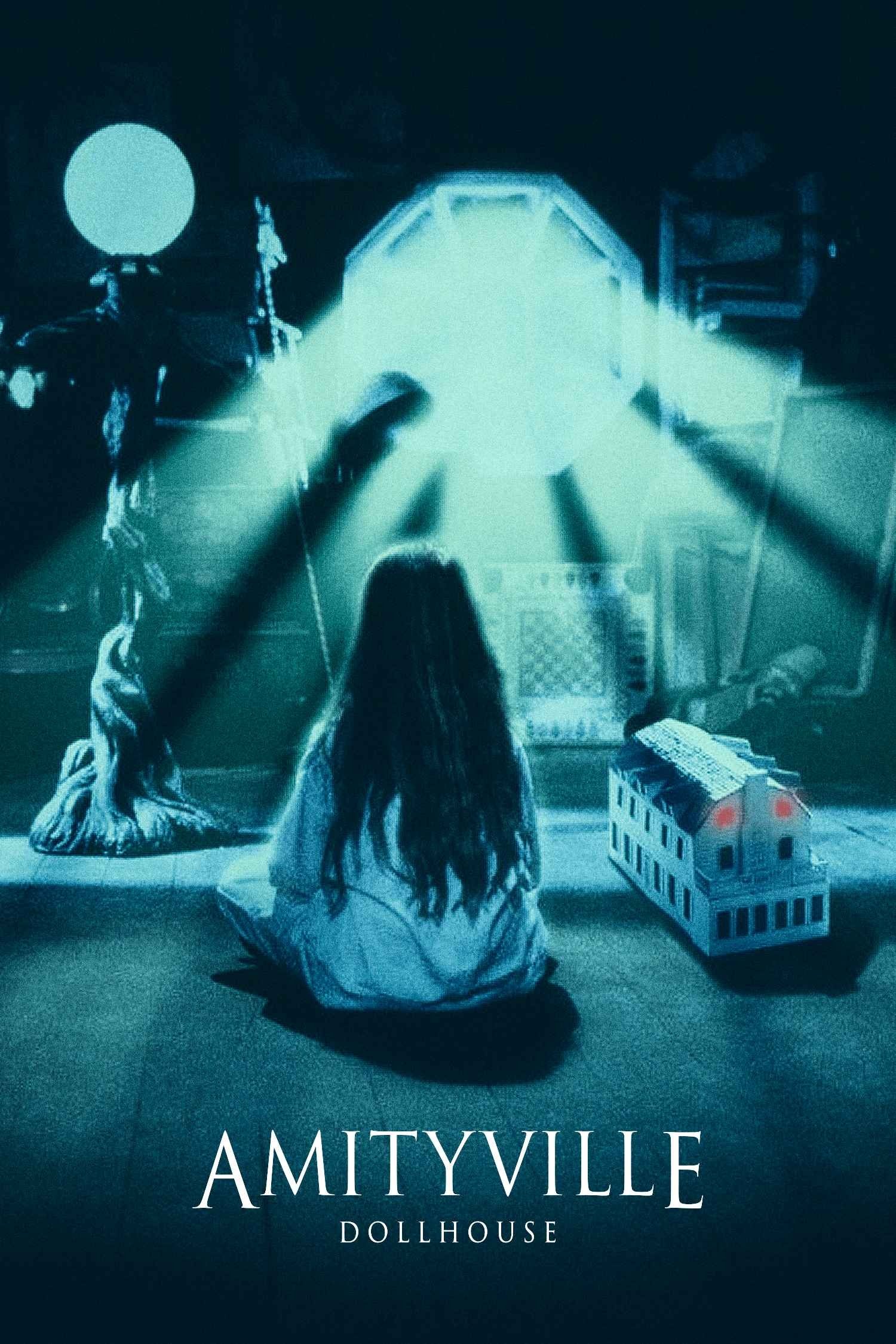
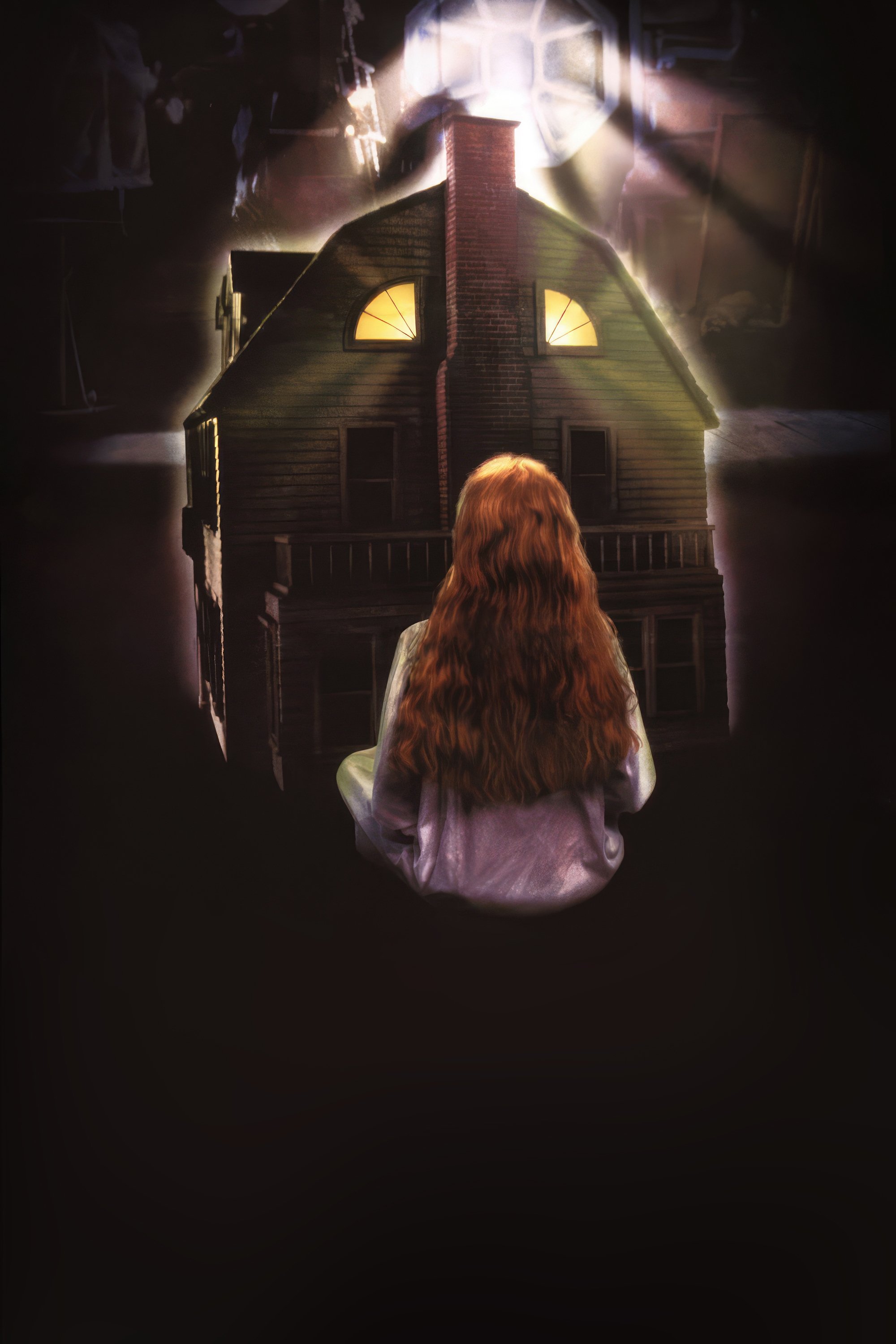
Amityville: Dollhouse (1996) extends the Amityville franchise's 1990s cycle of haunted objects by placing a miniature replica of the notorious house inside an entirely different family home. The eighth installment, directed by Steve White, shifts the threat from a possessed building to an object that seems to carry its destructive influence elsewhere. The Martin family's new residence becomes the stage for supernatural attacks and intimate domestic anxieties, with the dollhouse linking the apparently safe suburban setting to the series' established imagery.
The film occupies a distinctive position in the franchise's direct-to-video period. White, a producer associated with the Amityville sequels, directed a story that combines haunted-house incidents with grotesque bodily threats, disturbing family relationships and unusually elaborate animal-related sequences. Its relevance lies partly in the franchise's changing structure: by the mid-1990s, the Amityville name could identify a portable curse as readily as the building that made it famous. The miniature house offers a concise visual expression of that transformation, while keeping the original property's iconic shape central to the horror.
A House Within a House
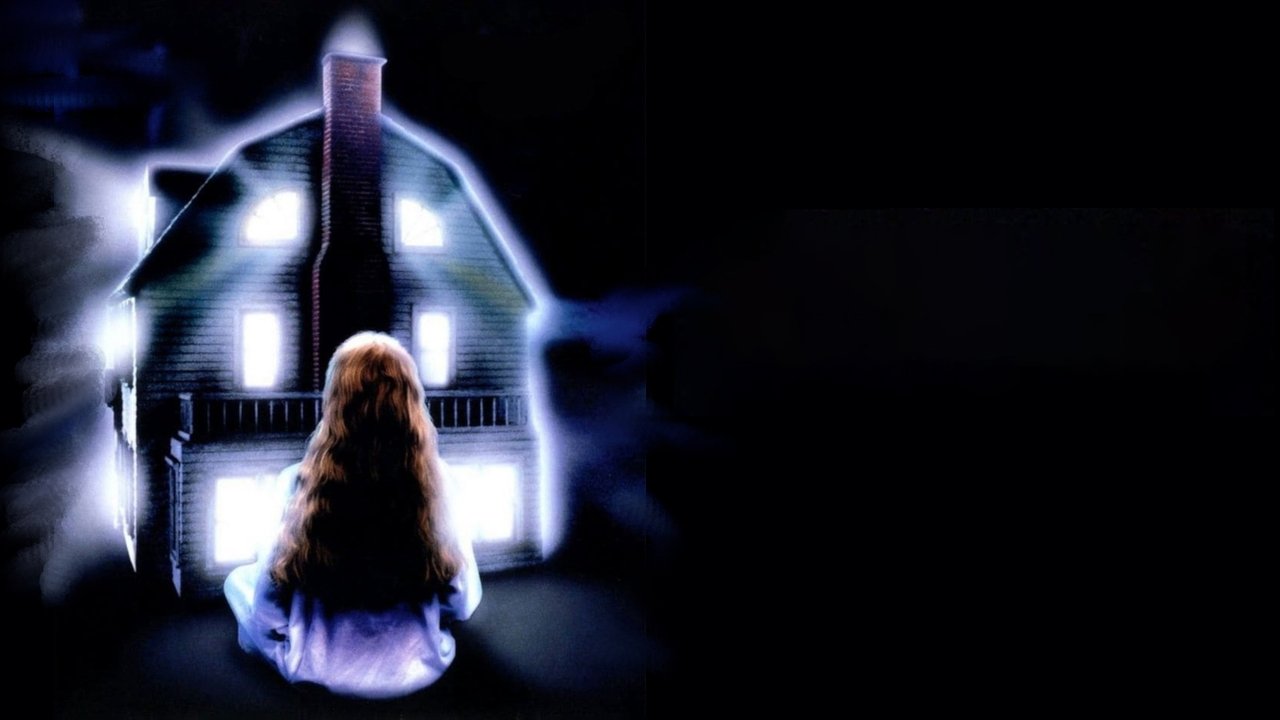
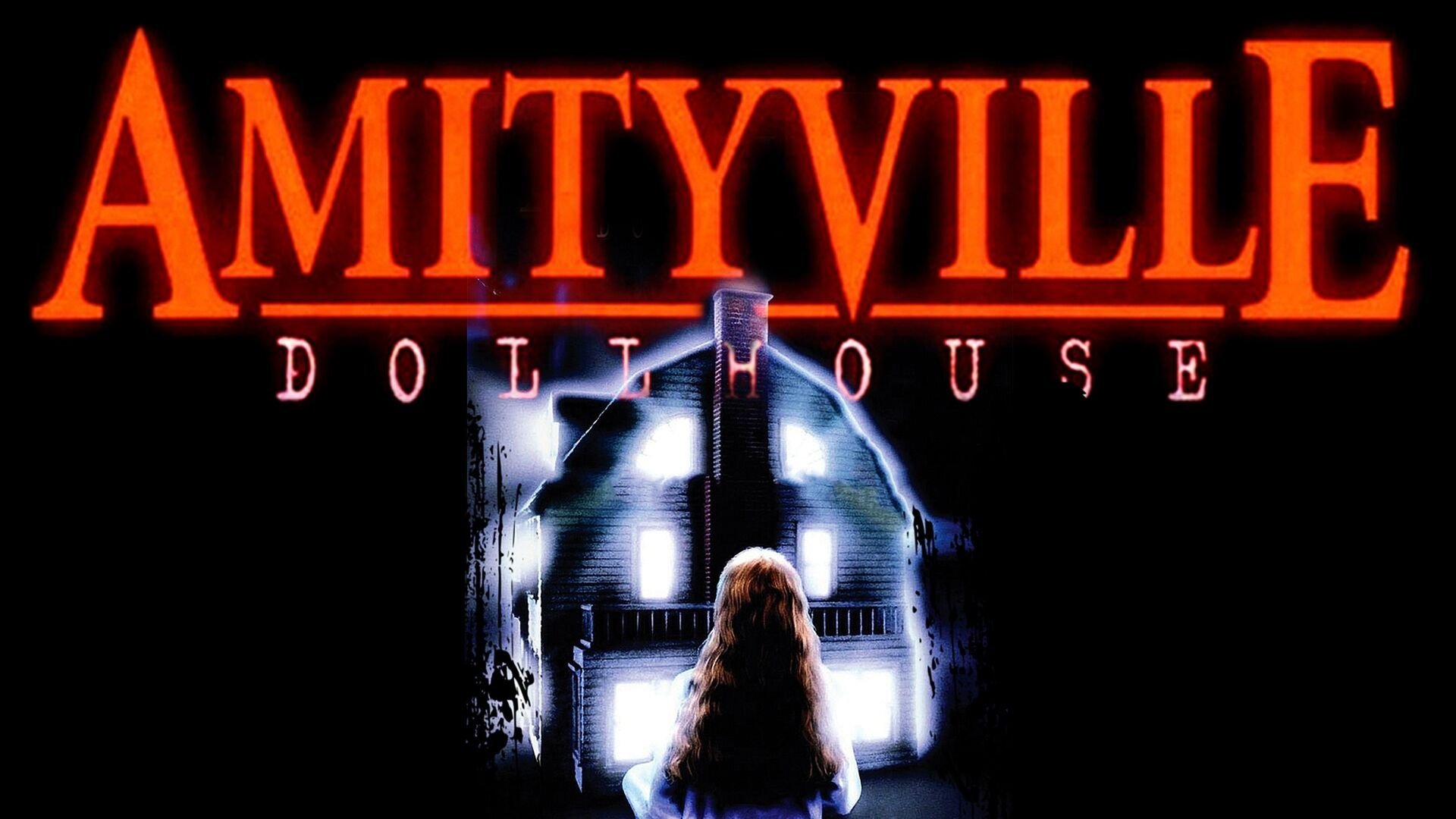
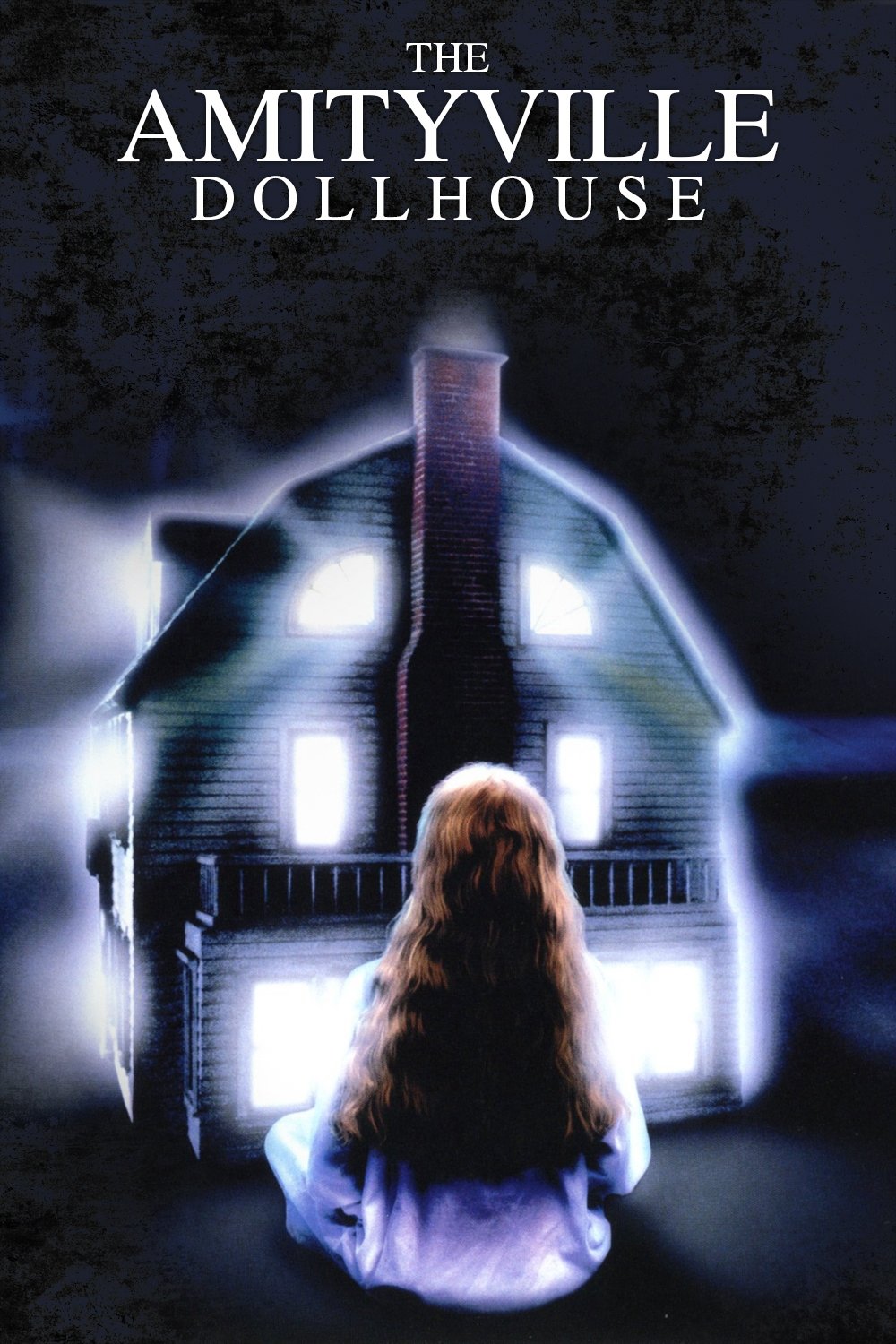
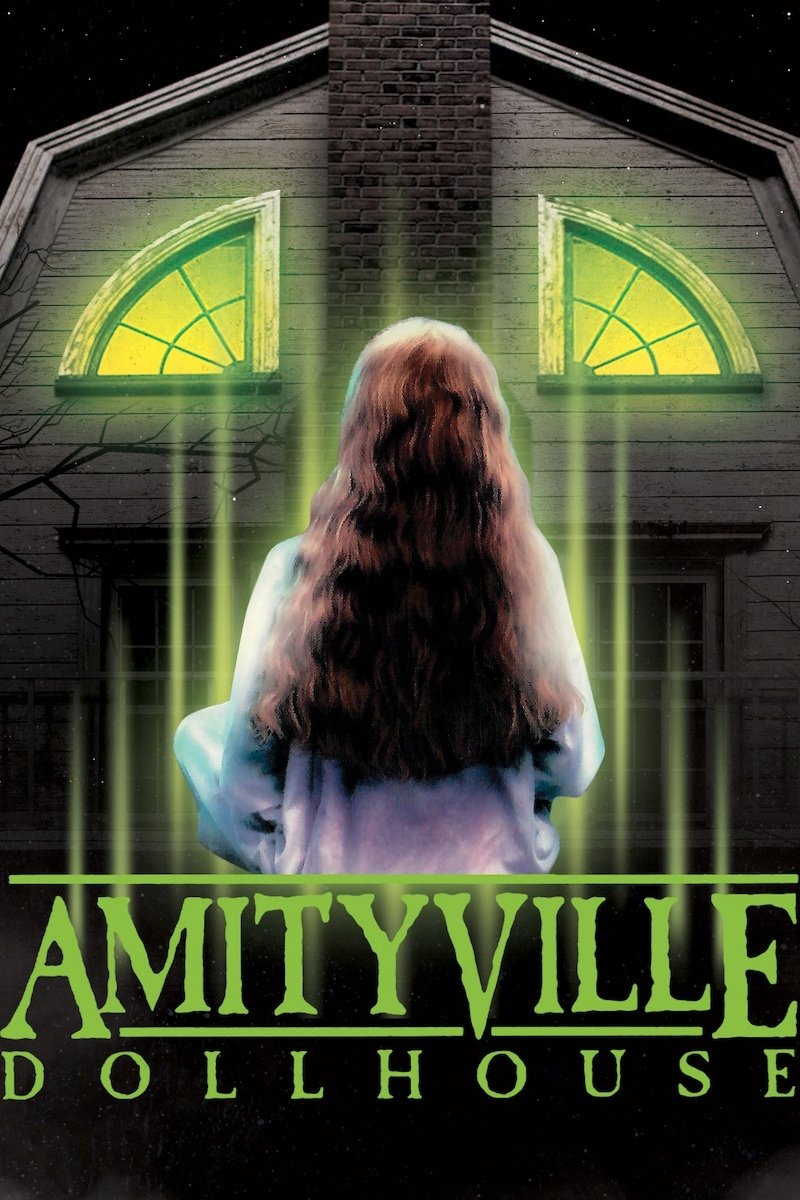
Bill Martin has built a home for his blended family, but a small replica of the infamous Amityville house becomes part of its furnishings. The object is discovered in a shed and given to his daughter Jessica. As increasingly violent phenomena unfold, the dollhouse establishes a connection between two places: the absent Long Island landmark and the Martins' seemingly unrelated property. The miniature is recognizable enough to carry the franchise's history into the new setting, without requiring the narrative to return physically to the original building.
The household's tensions supply the incidents with a personal context. Bill and Claire's marriage brings children with different loyalties and vulnerabilities under the same roof. Apparitions and nightmares exploit those relationships, while the supernatural activity sometimes becomes overtly physical. The film uses the dollhouse as an organizing image for these disruptions: a domestic object made for play becomes a threatening duplicate of a domestic space. This premise also marks the endpoint of a run of sequels that displaced the Amityville haunting into clocks, mirrors and other objects rather than continuing the original family's story.
Domestic Tensions and Grotesque Horror
The film draws much of its unease from the different ways members of the Martin household experience the haunting. Children face creatures and the return of frightening figures, while adult relationships become vulnerable to sexualized fantasies and mistrust. The BBFC's classification notes describe strong supernatural threat, bloody injuries and burns, alongside disturbing sexual material. This combination gives the haunting an invasive quality: the violence affects bodies and relationships rather than remaining limited to unexplained movements or noises around the house.
The attacks also vary considerably in scale. Some depend on insects or small animals, while others involve apparently resurrected people and injuries that make the characters' vulnerability unmistakable. The domestic setting provides continuity between episodes that otherwise differ in tone and mechanism. A child's fear can become a direct physical danger; a parent's private distress can take the form of a hostile vision. These choices place Dollhouse within the more lurid side of 1990s supernatural horror, where the haunted object is a convenient catalyst for an assortment of bodily and psychological threats.
Animal Effects and Staged Illusions
One unusually detailed surviving production record concerns the use of animals. American Humane documented the scenes involving mice and insects, identifying which actions involved live animals and which depended on substitutes. In the sequence where a mouse appears dead after the miniature house is disturbed, the report specifies that the scene was assembled from separate shots using live mice and a fake animal. The mice were conditioned to run through the dollhouse, with a trainer placing and retrieving them during filming. The effect relied on editing and substitution rather than a single uninterrupted event.
The same report explains other unsettling moments. A spider sequence combined a fake insect falling from a pinata with a live spider placed on the actor; a fake was used for the apparent crushing of the spider. The wasp sequence likewise mixed real and artificial specimens, including the apparent movement of an insect into a character's ear. These accounts illuminate the practical construction of some of the film's most memorable images. They do not establish how every supernatural effect was achieved, but they show the careful staging required for scenes whose apparent spontaneity depends on controlled physical action and cuts.
Video Release and Archival Circulation
Dollhouse circulated as a direct-to-video entry during the mid-1990s. British classification records identify a full-length video submission in August 1996, followed by another in 2001 and a later Screenbound Pictures submission in June 2021. The recorded running times differ: approximately 92 minutes and 37 seconds for the 1996 submission, 92 minutes and 49 seconds for 2001, and 97 minutes for 2021. Those figures establish differences between submitted presentations, but do not on their own prove particular scene additions or deletions. Any claim about alternate cuts would require comparison of the underlying versions.
Later preservation and repertory circulation have given the film a different setting from its original video-market context. The American Genre Film Archive lists a 96-minute, 1.85:1 presentation and identifies a 4K restoration. Its catalog places Dollhouse at the end of the 1990s Amityville cursed-object cycle. The restored availability allows the period's often unruly combination of domestic melodrama, grotesque incidents and franchise iconography to be considered as part of the series' development. Dollhouse remains especially revealing for the way it reduces the original haunted property to a model while expanding the kinds of disturbances that can accompany its name.