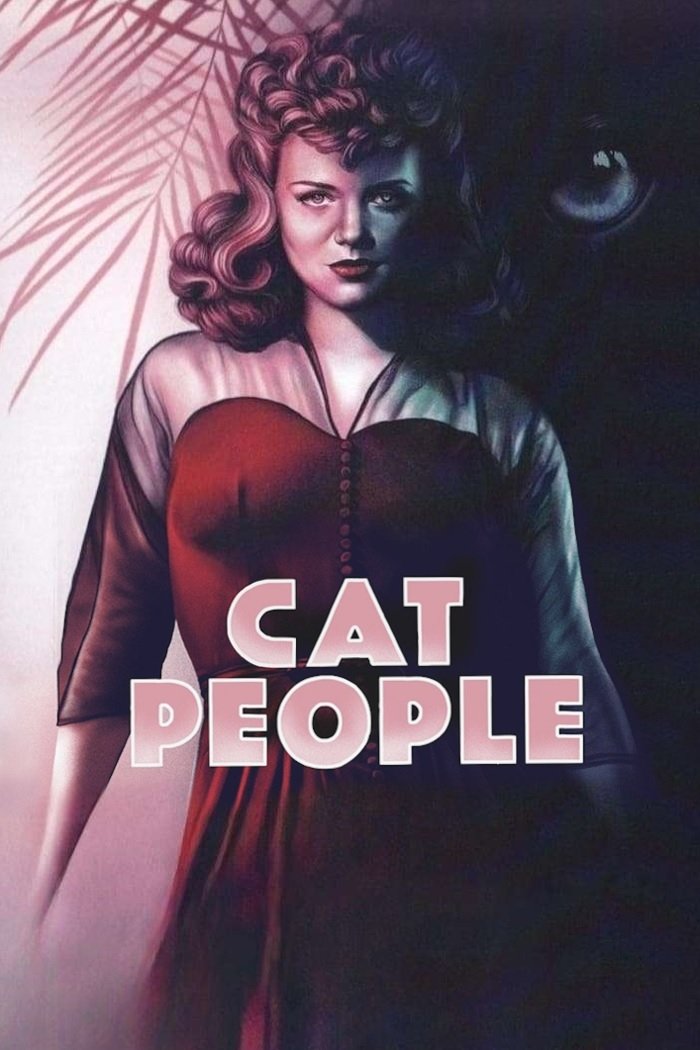
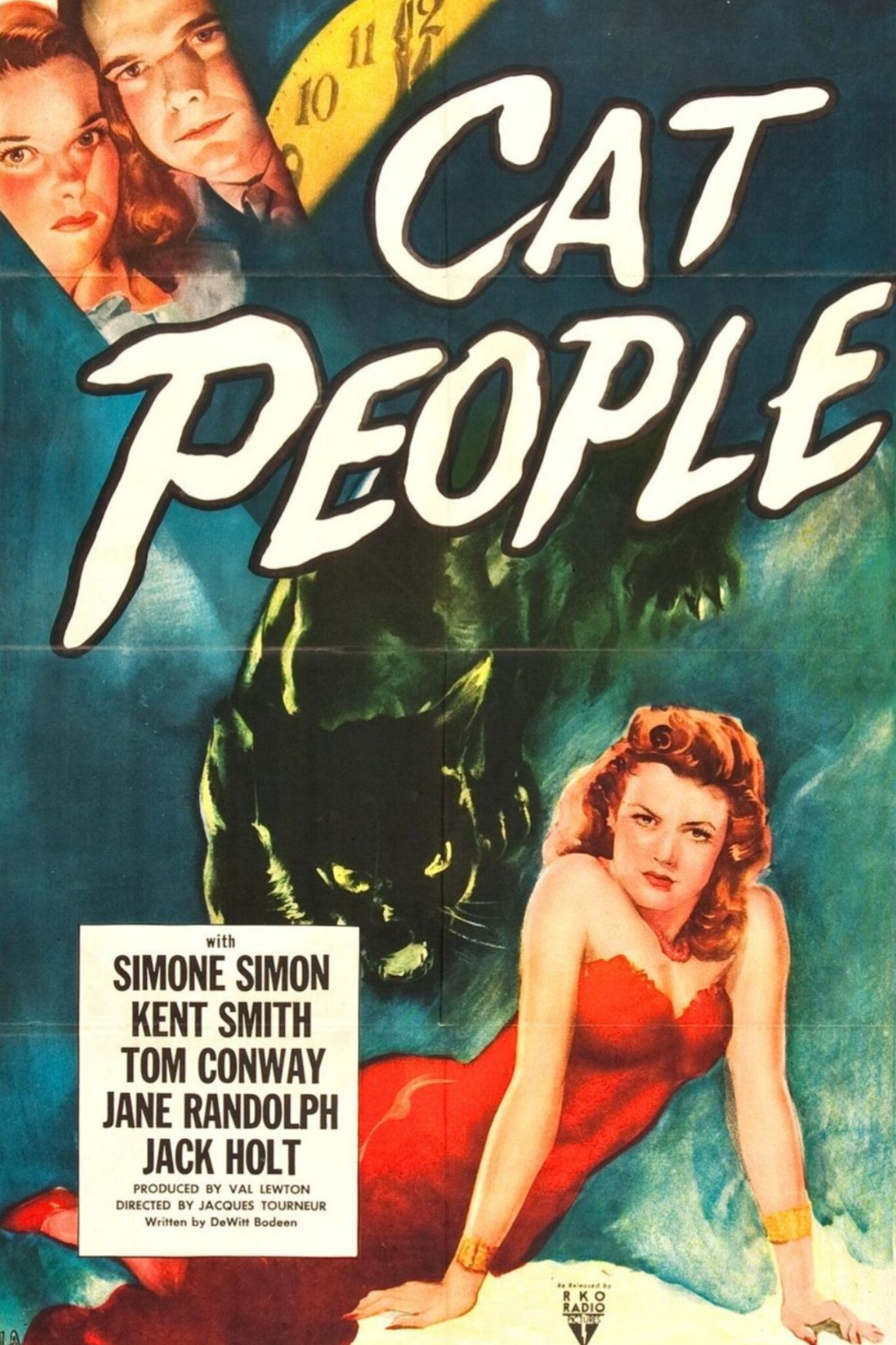
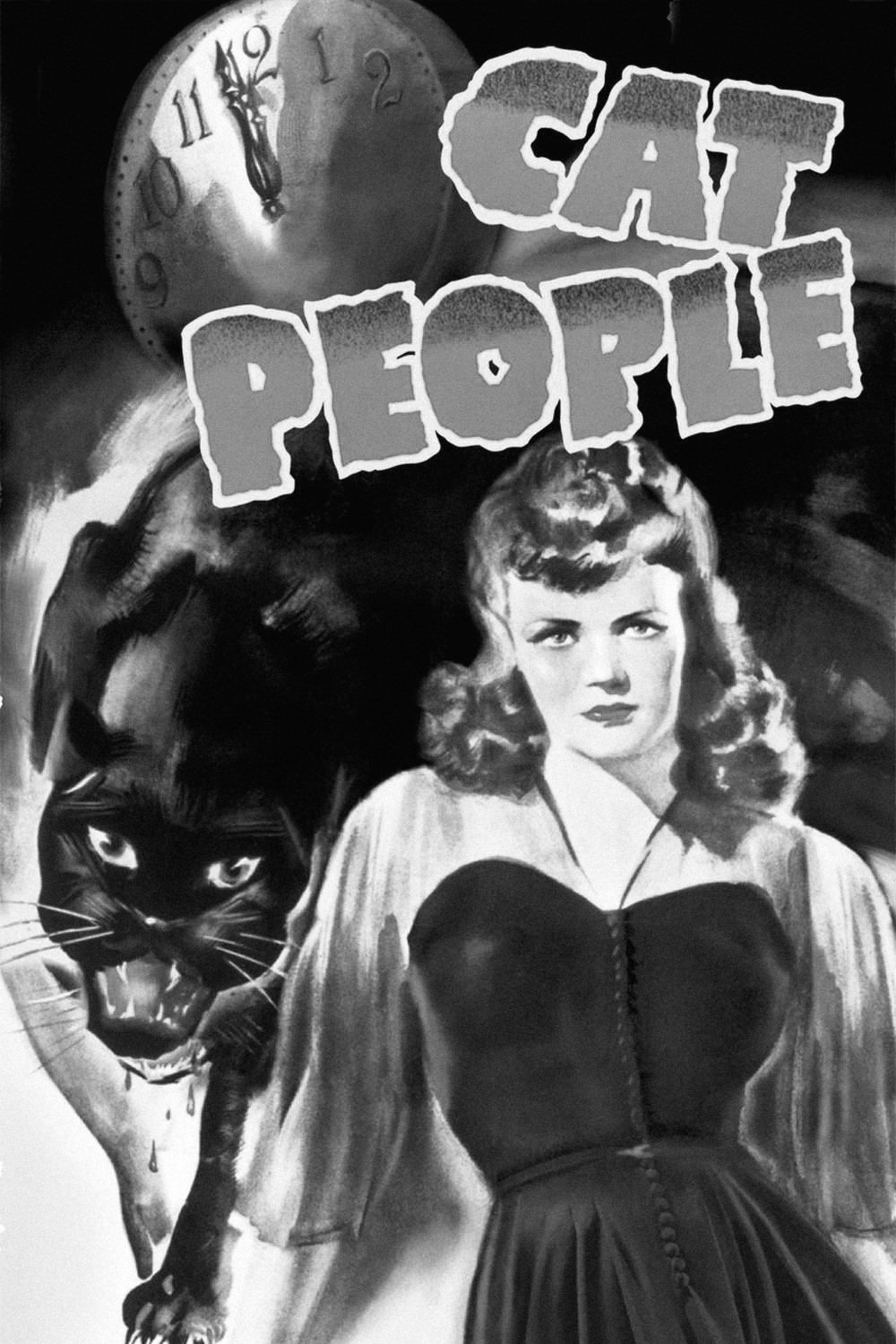
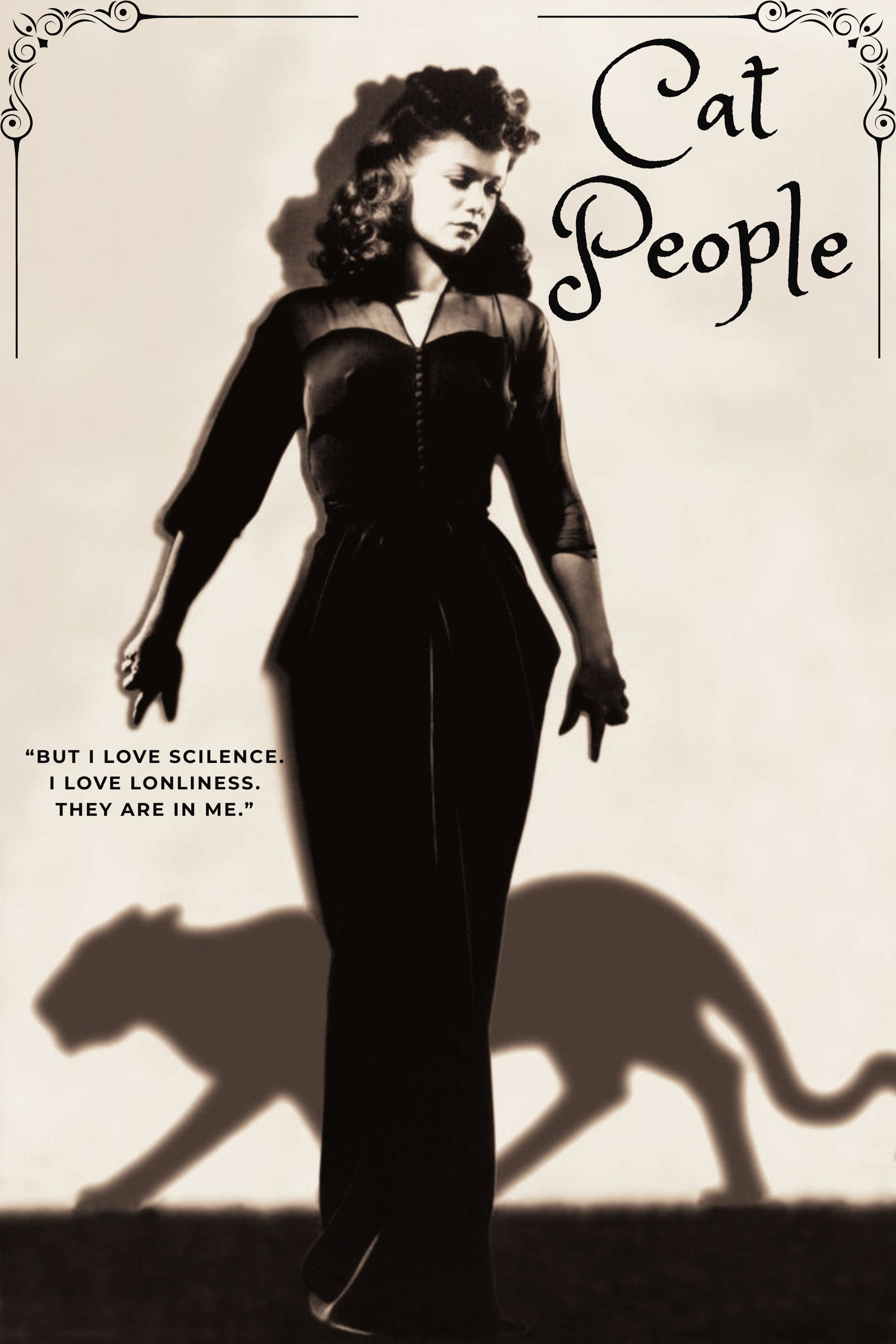
A Producer, a Title and RKO's Horror Unit
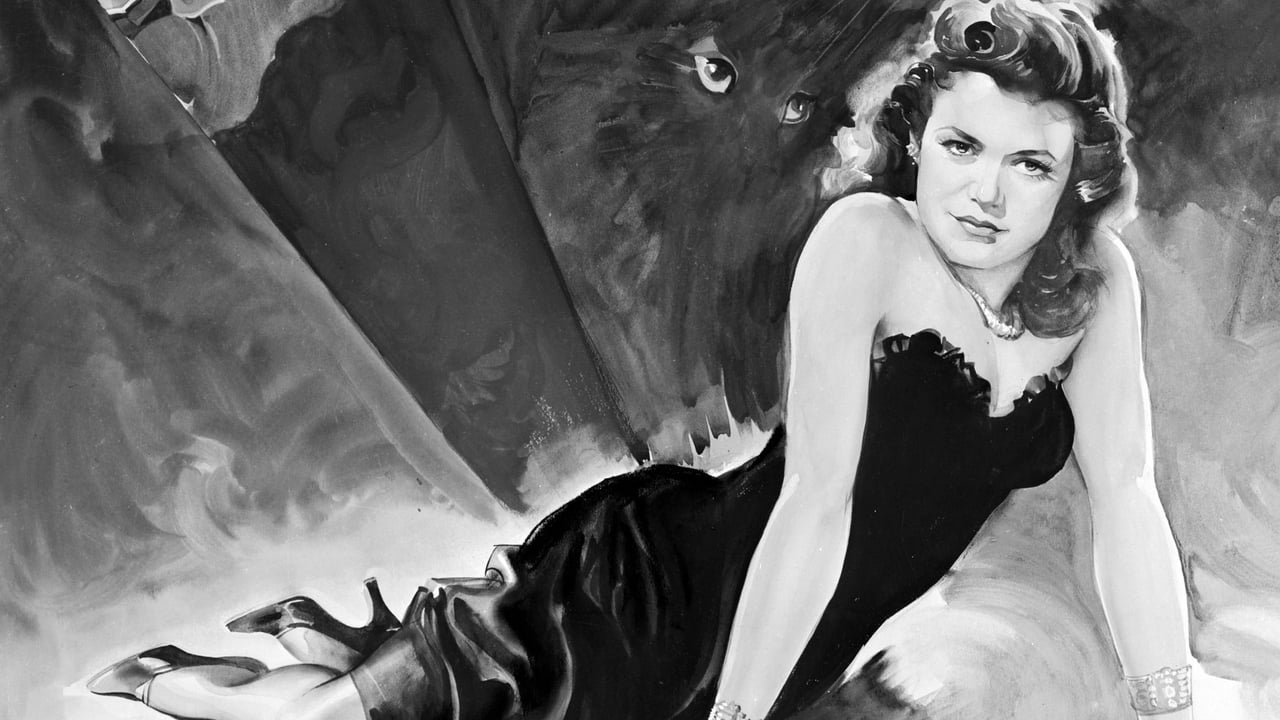
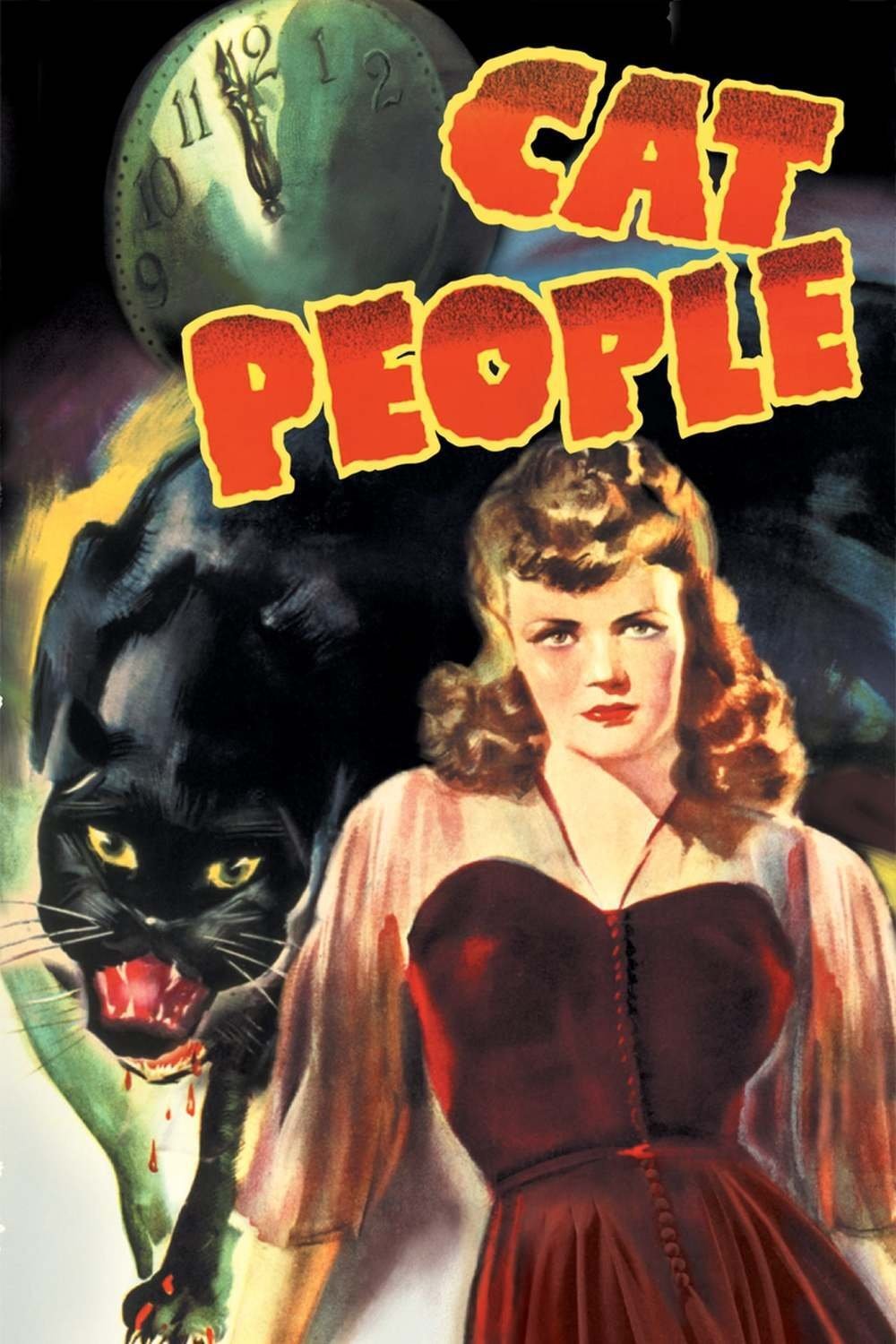
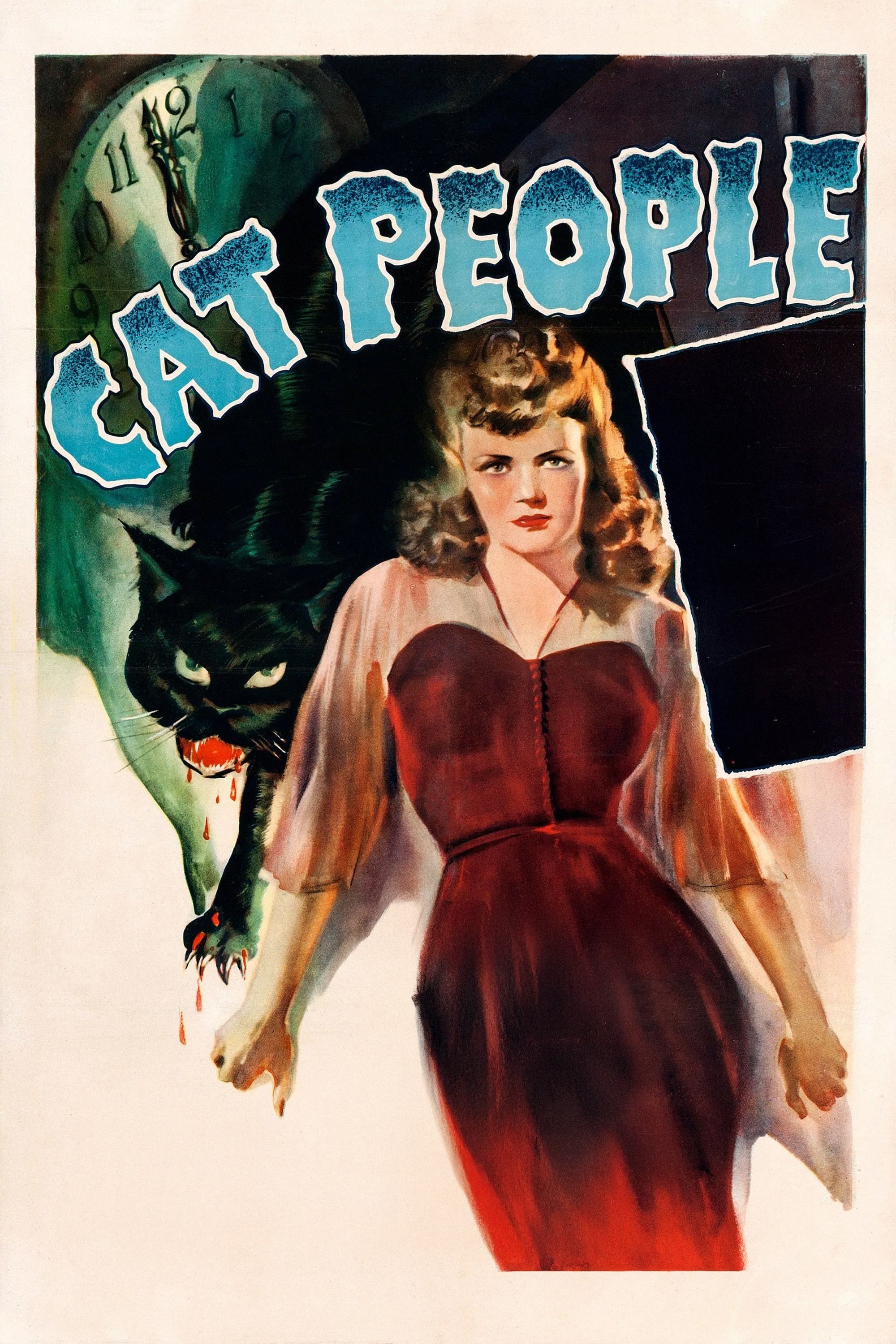
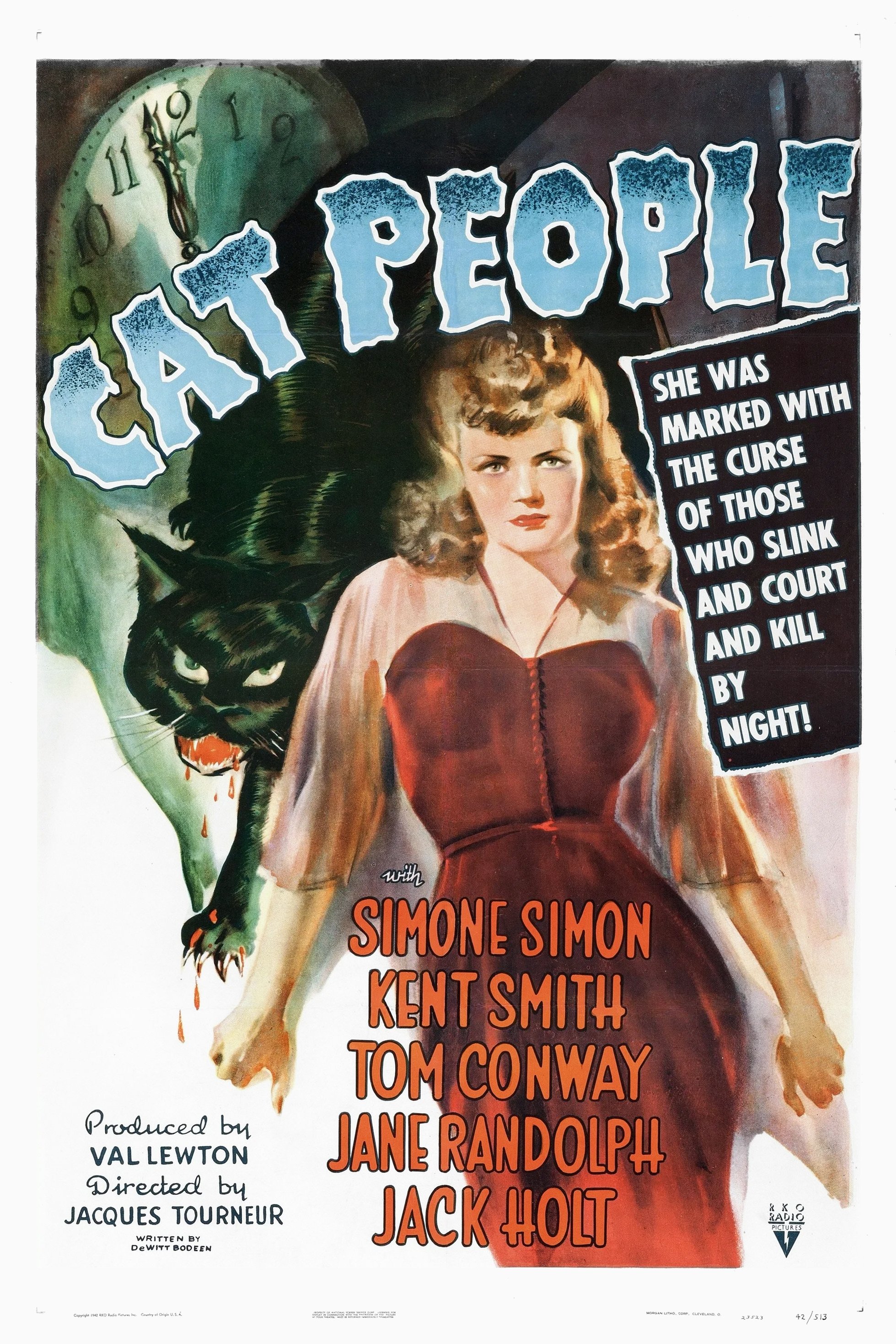
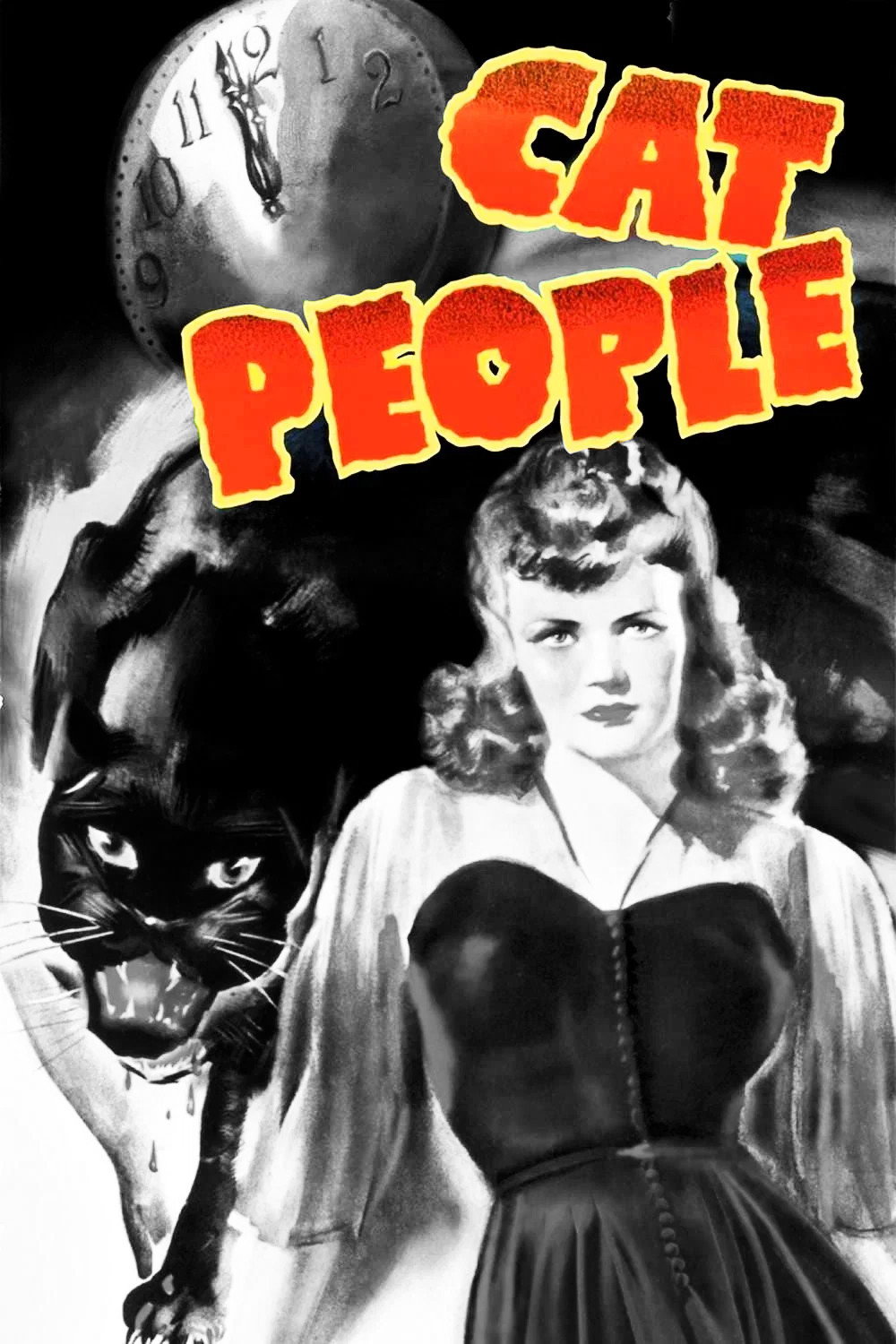
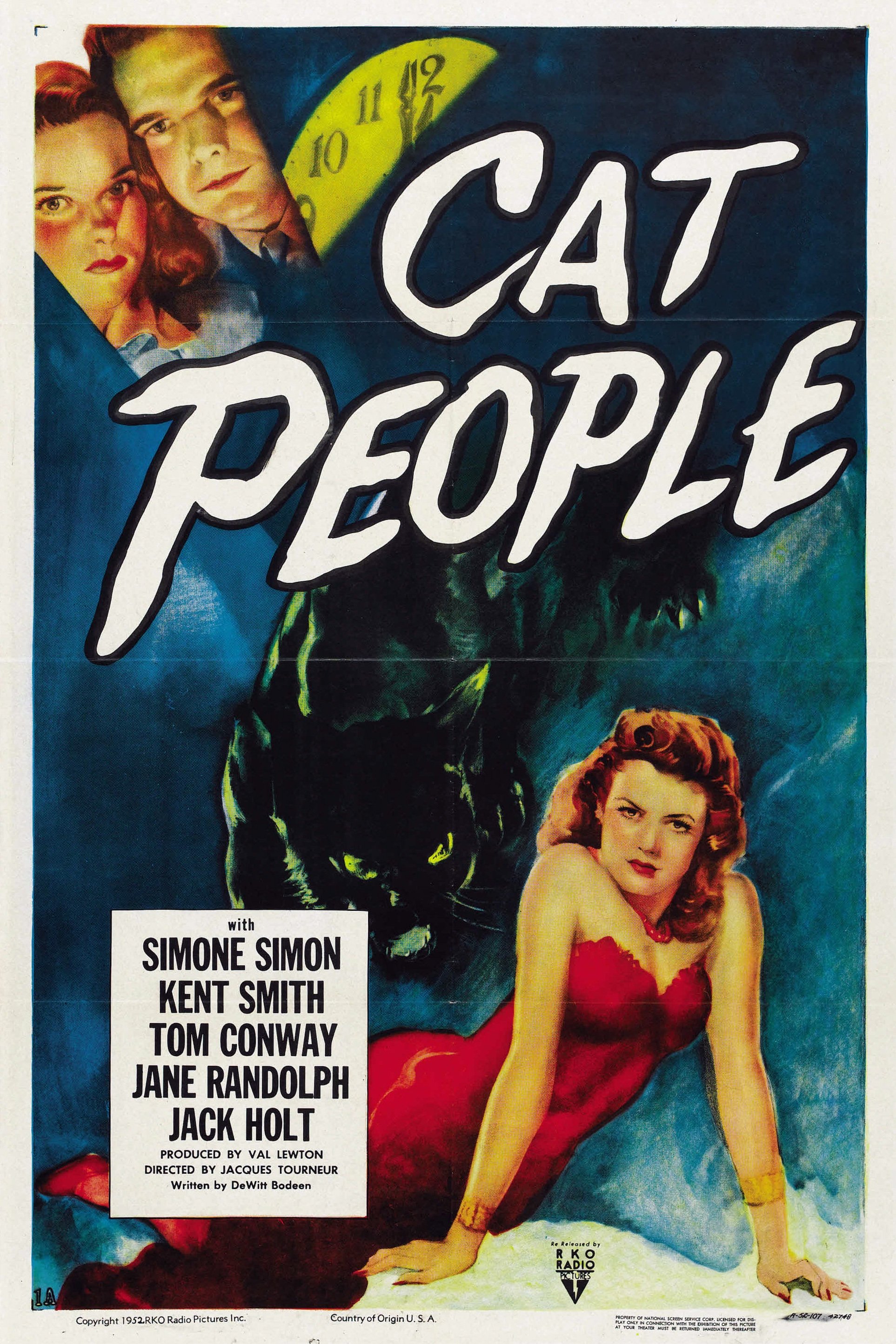
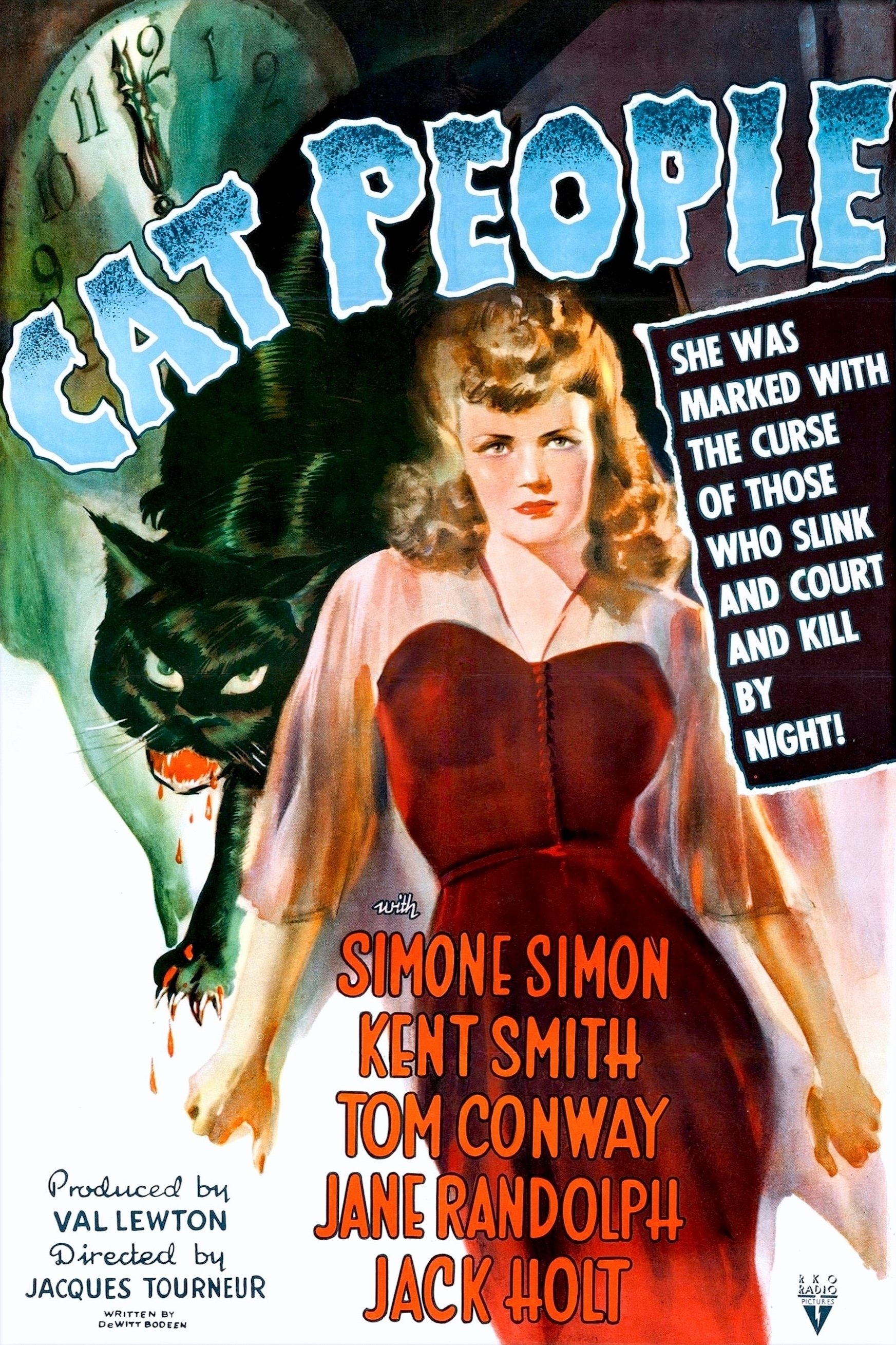
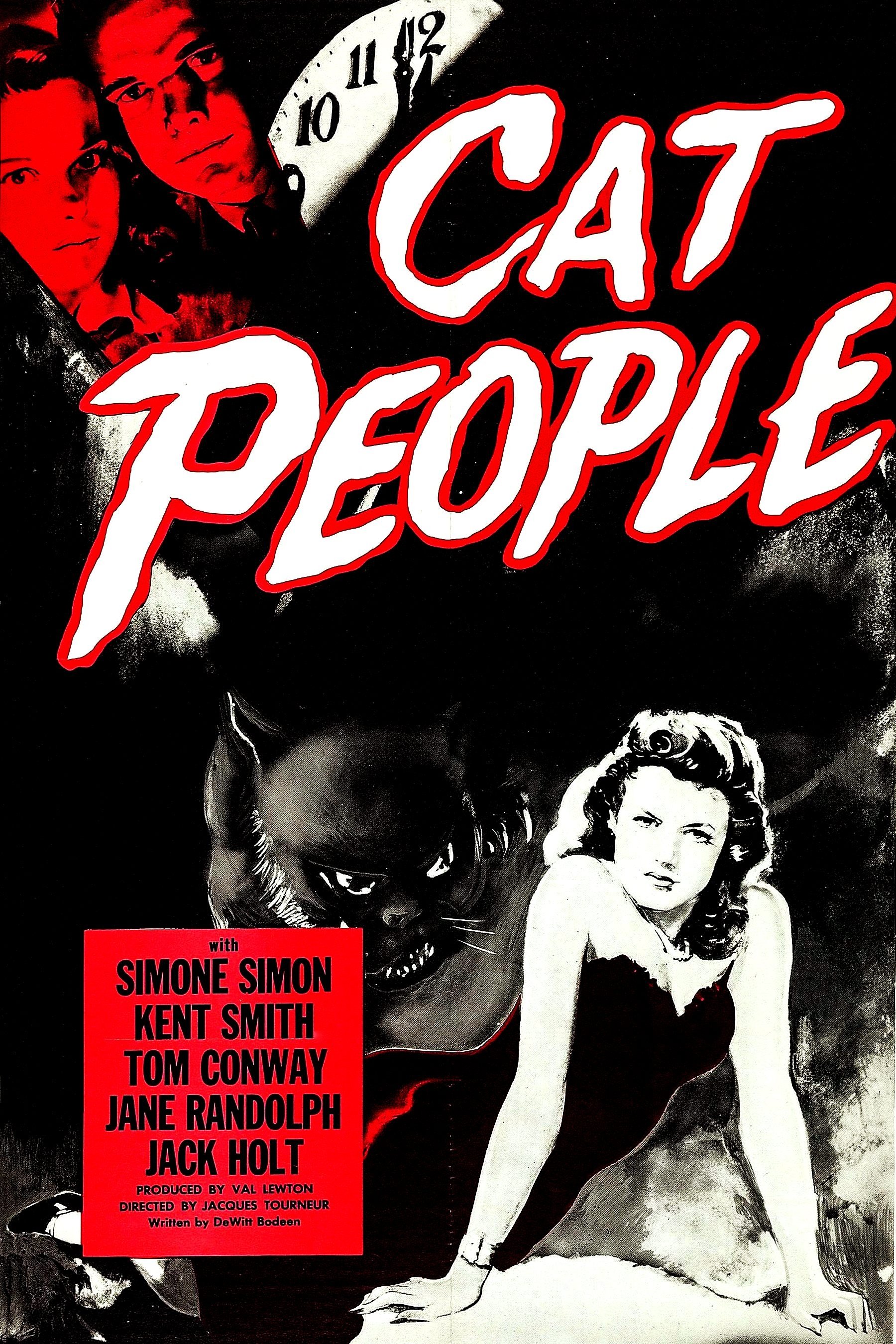
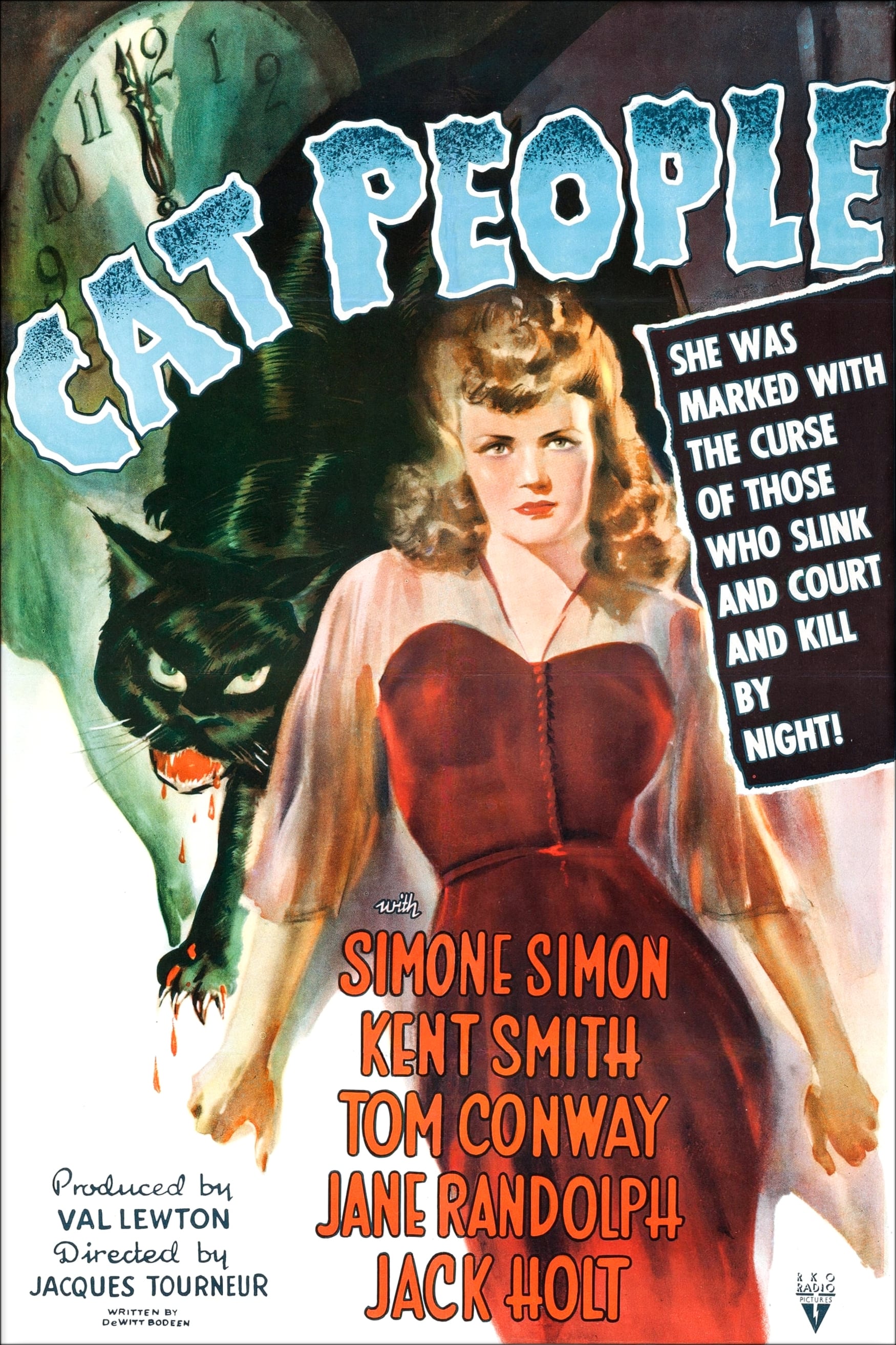
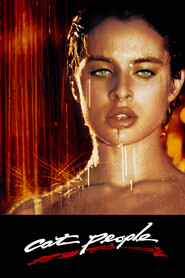
Lewton arrived at RKO in 1942 after working in David O. Selznick's organization, where he had gained experience with scripts and production planning. The studio wanted inexpensive pictures that could attract viewers to double bills. Charles Koerner, its head of production, gave the new producer an exploitable title before a complete story existed. Screenwriter Bodeen later remembered being offered the opportunity to leave rather than write a film called Cat People. Tourneur recalled the assignment with similar skepticism, although their precise versions of the conversation differ. Kim Newman's BFI study preserves both accounts and makes their retrospective character apparent.
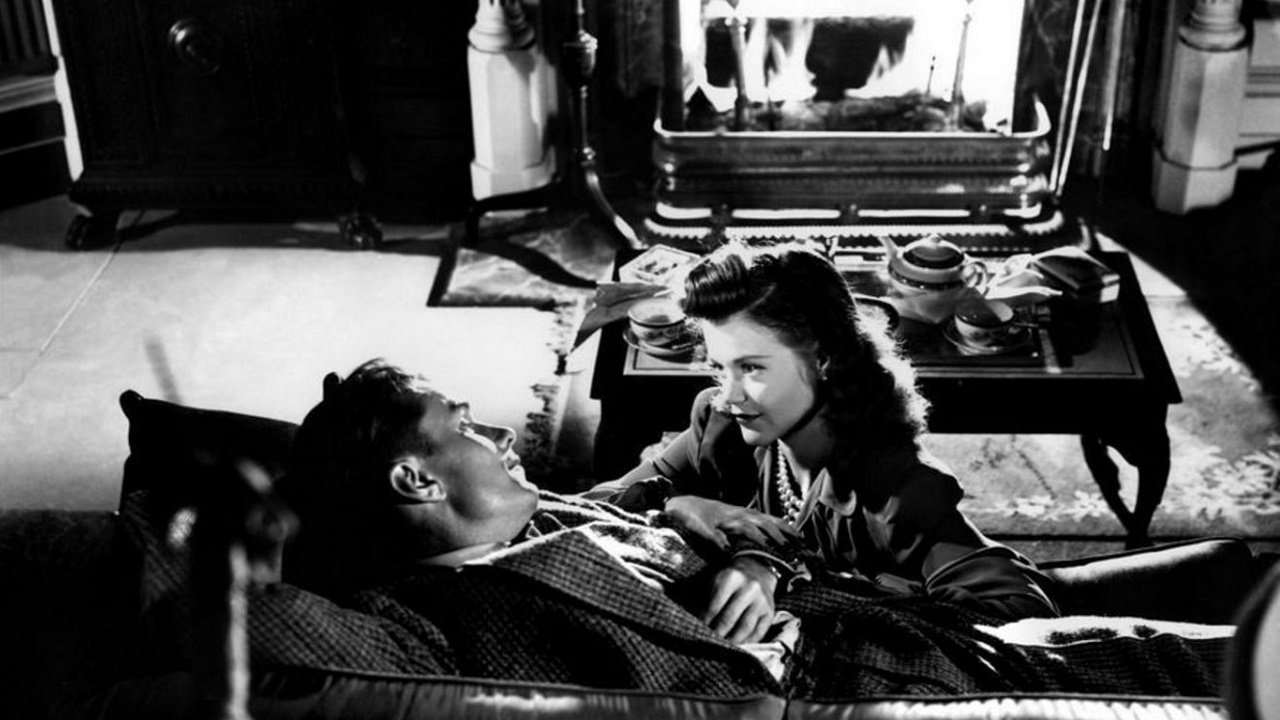
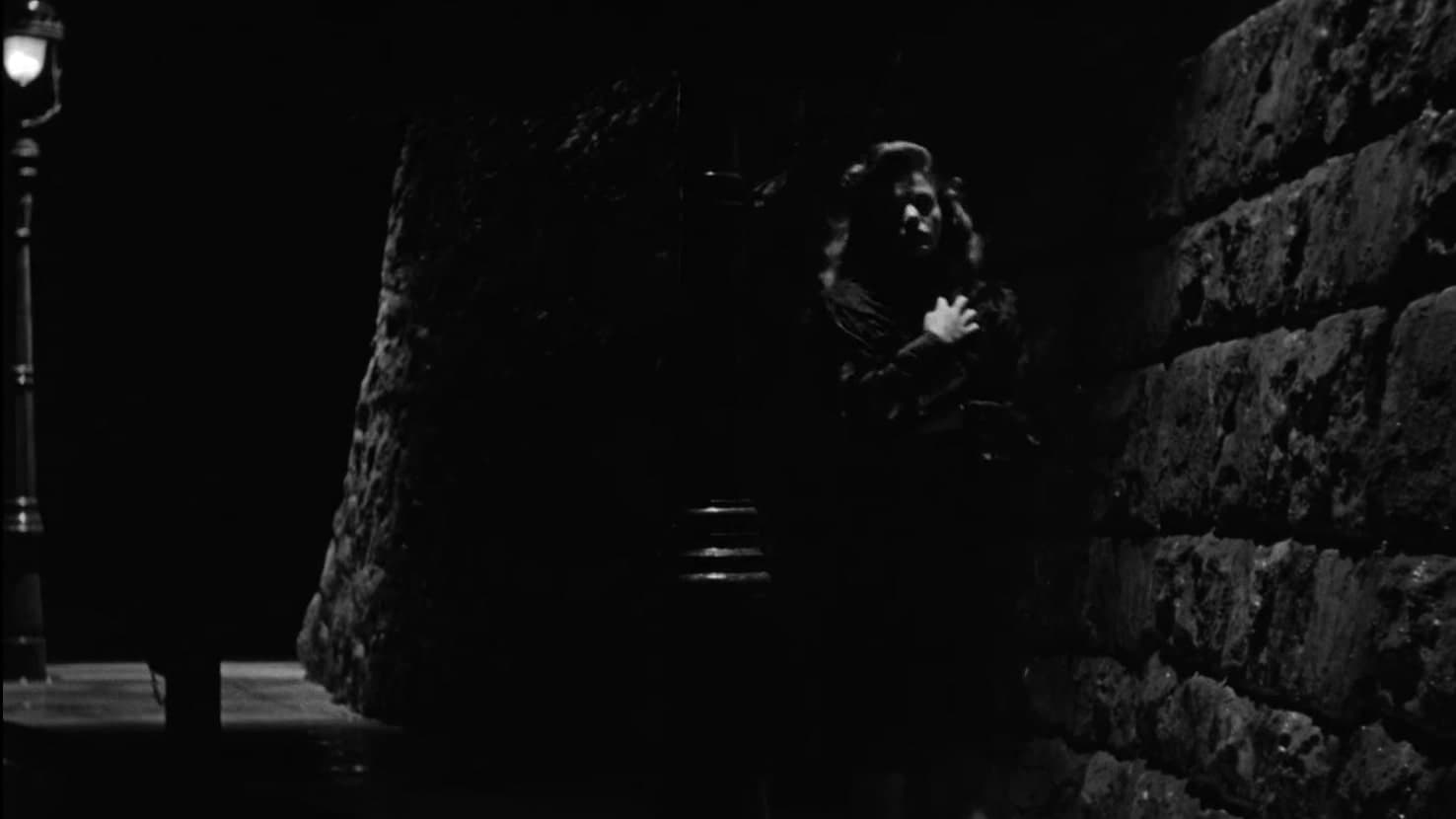
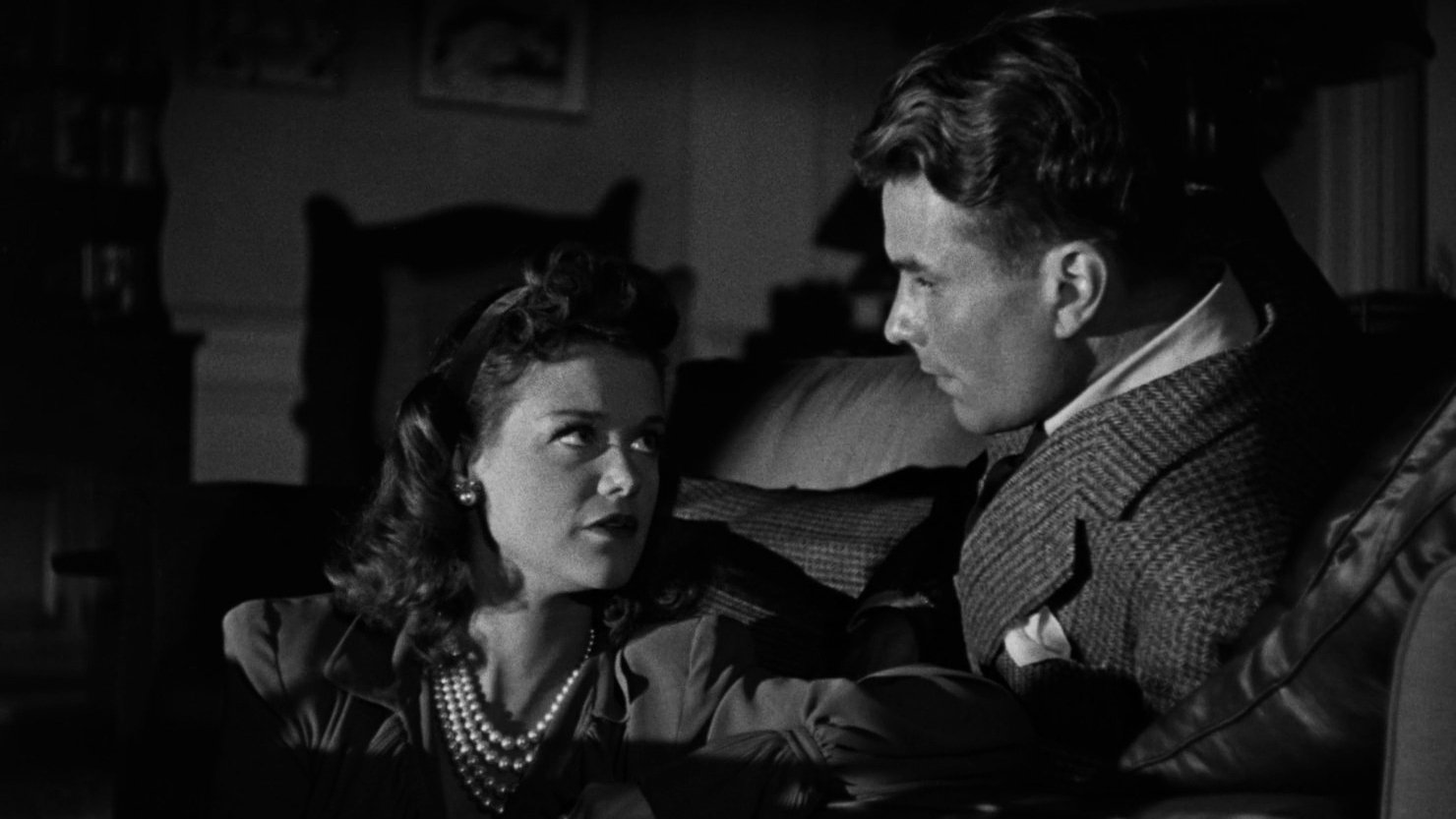
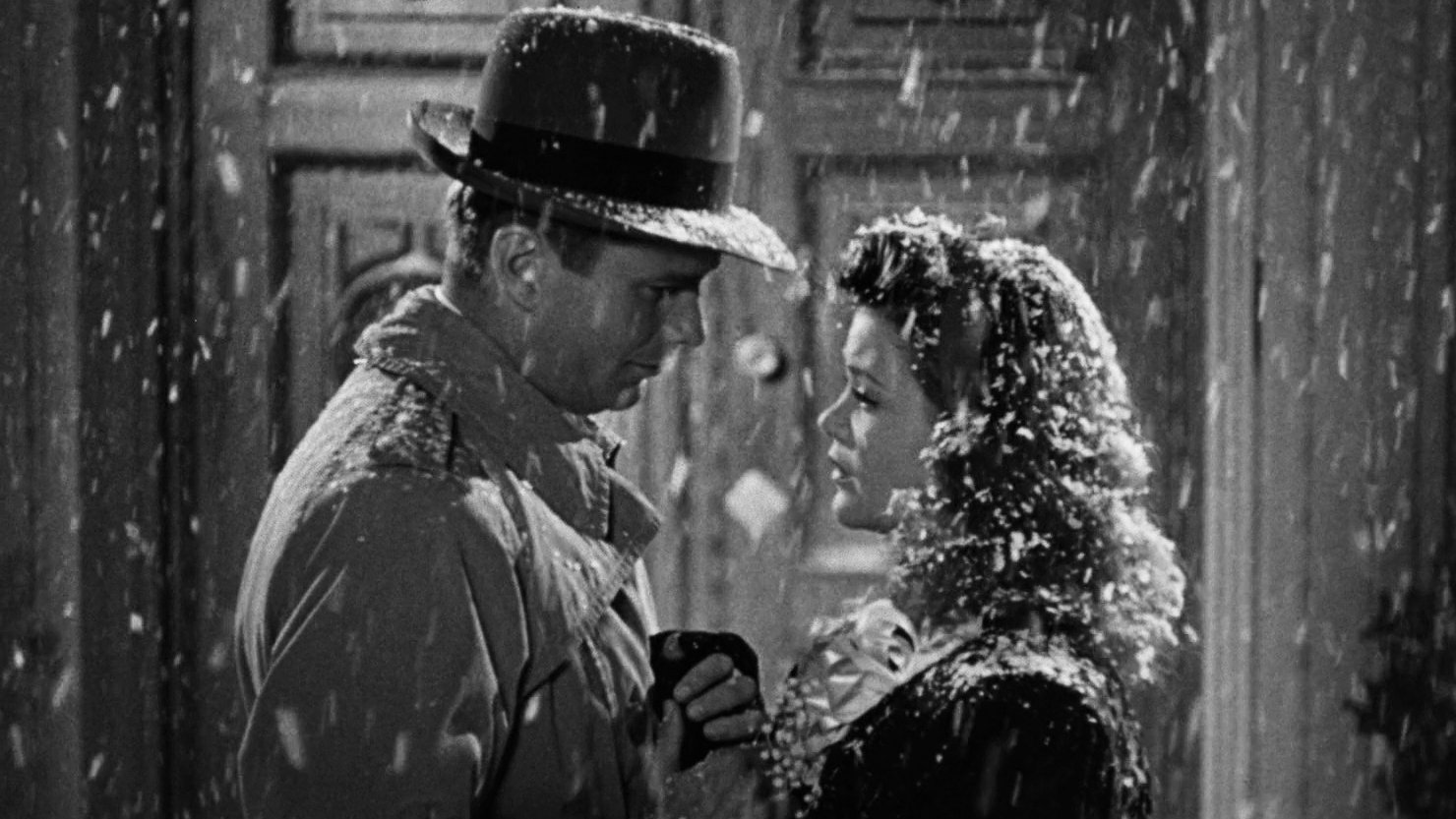
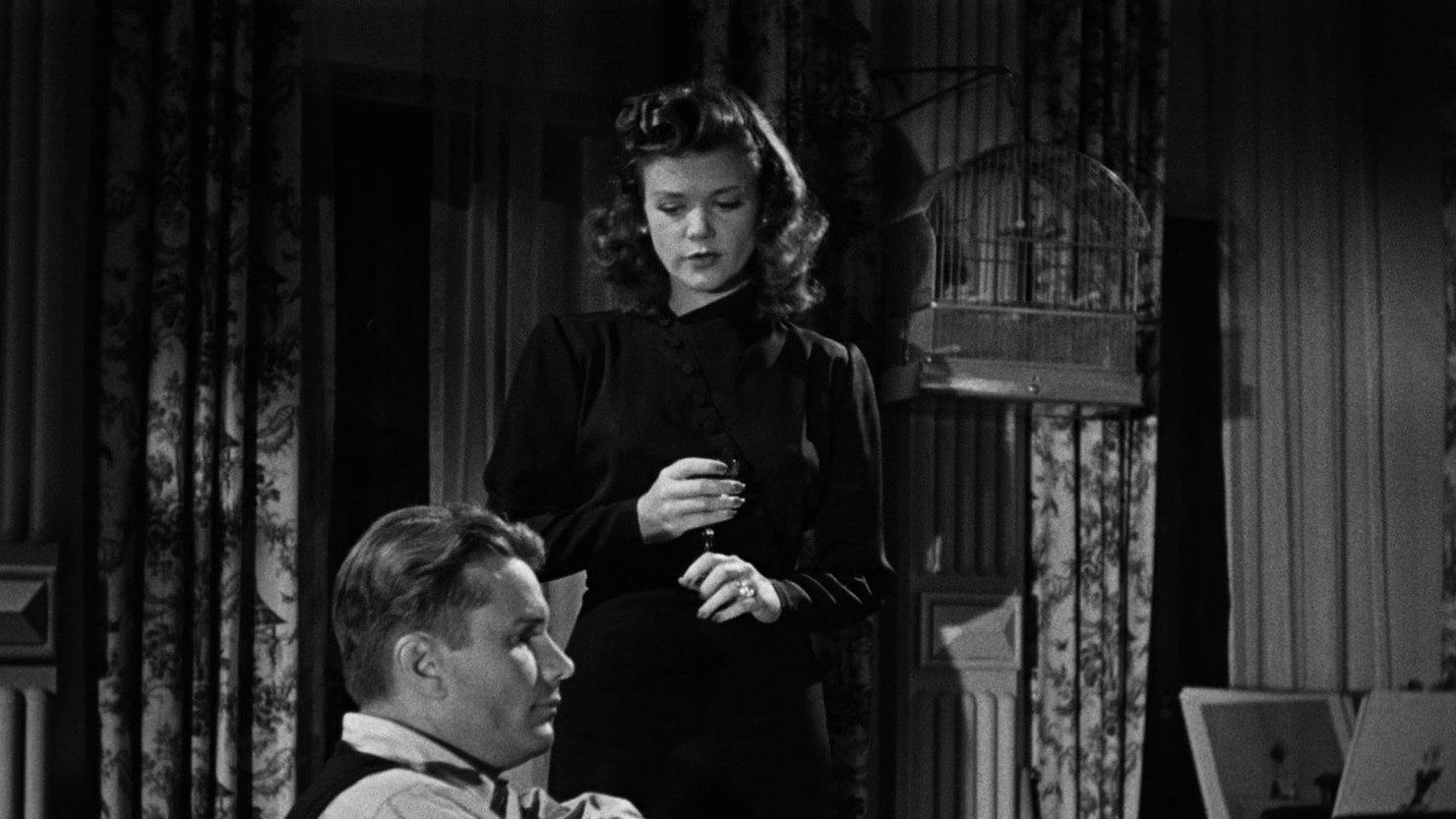
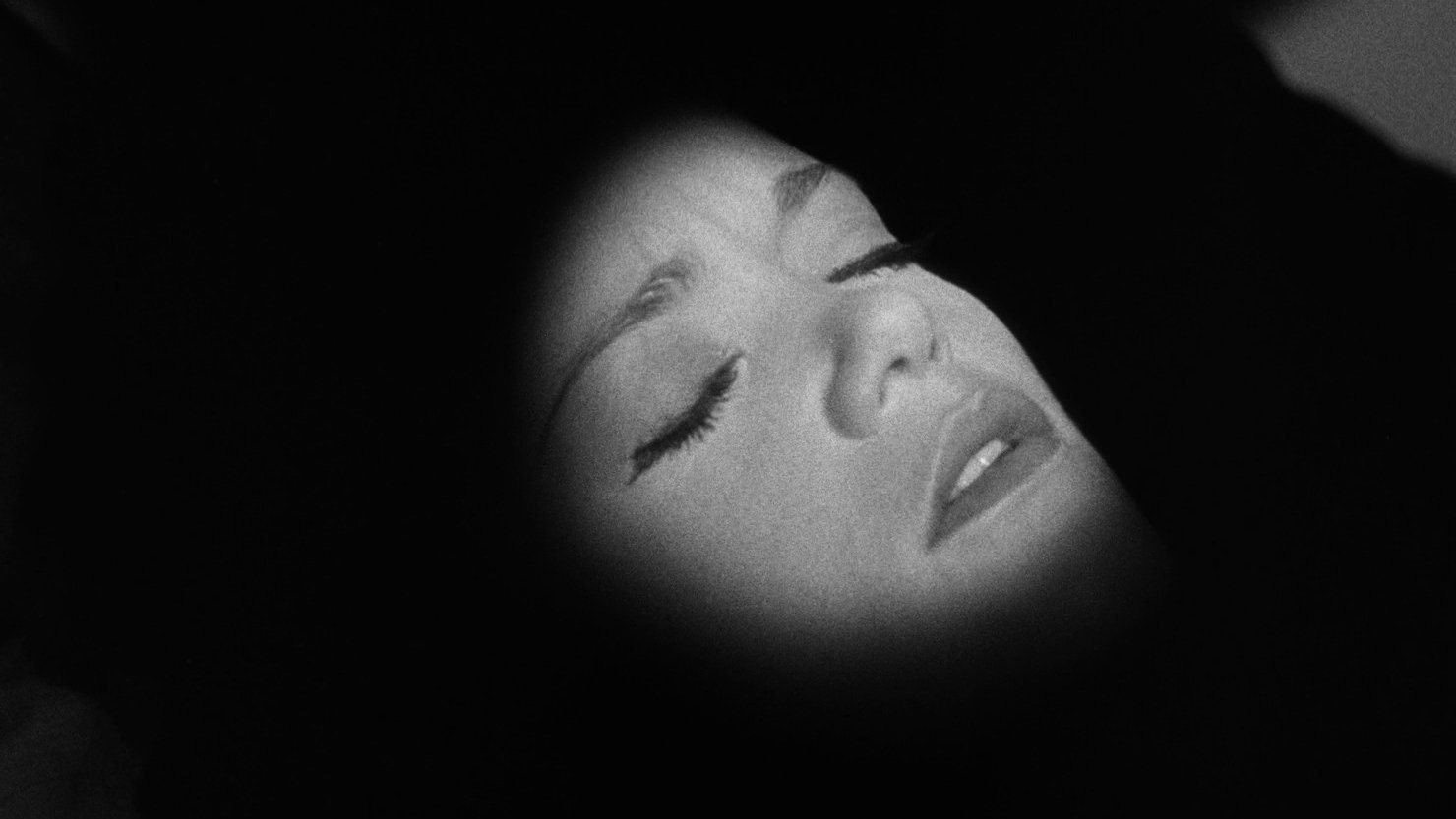
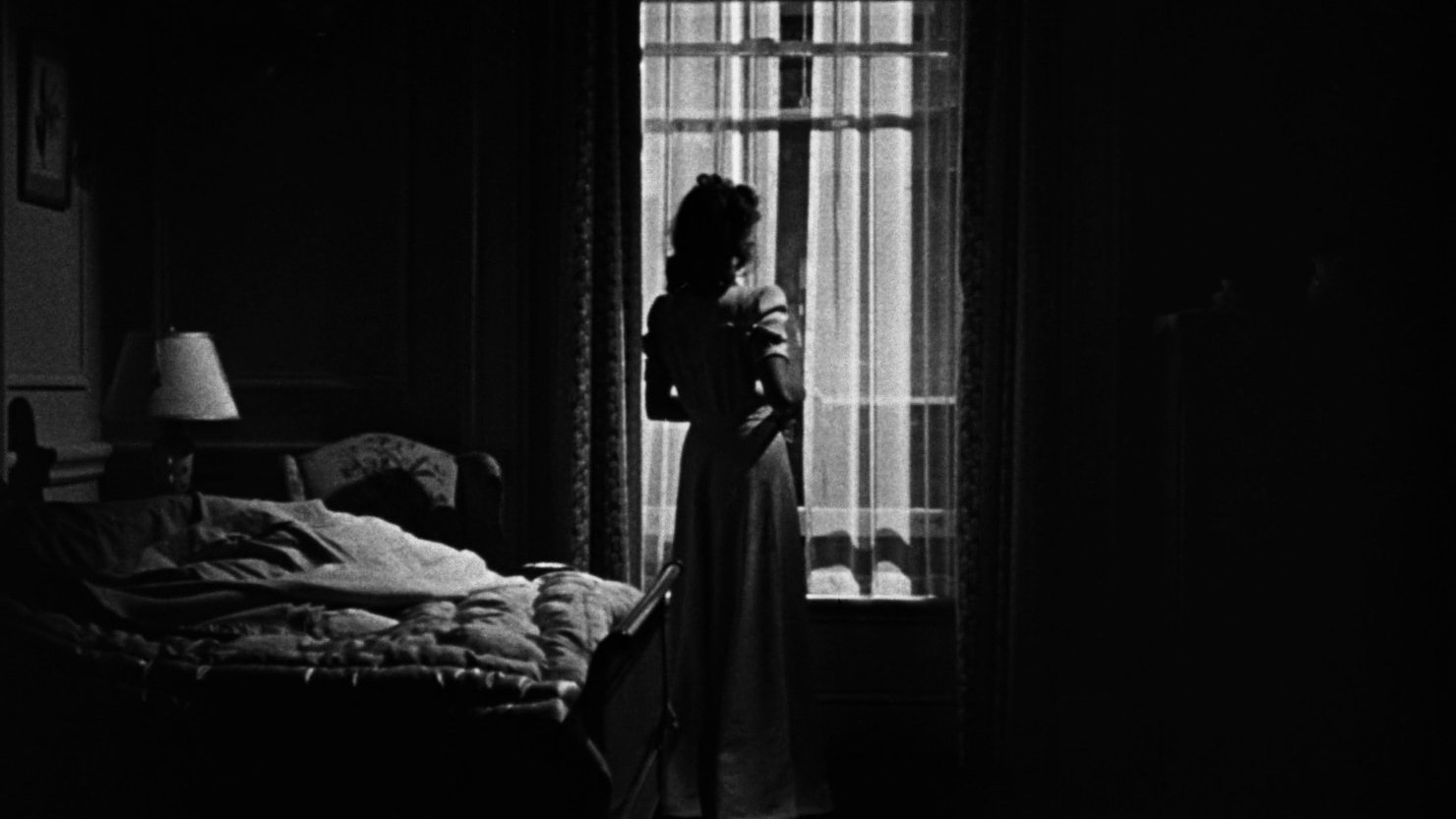
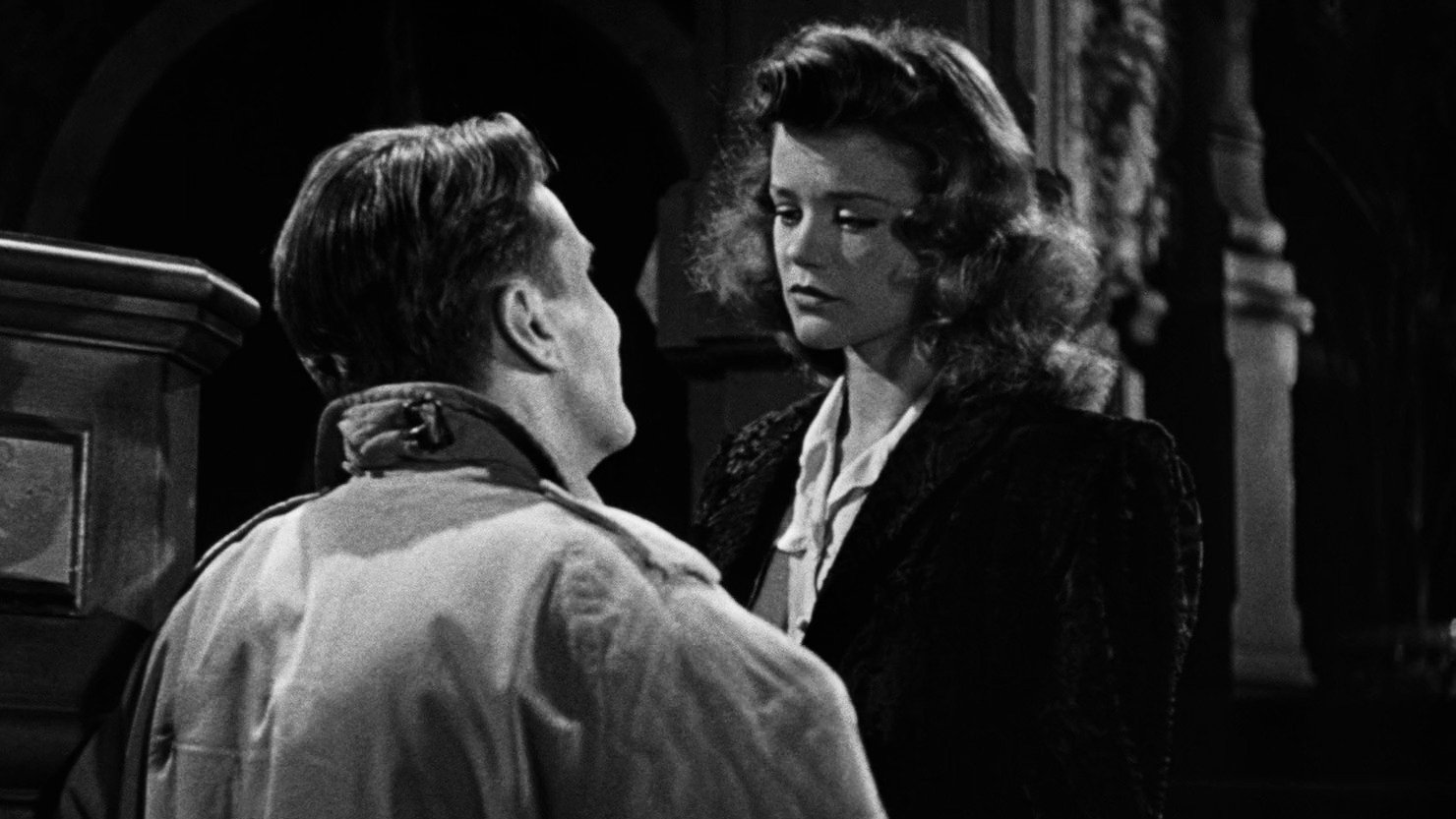
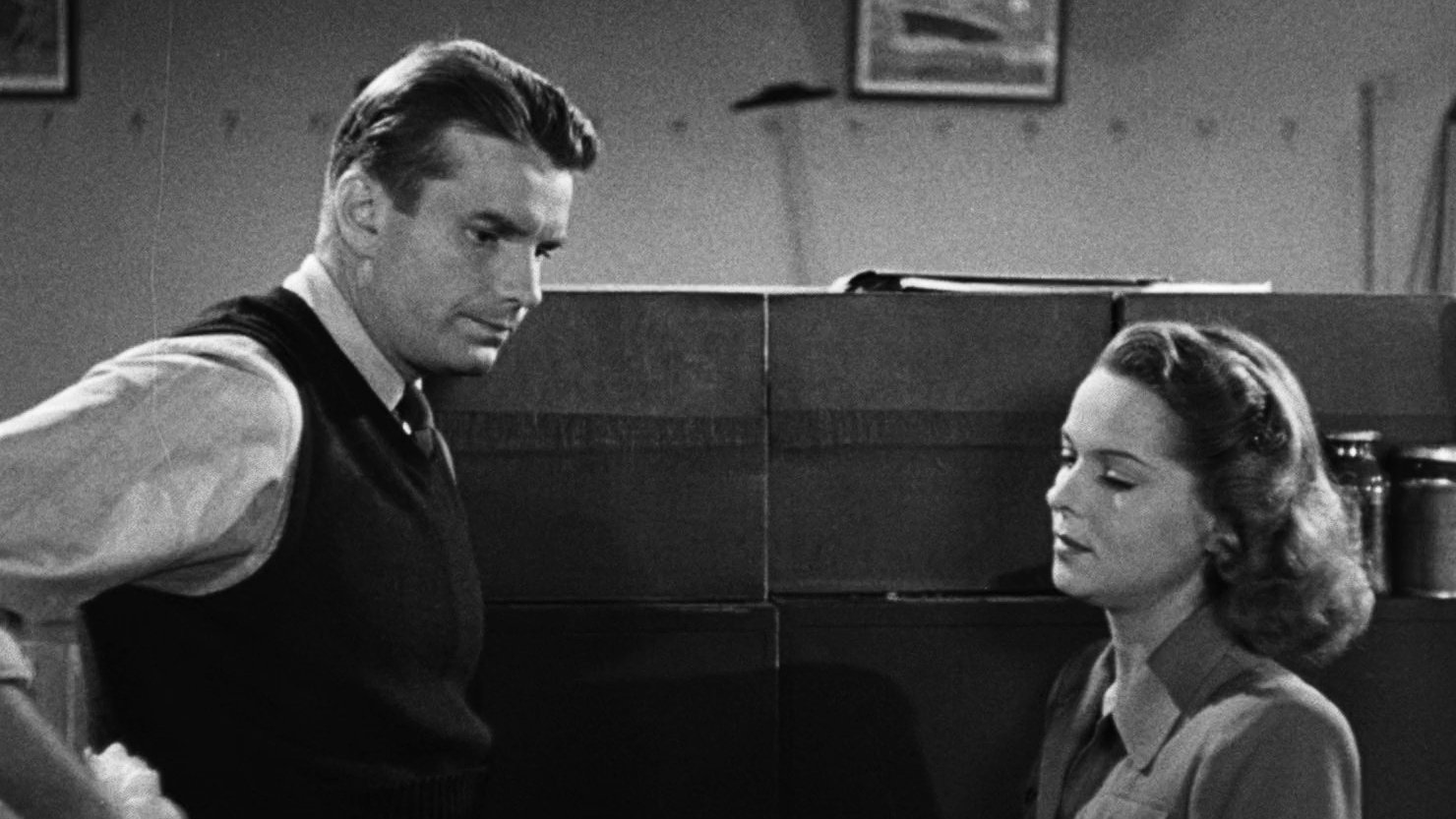
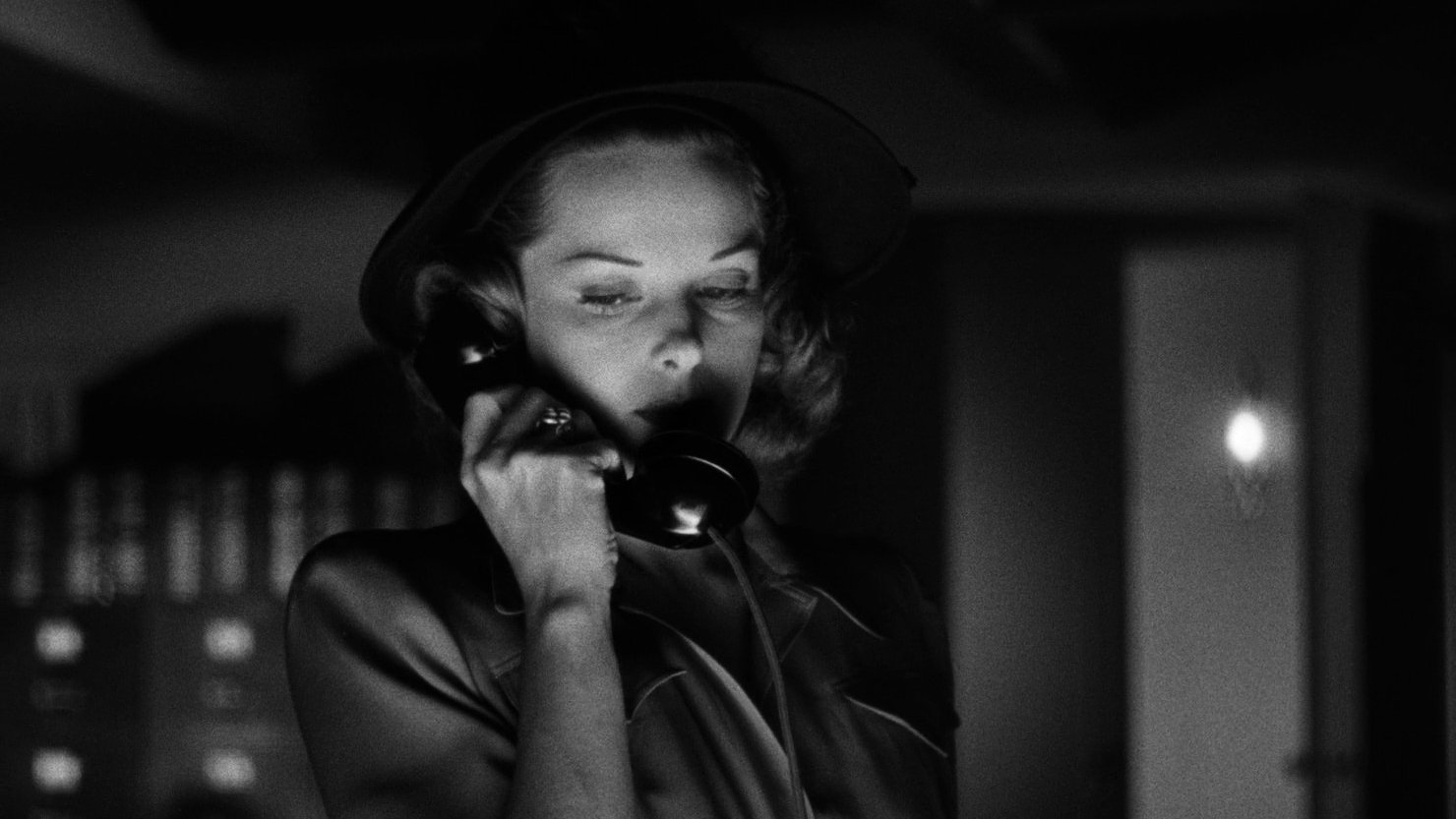
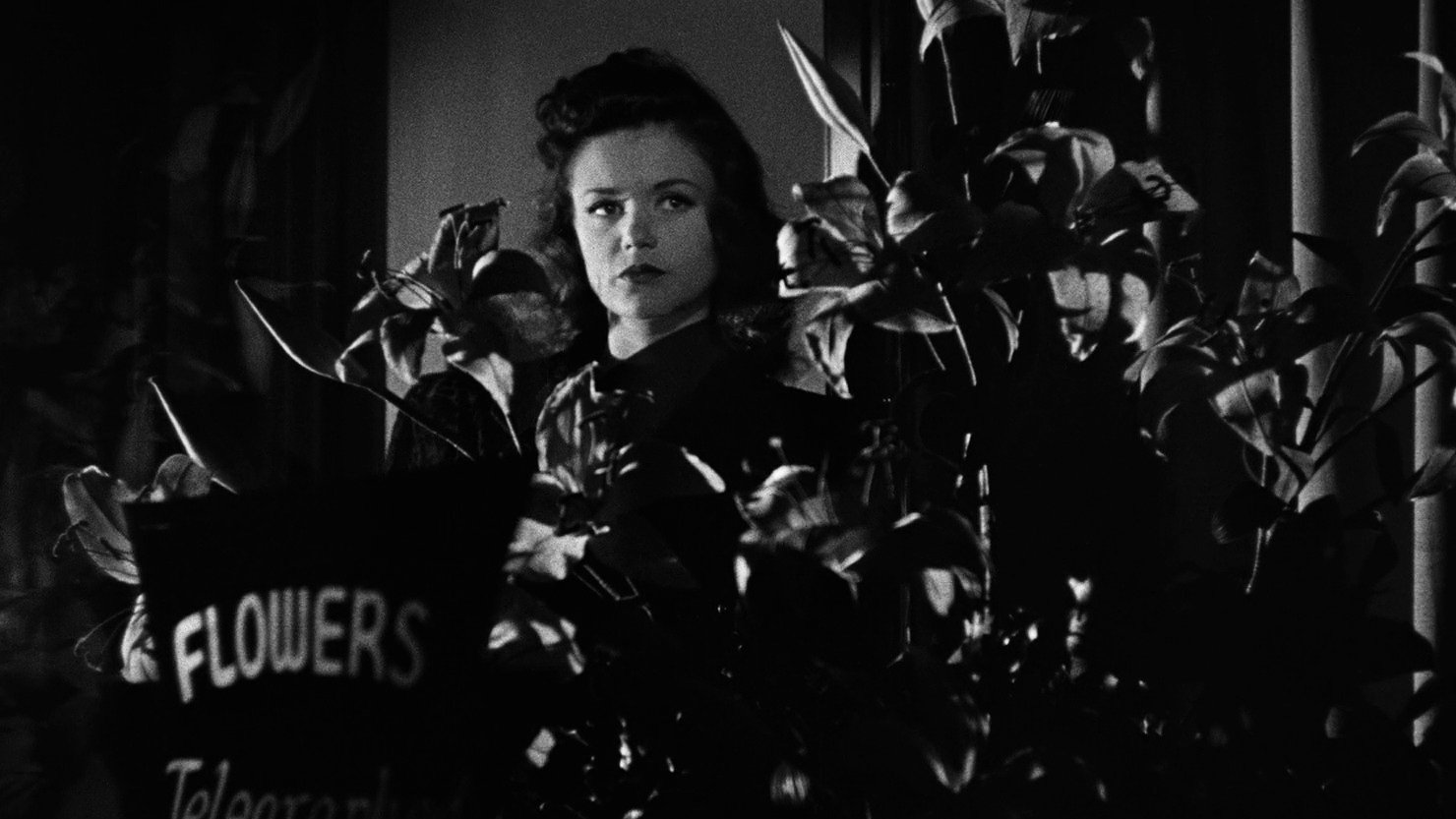
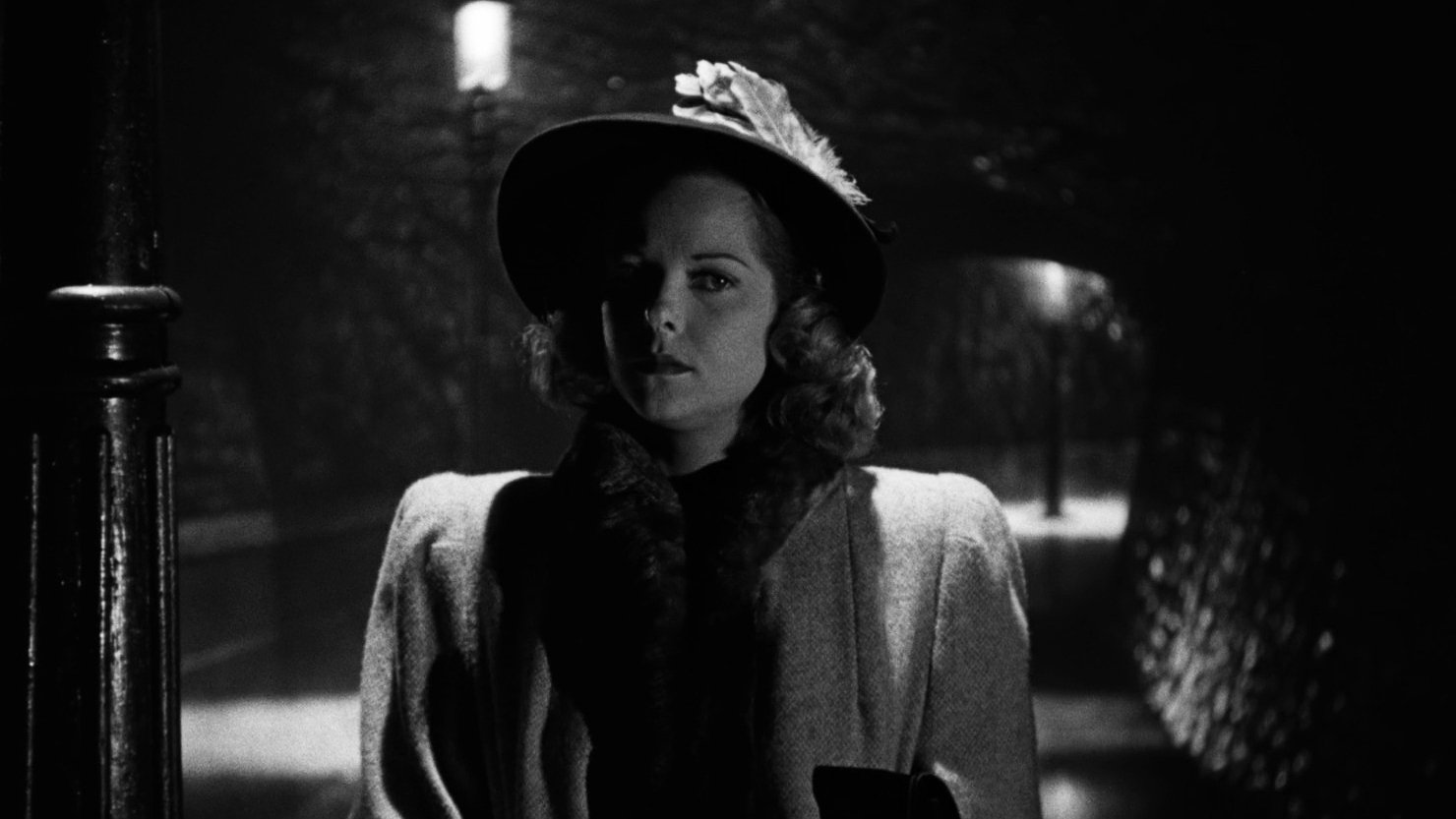
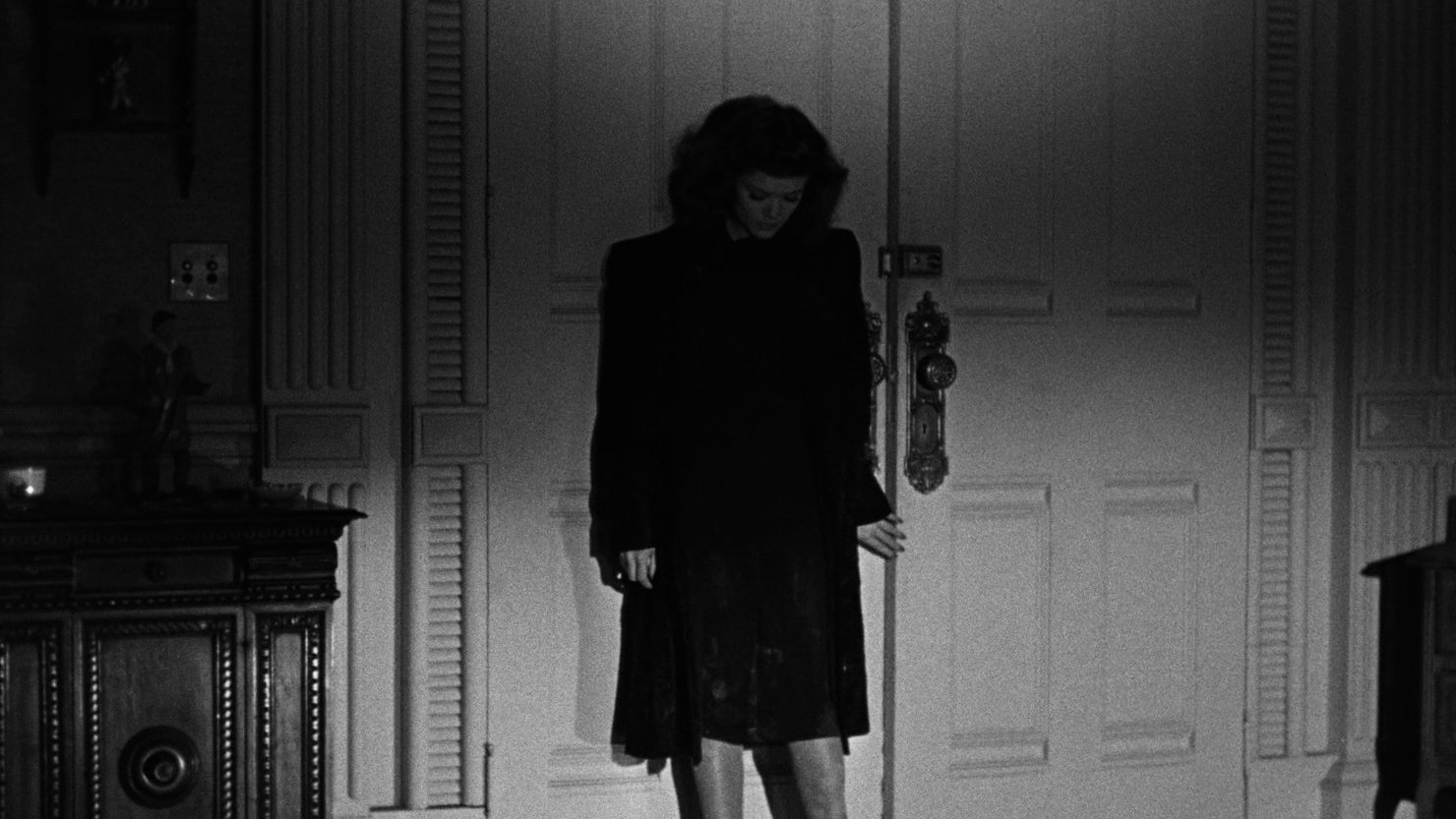
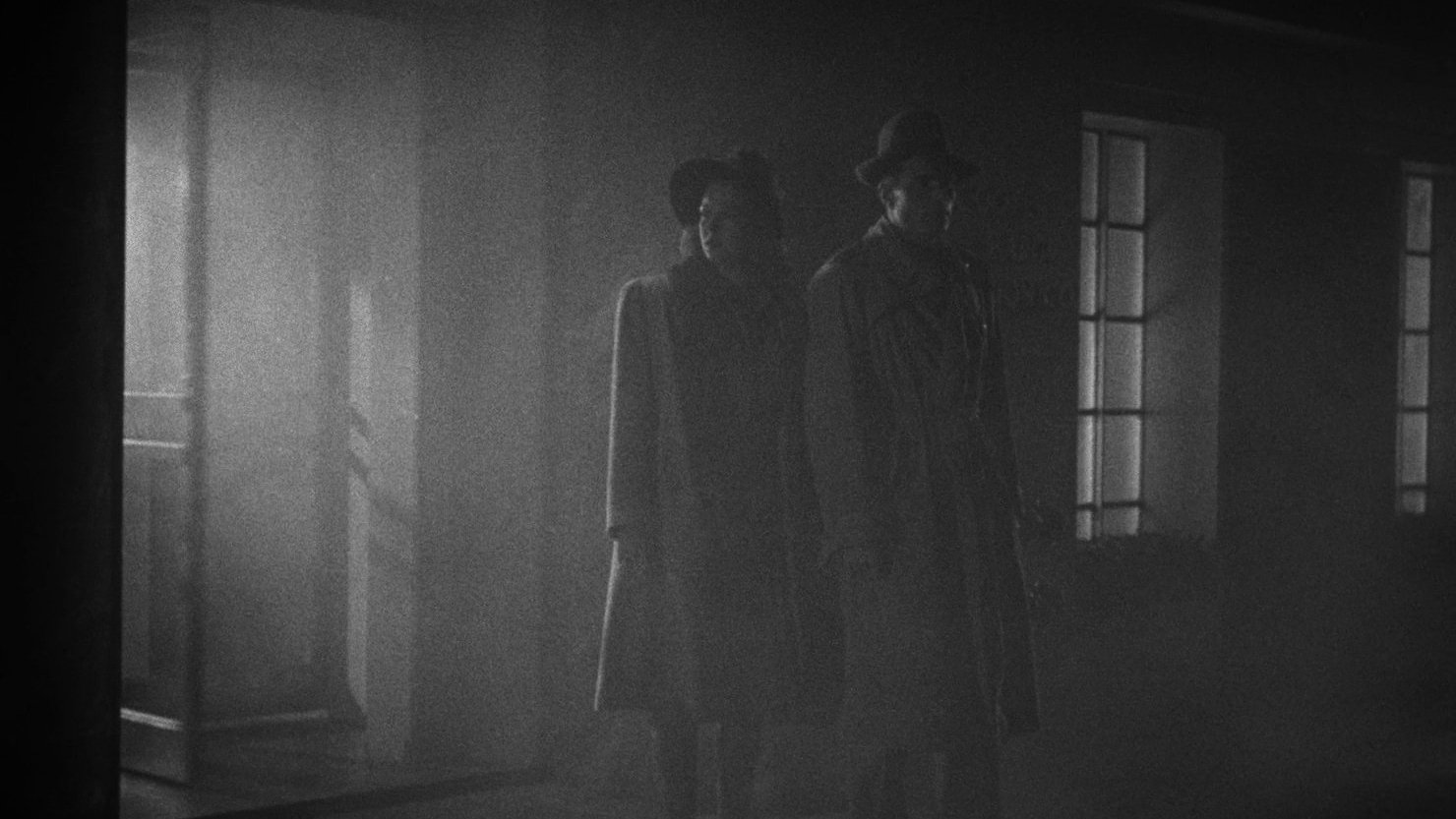
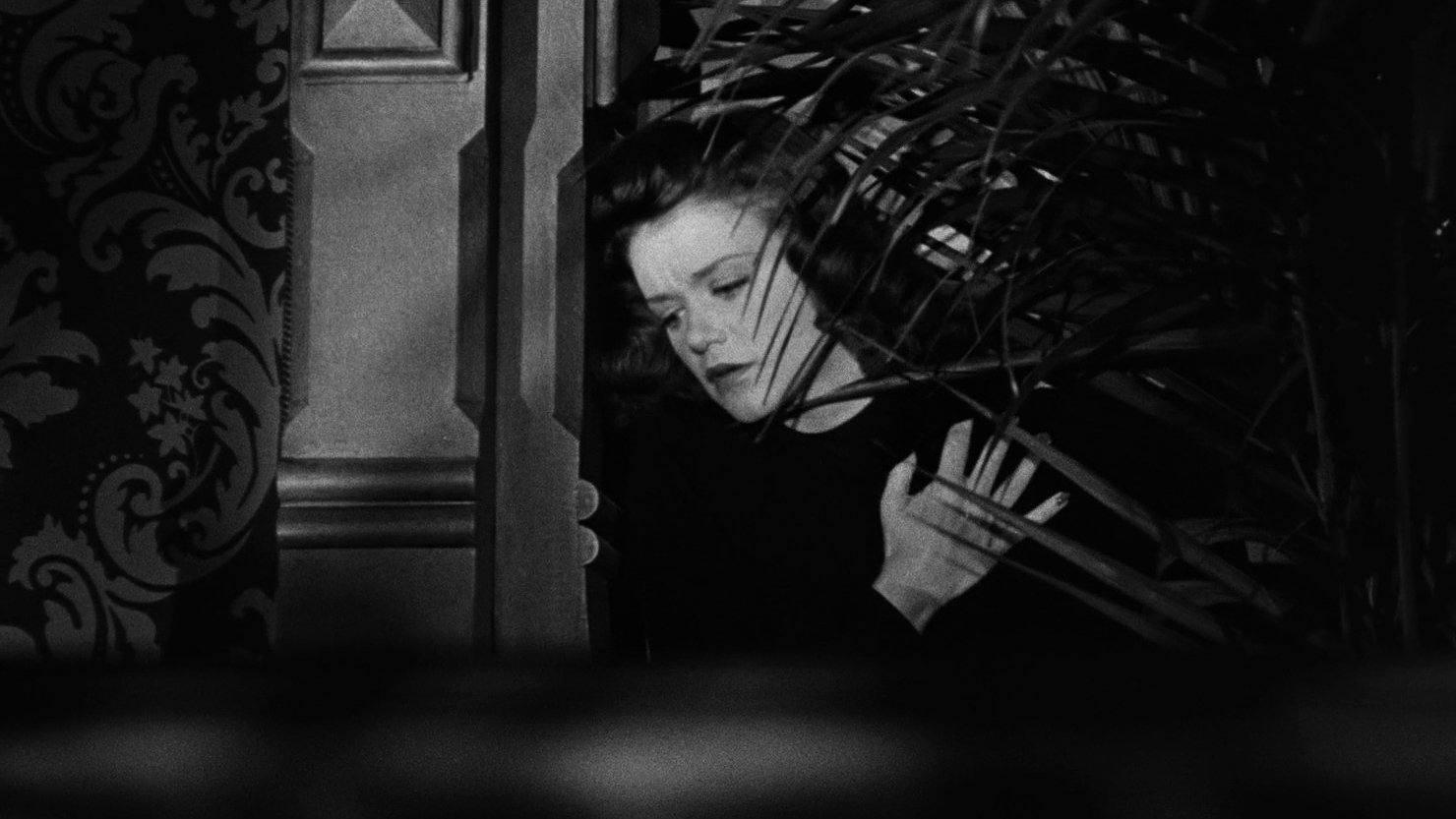
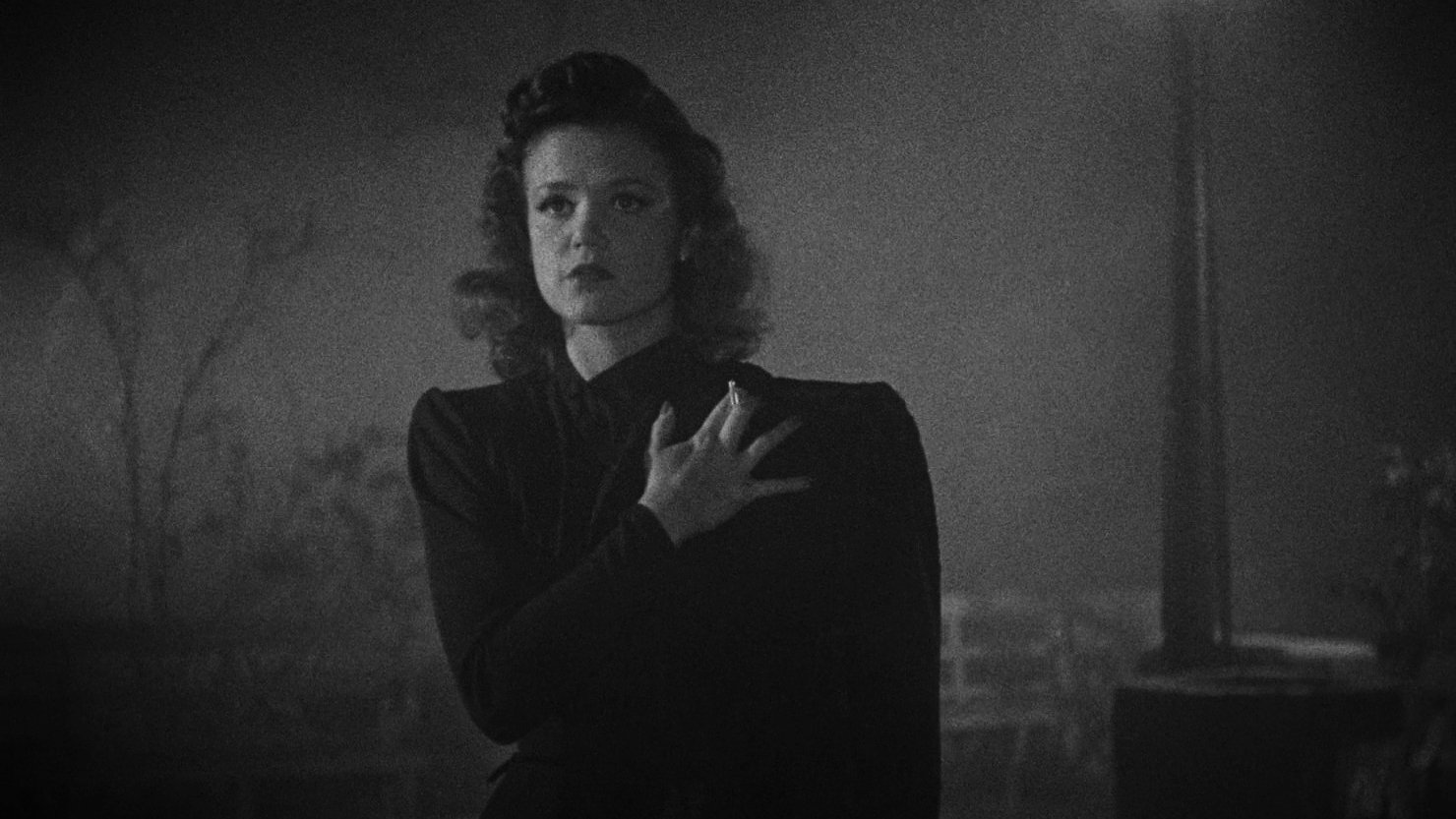
The result took shape through discussion among Lewton, Bodeen, Tourneur and other collaborators, with the producer closely involved in story construction. RKO's production restrictions were real, but the team turned them into a coherent visual method. TCM records an eighteen-day shoot beginning in late July 1942 and a final cost of approximately $135,000, beneath the $150,000 allowance described in production histories. Existing sets were adapted, including a staircase previously used for The Magnificent Ambersons. Repainting and rearranging scenery created apparently distinct locations without requiring every room or street to be newly constructed.
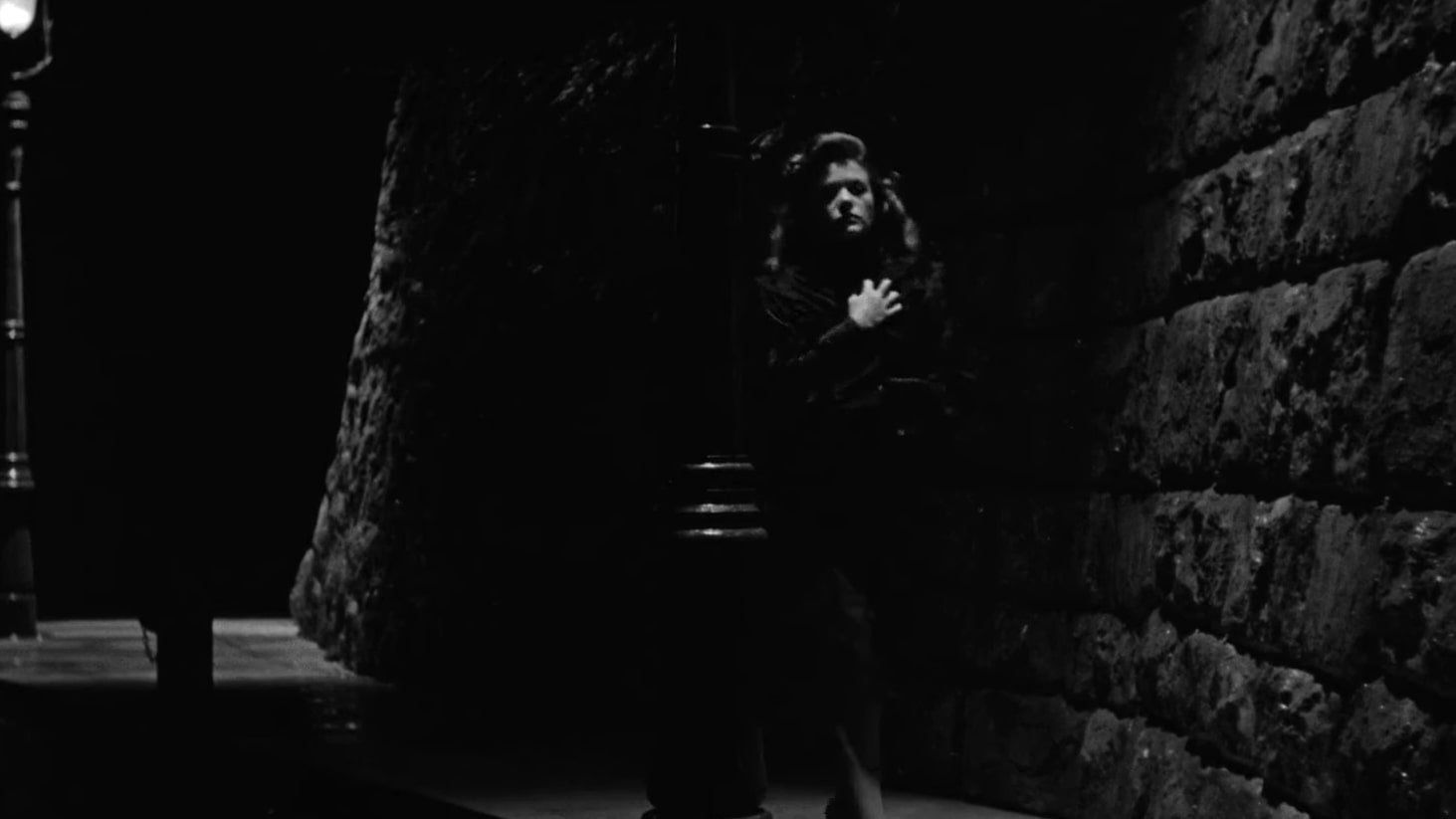
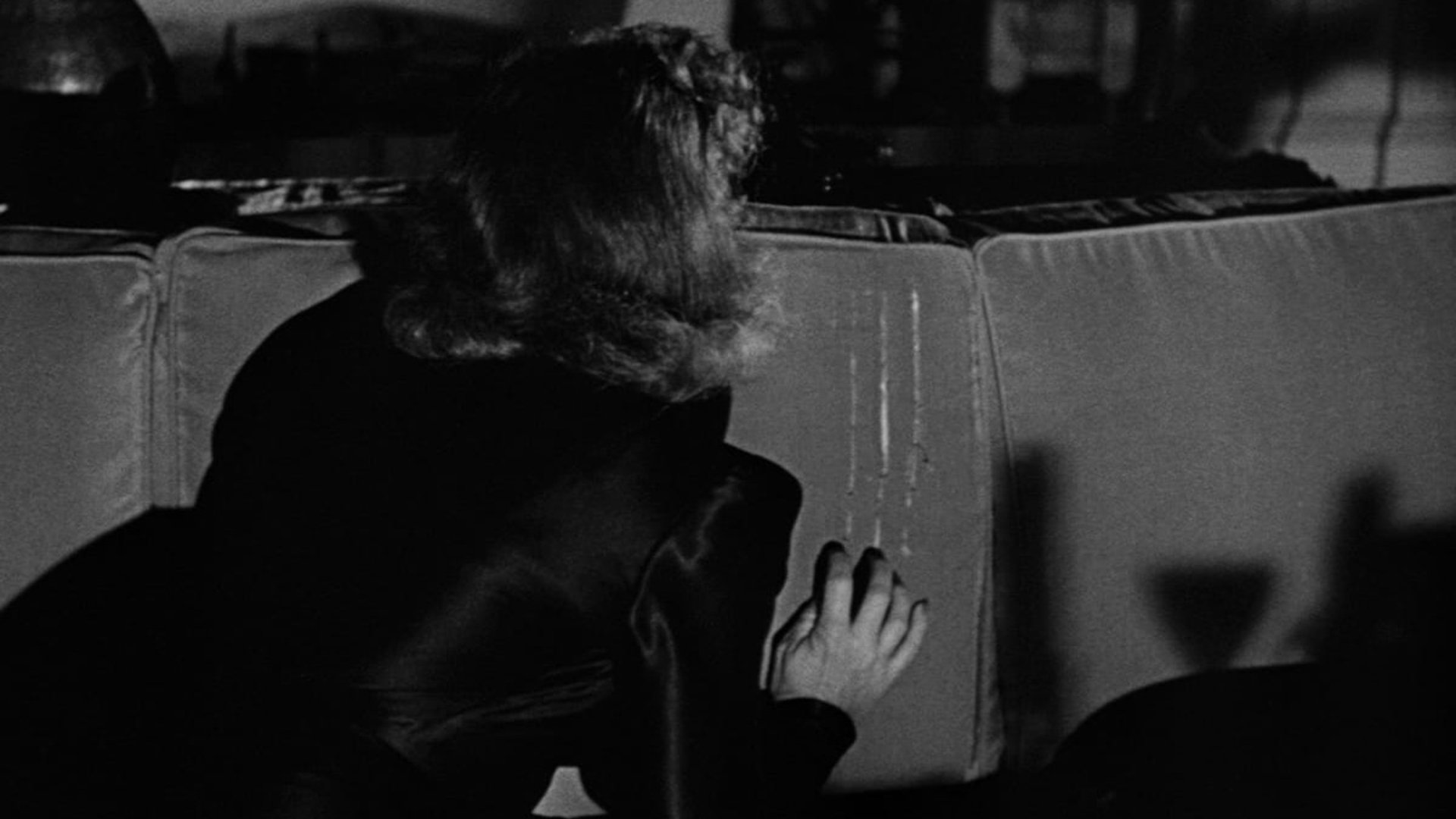
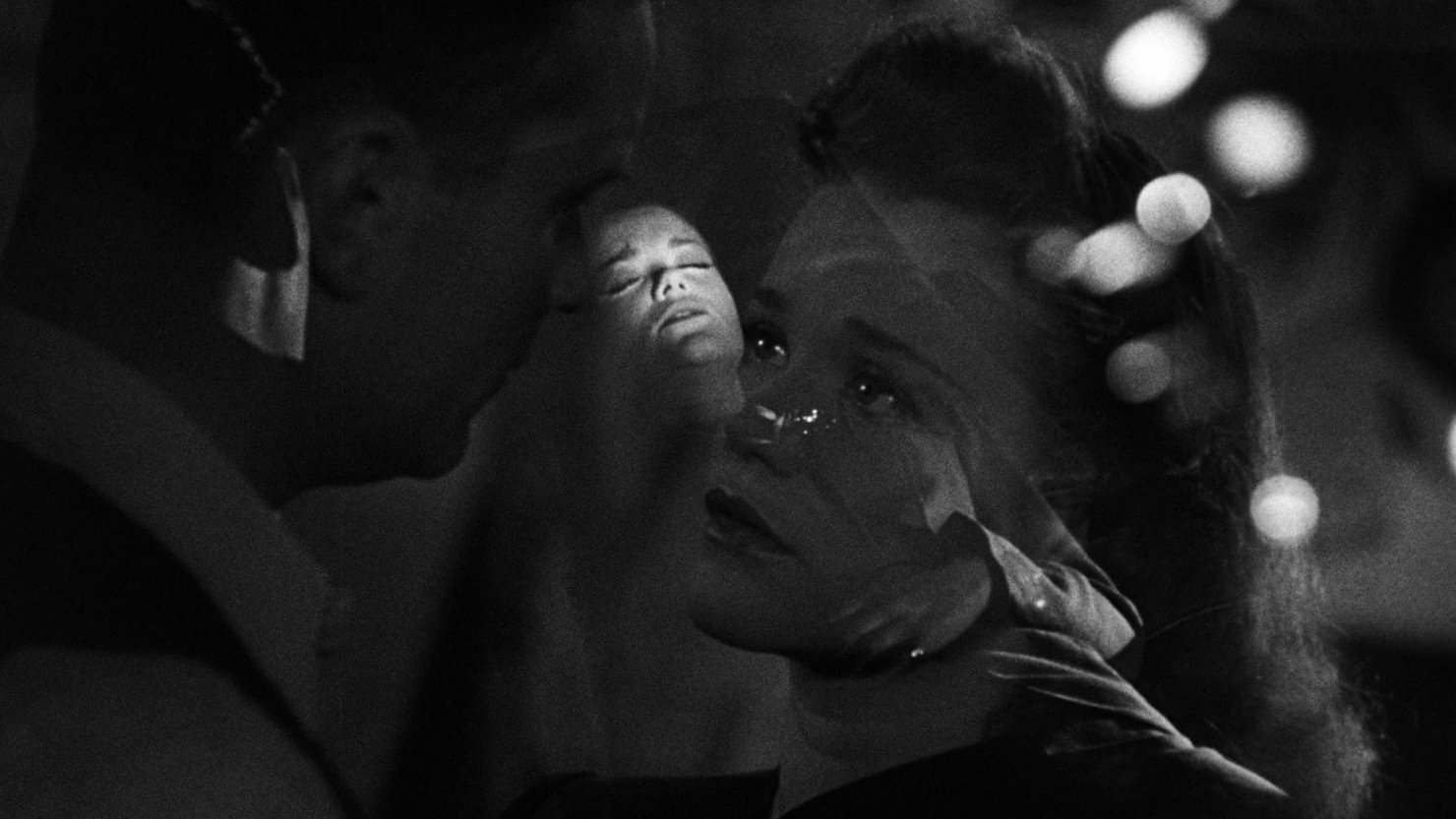
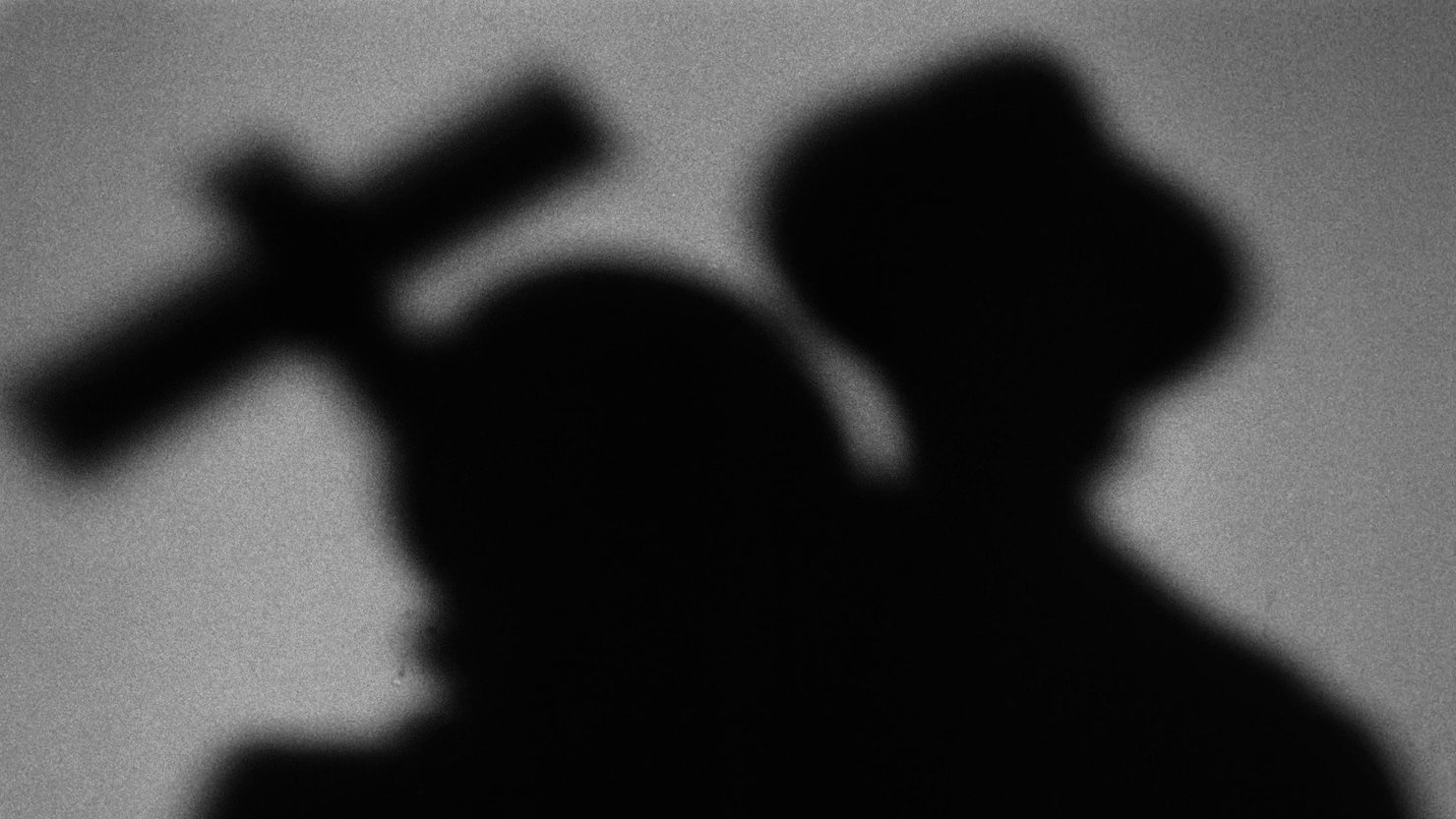
Studio support was not assured. According to AFI's historical record, supervisor Lou Ostrow objected to the early rushes and considered replacing Tourneur, only for Koerner to support the director. Ostrow also wanted the panther made more visible in a later sequence, a demand that Lewton accommodated without abandoning the overall reliance on darkness. These accounts illustrate a negotiation between a commercial requirement for a recognizable creature and a filmmaking approach based on its uncertain presence. They are concrete production circumstances, not proof that the finished aesthetic arose automatically from poverty.