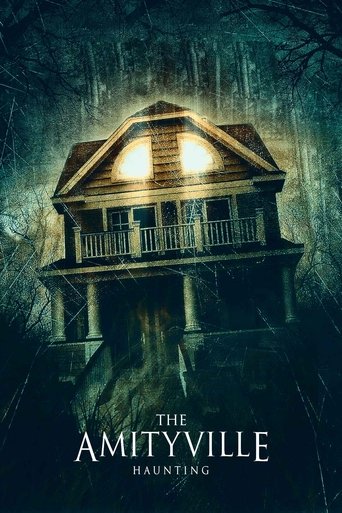
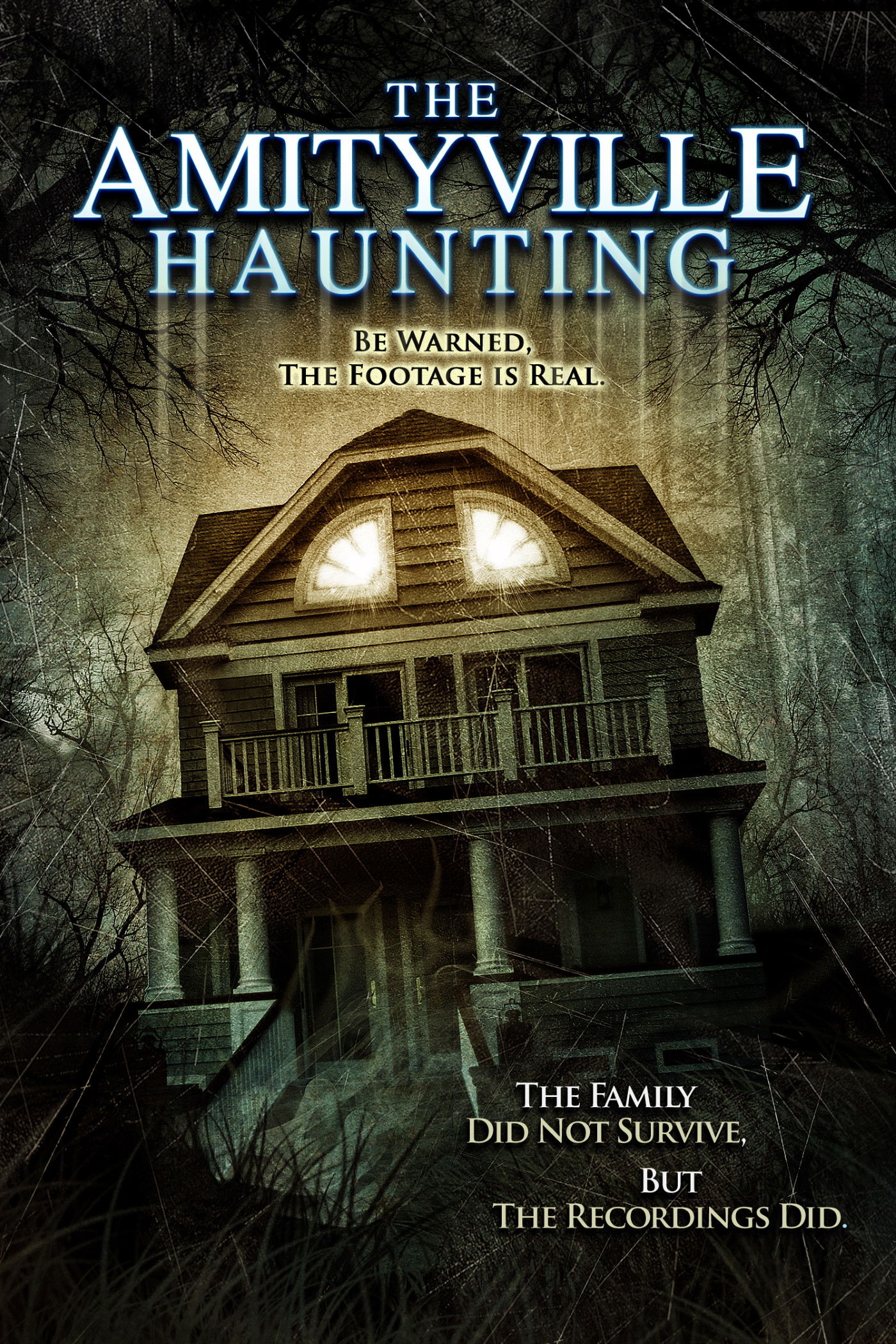
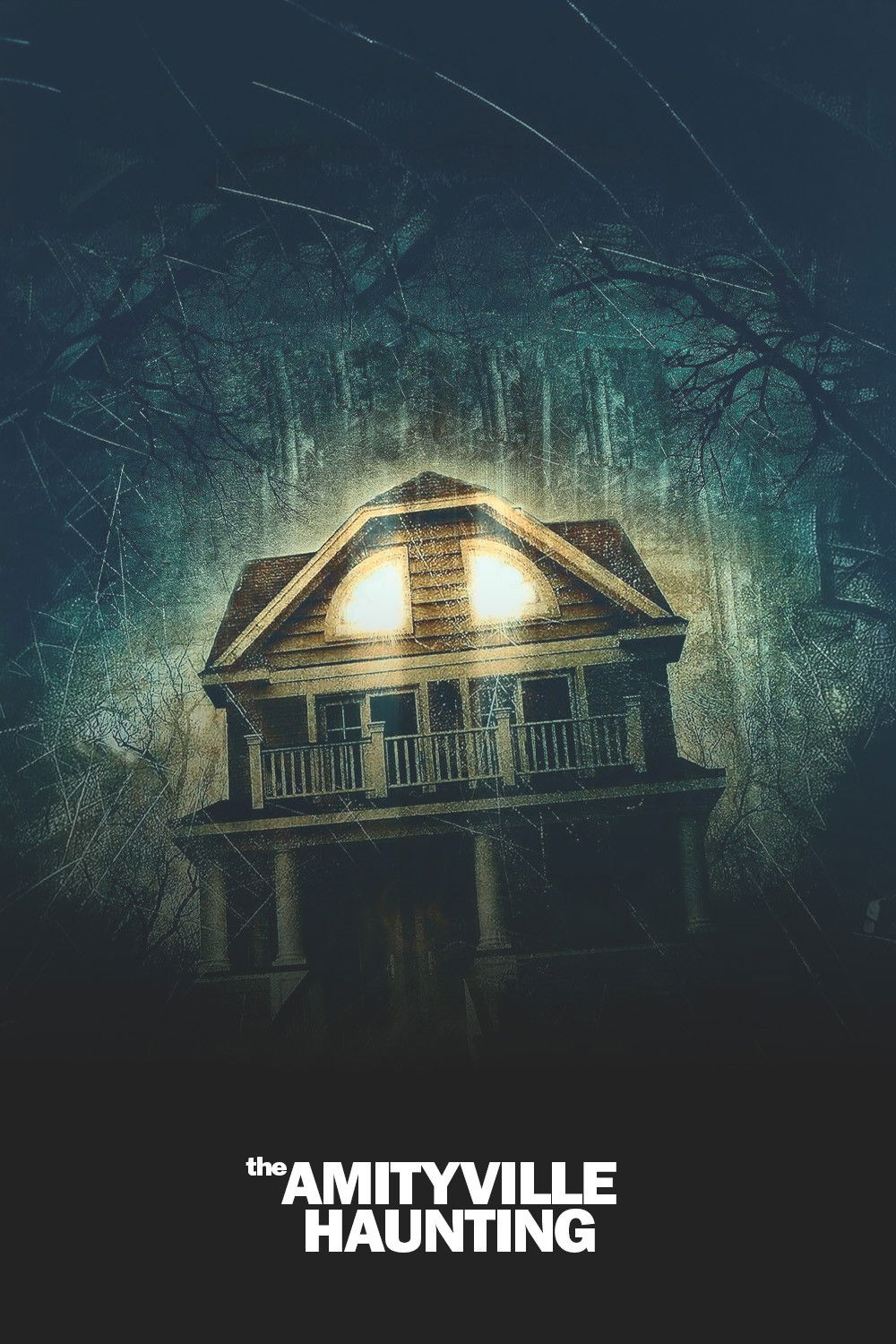
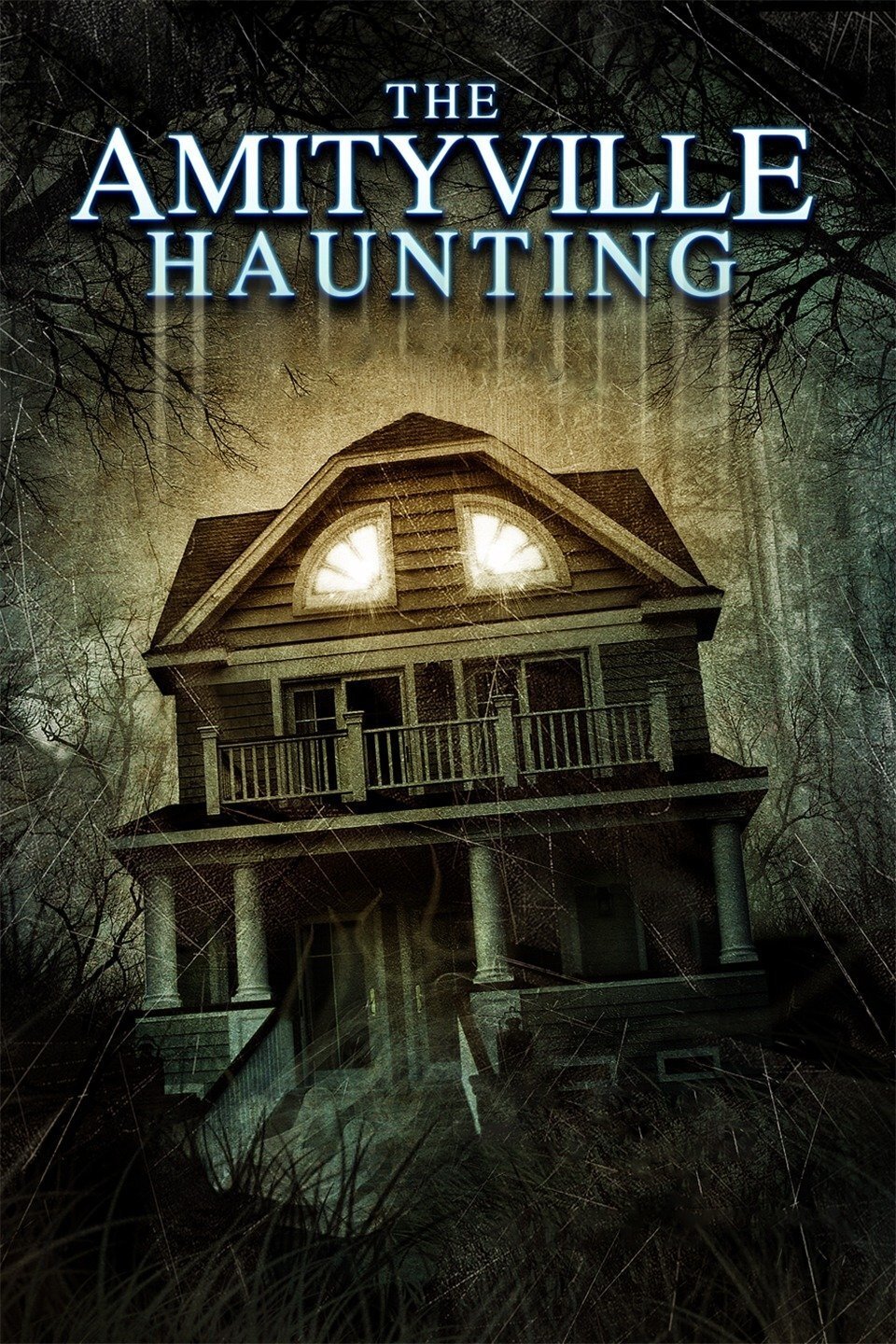
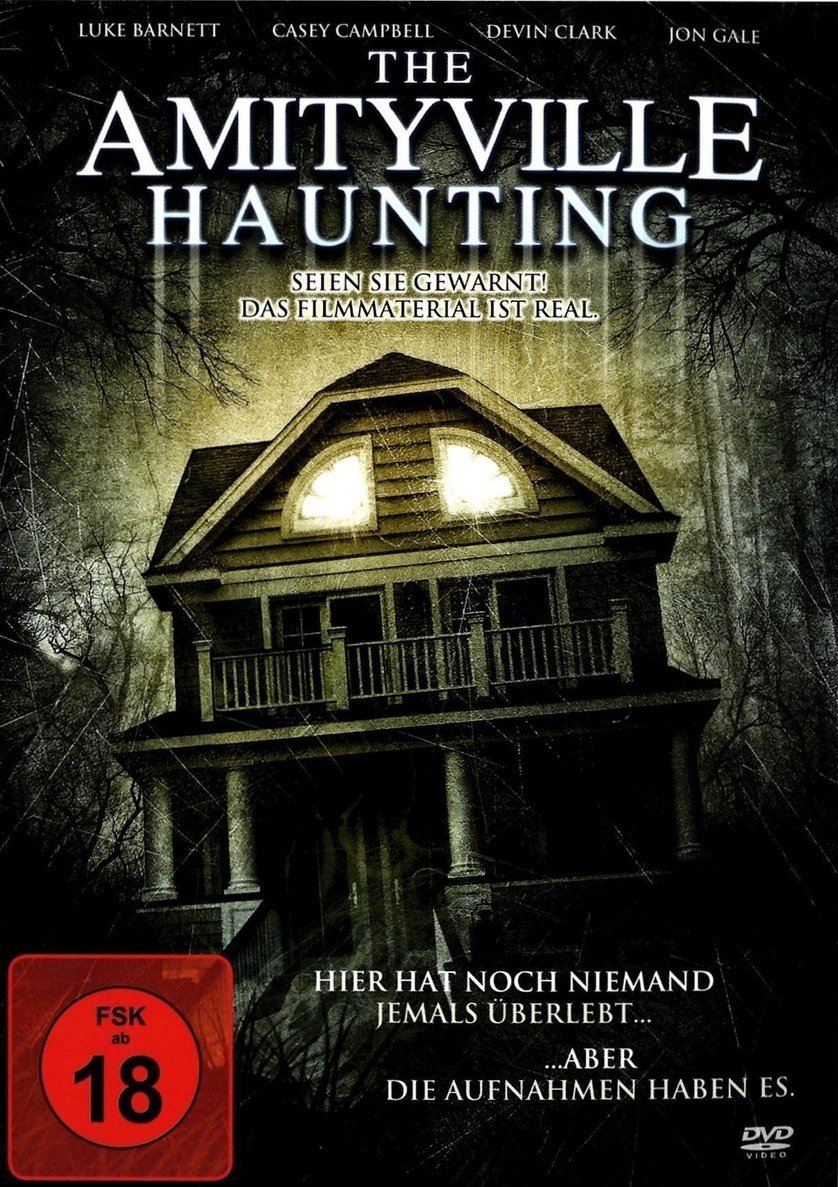
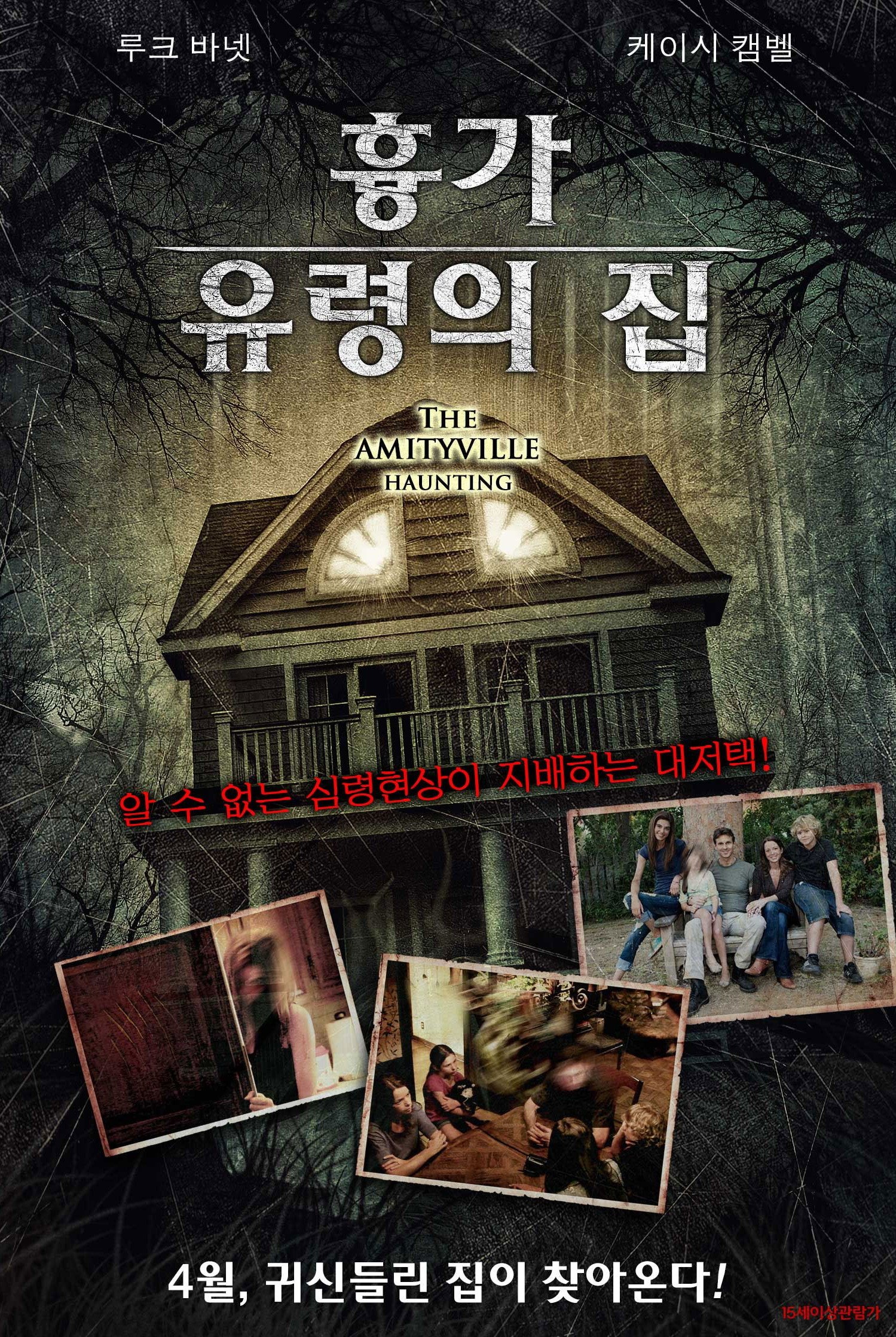
The Benson family moves into a house associated with the infamous Amityville murders and begins recording its daily life with home-video cameras. Their footage captures arguments, unexplained noises and increasingly alarming incidents involving family members and visitors. As the disturbances intensify, the recordings become the principal evidence of what happened inside the property. The film presents the family's ordeal through the material supposedly recovered after their stay in the house.
Alternative Titles
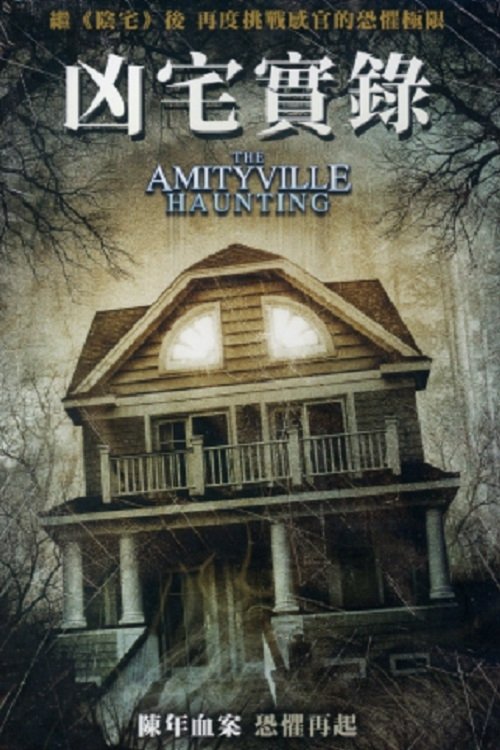
Преследване в Амитивил (Bulgaria) — Bulgarian阿米蒂维尔鬼屋 (China) — ChineseAmityville: The Haunting (United Kingdom) — alternative title兇宅實錄 (Hong Kong SAR China) — Chinese흉가 : 유령의 집 (South Korea) — KoreanПризрак Амитивилля (Russia) — Russianบ้านสังหารโหด (Thailand) — Thai凶宅實錄 (Taiwan) — ChineseShow all 9 alternative titlesAmityville IX: The Amityville Haunting (United States) — faux title
A found-footage return to the notorious Amityville house from The Asylum.
The Amityville Haunting (2011) places the familiar legend of 112 Ocean Avenue within the found-footage horror cycle that expanded after the commercial success of Paranormal Activity. Produced by The Asylum and written and directed by Geoff Meed, the film presents the Benson family's experiences as recordings recovered after a disastrous stay in the notorious house. Its use of handheld video and domestic surveillance brings the supposedly haunted property into a mode of storytelling that depends on cameras being present during increasingly threatening incidents. The film belongs to a different production moment from the Amityville sequels of the 1980s and 1990s. Instead of developing the cursed-object premise of those entries, it returns to the original house and treats the recordings themselves as the means of presenting the haunting. Its interest within the wider franchise is therefore tied to the rapid spread of found-footage methods through independently produced supernatural horror during the early 2010s.
A Found-Footage Amityville Film
The film was announced in a period when another found-footage Amityville project, The Amityville Horror: The Lost Tapes, was being developed at Dimension Films. In November 2011, genre journalist Ryan Turek reported that Dimension's proposed January 2012 release had been delayed while The Asylum moved ahead with its own production. This contemporary report provides firmer evidence of the release context than retrospective assumptions about the filmmakers' intentions. It places The Amityville Haunting among productions responding quickly to a recognizable horror property and a popular recording-based format.
The Asylum's own materials identify Geoff Meed as writer and director and name David Michael Latt, David Rimawi and Paul Bales as producers. They describe the premise as purported footage documenting an ordeal inside the infamous house. Such language belongs to the film's promotional fiction: it should not be mistaken for evidence that the Benson recordings are authentic. The adoption of an established real-world address and a presentation claiming discovered video both work to give the fabricated account an appearance of documentary immediacy.
Domestic Cameras and the Haunted-House Narrative
The Benson family moves into the house despite its association with the 1974 DeFeo murders. Tyler Benson records aspects of family life as disturbing accidents and unexplained events begin to undermine the household's sense of security. The footage premise helps explain the presence of a camera during ordinary conversations and increasingly dangerous moments. As the story develops, security-camera views supplement the handheld material, extending observation to spaces that appear unoccupied and making the viewer search the frame for changes.
This arrangement draws on a distinctive tension of surveillance-based horror. An apparently neutral fixed image may conceal the beginning of an intrusion, while a handheld camera carries the uncertainty and limited attention of the person operating it. The recurring nighttime disturbances and domestic setting link the movie to the broader cycle of early-2010s paranormal found footage. Its particular connection to Amityville lies in the deliberate reuse of the notorious address and the DeFeo history, which supplies a ready-made explanation for the family's fear even when the supernatural incidents themselves are fictional.
Release, Reception and Franchise Position
A contemporary report published on November 15, 2011 advertised a December 27 DVD release. The film's iHorrorDB listing also dates its release to December 27, 2011, while The Asylum's official page identifies 2011 as its release year. A distributor catalog runtime of 90 minutes differs from the approximately 86-minute presentation listed in other release records. These figures alone do not establish an alternate cut, and no specific edited or restored edition can be identified from them with confidence.
The Amityville Haunting appeared long after the original film's theatrical success and after several different approaches to its supposed haunting. Its position in the franchise is best understood through the borrowing of the Amityville location and its association with violence, coupled with a contemporary method of staging supernatural events as personal recordings. Critical discussion has also addressed its debt to the camera and surveillance conventions popularized by Paranormal Activity. These comparisons concern storytelling technique and contemporary market context; they do not by themselves establish direct creative influence or a formally continuous narrative with other Amityville films.