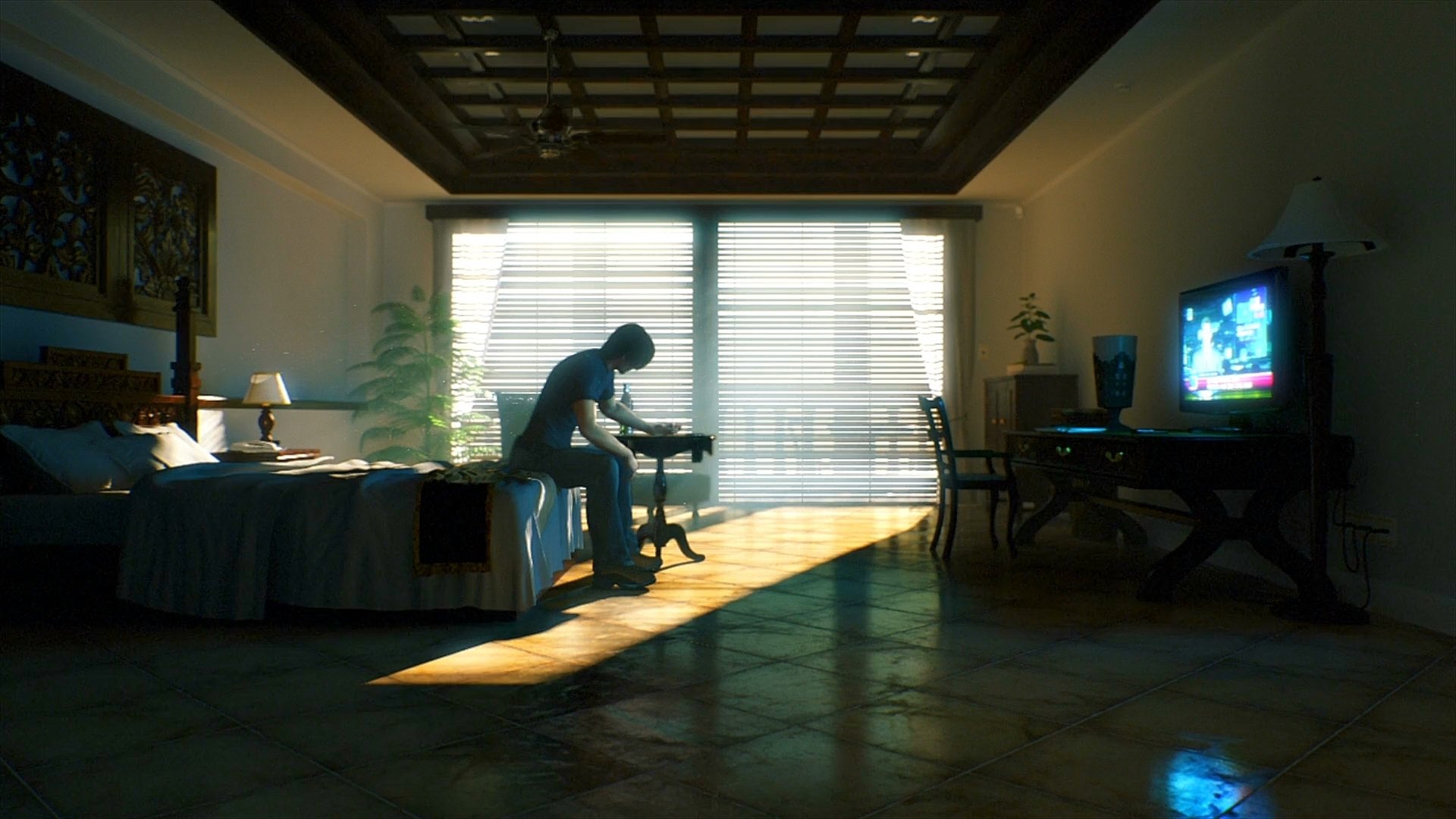
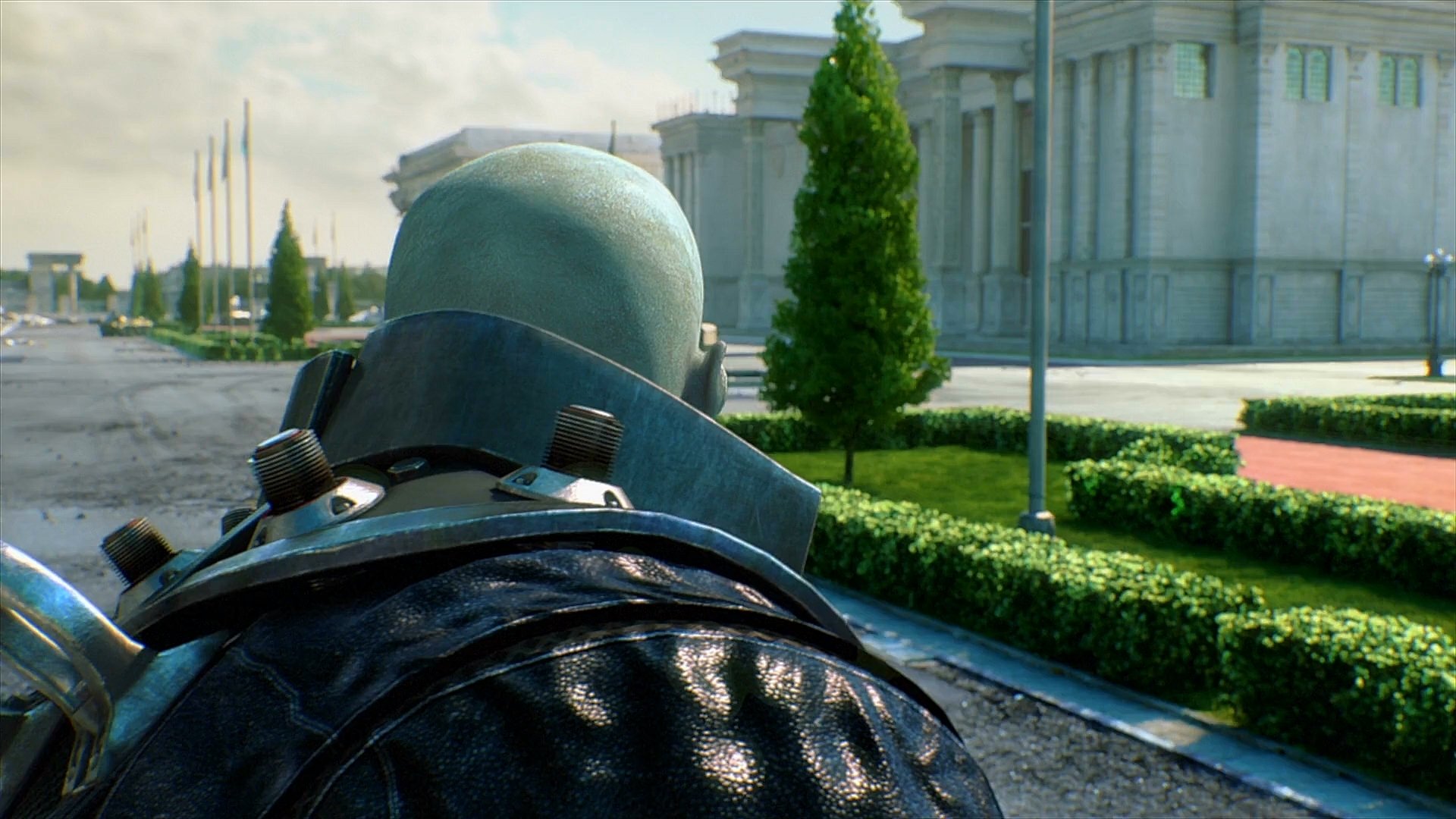
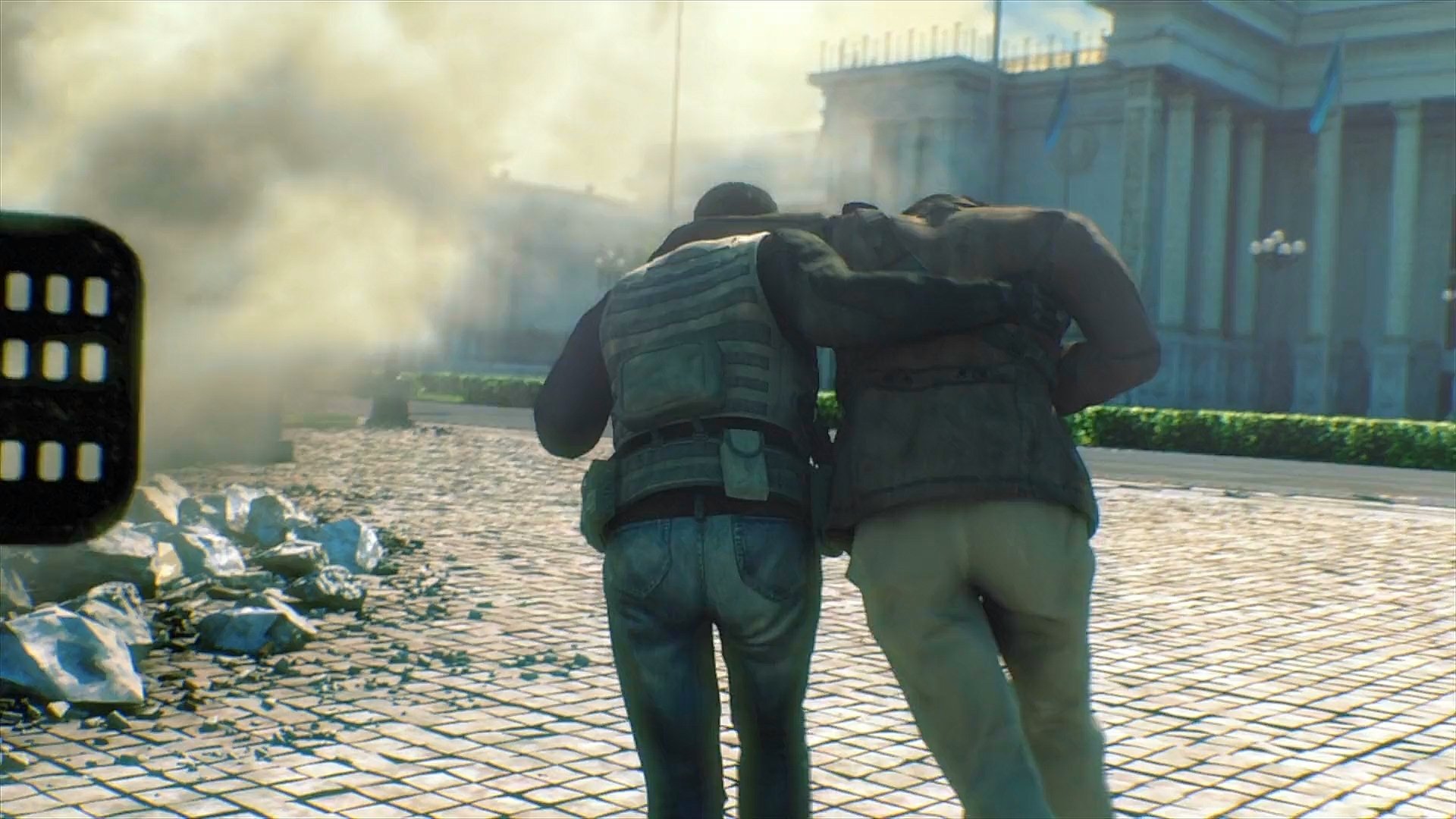
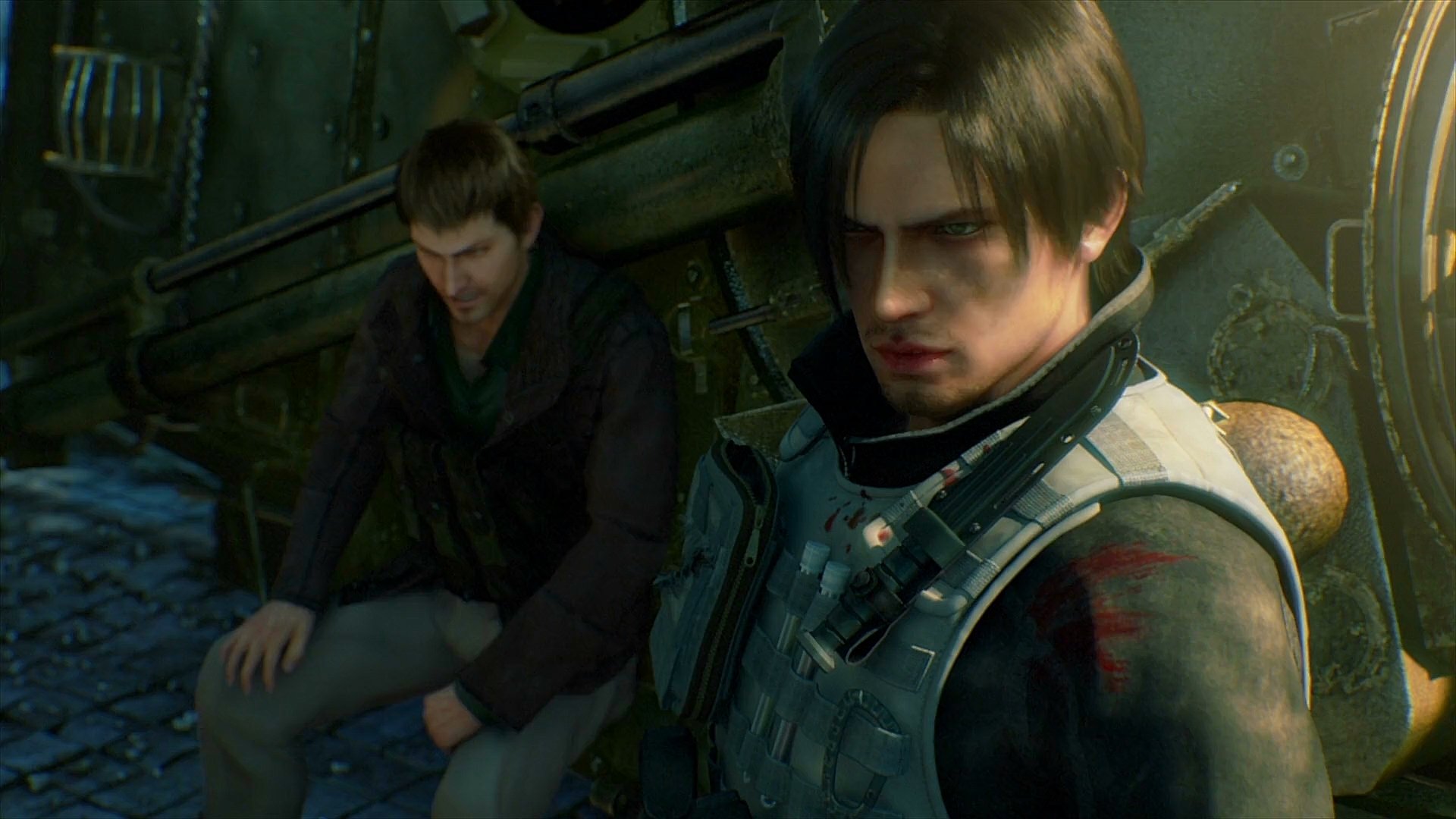
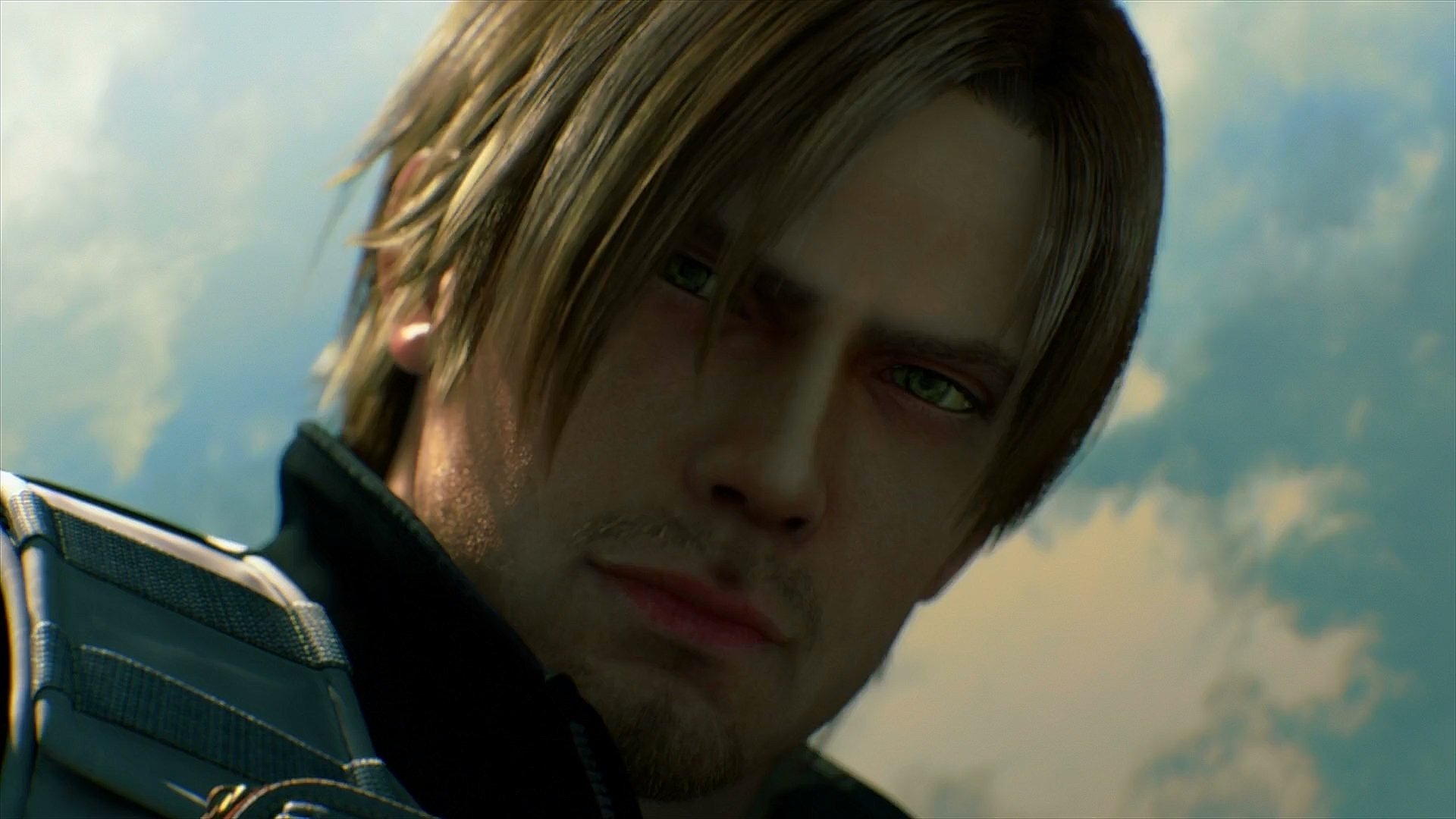
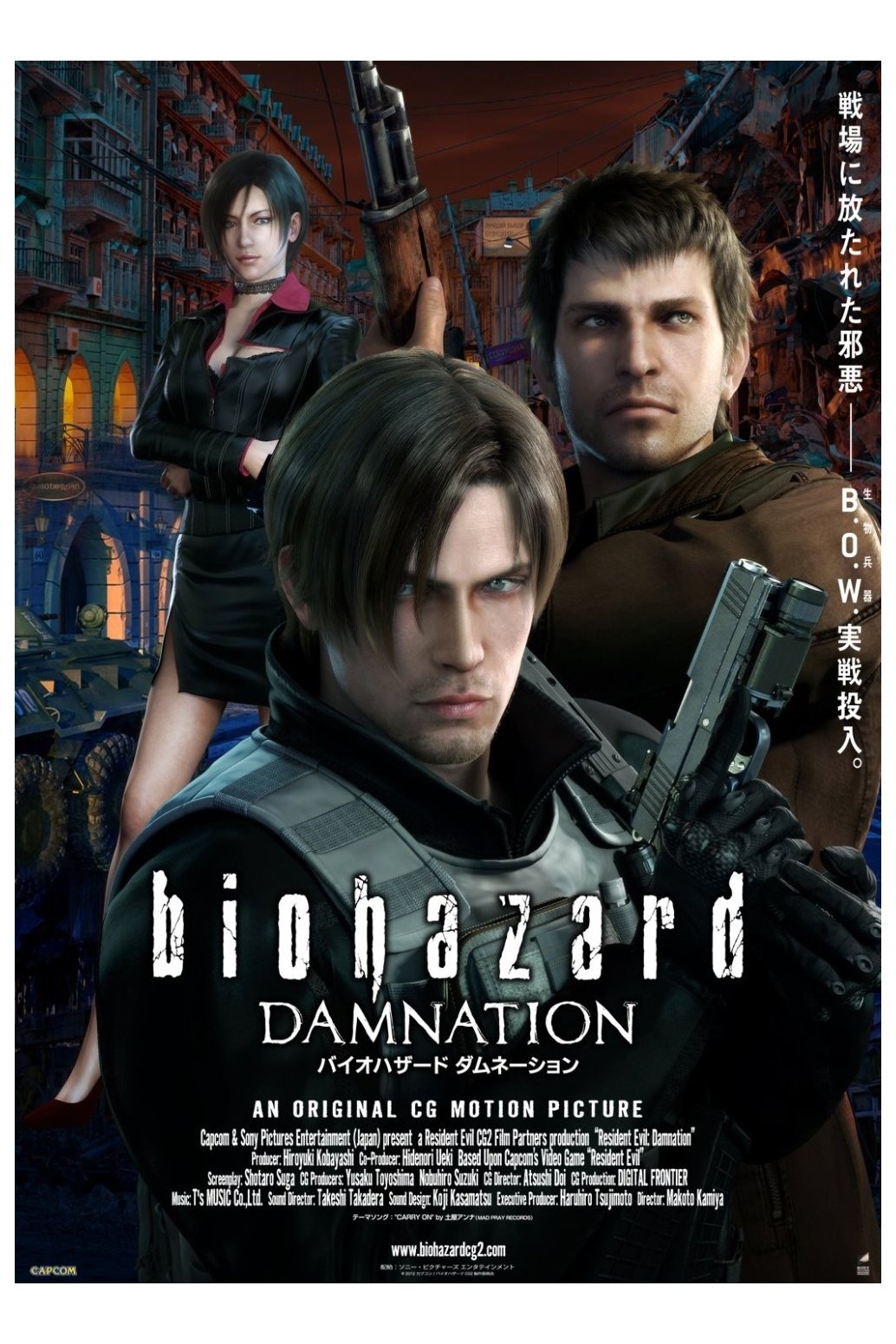
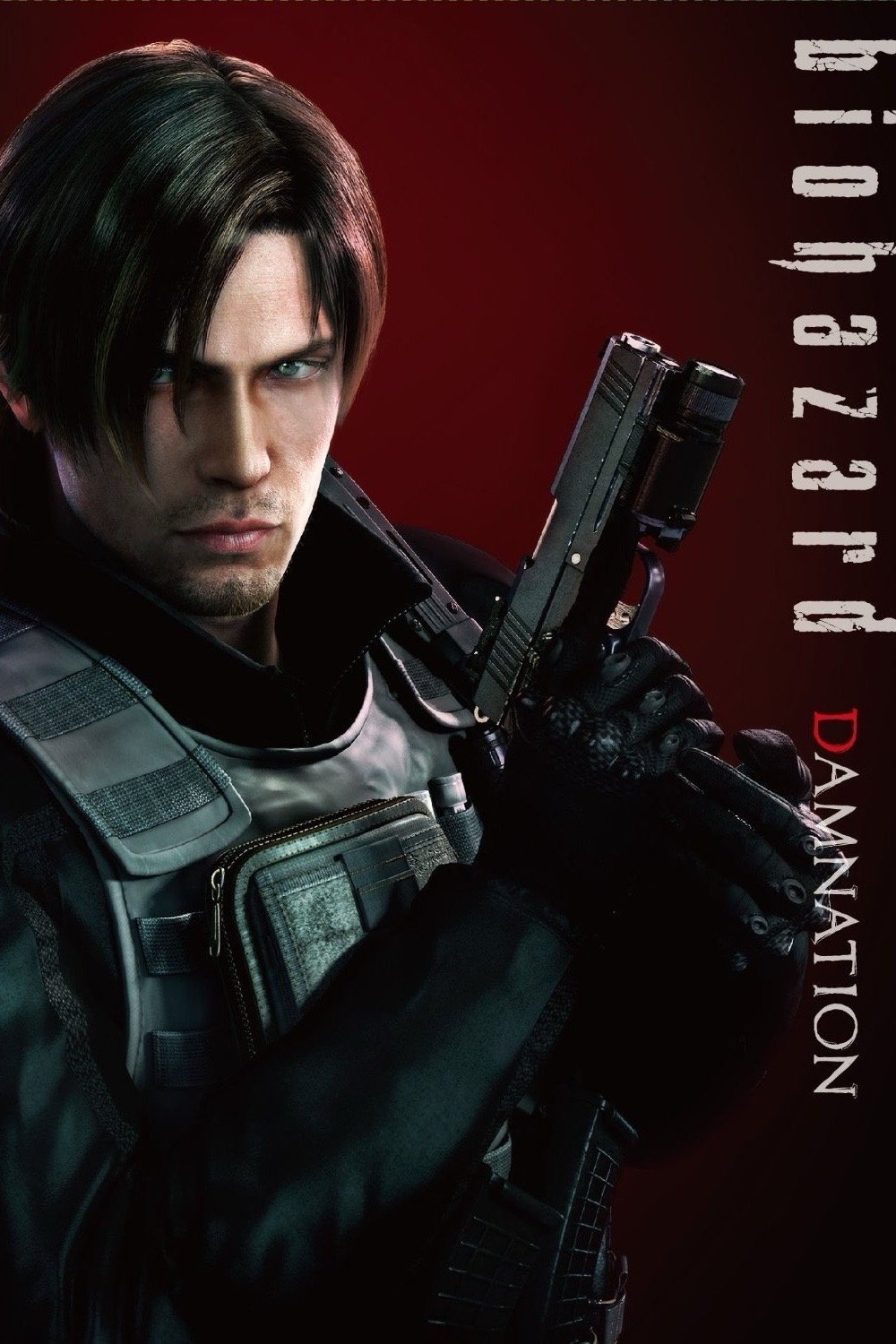
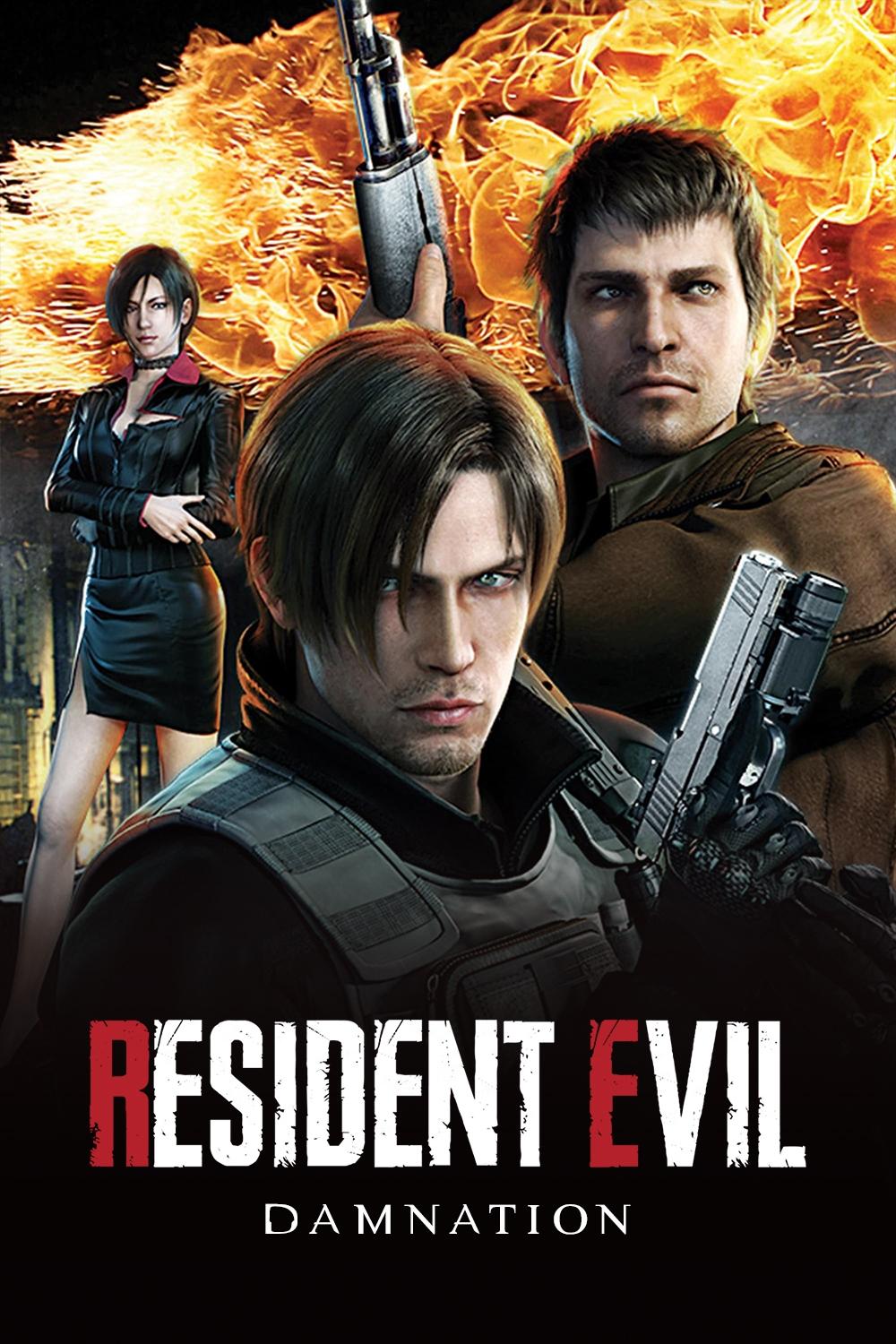
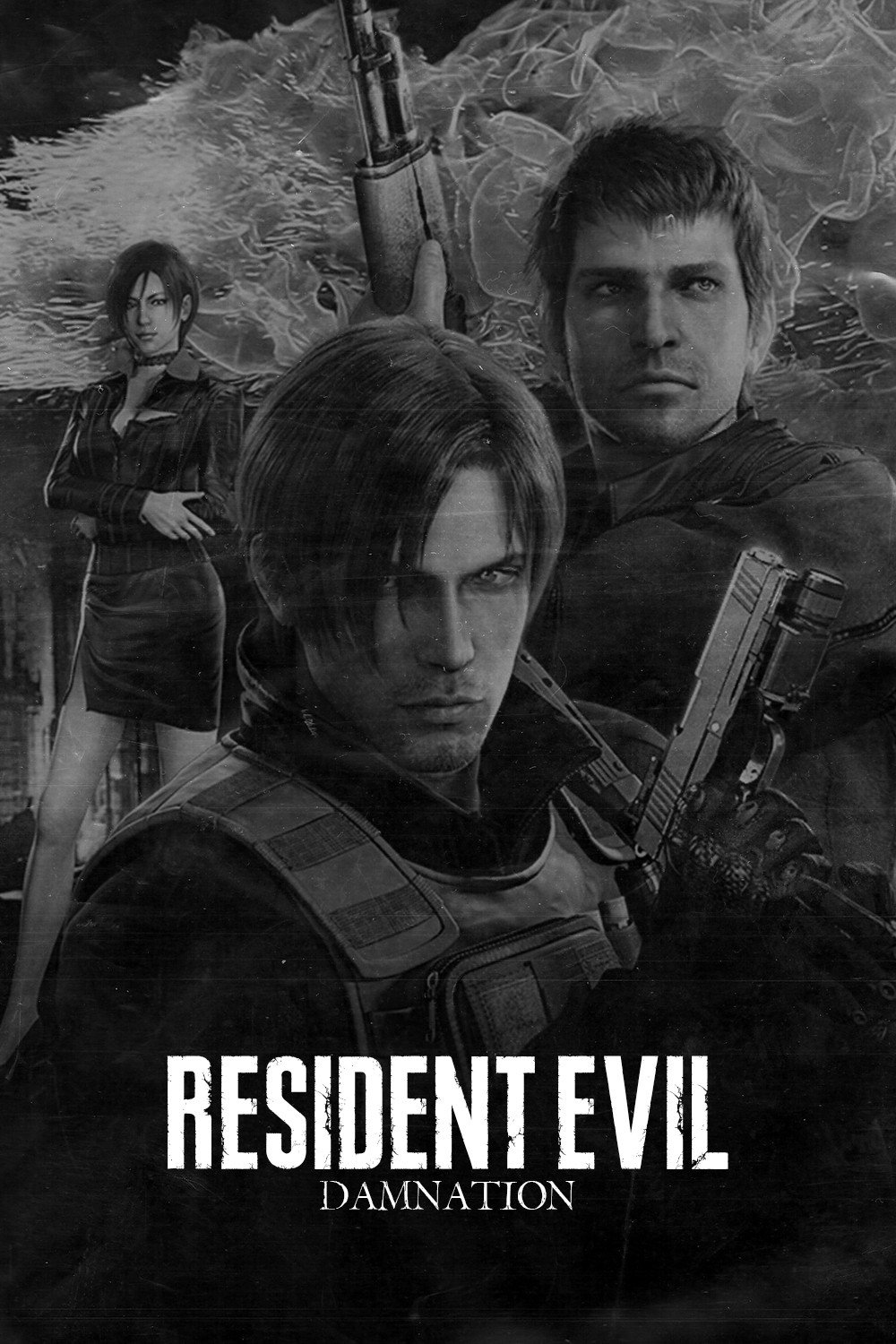
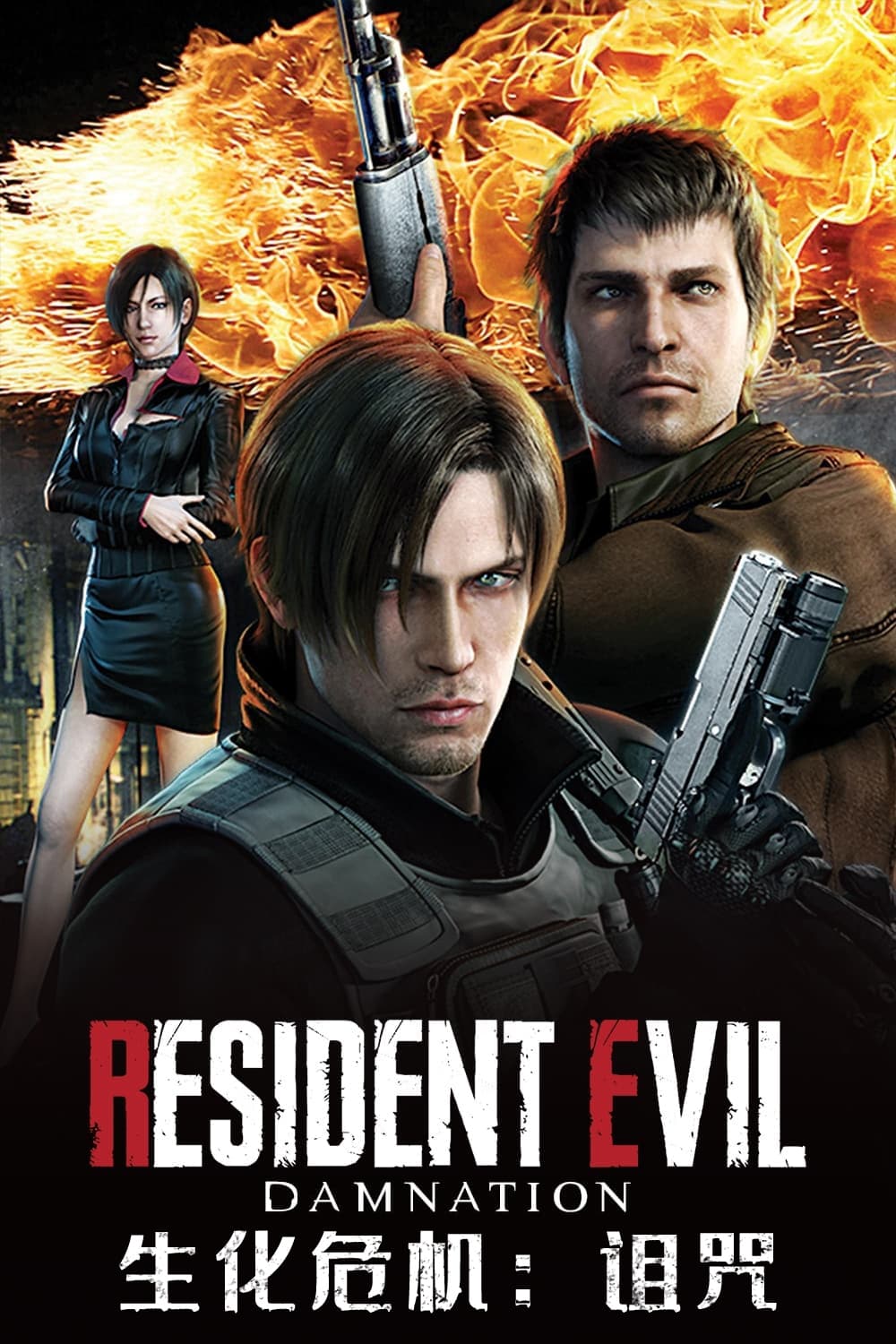
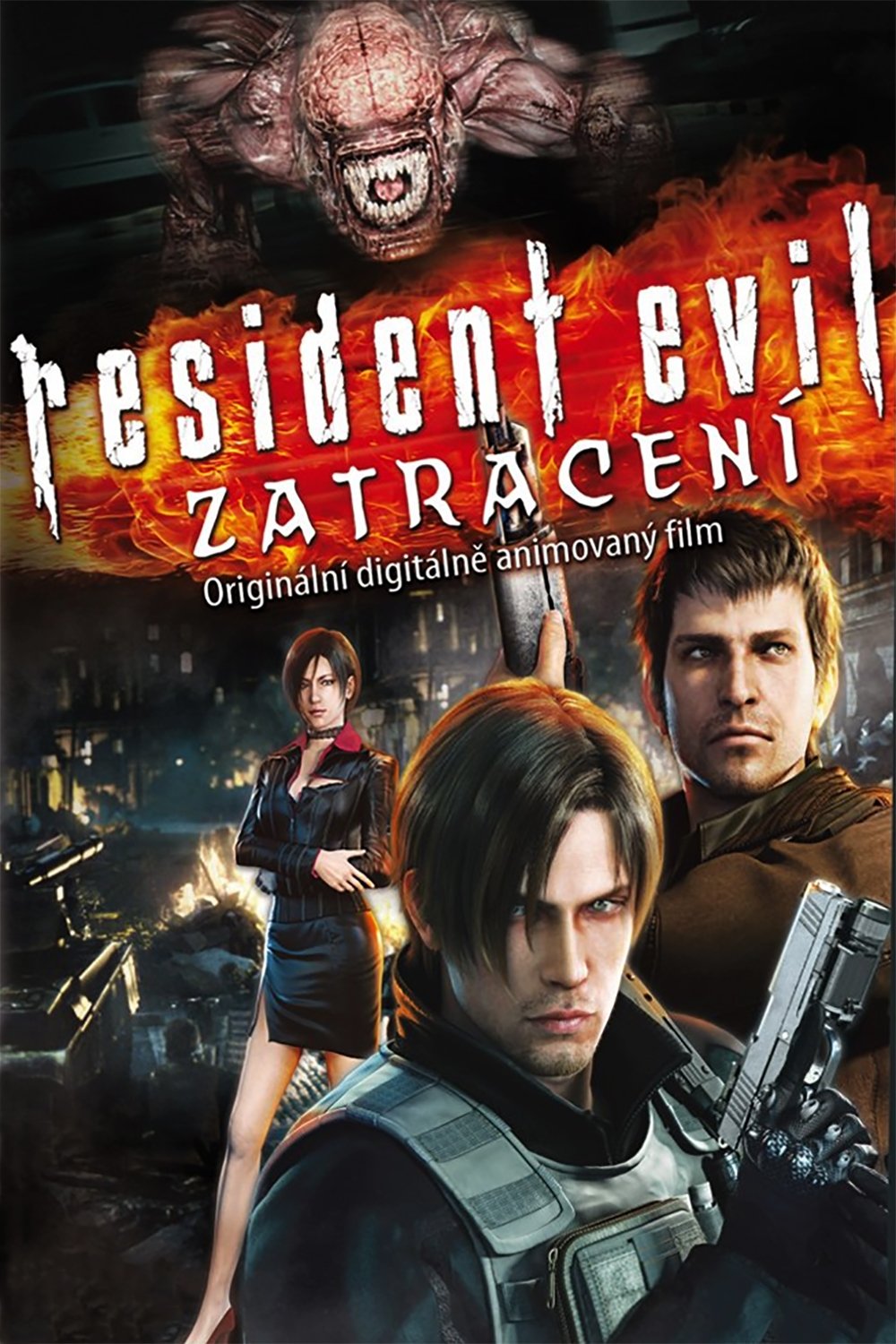
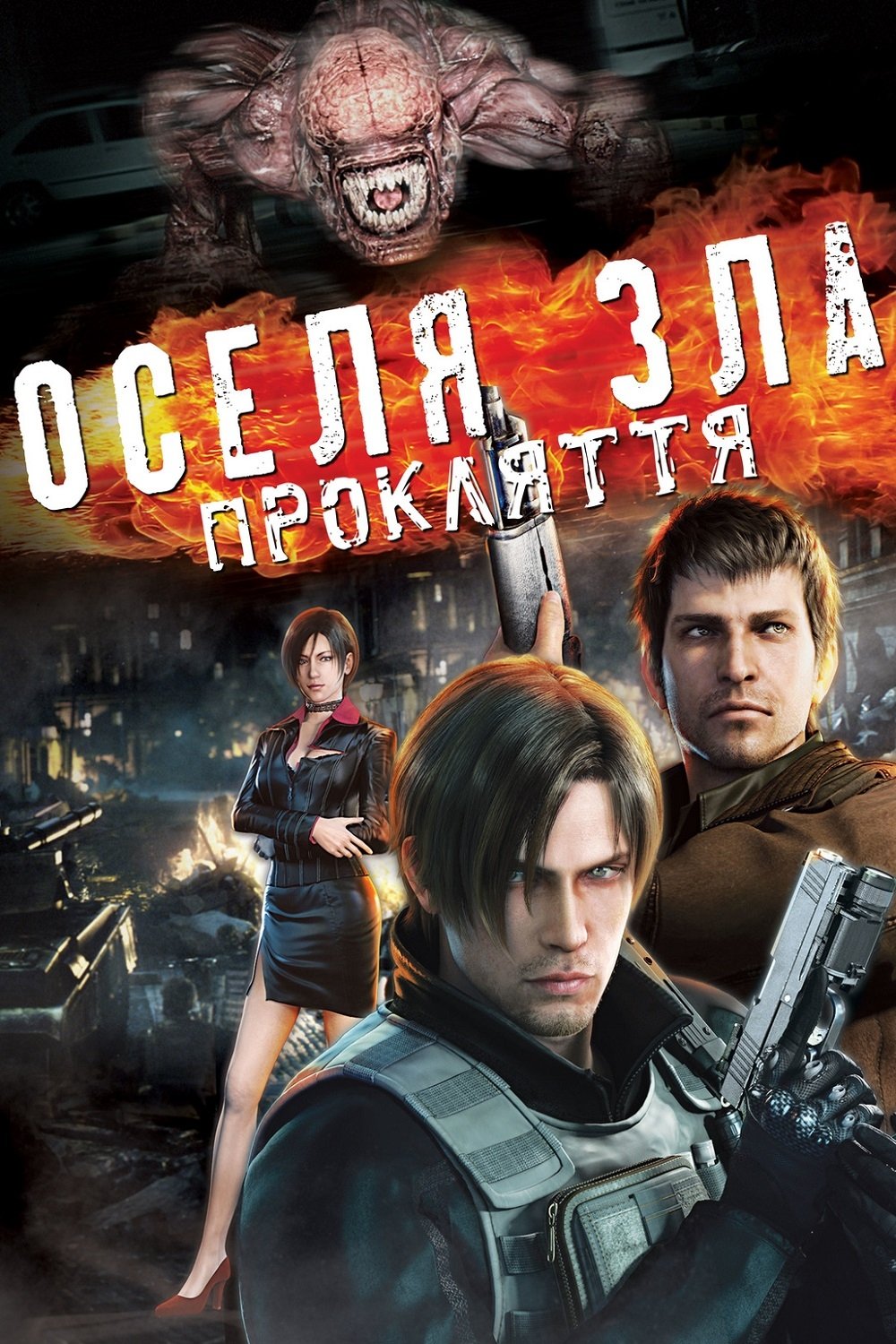
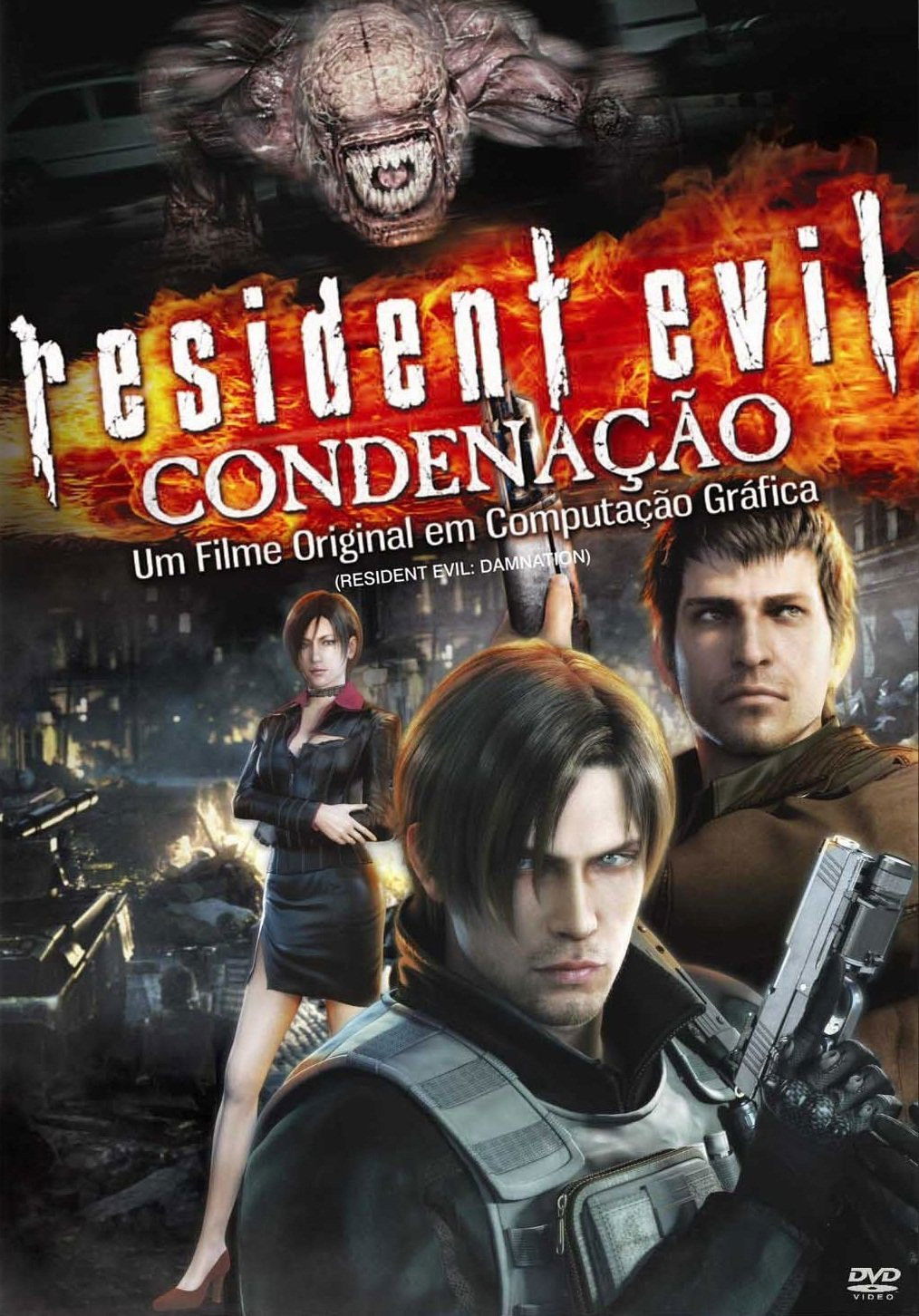
U.S. agent Leon S. Kennedy enters the Eastern Slav Republic during a civil conflict after reports that biological weapons are being used by rebel forces. Ordered to withdraw, he continues his investigation and discovers that a parasite-based weapon has become part of the struggle for political control. Leon encounters resistance fighters, government troops and a mysterious operative connected with the outbreak. The competing factions exploit infected creatures to gain ground, leaving civilians exposed to rapidly escalating violence. His mission becomes an effort to expose the biological-weapons program and survive its consequences.
Leon Kennedy enters a fictional civil war where Capcom-linked CGI production brings game creatures into a story about biological weapons.
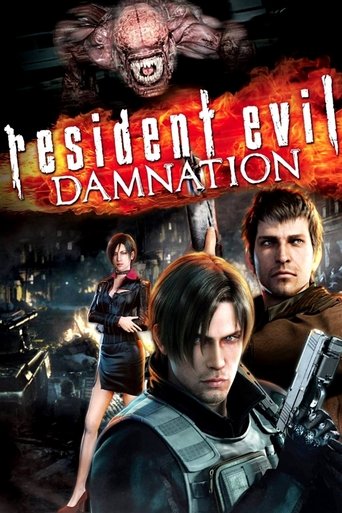
Resident Evil: Damnation (2012) is the second computer-animated feature developed by Capcom and Sony Pictures Entertainment Japan from the Resident Evil games. It places Leon S. Kennedy in the fictional East Slavic Republic, where a civil conflict has become a testing ground for Bio-Organic Weapons. The country's unstable politics give the film a different setting from the infected facilities and outbreaks that dominate much of the franchise. Combatants use creatures as instruments of war, turning the familiar threat of uncontrolled biological experimentation into a question of who can direct a monster against an enemy.
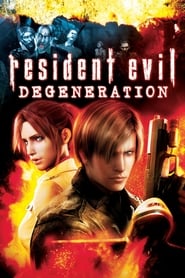
Makoto Kamiya returned from Resident Evil: Degeneration (2008) to direct a story that also brings Ada Wong into the animated continuity. The production was conceived in relation to Capcom's game narrative, with characters and creature designs coordinated with the team developing Resident Evil 6. Contemporary interviews with Kamiya and producer Hiroyuki Kobayashi offer unusually direct evidence about that process. They also describe the technical burden of constructing an entire film digitally, including performances recorded through motion capture and animation that had to extend beyond the movement of human actors.
Developing the Second Animated Feature
Capcom and Sony Pictures Entertainment Japan announced the co-production on September 14, 2010, explicitly presenting Damnation as a sequel to Degeneration. The companies described the first animated film's Japanese theatrical engagement as limited to two weeks and three screens, while reporting worldwide home-video shipments exceeding 1.6 million copies. These are company-reported figures for the earlier film, useful for explaining why the partnership continued, not box-office figures for Damnation. The announcement also identified Leon as the returning lead and promoted a three-dimensional release in Japan. It located the project within Capcom's broader effort to expand Resident Evil across games and screen productions.
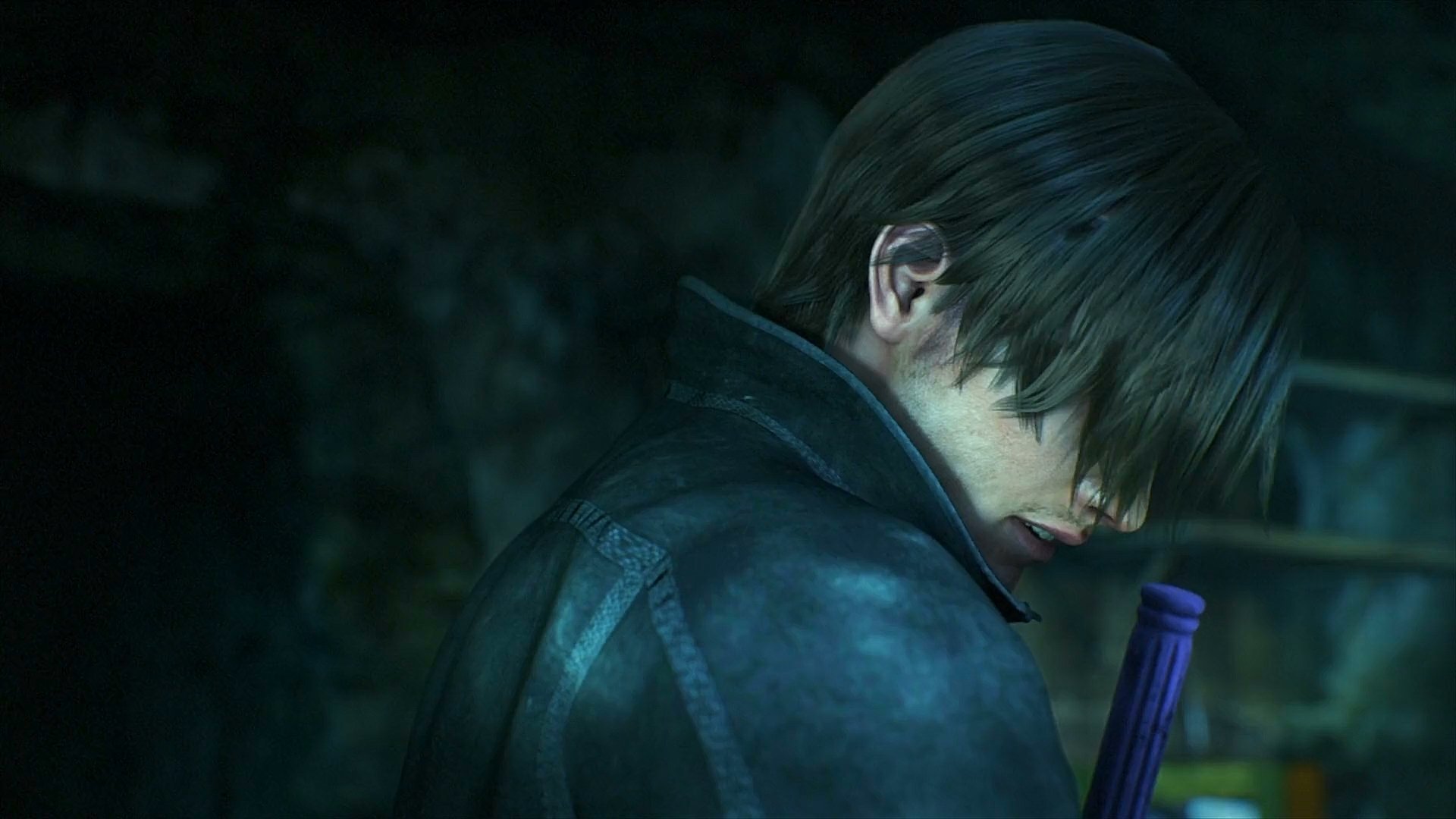
Kamiya said during a July 2012 interview that the producers asked him to continue with Leon as protagonist. He explained that the film takes place after Resident Evil 5 and was developed with the upcoming Resident Evil 6 in mind. This positioning matters because the animated films occupy the games' fictional continuity, unlike the separate live-action story centered on Alice. Rather than reproduce a single game's plot, Damnation imagines another consequence of a world where biological weapons have become internationally available. The East Slavic conflict provides a framework for that premise, with American and Russian interests surrounding a struggle in which local populations bear the most immediate danger.
Capcom Collaboration and Game Continuity
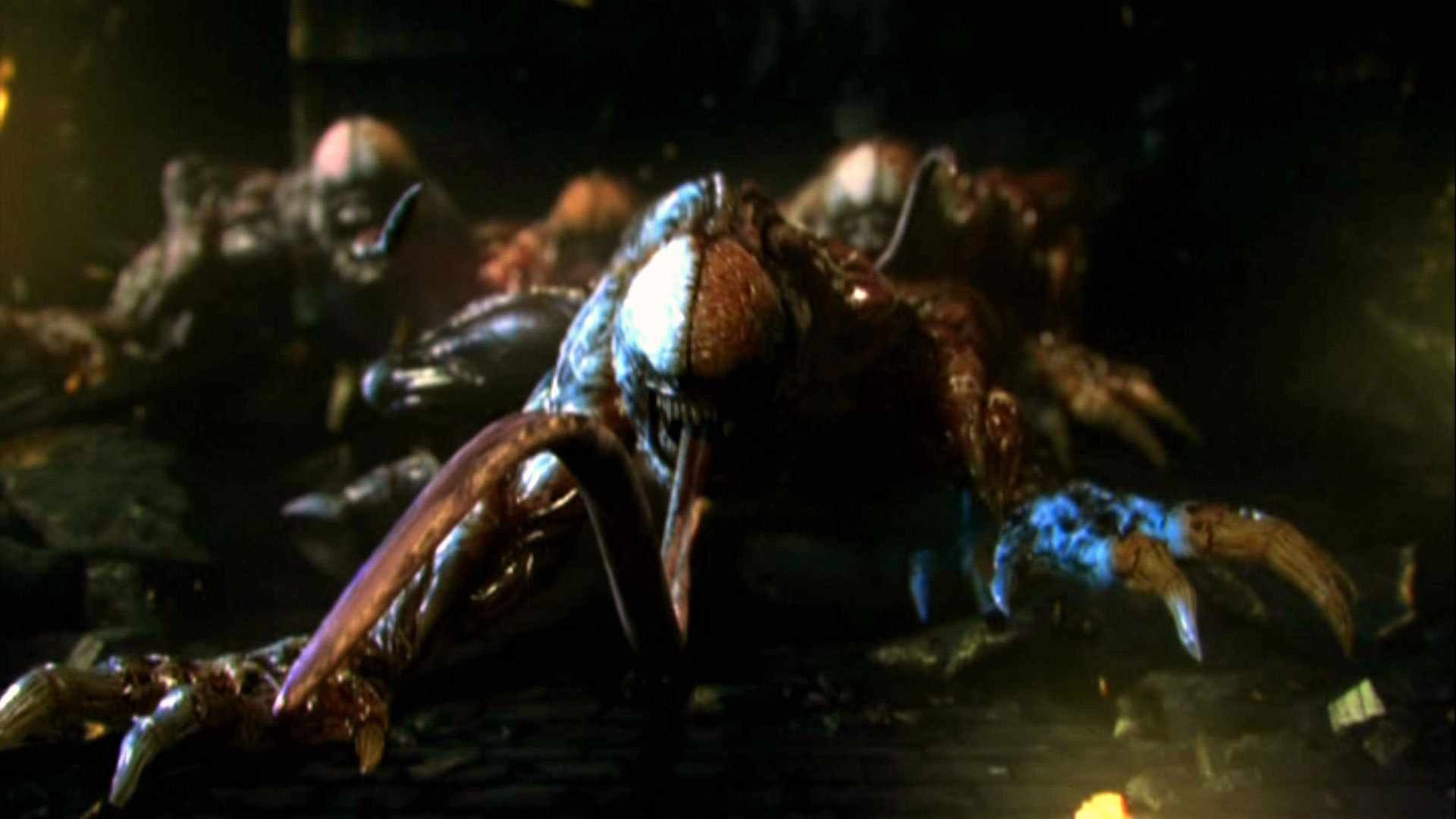
The relationship between the film and the games extended into asset design. Kamiya described working directly with a Capcom contact involved with Resident Evil 6 and sending the team's human and creature models to the game's developers for review. Capcom could request visual adjustments to preserve consistency. He also stated that the production received a Licker model from Capcom, while other creatures were developed specifically for Damnation. This is a more concrete form of franchise coordination than a general claim that the film resembles a game: the filmmakers and developers exchanged actual design material during production.
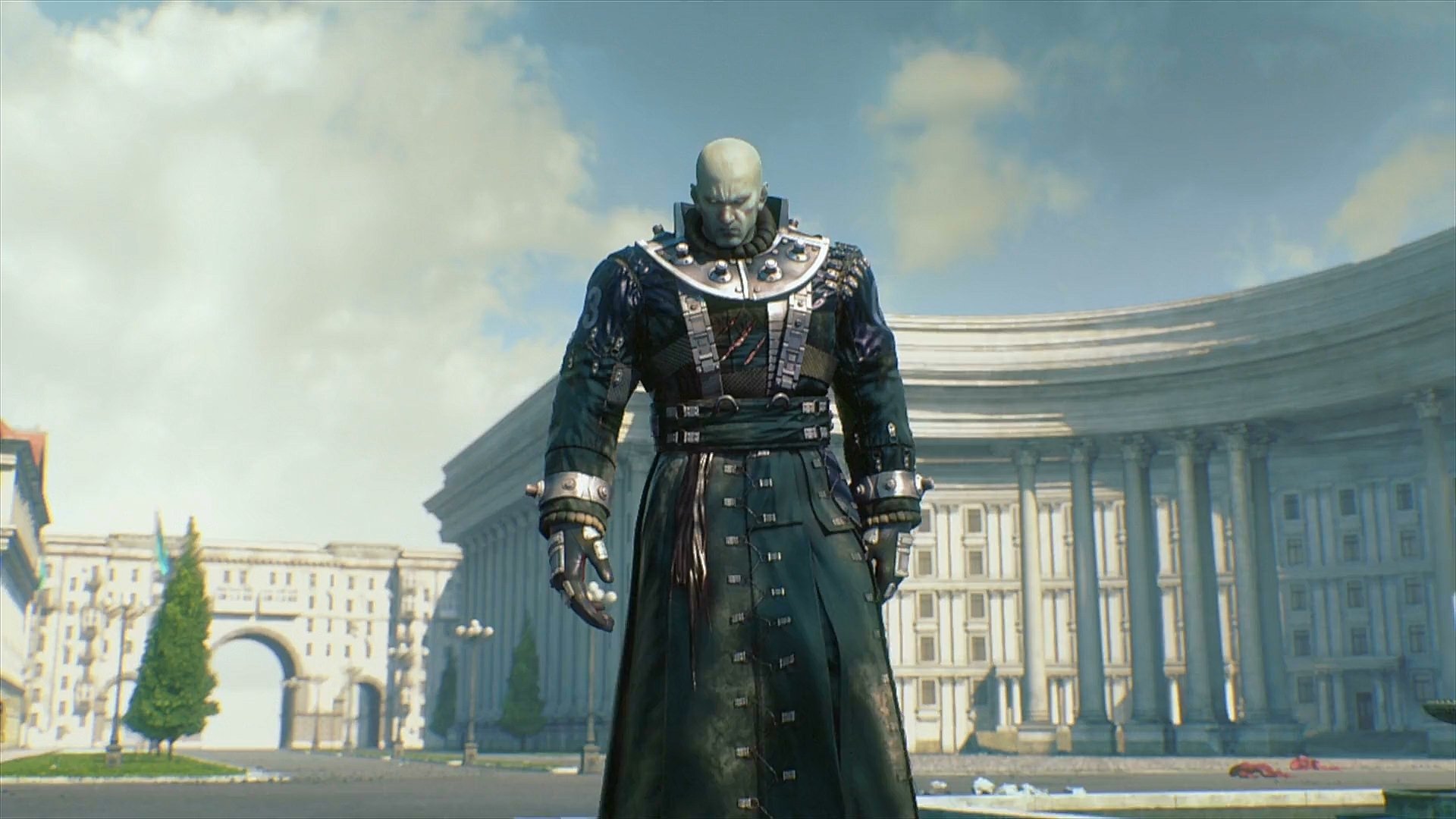
Leon and Ada bring an existing history of secrecy and uneasy cooperation to the fictional republic, where the authorities and insurgents each have reasons to conceal their use of biological agents. The Lickers and Tyrants embody different degrees of control. Lickers can be directed through the story's parasitic infection mechanism, while the enormous Tyrants create threats that can overwhelm armed groups and the architecture around them. Their presence shifts the horror from a localized accident to the planned deployment of organisms against people. The film's larger battles emphasize a central contradiction in Umbrella-era biotechnology: engineering a weapon does not guarantee lasting control over its violence.
Motion Capture and Creature Animation
At a September 2012 press event, Kamiya discussed directing performers during motion-capture sessions and using the recorded data as part of the animation process. He compared guiding actors in this setting with directing performances in live action, while emphasizing that computer animation could accommodate action less restricted by practical locations and physical staging. Kobayashi's involvement helped maintain recognizable behavior for returning characters, particularly Leon. The remarks reveal that character consistency was treated as a production concern, not simply as a visual resemblance achieved at the end of rendering.
Kamiya described full-CGI filmmaking as a laborious process because all environments and visible action must be created. Motion capture supplies a foundation for human behavior, but nonhuman anatomy presents additional problems. A creature such as the Licker moves on limbs and in postures for which a human performance can provide only partial reference. Animators therefore need to interpret weight, contact and sudden acceleration in ways that sustain the impression of a biological organism. The result combines game-derived visual identities with longer cinematic encounters, particularly when the creatures attack through corridors, ruins and open squares in the fictional war zone.
Political Horror and Release
Damnation uses a fictional post-Soviet state to make the proliferation of Bio-Organic Weapons the subject of an international military crisis. Its infected combatants and parasitic creatures function as components of organized warfare, extending the franchise's recurring concern with corporations and authorities exploiting biological research. The civil-war setting also allows the film to alternate intimate pursuits with large-scale fighting. In the smaller passages, Leon's position remains recognizable as survival horror: limited information and unstable alliances make each encounter dangerous. In larger confrontations, the emphasis shifts toward the devastating capacity of creatures that no ordinary infantry unit can easily contain.
The film reached American home video on September 25, 2012, before its Japanese theatrical opening on October 27. These separate release routes should not be collapsed into a single worldwide premiere. The Japanese film database lists the theatrical date and a running time of 100 minutes, while contemporary reporting on Sony's American Blu-ray and DVD announcement establishes the September home-video date. The difference reflects the project's distribution strategy rather than competing versions of its narrative. Damnation's place within the animated series is defined by its direct collaboration with the game developers, continued use of Leon and a more explicit concentration on the military exploitation of biological horror.
References
Capcom — Capcom and Sony Pictures Entertainment Japan Announce the Coproduction of Resident Evil: Damnation
September 2010 primary announcement establishing the joint production, planned 3D format, returning protagonist and predecessor shipment figures.
GameNGuide — Interview with Resident Evil: Damnation Director Makoto Kamiya
July 2012 transcript of a direct interview on chronology, the Resident Evil 6 development connection, CGI models and Licker assets.