

Building a Sequel Around Ripley
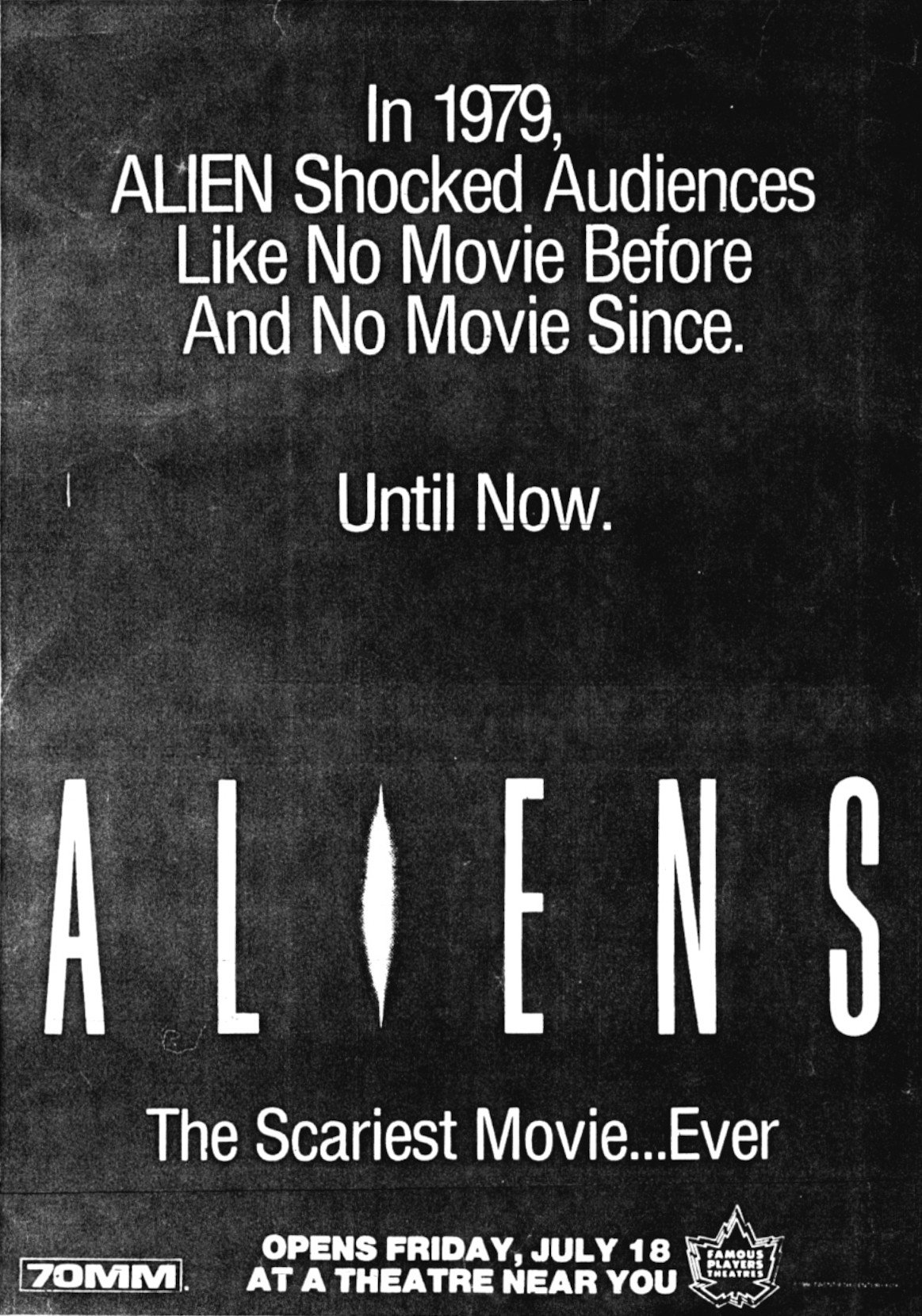
Development was not automatic after Alien became a commercial success in 1979. The American Film Institute's production history traces a dispute over profits from the first film and a 1983 settlement that opened the way for another installment. Cameron was approached after industry figures had read his screenplay for The Terminator. Producer Gale Anne Hurd later recalled resistance to the proposed budget and to her own suitability for a major studio assignment. Her prior work with Roger Corman had encouraged careful planning and an ability to achieve production value with restricted resources. The project emerged from specific negotiations rather than a studio decision to repeat an established formula.
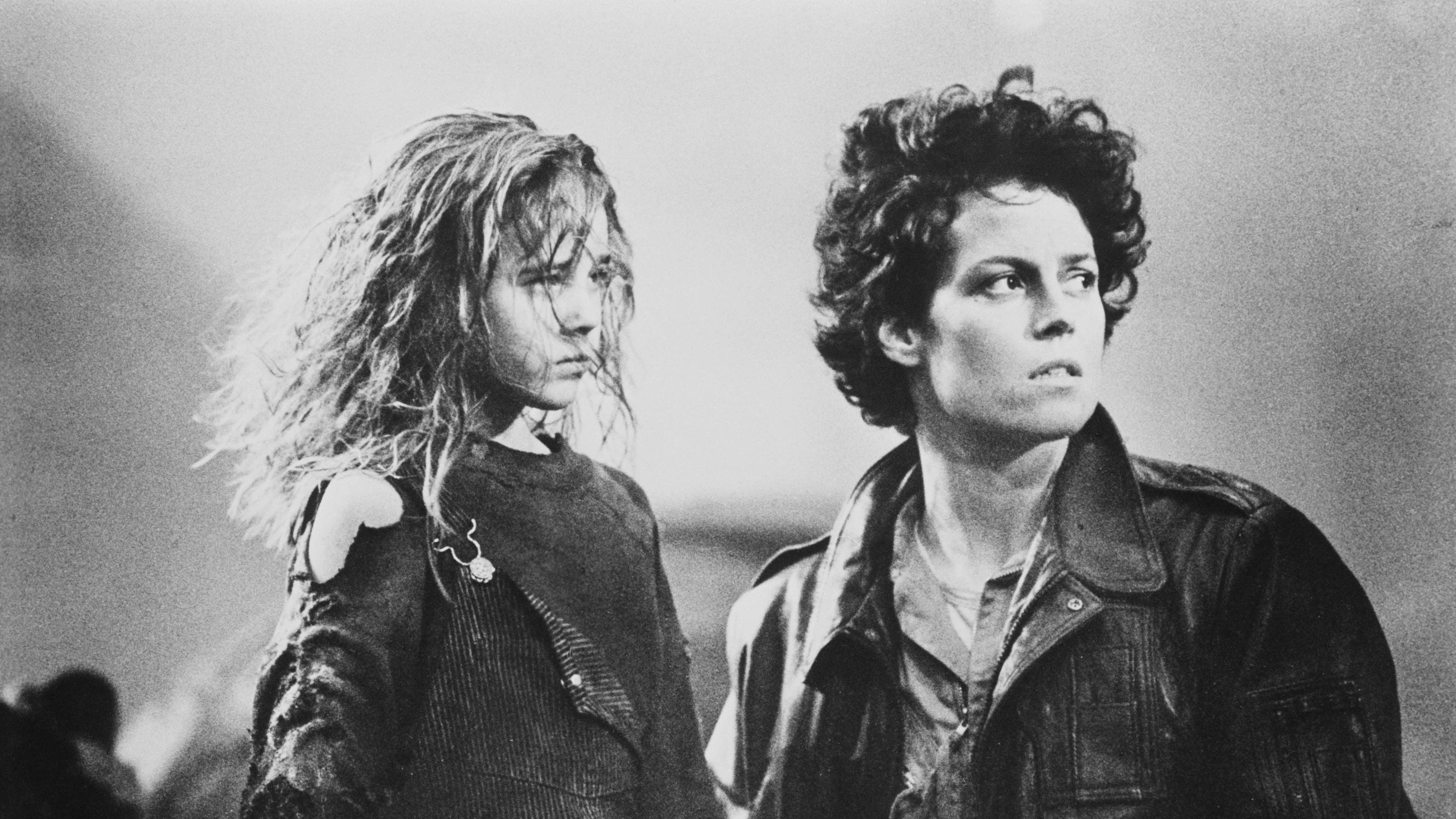
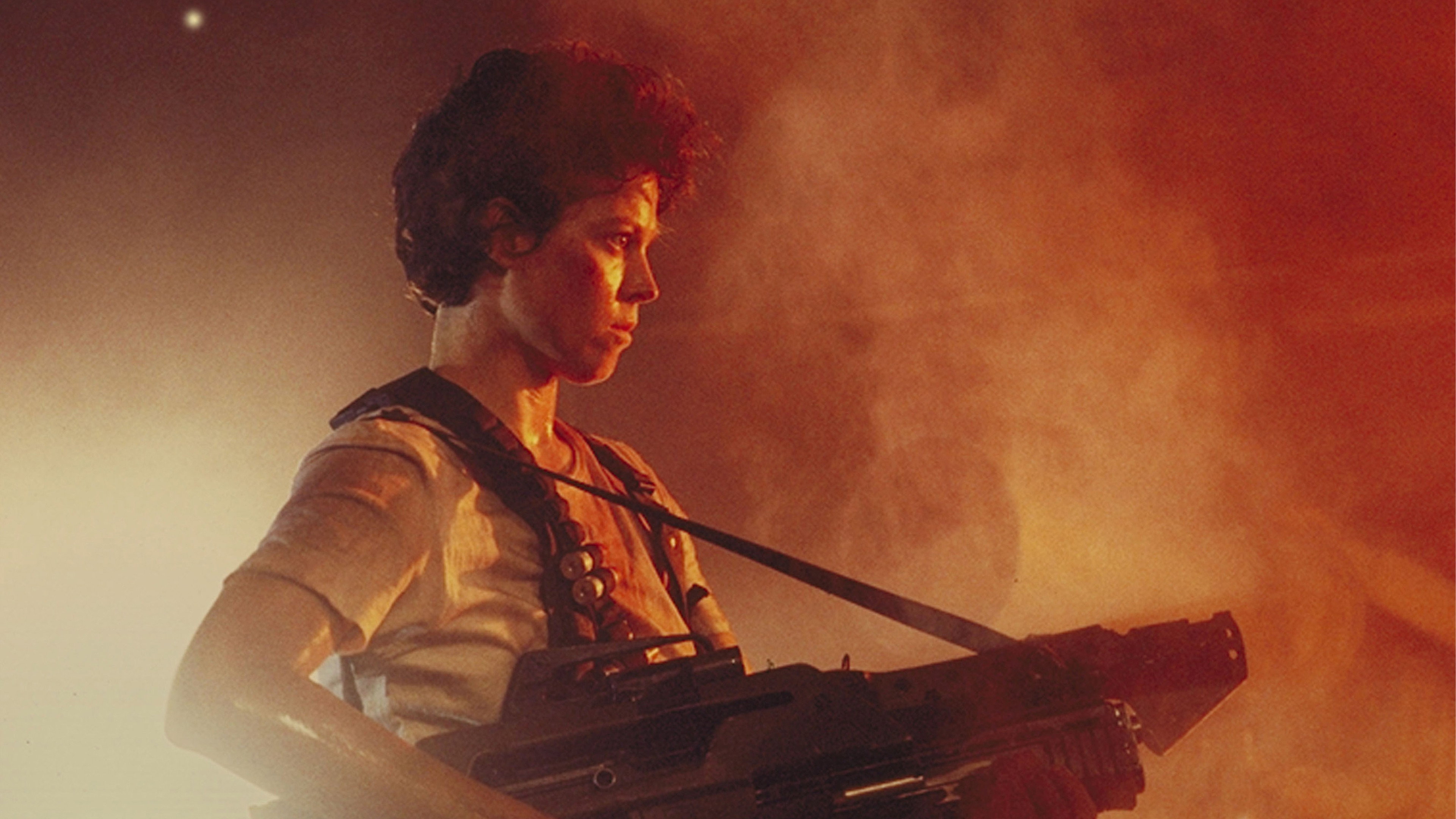
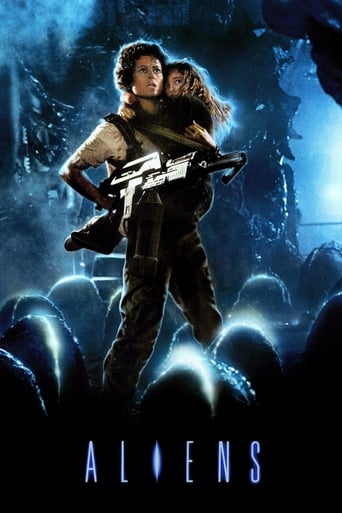
Ripley's return was central before Sigourney Weaver had signed. In a 1986 interview with Jean-Marc and Randy Lofficier, Cameron and Hurd explained that they built the screenplay around the character and refused to regard another actress as an interchangeable replacement. Cameron wanted her return to LV-426 to follow a psychological need to confront a terrifying earlier experience. He drew a comparison with combat veterans who felt compelled to revisit the circumstances of trauma, describing that analogy as part of his writing process. The comparison is the writer's account of an inspiration; it does not turn Ripley into a clinical case study.
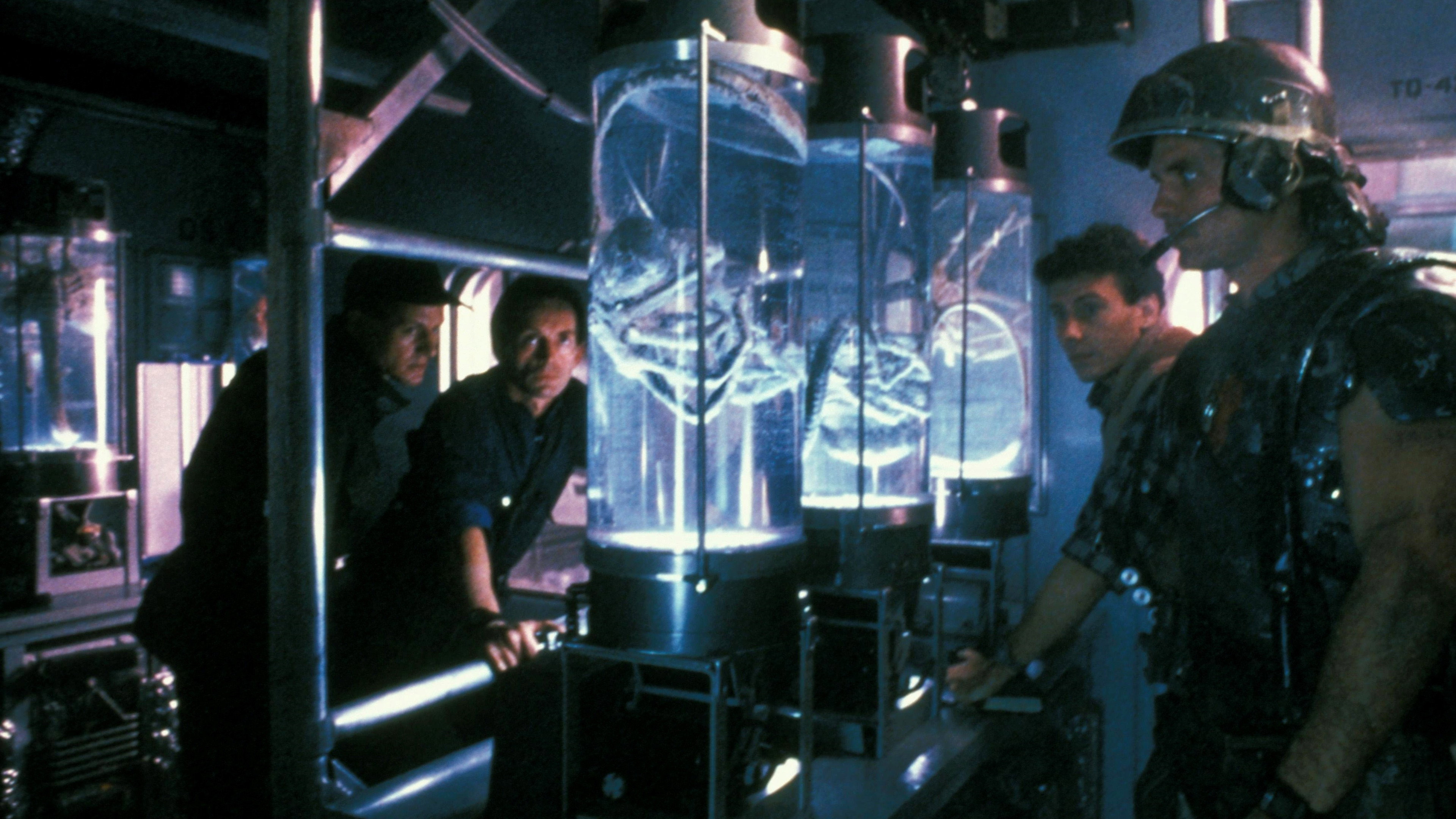
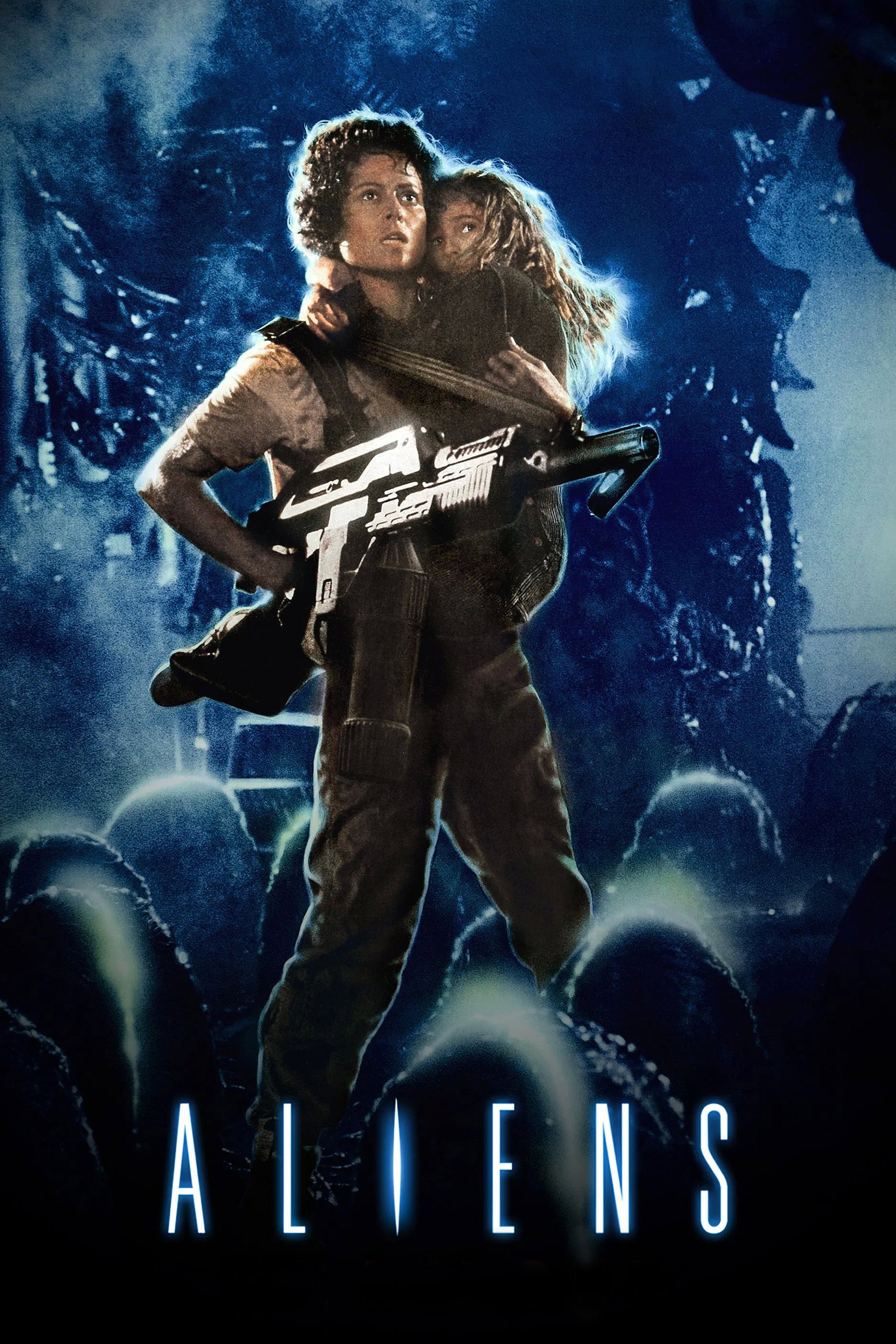
Cameron deliberately changed the sequel's dramatic temperature. He told the Lofficiers that he aimed for the exhilarating pressure of an escalating conflict instead of reproducing the original's particular kind of fear. The plural title announces that change economically: the characters face a collective threat that cannot be isolated in one ventilation shaft. The decision left important elements intact, including corporate opportunism, distrust between people and the reproductive horror associated with the species. It also gave the sequel a distinct formal identity, with a prolonged preparation for battle followed by successive failures of equipment, command and defensive strategy.