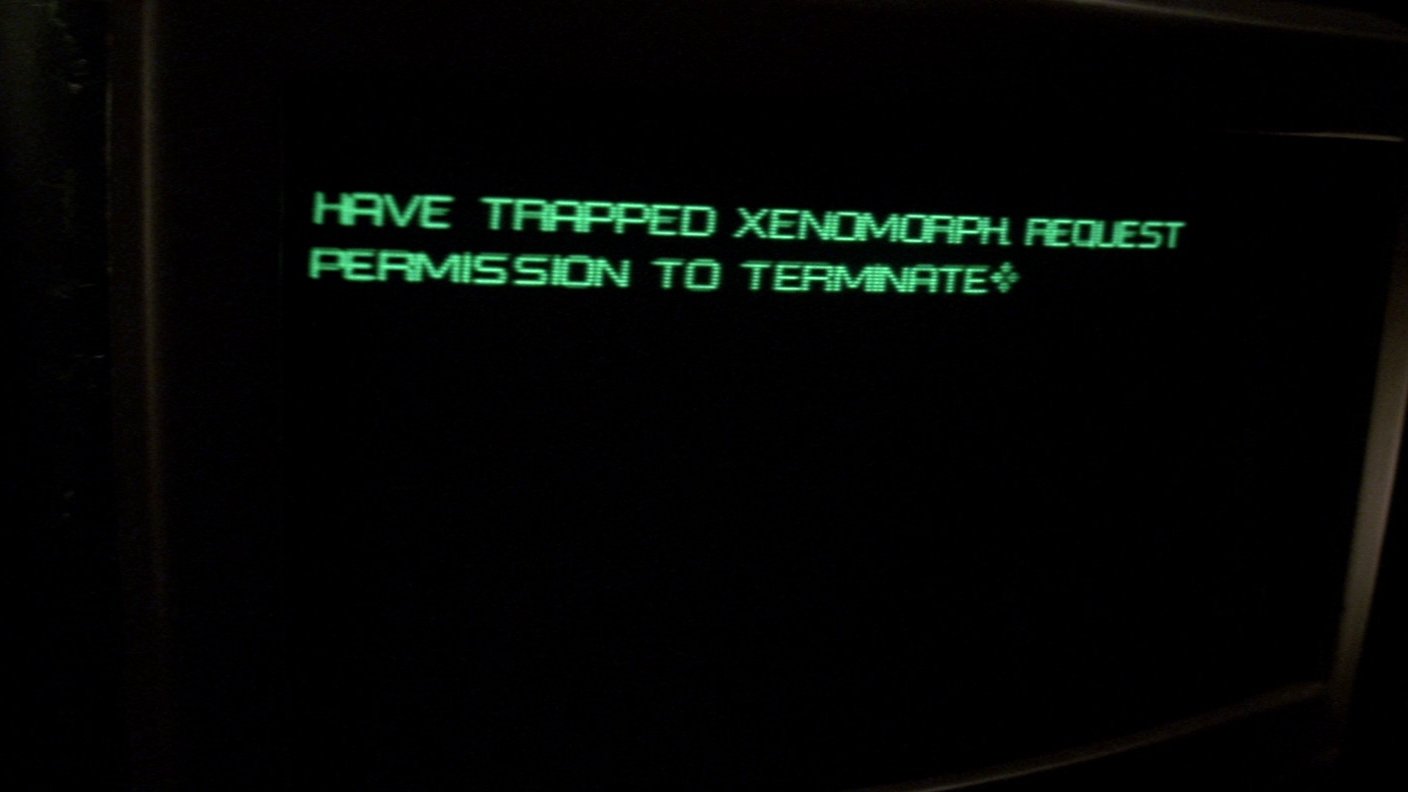
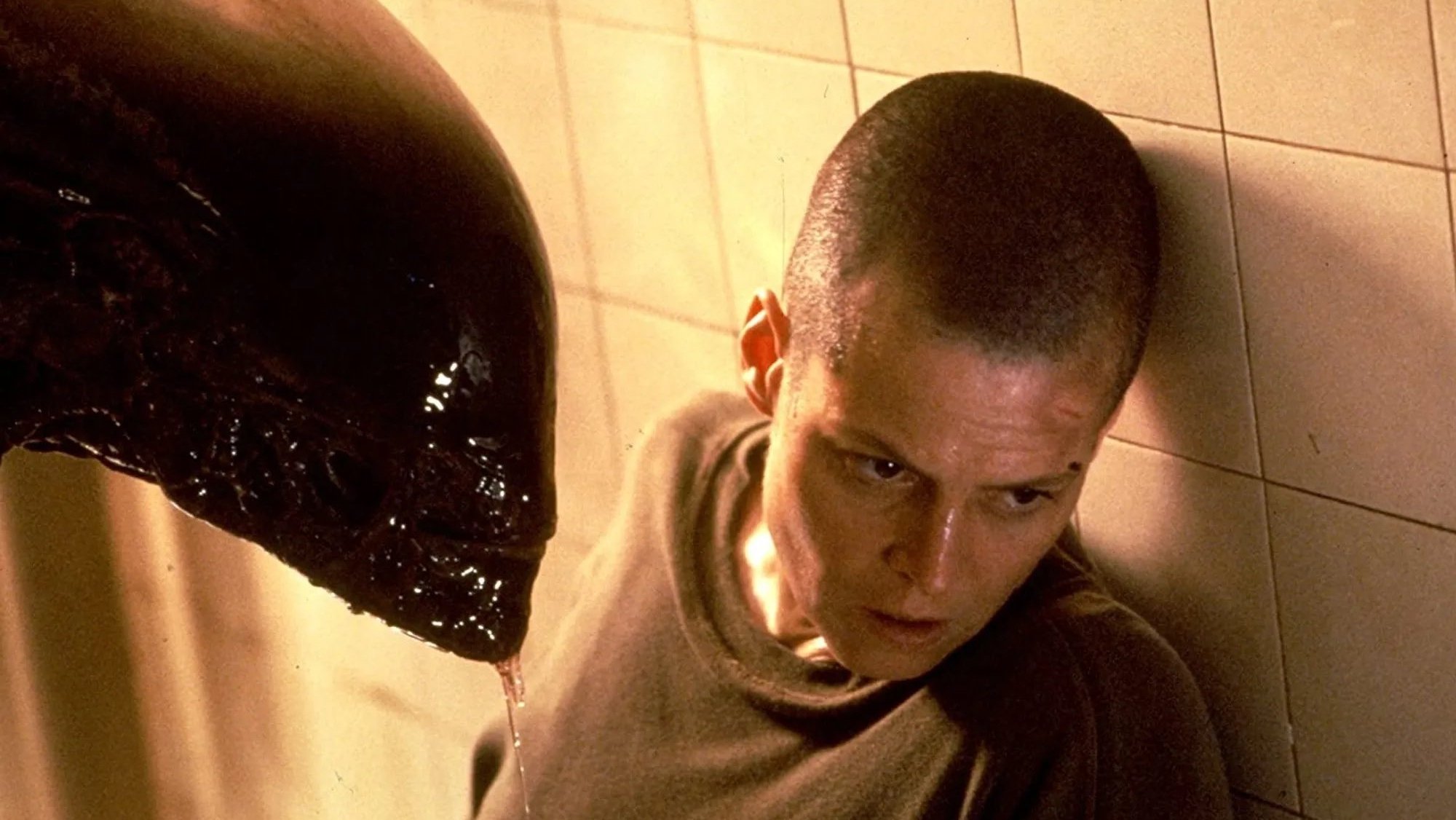
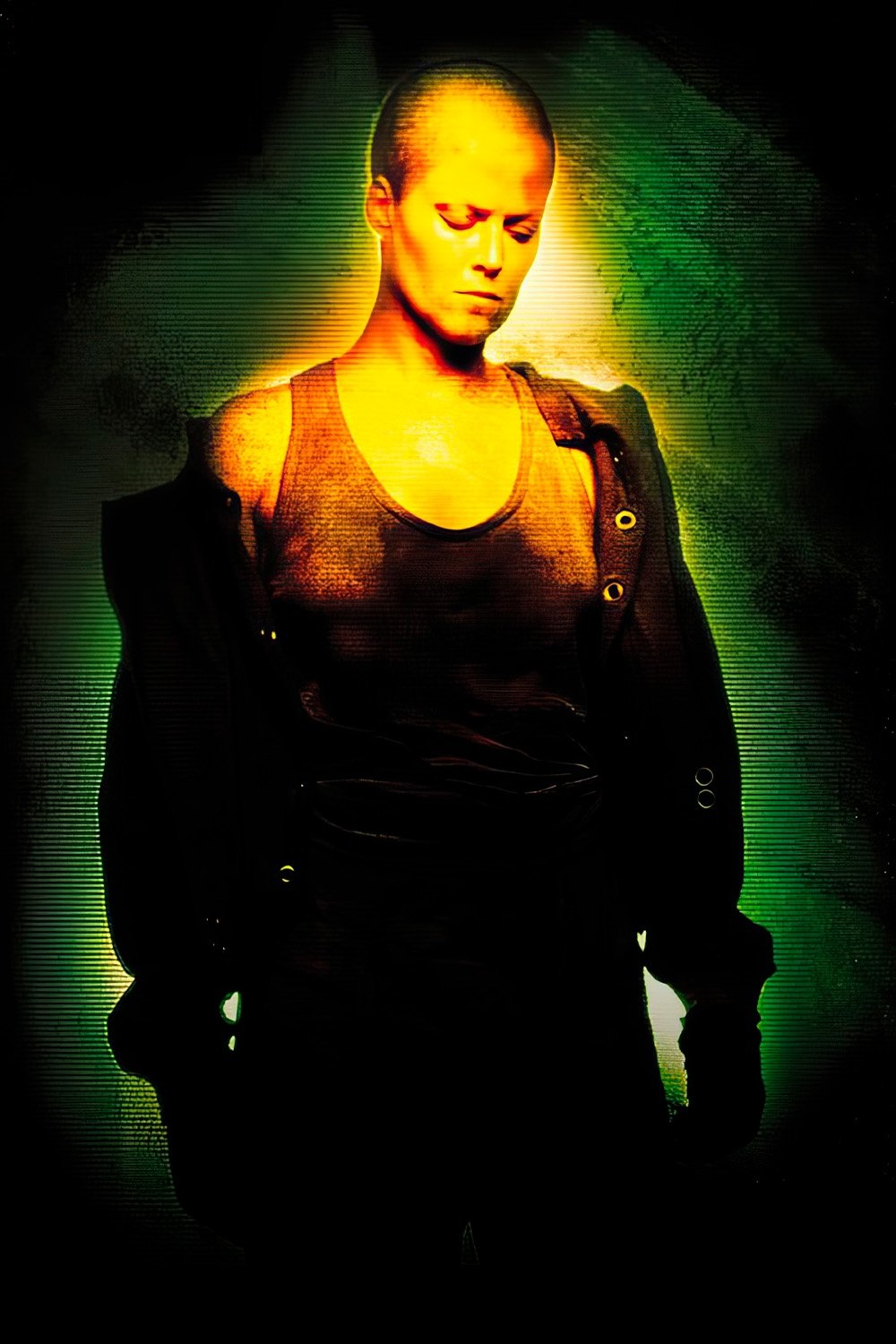
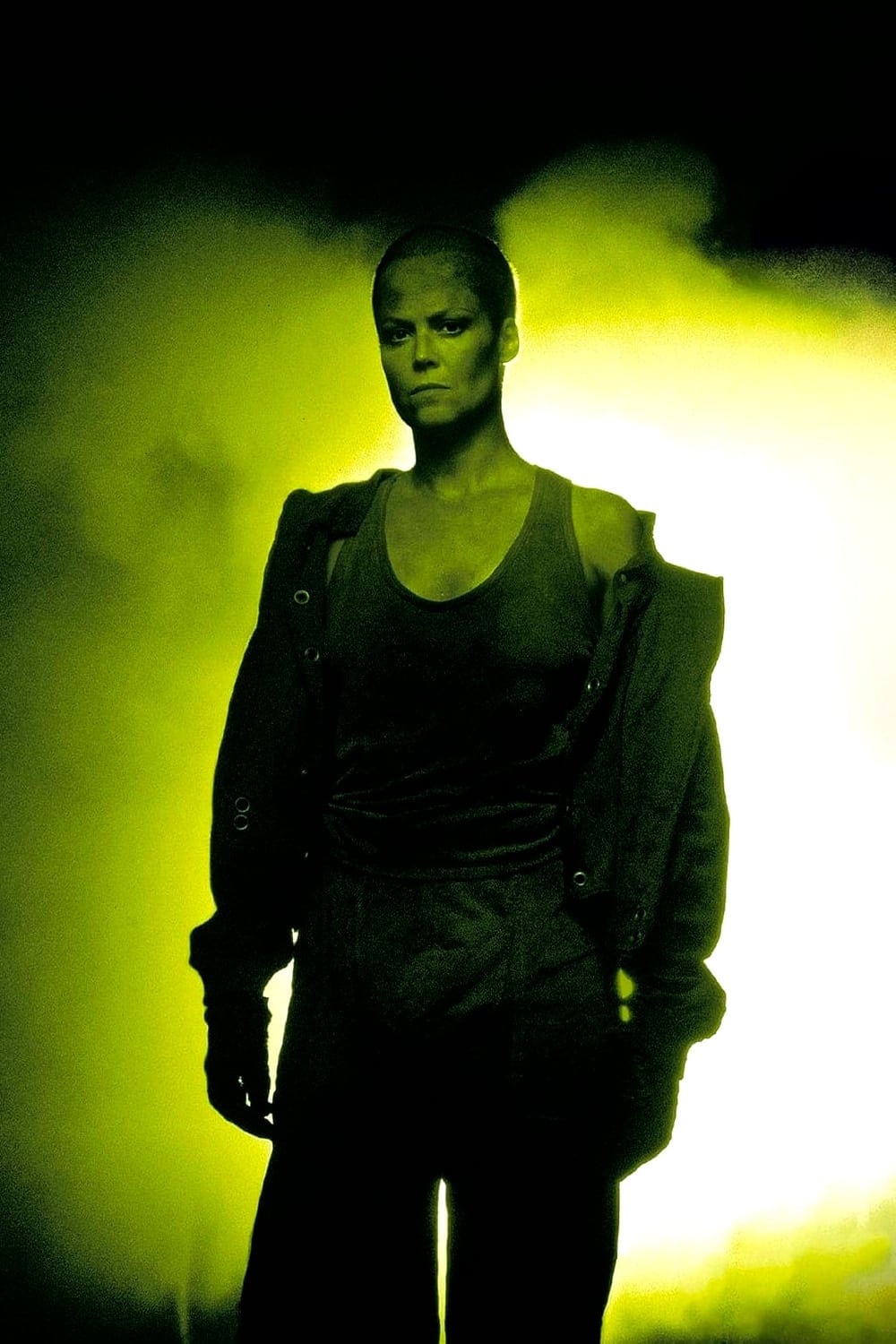
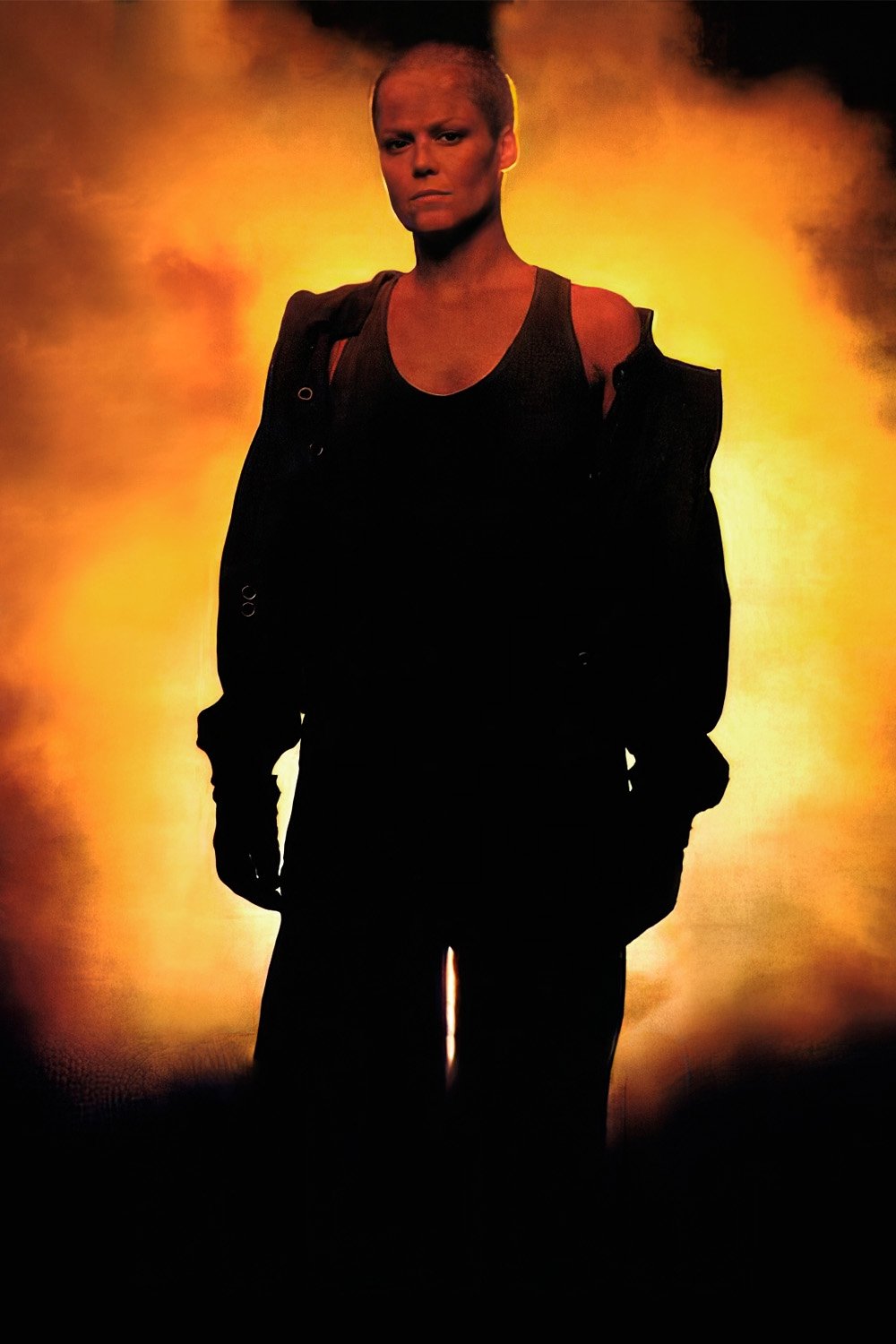
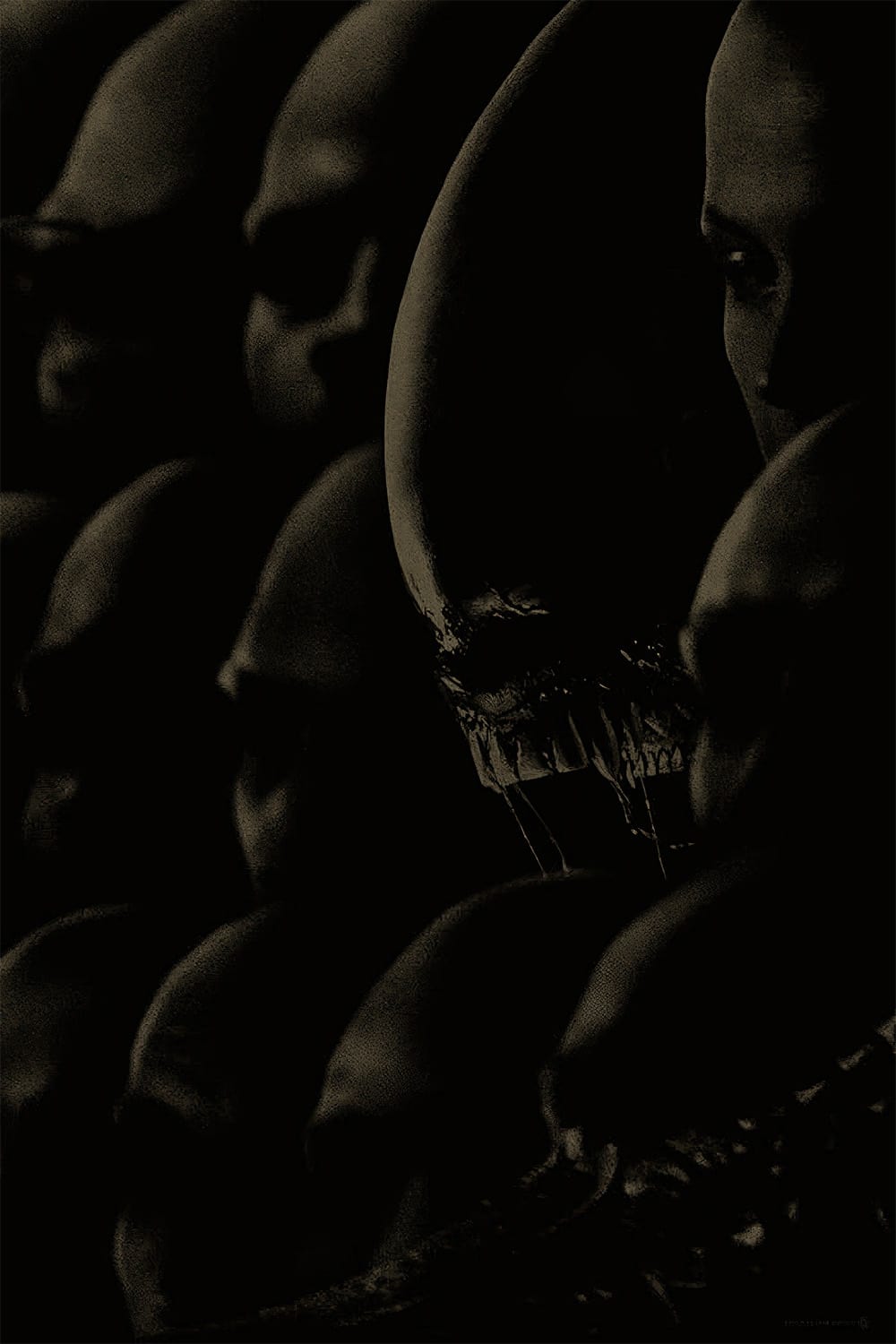
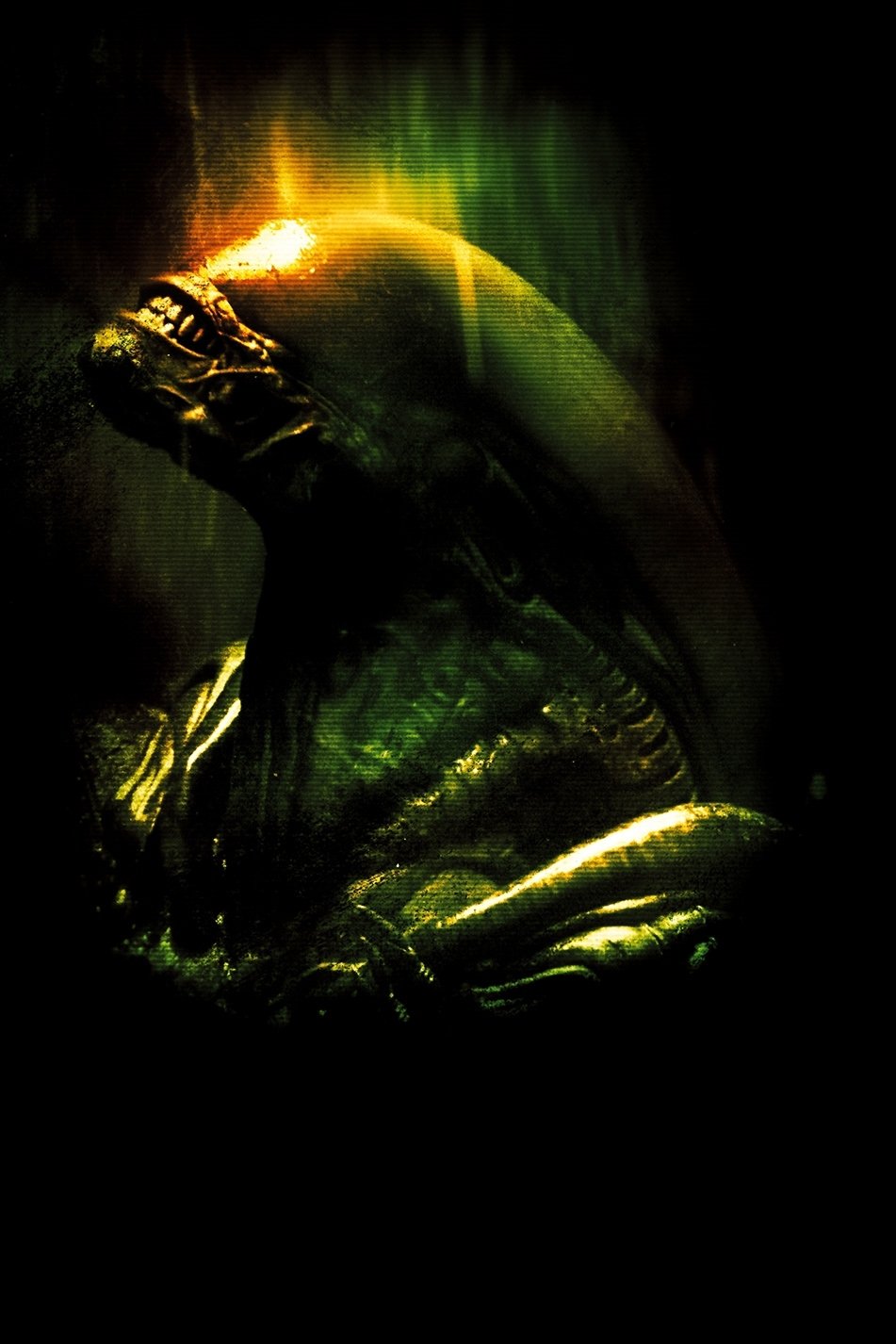
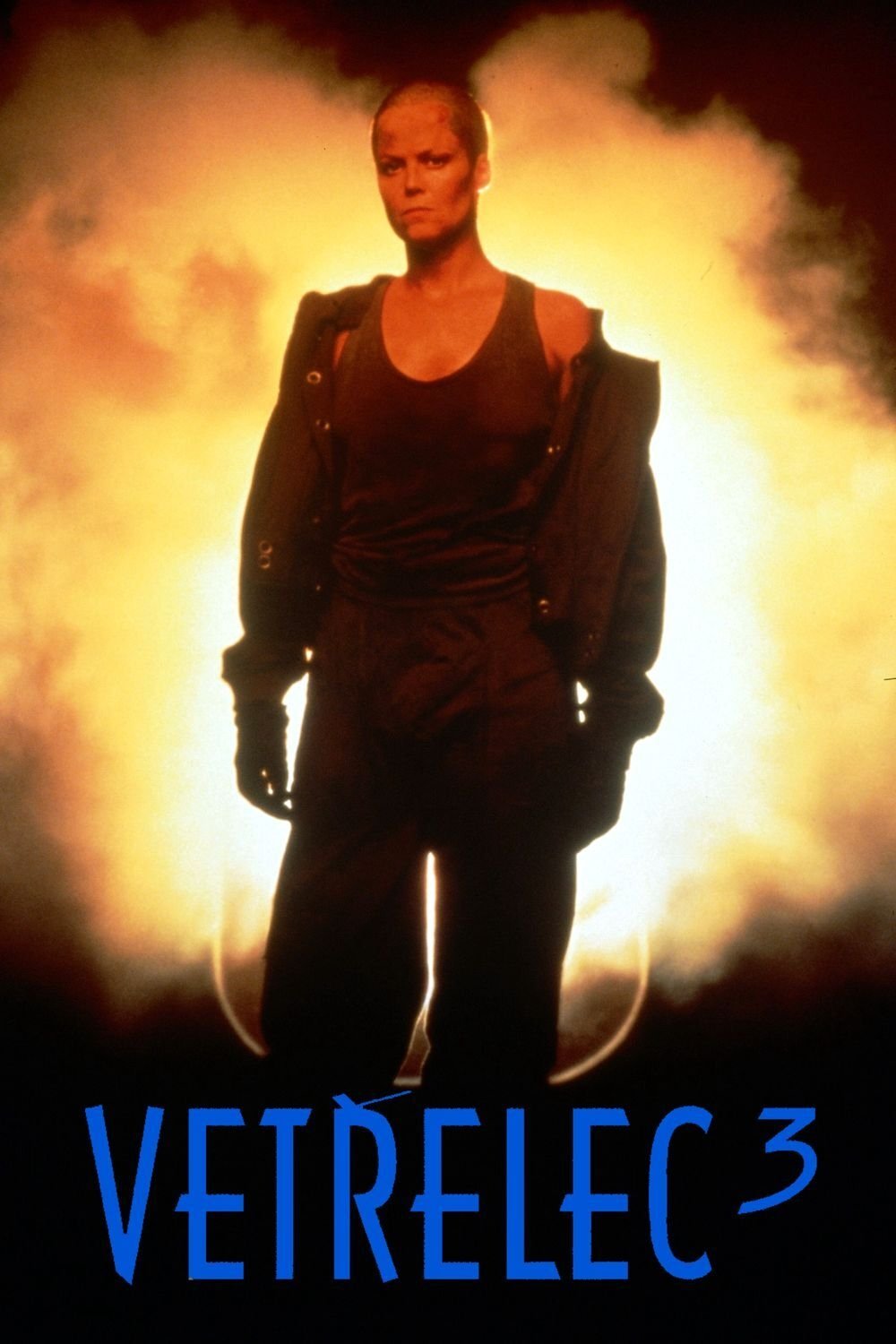
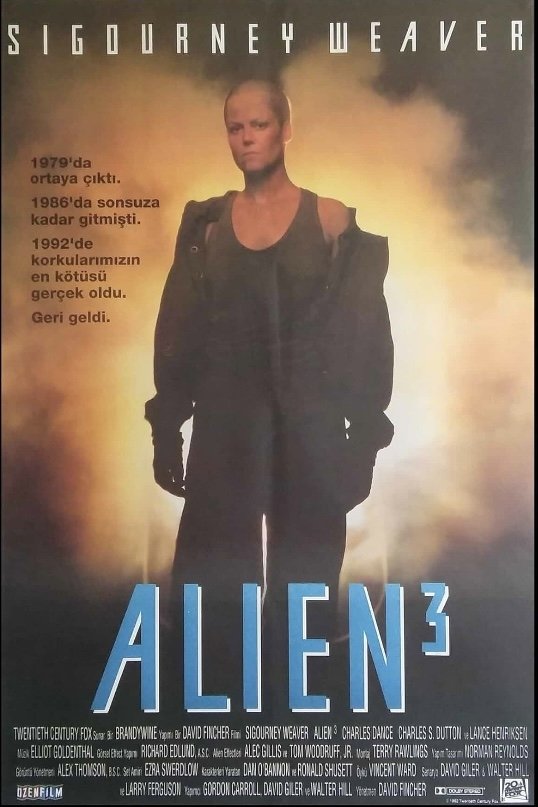
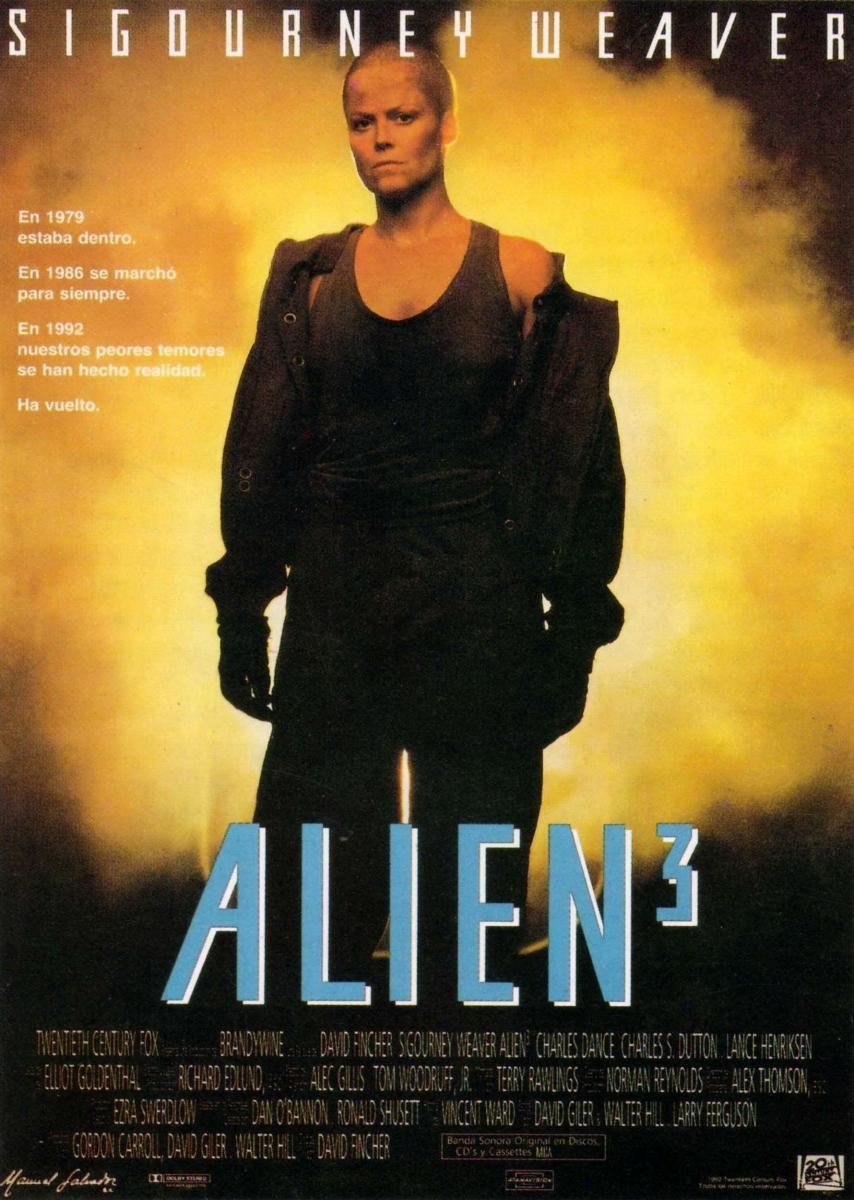
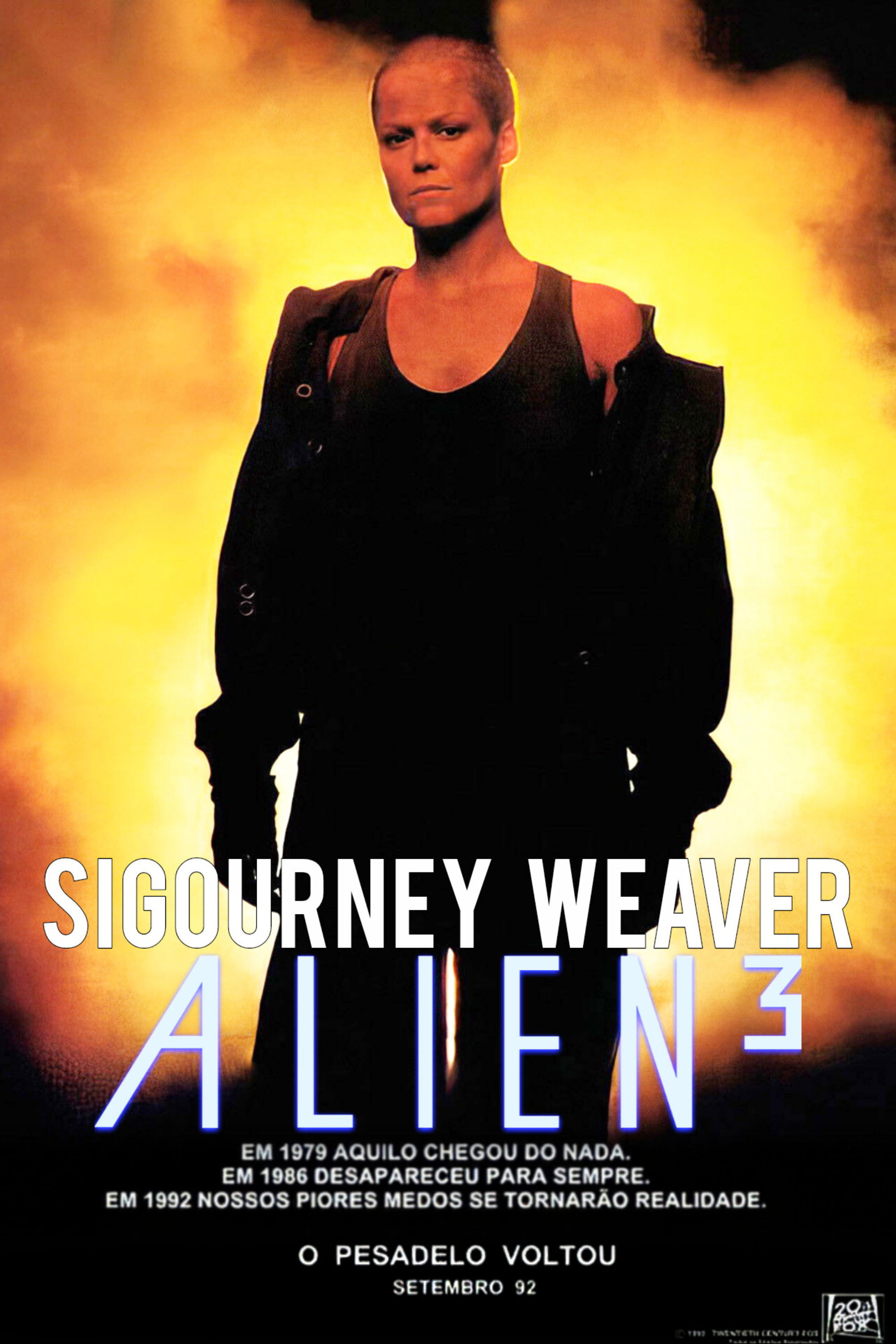
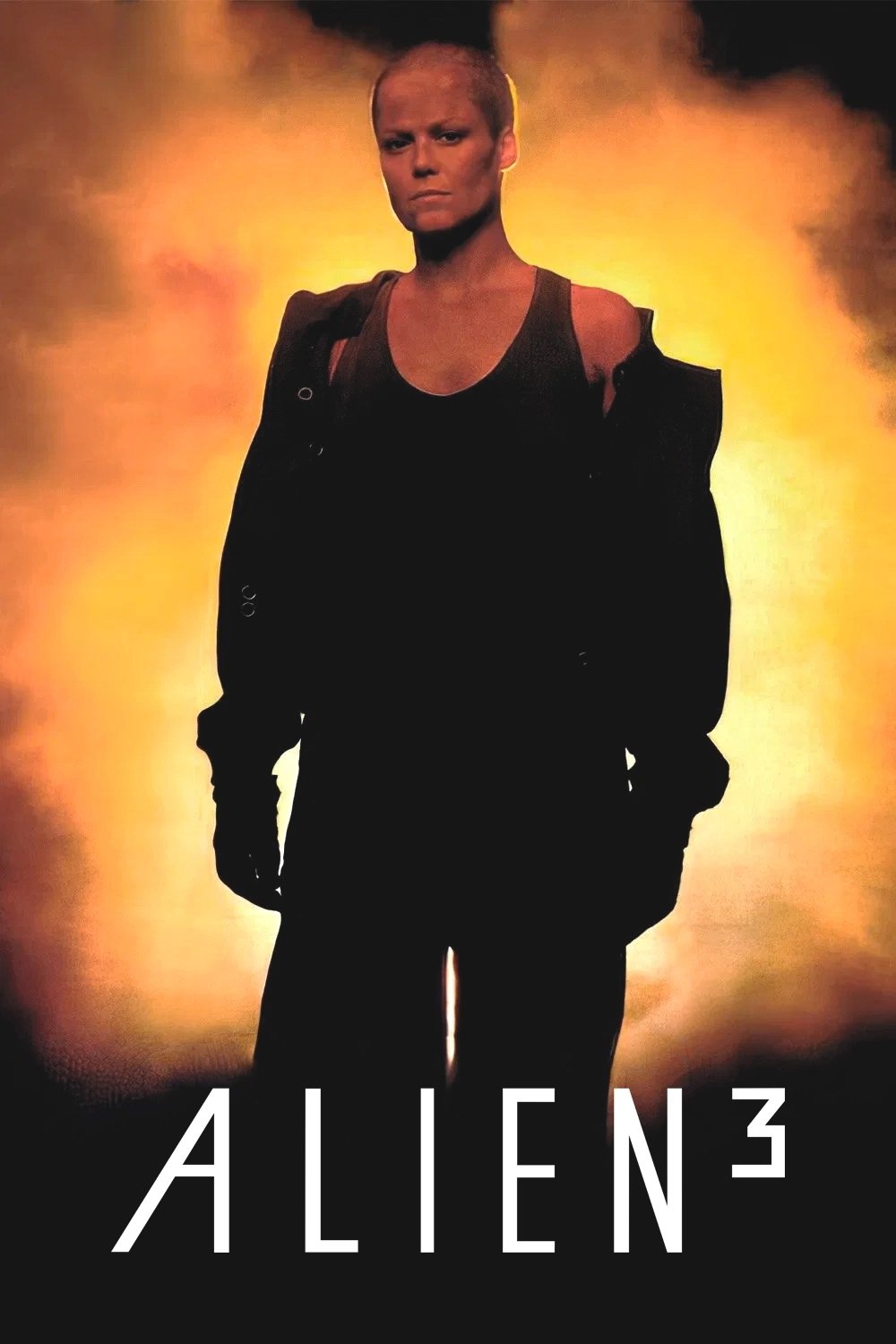
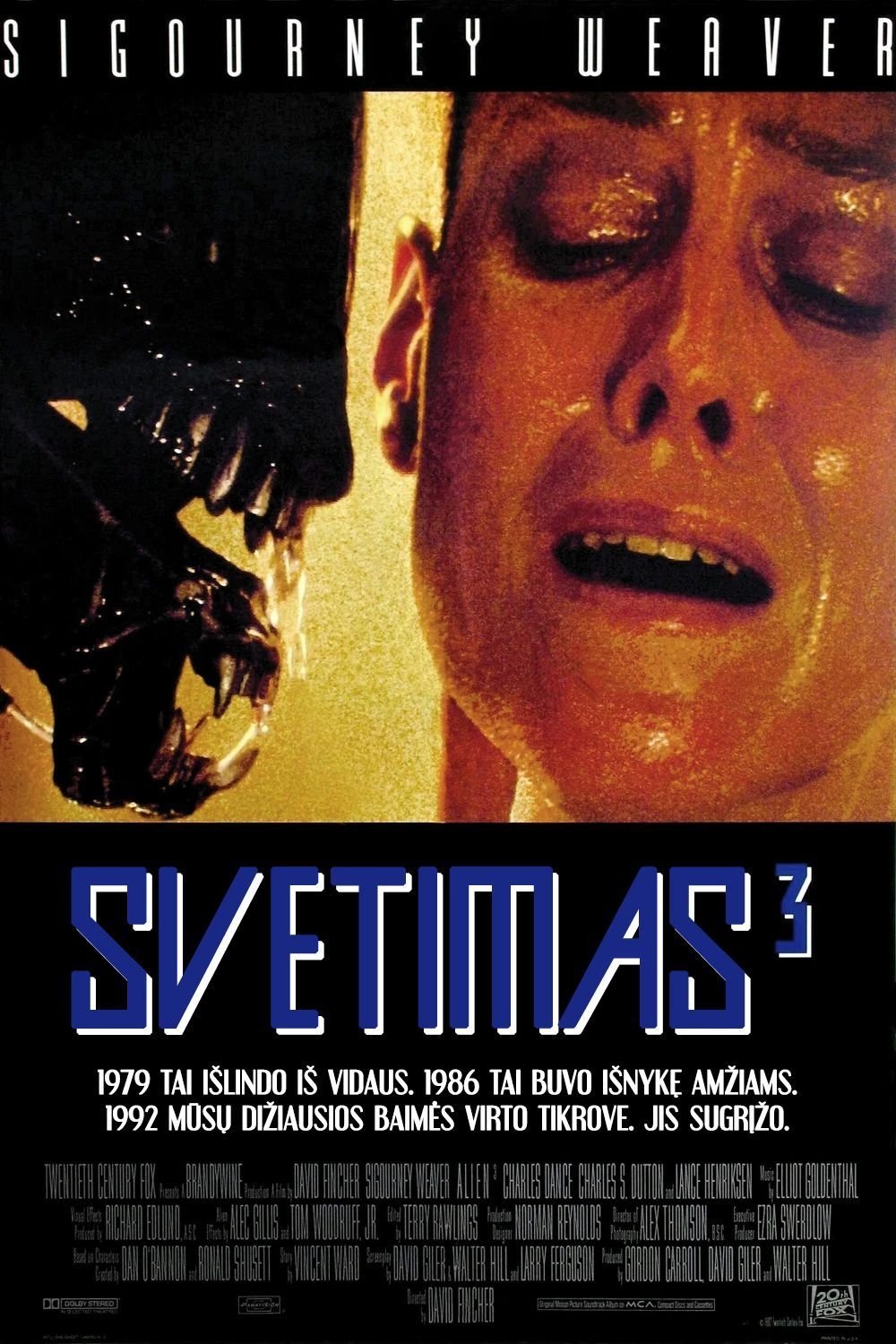
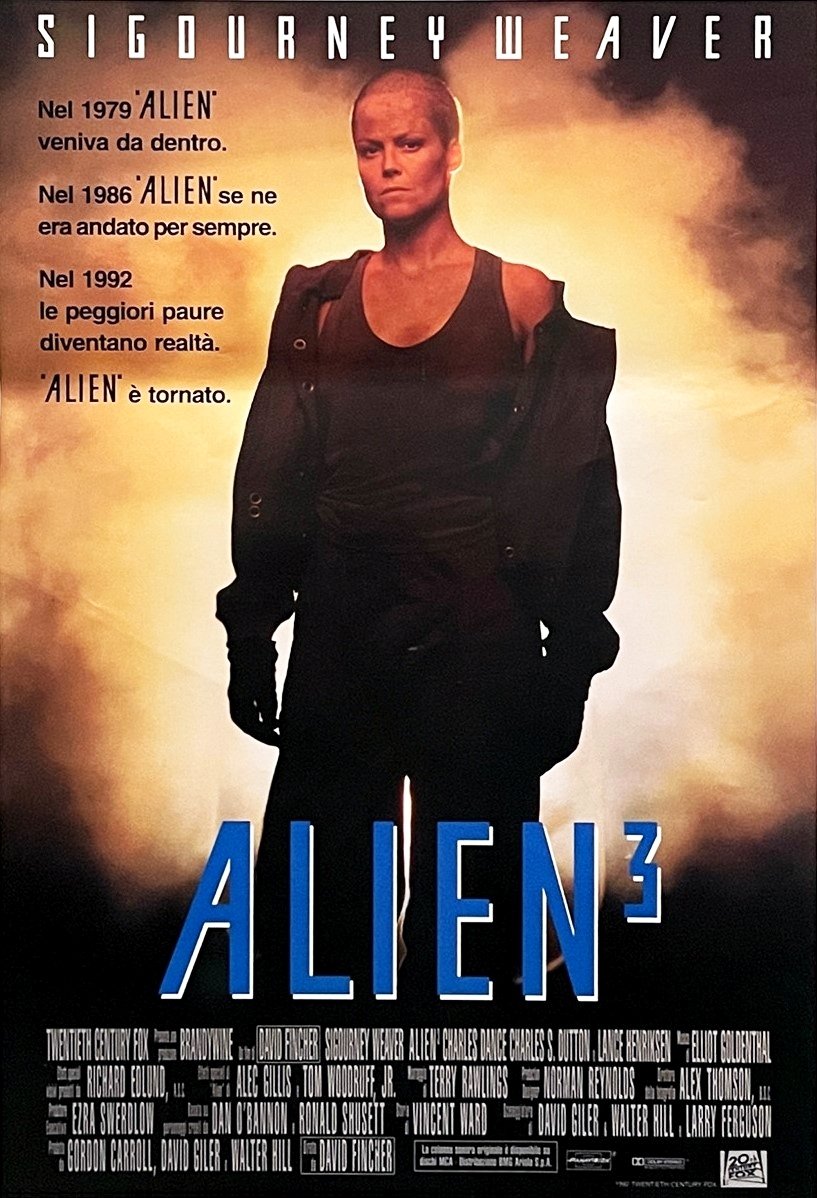
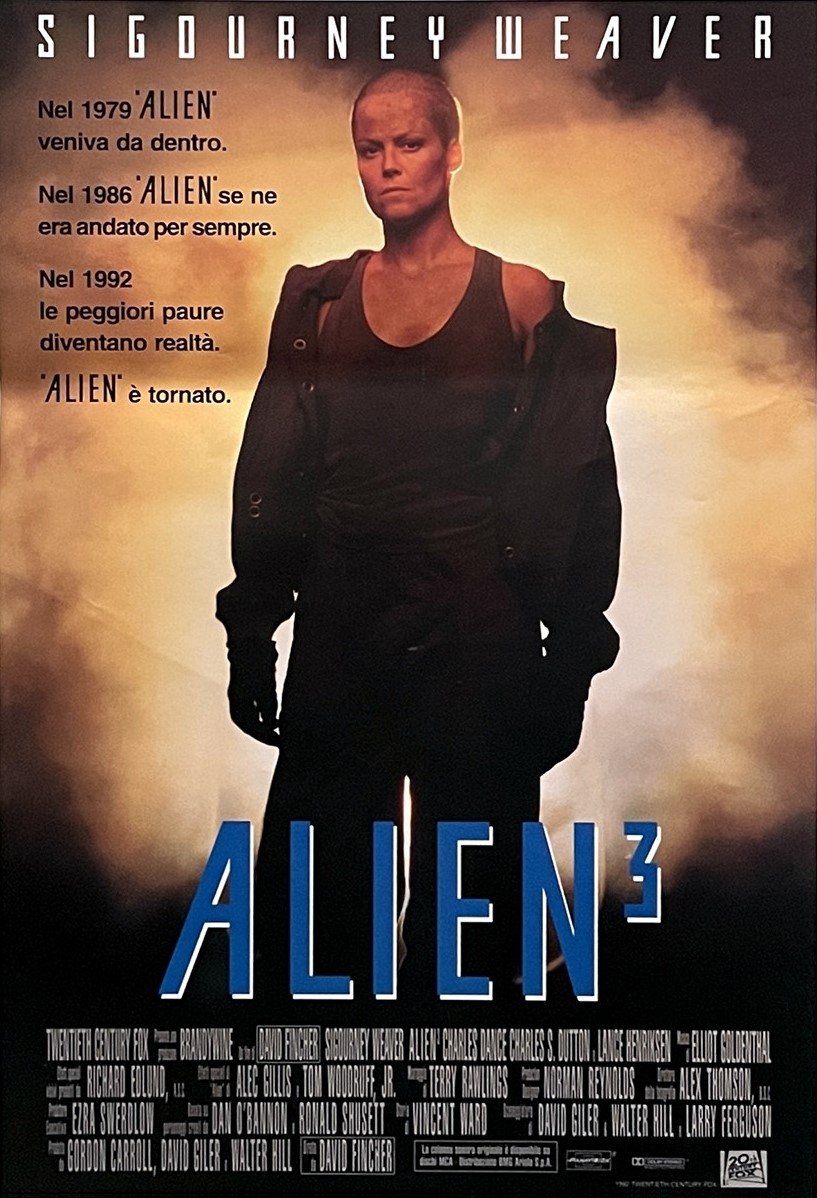
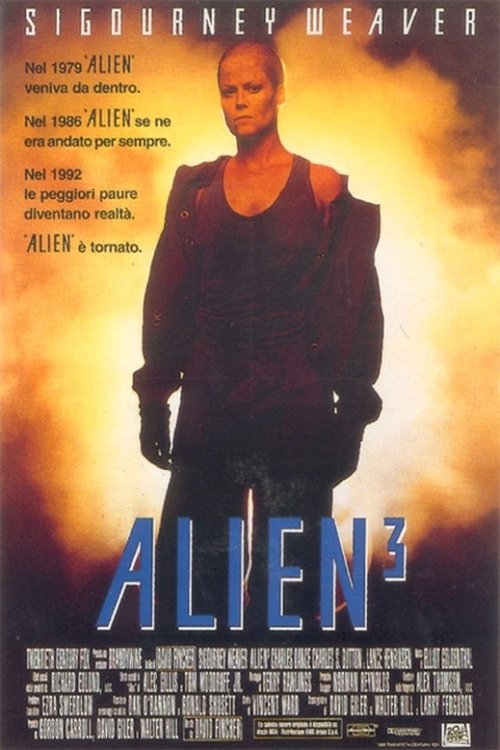
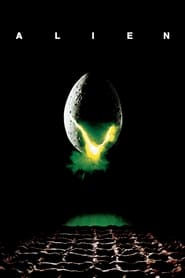
An emergency escape pod carrying Ellen Ripley crashes on Fiorina 161, a remote prison-industrial colony populated by men who have adopted a strict religious discipline. The crash leaves Ripley isolated among inmates and administrators unwilling to confront the possibility that a deadly organism has arrived with her. When violent deaths begin inside the facility, she recognizes the signs of the creature that destroyed the Nostromo and the colony on LV-426. With few usable weapons and help far away, Ripley and the prisoners struggle to organize a defense inside a maze of industrial passages, while the company seeks to recover the alien life form.
Alternative Titles
Пришълецът 3 (Bulgaria) — BulgarianAlien 3 (Brazil) Alien 3 (Canada) — French异形3 (China) — Chinese異形第三集 (China) Vetřelec³ (Czechia) — CzechAlien 3 (Germany) — GermanAlien³: Es ist wieder da (Germany) Show all 48 alternative titlesTulnukas³ (Estonia) — EstonianAlien III (Spain) — SpanishAli3n (United Kingdom) უცხო³ (Georgia) — GeorgianΆλιεν 3: Η Τελική Αναμέτρηση (Greece) — alternative spellingΆλιεν³: Η Τελική Αναμέτρηση (Greece) — Greek異形3 (Hong Kong SAR China) 異形三集 (Hong Kong SAR China) — ChineseAlien 3 (Croatia) — CroatianA végső megoldás: halál (Hungary) — HungarianAlien³ - A Végső megoldás: Halál (Hungary) — new titleהנוסע השמיני 3 (Israel) — Hebrewएलियन ३ (India) — Marathiएलीयन ३ (India) — Hindiبیگانه ۳ (Iran) — Persianエイリアン³ (Japan) — Japanese에이리언 3 (South Korea) — Korean에일리언 3 (South Korea) Svetimas 3 (Lithuania) Svetimas³ (Lithuania) Svešais 3 (Latvia) — LatvianAlien 3 (Netherlands) — DutchObcy 3 (Poland) — PolishAlien 3 - A Desforra (Portugal) — PortugueseОсми путник 3 (Serbia) — SerbianЧужой 3 (Russia) — Russianفضائي³ (Saudi Arabia) — ArabicOsmi potnik 3 (Slovenia) — SlovenianVotrelec³ (Slovakia) — Slovakเอเลี่ยน 3 อสูรสยบจักรวาล (Thailand) — ThaiYaratık 3 (Türkiye) — Turkish異形3 (Taiwan) — ChineseЧужий 3 (Ukraine) Чужий³ (Ukraine) — UkrainianAlien 3 (United States) — Working TitleAlien ³ - The Legacy Cut (United States) Alien 3: The Assembly Cut (United States) Alien³ Directors Cut (United States) Alien³: Special 'Assembly Cut' Edition (United States) Quái Vật Không Gian 3 (Vietnam)
David Fincher stages Ripley's final confrontation with a faster Alien on an isolated prison planet in a famously troubled sequel with competing editions.
Alien 3 (1992) brings Ellen Ripley's struggle with the xenomorph to a prison and foundry whose inhabitants have neither firearms nor a realistic route of escape. David Fincher's debut feature abandons the expanding military spectacle of Aliens (1986) and places the survivor among men serving sentences on Fiorina 161. The deaths of Newt and Hicks during the opening transfer remove the family Ripley had just gained, while a new creature threatens a community organized around confinement, religious observance and guilt. Its grim structure makes sacrifice, rather than rescue, the central possibility.
The finished film emerged from years of abandoned scripts, changes of director and substantial revisions during production and editing. Cinematographer Alex Thomson documented the deliberate darkness of its industrial spaces, and creature artists developed a faster, quadrupedal Alien using a performer and photographed puppets. An extended alternative version, assembled for home video in 2003 and improved in 2010, preserves significant material absent from the theatrical release. Its existence has encouraged reassessment, but it cannot be presented as Fincher's authorized director's cut.
Development and Abandoned Screenplays
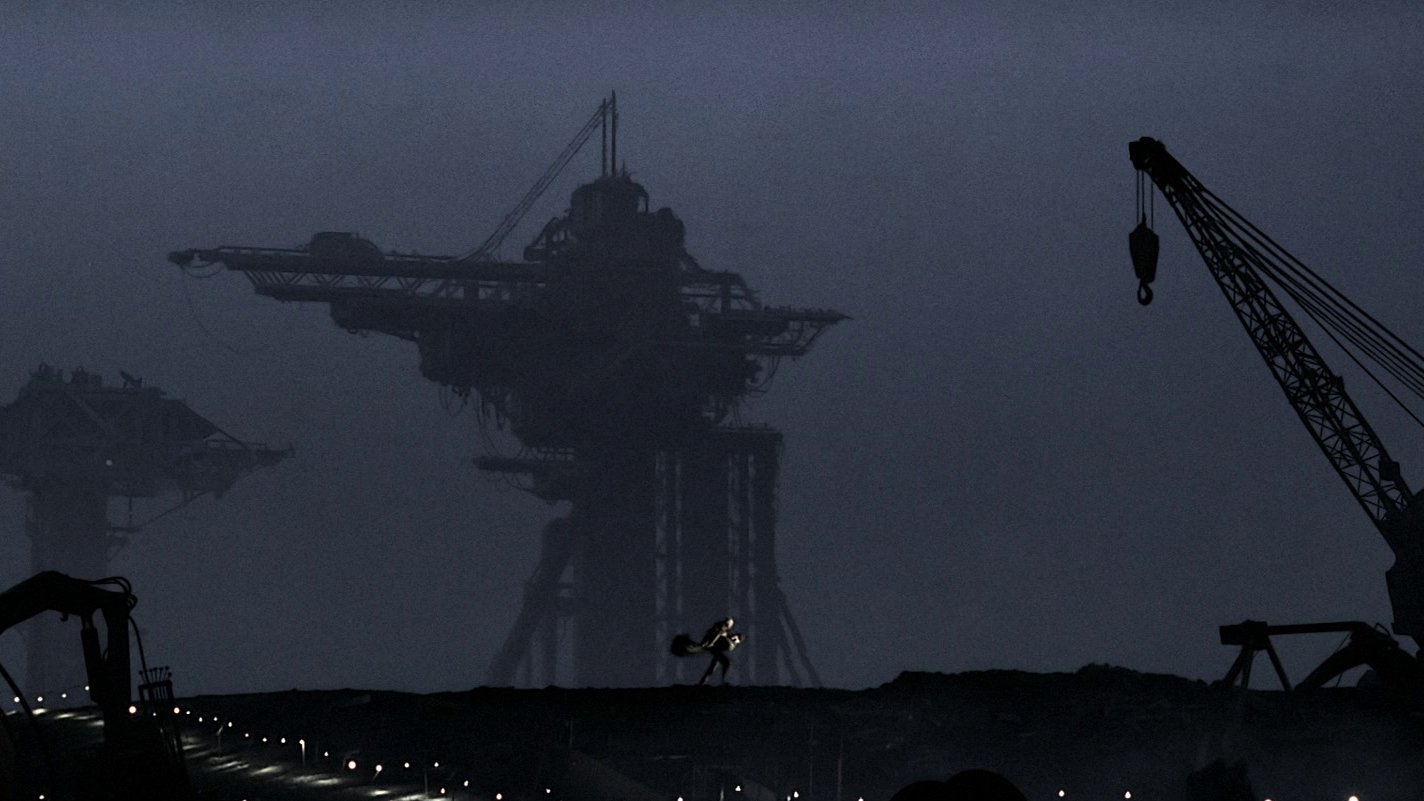
Fox considered a third Alien film soon after the success of James Cameron's sequel. The American Film Institute traces successive attempts involving William Gibson, Eric Red and David Twohy, as well as the attachment of Renny Harlin. Their proposals did not describe a single project gradually polished into the finished screenplay. They imagined different plots and, in some cases, a series expanding beyond Ripley. One especially distinctive alternative came from Vincent Ward, whose conception placed a religious community on a vast wooden structure in space. Its imagery of monastic isolation survived only indirectly in the later prison setting.
Ward departed before filming, and David Fincher took over his first feature after directing music videos and commercials. The released screenplay credits David Giler, Walter Hill and Larry Ferguson, with Ward credited for his story contribution. The multiple treatments have sometimes been grouped under the misleading idea of one lost original film. AFI's chronology instead identifies successive development decisions as the studio settled on Ripley and an enclosed prison facility. Ward's religious imagery provides a clear point of contact with the final setting, but his wooden world and the events imagined for it remained unfilmed. That distinction makes the evolution of the sequel more revealing than a catalogue of rejected concepts.
Fincher, Production and Studio Pressure
Principal photography began in January 1991 at Pinewood Studios in England, with the foundry represented by extensive stage construction. The project was still changing as crews worked. AFI records friction between the producers and studio executives, a demanding shooting schedule and further photography planned after Fox reviewed an early cut. Additional shooting began in Los Angeles in December 1991, months after the main unit completed its work. The long interval between the British shoot and American reshoots shows how much of the film still had to be resolved after principal photography.
The troubled circumstances affected the form seen by audiences. The studio examined a substantially longer work-in-progress version and continued changing the film before its May 1992 release. Fincher subsequently spoke critically of his experience, although individual editorial decisions remain difficult to assign to specific participants. His sensibility is nevertheless apparent in the controlled visual severity and the refusal to grant Ripley an easy victory. The production dispute and the finished film need to be examined together: studio decisions changed the arrangement of the story, while the surviving images retain a coherent atmosphere of confinement. The later extended edition makes the relationship between those two histories unusually visible.
Fiorina 161: Religion, Confinement and Ripley's Loss
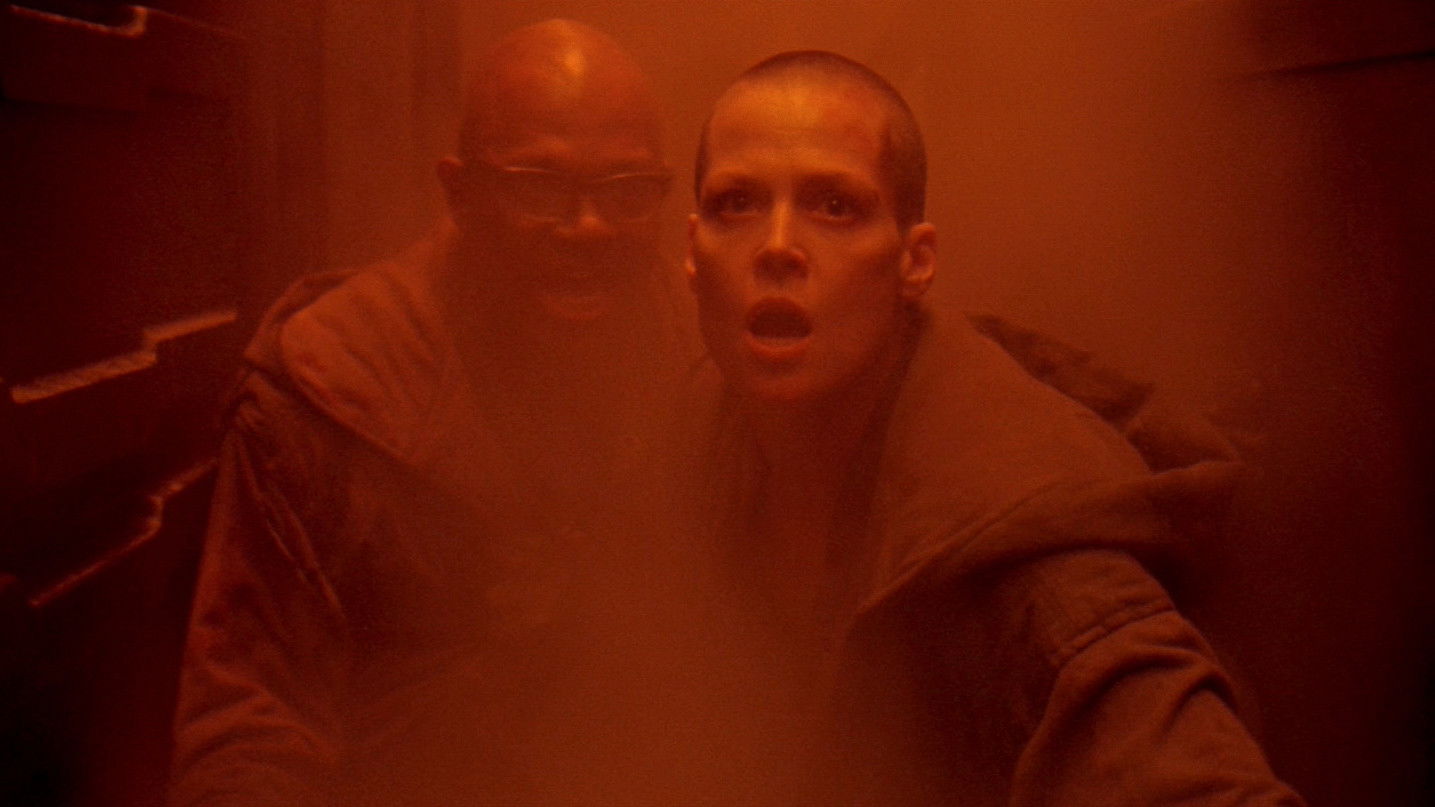
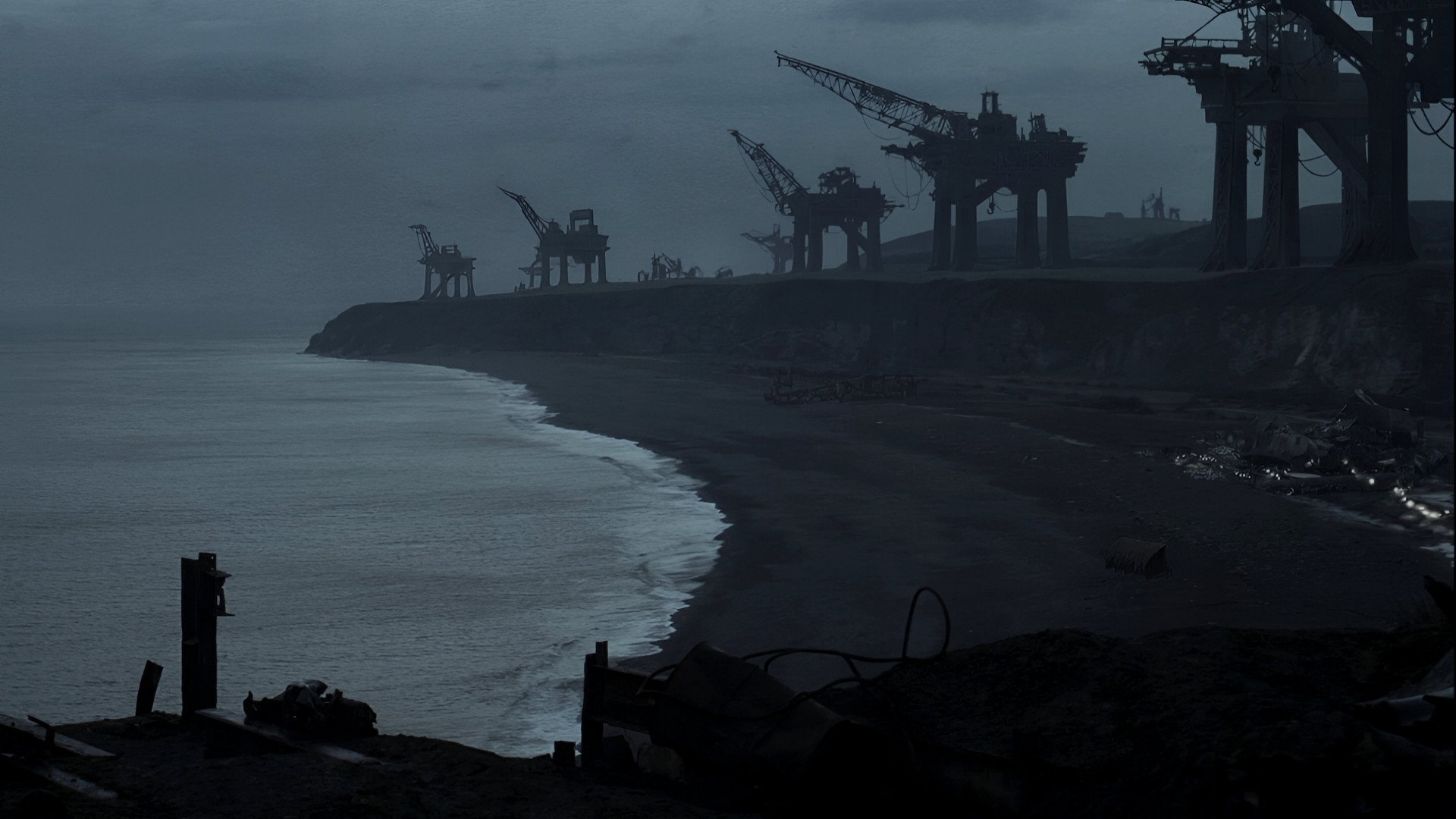
Fiorina 161 replaces the colonial settlement of Aliens with an isolated correctional institution occupied by men whose violent histories shape their rules and beliefs. Dillon, played by Charles S. Dutton, gives the group a religious language of repentance and discipline, while the superintendent tries to keep order through formal authority. Ripley's arrival challenges a community that has deliberately excluded women. Her knowledge of the organism makes her indispensable, even as several residents respond to her presence with suspicion or hostility. The social tension belongs to the horror: cooperation is urgently necessary in a place organized around mistrust.
The deaths of Ripley's companions also reverse the emotional movement of the preceding film. Ripley has escaped the alien colony but cannot preserve the people she protected there. Her insistence on examining the bodies stems from a fear that the creature may have survived the voyage; the funeral pairs personal grief with the suggestion of another birth. Clemens, the prison's medical officer, briefly offers trust outside the religious hierarchy. Later, the discovery of an alien queen developing inside Ripley turns her body into the final disputed site of survival. Weyland-Yutani's interest in recovering the organism makes the company a danger independent of the attacks already occurring in the facility.
Industrial Architecture, Light and Camera Movement
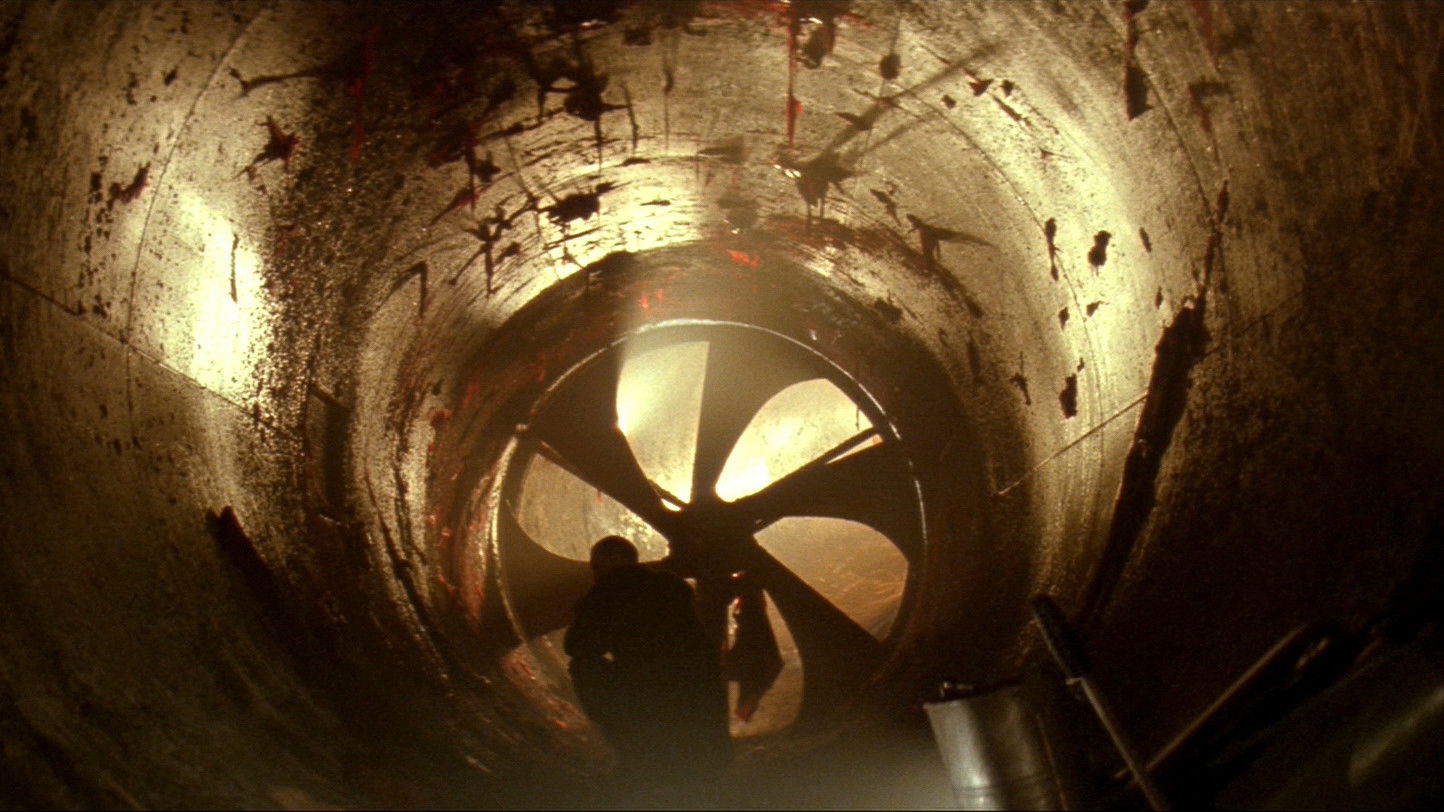
The visual environment depends on enormous constructed interiors rather than a futuristic world full of functional technology. Production designer Norman Reynolds' foundry, passages and shafts reduce escape to choices between doors, ladders and ventilation routes. Alex Thomson joined after original cinematographer Jordan Cronenweth left the production, and he told American Cinematographer that he retained the established lighting direction. Thomson recalled Fincher repeatedly requesting darker images. The aim was to conceal enough of the rooms to preserve uncertainty about the creature's location, while still allowing actors and physical action to remain readable.
The furnace sequences posed a particular problem. Thomson described extensive overhead lighting and heavy red and yellow filtration, with dry ice used to control steam that otherwise rose rapidly in the heat. This technical account explains the dense orange glow surrounding the industrial climax without treating its appearance as a purely digital construction. Elsewhere, corridors and confined passages permit a mobile camera to follow bodies through restricted routes. Their length becomes frightening once the creature can move faster than the prisoners, and the architecture forces viewers to measure distance, visibility and possible exits. The scenes acquire their menace through the interaction of photographed light, constructed surfaces and the viewer's awareness that escape routes are narrowing.
Creature Design, Practical Effects and Puppetry
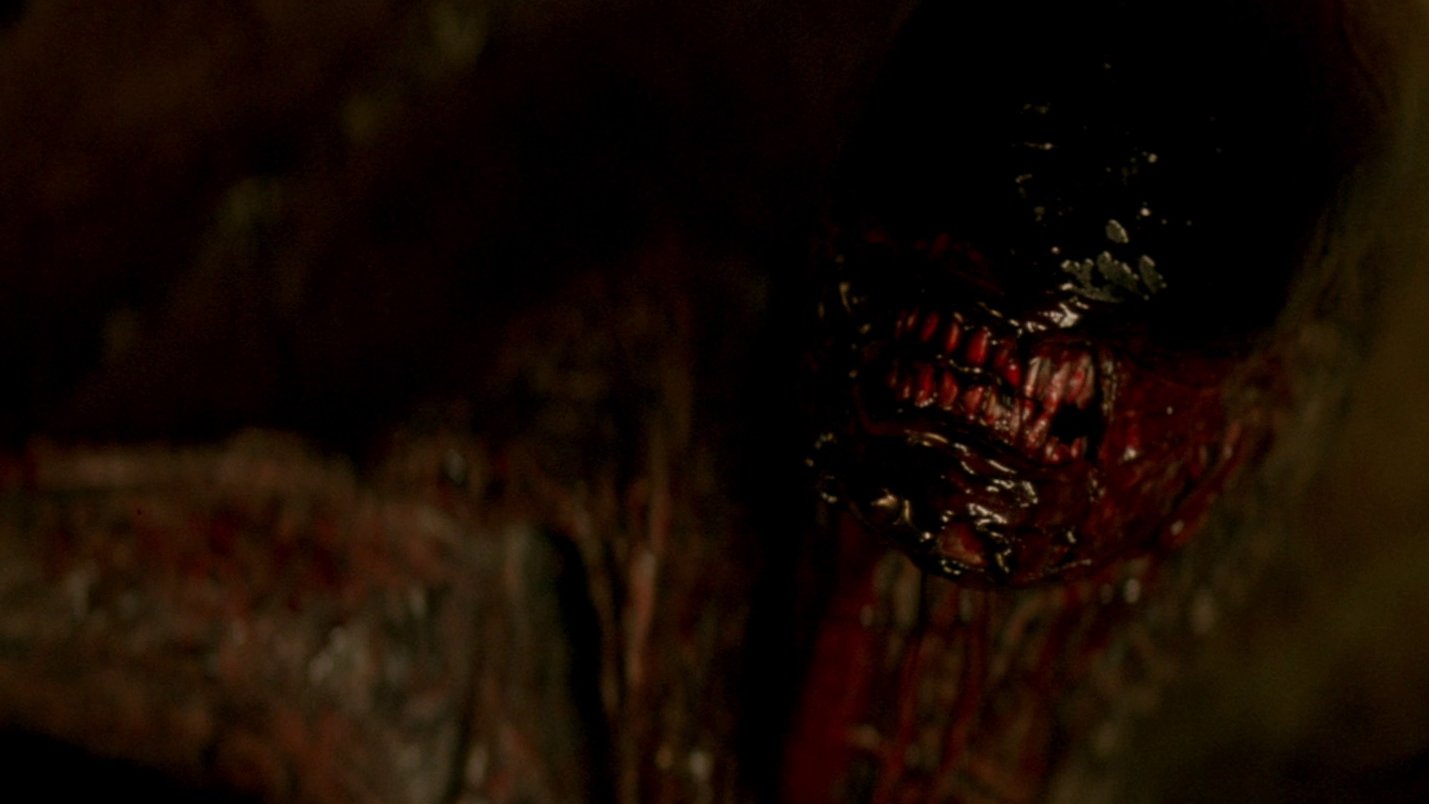
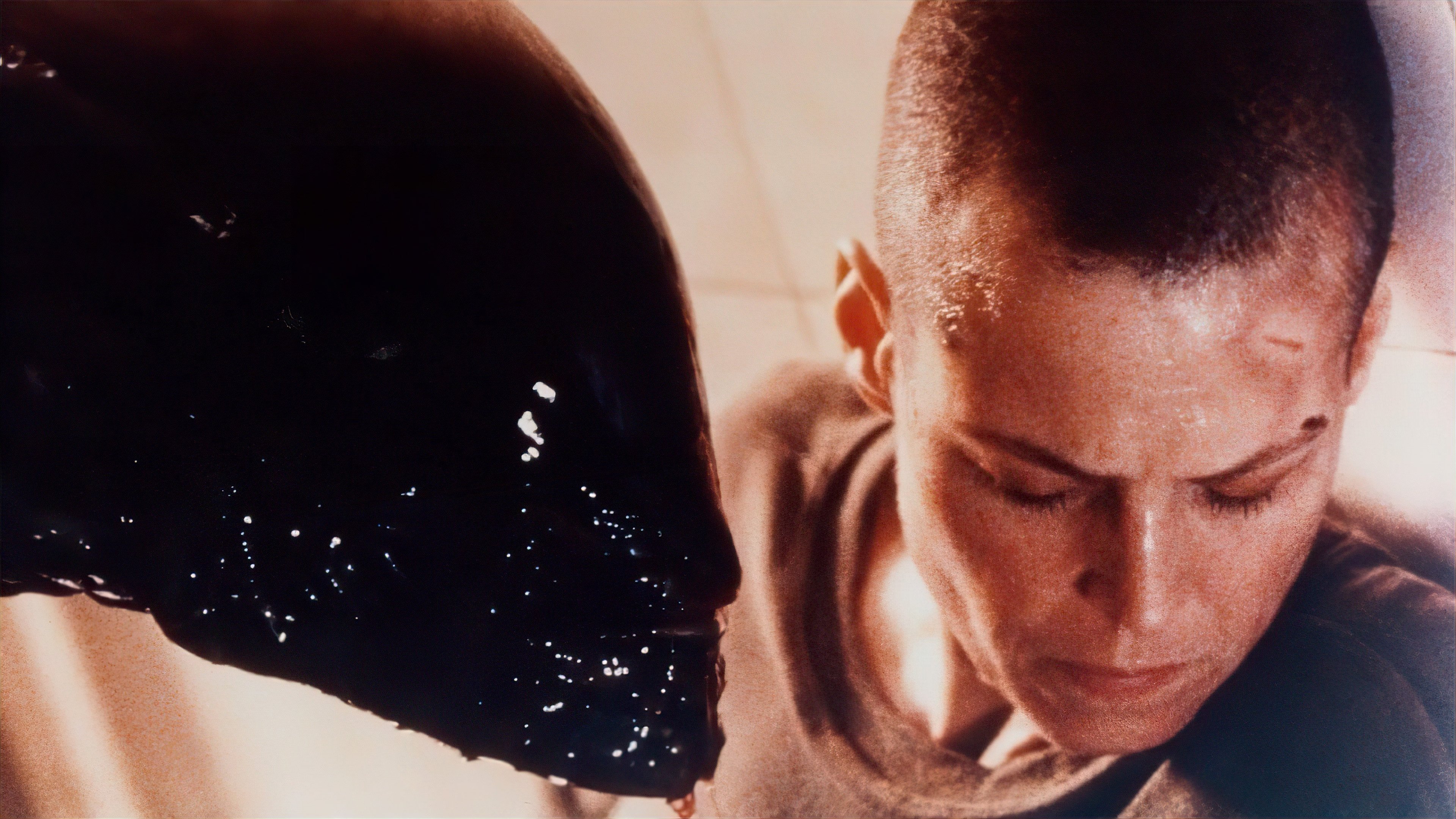
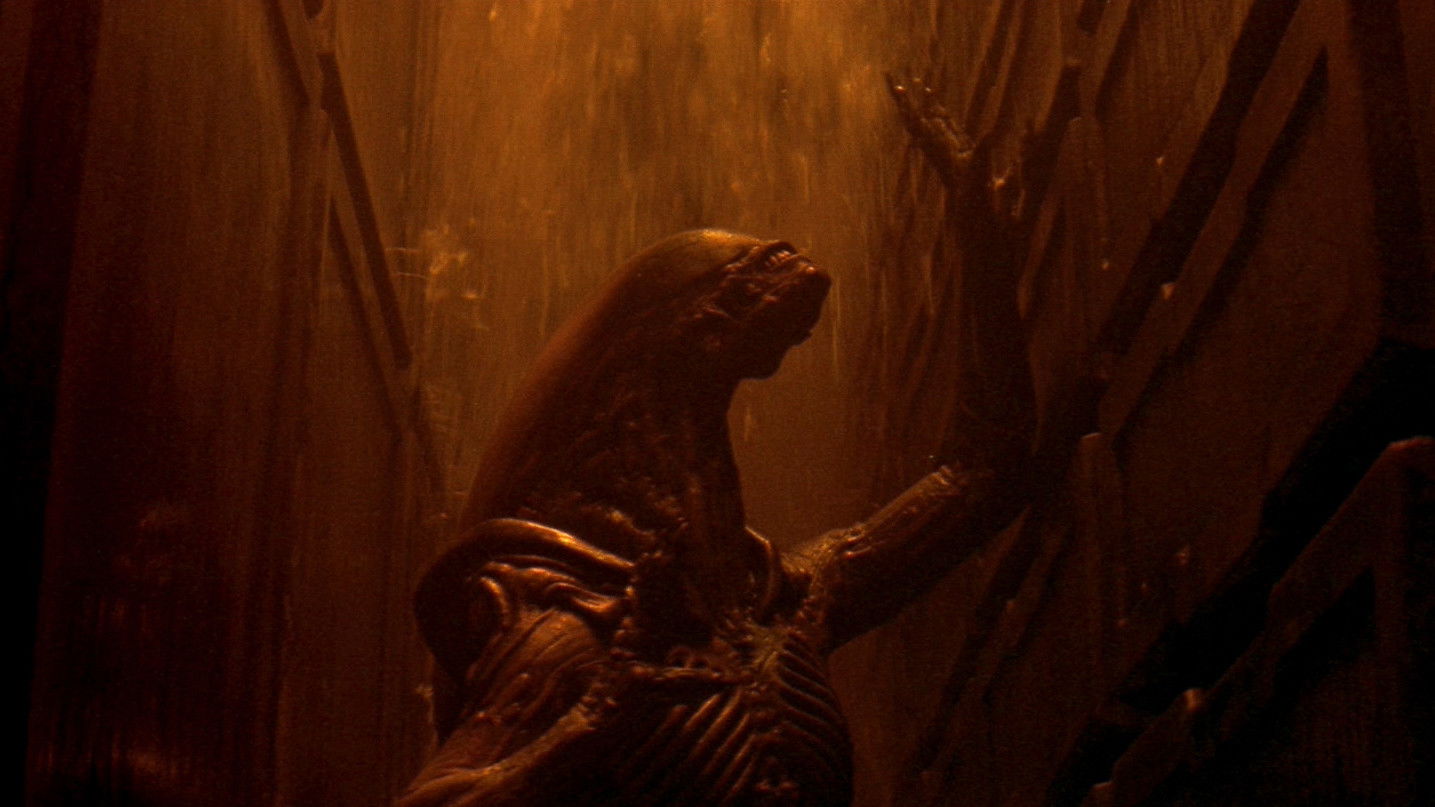
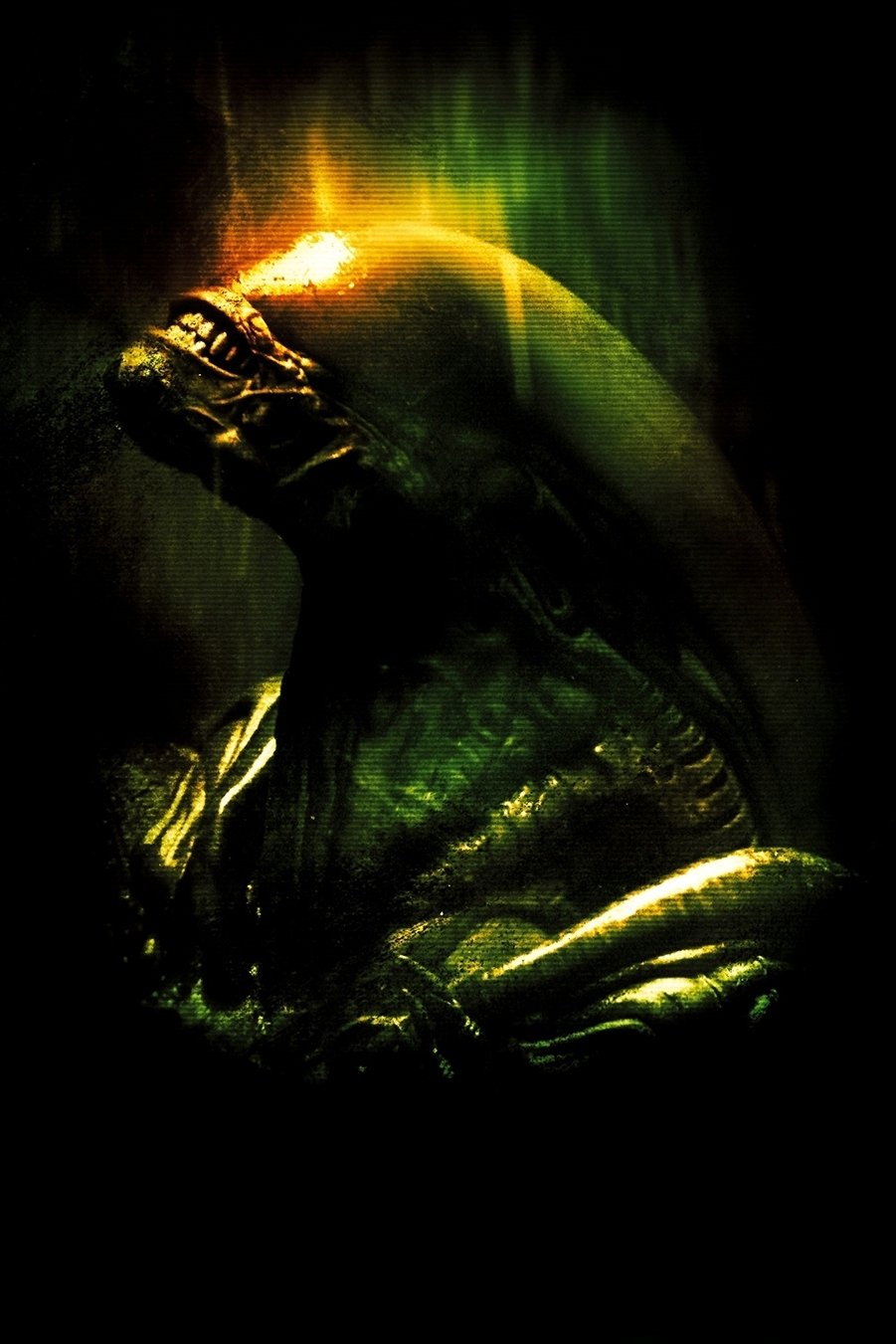
The new Alien was designed to move differently from the upright figure familiar from earlier installments. Its body is lower and more animal-like, reflecting the host from which it emerges in each cut. Alec Gillis and Tom Woodruff Jr., whose Amalgamated Dynamics handled creature work, recalled that much of the detailed design effort began after Fincher joined. Their retrospective interview also documents competing proposals and the difficulty of maintaining the original monster's recognizable shape while changing its behavior. H. R. Giger supplied ideas, but not every proposal associated with him was realized. Their unused drawings also reveal approaches to the creature that remain absent from the actual photography.
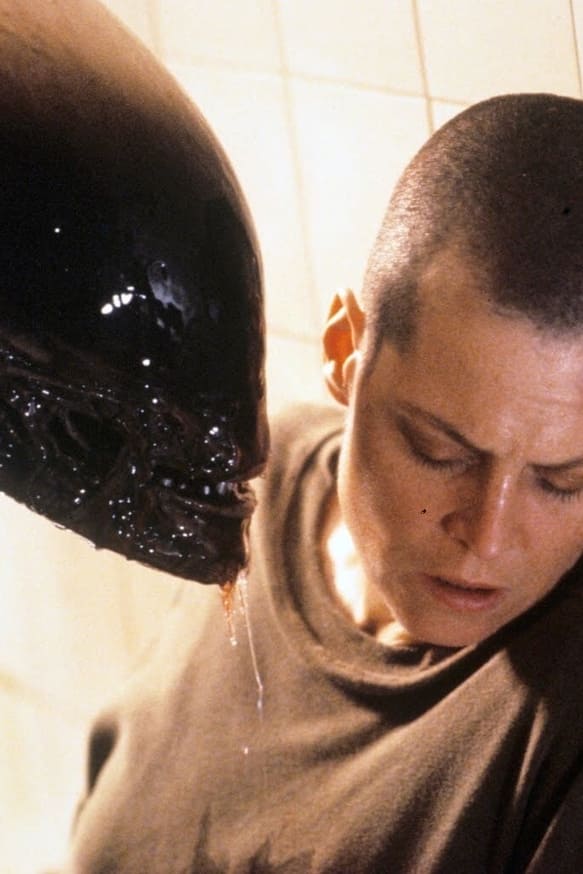
Woodruff performed inside a creature suit for close action, while Boss Film Studios employed a smaller rod-operated puppet for rapid movement across floors and ceilings. AFI documents the motion-controlled process and compositing used to combine the puppet with live-action environments. The combination of creature performance, controlled puppet movement and composited imagery explains the different visual qualities of intimate attacks and longer shots. The practical challenge was to make its speed believable in cramped industrial space while sustaining a sense of mass and bodily threat. Its mobility makes the final pursuit a collective effort to redirect the animal rather than defeat it through conventional weaponry.
Theatrical Release and the Assembly Cut
The theatrical version and the extended Assembly Cut are materially different presentations. The 1992 edit shows the xenomorph emerging from a dog, while the alternative uses an ox brought into the prison's work area. The longer account also restores parts of the inmates' daily life and expands the involvement of Golic, whose fascination with the creature has consequences largely absent from the shorter film. A containment attempt plays differently because the restored storyline allows the prisoners to trap the animal before Golic releases it. These are not interchangeable alternate angles; they change causality and the viewer's understanding of individual decisions.
For the 2003 Alien Quadrilogy set, home-video producer Charles de Lauzirika supervised an extended edit using recovered material and an earlier working version. In a lengthy firsthand interview he emphasized that Fincher did not participate, and he questioned whether the commercial label Assembly Cut precisely describes the polished alternative. The 2010 Blu-ray edition repaired sections whose original production sound had been unsuitable, bringing performers back to record replacement dialogue. The later work improved the presentation of recovered scenes without establishing a new version personally shaped by Fincher. The alternate edit is therefore best approached as an archival reconstruction, one that can be compared closely with the 1992 release while leaving the director's final preferences unresolved.
Original Reception and an Unsettled Reputation
Alien 3 opened in the United States on May 22, 1992, after delays from an earlier intended release. AFI records more than 2,500 theaters and a sharply declining domestic take after the opening weekend. Accounts of production cost are inconsistent: contemporary sources cited estimates ranging from roughly $35 million to $50 million or more. The range reflects disputed contemporary reporting rather than a single verified accounting figure; domestic box-office receipts likewise indicate ticket sales rather than a film's net earnings. The film also faced the expectations created by Aliens, whose surviving characters and forward momentum it overturned almost immediately.
Michael Wilmington's opening-day review in the Los Angeles Times praised the industrial imagery and ambition while judging the drama too thin to sustain its ideas. He distinguished the film's severe, Gothic mood from the earlier installments rather than describing it as a simple repetition. Later home-video reconstructions encouraged more detailed consideration of what the theatrical editing had suppressed, particularly the prisoners' relationships and the uncertain mechanics of the alien threat. Those changes have sustained discussion of the film's editing and dramatic priorities across decades. Alien 3 matters within horror history as an unusually bleak studio sequel whose production conflicts, creature work and competing cuts remain available for unusually direct comparison.
Archival synthesis of contemporary trades covering successive scripts, changes of director, Pinewood photography, reshoots, creature techniques and the disputed costs and reception.
Ron Magid's detailed interview with Alex Thomson on replacing Jordan Cronenweth, Fincher's visual direction, furnace lighting and the 1991-1992 production.
Original extended interview with the home-video producer on retrieving the working cut, Fincher's nonparticipation, altered scenes and the 2010 audio restoration.