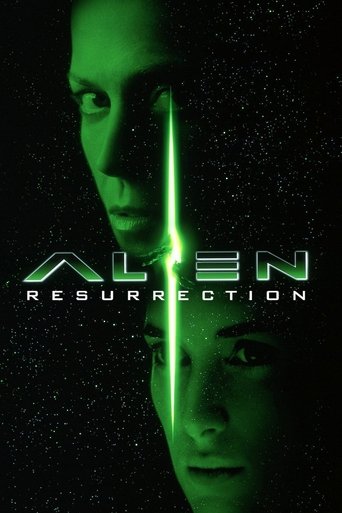
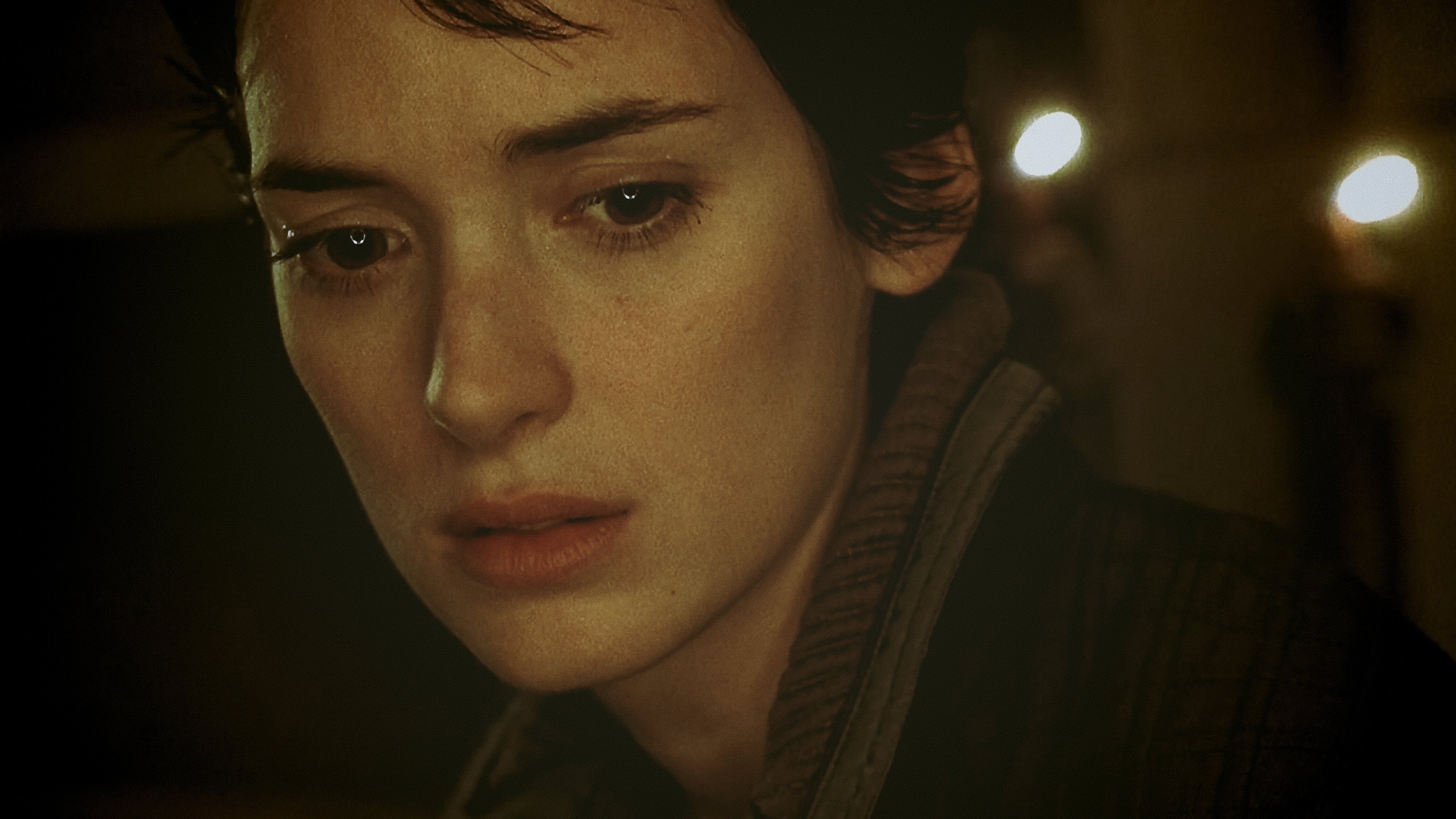
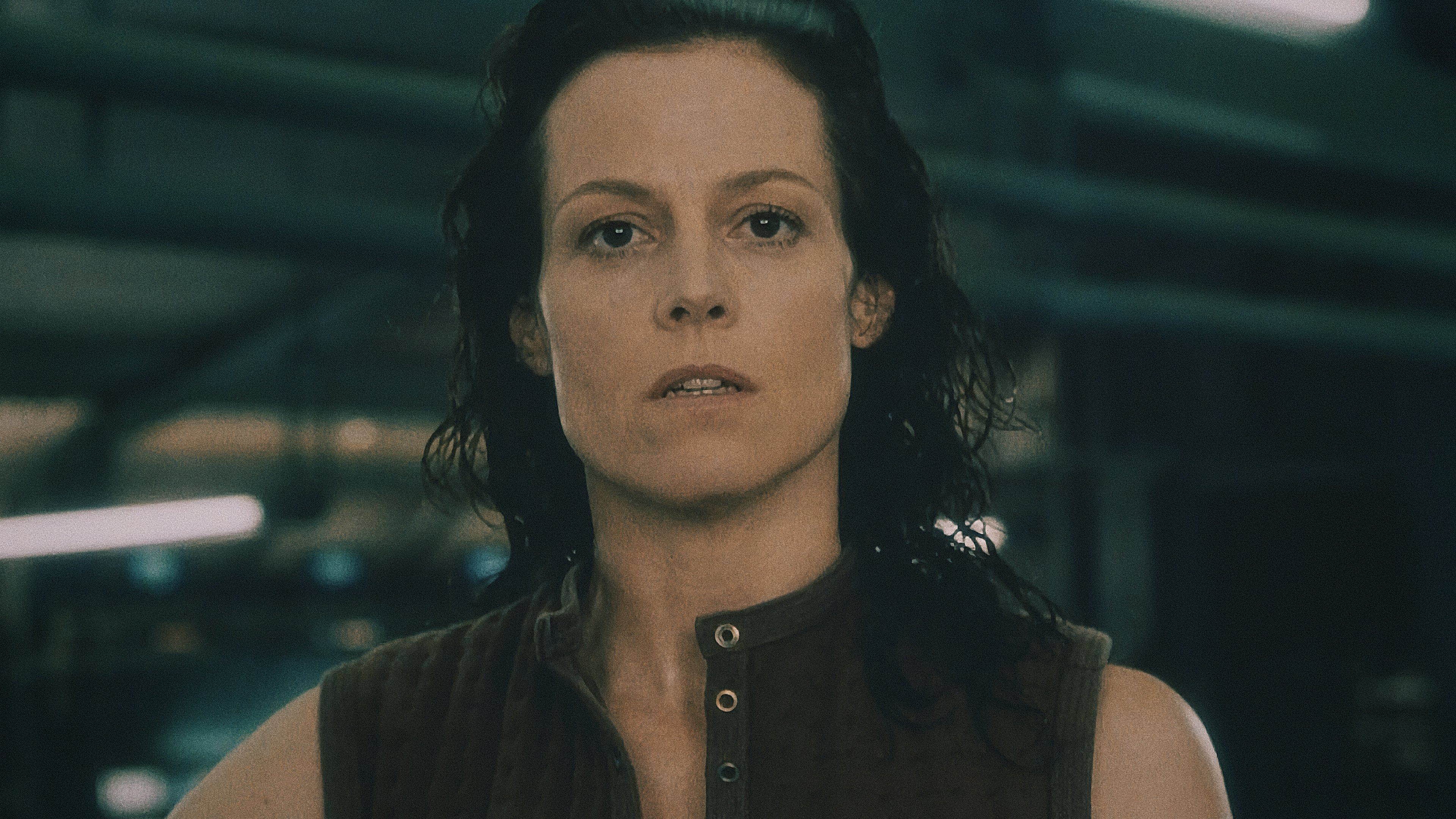
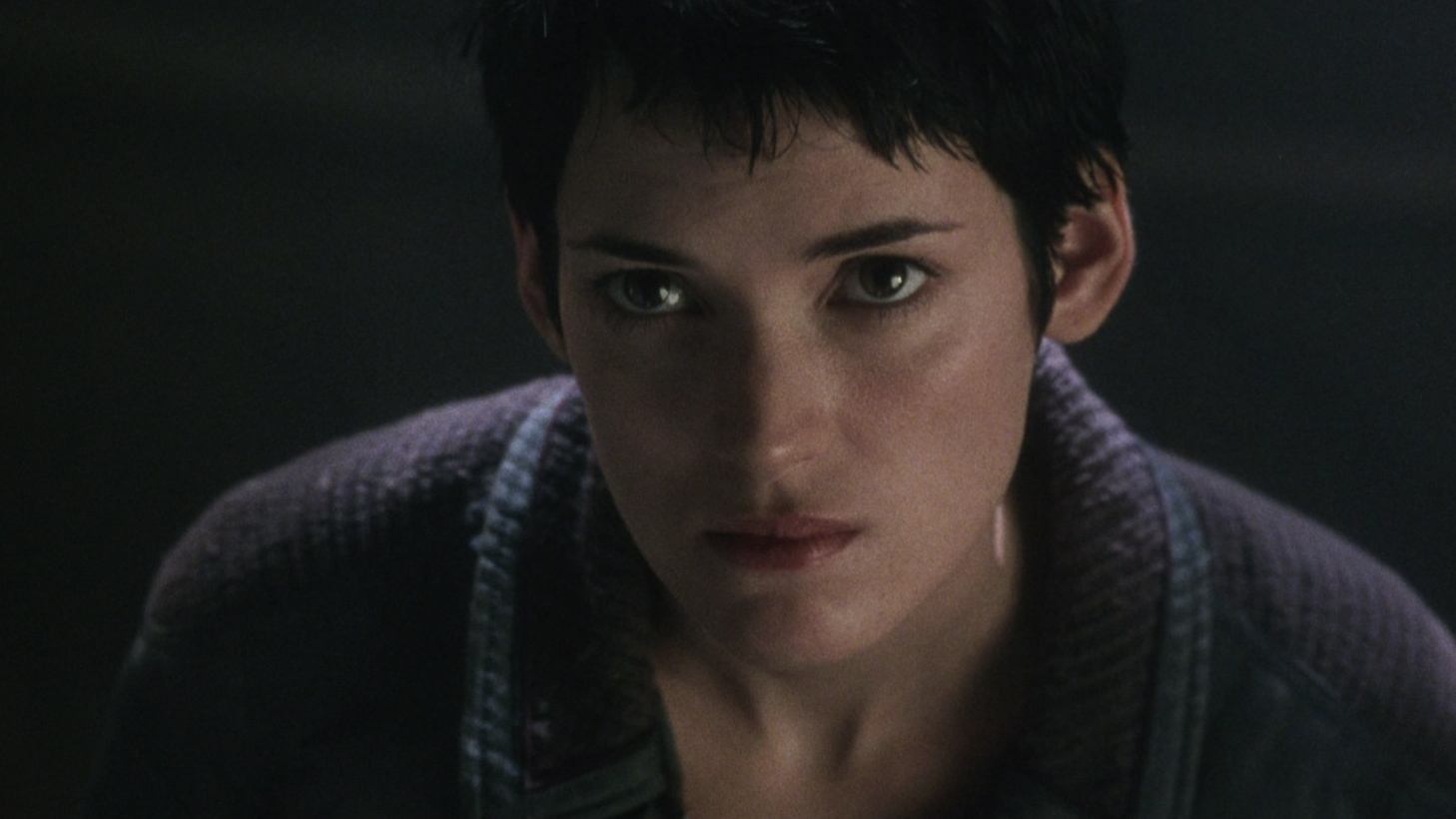
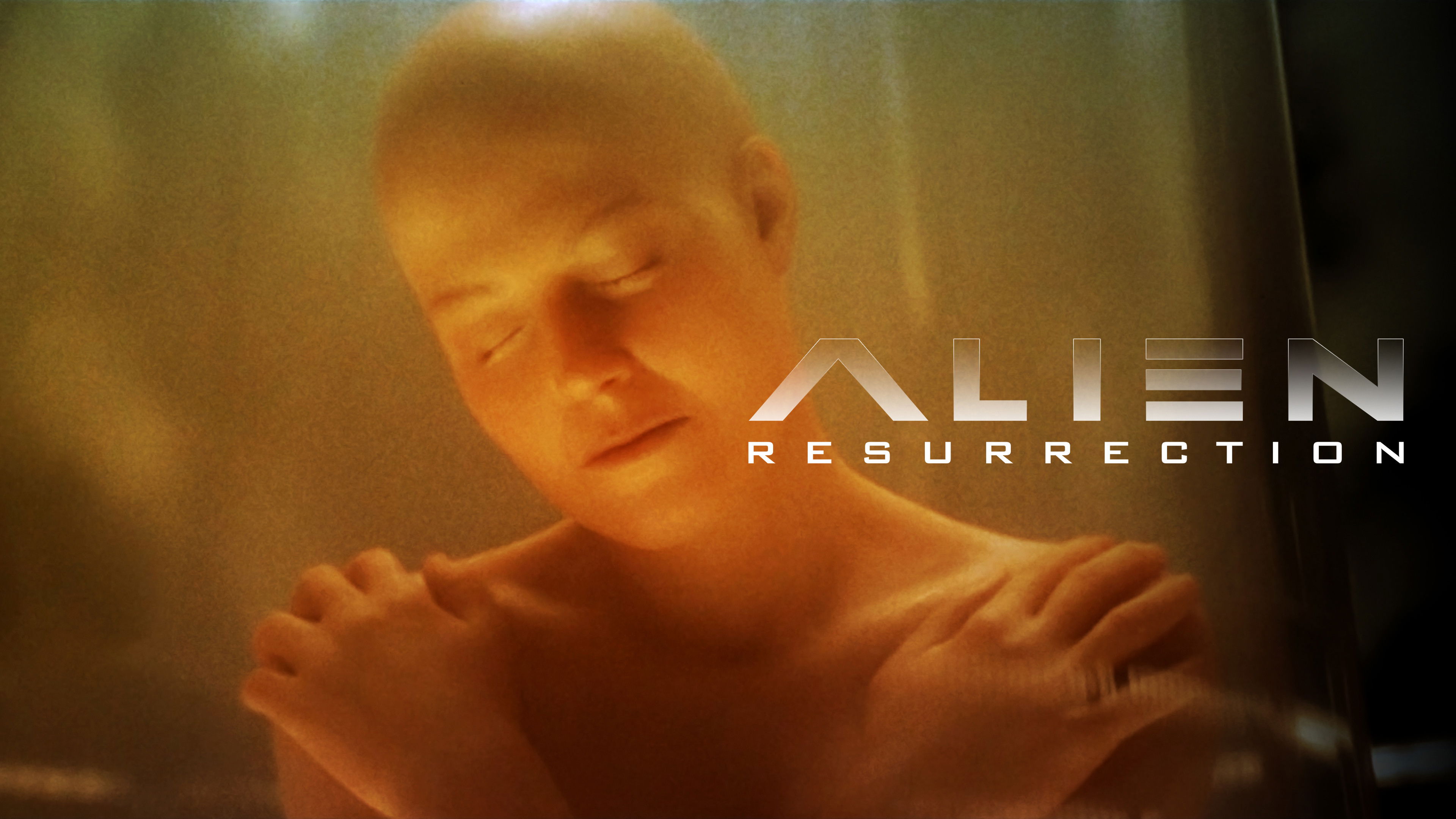
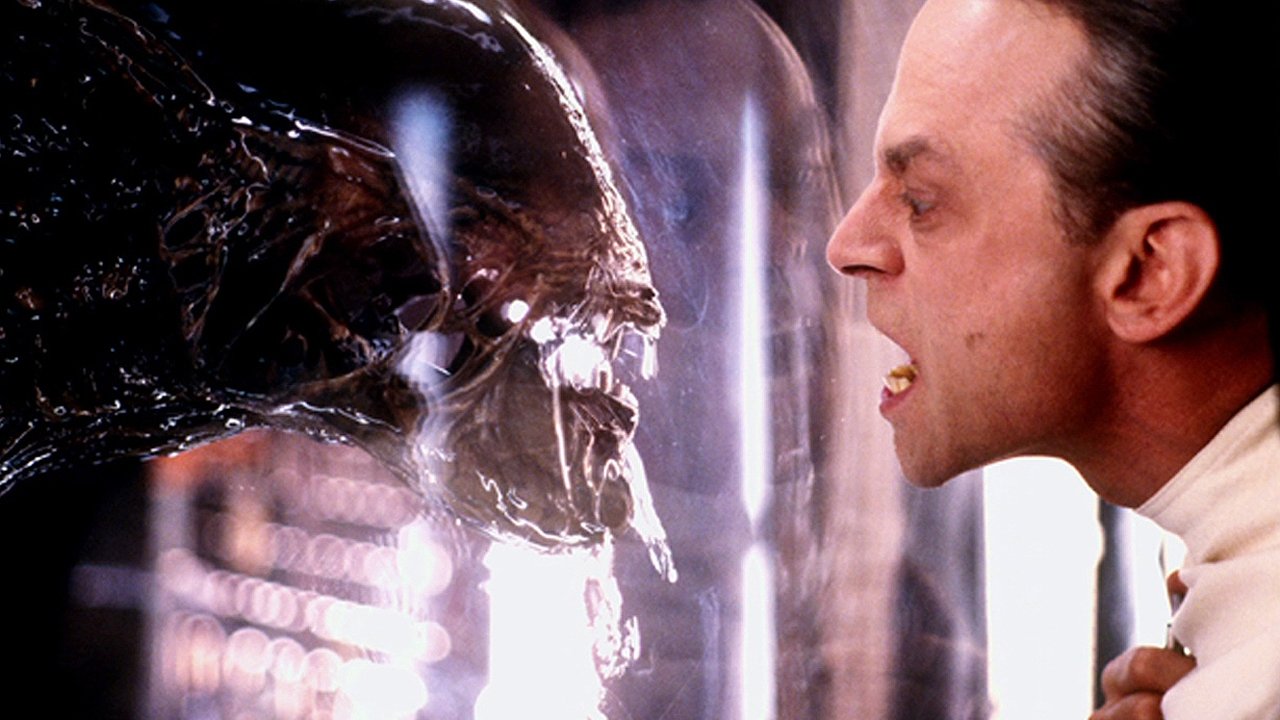
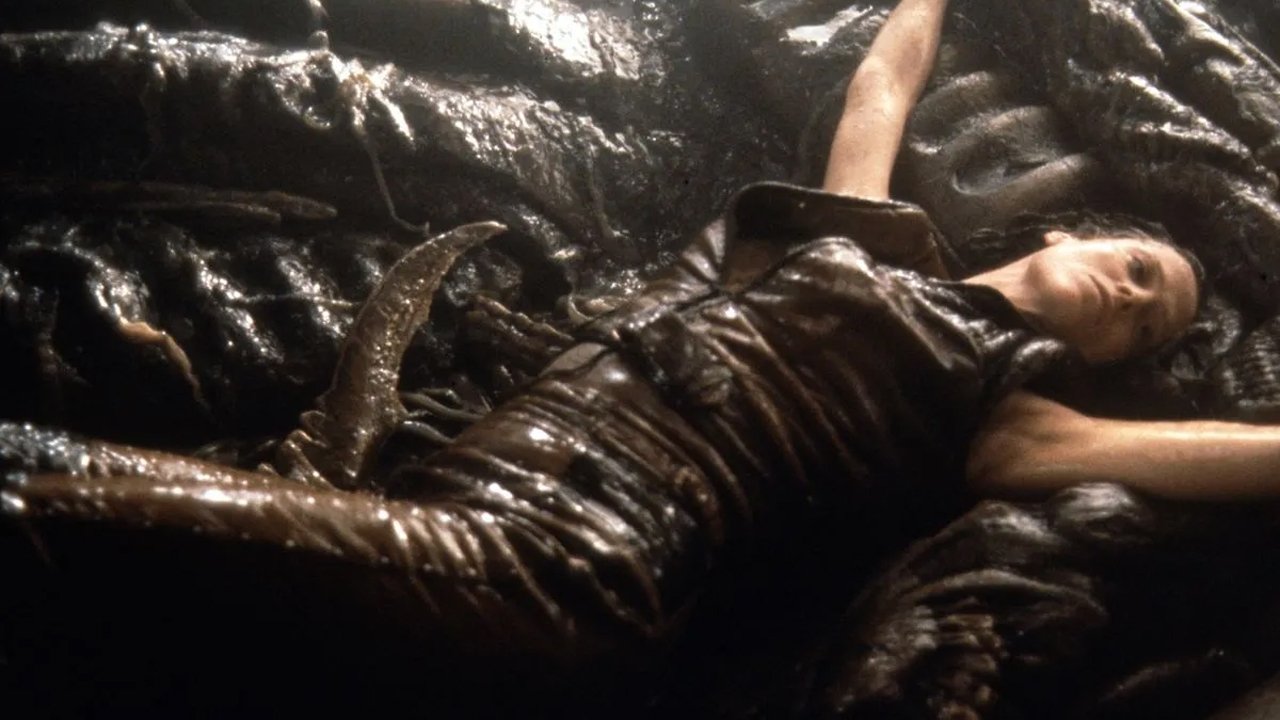
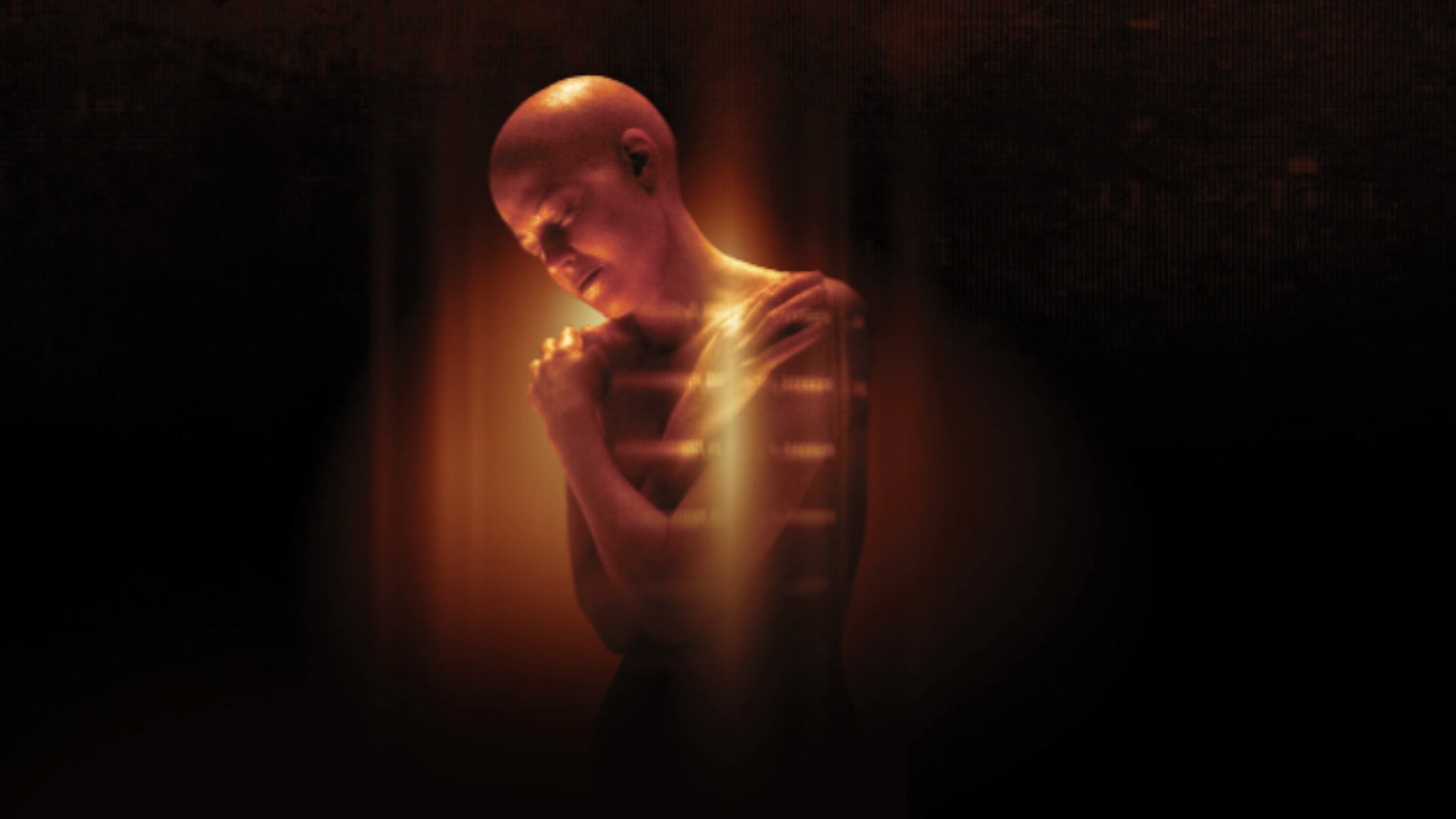
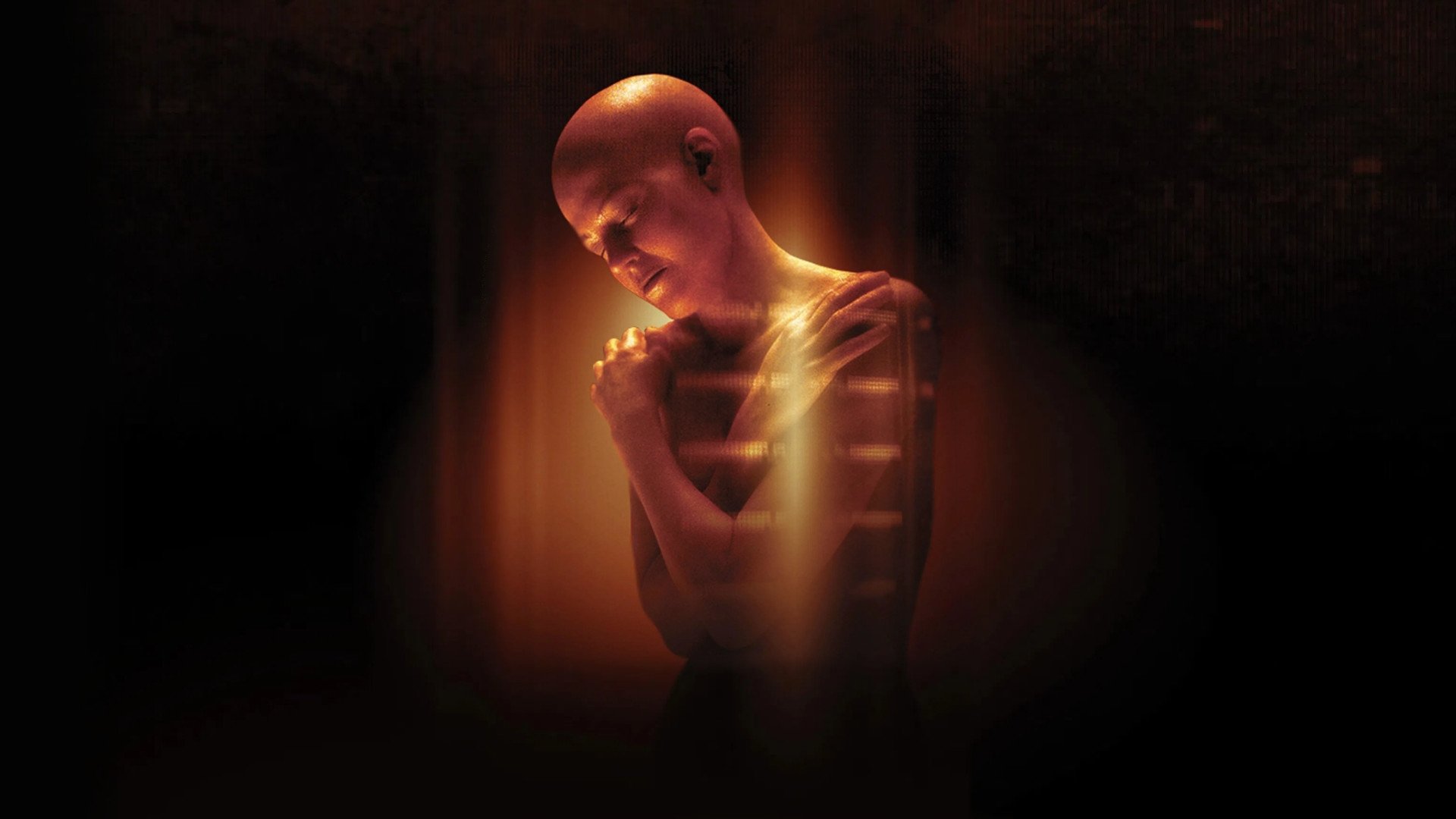
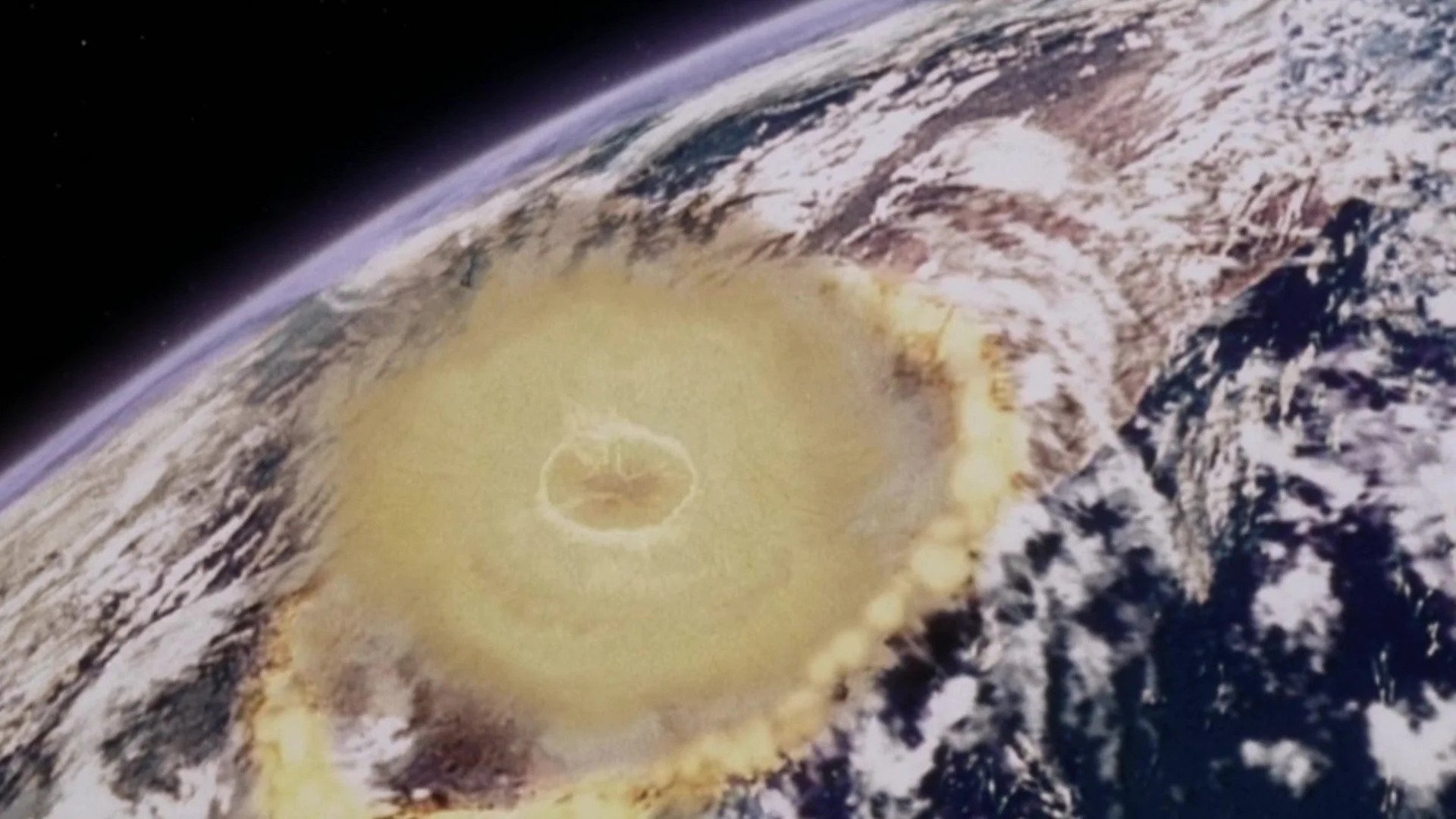
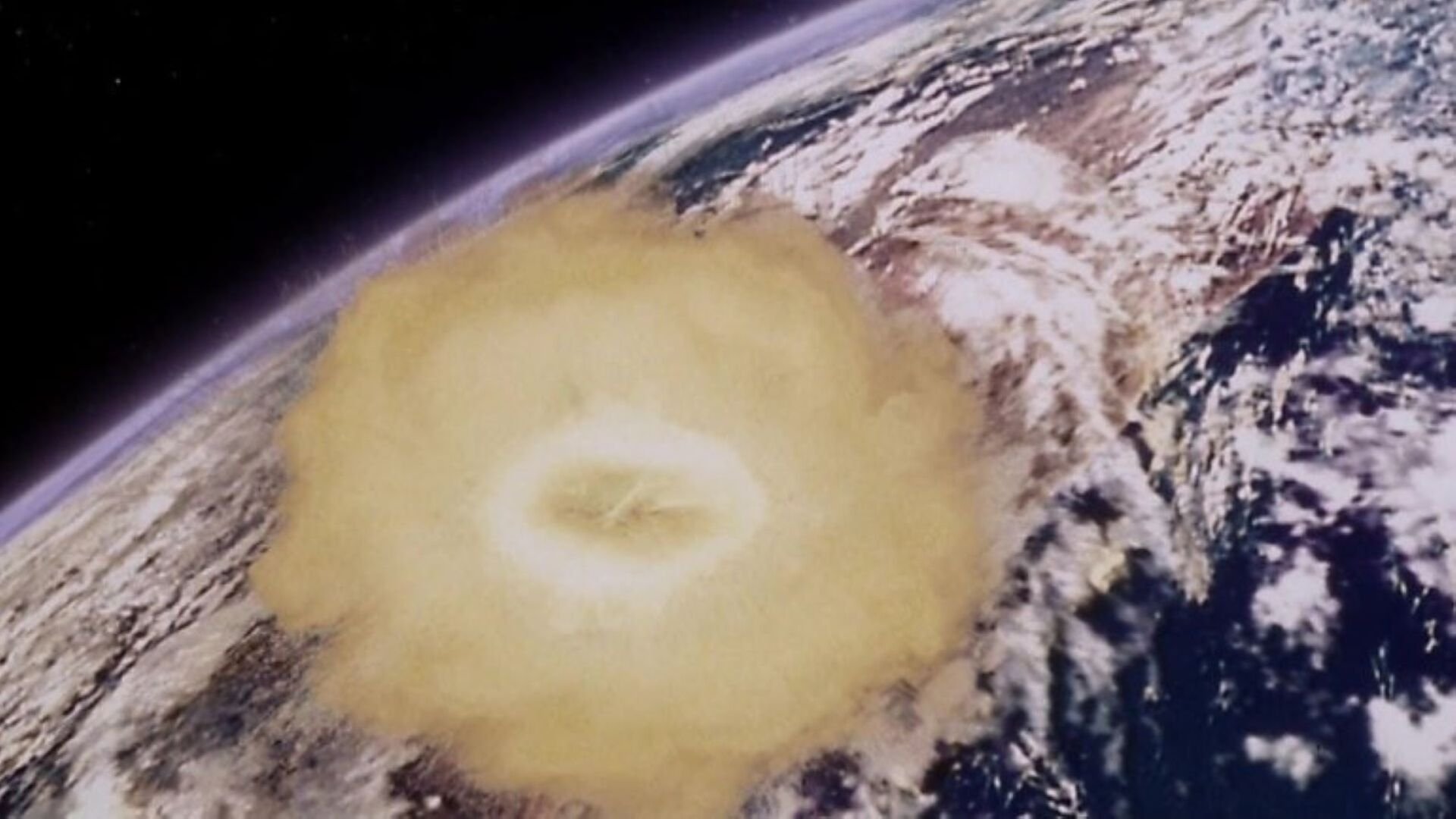
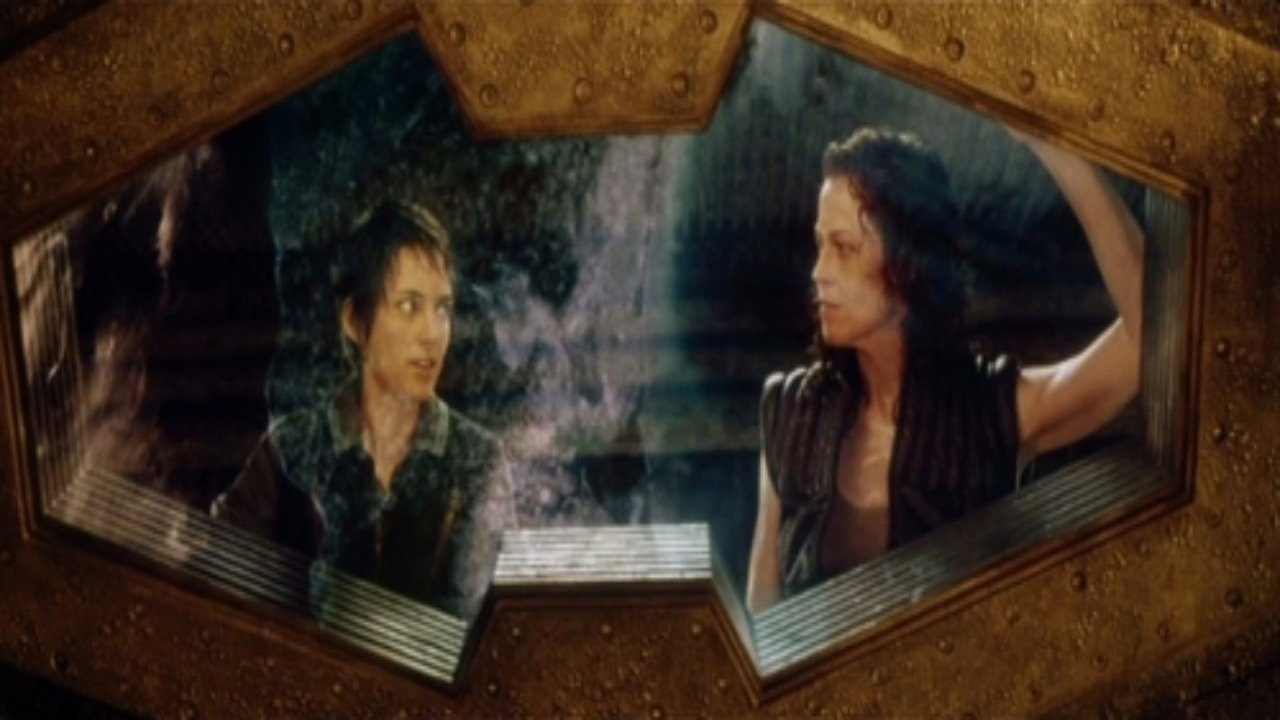
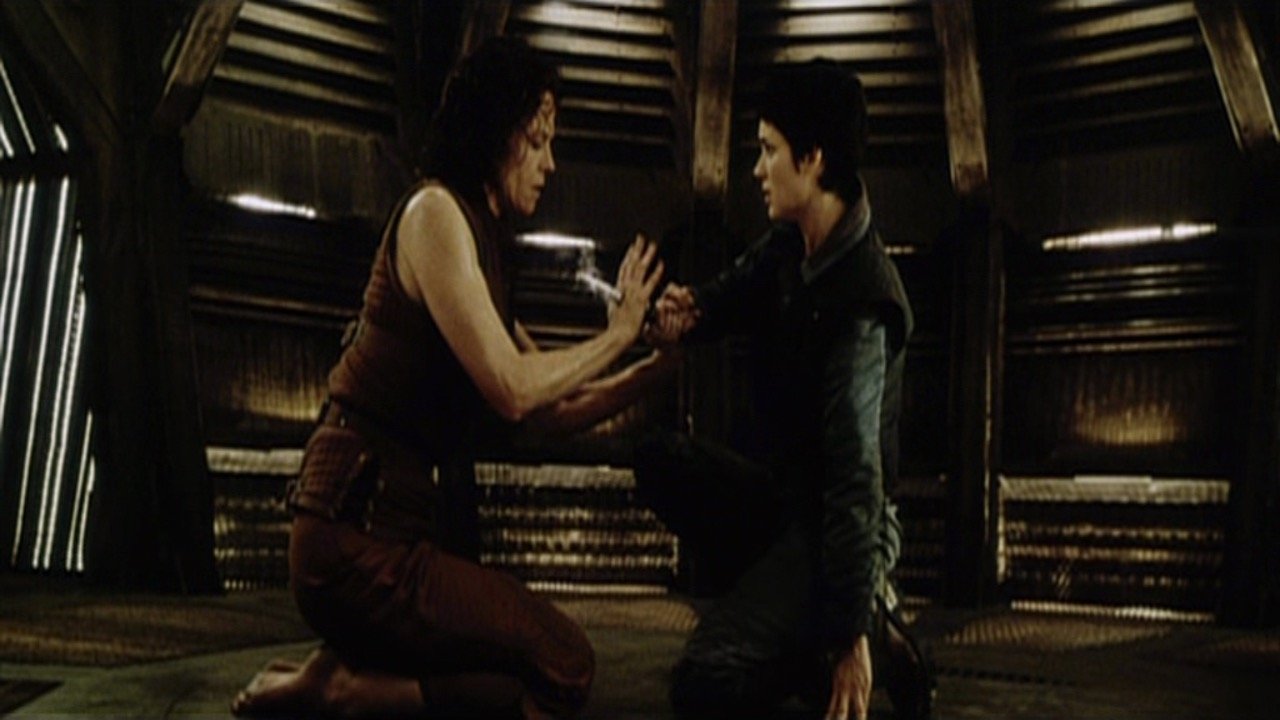
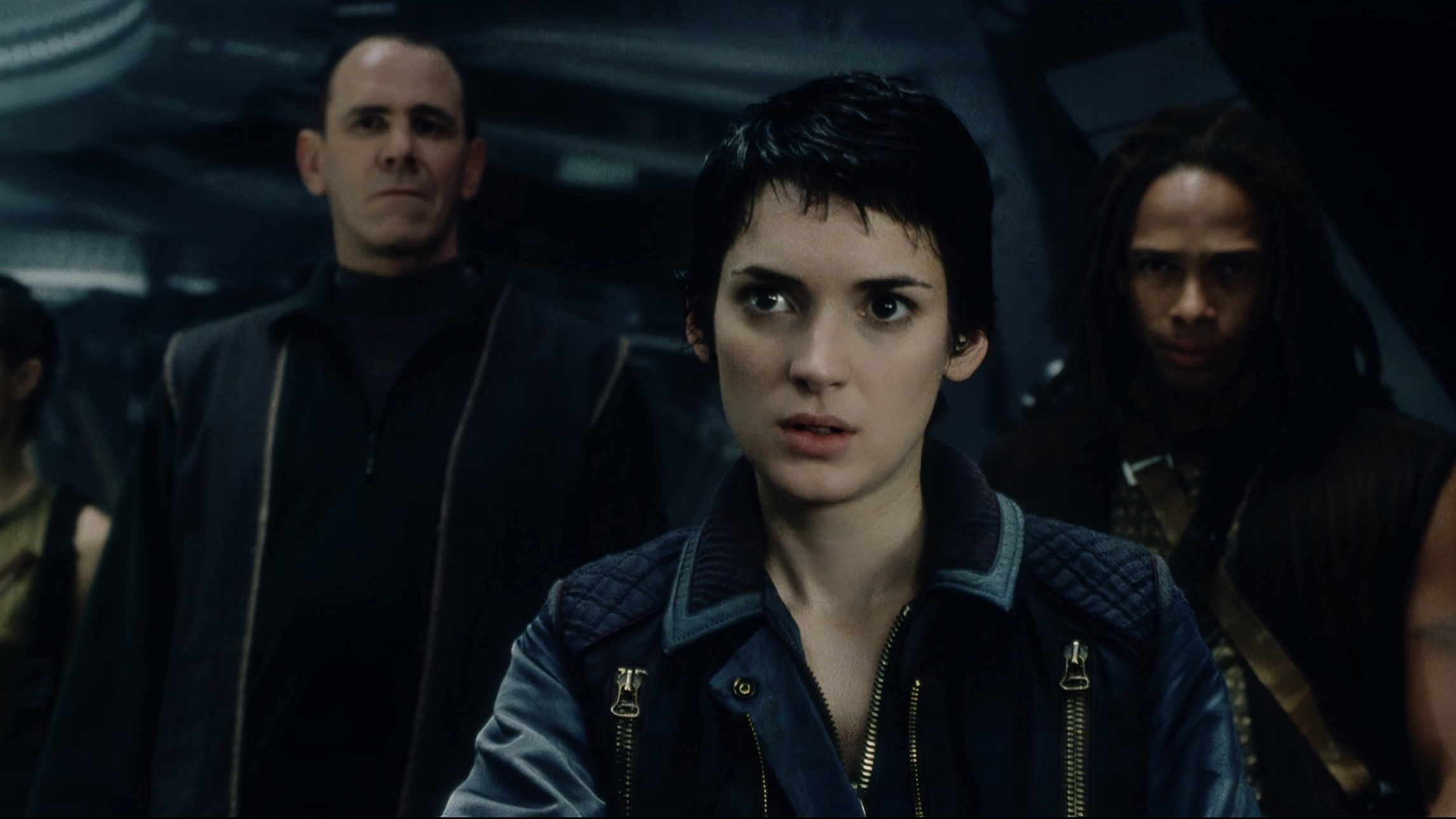
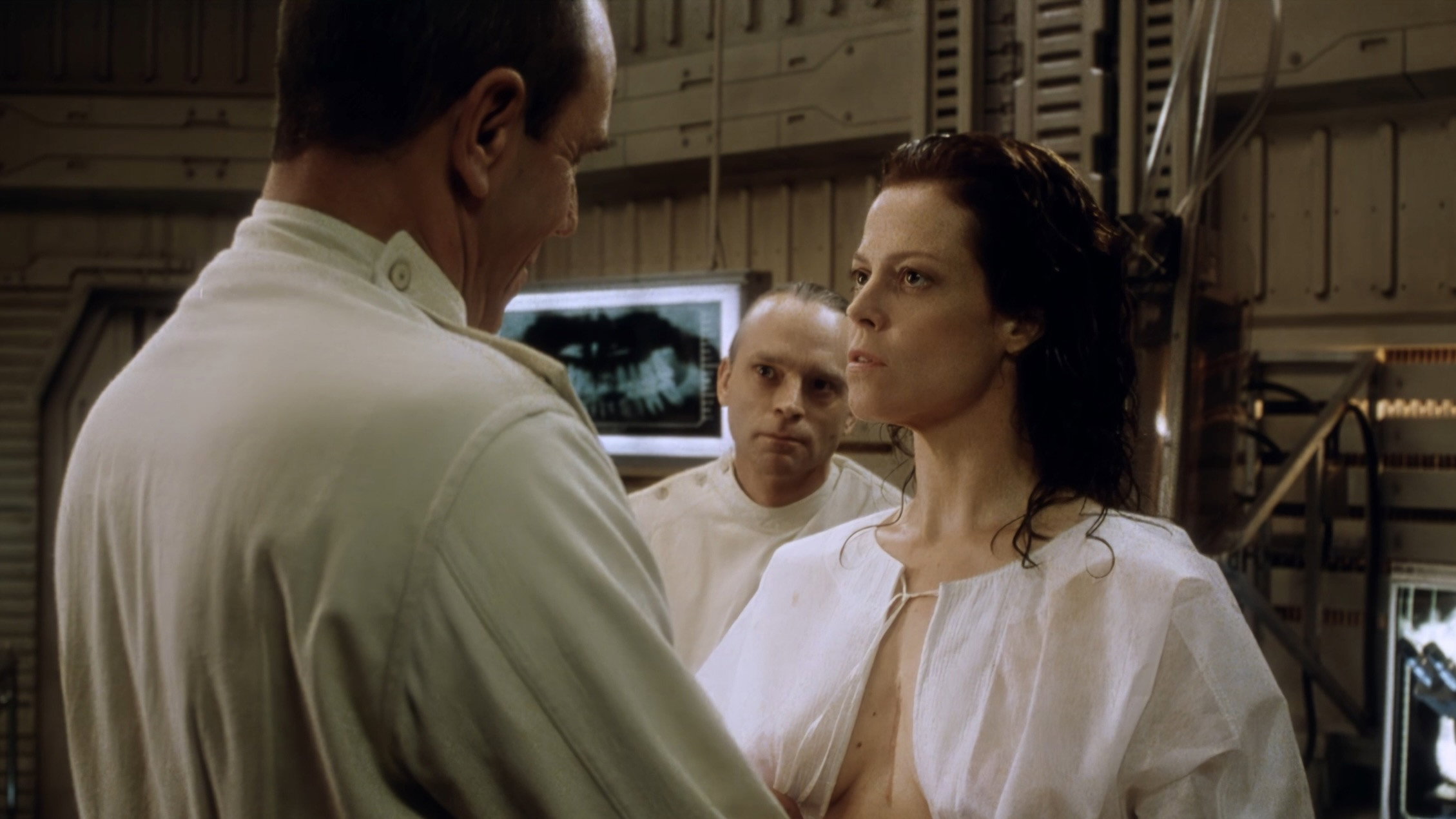
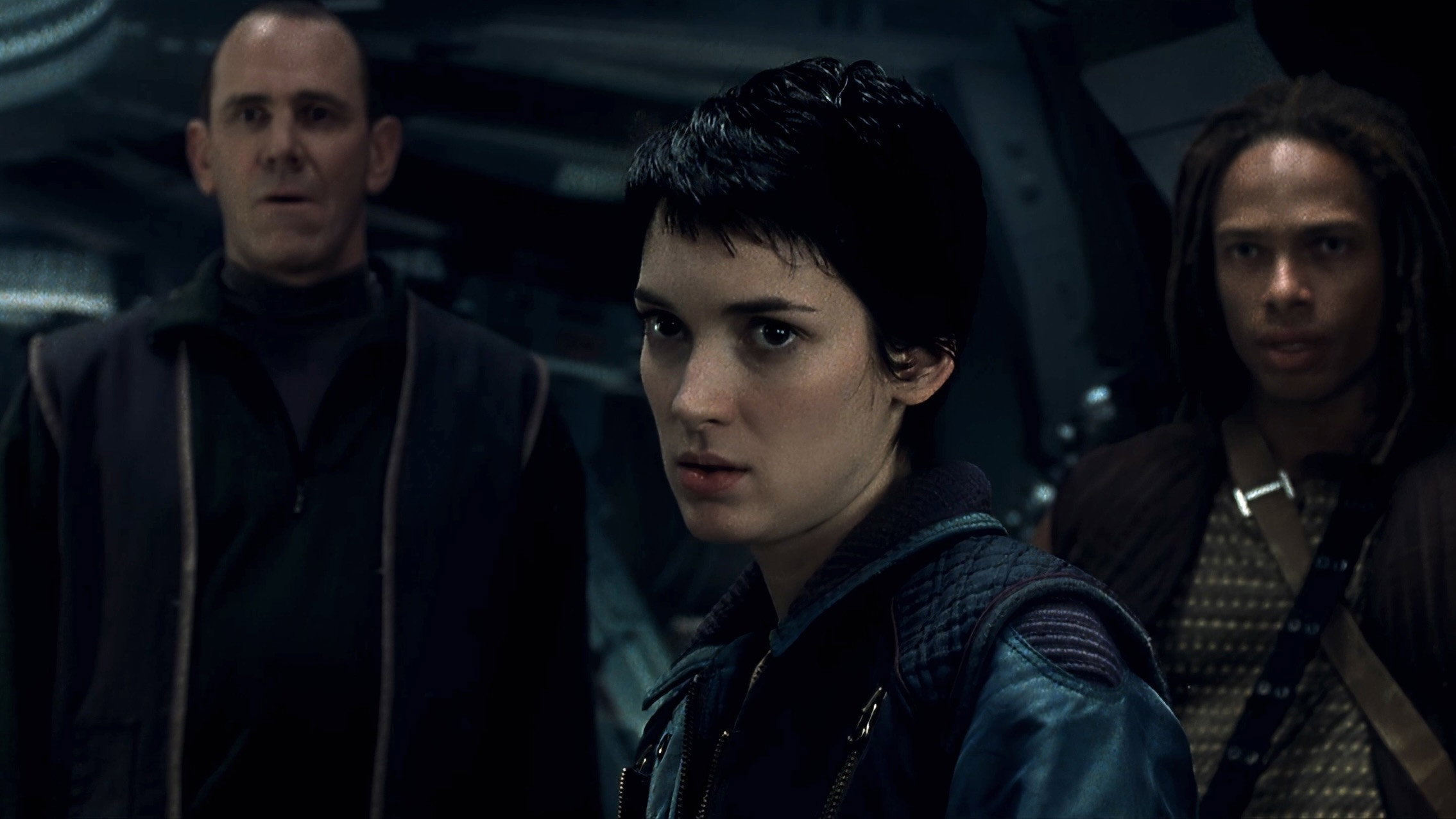
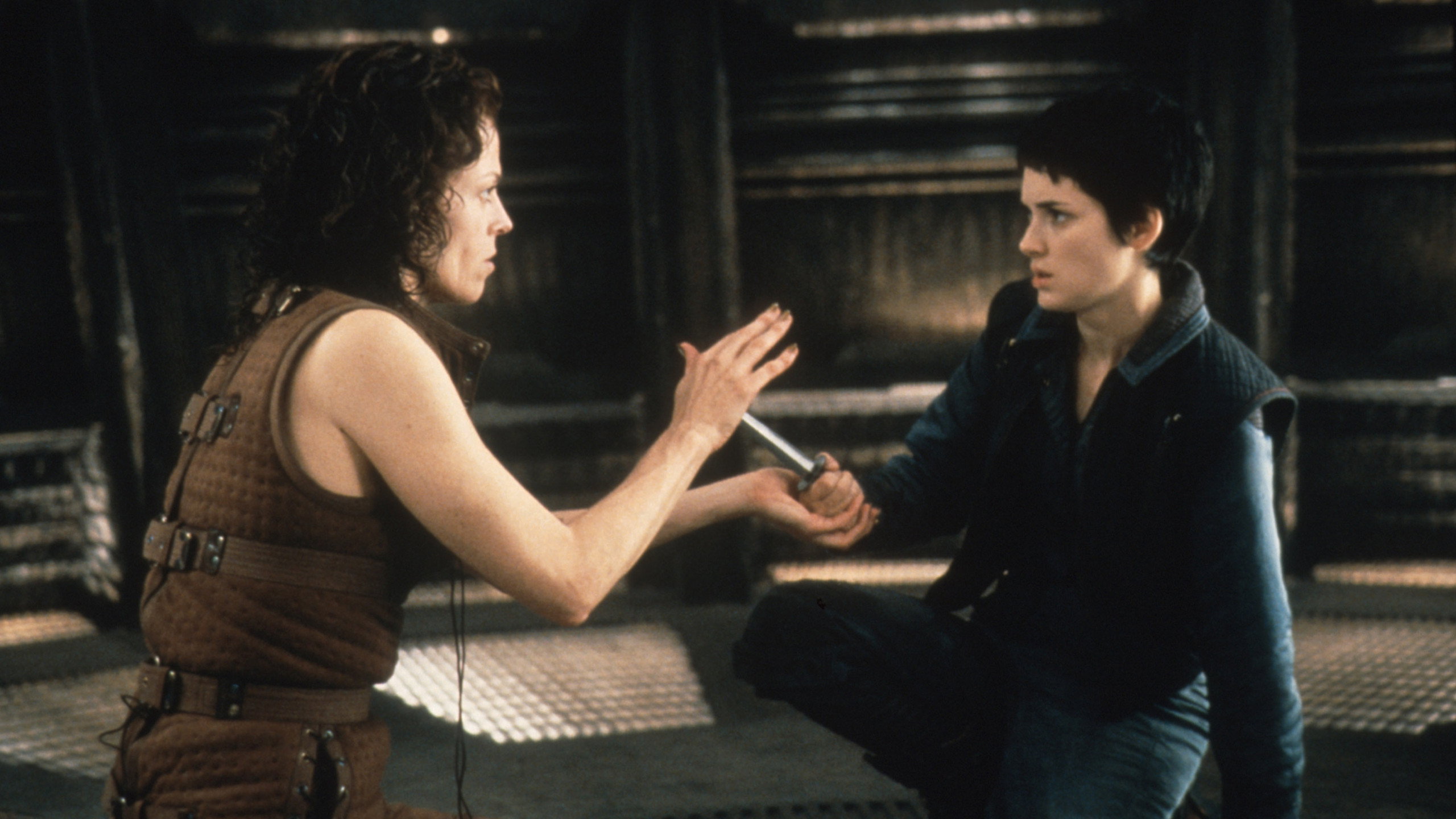
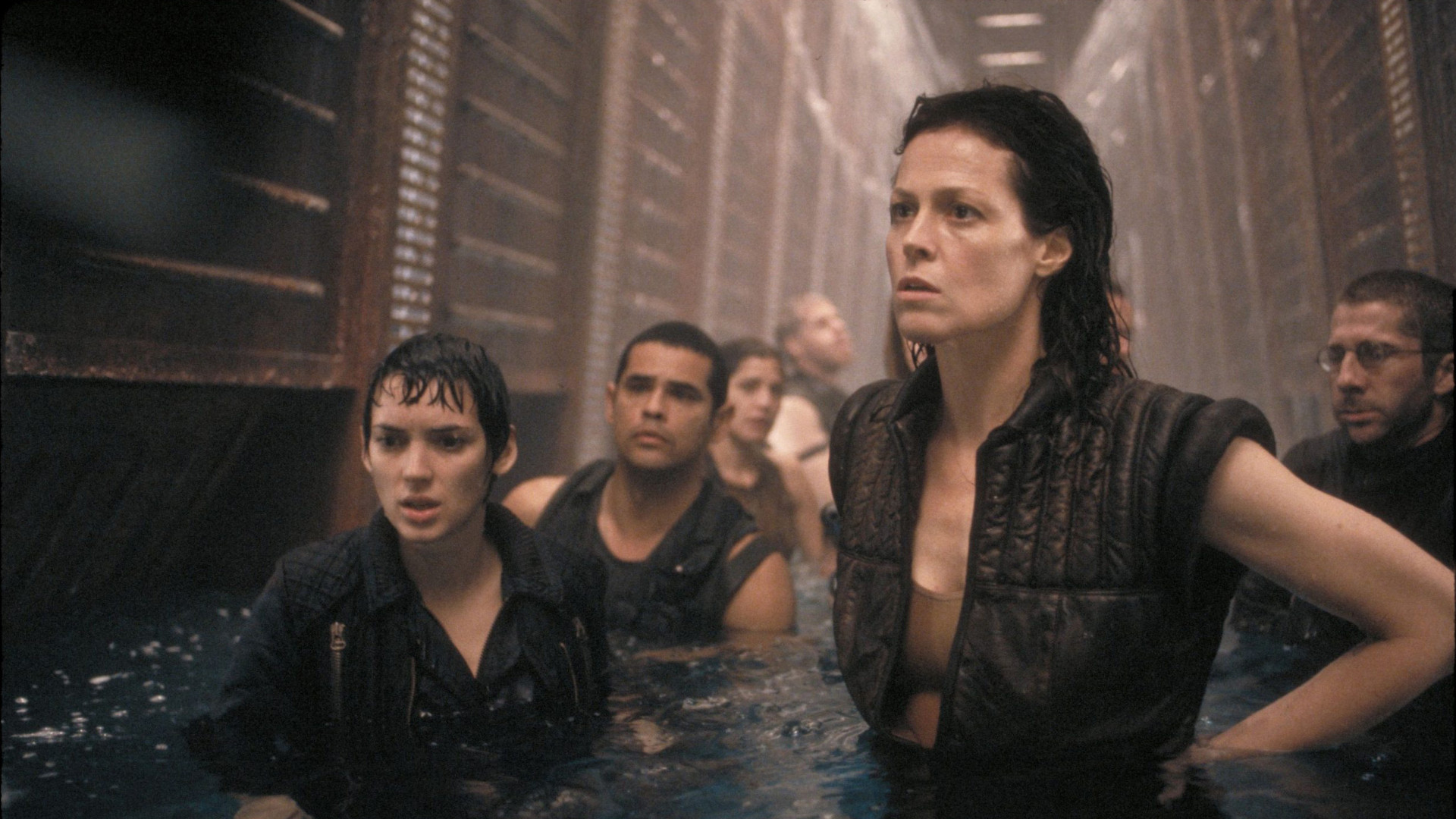
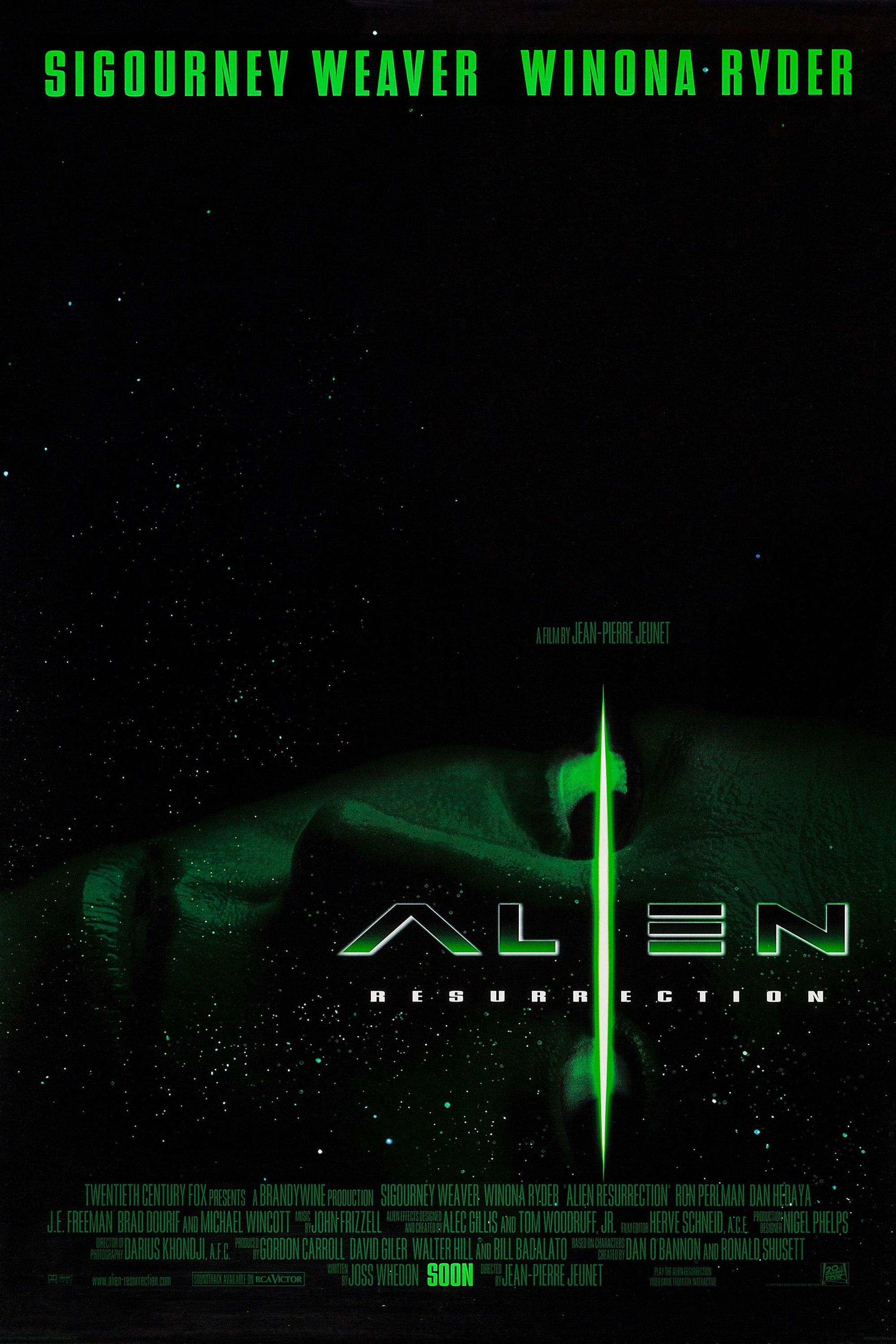
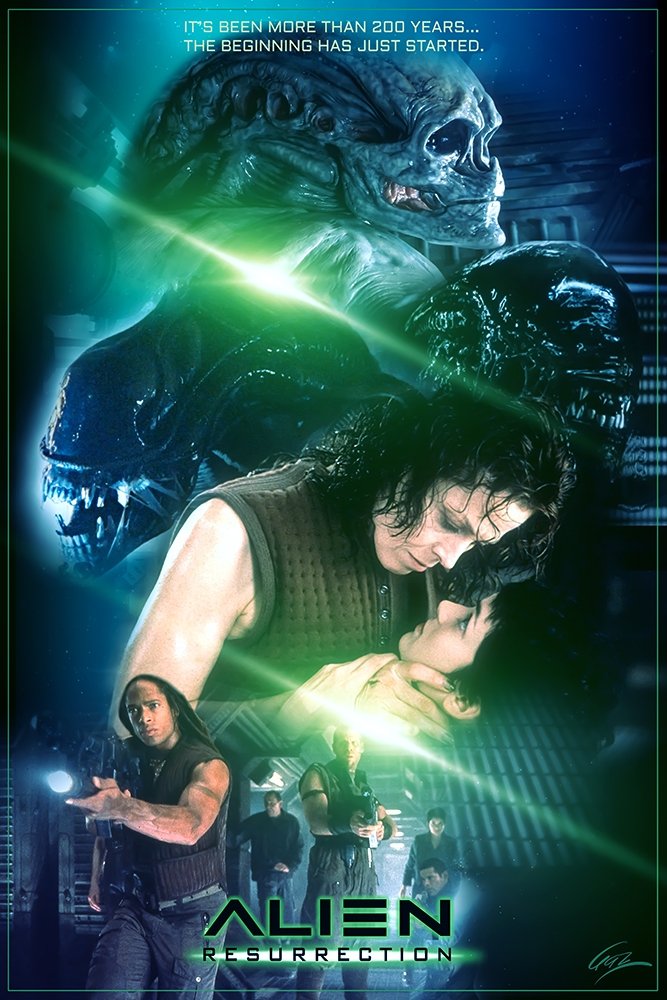
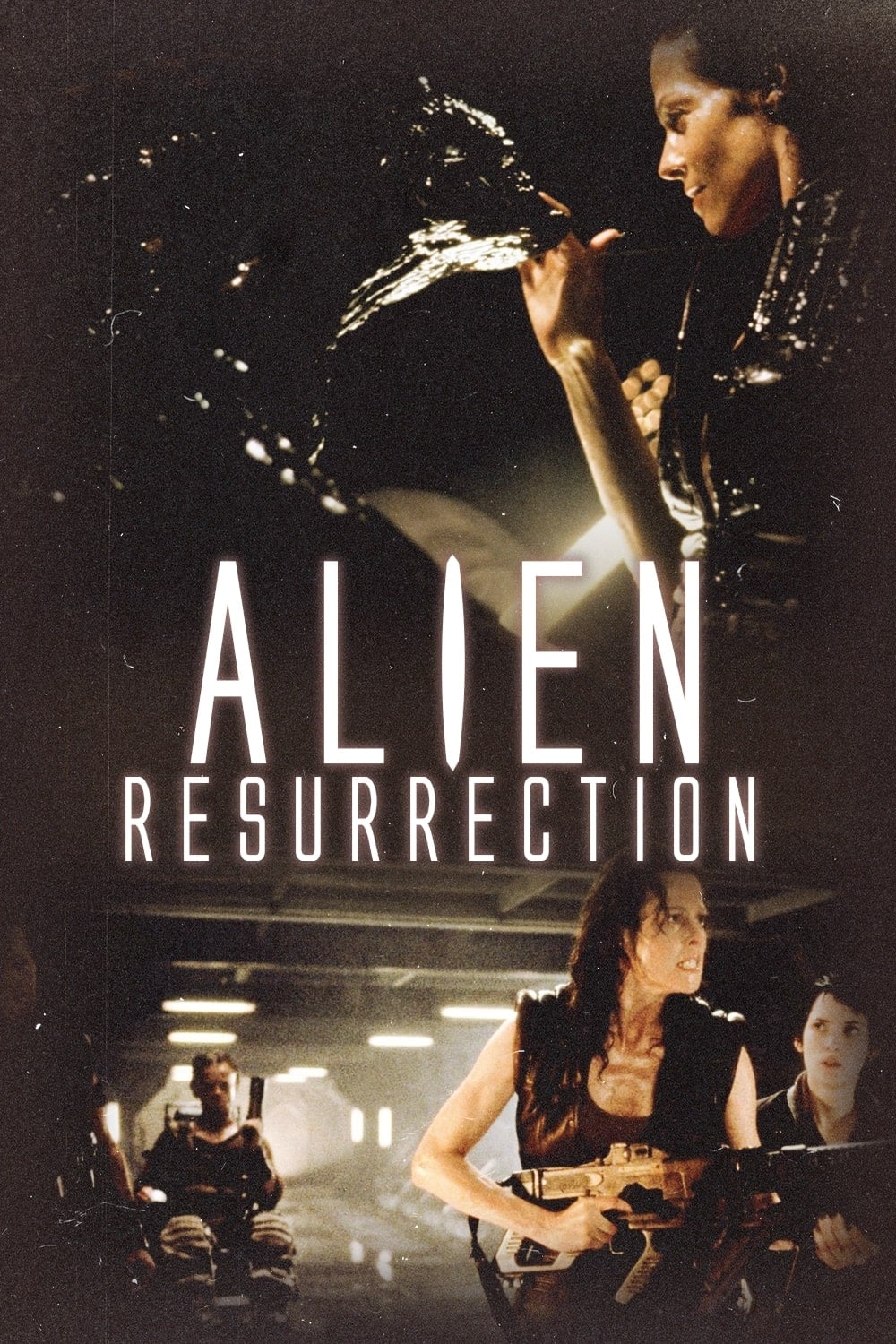
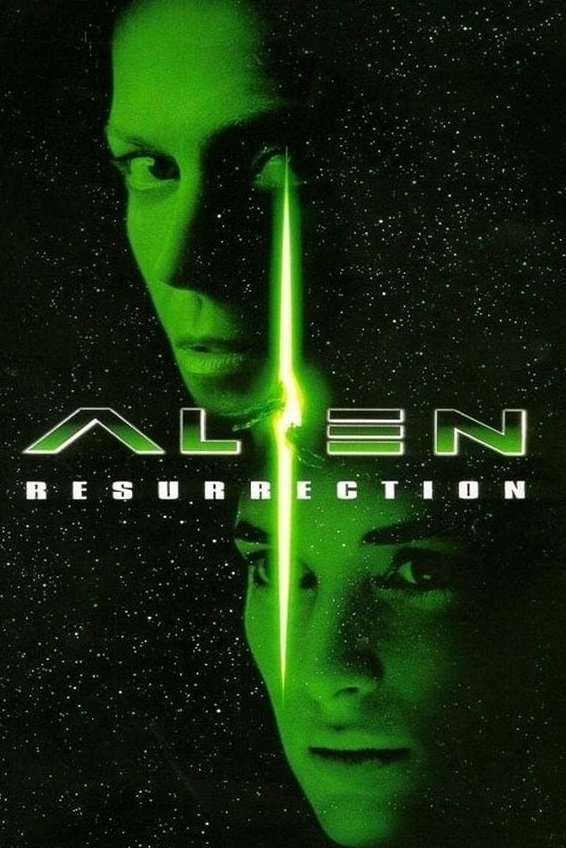
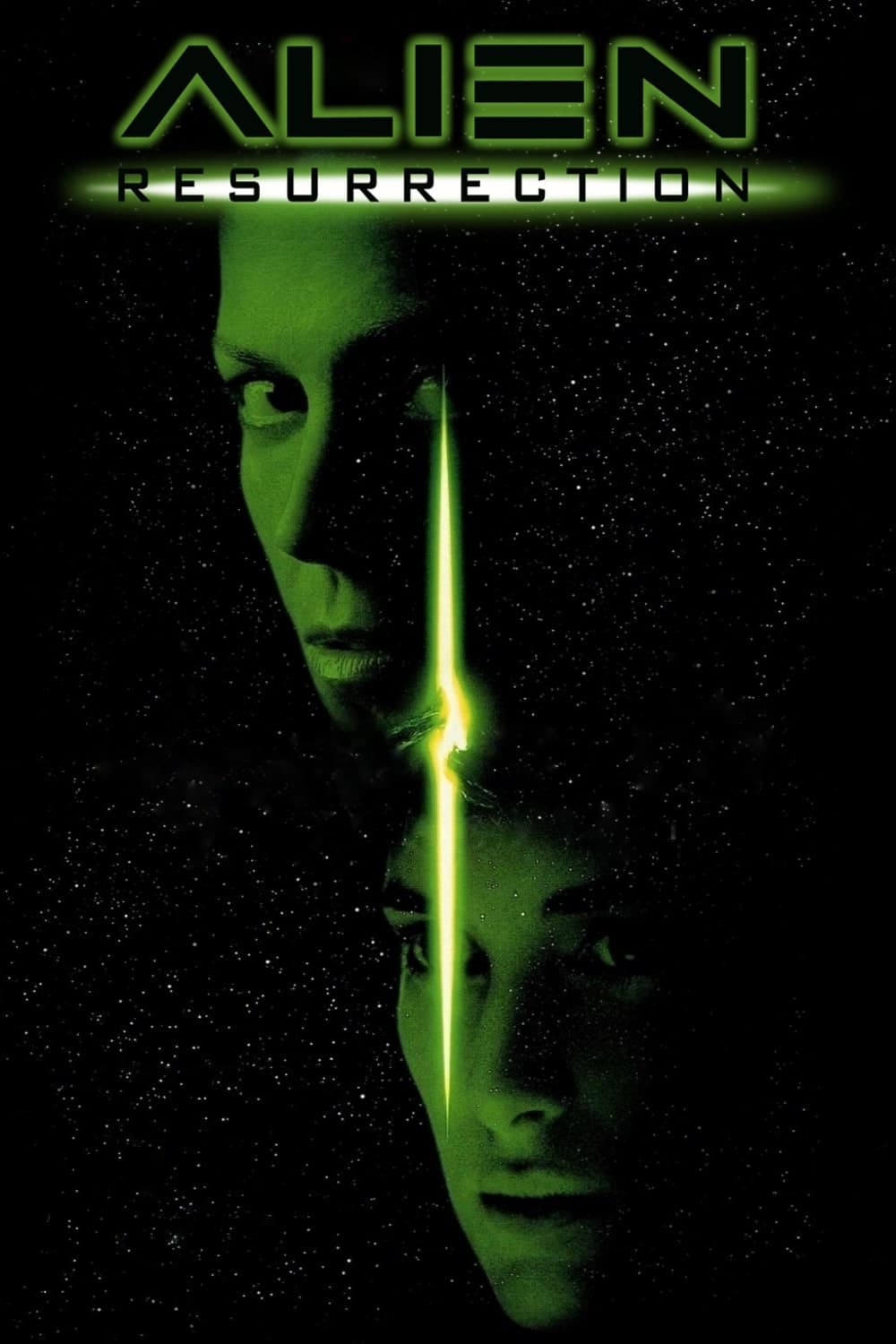
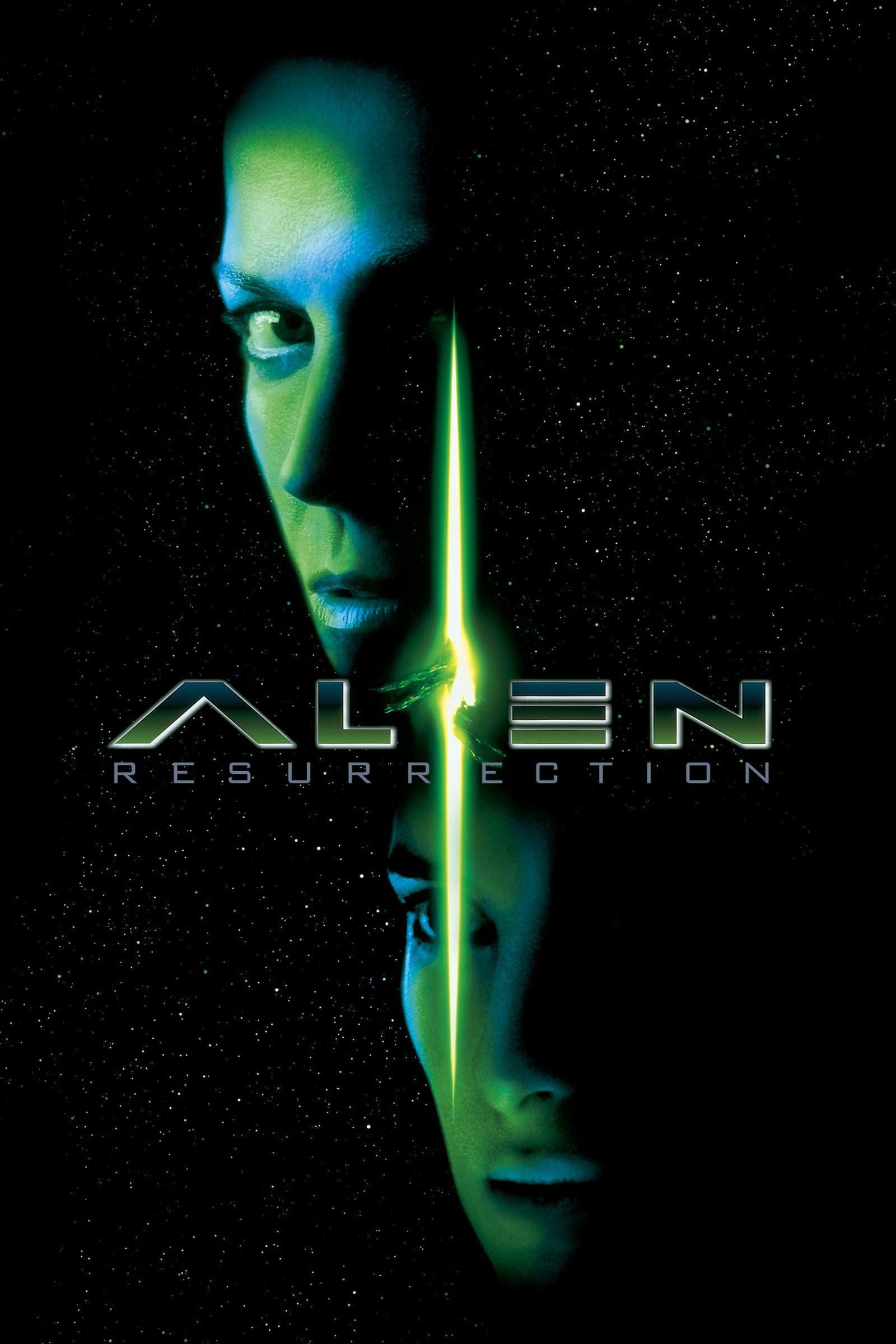
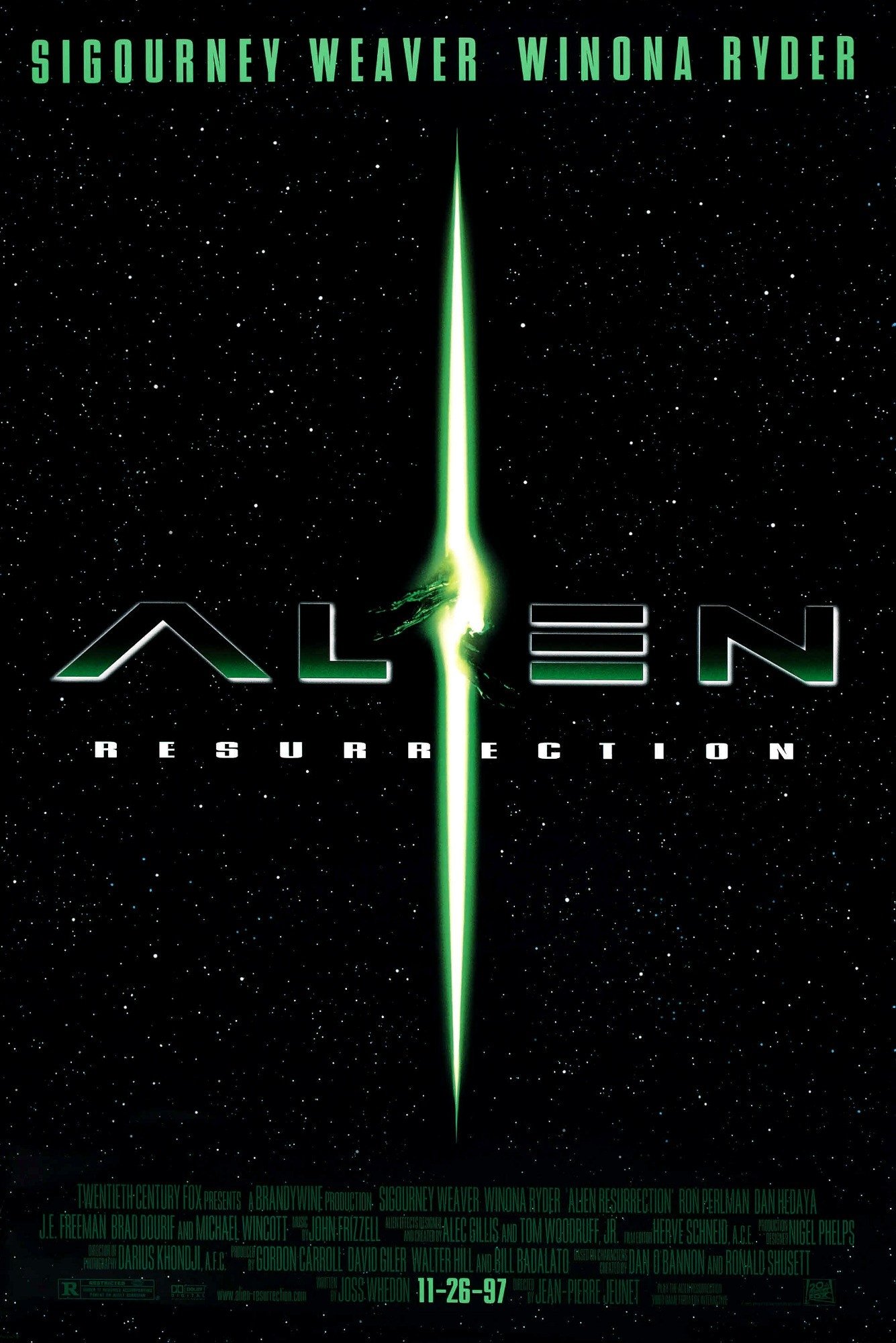
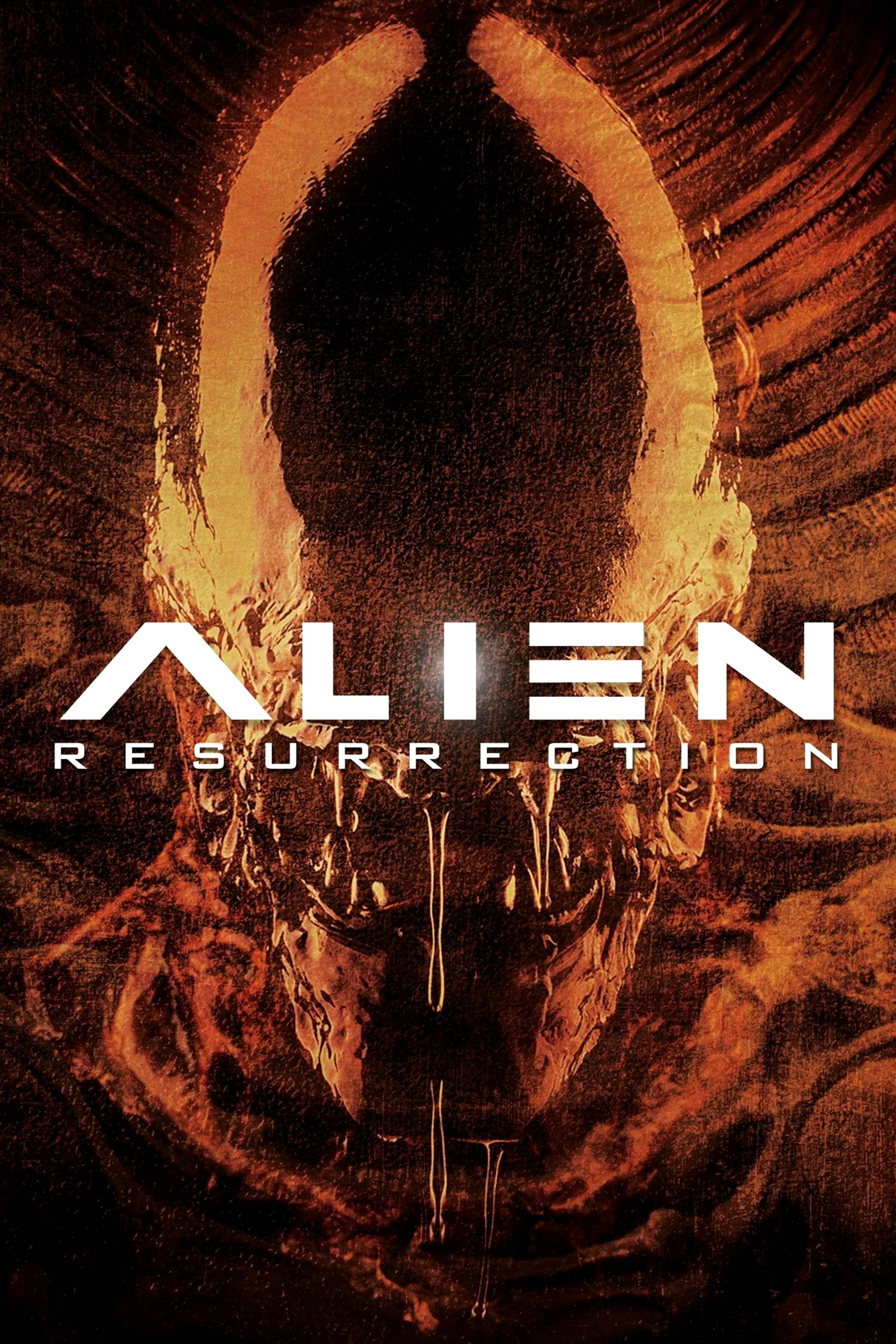
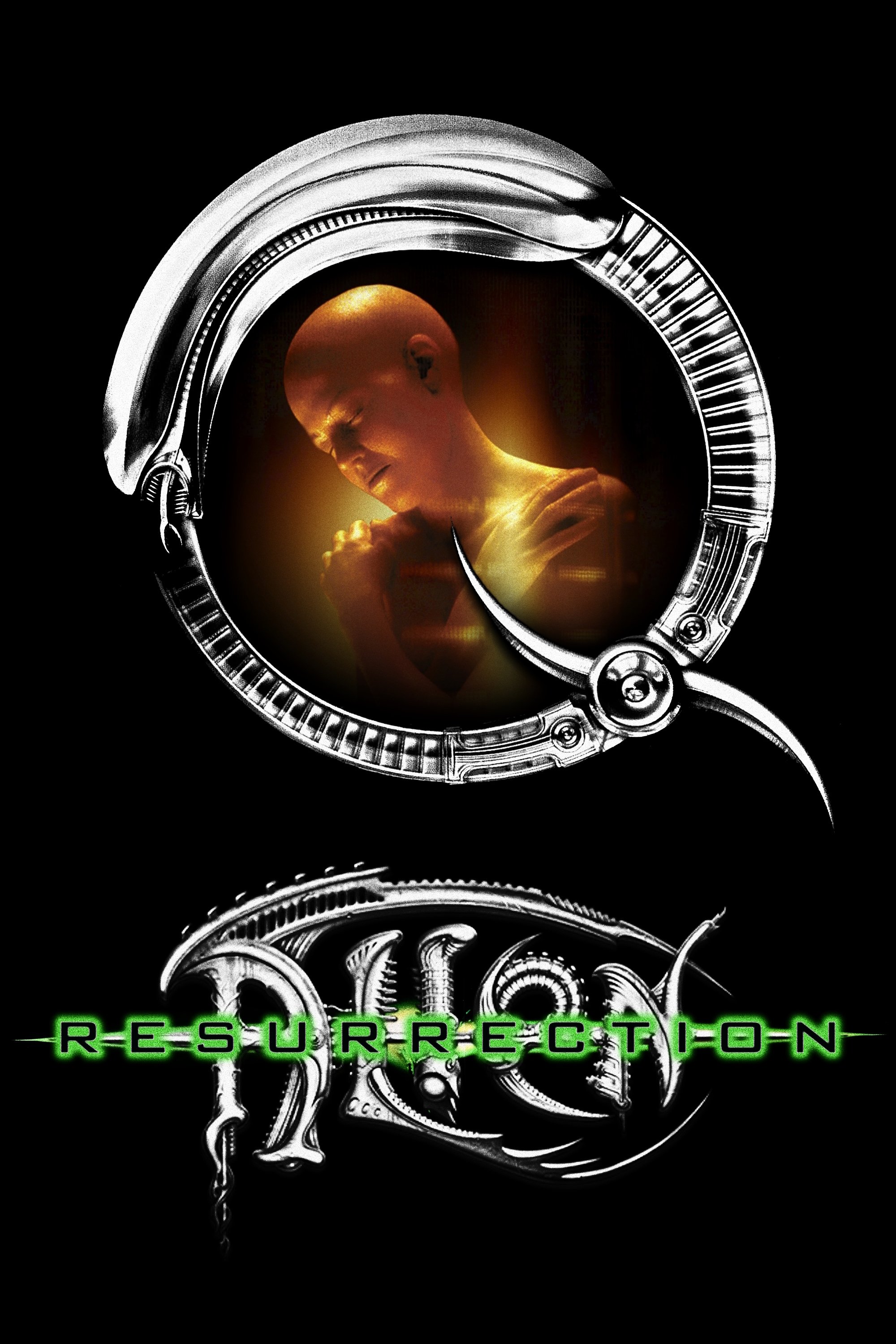
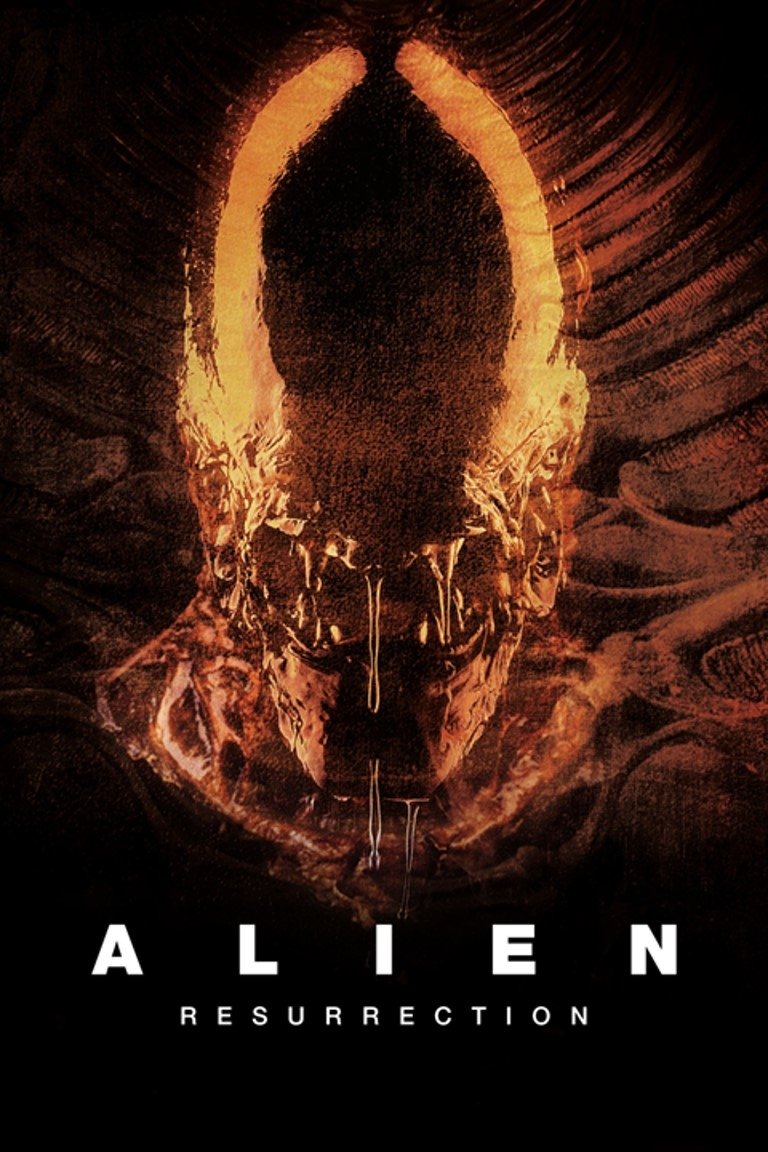
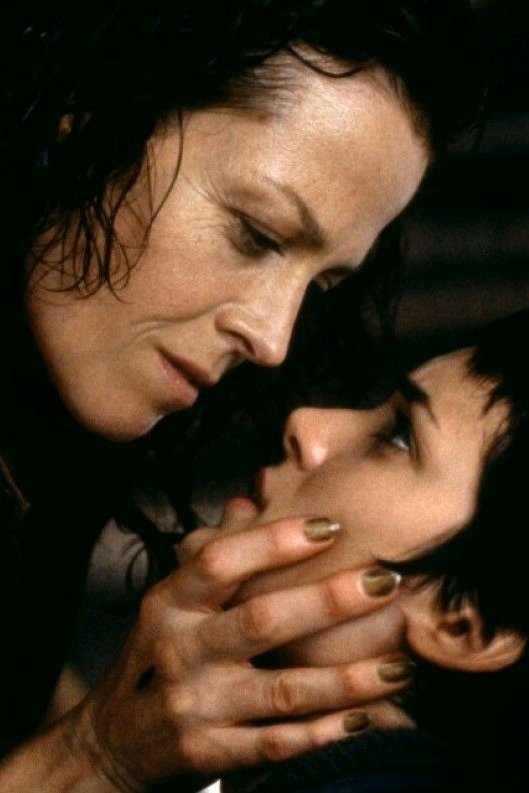
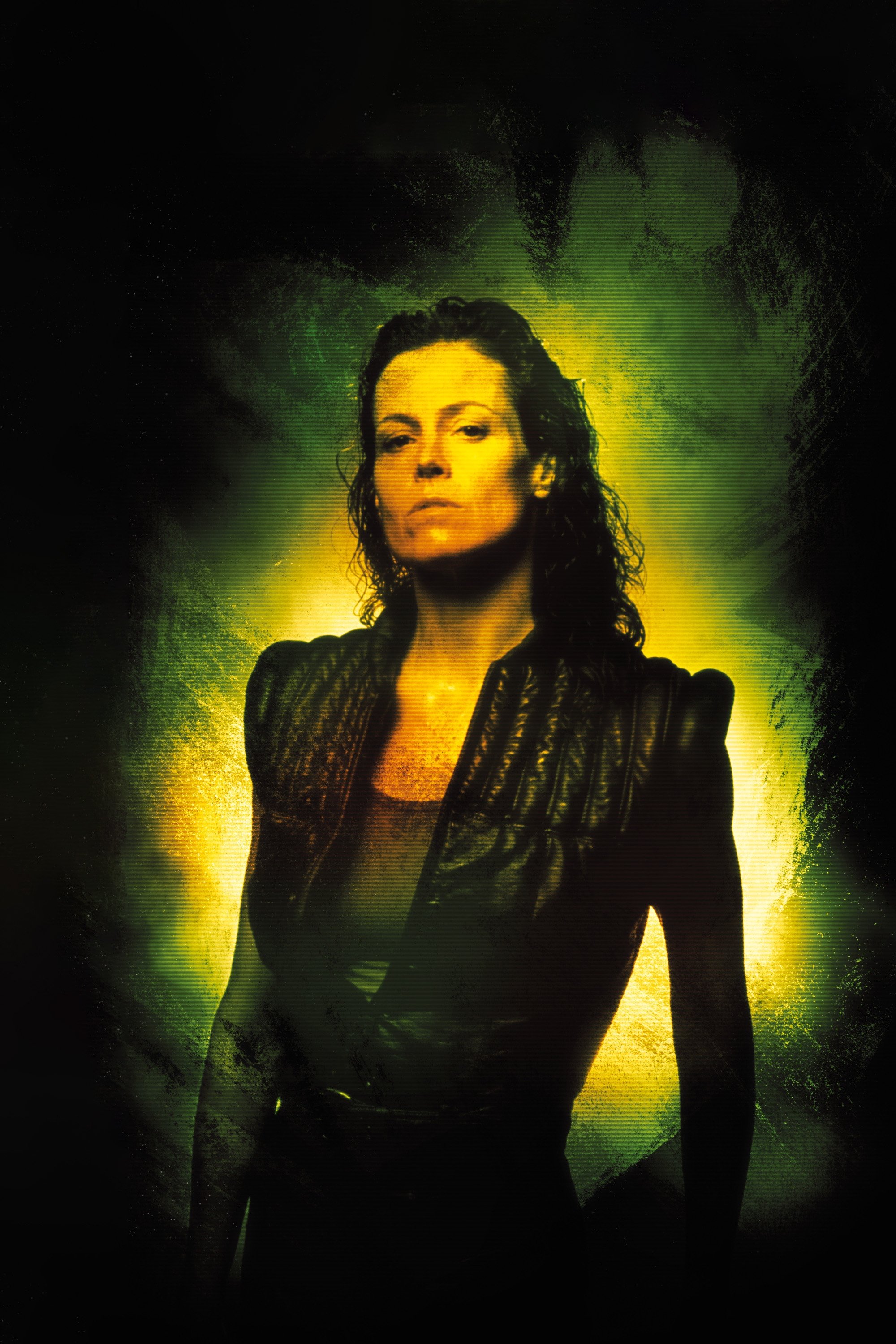
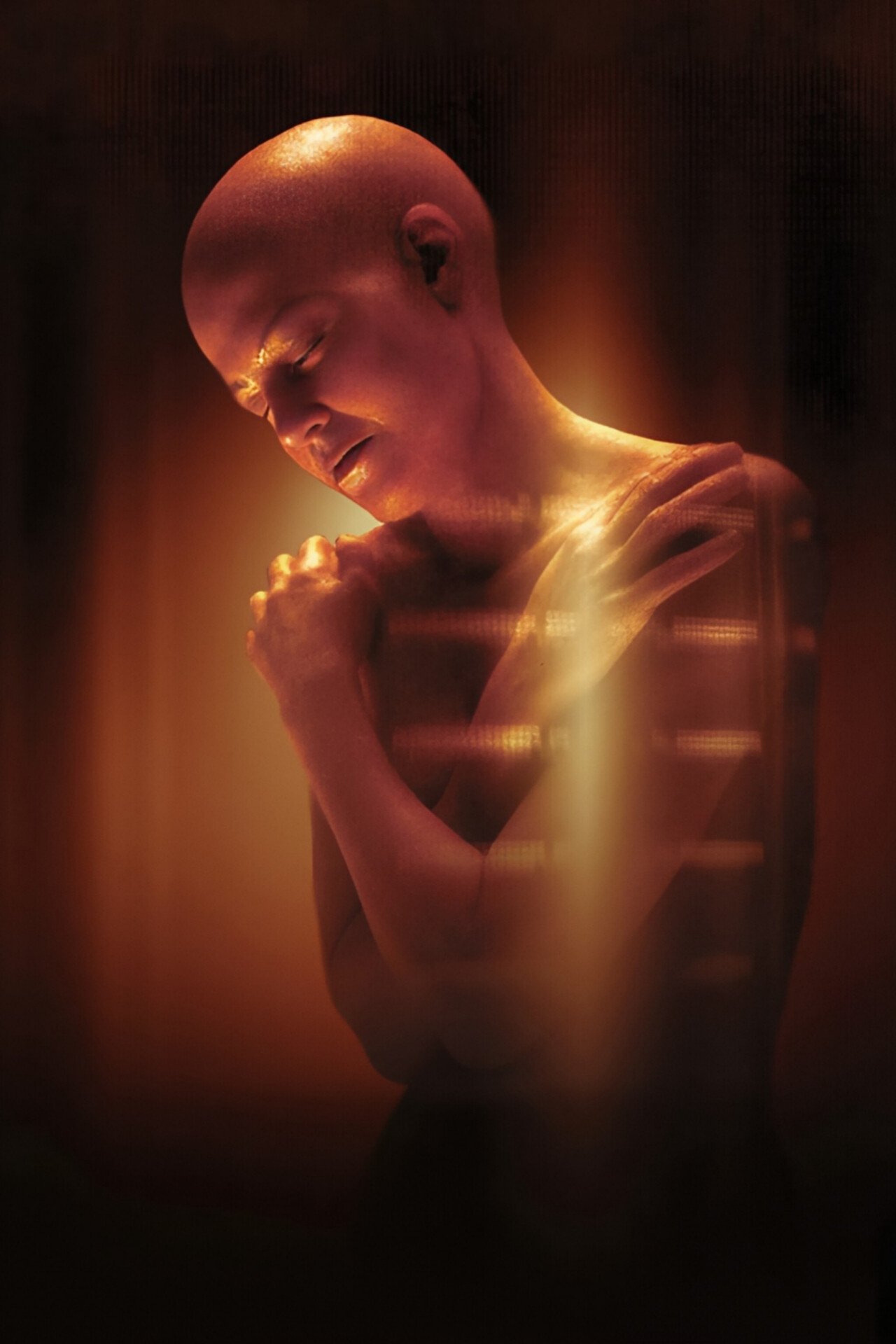
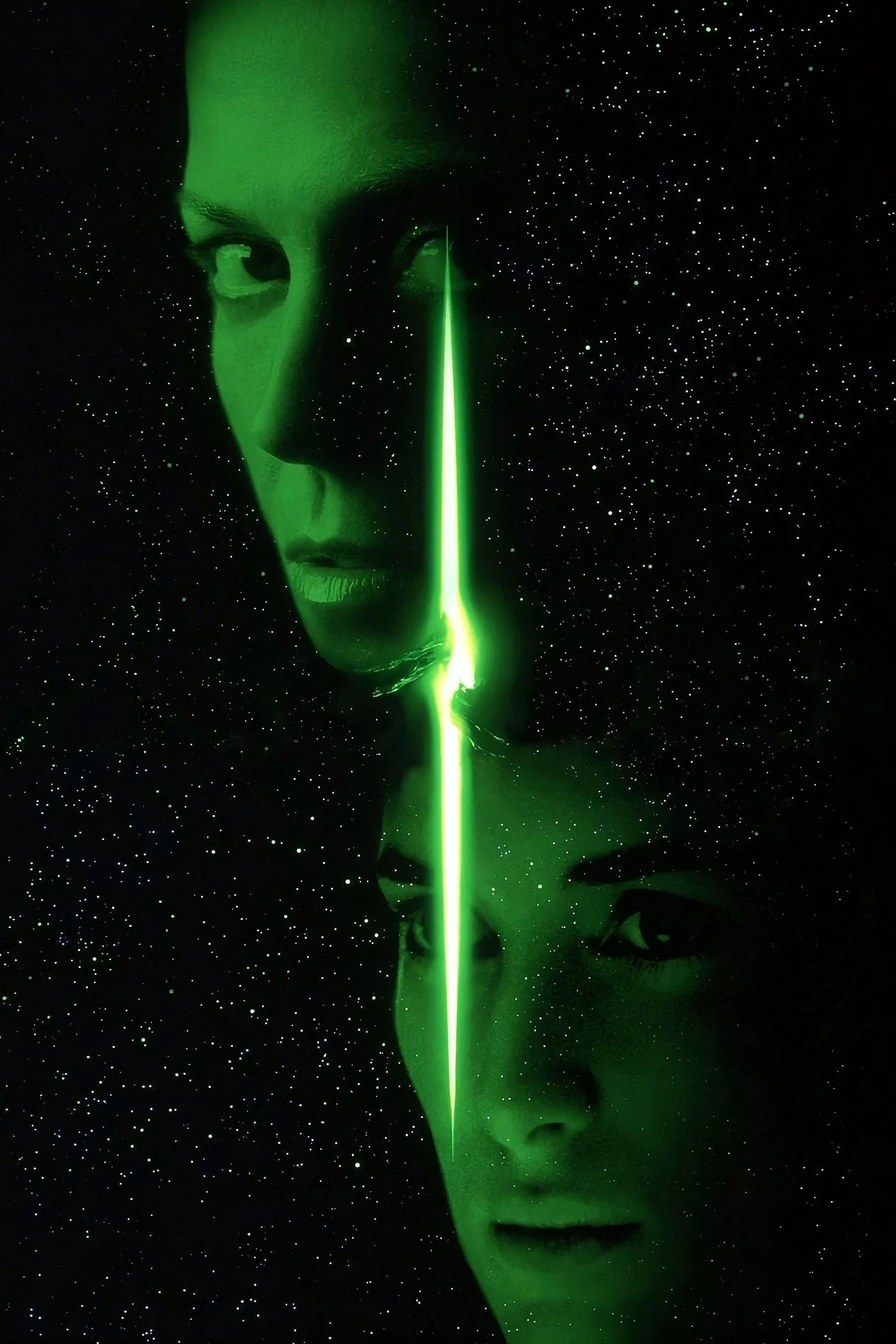
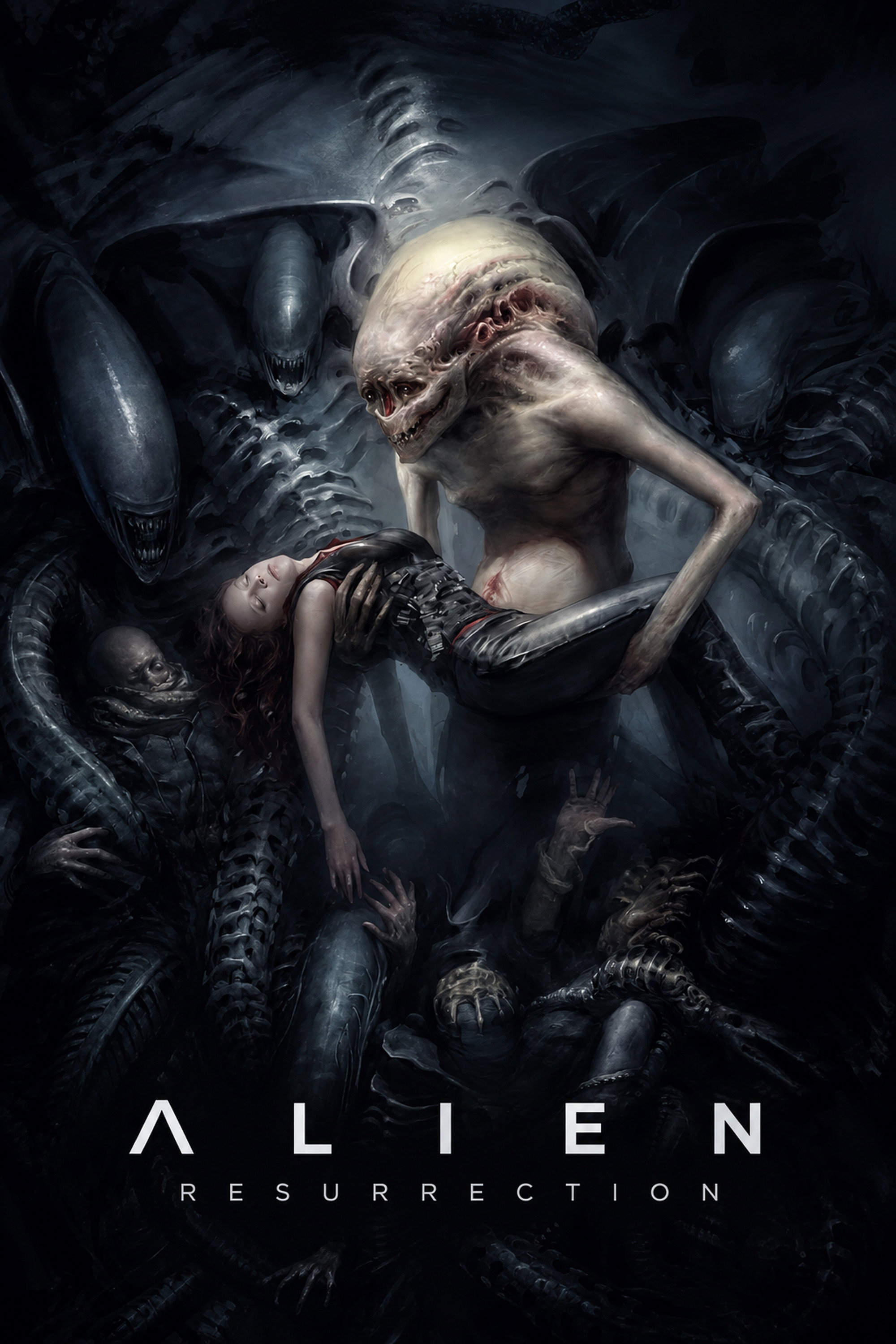
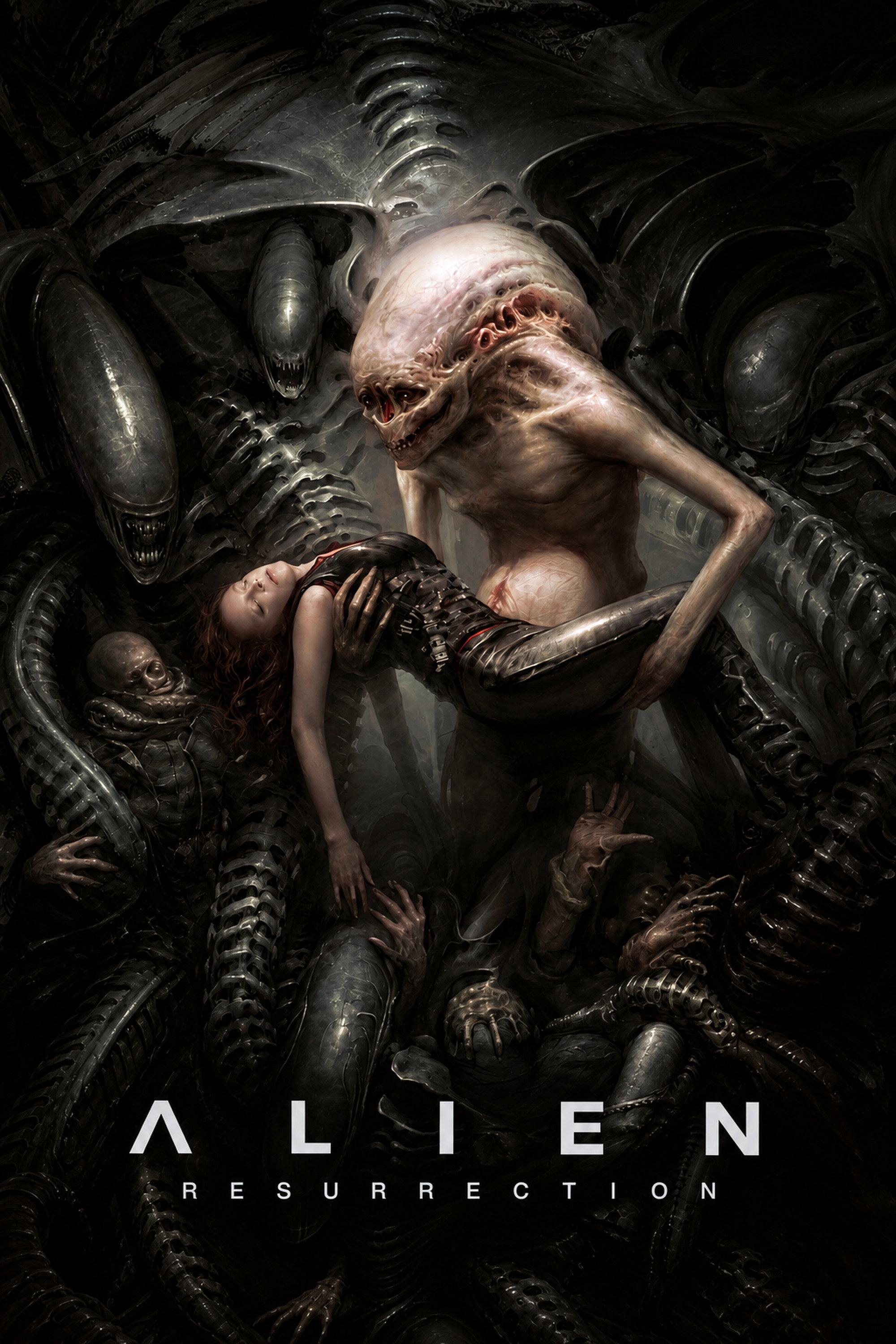
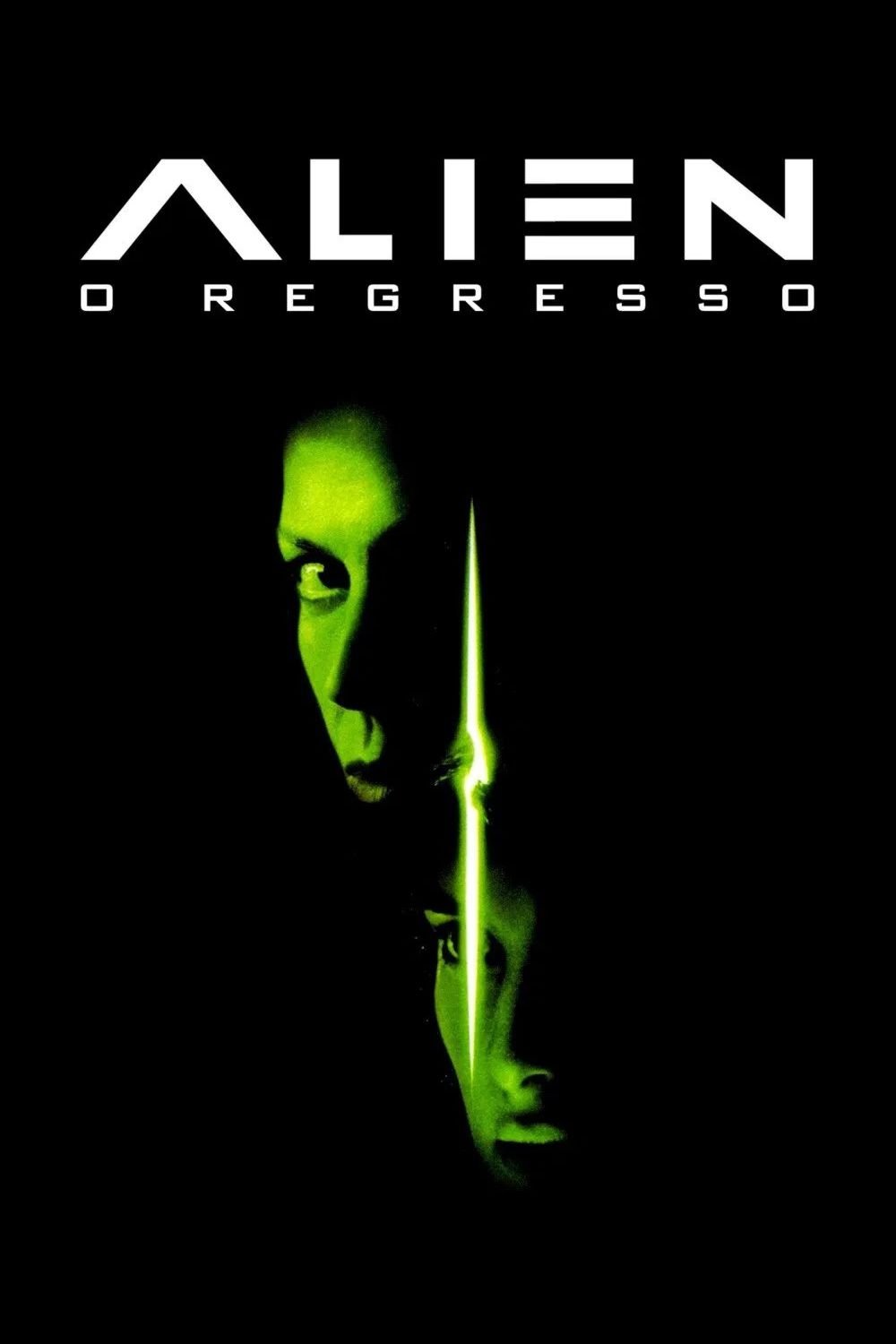
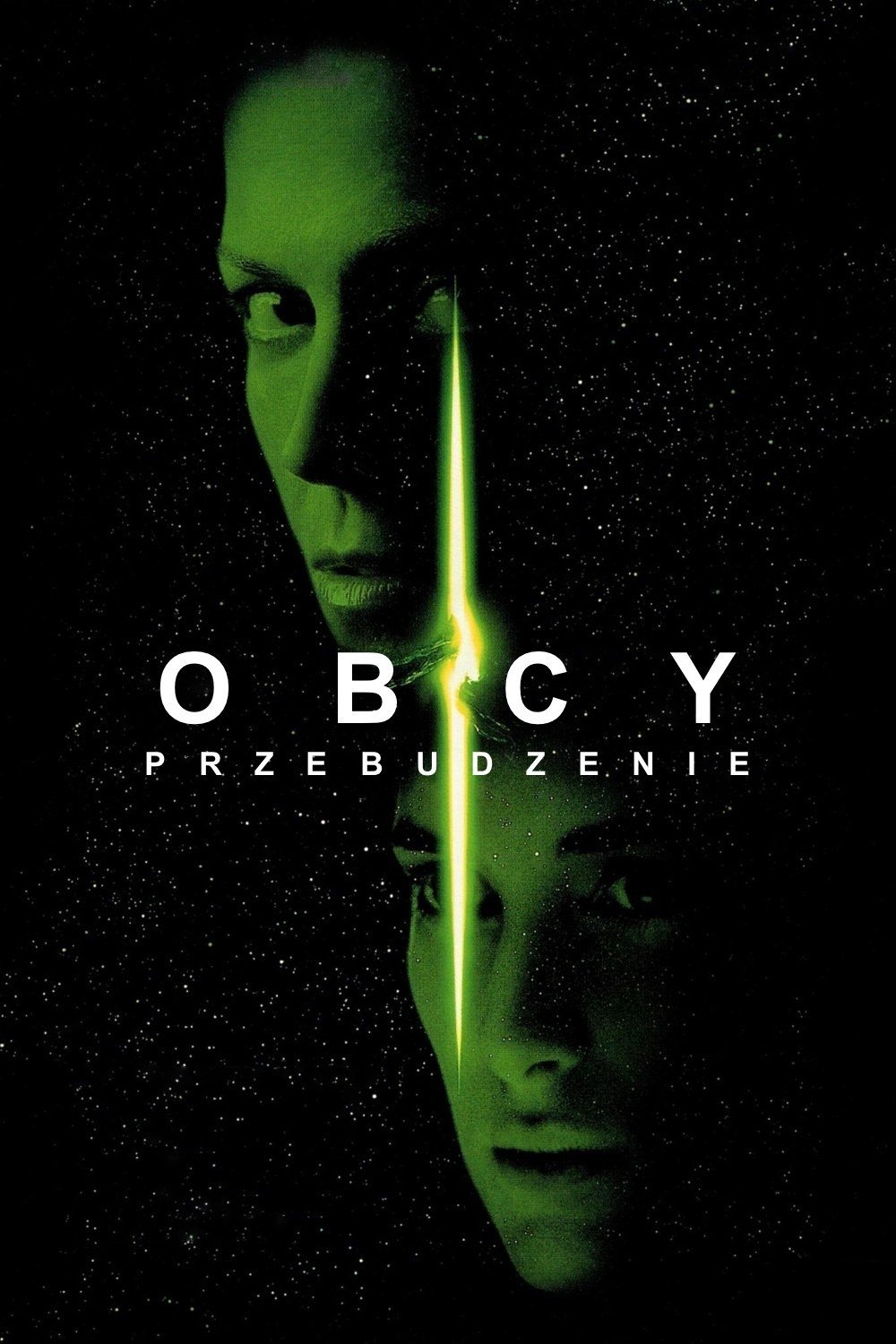
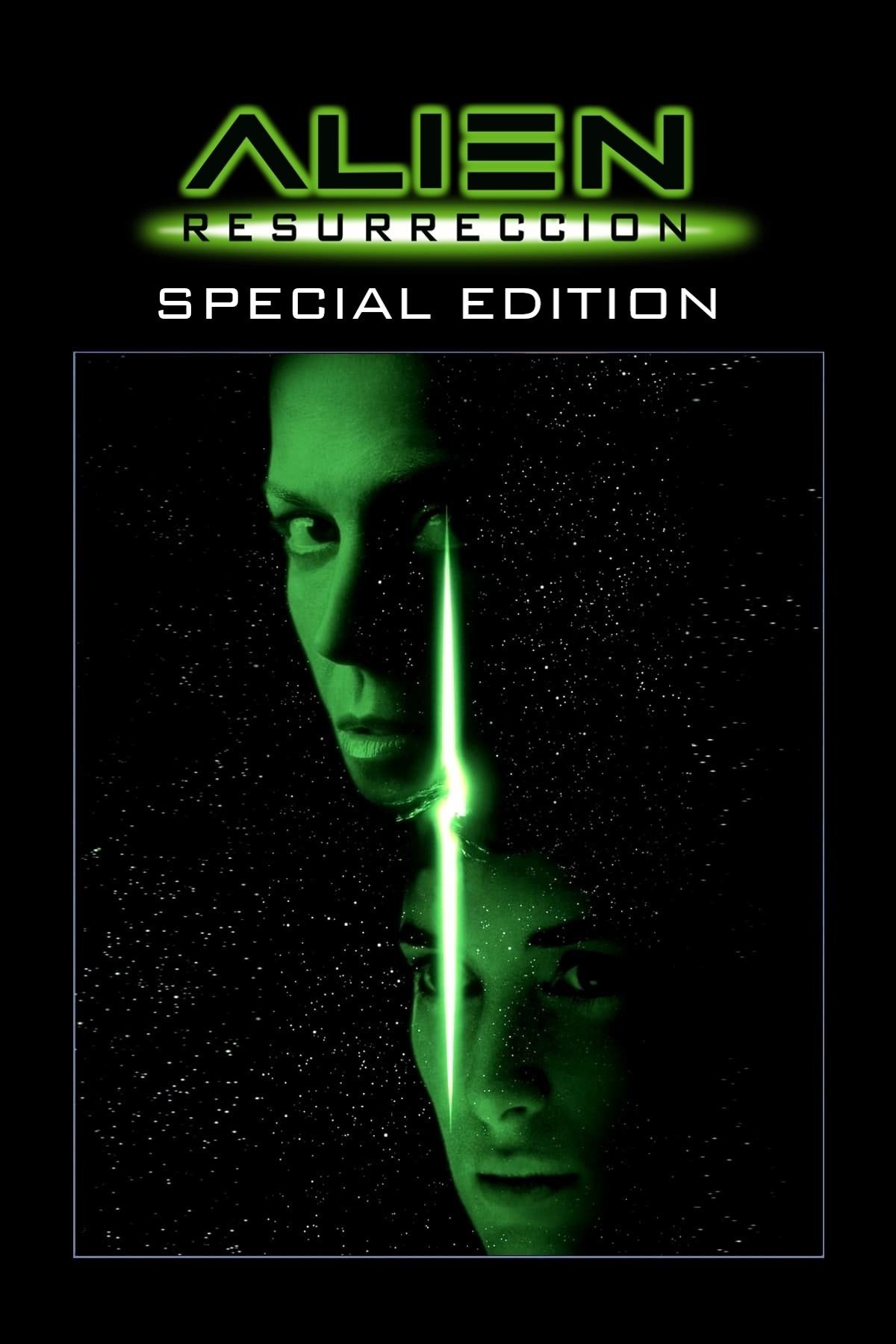
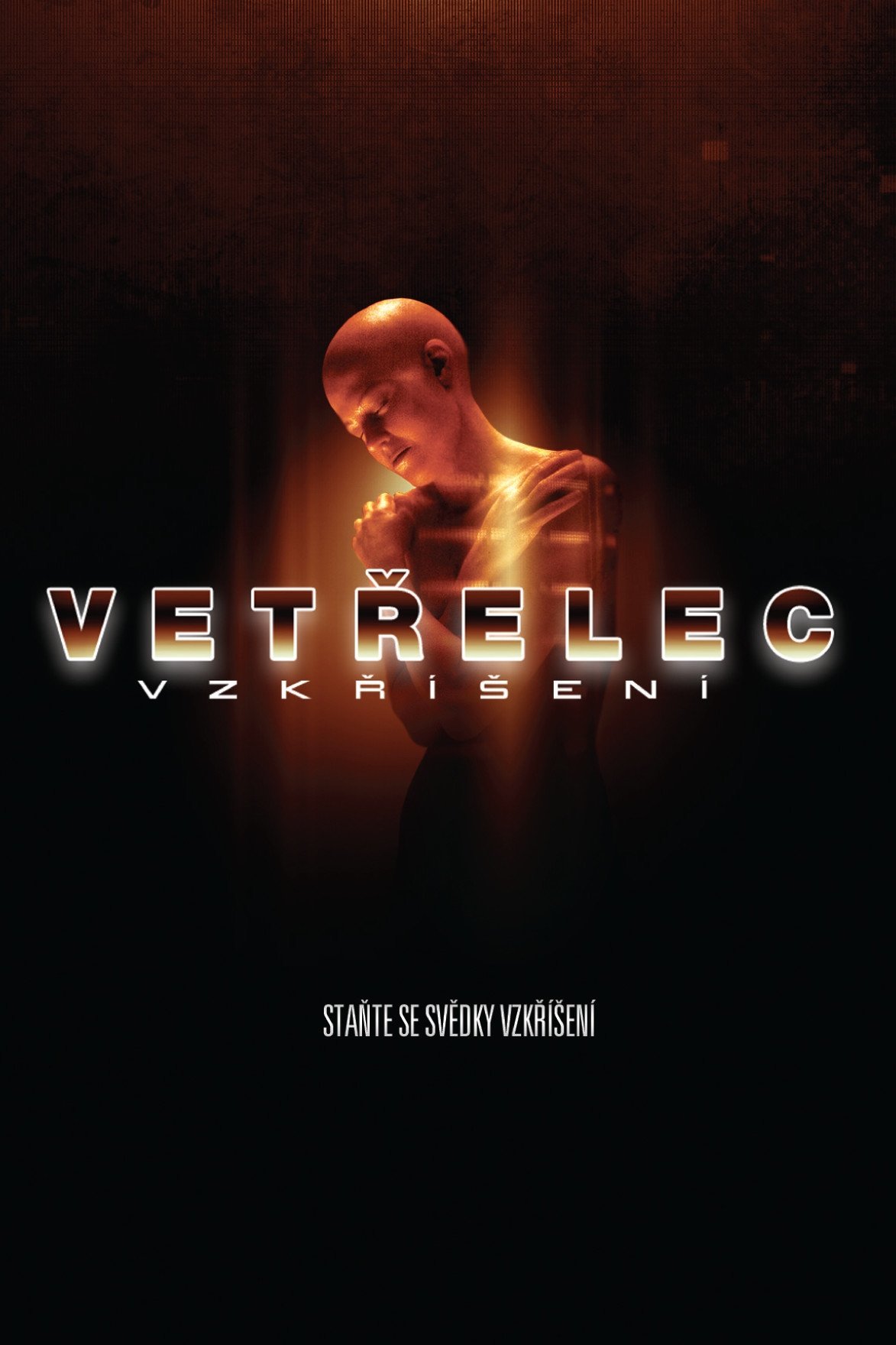
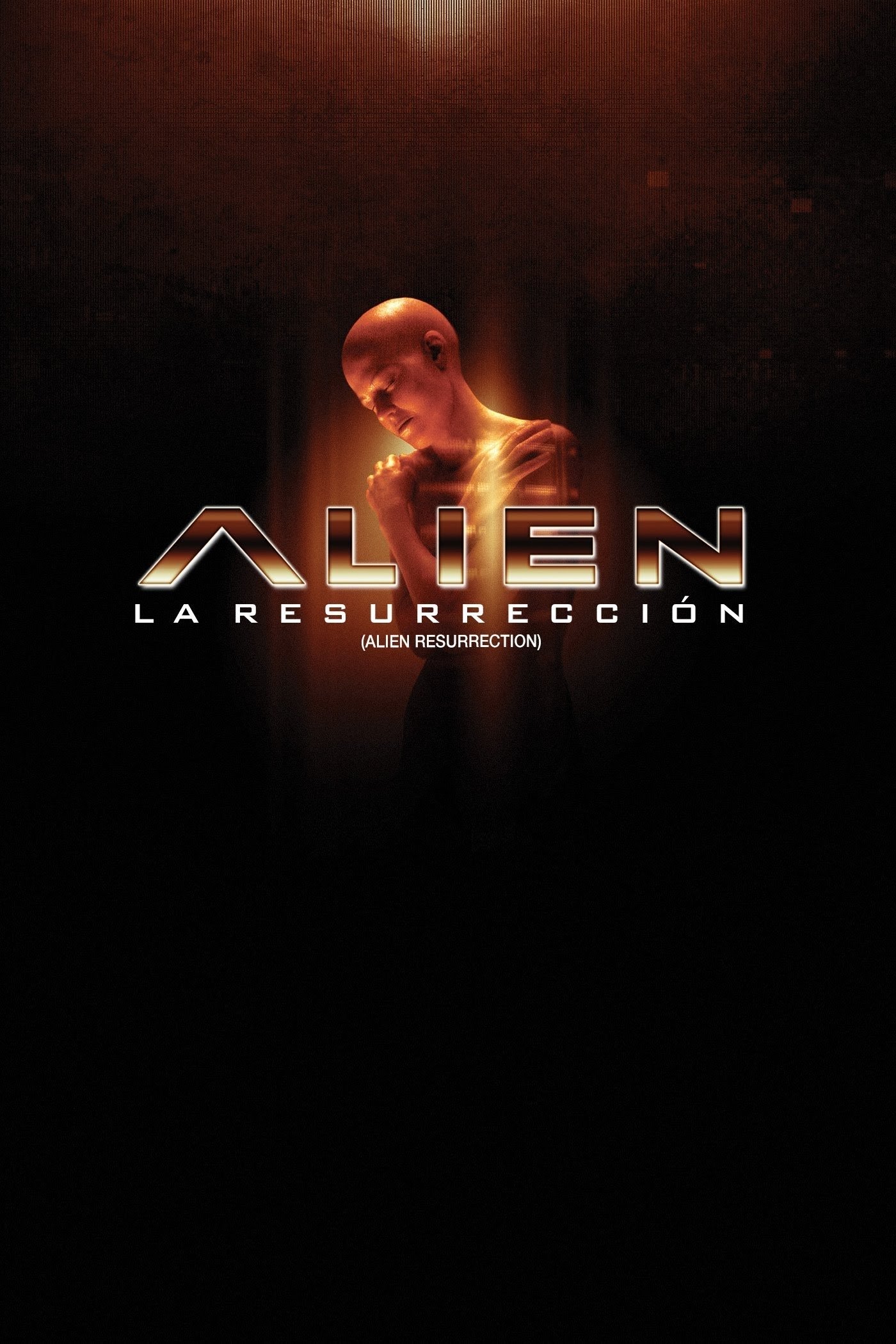
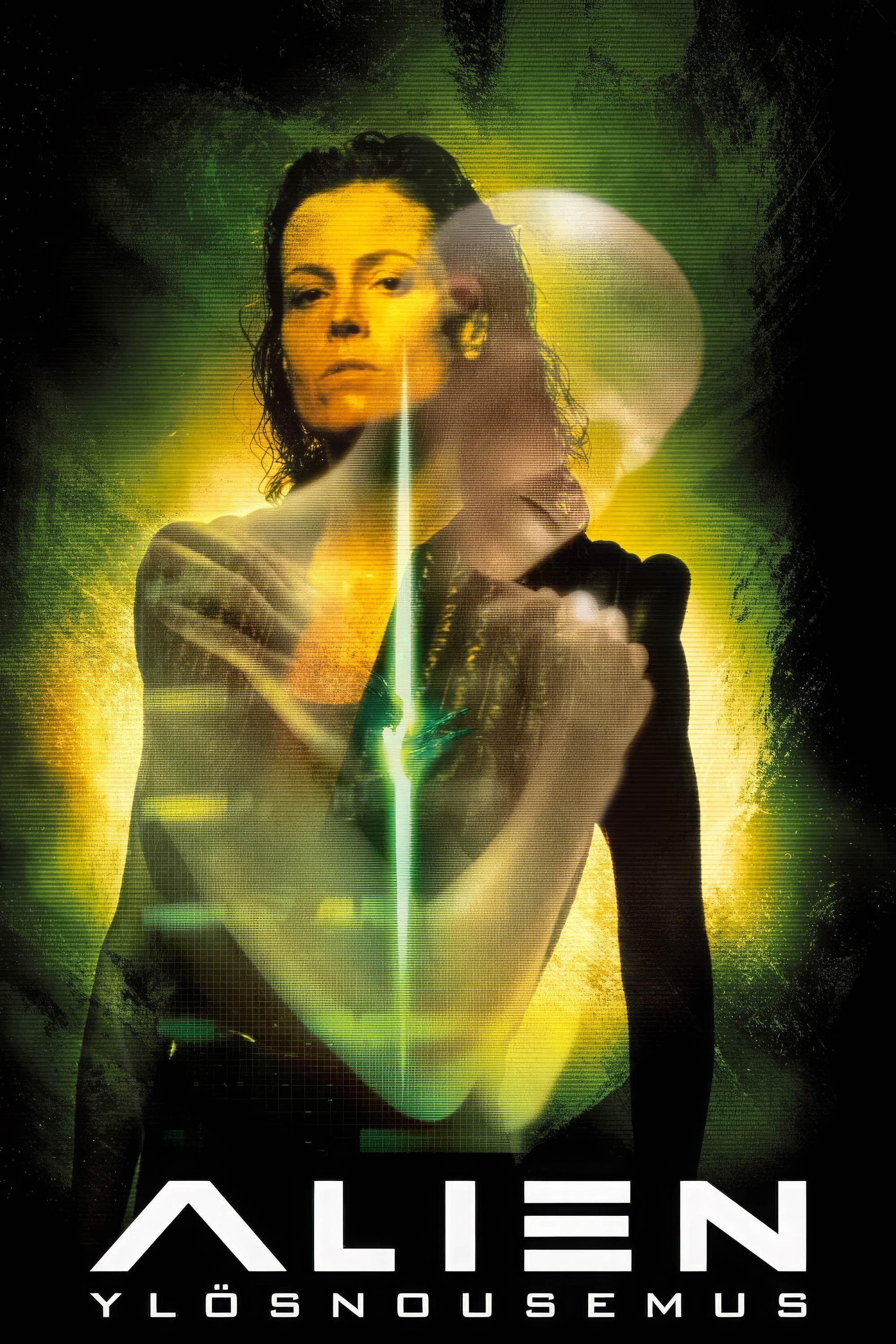
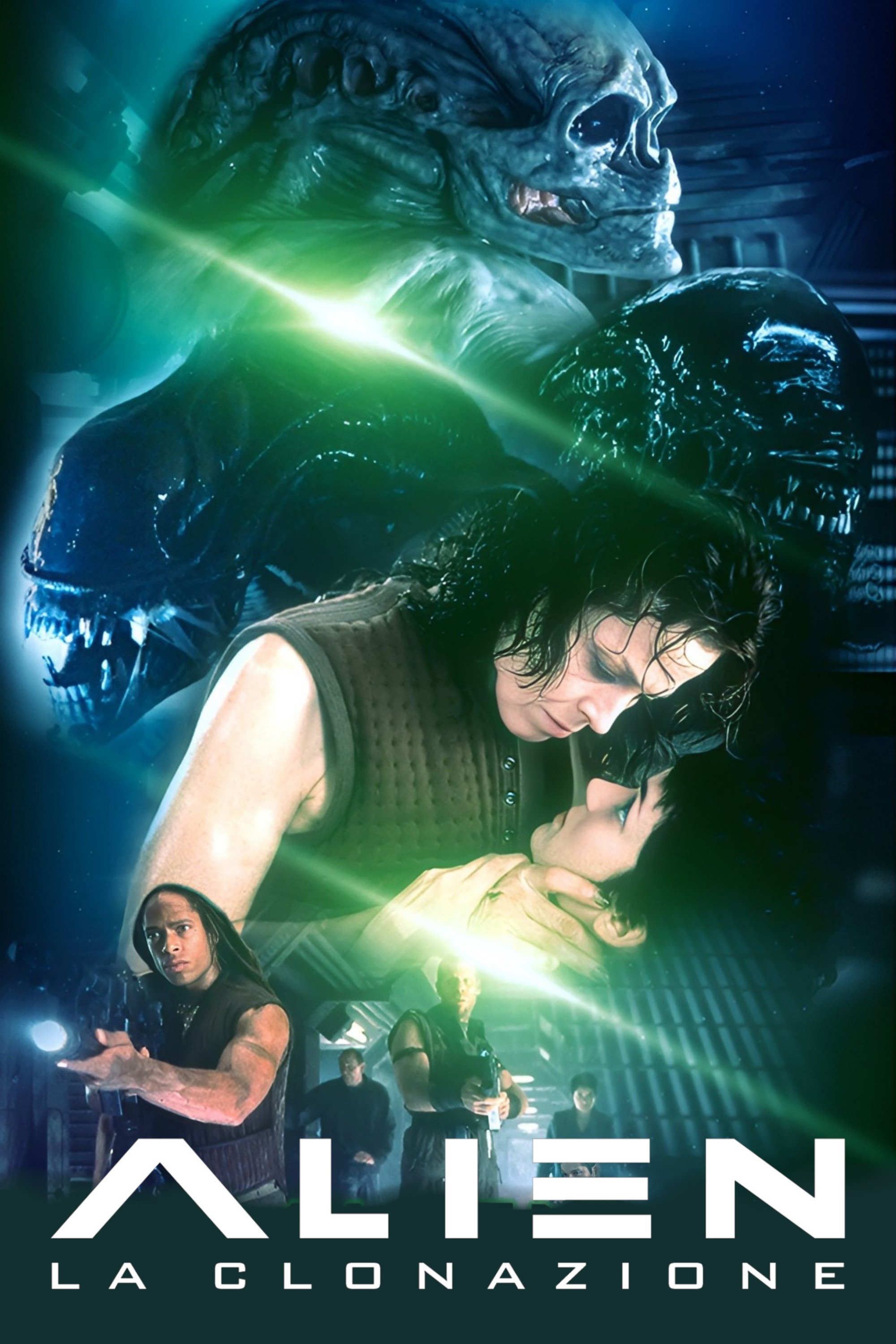
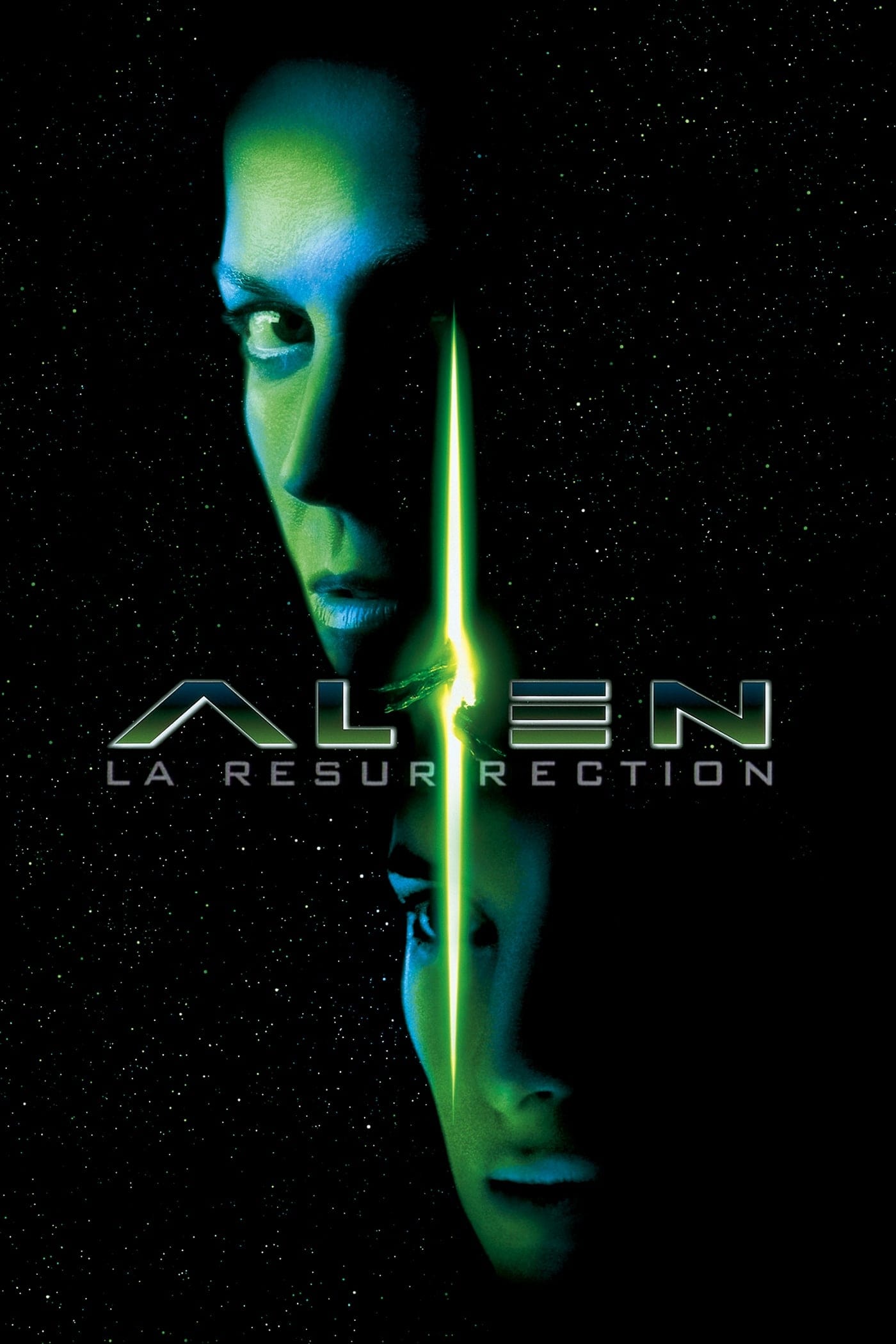
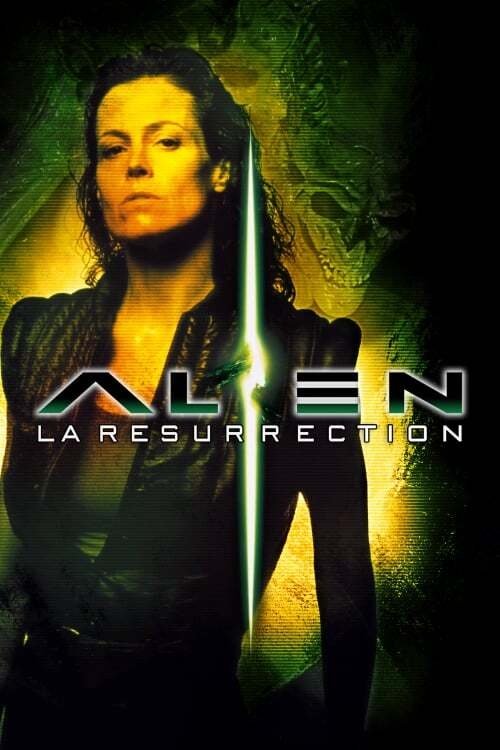
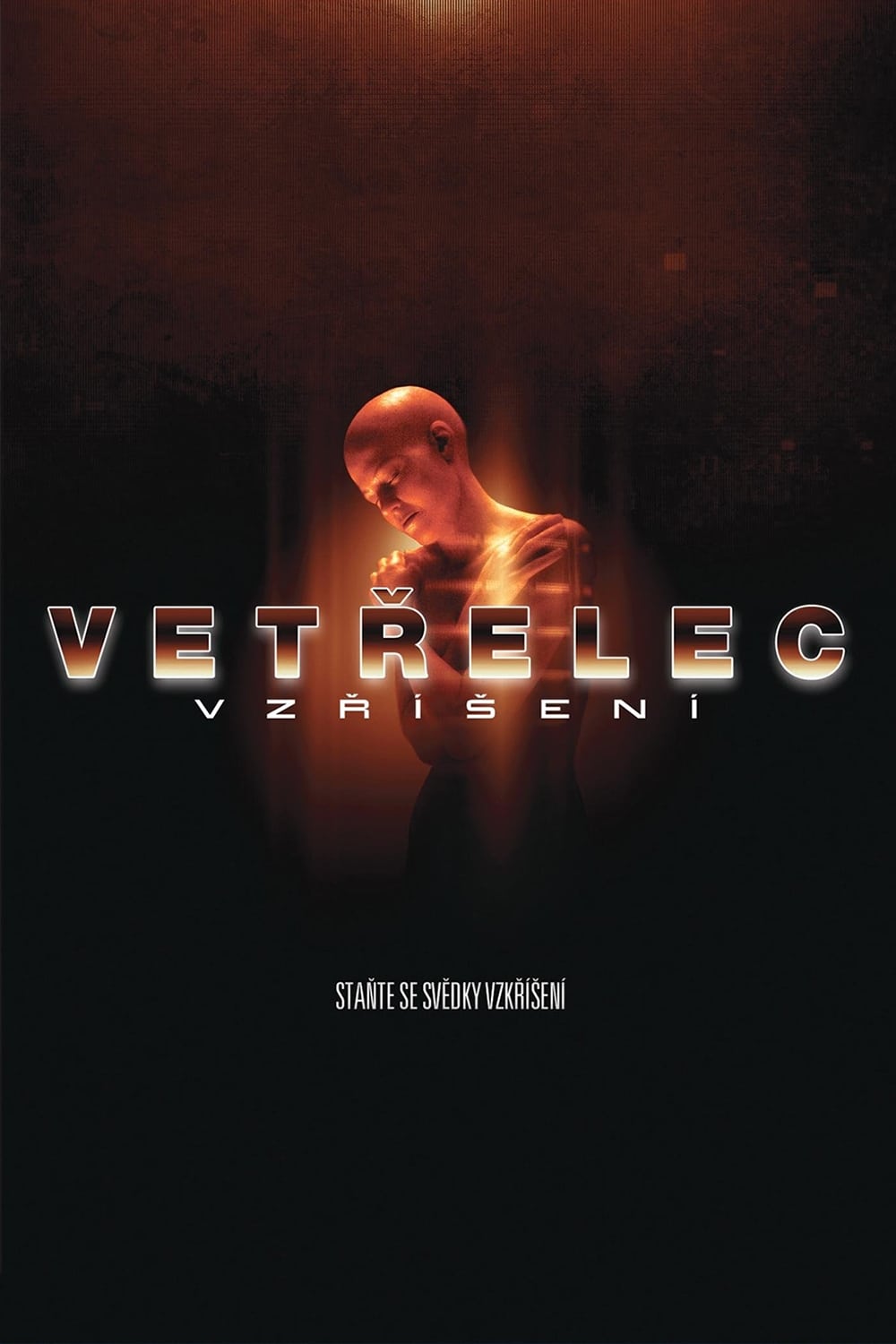
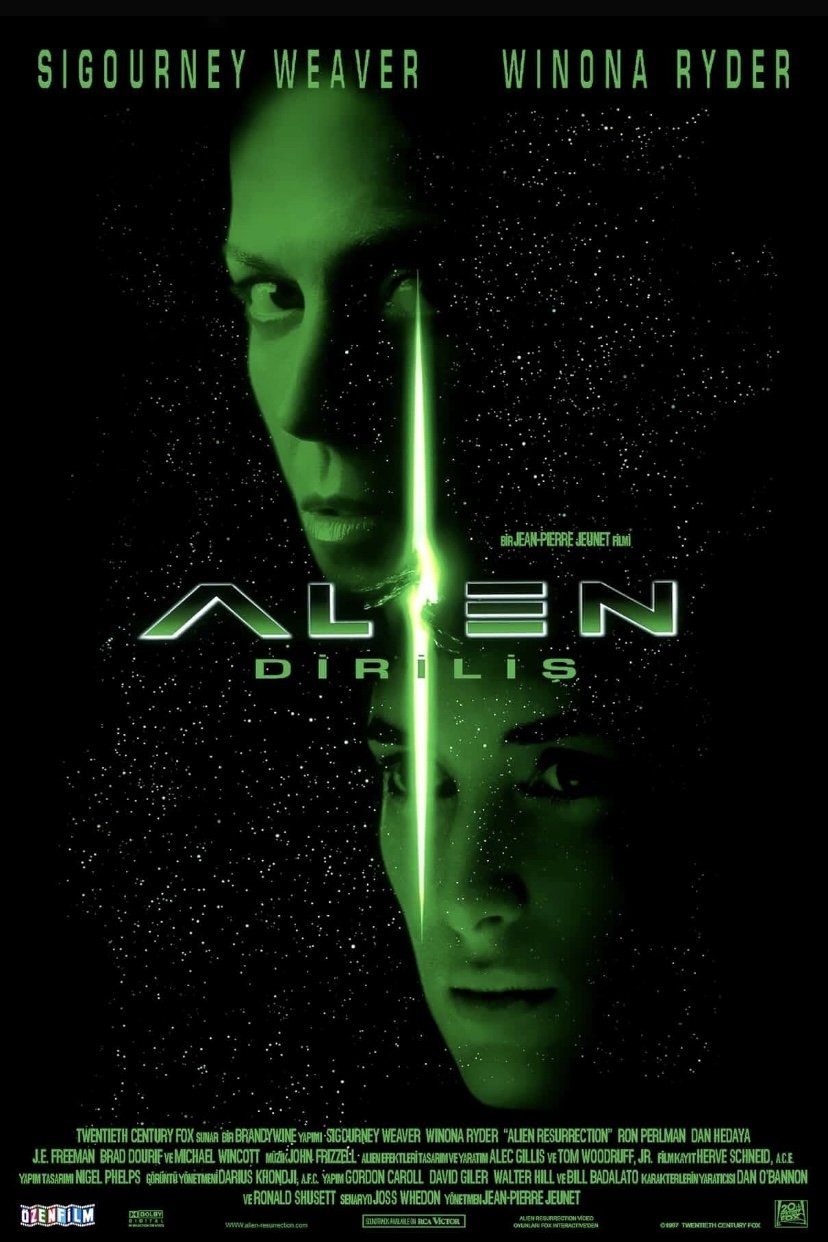
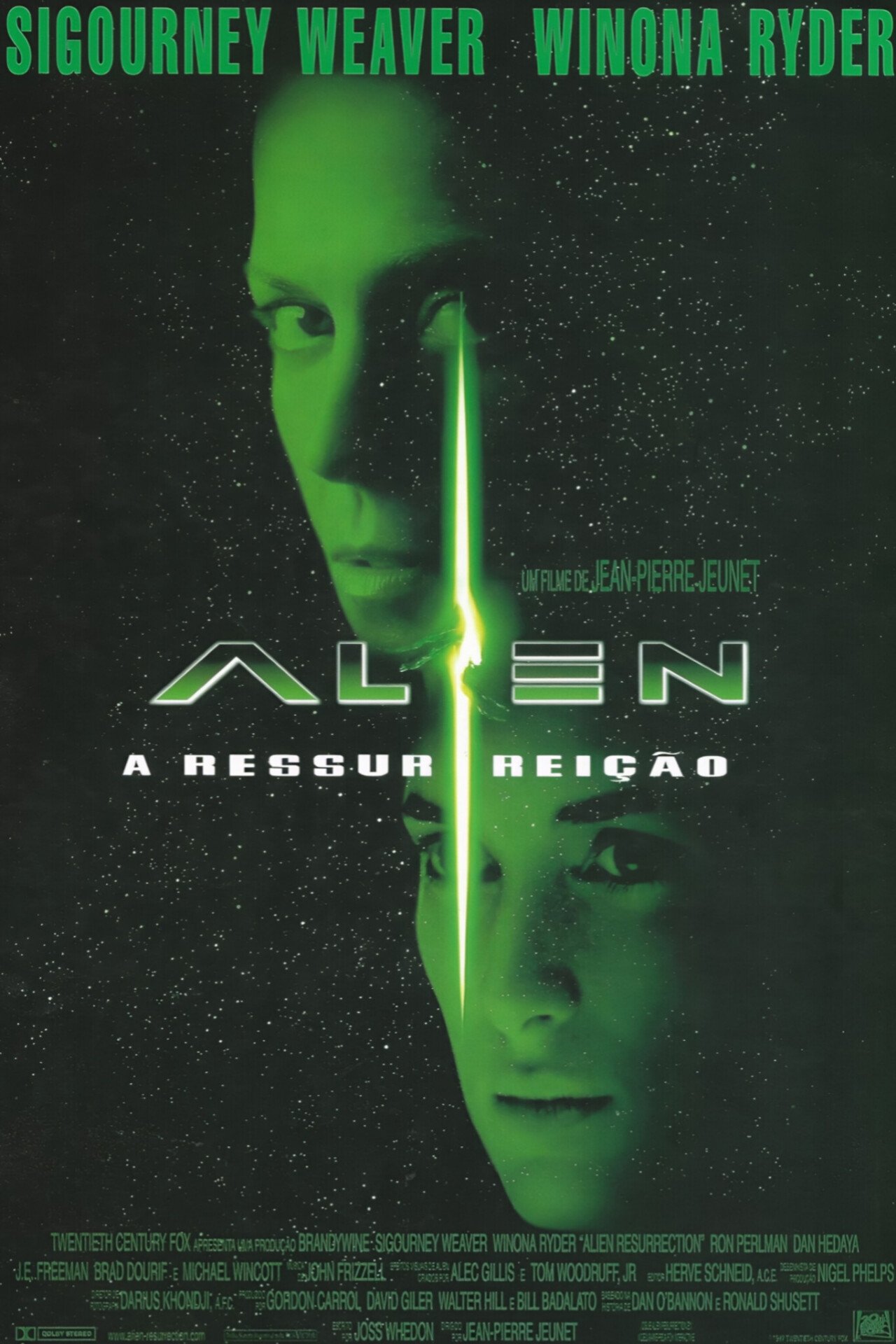
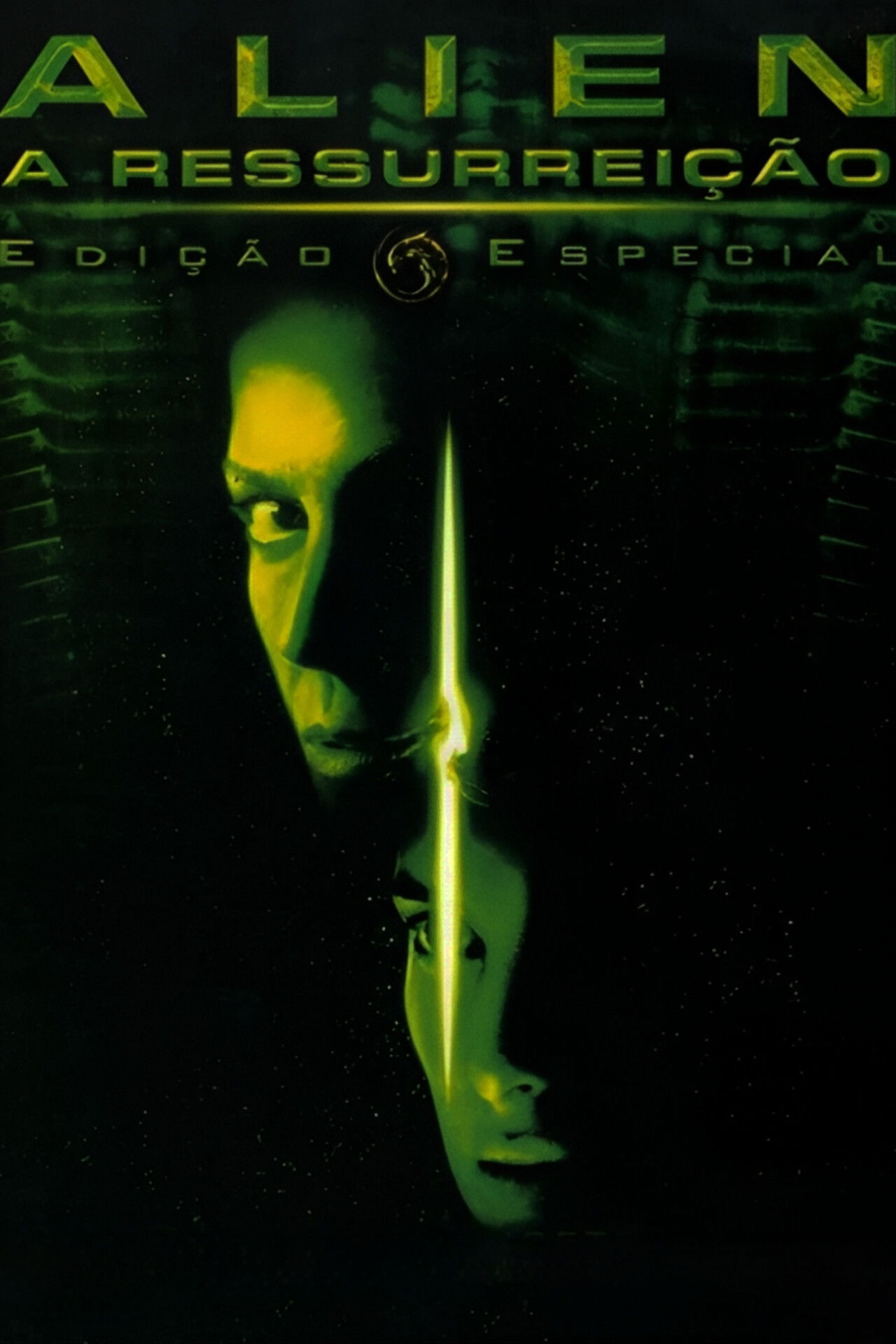
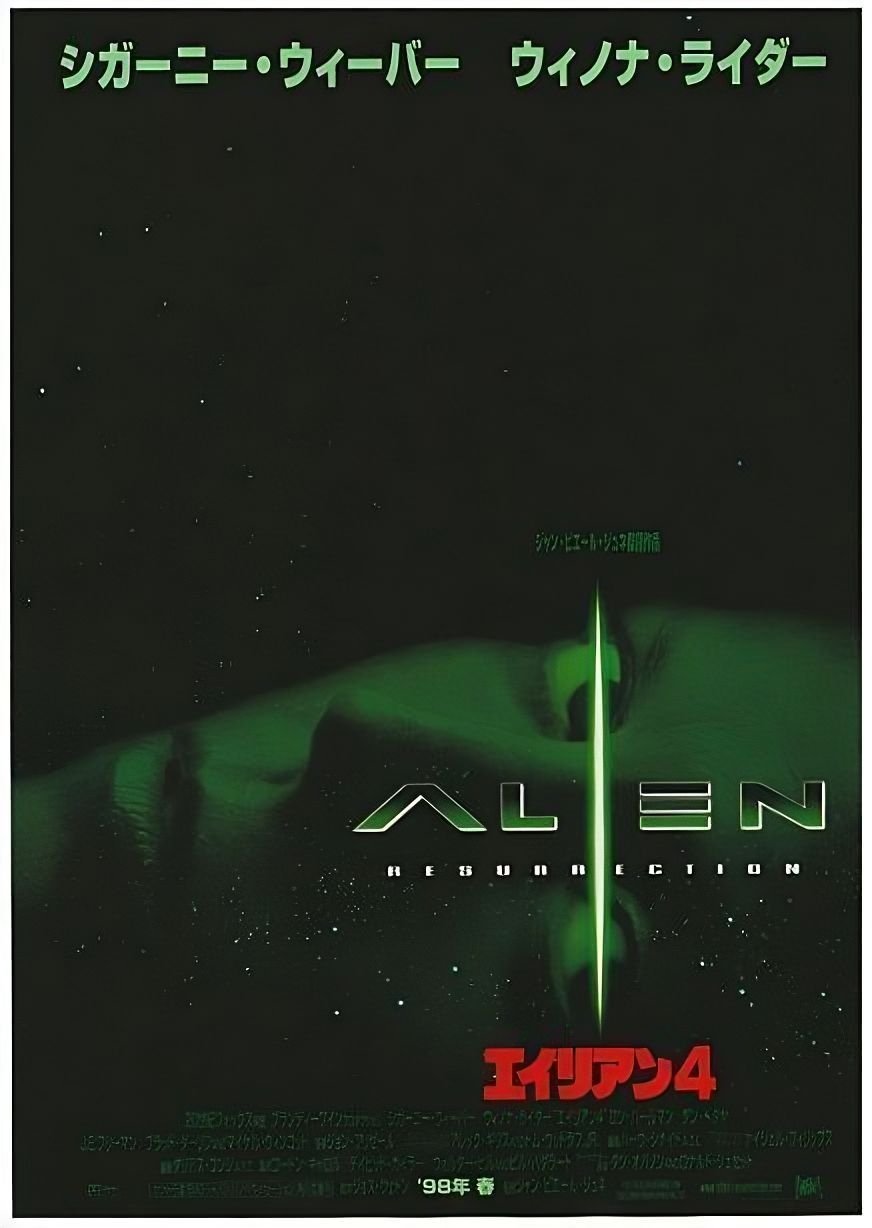
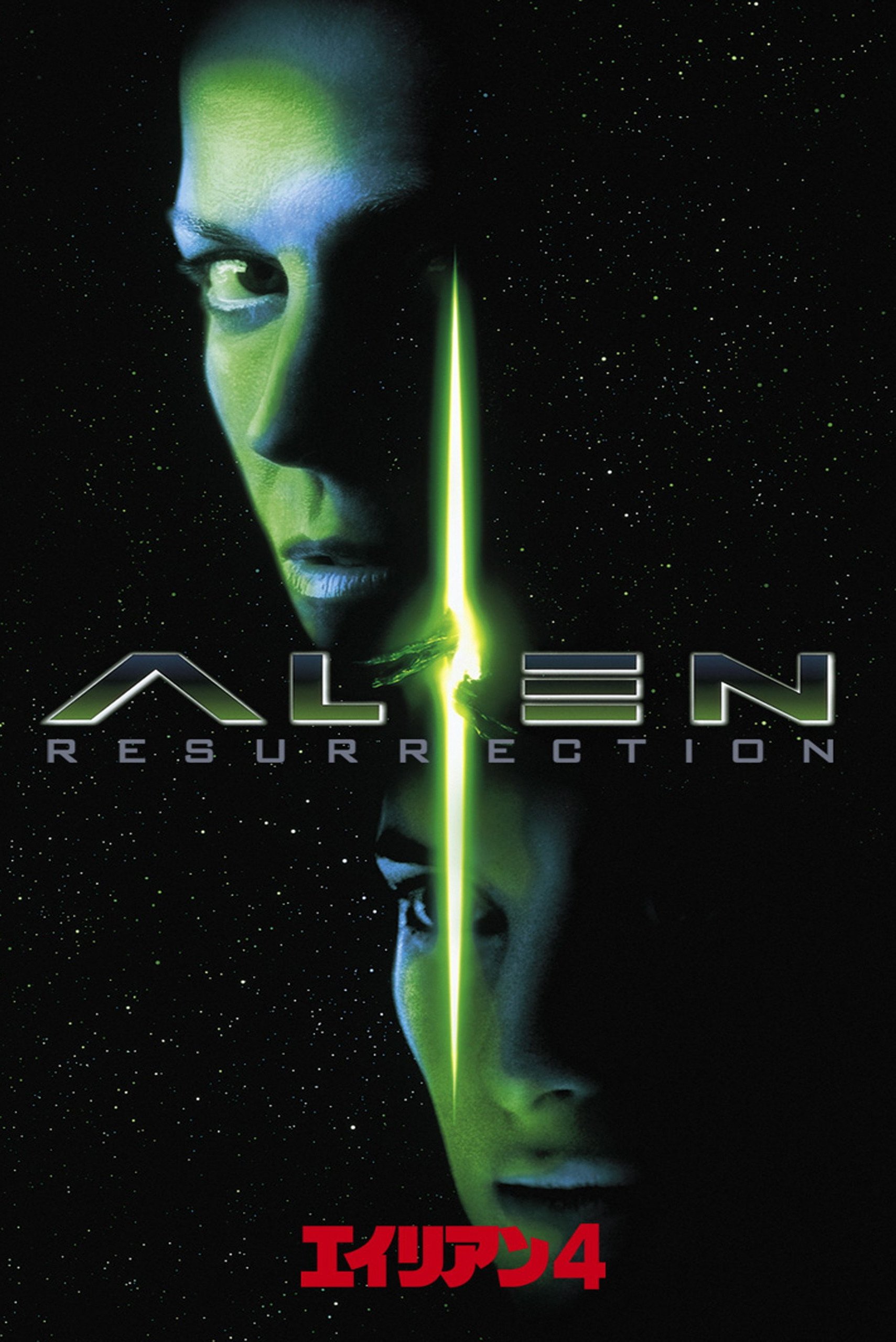
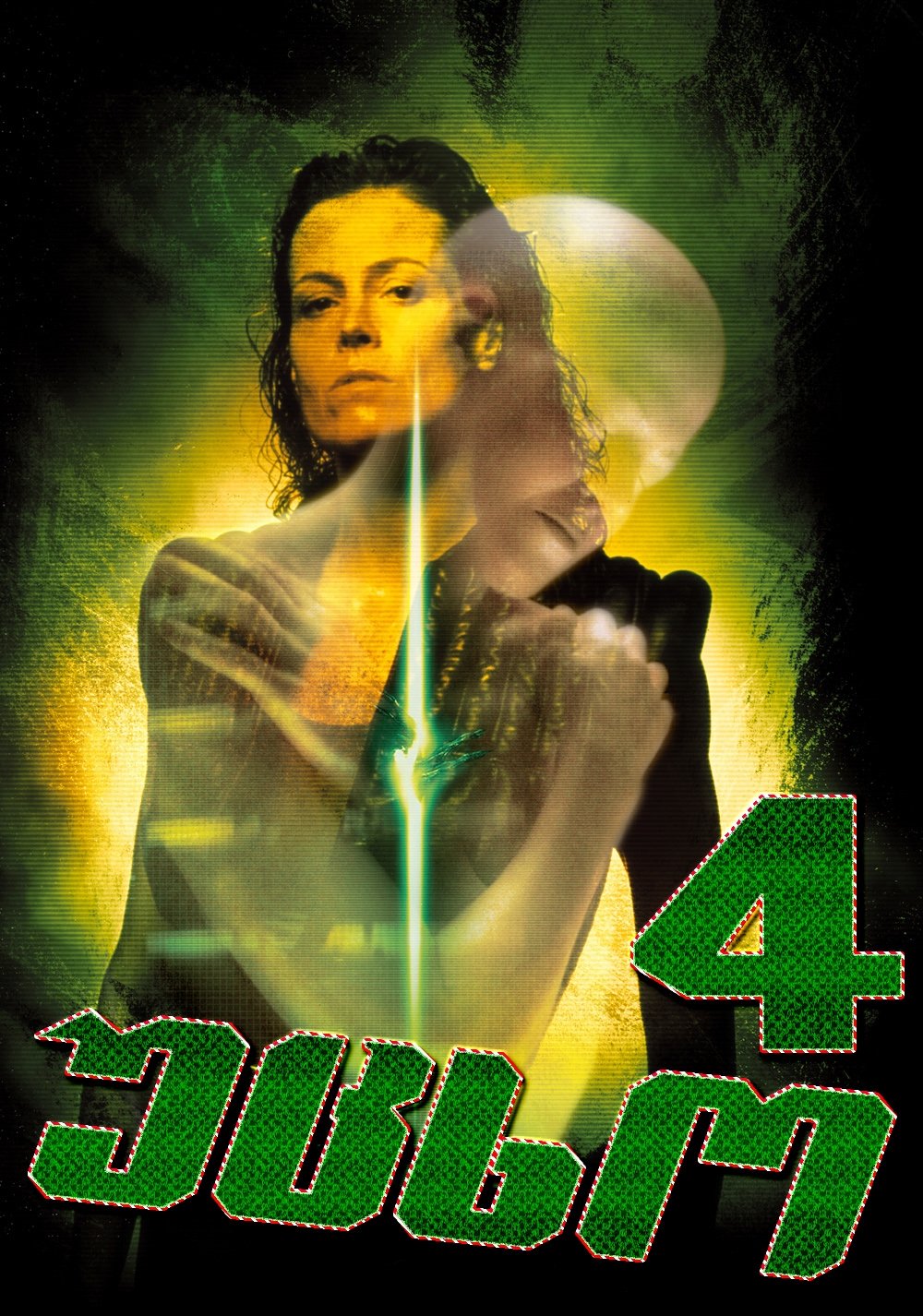
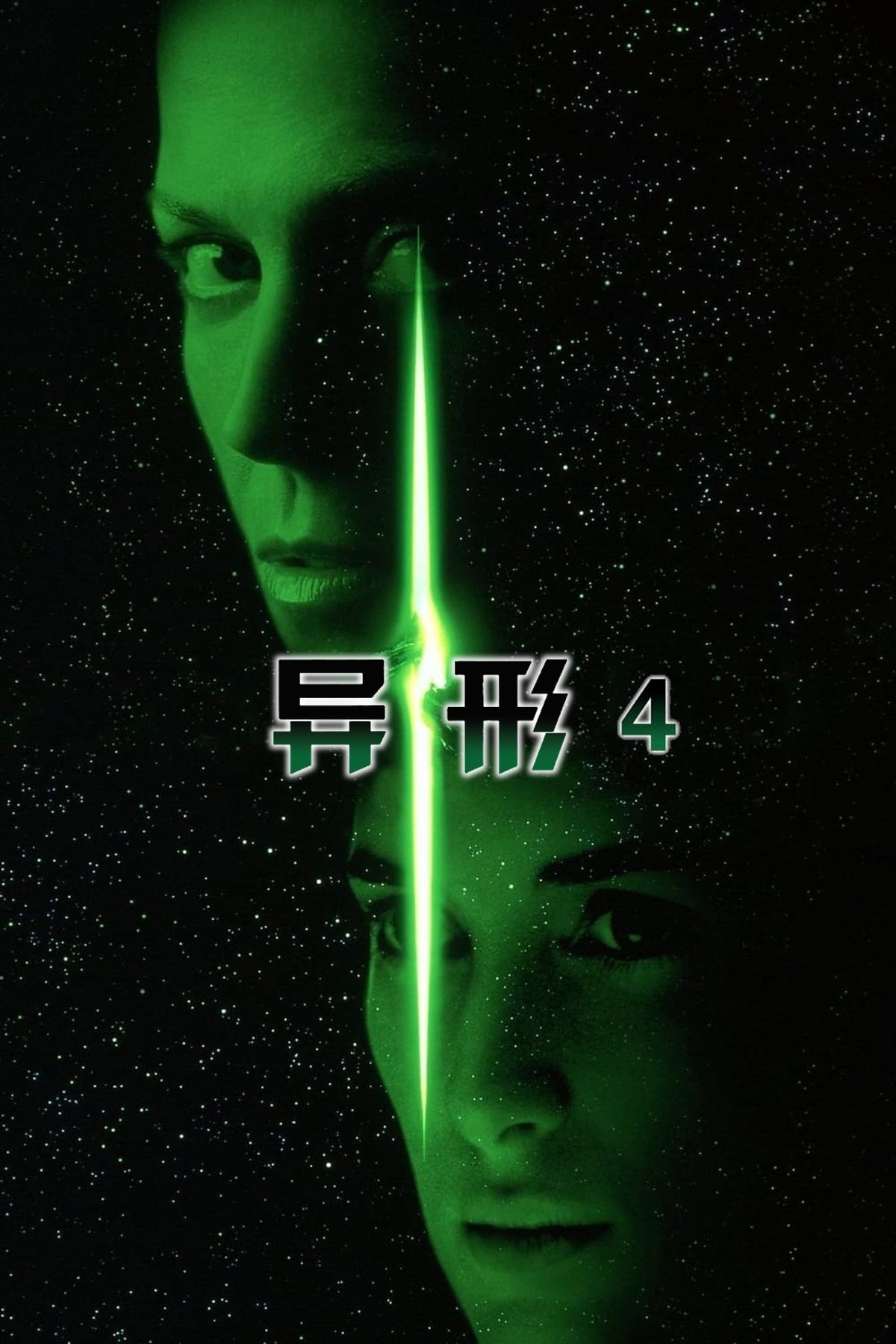
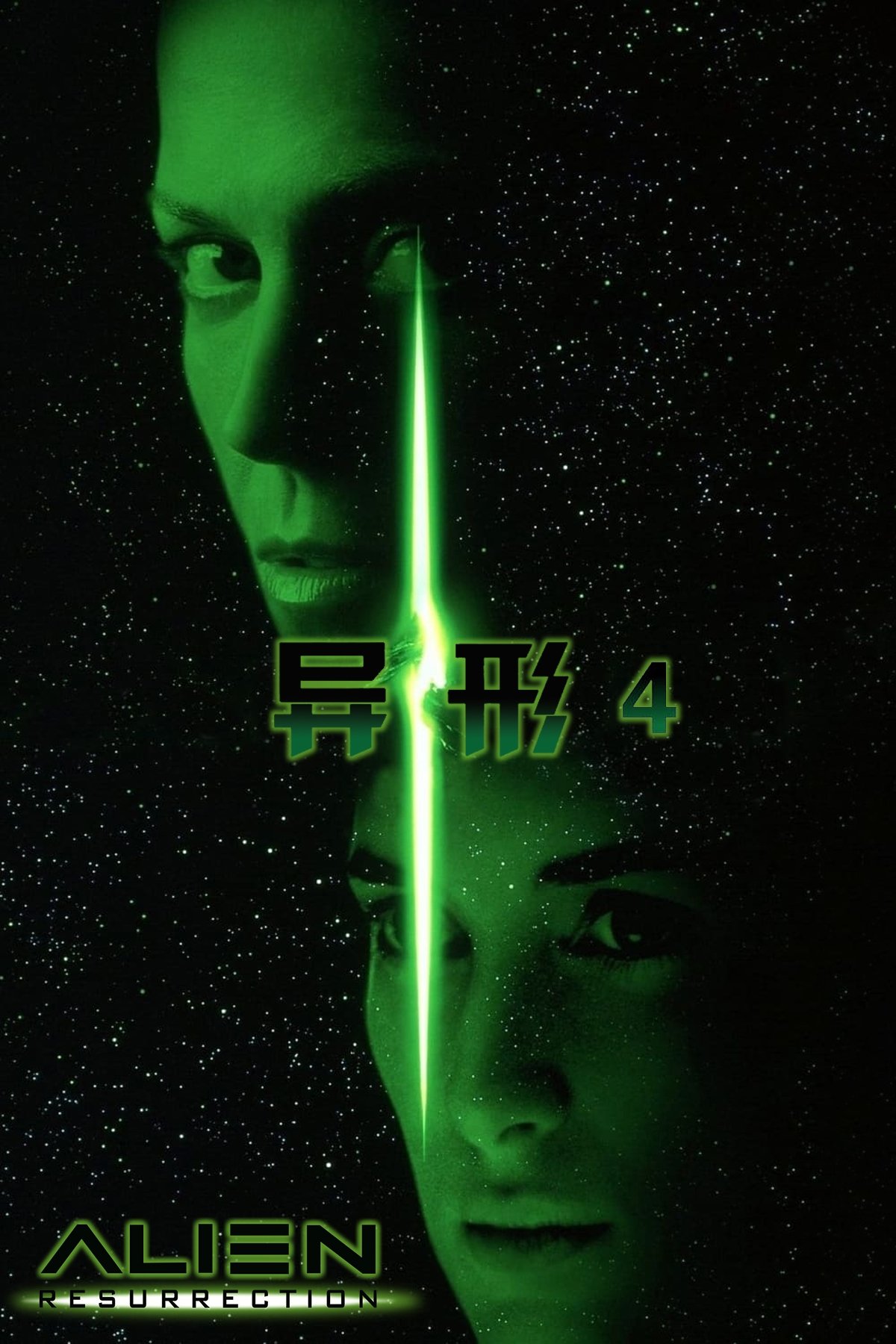
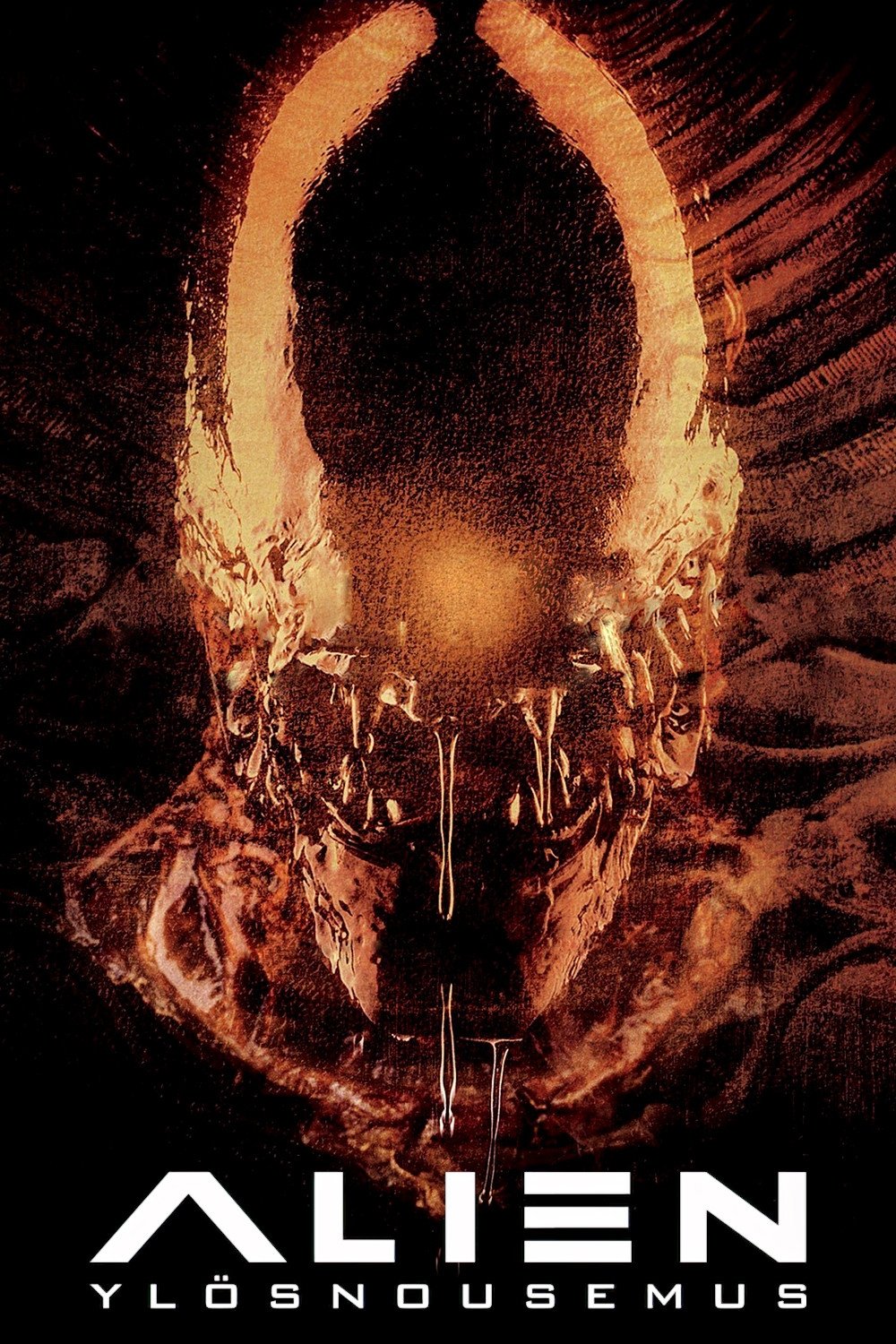
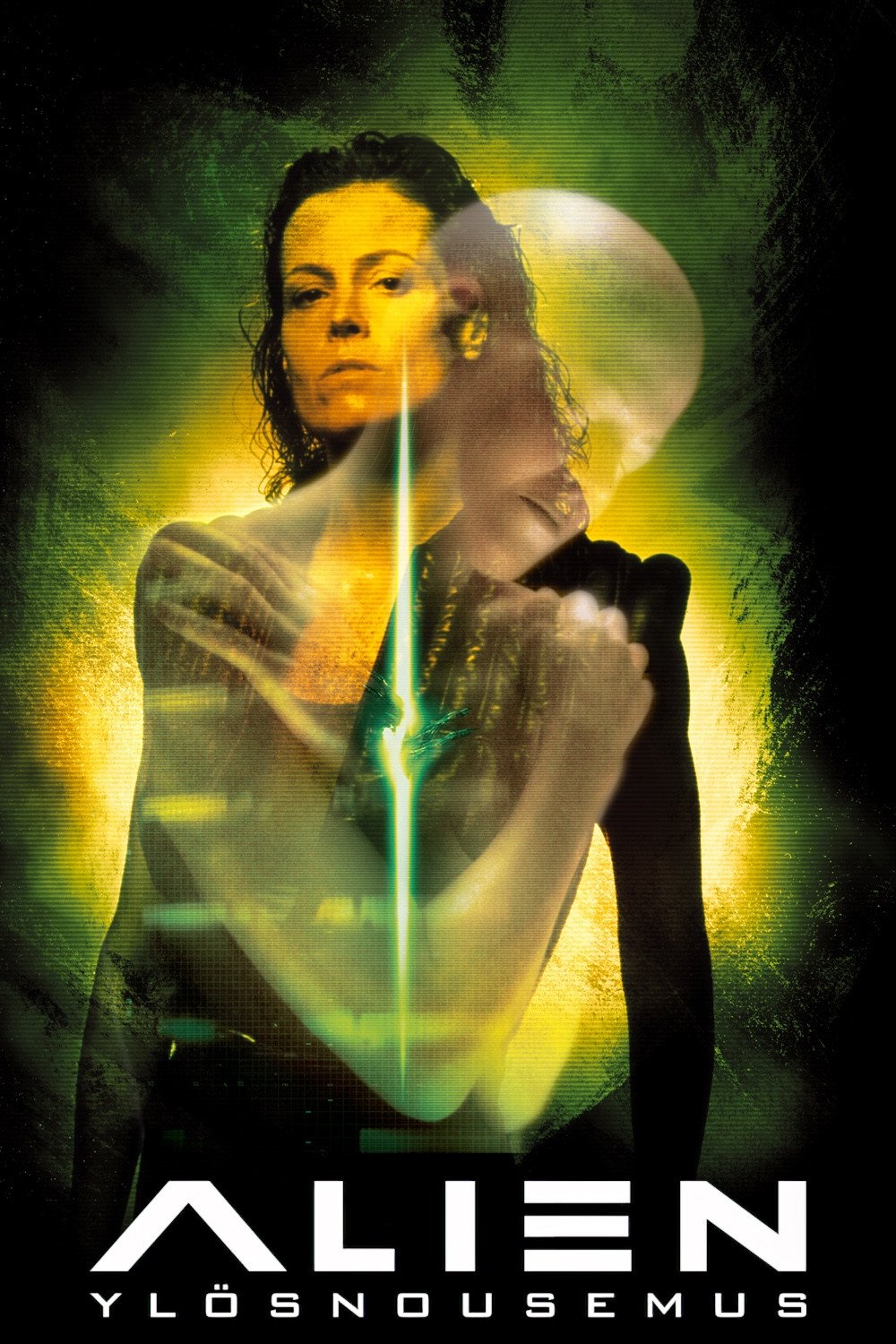
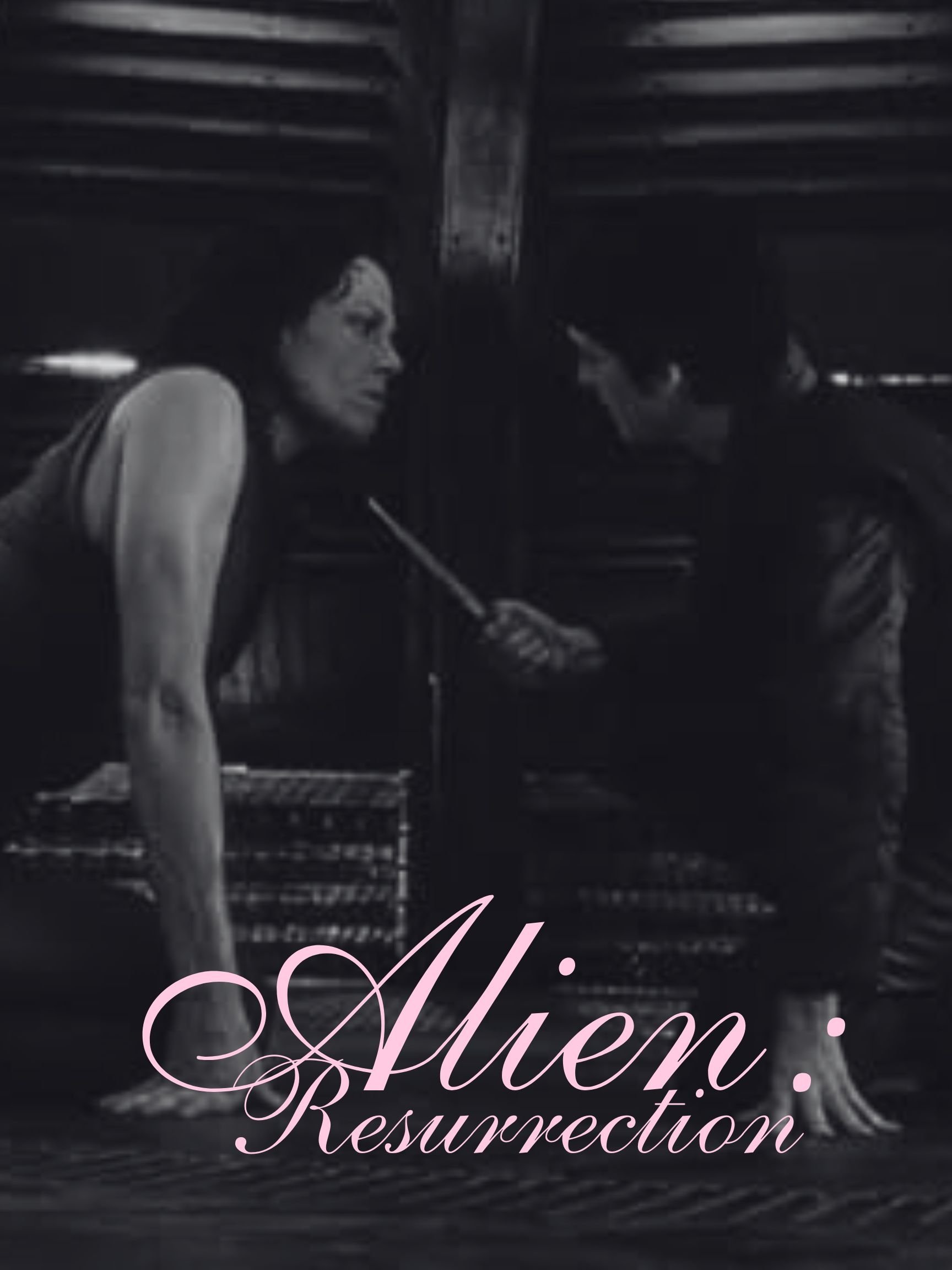
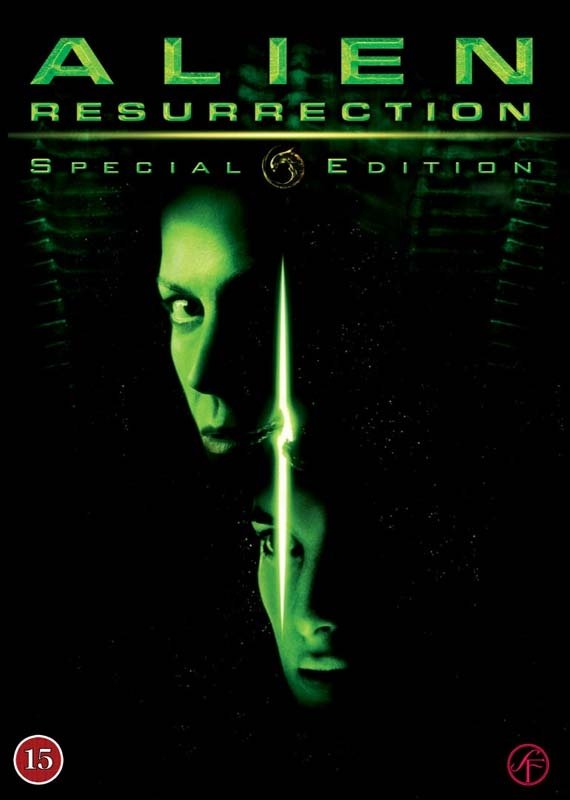
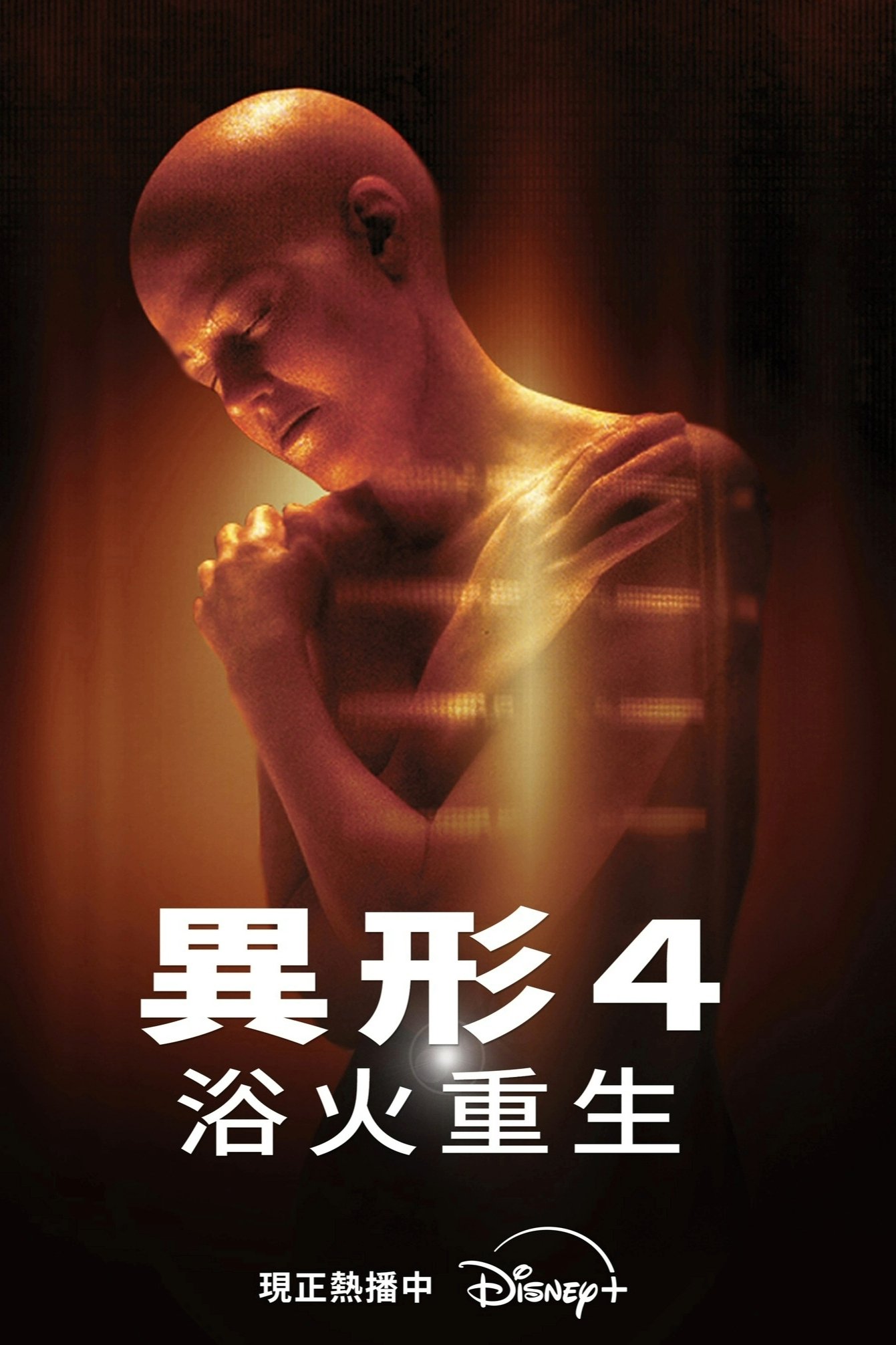
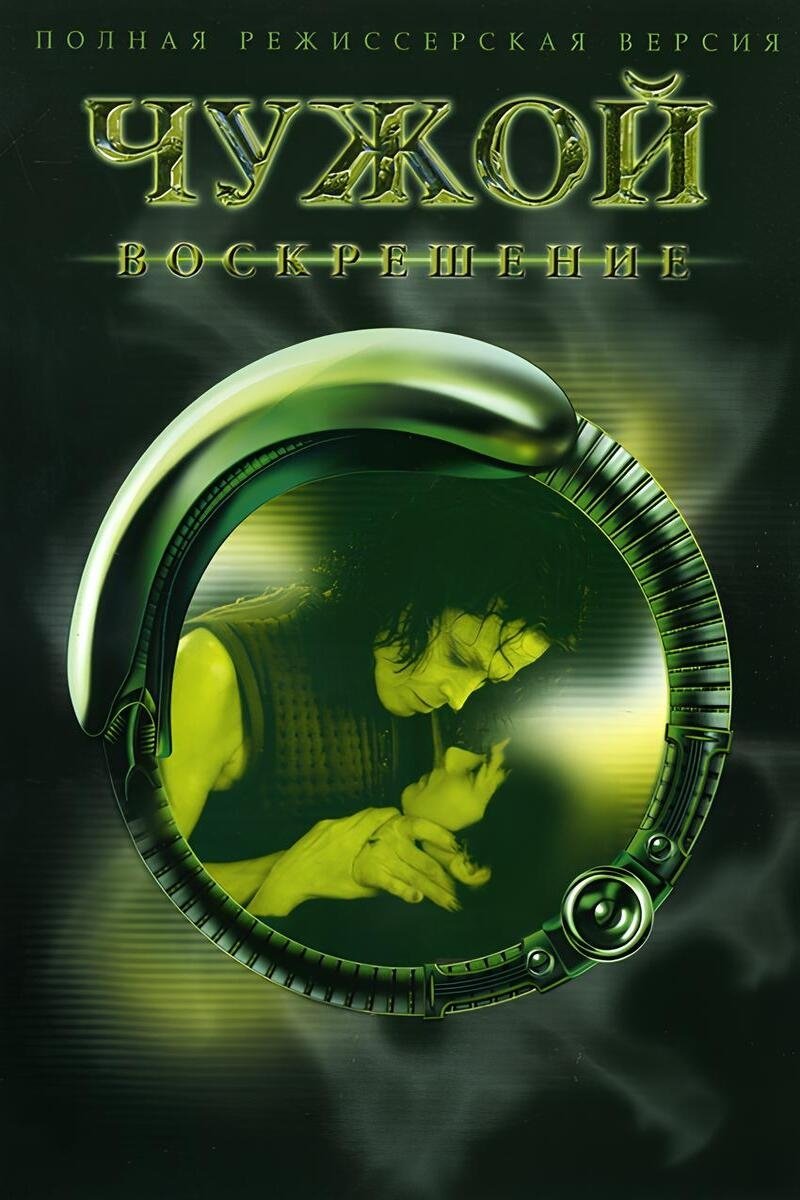
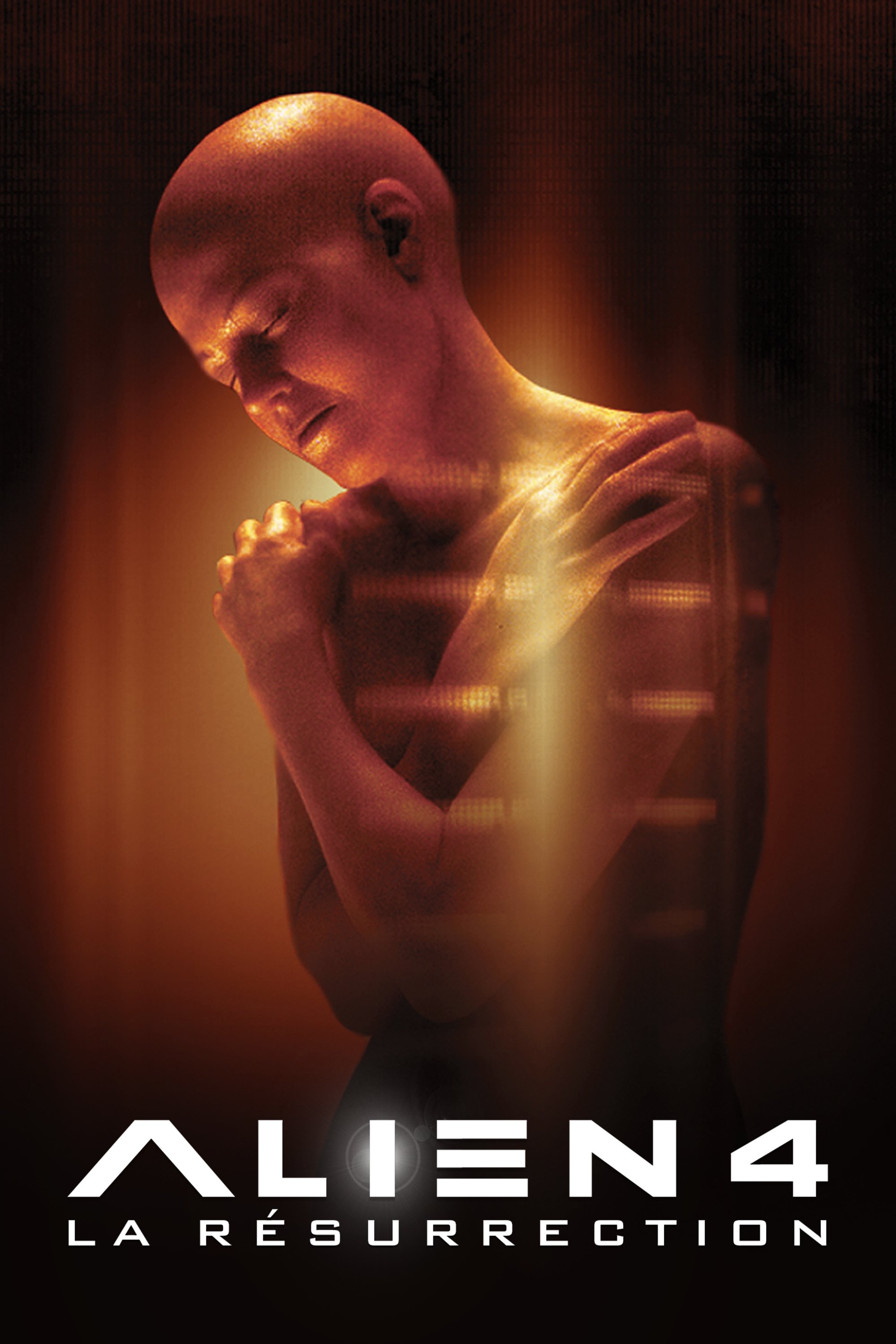
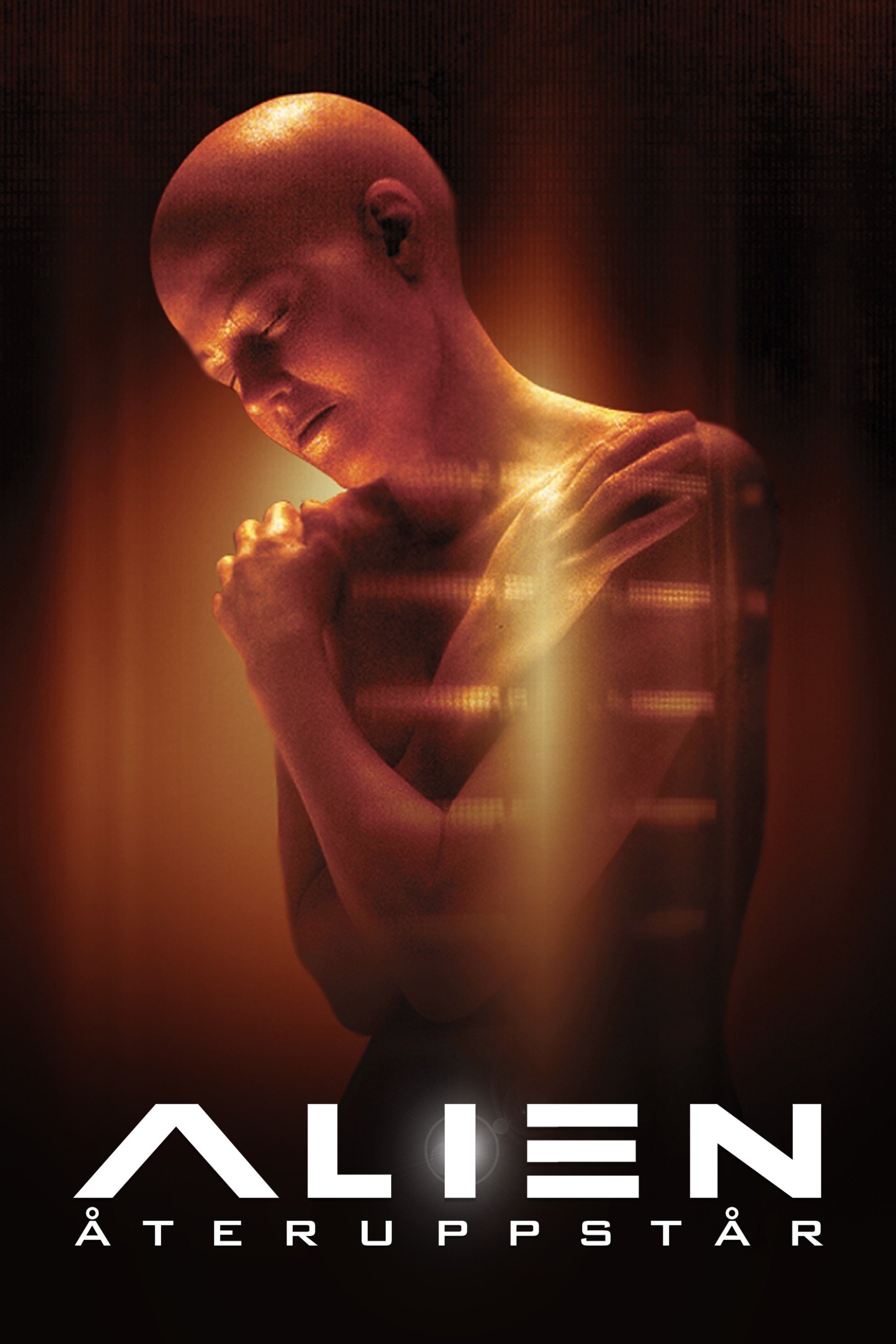
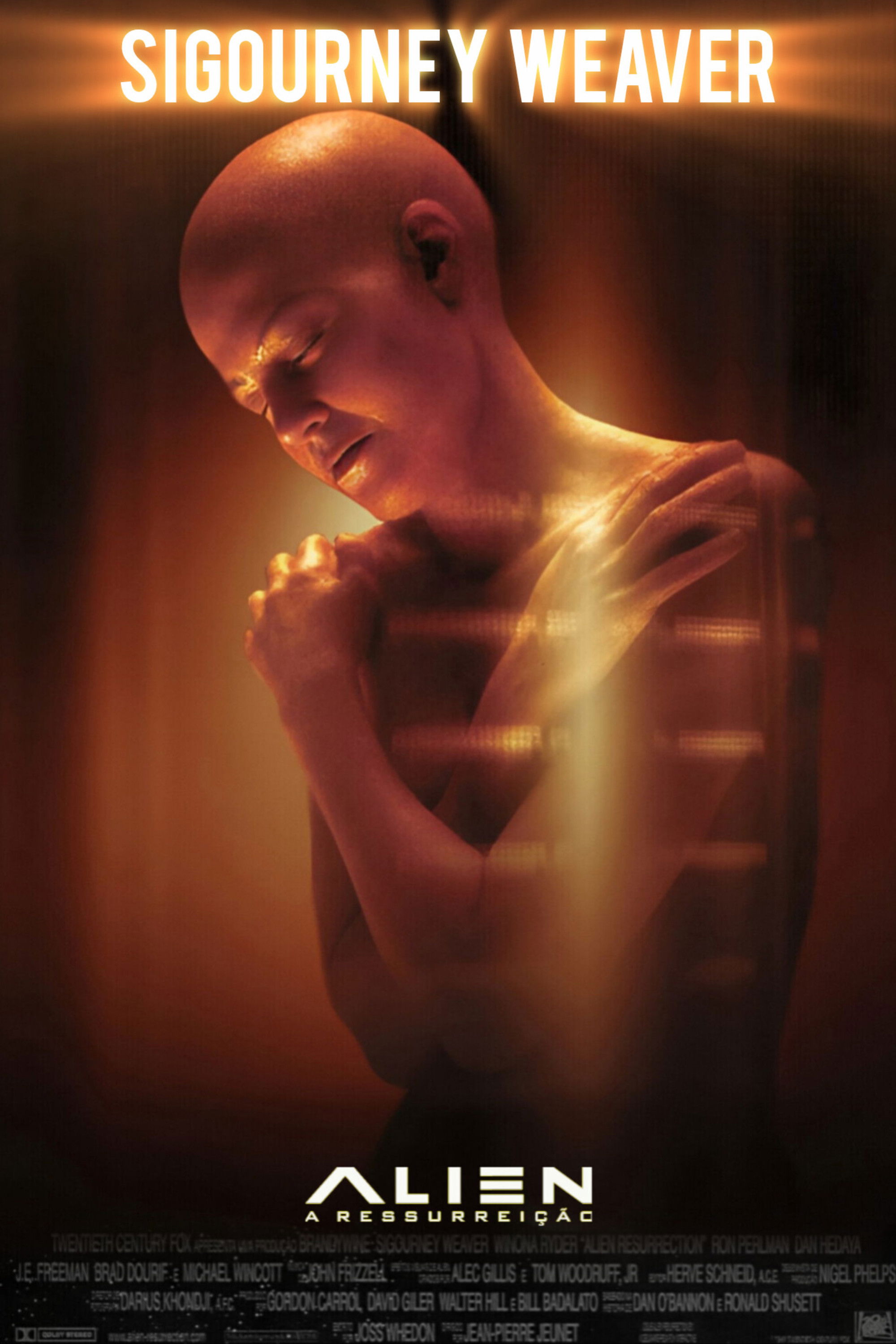
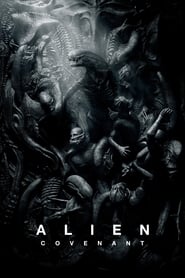
Two centuries after Ellen Ripley's death, scientists working aboard the military research vessel Auriga create a clone of her in an attempt to recover the alien organism carried inside her body. The experiment produces a woman whose physiology and memories are no longer entirely human. When a crew of smugglers docks with the vessel, the scientists' attempts to breed and contain the creatures begin to fail. Ripley encounters Annalee Call, a member of the visiting crew, as the escaped organisms spread through the ship. Together with the remaining survivors, they must prevent the vessel and its dangerous cargo from reaching Earth.
Jean-Pierre Jeunet revives Ripley as a hybrid amid cloning experiments, practical creature effects and the grotesque horror of the Newborn.
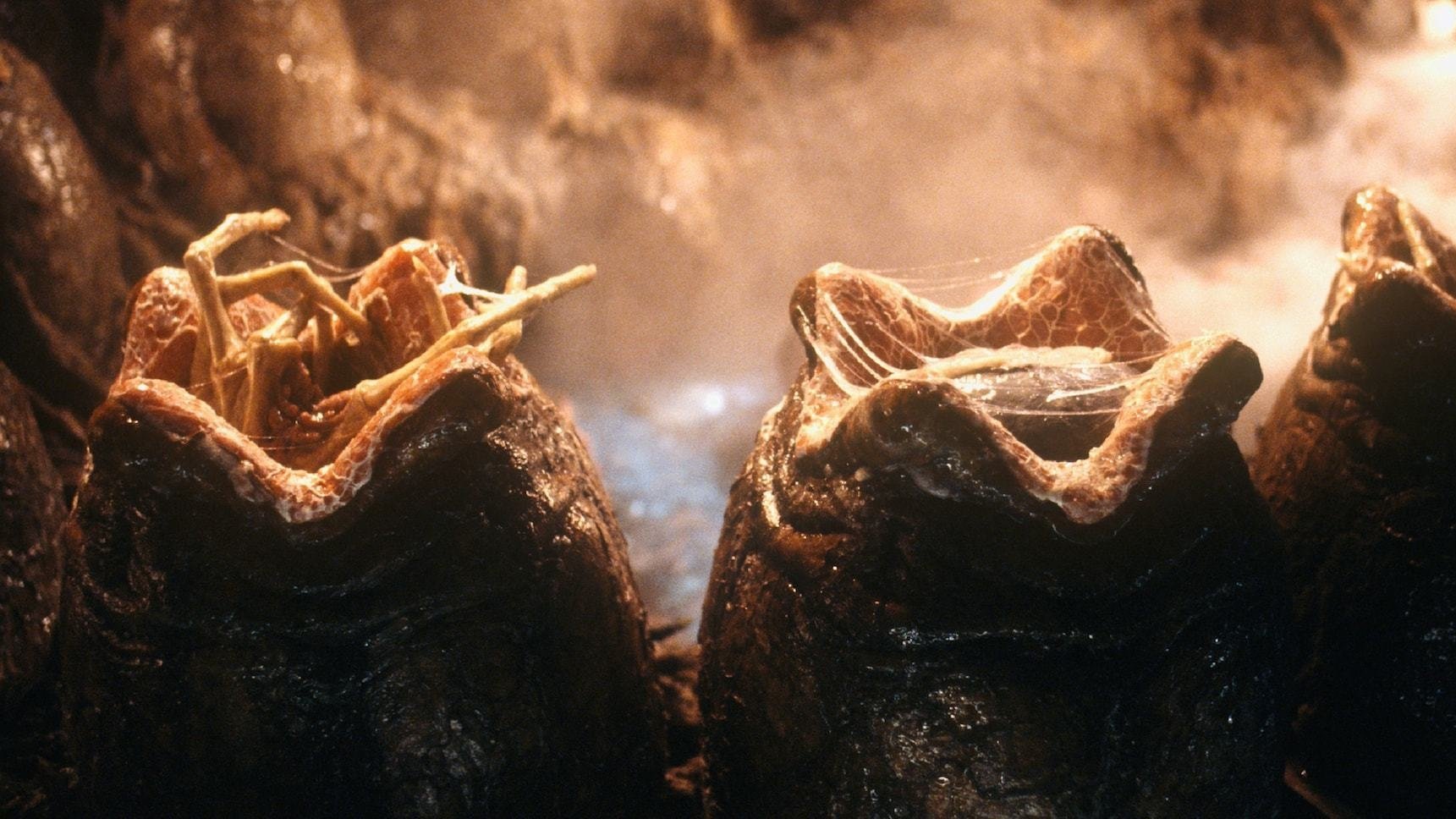
Alien Resurrection (1997) returns Ellen Ripley to a franchise that had ended its previous installment with her death. Set two centuries after the events of Alien 3, the film presents a clone made for military scientists who intend to cultivate the xenomorph species. The experiment produces an altered Ripley whose body contains traits of the organism she once fought. Jean-Pierre Jeunet turns this premise toward biological horror: human tissue becomes material for weapons research, reproduction proceeds without consent, and the distinction between parent and monster ceases to be dependable. The danger is confined largely to the Auriga, a research vessel whose corridors and laboratories are gradually occupied by its specimens.
The fourth Alien feature also marks a collision of creative approaches. Joss Whedon wrote a script with abrasive humor, while Jeunet brought the densely composed imagery he had developed in French cinema. Interviews with the filmmaker, a studio executive, cinematographer Darius Khondji and composer John Frizzell document how those methods met in production. The 1997 theatrical release and a 2003 home-video edition complicate the release history. Its lasting interest comes from the unstable cloned heroine, the physical creature effects and the friction between dark comedy and revulsion, a combination that divided reviewers.
A Fourth Film After Ripley's Death
The problem of continuing Alien began with the ending of Alien 3, where Ripley died while preventing the creature inside her from being recovered. Former Fox executive Jorge Saralegui explained in a lengthy 2025 interview that his initial proposal focused on cloning Newt, the child introduced in Aliens. In that early treatment she would have been used as a scout because of her experience surviving the creatures. Saralegui said he did not initially consider bringing Ripley back, and that the project changed when Sigourney Weaver became interested. The proposal was never filmed.
Saralegui also recalled recruiting Whedon because he valued the writer's dialogue and his work on action scripts. The developing film retained cloning but made it the means of returning its established protagonist. Ripley is consequently recognizable without being the same person who died. Her memory and altered abilities complicate the resurrection: she must decide how closely she remains connected to humanity when her body has been manufactured through the alien's reproductive material. The premise also exposes the military researchers' treatment of living organisms as proprietary technology.
The appointment of Jeunet changed the project's creative direction again. Saralegui said the search included filmmakers whose reputations were far removed from ordinary studio science fiction, and he remembered Winona Ryder actively discussing prospective directors. Jeunet had directed Delicatessen and The City of Lost Children; his interest in grotesque imagery was established before he reached Hollywood. These facts help explain its distinctive look while documenting why the filmmakers did not necessarily agree about its direction or later reception.
Jeunet, Whedon and Conflicting Intentions
In an extensive 2022 interview with The Independent, Jeunet recalled receiving substantial freedom from Fox, bringing trusted collaborators and spending about two months preparing storyboards. He was interested in the series' physical ugliness but also wanted images that could function as deliberate, sometimes comic compositions. Jeunet described Weaver as supportive when he proposed departures from conventional action staging. His retrospective claim of creative freedom coexists with memories of constant pressure to control costs.
The conflict over tone became explicit after the release. Whedon later criticized the casting, direction and overall execution of his screenplay, while Jeunet rejected the writer's view in his anniversary interview. Saralegui supplied a different perspective: he recalled that Whedon disliked an early screening, but he himself found the director's method more effective on revisiting the film. These conflicting recollections do not establish that a hypothetical Whedon-directed version would have been better. The finished work juxtaposes mercenary banter with disturbing laboratory experiments, and the clash between those registers is visible regardless of whom a viewer finds more persuasive.
Ripley Eight and the Horror of Reproduction
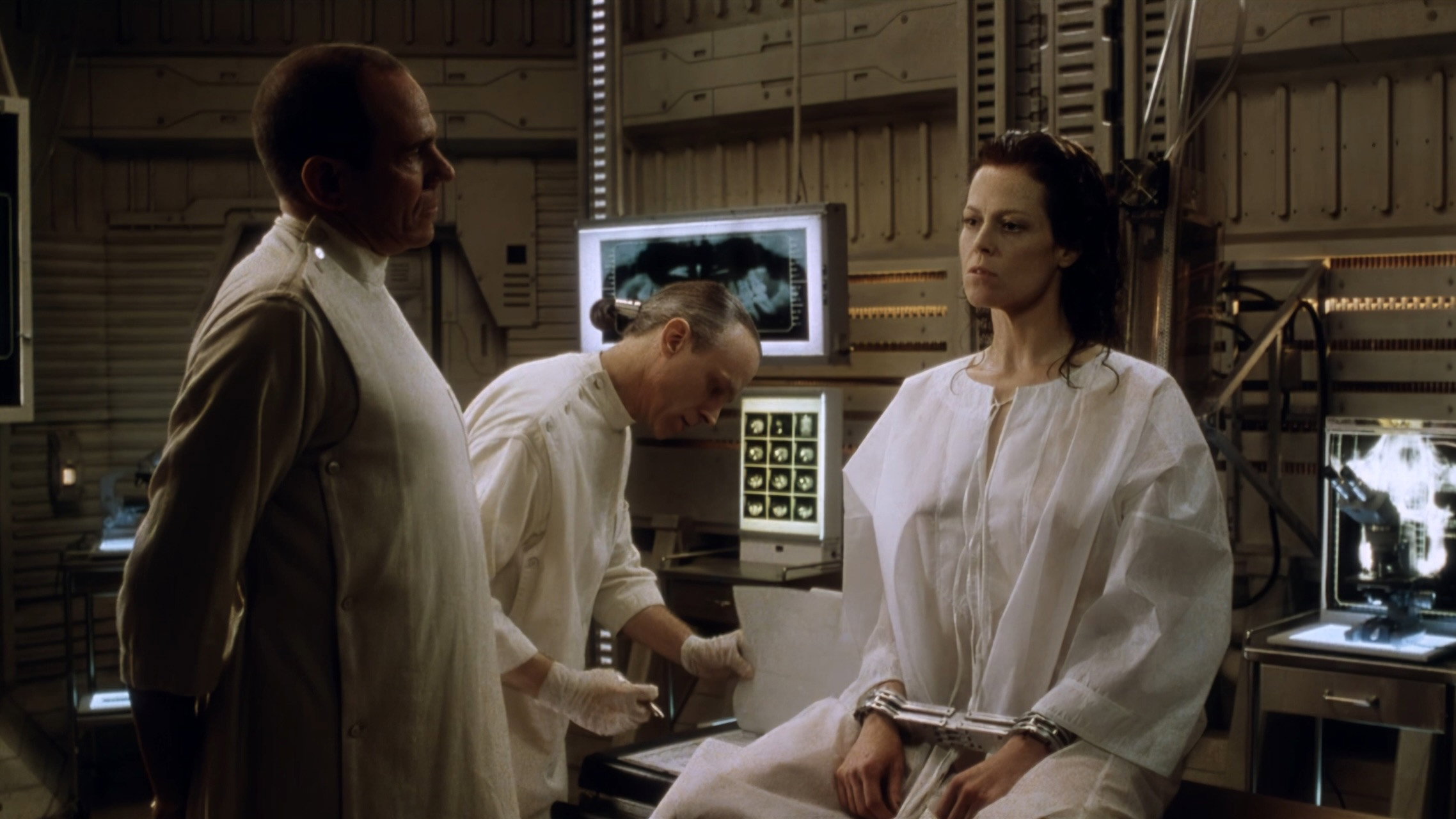
The new Ripley is identified through an experiment repeated until the scientists obtain a viable specimen. The failed clones encountered later make that process horrifyingly concrete. The laboratory contains damaged bodies combining human and alien anatomy, turning a familiar screen heroine into a succession of unusable organisms. One creature's plea to be killed reveals that the errors are sentient and capable of suffering. The sequence supplies a moral dimension to the franchise's interest in gestation and forced birth: the experiment has produced sentient beings whom the institution discards.
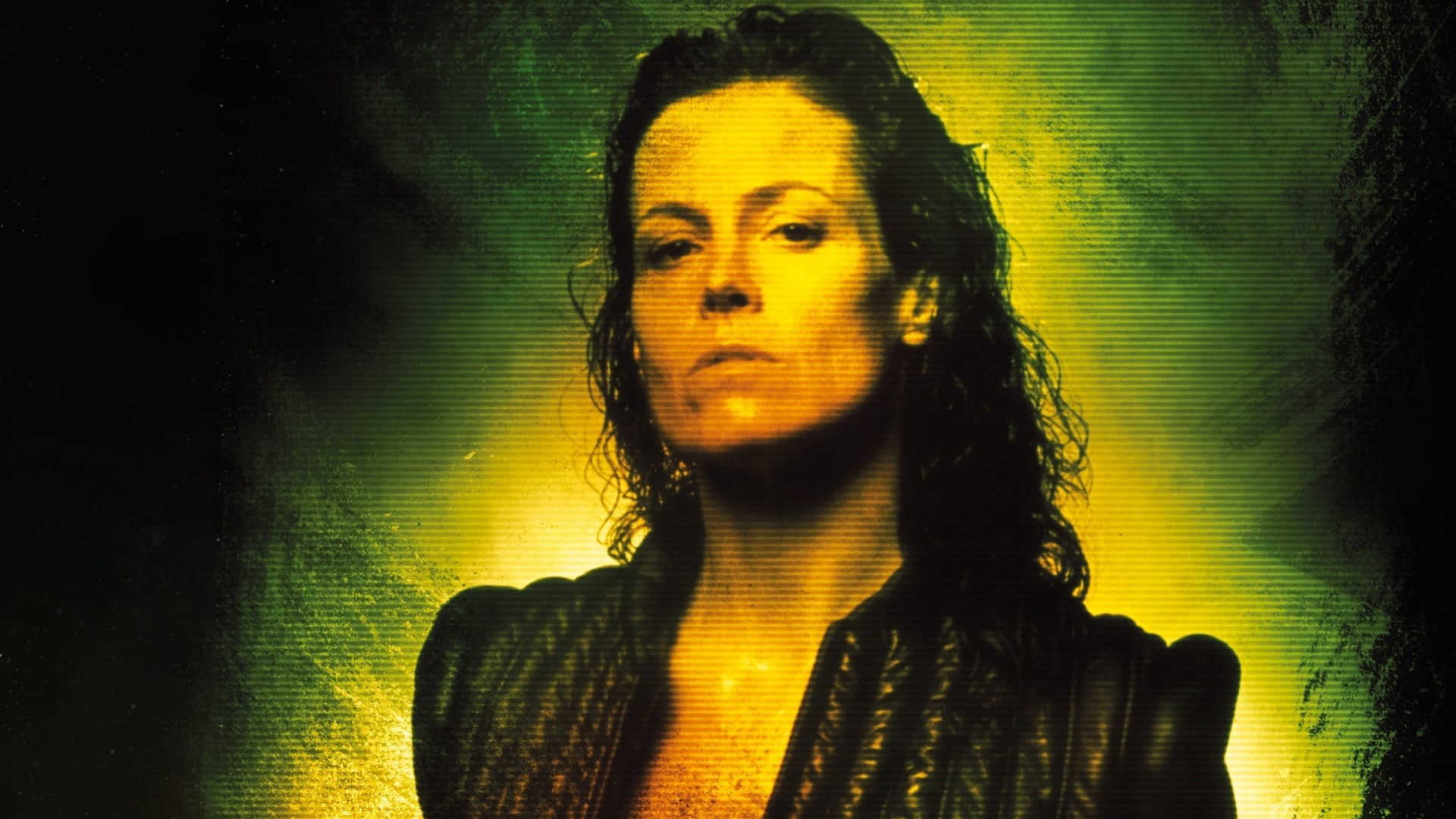
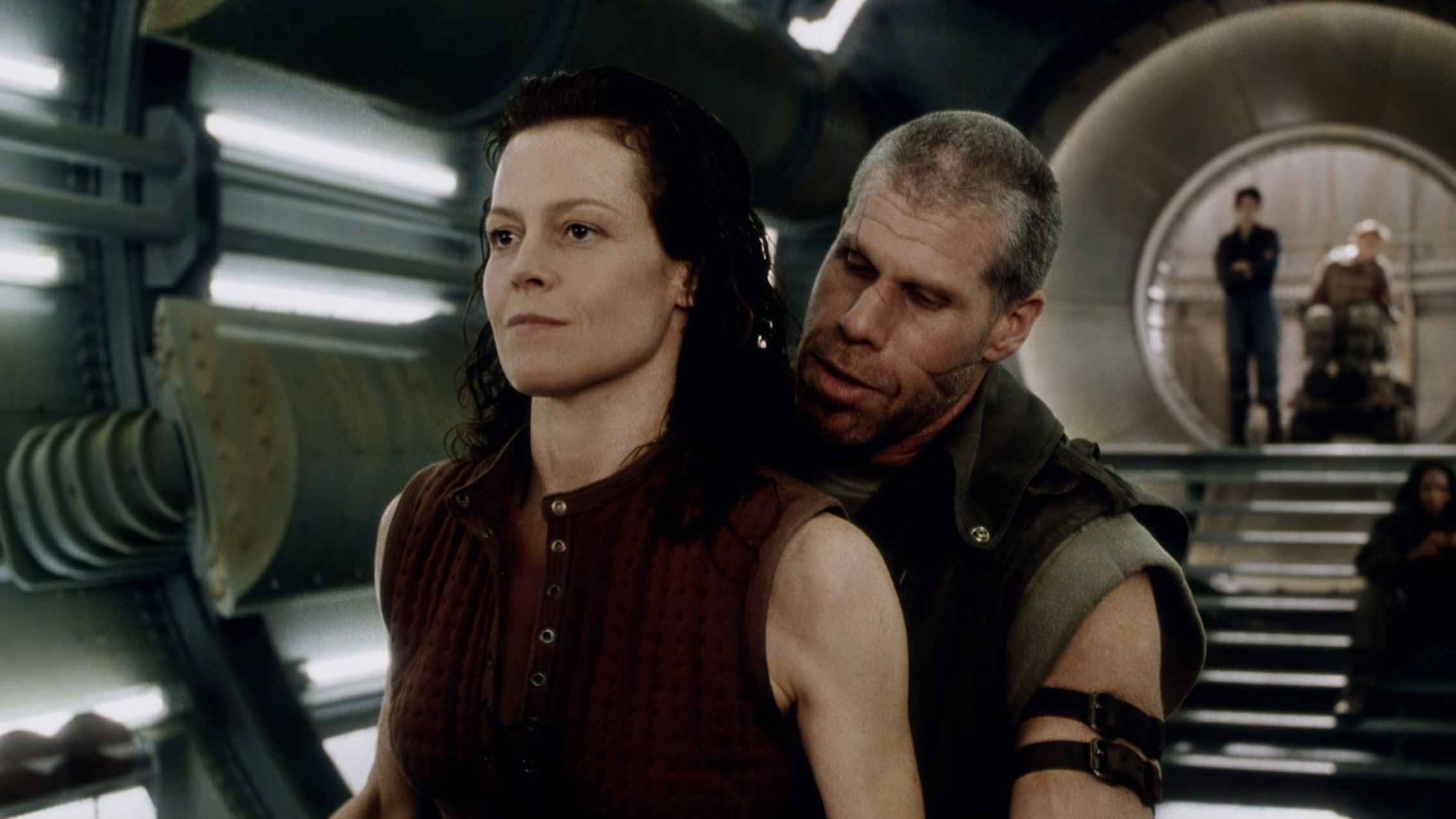
Ripley's relationship with the aliens is equally unstable. Enhanced strength, acidic blood and a heightened awareness of the creatures unsettle her position as their human adversary. The experiments have made her part of the same biological system that the Auriga's scientists seek to exploit. Her alliance with Annalee Call places that uncertainty beside another artificially made person who questions the military project. The screenplay uses their encounters to ask what responsibility survives when a body has been fabricated or altered. This is a reading of the film's dramatic structure, not a scientific claim about cloning, memory or hybrid genetics.
Khondji, Production Design and a Living Ship
Jeunet renewed his collaboration with Darius Khondji, whose methods are documented in Christopher Probst's original November 1997 American Cinematographer report. Khondji said he joined preproduction twelve weeks before photography, working closely with production designer Nigel Phelps. Extensive image tests established a muted palette and deep blacks through Technicolor's ENR process. He also used Kodak stocks including 5293 and 5279, with a Panaflasher in selected low-light situations to preserve shadow information. These details establish how the palette was created during photography and processing.
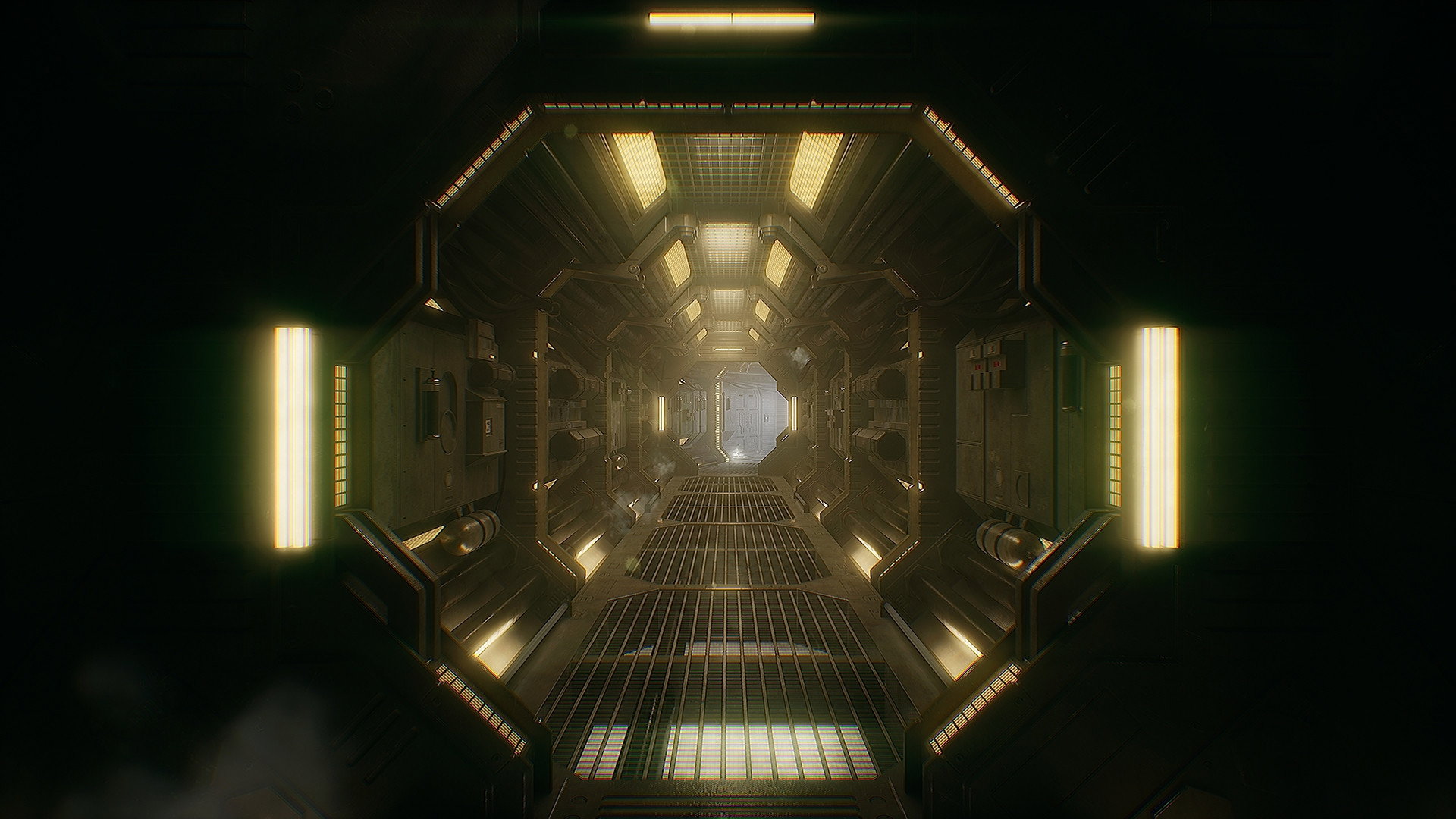
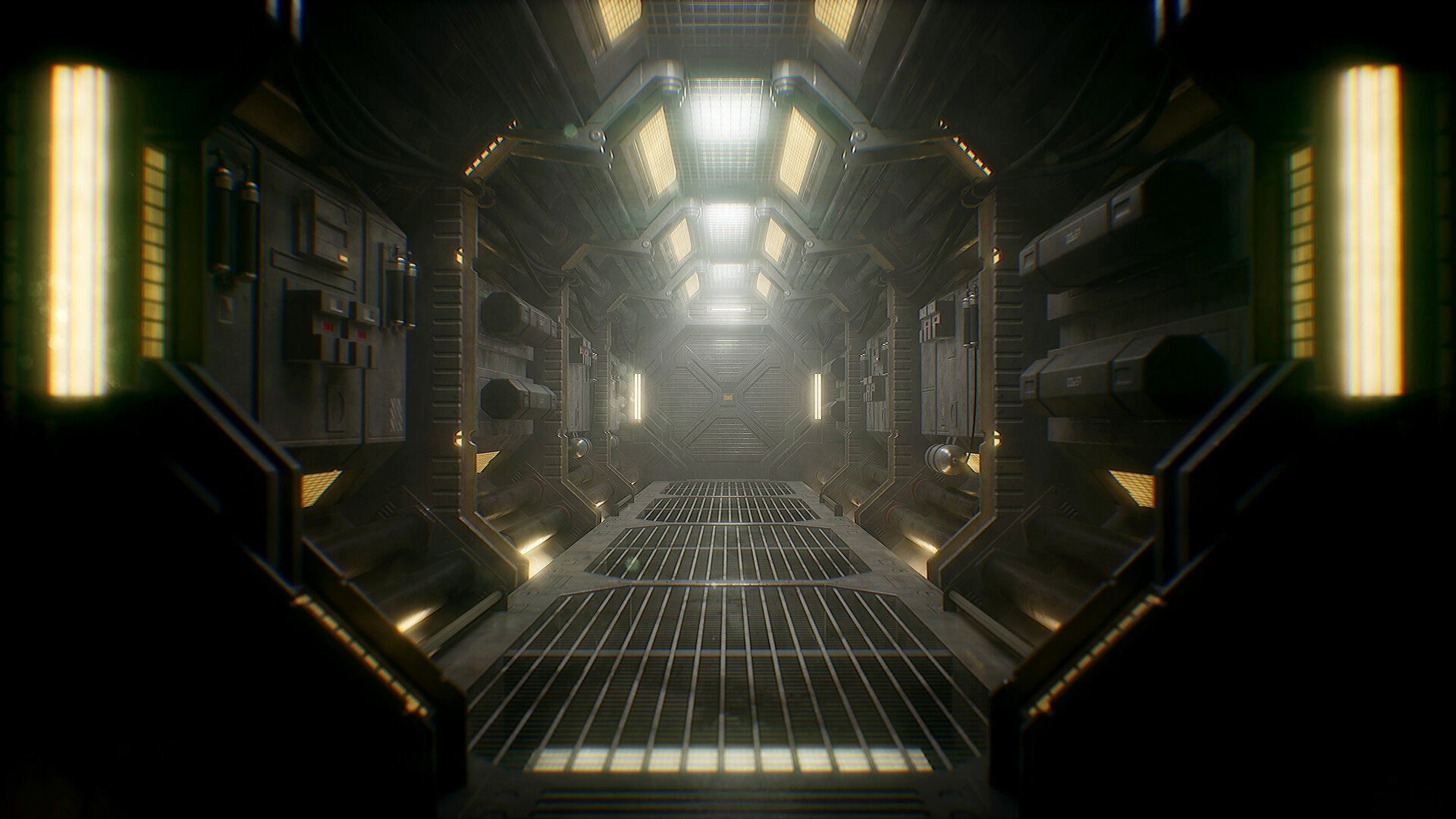
The production used Super 35 photography framed for a widescreen release. Khondji explained that spherical lenses gave Jeunet the freedom to bring the camera very close to faces without the distortion associated with some anamorphic approaches. Phelps's sets integrated lighting into the walls, floors and structural grilles of the Auriga. The crew could illuminate performers while allowing the laboratories and service corridors to seem self-contained, almost organic. A place built to classify and imprison living creatures begins to resemble a body that can hold its occupants captive. Their collaboration made the architecture itself threatening.
The underwater passage required separate technical preparation. American Cinematographer records Khondji's collaboration with underwater cinematographer Peter Romano during an extended submerged shoot. Flooded interiors create a different kind of threat from the ship's ordinary corridors: characters who can run and fire weapons above water must now negotiate visibility, breath and heavy equipment while xenomorphs move through the same space. The scene is a practical example of Jeunet's preference for physical situations that alter how bodies occupy the frame. It should not be reduced to an unsupported claim that every aquatic creature image was achieved with one technique.
Creature Effects and the Newborn
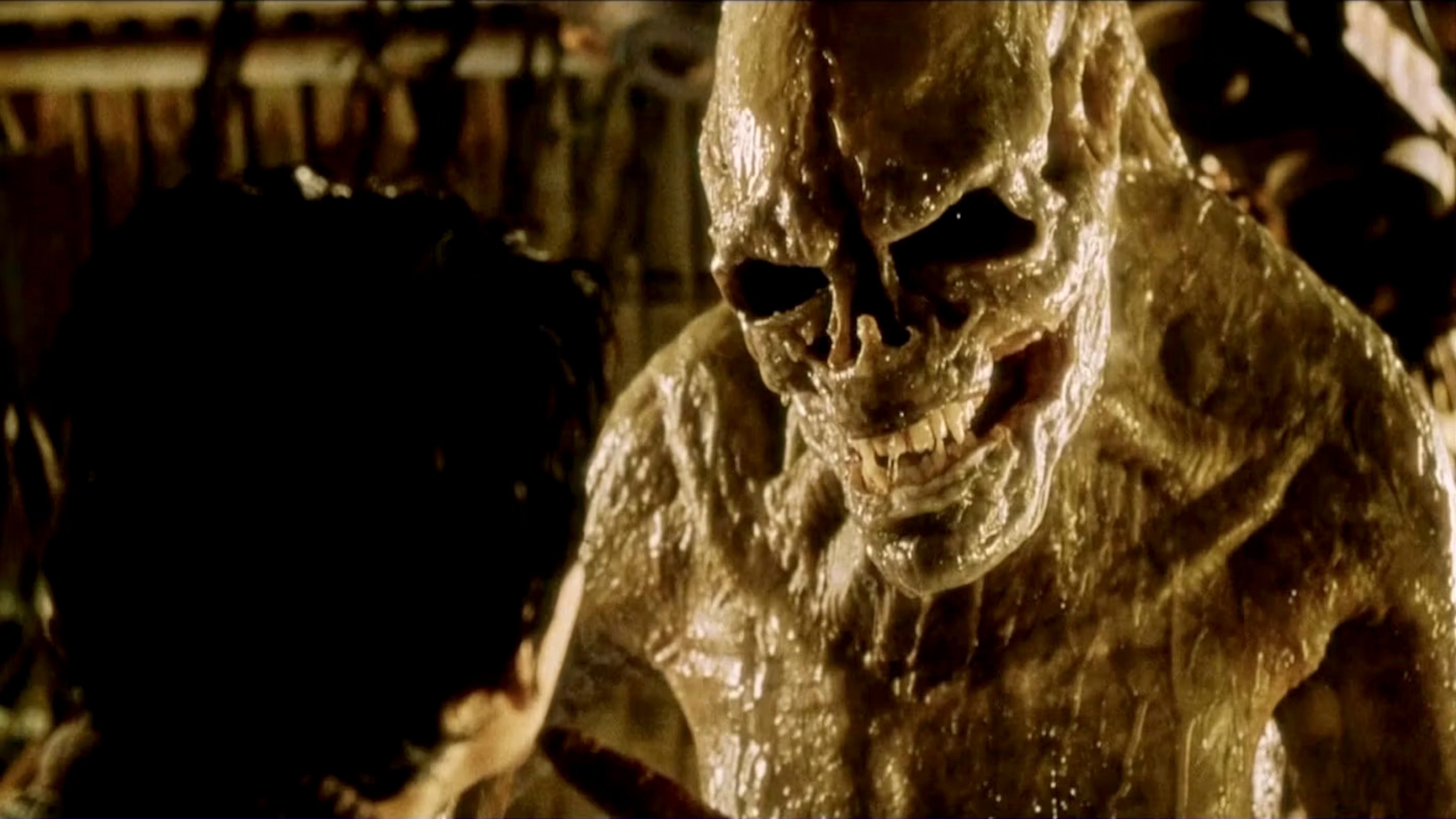
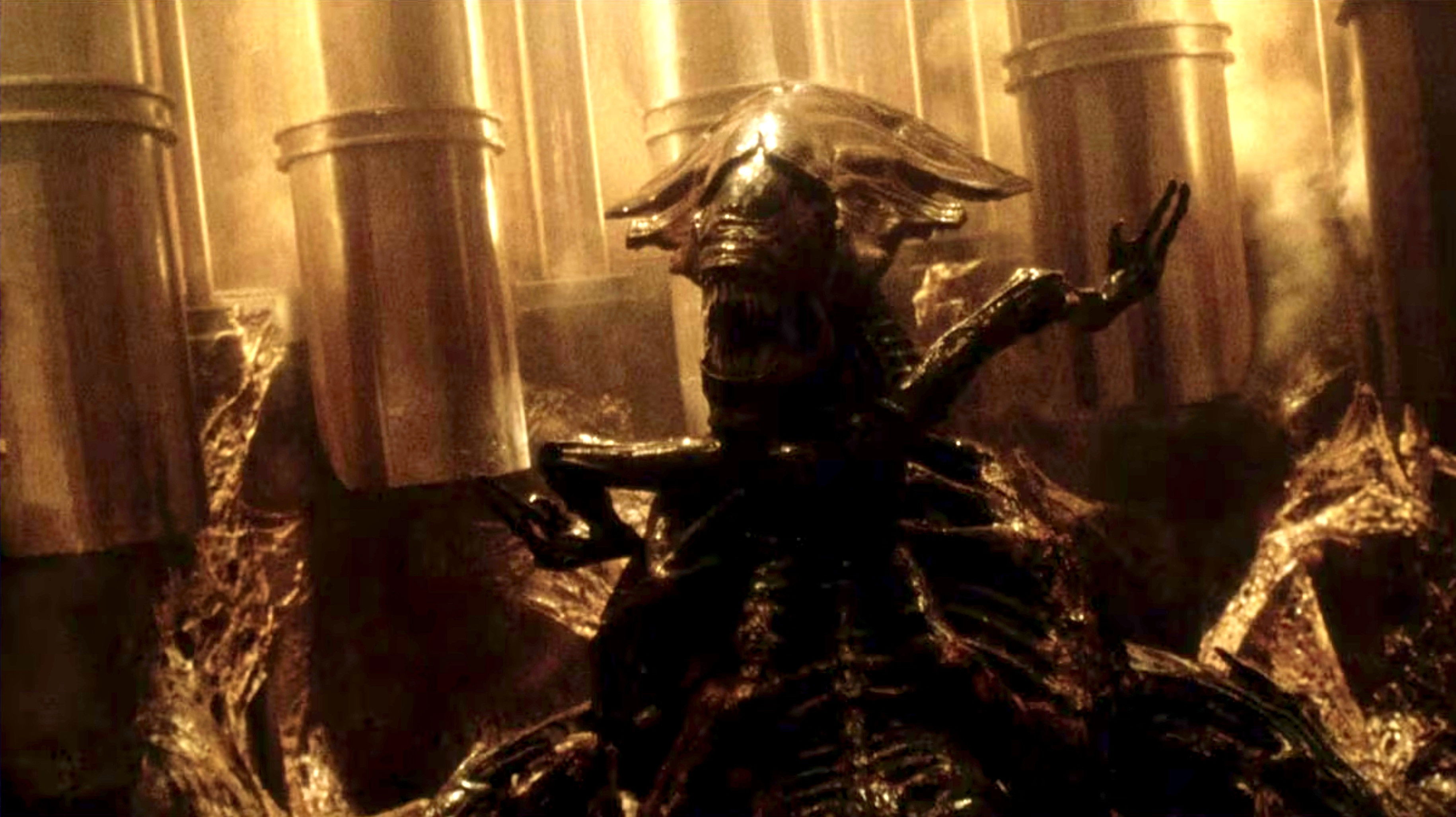
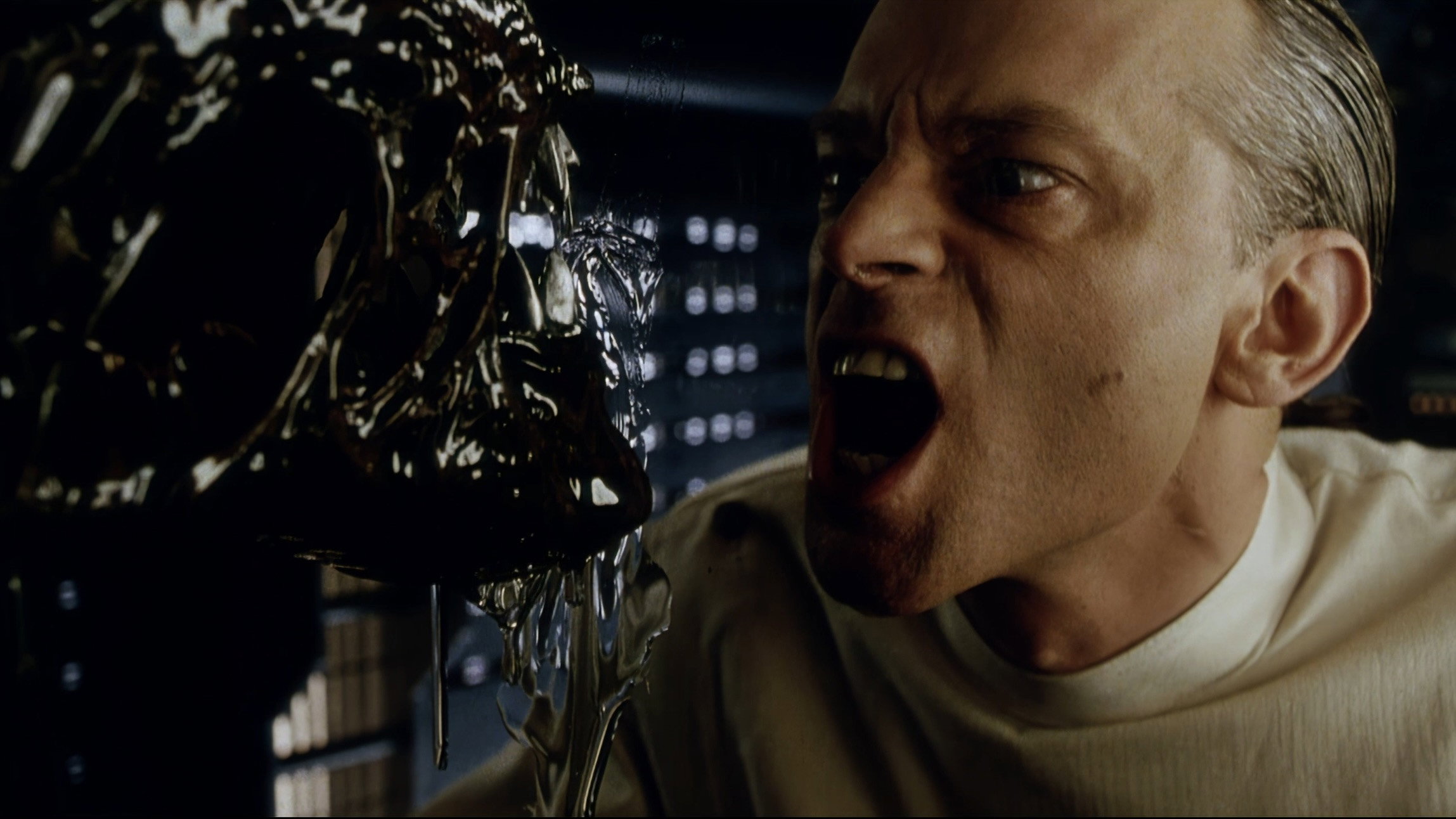
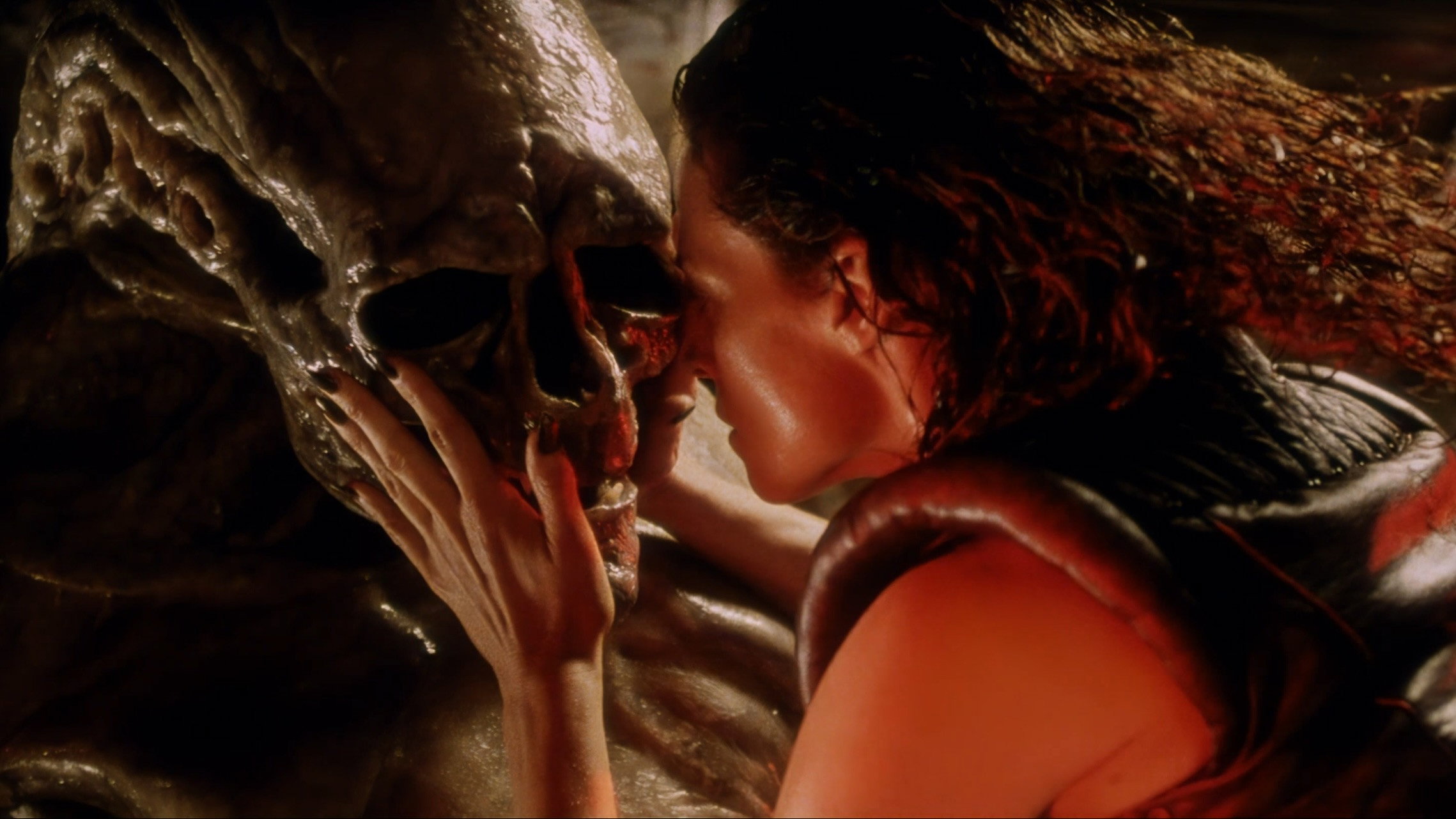
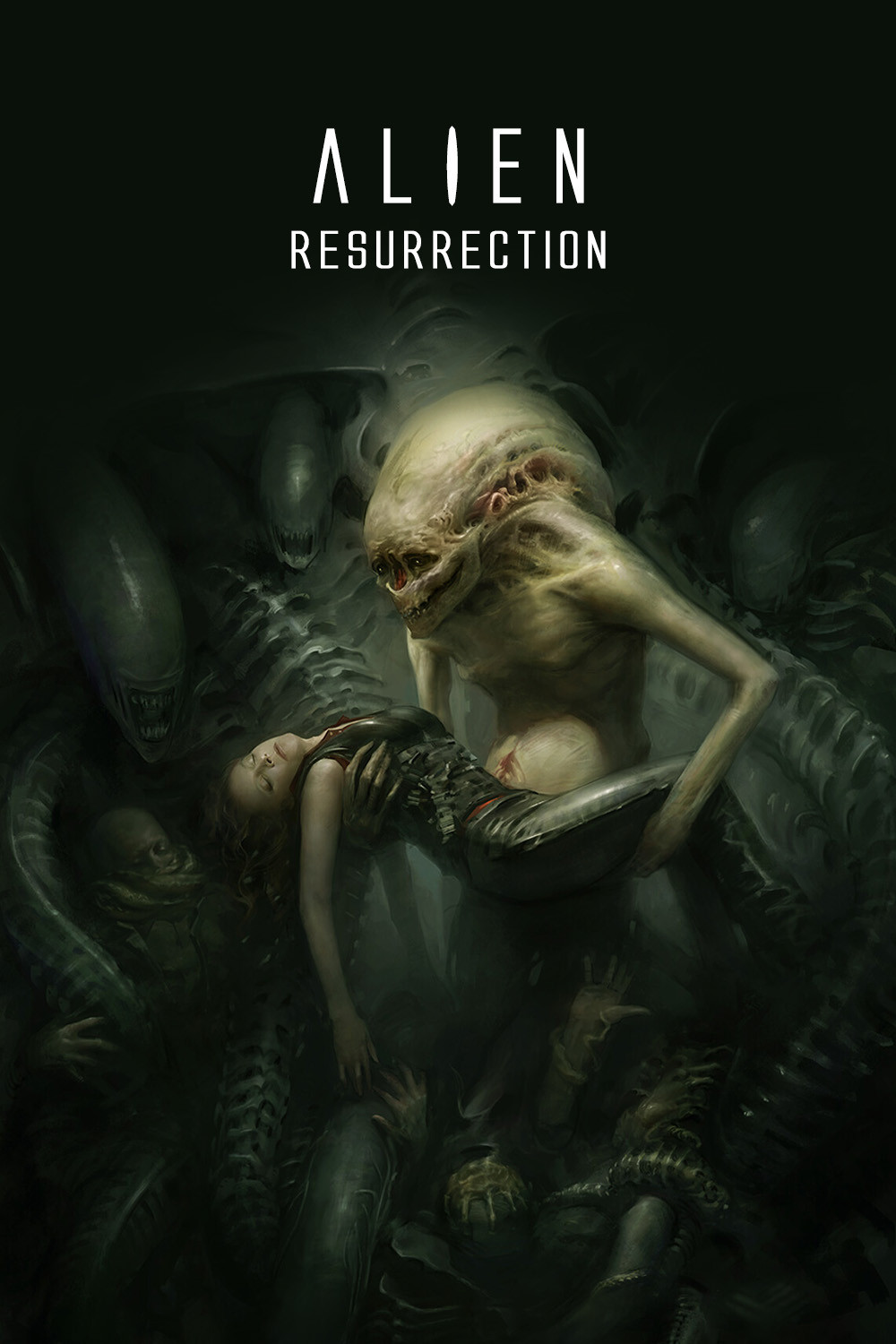
Amalgamated Dynamics, the company of Alec Gillis and Tom Woodruff Jr., developed the creature effects and modified the familiar xenomorph silhouette. The swimming sequence required forms that could suggest movement through water, including changed tail shapes. Jeunet's 2022 account confirms that he wanted the Newborn to move further toward human features than the traditional adult alien. The resulting creature has an expressive face and a massive, vulnerable body. Its design shifts the threat from an impersonal predator to something that appears to recognize Ripley as a parent, creating a disturbing connection between a laboratory creation and its supposed source.
Jeunet remembered initially being uncertain when he saw the full-scale Newborn. His comments describe a substantial animatronic figure and an interest in the uneasy mixture of tenderness and disgust it produced. The hybrid's final destruction is exceptionally cruel because it begs for connection even as its body threatens the surviving characters. The director also recalled that anatomical details were digitally removed during postproduction. Such admissions make it inaccurate to describe the creature as entirely untouched by digital effects. Its horror depends on the contrast between physical presence, expressive mechanical performance and the violence of its final treatment.
John Frizzell and the Sound of the Auriga
John Frizzell's score is unusually well documented by a Los Angeles Times feature published during the film's original release. Reporter Steven Smith observed an orchestral recording session and interviewed the composer about the practical problem of balancing music against dense sound effects and dialogue. Frizzell sought to coordinate his cues with the sound department so that large orchestral gestures did not obscure important events. He also described the musical legacy of Jerry Goldsmith, James Horner and Elliot Goldenthal as a demanding precedent. His aim was to acknowledge that lineage while developing a distinct emotional register.
Frizzell had access to footage as Jeunet's team edited, allowing him to compose before temporary tracks became fixed guides for the soundtrack. He also visited the Los Angeles production and drew inspiration from Khondji's images. These details establish collaboration across photography, editing and sound, a more specific explanation of the score than a list of instruments. Music participates in the film's alternating moods: anxious exploration can lead abruptly to pursuit, while Ripley's unusual relationship with the creatures calls for an emotional response beyond ordinary monster-movie alarm. No particular cue requires an invented production method.
Versions, Original Reviews and Franchise Position
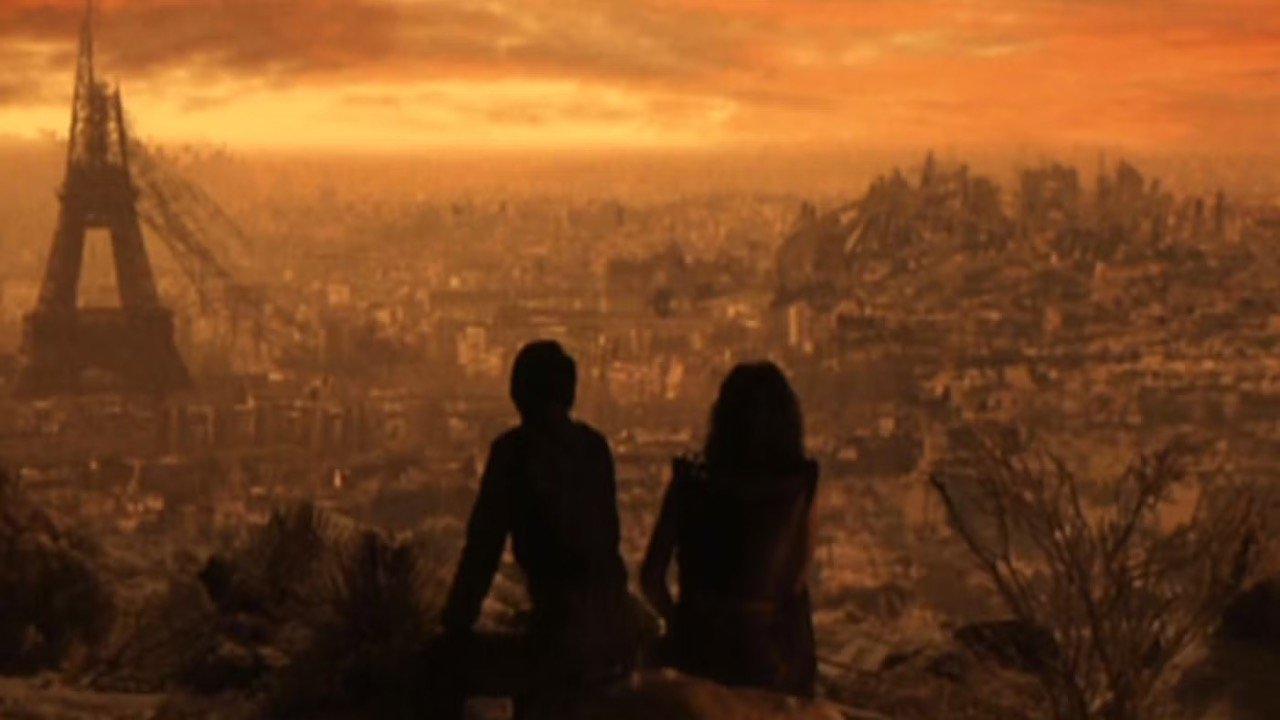
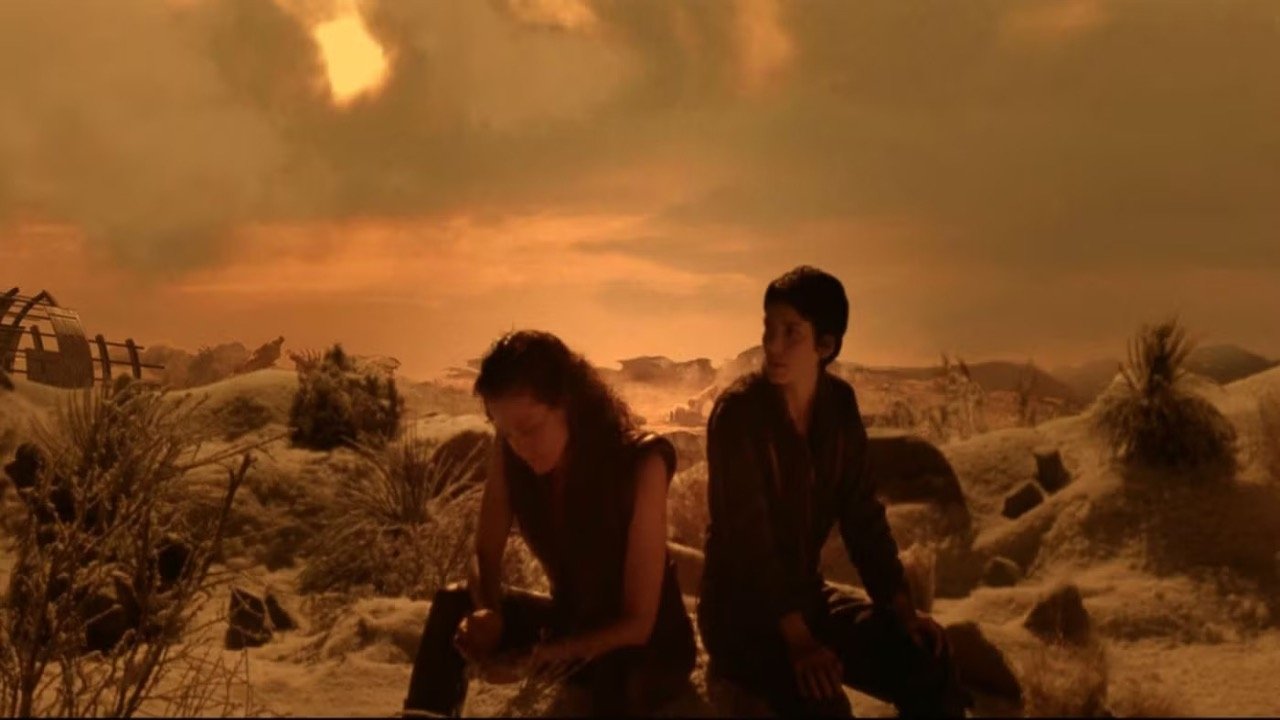
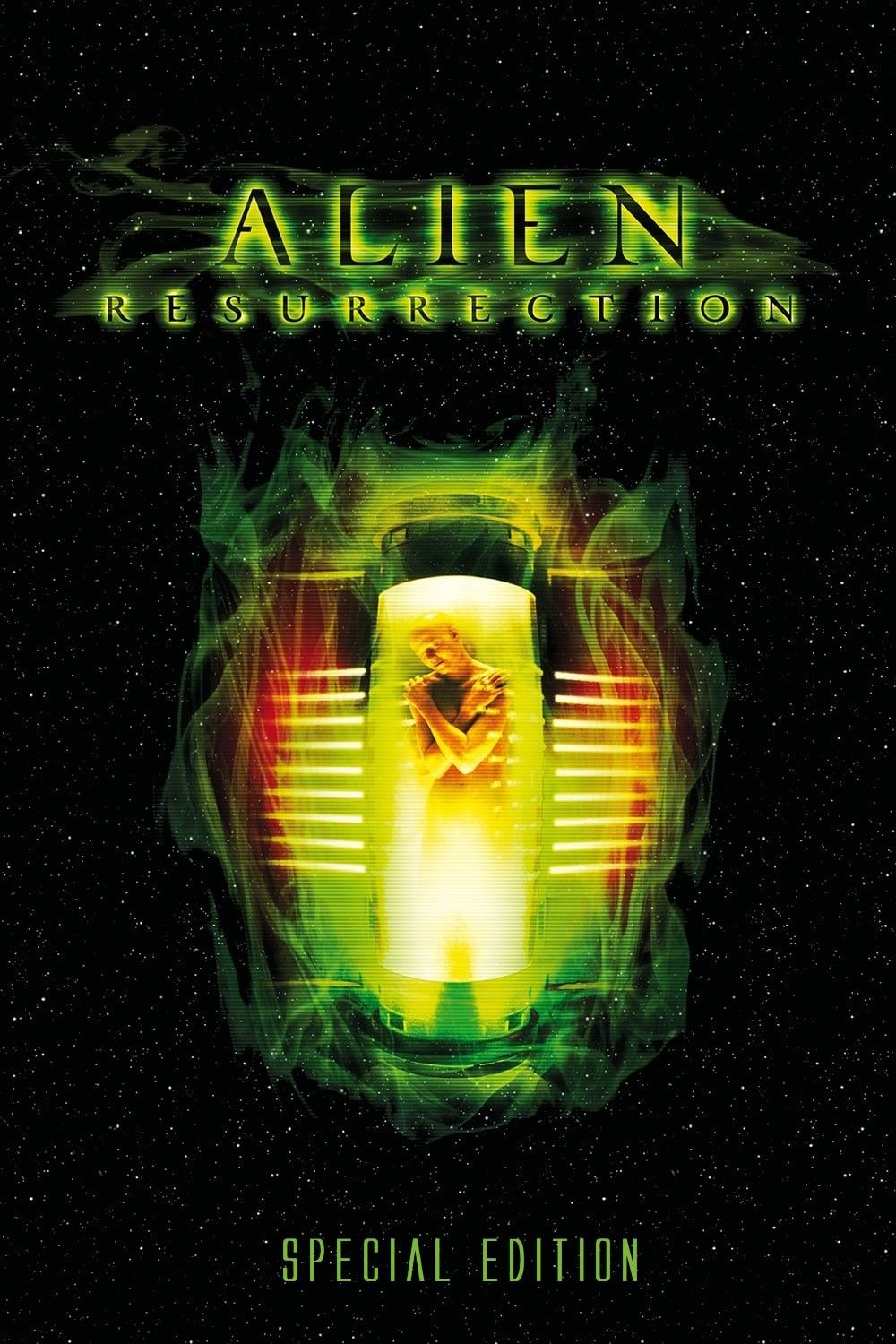
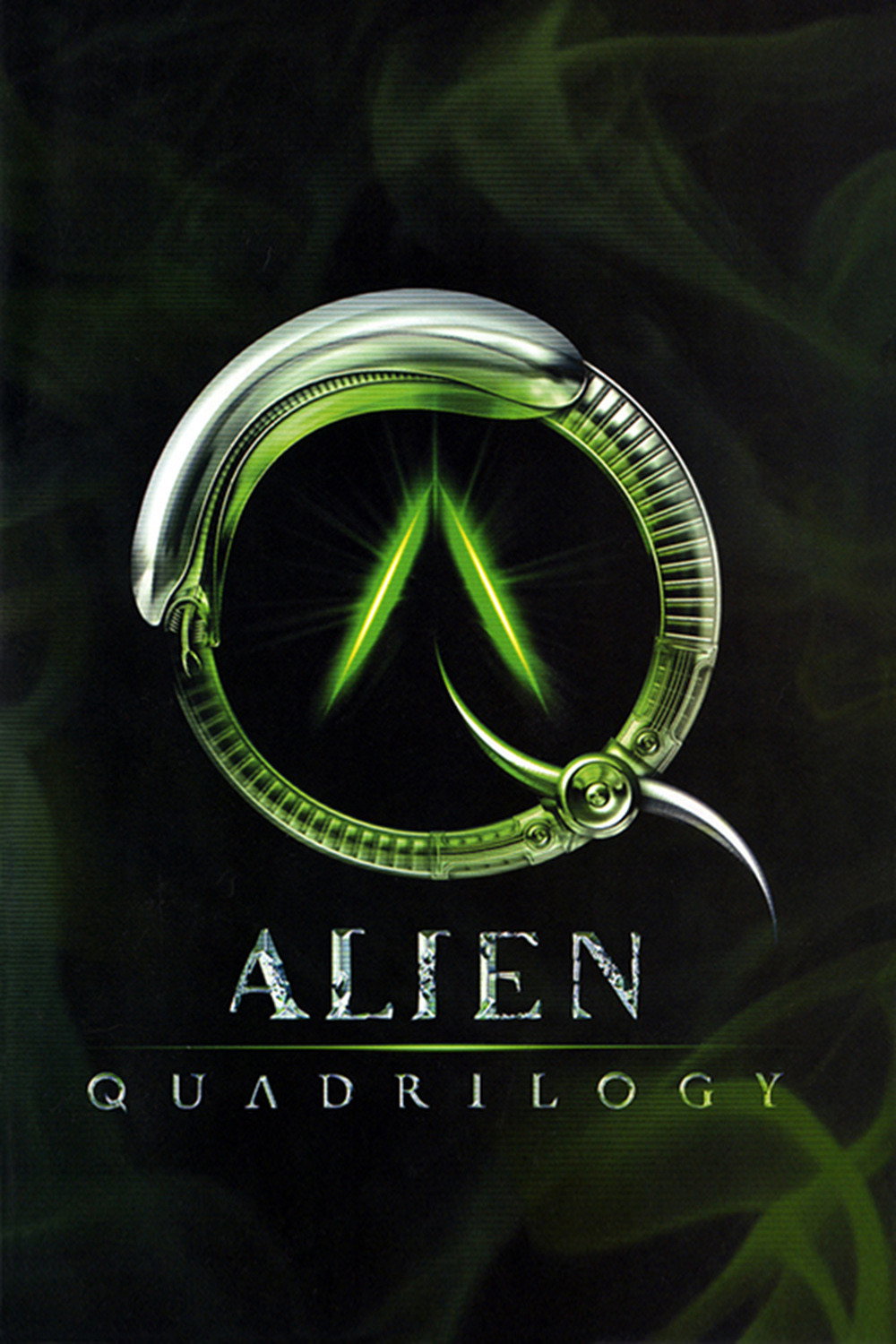
Alien Resurrection opened in France in November 1997 and reached American theaters on November 26. The 1997 theatrical version was subsequently joined by a 2003 Special Edition prepared for the Alien Quadrilogy home-video release. The later assembly is approximately seven minutes longer and includes an alternate opening and an ending showing Ripley and Call on a damaged Earth, together with several dialogue extensions. The two cuts do not offer different basic resolutions to the conflict aboard the Auriga. Jeunet has explicitly distinguished this edition from a director's cut and expressed his preference for the shorter theatrical presentation.
The original critical response was divided, with some reviewers finding the new film grotesquely inventive and others rejecting its humor or characterization. Kenneth Turan's November 26 Los Angeles Times review disliked the tone and found the emphasis on repulsive imagery more developed than the story. He nevertheless singled out Weaver's performance as the strongest part of the sequel. The review provides a precise contemporary judgment, not evidence that audiences or critics unanimously dismissed the picture. The contrast between Turan's response and Jeunet's later defense reveals a recurring question in the film's reception: whether its grotesque comedy reinforces the terror or dissipates it.
The fourth feature occupies a distinct place in the franchise's history. It restores a character whose death had apparently completed her story while making the reconstruction itself an act of bodily violation. Jeunet's images, Khondji's photography and the Newborn's physical design give that decision a consistent visual expression, even when the mercenaries' humor disrupts the atmosphere. These choices explain the film more securely than grand claims about its influence. Its significance lies in showing how a major studio sequel could absorb an idiosyncratic director's interests while remaining bound to familiar monsters and commercial expectations.
Extensive original 2025 interview with the former Fox executive on the early Newt cloning proposal, hiring Whedon and Jeunet, casting and the conflicting responses to the finished film.
Christopher Probst interviews Jeunet, Darius Khondji and collaborators in the original November 1997 production report on stock, ENR processing, set lighting, camera movement and underwater photography.
The Independent — Jean-Pierre Jeunet on Alien Resurrection, 25 years on
Tom Fordy interviews the director in depth about creative freedom, the disagreement with Joss Whedon, the Newborn design and the relation of horror to grotesque comedy.
Los Angeles Times — Alien Tunes: John Frizzell Scores the Latest in the Sci-Fi Series
Steven Smith reports from a 1997 orchestral session and interviews Frizzell about cue timing, sound mixing, working with Jeunet and the musical legacy of the earlier films.
Kenneth Turan's original November 26, 1997 review assesses Jeunet's grotesque humor, the production's atmosphere and Weaver's changed characterization of Ripley.