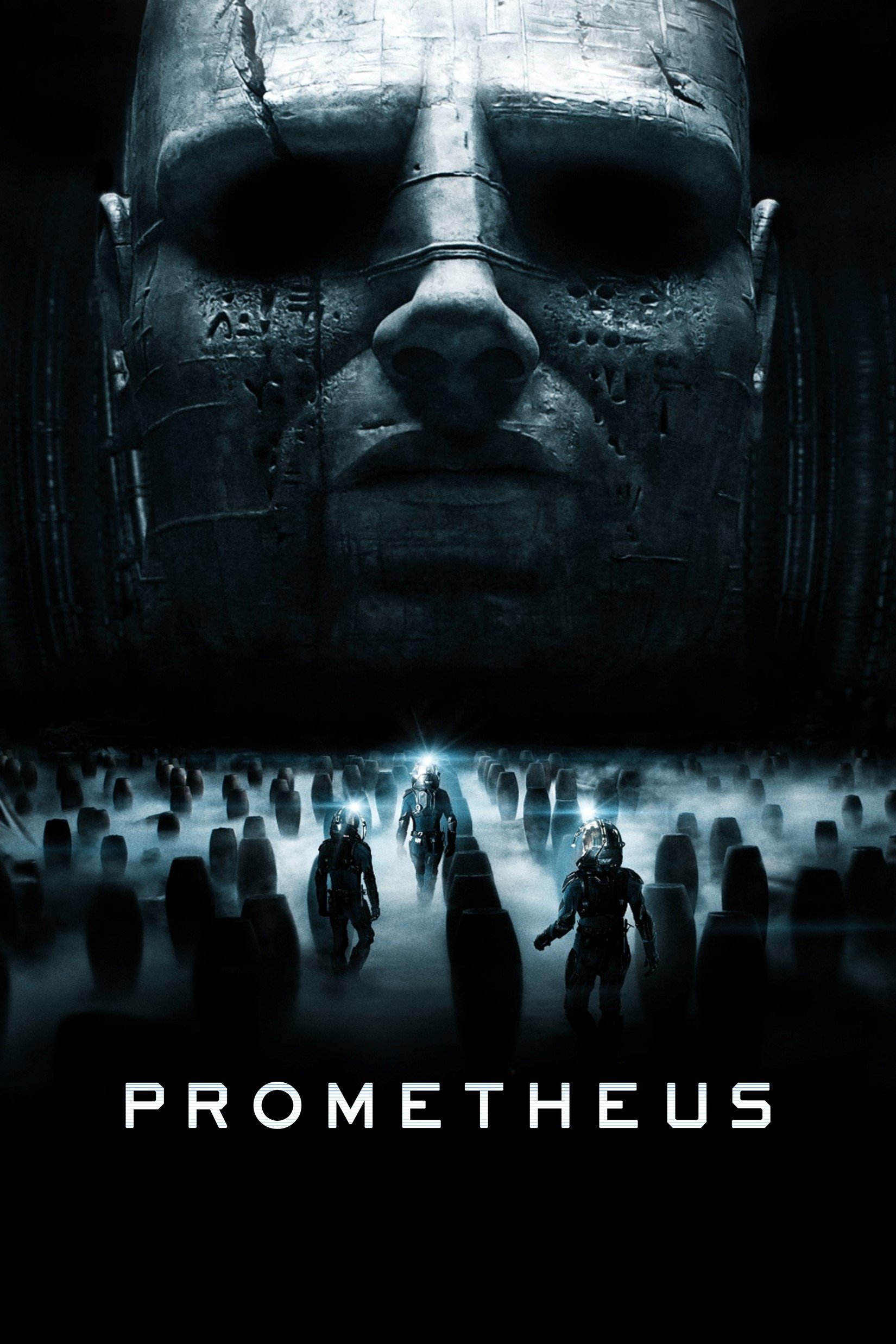
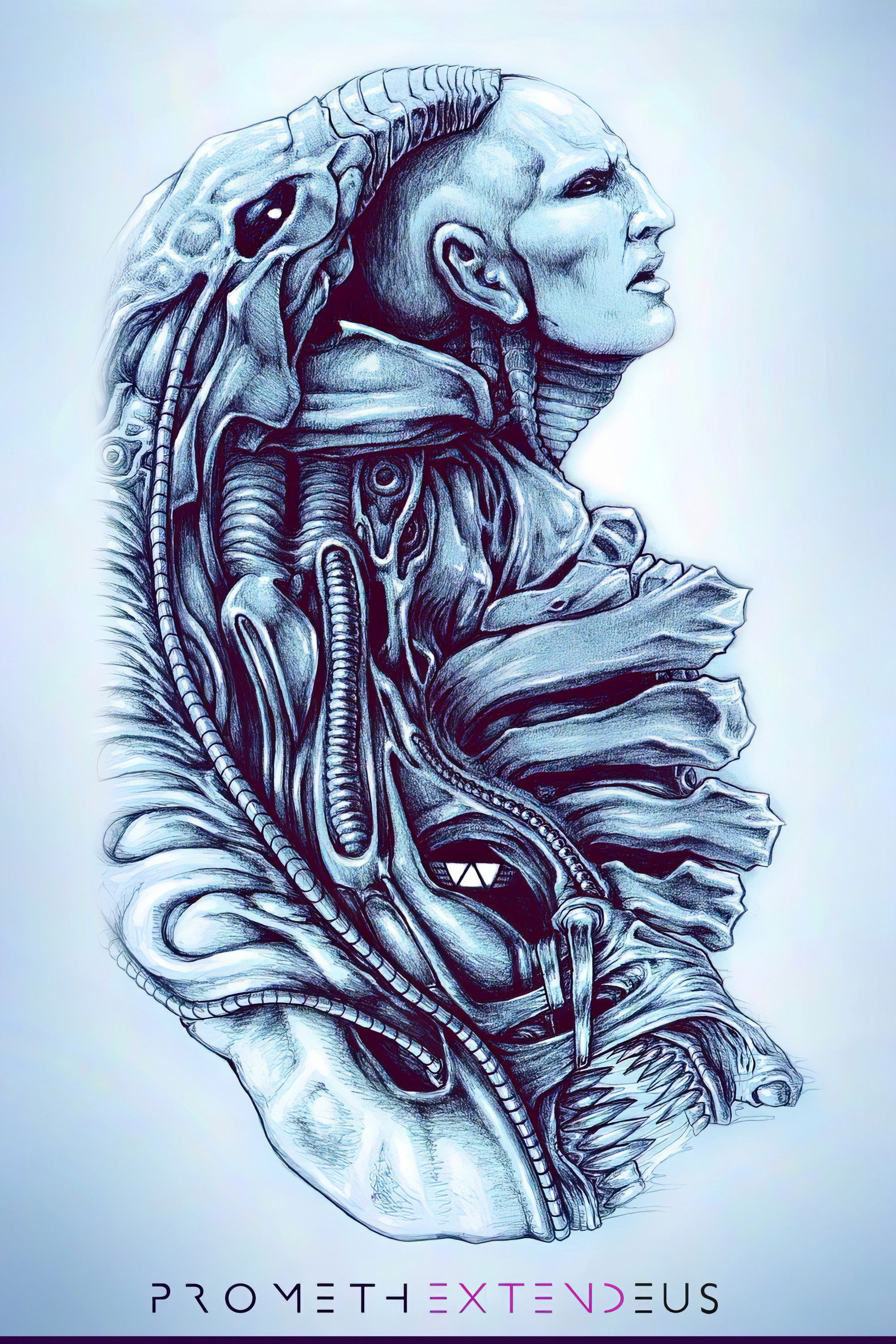
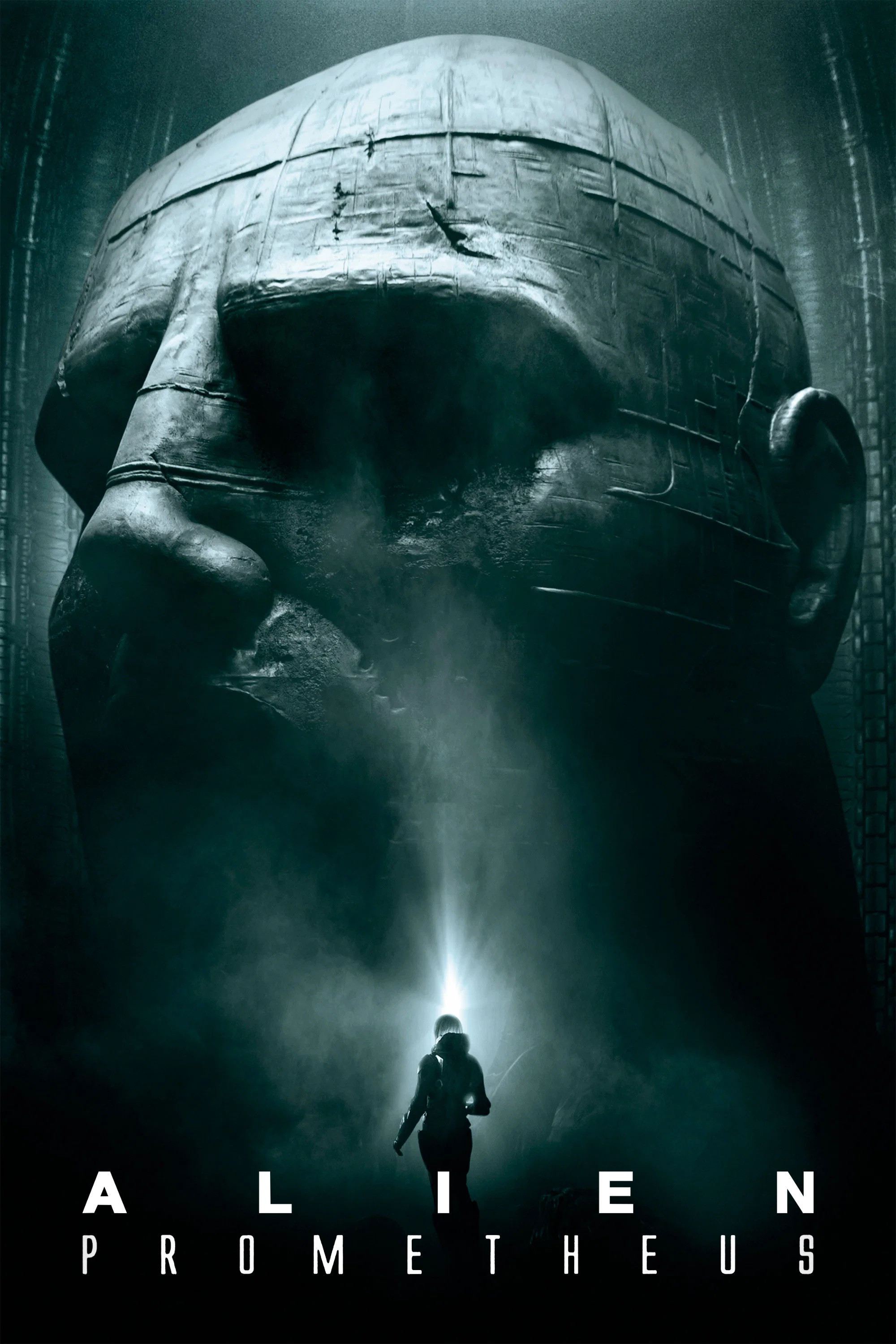
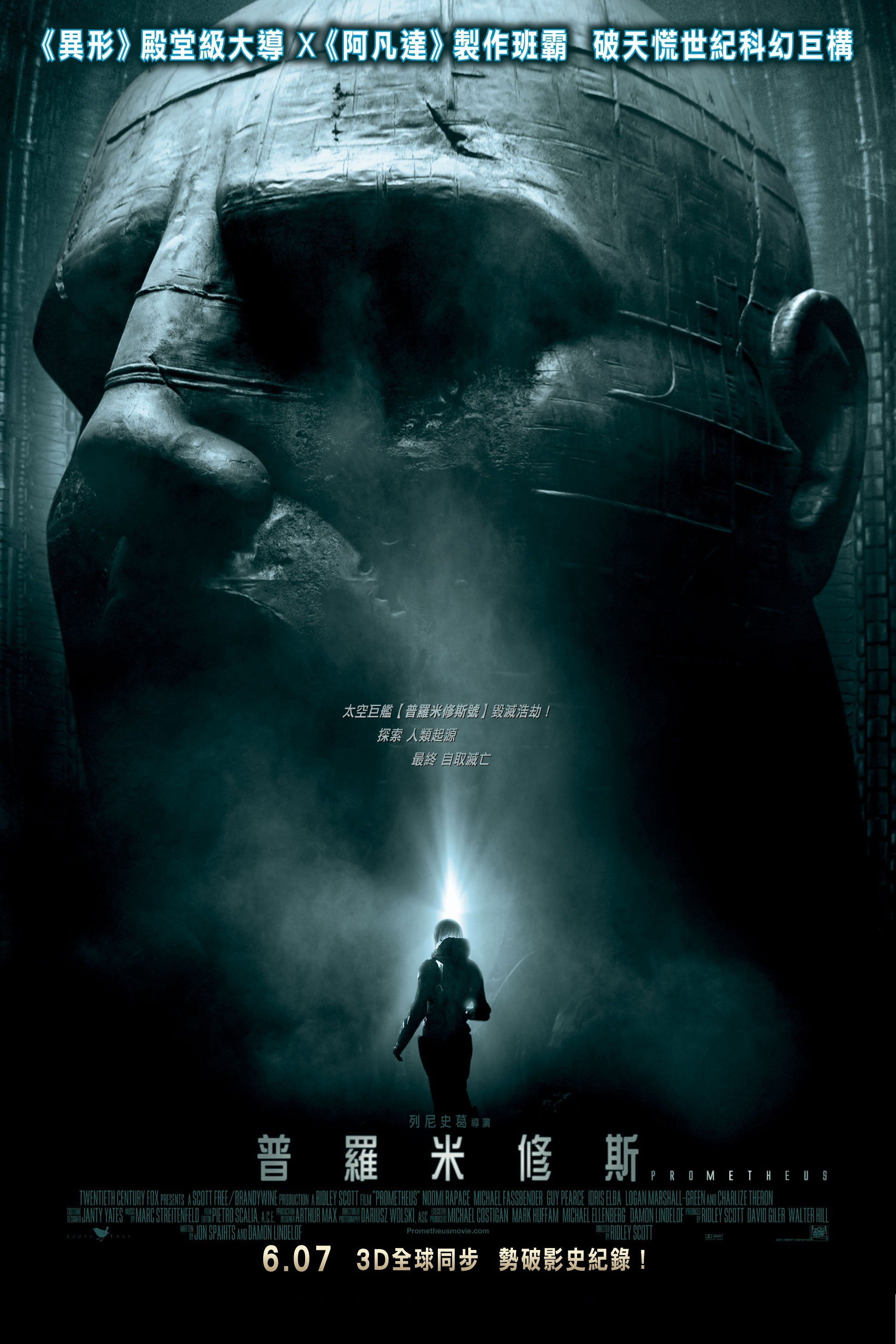
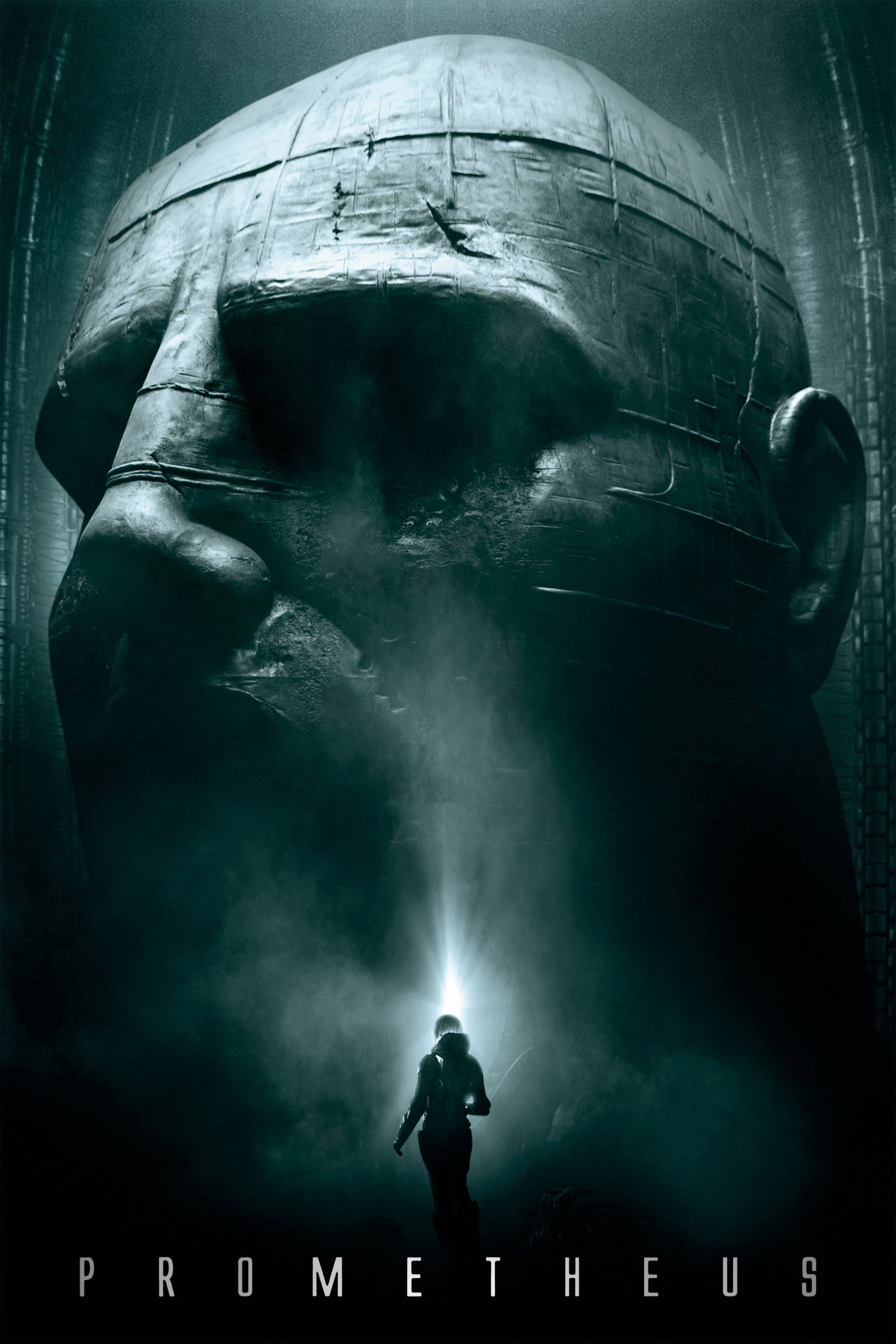
Dune Entertainment
, 20th Century Studios
, Brandywine Productions
, Scott Free Productions
Plot
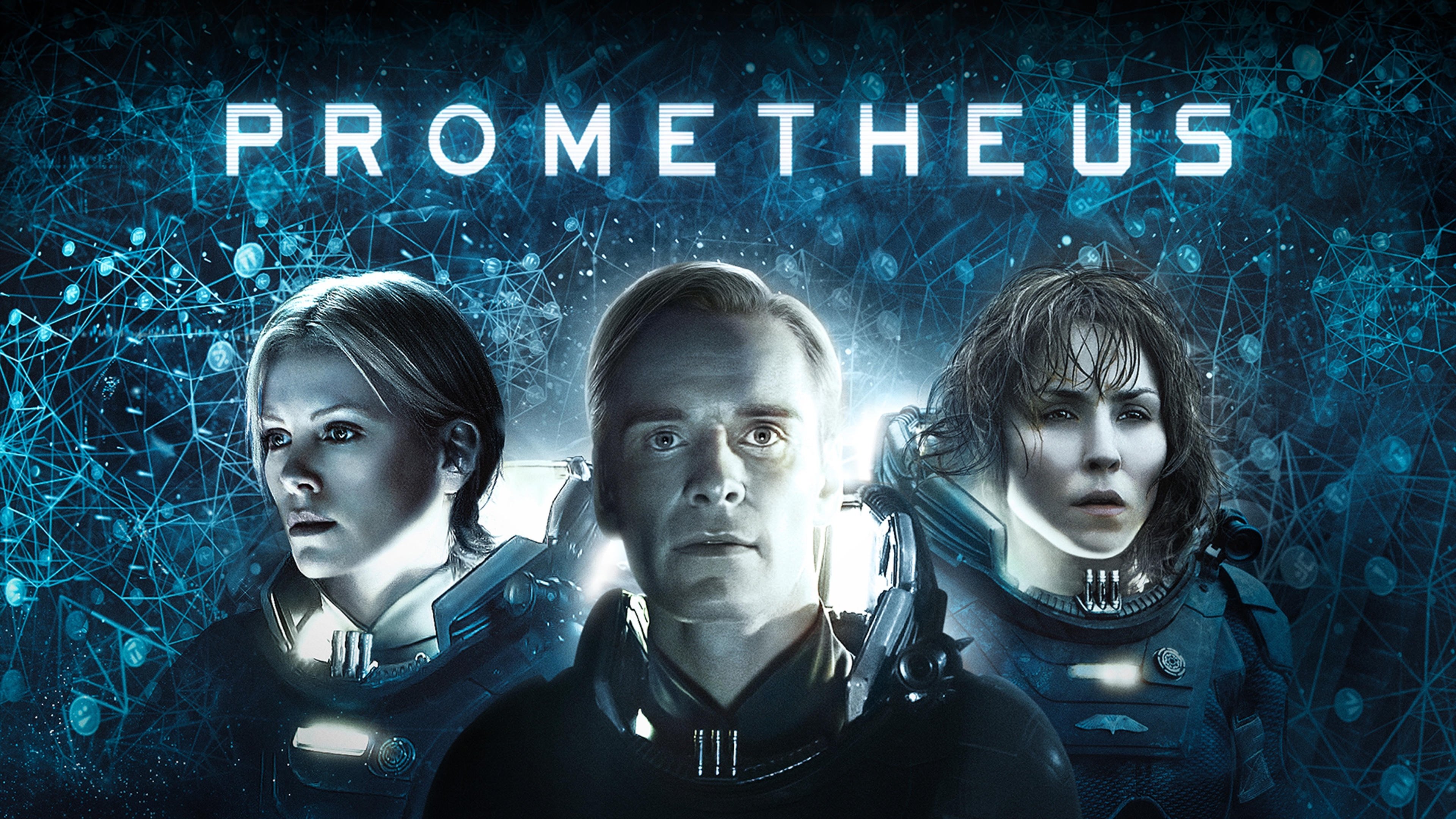
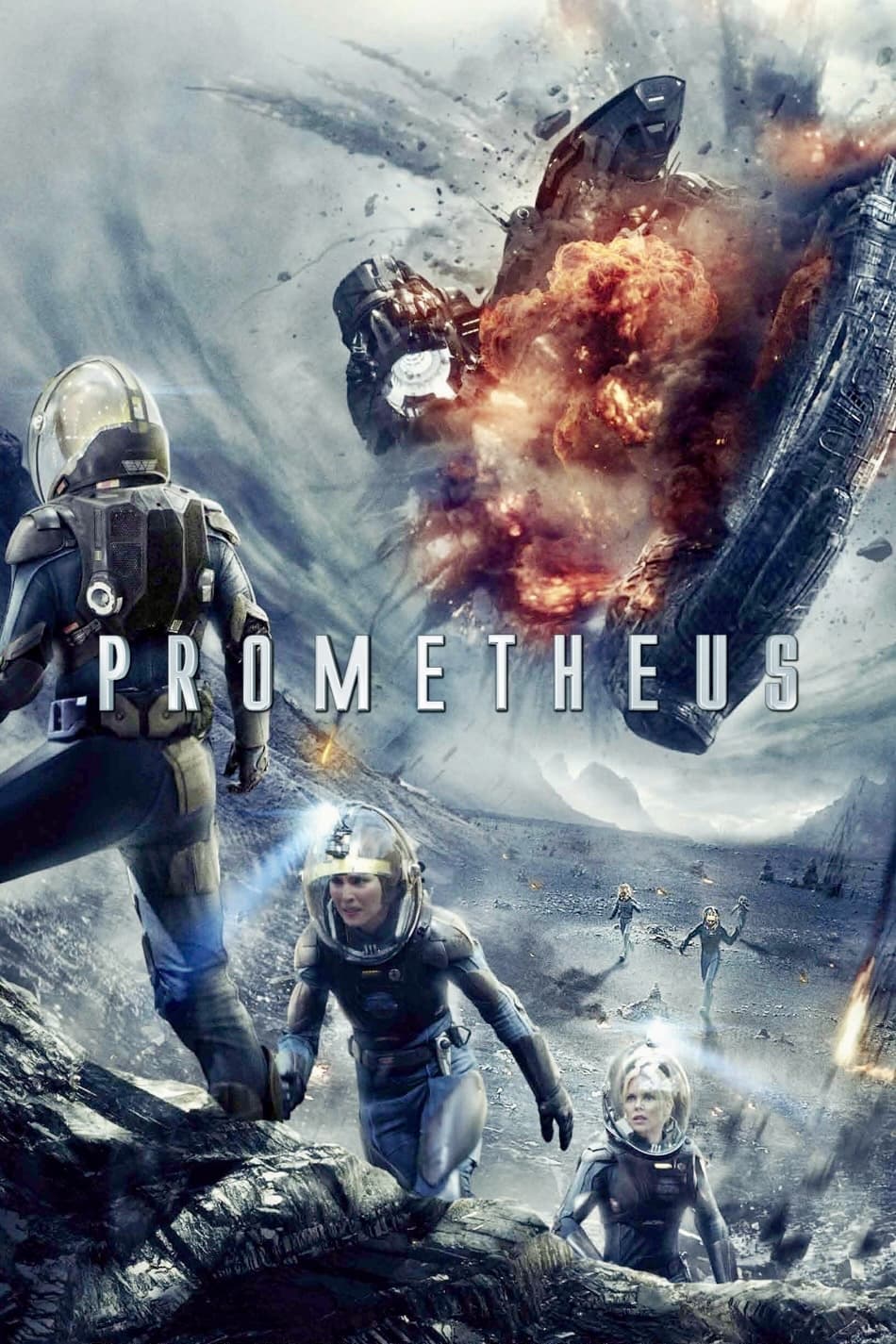
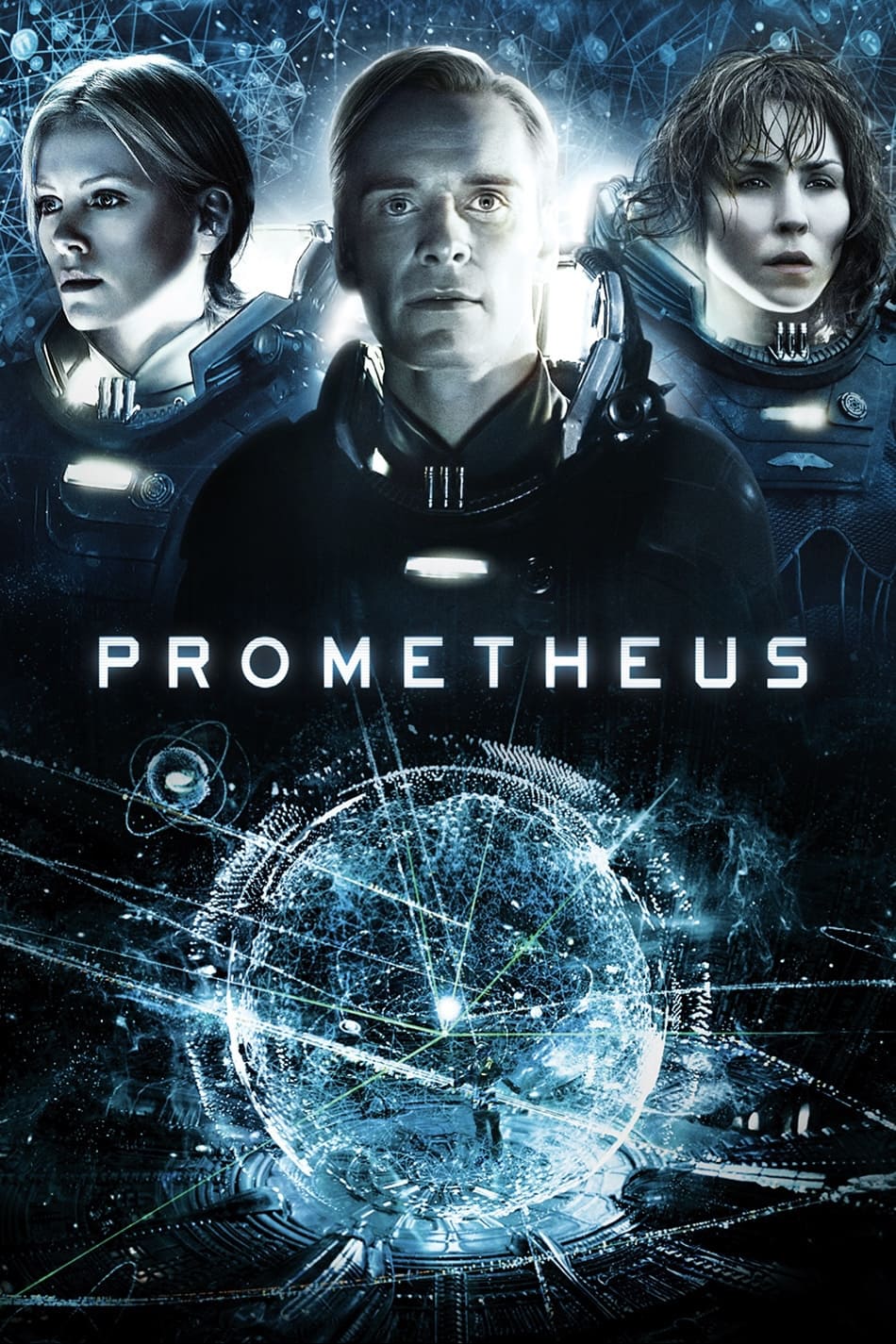
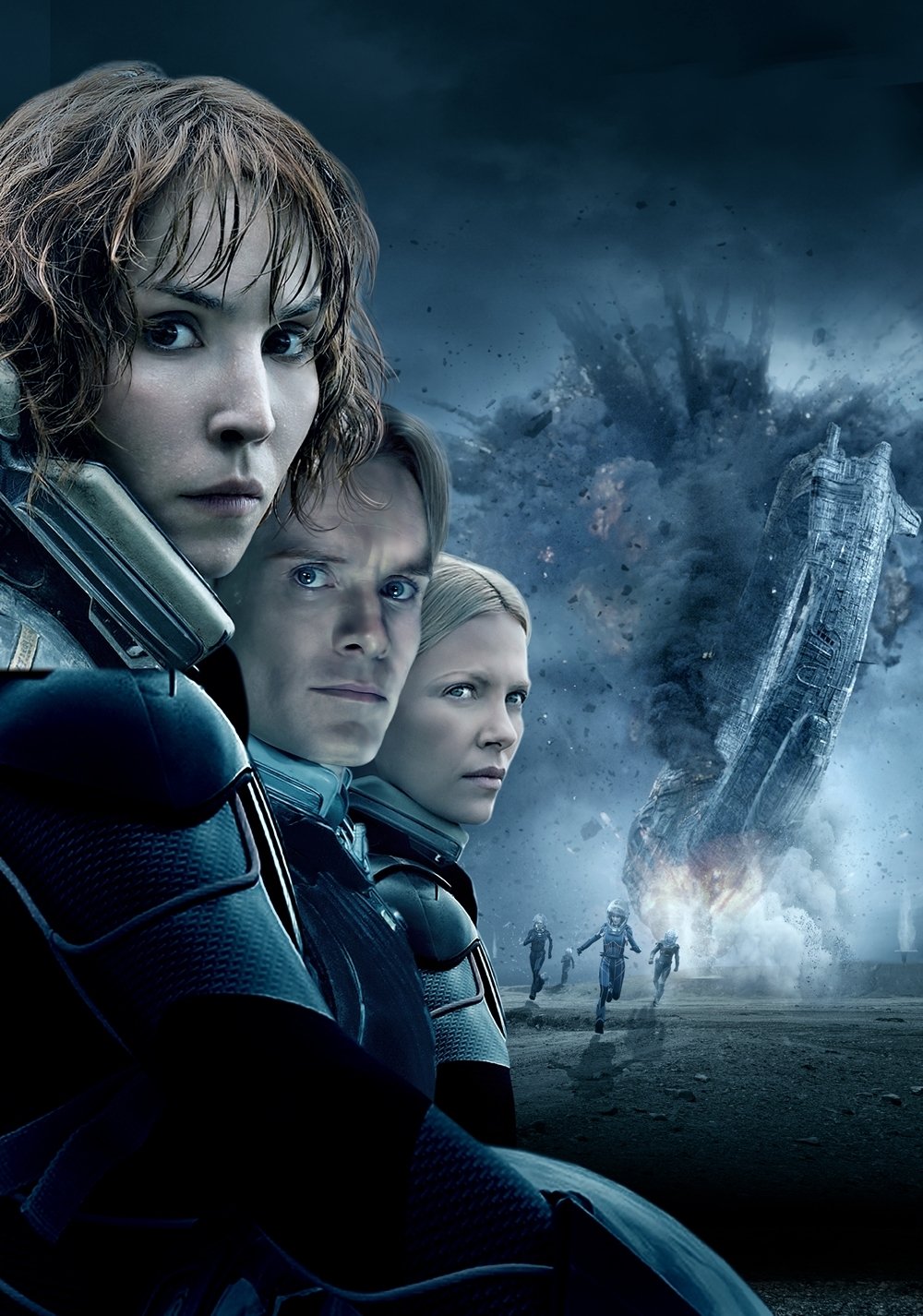
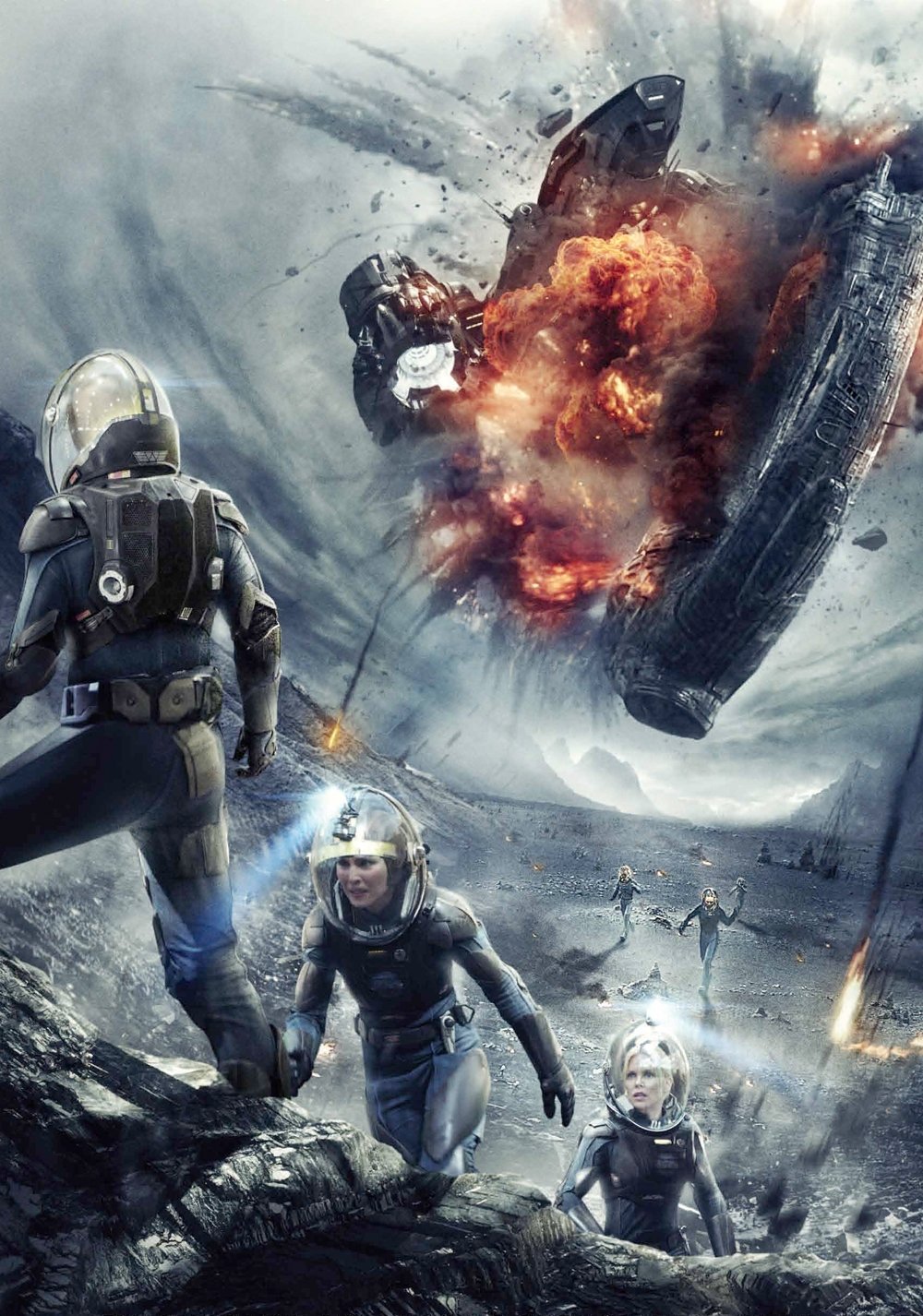
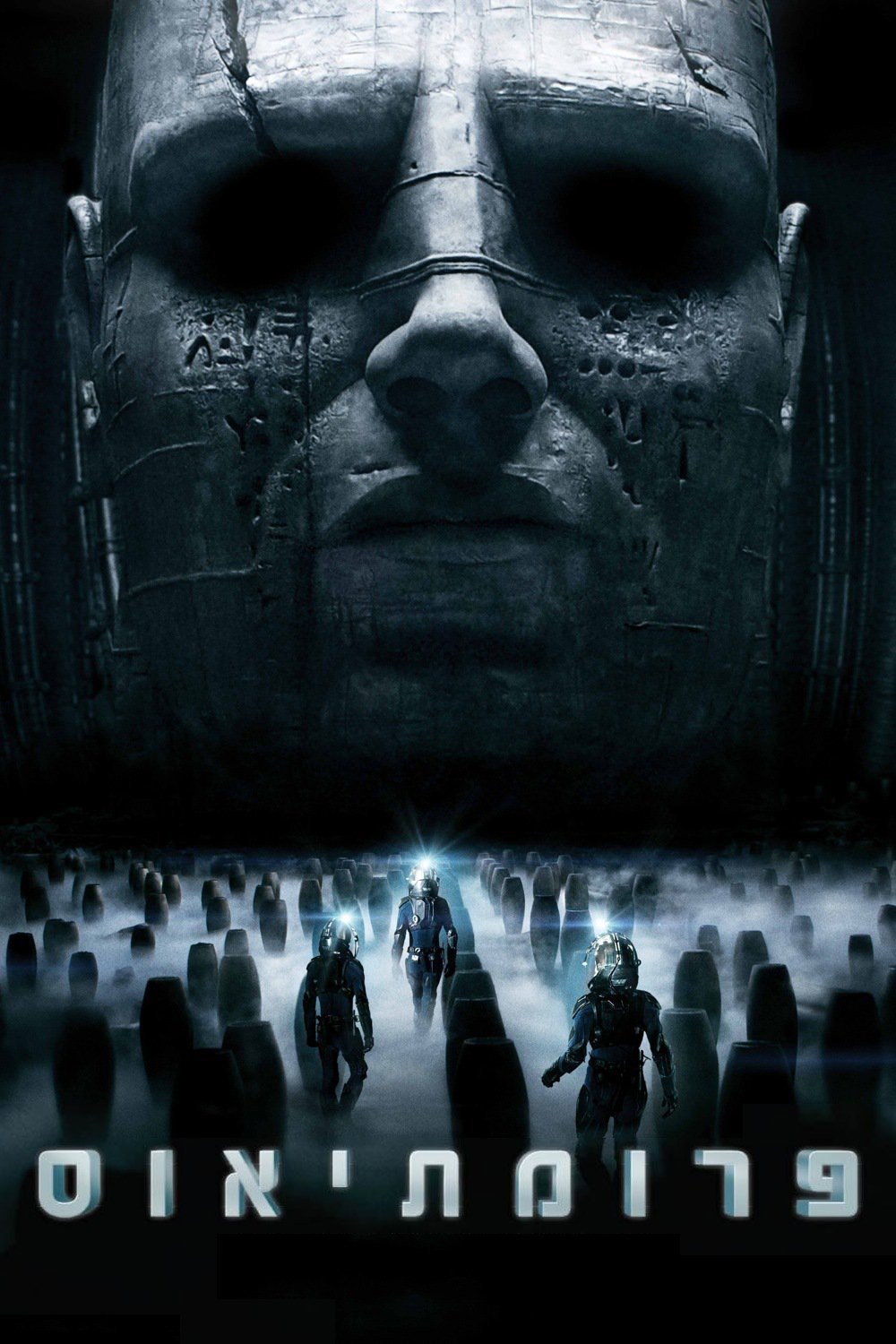
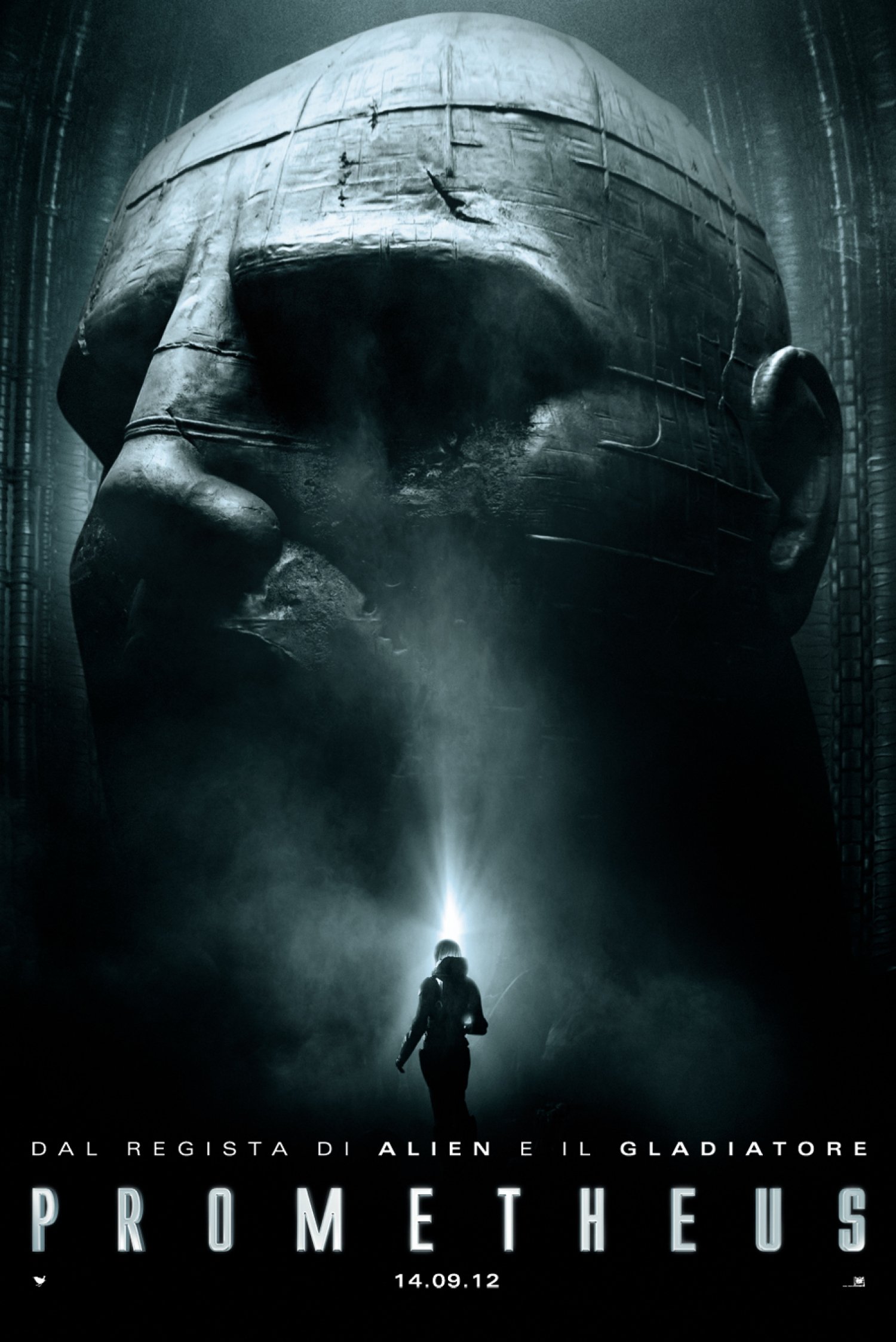
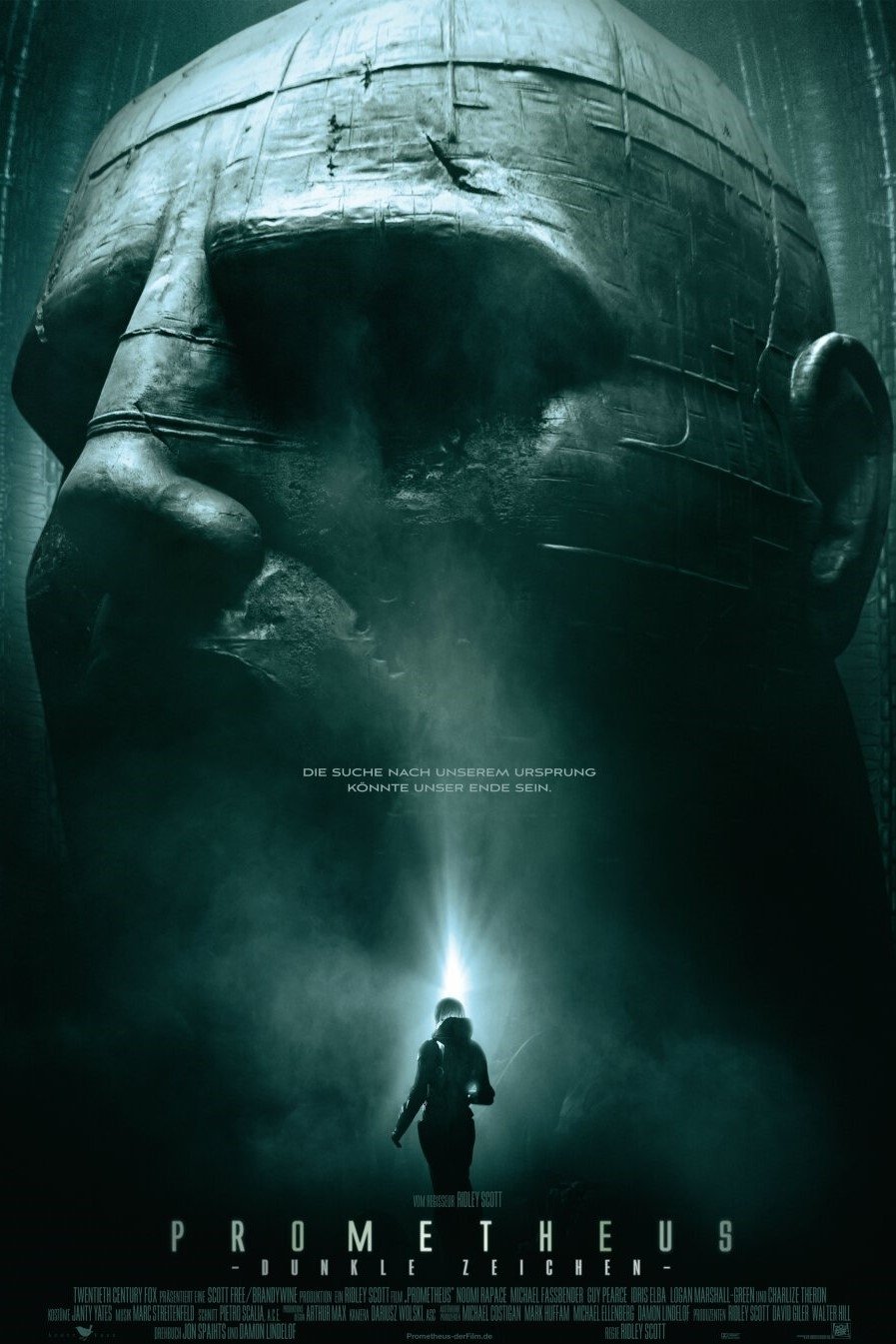
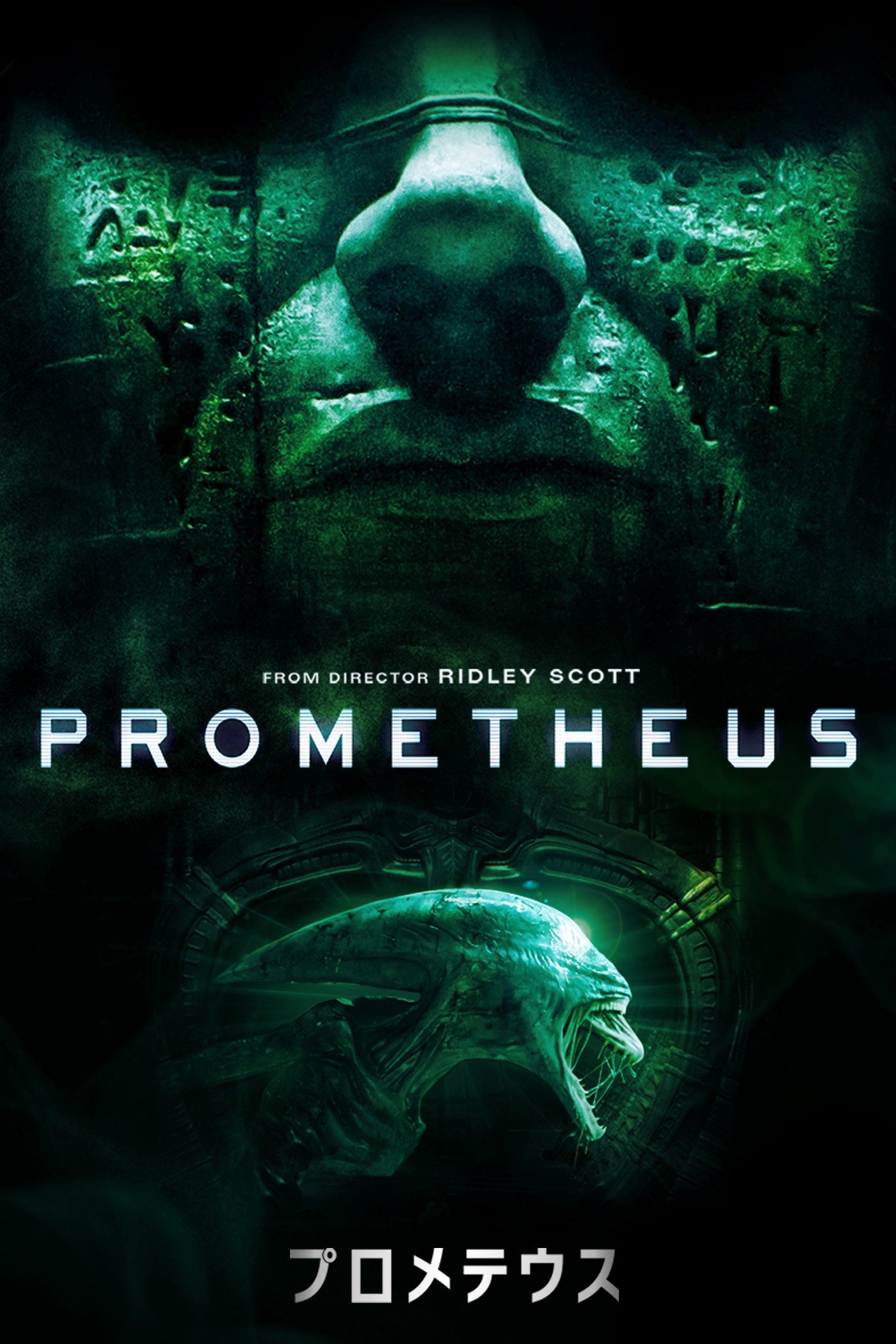
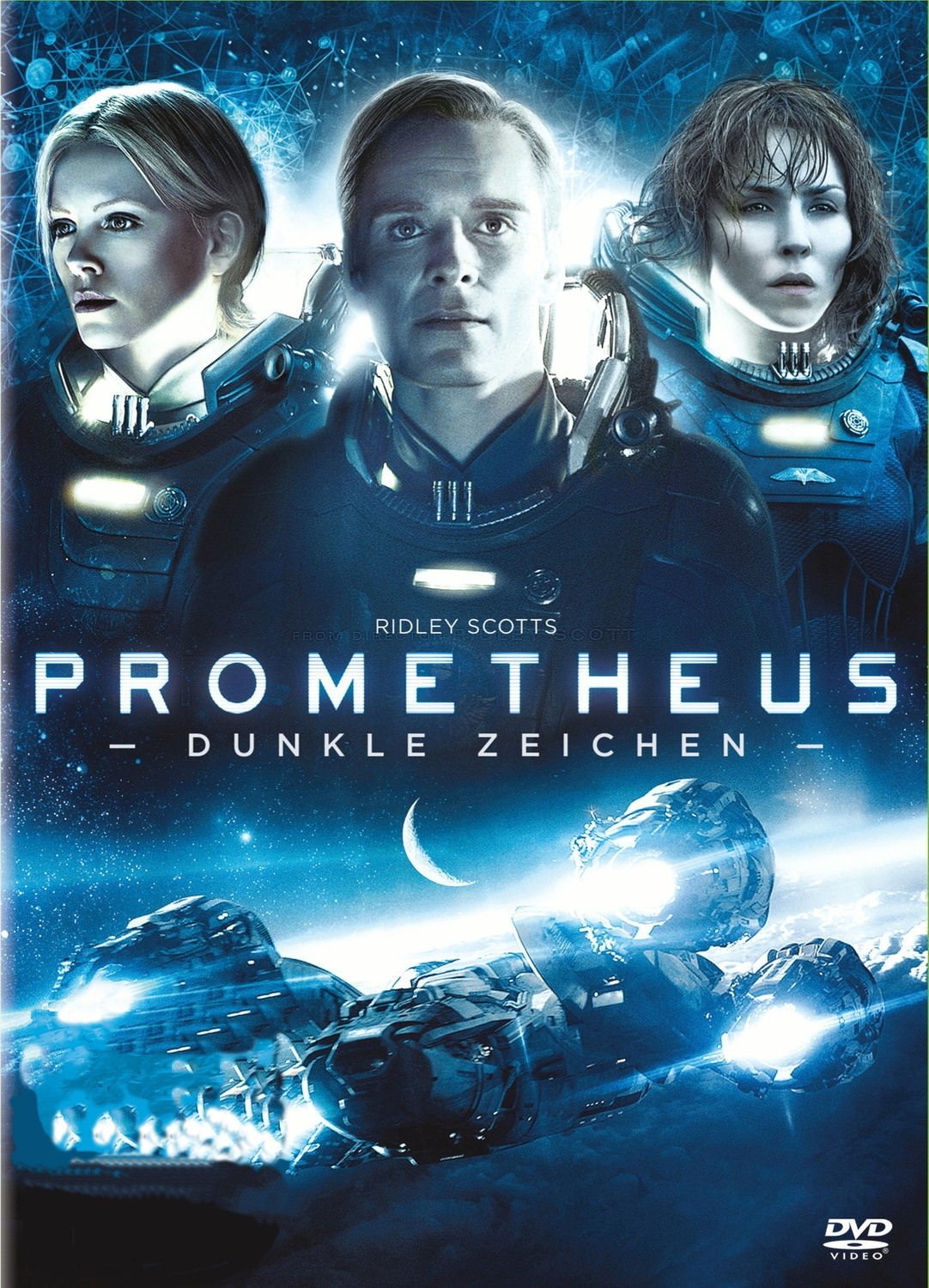
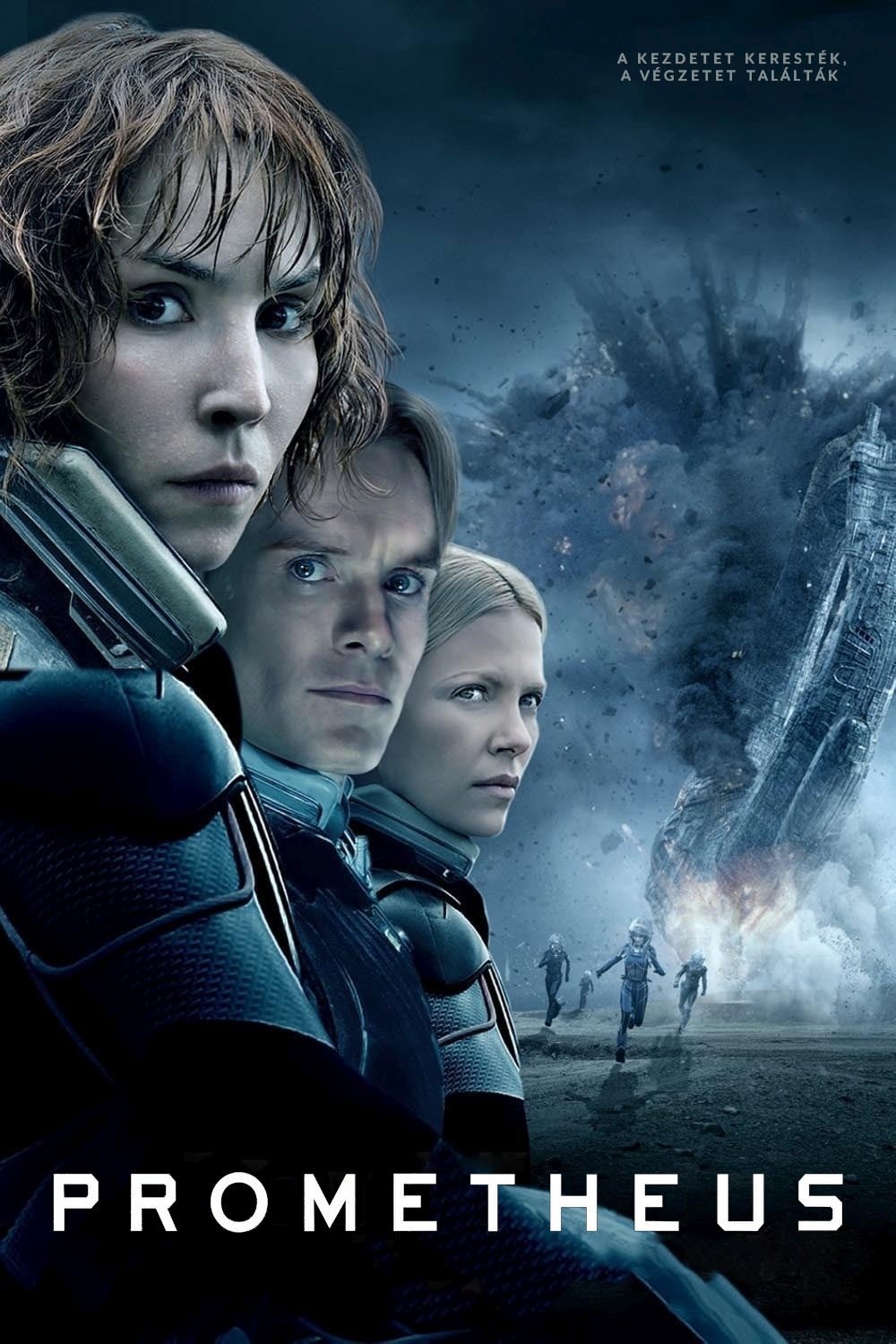
Archaeologists Elizabeth Shaw and Charlie Holloway discover matching star patterns in ancient human cultures and interpret them as an invitation from beings who may have influenced humanity's origins. A privately financed expedition travels aboard the spacecraft Prometheus to a distant moon, where its scientists investigate vast artificial structures and evidence of a vanished civilization. With them is David, an advanced synthetic whose curiosity about the site's technology follows priorities the crew does not fully understand. The expedition's discoveries challenge its assumptions about creation and expose the visitors to biological material that threatens their lives, as Shaw attempts to discover what happened to the beings they came to meet.
Alternative Titles
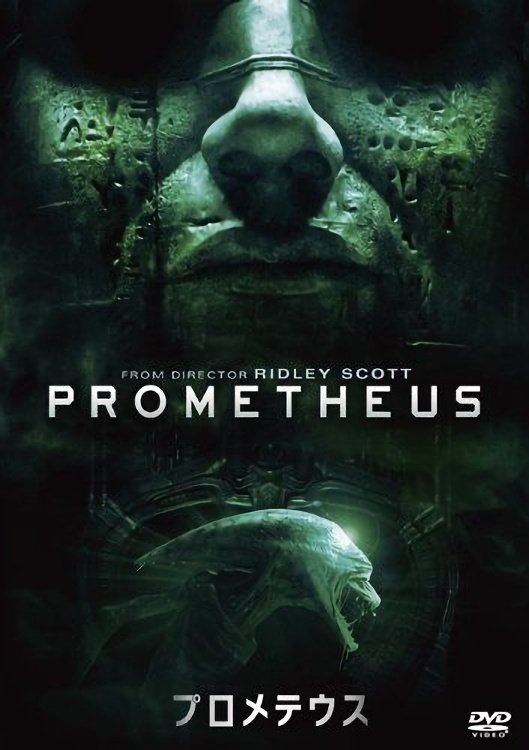
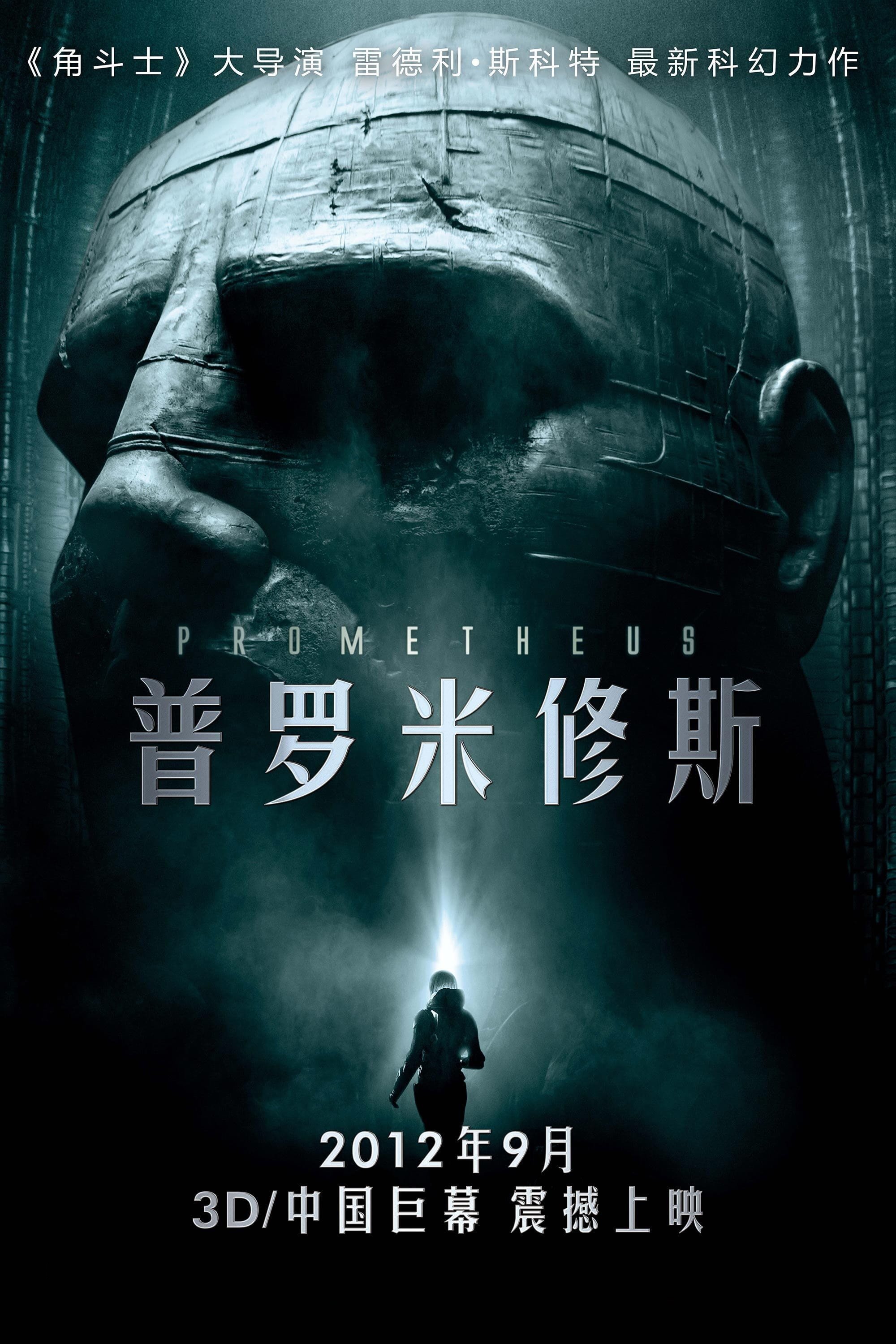
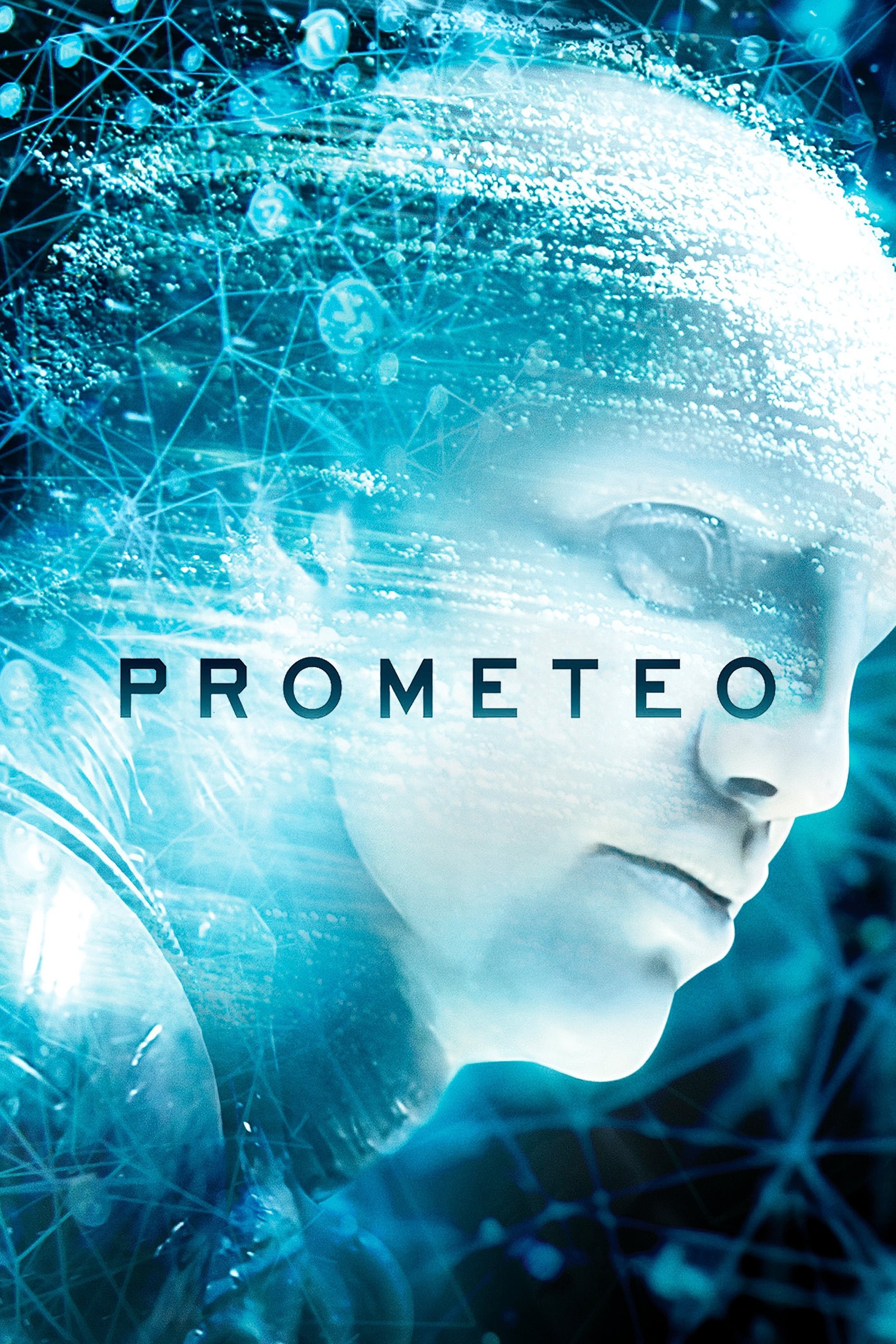
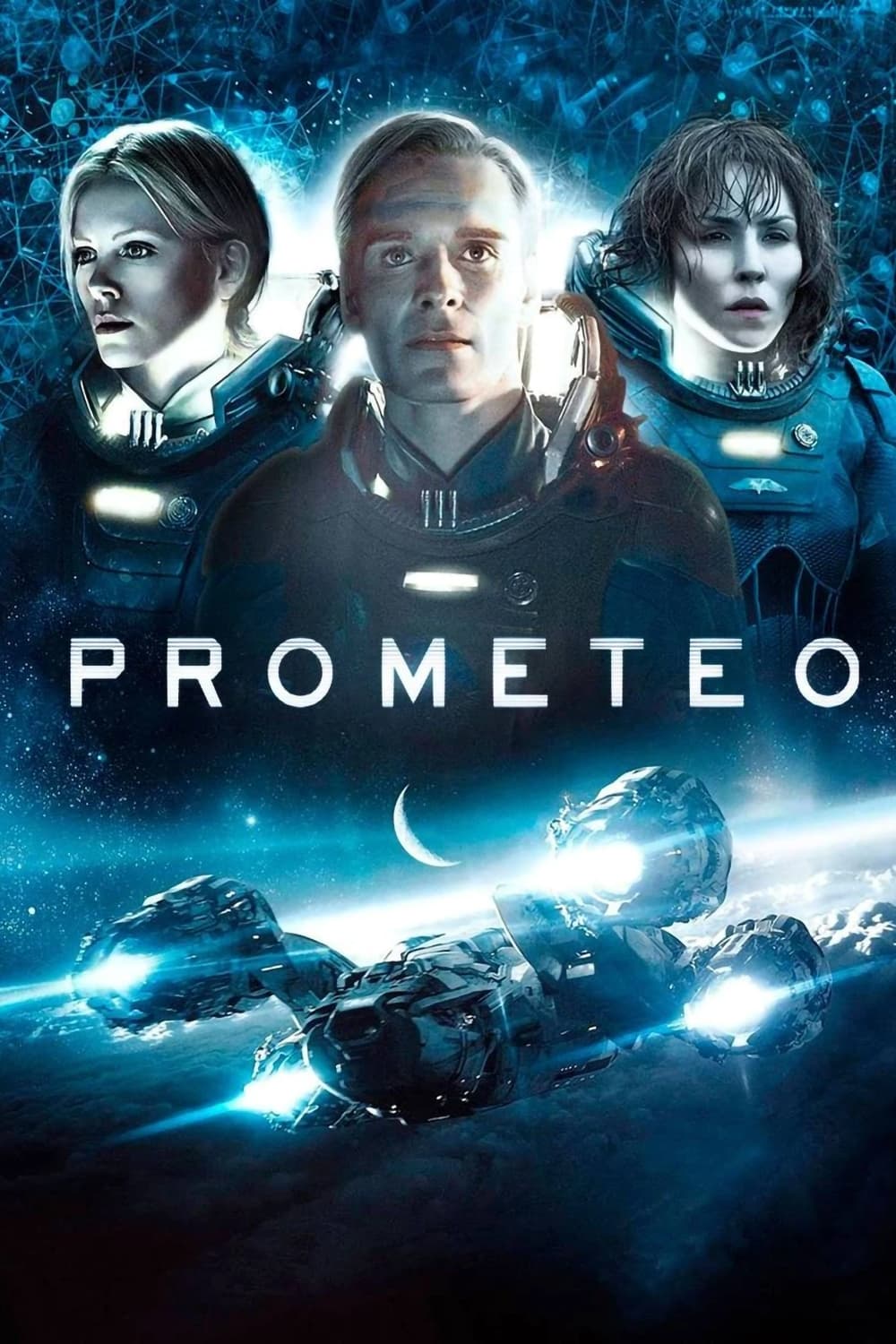
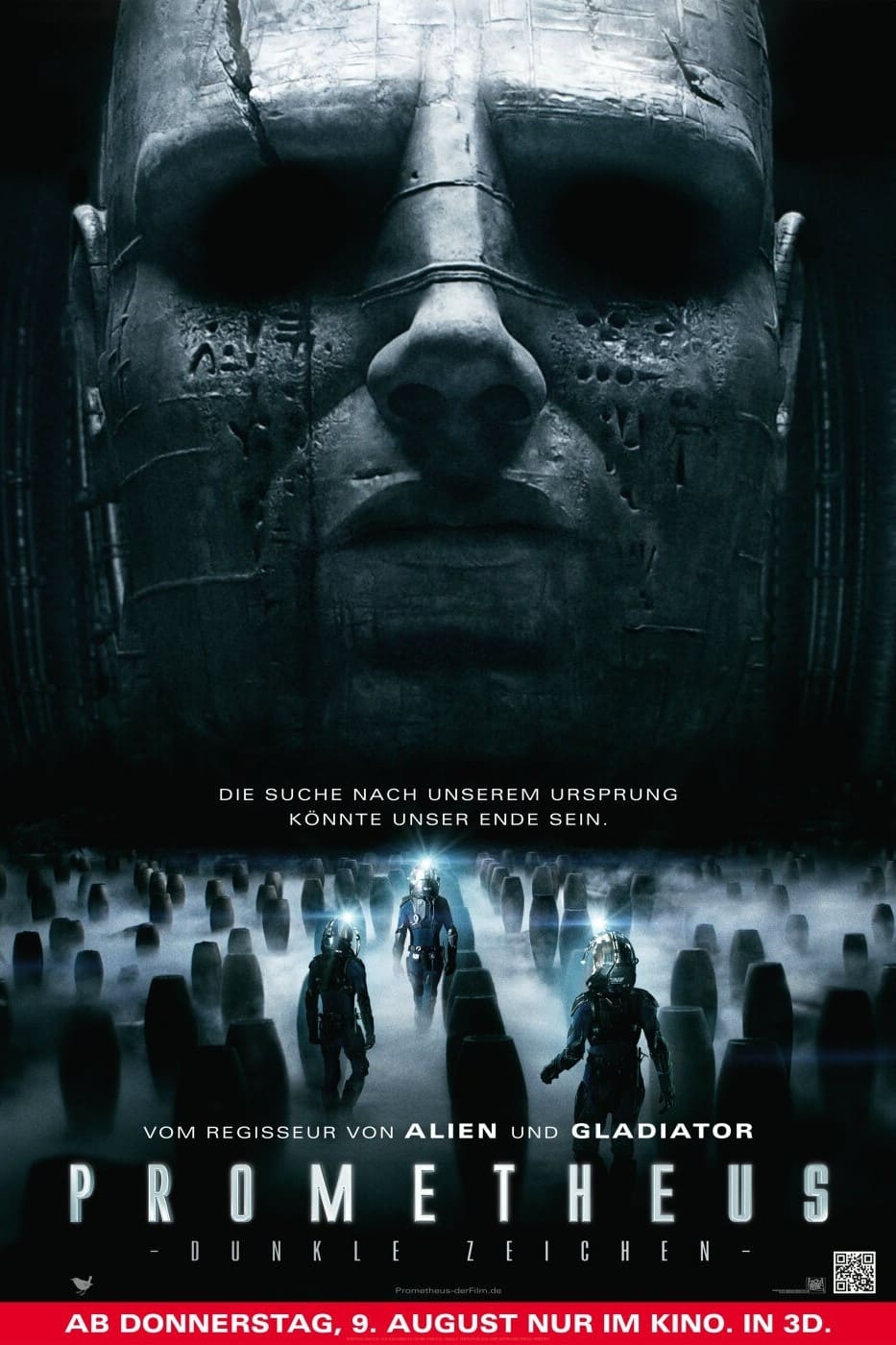
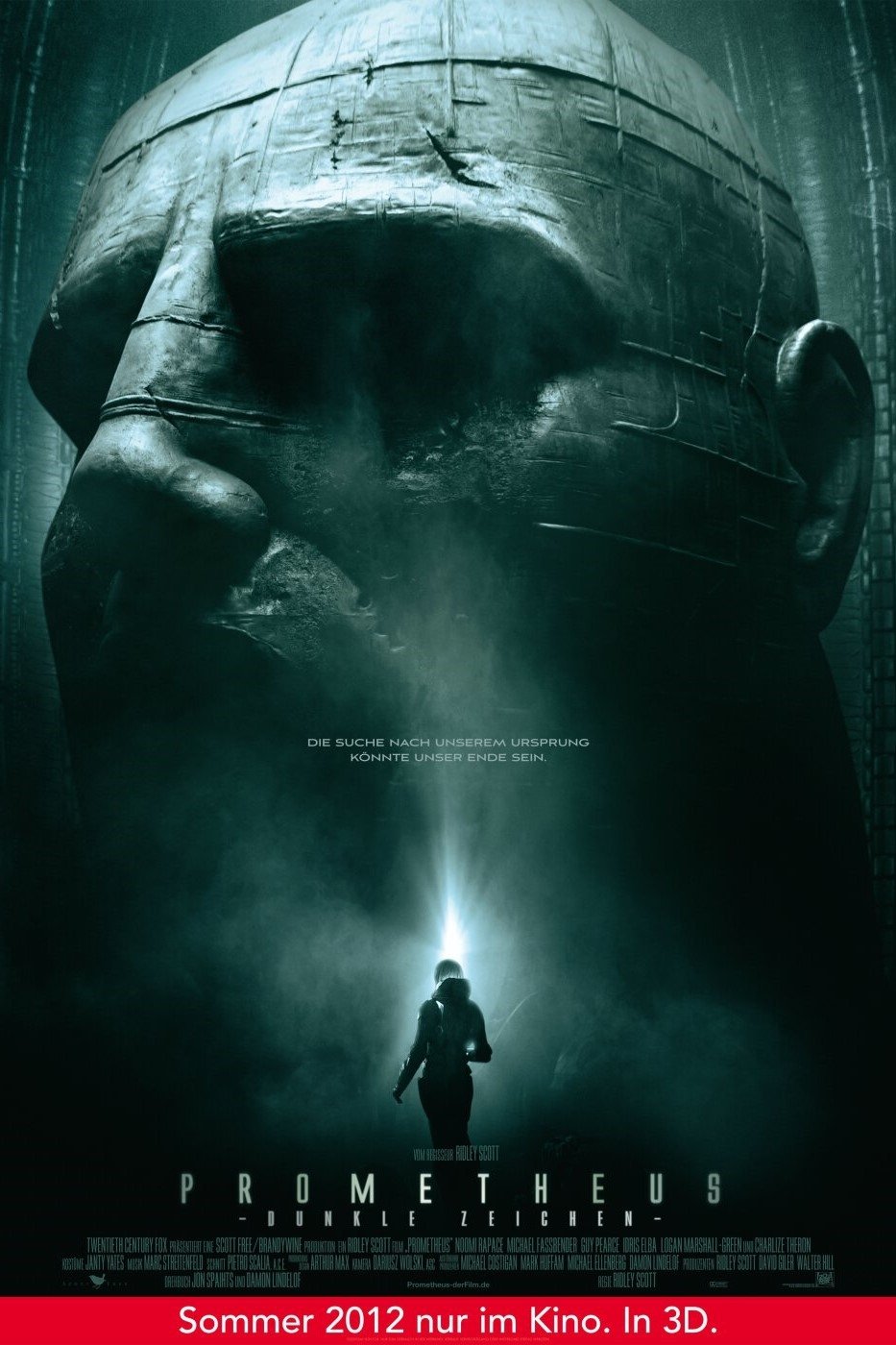
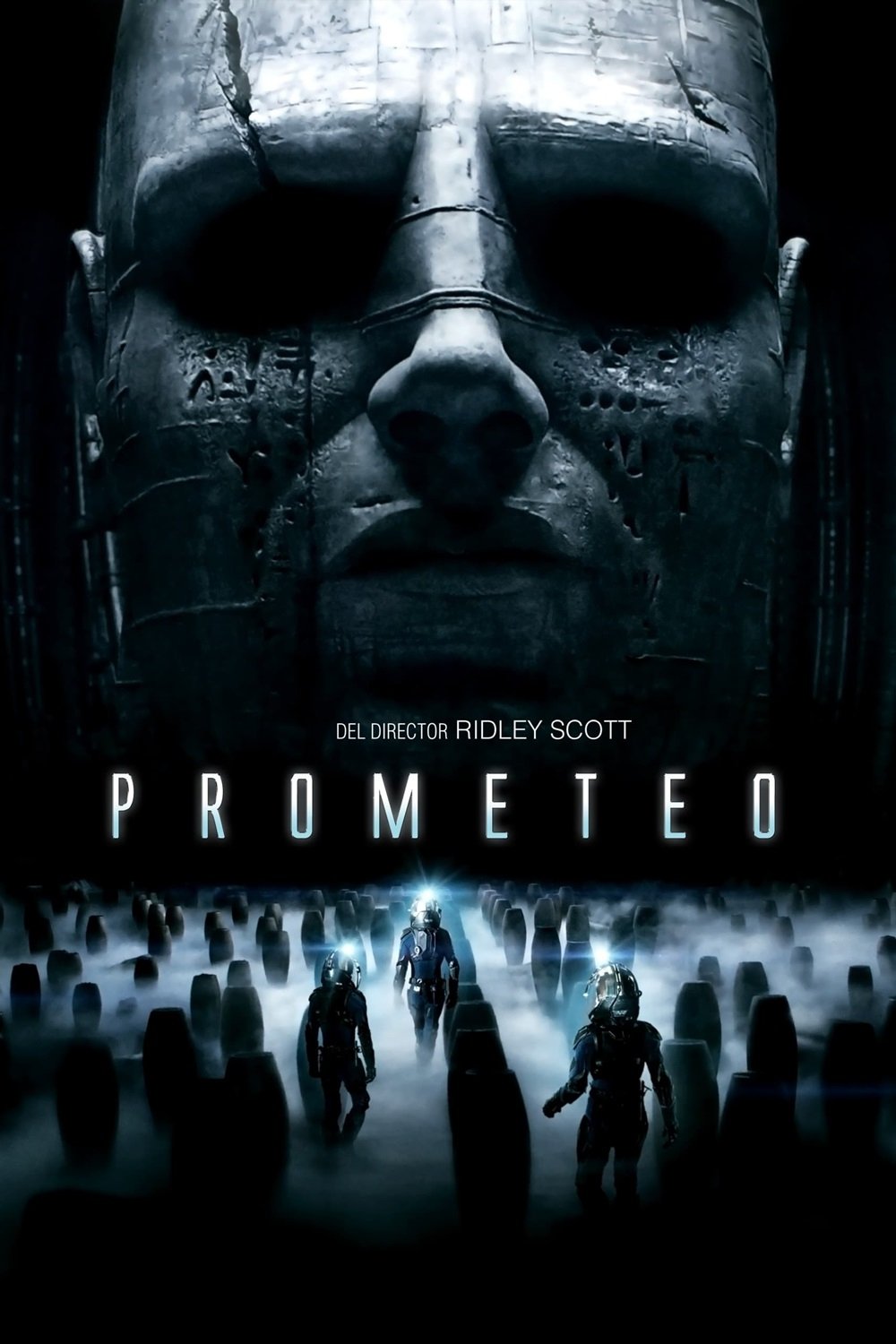
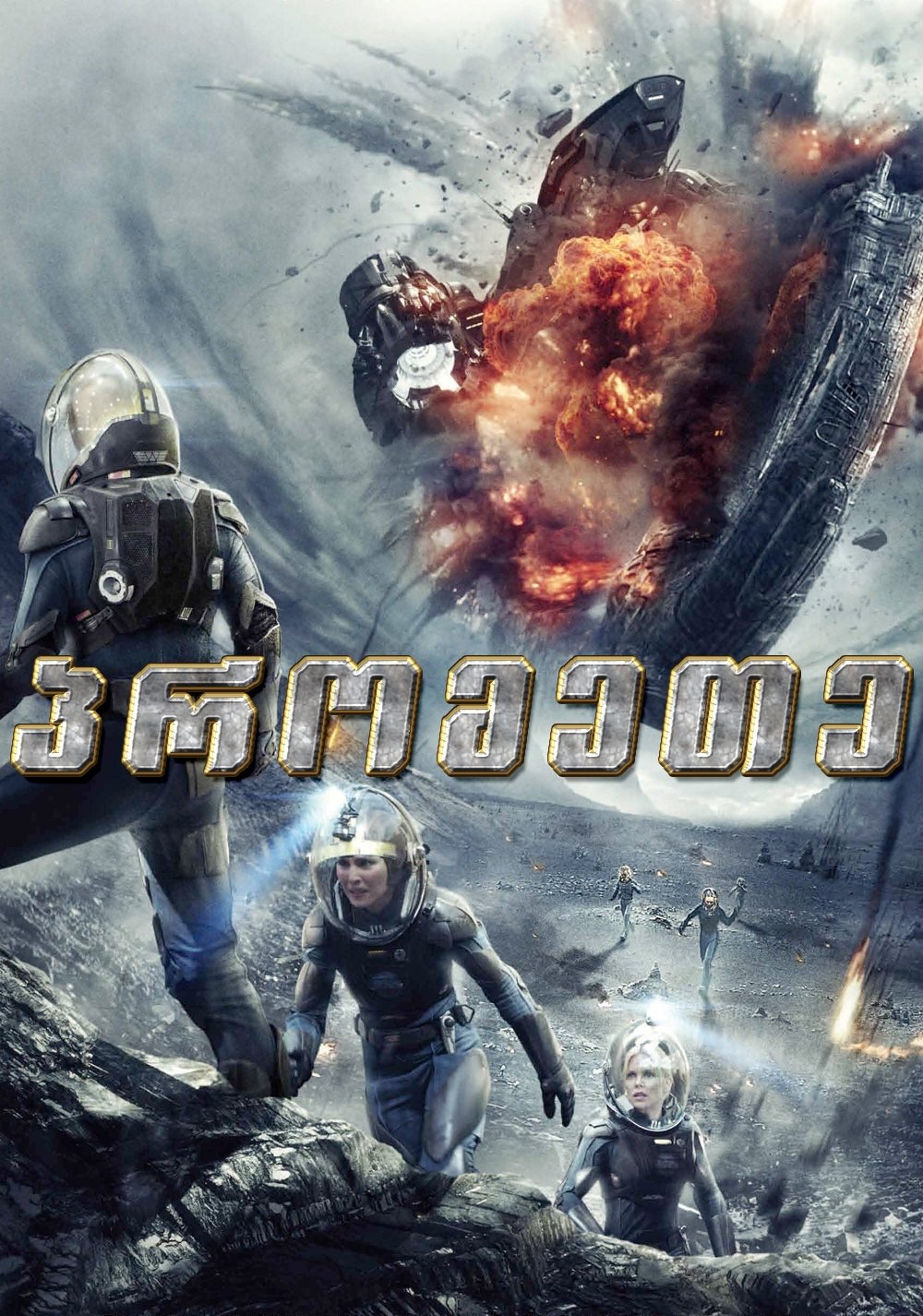
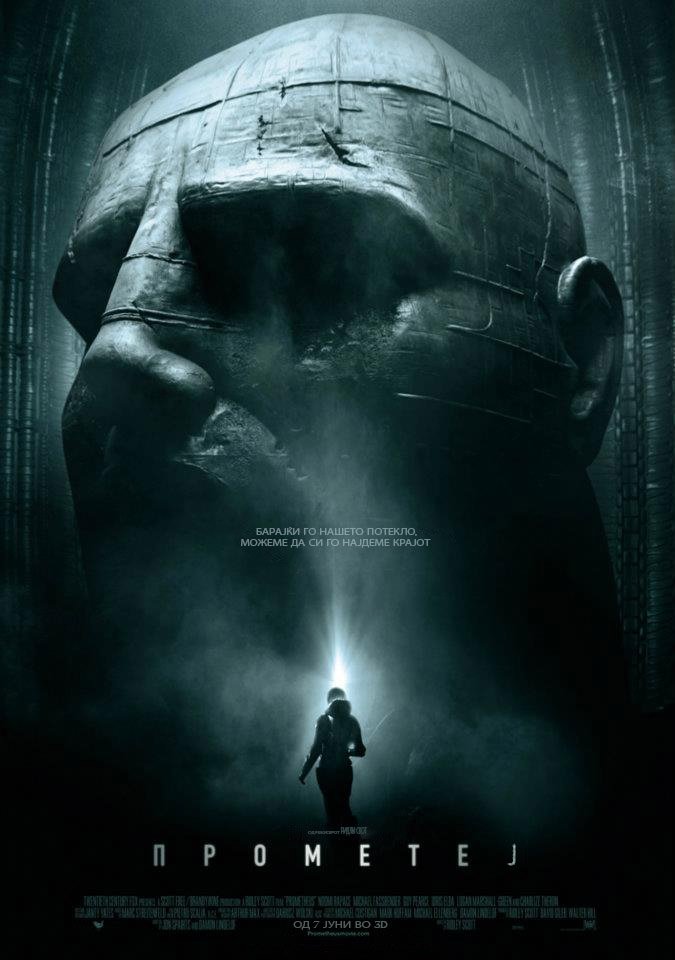
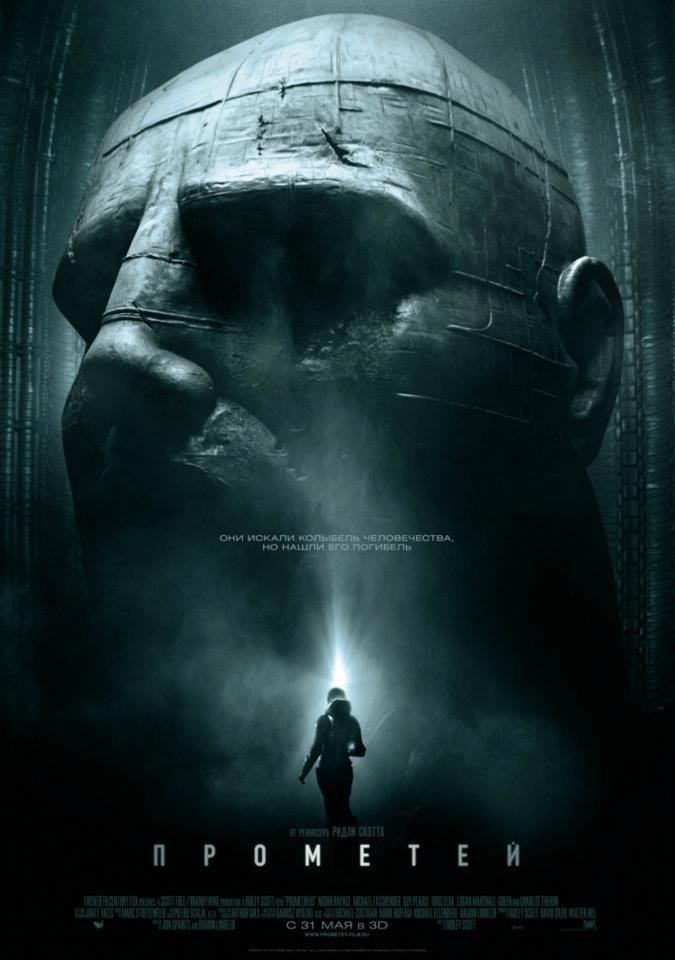
Prometeo (Argentina) Prometey (Azerbaijan) Прометей (Bulgaria) — Bulgarian异形:普罗米修斯 (China) 普罗米修斯 (China) — Chinese普羅米修斯 (China) 異形 (China) 異形:普羅米修斯 (China) Show all 36 alternative titlesPrometheus - Dunkle Zeichen (Germany) — Germanპრომეთე (Georgia) — GeorgianΠρομηθέας (Greece) — Greek普羅米修斯 (Hong Kong SAR China) — ChinesePrometej (Croatia) — Croatianהנוסע השמיני: פרומתיאוס (Israel) פרומתיאוס (Israel) — Hebrewبیگانه ۵ : پرومتئوس (Iran) — Persianプロメテウス (Japan) — Japanese프로메테우스 (South Korea) 프로메테우스-확장 (South Korea) Prometėjas (Lithuania) Prometejs (Latvia) — LatvianPrometeo (Mexico) — SpanishPrometeusz (Poland) Прометеј (Serbia) — SerbianПрометей (Russia) — Russianبروميثيوس (Saudi Arabia) — ArabicPrometej (Slovenia) — SlovenianPrometeo (El Salvador) โพรมีธีอุส (Thailand) — Thai普羅米修斯 (Taiwan) — ChineseПрометей (Ukraine) — UkrainianAlien: Prometheus (United States) — Working TitleParadise (United States) — Working TitlePrometheus 3D (United States) — 3D versionTomb of the Gods (United States) — Working TitleHành Trình Đến Hành Tinh Chết (Vietnam)
Ridley Scott revisits the Alien universe through an expedition to humanity's supposed creators, combining stereoscopic environments, corporate secrecy and invasive biological horror.
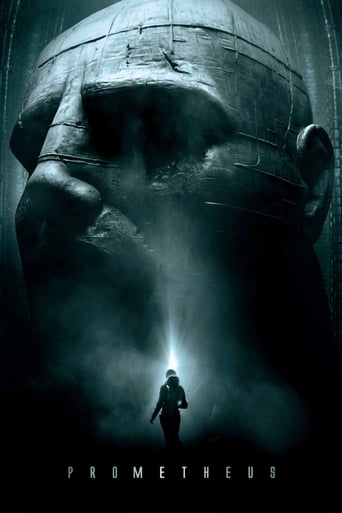
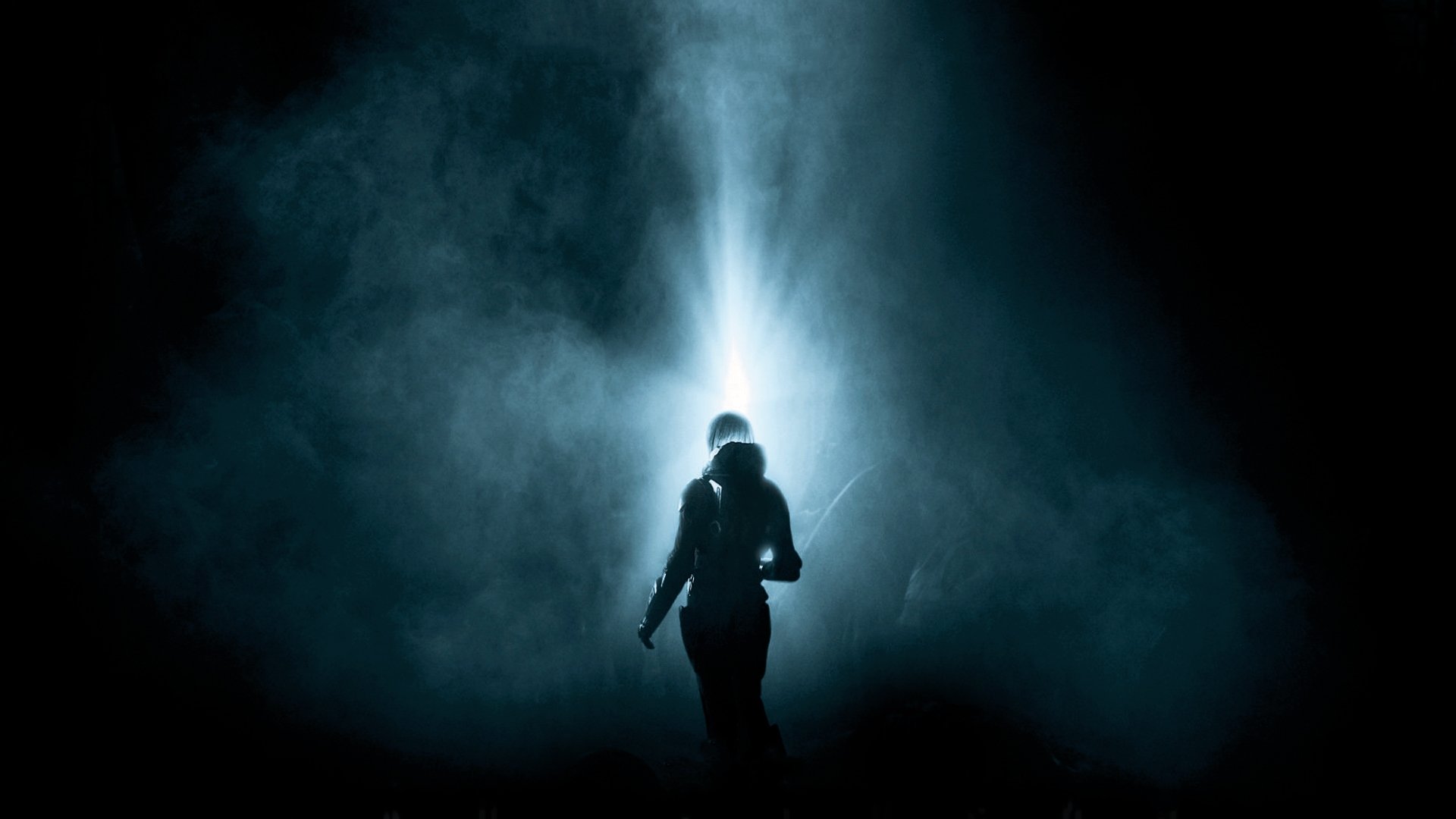
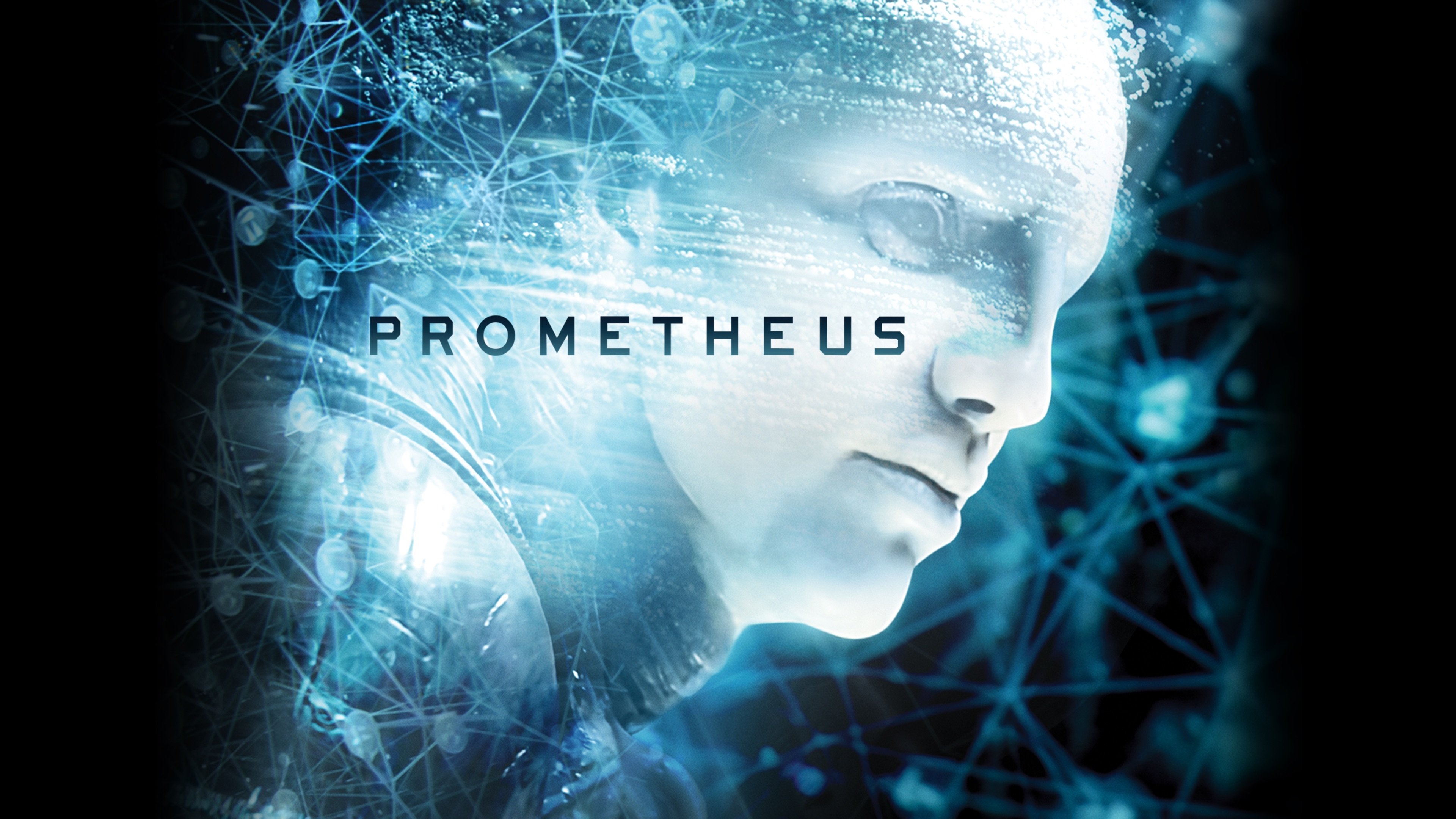
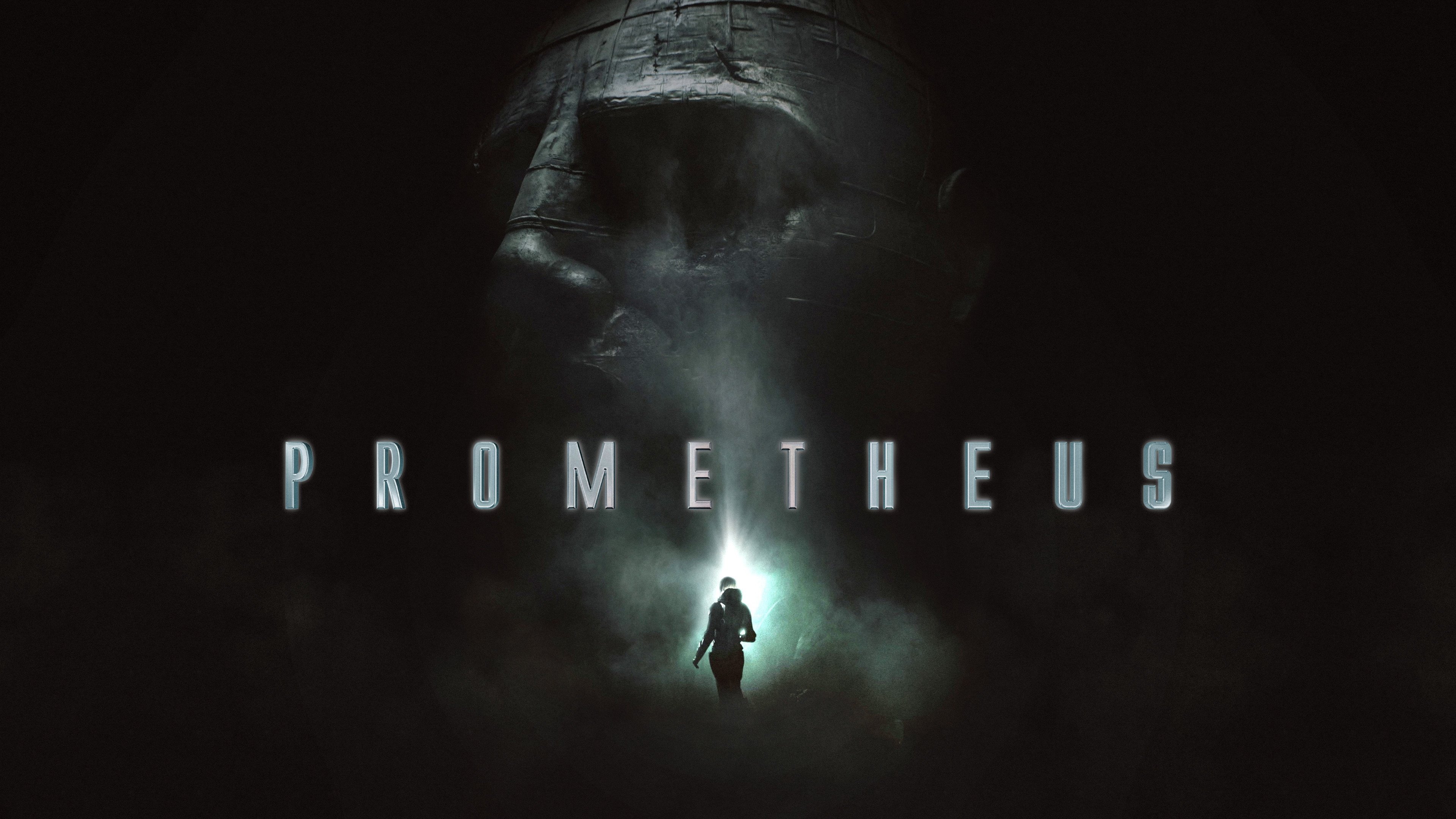
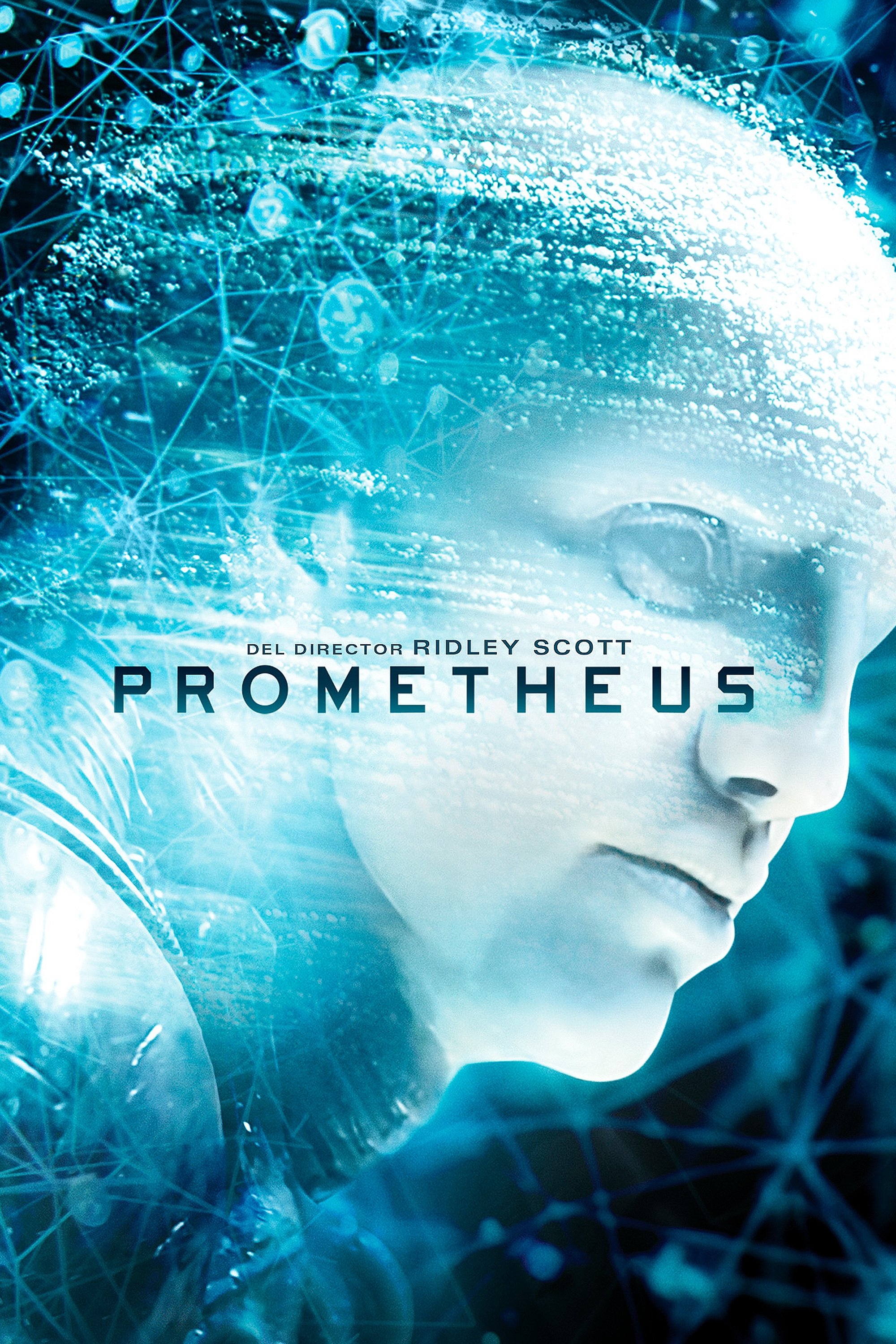
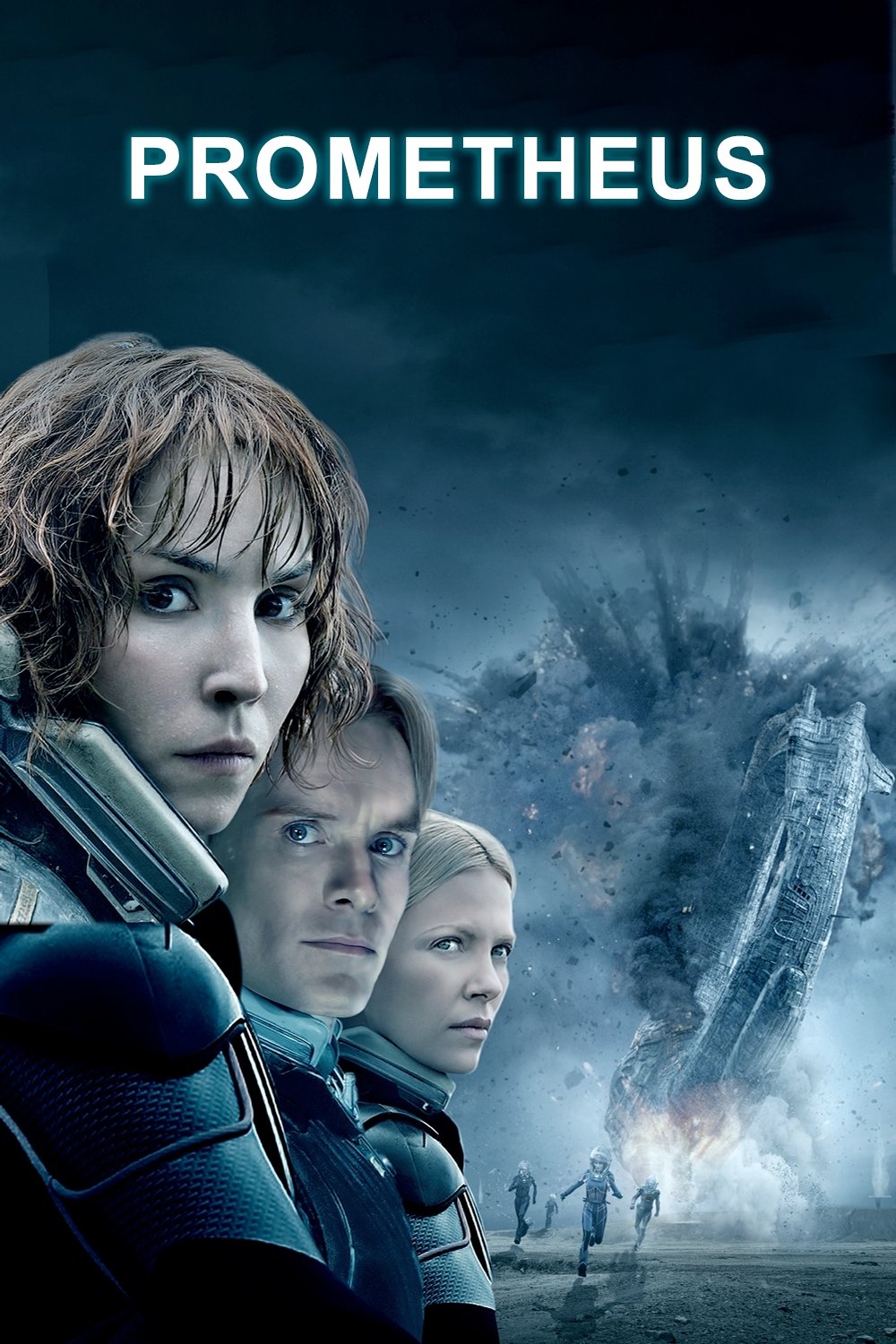
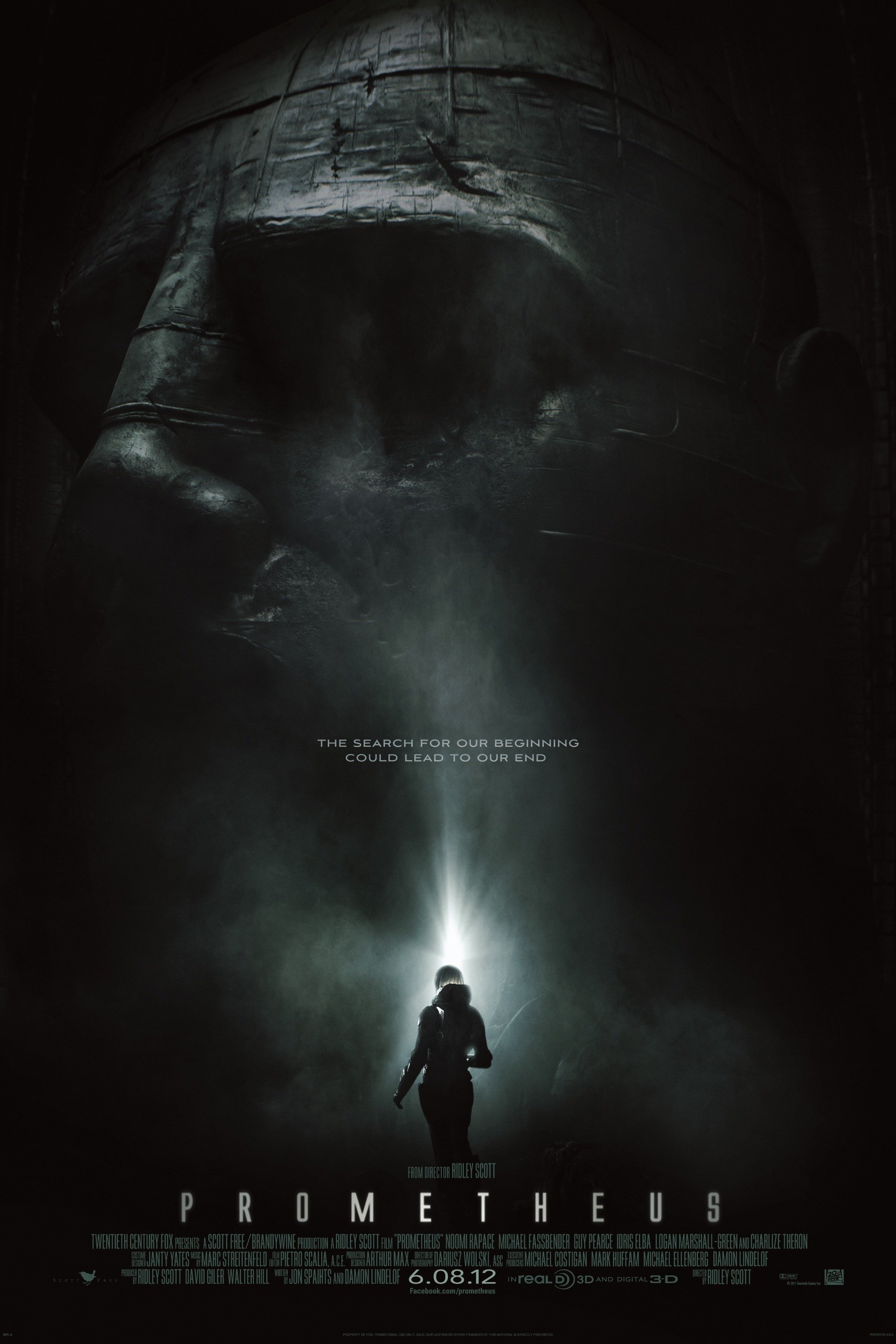
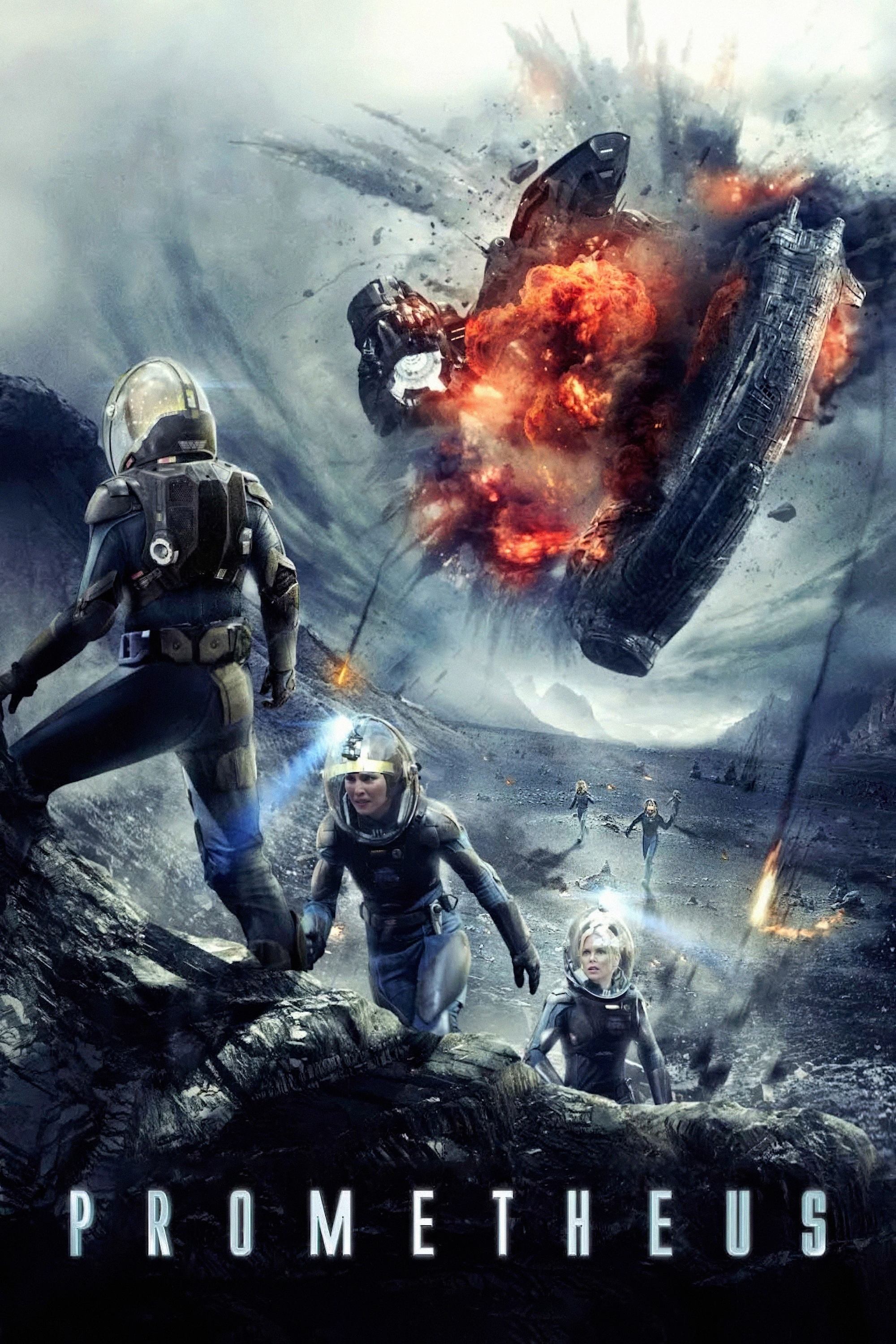
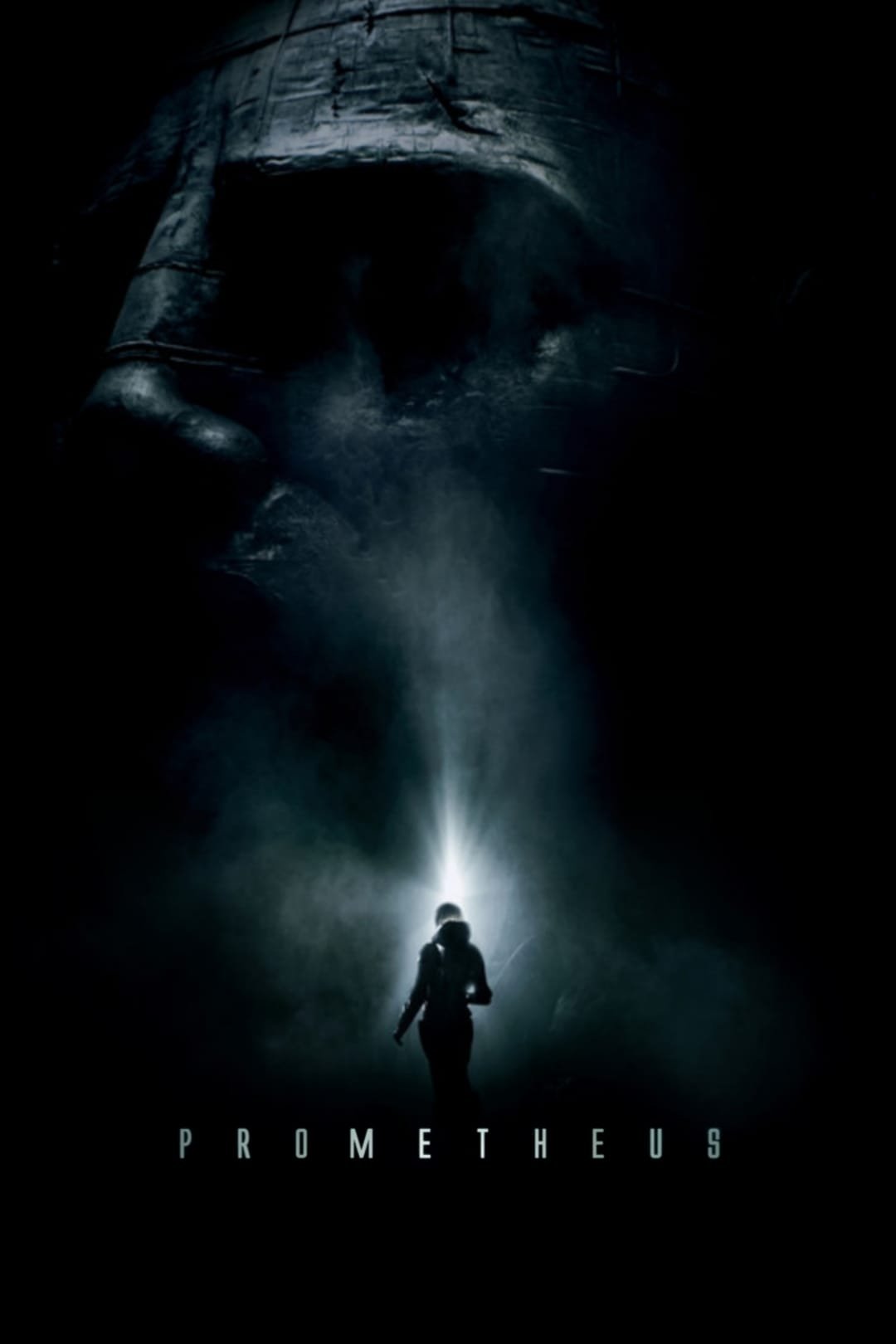
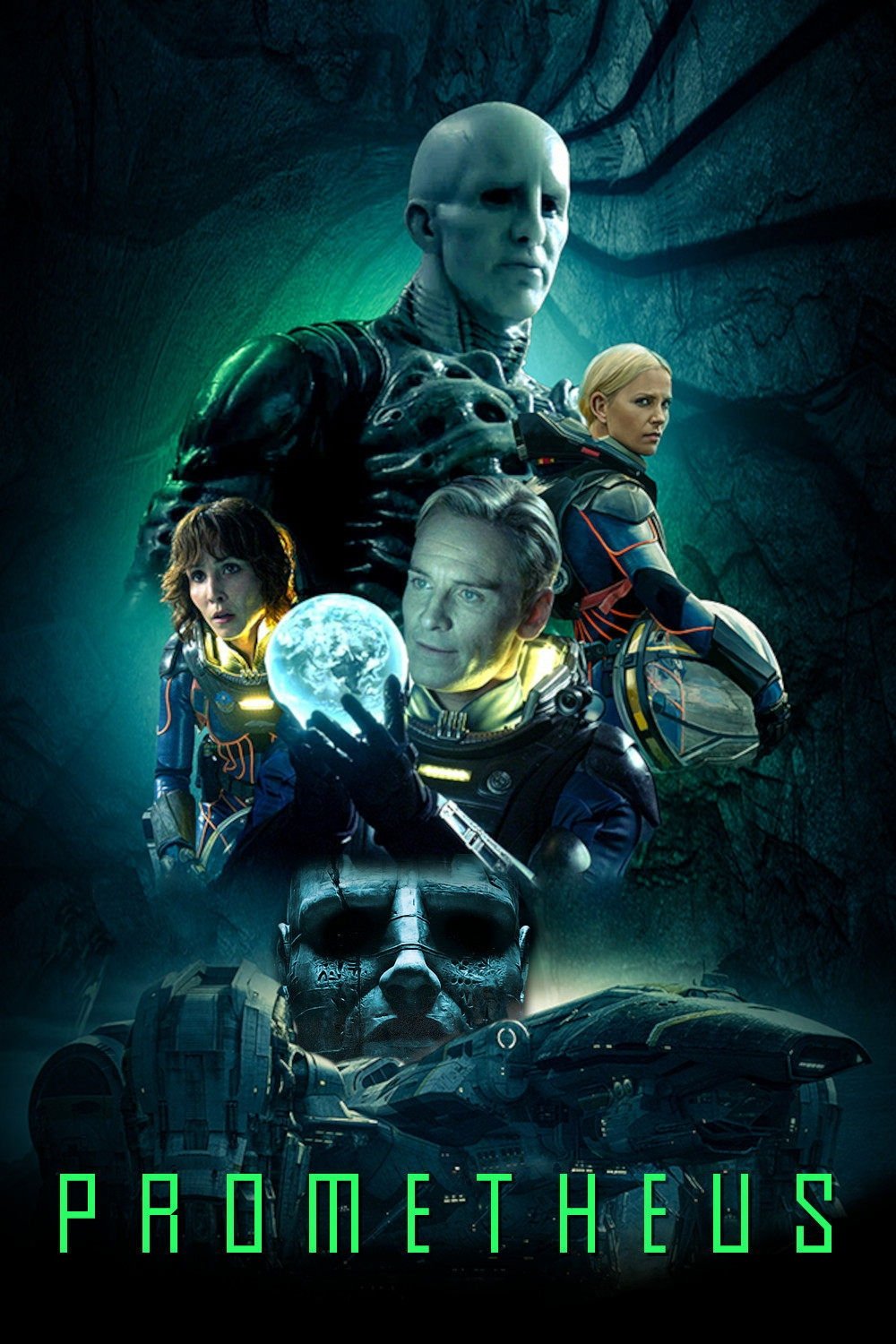
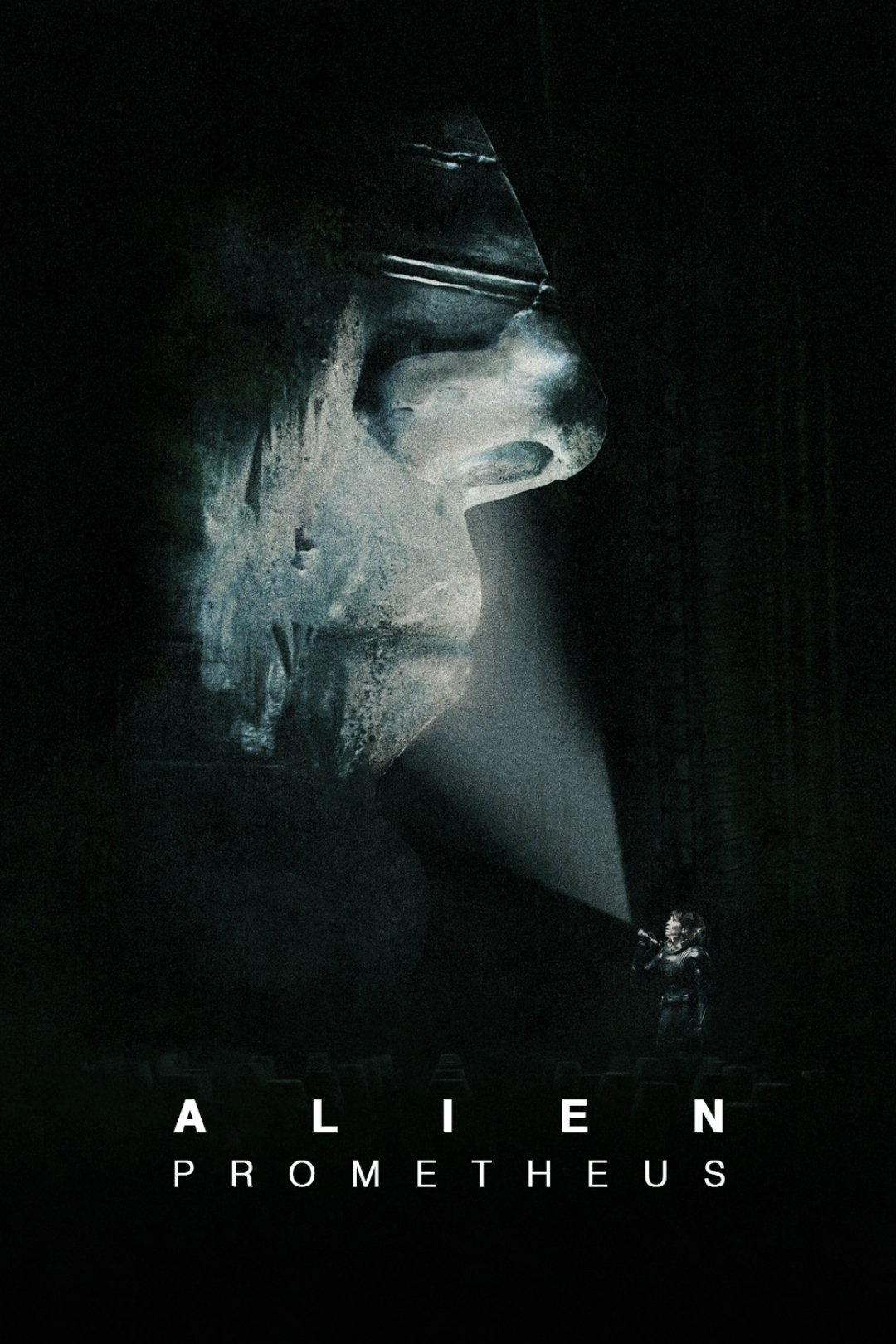
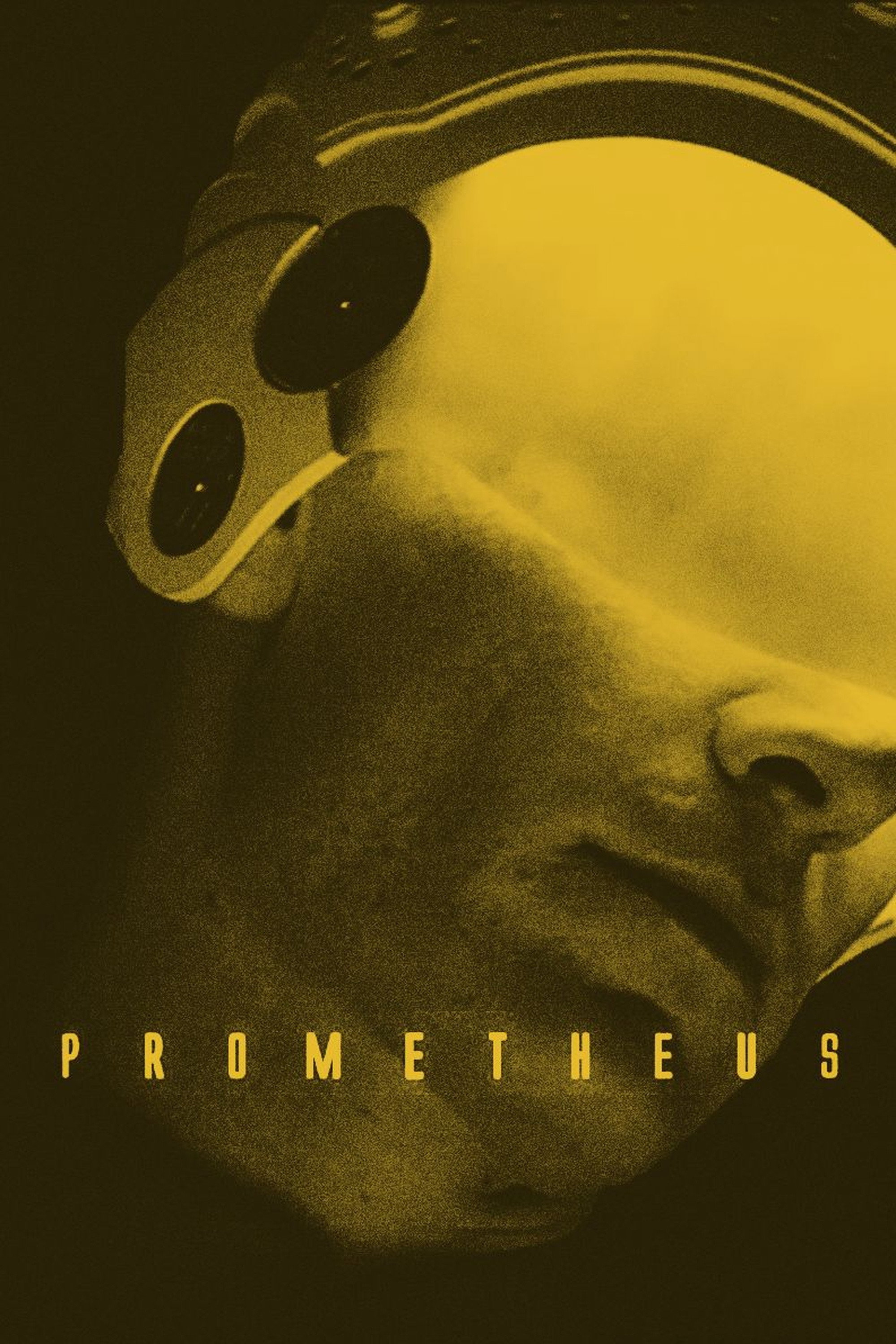
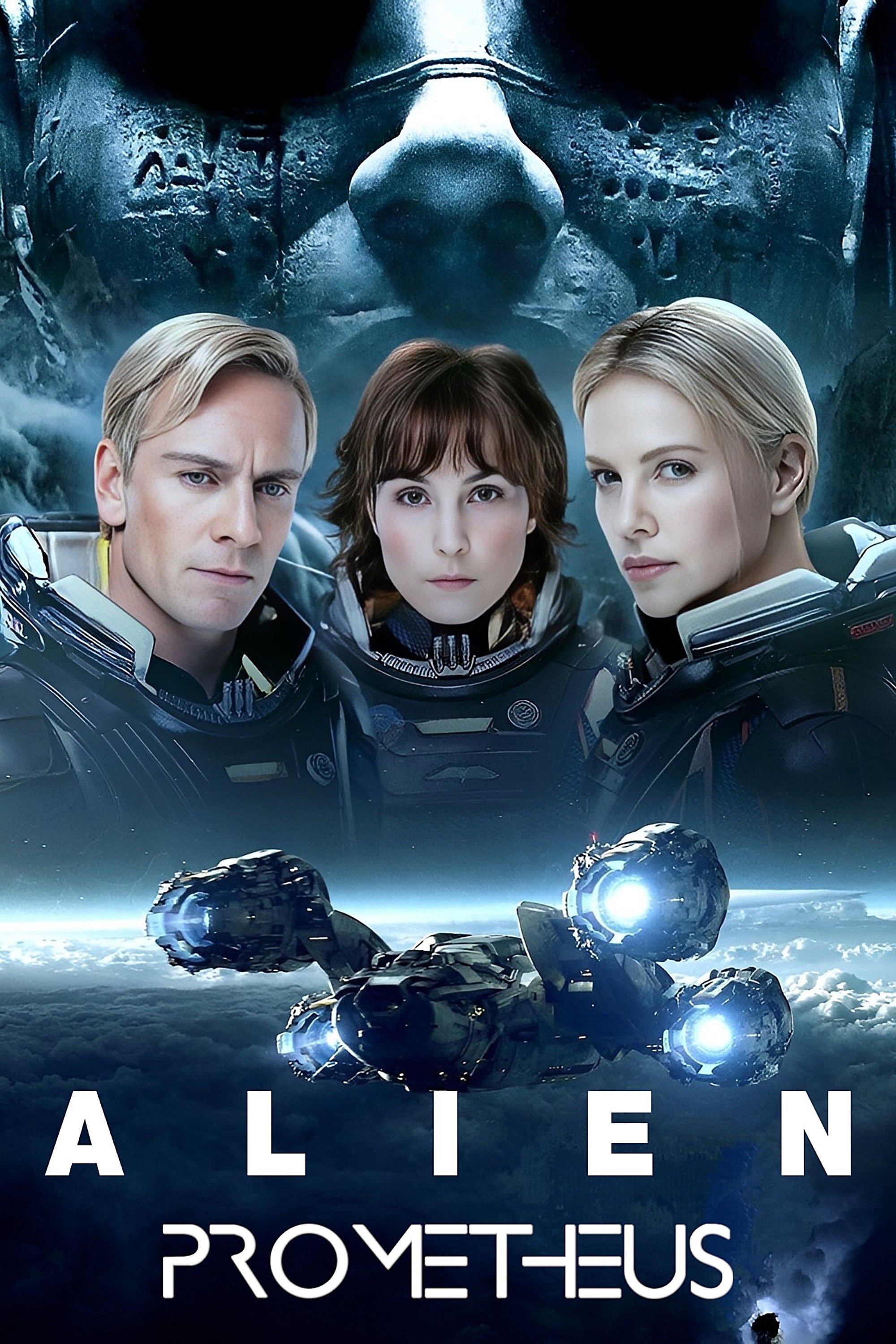
Prometheus (2012) returns Ridley Scott to the universe of Alien (1979) through a scientific expedition seeking evidence of humanity's creators. Archaeologists Elizabeth Shaw and Charlie Holloway interpret recurring ancient images as an invitation to visit a distant moon, where the privately funded spacecraft Prometheus discovers the remains of a civilization far older than its passengers. The voyage exposes its crew to biological substances that rewrite living bodies and to a species they call the Engineers. Scott expands the scale of the original film while retaining its most intimate form of horror: the fear that something unfamiliar has entered a human organism and cannot be controlled.
The production was developed from an explicitly Alien-related screenplay by Jon Spaihts and substantially reworked by Damon Lindelof. Arthur Max's monumental sets, Dariusz Wolski's stereoscopic photography and visual effects supervised by Richard Stammers gave the new world a distinct industrial and biological design. Contemporary criticism divided over its unanswered questions and the behavior of its explorers, even where reviewers admired the spectacle. Examining the script's evolution and the practical construction of individual scenes reveals a work whose fascination with creation is inseparable from contamination, bodily invasion and corporate secrecy.
An Alien Prequel Reconceived
The project began with Scott's interest in the giant dead pilot glimpsed inside the derelict spacecraft in Alien. In a May 2012 interview, Spaihts recalled being asked whether he had ideas for revisiting the franchise, then rapidly preparing an extensive outline and successive drafts. He described the development as unusually compressed and confirmed that the basic cast, structure and major set pieces were present in his work. His account also specifies that Lindelof was brought in after those drafts, rather than writing alongside him. Both writers received screenplay credit, but their collaboration took the form of consecutive revisions shaped by Scott's ongoing decisions.
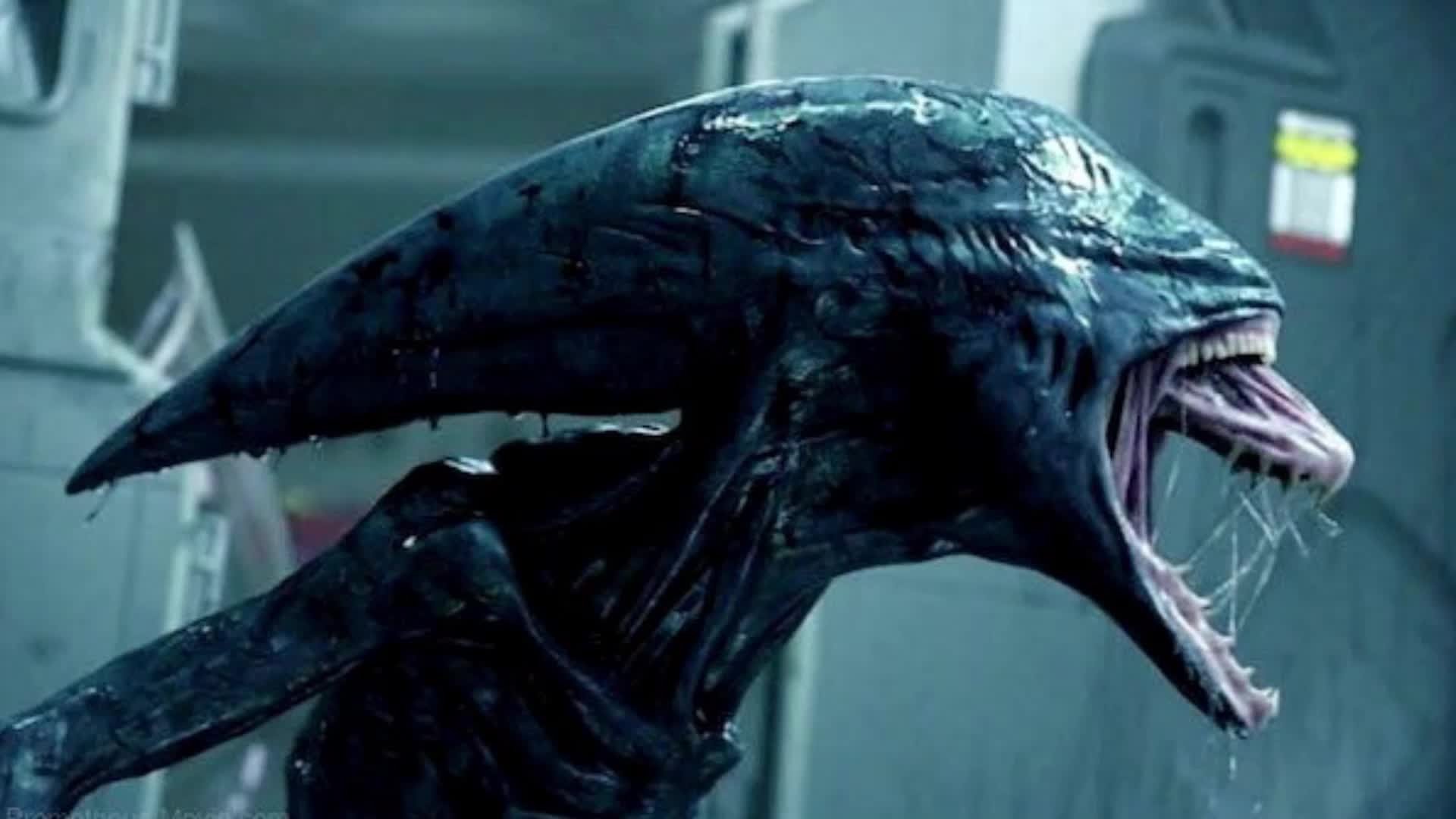
Spaihts said Lindelof changed elements of the mythology and relationships without replacing the underlying expedition story. Other contemporary interviews with the writers describe how the earlier material contained more overt eggs, facehuggers and familiar xenomorph appearances. The completed film places greater emphasis on the Engineers, the unstable black substance and the crew's questions about human origins. Its continuity with Alien therefore operates through recognizable designs and a preceding fictional history, not through a direct reenactment of the Nostromo's encounter. The difference helps explain why its horror sometimes depends on discovering the purposes of ancient biotechnology before the audience can identify exactly what creature is being created.
Creation, Religion and the Engineers
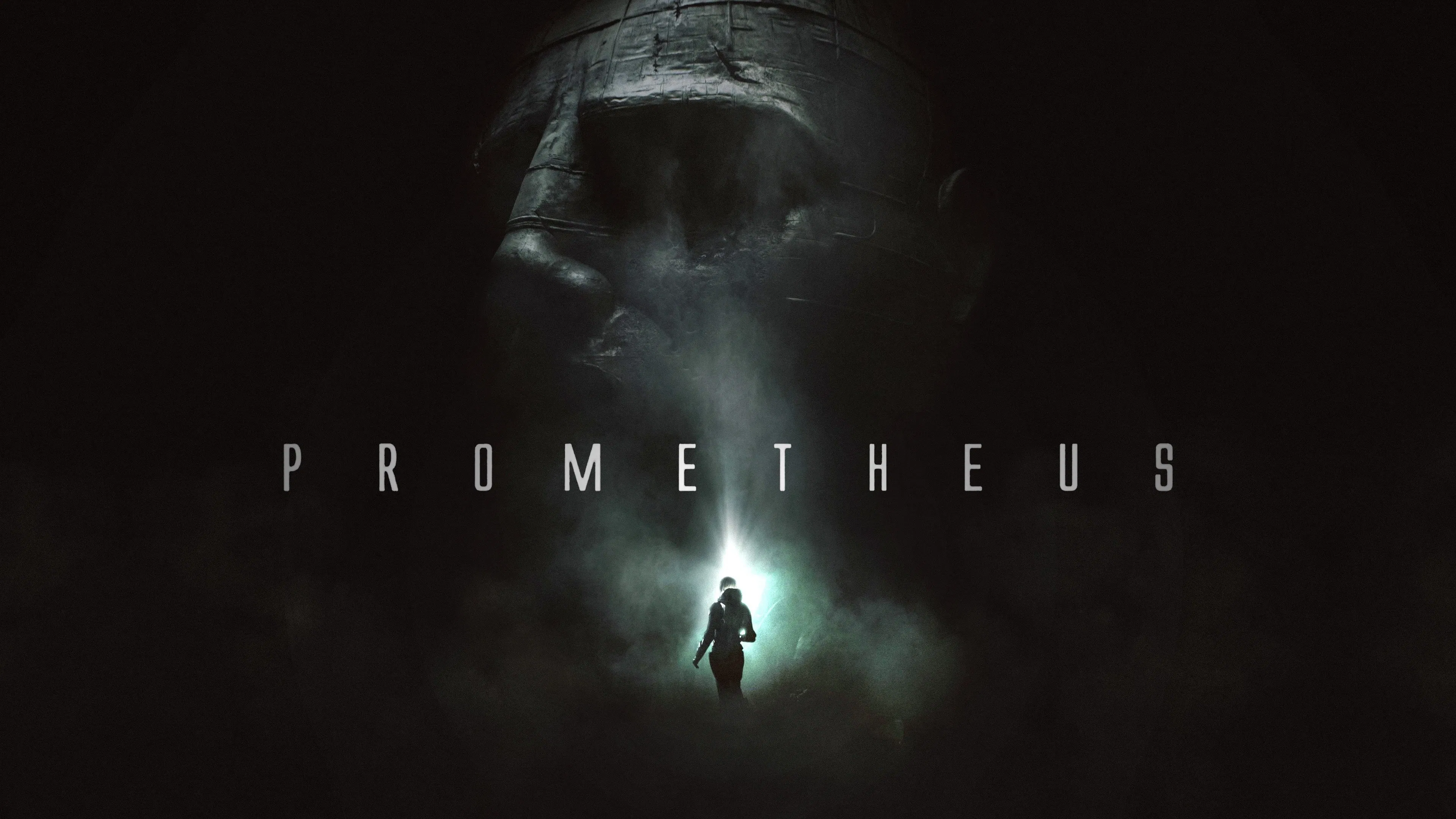
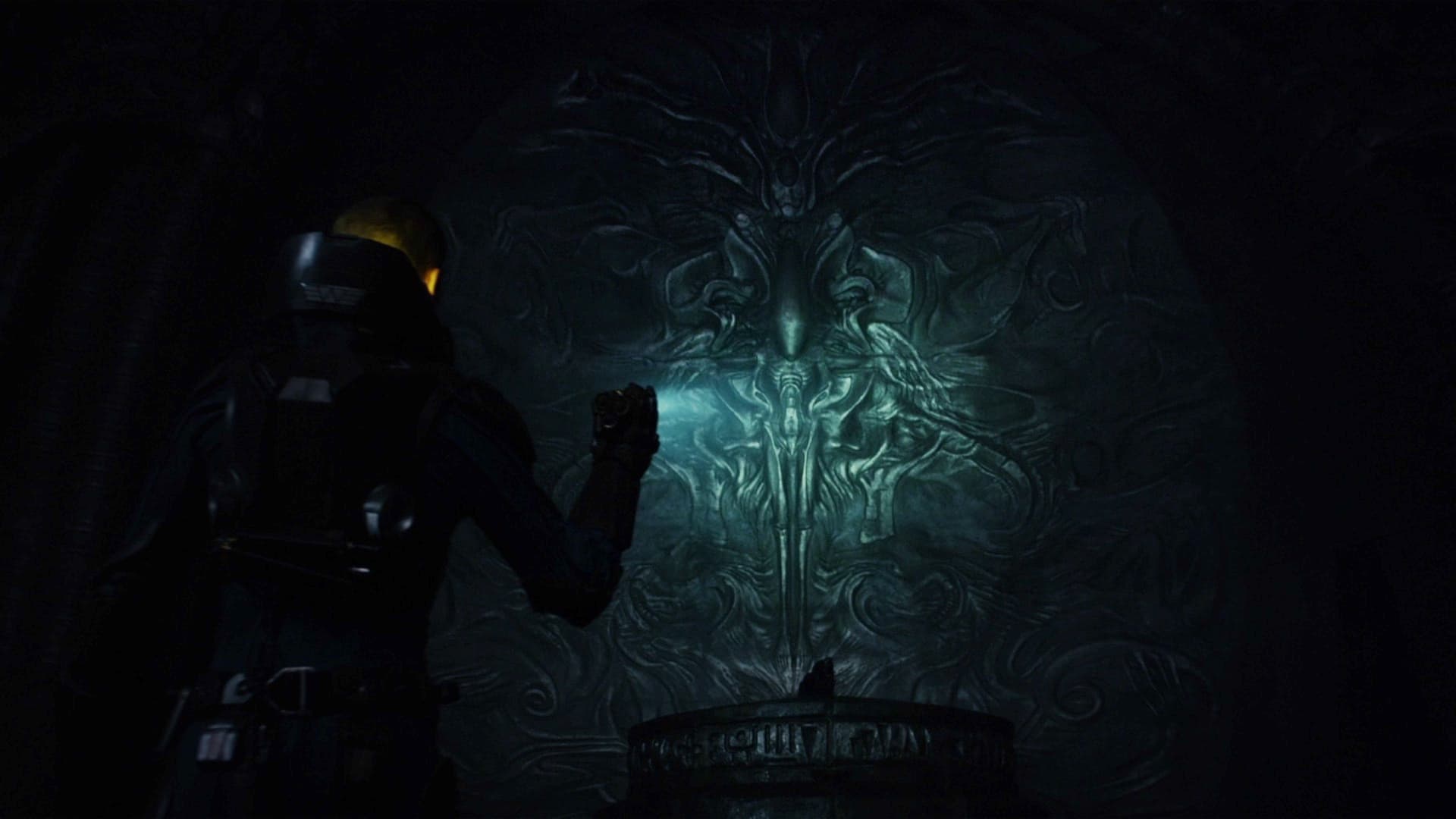
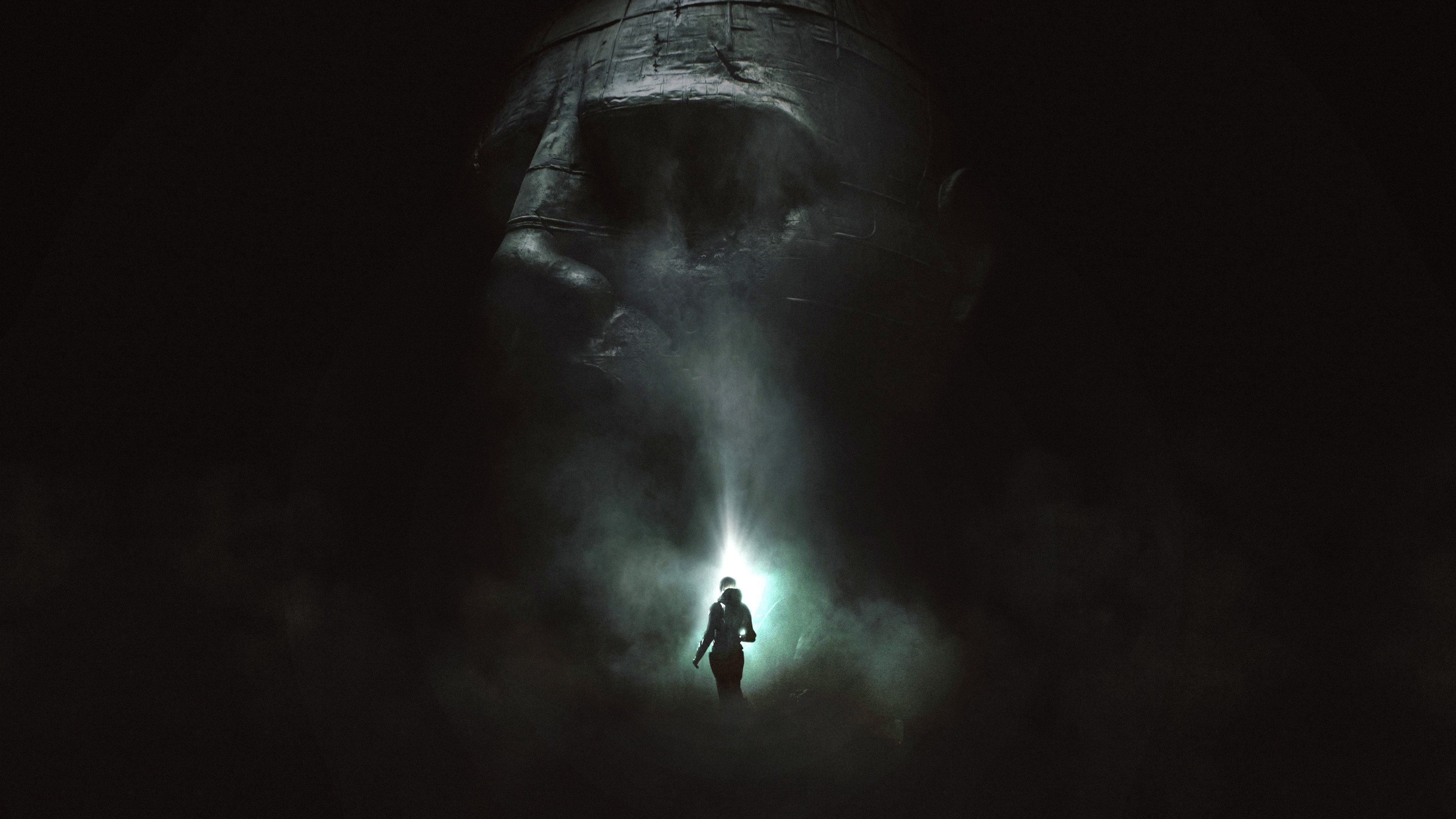
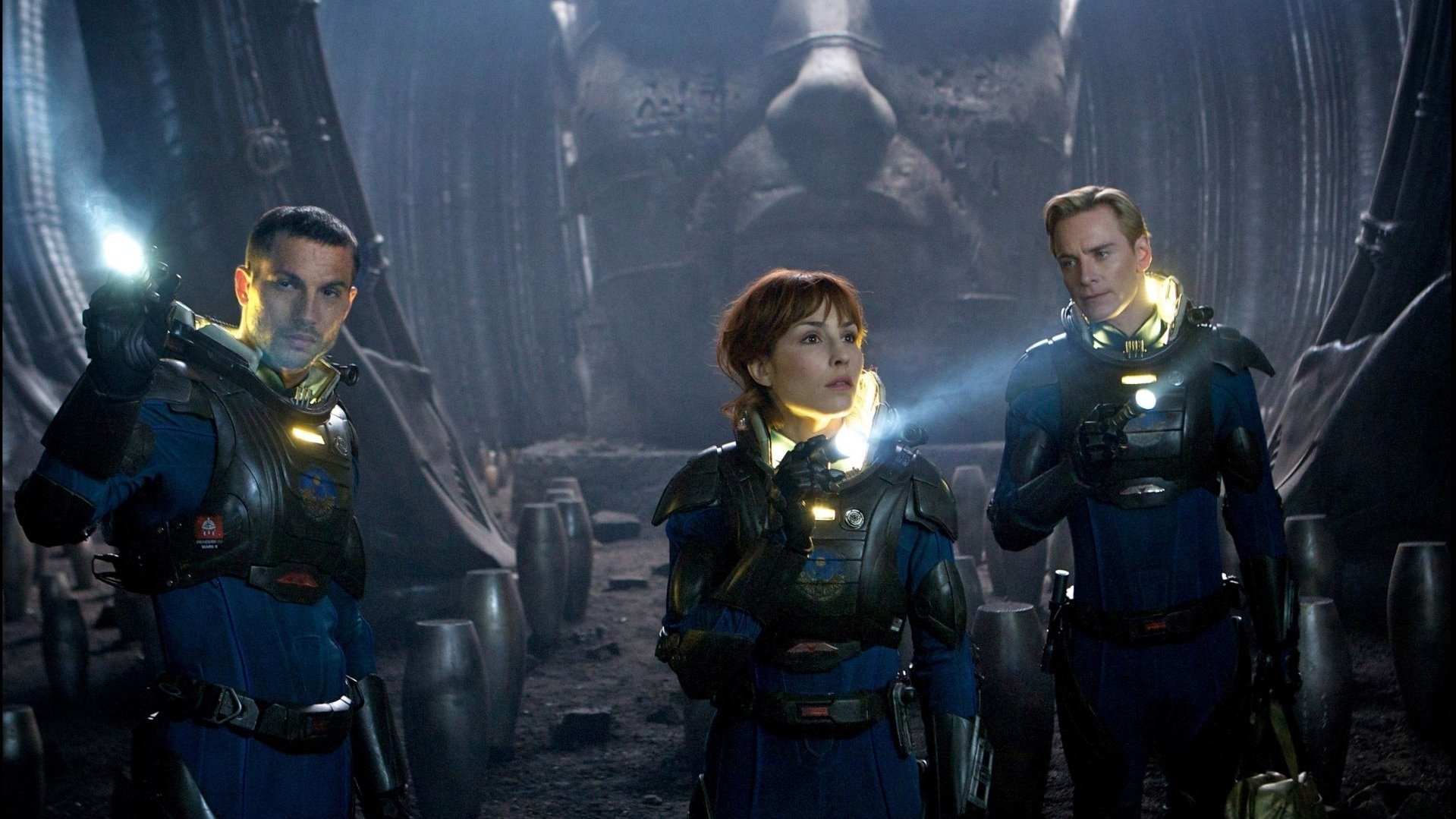
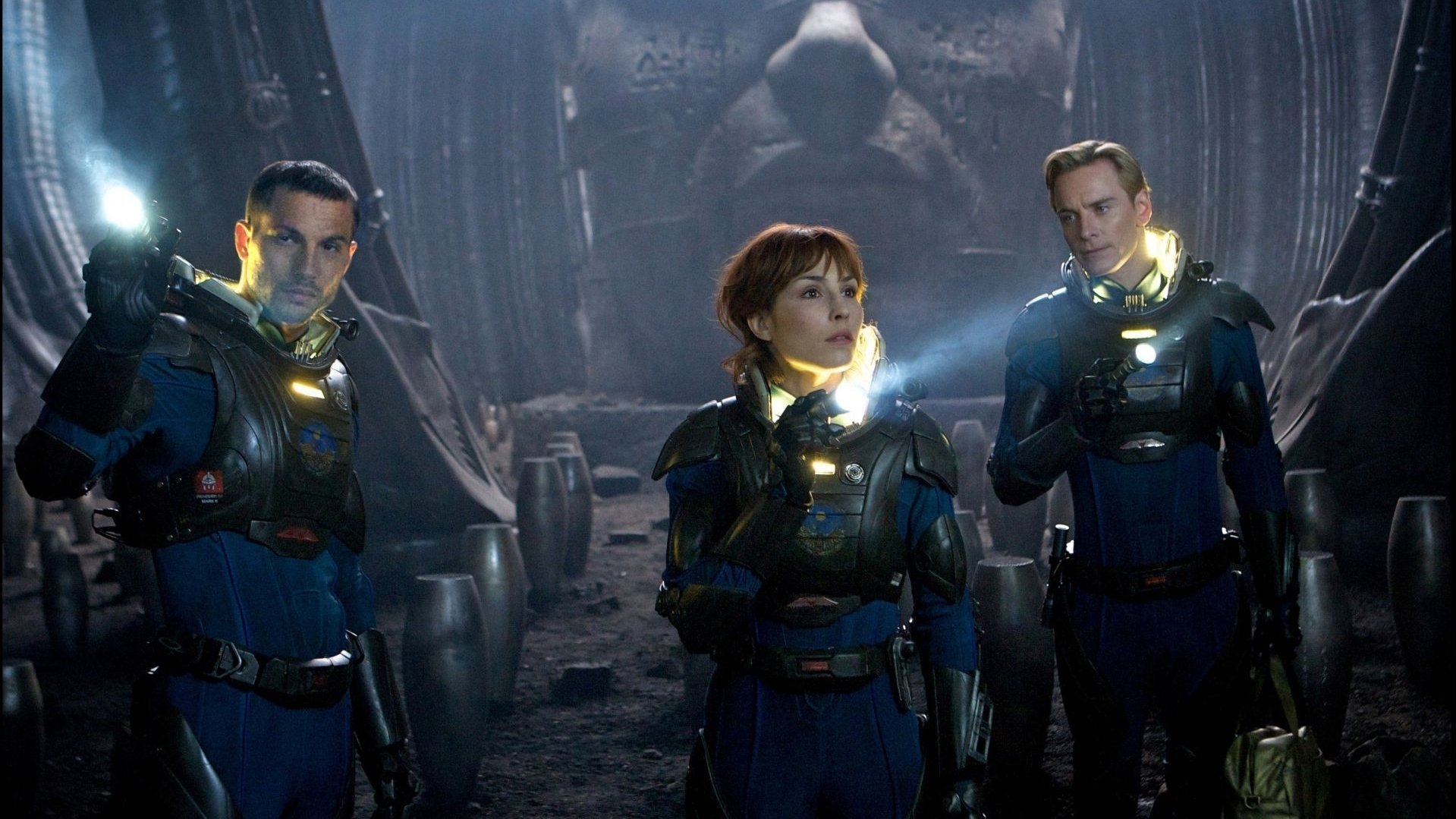
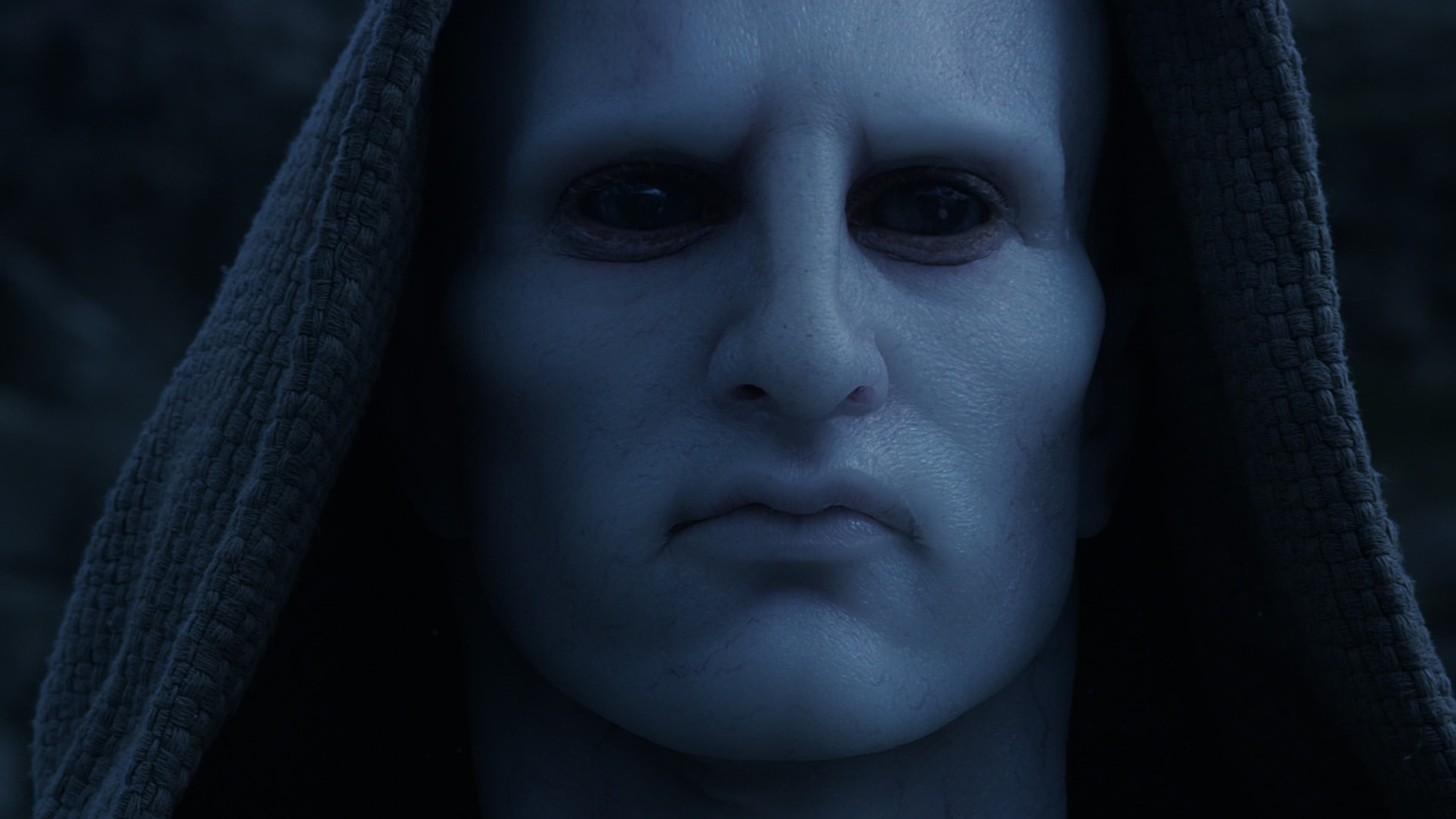
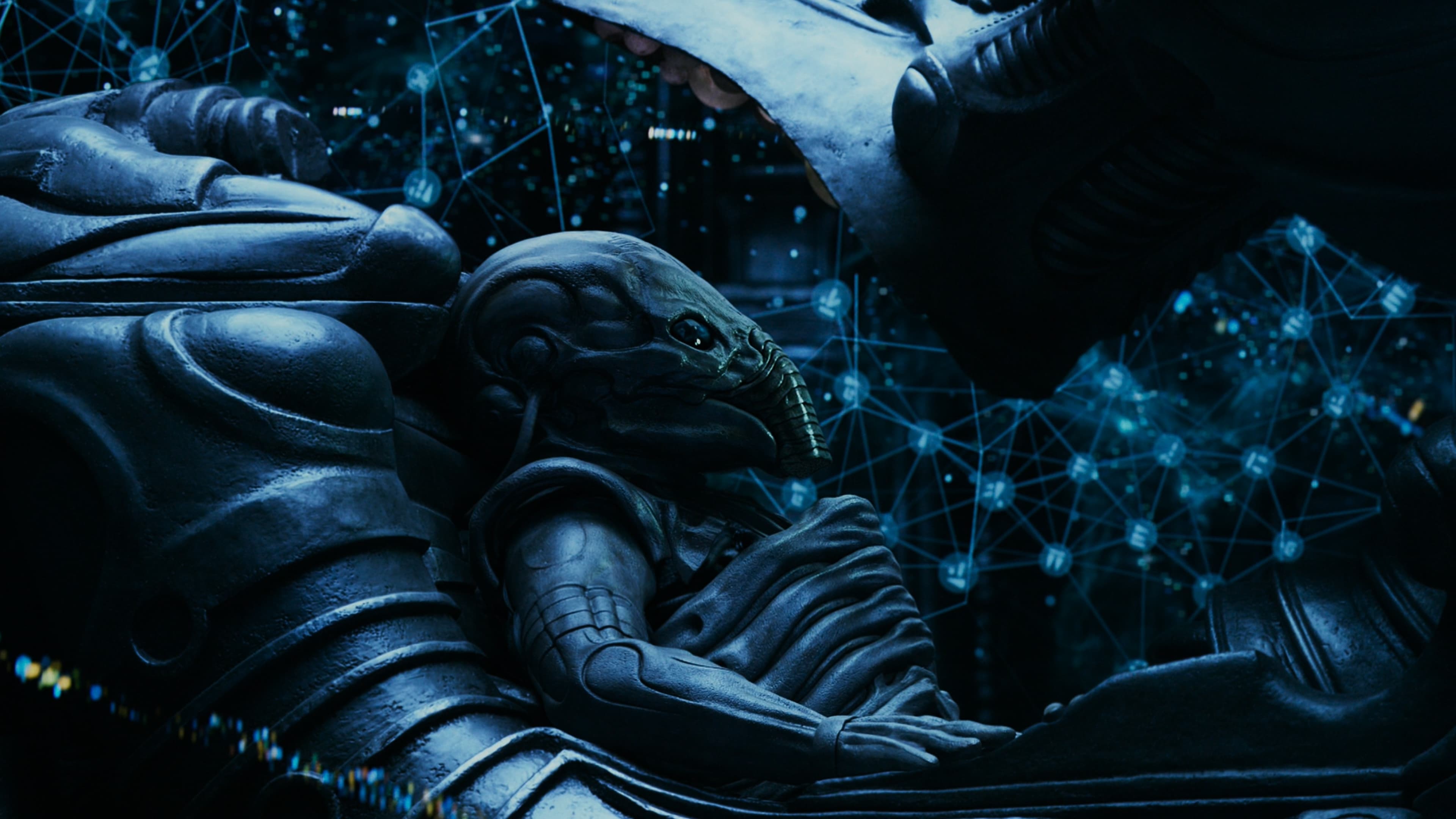
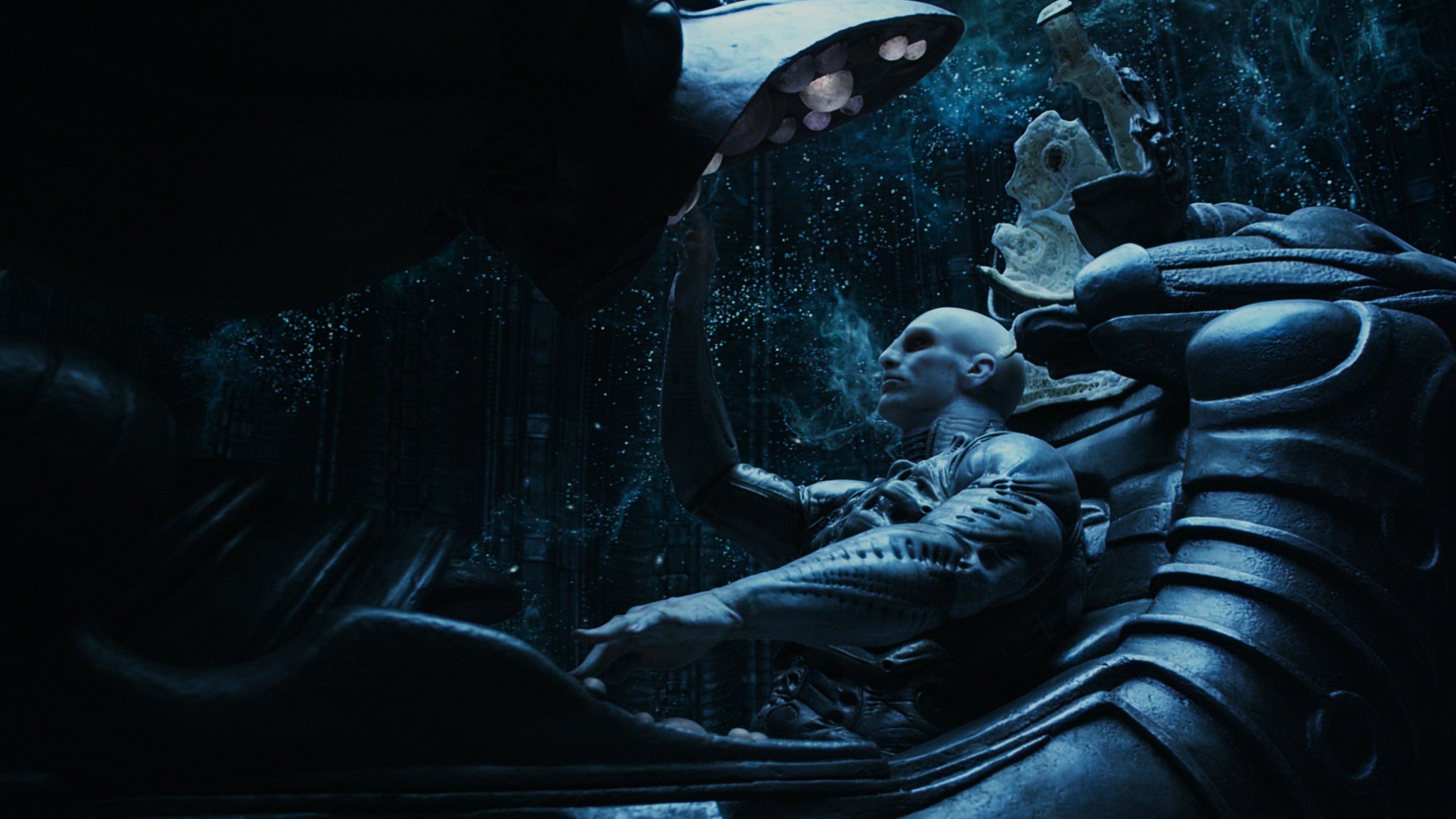
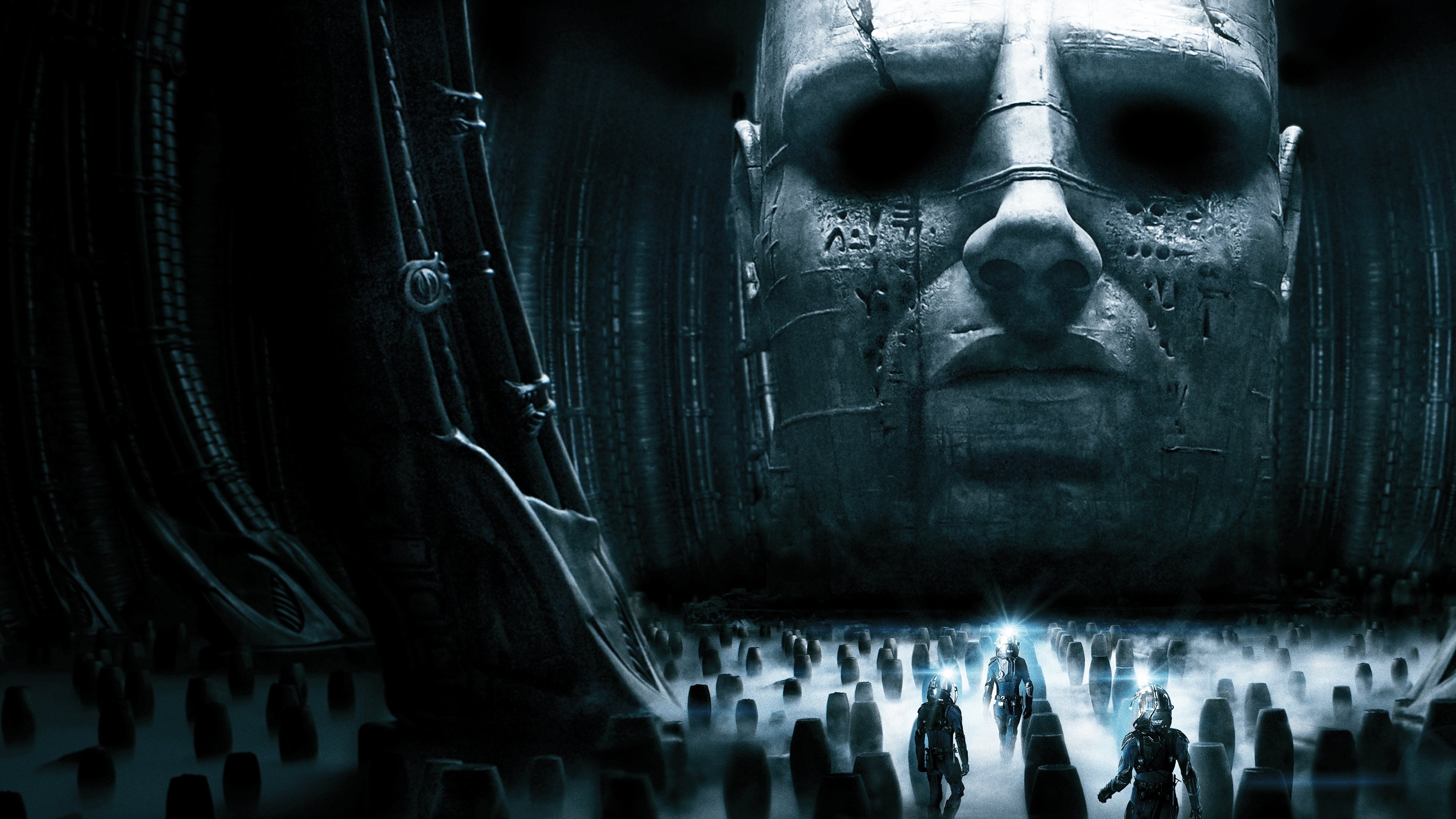
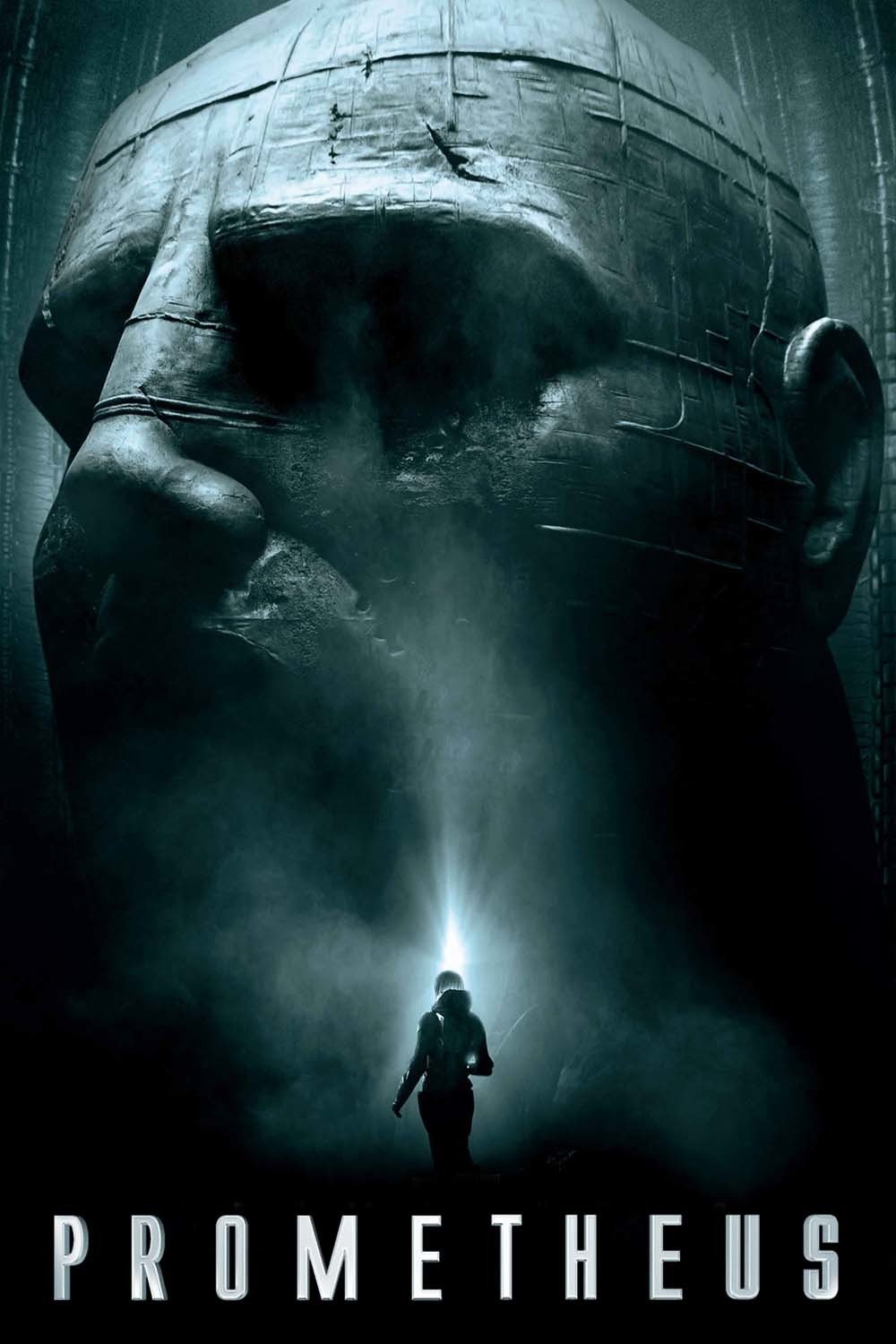
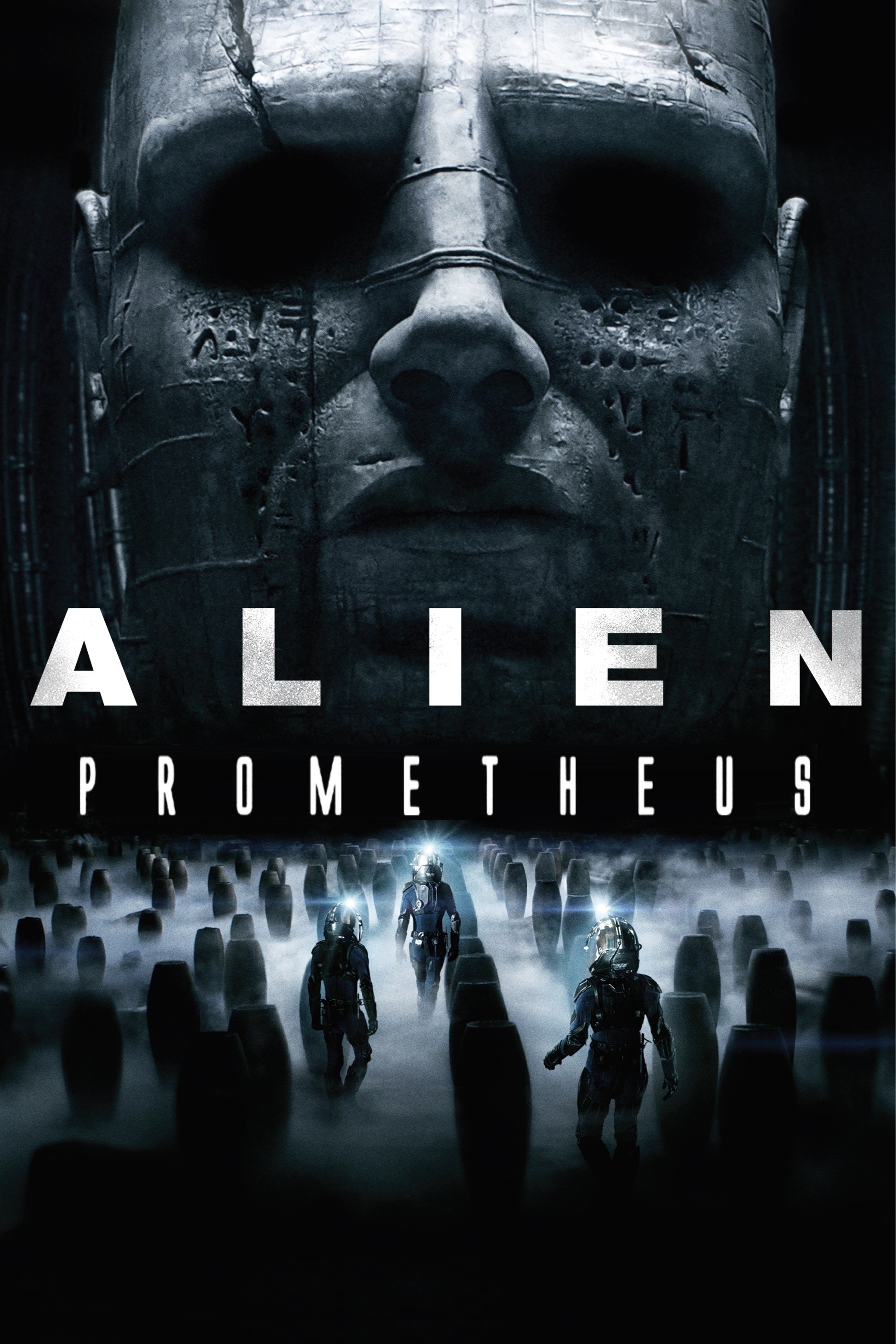
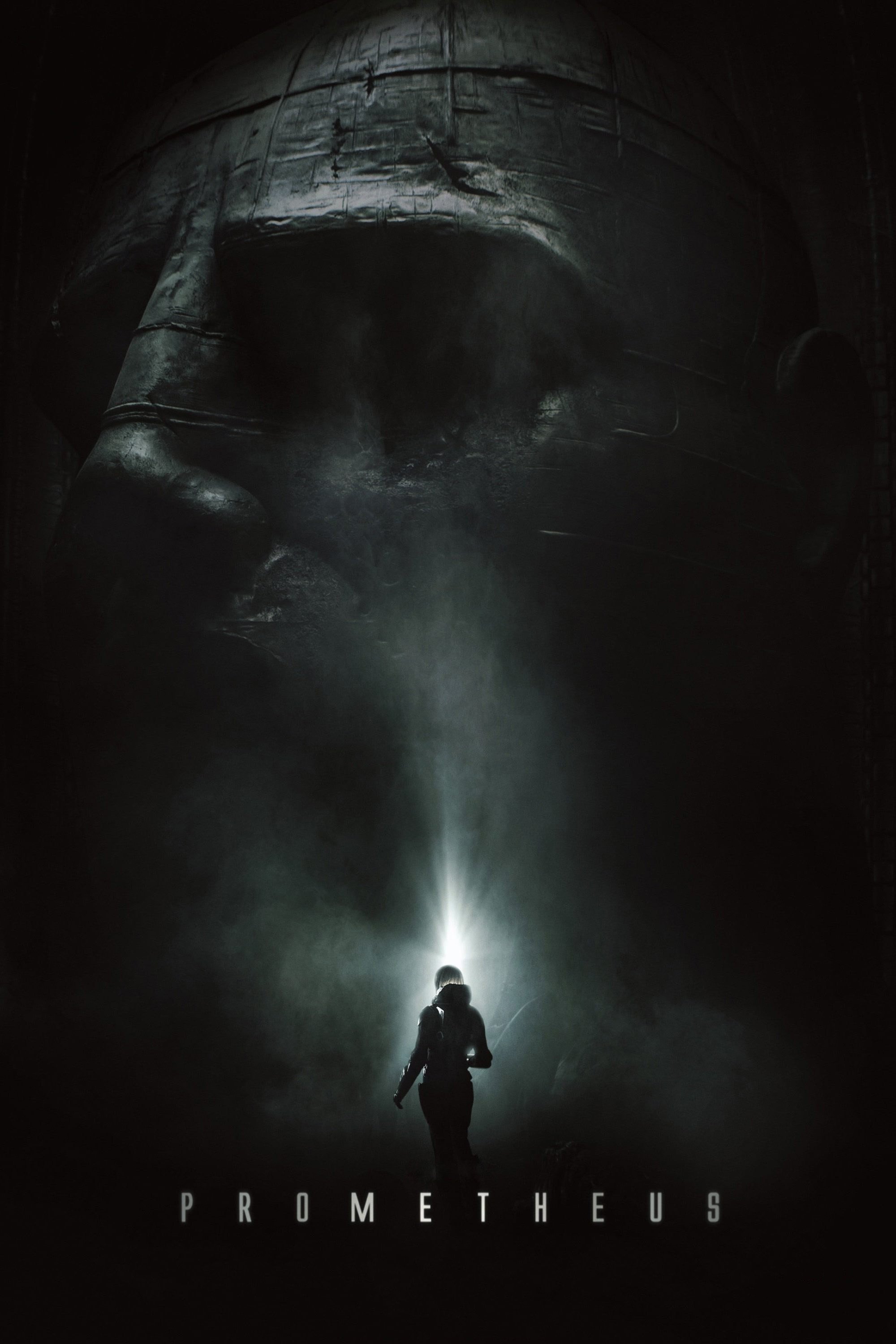
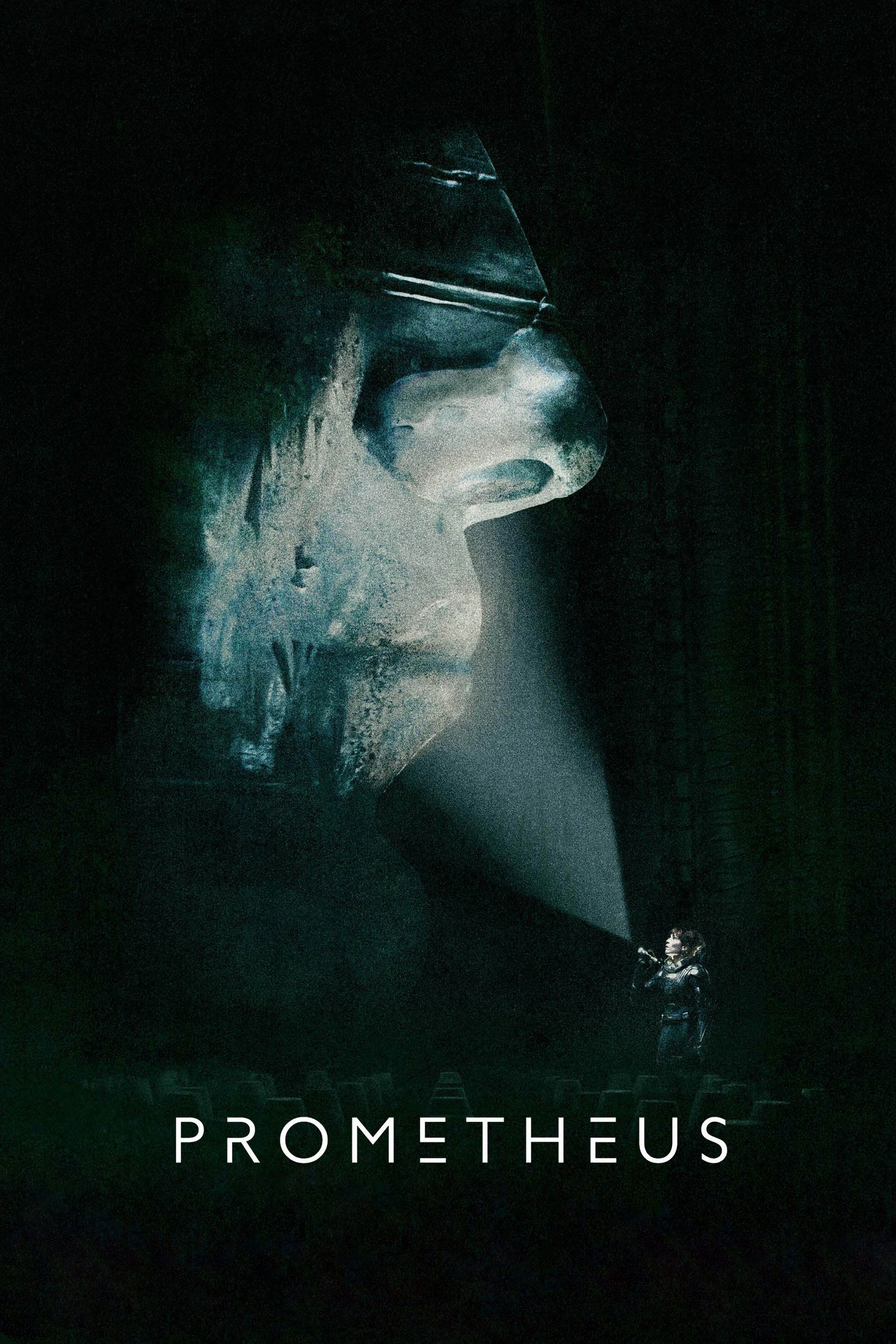
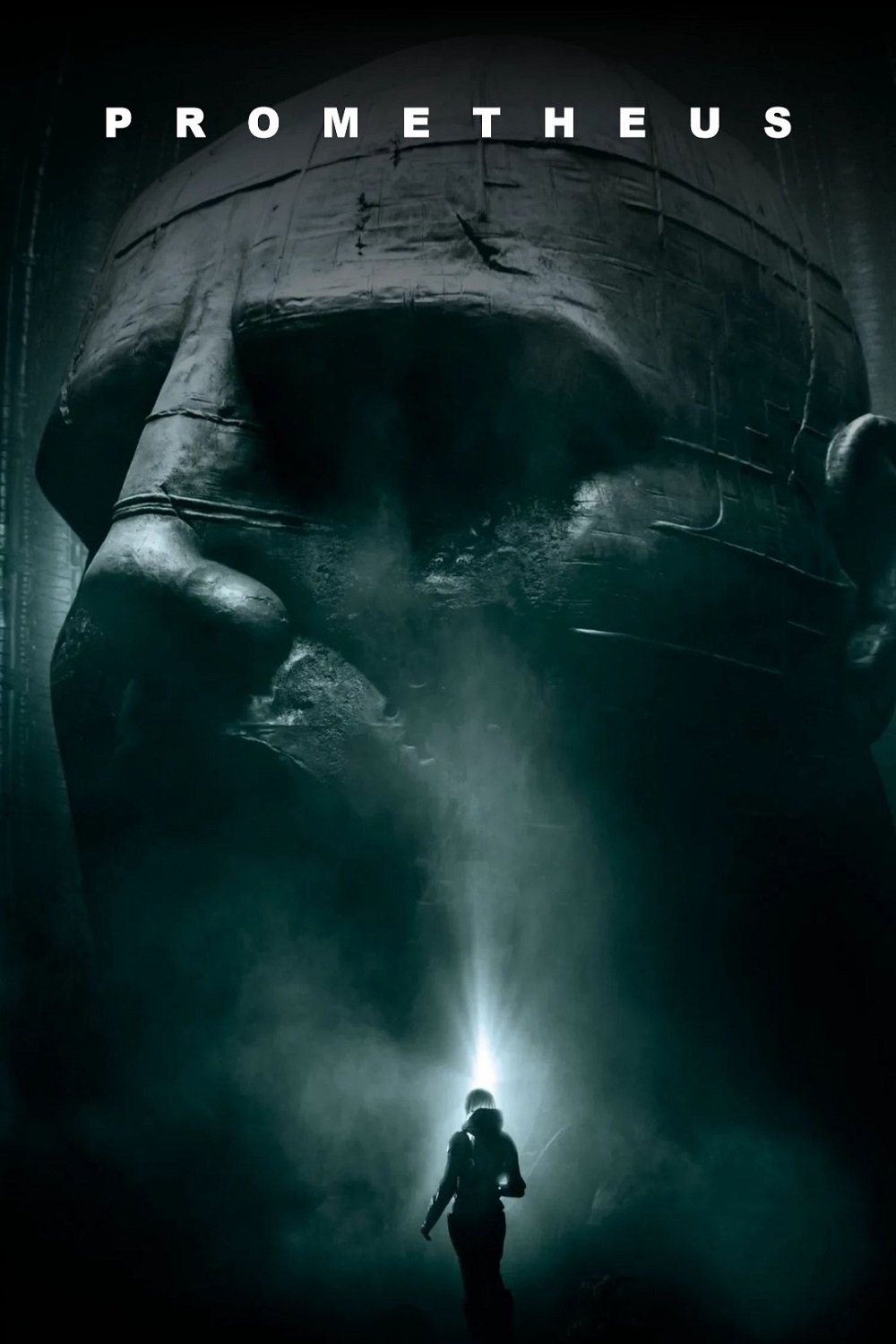
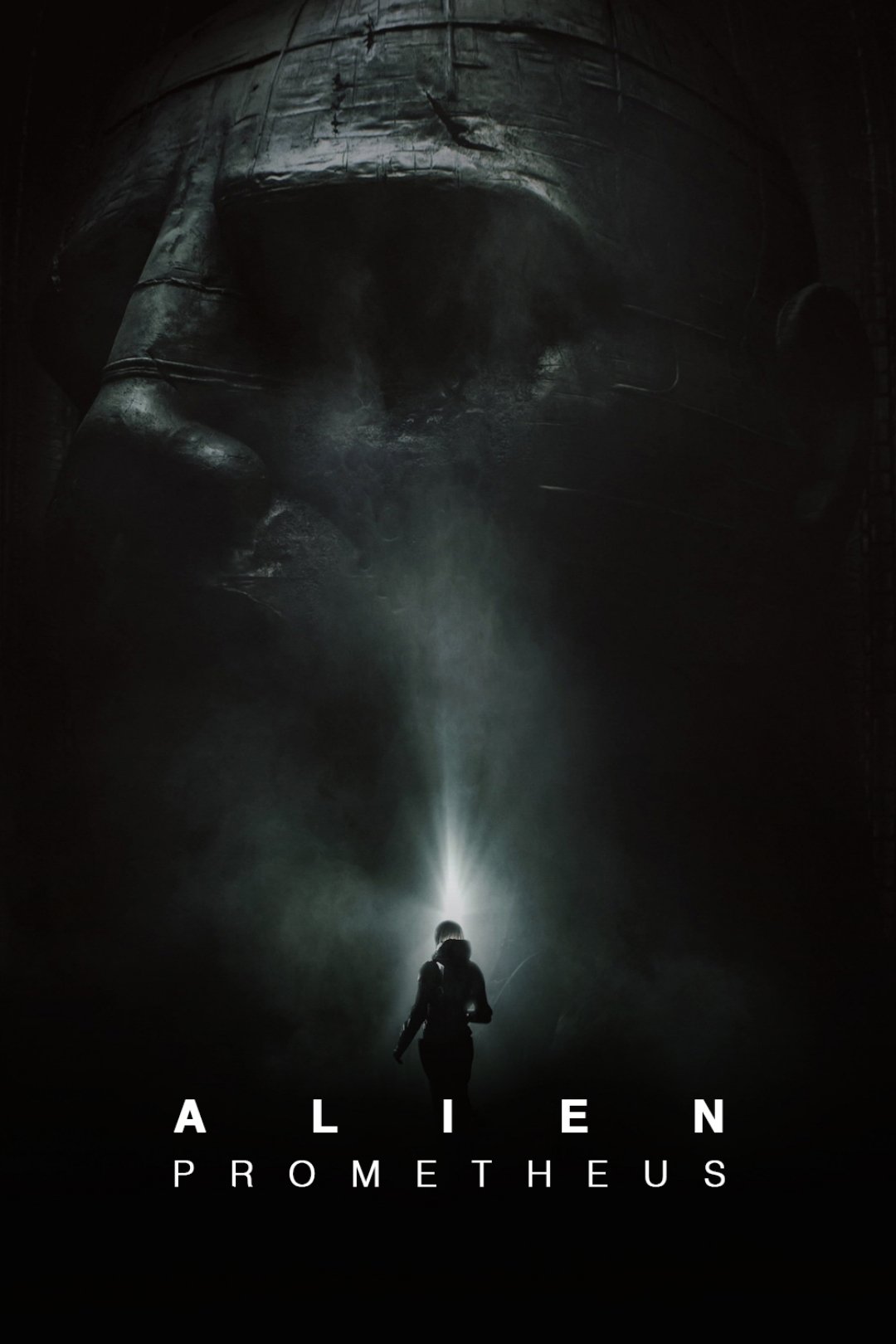
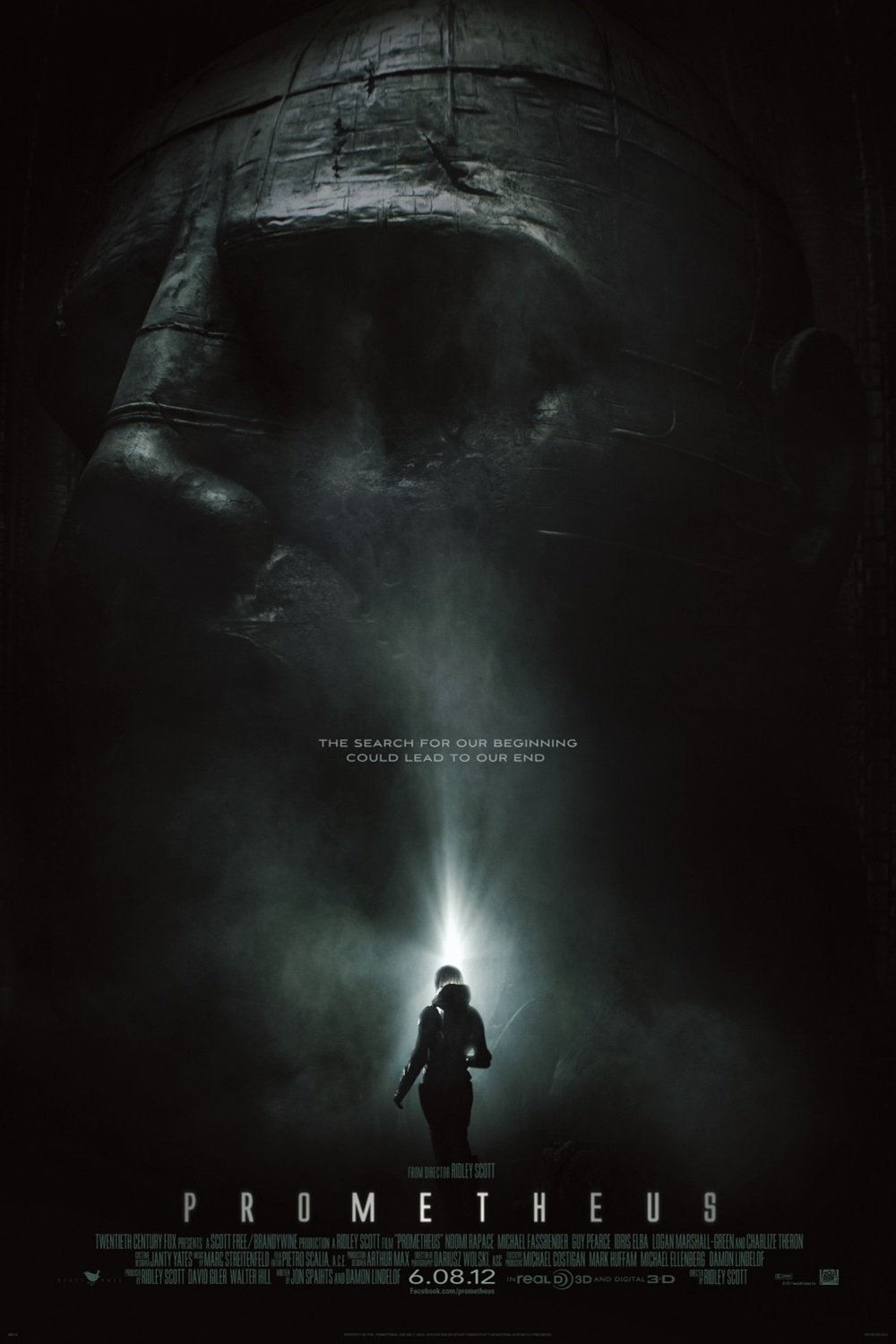
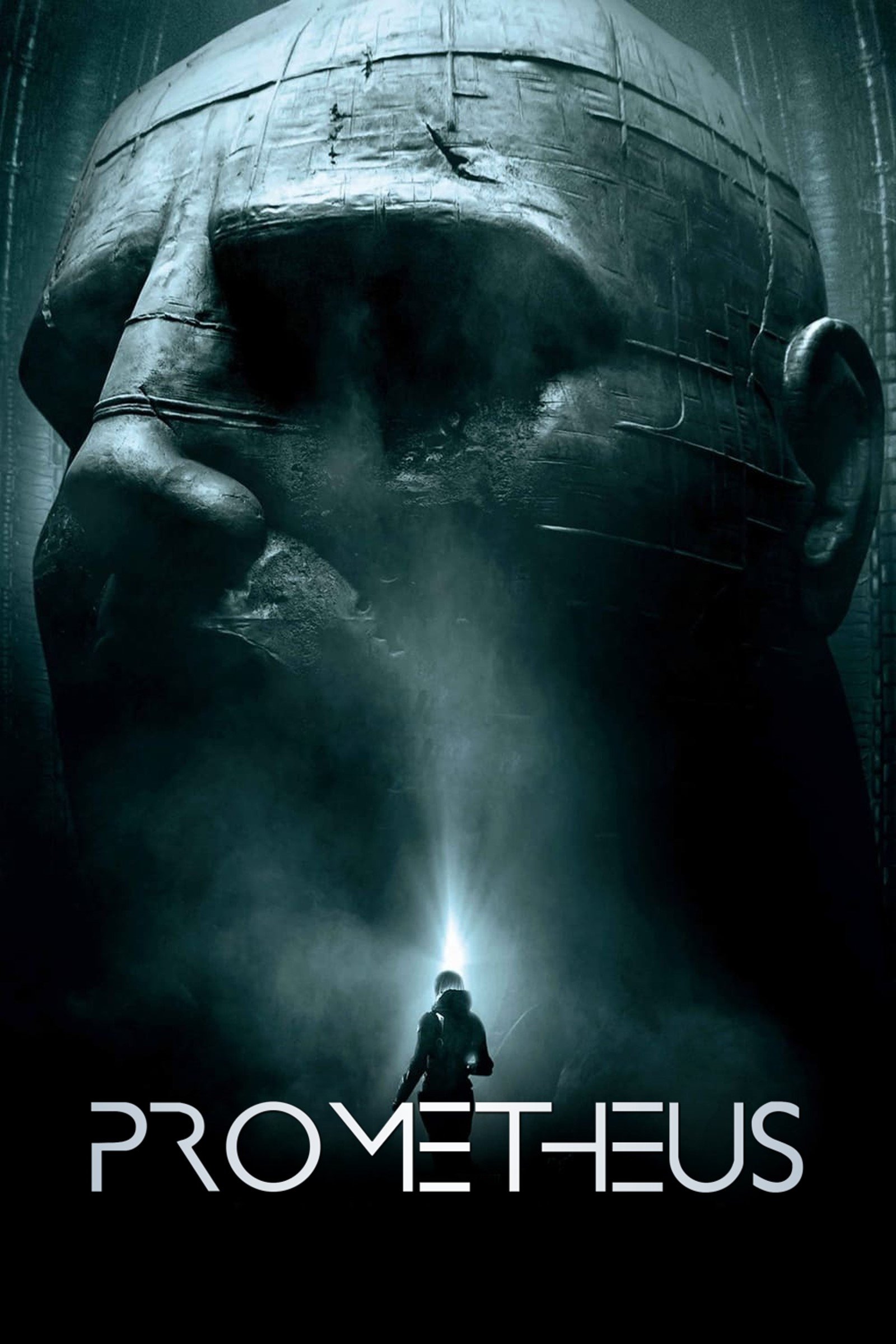
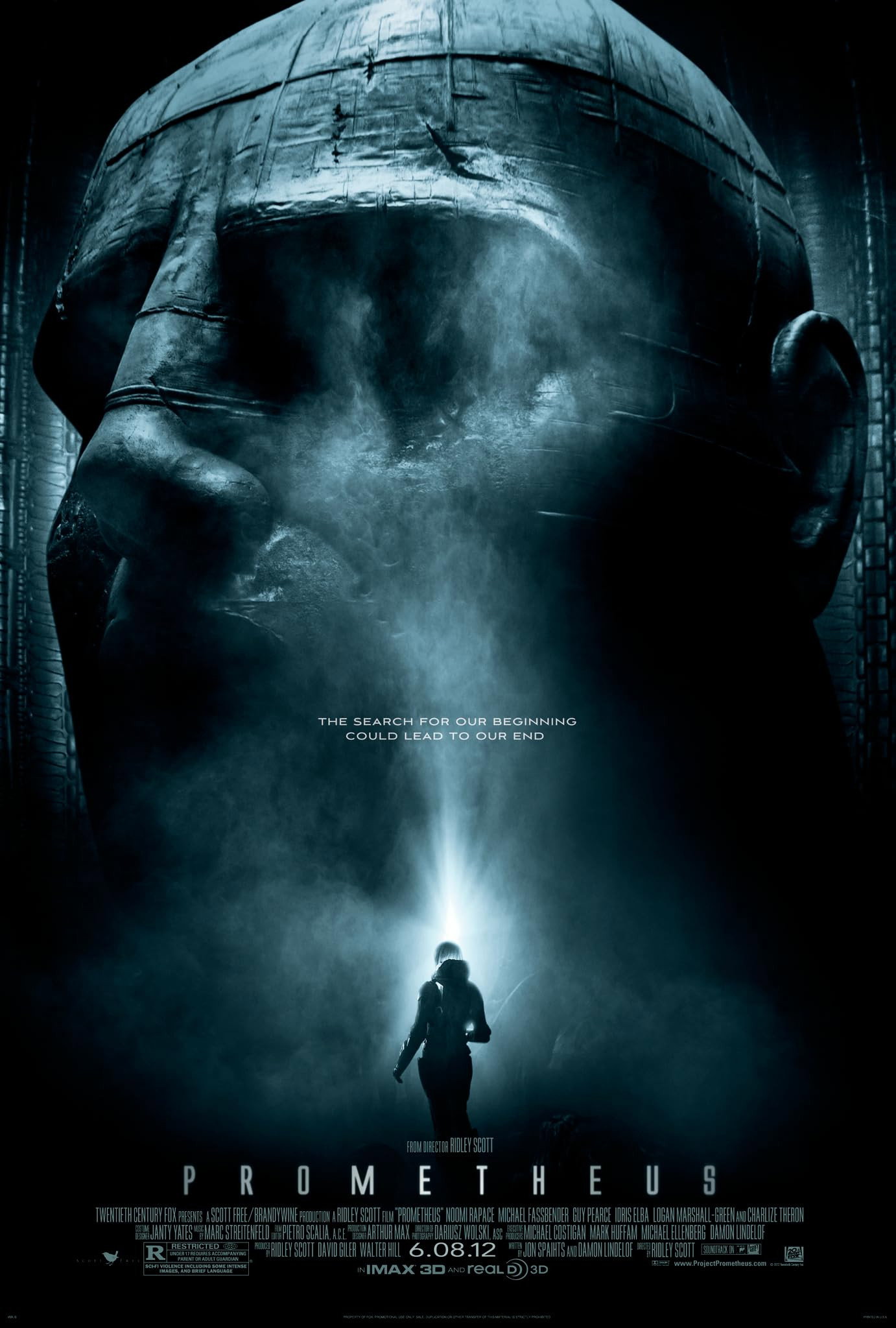
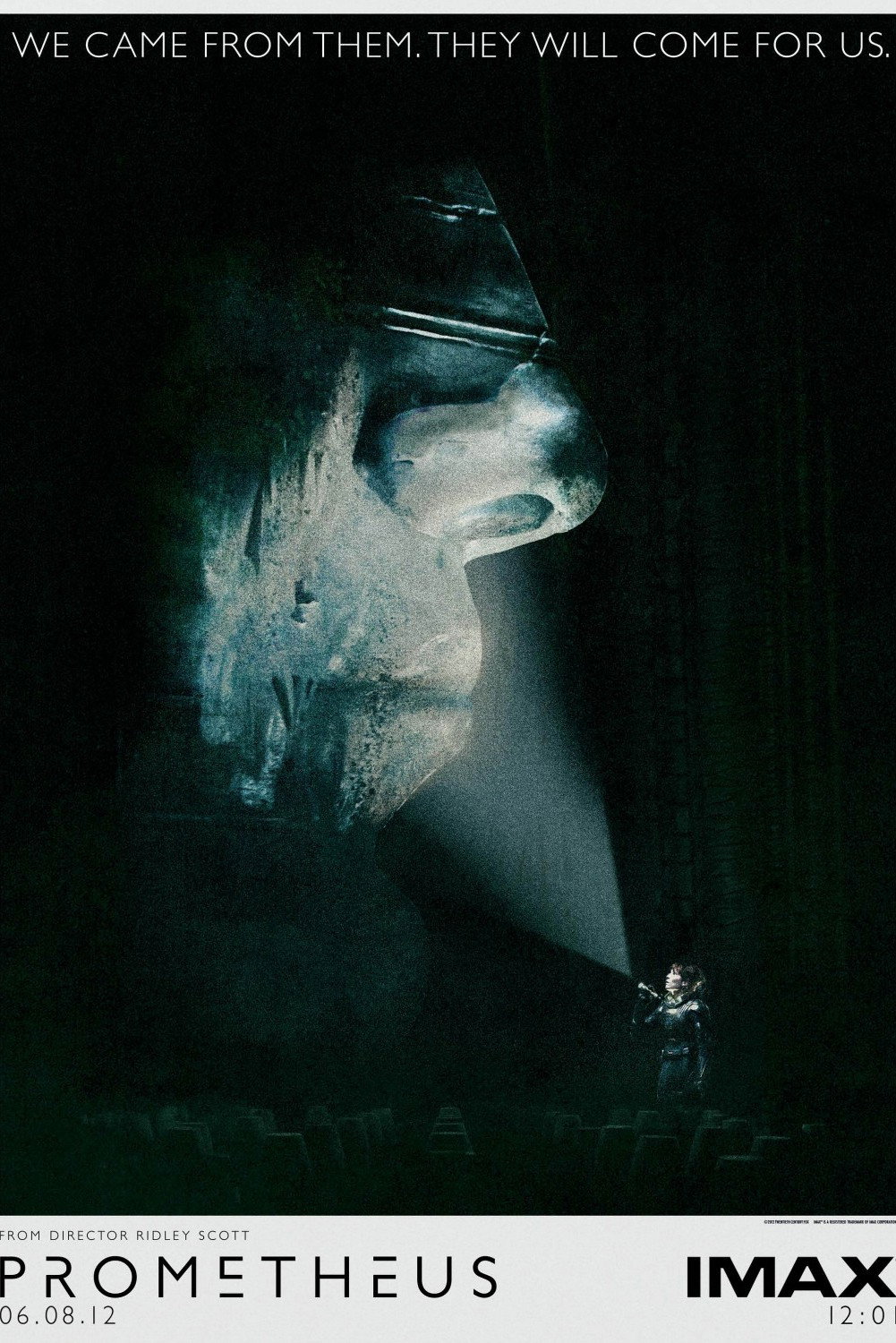
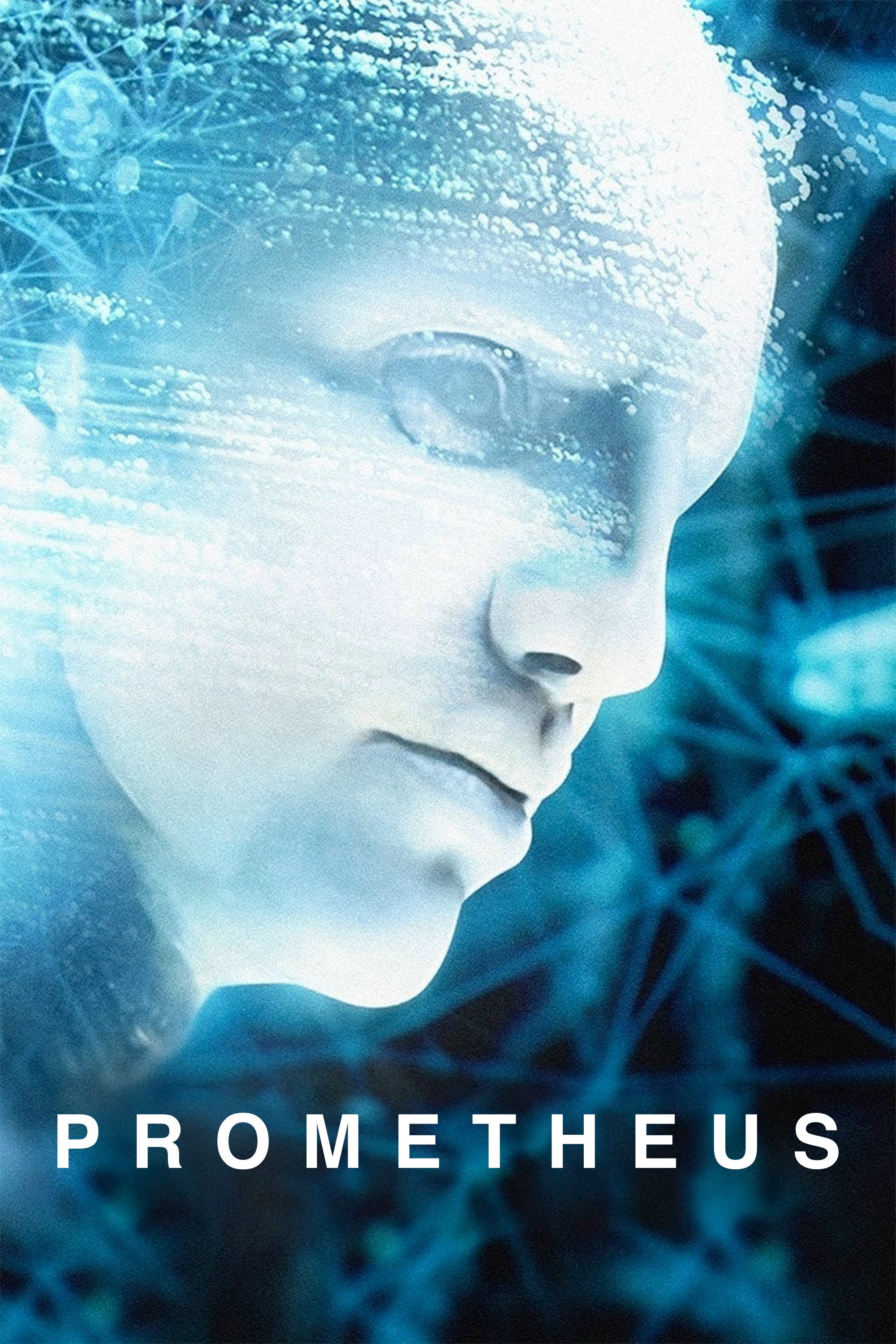
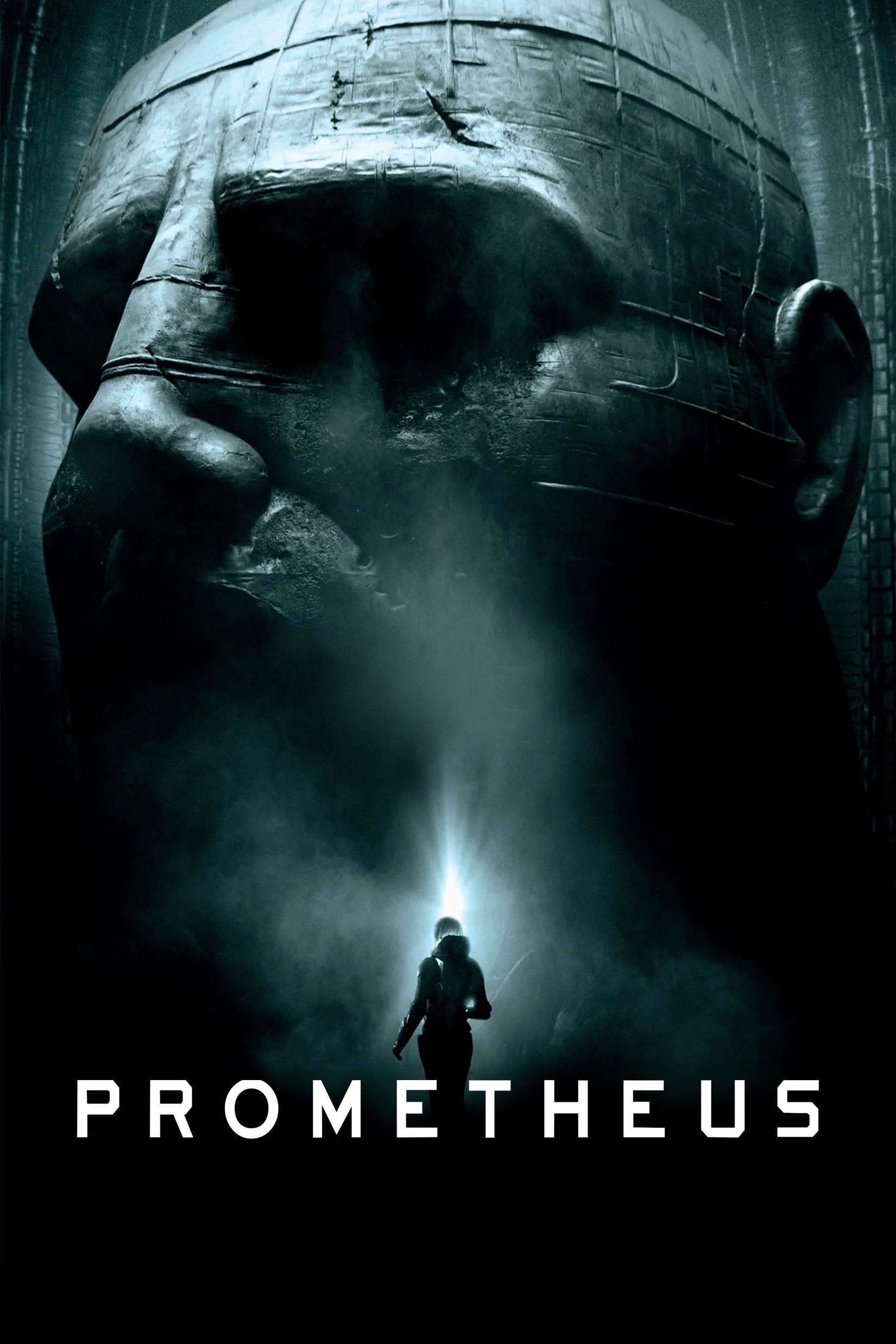
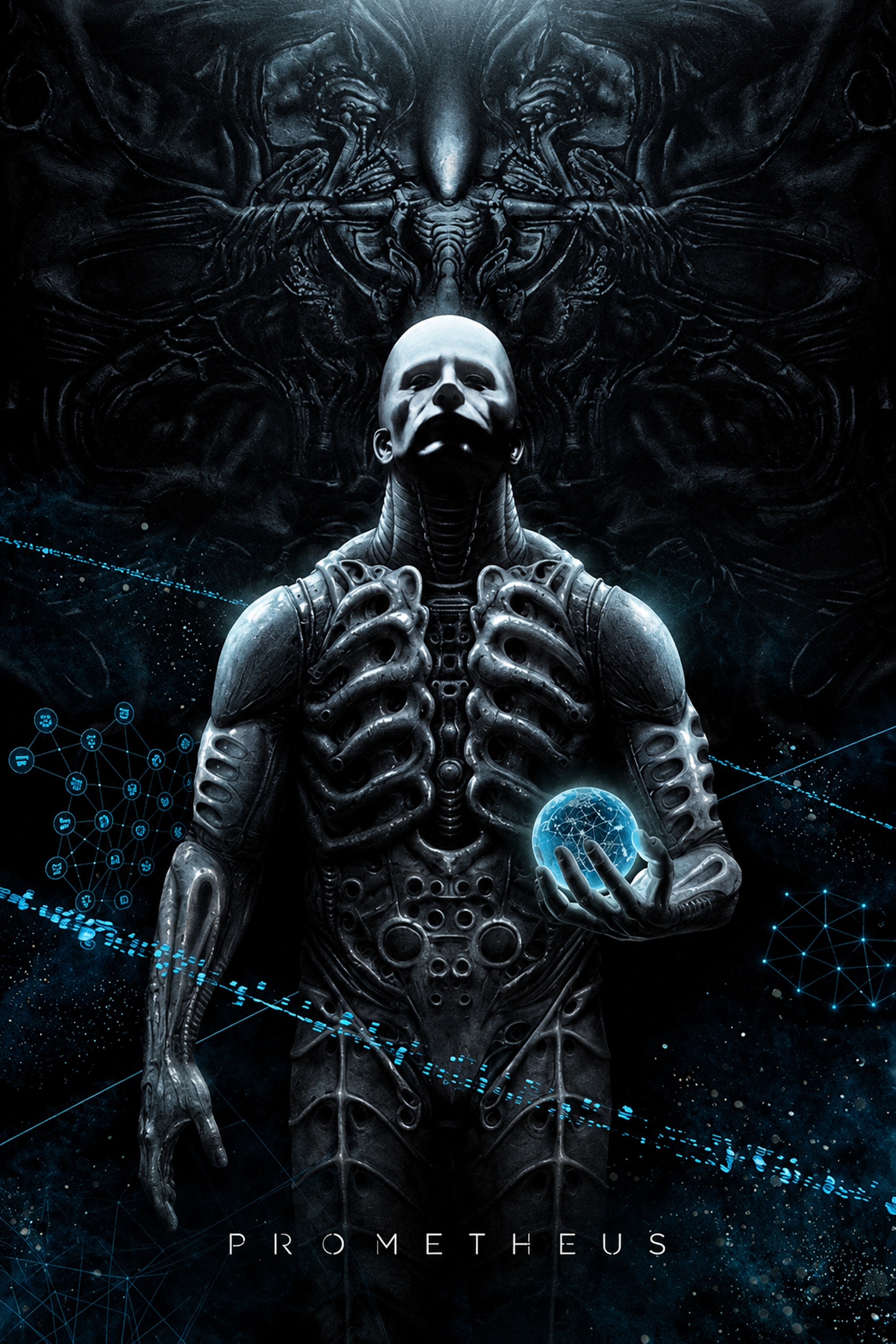
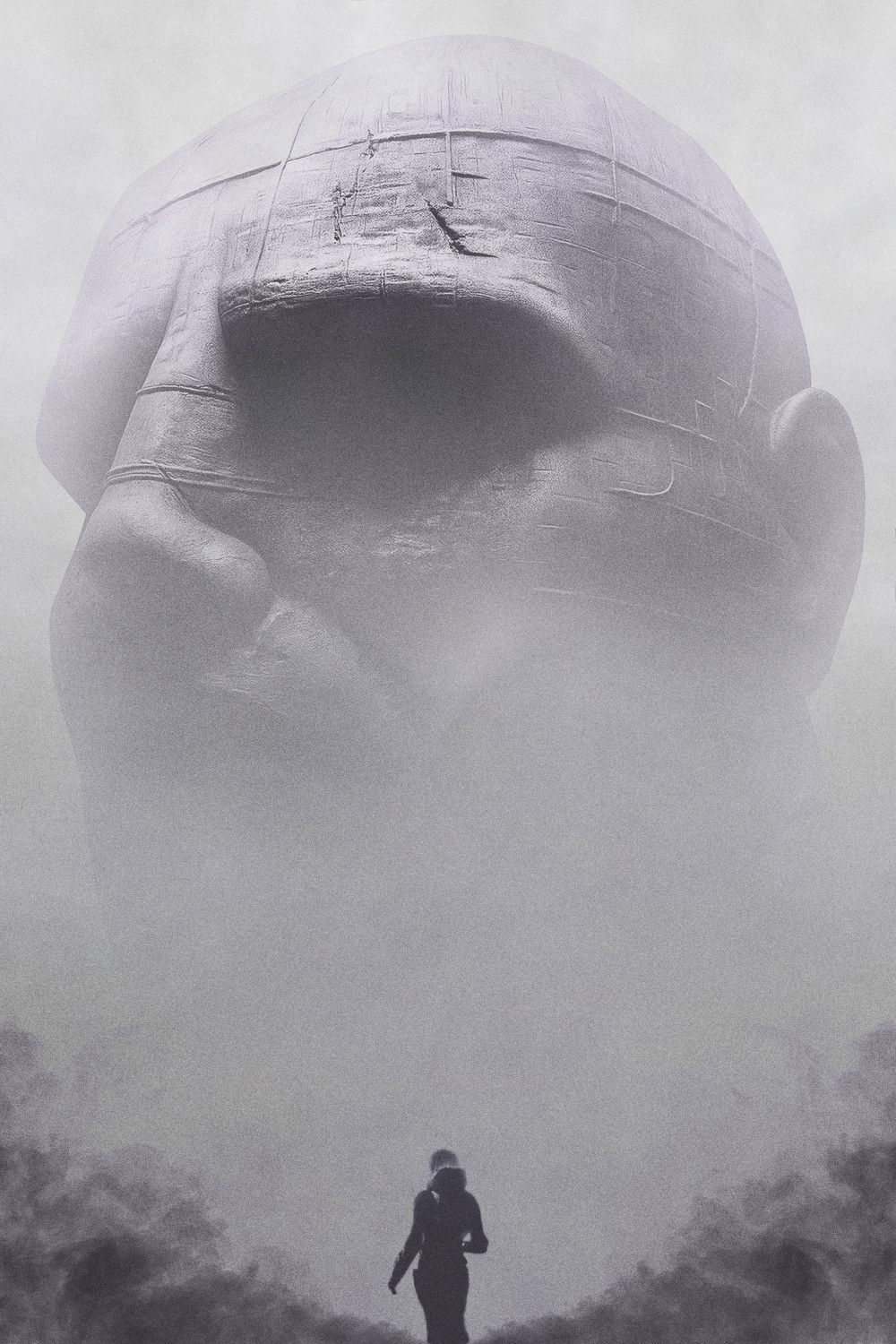
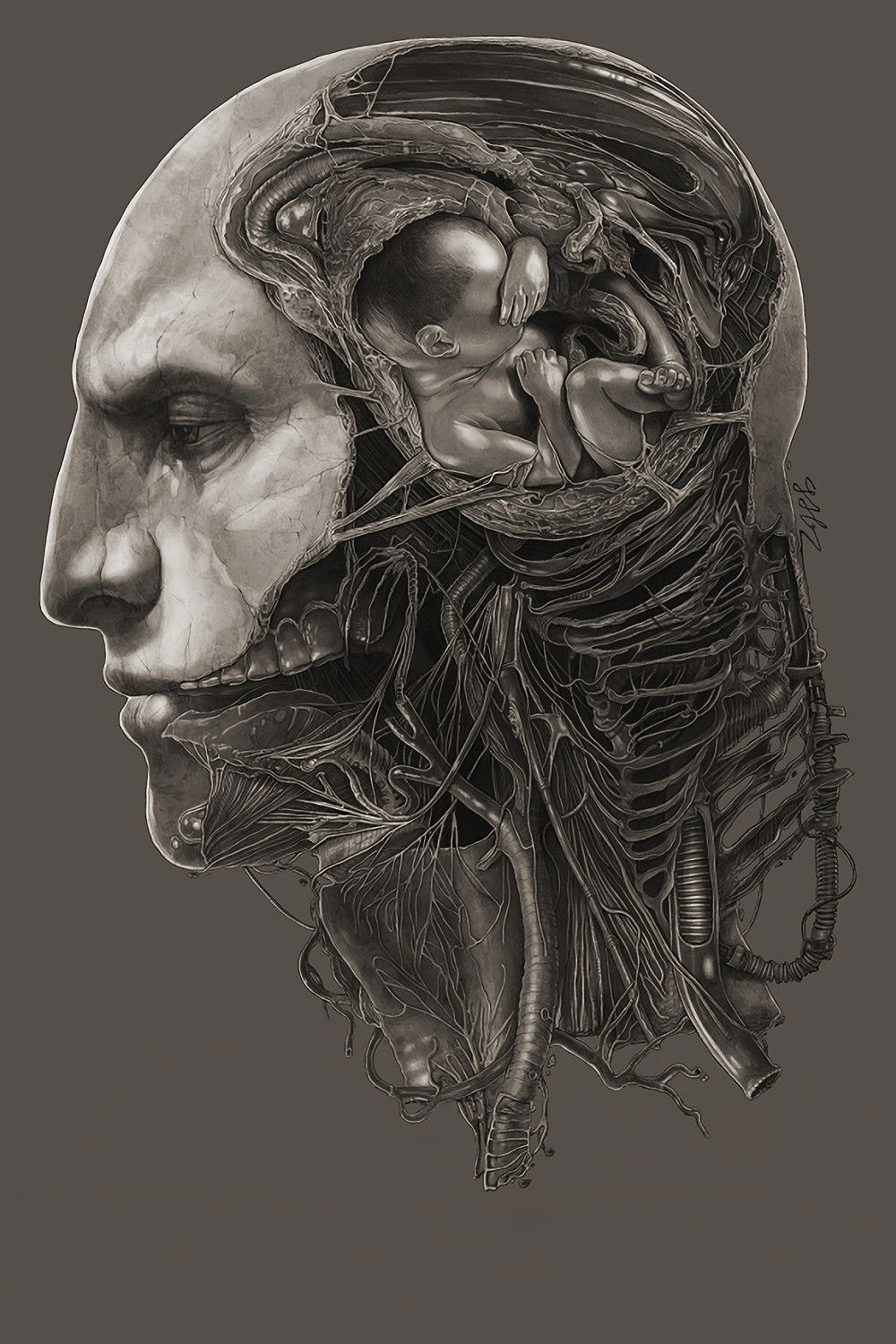
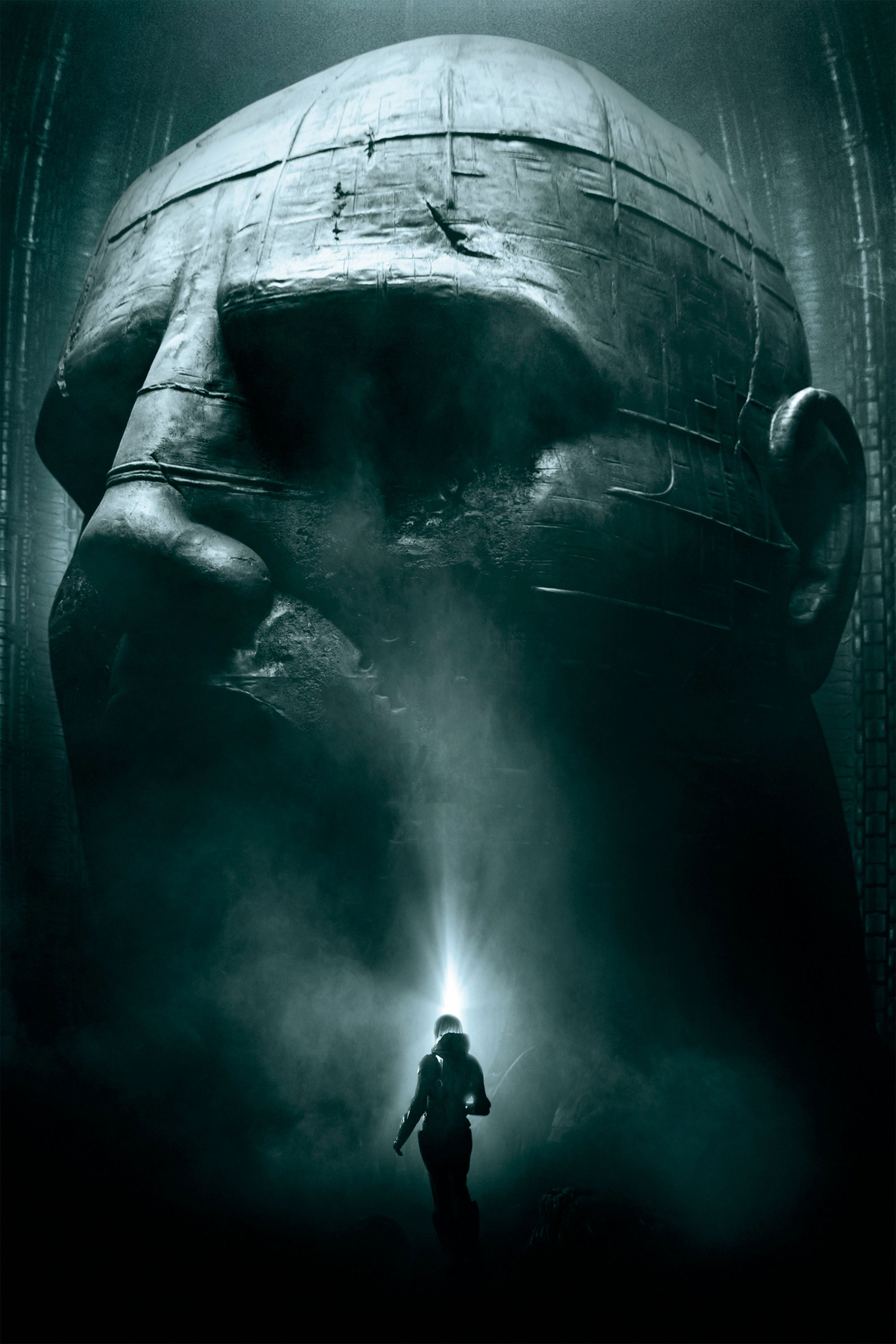
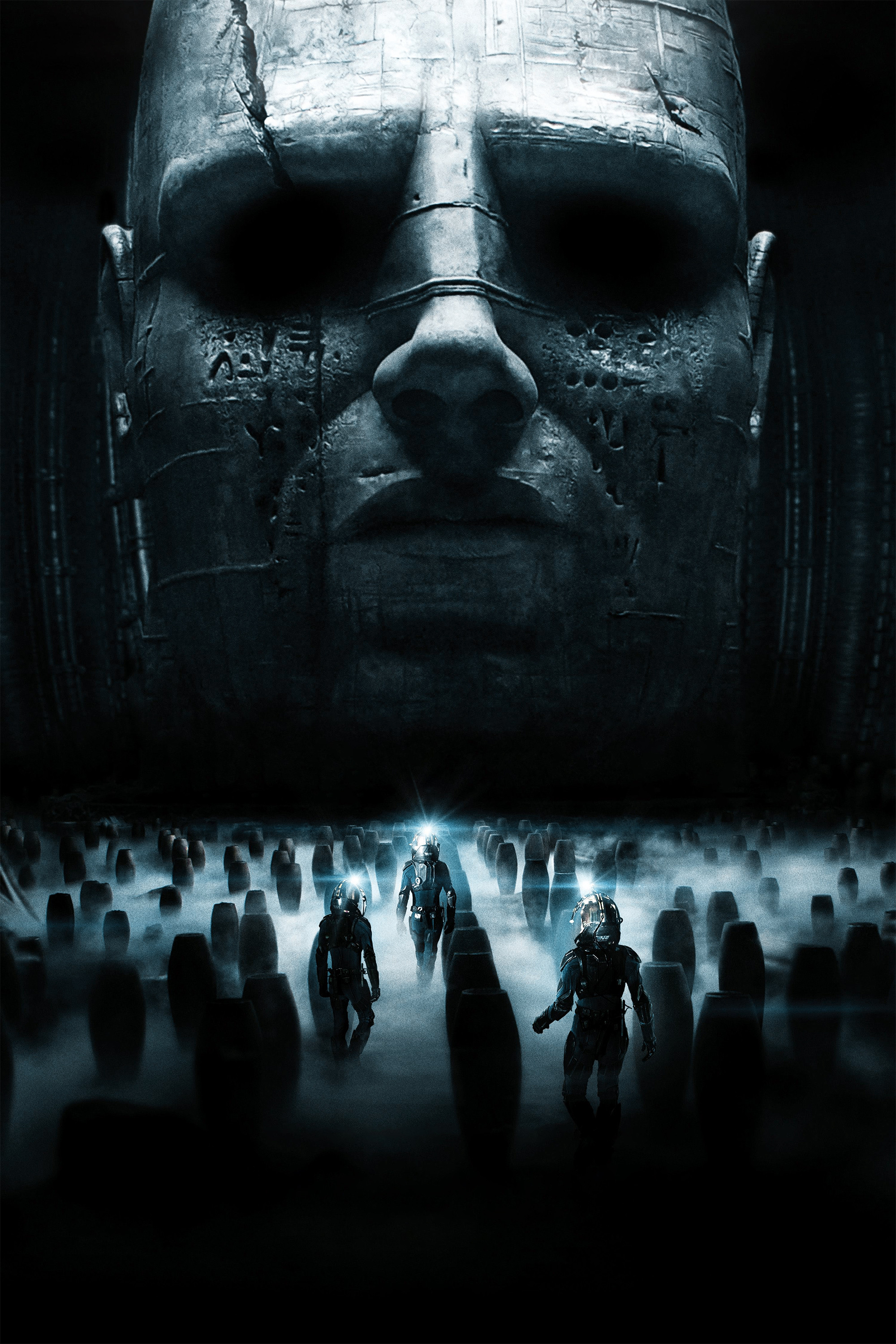
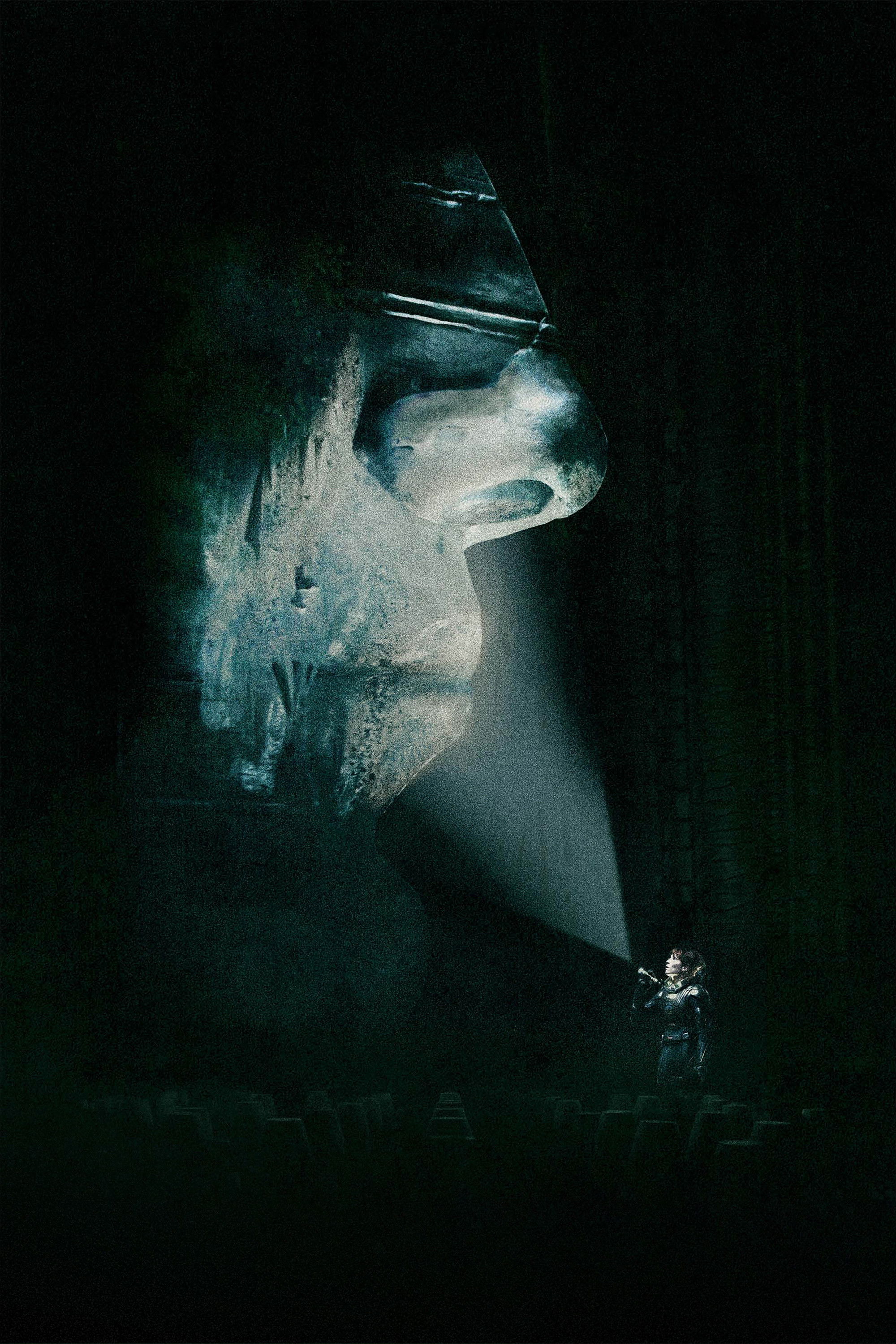
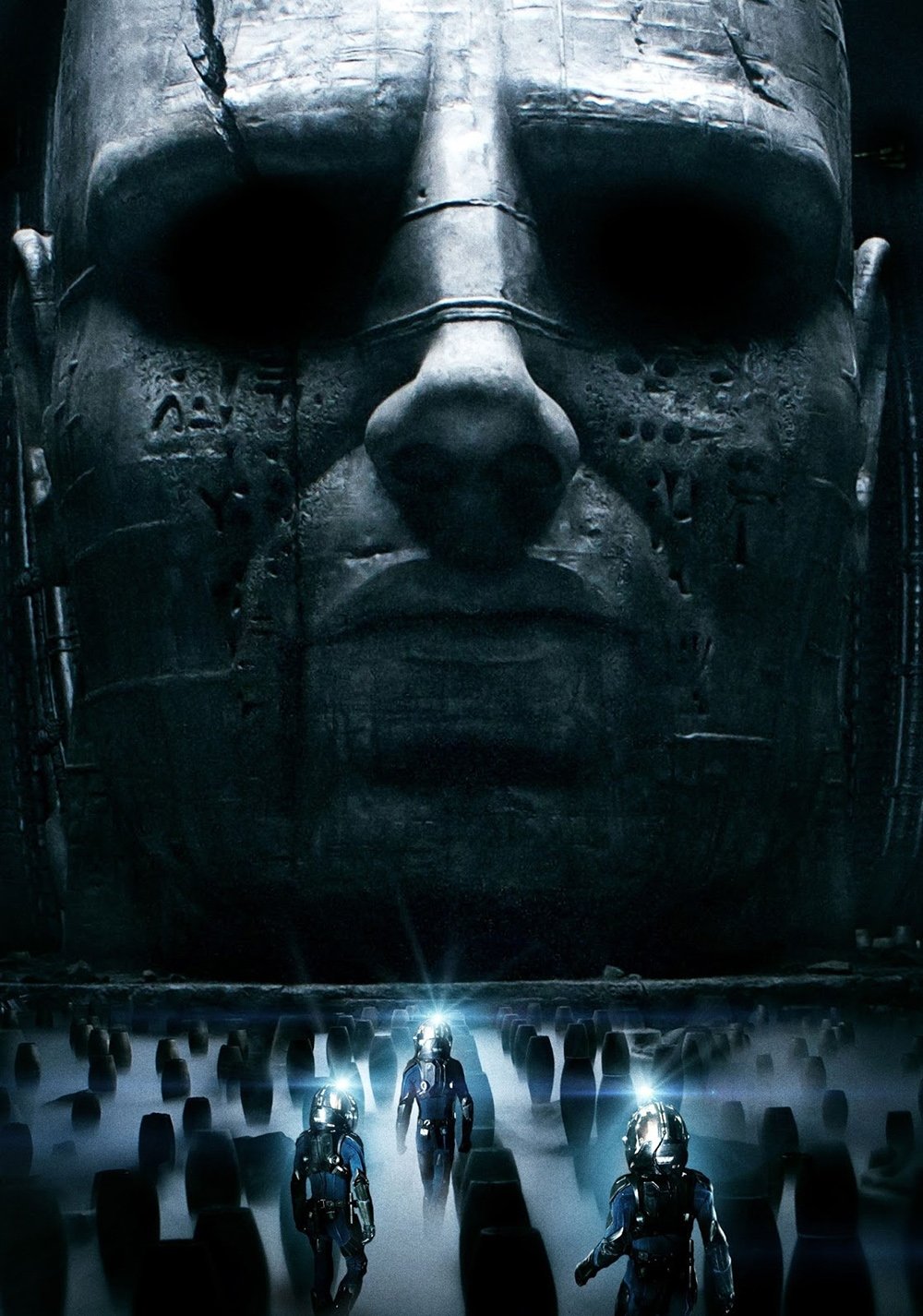
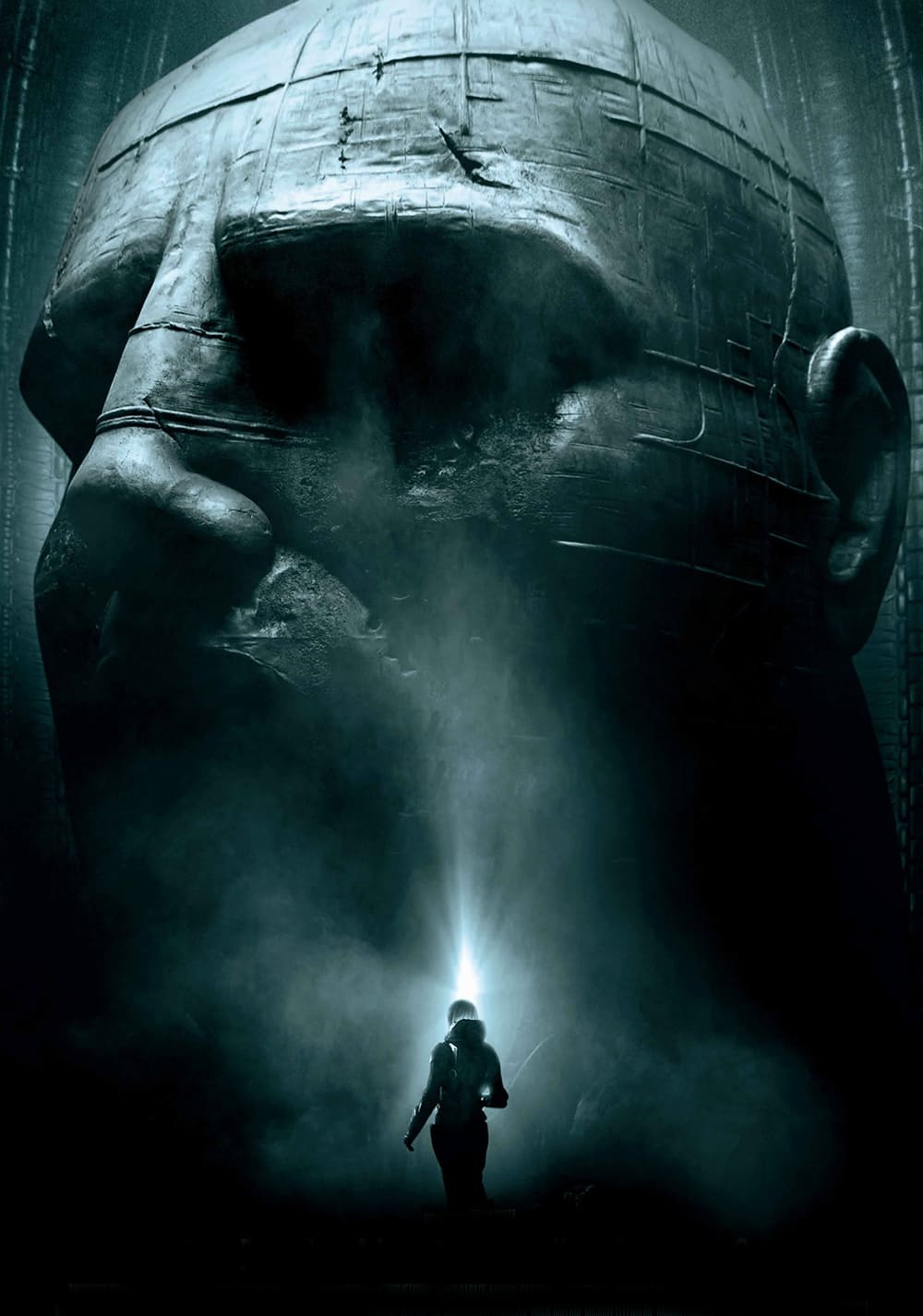
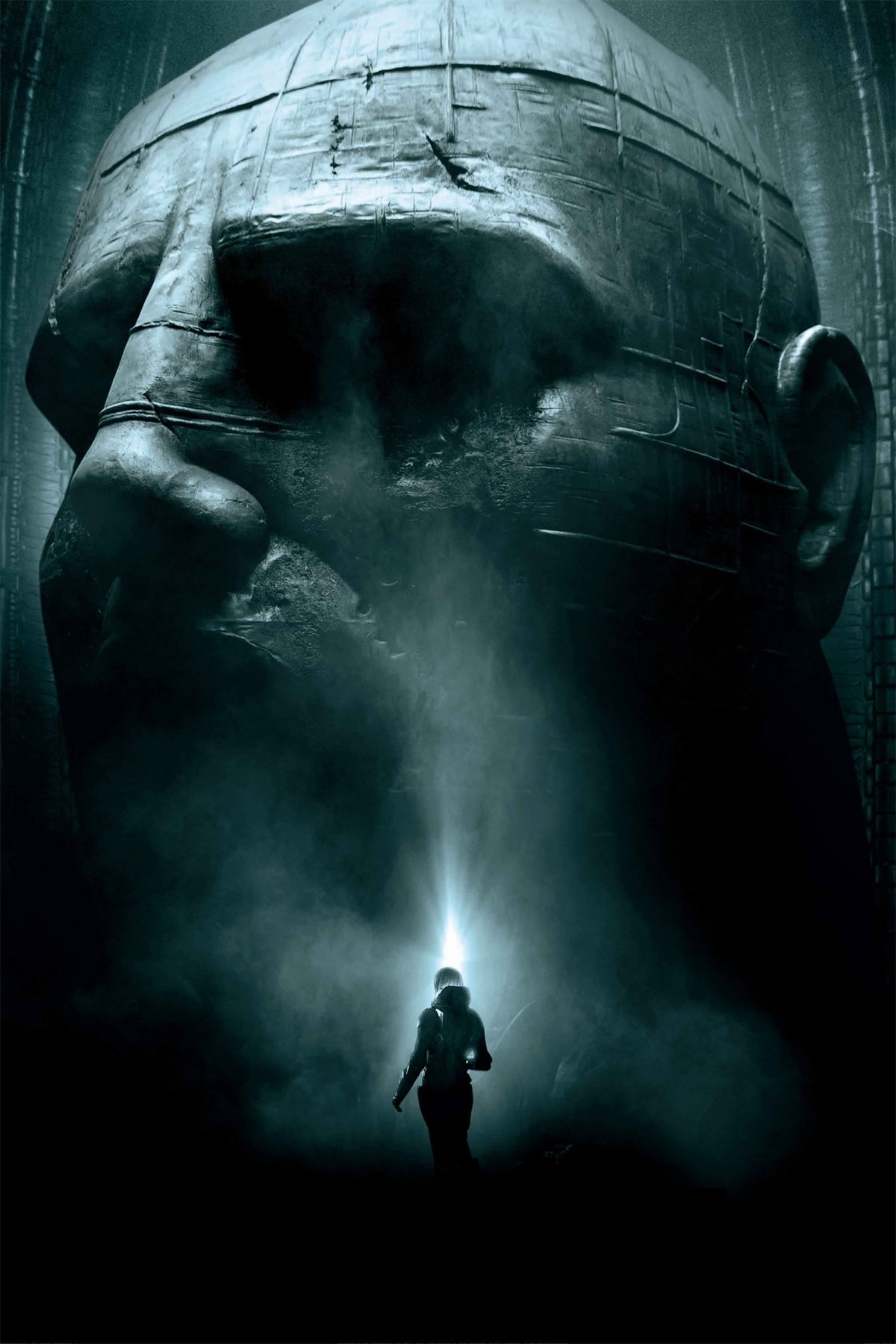
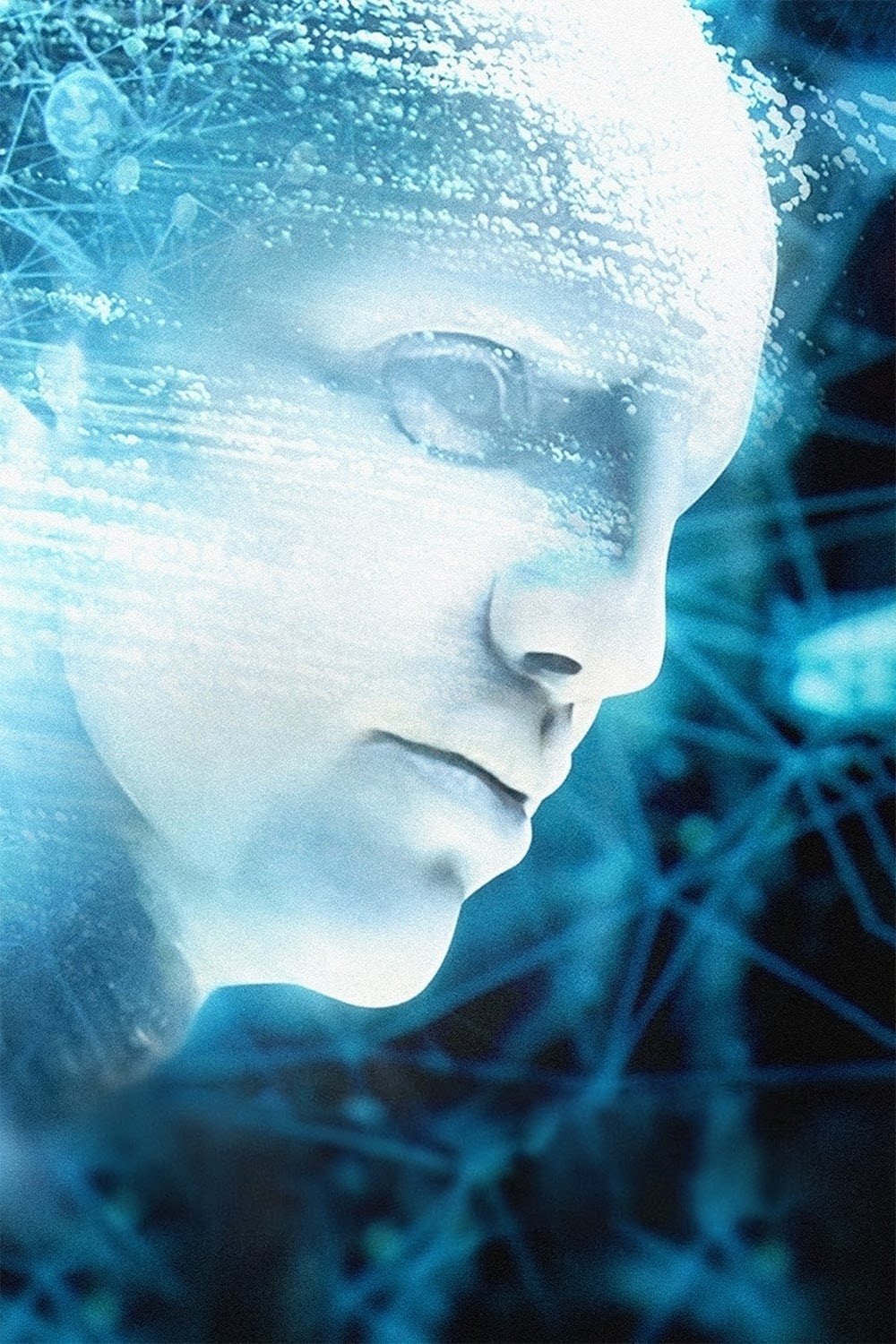
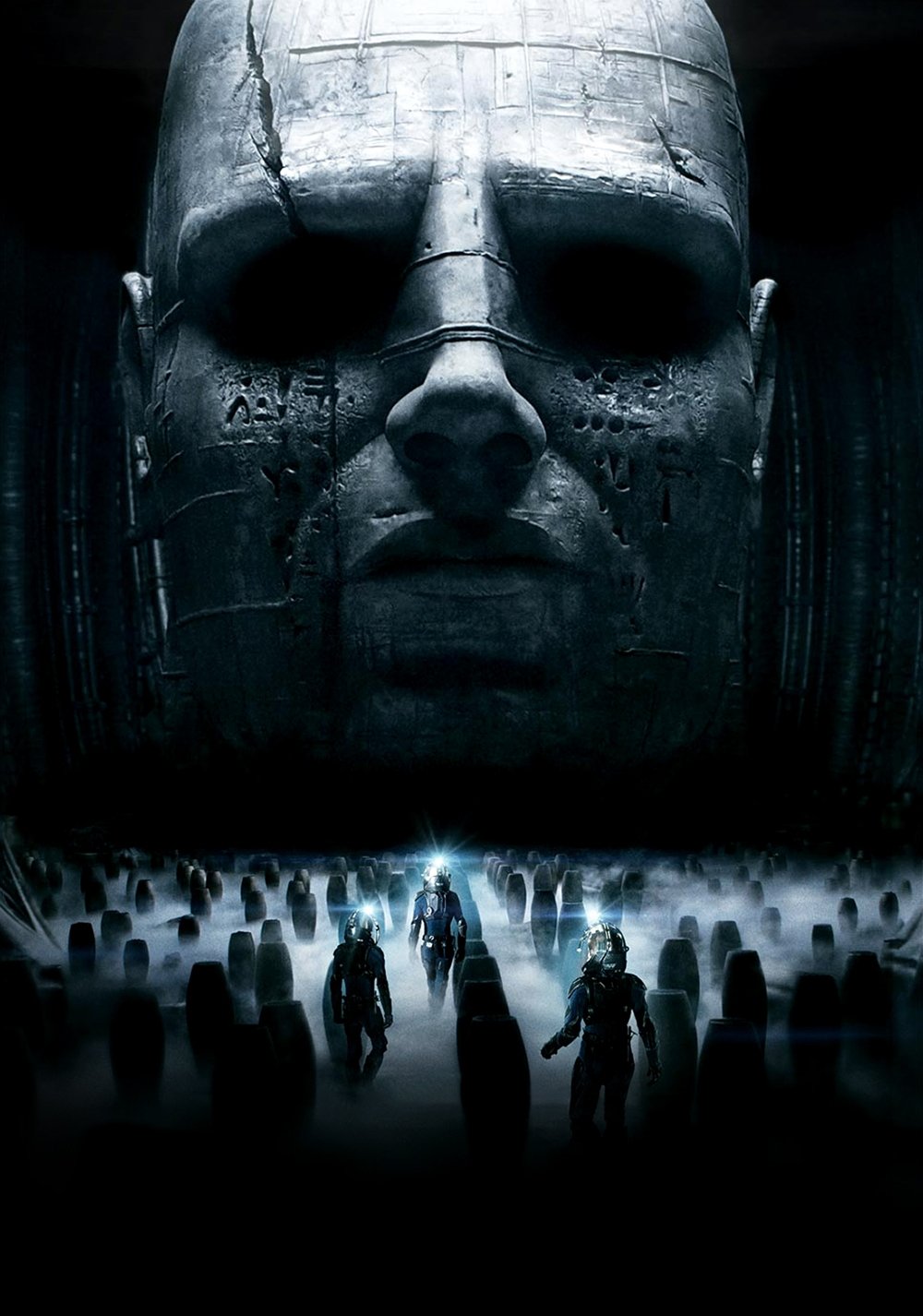
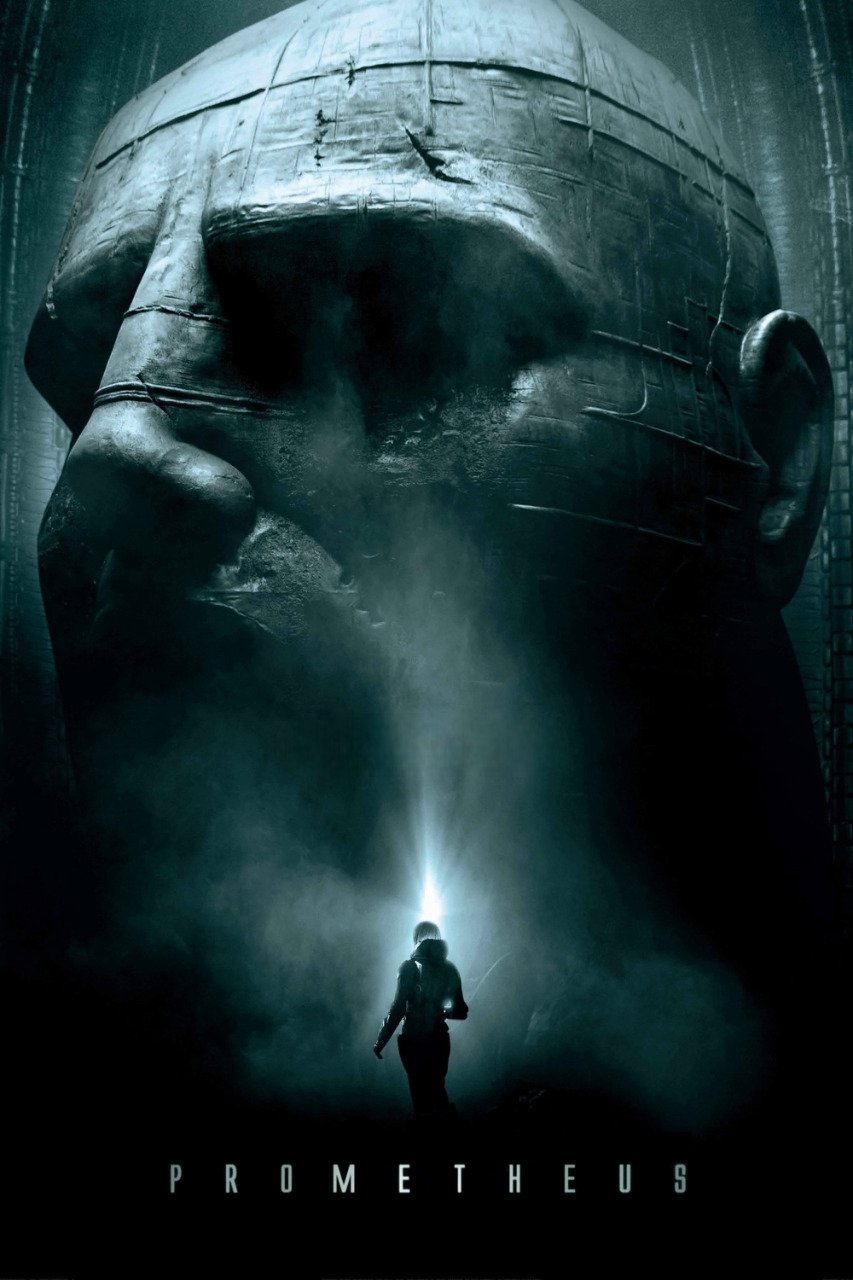
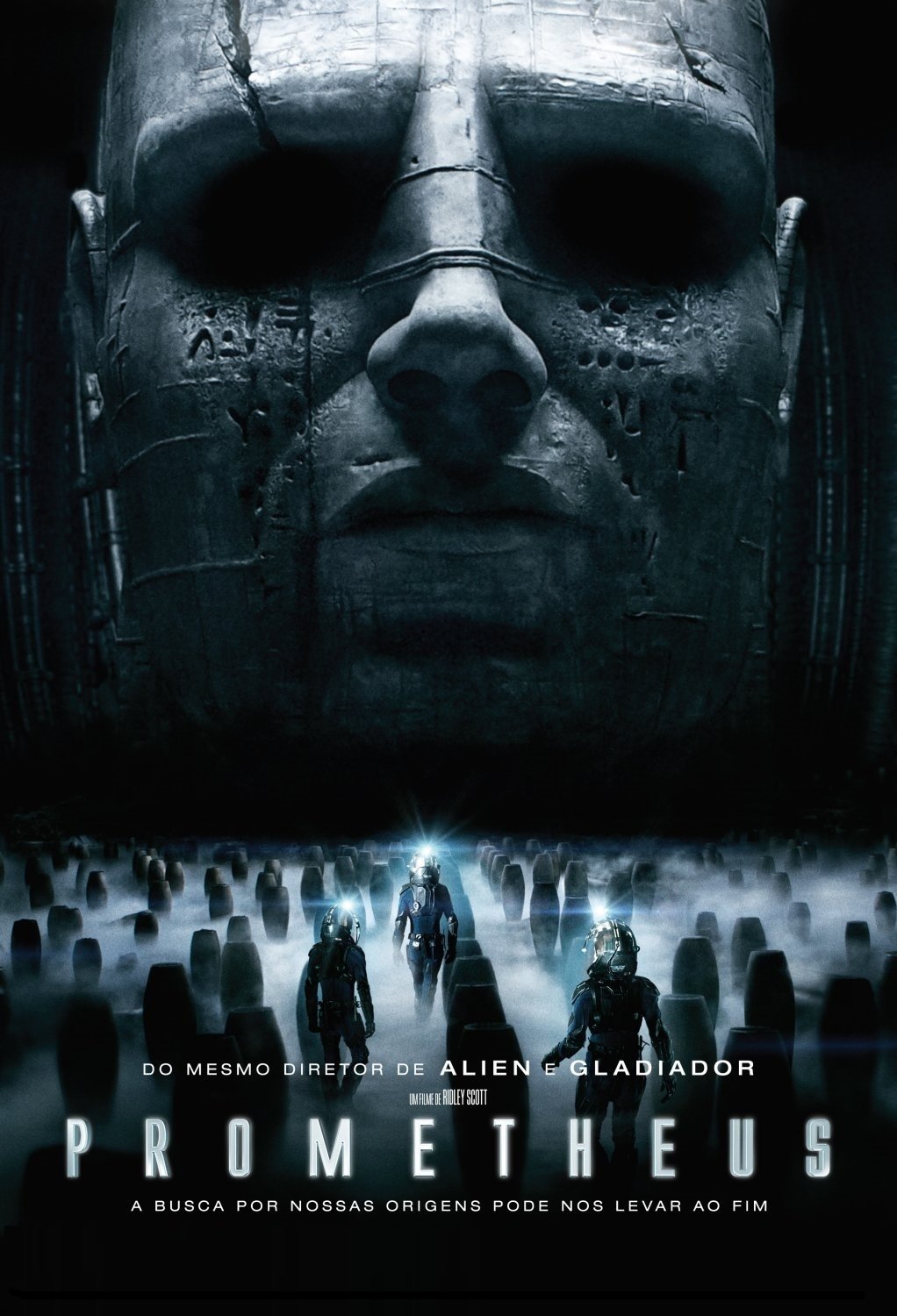
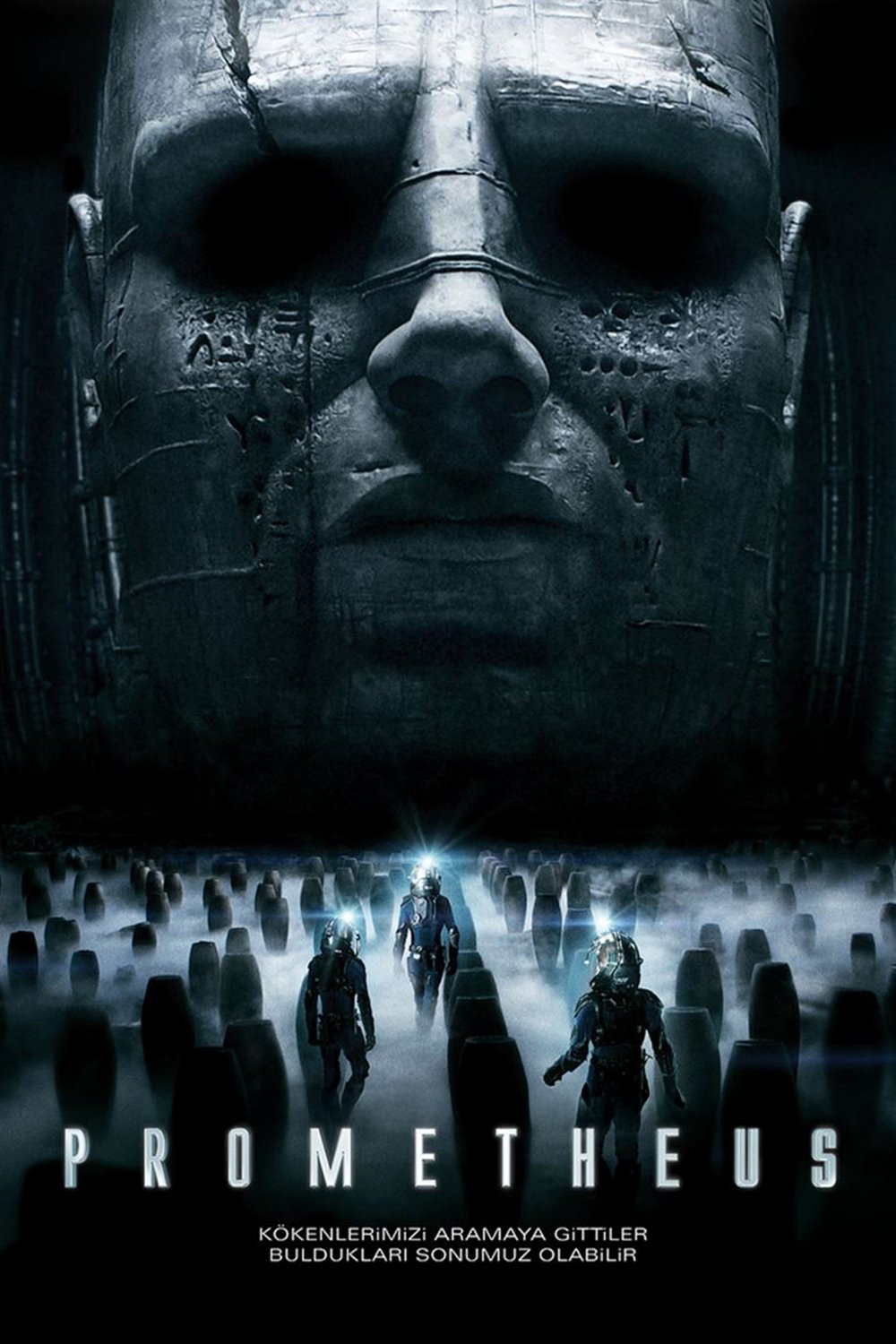
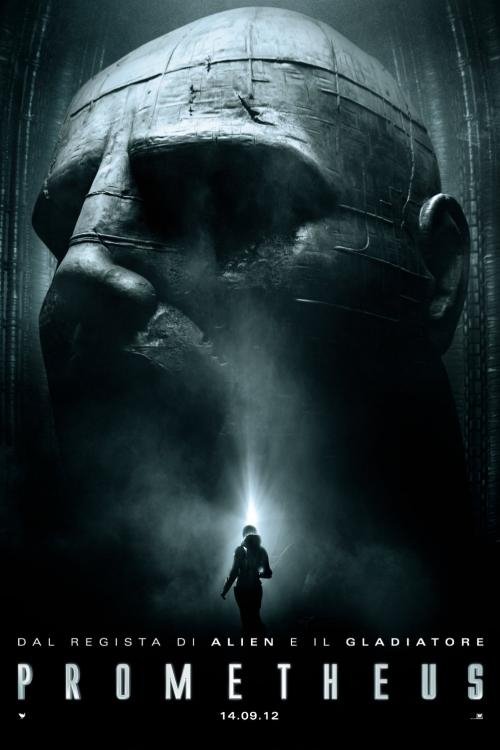
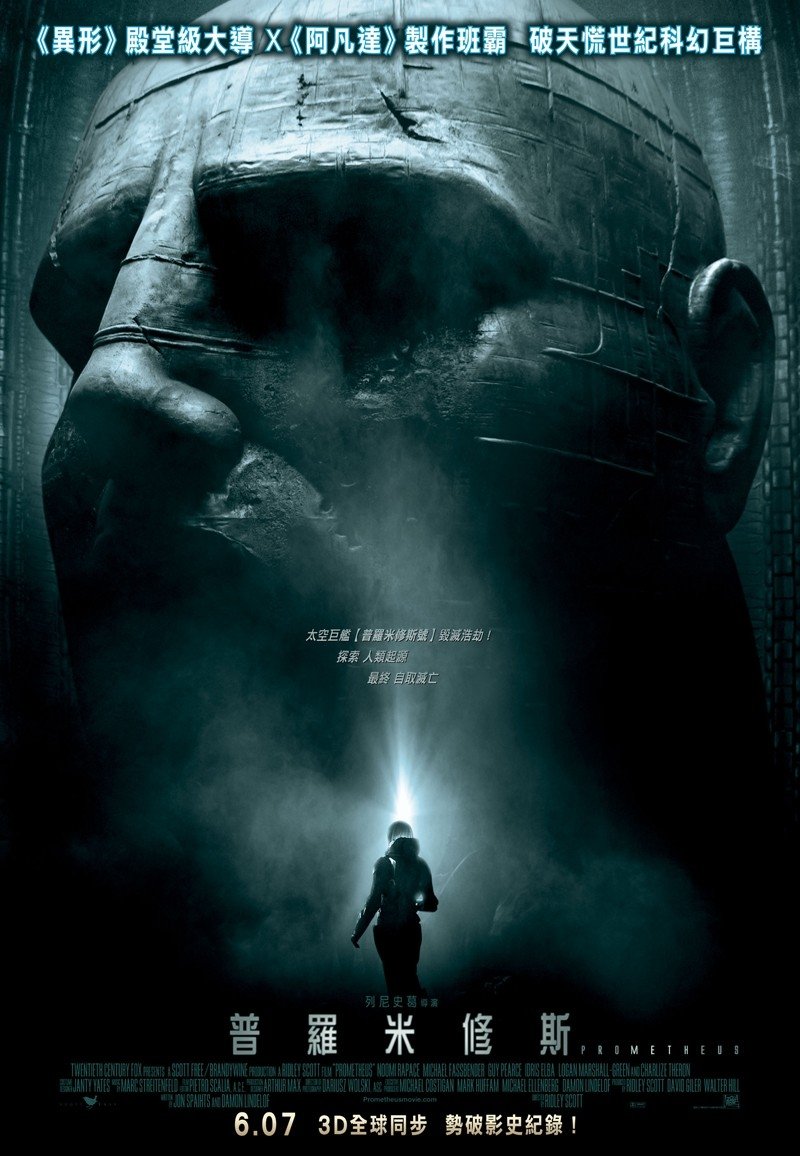
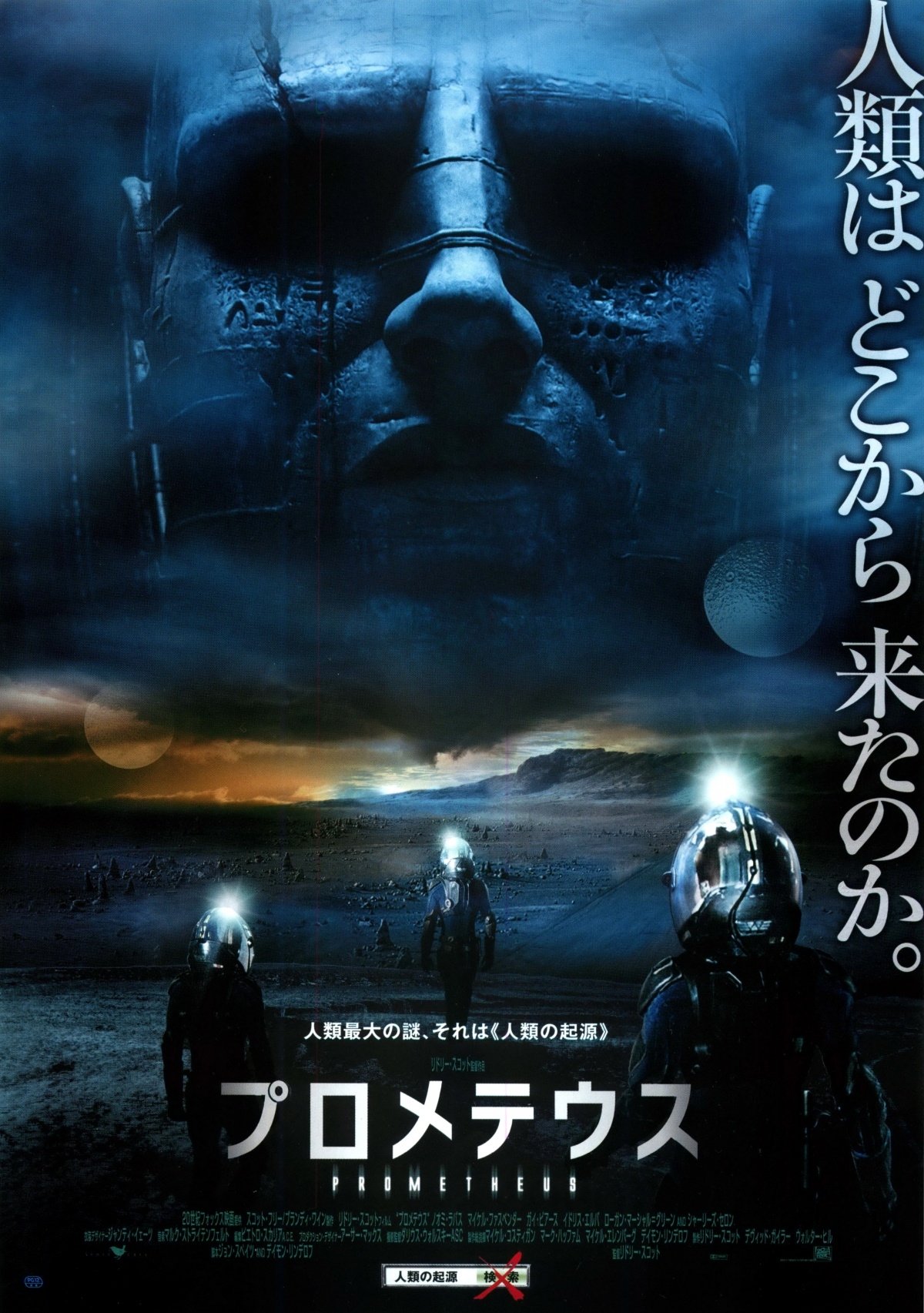
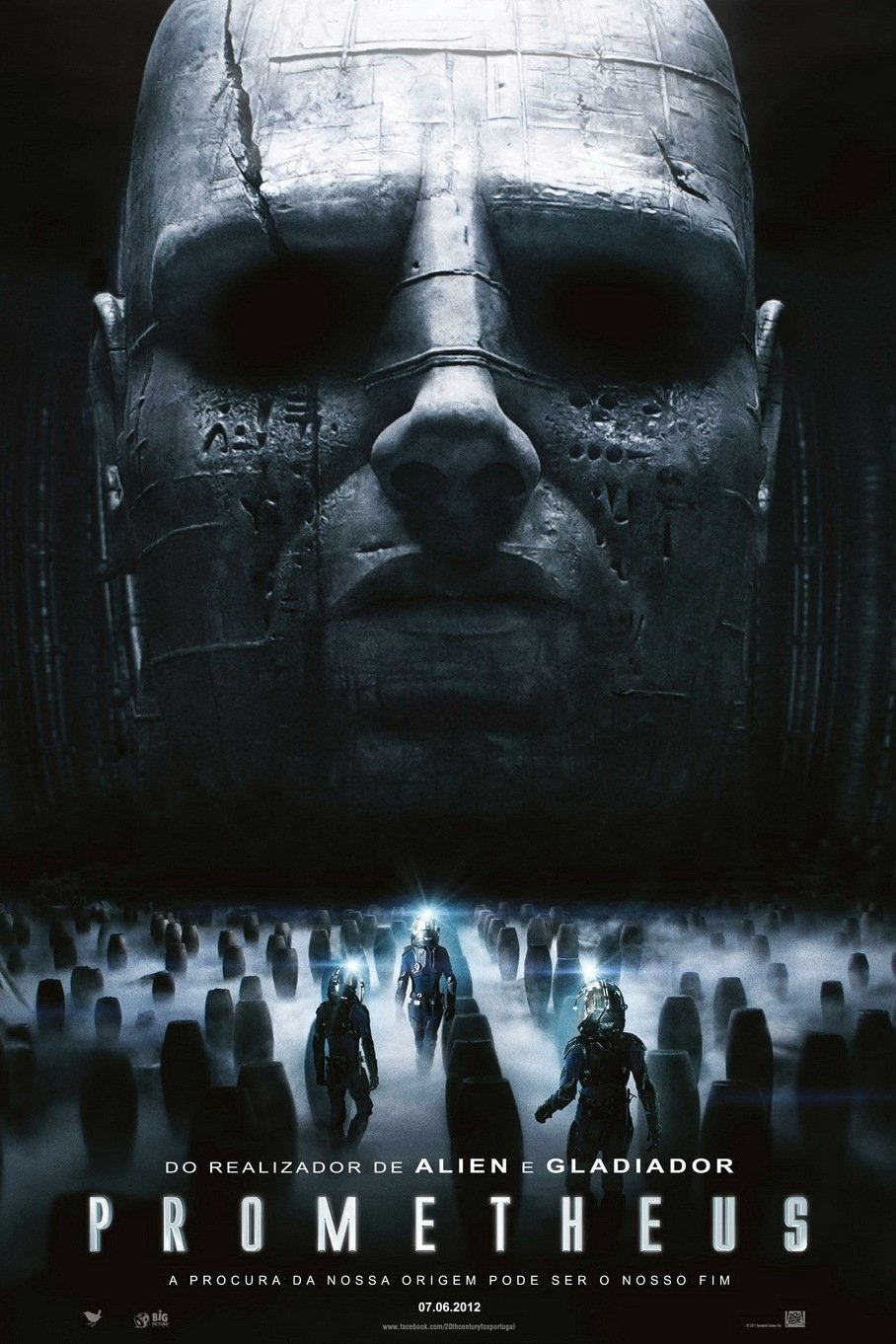
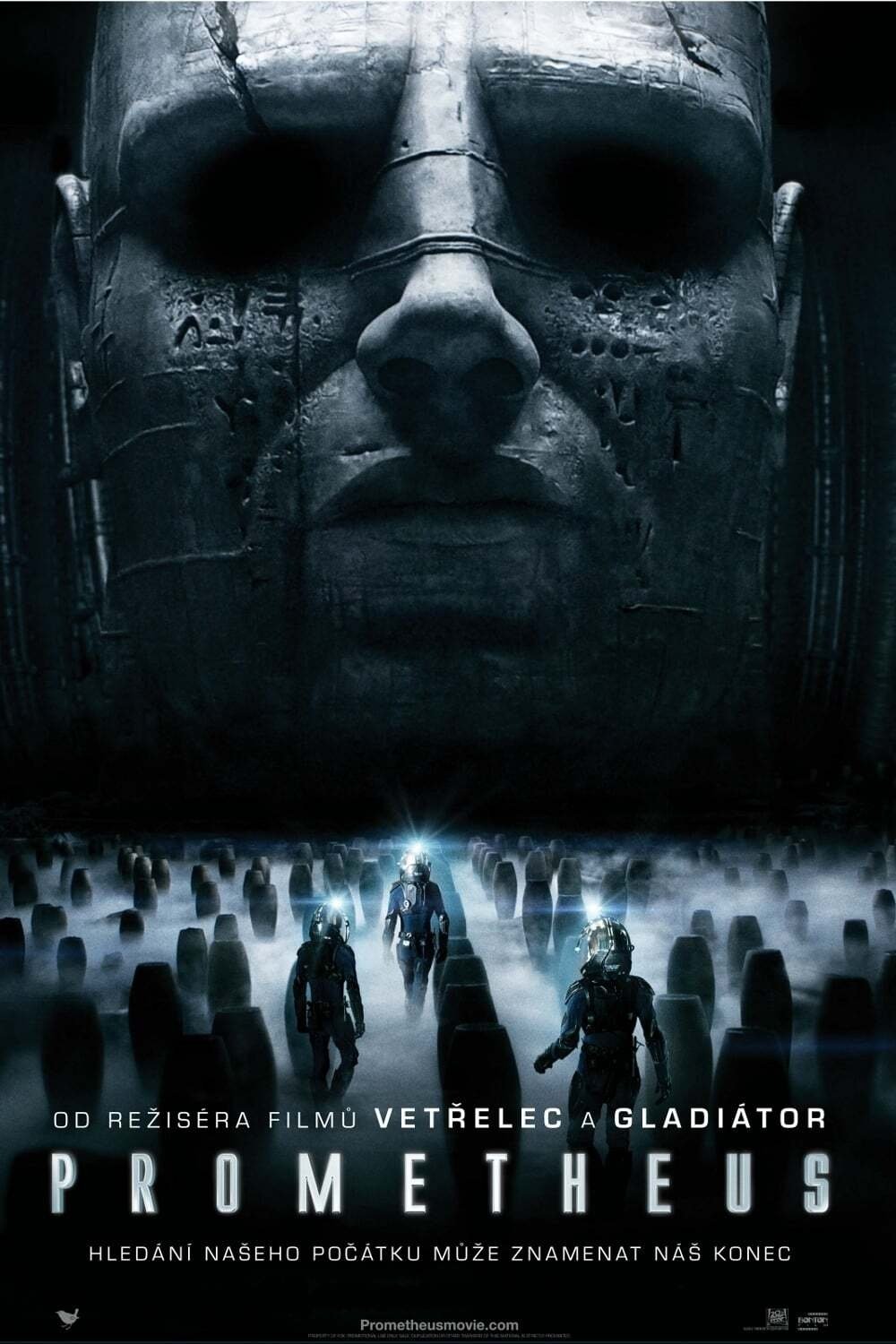
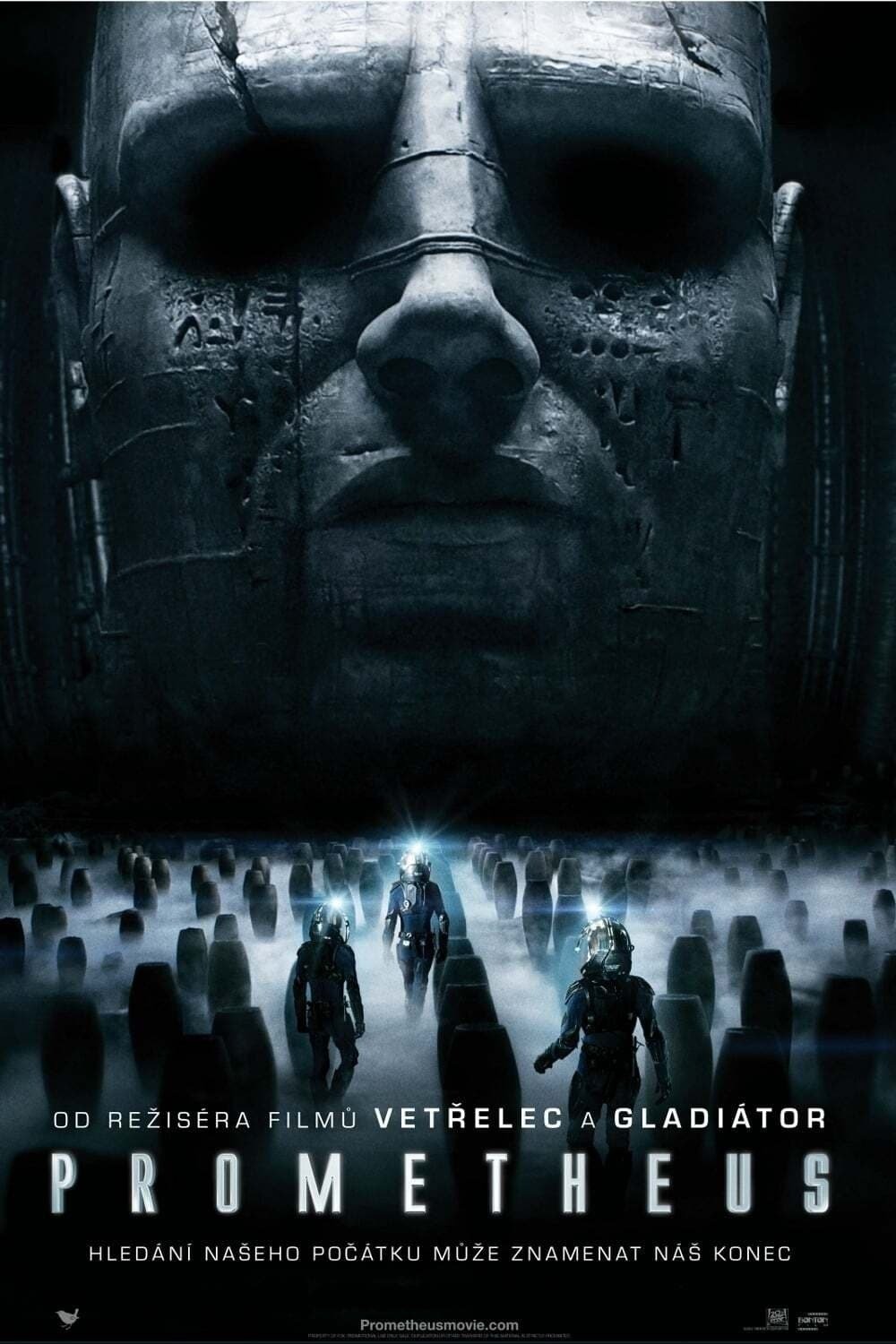
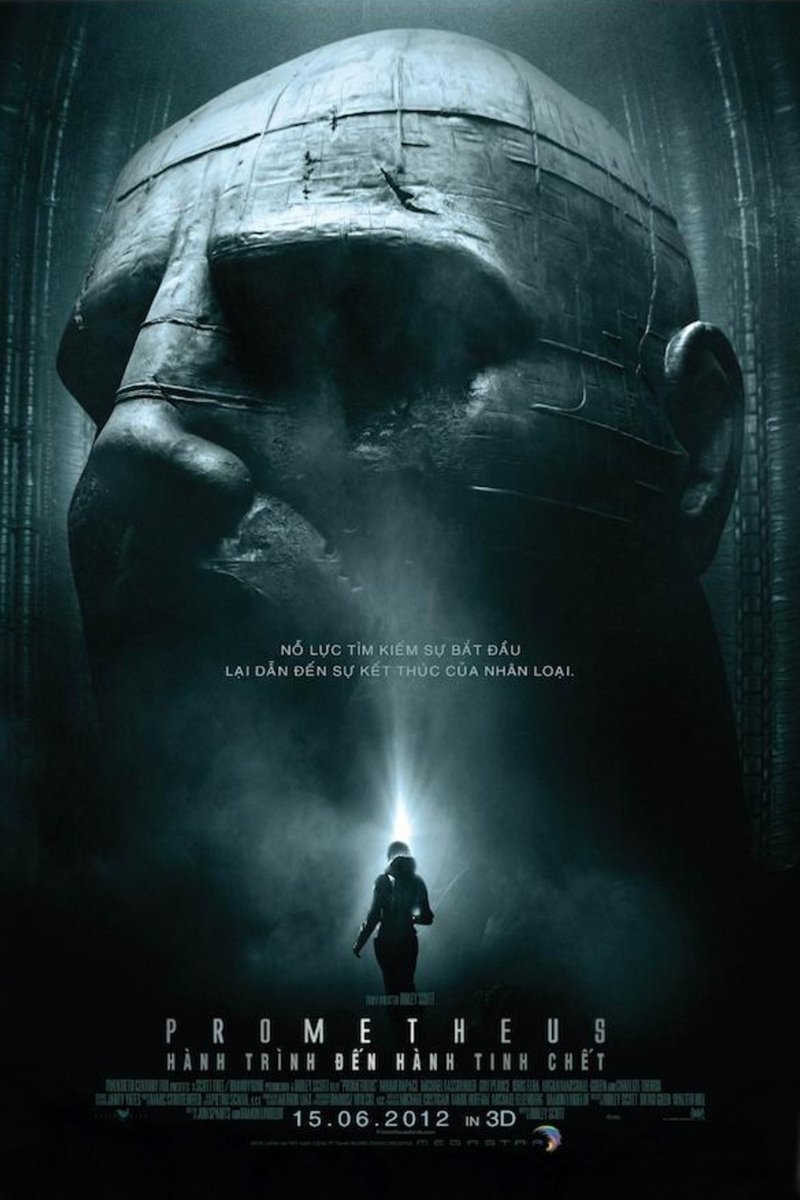
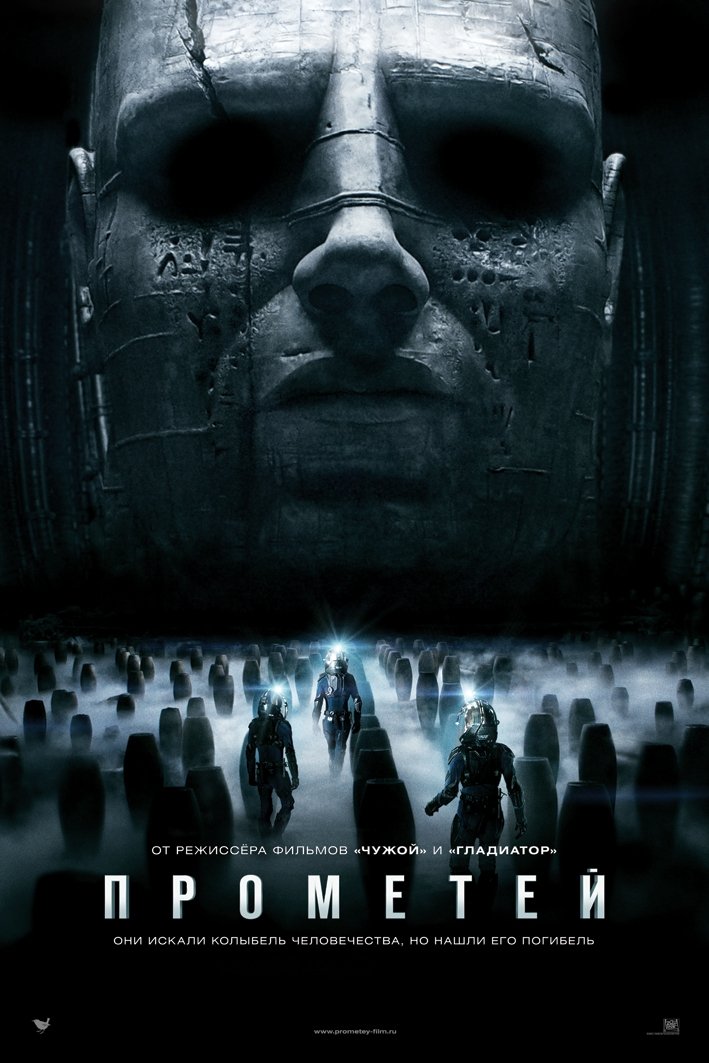
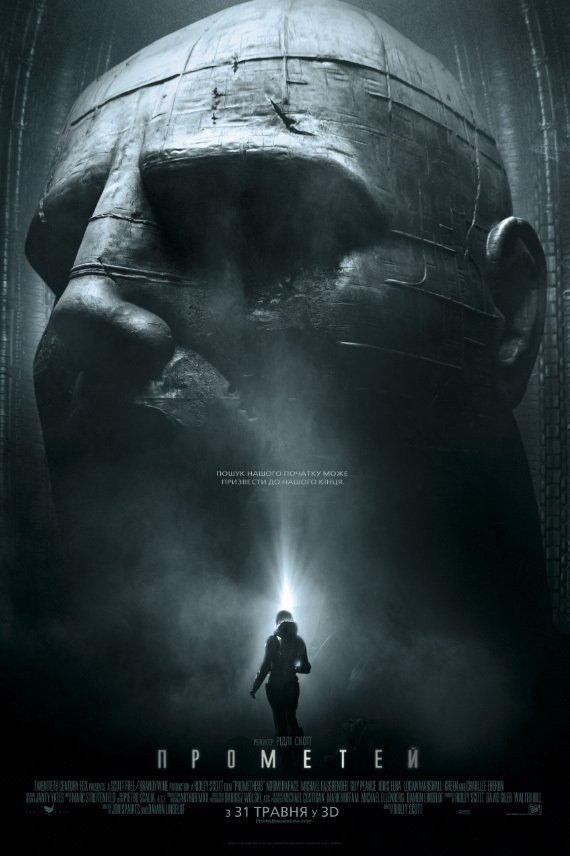
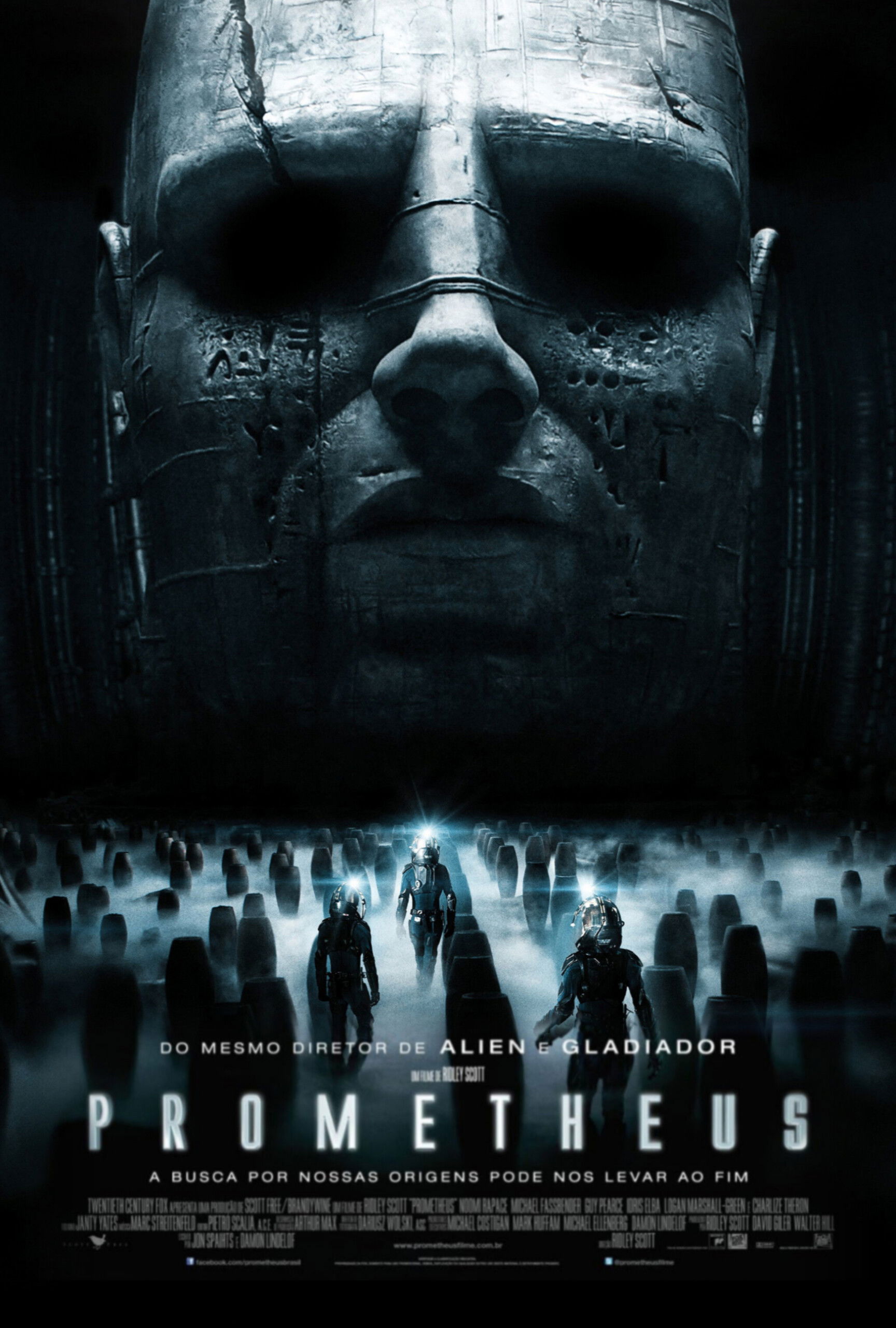
The Engineers appear first as beings who possess powers of biological alteration far beyond human science. A ceremonial sequence shows one of them disintegrating after consuming a substance, while the expedition later finds a chamber filled with containers and an enormous sculpted head. Shaw interprets the archaeological pattern through a search for ancestry that has personal religious meaning. Her insistence on asking why humanity exists survives discoveries that should make her abandon the expedition's initial confidence. The film never supplies a fully reliable explanation for every Engineer intention, and its characters' interpretations should not be mistaken for an authoritative account of the fictional species' entire history.
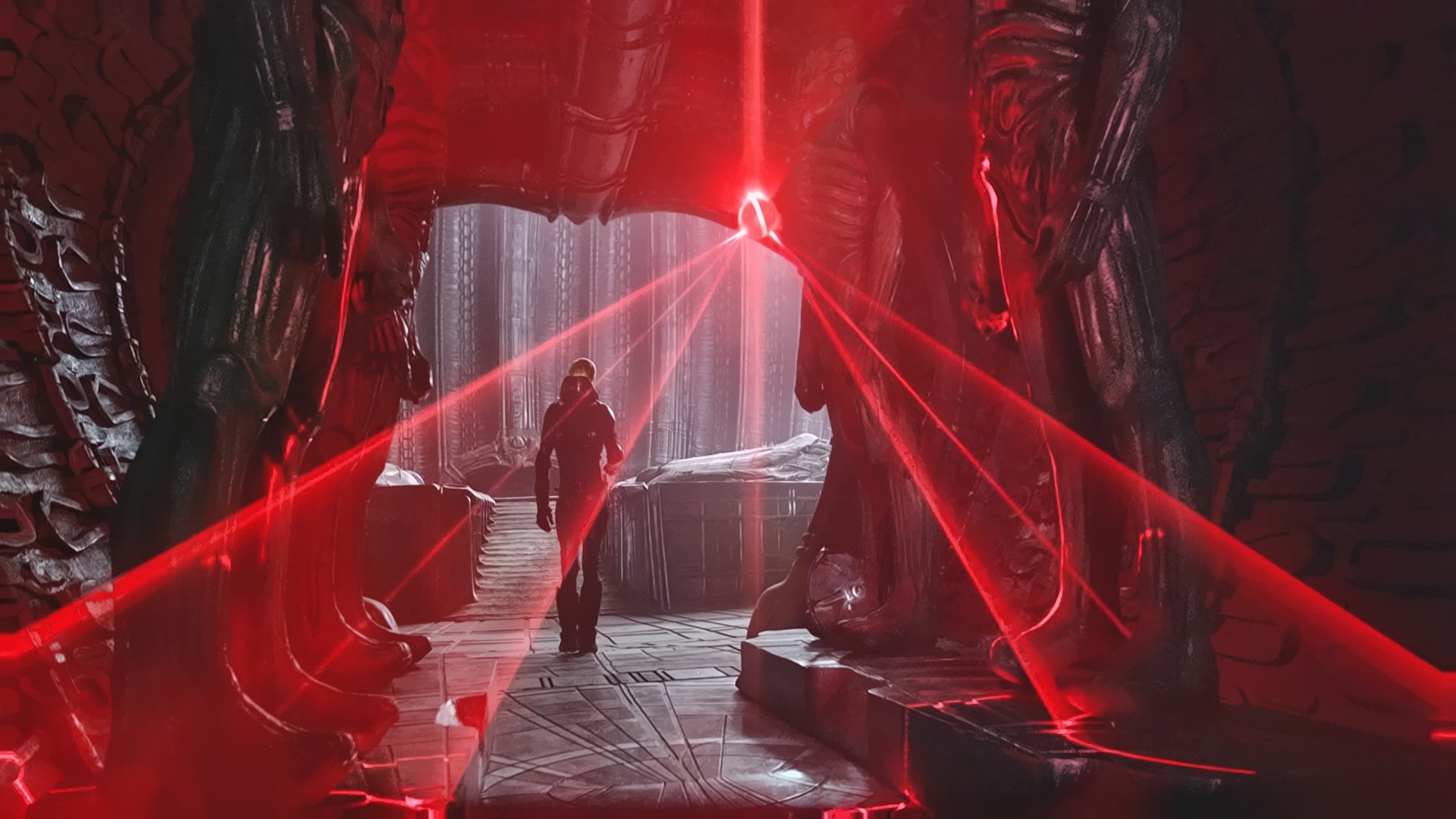
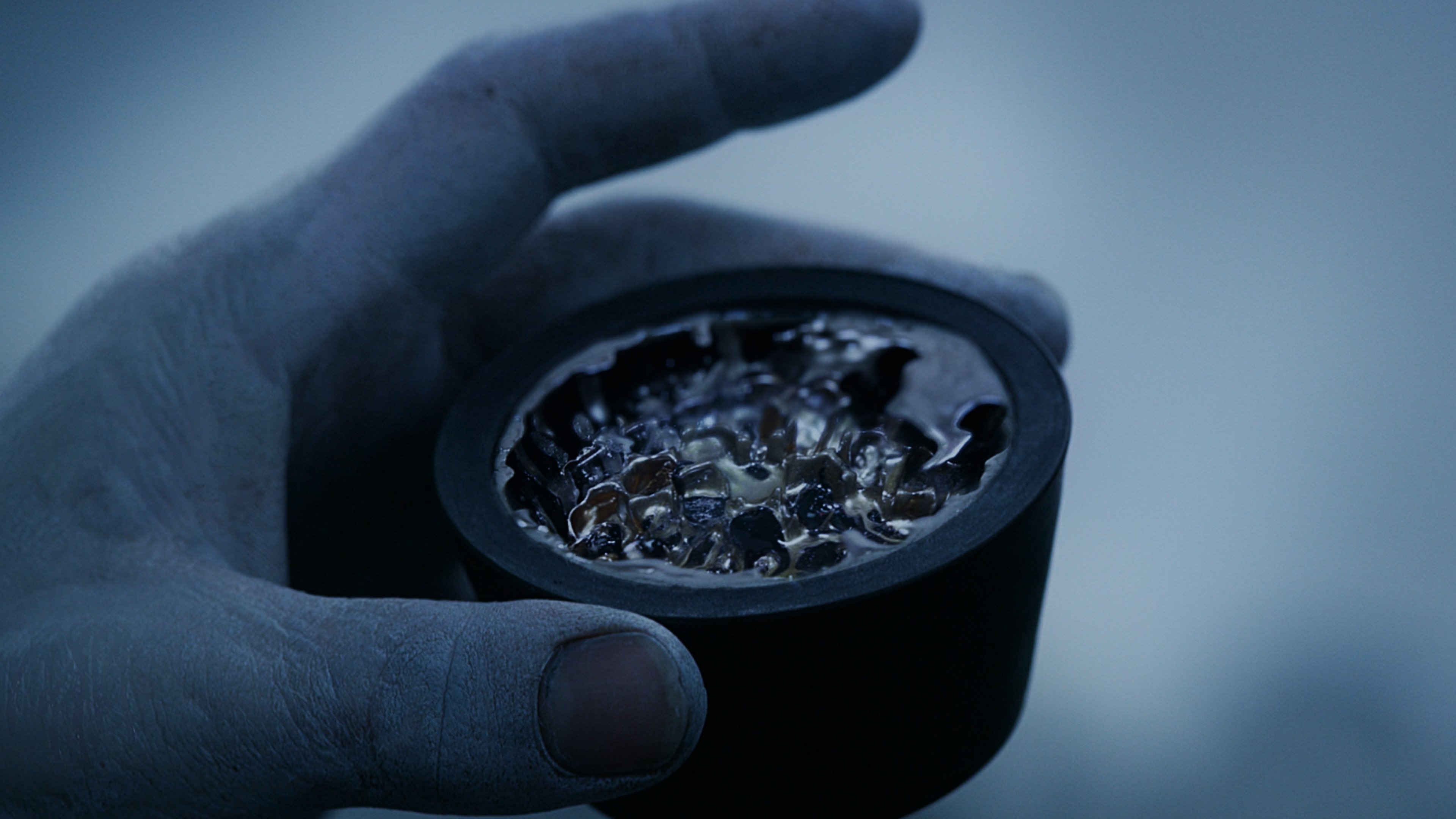
The unknown liquid gives the quest an especially disturbing consequence. Material apparently capable of altering or destroying organisms is stored within a place that the visitors first interpret as a temple. Their assumptions about welcome and knowledge become unsafe when the containers leak and living tissue changes. The ancient chamber combines sacred scale with the menace of an arsenal, permitting readings about the danger of treating powerful makers as benevolent parents. Those are interpretive possibilities generated by the film's imagery. Its immediate horror remains physical: an environment presumed to contain answers exposes unprotected people to a substance whose effects neither the scientists nor their employer understand.
Shaw, David and Competing Agendas
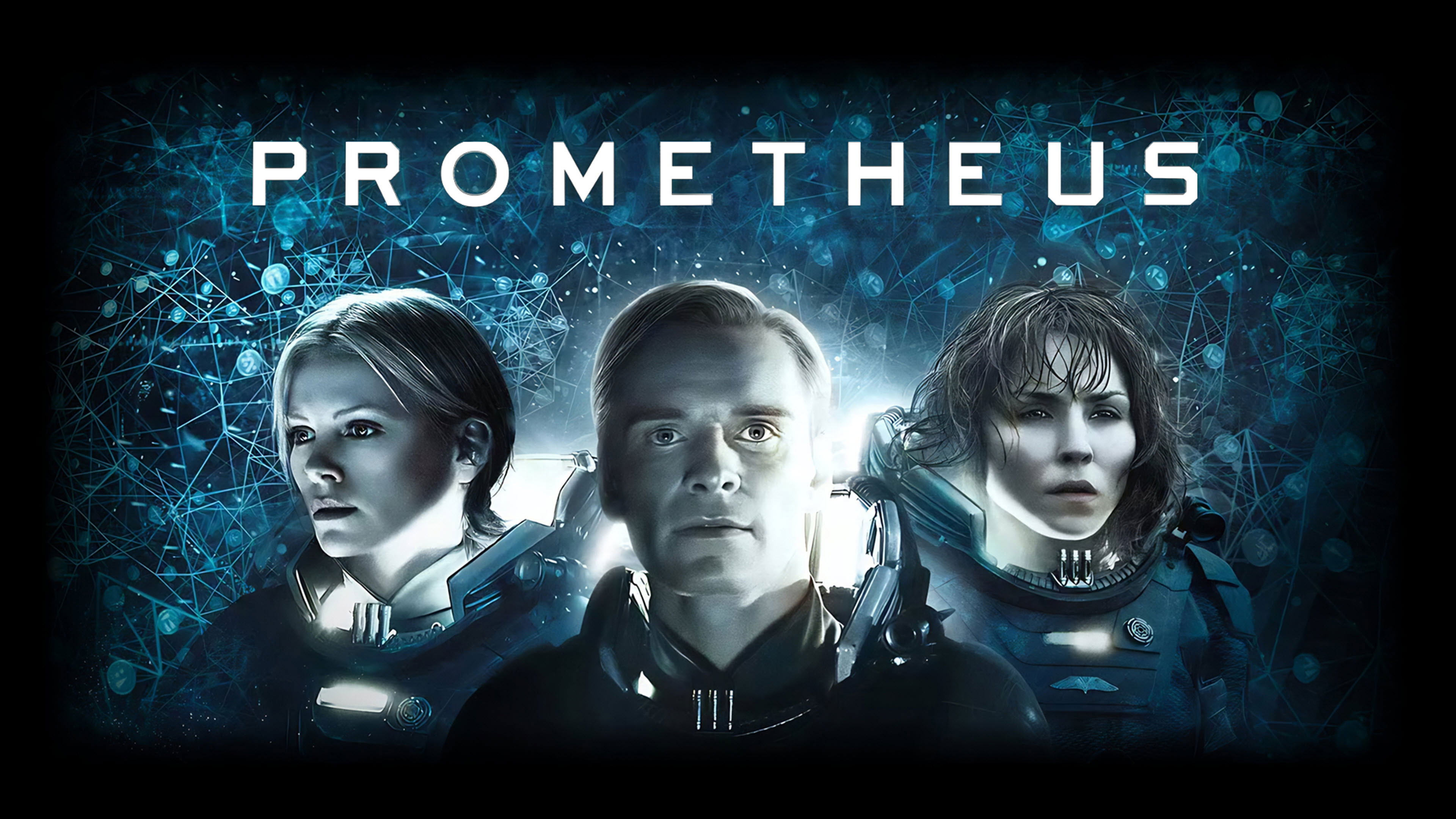
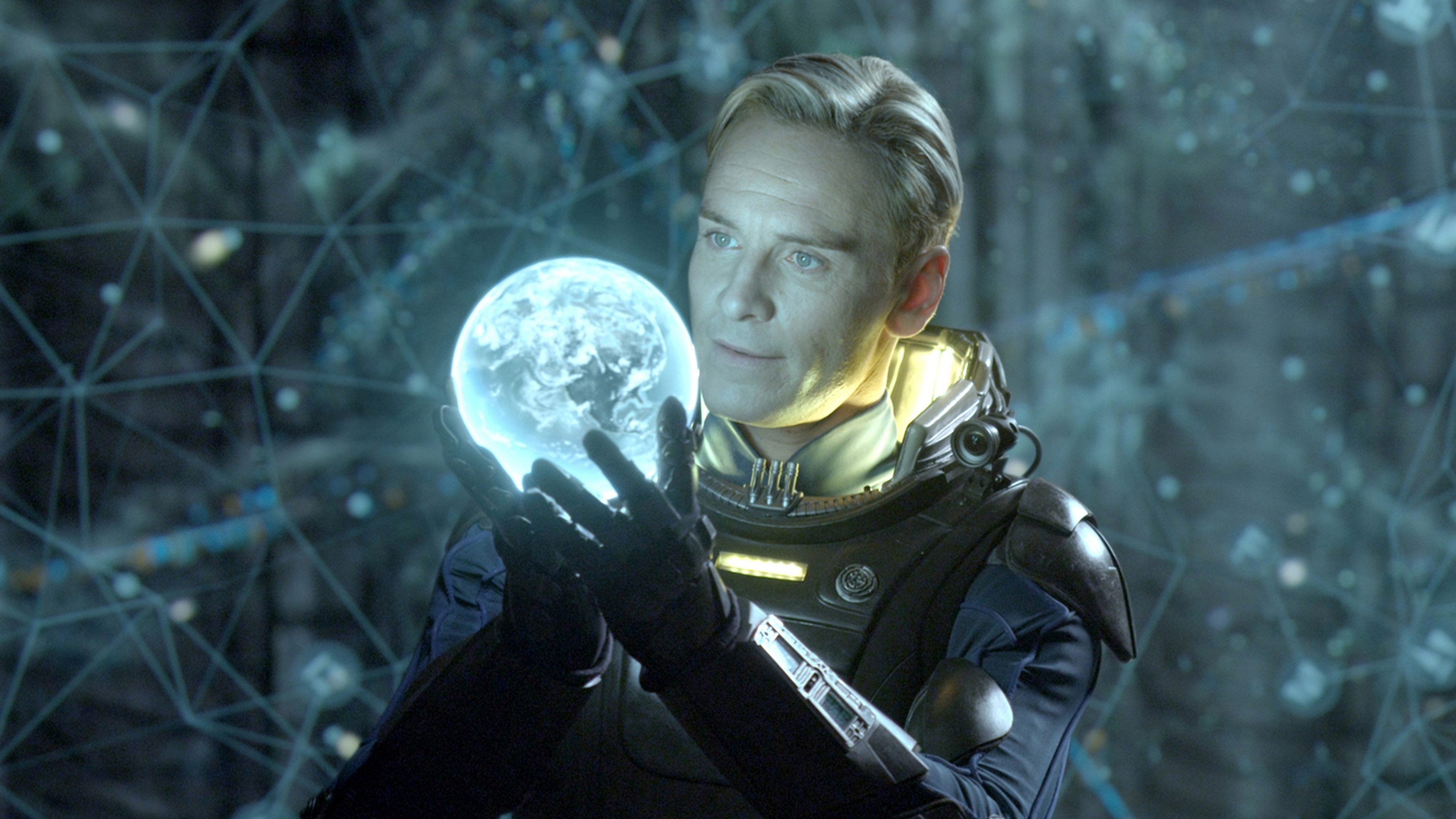
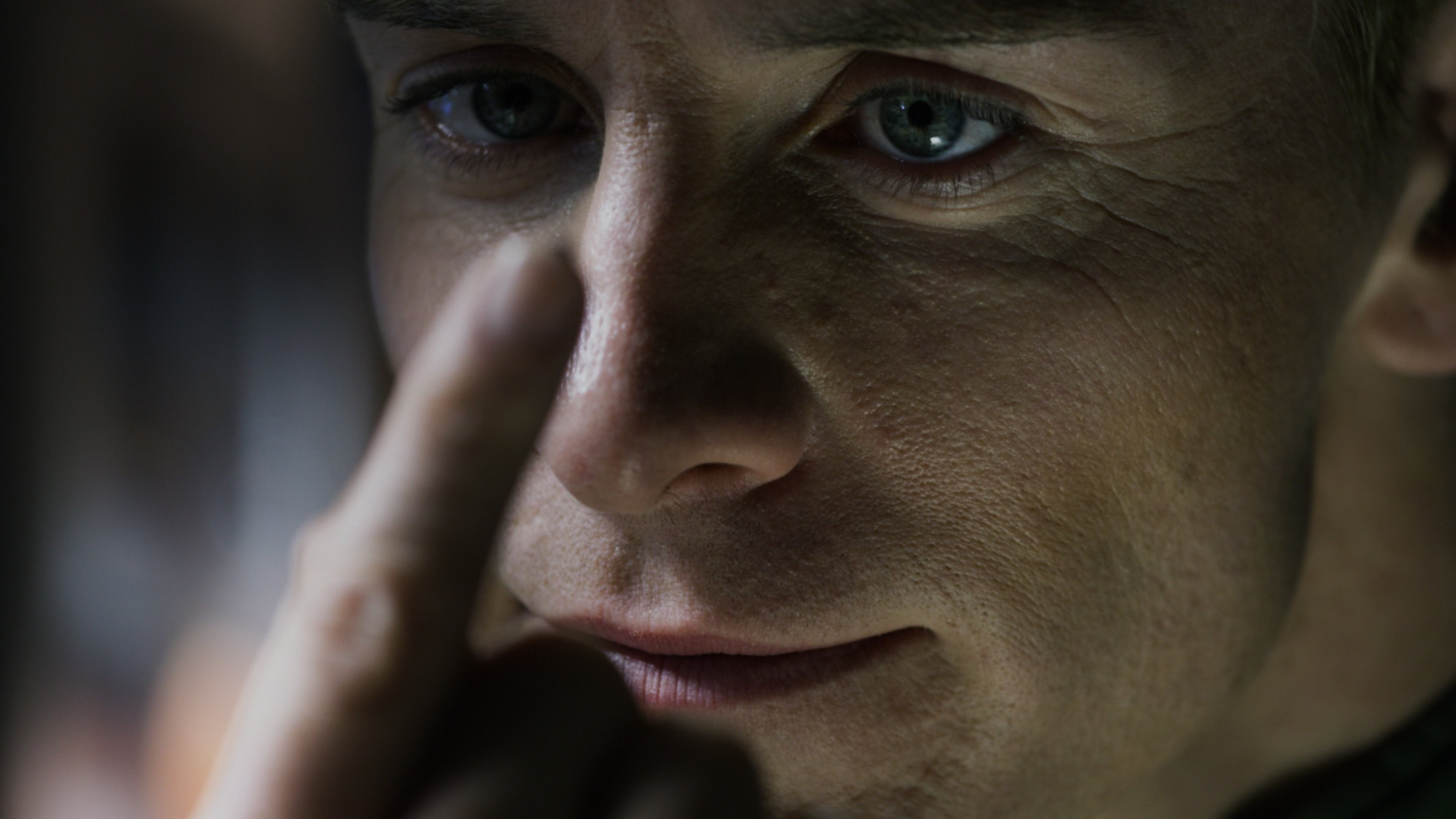
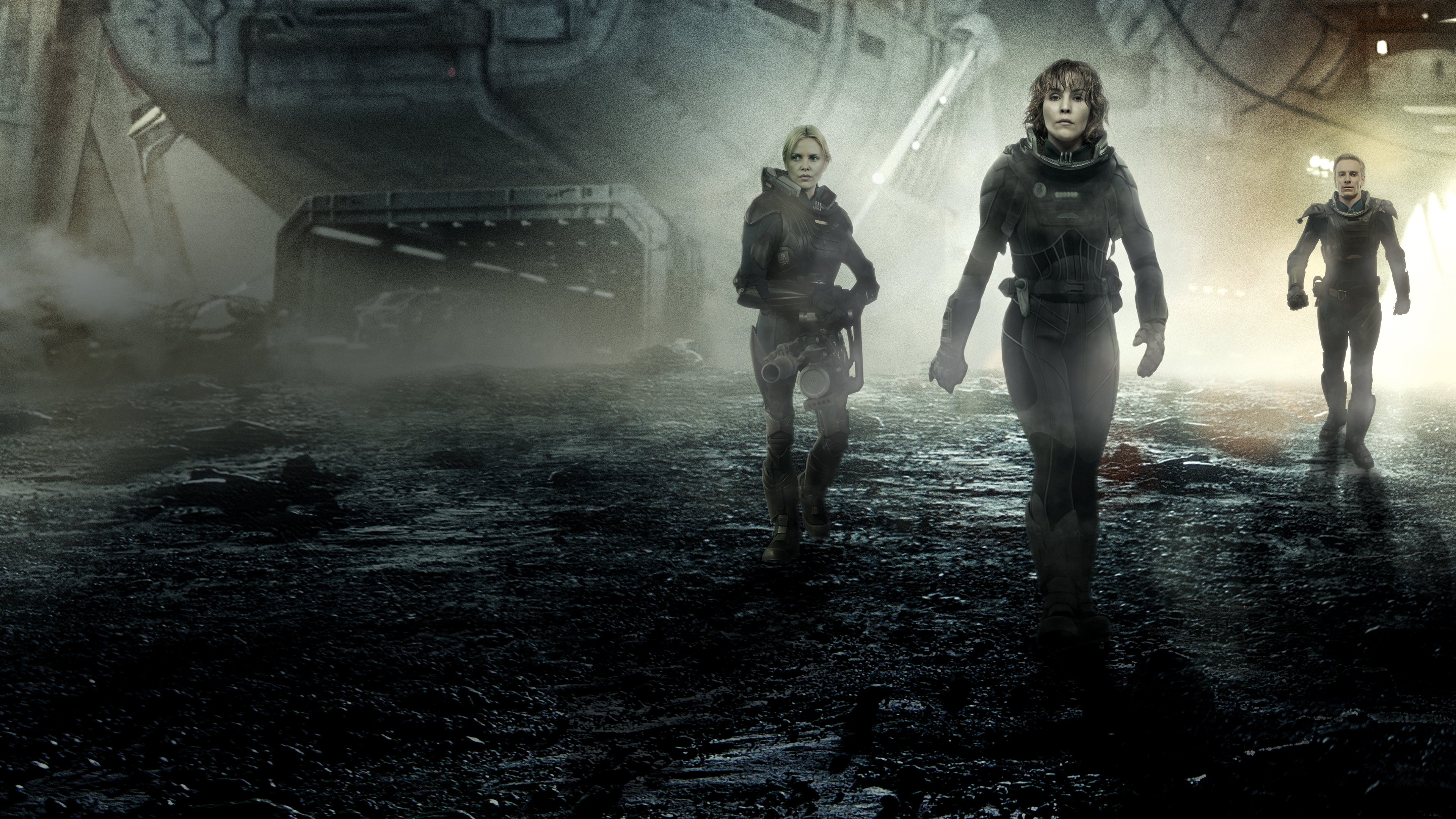
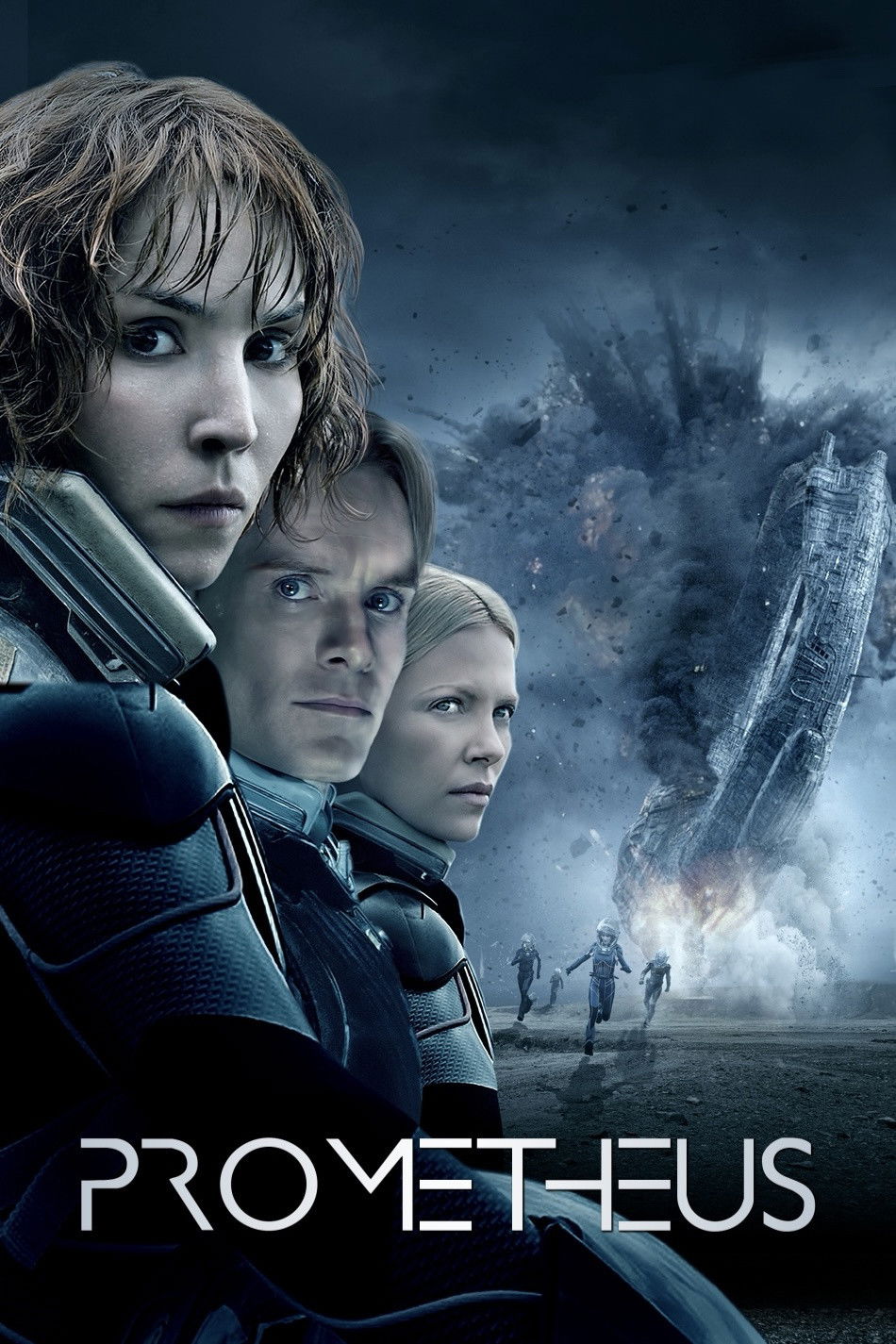
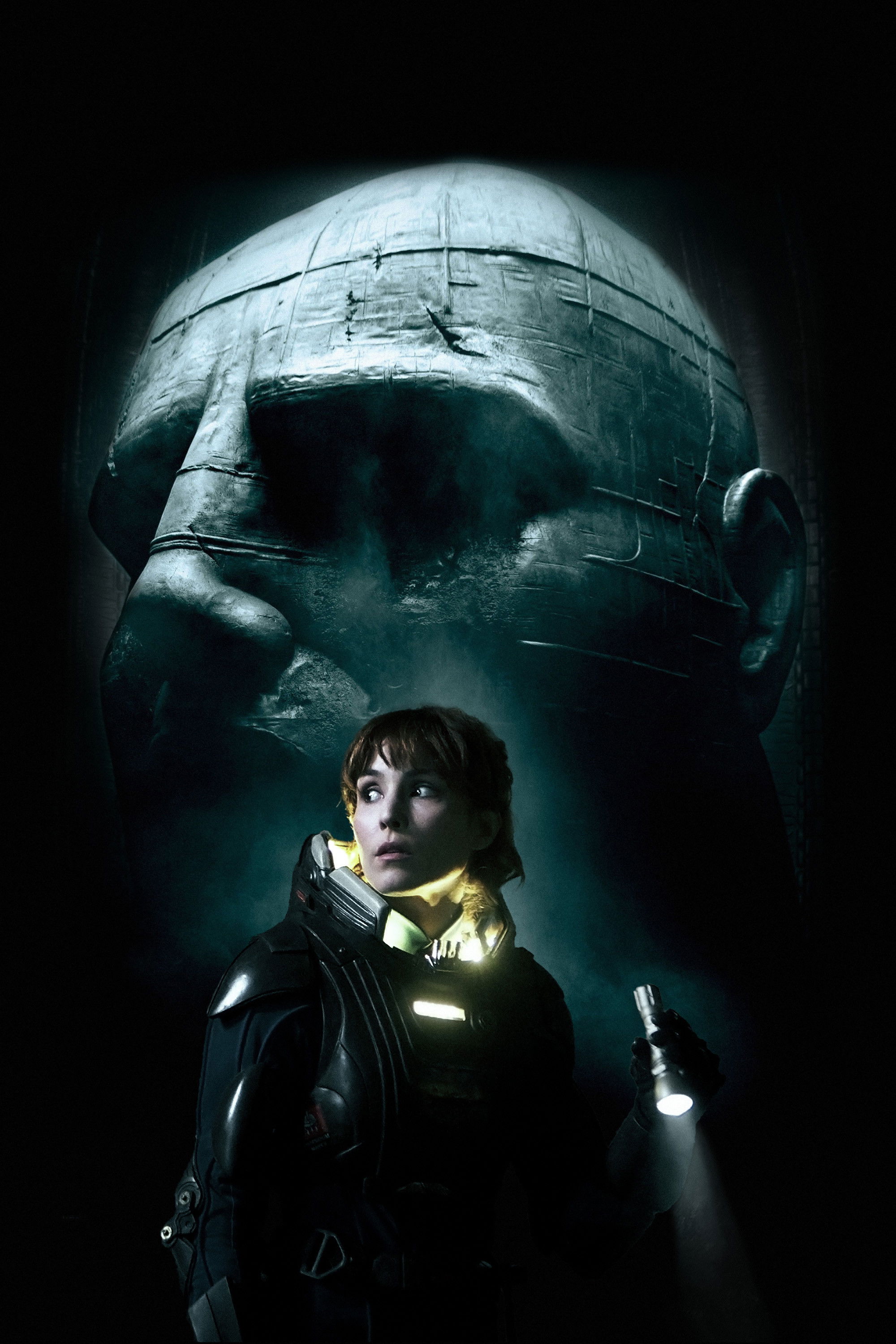
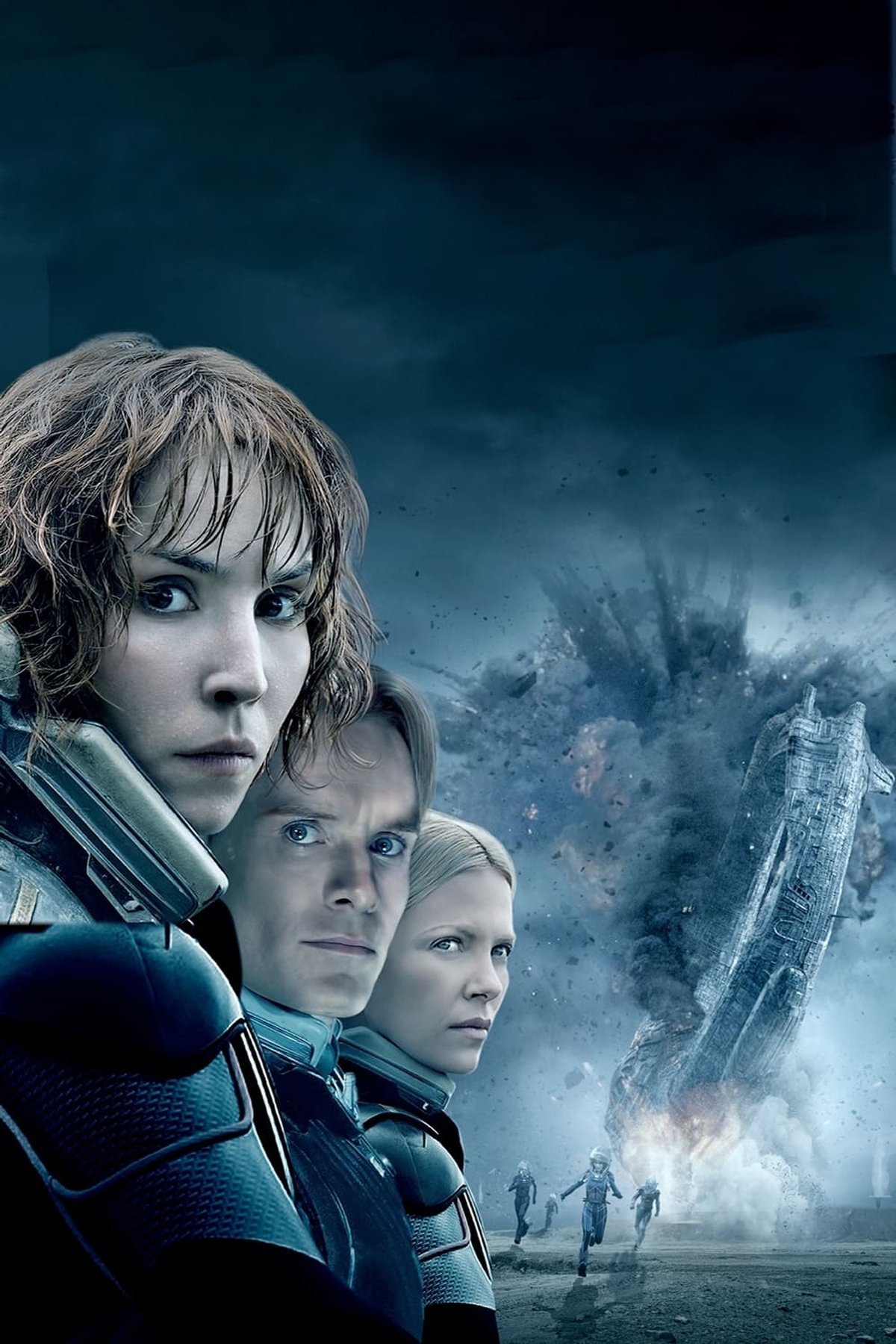
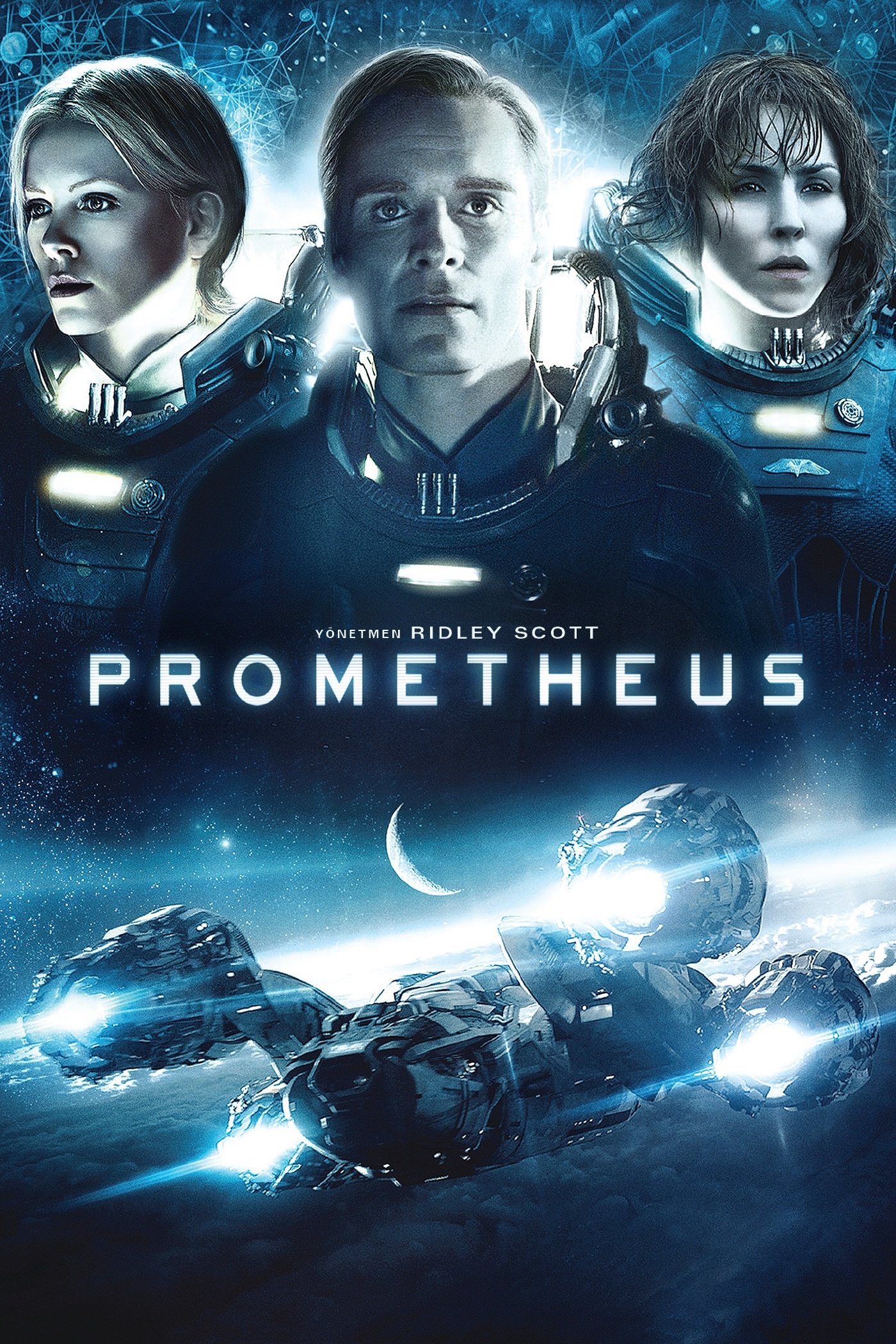
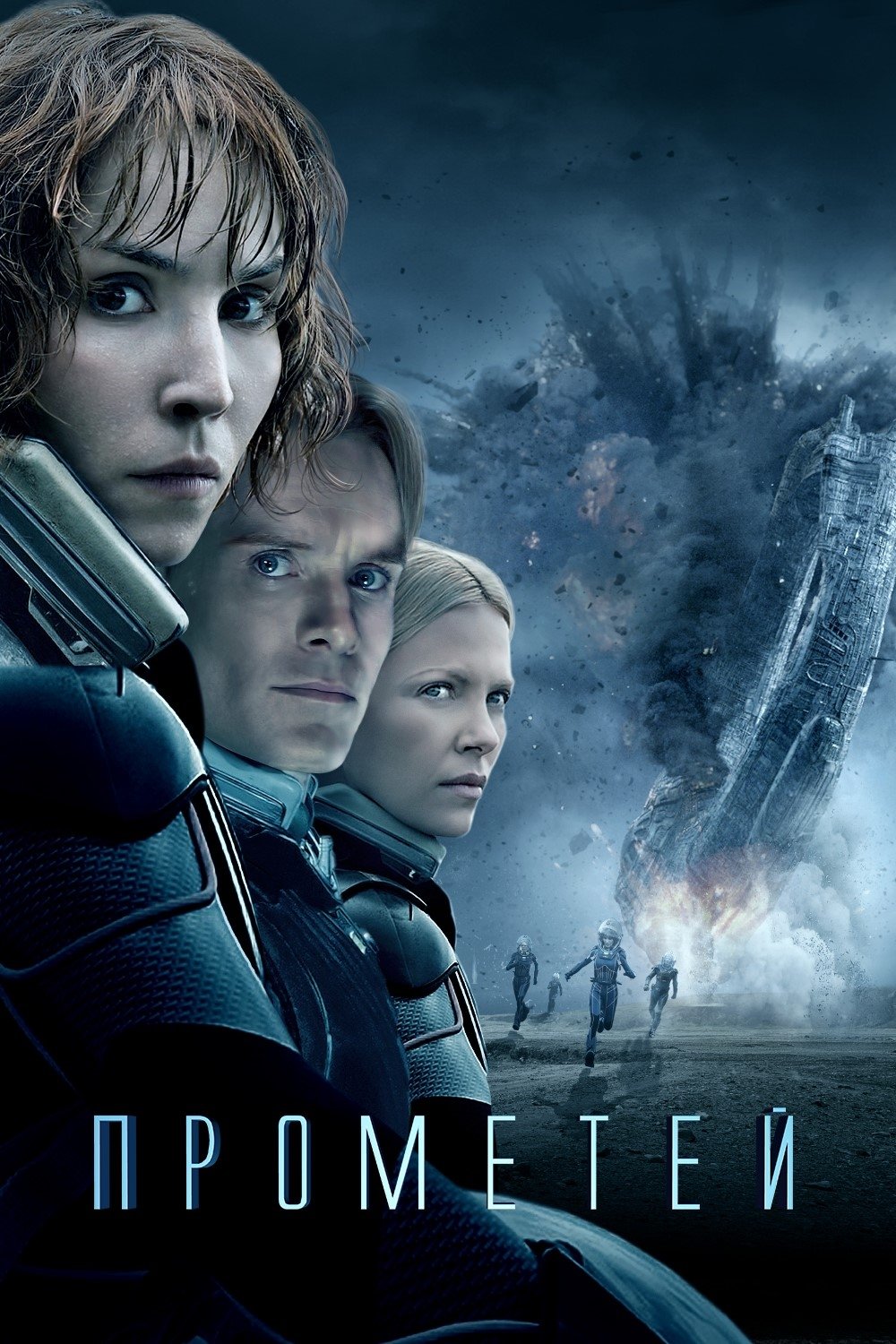
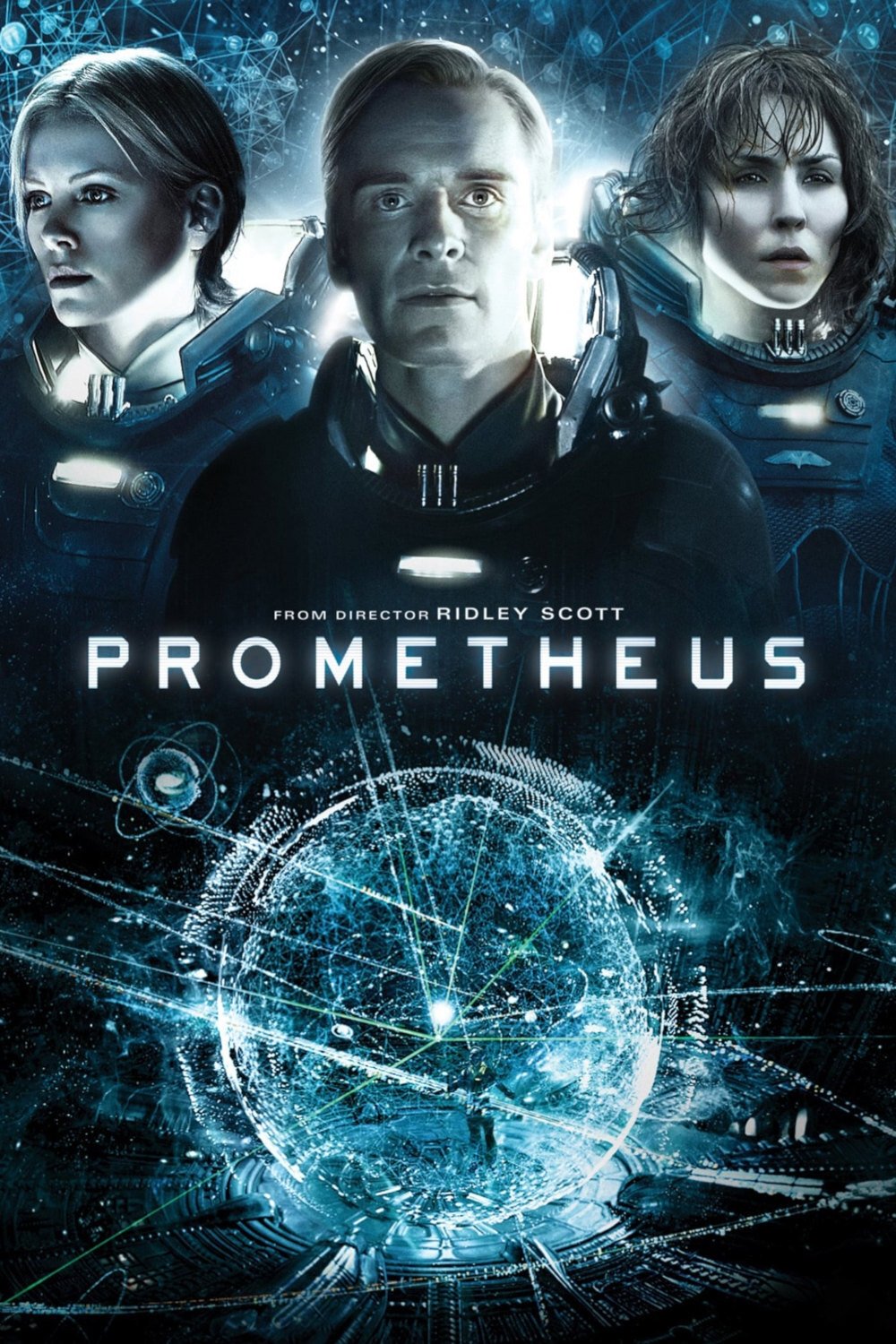
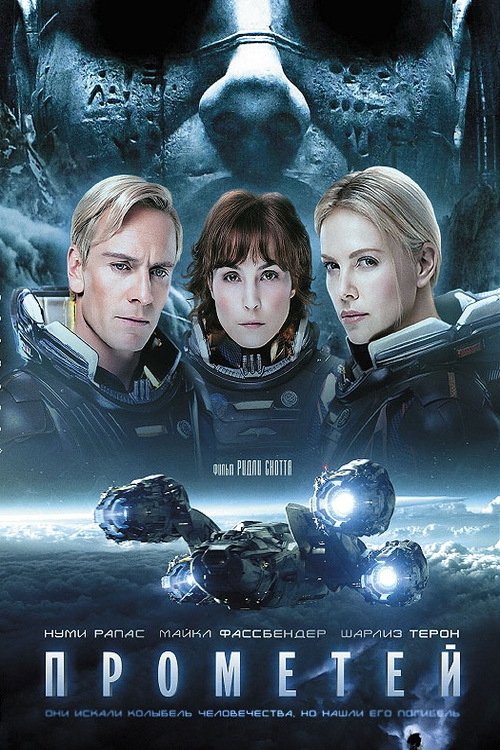
Noomi Rapace plays Shaw as an investigator whose convictions are tested through direct bodily suffering. Her partner Holloway favors confrontation with the unknown, while the mission's sponsor has concealed priorities that make informed consent impossible. Michael Fassbender's android David creates a different kind of unease. He moves freely during the long voyage, studies the sleeping humans and imitates the voice and gestures of characters from Lawrence of Arabia. Because his observations are selective and his instructions incomplete to the audience, the apparent helpfulness of his actions cannot be taken at face value. His role joins the franchise's continuing interest in artificial workers to a more personal experiment in obedience and curiosity.
Meredith Vickers, played by Charlize Theron, attempts to contain the expedition's risks through managerial authority but does not control the decisions that matter most. The contrast with Idris Elba's captain Janek shows how practical judgment can be separated from the aims of the people paying for a voyage. These tensions produce horror without making every crew member a representative of a single scientific attitude. Scenes of disagreement expose incompatible incentives before the black substance reaches the ship. The corporate framework also preserves a link to the Weyland interests in Alien: the organisms are valuable to powerful people even when their danger is apparent to those who must encounter them.
Arthur Max and the Design of an Ancestral World
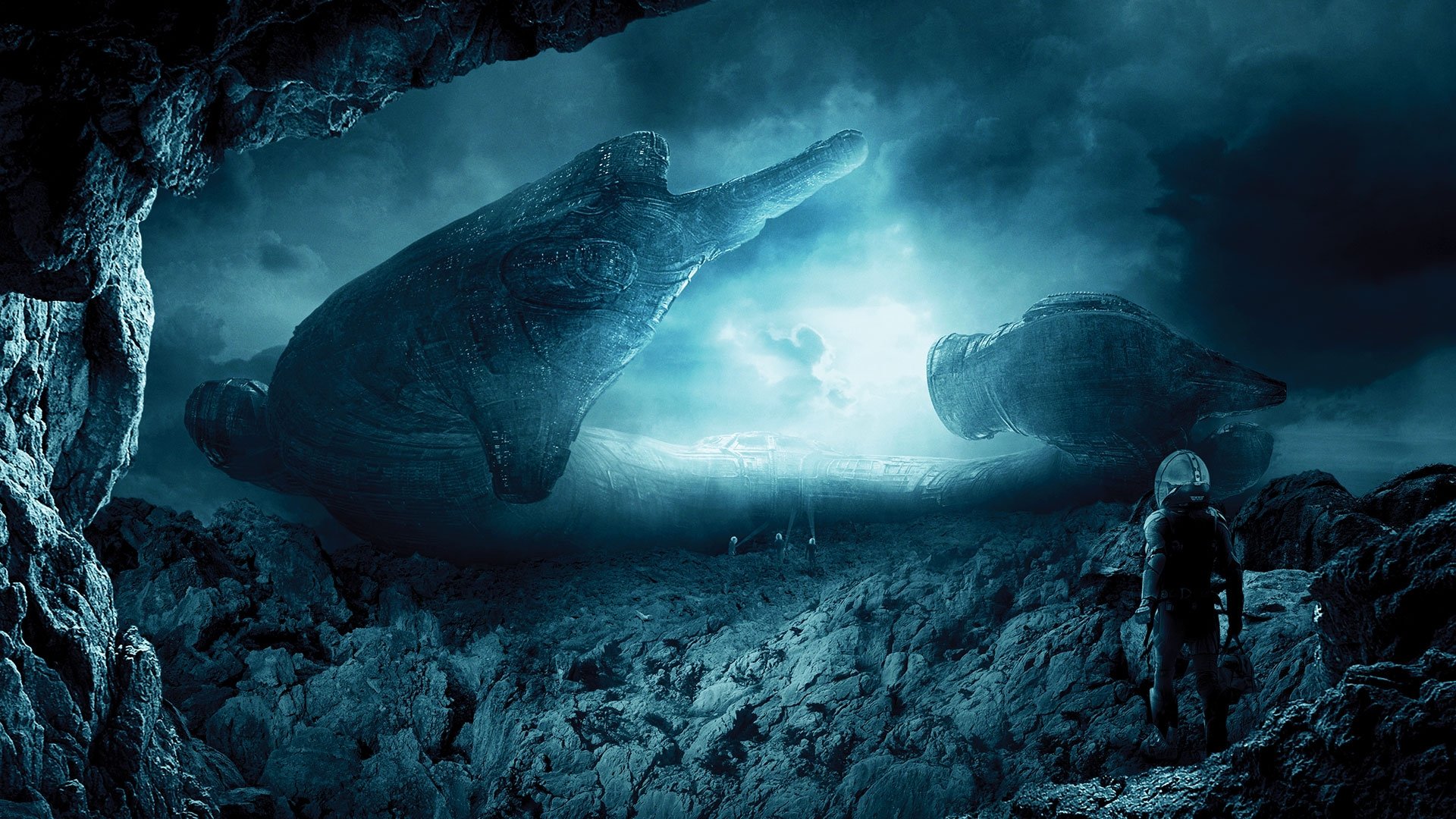
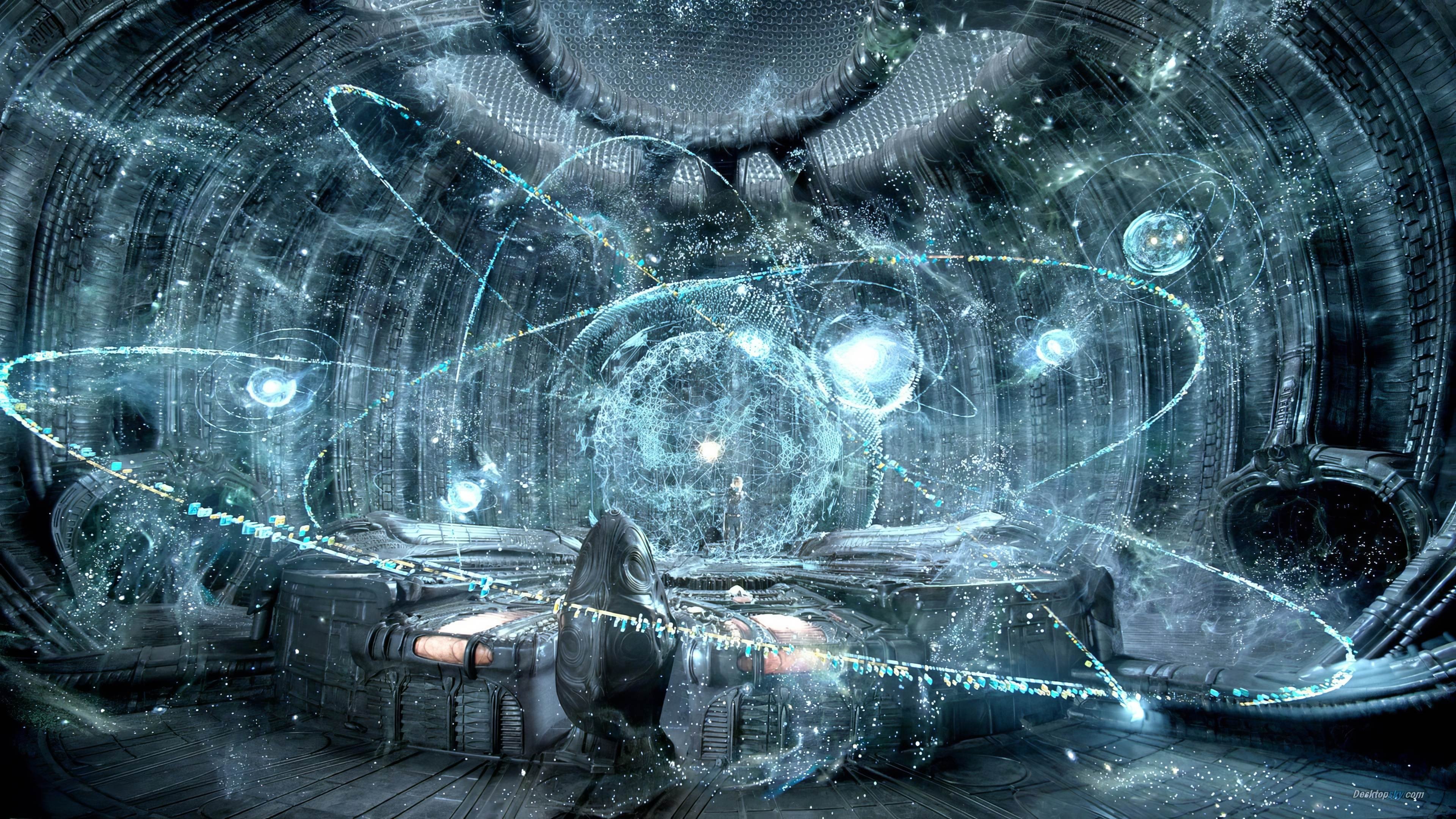
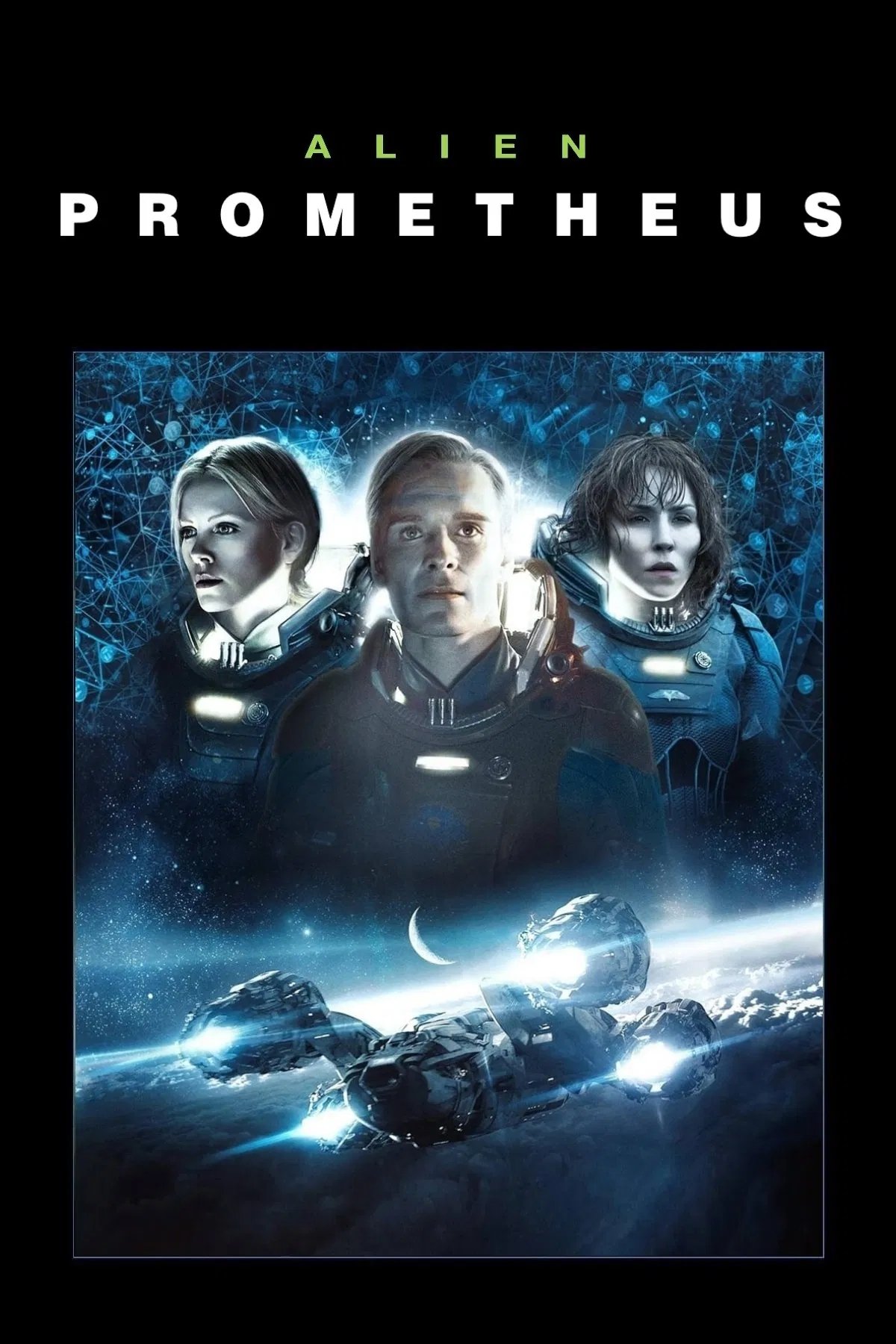
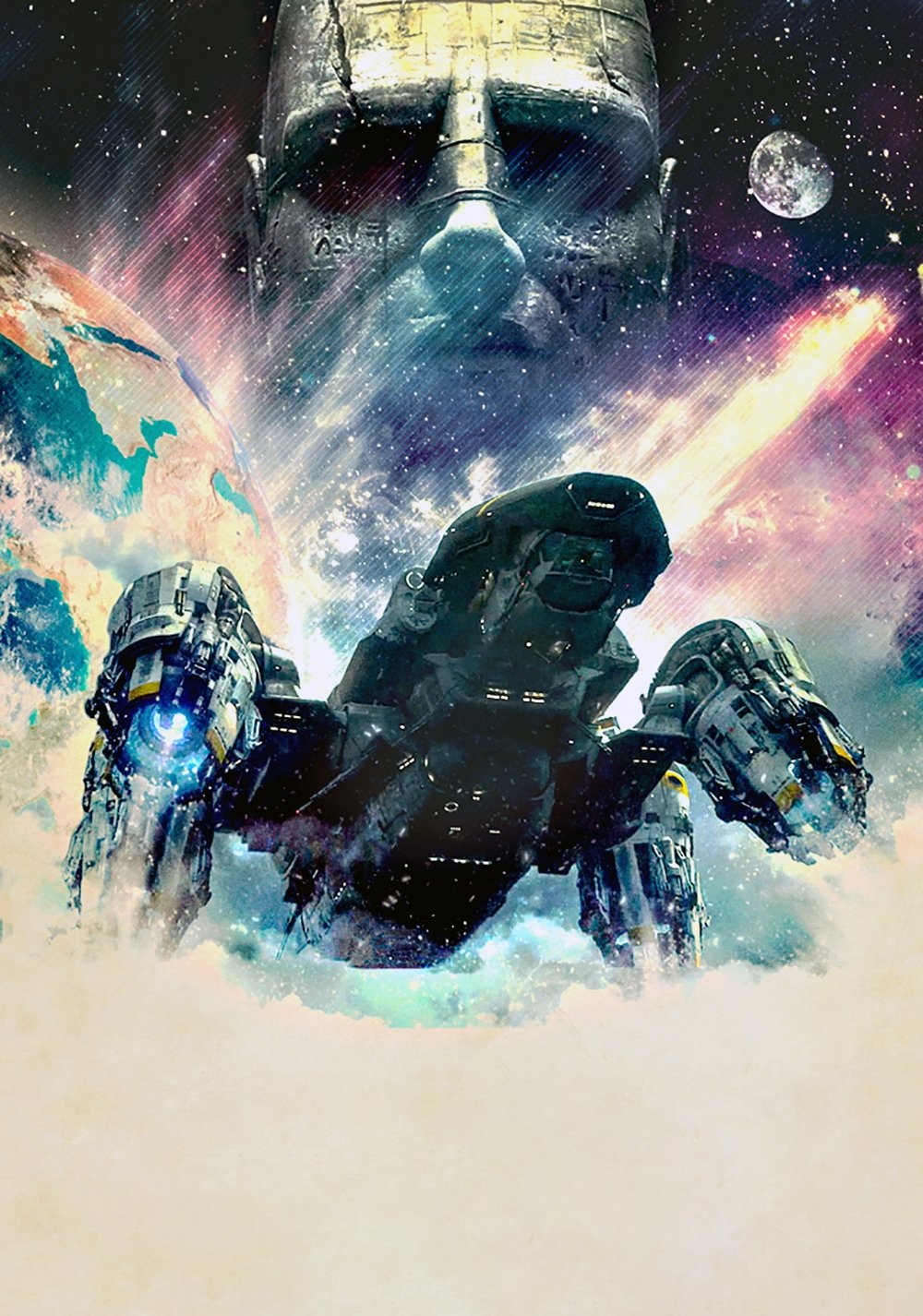
Production designer Arthur Max described the art department's work in an American Film Institute interview published around the film's opening. Concept artists shared a large room in Los Angeles, working through possible shapes while Scott visited and contributed drawings. Max explained that the new Engineer technology retained elements of H. R. Giger's recognizable design language but reduced some of its biological texture in favor of a more mechanical appearance. The expedition's ship needed another identity. Unlike the worn commercial tug Nostromo, Prometheus was imagined as a technologically advanced vessel purpose-built for exploration, a distinction visible in the relative cleanliness of its interior surfaces.
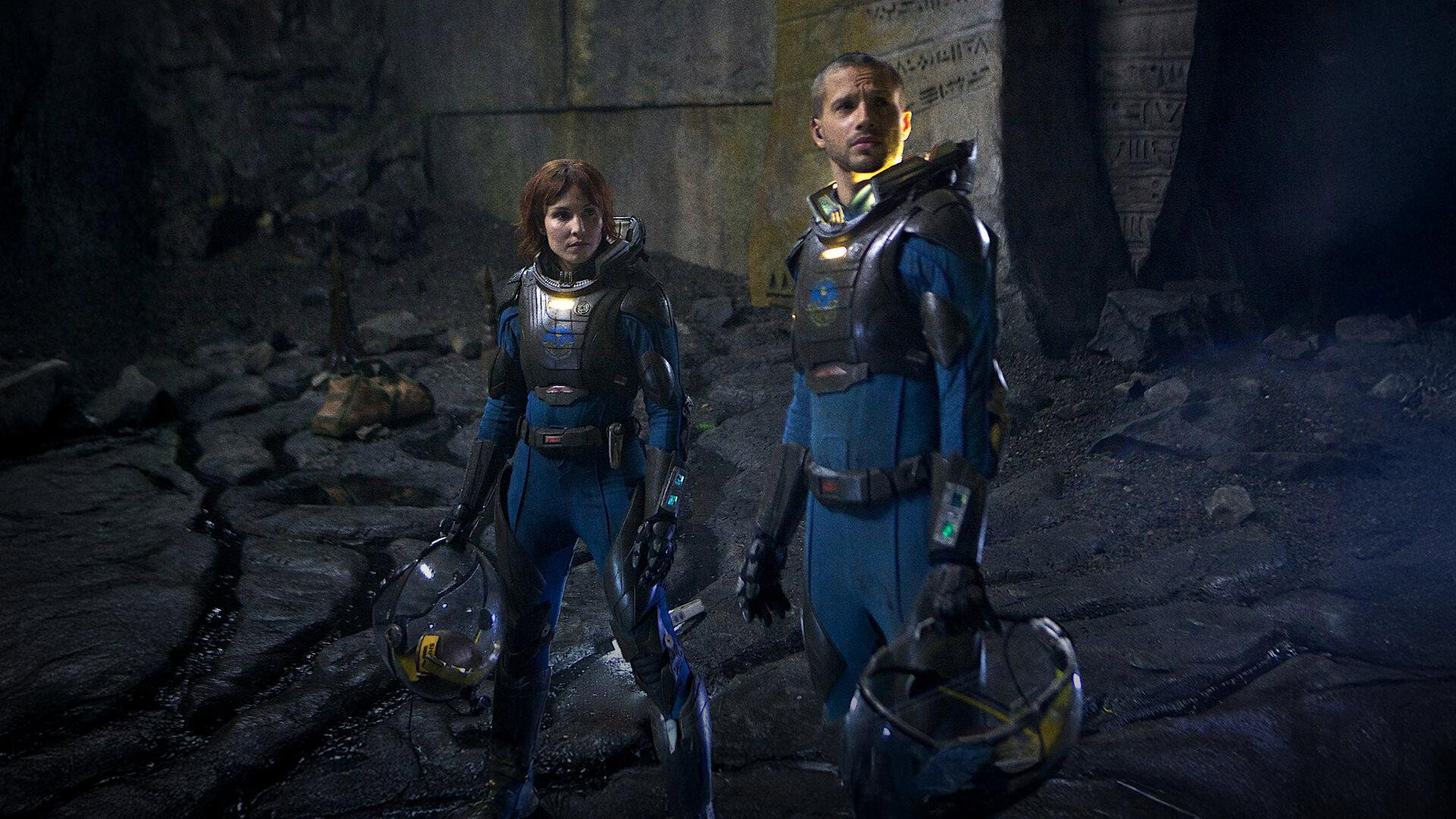
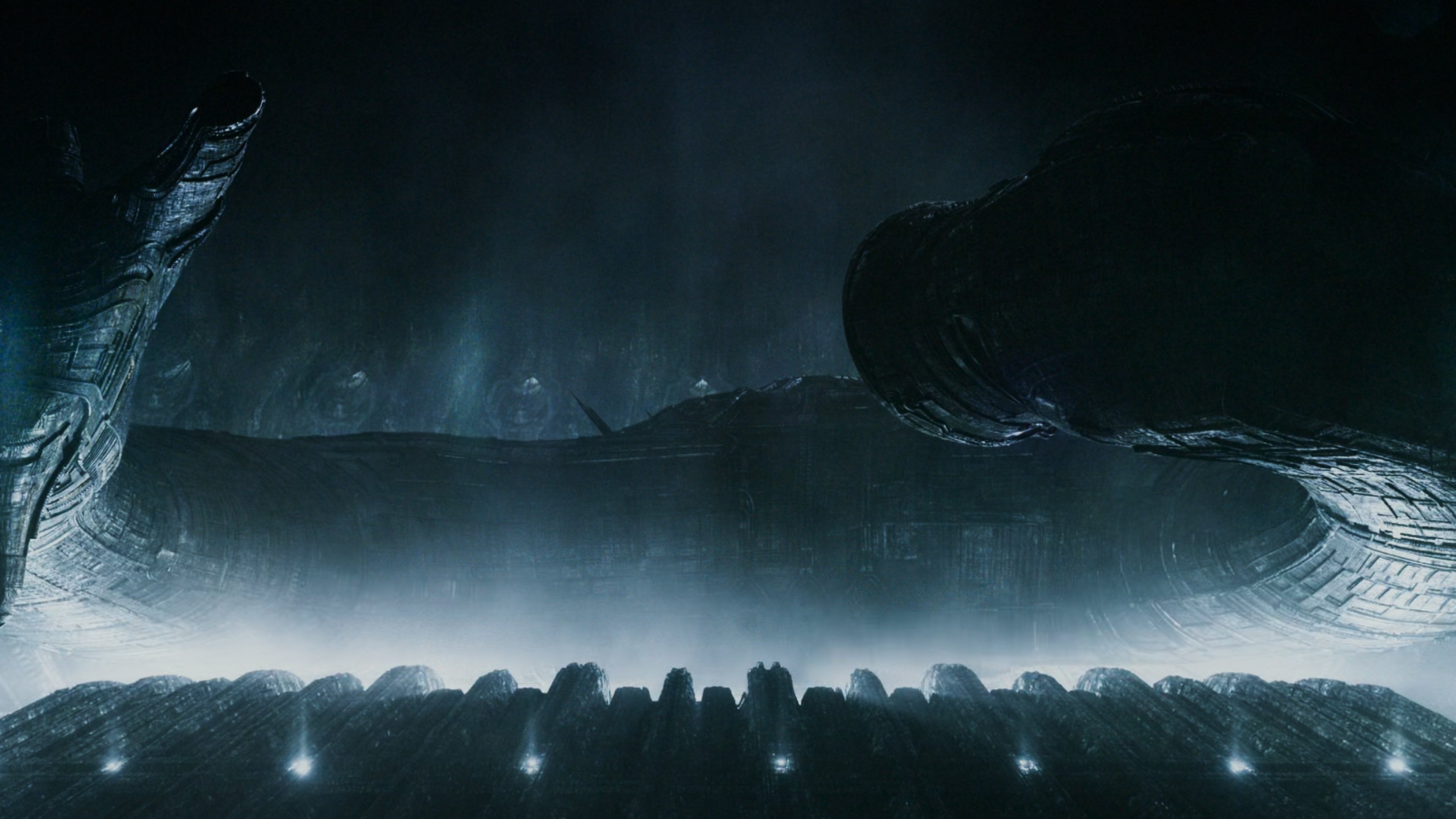
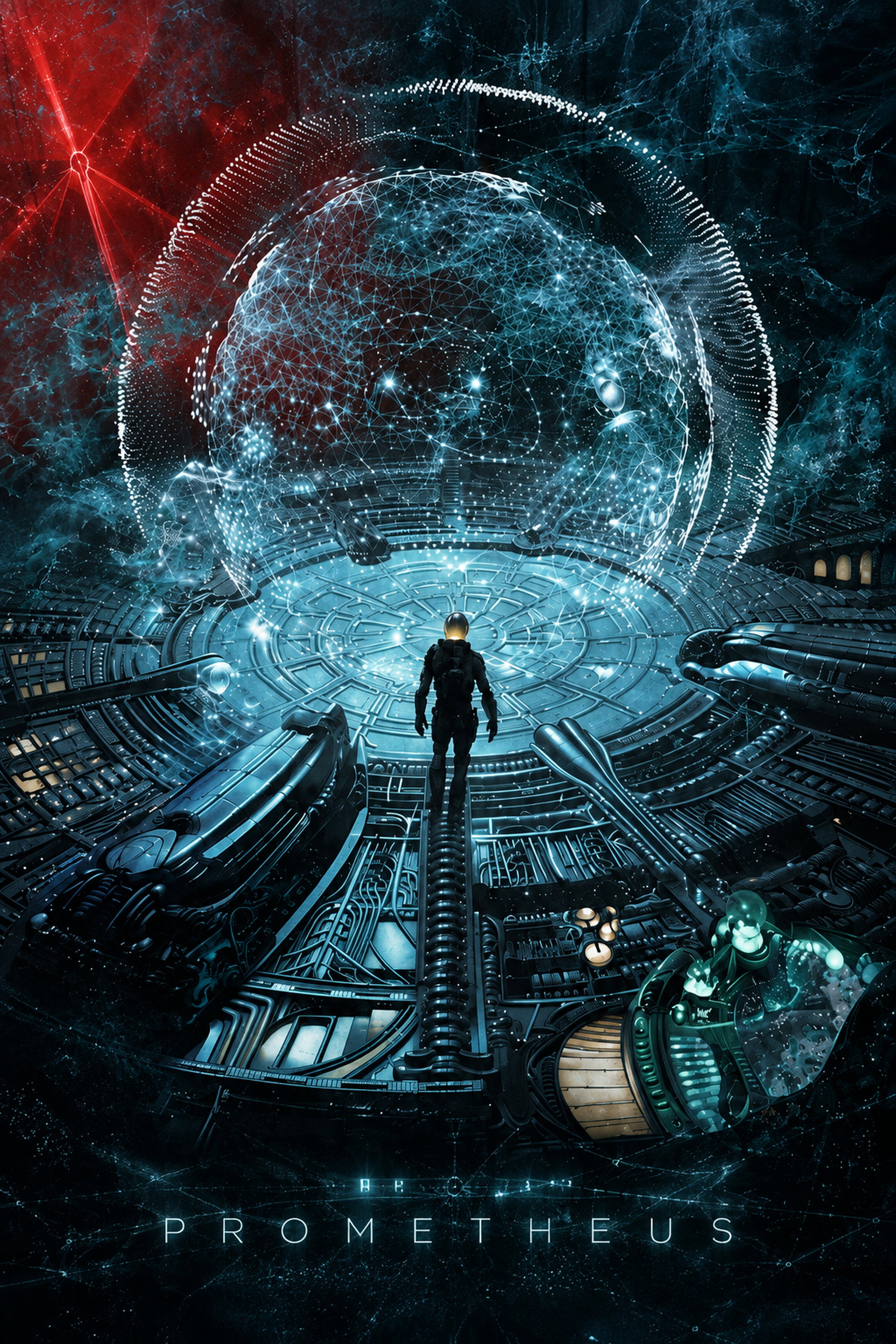
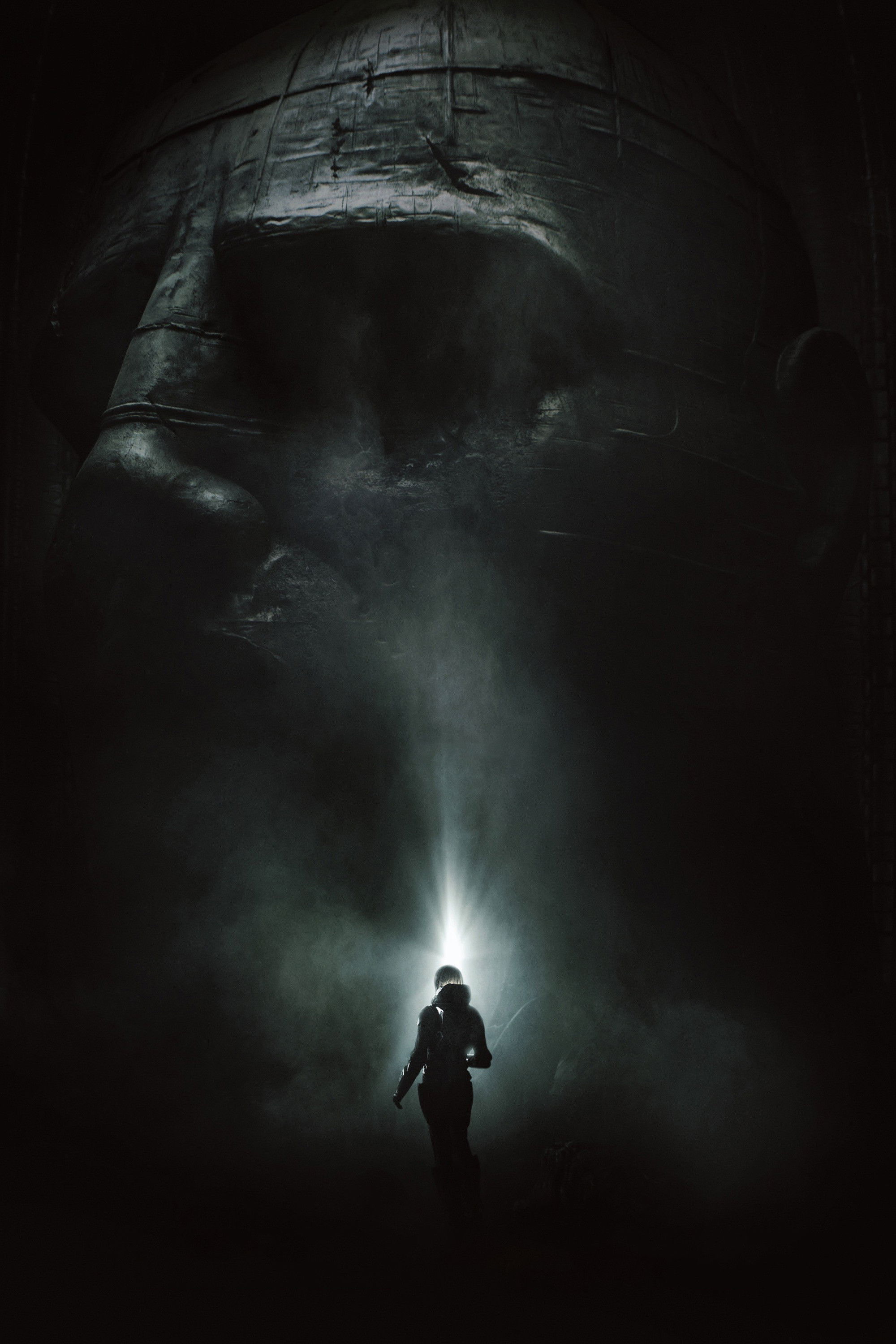
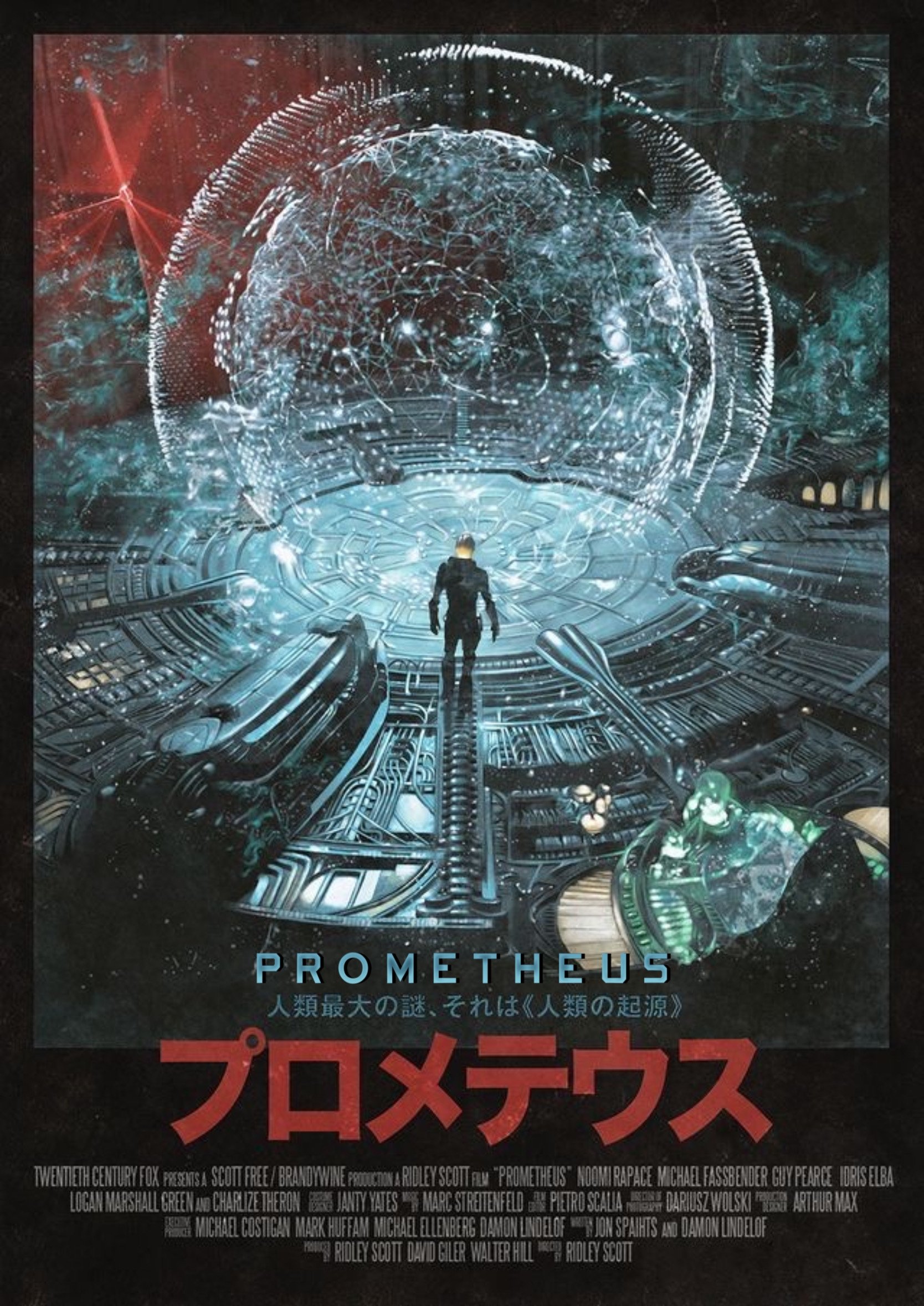
The contrast between human machinery and monumental extraterrestrial spaces makes scale a source of uncertainty. Corridors and control rooms possess usable detail, while the vast head chamber and the pilot's apparatus suggest intentions the visitors cannot recover from appearances alone. Max emphasized sculptural form and the importance of Scott's storyboards in turning preliminary art into filmable environments. Those firsthand comments establish the planning behind the sets; they do not imply that every surface was physically constructed at full size. Practical interior spaces gave actors tangible locations, while digital extensions altered the visible boundaries. The resulting architecture provides a frame for biological horror without requiring a creature to appear in every scene.
Stereoscopic Photography and Hostile Landscapes
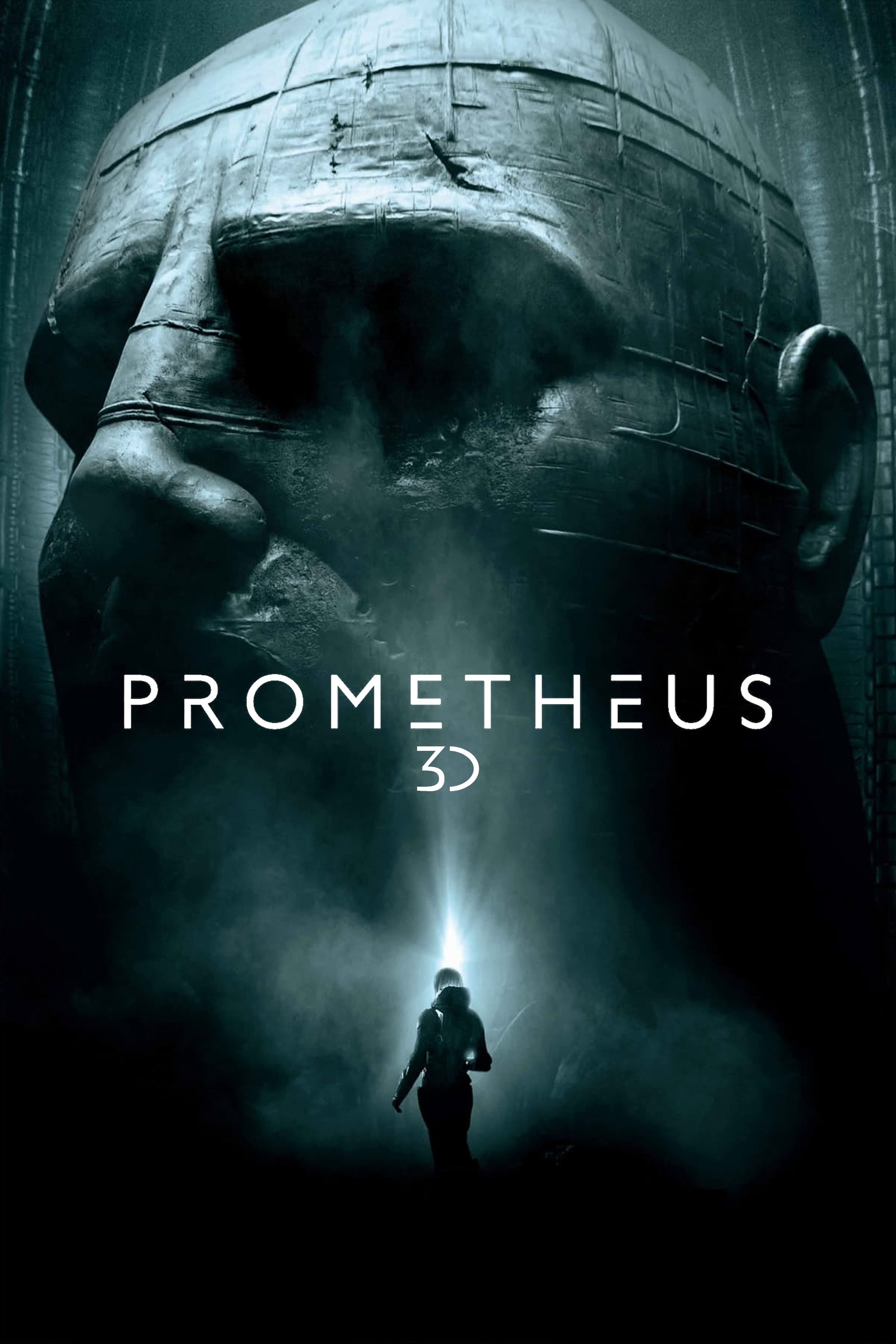
Dariusz Wolski photographed the film in native 3D with paired RED Epic cameras on mirror rigs. In an extended British Cinematographer interview, he described early tests with Scott, the use of multiple camera rigs fitted with different zoom ranges, and the need to monitor alignment between the two images. The equipment was substantial, yet he sought the mobility available in ordinary dramatic production, including Steadicam and crane movement. Wolski favored believable sources of illumination on the ship: helmet lamps, flashlights and dimmable LEDs built into the sets. Such choices allow faces to remain visible within immense rooms without dispelling their surrounding darkness.
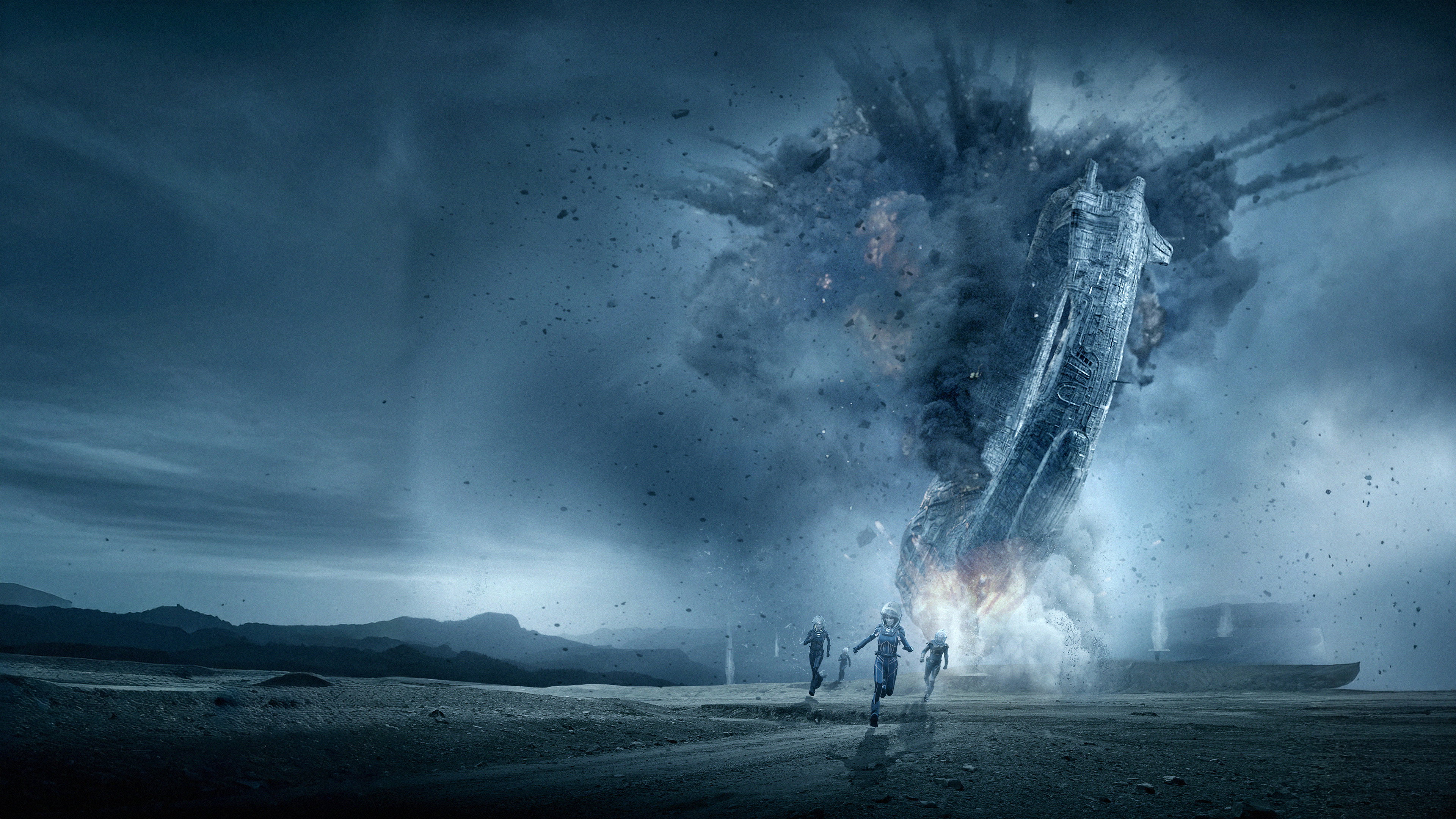
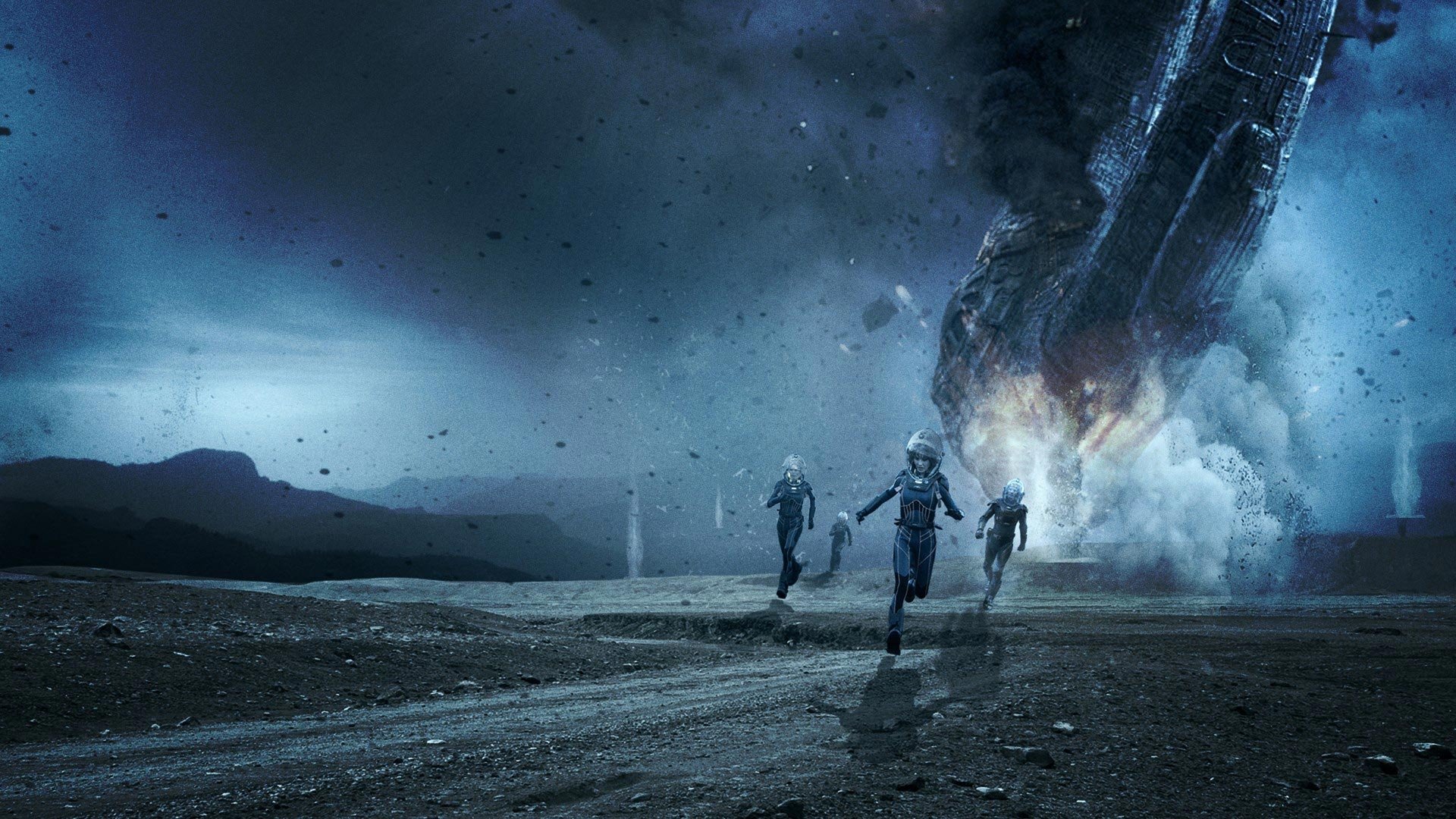
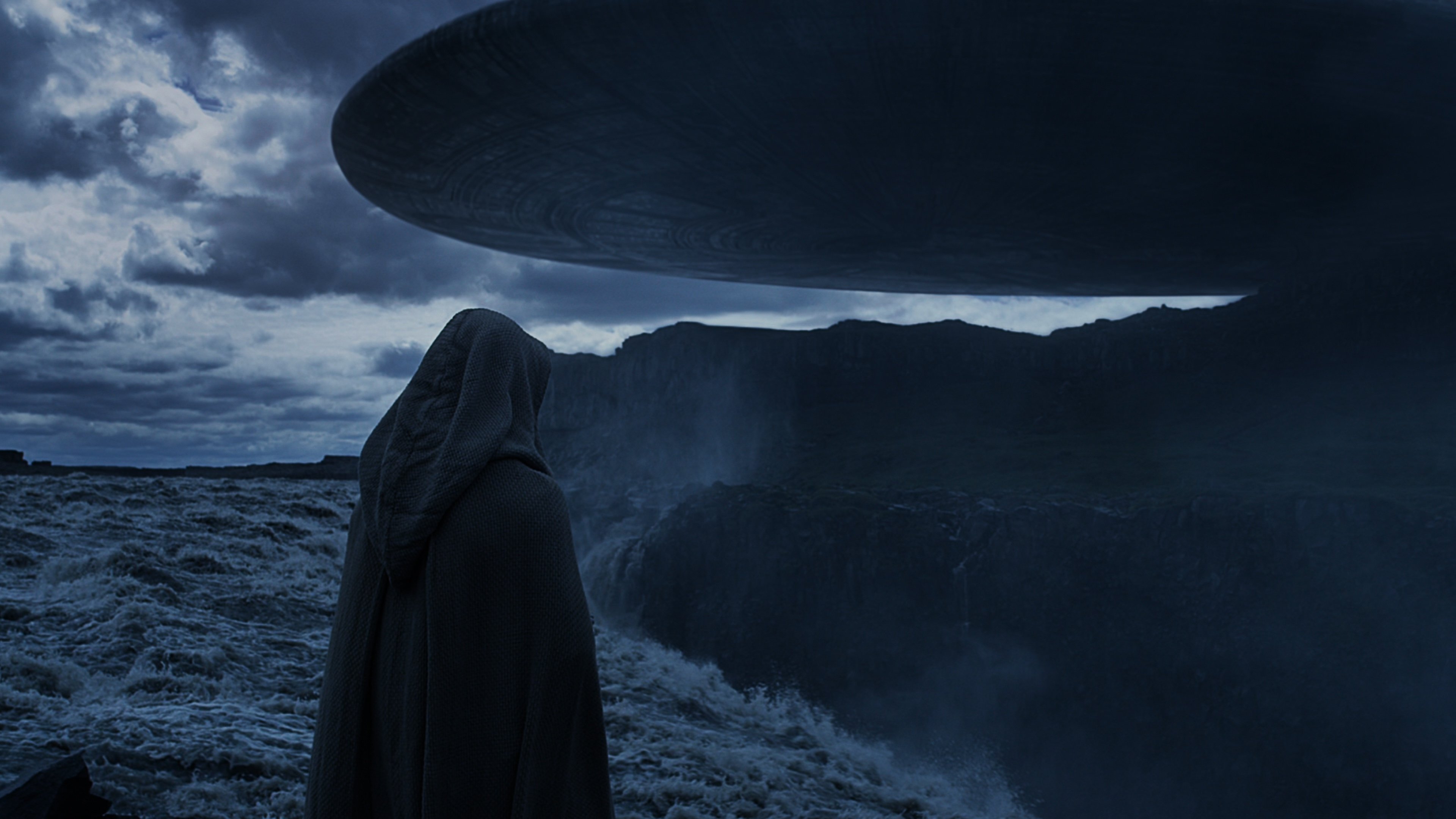
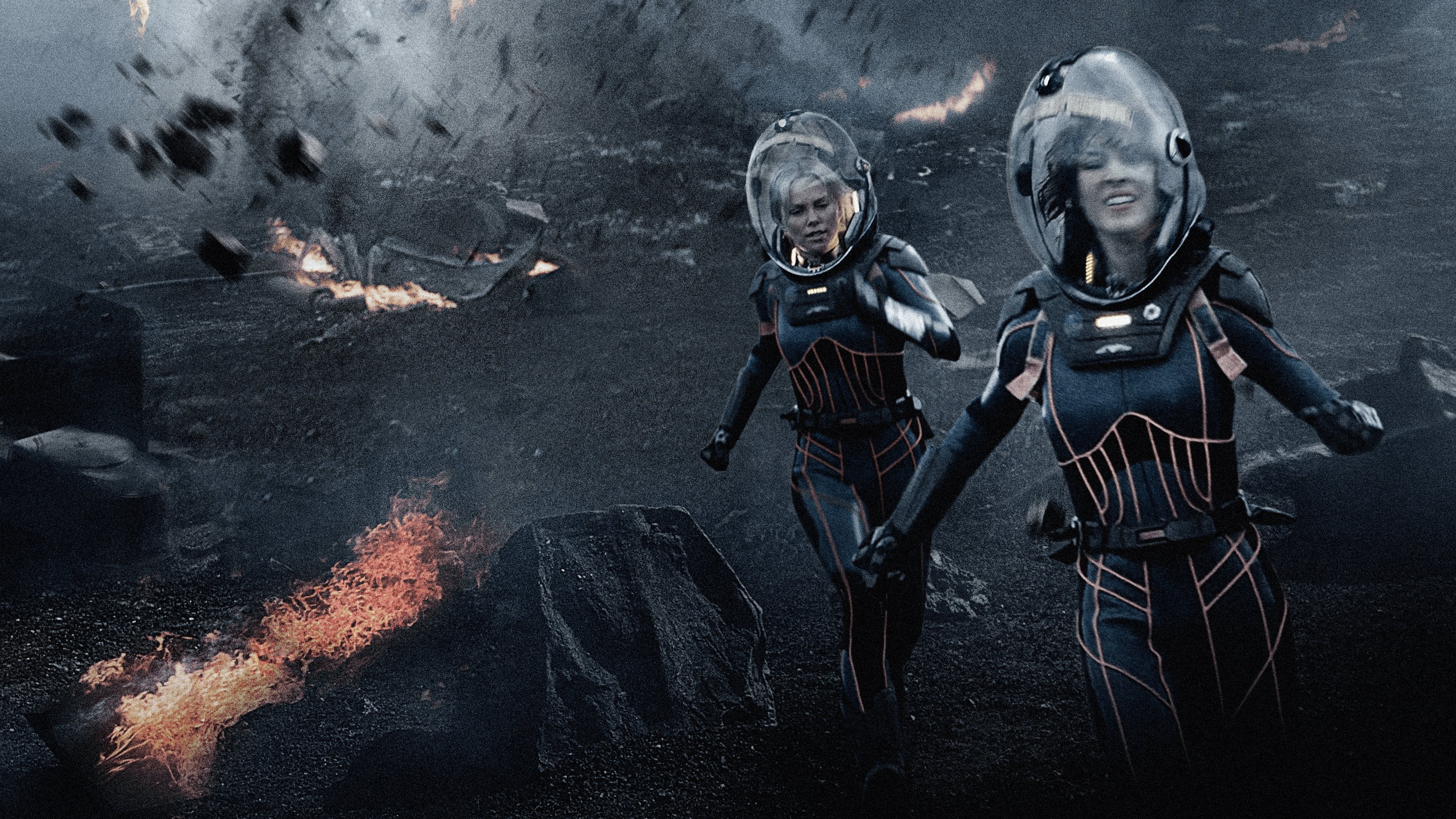
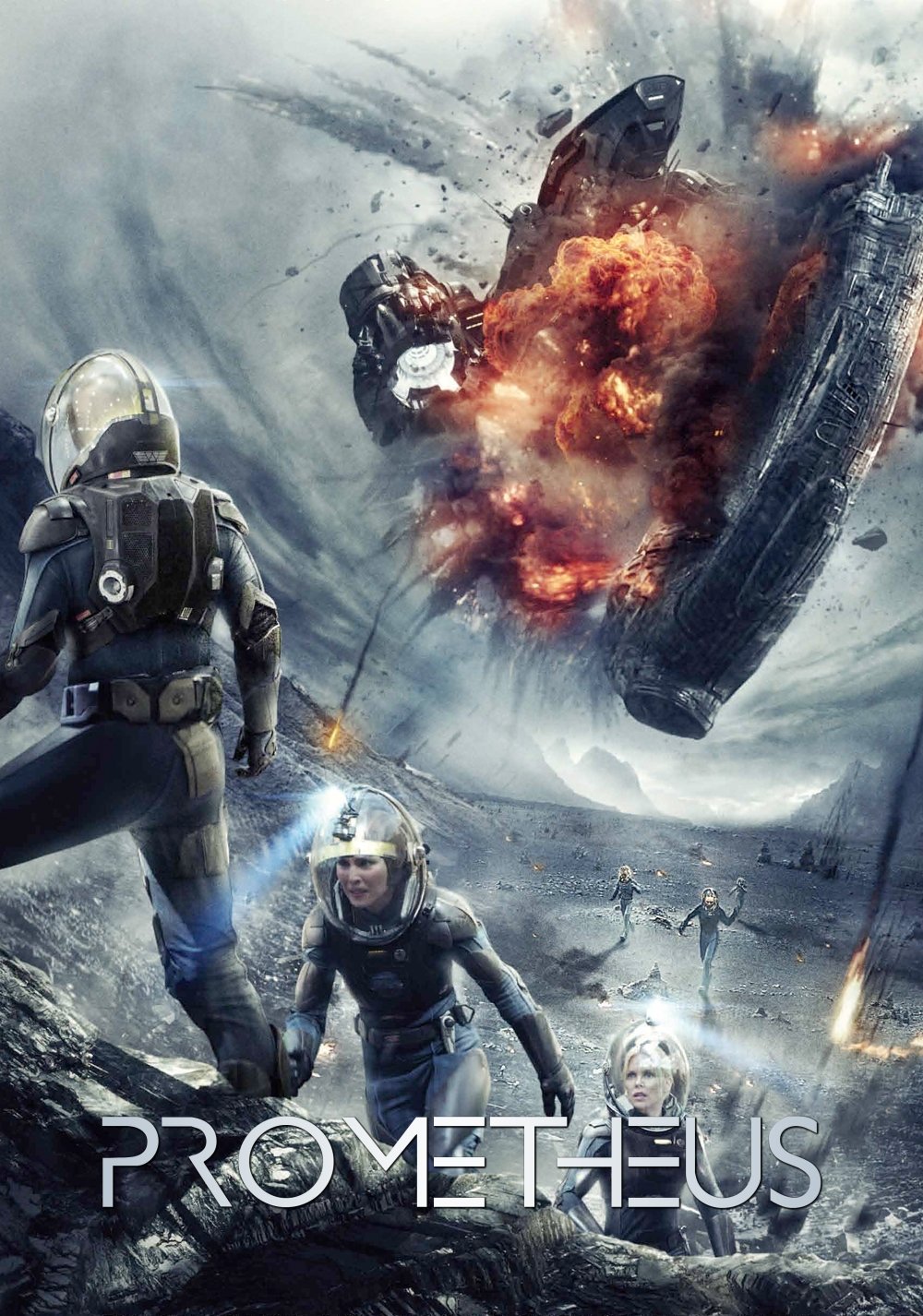
The production combined soundstage photography at Pinewood with landscapes recorded in Iceland and additional material from other locations. Wolski described Icelandic terrain, aerial views and the visual requirements of stereo composition, while effects testimony records how terrain photography was extended into a coherent extraterrestrial valley. Wide exterior images emphasize the expedition's smallness; inside the Engineer structures, light often reveals only the part of a space needed for immediate action. The stereoscopic design was not simply an extra version prepared after shooting, and Wolski noted the different considerations involved in grading the 2D presentation. The visual contrast between discovery and enclosure is a central part of the film's threatening atmosphere.
Surgical Horror and Hybrid Creature Effects
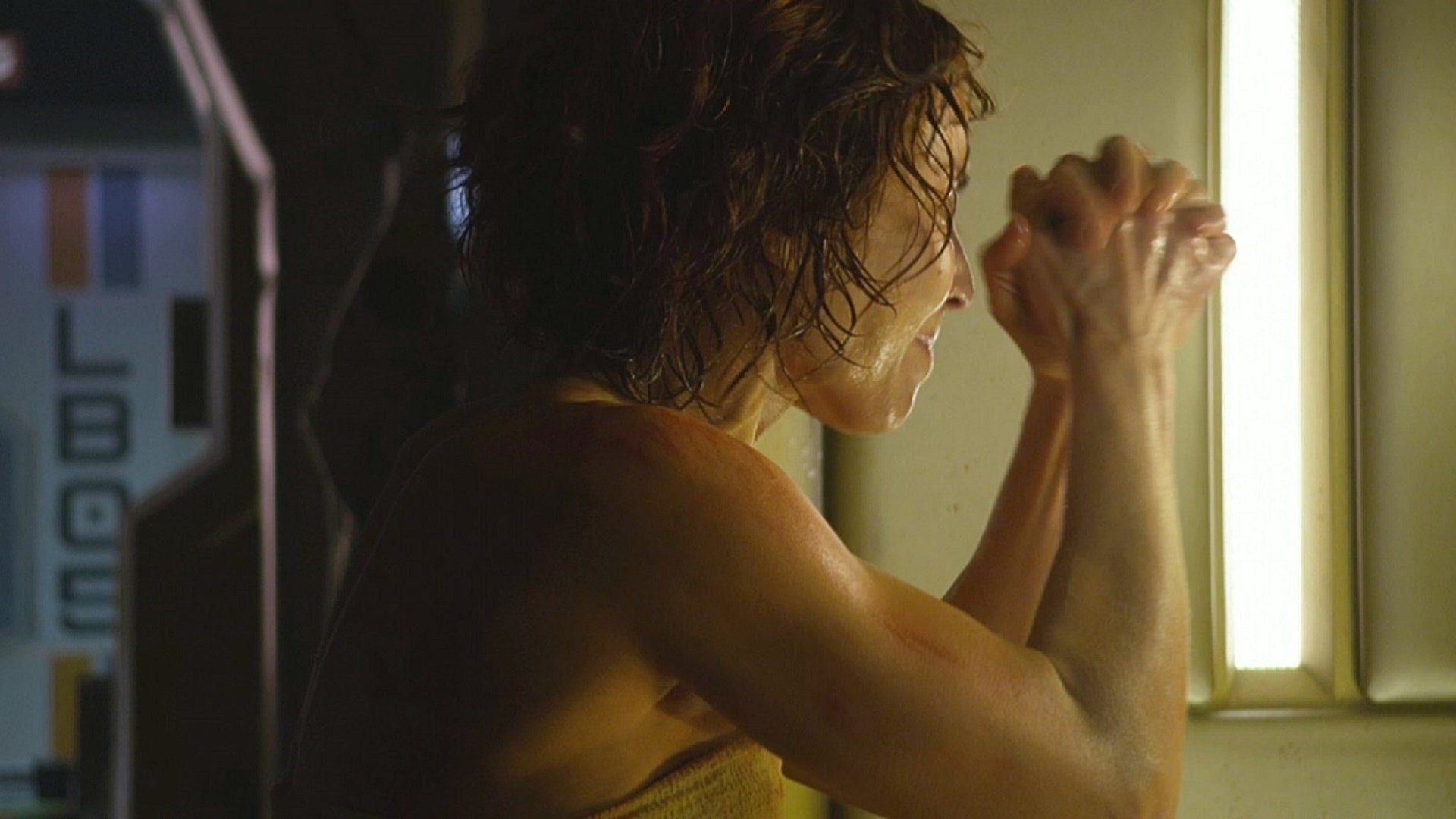
The automated medical-pod sequence is the film's clearest return to the bodily terror of Alien. Shaw attempts to remove an organism developing inside her, submitting herself to a machine that responds to commands without understanding the human implications. The horror comes from close attention to an involuntary change within the body and to the mechanical violence required to resist it. In fxguide's contemporary technical investigation, Weta Digital supervisor Martin Hill described matching Rapace's physical performance with tracked digital deformation. A practical animatronic organism supplied a tangible presence during filming, while the incision, internal view and part of the extracted creature's movement required complex computer imagery.
The same report documents MPC's use of a physical translucent Hammerpede model as a reference for a digitally animated version, and the integration of separately photographed makeup stages for Holloway's infection. Weta reconstructed the disintegrating Engineer through detailed skin simulations, while MPC developed spacecraft, landscape and the Juggernaut through extensive digital work. These accounts show why a simple division between practical authenticity and artificial CGI obscures the actual process. Scott's creatures occupy a world made with both methods, and their transitions between forms had to remain convincing in stereoscopic photography. The strongest shocks still depend on vulnerable bodies encountering changes they cannot reverse.
2012 Reception and the Alien: Covenant Connection
Prometheus opened in several European territories from late May 2012 and reached United States theaters on June 8 with an R rating. Its release returned Scott to the fictional universe he had established more than three decades earlier, while expanding the visual scale of the series through 3D photography and a large digital-effects program. Contemporary criticism was divided about the extent to which the new mythology justified its unanswered questions. Reviewing the film for The Guardian on May 30, Peter Bradshaw praised Fassbender's unsettling android but judged the spectacle more elaborate and less frightening than Alien. His assessment is one recorded response, not a measure of unanimous critical opinion.
The effects program received an Academy Award nomination in 2013, with Richard Stammers, Trevor Wood, Charley Henley and Martin Hill named for visual effects. The film's clearest subsequent narrative continuation is Alien: Covenant (2017), which brought Scott back as director and developed David's place in the prequel chronology. That continuation establishes concrete franchise significance without proving that every disputed element of Prometheus was resolved. The 2012 film occupies an unusual position within science-fiction horror: its elaborate creation narrative generates questions about human identity, but its most forceful images concentrate on invasive life, the vulnerability of flesh and the danger of a search financed by hidden corporate purposes.
Edward Douglas's May 2012 original interview on the early Alien prequel, compressed draft development, Lindelof's later changes and possible future stories.
Institutional June 2012 interview with production designer Arthur Max about the concept team, the differences from Giger's earlier imagery, the spacecraft and Scott's storyboards.
Bob Fisher's detailed interview with Wolski on native stereoscopic RED Epic photography, camera movement, practical lighting, studio work and location shooting.
fxguide — Prometheus: Rebuilding Hallowed VFX Space
Mike Seymour's June 2012 original technical report with Weta, MPC and Fuel supervisors on the medical-pod procedure, Engineer skin, Hammerpede, terrain and spacecraft effects.