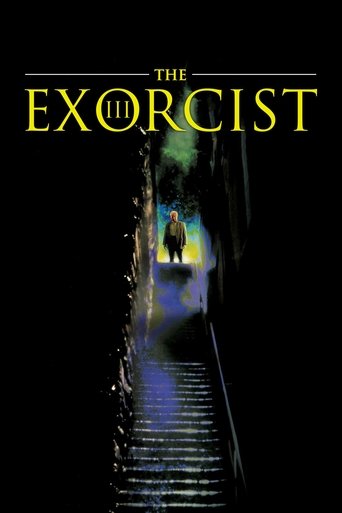


Development & Literary Adaptation
The project developed from Blatty’s continuing interest in the religious questions explored in his novel The Exorcist and its 1973 film adaptation. He had no creative involvement in John Boorman’s Exorcist II: The Heretic (1977), and his proposed continuation followed a different narrative direction. The writer initially considered returning to the material with director William Friedkin, but that collaboration did not proceed. Blatty subsequently developed the story as the novel Legion, published in 1983. It retained the character of Lieutenant William Kinderman, whose investigation provided an opportunity to approach supernatural evil through the observations of a skeptical detective.
Blatty regarded The Exorcist, The Ninth Configuration and Legion as a thematic trilogy concerned with spiritual existence, human suffering and the possibility of divine goodness. In a 1999 interview with Lucy A. Snyder, he explained that Legion confronted the problem of innocent suffering through Kinderman’s investigation. The character’s philosophical concerns therefore belonged to the original conception of the story rather than arising solely from the demands of a horror sequel. The adaptation preserved this emphasis through conversations about morality, friendship and faith, while incorporating more explicit connections to Father Damien Karras and the events of the first film.
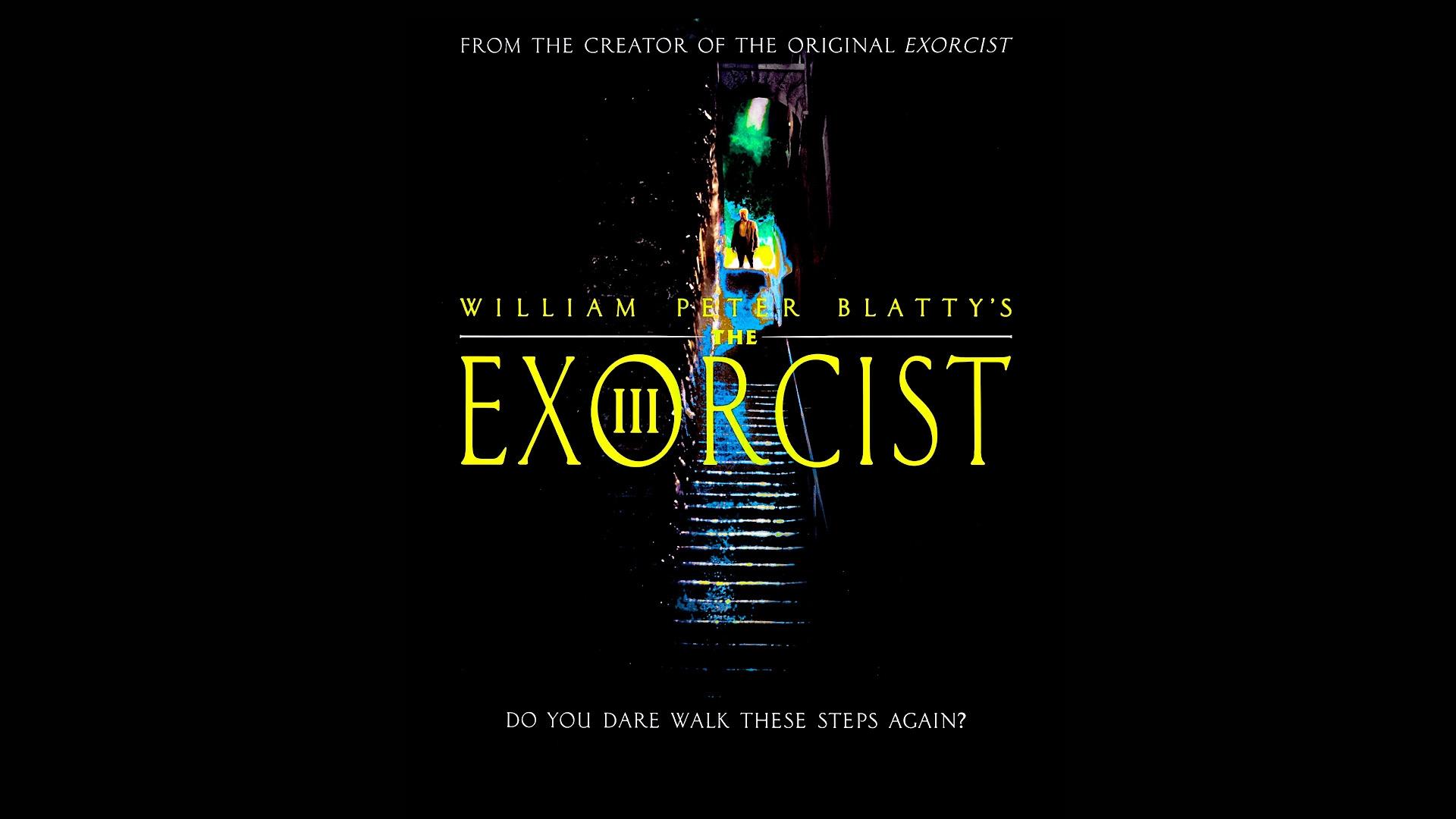
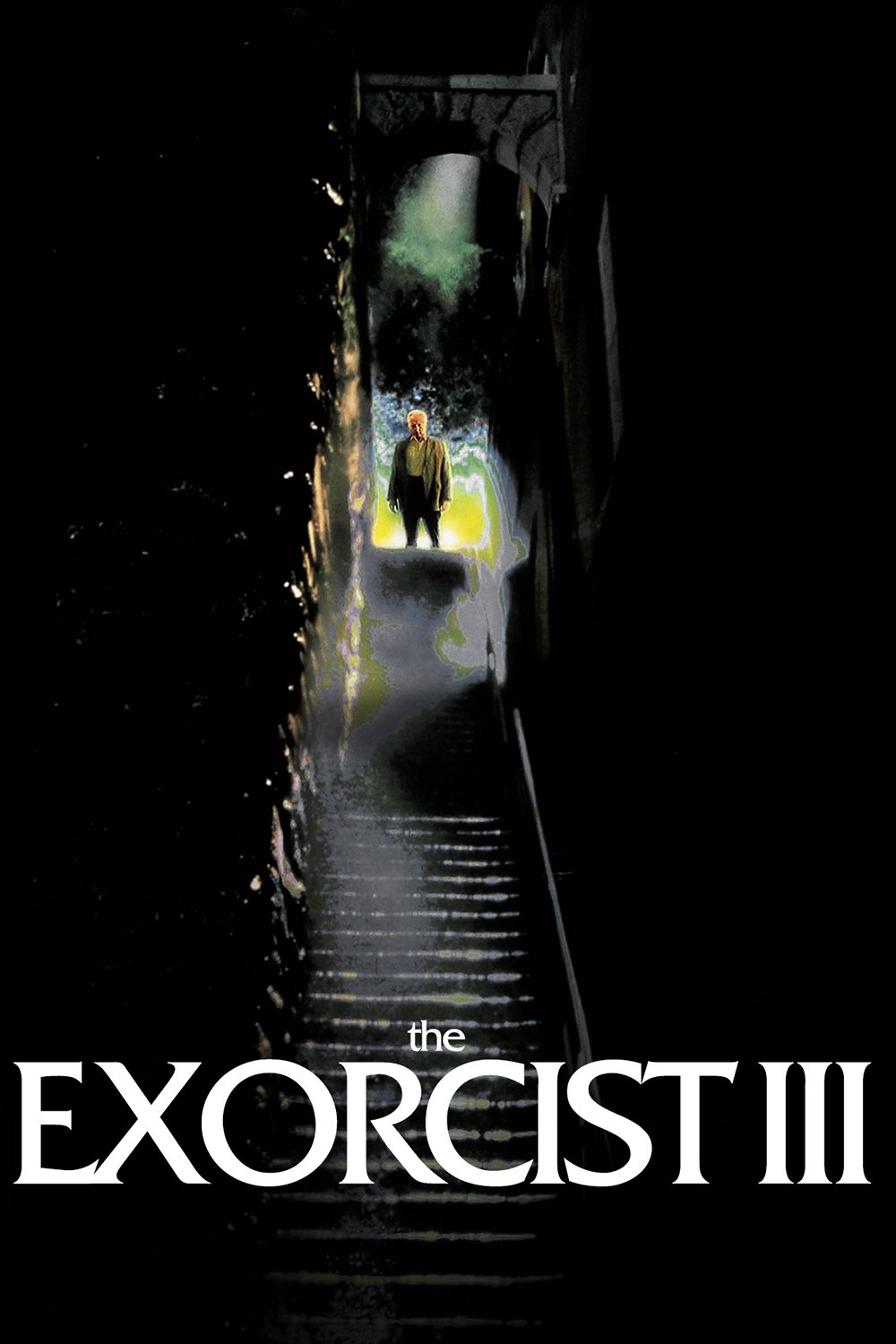
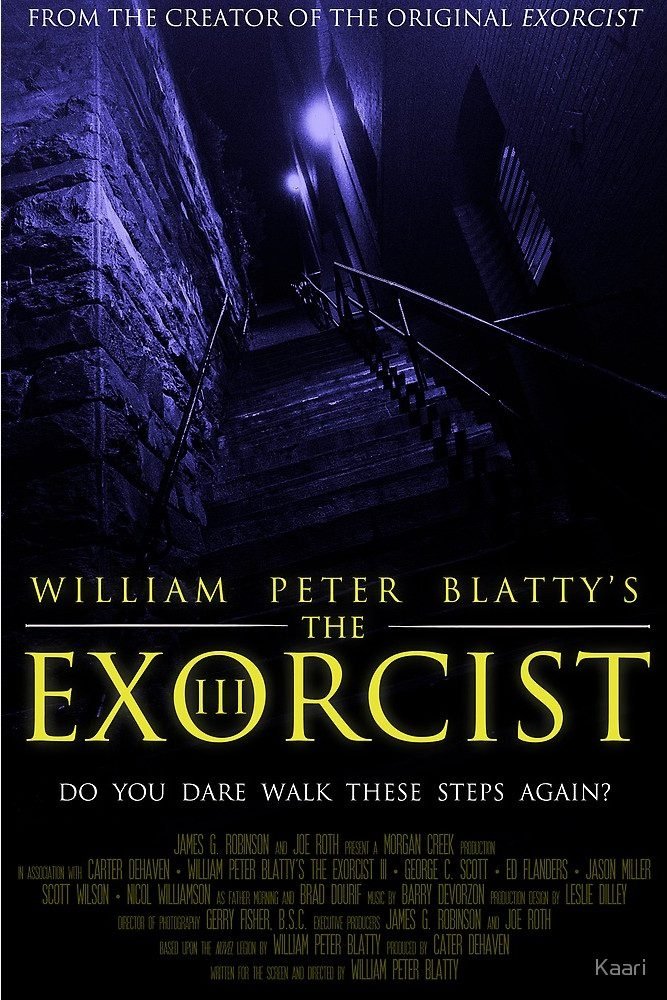
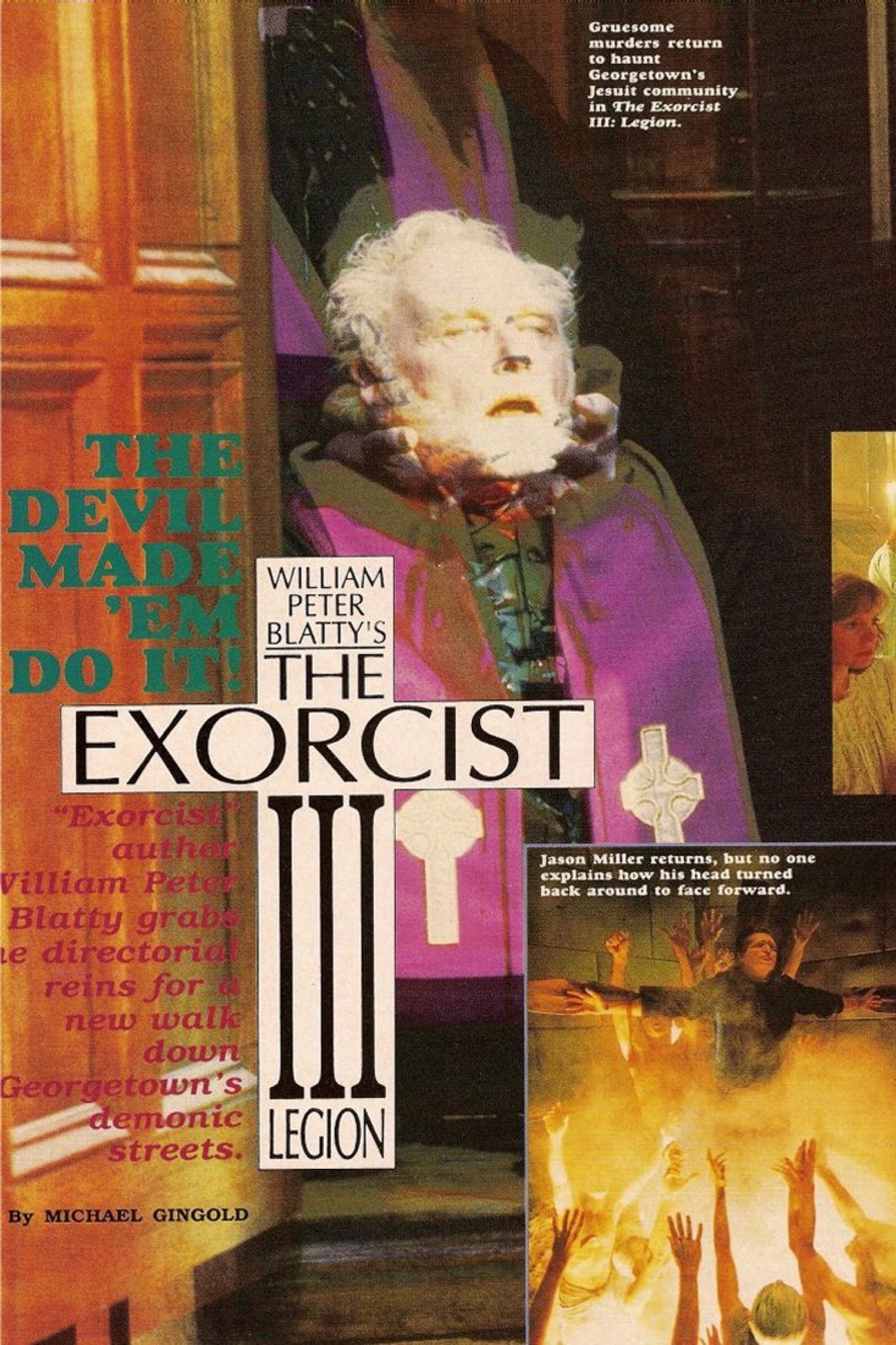
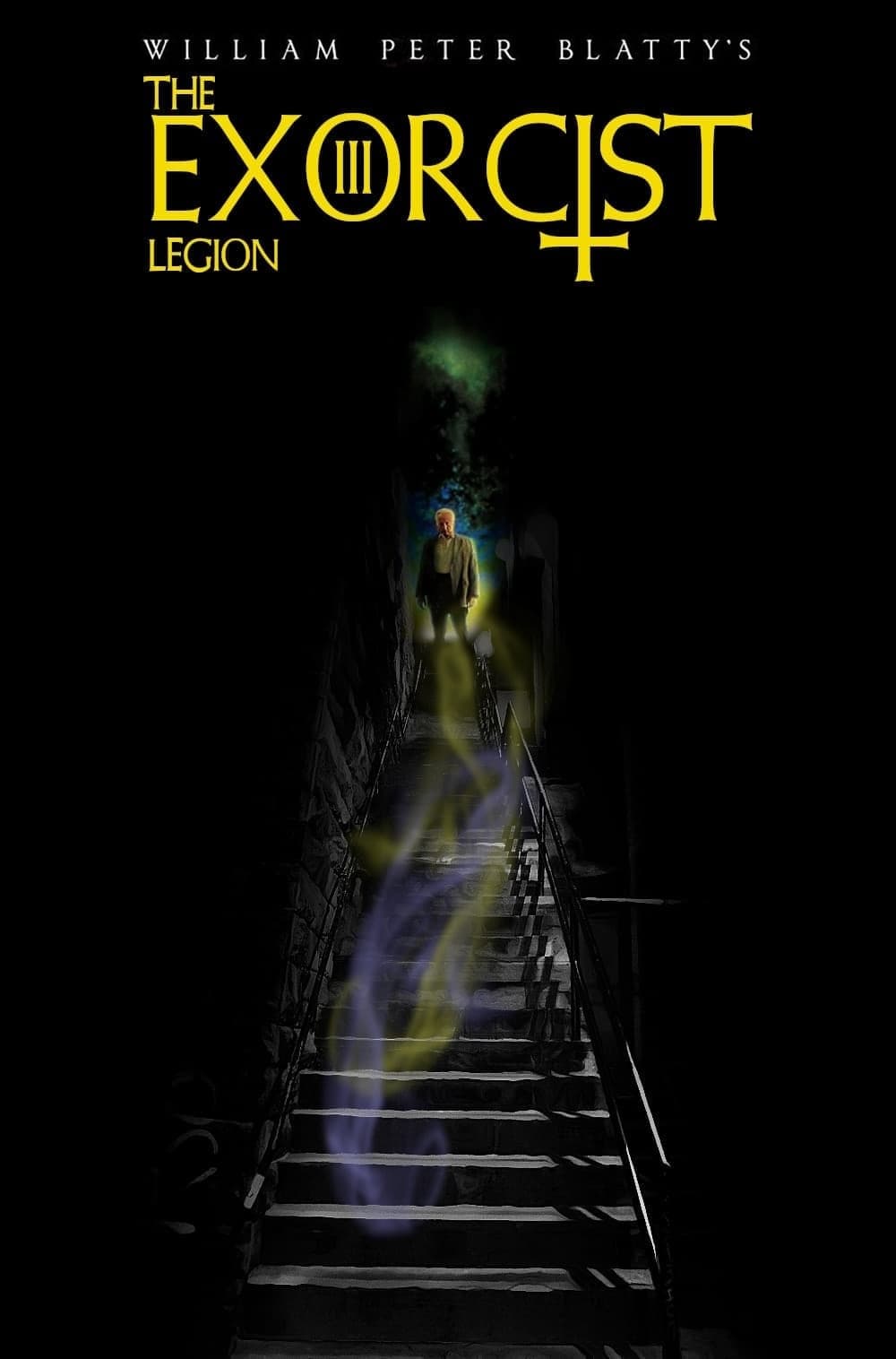
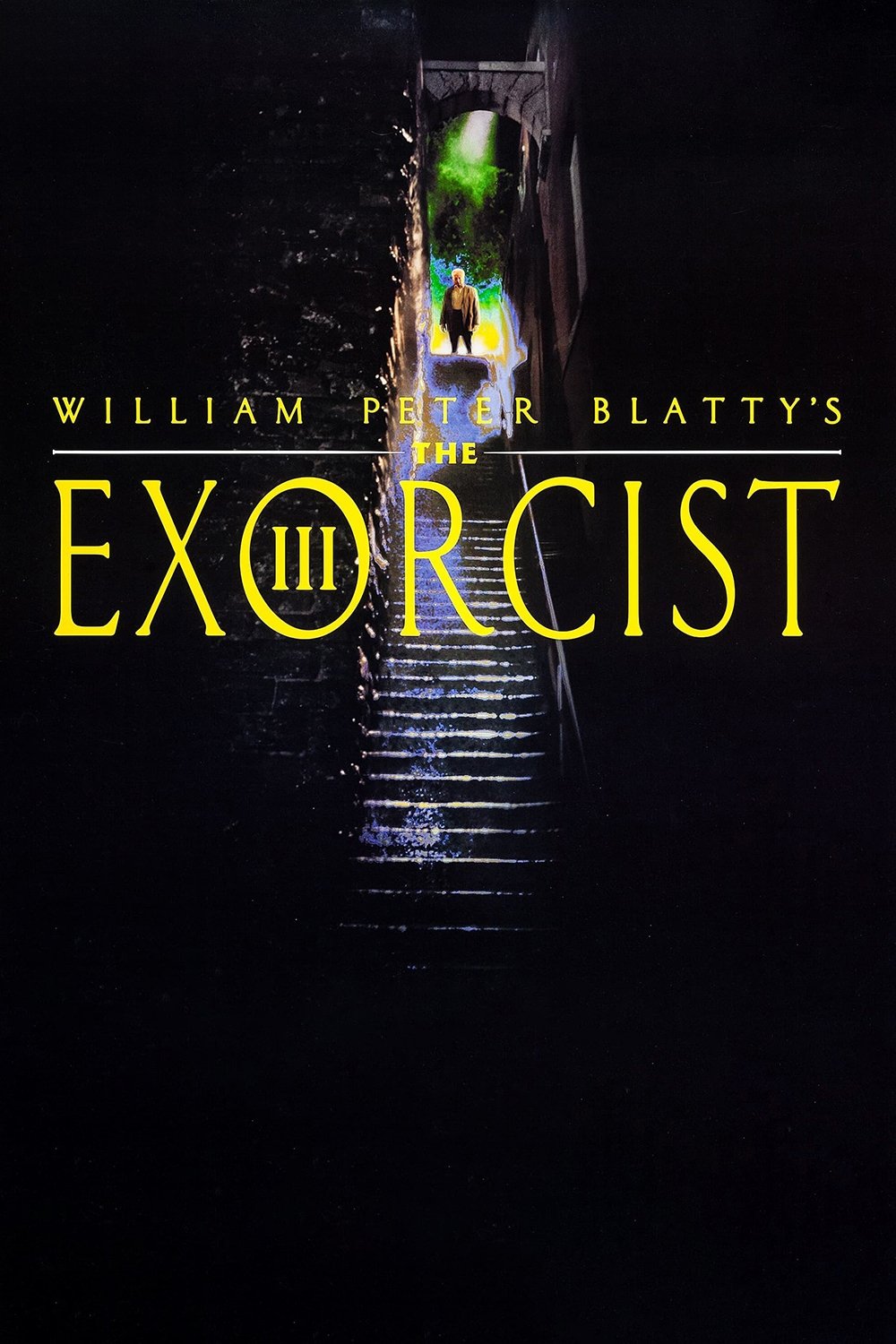
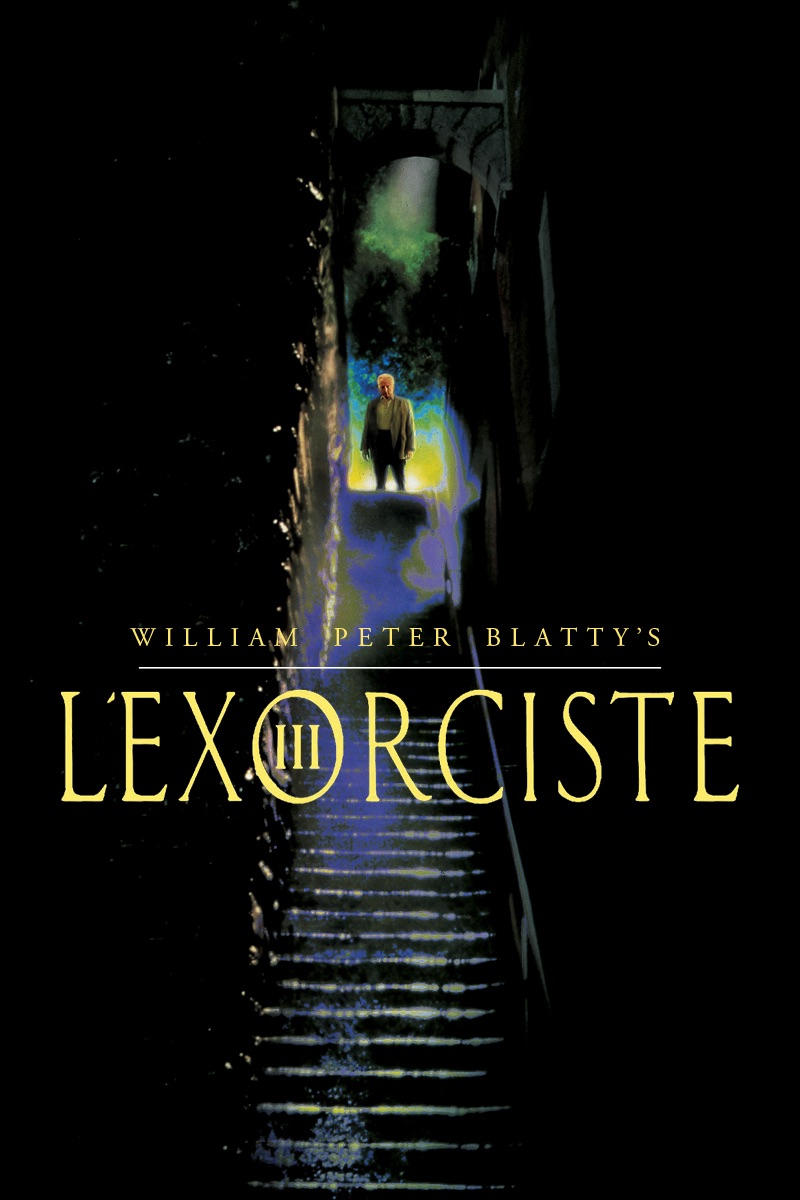
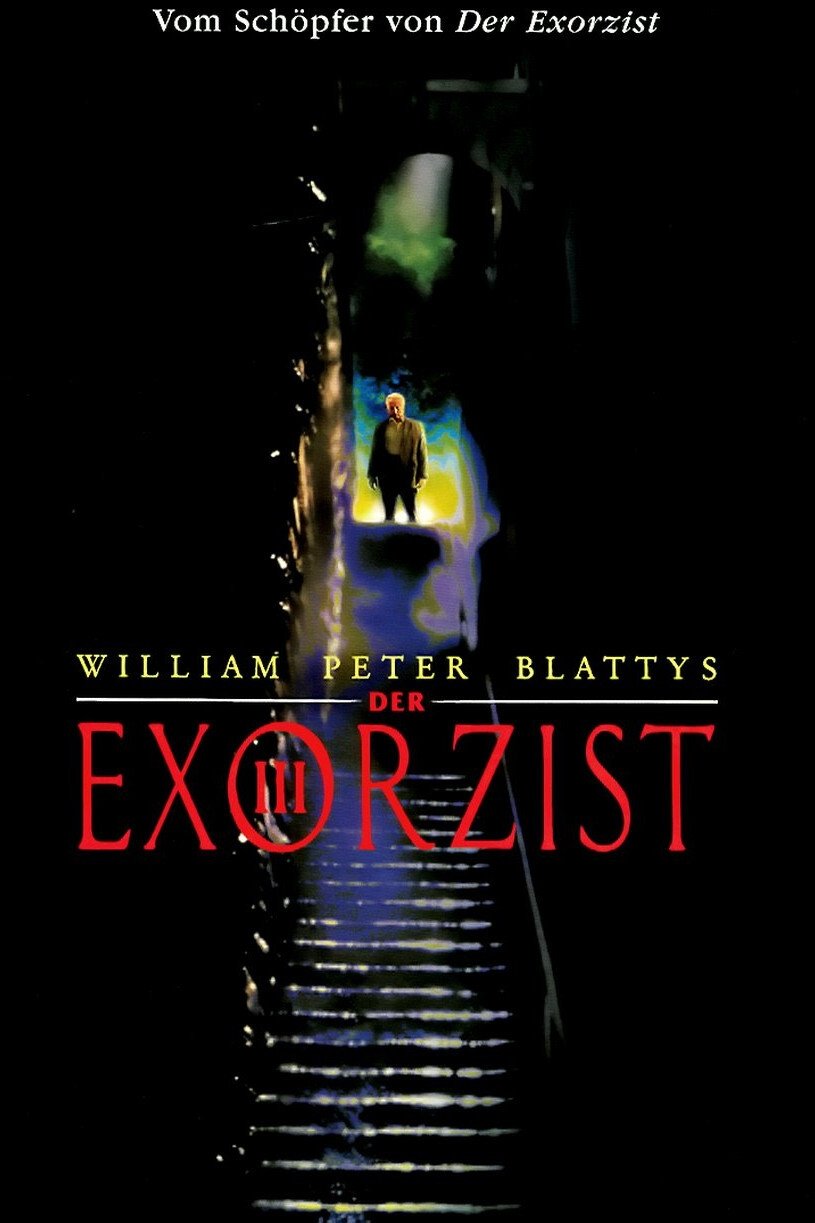
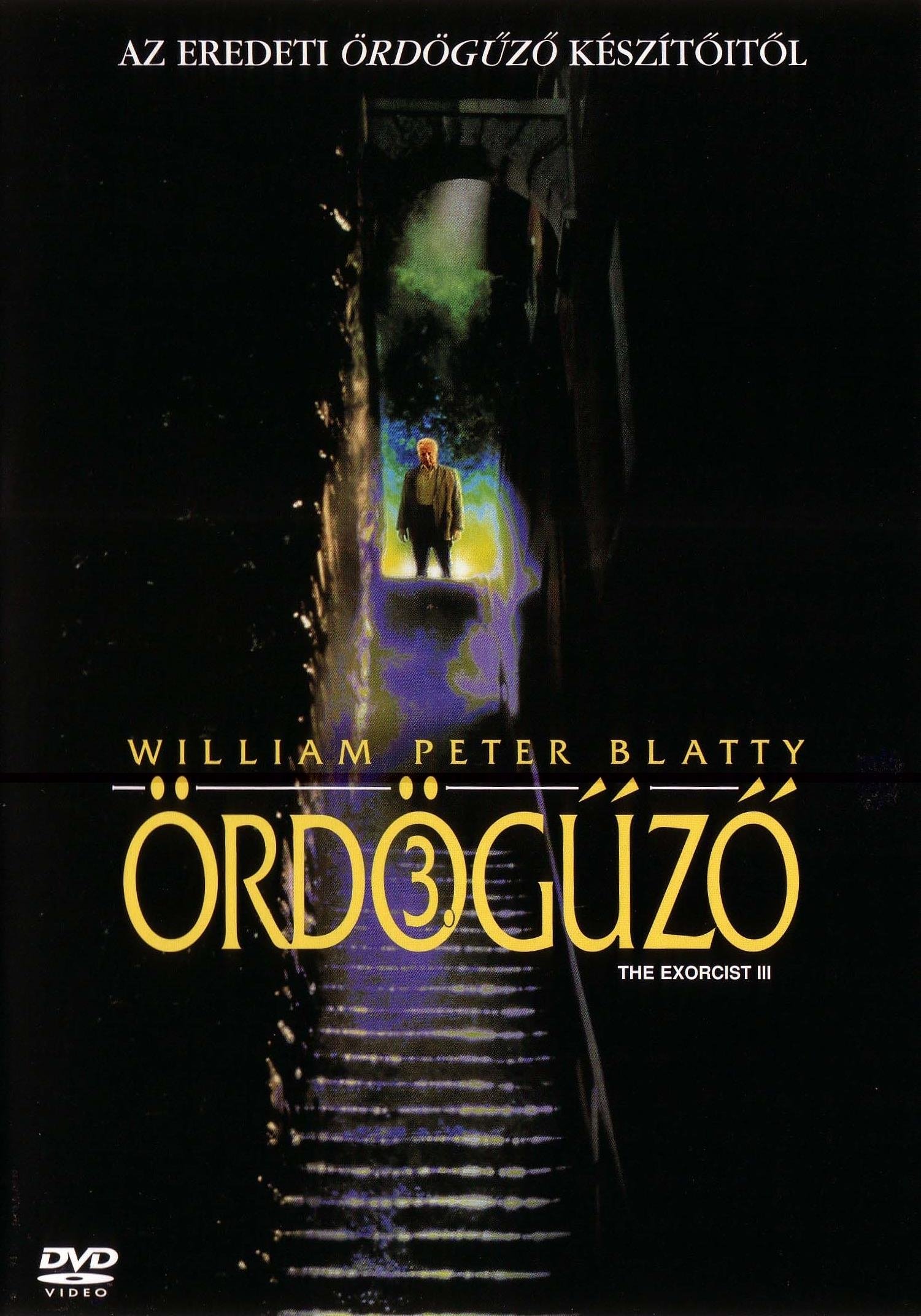
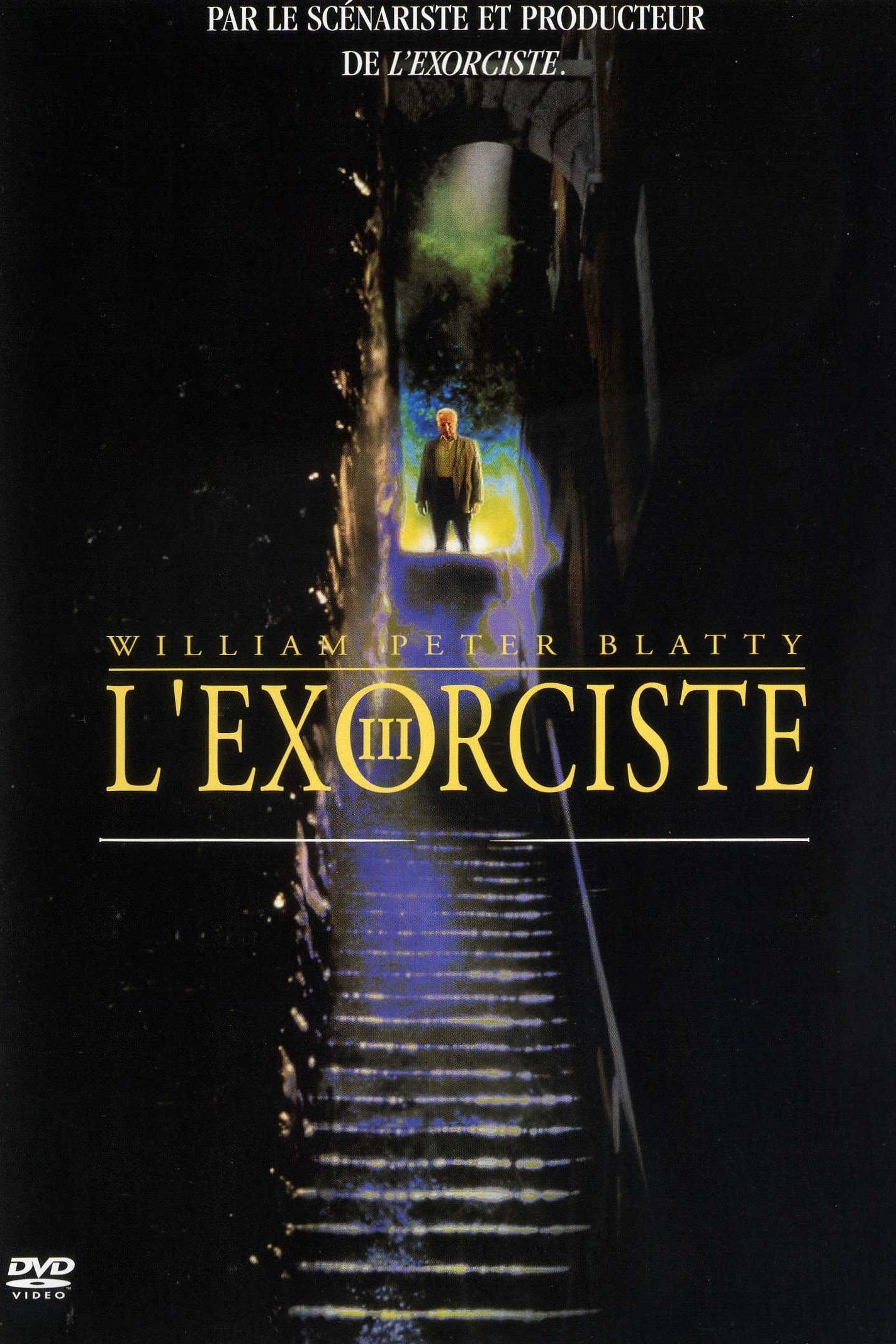
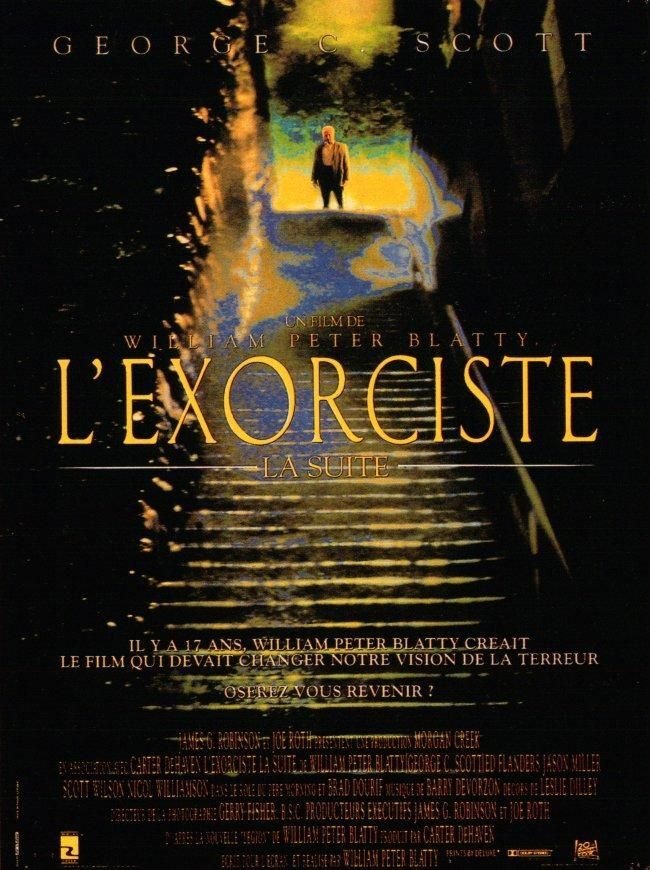
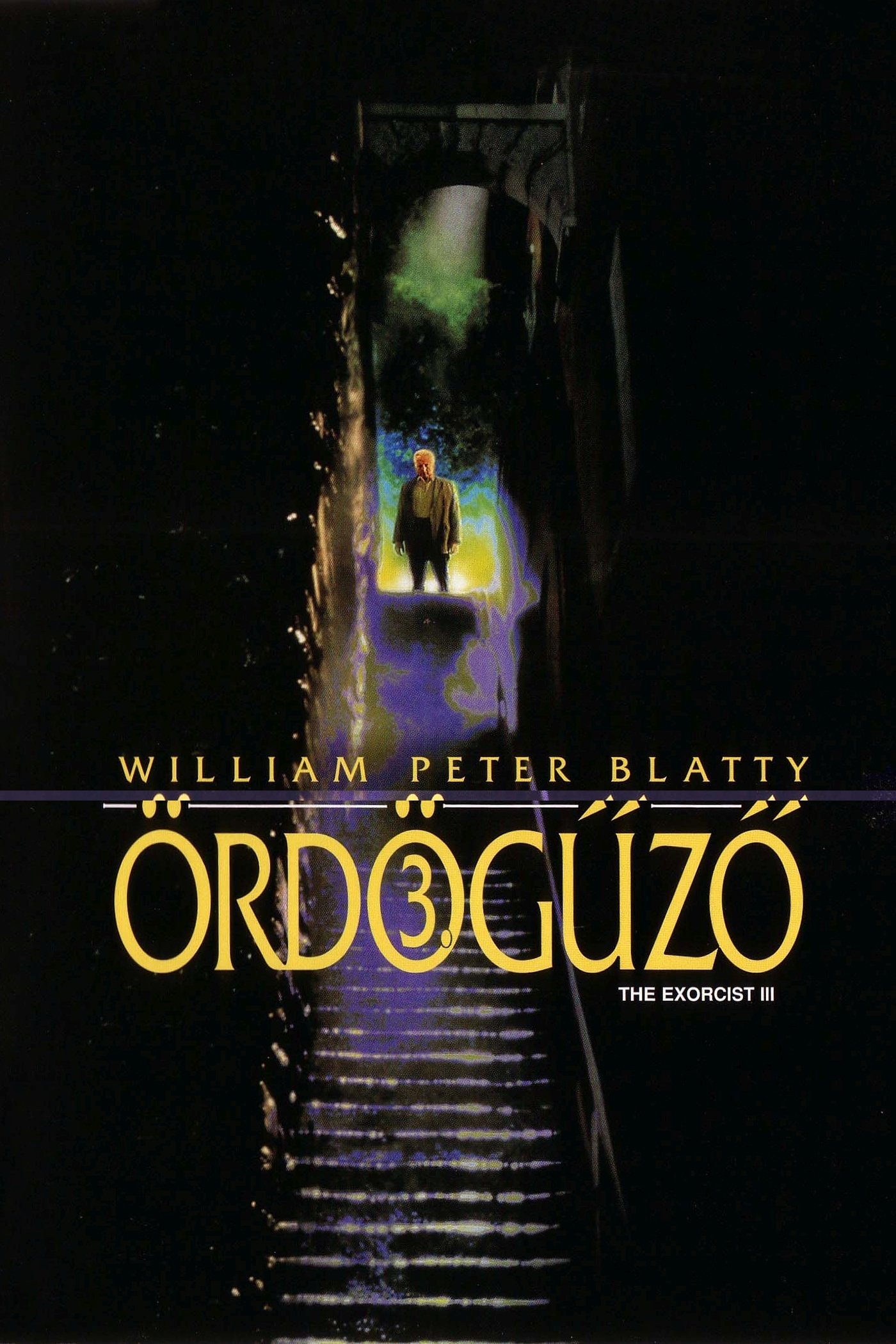
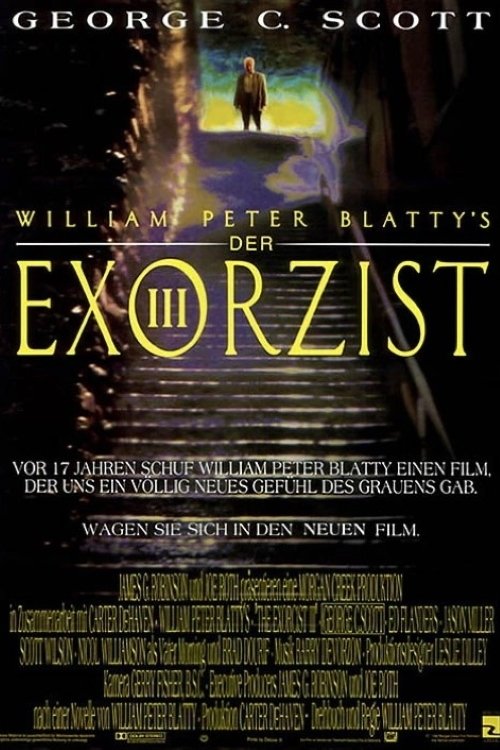
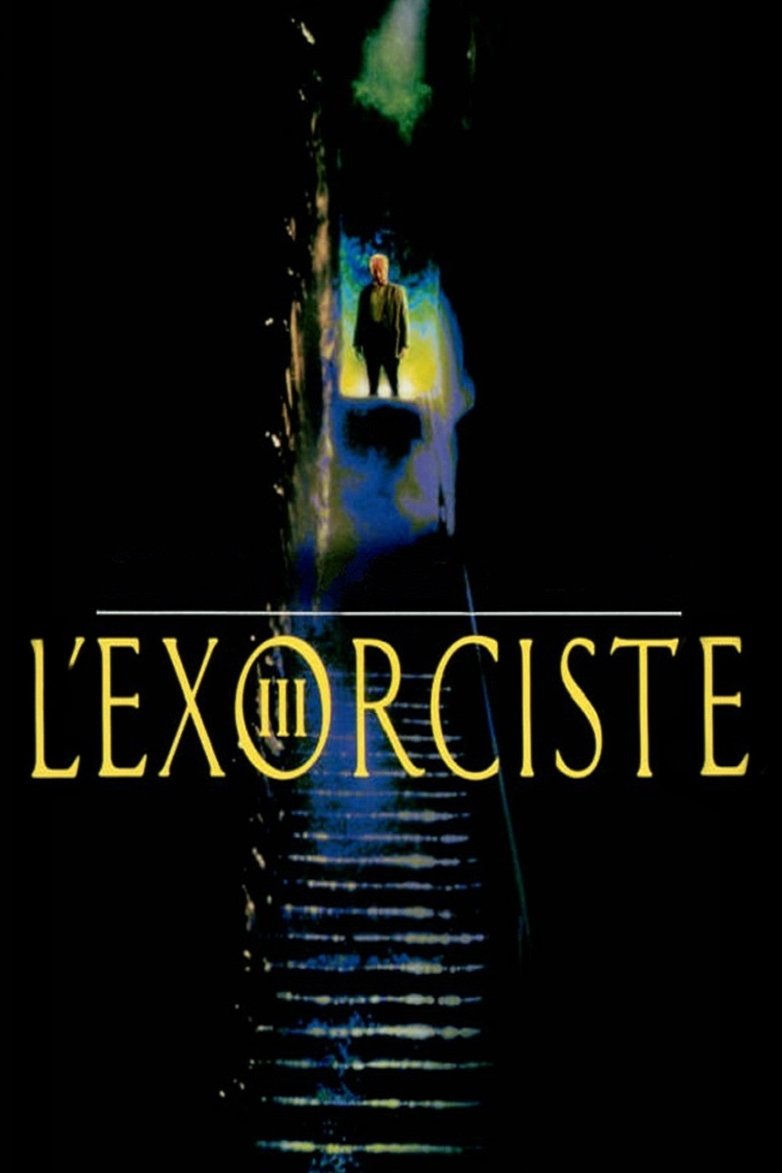
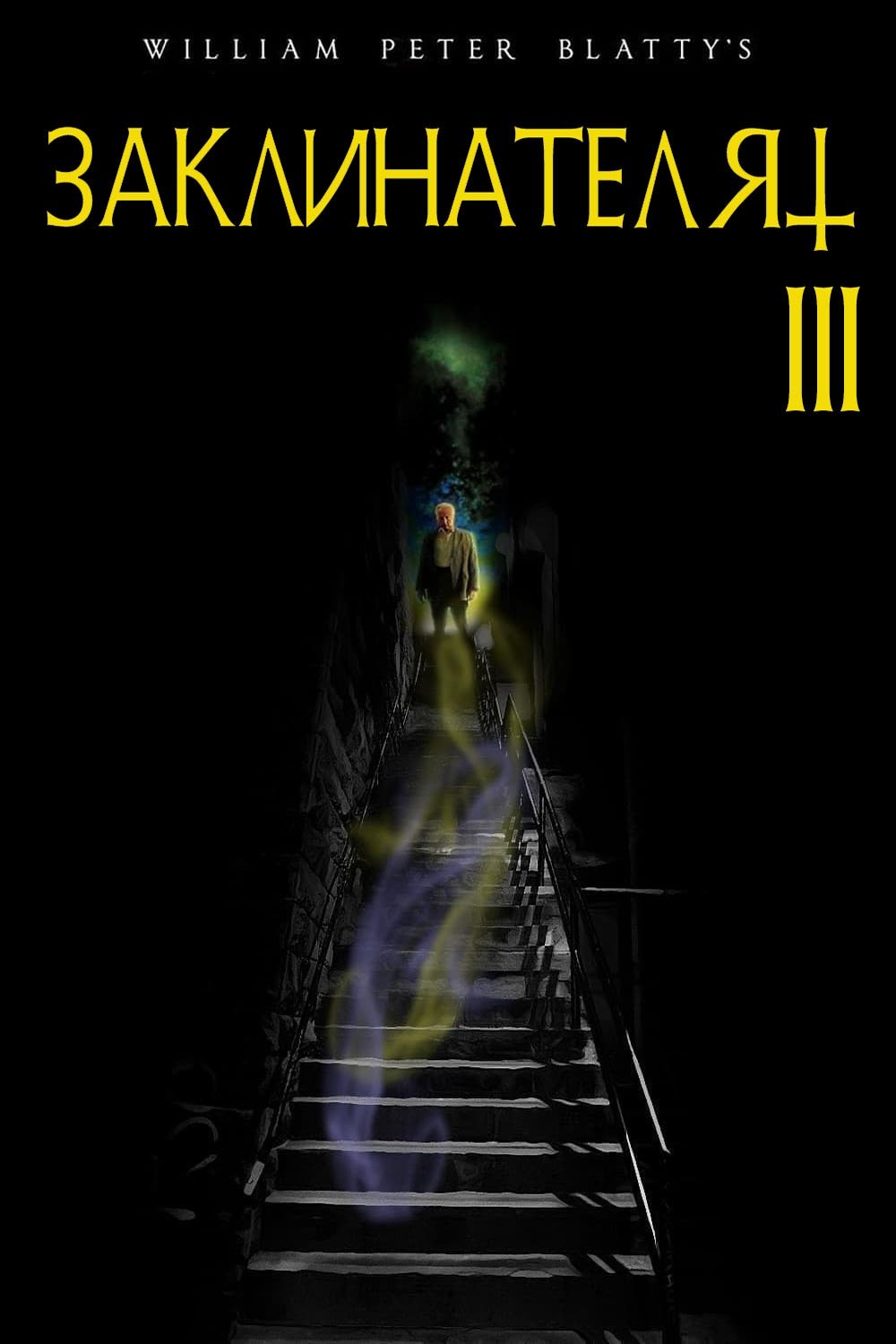
The project circulated under several working titles before Morgan Creek financed the production. Contemporary reporting identifies Exorcist: 15 Years Later, The Exorcist 1990 and The Exorcist III: Legion among the titles considered during development. Blatty directed the feature himself, having previously directed The Ninth Configuration (1980). Carter DeHaven produced, with James G. Robinson and Joe Roth serving as executive producers. The numerical title became an important commercial issue because it encouraged expectations of another exorcism, whereas Blatty’s preferred narrative was principally concerned with an investigator confronting evidence of an impossible crime.