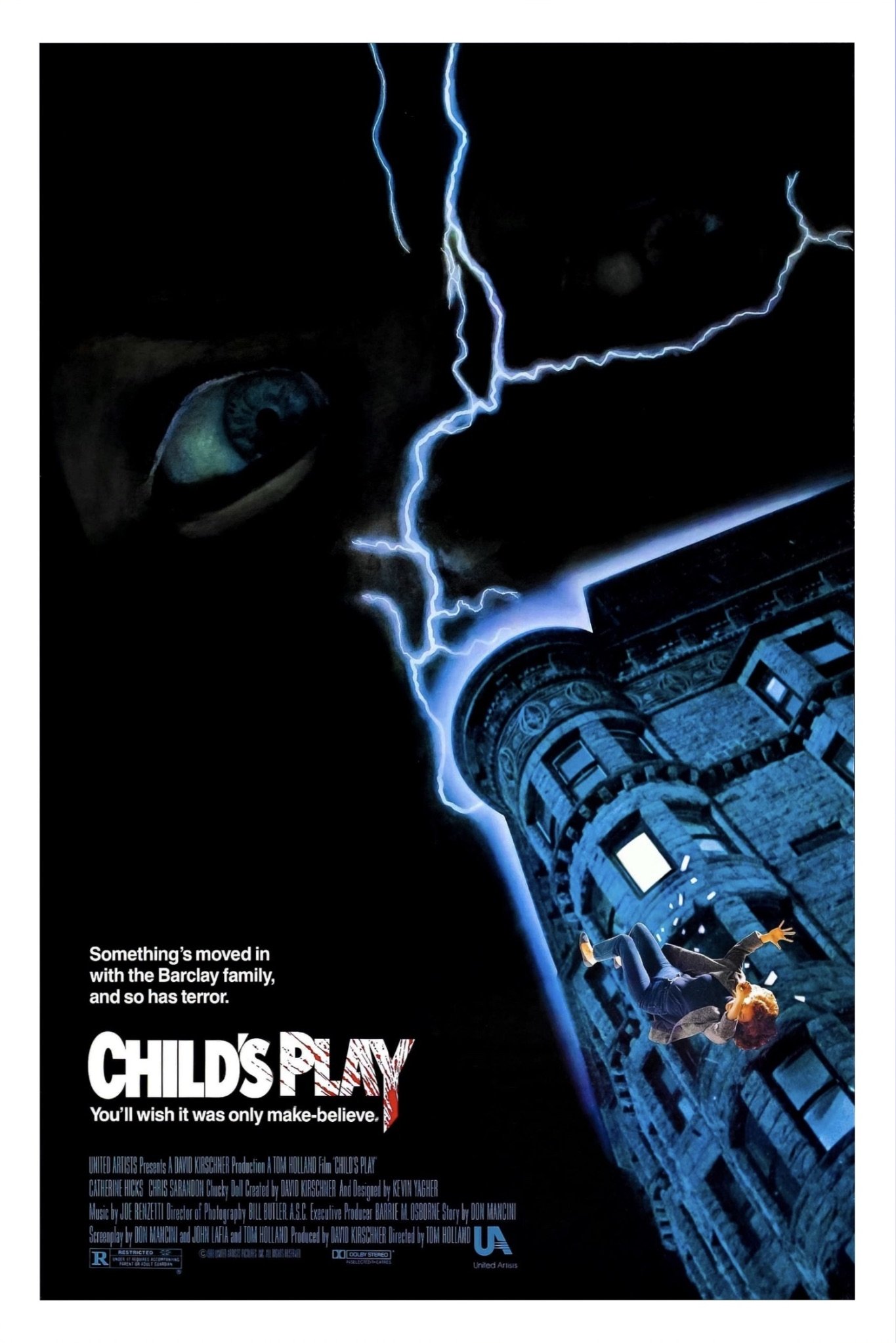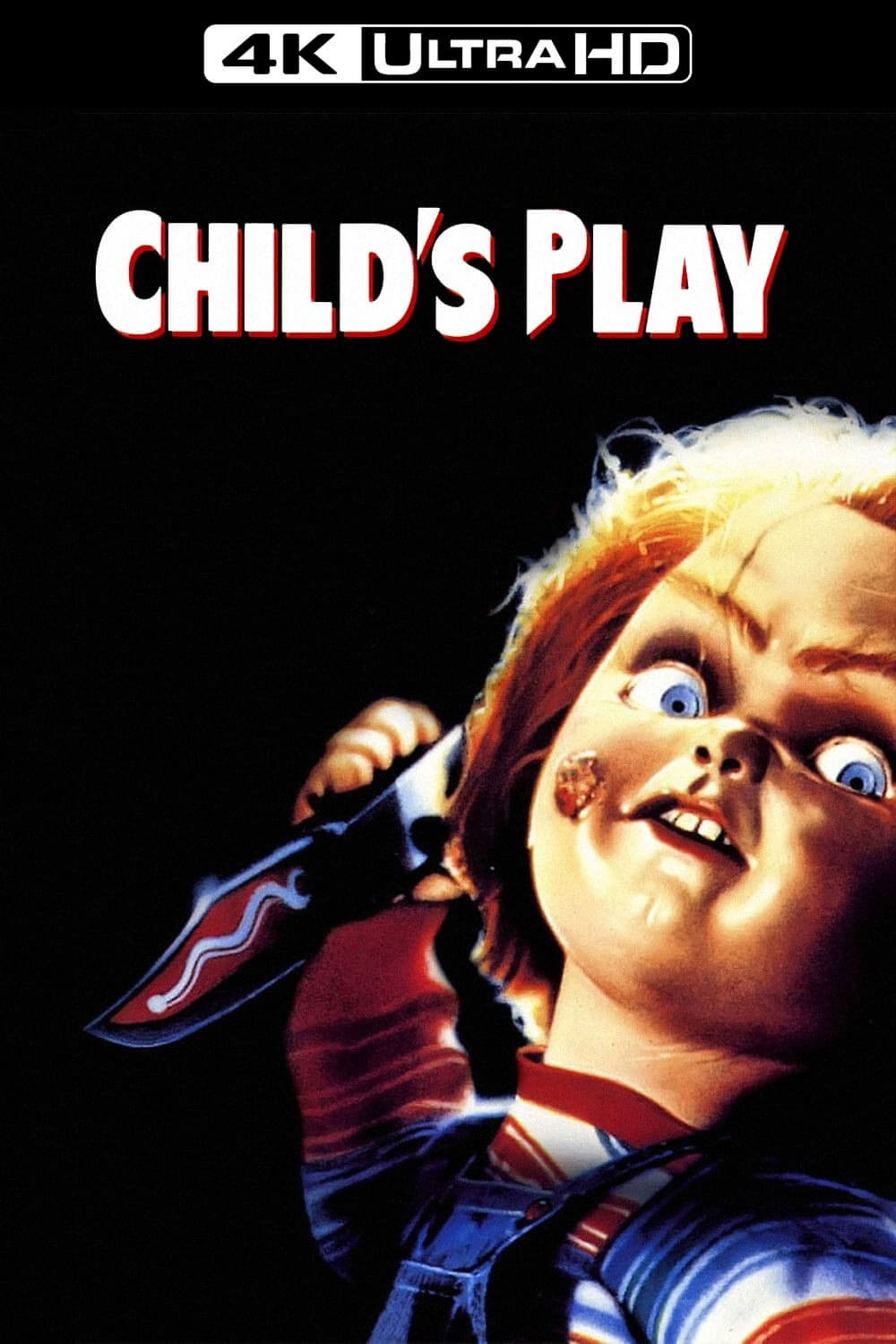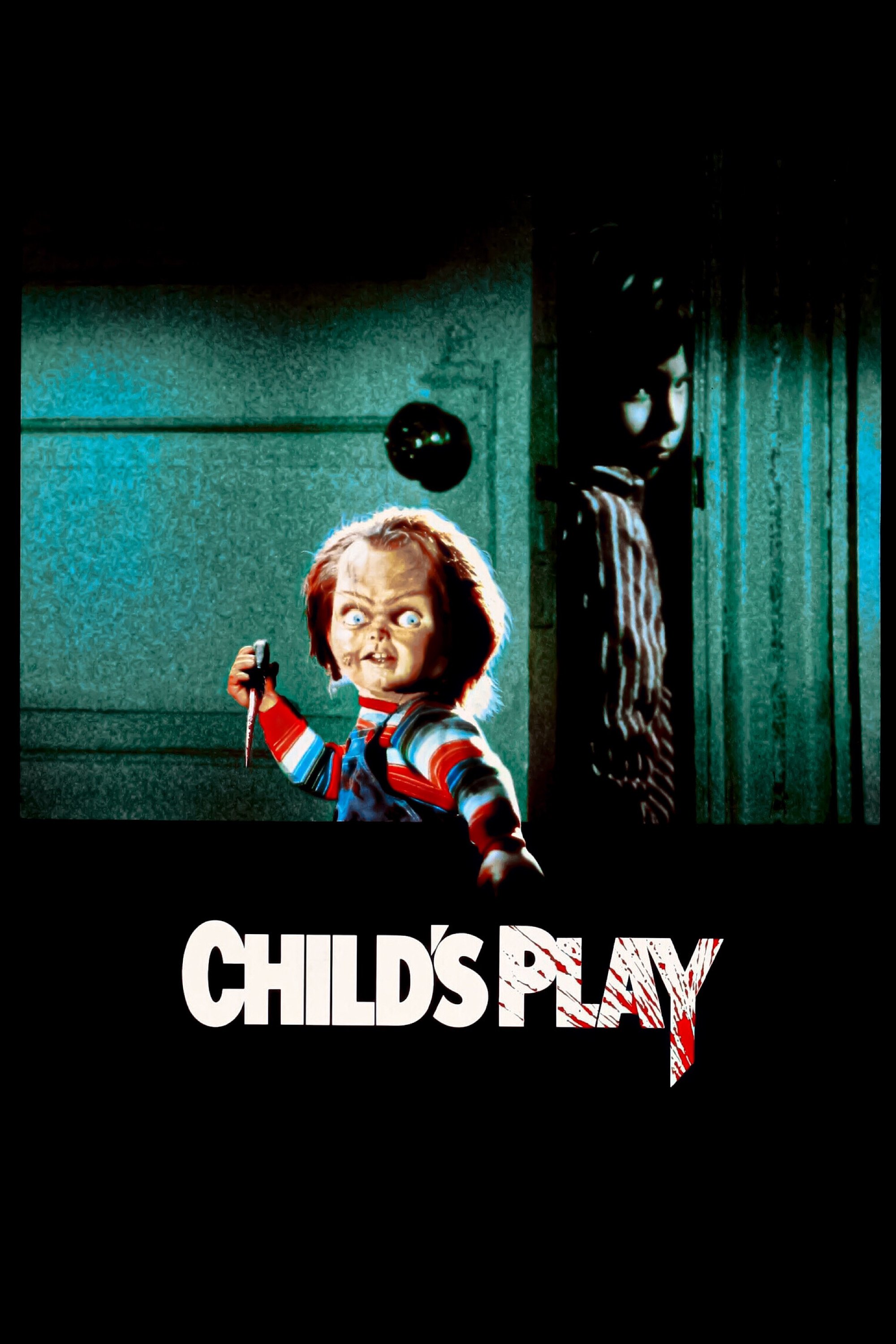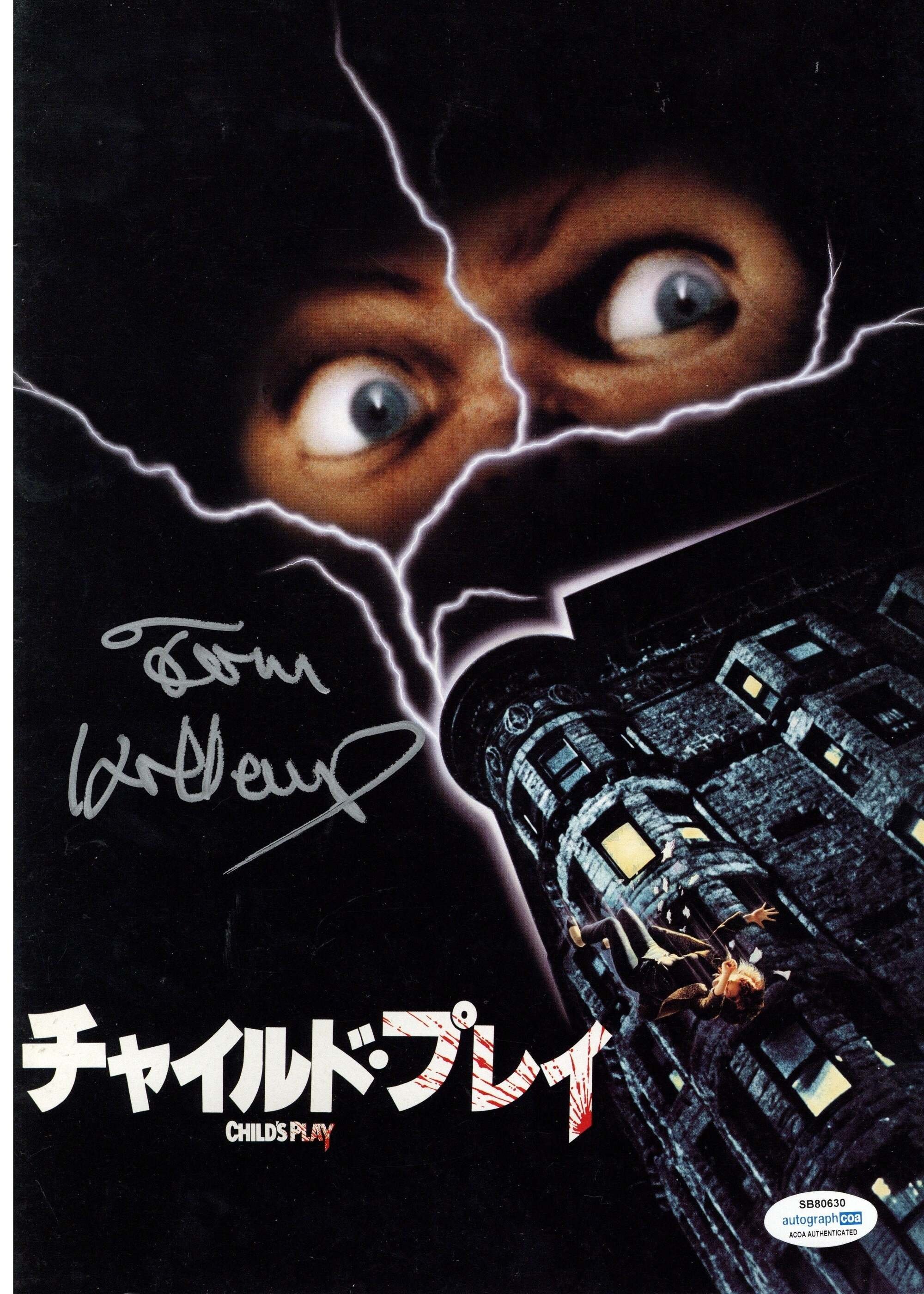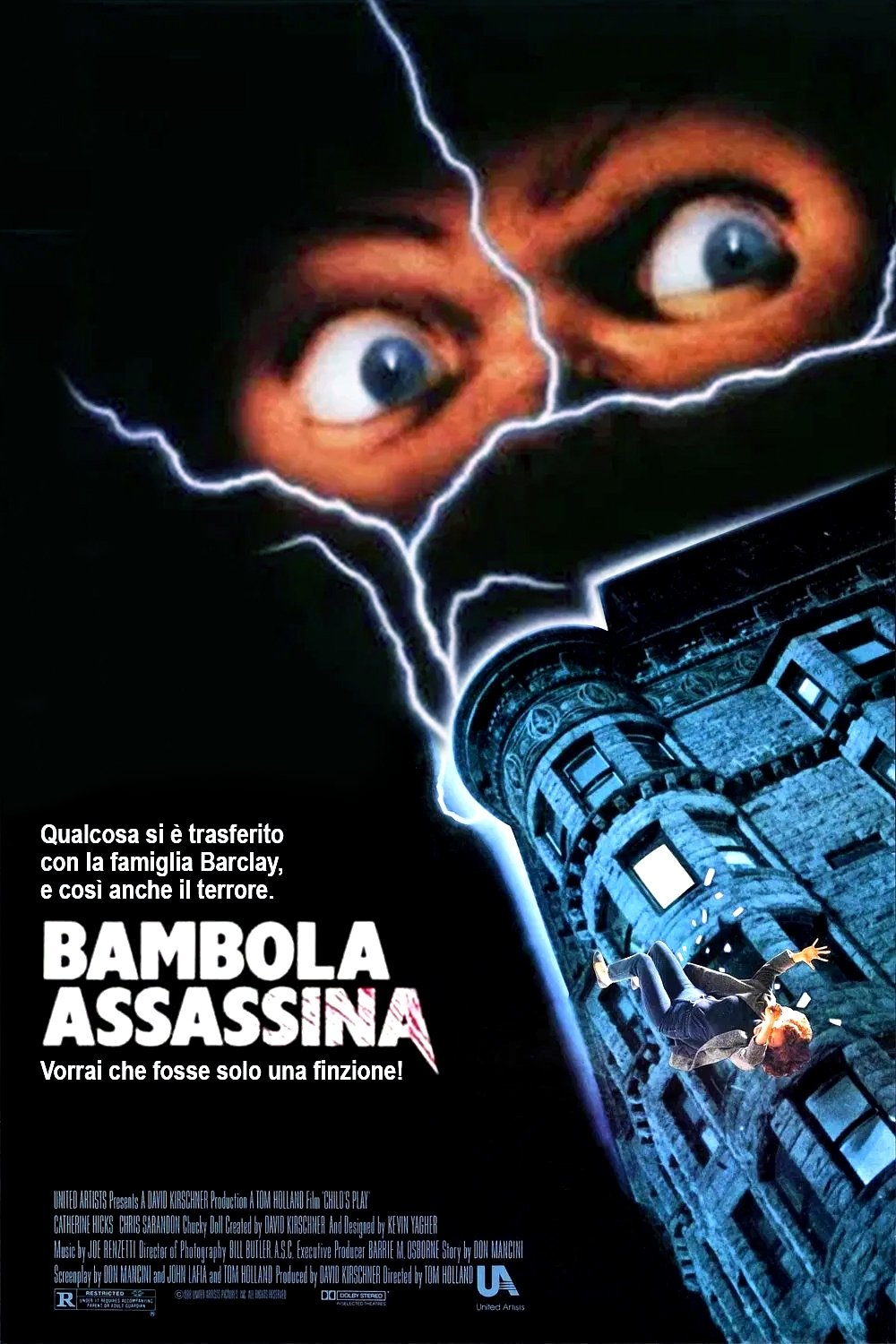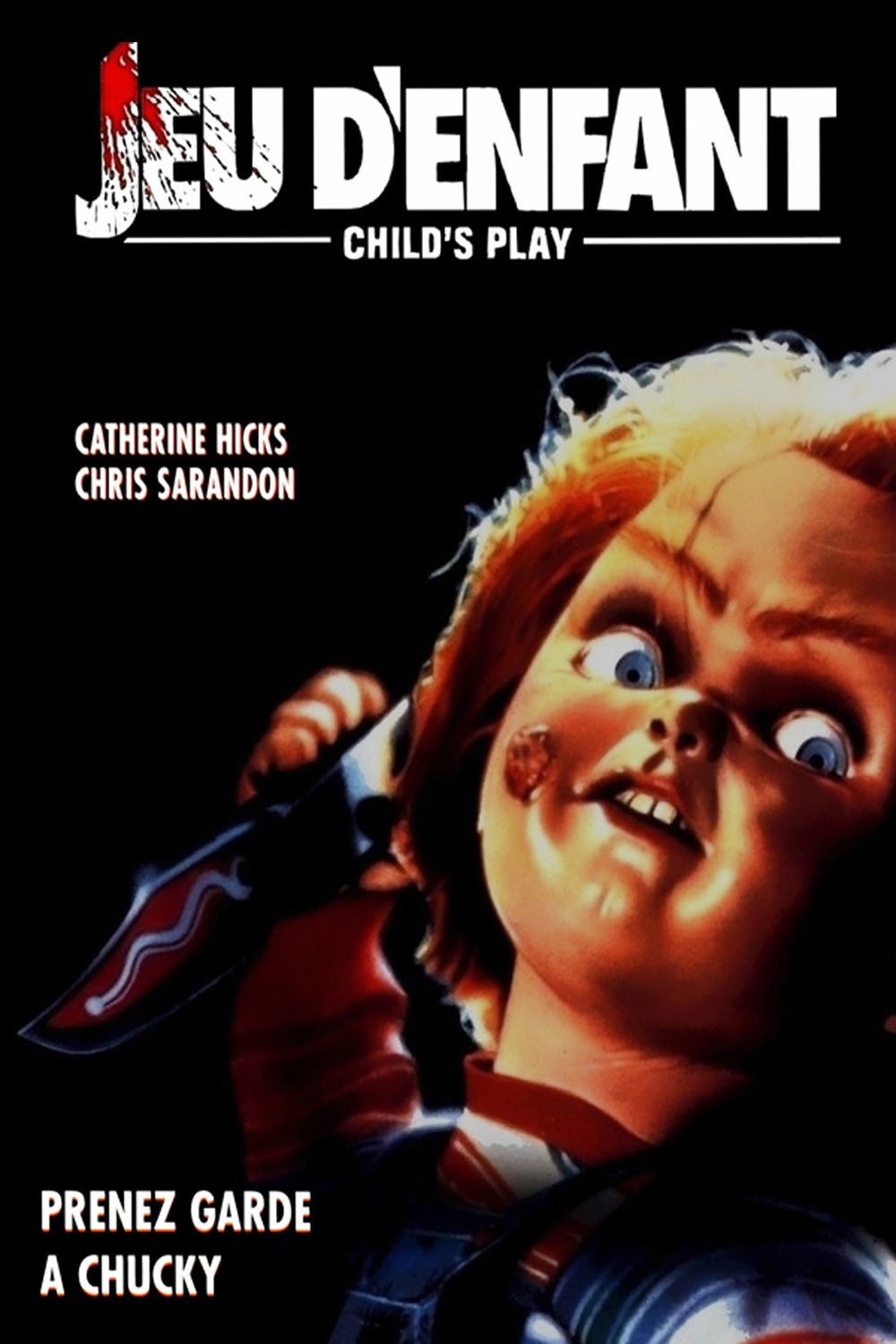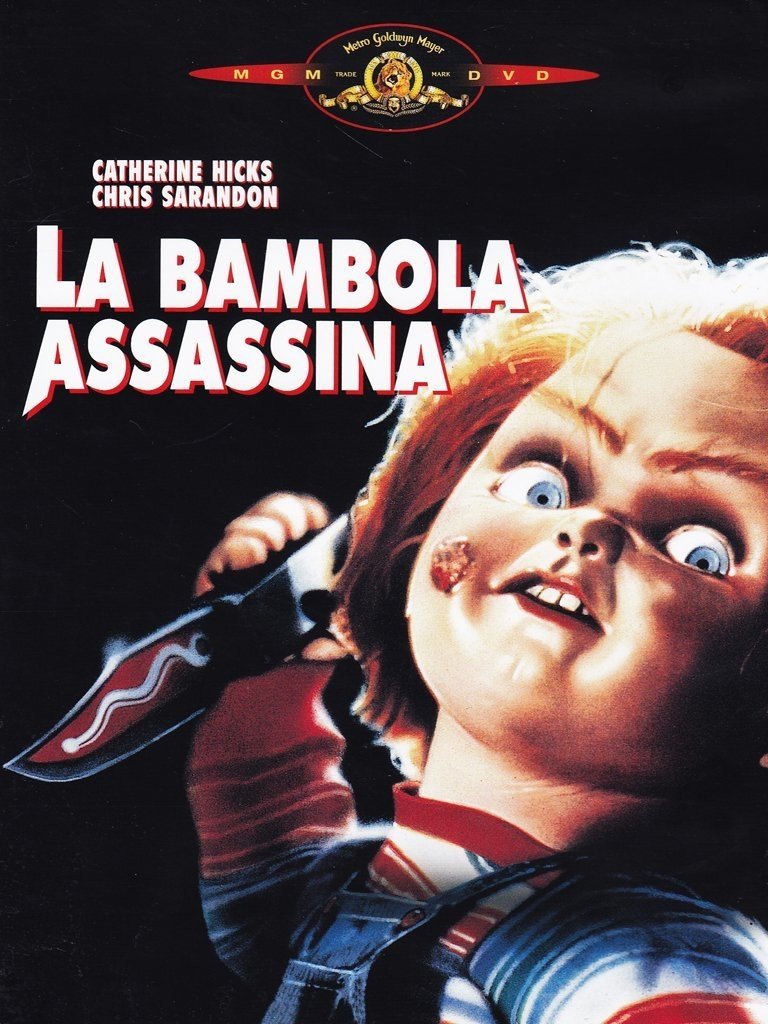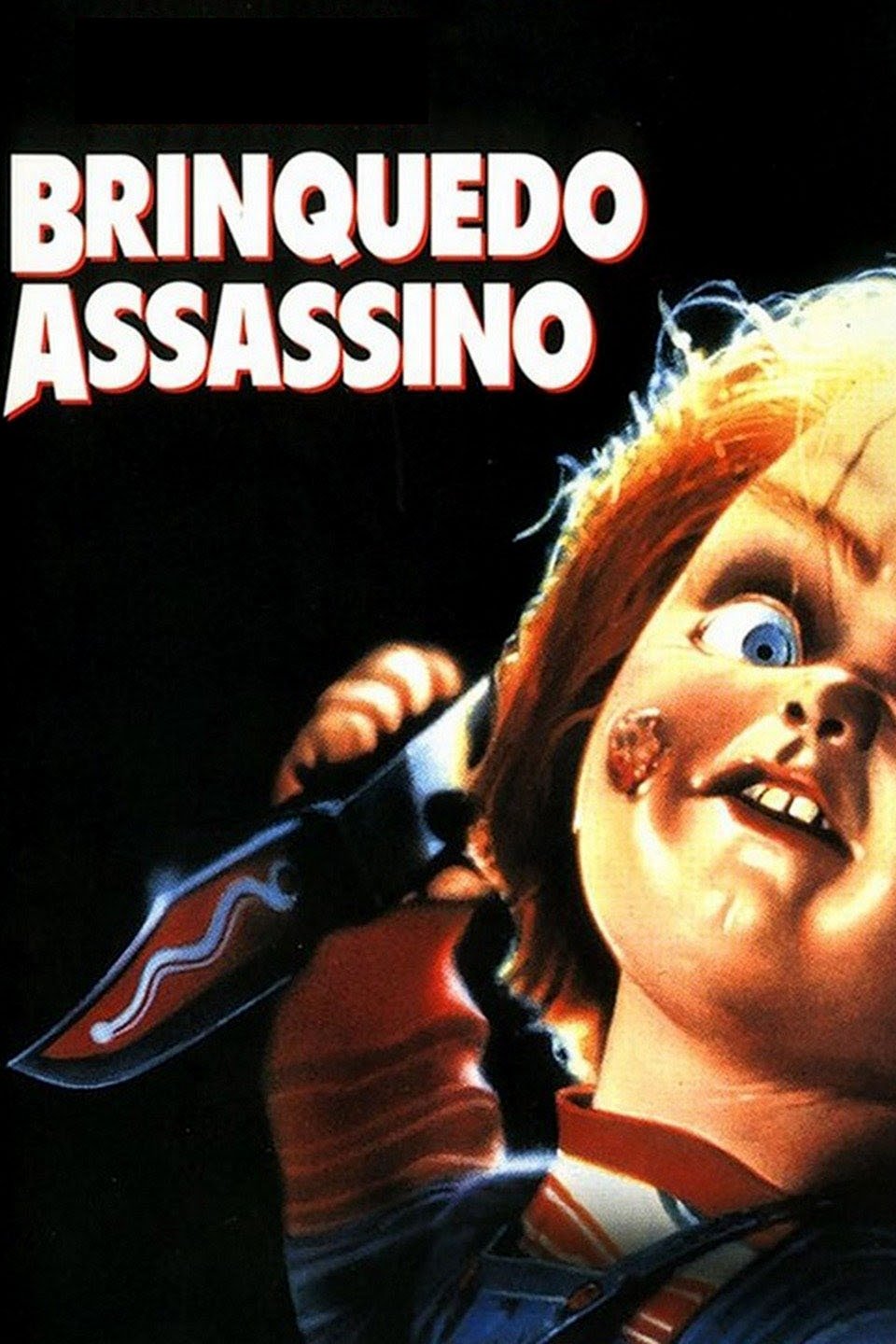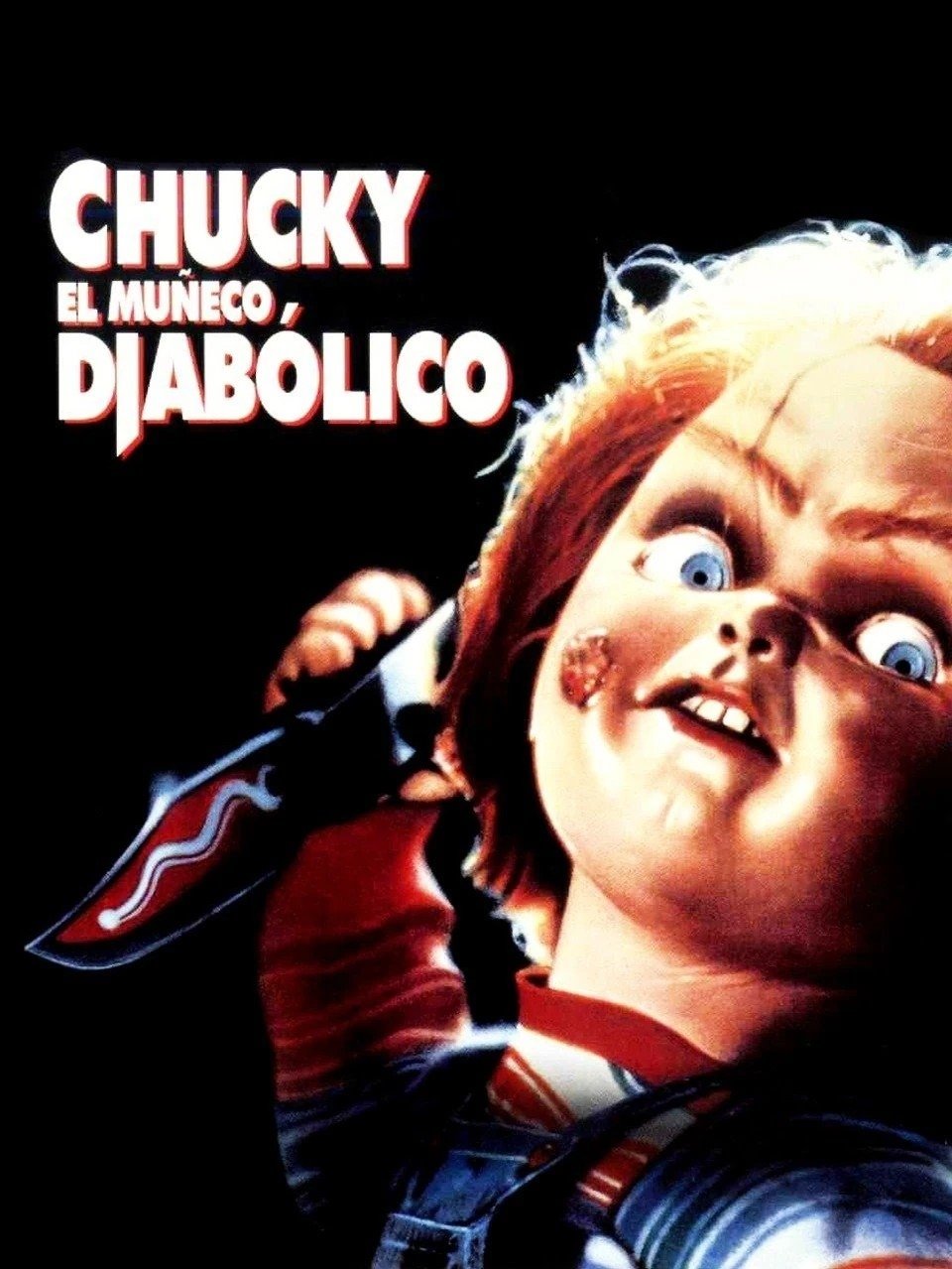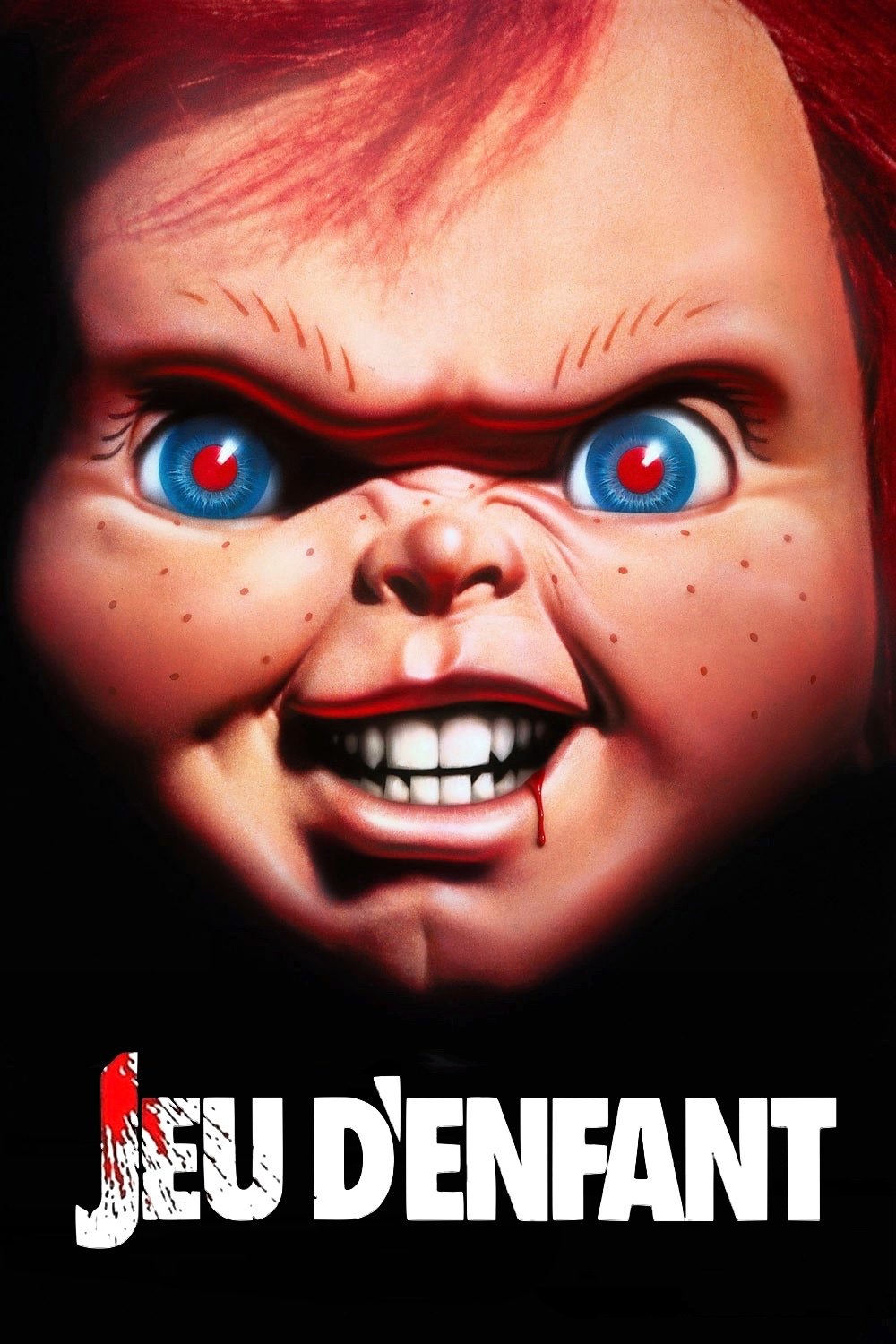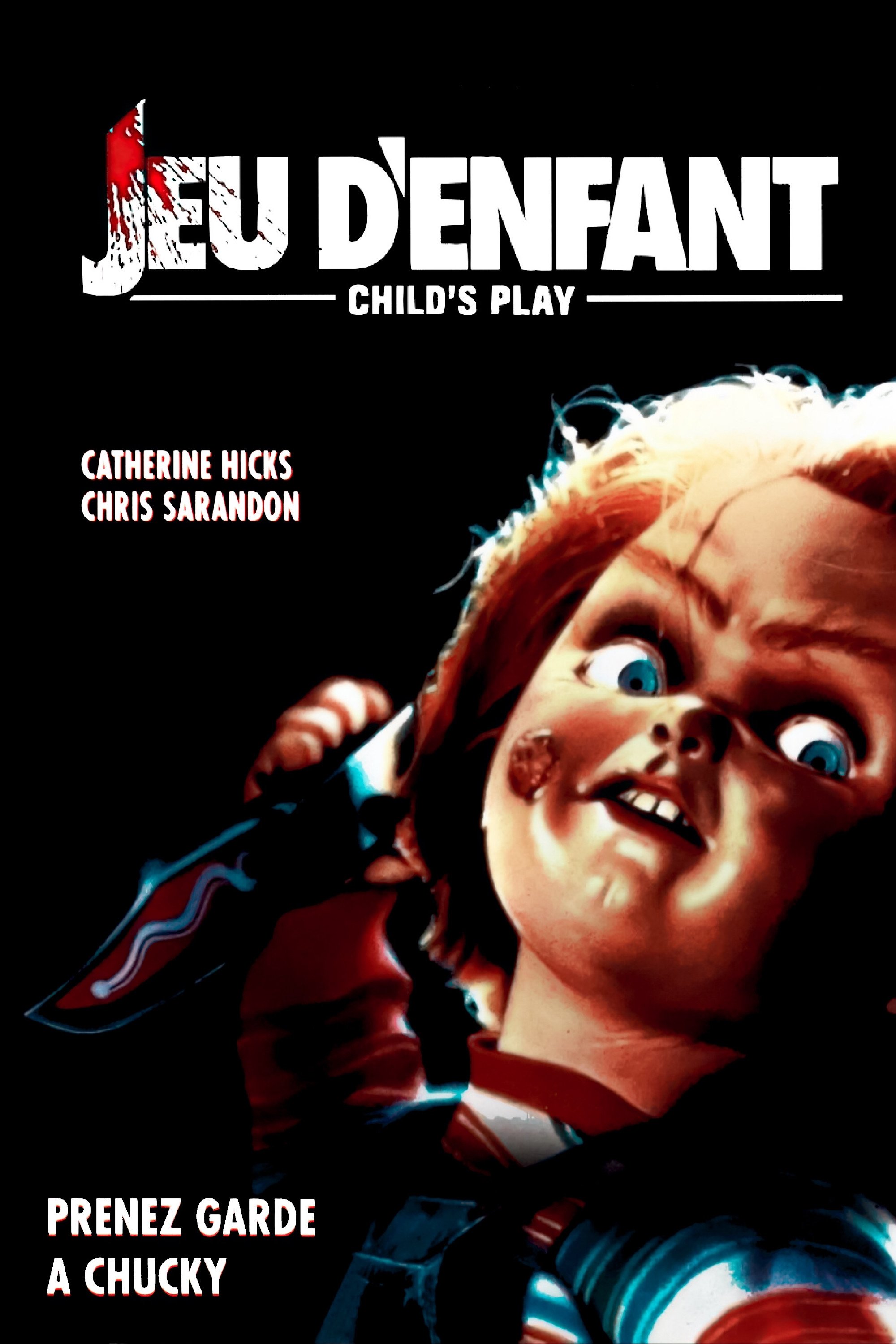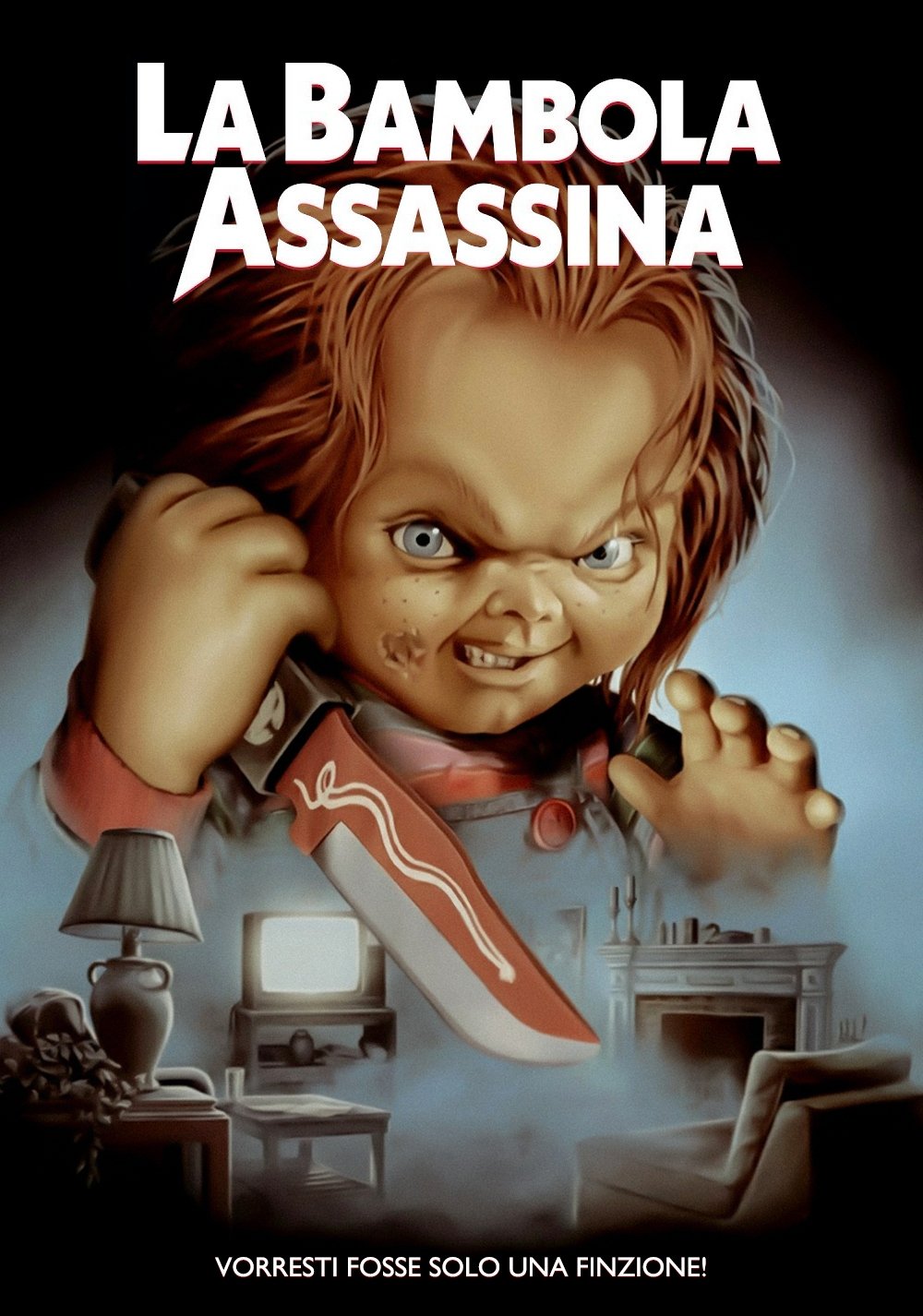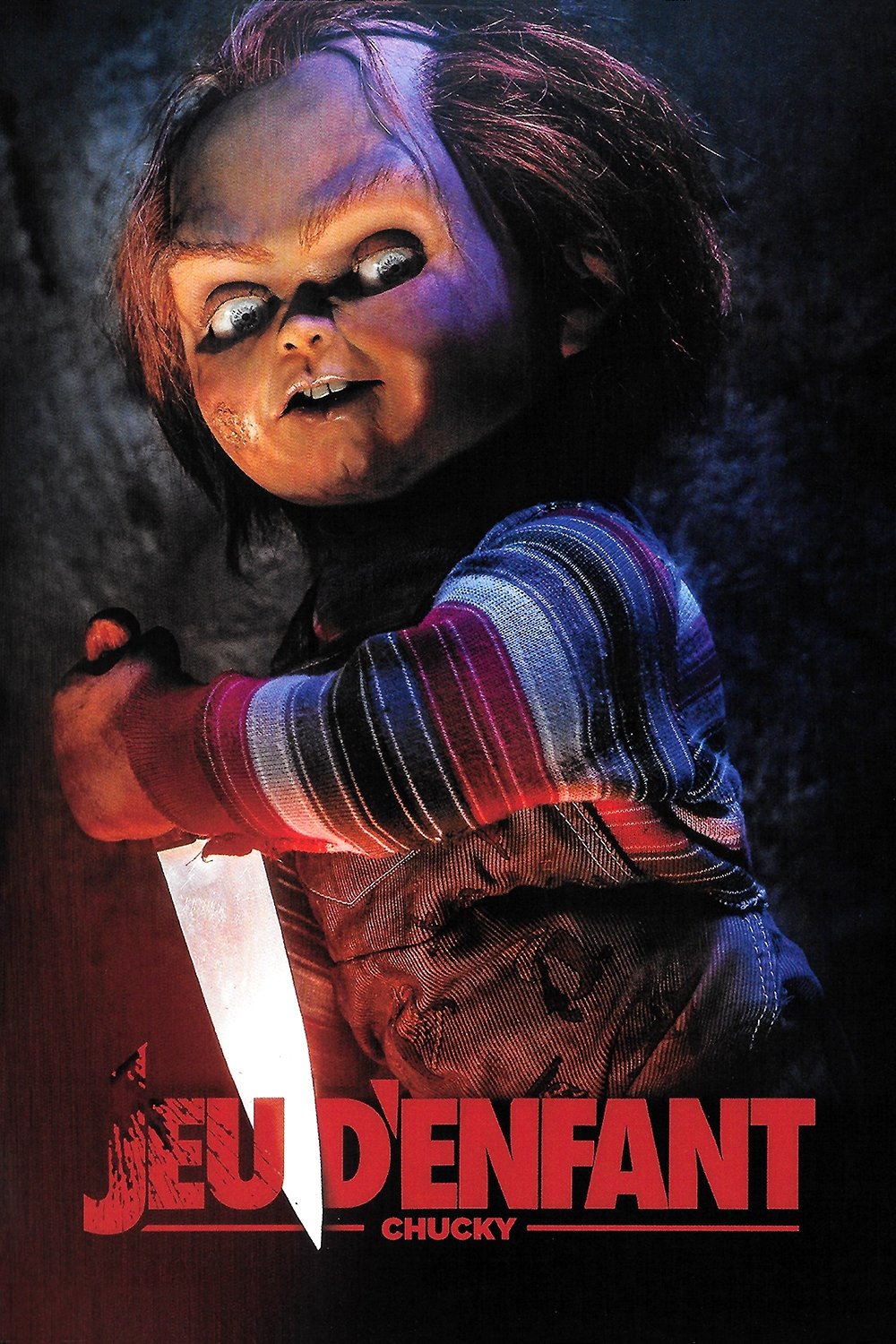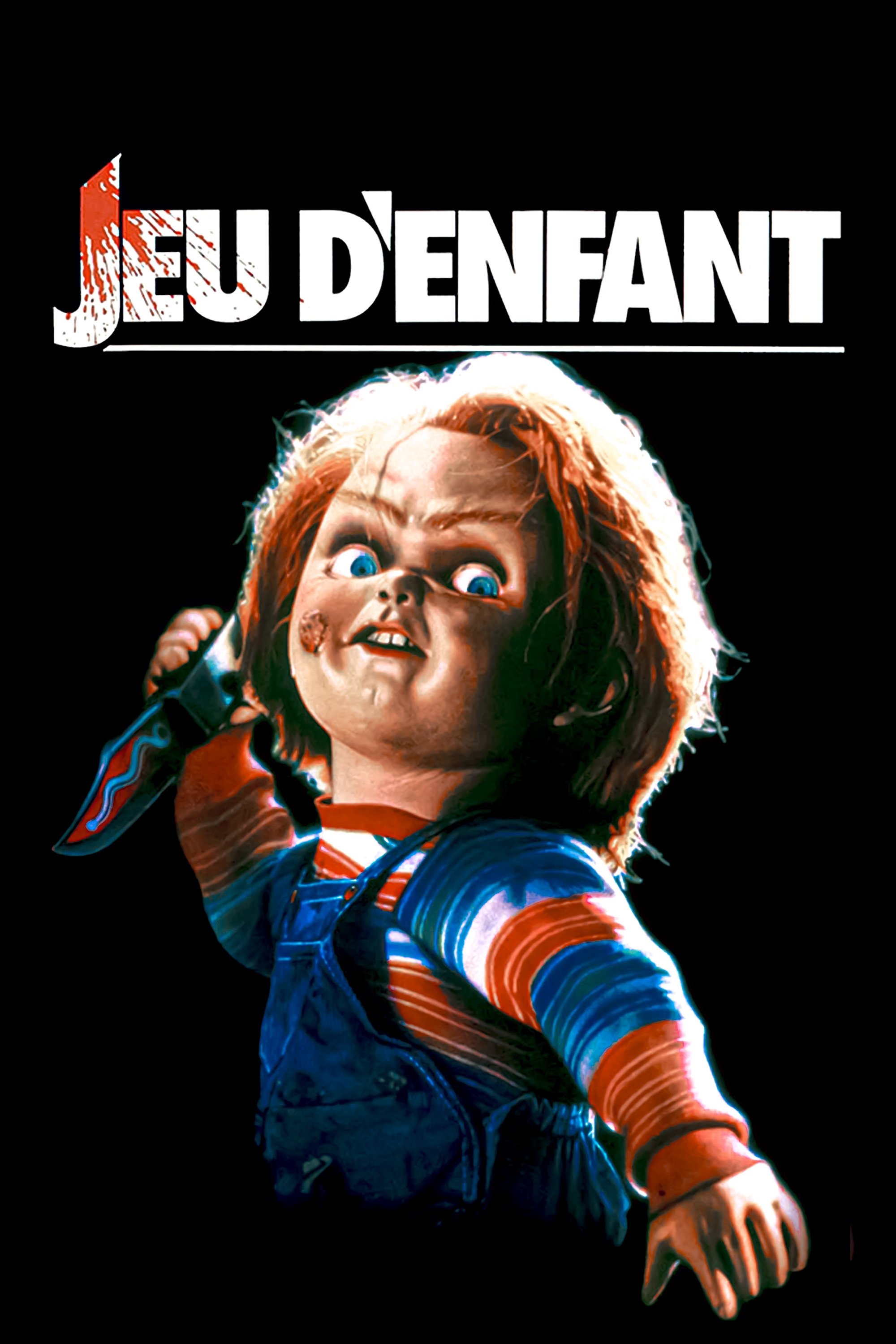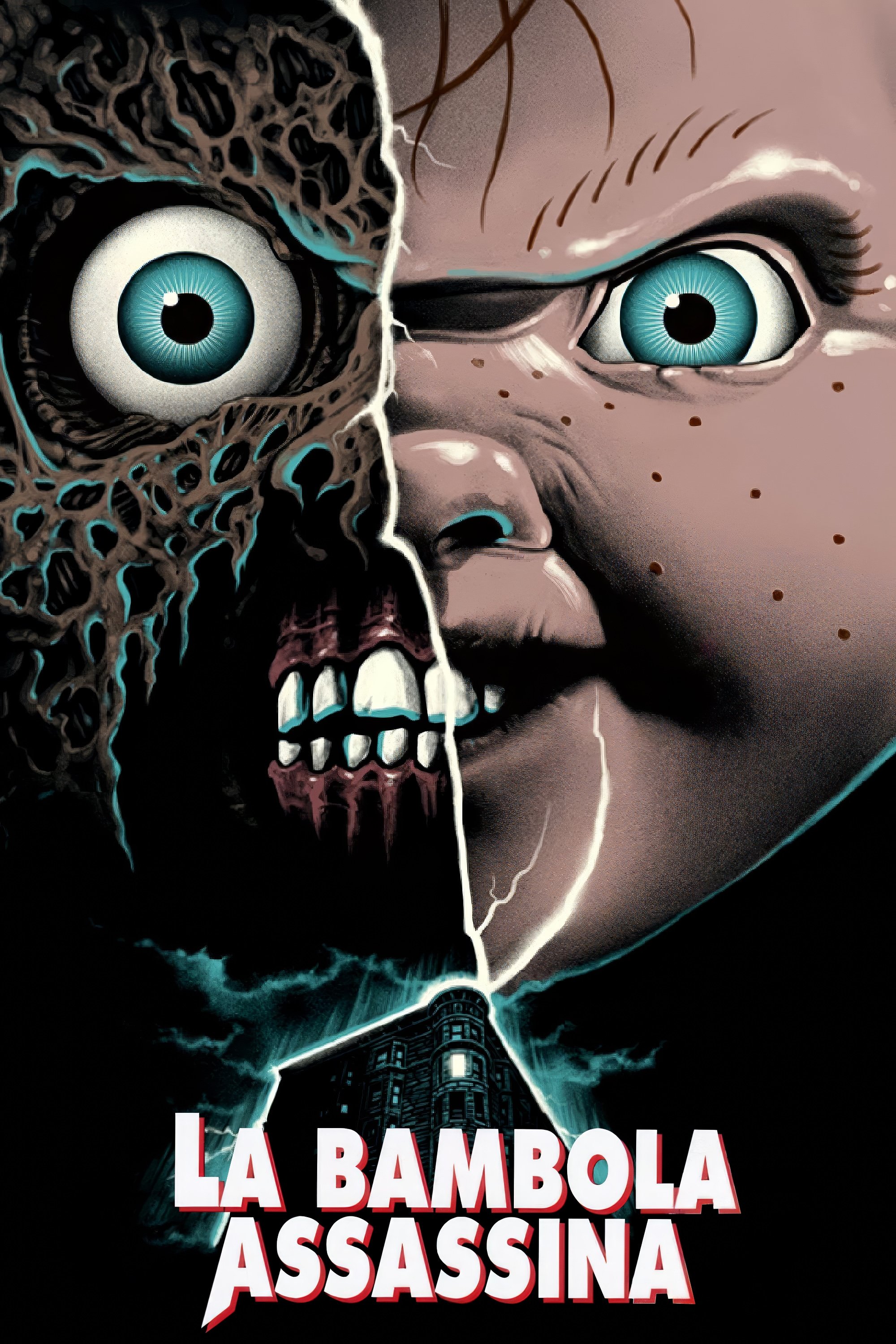


From Blood Buddy to Child's Play
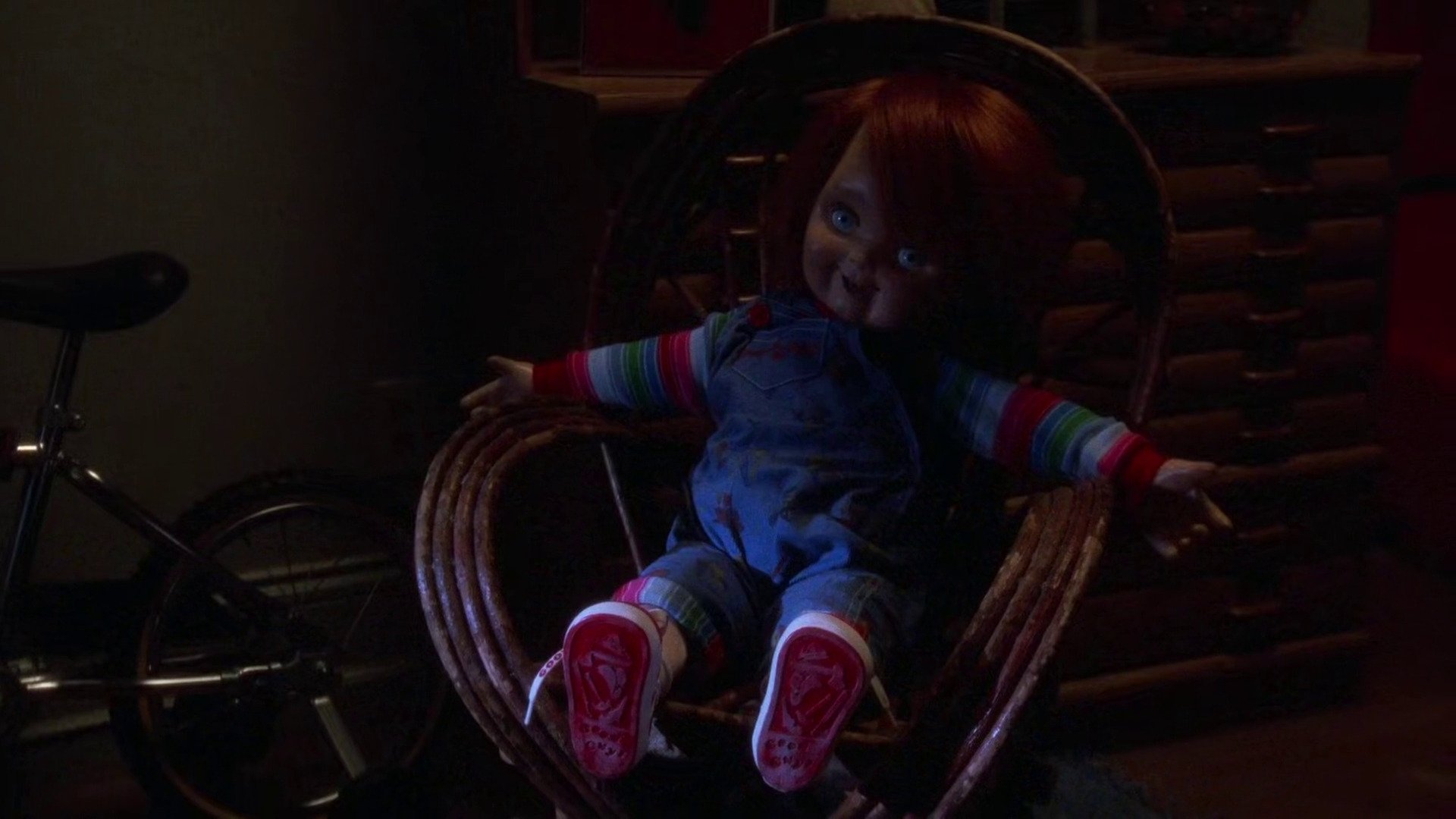
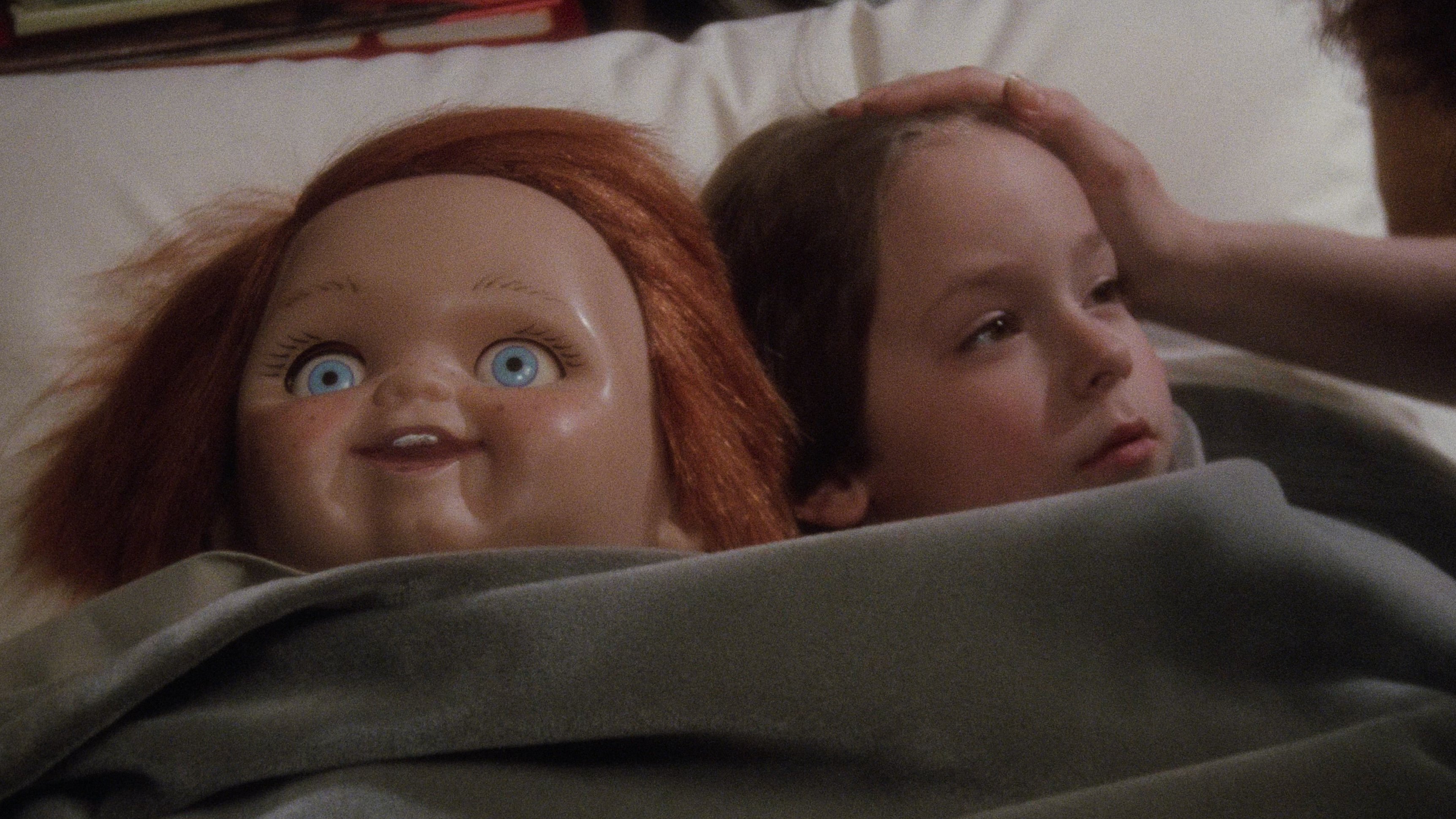
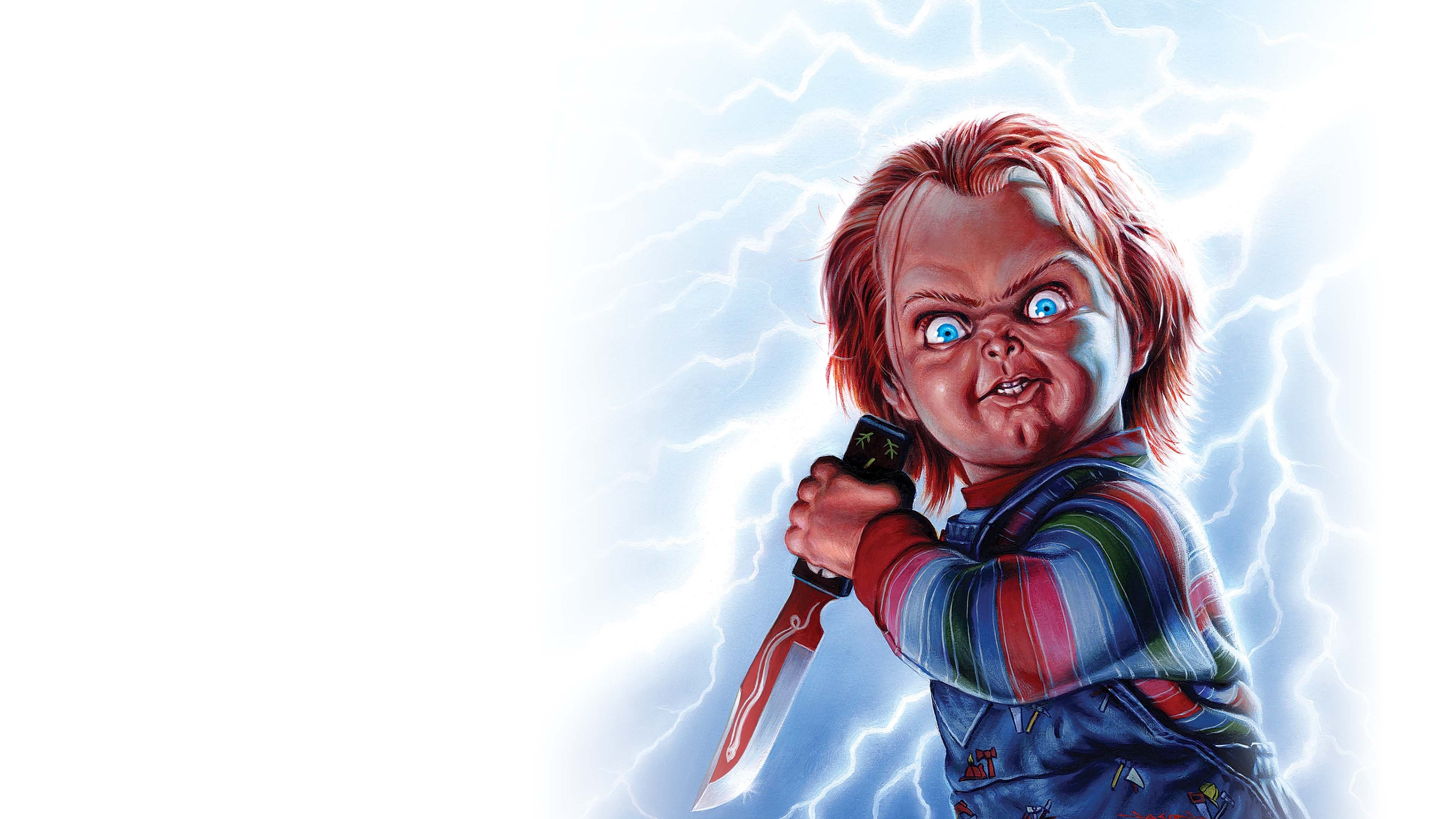
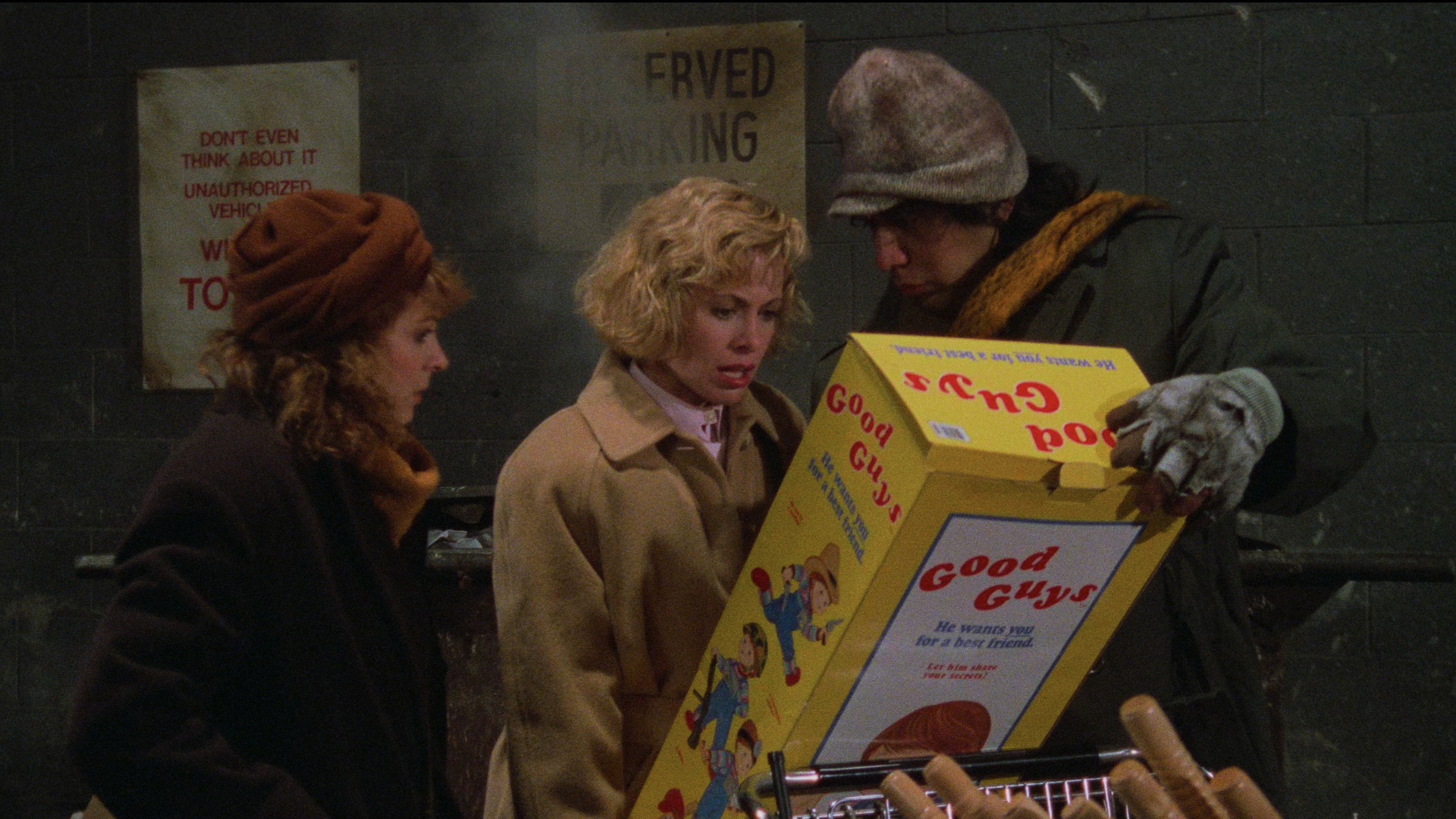
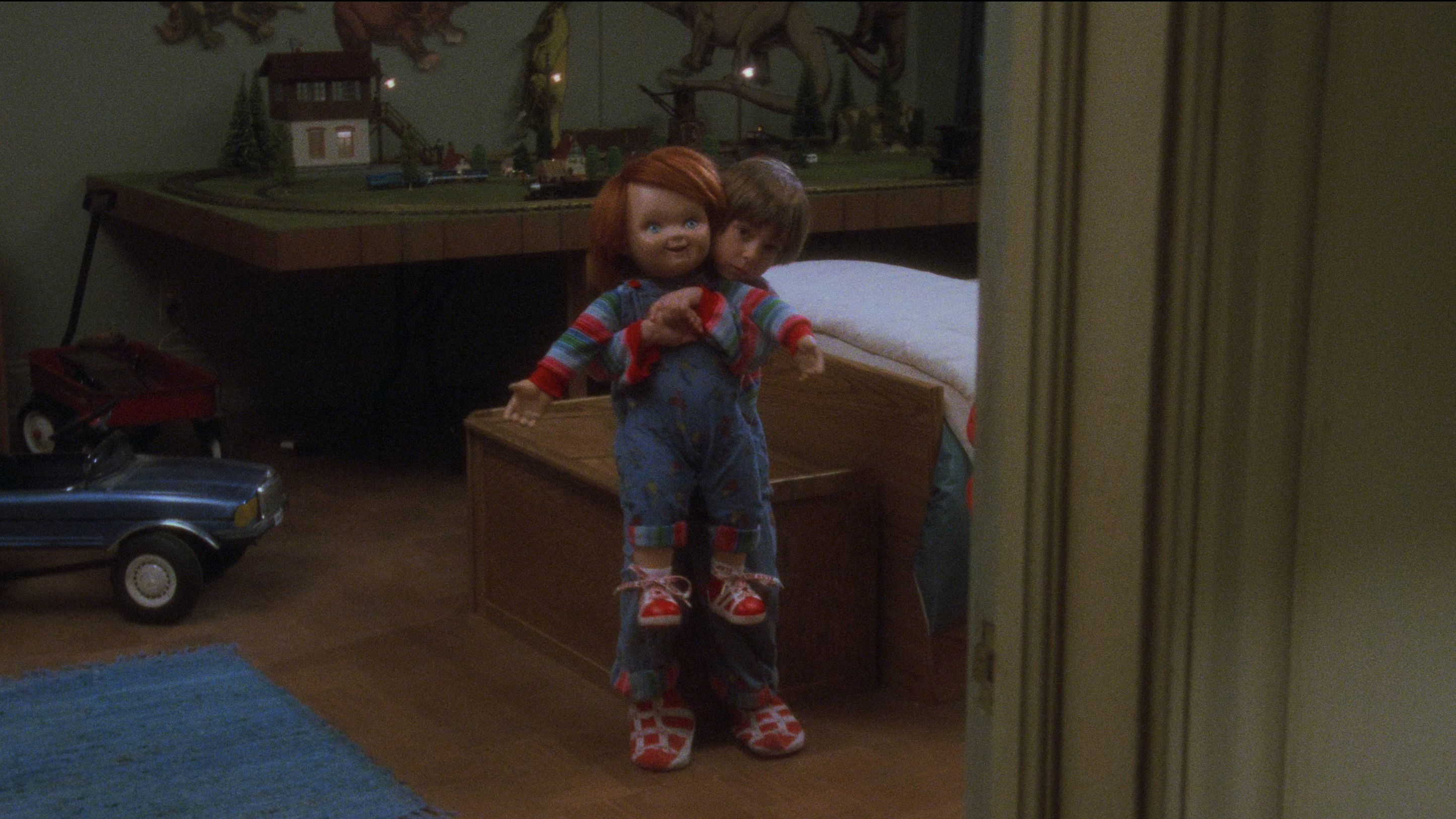
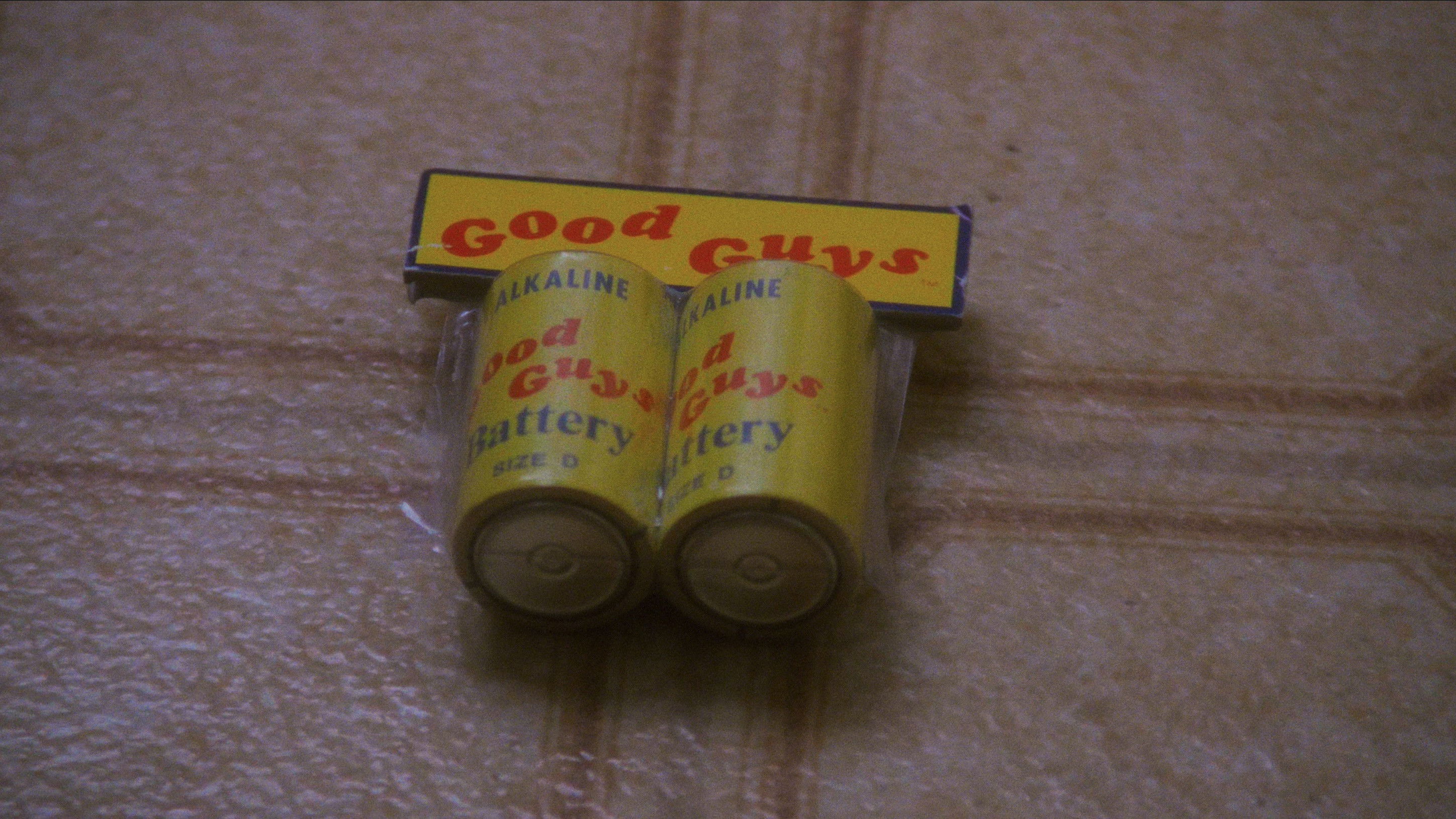
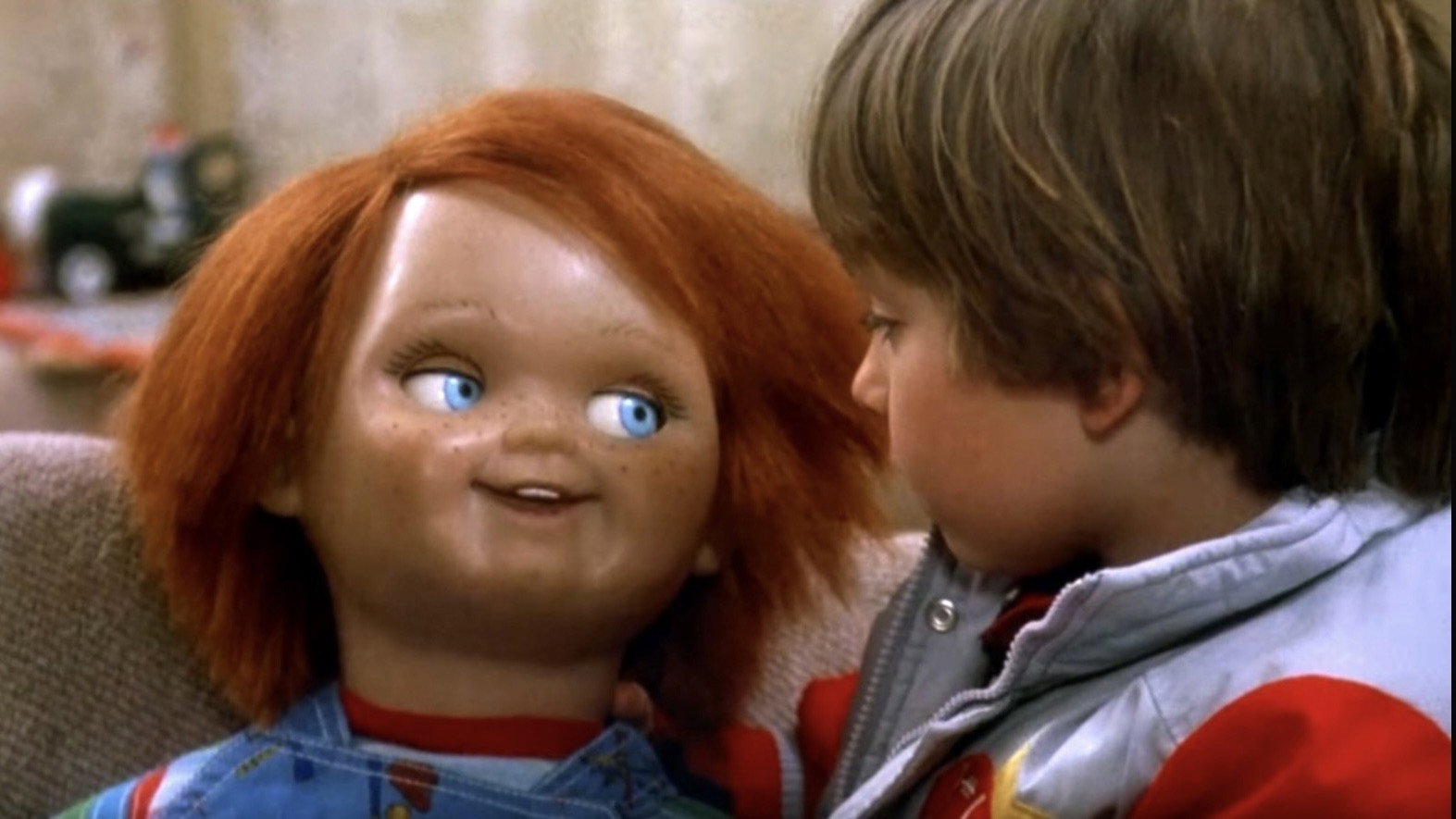
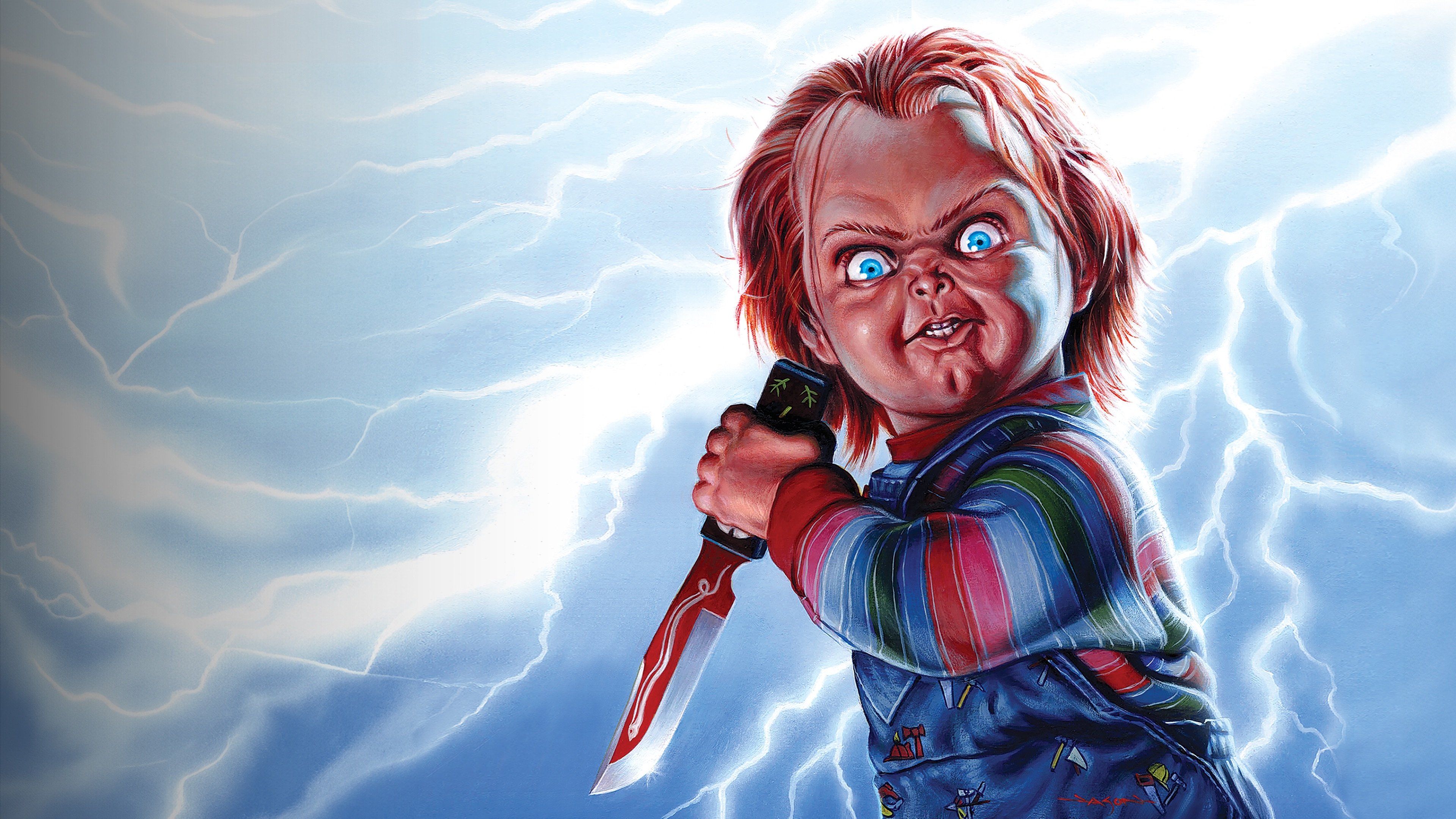
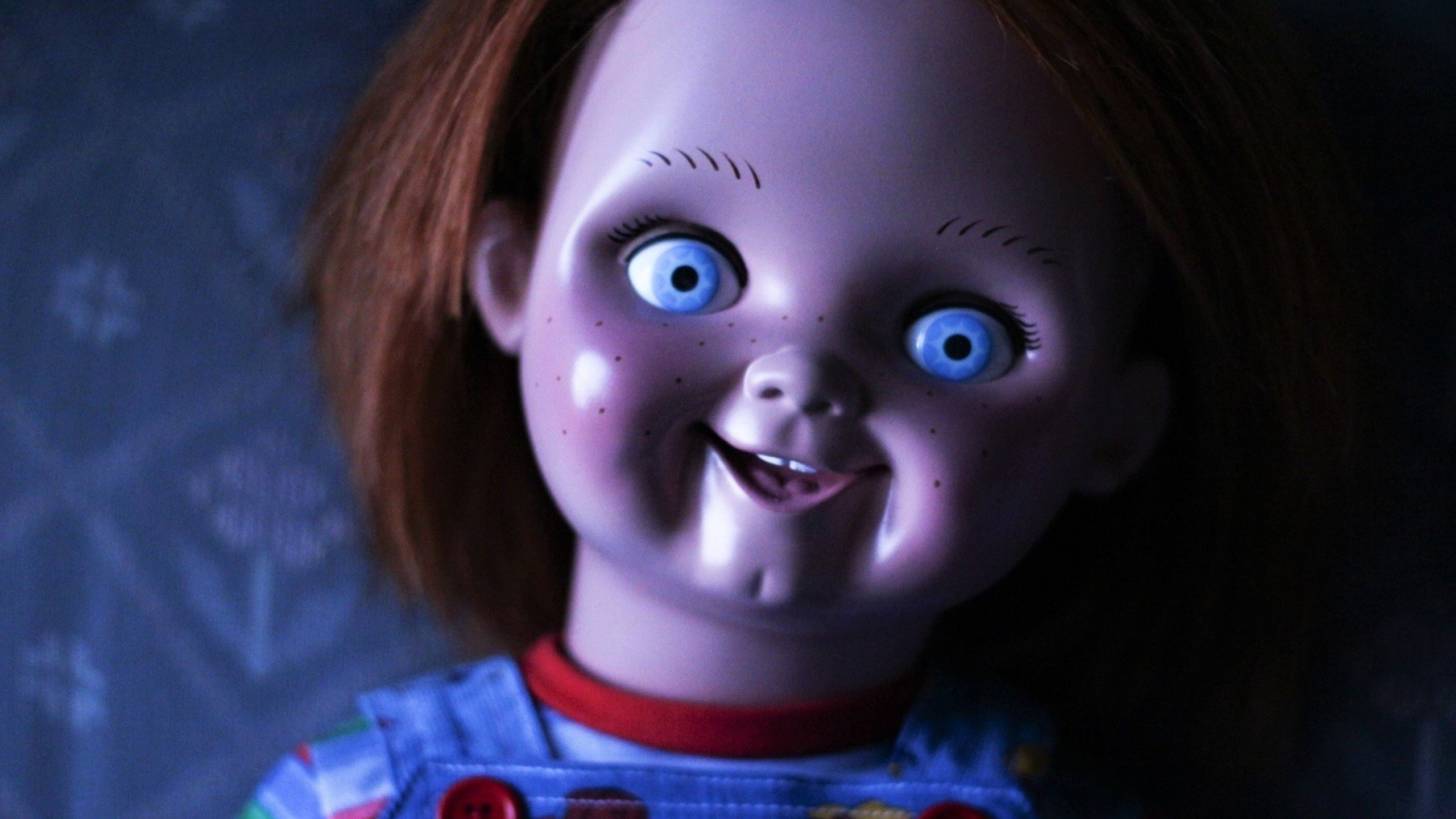
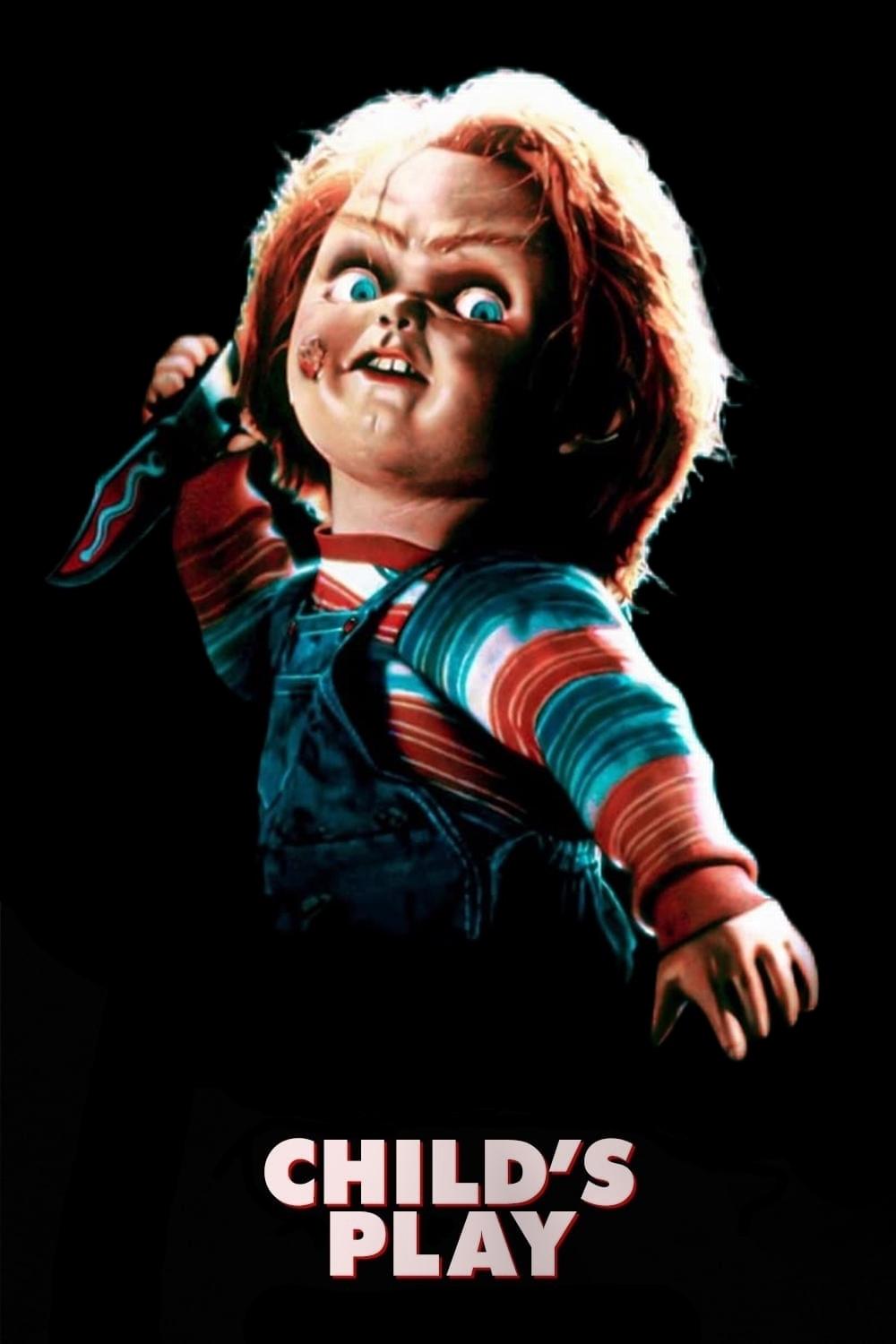
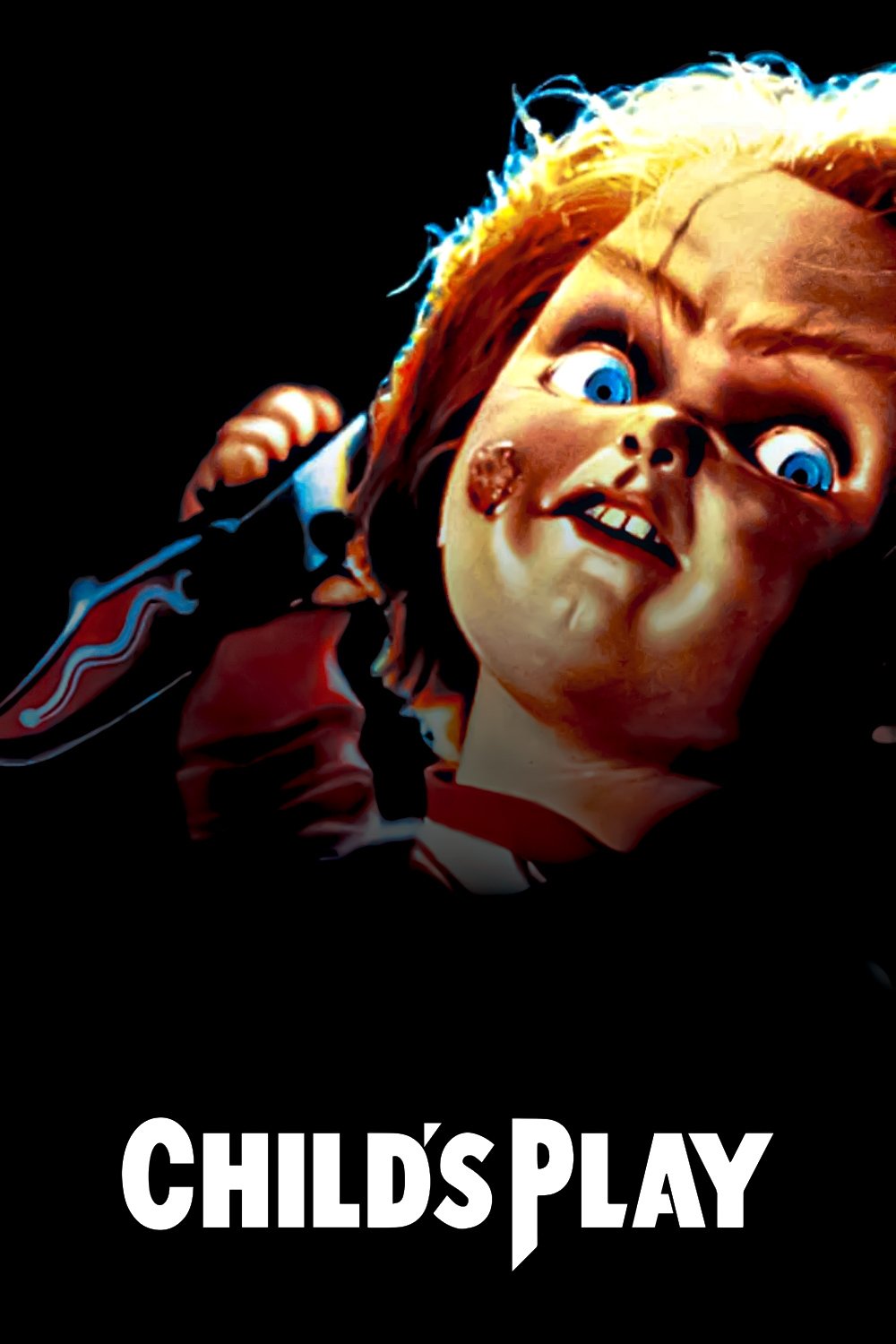
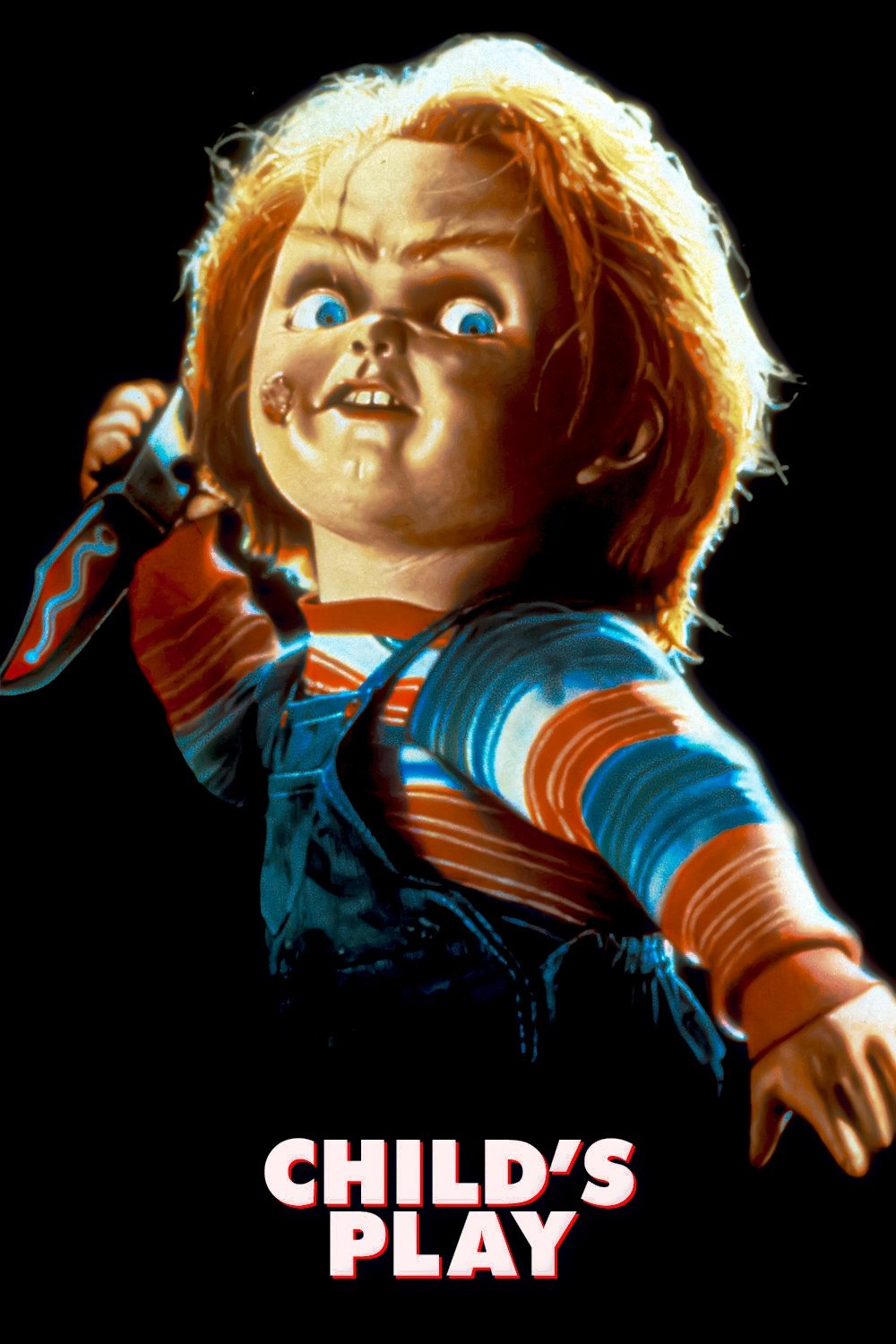
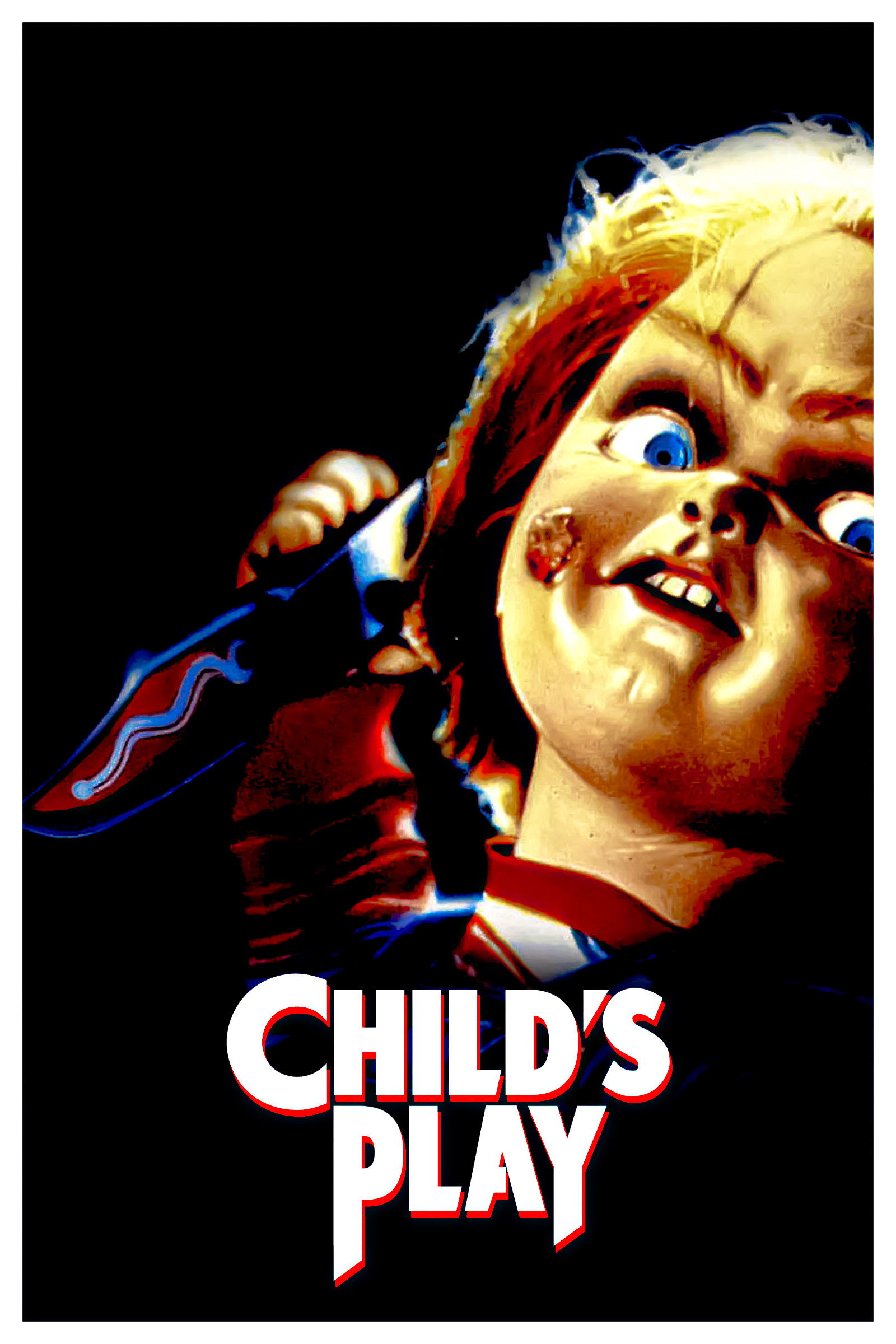
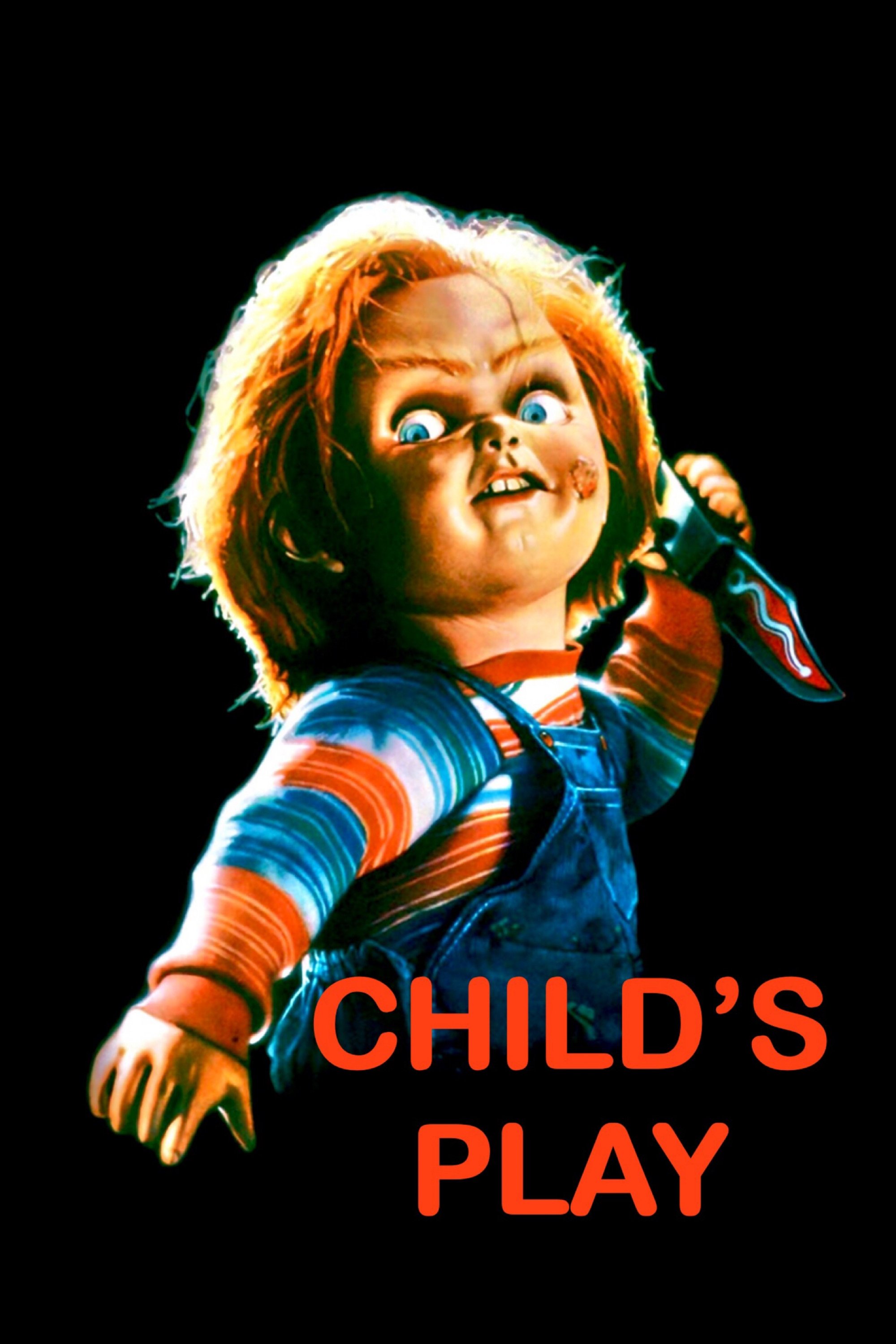
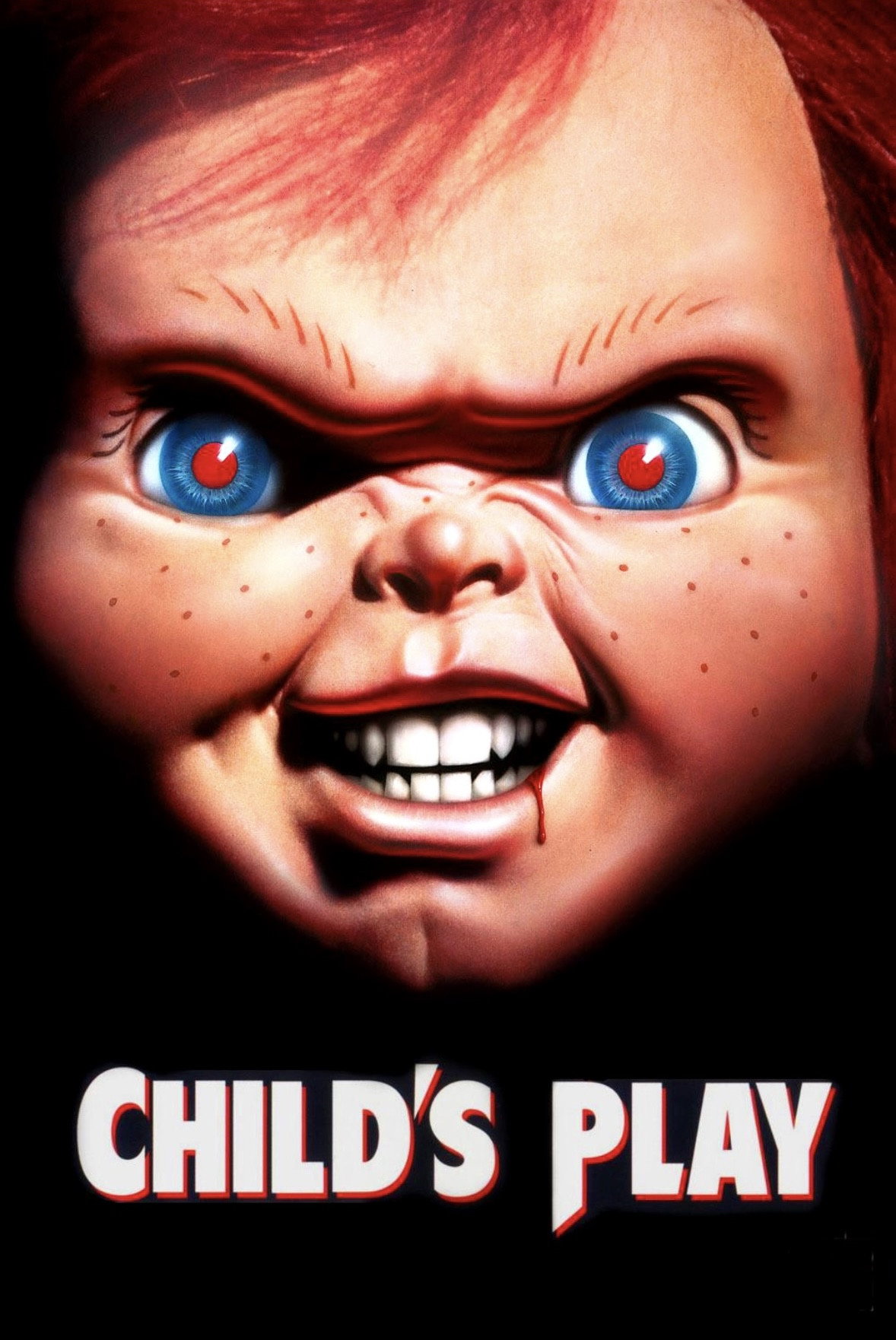
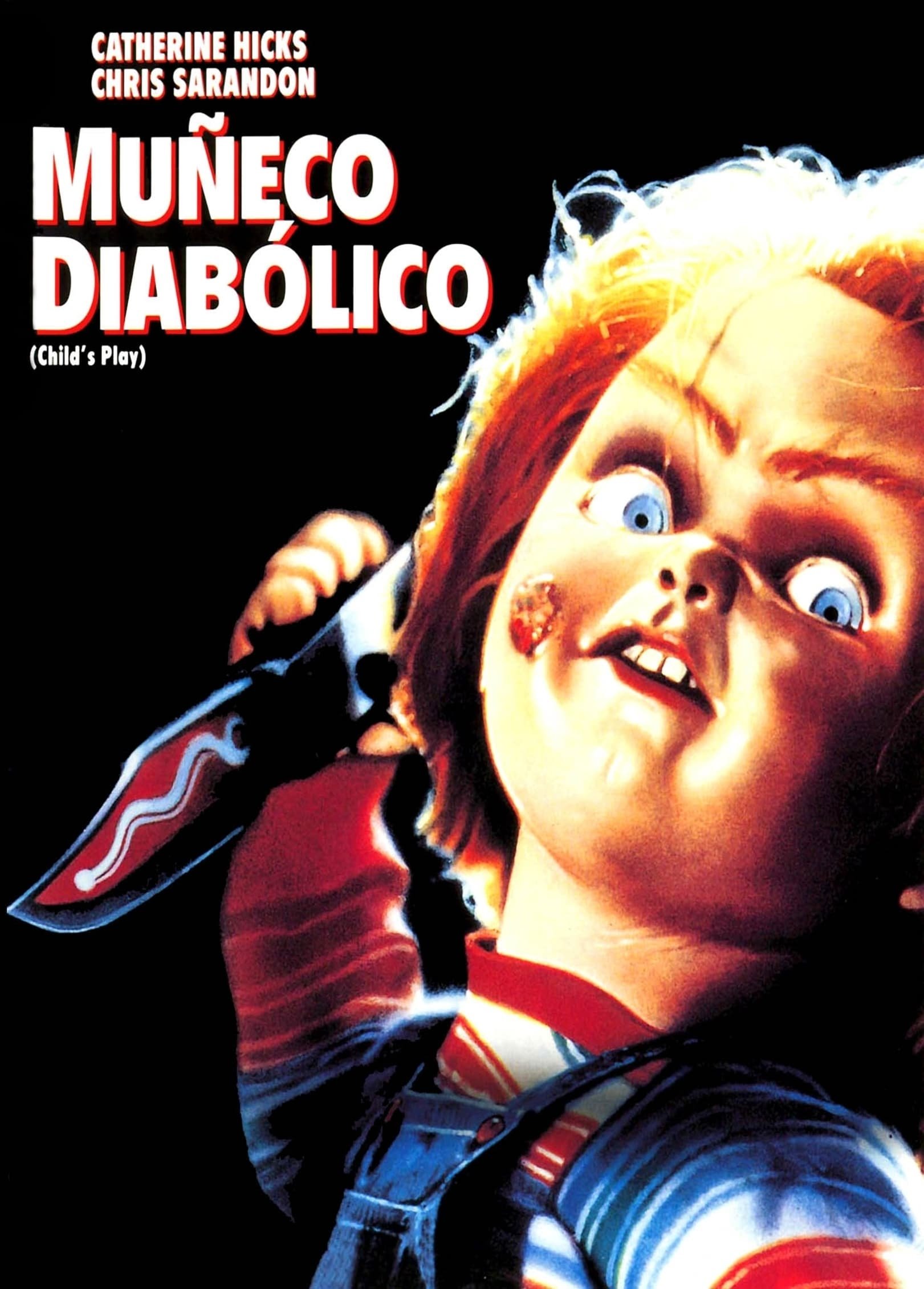
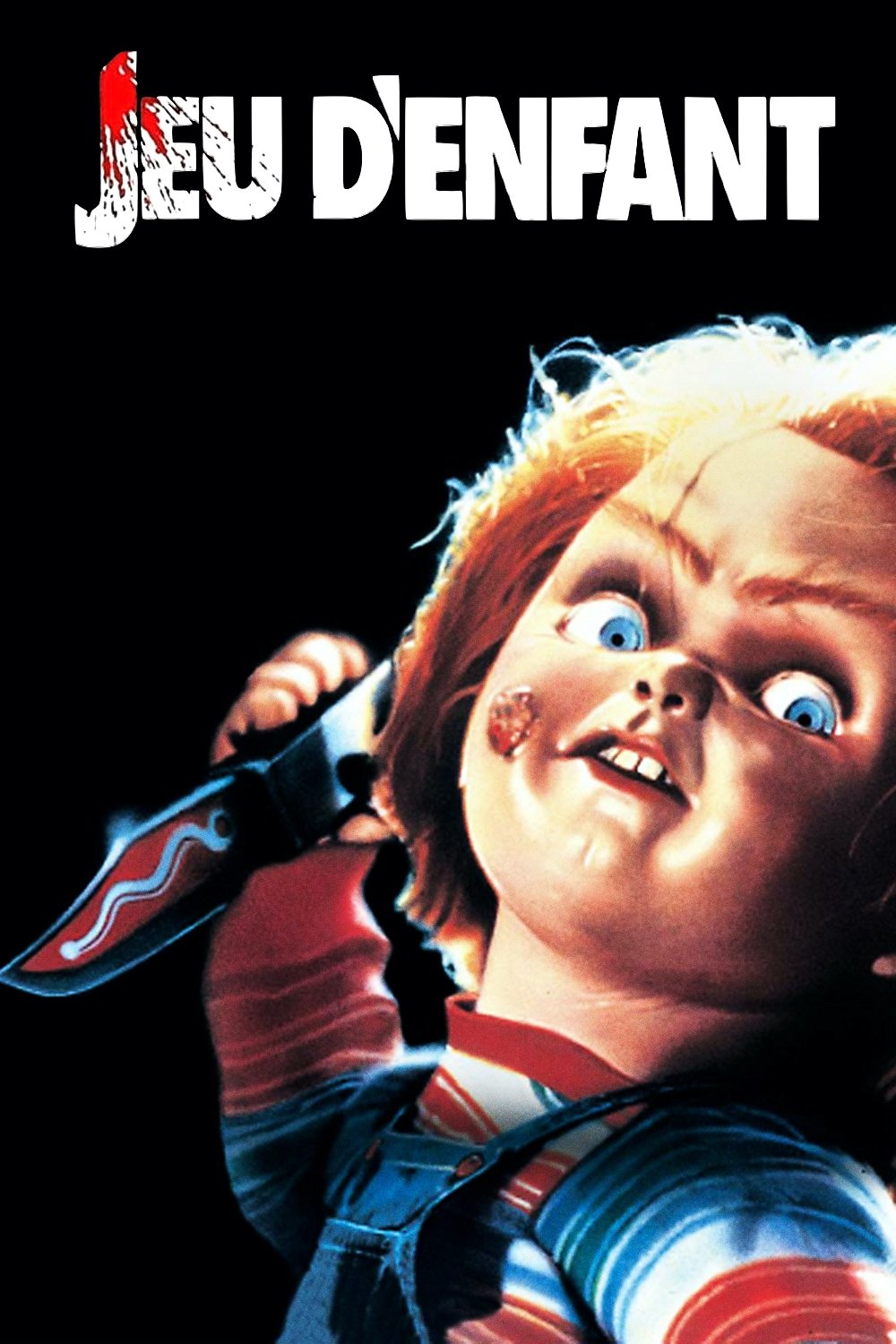
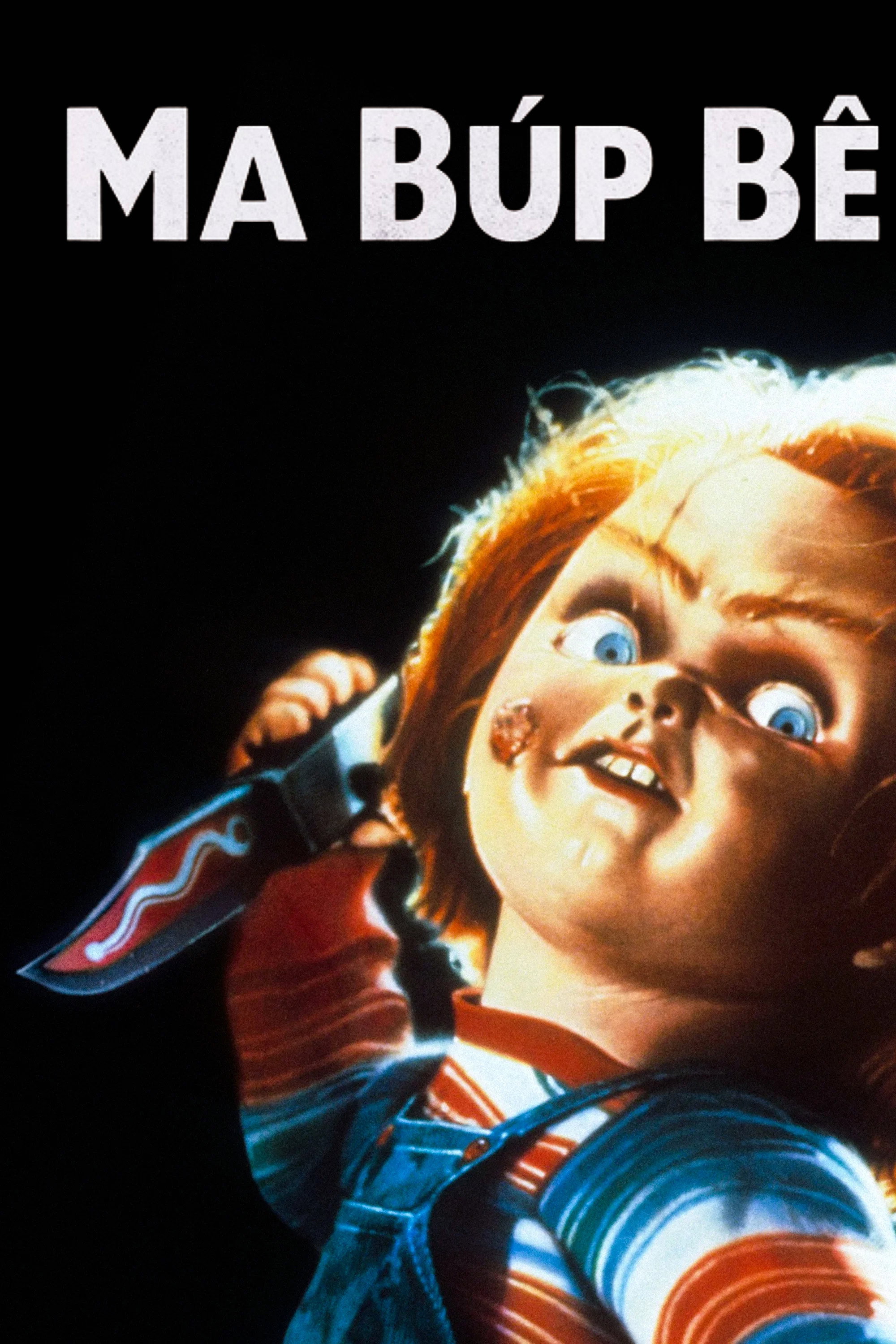
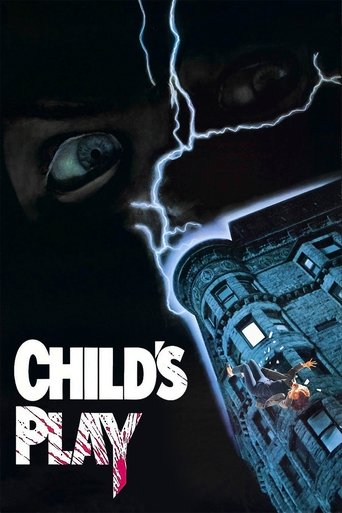
Don Mancini developed the earliest version of the project while studying film at UCLA. His screenplay was initially titled Batteries Not Included before another production using that title forced a change to Blood Buddy. Mancini's conception already contained the basic image of a red-haired children's doll turning murderous, but the mechanism behind the killings was very different from the finished film. His fictional toy contained artificial blood that could leak when damaged, a feature conceived as part of a satire on aggressive merchandising: even an injured doll would require parents to purchase officially branded accessories to repair it.
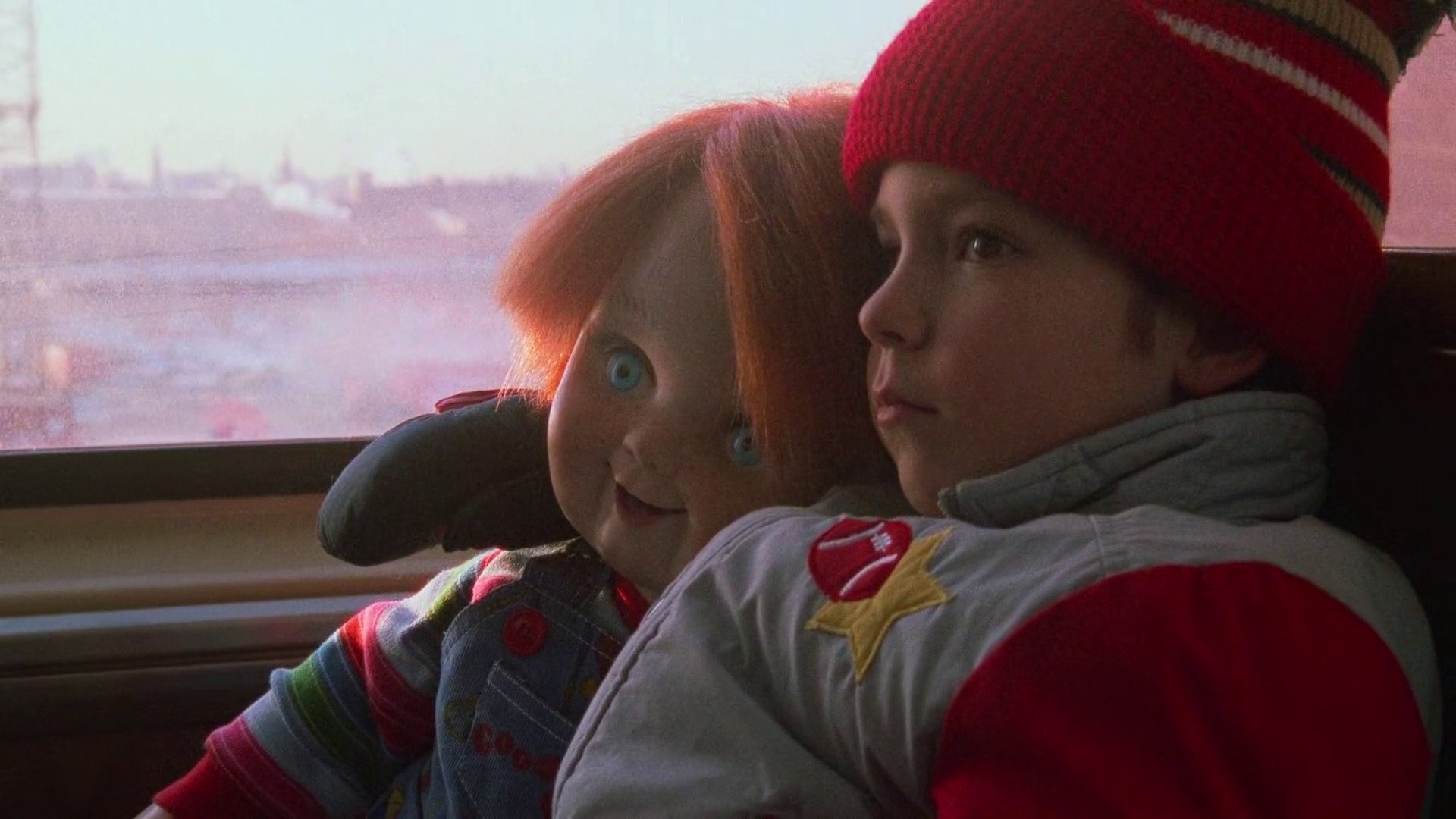
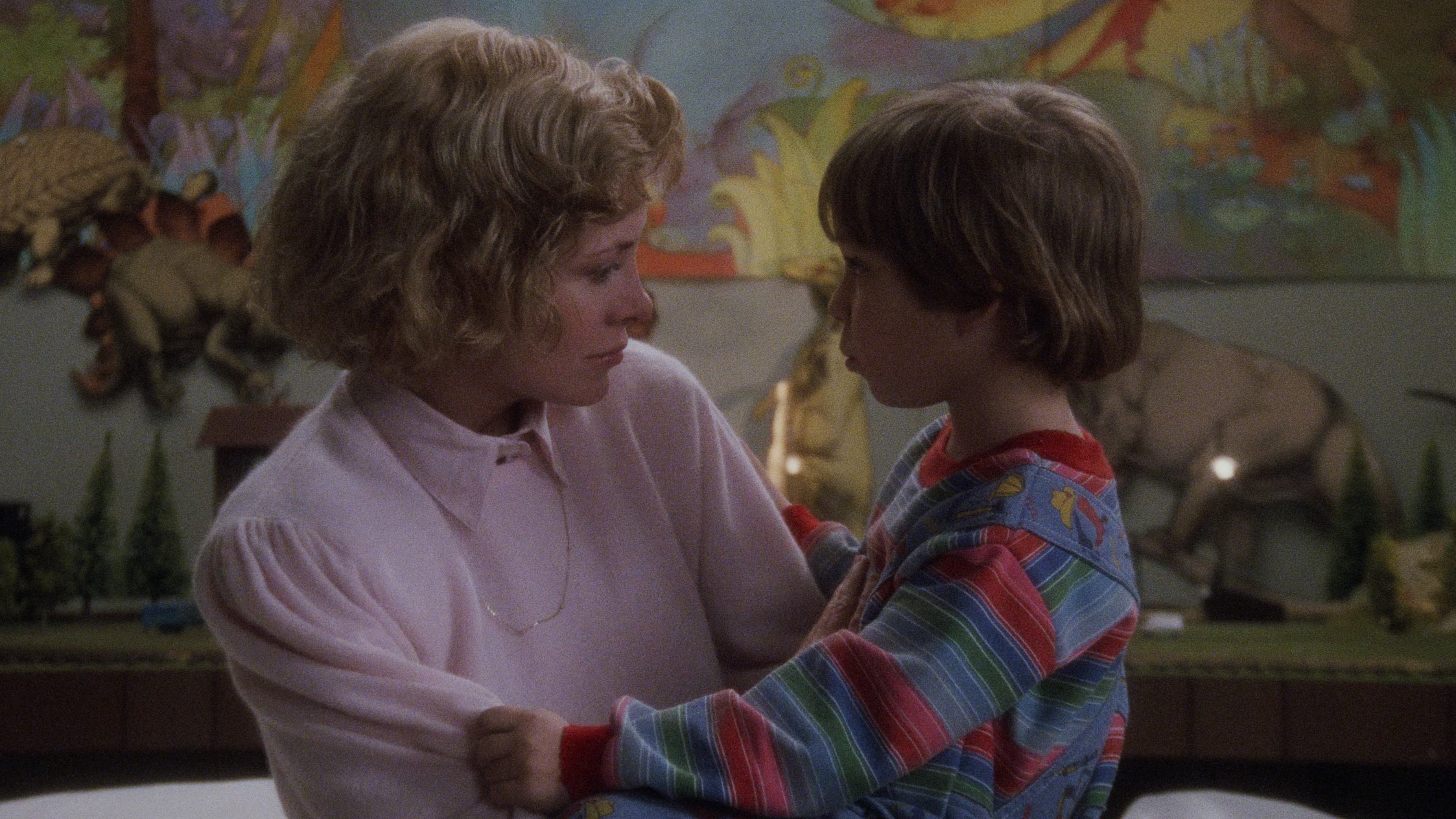
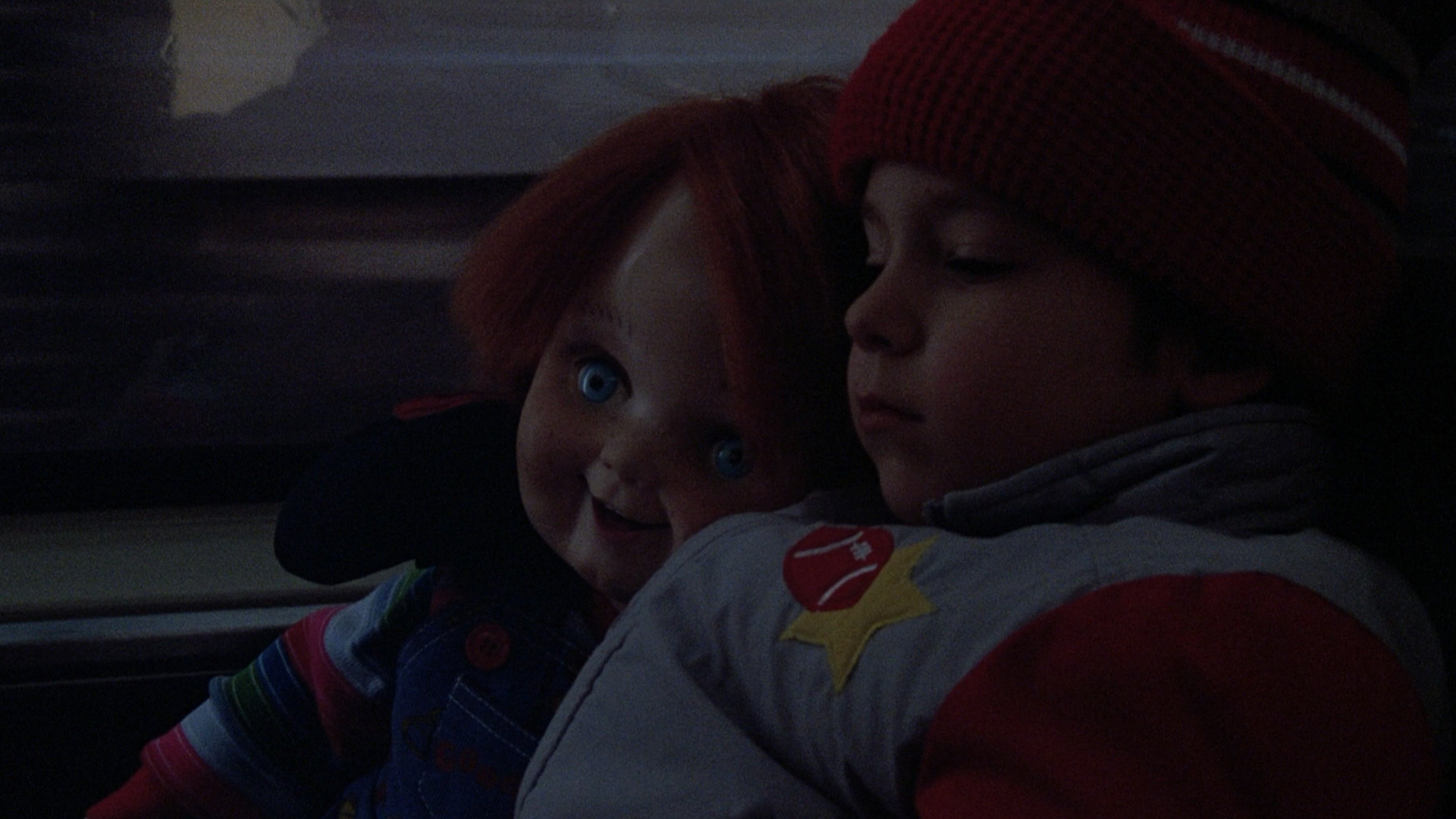
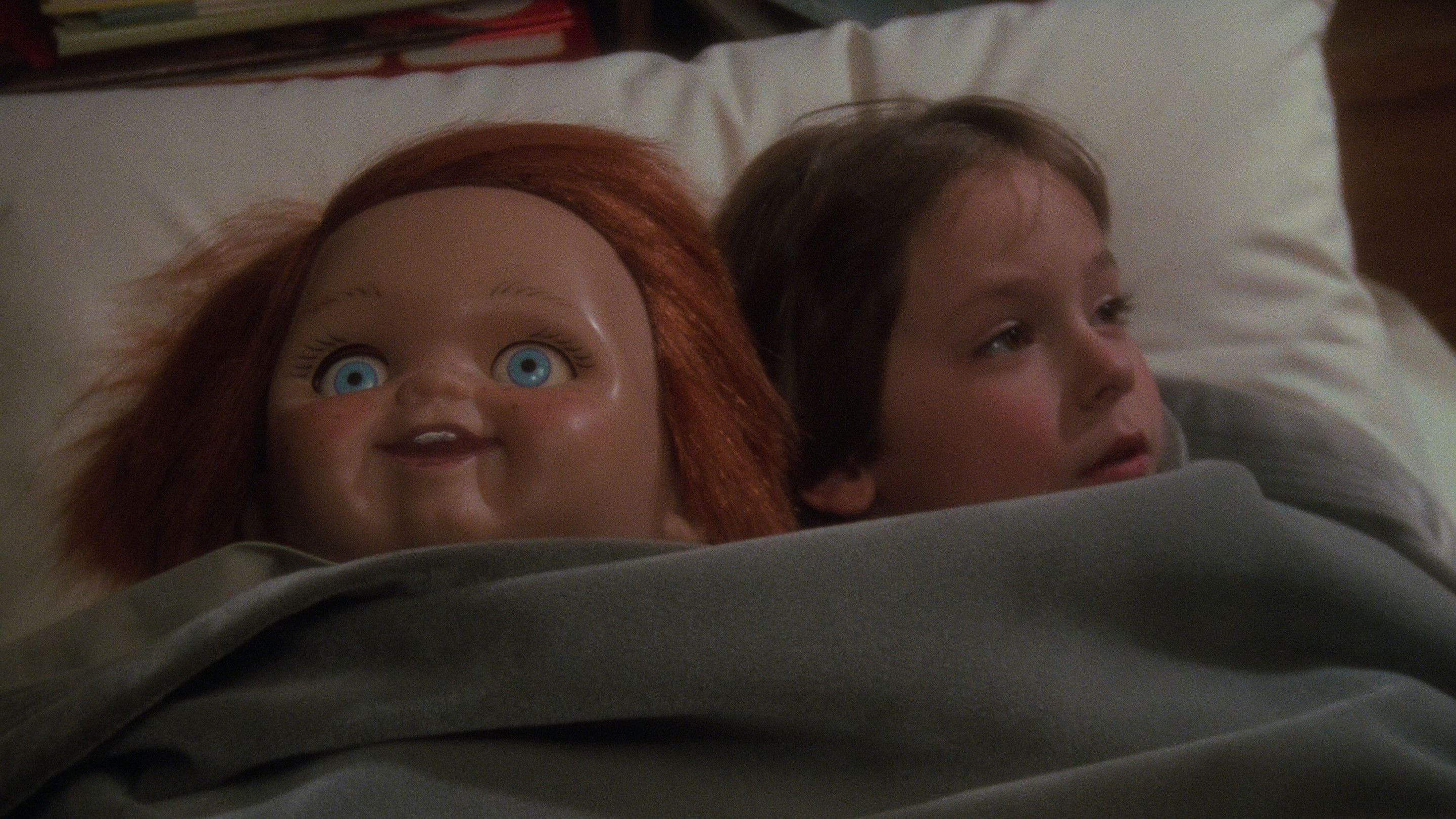
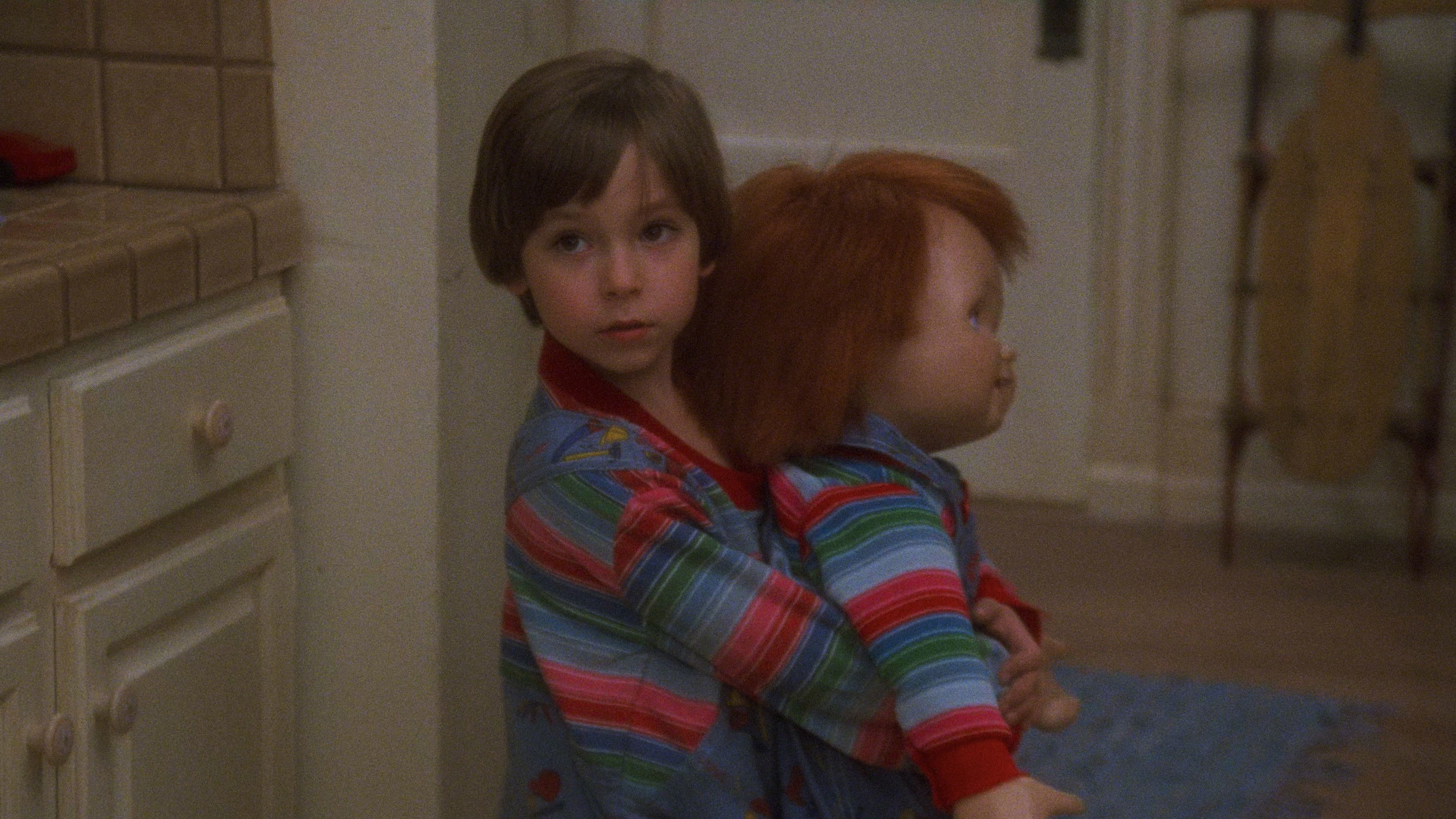
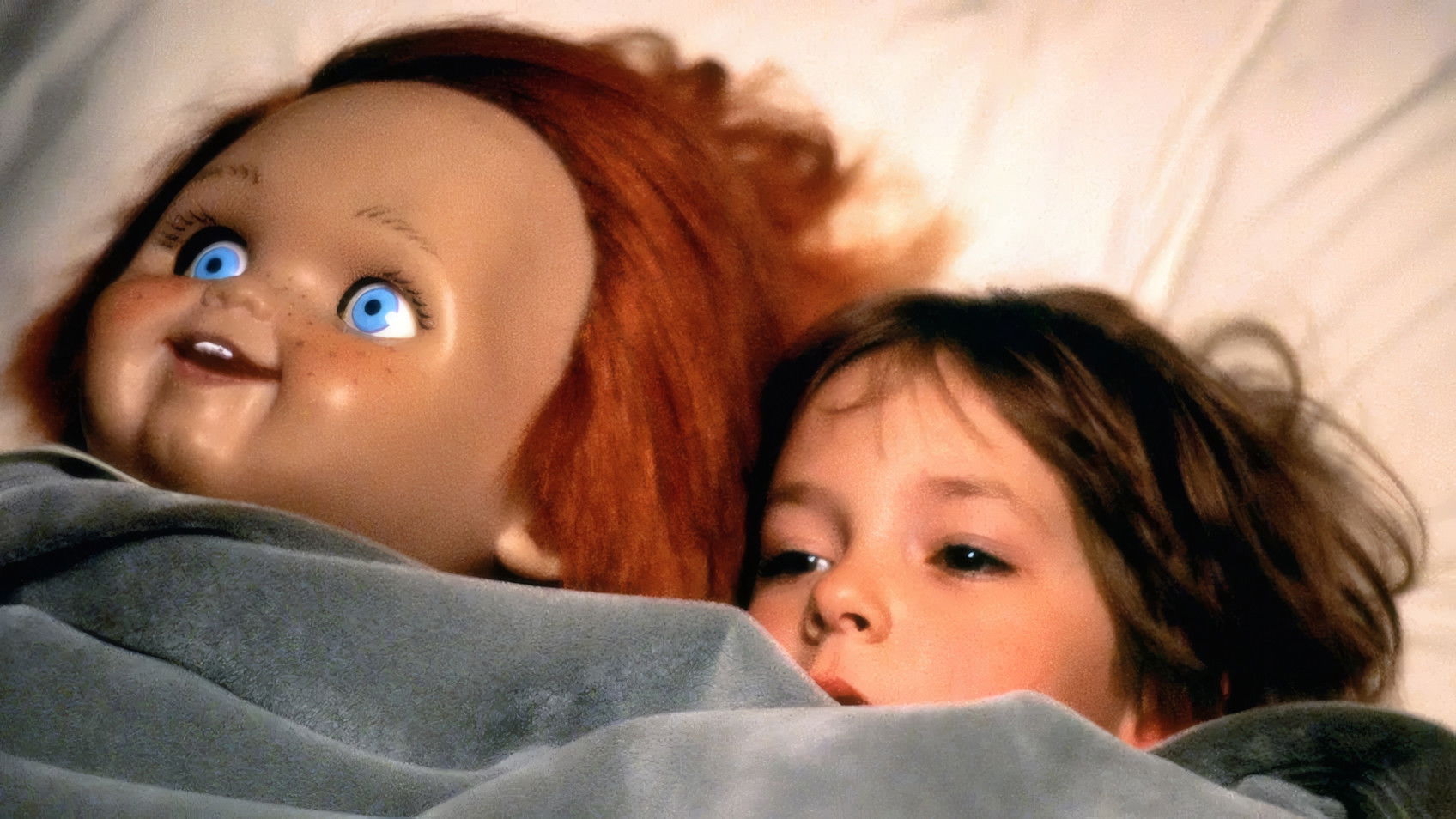
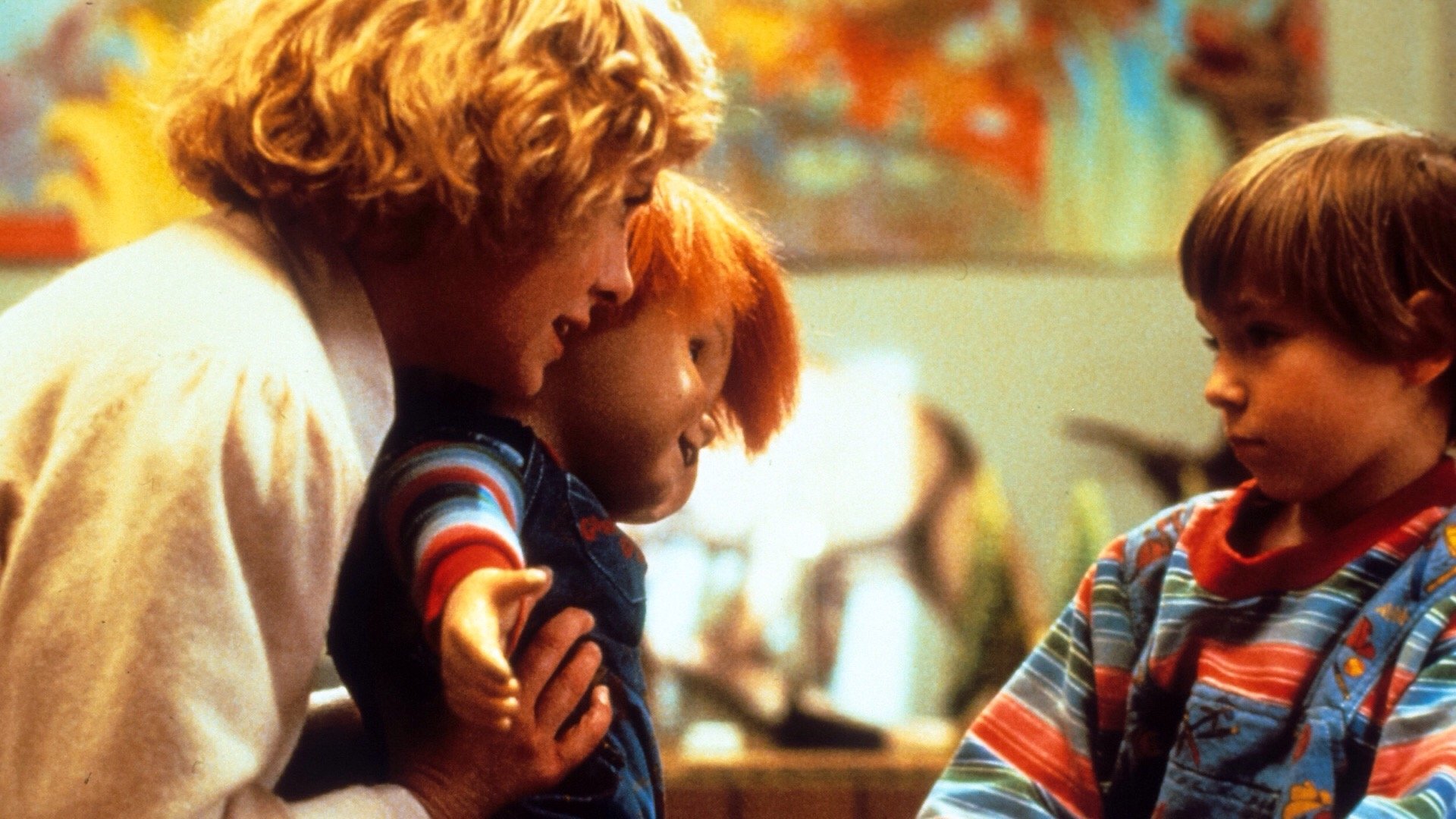
In that version, Andy mixed his blood with the doll's in a childhood pact of friendship. The toy then became an expression of the boy's unconscious hostility and came alive while Andy slept, attacking people toward whom he carried resentment. The approach deliberately left greater uncertainty over whether the child or the doll was responsible. Producer David Kirschner responded strongly to the central concept after the screenplay had circulated without finding a home, but the project changed substantially as it passed through development. The finished screenplay is credited to Mancini, John Lafia and Tom Holland.
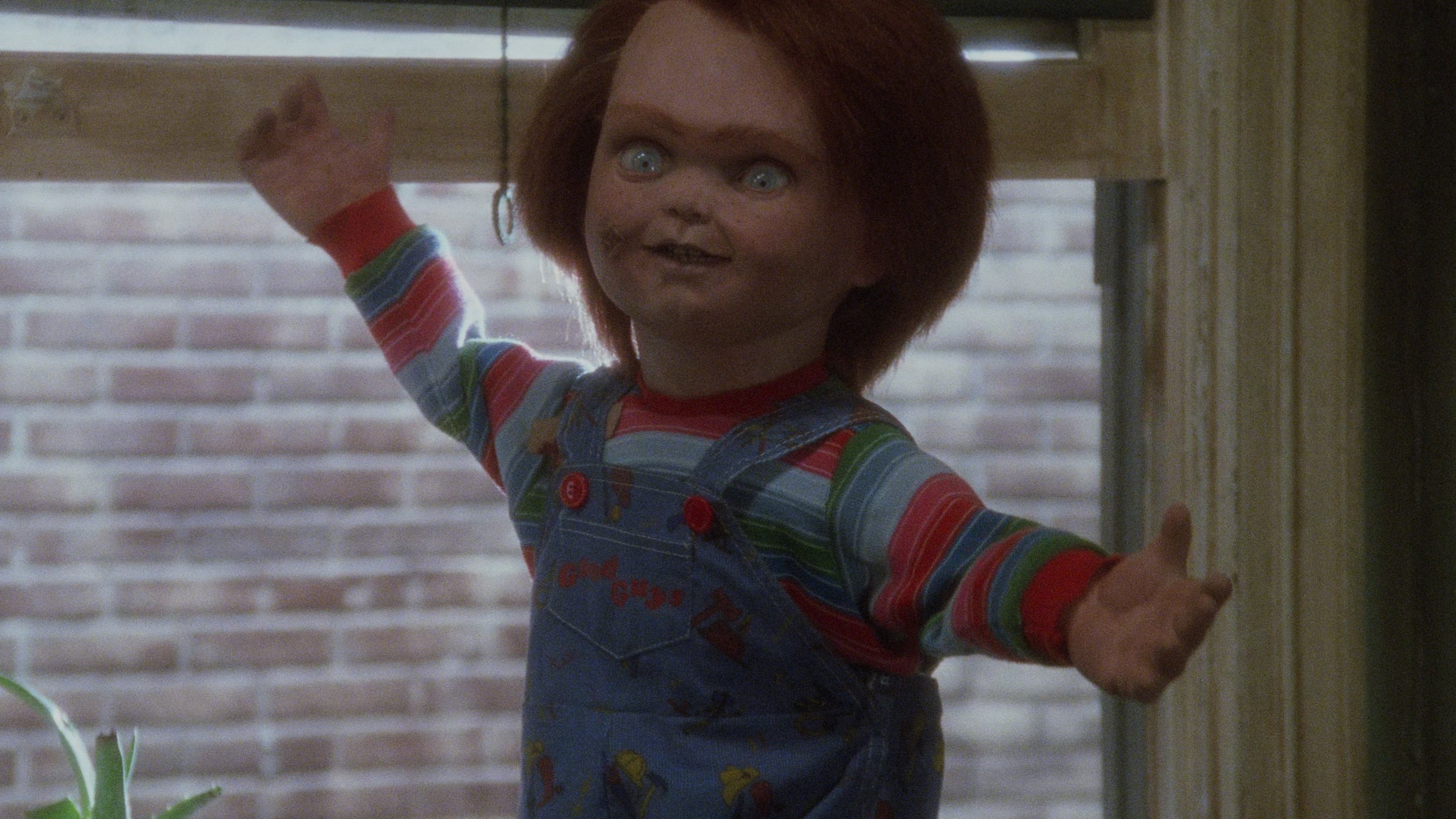
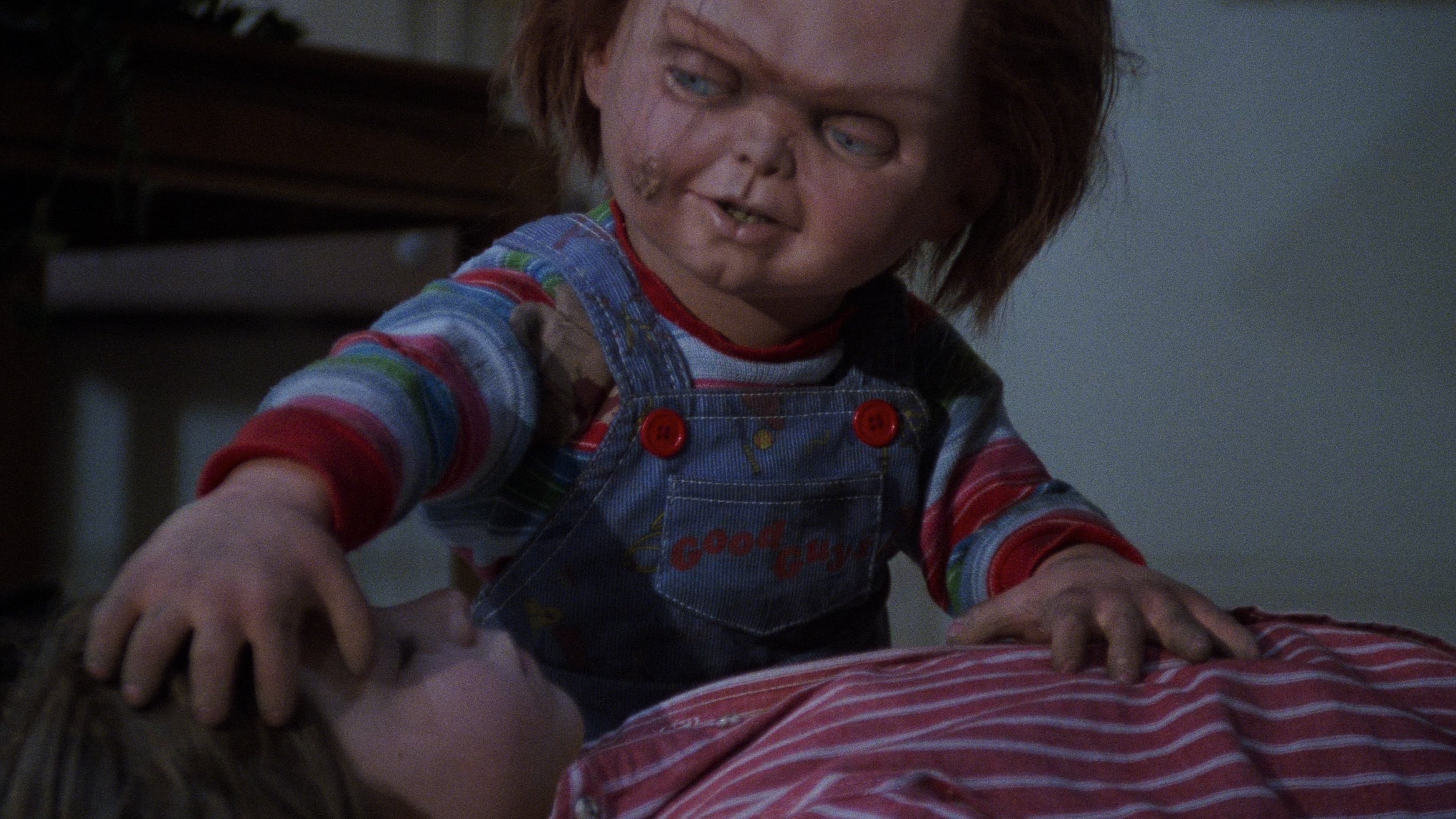
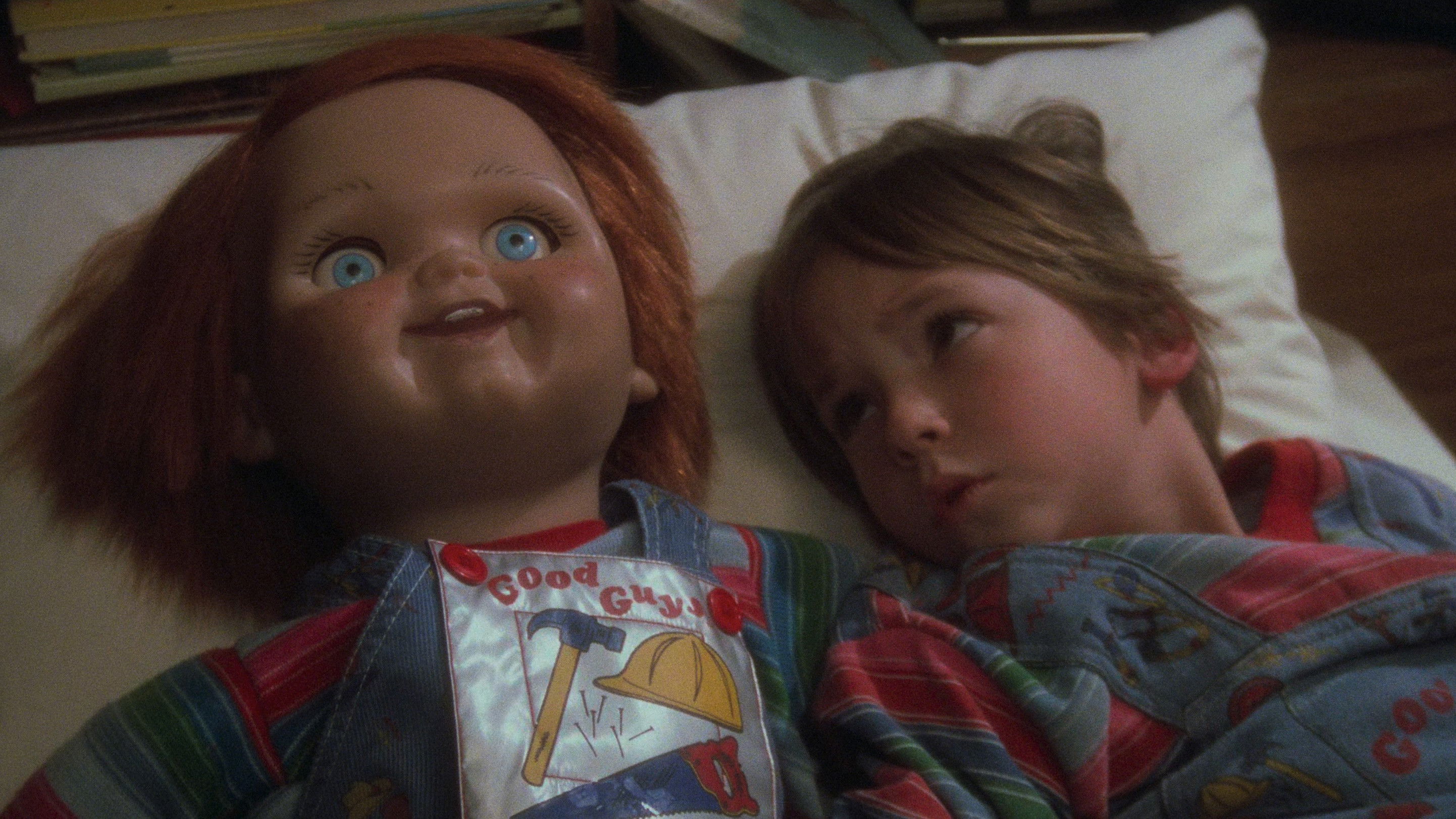
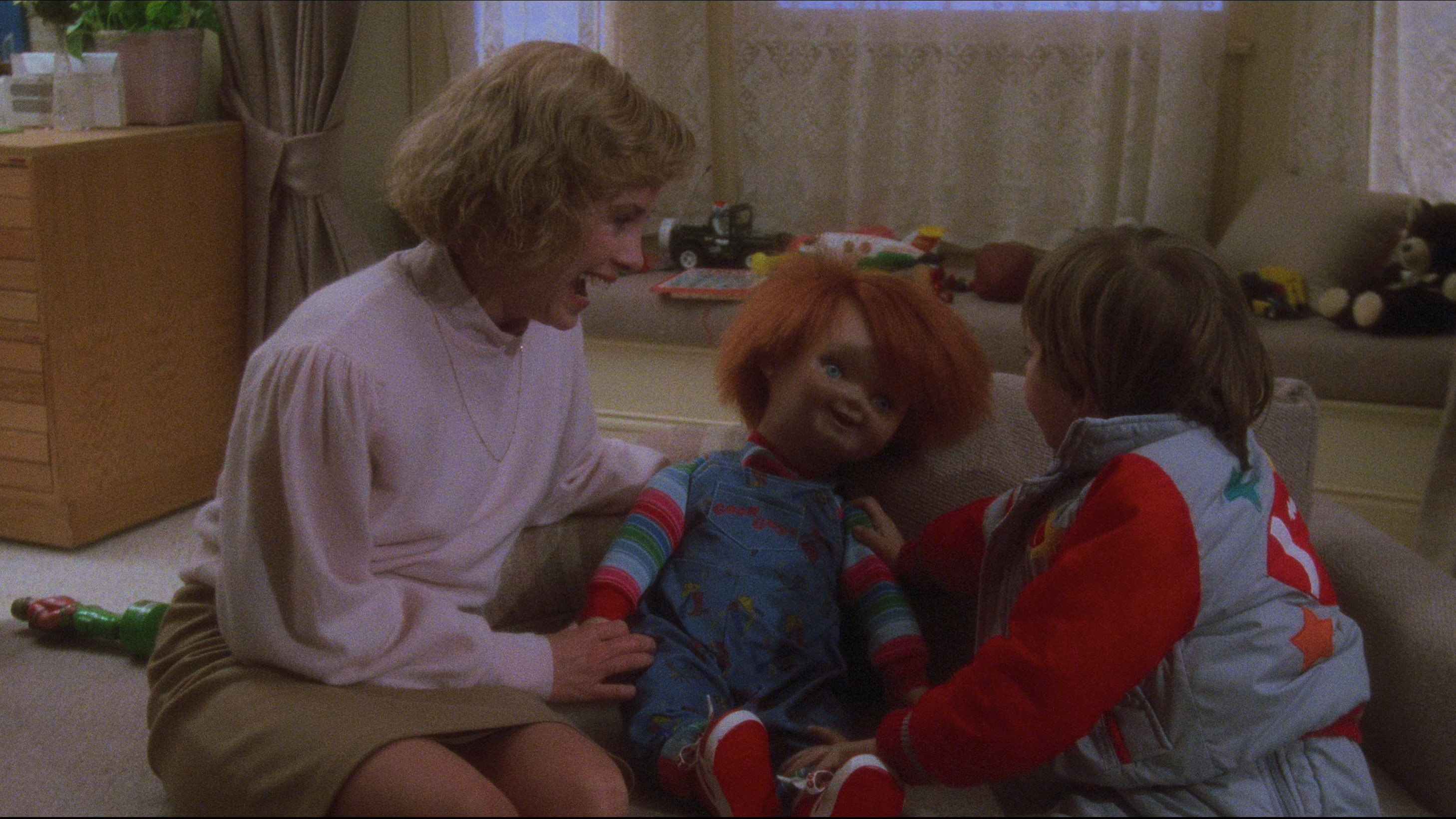
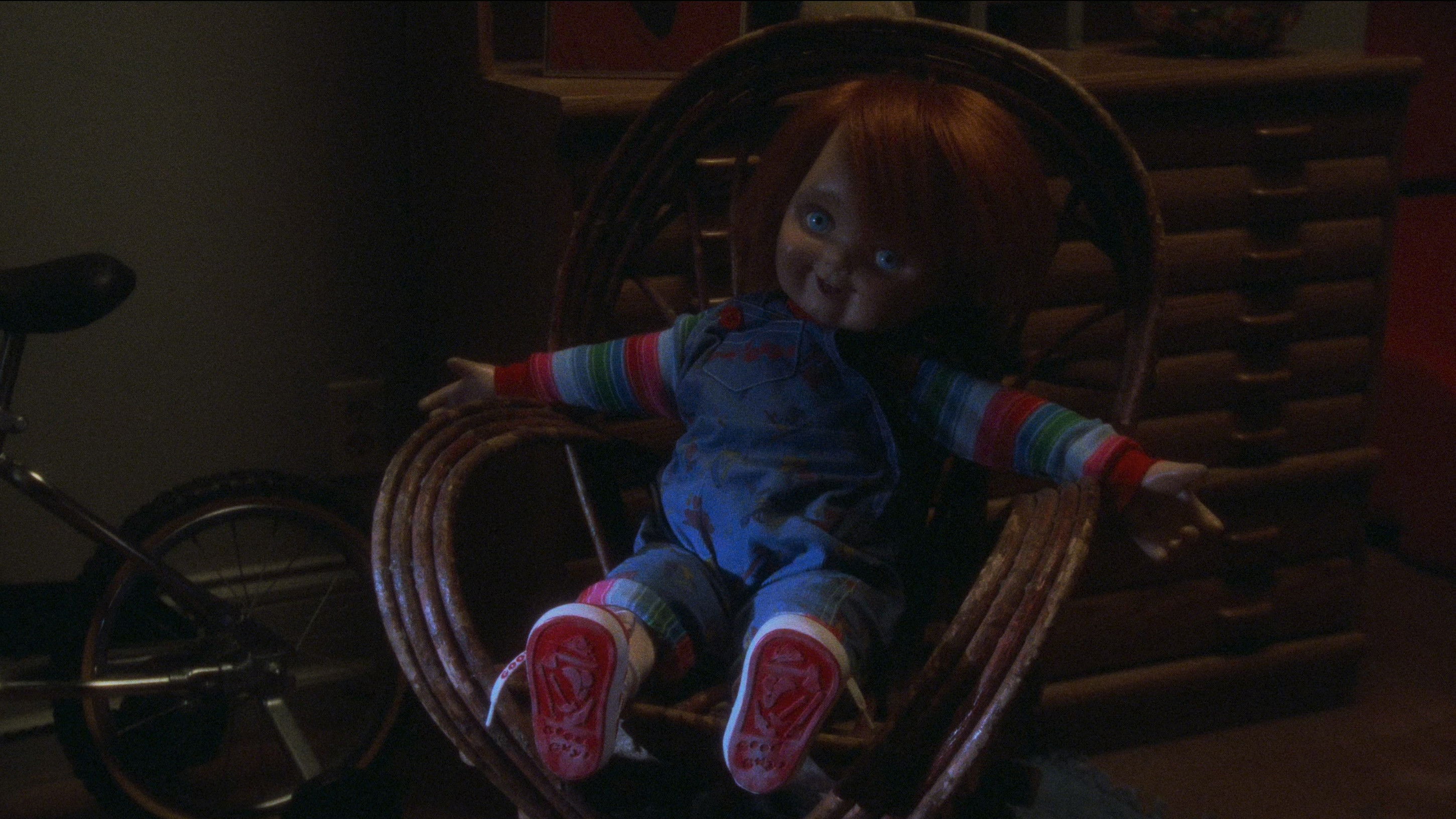
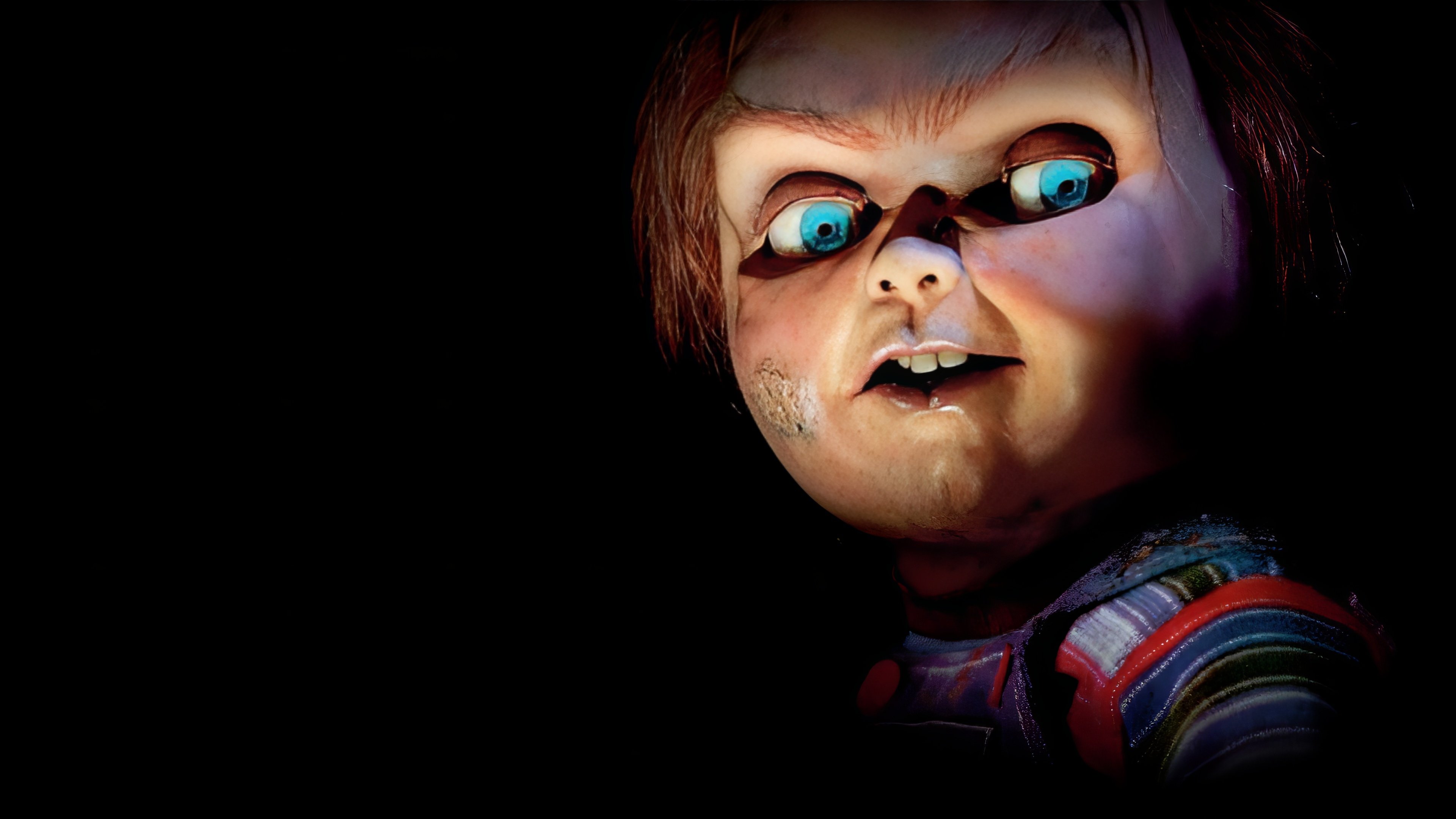
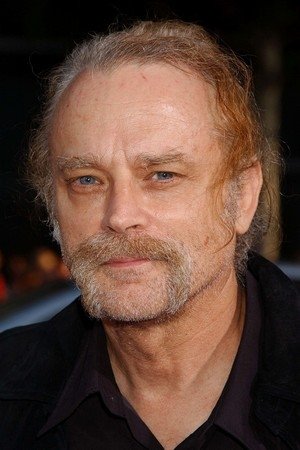
The most decisive alteration was the introduction of Charles Lee Ray and the supernatural transfer of his soul into the doll. Instead of functioning as an externalization of Andy's subconscious, Chucky became an independent adult intelligence hiding inside an object associated with childhood innocence. Holland later described the earlier psychological version as lacking a strong figure for the audience to oppose. The serial-killer framework solved that problem while also giving Chucky motives extending beyond Andy. Revenge against the people connected to Ray's death and the need to escape the doll's body give the film a narrative engine that could continue after the initial question of whether Chucky is alive has been answered.