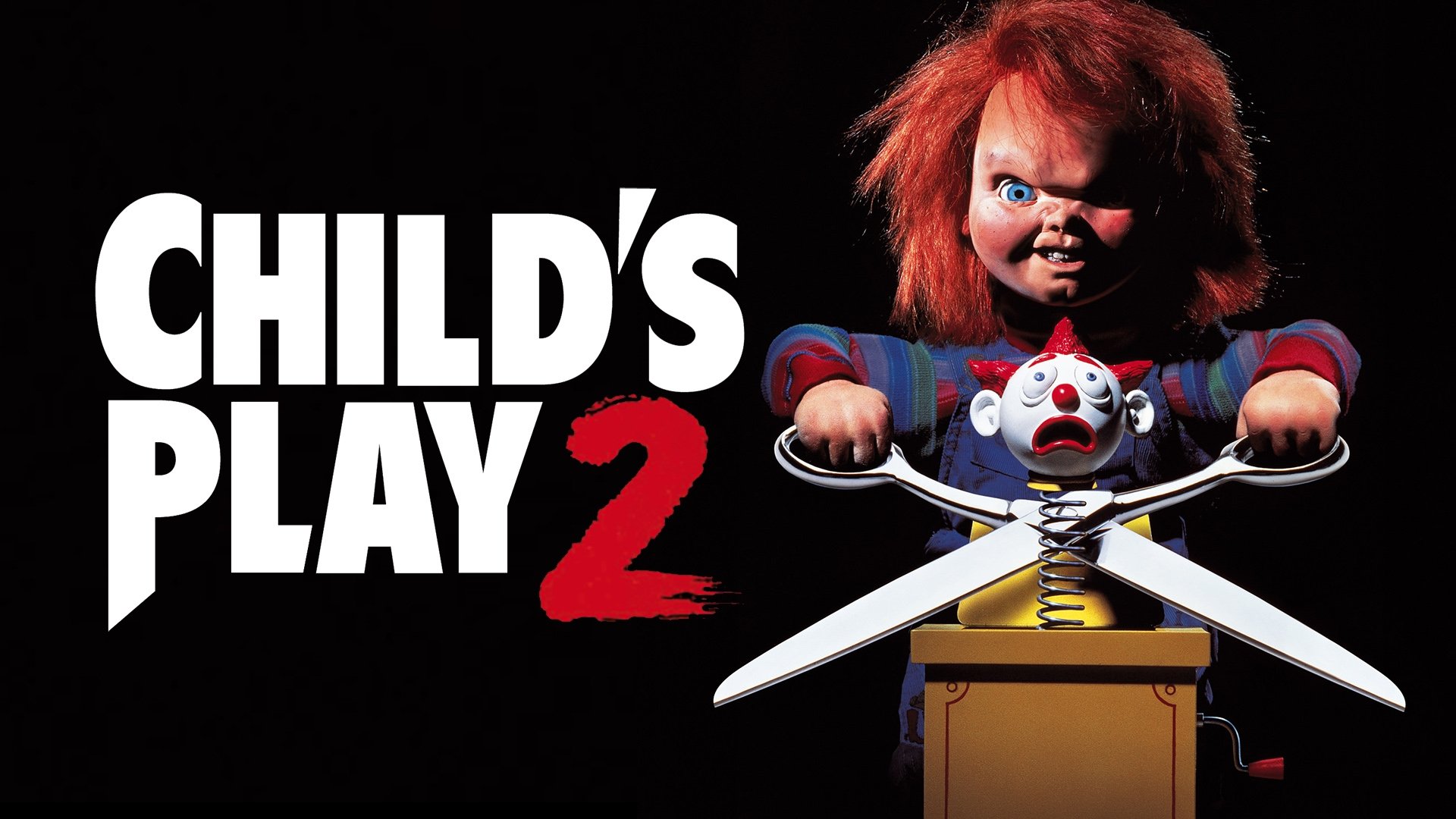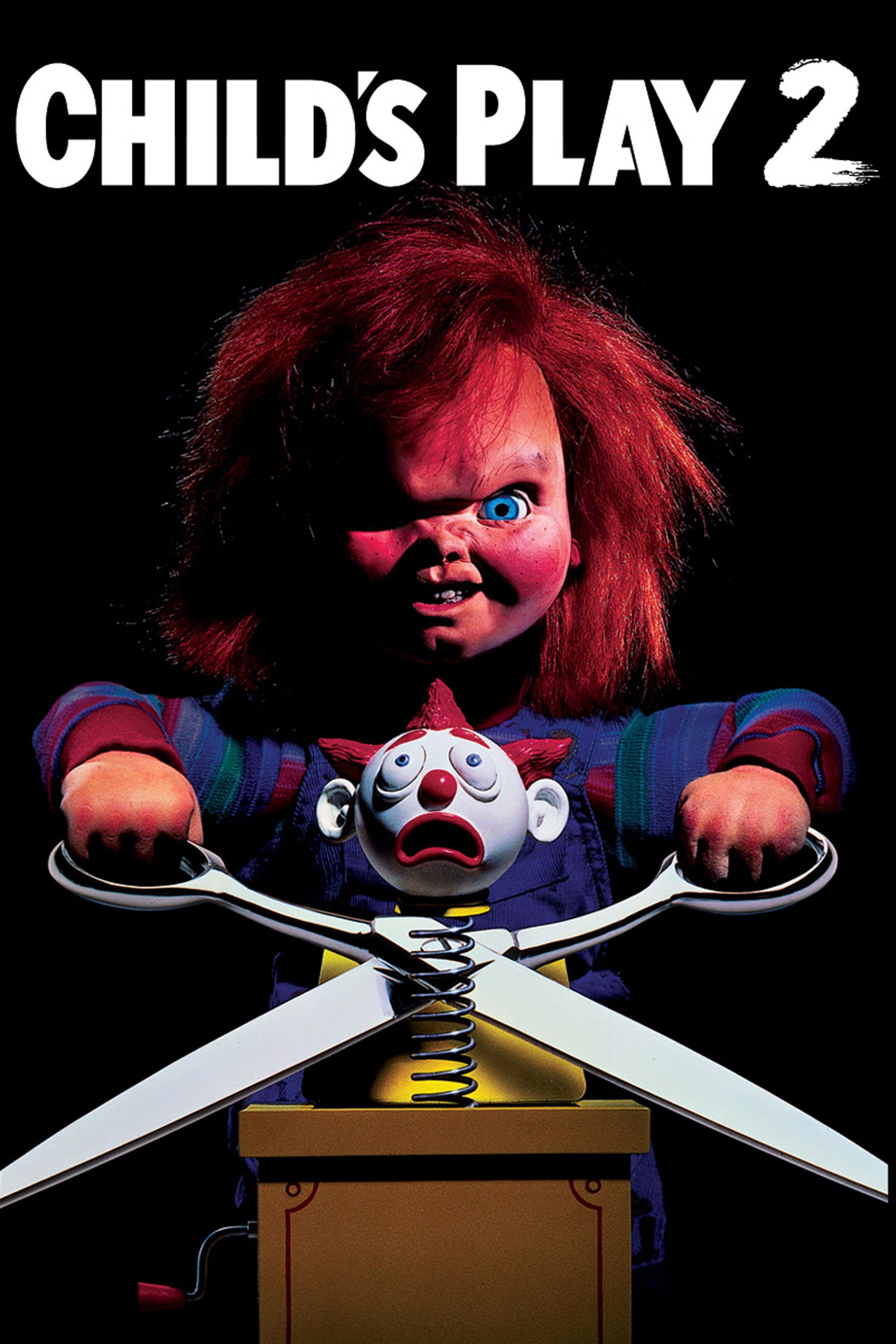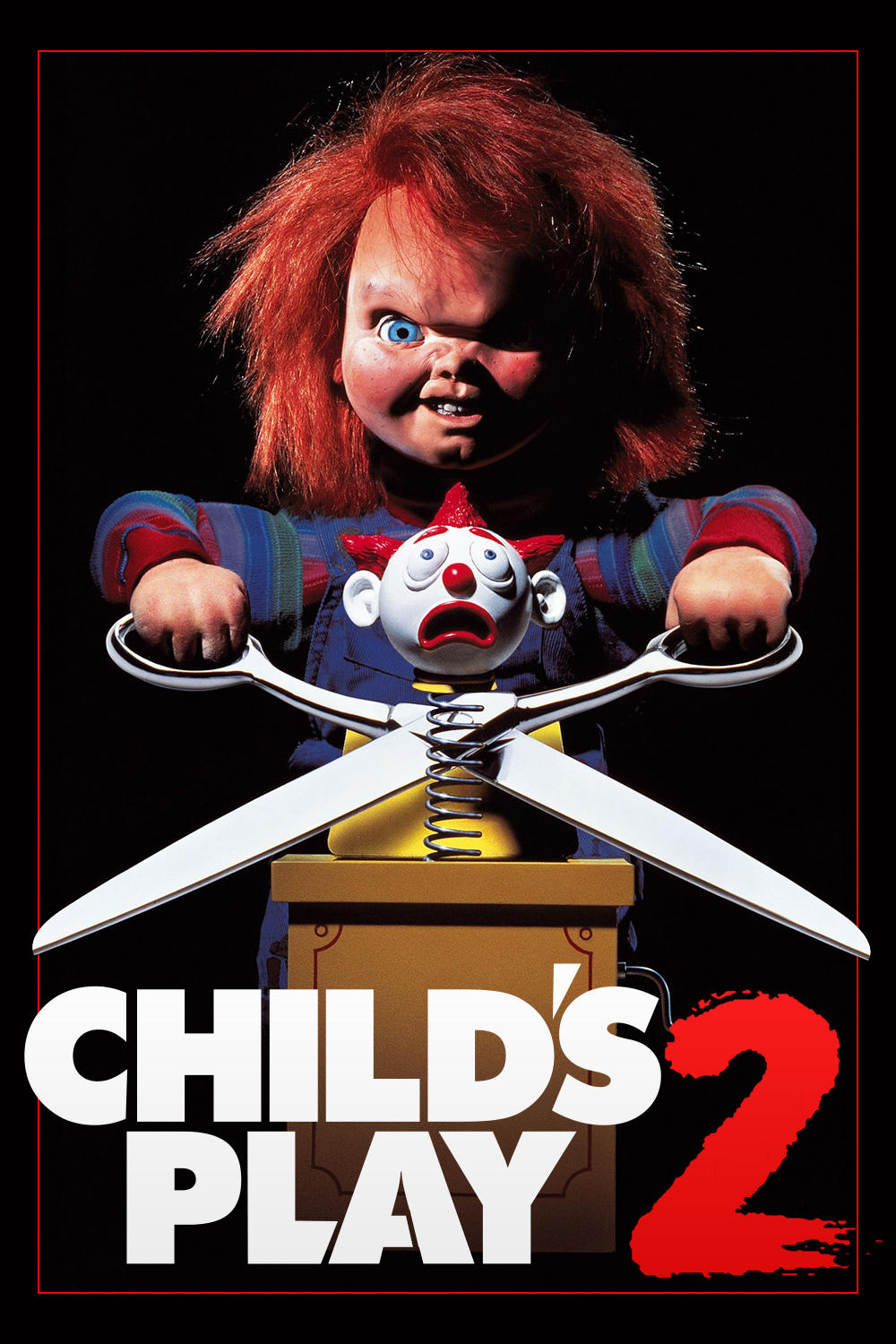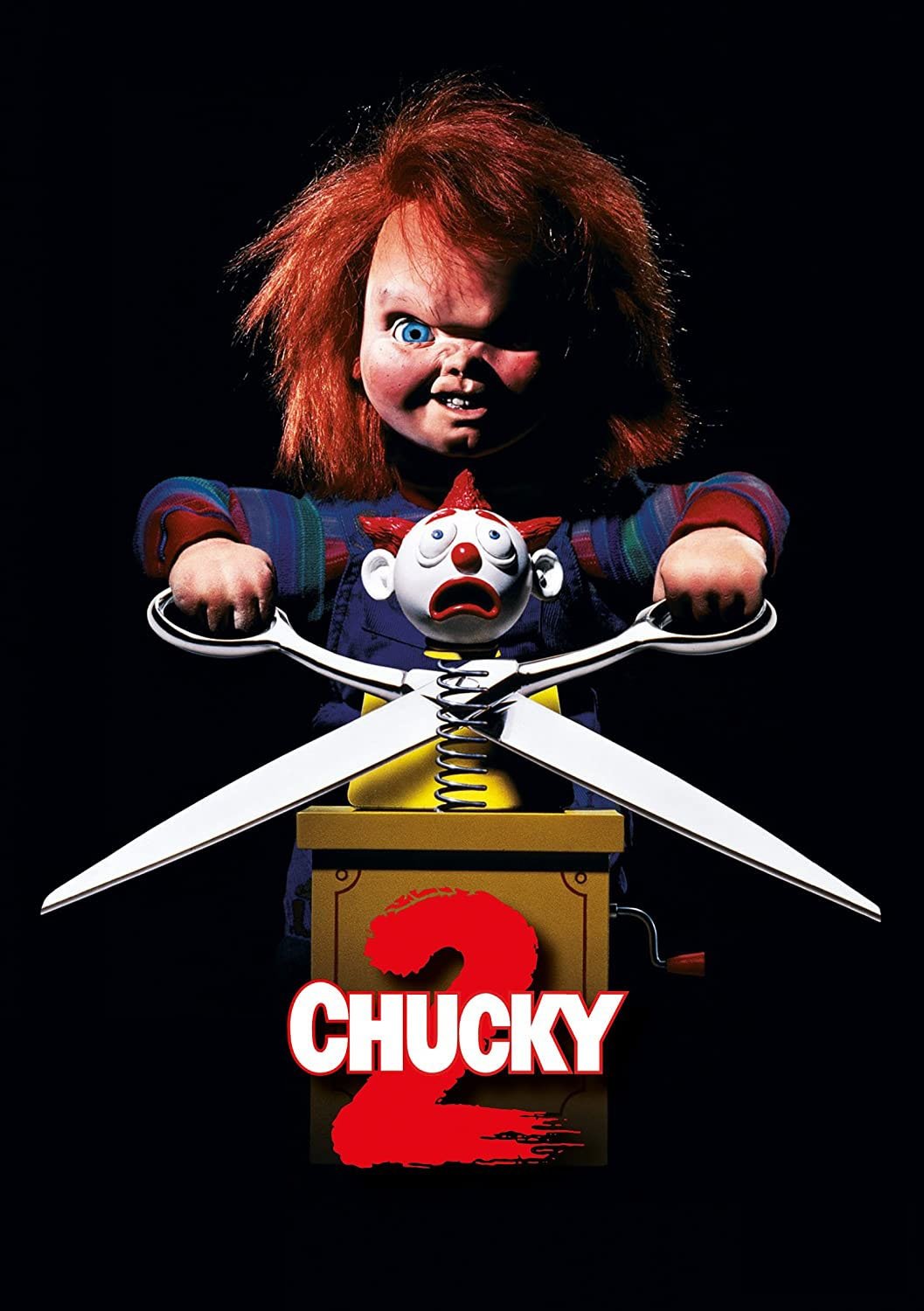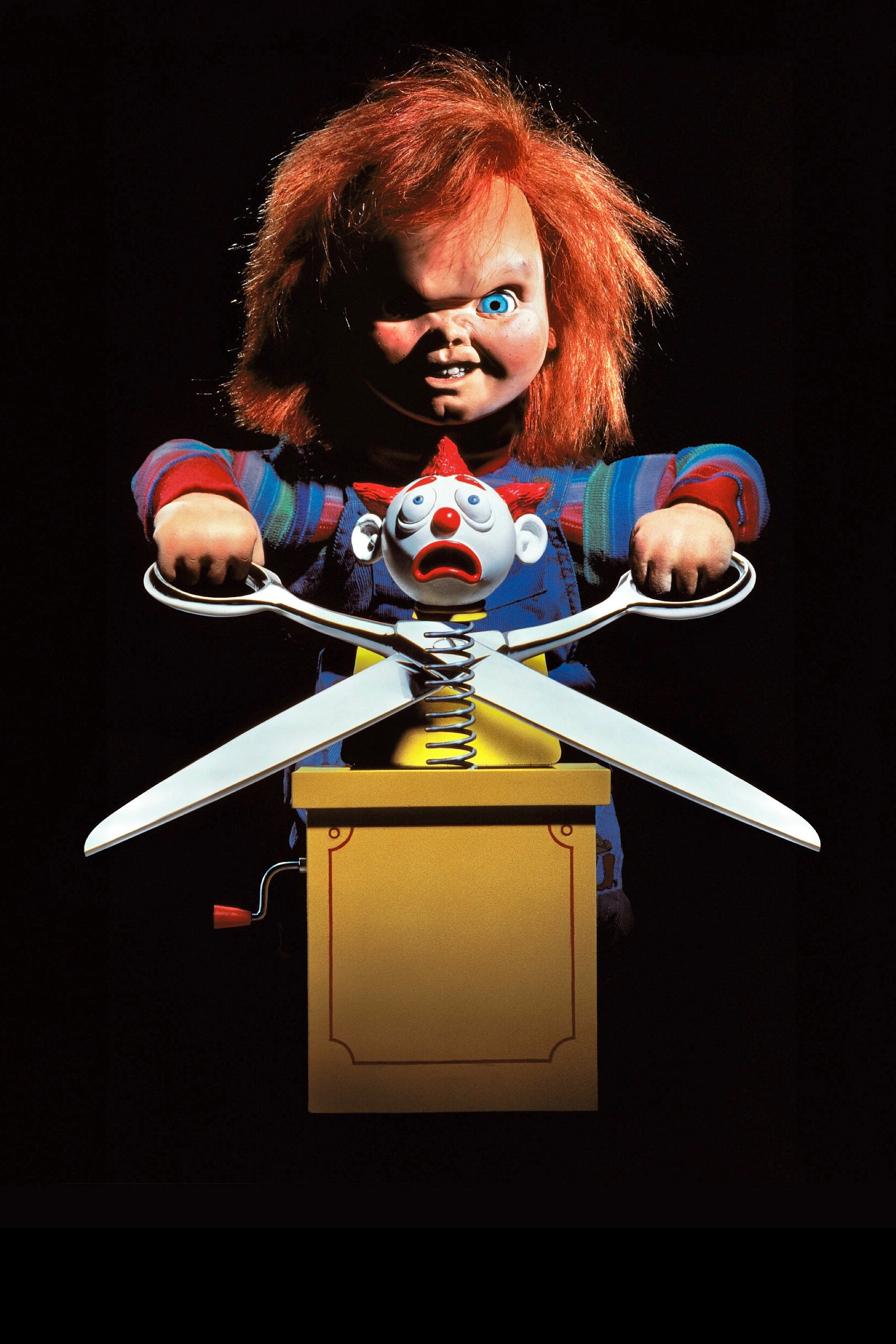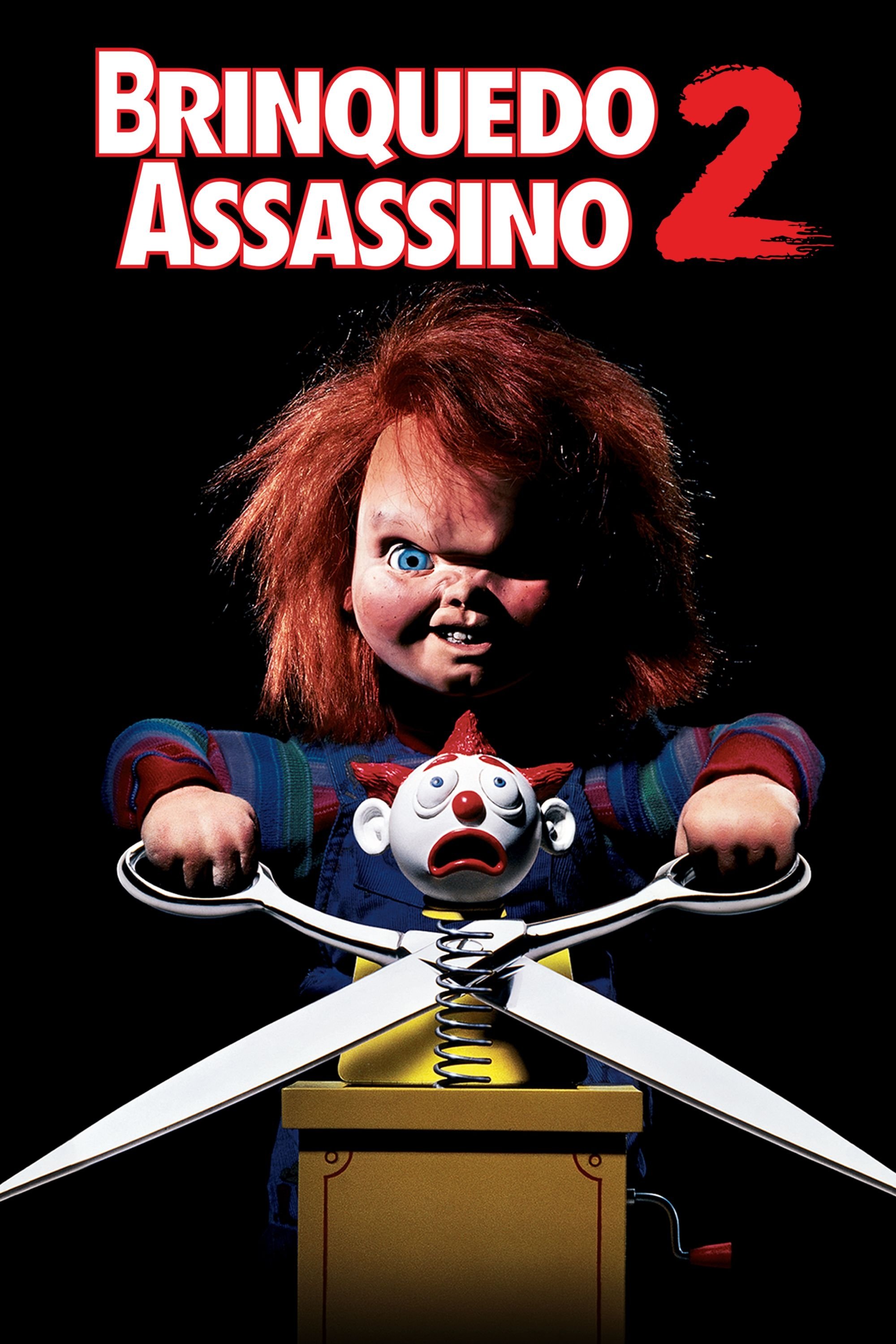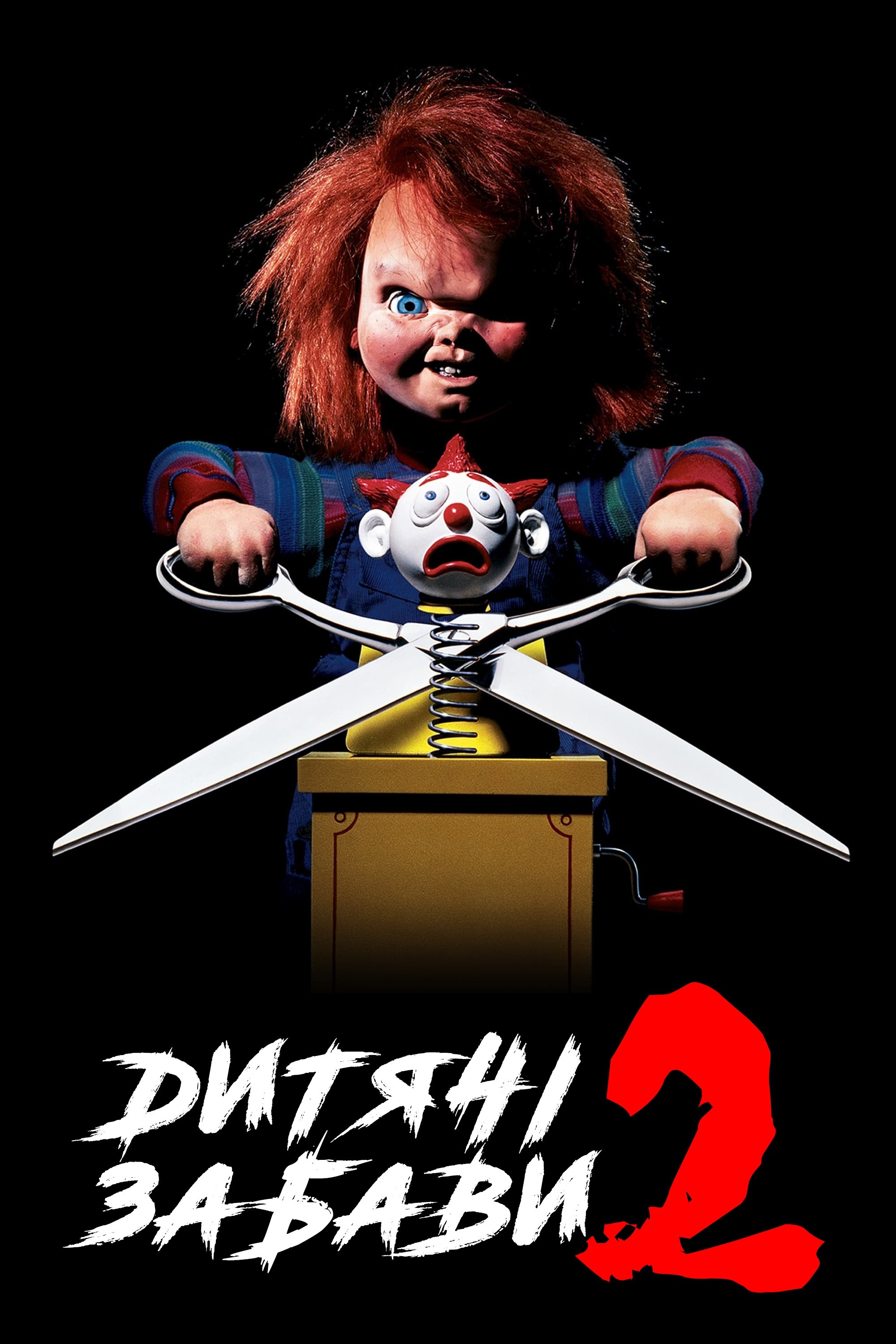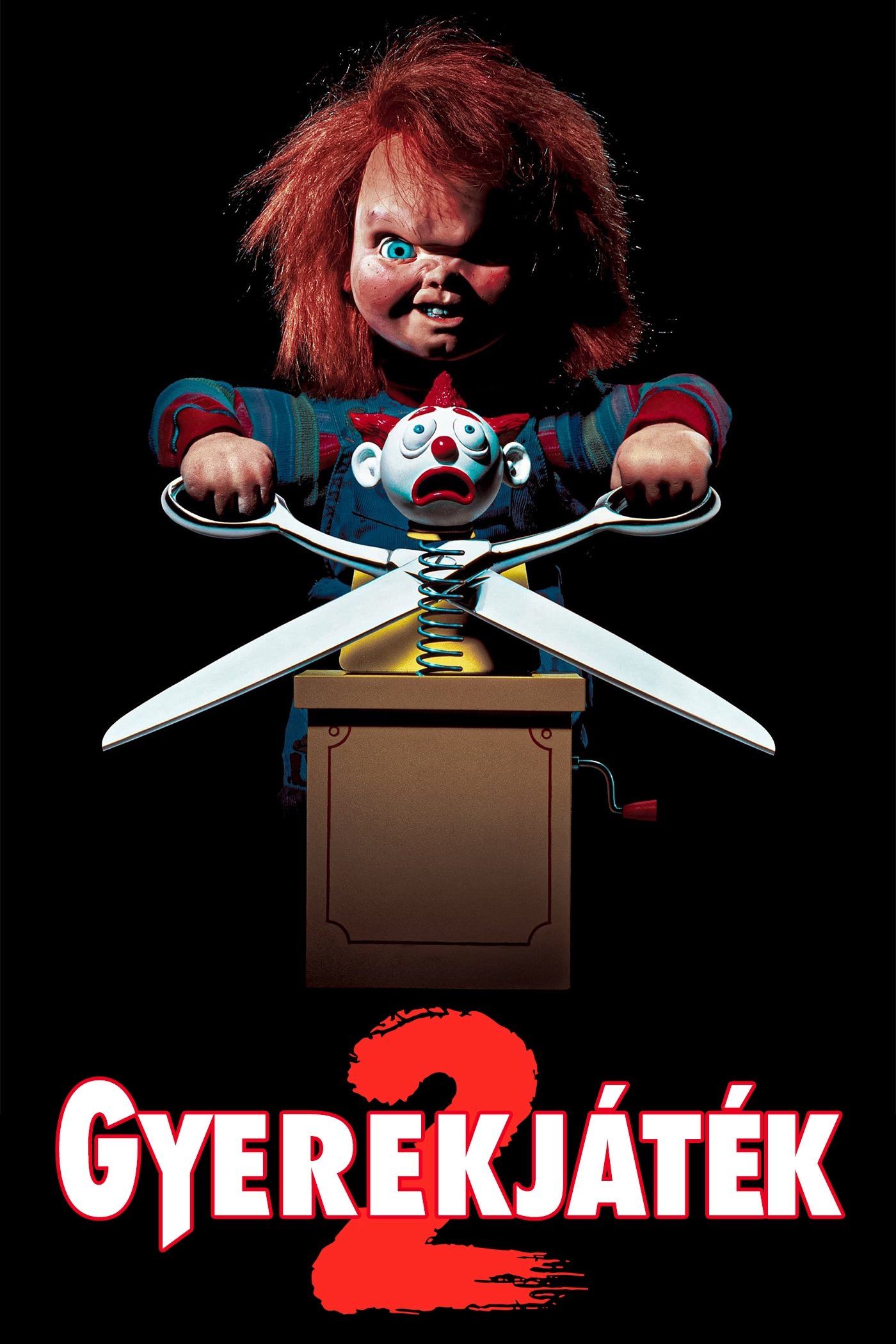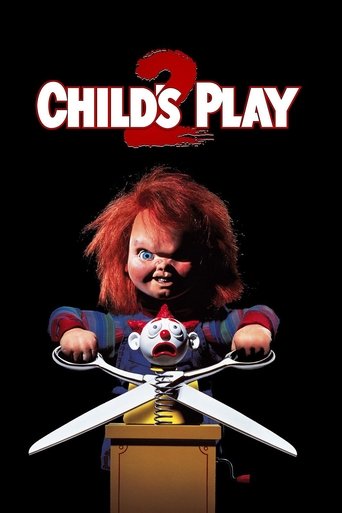
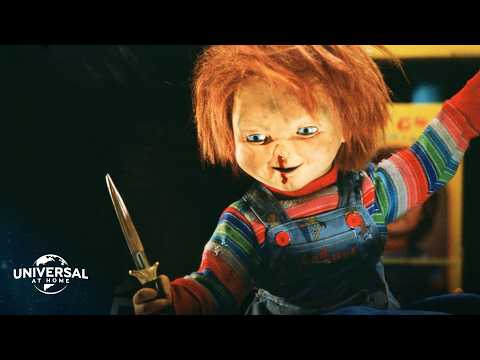
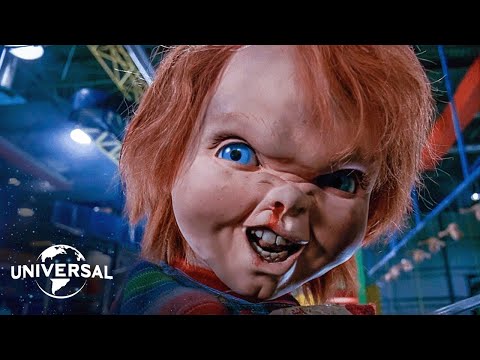
Child's Play 2 (1990)

US
HORROR FILM
SUBGENRES EVIL DOLL
Runtime
84 min
Release
November 9, 1990
Budget
$13,000,000
Revenue
$35,763,605
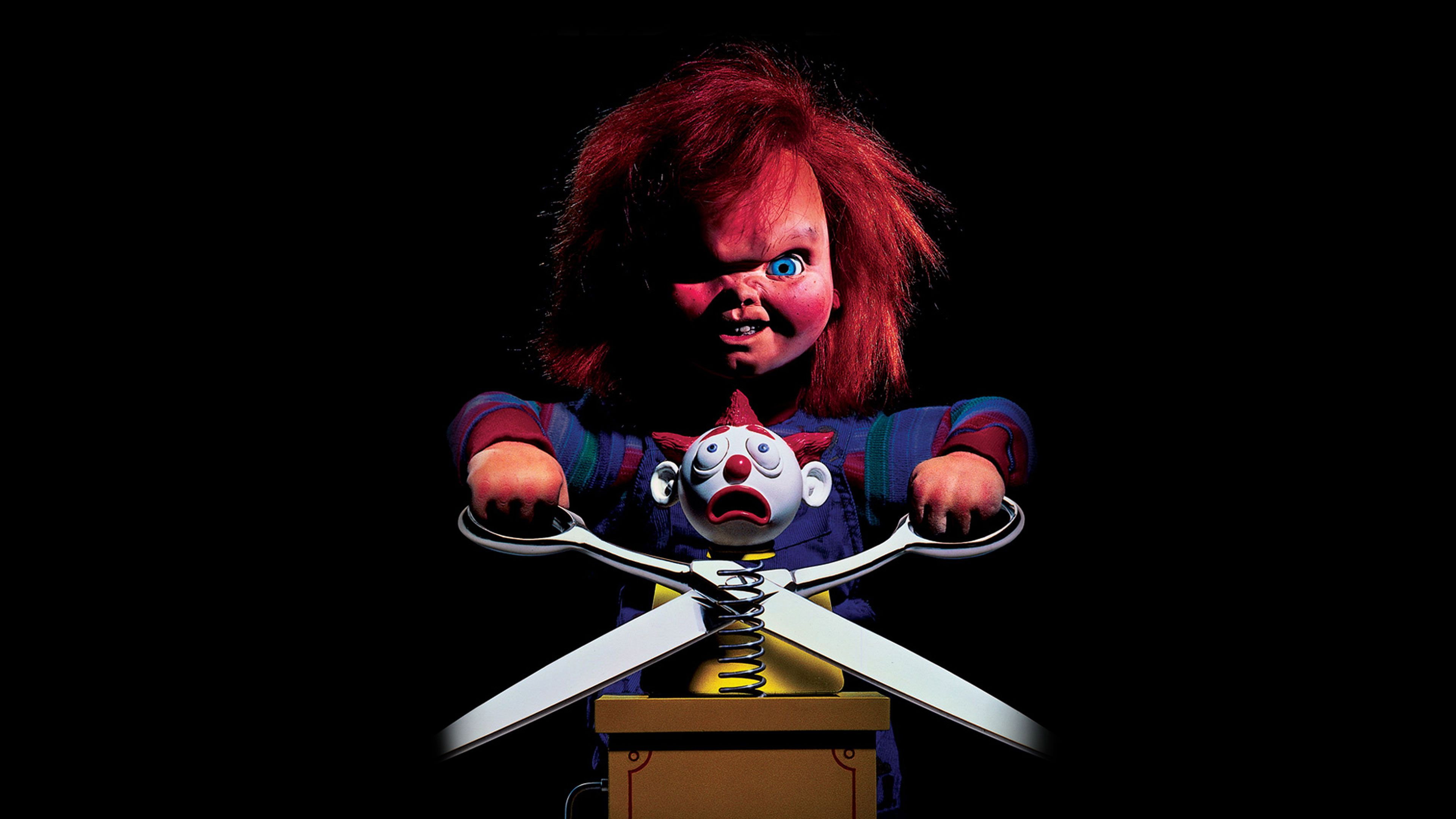
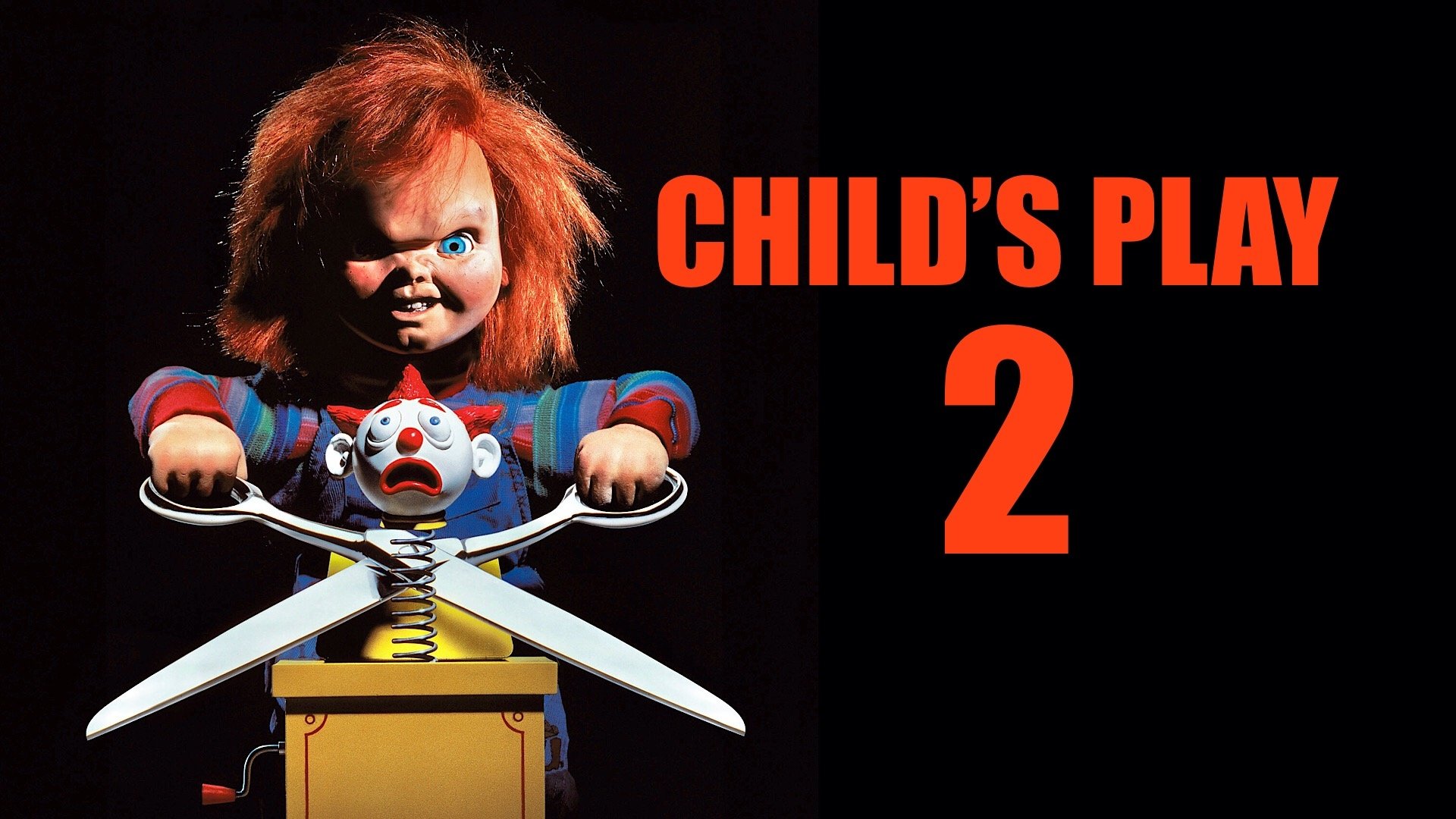
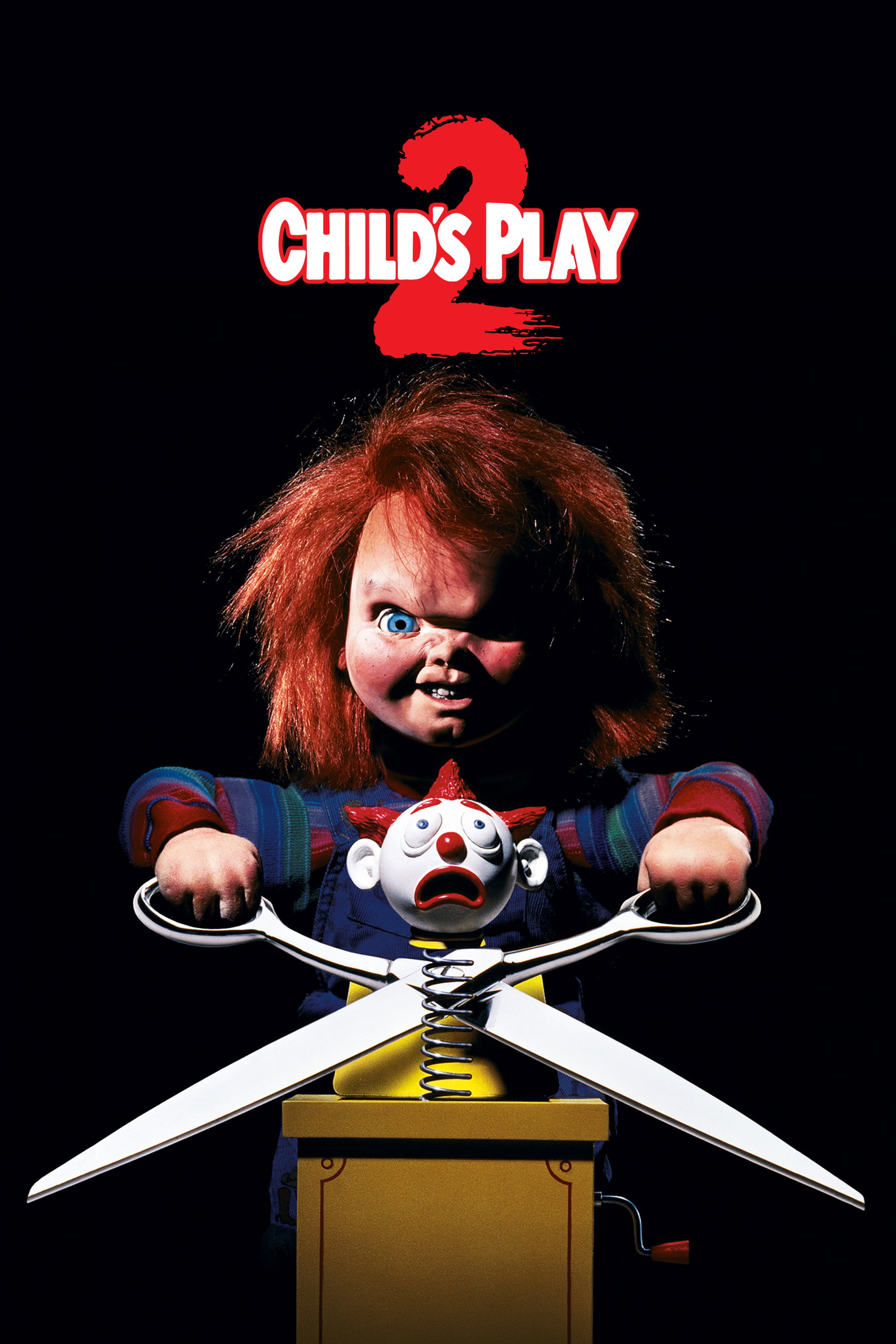
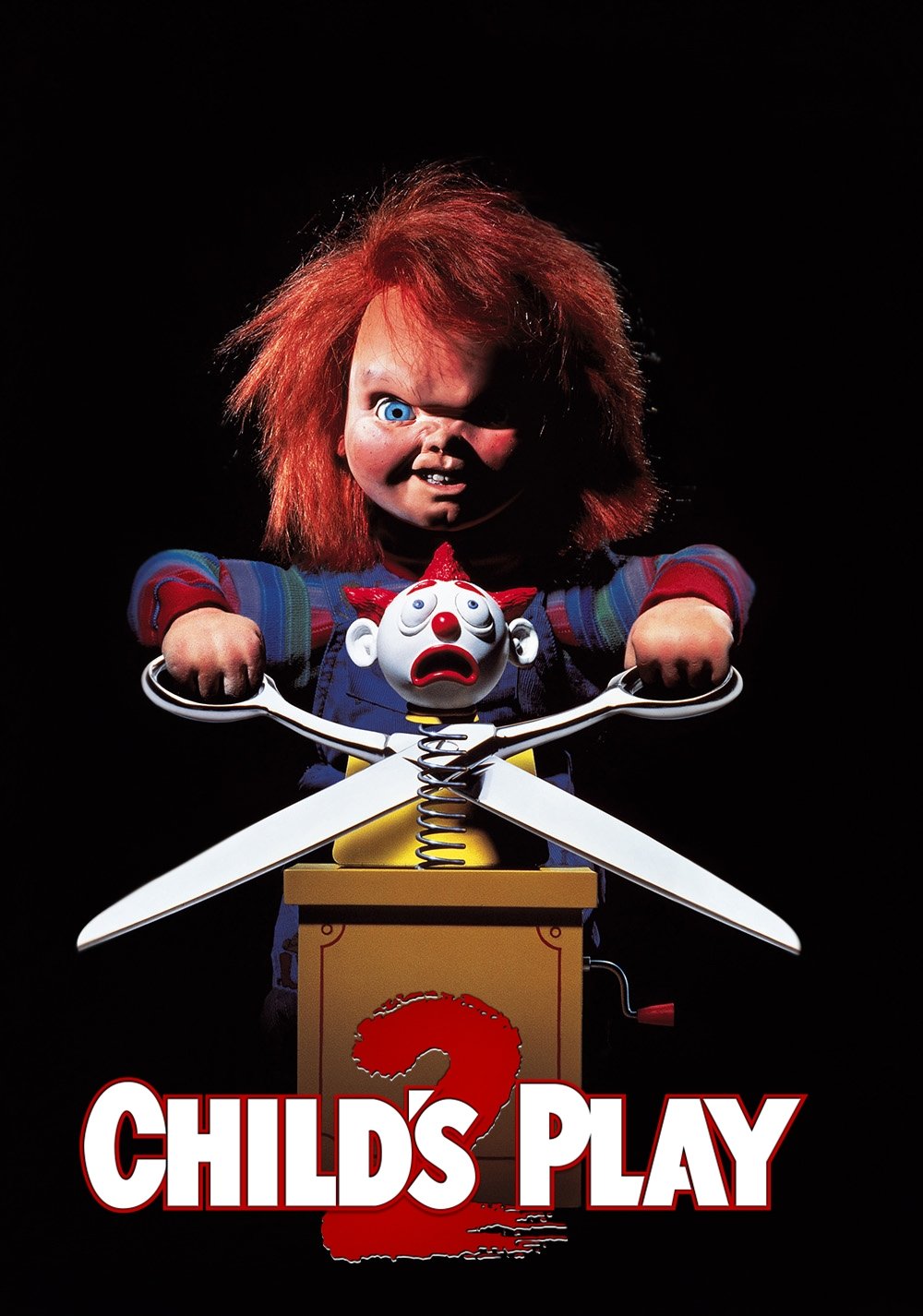
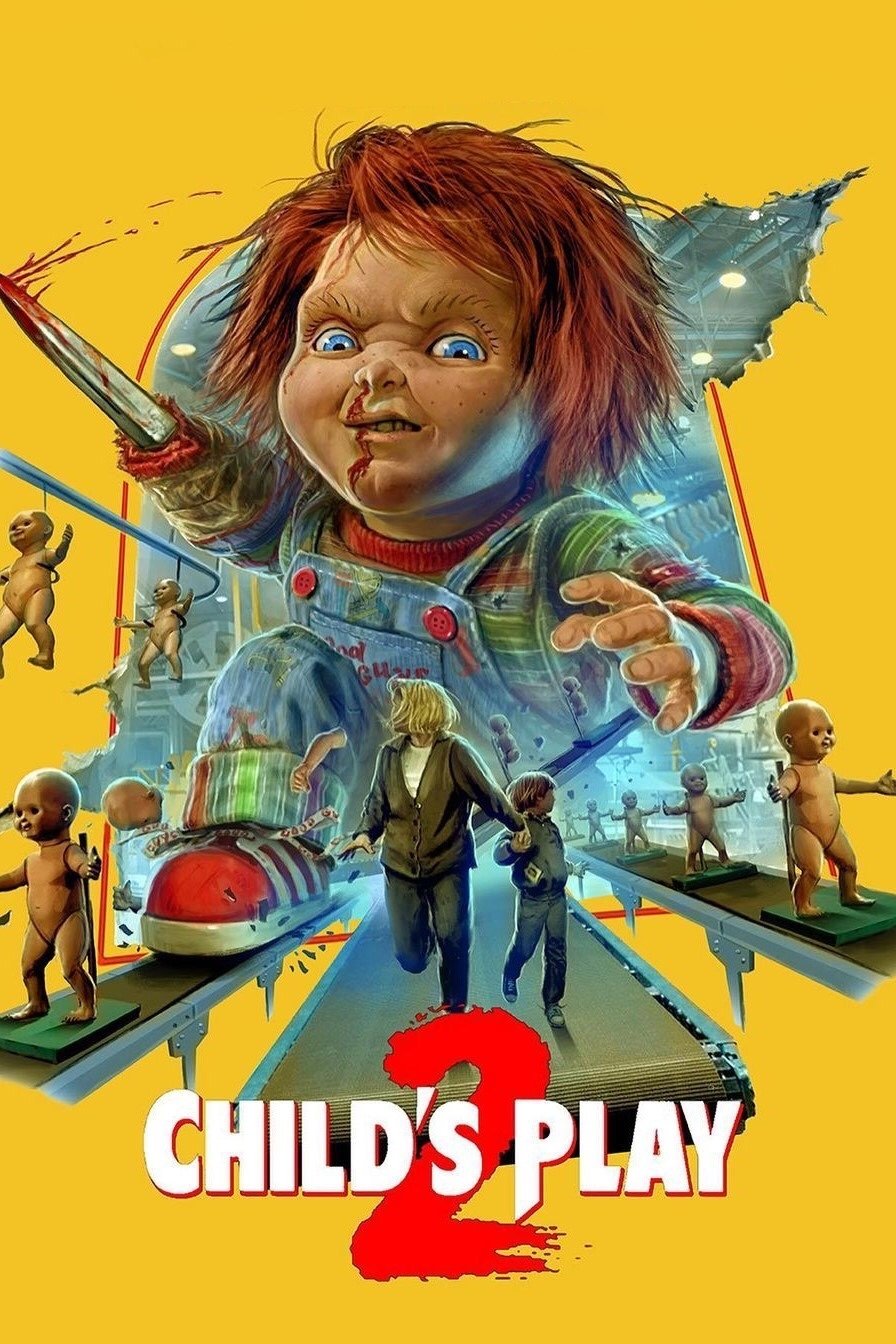
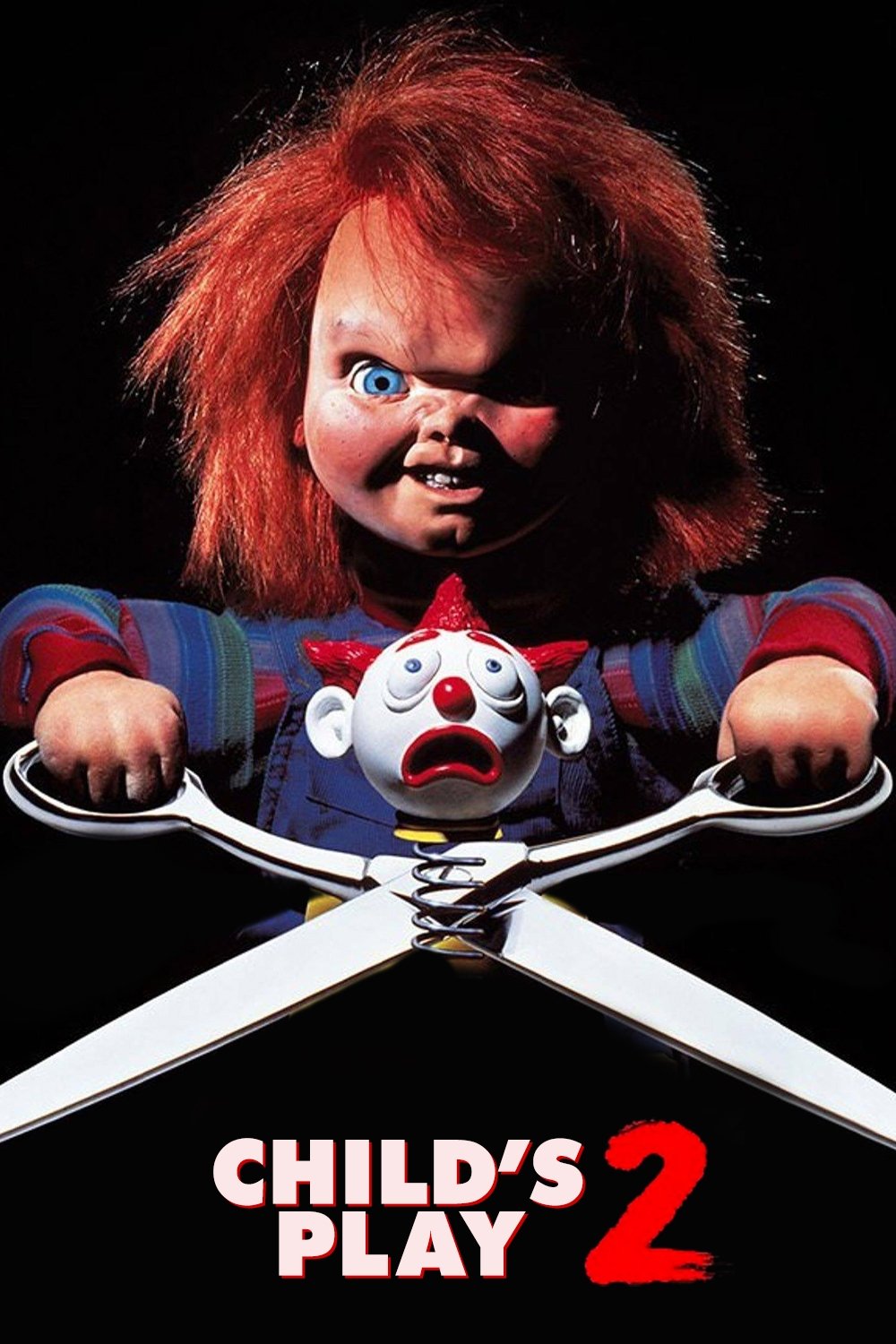
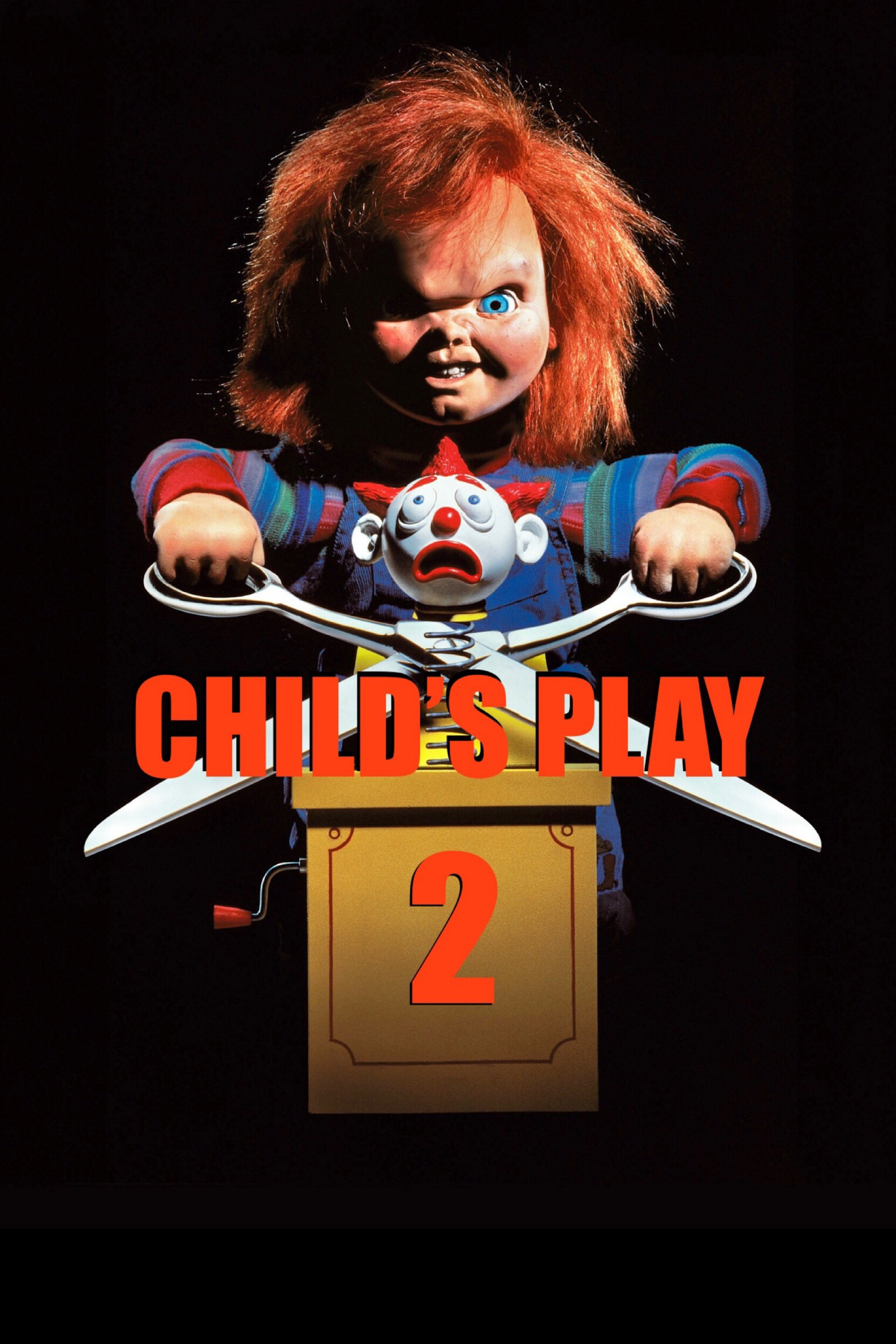
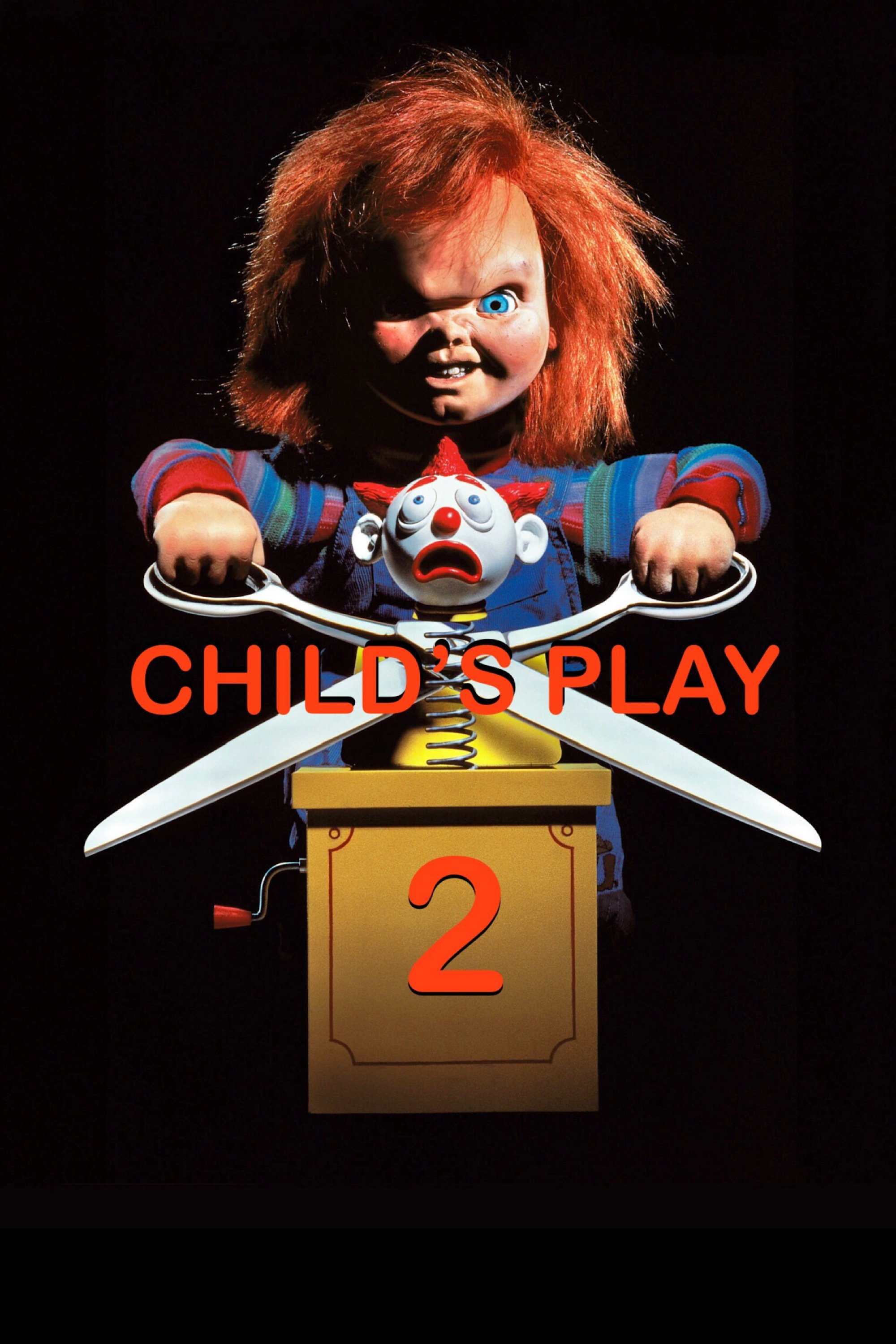
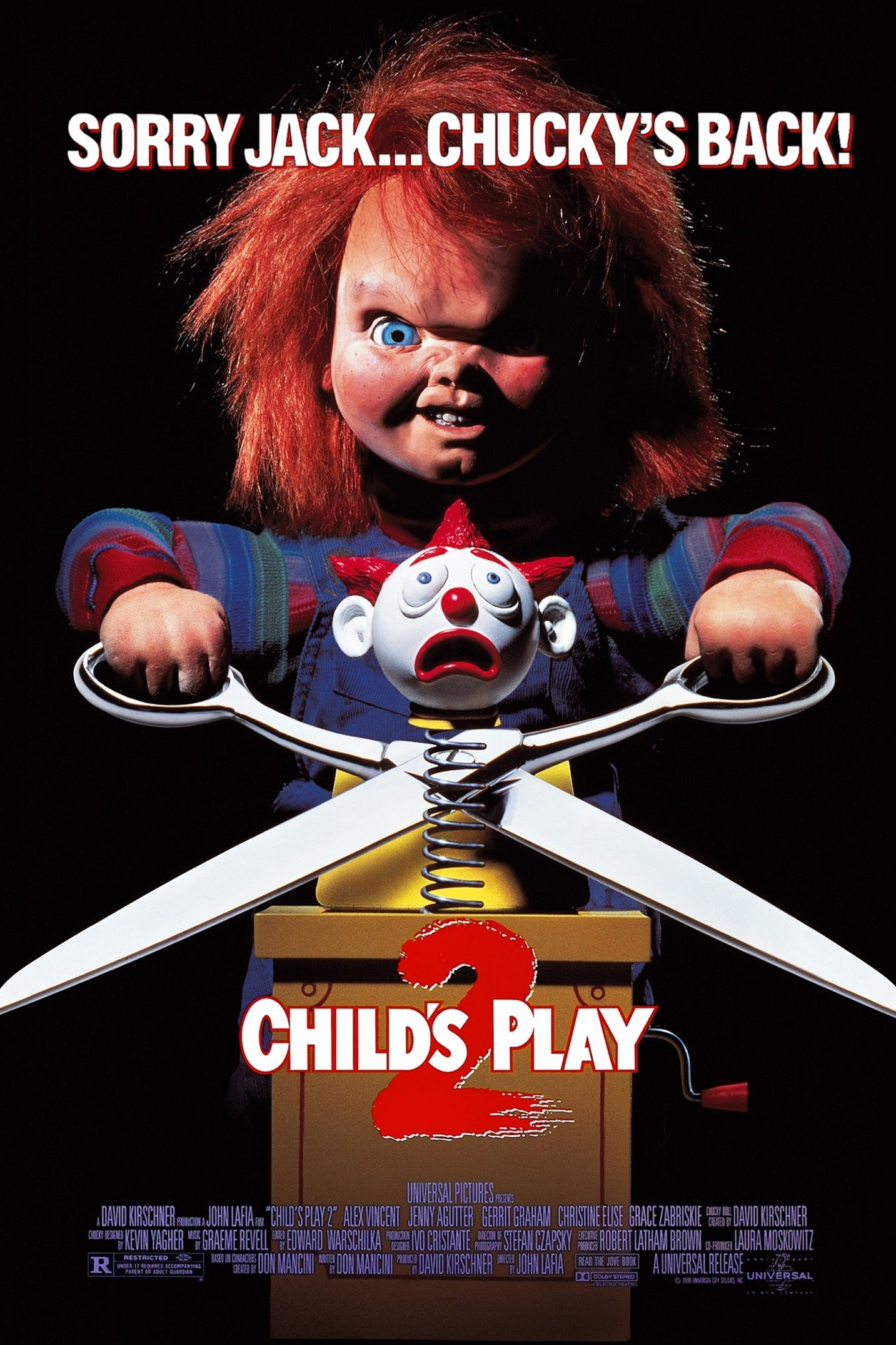
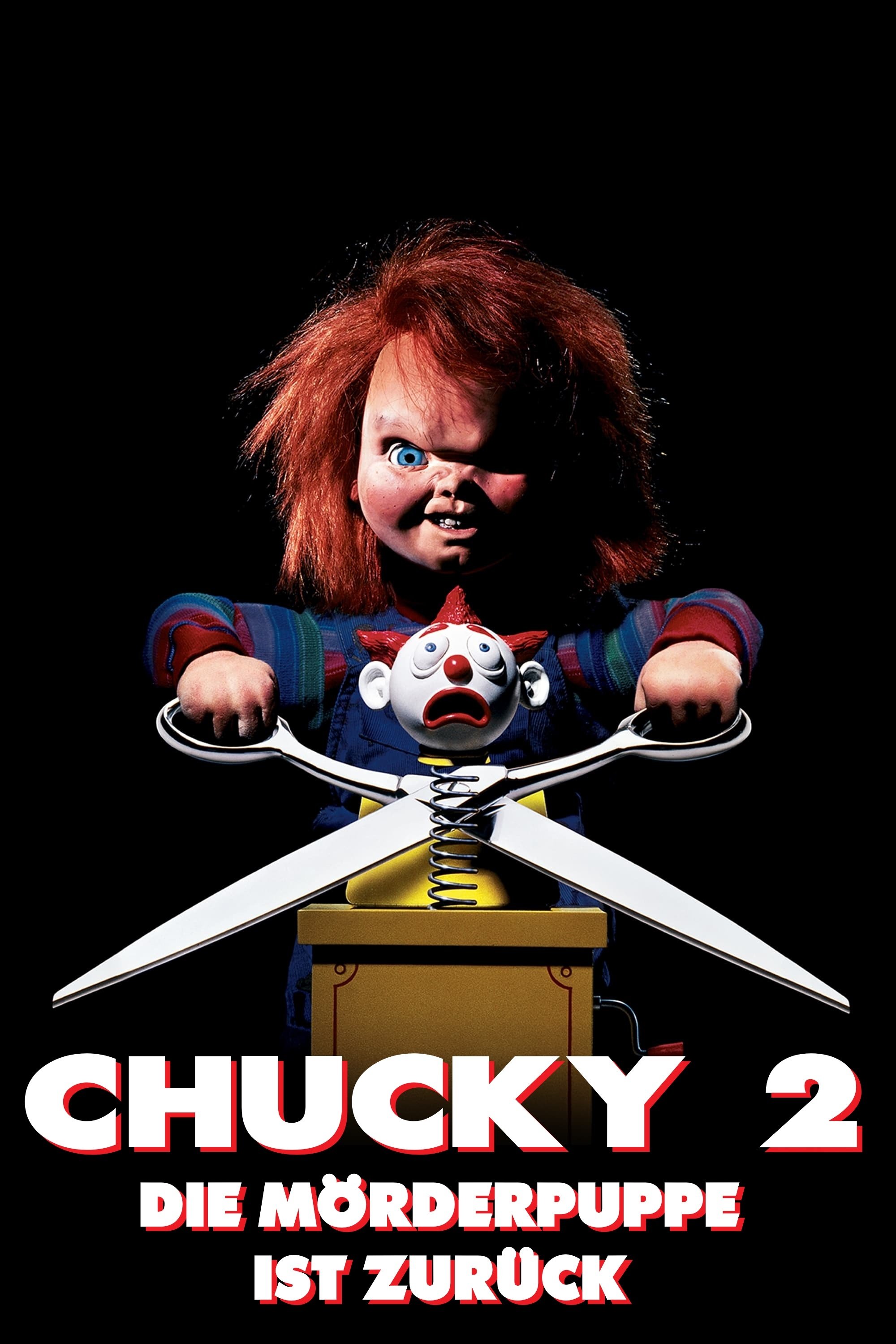
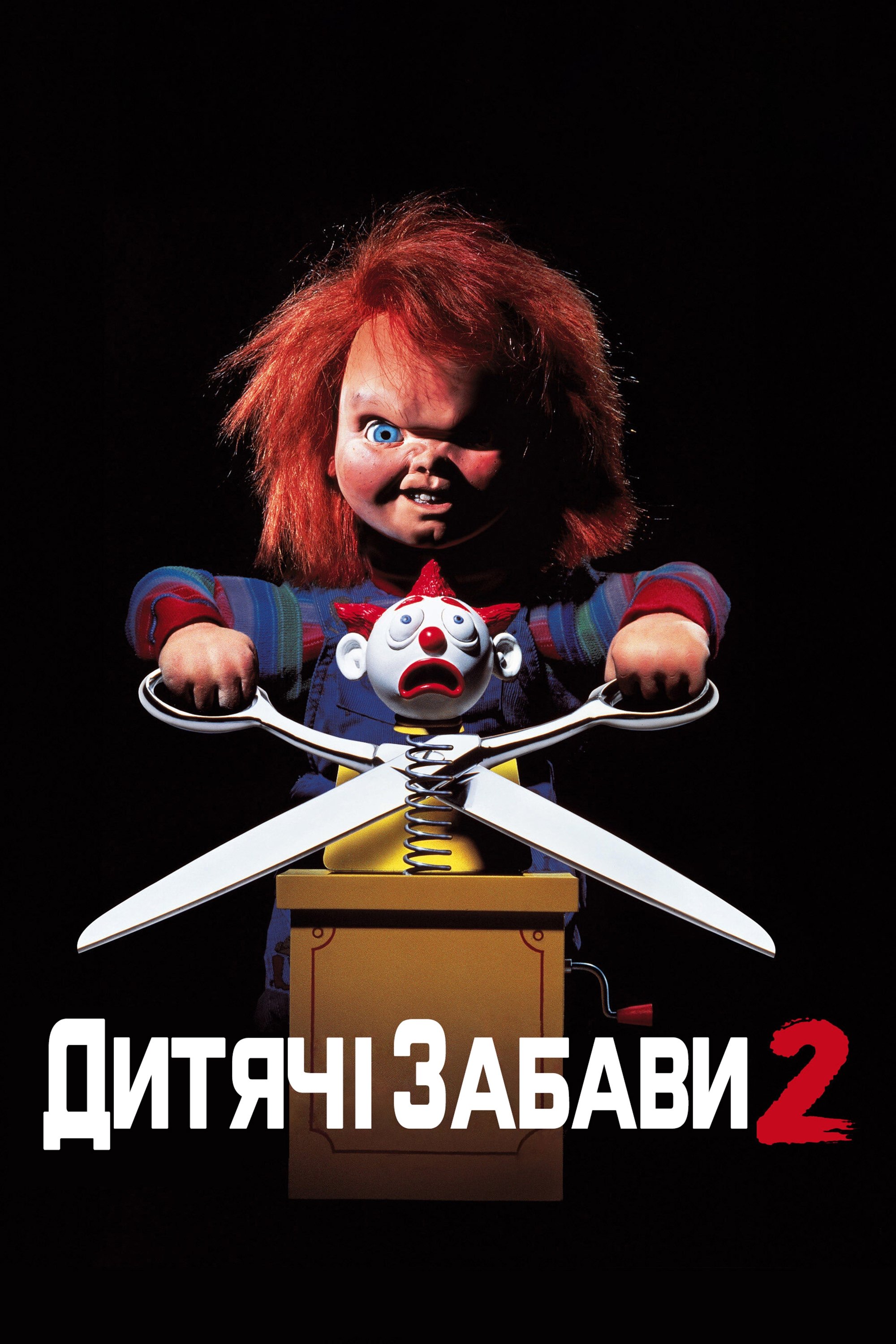
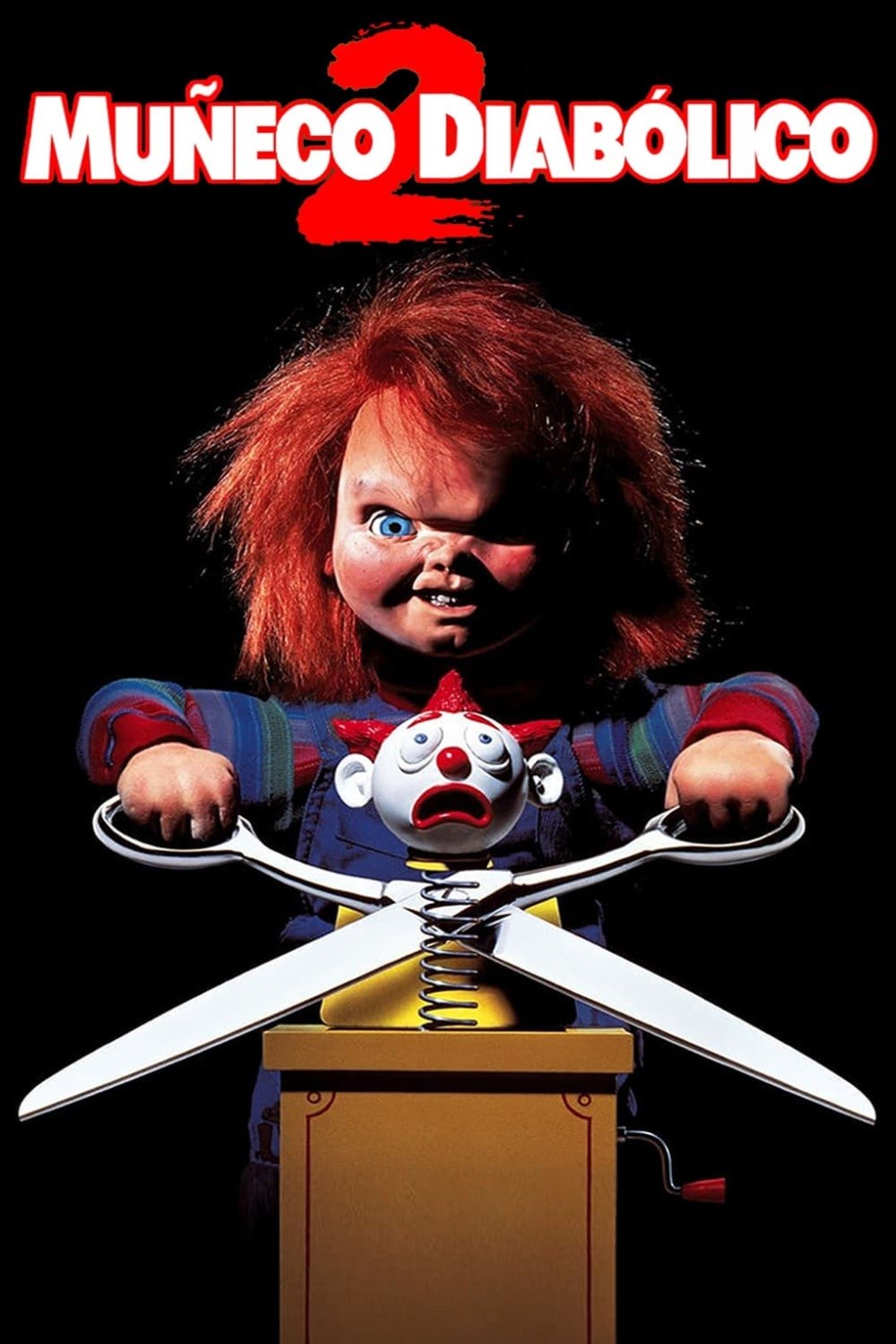
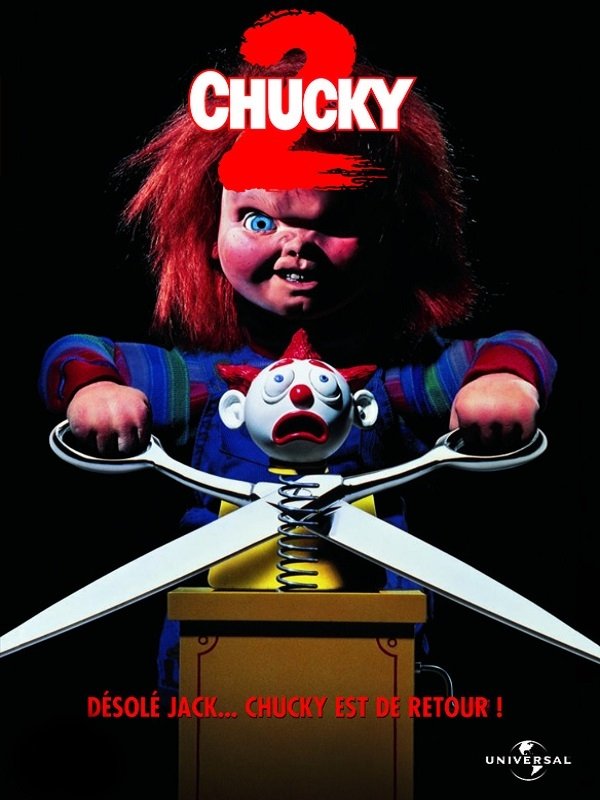
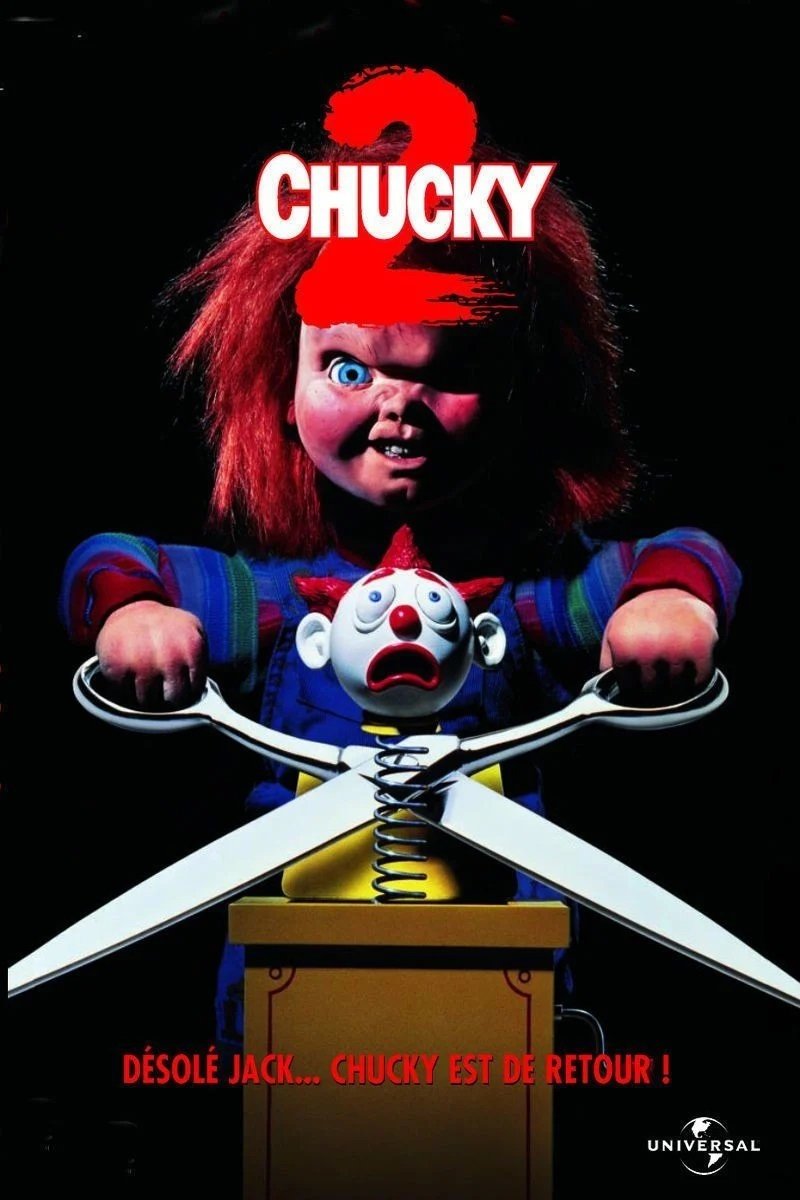
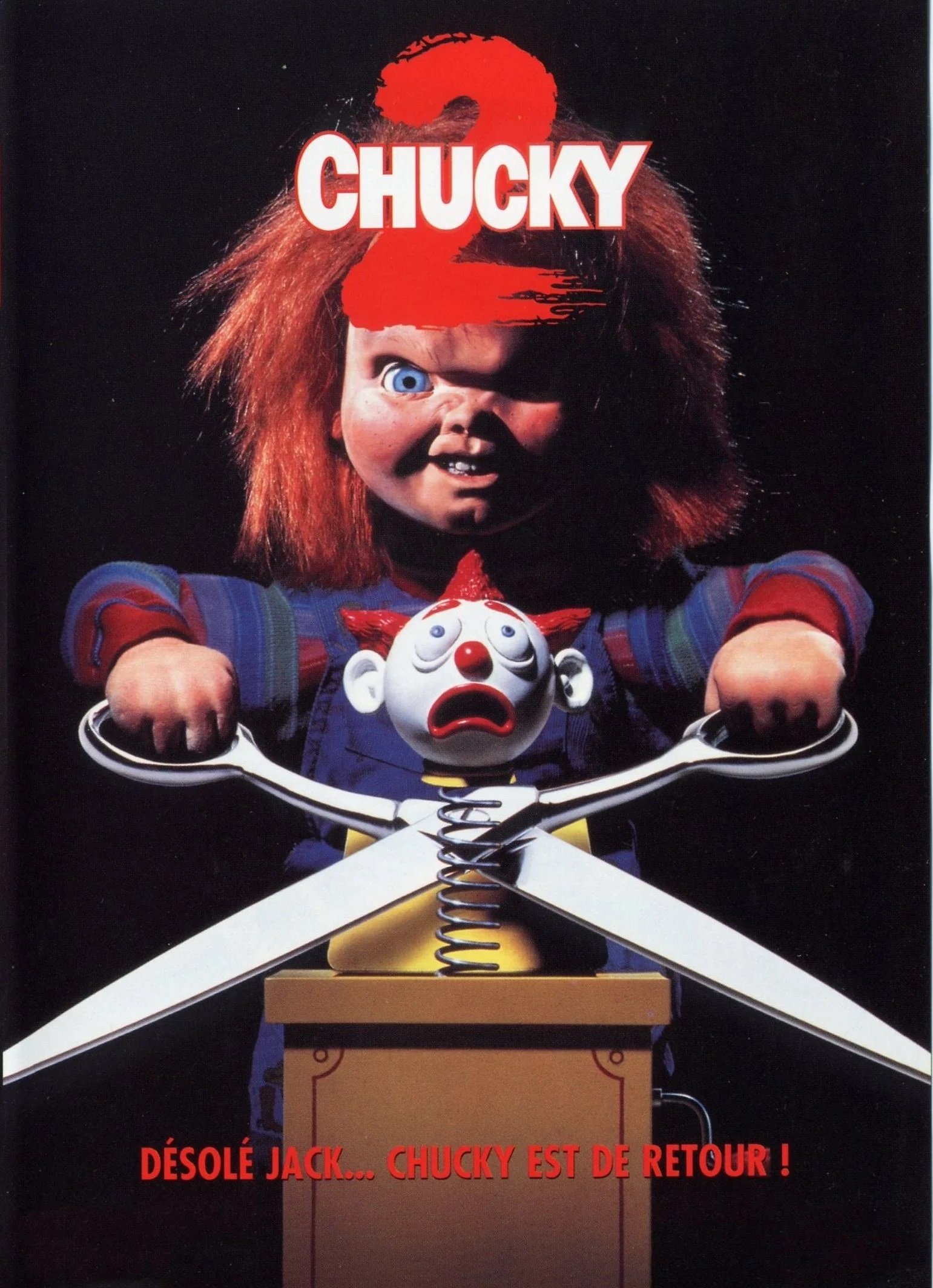
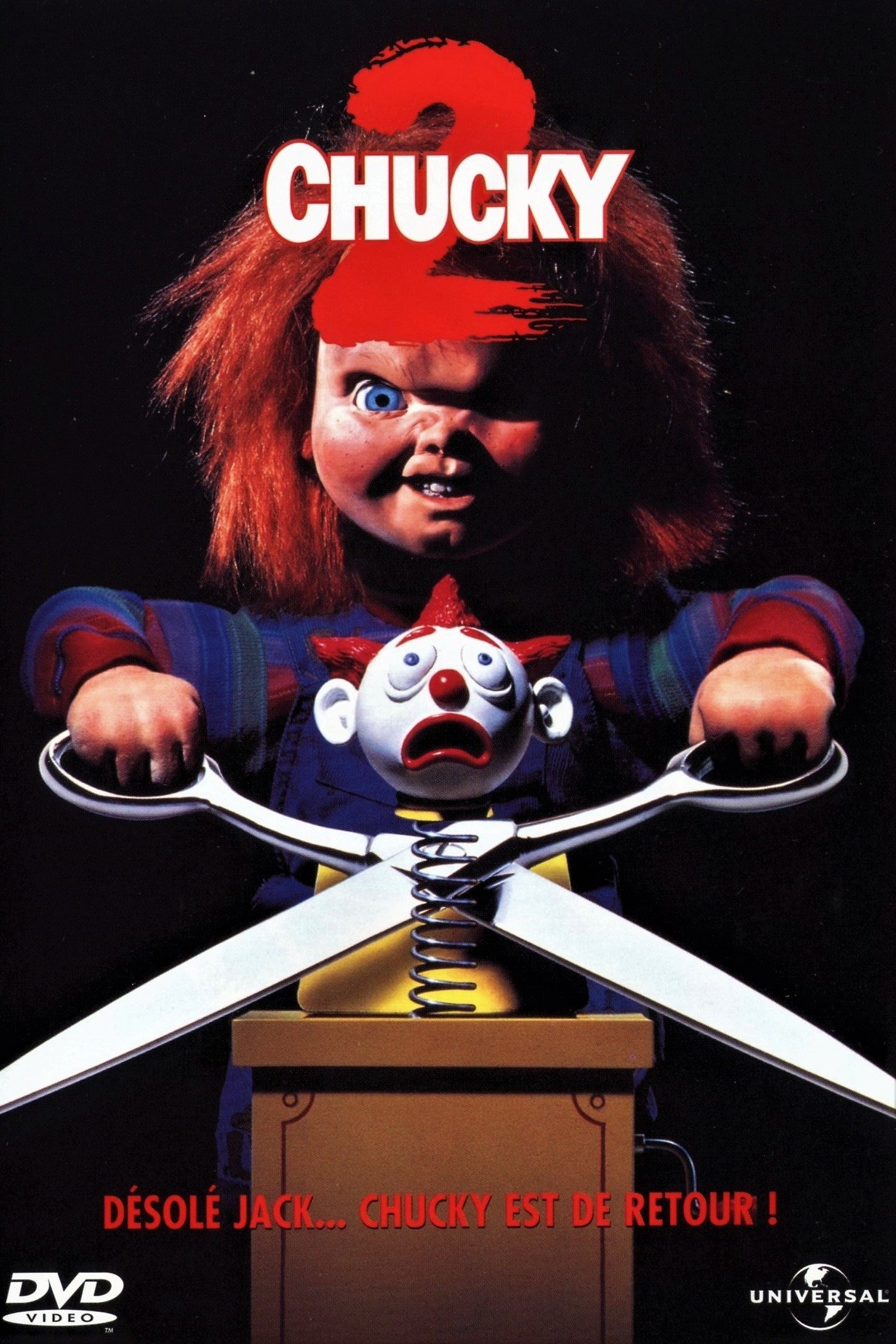
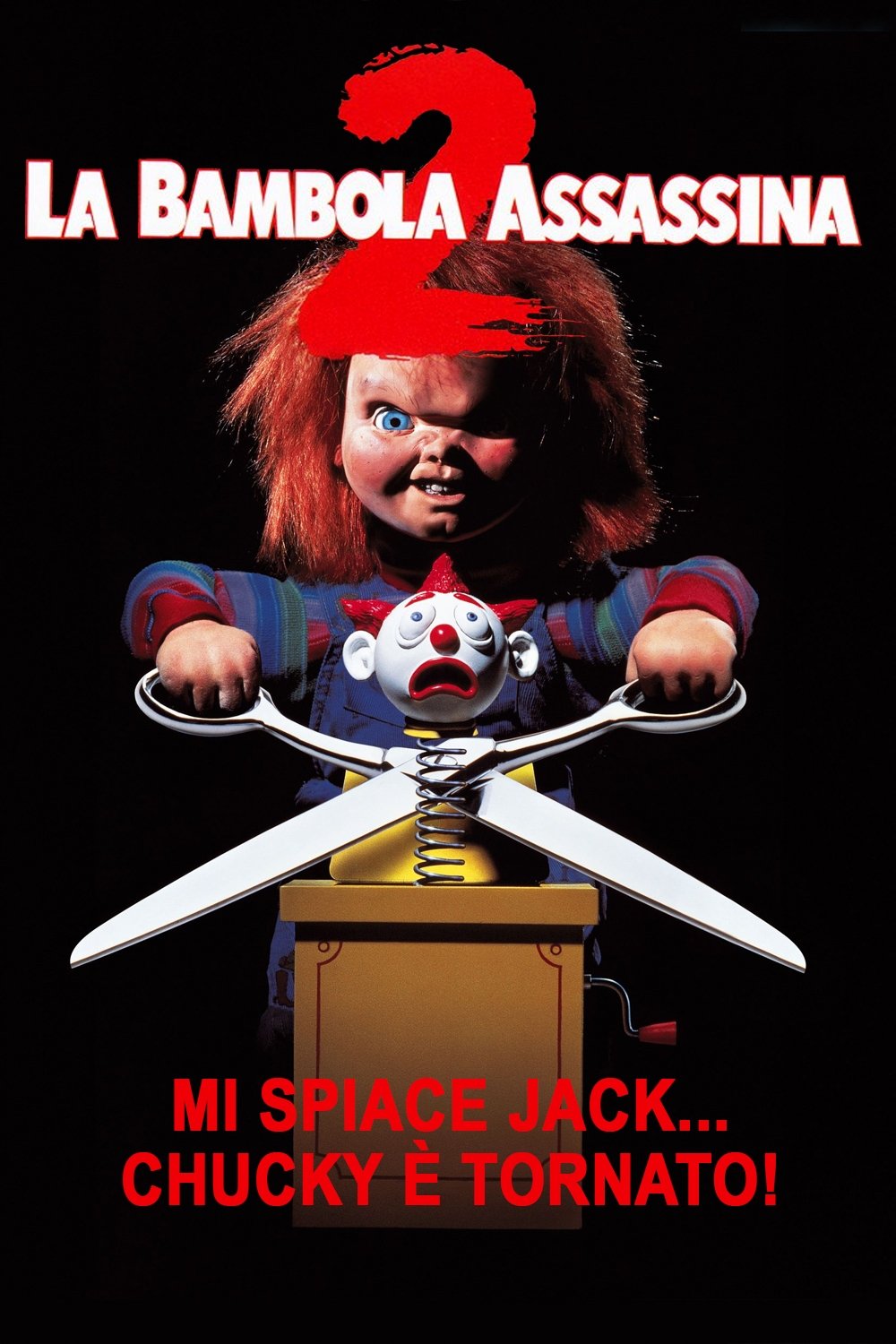
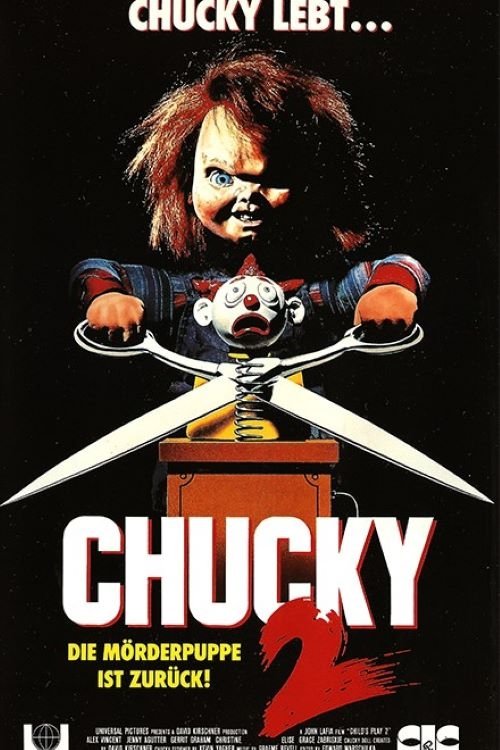
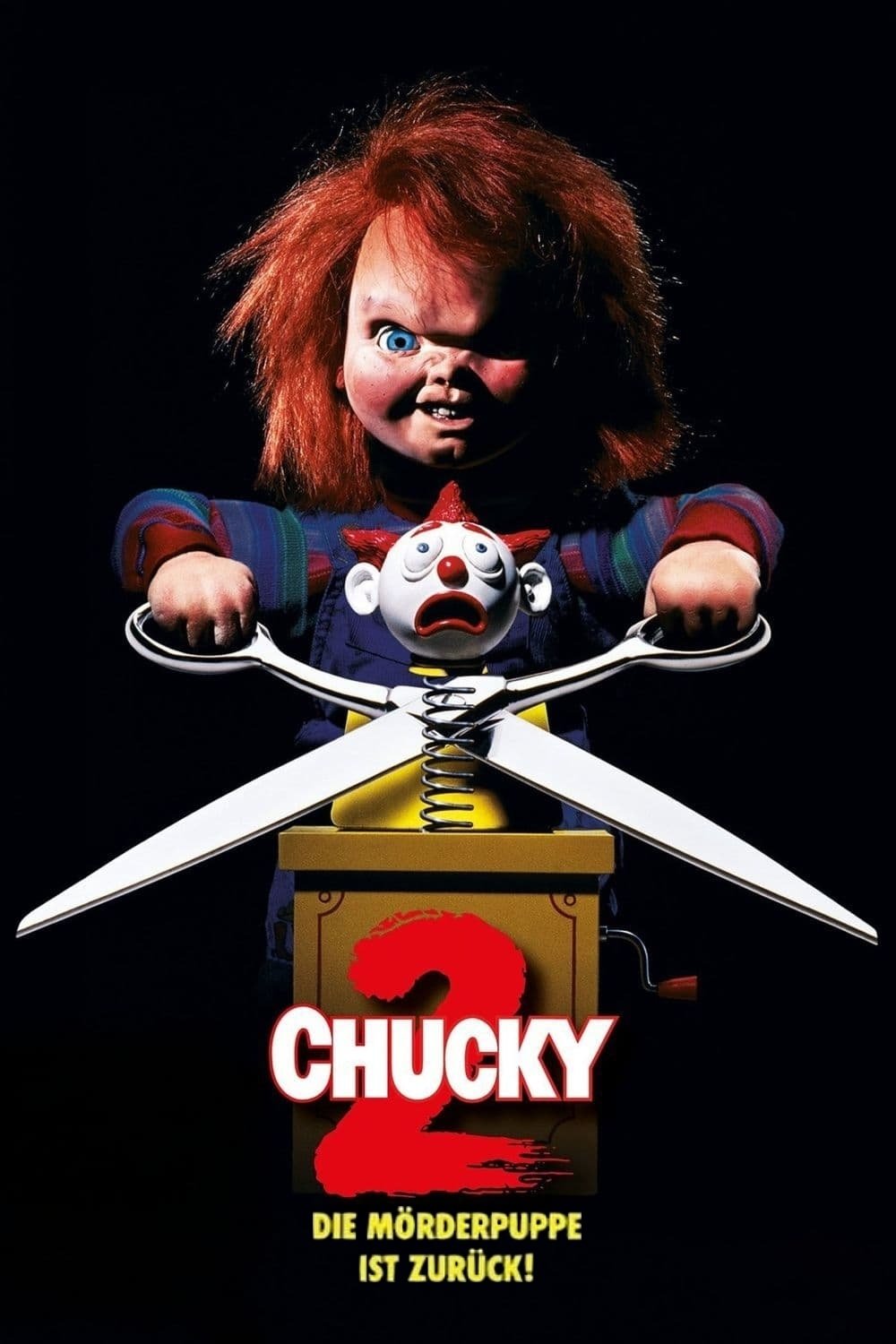
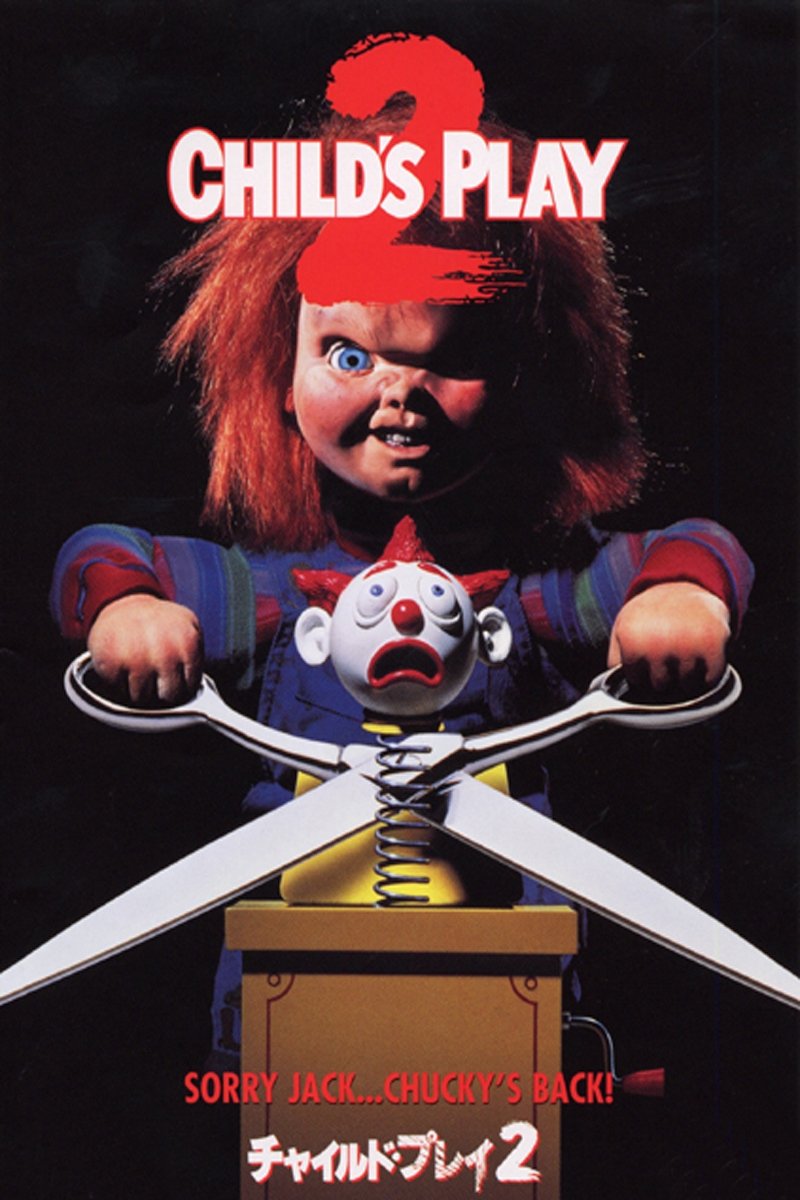
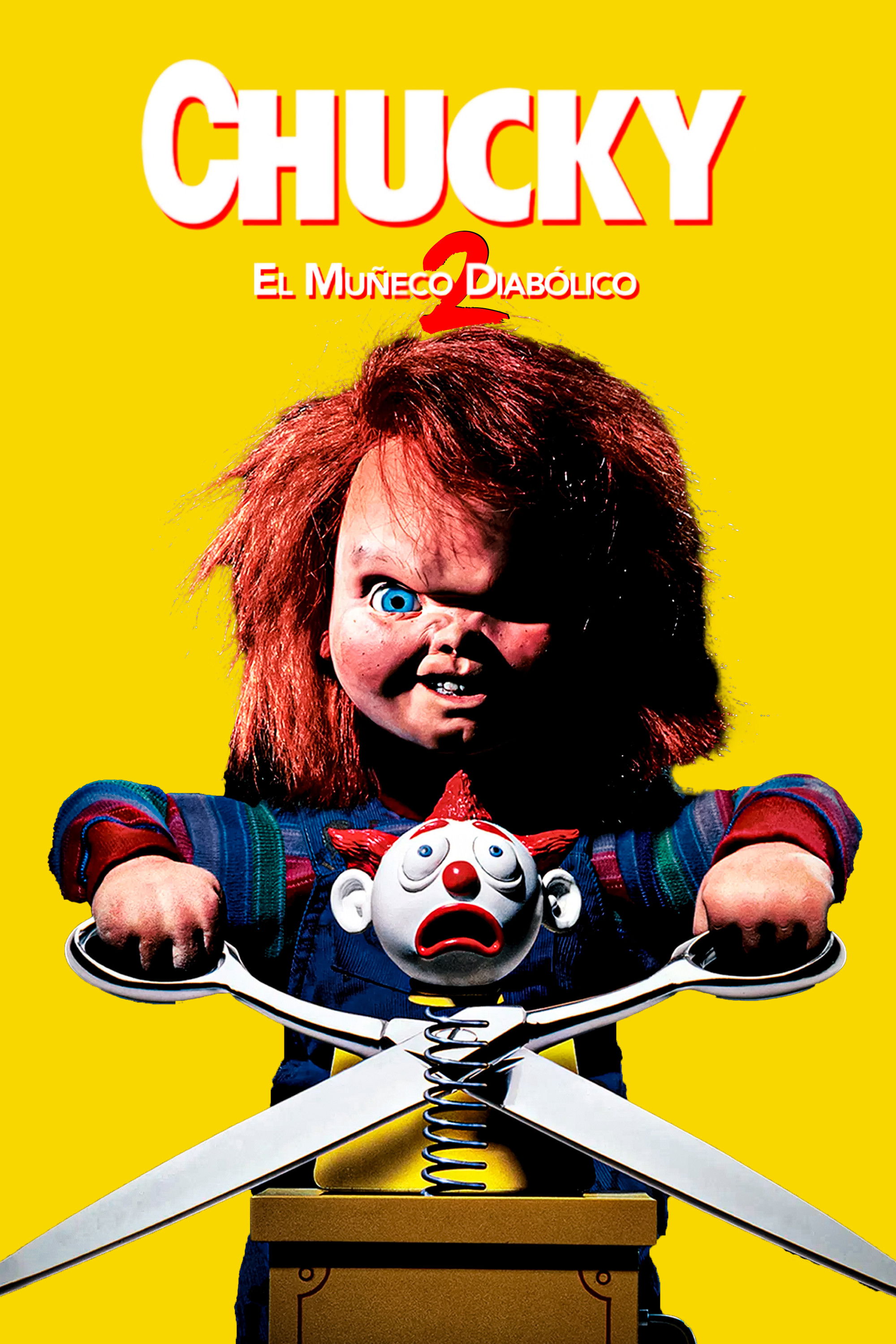
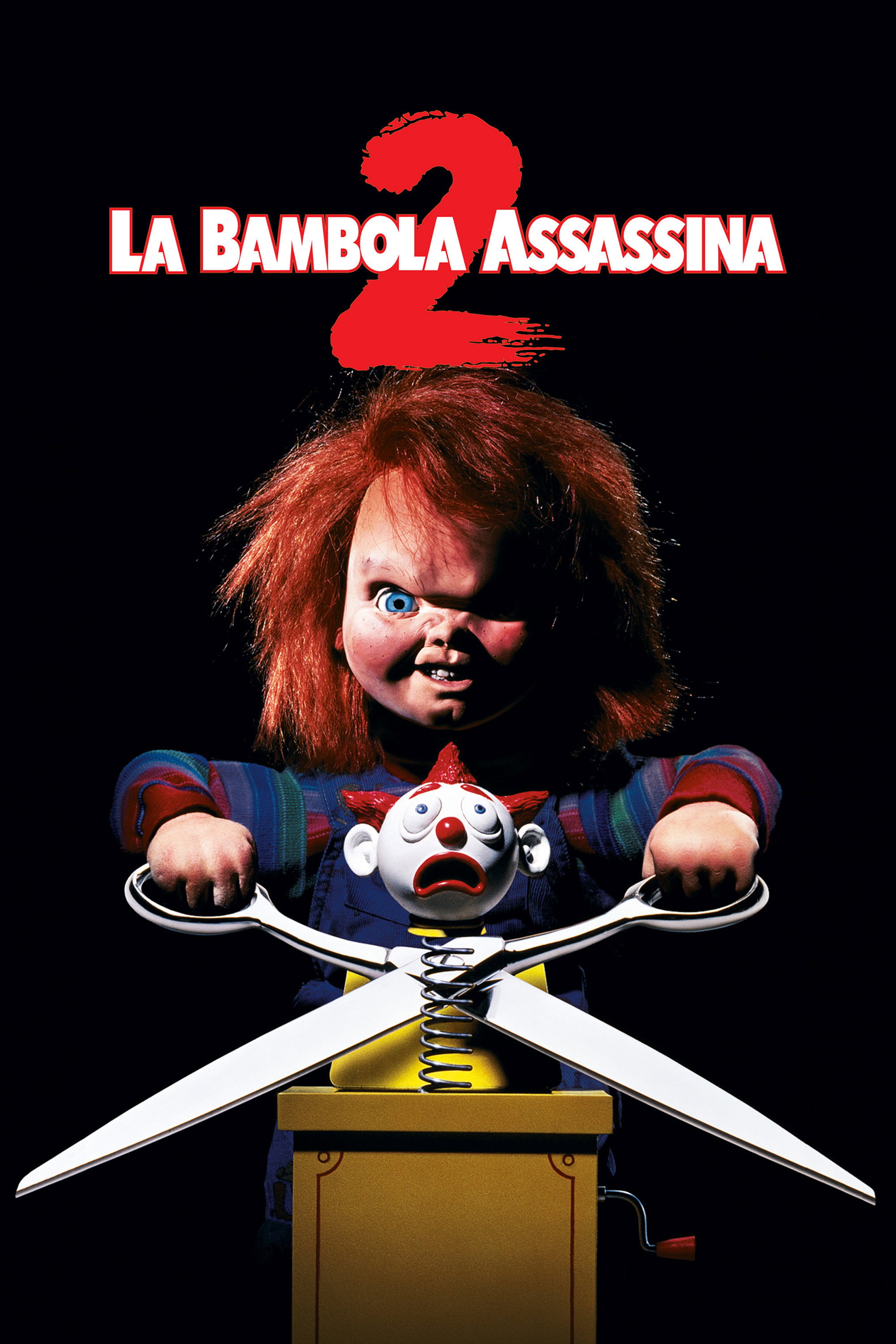
Child's Play 2 (1990) poster
Director
Writer
Production Companies
Universal Pictures , David Kirschner Productions
Plot

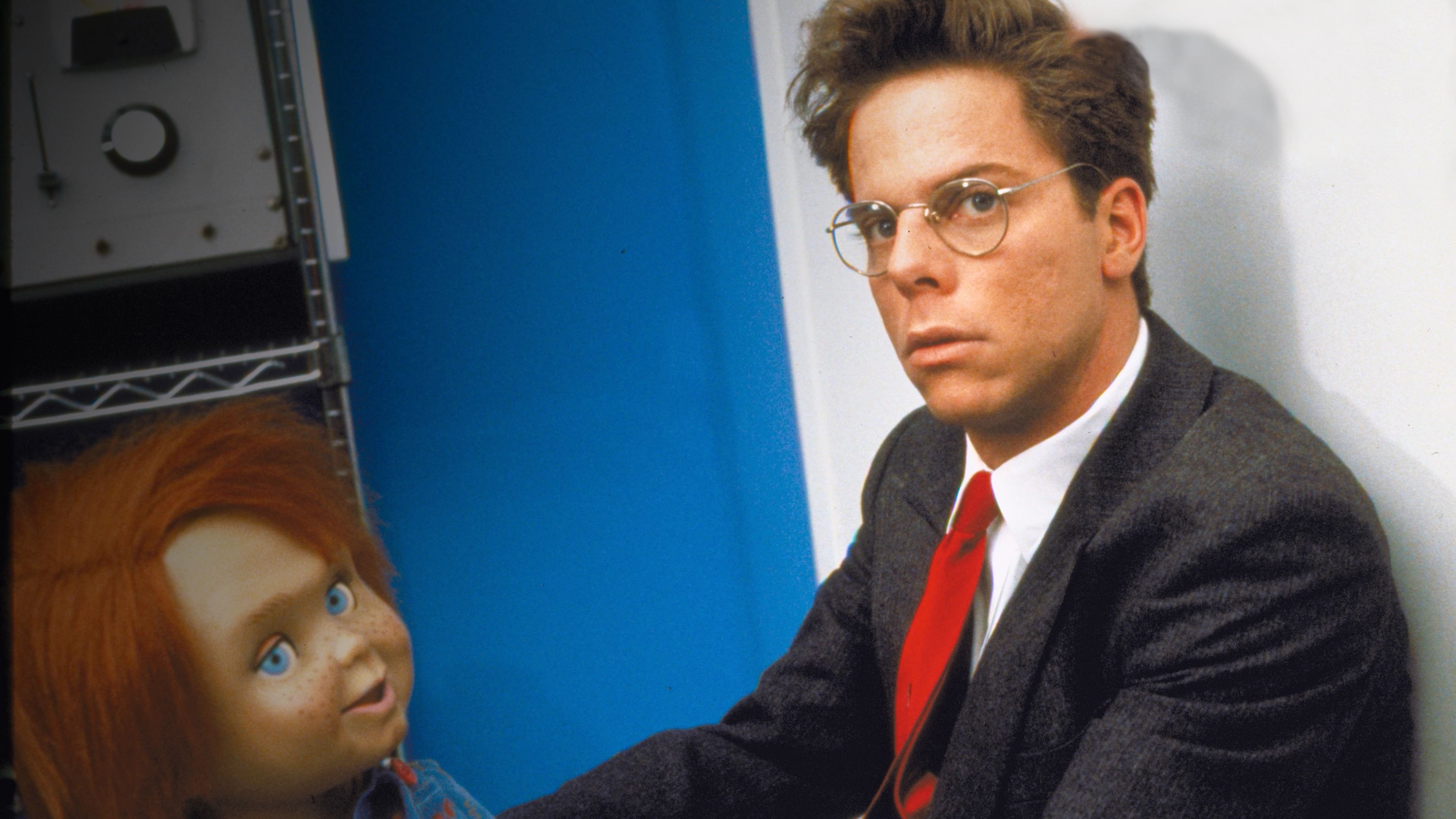
Following the events in Chicago, the Play Pals company reconstructs a damaged Good Guy doll to counter the publicity surrounding its product. The restoration revives Charles Lee Ray, who resumes his pursuit of Andy Barclay. Andy is now living with a foster family, where his foster sister Kyle becomes involved in the struggle against the killer. The confrontation eventually reaches the factory where the dolls are manufactured.

Alternative Titles
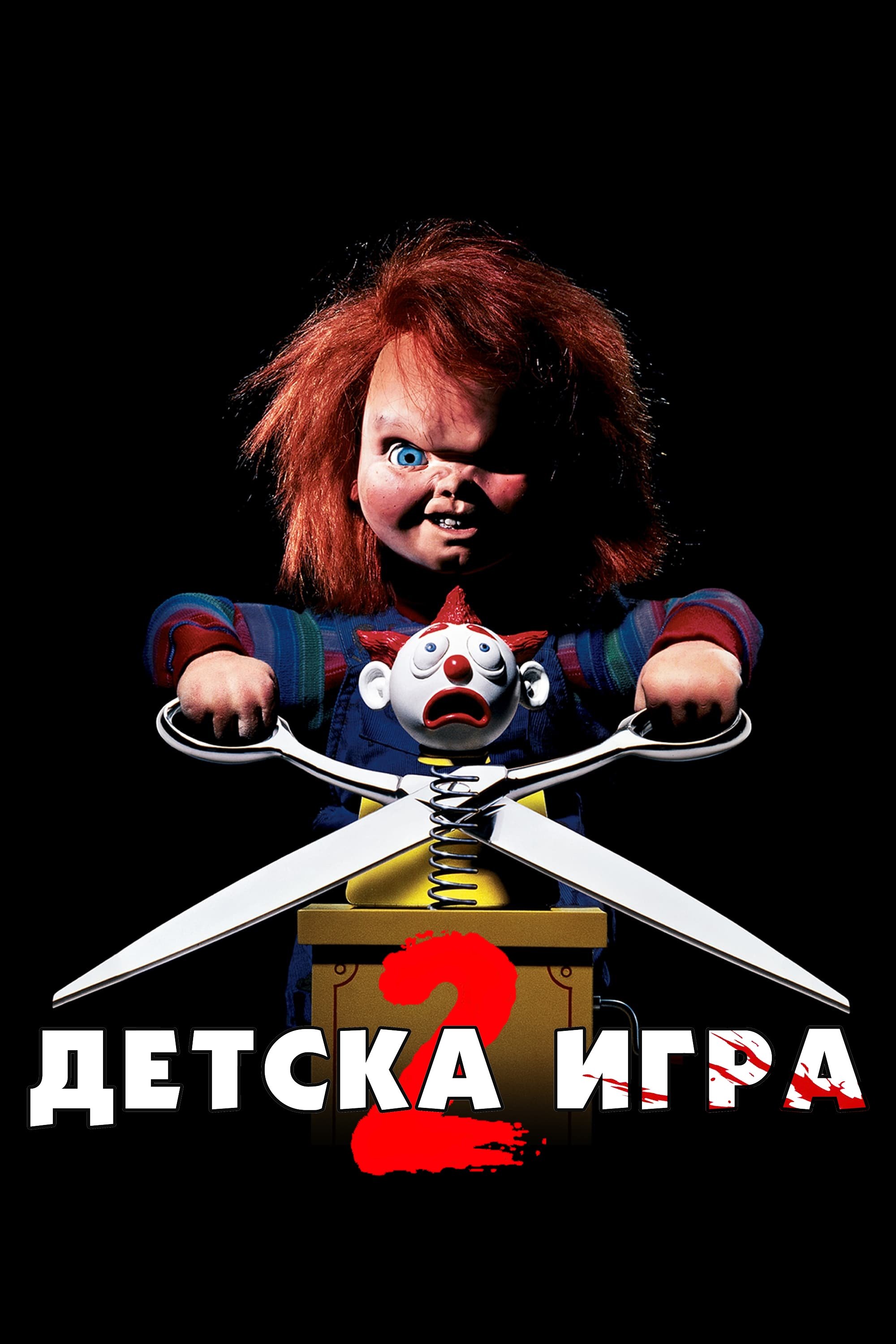
Детска игра 2 (Bulgaria) — Bulgarian Brinquedo Assassino 2 (Brazil) Jeu d'enfant 2 (Canada) — French 鬼娃回魂2 (China) — Chinese Dětská hra 2 (Czechia) — Czech Chucky 2 - Die Mörderpuppe ist wieder da (Germany) — West Germany Title Chucky 2 - Die Mörderpuppe ist zurück (Germany) — German Barneleg 2 (Denmark) — Danish
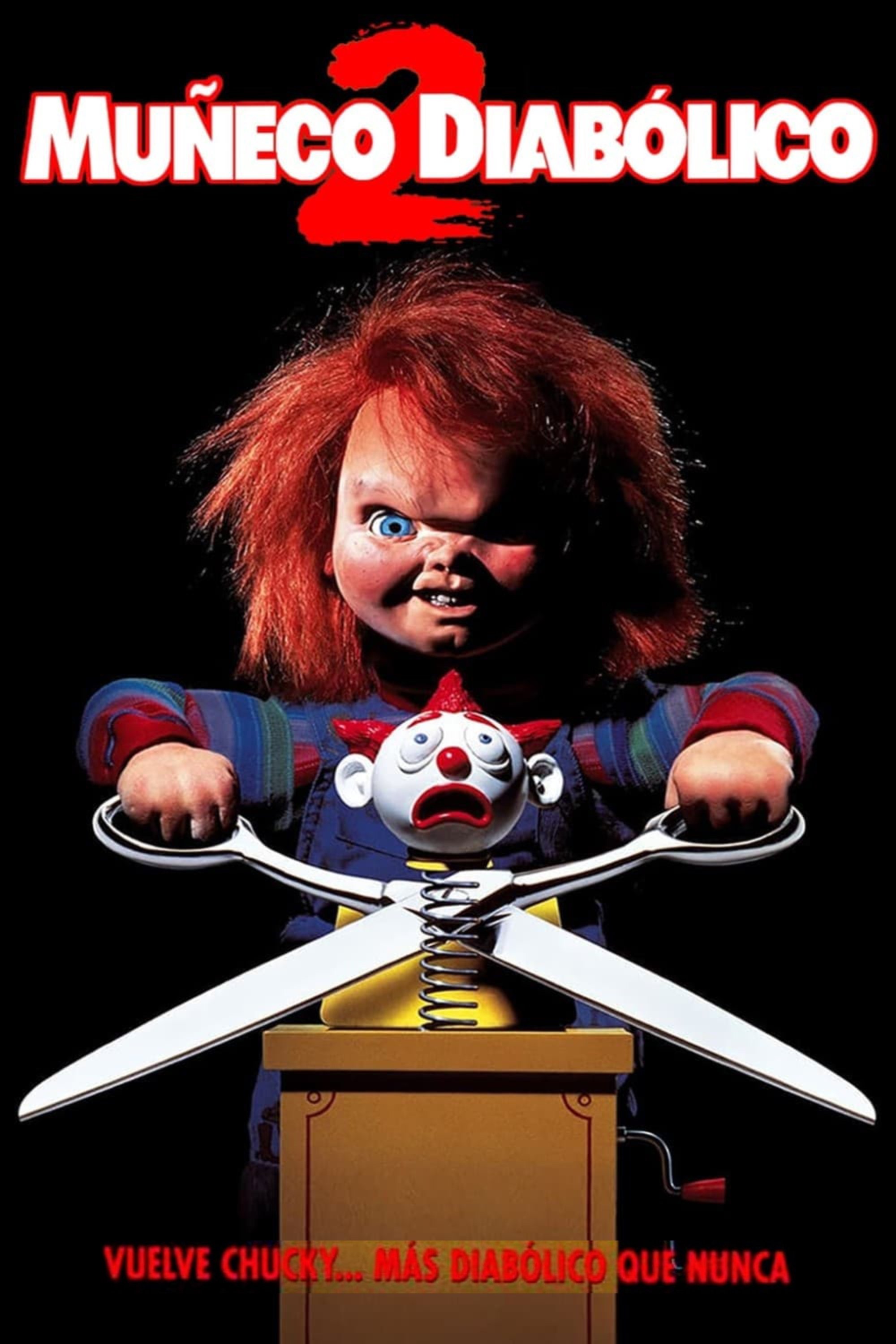
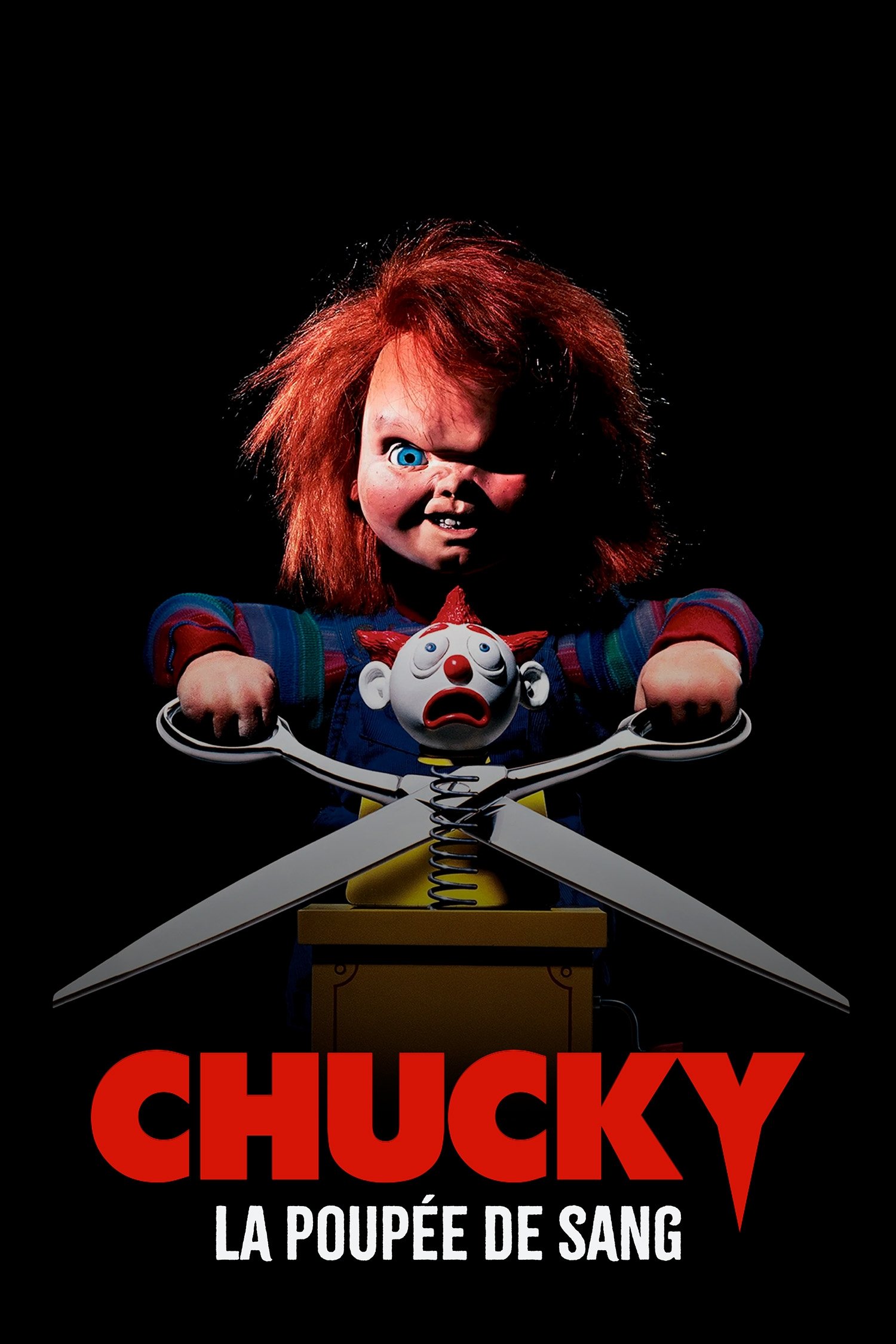
Show all 36 alternative titles Muñeco diabólico 2 (Spain) — Spanish Child’s Play 2 – murhaava nukke (Finland) — Finnish Chucky, la poupée de sang (France) — French საბავშვო თამაშები 2 (Georgia) — Georgian I koukla tou satana no 2 (Greece) — transliteration Η Κούκλα του Σατανά Νο2 (Greece) — Greek 娃鬼回魂 2 (Hong Kong SAR China) — Chinese Gyerekjáték 2. (Hungary) — Hungarian משחק ילדים 2 (Israel) — Hebrew La bambola assassina 2 (Italy) — Italian Child Play 2 (Japan) — DVD Title チャイルド・プレイ2 (Japan) — Japanese 사탄의 인형 2 (South Korea) — Korean Chucky: el muñeco diabólico 2 (Mexico) — Spanish Grzeczny chłopiec 2 (Poland) Powrót Laleczki Chucky (Poland) — Polish Chuckie, o Boneco Diabólico 2 (Portugal) Chucky, o Boneco Diabólico 2 (Portugal) Chucky, o Boneco Diabólico Parte 2 (Portugal) — Portuguese Jucăria 2 (Romania) — Romanian Детские игры 2 (Russia) — Russian لعبة طفل 2 (Saudi Arabia) — Arabic Den onda dockan 2 (Sweden) — Swedish แค้นฝังหุ่น 2 (Thailand) — Thai Çocuk Oyunu 2 (Türkiye) — Turkish 靈異入侵2:靈異七殺 (Taiwan) — Chinese Дитячі забави 2 (Ukraine) — Ukrainian Ma Búp Bê 2 (Vietnam) — Vietnamese

Trailers & Videos

10 videos

Film Guide & Analysis

John Lafia’s killer-doll sequel: its troubled studio development, Andy and Kyle’s foster-home story, Kevin Yagher’s animatronics, factory climax and theatrical reception.

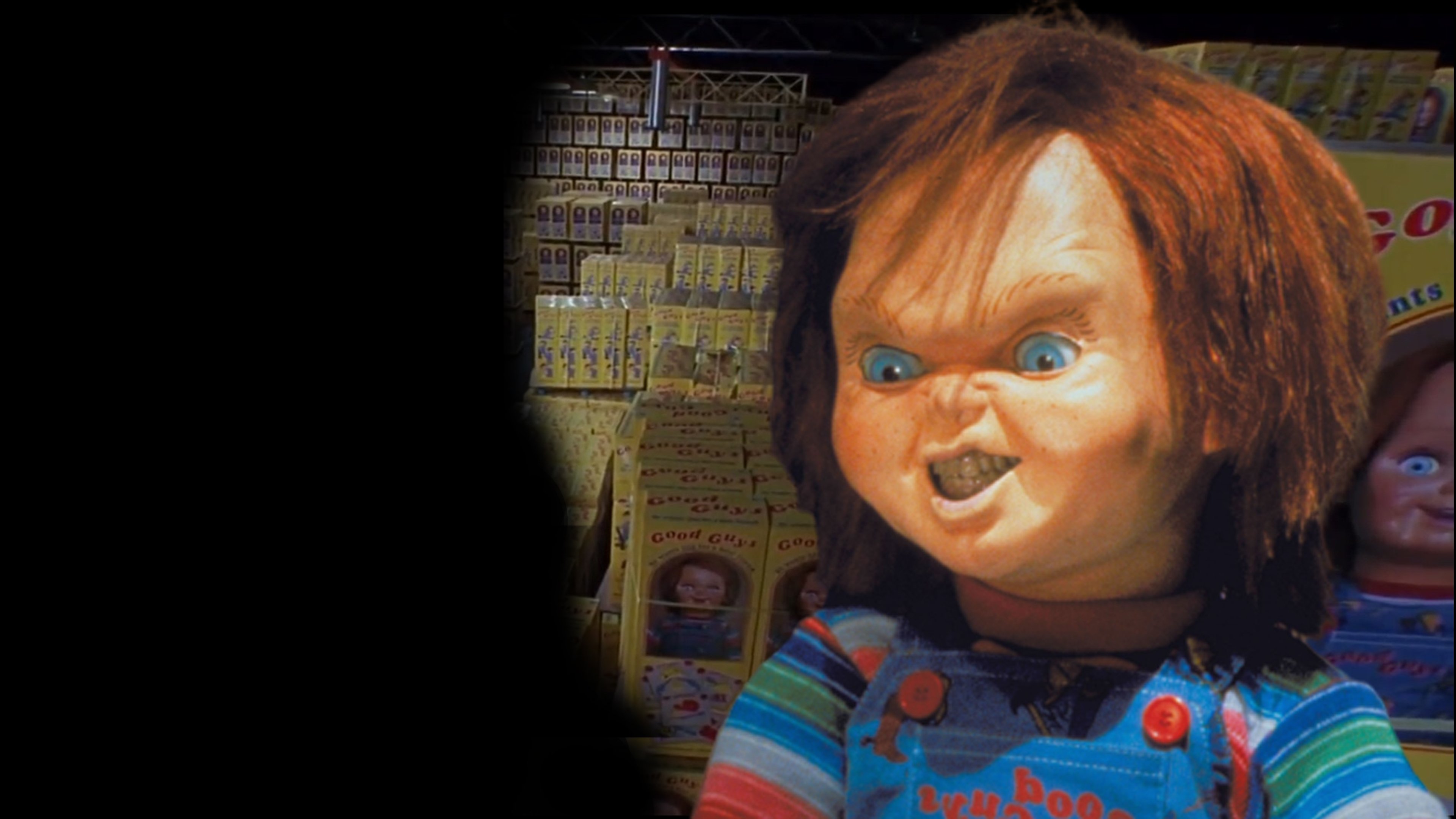
Child’s Play 2 (1990) is an American supernatural slasher directed by John Lafia and written by Don Mancini, continuing the story of a serial killer whose soul inhabits a commercially manufactured doll. Set two years after Child’s Play (1988), the sequel returns to Andy Barclay, the young survivor whose account of Chucky’s murders has left him separated from his mother and placed in foster care. The Good Guys manufacturer inadvertently restores the killer while attempting to investigate the scandal surrounding its product. Chucky resumes his attempt to transfer his soul into Andy, confronting a child whose knowledge of the danger is repeatedly dismissed by adults.

Released by Universal Pictures on November 9, 1990, the film followed a disrupted development that had originally begun at United Artists. Its larger production resources supported more elaborate animatronic performances supervised by Kevin Yagher, while production designer Ivo Cristante and cinematographer Stefan Czapsky constructed a heightened suburban environment around Andy’s isolation. The climactic confrontation takes place inside the Good Guys factory, where the manufacture of identical dolls becomes the setting for Chucky’s physical destruction. Although contemporary critics questioned the sequel’s reliance on its predecessor, its technical innovations and the introduction of Andy’s foster sister Kyle established elements that would continue through the franchise.

Development and the Move from United Artists to Universal

The commercial success of Child’s Play encouraged MGM-United Artists to pursue a continuation shortly after the original film reached cinemas in November 1988. Producer David Kirschner remained involved, while John Lafia, who had contributed to the first screenplay, was selected to direct. Don Mancini returned as screenwriter. In a 2019 oral history published by Mental Floss, Mancini recalled beginning work on the sequel around Christmas 1988 and completing the screenplay during the following summer. The project was already moving toward production when a change in United Artists’ ownership disrupted its financing and distribution arrangements.

In August 1989, the Los Angeles Times reported that the incoming management associated with Australia’s Qintex Group had withdrawn support for the film. Kirschner described receiving a telephone call informing him that horror productions were incompatible with the company’s intended image. The decision attracted attention because the first film had performed well commercially and generated substantial home-video sales. Kirschner subsequently approached other distributors, with Universal becoming the company responsible for the sequel’s American release. Retrospective accounts from Mancini and Lafia confirm that the interruption occurred after significant creative preparation had already been completed.

Production began at Universal Studios on November 6, 1989. Contemporary trade reporting preserved by the American Film Institute placed the budget at approximately $12 million, although some later financial compilations report $13 million. The shoot also encountered a labour dispute. On December 1, the International Alliance of Theatrical Stage Employees began picketing over the employment of non-union technicians. Crew members subsequently voted in favour of union representation, and a contract took effect on January 8, 1990, with eleven days remaining on the scheduled fifty-five-day shoot. The dispute forms part of the documented production history, independently of the finished film’s fictional conflicts.
Andy Barclay, Kyle, and the Loss of Family Security

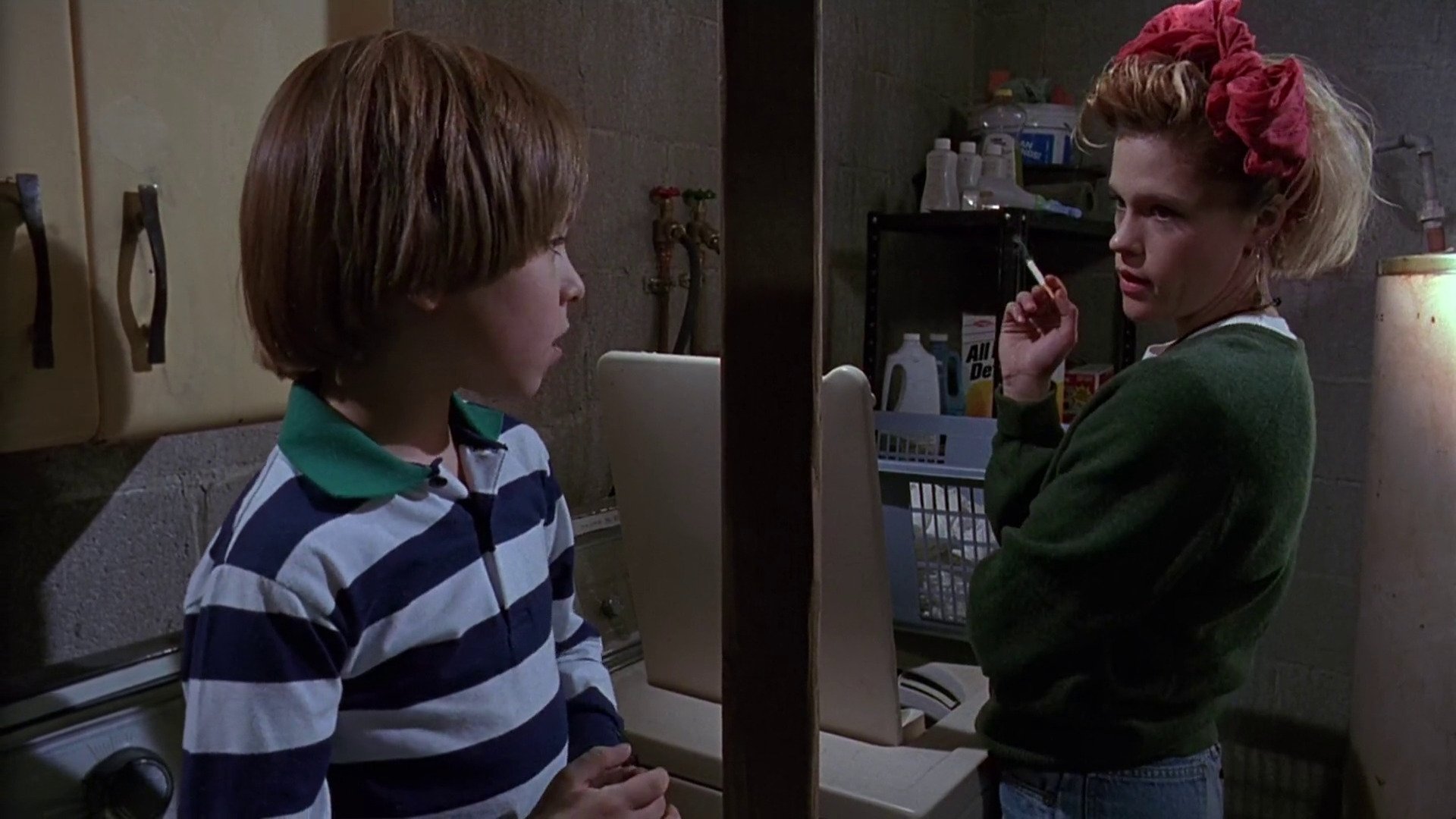
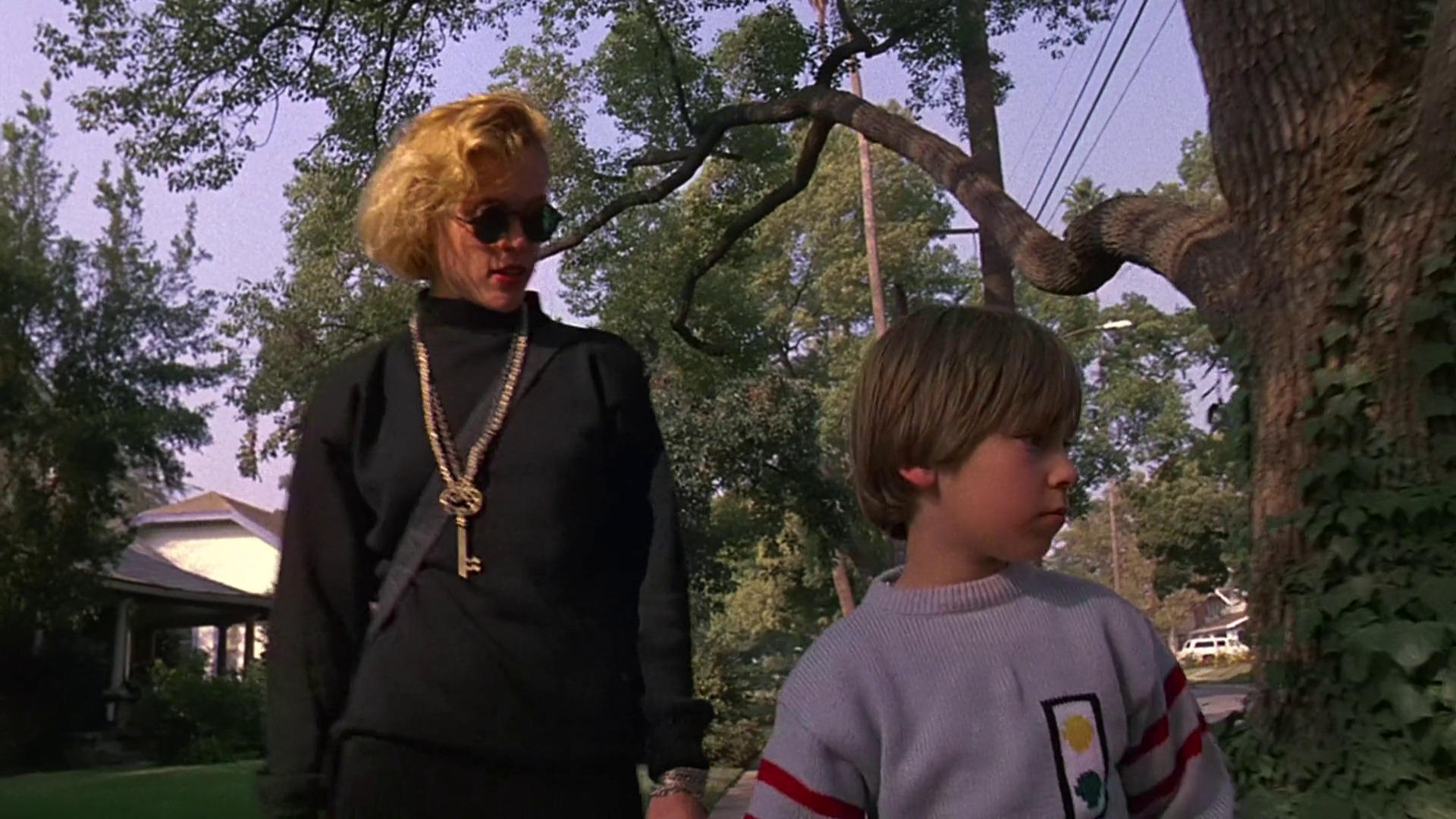
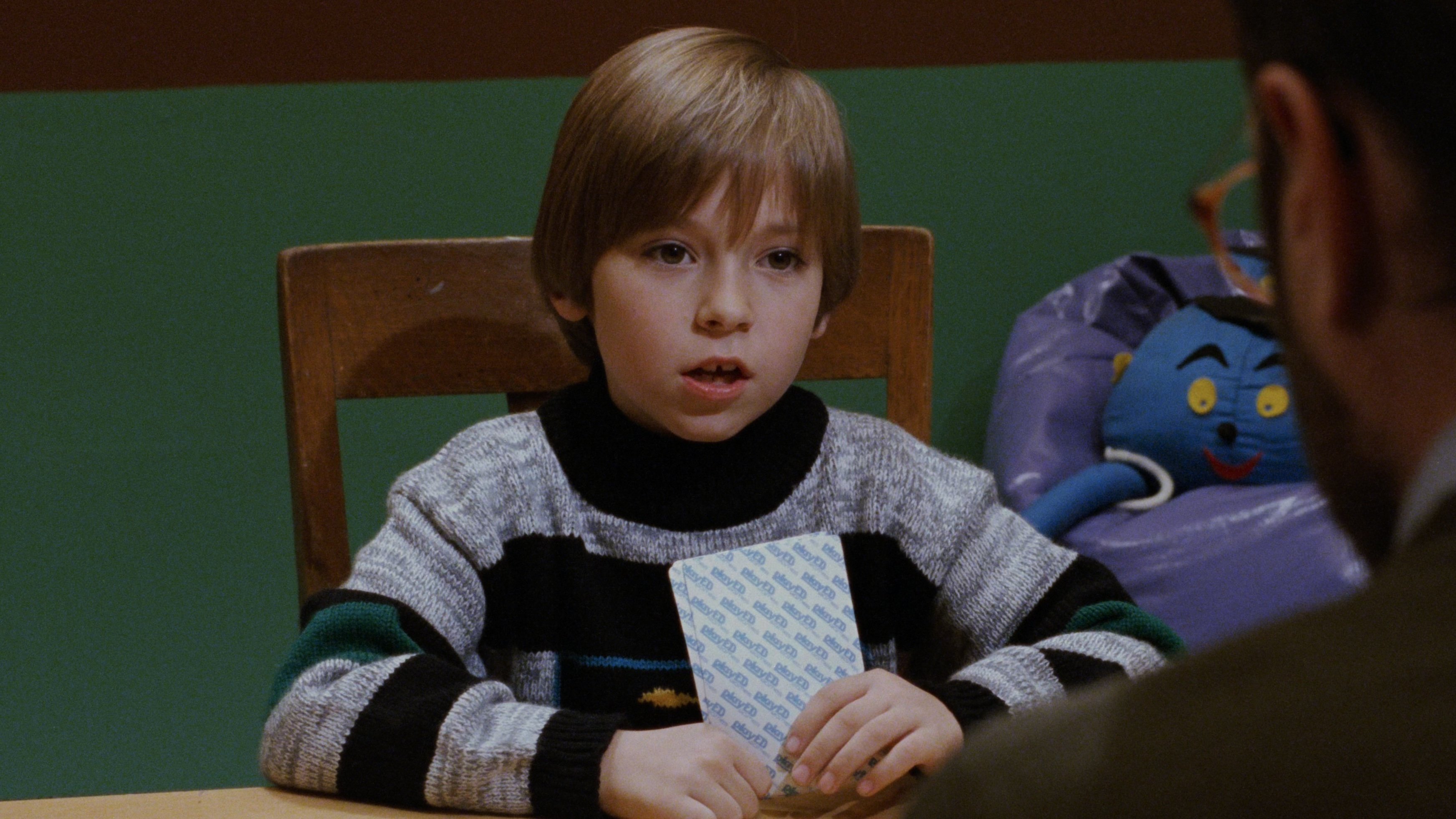
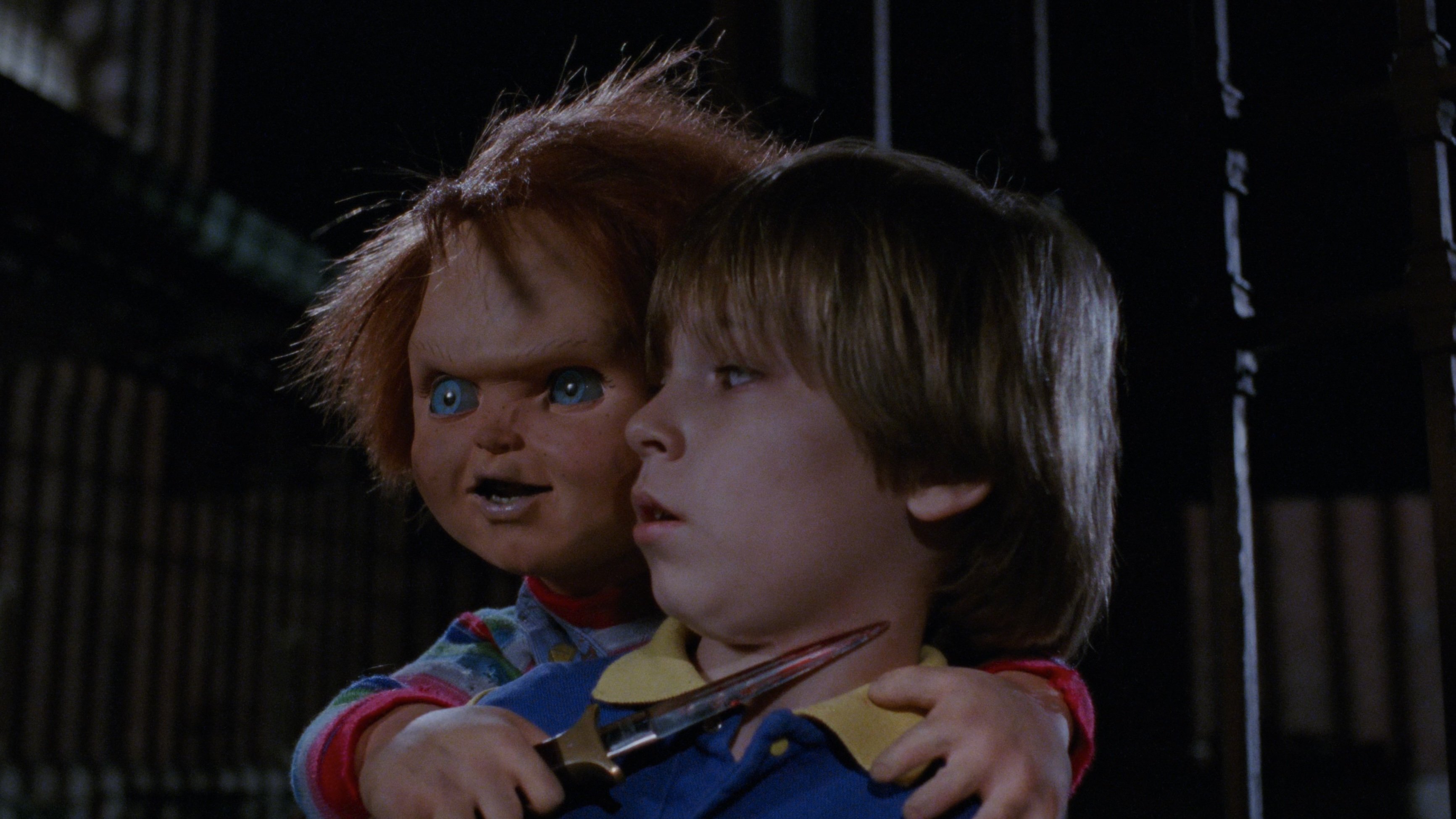
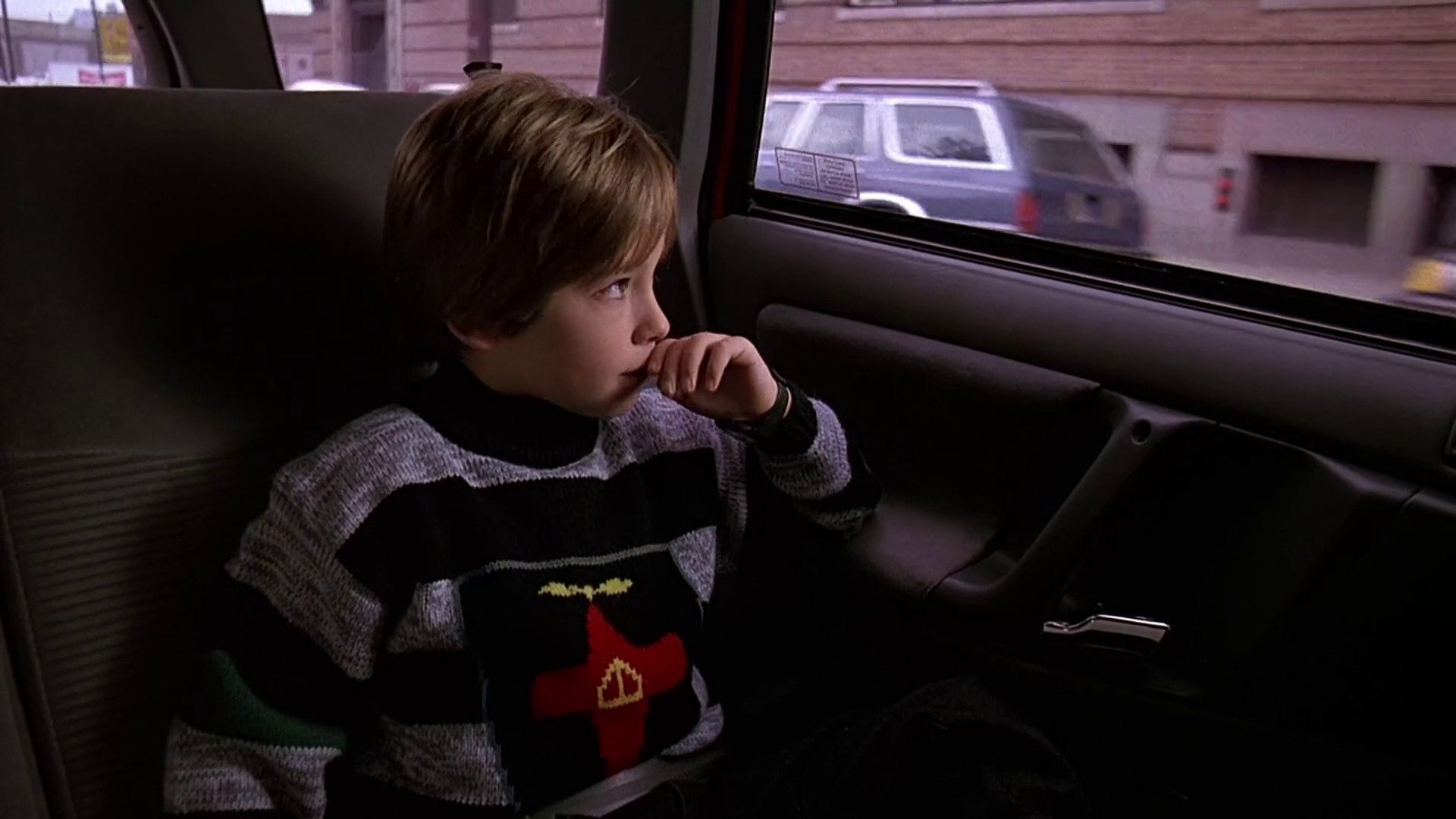
The sequel removes Andy from the family circumstances that shaped the original film. His mother, Karen, is receiving psychiatric treatment after supporting his account of Chucky’s existence, leaving the boy in the care of the Simpson family. Joanne and Phil Simpson offer him a new household, where he meets Kyle, an older foster child accustomed to temporary placements. The narrative retains Andy’s fear of the doll while placing him among adults who interpret his experiences as the consequences of psychological trauma. This misunderstanding becomes more dangerous when Chucky infiltrates the house and replaces another Good Guy doll.

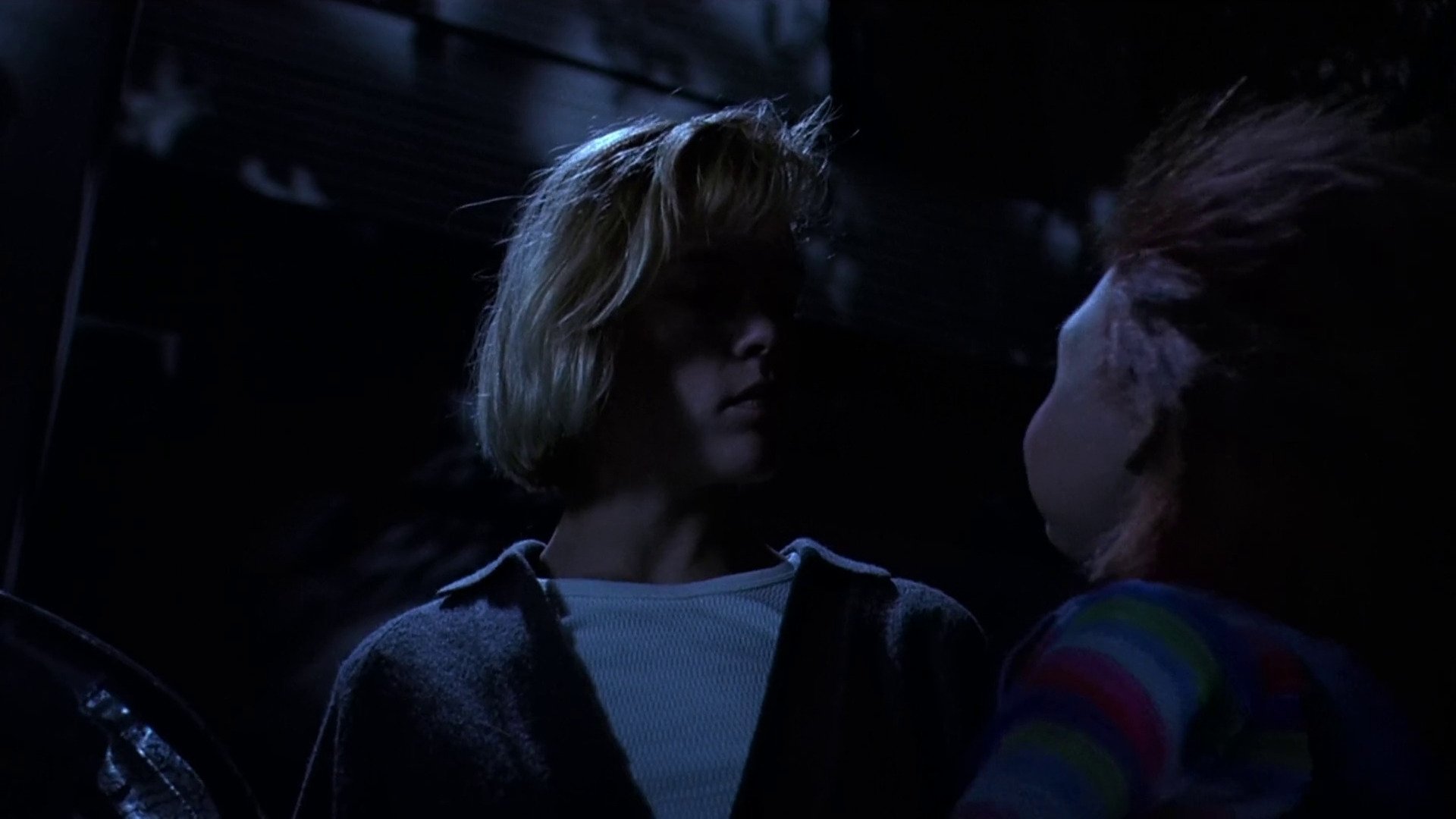
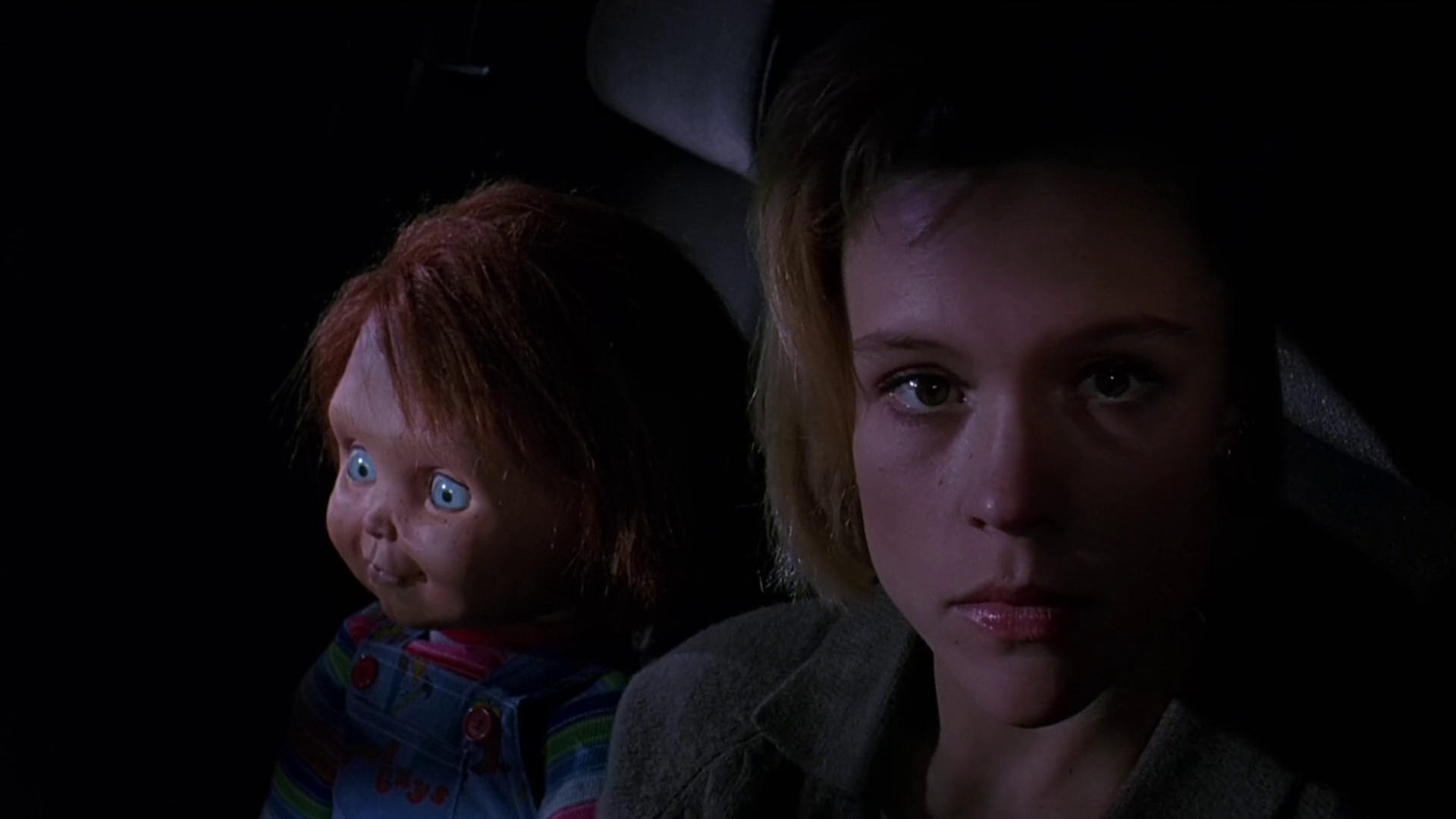
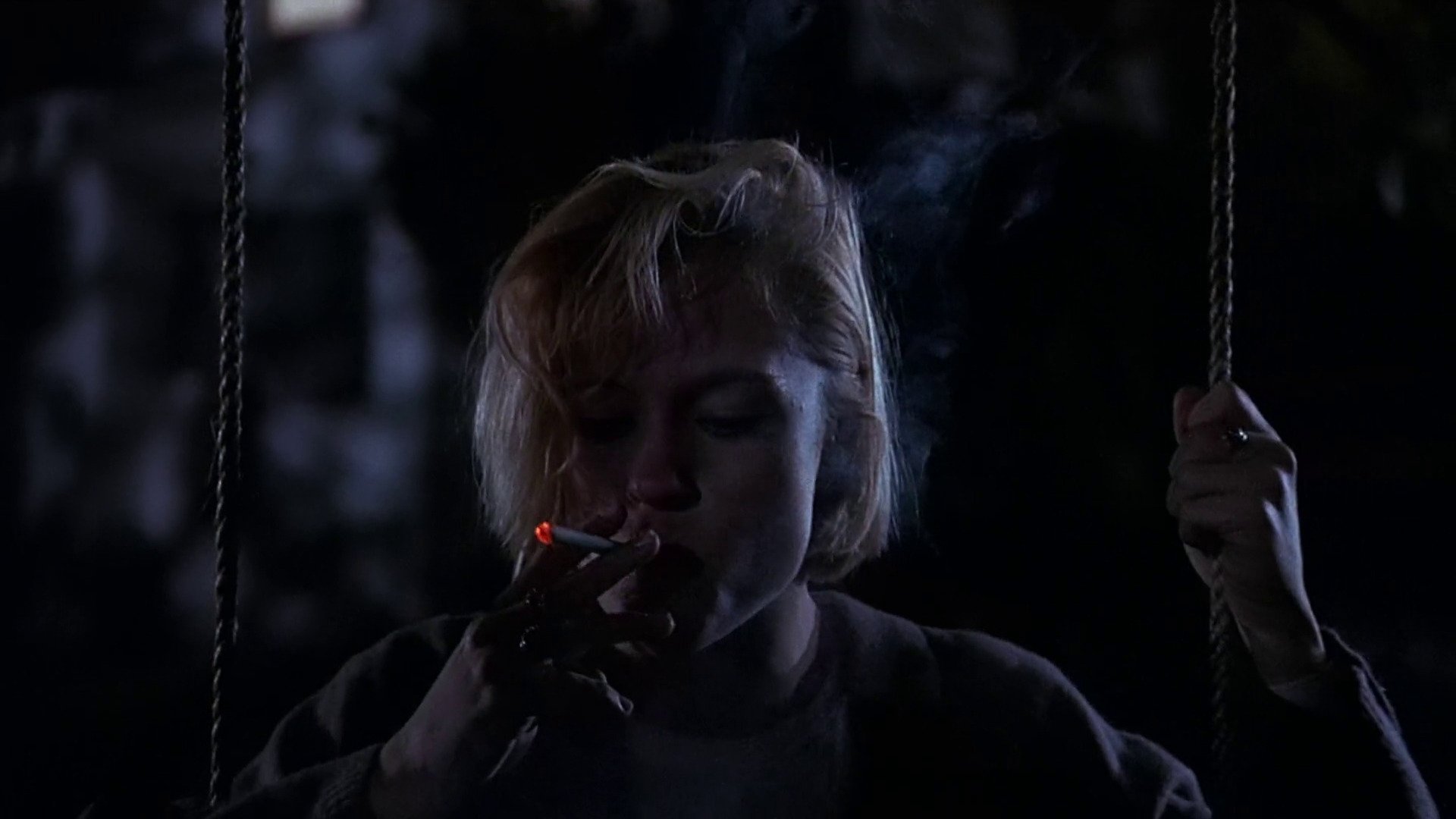
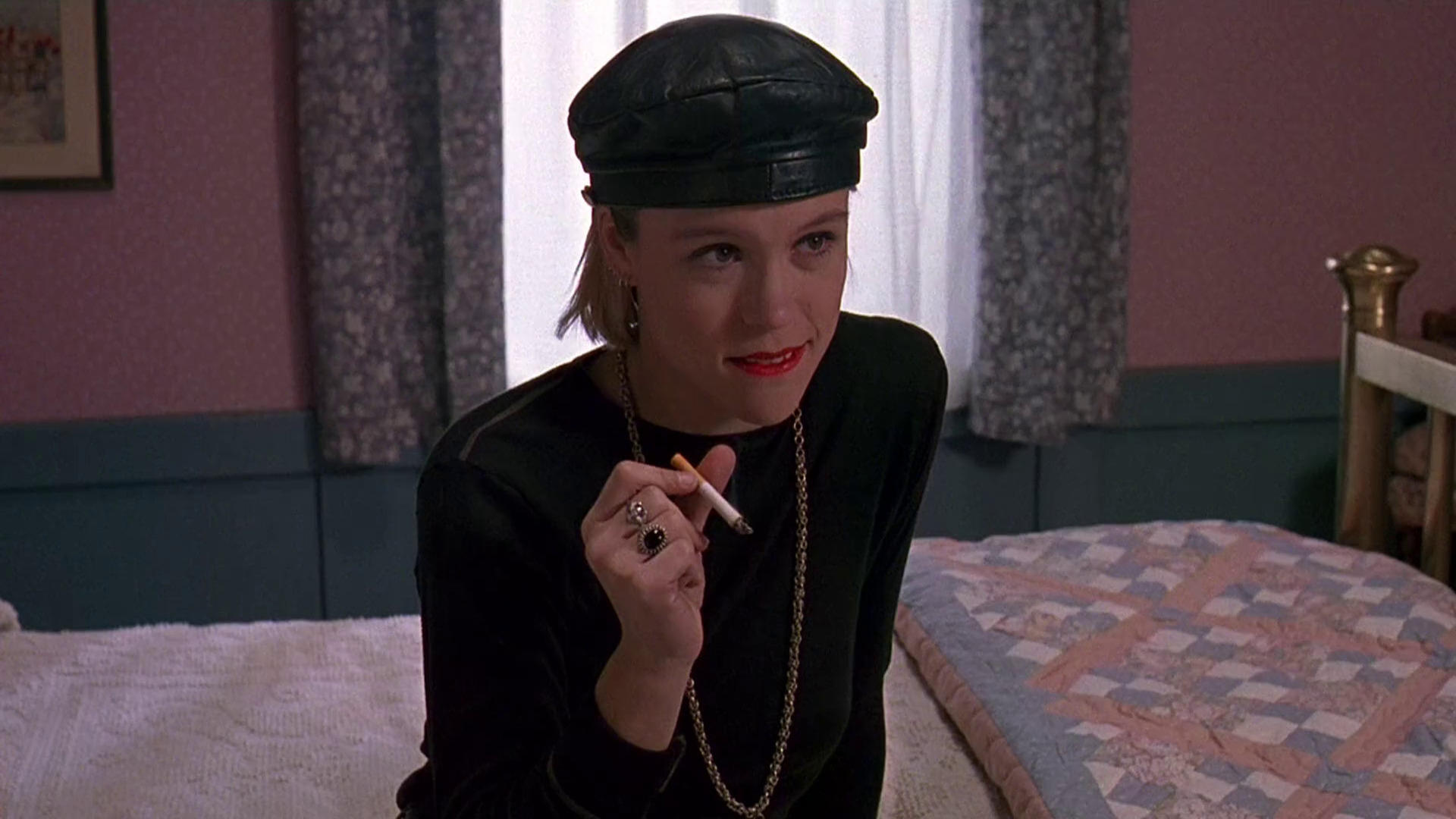
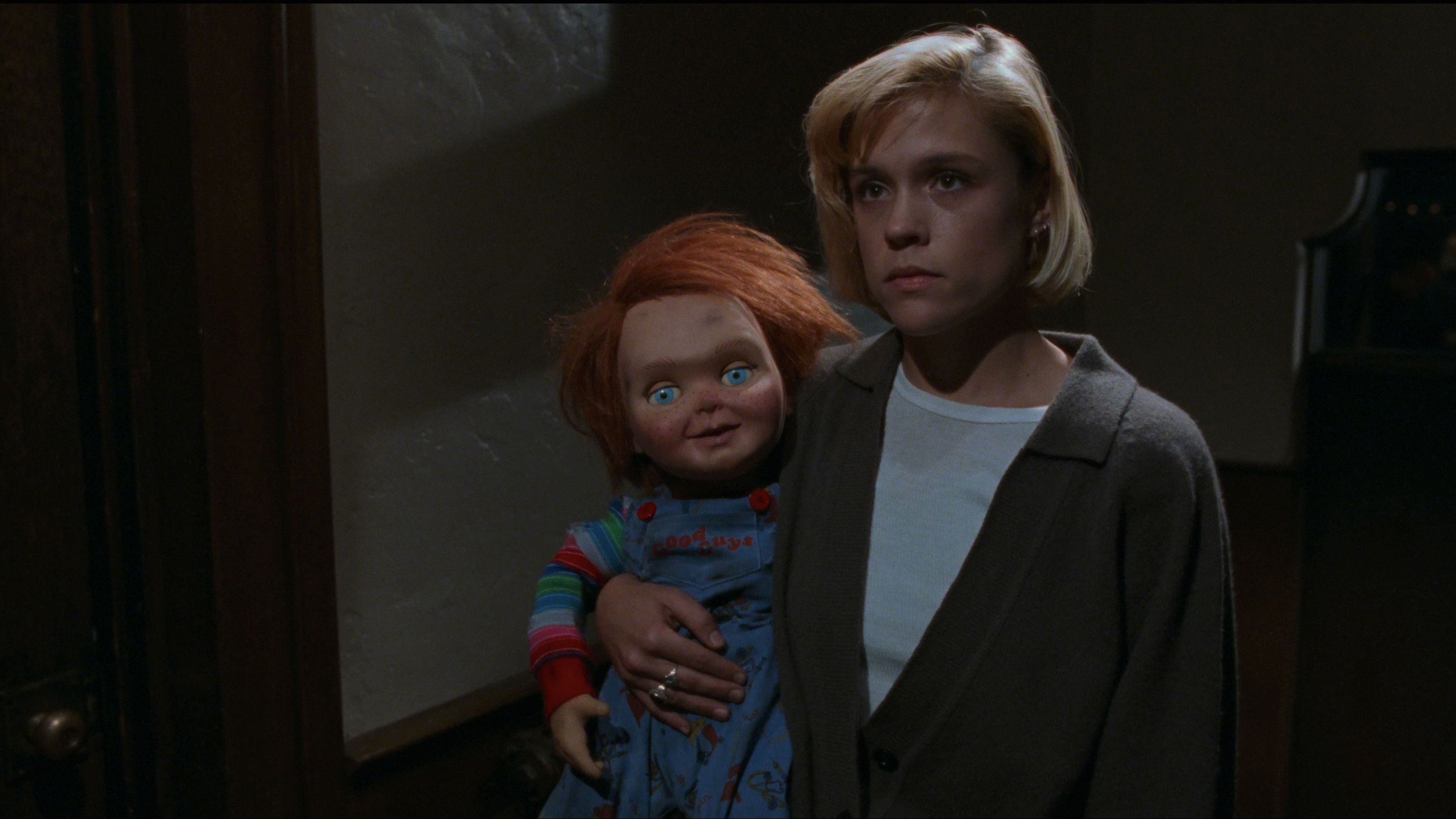
Kyle initially occupies a different position from Andy. She has no direct knowledge of the earlier murders and approaches his anxieties with a mixture of scepticism and sympathy. Their relationship changes as the deaths around them become increasingly difficult to explain. Christine Elise’s performance gives the older teenager a protective role without turning her into a conventional adult authority figure. The partnership between Kyle and Andy consequently develops from their shared vulnerability within the foster-care system. Unlike the other inhabitants, neither has complete control over the household in which they live.

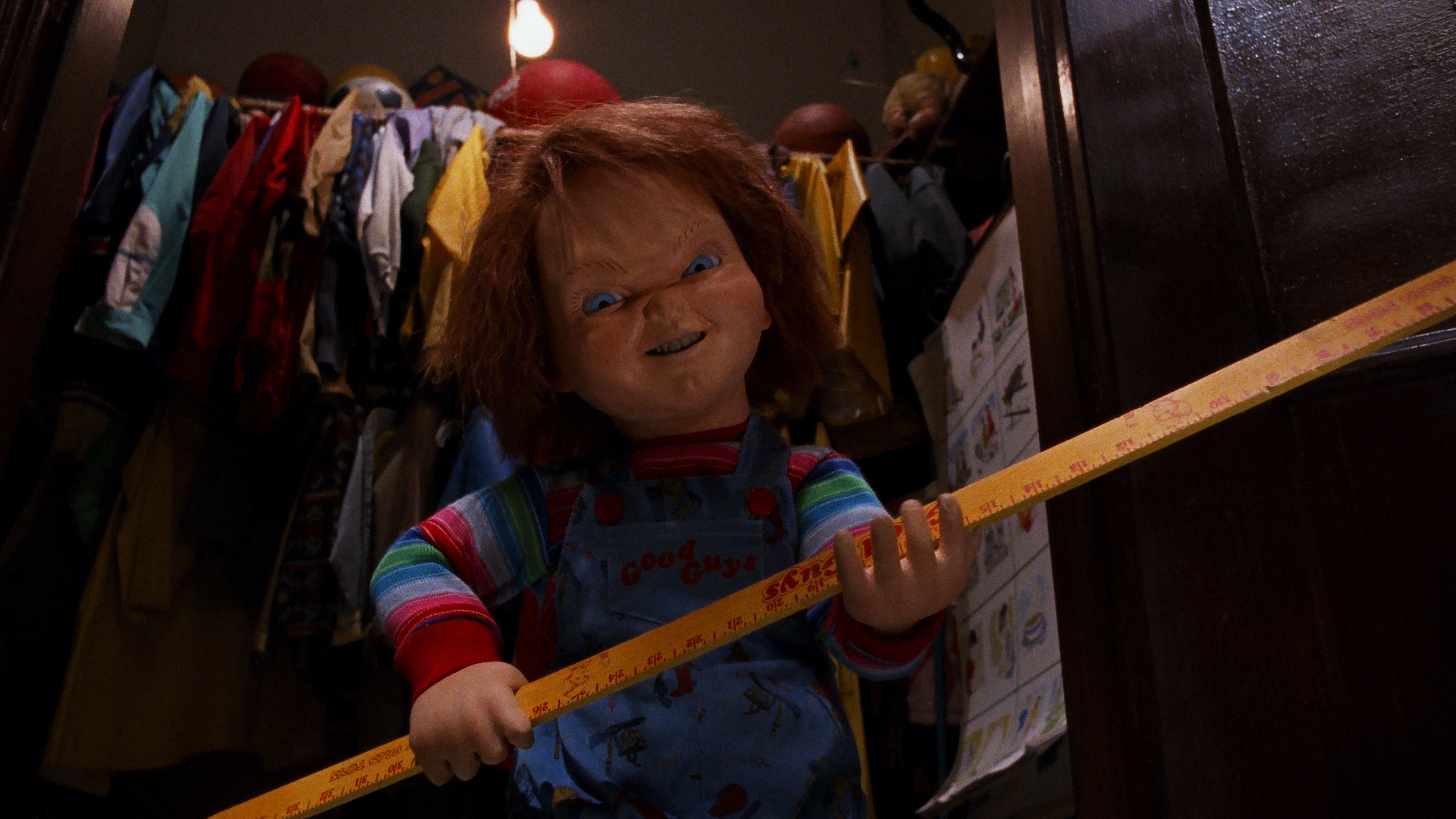
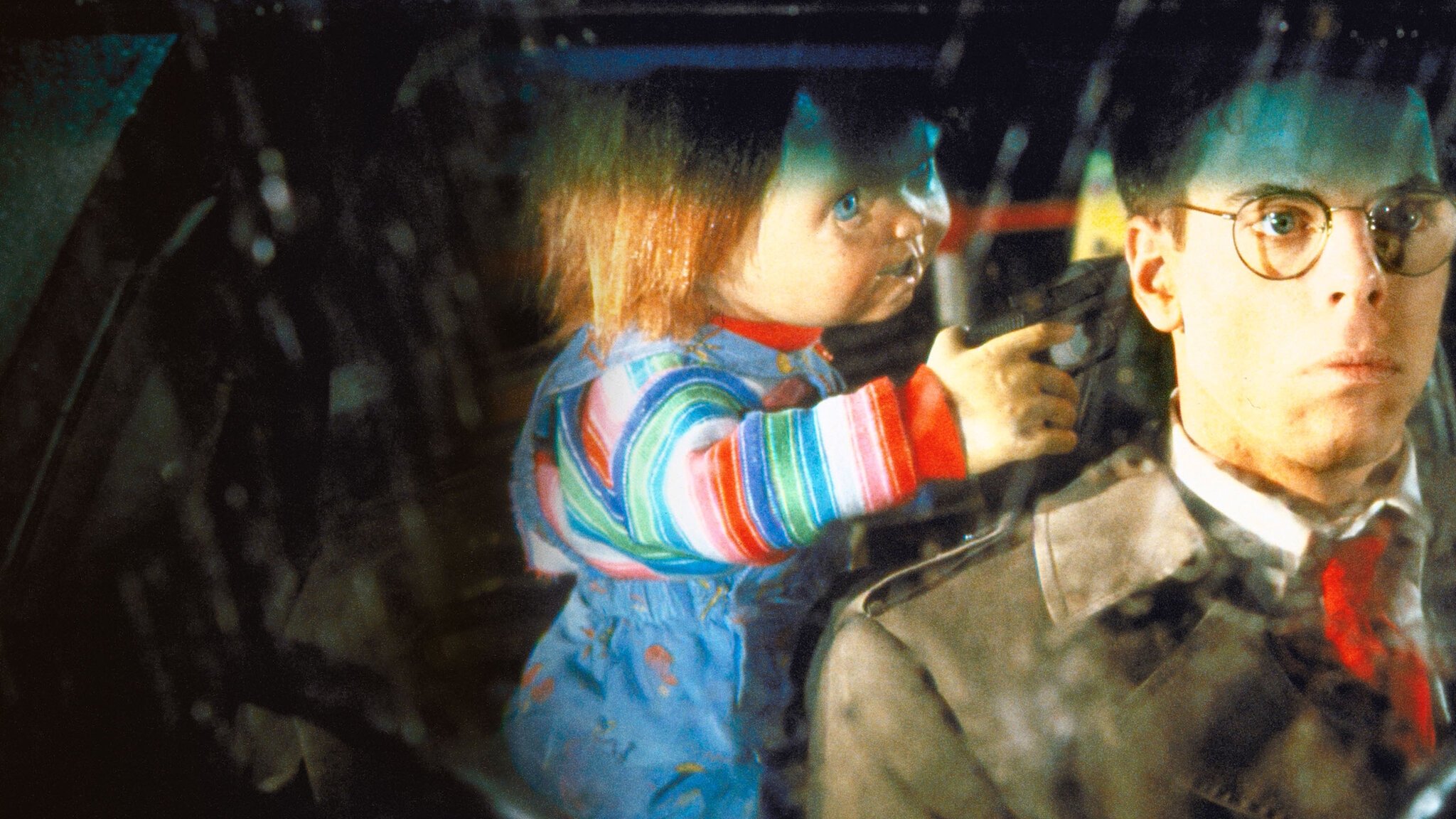
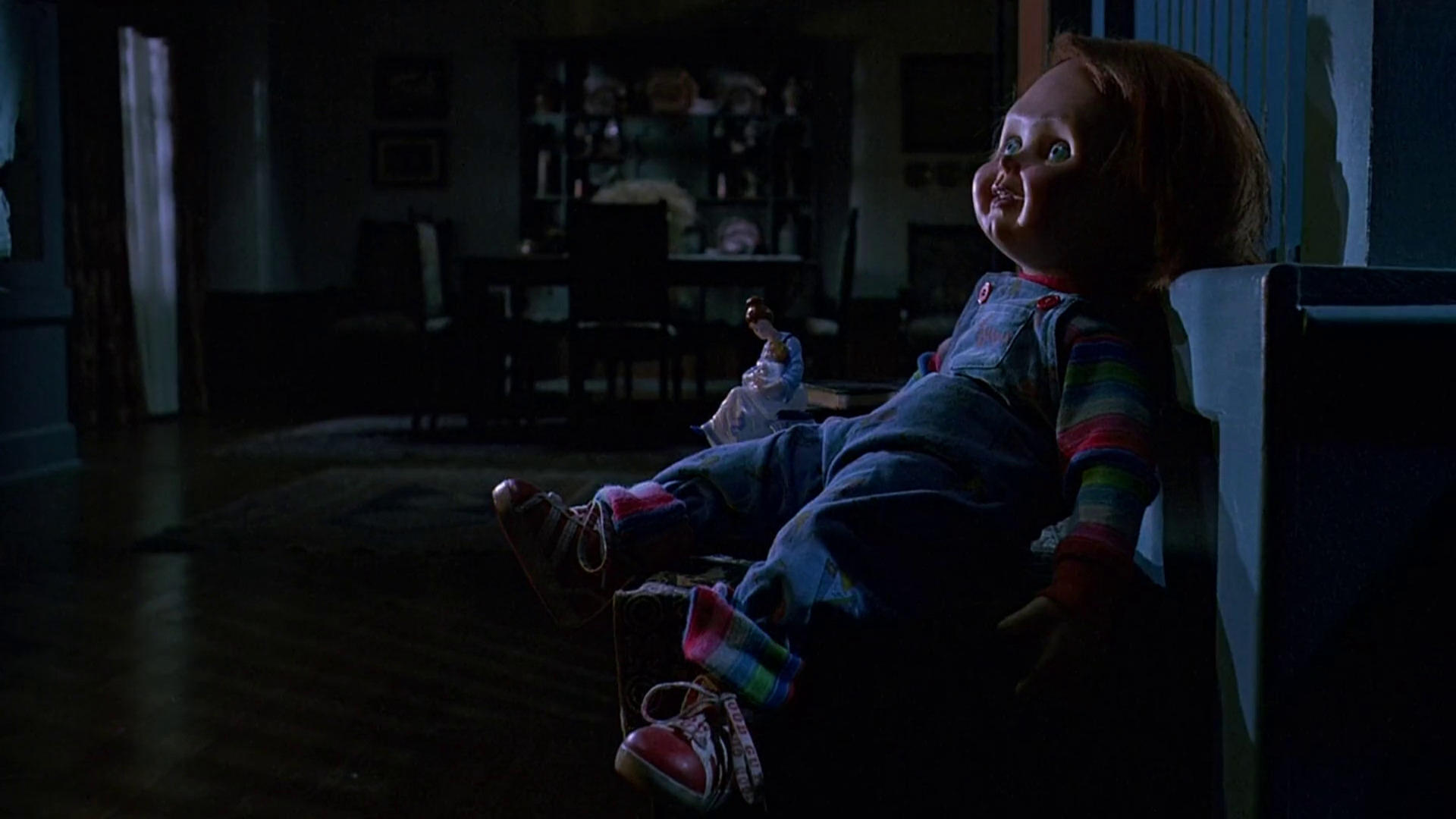
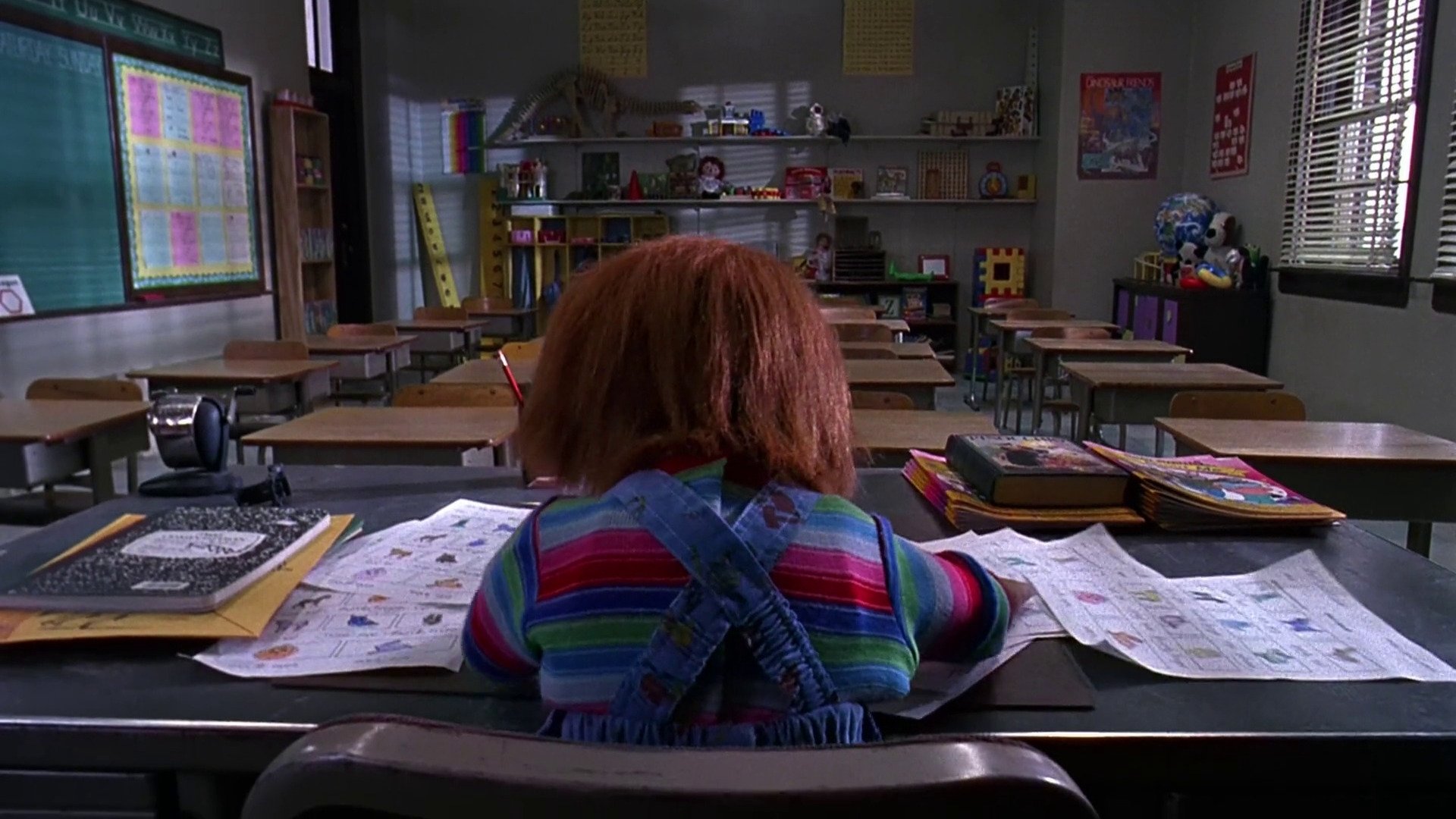
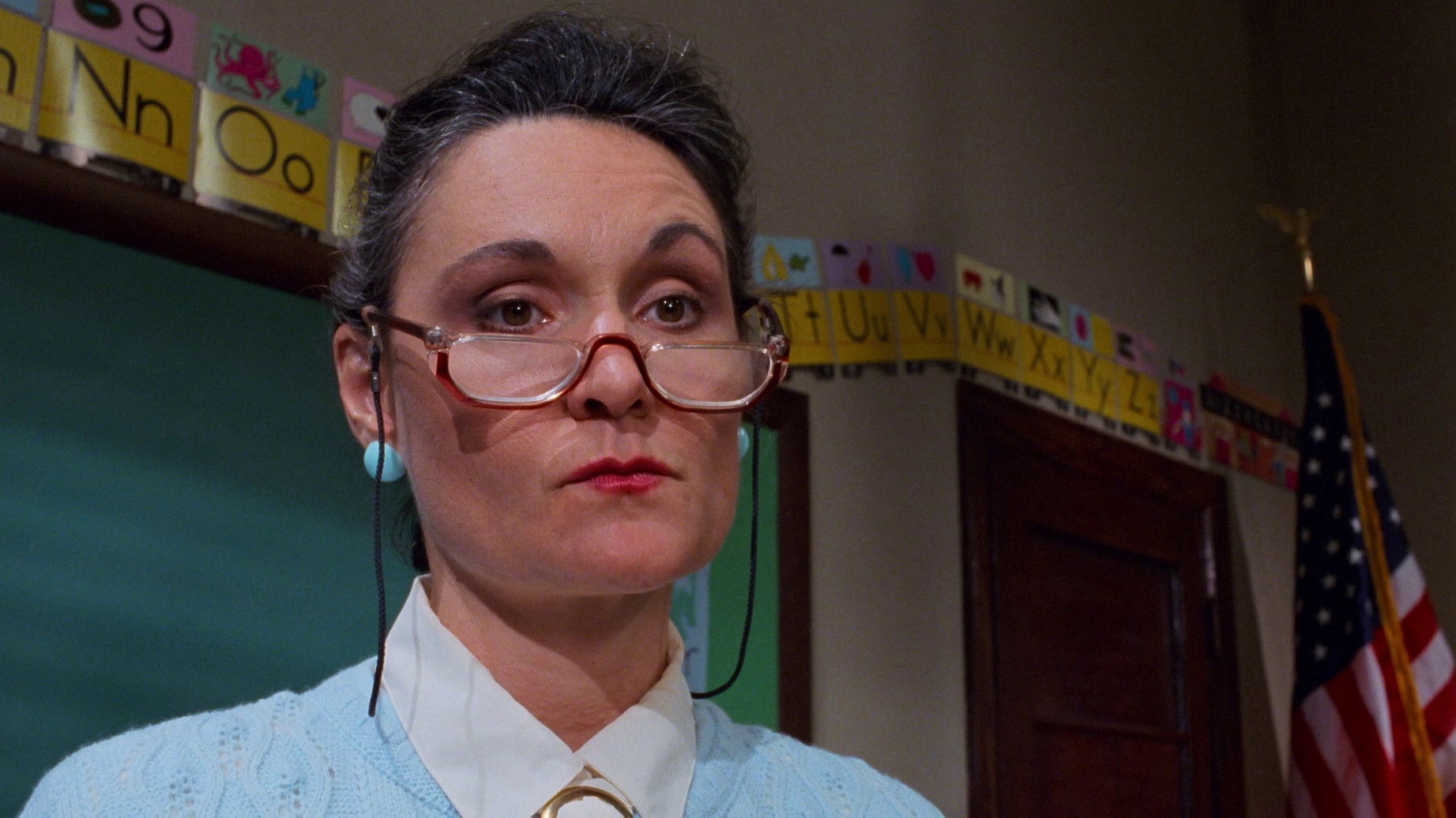
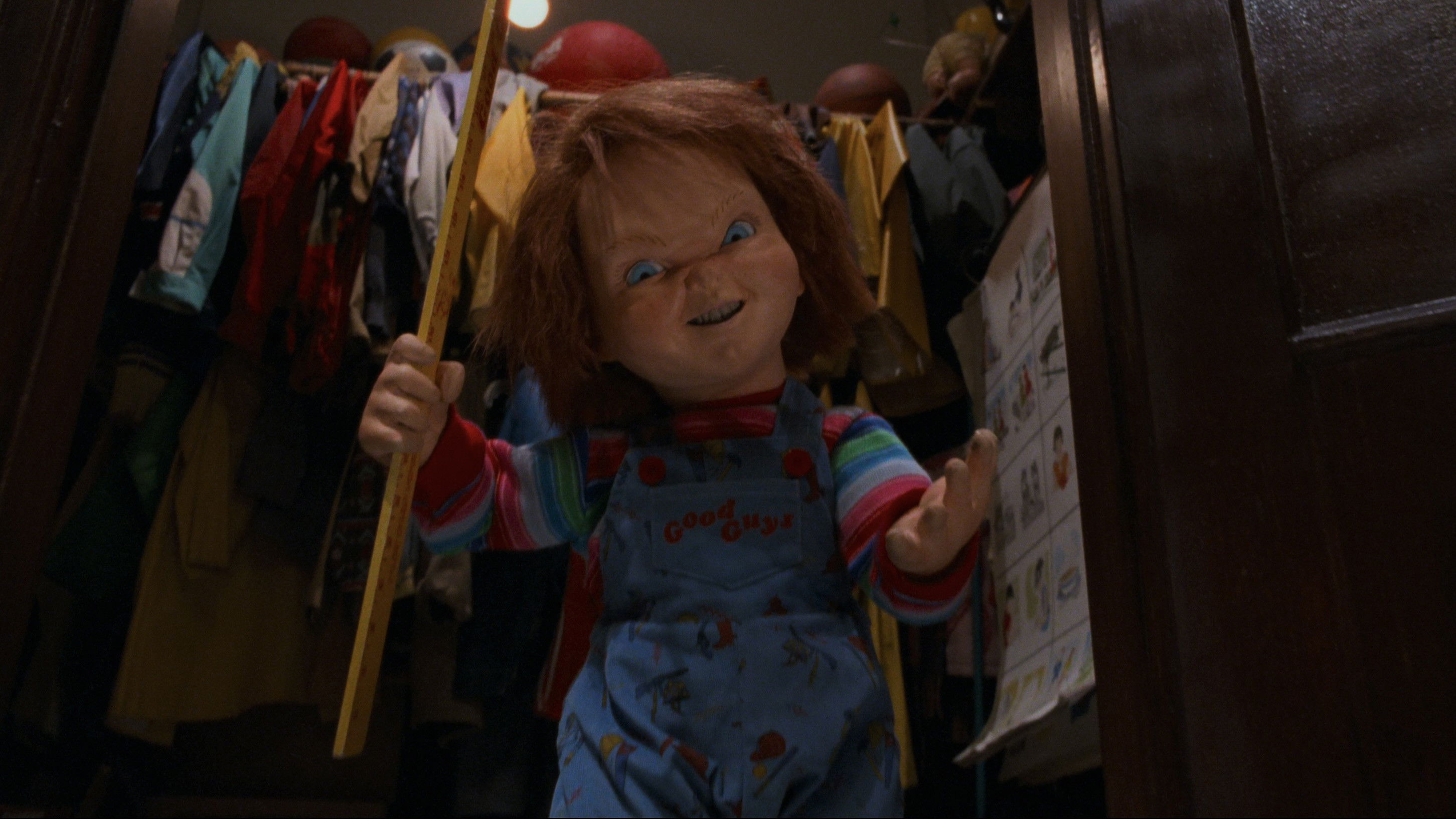
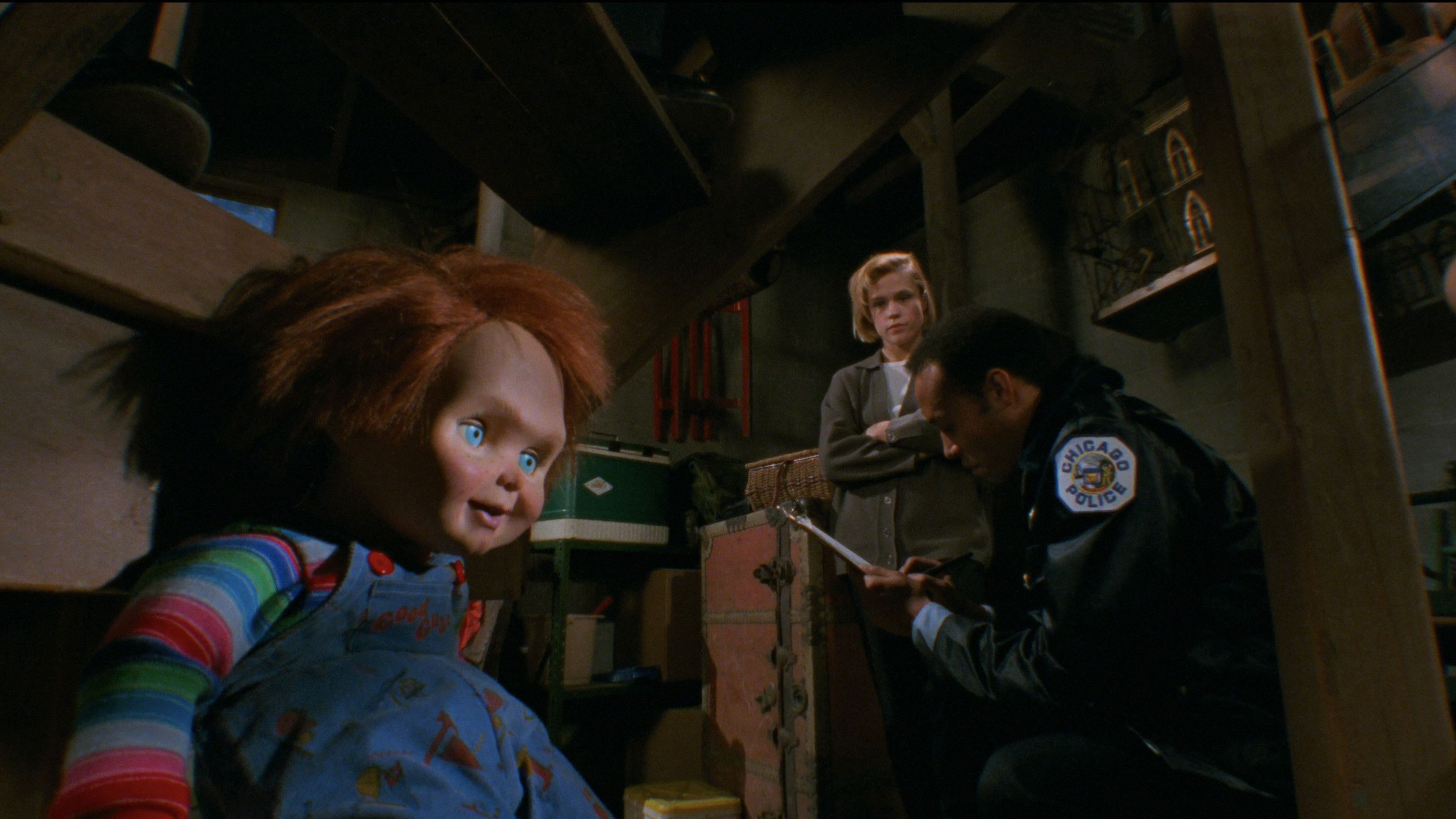
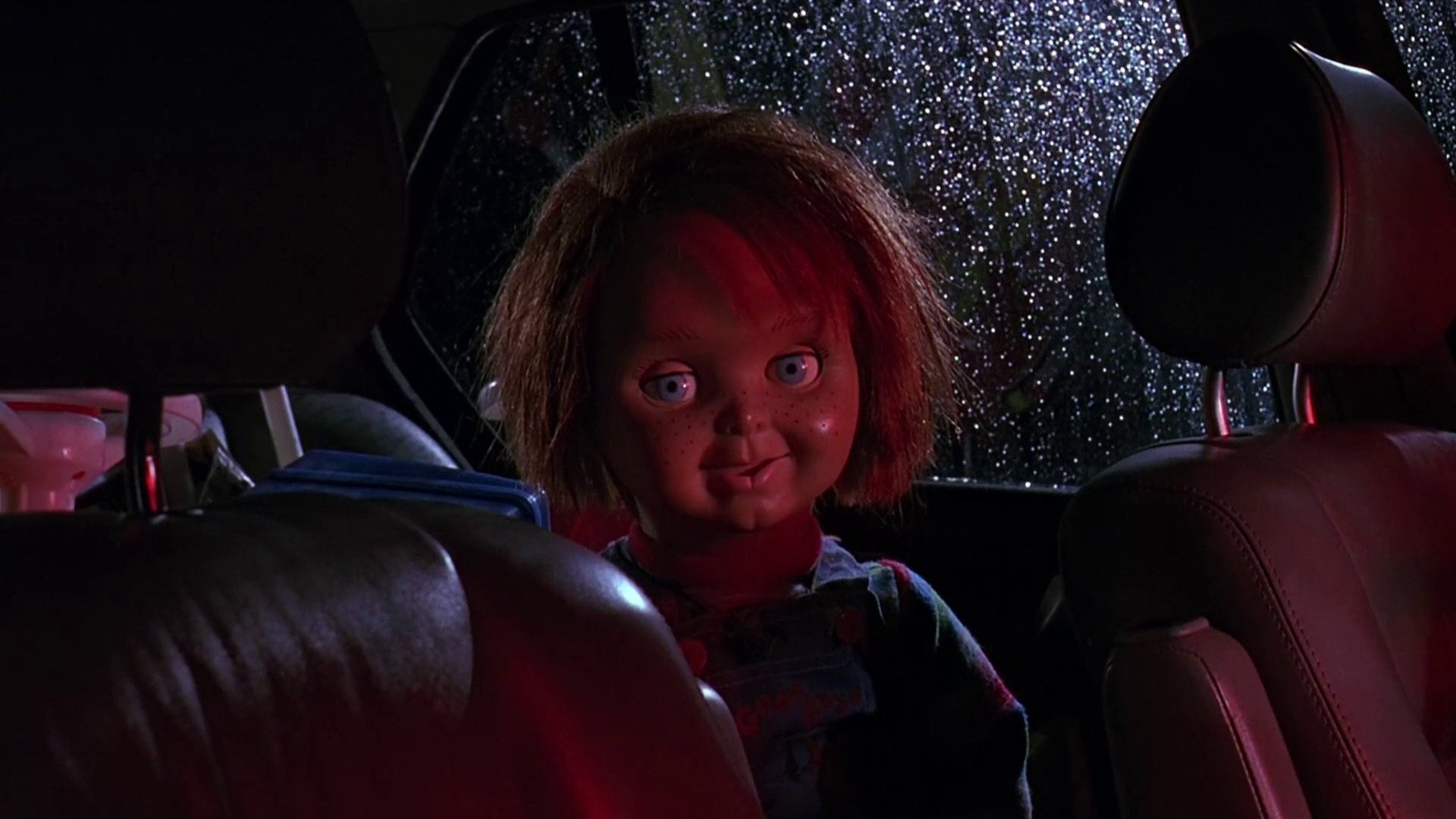
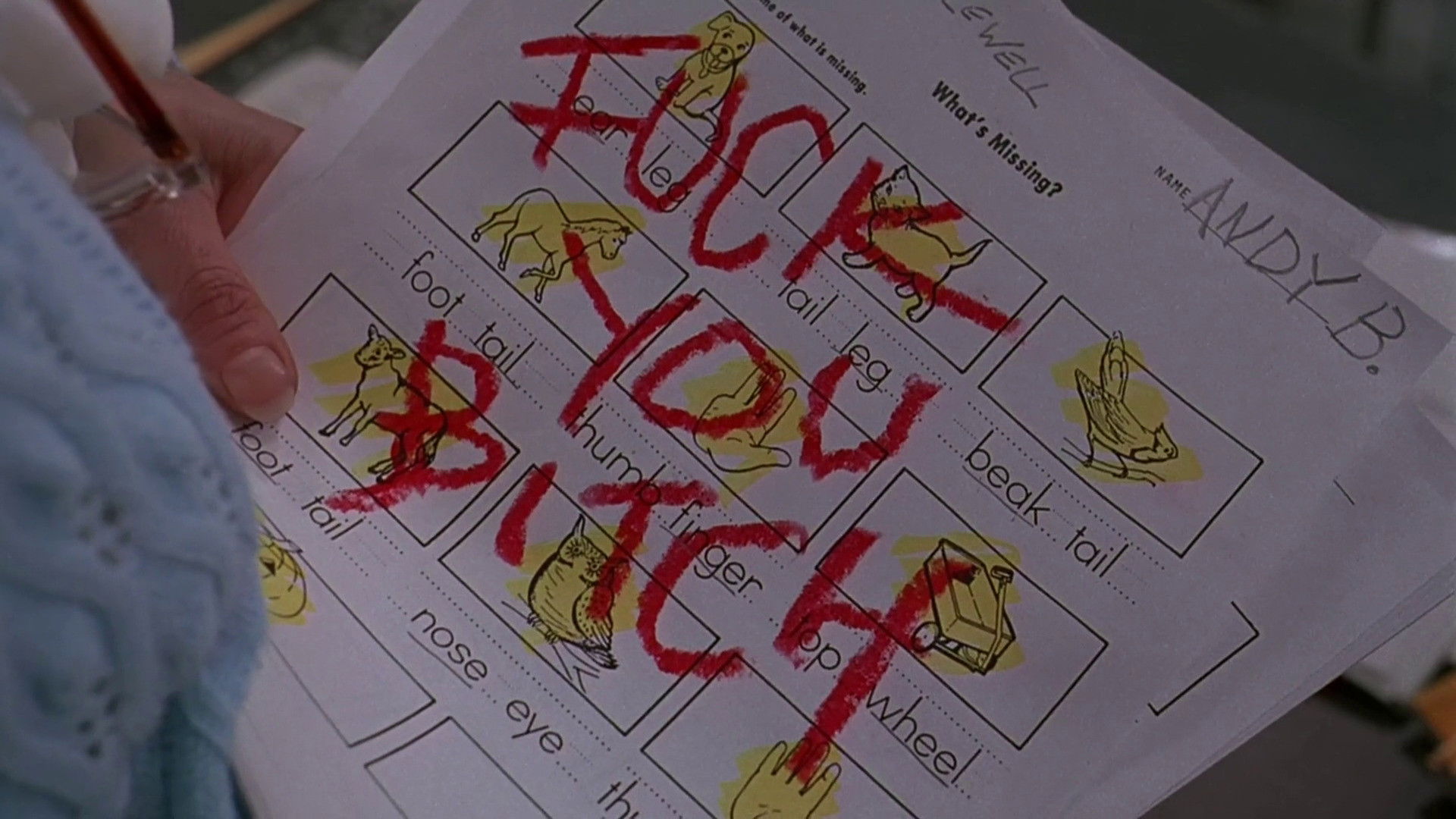
John Lafia’s direction repeatedly places Chucky in spaces associated with childhood routines. The doll appears in bedrooms, classrooms and domestic storage areas, exploiting the assumption that a toy is harmless. Andy’s confrontation with his teacher, Miss Kettlewell, demonstrates how easily the child becomes the apparent source of disruption. The eventual deaths of adults remove the protection they might otherwise provide. Kevin Thomas observed in his contemporary Los Angeles Times review that the sequel intensifies the original film’s concern with children who cannot persuade adults to believe them. He also considered the surrounding adult characters insufficiently developed, making Andy and Kyle the principal sources of emotional engagement.

Kevin Yagher and the Animatronic Performance of Chucky

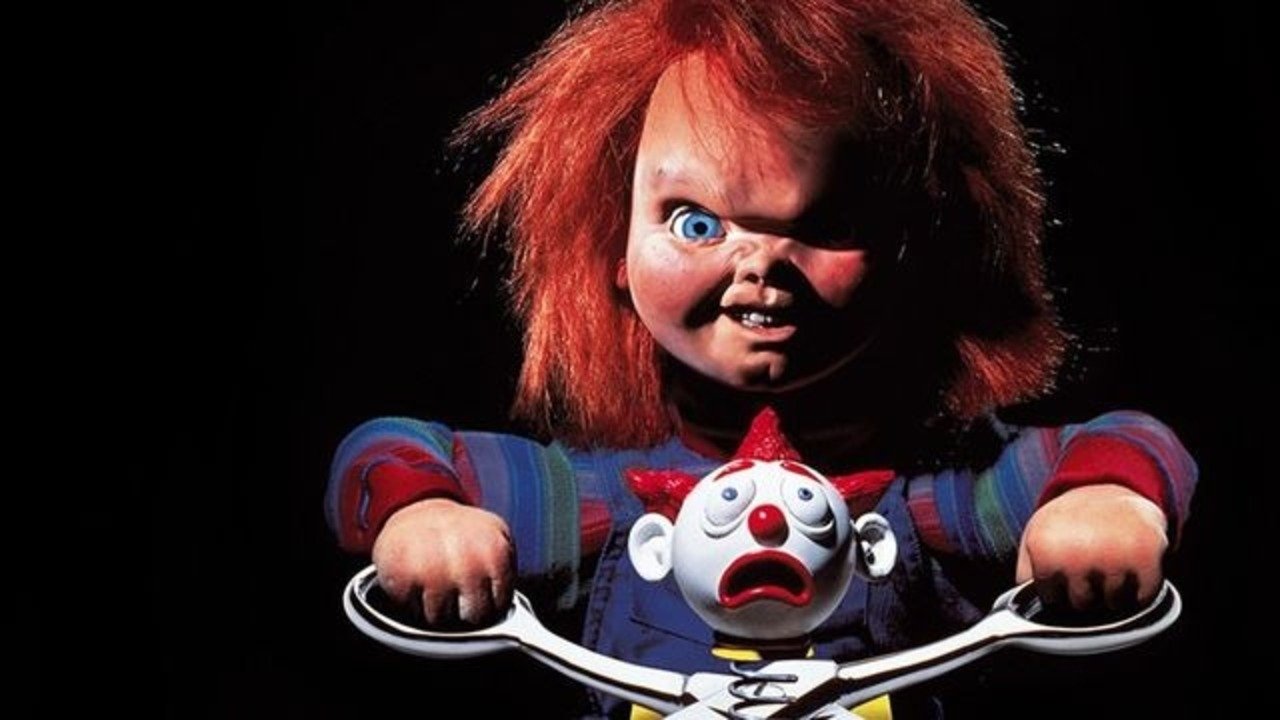
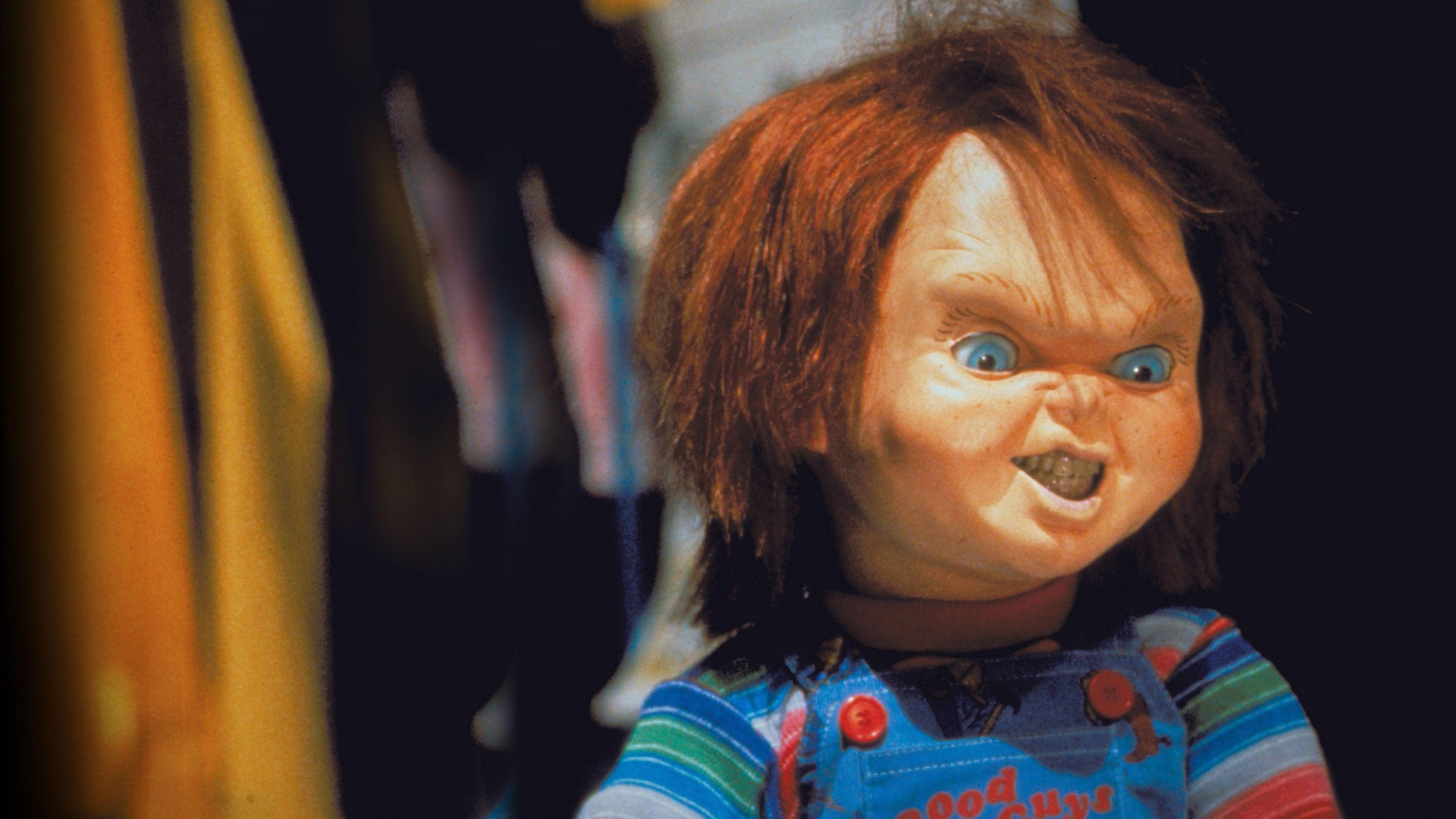
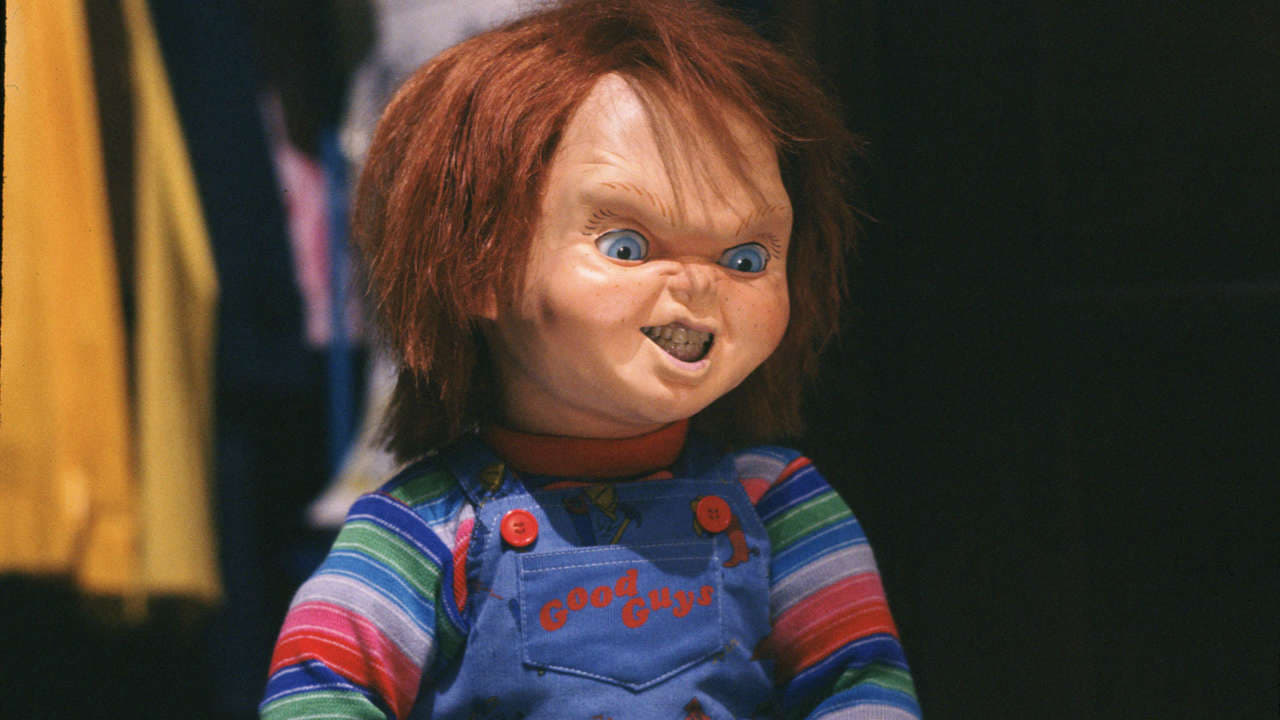
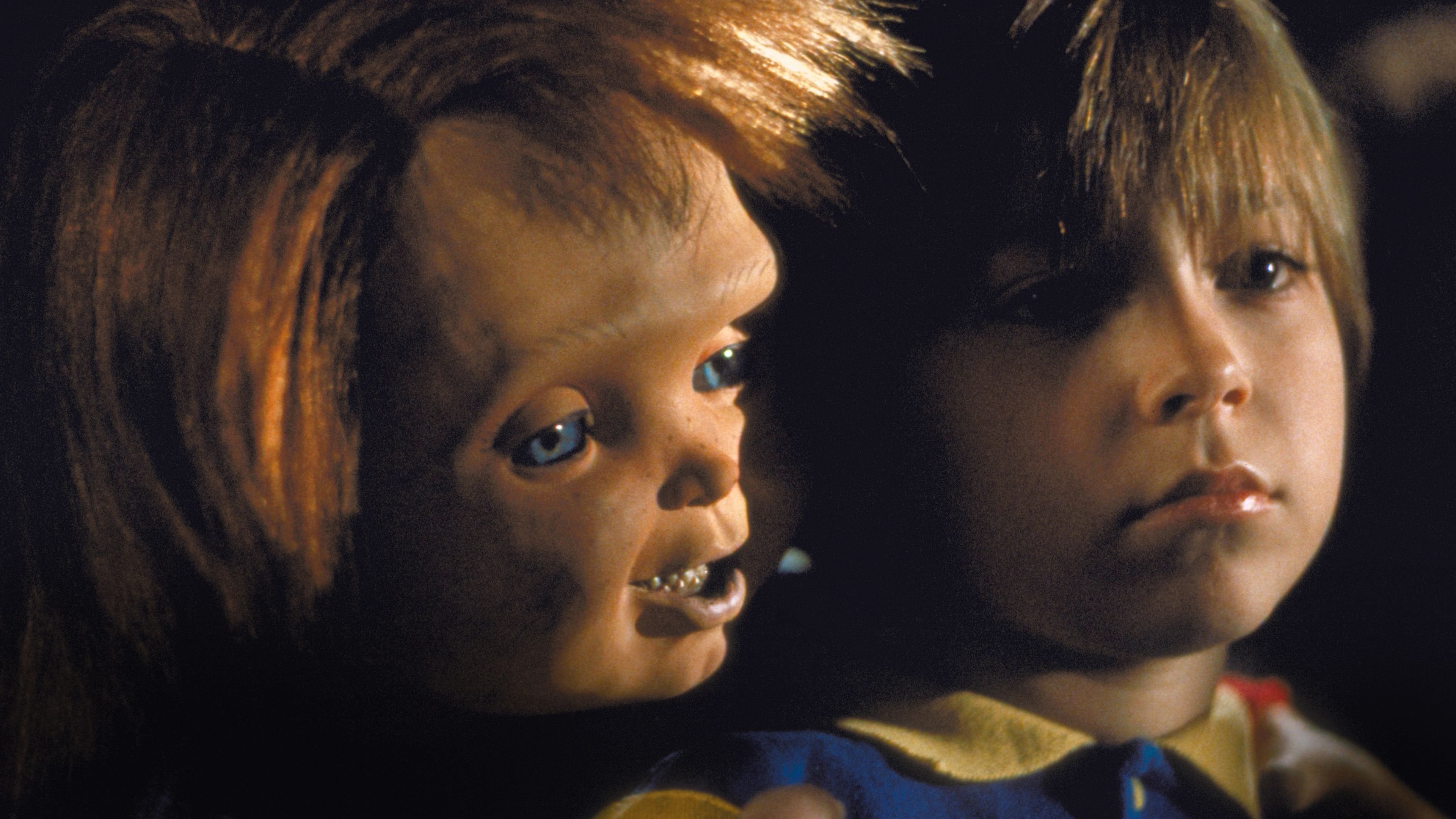
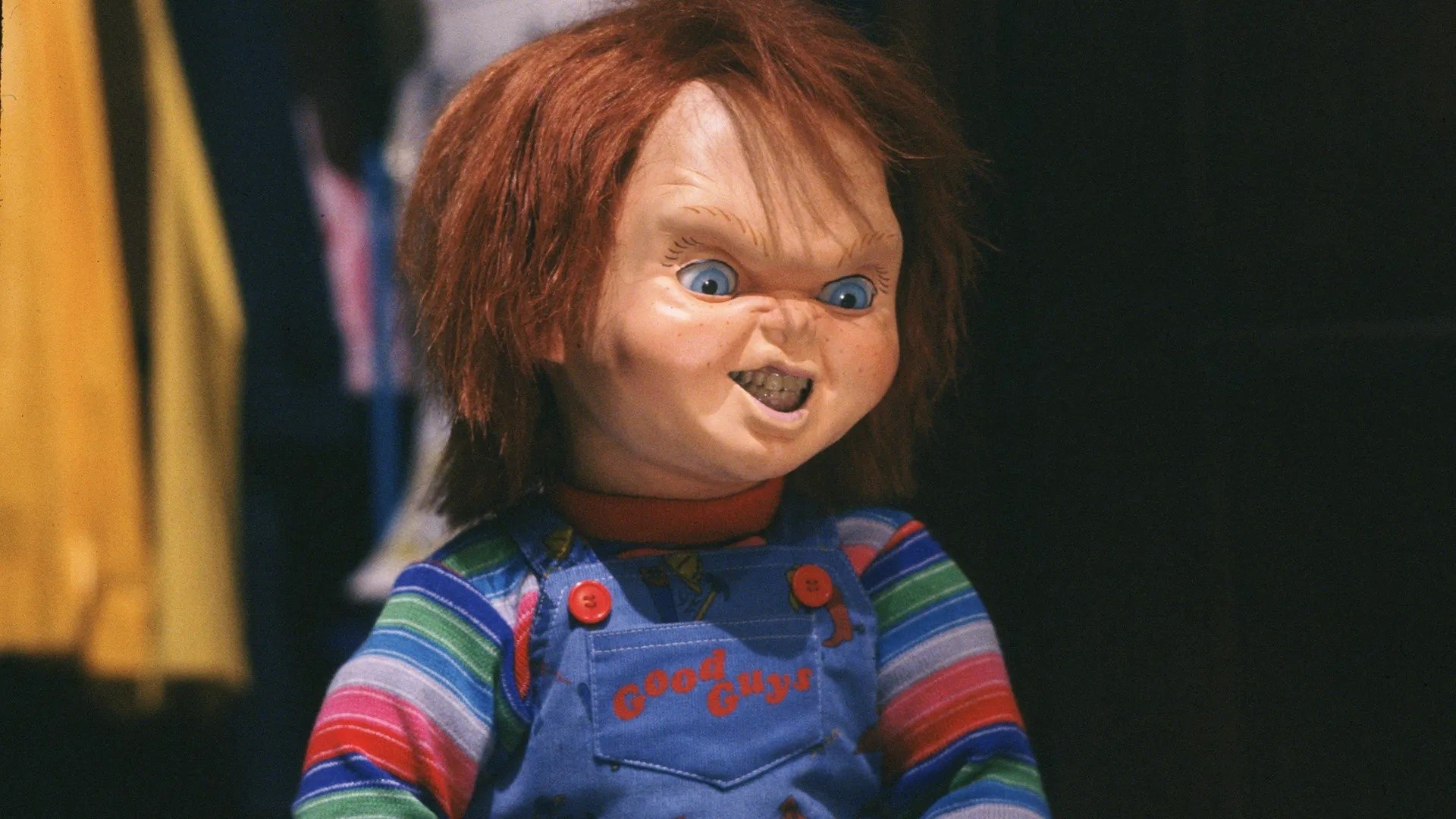
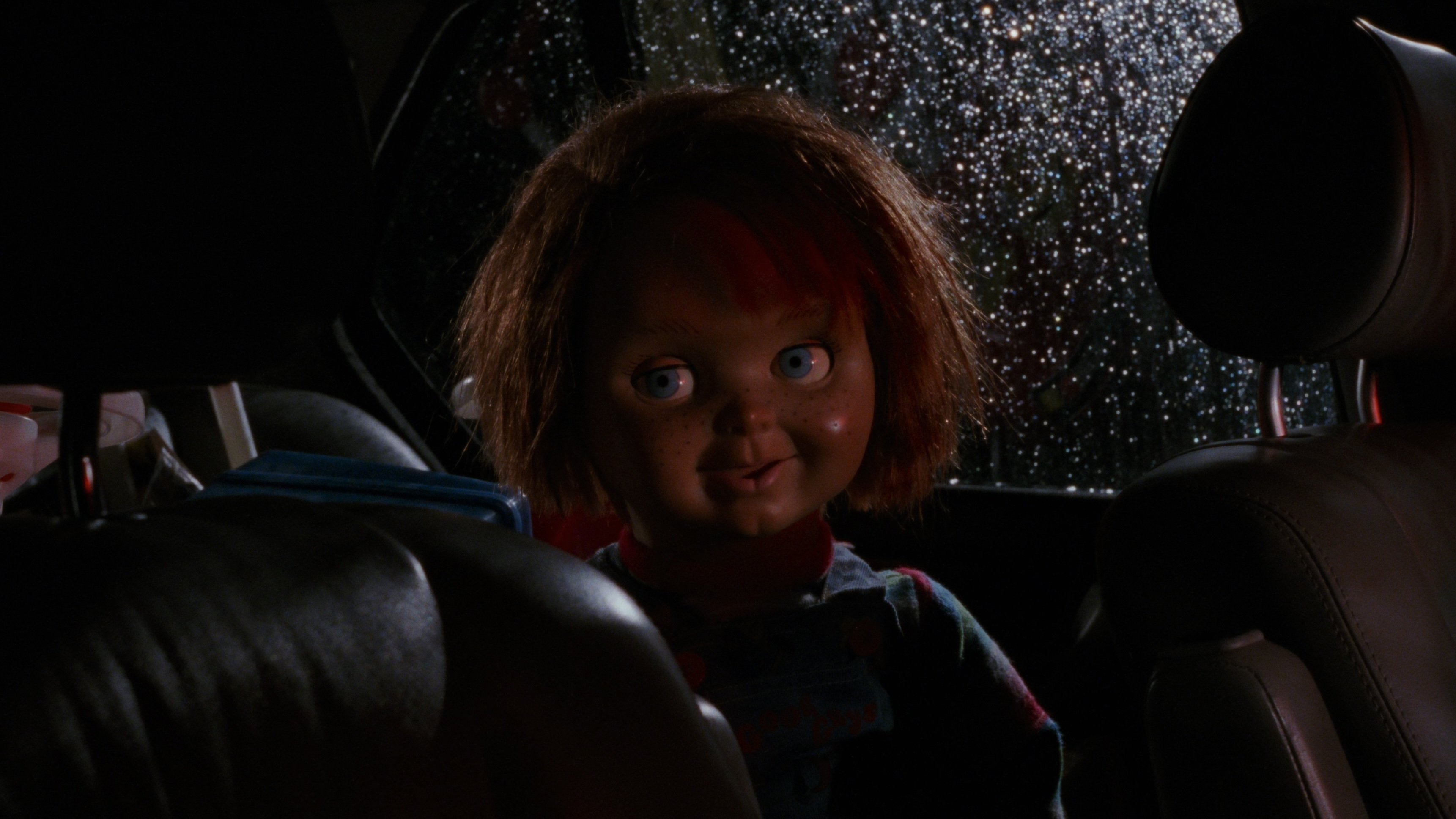
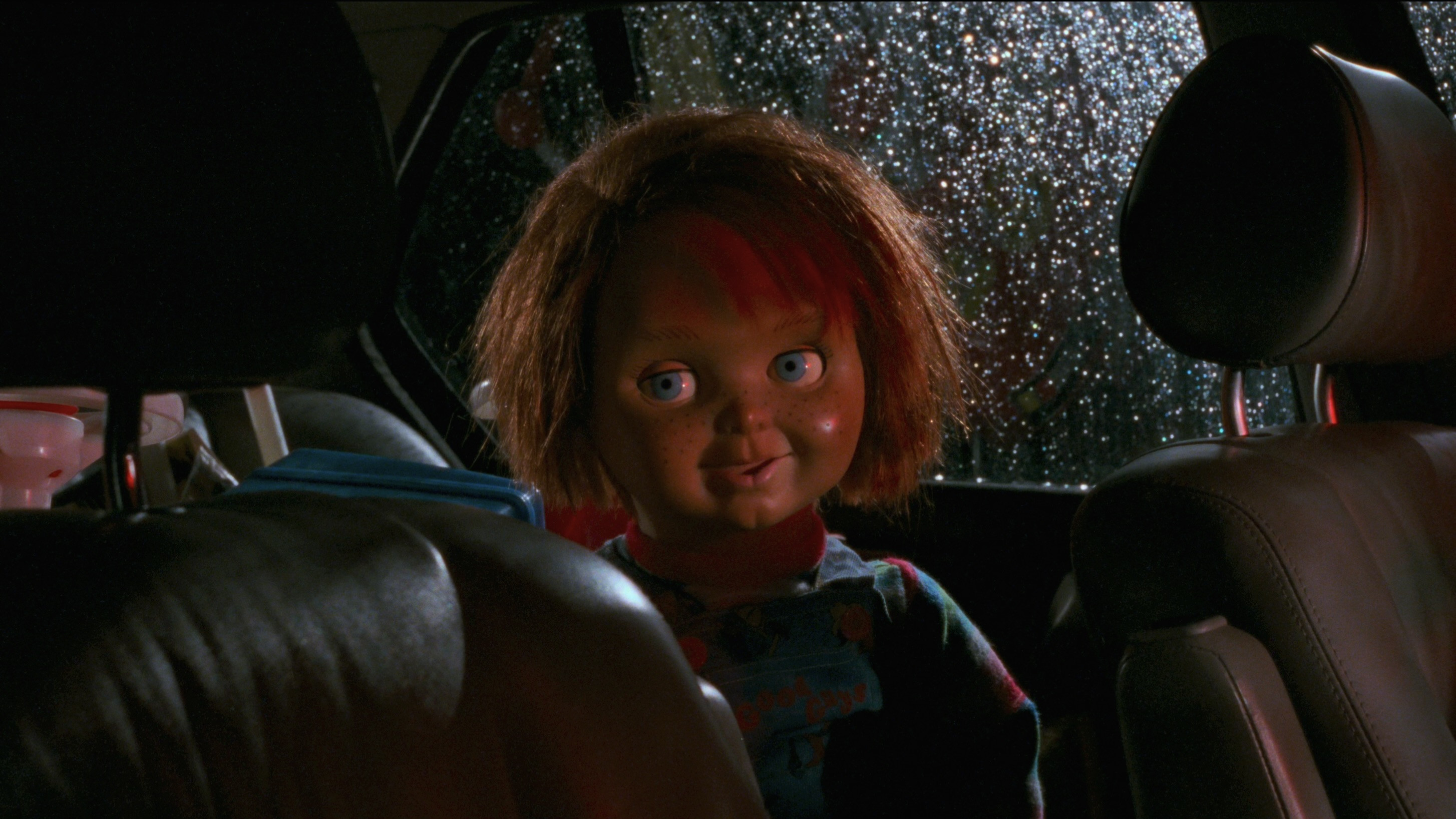
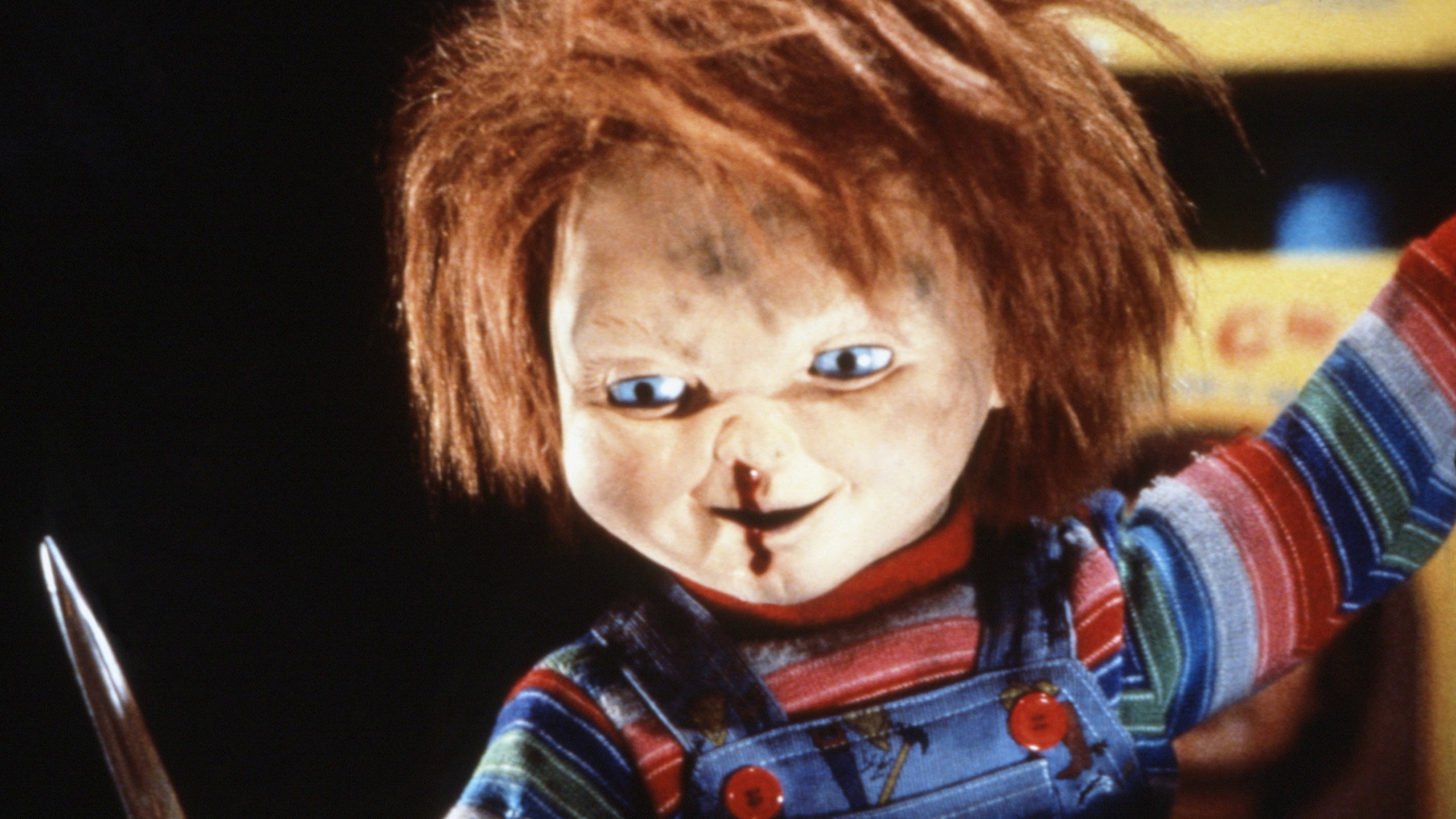
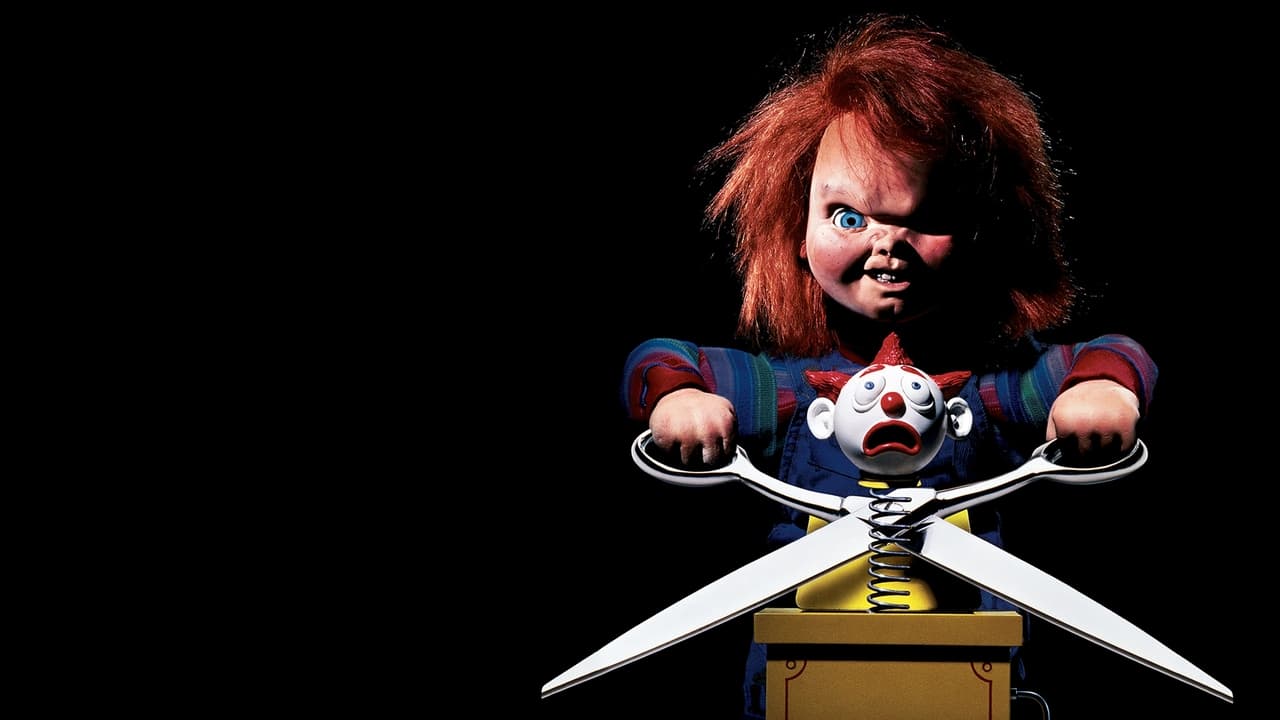
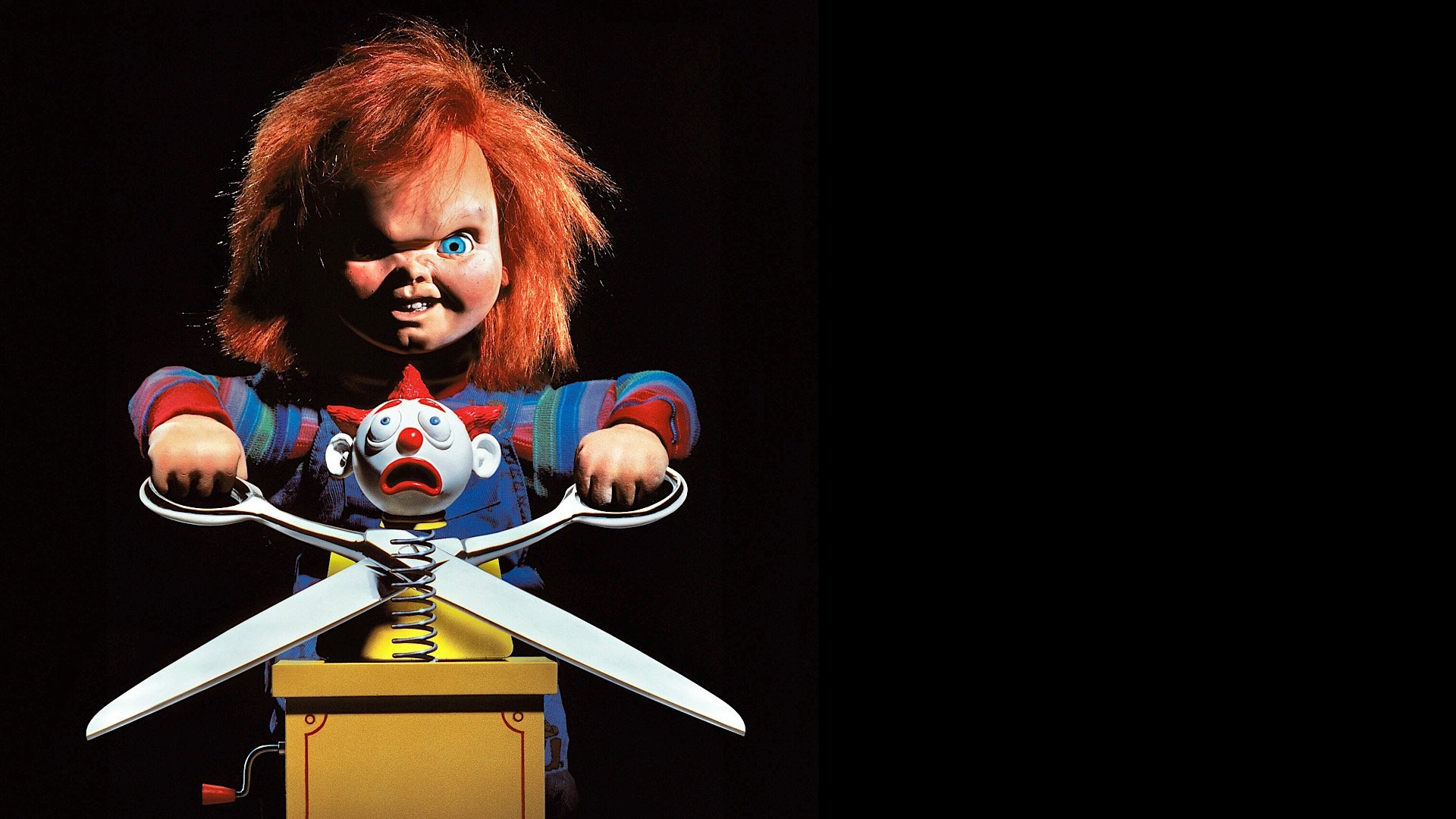
The technical requirements of Chucky’s performance became increasingly demanding in the sequel. Kevin Yagher returned to supervise the character’s physical construction and also served as second-unit director. According to production notes preserved in the American Film Institute’s archive, three principal types of doll were used for different movements. A full-body standing puppet employed cable mechanisms controlled by nine puppeteers working together. The cables passed through one foot, which remained fixed while the other could move. A separate servo-motor puppet operated by remote control and a third unit designed for upper-body shots supplied additional possibilities for performance.

Facial synchronization required a specific photographic method. Chucky’s speaking scenes were filmed at eighteen frames per second instead of the customary twenty-four, giving the effects crew more time to coordinate mouth movements with prerecorded dialogue. When projected at normal speed, the recorded movements appeared to match Brad Dourif’s vocal performance. The technique improved the character’s ability to speak and react within a continuous shot. It also demanded careful coordination among the puppeteers operating different parts of the face and body. The illusion depended on a mechanical performance whose individual components remained hidden from the audience.

Yagher’s approach favoured articulated puppets whenever their movements could be achieved convincingly. Actor Ed Gale, who had performed inside a Chucky costume in the original production, was again available, but Lafia sought to reduce reliance on a human body double. In the Mental Floss oral history, Lafia explained that the proportions and movement of a performer could make the figure appear less like a manufactured doll. Mancini confirmed the director’s preference for puppetry, while Gale offered a different perspective on how his contribution was treated. Their accounts document a creative and professional disagreement rather than an entirely unanimous production strategy. The resulting film gives Chucky more opportunities for sustained facial expression and visible mechanical movement.

Visual Design and the Good Guys Factory Climax

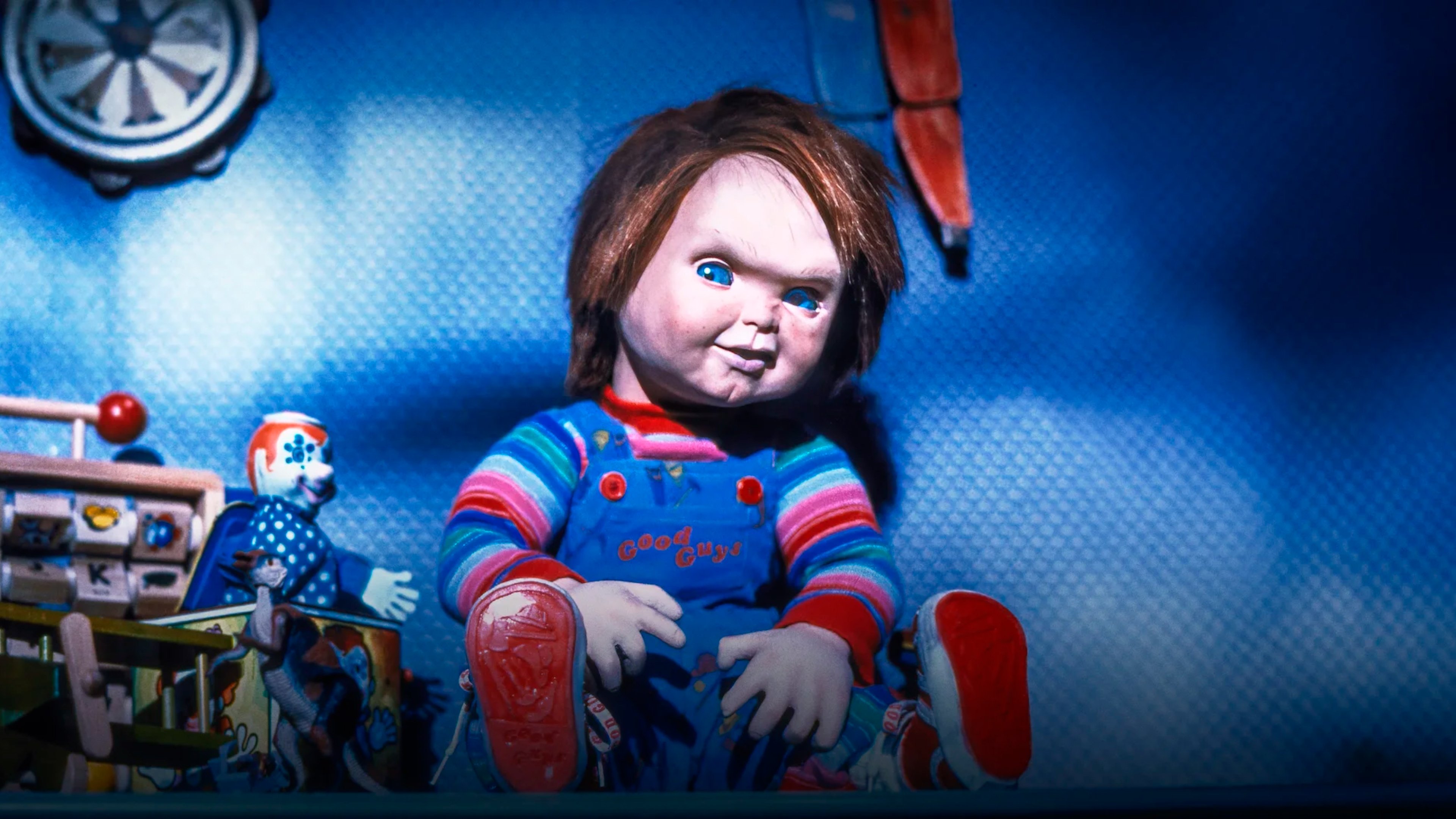
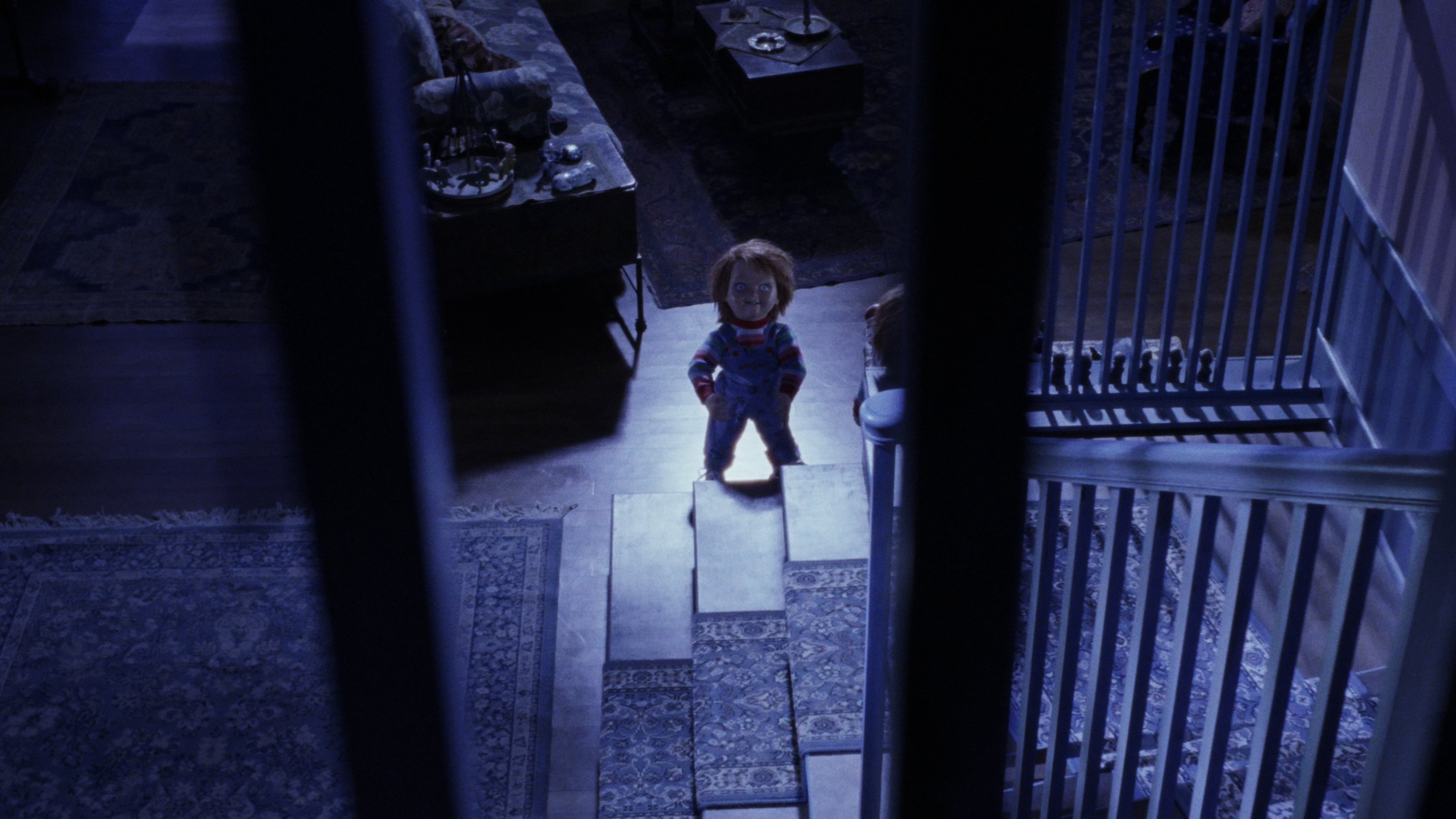
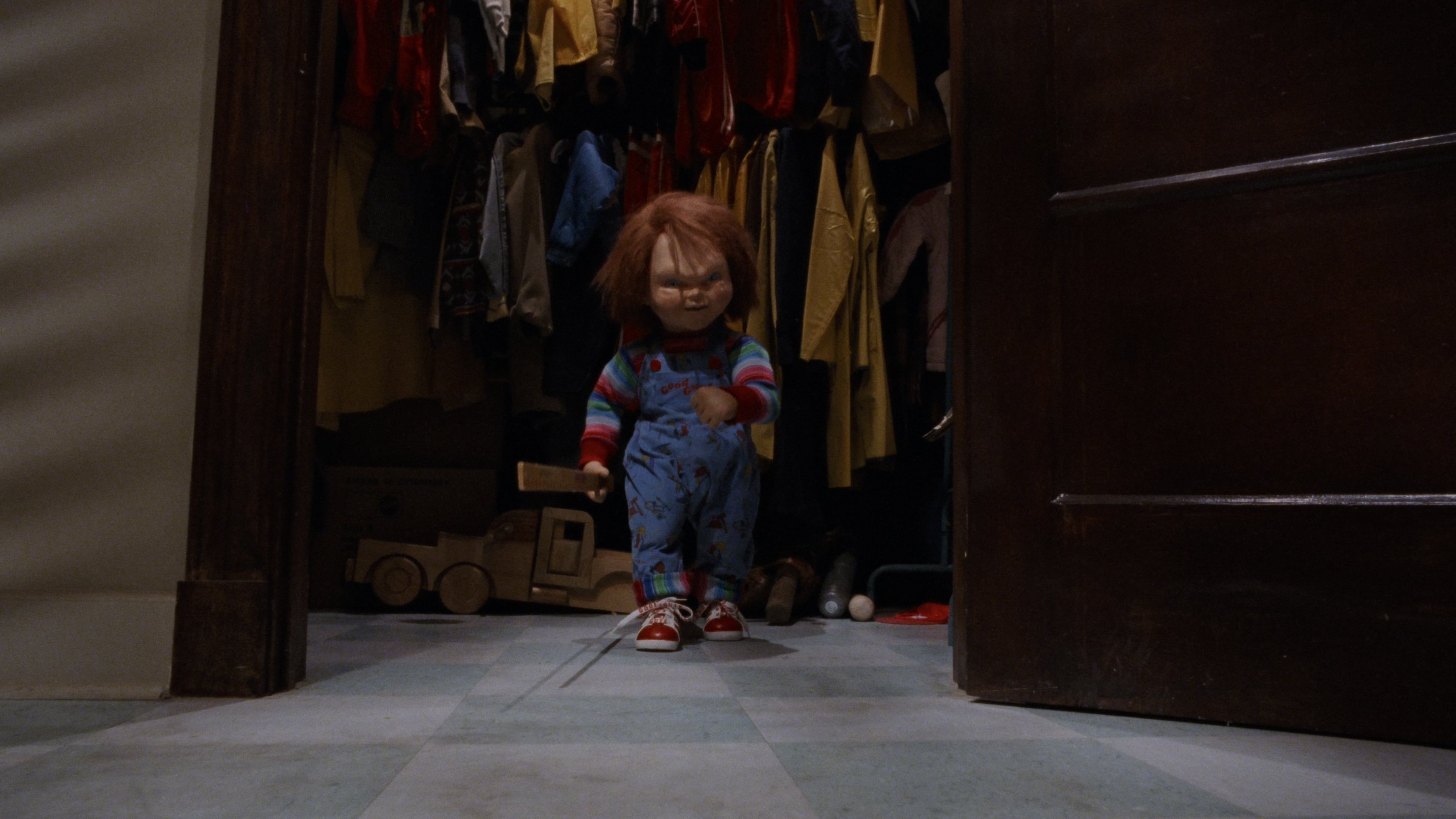
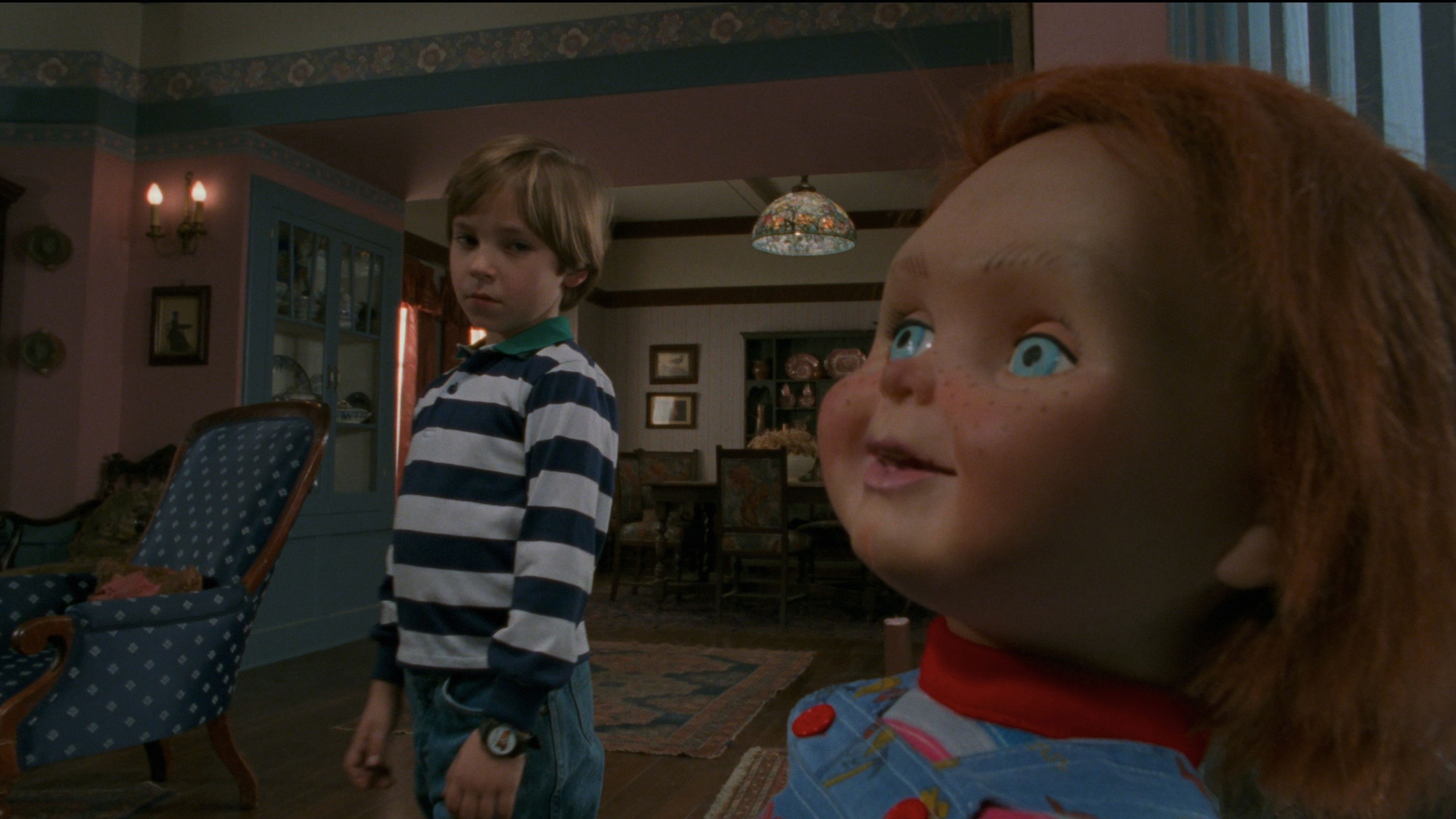
Stefan Czapsky’s cinematography and Ivo Cristante’s production design provide a more controlled visual environment than the urban interiors associated with the first Child’s Play. The Simpson residence appears spacious and orderly, making Andy’s vulnerability conspicuous within an unfamiliar home. Chucky’s small physical dimensions affect how the camera presents rooms, furniture and passageways. Low viewpoints and carefully arranged foreground objects permit the doll to remain concealed or suddenly occupy an unexpected part of the composition. The suburban setting also allows the film to alternate between domestic calm and violent intrusions without requiring extensive changes of location.

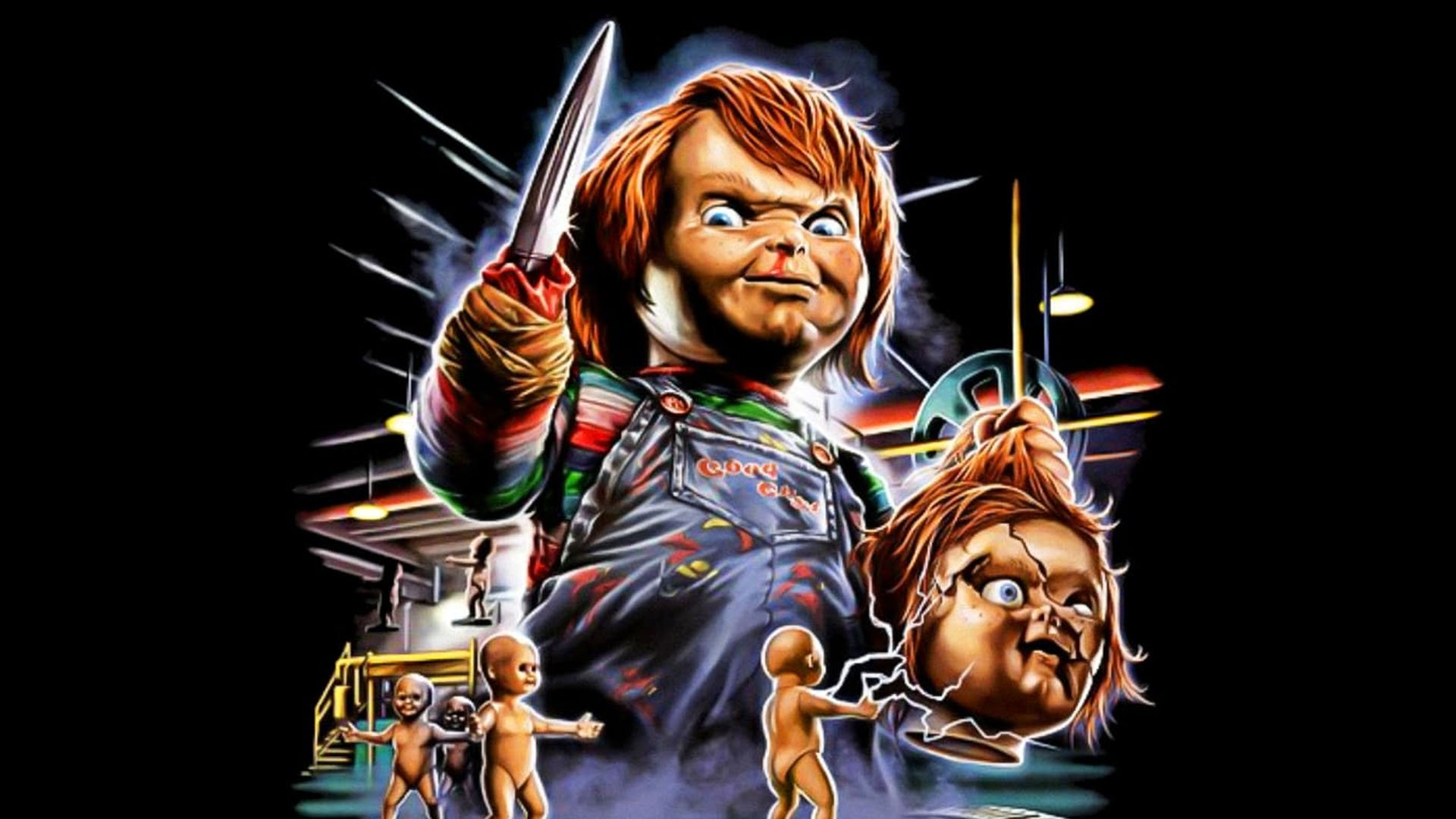
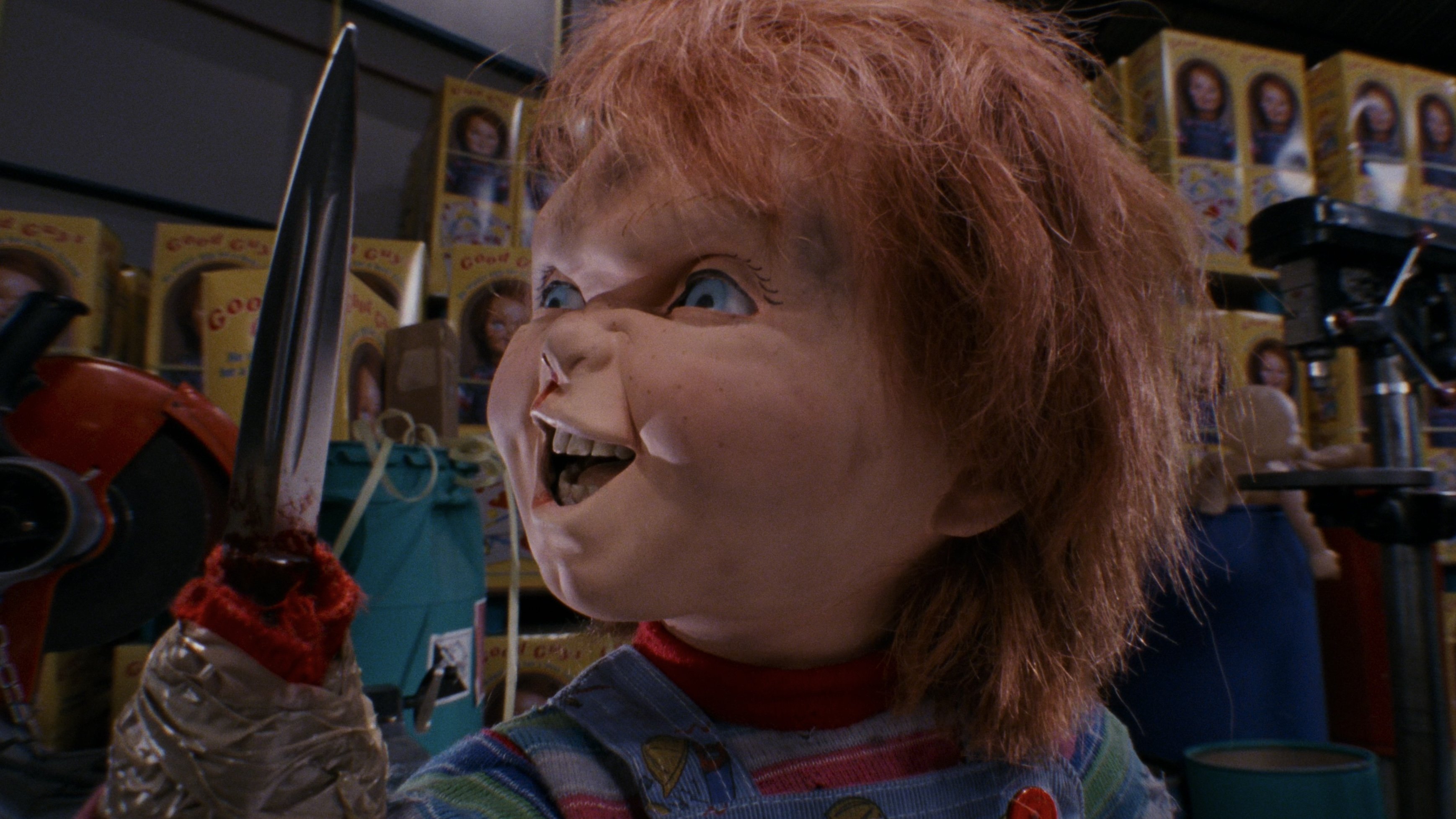
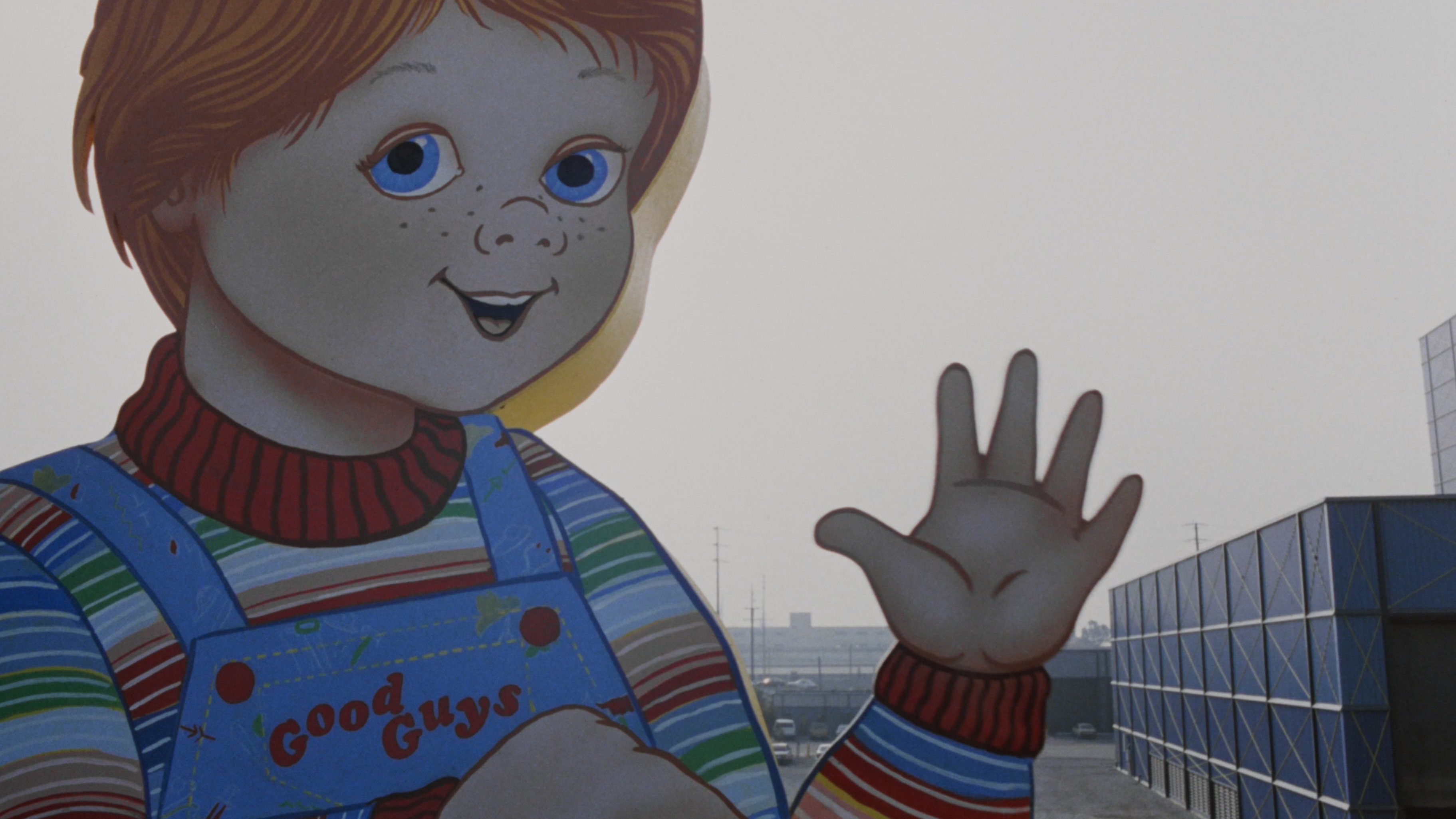
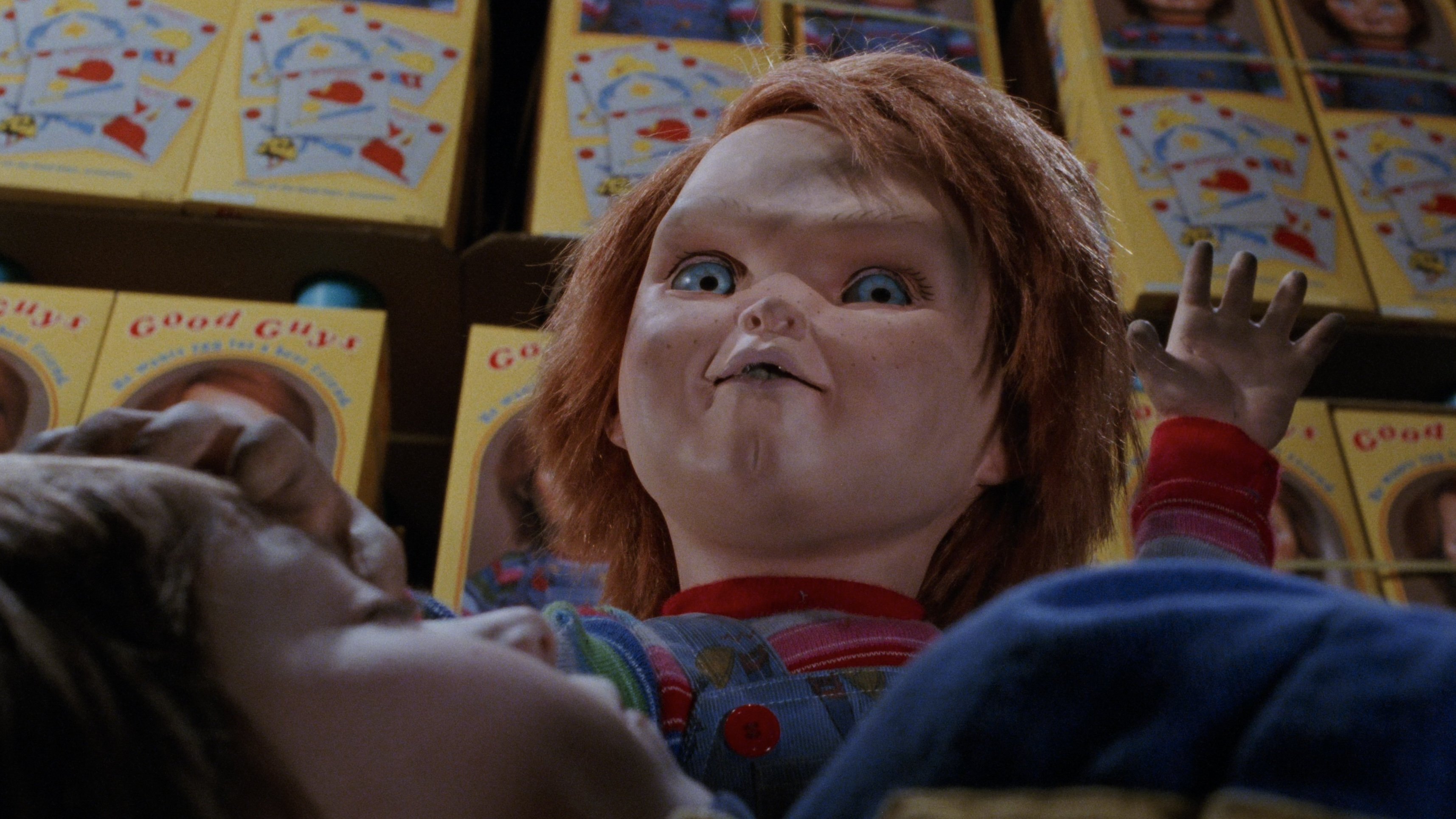
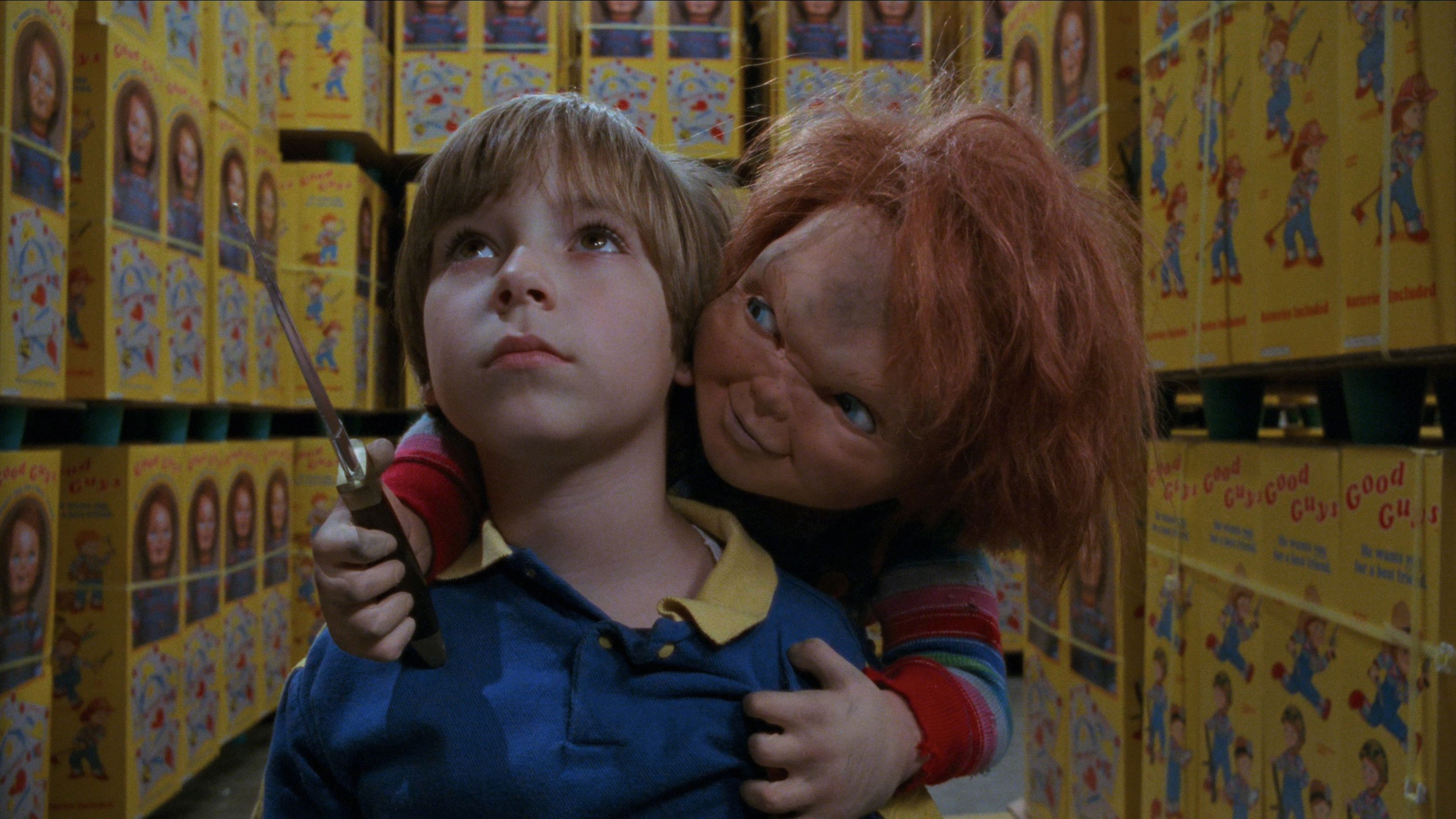
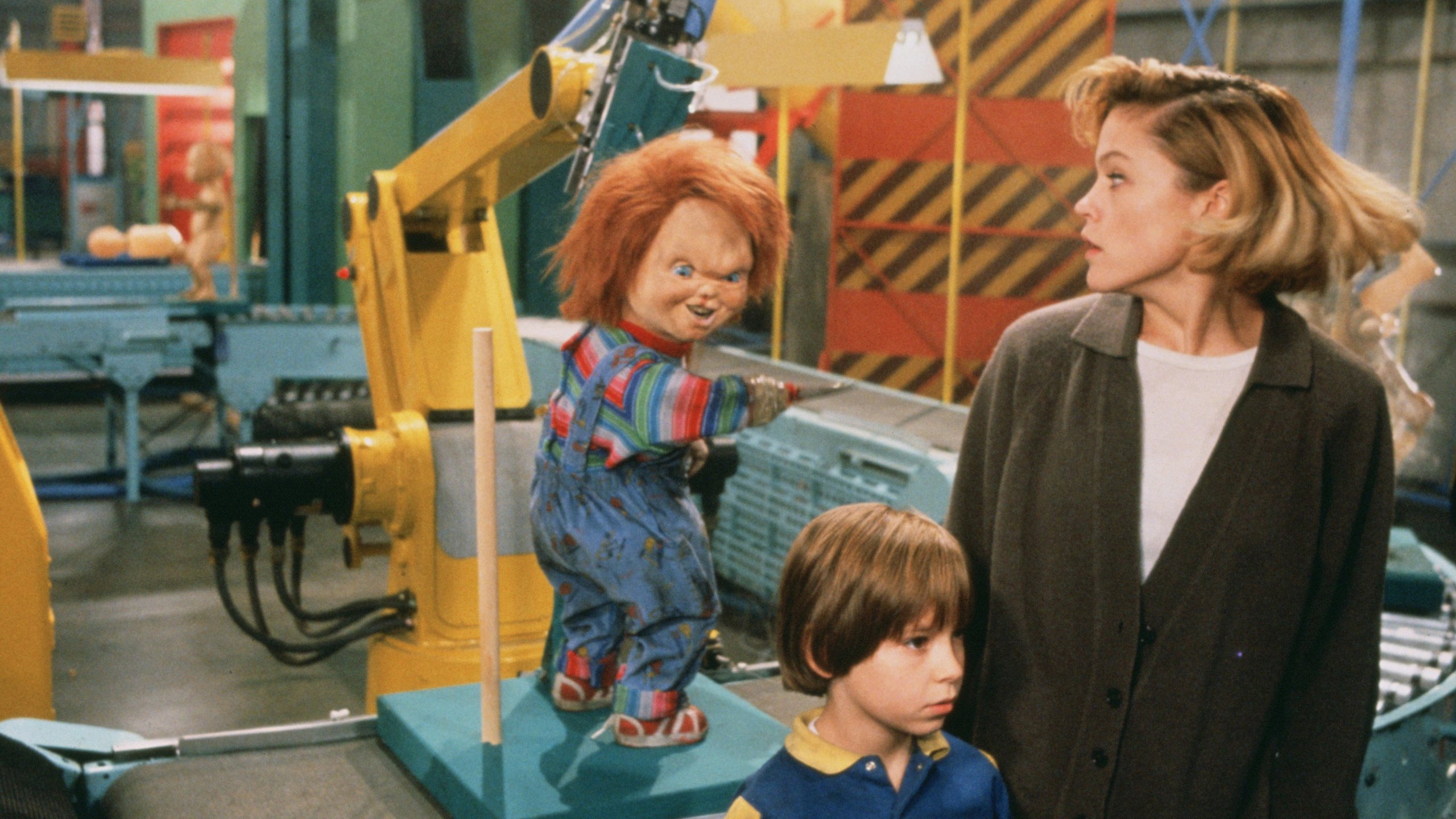
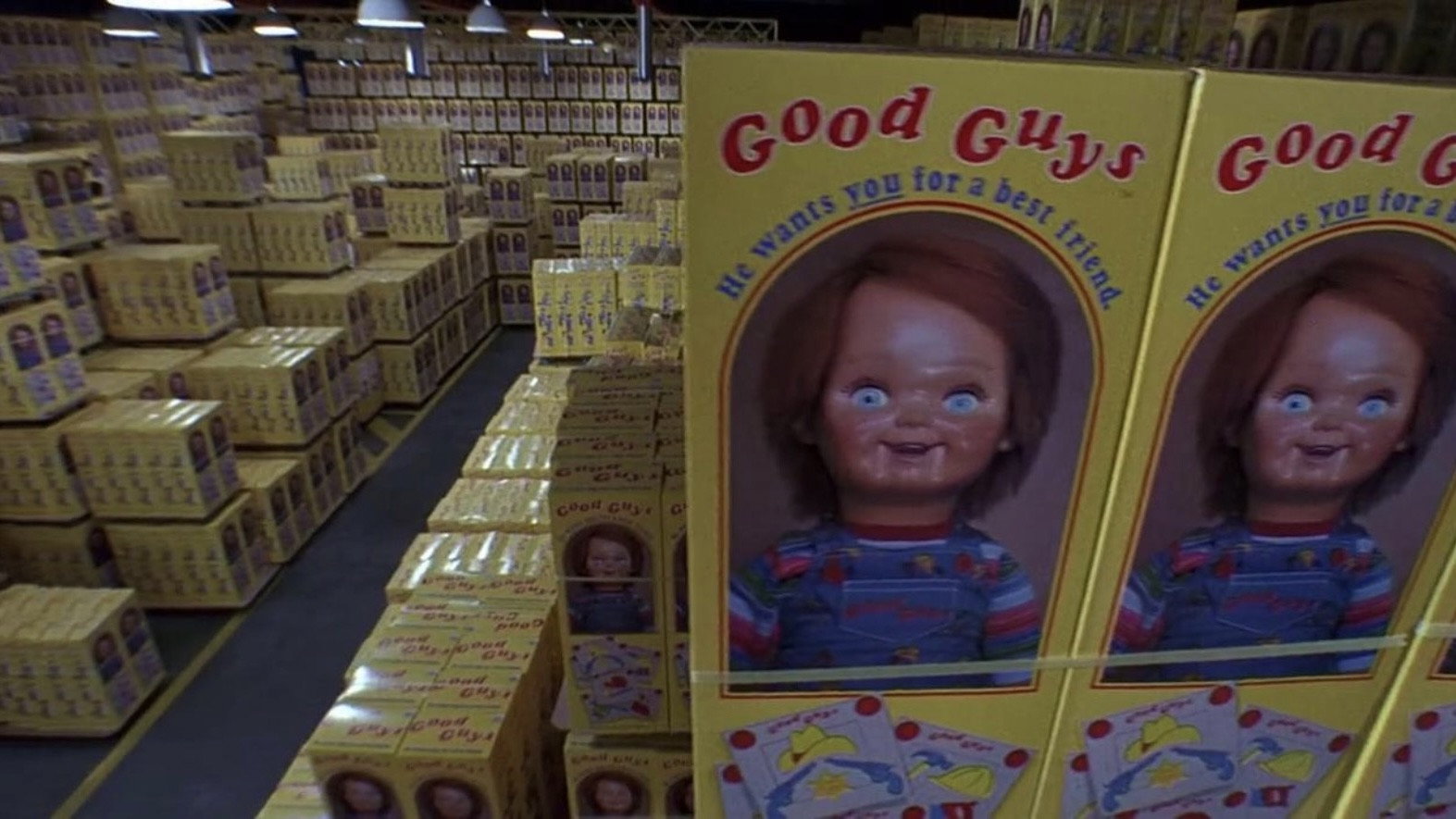
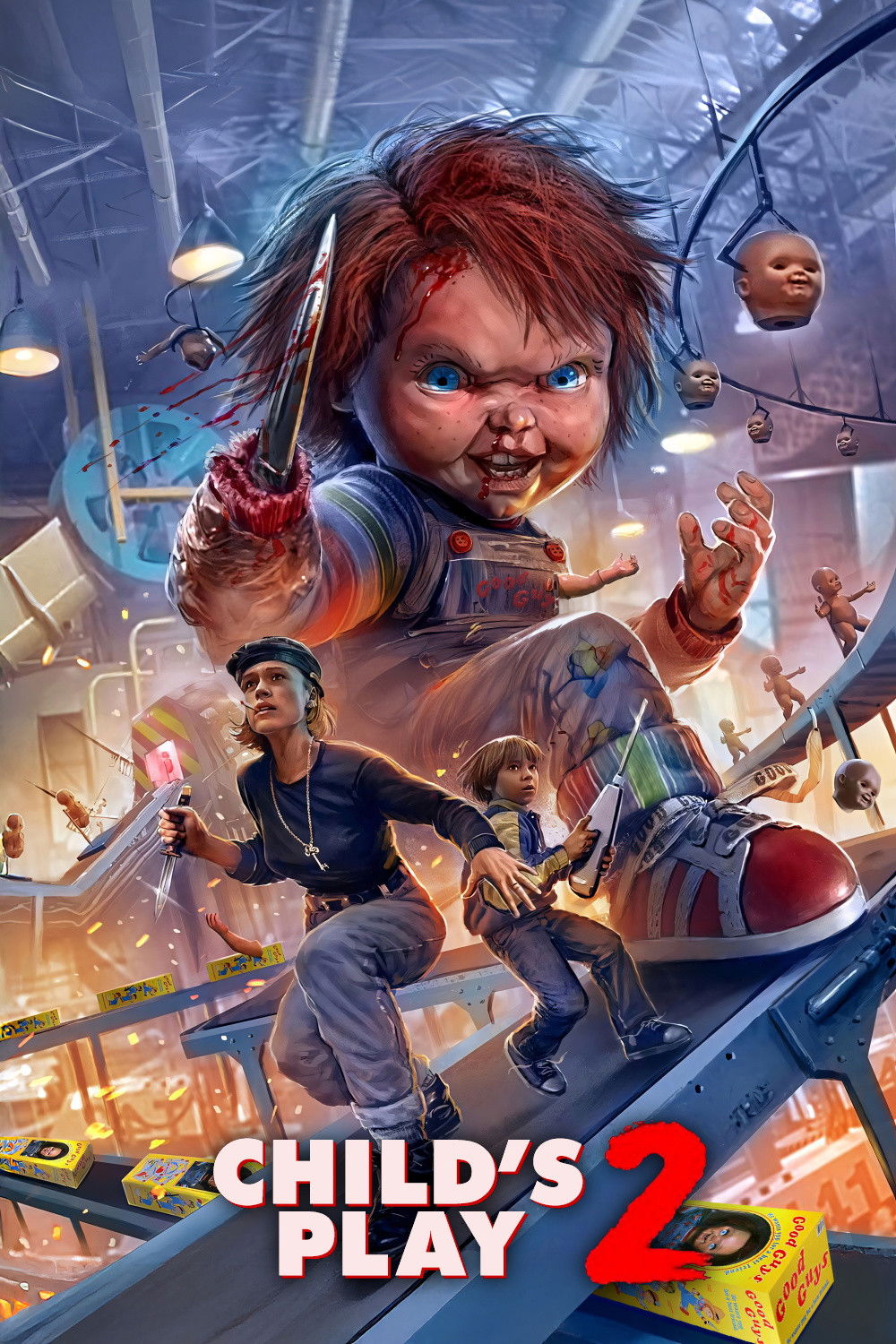
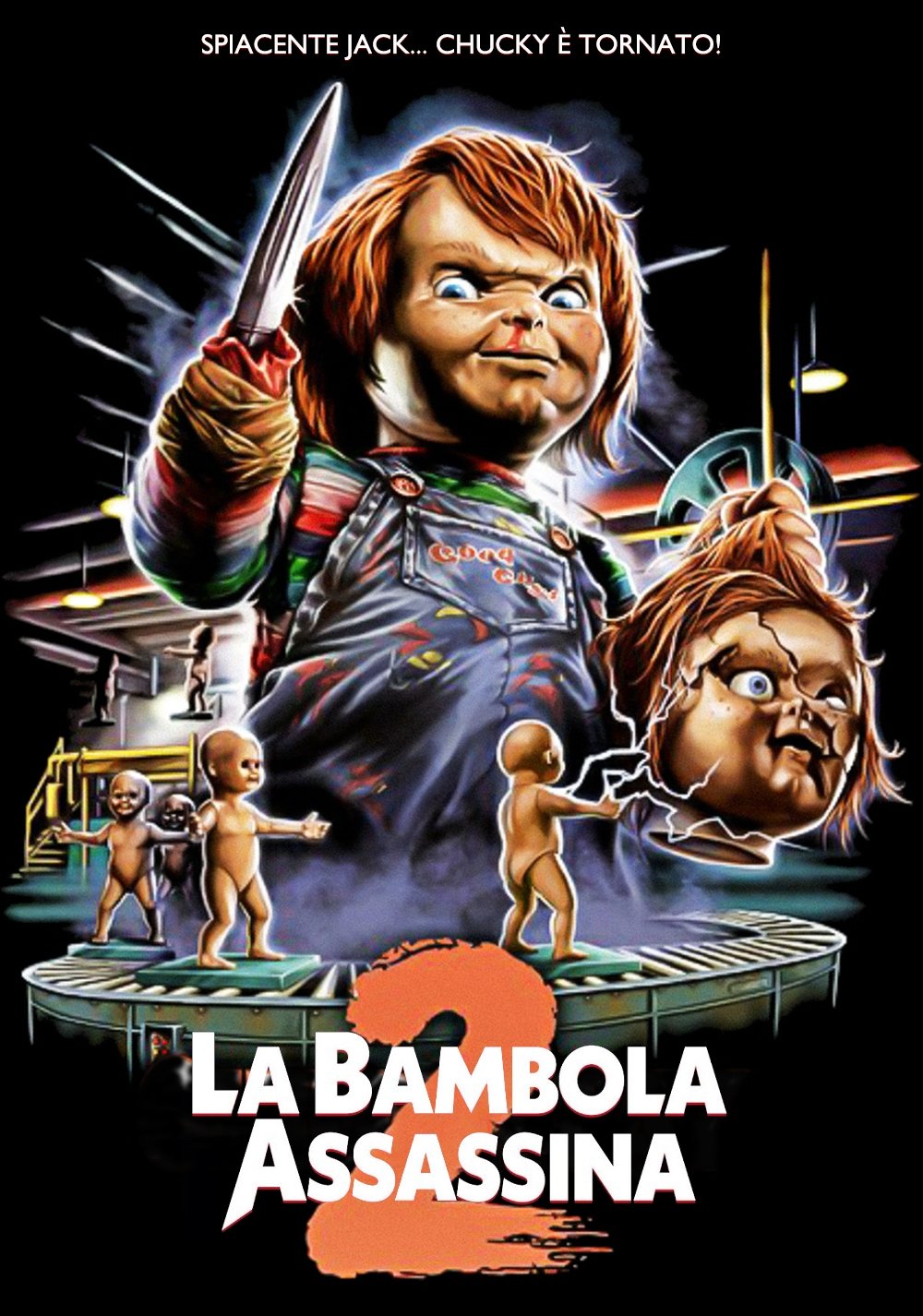
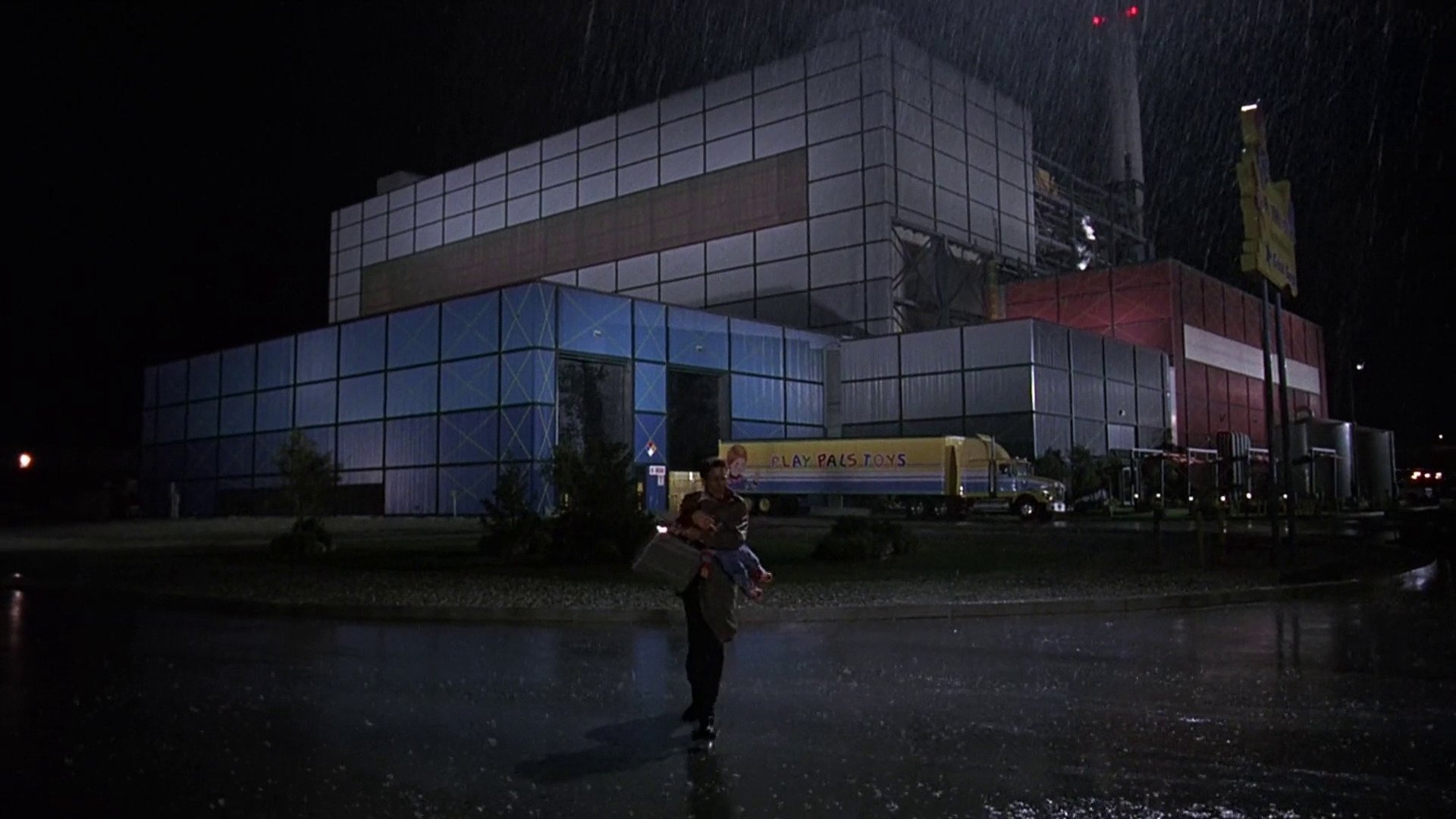
The final sequence moves the action into the Good Guys manufacturing plant. Its conveyor belts, doll components and industrial equipment transform the ordinary processes of toy production into sources of danger. Chucky pursues Andy and Kyle through a brightly coloured environment crowded with objects resembling his own body. The setting extends the film’s recurring problem of distinguishing a living killer from an apparently identical commercial product. Moving machinery creates physical obstacles that would be impossible within the foster home, while the industrial surroundings permit increasingly elaborate forms of mechanical violence.

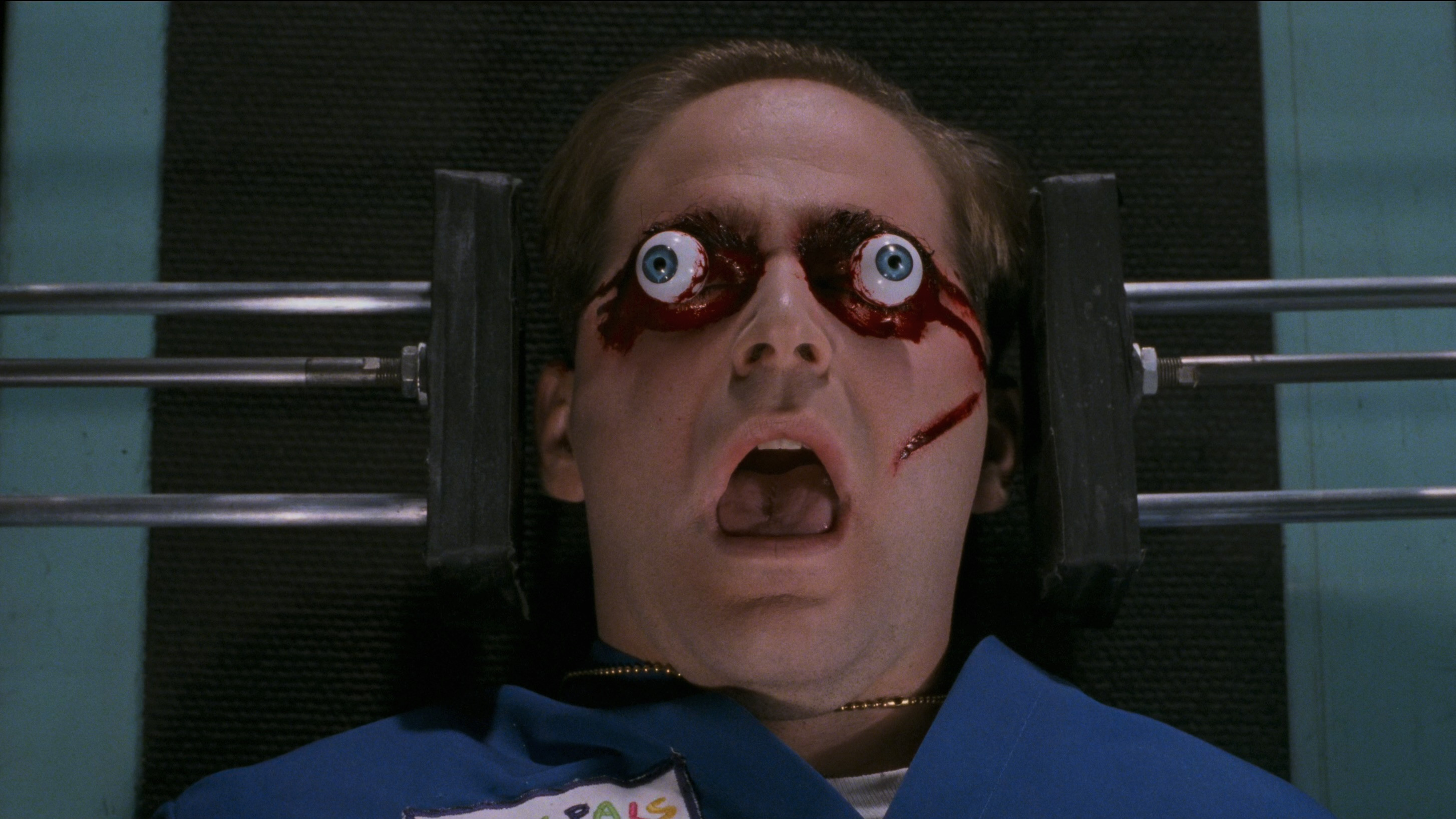
The climax also exposes the material construction of Chucky himself. His hand is severed, leaving him to improvise a weapon from the damaged arm, and subsequent encounters with factory machinery progressively destroy his body. Molten plastic and compressed air become part of the concluding effects. Richard Harrington’s contemporary Washington Post review specifically admired the factory sequence, identifying its conveyor belts, hydraulic equipment and moulding machinery as the film’s most inventive setting. The confrontation depends on the combination of mechanical puppetry, prosthetic damage and a production environment designed to interact physically with the creature.
Theatrical Release, Commercial Performance, and Reception

Universal Pictures released Child’s Play 2 in the United States on November 9, 1990. The film received an R classification and was listed by the American Film Institute at approximately 84 minutes. Contemporary financial reporting recorded an opening weekend of $10.7 million, placing the sequel at the top of the domestic box office. According to figures preserved by AFI, revenue had reached approximately $23.1 million by the end of its first month, although admissions subsequently declined. That amount represents an early theatrical snapshot rather than the complete lifetime gross. Later financial compilations place cumulative worldwide theatrical revenue at approximately $35.8 million.

The initial critical reception was mixed. Writing for the Los Angeles Times on the opening day, Kevin Thomas praised aspects of the production’s visual execution but regarded the narrative as predictable and considerably less entertaining than the original. He considered the first film’s combination of supernatural suspense and dark comedy more successful than the sequel’s increasingly aggressive horror. His review nevertheless acknowledged Alex Vincent’s performance and the presence of Christine Elise as Kyle. These observations distinguish reservations about the screenplay from judgments about the actors and technical production.

Richard Harrington offered a different emphasis in the Washington Post on November 11, 1990. Although he found the sequel weaker than its predecessor, he praised the inventiveness of the factory confrontation and acknowledged the improvements visible in Chucky’s expressive face. He also recognized that the film’s interest extended beyond the number of deaths it depicted. The contrasting reviews show how critics responded differently to the same combination of familiar material and intensified spectacle. Contemporary trade reporting recorded that another sequel was already being developed shortly after the opening weekend. Child’s Play 3 followed in 1991, continuing Chucky’s pursuit of Andy under a new director.

References

  1. American Film Institute AFI Catalog — Child’s Play 2 (1990)

    Institutional production history drawing on contemporary trade reports and Academy archival material, documenting the studio transfer, labour dispute, puppetry systems, filming methods and initial box-office results.
  2. Los Angeles Times New UA Team Won’t Touch “Child’s Play II” — Michael Cieply

    August 1989 contemporary investigation featuring producer David Kirschner’s testimony on United Artists’ cancellation, changing studio priorities and the competition for distribution rights.
  3. Mental Floss Your Friend ’Til the End: An Oral History of Child’s Play — Jake Rossen
    Extensive 2019 oral history featuring Don Mancini, John Lafia, David Kirschner, Alex Vincent and Ed Gale on the franchise’s origins, sequel development, Universal transition and Chucky’s physical performance.

  4. Los Angeles Times Movie Review: “Child’s Play 2” Plays Up the Horror — Kevin Thomas

    Opening-day November 1990 review examining the sequel’s more aggressive horror, Andy and Kyle’s performances, supernatural premise and differences from the original.

  5. The Washington Post More Nasty Games from “Child’s Play” — Richard Harrington

    Contemporary November 1990 assessment discussing the Chucky animatronics, relationship to the first film and the factory finale’s industrial design.

Connections

Cast

View Full Cast & Crew →

Release & Distribution

Production Companies (2)

  • David Kirschner Productions US
  • Universal Pictures US

Distributors (1)

  • Universal Pictures US

Release History (17)

Release DateTerritoryRelease TypeFormatDistributorCertificationNotes
1990-11-09 Belgium Theatrical — — 18
1990-11-09 Türkiye Theatrical — — —
1990-11-09 United States Theatrical — — R
1990-12-10 Spain Theatrical — — 18 Barcelona
1991-01-11 Spain Theatrical — — 18 Madrid
1991-01-11 United Kingdom Theatrical — — 15
1991-01-11 Ireland Theatrical — — 15A
1991-01-16 France Theatrical — — 12
1991-01-25 Brazil Theatrical — — 16
1991-04-05 Brazil Theatrical — — 14
1991-04-11 Australia Physical — — MA 15+
1991-04-11 United States Physical VHS — R VHS
1991-05-25 Japan Theatrical — — PG-12
1991-12-18 Germany Physical VHS — 18 VHS
2014-04-01 France Physical Blu-ray — — Blu-ray
2020-09-04 France Digital — — — Netflix
2026-08-01 United States Digital — — R in Netflix
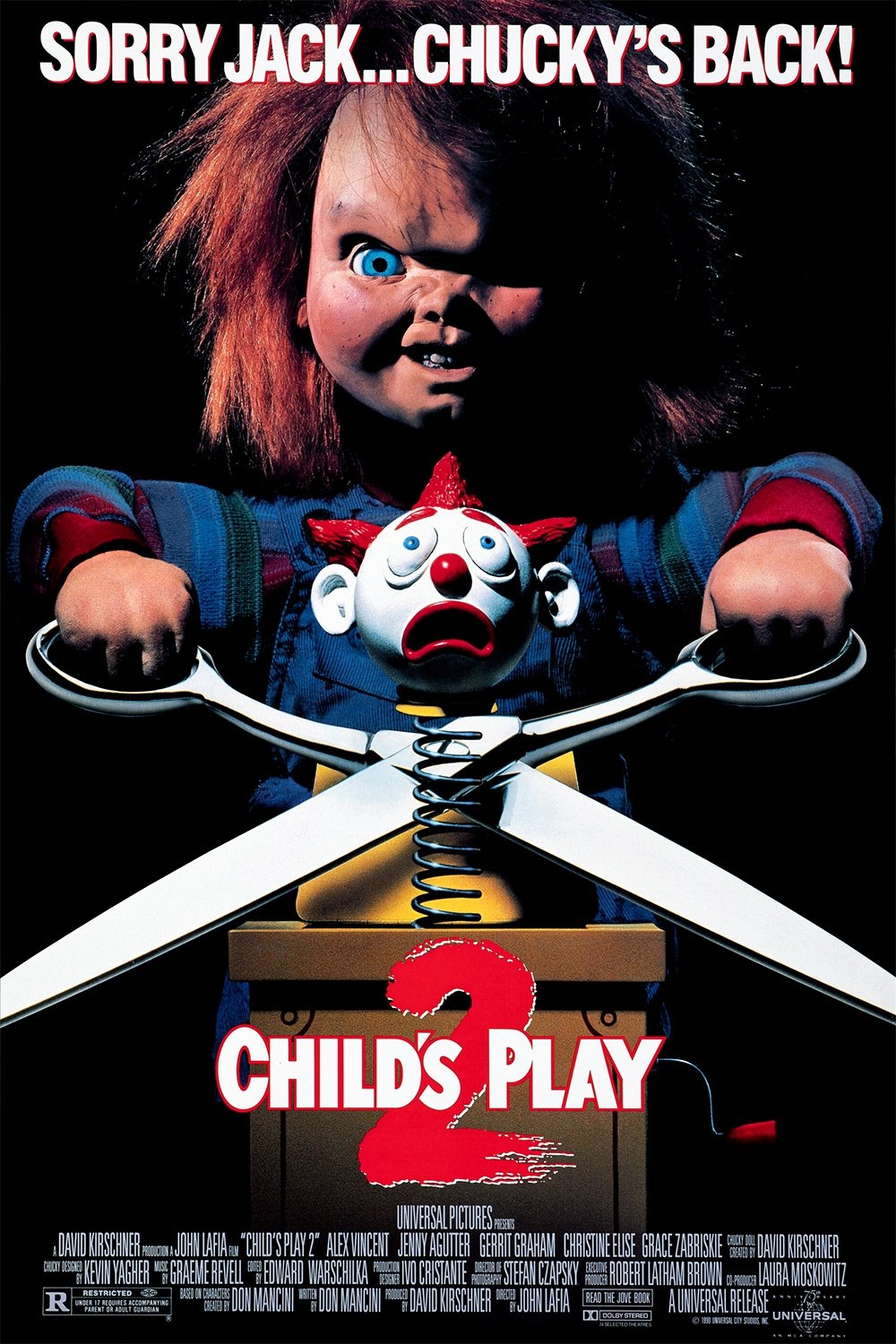
Sorry Jack... Chucky's back!