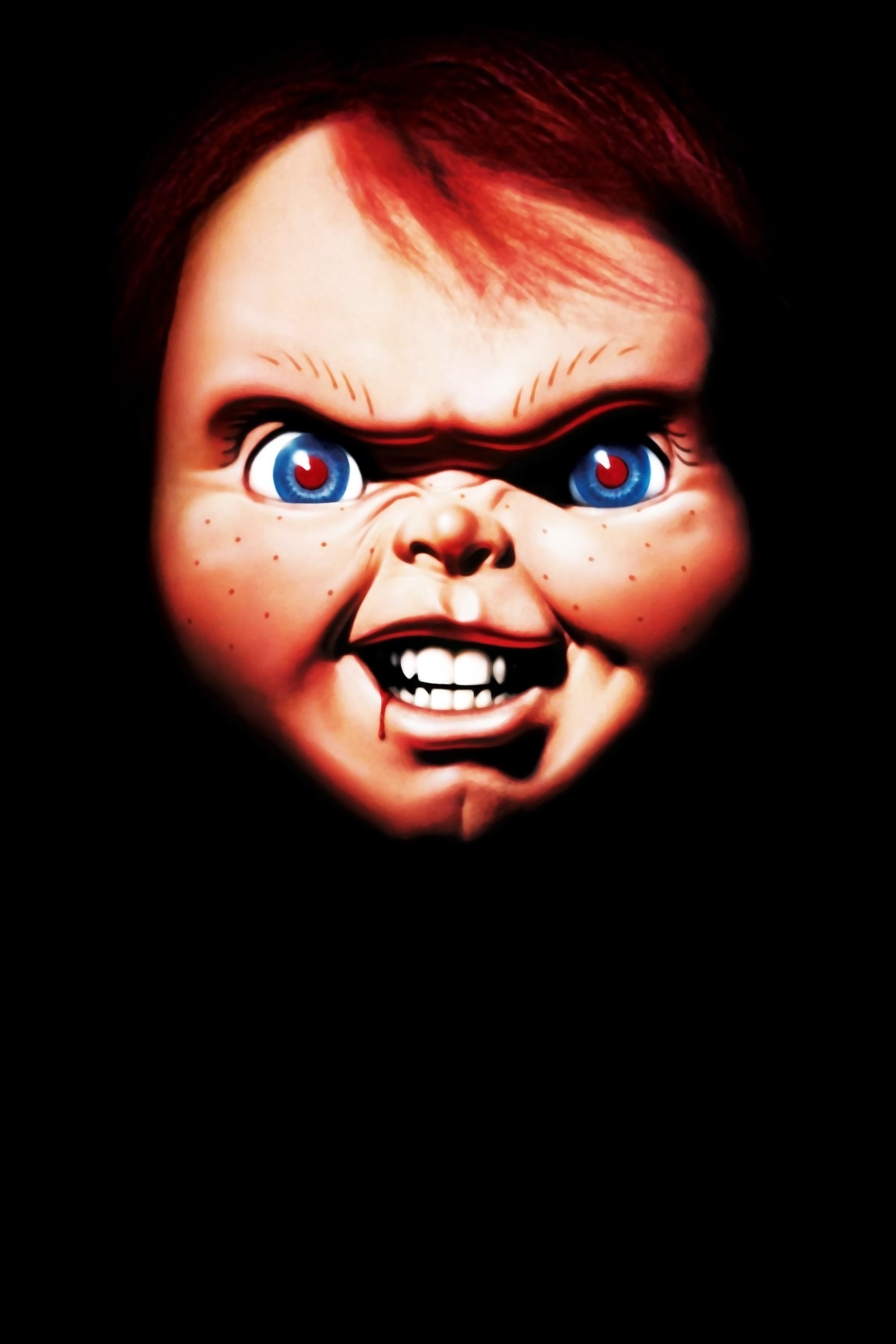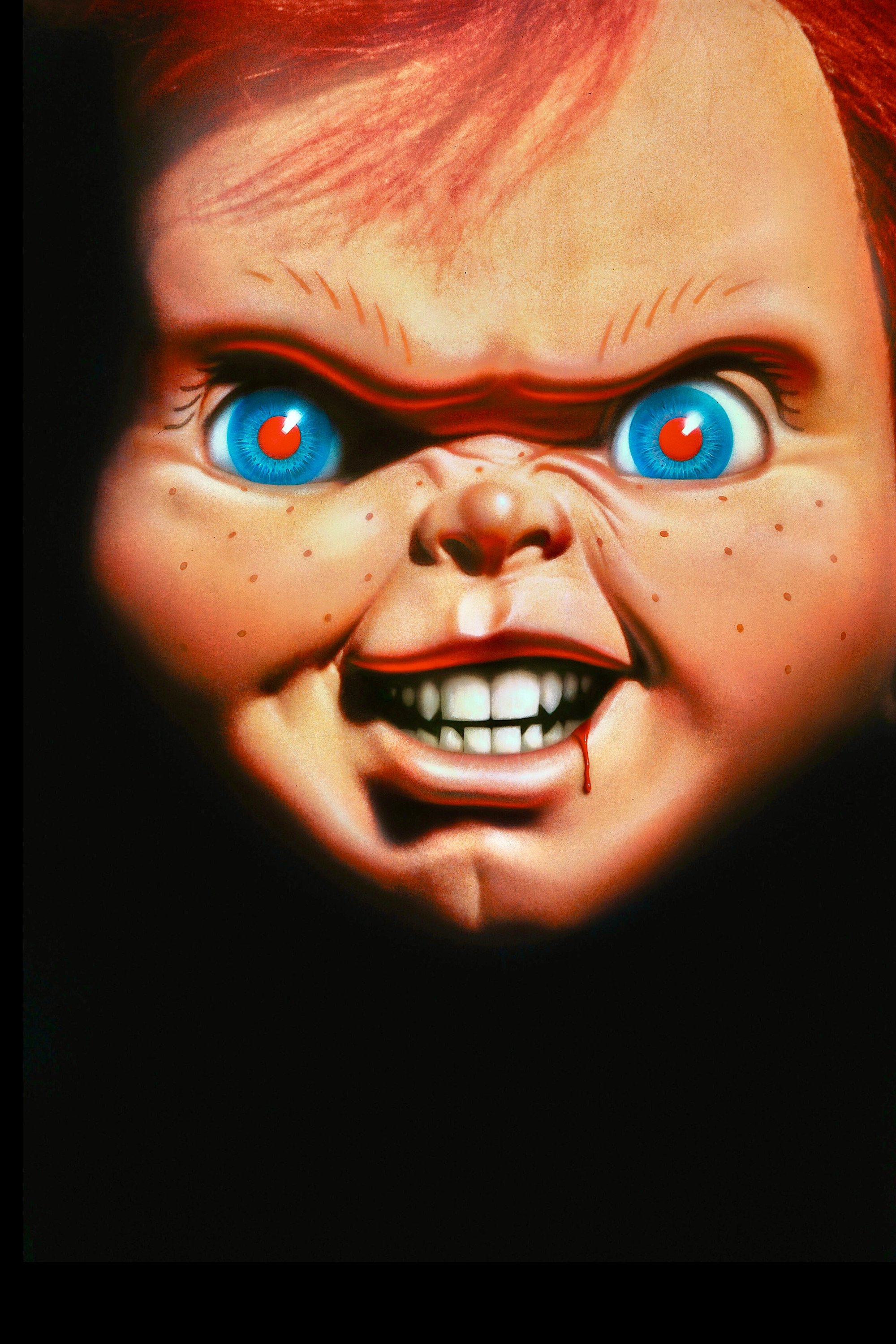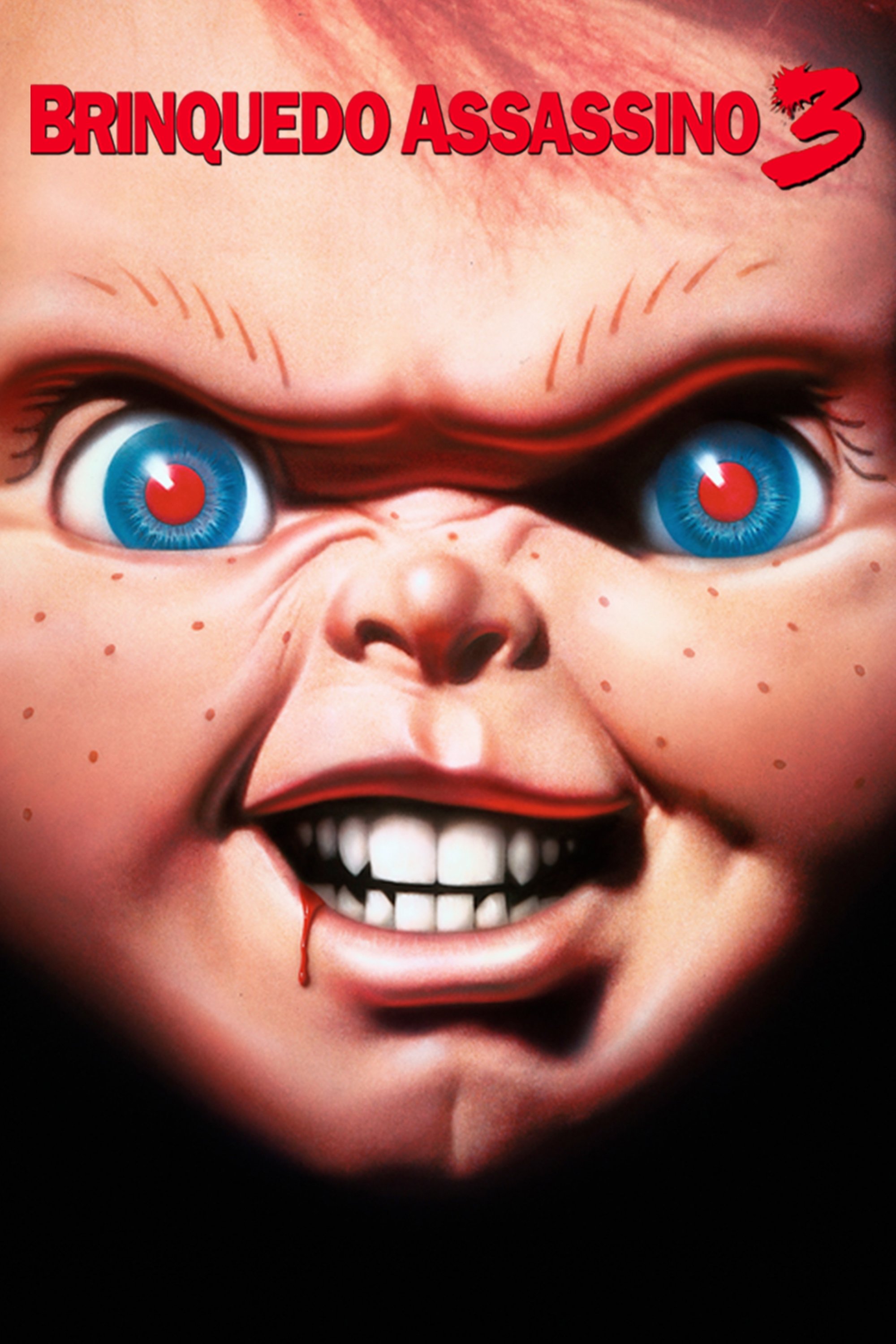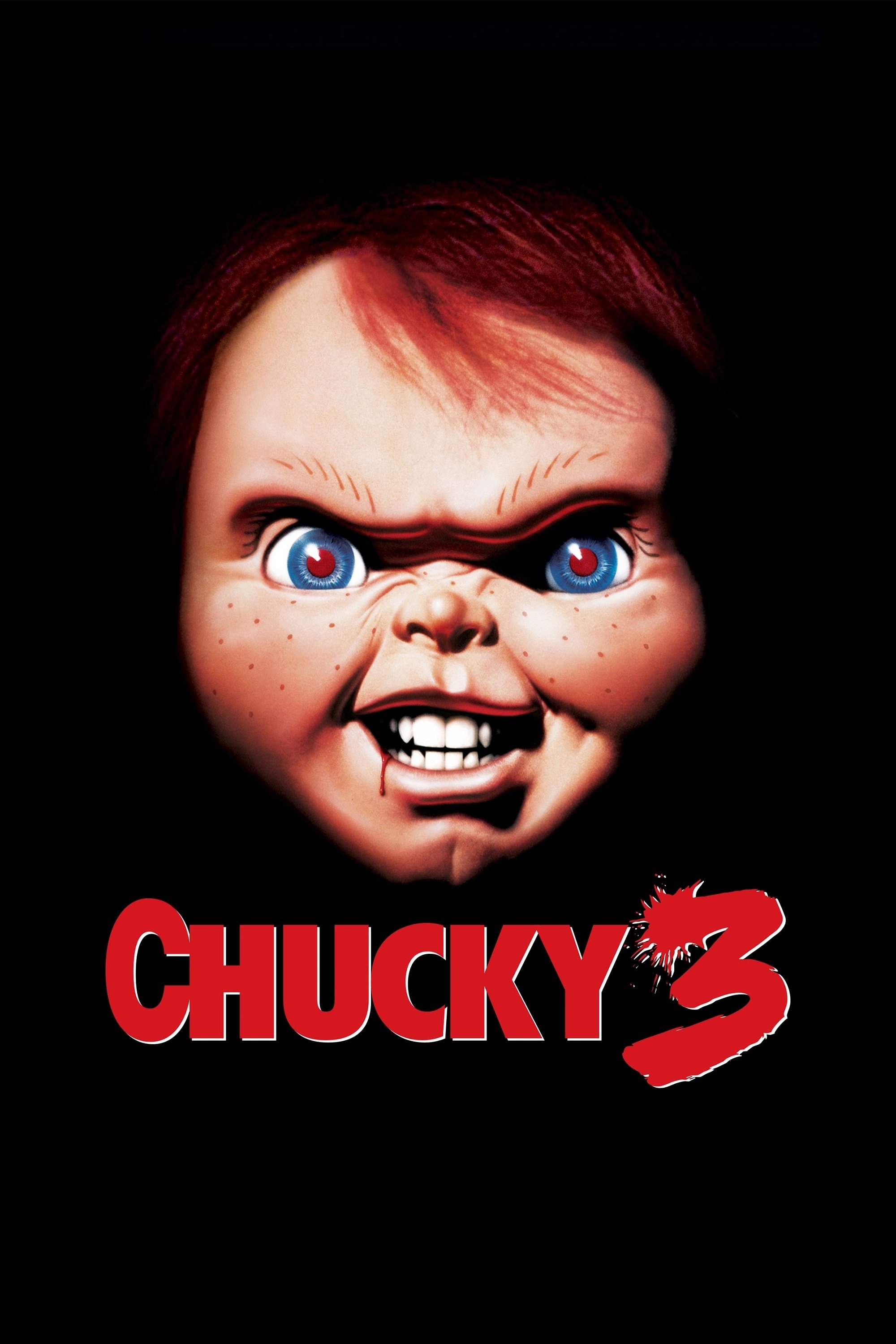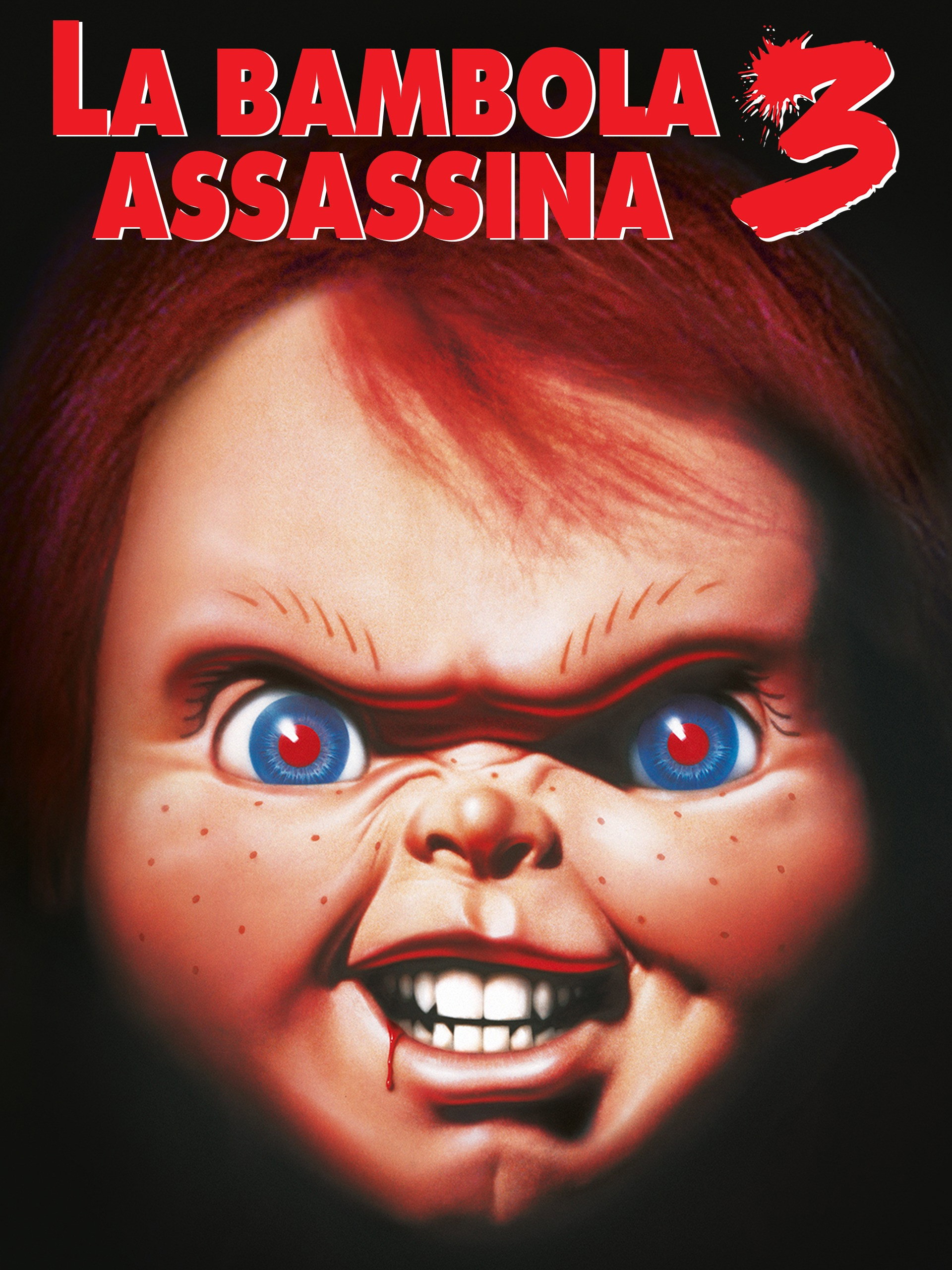
Child's Play 3 (1991)

US
HORROR FILM
SUBGENRES EVIL DOLL
Runtime
90 min
Release
August 30, 1991
Budget
$13,000,000
Revenue
$20,560,255
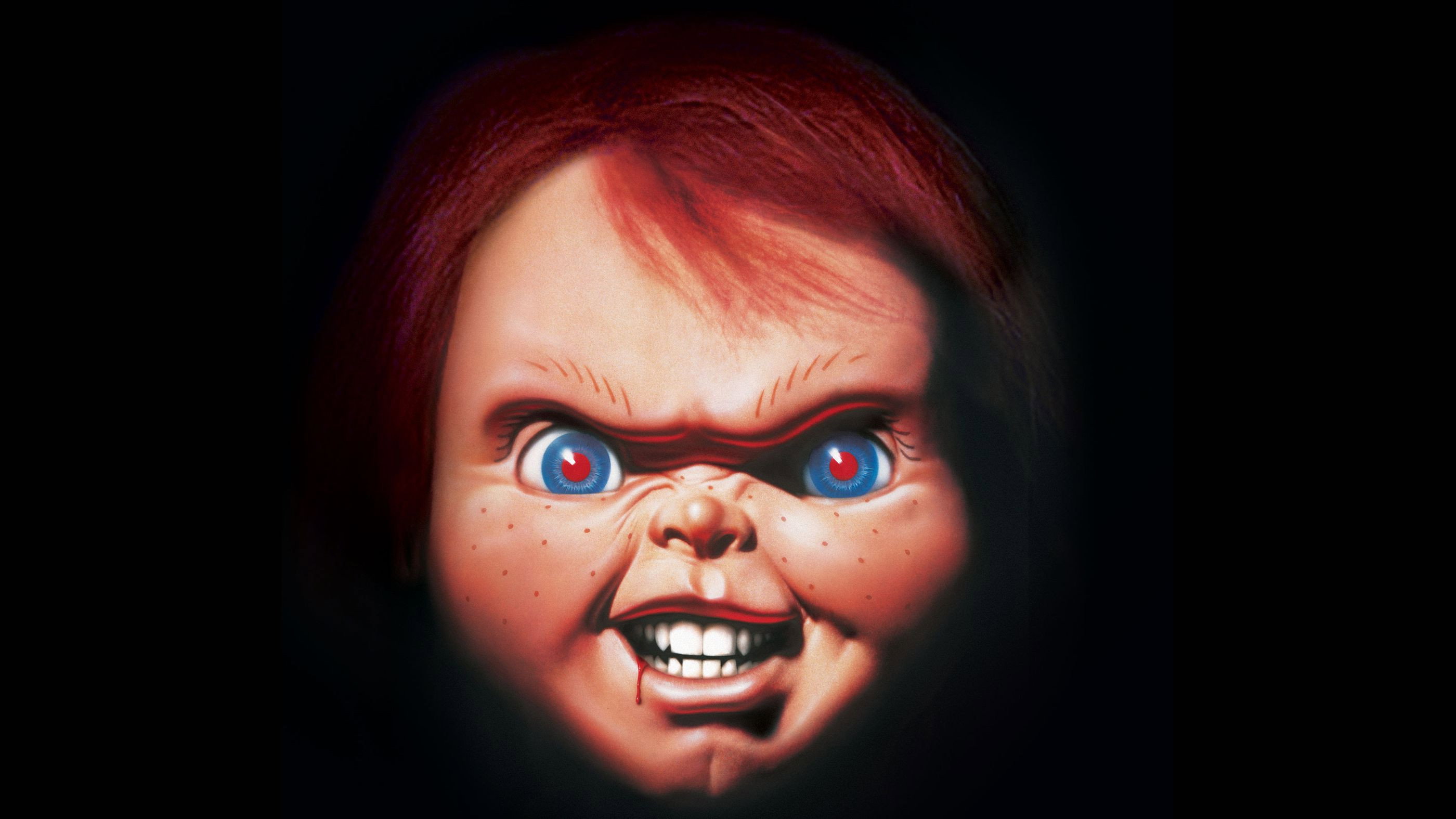
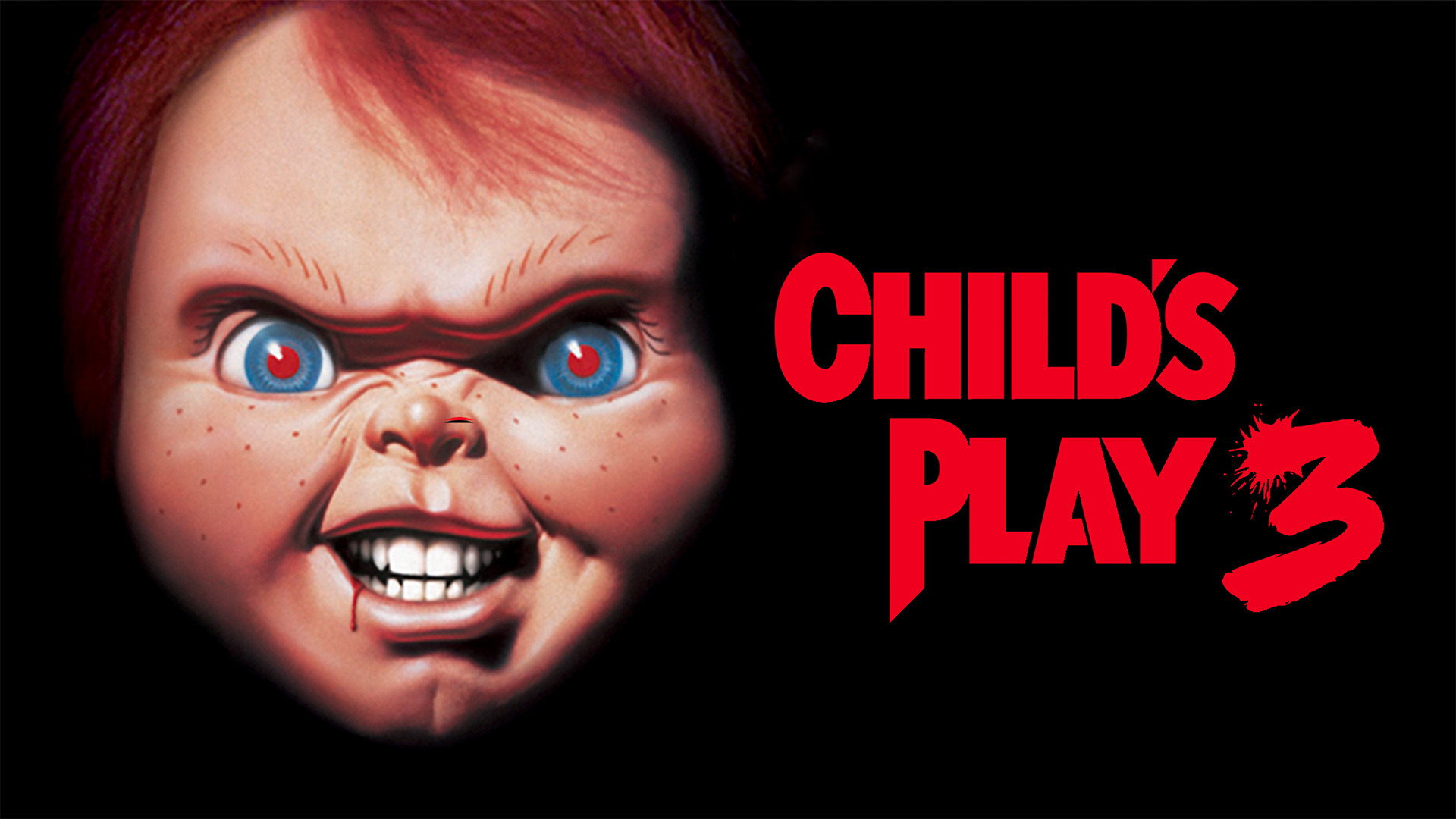
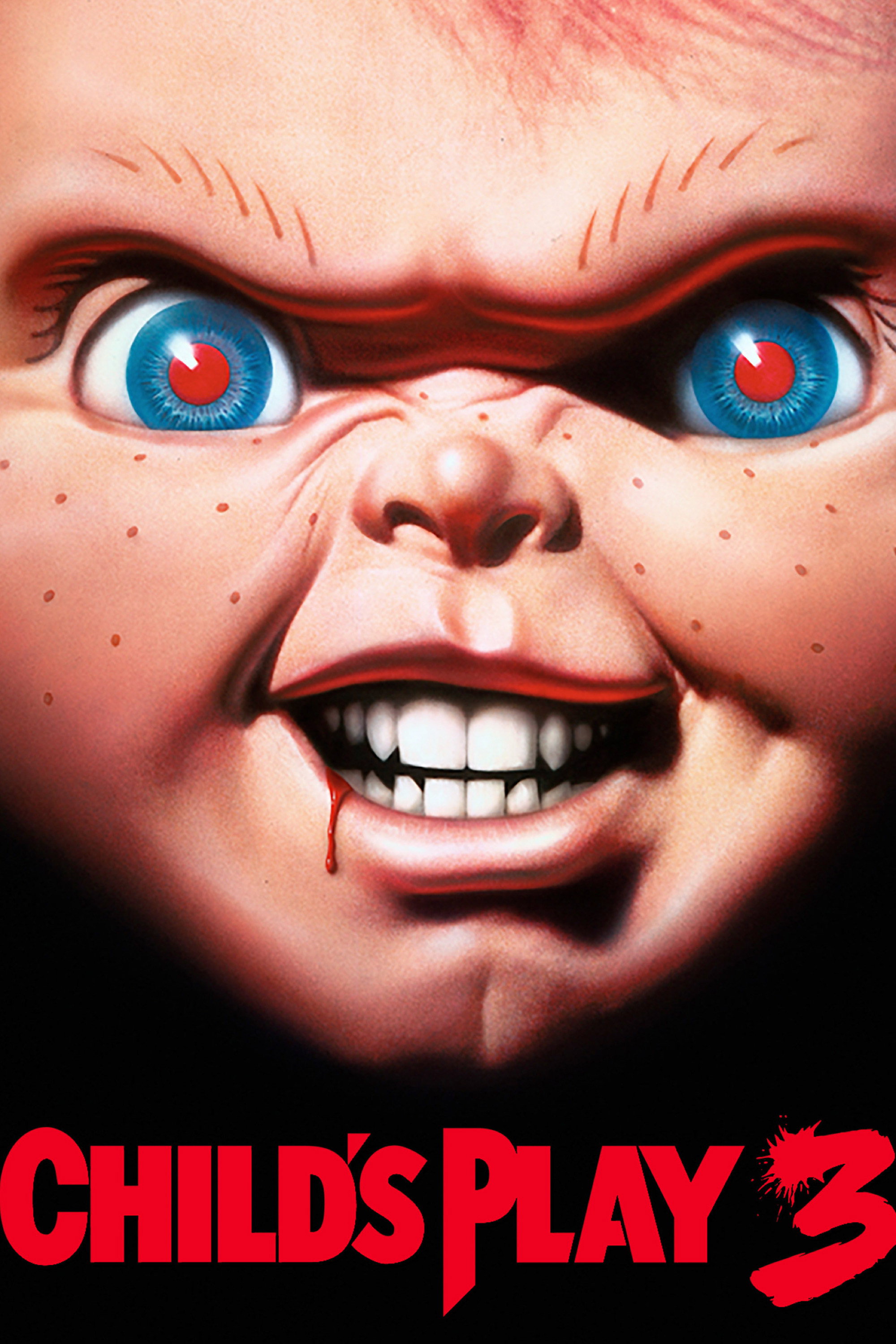
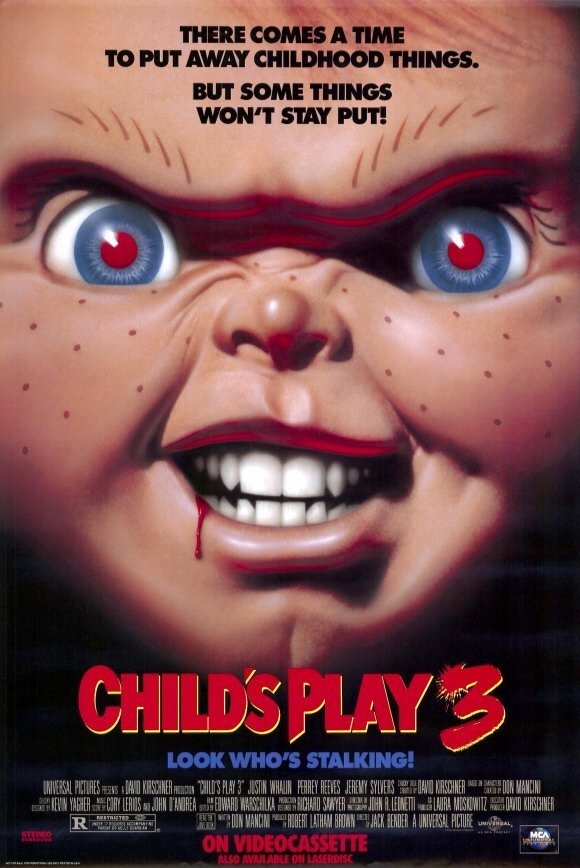
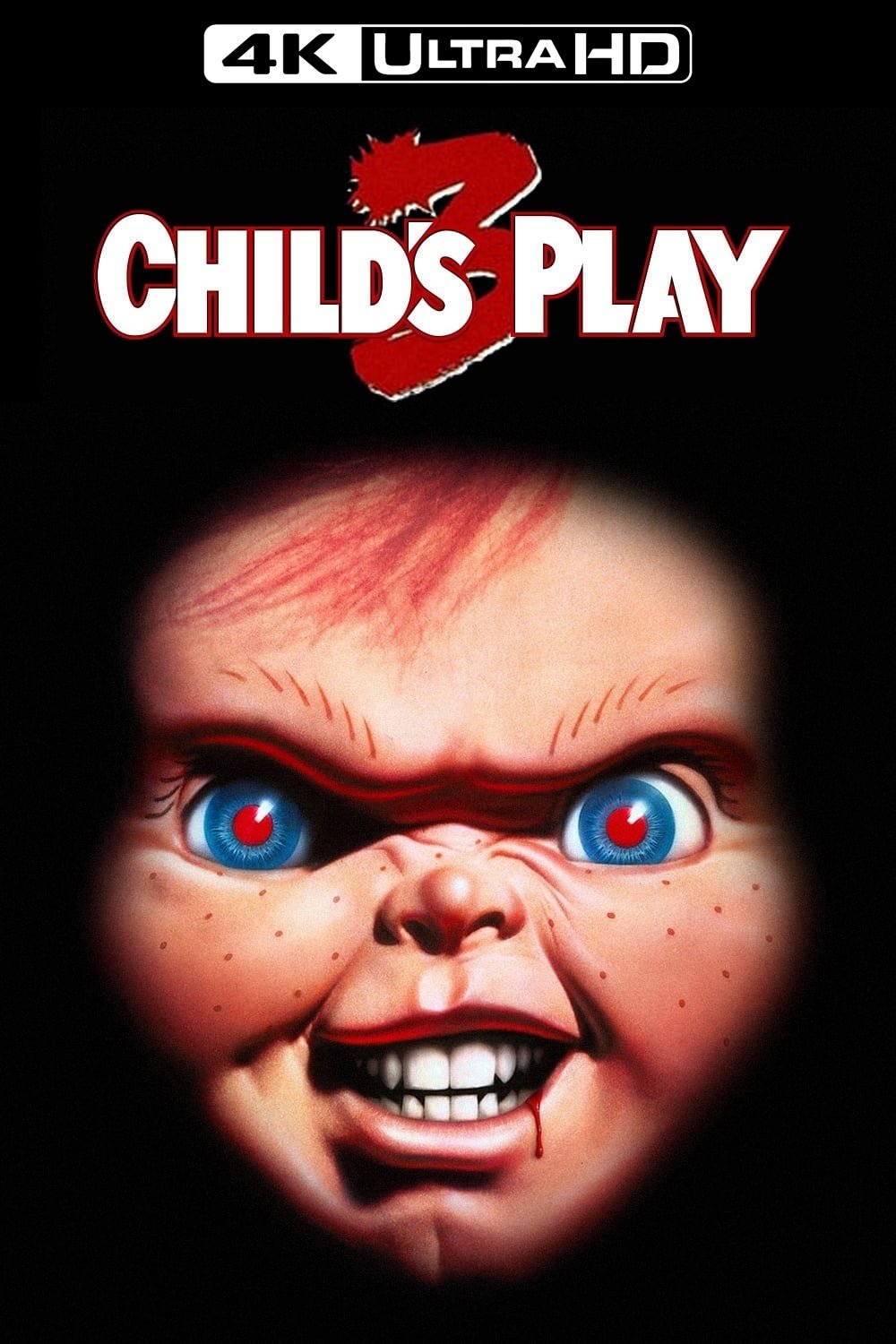
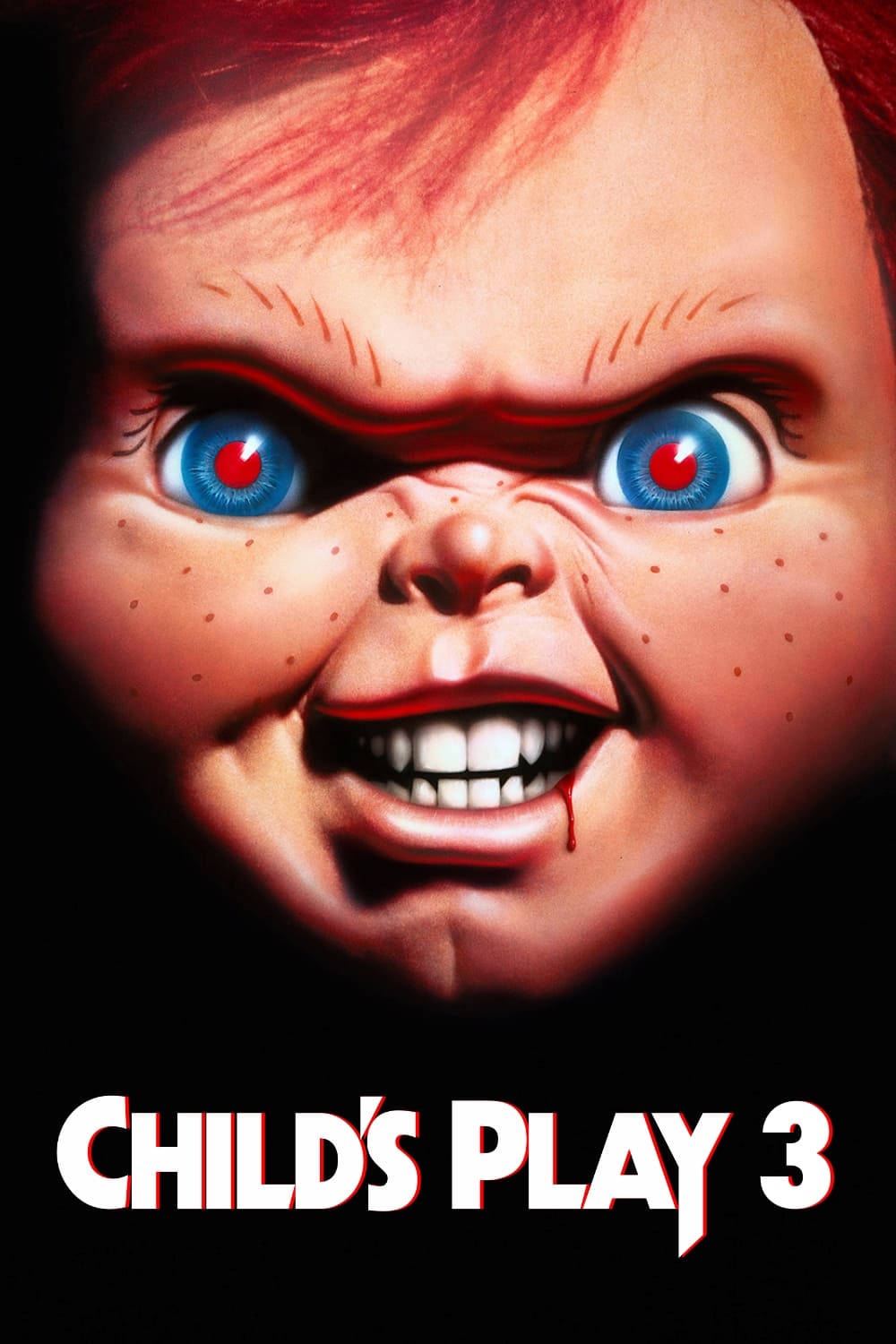
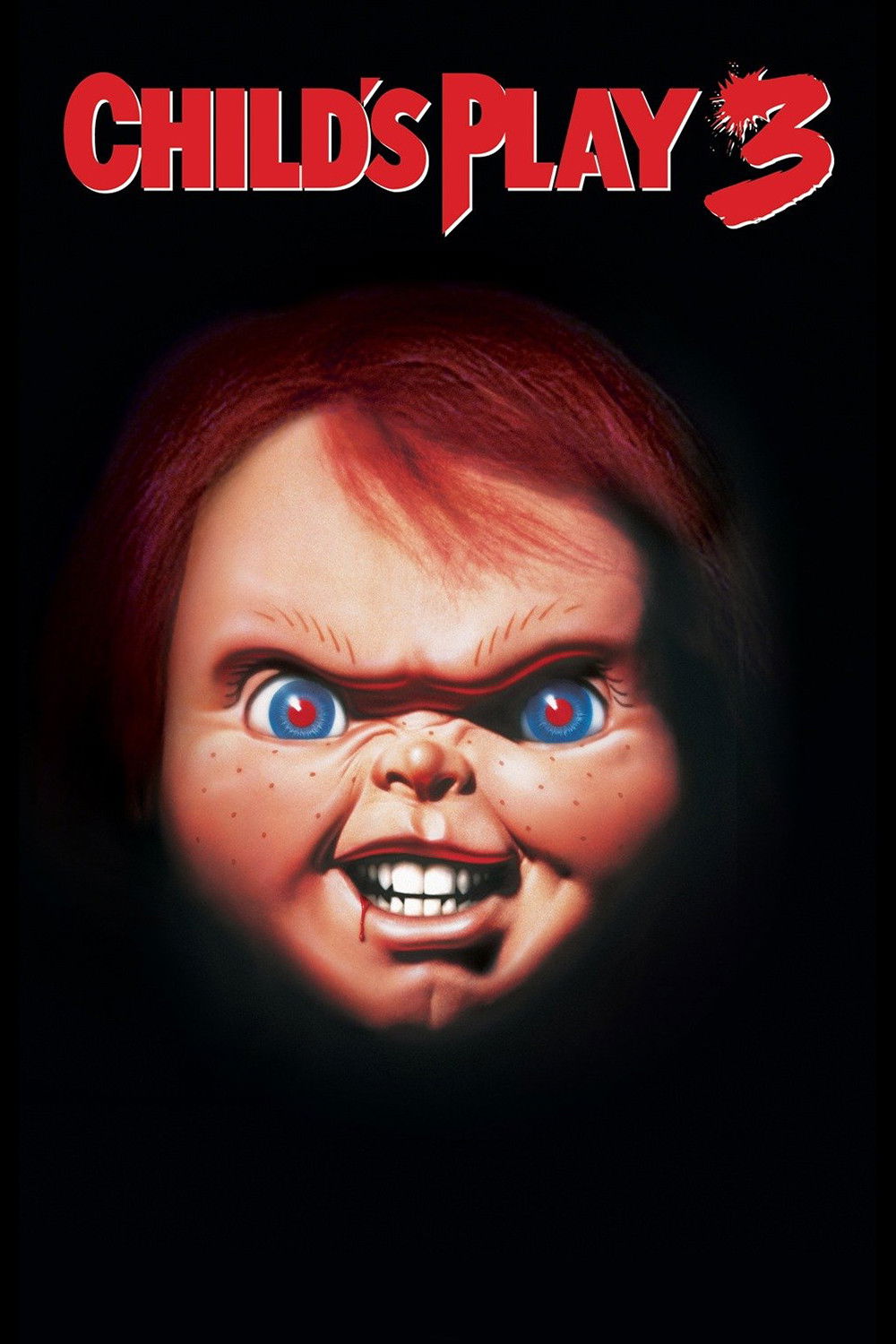
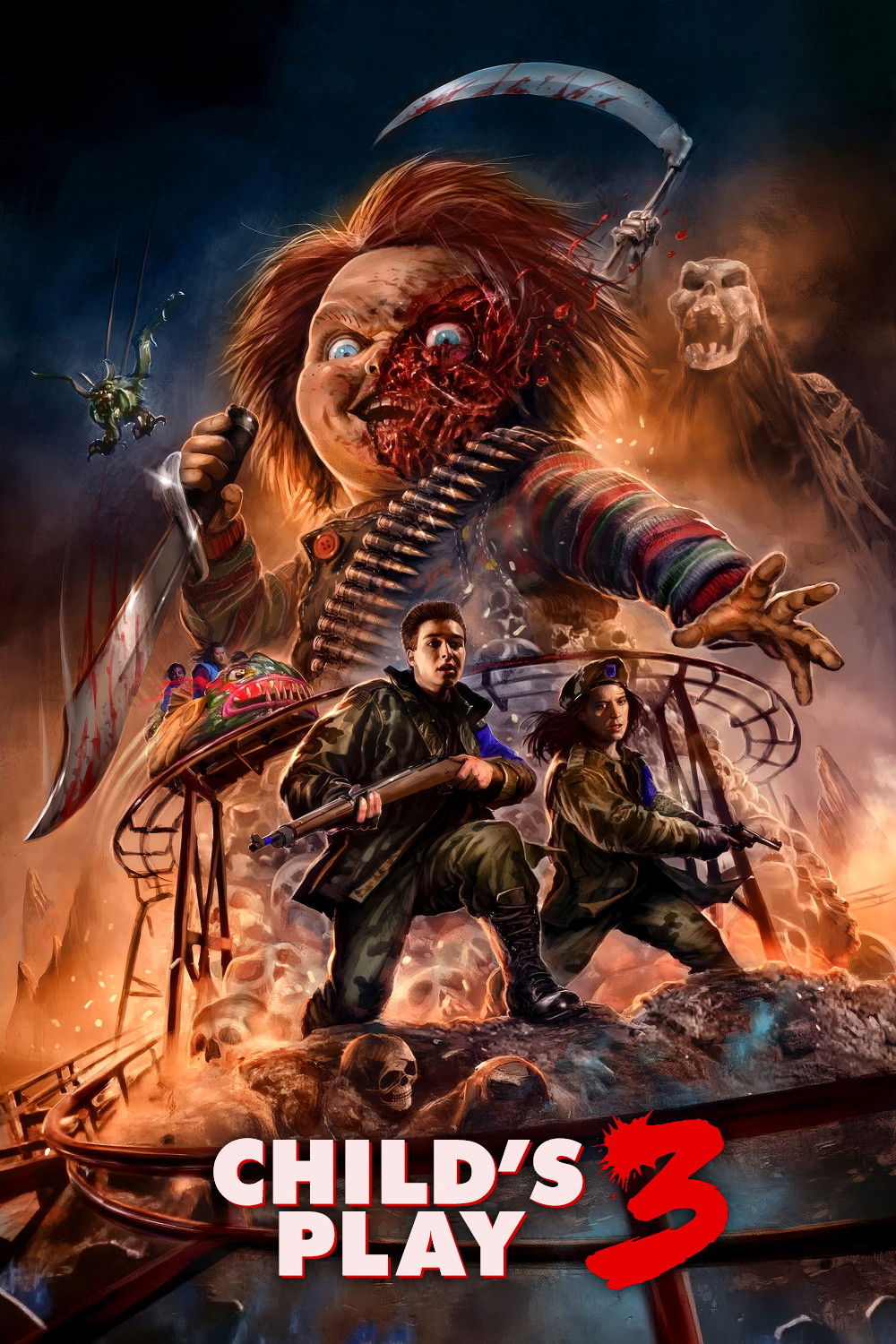
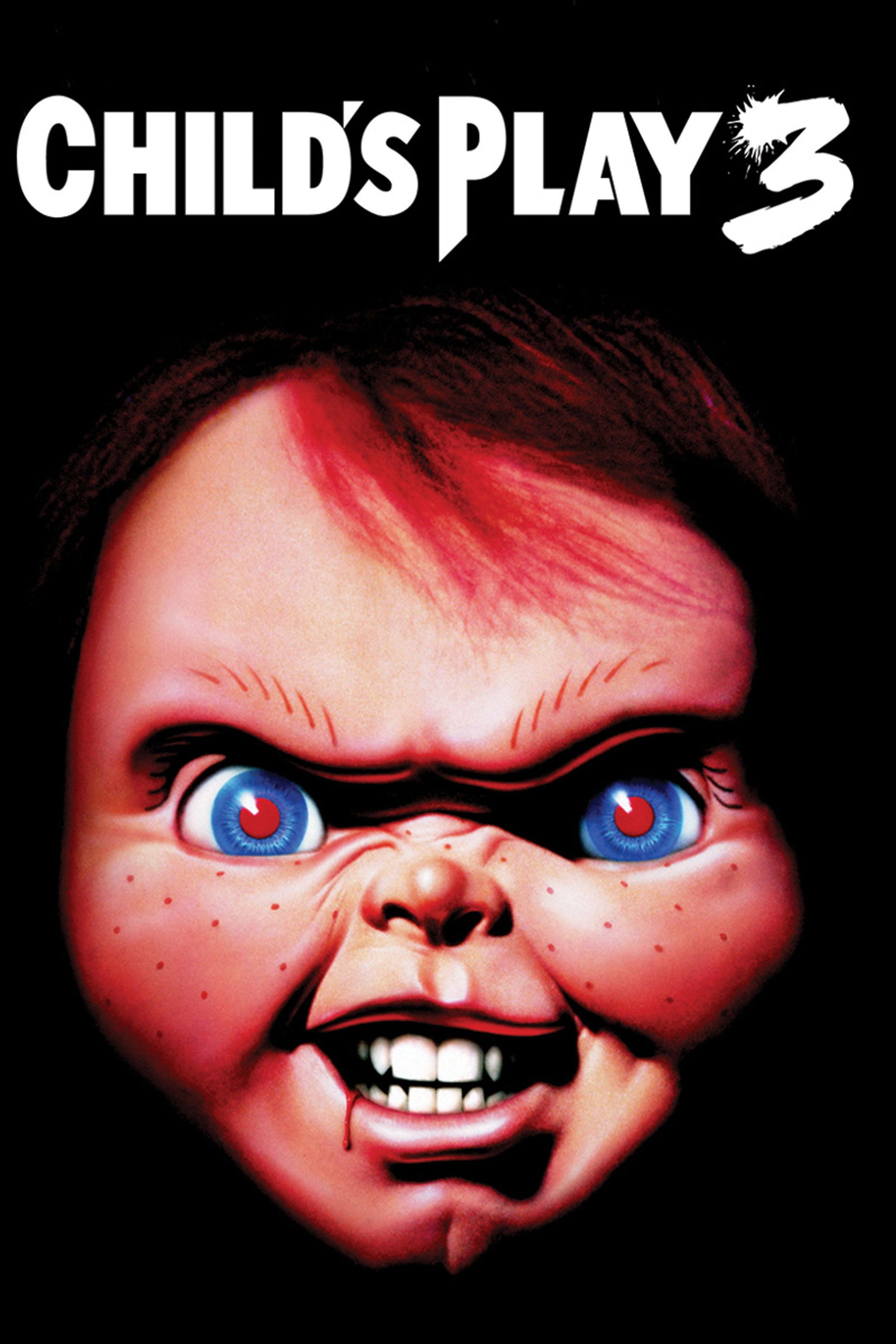
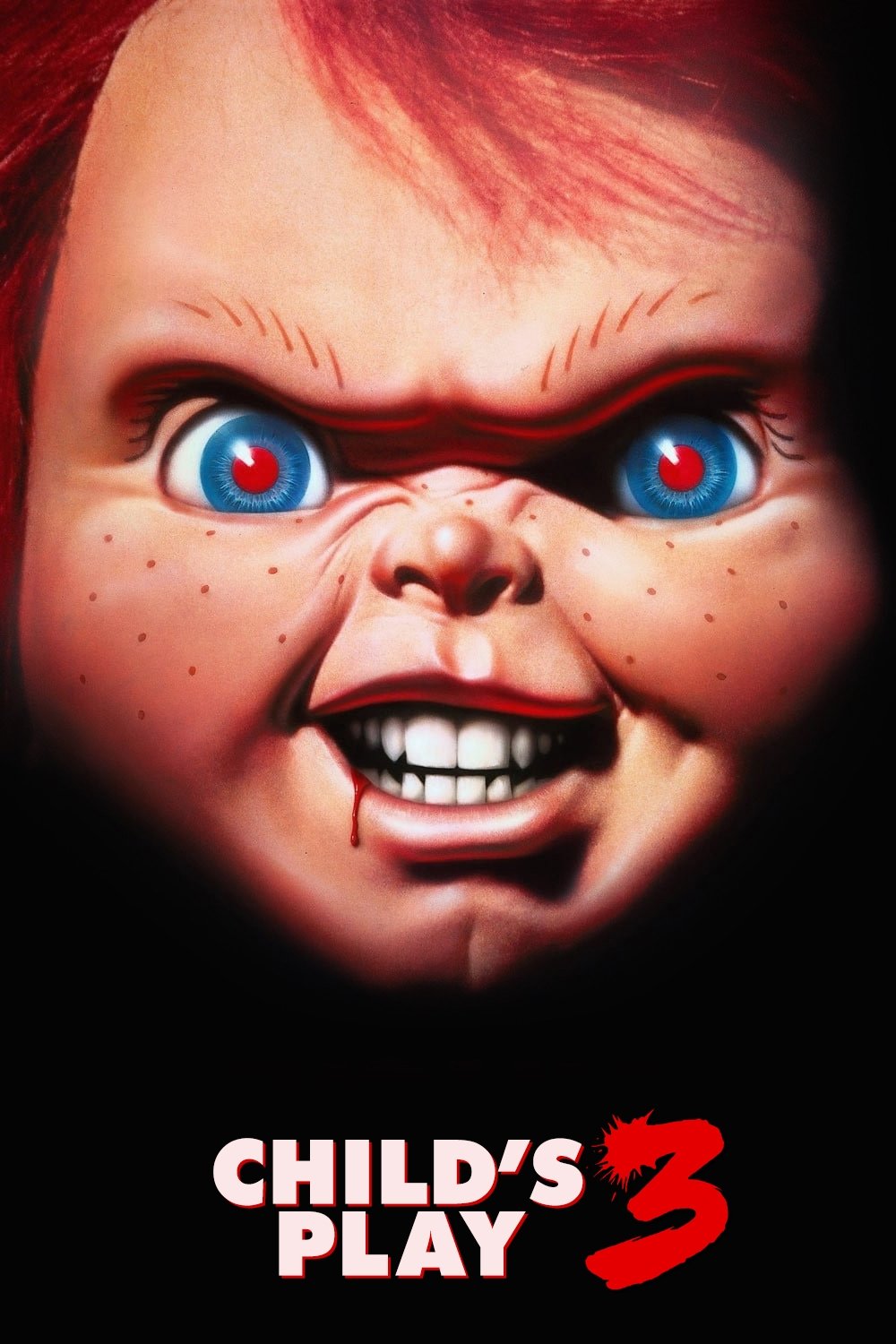
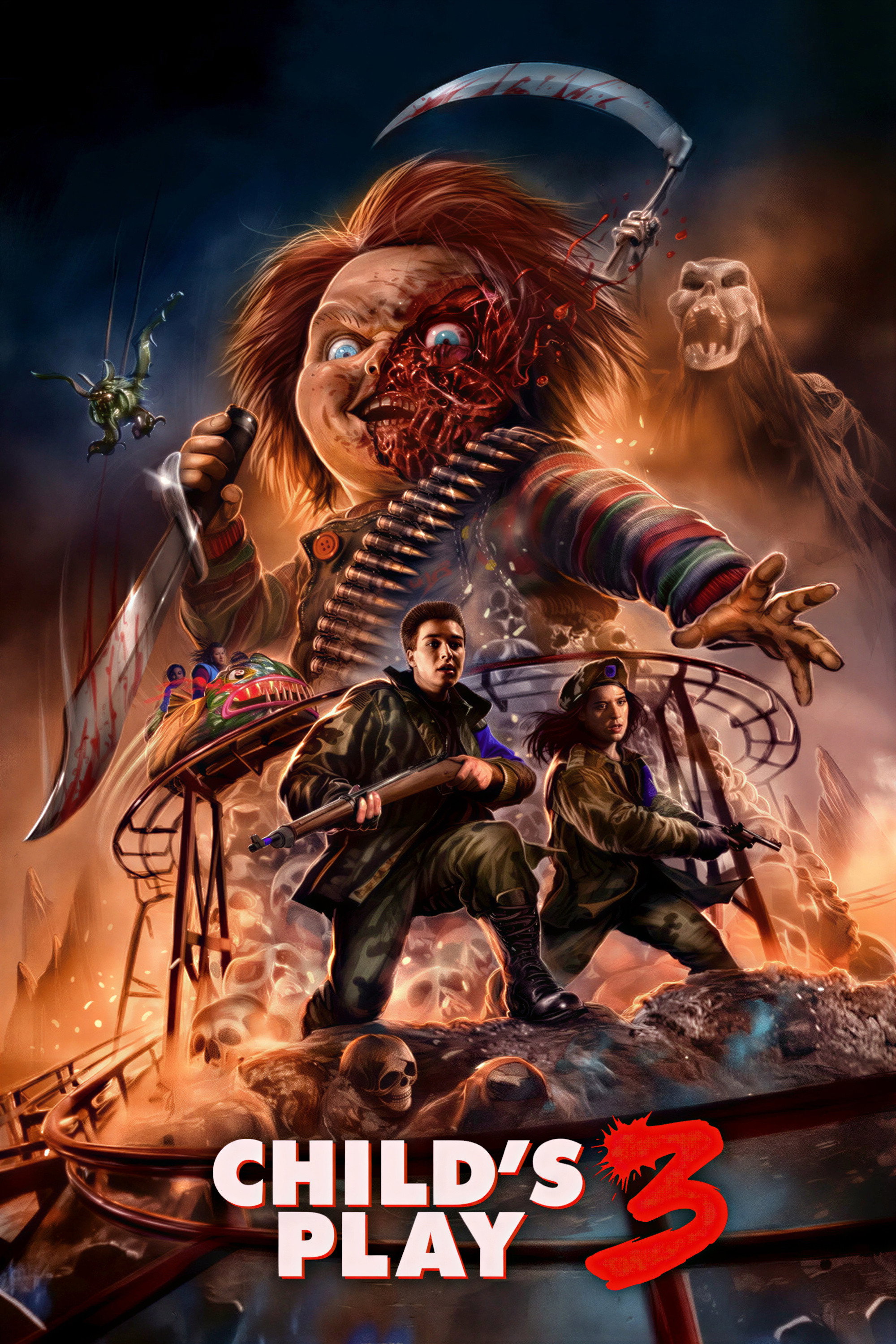
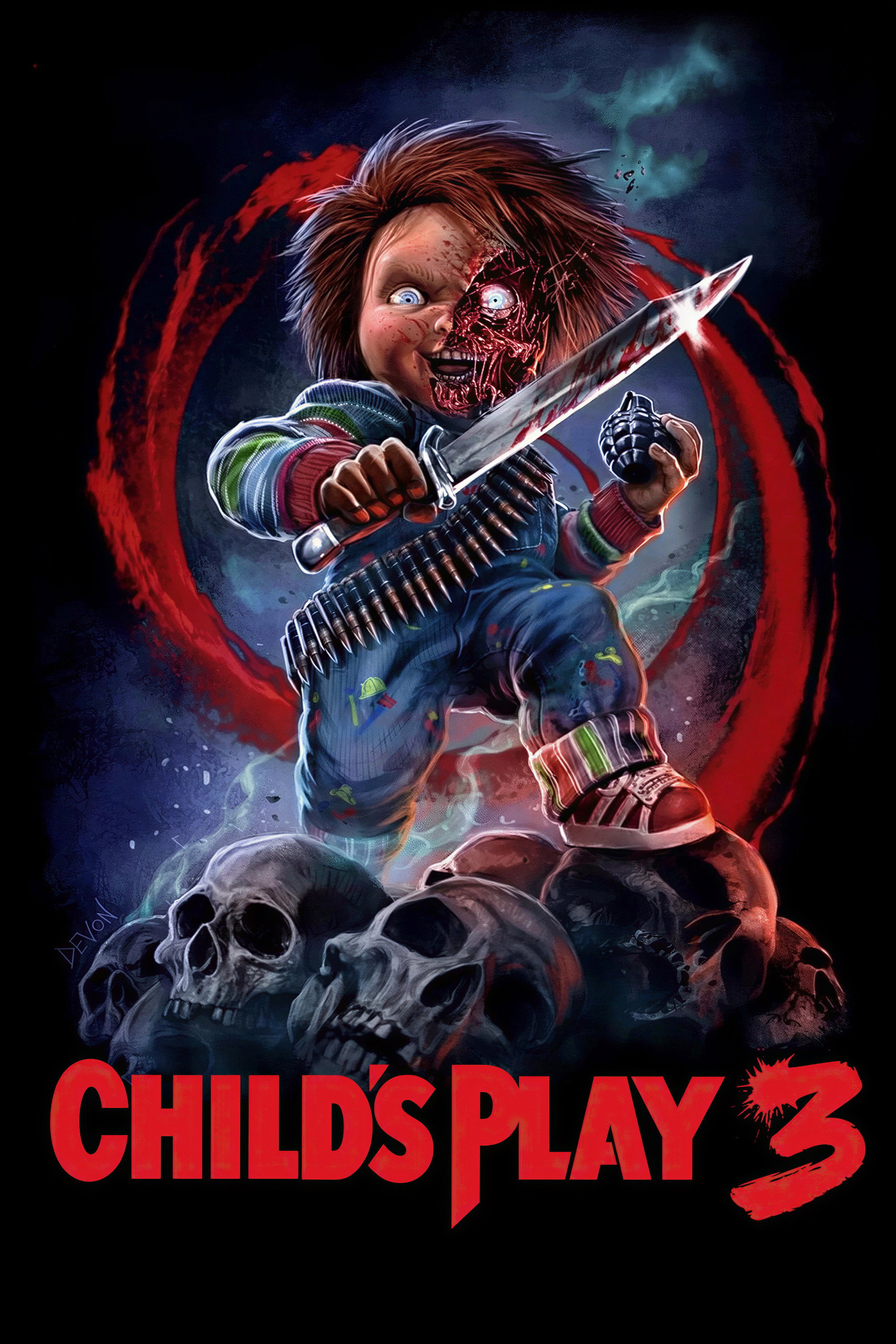
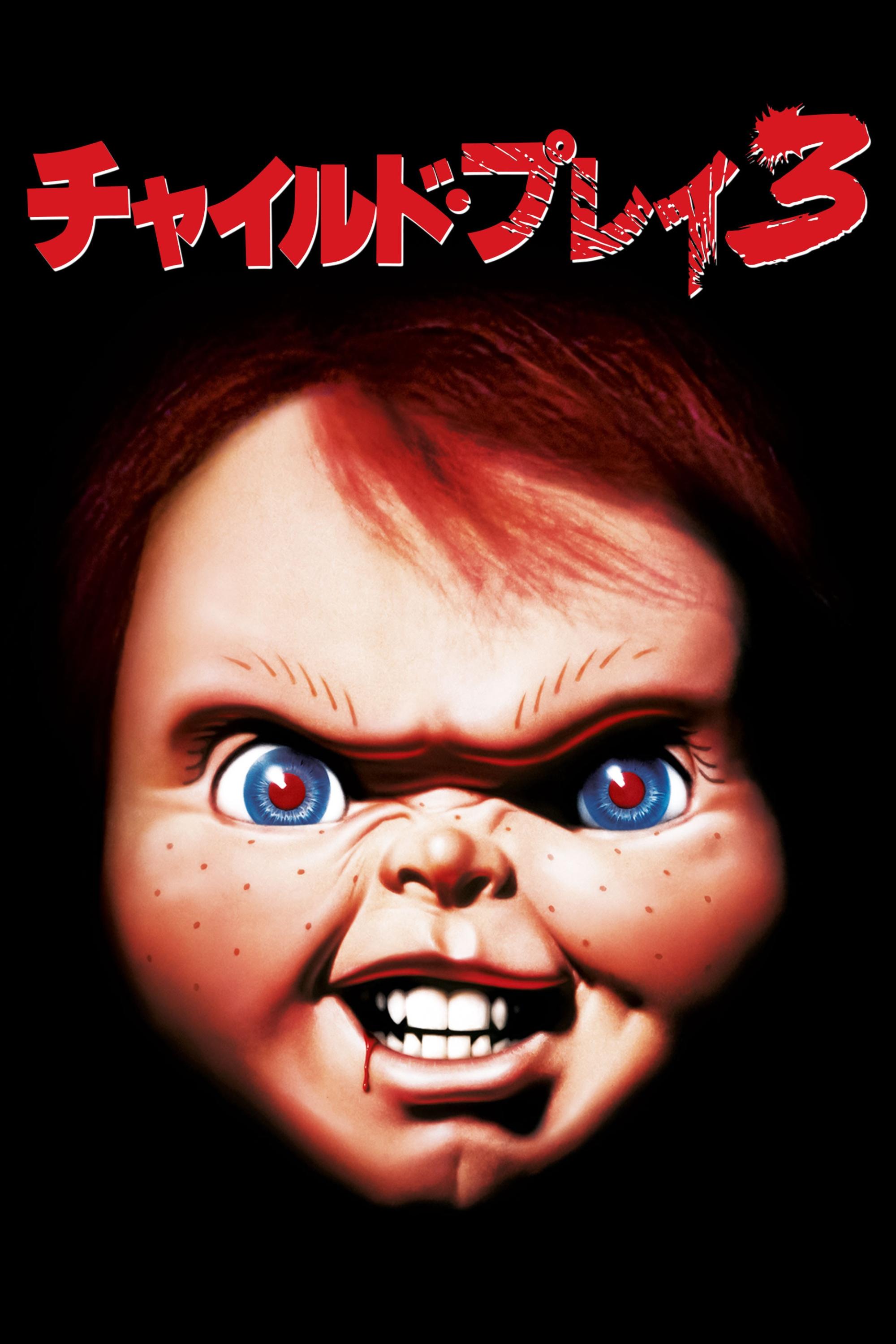
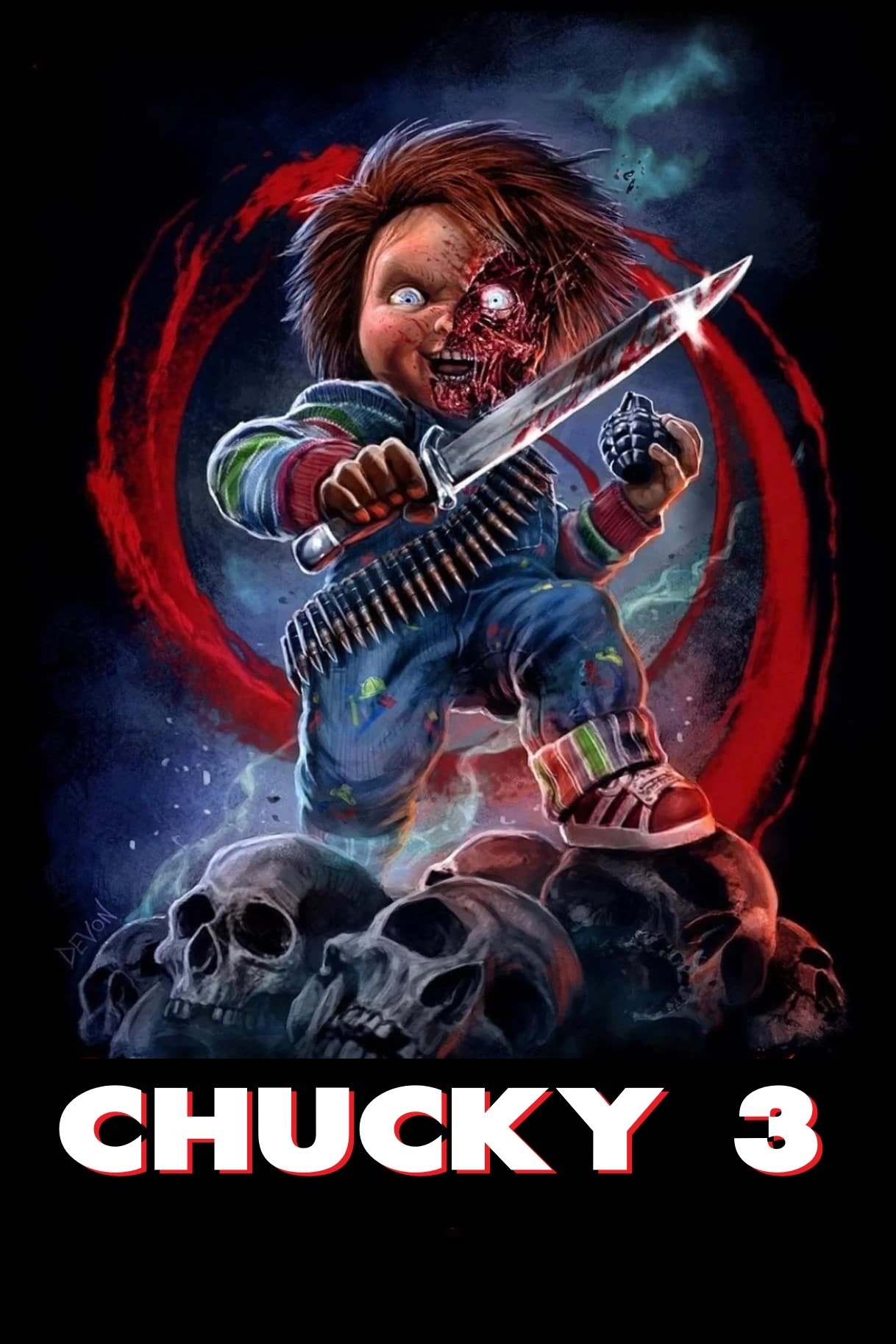
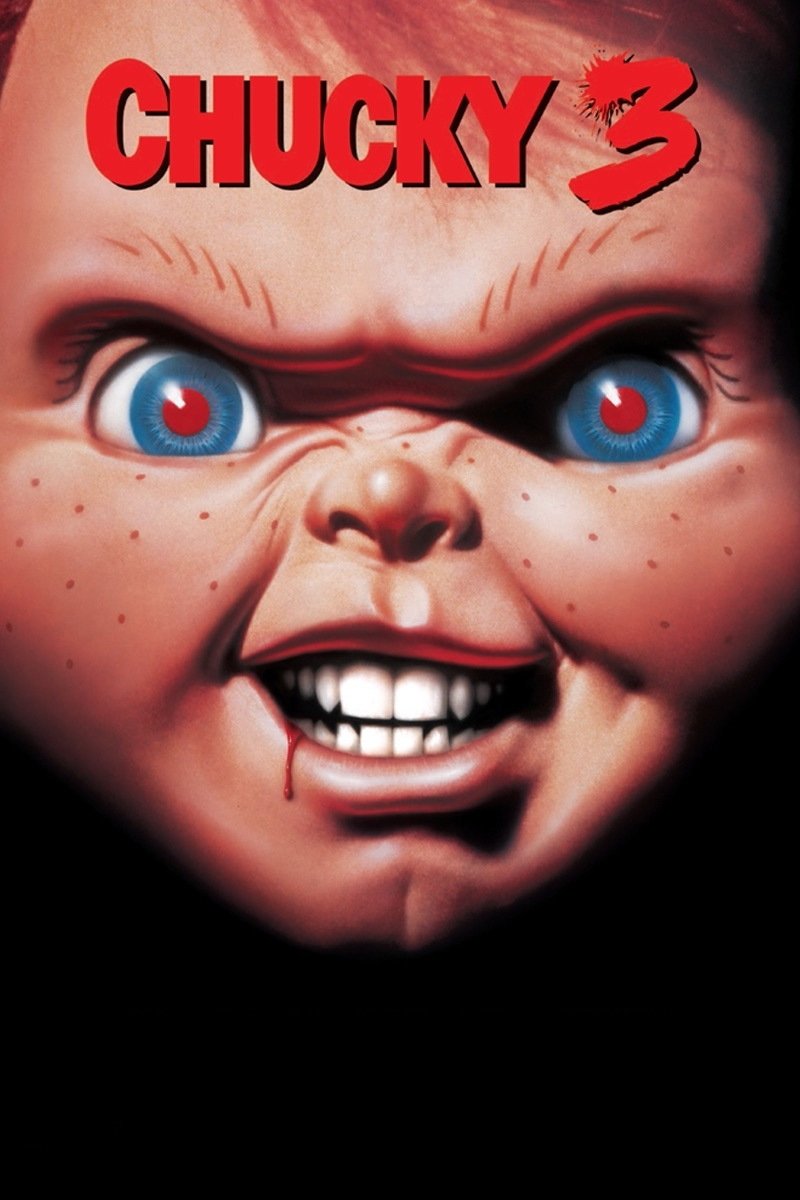
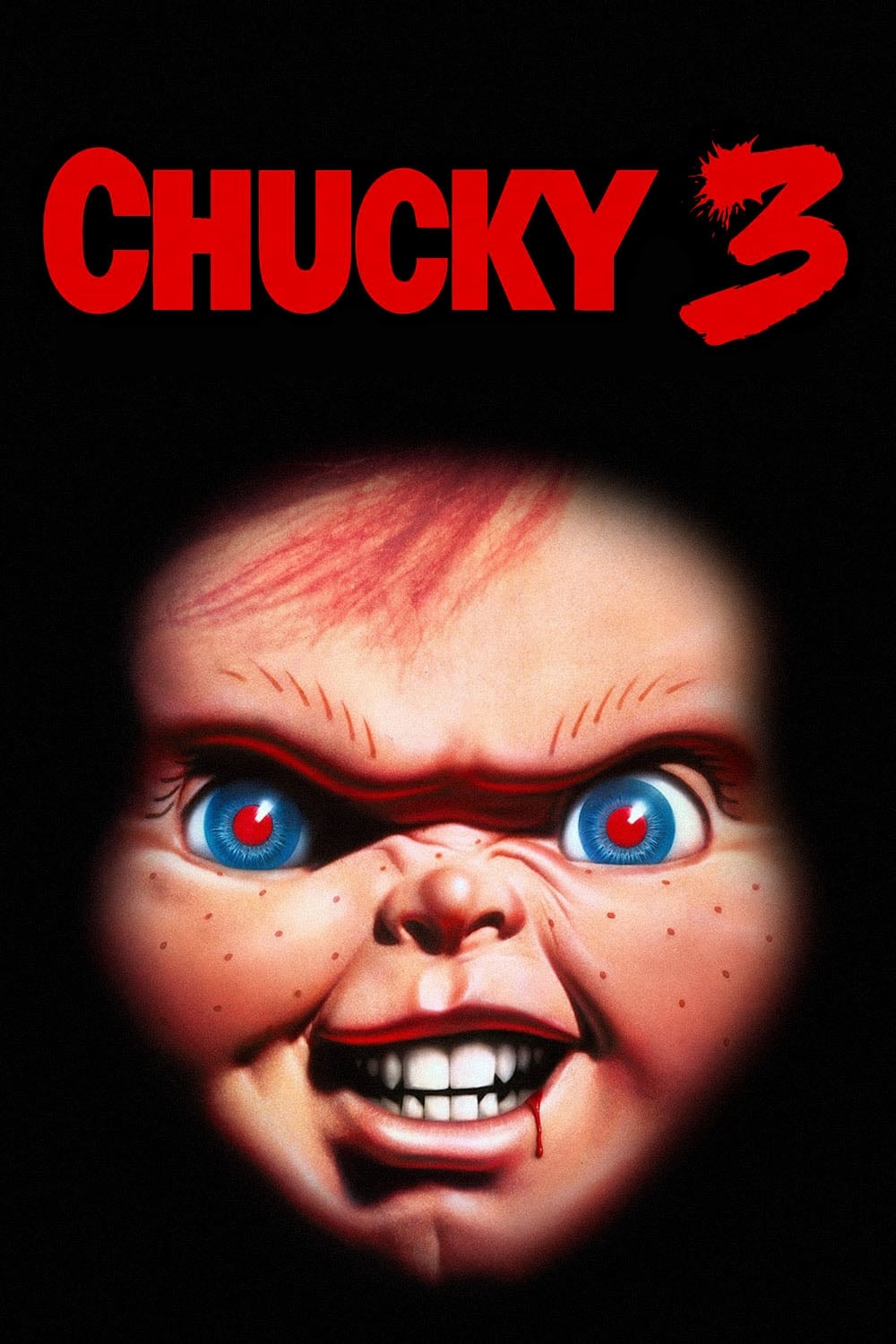
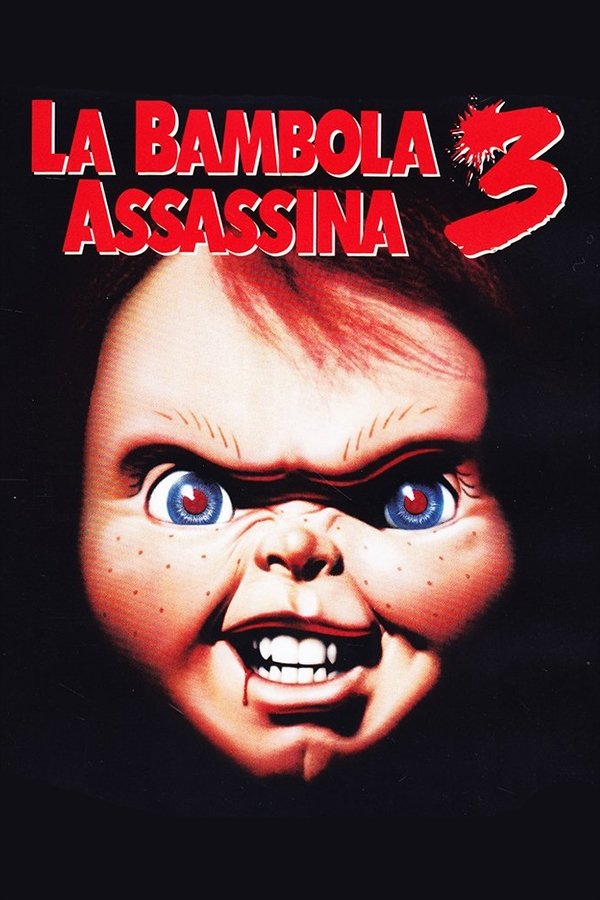
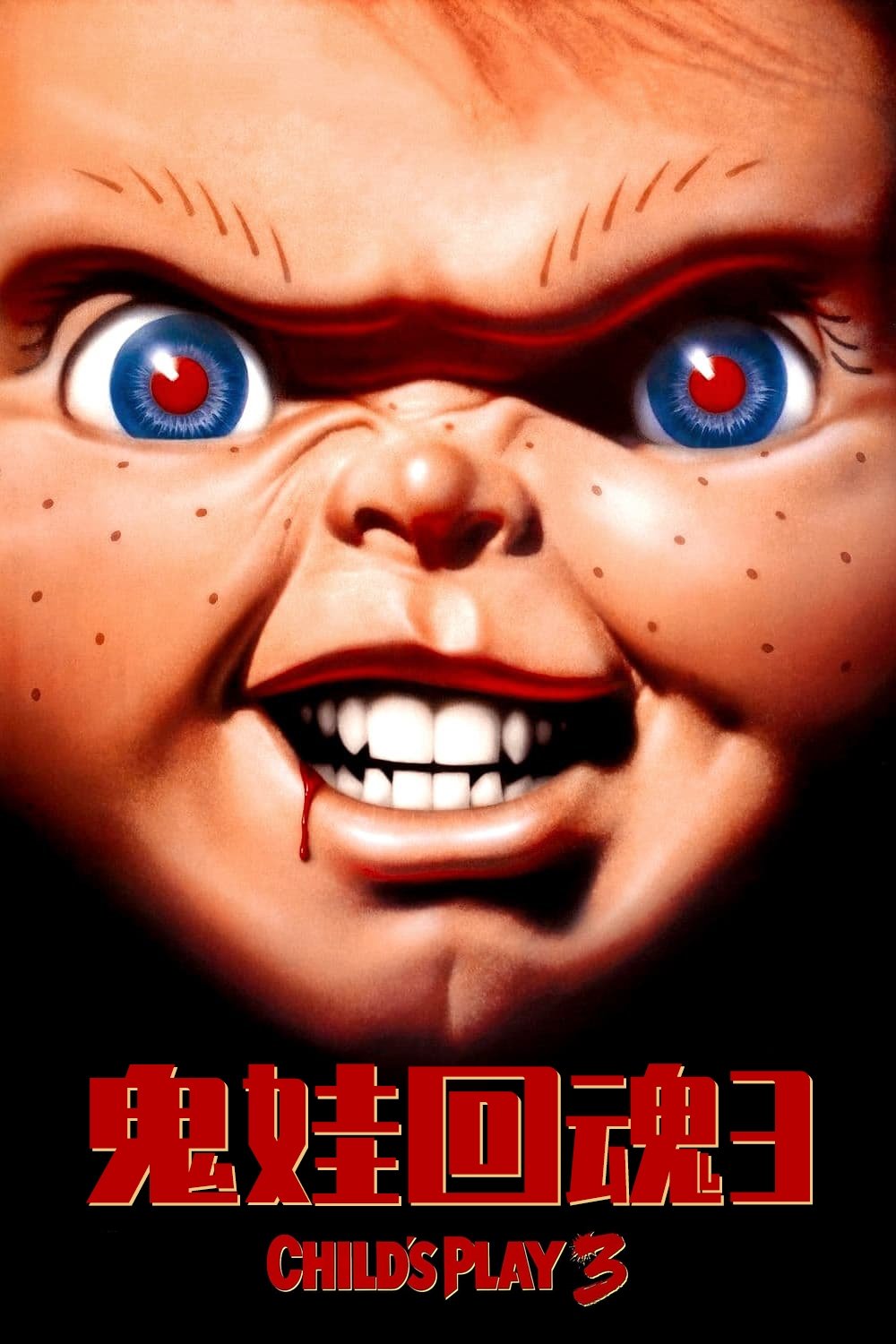
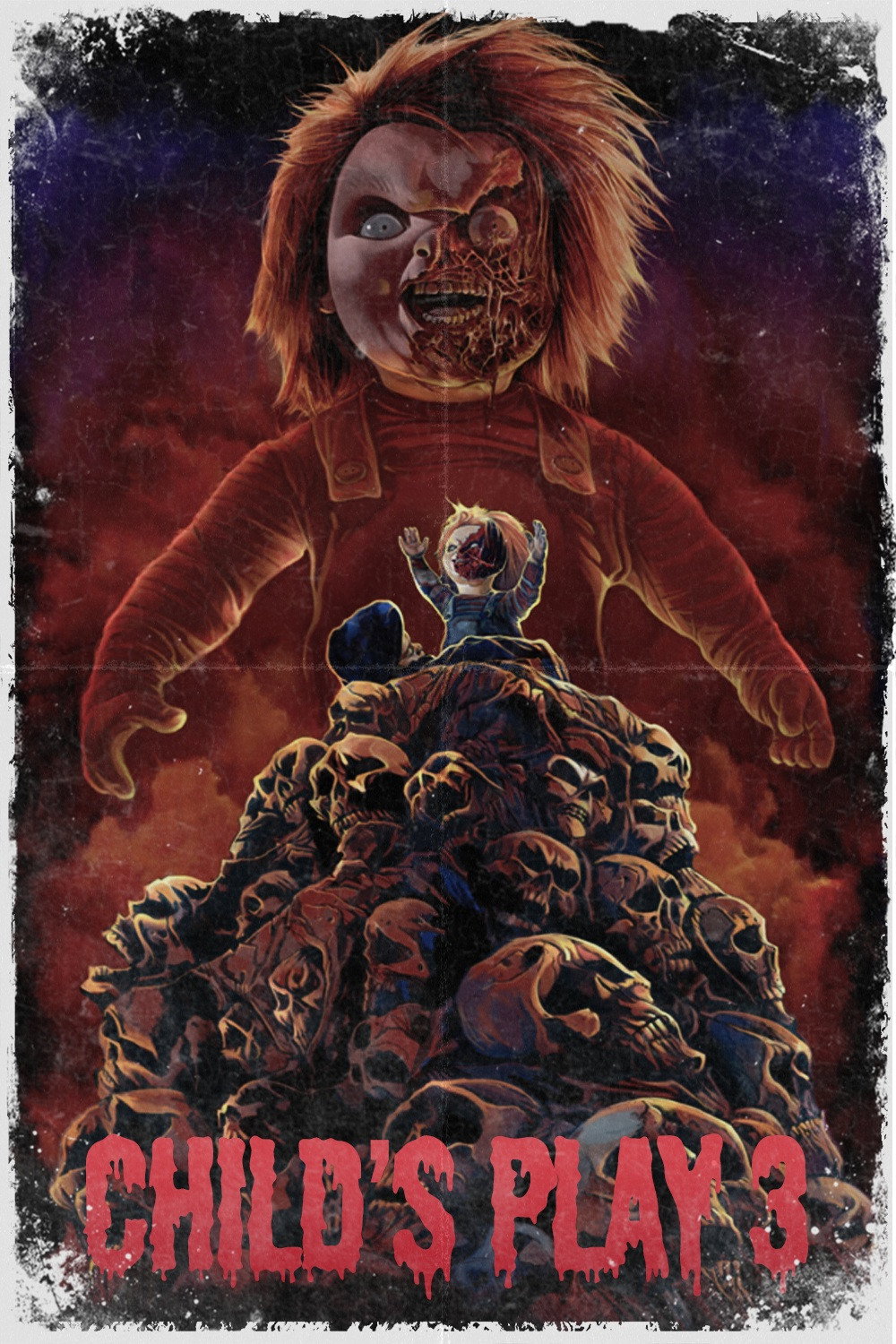
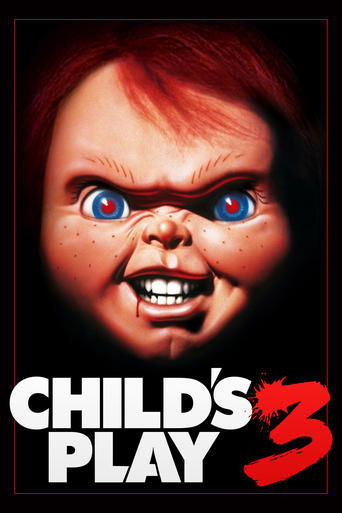
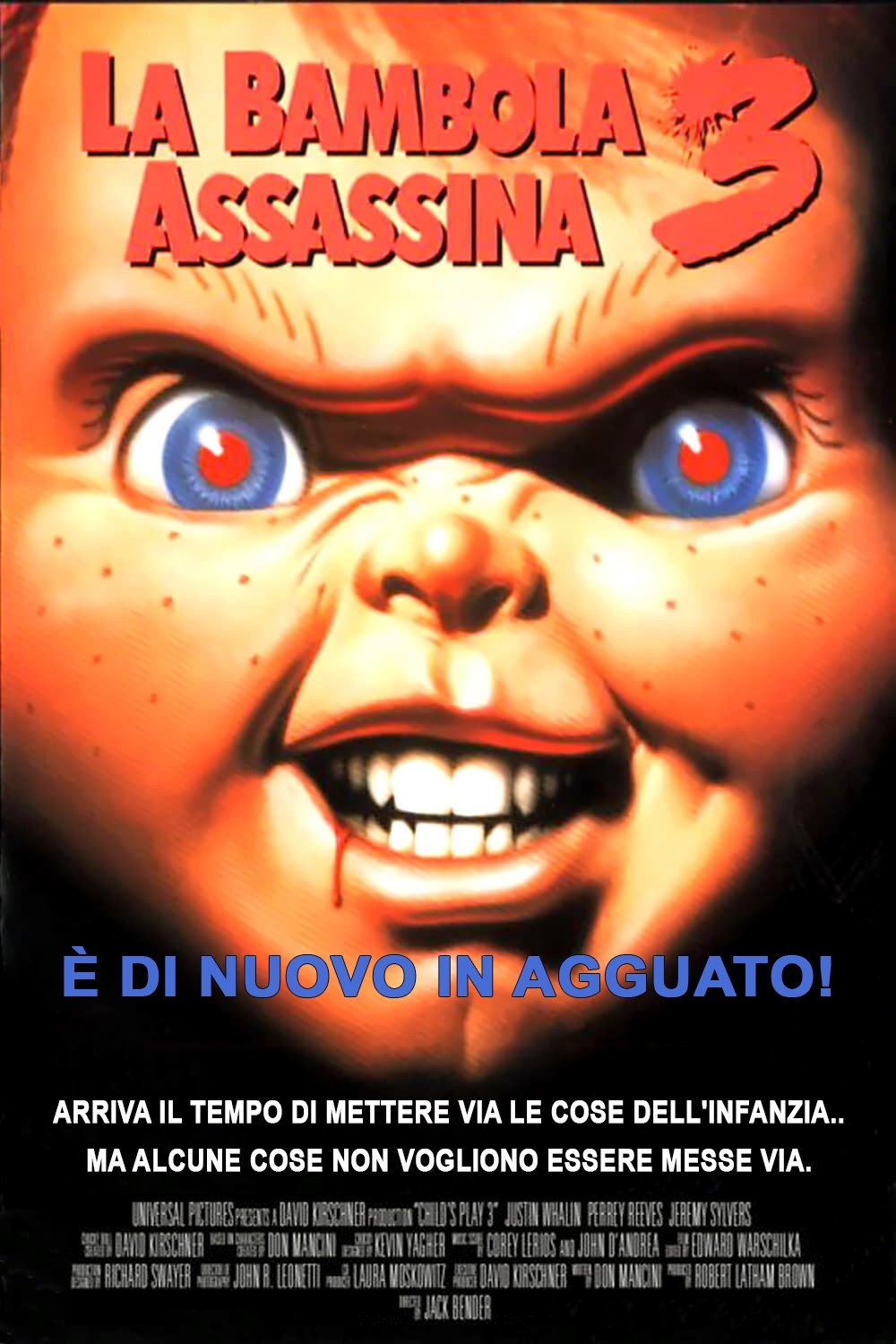
Child's Play 3 (1991) poster
Director
Writer
Production Company
Universal Pictures
Plot

Eight years after his earlier encounters with Chucky, teenage Andy Barclay is enrolled at a military academy. The serial killer returns through a newly manufactured Good Guy doll and identifies younger cadet Tyler as a potential new body. Andy attempts to protect Tyler as the doll exploits the academy’s routines and rivalries, bringing the conflict to a military training environment and a nearby amusement park.

Alternative Titles
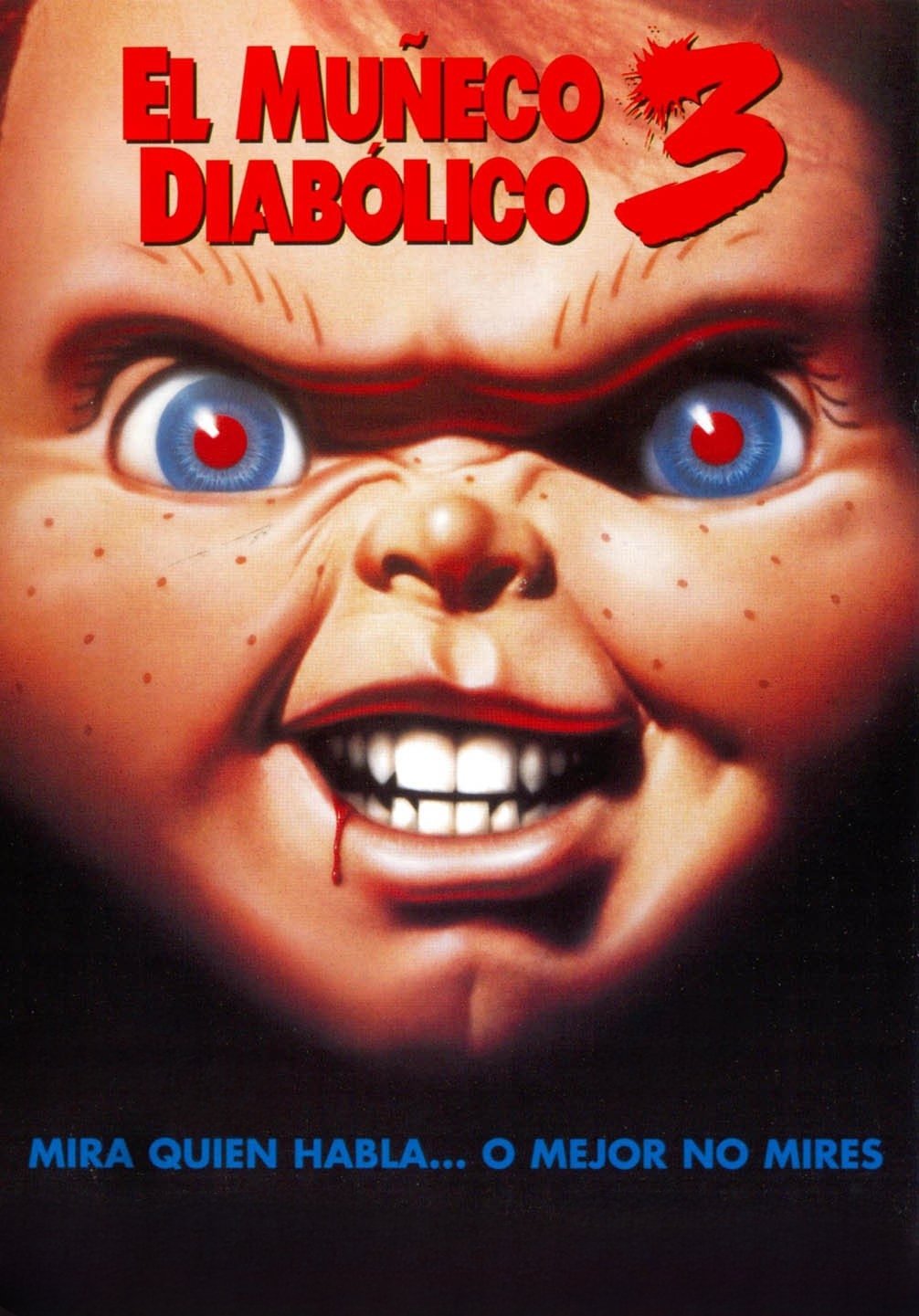
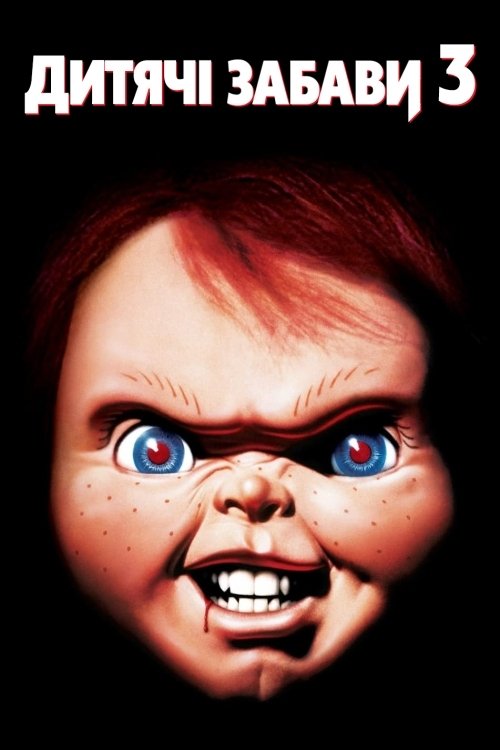
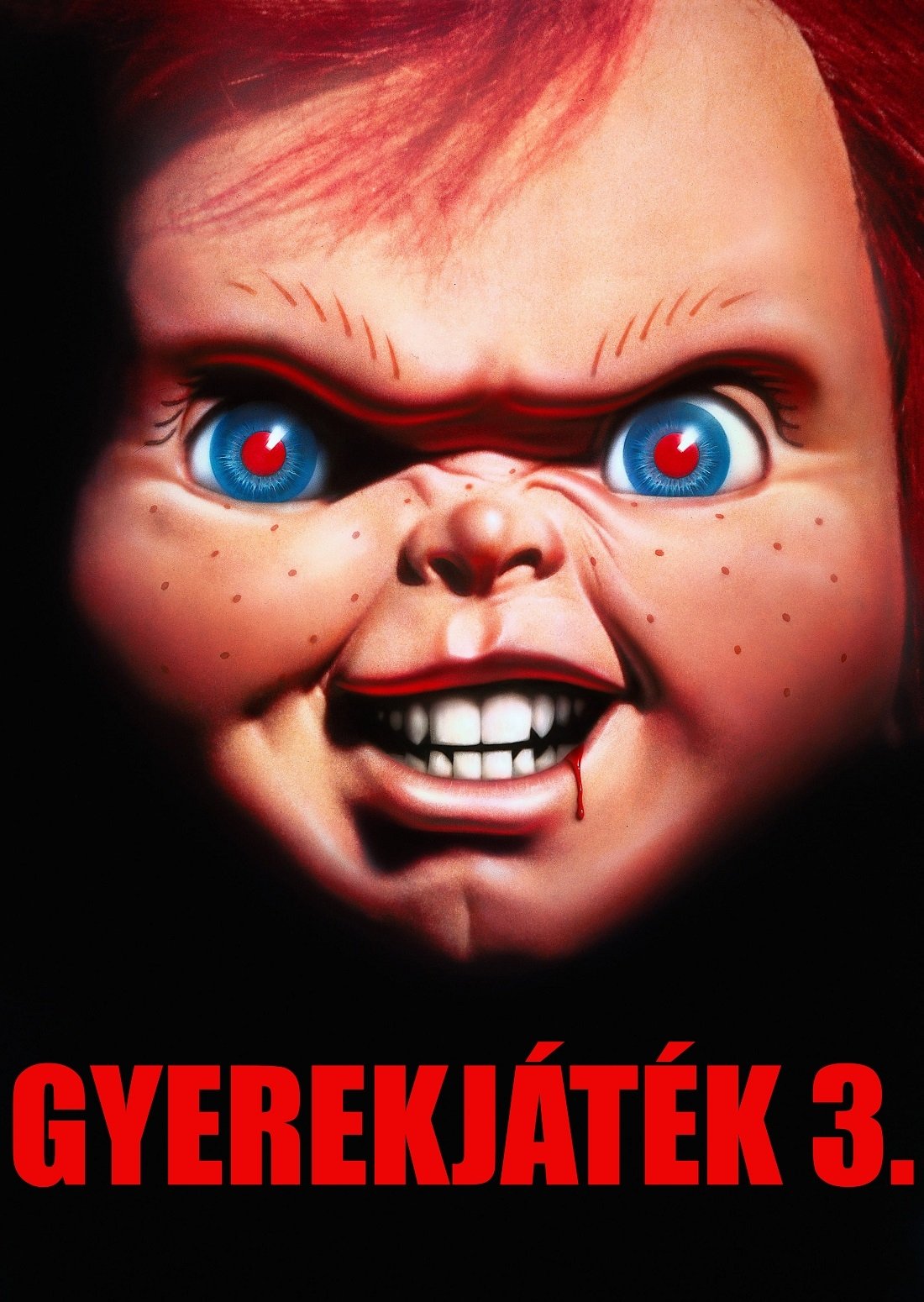
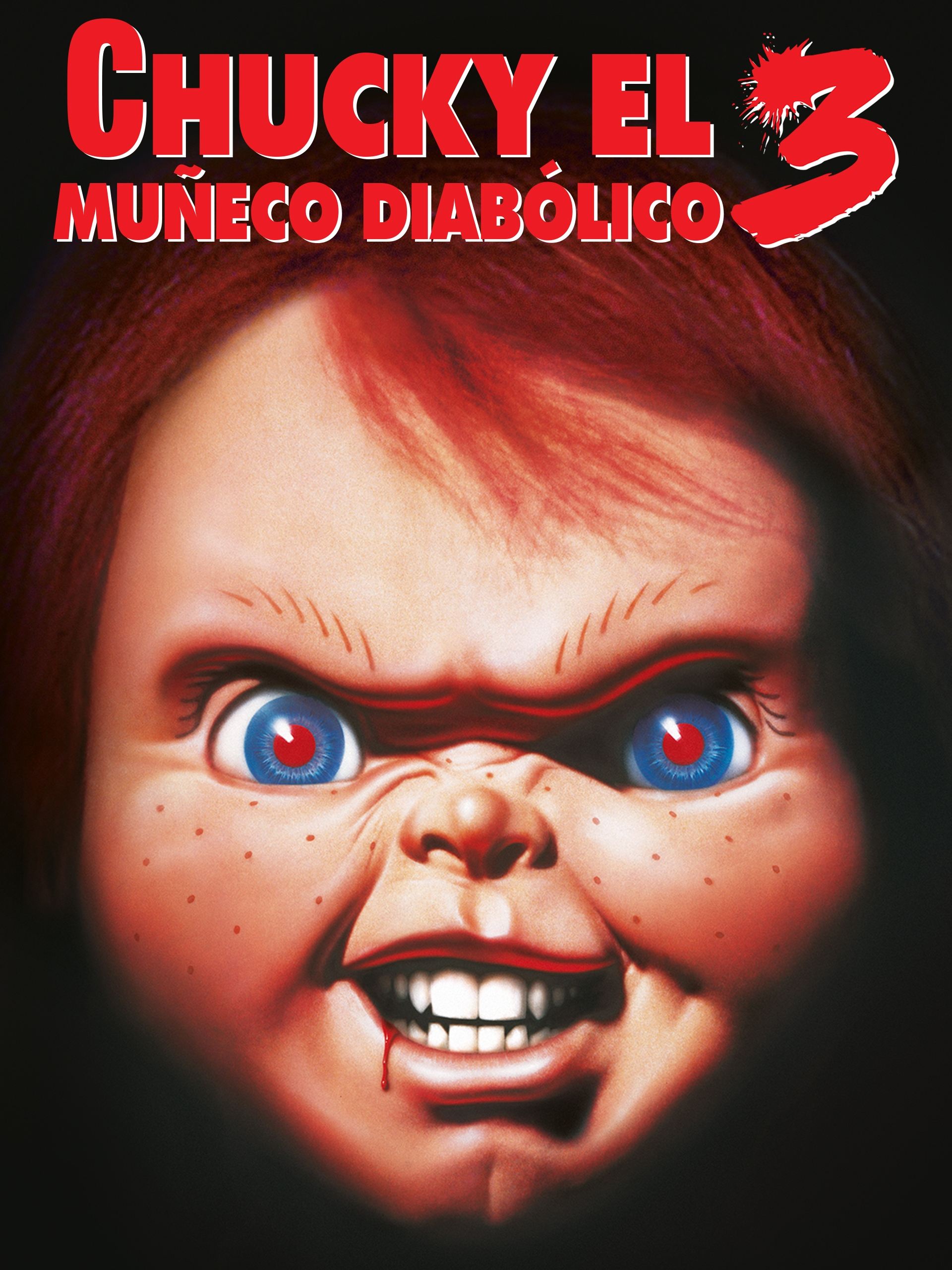
Детска игра 3 (Bulgaria) — Bulgarian Brinquedo Assassino 3 (Brazil) Jeu d'enfant 3 (Canada) — French 鬼娃回魂3 (China) — Chinese Dětská hra 3 (Czechia) — Czech Chucky 3 (Germany) — German Barneleg 3 (Denmark) — Danish Muñeco diabólico 3 (Spain) — Spanish
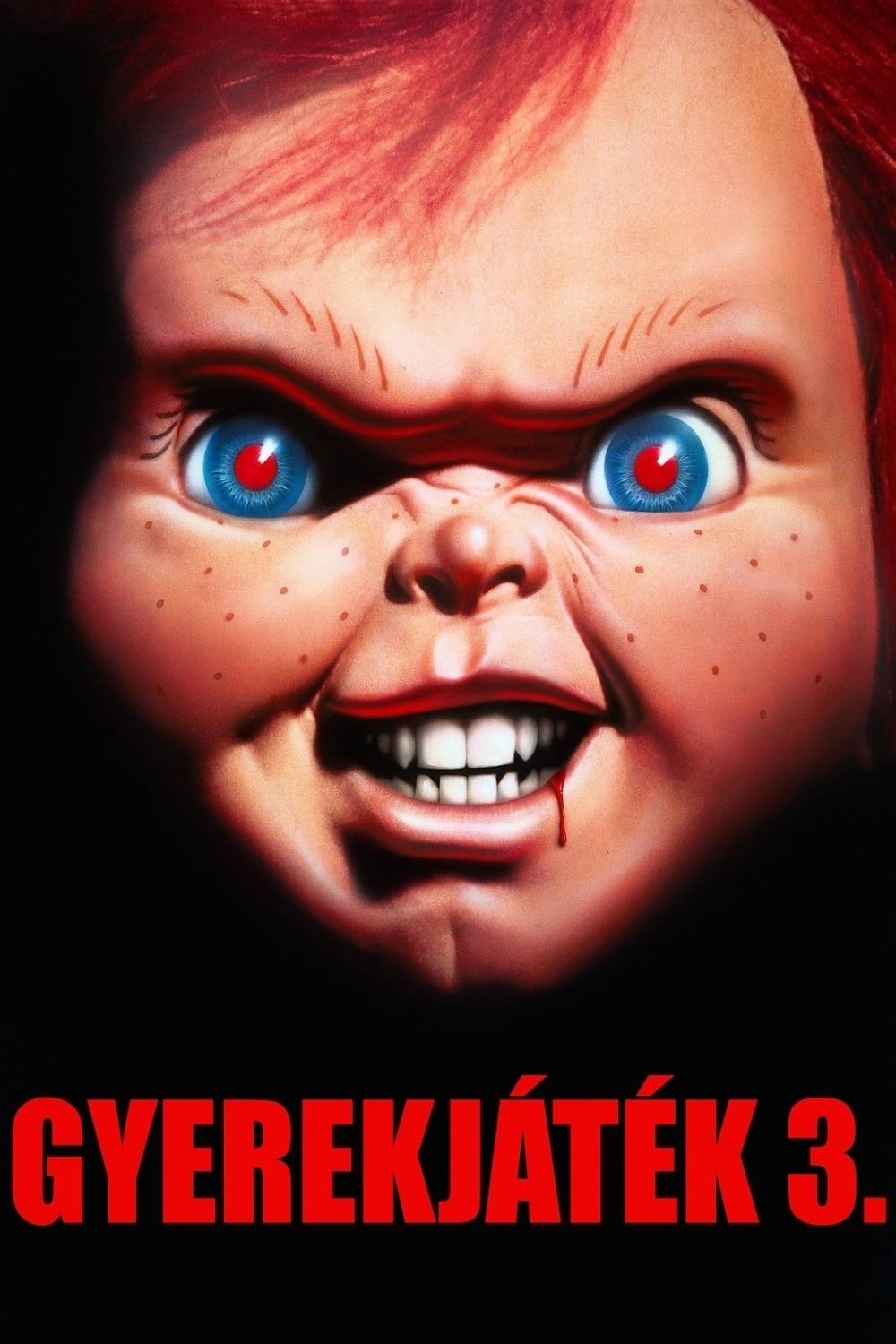
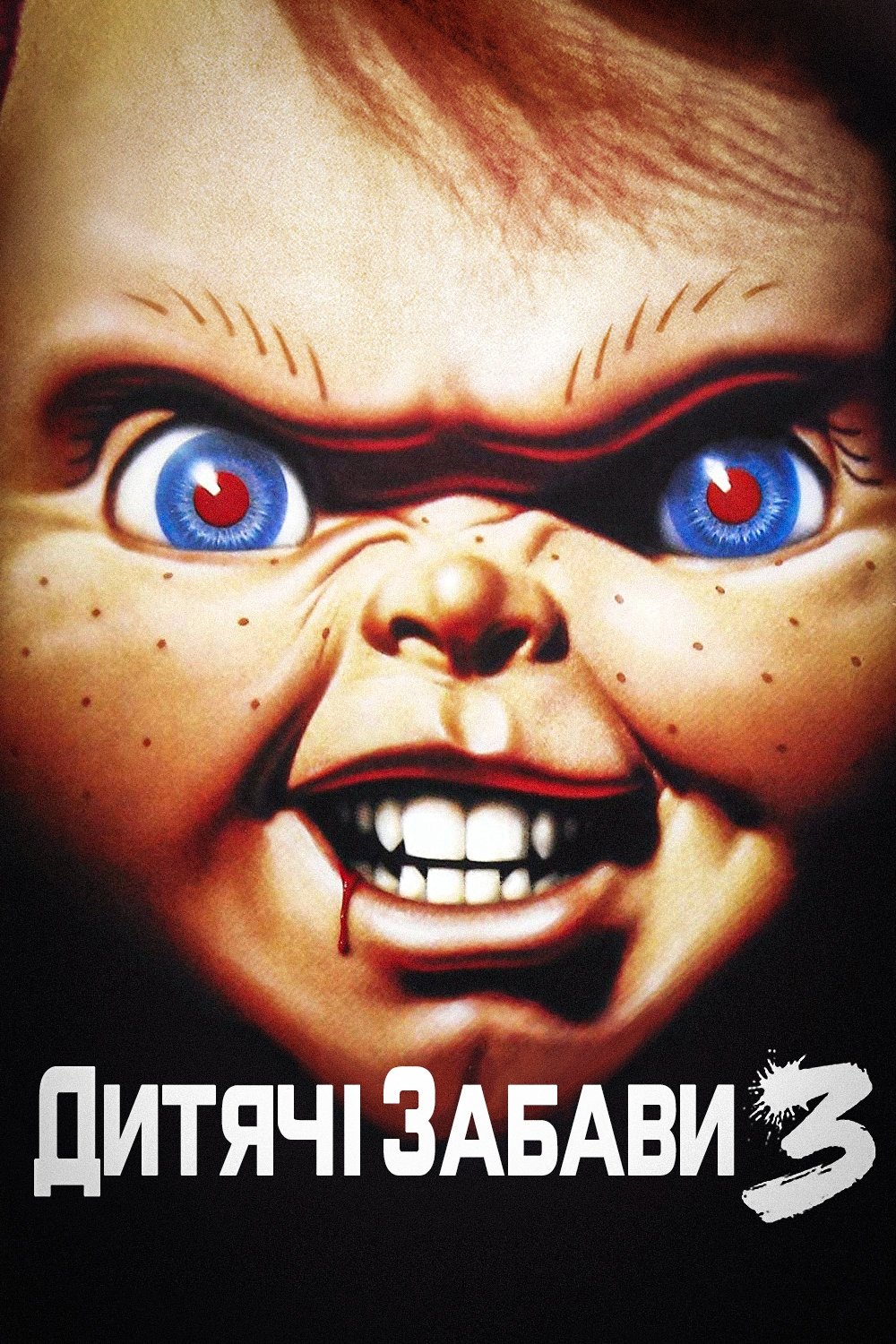
Show all 32 alternative titles Chucky 3 (France) — French საბავშვო თამაშები 3 (Georgia) — Georgian Η Κούκλα του Σατανά Νο3 (Greece) — Greek 娃鬼回魂 3 (Hong Kong SAR China) — Chinese Gyerekjáték 3. (Hungary) — Hungarian משחק ילדים 3 (Israel) — Hebrew La bambola assassina 3 (Italy) — Italian Child Play 3 (Japan) — DVD Title チャイルド・プレイ3 (Japan) — Japanese 사탄의 인형 3 (South Korea) — Korean Chucky: el muñeco diabólico 3 (Mexico) — Spanish Laleczka Chucky 3 (Poland) — Polish Chucky, o Boneco Diabólico 3 (Portugal) — Portuguese Jucăria 3 (Romania) — Romanian Детские игры 3 (Russia) — Russian لعبة طفل 3 (Saudi Arabia) — Arabic Den onda dockan 3 (Sweden) — Swedish Detská hra 3 (Slovakia) — Slovak แค้นฝังหุ่น 3 (Thailand) — Thai Çocuk Oyunu 3 (Türkiye) — Turkish 惡靈入侵少年軍團 (Taiwan) — Chinese Дитячі забави 3 (Ukraine) — Ukrainian Child's Play III (United States) — Television Title Ma Búp Bê 3 (Vietnam) — Vietnamese

Trailers & Videos

10 videos

Film Guide & Analysis

Jack Bender’s 1991 sequel moves Chucky’s pursuit of Andy Barclay to a military academy, combining elaborate animatronic effects with a production history and British censorship controversy.

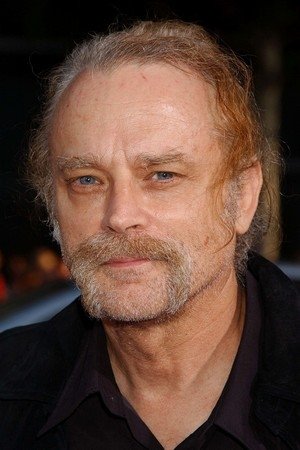
Child’s Play 3 (1991) is an American supernatural slasher directed by Jack Bender and written by Don Mancini. The third installment in the original Child’s Play series moves its recurring confrontation between Andy Barclay and the possessed Good Guy doll Chucky to a military academy, eight years after the events of the previous film. Justin Whalin replaces Alex Vincent as the adolescent Andy, while Brad Dourif returns as the voice of Charles Lee Ray. The setting introduces military discipline, institutional authority and adolescent rivalry into a franchise previously centered on childhood vulnerability and the domestic environment.

Produced by Universal Pictures during an exceptionally compressed development cycle, the film reached American theaters less than ten months after Child’s Play 2 (1990). Its technical production relied on sophisticated animatronic puppetry designed by Kevin Yagher and performed by a coordinated team of operators. Although contemporary reviews were generally unfavorable, the film later acquired an unexpected place in British censorship history when it was wrongly associated with the 1993 murder of James Bulger. The resulting controversy became more consequential to its public reputation than many of the production’s original artistic ambitions.

Accelerated Development & Screenwriting

Universal Pictures initiated development of Child’s Play 3 while the second installment was still entering distribution. According to the American Film Institute, The Hollywood Reporter announced a screenplay in progress on 15 November 1990, citing the favorable response to preview screenings of Child’s Play 2. The accelerated schedule reflected the studio’s confidence in the commercial potential of Chucky, whose appearance and personality had already become central attractions of the series. Jack Bender directed the third feature, with Robert Latham Brown producing and David Kirschner serving as executive producer. Mancini returned as screenwriter, continuing his involvement with the character he had originally conceived.

In a later interview with JoBlo, Mancini expressed dissatisfaction with the speed of development. He recalled beginning the screenplay before Child’s Play 2 had been released and described having insufficient time to explore new creative possibilities. Universal had also considered him for The Green Hornet, but required the third Chucky screenplay first. Mancini believed that the short interval risked exhausting audience interest in the character. His comments represent a retrospective assessment of the circumstances under which he worked, rather than evidence that the production lacked a coherent artistic plan.

The military academy and Andy’s increased age were deliberate attempts to alter the established formula. The earlier films had depended upon a young child whose claims about a murderous doll were dismissed by adults. Moving the protagonist into adolescence permitted different confrontations with authority, while an institutional setting replaced the familiar family household. Mancini nevertheless considered the results insufficiently removed from the previous adventures. The completed film retains Chucky’s pursuit of a human body and the recurring problem of convincing others that a supposedly harmless toy is capable of murder.
The Military Academy & Narrative

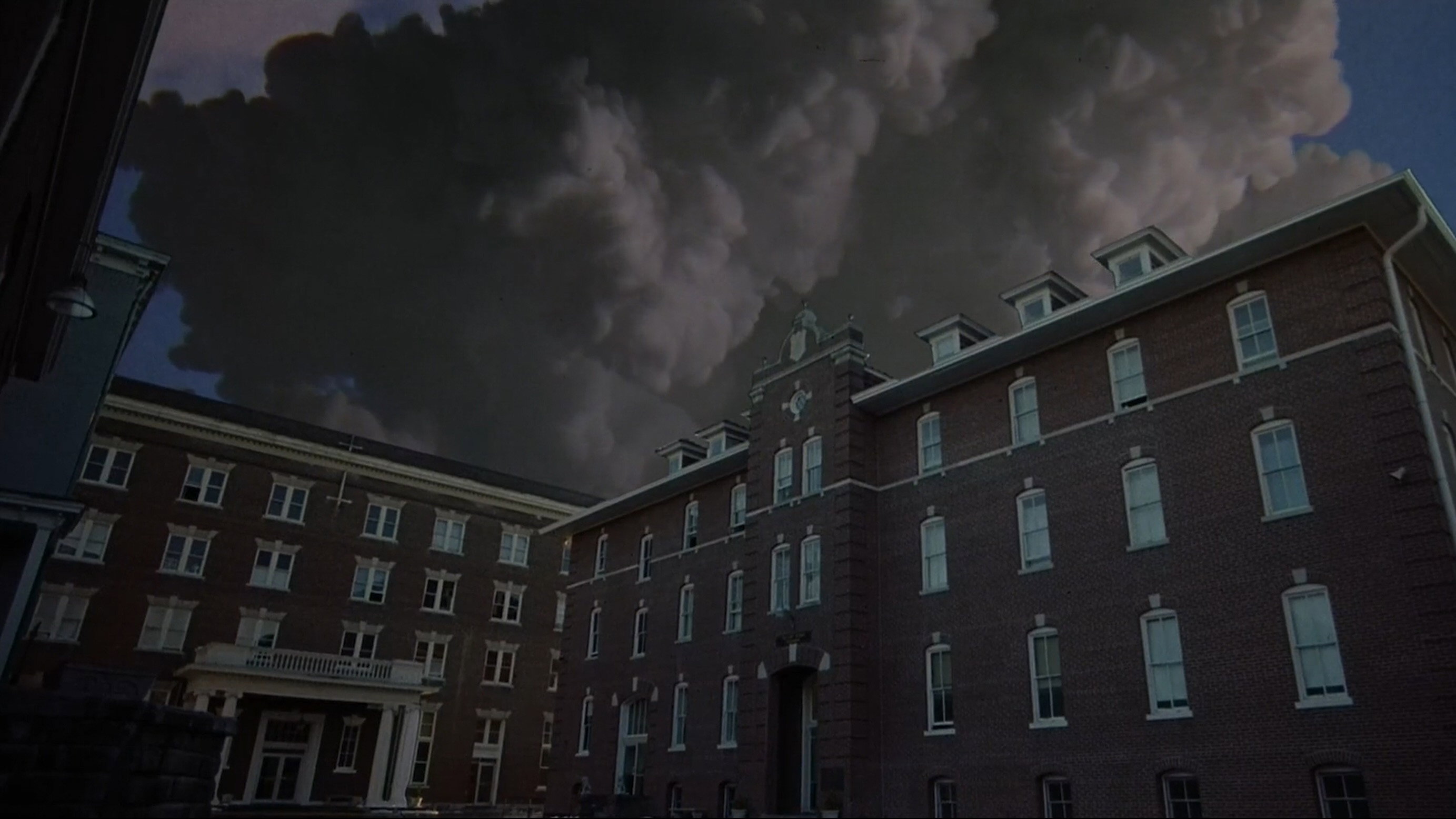
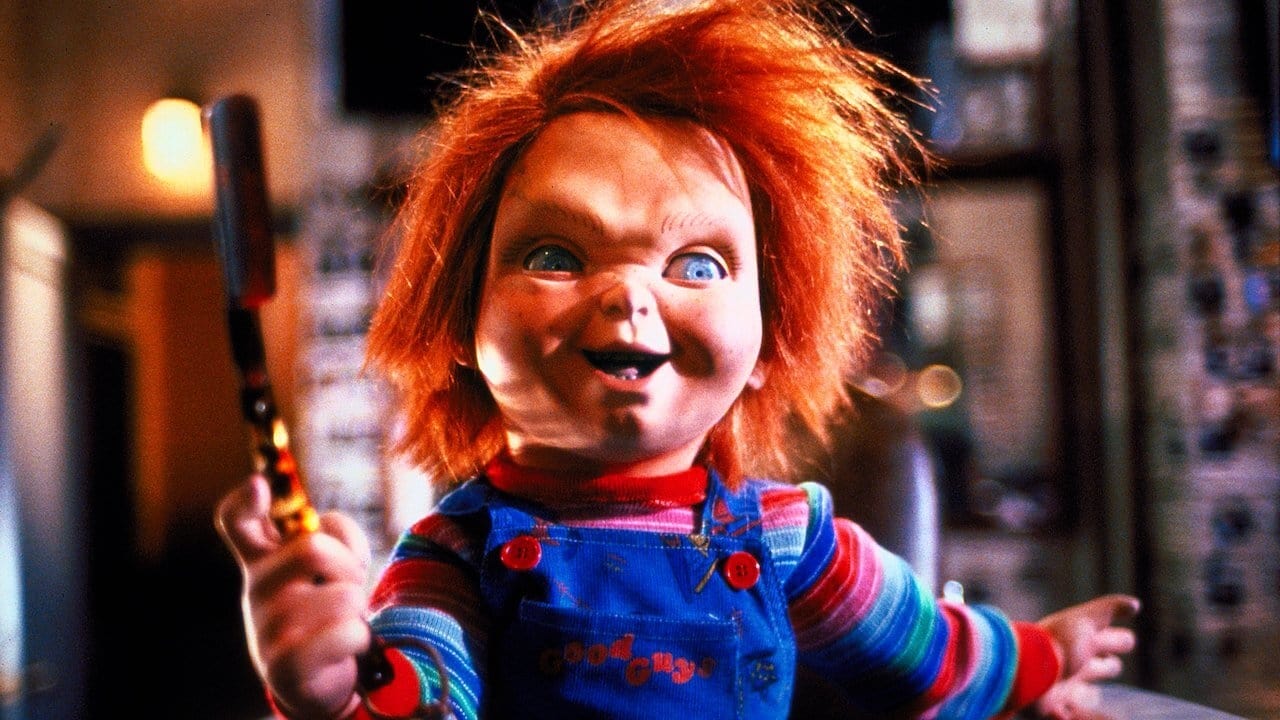
Andy Barclay enters Kent Military School after years of instability associated with his earlier encounters with Chucky. The institution imposes rules intended to eliminate the independence and perceived weakness of its cadets. Colonel Cochrane maintains formal authority, while Lieutenant Colonel Shelton and Sergeant Botnick enforce discipline through humiliation and intimidation. Andy’s inability to describe his past without appearing disturbed makes him particularly vulnerable within this environment. His difficulties emerge from a history the audience recognizes but which the school’s staff cannot reasonably be expected to believe.

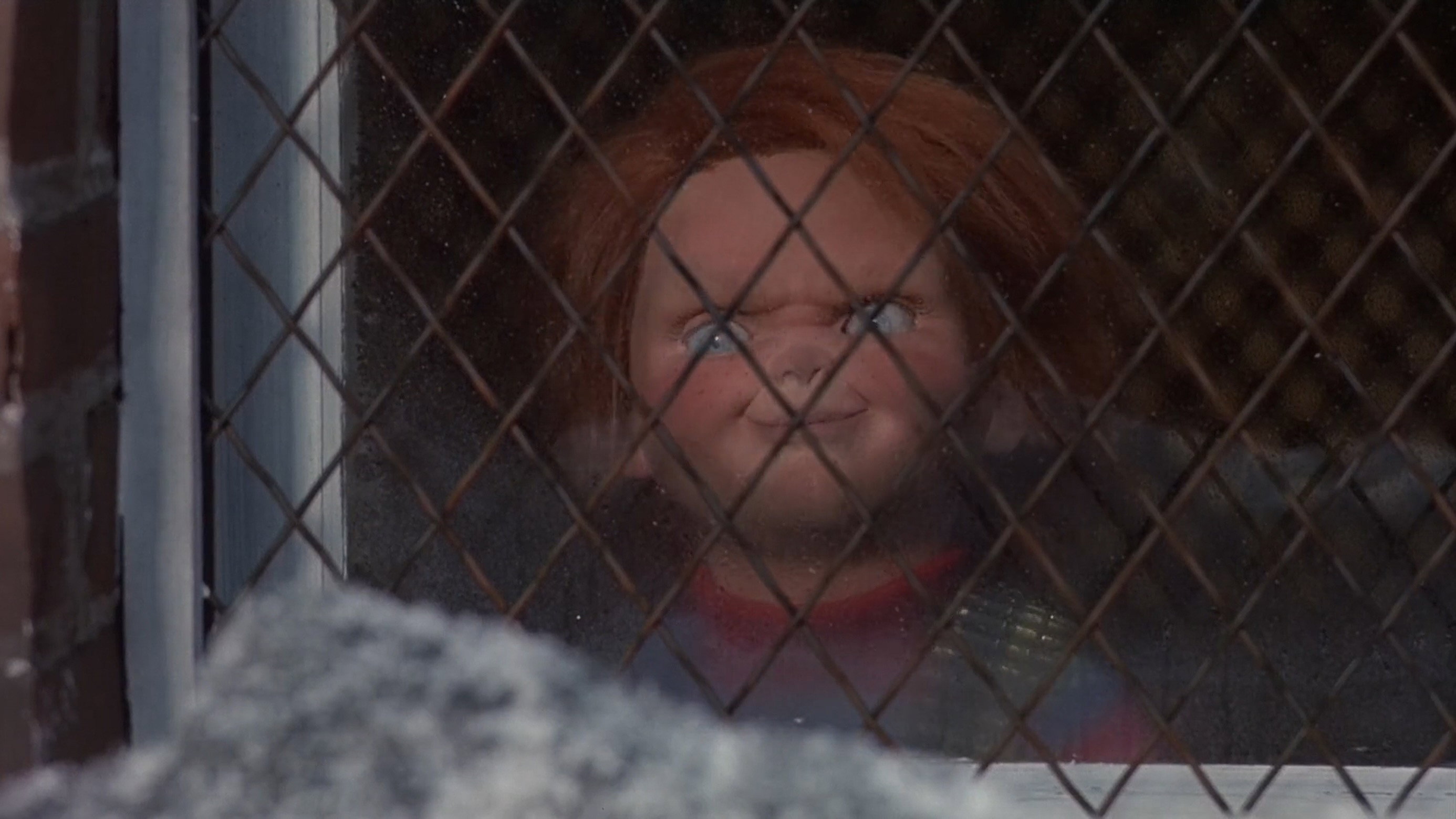
Chucky returns when the Play Pals company resumes production of its Good Guy dolls, incorporating material contaminated by his previous remains. Having located Andy, the murderer infiltrates the academy but identifies a new prospective victim in Ronald Tyler, a younger cadet played by Jeremy Sylvers. This change follows the supernatural rules established within the series and allows the film to place another child in immediate danger. Tyler’s fascination with the doll initially prevents him from recognizing the threat. Andy consequently assumes a protective responsibility similar to that previously undertaken by adults attempting to defend him.

The military environment becomes particularly dangerous during a training exercise when Chucky replaces simulated ammunition with live rounds. Equipment designed for controlled combat is converted into a genuine threat, while rivalry among the cadets creates opportunities for the killer to act unnoticed. Krista De Silva, portrayed by Perrey Reeves, and Harold Whitehurst, portrayed by Dean Jacobson, become important to Andy’s efforts to survive. Their relationships give the academy a social dimension beyond its commanding officers. The screenplay’s most distinctive use of the setting emerges when ordinary military procedures become instruments through which the antagonist can threaten the students.

Locations, Production & Cinematography

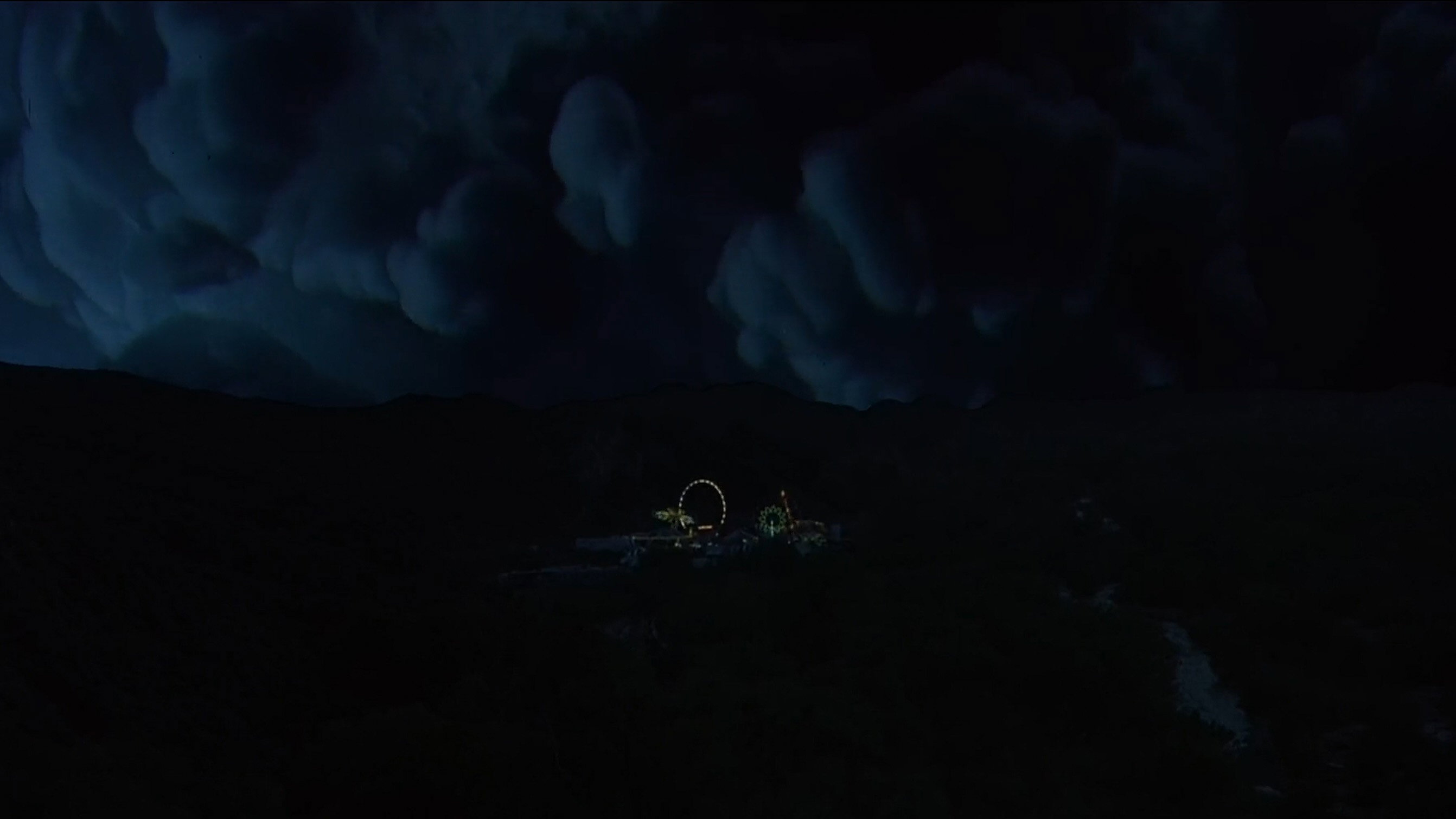
Principal photography began on 4 February 1991. The first week was scheduled at Kemper Military School and College in Boonville, Missouri, before production moved to California. Contemporary industry reports preserved by the American Film Institute identify Los Angeles and Valencia among the subsequent filming locations. Heavy rain disrupted exterior work, requiring some remaining material to be completed at Universal Studios. The studio constructed a forest for the military training sequences and developed the extensive amusement-park environment used during the climax.

The final confrontation takes place in the Devil’s Lair, a theatrical horror attraction filled with oversized figures, mechanical hazards and elaborate decorations. Production documentation identifies the attraction as a specially constructed set on Universal’s Stage 28, originally built for The Phantom of the Opera (1925). The change from regimented academy grounds to a darkly fantastical attraction gives the conclusion a different visual character. Chucky pursues his intended victim through a succession of manufactured dangers, culminating in his destruction by a large mechanical fan.

Cinematographer John R. Leonetti photographed the production, while Richard Sawyer designed its principal environments. The military sequences establish an ordered institutional space through uniforms, dormitories, training grounds and corridors. Their relatively recognizable surroundings contrast with the exaggerated architecture of the final attraction. Reviewing the film at its original release, Michael Wilmington of the Los Angeles Times singled out Bender’s visual direction and the elaborate carnival setting while criticizing the screenplay. His assessment distinguished the craftsmanship of individual sequences from the effectiveness of the larger narrative.
Chucky’s Animatronic Effects

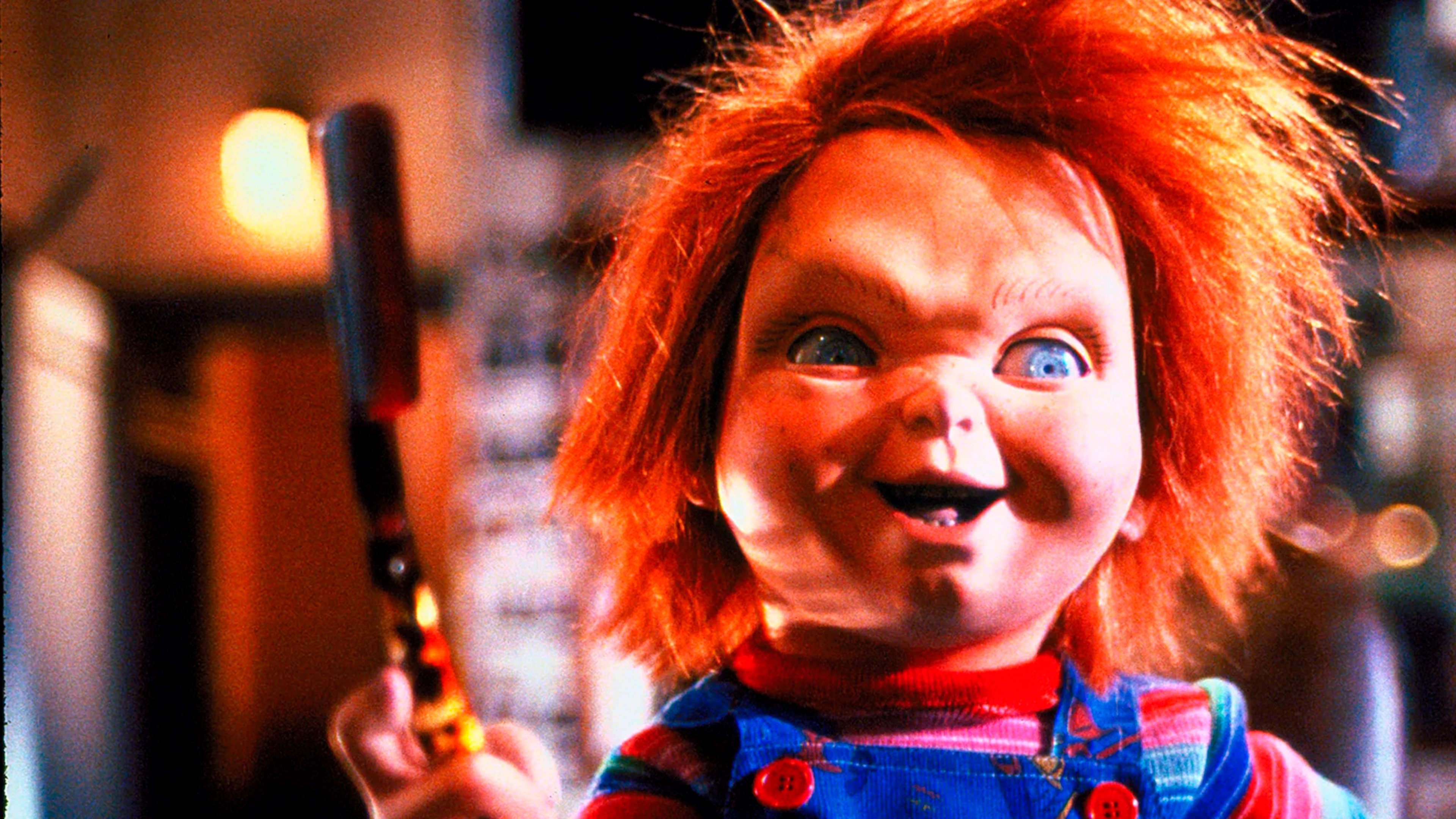
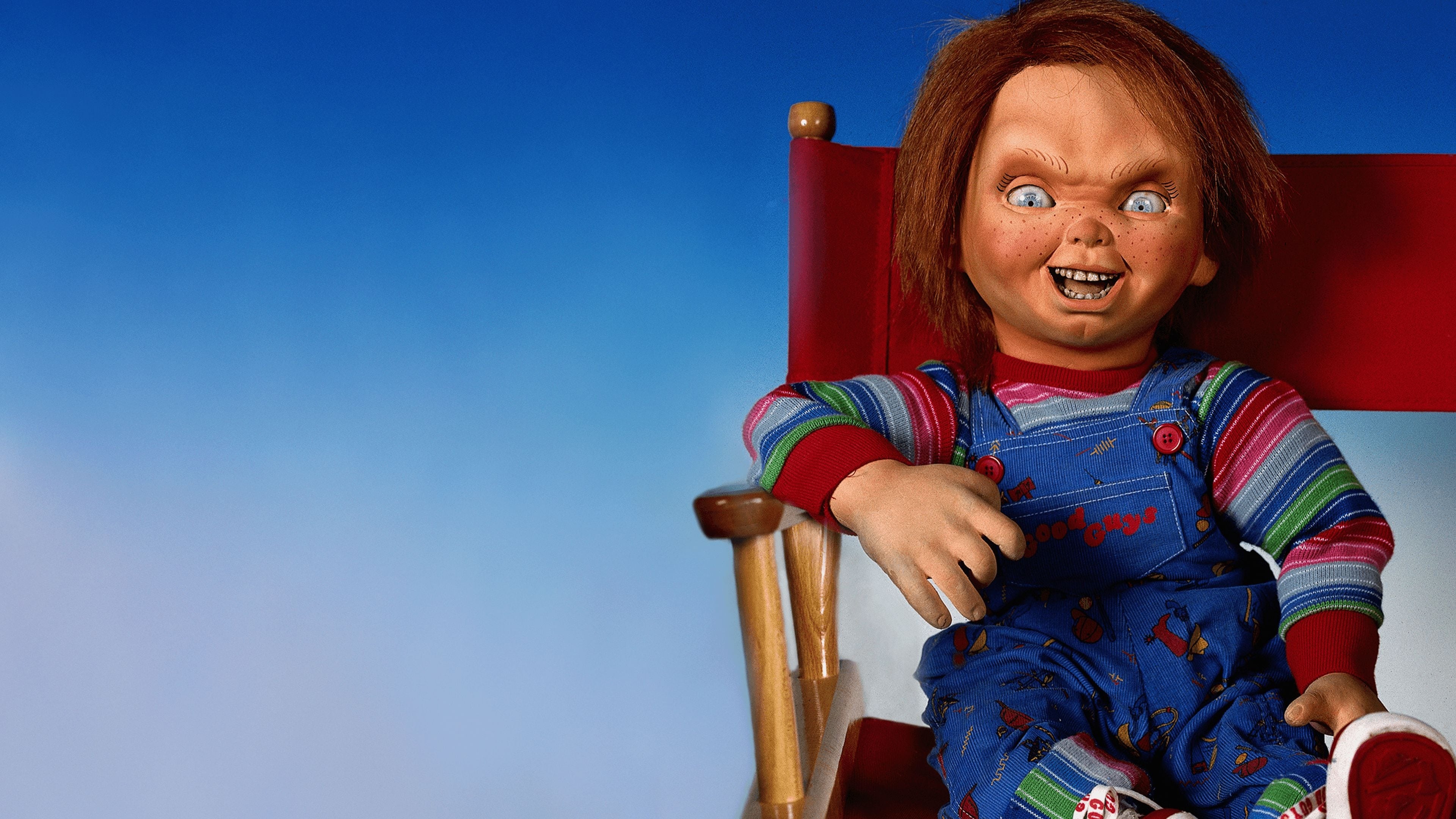
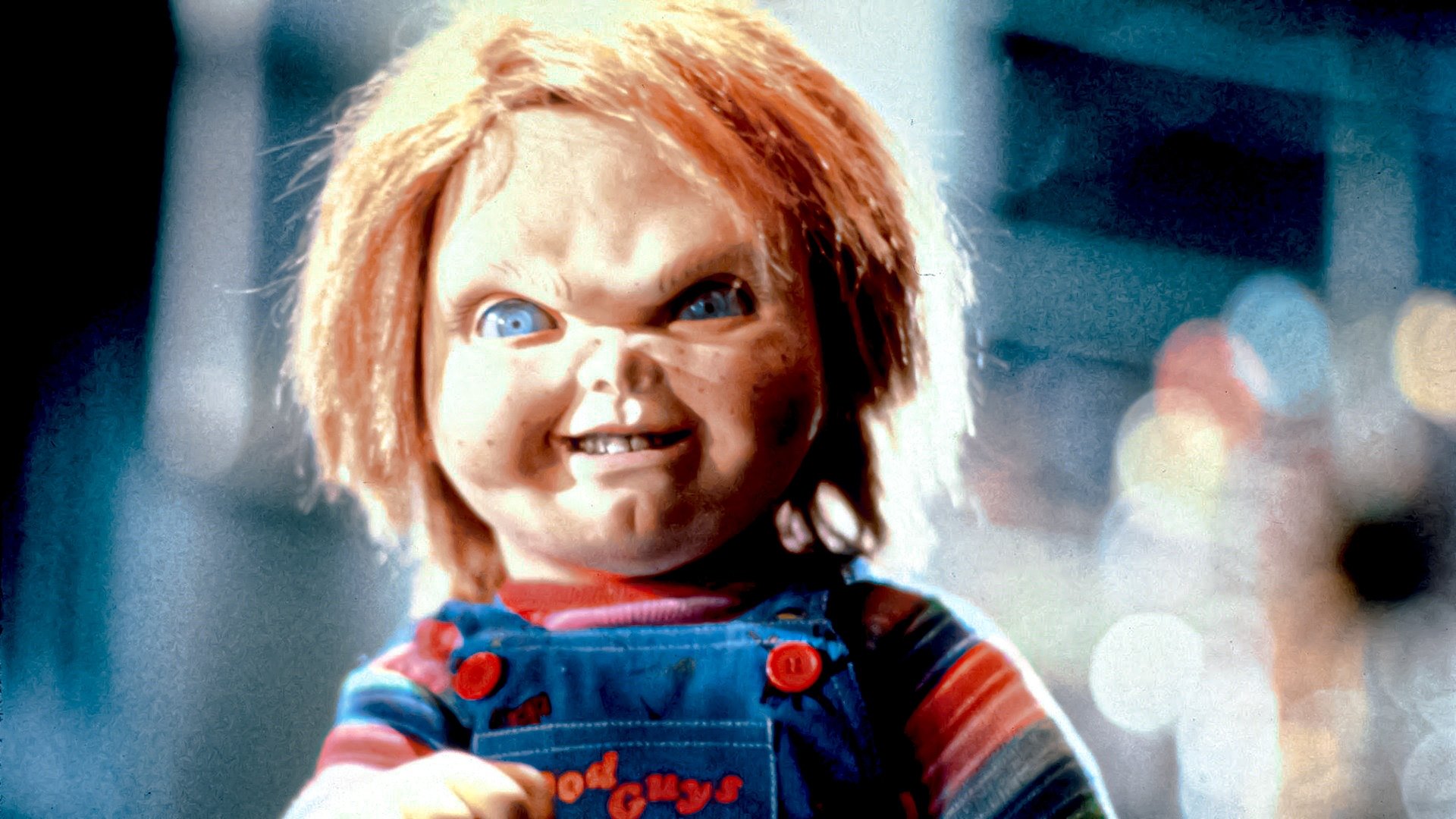
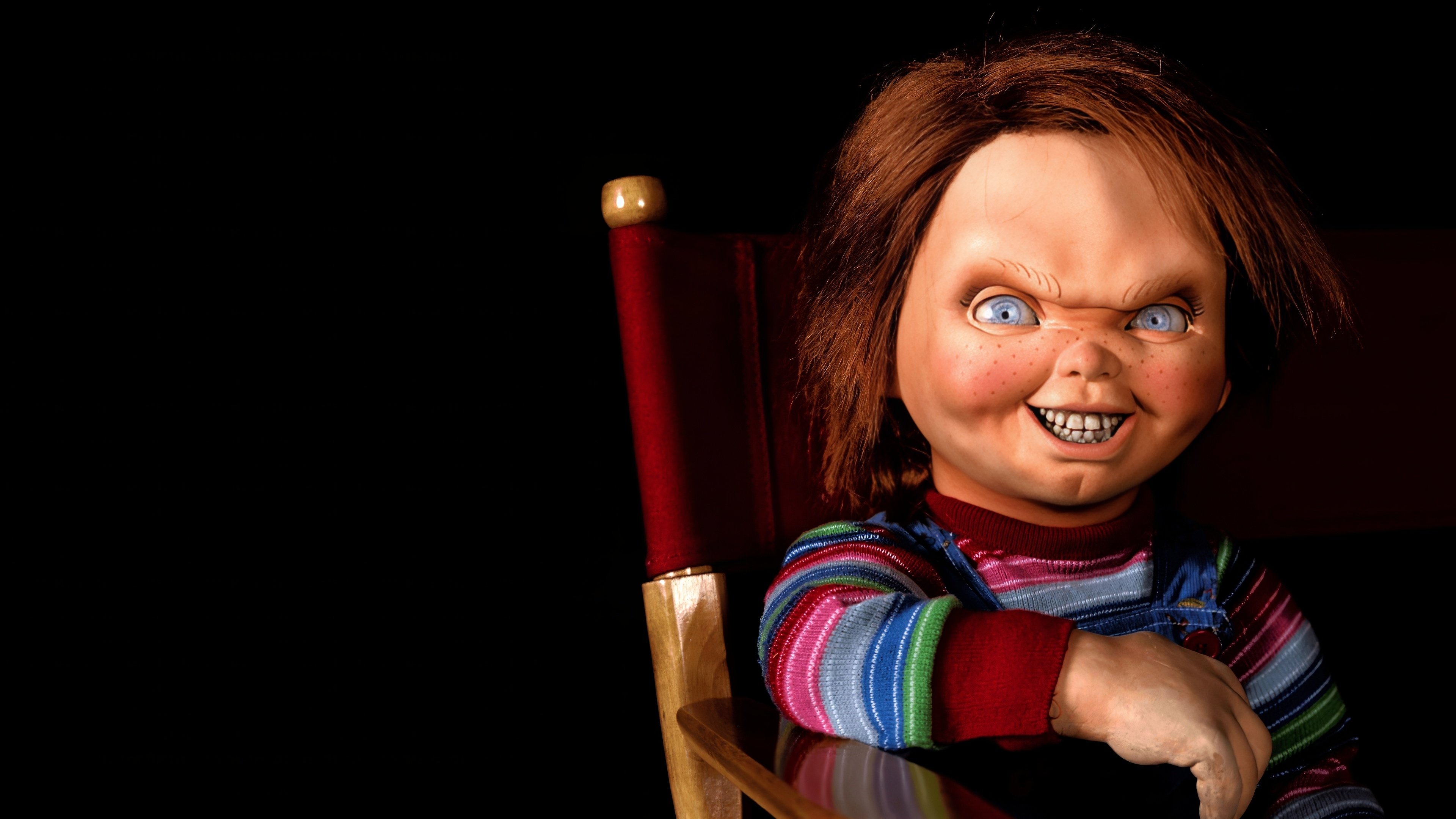
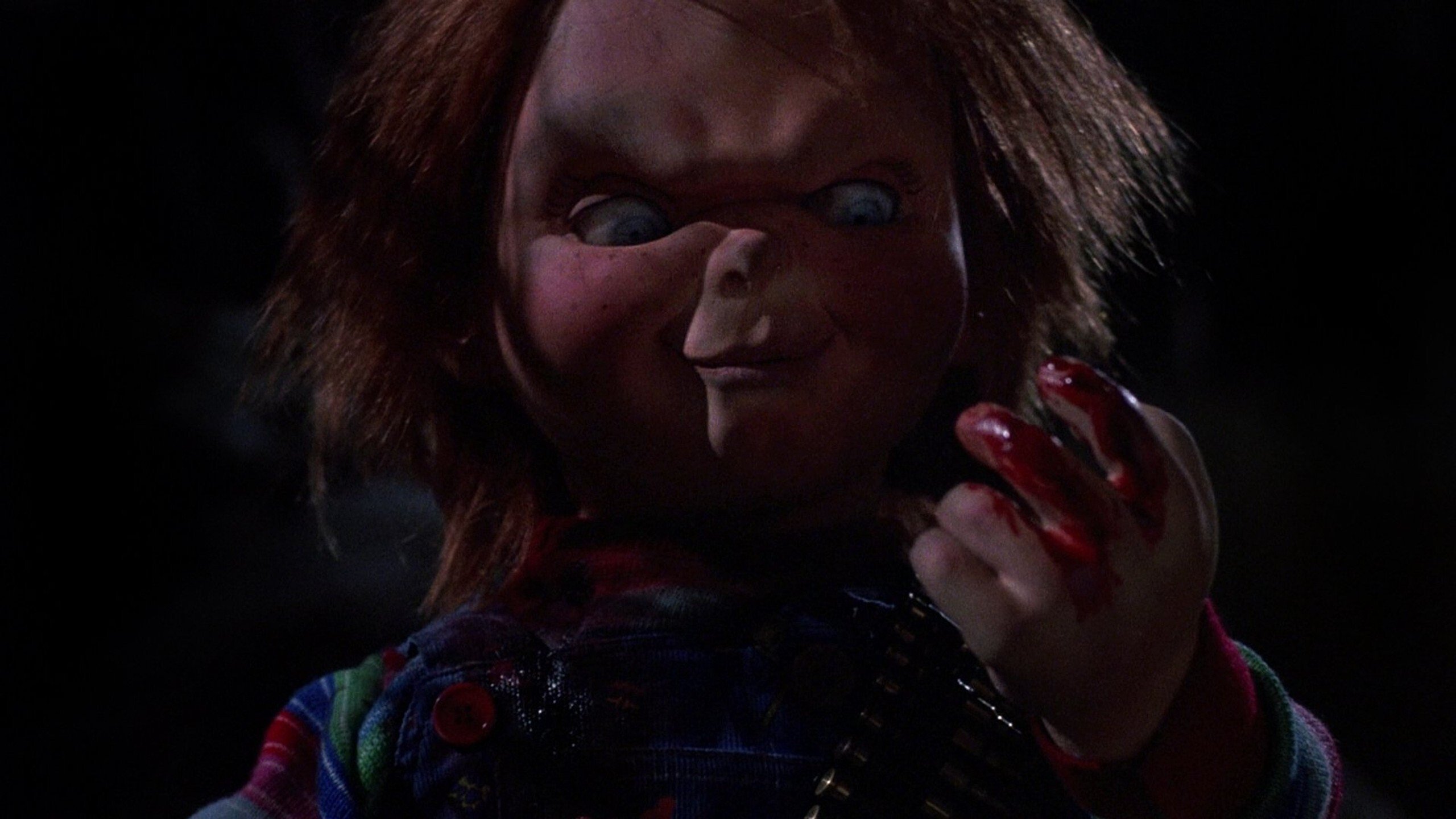
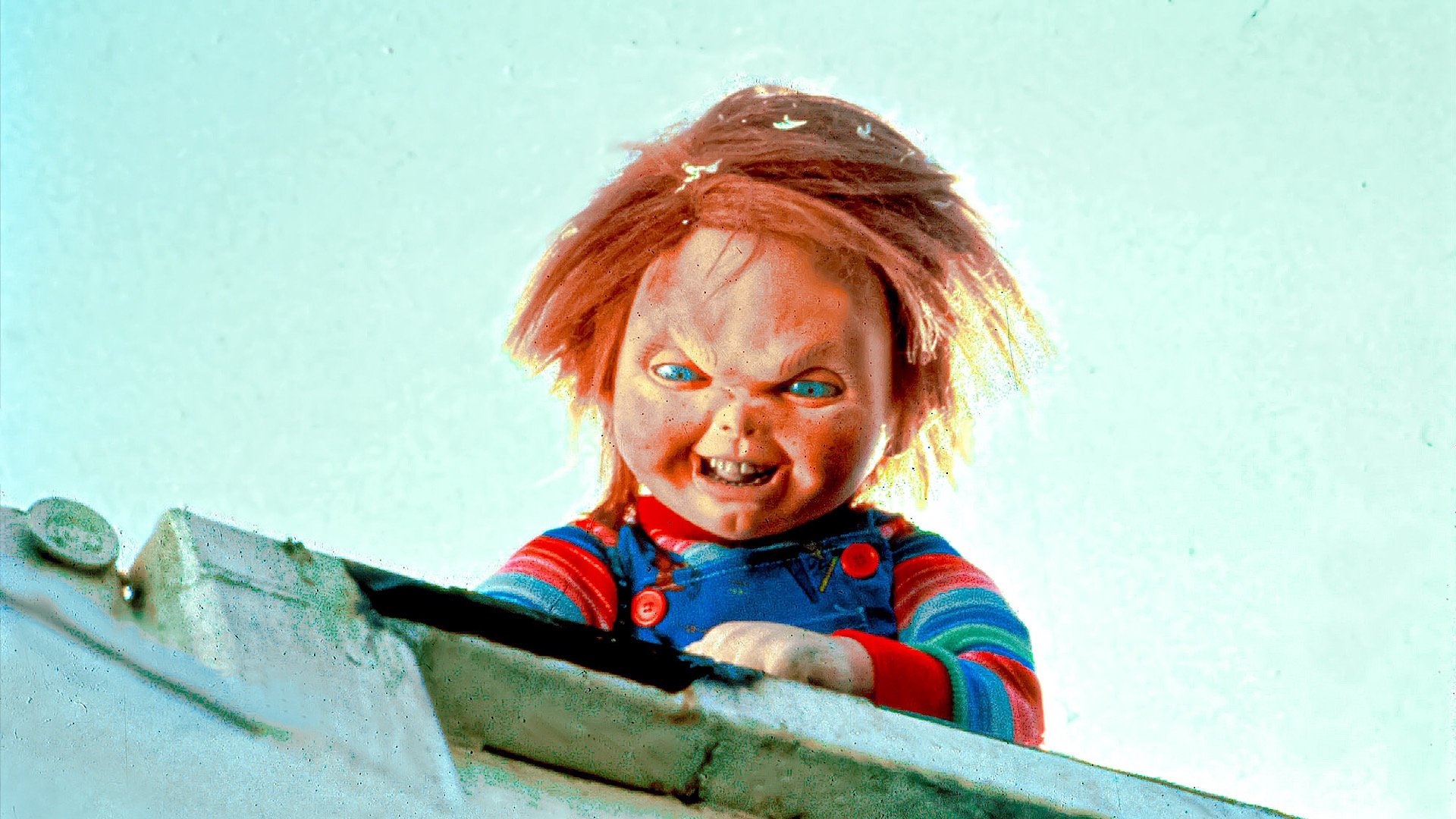
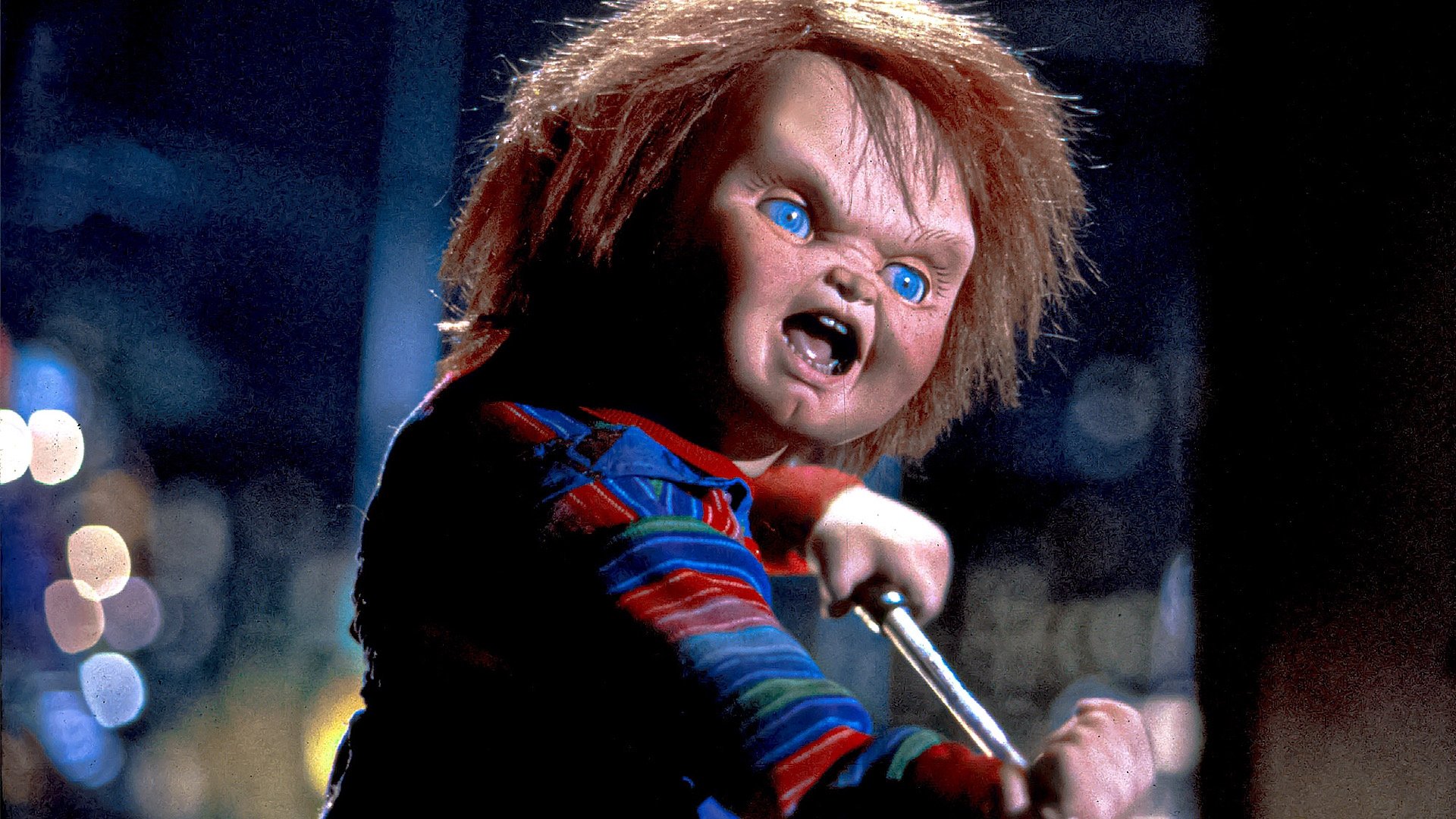
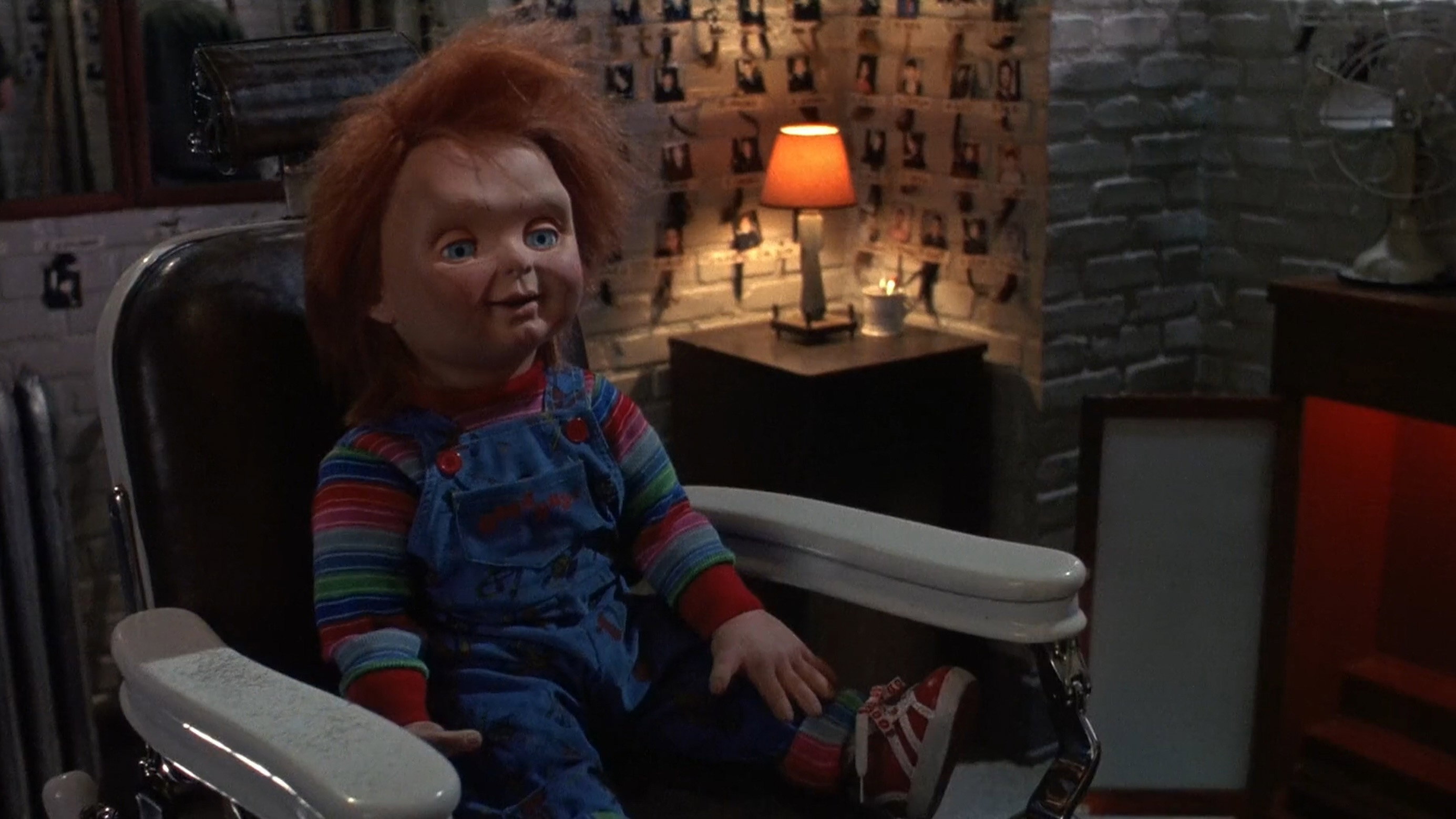
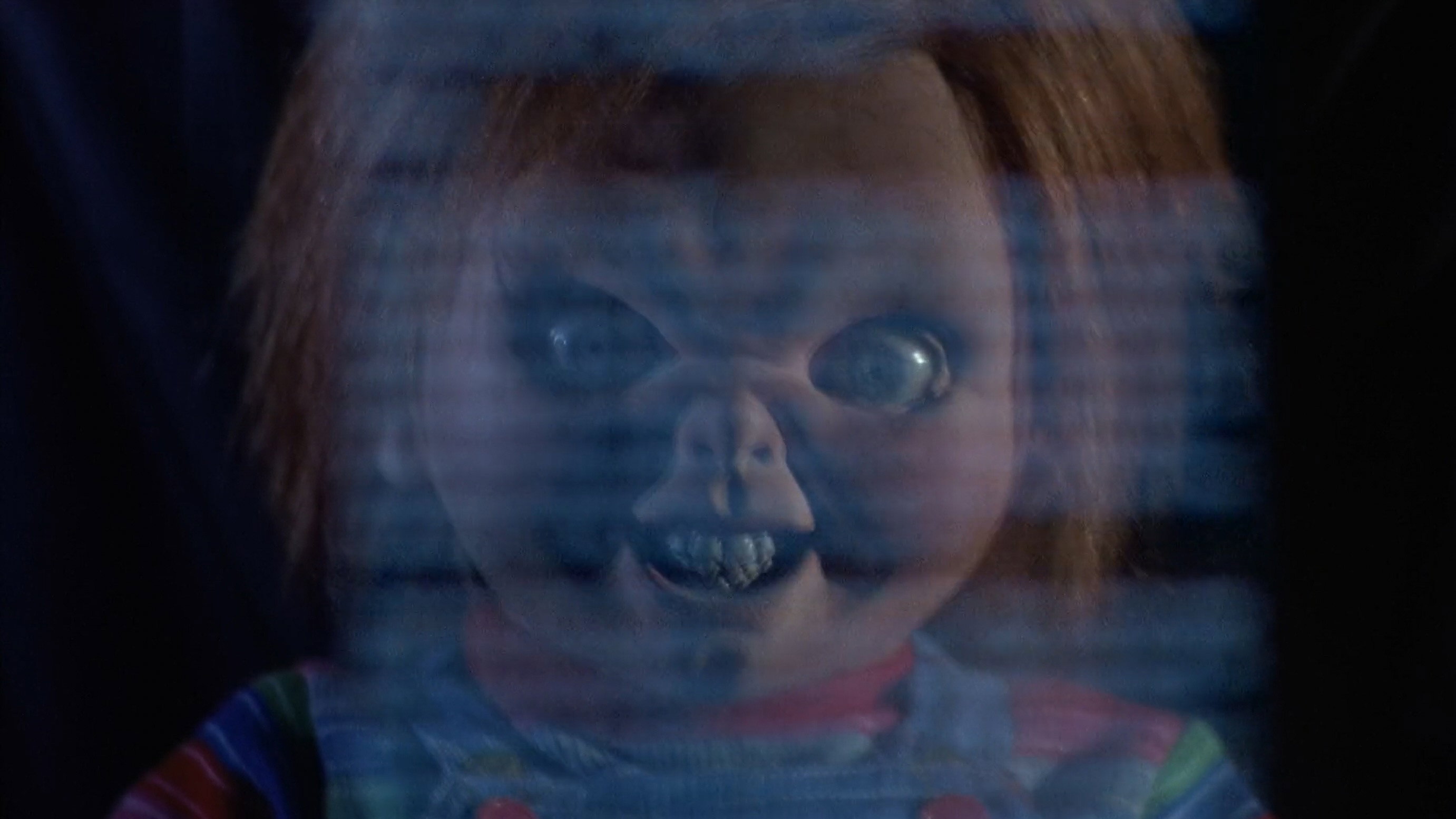
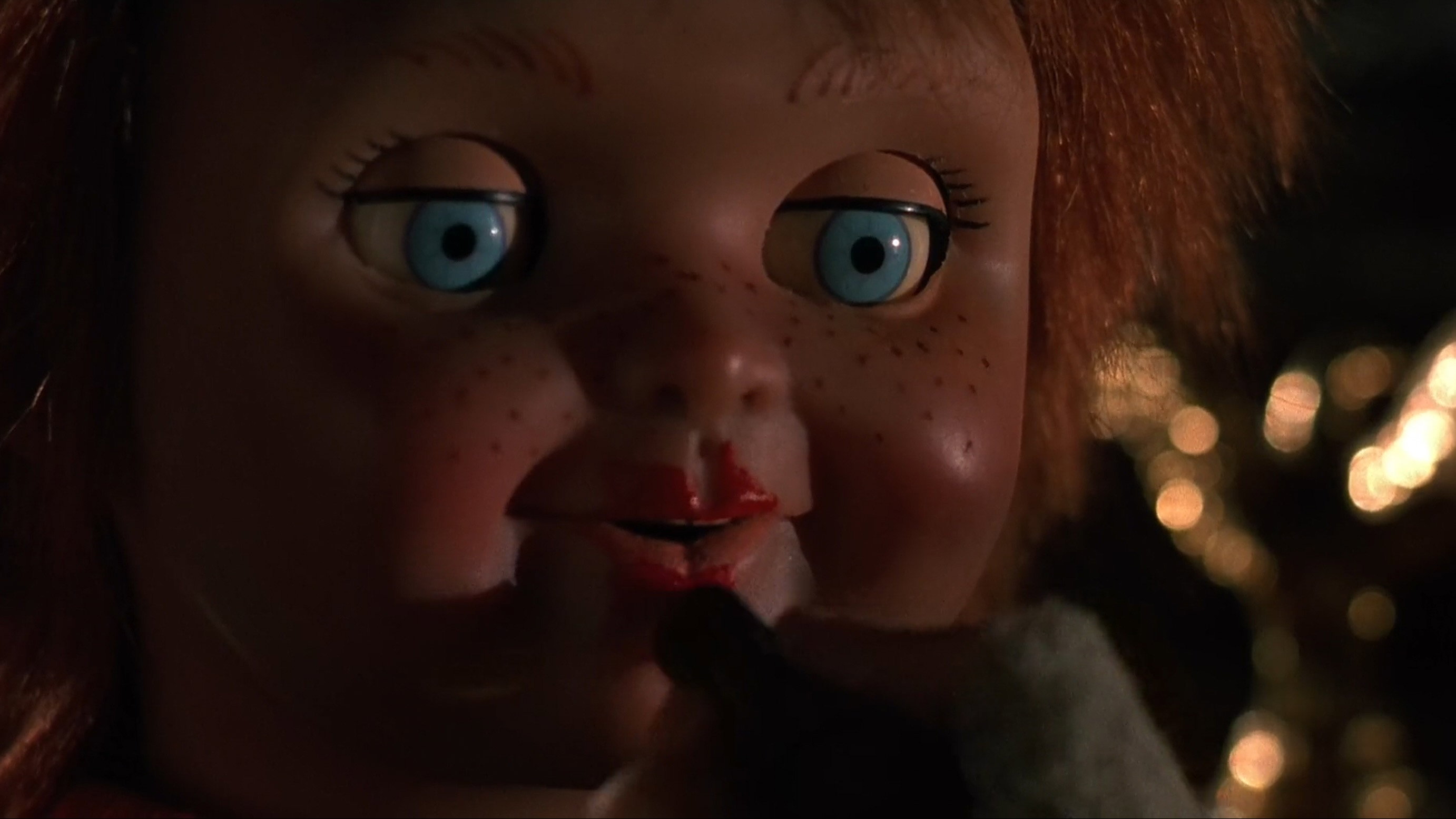
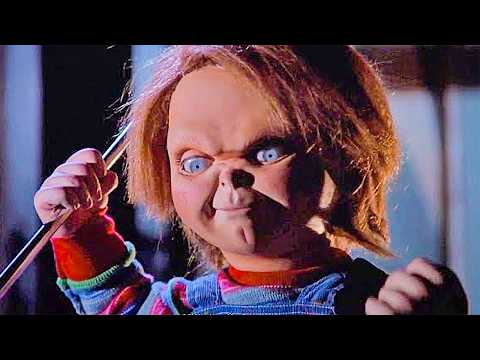
Kevin Yagher and his effects company continued developing the animatronic technology responsible for Chucky’s physical performance. The American Film Institute, drawing on production documentation preserved by the Academy of Motion Picture Arts and Sciences, describes the principal doll as approximately thirty inches tall and weighing forty pounds. Its plastic head supported a latex face animated by eighteen small motors controlling facial movements. The mechanical construction allowed the puppet to change expression and communicate through synchronized dialogue while maintaining the recognizable appearance of a manufactured children’s toy.

Seven puppeteers operated the principal animatronic figure, with different technicians responsible for individual movements. Brad Dourif recorded Chucky’s dialogue before filming, providing a vocal performance around which the mechanical action could be organized. A puppeteer reproduced the spoken words while operating a joystick controlling the lips, and a computer recorded the resulting movements for subsequent takes. Walking sequences required coordinated operation of the puppet’s body with mechanical supports or camera equipment. Other heads and specialized bodies were used when particular movements could not be achieved with the principal figure.

The production maintained a dedicated forty-five-foot vehicle for the dolls and their equipment, nicknamed the Chuck Wagon. The extensive team included mechanical technicians, puppeteers and engineers working alongside the conventional physical-effects department. John Frazier supervised physical special effects, while Craig Reardon contributed makeup work. The doll’s capacity for detailed facial performance remained particularly important because Chucky communicates through gestures, expressions and aggressive speech. The technical sophistication of the character was recognized even by reviewers who found the surrounding sequel dramatically repetitive.

Release, Box Office & Contemporary Reception

Universal Pictures released Child’s Play 3 in the United States on 30 August 1991 with an R classification. The opening involved more than two thousand theaters, giving the production substantially wider immediate exposure than many independently distributed horror features of the period. The film earned approximately $5.72 million over its opening weekend. Reported domestic theatrical totals differ between commercial box-office records, with figures of approximately $14.25 million and $14.96 million appearing in major tracking services. These should be treated as differing records rather than combined into a single definitive total.

Contemporary critical reception was predominantly negative. Michael Wilmington, writing for the Los Angeles Times on the day of release, considered the film visually accomplished in places but found its narrative dependent upon familiar confrontations and increasingly predictable violence. He acknowledged Bender’s ability to create atmosphere while questioning the effectiveness of Mancini’s screenplay. Richard Harrington’s review in The Washington Post similarly regarded the third installment as evidence of diminishing returns. Both critics recognized Chucky’s technical presence without finding that the character alone justified another repetition of the original premise.

The score was composed and performed by Cory Lerios and John D’Andrea. Production notes cited by the American Film Institute describe an emphasis on electronic instrumentation intended to reinforce the suspense. The music accompanies the contrast between military routine and the dangerous situations created by the possessed doll. The film’s original theatrical release was followed by international distribution and home-video circulation. Its subsequent position within the franchise was complicated by a lengthy interval before Bride of Chucky (1998), which introduced a substantially different balance of horror and self-conscious comedy.

The British Censorship Controversy

In 1993, Child’s Play 3 became the subject of a British controversy following the murder of two-year-old James Bulger by two children in Liverpool. Newspaper reports and public commentary suggested that the perpetrators might have been influenced by violent videotapes, particularly the third Child’s Play film. The allegations appeared more than two years after its American theatrical release and had no connection with the circumstances of the original production. Their significance lies in the subsequent public debate over horror cinema, video classification and the possible influence of screen violence upon children.

The alleged connection was not supported by the police investigation. During a House of Lords debate on 11 July 1994, the government explicitly stated that investigators had found no evidence that the film had contributed to the murder or that either perpetrator had watched it. Parliamentary speakers also challenged descriptions of supposed similarities between the film and the crime, observing that some widely circulated claims did not correspond to the film’s actual content. The uncertainty surrounding children’s exposure to violent material could not establish a causal relationship with this particular film.

The controversy nevertheless affected exhibition and regulation. Contemporary trade reporting documented the withdrawal of Child’s Play 3 from a scheduled Sky Television broadcast in Britain and a subsequent audience consultation by Canal Plus Spain concerning appropriate broadcast hours. The film already carried an 18 classification for British home-video distribution. Discussions about its availability became part of wider parliamentary arguments over retrospective video classification and the treatment of potentially harmful material. Its historical significance in this context concerns the demonstrable impact of public allegations on media policy debates, despite the absence of evidence supporting the specific accusation.

References

  1. American Film Institute Child’s Play 3 — AFI Catalog

    Archival production history documenting the accelerated schedule, Missouri and California locations, Chucky’s animatronic construction, theatrical release and subsequent broadcasting controversy.

  2. JoBlo INT: Don Mancini

    Original interview with the screenwriter explaining the nine-month interval between sequels, the pressure to complete the screenplay and the decision to move Andy into a military academy.

  3. Los Angeles Times Movie Reviews: Chucky’s Carnage Continues

    Michael Wilmington’s contemporary review of 30 August 1991 discussing the military setting, visual direction, performances and narrative limitations.

  4. The Washington Post Child’s Play 3: Strictly Dollsville

    Richard Harrington’s original release-period review documenting contemporary criticism of the sequel and the reception of Chucky’s mechanical performance.

  5. UK Parliament — Hansard Criminal Justice and Public Order Bill — House of Lords Debate, 11 July 1994

    Official parliamentary record confirming that police found no evidence linking Child’s Play 3 to the murder of James Bulger or establishing that the perpetrators had watched the film.

Connections

Cast

View Full Cast & Crew →

Release & Distribution

Production Companies (1)

  • Universal Pictures US

Distributors (1)

  • Universal Pictures US

Release History (17)

Release DateTerritoryRelease TypeFormatDistributorCertificationNotes
1991-08-30 Spain Theatrical — — 16
1991-08-30 Netherlands Premiere — — 16
1991-08-30 United States Theatrical — — R
1991-11-12 Australia Theatrical — — M
1991-11-16 Japan Theatrical — — —
1992-01-10 Brazil Theatrical — — 16
1992-05-15 United Kingdom Theatrical — — 18
1992-05-15 Ireland Theatrical — — 18
1992-07-17 France Physical VHS — 12 VHS
1992-11-04 Germany Physical VHS — 18 VHS
1992-12-14 United Kingdom Physical VHS — — VHS
2002-06-17 United Kingdom Physical DVD — 18 DVD
2013-04-07 France Physical DVD — 12 DVD
2014-04-01 France Physical Blu-ray — 12 Blu-ray
2020-10-12 France Digital — — 12 VOD
2021-04-01 France Digital — — 12 Netflix
2026-08-01 United States Digital — — R in Netflix
There comes a time to put away childhood things. But some things won't stay put!