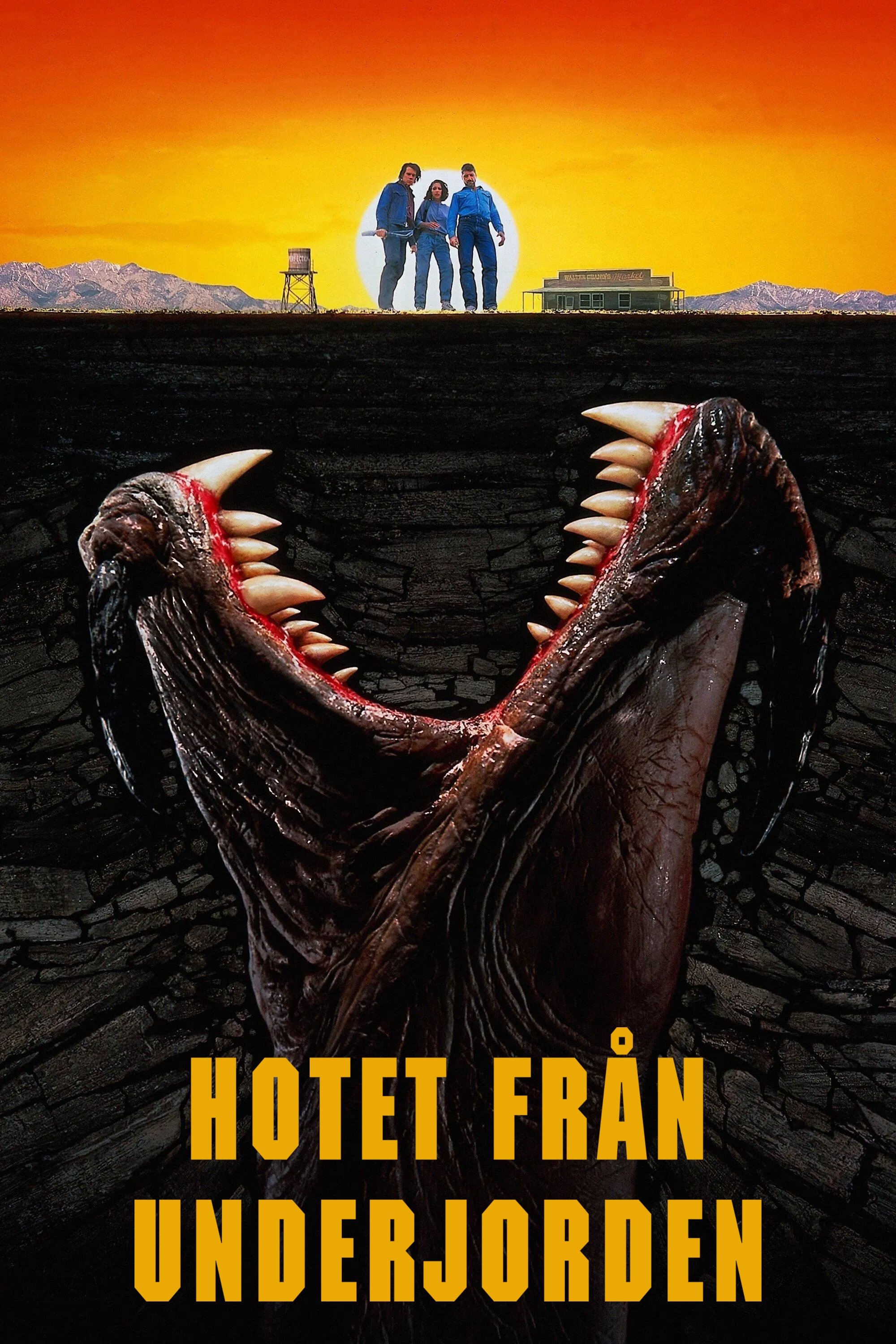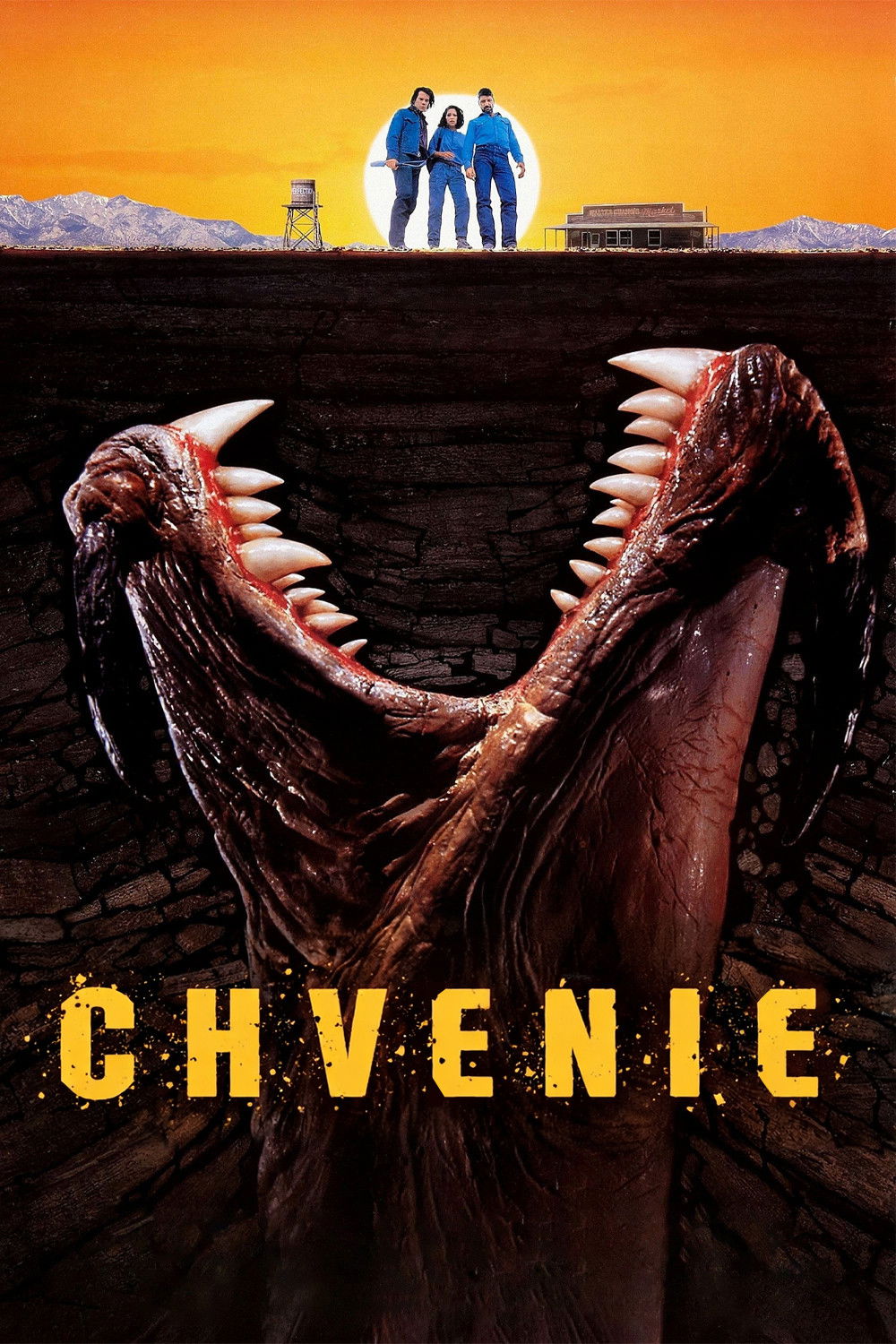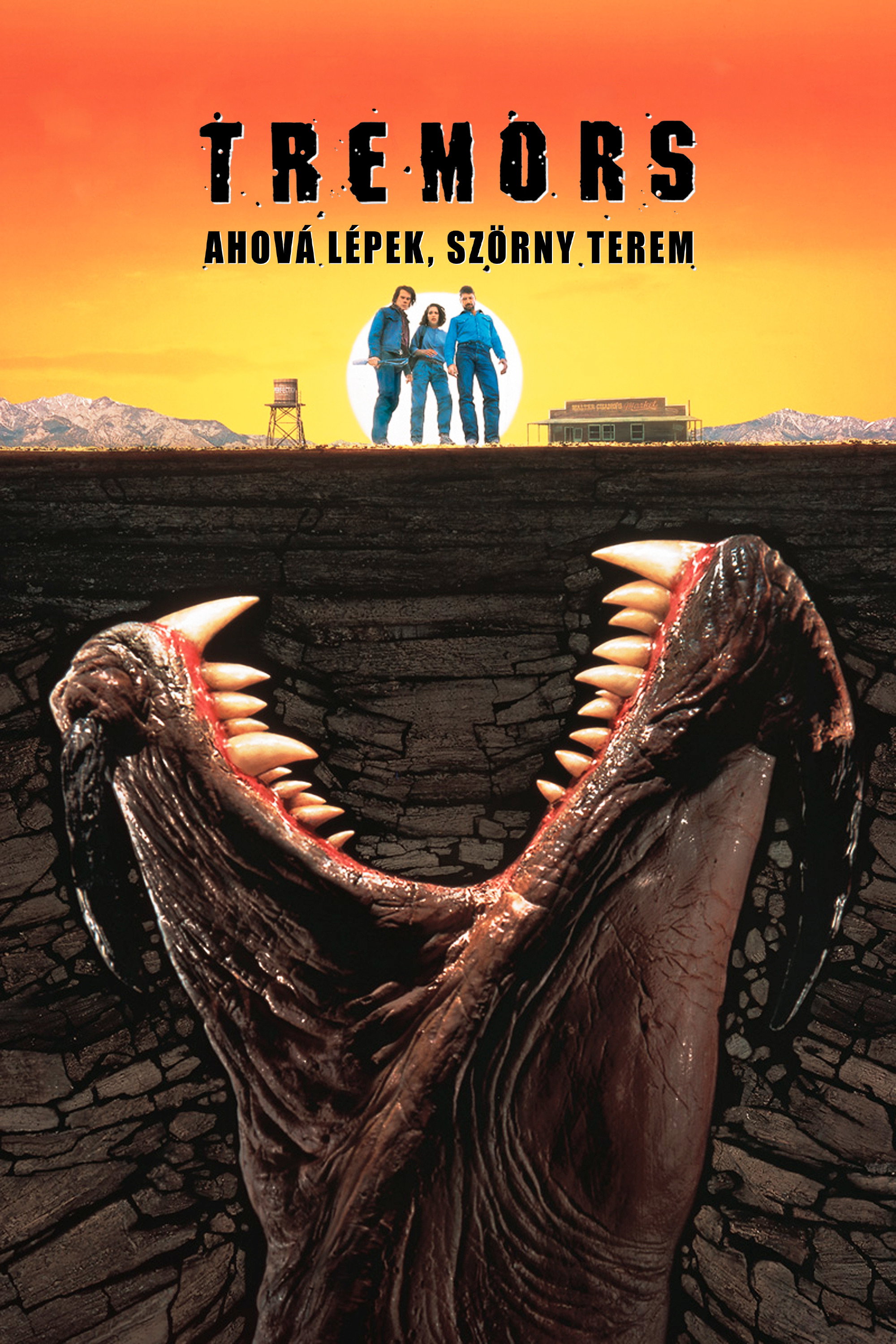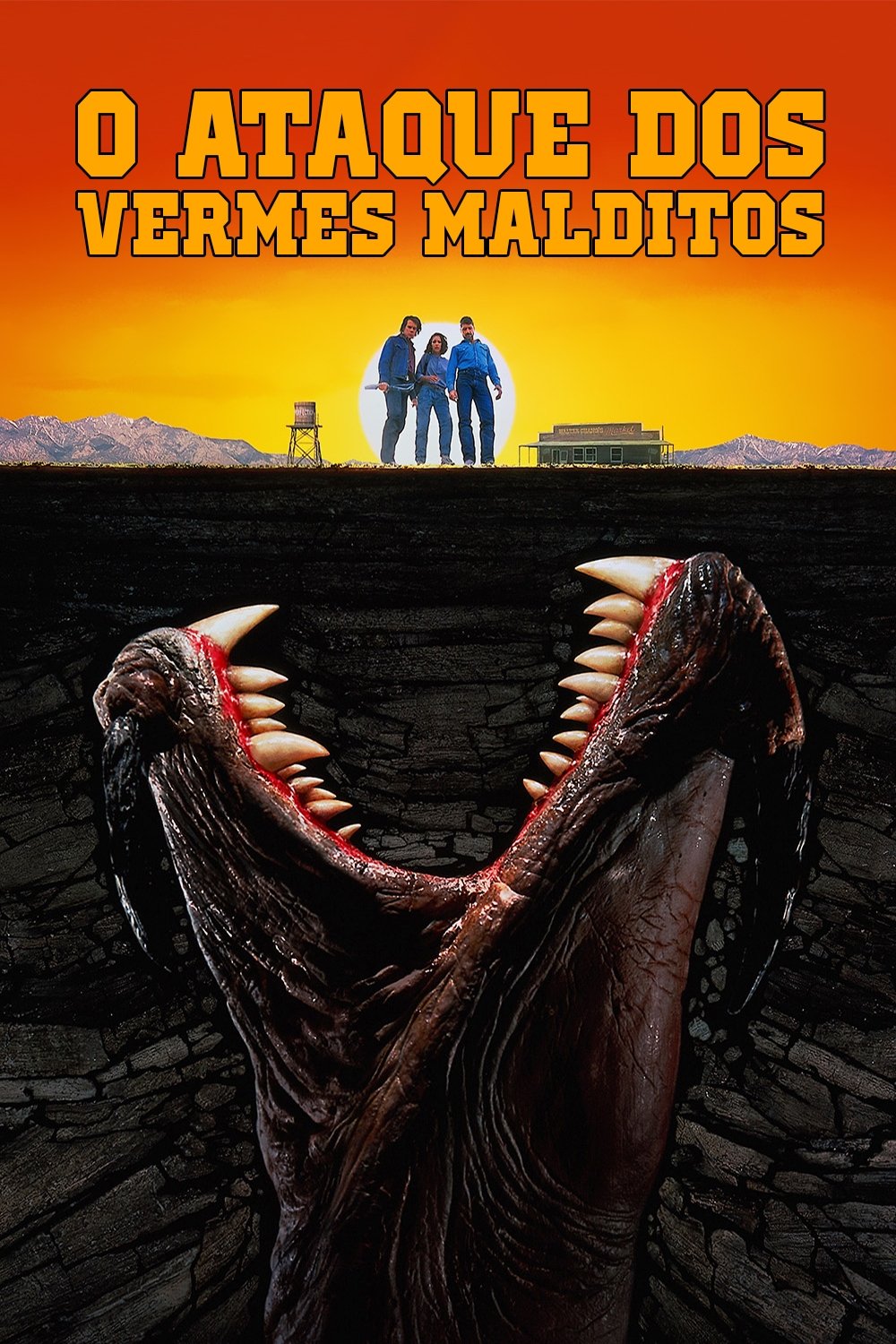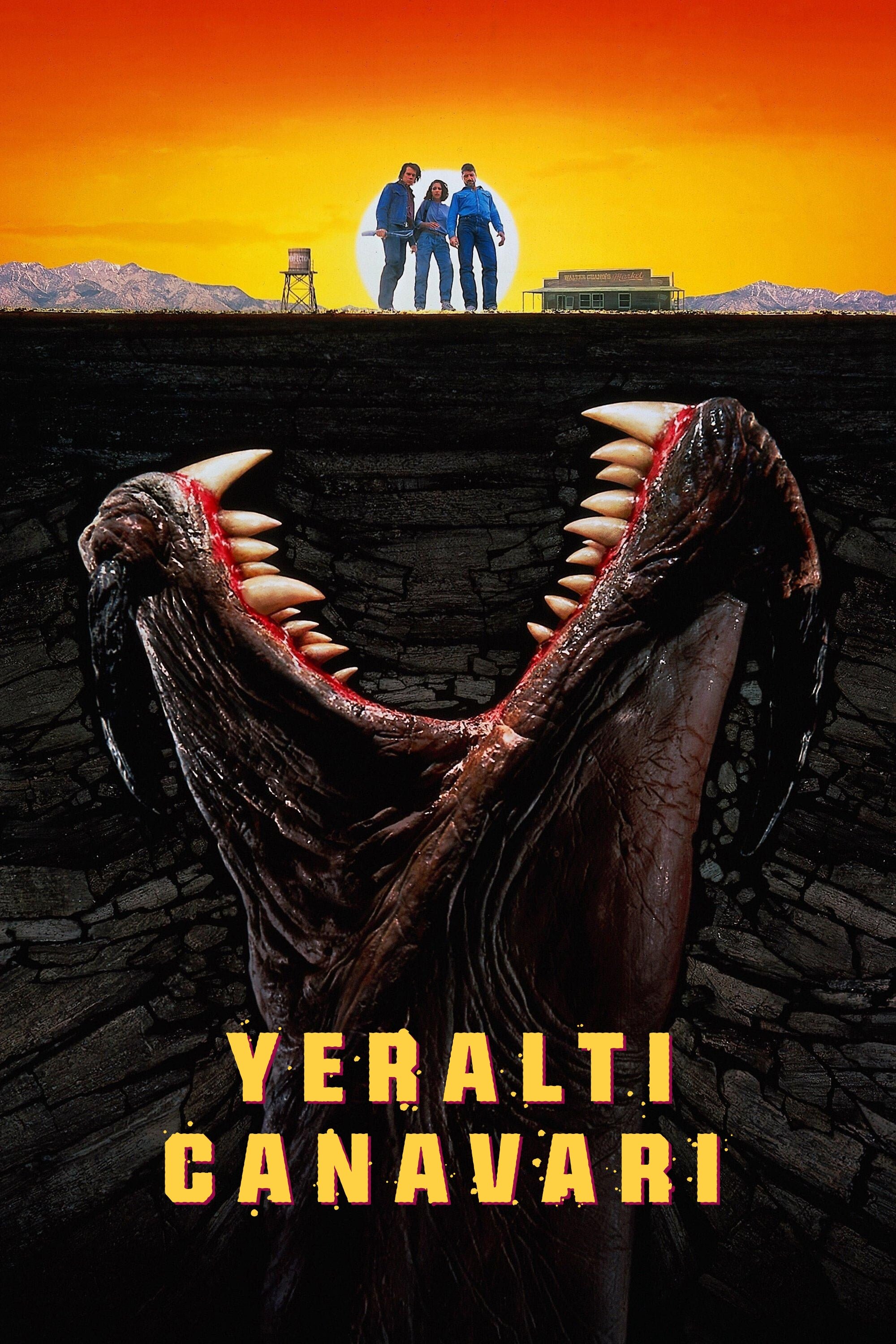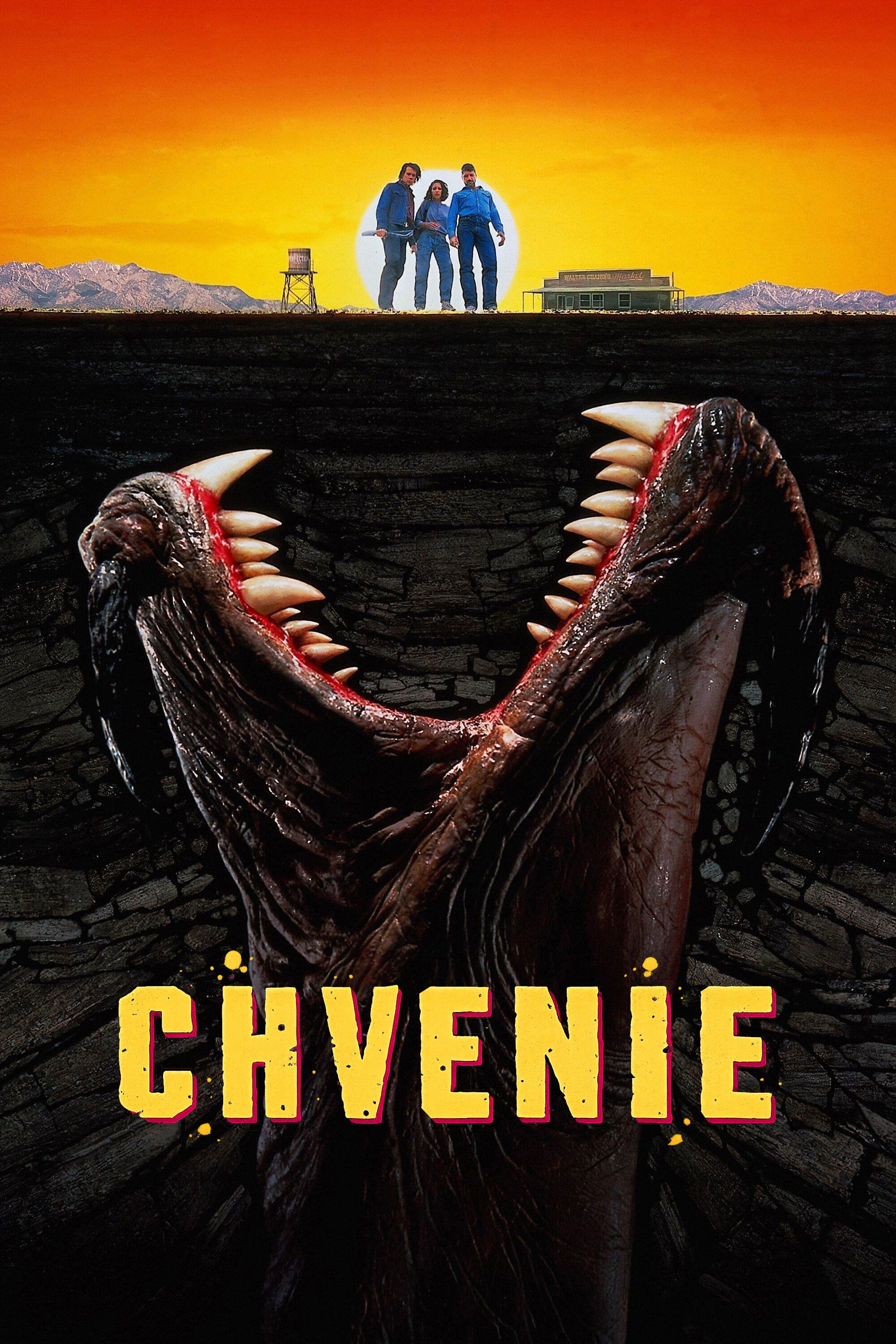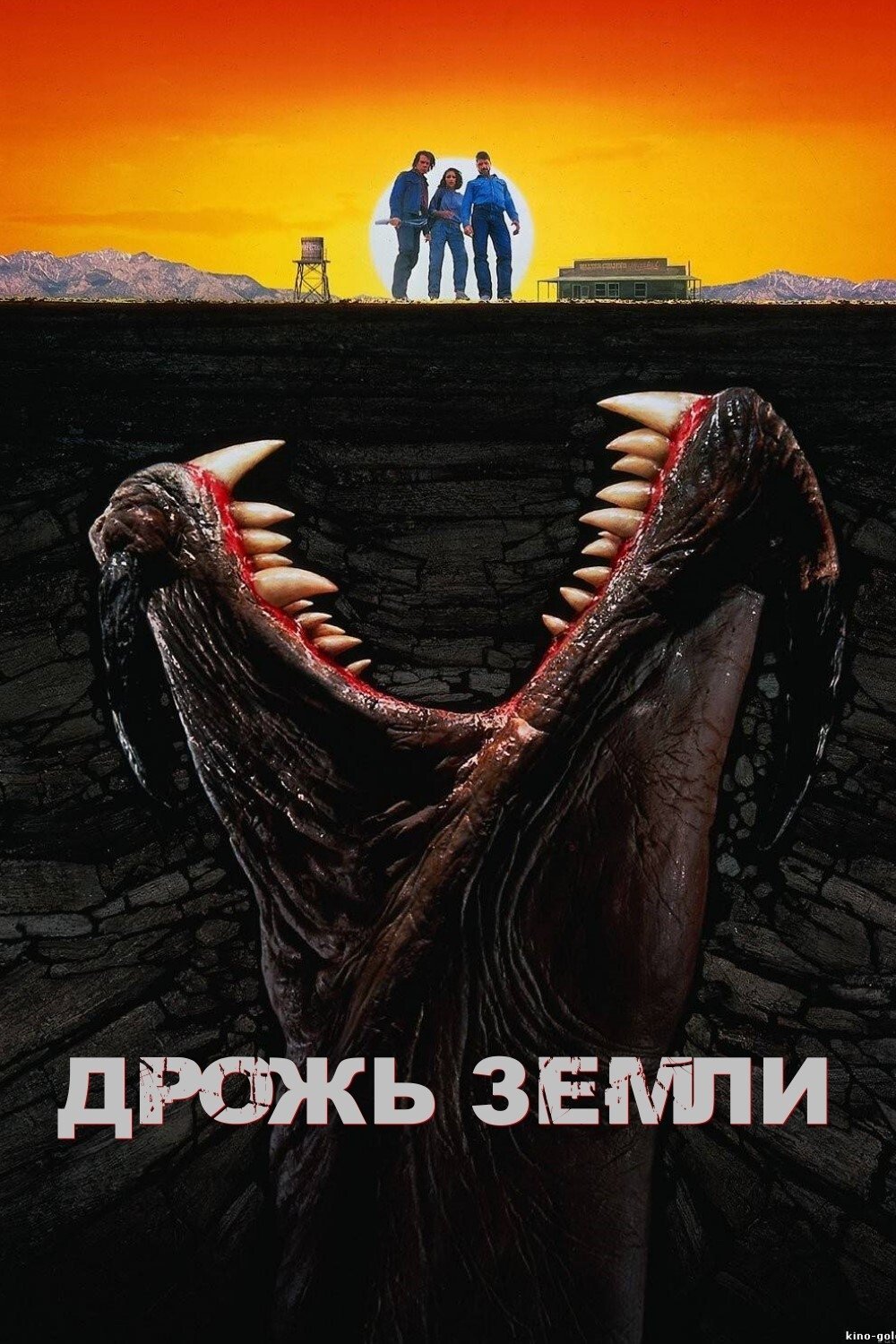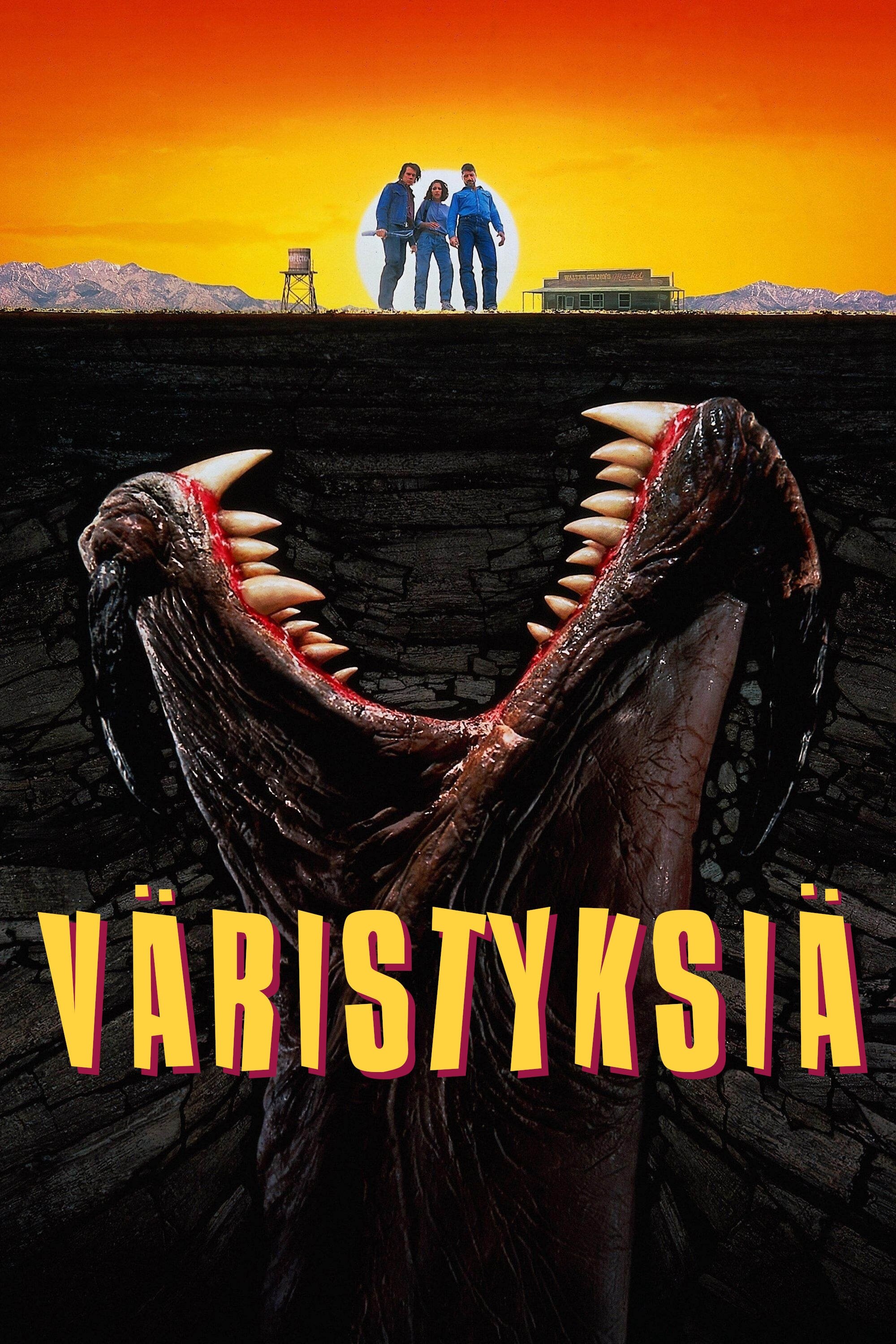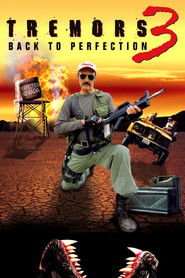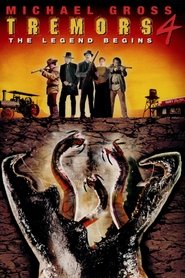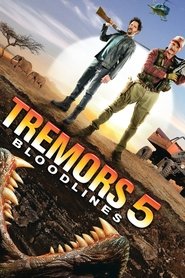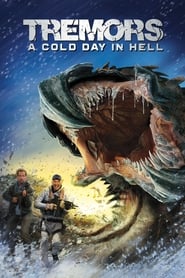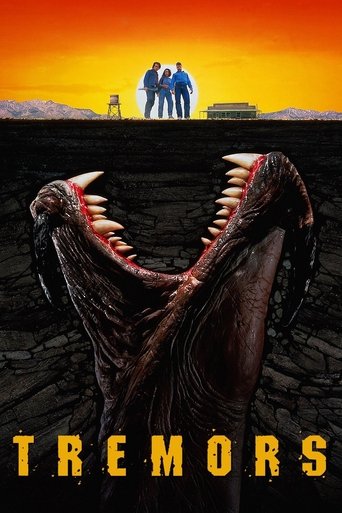
Tremors (1990)

US
HORROR FILM Science Fiction Comedy
Runtime
96 min
Release
January 19, 1990
Budget
$11,000,000
Revenue
$48,572,000
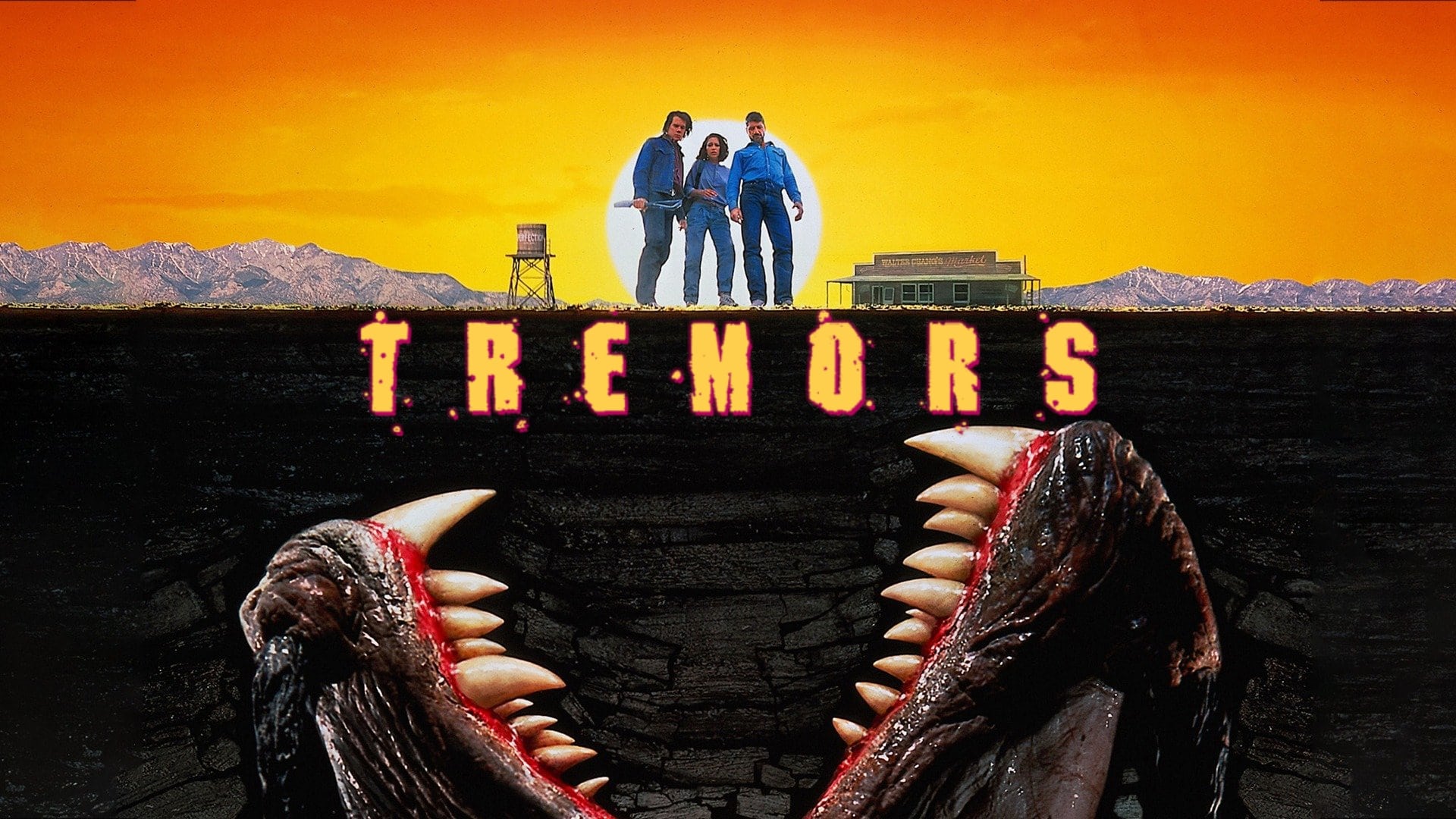
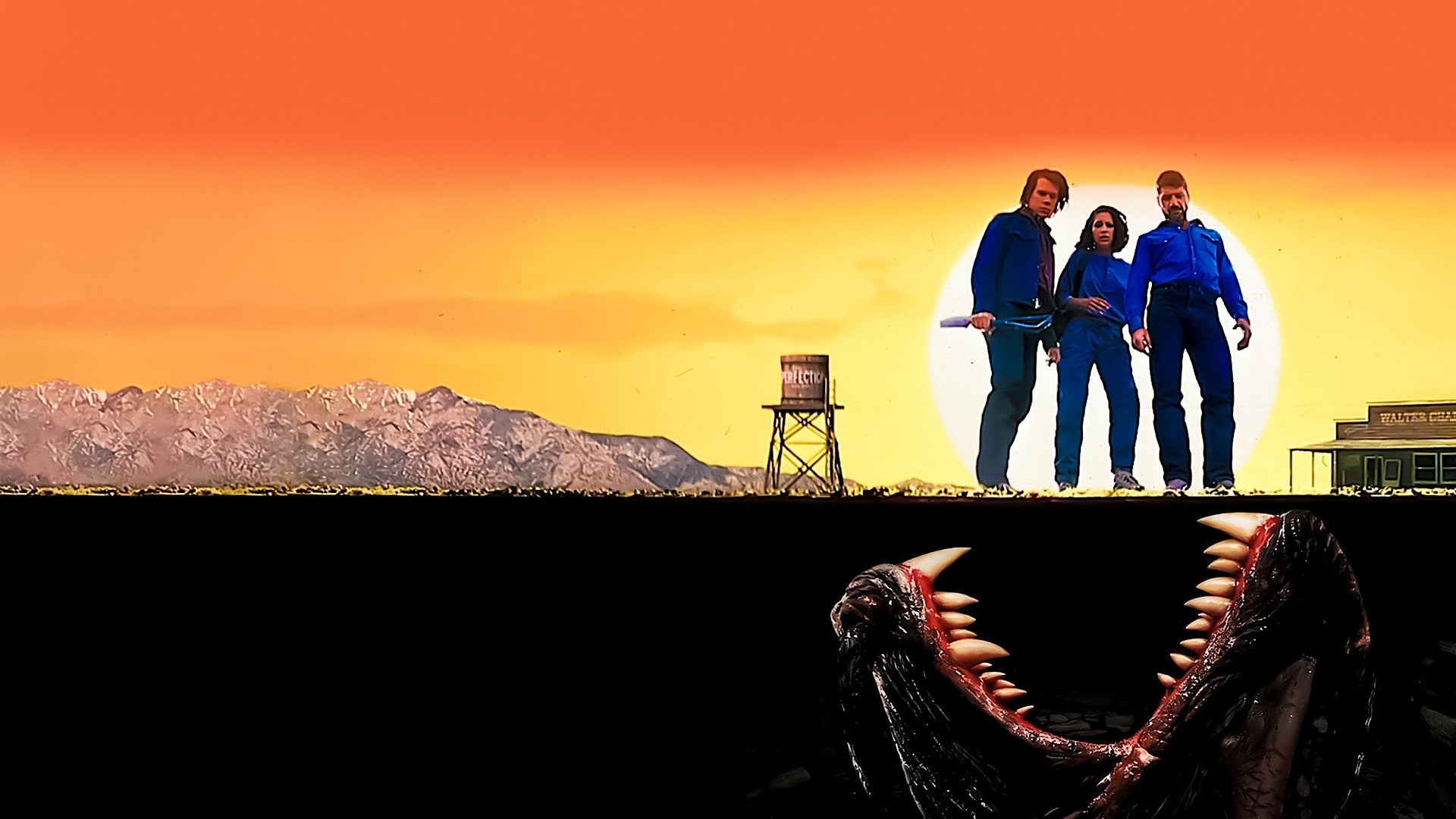
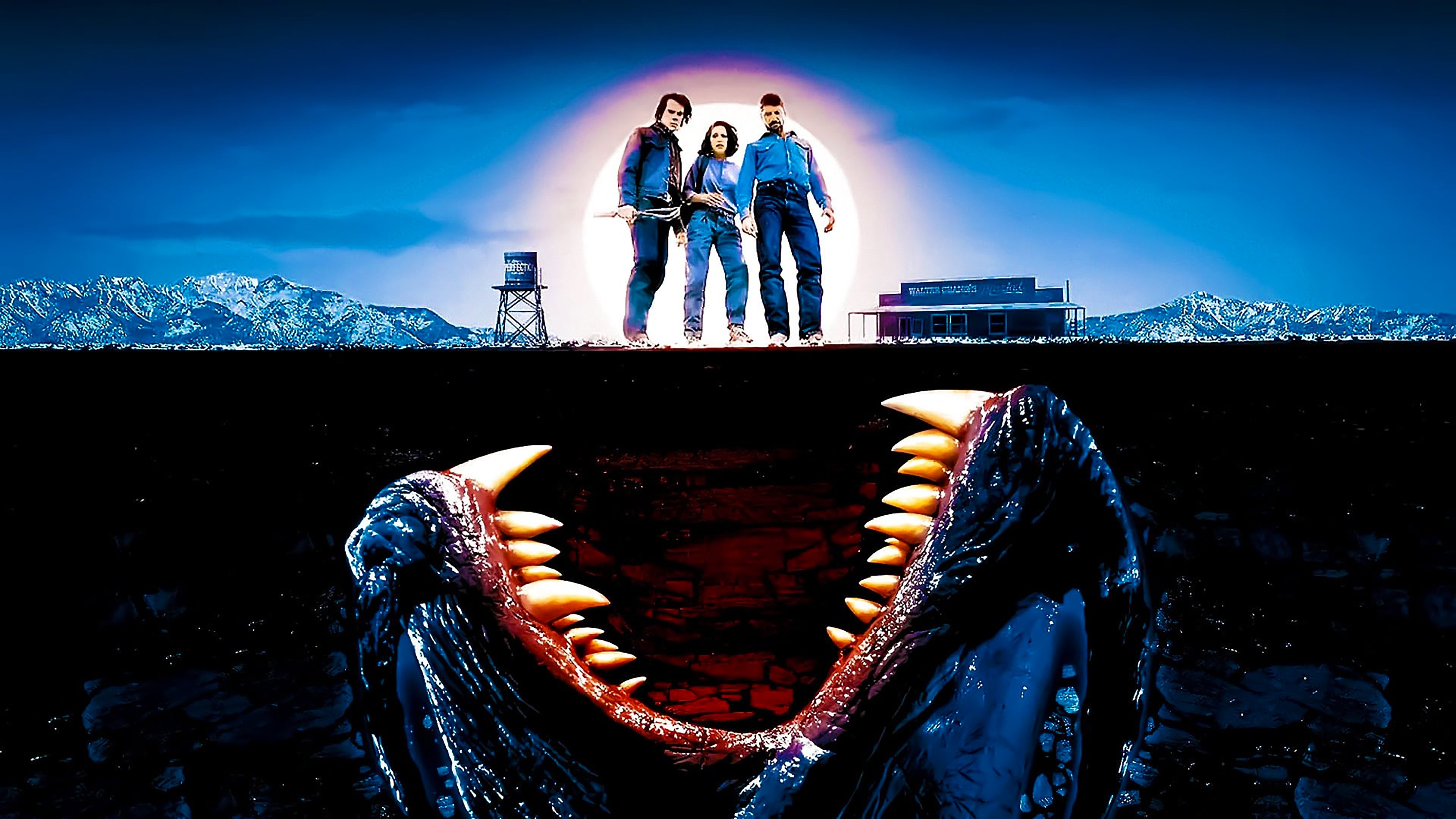
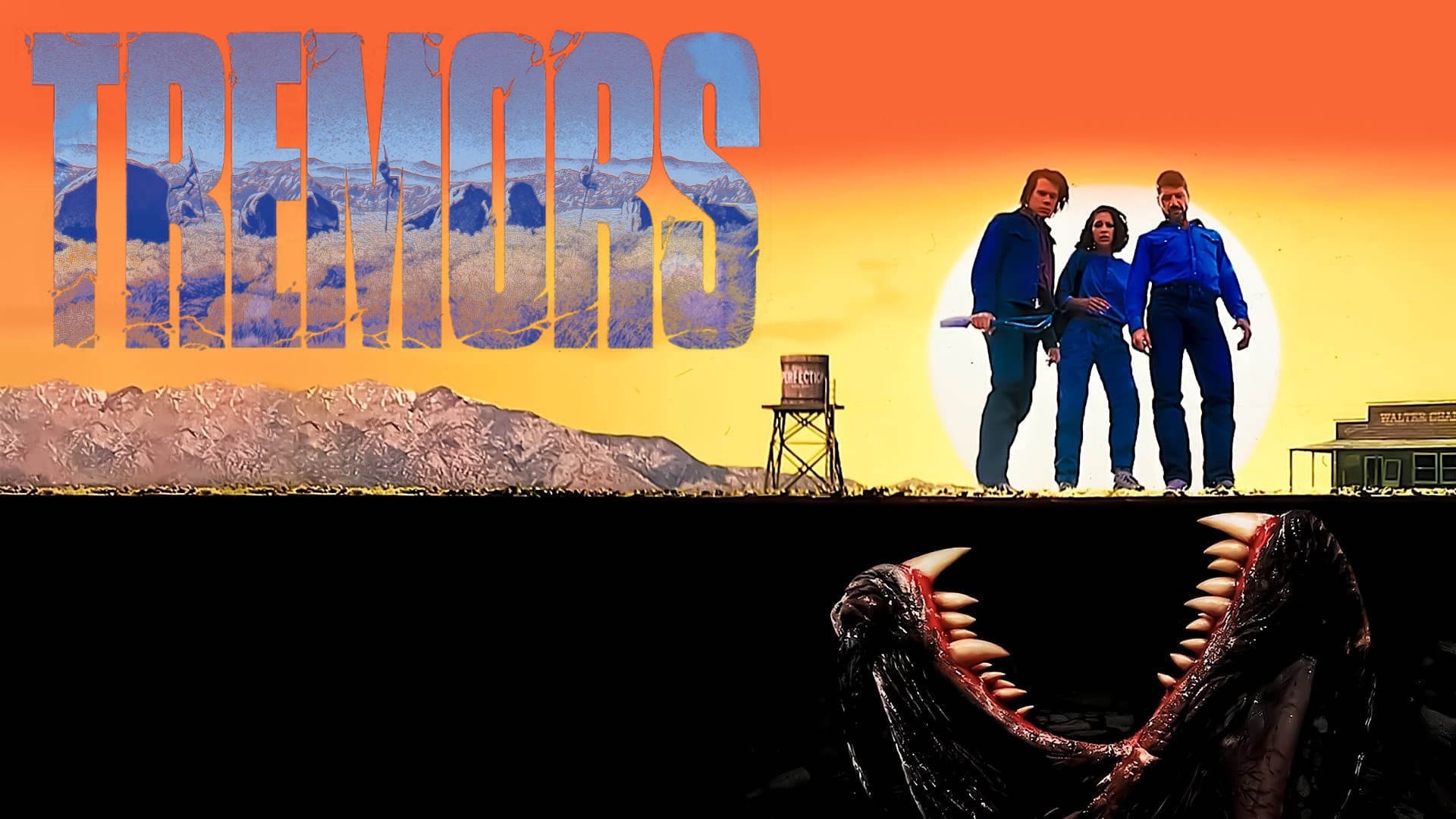
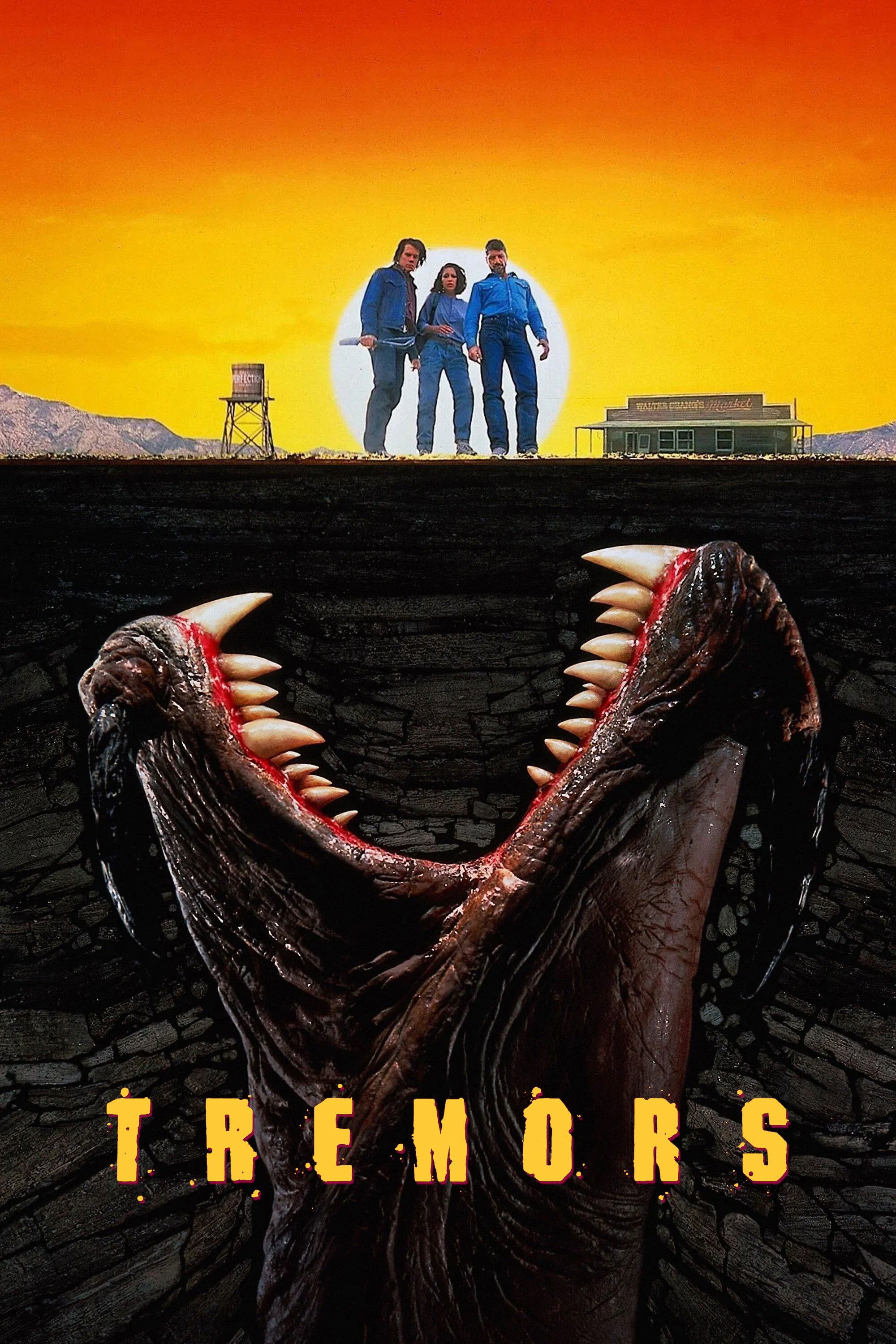
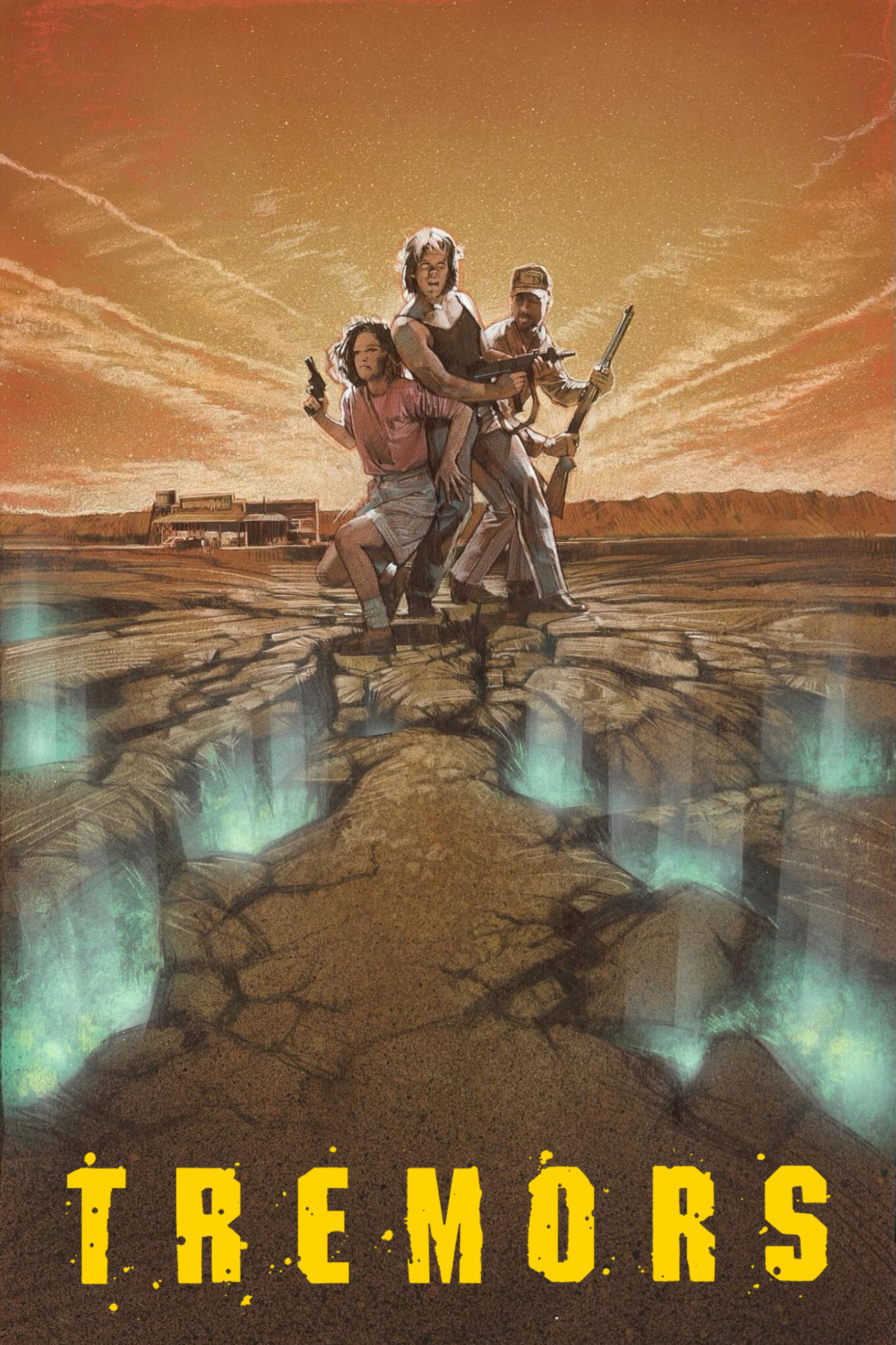
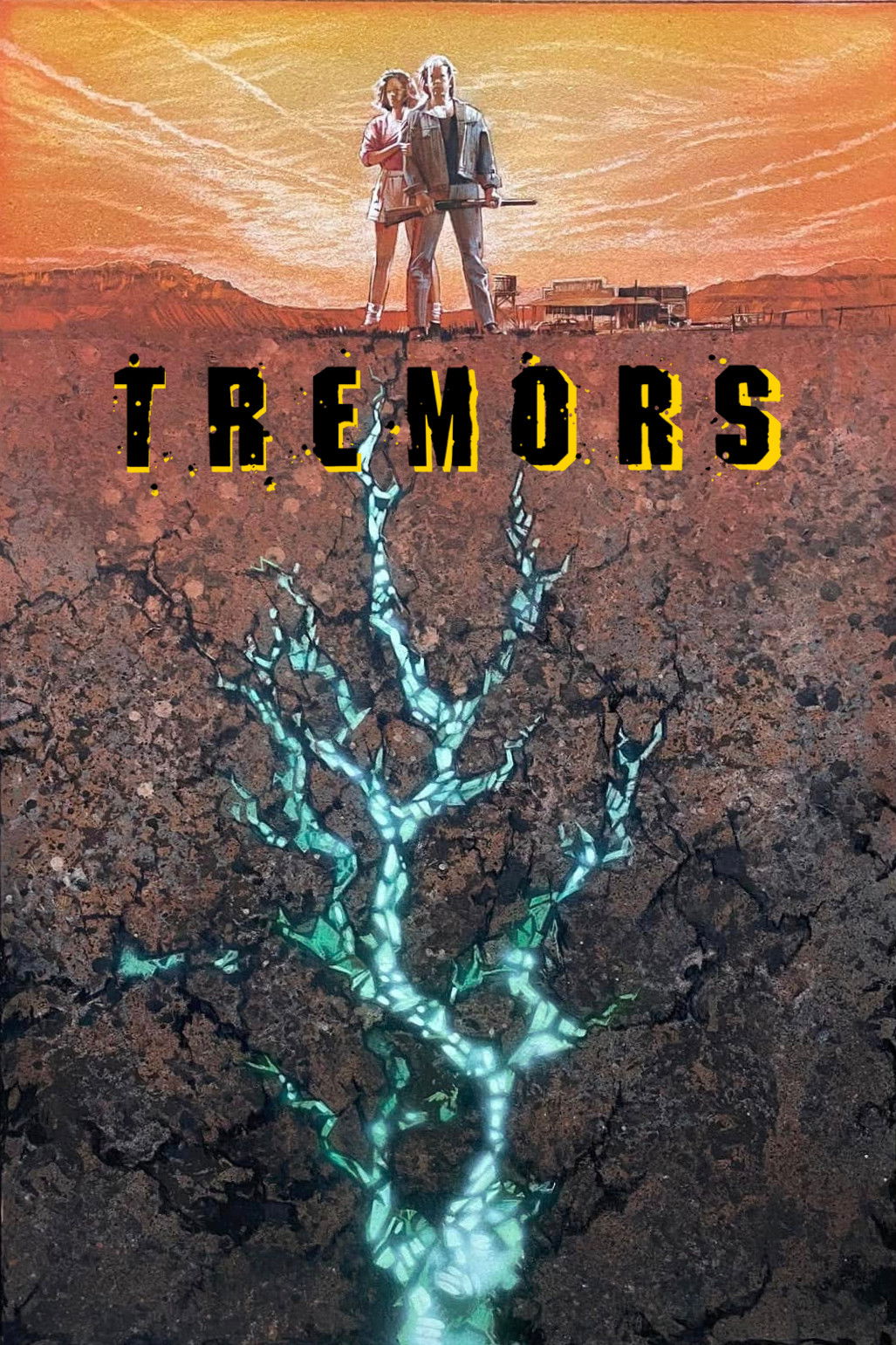
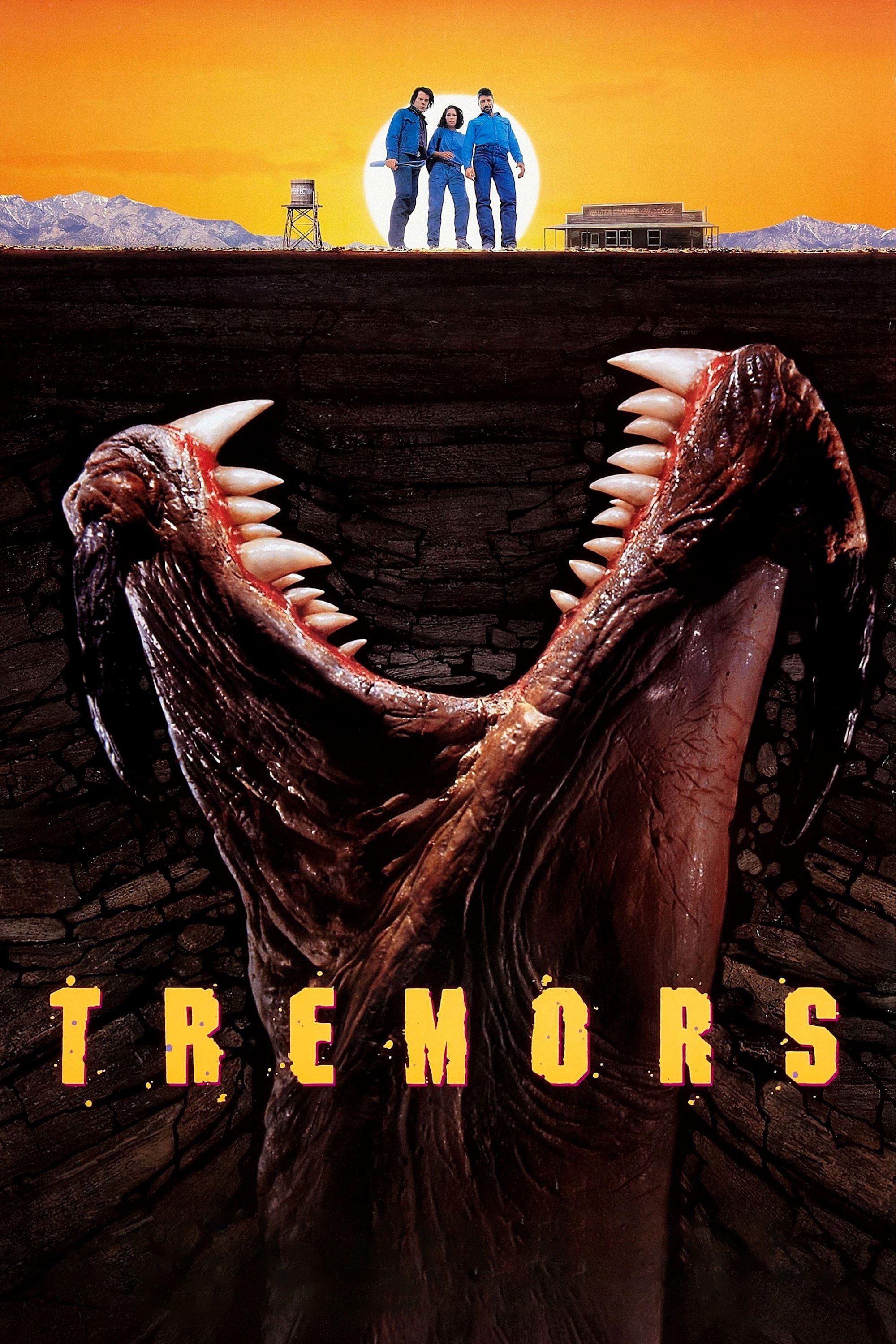
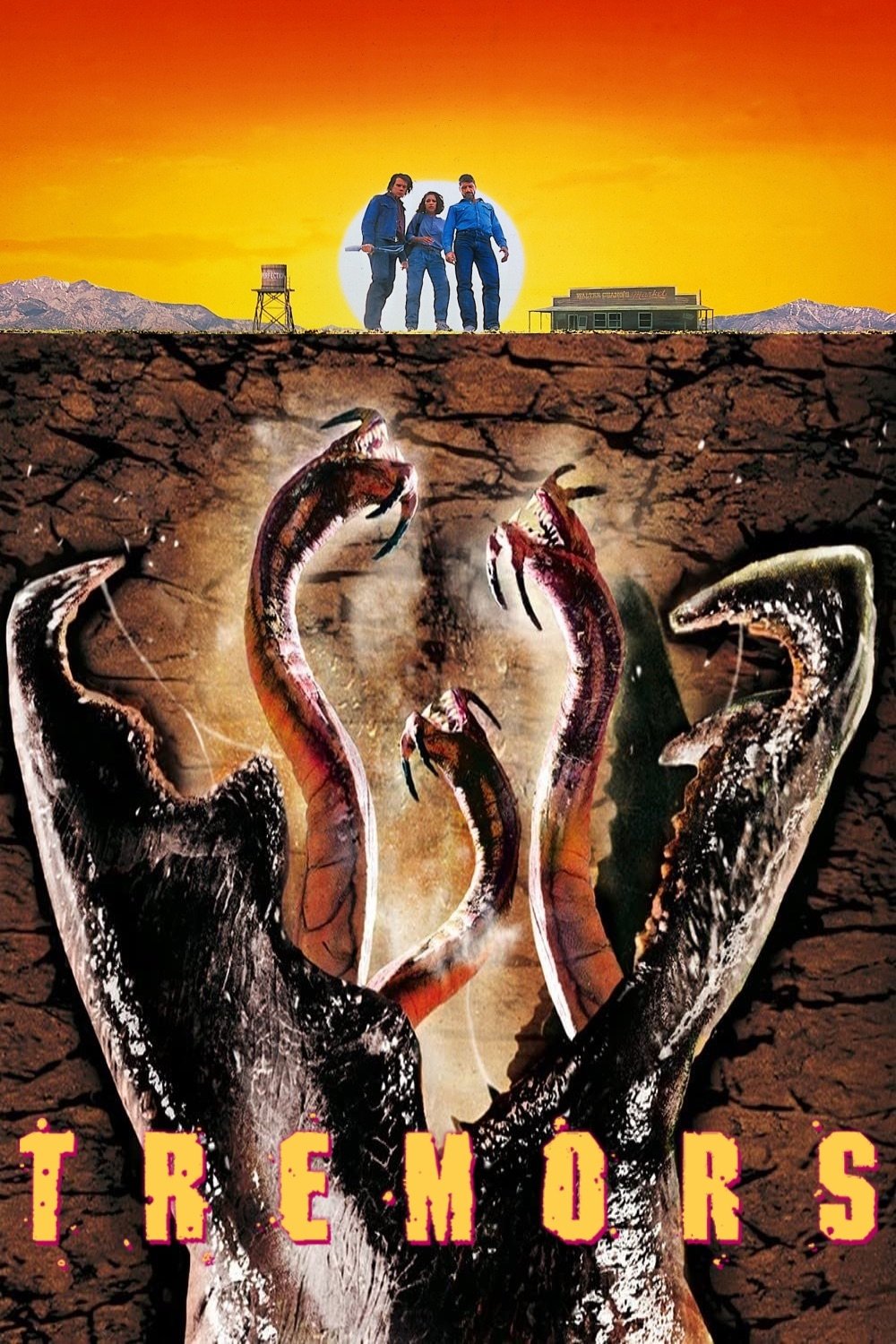
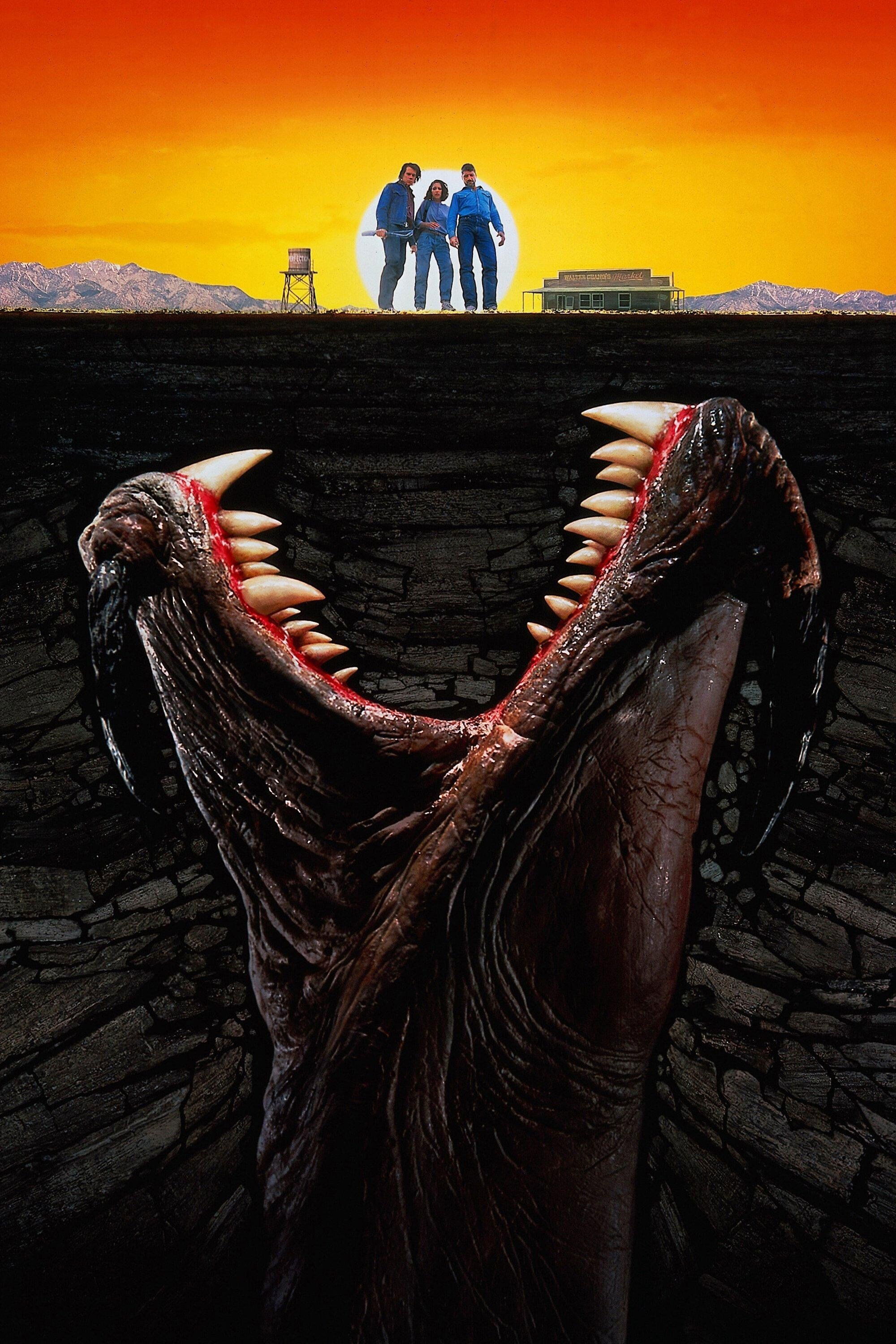
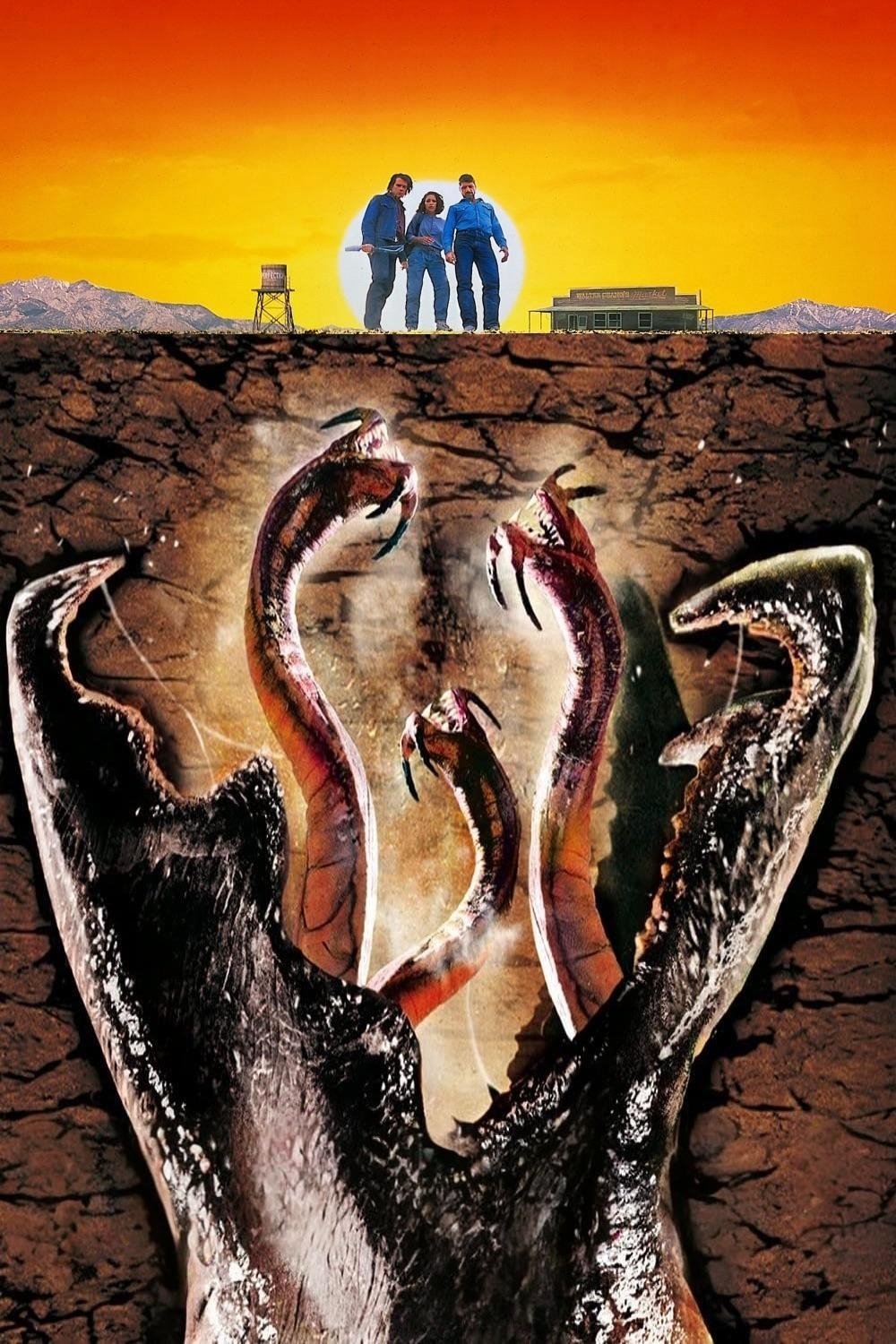
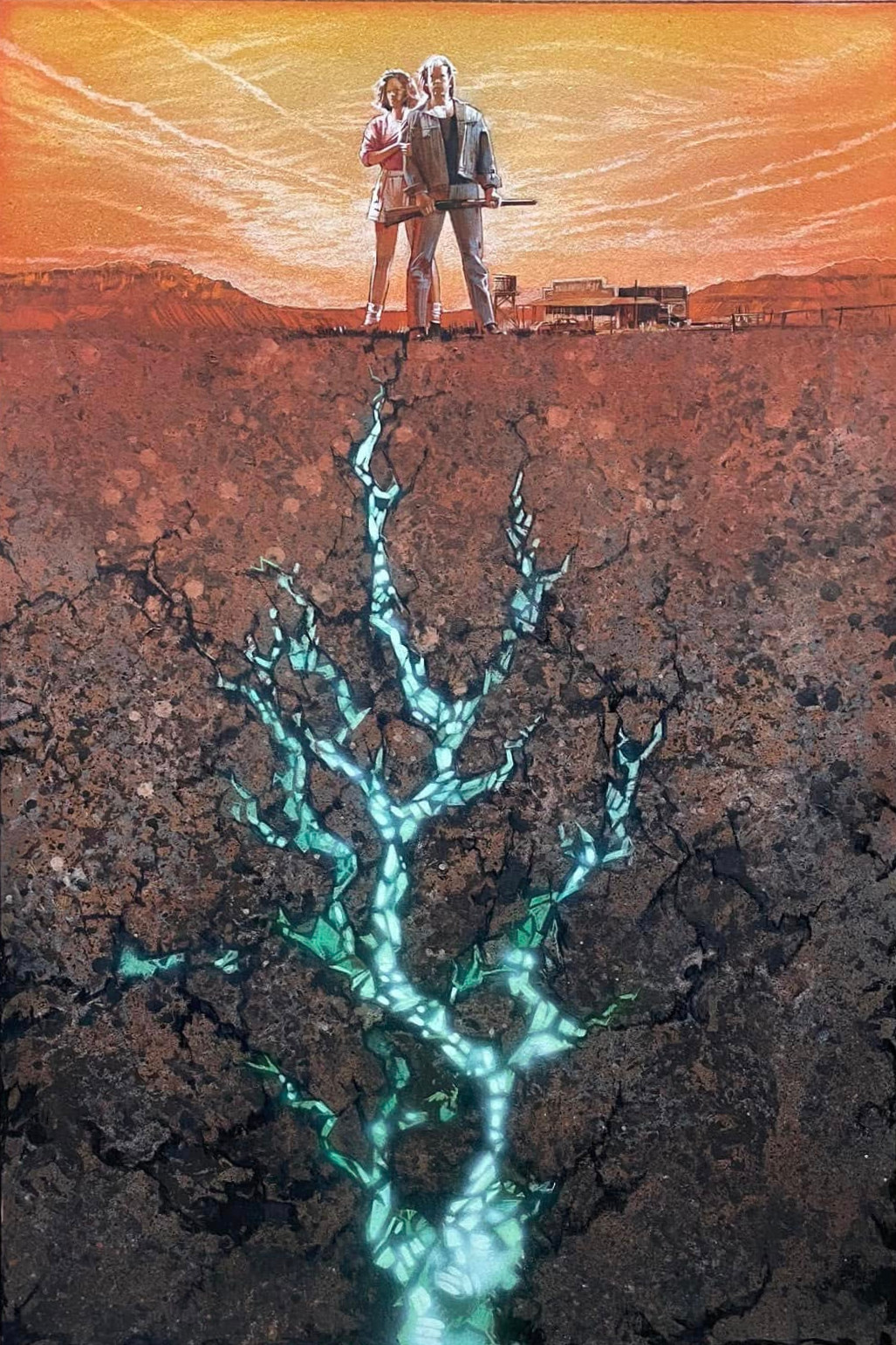
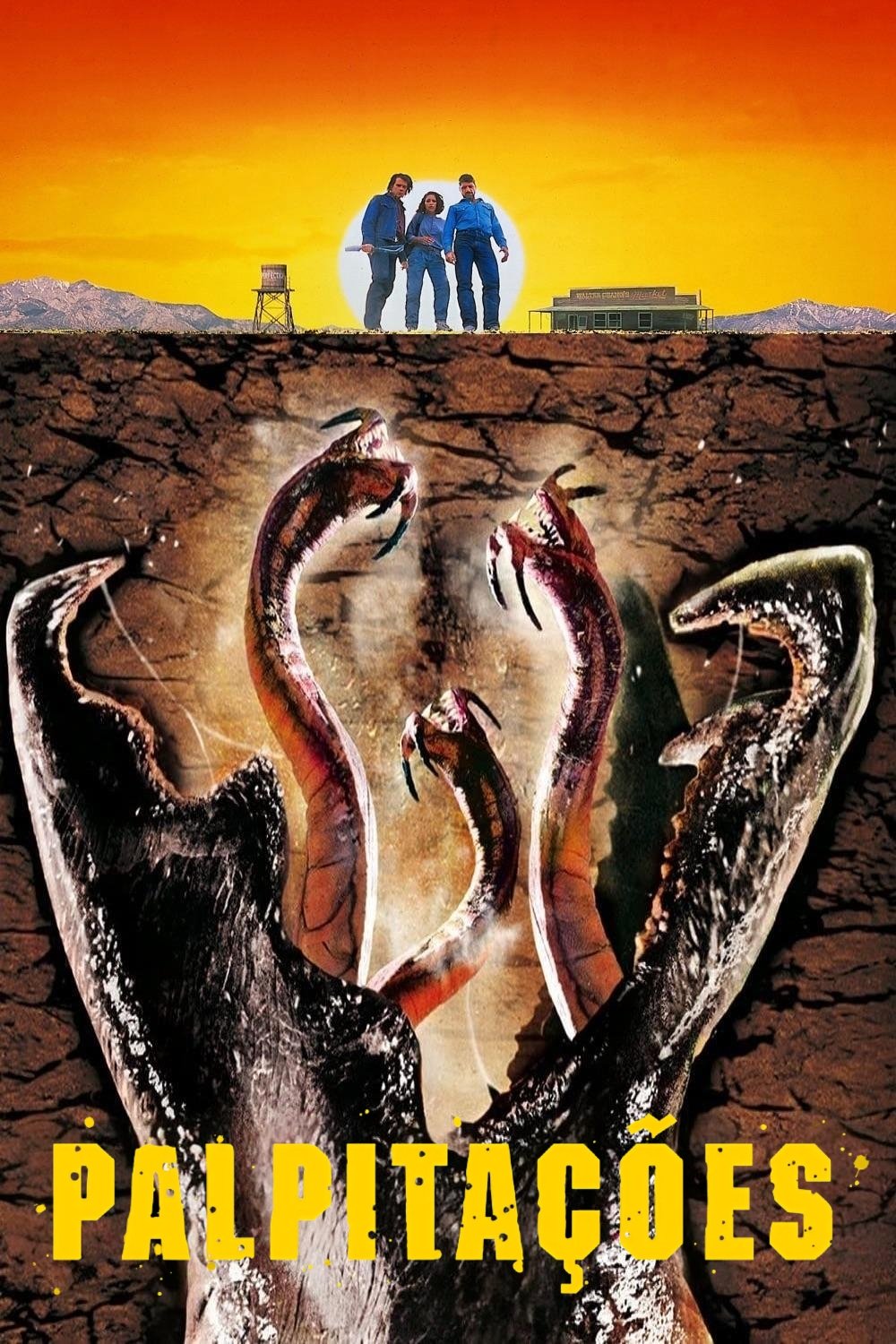
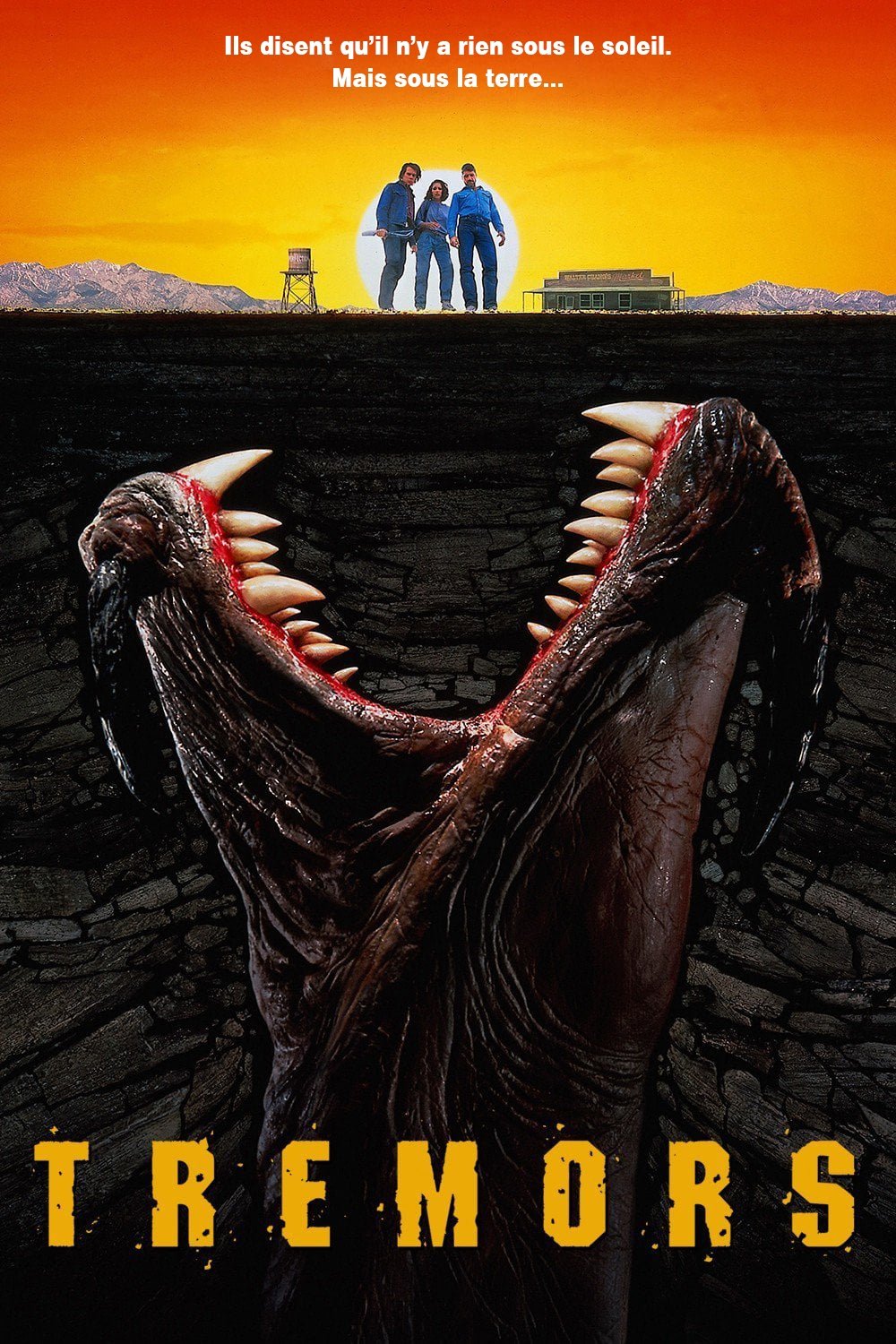
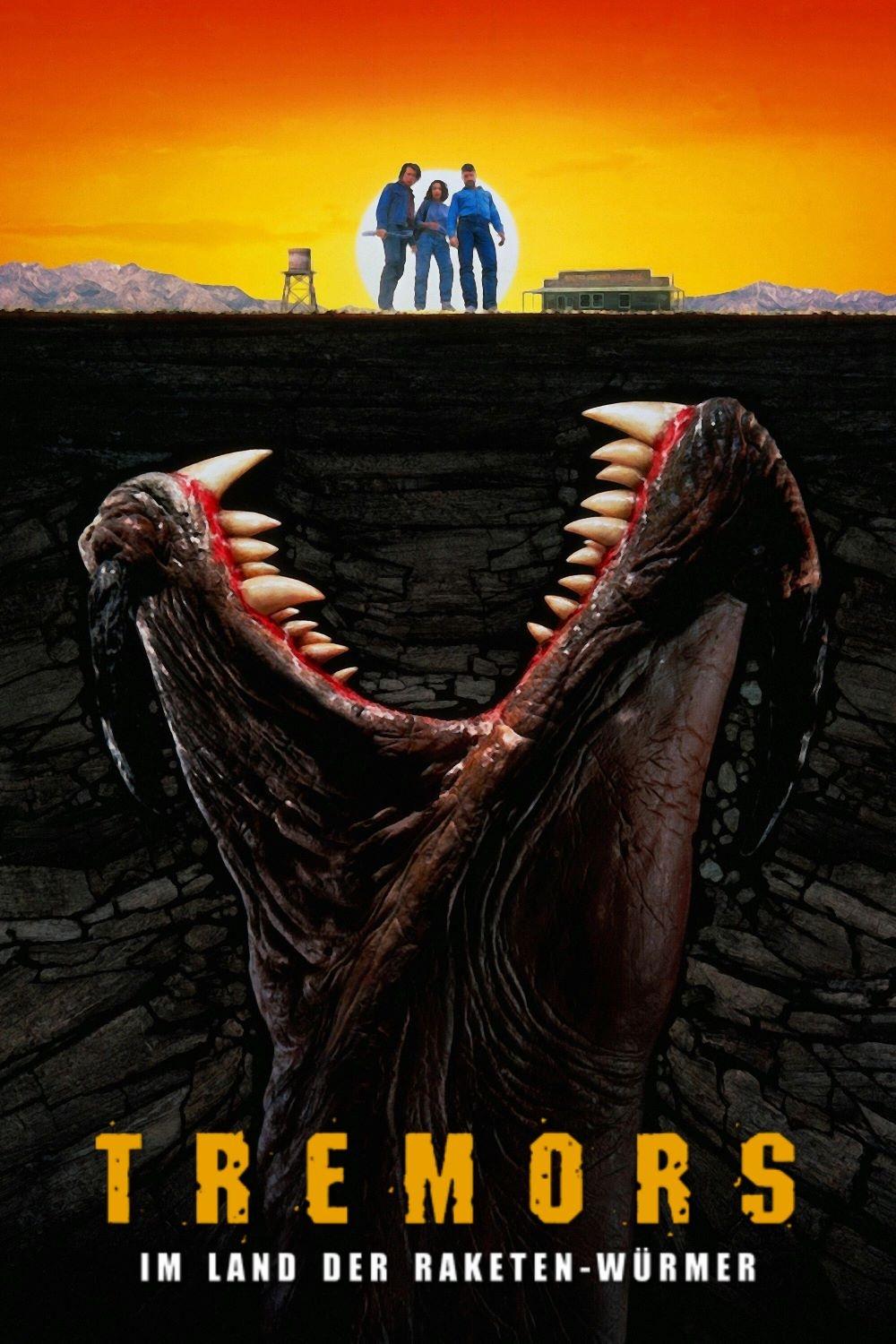
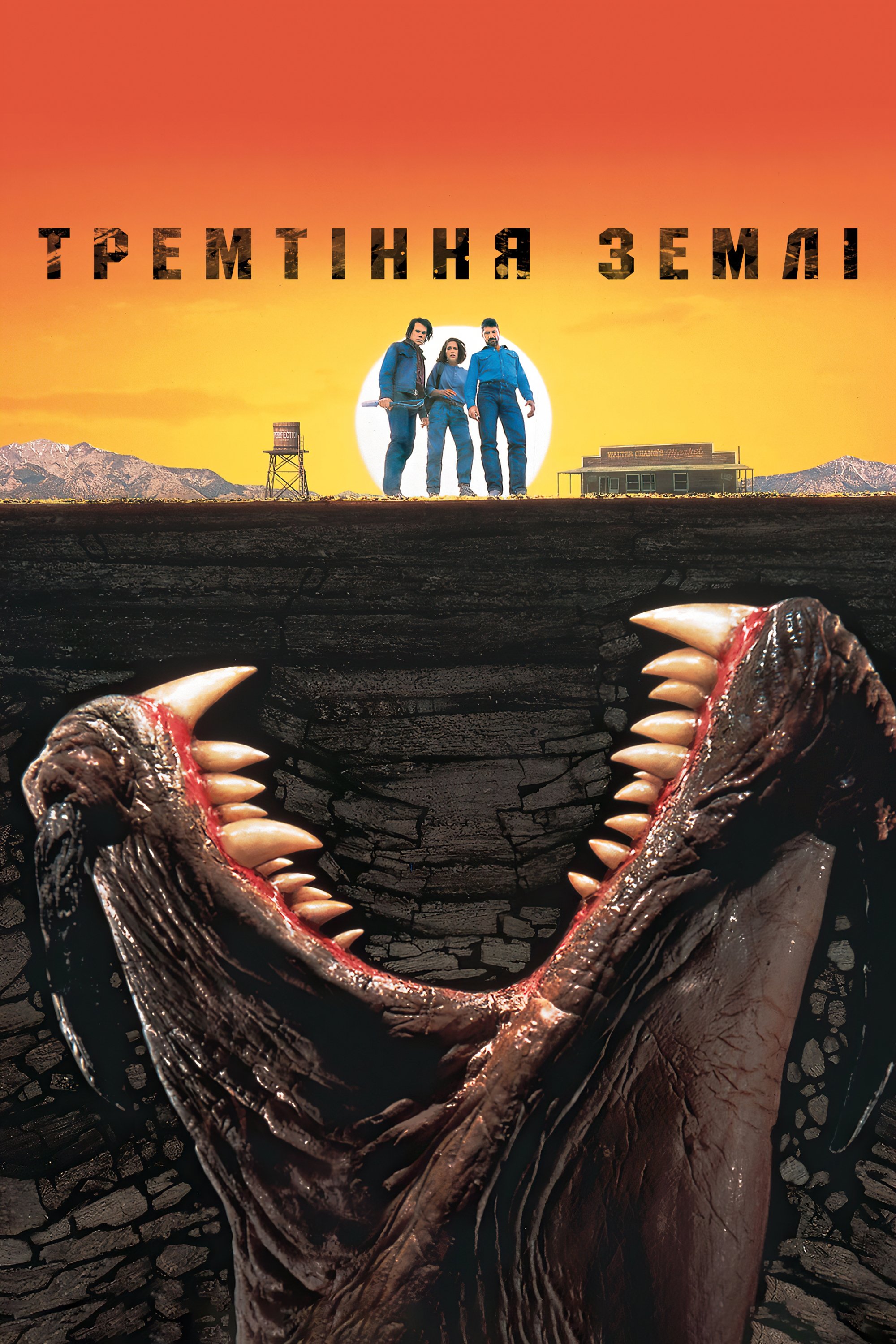
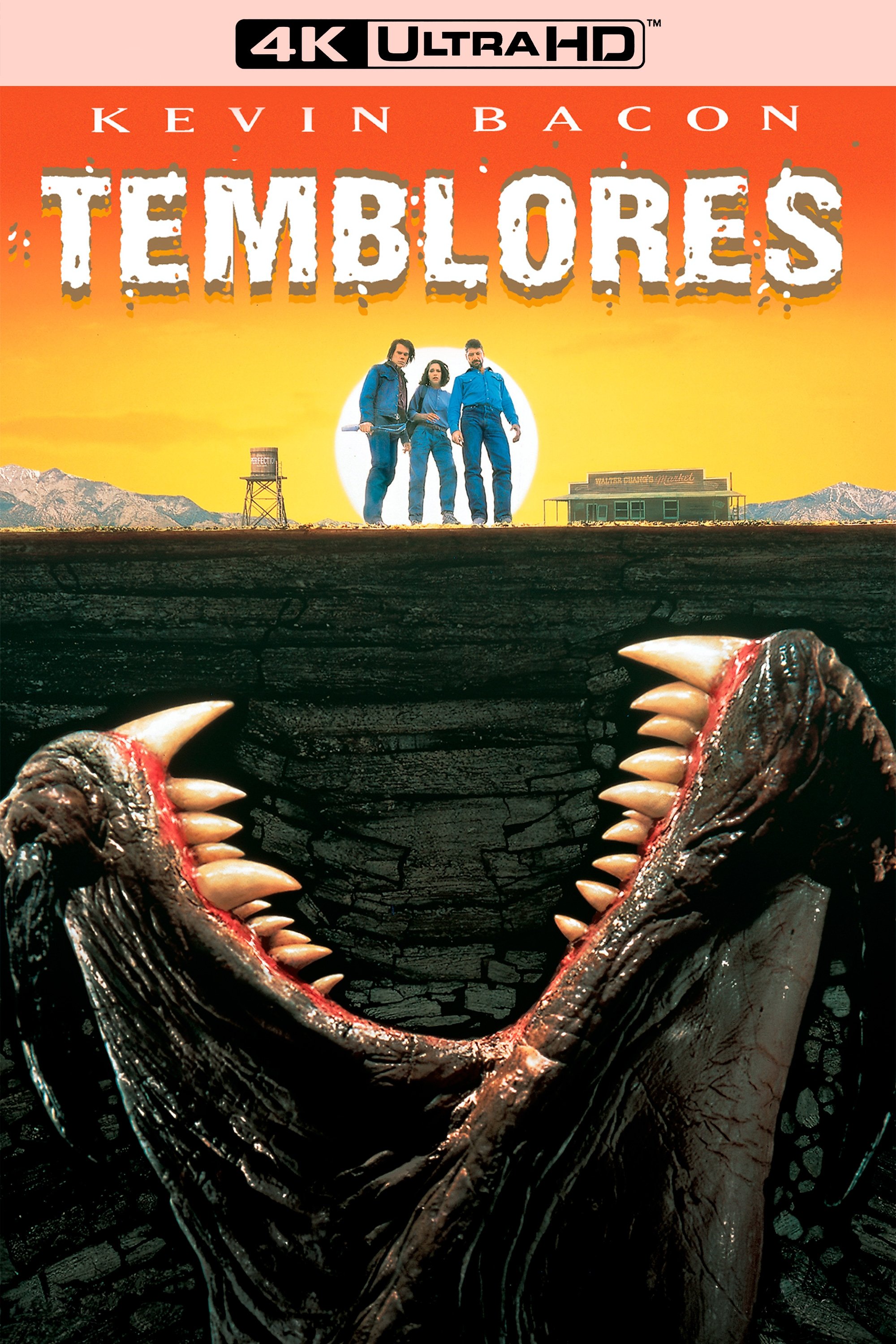
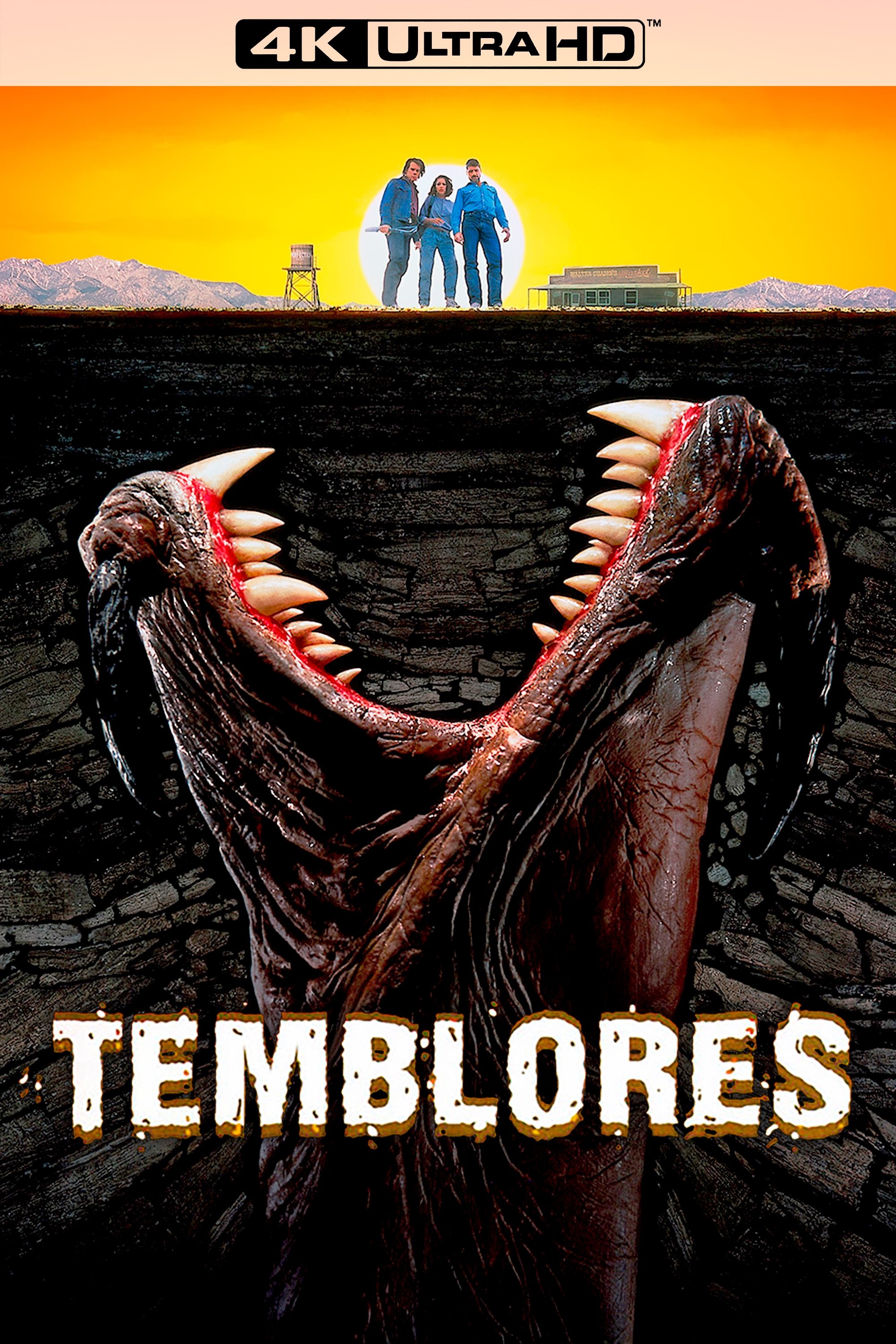
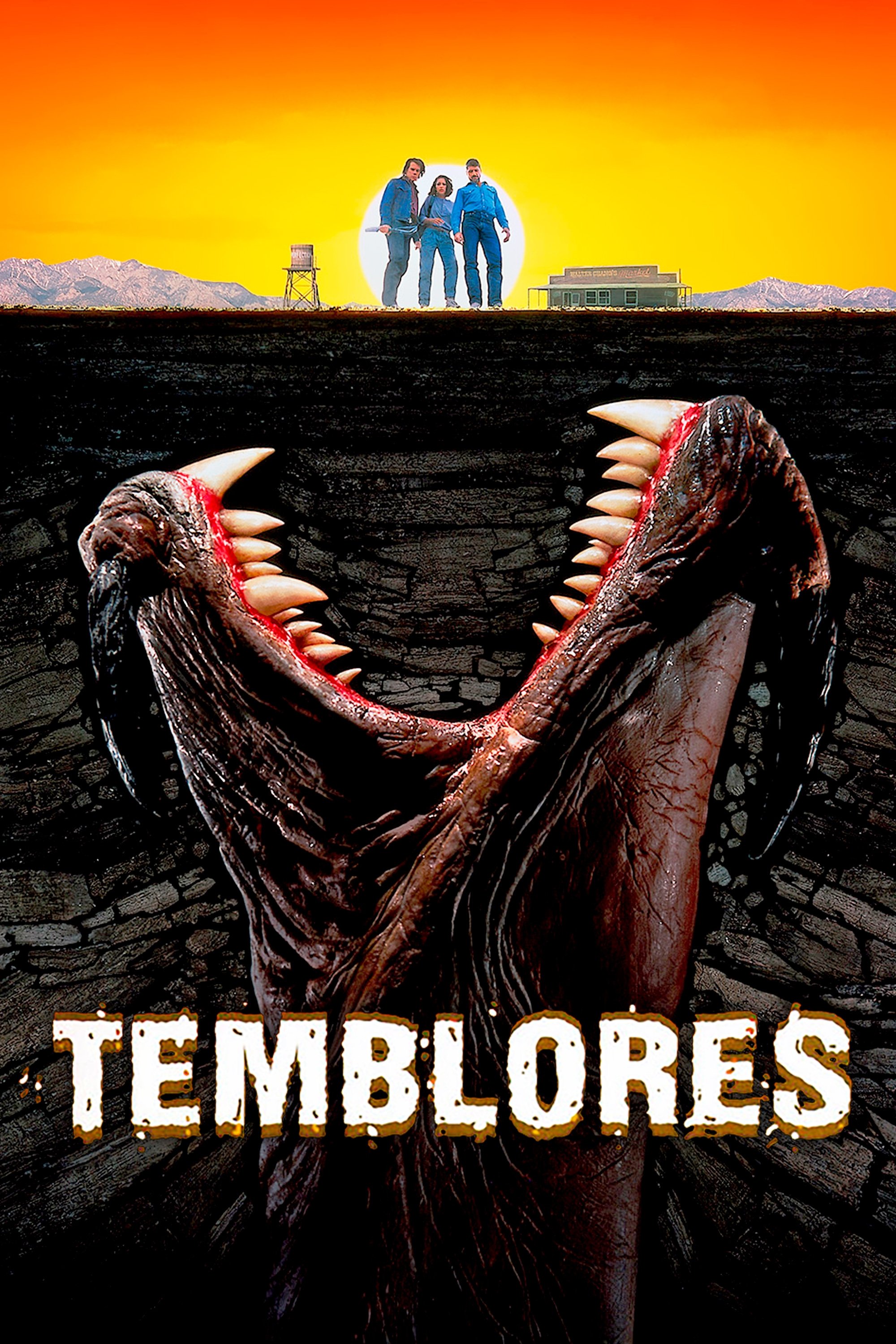
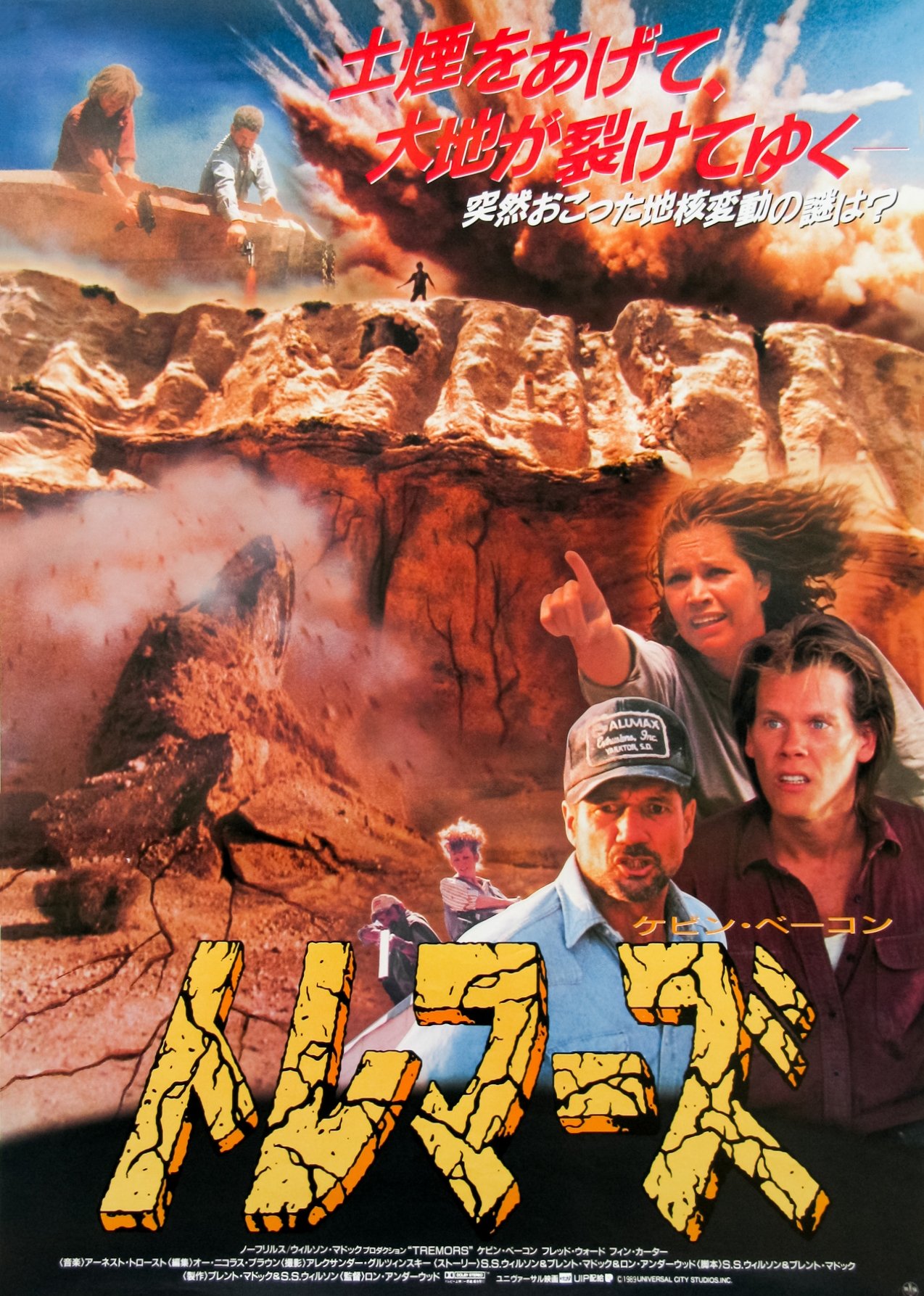
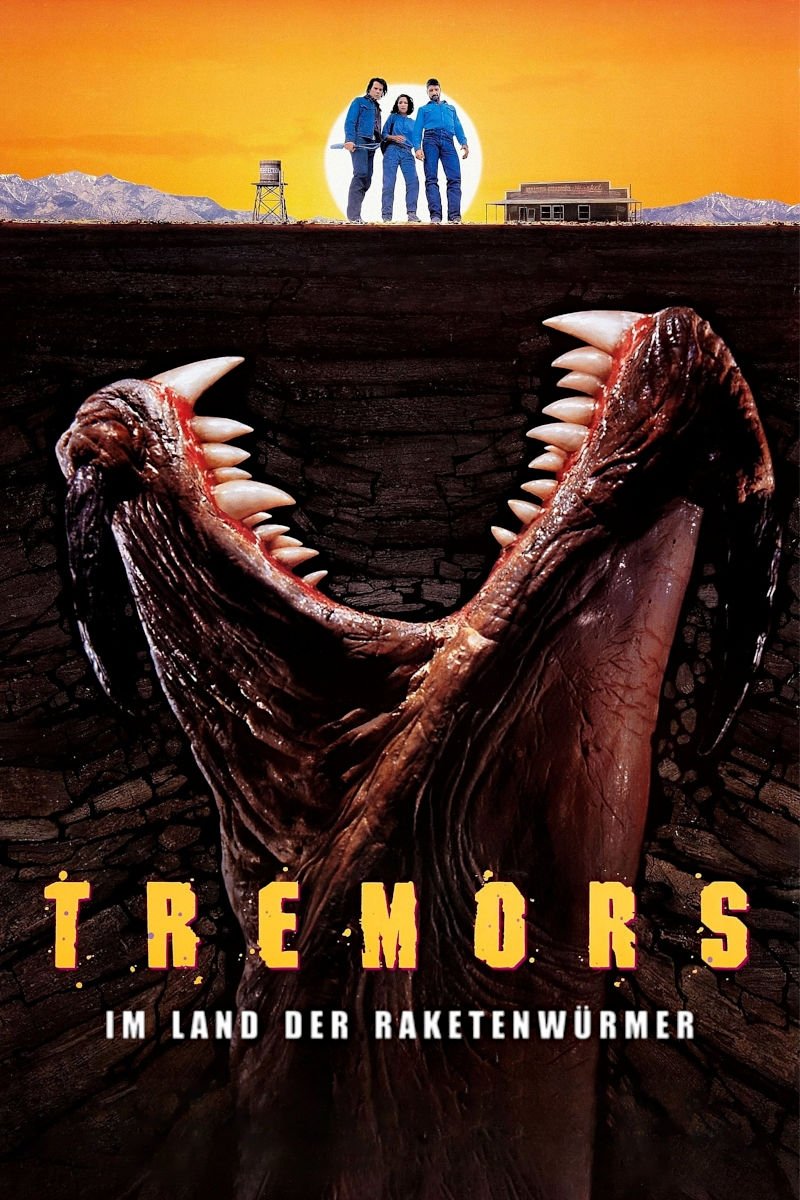
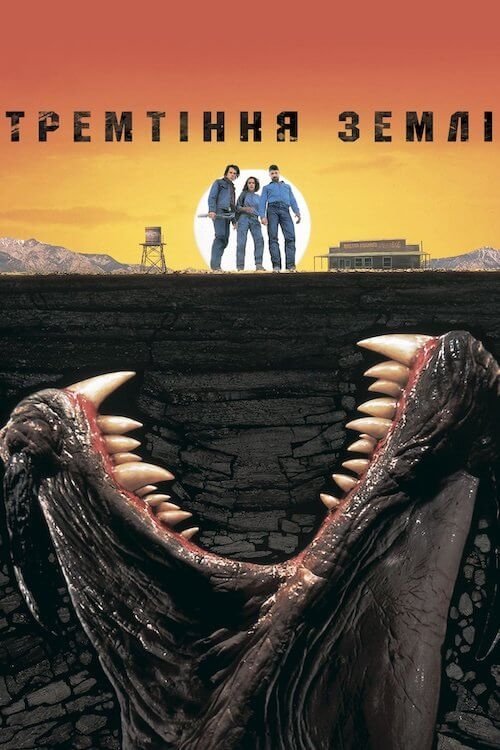
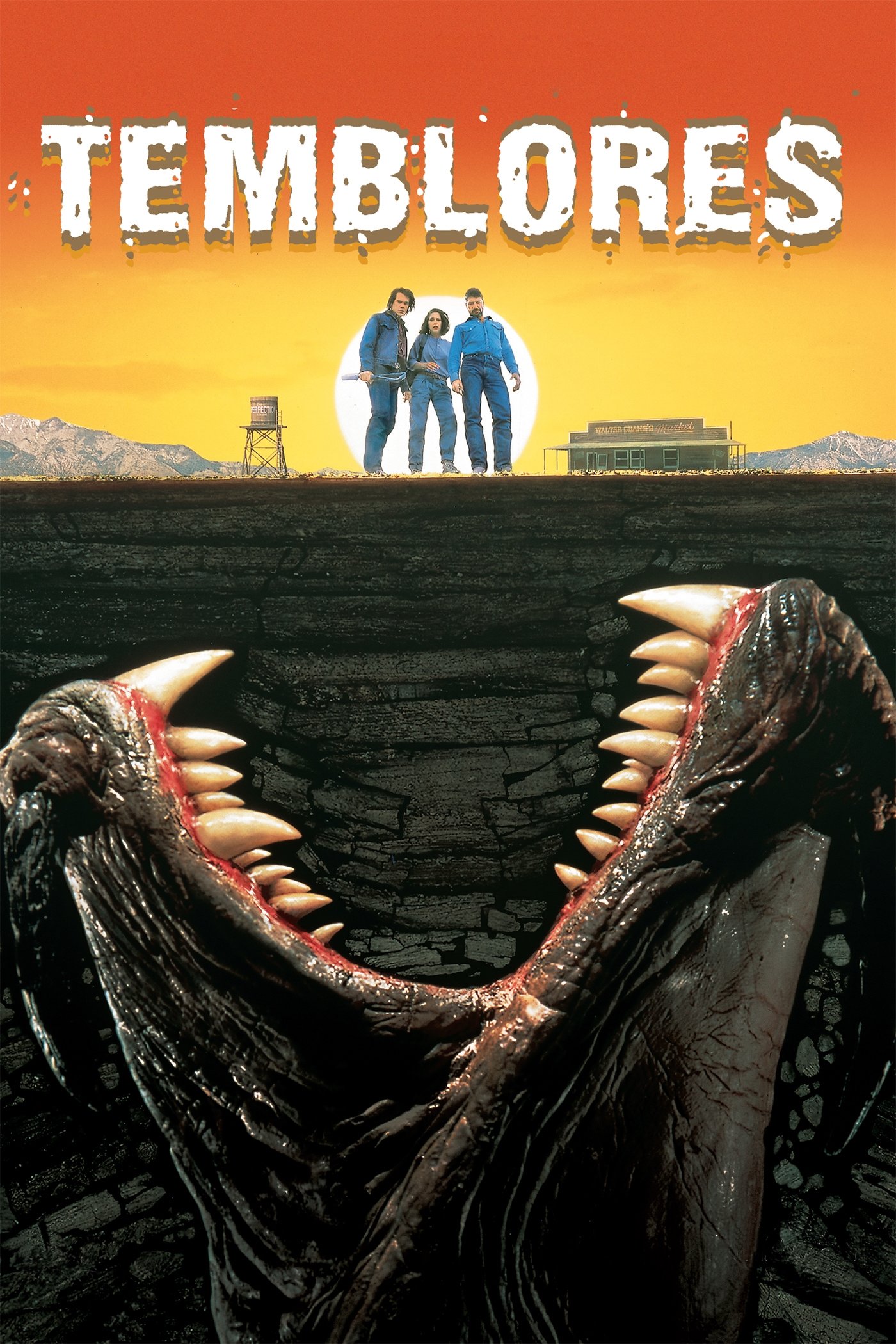
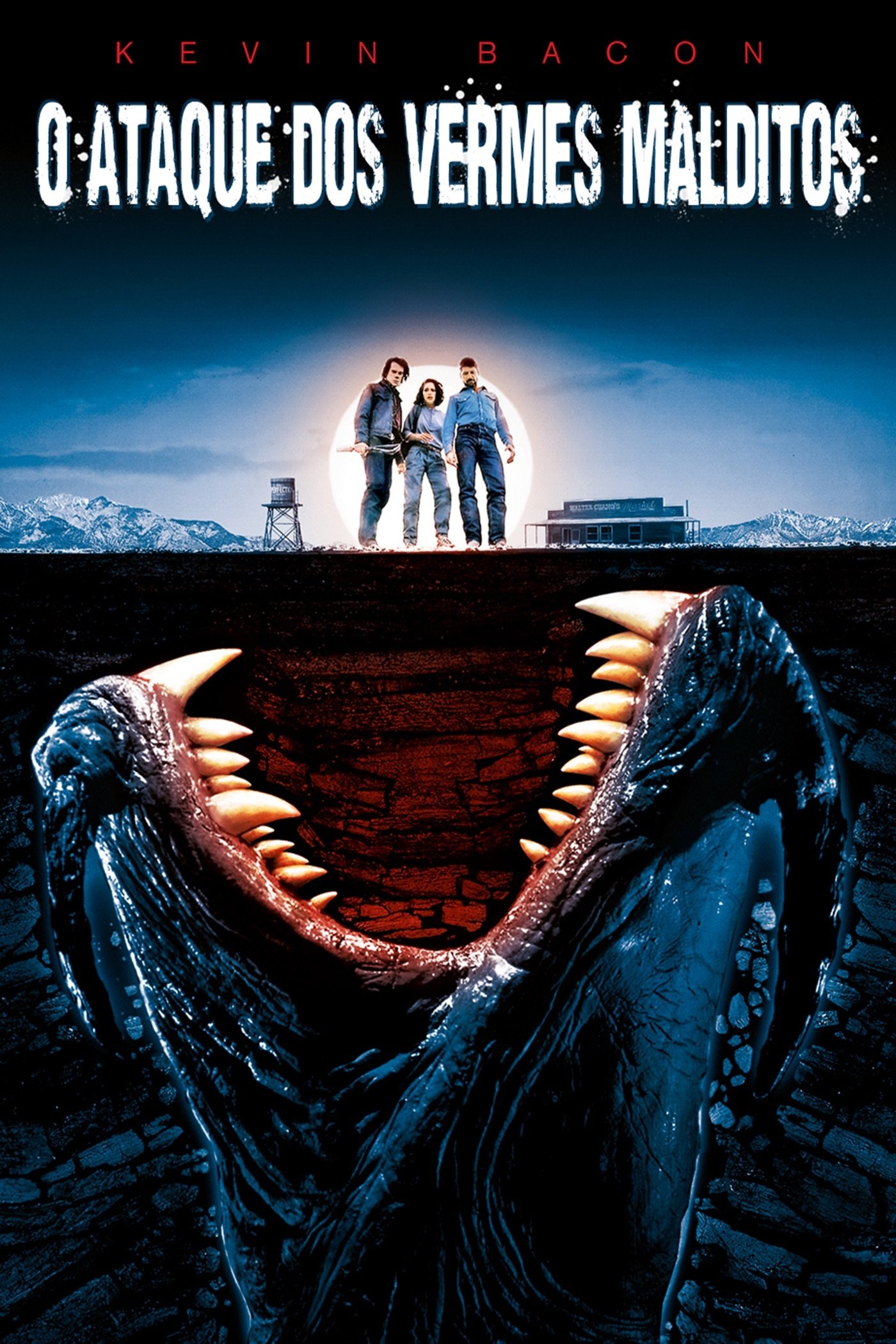
Tremors (1990) poster
Director
Production Companies
No Frills Film , Wilson-Maddock Production
Plot

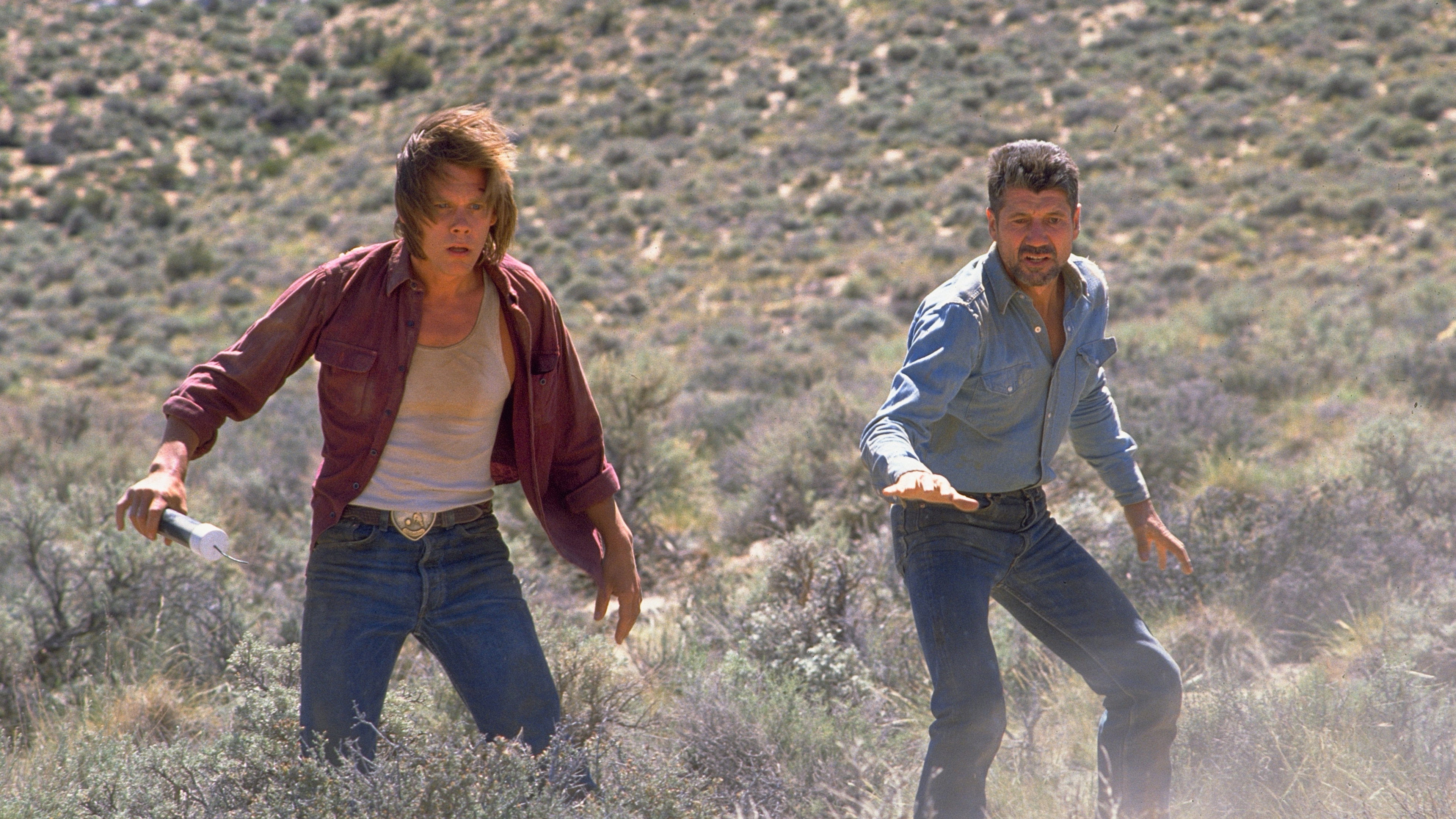
Val McKee and Earl Bassett are in a fight for their lives when they discover that their desolate town has been infested with gigantic, man-eating creatures that live below the ground.

Alternative Titles
Трусове (Bulgaria) — Bulgarian O Ataque dos Vermes Malditos (Brazil) Дрыжанні (Belarus) — Belarusian 异形魔怪 (China) — Chinese 深淵異形 (China) 深渊异形:冷血魔虫 (China) Chvění (Czechia) — Czech Tremors - Im Land der Raketenwürmer (Germany) — German
Show all 37 alternative titles Ormen (Denmark) — Danish Temblores (Spain) — Spanish Väristyksiä (Finland) — Finnish Τα σαγόνια της Γης (Greece) — Greek 深淵異形 (Hong Kong SAR China) — Chinese Podrhtavanje (Croatia) — Croatian Tremors - Ahová lépek, szörny terem (Hungary) — Hungarian פחד עד מוות (Israel) トレマーズ (Japan) — Japanese 불가사리 (South Korea) Temblores: Terror Bajo la Tierra (Mexico) Terror Bajo la Ciudad (Mexico) — Name on PrimeVideo Terror bajo la tierra (Mexico) — name on streaming services Terror en lo profundo (Mexico) — DVD name Marksommer (Norway) — Norwegian Wstrząsy (Poland) Palpitações (Portugal) — Portuguese Tremors - Creaturi ucigașe (Romania) — Romanian Подрхтавање (Serbia) — Serbian Дрожь земли (Russia) — Russian Hotet från underjorden (Sweden) — Swedish Drhtenje (Slovenia) — Slovenian Chvenie (Slovakia) — Slovak Terror Bajo Tierra (El Salvador) ทูตนรกล้านปี (Thailand) — Thai Yeraltı Canavarı (Türkiye) — Turkish title 從地心竄出 (Taiwan) — Chinese Тремтіння землі (Ukraine) — Ukrainian Sâu Đất Khổng Lồ (Vietnam) — Vietnamese

Trailers & Videos

10 videos

Film Guide & Analysis

Ron Underwood's creature-feature classic: desert production, practical Graboid effects, suspense, music, theatrical reception and cult legacy.

Tremors (1990), directed by Ron Underwood, is an American science-fiction horror comedy that transforms the open desert into a landscape of invisible danger. In the isolated community of Perfection, Nevada, handymen Valentine McKee and Earl Bassett discover that enormous subterranean creatures are attacking residents and livestock. The animals locate their prey through ground vibrations, making ordinary movement potentially fatal. With roads and communications disrupted, the survivors must learn the creatures' behavior and improvise methods of crossing terrain that has become inaccessible. The film combines the structure of a community-under-siege thriller with the humor and resourcefulness of its working-class protagonists.

Developed by screenwriters S. S. Wilson and Brent Maddock with Underwood, Tremors draws upon the tradition of American giant-monster cinema while establishing an unusually coherent relationship between creature biology and human survival. Its desert setting, elaborate practical effects and gradual revelation of the Graboids give the monsters a physical presence that does not depend on a supernatural explanation. The film received generally favorable contemporary notices but achieved limited theatrical revenue, developing a substantially larger audience through home video. Its subsequent popularity led to an extended franchise, while the original remains distinguished by its economical narrative construction and combination of suspense, humor and mechanical creature effects.

Origins and Development

The premise originated from an experience S. S. Wilson had while working as a film editor at a naval installation in the Mojave Desert. During a hike among large boulders, he imagined being unable to leave a rock because an unseen creature was moving beneath the surrounding ground. Wilson recorded the idea and kept it among his unrealized projects. After the commercial success of Short Circuit (1986), which he had written with Brent Maddock, their agent Nancy Roberts encouraged the pair to reconsider their earlier concepts. The underground-monster proposal developed into a treatment with Ron Underwood, who had previously collaborated with the writers on short films.

Underwood recalled that the project initially attracted little interest from studios. The premise seemed difficult to communicate, particularly because the principal monsters would remain underground for substantial portions of the story. Wilson and Maddock eventually completed a speculative screenplay, allowing potential backers to evaluate the characters and dramatic structure rather than relying on a verbal description of giant burrowing creatures. Roberts subsequently approached Gale Anne Hurd, whose experience with effects-driven productions provided additional credibility. Underwood, Wilson and Maddock sought to make a creature feature in which the protagonists were ordinary workers rather than scientists, soldiers or established authorities.

The project circulated under several working titles, including Land Sharks, Beneath Perfection and Dead Silence. Underwood recalled that Universal preferred Tremors because the title suggested earthquakes, an association the filmmakers had deliberately avoided using to explain the monsters. The studio subsequently requested an opening sequence establishing an earthquake as the cause of their emergence. According to Underwood, preview audiences reacted negatively to an animal being killed during that sequence, and the material was removed. The released film consequently preserves the creatures' unexplained origin, allowing the investigation to concentrate on their behavior rather than an introductory account of their creation.
Desert Locations and Visual Style

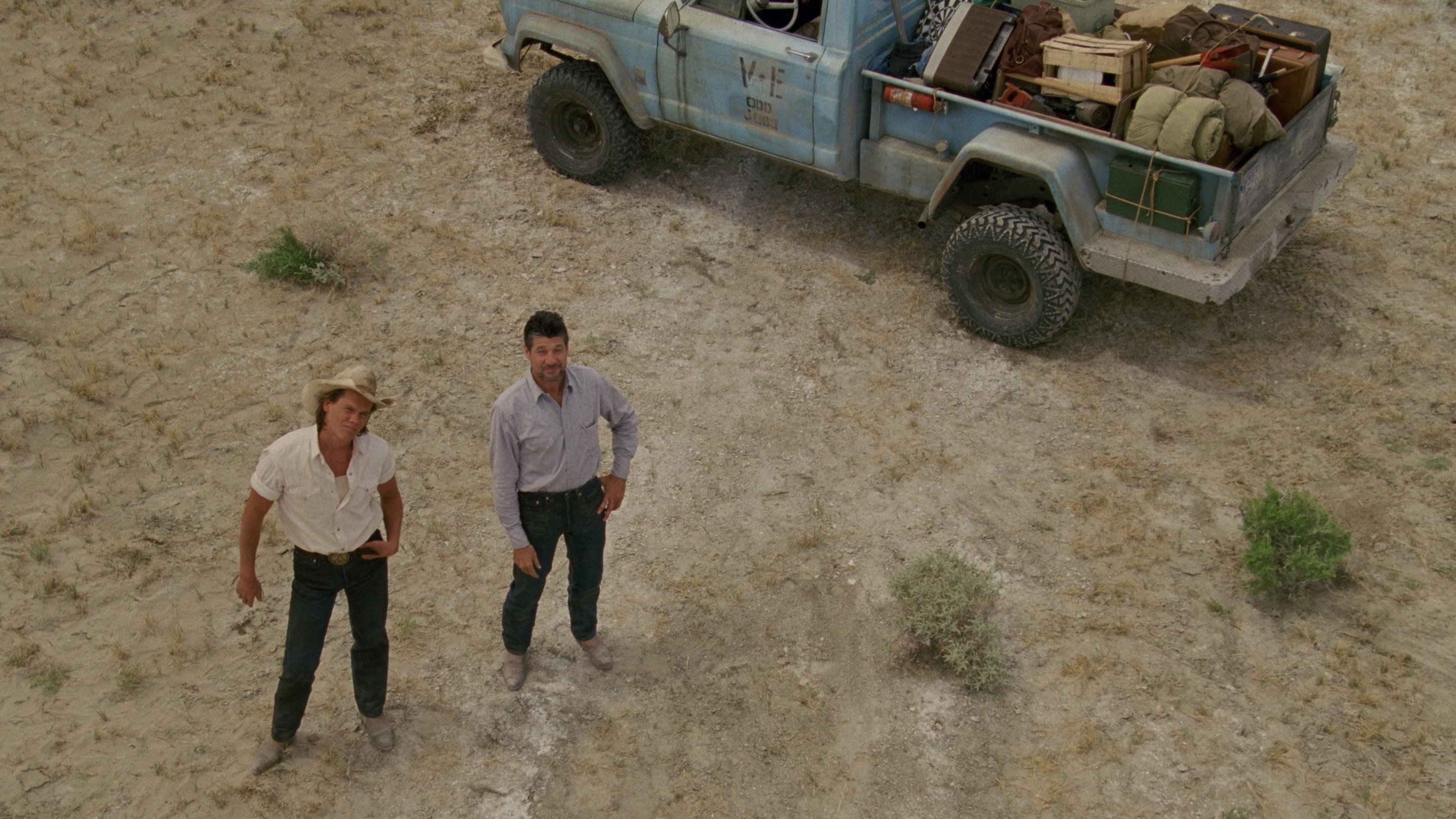
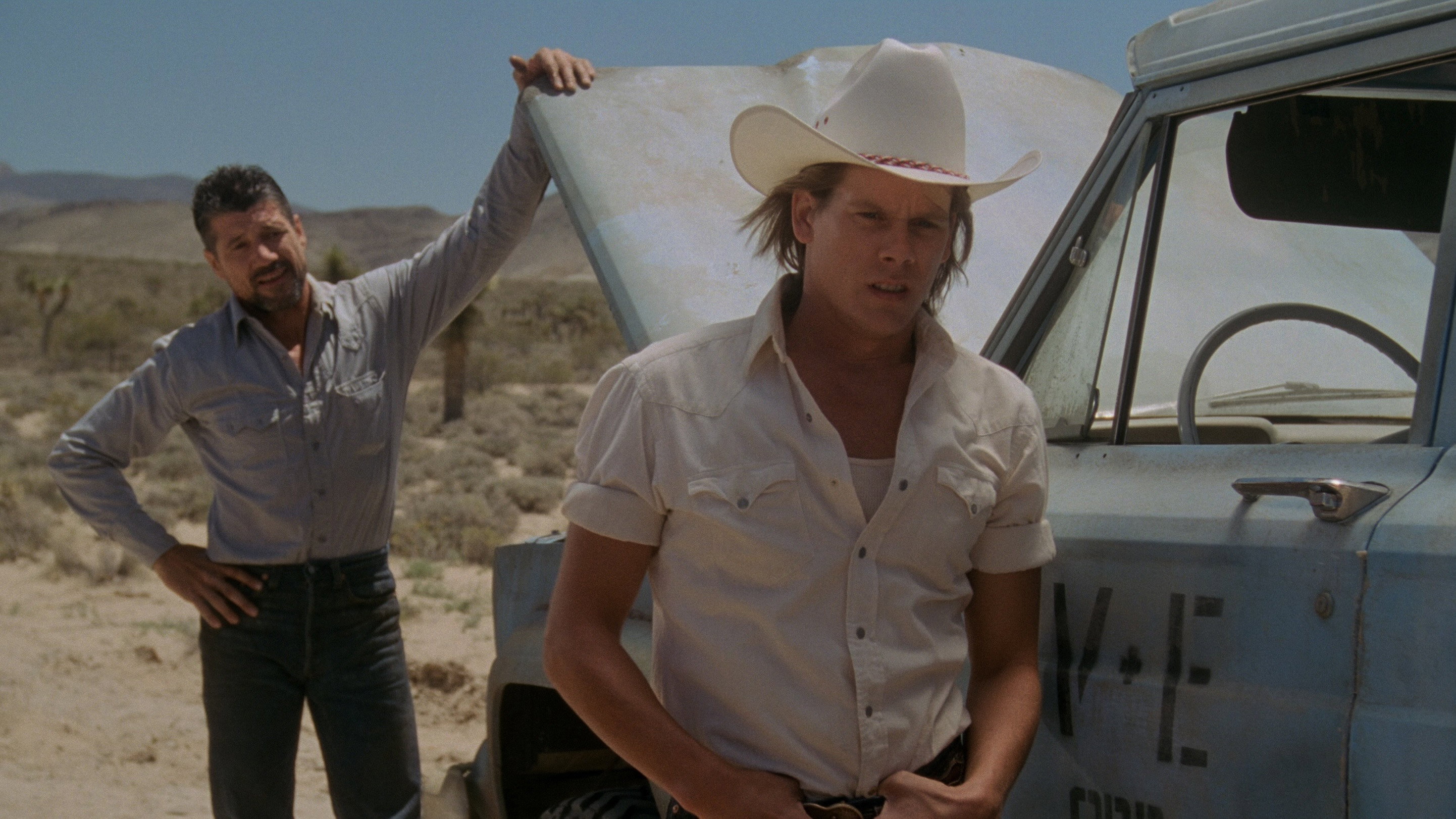
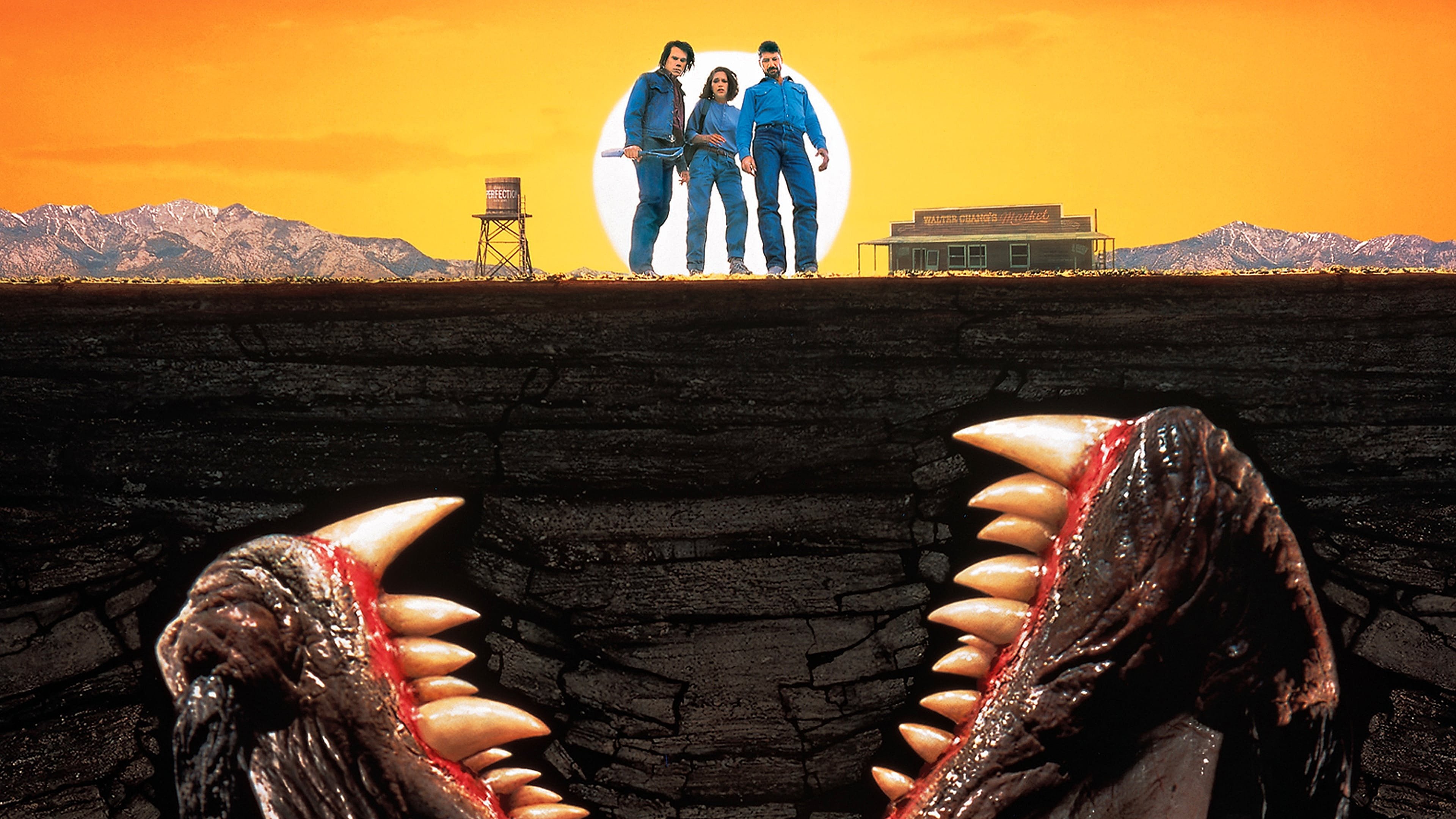
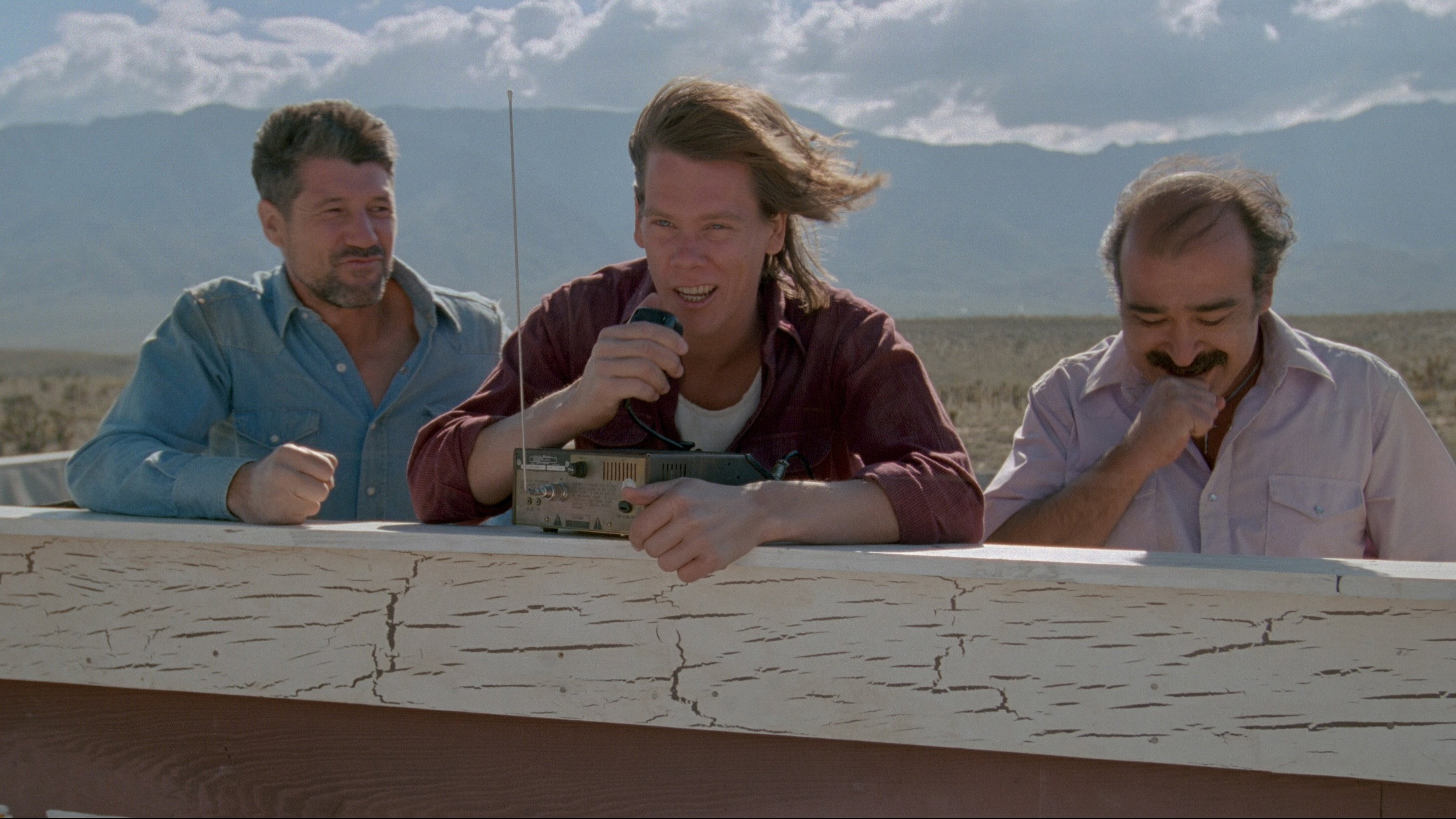
Principal photography began in April 1989 in California, principally around Lone Pine, Olancha and the Alabama Hills of Inyo County. The rocky landscape had a long history as a location for Westerns, but Tremors uses its open spaces to create a different form of confinement. Characters can see considerable distances across the valley while remaining unable to travel safely through it. The surrounding mountains, isolated boulders and broad areas of exposed ground become essential to understanding where the creatures can attack. Rather than concealing danger in darkness, the film repeatedly places its protagonists beneath clear skies and intense daylight.

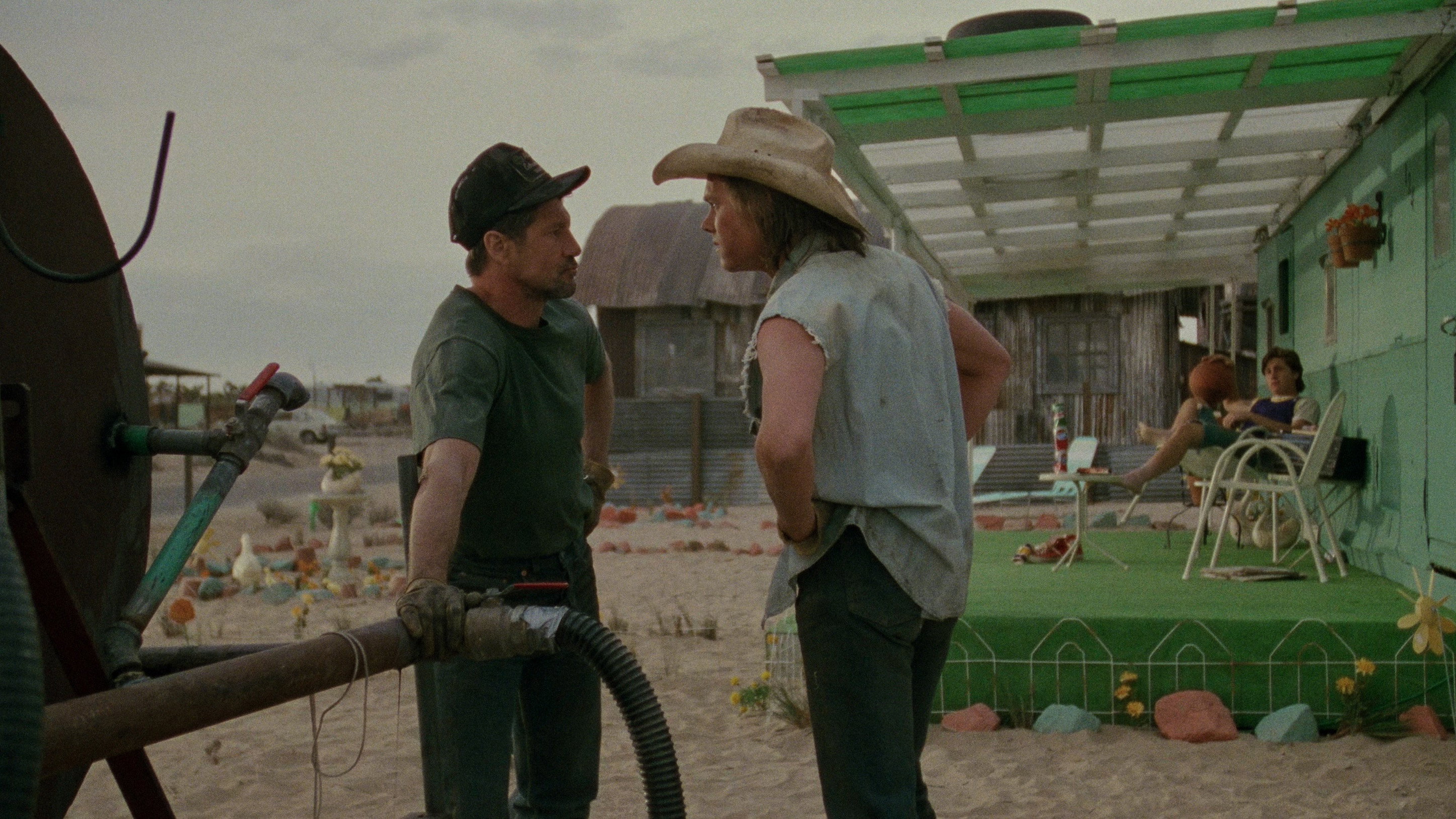
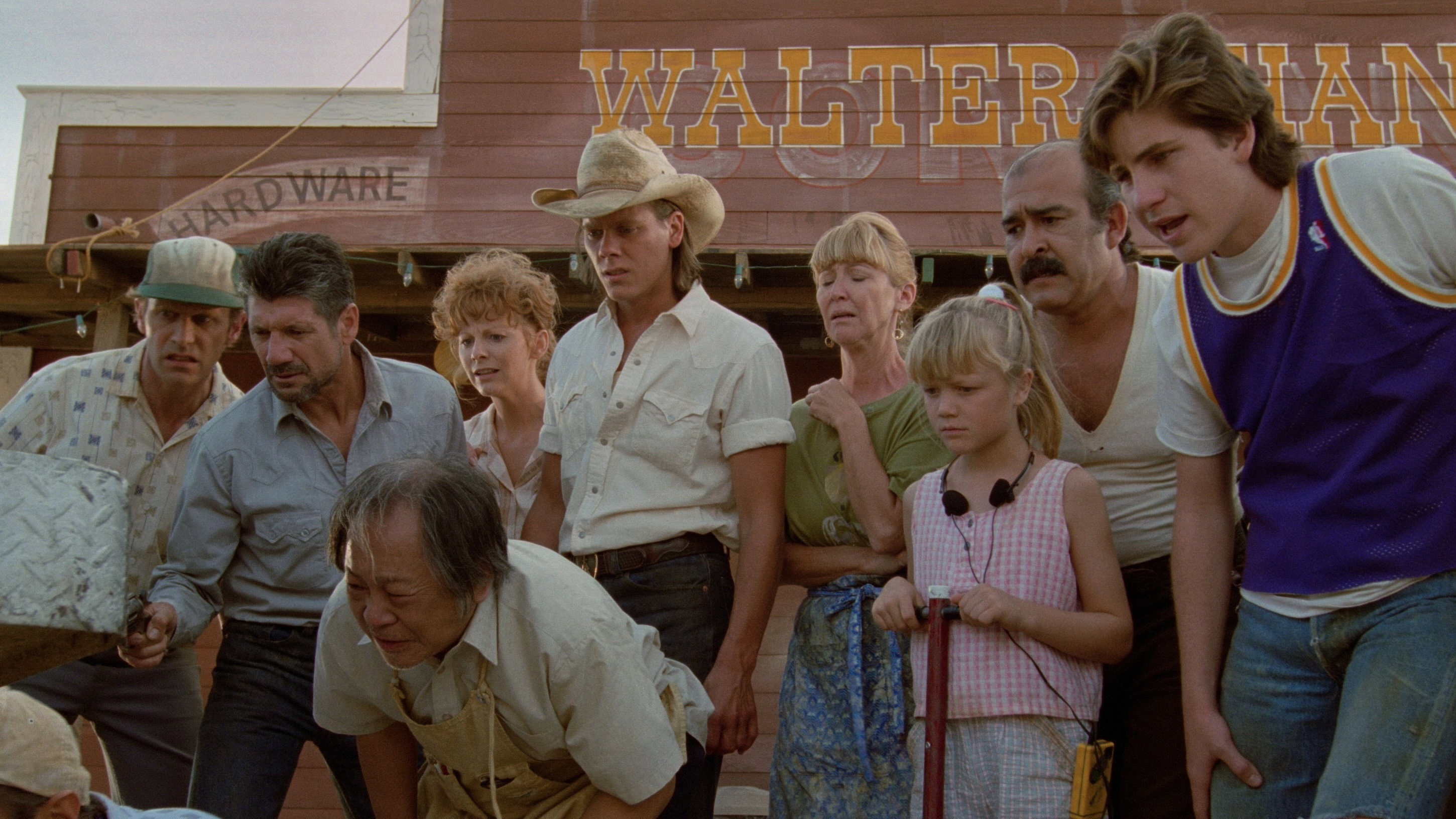
Production designer Ivo Cristante spent approximately two months constructing the fictional settlement of Perfection near Olancha. According to production records preserved by the American Film Institute, the location included a market, paved street, telephone poles, residences, trailers and a horse enclosure. Additional structures were assembled in Los Angeles before being transported to the desert. The interiors of Walter Chang's market and Burt and Heather Gummer's basement were constructed at Valencia Studios. The combination of a convincing exterior settlement and controlled studio environments allowed attacks to disrupt recognizable spaces without requiring an entire town to be mechanically destroyed.

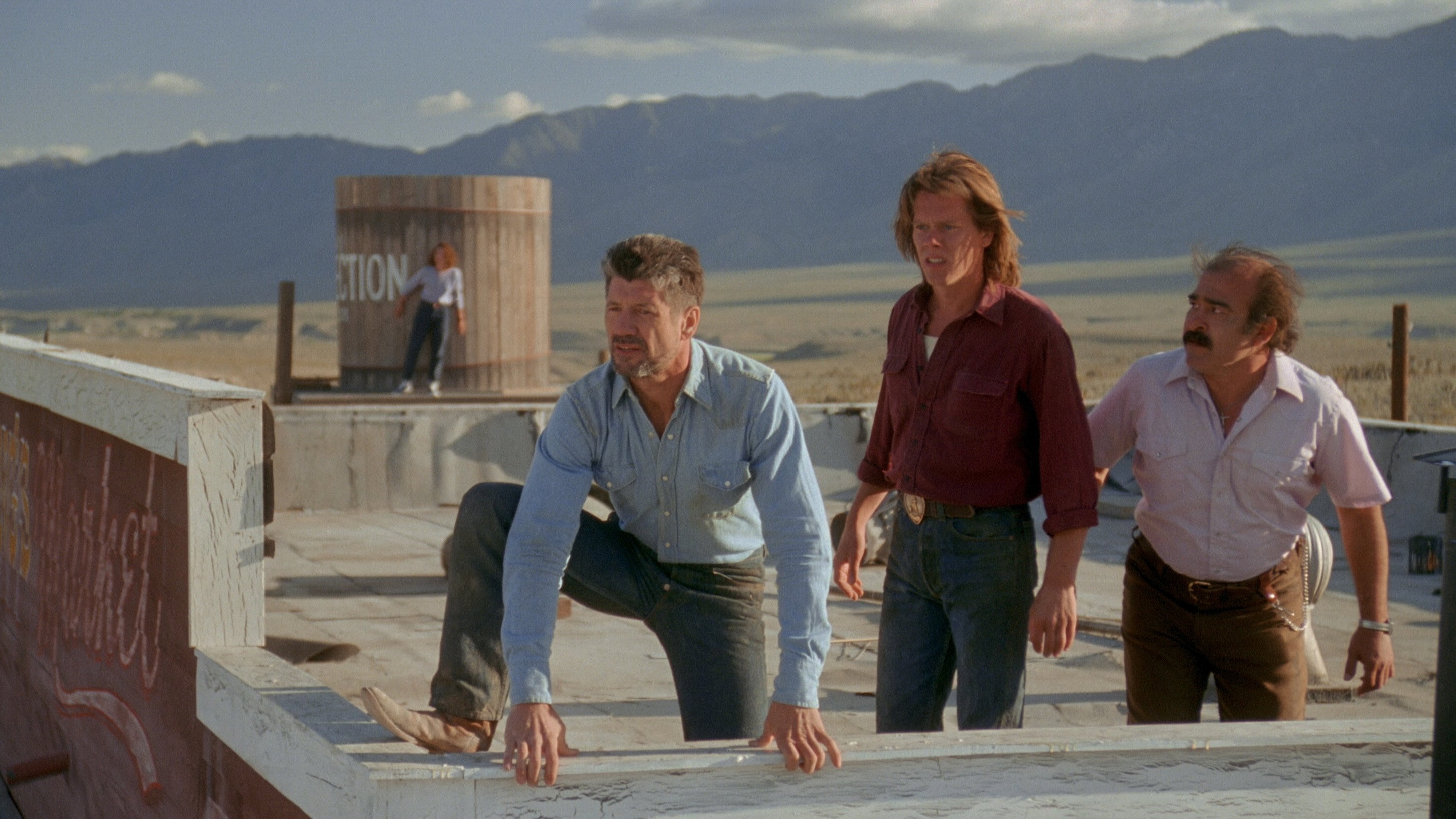
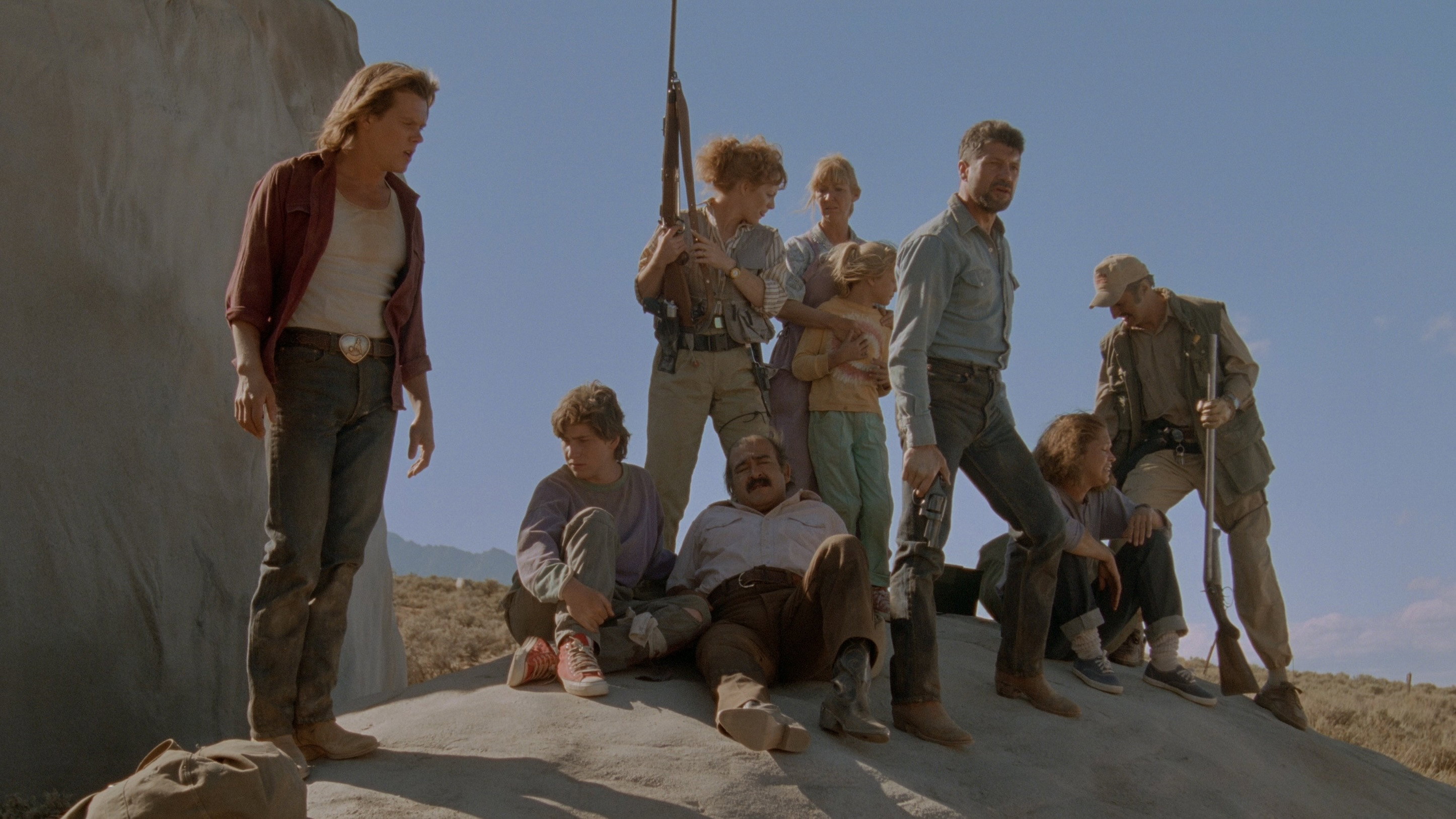
The photography by Alexander Gruszynski emphasizes the relationship between the physical landscape and the characters' changing ability to navigate it. Wide compositions establish the distances separating safety from danger, while closer shots concentrate attention on vibrations, disturbances in the soil and reactions to unseen movement. Elevated positions become temporary refuges, altering the geographical meaning of rocks, rooftops and vehicles. This spatial clarity is especially important during the later action sequences, when the audience must understand both the survivors' available routes and the limits imposed by the creatures' underground movement.

Graboid Design and Practical Effects

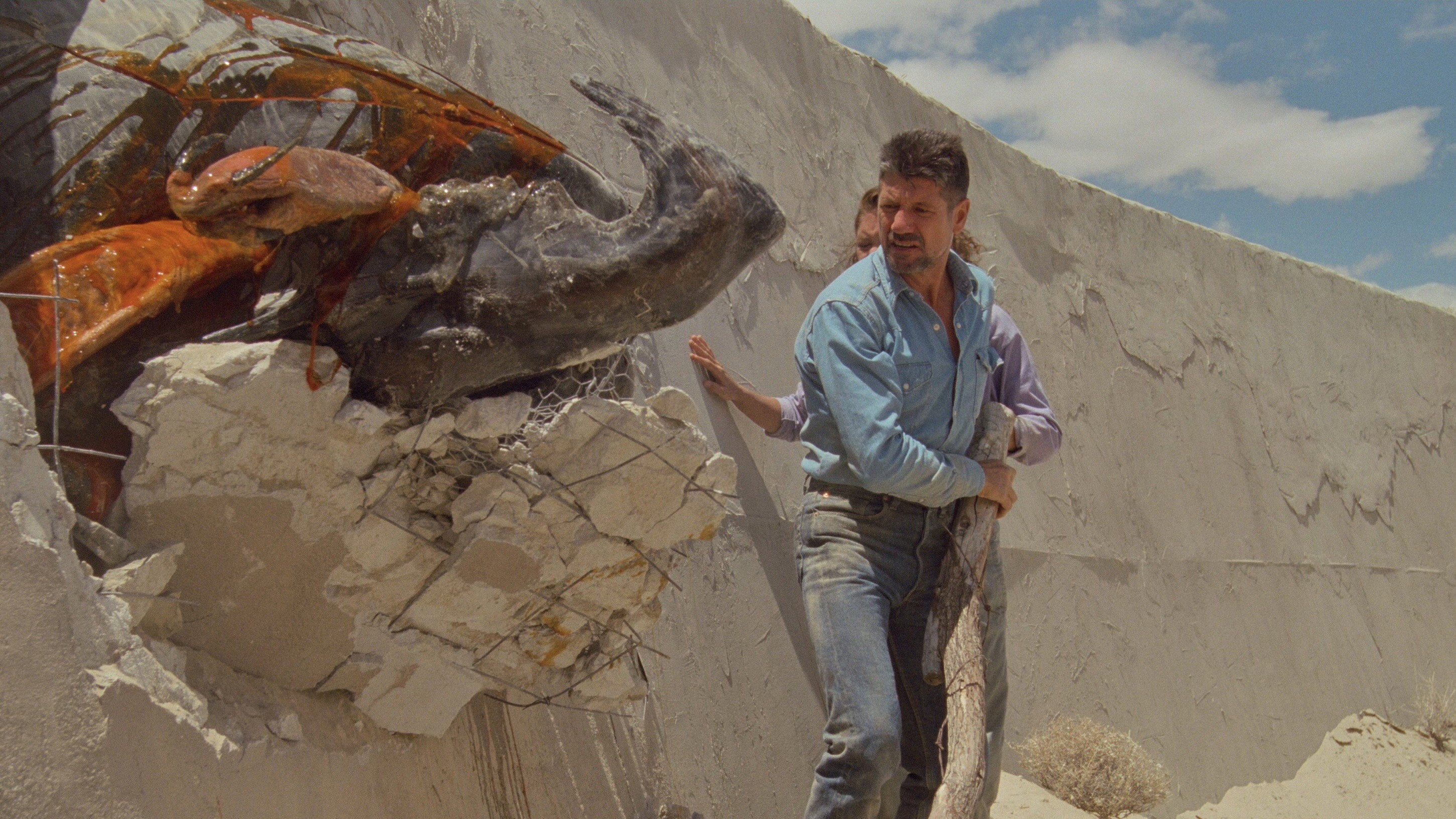
The Graboids were developed by creature designers Tom Woodruff Jr. and Alec Gillis of Amalgamated Dynamics. Wilson and Maddock had described the animals in broad terms, specifying a streamlined subterranean body, backward-facing spines and a mouth that could open like a grotesque flower. Wilson later explained that the spines were inspired by the stiff bristles used by earthworms during movement through soil. Woodruff and Gillis expanded these ideas into a distinctive anatomy, incorporating powerful jaws and smaller grasping appendages within the mouth. Their designs gave the creatures recognizable biological characteristics without identifying them as enlarged examples of an existing species.

The production combined full-scale mechanical creatures, cable-operated puppets and miniatures. In an interview published by VFX Voice, Gillis described the difficulties presented by the monsters' enormous size and recalled choosing relatively simple manual mechanisms to control them. The larger puppet could perform articulated movements through cables and levers, while smaller hand-operated versions provided more immediate control over the mouth and appendages. The effects team also enlisted miniature specialists Robert and Dennis Skotak, whose contributions made it possible to show the creatures emerging from the ground and interacting with environments that would have been difficult to reproduce at full scale.

Miniature photography expanded the range of actions available to the filmmakers. Smaller creature models could be combined with constructed terrain, buildings and carefully matched photographic elements to suggest movement beneath the desert surface. Gillis recalled that additional miniature work received financial support after the studio viewed an early assembly of the film. Practical excavation effects, collapsible surfaces and moving ground contributed to the impression that the creatures were displacing large quantities of earth. The resulting sequences rely on coordination between physical mechanisms, model photography and editing, with the danger frequently established before the complete animal is visible.

Suspense, Humor and Creature Behavior

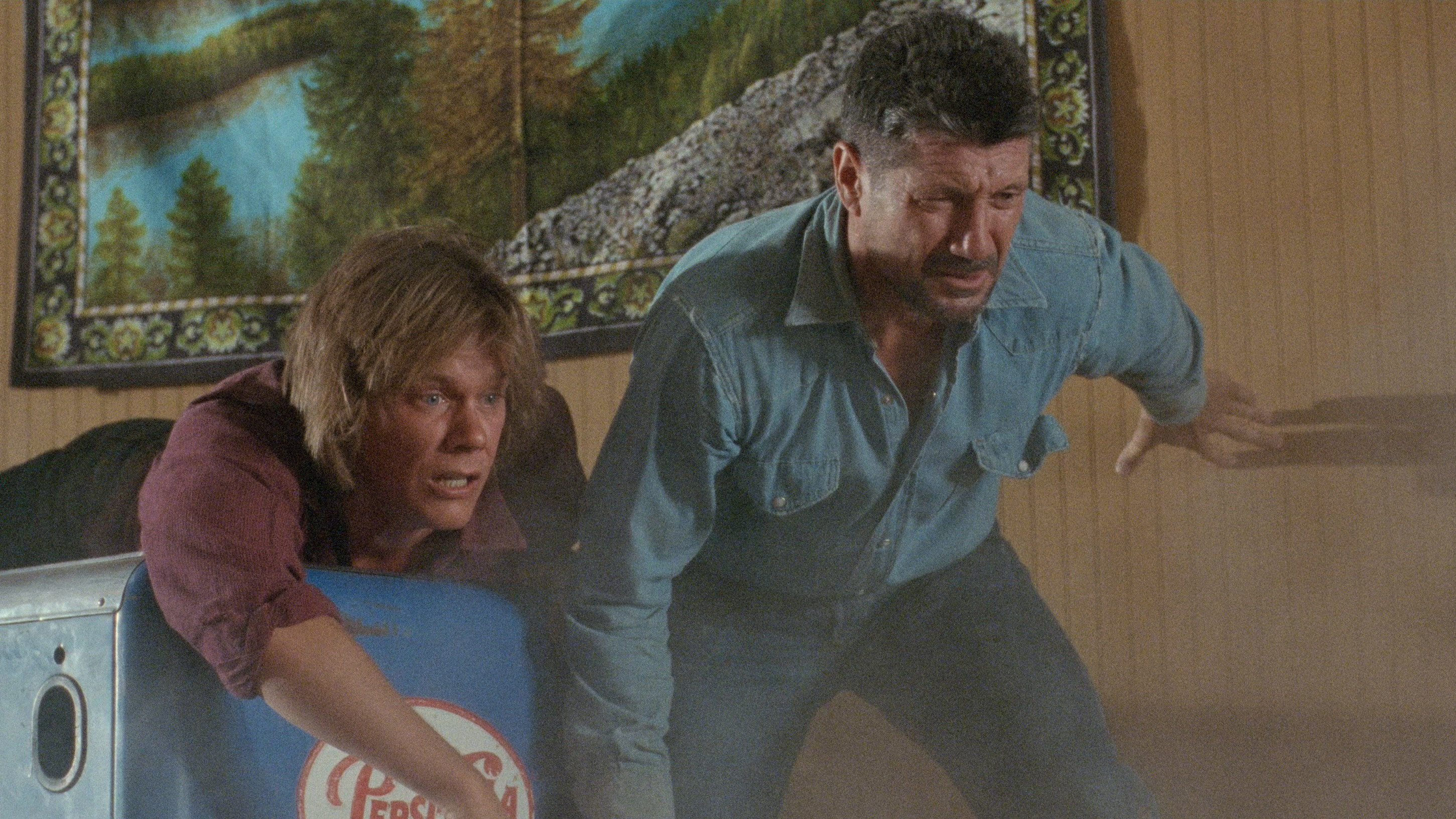
The screenplay organizes the discovery of the monsters through a progression of evidence. An isolated corpse, unexplained attacks on animals and unusual seismic readings initially suggest separate incidents. The discovery of a smaller appendage leads the characters toward an incomplete understanding of the threat, before the emergence of a larger creature establishes its true dimensions. Each encounter changes the survivors' knowledge and therefore their available responses. Once the Graboids are identified as hunters that detect vibrations, the narrative can develop suspense through apparently ordinary actions such as walking, driving or attempting to cross exposed ground.

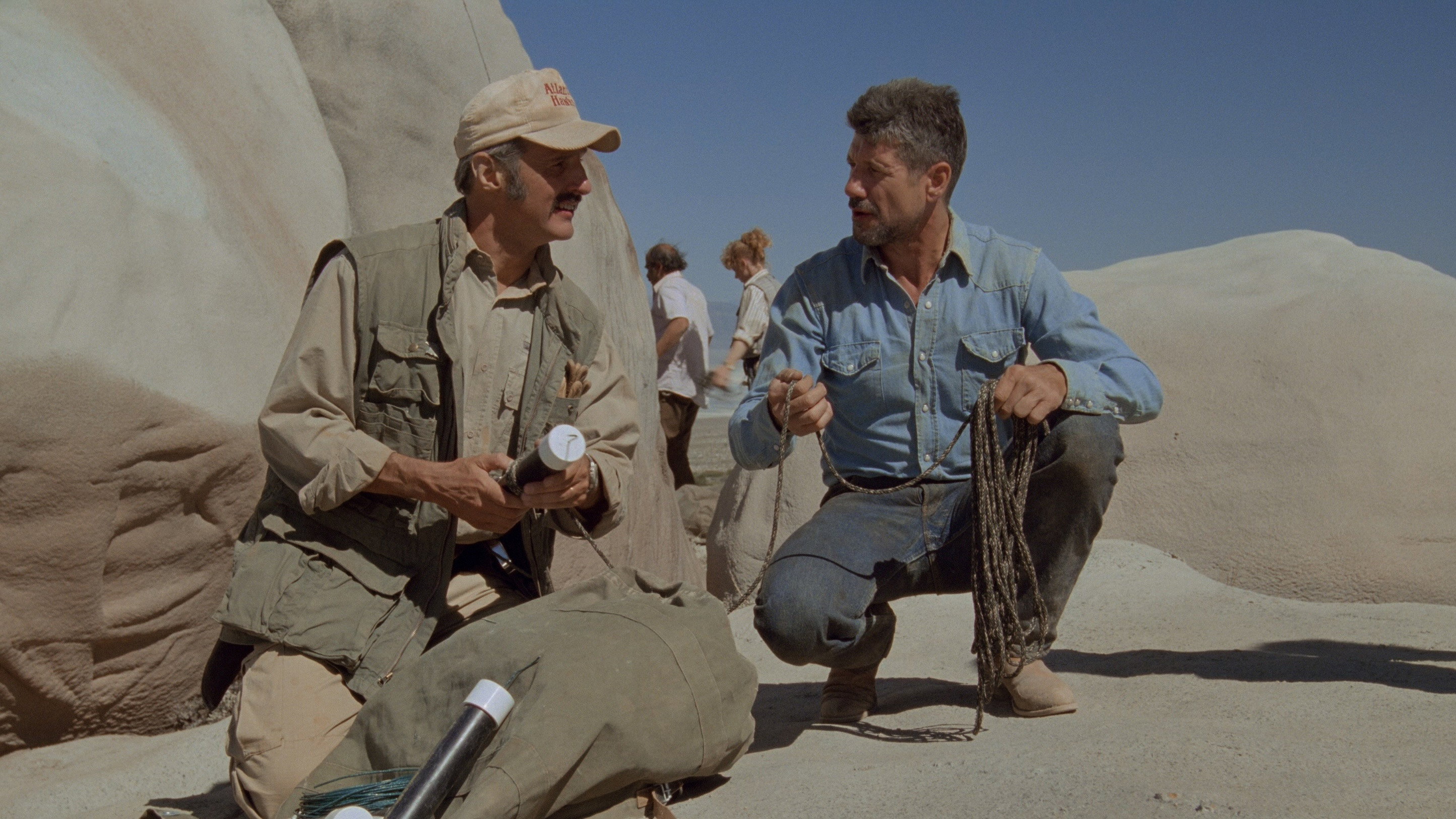
The monsters are sufficiently adaptable to prevent the characters from relying indefinitely on a single solution. Elevated surfaces offer temporary protection, but remaining isolated presents new problems when supplies, communication and transportation become necessary. Seismology student Rhonda LeBeck contributes observations that help explain the creatures' hunting methods, while Val and Earl apply practical knowledge of machinery and the surrounding terrain. The improvised escape plans are built around physical limitations established earlier in the story. This consistency gives the action sequences a recognizable logic even when the events themselves become increasingly improbable.
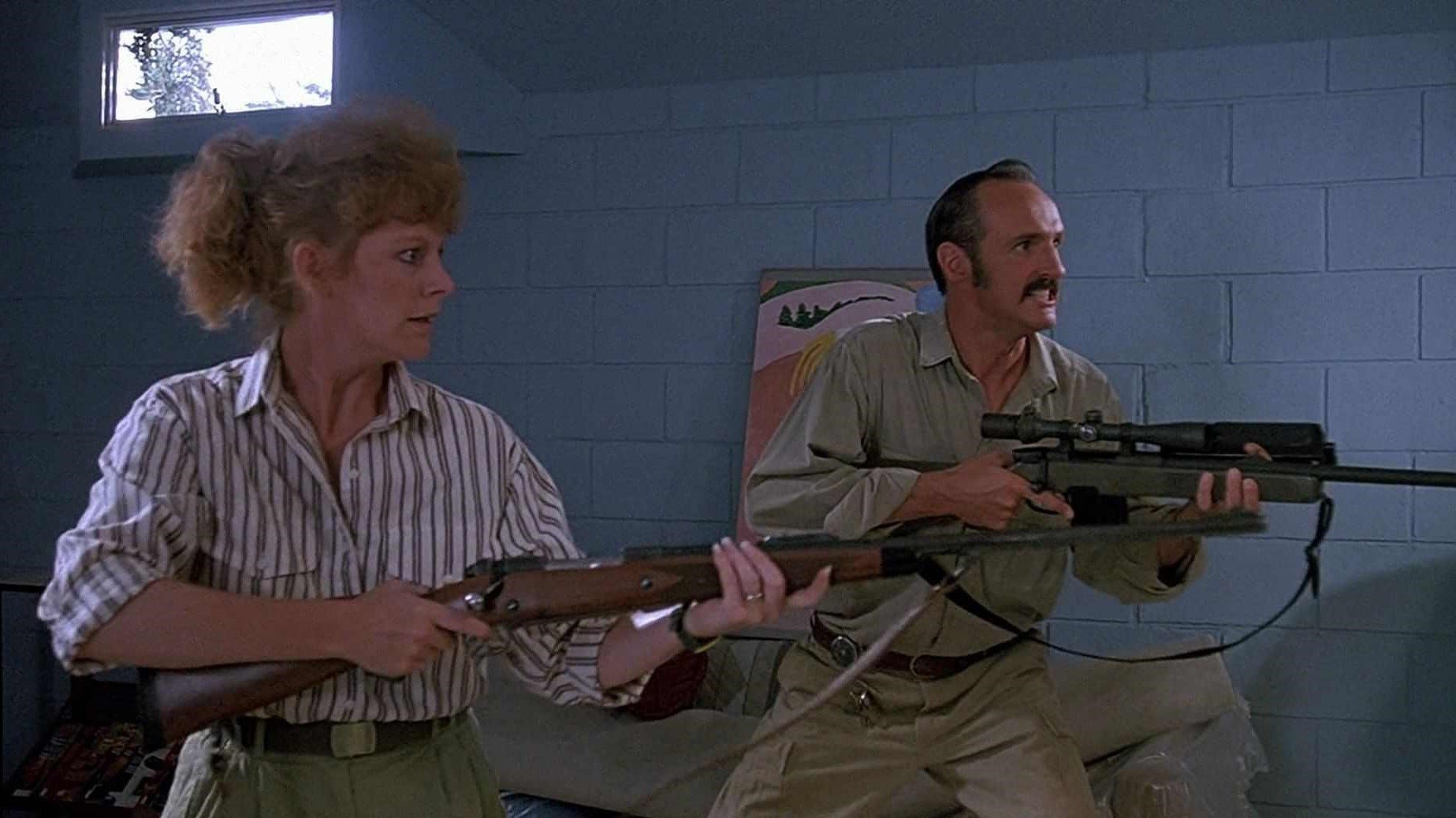
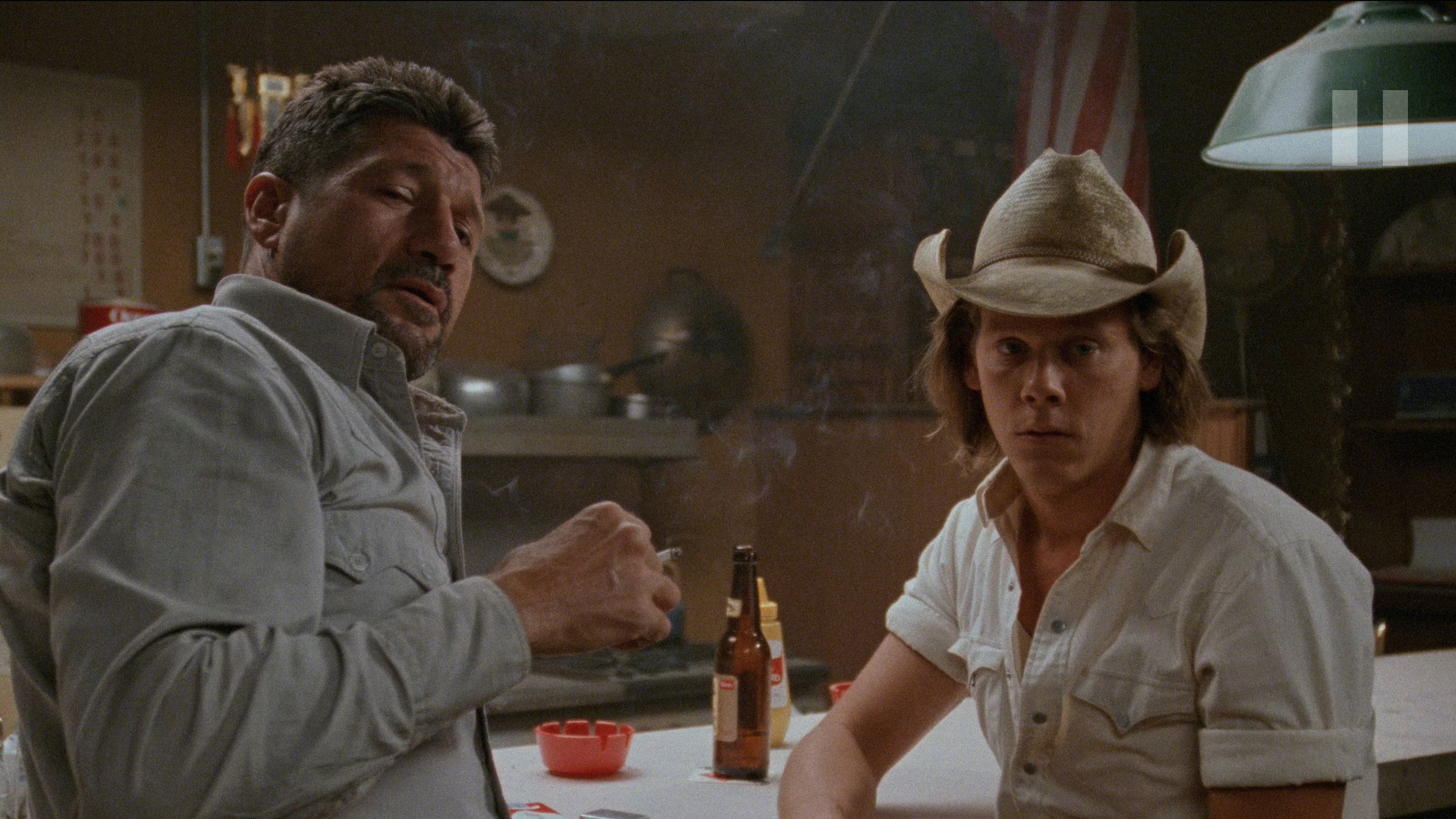
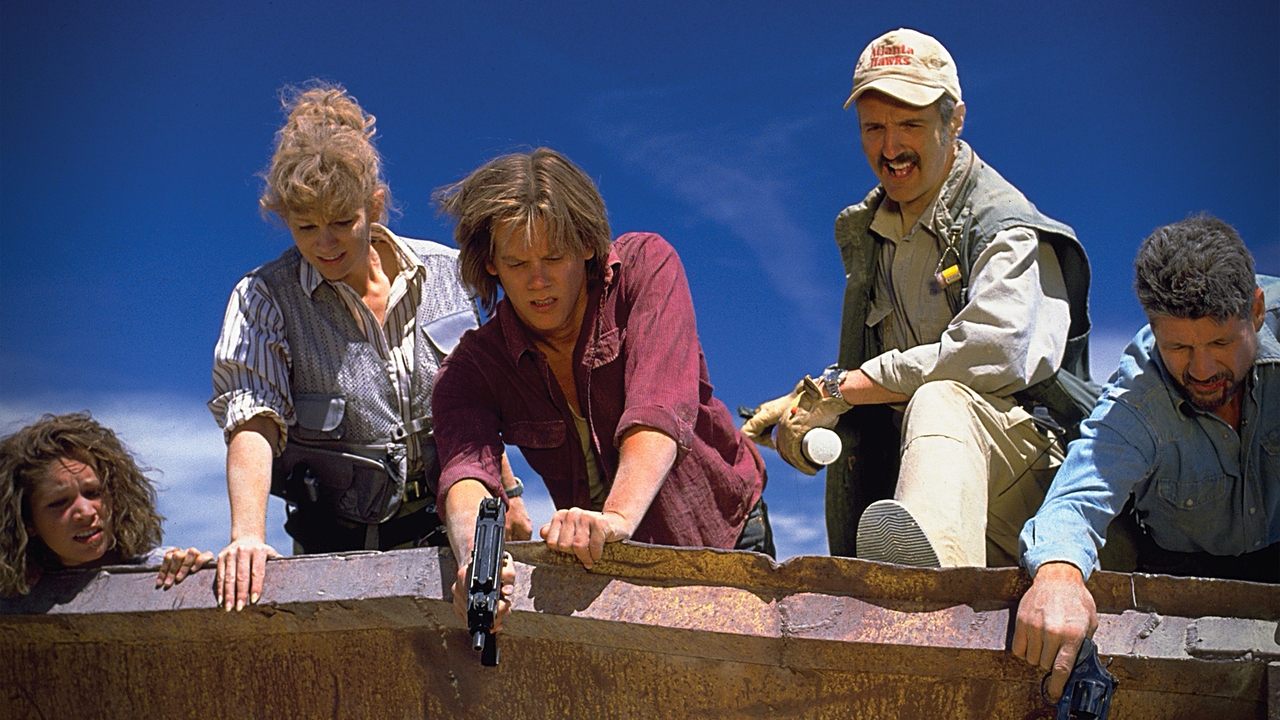
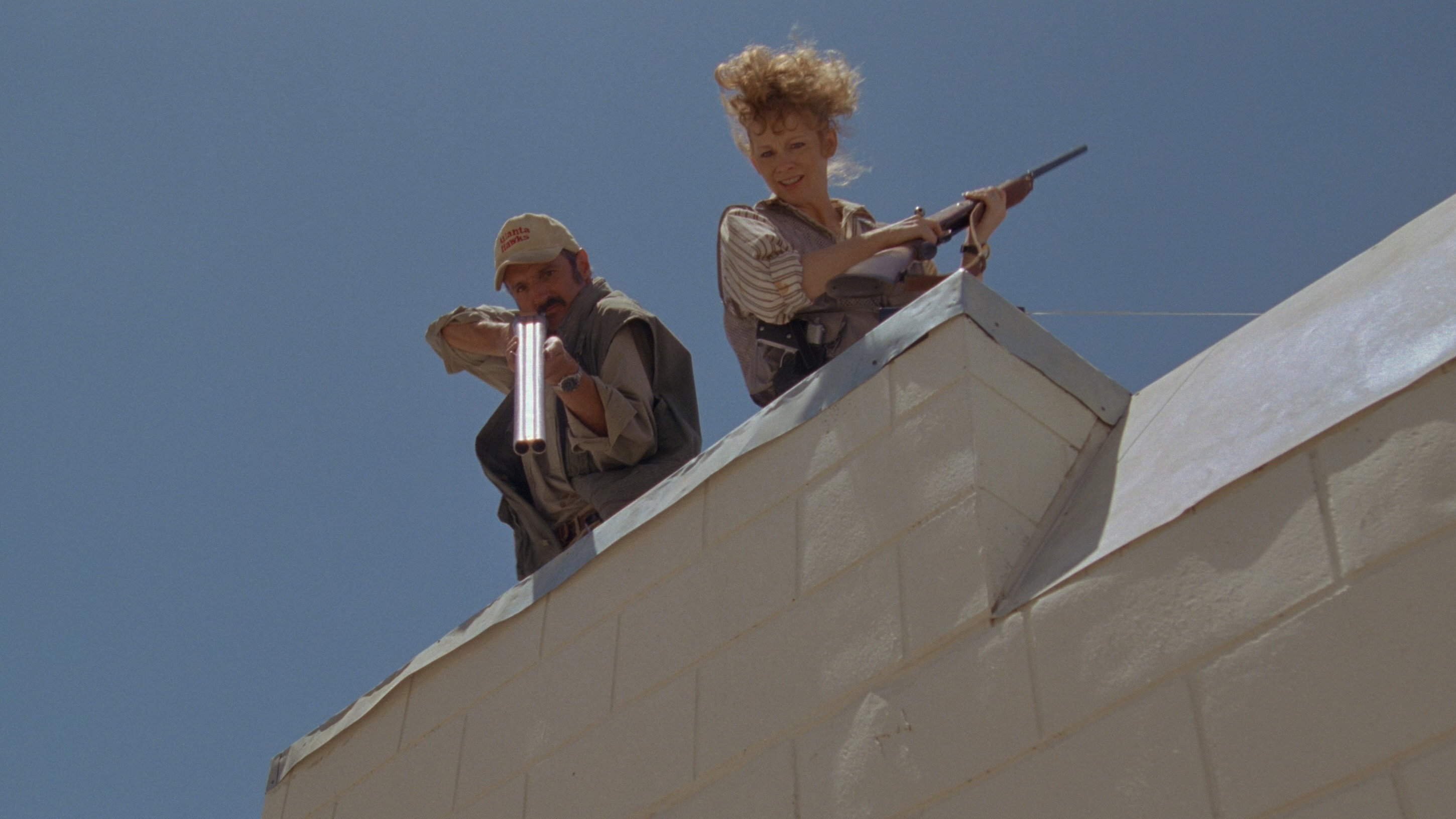
Comedy emerges principally from the personalities and interactions of the residents of Perfection. Val and Earl argue about their work and personal ambitions, while Burt and Heather Gummer approach emergencies with an extensive collection of firearms and survival equipment. Their preparation proves unexpectedly useful when a Graboid attacks their property. The resulting basement confrontation combines an escalating display of weaponry with genuine physical danger. The characters' competence develops through cooperation and adaptation, allowing humor to coexist with the possibility of death rather than reducing the creatures to harmless comic opponents.
Music and Sound

The musical history of Tremors involves substantial contributions from Ernest Troost and Robert Folk. Troost was the original composer and received the film's principal screen credit. His approach combined elements of blues, rock and suspense scoring, reflecting the story's movement between the everyday routines of Val and Earl and the increasingly dangerous encounters with the Graboids. During post-production, the filmmakers sought a stronger orchestral presence in several action sequences. Folk subsequently composed additional material, providing music that expanded the scale and intensity of the confrontations.

The distinction between the two composers became clearer with the official soundtrack release issued by La-La Land Records in 2020. The two-disc edition presents Troost's compositions separately from Folk's additional score, including alternate cues and material not heard in the finished film. The release demonstrates that the musical identity of Tremors resulted from a combination of different approaches developed during post-production. Sound effects are equally important to the creature sequences, where subterranean rumbling, sudden impacts and the movements of the smaller appendages provide audible evidence of danger even when the monsters remain hidden.
Release and Contemporary Reception

Universal Pictures released Tremors in the United States on January 19, 1990. Contemporary trade reporting documented an opening engagement in approximately 1,475 theaters. The production budget was reported at around eleven million dollars, while recorded North American theatrical receipts eventually reached approximately 16.67 million dollars. These figures do not establish the film's profitability because they exclude distribution expenses, marketing, theatrical revenue sharing and subsequent income. International box-office records remain incomplete, making a precise worldwide total difficult to verify. Its theatrical performance was modest relative to the audience it later developed through home entertainment.
Contemporary criticism recognized the film's connection with the American monster movies of the 1950s. In the Los Angeles Times on January 19, 1990, Michael Wilmington praised the interaction between suspense, humor and the open desert landscape, particularly the manner in which underground creatures made apparently safe terrain dangerous. Other reviews expressed reservations about the comic tone or the effectiveness of the effects. This mixed response should be distinguished from the film's later reputation as a cult favorite. Its original reception included substantial appreciation for the construction of its action sequences, despite the limited theatrical returns.

The British Board of Film Classification approved a theatrical presentation running approximately 96 minutes in April 1990. Later British video records list a duration of about 92 minutes, a difference consistent with the faster playback associated with PAL transfers. The recorded durations alone do not establish a separate shortened narrative version. The film's American PG-13 classification also reflects its combination of intense creature attacks, limited graphic imagery and comic interruptions. Its violent incidents are often staged through suggestion, aftermath or brief effects shots rather than prolonged displays of bodily destruction.
Home Video and Historical Legacy

The film acquired a substantially larger audience through home video after its initial theatrical release. Underwood later attributed the continuation of the property to that market, explaining that the film's later success contrasted sharply with the distributor's disappointment during its opening weekend. The first sequel, Tremors 2: Aftershocks (1996), was directed by S. S. Wilson and developed the creatures' biology beyond the original story. Additional films and a television series followed, with Michael Gross continuing to portray Burt Gummer. Their development demonstrates the commercial durability of the characters and monsters, although the production histories of those later works belong to the franchise as a whole.

Tremors also became a significant reference point in retrospective discussions of practical creature effects. Its combination of mechanical puppetry, miniature photography and clear spatial staging illustrates techniques that were already well established before computer-generated creatures became commonplace in mainstream filmmaking. The 2020 restoration from the original negative, approved by Underwood and cinematographer Gruszynski, made the film available in a presentation intended to recover its photographic detail. The accompanying retrospective material documented the development of the Graboids and the collaboration among the filmmakers and effects teams.

The film's continuing reputation rests on identifiable qualities of its production: the restricted geography of Perfection, the consistent physical rules governing the creatures and the use of humor within a narrative of escalating danger. Its later popularity and repeated home-video editions provide evidence of an audience extending beyond its original theatrical run. Its place within creature-feature history is particularly associated with the development of a convincing subterranean monster through physical effects and the transformation of a familiar desert landscape into a setting where movement itself becomes dangerous.

References

  1. Stampede Entertainment Tremors FAQ

    Firsthand accounts by co-creator S. S. Wilson concerning the original concept, creature anatomy, screenplay development and filming locations.

  2. SlashFilm How Did This Get Made: A Conversation With Ron Underwood

    Extensive original interview with the director about the screenplay, financing, production, studio decisions, deleted opening and theatrical reception.

  3. American Film Institute Tremors (1990)

    Institutional production history drawing on contemporary trade publications and archival records, with details of locations, sets, budgets and distribution.
  4. VFX Voice Alec Gillis: Pushing the Boundaries of Animatronics into the Future

    Original specialist interview with Alec Gillis documenting the practical Graboid puppets, miniature photography and effects production.

  5. Los Angeles Times Wormy Thrills, Fear and Humor Burrow Up in Tremors
    Contemporary review by Michael Wilmington examining creature design, desert photography, humor and the traditions of American monster cinema.

Connections

Cast

View Full Cast & Crew →

Release & Distribution

Production Companies (2)

  • No Frills Film US
  • Wilson-Maddock Production

Distributors (1)

  • UIP-Dunafilm HU

Release History (31)

Release DateTerritoryRelease TypeFormatDistributorCertificationNotes
1990-01-19 Italy Theatrical — — T
1990-01-19 United States Theatrical — — PG-13
1990-04-12 Australia Theatrical — — M
1990-04-27 Spain Theatrical — — 16
1990-04-27 Netherlands Theatrical — — 12
1990-05-10 Argentina Theatrical — — +13
1990-05-11 Denmark Theatrical — — 15
1990-05-11 Sweden Theatrical — — 15
1990-05-17 Germany Theatrical — — 16
1990-05-18 Portugal Theatrical — — M/12
1990-05-22 France Theatrical — — U
1990-06-01 Finland Theatrical — — K-16
1990-06-08 Brazil Theatrical — — 14
1990-06-14 Mexico Theatrical — — B
1990-06-15 Japan Theatrical — — R18+
1990-06-28 United Kingdom Theatrical — — 15
1990-06-29 Ireland Theatrical — — 15
1990-07-12 Hungary Theatrical — — 16
1990-09-08 South Korea Theatrical — — 12
1990-09-13 Philippines Theatrical — — R-13
1991-04-10 Sweden Physical VHS — 15 VHS
1994-11-20 Mexico TV — — B Canal 5
1996-04-17 Chile TV — — 14
1998-04-28 Mexico Physical DVD — B DVD
1998-04-28 Singapore Physical DVD — PG DVD
1998-06-26 Slovakia TV — — 15 Markíza
1999-01-01 United States Physical VHS — PG-13 VHS
2000-12-05 Sweden Physical DVD — 15 DVD
2002-03-09 Netherlands TV — — 12 V8
2010-10-27 Sweden Physical Blu-ray — 15 Blu-ray
2013-08-07 Netherlands Physical Blu-ray — 12 Blu-ray
They say there's nothing new under the sun. But under the ground…