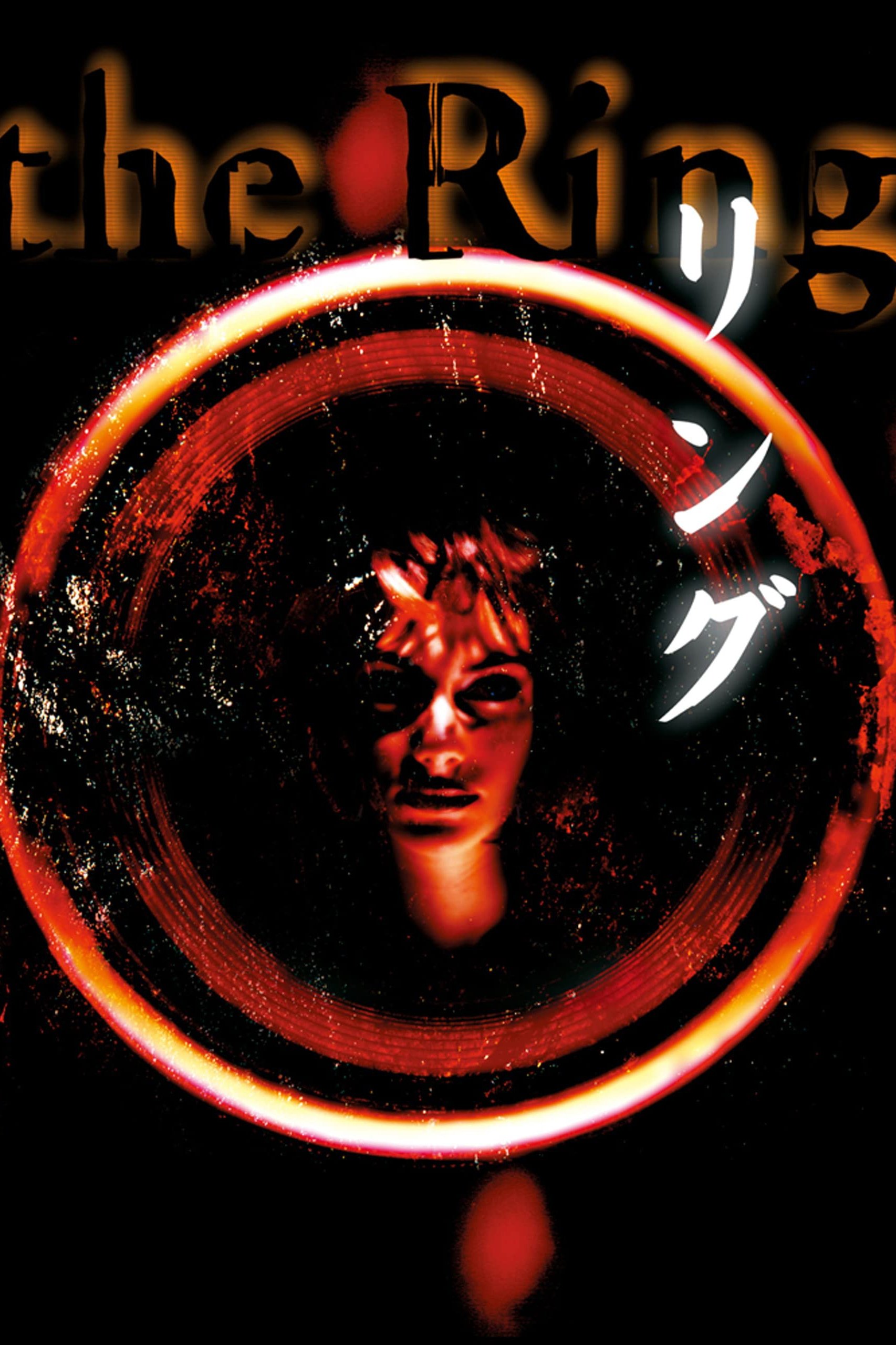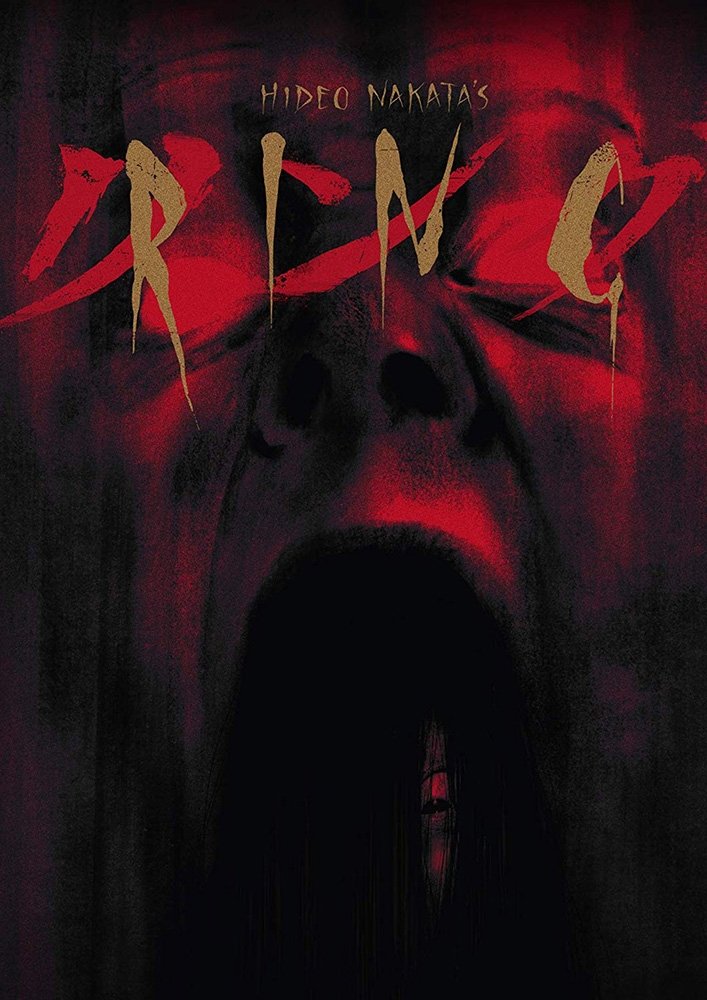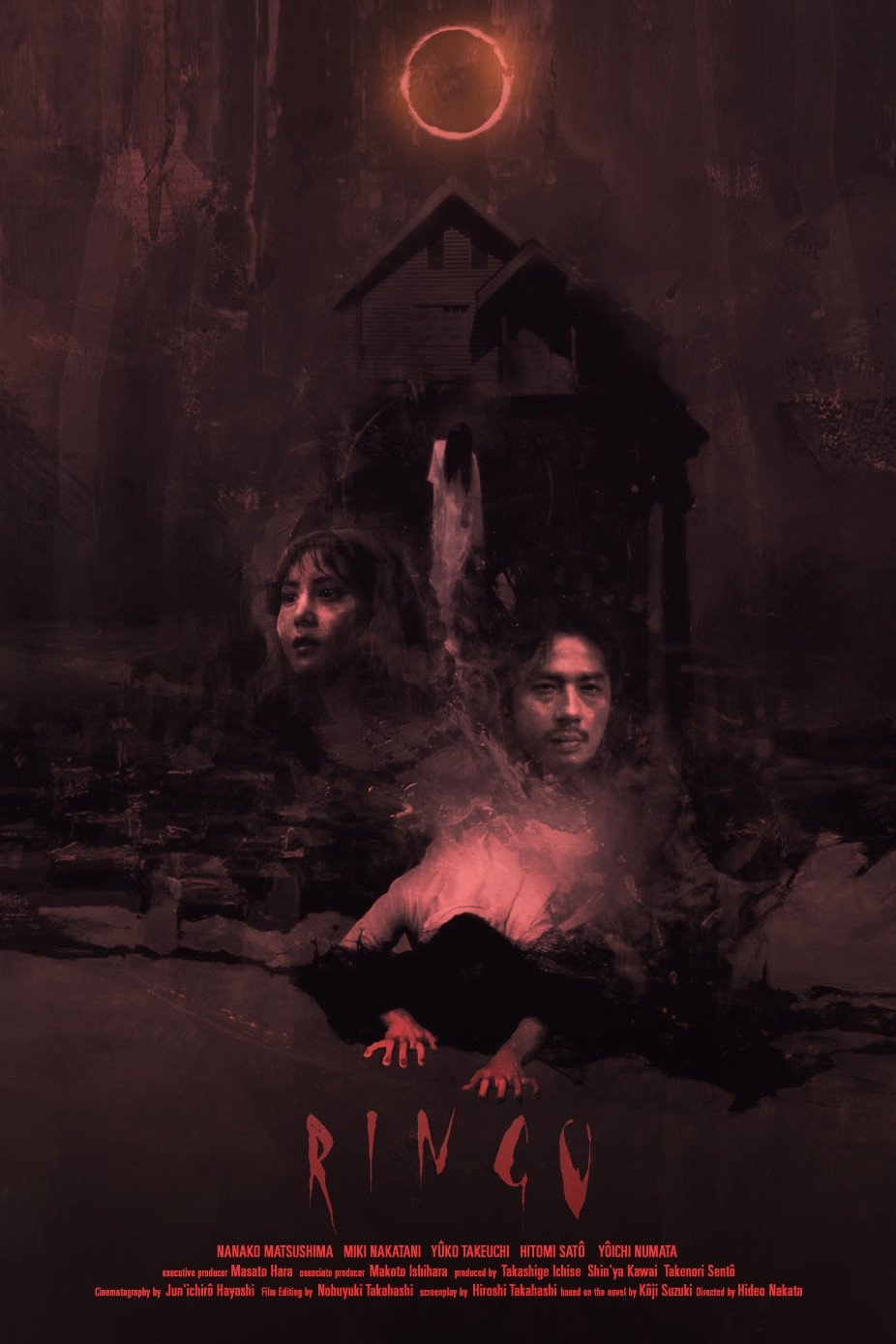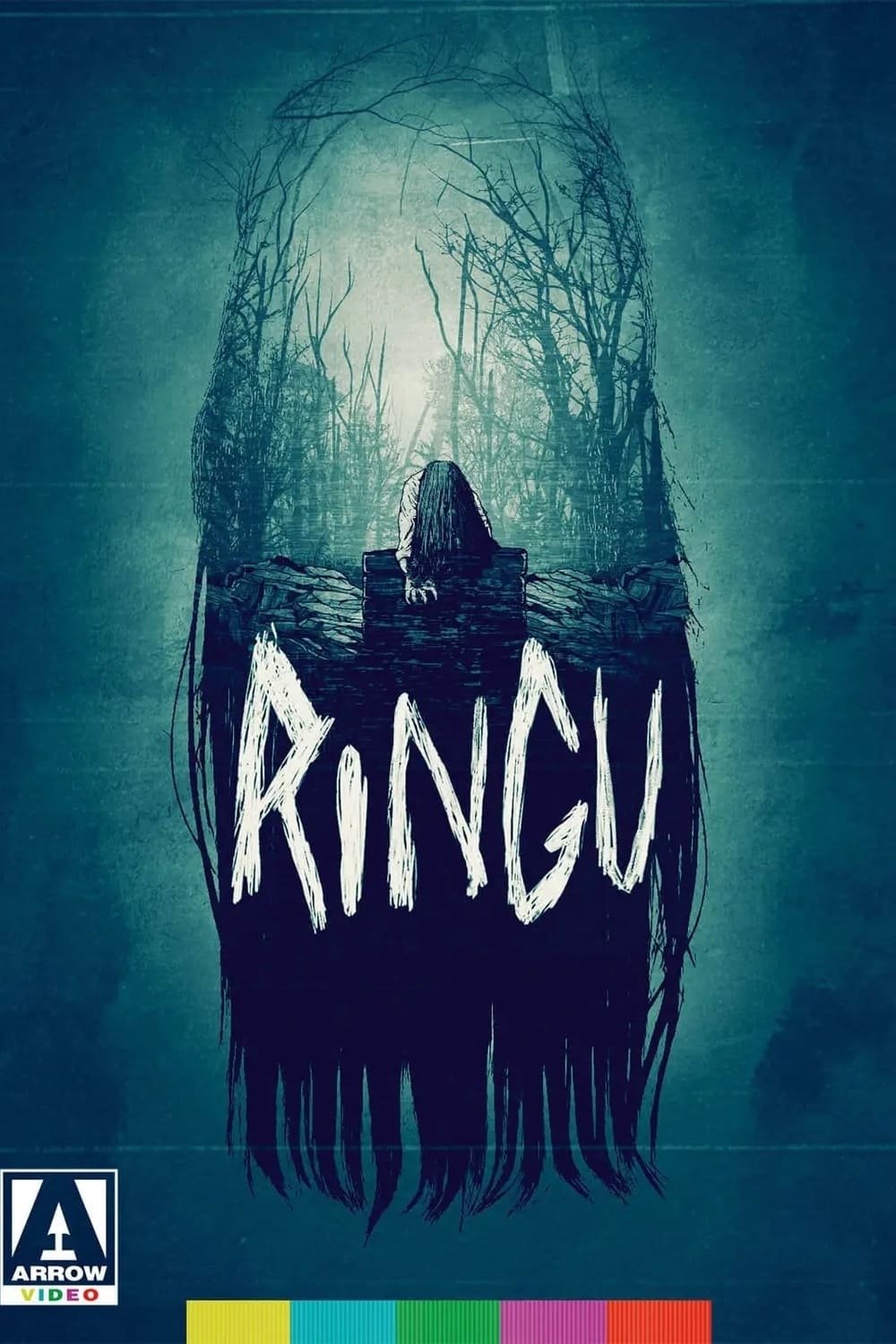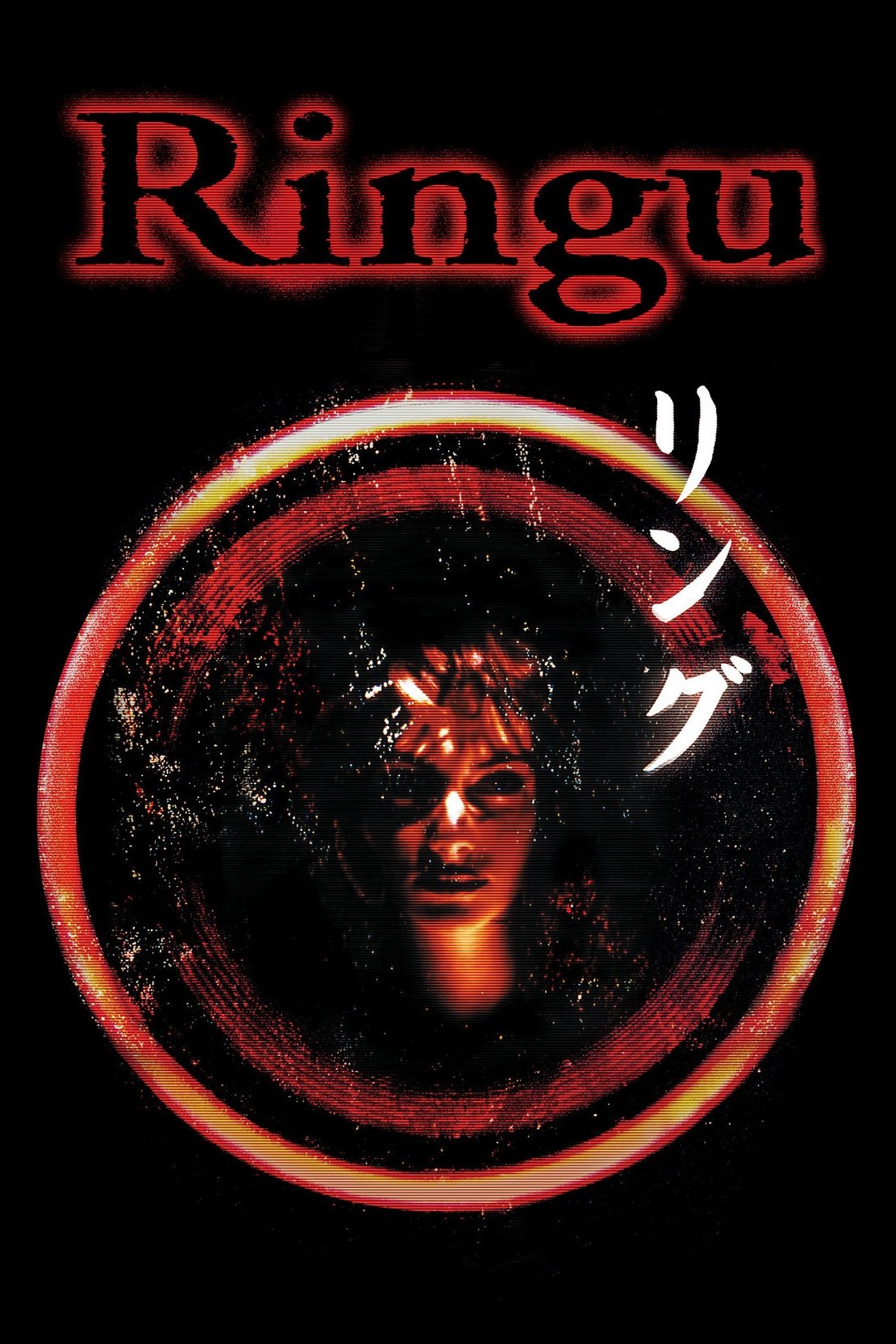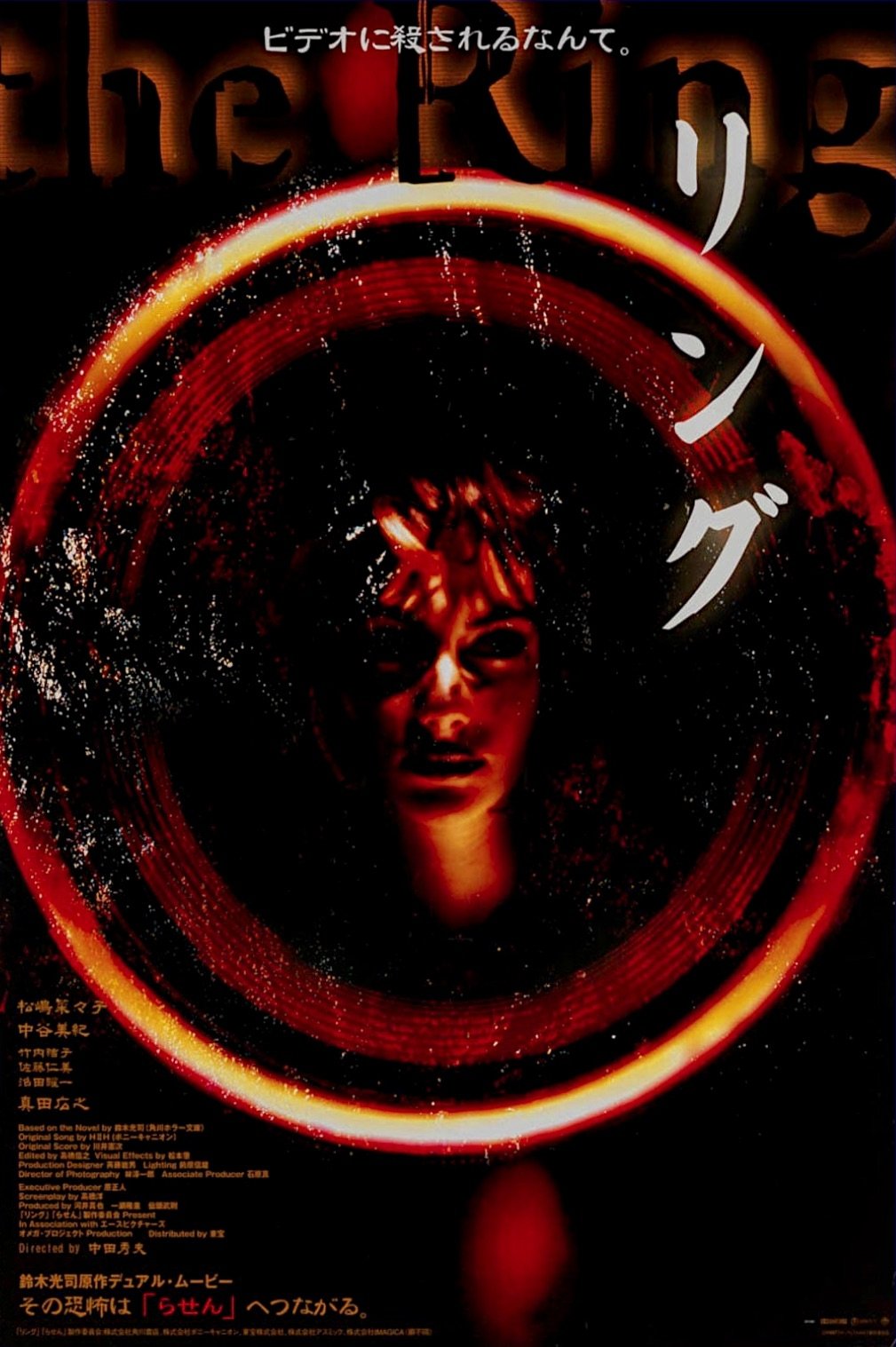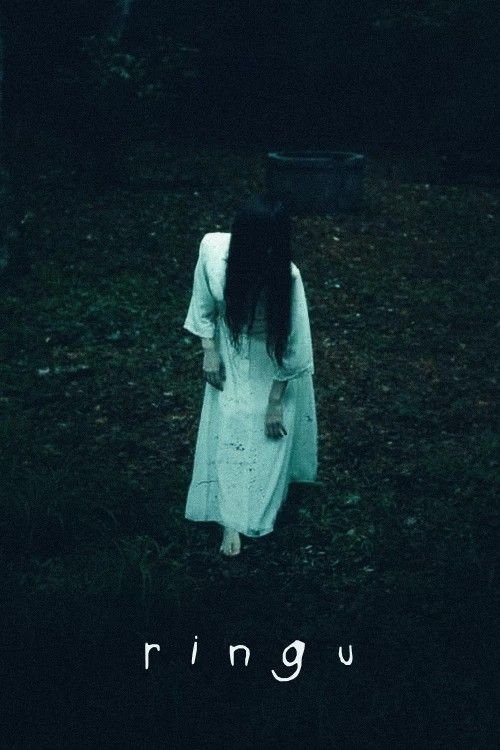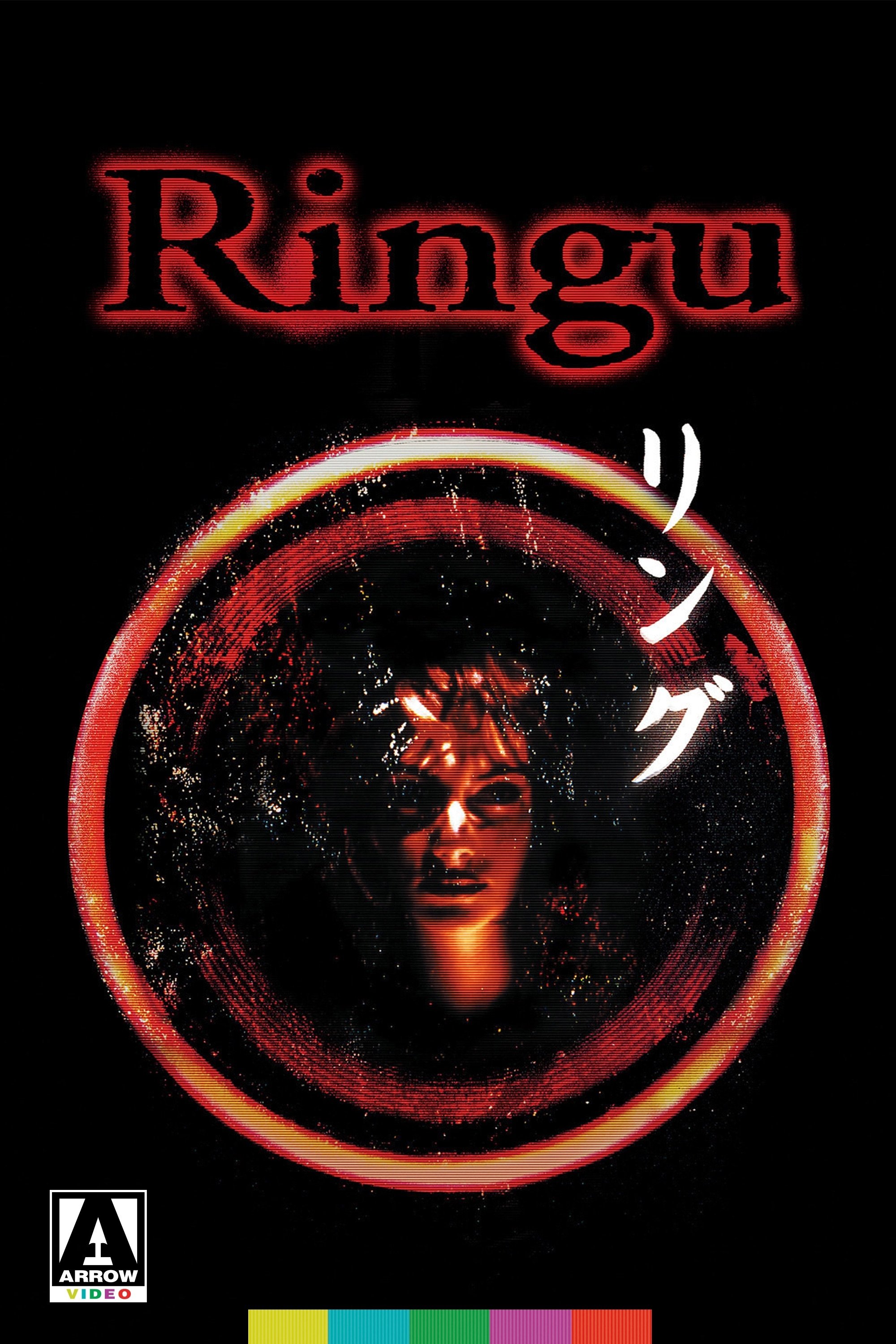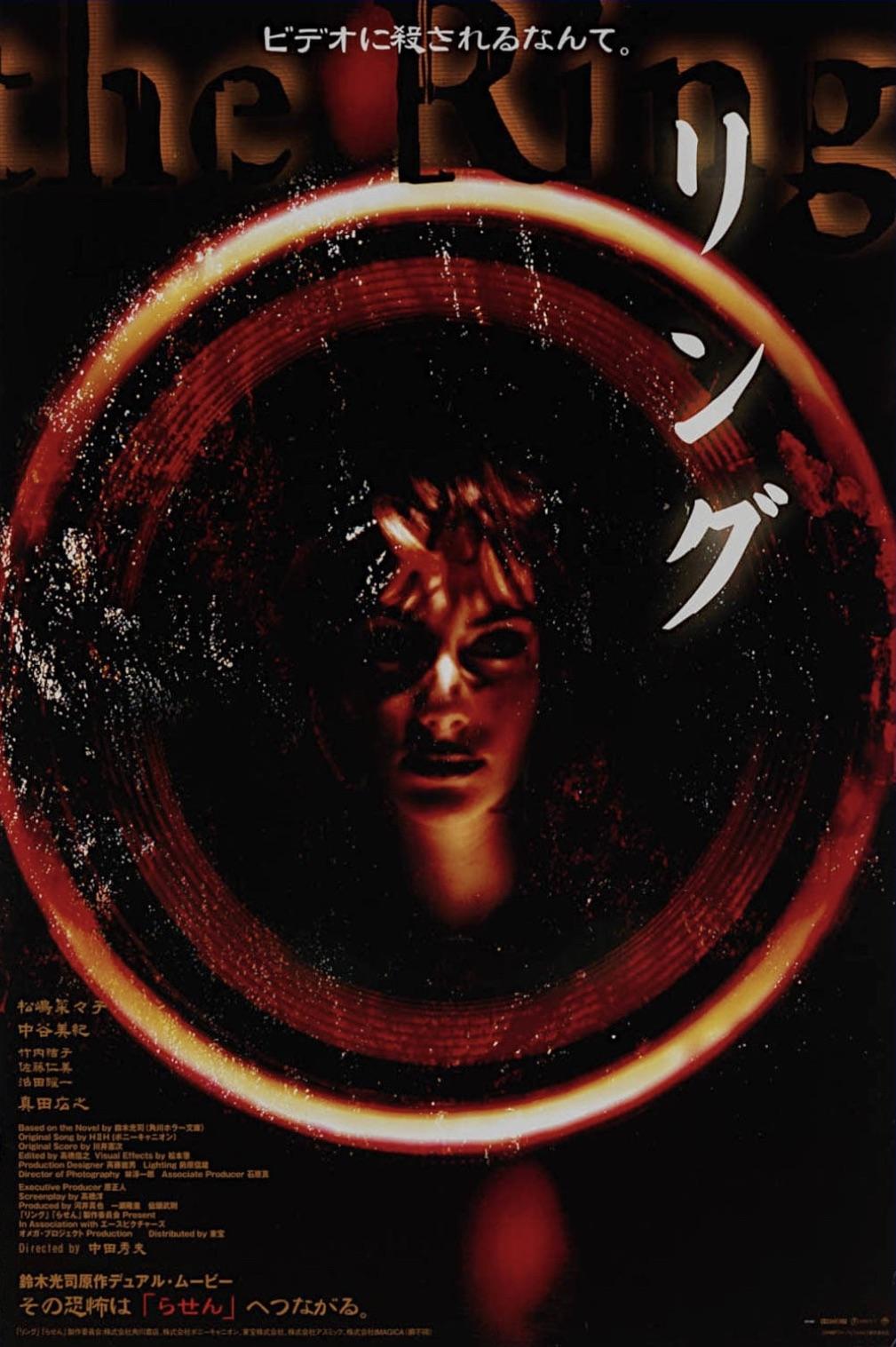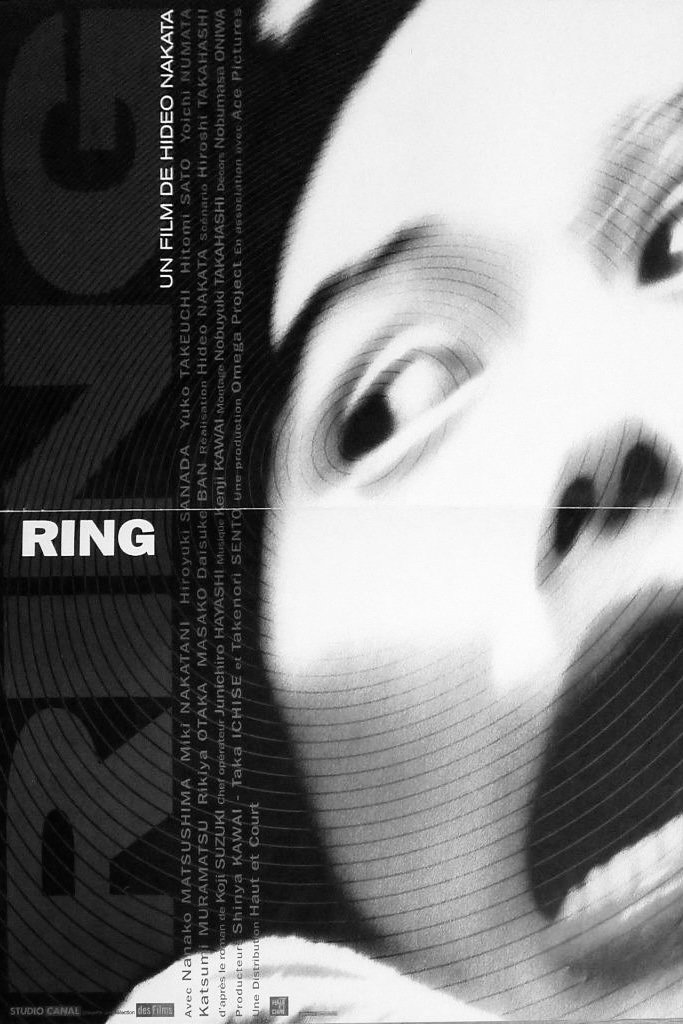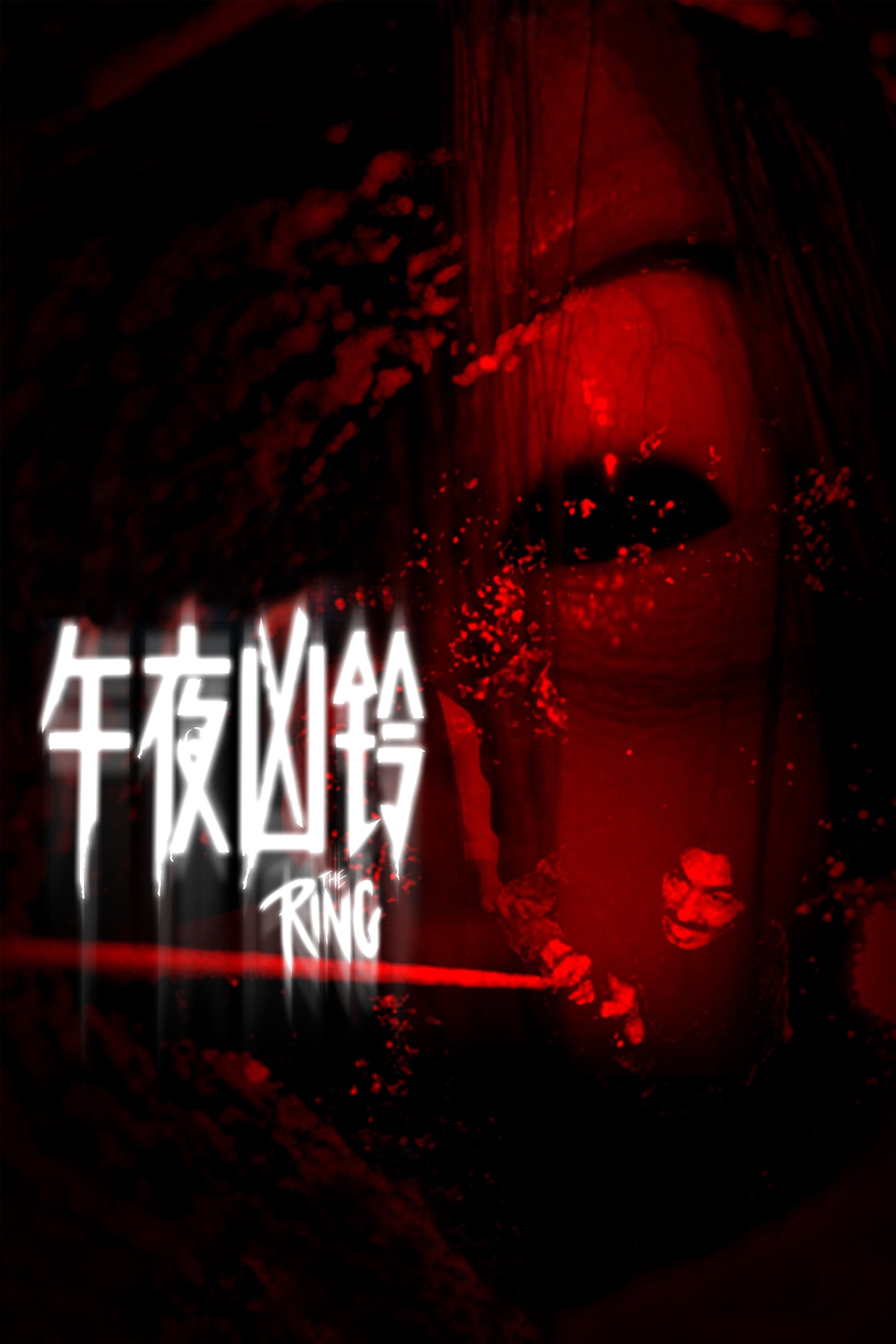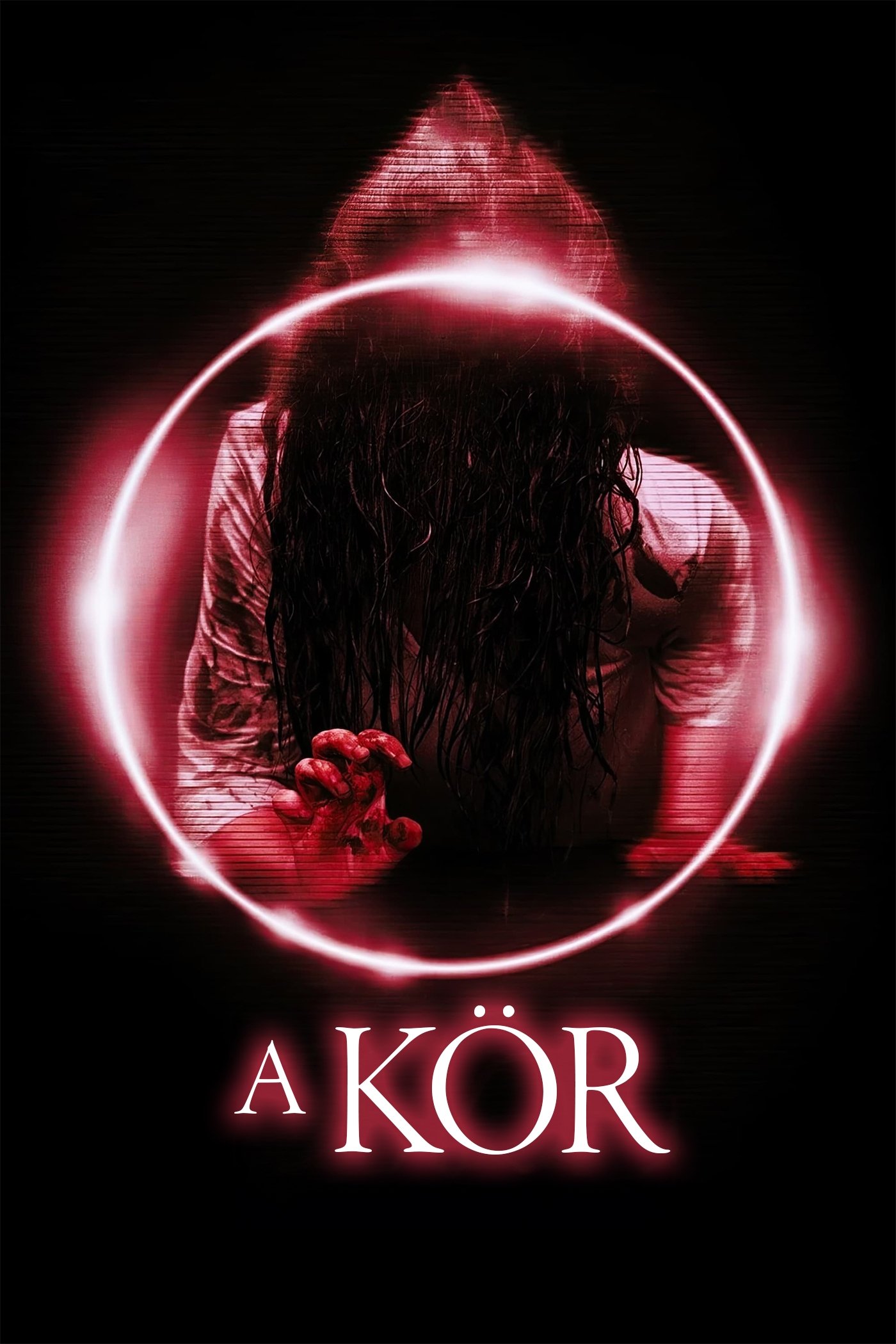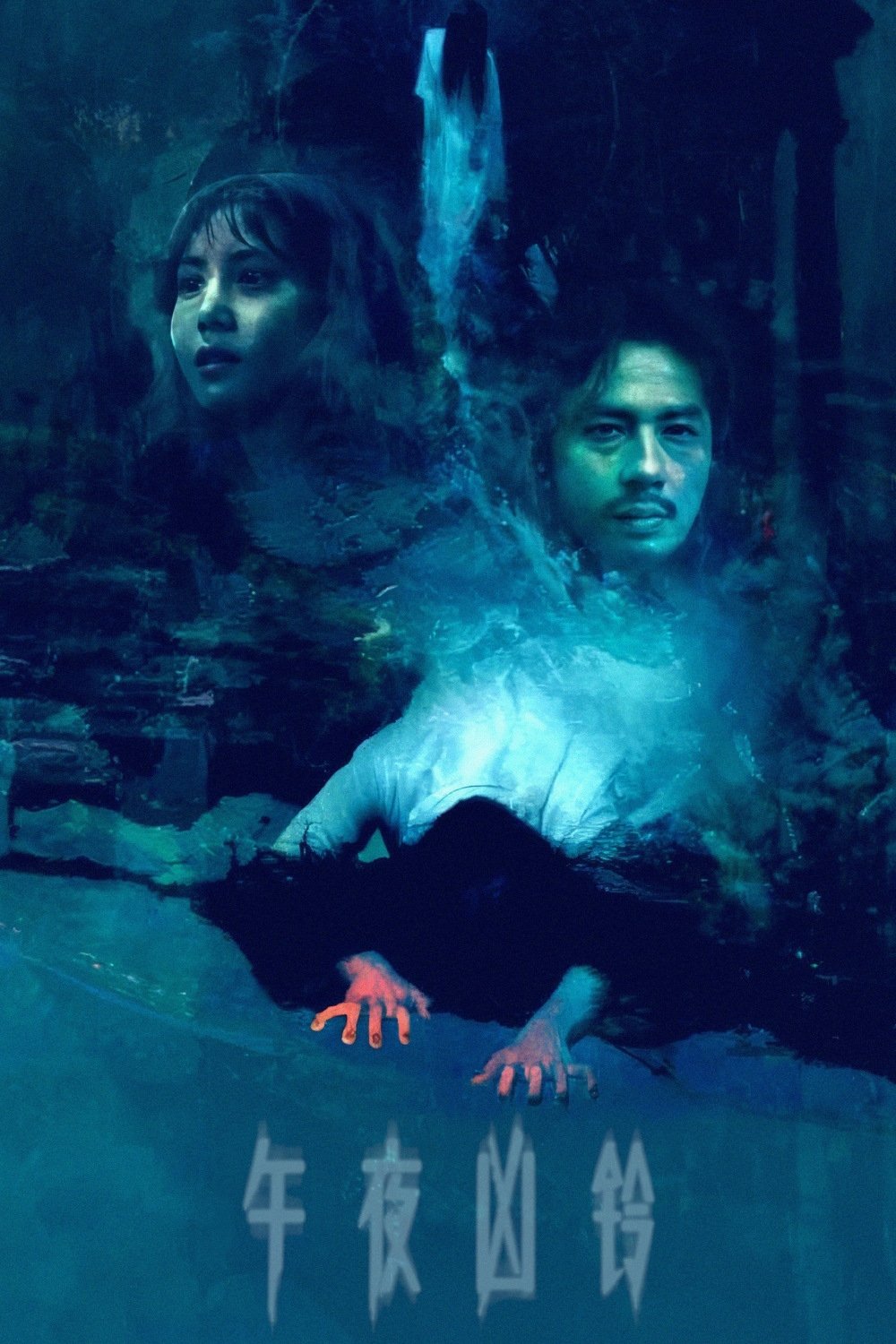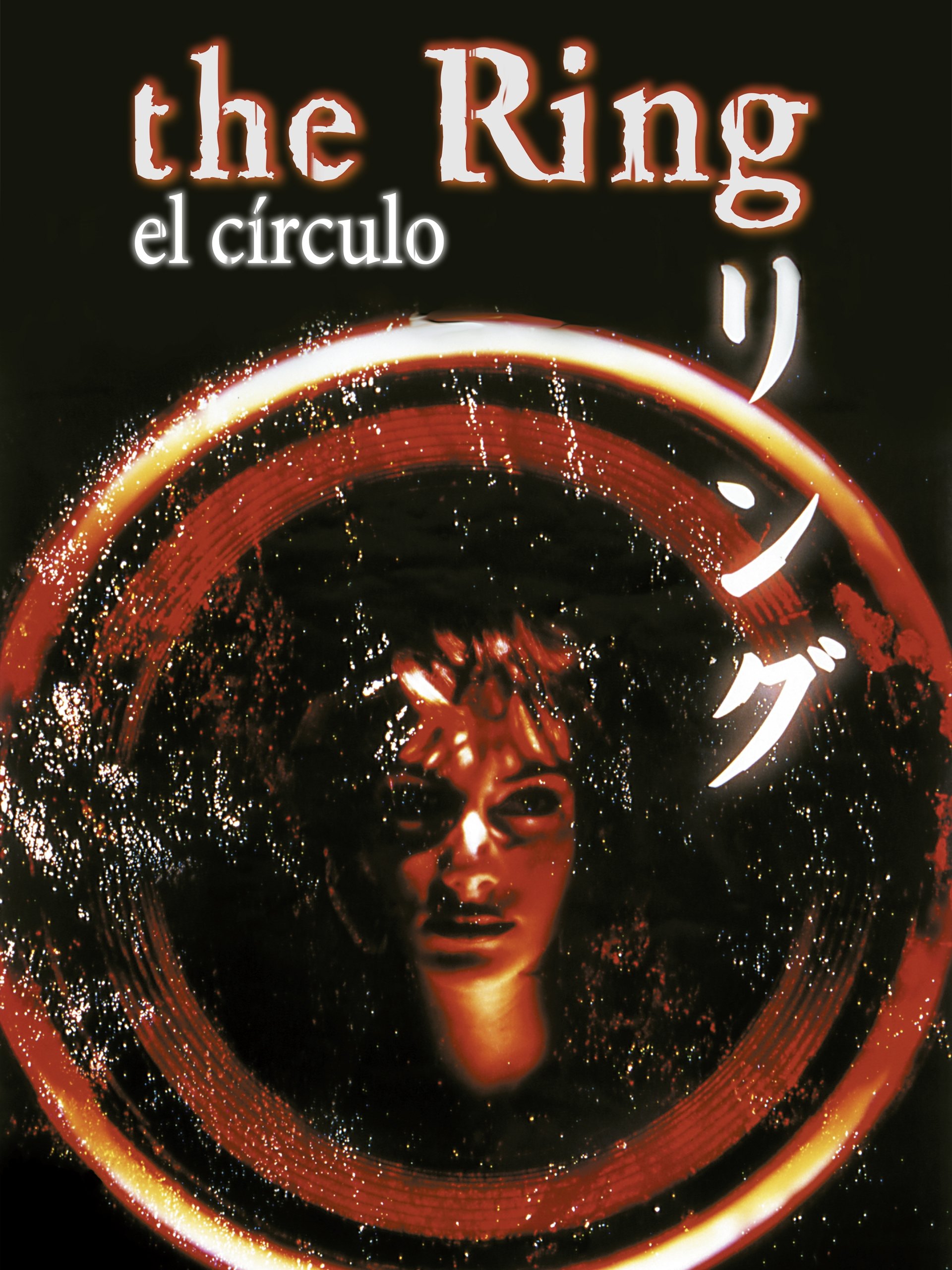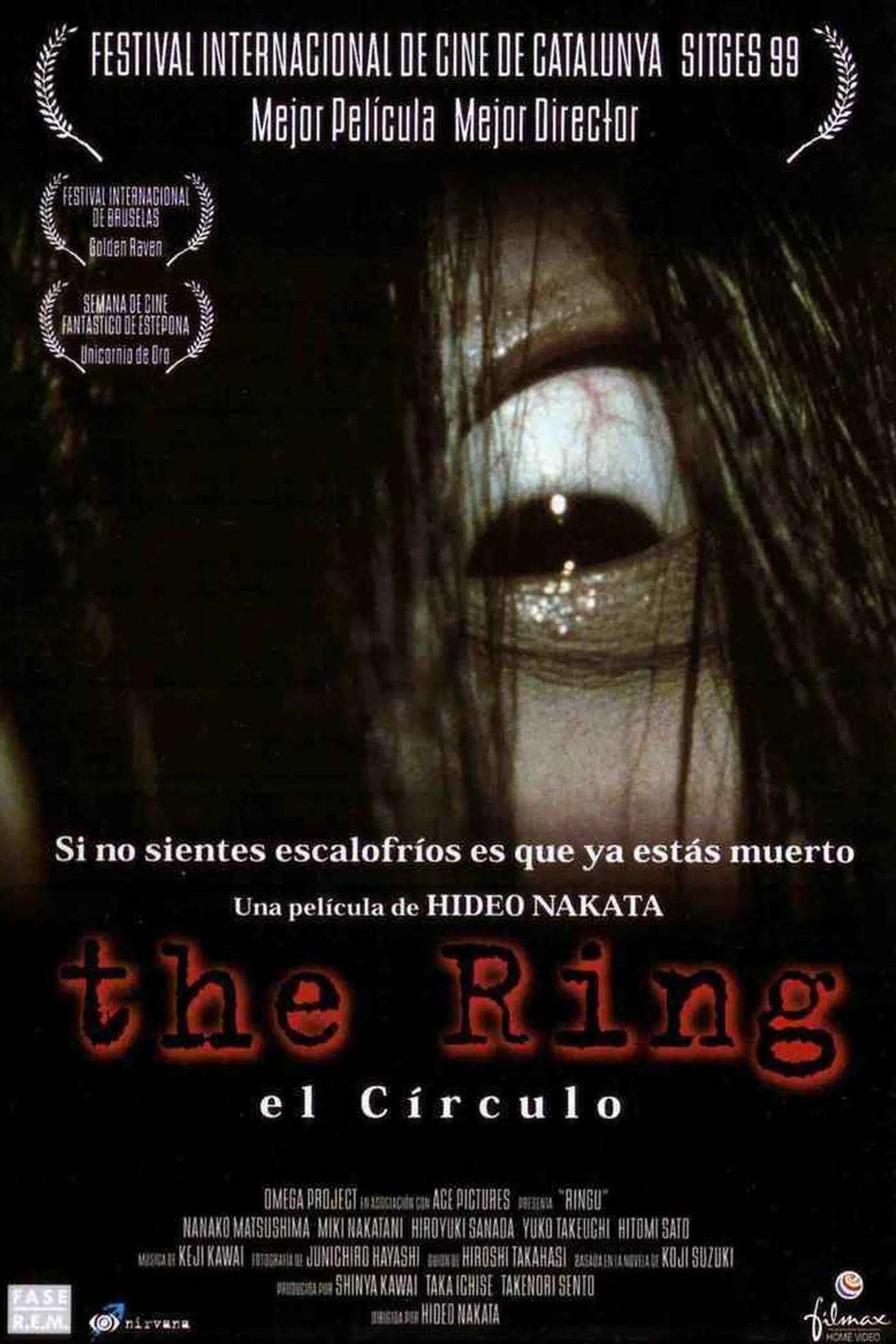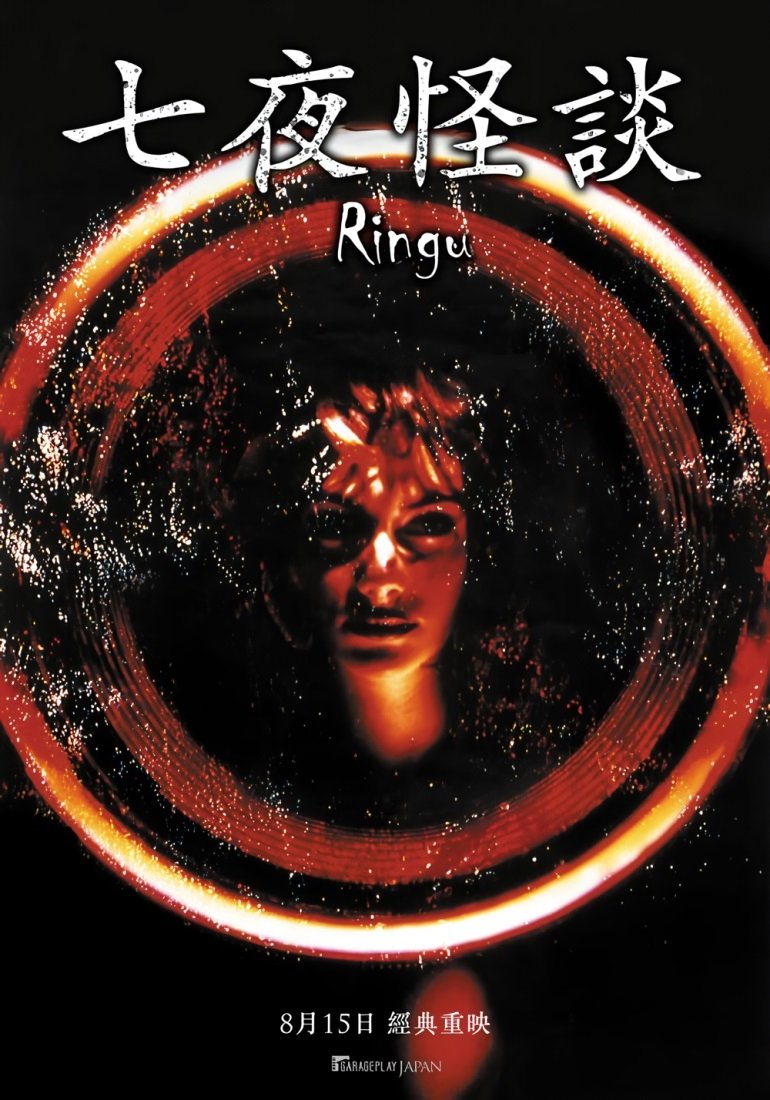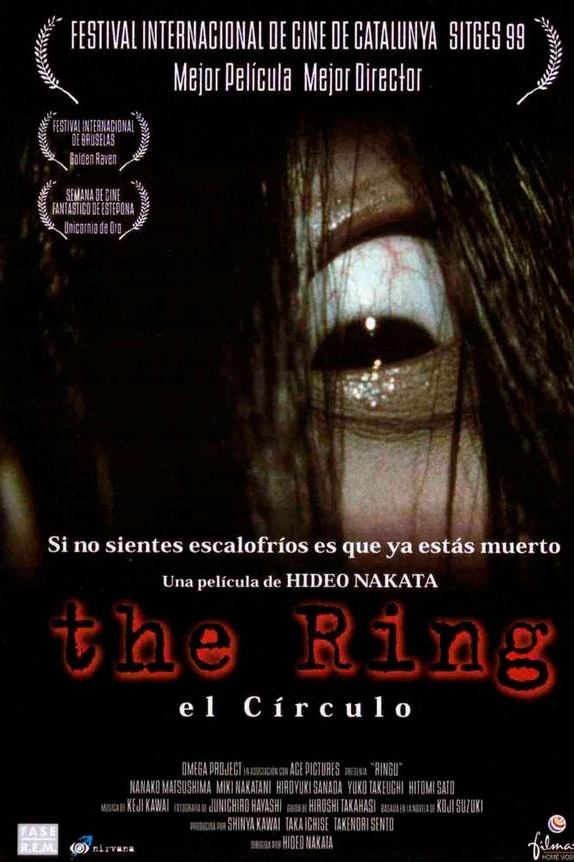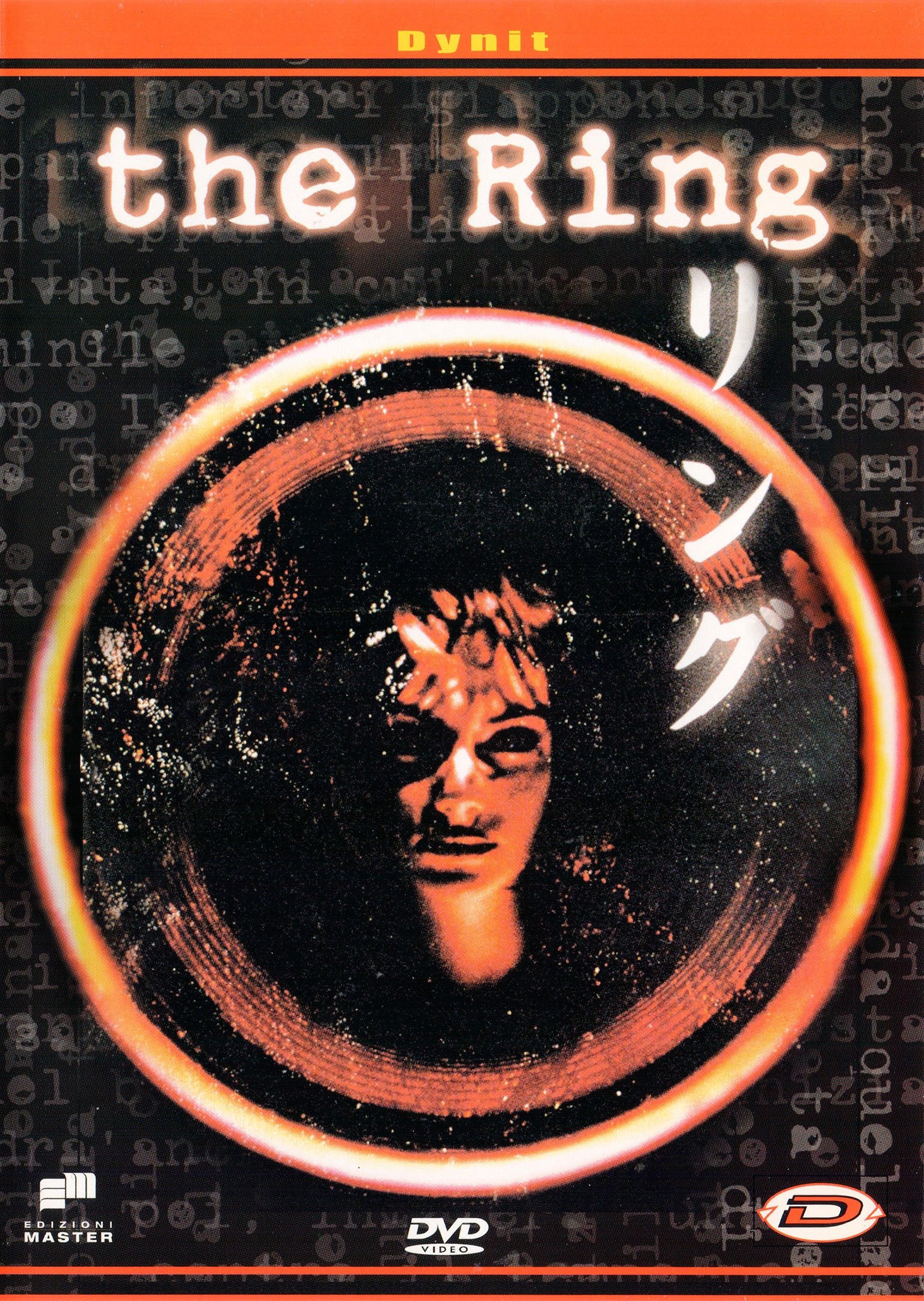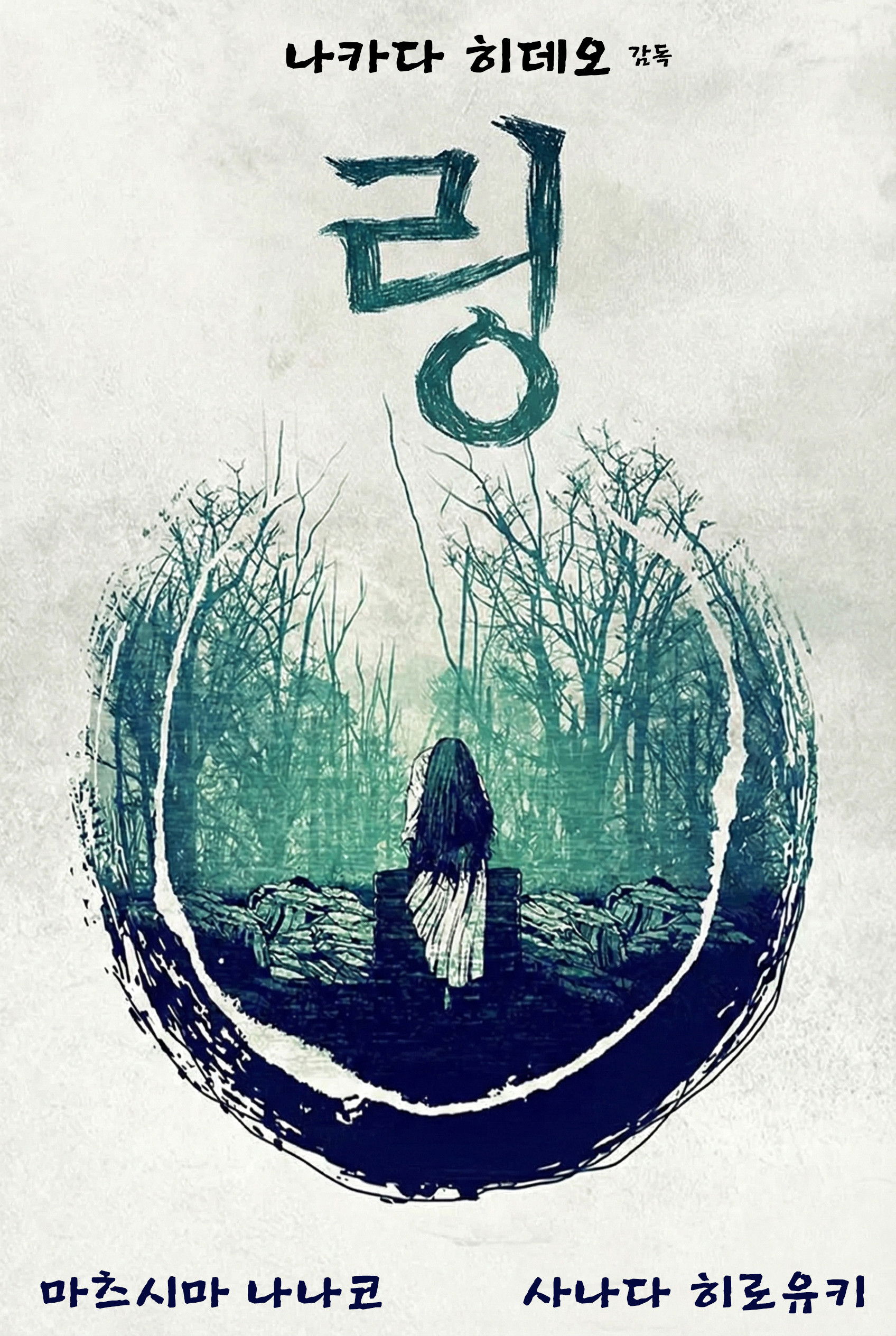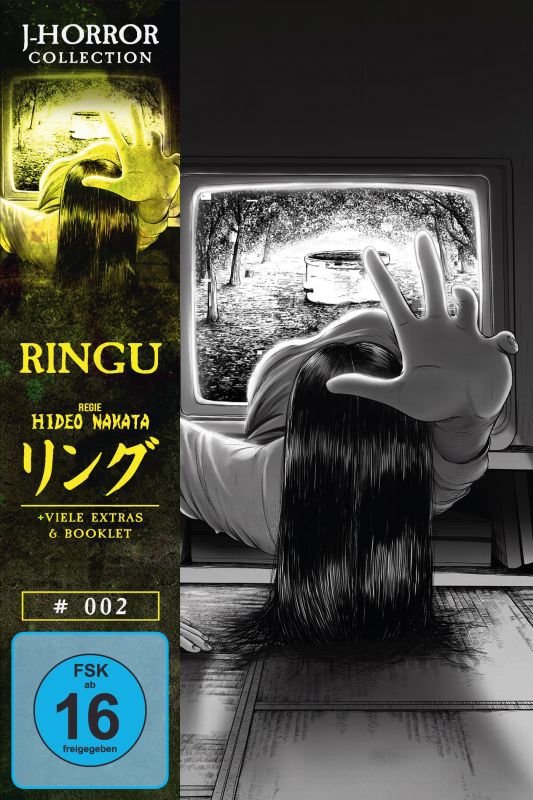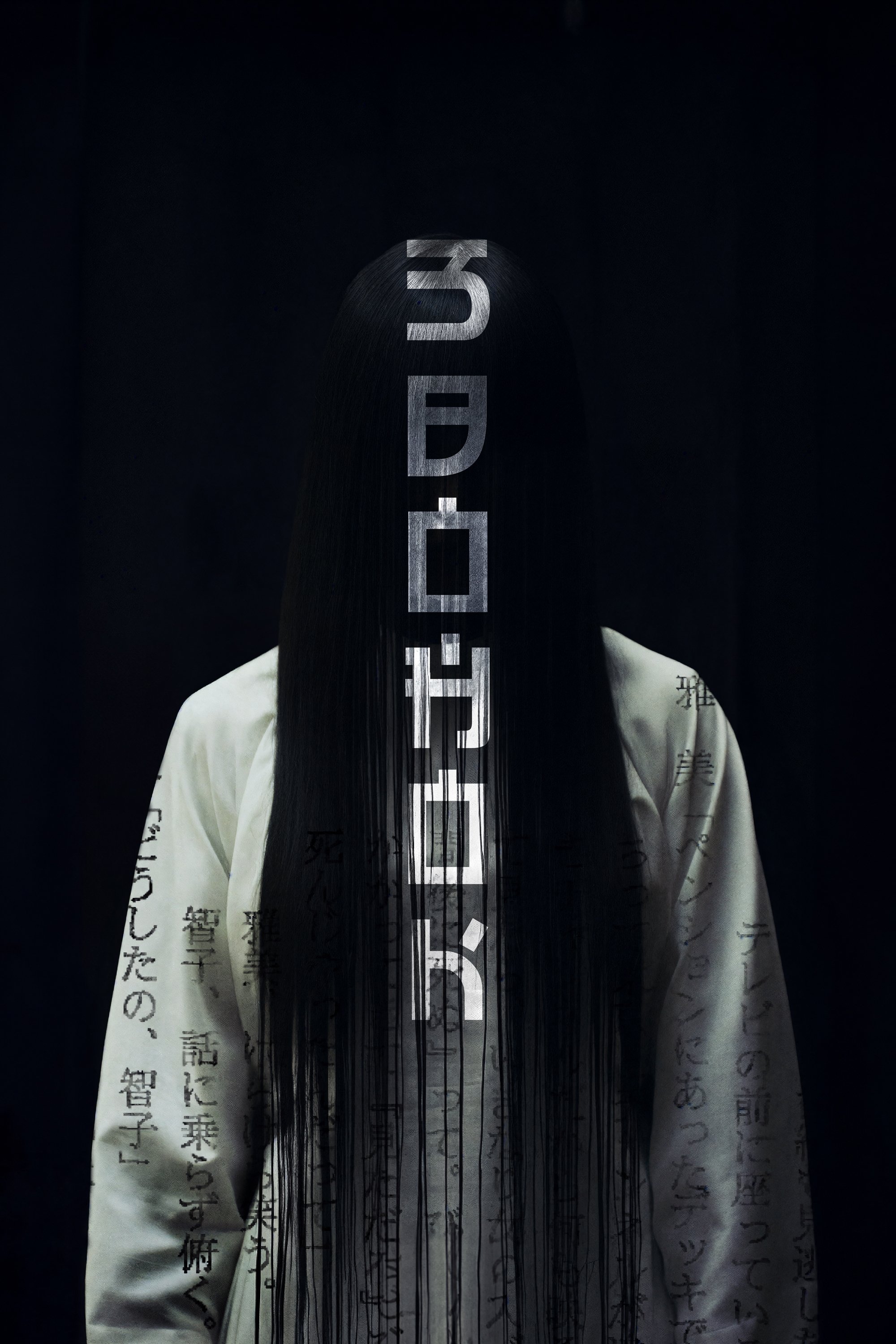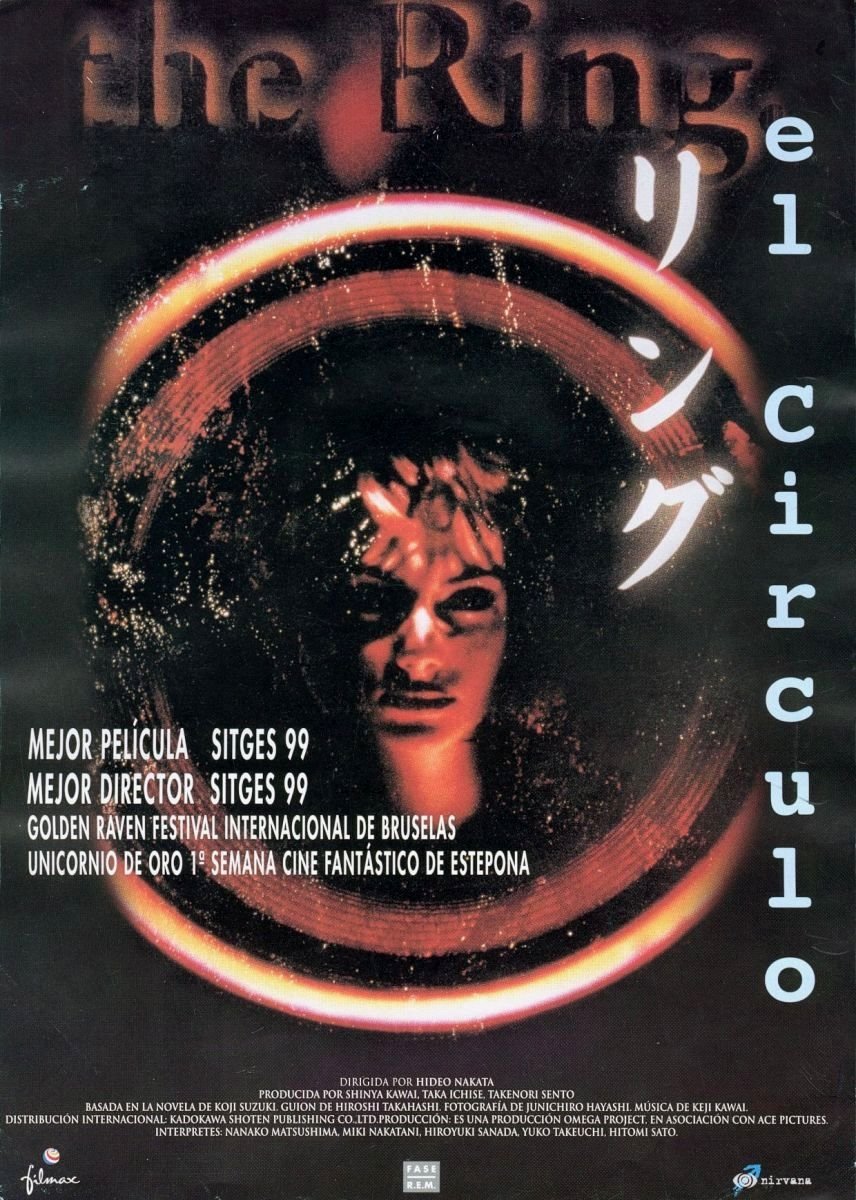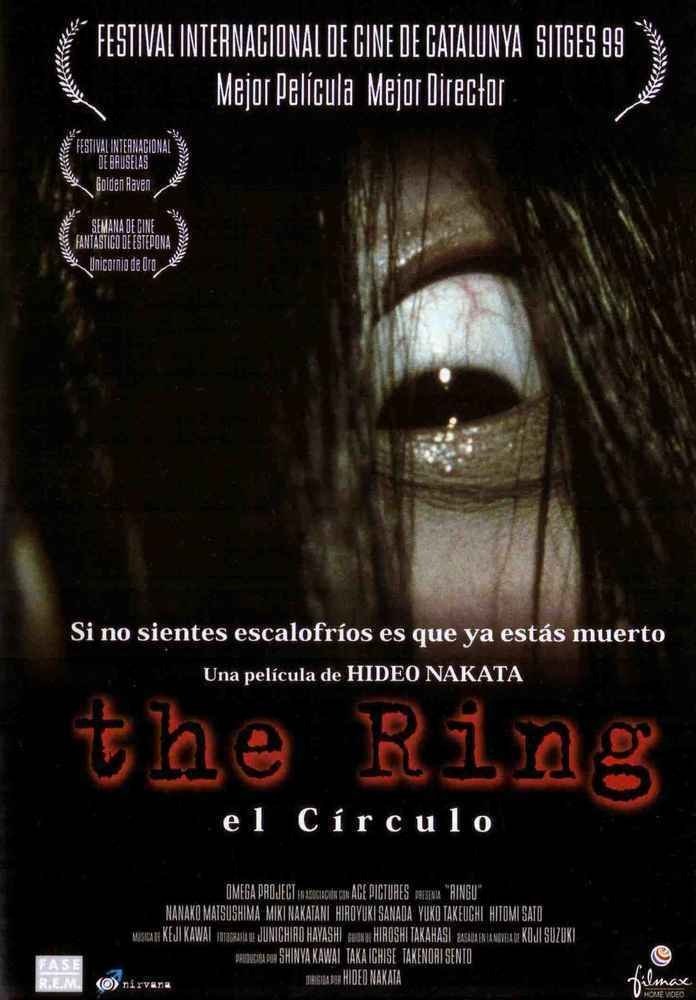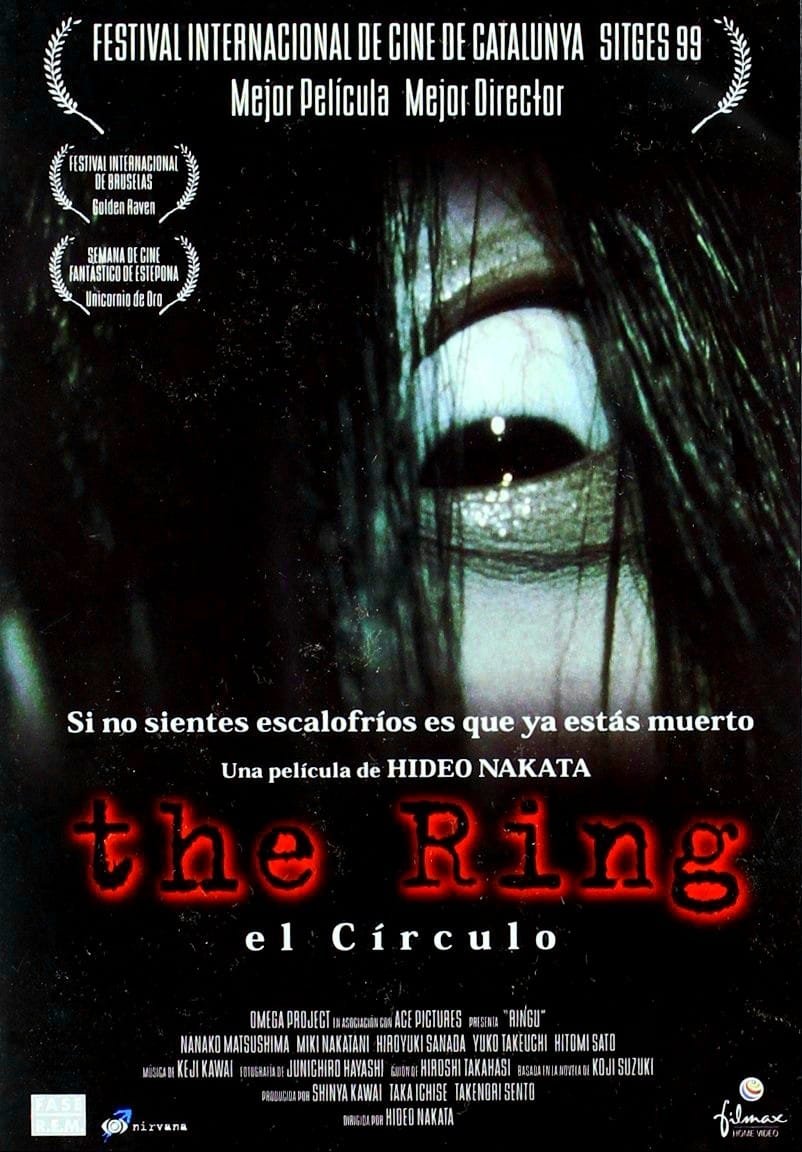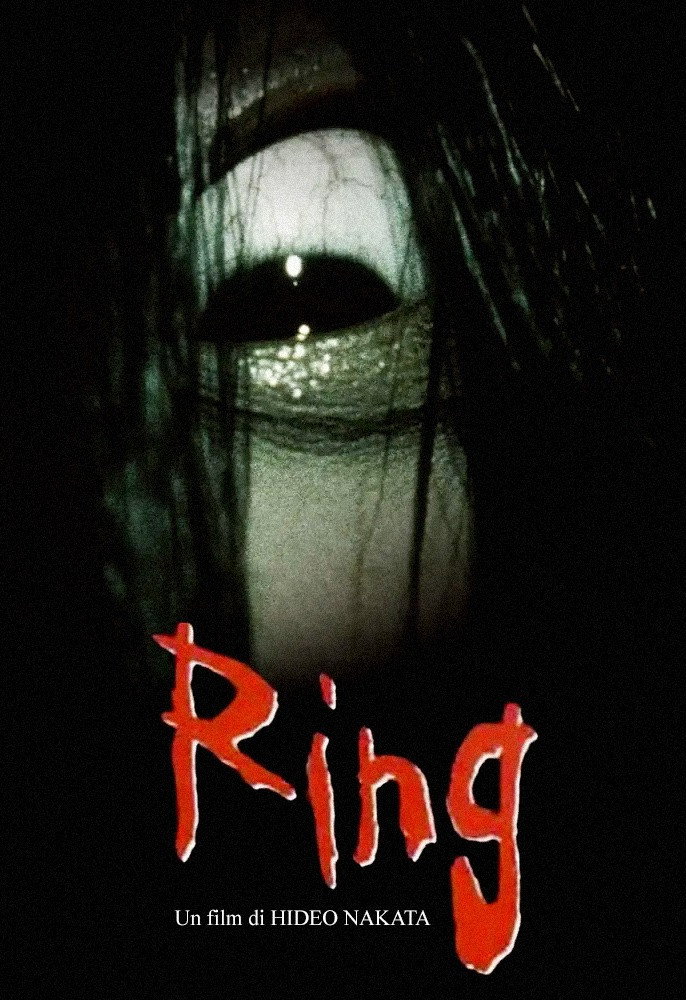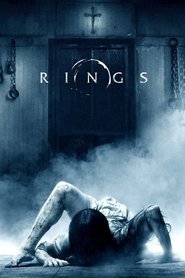
Ring (1998)

JP
HORROR FILM Thriller
Runtime
96 min
Release
January 31, 1998
Budget
$1,200,000
Revenue
$19,400,000
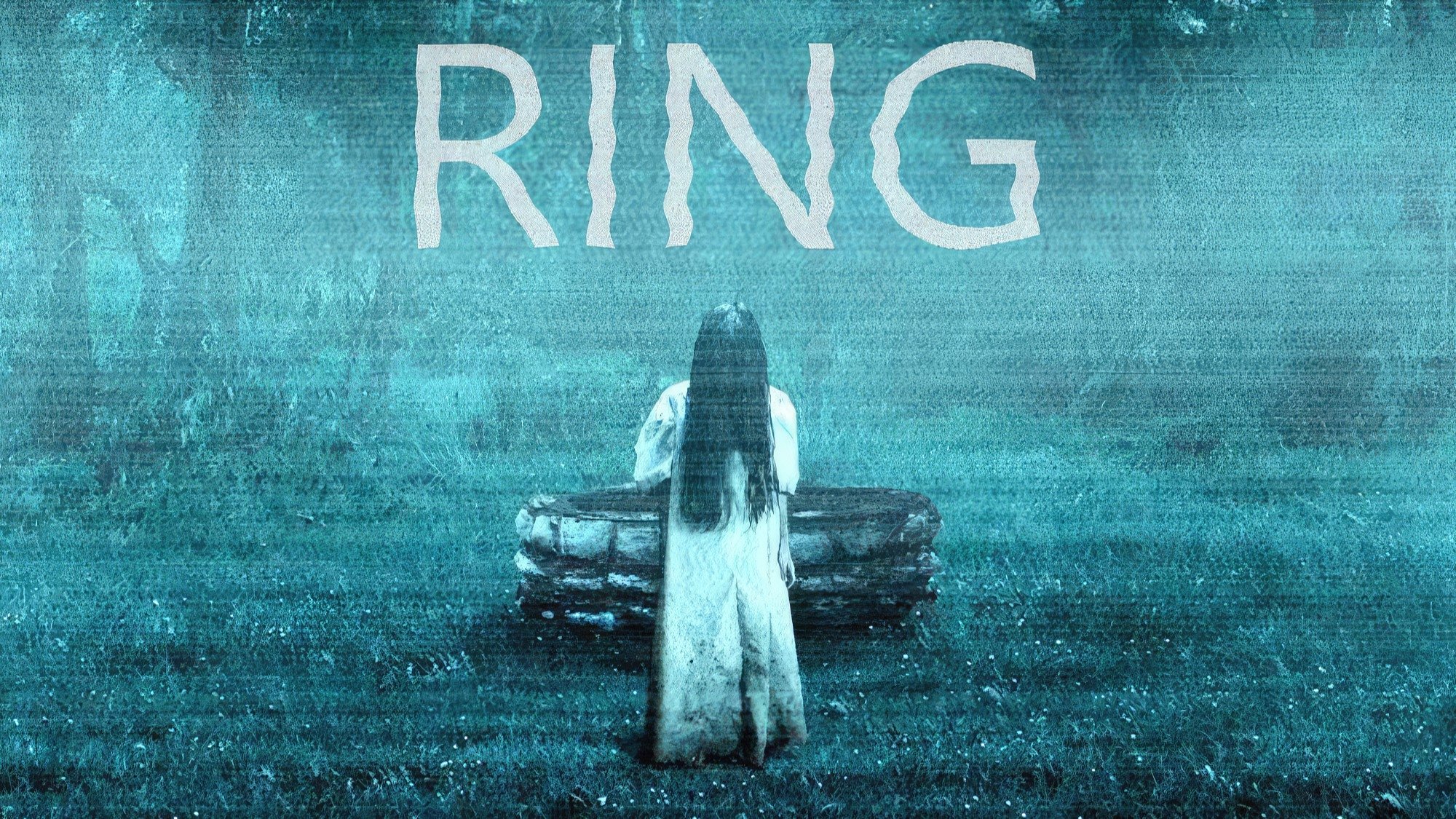
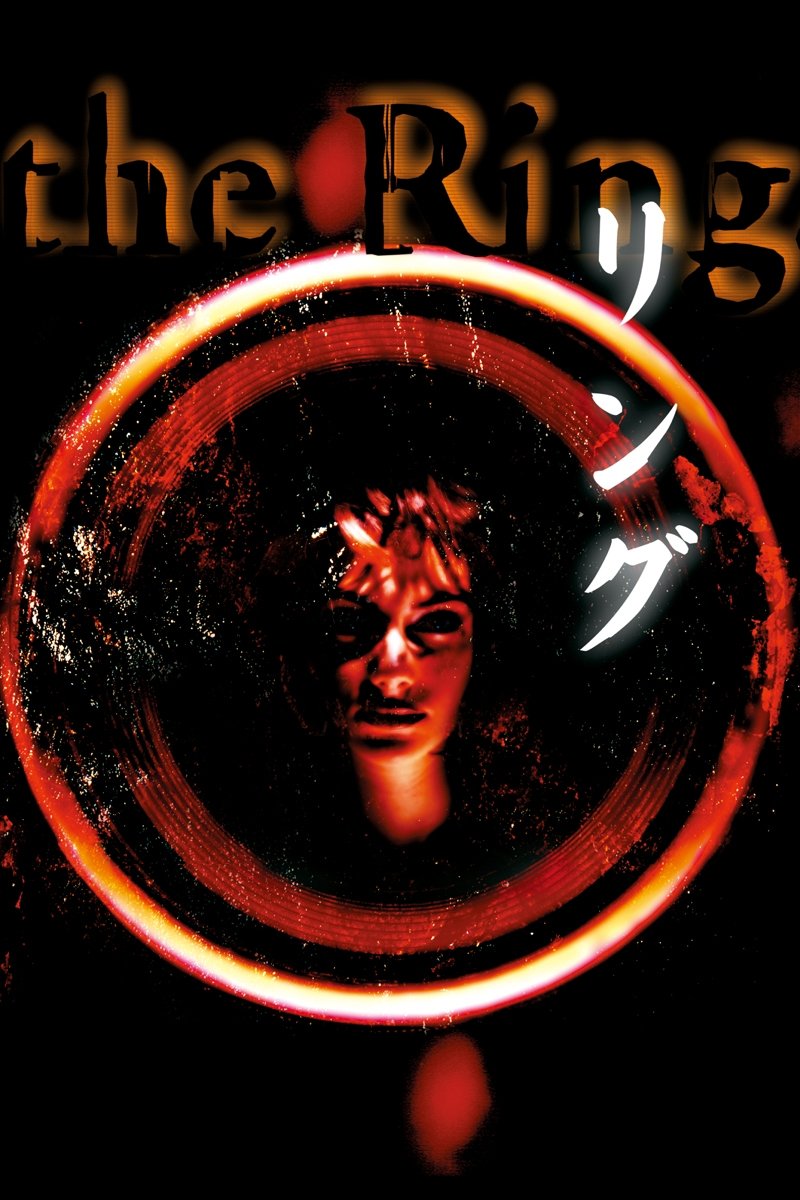
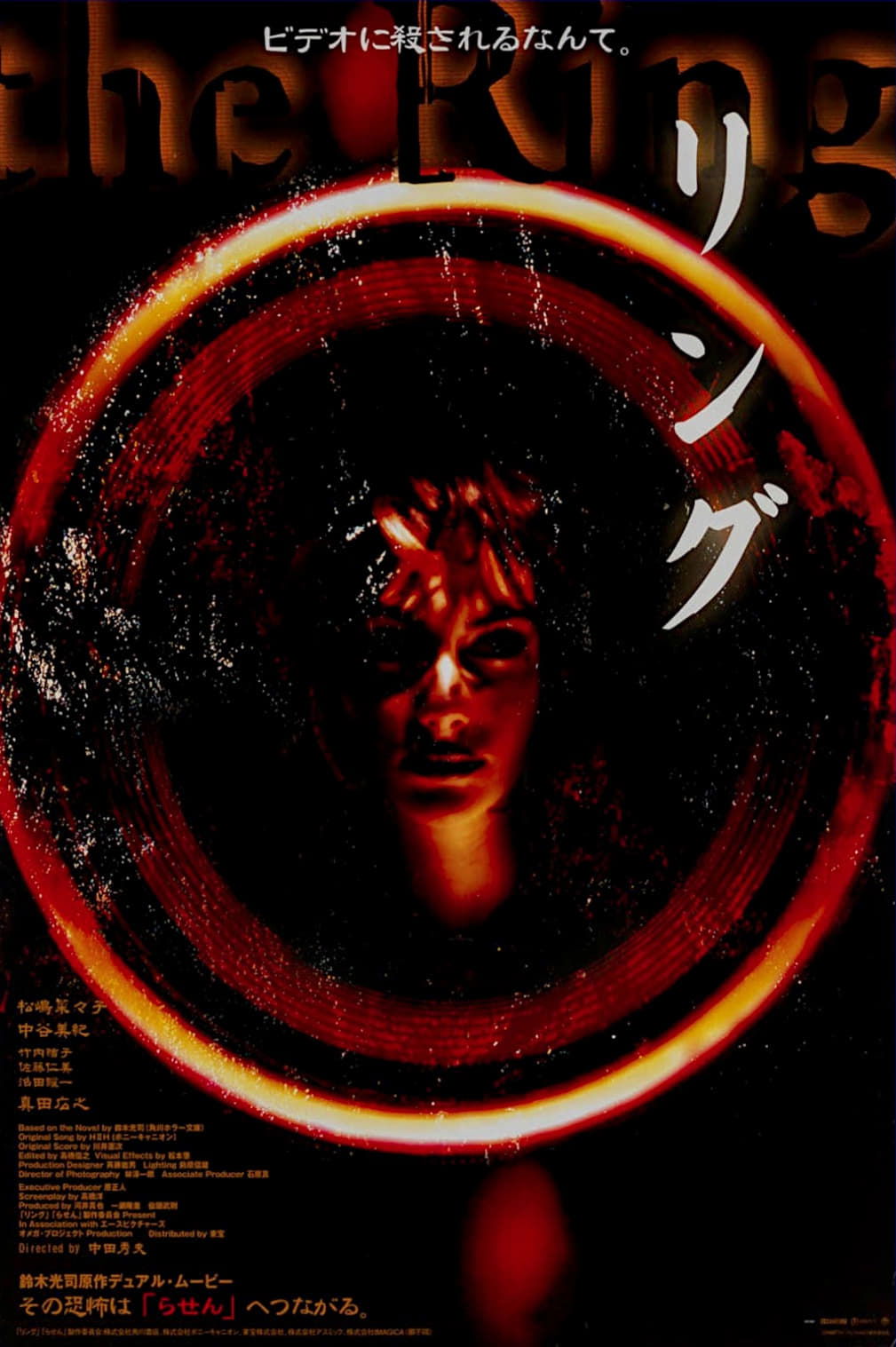
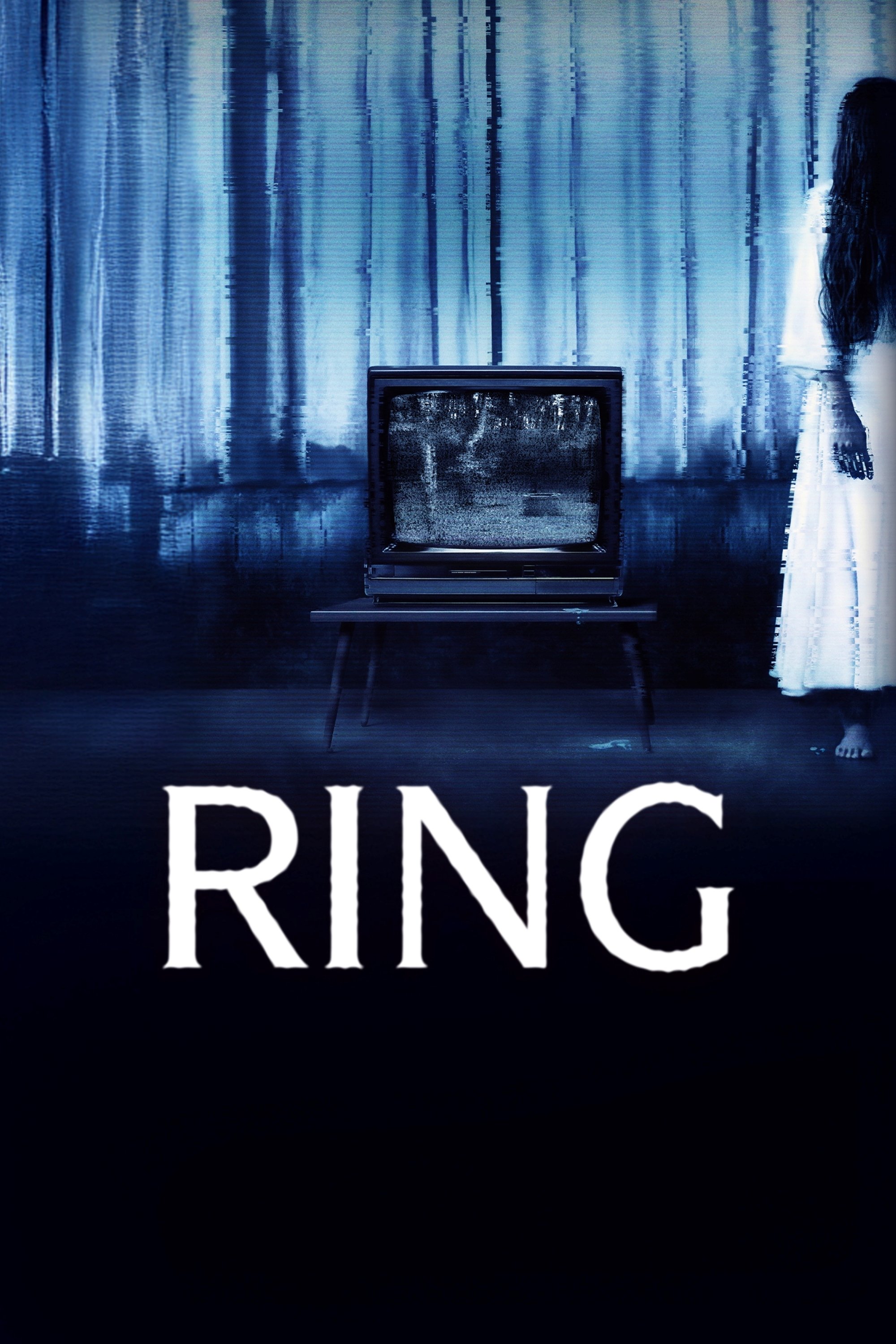
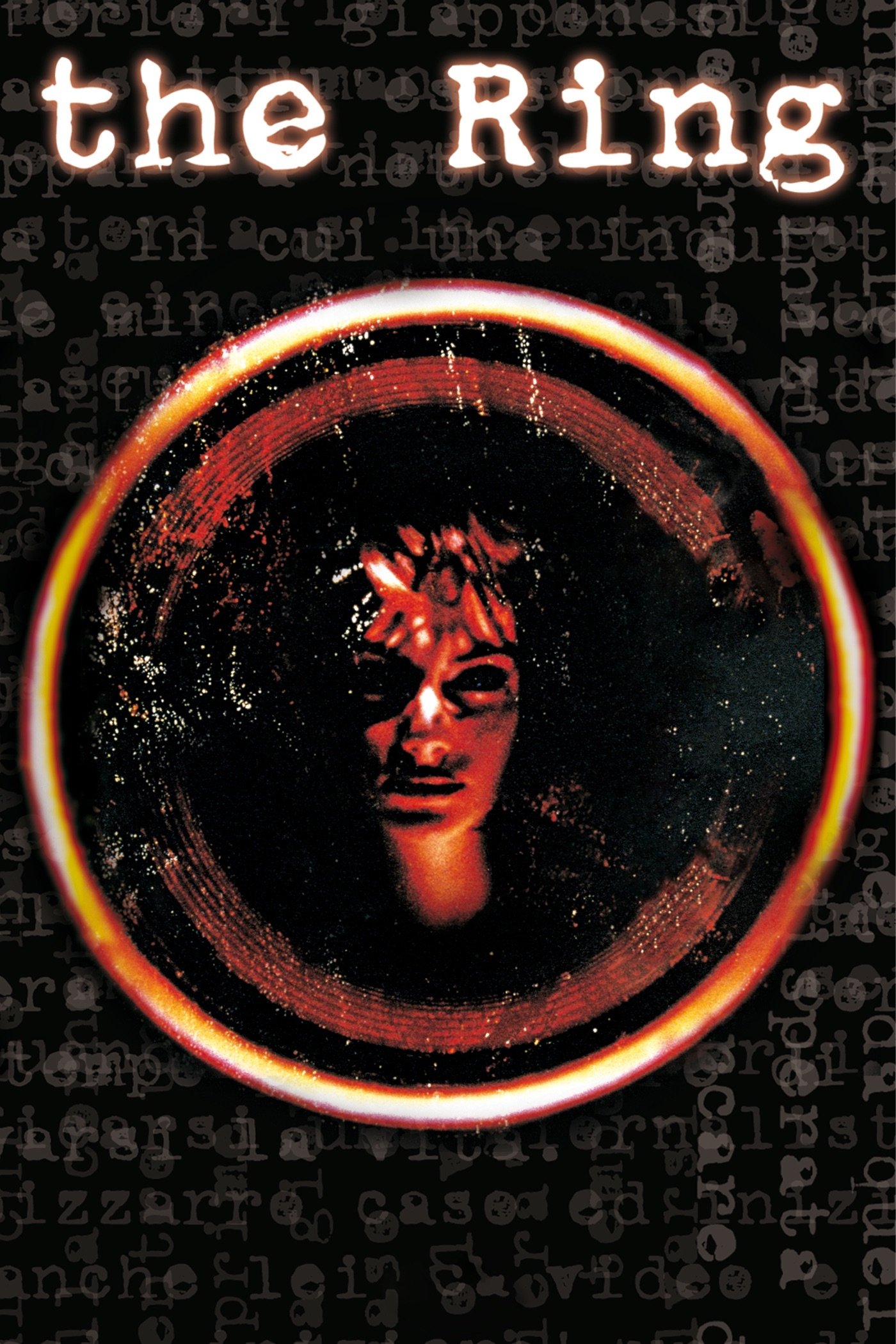
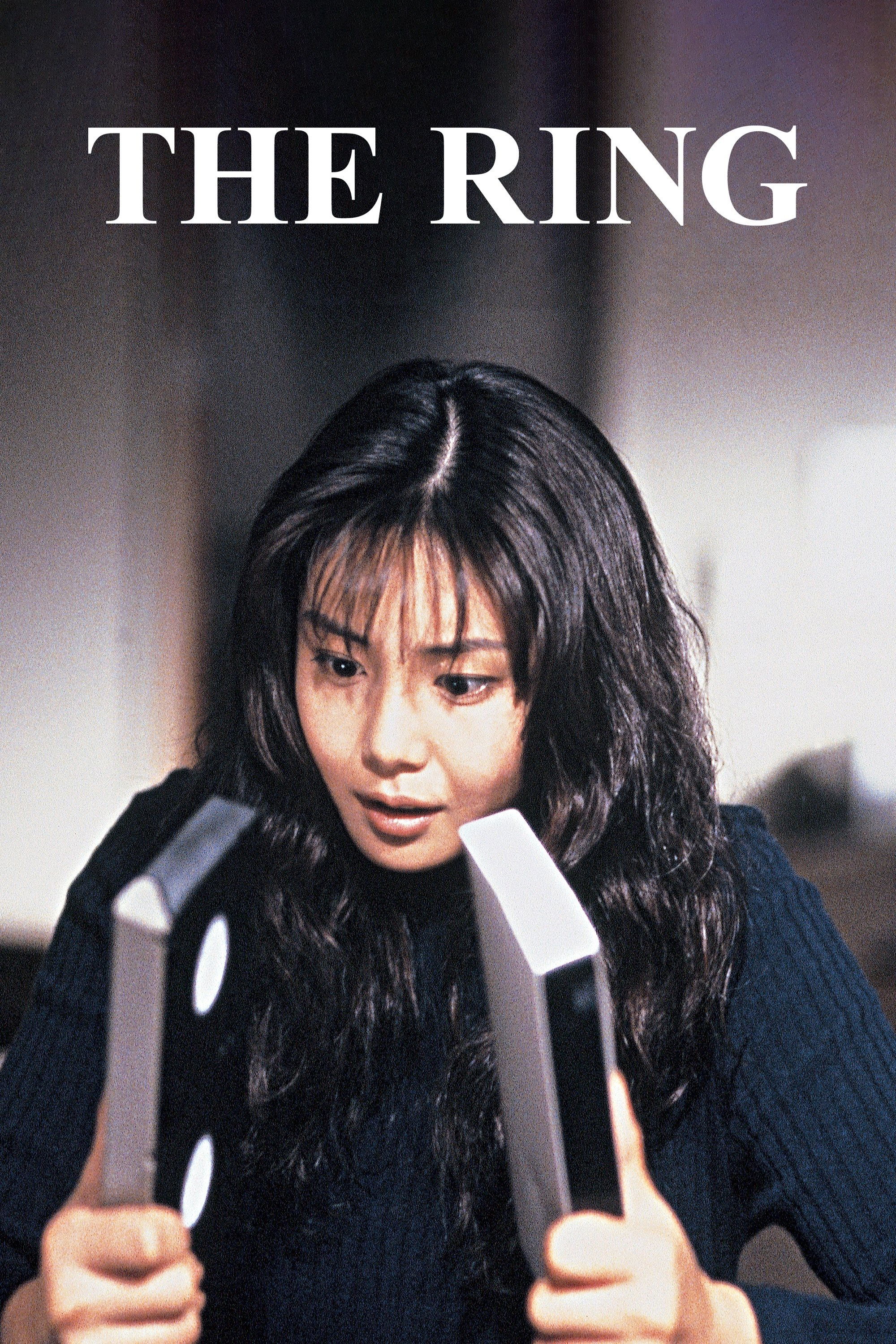
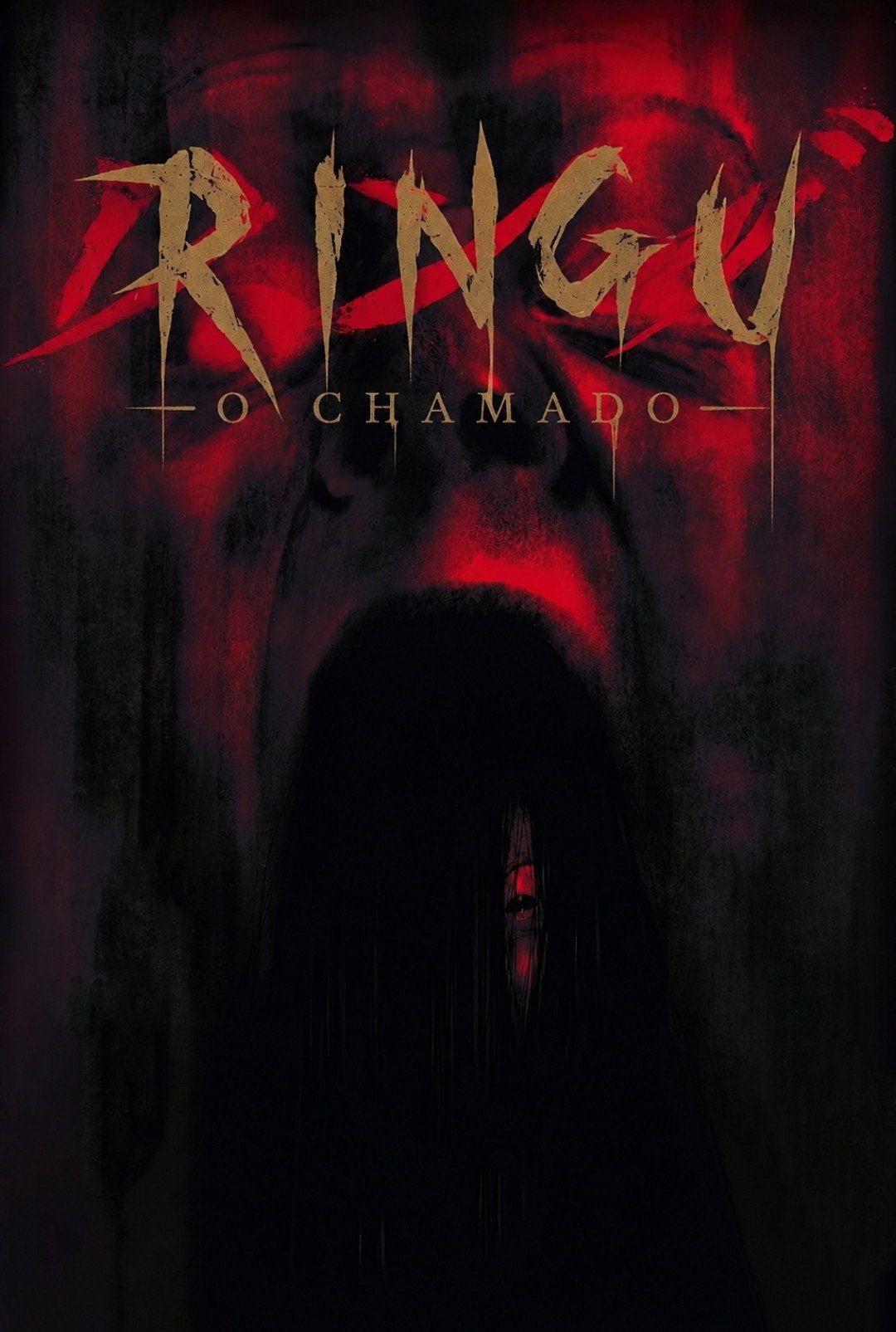
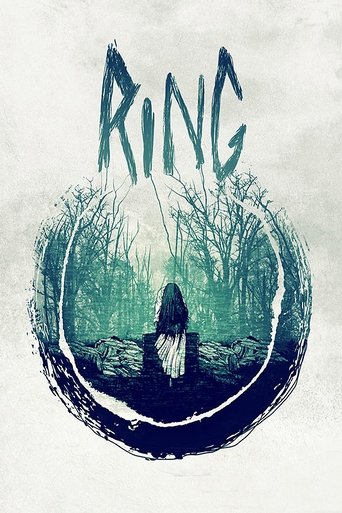
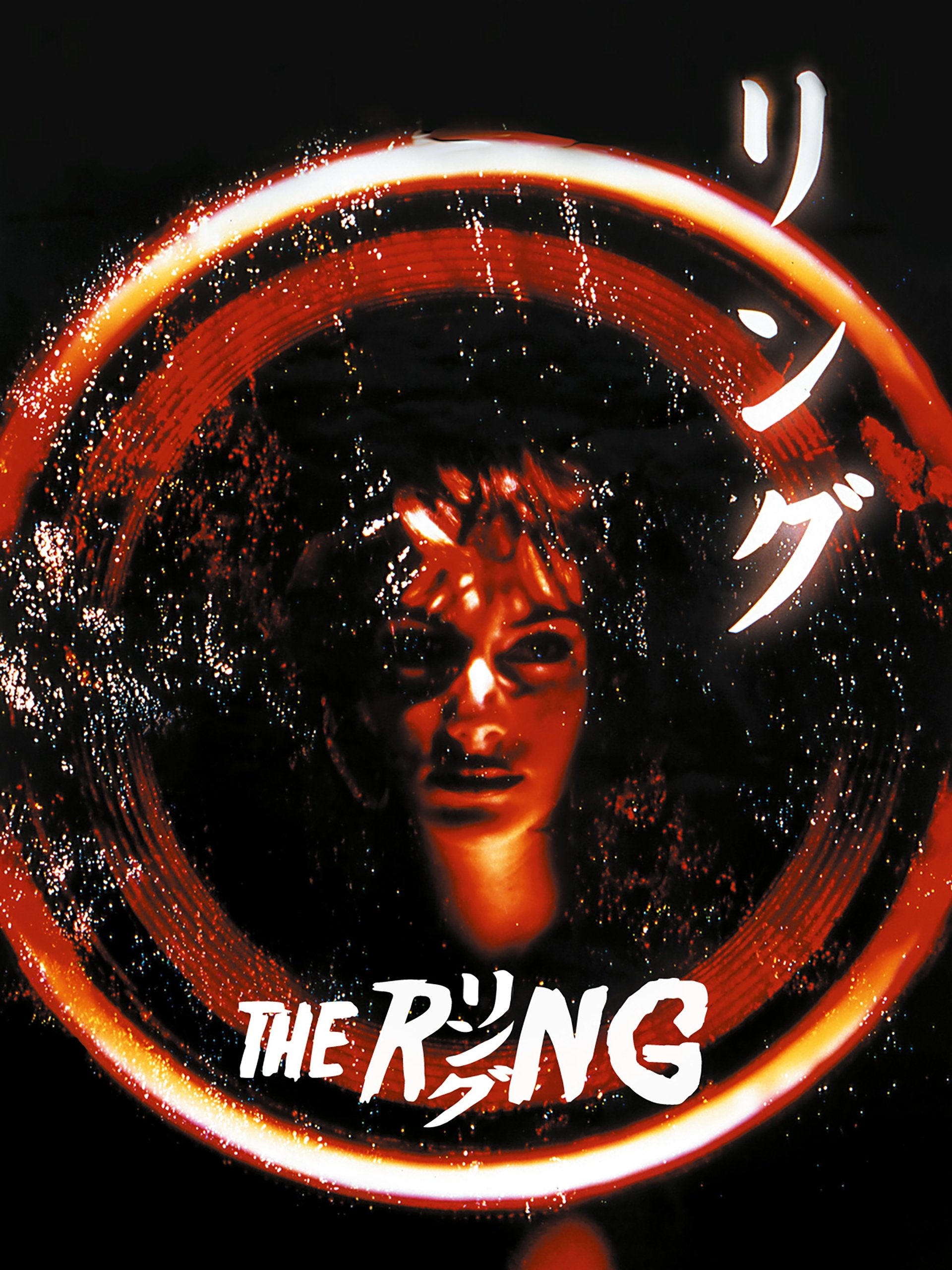
Ring (1998) poster
Director
Production Companies
KADOKAWA Shoten , Omega Project , Rasen Production Committee , TOHO , Basara Pictures , IMAGICA , Asmik Ace Entertainment , Pony Canyon
Plot

A mysterious video has been linked to a number of deaths, and when an inquisitive journalist finds the tape and views it herself, she sets in motion a chain of events that puts her own life in danger.

Alternative Titles
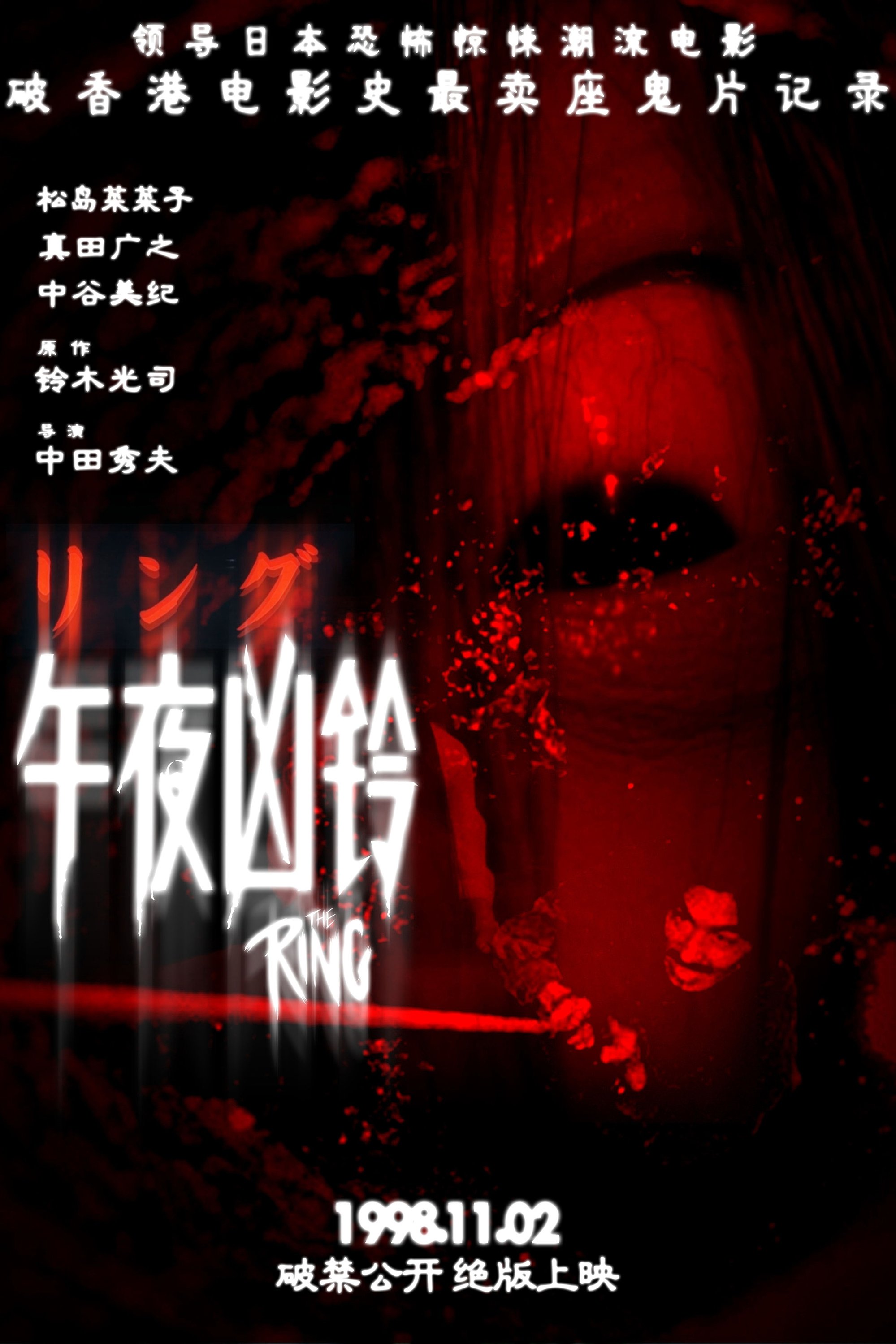
Предизвестена смърт (Bulgaria) — Bulgarian O Chamado (Brazil) — Portuguese Ring: O Chamado (Brazil) 七夜怪谈 (China) 午夜凶灵 (China) 午夜凶鈴 (China) 午夜凶铃 (China) Kruh (Czechia)
Show all 36 alternative titles Ring - Das Original (Germany) — German The Ring (Denmark) — Danish El círculo (Spain) — Spanish The ring (El círculo) (Spain) Ringu (Finland) — Finnish 午夜凶鈴 (Hong Kong SAR China) — Chinese Krug (Croatia) — Croatian A kör (Hungary) — Hungarian רינגו (Israel) — Hebrew The Ring Collection: the Ring (Italy) — series title Ringu (Japan) — Hepburn romanization the Ring (Japan) — official English title 링 (South Korea) — Korean Skambutis (Lithuania) — Lithuanian El Aro (Mexico) Ringu (Netherlands) — Dutch The Ring - Krąg (Poland) — Polish Ring - A Maldição (Portugal) — Portuguese Круг (Serbia) — Serbian Звонок (Russia) — Russian Ringu - The Ring (Sweden) The Ring (Sweden) — Swedish คำสาปมรณะ (Thailand) คำสาปมรณะ 1 (Thailand) — Thai Halka (Türkiye) — Turkish 七夜怪談 (Taiwan) — Chinese Кільце / Дзвінок (Ukraine) — Ukrainian Vòng Tròn Oan Nghiệt (Vietnam) — Vietnamese

Trailers & Videos

4 videos

Film Guide & Analysis

Hideo Nakata transforms Kōji Suzuki’s cursed videotape into a restrained supernatural mystery grounded in Japanese ghost traditions and analogue technology.

Ring (1998) is a Japanese supernatural horror film directed by Hideo Nakata from a screenplay by Hiroshi Takahashi, adapting Kōji Suzuki’s 1991 novel. A television reporter, Reiko Asakawa, investigates the apparently simultaneous deaths of teenagers who watched a mysterious videotape. When she views the cassette herself, the threat acquires a deadline: she has seven days to discover why its images kill. The film places an inherited ghost-story tradition inside ordinary late-twentieth-century technologies. Television, photography and telephone calls become means by which an unresolved act of violence reaches people who have no prior connection to it.

Nakata builds the investigation around an atmosphere of sustained apprehension, withholding direct representations of most deaths and concentrating instead on faces, rooms and fragments of recorded imagery. The ghost Sadako Yamamura, whose story gradually emerges from the tape, connects the technological premise to the vengeful spirits of Japanese folklore. The film’s Japanese release in January 1998 and subsequent circulation abroad made its method of supernatural horror an important reference point for the international visibility of J-horror.

Development and Adaptation of Kōji Suzuki’s Novel

Suzuki’s Ring had already attracted readers before the film was made. Nakata recalled that the novelist approved of his work on Ghost Actress and supported his appointment to direct the adaptation. Nakata and screenwriter Hiroshi Takahashi retained the premise of a mysterious recording that kills its viewers after a fixed interval, but reorganized the investigation for a more immediate cinematic relationship between parent and child. In the book, the central reporter is a man, Kazuyuki Asakawa; in the film, Reiko Asakawa is a divorced mother whose son becomes exposed to the same curse.

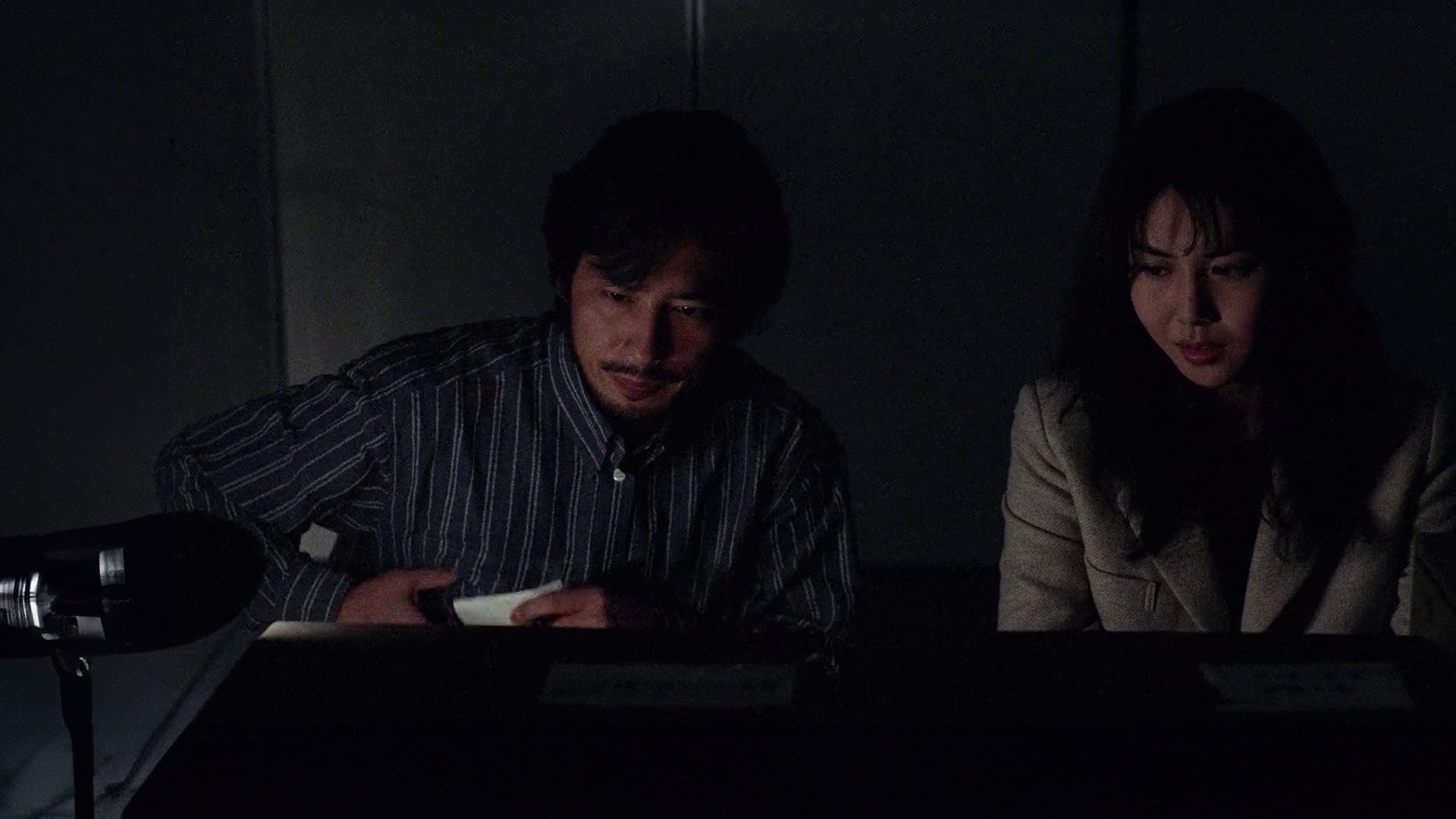
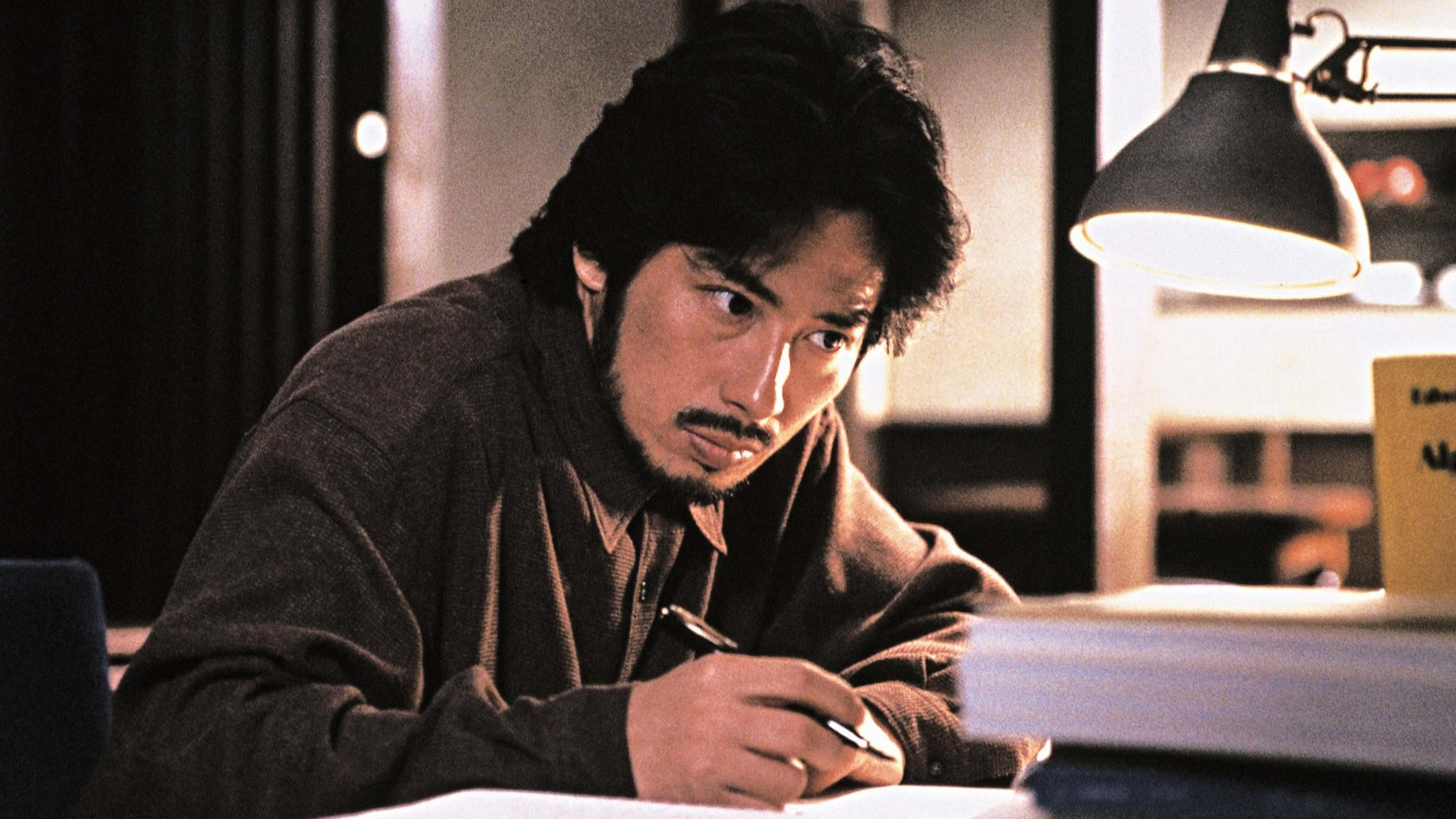
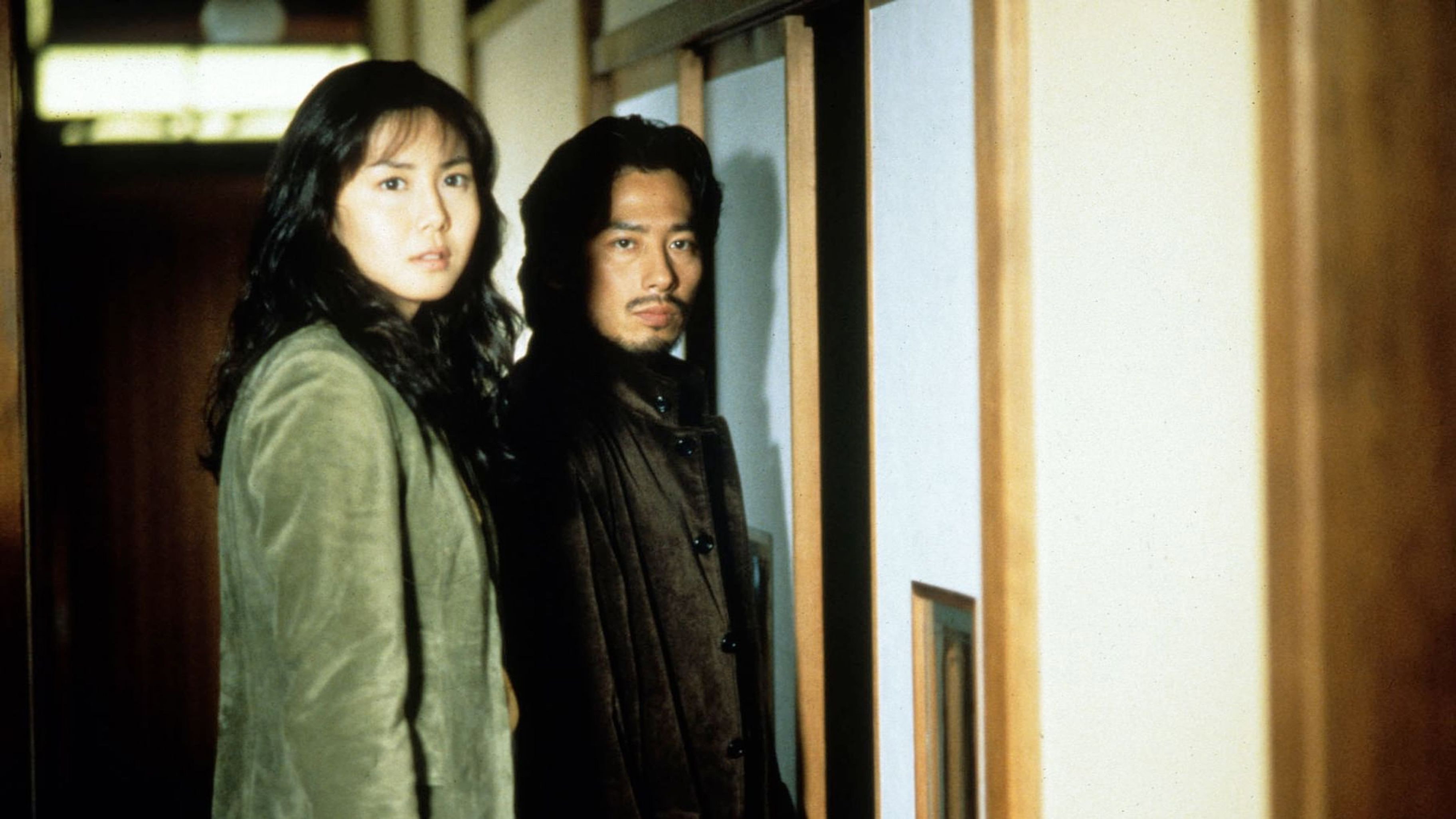
Nakata explained to Olivier Père that he wanted the protagonist to be a woman trying to protect her child within a single week. He also described a decisive addition: Sadako’s physical appearance at the climax was introduced for the film with Suzuki’s enthusiastic approval. These alterations shift the story’s emotional pressure. Reiko’s professional curiosity leads to a situation in which an ordinary parental obligation competes with the demands of research. Her former husband, Ryūji Takayama, helps decode the recording, but his participation cannot remove the danger facing their family. The threat advances even while the investigators appear to be making progress.

Nakata had worked as an assistant director at Nikkatsu and had already explored the relationship between supernatural events and filmed images in Ghost Actress. In the Offscreen interview conducted at Fantasia in 1999, he described a five-week shoot for Ring and recalled a production budget of approximately US$1.5 million, which he considered ordinary for a Japanese film of this kind. Producers questioned whether his refusal to show death directly would generate sufficient fear. He maintained that approach, making delayed consequences and the expectation of a fatal event essential to the film’s design.
The Seven-Day Investigation and Its Moral Dilemma

The opening deaths establish the curse through the reactions of people left behind. Reiko follows the rumor of a videotape circulating among young people and eventually finds a recording whose images do not resemble a coherent story. Her inquiry takes the shape of journalism: she checks the connection among the victims, retraces their movements and studies apparently insignificant details. The time limit changes the meaning of each discovery. A clue that would normally enlarge an investigator’s understanding also consumes hours from the period in which she might still act. The film repeatedly brings attention back to the date on which the promised death will occur.

Ryūji’s involvement allows the mystery to develop through different kinds of observation. Images can be slowed, replayed and examined, but their material origin remains impossible to explain through ordinary recording practices. Distorted photographs suggest that the curse has effects beyond the cassette, while an ominous telephone call turns a domestic device into a confirmation of danger. The investigators’ growing knowledge of Shizuko and Sadako Yamamura supplies a history of psychic research, public humiliation and concealed violence. Yet the film does not treat the reconstruction of that history as an automatic solution to the threat.
The ending places Reiko before an ethical problem that follows directly from the recording’s means of transmission. Copying the tape and inducing another person to watch it can interrupt the cycle for an individual, but preserves the danger for someone else. The proposed cure reproduces the mechanism of the curse. In the British Film Institute’s programme notes, this circulation is treated as central to the story’s continuing horror. It also makes the act of viewing consequential: the film’s audience watches people struggle with a spectacle whose fictional power depends upon attracting the next viewer.

The Cursed Videotape and the Design of Its Images

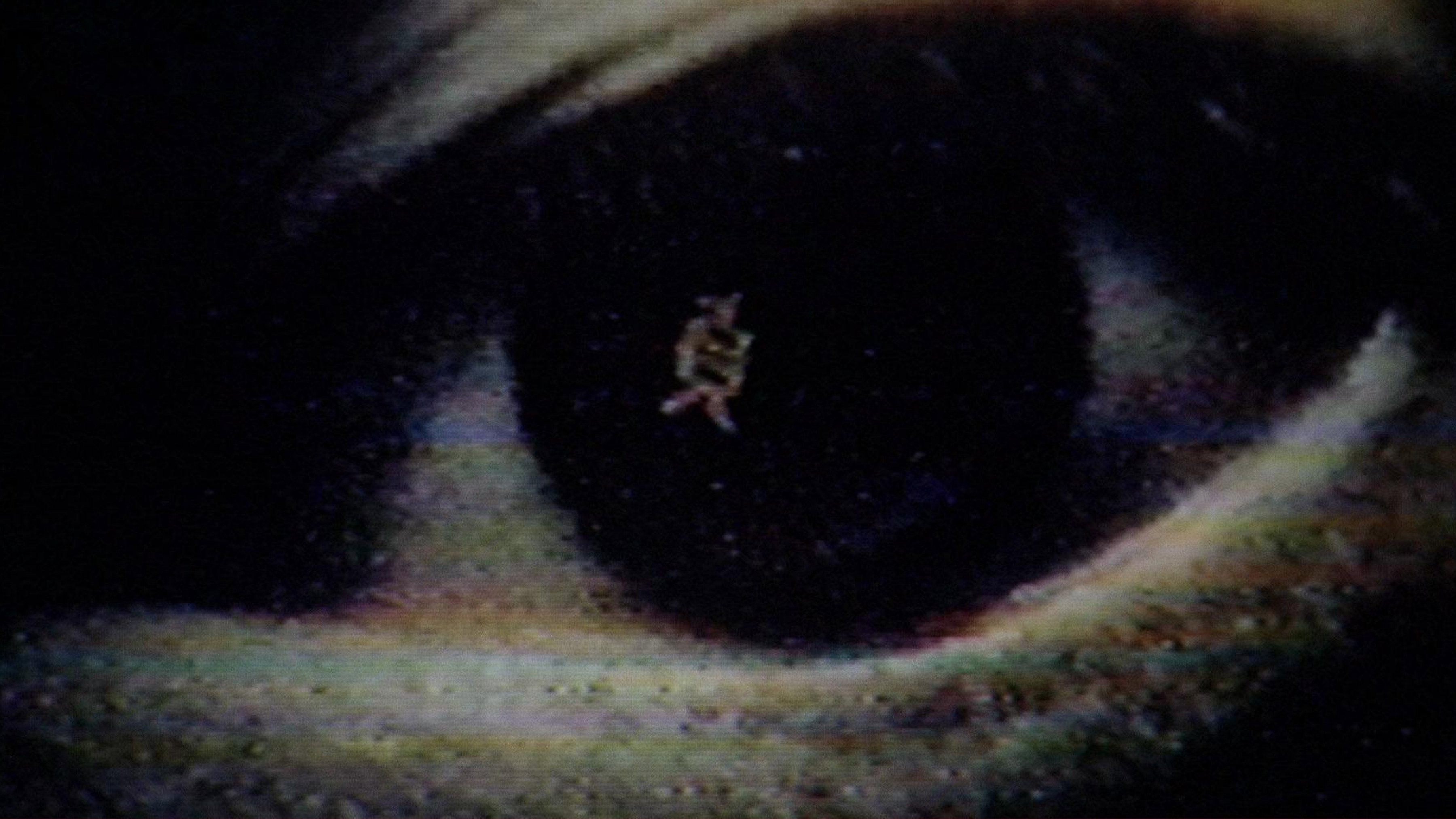
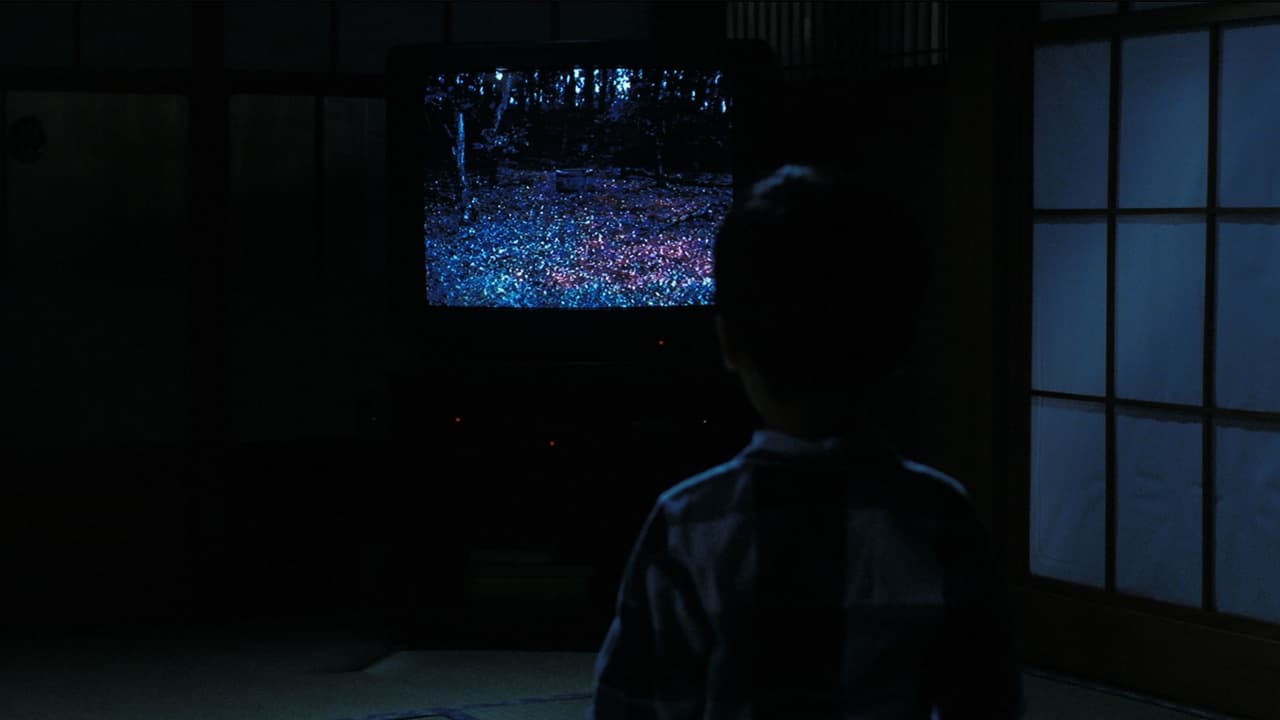
The short sequence of images on the cursed cassette is central to the film’s identity. It contains disconnected sights associated with a mirror, people crawling, words and a well, without presenting the viewer with a stable location or a comprehensible perspective. Nakata said that he and Takahashi wanted a dreamlike arrangement in which the direction of light and the position of the observer could not be identified. The material was intended to appear as something that had emerged from another consciousness rather than footage recorded by a conventional camera. Its ambiguity lets repeated viewings uncover information without exhausting the unease of the initial encounter.

The technique behind that texture was more elaborate than simply shooting on a home-video camera. In his Offscreen interview, Nakata explained that the sequence and the related images of psychic demonstrations were originally photographed on 35 mm film. The footage was subsequently processed in a laboratory, including transfer to video and digital manipulation to achieve heavy grain. He did not claim to know the exact procedure used by the technician. The film’s image within the image is a constructed visual object.

The distorted faces that appear in photographs have a related function. Nakata associated the idea, proposed by Takahashi, with research into Japanese stories of psychic photography and the historical figure Chizuko Mifune. These references belong to the filmmakers’ account of their inspiration; they do not verify paranormal claims. The film allows such signs to accumulate alongside ordinary investigative evidence. A camera, an apparently faithful instrument for preserving appearances, begins to record changes that the human eye cannot immediately explain. The same uncertainty extends to the videotape, whose everyday status makes its supernatural content difficult to isolate from the world in which it circulates.

Sadako, the Well and Japanese Ghost Traditions

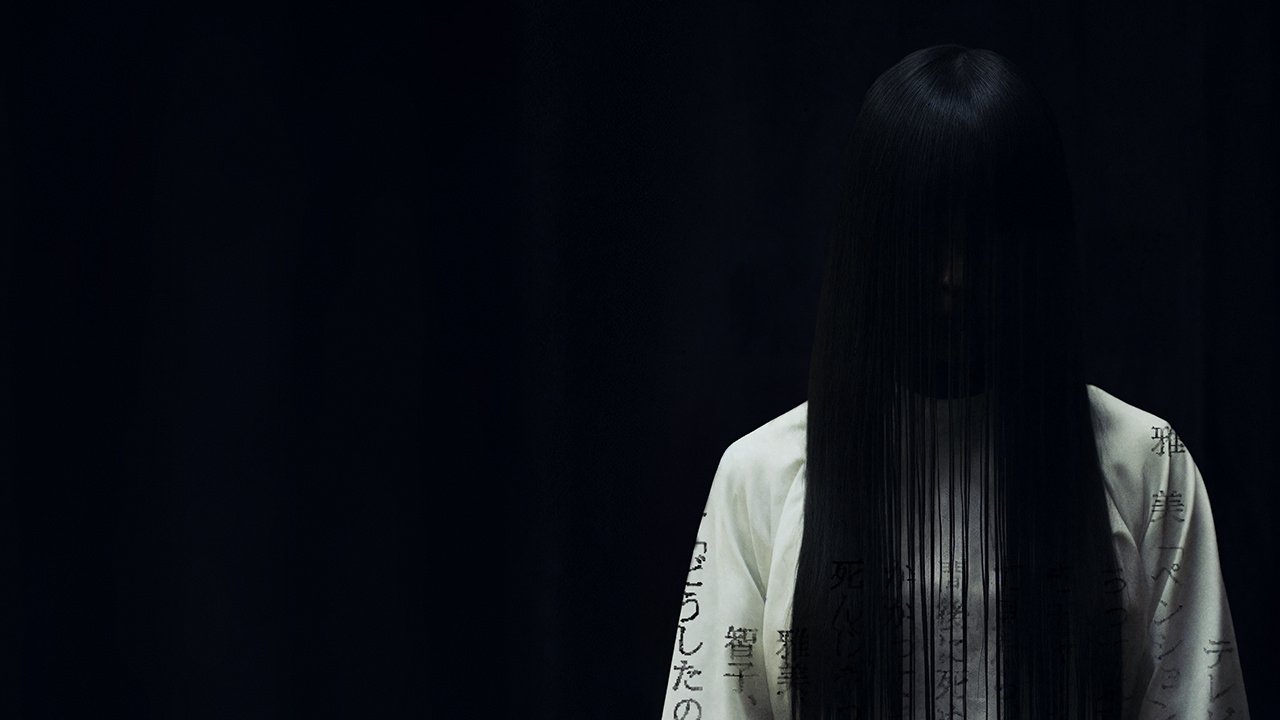
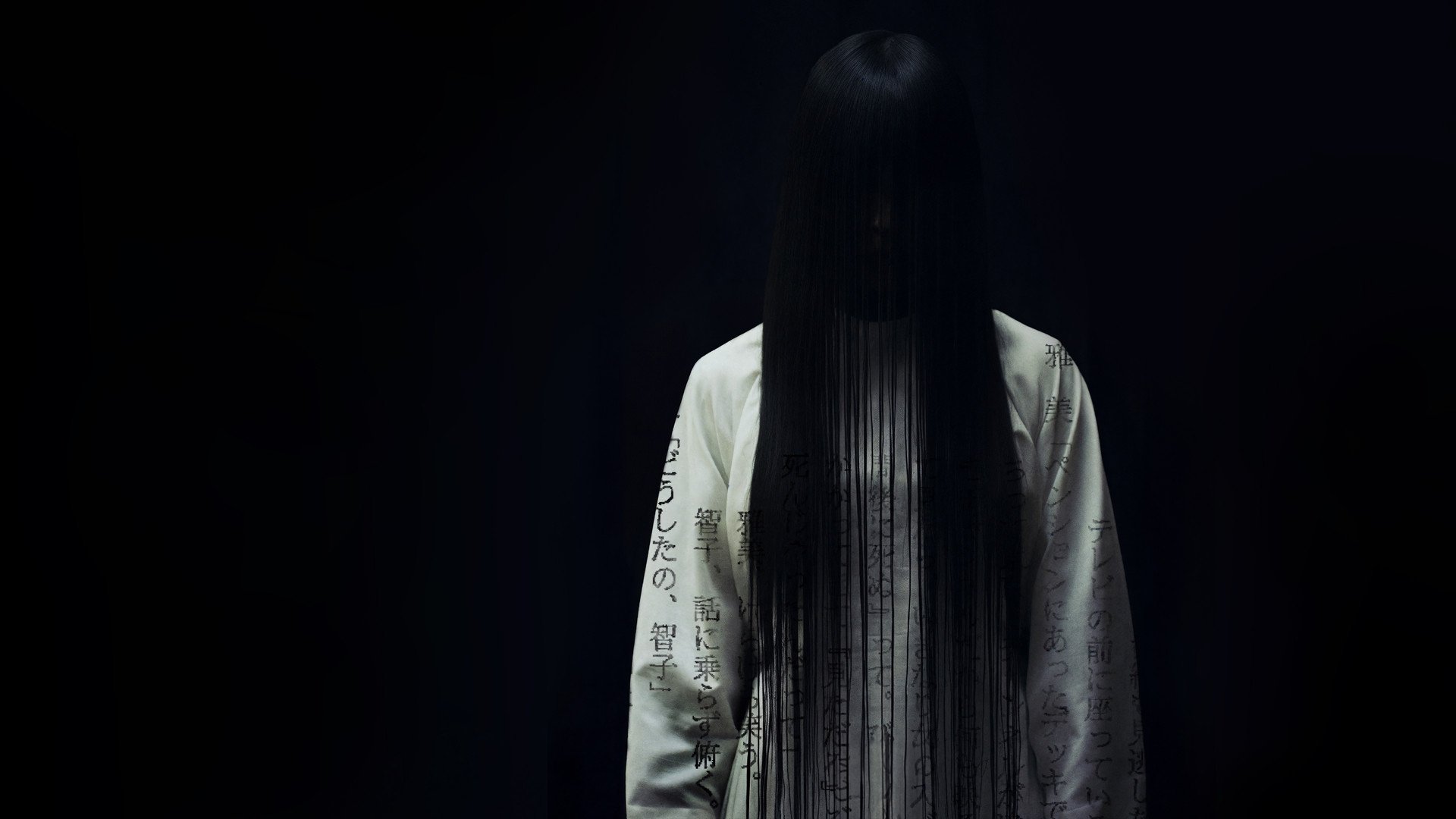
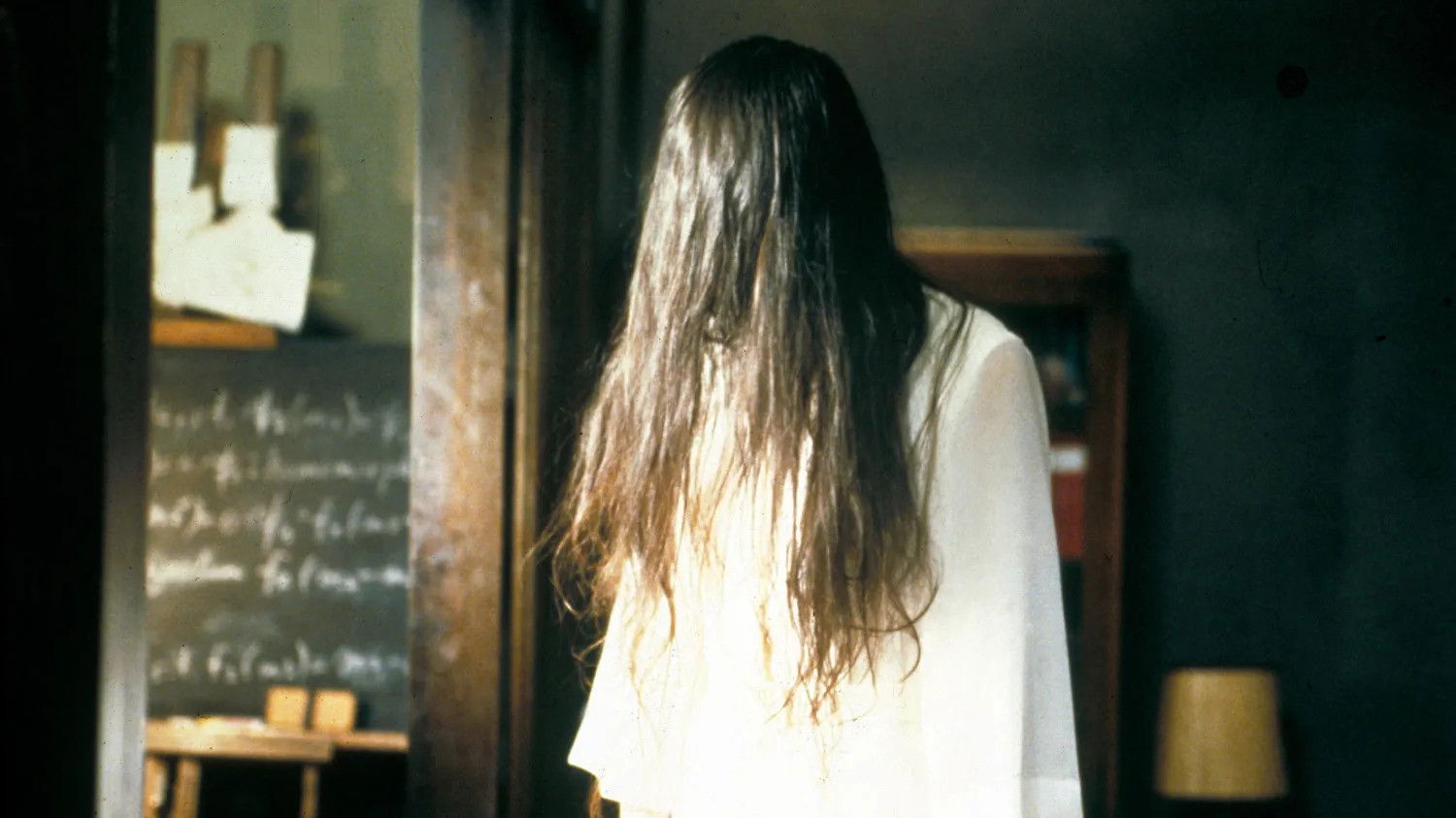
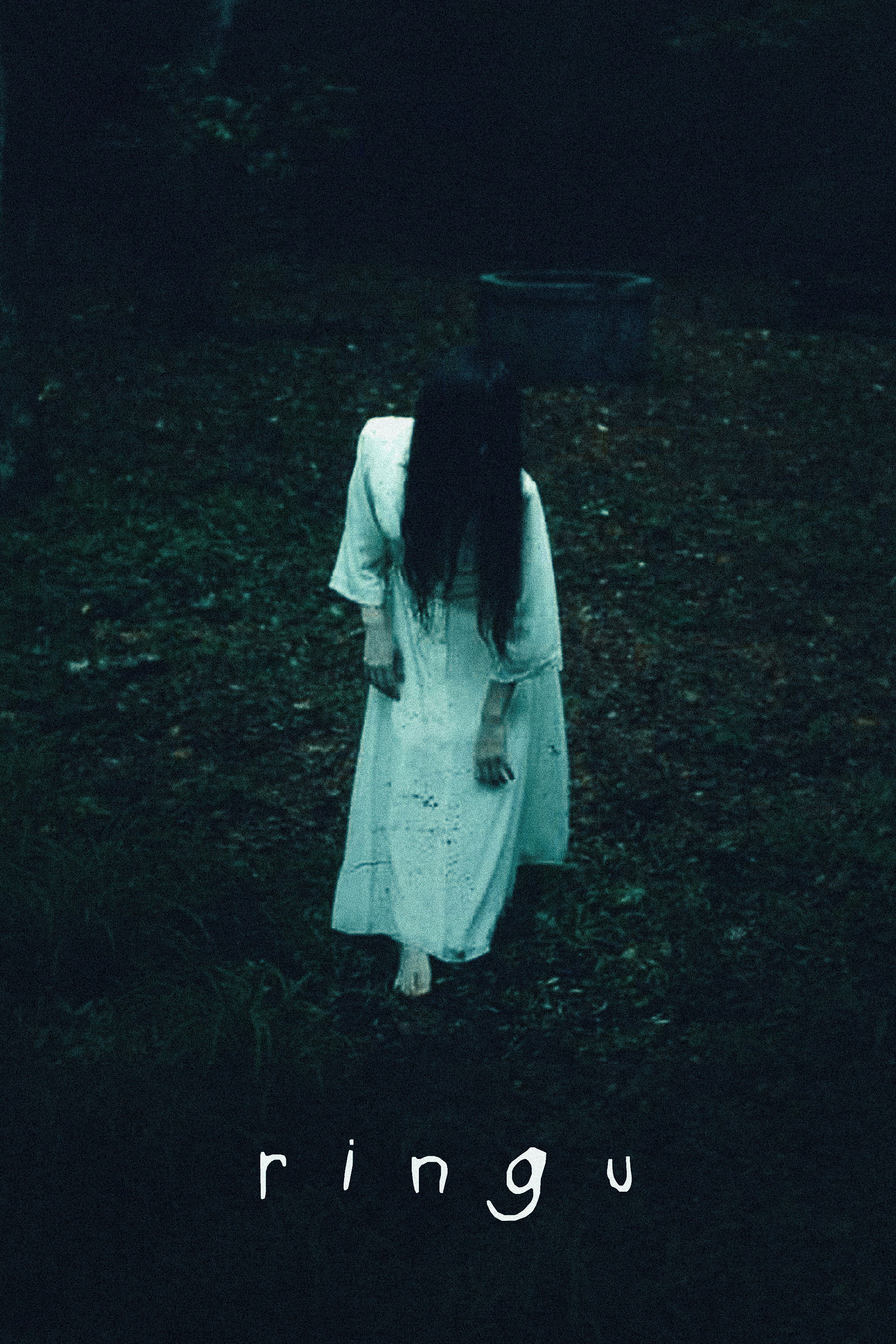
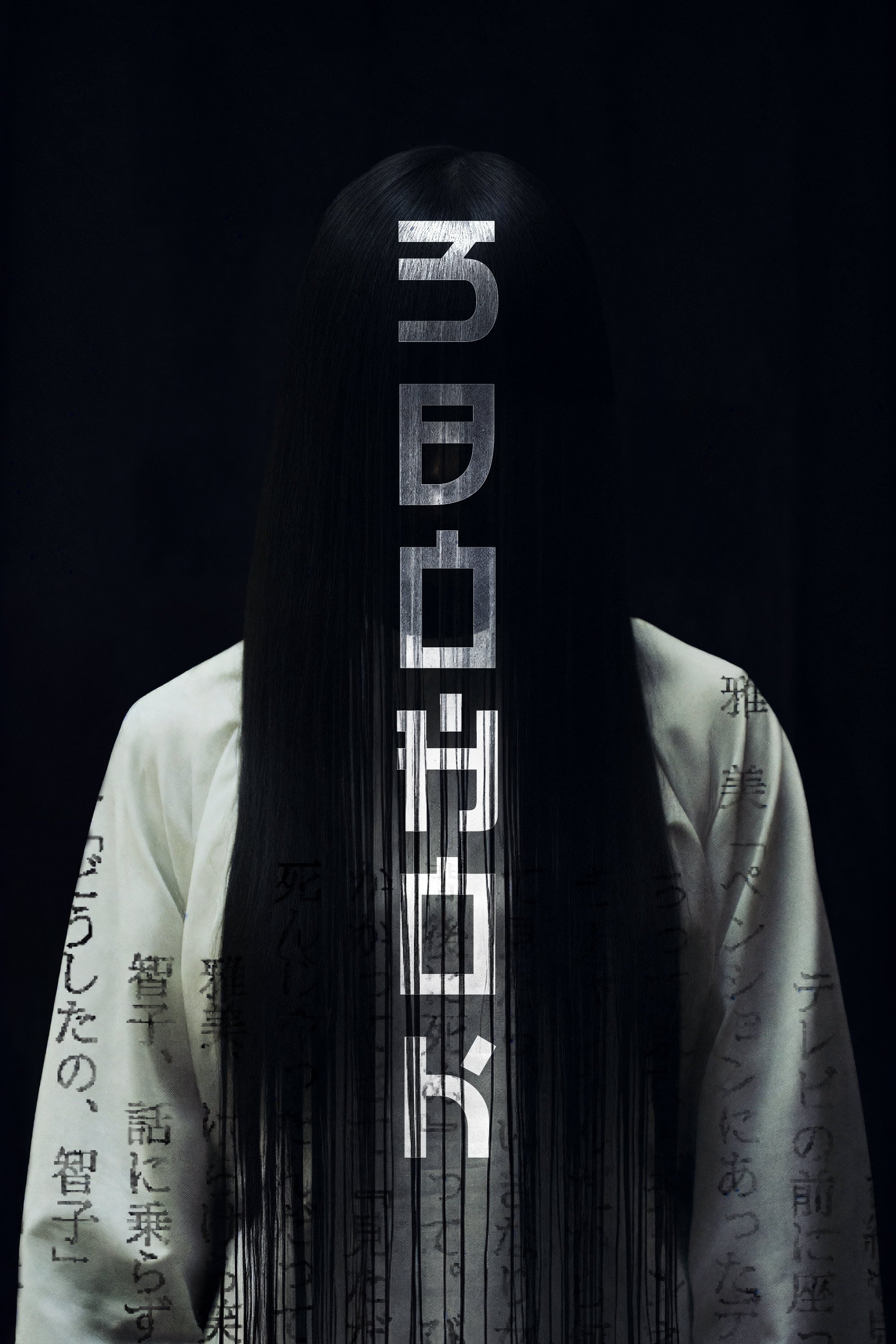
Sadako’s visual identity draws on the long-haired, white-clad female ghost familiar from Japanese ghost narratives, including the tradition of the yūrei and its vengeful form, the onryō. British Film Institute notes place the character within a history of stories later adapted for kabuki theatre and cinema. Nakata cited Yotsuya Kaidan and its filmed versions among the traditions he had studied. These connections locate Sadako in a recognizable horror lineage without reducing her to a direct reproduction of one earlier character. Her power reaches the living through modern recording equipment, but its emotional source lies in the discovery of an old act of violence.

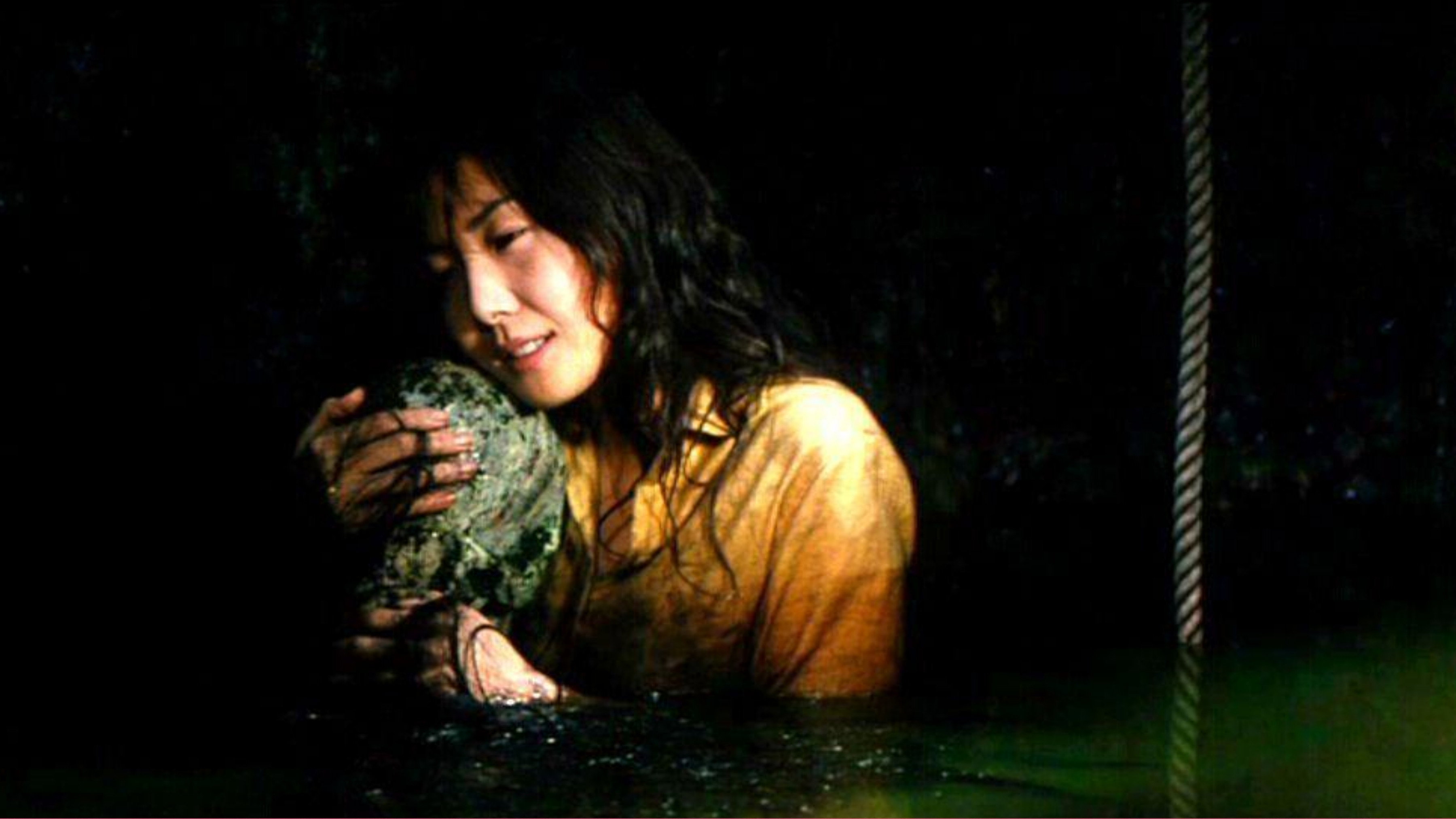
The well gives that relationship a physical center. It conceals Sadako’s body, connects the investigation to a specific place and provides an image of depth that the cursed recording cannot adequately explain. Nakata recalled being frightened as a child by a rural well that seemed to descend without end. He also related the motif to Japanese stories of haunted wells. His memory is a documented personal influence, while the well’s possible meanings within the film remain open to interpretation. The television screen and the underground space are linked by Sadako’s movement from a buried history into the present.

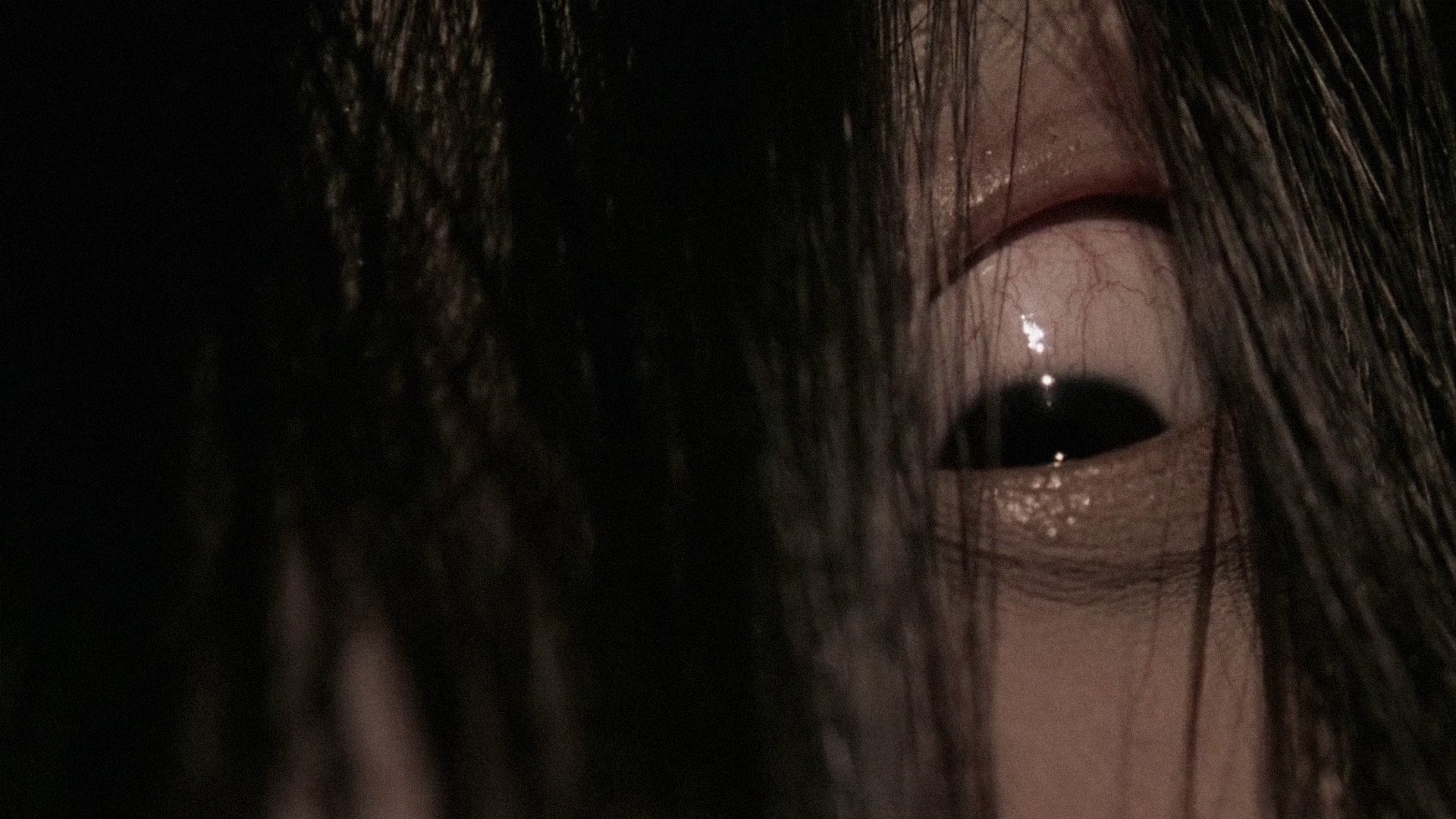
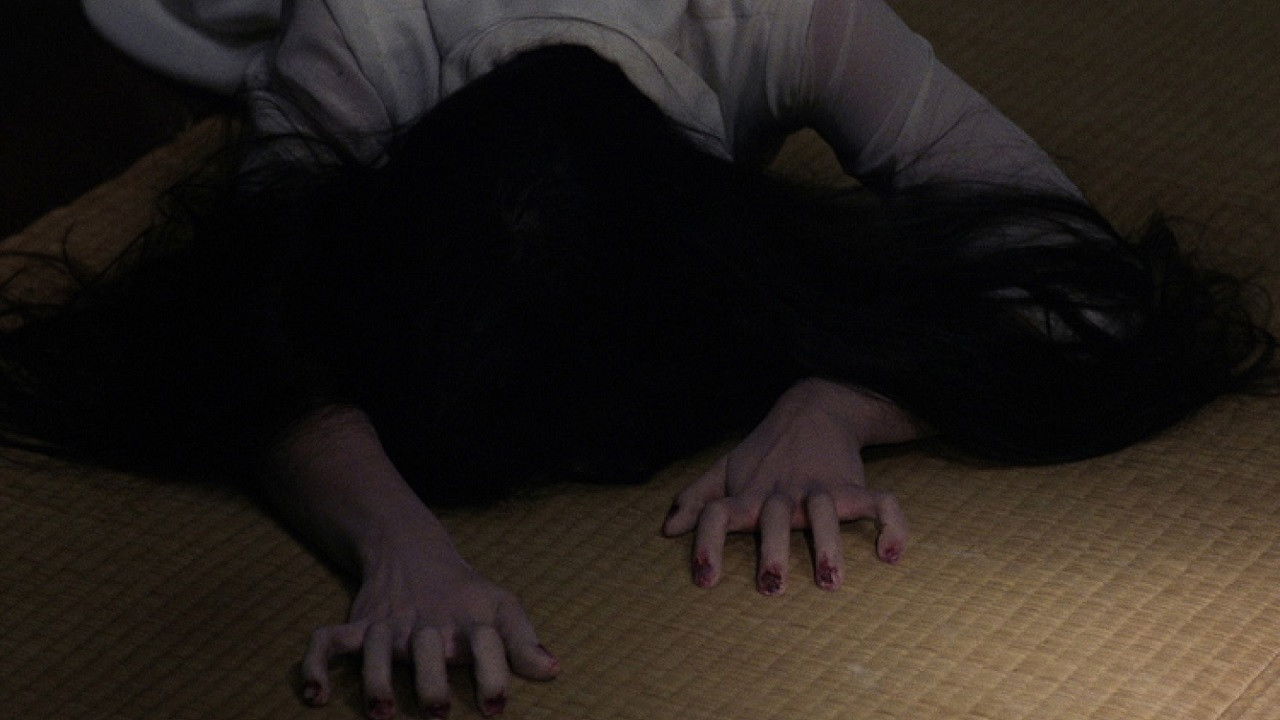
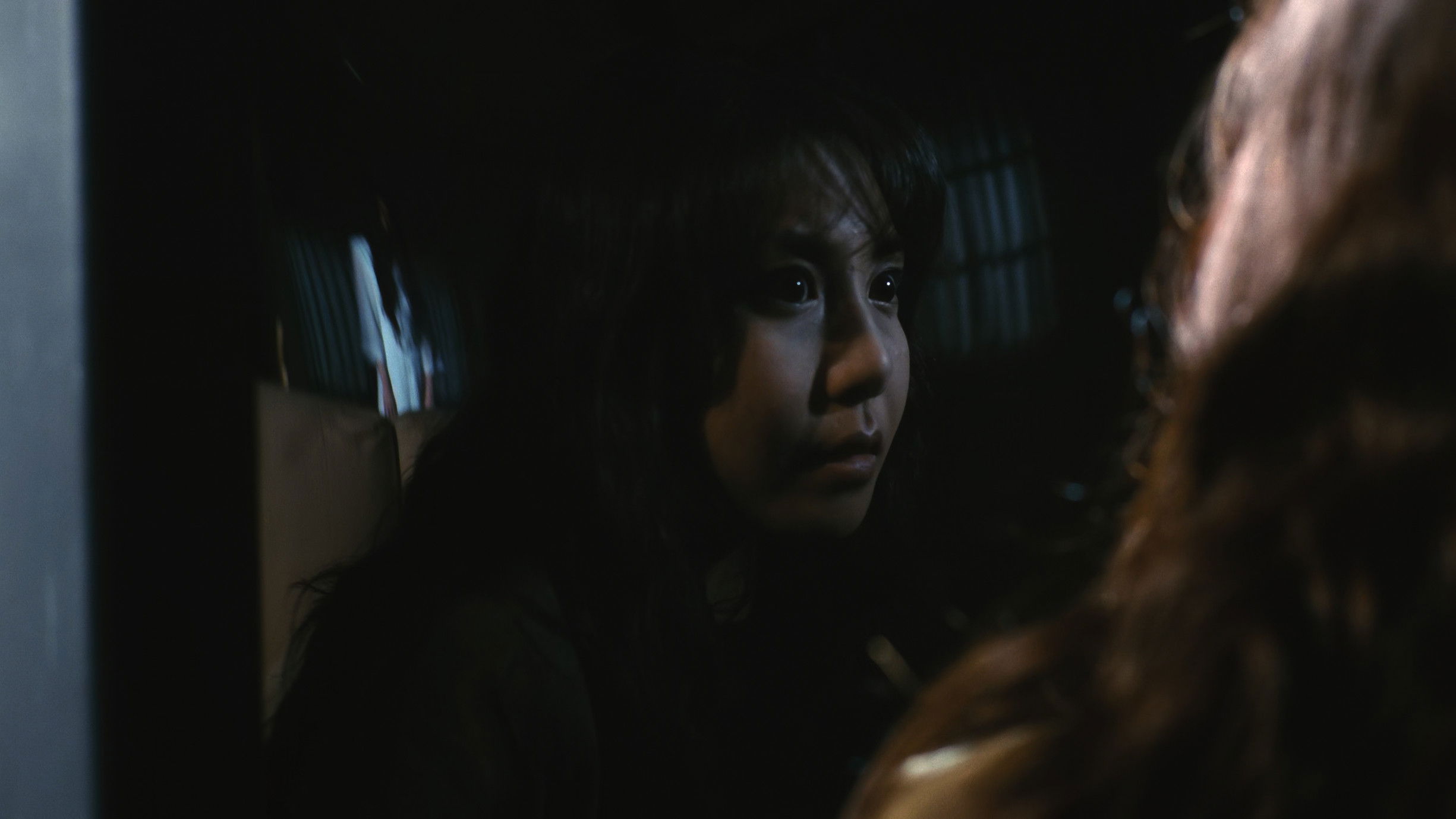
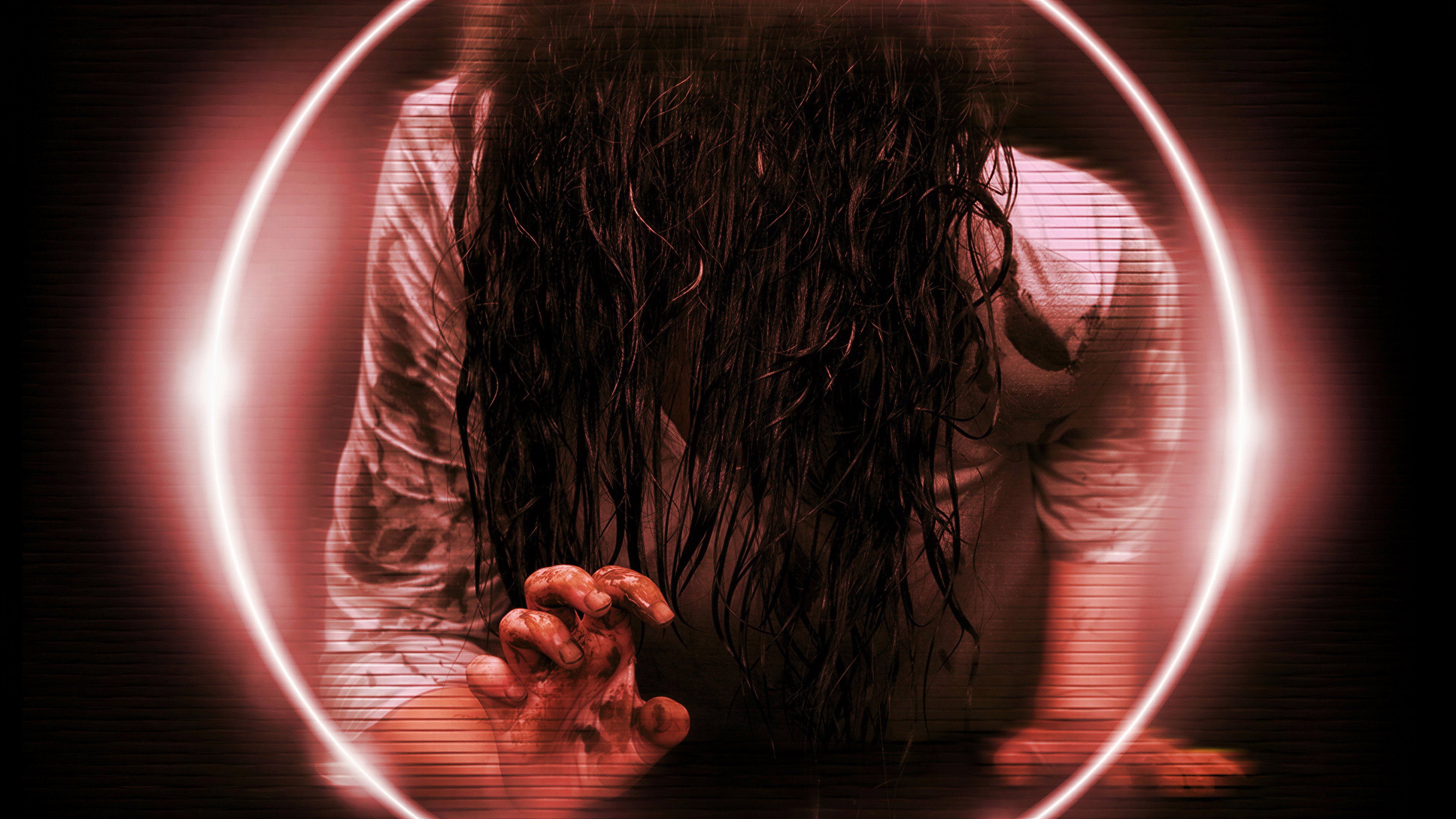
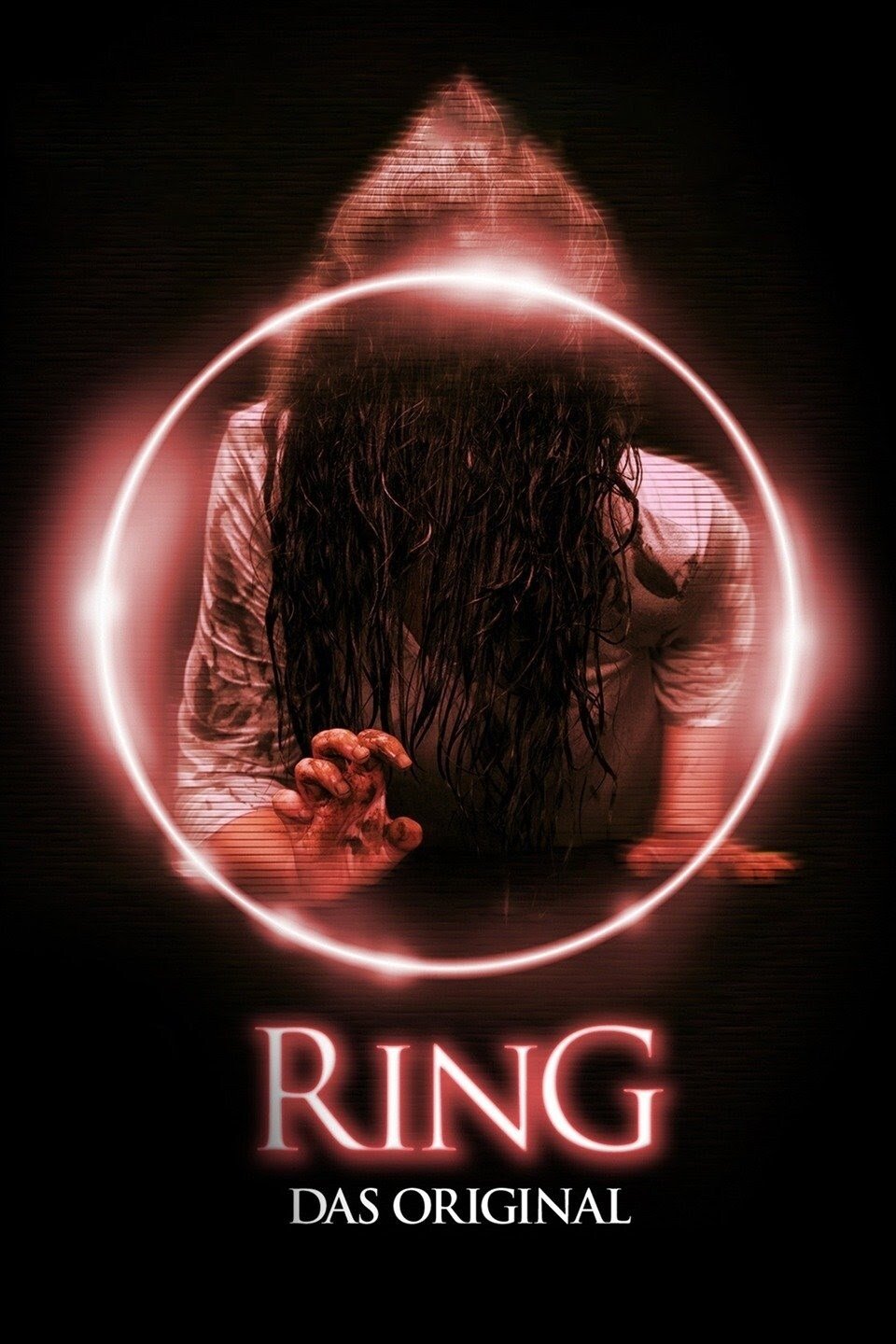
The decision to conceal her face was equally deliberate. Nakata compared the effect with Ghost Actress, where he believed a more fully revealed apparition had proved less frightening. In Ring, hair obscures almost the entire face until the notorious emergence through a television. The limited glimpse of an eye becomes more disturbing because the film has established an expectation of concealment. The scene gives supernatural violence a bodily form at the point where viewers have become accustomed to interpreting the ghost through signs and recordings. Its shock depends on the earlier restraint.

Cinematography, Space and Restrained Fear

Nakata’s use of ordinary locations is essential to the atmosphere. Apartment interiors, workplaces and a holiday cabin provide plausible settings for conversations and evidence gathering, allowing the curse to intrude without the visual separation of a conventional haunted castle. The movement to Ōshima and the coastal landscape shifts the investigation toward the past that the tape has concealed. Nakata recalled filming on the island because of its troubling natural atmosphere, and described dark Japanese-style rooms as spaces in which unease could arise before any supernatural event was shown. The landscape becomes part of the sensation of threat rather than mere background to the story.

In interviews, Nakata identified Robert Wise’s The Haunting (1963) as a significant influence. The connection concerns the creation of supernatural fear through anticipation, uncertain space and sounds that seem to originate outside a secure field of vision. The film often limits its spectacle to the reactions of people who already know that something terrible may happen. Unlike an elaborate series of murder set pieces, the early deaths are primarily established through their aftermath and the inexplicable condition of the victims. This restraint leaves the viewer without a repeatable visual pattern that would make the curse easier to predict.

The contrast between everyday imagery and the videotape’s processed textures is therefore crucial. Reiko’s surroundings remain legible even when their apparent safety has become doubtful; the cursed recording refuses to supply stable spatial reference. Moving between these two visual registers, the investigation gradually allows the recording’s impossible logic to invade the ordinary world. Sadako’s climactic passage through the television completes that movement. The scene does not require extensive gore, because its violation of the boundary between an image and a room supplies the central shock.

Kenji Kawai, Sound Design and the Telephone

Sound was developed as an integral part of the film’s supernatural atmosphere. Nakata said that he worked closely with composer Kenji Kawai and the effects technicians, arguing over small choices until musical material and environmental noises were difficult to separate. He recalled approximately fifty tracks devoted to music and background sound and another fifty for effects. Four different telephone sounds were combined to produce a ring that did not resemble a familiar Hollywood effect. The telephone is a simple object, but the unusually designed sound makes the confirmation of the curse feel intrusive and abnormal.

Kawai later discussed the commission in an interview published by Japan’s Media Arts Current Contents. He had initially been approached about scoring Spiral, the companion feature released with Ring, but concentrated on Nakata’s film because he could not undertake both simultaneously. The composer described a general principle behind his horror work: music that announces itself too clearly can distance the audience from the frightening event. Instead, he wanted the listener to hesitate between hearing an expressive score and hearing a disturbance within the fictional environment. His retrospective account supports the prominence of timbre and texture in Ring more firmly than any attempt to reconstruct an undocumented recording session.

Kawai also rejected the assumption that his sound for Japanese horror depended on traditional Japanese instruments or melodies. He described seeking an atmosphere of physical dampness and unease without relying on those obvious markers. Nakata similarly recalled altering the sound of rainfall to make an otherwise natural scene disturbing. The interaction between the soundtrack and familiar technology is especially important where a telephone or television is present: these objects can produce ordinary noises, yet those noises lose their reassuring context. The horror begins before the image reveals what is happening.

Japanese Release, Interpretation and Sequels

Ring opened in Japan on January 31, 1998, alongside Spiral, a separate adaptation related to the next stage of Suzuki’s literary series. Kawai’s recollection of the double release confirms that the two films were associated at the time, although their subsequent positions in the franchise differed. Nakata described Ring’s domestic success as significant enough to renew interest in his earlier Ghost Actress. In an interview given during the Fantasia festival in 1999, he also said that theatrical rights had been sold to Taiwan and Hong Kong, showing that regional circulation was already underway before the American remake existed.

A study published in the Electronic Journal of Contemporary Japanese Studies examines the differences between Nakata’s 1998 film and its American remake, including the cultural histories through which the supernatural is understood. It approaches Sadako as an onryō whose actions complicate a simple opposition between a wronged victim and a destructive ghost. A British Film Institute programme essay also situates Ring’s success within a combination of an inherited ghost tradition, a mysterious recorded image and the strict seven-day countdown. These analyses are retrospective interpretations of the film’s critical importance.

Nakata returned to direct Ring 2 (1999), which continued the screen story along a path different from the companion feature Spiral. The branching of the adaptations reflects the fact that the popular film version and Suzuki’s books could develop along partly separate narrative routes. These developments followed an opening whose commercial and cultural response was already strong; they should not be collapsed into a single sequel chronology.

International Circulation and the J-Horror Boom

Ring became a major reference in accounts of the late-1990s and early-2000s international interest in Japanese supernatural horror. The British Film Institute describes its combination of urban legend, ghost-story imagery and distrust of consumer technology as particularly suited to its moment. The circulation of the curse within the story also resembles the transmission of rumors about the film: a threatening recording is copied and passed on, while viewers exchange reports of how frightening it is. Nakata recalled seeing young people telephone friends after screenings to recommend the picture. That eyewitness account shows the connection between the premise and its early word-of-mouth reception without suggesting that the publicity itself was supernatural.

The film’s success helped establish Sadako’s long hair, obscured face and movement through a television as widely recognized modern horror images. Their ancestry lies partly in older Japanese ghost traditions, but the means of transmission belongs to a world of VHS cassettes and domestic screens. The visual combination traveled beyond the original production. Gore Verbinski’s American remake The Ring (2002) adapted the cursed-video premise for a different audience, while further Asian productions and Japanese continuations developed related material. Nakata had already discussed American interest in acquiring the rights in his 1999 interview, before the remake’s release.

This influence is best distinguished from the earlier history of Japanese ghost cinema. Ring did not invent female revenants, spirit photography or the haunted well, and its own director acknowledged films and theatrical traditions that preceded it. Its historical importance lies in the successful recombination and international circulation of those elements through a concise supernatural mystery. As VHS gave way to digital media, the specific technology acquired the additional quality of a historical artifact. The horror of Ring nevertheless remains tied to a clear action: watching an image creates an obligation to make another person watch it.

References

  1. Offscreen The “Ring” Master: Interview with Hideo Nakata

    Donato Totaro’s substantial interview conducted at Fantasia in 1999 covers the adaptation, five-week shoot, laboratory image processing, ghost traditions and sound production.

  2. ARTE — Olivier Père Ring : entretien avec Hideo Nakata

    Original interview from 2001, republished in 2022, on changes to Suzuki’s novel, Sadako’s appearance, the director’s imagery and influences.

  3. Media Arts Current Contents — Agency for Cultural Affairs Pursuing New Sounds: Creators of Music as Media Arts — Kenji Kawai, Part 2

    First-person interview with composer Kenji Kawai about the Ring and Spiral assignments and his sound-design principles for Japanese horror.

  4. Curatorial essay on the VHS premise, ghost-story iconography, the seven-day structure and the film’s position in late-1990s horror.

  5. Electronic Journal of Contemporary Japanese Studies The Art of Adaptation and Depictions of the Incorporeal: A Cross-Cultural Examination of Ringu and The Ring

    Maia Sharrock Churchill’s extended 2018 research considers supernatural traditions, cultural differences and the changing representation of Sadako across the two films.

Connections

Cast

View Full Cast & Crew →

Release & Distribution

Production Companies (8)

  • Asmik Ace Entertainment JP
  • Basara Pictures JP
  • IMAGICA JP
  • KADOKAWA Shoten JP
  • Omega Project JP
  • Pony Canyon JP
  • Rasen Production Committee
  • TOHO JP

Distributors (1)

  • TOHO JP

Release History (37)

Release DateTerritoryRelease TypeFormatDistributorCertificationNotes
1998-01-31 Canada Limited Theatrical — — R
1998-01-31 Denmark Theatrical — — 15
1998-01-31 Finland Theatrical — — K-16
1998-01-31 Japan Theatrical — — G
1998-01-31 Mexico Theatrical — — B-15
1998-01-31 Norway Limited Theatrical — — 15
1999-04-29 Hong Kong SAR China Theatrical — — IIA
1999-12-11 South Korea Theatrical — — 12
2000-08-18 United Kingdom Theatrical — — 15
2000-08-18 Ireland Limited Theatrical — — 18
2000-09-27 Finland Premiere — — — Helsinki International Film Festival
2000-11-19 Norway Premiere — — — Oslo International Film Festival
2000-11-24 Spain Theatrical — — 12
2001-03-19 United Kingdom Physical DVD — 15 DVD
2001-04-11 France Theatrical — — —
2001-04-28 Sweden Theatrical — — 15 Uppsala Horror Film Festival
2001-09-13 Australia Theatrical — — MA 15+
2002-03-19 France Physical DVD — — DVD
2002-12-04 Philippines Theatrical — — —
2003-02-04 Germany Physical DVD — 16 DvD
2003-03-04 United States Physical — — NR
2003-05-15 Germany Theatrical — — 16
2003-08-20 Philippines Premiere — — — Cinemanila Film Festival
2003-11-12 Sweden Physical DVD — 15 DVD release
2003-11-28 Finland Physical DVD — — DVD
2007-10-01 Netherlands TV — — 16 MTV
2012-12-11 Russia Limited Theatrical — — — Screening of Japanese films in State Museum of the East (Moscow)
2013-05-15 Brazil Digital — — 14 Amazon Prime Video
2015-10-05 France Physical Blu-ray — — Blu-Ray
2019-03-01 Ireland Theatrical — — 12 re-release
2019-03-18 United Kingdom Physical Blu-ray — 15 Arrow Video The Ring Collection Blu-ray
2021-10-29 United Kingdom Limited Theatrical — — 15 BFI Japan: 100 Years of Japanese Cinema season
2023-04-19 France Physical 4K UHD — 12 4K UHD
2023-08-31 Russia Theatrical — — 18+
2023-09-18 United Kingdom Physical 4K UHD — 15 Arrow Video 4k Ultra HD Blu-ray
2026-10-28 Germany TV — — 16 Arte
2026-10-28 France TV — — 12 Arte

Awards & Festivals

1 entries
YearFestival / AwardEntrySectionCategoryResultPremiere
1999Sitges Film Festival AwardsawardSitges Film Festival Best Feature-Length Film awardwon
One curse, one cure, one week to find it.