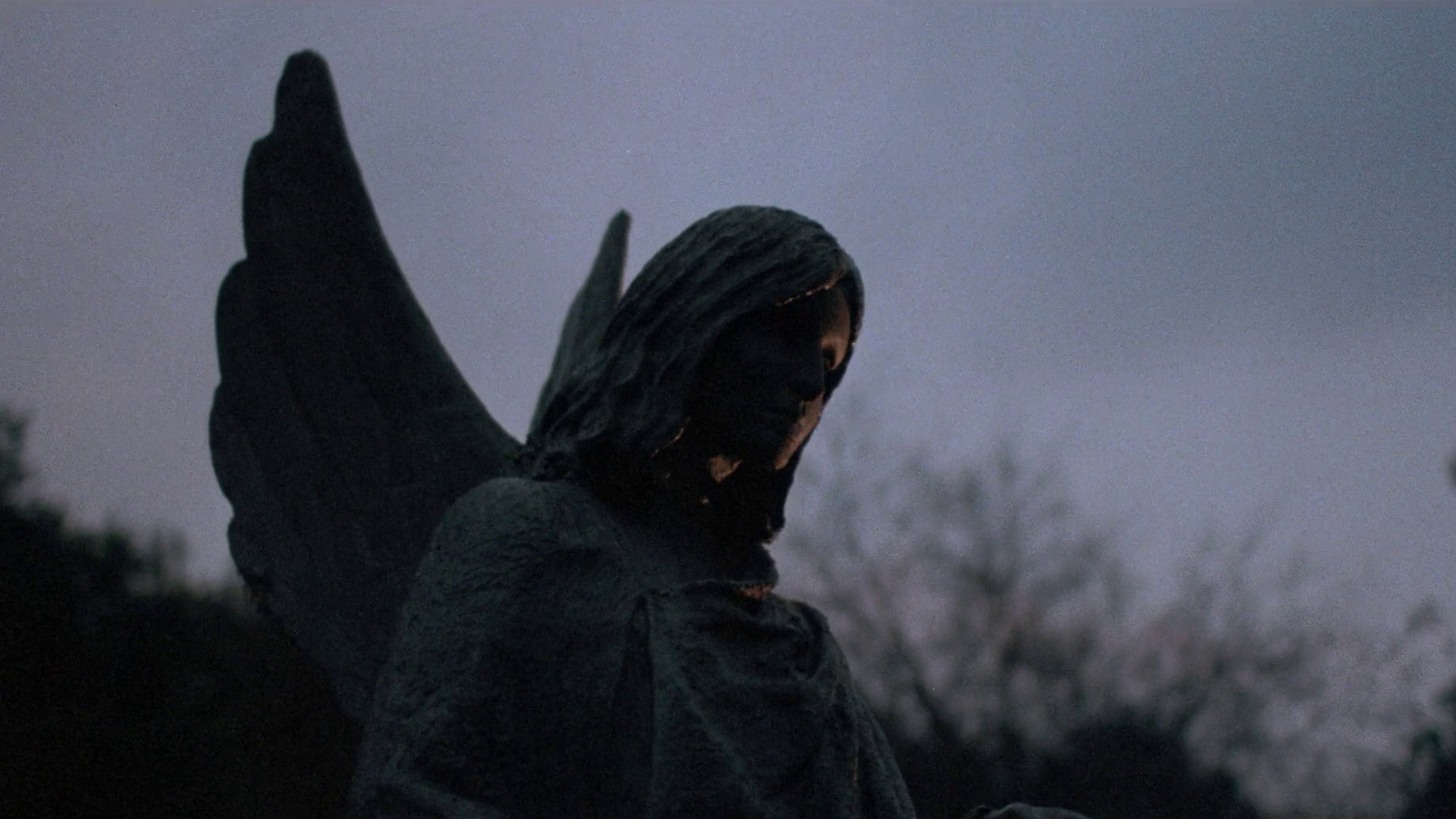
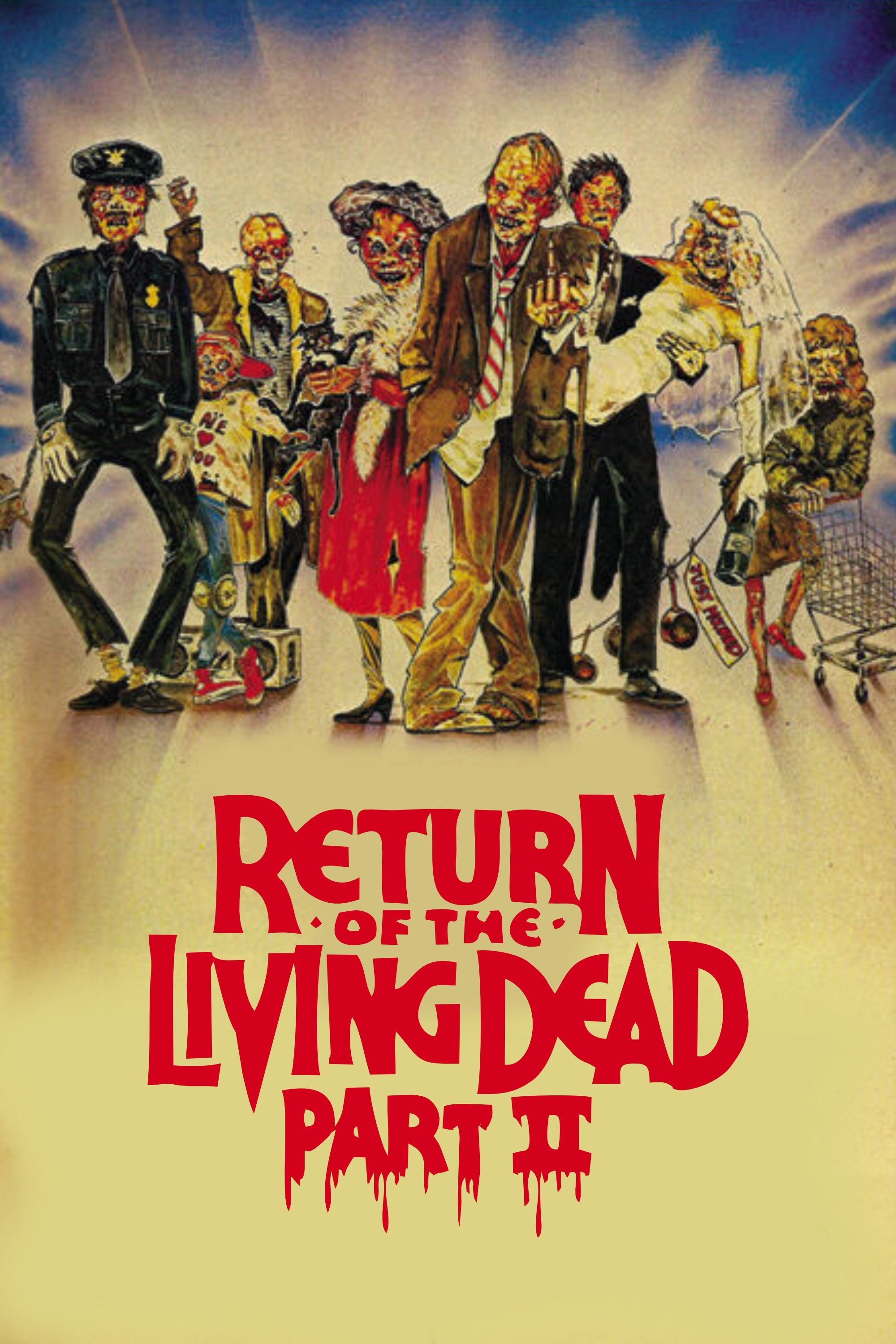
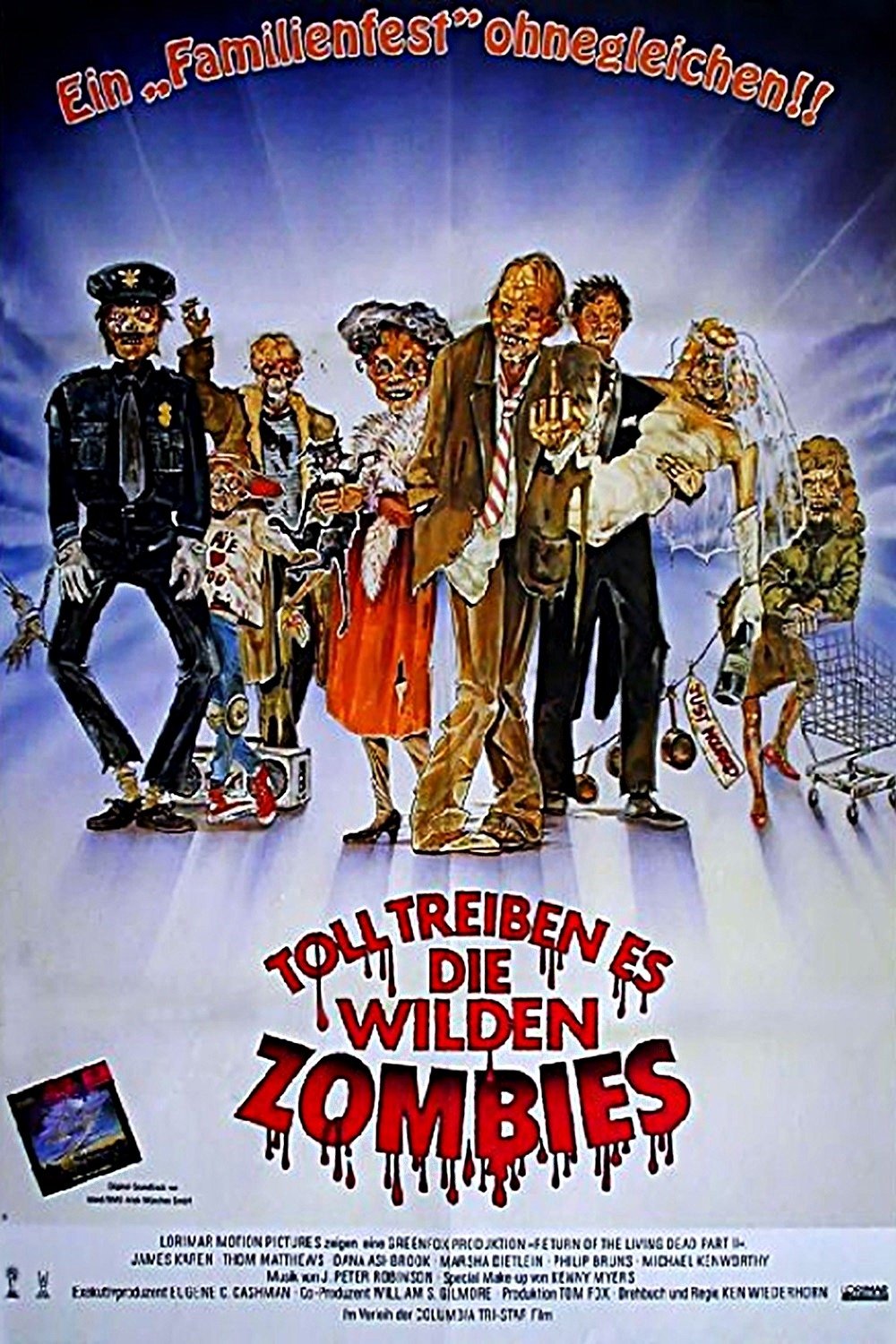
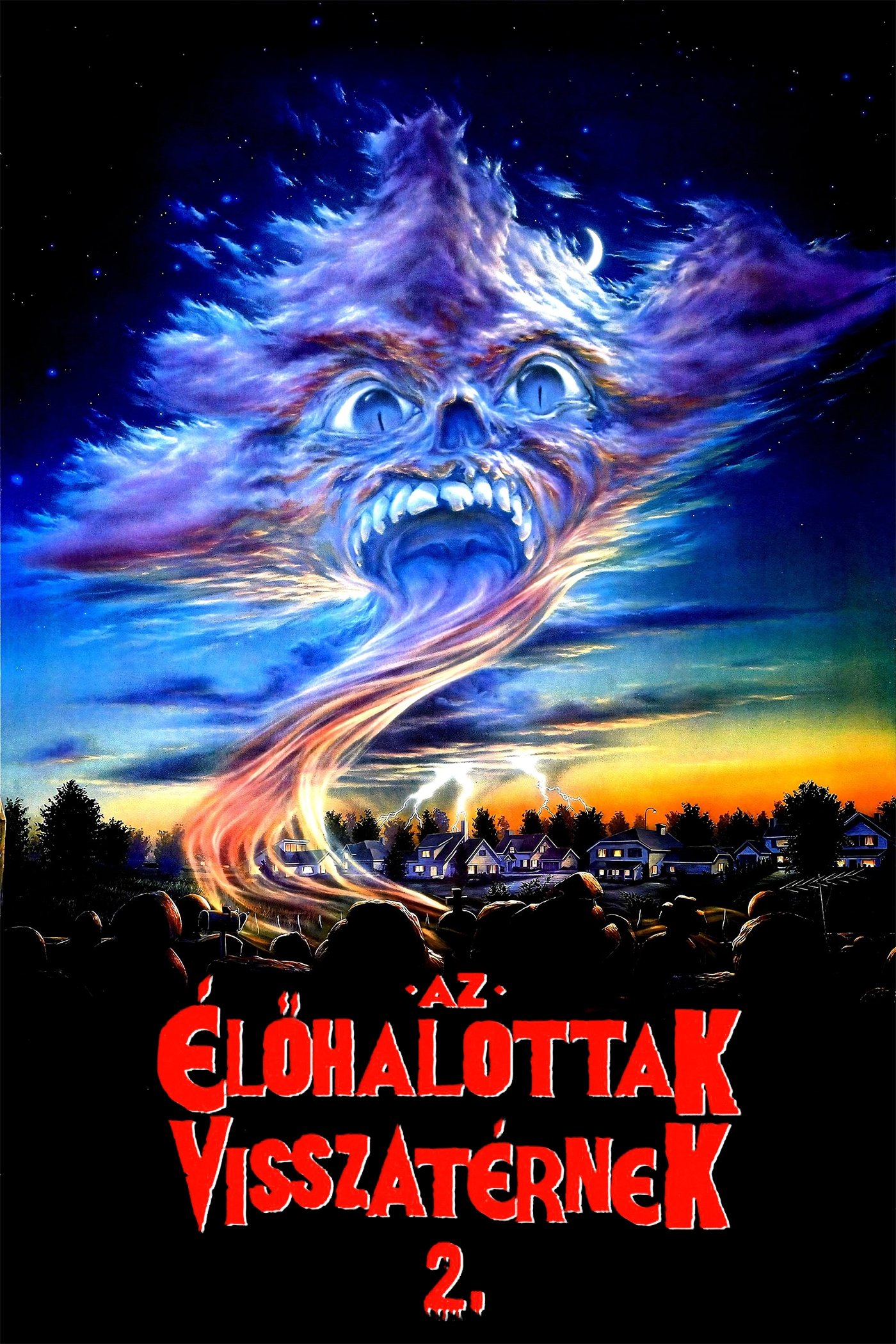
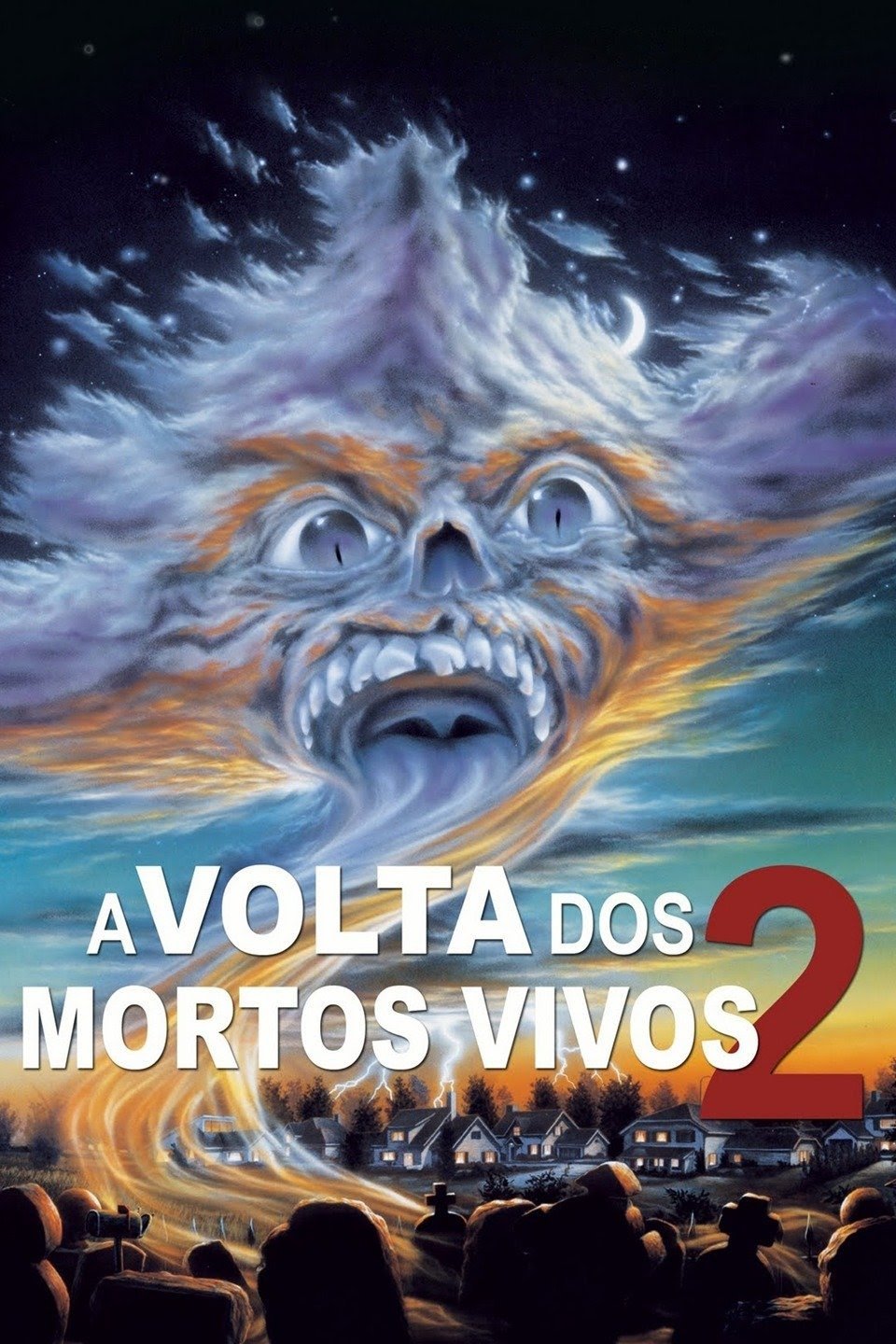
Return of the Living Dead Part II (1988)

US
HORROR FILM Comedy
SUBGENRES SPLATTER ZOMBIE
Runtime
89 min
Release
January 15, 1988
Budget
$6,000,000
Revenue
$9,205,924
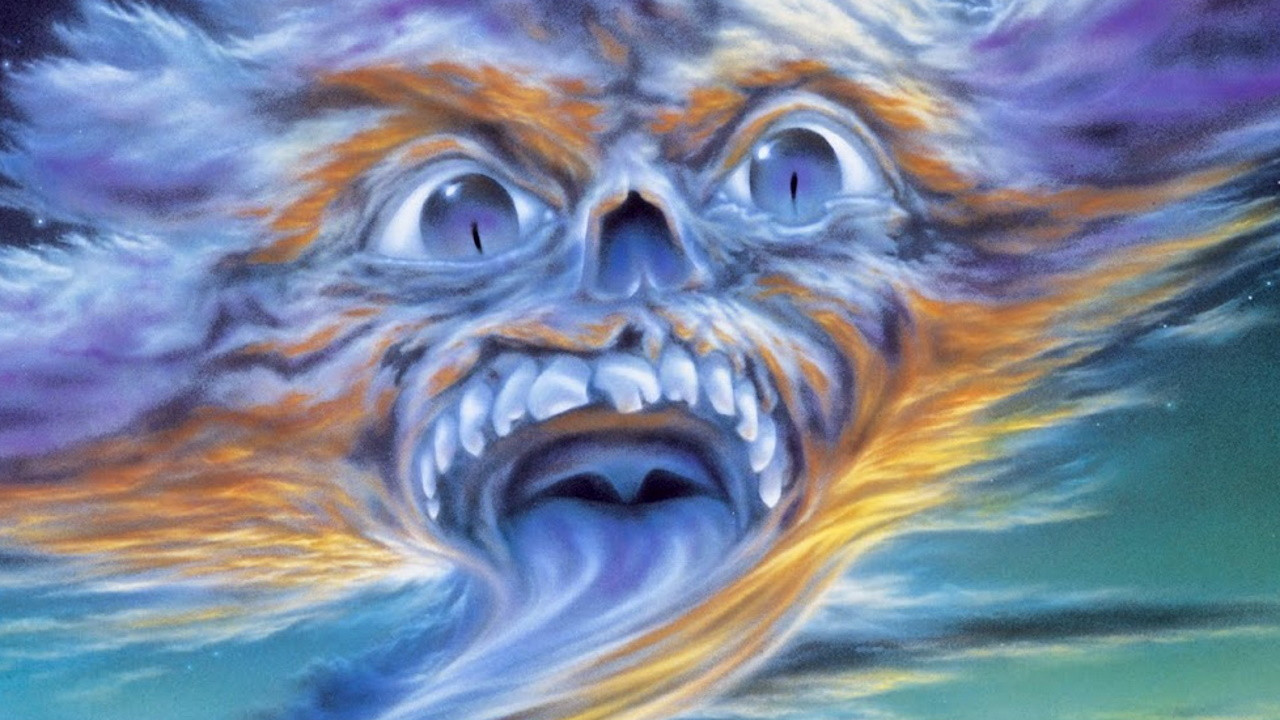
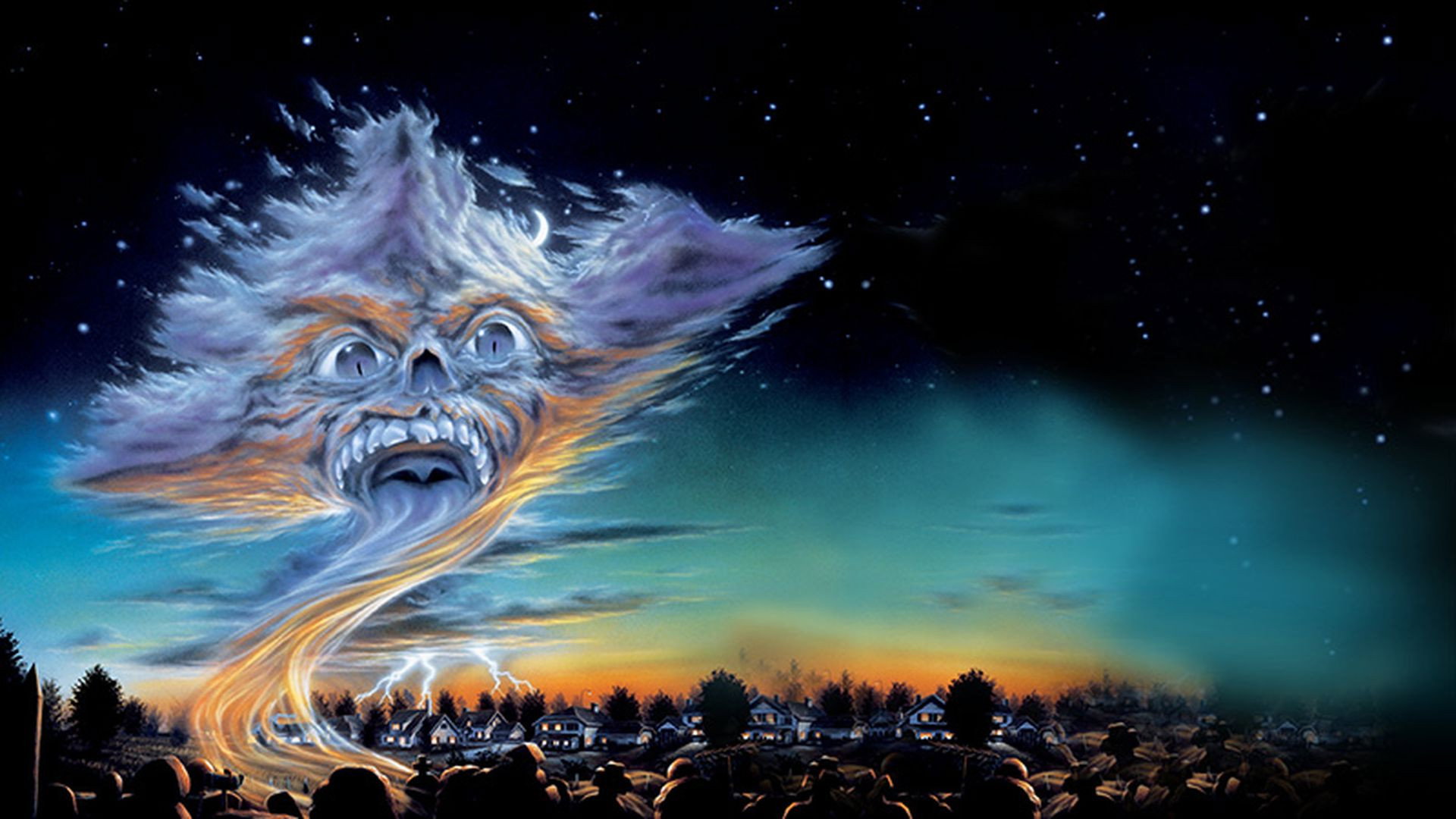
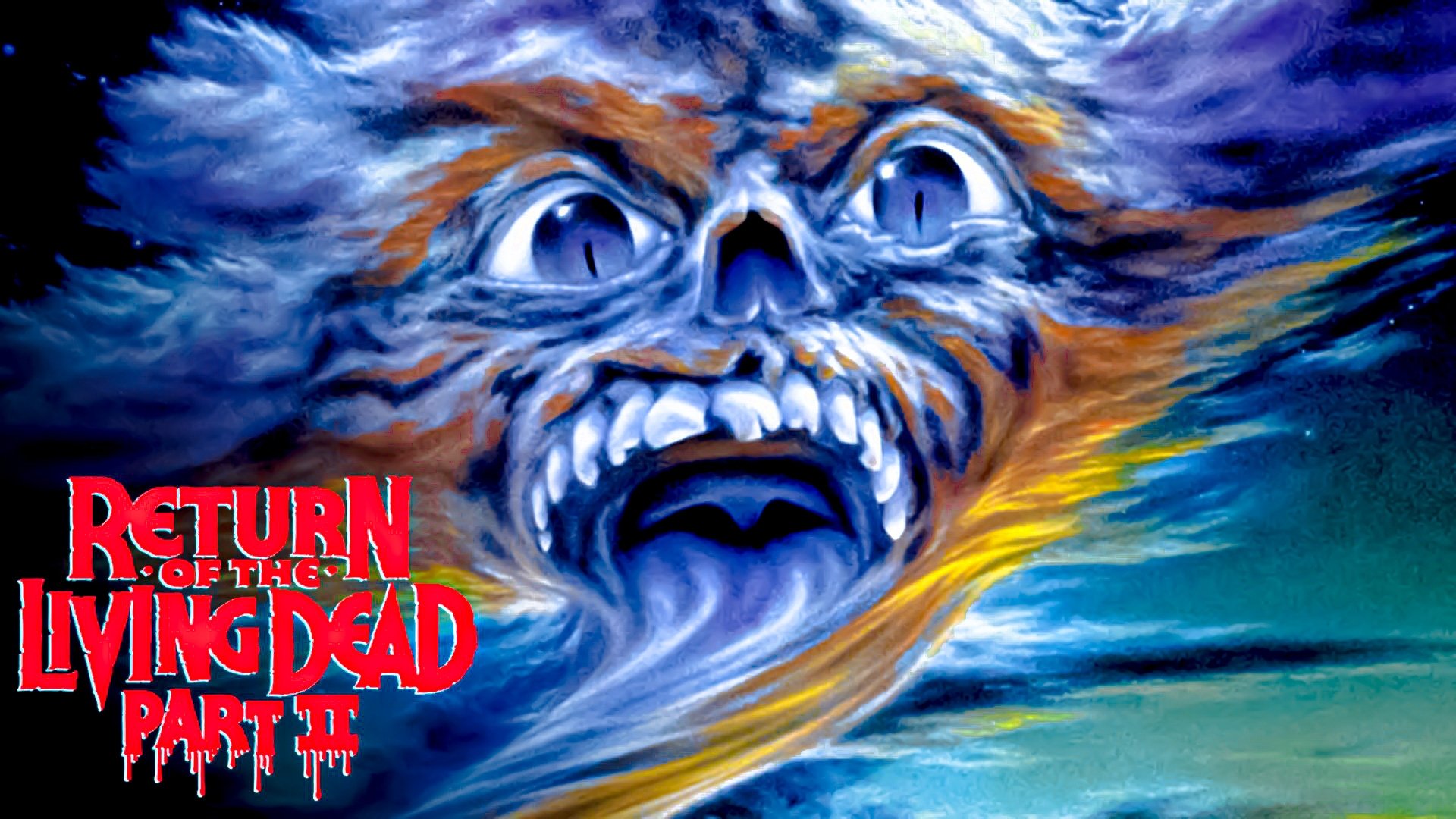
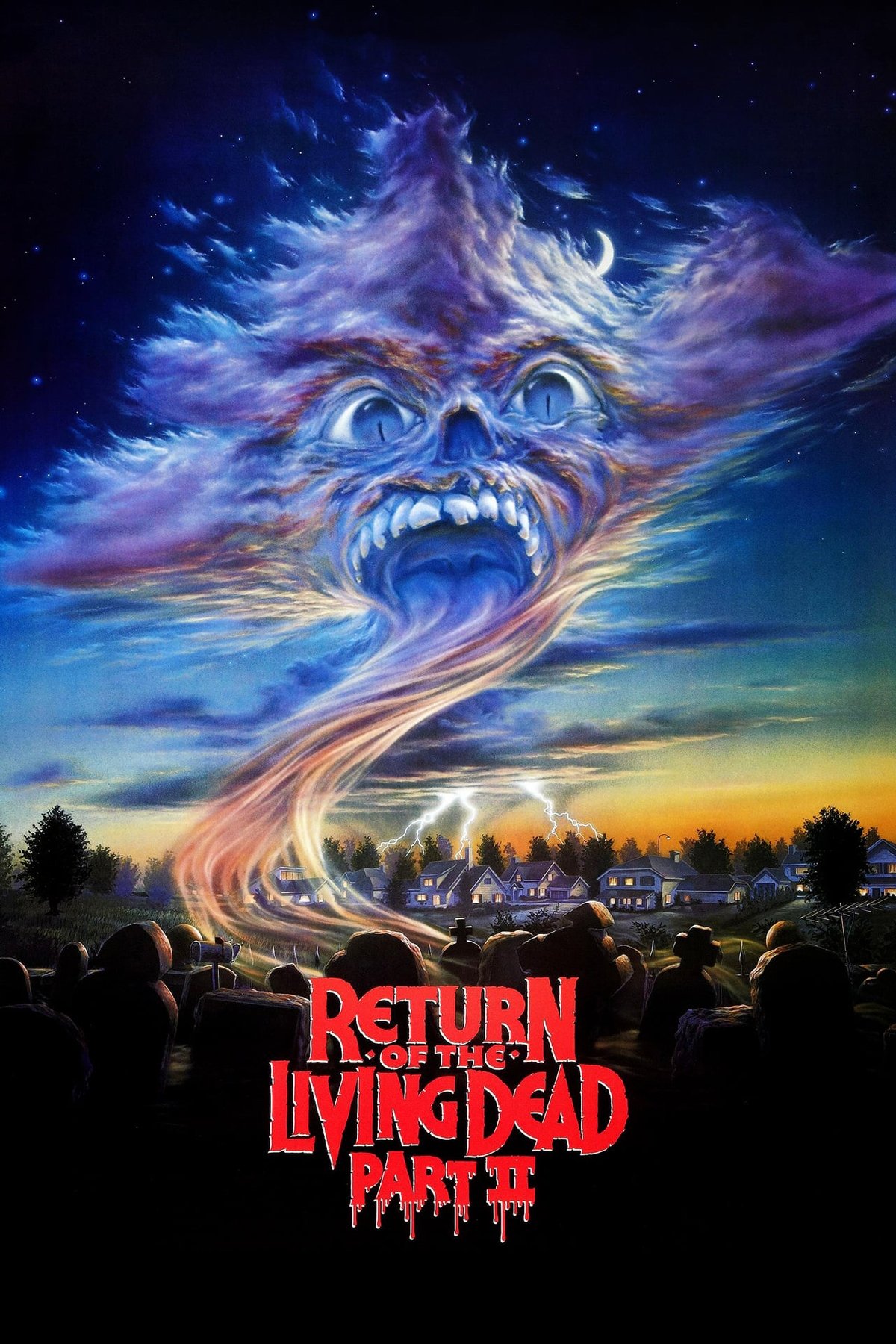
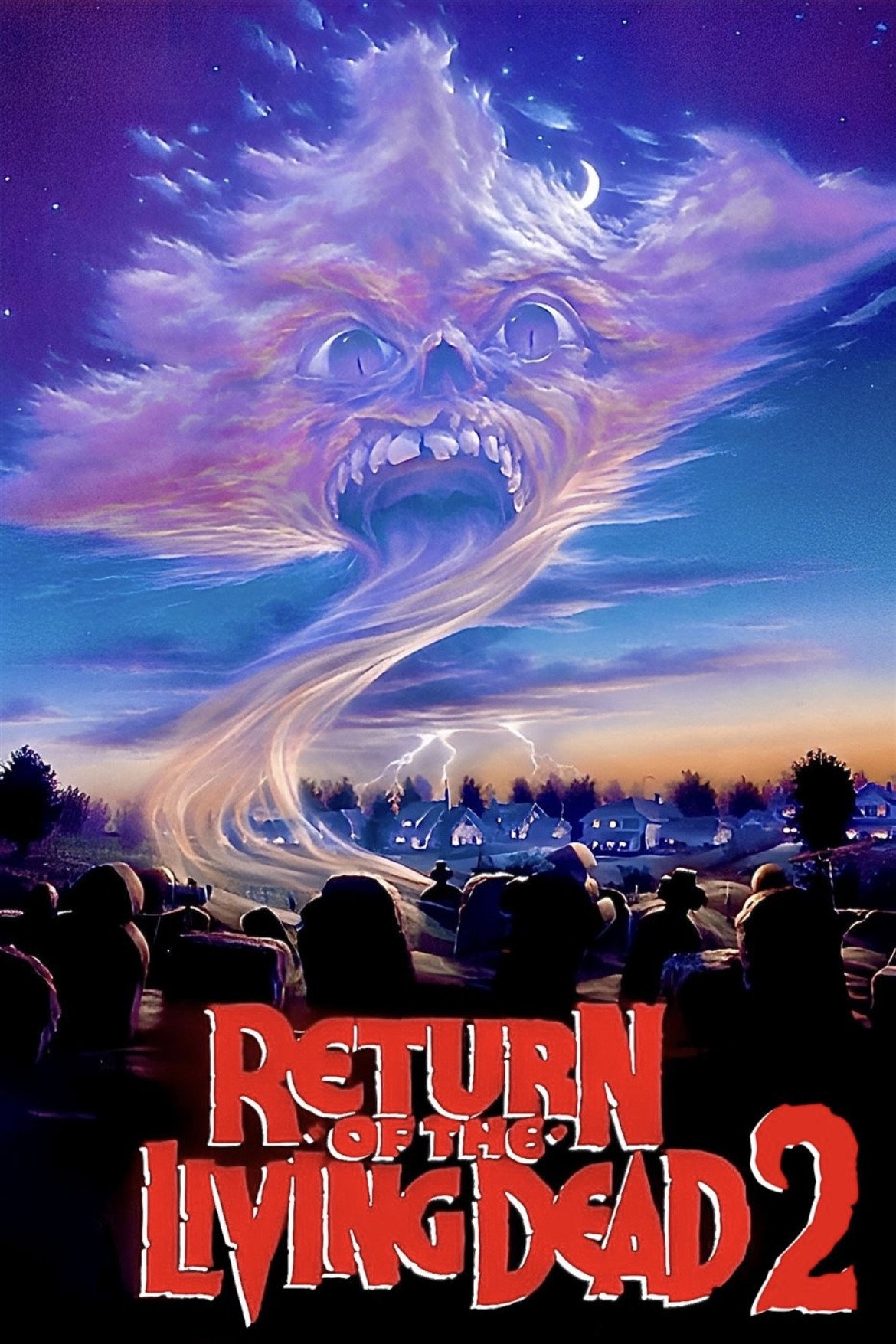
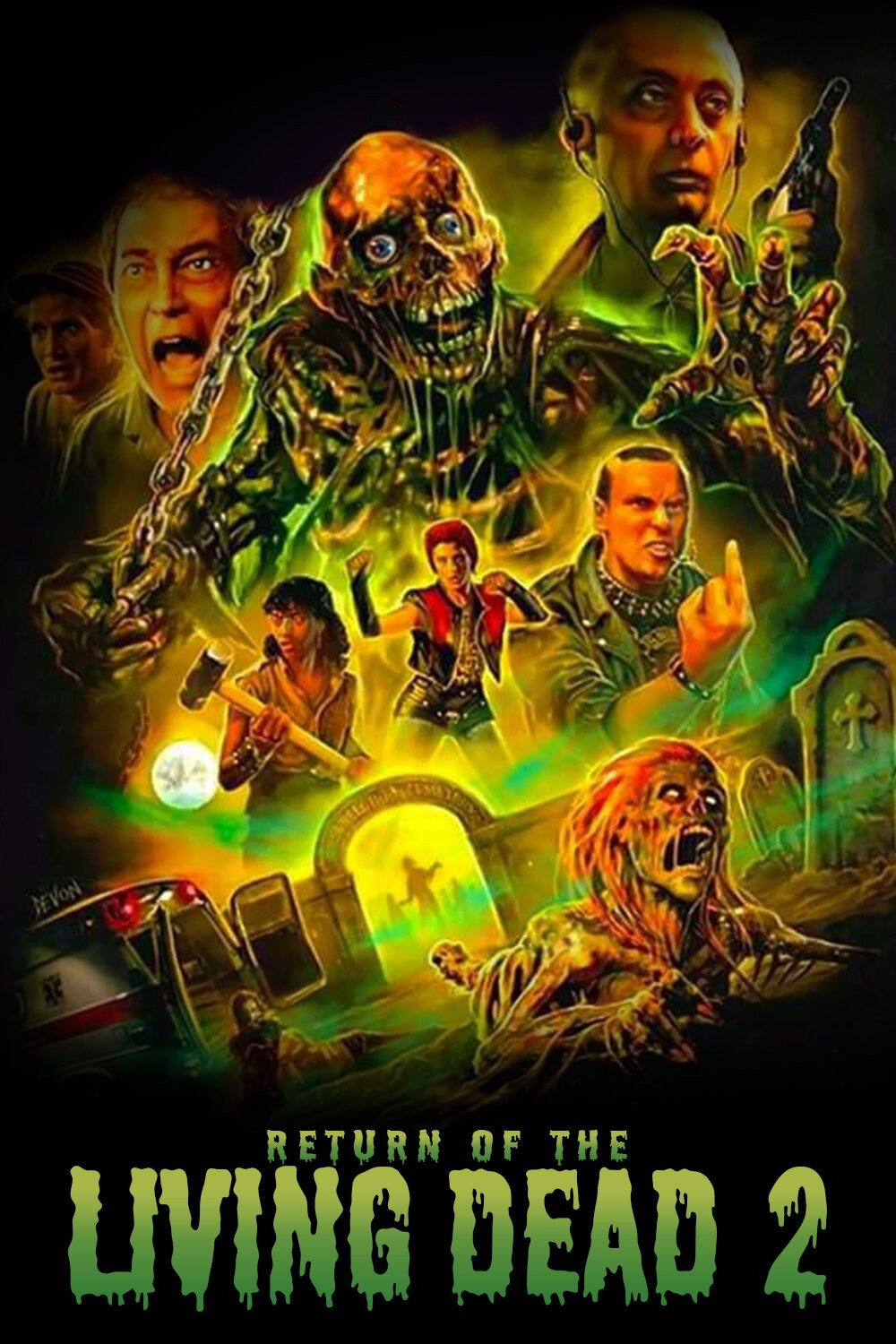
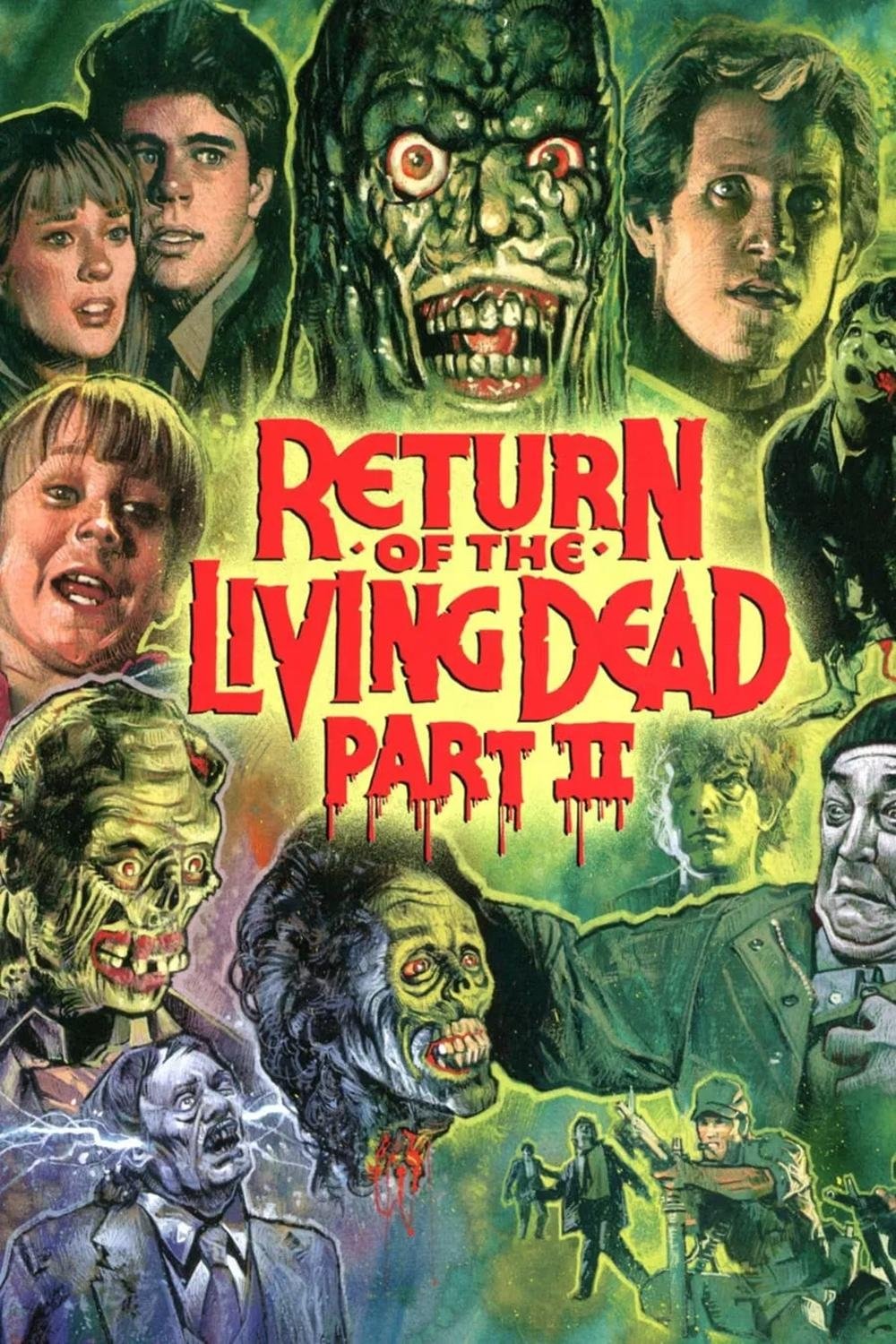
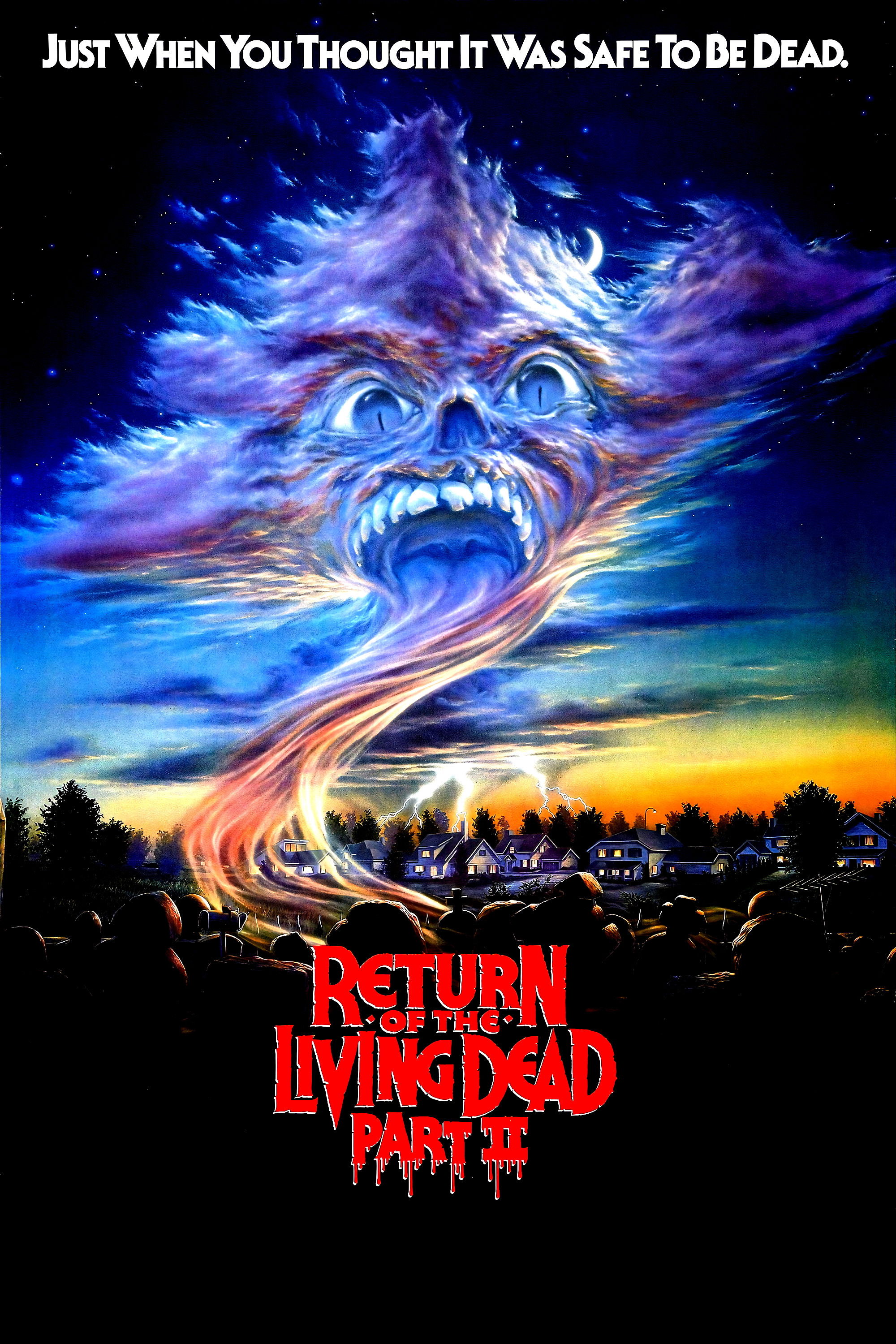
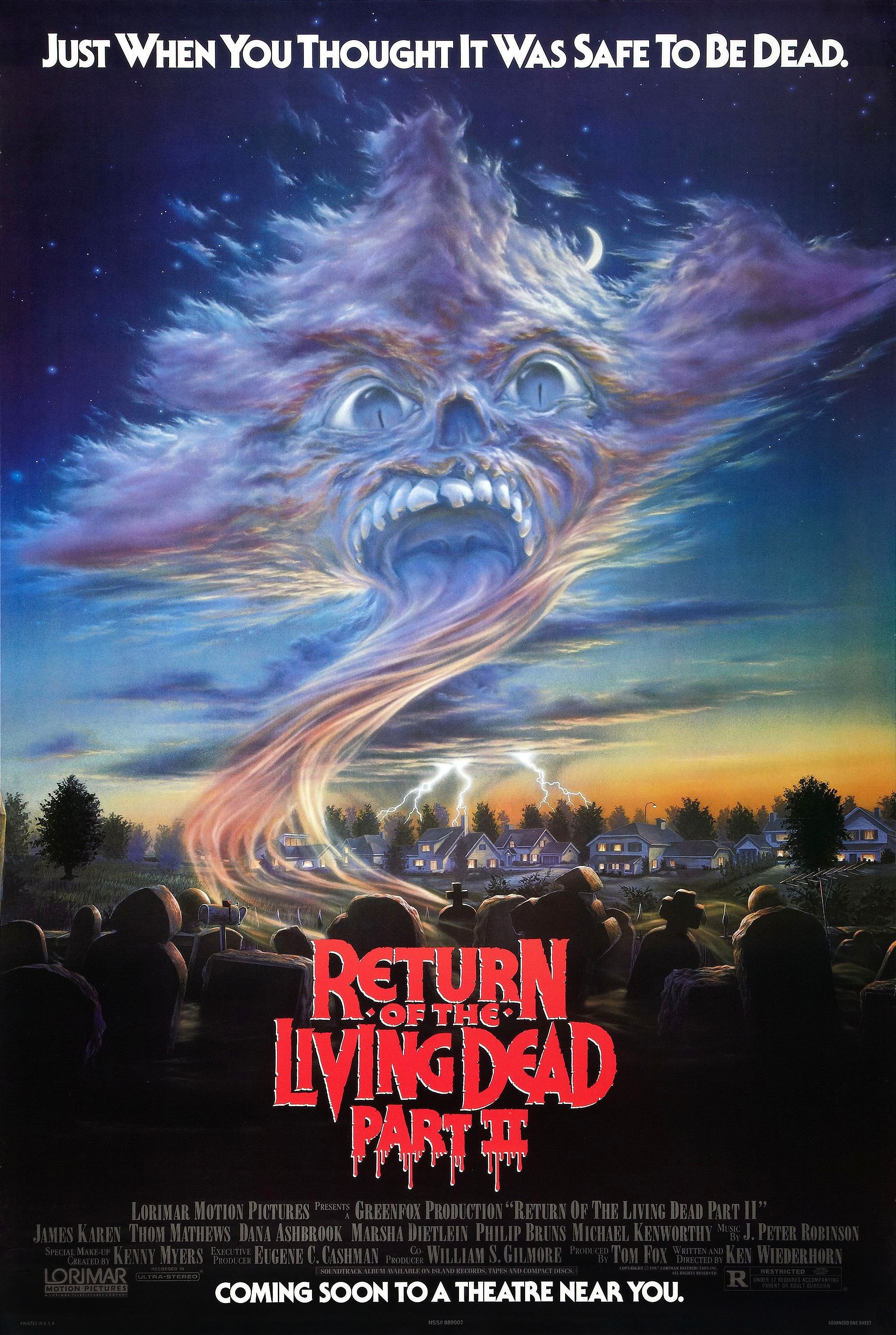
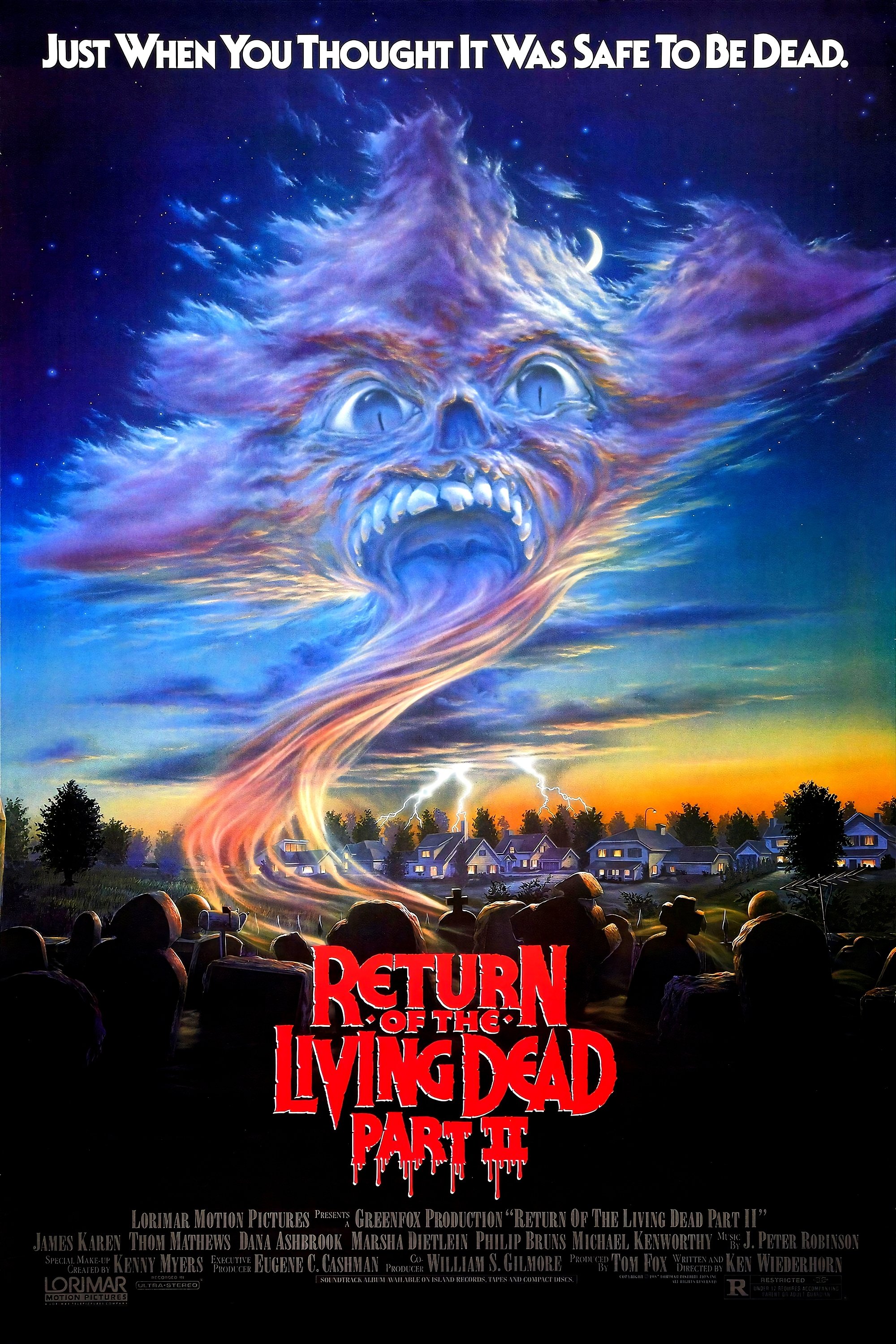
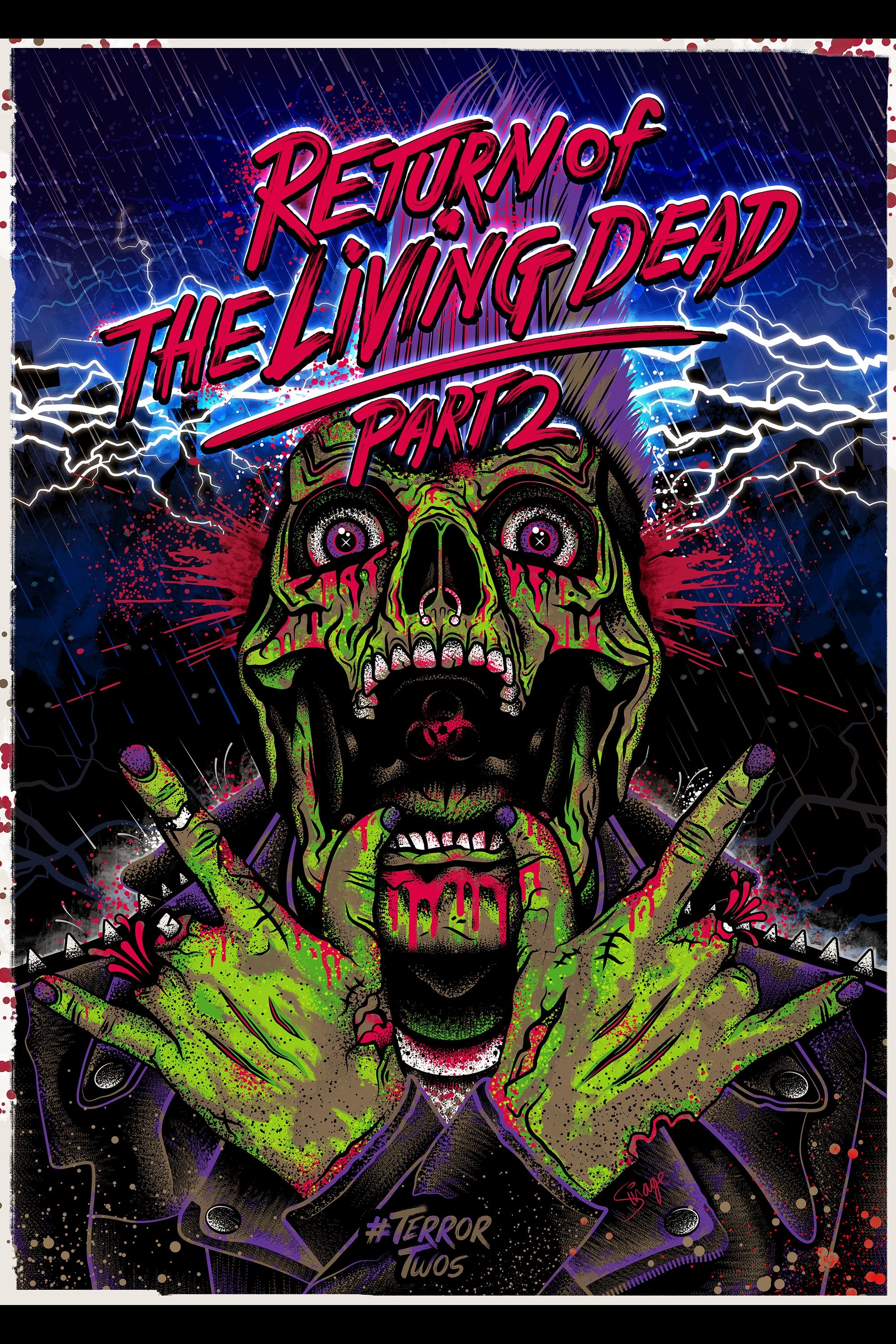
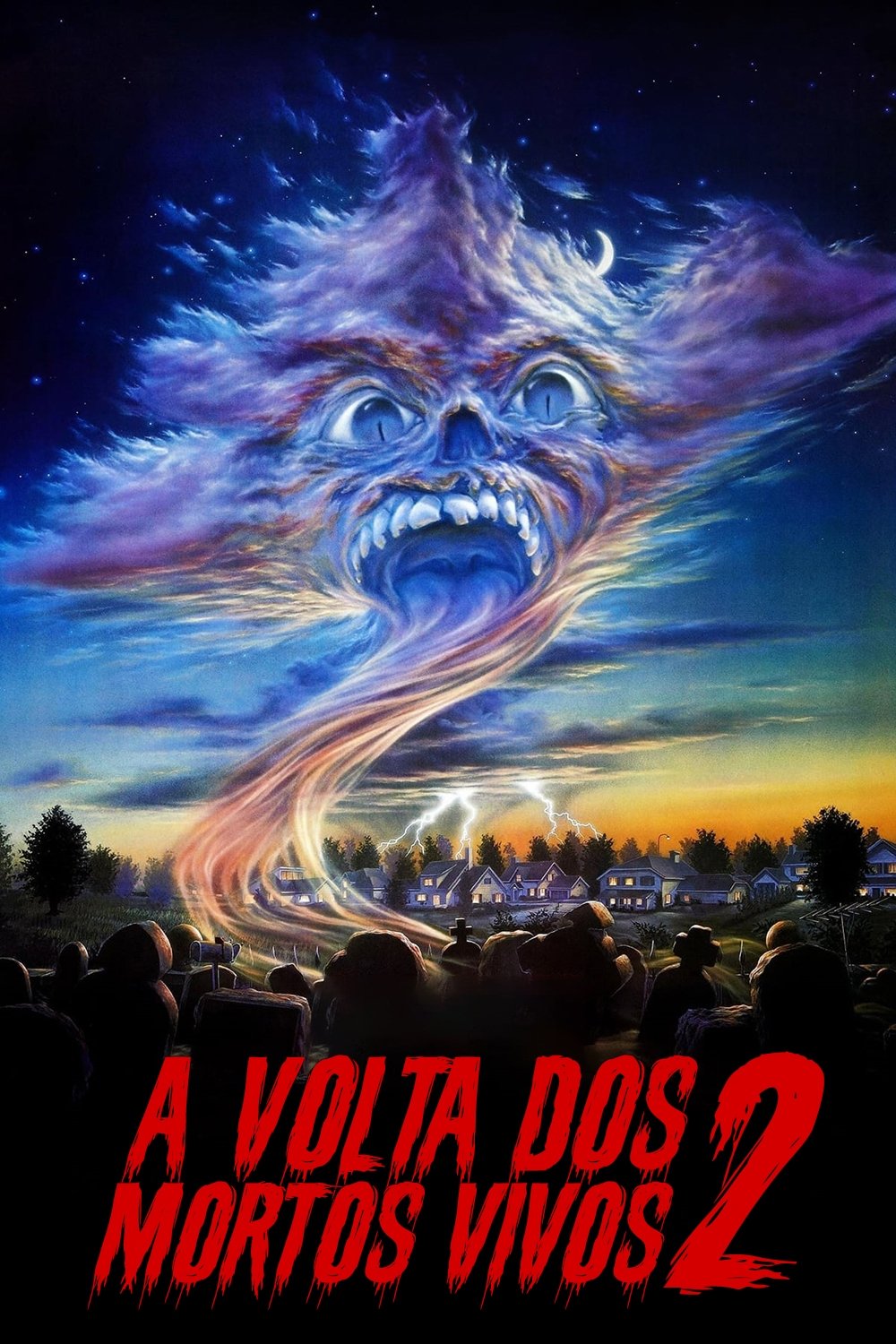
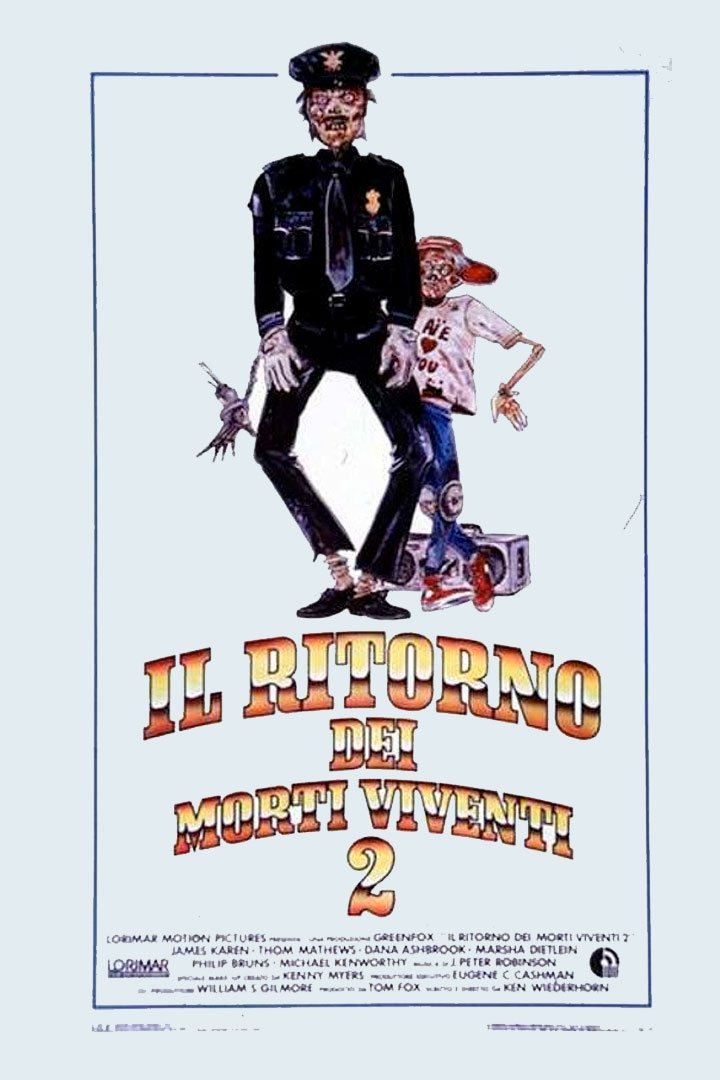
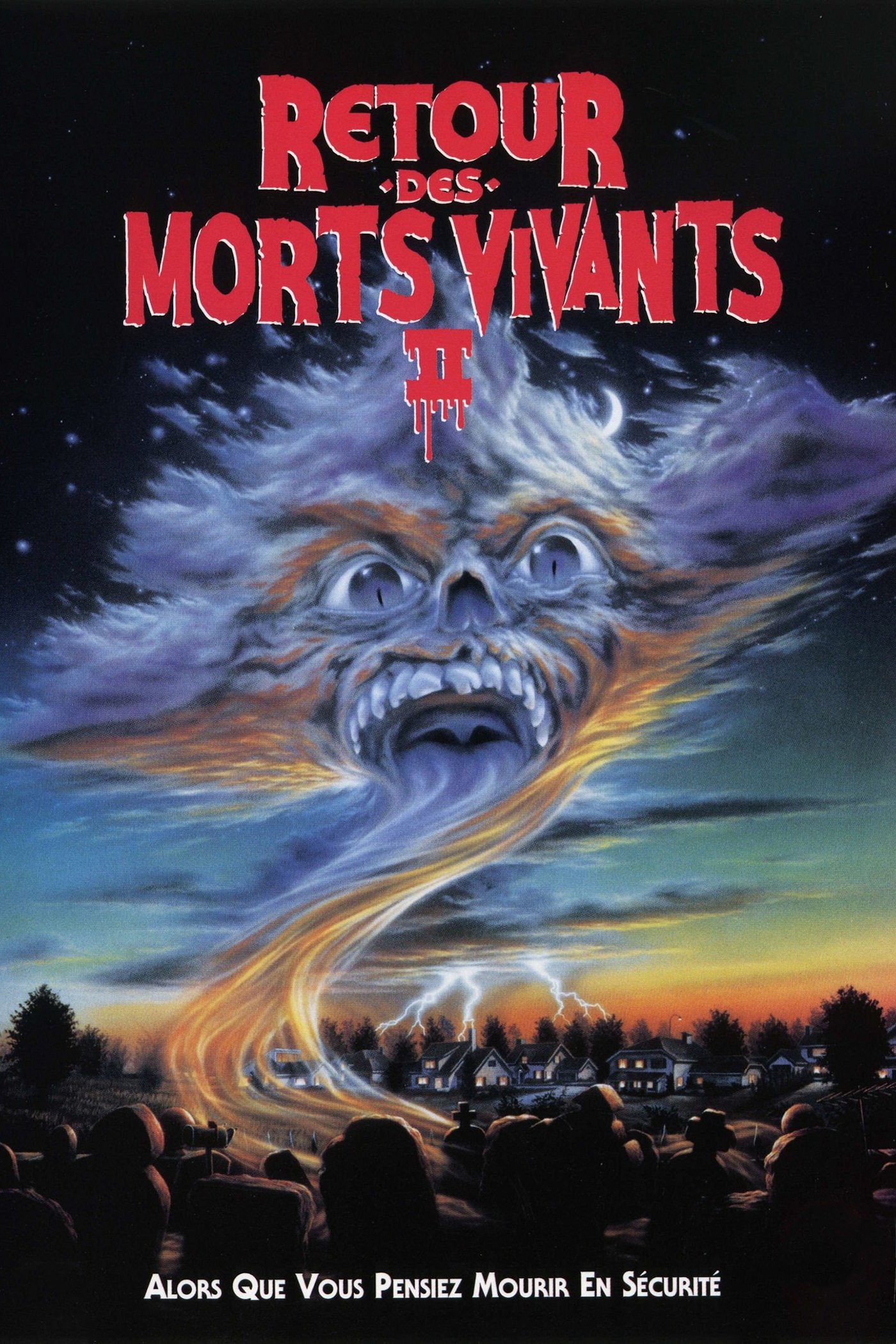
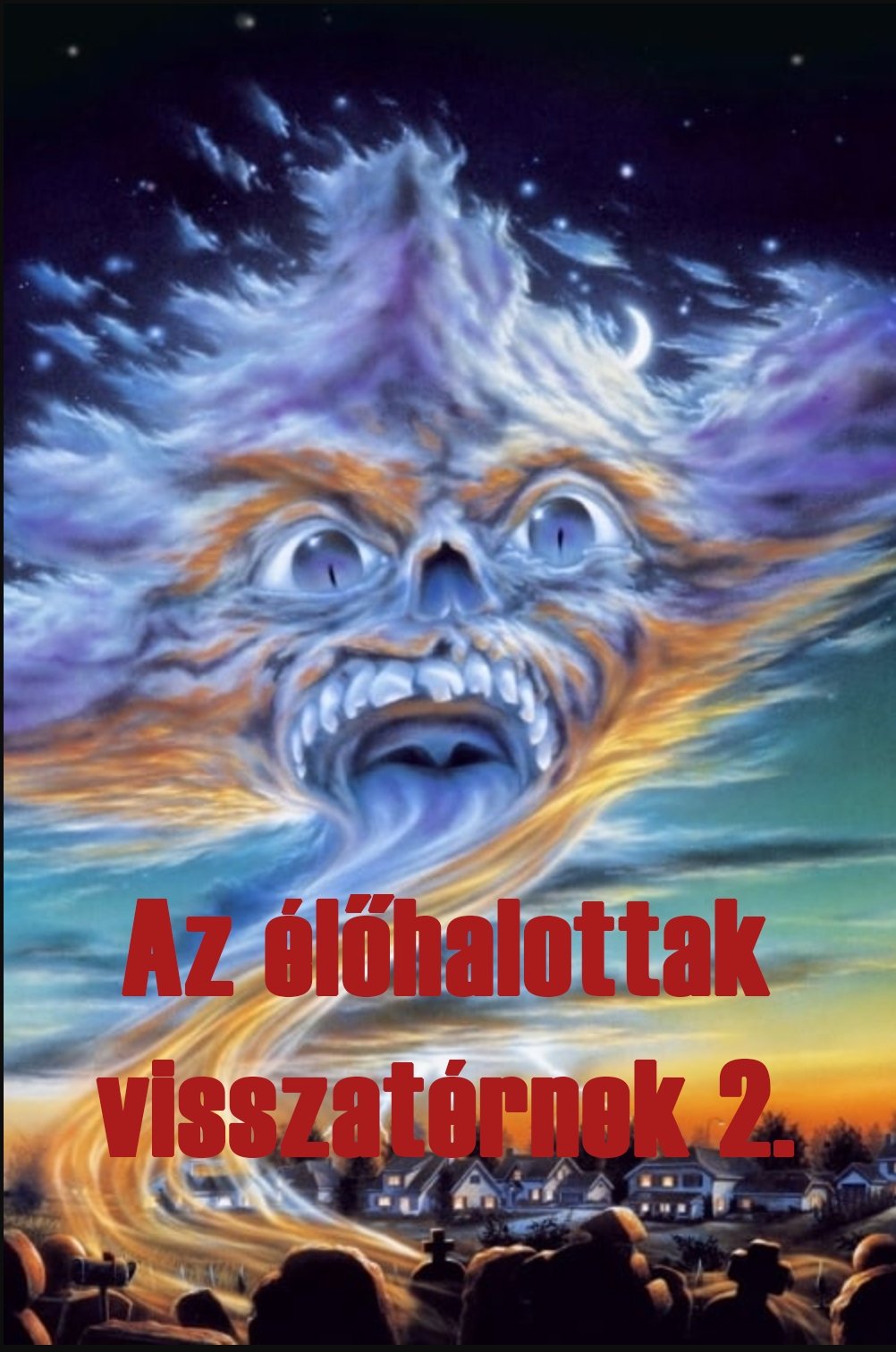
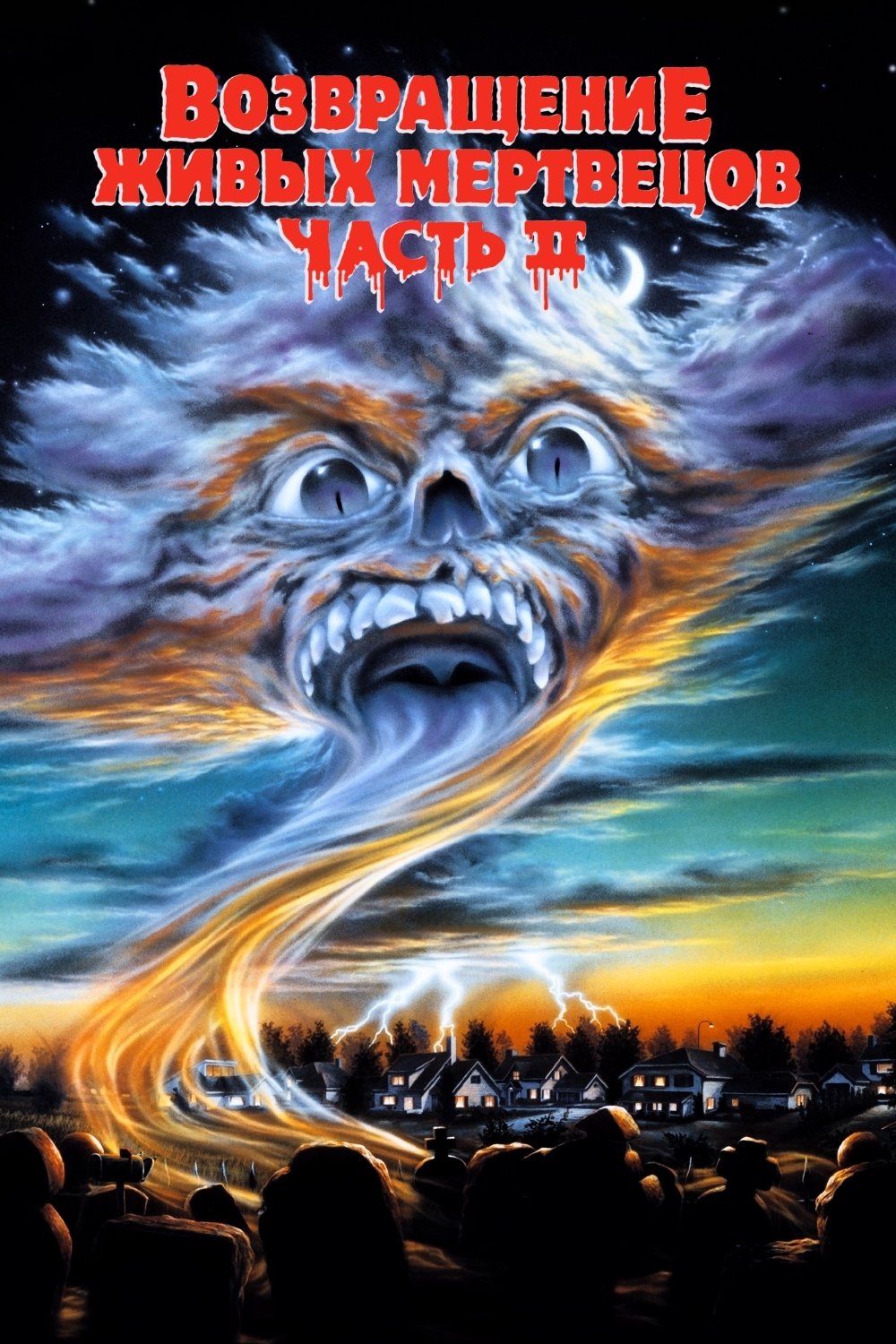
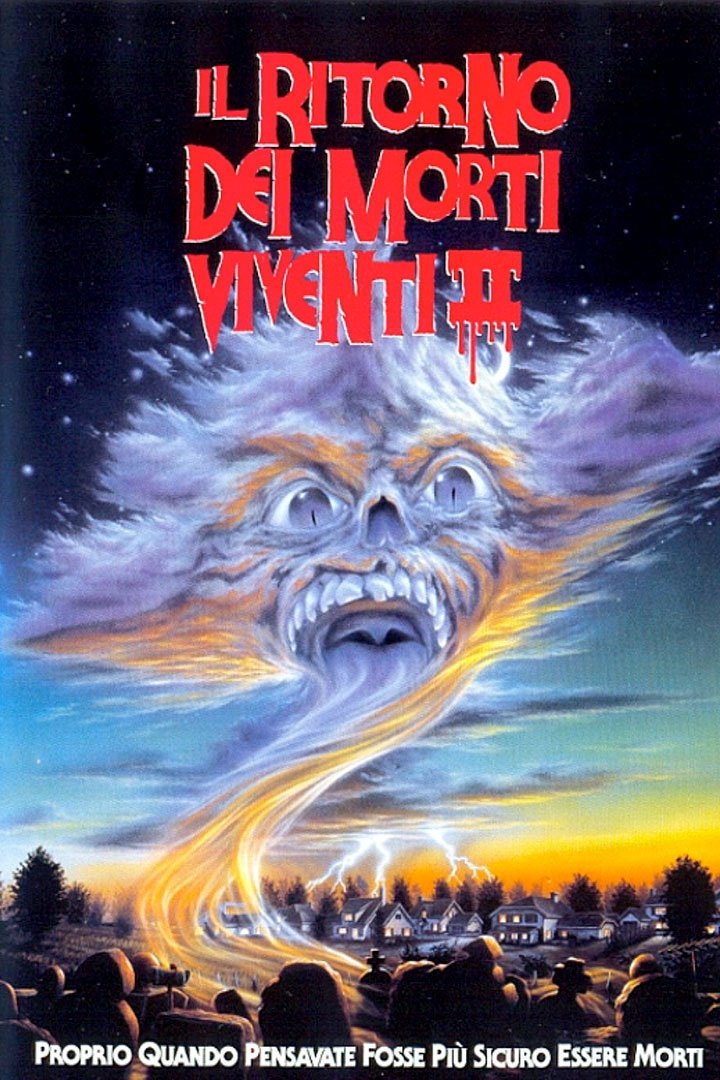
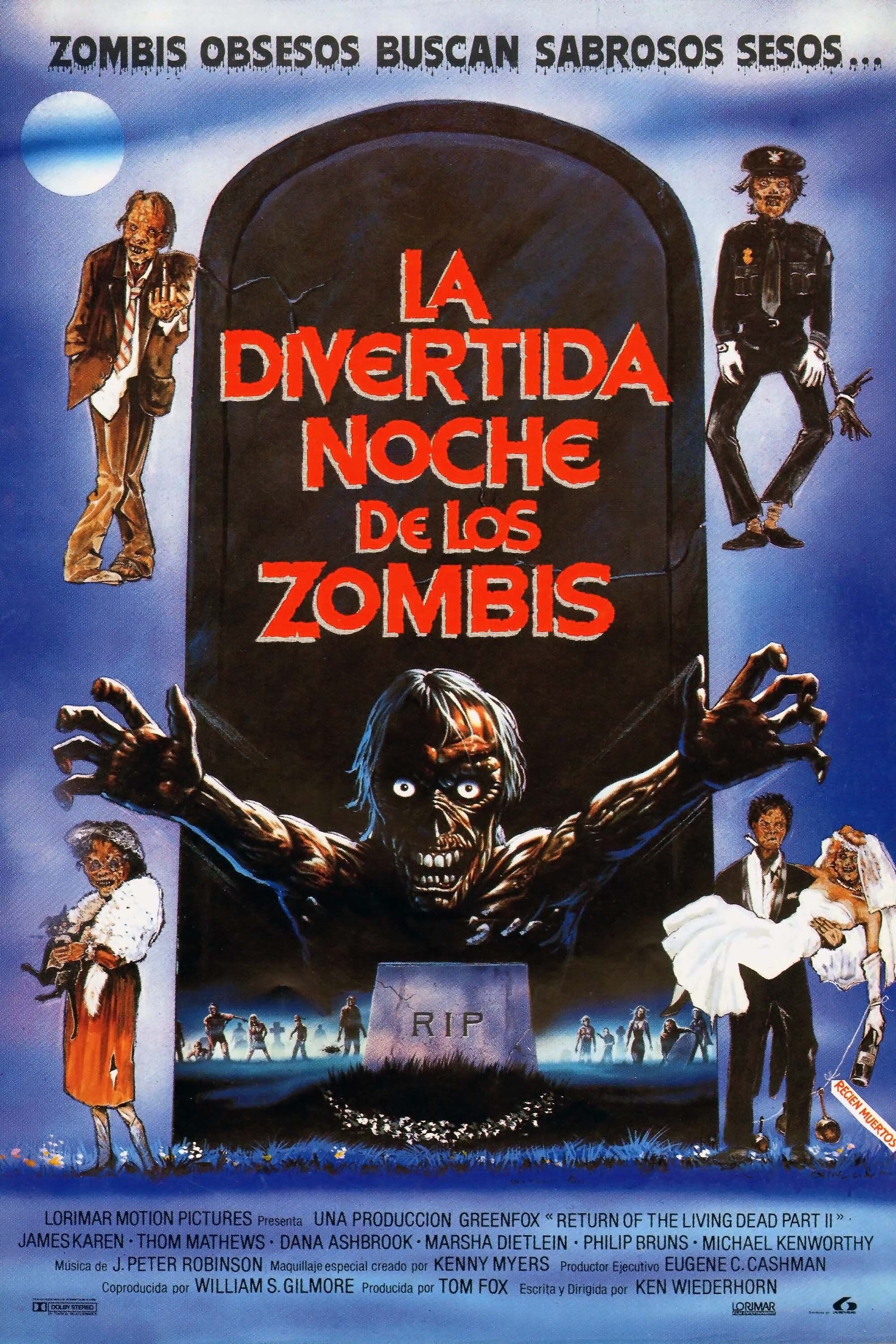
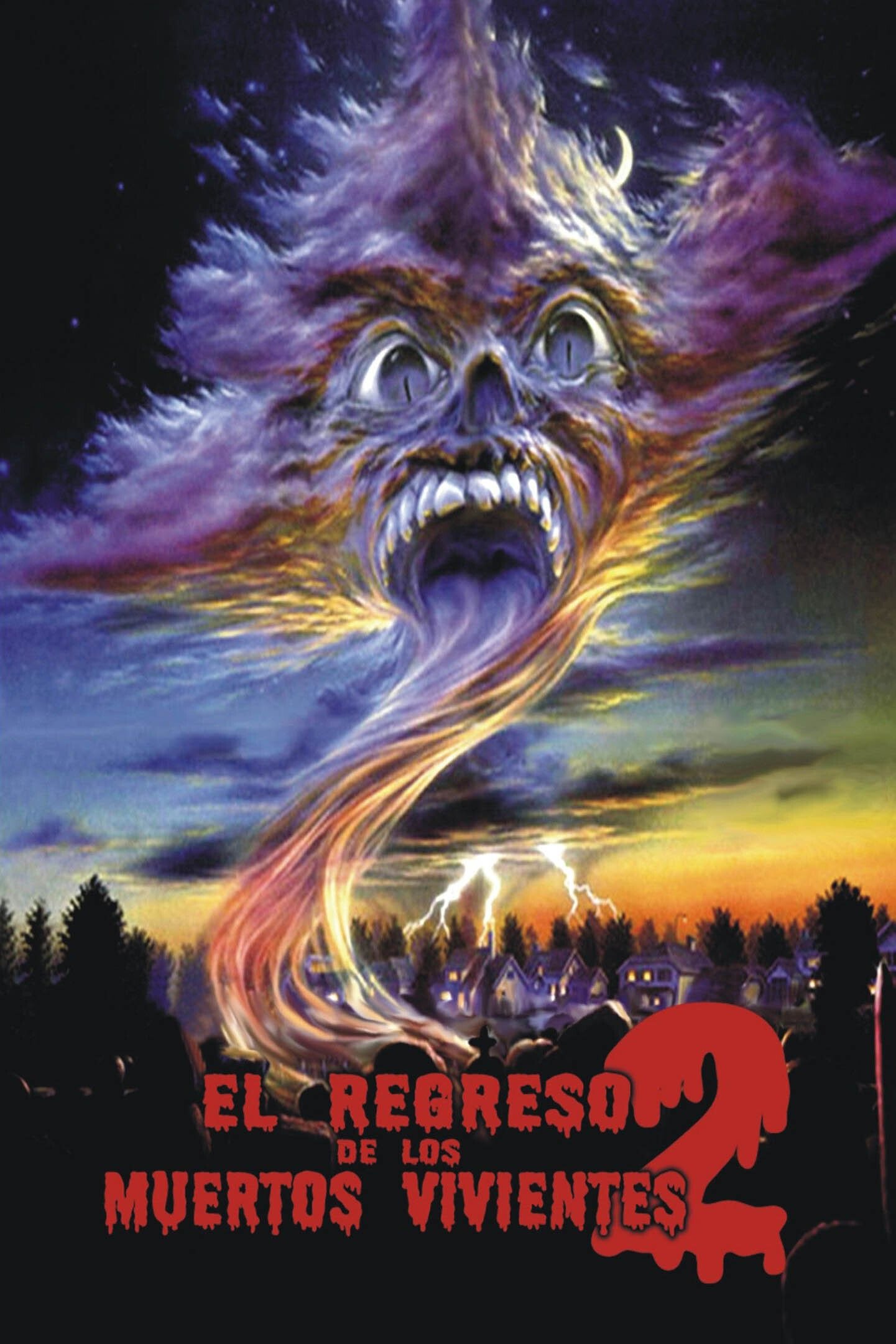
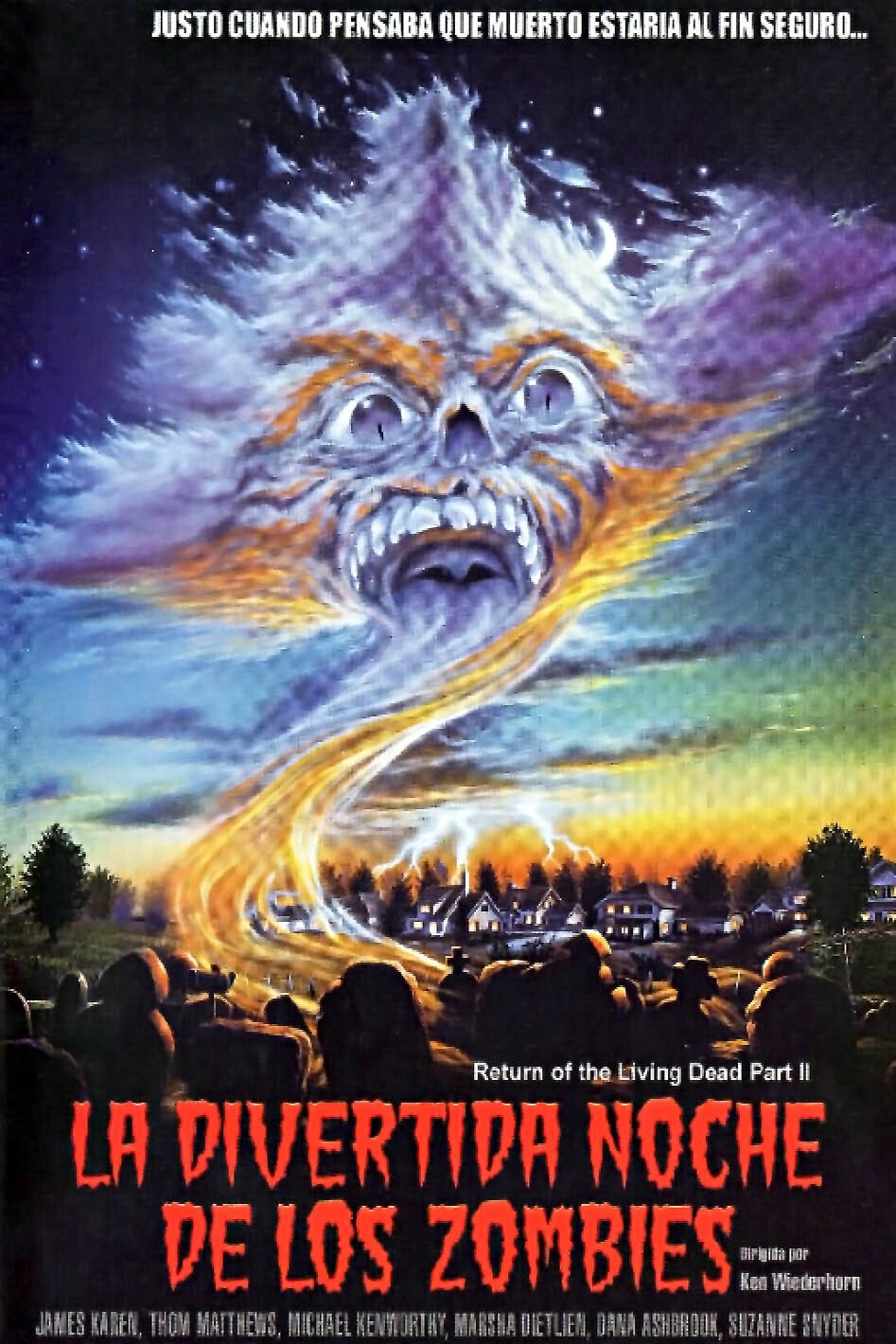
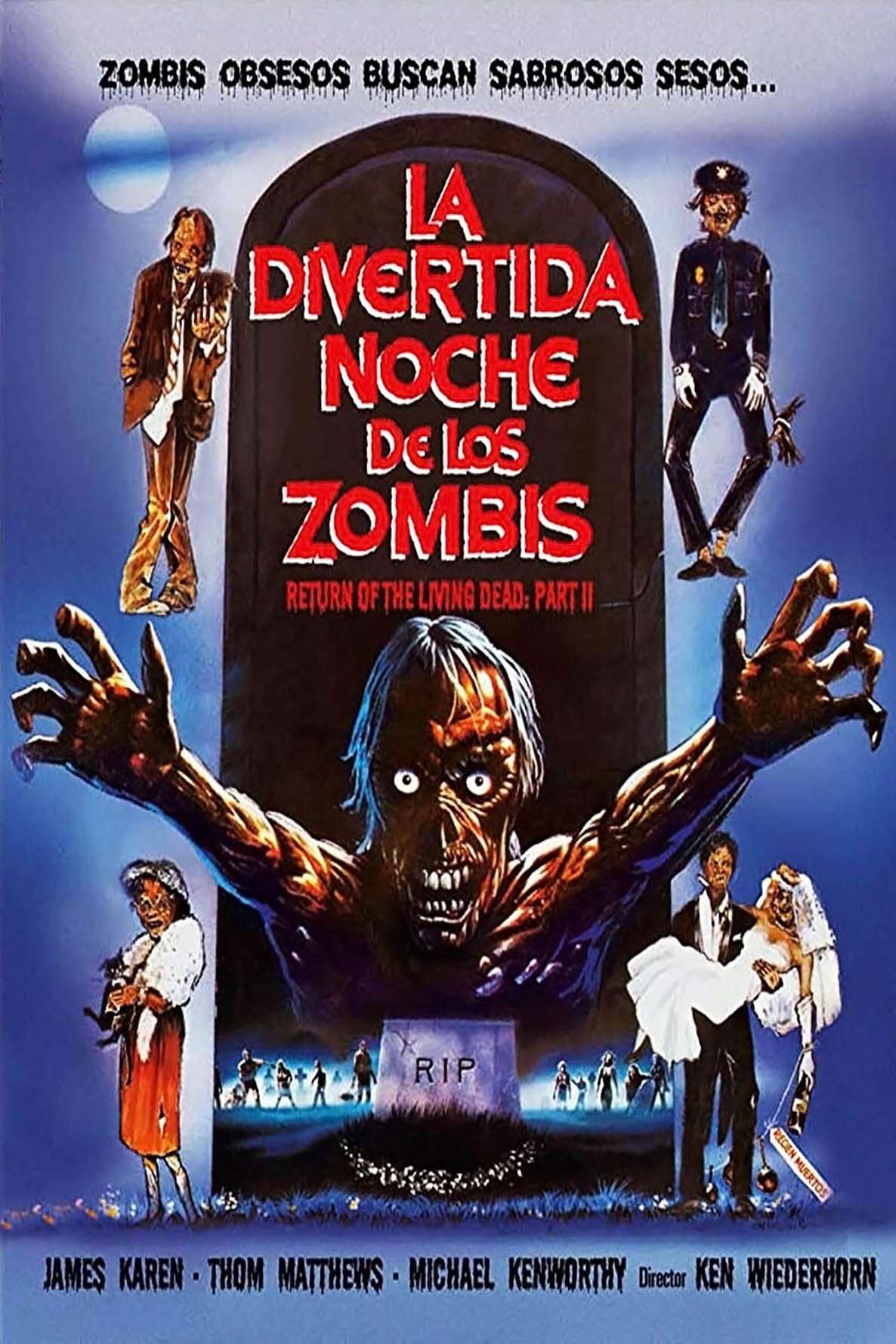
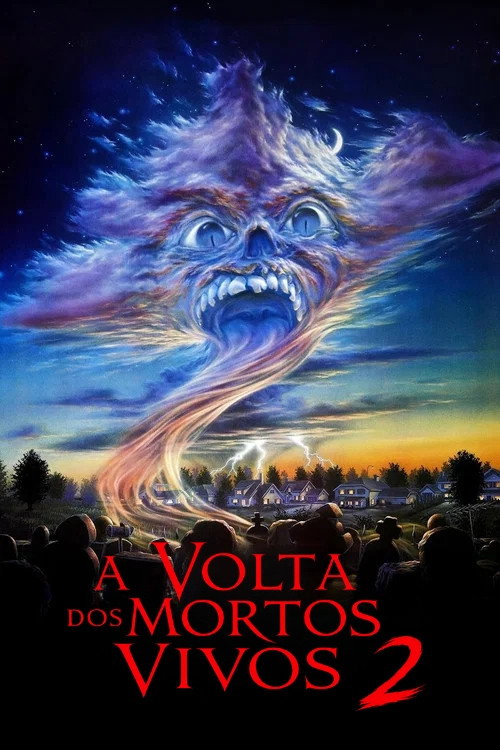
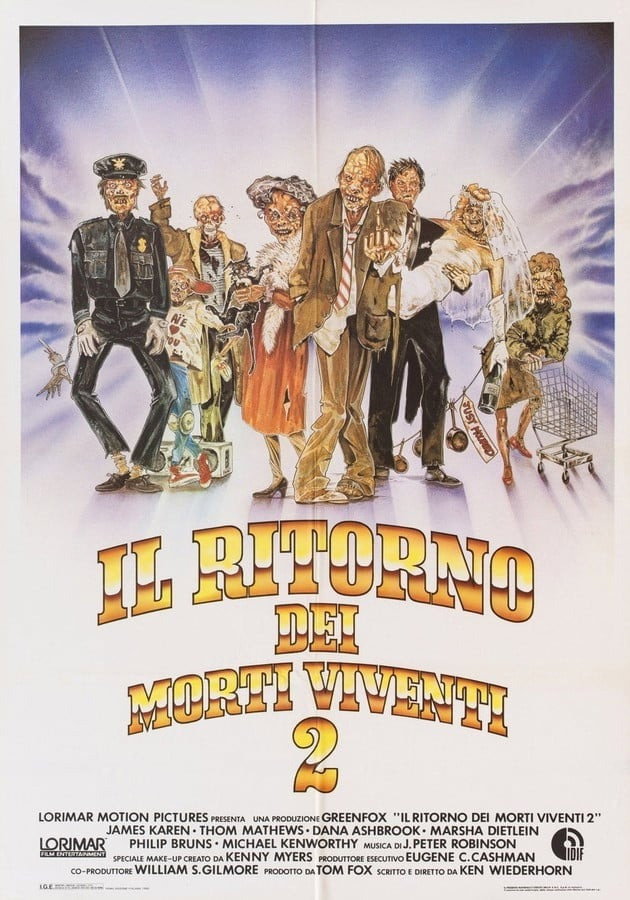
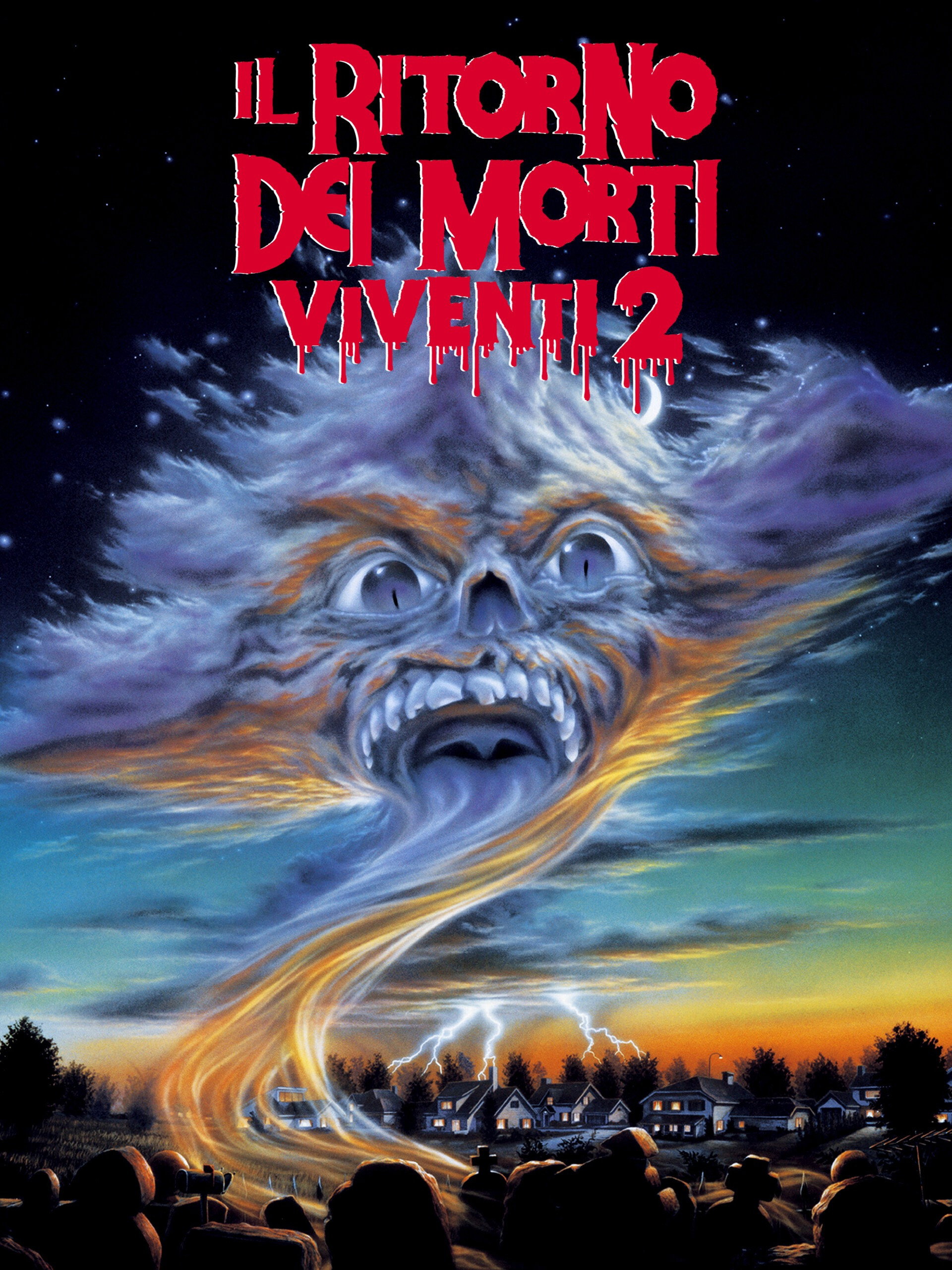
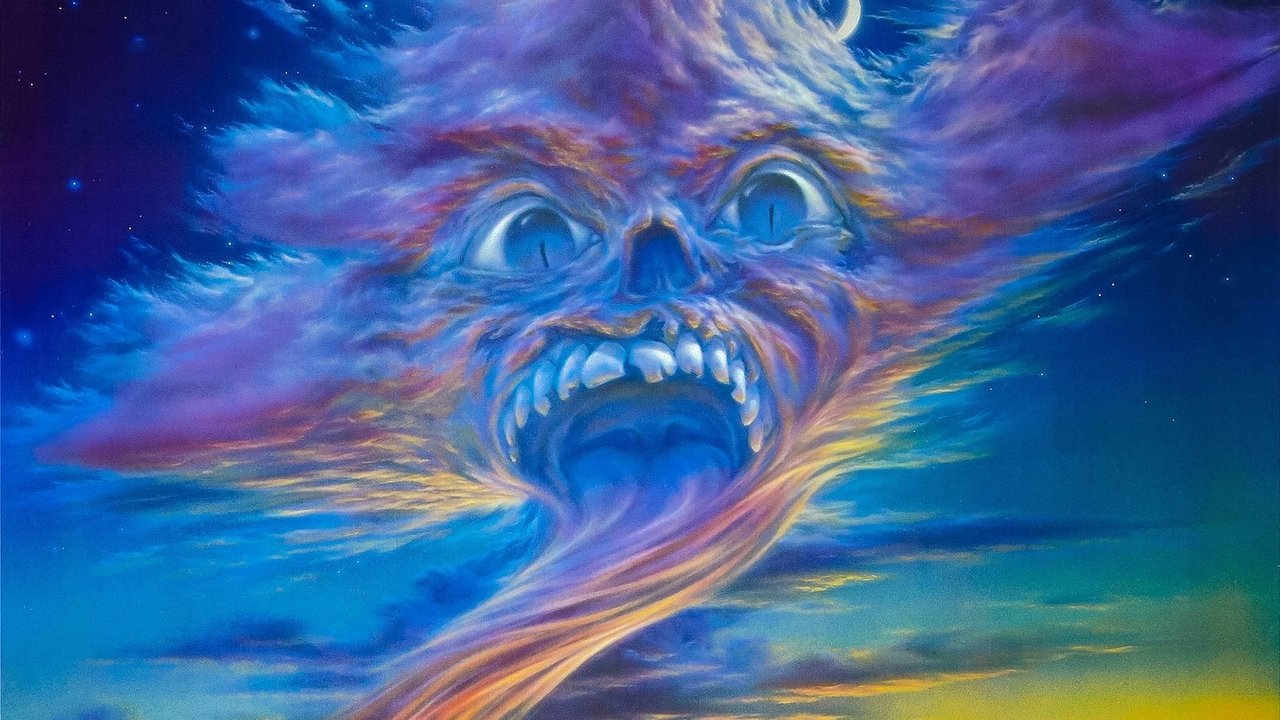
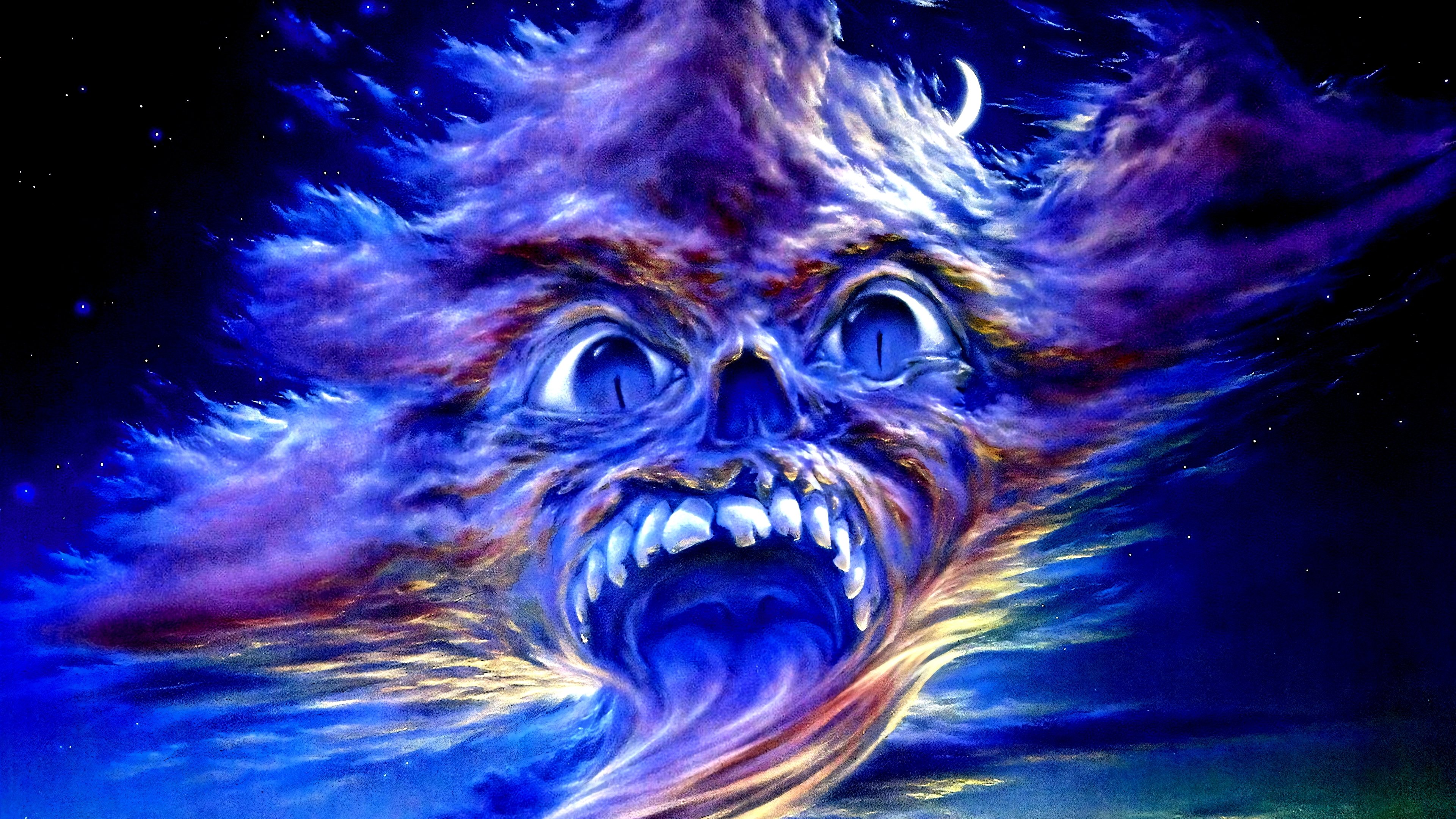
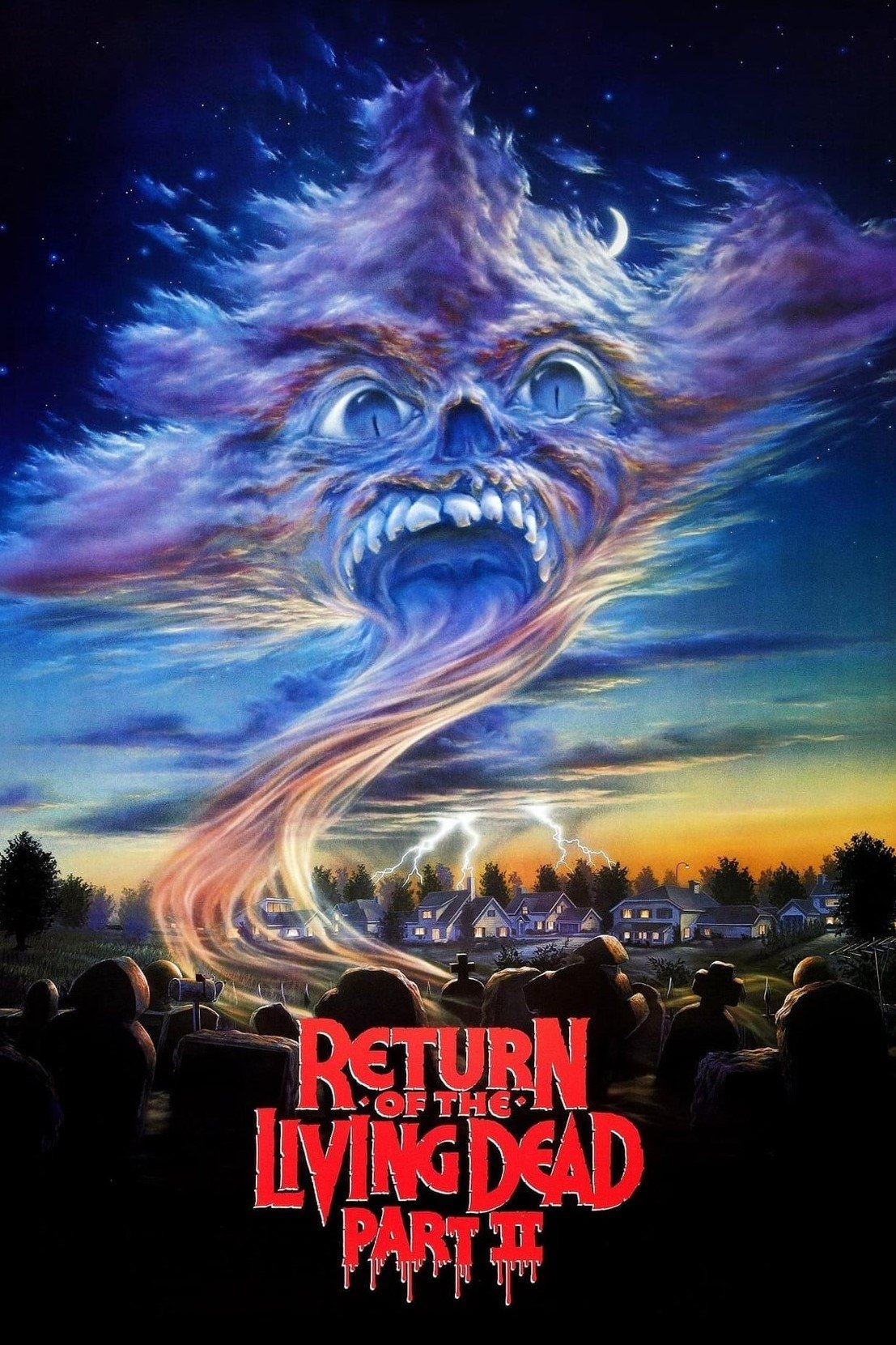
Return of the Living Dead Part II (1988) poster
Director
Production Company
Greenfox
Plot

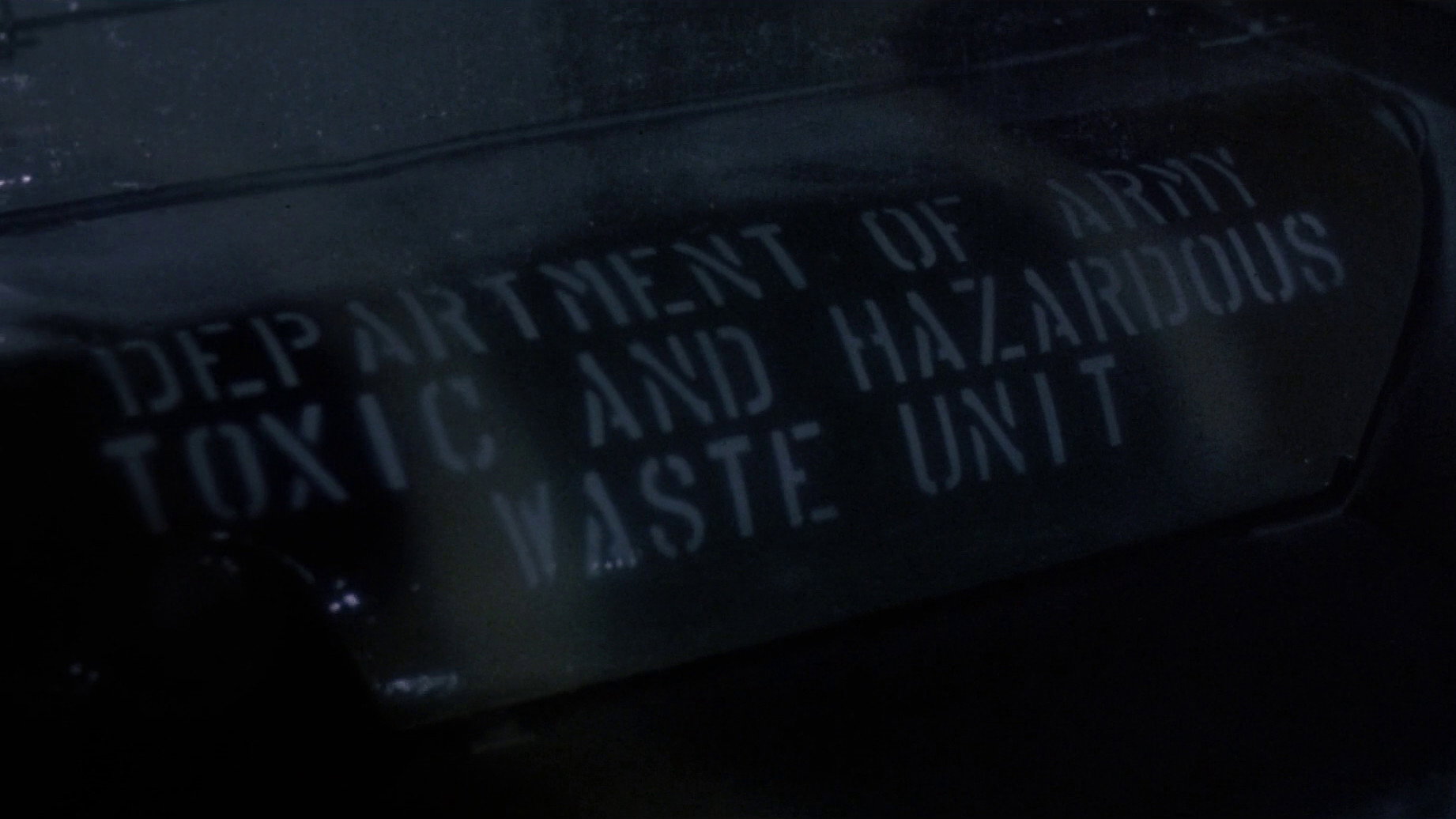
A group of kids discover one of the drums containing a rotting corpse and release the 2-4-5 Trioxin gas into the air, causing the dead to once again rise from the grave and seek out brains.

Alternative Titles
El regreso de los muertos vivos, 2ª parte (Argentina) Yaşayan Ölülərin Qayıdışı 2 (Azerbaijan) A Volta dos Mortos Vivos 2 (Brazil) Le retour des morts vivants II (Canada) — French 活死人归来2 (China) — Chinese 芝加哥打鬼 II (China) Návrat oživlých mrtvol 2 (Czechia) — Czech Návrat živé smrti 2 (Czechia)
Show all 33 alternative titles Die Rückkehr der Höllenzombies (Germany) Return of the Living Dead II - Die Rückkehr der Höllenzombies (Germany) Return of the Living Dead Teil II (Germany) Toll treiben es die wilden Zombies (Germany) — German El regreso de los muertos vivientes 2: La divertida noche de los zombies (Spain) La divertida noche de los zombies (Spain) Le Retour des morts-vivants 2 (France) — French 活死人歸來 2 (Hong Kong SAR China) — Chinese Az élőhalottak visszatérnek 2. (Hungary) — Hungarian Il ritorno dei morti viventi 2 (Italy) — Italian Battalion 2 (Japan) — English title バタリアン2 (Japan) 바탈리언 2 (South Korea) — Korean Gyvųjų numirėlių sugrįžimas 2 (Lithuania) — Lithuanian El Regreso de los Muertos Vivientes 2 (Mexico) — Spanish El regreso de los muertos vivientes II (Mexico) Regreso de los muertos vivientes, segunda parte (Mexico) Powrót Żywych Trupów 2 (Poland) — Polish O Regresso dos Mortos-vivos 2 (Portugal) — Portuguese Возвращение живых мертвецов 2 (Russia) — Russian El Regreso de los Muertos Vivientes 2 (El Salvador) ผีลืมหลุม 2 (Thailand) — Thai Yaşayan Ölülerin Dönüşü Bölüm II (Türkiye) — Turkish Повернення живих мерців, частина II (Ukraine) — Ukrainian Return of the Living Dead 2 (United States)

Trailers & Videos

7 videos

Film Guide & Analysis

Ken Wiederhorn’s zombie horror comedy, from its origins as an independent screenplay and Kenny Myers’ practical effects to its troubled theatrical release and restored soundtrack.

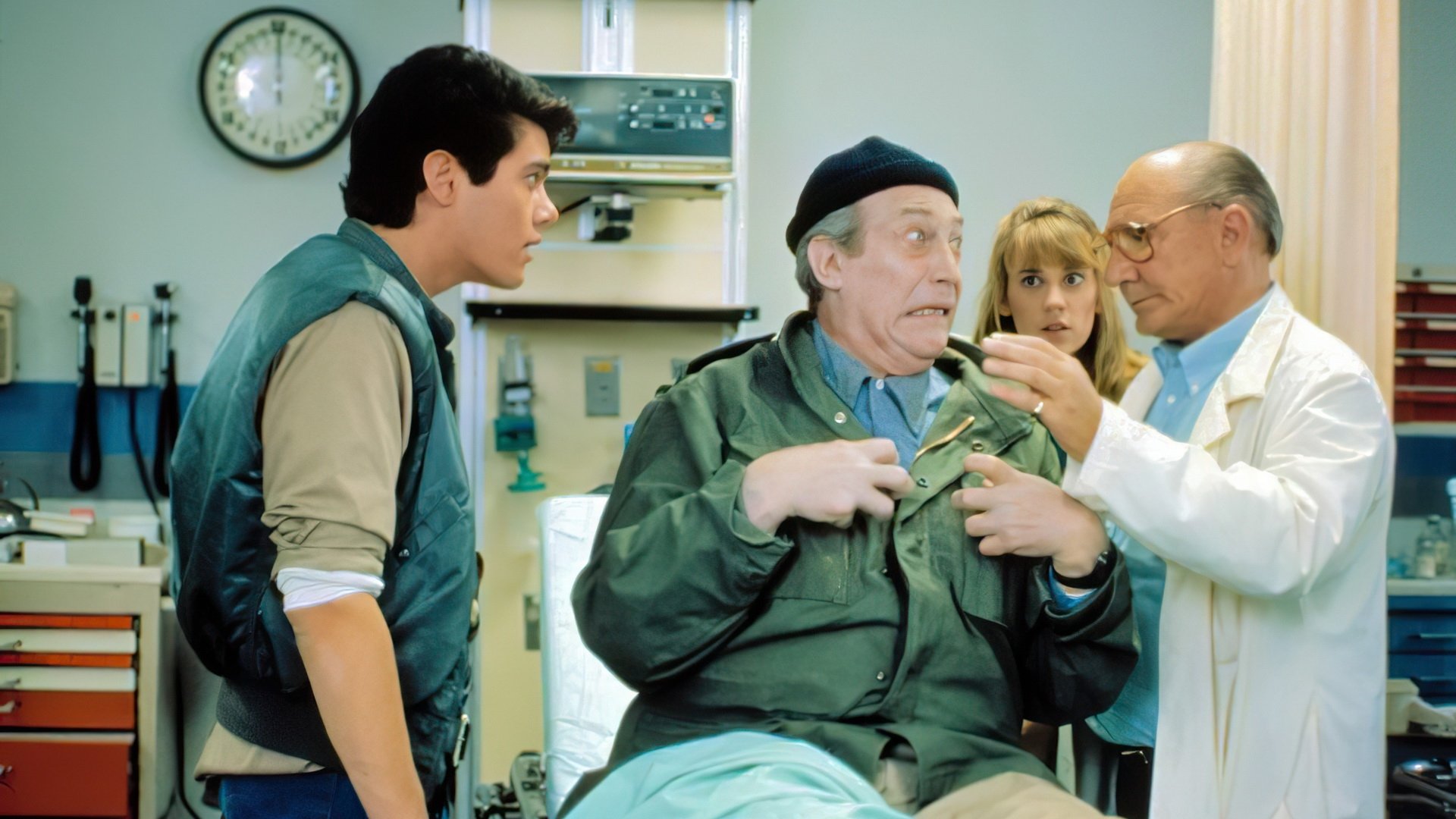
Return of the Living Dead Part II (1988) is an American zombie horror comedy written and directed by Ken Wiederhorn and produced by Tom Fox. Set in the suburban community of Westvale, it follows a group of residents attempting to survive after military canisters containing the chemical 245-Trioxin are accidentally opened near a cemetery. Michael Kenworthy plays Jesse Wilson, a young boy who discovers the source of the outbreak, while James Karen and Thom Mathews return from The Return of the Living Dead (1985) in different roles. The sequel retains the original film’s brain-eating zombies, chemical contamination and grotesque practical effects, but places greater emphasis on childhood adventure and physical comedy.

The production emerged from a screenplay originally conceived as an independent horror comedy rather than a continuation of Dan O’Bannon’s film. Wiederhorn subsequently adapted the project into a sequel, deliberately pursuing a lighter tone. Photographed by Robert Elswit, with special makeup effects created by Kenny Myers and music composed by J. Peter Robinson, the film represents a distinctive departure within the series. Its January 1988 theatrical release attracted divided critical responses and relatively modest box-office returns. Later home-video editions introduced a further complication when the original theatrical soundtrack was replaced, creating a substantial difference between versions available to audiences before its restoration on Blu-ray in 2018.

Development and the Unplanned Sequel

Ken Wiederhorn developed the screenplay independently of the Return of the Living Dead franchise. In a 2013 interview with Roel Haanen for The Flashback Files, the director explained that he had written a horror comedy about a young boy encountering zombies. His intention was partly professional: after directing Shock Waves (1977) and Eyes of a Stranger (1981), he hoped that combining comedy with horror might allow him to work outside the genre in which he had become established. Producer Tom Fox, who had been involved with the original Return of the Living Dead, offered to finance the project on the condition that it become the second installment in the series.

Wiederhorn initially hesitated because he had experienced a comparable situation with Meatballs Part II (1984), another production developed from material that had not originated as a franchise sequel. Before accepting the new arrangement, he contacted Dan O’Bannon, the writer and director of the 1985 film. Wiederhorn recalled explaining his intentions and receiving O’Bannon’s approval. The director subsequently incorporated elements connecting his screenplay with the existing zombie mythology. His decision to cast James Karen and Thom Mathews in new roles was specifically intended to provide a recognizable link between the productions.

The American Film Institute’s historical record documents the changing presentation of the project during development. An August 1986 Los Angeles Times report already described it as a sequel, while producer Fox told Daily Variety in February 1987 that the film would be more consciously comedic than its predecessor. Principal photography began on 16 March 1987 in California. Production included work at Valencia Studios in Santa Clarita, and a contemporary Hollywood Reporter article estimated the budget at approximately $6.2 million. These sources establish a substantial theatrical production rather than a hastily assembled direct-to-video continuation.
Suburban Horror and the Comic Approach

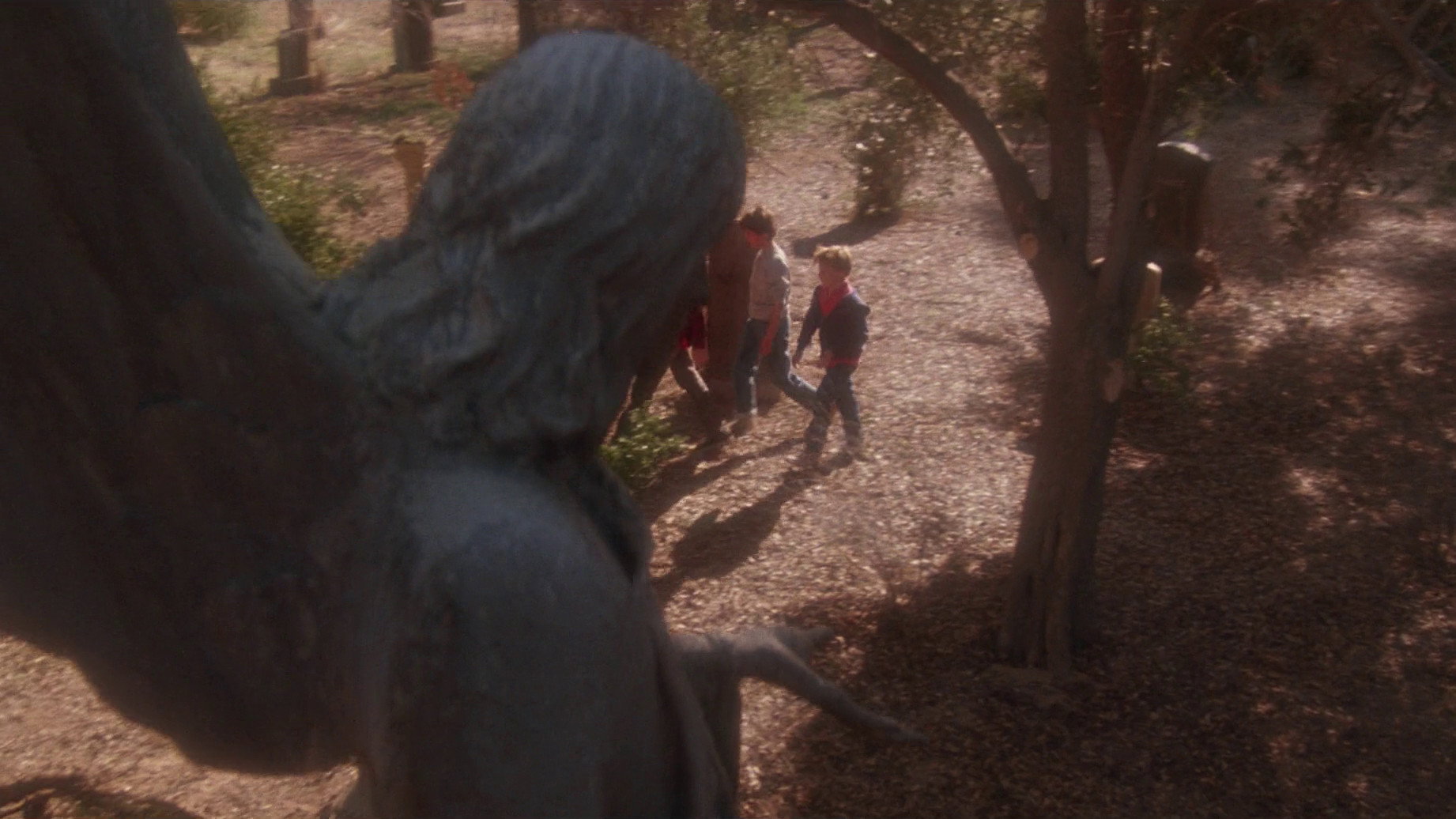
The change in setting transforms the structure inherited from the original film. O’Bannon had assembled warehouse employees, punk teenagers and mortuary workers in an increasingly chaotic urban environment. Wiederhorn centers the new story on Jesse Wilson, whose discovery of a military canister follows an encounter with neighborhood bullies. The cemetery and surrounding residential development provide the principal locations for the outbreak. This arrangement connects the film with contemporary American stories of childhood adventure, in which young characters discover a danger that adults either misunderstand or fail to recognize. Jesse becomes an active participant in the response to the epidemic rather than a peripheral witness.

The narrative also retains adult characters whose behavior produces much of its comedy. Ed and Joey, played by Karen and Mathews, are grave robbers who become contaminated by the chemical while attempting to obtain corpses. Their increasingly deteriorating physical condition recalls the experiences of Frank and Freddy in the first film. The relationship between Joey and Brenda, played by Suzanne Snyder, adds a grotesque romantic component as the infection progresses. Elsewhere, Jesse’s sister Lucy and cable installer Tom Essex become involved in the attempt to survive. The characters occupy different parts of the neighborhood before the epidemic forces them into contact.

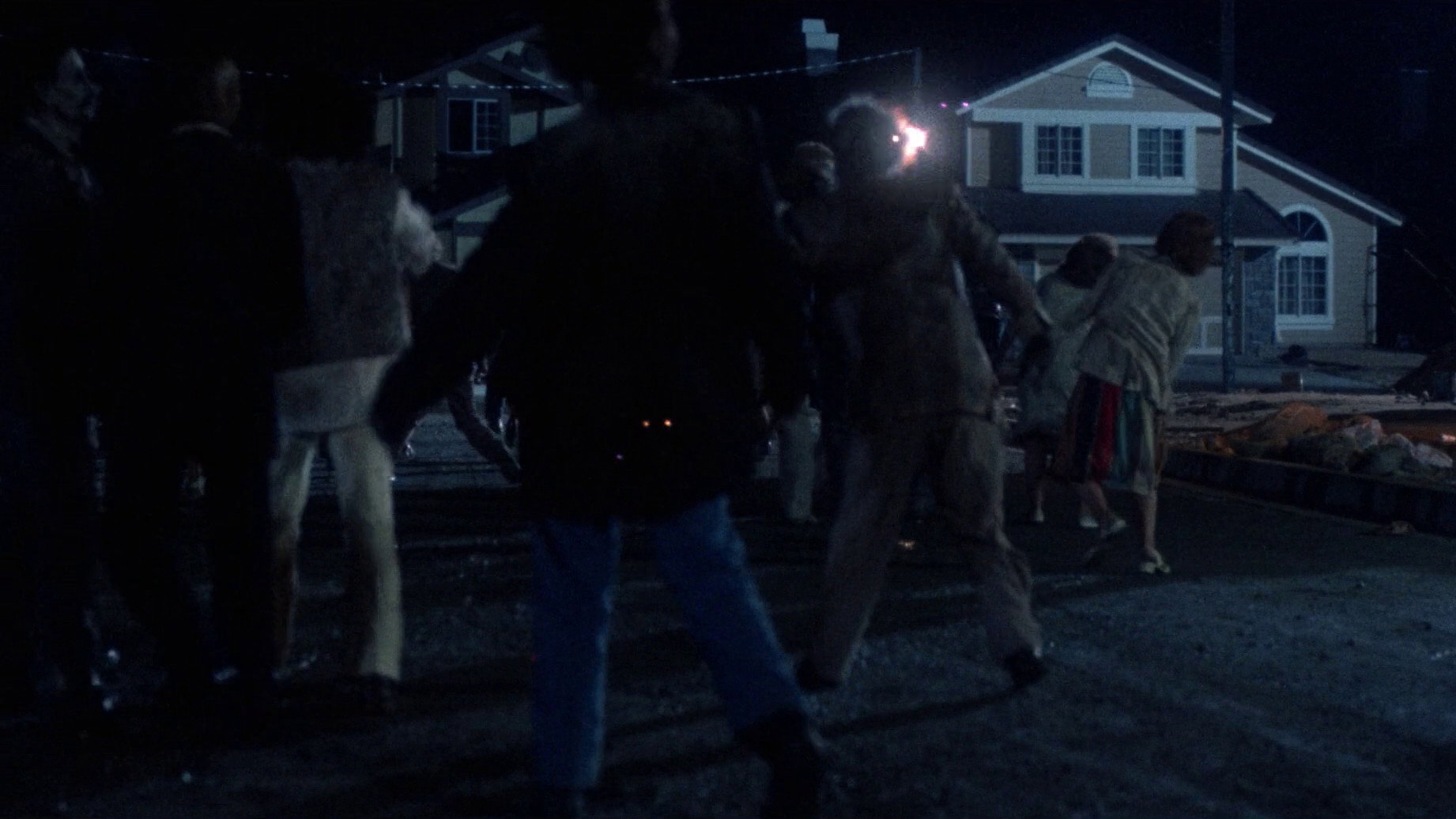
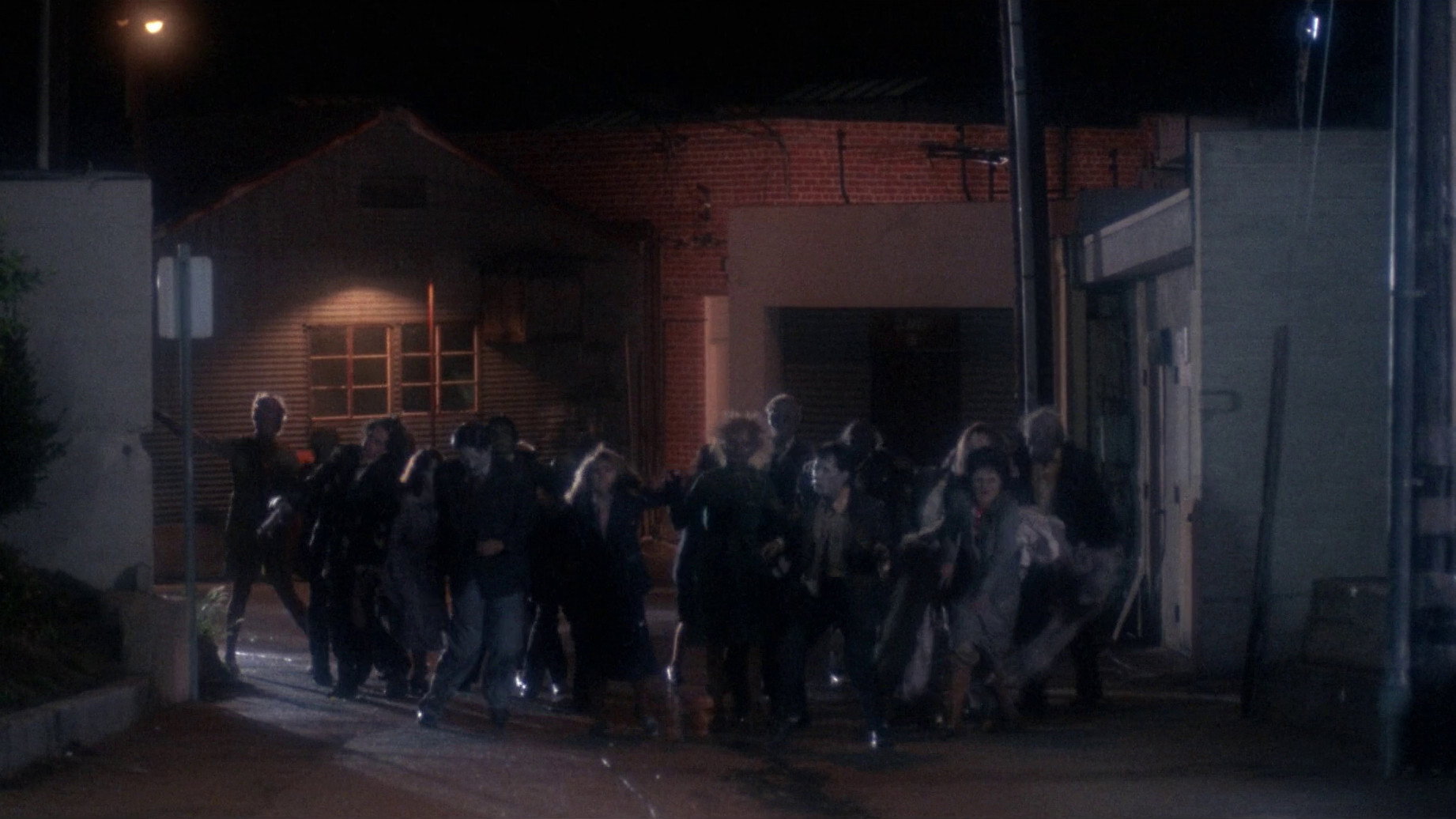
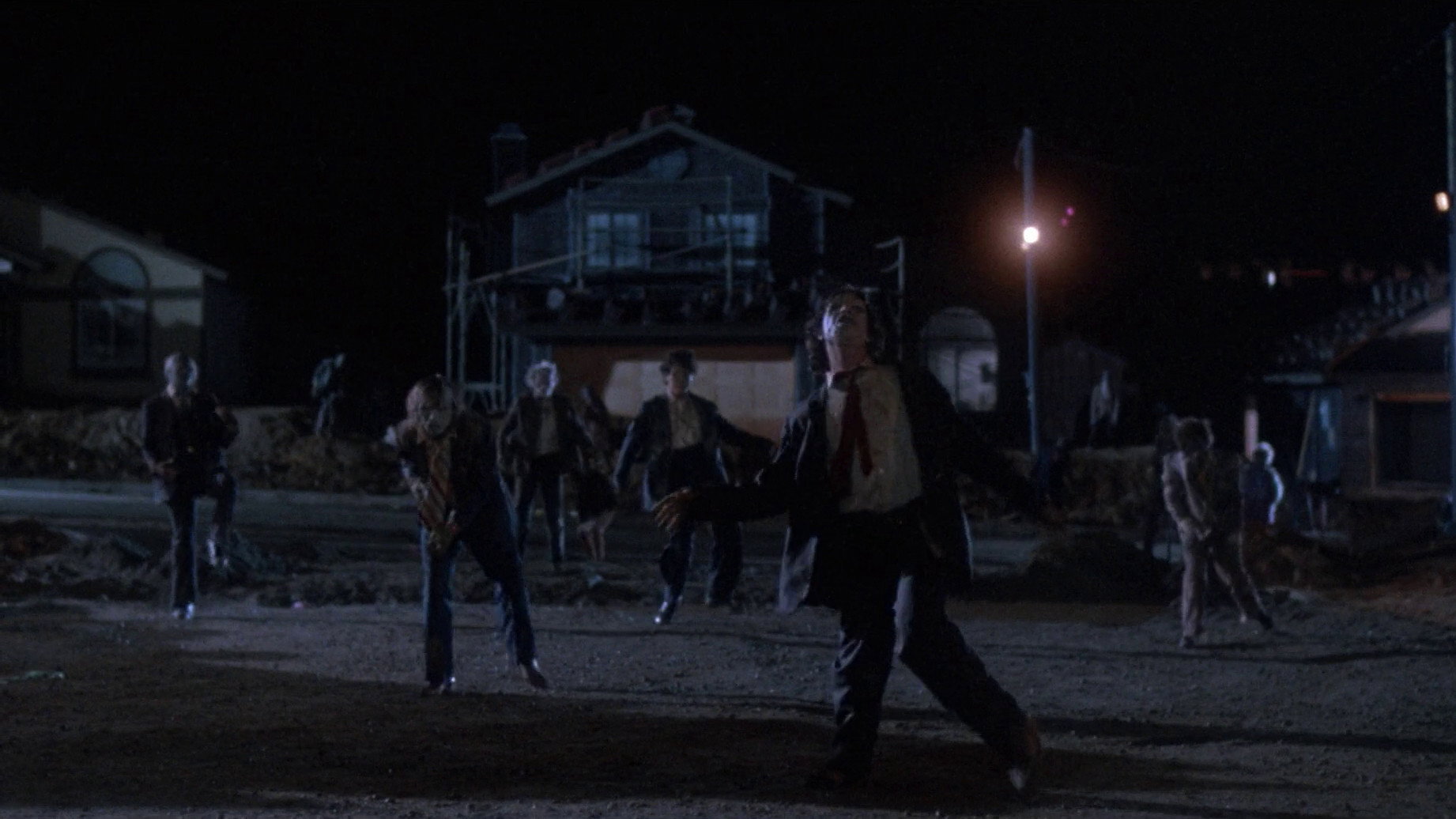
Wiederhorn’s humor relies extensively on exaggerated bodily movement and unexpected visual incidents. Zombies stumble through the cemetery, confront survivors in confined spaces and continue moving after sustaining injuries that would destroy an ordinary person. The resulting comic rhythm differs from the more abrasive dialogue and punk attitude associated with the original. Film critic Doris V. Sutherland subsequently identified the sequel’s emphasis on childhood adventure as a major reason for this difference. Her interpretation helps explain its tonal character without implying that the film was produced for children: Return of the Living Dead Part II received an American R classification and contains graphic zombie violence.

Cinematography and Practical Zombie Effects

Robert Elswit served as cinematographer, while Dale Allen Pelton was responsible for production design. The film uses the geography of suburban streets, cemetery grounds, drainage passages and domestic interiors to organize the outbreak. Unlike the first installment’s prolonged confinement within a medical warehouse and adjoining mortuary, the sequel frequently moves between separate locations. Its photography emphasizes the presence of zombies within recognizable everyday environments, allowing the contrast between ordinary residential life and grotesque physical transformation to support the comedy. Editor Charles Bornstein maintains a relatively brisk progression between the children’s investigation and the experiences of the infected adults.

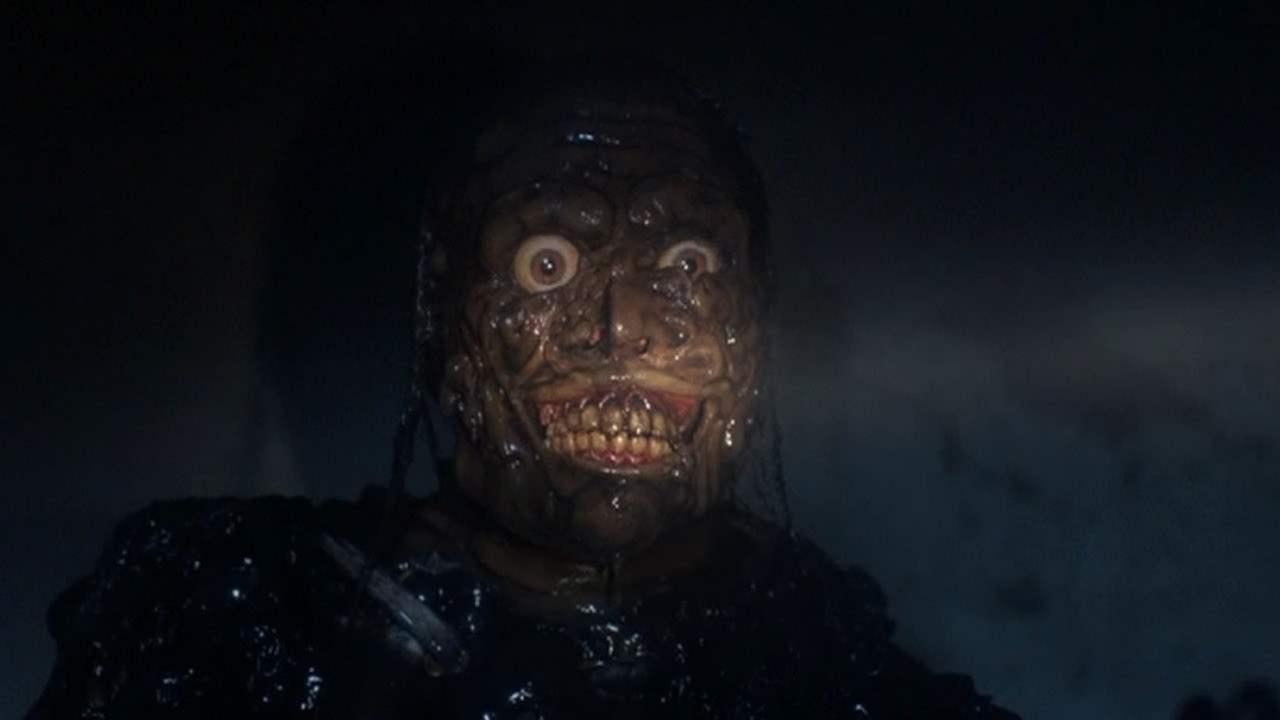
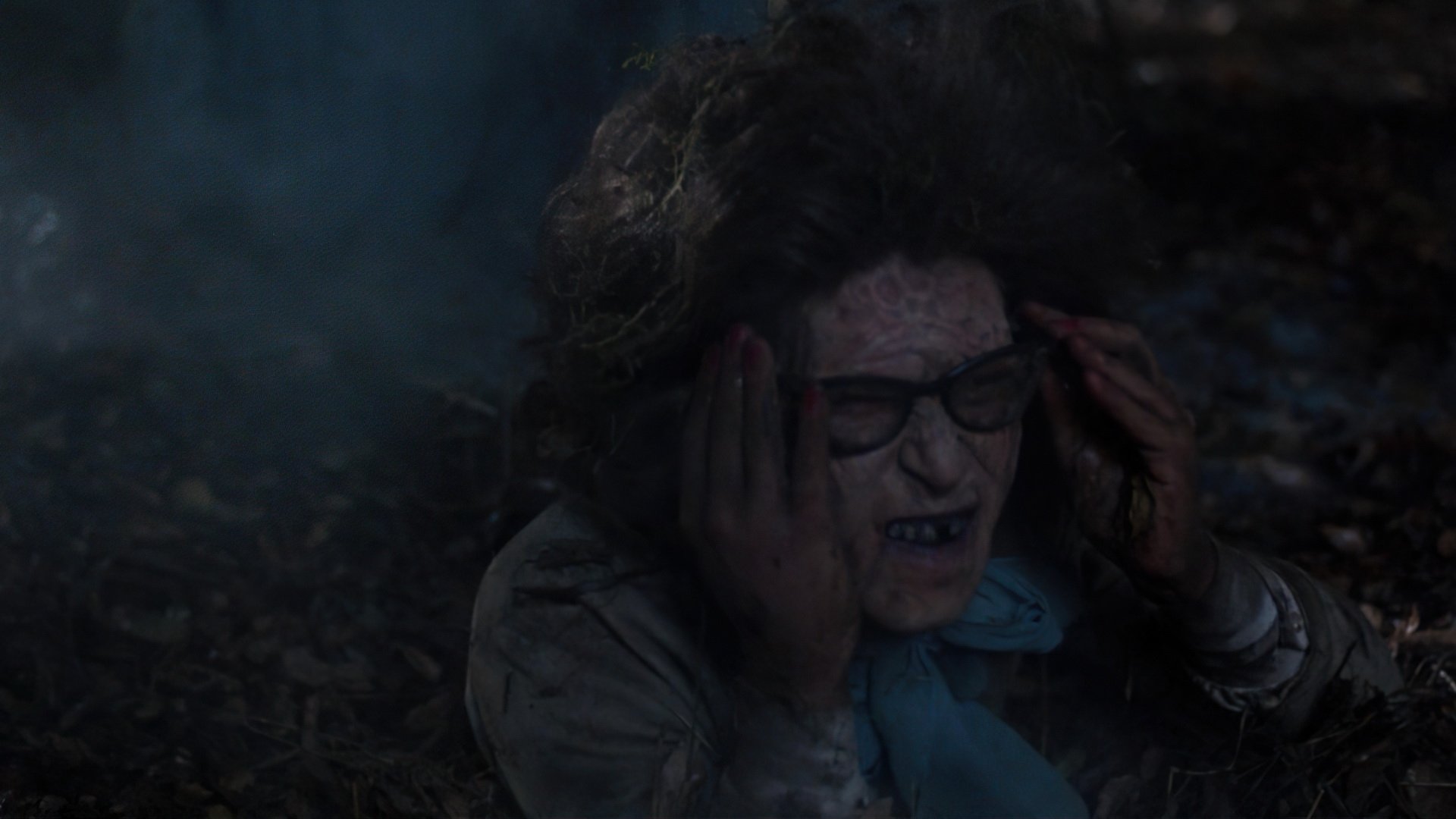
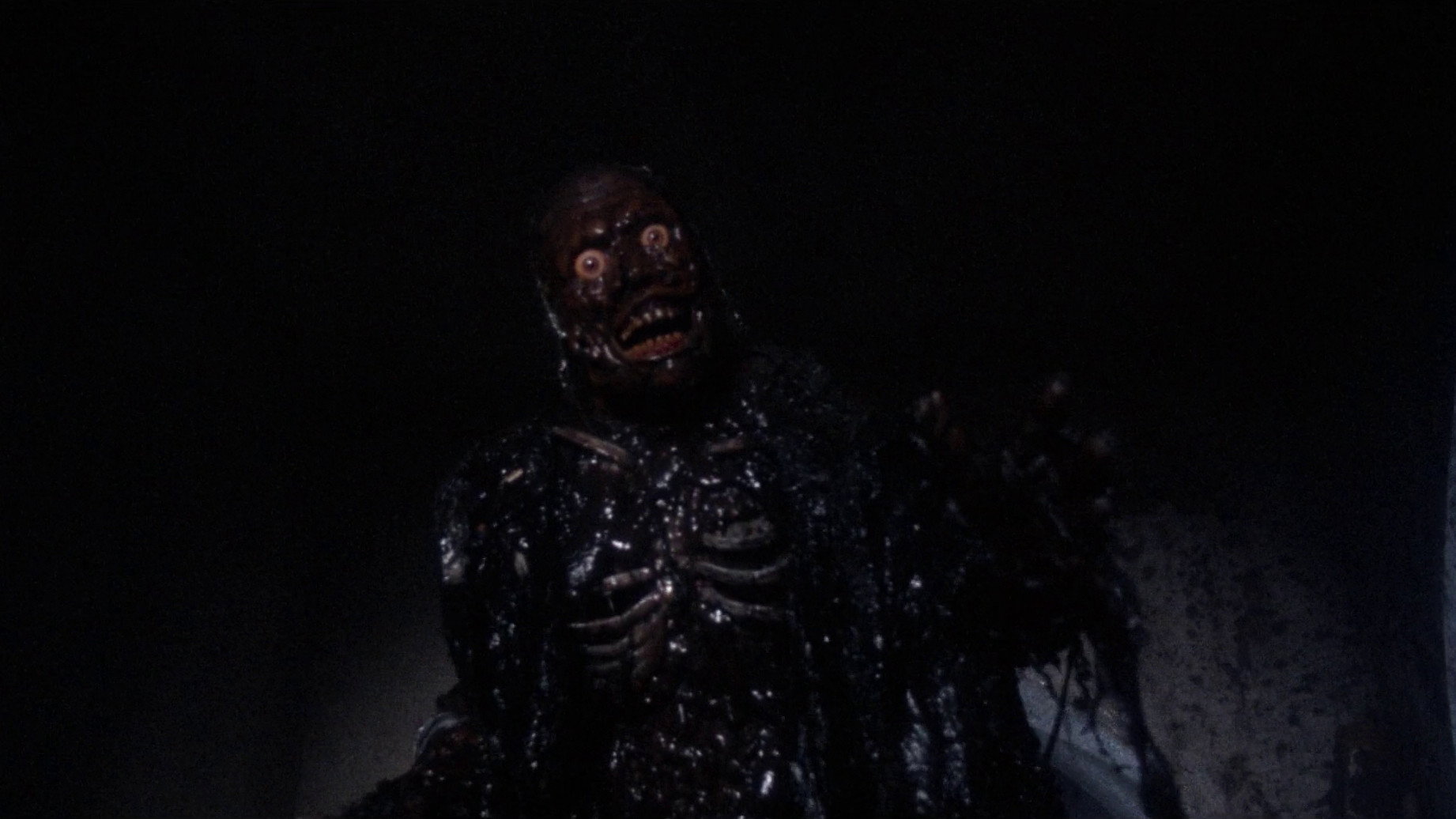
Kenny Myers received the principal special makeup effects credit, supervising a substantial team responsible for zombie appearances and bodily transformations. The American Film Institute identifies artists including Andy Schoneberg and Mike Smithson among the credited effects personnel. Their work was later documented in Back to the Dead: The Effects of Return of the Living Dead Part II, a supplementary feature produced for the 2018 Blu-ray edition. The film’s effects encompass skeletal and decomposed figures, damaged bodies and creatures capable of continuing to move after apparent dismemberment. These designs make the undead visually varied while allowing performers to participate directly in the comic action.

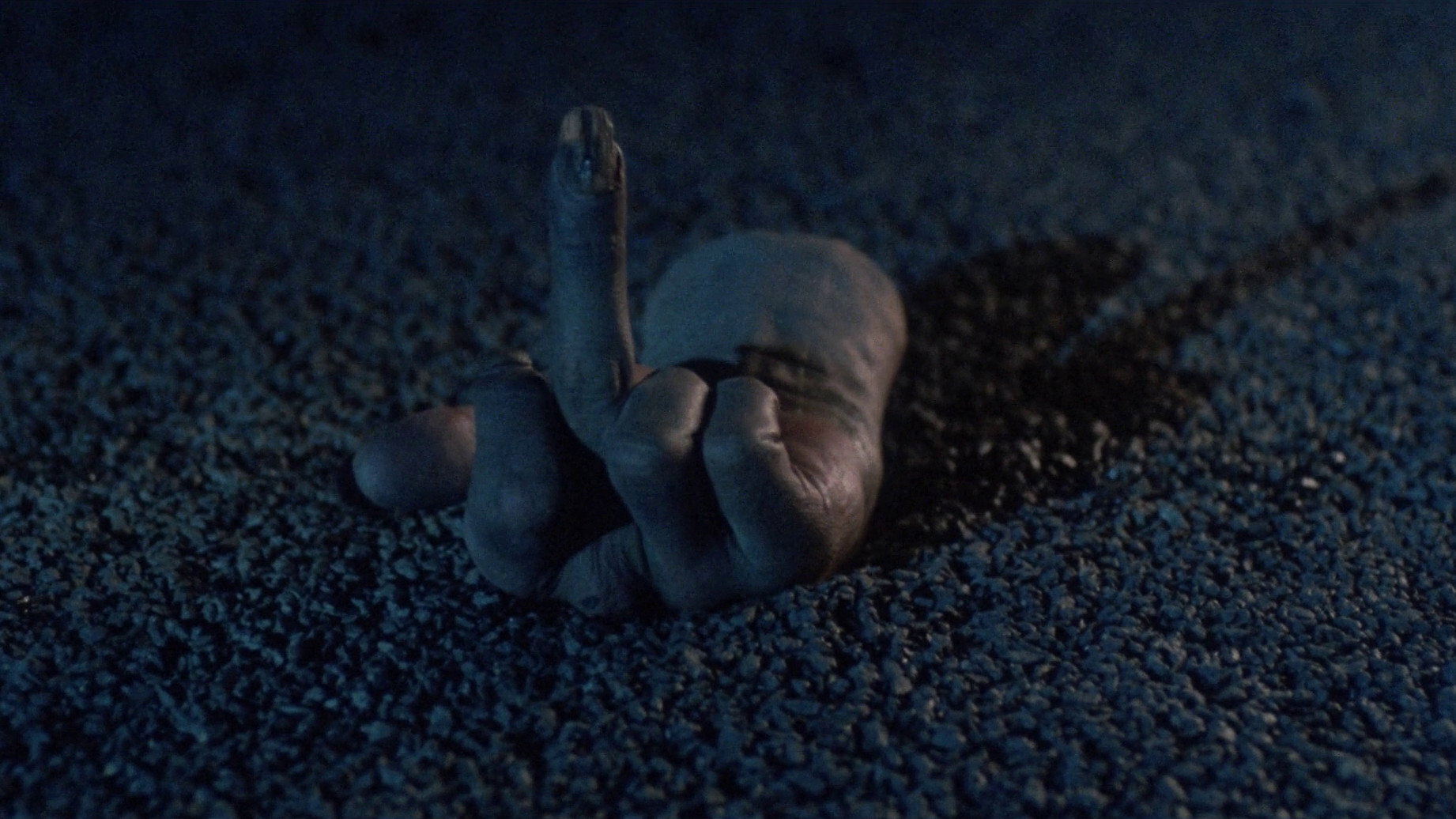
Several memorable sequences depend on the interaction between practical makeup and physical performance. A severed hand continues moving independently, turning bodily dismemberment into an extended sight gag. Other zombies undergo visible deterioration while retaining their ability to speak and interact with the living. Allan Trautman also returns as the performer of the Tarman creature, providing a visual connection with the previous production. The filmmakers combine these figures with larger groups of costumed performers, maintaining the established idea that chemical contamination can revive recently deceased bodies and older remains alike. The effects supply the grotesque imagery that remains essential to the series despite the sequel’s lighter dramatic tone.

Musical Design and the Altered Soundtrack

J. Peter Robinson composed the film’s principal theatrical score, which accompanies its mixture of supernatural danger and broad comedy. The soundtrack also incorporates licensed recordings by rock and popular-music performers, including Anthrax, Leatherwolf, Mantronix and Julian Cope. This musical selection places the sequel within the late-1980s tradition of horror films supported by contemporary commercial soundtrack albums. The relationship between music and action differs from the first film, whose punk and alternative-rock selections were closely associated with the characters’ identities. In Wiederhorn’s production, recorded songs and instrumental cues primarily accompany the unfolding comic-horror spectacle.

An important complication developed during the film’s home-video history. Earlier Warner Bros. DVD editions presented a replacement soundtrack rather than the original theatrical audio. The differences affected musical cues and parts of the opening presentation, substantially changing the relationship between image and sound. The existence of these alternate tracks means that the music heard in one home-video edition cannot automatically be treated as the soundtrack used during the 1988 theatrical release. The distinction is particularly relevant when evaluating Robinson’s contribution and the intended placement of contemporary songs.

The 2018 Scream Factory Collector’s Edition restored the theatrical soundtrack as its principal audio presentation, while retaining the replacement version as an alternative. A technical review published by Home Theater Forum confirmed the presence of the original stereo mix in lossless DTS-HD Master Audio and the altered track in Dolby Digital. The same edition included Undead Melodies, an interview with Robinson discussing his career and his involvement with the film. This restoration allowed audiences to compare two substantially different audio presentations of the same feature and recover a soundtrack that had been unavailable in its intended form on earlier DVD releases.

Theatrical Release and Critical Reception

Return of the Living Dead Part II opened in Los Angeles and New York on 15 January 1988 through Lorimar Motion Pictures. Earlier publicity had suggested a possible release during autumn 1987, but the film eventually entered American theaters in January. The AFI documents an opening engagement on approximately 1,400 screens and box-office receipts of about $3.6 million during the first weekend. Subsequent theatrical records place the final domestic gross at approximately $9.2 million, against a reported production budget of $6.2 million. Those figures establish the scale of the release but do not determine profitability, since distributor shares, advertising expenses and other costs are not represented by the production budget alone.

Wiederhorn later expressed dissatisfaction with the marketing strategy. In his interview with The Flashback Files, he recalled that Lorimar wanted to promote the film primarily as horror, while he believed its identity was fundamentally comedic. The resulting campaign, in his assessment, failed to communicate either emphasis clearly. He connected the disappointing commercial performance with the difficulties he subsequently encountered securing additional theatrical directing opportunities. This remains the director’s retrospective interpretation of the release rather than independent evidence that marketing alone determined its financial results.

Contemporary criticism was divided. Reviewing the film for the Los Angeles Times on 16 January 1988, Kevin Thomas responded favorably to Wiederhorn’s direction and the film’s combination of grotesque humor and action. He singled out Michael Kenworthy’s performance and appreciated the changing relationship between the comic incidents and the survivors’ attempts to escape. Other reviewers were considerably less enthusiastic. Richard Harrington of The Washington Post found the combination of comedy and horror more successful in its humorous elements, while Dave Kehr of the Chicago Tribune regarded the filmmaking as efficient despite reservations about the material. These differing responses establish a more complex original reception than a simple description of universal critical rejection.

Home-Video Reassessment and Franchise Position

The film’s later circulation encouraged renewed attention to the relationship between its production and the original Return of the Living Dead. Wiederhorn’s decision to reuse Karen and Mathews in parallel roles creates a deliberate association between the two stories without requiring their characters to have survived the earlier film. The second installment also preserves Trioxin as the underlying cause of reanimation and maintains the zombies’ desire for human brains. Its narrative continuity is therefore selective, combining recognizable fictional rules with a separate group of protagonists. Return of the Living Dead 3 (1993), directed by Brian Yuzna, subsequently developed the mythology through a markedly different romantic and body-horror approach.

In August 2018, Scream Factory released a Collector’s Edition Blu-ray prepared from a new 2K scan of an interpositive. The edition assembled extensive production documentation, including archival material and newly recorded interviews. The Laughing Dead featured Wiederhorn discussing the making and reception of the film, while Back to the Dead examined the makeup effects through the recollections of Myers, Schoneberg and Smithson. Additional interviews and commentaries involved cast members and researchers familiar with the franchise. The release provided a more substantial record of the production than had been available in the earlier standard DVD presentation.

Doris V. Sutherland’s 2023 retrospective for Women Write About Comics examined the film as an unusual hybrid of R-rated zombie violence and child-centered adventure. Her analysis emphasized the distance between Wiederhorn’s suburban comedy and the countercultural elements of O’Bannon’s film. This reading identifies the sequel’s historical interest in its altered conception of the zombie comedy rather than in a claim that it surpassed or directly influenced its predecessor. Return of the Living Dead Part II remains an instructive example of a commercially released horror sequel developed from an independent screenplay, with practical-effects spectacle, deliberate tonal changes and an unusually complicated soundtrack history shaping its subsequent reputation.
References

  1. American Film Institute Return of the Living Dead Part II (1988) — AFI Catalog, Historical Notes

    Archival reconstruction using contemporary Hollywood Reporter, Daily Variety and Los Angeles Times reporting to document the development, production dates, financing, casting and theatrical opening.

  2. The Flashback Files School of Hard Knocks — Ken Wiederhorn Interview

    Roel Haanen’s original 2013 interview with Wiederhorn explaining the independent screenplay, discussions with Dan O’Bannon, casting decisions, comedic intentions and conflicts over theatrical marketing.

  3. Los Angeles Times Movie Review: Humor Meets Terror in Living Dead Part II

    Kevin Thomas’s contemporary review published on 16 January 1988, assessing the performances, visual comedy, practical effects, direction and combination of horror with humor.

  4. Home Theater Forum Return of the Living Dead Part II (Collector’s Edition) — Blu-ray Review

    Detailed technical examination of the 2018 edition, documenting the 2K transfer, restored theatrical soundtrack, replacement audio and supplementary interviews with Wiederhorn, Robinson and the makeup-effects team.

  5. Women Write About Comics Dead at 55: Return of the Living Dead Part II (1988)

    Doris V. Sutherland’s historical and critical essay analyzing the original screenplay, child-centered suburban narrative, altered comedic tone and relationship with the zombie-horror tradition.

Connections

Cast

View Full Cast & Crew →

Release & Distribution

Production Companies (1)

  • Greenfox

Distributors (1)

  • Lorimar Television US

Release History (18)

Release DateTerritoryRelease TypeFormatDistributorCertificationNotes
1988-01-08 United States Premiere — — R
1988-01-15 United States Theatrical — — R
1988-05-04 France Theatrical — — U
1988-06-23 Australia Theatrical — — M
1988-07-26 Japan Theatrical — — —
1988-07-26 Philippines Theatrical — — — Davao
1988-08-18 Germany Theatrical — — 18 West Germany
1988-08-24 Italy Theatrical — — VM14
1988-12-31 Thailand Theatrical — — —
1989-02-24 United Kingdom Theatrical — — 18
1989-02-27 Germany Physical — — —
1989-04-14 Ireland Theatrical — — 18
1989-05-18 Brazil Theatrical — — —
1989-06-24 South Korea Theatrical — — —
1989-06-30 Portugal Theatrical — — M/16
1989-07-14 Spain Theatrical — — 12
2004-10-05 United States Physical DVD — R DVD
2005-10-28 Finland Physical DVD — — DVD
Just when you thought it was safe to be dead.