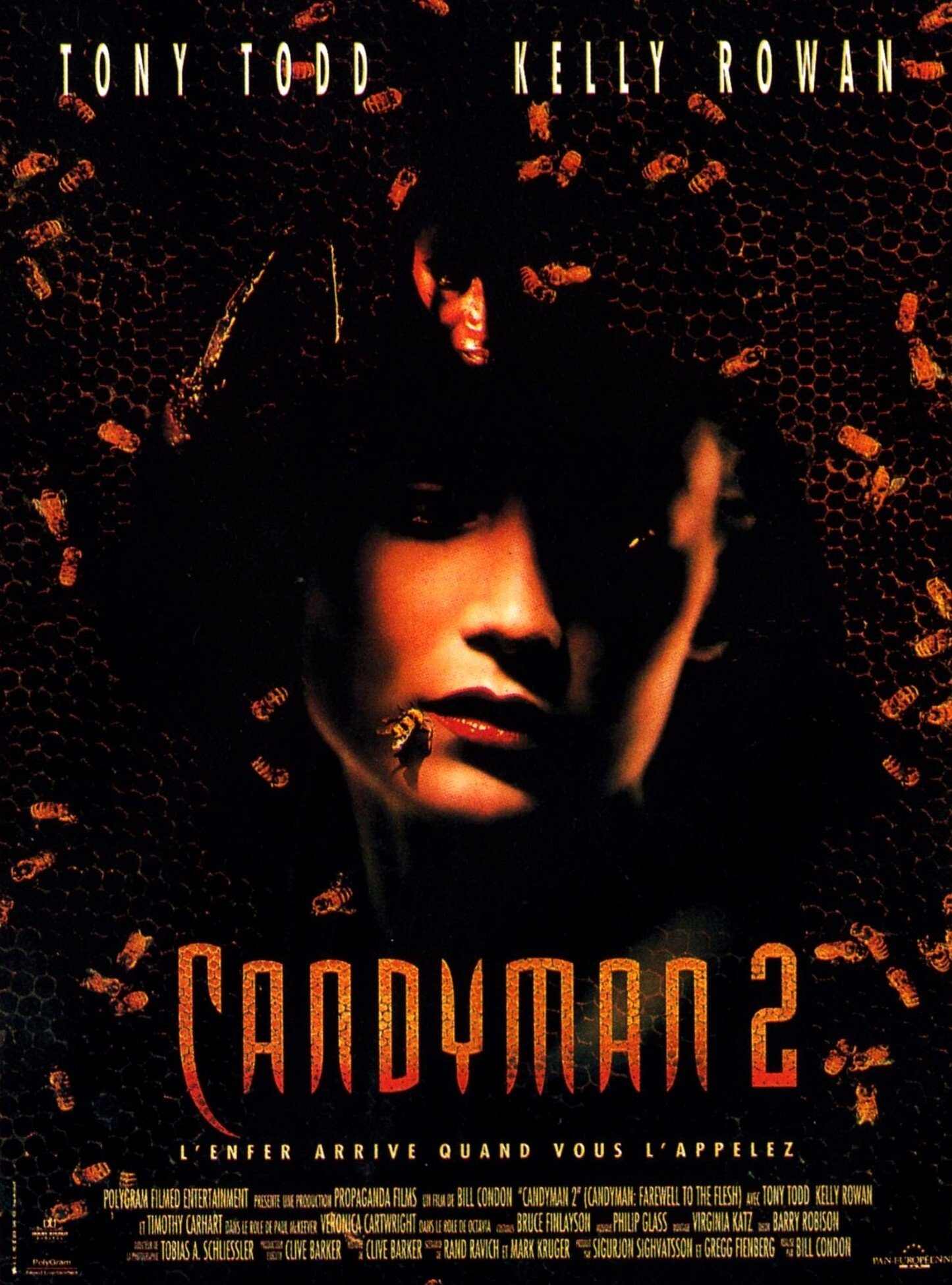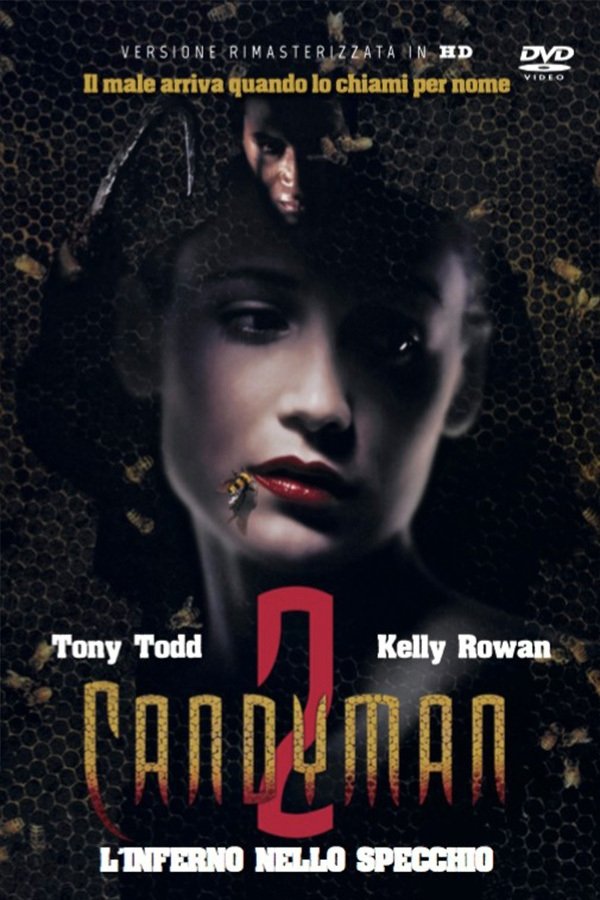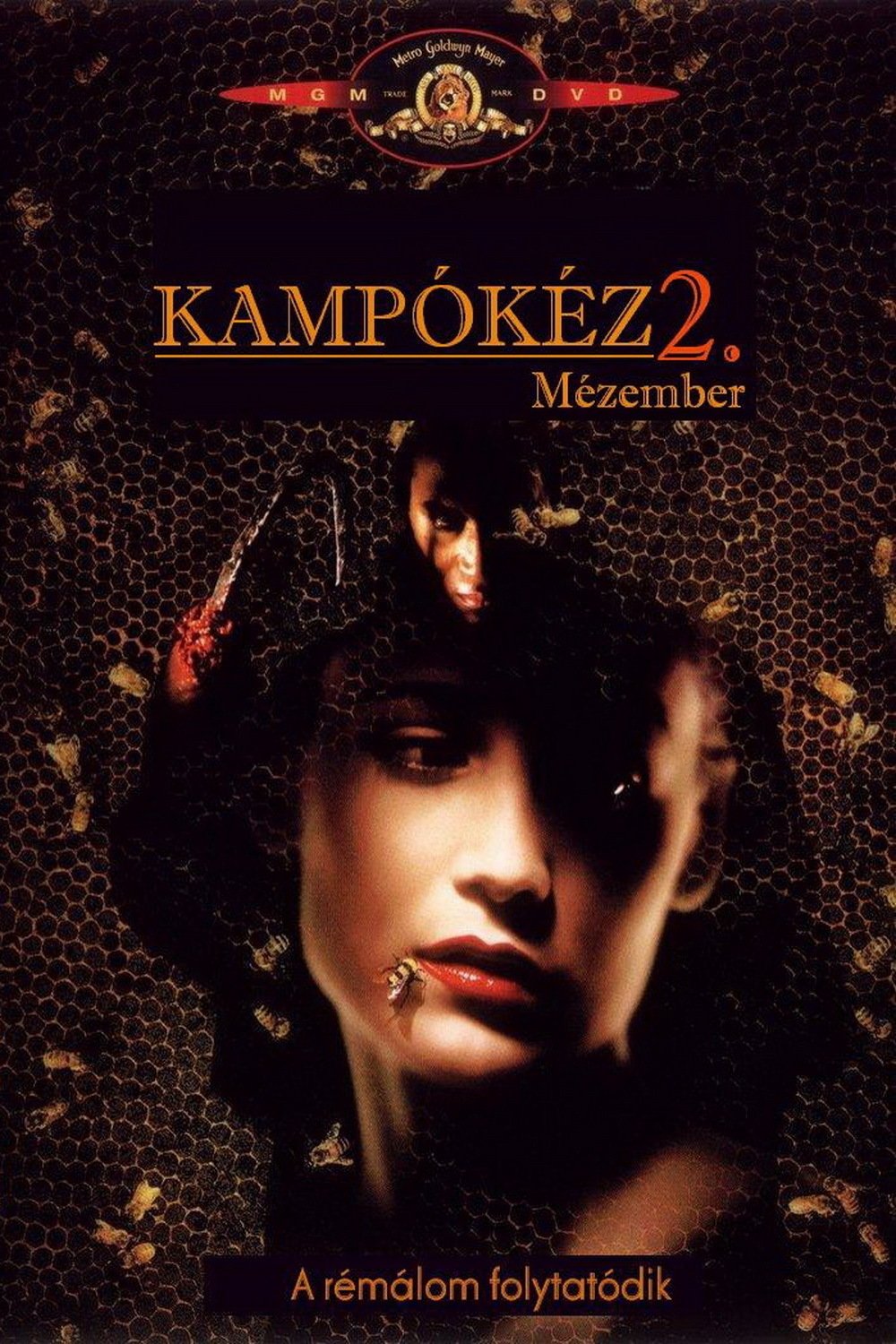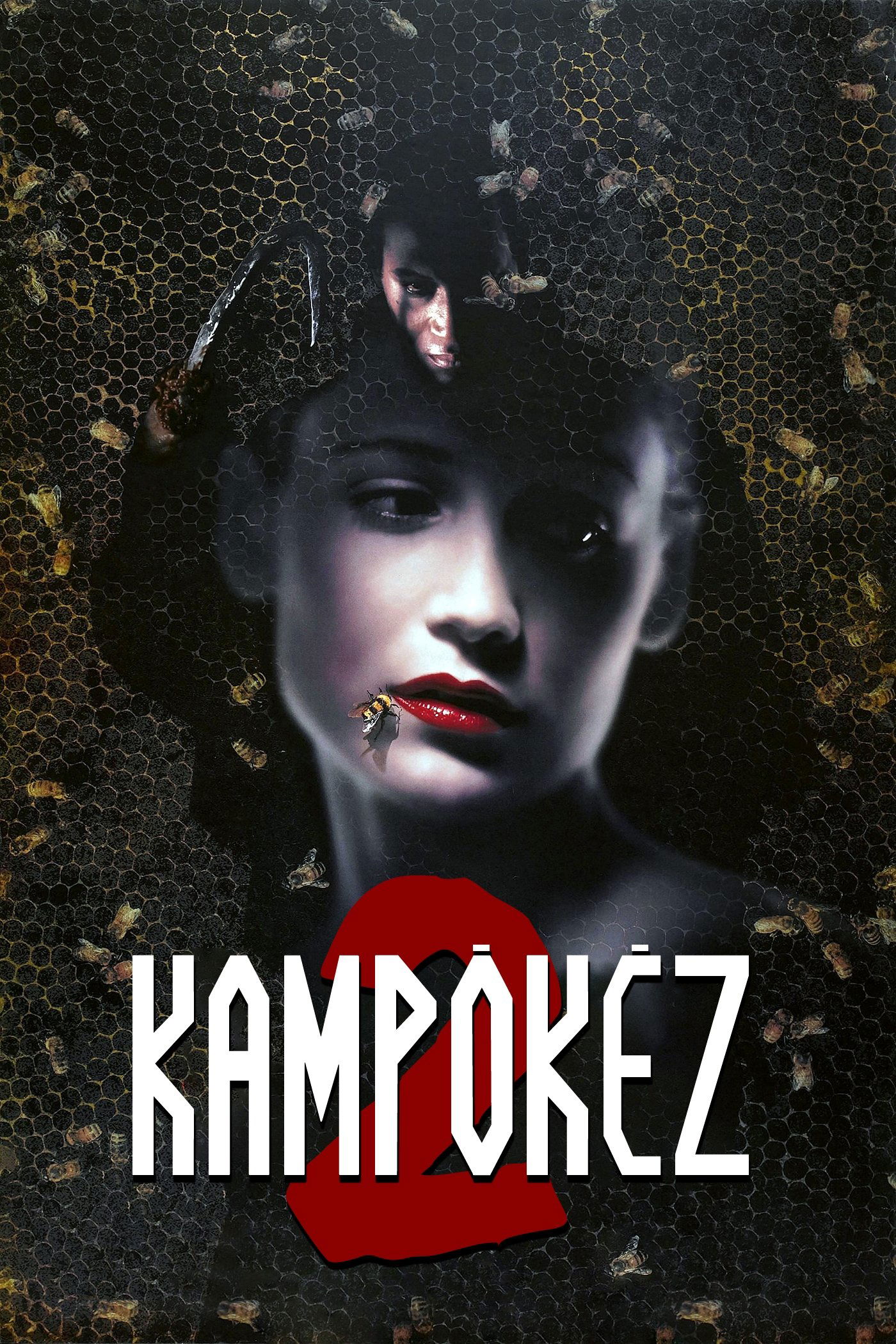
Candyman: Farewell to the Flesh (1995)

US
HORROR FILM Thriller
Runtime
95 min
Release
March 17, 1995
Revenue
$13,940,383
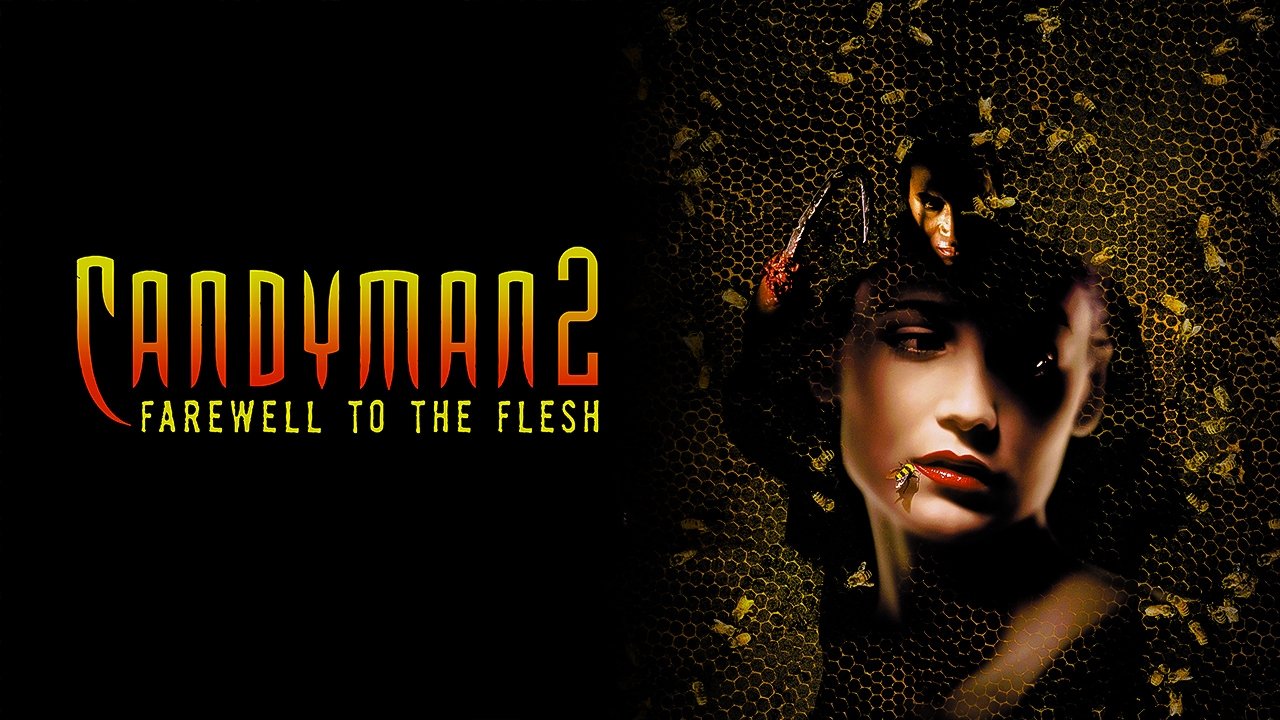
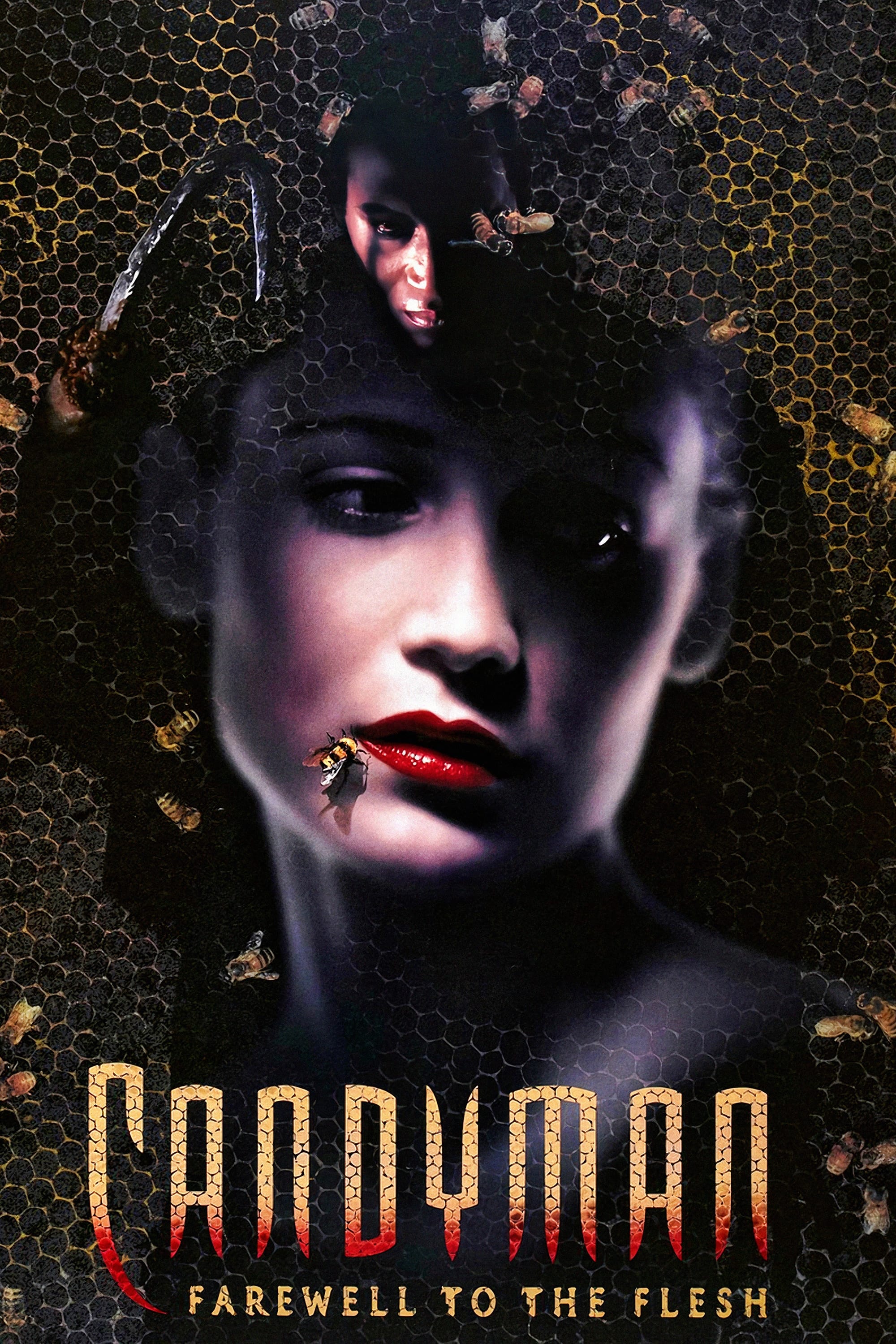
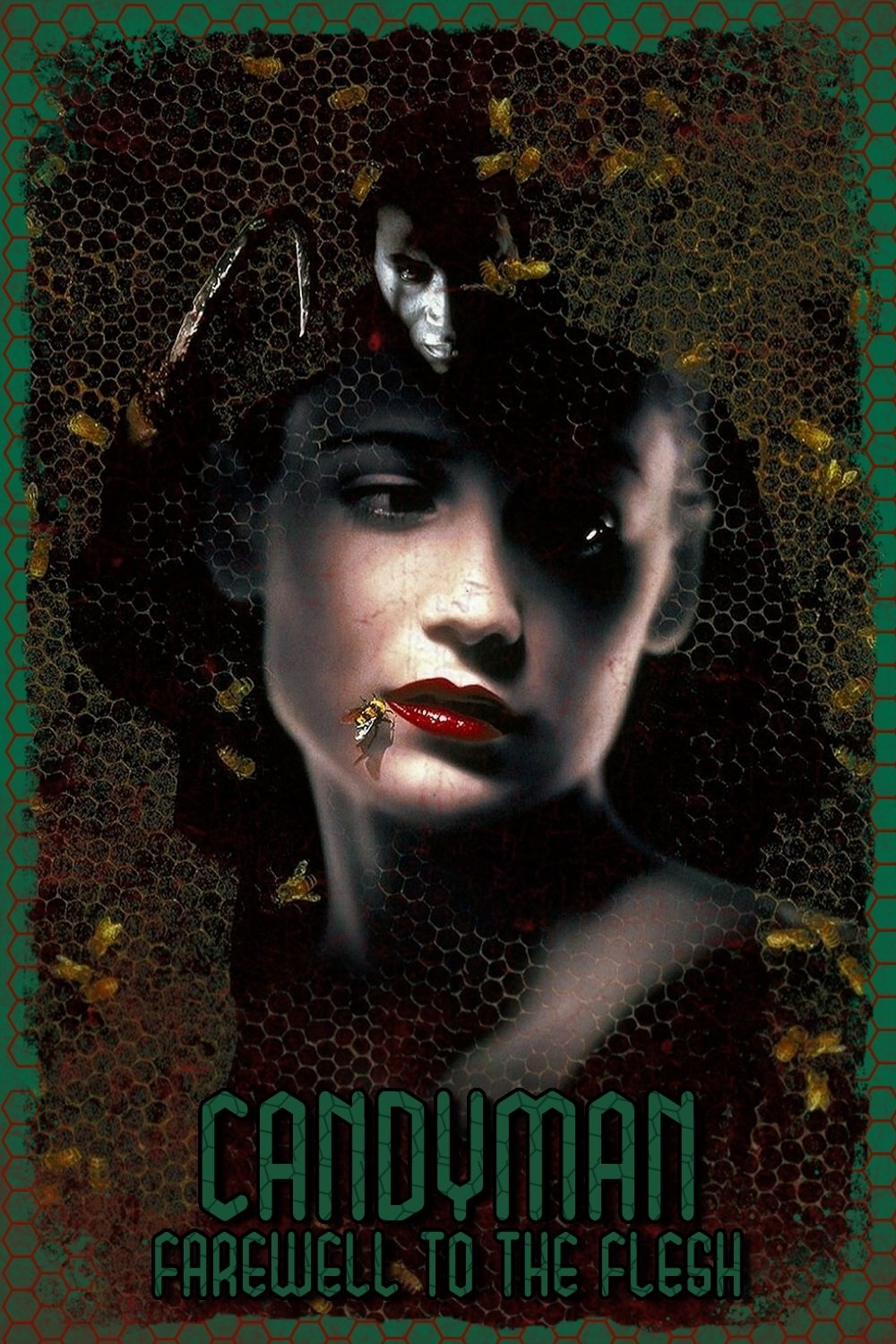
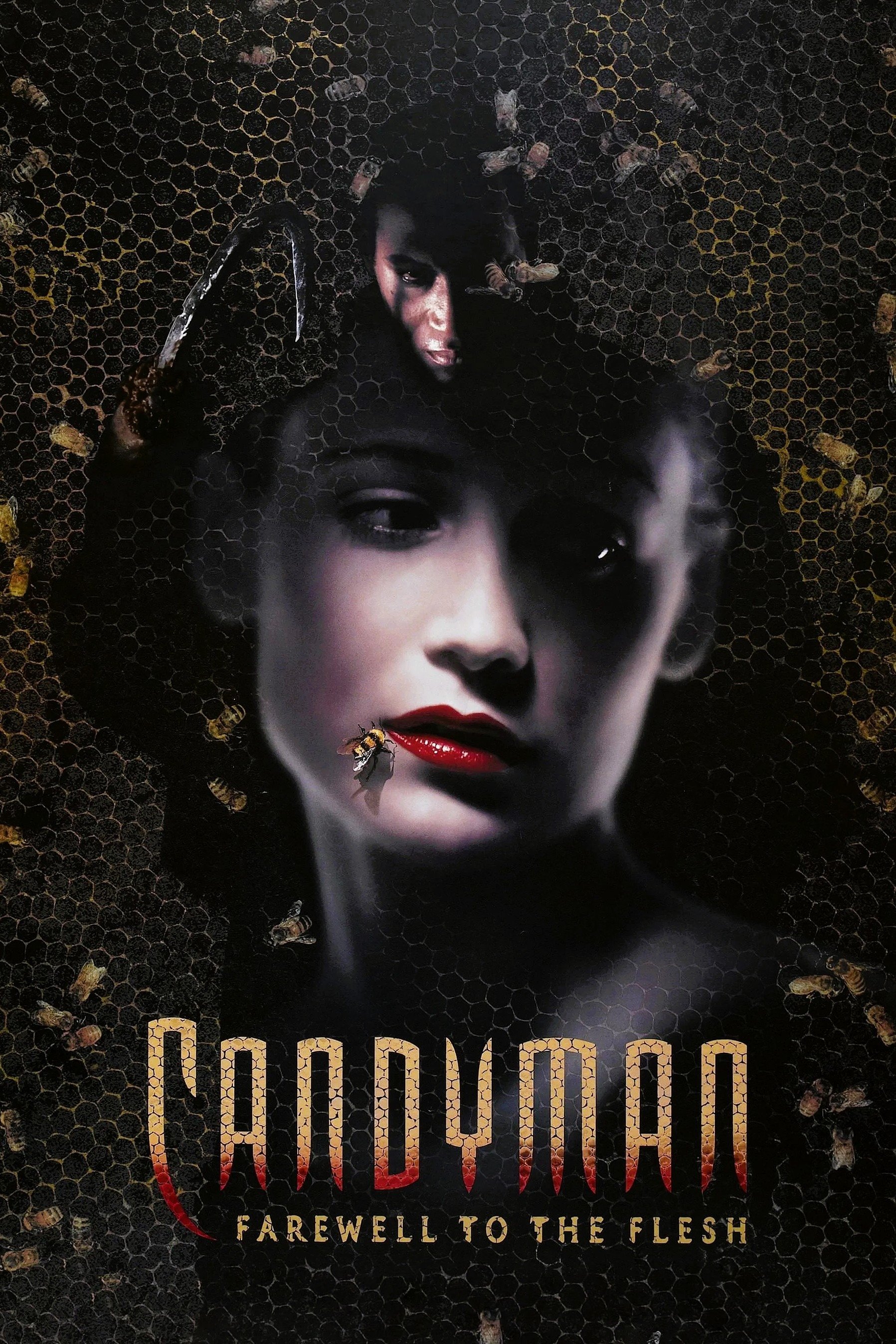
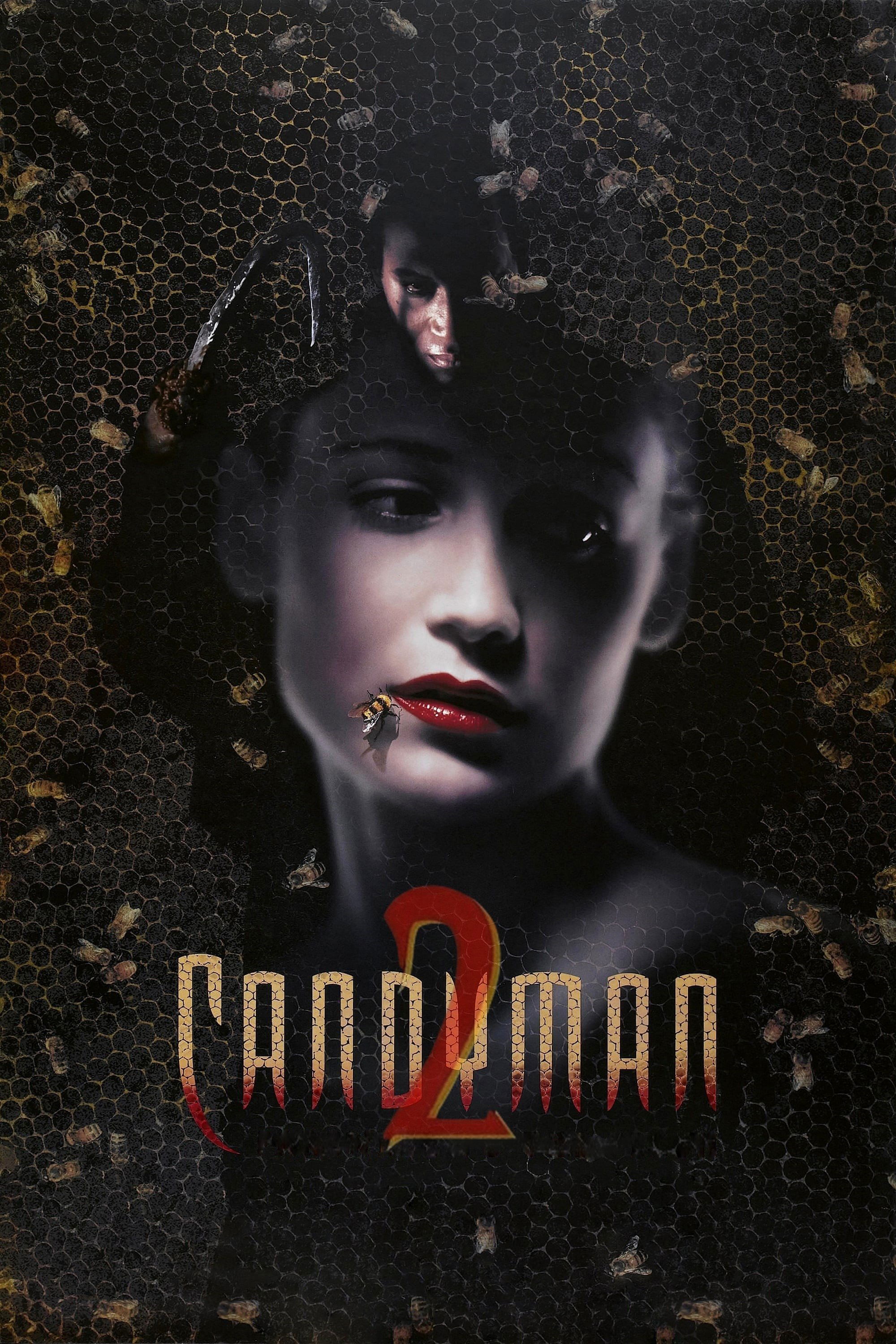
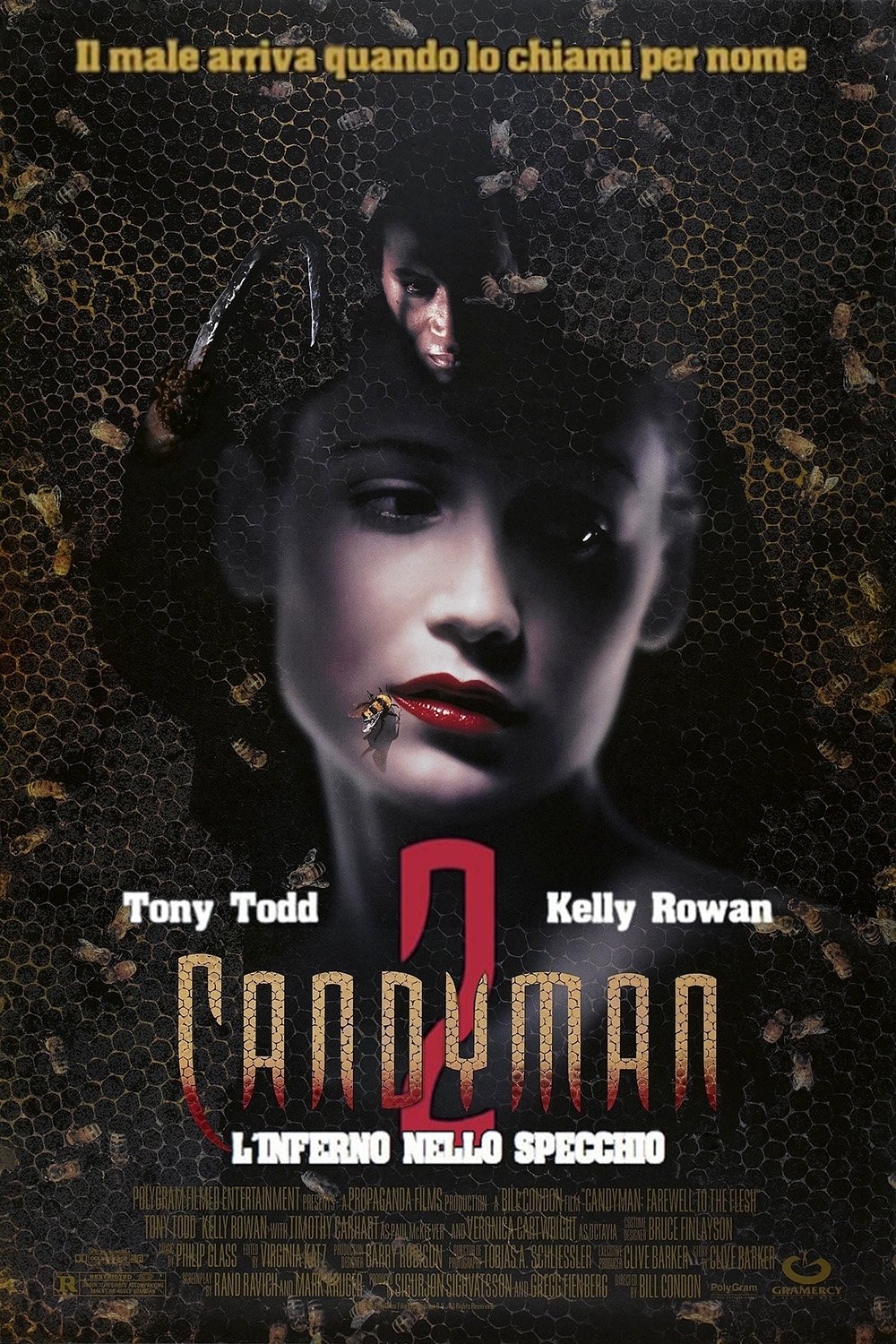
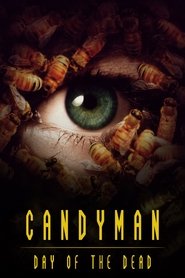
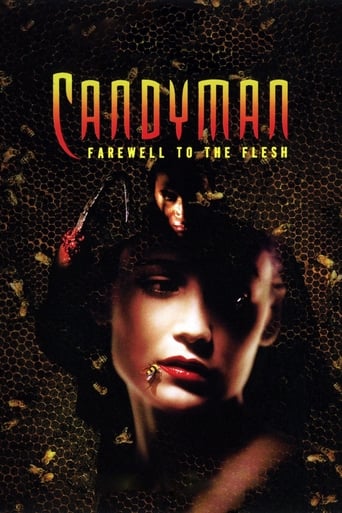
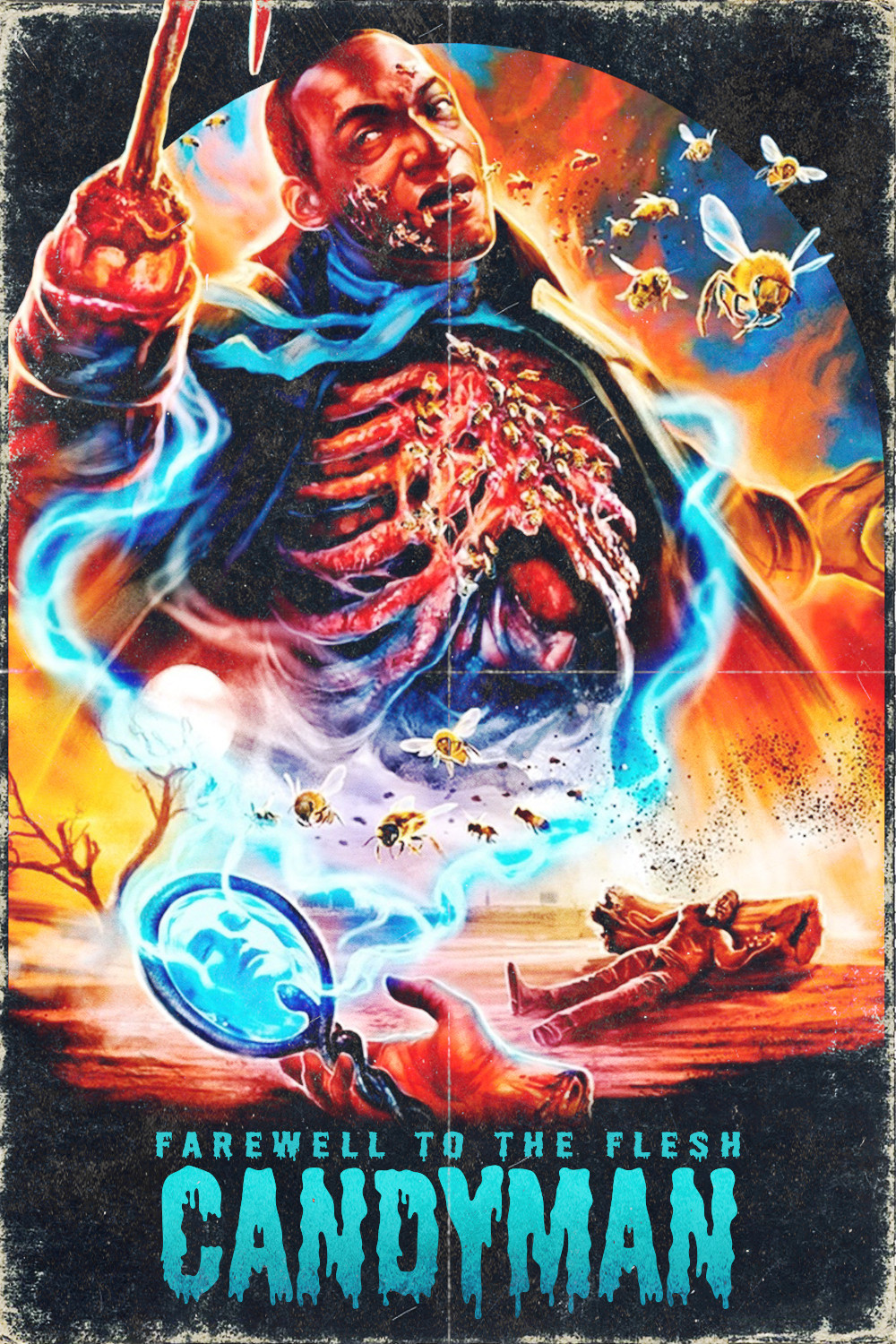
Candyman: Farewell to the Flesh (1995) poster
Director
Production Companies
Propaganda Films , PolyGram Filmed Entertainment , Gramercy Pictures
Plot

Annie, a young schoolteacher struggling to solve the brutal murder of her father, unwittingly summons the "Candyman" to New Orleans, where she learns the secret of his power, and discovers the link that connects them.

Alternative Titles
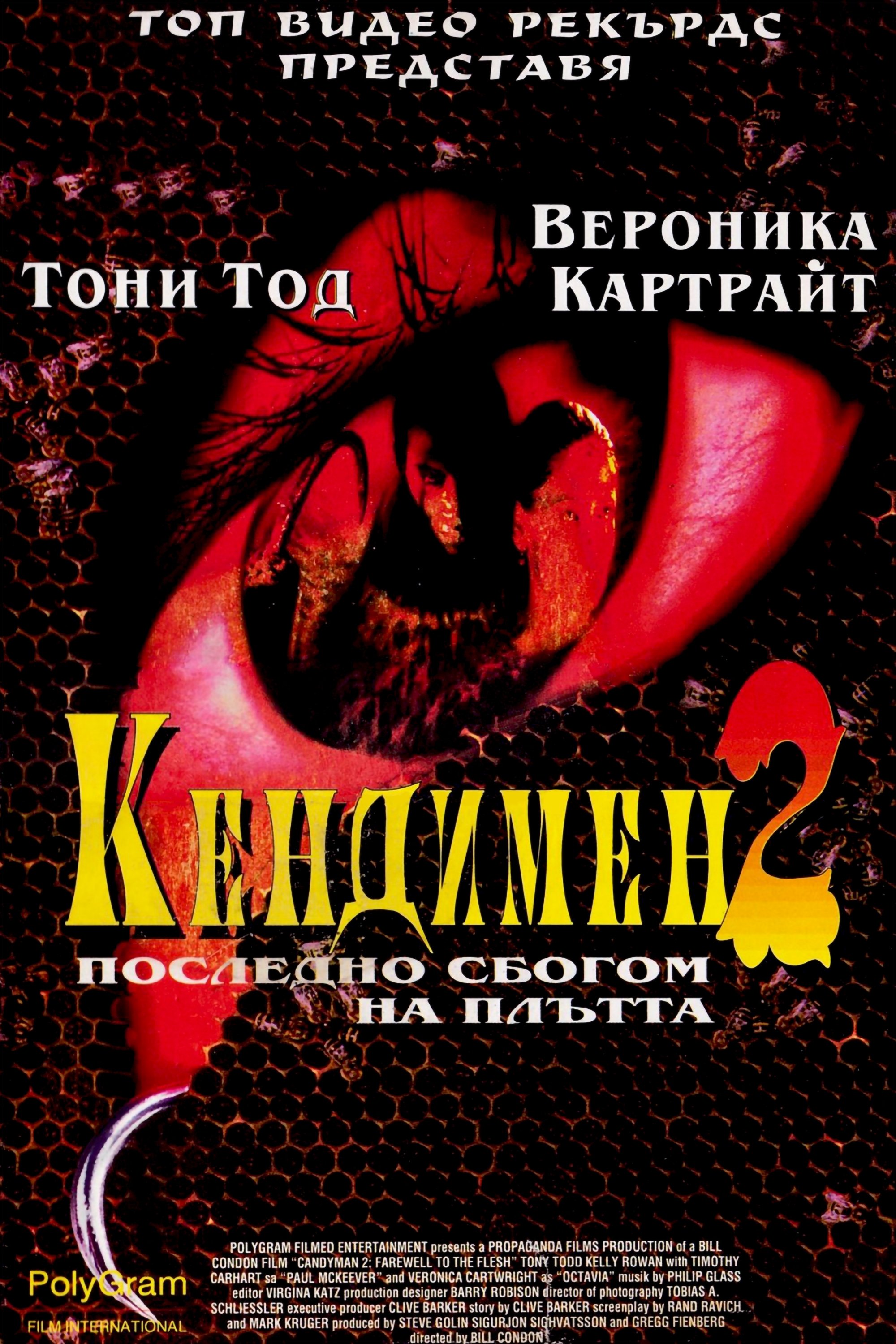
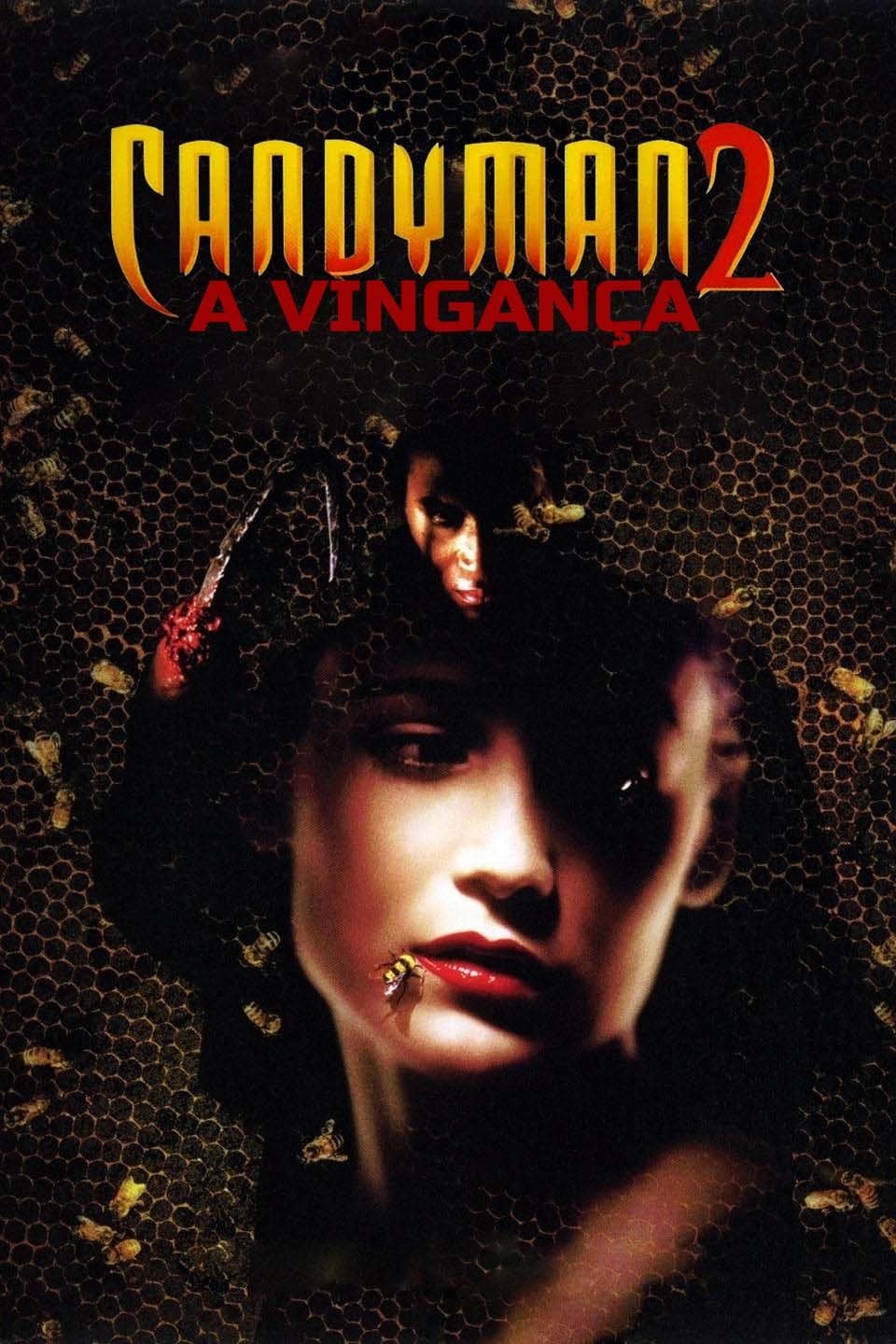
Кендимен 2: Последно сбогом на плътта (Bulgaria) — Bulgarian Candyman 2 - A Vingança (Brazil) — Portuguese Candyman 2 (Canada) — French 糖果人2:腥风血雨 (China) — Chinese Candyman 2 : Sbohem masu (Czechia) — Czech Candyman 2 - Die Blutrache (Germany) — German Candyman II (Denmark) Candyman 2 (Spain) — Spanish
Show all 32 alternative titles Candyman 2 (Finland) — Finnish Candyman 2 (France) ქენდიმენი 2 (Georgia) — Georgian Κάντιμαν: Αποχαιρετισμός στη Σάρκα (Greece) 腥風怒吼 2:腥風血雨 (Hong Kong SAR China) — Chinese Candyman 2: Zbogom tijelu (Croatia) — Croatian Kampókéz 2. (Hungary) — Hungarian קנדימן 2 (Israel) — Hebrew Candyman 2 - L'inferno nello specchio (Italy) キャンディマン2 (Japan) — Japanese 캔디맨 2 (South Korea) — Korean Candyman 2 (Mexico) — Spanish Candyman 2: Pożegnanie z ciałem (Poland) — Polish Candyman 2: A Vingança (Portugal) — Portuguese Кэндимэн 2: Прощание с плотью (Russia) Candyman 2 (El Salvador) แคนดี้แมน ผีตะขอเหล็ก (Thailand) — Thai Şeker Adam'ın Laneti 2 (Türkiye) — Turkish 腥風怒吼2:腥風血雨 (Taiwan) — Chinese Кендімен 2: Прощання з плоттю (Ukraine) Кендімен: Прощання з плоттю (Ukraine) — Ukrainian Candyman 2: Farewell to the Flesh (United States) — DVD Candyman II: Farewell To The Flesh (United States) Sát Nhân Trong Gương 2 (Vietnam) — Vietnamese

Trailers & Videos

1 video

Film Guide & Analysis

Bill Condon’s New Orleans horror sequel: Daniel Robitaille’s origins, Mardi Gras imagery, Tony Todd’s performance, live-bee effects, Philip Glass’s music and theatrical reception.

Candyman: Farewell to the Flesh (1995) is an American supernatural horror film directed by Bill Condon, continuing the mythology established by Bernard Rose’s Candyman (1992). The sequel relocates the hook-handed apparition from Chicago to New Orleans, where the history of Daniel Robitaille becomes inseparable from a family whose ancestry has been deliberately concealed. Set during Mardi Gras, the film combines Gothic romance, racial violence and supernatural revenge with a more explicit account of the killer’s origins. Tony Todd returns as Candyman, whose appearance is accompanied by bees, mirrors and the recurring consequences of a nineteenth-century lynching.

Kelly Rowan plays Annie Tarrant, a schoolteacher drawn into the mystery after her brother is accused of murder and a series of killings recalls the legend that has haunted her family. Written by Rand Ravich and Mark Kruger, the film expands the supernatural rules surrounding Candyman while shifting the dramatic emphasis toward inherited identity and historical guilt. Condon’s direction makes the Louisiana setting central to the imagery, contrasting carnival celebrations with decaying architecture and oppressive weather. Released by Gramercy Pictures on March 17, 1995, the sequel features photography by Tobias A. Schliessler, practical effects involving live bees and a musical score combining earlier Philip Glass compositions with material written for the new production.

Development and the Return of Candyman

The first Candyman had adapted Clive Barker’s short story The Forbidden into a Chicago-set supernatural horror film concerned with urban folklore, racial divisions and the persistence of violence. Its commercial success created an opportunity to continue the character beyond the conclusion of Helen Lyle’s story. The sequel was developed with Barker remaining involved as an executive producer and with Rand Ravich and Mark Kruger writing the screenplay. Rather than resurrecting Helen as the principal character, the filmmakers decided to investigate the background of the supernatural murderer. This approach preserved Tony Todd’s performance while creating a separate human protagonist whose family history could provide the basis for the new narrative.

Barker described the sequel’s purpose in contemporary interviews as an expansion of the mythology introduced in the original film. He considered the New Orleans setting particularly suited to a more elaborate Gothic treatment. Condon was selected to direct after Bernard Rose did not return. Barker subsequently expressed satisfaction with the appointment, recalling that he had supported Condon for the assignment during the production process. The director’s approach was informed by his admiration for Rose’s use of realistic environments and daylight. He wanted the supernatural encounters to retain a recognizable physical presence while allowing the surrounding world to become progressively more disturbing as Mardi Gras approached its conclusion.

The story was organized around a woman discovering that the monster pursuing her belonged to her own family history. This provided a different narrative foundation from Helen Lyle’s investigation of a supposedly fictional urban legend. The screenplay develops information about Daniel Robitaille that had remained comparatively limited in the first film, including the circumstances of his death and the importance of a mirror associated with his former lover. Barker compared the character’s power of seduction to that of Dracula, emphasizing the promise of an existence beyond death. The sequel consequently gives Candyman a more explicit personal history while retaining his capacity for indiscriminate violence.
New Orleans, Mardi Gras, and Visual Style

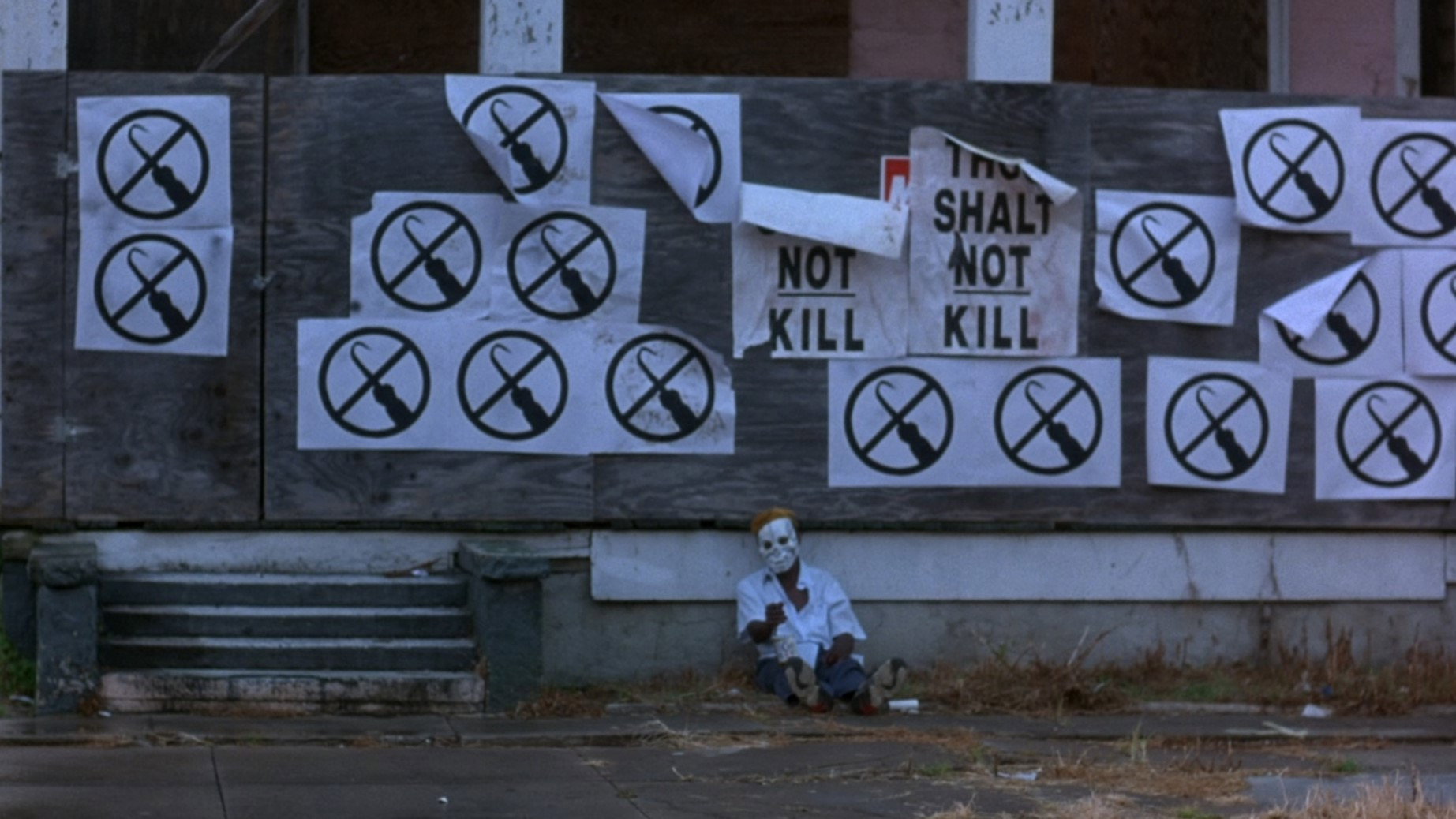
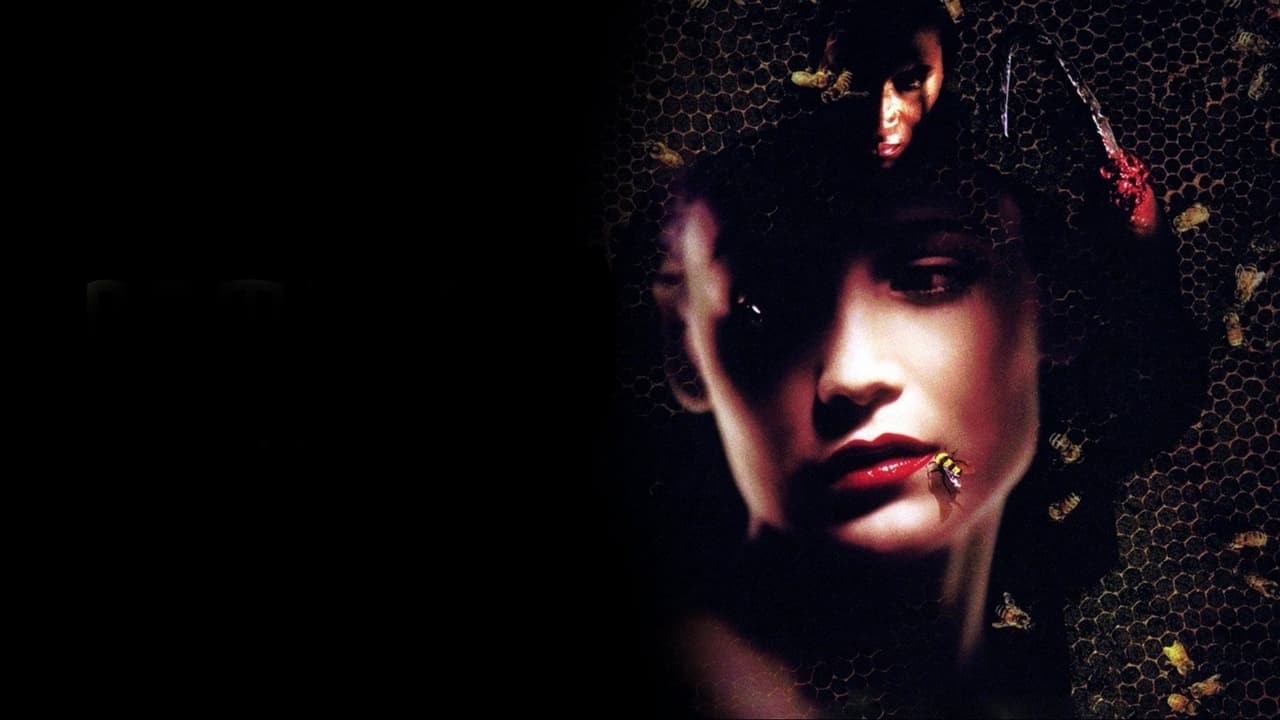
New Orleans provides the film with a setting where public celebration and the memory of historical violence occupy the same geographical space. Mardi Gras supplies the immediate timeframe, with crowded streets, elaborate costumes and festivities preceding the beginning of Lent. The screenplay uses a local radio personality, Kingfish, to introduce the city and repeatedly connect the carnival to the approaching end of the celebrations. The title derives part of its significance from this association with the rejection of flesh before a period of religious observance. Within the film, carnival imagery also accompanies a narrative concerned with the destruction and preservation of the human body.

Condon explained his visual intentions in a contemporary Fangoria interview, describing New Orleans as a city where vegetation, rain and decay appeared to be overtaking the built environment. He wanted the heroine’s movement through the city to culminate in a confrontation surrounded by imagery that had become increasingly surreal. The progression from recognizable streets to an almost nightmarish carnival was deliberate. He compared the desired appearance of the final celebrations to the crowded grotesque imagery of Hieronymus Bosch. That comparison describes the director’s artistic intention rather than an independently established historical connection between the film and the painter.

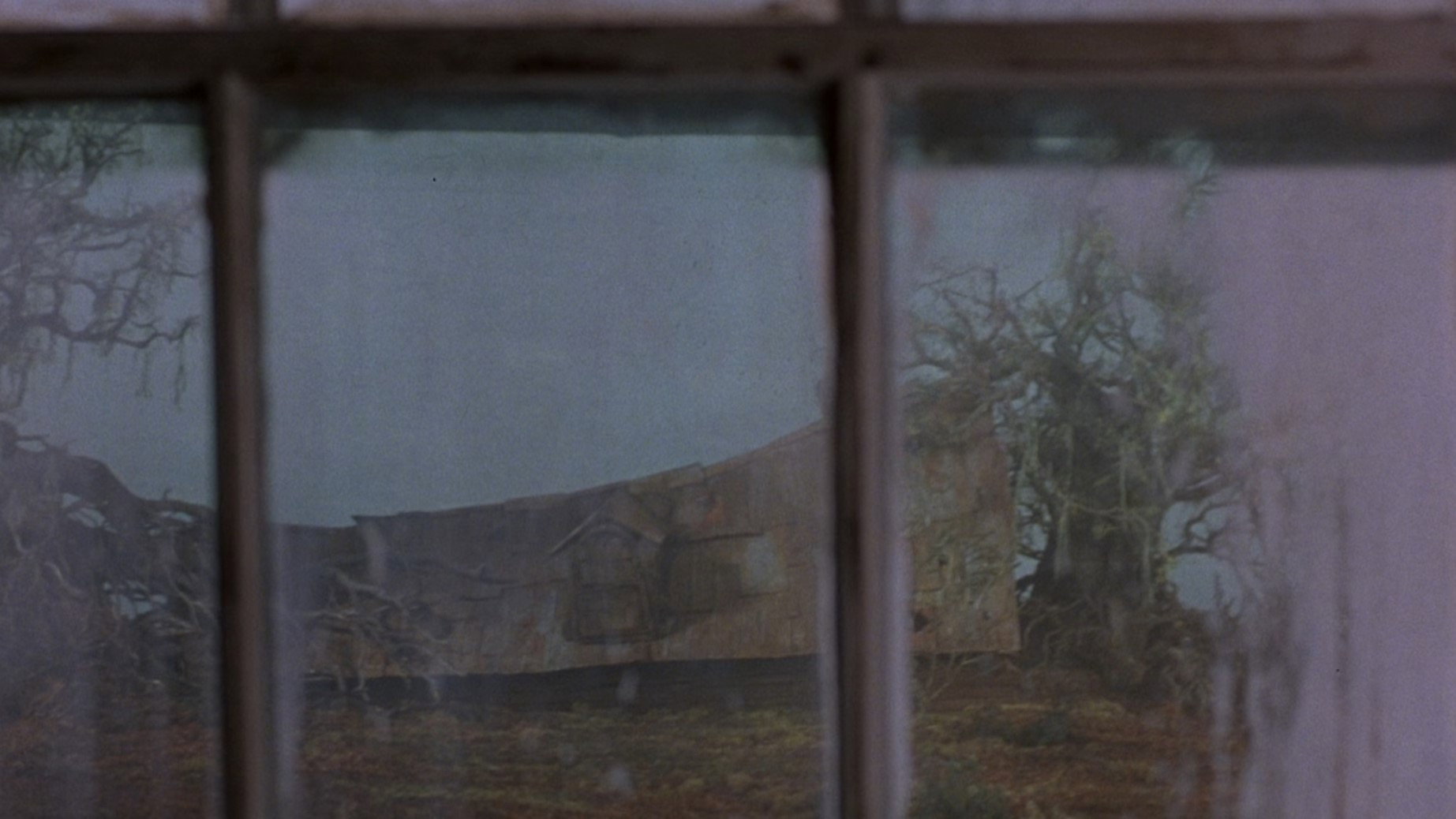
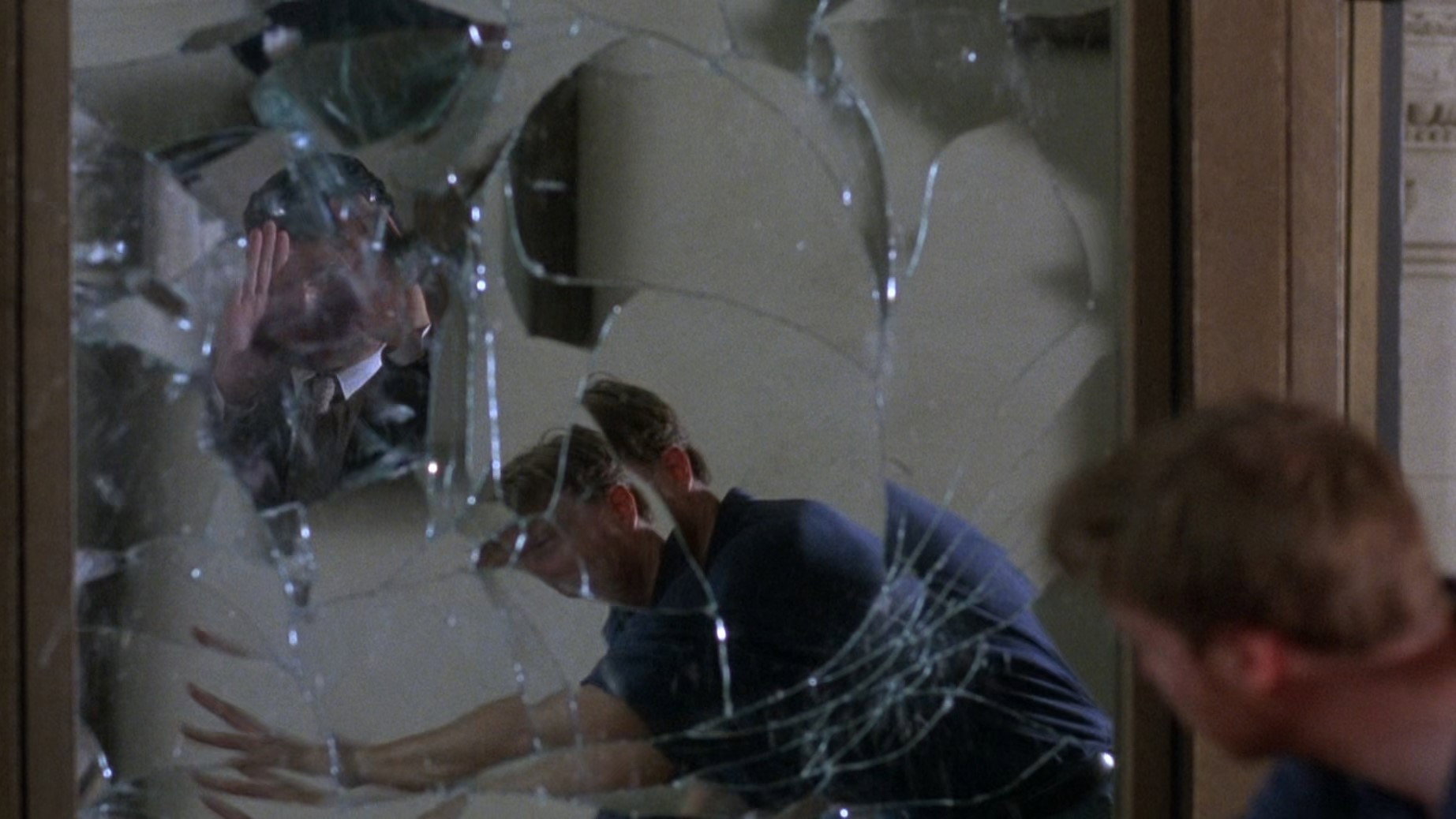
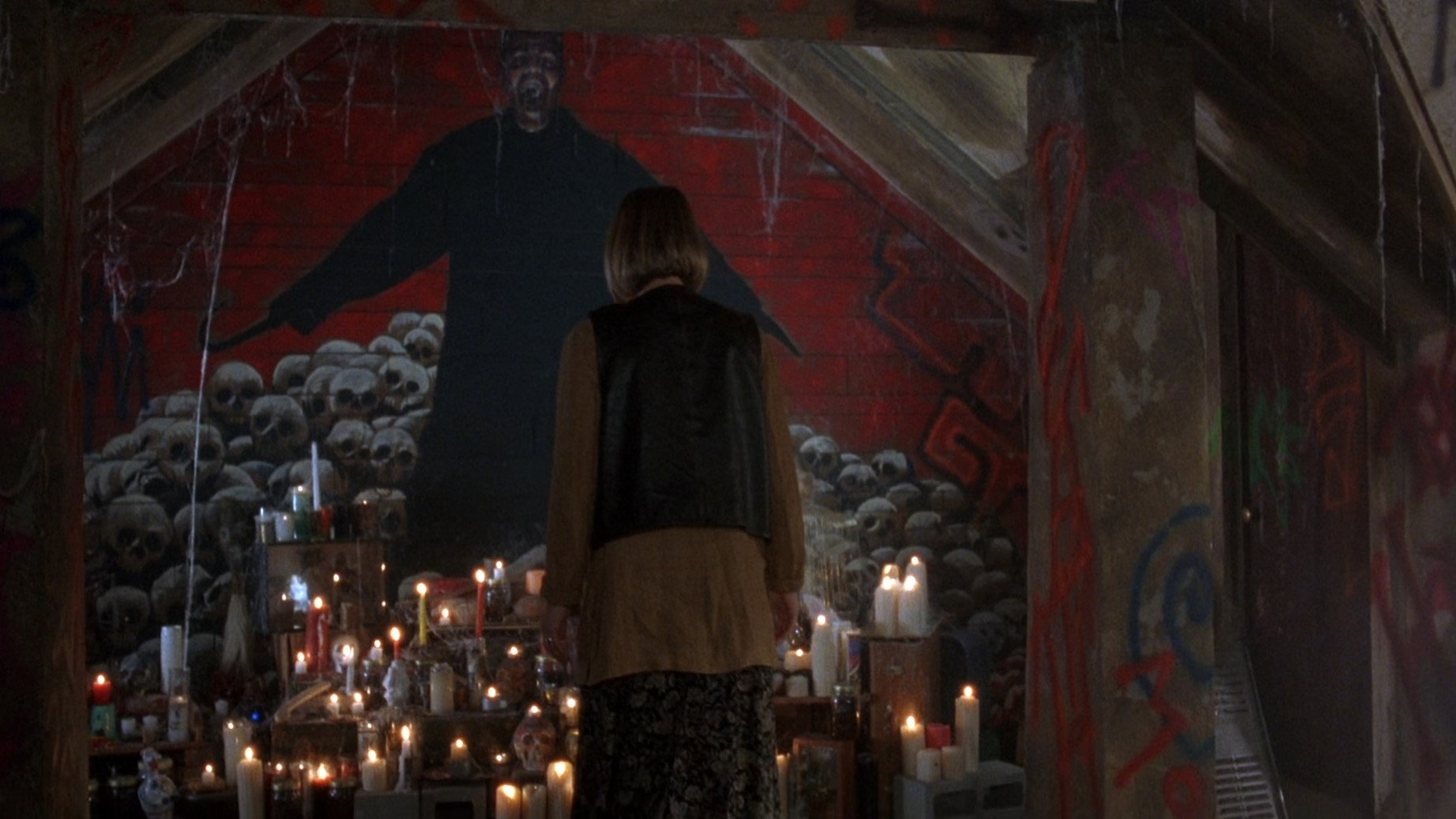
Tobias A. Schliessler’s cinematography develops the contrast between inhabited interiors and the unstable exterior world. Rain, muddy ground, ageing buildings and the city’s cemeteries contribute to an atmosphere of deterioration. The former family property becomes particularly important as Annie approaches the concealed history of her ancestors. Mirrors and reflective surfaces remain central to the supernatural action, connecting the public legend with private family spaces. The movement between the celebrations and these comparatively isolated environments also determines the rhythm of the film. Candyman appears against a setting that grows more threatening even when he is absent, allowing the city to participate directly in the construction of suspense.

Daniel Robitaille, Racial Violence, and the Family Secret

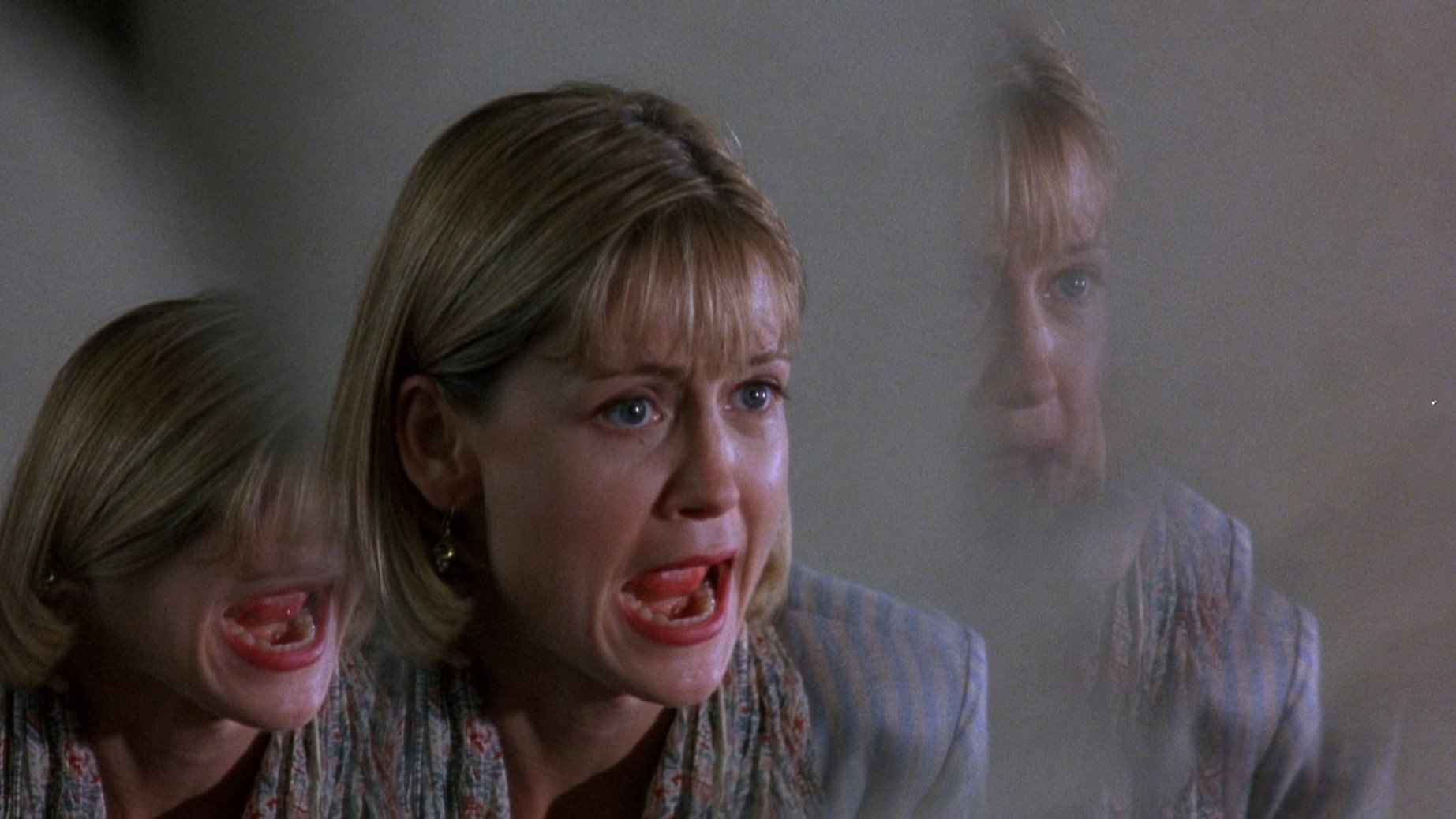
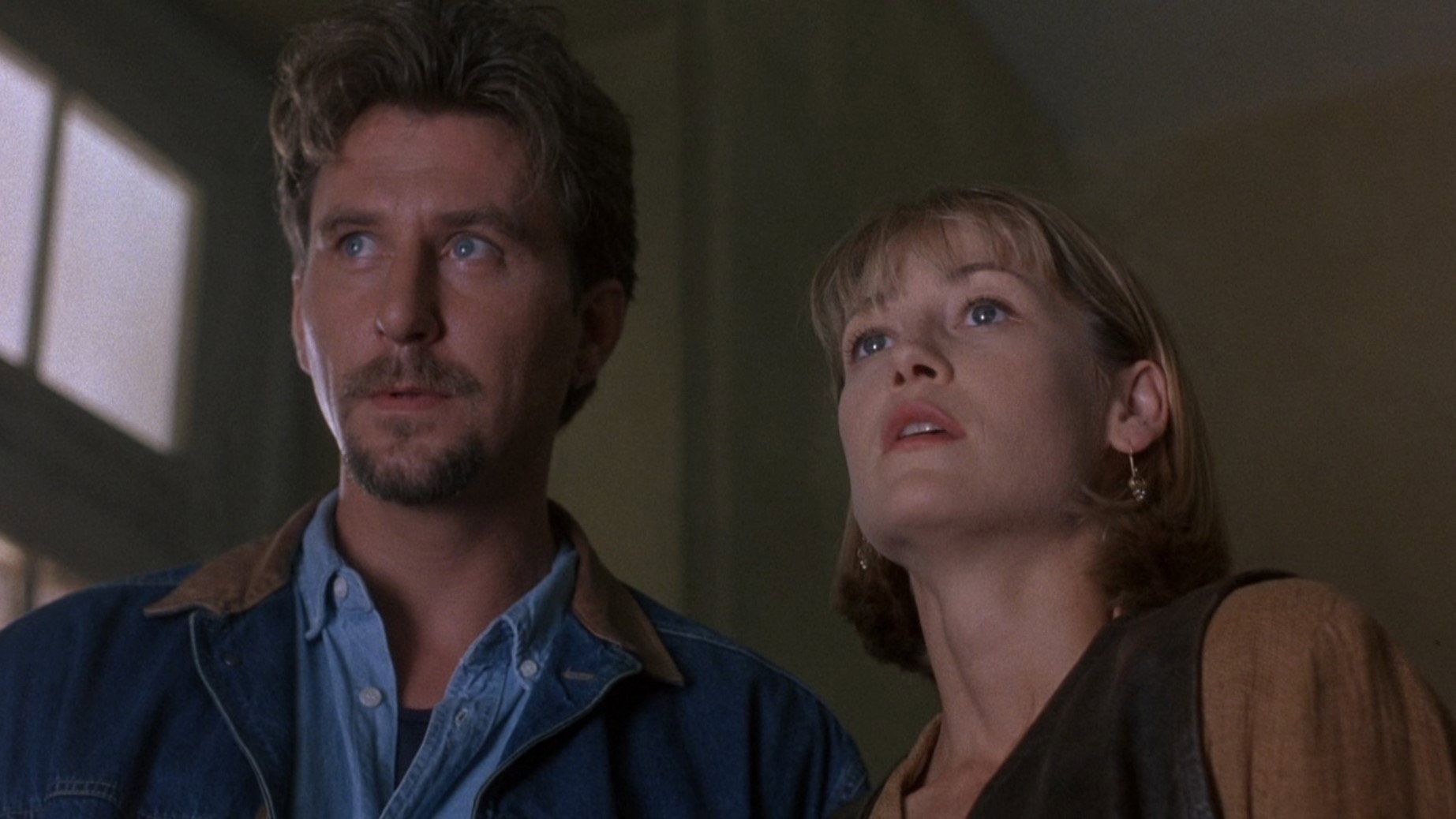
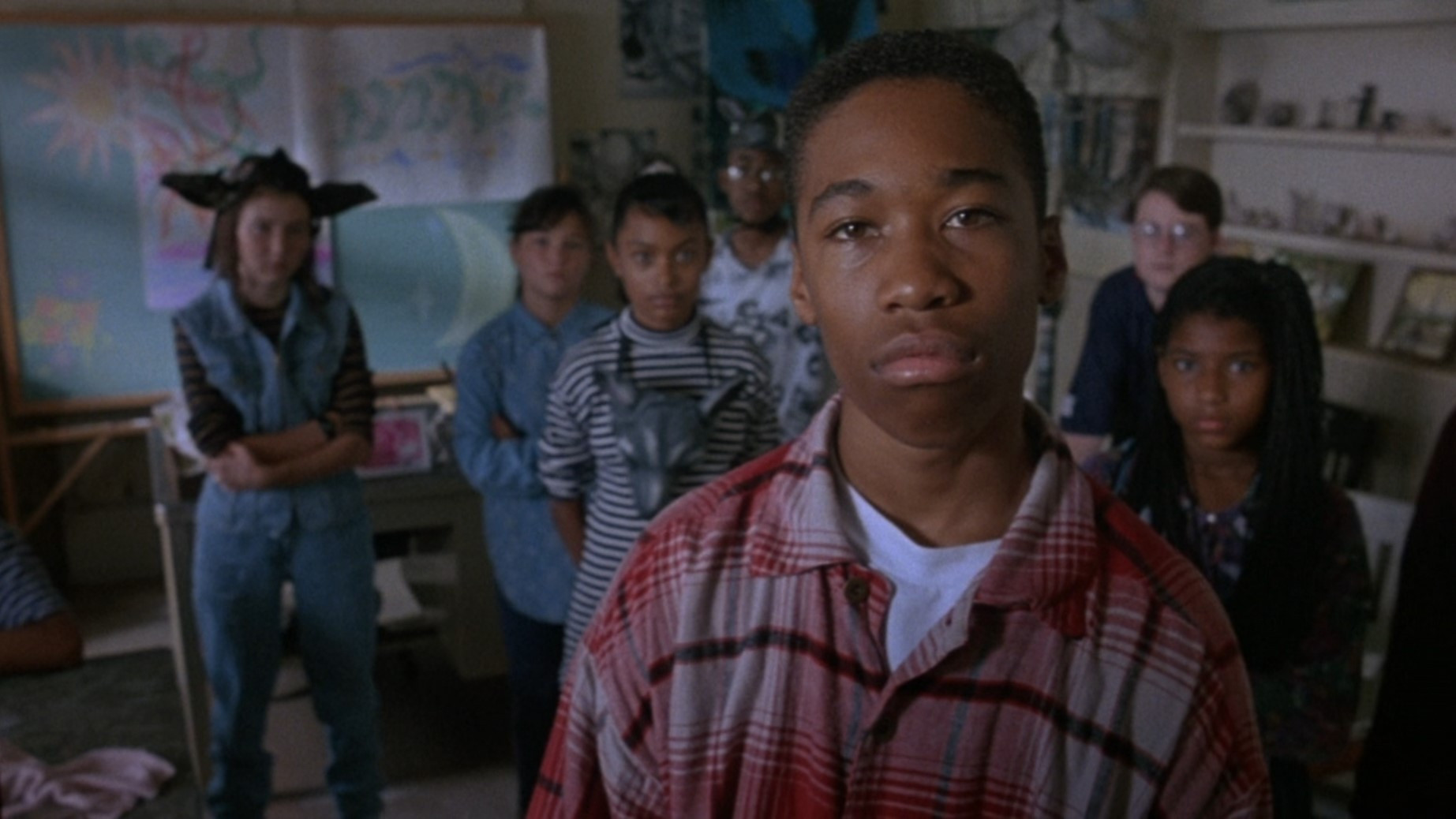
Annie Tarrant initially encounters the Candyman legend through the murders associated with her family and through the disturbing behaviour of Matthew, one of her pupils. Her brother Ethan is suspected of killing Professor Phillip Purcell, whose interest in the legend has brought him into contact with its supernatural subject. Annie’s investigation leads toward an explanation involving the death of her father and the reluctance of her mother, Octavia, to discuss their ancestry. The gradual disclosure changes the significance of Candyman’s pursuit. He is connected to Annie through a family history that has survived in concealed records, personal possessions and inherited silence.

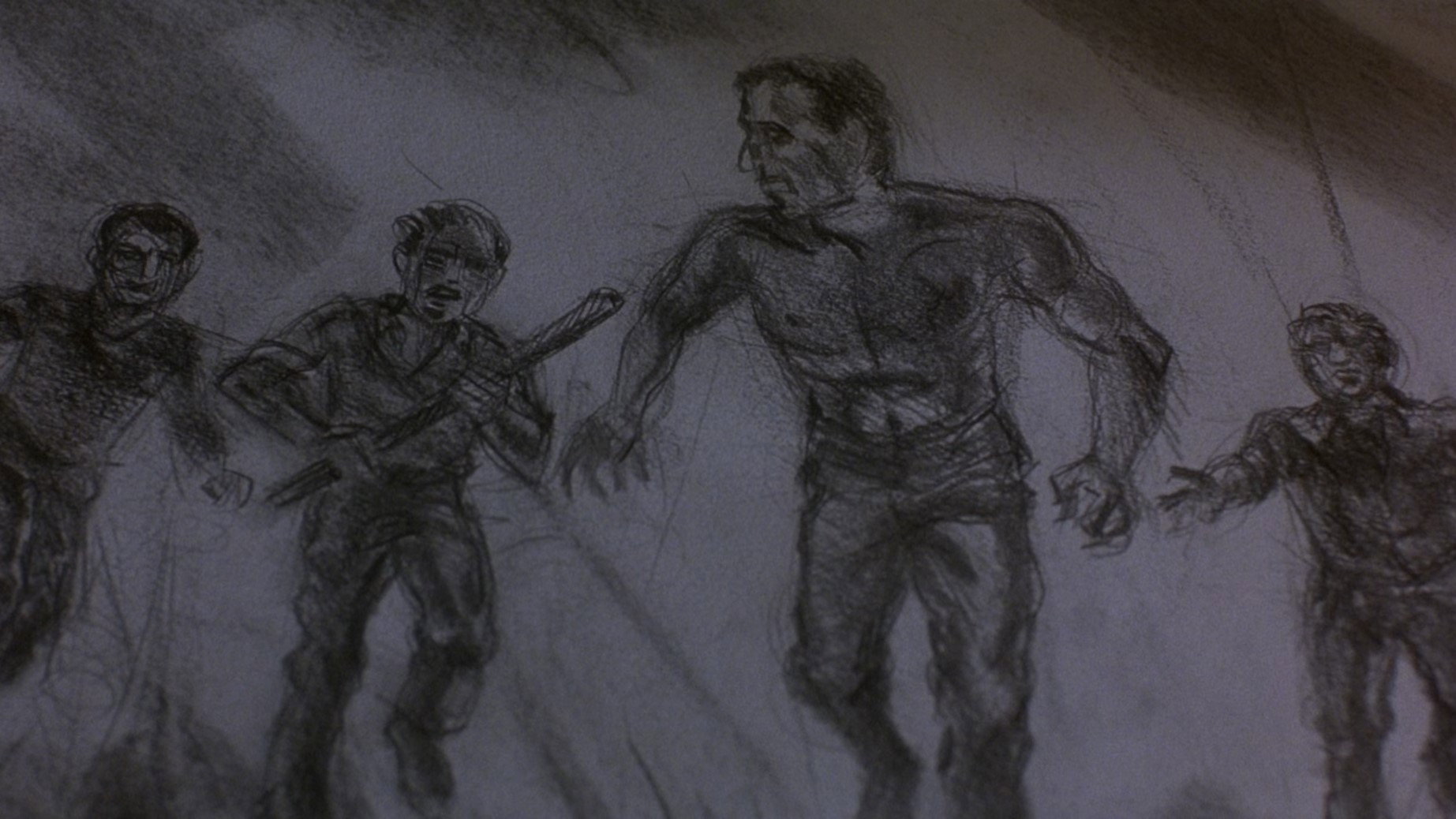
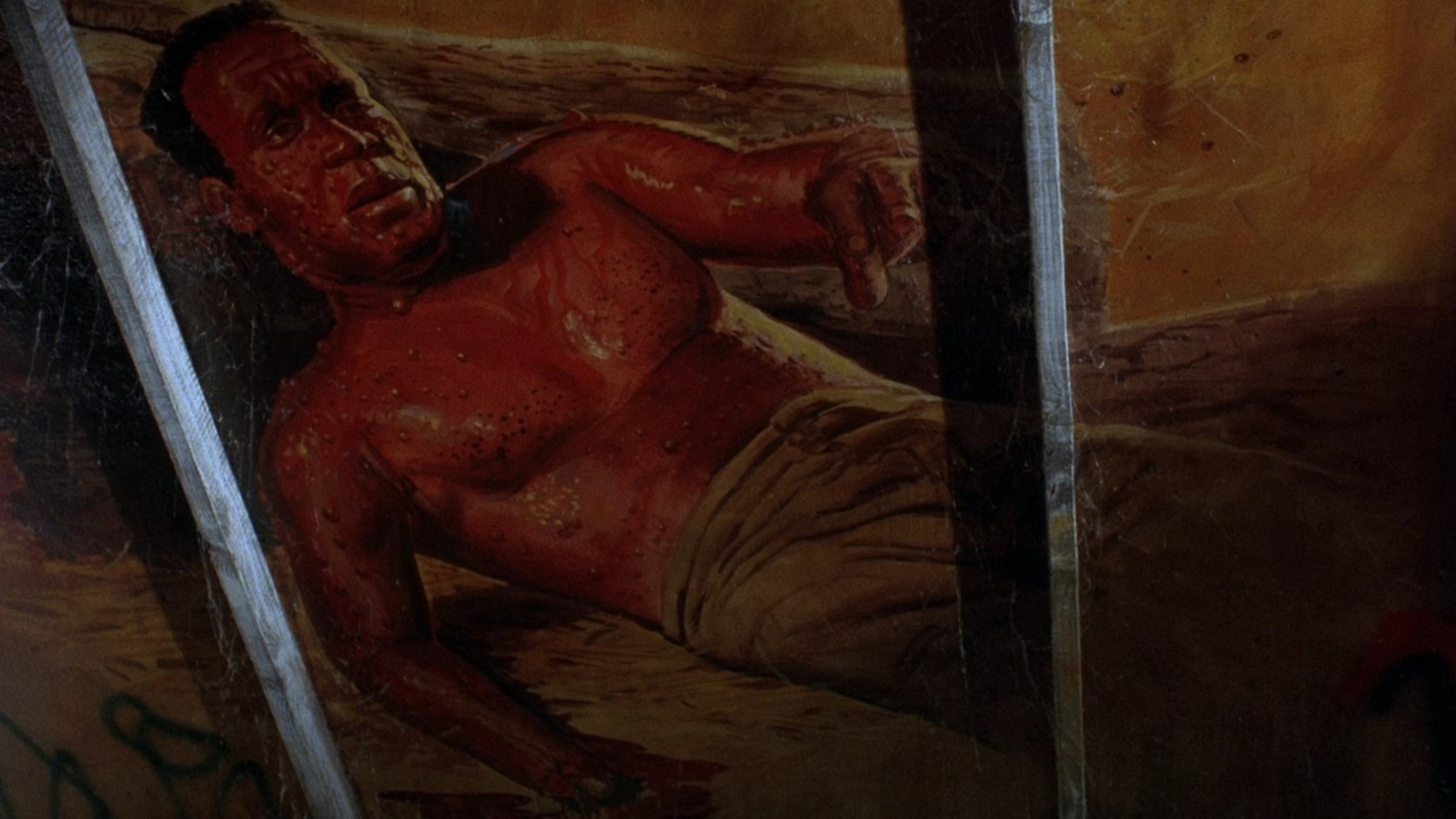
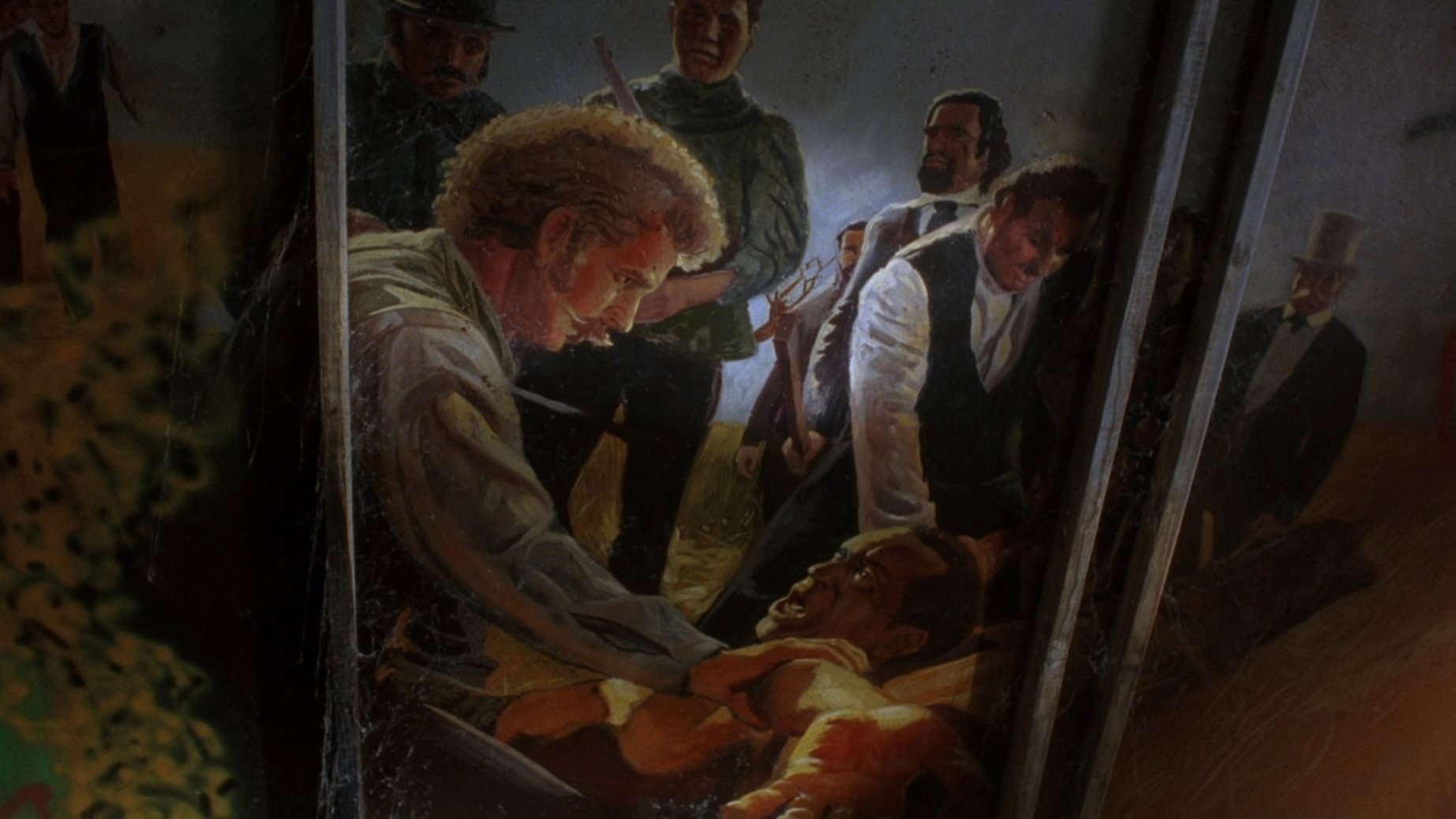
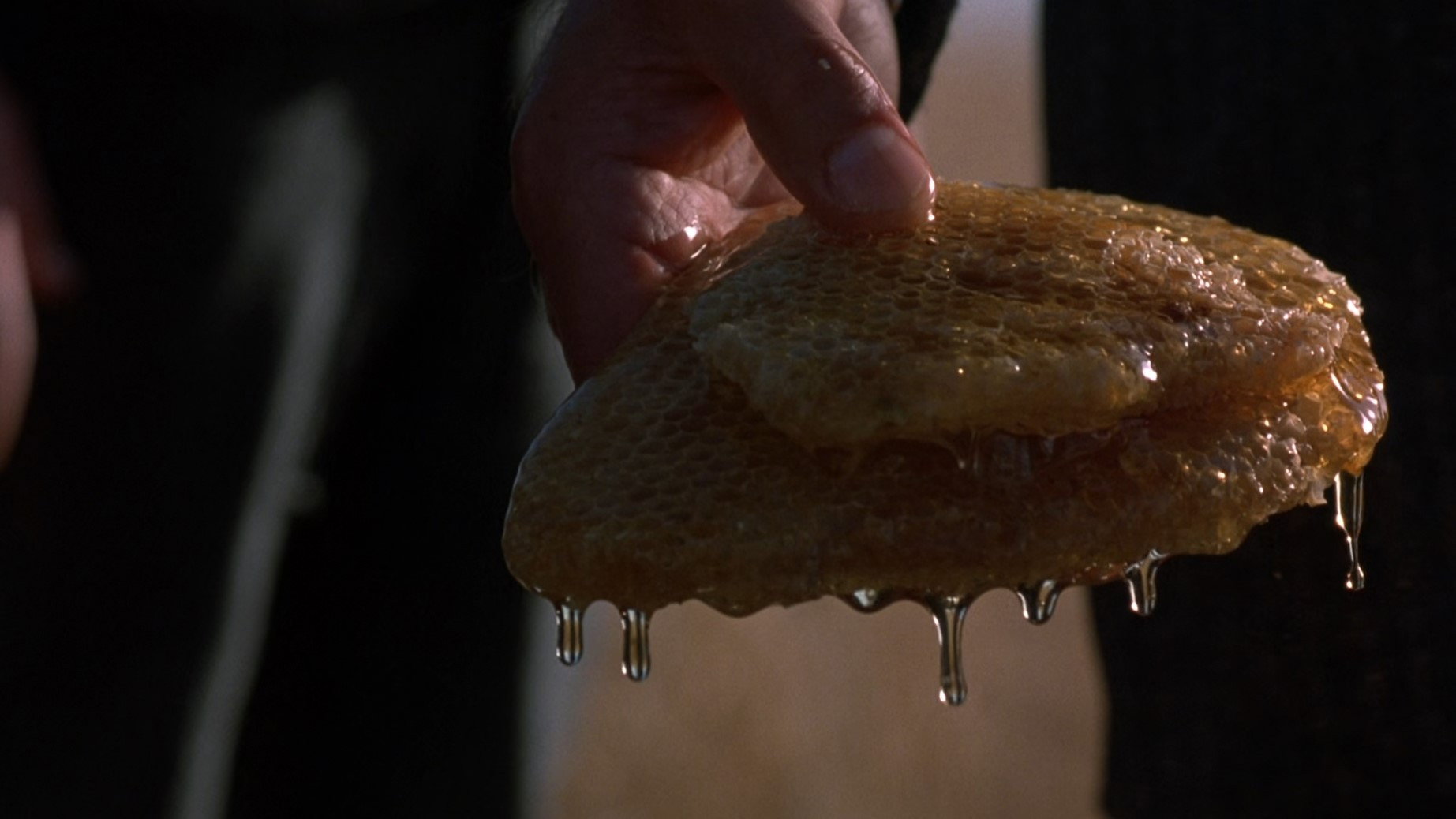
The film identifies Daniel Robitaille as a gifted Black artist whose father had been enslaved. During the nineteenth century, Daniel was commissioned to paint Caroline, the daughter of a wealthy white landowner. Their romantic relationship and Caroline’s pregnancy provoked a violent response from her father and a white mob. Daniel was pursued, mutilated, deprived of his painting hand and covered with honey before being attacked by bees. The supernatural legend emerges from this fictional act of racial violence. The historical setting is essential to the story, but the events involving Daniel and Caroline belong to the film’s invented mythology and should not be presented as a documented individual case.
The hand mirror associated with Caroline becomes the material connection between Daniel’s death and his continuing supernatural existence. Annie discovers that her family descends from their relationship, a truth concealed through successive generations. Octavia’s resistance to acknowledging that ancestry gives the haunting a specific domestic dimension: the family’s social identity has been maintained through the denial of its own past. The narrative links this concealment to the continued power of Candyman, whose demands cannot be answered through simple disbelief. Contemporary criticism questioned whether the film developed its racial themes adequately. Kevin Thomas, reviewing the theatrical release for the Los Angeles Times, argued that its emphasis on gore weakened the historical metaphor underlying the character.

Tony Todd, Practical Effects, and the Use of Live Bees

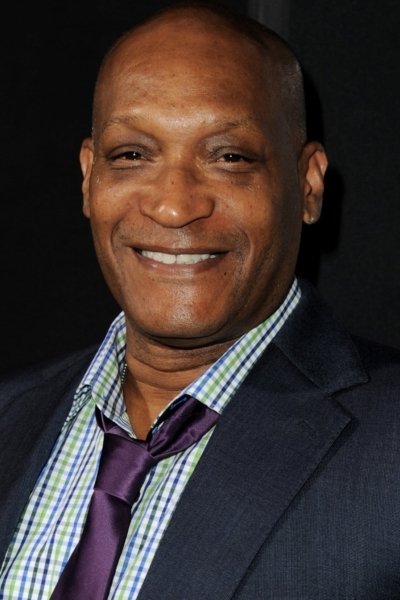
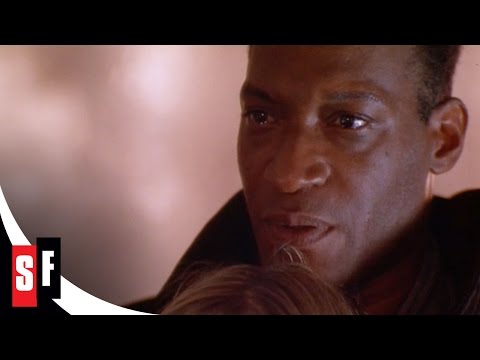
Tony Todd approached his second performance as Candyman with an interest in developing the character beyond the recognizable appearance of a supernatural slasher. In a contemporary interview with the Daily Bruin, he explained that he had studied art in New York museums to understand Daniel Robitaille as an artist and human being. Todd compared the character with tragic figures such as the Phantom of the Opera and the Hunchback of Notre Dame, emphasizing his desire for release from an existence sustained by fear and remembrance. His interpretation gives the killer a mournful quality even during scenes in which his actions are unmistakably cruel.

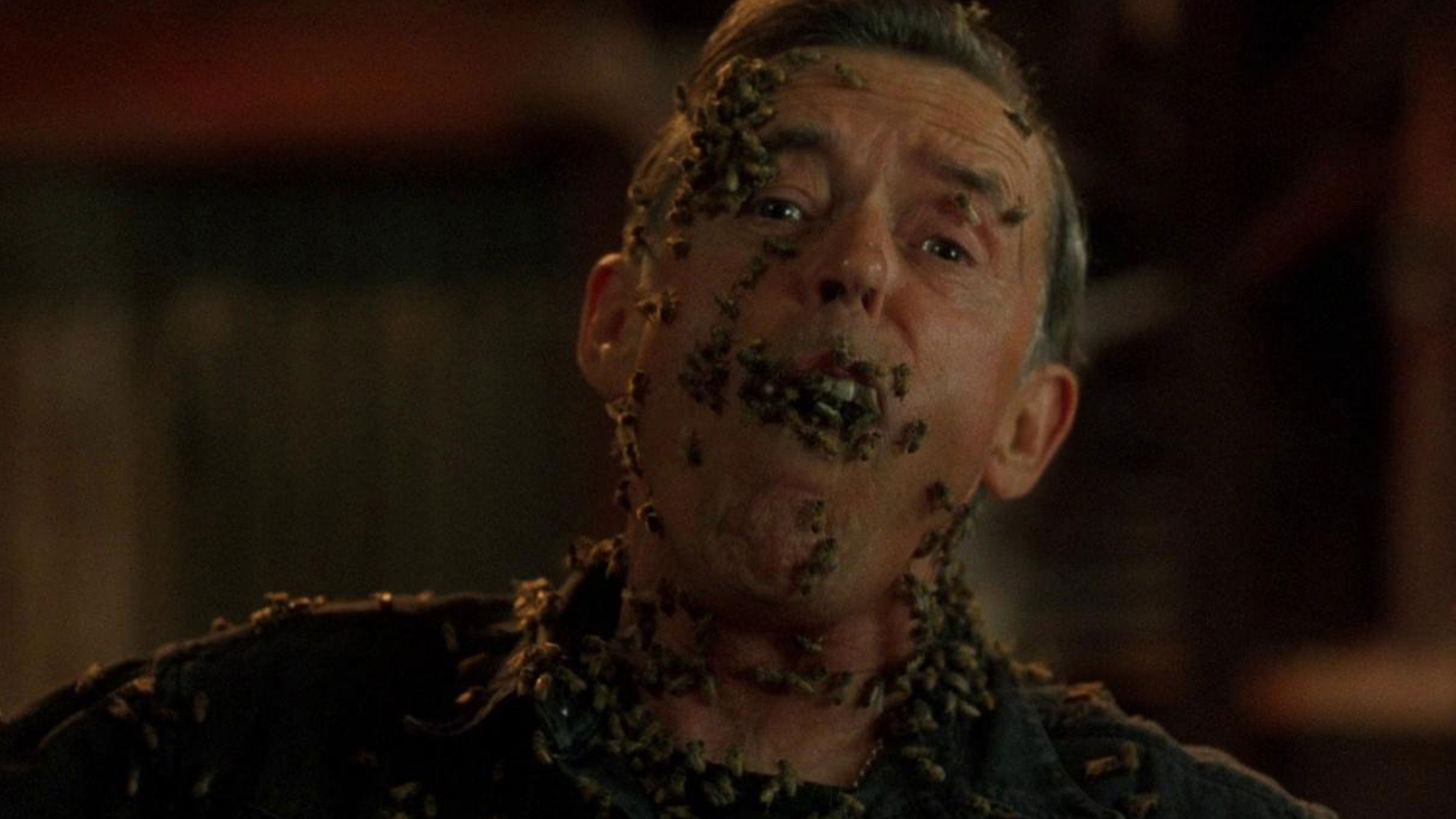
The physical design retains Candyman’s long coat, exposed hook and association with swarming insects. The sequel also required extensive effects illustrating the violence inflicted upon Daniel before his transformation. An account published by the American Humane Society documents the use of a prosthetic facial appliance for shots in which bees appeared to emerge from his mouth. The insects crawled over the fabricated surface rather than being introduced directly into the performer’s throat. Specially managed live bees were also used during scenes involving bodies covered with insects. The production combined physical makeup, animal handling and carefully staged photography to create the supernatural manifestations.

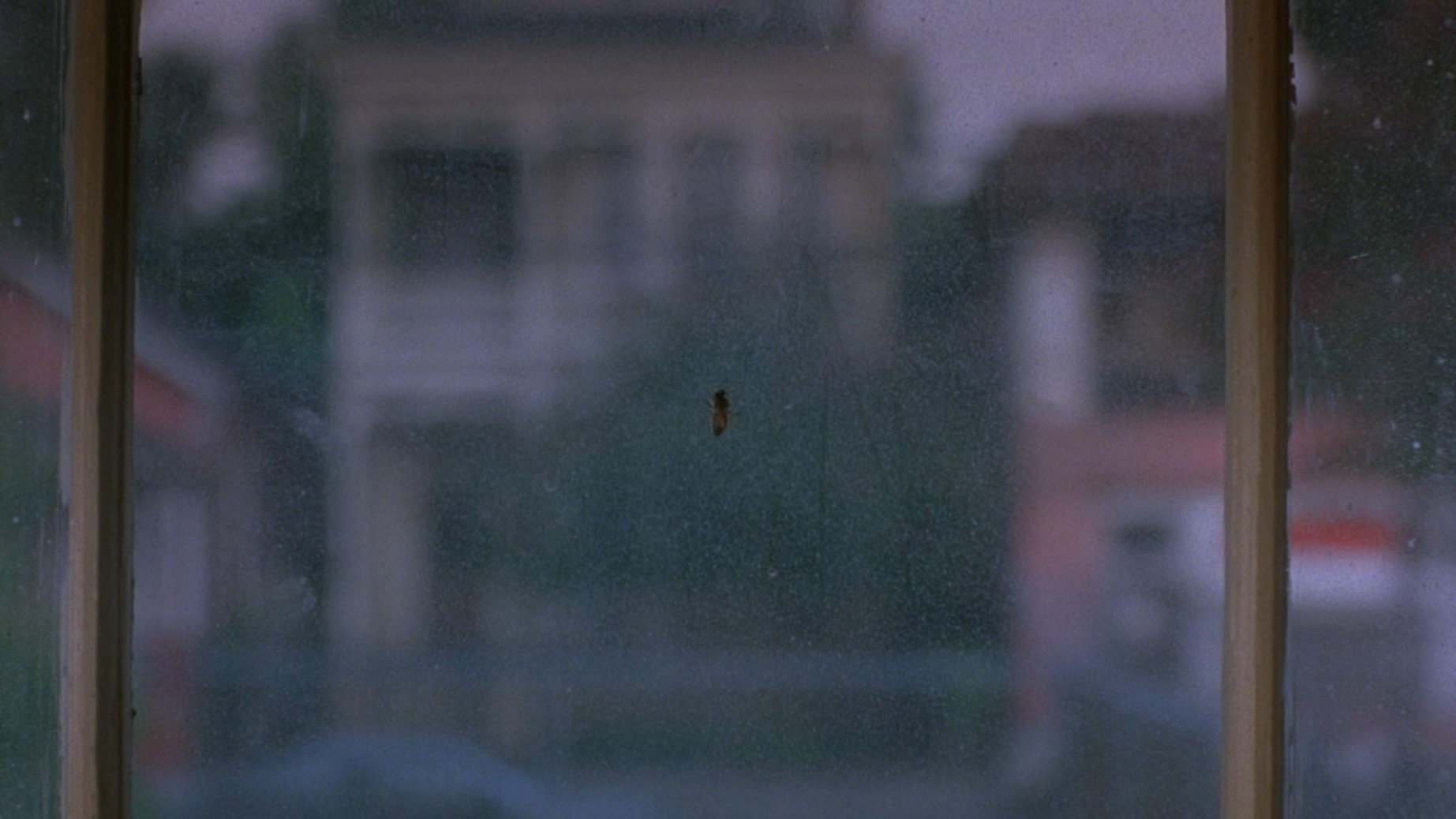
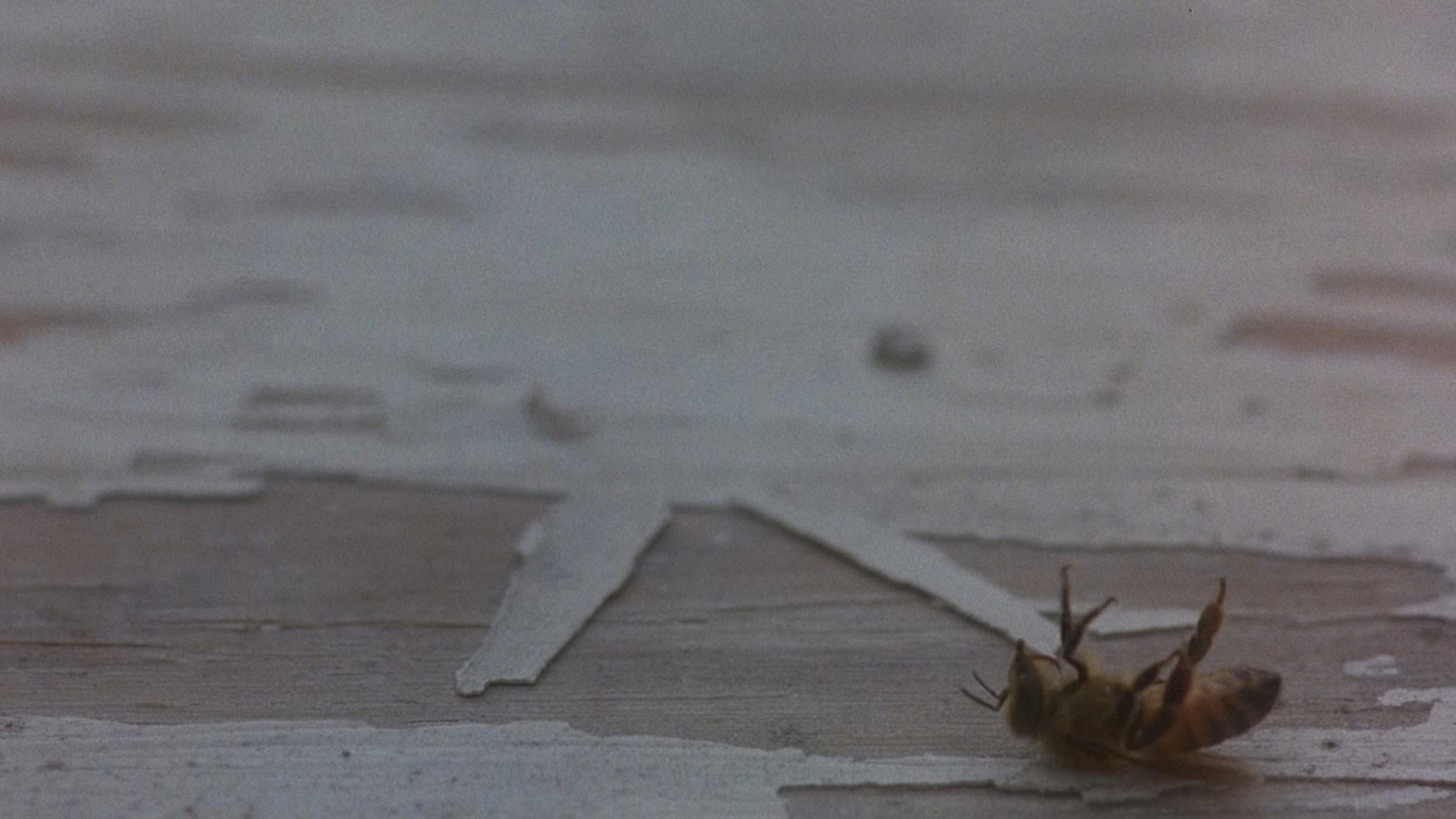
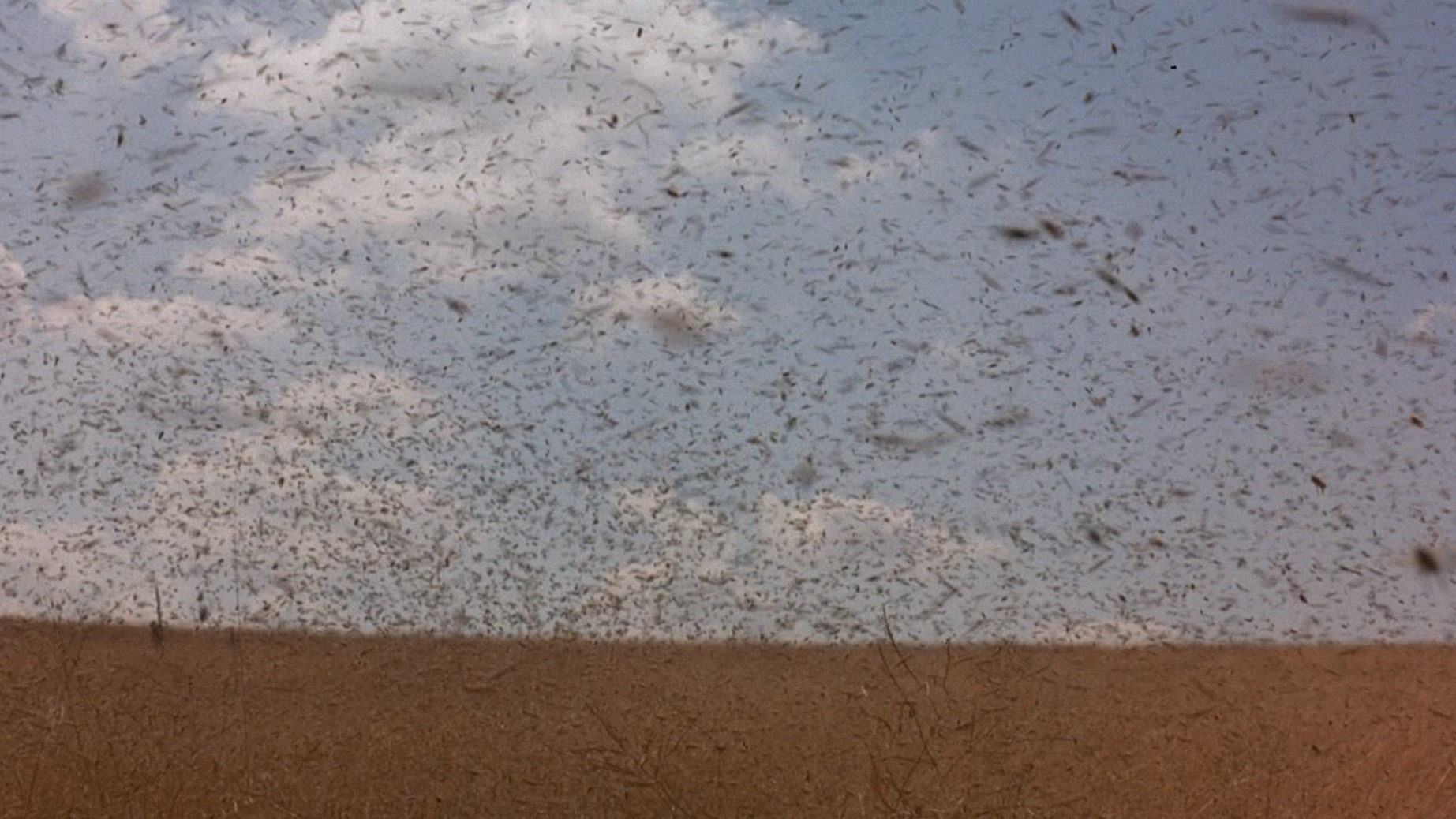
The documented procedures were unusually specific. During the opening titles, a beekeeper applied honey to attract bees before recovering them with a specialized vacuum. For shots involving insects on performers, very young bees were used because they were unable to fly or sting at that stage of development. A classroom sequence employed the scent of a queen bee to encourage another insect toward a window, with a harmless lubricant helping create its apparent collapse. These arrangements distinguish the visible effect from the fictional events. The same production also used a trained raven and a taxidermied cat for separate scenes. The official animal-action report provides a rare detailed record of how particular moments were achieved, rather than merely identifying the film as a practical-effects production.

Philip Glass and the Musical Continuity

Philip Glass returned to the Candyman series after composing the music for Bernard Rose’s original film. His participation provided a recognizable musical connection between the two productions, although the sequel did not receive an entirely independent new score. The composer’s official filmography explains that material from the first film was reused and edited alongside additional compositions and themes supplied for Farewell to the Flesh. This distinction is important to the soundtrack’s history. The familiar musical language associated with Candyman was preserved while the filmmakers adapted it to a different setting and narrative structure.

Glass’s recurring musical patterns accompany a story built around remembrance, repetition and the reappearance of a figure whose identity survives through legend. The film also uses sound associated with its New Orleans setting, particularly the radio voice of Kingfish and the crowded environment of Mardi Gras. These elements create an audible difference between the city’s public life and the more controlled musical passages surrounding the supernatural encounters. The soundtrack retains the distinctive presence of Glass within the franchise without attributing every cue heard in the sequel to newly recorded material. Contemporary critics disagreed about the effectiveness of the film’s amplified shocks and musical accompaniment, reflecting broader divisions over Condon’s more explicit approach to horror.

Theatrical Release, Box Office, and Contemporary Reception

Gramercy Pictures released Candyman: Farewell to the Flesh in the United States on March 17, 1995. The film carried an R classification and a commonly documented theatrical running time of 95 minutes. Its opening weekend generated $6,046,825 in 1,605 North American theatres, placing it second at the domestic box office. The reported cumulative domestic theatrical gross reached $13,940,383. These figures document the American cinema engagement, while incomplete international reporting prevents a reliable statement of comprehensive worldwide theatrical revenue. They should also be distinguished from production expenditure, marketing costs and the income ultimately retained by distributors and producers.

The critical response was divided, particularly over the film’s treatment of racism and its movement toward conventional slasher violence. Kevin Thomas, writing in the Los Angeles Times on March 20, 1995, considered the sequel visually accomplished in places but criticized the dominance of graphic violence over its more substantial historical material. Roger Ebert, reviewing the film for the Chicago Sun-Times on its opening day, questioned the relationship between Candyman’s tragic origins and his attacks on people who had played no part in his persecution. He also objected to the reliance on sudden musical shocks. Their criticism concerned the relationship between the film’s supernatural spectacle and its historical argument, rather than denying the significance of the themes themselves.
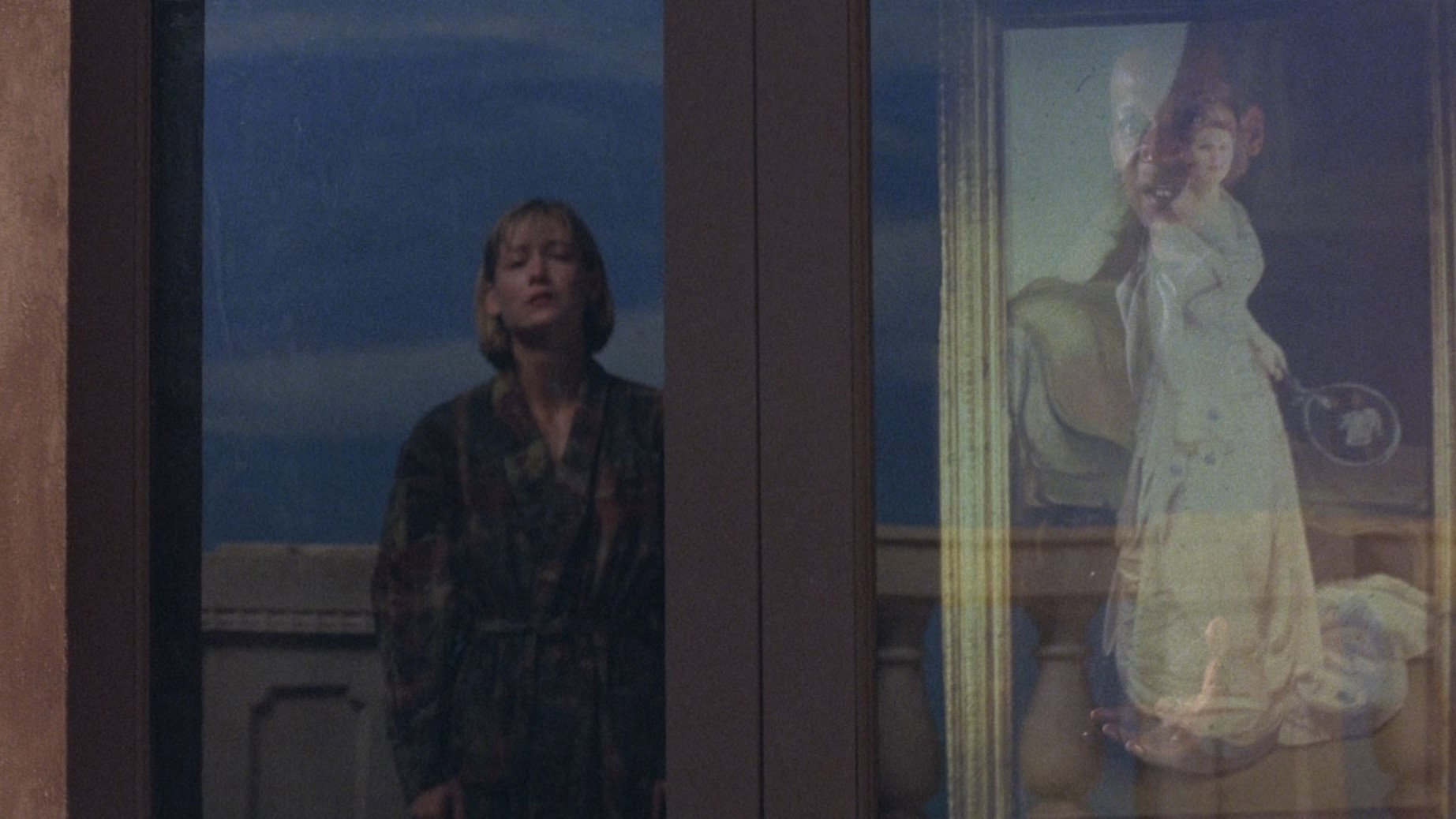
Other contemporary commentators responded more favourably to Tony Todd’s performance and the Gothic atmosphere created by the Louisiana setting. Richard Harrington’s Washington Post review emphasized the character’s simultaneous menace and tragic identity, while Marc Savlov in the Austin Chronicle praised Condon’s handling of the material. The conflicting assessments demonstrate that the film’s initial reputation cannot be reduced to a single critical consensus. Candyman subsequently returned in Candyman: Day of the Dead (1999), while the 2021 film revisited the mythology through a different creative approach. Farewell to the Flesh remains a distinct stage in the character’s screen history, notable for making Daniel Robitaille’s ancestry and the consequences of his murder central to an extended narrative.

References

  1. The Official Clive Barker Website Clive on Candyman II: Farewell to the Flesh

    Archival collection of contemporary statements by Clive Barker, Bill Condon and Tony Todd, including material from Fangoria, Cinefantastique and the original screenplay concerning the sequel’s development, New Orleans setting and character mythology.

  2. Daily Bruin Candyman Star Todd Sees Film as Morality Tale Despite Slasher Scenes

    Philip Hong’s April 1995 interview with Tony Todd and Bill Condon about the character’s tragic identity, the actor’s preparation, racial themes and the relationship between supernatural horror and Gothic romance.

  3. American Humane Society Candyman 2: Farewell to the Flesh — Detailed Animal Action Report
    Firsthand production documentation identifying the live-bee procedures, prosthetic facial effects, animal handlers, raven sequence and techniques used to create specific insect-related shots.

  4. Philip Glass Candyman II

    The composer’s official film documentation confirming his contribution and distinguishing music reused from the original film from additional compositions and themes prepared for the sequel.

  5. Los Angeles Times Movie Review: This Time the Candyman Turns Up in New Orleans

    Kevin Thomas’s contemporary March 20, 1995 review examining the New Orleans setting, the historical background of Daniel Robitaille, graphic violence and the treatment of racial oppression.

Connections

Cast

View Full Cast & Crew →

Release & Distribution

Production Companies (3)

  • Gramercy Pictures US
  • PolyGram Filmed Entertainment US
  • Propaganda Films US

Distributors (1)

  • Gramercy Pictures US

Release History (8)

Release DateTerritoryRelease TypeFormatDistributorCertificationNotes
1995-03-17 United States Theatrical — — R
1995-06-06 United Kingdom Theatrical — — 18
1995-08-09 France Theatrical — — 12
1995-08-25 Italy Theatrical — — —
1996-09-01 Germany Theatrical — — 18
2002-10-03 France Physical DVD — 12 DVD
2020-09-02 France Physical Blu-ray — 12 Blu-Ray
2020-10-02 France Digital — — — VOD
Evil comes when you call his name.