Val Lewton, RKO, and the Development of the Film
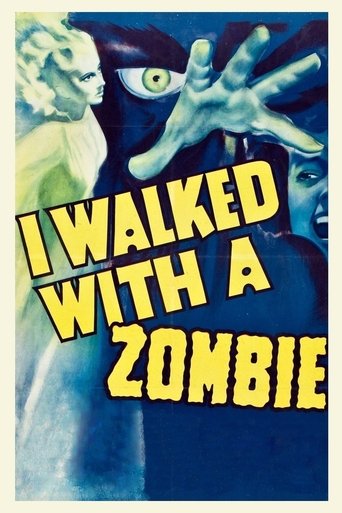
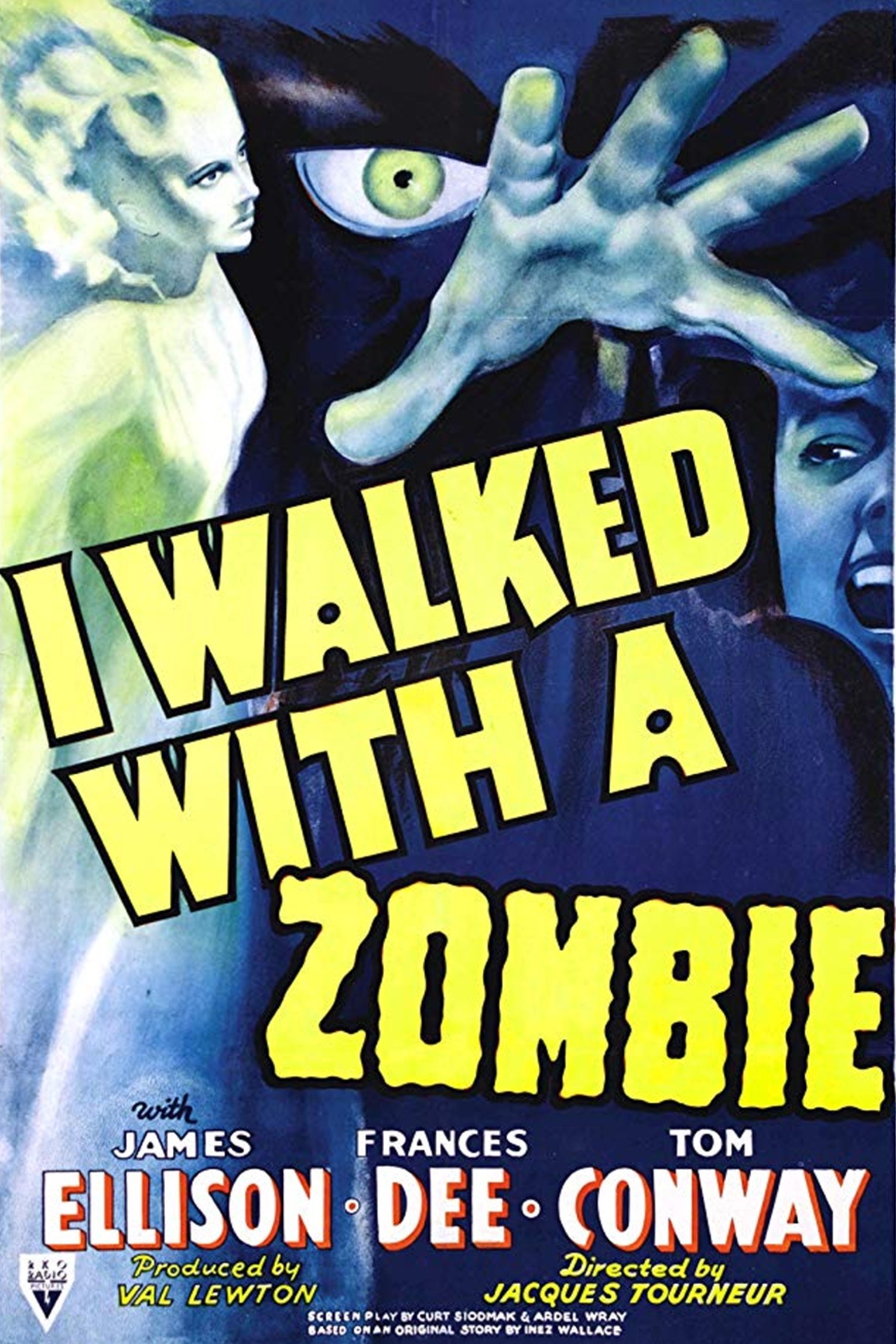
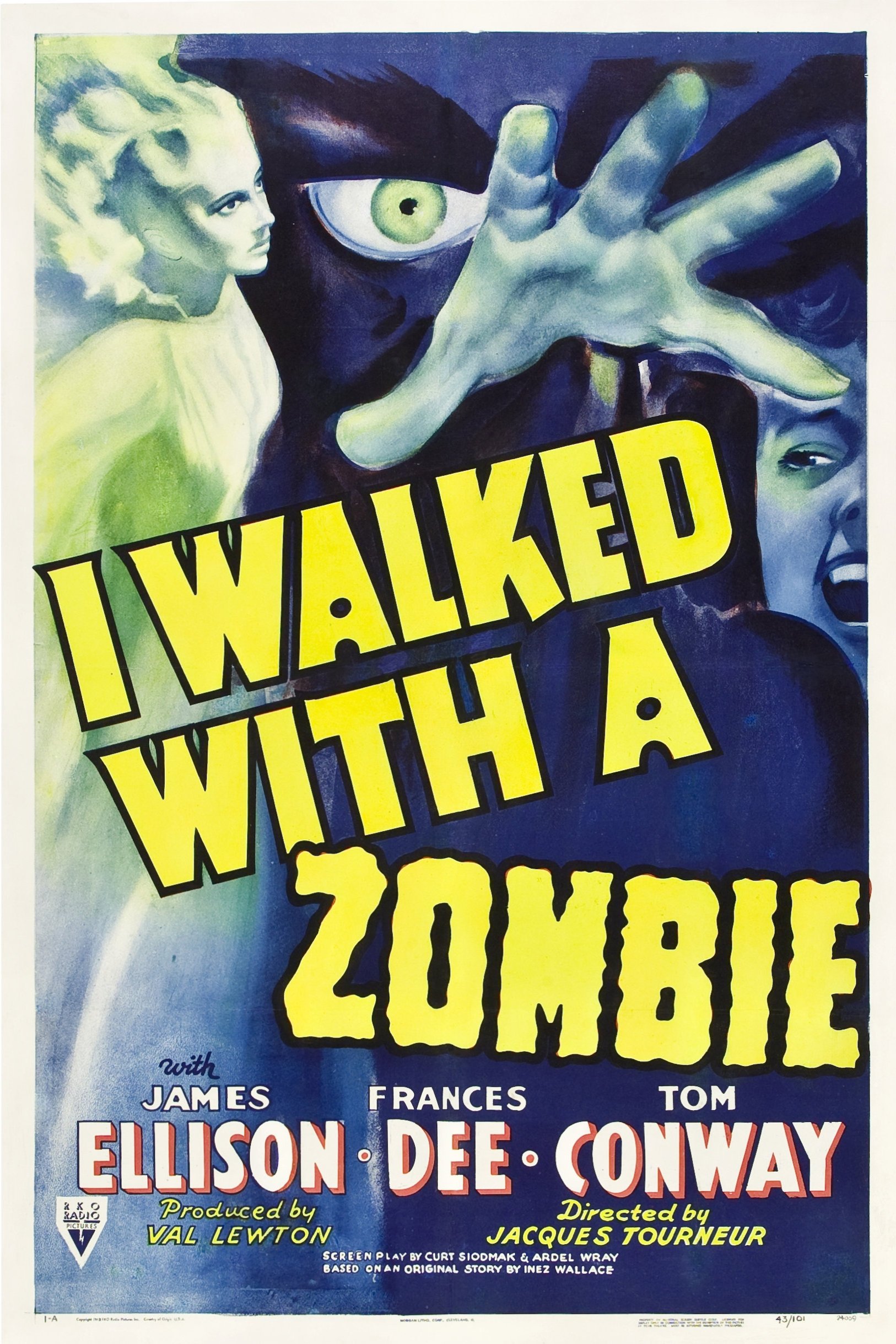
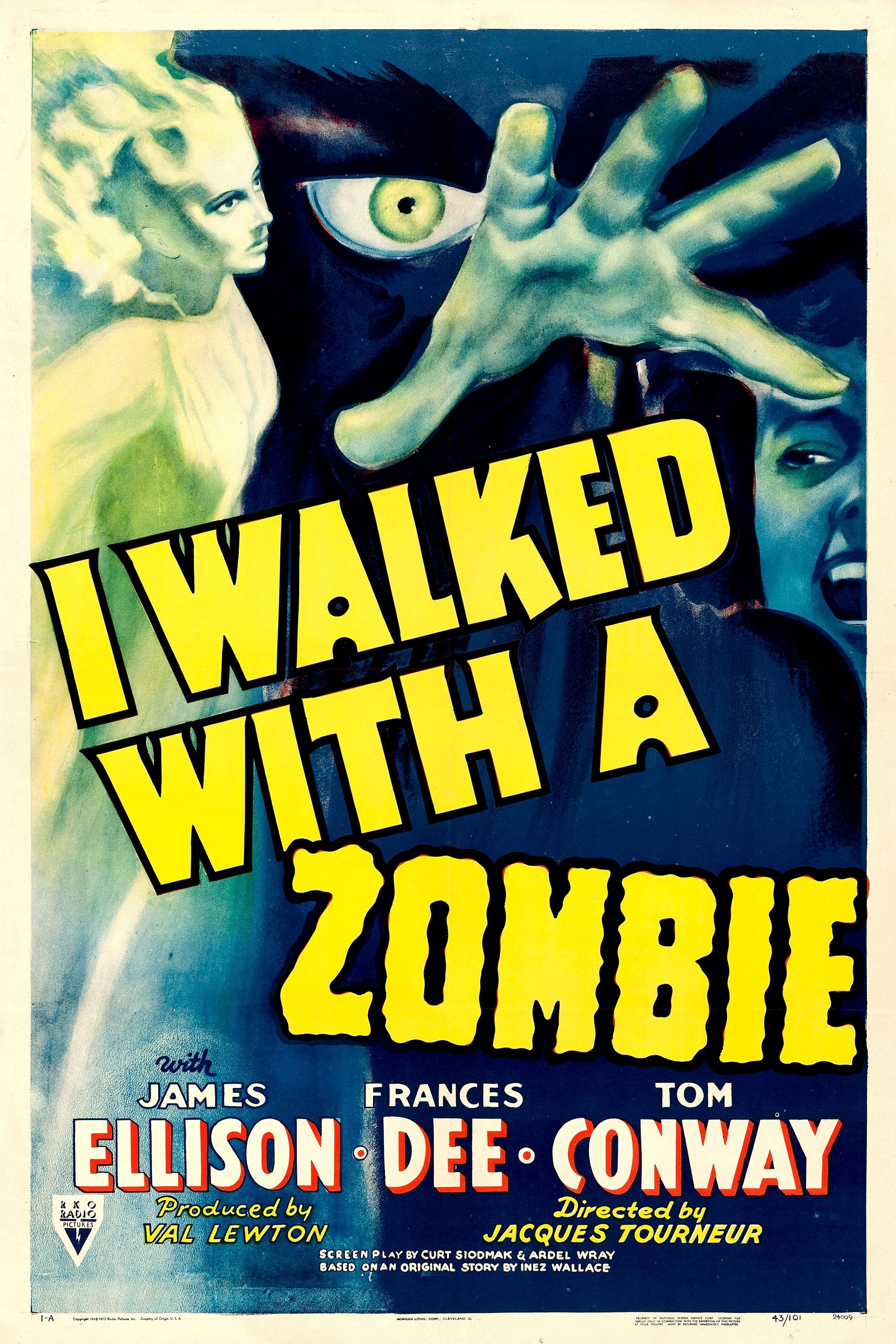
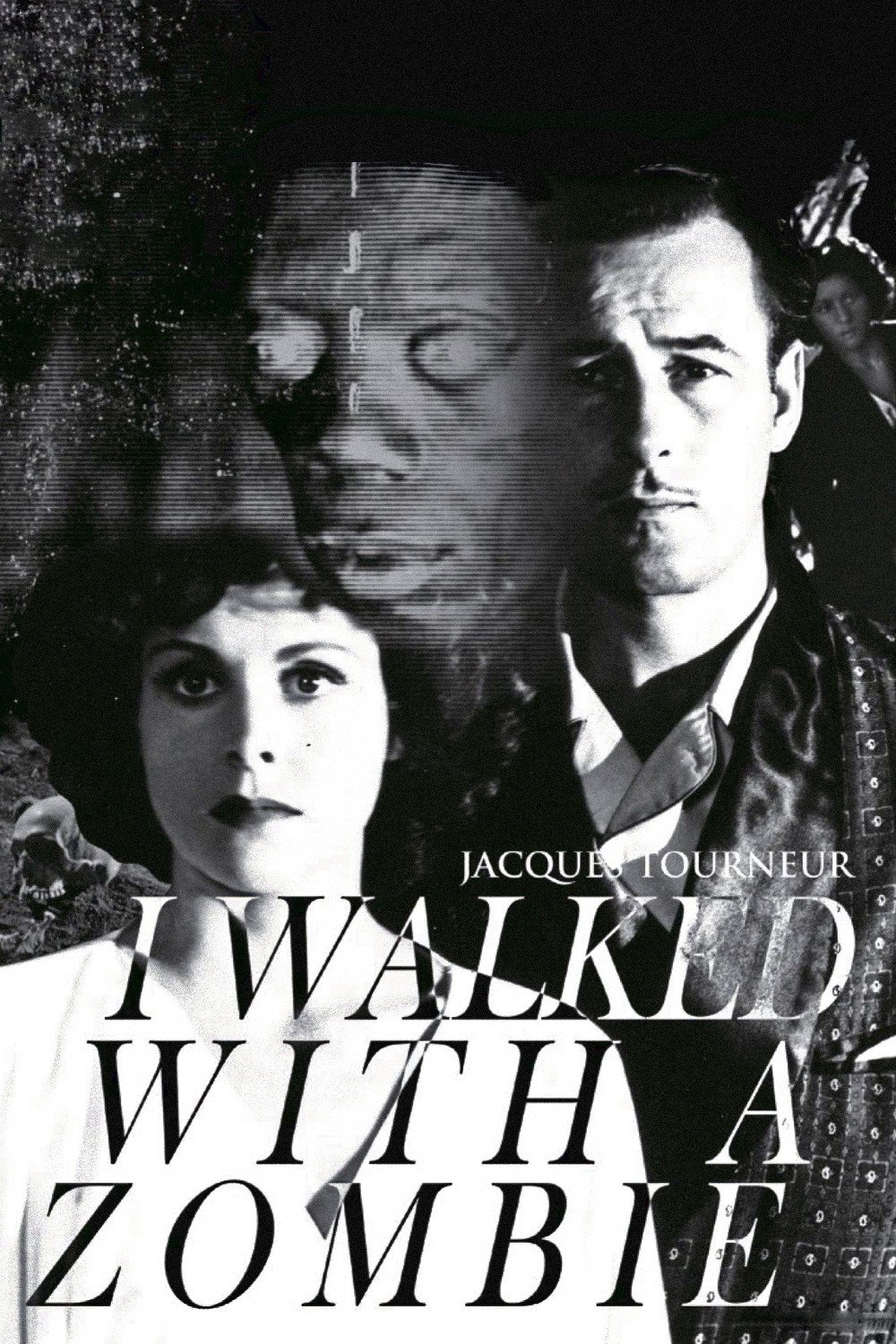
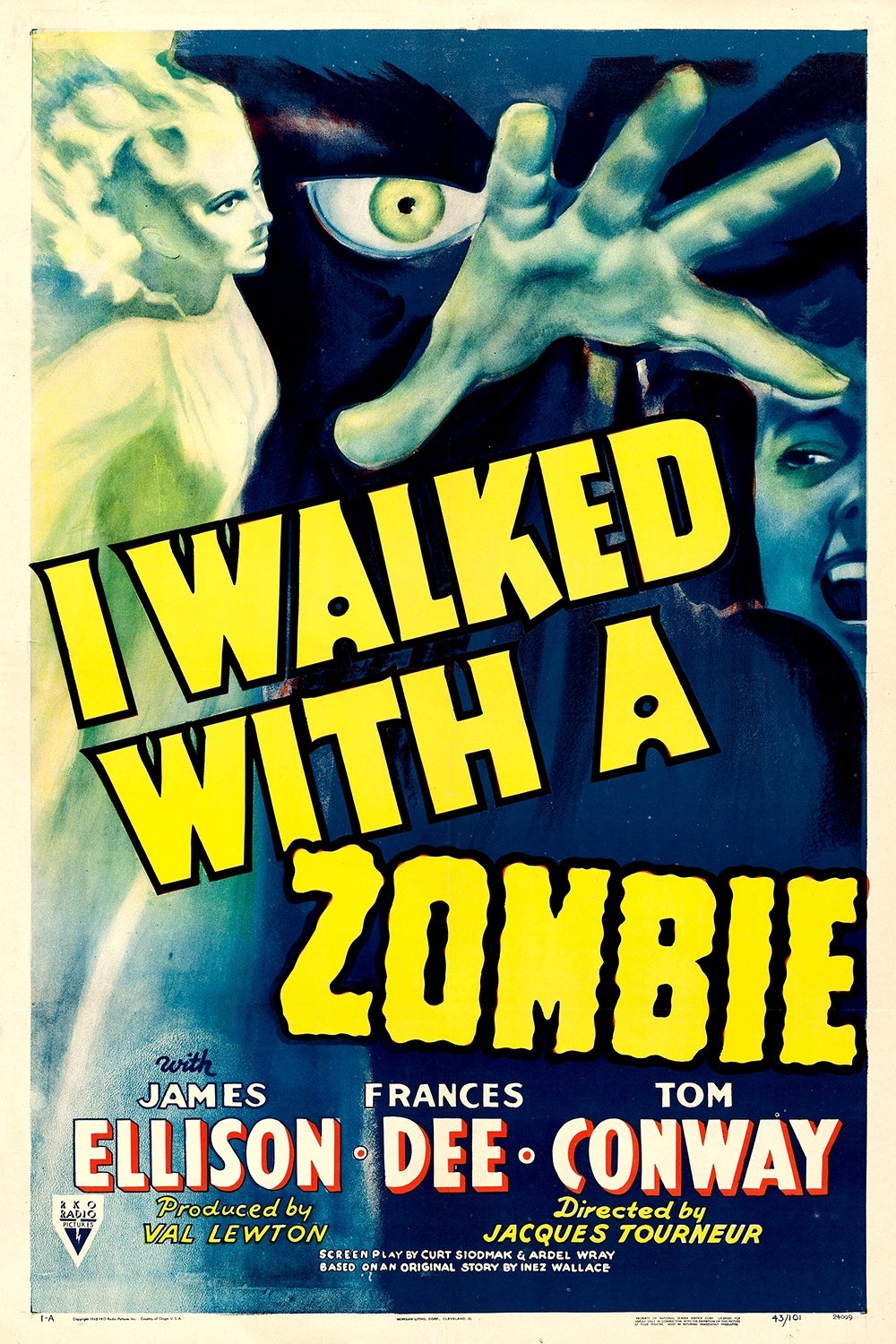
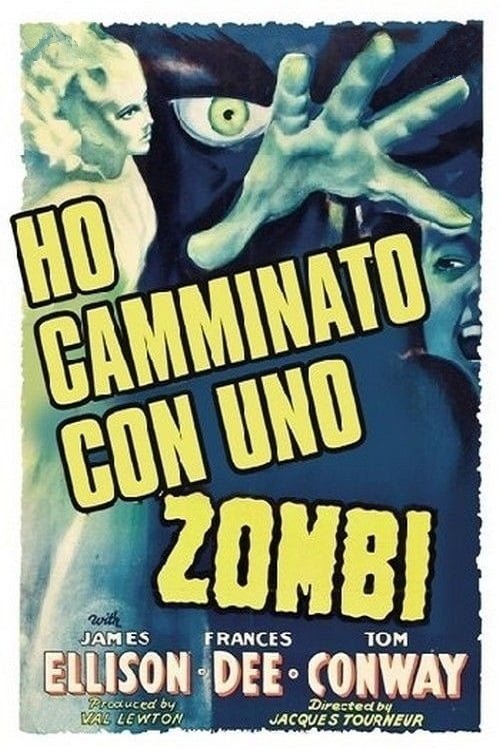
RKO established a dedicated low-budget horror unit under Val Lewton in 1942, seeking commercially viable productions that could compete with the success of Universal’s monster films. Lewton had previously worked for David O. Selznick and brought extensive experience in story development to the assignment. His first RKO production, Cat People (1942), was directed by Jacques Tourneur and achieved sufficient success to establish the unit’s future. I Walked with a Zombie became their second collaboration. Studio executive Charles Koerner supplied the commercially provocative title, leaving Lewton and his writers to develop a story capable of supporting it.
The project originated partly in a newspaper feature by journalist Inez Wallace. Film historian Clive Dawson’s research identifies the original article as I Met a Zombie, published in The American Weekly on May 3, 1942. Wallace subsequently contributed story material, although the completed screenplay departed substantially from its journalistic inspiration. Curt Siodmak prepared an initial draft, which Lewton found unsatisfactory. Ardel Wray, working within RKO’s story department, undertook a major rewrite. Dawson’s examination of the production history emphasizes Wray’s substantial contribution, correcting accounts that had given disproportionate attention to Siodmak.
Lewton directed the screenplay toward a Gothic narrative inspired by Charlotte Brontë’s Jane Eyre. Wray also researched Haitian religious practices, drawing on published studies and consulting writer and anthropologist Zora Neale Hurston. The approach allowed the filmmakers to connect supernatural uncertainty with the history of Caribbean plantation society. Production began on October 26, 1942, and concluded on November 19. RKO records cited by the American Film Institute also document an abandoned portion of planned location photography because of wartime gasoline restrictions. The short shooting period and modest resources encouraged a style in which atmosphere and the implications of an image carried more weight than elaborate spectacle.
Jane Eyre and the Tragedy of the Holland Family
The narrative begins when Betsy Connell accepts employment caring for Jessica Holland, whose unexplained condition prevents ordinary speech and conscious interaction. Betsy travels from Canada to the West Indies, where Paul Holland accompanies her to the island of Saint Sebastian. The journey introduces a contrast between her initial admiration of the tropical scenery and Paul’s insistence that its apparent beauty conceals death and decay. At the Holland plantation, she discovers a household shaped by resentment. Jessica appears physically alive, but her vacant expression and silent movements suggest an existence separated from ordinary consciousness.
The relationship between Betsy and Paul adapts central features of Jane Eyre. A young woman enters an unfamiliar household, develops an attachment to her employer and discovers that his marriage conceals a disturbing history. Wesley Rand, Paul’s half-brother, complicates the situation through his previous involvement with Jessica. His resentment and drinking gradually reveal the emotional conflicts surrounding her condition. The brothers’ mother, Mrs. Rand, runs a medical dispensary serving the island community and becomes increasingly important to the investigation. These relationships give the supernatural mystery a basis in jealousy and family responsibility.
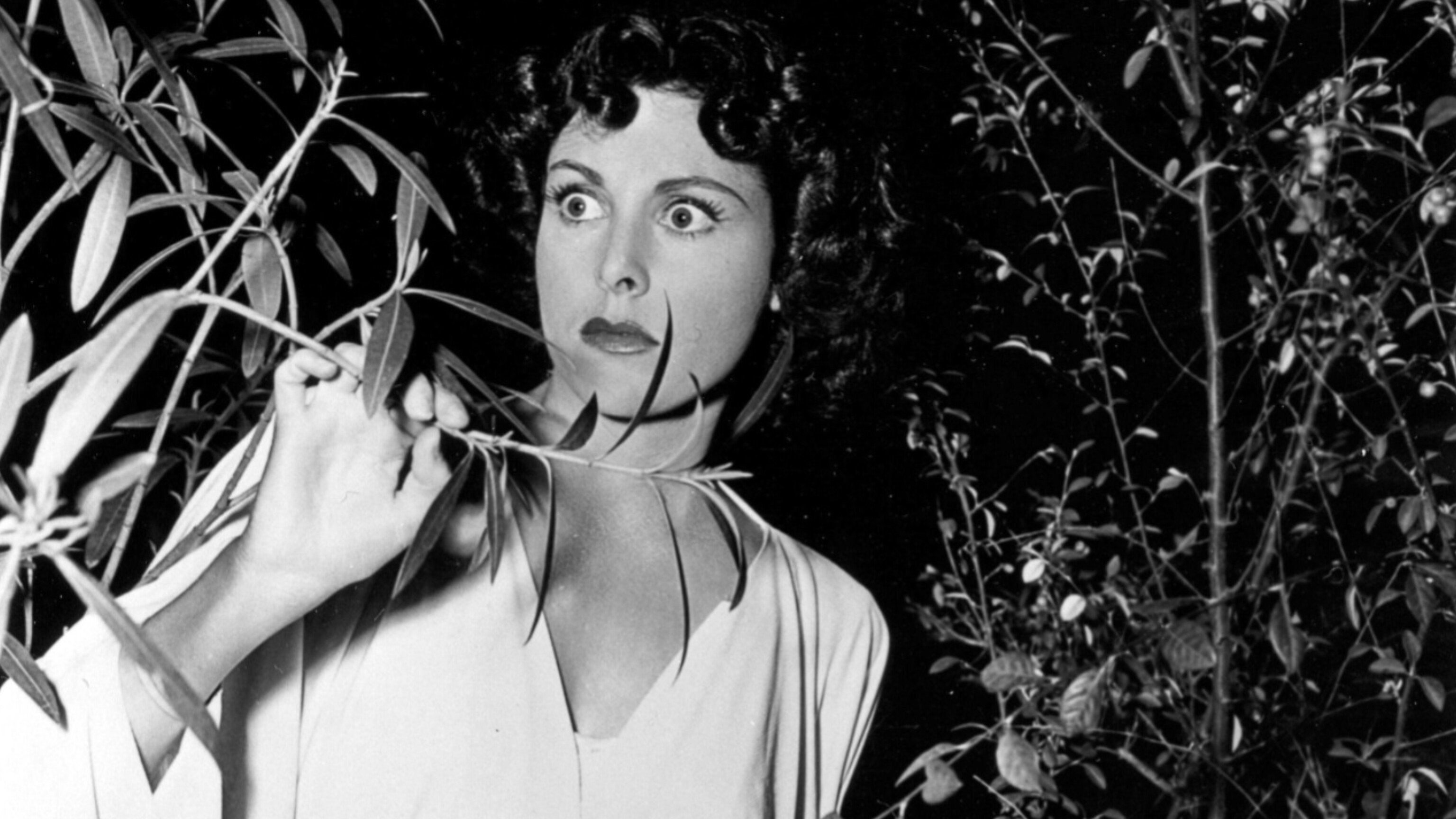
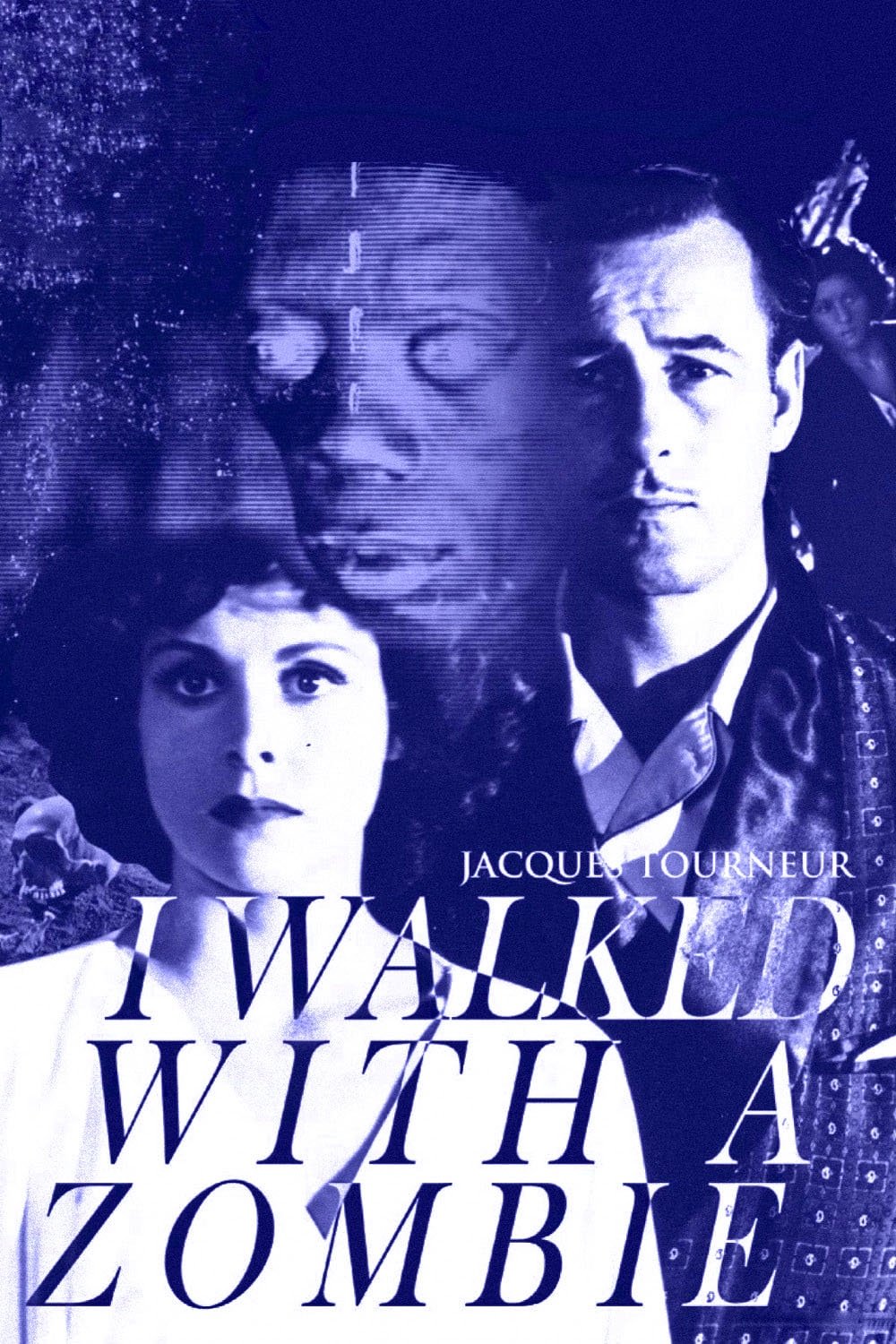
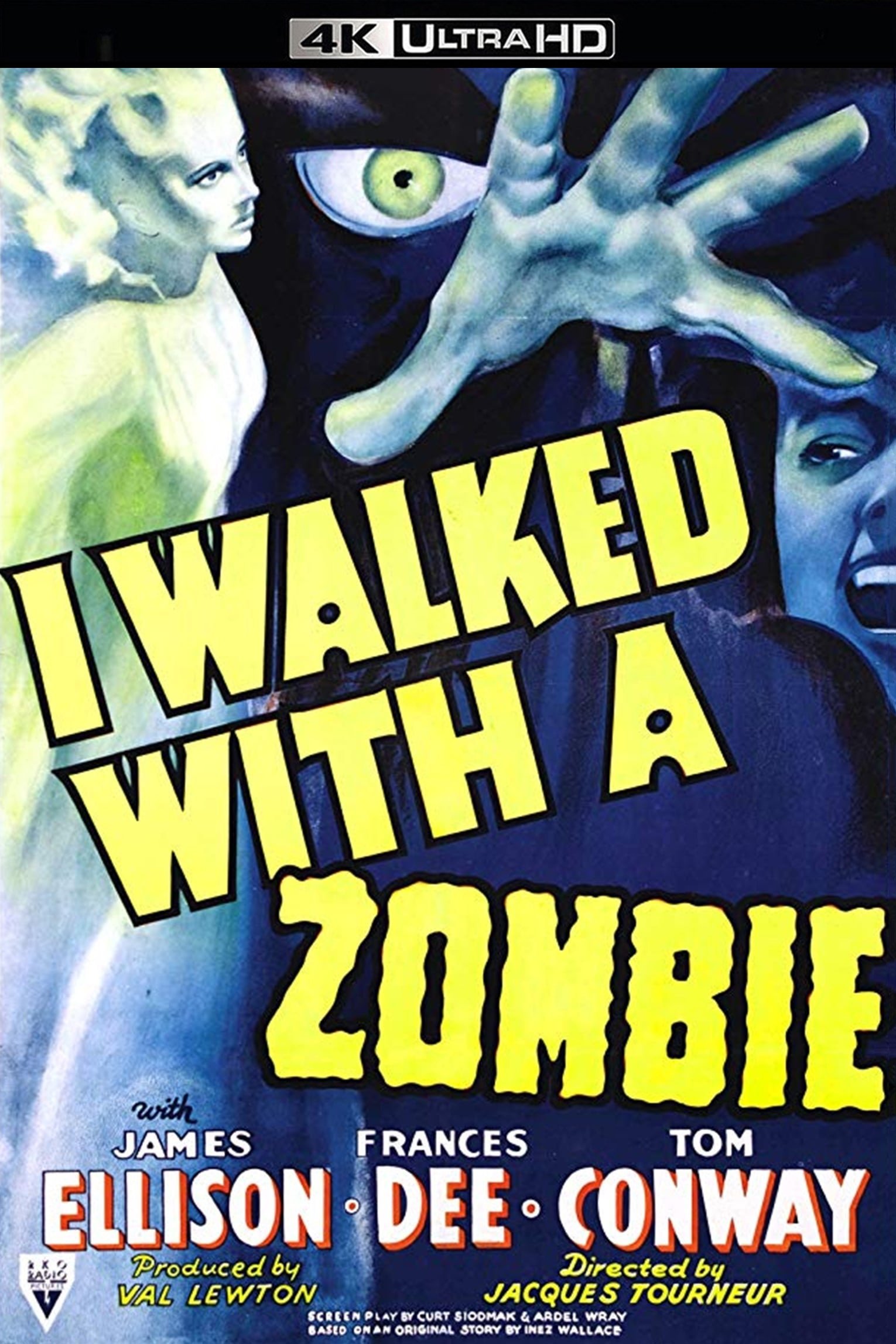
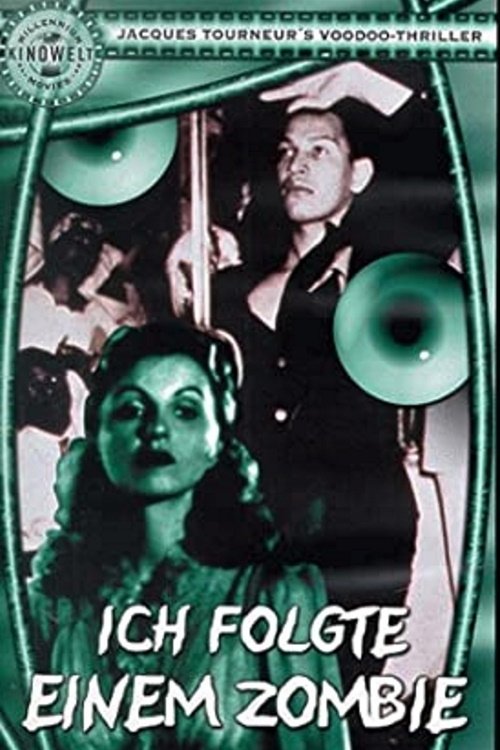
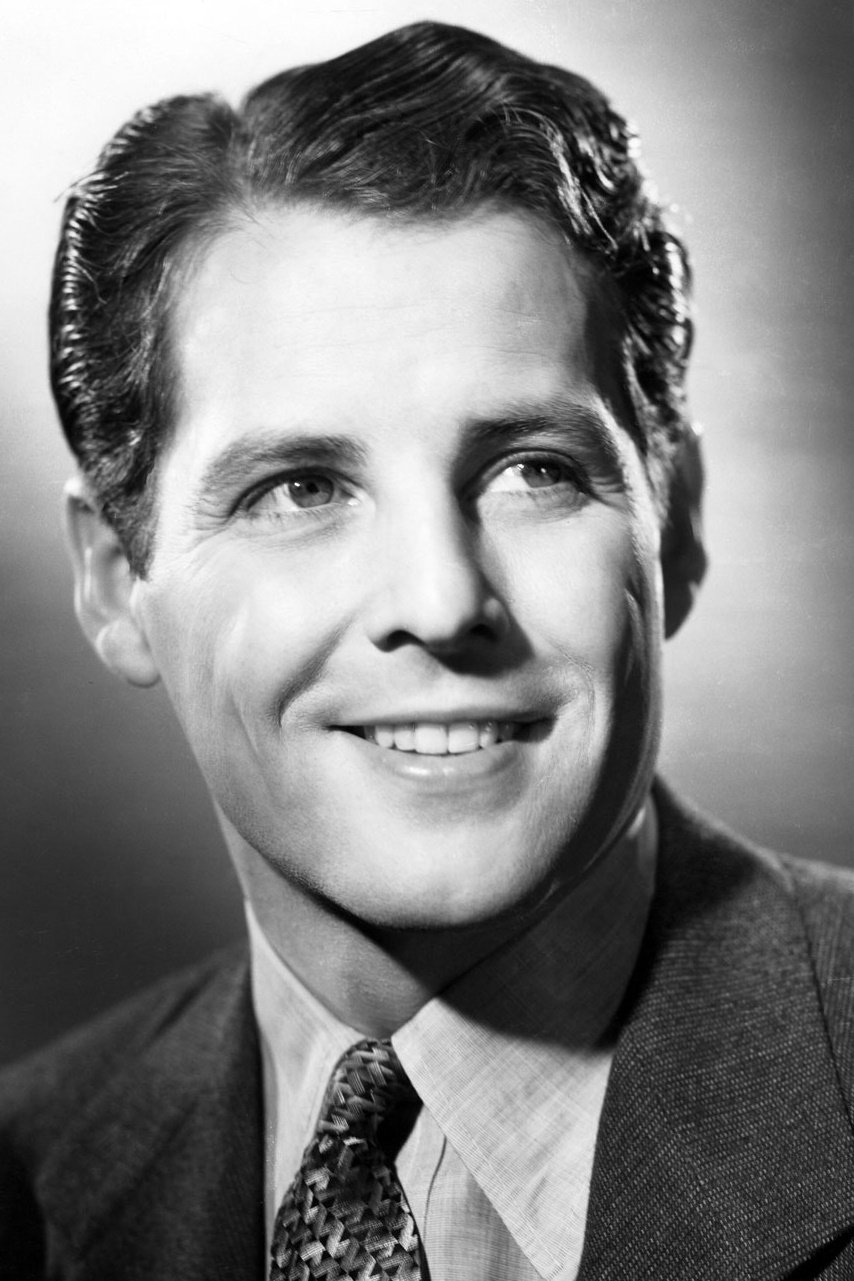
Frances Dee plays Betsy with a mixture of professional confidence and growing uncertainty. Her determination to help Jessica becomes entangled with affection for Paul, raising questions about the motives behind her decisions. Tom Conway gives Paul a guarded manner that conceals his guilt, while James Ellison portrays Wesley through increasingly unstable behaviour. Christine Gordon’s performance depends largely on bodily movement and an apparently empty gaze. Jessica is repeatedly observed by other characters, but cannot explain her own experiences. The film’s emotional tension therefore develops around a woman whose condition is interpreted by everyone except herself.
Vodou, Slavery, and the Colonial History of Saint Sebastian
The island’s history is introduced through the Holland family’s connection with plantation slavery. A coach driver explains that the family’s ancestors brought enslaved Africans to Saint Sebastian, while a figure displayed in the courtyard originated as a carved ornament on a slave ship. Known as Ti-Misery, the figure becomes a recurring reminder of the plantation’s origins. The imagery connects the household’s present wealth with a history of forced labour. It also complicates the apparent separation between the white landowning family and the Black population whose lives remain affected by the island’s unequal social structure.
The film represents Vodou through ceremonies, communal practices and beliefs surrounding the living dead. Ardel Wray’s research included consultation with Zora Neale Hurston, whose Tell My Horse (1938) examined religious traditions in Haiti and Jamaica. The production also recruited musicians familiar with Caribbean performance practices. These efforts distinguish the film from some contemporary American horror productions that reduced Vodou entirely to sinister magic. Its representation nevertheless remains shaped by the priorities and limitations of a Hollywood studio film. Ritual practices are selectively dramatized, and the white protagonists occupy the centre of a story about a largely Black community.
An important contradiction emerges through Mrs. Rand’s medical work. She initially explains that she presents ordinary treatments through the language of Vodou in order to make patients more willing to accept them. Her practical accommodation challenges the assumption that scientific medicine and local religious practice must remain completely separate. When Jessica’s condition becomes the subject of community concern, however, the authority claimed by the plantation household is increasingly questioned. The ceremonial practitioners also possess knowledge unavailable to Betsy. Chris Fujiwara’s historical analysis identifies these relationships as part of the film’s engagement with colonial power, particularly the inability of its privileged characters to control the interpretations of the people around them.
Carrefour and the Journey to the Houmfort
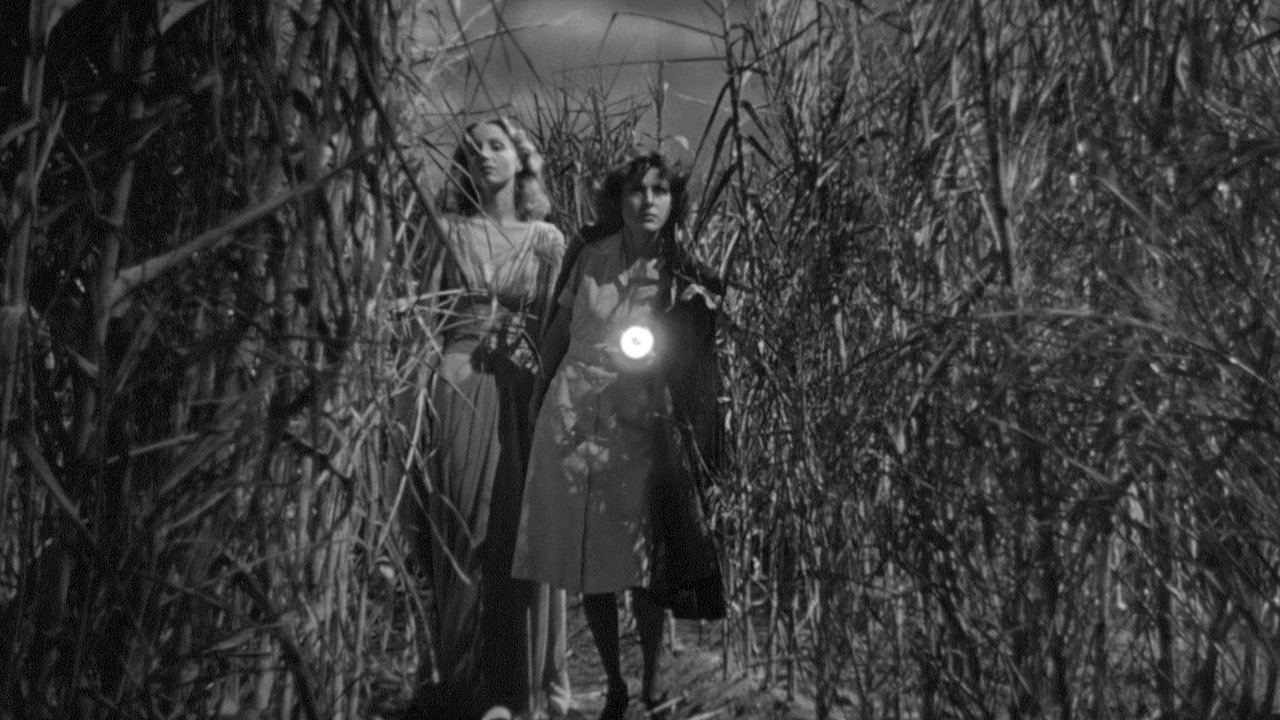
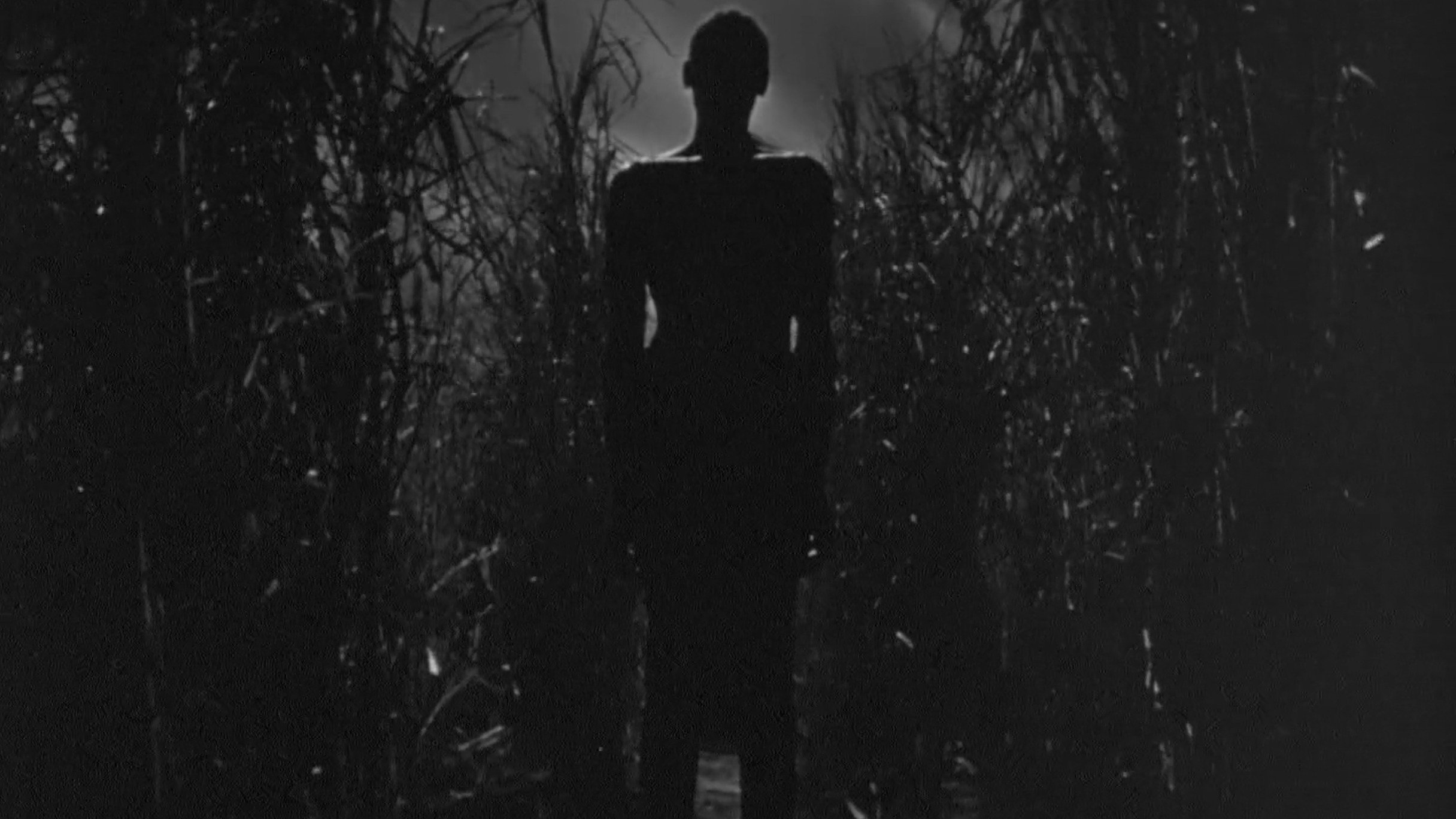
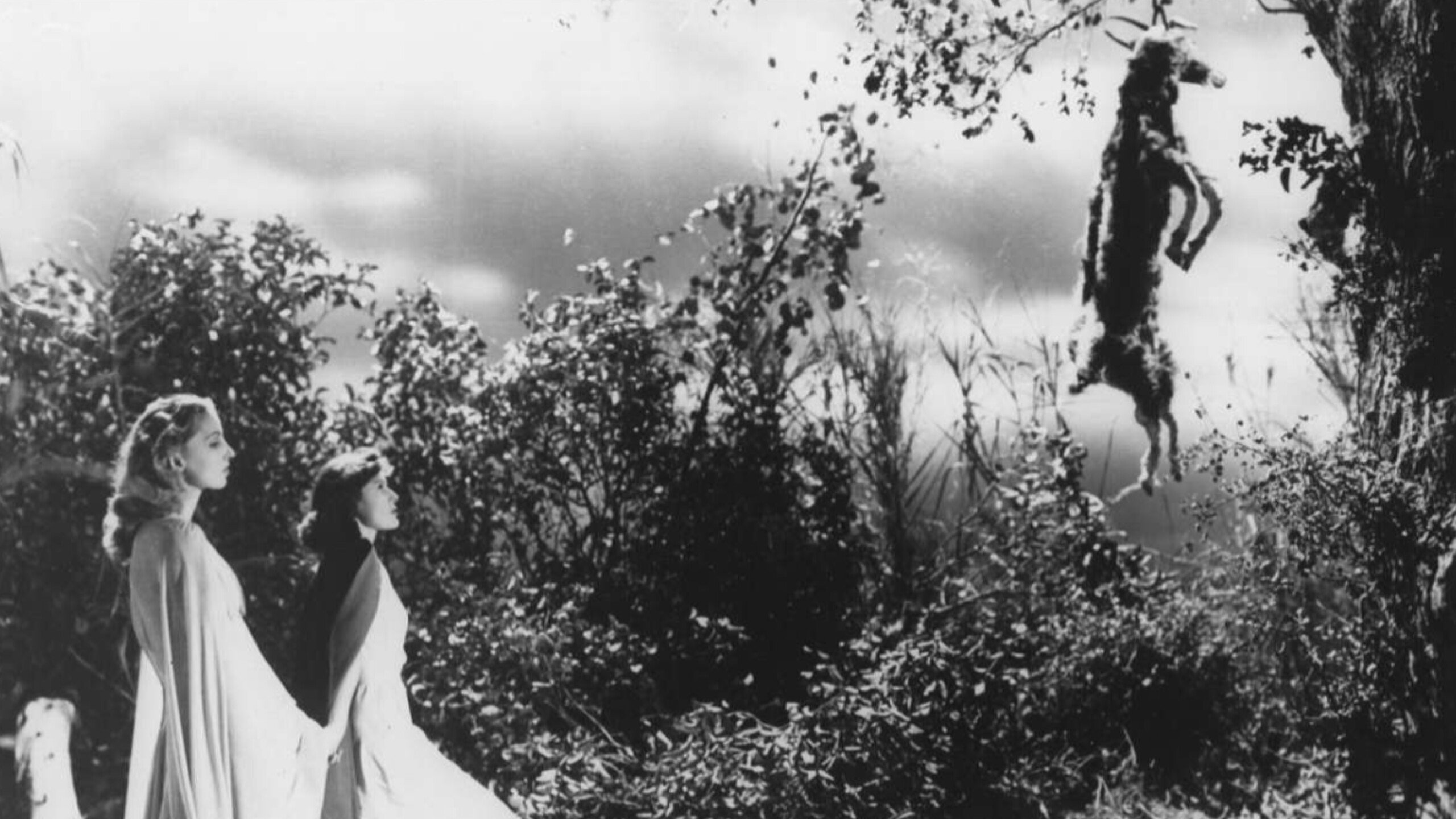
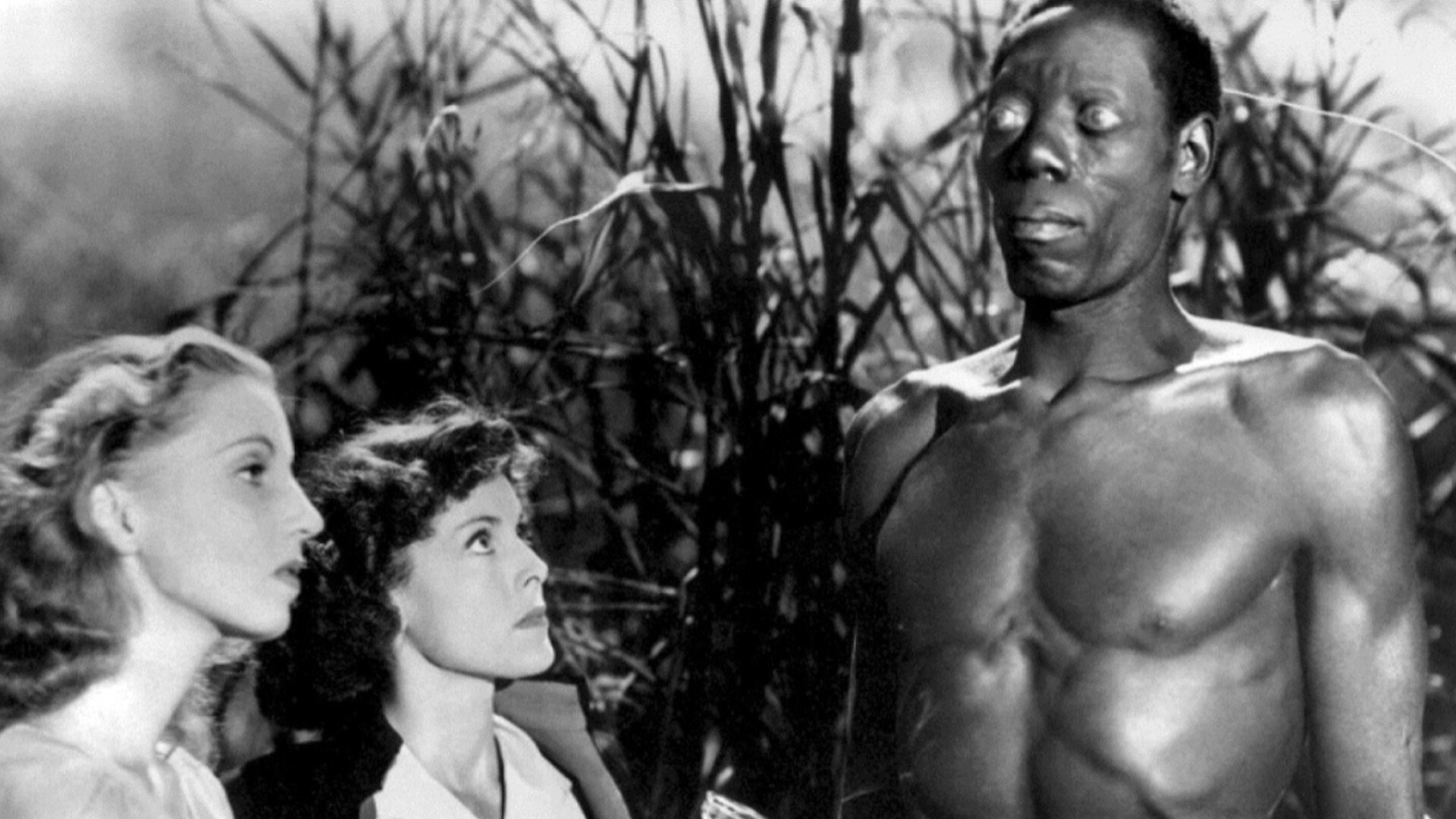
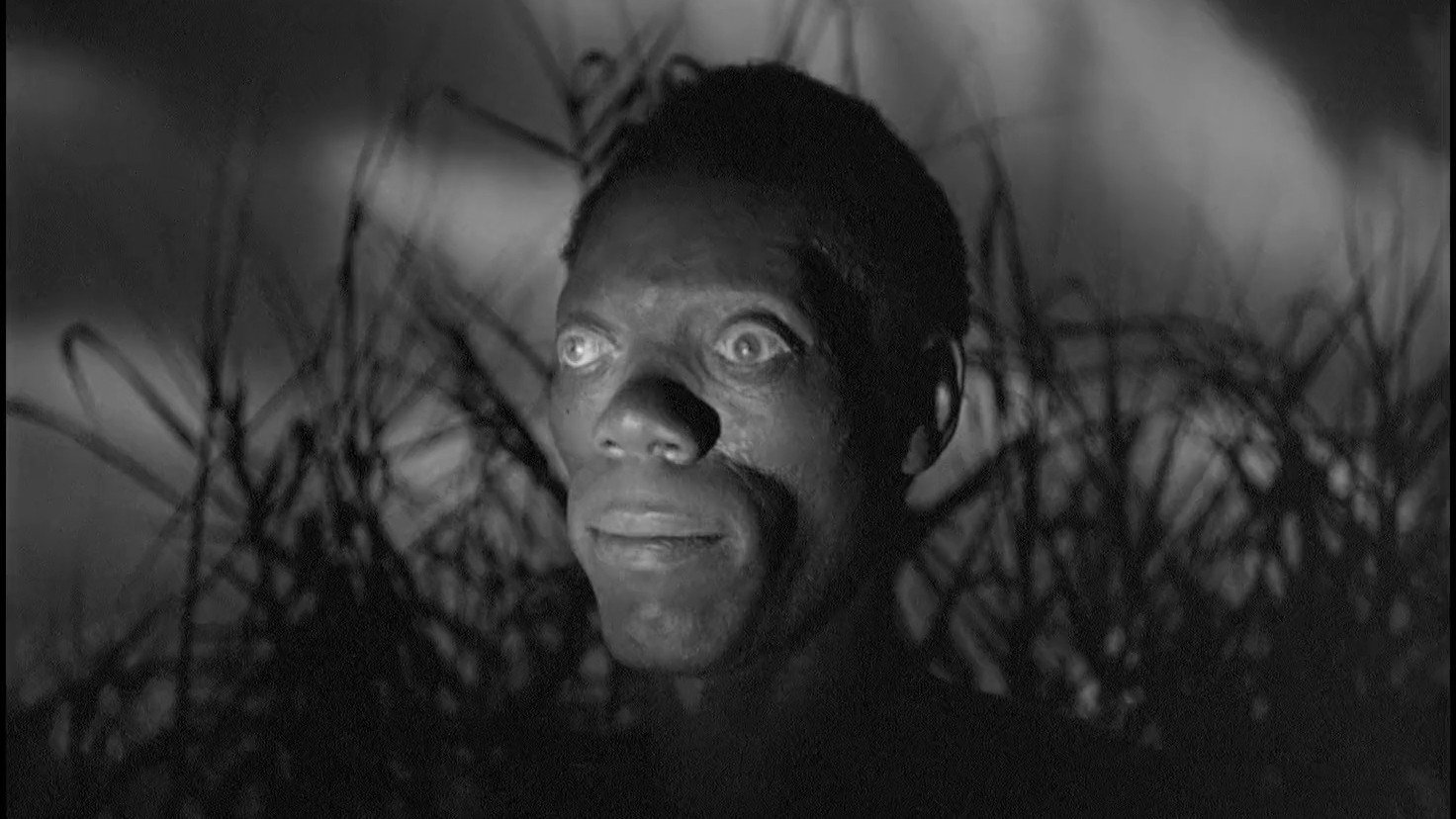
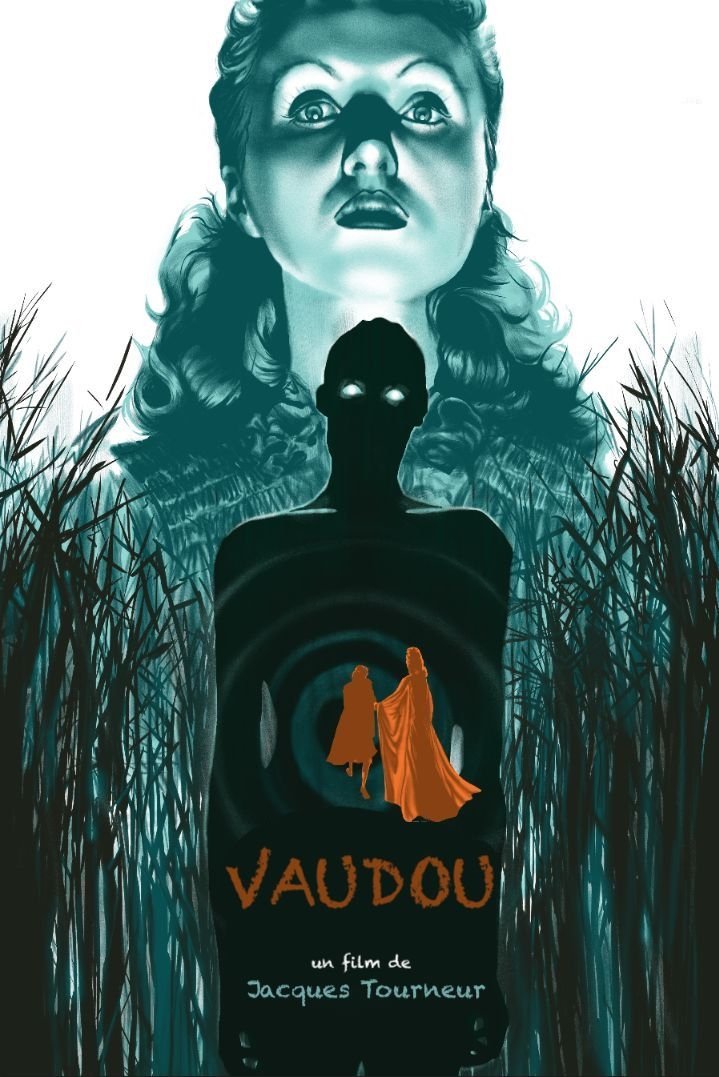
The film’s most celebrated supernatural passage occurs when Betsy leads Jessica through the sugarcane fields toward the Vodou ceremonial site, or houmfort. Their journey takes place at night, with the two women moving along a narrow path through vegetation disturbed by the wind. They encounter objects associated with religious observance before reaching a crossroads guarded by the imposing figure of Carrefour. The sequence unfolds through careful changes in perspective and the gradual appearance of threatening details. Its atmosphere depends on the possibility of an encounter whose meaning remains unknown.
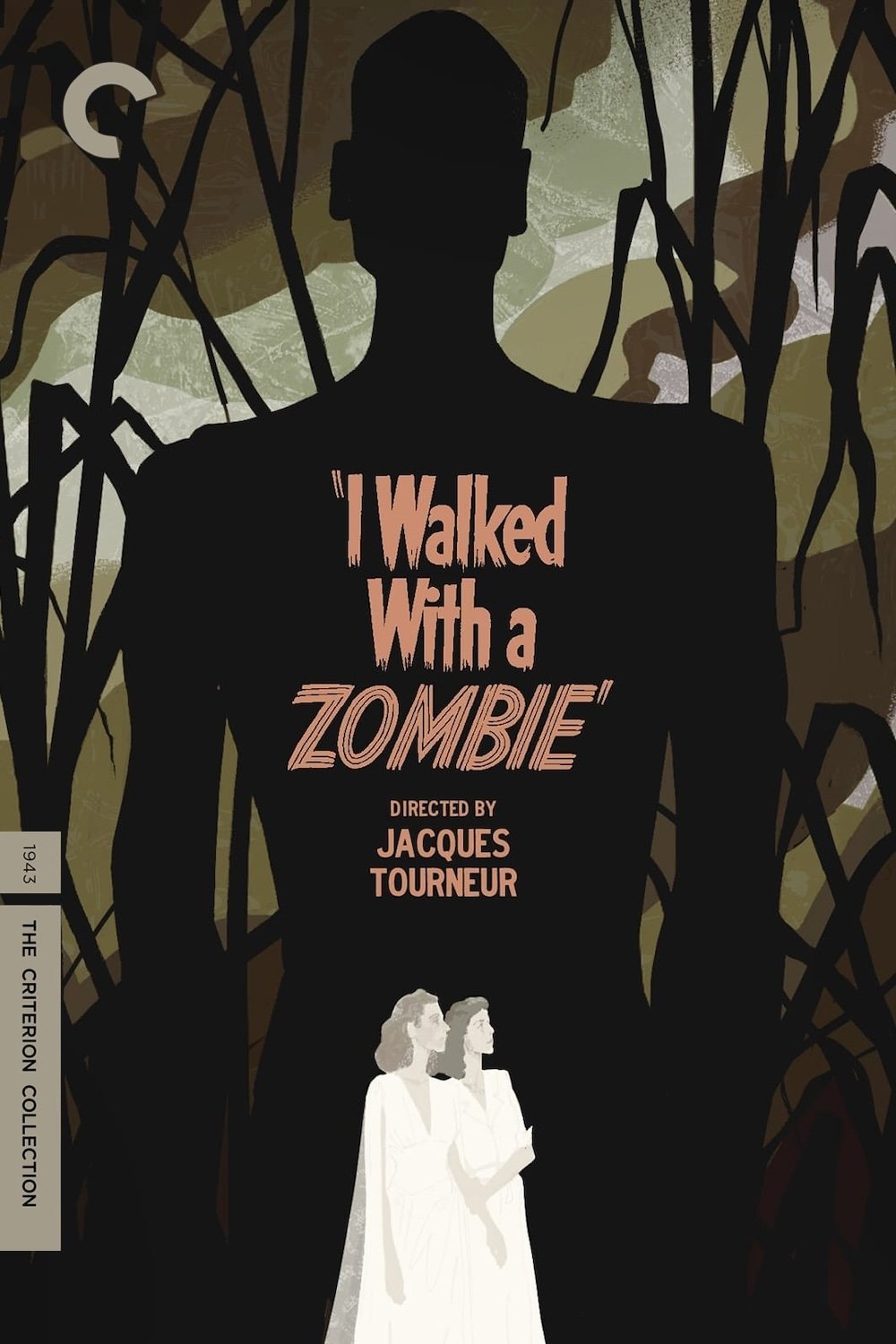
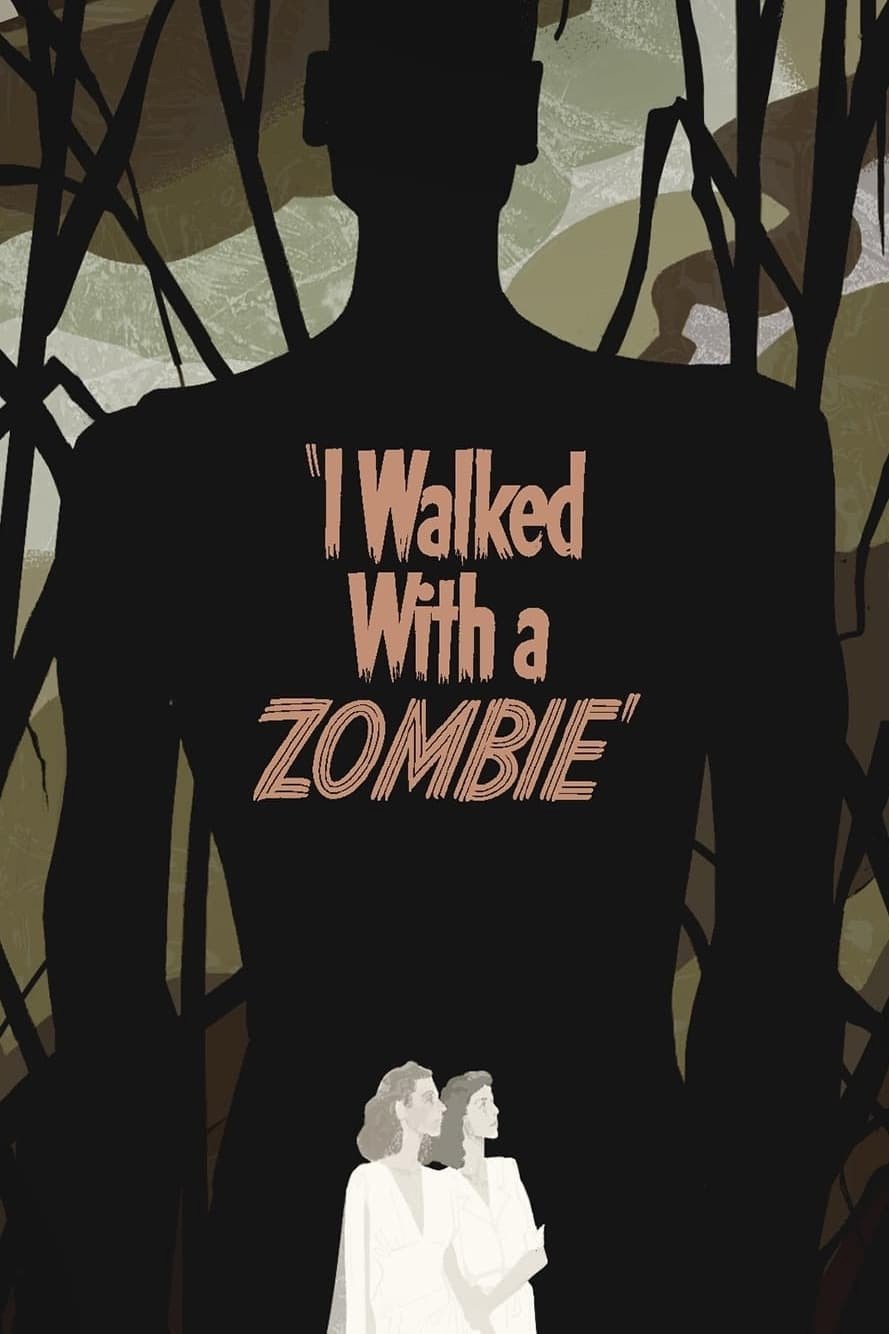
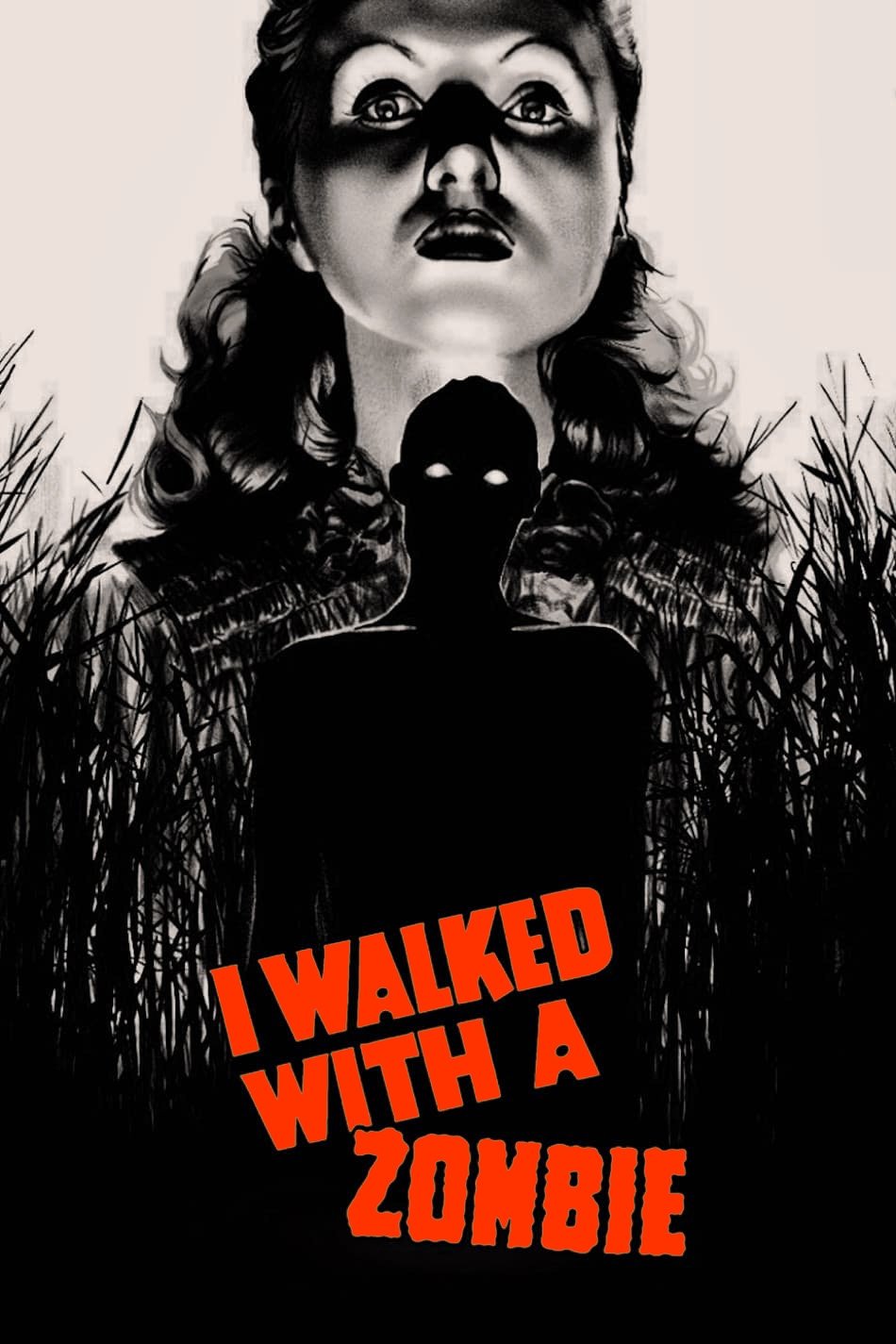
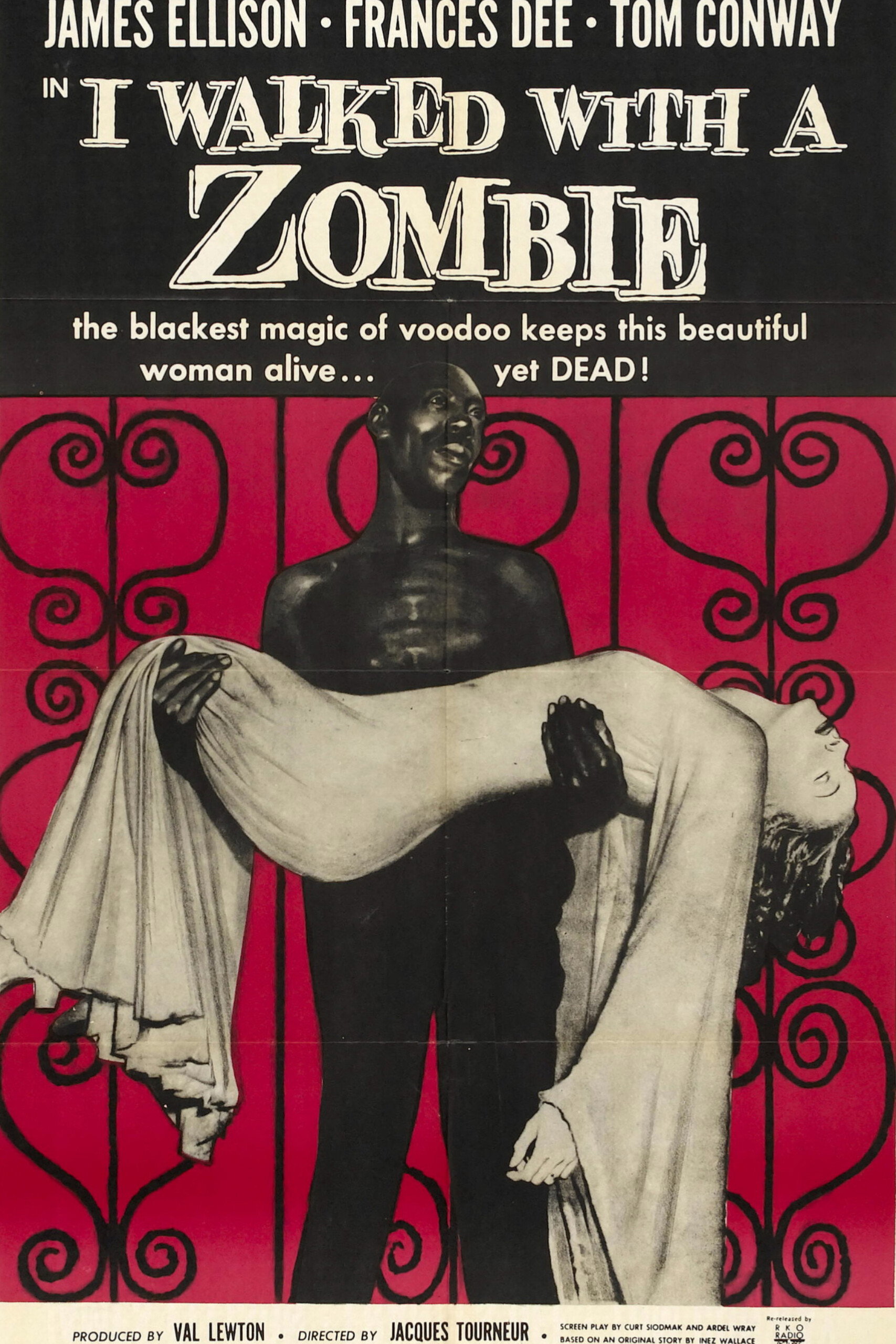
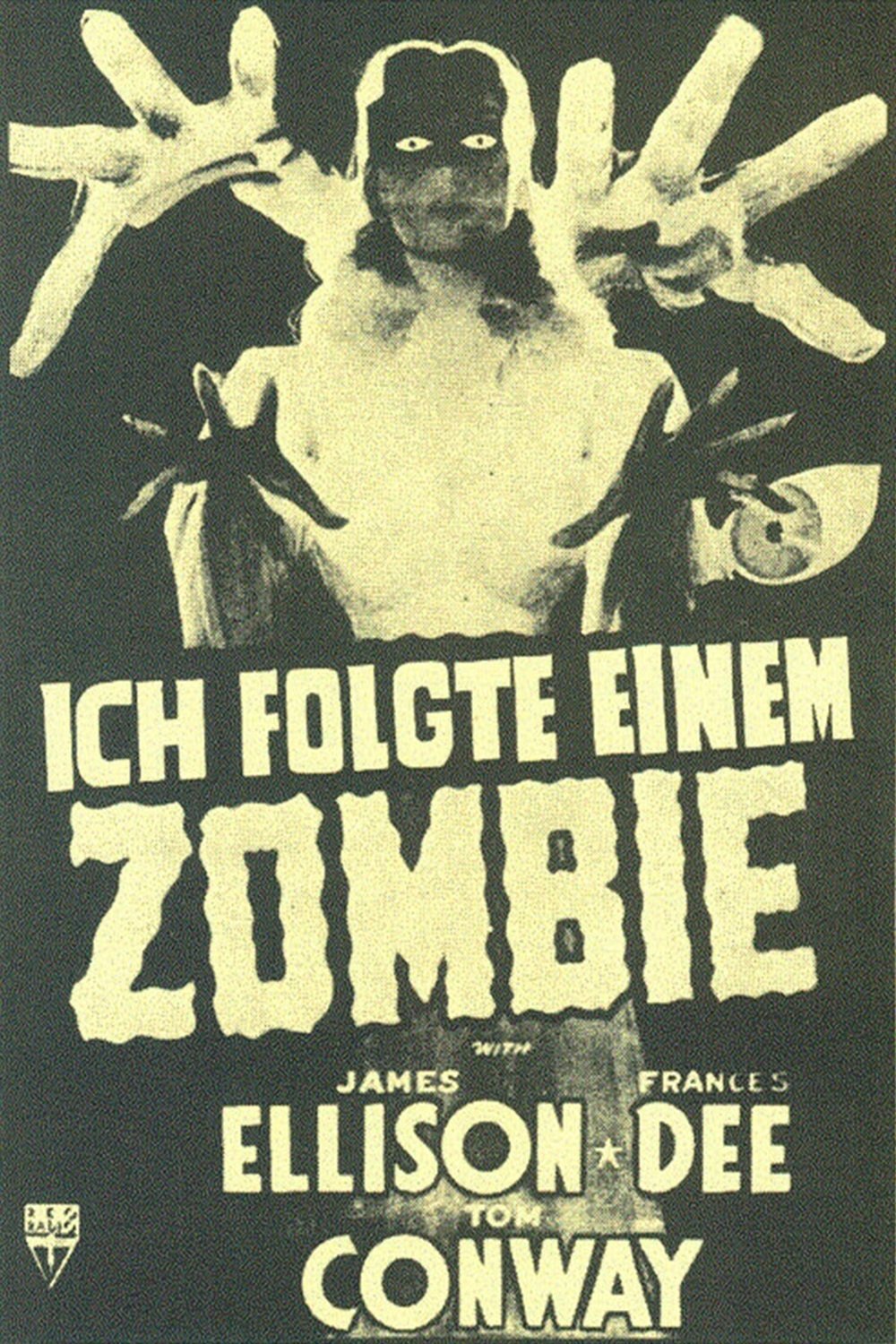
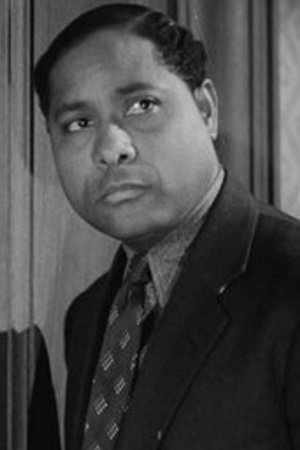
Darby Jones portrays Carrefour, a towering, nearly motionless figure whose vacant expression and rigid posture make him physically distinct from the other inhabitants. His appearance communicates a state of suspended consciousness without extensive dialogue or elaborate makeup. Tourneur often photographs him at a distance, allowing his body to occupy an otherwise empty section of the frame. The character’s position at the crossroads gives him a ceremonial function, while his unexplained movements preserve uncertainty about whether he acts through supernatural influence. His striking appearance became one of the defining images of the film.
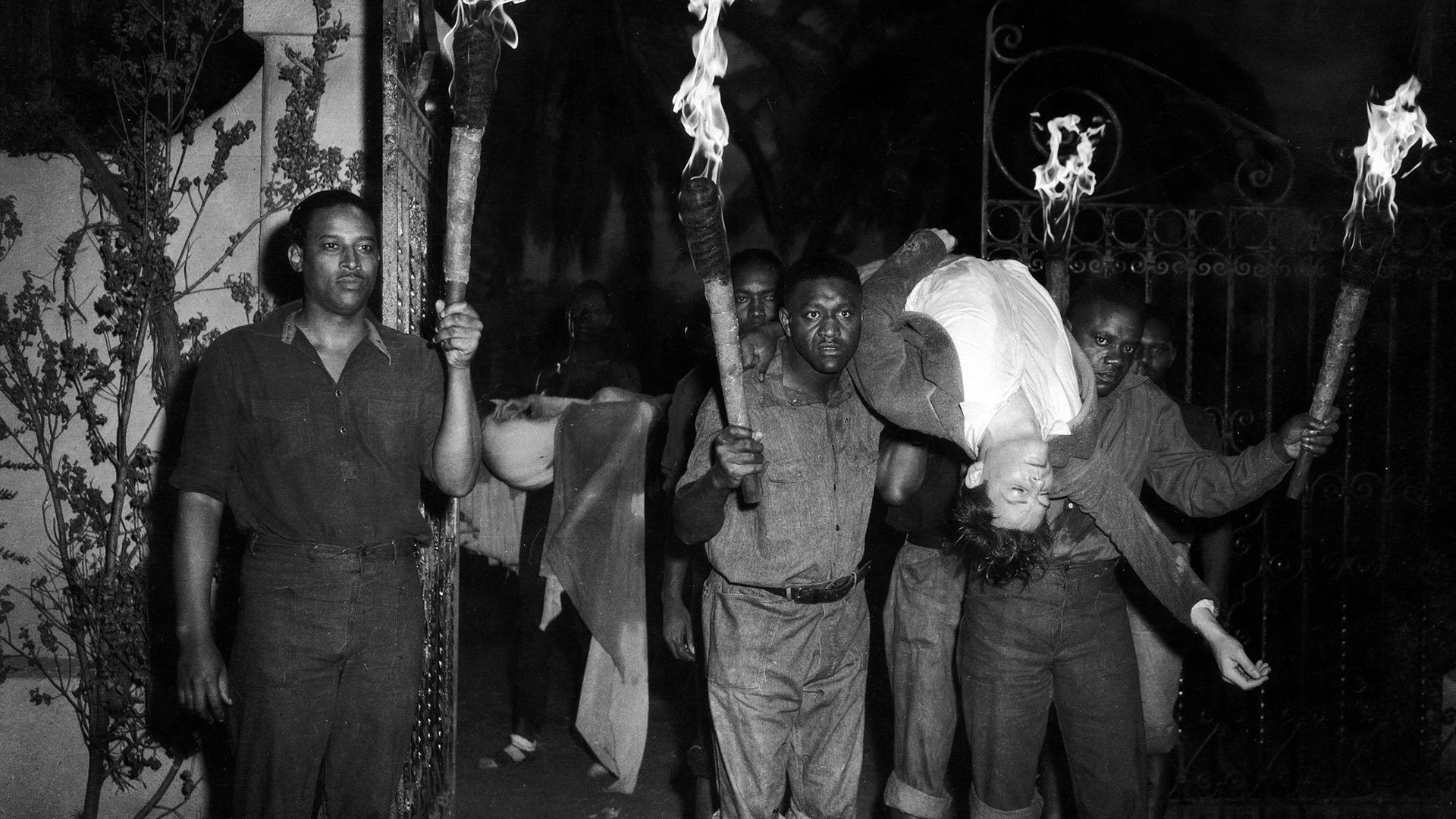
At the houmfort, Betsy encounters a community conducting a ceremony whose participants appear to recognize Jessica as a zombie. The sequence includes rhythmic drumming, dancers and a sword ritual that tests the woman’s apparent immunity to ordinary injury. Tourneur distributes attention across the assembled participants rather than concentrating exclusively on the nurse. The ceremony consequently becomes an event governed by rules that Betsy does not fully understand. Her discovery that Mrs. Rand is involved in the proceedings further complicates the division between medical explanation and supernatural belief. The encounter advances the mystery while preserving uncertainty about the forces controlling Jessica.
Cinematography, Production Design, and Editing
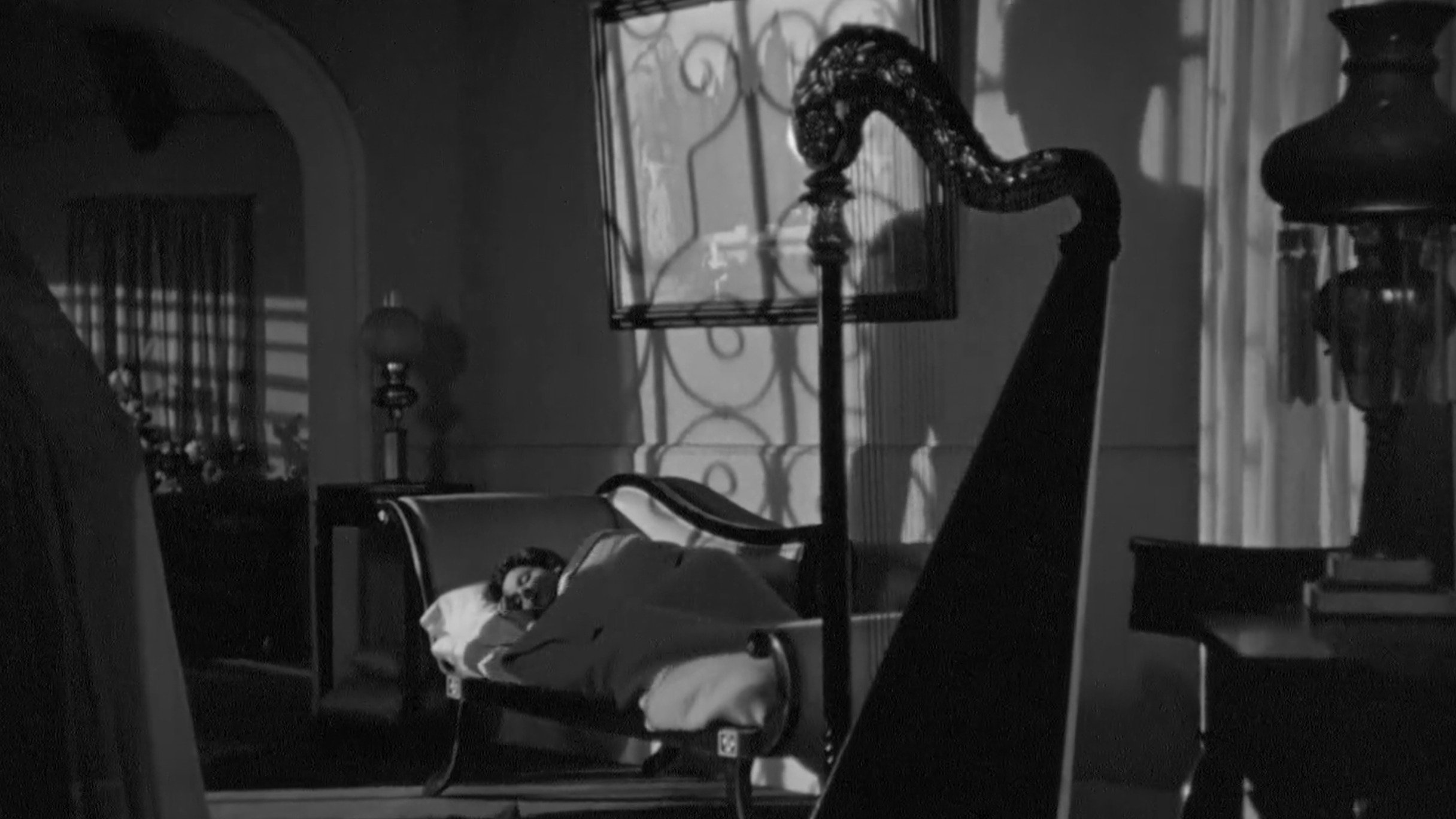
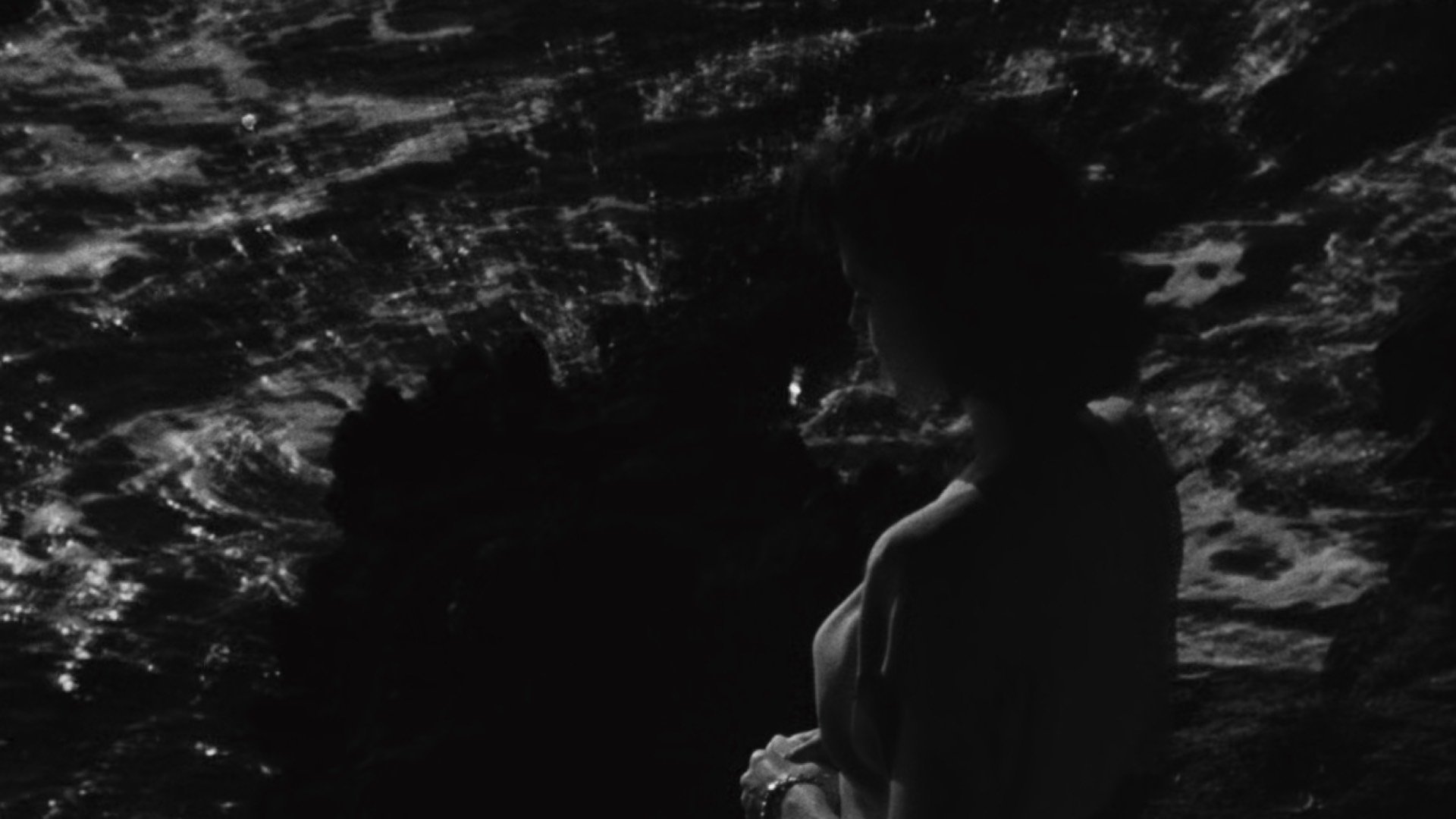
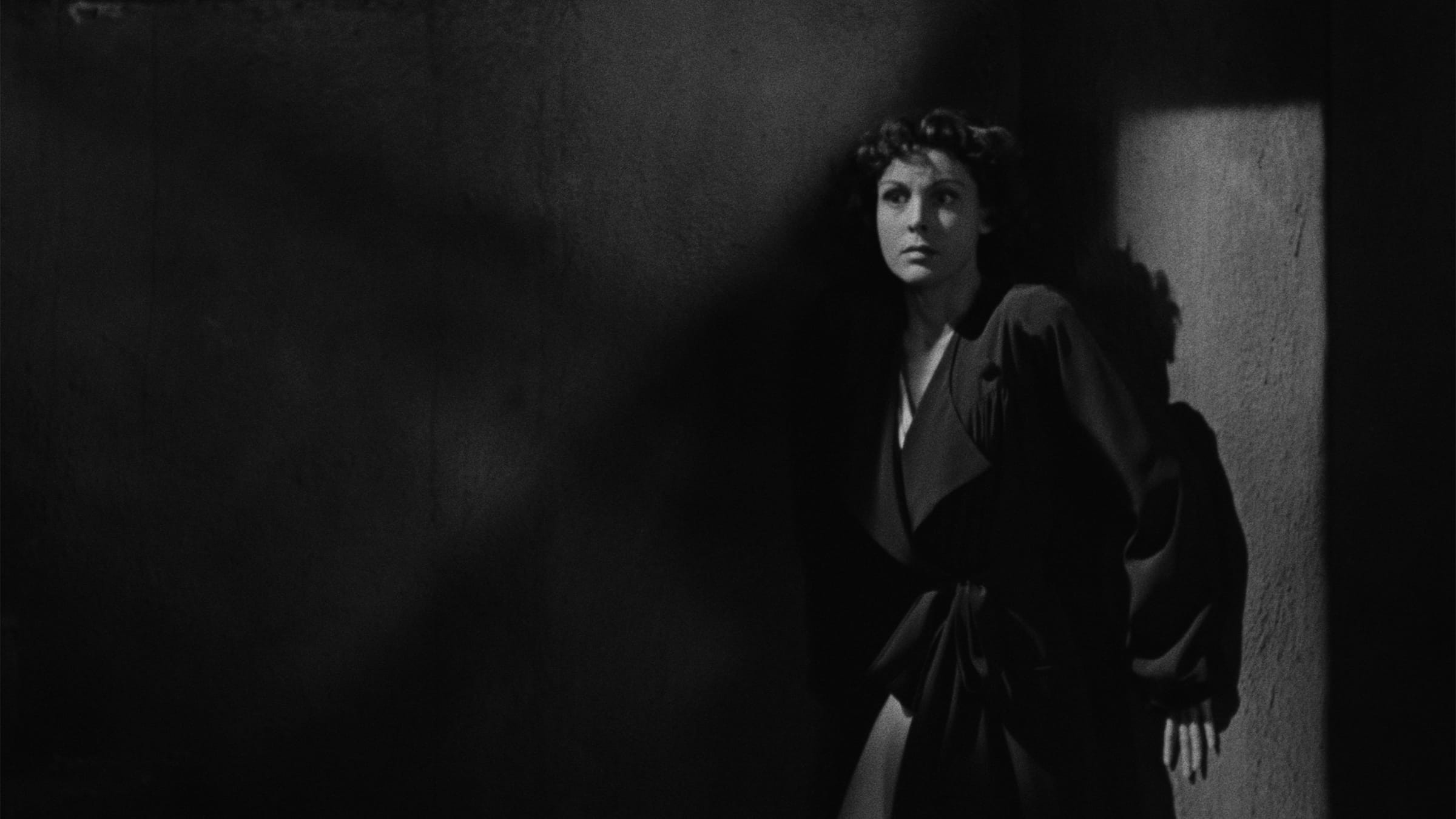
J. Roy Hunt’s black-and-white cinematography gives the film a visual identity based on deep shadows, figures separated by darkness and carefully organized movement through space. The island is presented through constructed environments that alternate between the plantation’s domestic architecture and the exposed paths leading toward the ceremonial grounds. Art directors Albert S. D’Agostino and Walter E. Keller supplied the production design, while Darrell Silvera and Al Fields worked on set decoration. The environments establish an impression of considerable geographical distance despite the restricted resources available to the RKO unit.
Tourneur frequently places characters within compositions that emphasize their isolation from the surrounding environment. During the journey through the cane fields, the women move through areas of darkness whose contents remain uncertain. Elsewhere, the camera observes conversations from a distance, allowing shadows and architectural divisions to influence the emotional relationships between characters. The result is particularly effective with Jessica, whose slow movement through domestic spaces can transform an otherwise familiar setting into a threatening environment. Hunt’s lighting permits the viewer to recognize the figure while withholding information about her thoughts and intentions.
Mark Robson edited the film, organizing its relatively brief running time around a progression of discoveries and unexplained incidents. Scenes often end without resolving the questions they introduce, allowing uncertainty to continue into the next encounter. The movement between the Holland household and the community’s ceremonial spaces also creates different understandings of Jessica’s condition. The editing preserves those perspectives without establishing one as unquestionably correct. Tourneur’s restrained use of movement and the gradual disclosure of information make the supernatural sequences effective through anticipation rather than prolonged displays of violence.
Roy Webb, Sir Lancelot, and the Soundtrack
Roy Webb composed the original score, with C. Bakaleinikoff serving as musical director. The music contributes to the film’s melancholic atmosphere while leaving substantial space for environmental sounds and dialogue. Ceremonial drums become especially important because they can be heard from locations beyond the immediate ritual setting. Their recurring presence suggests that activities elsewhere on the island continue independently of the Holland family’s knowledge. The soundtrack allows distant events to affect scenes in which the source of the sound remains unseen, reinforcing the uncertain relationship between the plantation and the surrounding community.
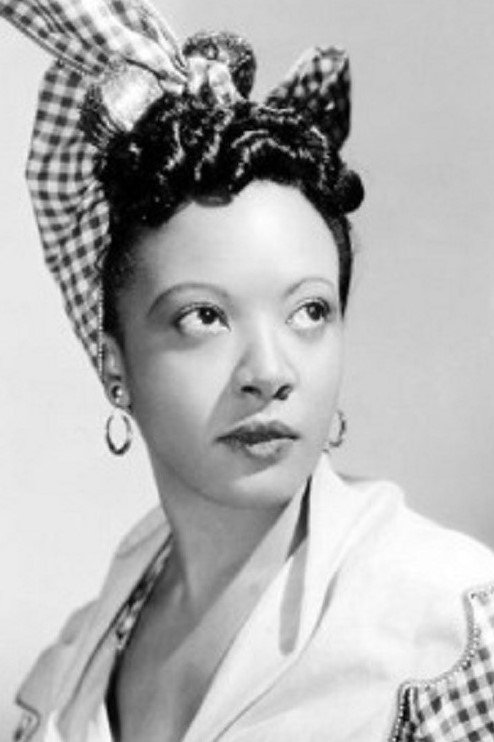
Trinidadian performer Sir Lancelot appears as a calypso singer and performs the Fort Holland Calypso Song, for which he received the credited words and music. The song recounts the romantic conflict involving Paul, Wesley and Jessica, introducing information that the protagonists are reluctant to discuss openly. Its narrative function is therefore unusually substantial. Rather than providing incidental entertainment, the performance communicates details of the family’s history through a form associated with public storytelling. Betsy’s reaction makes the disclosure especially important because it changes her understanding of the people for whom she works.
Screenwriter Ardel Wray later recalled that Lewton arranged for Sir Lancelot to assist with the recruitment of musicians familiar with Vodou ceremonies. Her account describes the use of different ceremonial drums and the preparation of a doll required for one ritual sequence. The production’s musical practices combined studio composition with performances chosen for the setting. Sound and image work closely together during Jessica’s nocturnal movements, when the distant beat of the drums suggests an influence that cannot be clearly observed. The soundtrack thus contributes directly to the supernatural uncertainty surrounding her condition.
Supernatural Ambiguity, Release, and Historical Reception
Jessica’s condition remains subject to competing explanations throughout the film. Dr. Maxwell attributes her symptoms to a tropical illness, while the ceremonial practitioners identify her as a zombie. Mrs. Rand eventually claims responsibility for a curse cast after discovering Jessica’s intention to leave Paul for Wesley. Her confession appears to explain the events, but the medical diagnosis is never conclusively disproved. The final movements of Jessica and Wesley occur alongside a ritual involving a doll, creating a connection between ceremonial action and physical violence without determining whether the relationship is supernatural or psychological. Their deaths leave Betsy and Paul facing consequences that neither science nor the family’s private explanations can fully contain.
The film opened in New York on April 21, 1943, with general American distribution beginning on April 30. The American Film Institute records a running time of approximately 68 to 69 minutes. Contemporary reviews were mixed. The New York Times regarded its supernatural material with considerable hostility, while other trade reporting recognized its potential to attract horror audiences. RKO’s confidence had increased following Cat People, and contemporary industry records indicate that the distributor moved from the flat rental arrangements customary for inexpensive productions toward a percentage-based arrangement associated with more prominent releases. Reliable comprehensive worldwide box-office totals have not been established from the principal surviving records.
The film’s historical standing increased through later examinations of Lewton’s RKO productions and Tourneur’s visual style. Its understanding of the zombie differs from the violent, flesh-eating undead established in American horror after Night of the Living Dead (1968). Jessica and Carrefour belong instead to a tradition associated with the suppression of individual will, while the plantation setting connects their condition with slavery and colonial authority. Film scholarship has also emphasized its debt to female Gothic literature and its unusually open treatment of supernatural explanation. In October 2024, the Criterion Collection released a new 4K restoration alongside The Seventh Victim, while the BFI National Archive presented a newly created 35 mm print in 2025. These preservation efforts support the continued exhibition of a film whose significance rests on its distinctive use of sound, photography and narrative uncertainty.