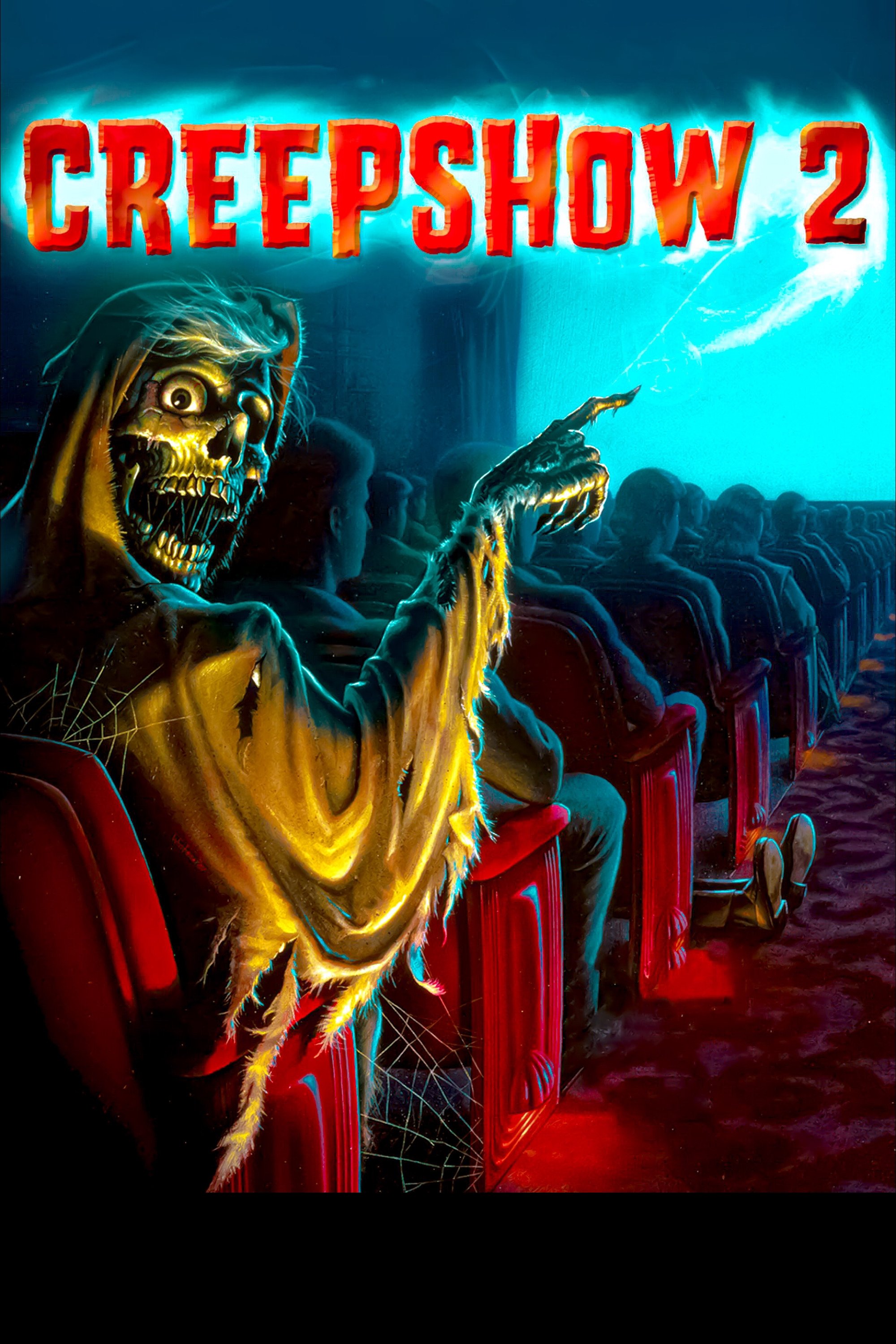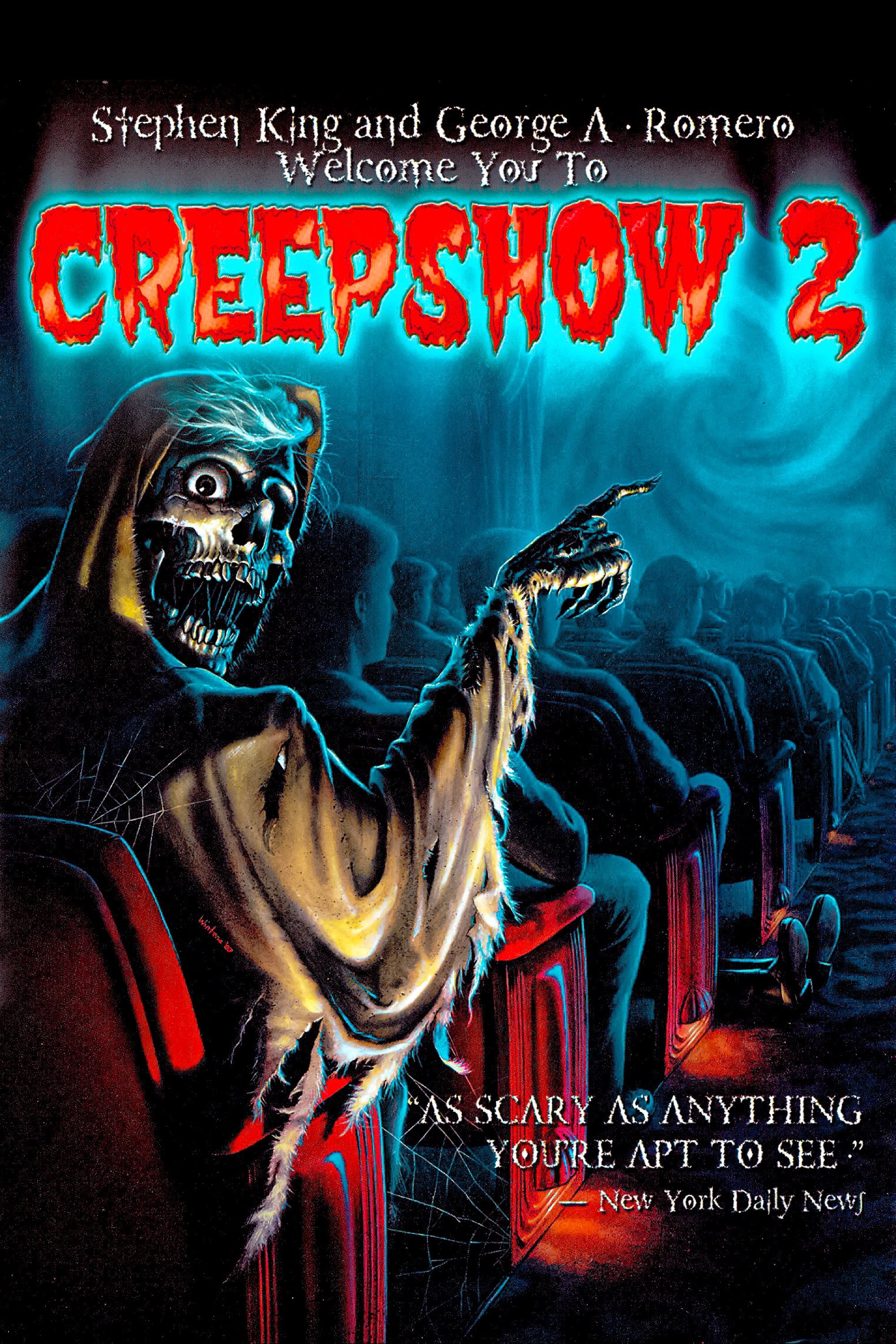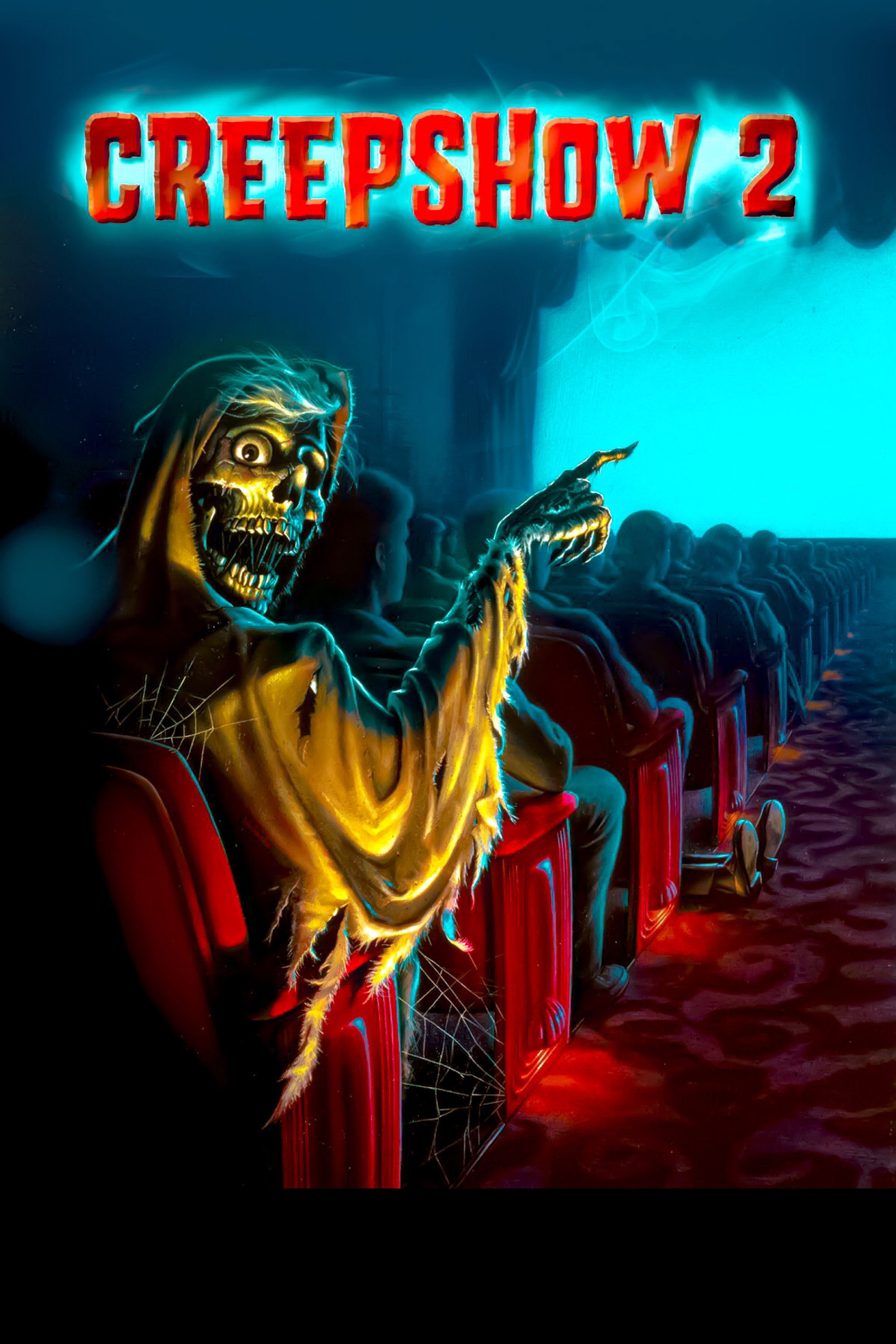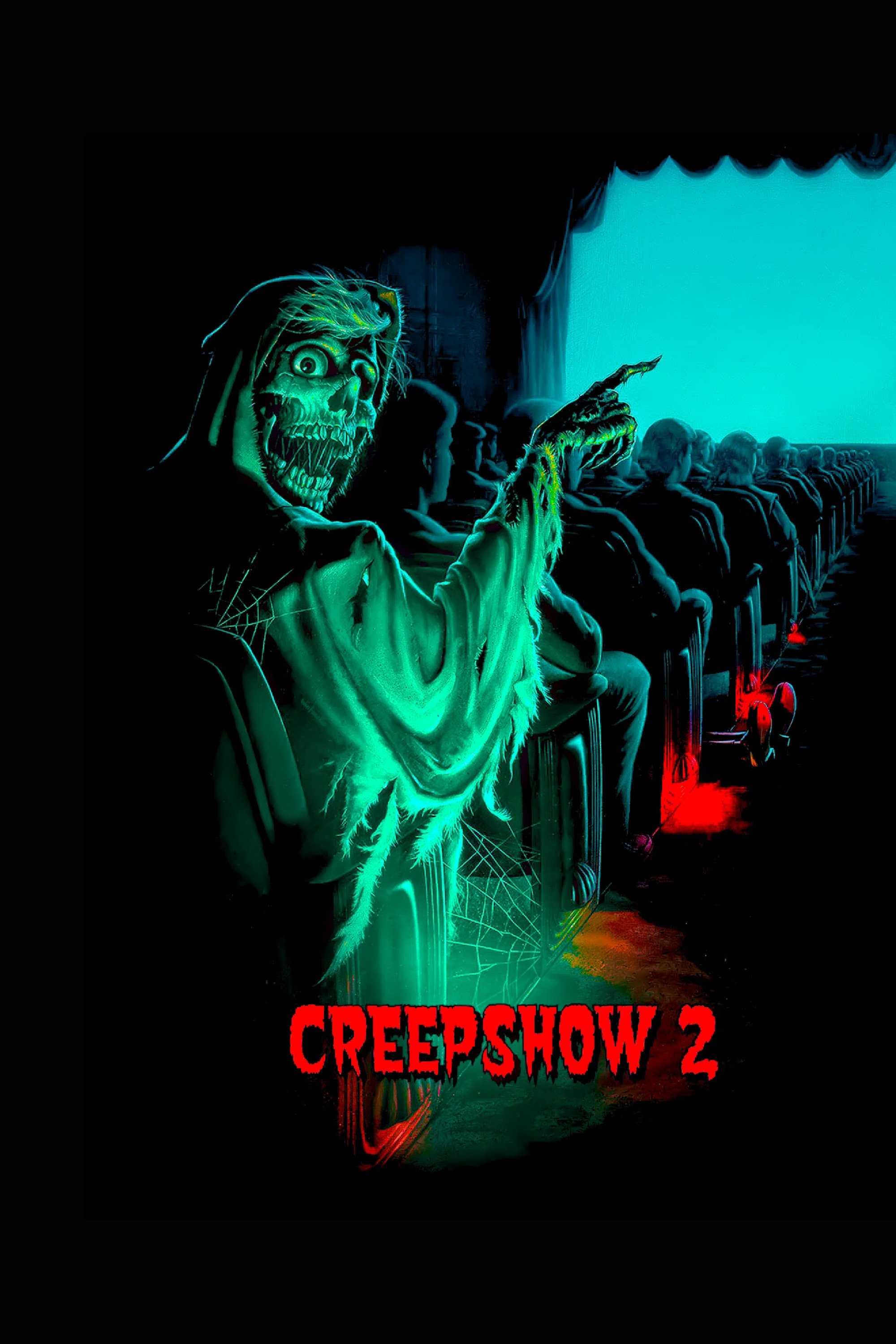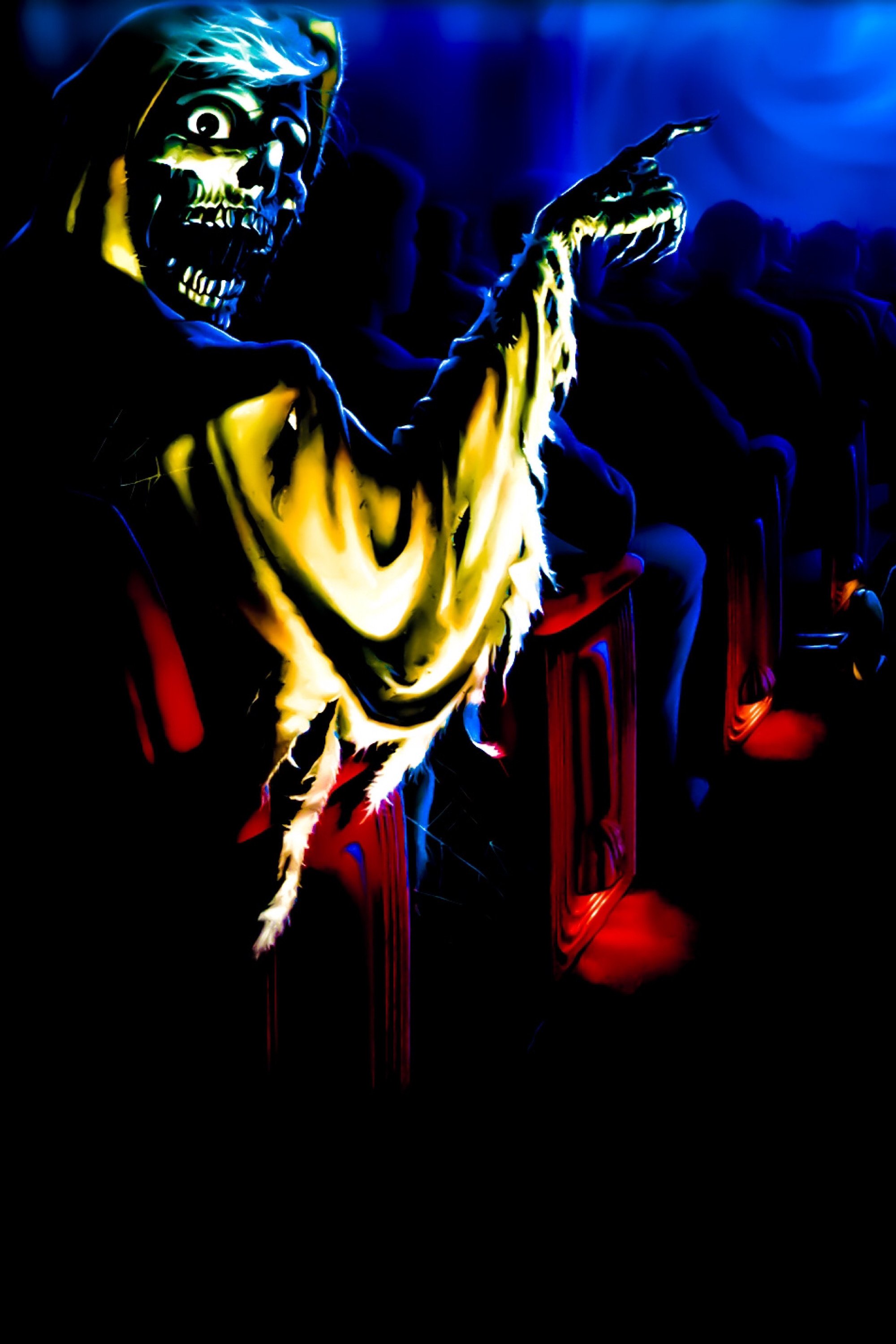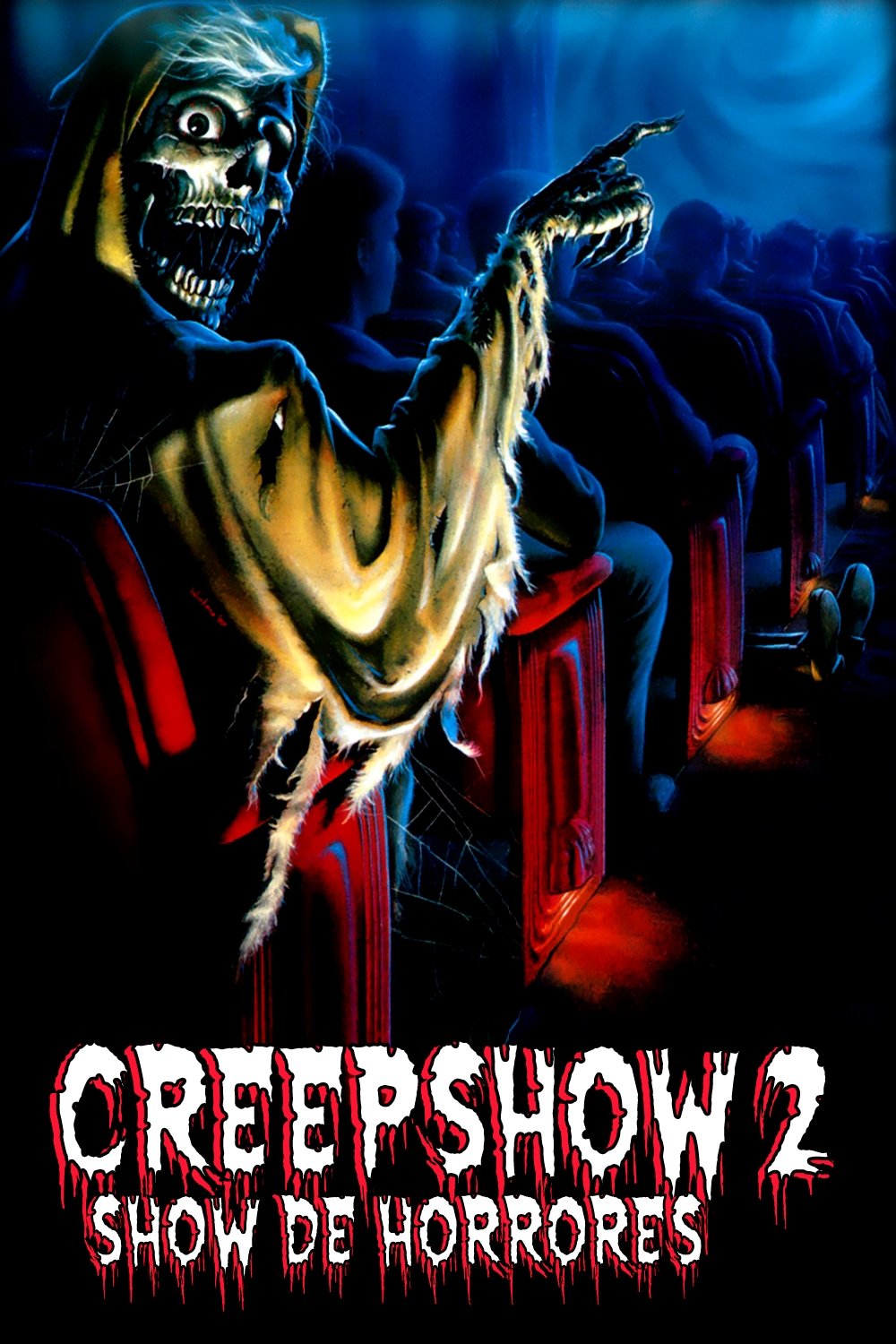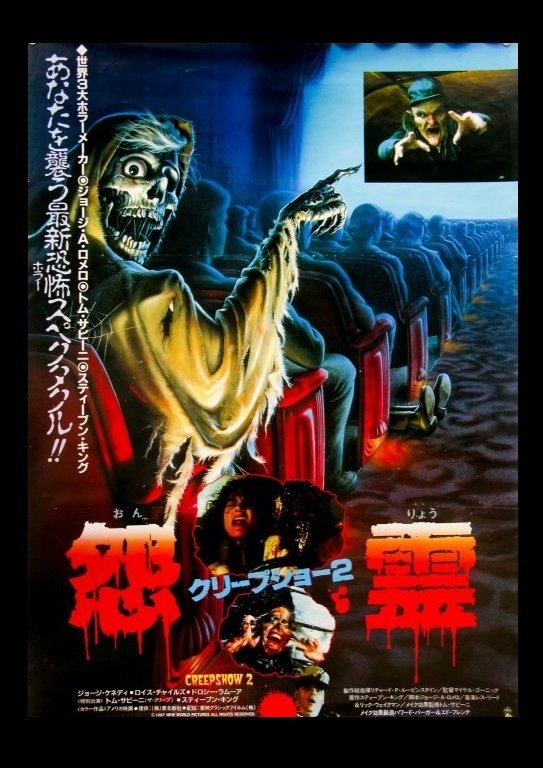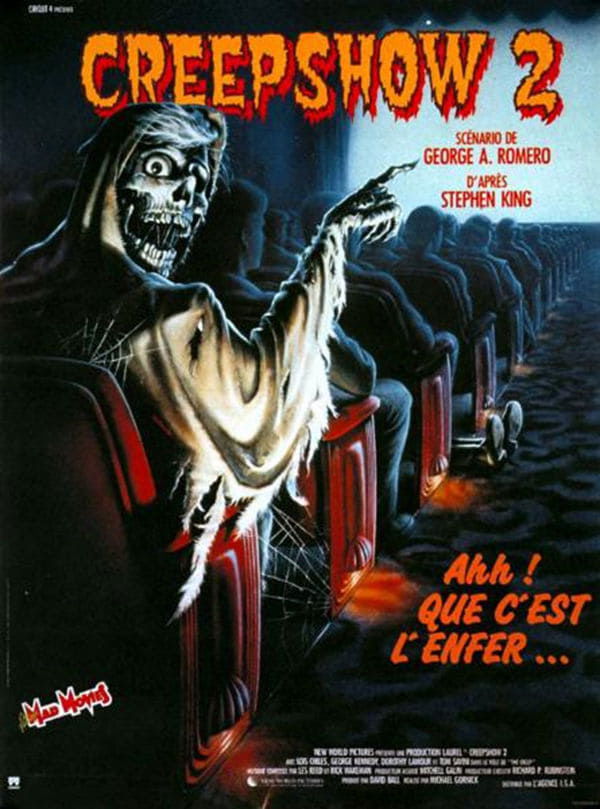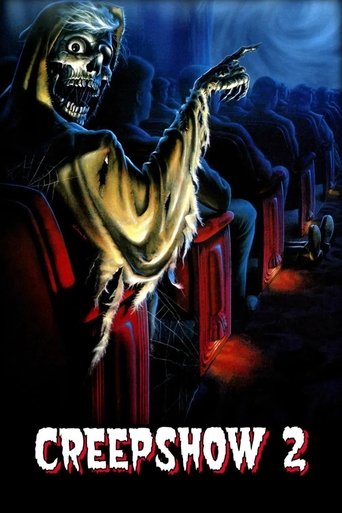
Creepshow 2 (1987)

US
HORROR FILM Comedy Fantasy
SUBGENRES HORROR ANTHOLOGY
Runtime
92 min
Release
May 1, 1987
Budget
$3,500,000
Revenue
$14,000,000
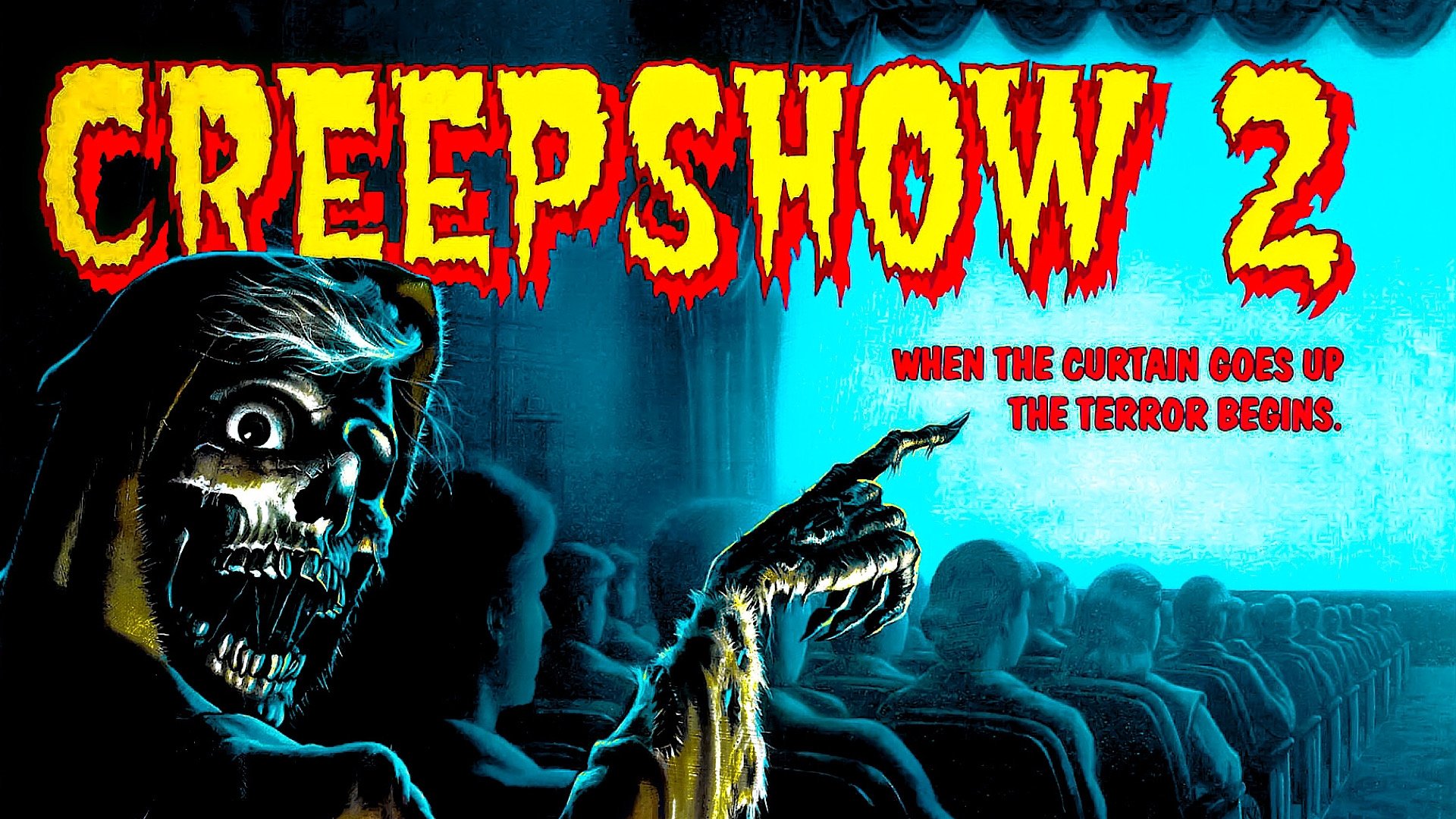
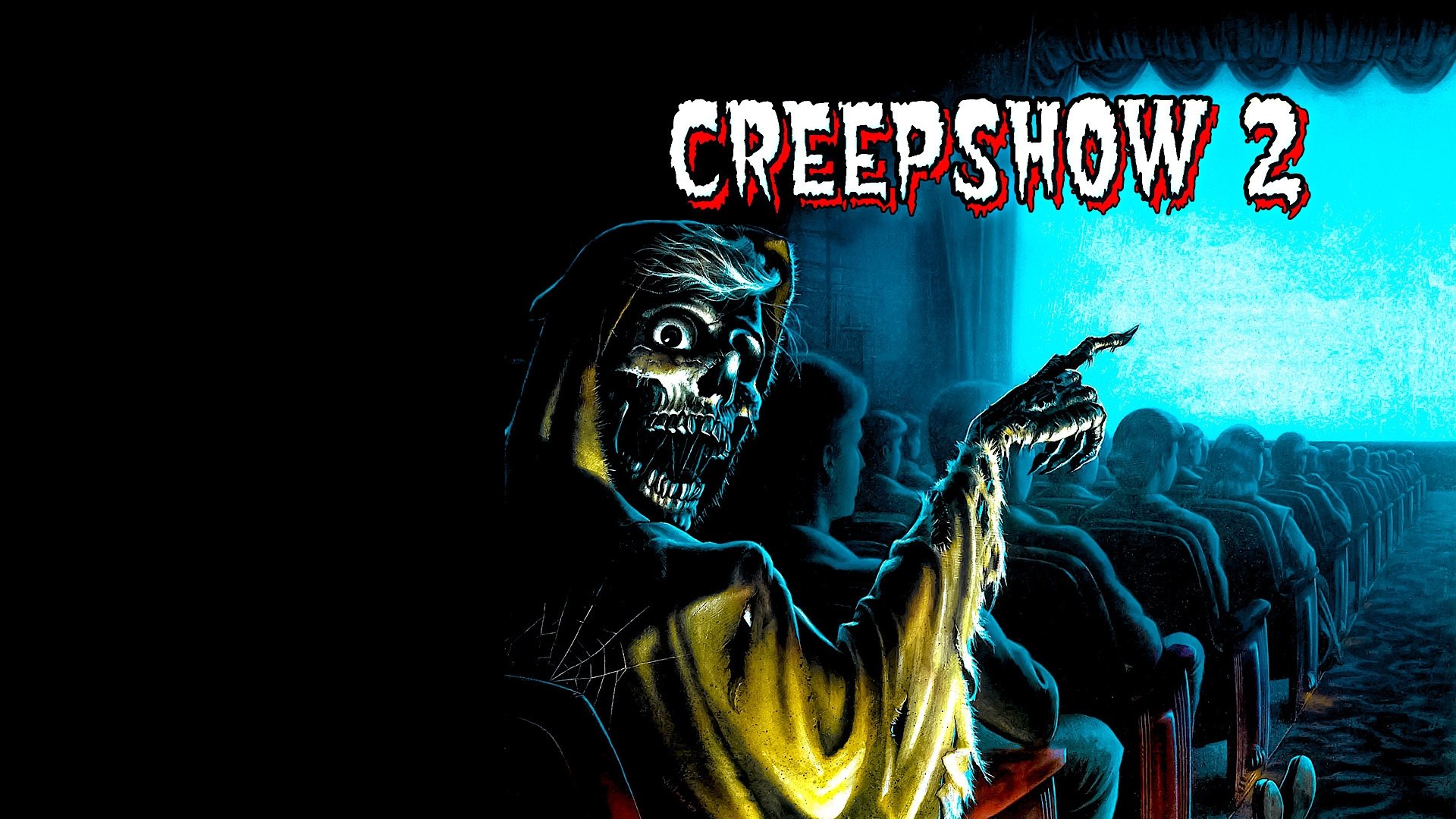
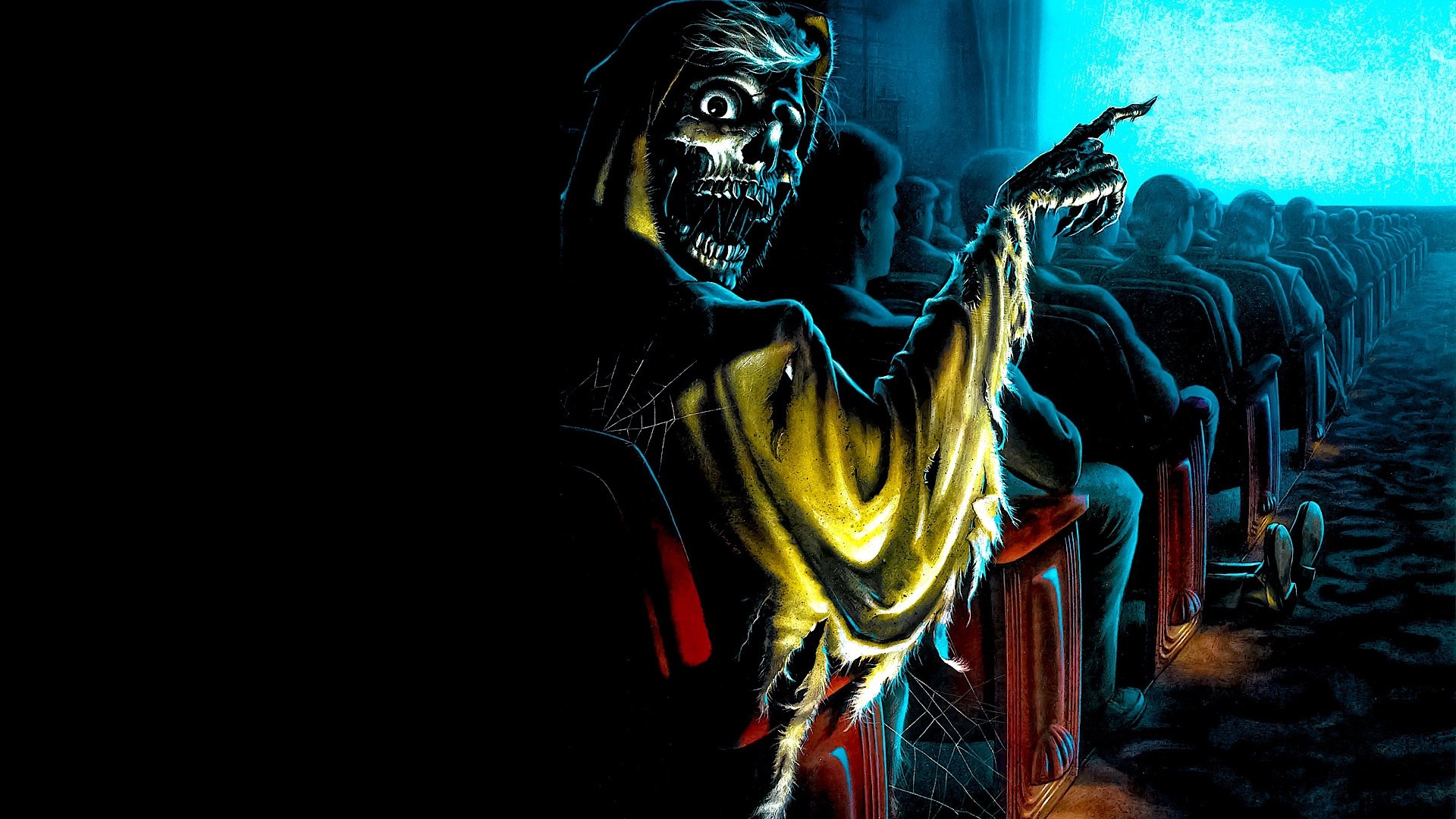
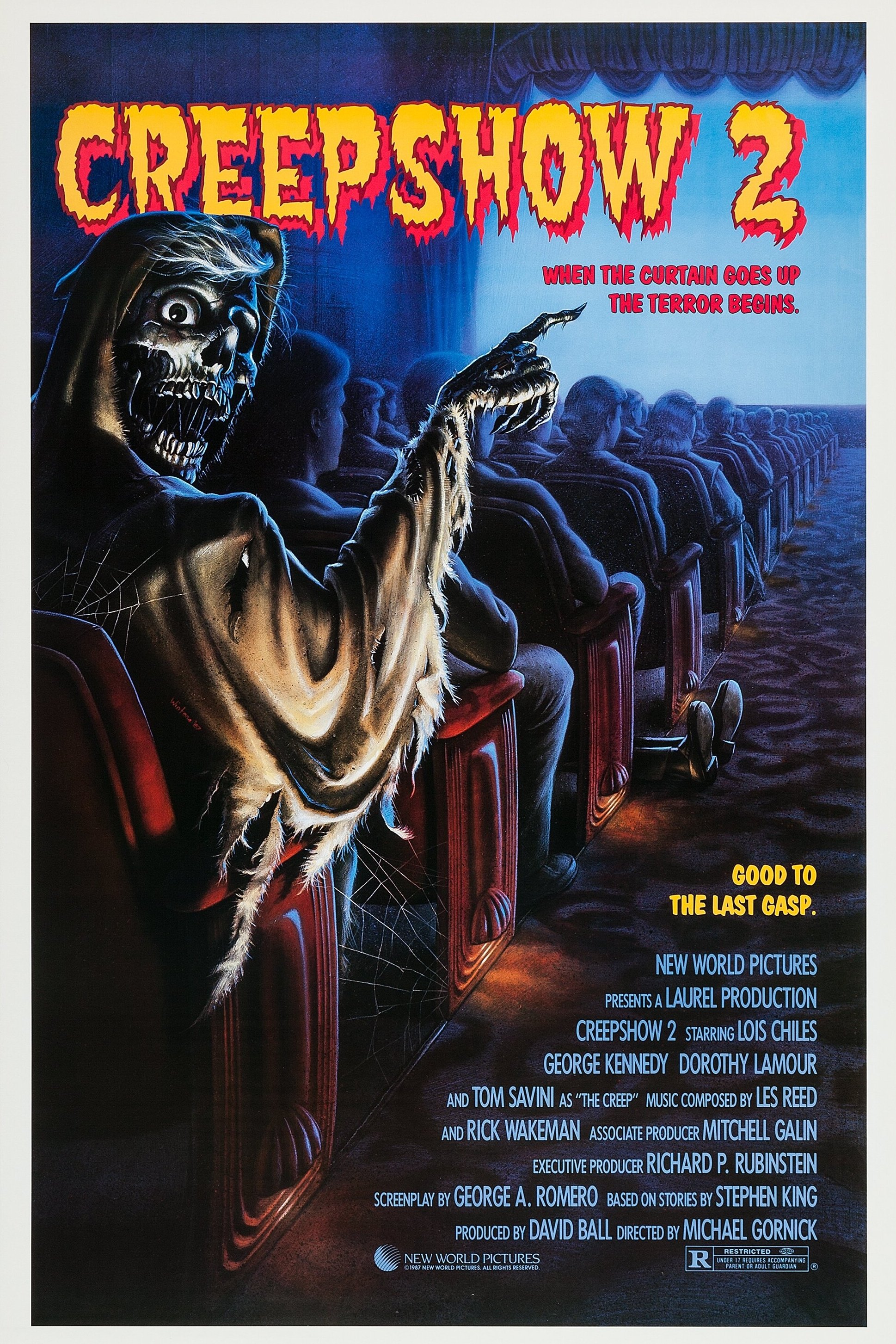
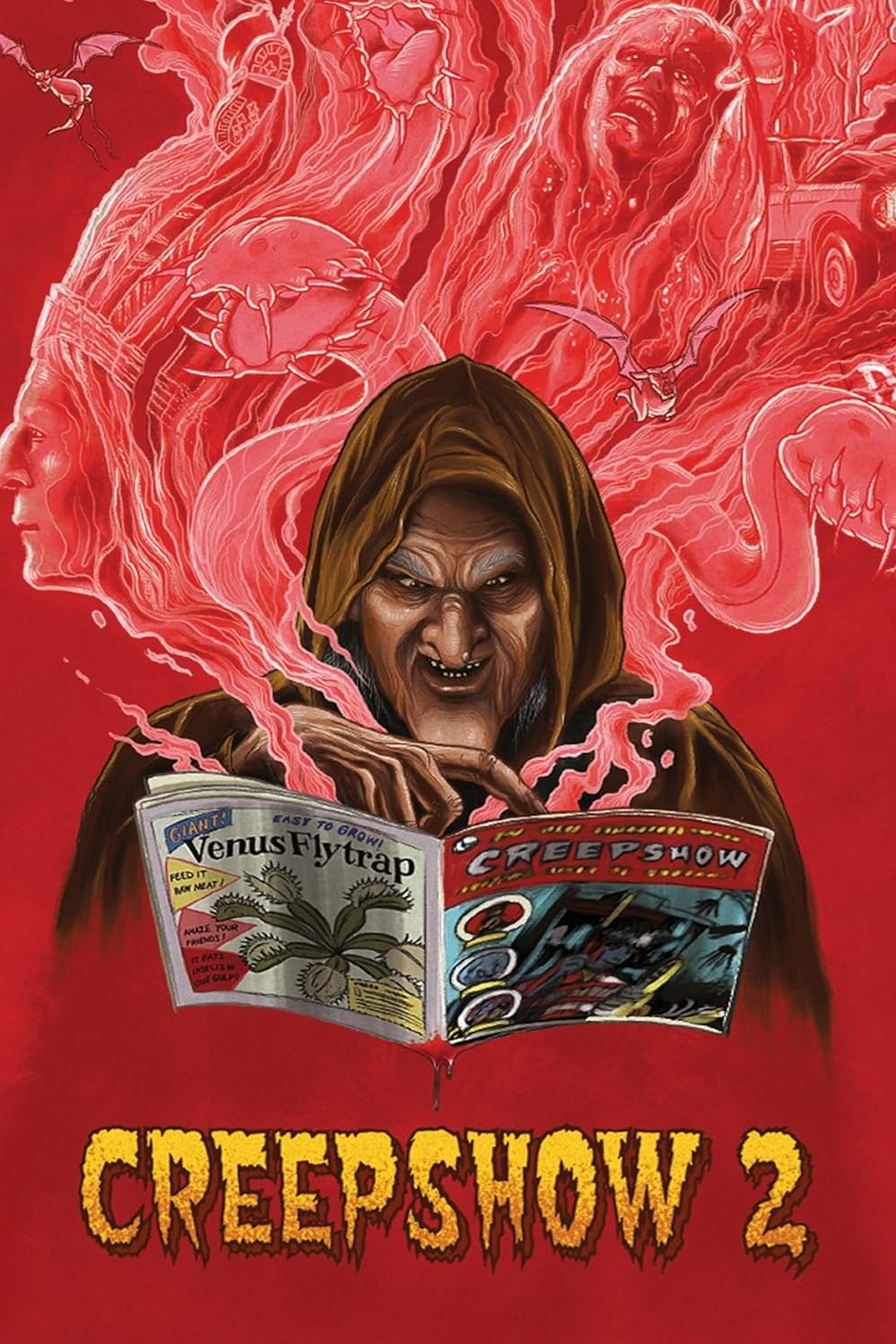
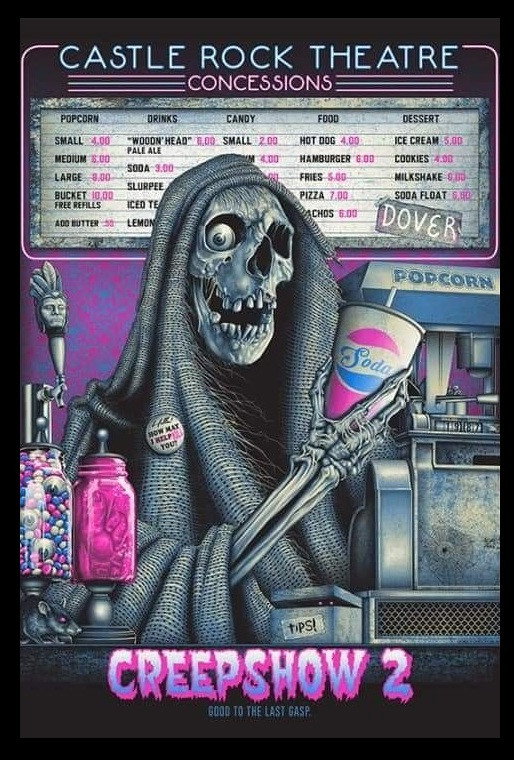
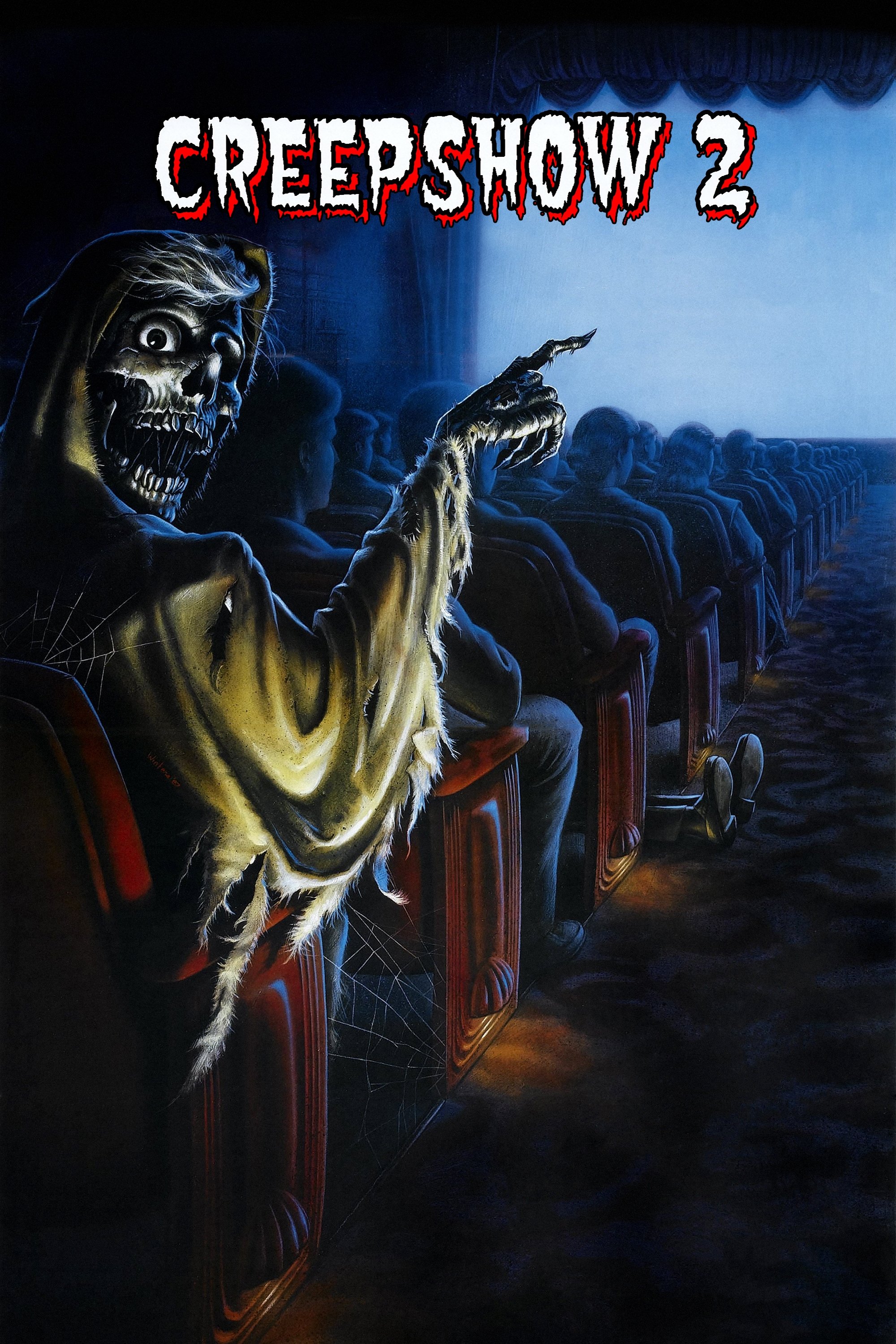
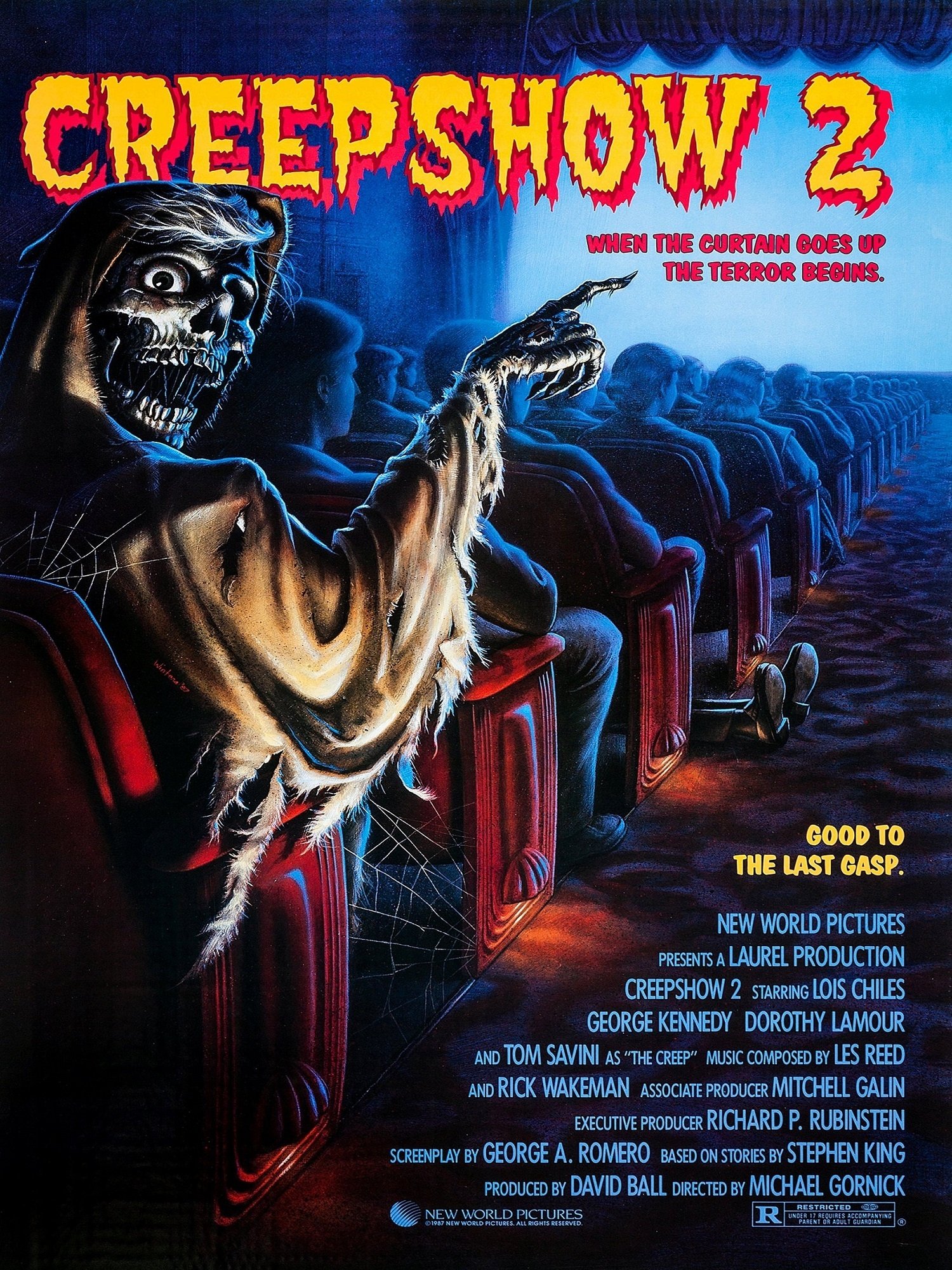
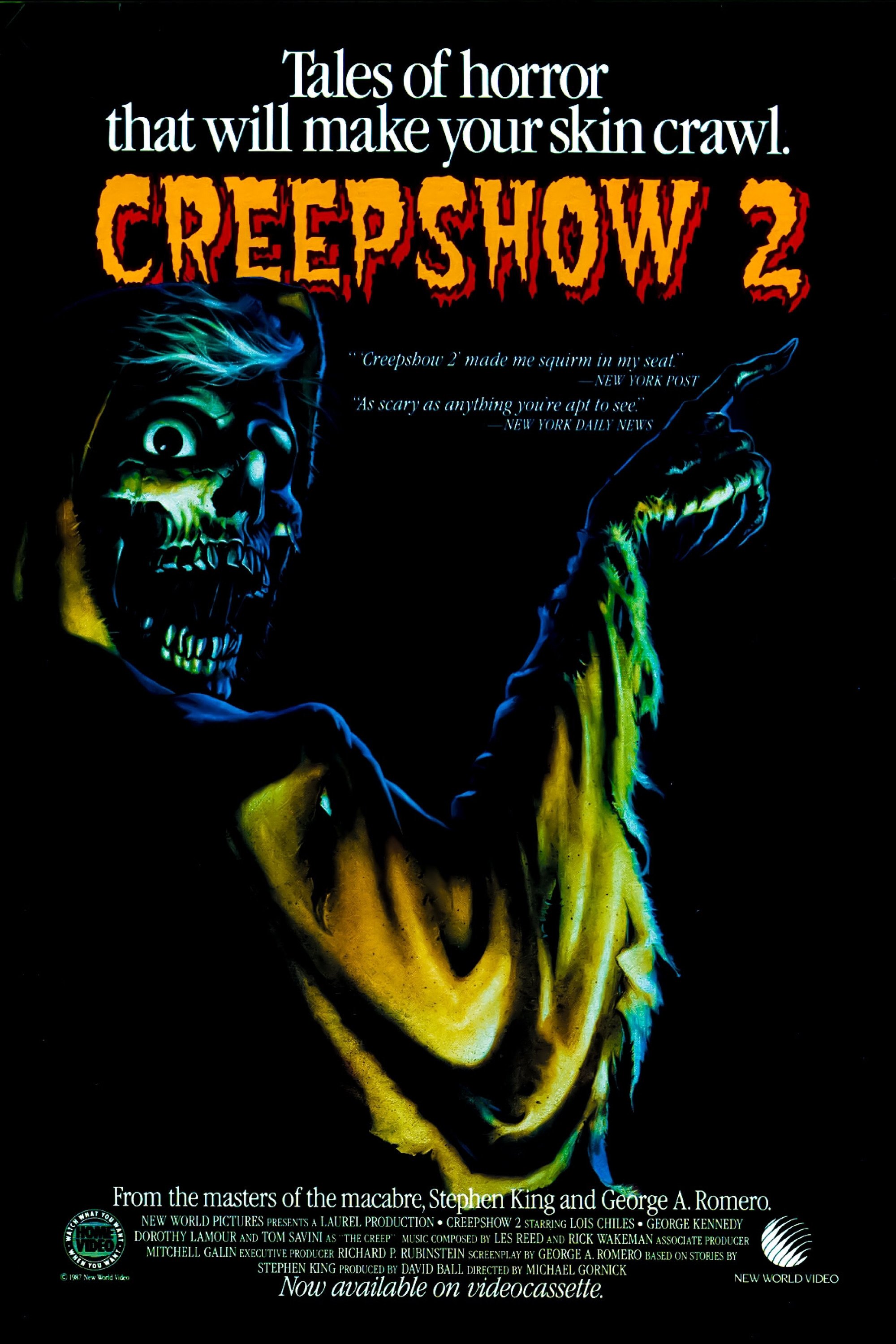
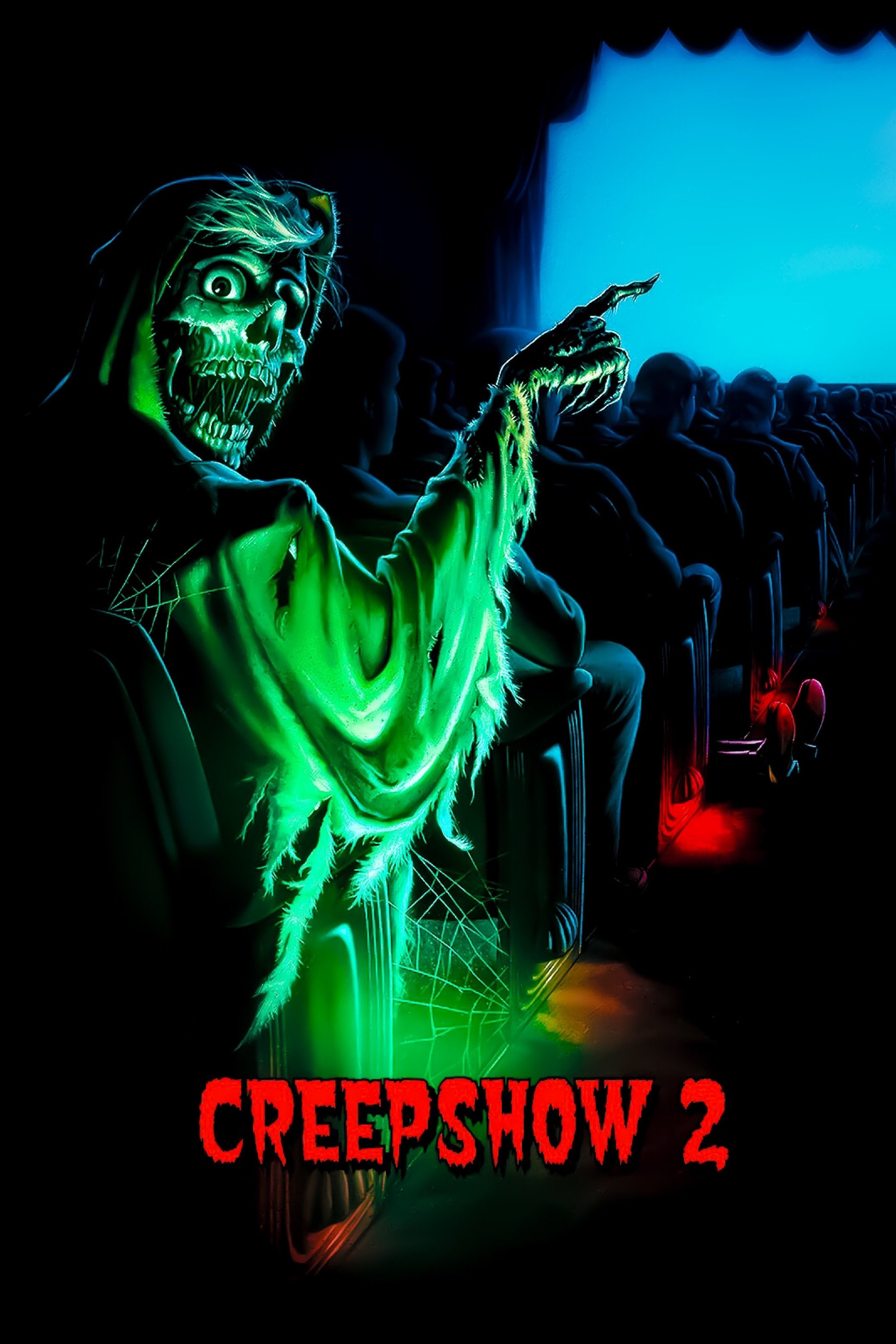
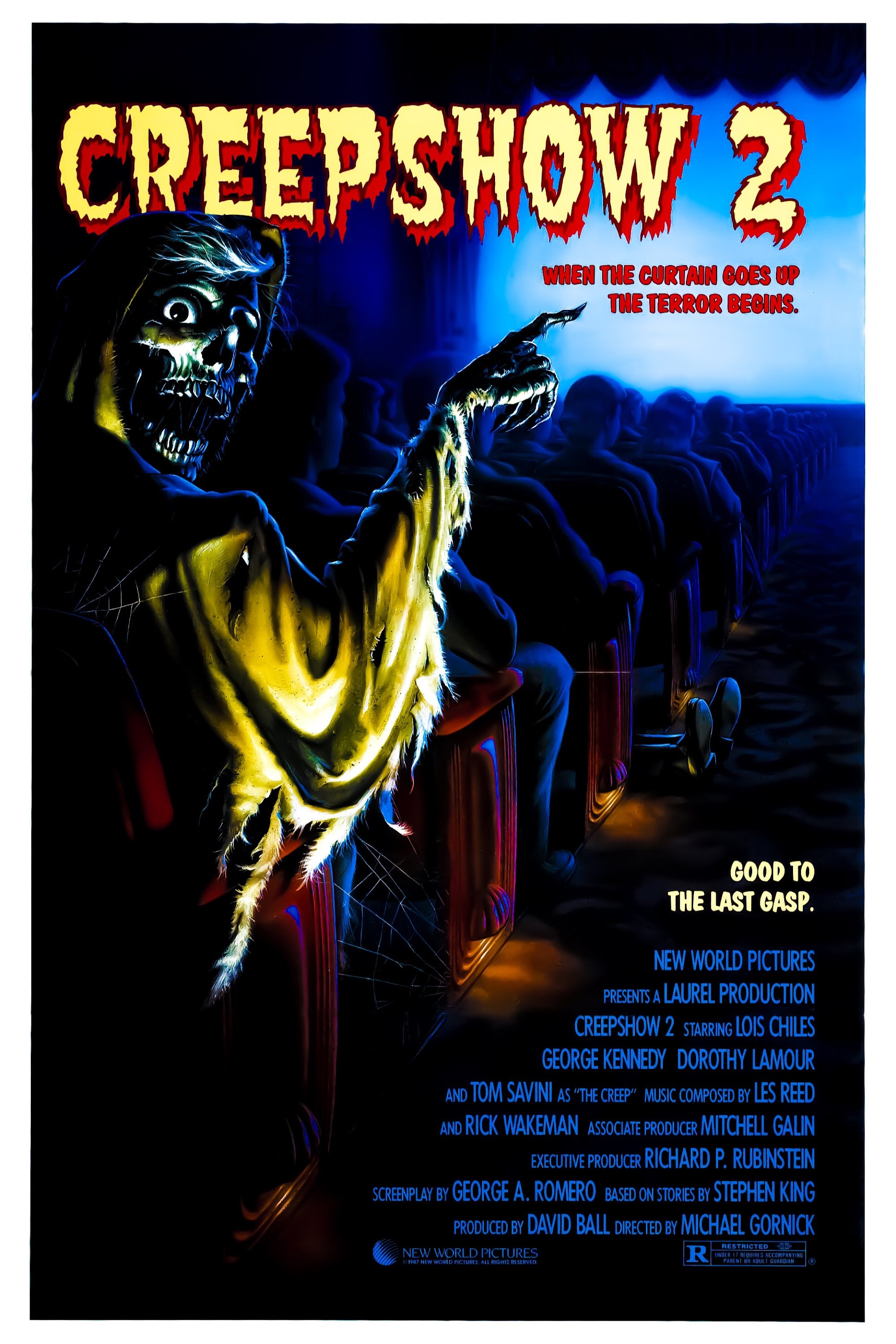
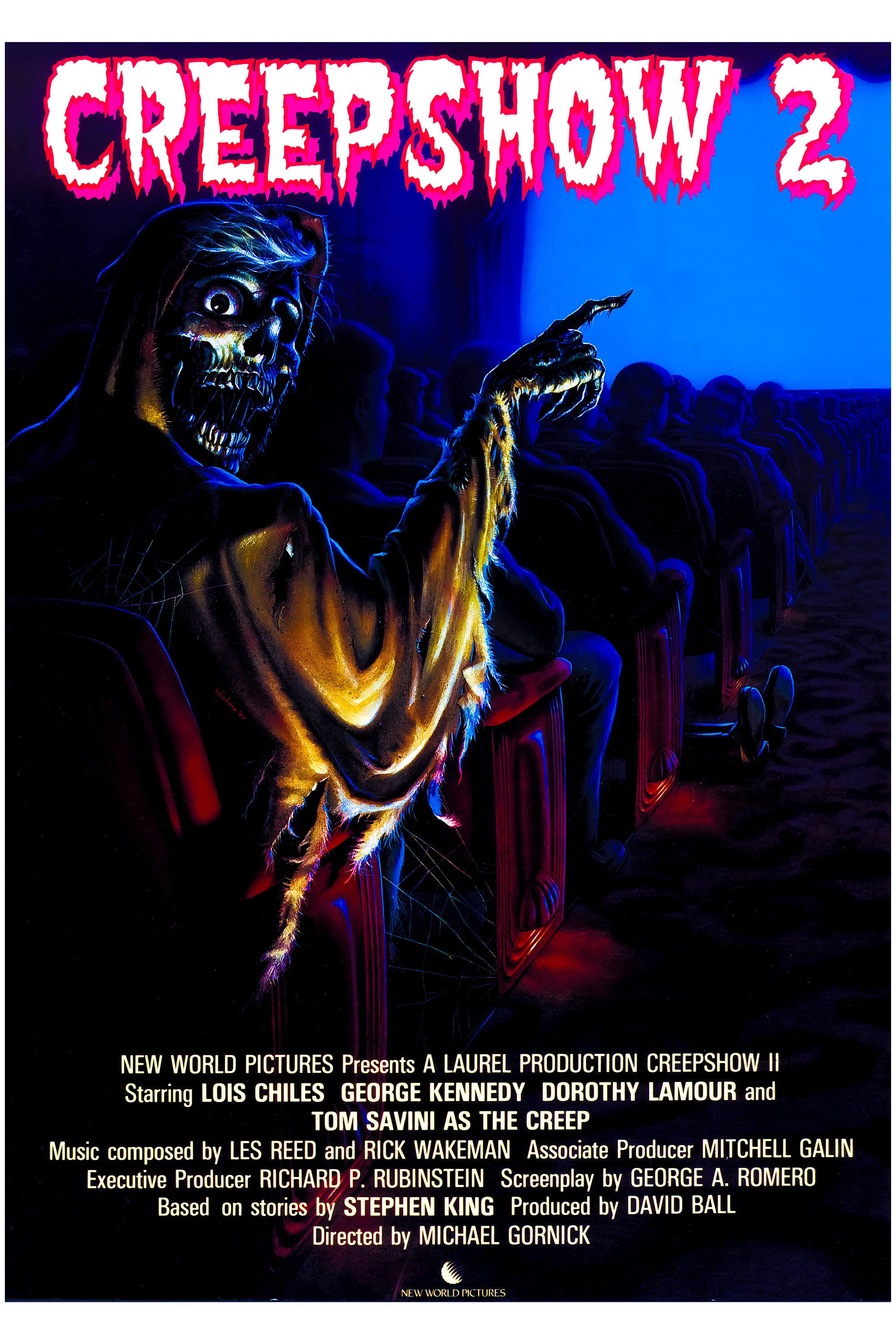
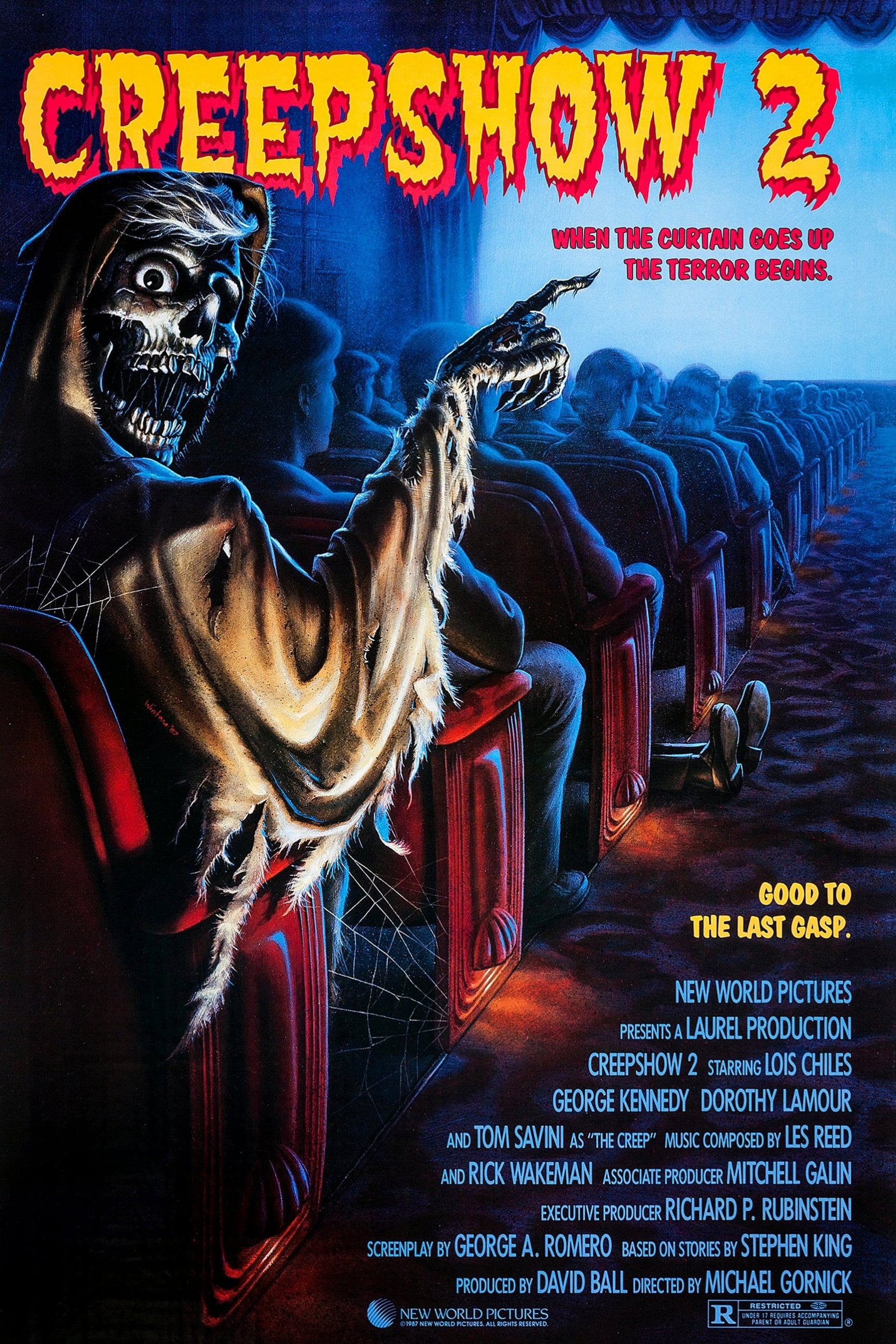
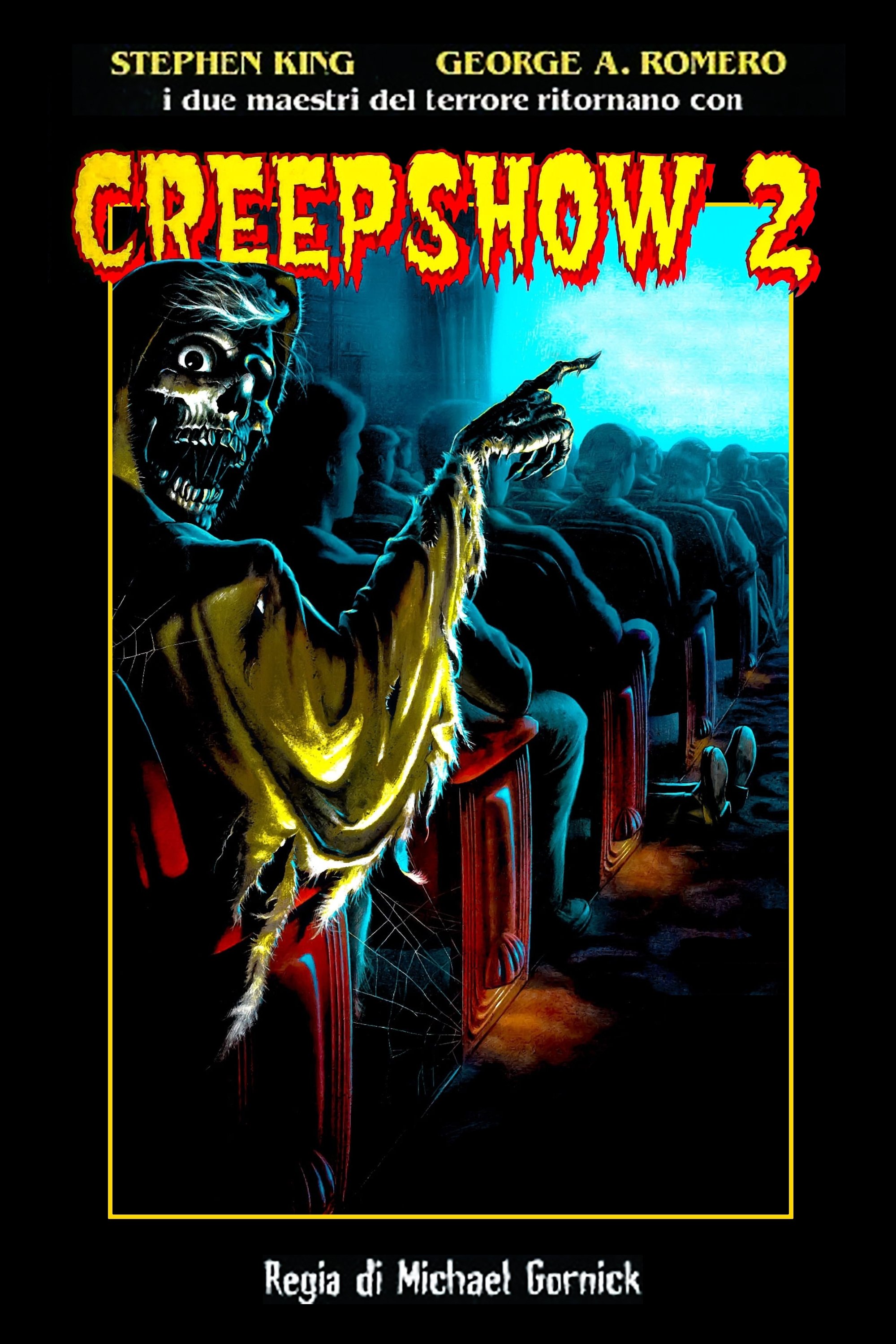
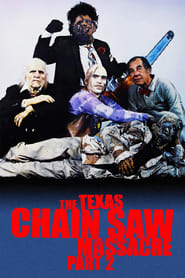
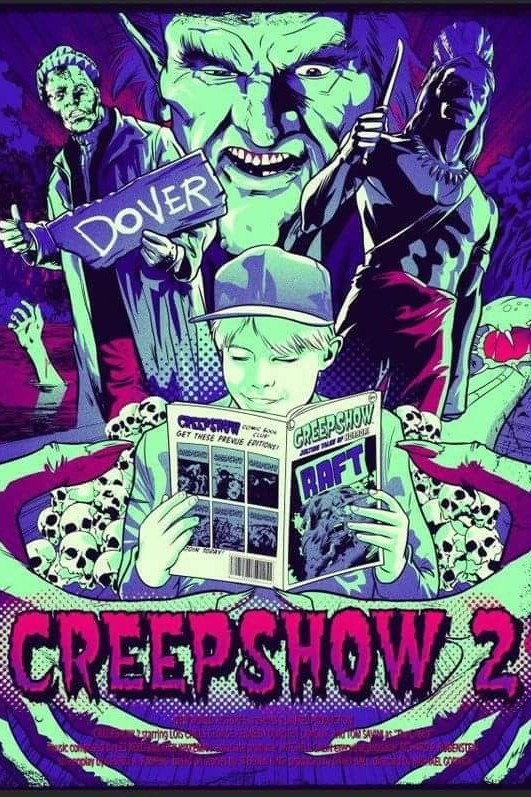
Creepshow 2 (1987) poster
Director
Production Companies
New World Pictures , Laurel Entertainment , RLJ Entertainment
Plot

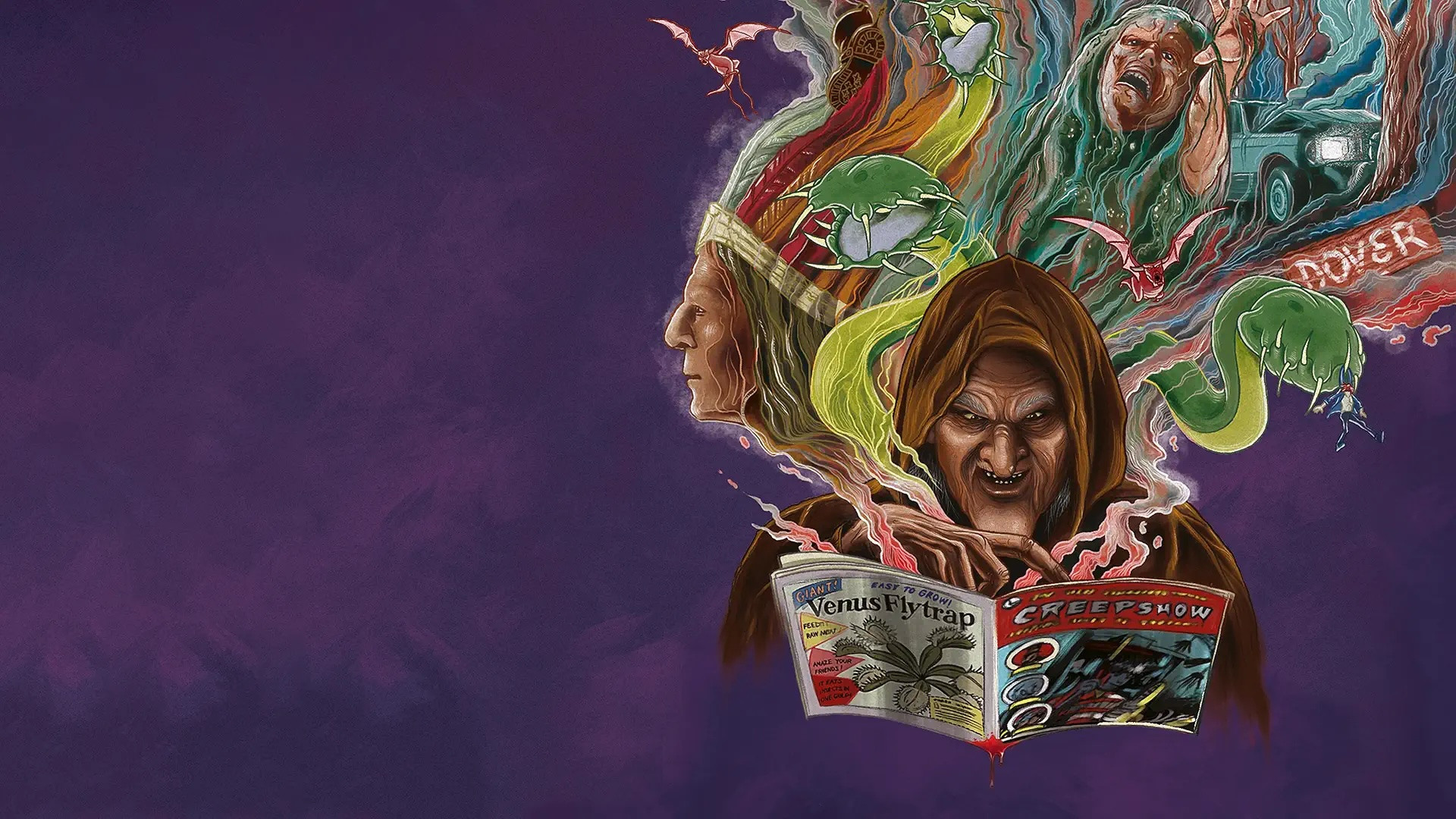
A new Creepshow comic frames three stories of violence and retribution. In Old Chief Wood'nhead, a wooden figure outside a struggling general store awakens after a brutal robbery. The Raft follows four young people stranded on a lake platform by a strange organism moving through the water. In The Hitchhiker, a driver who has fled a fatal collision finds herself repeatedly confronted by the person she struck. Animated comic-book sequences and a recurring host connect the otherwise separate tales.

Alternative Titles
Creepshow 2 - Stephen King (Australia) Qorxu Şousu 2 (Azerbaijan) Шоу на ужаса 2 (Bulgaria) — Bulgarian Creepshow 2: Show de Horrores (Brazil) 鬼作秀2 (China) — Chinese Creepshow 2 - Plíživý děs (Czechia) — Czech Creepshow - Kleine Horrorgeschichten (Germany) Creepshow 2 - Kleine Horrorgeschichten (Germany) — TV
Show all 24 alternative titles 鬼作秀 2 (Hong Kong SAR China) — Chinese Creepshow 2. - Rémmesék (Hungary) — Hungarian クリープショー2 怨霊 (Japan) クリープショー2/怨霊 (Japan) — Japanese 크립쇼 2 (South Korea) — Korean Cuentos de terror 2 (Mexico) — Spanish Cuentos de terror ll (Mexico) Escenas del terror (Mexico) — DVD title Koszmarne Opowieści 2 (Poland) Opowieści z Dreszczykiem 2 (Poland) Show de Horrores 2 (Portugal) — Portuguese Калейдоскоп ужасов 2 (Russia) — Russian Korku Şovu 2 (Türkiye) — Turkish Калейдоскоп жахів 2 (Ukraine) Dead and Undead: Creepshow 2 (United States) Chương Trình Kinh Dị 2 (Vietnam) — Vietnamese

Trailers & Videos

7 videos

Film Guide & Analysis

Michael Gornick’s 1987 horror anthology continues the Stephen King and George A. Romero collaboration through three supernatural tales, elaborate practical creature effects and an EC Comics-inspired framing story.

Creepshow 2 (1987) is an American horror anthology directed by Michael Gornick and written by George A. Romero from stories by Stephen King. Following Creepshow (1982), the film presents three tales of supernatural revenge and bodily destruction within a framework inspired by American horror comics. Its episodes concern a wooden figure avenging the murder of elderly shopkeepers, four young people trapped by a carnivorous organism in a lake, and a motorist pursued by a hitchhiker she has killed. Animated interludes and live-action appearances by Tom Savini as the Creep preserve the comic-book presentation established in the original film.

The sequel emerged from the continuing collaboration between King and Romero, although their production responsibilities changed. Romero wrote the screenplay rather than directing, while Gornick, who had photographed the original Creepshow and several earlier Romero films, assumed direction. The reduced number of stories, complicated practical effects and mixture of animation with live action distinguished the production. Released by New World Pictures on 1 May 1987, it received largely unfavorable contemporary reviews but remained an identifiable part of the anthology tradition inspired by EC Comics.

Development & Screenplay

Plans for a second Creepshow developed after the commercial performance of the 1982 film. According to the American Film Institute, Laurel Entertainment was preparing an independently financed sequel by April 1984, following Warner Bros.' decision not to distribute the project. George A. Romero was then working on a second screenplay draft, although the producers were already seeking another director. The anticipated production start did not occur that year. In July 1986, New World Pictures agreed to co-produce and distribute the film, allowing the project to proceed toward principal photography in September.

Romero adapted material supplied by Stephen King, preserving the earlier collaboration while relinquishing the director's position to Michael Gornick. The latter had served as cinematographer on Romero productions including Martin (1977), Dawn of the Dead (1978) and the first Creepshow. His involvement provided continuity with the previous film's visual approach. In a 2014 interview with Sight and Sound, Romero confirmed the division of responsibilities, identifying King as the writer of the underlying stories and himself as the screenwriter. The change in director did not represent the abandonment of their collaboration, which continued through other projects.

The completed sequel contained three principal stories rather than the five included in the original. Research in the George A. Romero Archival Collection at the University of Pittsburgh has clarified the development of its changing contents. Archivist Benjamin T. Rubin identified three surviving screenplay drafts. An early version from January 1984 included Pinfall alongside Old Chief Wood'nhead and The Raft. A subsequent draft also contained The Cat from Hell, while The Hitch-hiker appeared in the later version corresponding to the finished film. The unrealized stories therefore belonged to different stages of screenplay development rather than a completed five-episode production.
The Three Tales

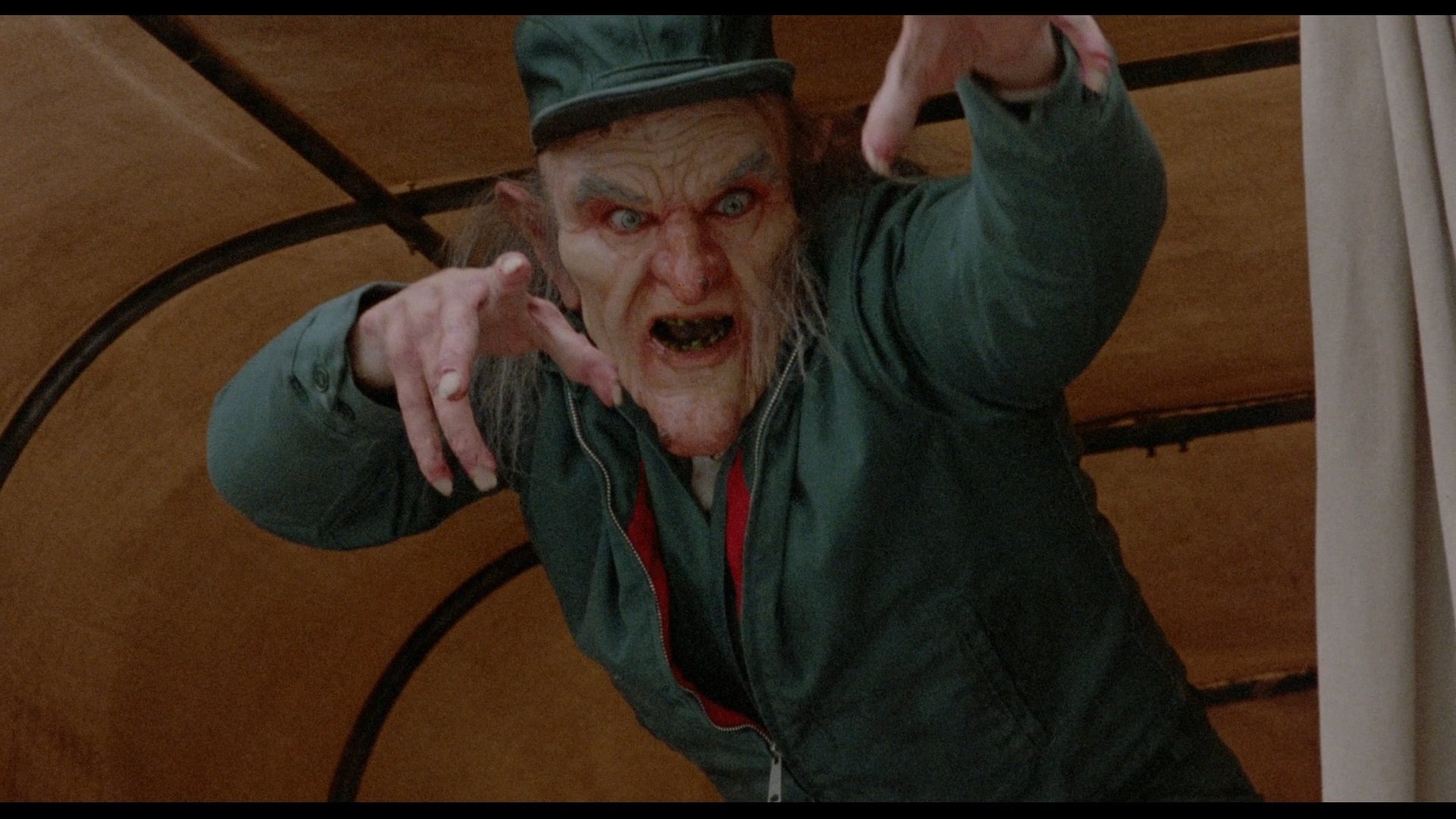
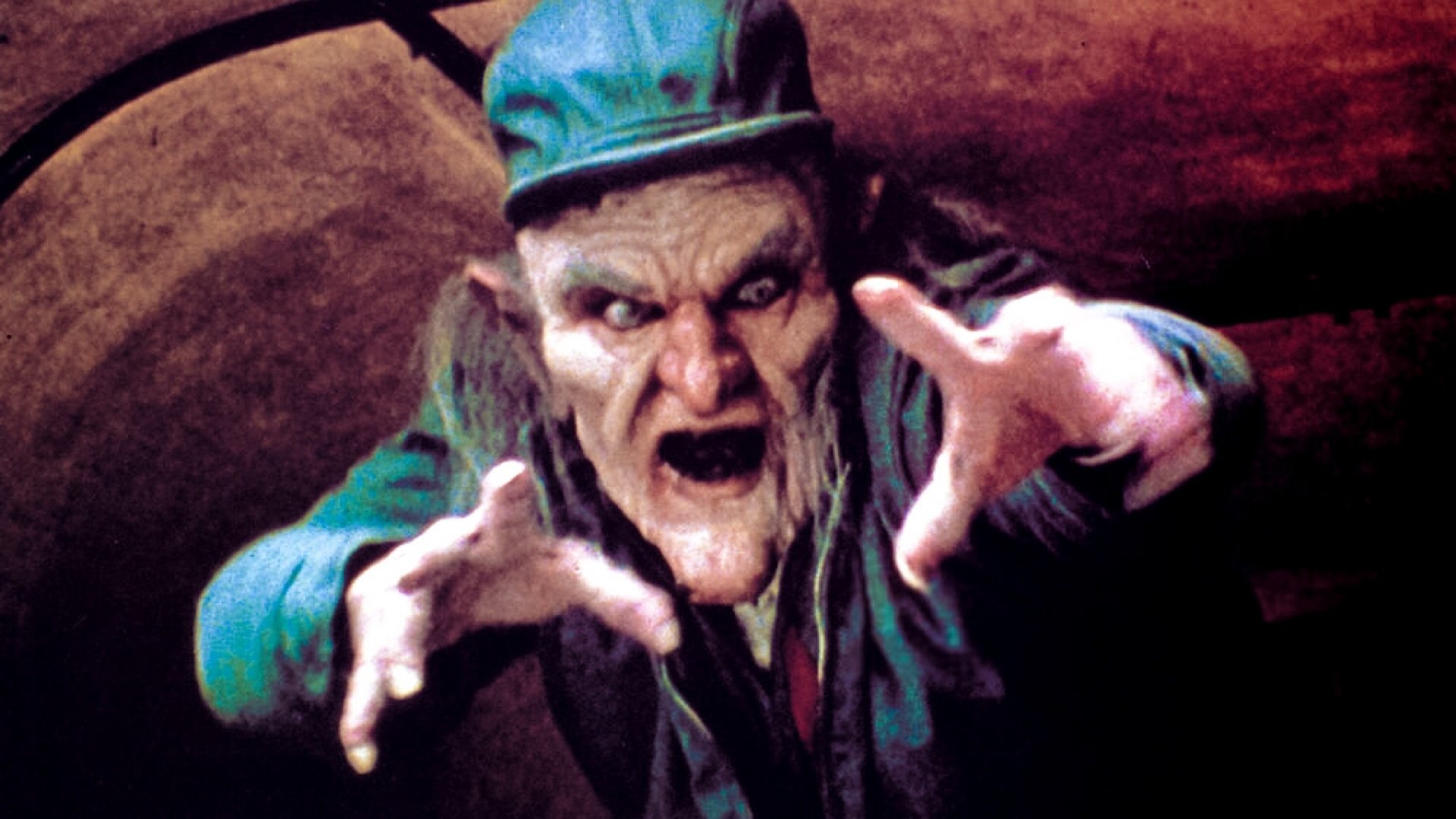
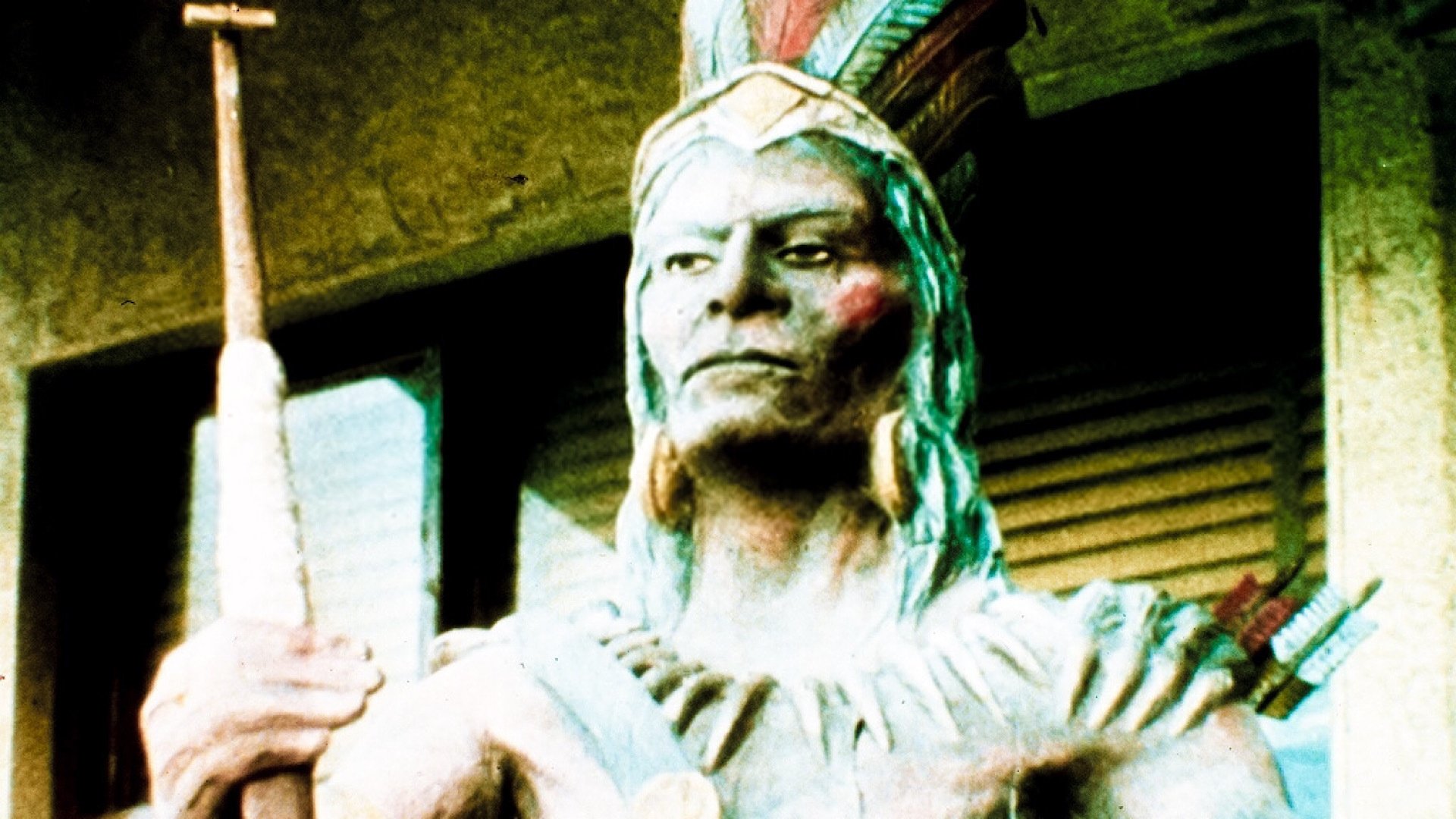
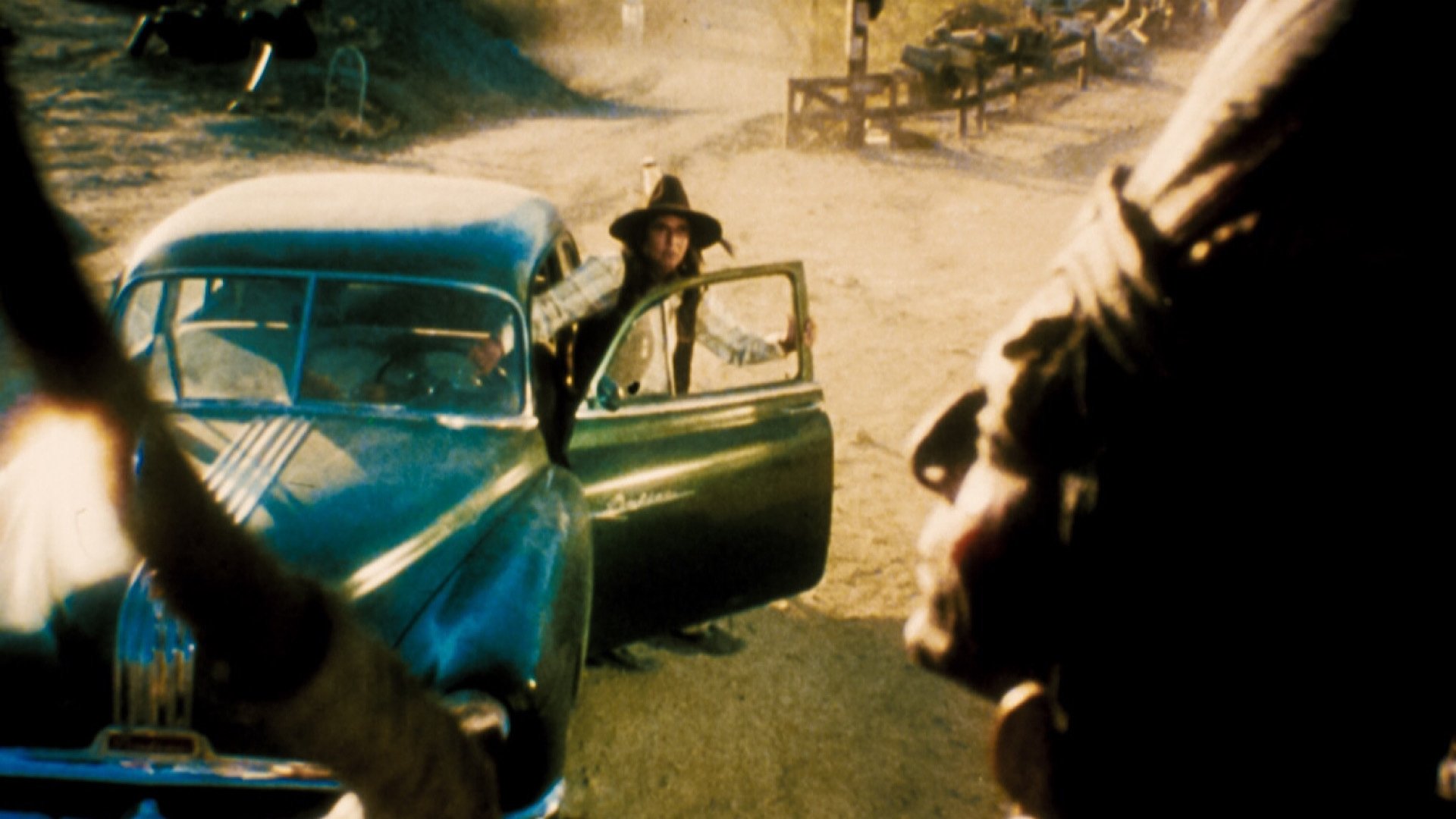
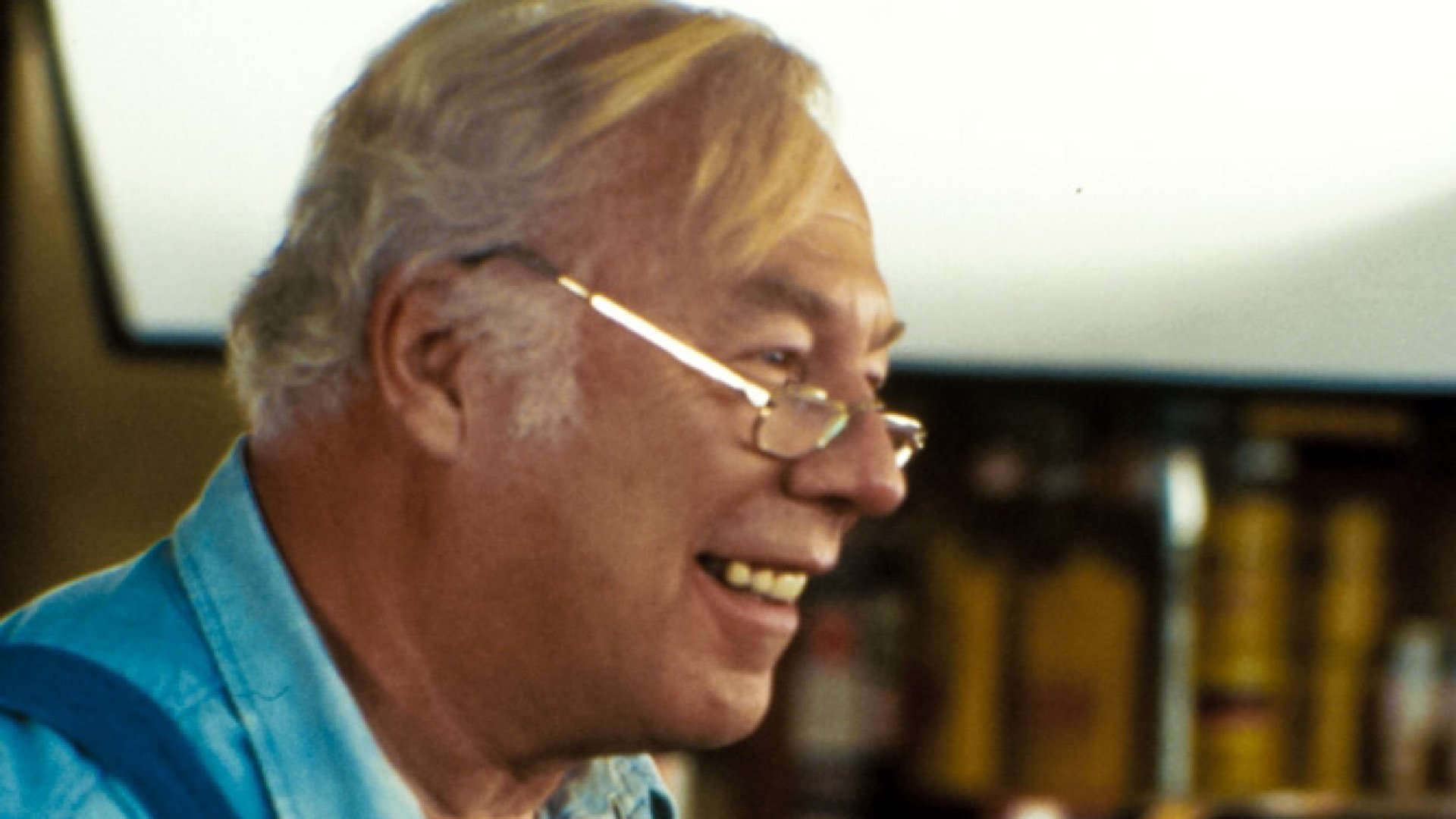
Old Chief Wood'nhead takes place in a declining Southwestern town where Ray and Martha Spruce operate a general store. Their attachment to the community contrasts with the frustration of younger residents who see little opportunity in their surroundings. When a group of thieves murders the couple, the wooden Native American figure standing outside the shop comes to life and pursues the perpetrators. George Kennedy and Dorothy Lamour portray the shopkeepers, providing the episode with an emotional foundation before the supernatural retaliation begins. The wooden figure embodies the revenge that the murdered couple can no longer obtain for themselves.

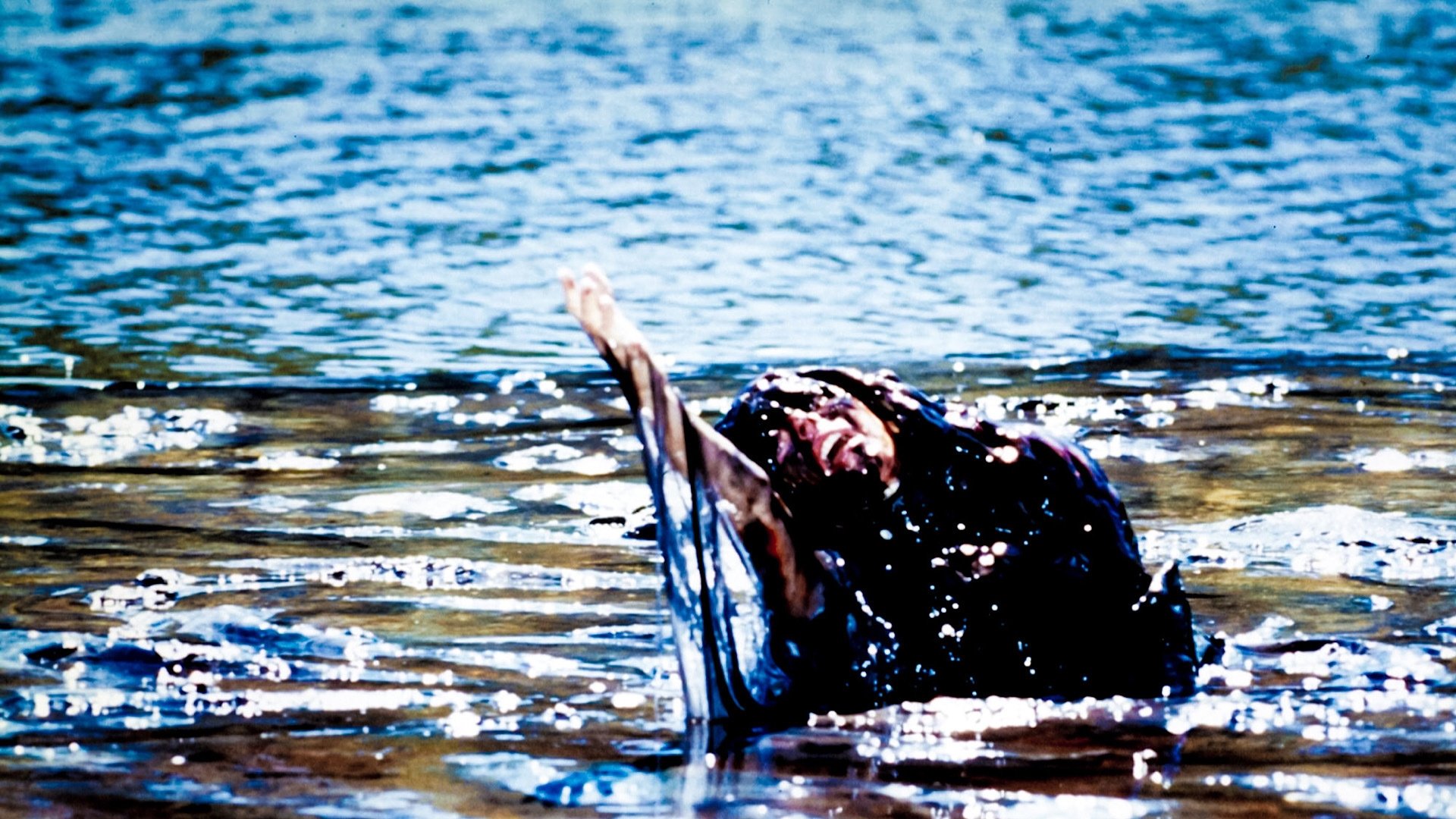
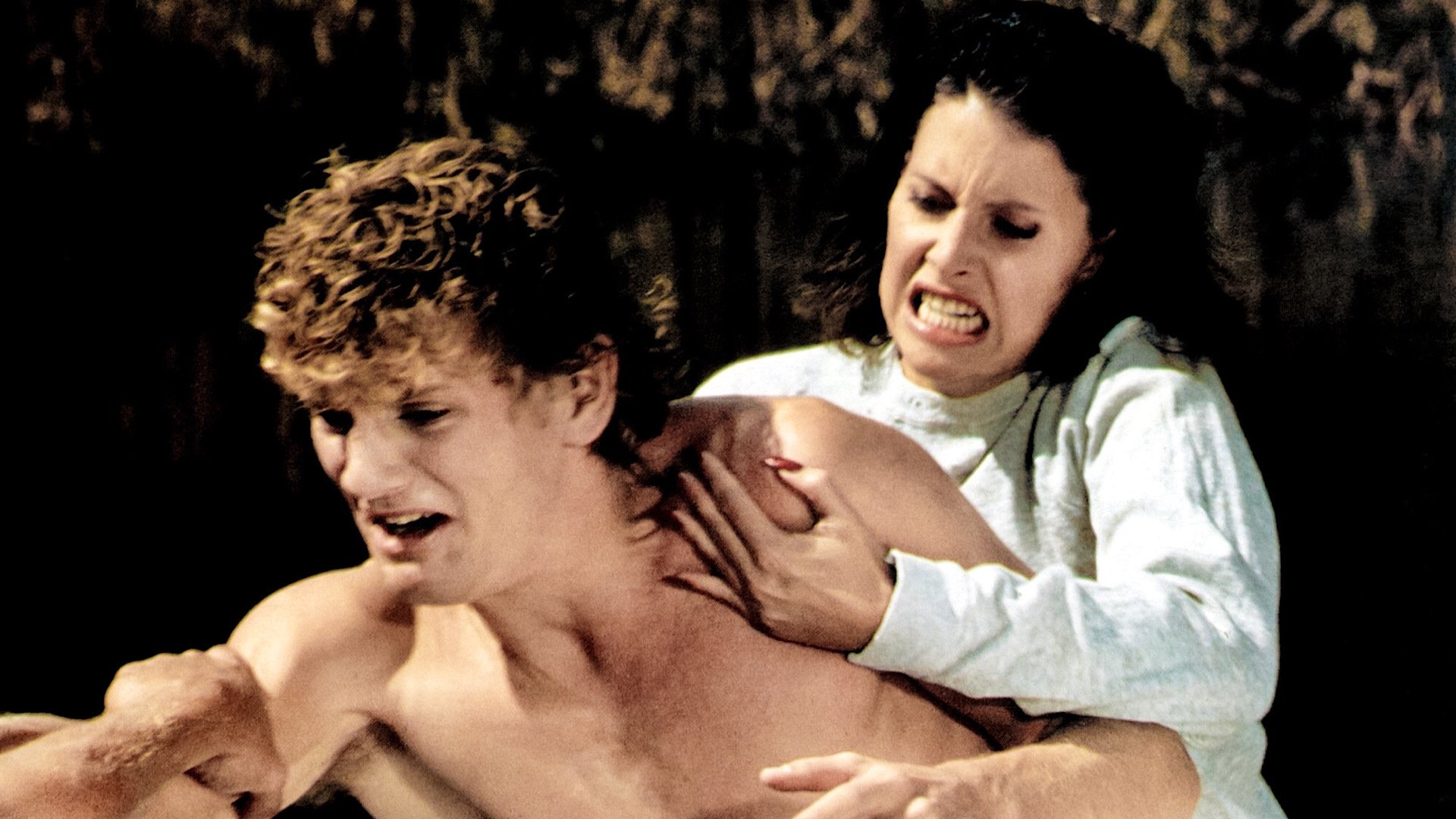
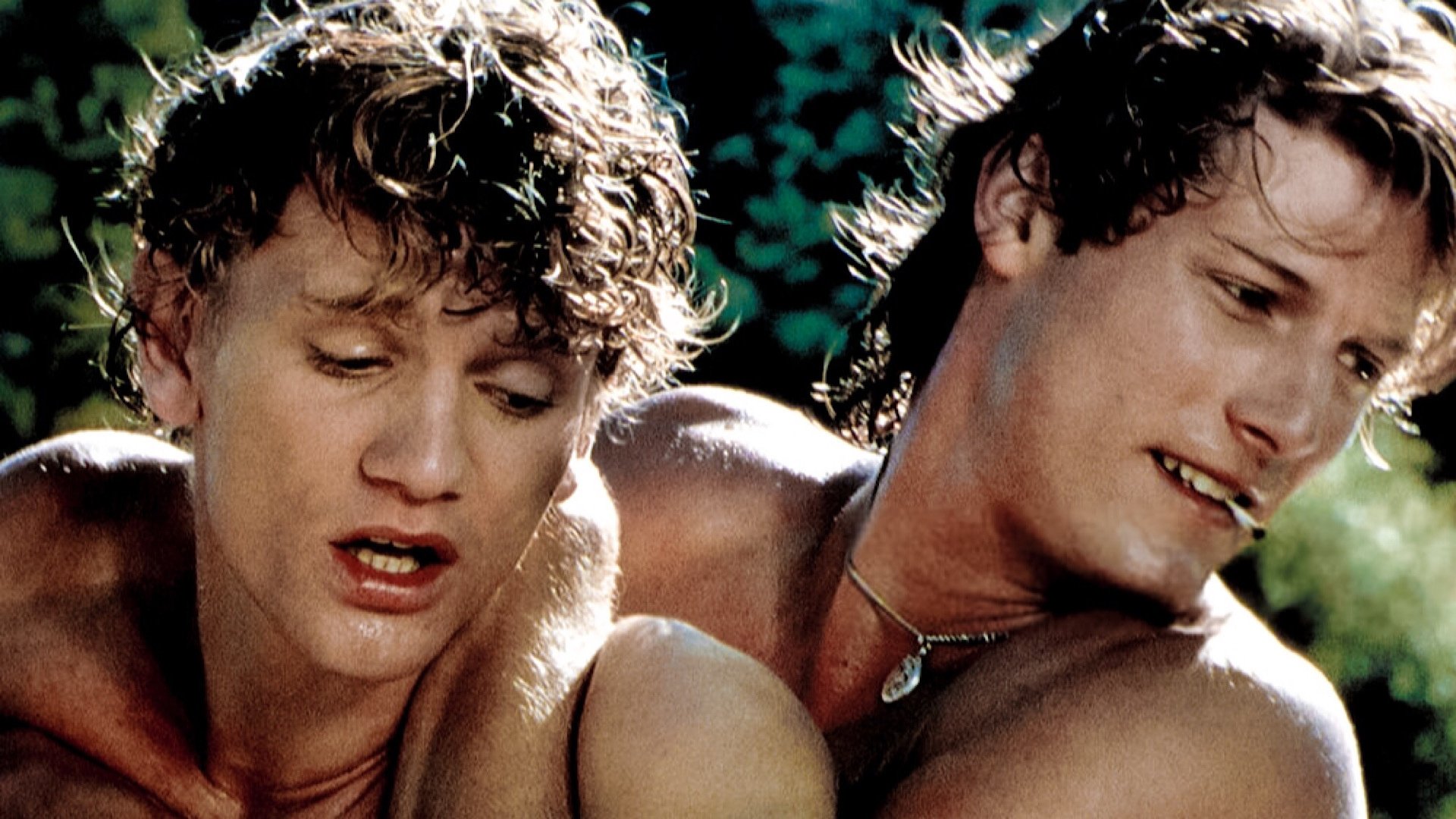
The Raft adapts the Stephen King story originally published in Gallery magazine in November 1982 and subsequently collected in Skeleton Crew (1985). Four young people swim toward an isolated wooden platform in a lake, where they discover a dark organism moving across the water. Their apparent refuge becomes a place of confinement as the creature attacks anyone attempting to escape. The episode develops its horror through the contrast between the open landscape and the impossibility of reaching safety. Its unusual antagonist has no identifiable human motivation, making the physical movements of the organism the principal source of suspense.

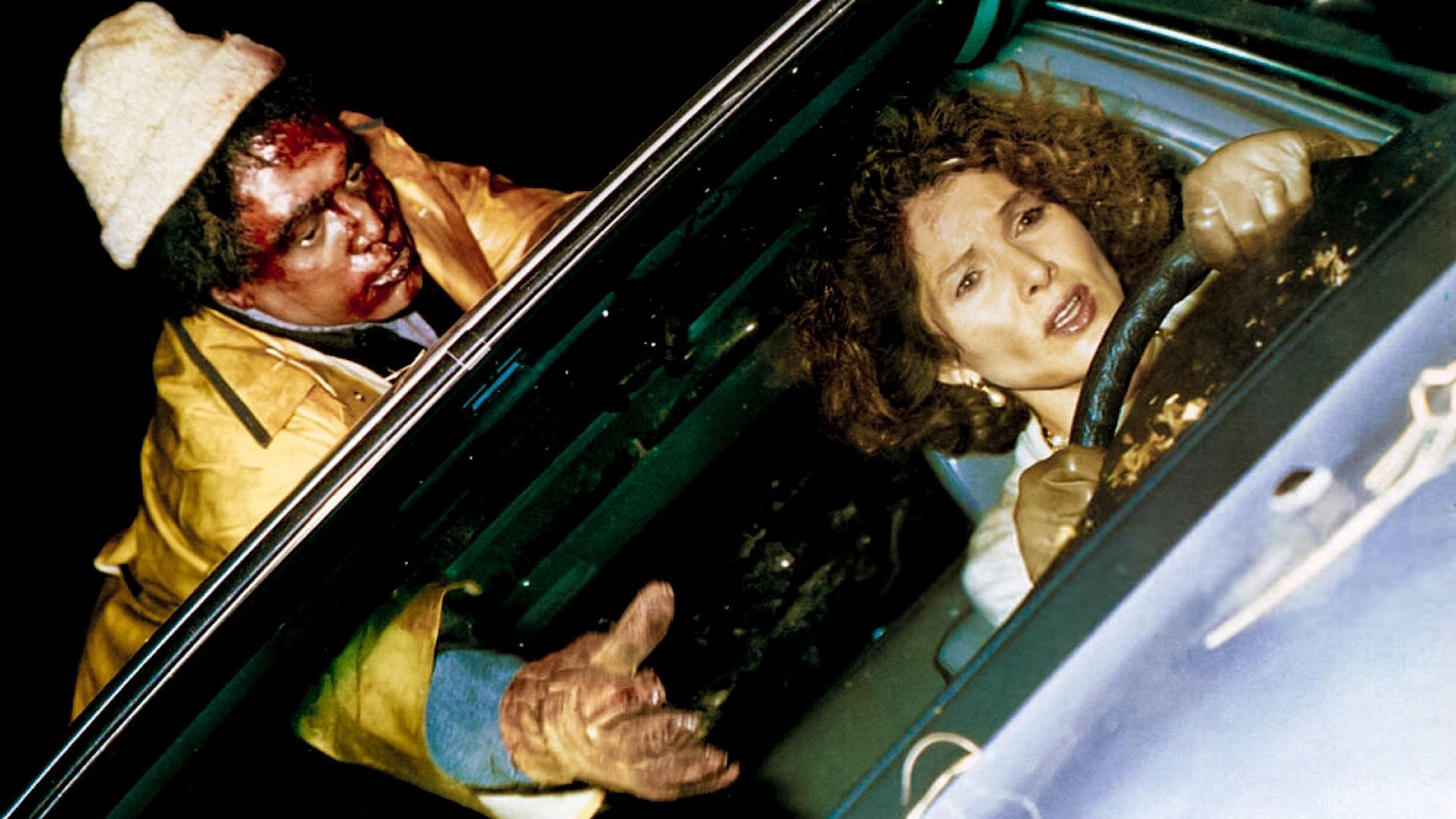
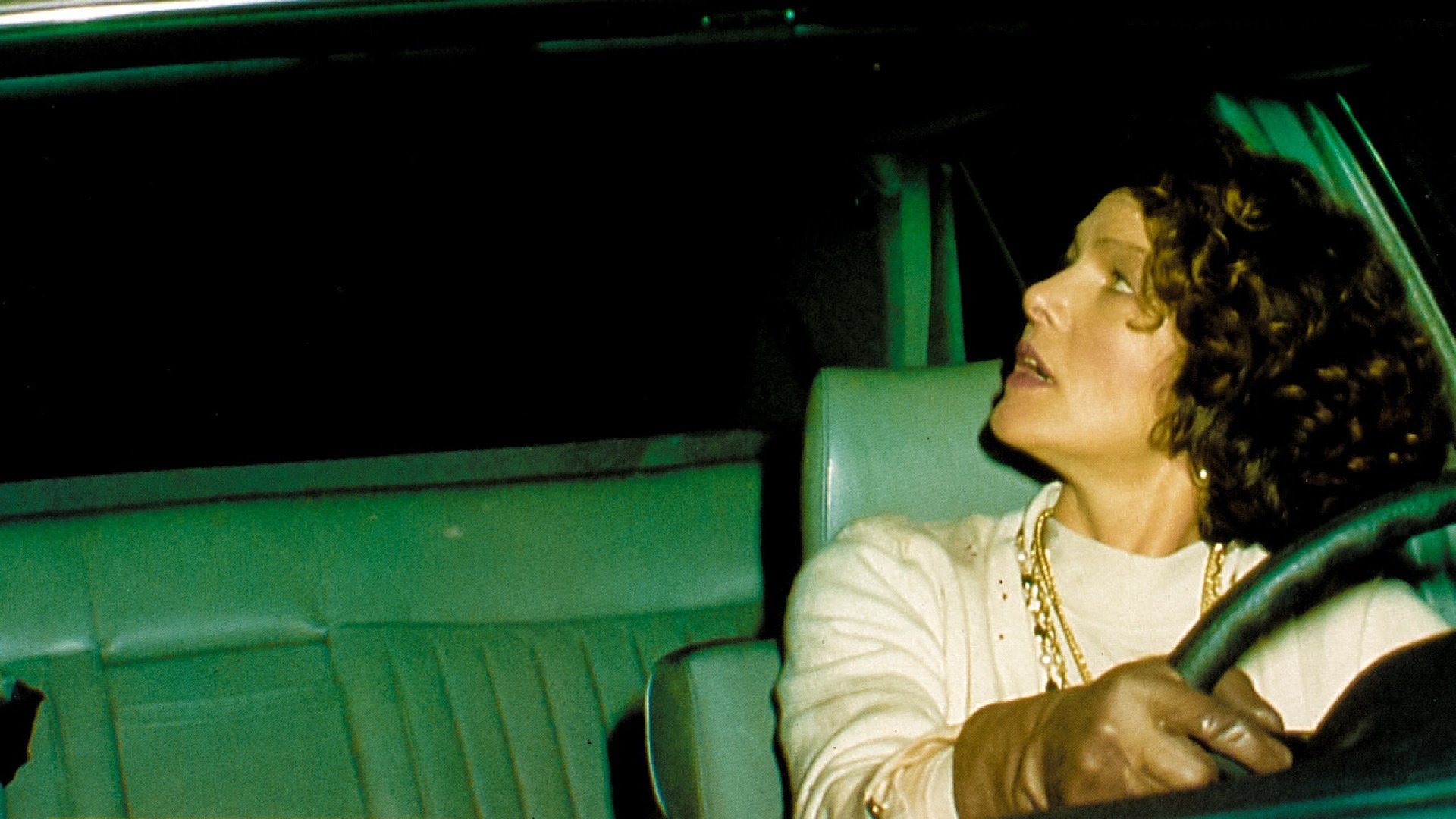
The Hitch-hiker follows Annie Lansing, played by Lois Chiles, after she accidentally strikes a pedestrian while driving home from an extramarital encounter. She leaves the scene without reporting the incident, but the victim repeatedly reappears beside her automobile. Each confrontation produces further bodily damage without preventing his return. The story turns the consequences of a hit-and-run into an escalating supernatural pursuit. Stephen King briefly appears as a truck driver, while Tom Wright portrays the persistent hitchhiker. The repeated encounters allow the film to increase the grotesque appearance of the injured figure as Annie's panic grows.

Comic-Book Framing & Horror Traditions

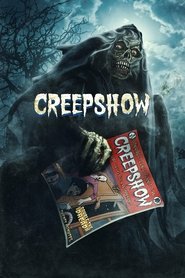
The sequel retains the framing device of a young reader encountering horror stories through the pages of a comic book. In the live-action opening, Billy receives a new Creepshow issue from a mysterious delivery truck operated by the Creep. Animated sequences subsequently connect the three stories while following Billy's conflict with neighborhood bullies. The transitions preserve the association between comic-book reading and the visualization of fantastic events. Their appearance is considerably different from the elaborate graphic compositions used in the first film, however, and contemporary reviewers identified the animation as one of the sequel's weaker elements.

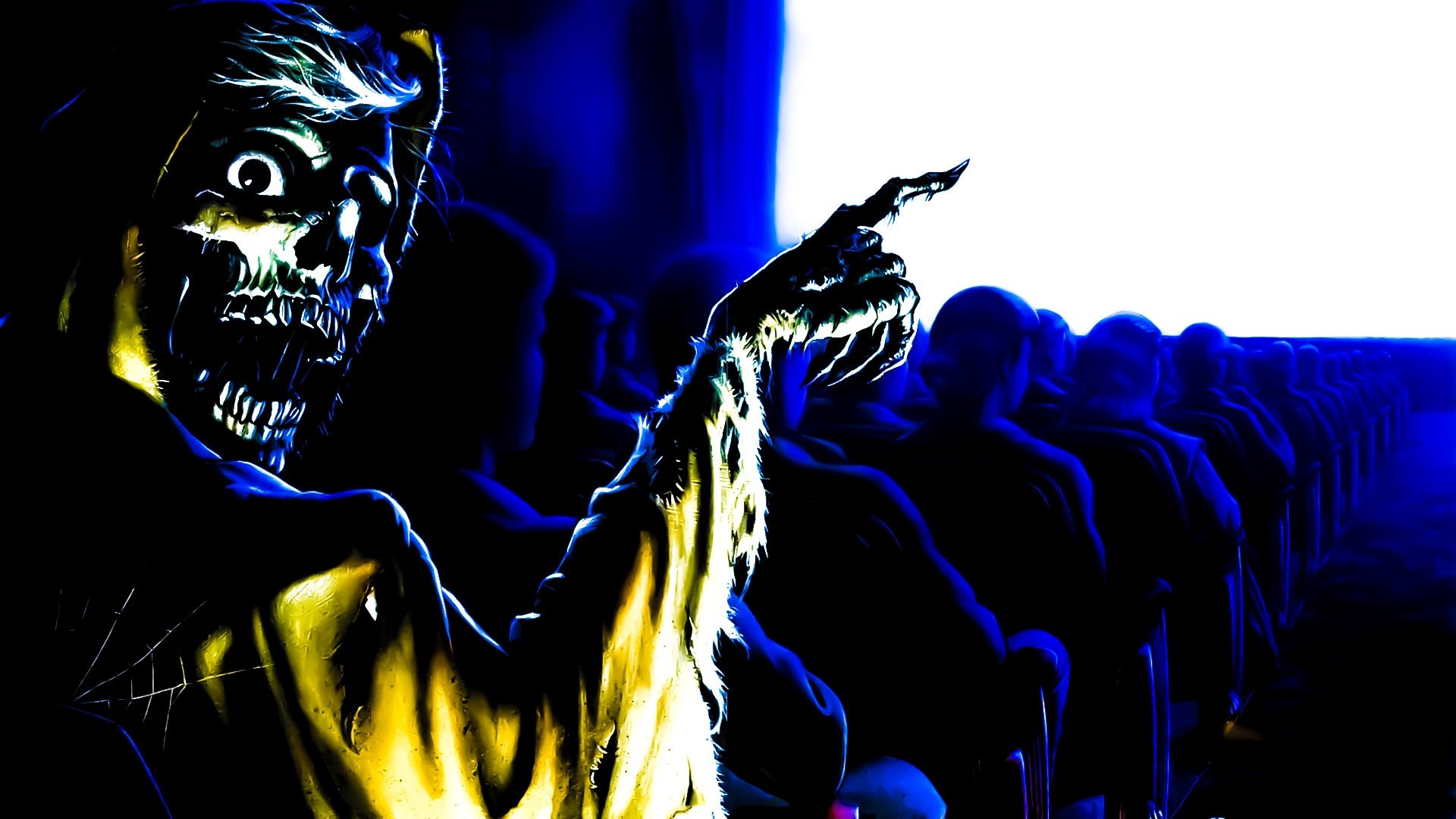
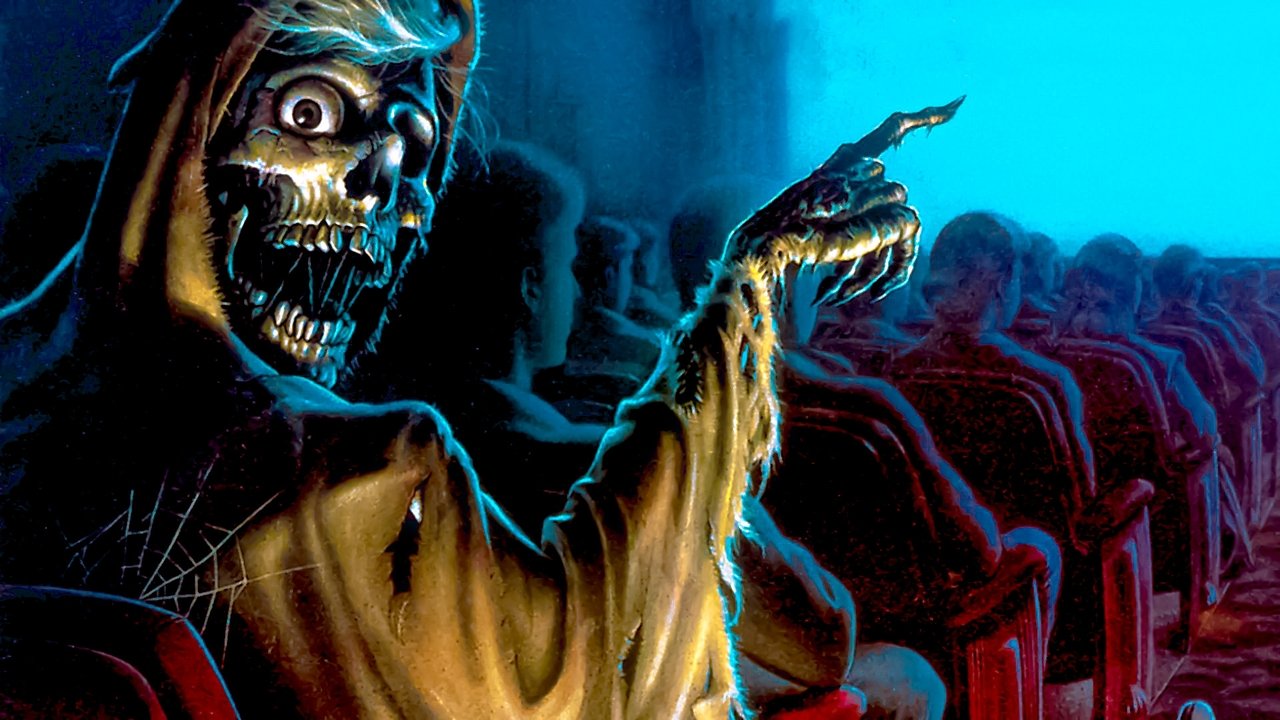
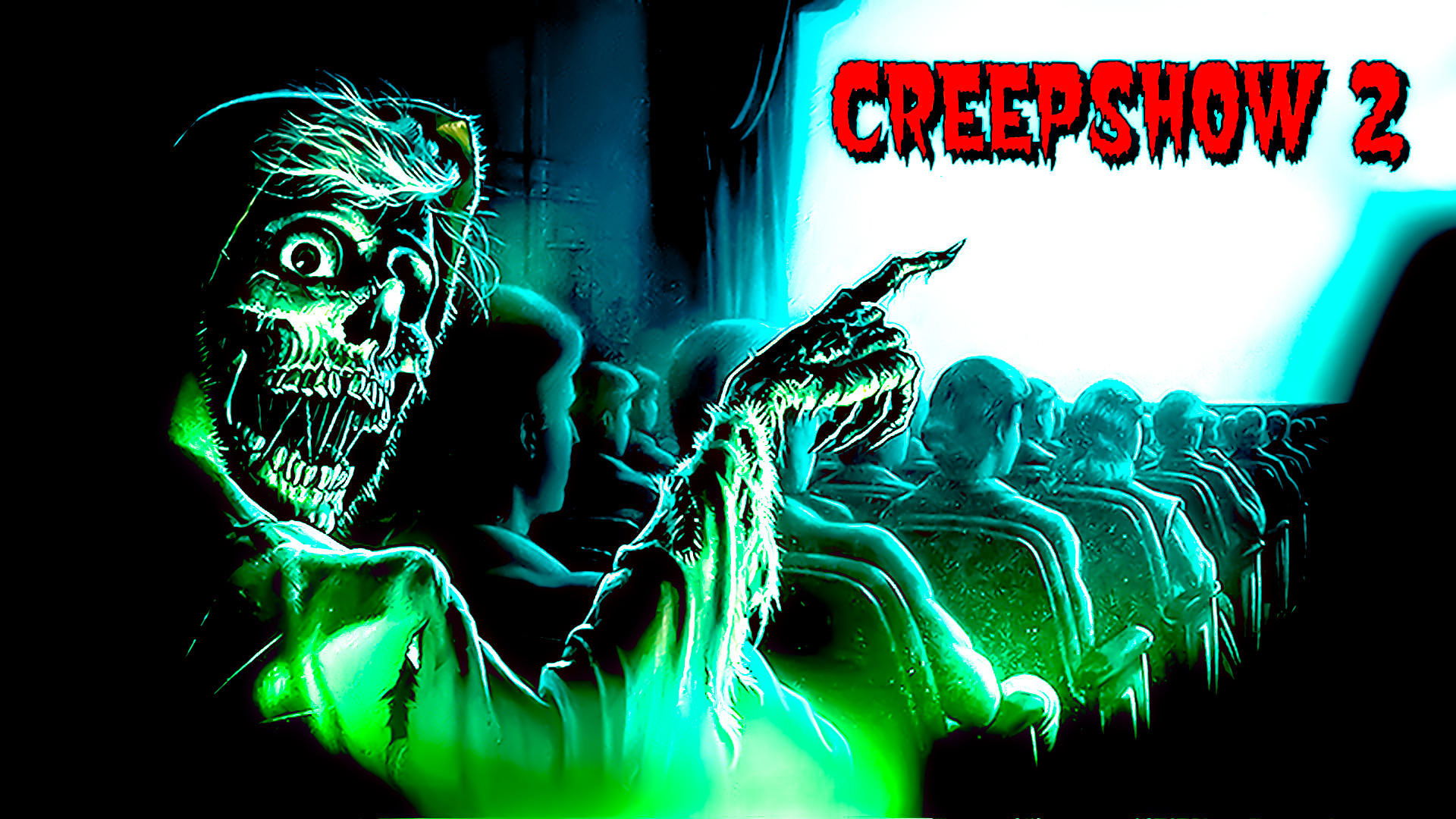
Tom Savini appears in makeup as the live-action Creep, with Joe Silver providing the character's voice. Savini had been closely associated with the original Creepshow through his special makeup work, but his responsibilities in the sequel were different. He received a makeup-effects consultant credit while the principal creature fabrication was undertaken by other technicians. The framing material connects the anthology to the theatrical horror-host tradition, in which a grotesque presenter introduces stories and punctuates them with macabre humor. Billy's confrontation with the bullies also extends the comic-book theme into the supposedly ordinary world outside the three episodes.

The anthology format draws on the moral reversals associated with pre-Code EC horror publications such as Tales from the Crypt and The Vault of Horror. The first and third stories follow recognizable patterns of wrongdoing followed by supernatural punishment. The Raft offers a less reassuring structure, presenting its victims with a threat that appears indifferent to responsibility or moral character. These differences give the three episodes distinct forms of horror despite their shared presentation. The comic-book framework accommodates the changes in setting and tone without requiring the separate narratives to form a continuous fictional world.

Practical Makeup & Creature Effects

The film's practical makeup effects involved Ed French, Howard Berger, Greg Nicotero and several additional technicians. French worked on Old Chief Wood'nhead, sculpting the wooden body, while Mike Trcic developed the figure's head. Mime performer Dan Kamin supplied its deliberately stiff movements, creating the impression of a carved object becoming mobile without completely abandoning its wooden physical character. The combination of sculpted material and controlled performance was important because the creature had to remain recognizable as the store ornament introduced before the murders.

The Raft presented particularly difficult technical problems. French initially developed the floating organism using layered latex and mechanical equipment intended to move the construction through water. The effects became difficult to control during photography, and Gornick consulted Berger and Nicotero about alternative solutions. French departed during the production of the episode, leaving the remaining team to complete the effects. Retrospective reporting by Meagan Navarro documents the use of black UltraSlime, a substance that created the appearance of a viscous organism adhering to its victims. The production also faced cold water, unfavorable weather and limited time for completing the elaborate attacks.

The Hitch-hiker required progressively more damaged versions of the same character. Berger designed and sculpted six stages of the victim's deterioration, while Nicotero constructed dummies used when the automobile strikes him. The final incarnation was realized as a puppet with radio-controlled facial movement and a mechanical tongue. These effects give the repetition of the character's return a visible progression, with each new appearance showing injuries accumulated during the previous encounter. The approach contrasts with the relatively fixed appearance of Old Chief Wood'nhead and the amorphous creature in The Raft, demonstrating different methods of practical creature performance within the same production.
Filming Locations & Photography

Principal photography began on 15 September 1986. Contemporary production documentation cited by the American Film Institute places The Raft at locations around Prescott, Arizona, where the exterior sequences of Old Chief Wood'nhead were also photographed. The latter episode's interiors were filmed in Bangor, Maine, while The Hitch-hiker was photographed entirely in Bangor. These locations provided the film with distinct geographical environments: a declining Southwestern community, an isolated lake and a network of roads through which the final story develops its pursuit.

Richard Hart and Tom Hurwitz received cinematography credits, with Peter Weatherley responsible for editing. The different stories required changes in visual organization. Old Chief Wood'nhead depends upon recognizable streets and the shop exterior, while The Raft concentrates its action on a small platform surrounded by water. In The Hitch-hiker, the automobile becomes a confined space through which Annie repeatedly observes the returning victim. Editing is especially important in the effects sequences, joining mechanical constructions, performers and separate views of the creatures into continuous attacks. Les Reed composed the principal music, with additional music credited to Rick Wakeman.
Release, Reception & Historical Context

New World Pictures released Creepshow 2 in the United States on 1 May 1987, with simultaneous openings in Los Angeles and New York. The film received an R classification and ran approximately ninety-two minutes in the version documented by the American Film Institute. Contemporary trade reporting recorded an opening across 867 screens and approximately $8 million in theatrical receipts during its first three weeks. Variety had reported a budget of $5.2 million in September 1986, but that contemporary figure should not automatically be treated as a verified final production expenditure. The available archival account likewise does not establish a comprehensive worldwide theatrical total.

The initial American reviews were predominantly unfavorable. Kevin Thomas, writing for the Los Angeles Times on 5 May 1987, regarded the sequel as inferior to the original and criticized its animation, staging and uneven timing. He nevertheless identified The Raft as the strongest episode because of its straightforward suspense. Richard Harrington, reviewing the film for The Washington Post, questioned whether the written stories retained their effectiveness when transferred to the screen. Their responses distinguish the reputation of King and Romero from the reception of the completed production, particularly its reduced narrative scope and execution.

Later historical attention has concentrated on the film's practical effects and the unrealized screenplay material. The University of Pittsburgh's Romero archive established that Pinfall remained under consideration through multiple drafts, with its eventual removal associated in retrospective testimony with effects costs and the length of the proposed episode. The Cat from Hell was subsequently adapted for Tales from the Darkside: The Movie (1990). These discoveries clarify the sequel's position within the continuing collaboration between King and Romero. Creepshow 2 remains a distinct example of 1980s anthology horror through its combination of comic-book presentation, independent monster stories and elaborate physical effects.
References

  1. American Film Institute Creepshow 2 — AFI Catalog

    Institutional archival research based on contemporary production reports, documenting the screenplay development, September 1986 photography, filming locations, original release and reported early theatrical receipts.

  2. British Film Institute — Sight and Sound George A. Romero: The Sight & Sound Interview

    Original interview in which Romero discusses his collaboration with Stephen King and confirms his screenwriting role and Michael Gornick's direction of Creepshow 2.

  3. Bloody Disgusting Pinfall — Benjamin T. Rubin Details the Creepshow 2 Segment That Almost Was

    Original interview with the University of Pittsburgh's Romero archive coordinator examining surviving screenplay drafts, Pinfall, The Cat from Hell and the changing anthology structure.

  4. Bloody Disgusting Predatory Sludge, Vengeful Chief Wood'nhead, and the Creep in Creepshow 2

    Meagan Navarro's technical retrospective documenting Ed French's sculpture work, the difficulties of The Raft, contributions by Howard Berger and Greg Nicotero, and the progressive makeup effects in The Hitch-hiker.

  5. Los Angeles Times Movie Review: Creepshow 2 — 3 Tales as Exciting as Leftovers

    Kevin Thomas's original review of 5 May 1987, documenting contemporary criticism of the animation, direction, individual episodes and their effectiveness as horror.

Connections

Cast

View Full Cast & Crew →

Release & Distribution

Production Companies (3)

  • Laurel Entertainment US
  • New World Pictures US
  • RLJ Entertainment US

Distributors (1)

  • New World Pictures US

Release History (3)

Release DateTerritoryRelease TypeFormatDistributorCertificationNotes
1987-05-01 United States Theatrical — — R
1987-08-28 Italy Theatrical — — 14+
1988-01-07 Germany Theatrical — — 18
When the curtain goes up, the terror begins.