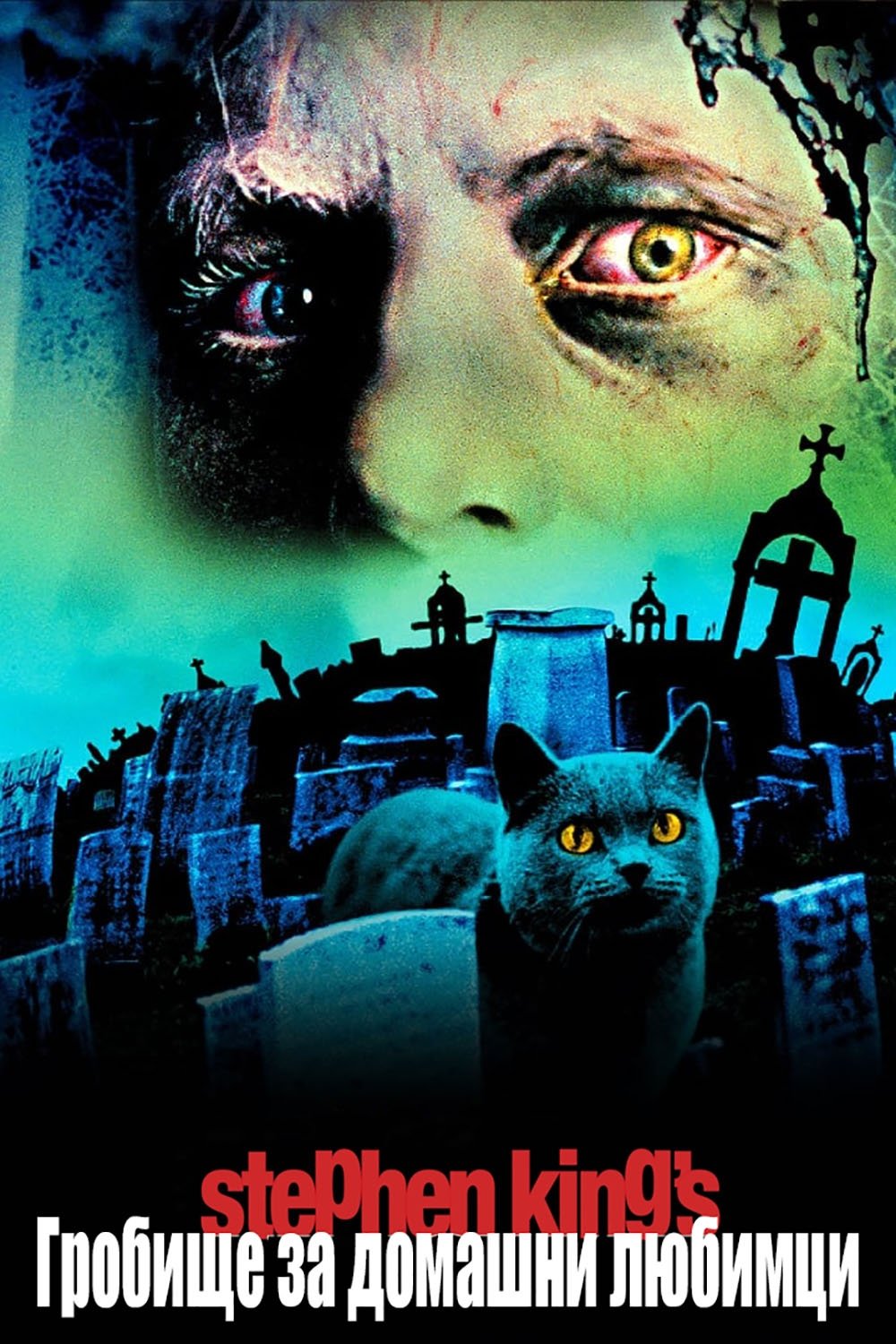
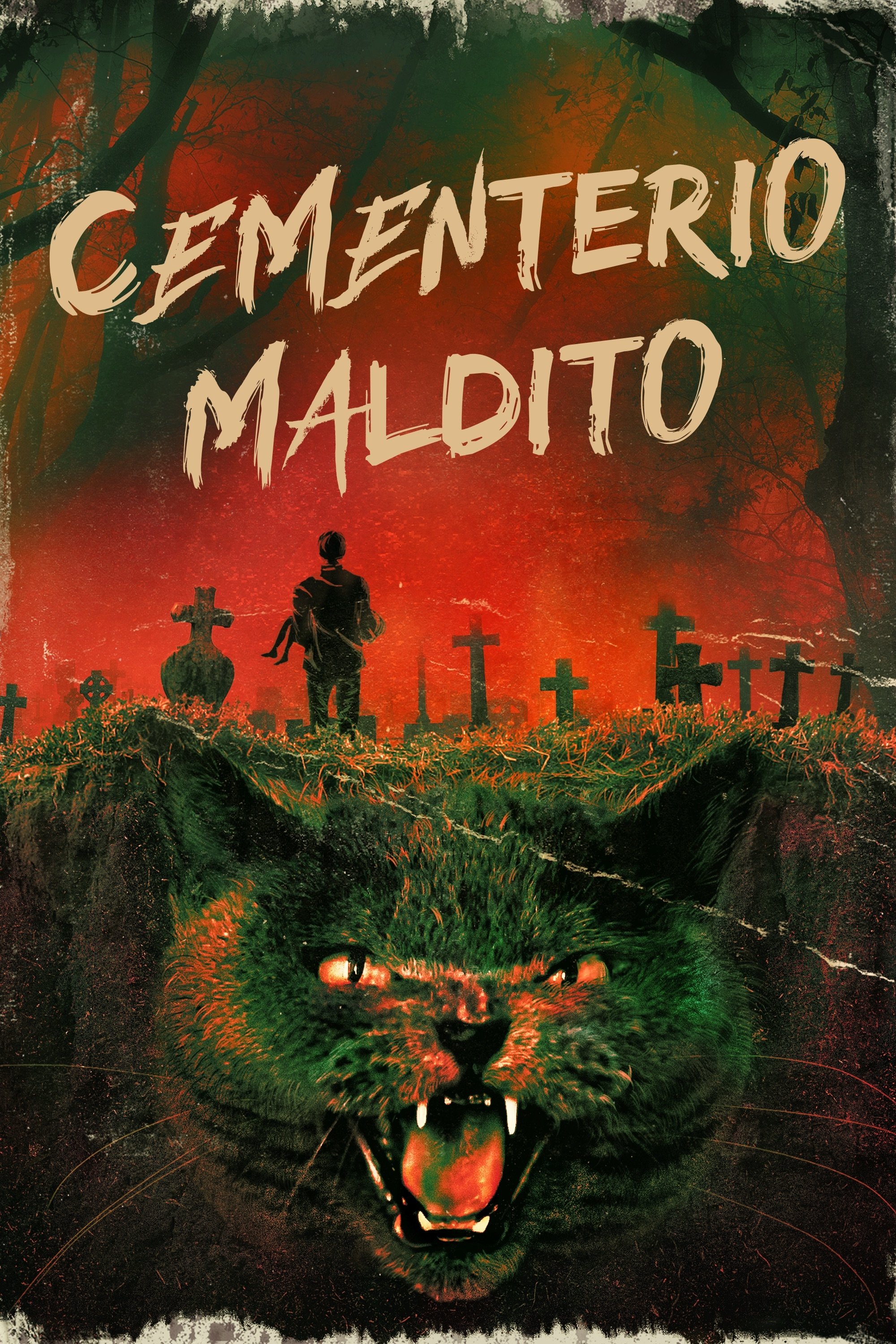
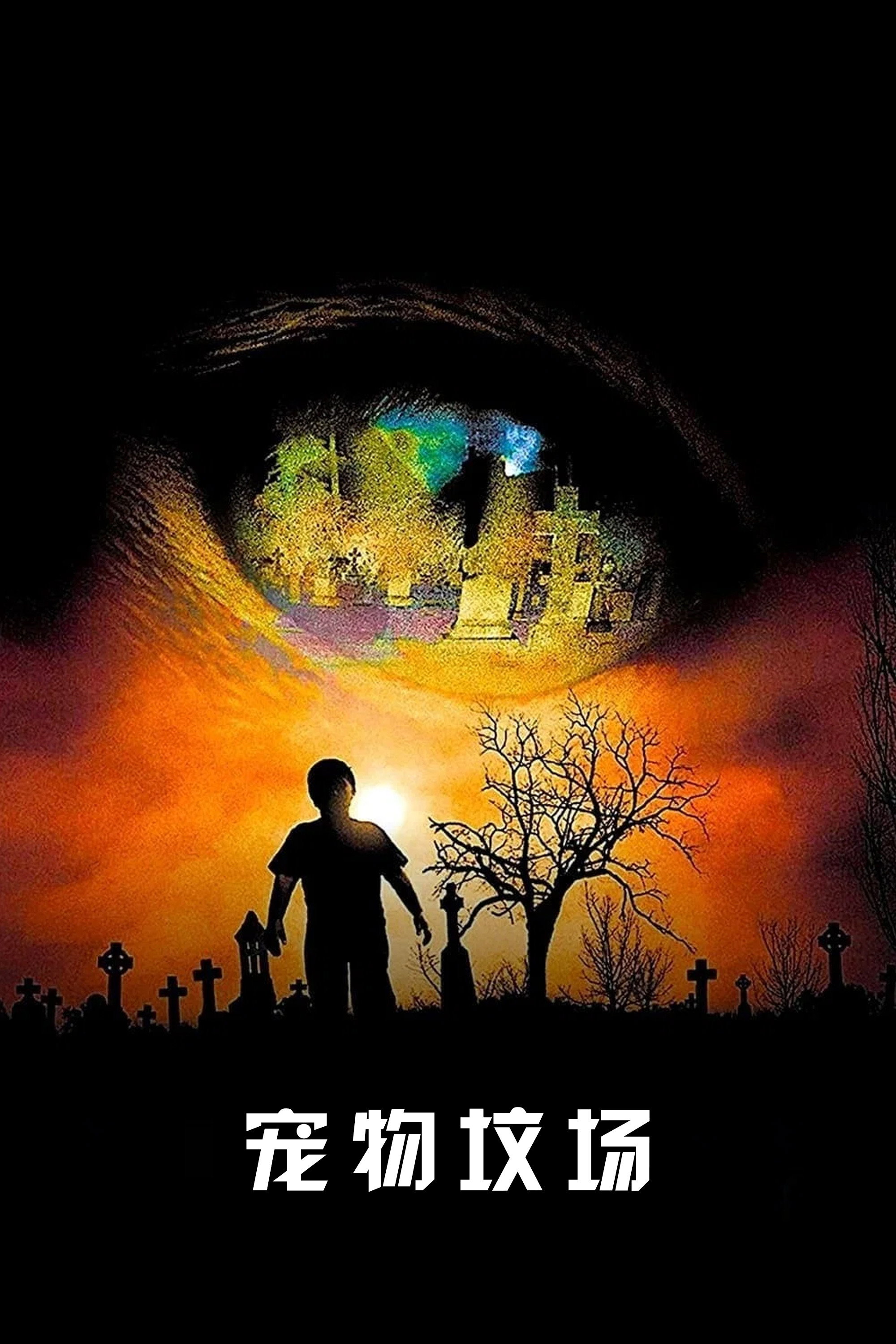
Stephen King’s Inspiration and the Development of the Film
The novel originated in experiences King had while living near Orrington, Maine, in 1979. He was serving as a writer-in-residence at the University of Maine, and his family occupied a rented house beside a road used by heavy trucks. Local children maintained a cemetery for pets killed by passing vehicles. After his daughter’s cat Smucky was struck and killed, King buried the animal there and faced the task of explaining its death. A separate incident occurred when his young son Owen ran toward the highway and King pulled him to safety just before a truck passed. In a 2006 Paris Review interview, King identified these experiences as the factual foundation of the novel.
The author extended those incidents into a fictional account of a father who refuses to accept his child’s death. King later recalled that the completed manuscript disturbed him sufficiently that he put it away rather than immediately offering it for publication. Christine appeared before Pet Sematary, which was eventually published by Doubleday in 1983. The book became a substantial commercial success, remaining on The New York Times bestseller list for thirty-two weeks according to the American Film Institute’s historical documentation. Its unusual severity attracted attention because it placed the death of a very young child at the centre of a story about parental love, supernatural temptation and irreversible consequences.
Producer Richard P. Rubinstein and George A. Romero’s Laurel Entertainment acquired the film rights in 1984, with Romero initially expected to direct. The project remained in development for several years. King agreed to write the screenplay himself, marking his first feature-film adaptation of one of his own novels. Romero eventually withdrew from the directing assignment, and Paramount Pictures moved ahead with Lambert in 1988. The completed screenplay was especially valuable during the Hollywood writers’ strike that year because it was already available for production. Rubinstein remained the principal producer, while King retained considerable influence over the adaptation and the choice of director.
Mary Lambert, the Screenplay, and the Adaptation
Lambert had established her reputation directing music videos for performers including Madonna, Janet Jackson and the Eurythmics before making her feature debut with Siesta (1987). Her interest in Pet Sematary developed from the underlying family tragedy rather than from a wish to reproduce a conventional monster story. In a 2019 interview with SlashFilm, she described the screenplay as a study of emotional attachment becoming destructive. King personally approved her appointment after meetings in New York and Los Angeles. Lambert recalled that the author was receptive to visual suggestions, provided that proposed changes respected the characters and the essential structure of his story.
The adaptation compresses a novel containing extensive recollections, conversations and accounts of the burial ground’s earlier history. Several supporting characters receive different treatment, including Jud’s wife Norma, who appears in the novel but is absent from the film. Missy Dandridge also has a substantially altered fate. The supernatural figure associated with the burial ground, described through Wendigo mythology in the book, remains largely outside direct view. Instead, unexplained sounds and disturbances in the woods suggest the presence of something beyond the visible action. These decisions keep the film focused on the Creed family and the immediate consequences of Louis’s encounters with the burial ground.
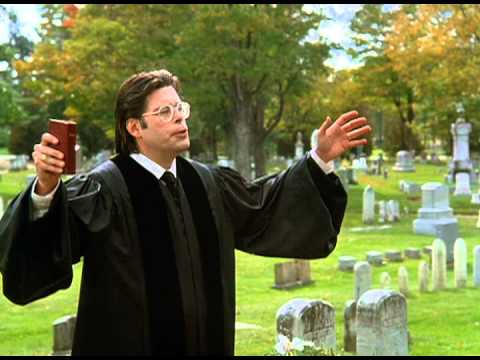
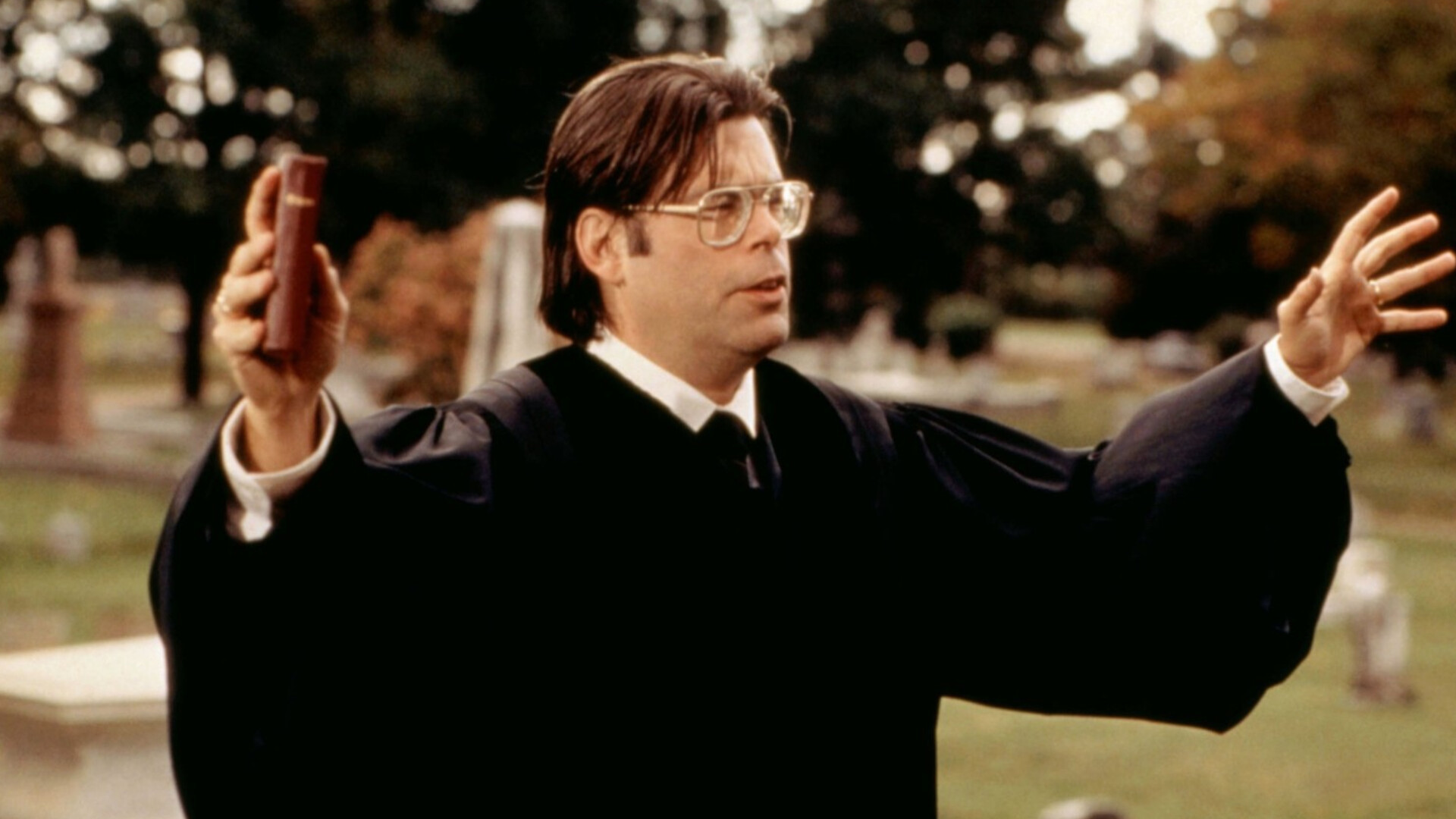
King’s participation continued during photography, and Lambert recalled discussing substantial visual changes with him before filming them. The author also appeared briefly as the minister conducting a funeral service. Their collaboration extended to the arrangement of the pet cemetery and the use of a portrait depicting a formally dressed child. Lambert wanted that image to anticipate the clothing worn by Gage after his resurrection. Although the screenplay preserves many recognizable incidents from the book, its emotional emphasis depends increasingly on visual details and the actors’ reactions. The adaptation turns internal arguments about death and responsibility into encounters in which Louis must repeatedly decide whether to obey warnings or pursue his increasingly destructive hopes.
Maine Locations, the Creed House, and Production Design
King required the production to film in Maine, where the novel takes place. Principal photography began in September 1988 and continued over a planned ten-week schedule. The crew worked around Ellsworth, with additional locations in the Bangor region. The Creed and Crandall properties were situated beside a real road used by heavy vehicles, preserving the geographical danger that had inspired the book. The production also used locations around Mount Hope Cemetery and other sites in the state. Lambert considered the landscape essential to the film’s atmosphere, particularly the proximity of dense woodland to otherwise welcoming domestic spaces.
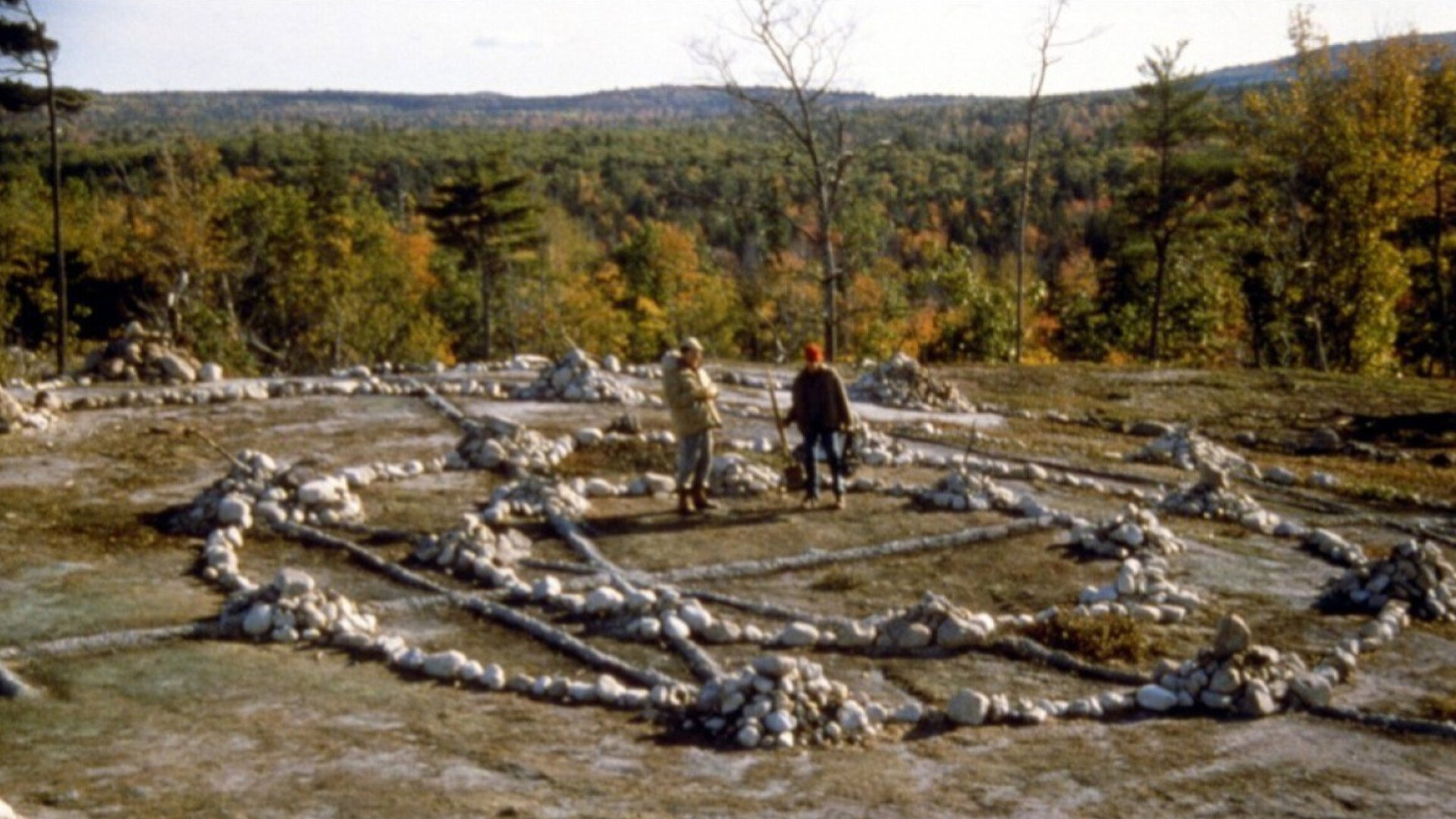
Production designer Michael Z. Hanan supervised the construction and adaptation of the environments. The Crandall property was altered through the addition of a new exterior shell over an existing house. Behind the Creed residence, the route toward the burial ground passes through a large barrier of fallen trees known as the deadfall. According to records consulted by the American Film Institute, the construction involved approximately fifteen truckloads of scrap wood arranged around steel and telephone poles. The result created a formidable physical obstacle that Louis must cross whenever he enters the more dangerous territory beyond the children’s cemetery.
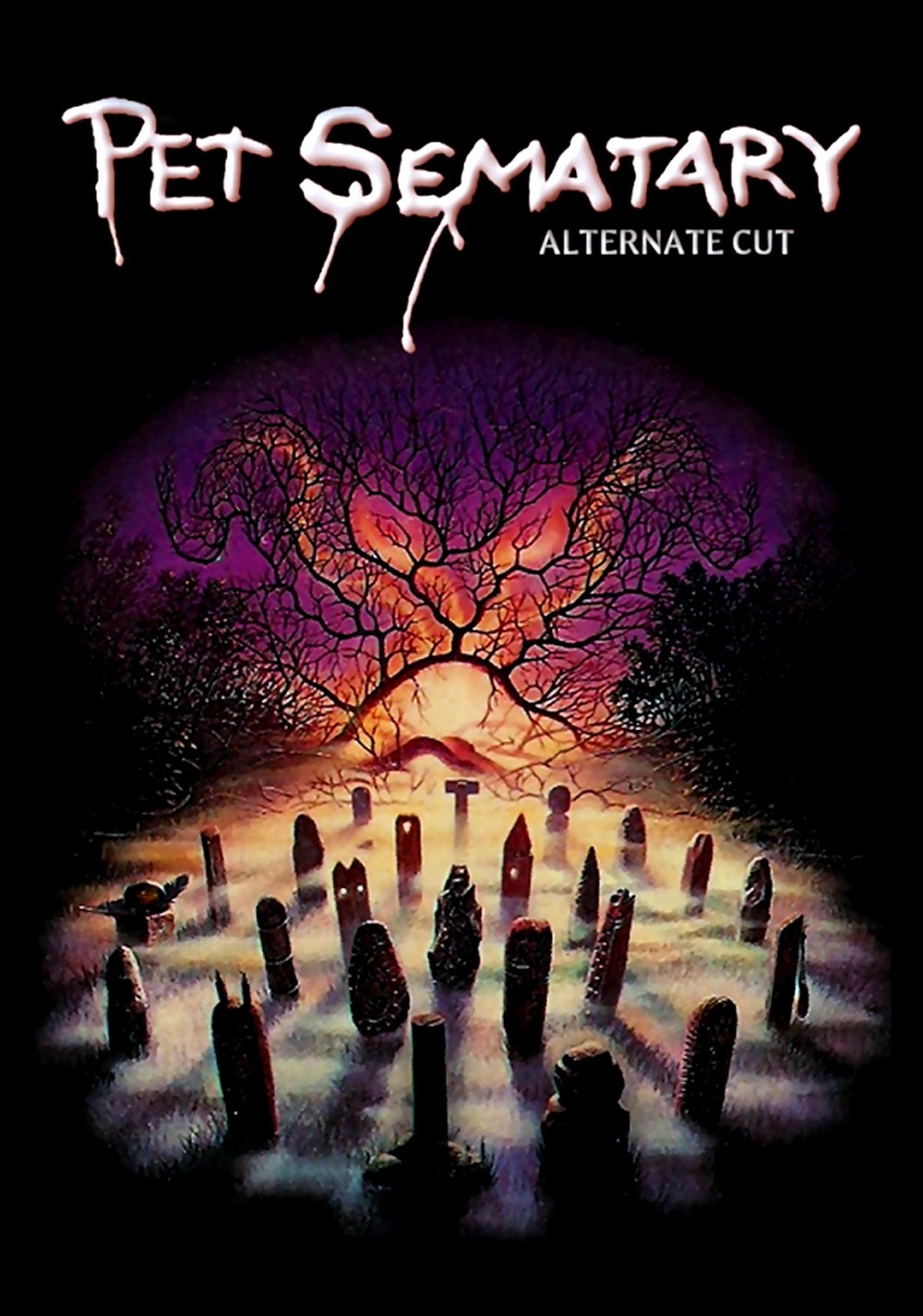
The landscape provides a progression from recognizable family surroundings to an environment increasingly separated from ordinary life. The children’s cemetery contains improvised memorials and misspelled inscriptions, preserving the personal character of a place created by children confronting the deaths of their pets. Beyond it, the woods become darker and more difficult to navigate before the route reaches the ancient burial ground. Lambert later recalled photographing more of the Maine environment than the final running time could accommodate. Some atmospheric material was removed during editing. The retained locations nevertheless establish the physical journey that connects Louis’s apparently comfortable home with the destructive supernatural force he repeatedly approaches.
The Creed Family, Grief, and Supernatural Horror
Louis Creed begins the story as a physician whose professional experience has taught him to confront injury and death through medical knowledge. His new position at a university promises greater stability for his family, but an early incident challenges that confidence. Victor Pascow, a student fatally injured in an accident, appears to Louis after death and warns him about the burial ground. The apparition provides information that ordinary investigation could not explain. Louis nevertheless attempts to interpret the warning within the limits of his existing beliefs. His eventual decision to use the burial ground demonstrates how personal grief can overcome principles that he previously considered reliable.
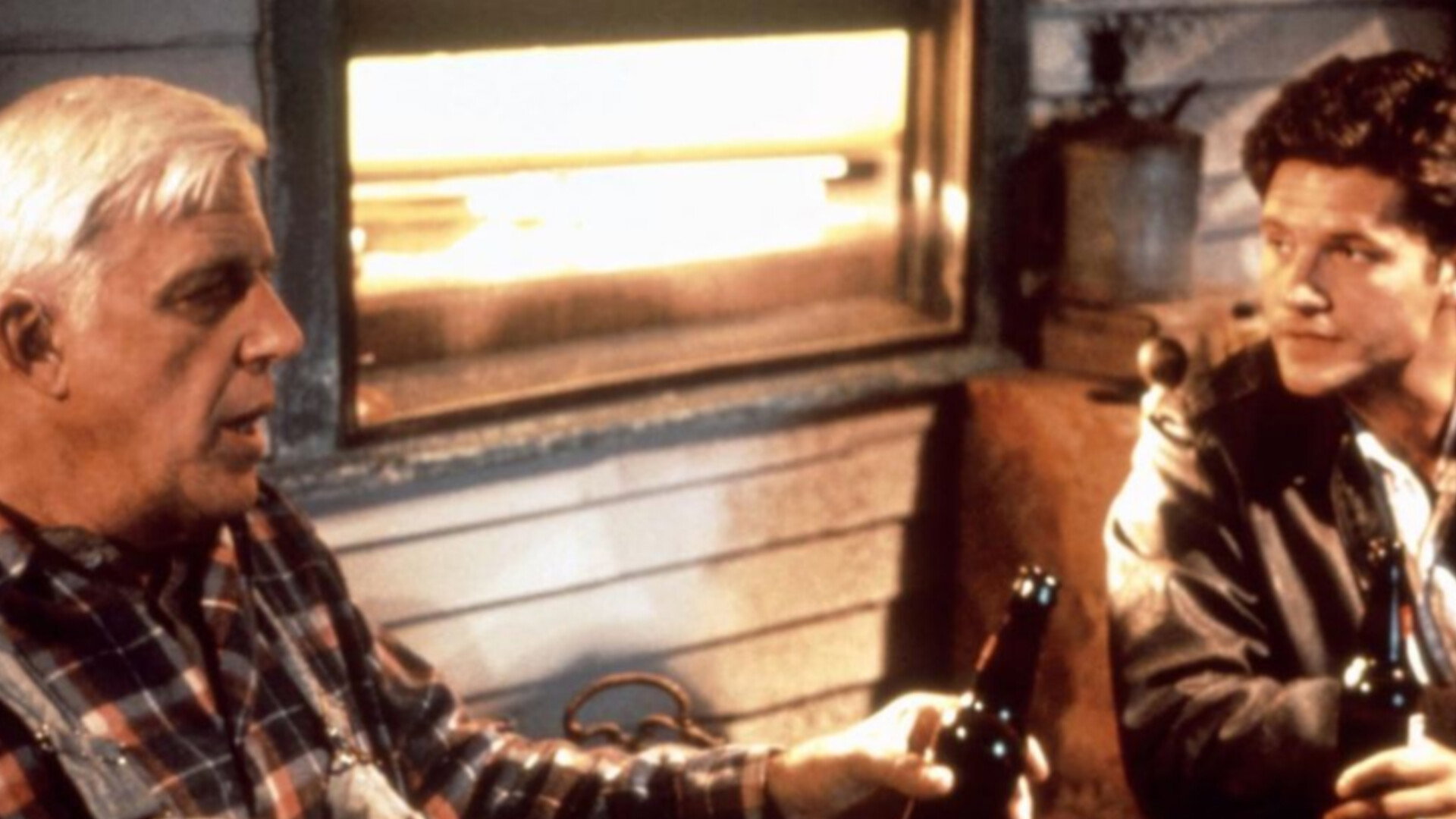
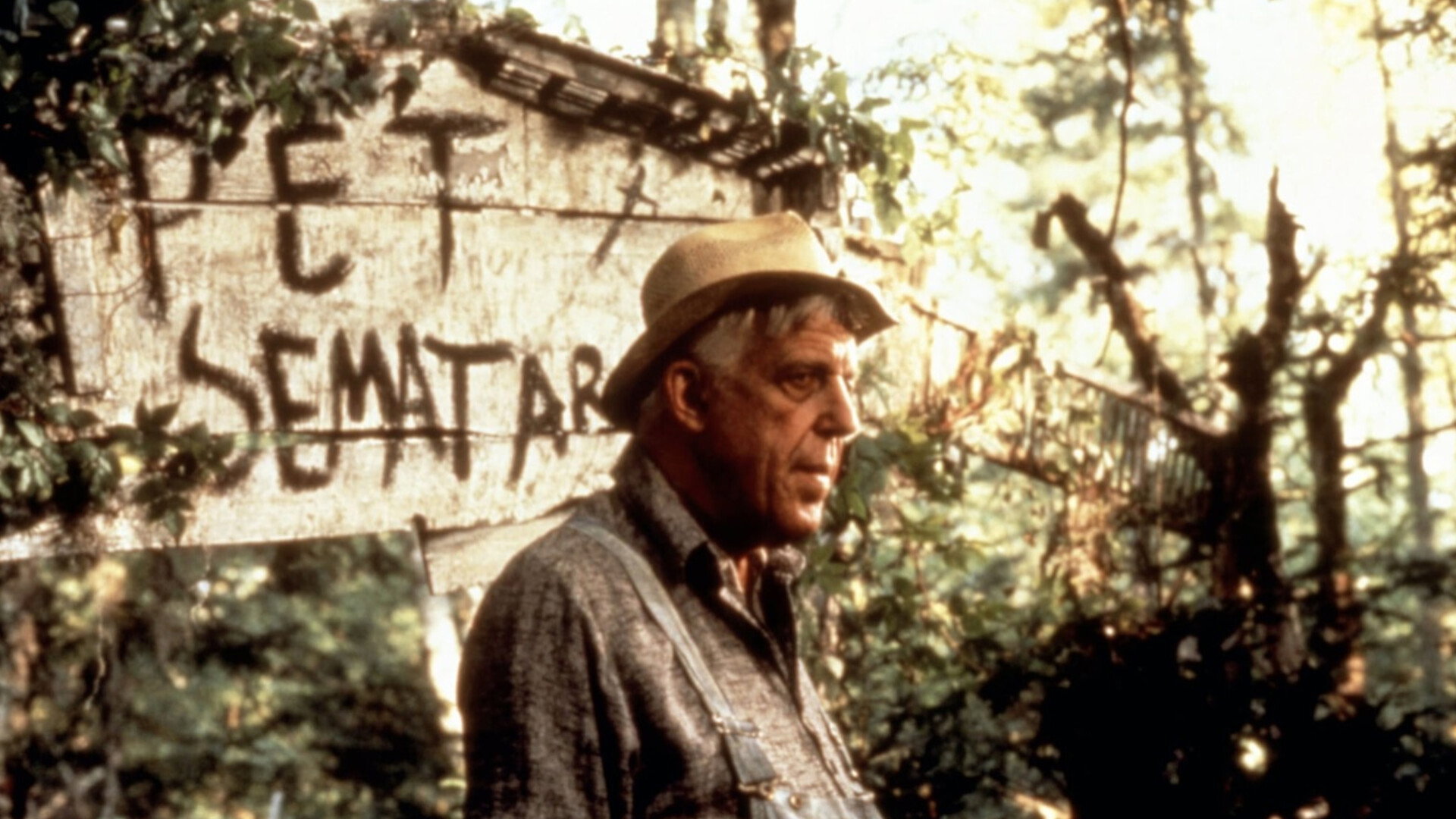
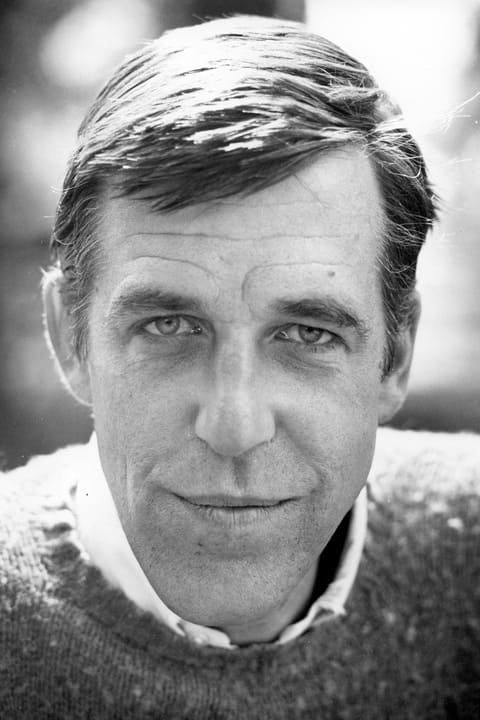
Jud Crandall becomes the source of knowledge about the cemetery and its hidden powers. His relationship with Louis initially develops through hospitality and shared conversation. When the family cat Church is killed, Jud introduces Louis to the burial ground and the possibility of bringing the animal back. The resurrected cat provides the first visible evidence that the process works, although its behaviour has changed. Jud later acknowledges that his earlier decision was a serious mistake. Fred Gwynne’s performance gives the character an uneasy combination of warmth, local authority and guilt. His warnings become increasingly urgent as Louis begins considering a far more consequential resurrection.
Rachel’s fear of death develops through memories of her sister Zelda, who suffered from a debilitating illness before dying while still young. These recollections introduce a different kind of trauma from Louis’s immediate bereavement. Rachel associates death with physical suffering, shame and the painful responsibility of caring for someone whose condition she could not change. The film returns to these memories through distorted images of Zelda and the room in which she was confined. Following Gage’s death, Louis becomes consumed by the possibility of restoring his son, while Rachel increasingly fears the forces surrounding the family. Their responses reveal how a shared tragedy can produce incompatible forms of denial and desperation.
Gage, Zelda, and the Practical Effects
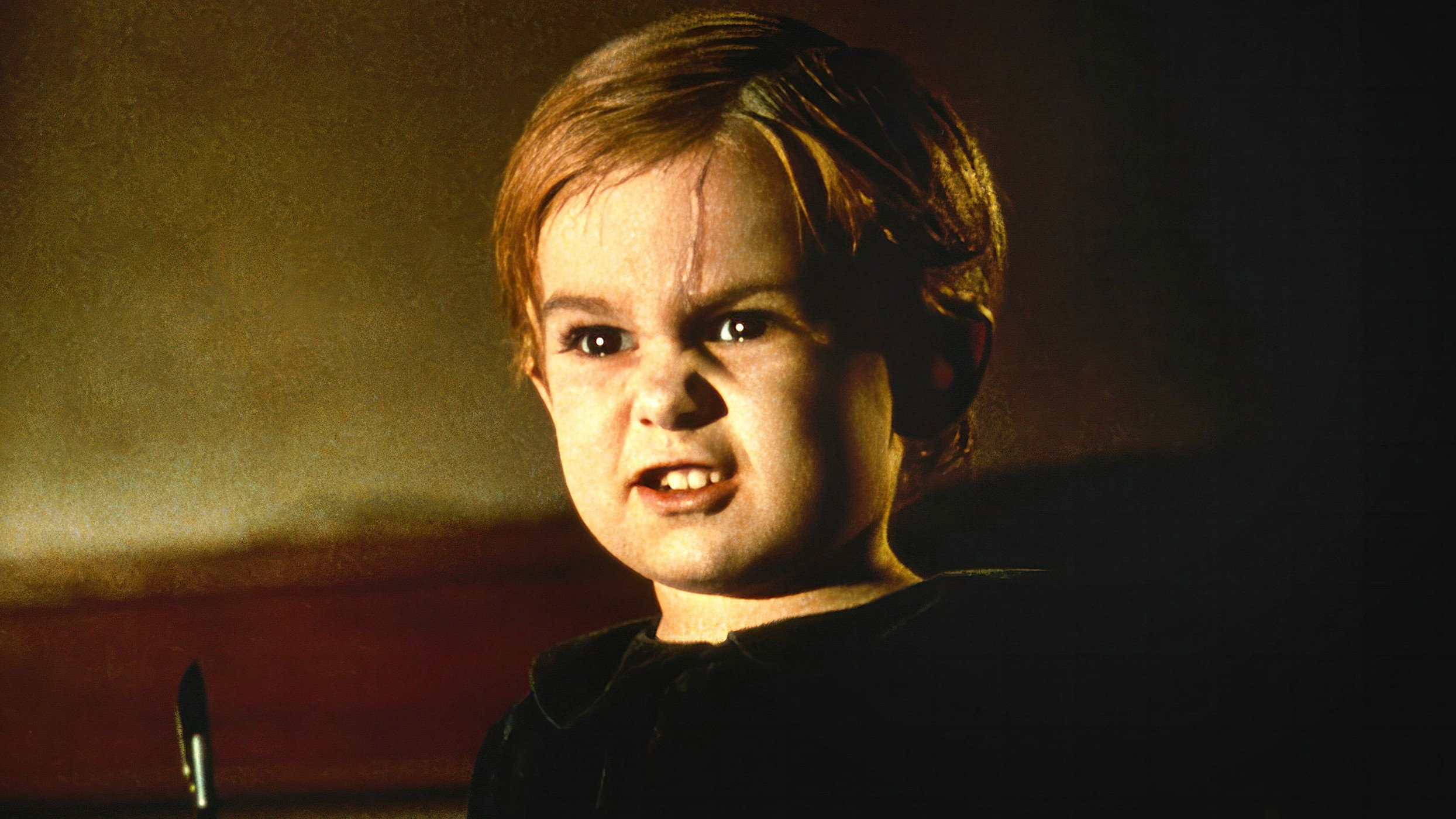
The production required effects that could represent extreme violence without exposing its youngest performers to the physical demands of those scenes. Lambert cast Miko Hughes as Gage despite pressure to use twins, whose alternating work schedules would have simplified filming. Hughes was approximately two years old during production. The director later described treating his scenes as carefully organized games, with Fred Gwynne helping him perform specific movements during their encounters. More dangerous actions were completed using artificial body parts and puppets. Lambert emphasized that blood effects involving Gage were generally photographed without the child present, allowing the final images to be assembled through editing.
The sequence in which Gage attacks Jud demonstrates this combination of techniques. A puppet hand holding a scalpel supplies the initial injury, while Hughes performs selected movements as the child emerges from beneath the bed. The bite to Jud’s throat was photographed using a fabricated head. The effects department also produced a fully articulated Gage puppet for the attic sequence. Lance Anderson and David Anderson contributed to the production’s special makeup work. The separation between the child’s photographed actions and the violent prosthetic material allowed the filmmakers to create a threatening supernatural character whose appearance remained recognizable across scenes requiring very different technical methods.
Zelda was portrayed by Andrew Hubatsek, an adult male performer selected after Lambert struggled to find a young actress with the physical appearance she wanted. The director deliberately sought a frightening visual interpretation of Rachel’s memory. Hubatsek’s skeletal appearance, unusual movement and confrontational delivery make the flashbacks distinct from the more restrained domestic scenes. The treatment also makes Zelda’s illness part of the film’s disturbing imagery, an aspect that has attracted later critical discussion about the representation of disability. Lambert’s approach relied on performance, makeup and the emotional perspective of Rachel’s recollections rather than a fully developed independent account of Zelda’s life.
Photography, Editing, and Music
Cinematographer Peter Stein photographed the film on 35 mm, contrasting the relative brightness of the Creed family’s new home with the more threatening appearance of the surrounding woods. The burial-ground passages use darkness and restricted visibility to make the route increasingly unfamiliar. Lambert’s background in music videos informed her emphasis on concentrated visual sequences. Gage’s death, for example, is constructed through a succession of images involving the approaching truck, the child’s movement and objects associated with the accident. Lambert credited Andrea Dietrich with storyboarding the sequence. Its arrangement communicates the event without directly photographing the fatal impact.
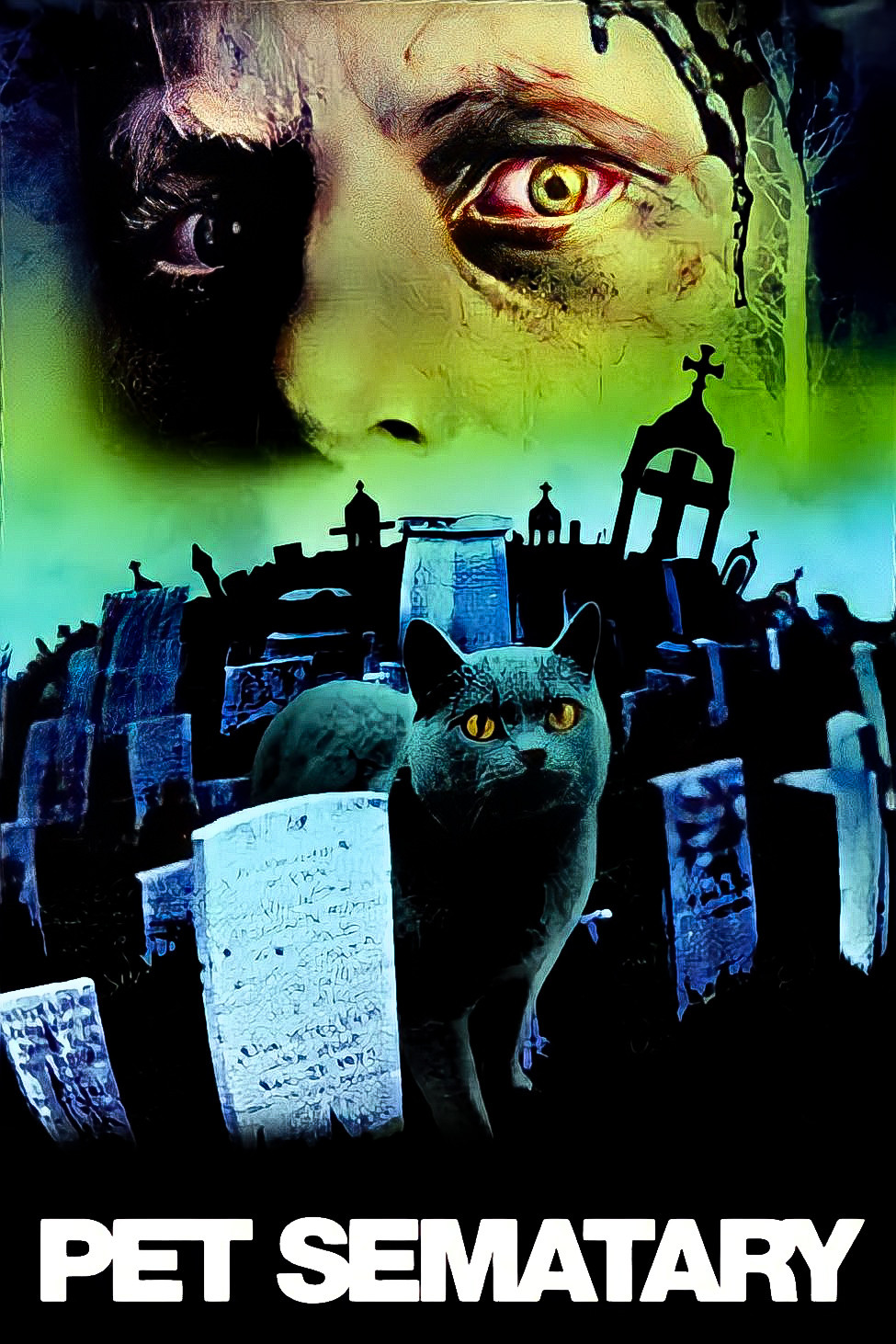
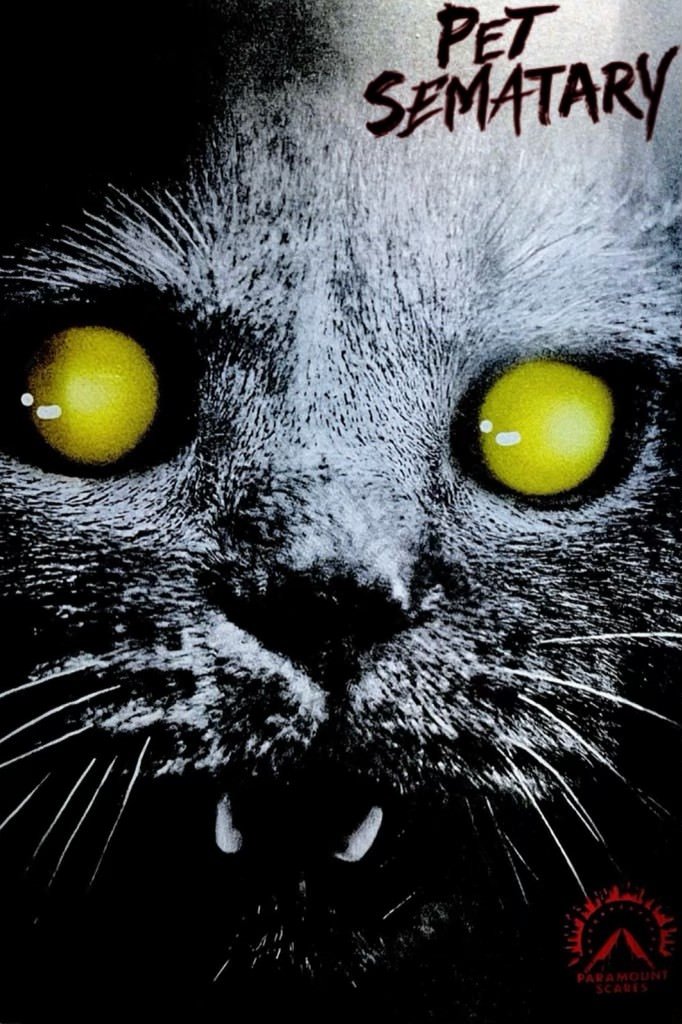
The film’s practical photography also provided effects that might otherwise have required more elaborate manipulation. Lambert described creating Church’s unnatural eye reflections by placing a light close to the camera lens, taking advantage of the reflective properties of a cat’s eyes. Several cats were used because individual animals could reliably perform different behaviours. The production therefore selected performers according to the needs of particular shots rather than expecting one animal to complete every action. In later interviews, Lambert recalled that some sequences involving the cats required careful preparation and supervision. These methods supported a mixture of ordinary animal behaviour and increasingly threatening appearances.
Elliot Goldenthal composed the original score, providing orchestral music that supports the film’s movement from family drama into supernatural violence. His writing emphasizes ominous textures and dramatic contrasts, complementing scenes in which familiar environments become threatening. The soundtrack also includes music by the Ramones. Their title song Pet Sematary was written by Dee Dee Ramone and Daniel Rey, while Sheena Is a Punk Rocker also appears in the film. The title song gives the production a separate popular-music identity beyond its orchestral accompaniment. Its presence reflects Lambert’s connections with musicians through her earlier directing work, while Goldenthal’s score remains responsible for much of the film’s sustained atmosphere of dread.
Theatrical Release, Contemporary Reception, and Later History
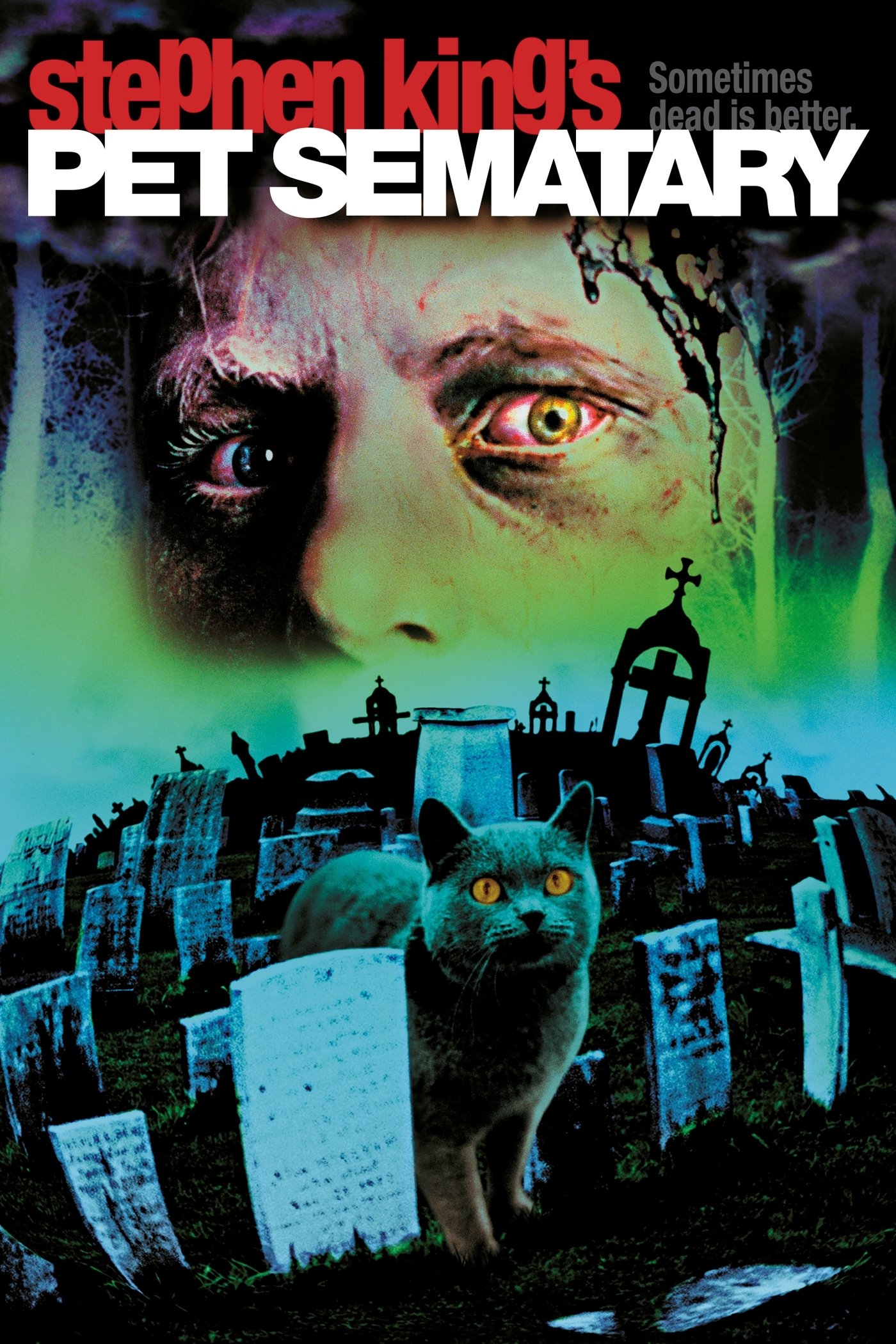
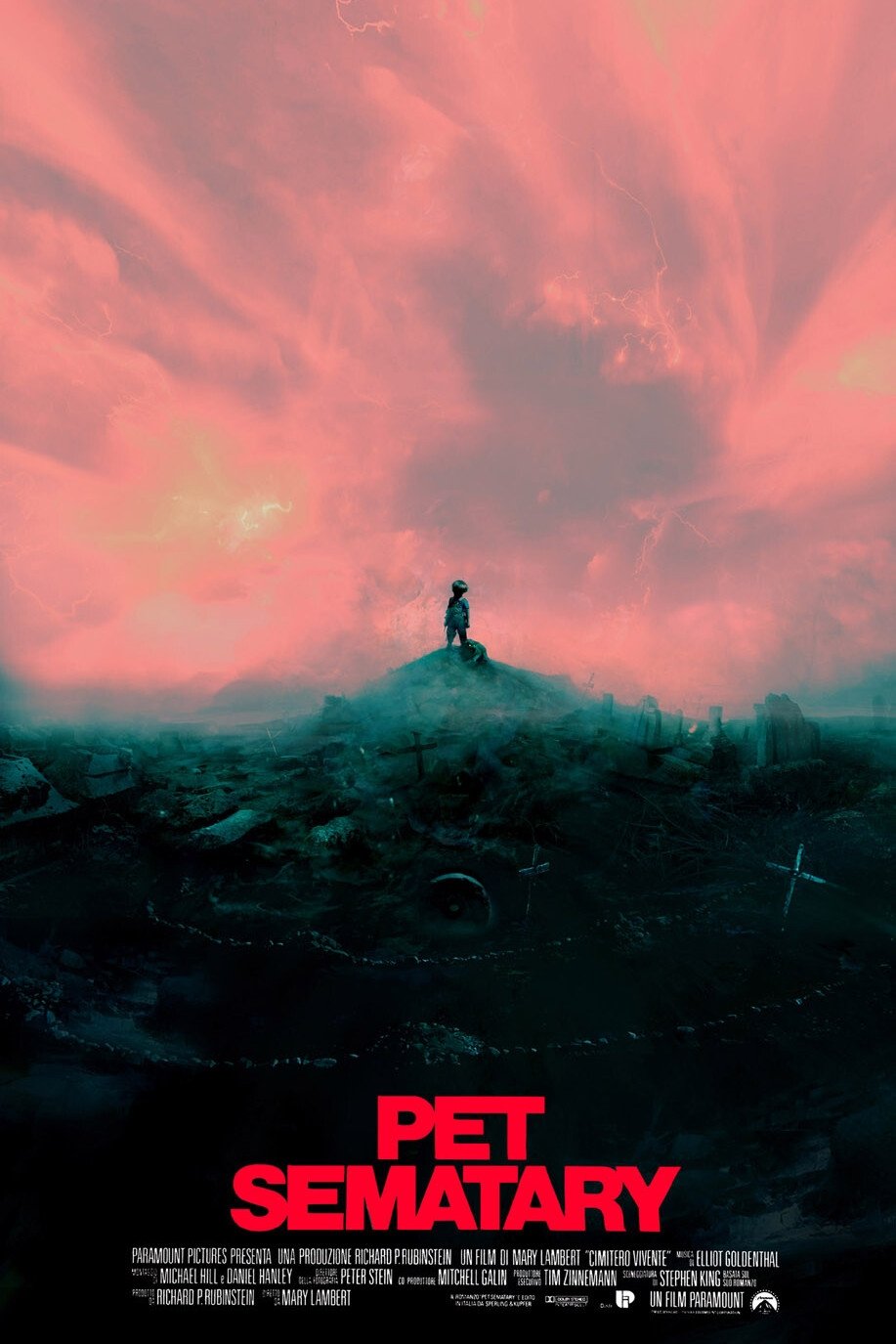
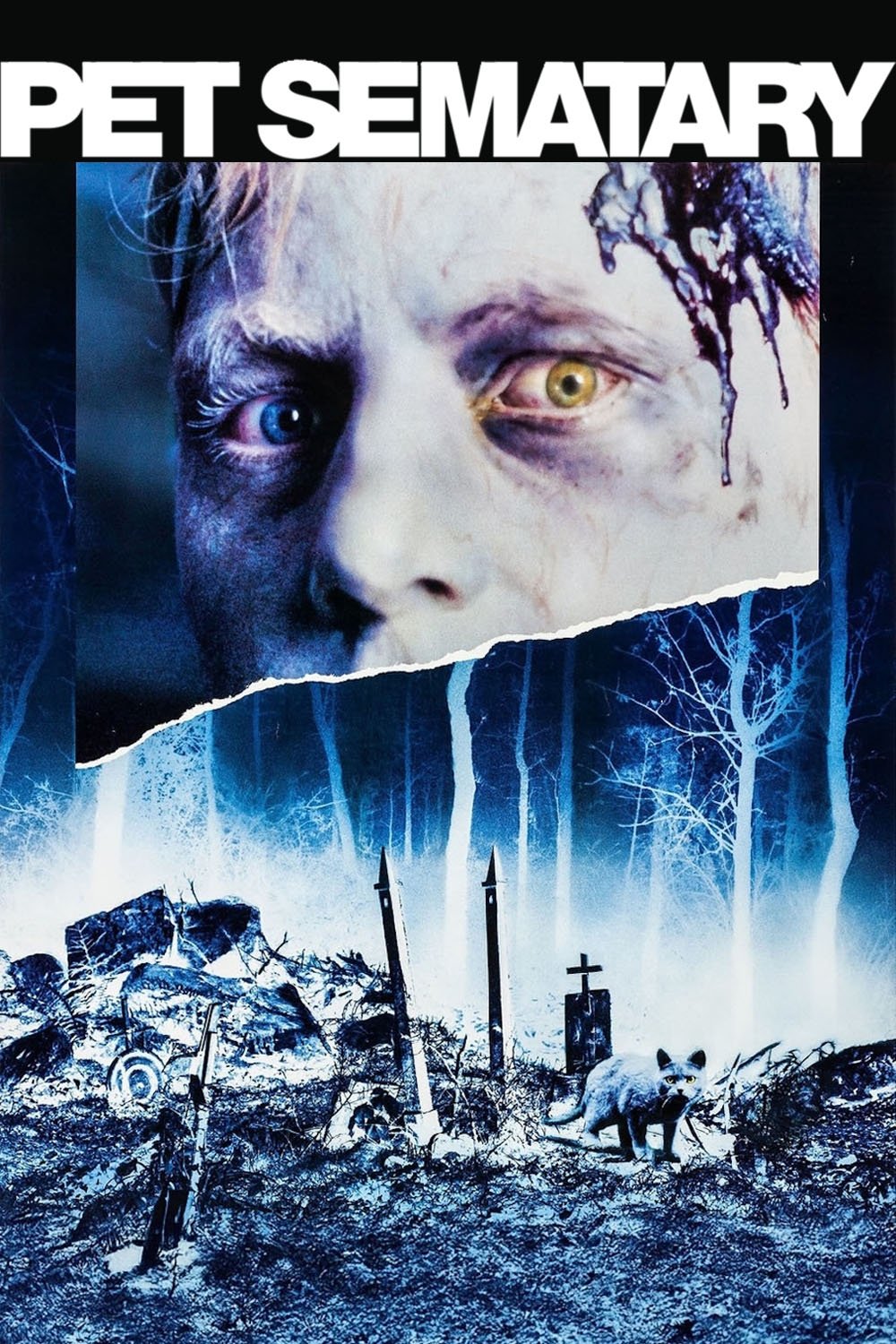
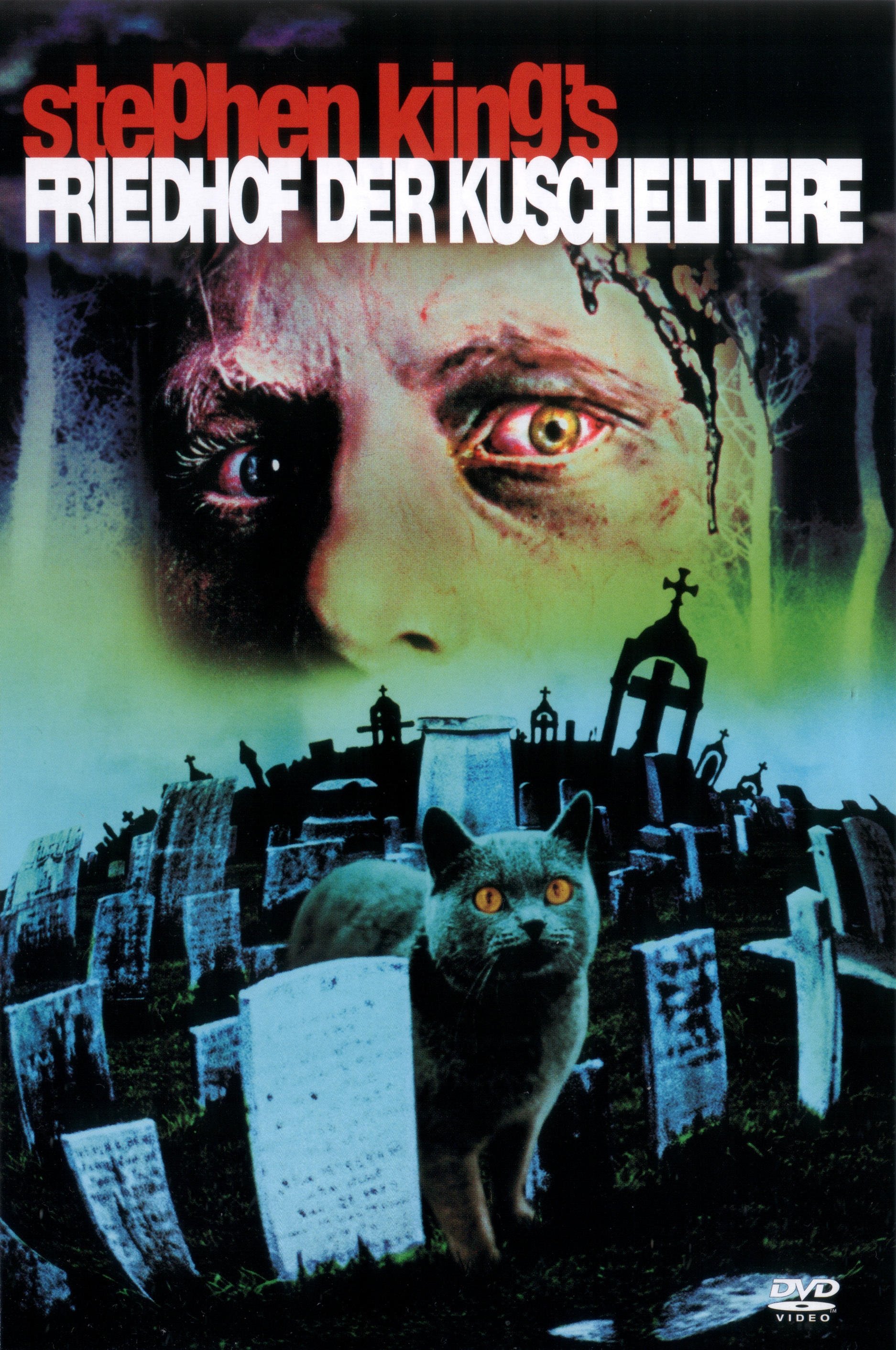
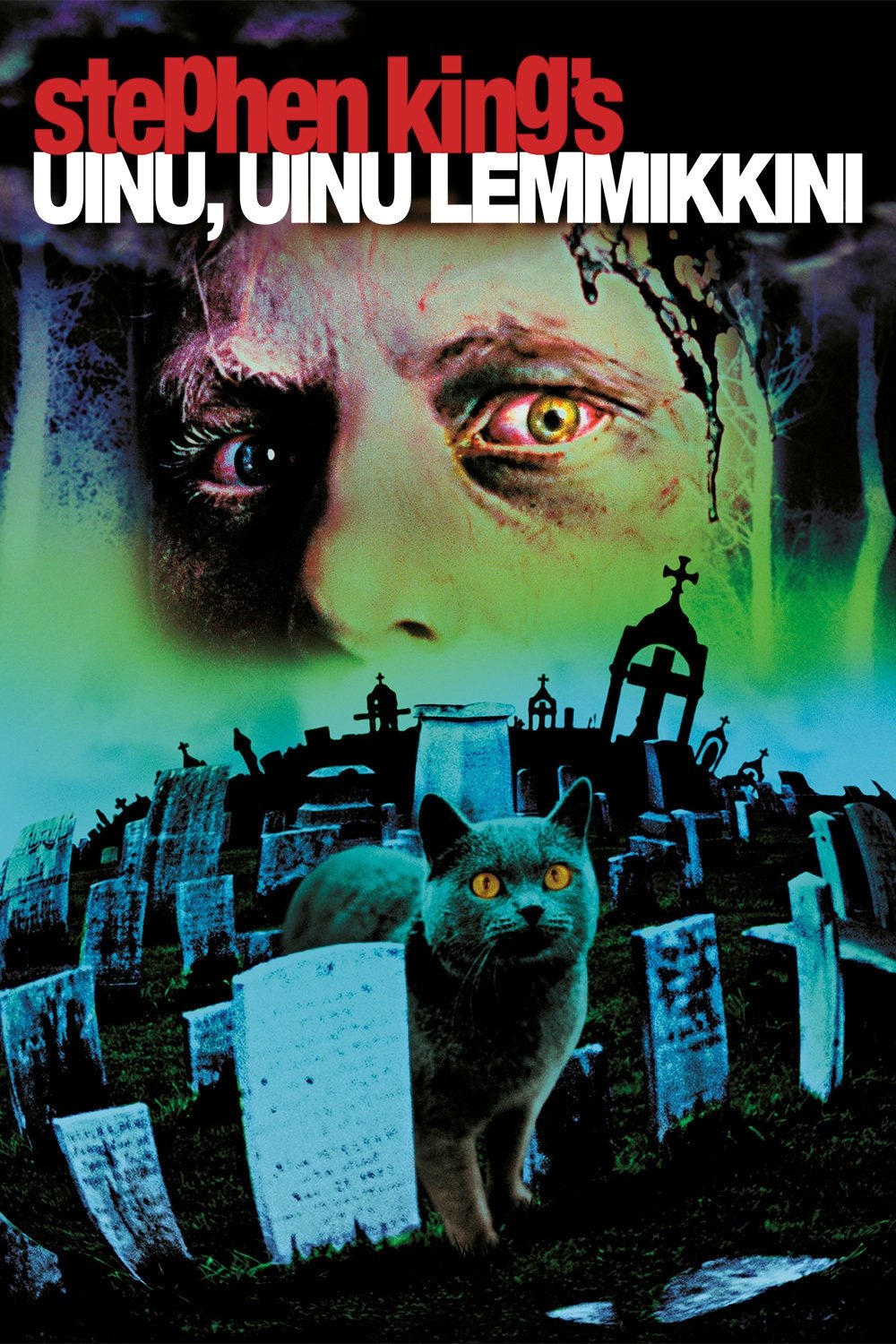
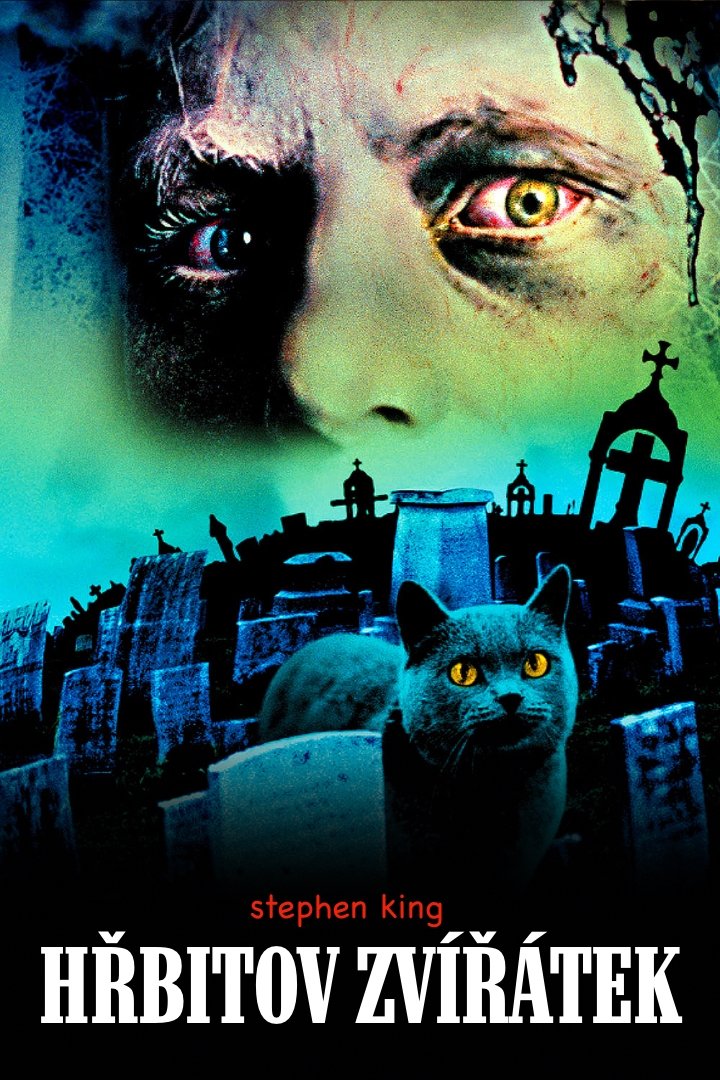
Paramount Pictures released Pet Sematary in the United States on April 21, 1989, with simultaneous openings in New York and Los Angeles. The film received an R classification and circulated in versions listed at approximately 102 to 103 minutes. Its opening weekend generated $12,046,179 from 1,585 North American theatres, placing it first at the domestic box office. The original North American theatrical run eventually earned approximately $57.47 million. Published production-budget estimates place expenditure at around $11.5 million. Reliable documentation of the complete original international theatrical gross is incomplete, so the domestic figure should not be presented as a verified worldwide total or confused with the film’s eventual net financial return.
Contemporary criticism was divided. Kevin Thomas, reviewing the film for the Los Angeles Times on April 24, praised Lambert’s visual approach and the disturbing implications of the family tragedy. He singled out Fred Gwynne’s performance, Peter Stein’s cinematography and Elliot Goldenthal’s score as important strengths. Other reviewers were considerably less favourable. Richard Harrington of The Washington Post criticized the film’s construction and the violence involving Gage, while additional responses questioned whether the adaptation successfully translated the novel’s psychological horror into cinema. The disagreement reflected contrasting reactions to a mainstream studio release willing to depict the death and supernatural return of a very young child.
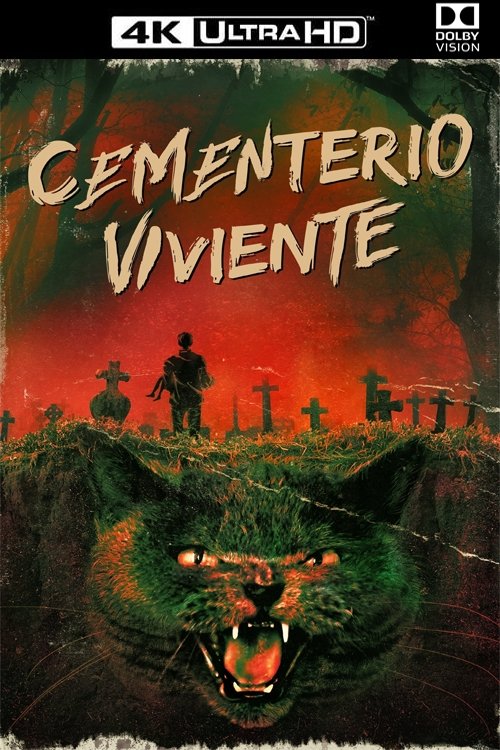
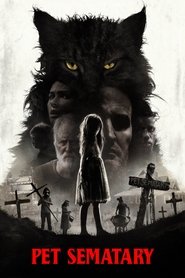
The film’s commercial performance led to Pet Sematary Two (1992), again directed by Lambert but written without King’s involvement. Lambert originally wanted the sequel to follow Ellie Creed as an older survivor investigating the circumstances of her family’s destruction. Paramount rejected that approach, and the completed follow-up introduced different principal characters. The original film subsequently received renewed attention through home-video editions and retrospective screenings. Its thirtieth anniversary brought a 4K restoration presented by the UCLA Film & Television Archive in August 2019. Lambert also participated in a remastering process that adjusted selected visual effects and the appearance of the burial ground. A separate adaptation of King’s novel was released in 2019, followed by Pet Sematary: Bloodlines in 2023. These later productions extended the property while leaving Lambert’s film a distinct interpretation shaped by King’s own screenplay and its physically constructed horrors.