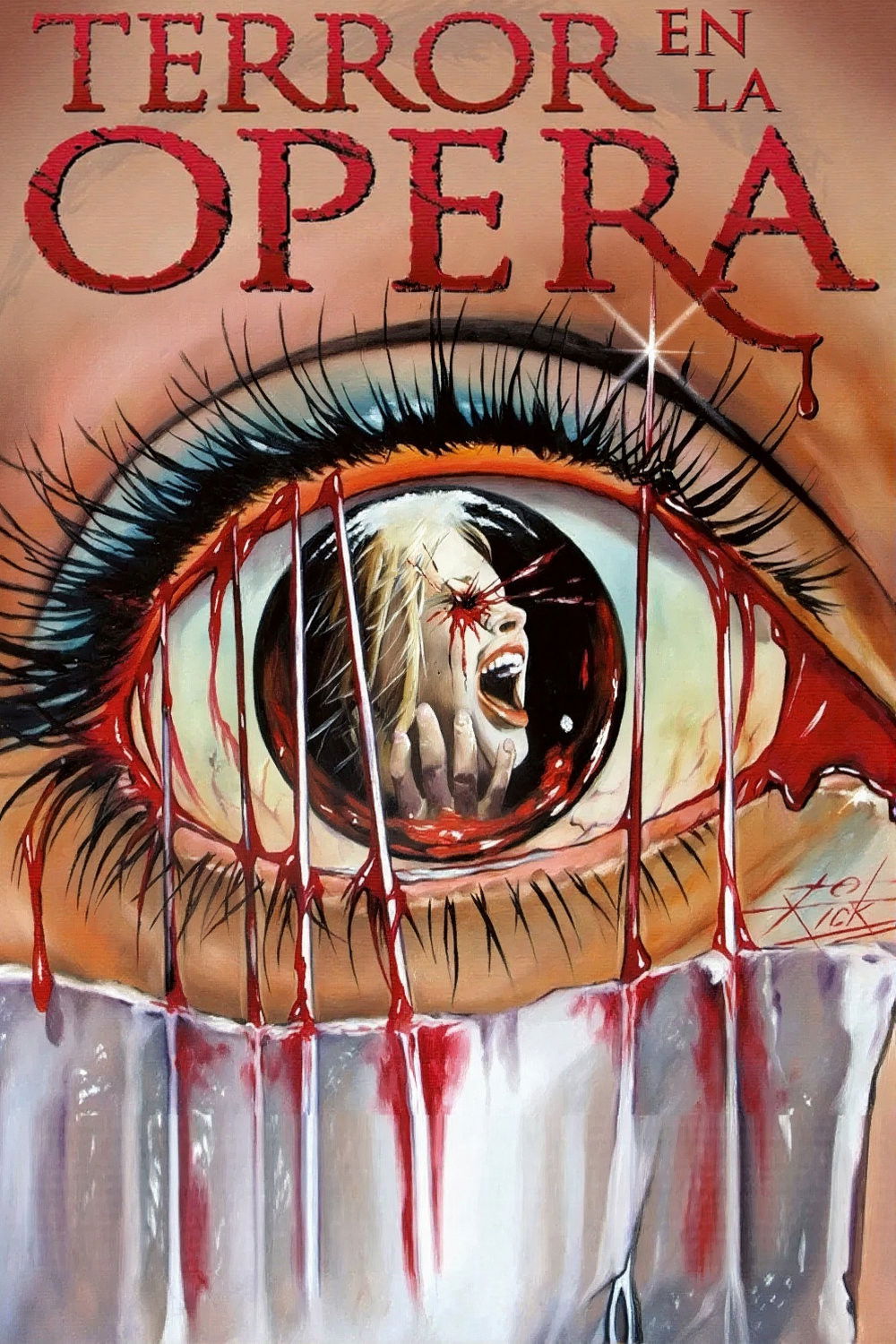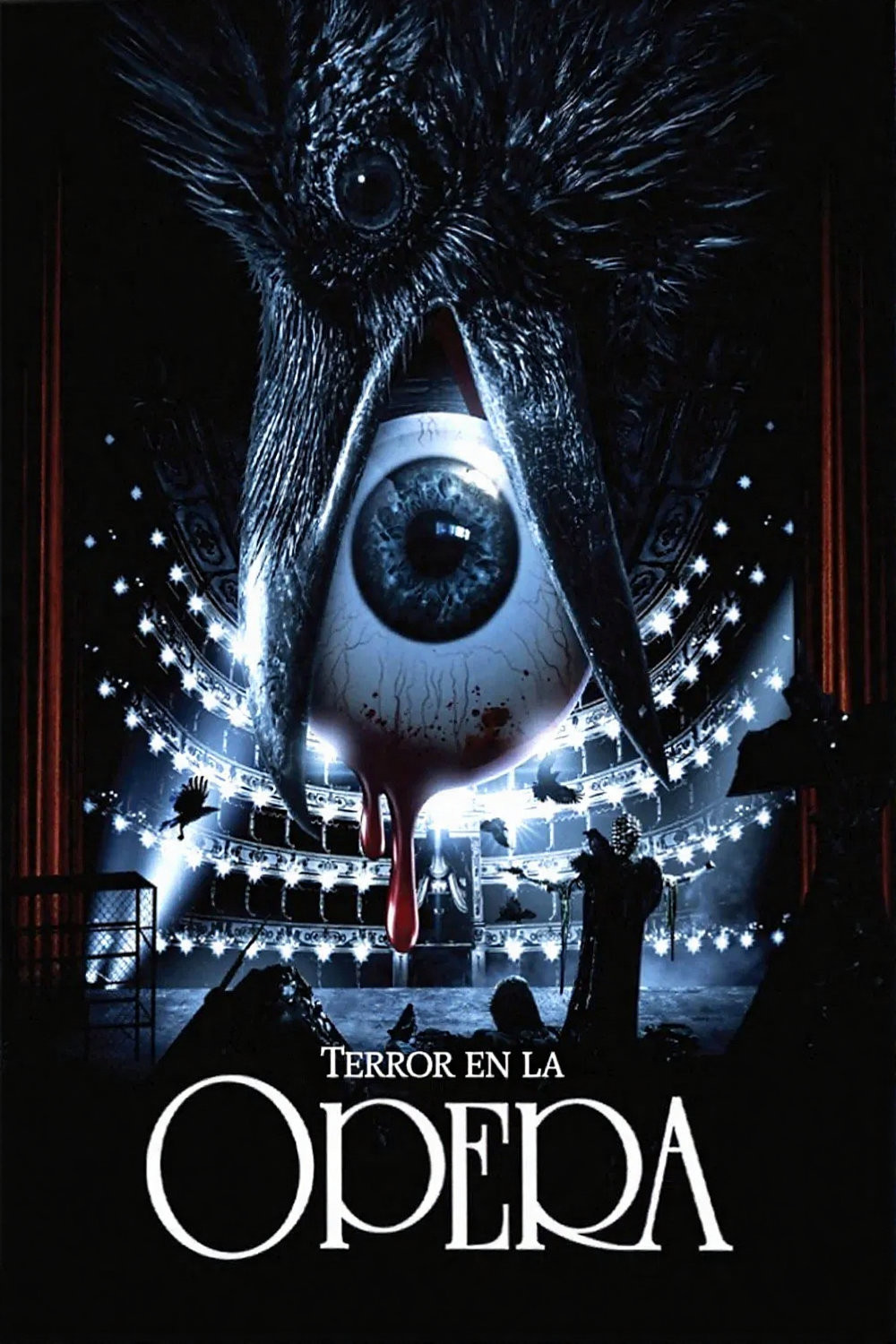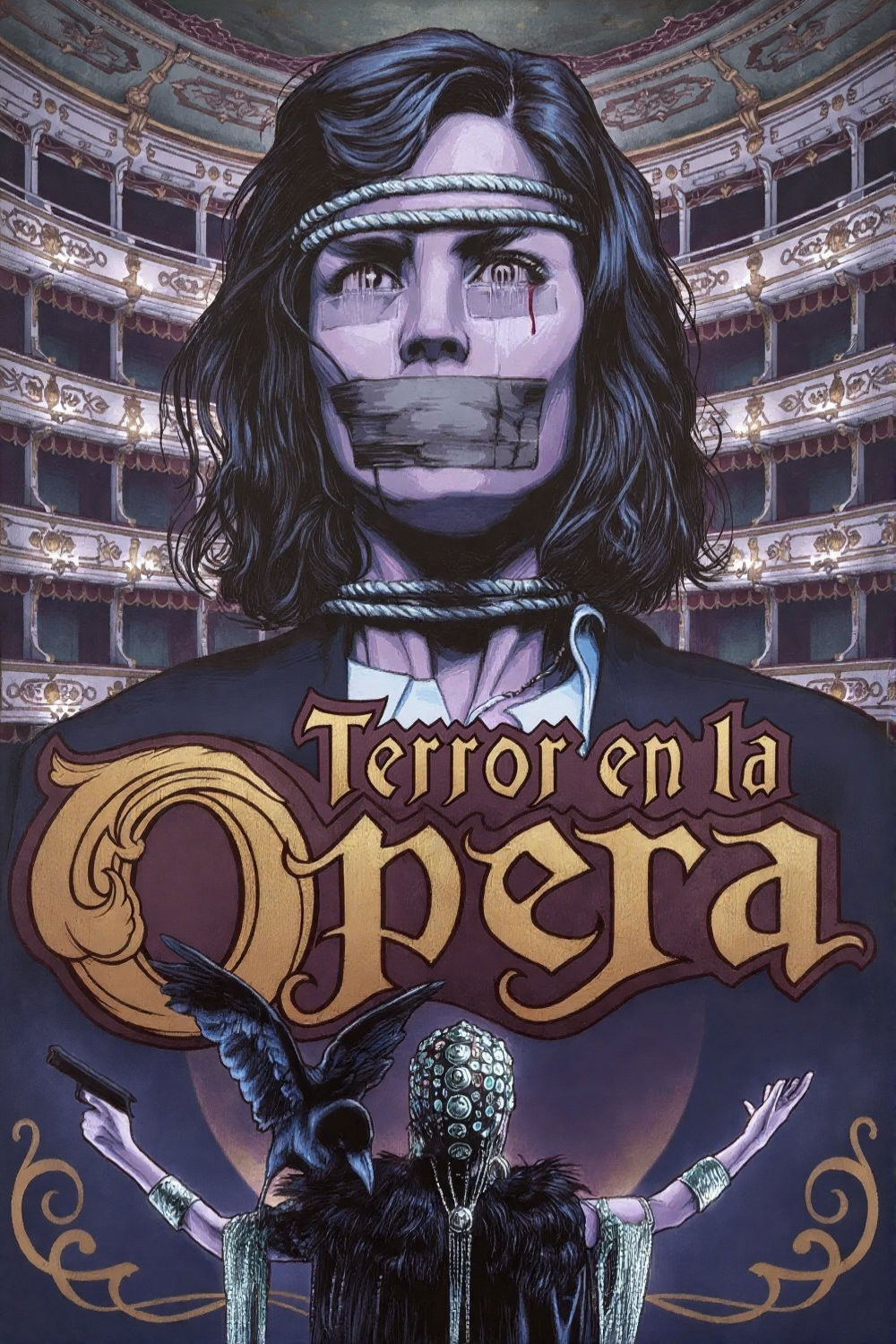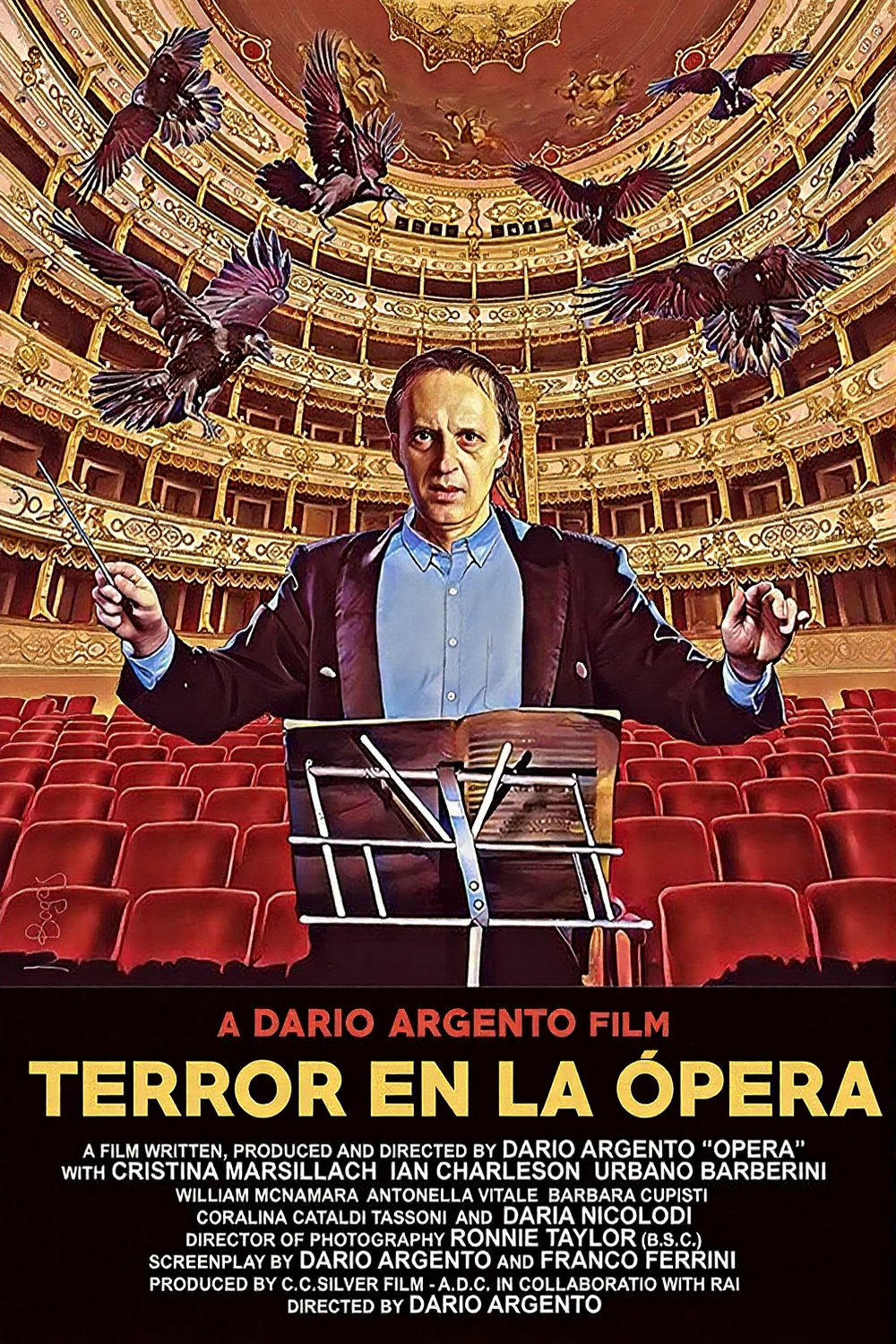
Opera (1987)

IT
Runtime
107 min
Release
December 19, 1987
Budget
$8,000,000
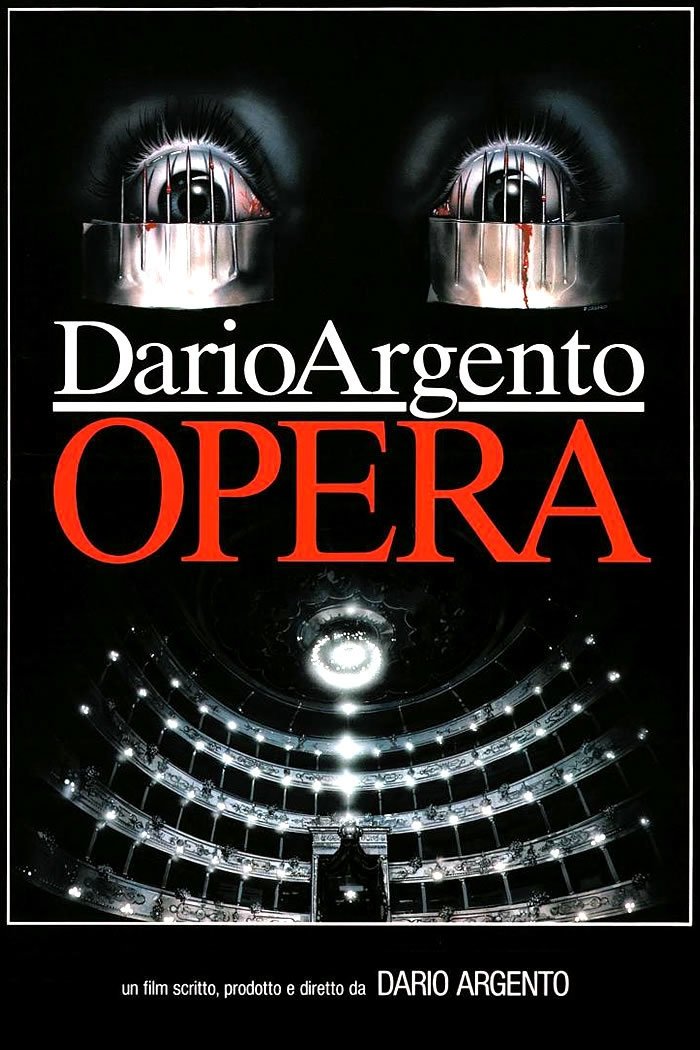
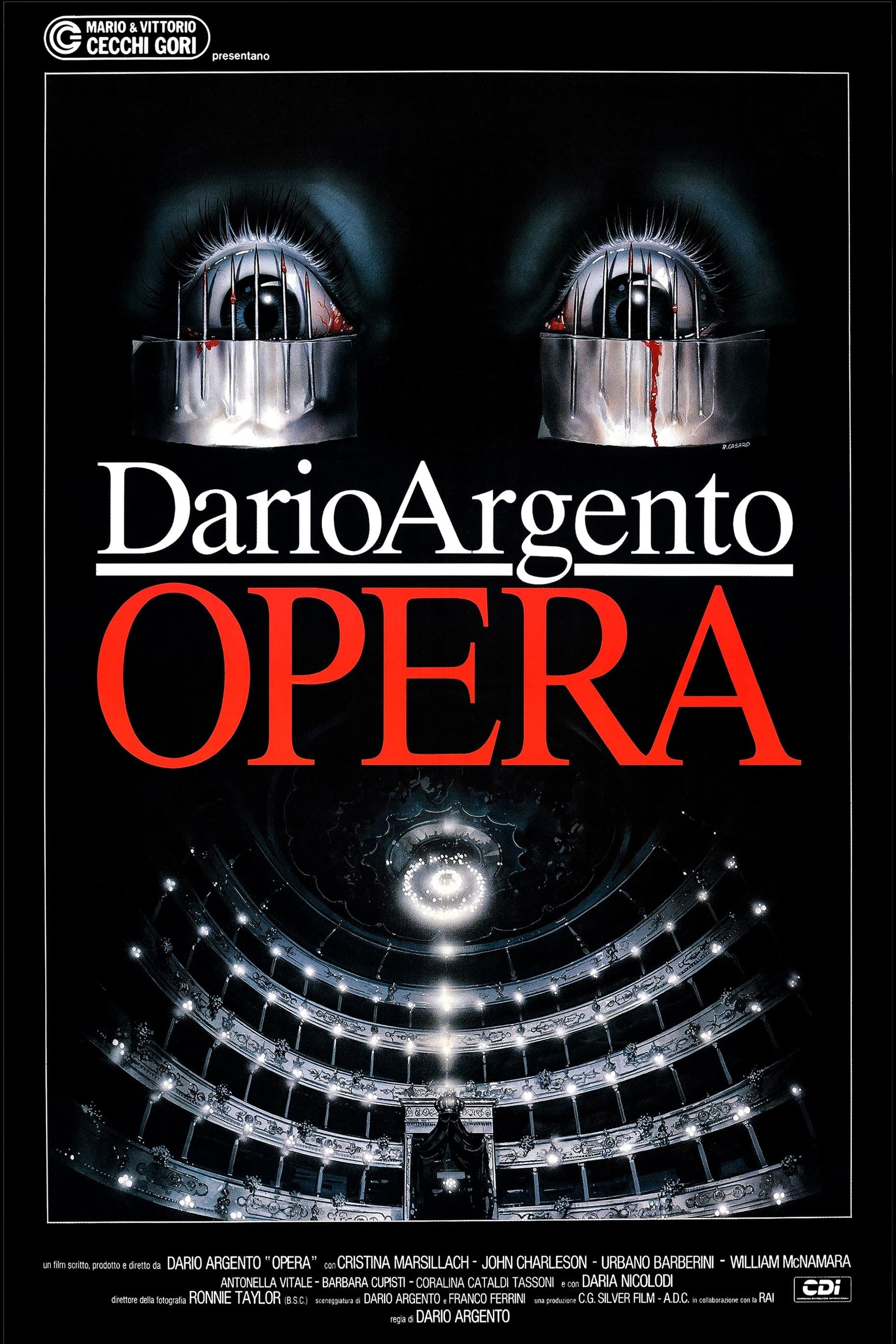
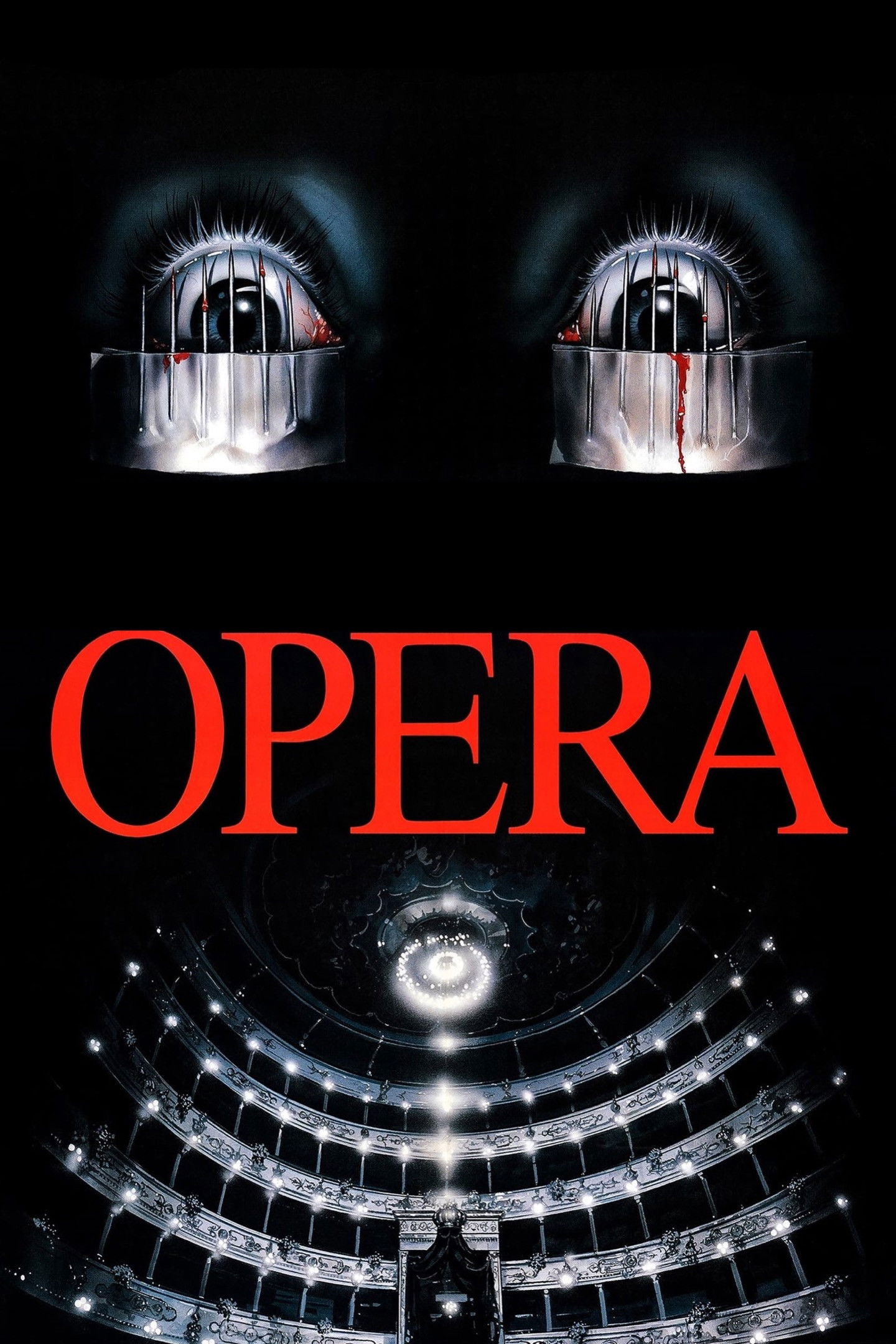
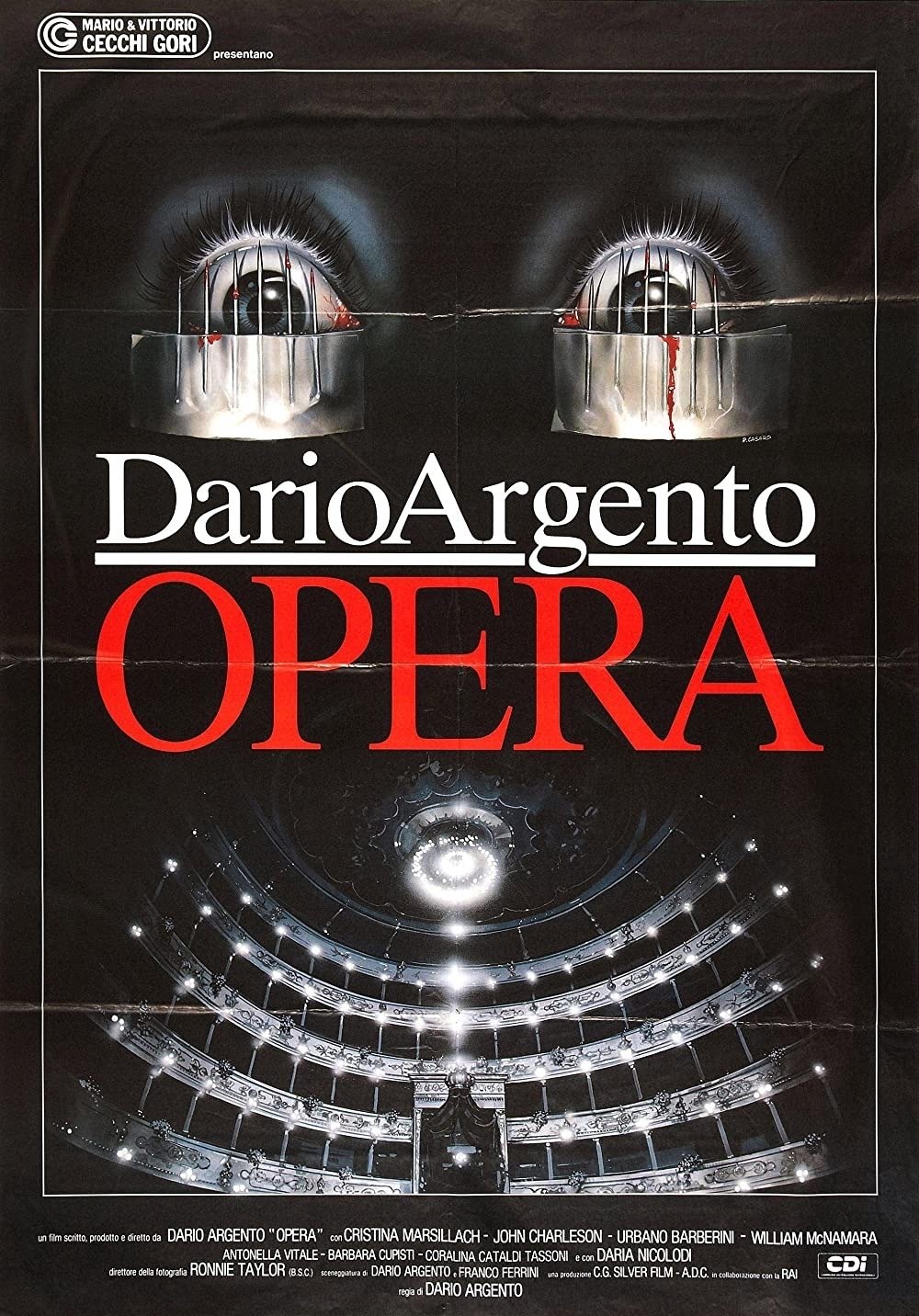
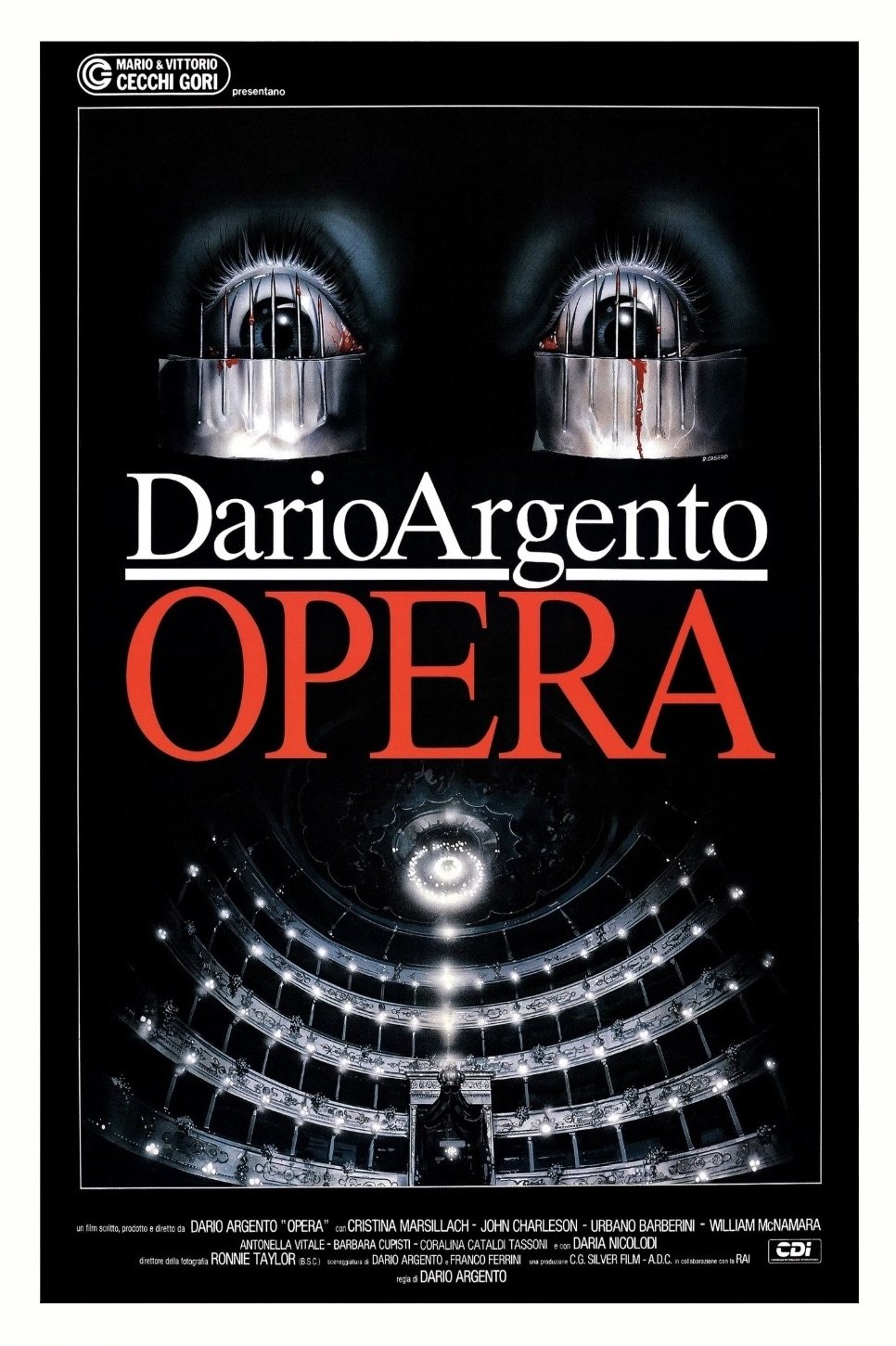
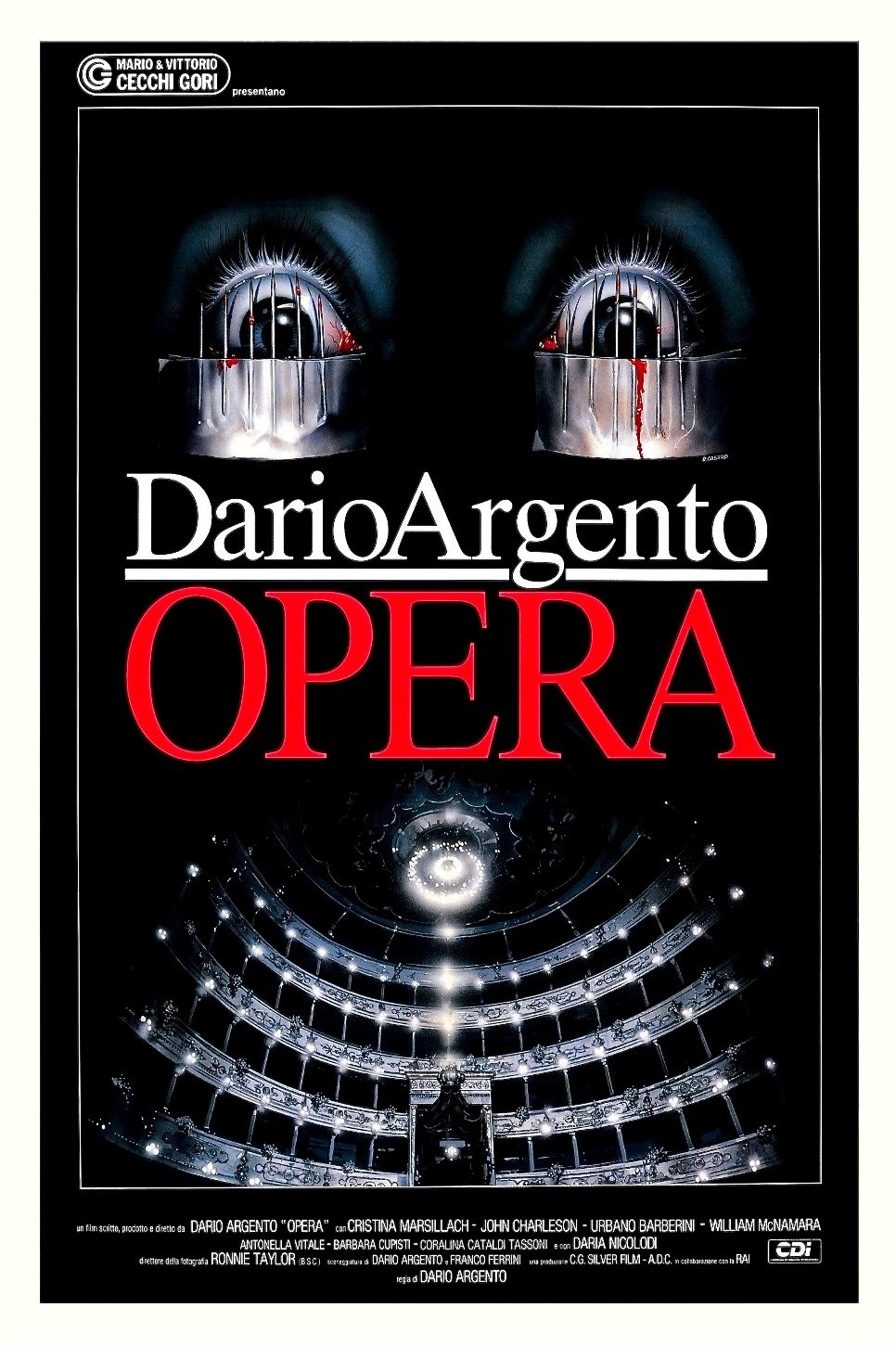
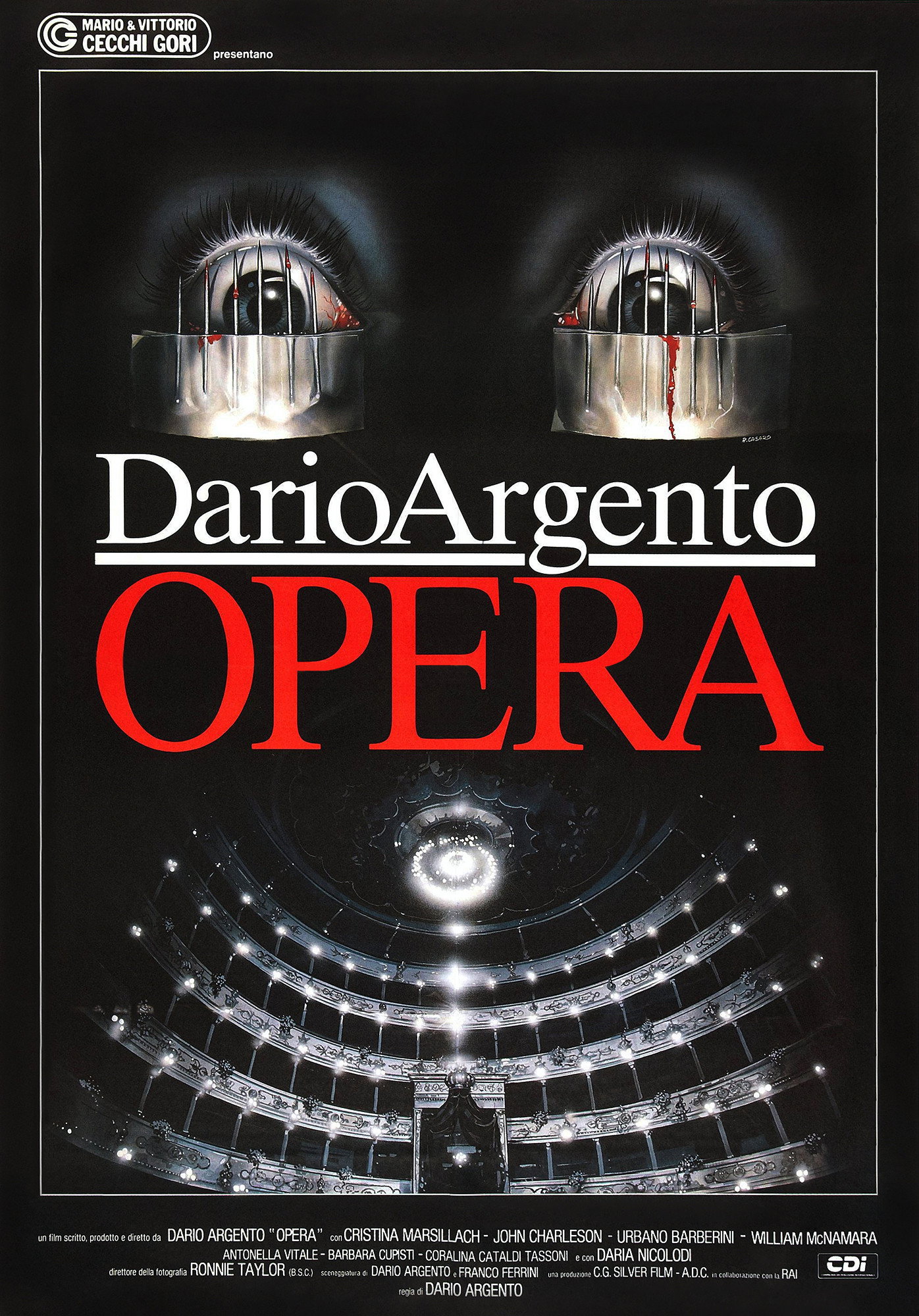
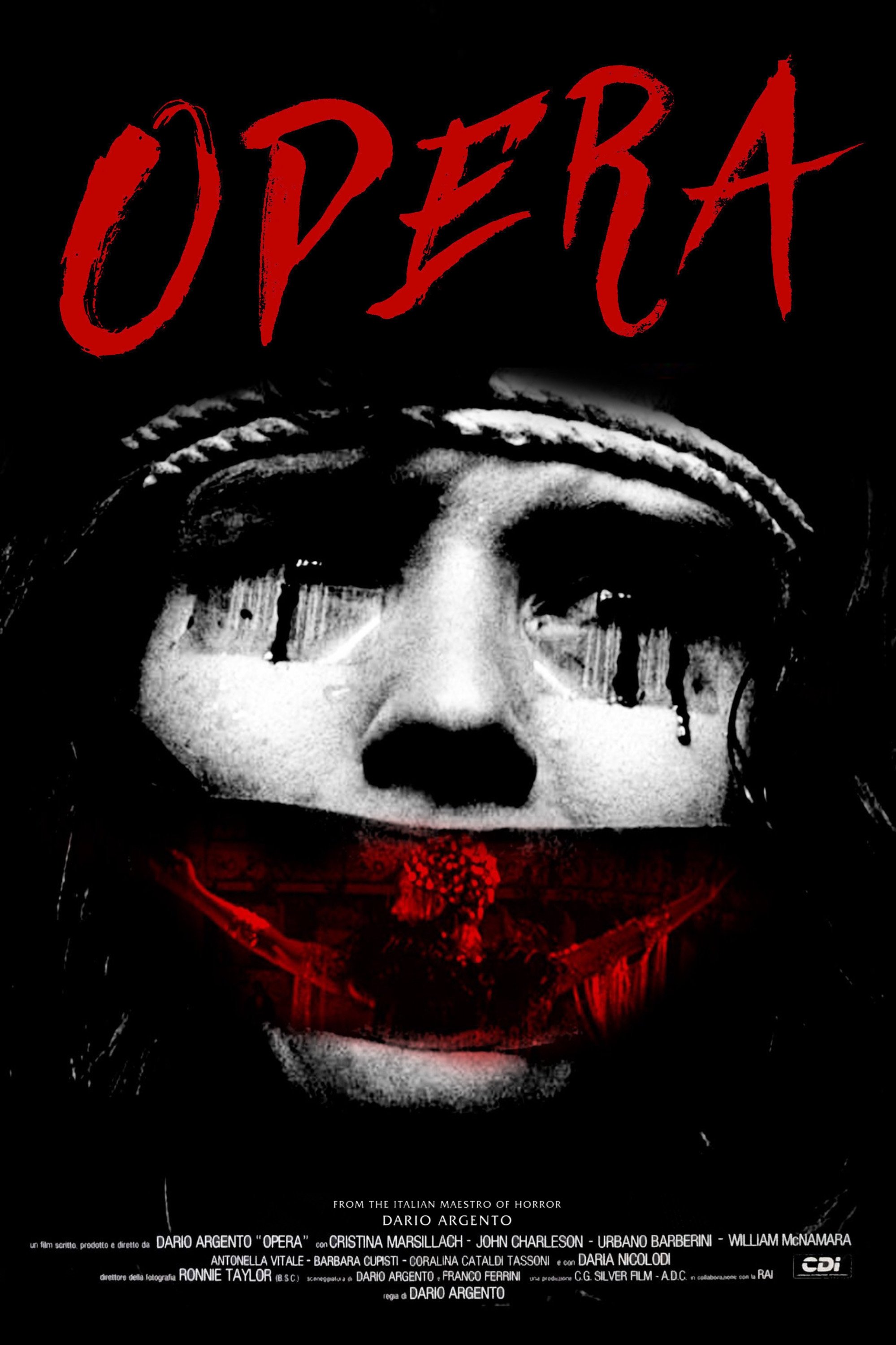
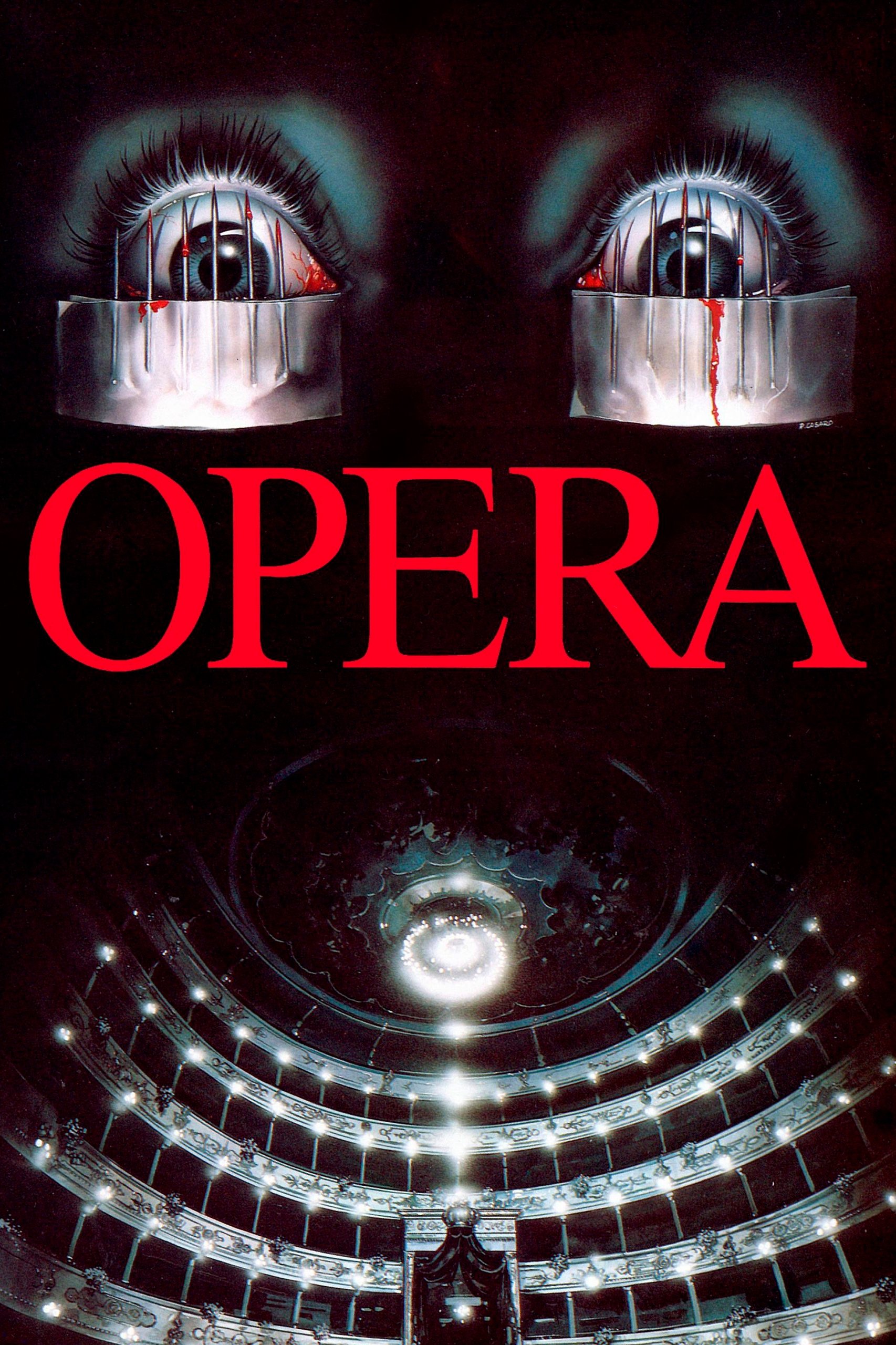
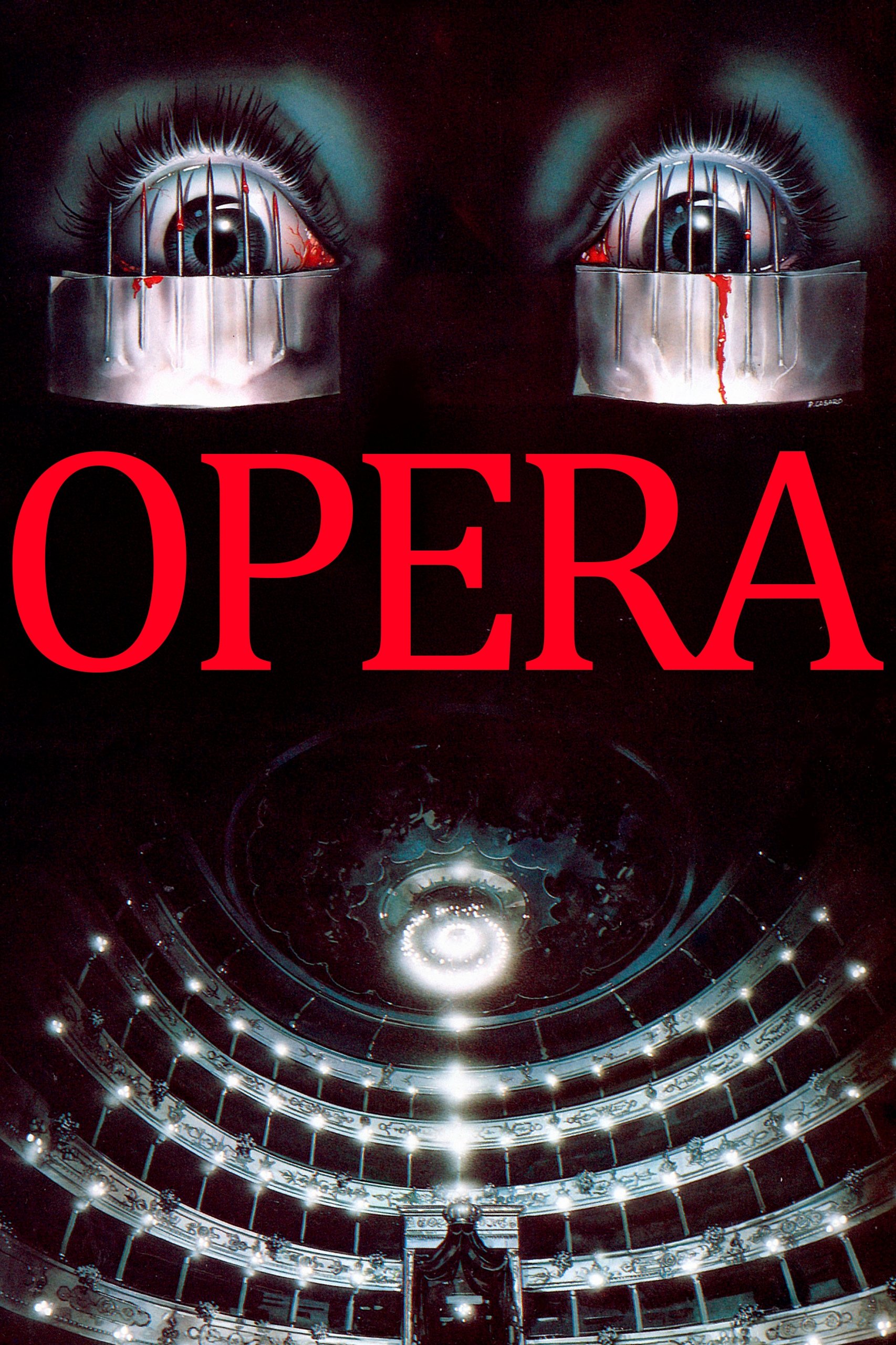
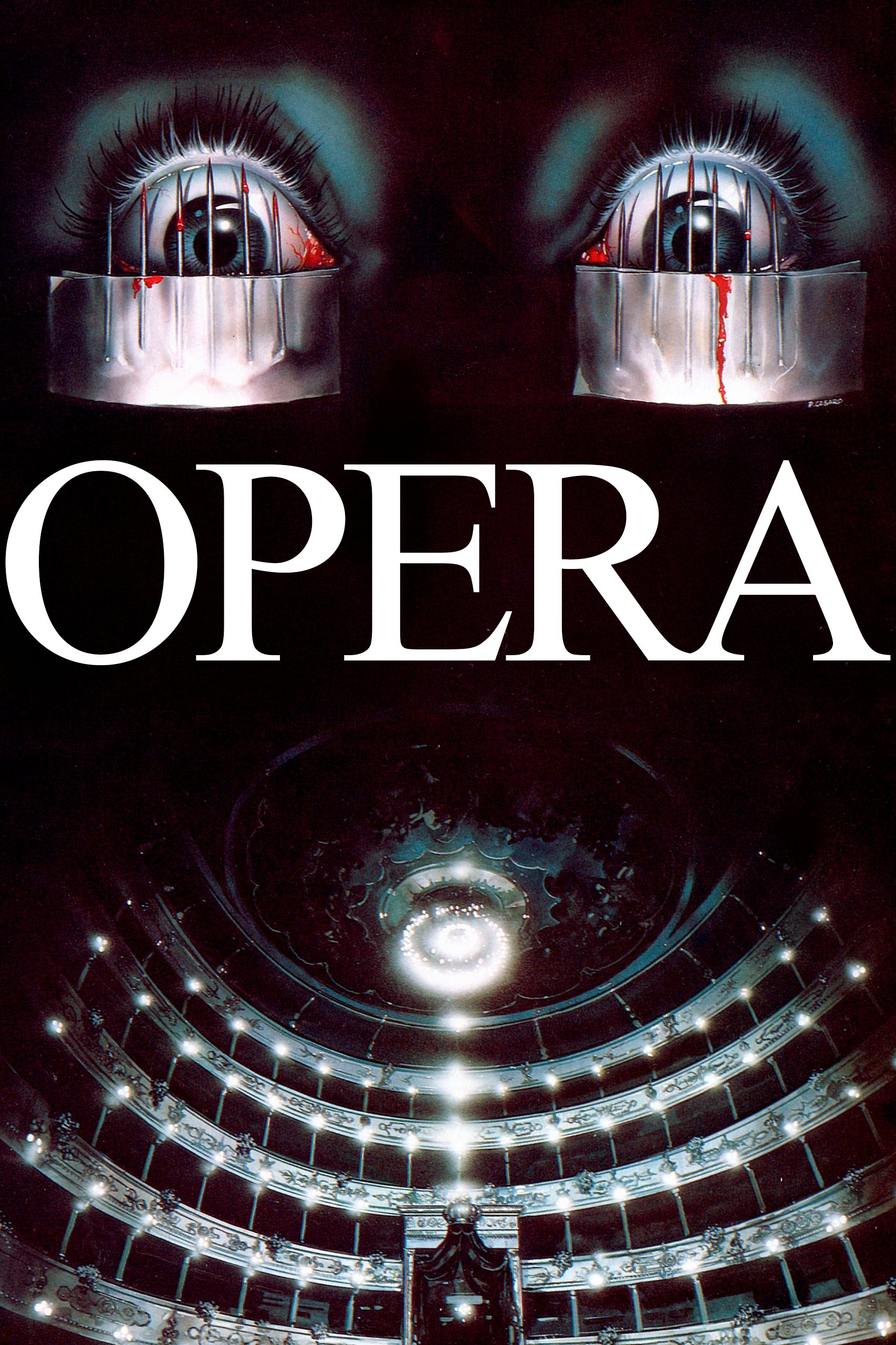
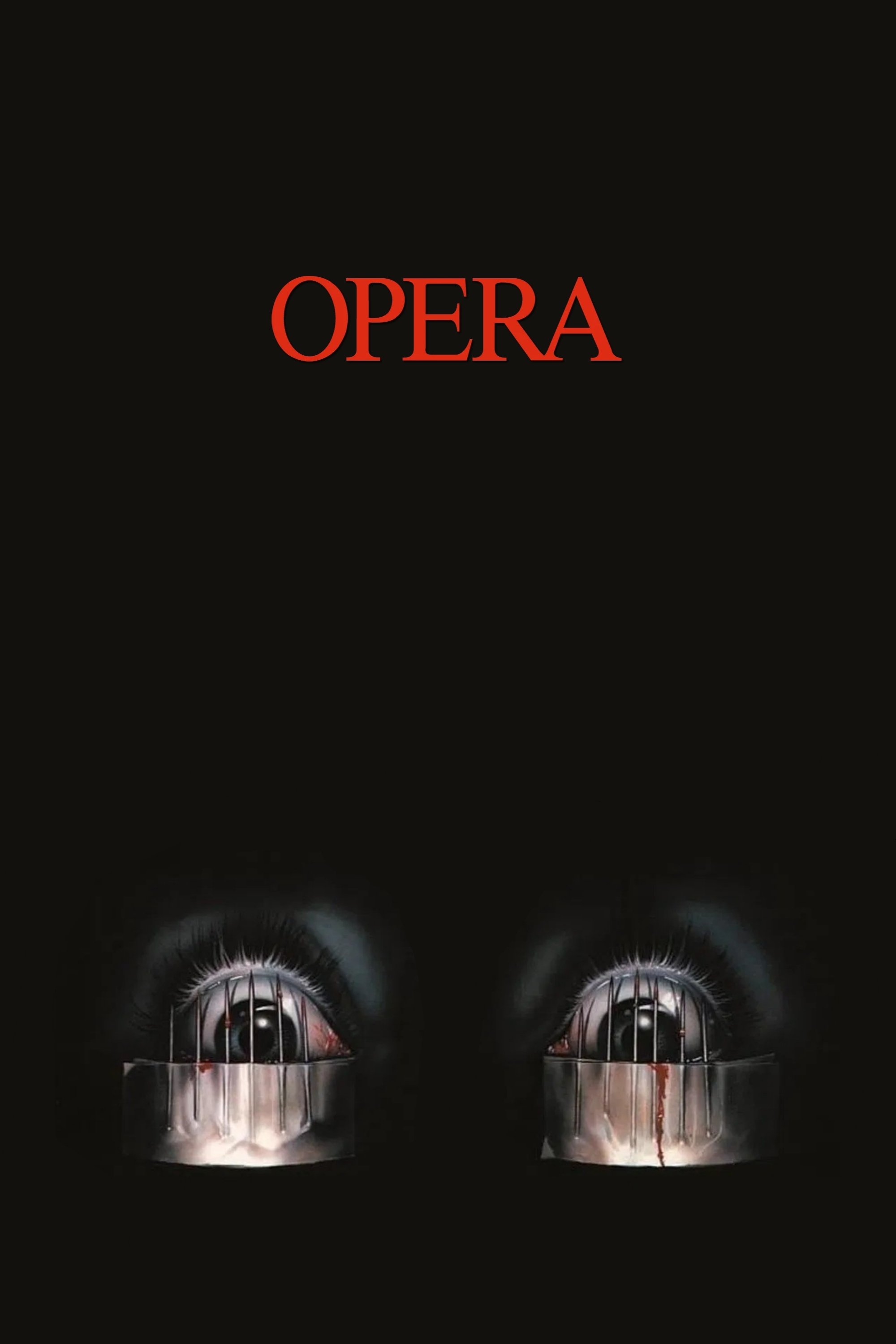
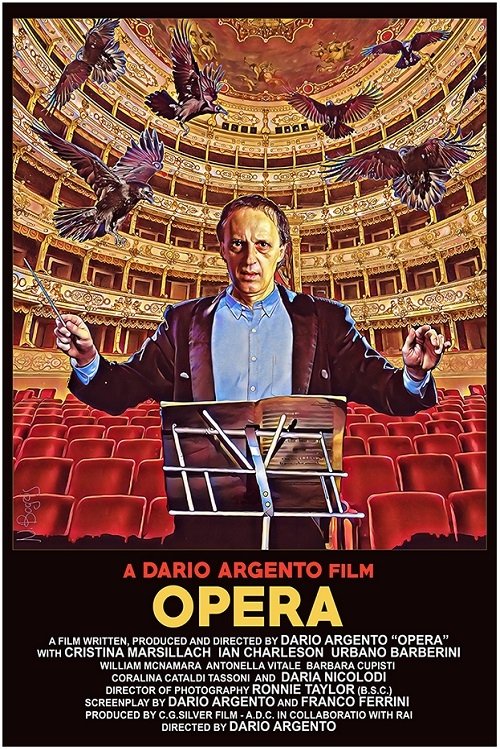
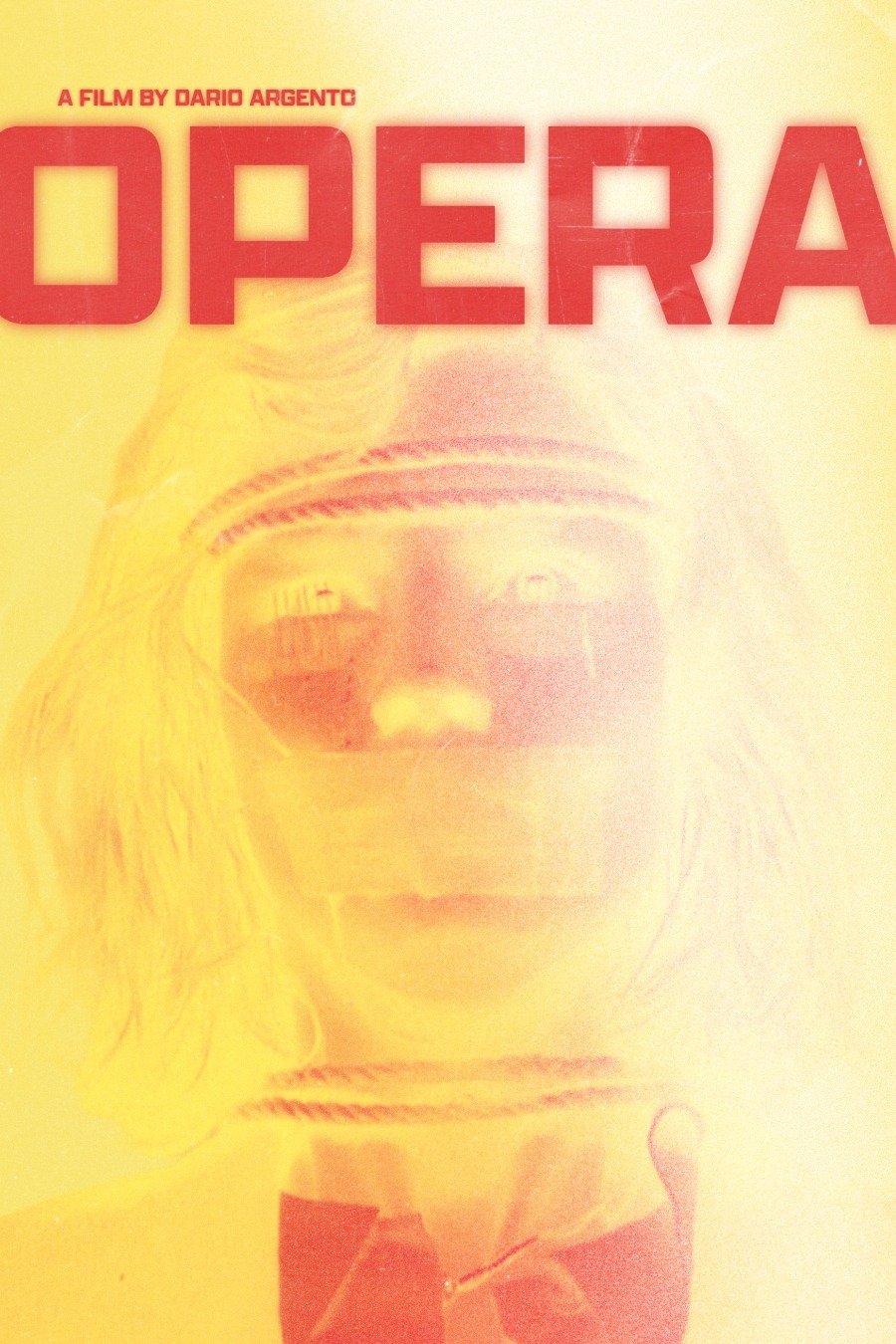
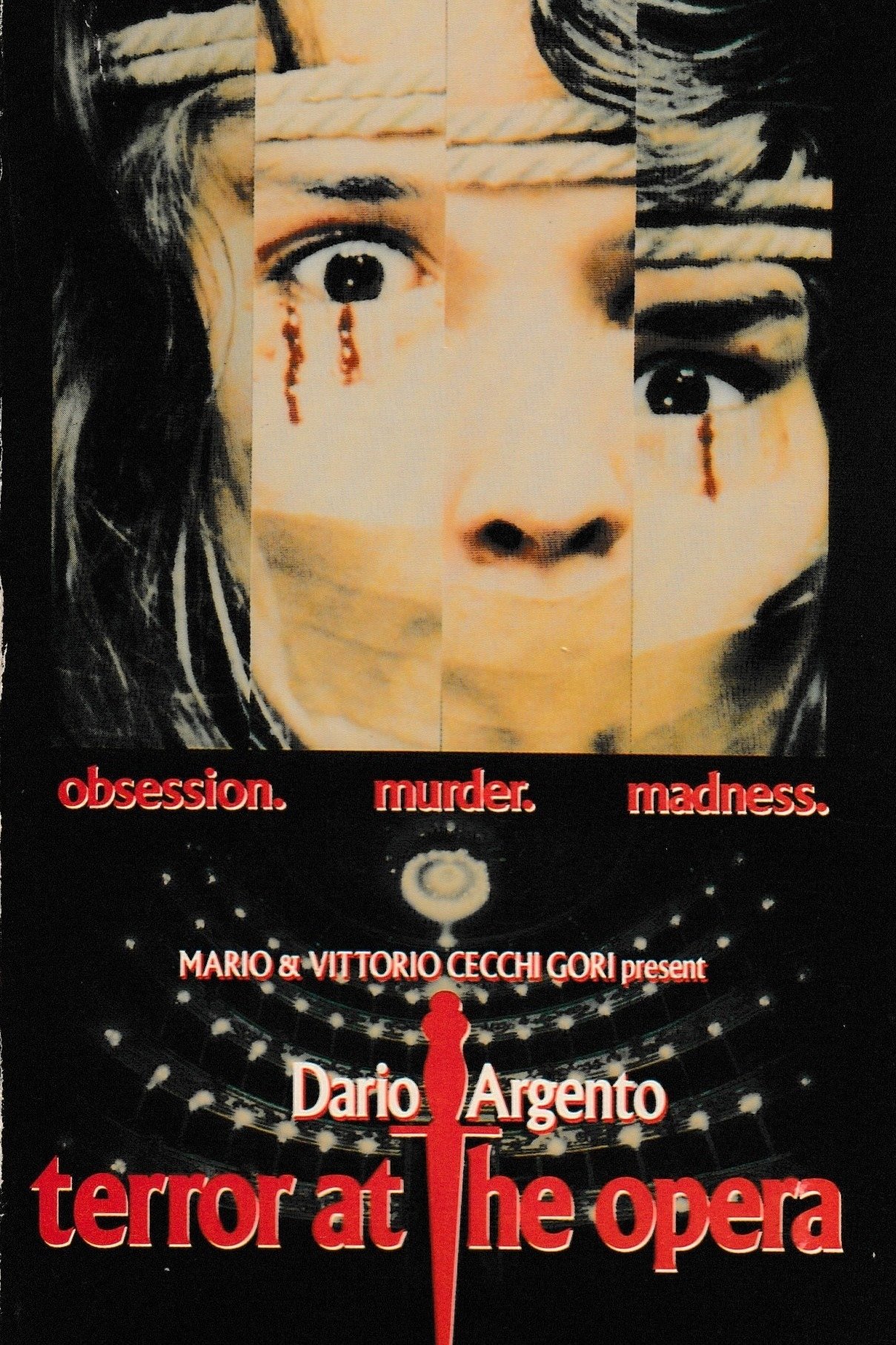
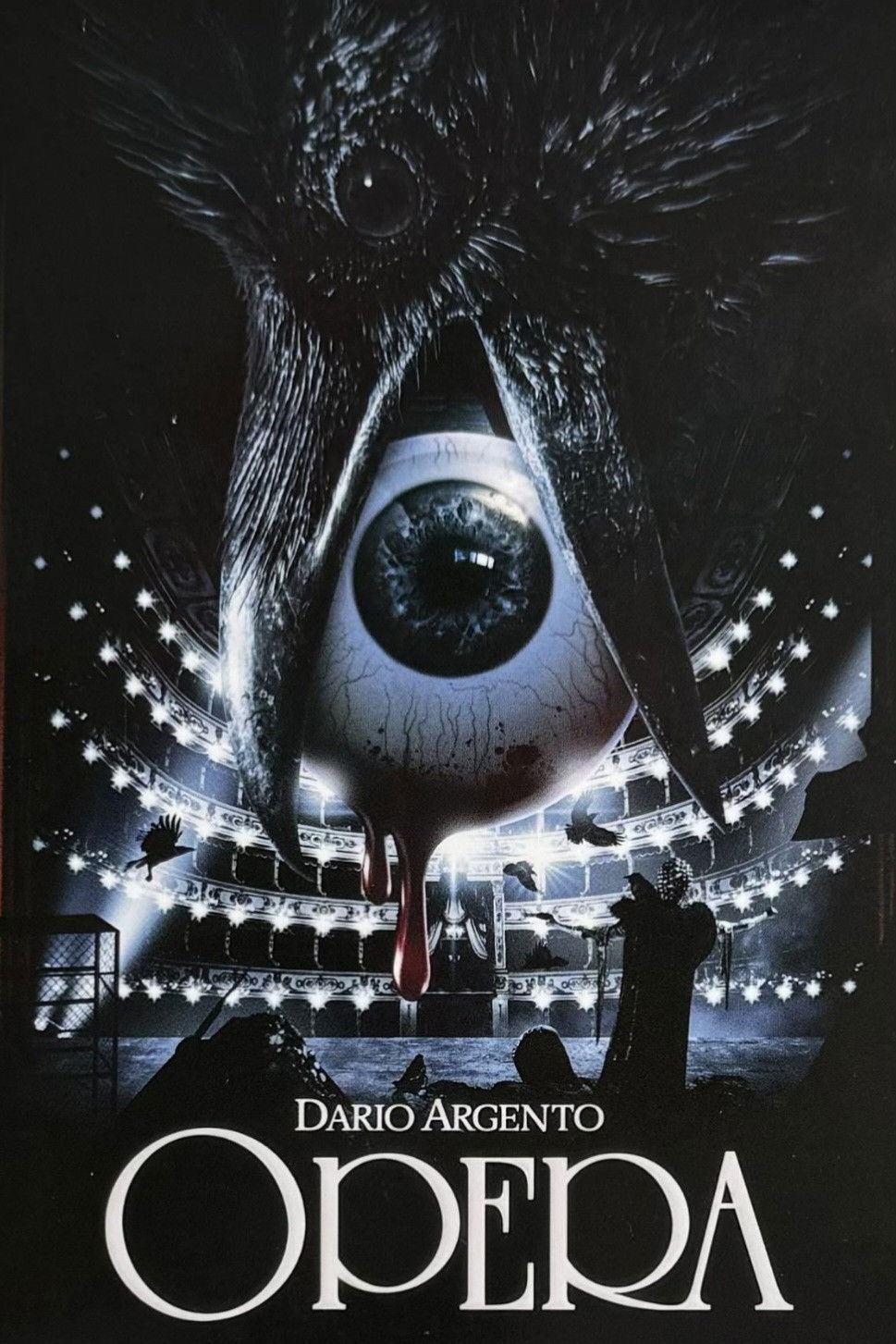
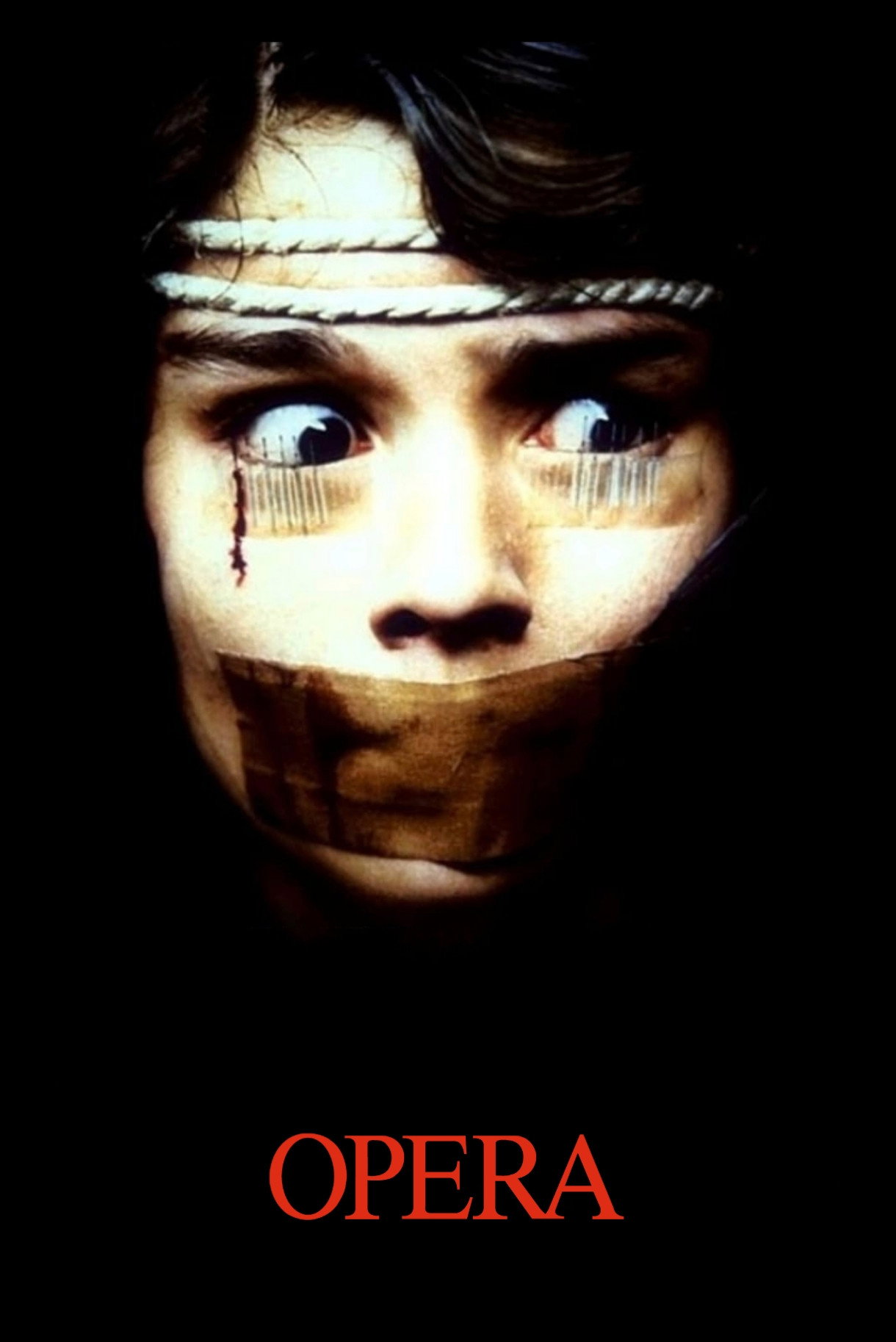
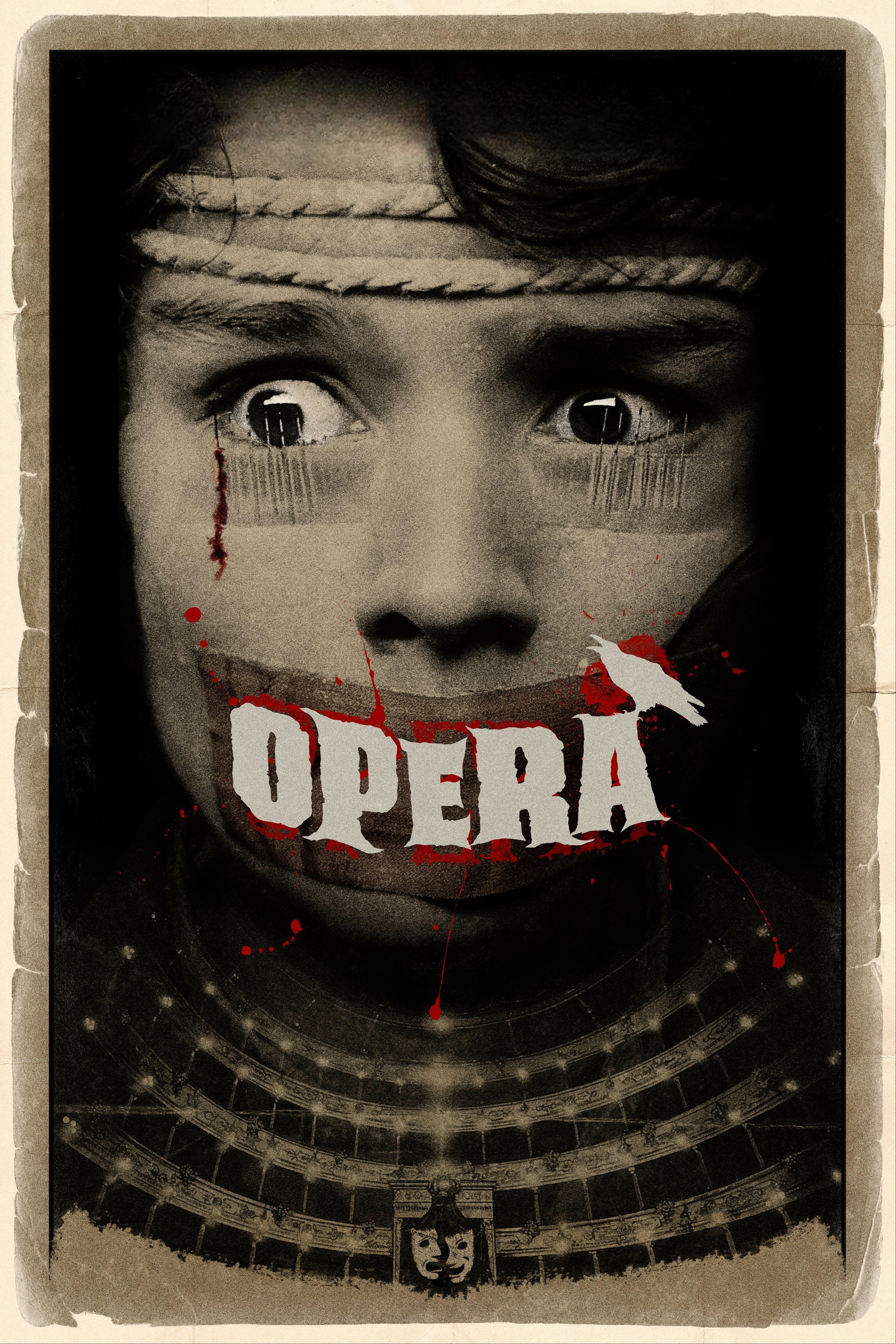
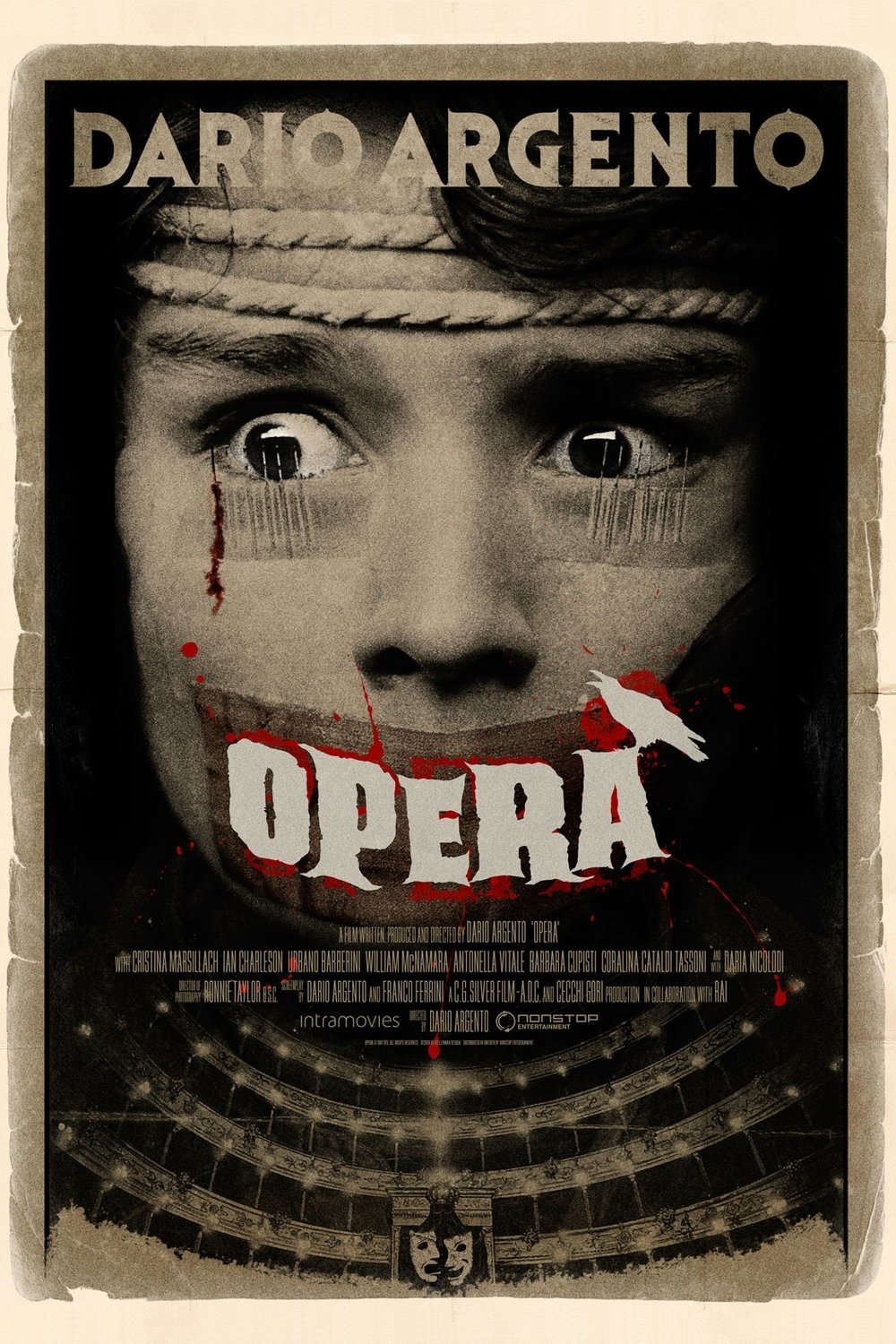
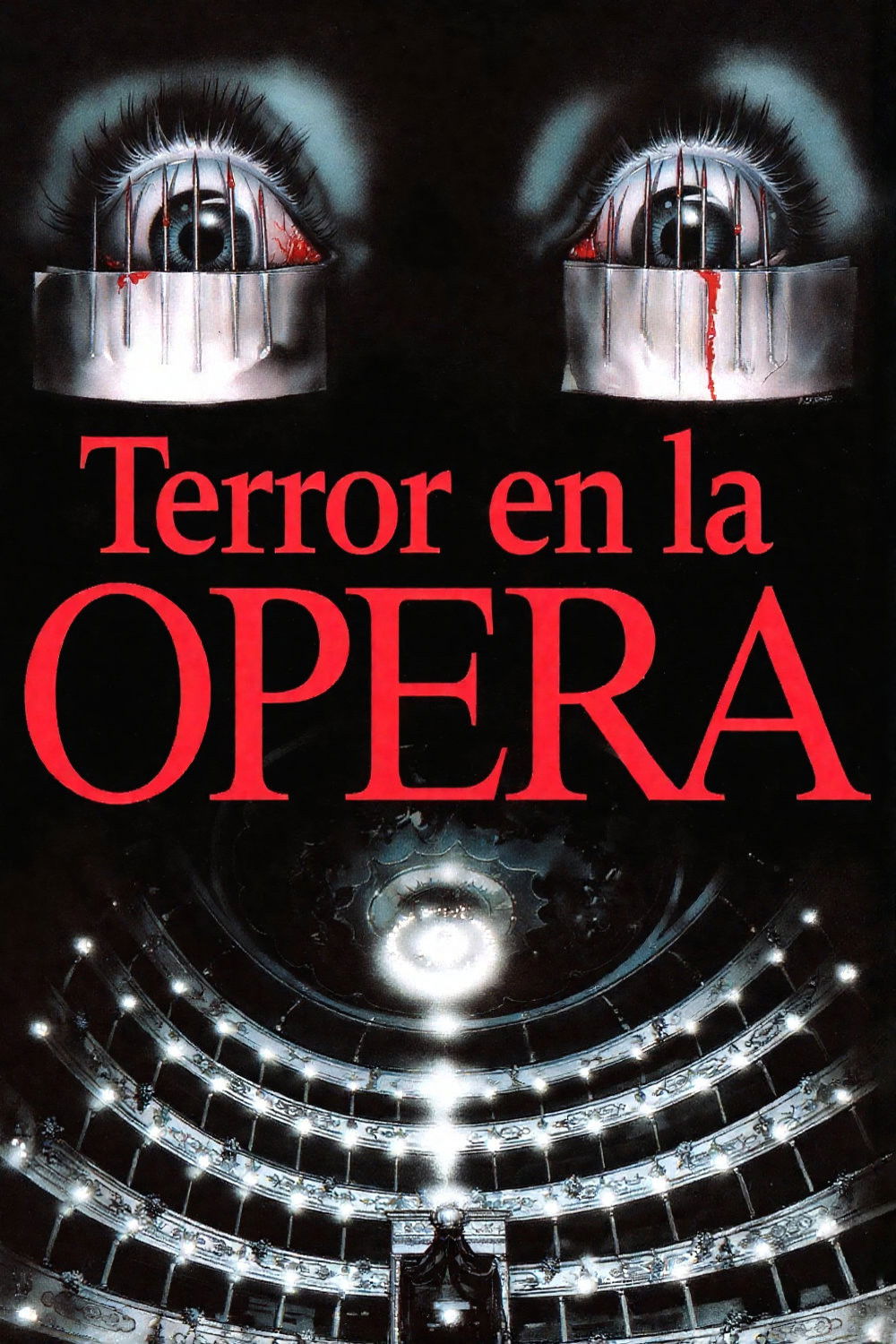
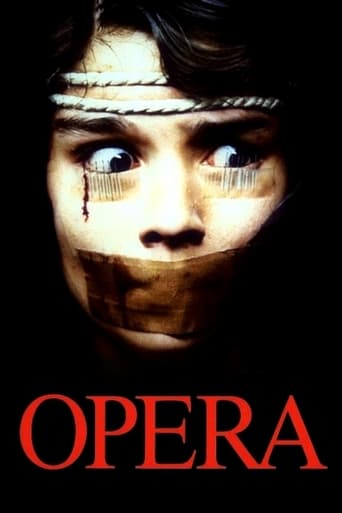
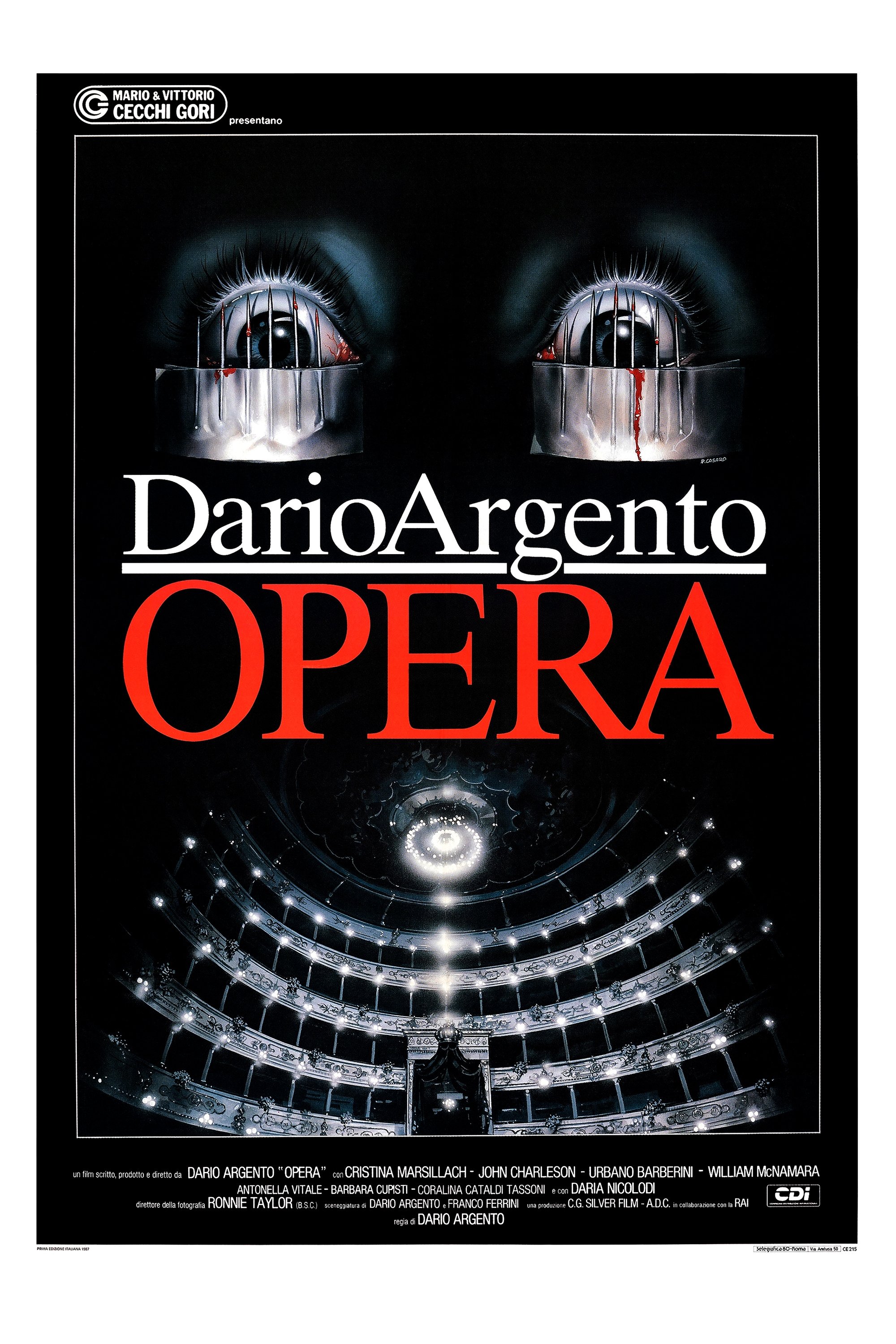
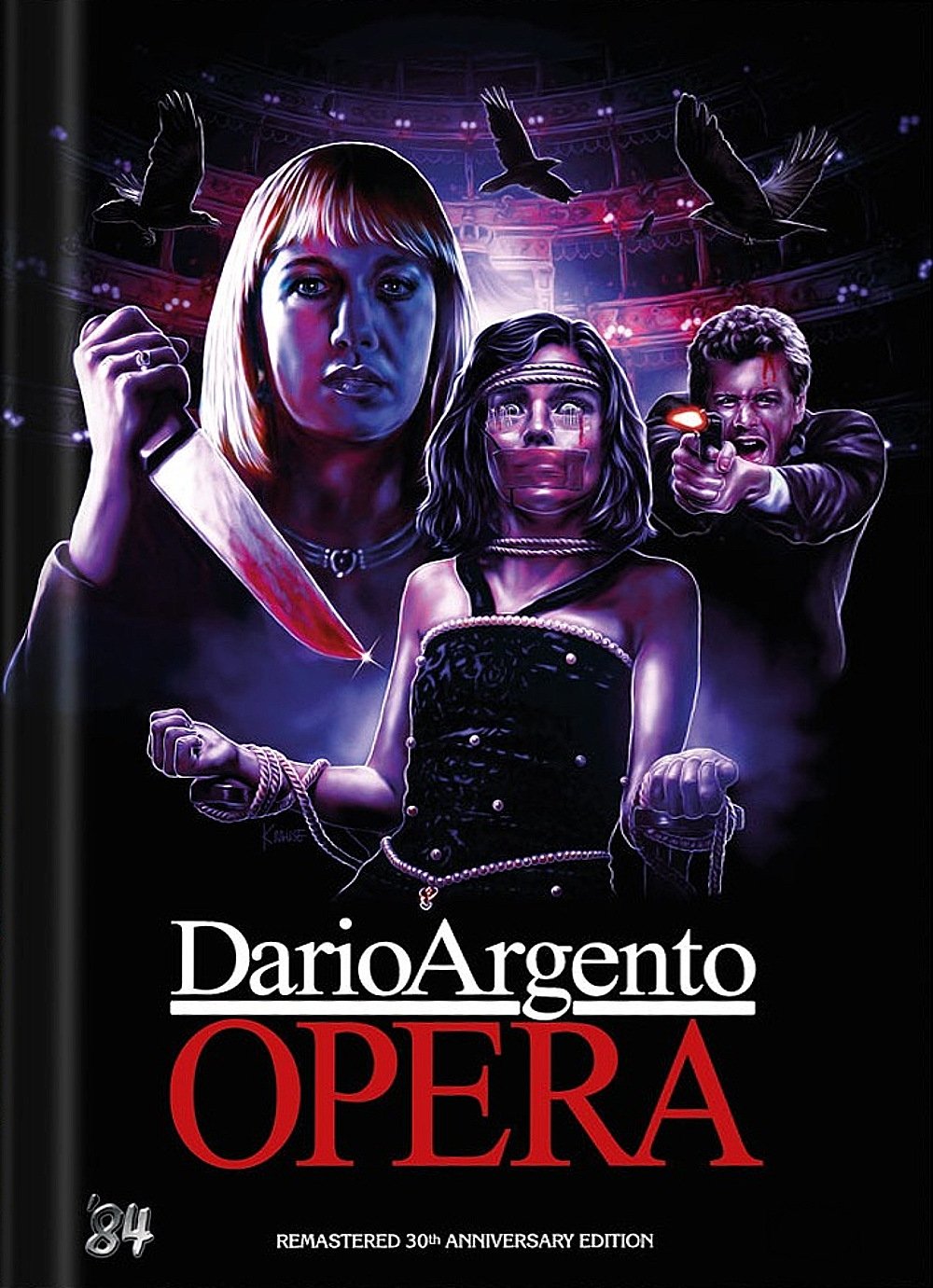
Opera (1987) poster
Director
Production Companies
ADC Films , Cecchi Gori Group Tiger Cinematografica , C.G. Silver Film
Plot

A young opera singer is stalked by a deranged fan bent on killing the people associated with her to claim her for himself.

Alternative Titles
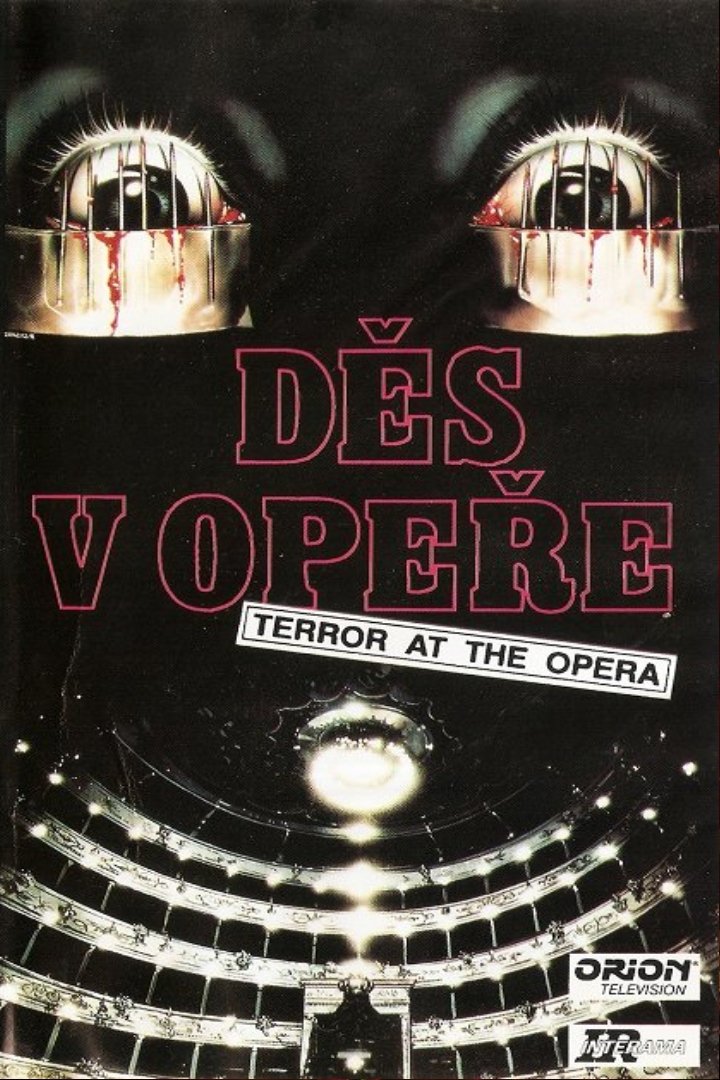
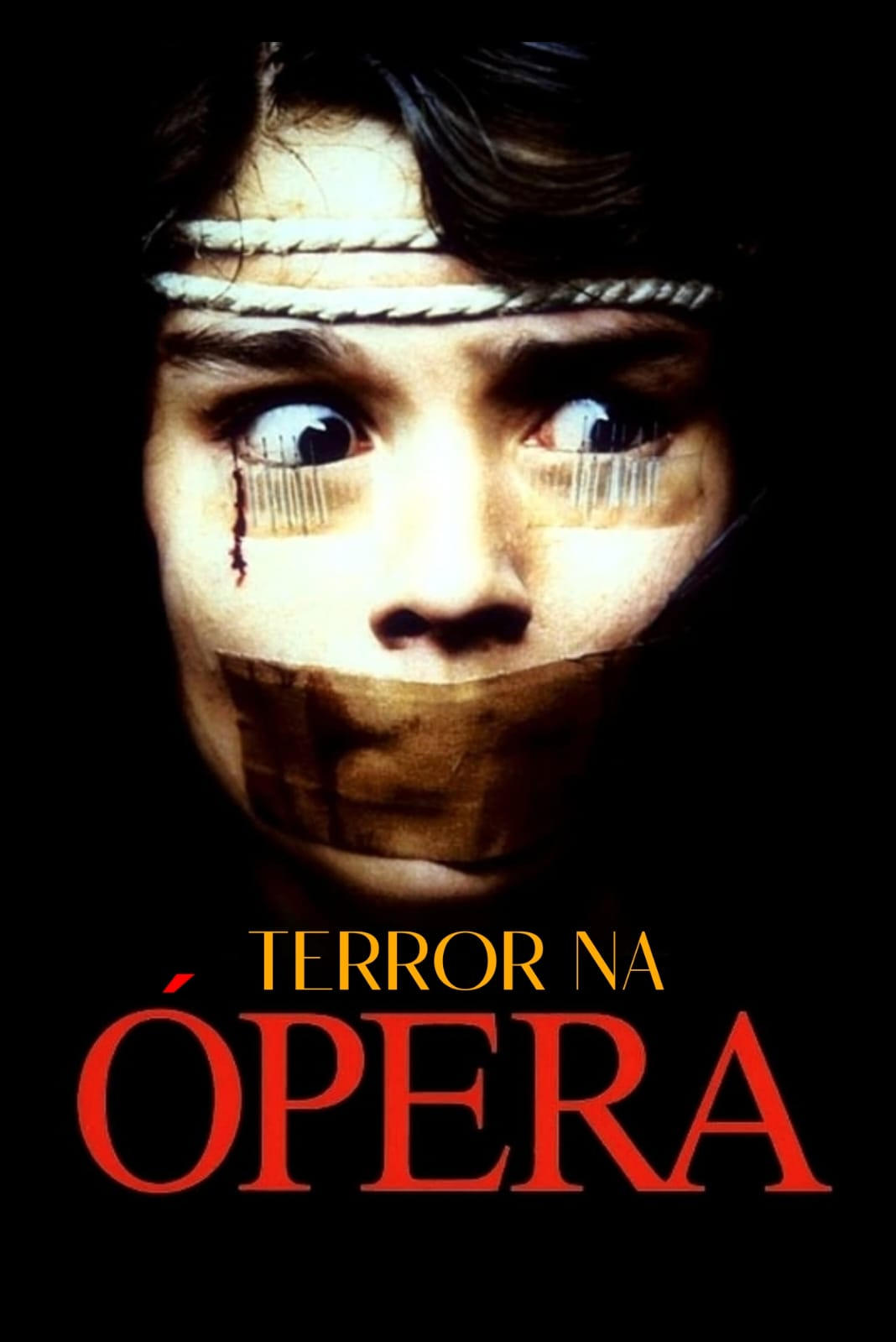
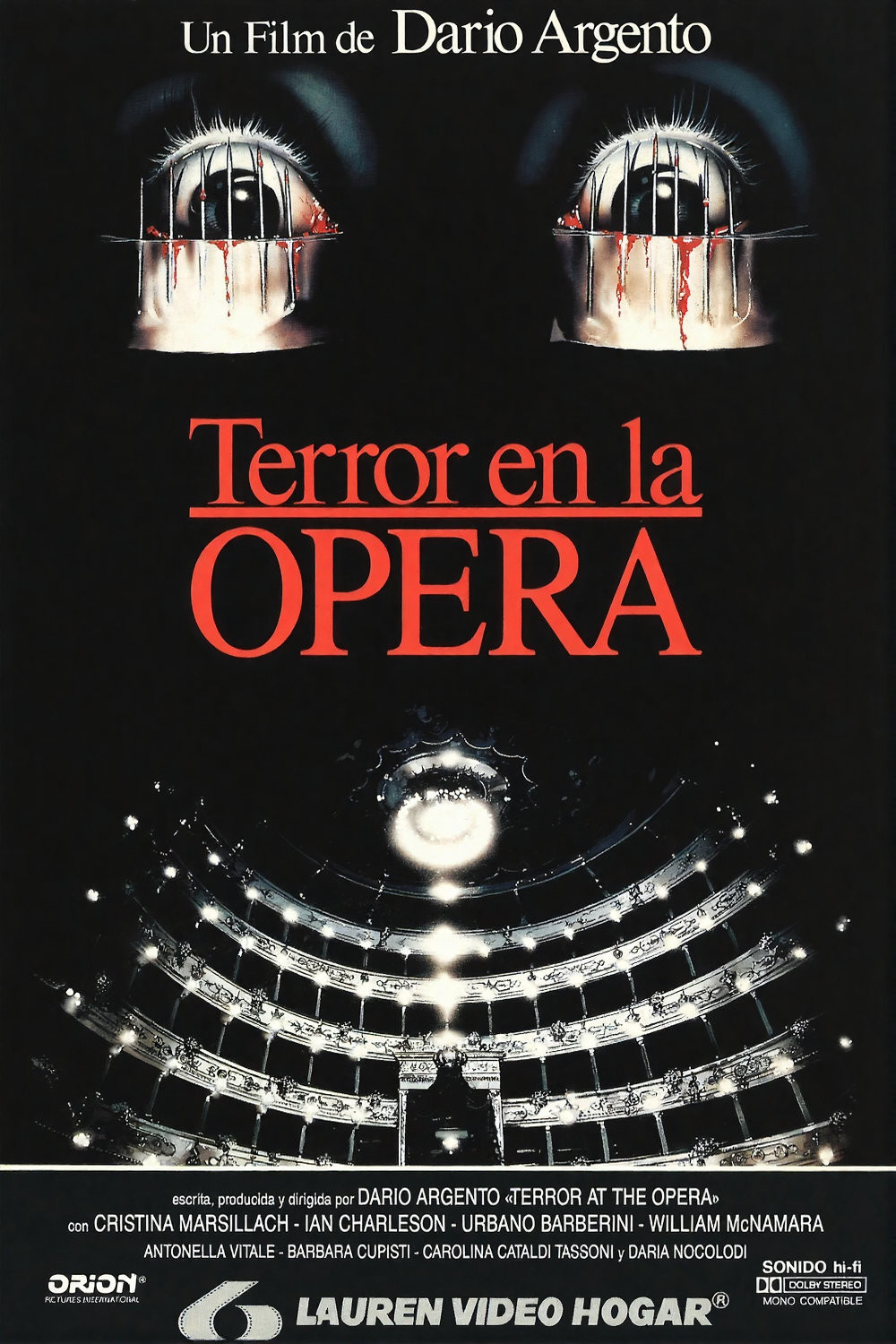
Опера (Bulgaria) Terror na Ópera (Brazil) — Portuguese 恐怖歌剧 (China) — Chinese Děs v opeře (Czechia) — Czech Im Zeichen des Raben (Germany) — Television Title Terror in der Oper (Germany) — German Ópera (Spain) Terror en la ópera (Spain) — VHS Title
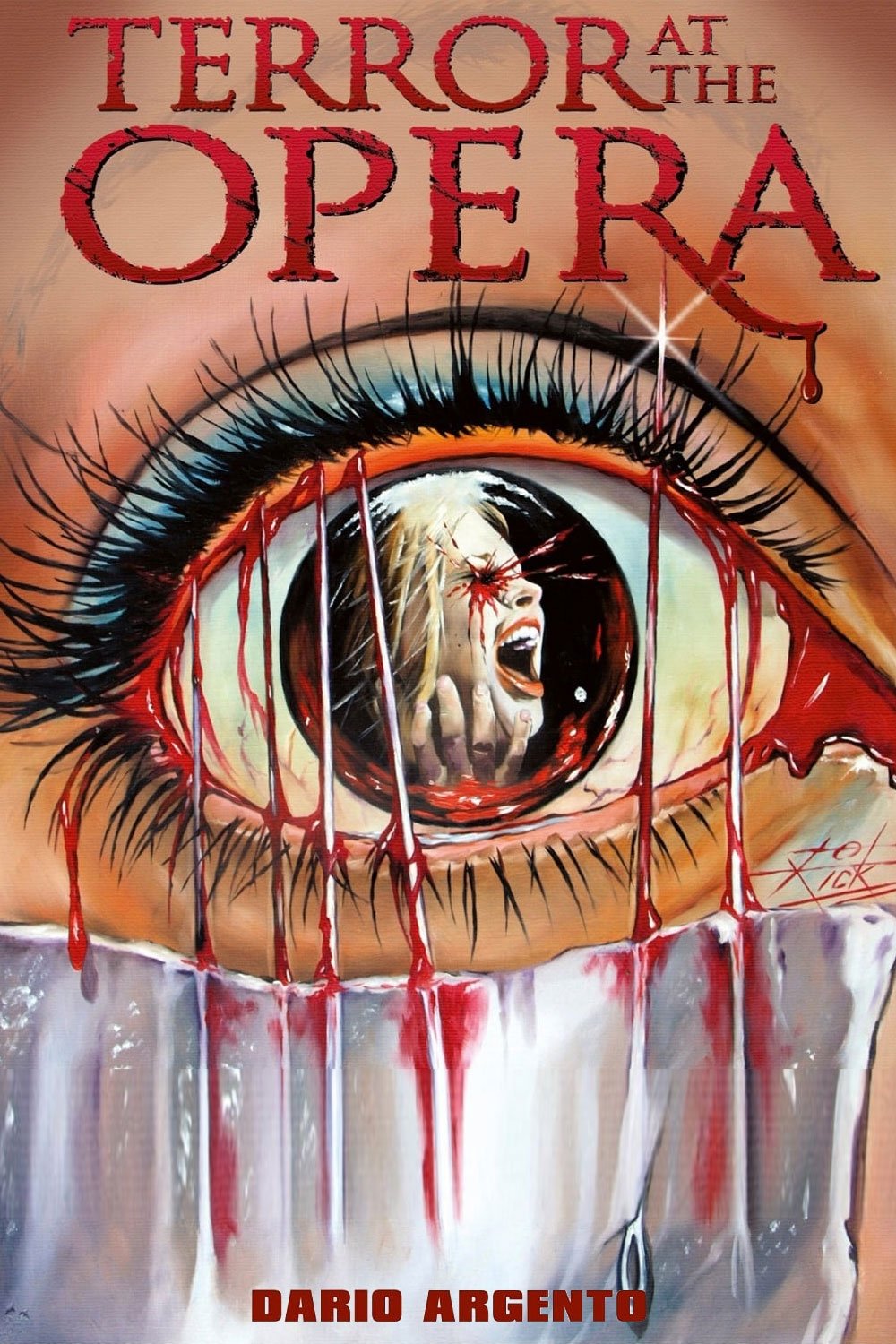
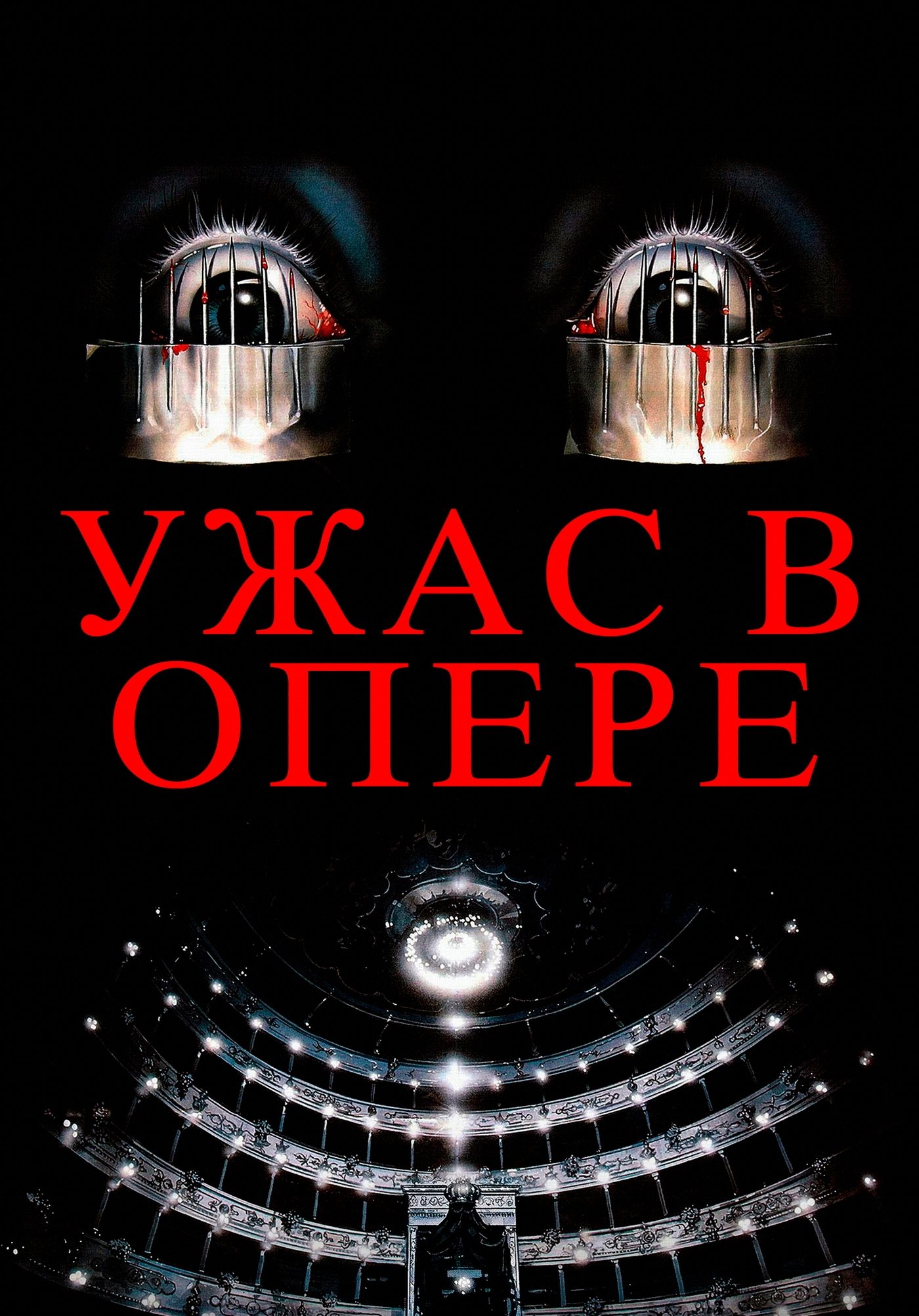
Show all 24 alternative titles Opéra (France) Terreur à l'opéra (France) — French Η όπερα του τρόμου (Greece) — DVD title Τρόμος στην όπερα (Greece) 恐怖歌劇 (Hong Kong SAR China) — Chinese אופרה (Israel) — Hebrew オペラ座 血の喝采 (Japan) — Japanese オペラ座・血の喝采 (Japan) オペラ座/血の喝采 (Japan) 의혹의 침입자 (South Korea) — Korean Terror en la ópera (Mexico) Terror na Ópera (Portugal) — Portuguese Ужас в опере (Russia) — Russian 恐怖歌劇 (Taiwan) — Chinese Terror at the Opera (United States) — alternative title Opêra (Vietnam)

Trailers & Videos

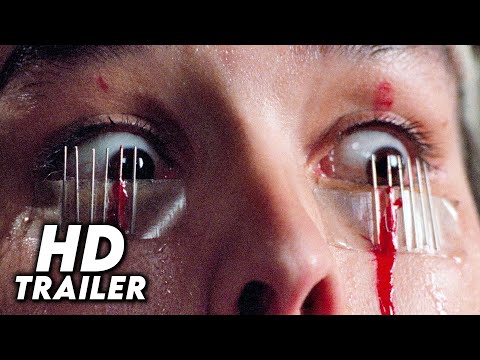
2 videos

Film Guide

Dario Argento’s operatic giallo, from its abandoned theatrical origins and virtuoso camerawork to its animatronic ravens, violent spectacle and complicated international versions.

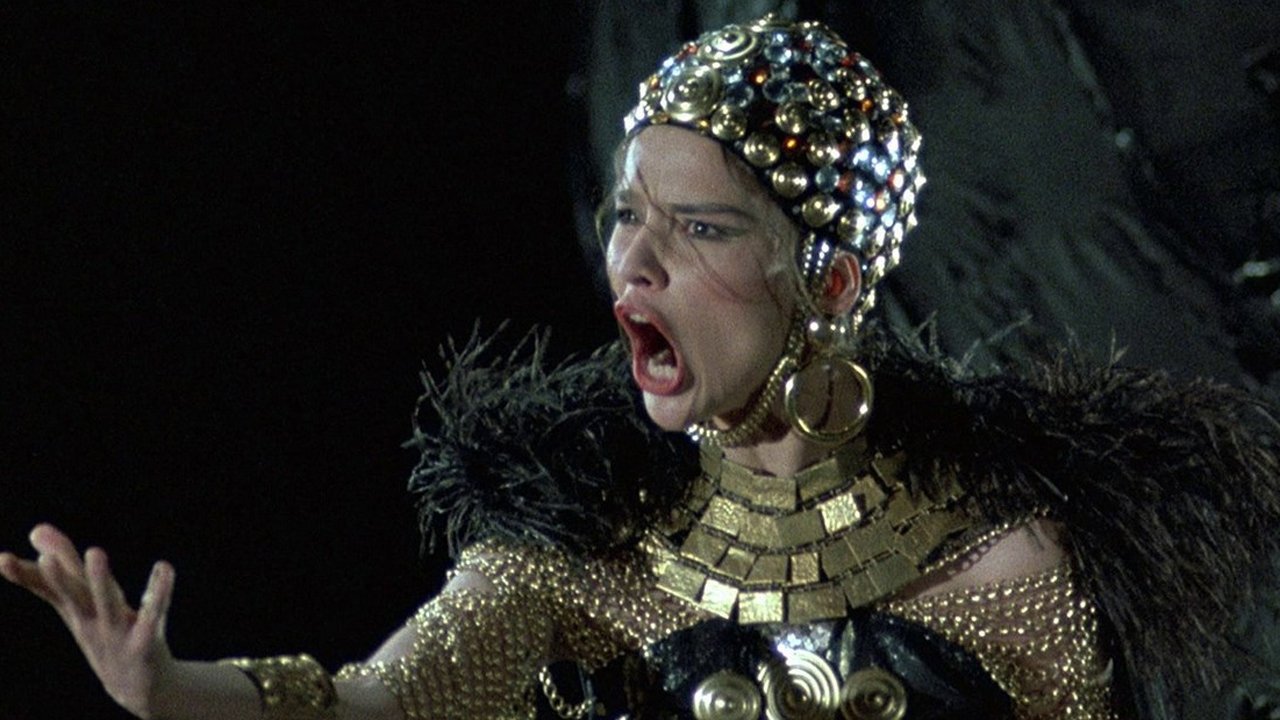
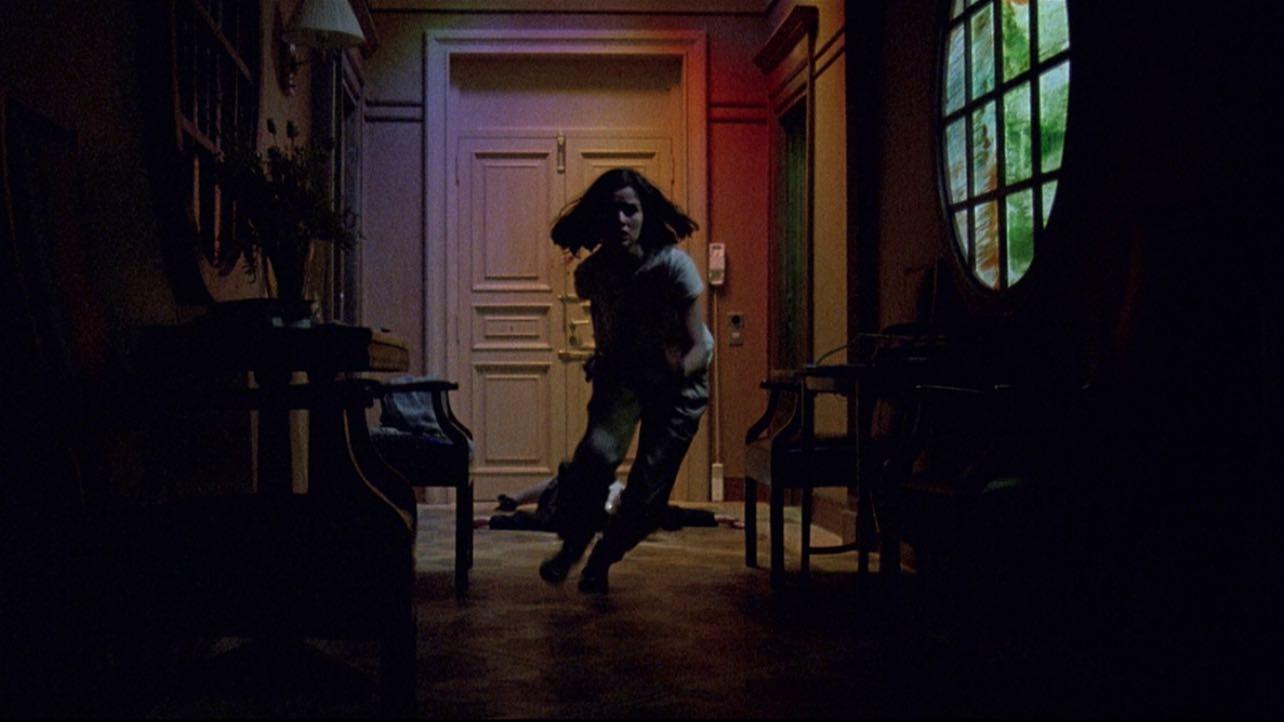
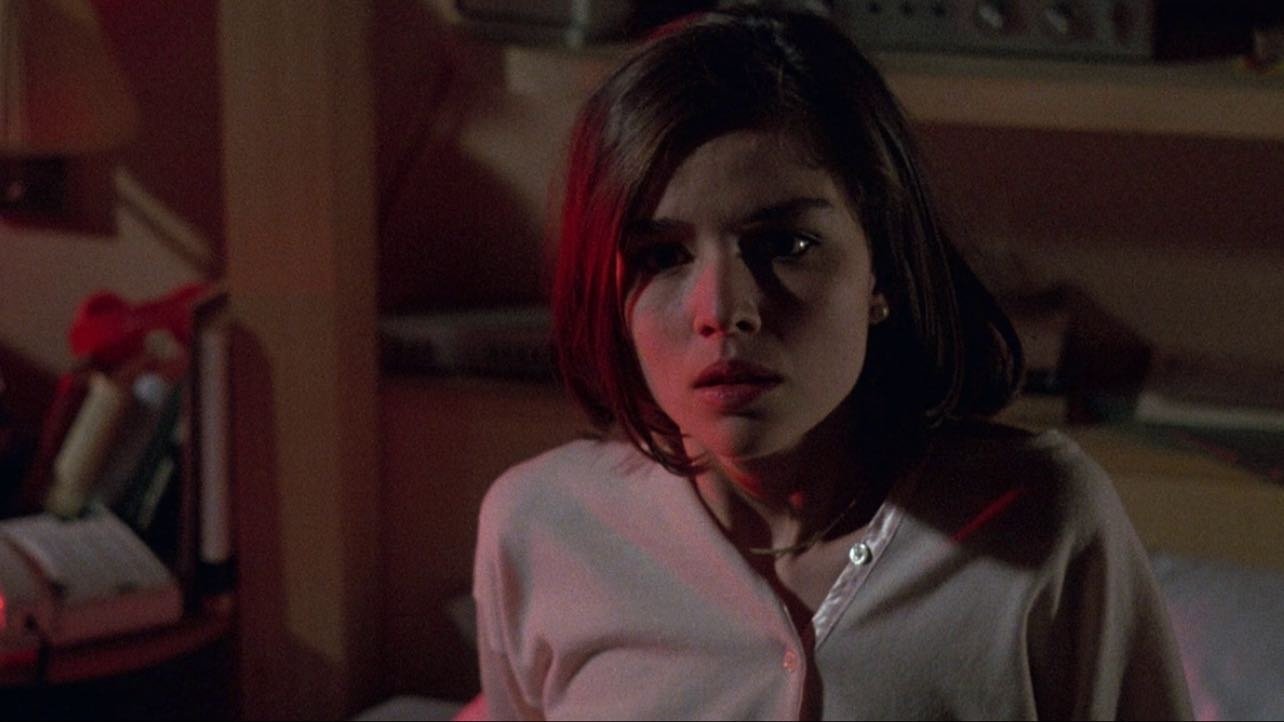
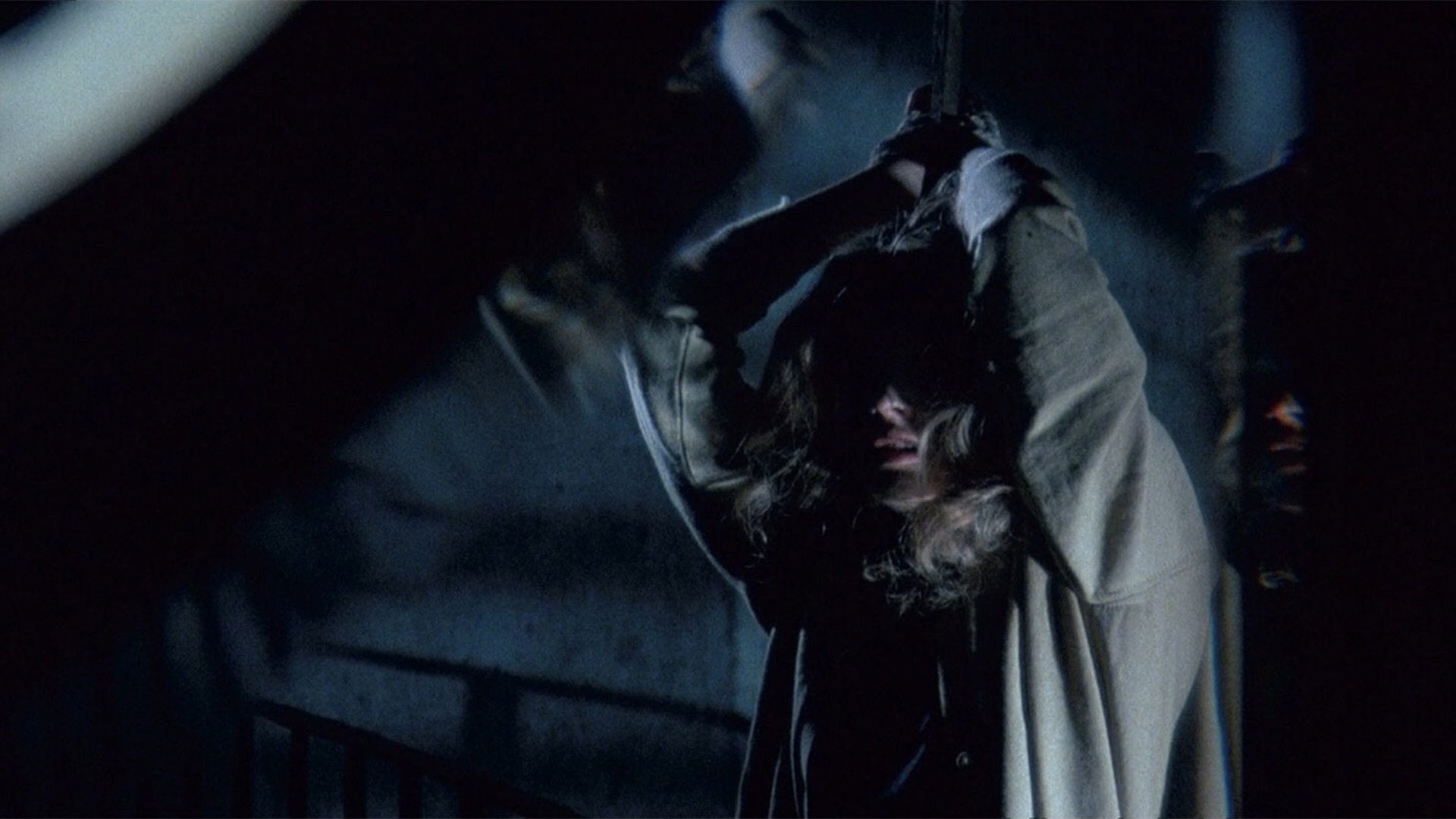
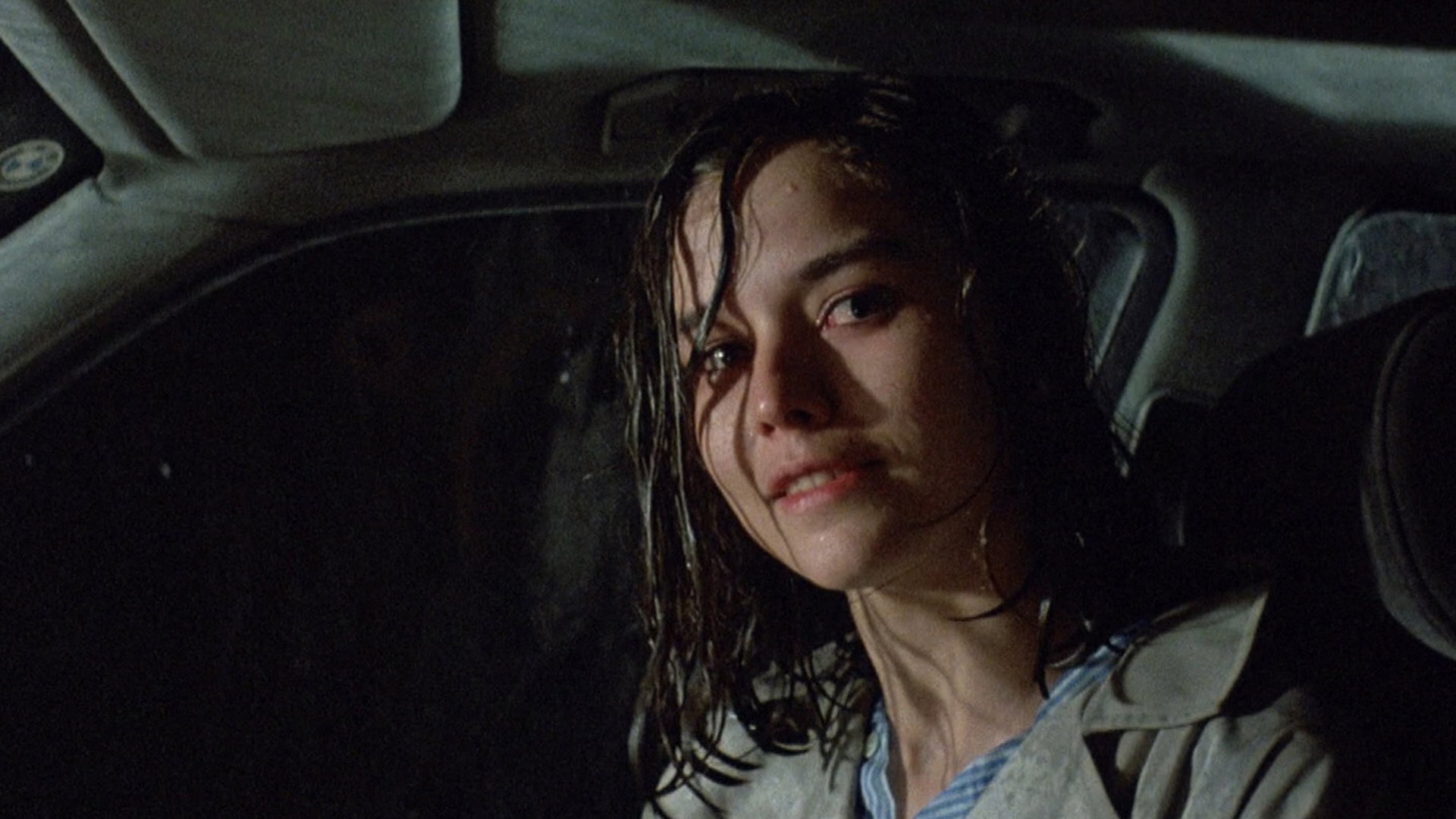
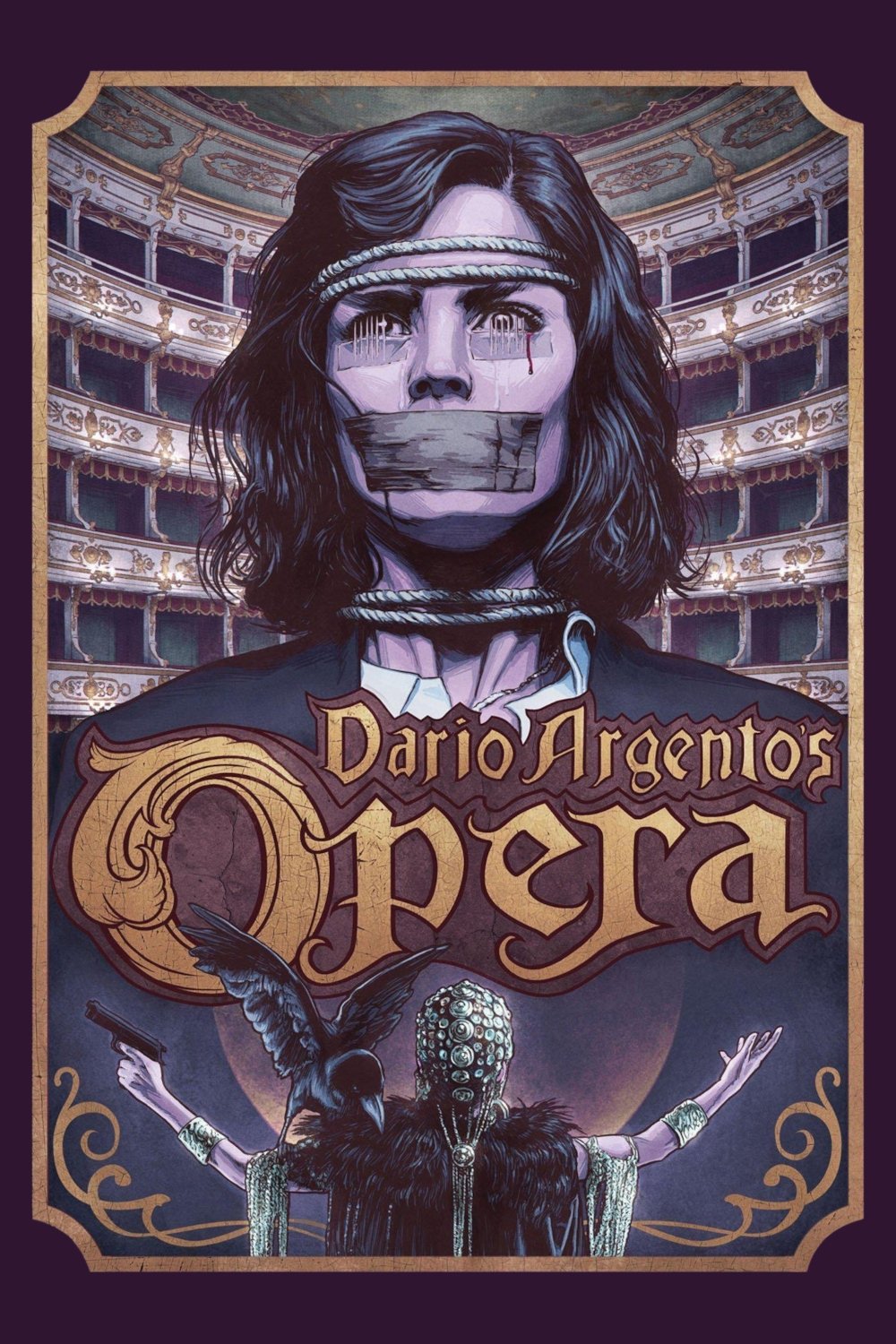
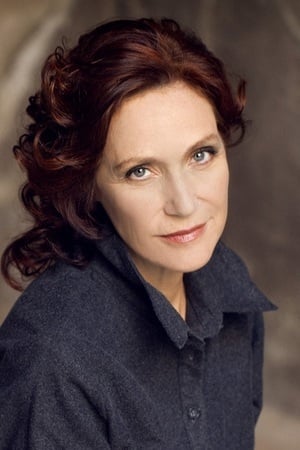
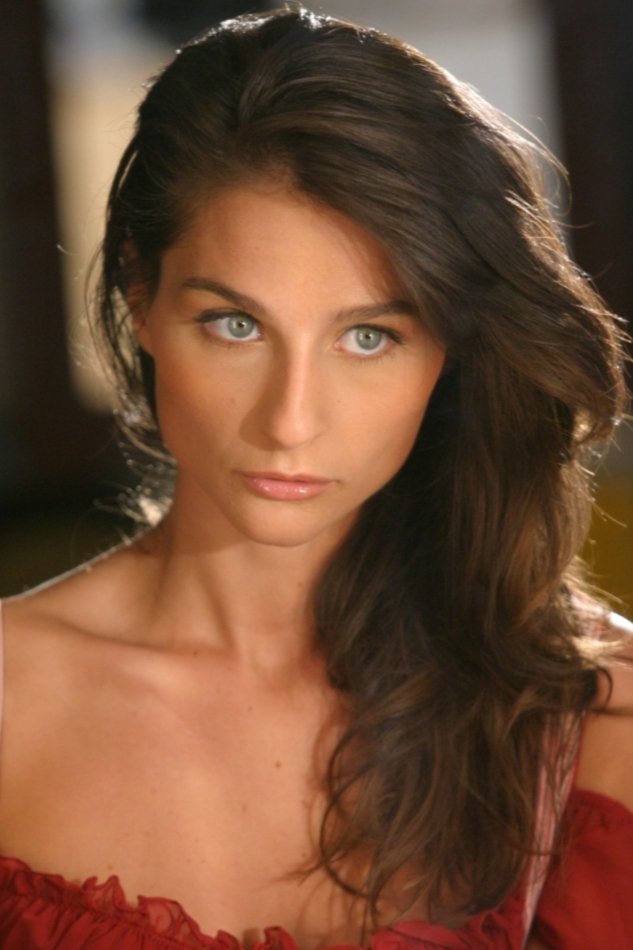
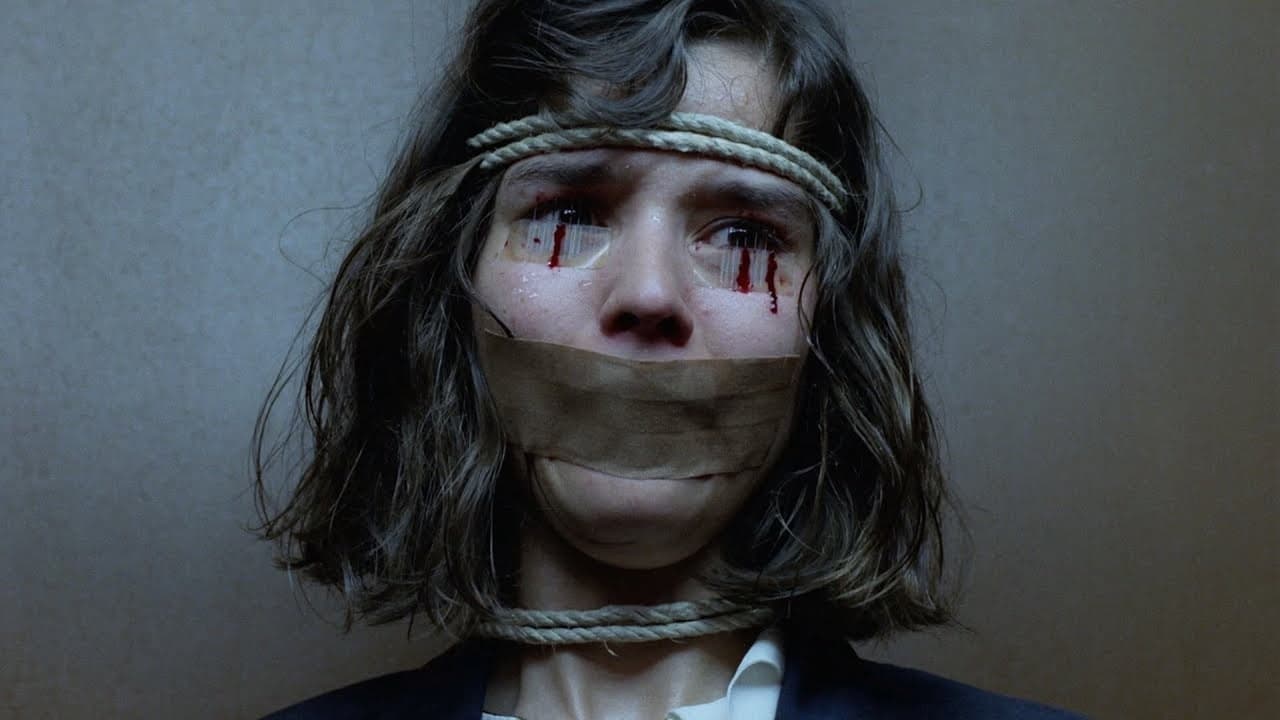
Opera (1987) is an Italian giallo horror film directed by Dario Argento from a screenplay written with Franco Ferrini. Cristina Marsillach plays Betty, a young soprano unexpectedly chosen to perform Lady Macbeth in an experimental production of Giuseppe Verdi’s opera. Her professional breakthrough becomes a nightmare when a masked murderer begins killing people around her, repeatedly restraining Betty and placing needles beneath her eyes to prevent her from looking away. Set principally within the world of operatic performance, the film develops the familiar Argento themes of traumatic memory, concealed identity and violent spectatorship through unusually elaborate camera movements and practical effects.

Produced following Phenomena (1985), Opera draws partly on Argento’s unsuccessful attempt to direct a theatrical staging of Verdi’s Rigoletto. Its production involved cinematographer Ronnie Taylor, editor Franco Fraticelli and several specialized effects teams, including Sergio Stivaletti’s animatronic work. The soundtrack combines classical opera, electronic compositions and heavy metal, creating abrupt contrasts between theatrical performance and graphic violence. Released in Italy in December 1987, the film subsequently circulated internationally under the alternative title Terror at the Opera, with different edits and documented British censorship. Its sustained critical reputation rests particularly on the treatment of the viewer’s gaze, the elaborate raven sequences and the technical construction of its murders.

Origins and the Abandoned Opera Production

The project developed from Argento’s unsuccessful attempt to stage Giuseppe Verdi’s Rigoletto during the mid-1980s. The director had proposed a radical interpretation whose visual conception alarmed the theatrical organizers. The production was abandoned before he could realize his plans, leaving him with a detailed knowledge of the practical and institutional difficulties involved in mounting an opera. Argento subsequently transformed the experience into a thriller set within the same professional environment. The distinction between the two works is important: Rigoletto inspired the project’s development, while the fictional production at the center of the finished film is Verdi’s Macbeth.

The screenplay, written with Franco Ferrini, places a young performer inside a theatrical institution governed by established hierarchies, rivalries and superstitions. Betty receives the opportunity to perform Lady Macbeth when the principal soprano is injured in a road accident. Her sudden promotion places her under intense professional scrutiny while exposing her to the attention of a murderer connected to her past. The production of Macbeth introduces associations with ambition, guilt and fatal prophecy, all of which acquire additional significance as the investigation develops. The familiar theatrical superstition surrounding the opera provides a credible source of anxiety before the murders establish an identifiable human threat.

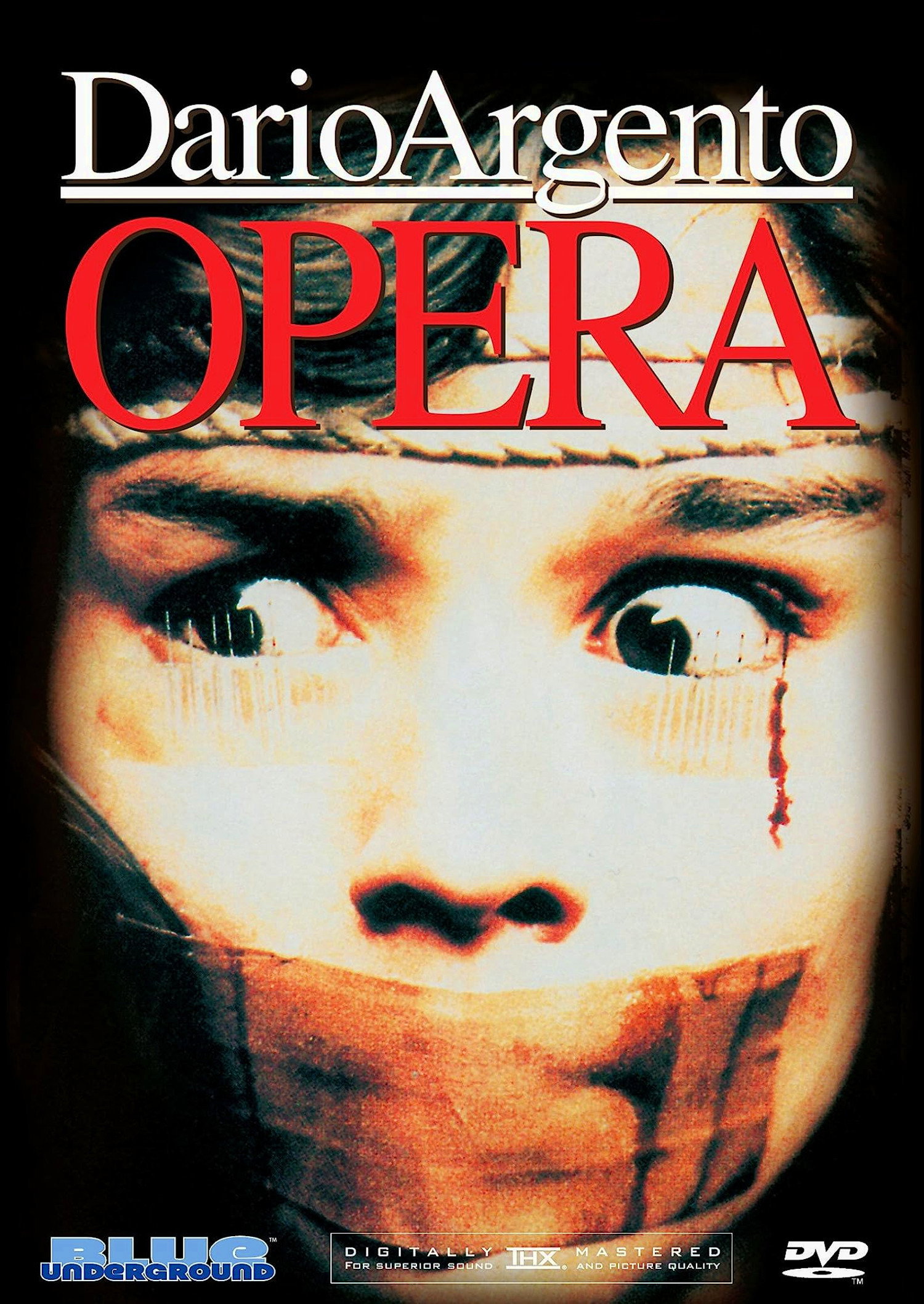
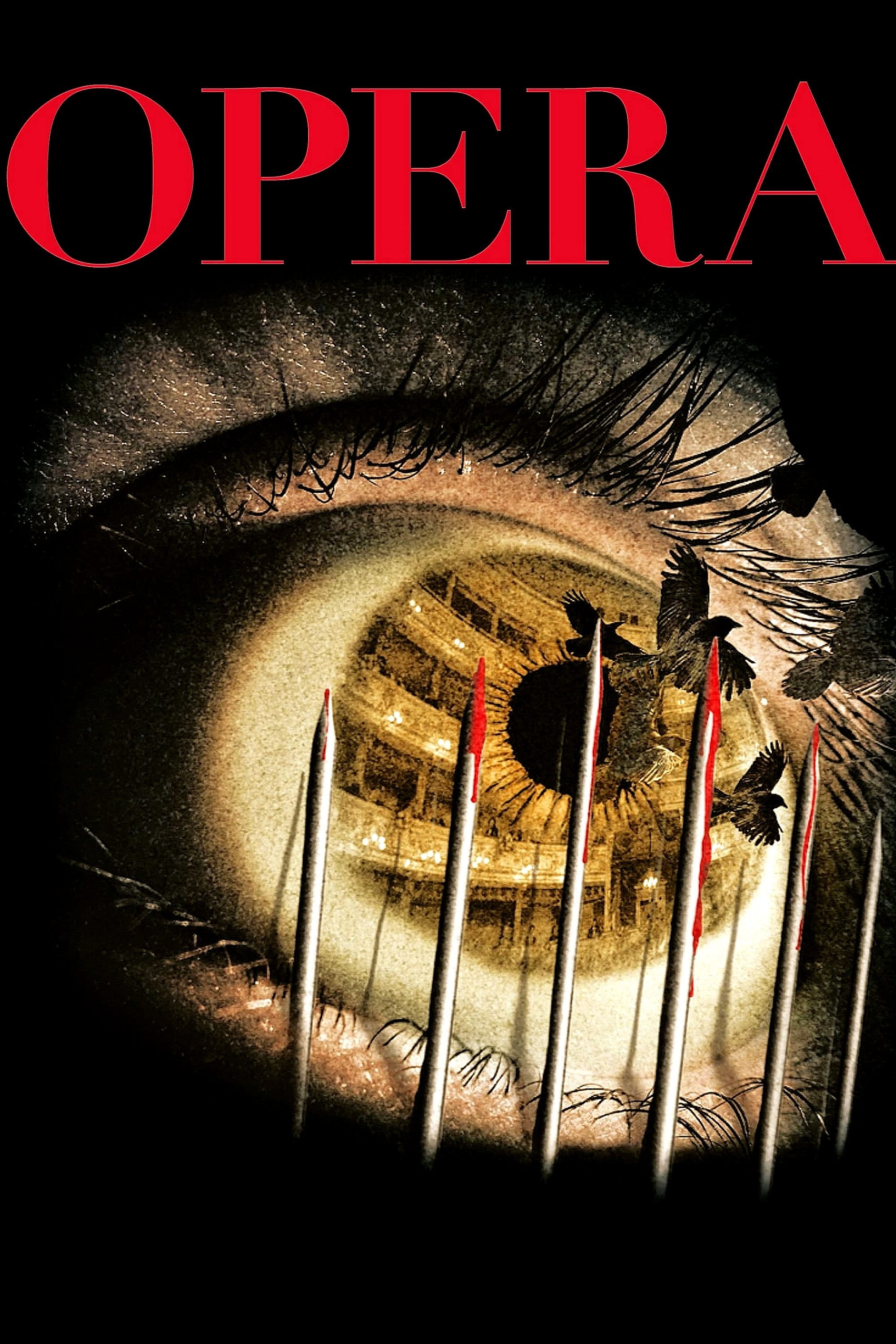
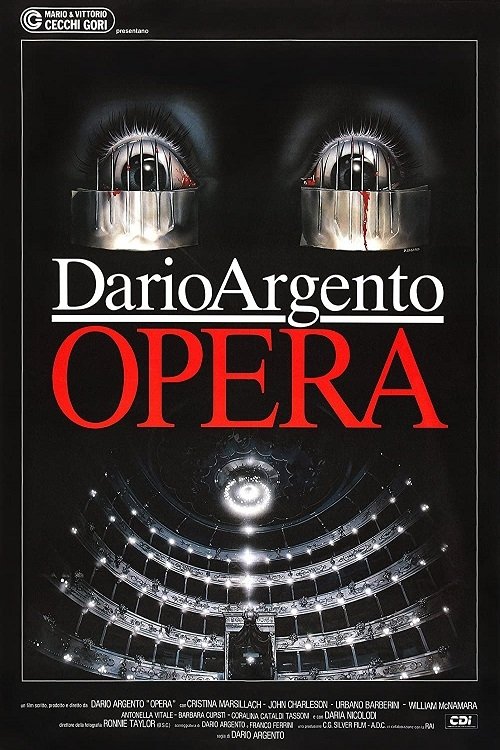
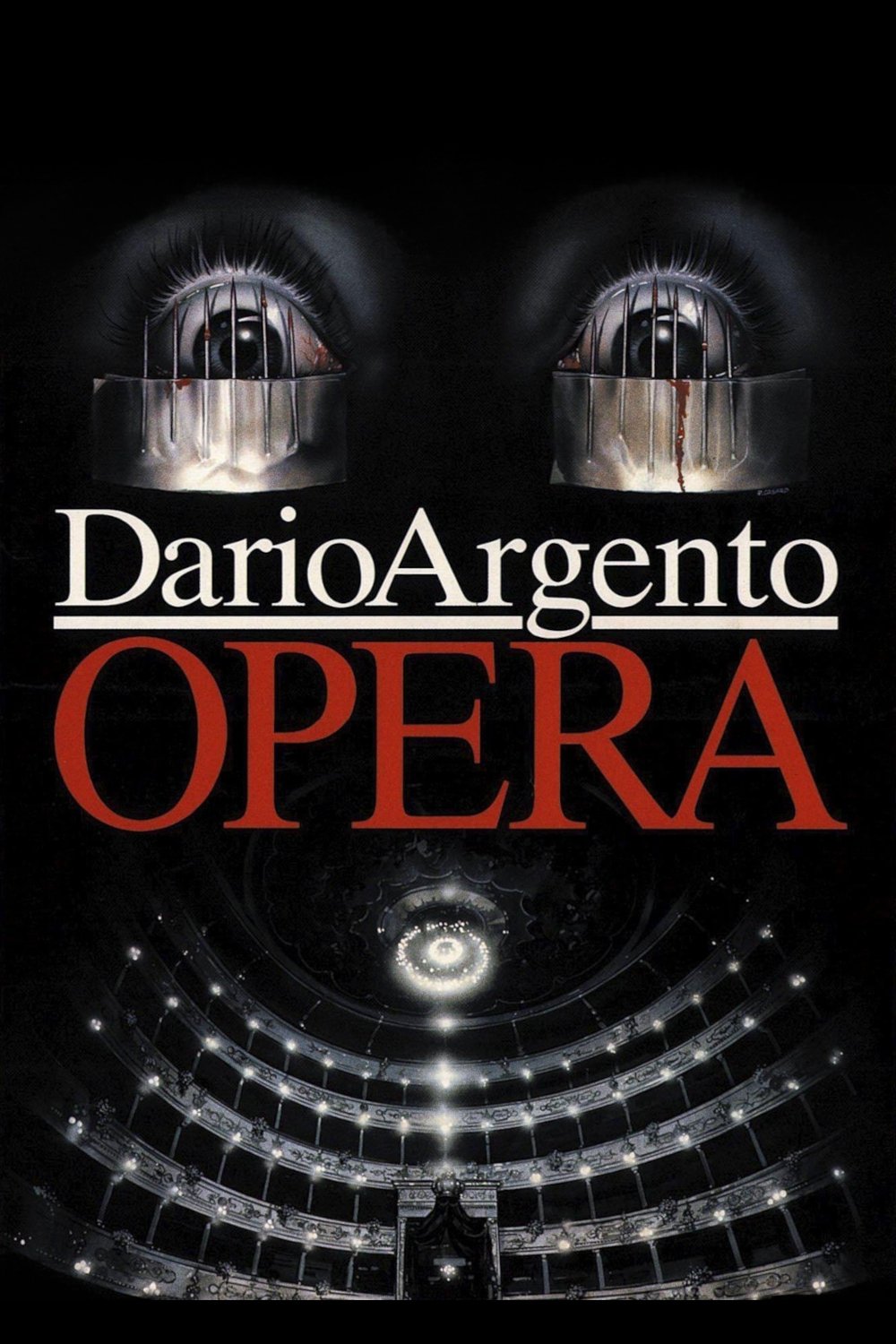
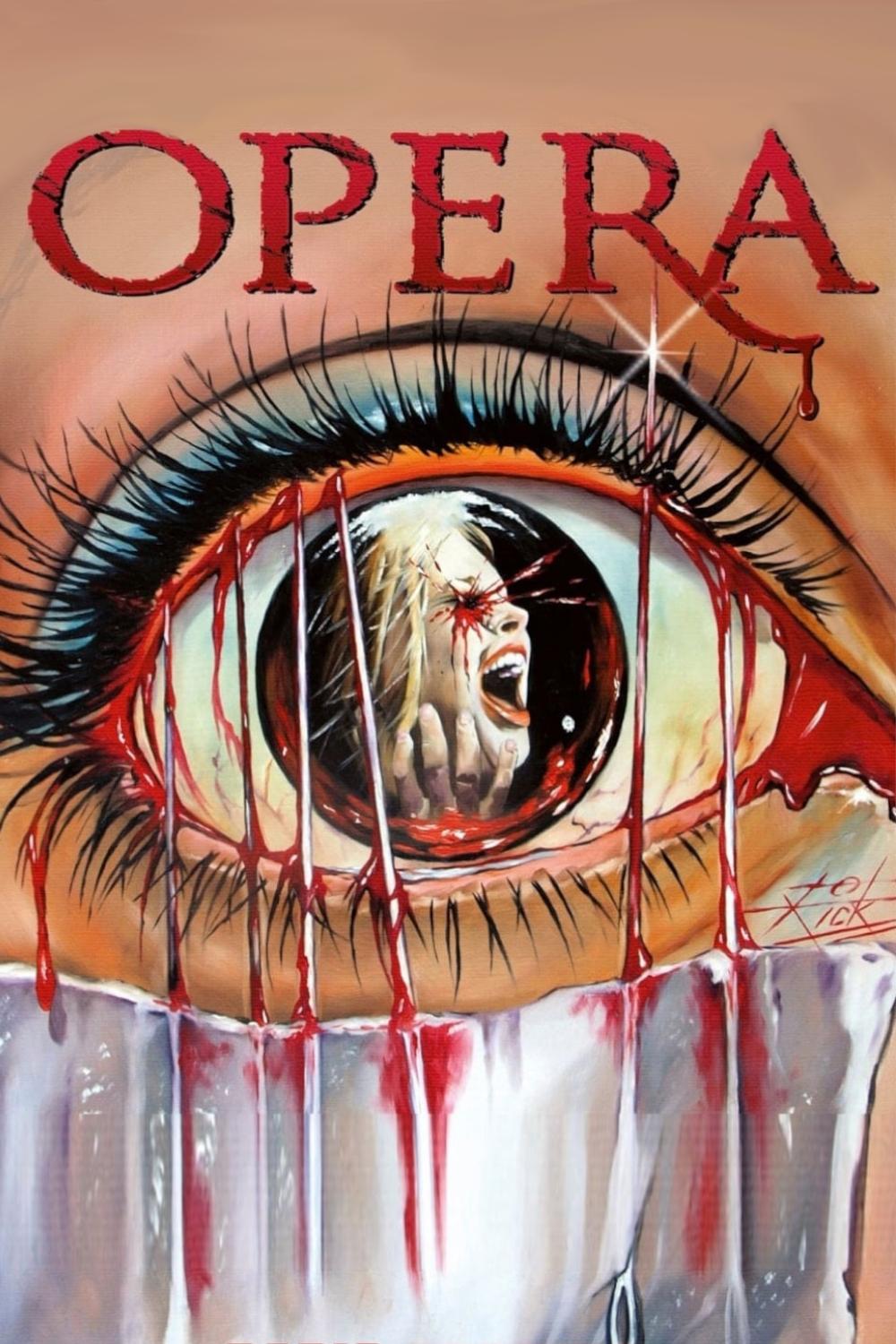
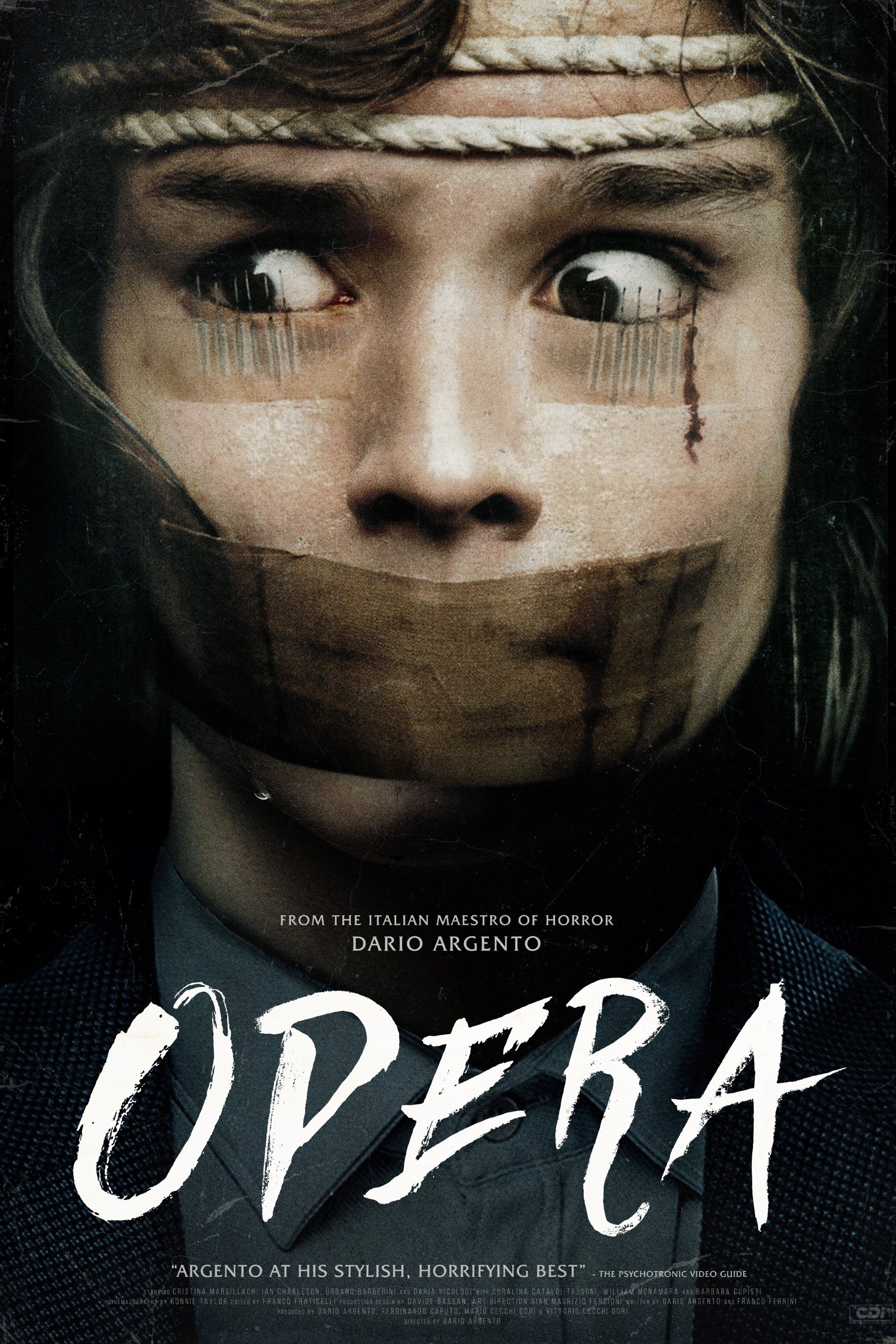
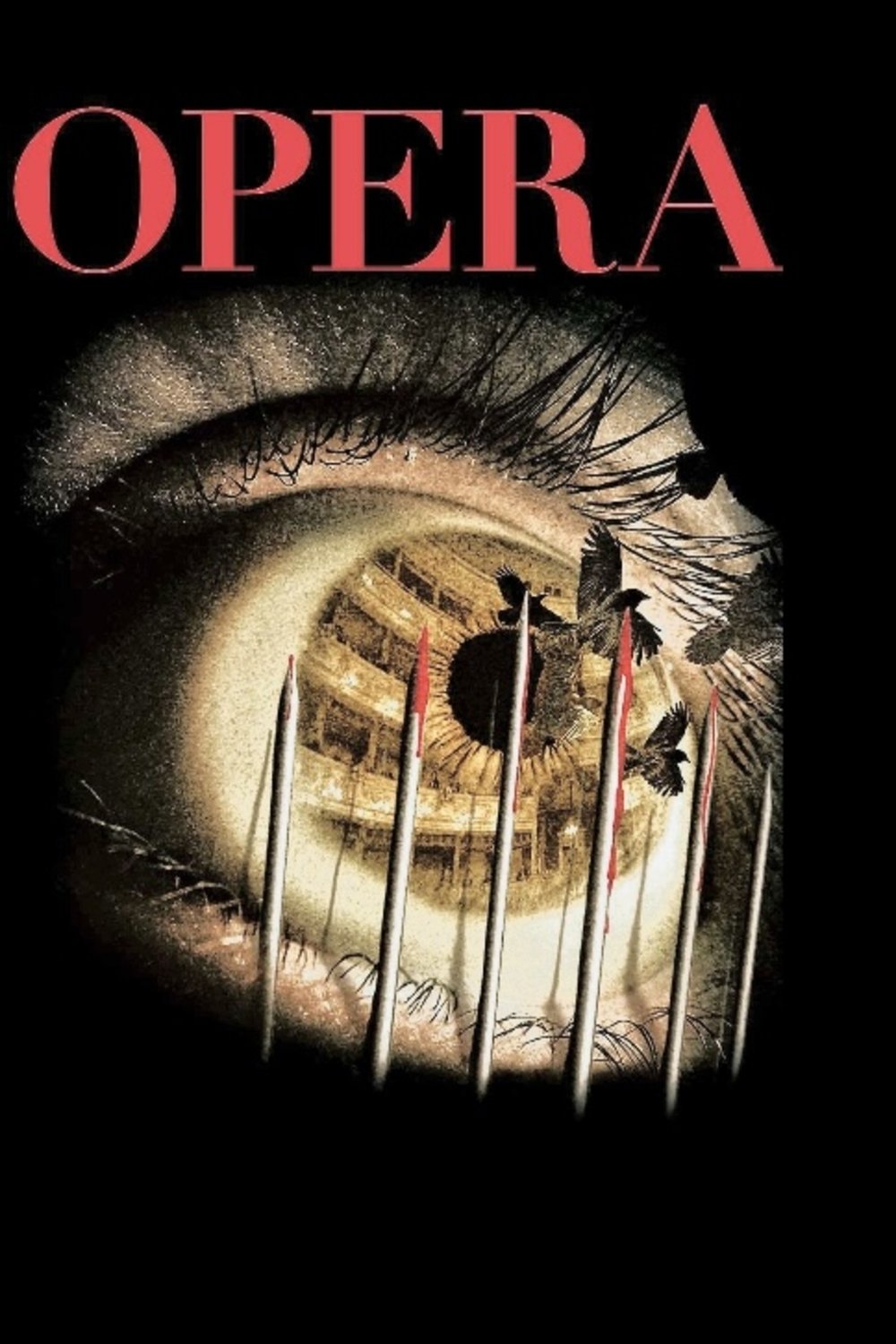
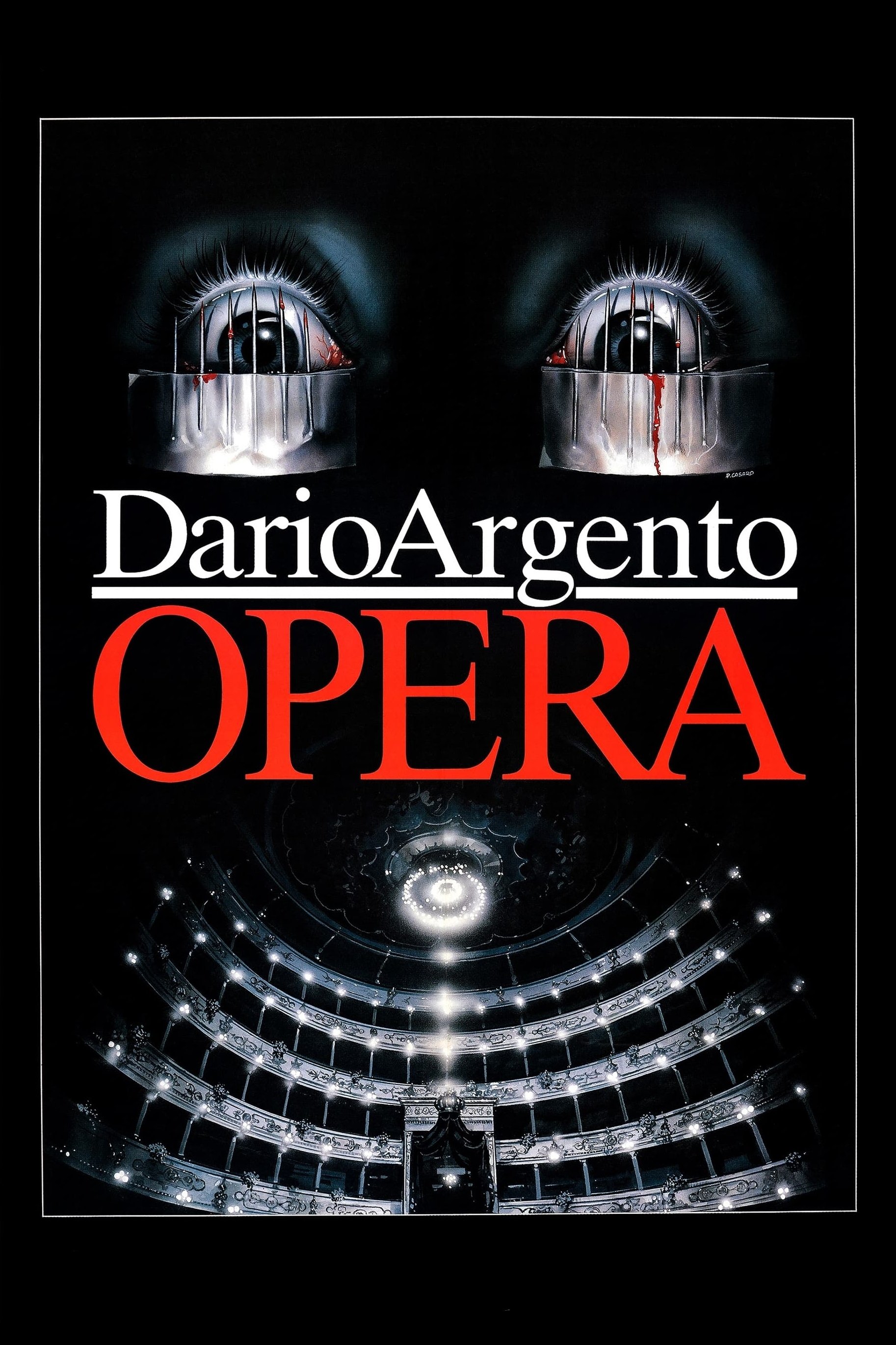
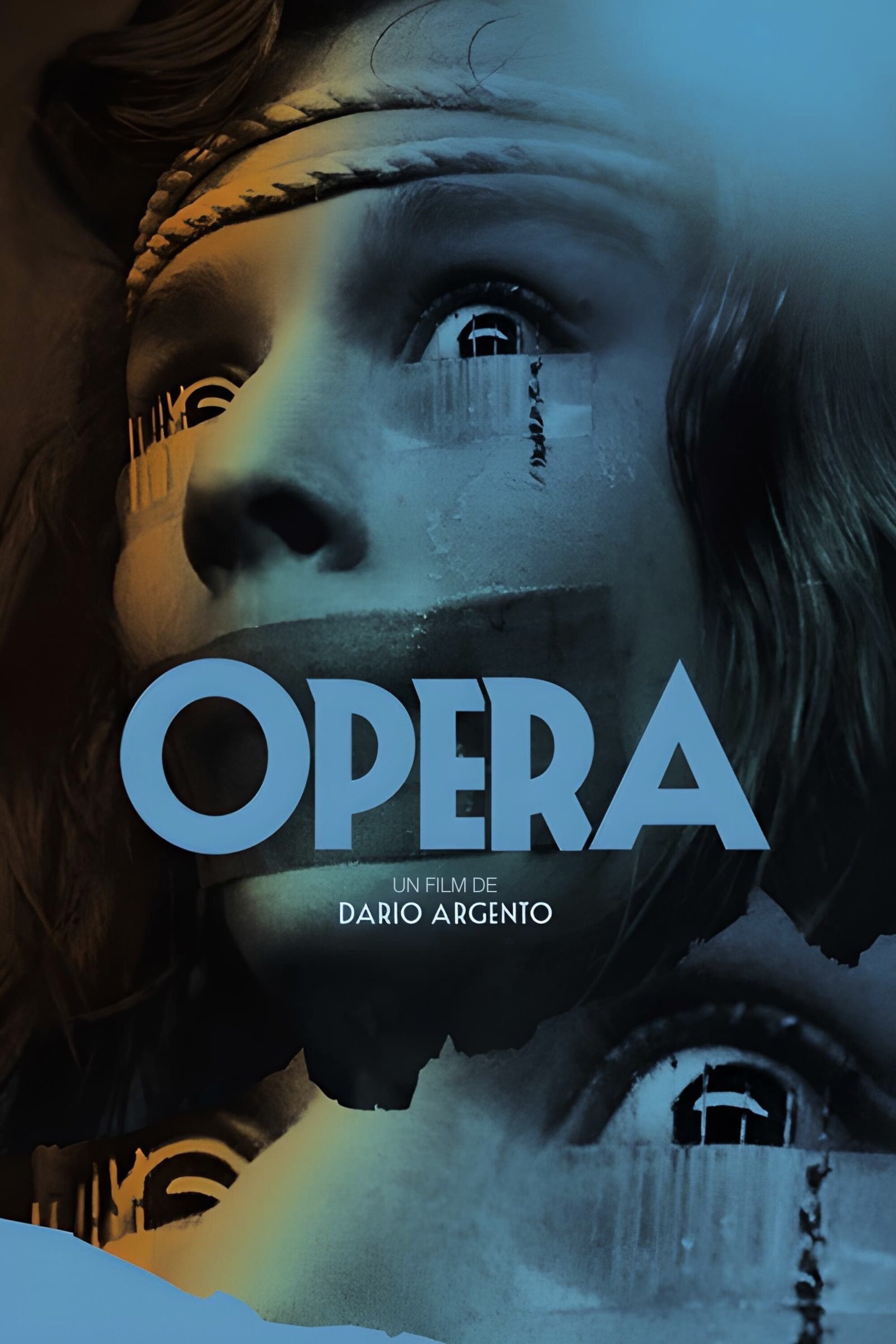
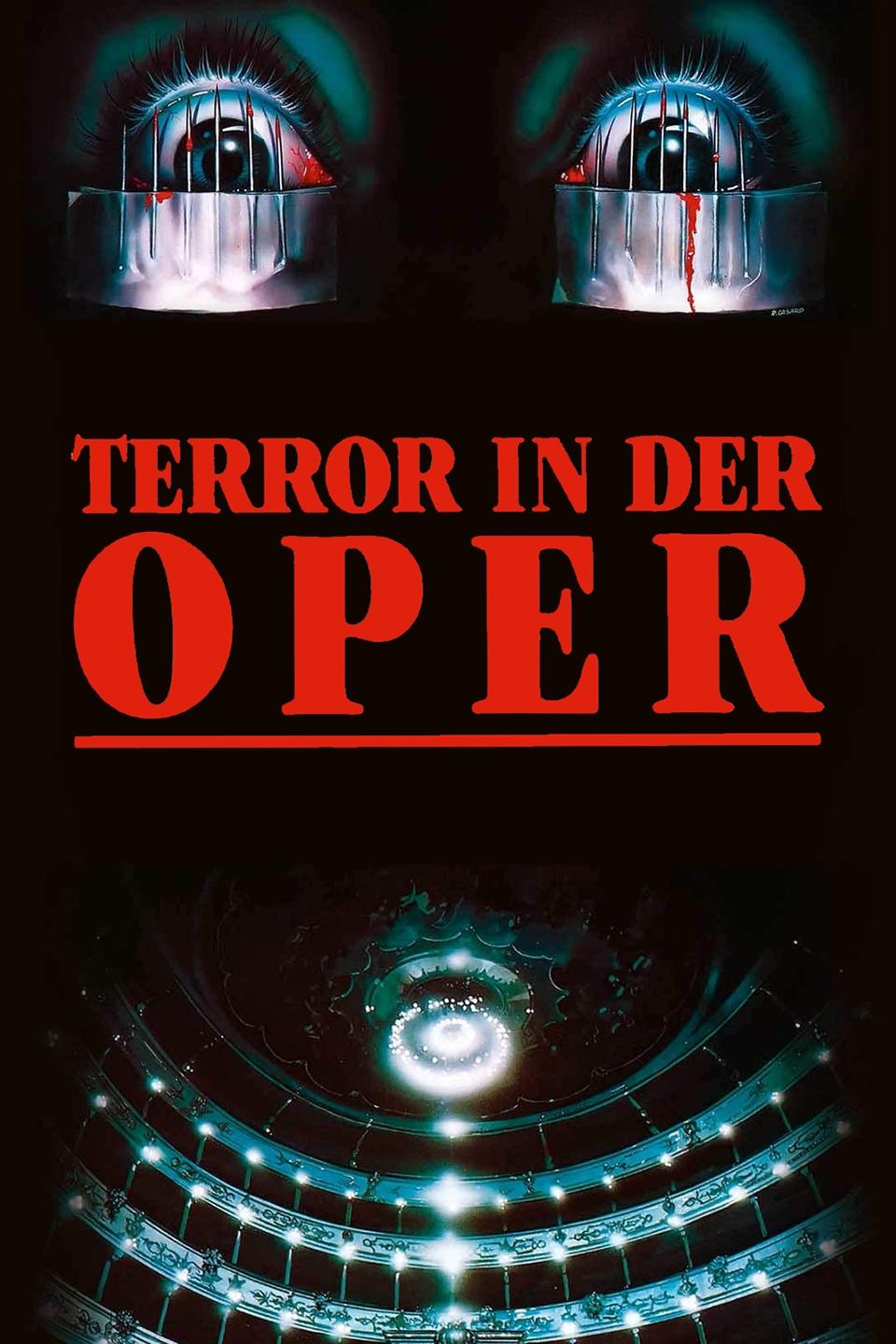
Argento also connected the film’s central visual idea with his frustration at spectators who closed their eyes during violent scenes in his previous films. In an interview with Jamie Graham, he explained that the needles placed beneath Betty’s eyes originated from his desire to prevent audiences from avoiding the most frightening images. The idea became the organizing device of the murderer’s encounters with Betty. Her enforced witnessing establishes an unusual relationship between victim and killer, giving the act of looking a direct physical consequence. The film’s narrative repeatedly returns to the relationship between recorded memory, personal observation and the inability to escape images of violence.
Production and the Theatrical Environment

Opera was produced by Argento in collaboration with the Cecchi Gori organization and RAI. The production combined location work at the Teatro Regio in Parma with studio photography in Rome. The historic theatre provided the setting for the fictional Macbeth staging, allowing the filmmakers to use its auditorium, architectural details and extensive vertical space as part of the action. The location was especially important to the sequences involving ravens, whose movements required camera equipment operating above the audience. The physical scale of the building distinguished the production from the relatively enclosed domestic and urban environments of several earlier Argento thrillers.

The theatrical setting also creates a separation between public performance and private violence. Rehearsals and staged appearances take place before musicians, technicians and spectators, while the murderer operates in dressing rooms, corridors and apartments. The film repeatedly moves between these environments, making the areas surrounding the stage as important as the performance itself. Production designer Davide Bassan and the theatrical art department helped establish this contrast through elaborate stage scenery and more functional backstage interiors. The resulting geography allows the investigation to develop through spaces normally concealed from an opera audience.
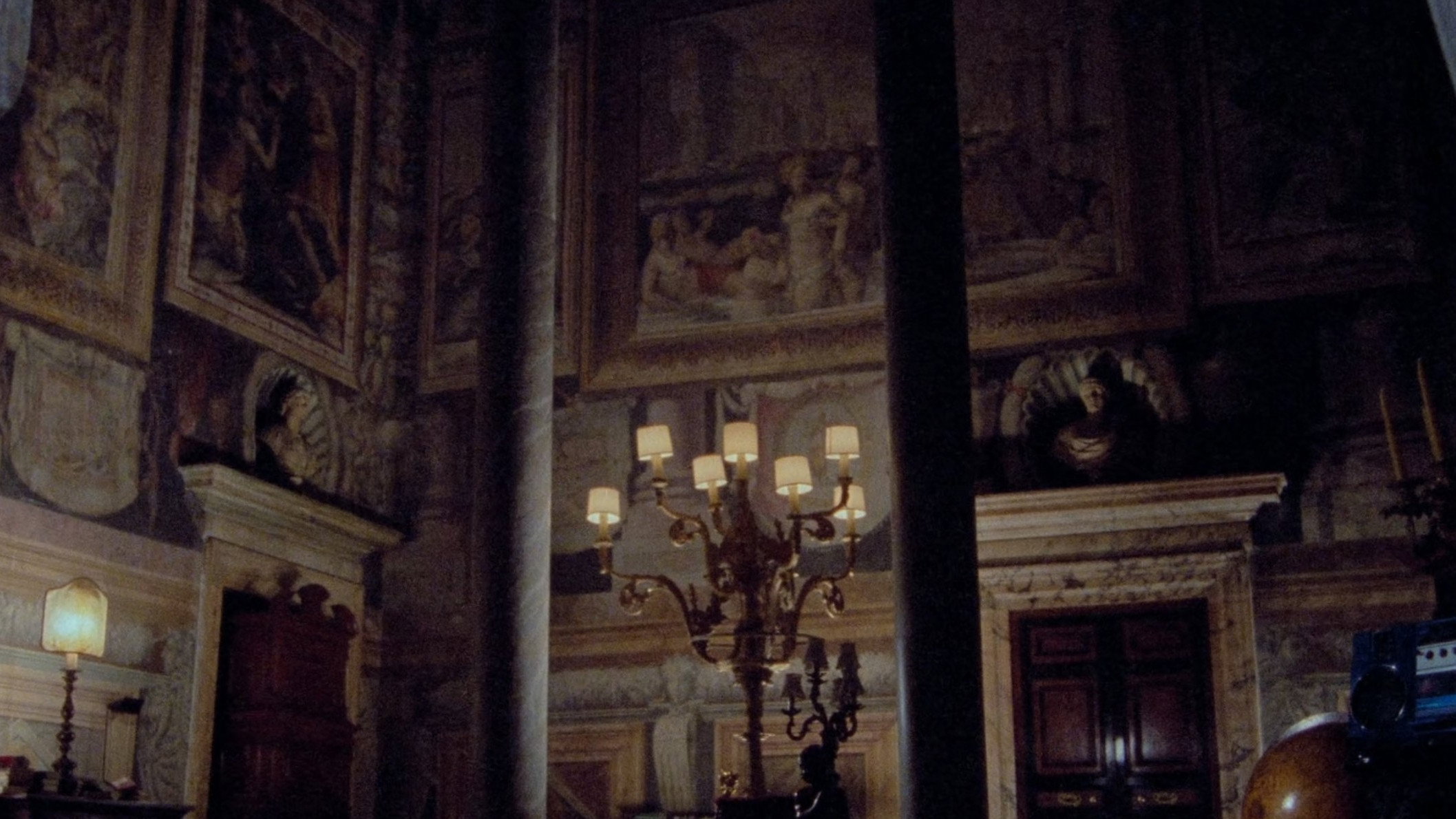
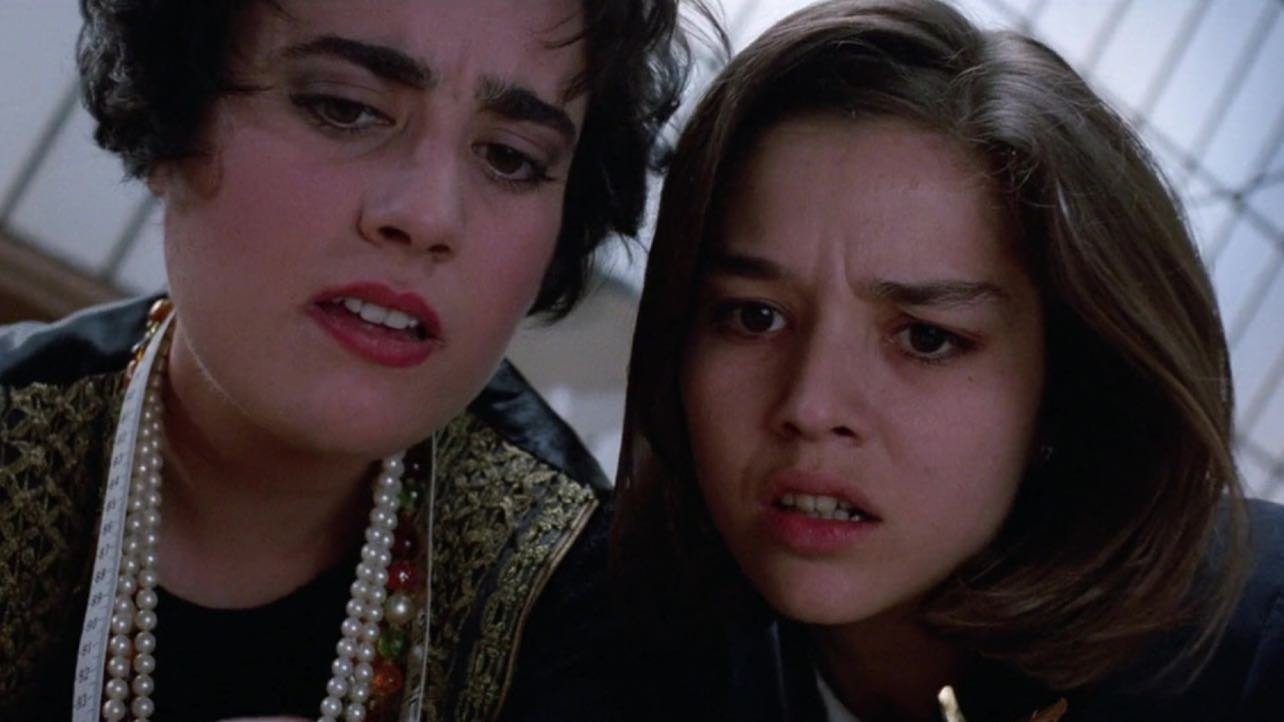
Cristina Marsillach’s Betty occupies the center of this environment. Her character combines professional uncertainty with the increasingly traumatic consequences of the murders. Ian Charleson portrays Marco, the unconventional stage director responsible for the Macbeth production, whose creative methods provide one of the film’s most conspicuous connections with Argento’s own professional experiences. The presence of ravens within Marco’s staging eventually becomes essential to the investigation. Daria Nicolodi plays Betty’s agent Mira, whose role connects the protagonist’s developing career with her personal vulnerability. The film uses these relationships to establish conflicting sources of authority over Betty’s professional and private life.

Cinematography and the Compulsion to Watch

Ronnie Taylor’s cinematography is central to the film’s unusually mobile visual style. Argento had previously developed elaborate moving-camera sequences in films such as Tenebrae (1982), but Opera extends this experimentation through its theatrical architecture. The camera frequently moves through spaces at unusual heights or approaches objects from positions unavailable to a conventional observer. In his conversation with Graham, Argento connected his interest in camera movement with his experience observing Sergio Leone during the preparation of Once Upon a Time in the West (1968). He regarded the mobility of the image as an essential means of controlling the spectator’s experience.

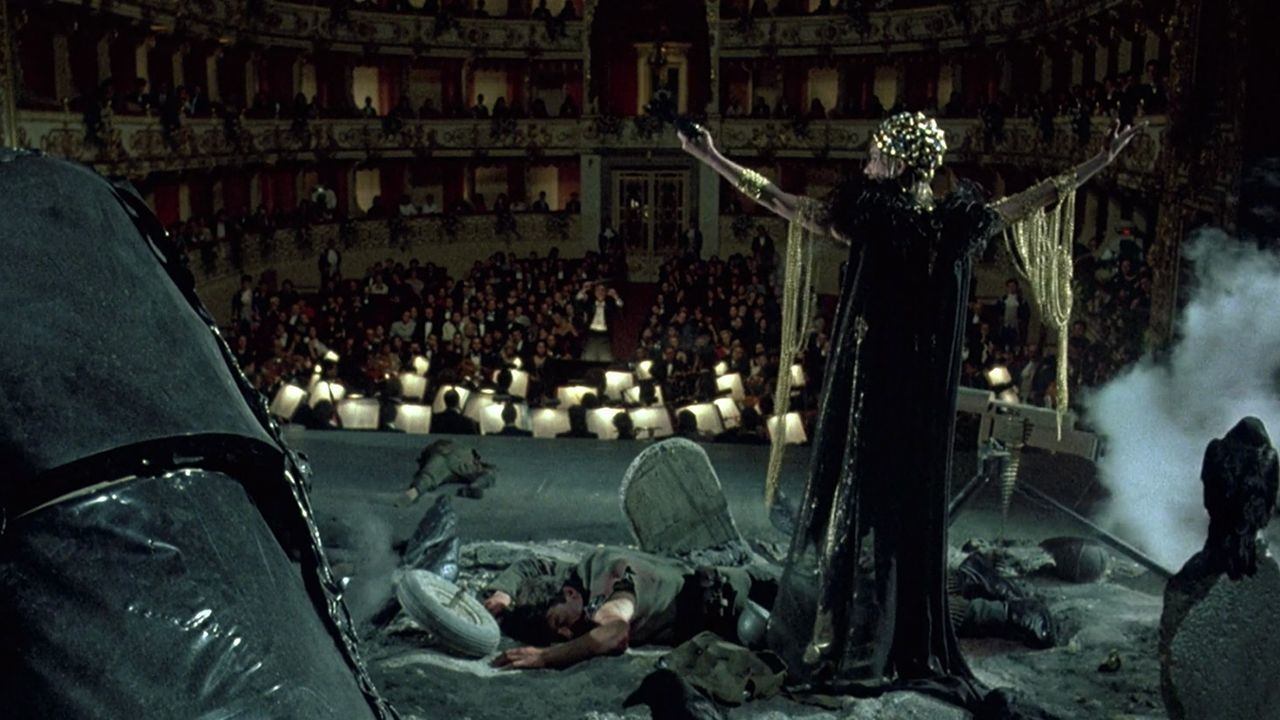
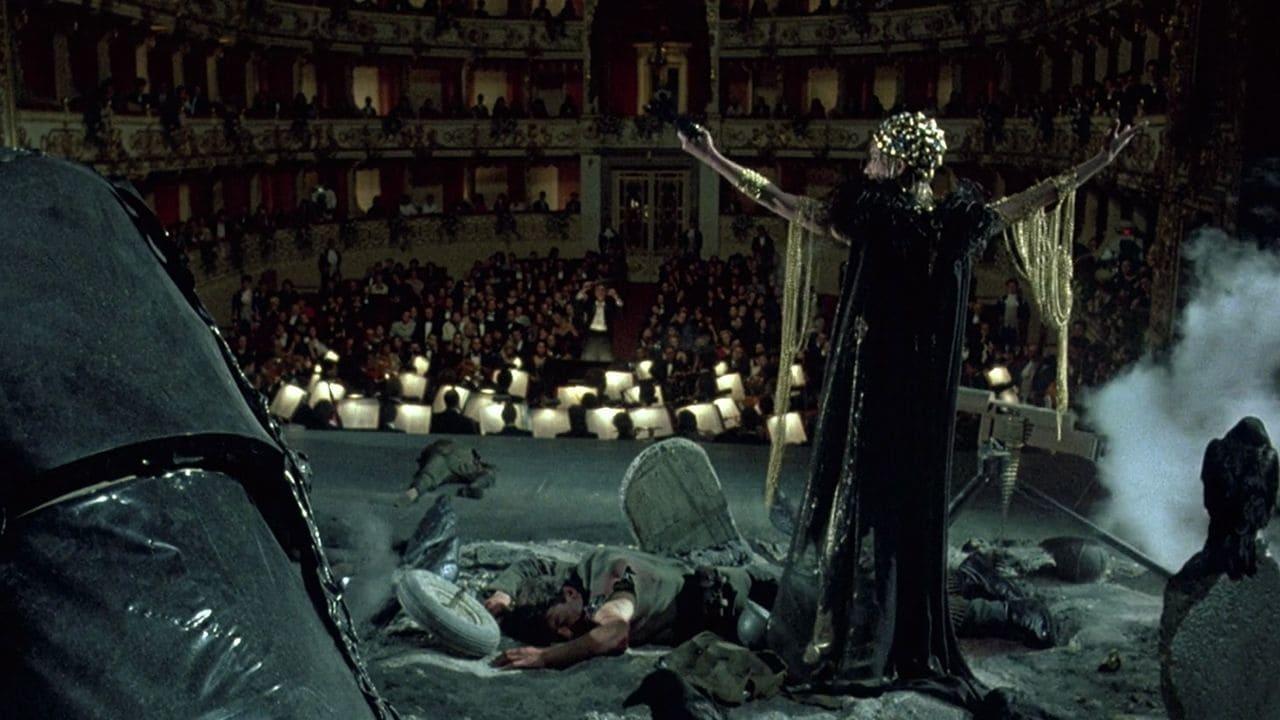
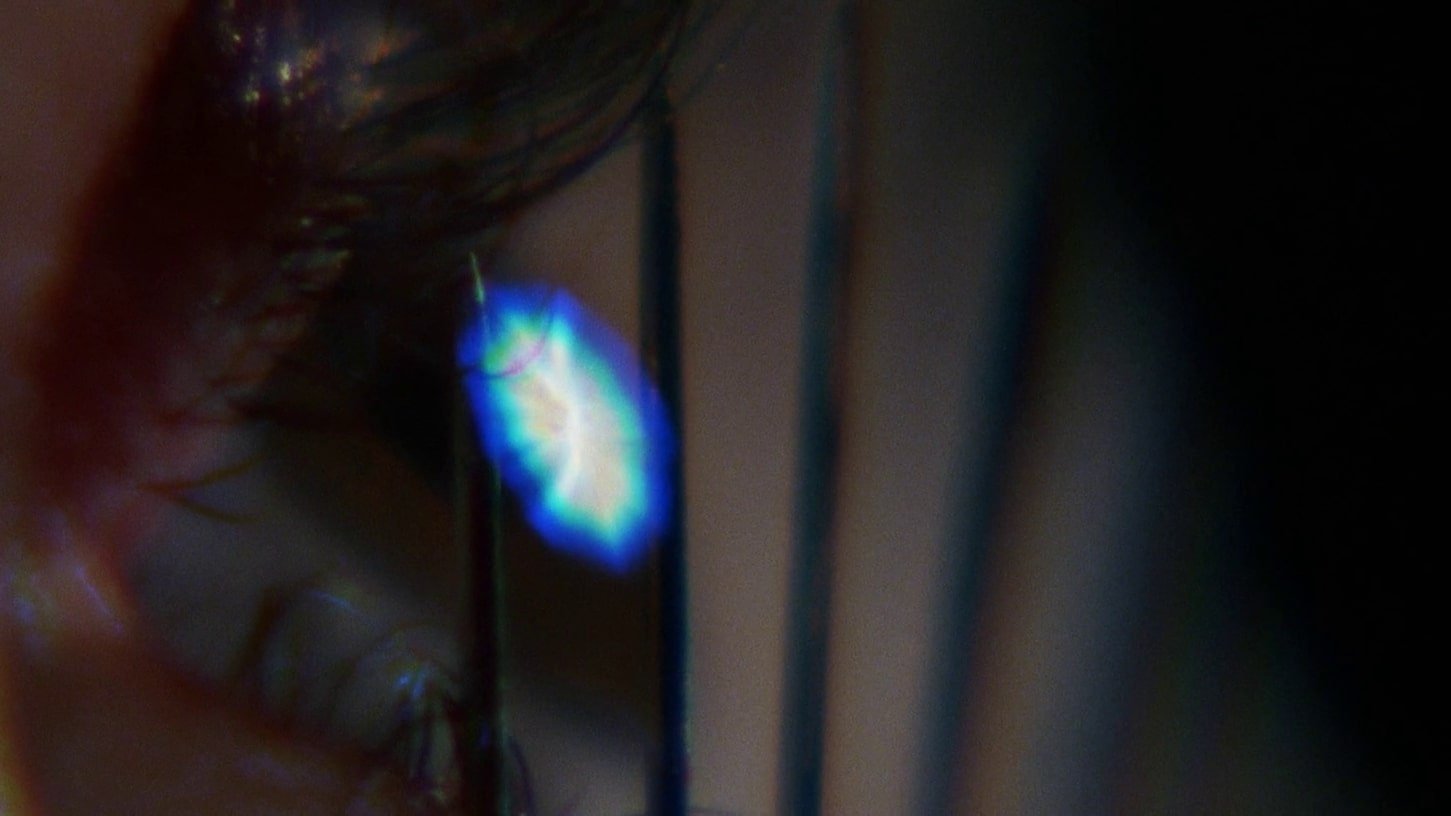
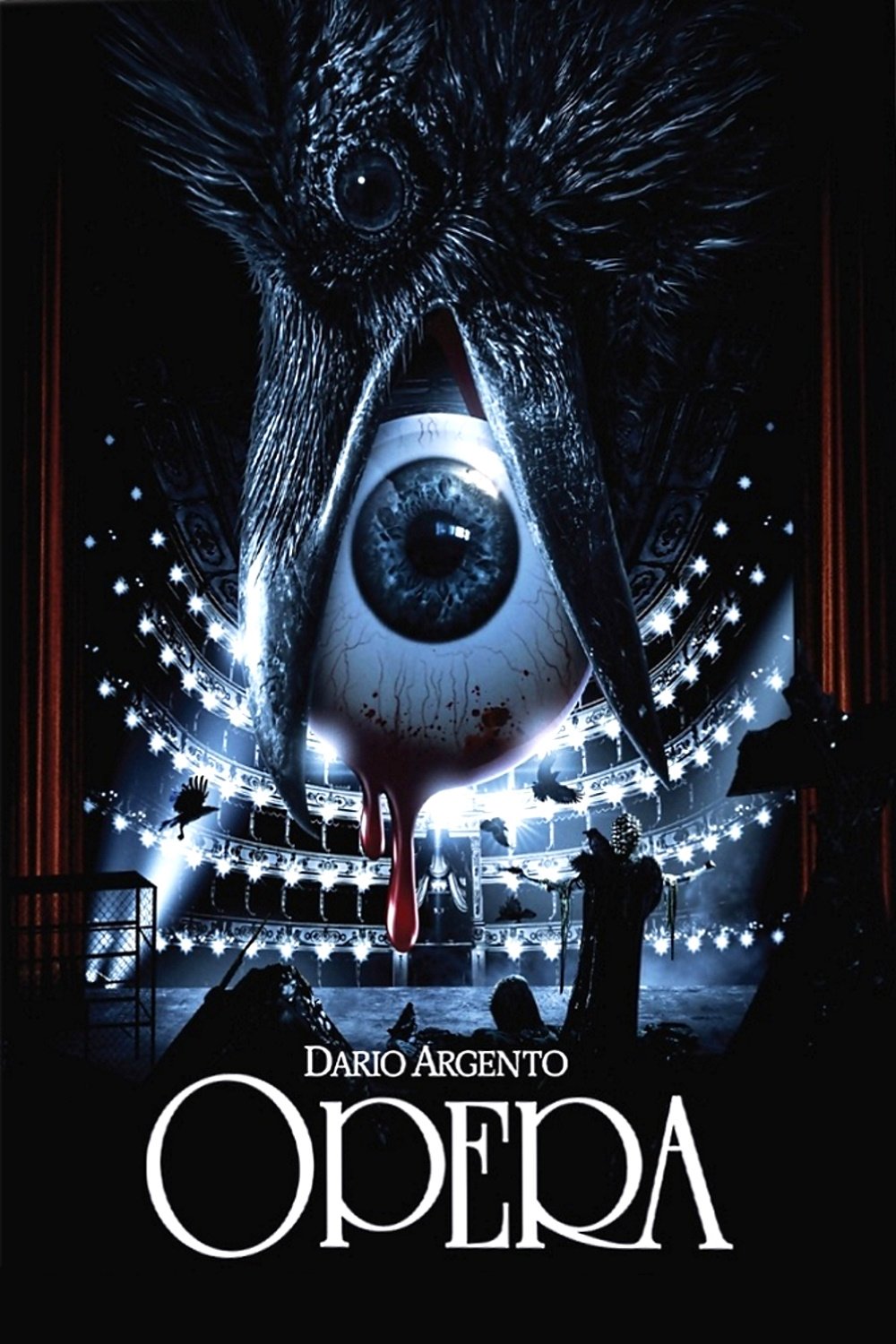
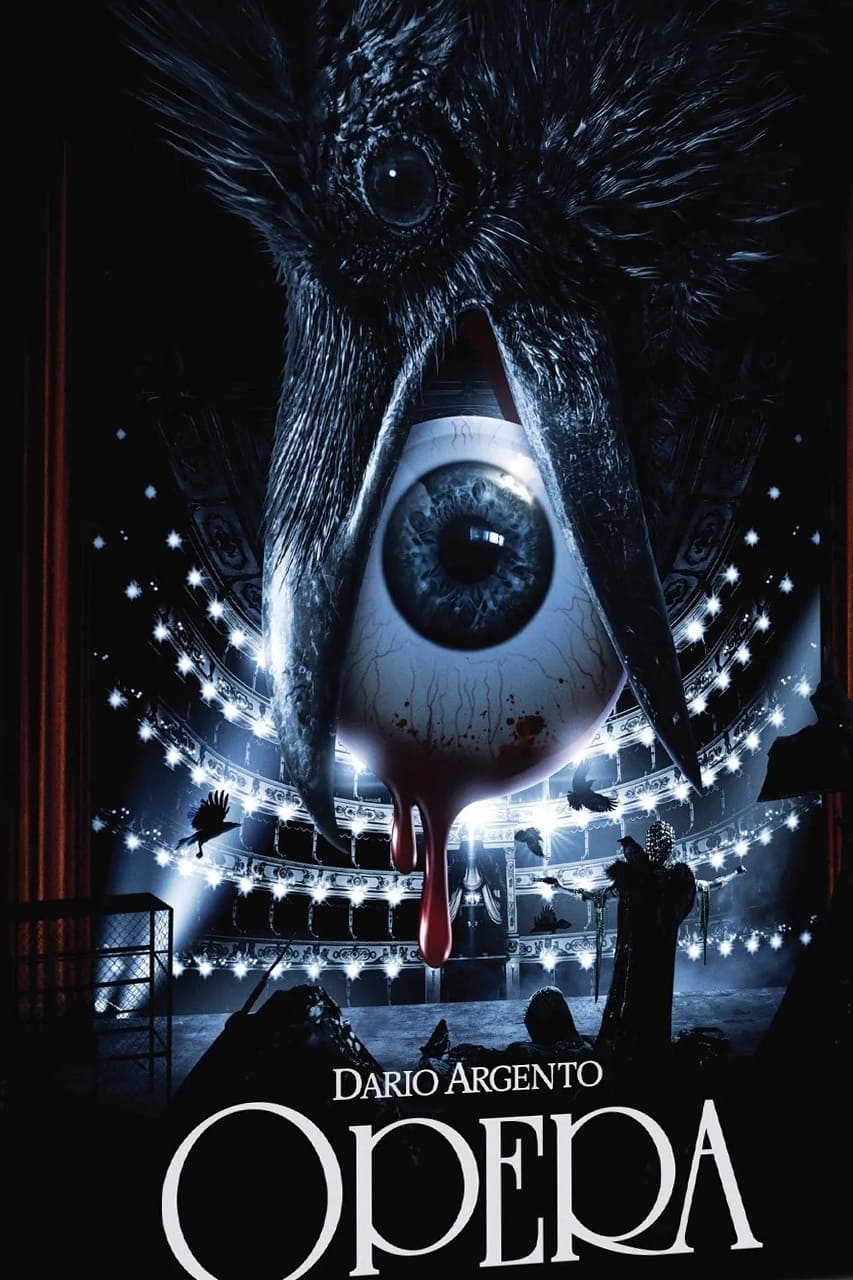
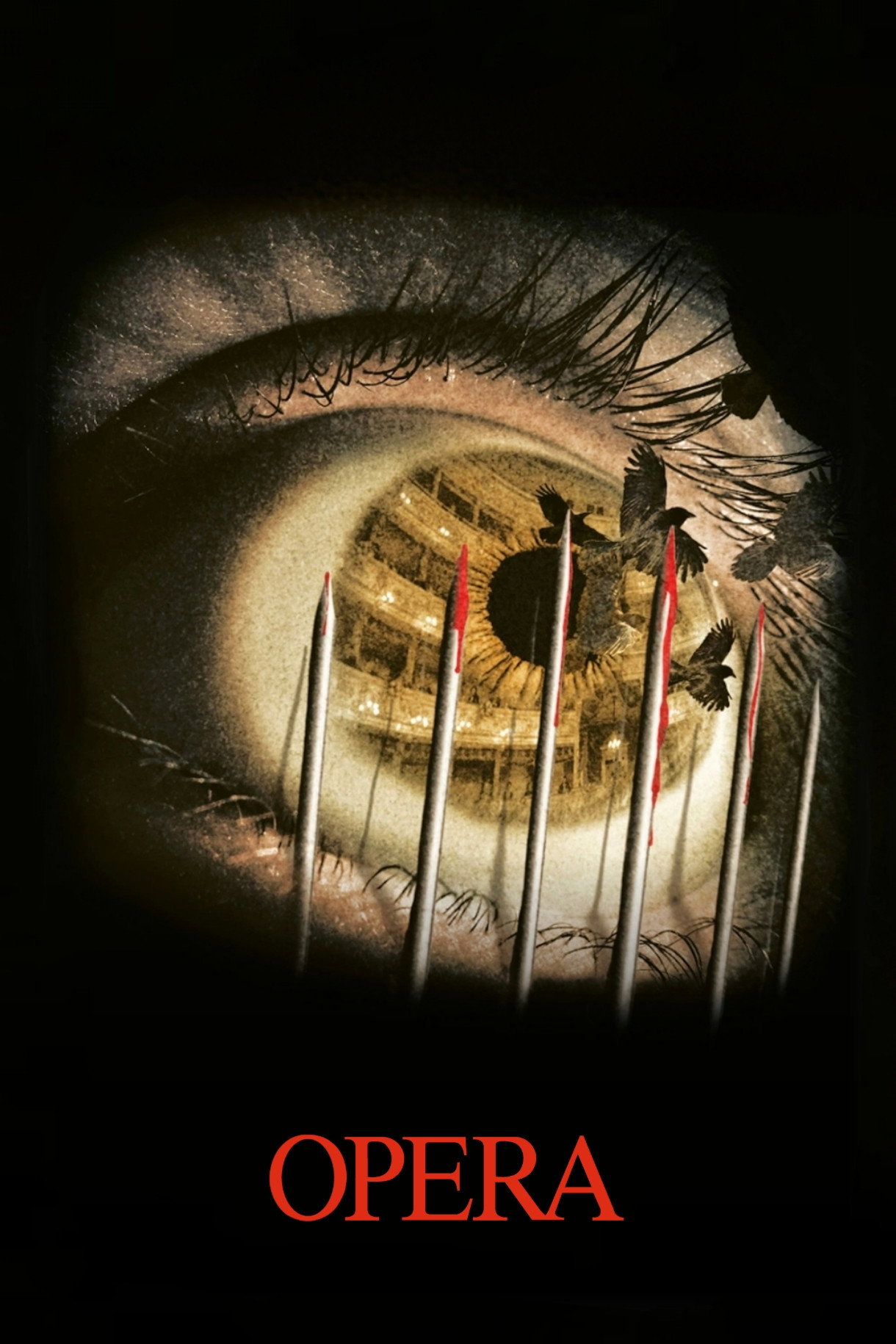
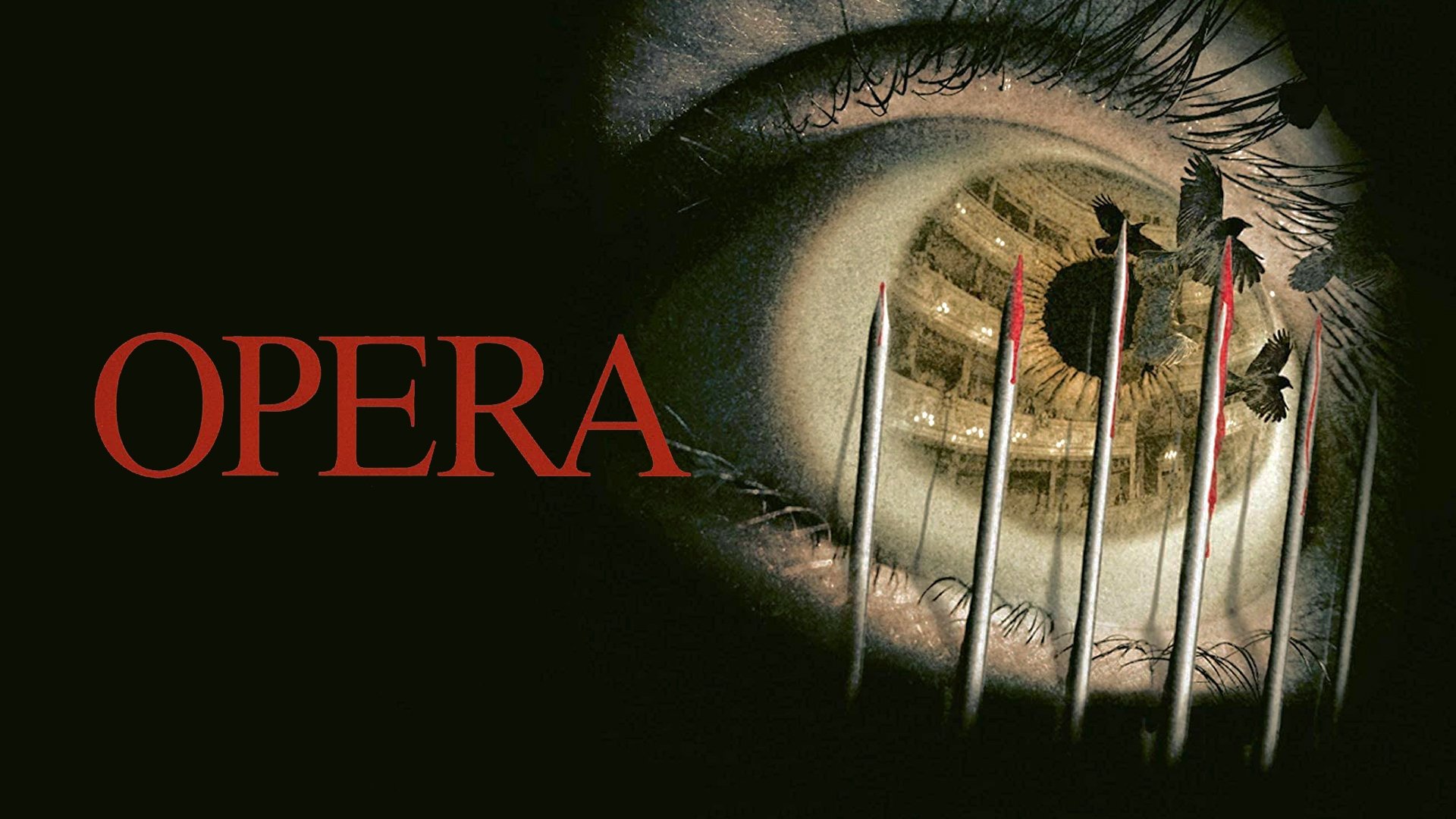
The opening sequence establishes the film’s emphasis on perception through a view of the auditorium reflected in a raven’s eye. Human vision is repeatedly displaced by alternative viewpoints, including the perspective of birds moving above the theatre. During the climactic theatrical sequence, elaborate camera equipment allows the image to travel across the auditorium in sweeping movements. The spectators become visible from above as the ravens search for the murderer. The sequence combines the physical scale of the theatre with the bird’s-eye viewpoint, turning an animal’s movement into a means of investigation.

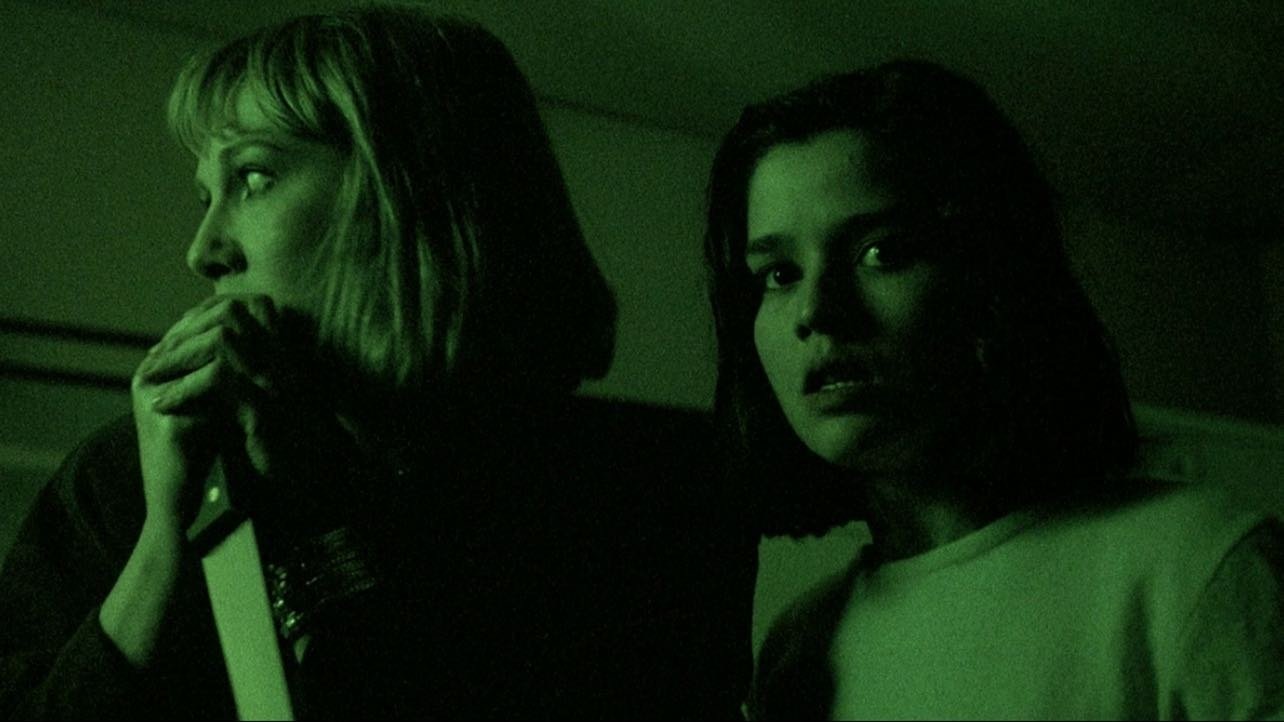
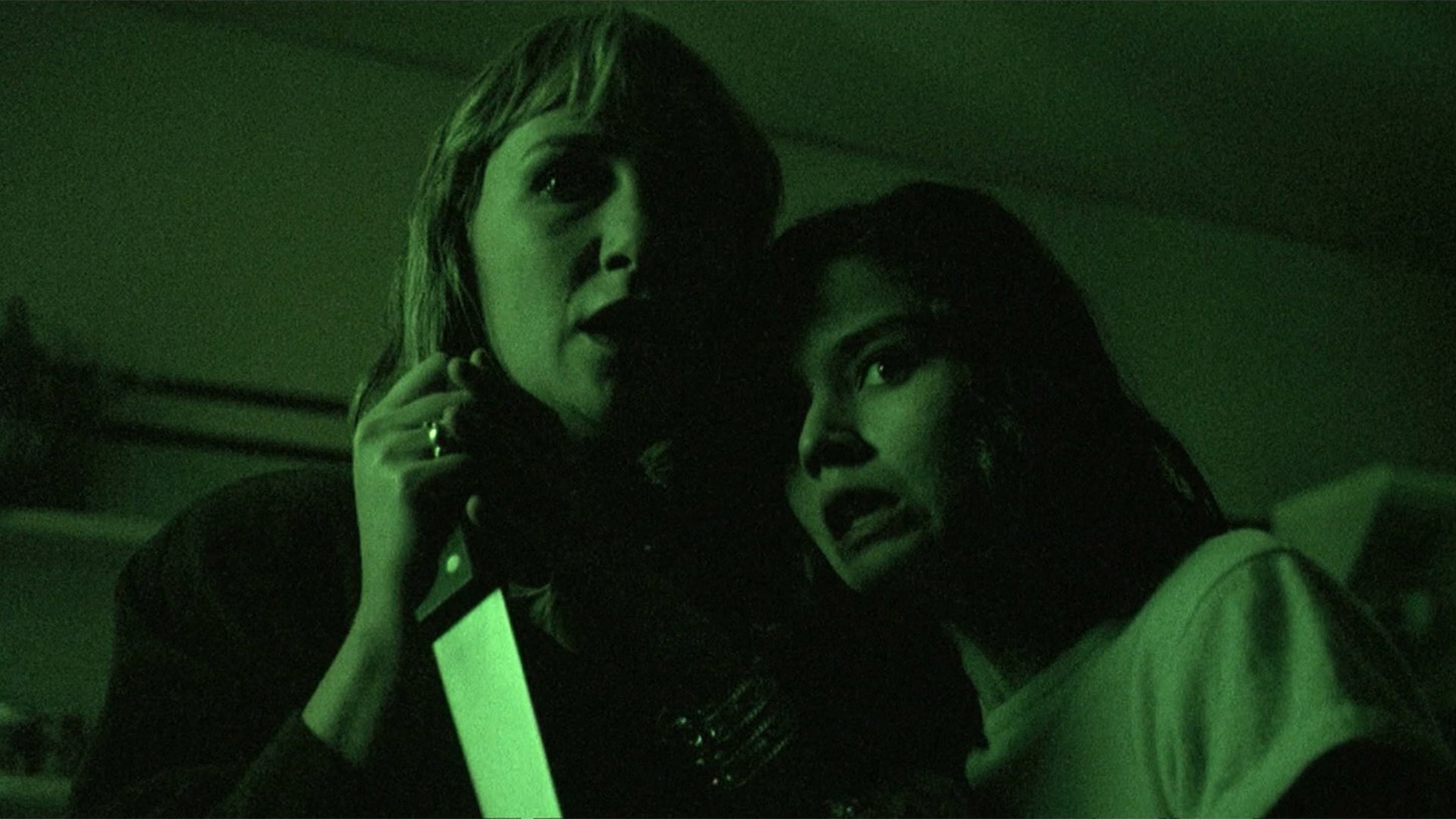
The attacks on Betty create a contrasting form of visual restriction. Immobilized by the murderer, she is forced to observe the deaths of people close to her. The camera records her frightened reactions alongside the violent actions taking place before her. These passages establish an explicit relationship between the fictional witness and the cinema audience, which is likewise confronted with images selected and arranged by the filmmaker. The British Film Institute’s retrospective discussion identifies this treatment of watching and voyeurism as one of the film’s most important concerns. Such a reading is supported by the repeated use of eyes, reflected images and restricted viewpoints.

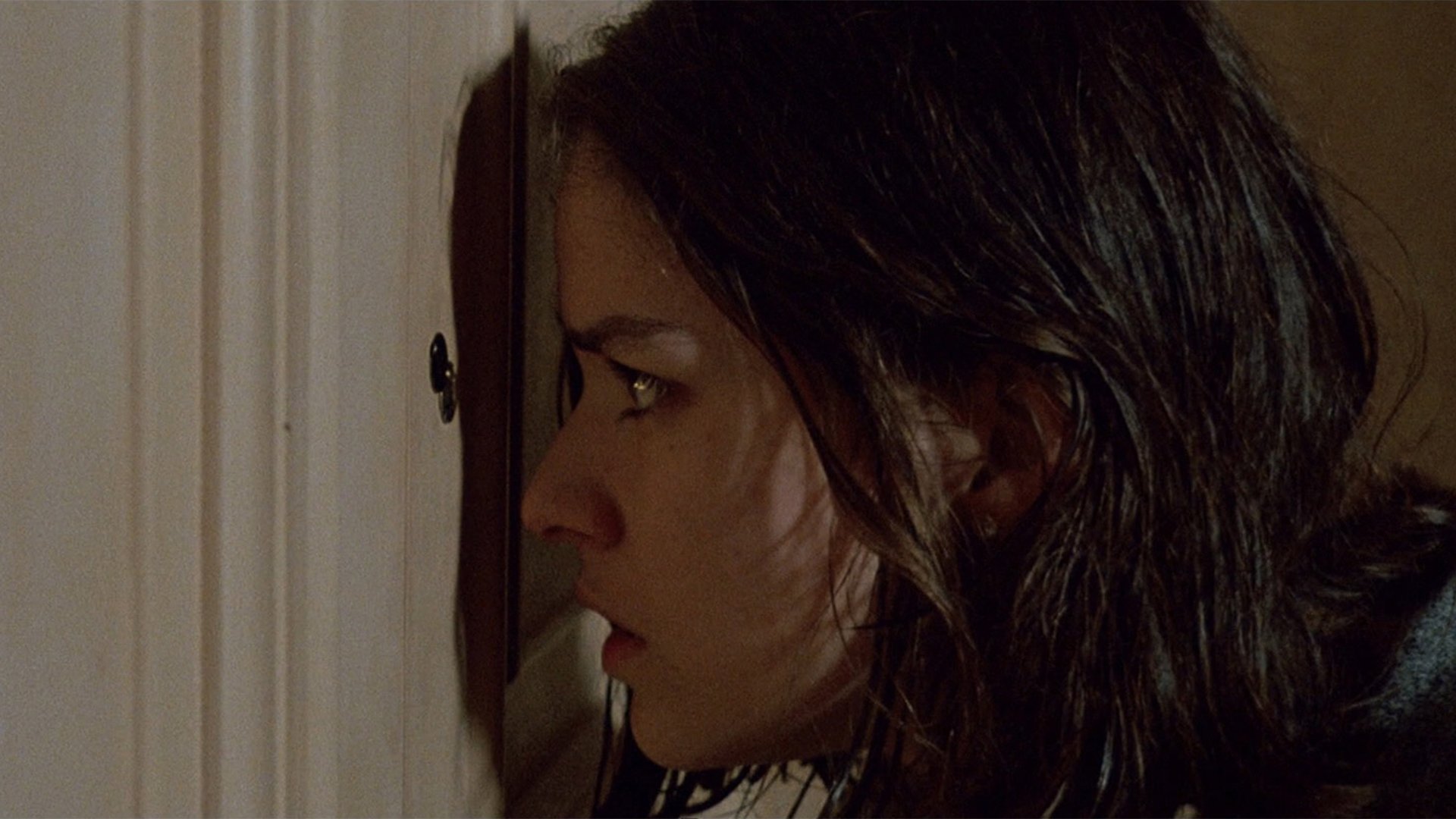
The bullet sequence involving Mira provides another example of Argento’s attention to the mechanics of vision. A shot fired through a door viewer transforms a device designed for observation into the point through which a fatal attack occurs. The sequence exploits the relationship between a narrow opening, the observer’s position and the movement of the projectile. Rather than depending exclusively on the revelation of the killer’s identity, Opera repeatedly constructs suspense around where the camera is located and what its position allows the audience to perceive.

Practical Effects and the Raven Sequences

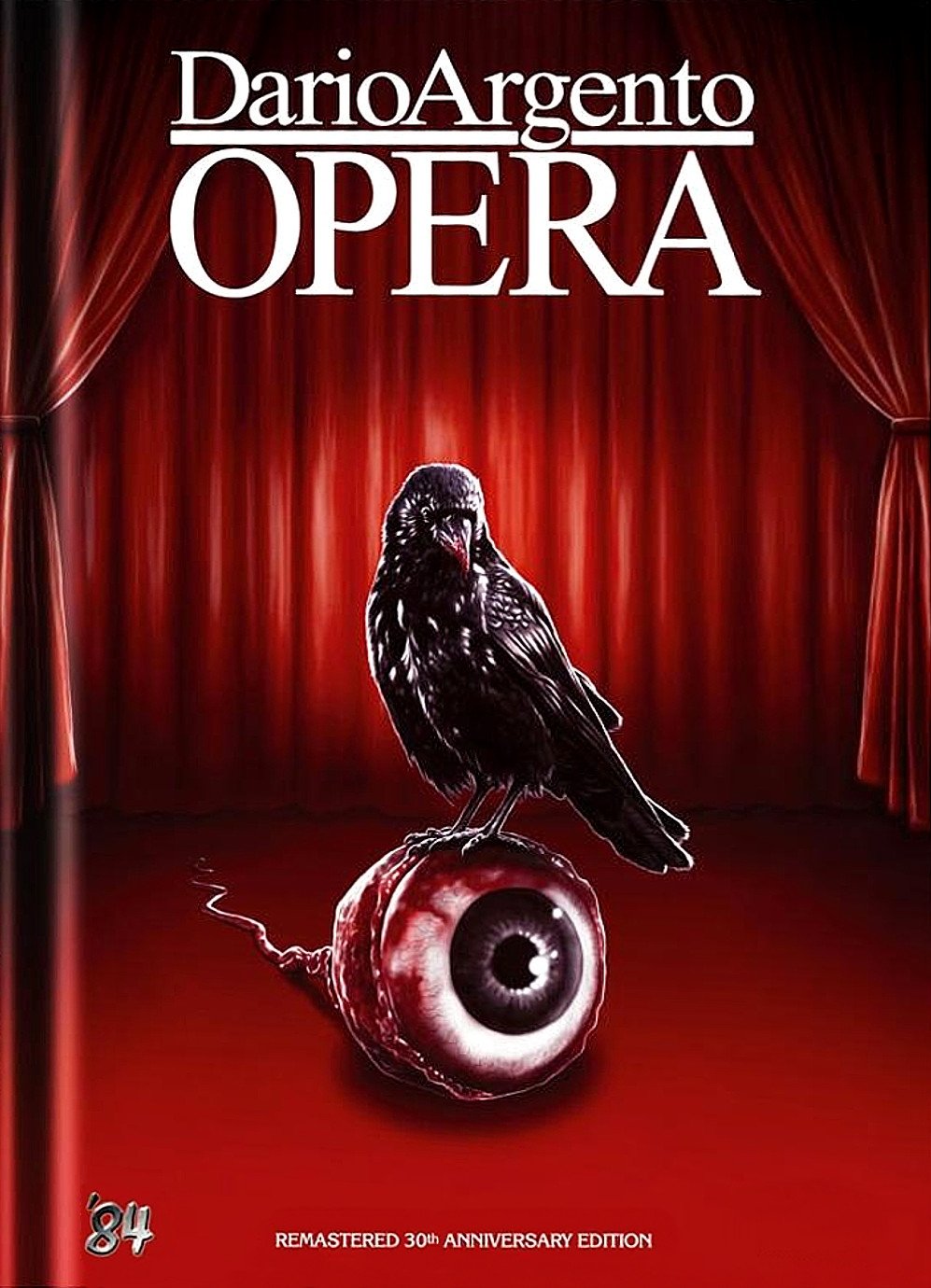
Opera required several specialized effects teams whose responsibilities should be distinguished. The production credits identify Renato Agostini with special effects and Sergio Stivaletti with animatronics, while Rosario Prestopino supervised makeup. Stivaletti’s principal assignment concerned the ravens used in the theatrical sequences. Their function extended beyond atmospheric decoration: the birds become witnesses whose reaction to a familiar individual helps identify the murderer. This narrative device also provided Argento with an opportunity to construct elaborate moving-camera sequences inside the opera house.

Stivaletti discussed his involvement in an interview originally conducted by Federico Caddeo for HorrorCult. He explained that he had developed animatronic ravens with capabilities more elaborate than those eventually required for the finished film. One principal model was designed for blue-screen photography, but practical changes prevented the production from using it as intended. Additional large-scale models were constructed for close interactions involving the birds. Stivaletti recalled creating oversized raven components for an attack involving a beak and a performer’s flesh. His testimony establishes the importance of adapting mechanical effects to the particular requirements of the camera.

The raven sequences combined living birds, artificial models and specialized equipment. The most ambitious passage follows the birds as they circle above an audience during a performance of Macbeth. The movement allows the film to represent the theatre from a perspective different from that of its human occupants. The eventual attack on the murderer depends on the physical interaction between performers and manufactured bird elements. The practical methods gave the production the ability to construct close views and controlled movements that could not reliably be obtained from living animals alone.

Stivaletti was also explicit about the limits of his contribution. In the same interview, he stated that the gunshot effect involving a head was created by the Corridori effects specialists and a makeup artist, rather than by him. This correction is important because the film’s reputation for spectacular practical effects has encouraged simplified accounts attributing numerous sequences to a single technician. The various murders depended on different combinations of mechanical effects, makeup, camera placement and editing. Their impact is closely related to the precision with which Argento controlled the moment of violent revelation.

Operatic Music, Electronics and Heavy Metal

The soundtrack of Opera brings together musical traditions that ordinarily occupy very different performance environments. Verdi’s Macbeth provides the principal dramatic setting, while additional operatic material associated with composers including Bellini and Puccini contributes to the classical repertoire. These selections establish the professional world inhabited by Betty and the other performers. Their relationship with the film’s violence is sometimes confrontational, particularly when an apparently formal theatrical environment becomes the setting for a brutal attack. The musical arrangement exploits the contrast between controlled operatic performance and sudden physical disorder.

Claudio Simonetti contributed electronic compositions associated with the thriller’s atmosphere and movement. The soundtrack also includes music by Brian and Roger Eno, alongside material credited to Bill Wyman and Terry Taylor. Heavy-metal recordings by performers including Steel Grave provide a different dramatic register. Their abrupt presence during violent sequences changes the rhythm of the film, introducing sounds associated with contemporary popular music into a narrative dominated by classical performance. The contributors should be understood as responsible for distinct musical material rather than as members of a single composing team.

The use of heavy metal continues an approach already evident in Phenomena and the two Demons productions associated with Argento. In Opera, however, the contrast has a particularly direct relationship with the setting. Classical music is frequently connected with a respected public institution, while amplified rock accompanies the physical intensity of attacks and pursuits. The resulting soundtrack moves between the prestige associated with operatic performance and the aggressive textures of contemporary horror music. The British Film Institute has highlighted this collision as a defining feature of the film’s audiovisual identity.

The musical differences also affect the treatment of spectatorship. Betty performs before an audience whose attention is directed toward an artistic spectacle, while the film audience observes violence occurring outside or behind that performance. The soundtrack connects these levels of observation without requiring them to share a continuous musical style. Its transitions can interrupt the apparent stability of the theatrical setting, creating a sense of instability that extends beyond the visible actions of the murderer.

Theatrical Release, Versions and Censorship

Opera entered Italian theatrical distribution on 19 December 1987 through CDI, following its classification in December of that year. The original Italian release is generally documented at approximately 107 minutes, consistent with the running time used by the British Film Institute for its retrospective presentation. International circulation introduced the alternative title Terror at the Opera and a number of shorter editions. These releases require careful identification because the film’s recorded running times reflect both editorial changes and differences between cinema and home-video presentation standards.

The British Board of Film Classification examined a theatrical submission titled Terror at the Opera on 5 January 1990. The submitted version ran 95 minutes and 18 seconds, and the BBFC explicitly records that cuts or alterations were required during classification. The distributor was Rank Film Distributors. A later British home-video submission, classified on 30 January 1991 for Virgin Vision, ran 91 minutes and 4 seconds and also received recorded alterations. These entries provide direct evidence of censorship-related intervention in the British distribution history.

The BBFC subsequently classified another home-entertainment edition on 24 December 2002. Distributed by Arrow Film Distributors, it ran 102 minutes and 52 seconds and has no cuts recorded in the published classification entry. The difference between this duration and the approximately 107-minute cinema presentation is consistent with the reduction in running time produced by PAL video speed-up. However, running times alone cannot establish the complete editorial identity of every submitted version. Claims about individual removed scenes must therefore be based on direct comparisons or specific classification documentation.

Later restorations brought renewed attention to the longer presentation of Opera. A British Blu-ray release from Cult Films employed a new 2K scan and color grading undertaken in consultation with Argento, using his preferred theatrical presentation as a reference. The restoration also included newly prepared subtitles and substantial documentary material. Reviewing the edition for Frame Rated in 2019, Remy Dean discussed the importance of recovering material absent from some earlier versions, particularly around the conclusion. The film’s international history demonstrates why assessments of its ending, visual construction and soundtrack should identify the edition being examined.

Critical Reception and Position in Argento Cinema

Opera occupies a distinctive position in the later development of Argento’s giallo cinema. Following the supernatural experiments of Suspiria, Inferno and Phenomena, the film returns to a murderer whose identity and personal history become central to the investigation. Its structure nevertheless incorporates techniques developed across the director’s earlier work. Elaborate moving-camera passages, unstable memories and the manipulation of visual evidence appear alongside an unusually explicit concern with the spectator’s experience. The opera-house setting makes the act of public performance central to the narrative, encouraging comparisons between theatrical spectators and audiences watching horror films.

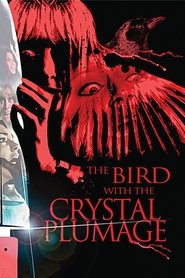
Retrospective criticism has frequently treated Opera as an important culmination of Argento’s work during the 1970s and 1980s. In the British Film Institute’s 2023 programme notes, Kevin Lyons identified it as a particularly significant late achievement, emphasizing the imagery and the film’s interest in looking, artistic performance and violence. This interpretation situates Opera within a recognizable continuity extending from The Bird with the Crystal Plumage (1970) through the director’s subsequent gialli. The judgment is a critical assessment rather than an independently measurable ranking of Argento’s films.
Other assessments have emphasized the uneven relationship between the film’s elaborate set pieces and its increasingly unusual narrative developments. Remy Dean’s retrospective discussion for Frame Rated acknowledged the technical accomplishment of the photography while examining the connections with Argento’s earlier motifs and the implications of the restored ending. The final movement away from the opera house introduces a marked change in setting and dramatic tone. This shift has remained a point of disagreement in evaluations of the film’s overall construction.
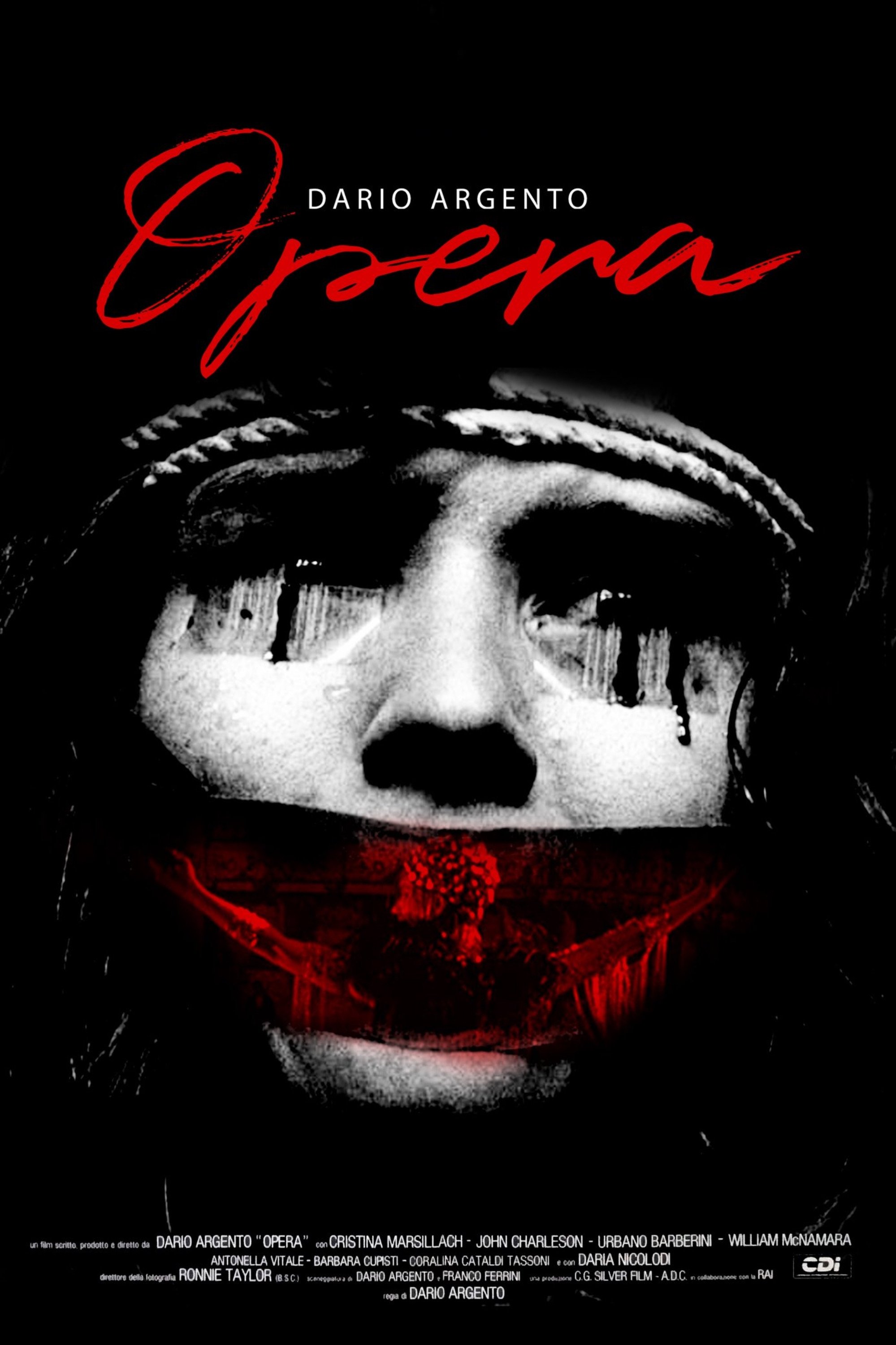
The technical achievements of Opera have contributed substantially to its continued reputation. The raven-perspective photography, the practical effects and the image of Betty prevented from closing her eyes remain among its most recognizable elements. The film has continued to circulate through restorations, retrospective screenings and specialist critical writing. In a later interview, Argento described Opera as a production involving an exceptional concentration of visual ideas and stated that its effects were especially suited to theatrical projection. Its sustained importance is most securely established through the director’s documented technical ambitions and the continued critical attention devoted to their realization.

References

  1. British Film Institute Opera — Dario Argento: Doors into Darkness

    BFI Southbank retrospective programme containing Kevin Lyons’s critical analysis of the film’s treatment of spectatorship, operatic performance and visual style, alongside detailed original production credits.

  2. GamesRadar+ / Total Film Dario Argento: In Conversation with the Horror Master

    Jamie Graham’s direct interview with Argento discussing the origin of the needles beneath Betty’s eyes, the raven-perspective camerawork, the gunshot sequence and the influence of Sergio Leone.
  3. Gente di Rispetto / HorrorCult Intervista a Sergio Stivaletti
    Federico Caddeo’s original interview with Stivaletti documenting his animatronic raven designs, abandoned blue-screen effect, cooperation with Michele Soavi and the separate responsibility for the gunshot effect.

  4. Frame Rated Opera (1987)

    Remy Dean’s extensive retrospective examining the abandoned Rigoletto staging, production history, Ronnie Taylor’s cinematography, the opera-house camera techniques, soundtrack and restoration.

  5. British Board of Film Classification Terror at the Opera — Classification and Release Records

    Official records documenting cuts to the 1990 British theatrical submission and 1991 VHS edition, together with the 2002 home-video classification and respective running times.

Cast

View Full Cast & Crew →

Release & Distribution

Production Companies (3)

  • ADC Films IT
  • C.G. Silver Film IT
  • Cecchi Gori Group Tiger Cinematografica IT

Distributors (1)

  • Orion Pictures US

Release History (22)

Release DateTerritoryRelease TypeFormatDistributorCertificationNotes
1987-12-19 Italy Theatrical — — VM14
1989-02-11 Japan Theatrical — — —
1989-08-11 Portugal Theatrical — — M/18
1989-08-18 Mexico Theatrical — — —
1989-09-01 Canada Limited Theatrical — — — Toronto International Film Festival
1989-12-05 Germany Digital — — 16
1990-01-05 United Kingdom Theatrical — — 18
1990-02-01 Portugal Limited Theatrical — — M/18 Fantasporto Film Festival
1990-08-31 United States Theatrical — — R Austin, Texas
1991-01-30 United Kingdom Physical VHS — 18 VHS
1991-09-06 United States Physical — — NR video premiere
1992-10-03 Germany TV — — 16 ARD
1999-09-01 Greece Limited Theatrical — — — Athens Film Festival
2003-03-24 United Kingdom Physical DVD — 18 Arrow Video DVD
2009-08-18 Netherlands Physical DVD — 12 DVD premiere
2012-11-16 Greece Limited Theatrical — — — Panorama of European Cinema
2017-04-15 France Limited Theatrical — — — Lyon Festival Hallucinations Collectives
2017-04-20 Netherlands Limited Theatrical — — 12 Imagine Film Festival
2017-10-20 France Physical DVD, Blu-ray — — DVD and Blu-ray premiere
2018-06-27 France Theatrical — — 12 restored version
2019-01-21 United Kingdom Physical Blu-ray — 18 Blu-ray
2019-11-20 Portugal Theatrical — — M/18 Porto (Passos no Escuro) (theatrical)
Obsession. Murder. Madness.