From Ethnobotanical Research to Horror Fiction
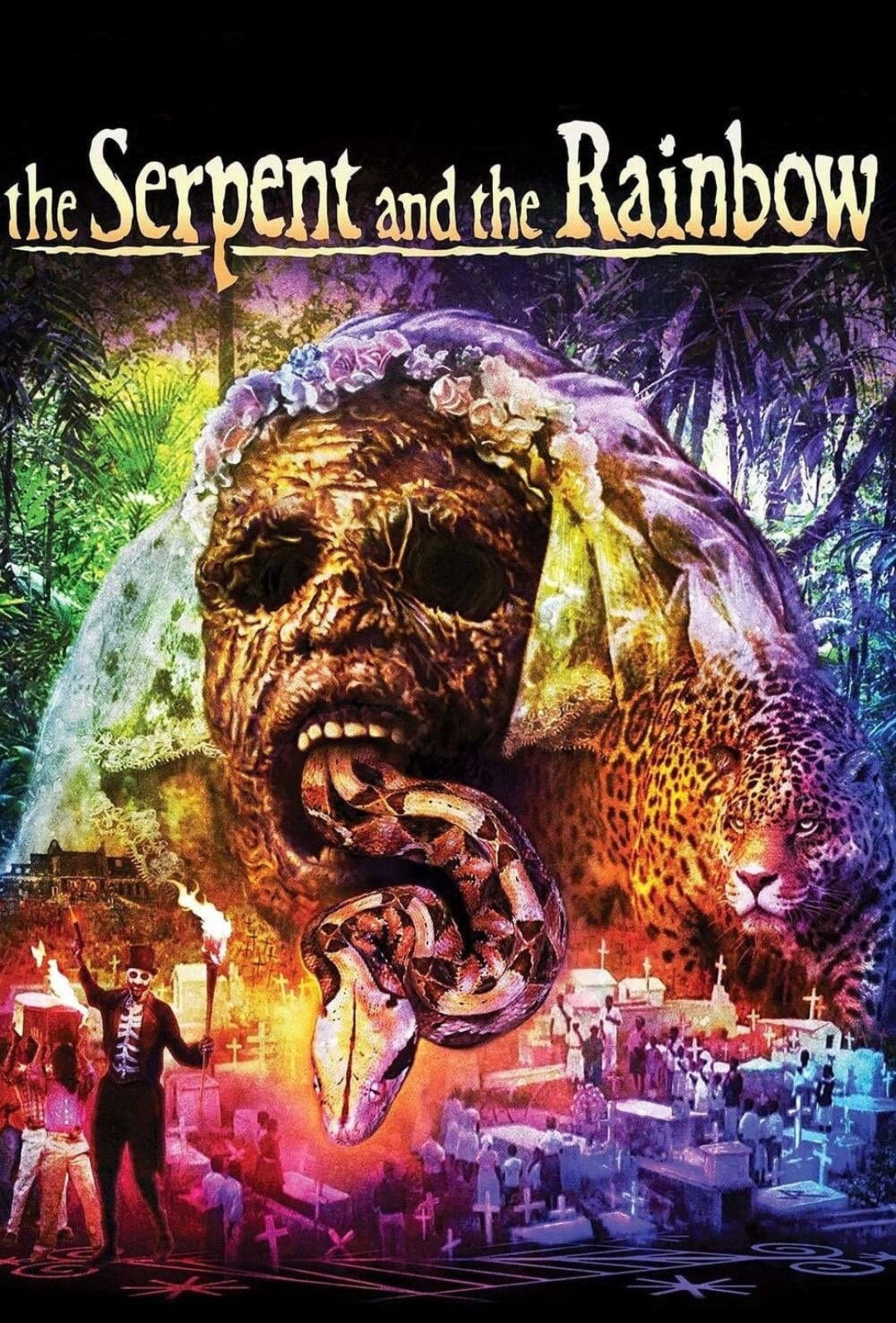
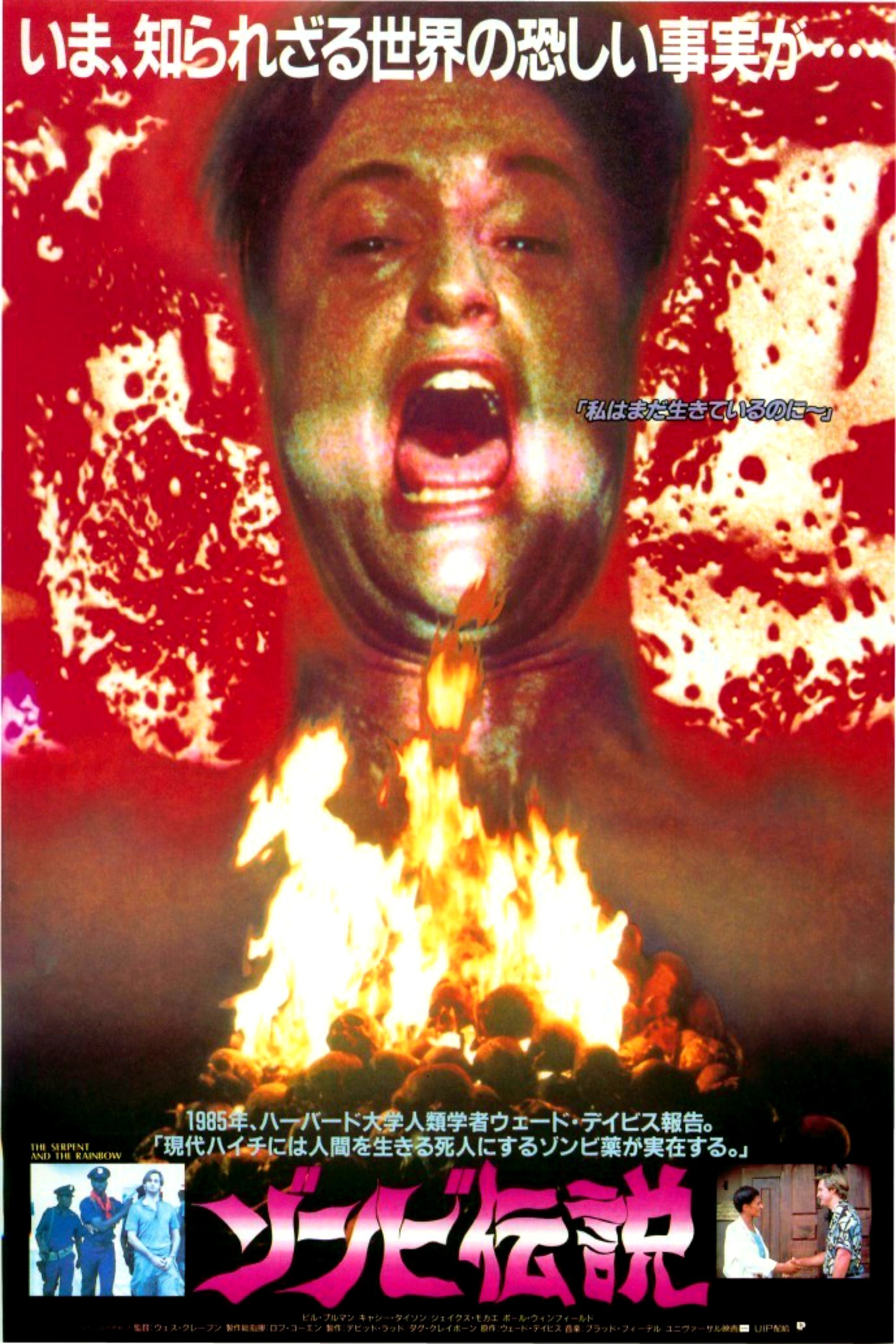
Wade Davis's book The Serpent and the Rainbow was published in 1985 following research into the Haitian zombi tradition and the possible use of toxic substances in accounts of people declared dead and later found alive. Davis investigated preparations that he believed could produce extreme paralysis; he associated the proposed mechanism with tetrodotoxin, a potent neurotoxin found in certain fish. The explanation attracted scientific challenges, and the degree to which these substances could account for the reported cases was never established beyond dispute. The film takes the investigation as its premise without presenting a documentary account of Davis's work.
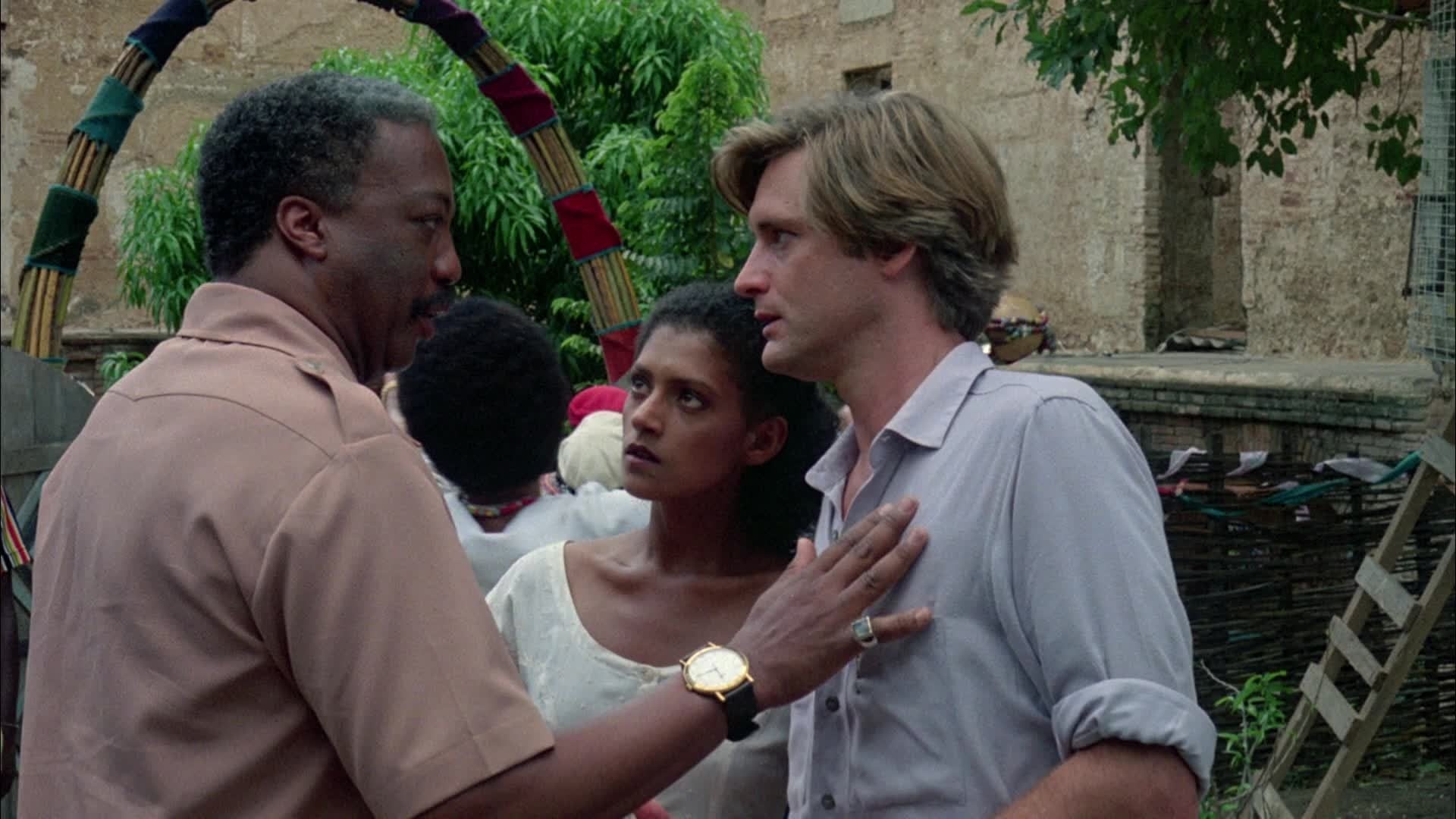
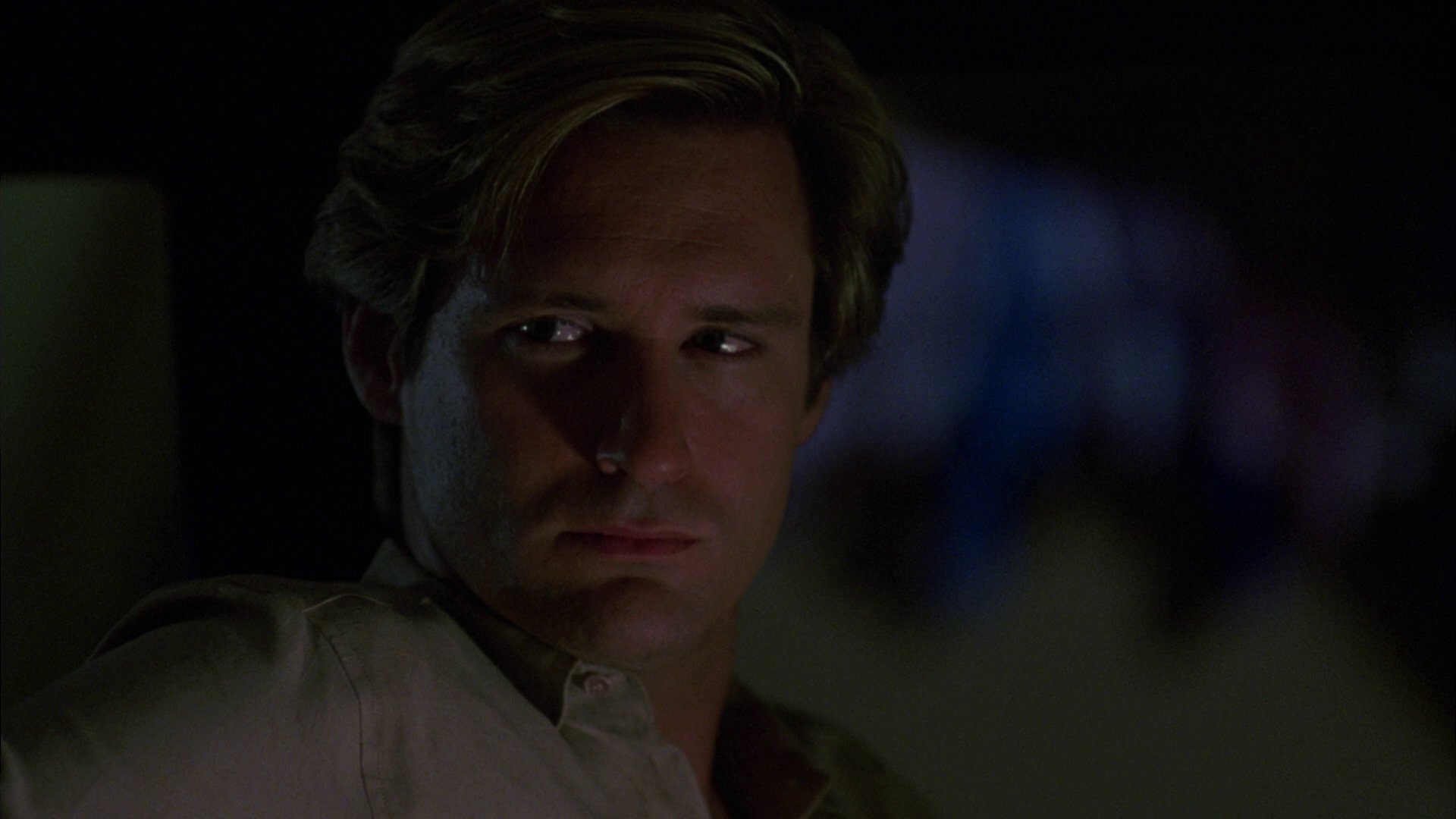
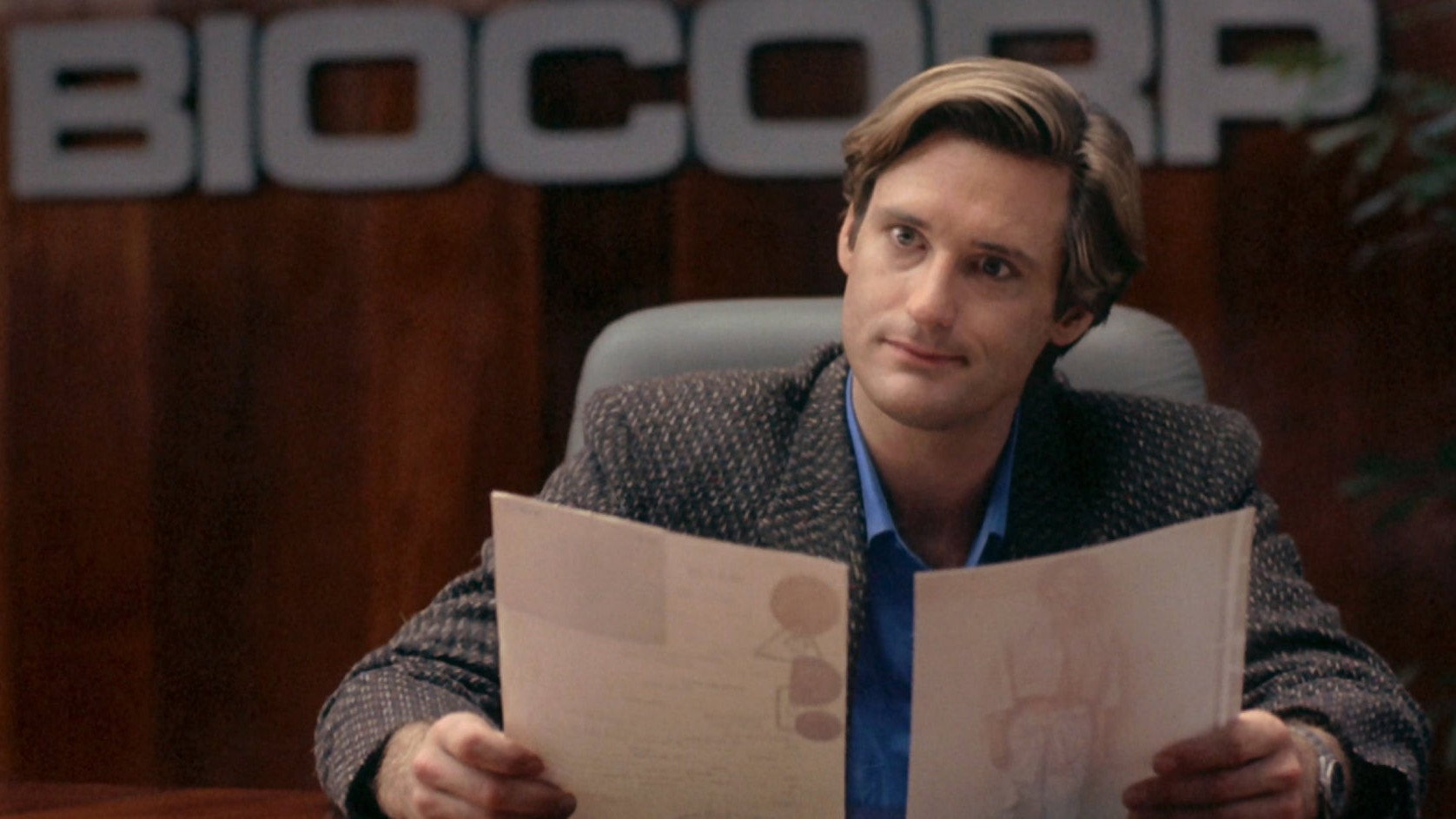
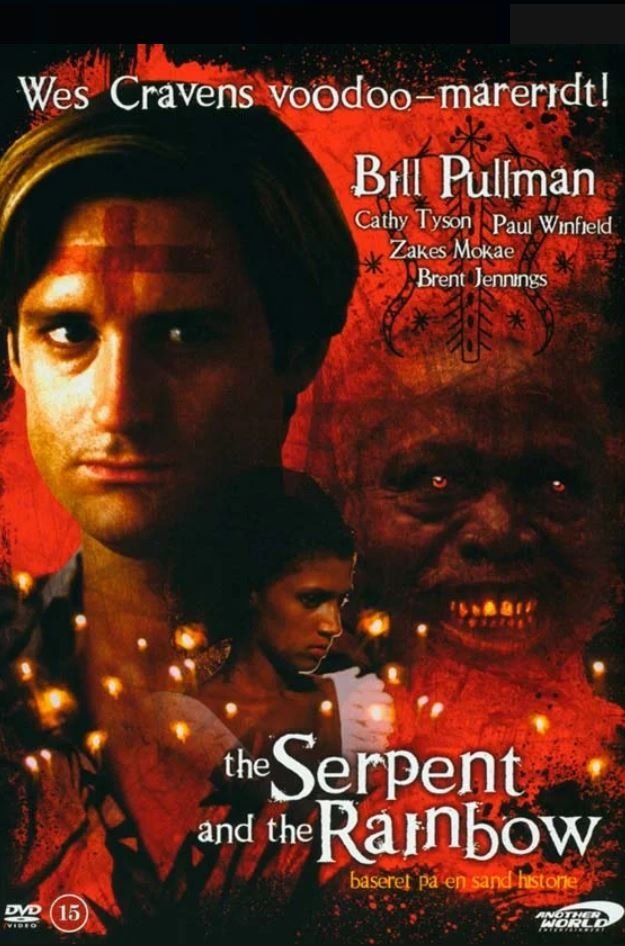
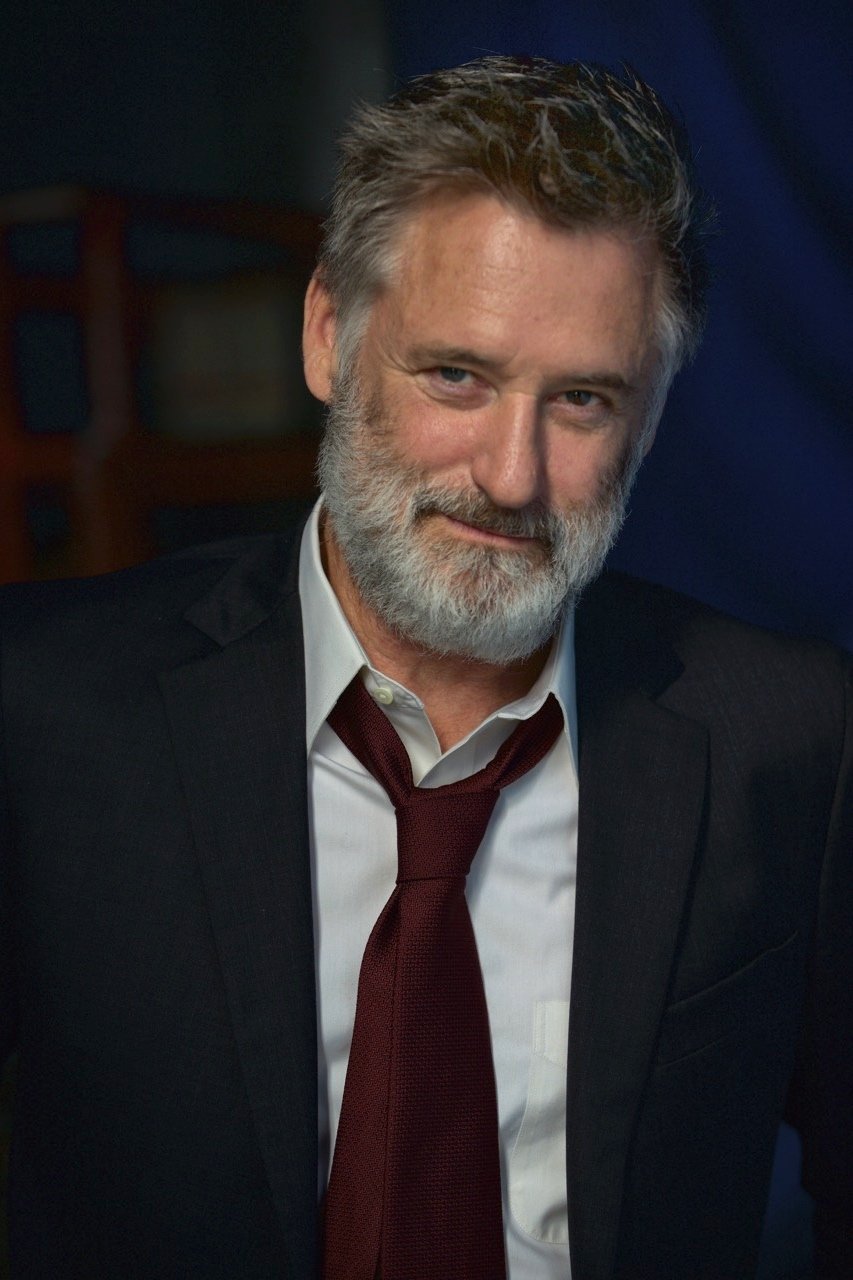
Executive producer Rob Cohen recalled that his interest in anthropology helped prompt him to option Davis's book. The screenplay, credited to Richard Maxwell and A. R. Simoun, transforms the researcher into Dennis Alan, played by Bill Pullman, and gives him an assignment from a pharmaceutical company hoping to study the alleged drug as a potential anesthetic. That commercial purpose provides a narrative reason to seek the formula, but the expedition soon takes on the dimensions of an escalating personal ordeal. Encounters with Christophe, a man linked to reports of zombification, drive Alan toward an explanation that is repeatedly displaced by visions and threats.
The adaptation is therefore considerably freer than the phrase 'based on a true story' might suggest. Its invented antagonist, Dargent Peytraud, is both a practitioner of malign supernatural power and an officer of the Tonton Macoutes, the regime's feared militia. Alan's imprisonment, nightmares and final confrontation belong to the fictional thriller. The political framework refers to a real dictatorship; the individual adventures and occult battle must be understood as dramatic inventions rather than verified incidents from Davis's research.
Filming in Haiti and the Dominican Republic
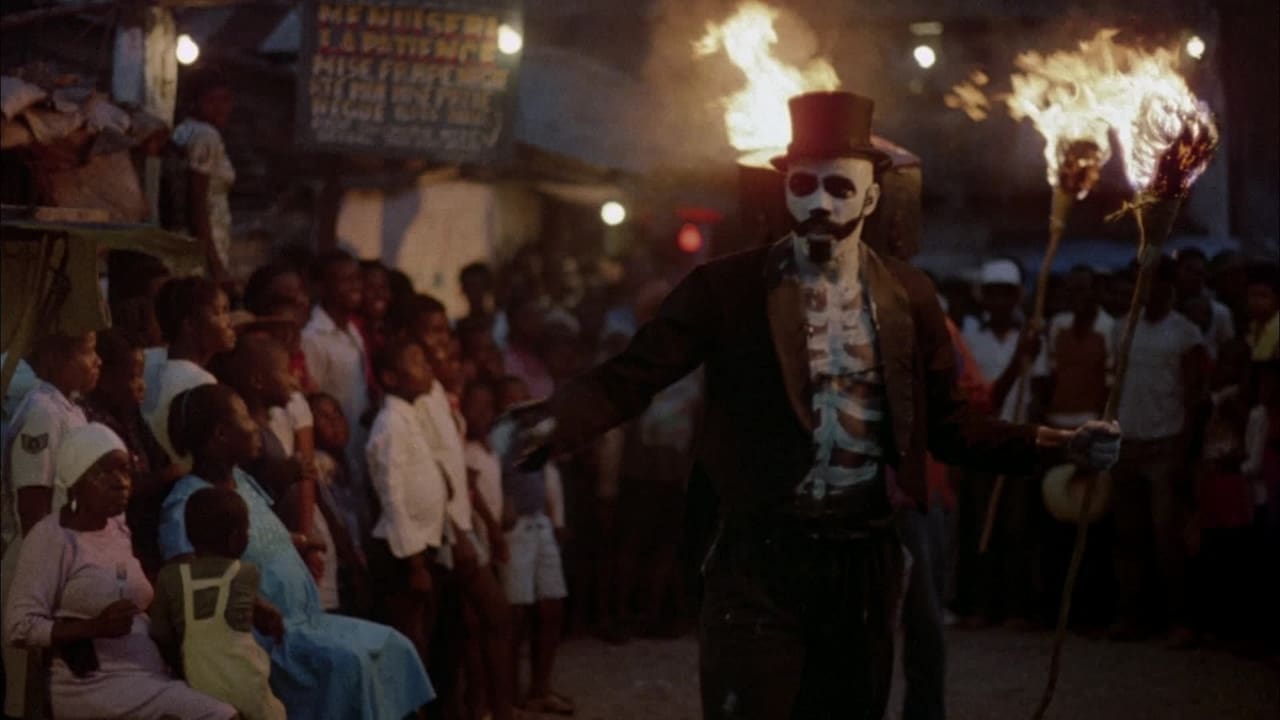
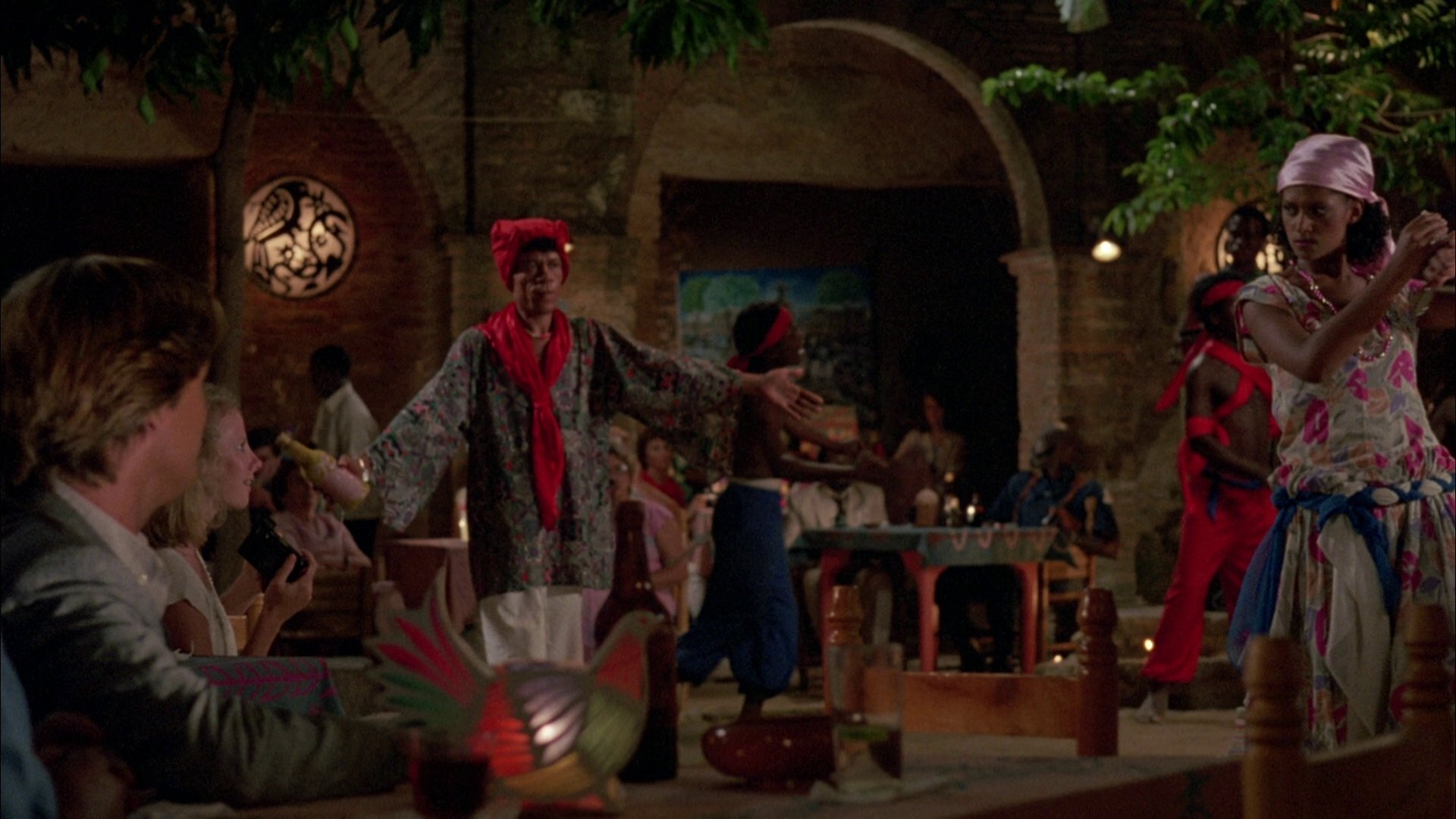
Principal photography began in Haiti in March 1987. The production sought to capture streets, landscapes and ceremonies in locations rather than confining the story to reconstructed interiors. Davis assisted the filmmakers by introducing them to people familiar with local religious practice. In a contemporary interview, Cohen said Vodou priests advised the crew in Haiti and the Dominican Republic, a degree of contact that the producers regarded as important to the undertaking. Craven later described Davis's presence as vital to gaining access and trust during the location work.
Shooting was disrupted when a large group of Haitian extras challenged the production over their pay. Contemporary reporting placed the number involved at approximately two thousand; the confrontation alarmed the crew and contributed to the decision to continue work across the border in the Dominican Republic. Accounts from the participants differ in emphasis, but agree that the incident seriously interrupted filming. Craven subsequently distinguished the Haitian exterior work from the night photography completed in the neighboring country, while recalling that a major nighttime procession was filmed in Haiti itself.
The location difficulties matter to the film's form because its crowded public spaces and urban disturbances are more than incidental background. Processions, movement through streets and encounters with onlookers establish a setting that Alan cannot understand through his research brief alone. Yet the cinematography also turns the lived environment into a territory of threat, an effect that makes the representation of Haiti inseparable from the film's perspective as an American genre production. The visible social upheaval supplies an authentic historical setting even as the plot introduces supernatural events into it.
Vodou, the Zombie Tradition and Political Terror
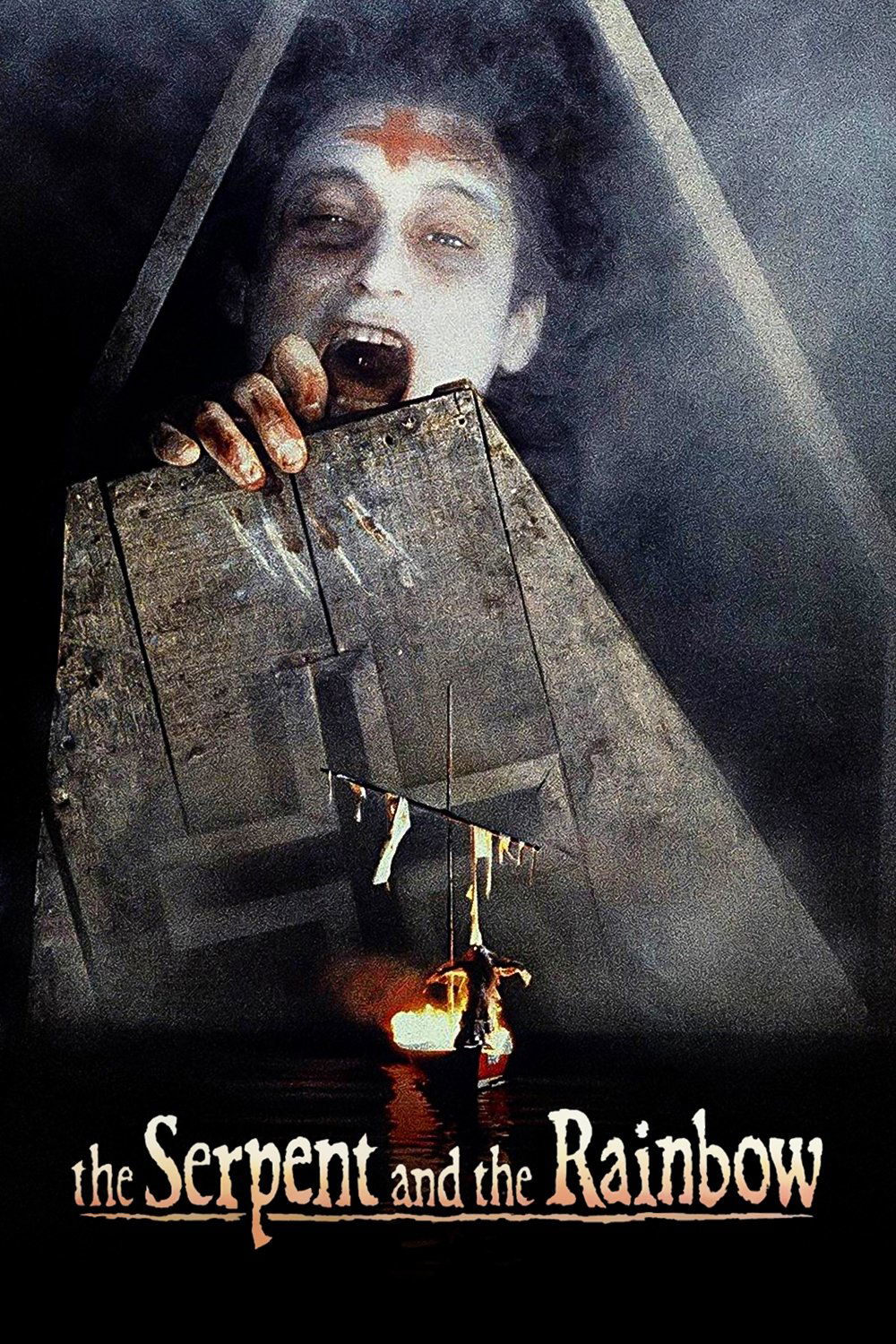
The film draws on a specifically Haitian conception of the zombi as a person deprived of agency, rather than the predatory undead figure developed in other branches of horror cinema. Its nightmare of being pronounced dead while remaining conscious gives bodily form to that deprivation. Burial becomes a mechanism of control: an individual can be erased from society while still living. Craven uses this premise through Alan's fear that even scientific knowledge and physical resistance may not protect him from those who control the alleged poison.
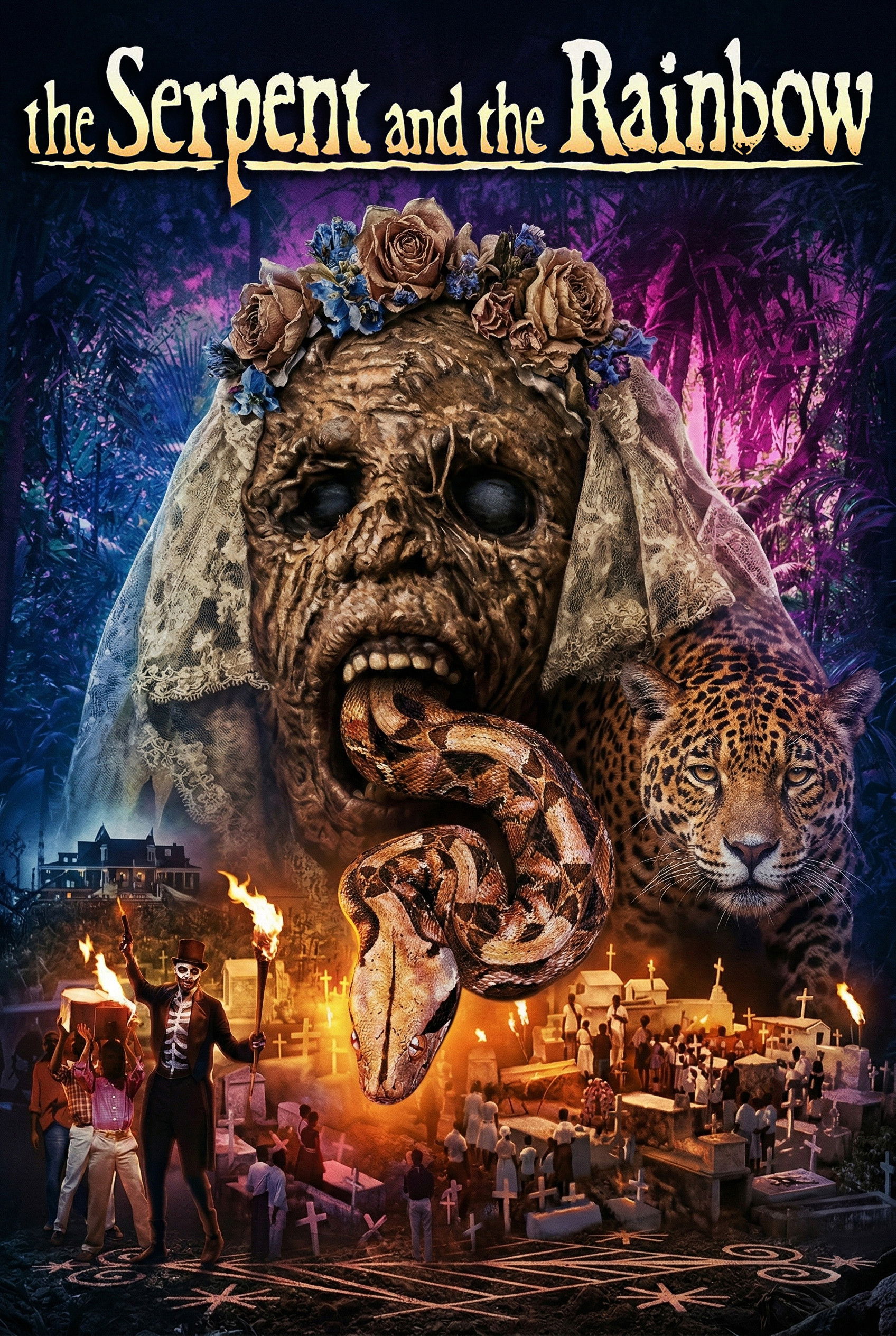
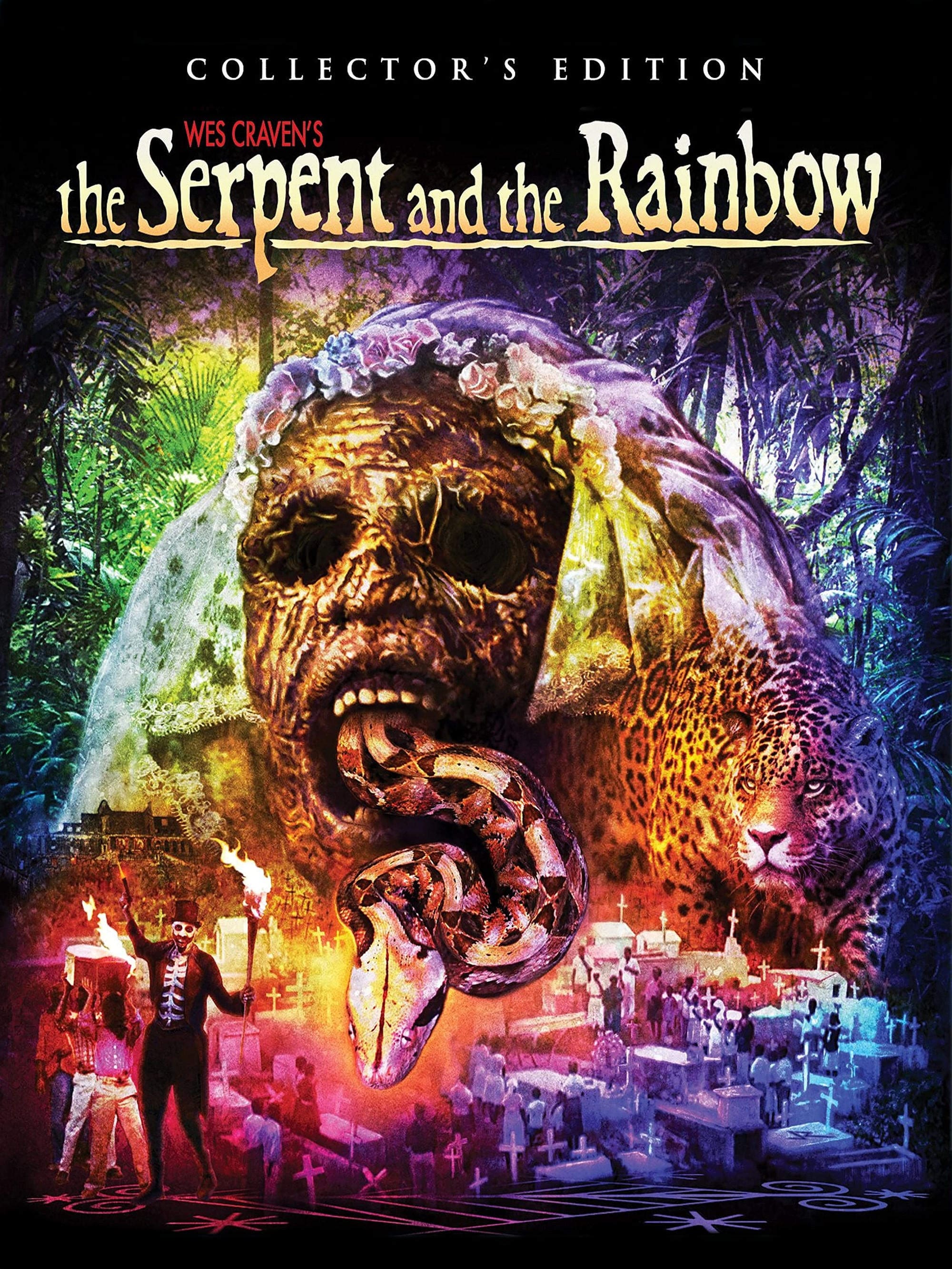
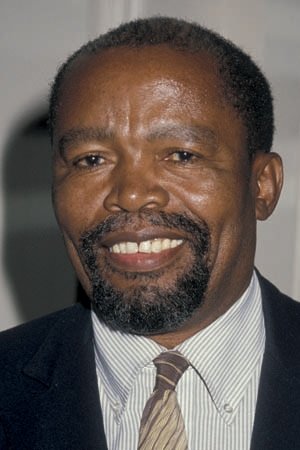
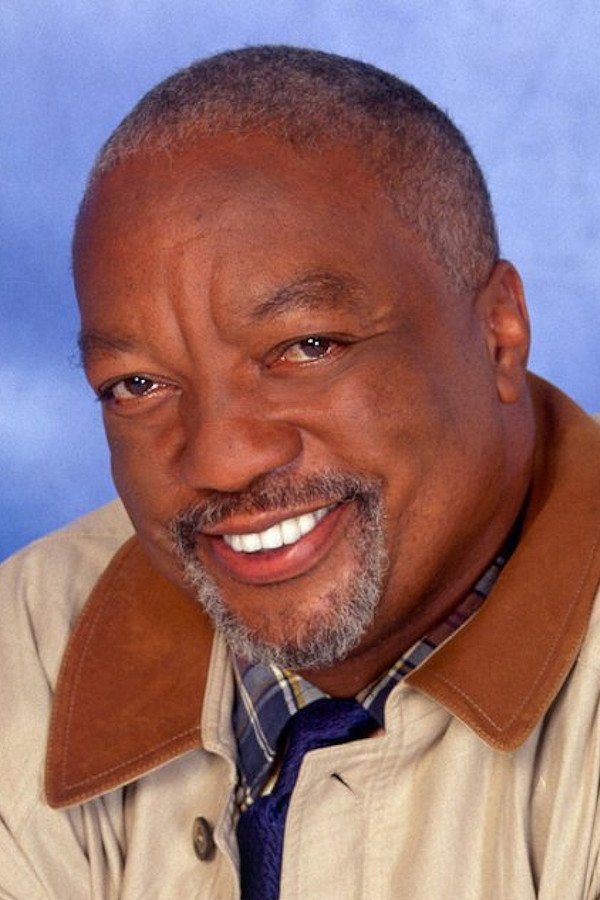
Vodou itself is a religion with a far broader ritual and social life than the practices selected for a horror narrative. Davis argued publicly against treating it as inherently satanic, while Craven said he had tried to understand its religious dimensions before filming. The story nevertheless narrows its focus to ceremonies, dangerous sorcery and secretive authority. It contrasts Peytraud with Haitian characters who help Alan, especially Marielle, portrayed by Cathy Tyson, and her father Lucien, portrayed by Paul Winfield. This division attempts to distinguish religious practice from the villain's abuse of it, although the film remains shaped by the sensational expectations of its genre.
Peytraud's position links spiritual coercion to state repression. The Tonton Macoutes were an actual instrument of intimidation under the Duvalier regime, but the character's supernatural powers and the acts attributed to him are fictional. As the story approaches the dictatorship's collapse, political instability and Alan's private struggle converge. The connection gives the zombie metaphor a social dimension: terror is sustained by the threatened loss of will and identity. That interpretation arises from the film's structure, not from a claim that its invented events reconstruct Haitian political history.
Location Photography, Hallucination and Buried-Alive Horror
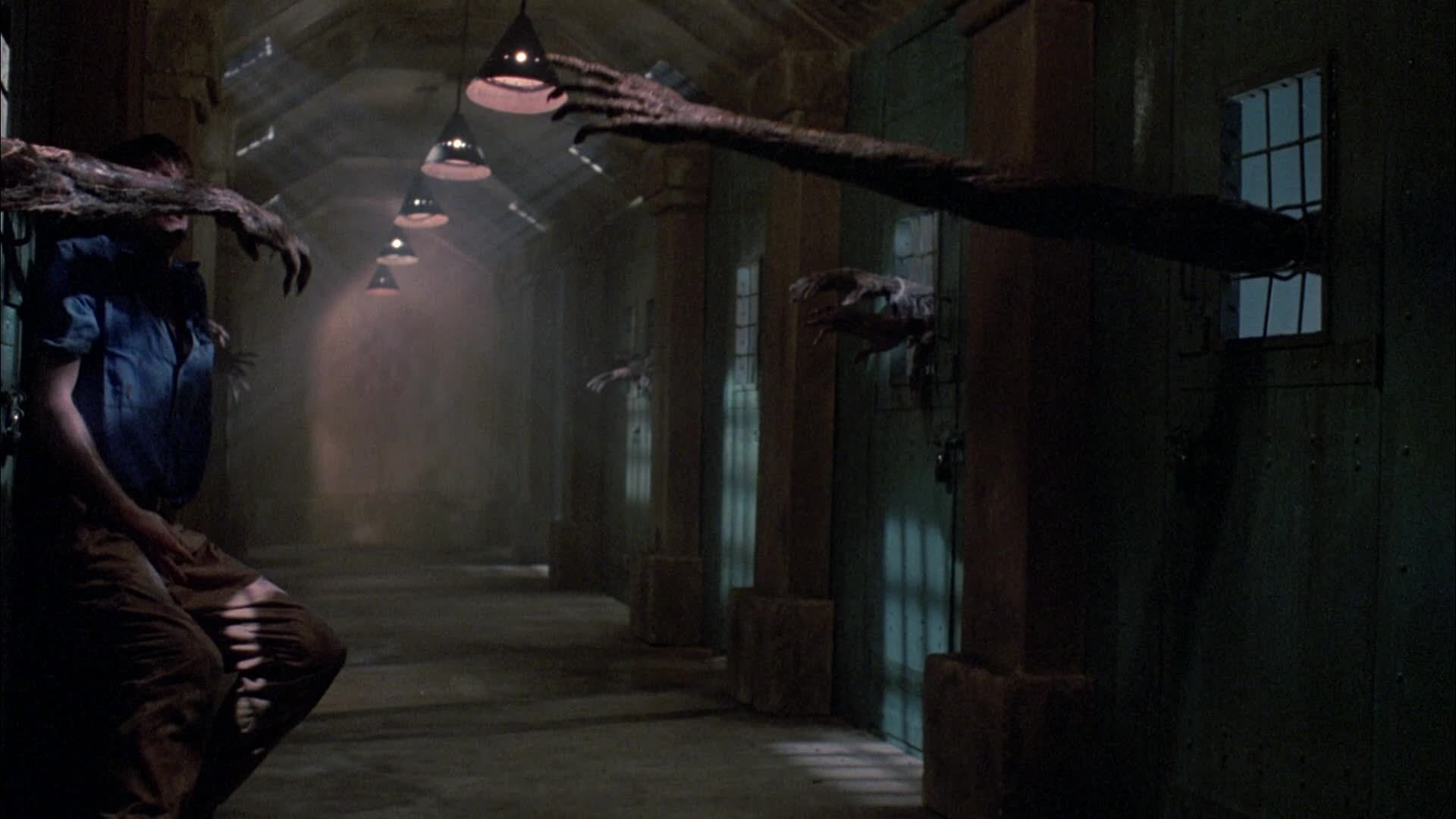
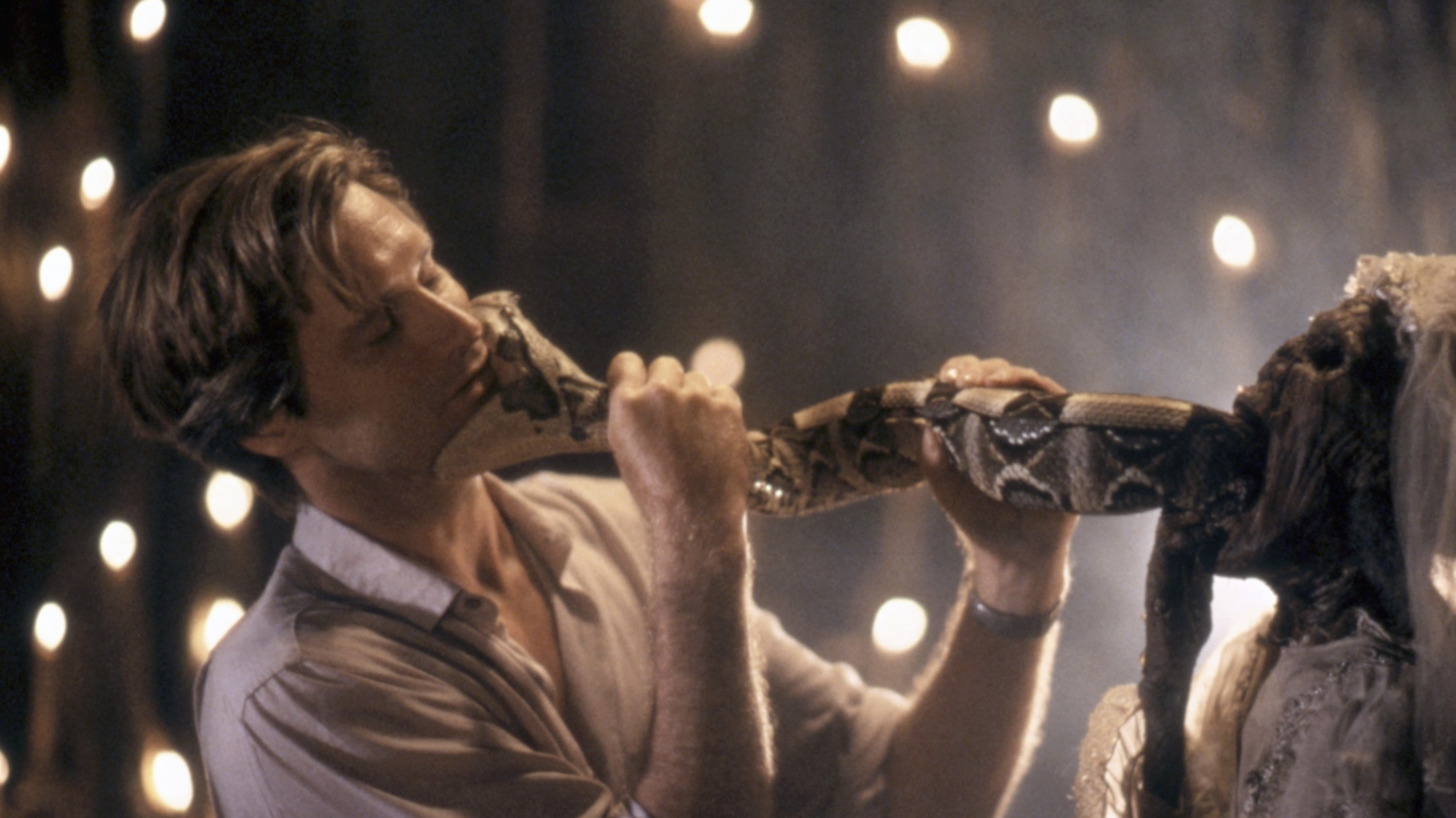
John Lindley's cinematography gives the film two contrasting registers. The streets, crowds and natural light of the location passages make Alan's investigation look like an excursion through a recognizable environment. The supernatural episodes break that sense of security through sudden changes in scale and spatial logic. Rooms and passageways seem unable to contain the forces within them; bodily details become detached from ordinary perception. Craven's established interest in dreams is evident, but the disturbances here arise from Alan's growing uncertainty about whether he is awake, drugged or being deliberately manipulated.
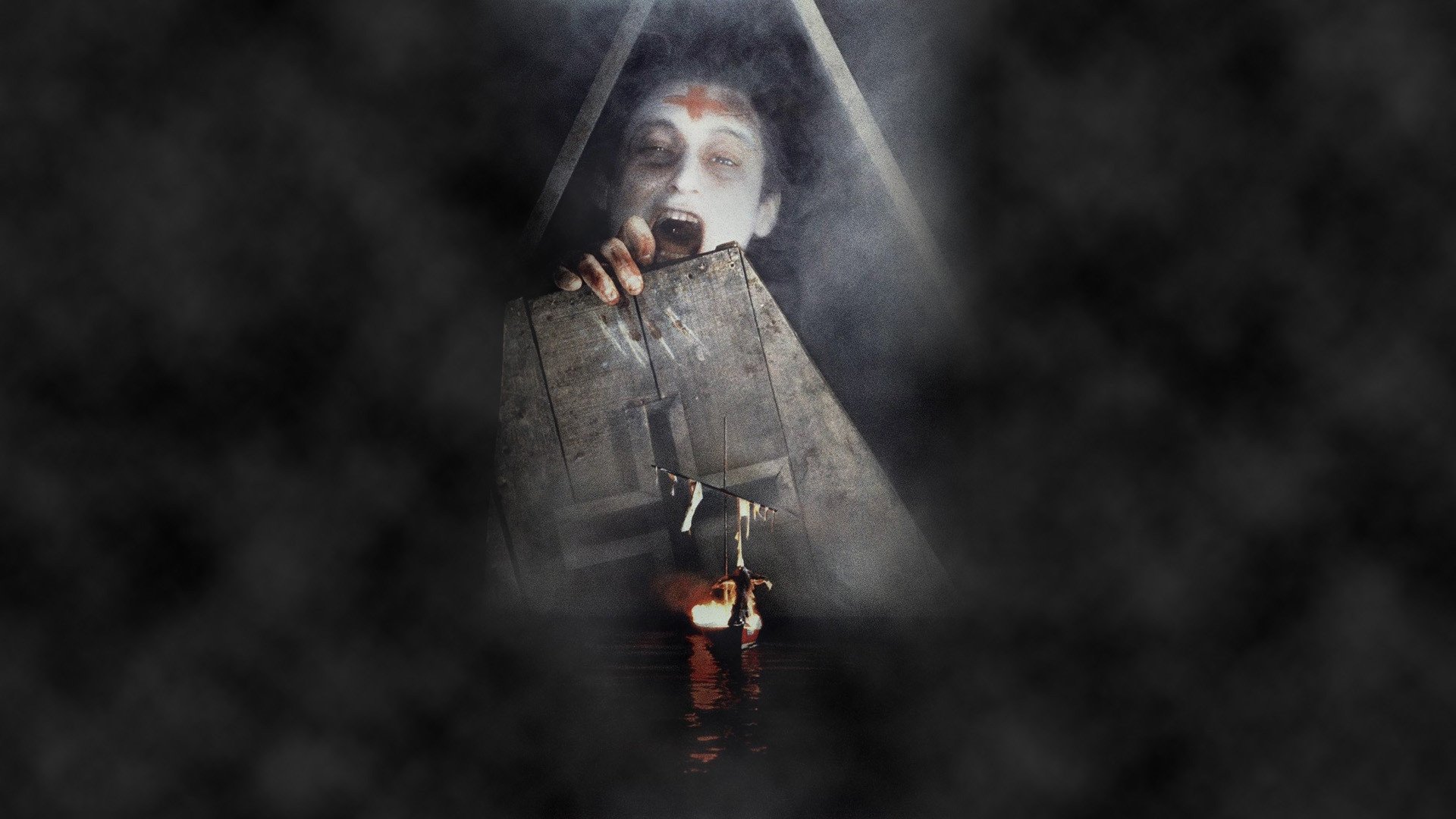
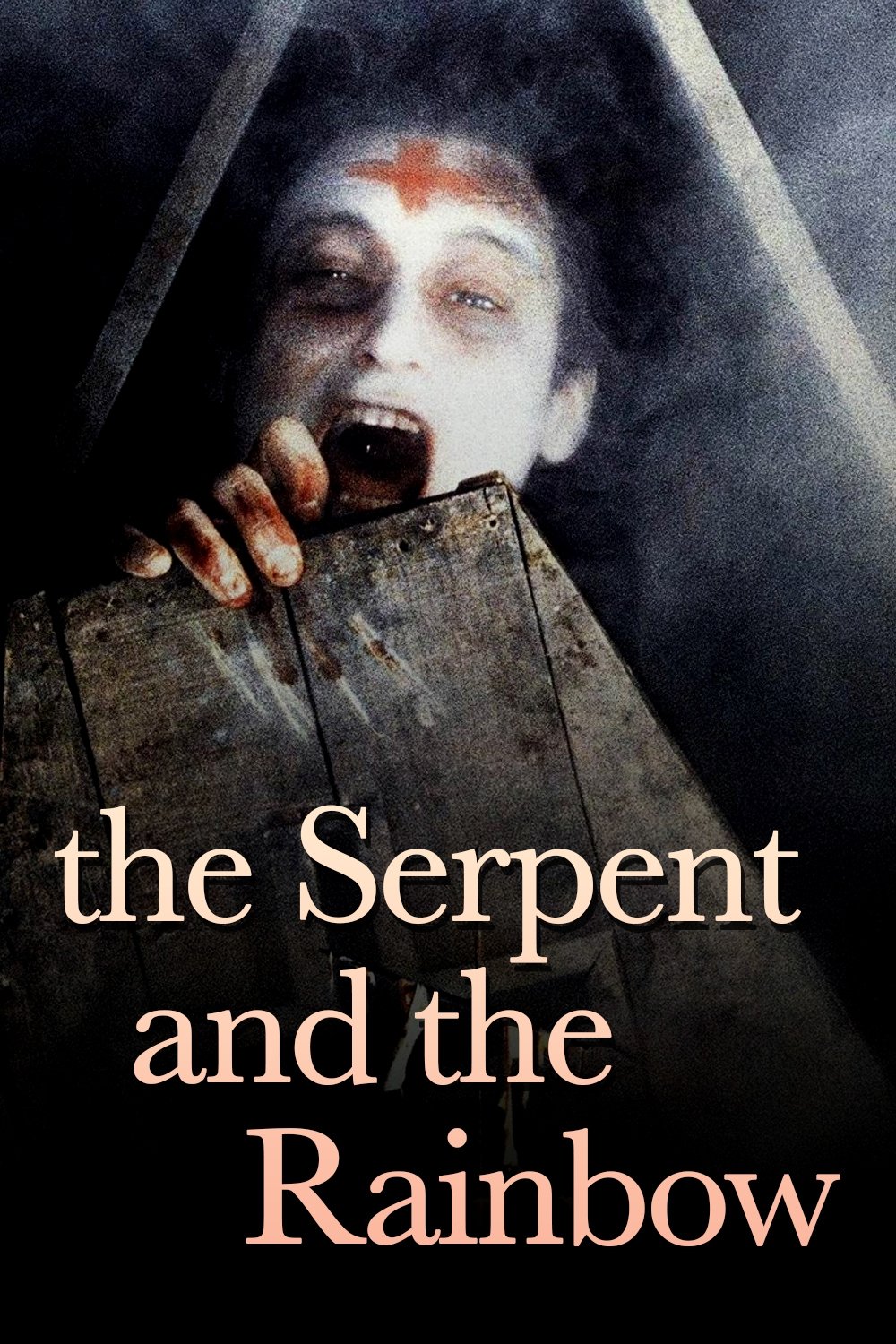
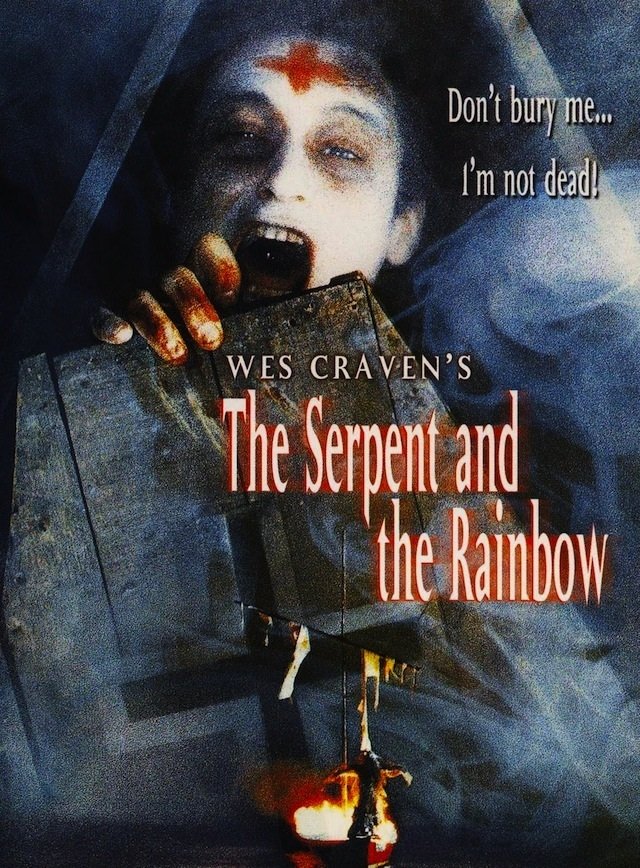
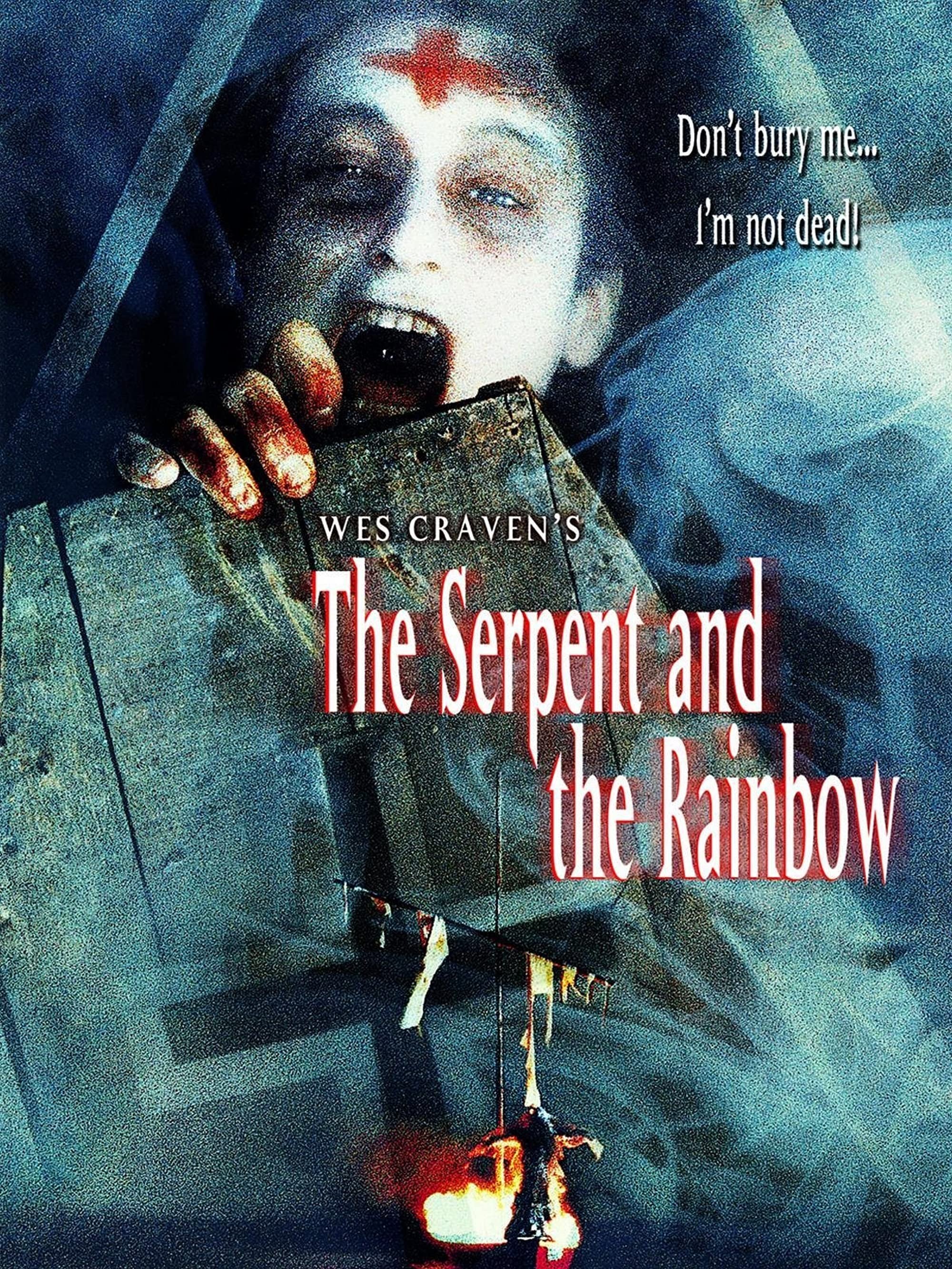
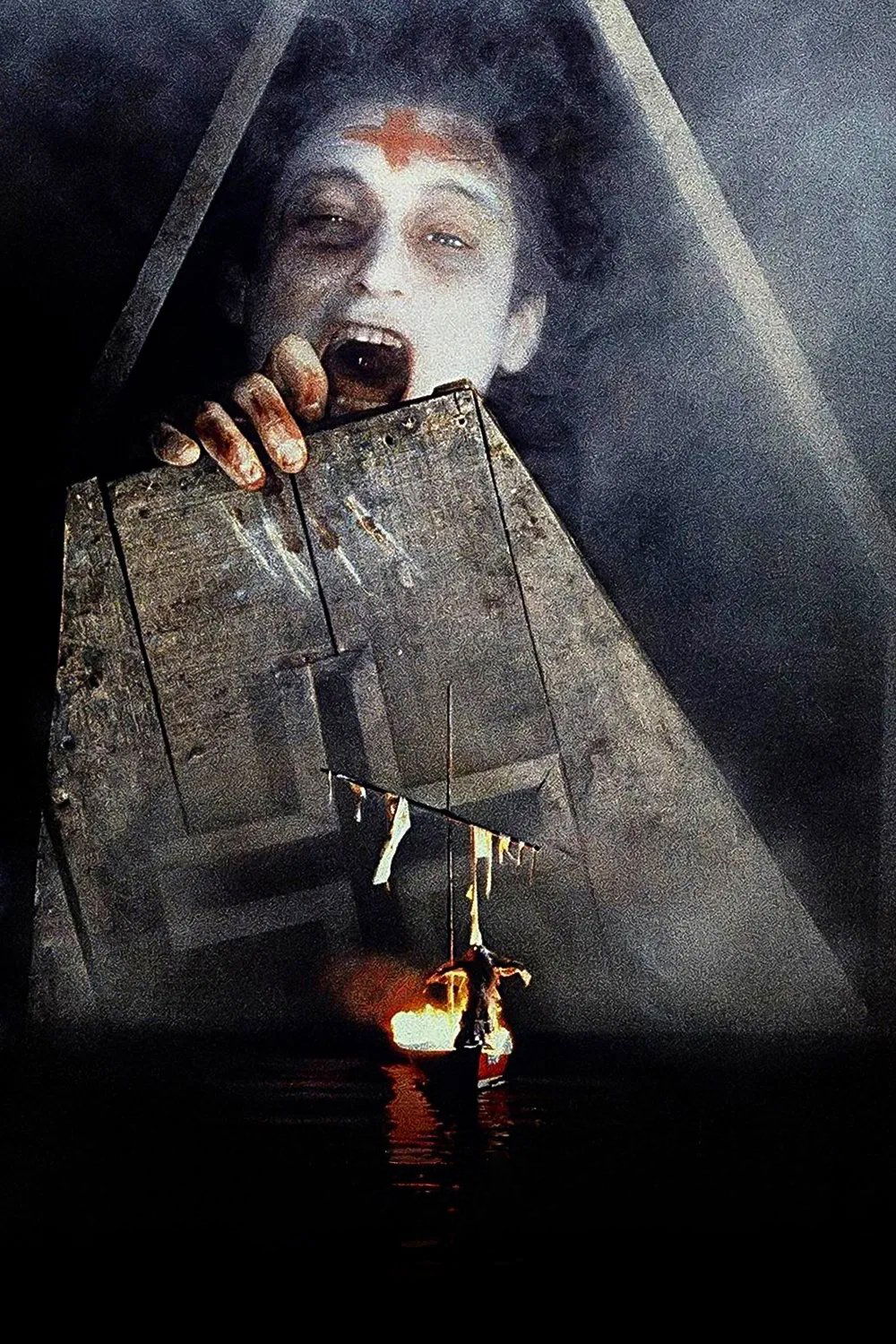
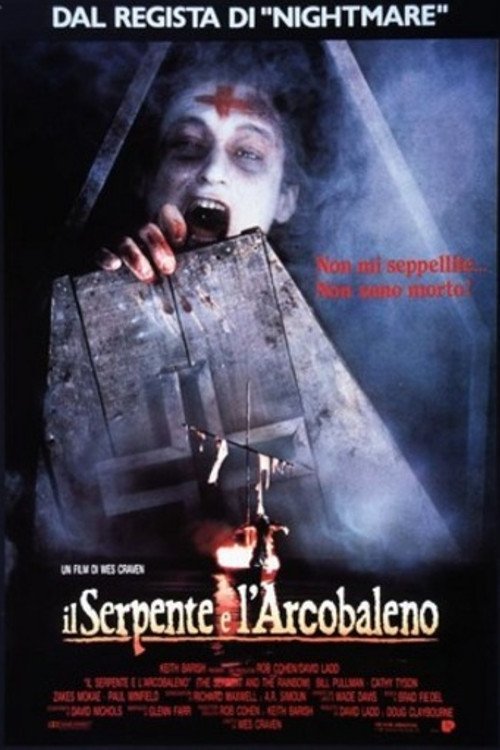
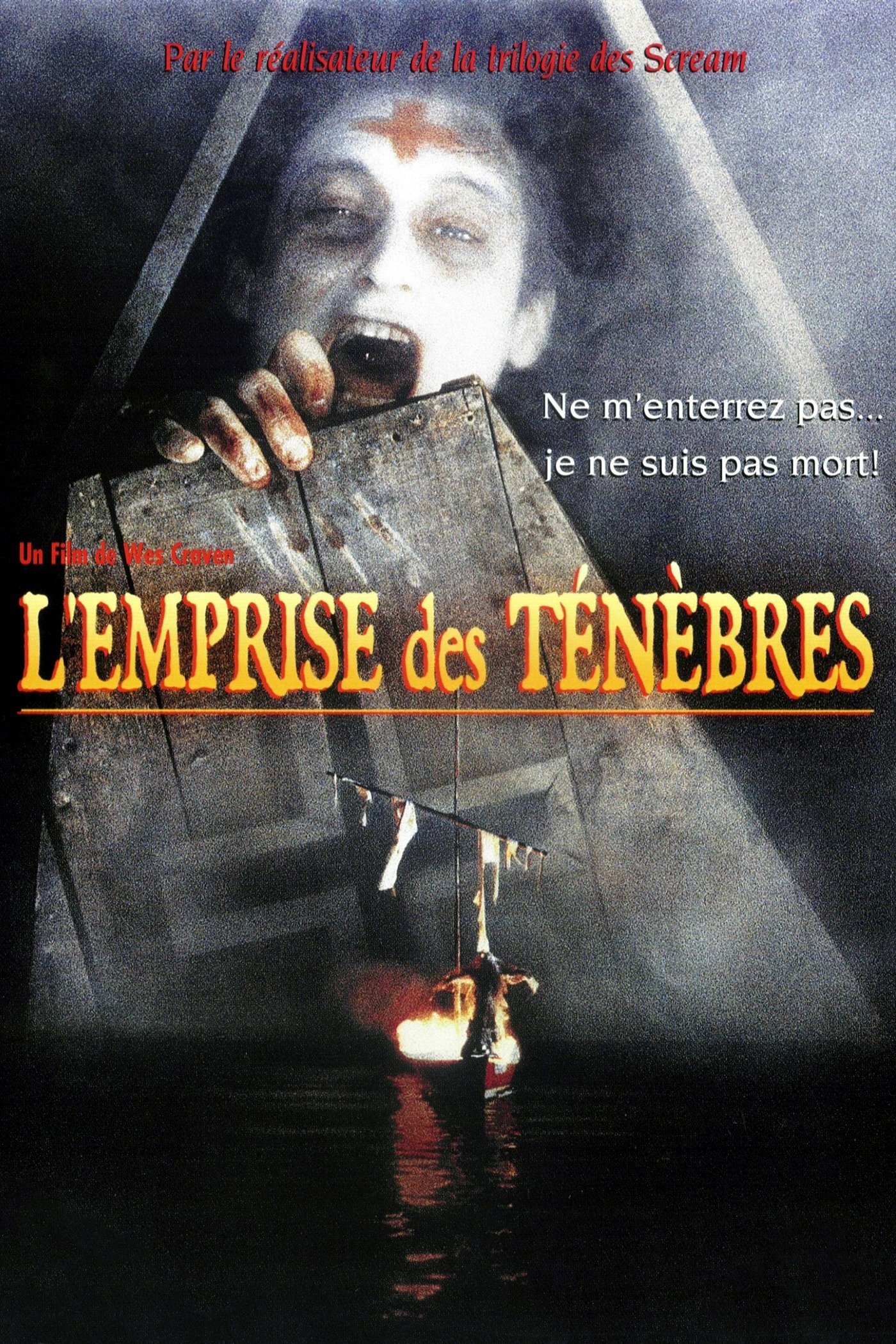
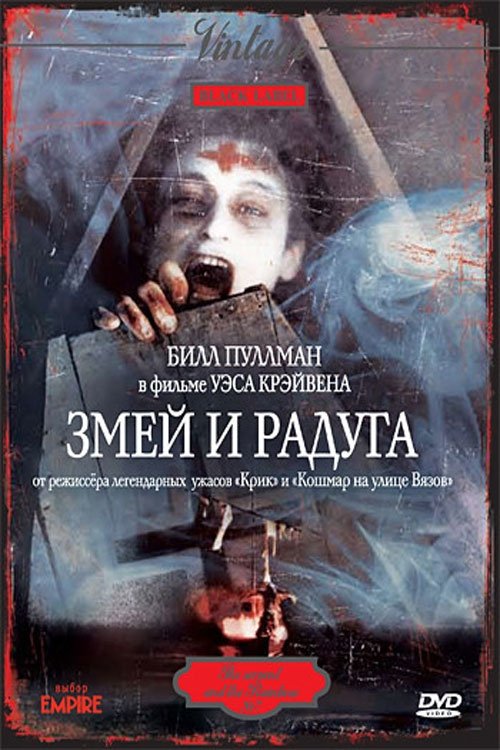
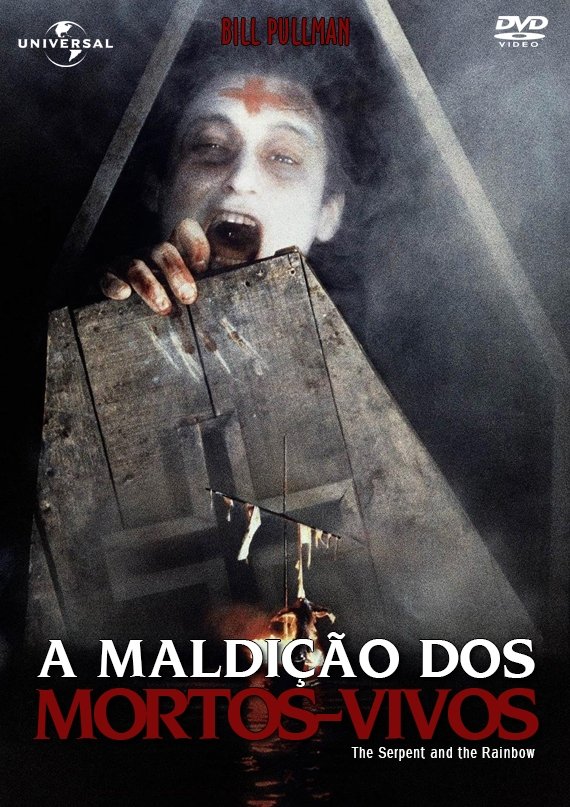
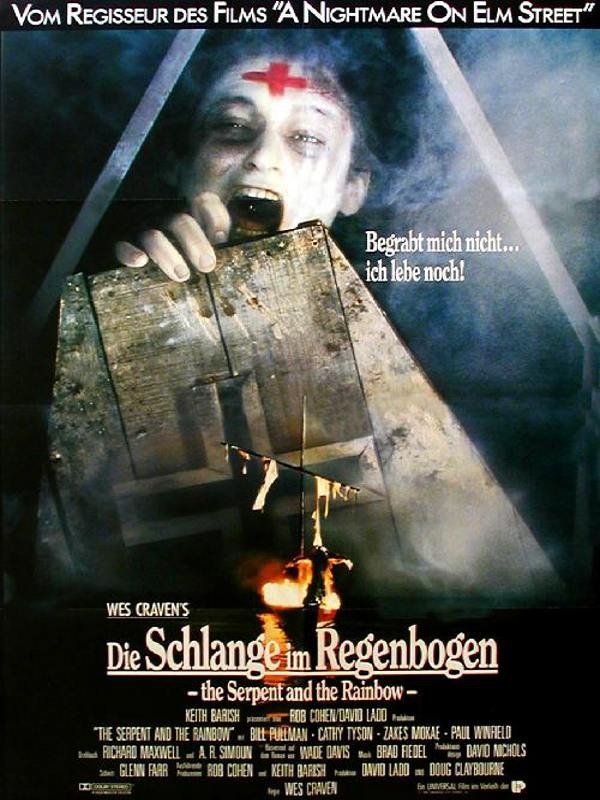
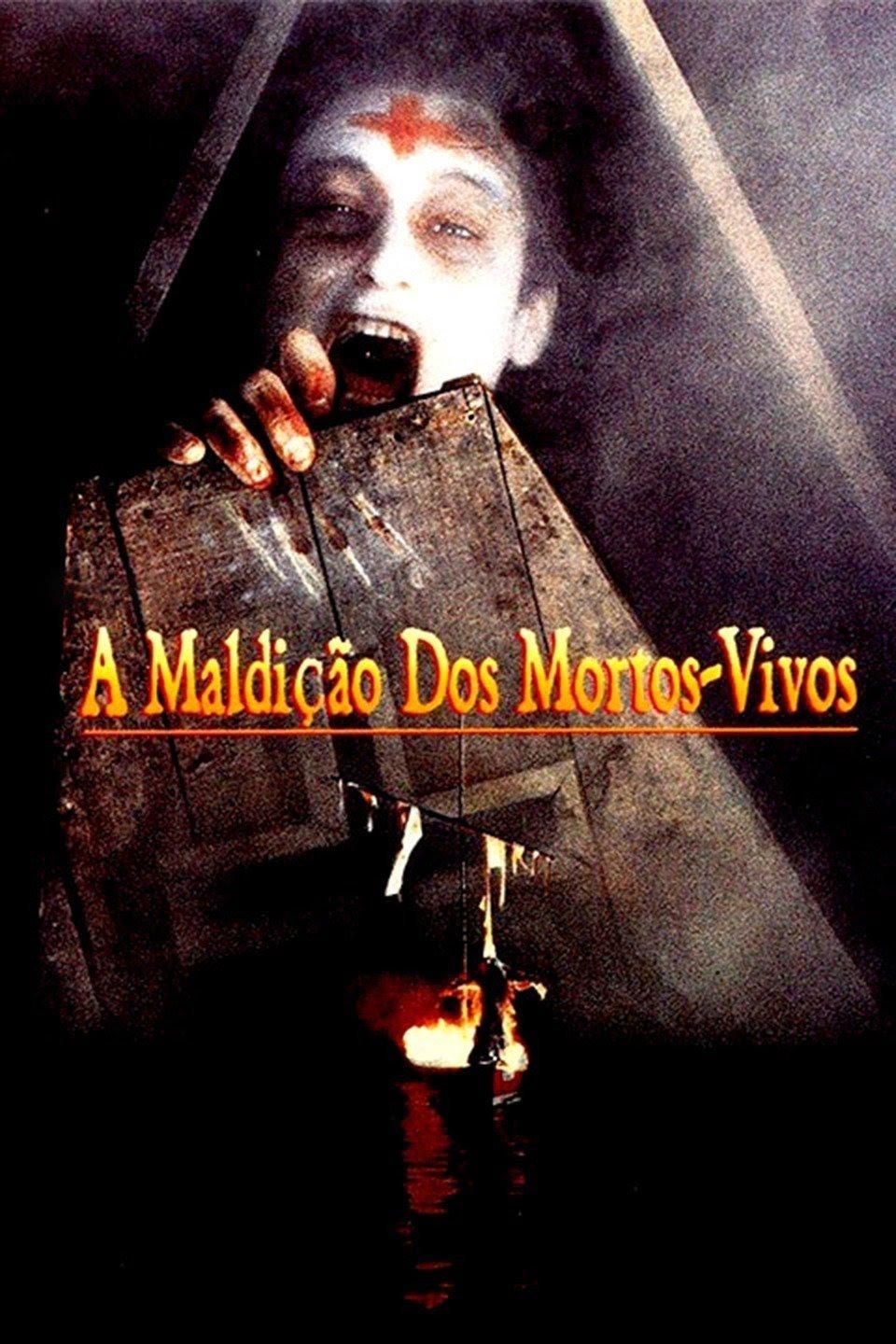
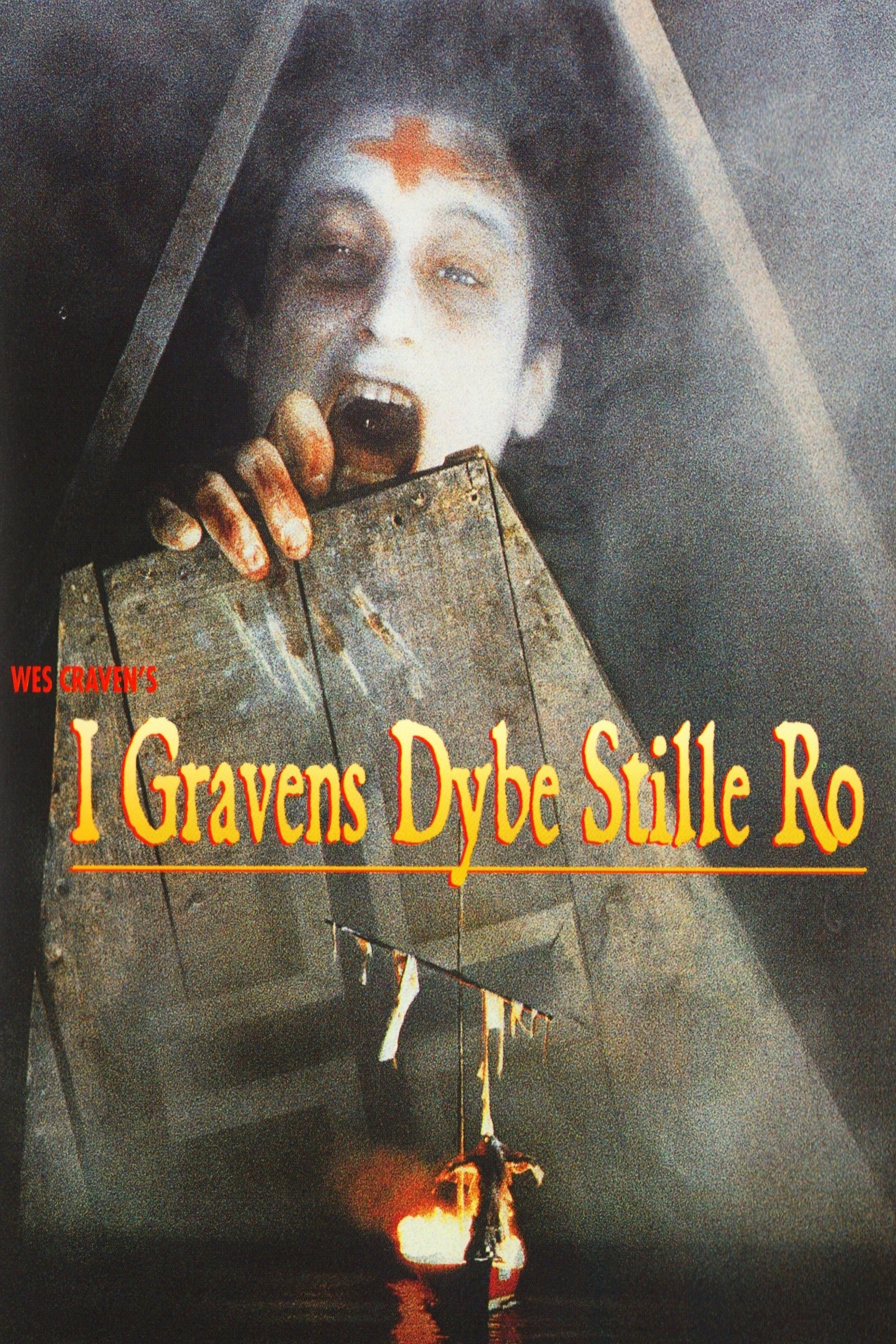
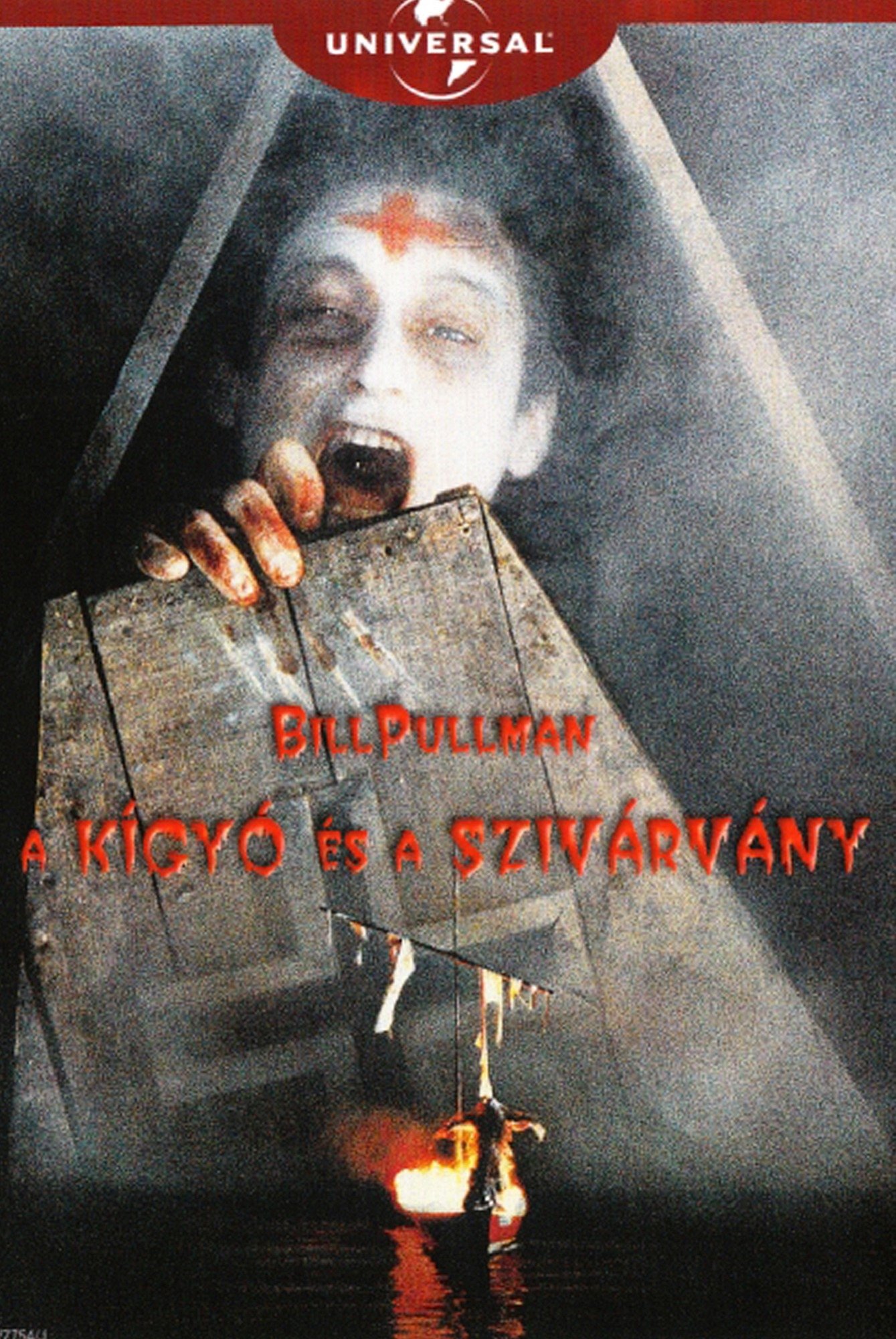
The buried-alive material supplies the most concentrated expression of that uncertainty. The horror depends on a simple physical condition: the victim knows what is happening but cannot persuade anyone that consciousness remains. The enclosure of the coffin denies movement, visibility and the possibility of calling for help. Other visions enlarge that fear into a less stable world of faces, religious imagery and bodies that cannot be trusted to stay lifeless. The result alternates sustained dread with abrupt spectacle, using the alleged powder as a bridge between physiological paralysis and the supernatural.
The location work is consequently central to the dream sequences rather than merely an attractive counterpoint to them. Everyday activity continues around Alan while his own experience becomes increasingly private and terrifying. That separation between a world others can observe and a threat only he can feel allows Craven to make hallucination a narrative problem as well as a visual effect. It also helps explain why the film repeatedly returns to the question of who controls a person's body and whether apparent death can be accepted as evidence of actual death.
Preview Screenings, Recut and Music
The final released film was substantially reshaped after initial preview screenings. A January 1988 report in the Los Angeles Times described three disappointing tests followed by discussions among Craven, Cohen and producer David Ladd about changes that might clarify the material and improve the ending. Universal supported a revised version, and the filmmakers arranged additional work before a further preview. Contemporary reporting described changes to the edit, new dialogue recording and a different conclusion. These were responses to audience testing, not documented alternative theatrical versions that should be treated as separate releases.
One significant alteration was the addition of Dennis Alan's voice-over narration, giving the story a more explicit point of view and helping the audience follow the researcher's journey through unfamiliar circumstances. The production also replaced an earlier musical score with music by Brad Fiedel. Sound and narration became part of the revised construction of the film's movement between observation, memory and nightmare.
Cohen acknowledged that the original ending had left preview audiences dissatisfied after the punishment inflicted on the protagonist. The replacement provided a more decisive resolution through an effects-driven confrontation. This production history is important when considering the film's uneven tonal movement: its patient treatment of setting and belief eventually gives way to a more conventional climax. The shift cannot be attributed simply to a single directorial intention when the available accounts identify a substantial, commercially motivated revision before release.
Release, Contemporary Criticism and Place in Horror
Universal Pictures released The Serpent and the Rainbow in the United States on 5 February 1988, following a Los Angeles premiere two days earlier. The 98-minute release received an R rating. Archival reporting collected by the American Film Institute records a nationwide opening on approximately 1,430 screens, with first-weekend receipts of about $5.8 million and theatrical business approaching $20 million. Those figures describe the original American circulation and should not be treated as a comprehensive accounting of later editions or worldwide revenue.
Contemporary reviewers disagreed about the balance between atmosphere and sensational horror. Writing in the Washington Post, Desson Howe praised the film's threatening imagery and momentum while criticizing the more conventional, effects-heavy ending. Richard Harrington, also writing for that newspaper, argued that the adaptation had reduced the cultural complexity of Davis's nonfiction account to familiar horror devices, although he acknowledged the force of individual hallucination sequences. These reactions register a genuine tension in the film: its aspiration to engage with Haitian history and religion is constantly mediated by the requirement to deliver recognizable genre shocks.
In Craven's career, the film belongs to the period after the success of A Nightmare on Elm Street and before the different kinds of horror he pursued in the 1990s. Its use of dreams maintains an identifiable connection with his earlier work, while the political setting and geographical scope distinguish it from the suburban spaces most associated with the director. Its relevance to zombie cinema lies principally in its return to the Haitian tradition of enslavement and apparent death, even as the narrative introduces the conventions of American supernatural adventure.