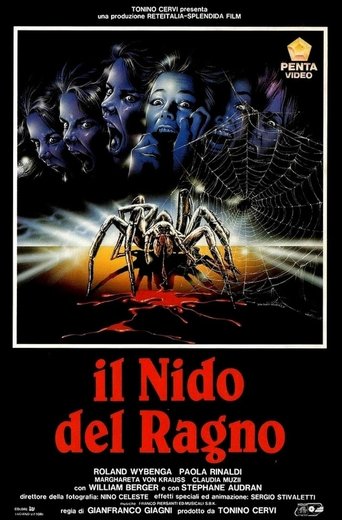
The Spider Labyrinth (1988)

IT
HORROR FILM Thriller
SUBGENRES MONSTER OCCULT
7.0/10 1 votes
Runtime
86 min
Release
August 25, 1988
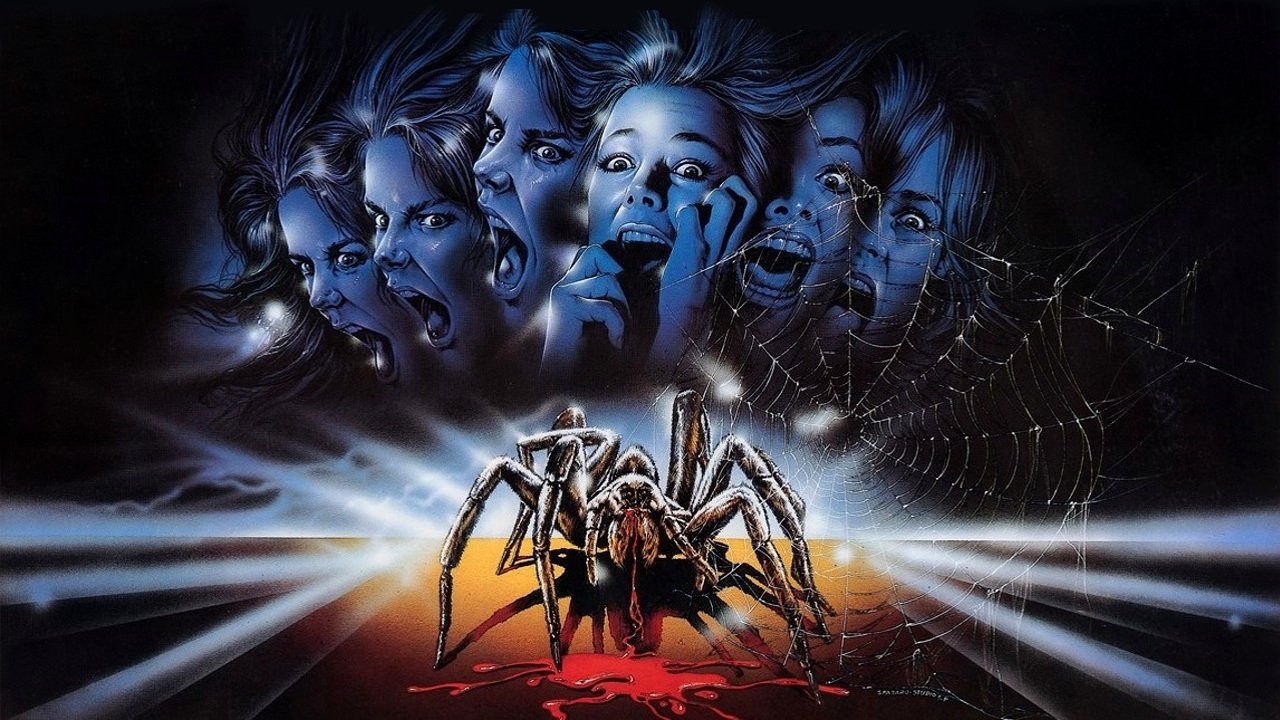
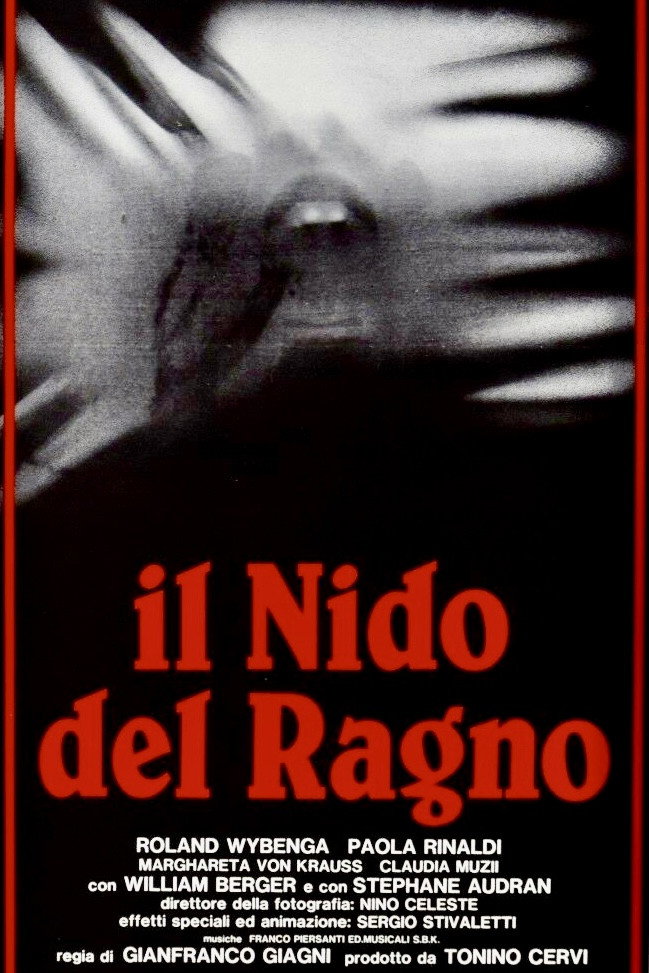
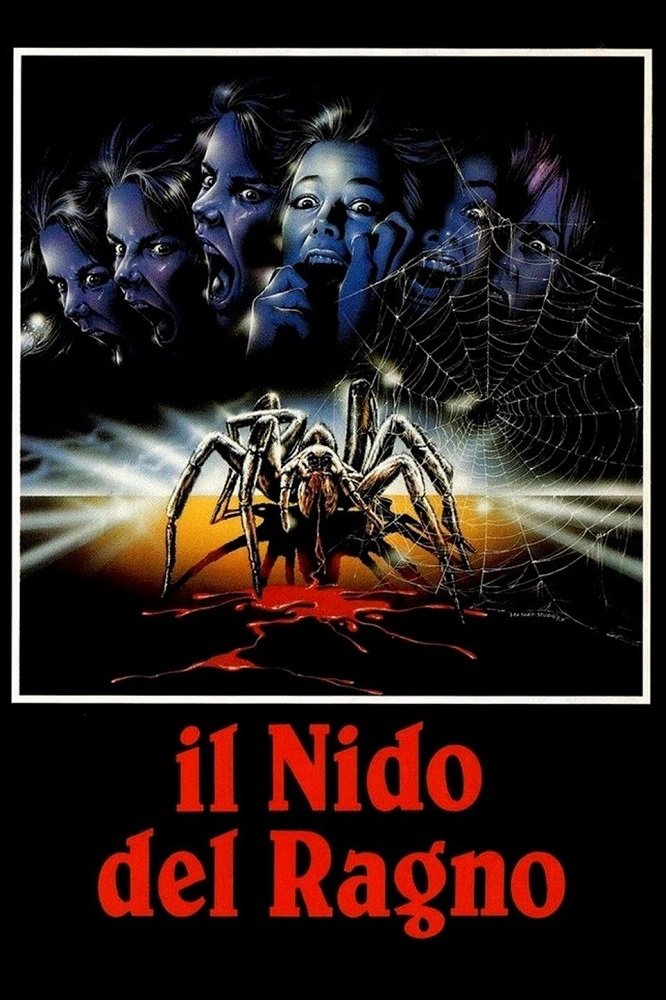
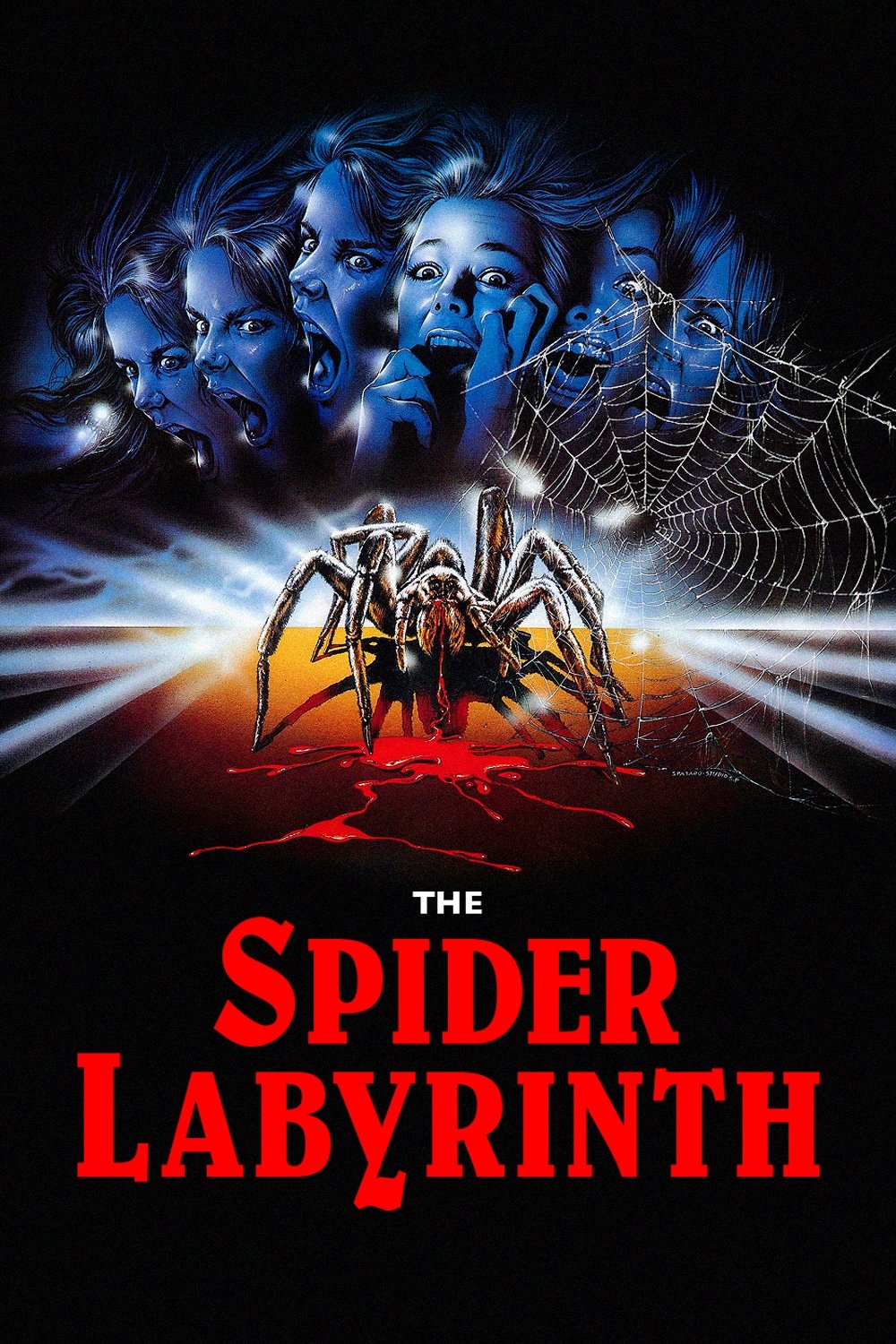
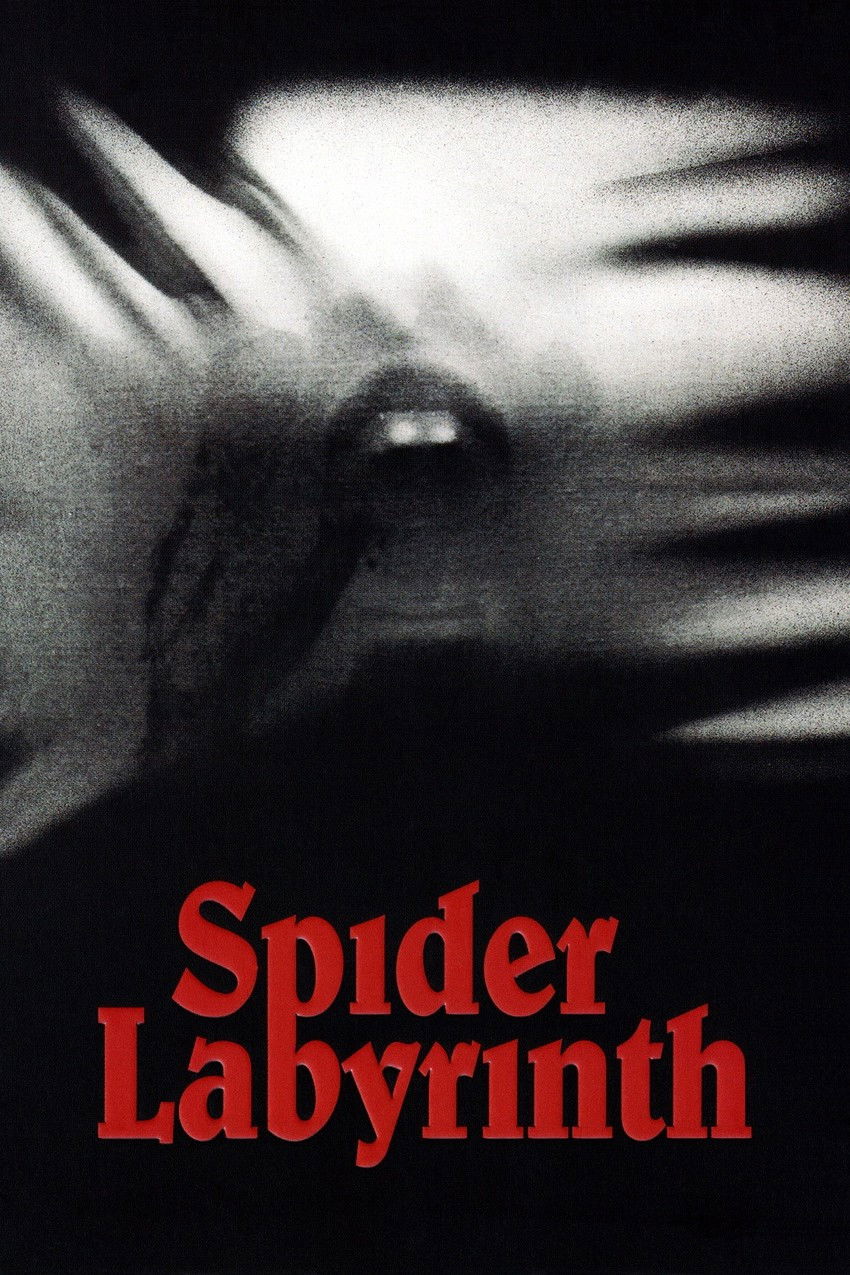
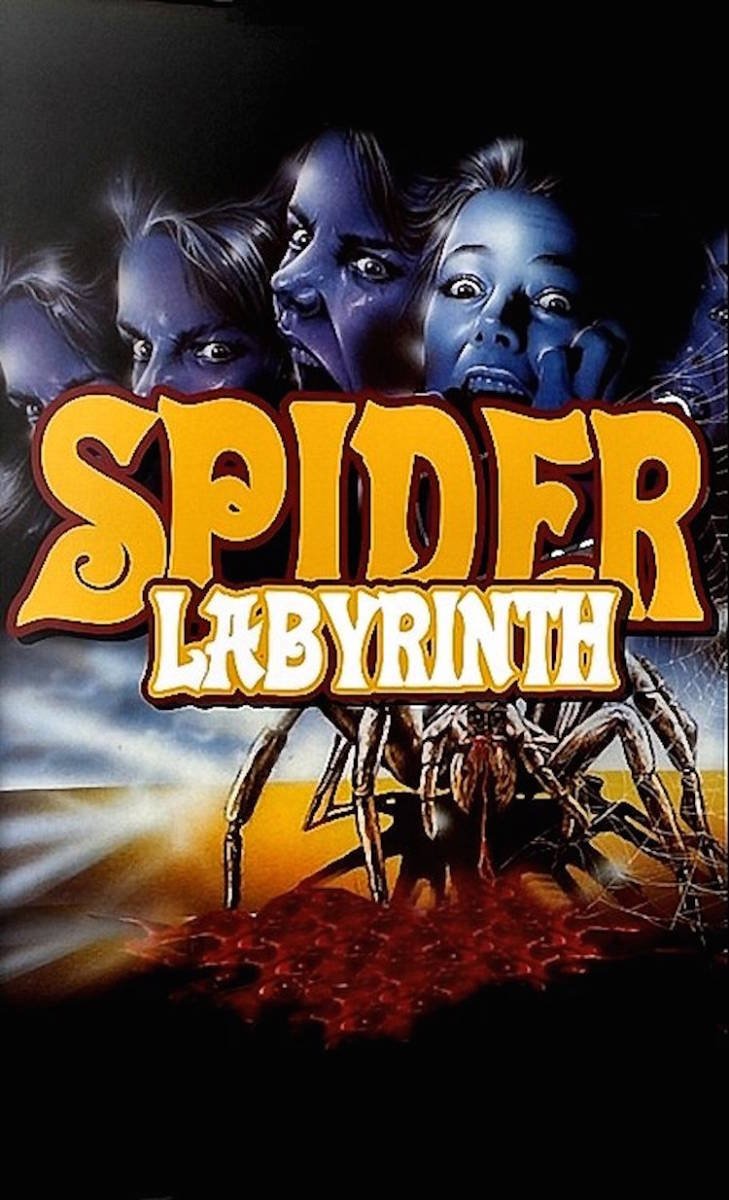
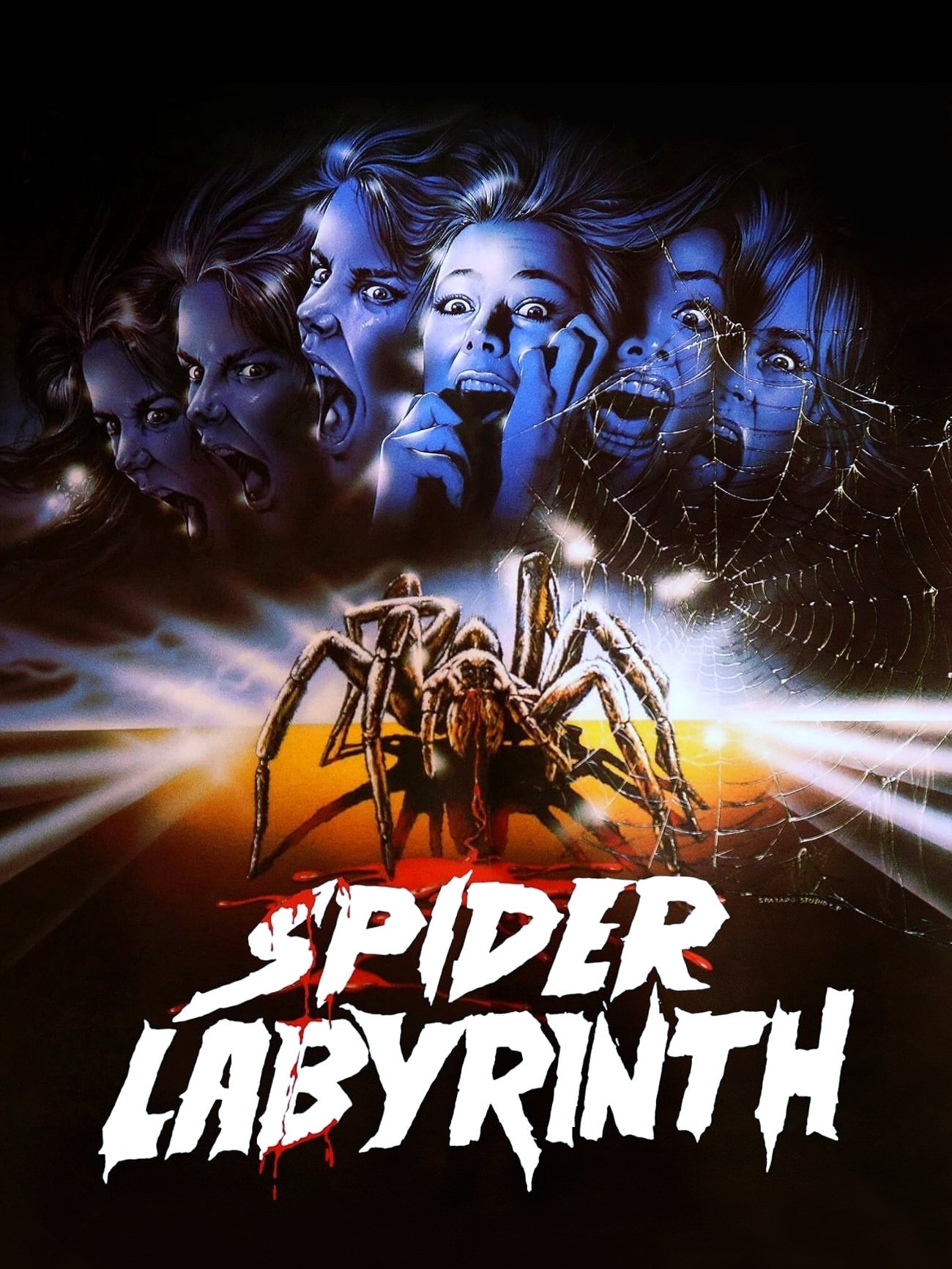
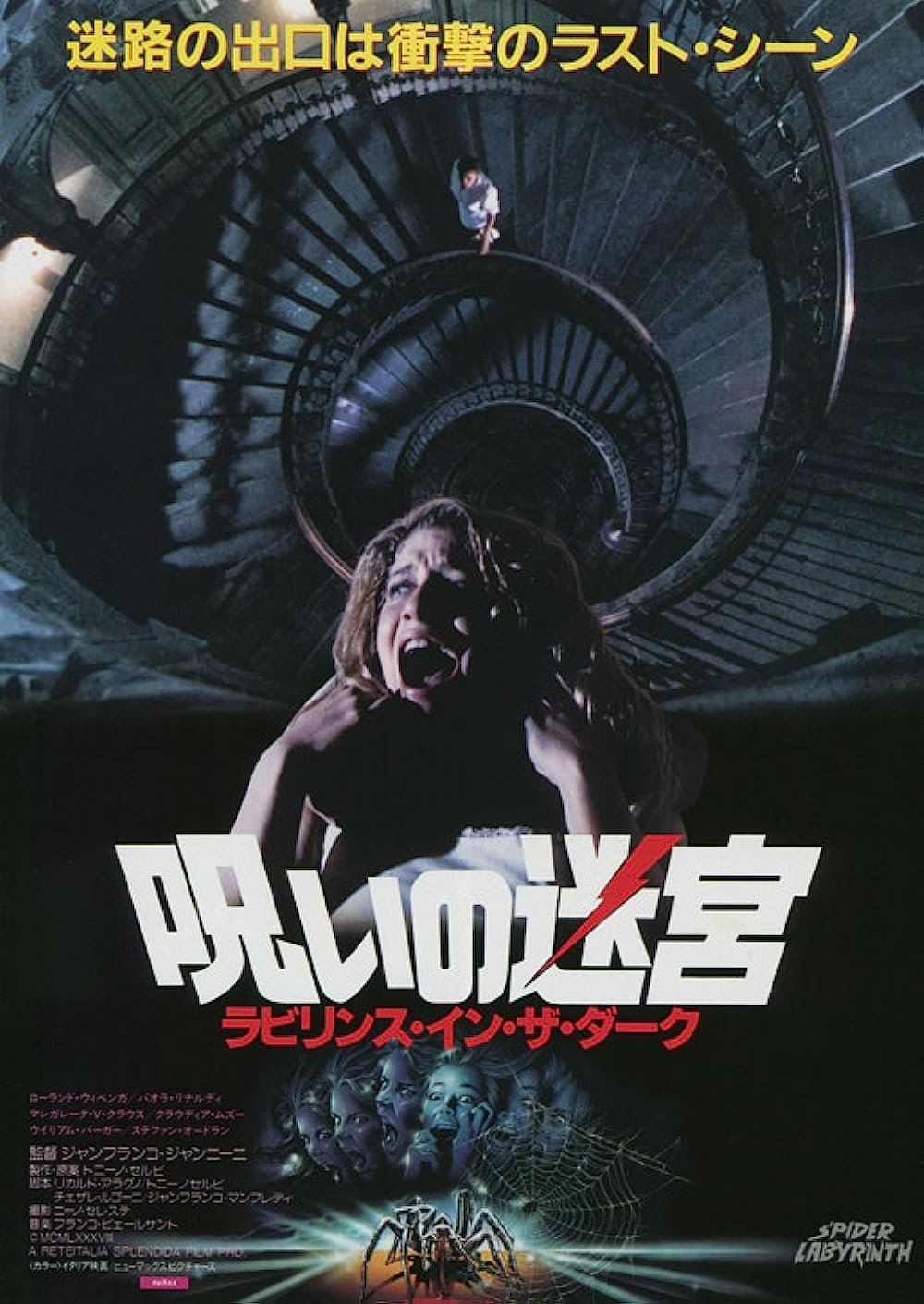
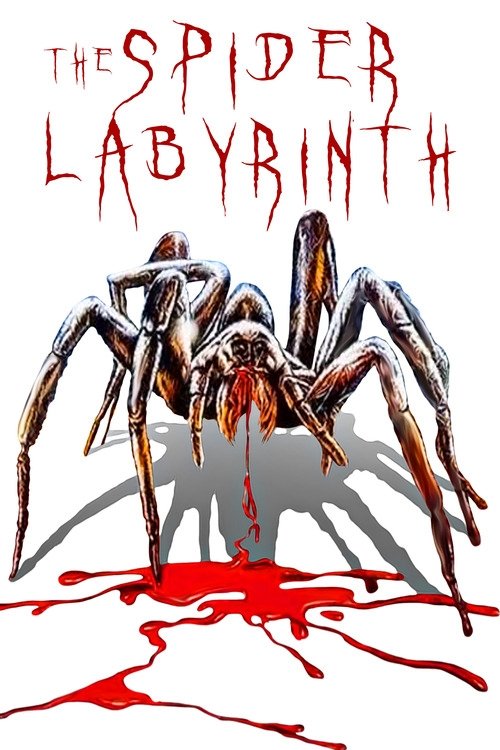
The Spider Labyrinth (1988) poster
Production Companies
Splendida , Reteitalia
Plot

A young professor travels to Budapest to locate a lost colleague. Once there, he gets tangled up in a supernatural mystery.

Alternative Titles
蜘蛛迷宫 (China) — Chinese Pavoučí labyrint (Czechia) — Czech Spider Labyrinth - In den Fängen der Todestarantel (Germany) — Home Video Title Spider Labyrinth (France) Stin Pagida tis Arahnis (Greece) — Romanized VHS title Στην Παγίδα της Αράχνης (Greece) — VHS title 蜘蛛迷宮 (Hong Kong SAR China) — Chinese Cursed Labyrinth In The Dark (Japan)
Show all 15 alternative titles Noroi no meikyû: Rabirinsu in za dâku (Japan) — Romanji title 呪いの迷宮 ラビリンス・イン・ザ・ダーク (Japan) El laberinto de las arañas (Mexico) Гнездо пауков (Russia) — Russian Паучий лабиринт (Russia) สไปเดอร์ 8 ขาอาถรรพณ์ (Thailand) — Thai Yeniden Doğuş (Türkiye) — Turkish

Trailers & Videos

2 videos

Film Guide & Analysis

An investigation in Budapest turns into occult horror in Gianfranco Giagni’s feature debut, distinguished by its elaborate photography and Sergio Stivaletti’s practical effects.

The Spider Labyrinth (1988), released in Italy as Il nido del ragno, is a supernatural horror film directed by Gianfranco Giagni. Its story follows Alan Whitmore, an American academic sent to Budapest to investigate the disappearance of a colleague attached to a secret research programme. The inquiry gradually exposes a clandestine religion, bodily transformation and an intelligence that resists ordinary explanation. Although the investigation initially resembles a giallo mystery, the film belongs more closely to the occult tradition of Italian horror, with an emphasis on esoteric ritual and the collapse of rational certainty.

Giagni's feature debut appeared near the end of the decade in which Italian horror had produced some of its most internationally circulated work. The film combines elaborate architectural settings, intensely coloured lighting and unsettling practical effects while keeping its central threat largely concealed until the final act. Its distinctive qualities are tied to the contributions of cinematographer Sebastiano “Nino” Celeste and effects artist Sergio Stivaletti. Long difficult to obtain in satisfactory home-video editions, the picture subsequently received renewed attention through retrospective criticism and a restoration from the original negative.

Development and Screenplay

Producer Tonino Cervi developed the project from a story on which he also received screenwriting credit. Riccardo Aragno and Cesare Frugoni worked on the screenplay, while Gianfranco Manfredi joined the writing team during its later development. Retrospective accounts describe the material as having circulated for several years before Giagni became involved. The director, whose previous work included television and the short film Giallo e nero, was offered the feature by Cervi after the producer saw that earlier work. The project thus brought together an experienced production figure, writers from different backgrounds and a director making his first feature-length film.

One significant change during development concerned the setting. The earlier version reportedly took place in Venice; Giagni and Manfredi transferred the narrative to Budapest, giving the investigation a different visual and geographical character. The production credits identify Splendida Film and Reteitalia, a combination that places the film within the period's intersection of theatrical filmmaking and television-related financing. These circumstances are relevant to its history, although the available public documentation does not justify a detailed account of the budget or shooting schedule. In the finished film, the foreign city is essential to the protagonist's disorientation rather than a neutral background for the action.

Giagni had previously worked with music programming and television, and The Spider Labyrinth shows a strong interest in arranging suspense through images. It does not establish the nature of its hidden adversary at the outset. Instead, clues are offered through interrupted conversations, disappearances and objects that seem to carry meanings the protagonist cannot interpret. The screenplay's delayed revelation permits the film to move from an academic investigation into an explicitly supernatural narrative without immediately revealing the relationship between its various unsettling incidents.

Budapest, Photography and Visual Style

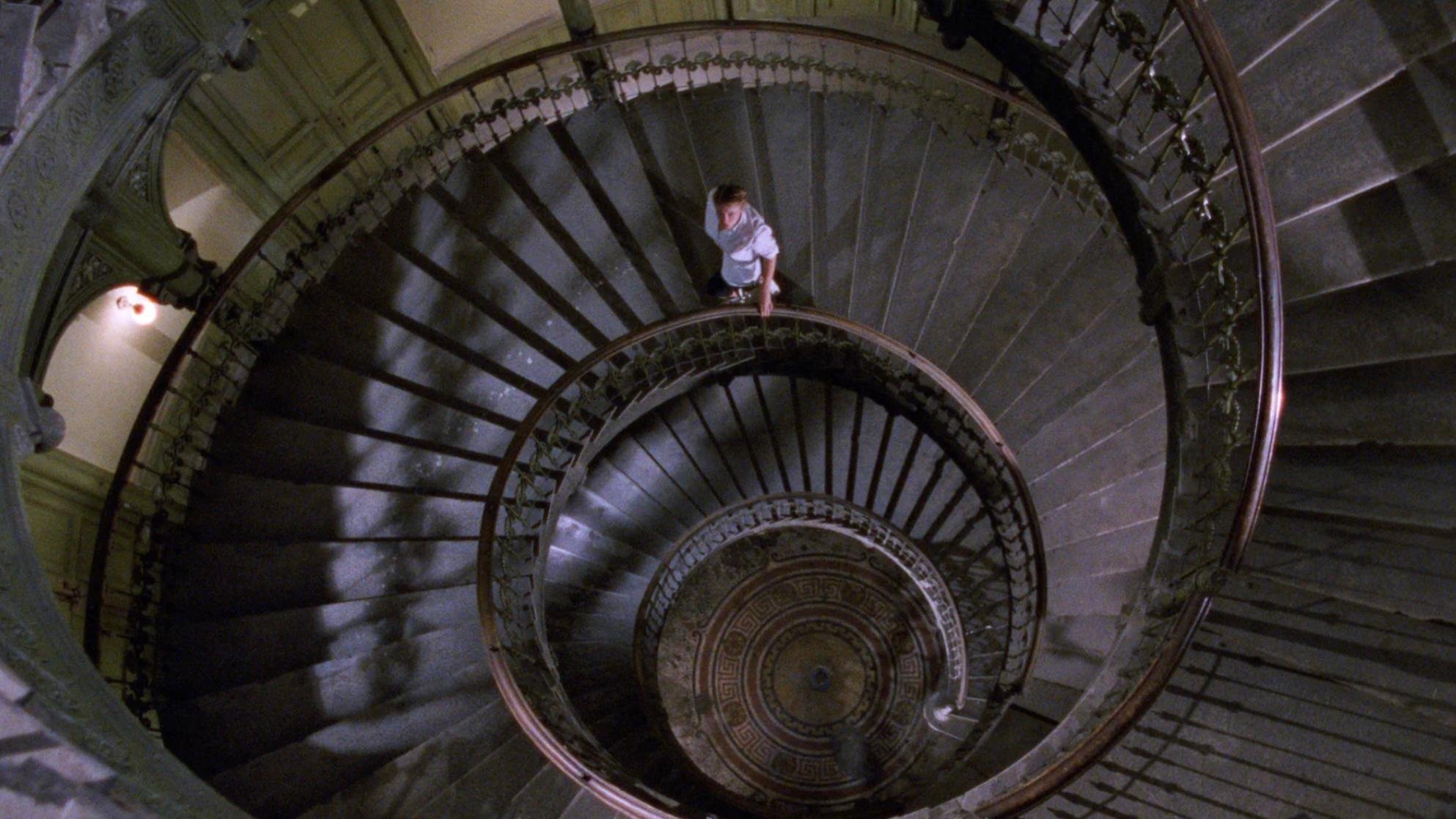
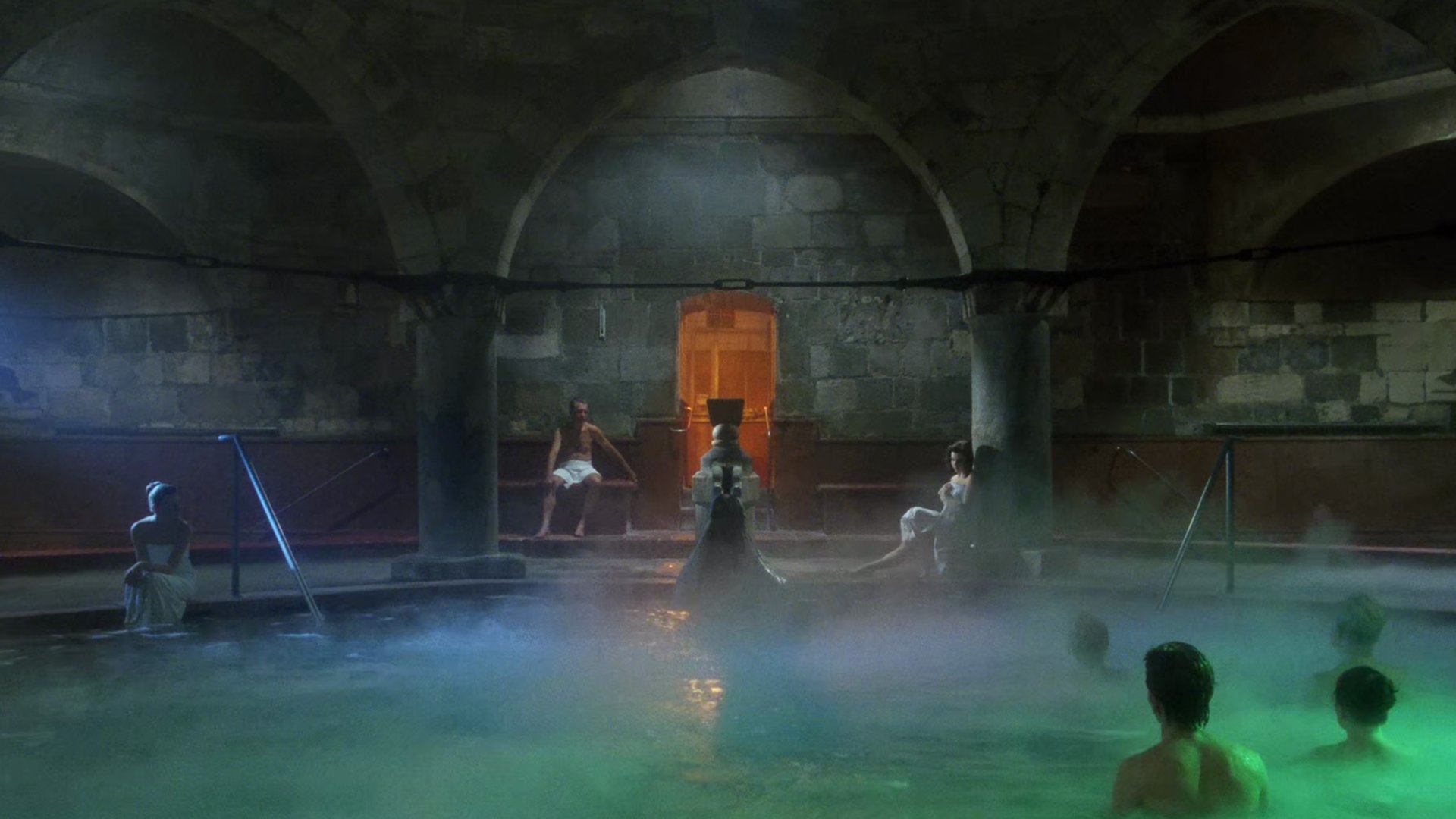
Budapest is photographed as a network of courtyards, narrow streets, interiors and monumental façades whose apparent familiarity becomes threatening. Alan's attempts to follow directions frequently produce further confusion, and the surrounding architecture helps convey the sense that the city is withholding information. Rather than relying on one isolated haunted house, the film distributes its menace across places that belong to everyday urban life. Public streets can feel deserted, while domestic rooms and corridors offer little security. The repeated movement between these locations gives the investigation its maze-like character.

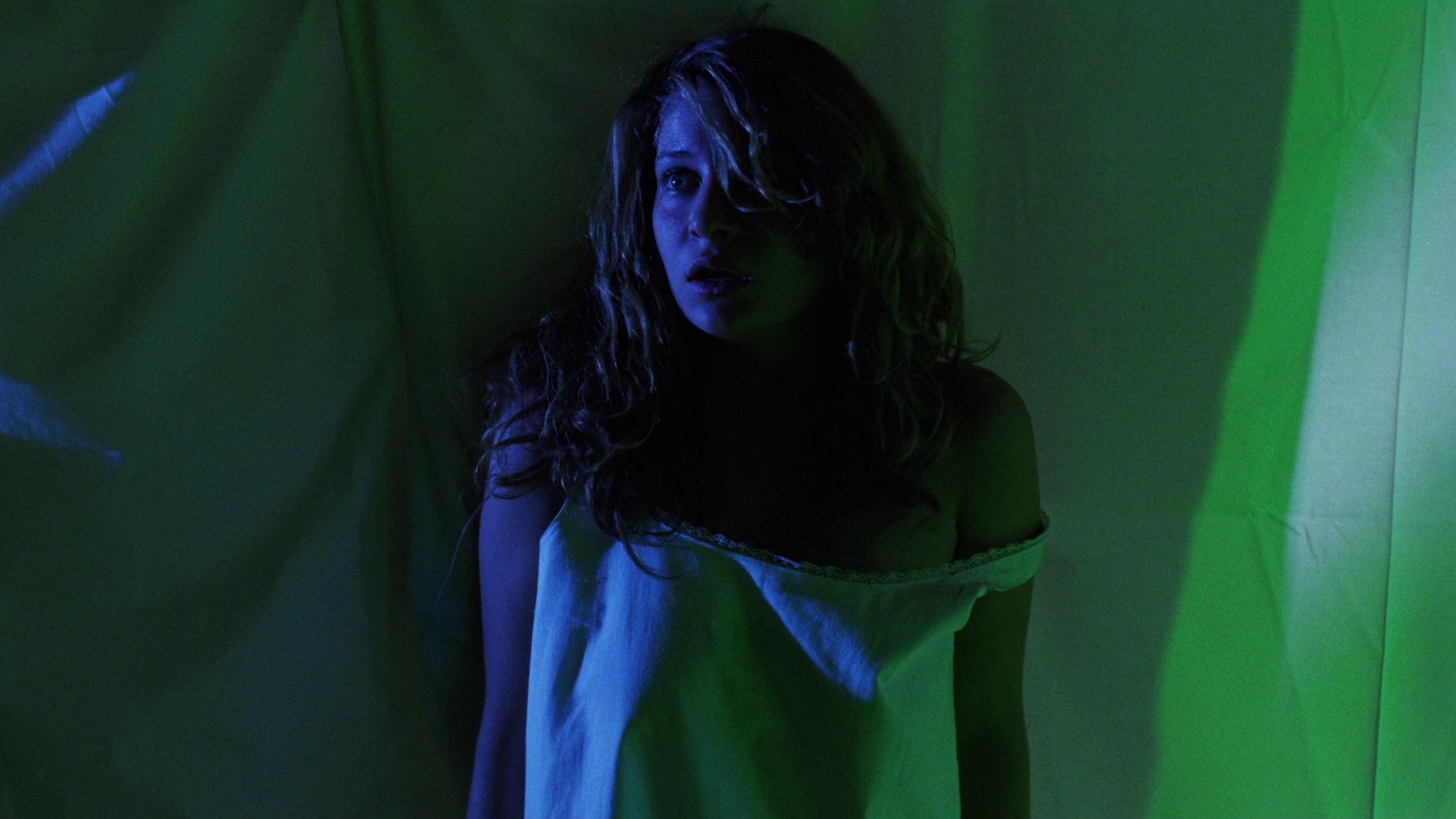
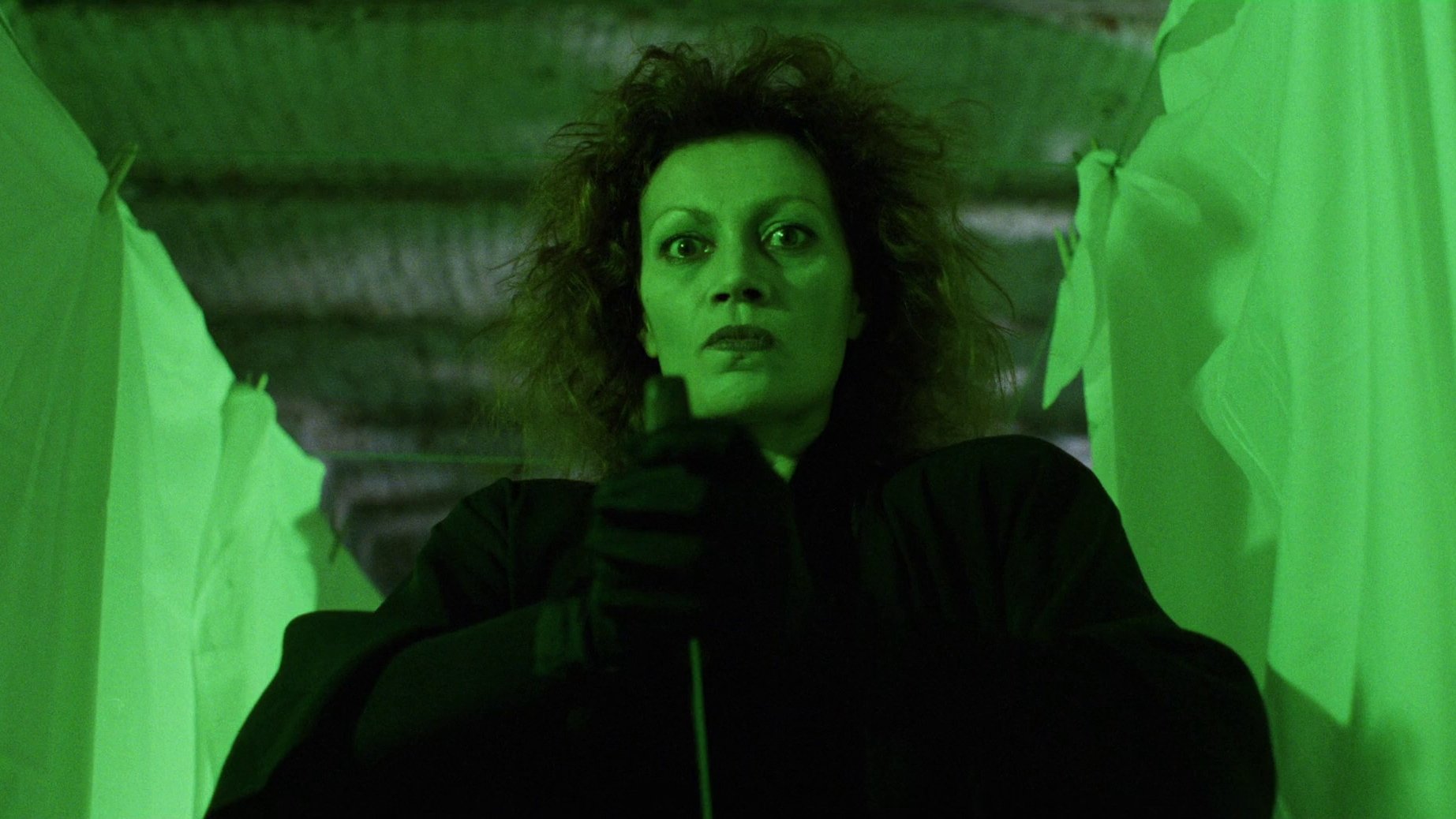
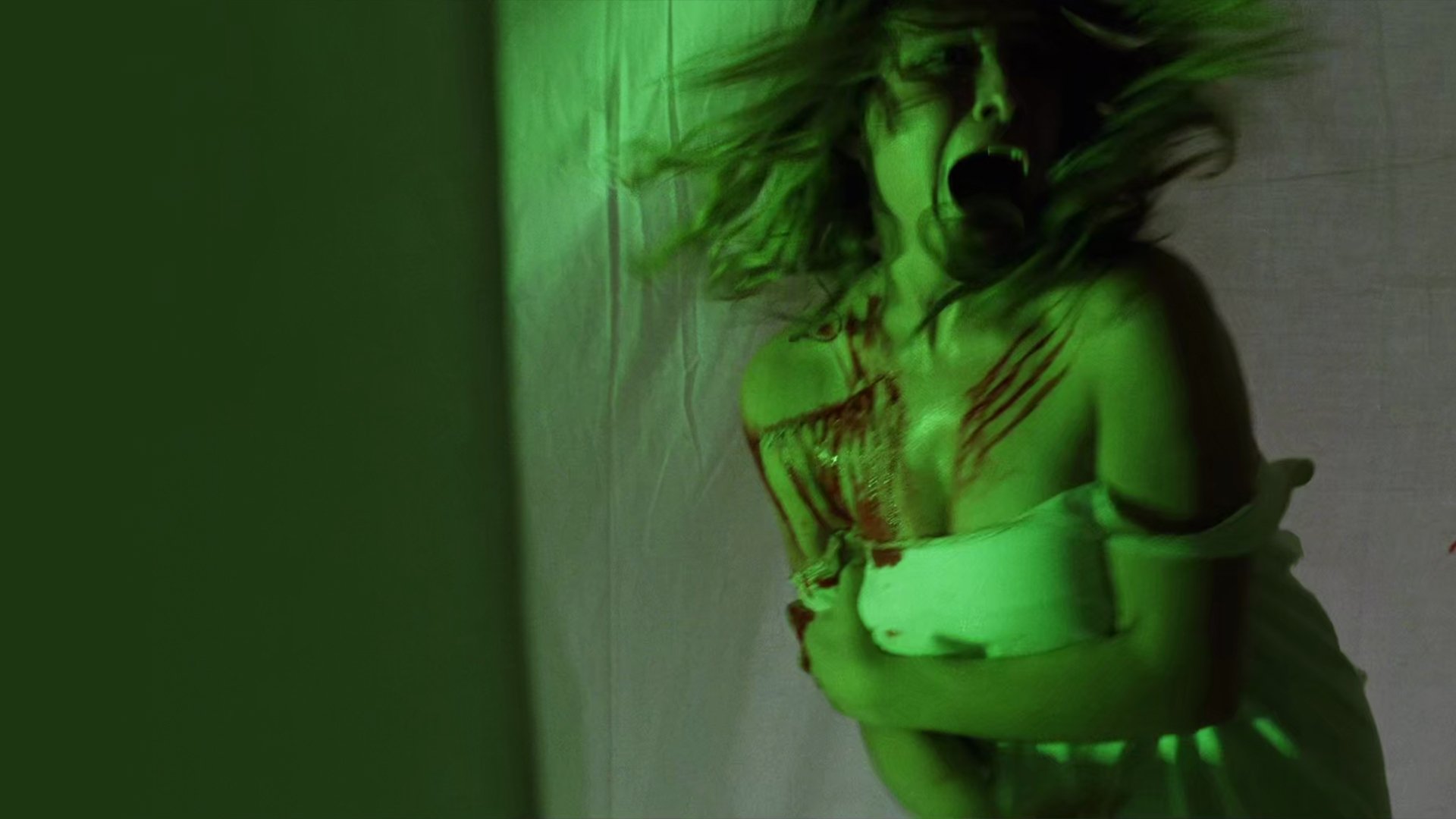
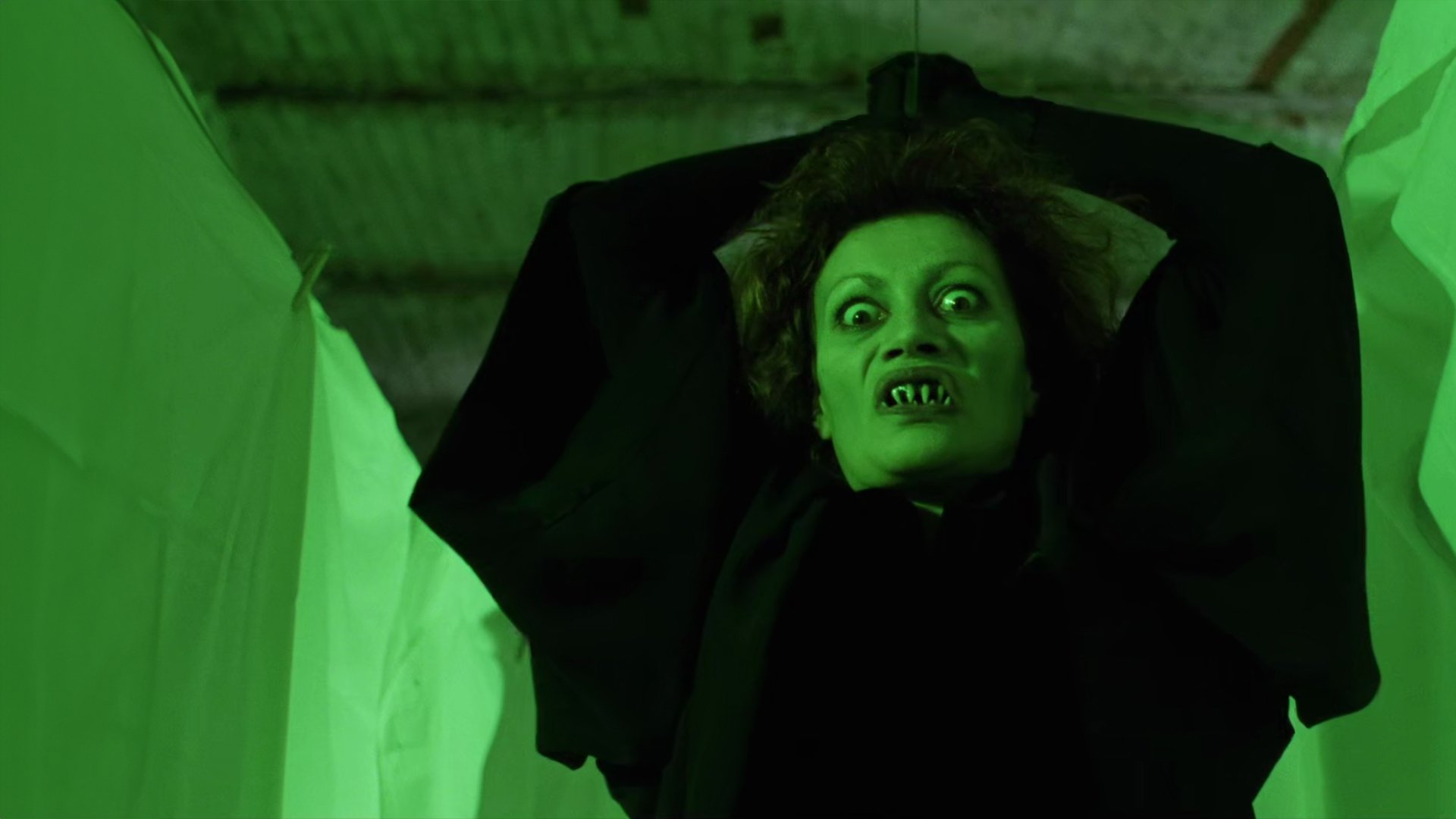
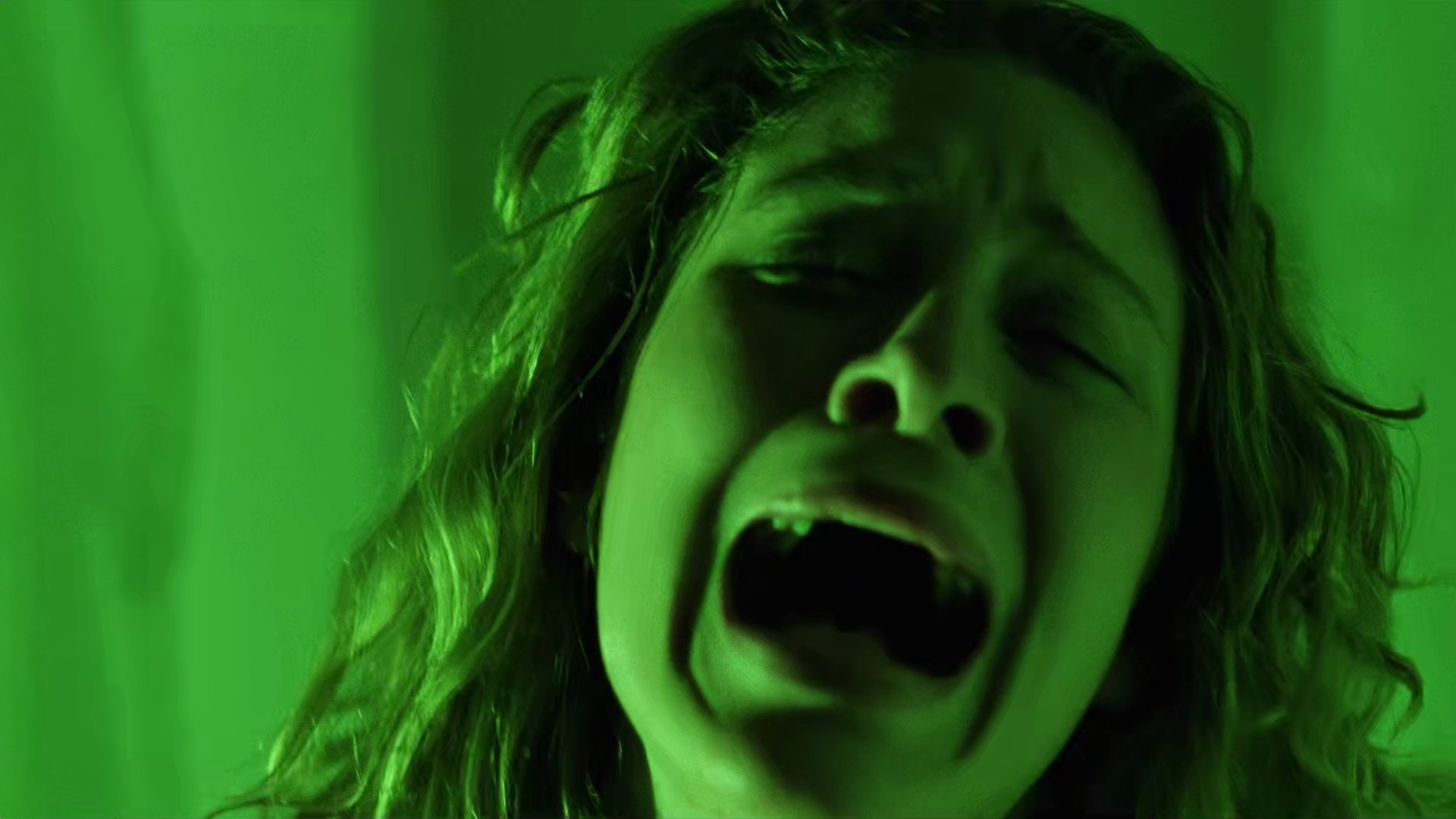
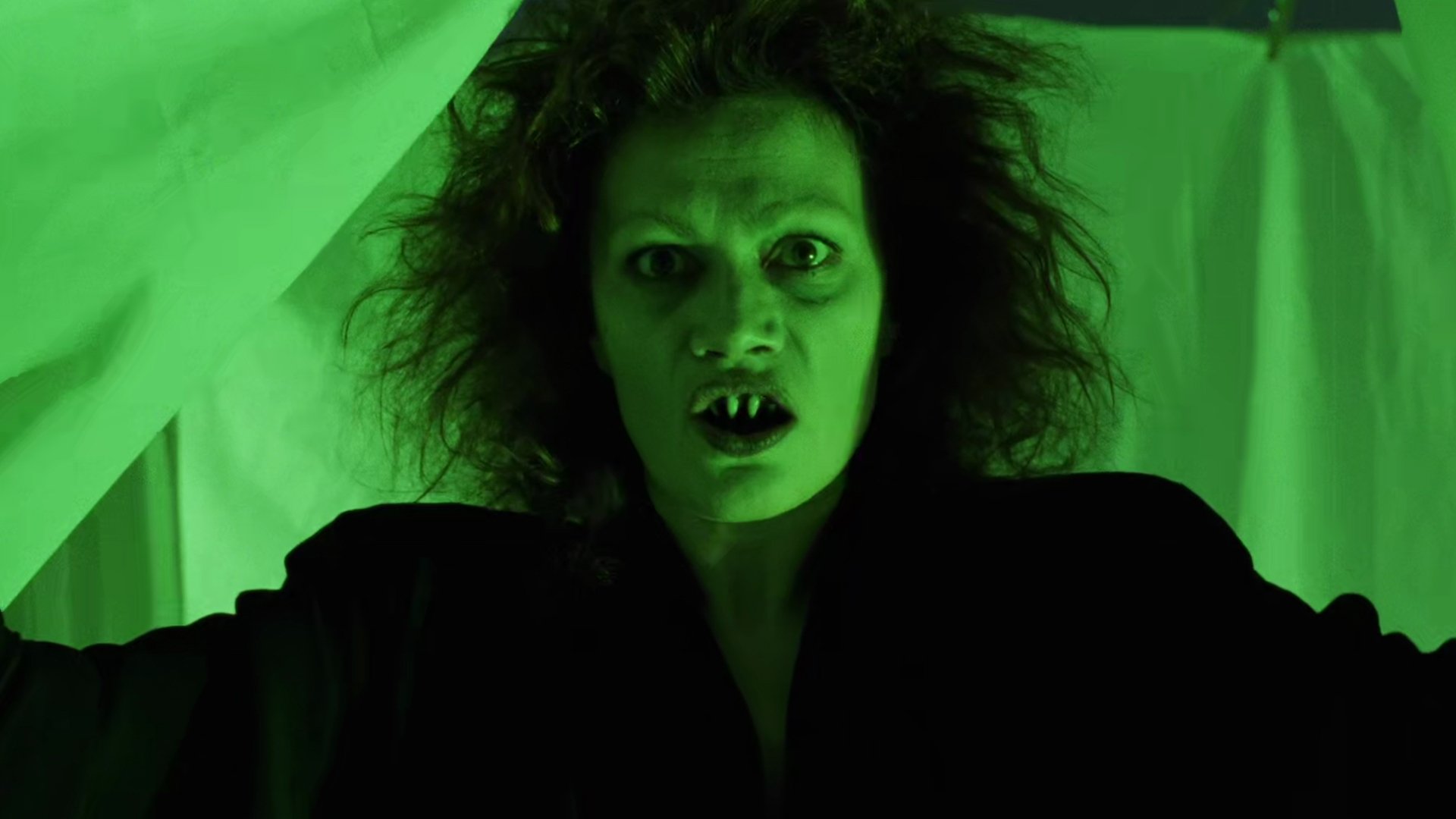
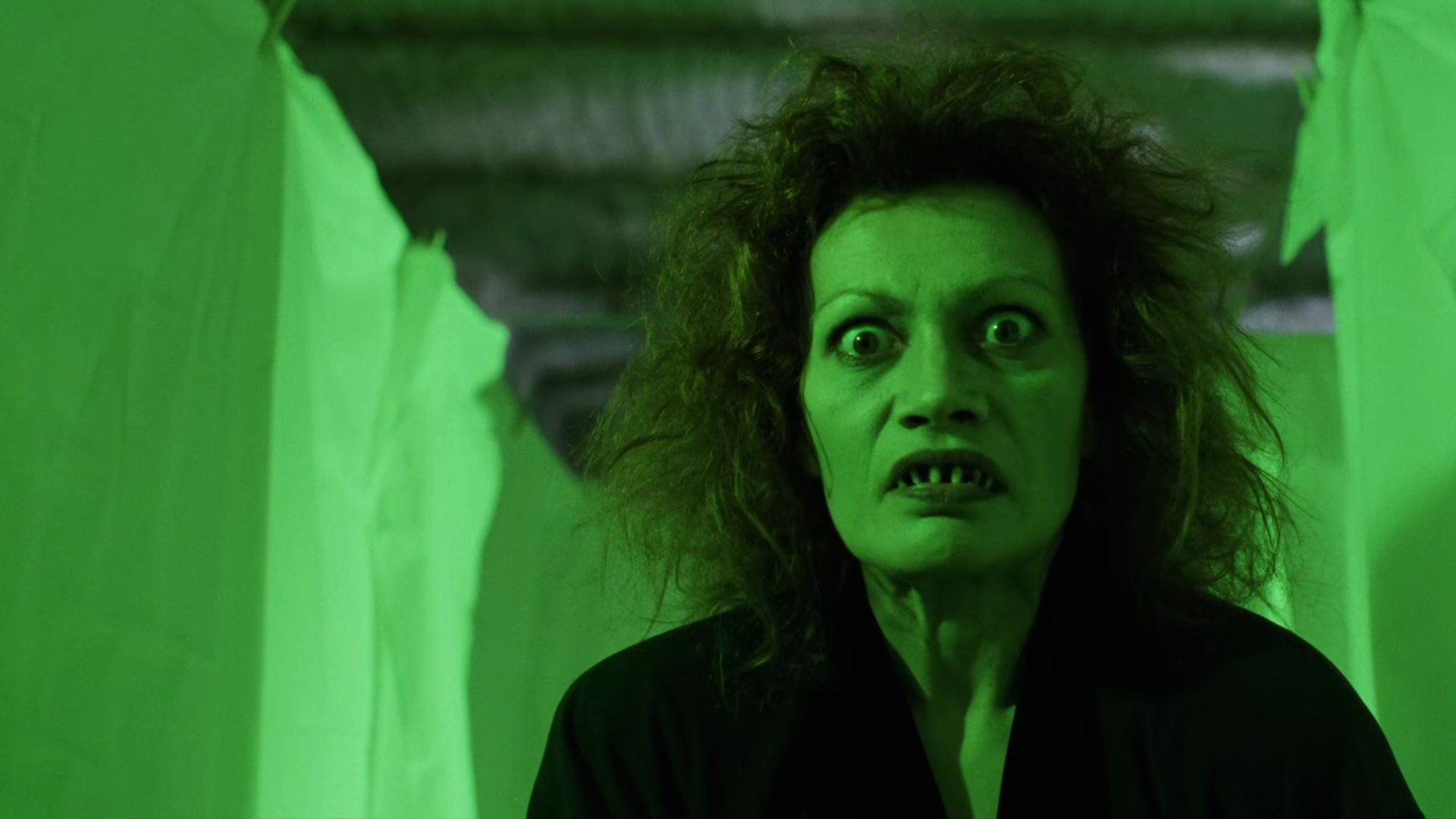
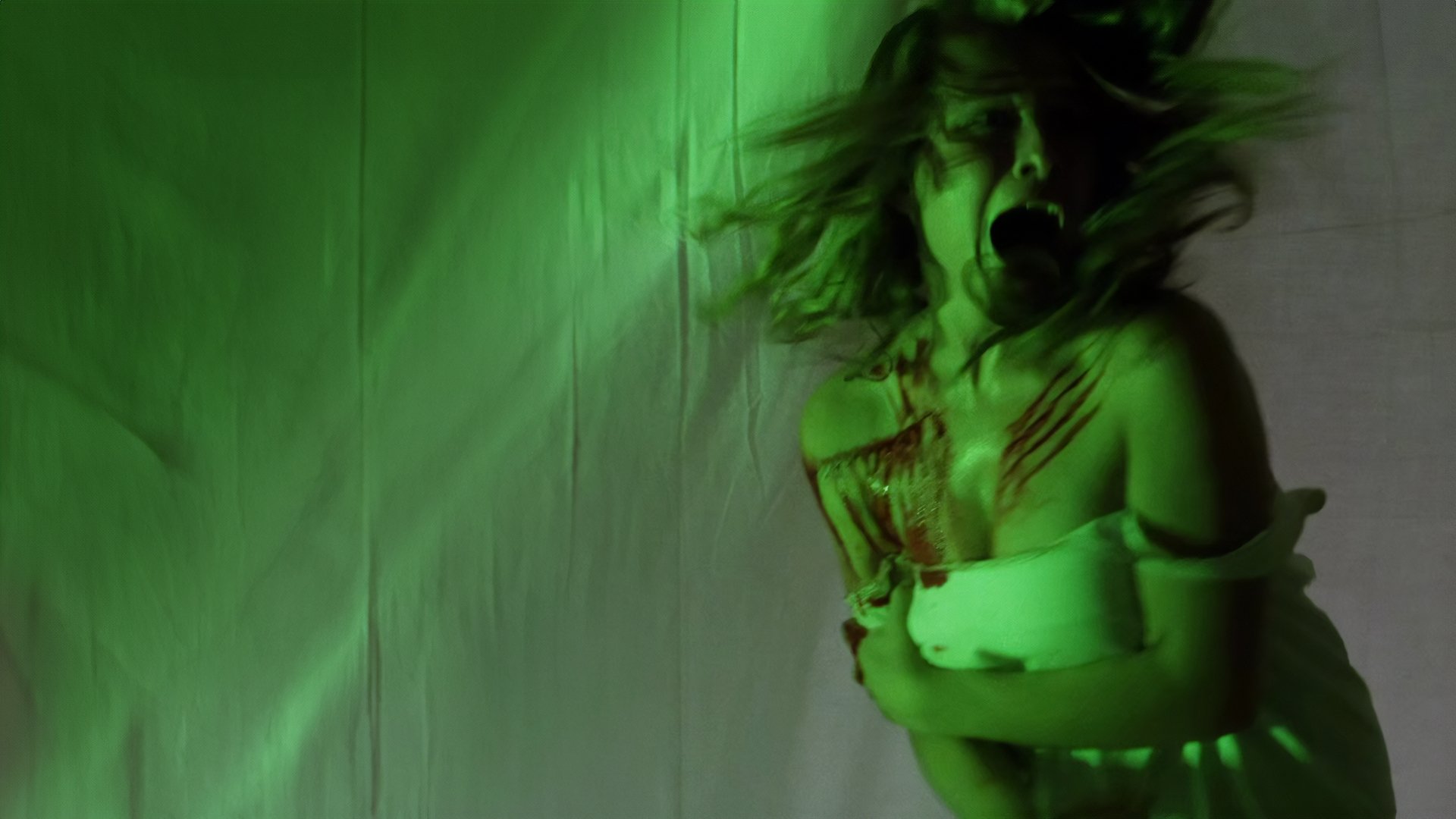
Sebastiano “Nino” Celeste's photography contributes substantially to this effect. Coloured light, strong contrasts and occasional oblique framing place recognisable spaces under visual strain. A sequence in which the hotel maid is pursued among hanging sheets turns ordinary fabric into a series of temporary partitions: the pursuer can appear and disappear as the camera moves through the space. The film also uses sudden shifts of viewpoint and the contrast between expansive exteriors and confined passages to make Alan's surroundings less dependable. These techniques situate the picture within an Italian horror tradition that treats mise-en-scène as a major source of fear.

Retrospective discussion has compared aspects of the staging with the cinema of Mario Bava and Dario Argento, particularly their use of expressive lighting and unstable spatial arrangements. Such comparisons describe formal affinities rather than a documented list of direct borrowings. Giagni's own contribution lies in maintaining an investigative structure while allowing its environments to acquire a dreamlike quality. The viewer follows Alan's search for explanations even as the arrangement of space suggests that the apparent route toward knowledge may be part of the trap itself.
Occult Horror and the Labyrinth

The protagonist's commission begins with the Intextus project and the disappearance of Professor Roth, whose frightened behaviour indicates that his research has uncovered something dangerous. A black book and other fragments of information point toward a secret organisation whose members operate behind respectable appearances. The existence of a conspiracy is introduced through warnings and contradictory encounters rather than through a conventional police investigation. Alan's professional training offers a way to approach unfamiliar documents, but it cannot prepare him for the possibility that the forces described by the research are physically present.

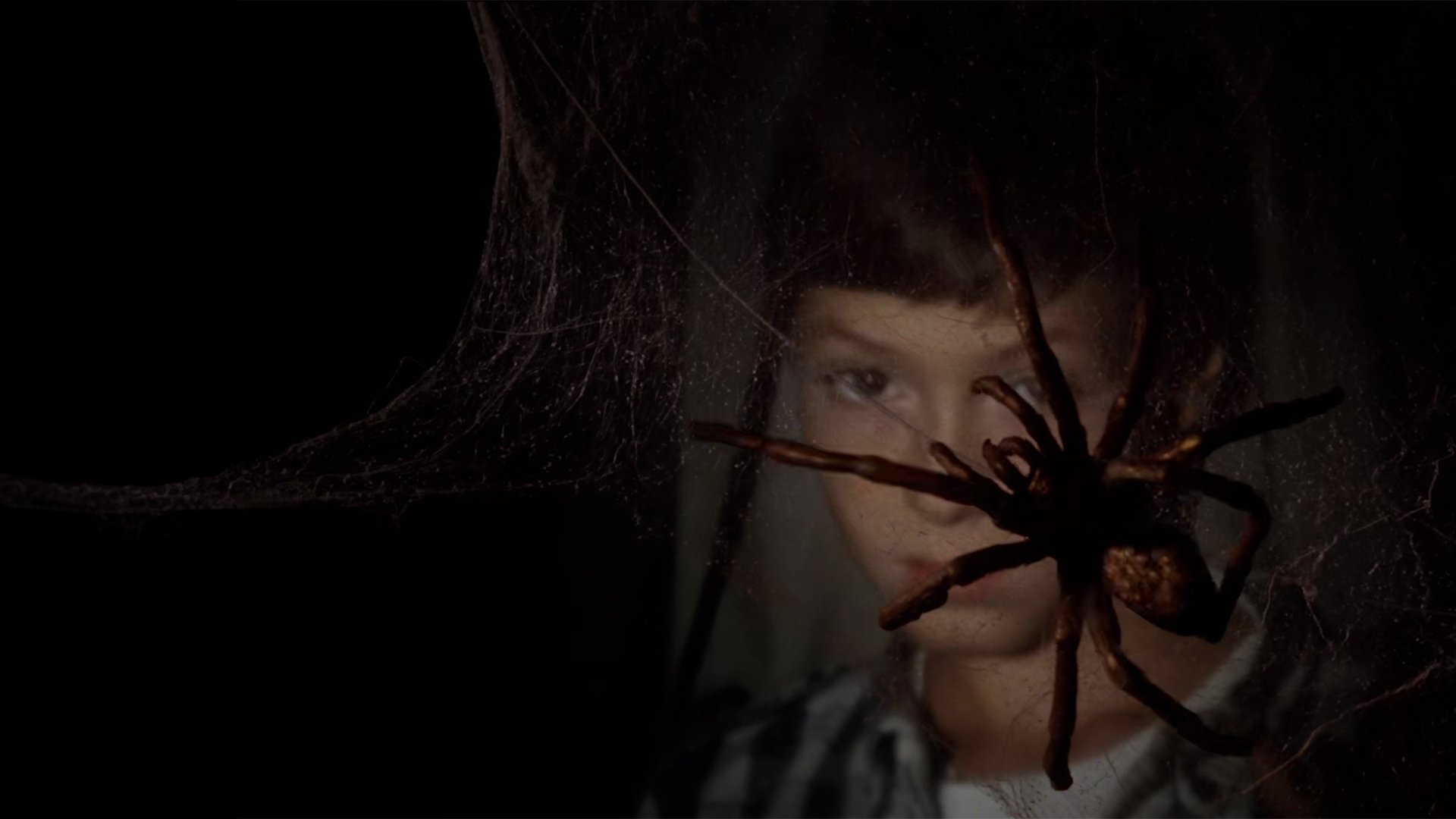
The film's spider imagery has several distinct functions. It begins as the source of a childhood terror, returns in disturbing signs encountered during the inquiry, and eventually becomes part of the cult's supernatural identity. Webs suggest both captivity and a hidden structure whose limits cannot be observed from within. These are features of the film's invented religious system, not evidence that it reproduces an identifiable historical spider-worshipping cult. Its combination of prohibited knowledge, secret believers and an ancient nonhuman power has led critics to describe it as Lovecraftian, although that description should be understood as an interpretation of its themes rather than proof of a direct literary adaptation.

The narrative is also structured around the protagonist's increasing loss of agency. People who seem willing to help him are endangered, familiar places become ambiguous and personal relationships cannot be trusted simply because they appear reassuring. The investigation eventually ceases to offer an escape from the conspiracy and instead reveals how extensively he has been drawn into its design. This shift distinguishes the film's supernatural ending from the solutions normally expected in a mystery centred on identifying a human murderer.

Sergio Stivaletti and the Practical Effects

The creature work was supervised by Sergio Stivaletti, whose account of the production provides unusually specific evidence of how its effects were made. Speaking to Nocturno in 2015, he explained that stop-motion animation was used for spiders emerging from spherical objects and for a wide shot in which the monster moves. These recollections establish the presence of frame-by-frame animation in particular sequences rather than implying that every on-screen creature movement was achieved by the same method. The animated figures supply an intentionally unfamiliar rhythm of motion at moments when the film crosses from suggestion into visible monstrosity.

In another interview, Stivaletti described The Spider Labyrinth as an especially satisfying collaboration because it allowed him to combine techniques, including stop-motion and animatronics, within the same production. That testimony also places the film among projects in which an effects artist could help shape the appearance of a supernatural creature across several stages of its presentation. The progression from partial glimpses to more elaborate transformation imagery is central to the climax. Practical makeup, mechanical effects and animation are used in service of a threat that the story has spent much of its running time keeping out of view.

Stivaletti later recalled showing material from the film to Ray Harryhausen, the stop-motion artist whose work had been an important model for generations of effects technicians. His account is a recollection of a personal encounter, not evidence of Harryhausen's participation in the production. The anecdote is nevertheless significant because it identifies which technical achievement Stivaletti himself considered worth demonstrating. The combination of miniature animation with physical creature work has become one of the most consistently discussed aspects of the film's later reputation.

Release, Reception and Restoration

The Spider Labyrinth was distributed theatrically in Italy in 1988, with an Italian release date recorded as 25 August. The production was credited to Splendida Film and Reteitalia, and contemporary archival records list Medusa as distributor. The film's original circulation should be kept separate from its much later home-video history. Reports that it was difficult to find outside specialist circles are supported by the retrospective discussions that preceded its restoration, but they do not provide a reliable basis for a precise lifetime box-office figure. No unsupported commercial total is necessary to describe the film's limited visibility.

The contemporary critical record was not uniformly enthusiastic. The Italian film reference Cinematografo preserves negative responses that questioned the narrative development and the prominence of the effects, even while acknowledging aspects of the atmosphere and setting. Later writers have often responded more favourably to precisely those characteristics, examining the film's deliberate progression from mystery to occult revelation and Celeste's construction of a hostile cityscape. The contrast illustrates a change in critical attention rather than proving that the film was widely admired on its initial release.

Its subsequent circulation has been substantially altered by restoration and specialist distribution. Severin Films presented a version scanned in 4K from the original negative held at Cinecittà, issuing UHD and Blu-ray editions with new interviews involving Giagni, Manfredi, Celeste, Paola Rinaldi and Stivaletti. A later German UHD edition also treated the film as a rediscovered work of Italian genre cinema. These editions supplied both improved access to the picture and first-hand production testimony. They have made it possible to discuss the film as a complete creative effort, with particular attention to its production design, photography and creature effects.

References

  1. The EOFFTV Review The Spider Labyrinth (1988)

    Kevin Lyons’s retrospective explores Giagni’s background, the screenplay’s occult structure, visual influences and the film’s long period of limited availability.

  2. Nocturno Intervista a Sergio Stivaletti

    The effects artist describes the specific stop-motion techniques used for the spiders and monster, and recalls showing the footage to Ray Harryhausen.

  3. Cineclandestino Intervista a Sergio Stivaletti

    First-hand reflection on the combination of stop-motion and animatronics, Giagni’s working environment and the film’s reception abroad.

  4. Il Foglio Letterario Fabio Marangoni – Il nido del ragno

    Extended Italian-language appraisal of the screenplay, visual style, performances and place of the film within late-1980s genre cinema.

  5. Actionfreunde Spider Labyrinth

    Substantial retrospective discussing visual motifs, staging and later German UHD distribution, including the interviews recorded for the restored edition.

Cast

View Full Cast & Crew →

Release & Distribution

Production Companies (2)

  • Reteitalia IT
  • Splendida

Release History (2)

Release DateTerritoryRelease TypeFormatDistributorCertificationNotes
1988-08-25 Italy Theatrical — — —
2025-08-29 Germany Physical — — 16