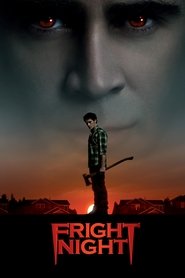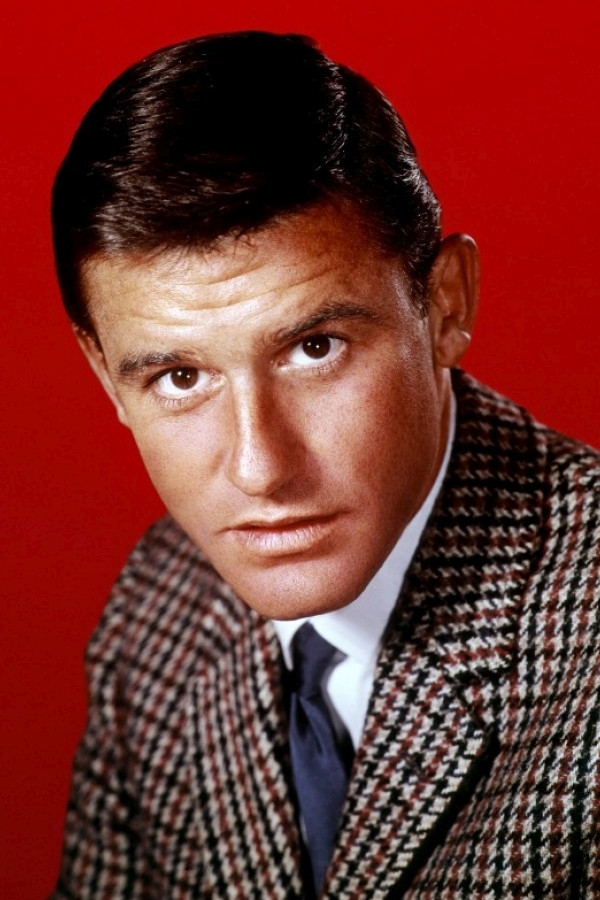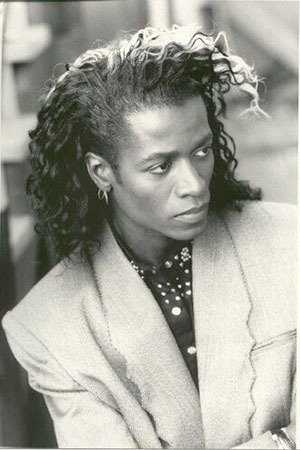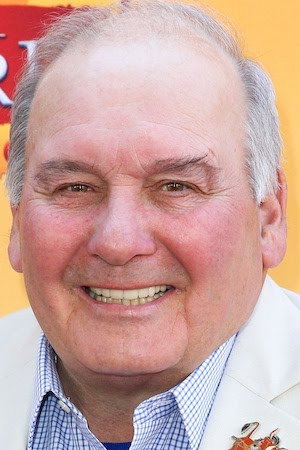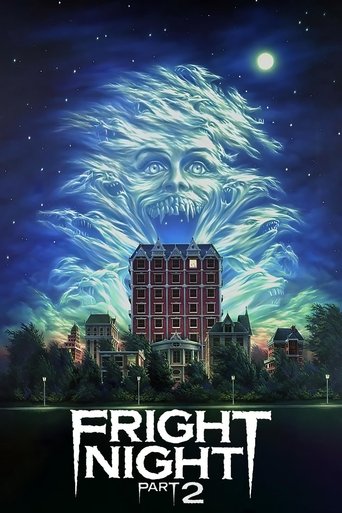
Fright Night Part 2 (1988)

US
HORROR FILM Comedy
Runtime
104 min
Release
April 7, 1988
Revenue
$2,983,784
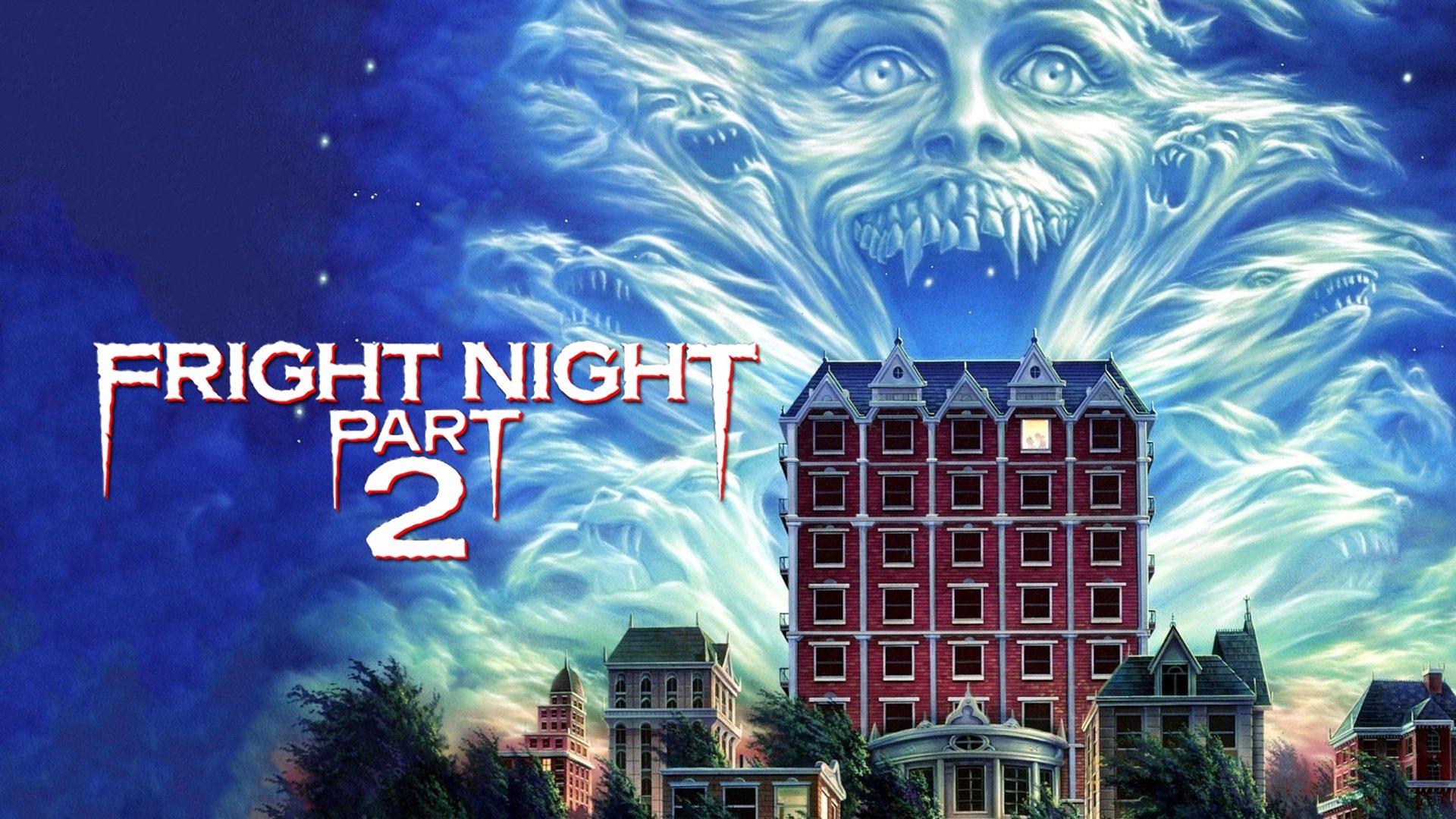
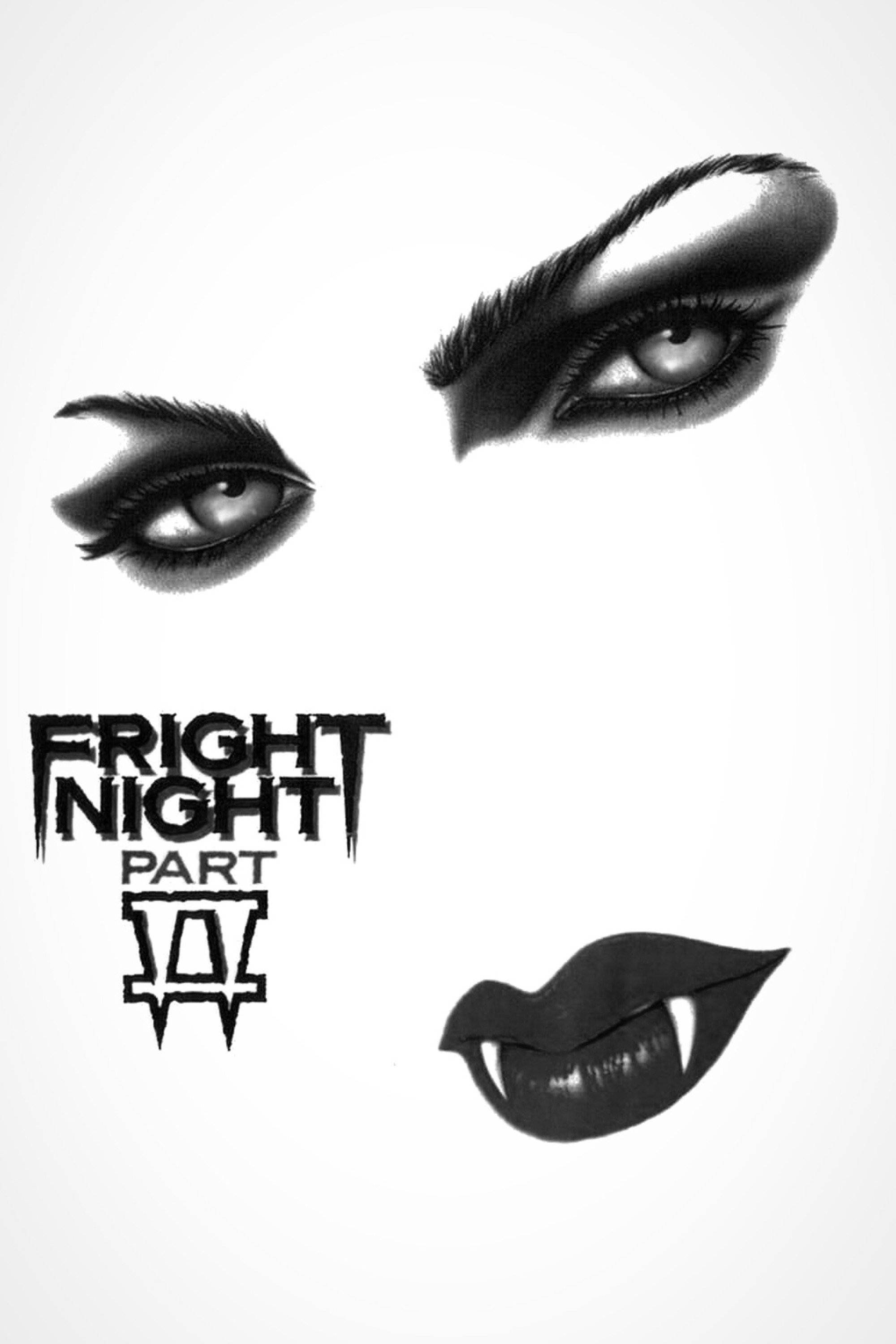
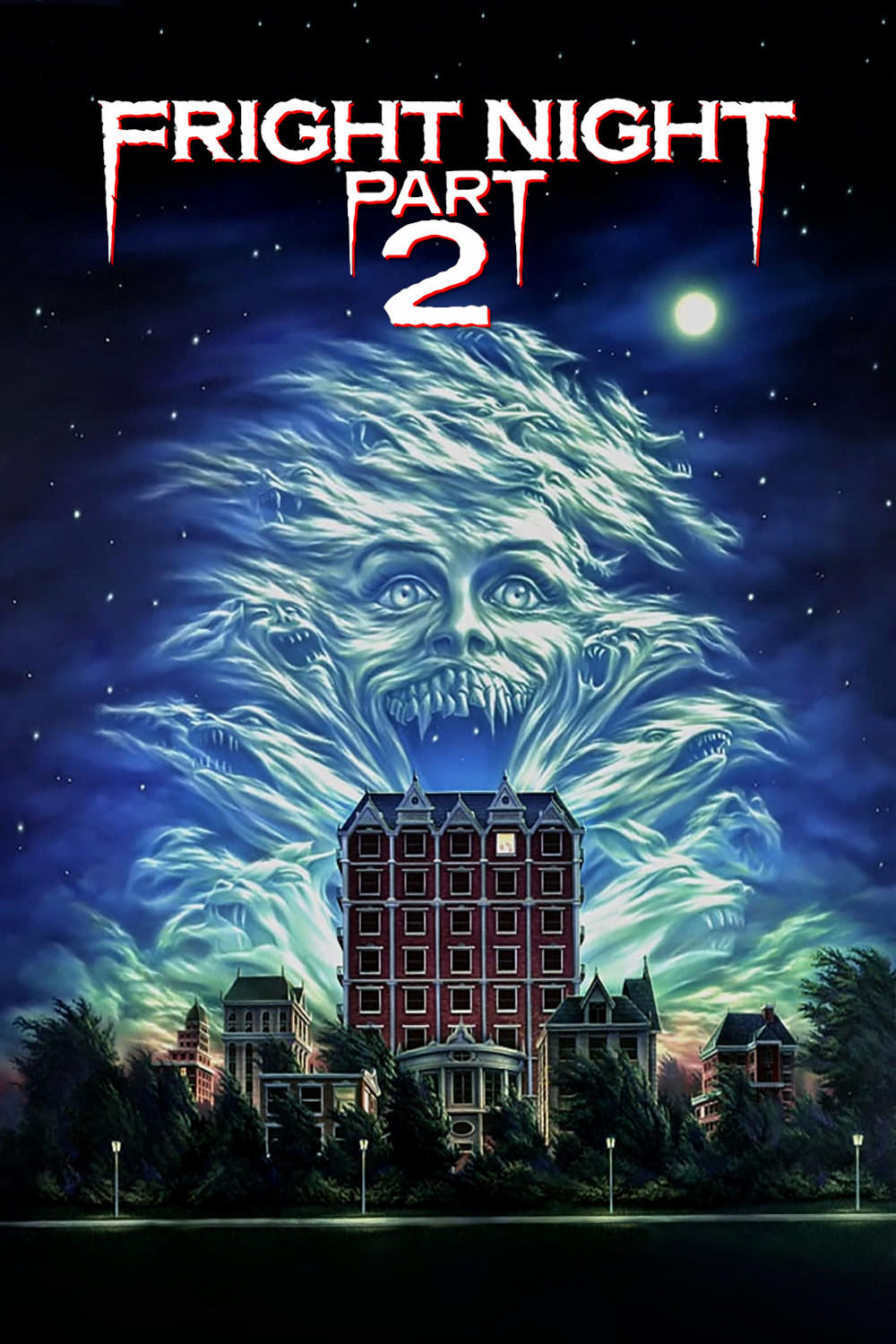
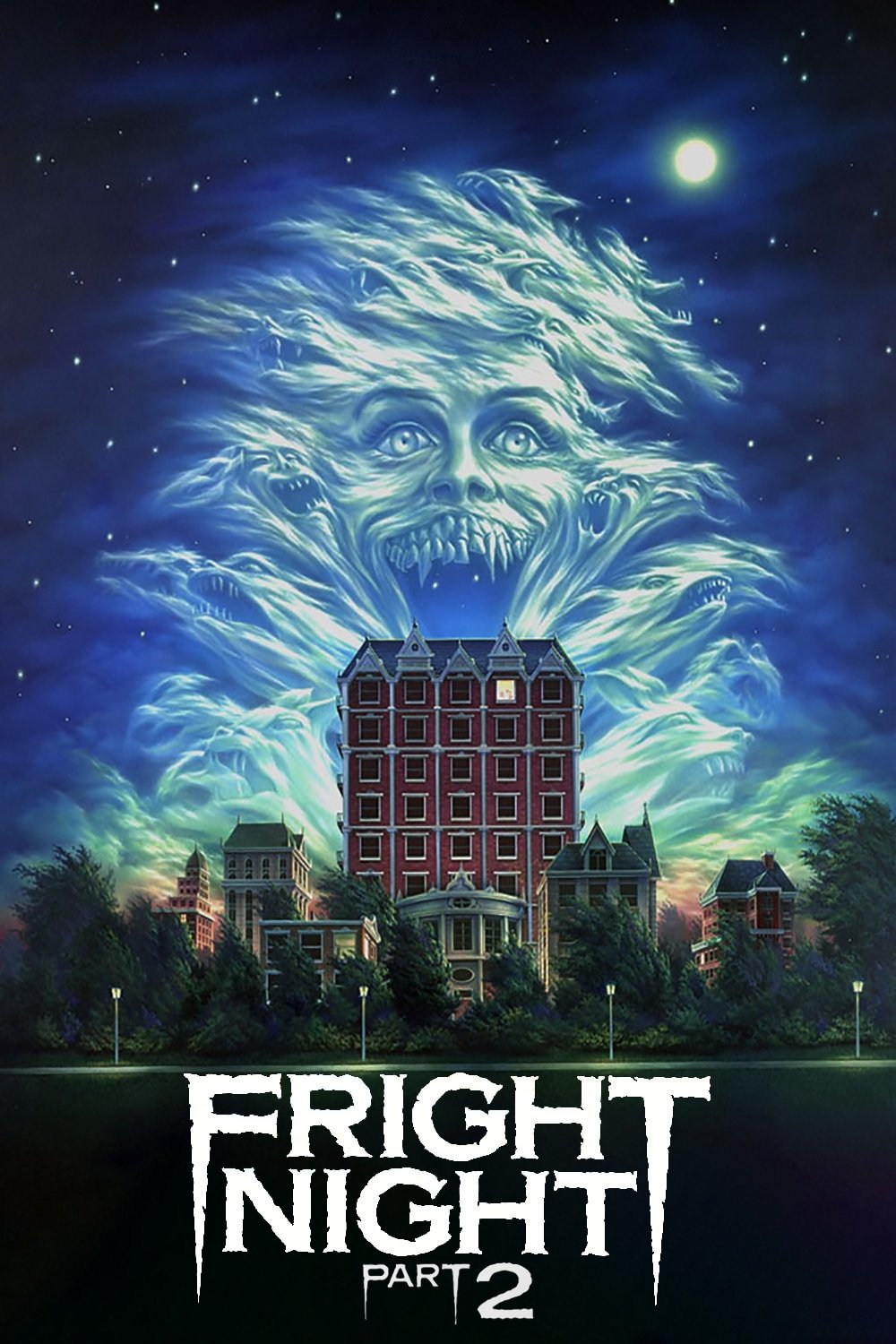
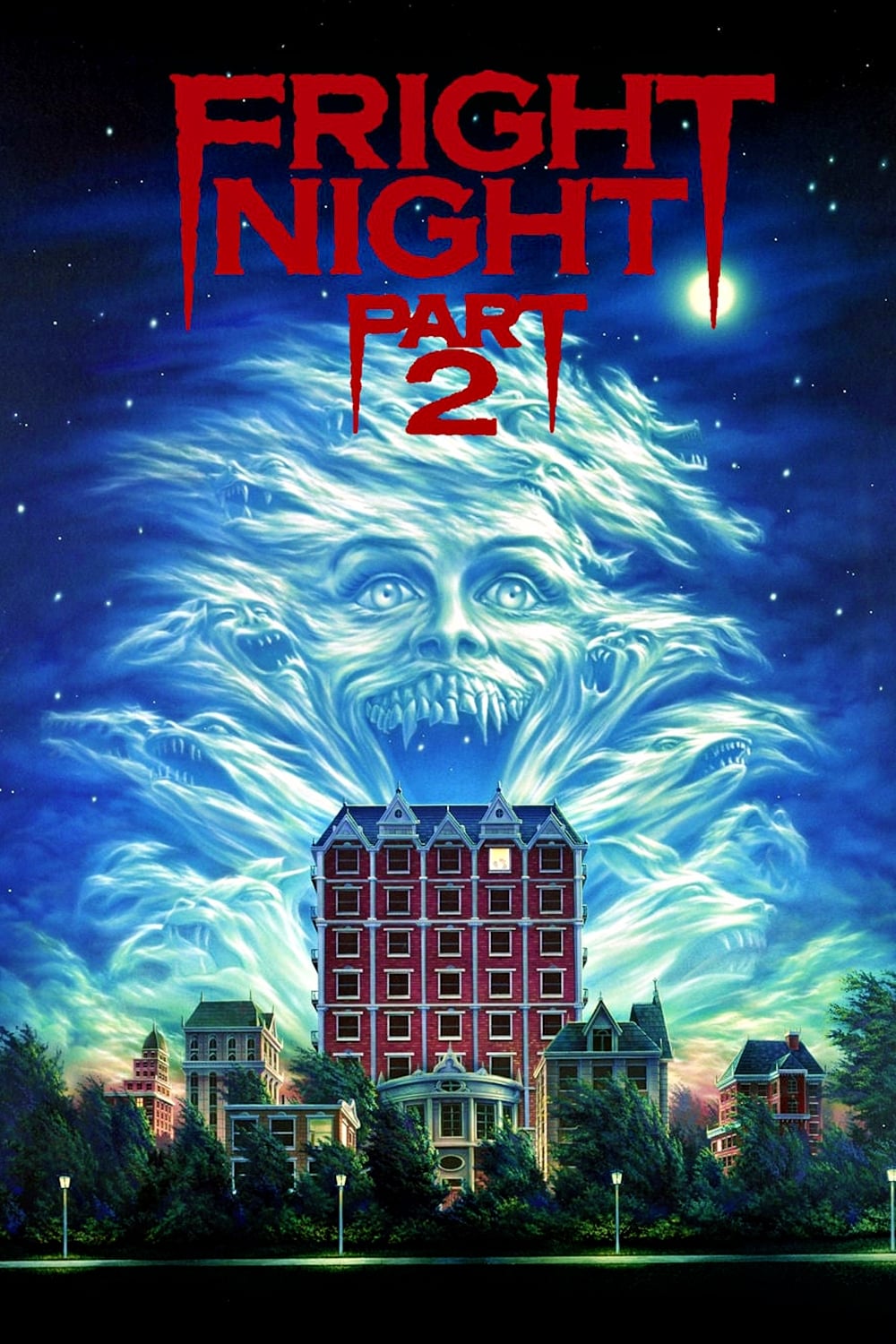
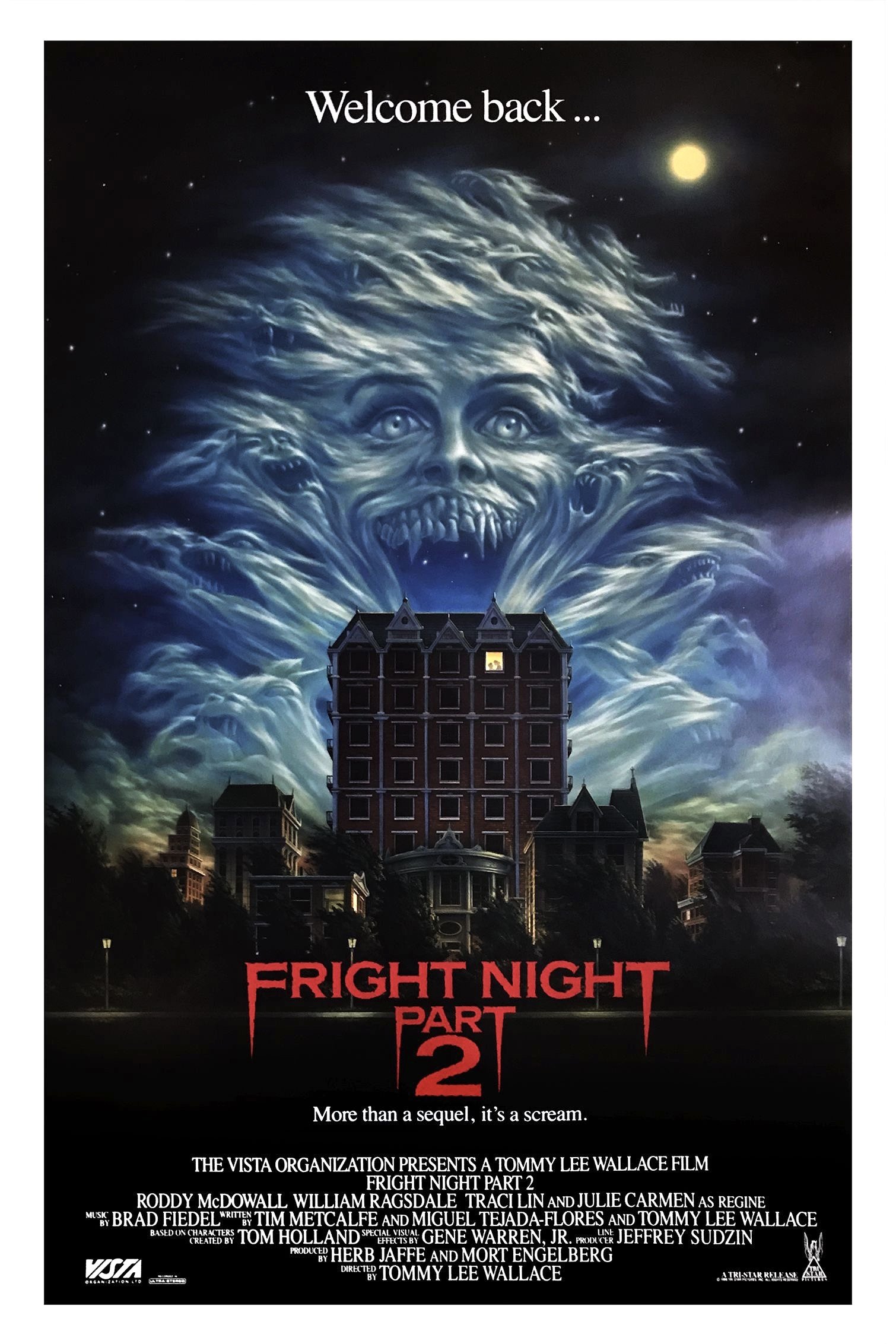
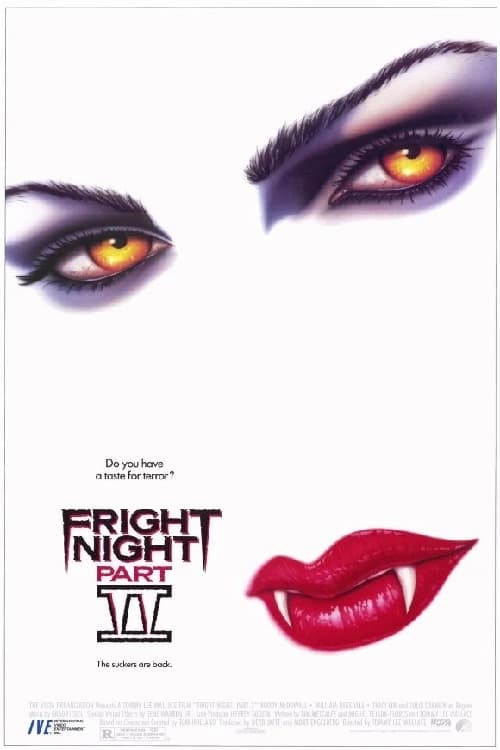
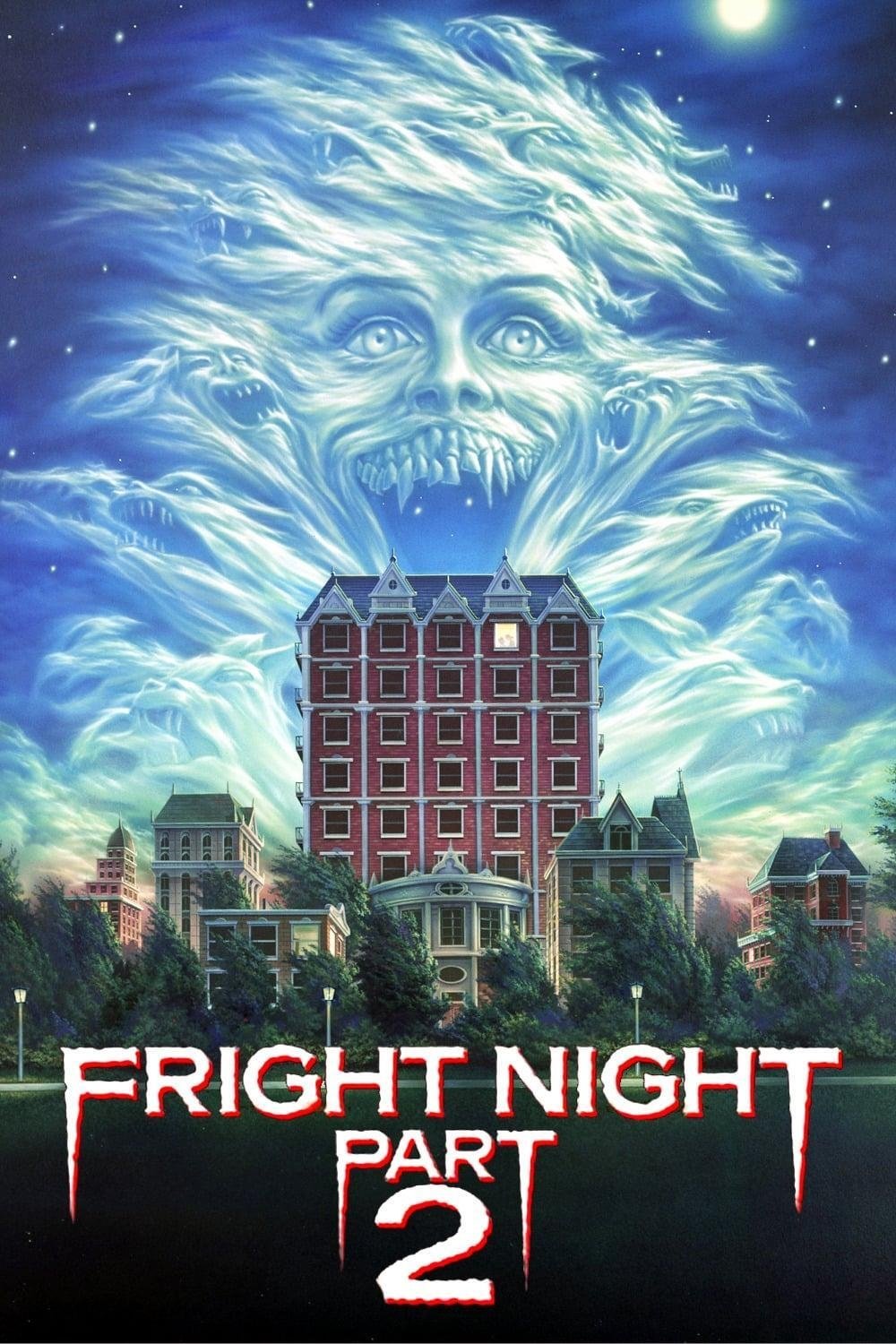
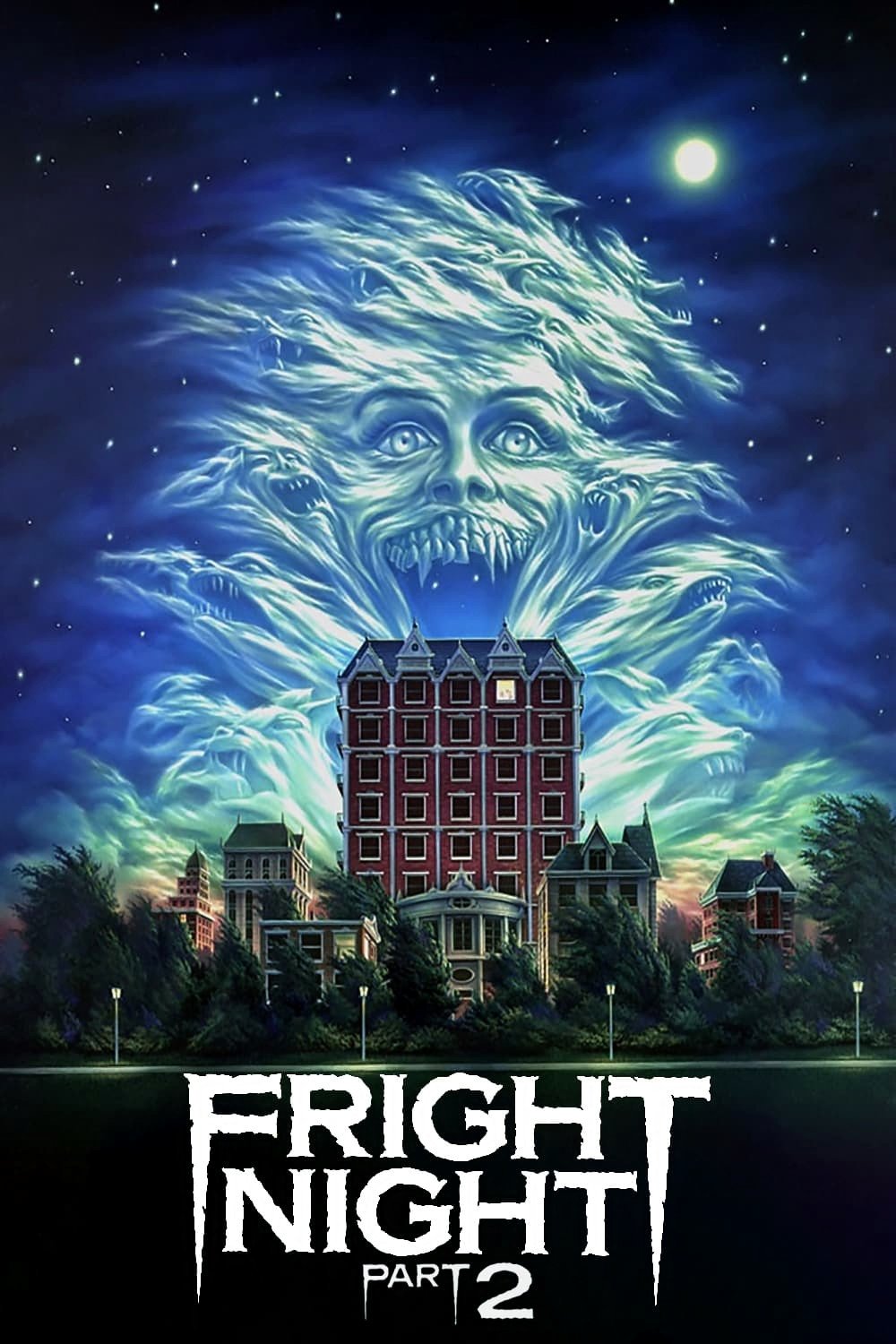
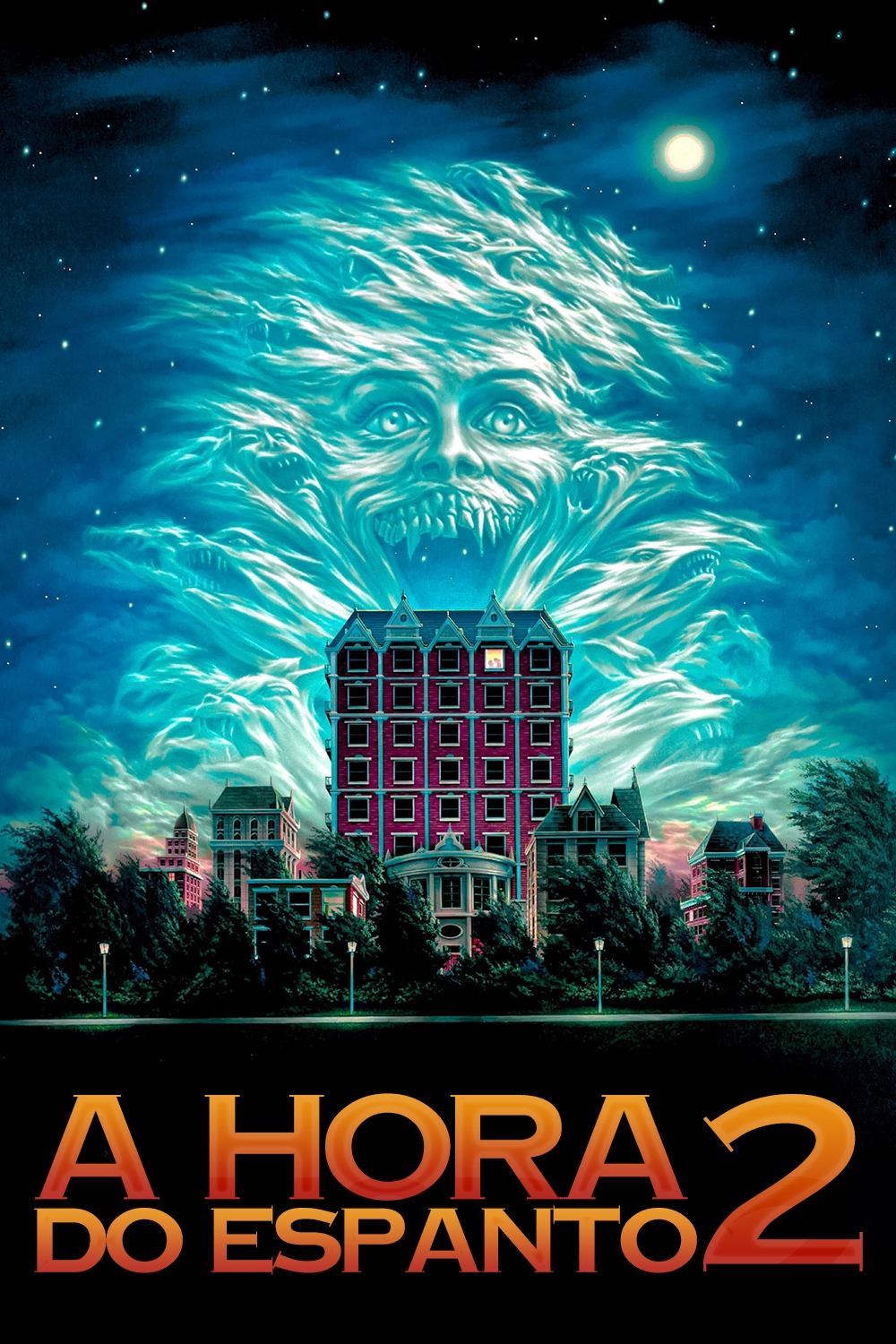
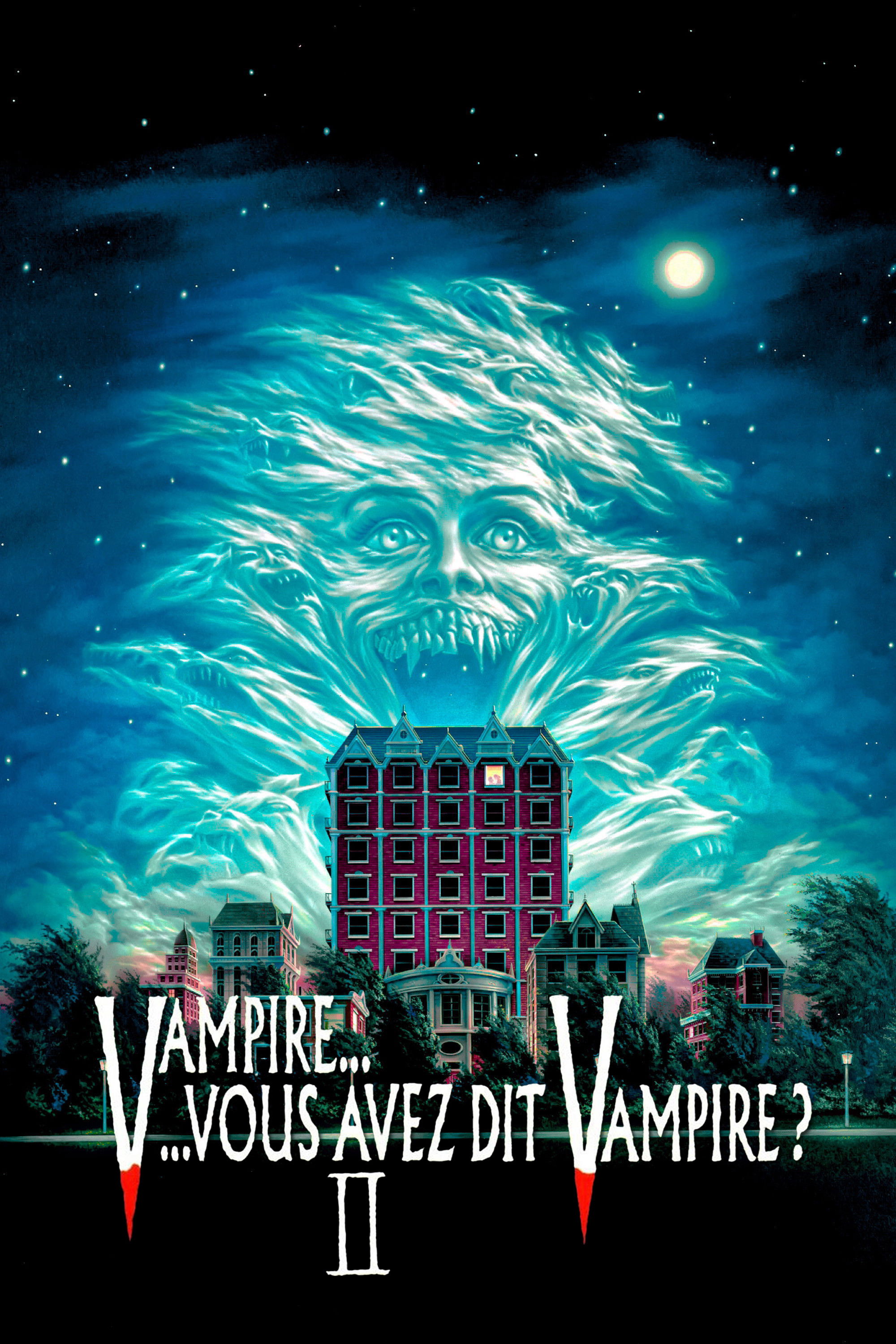
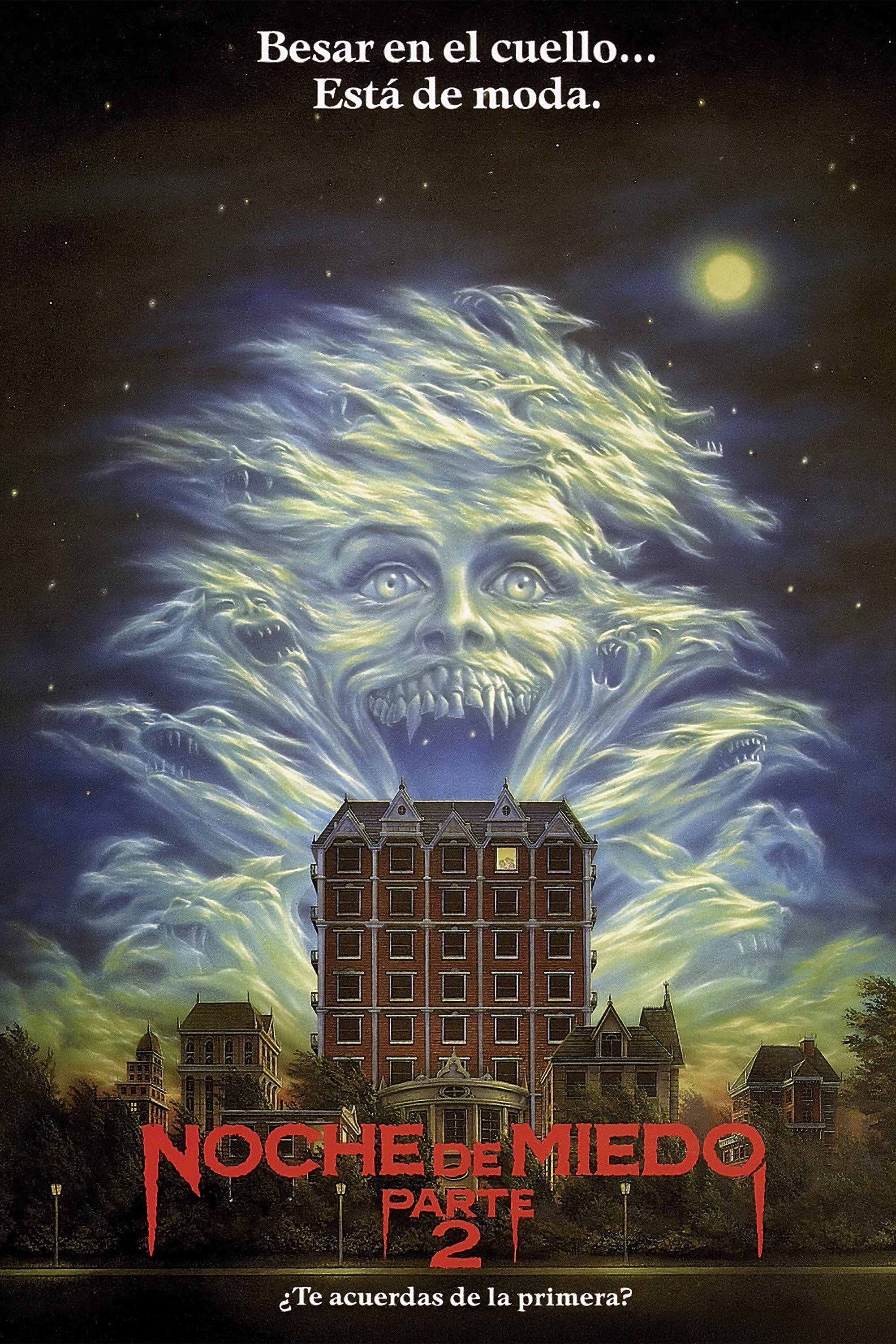
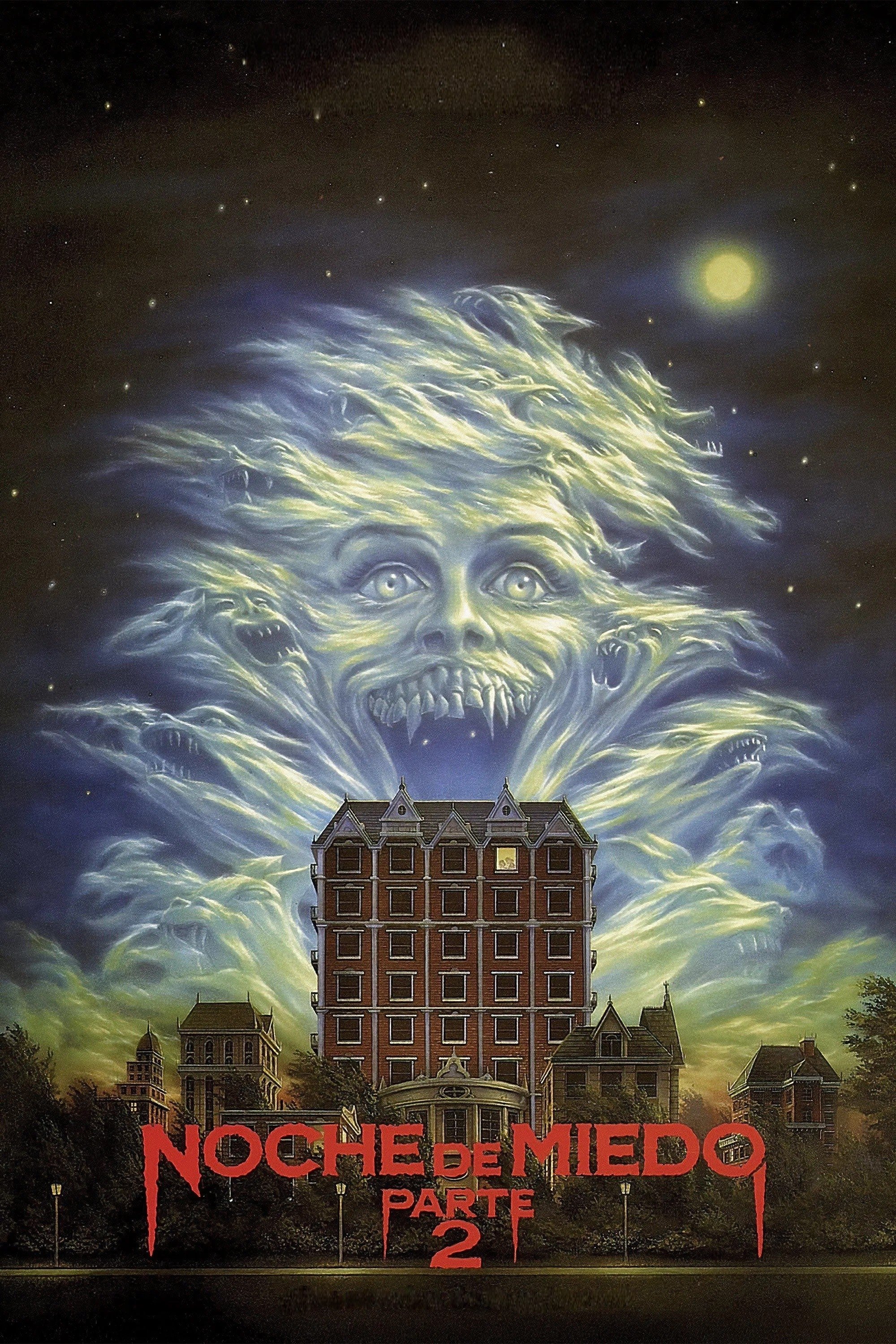
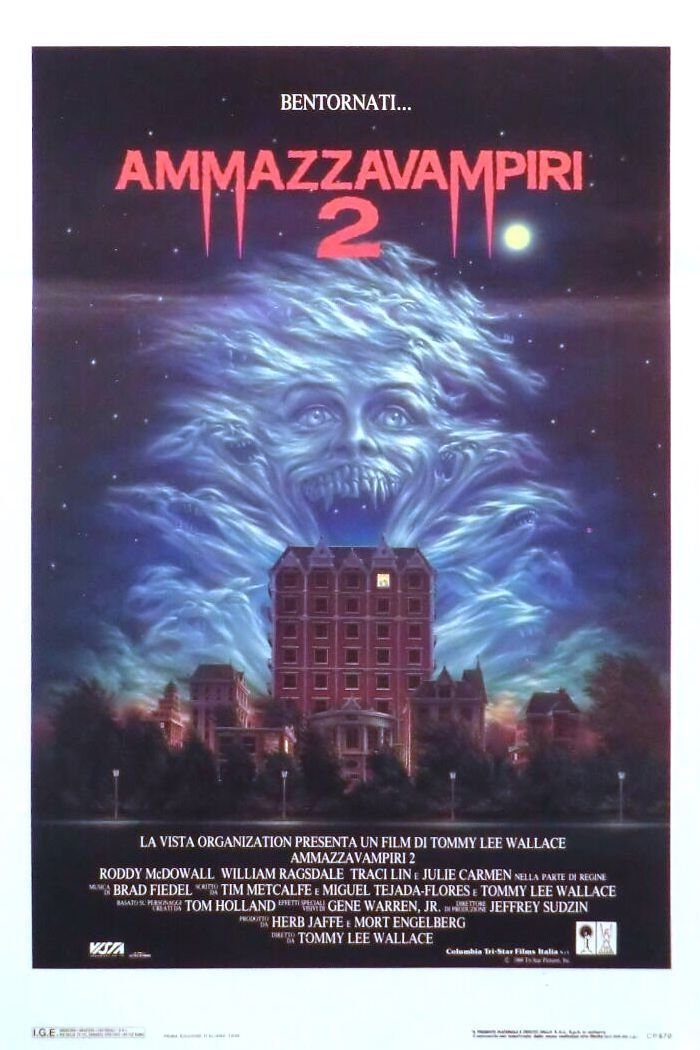
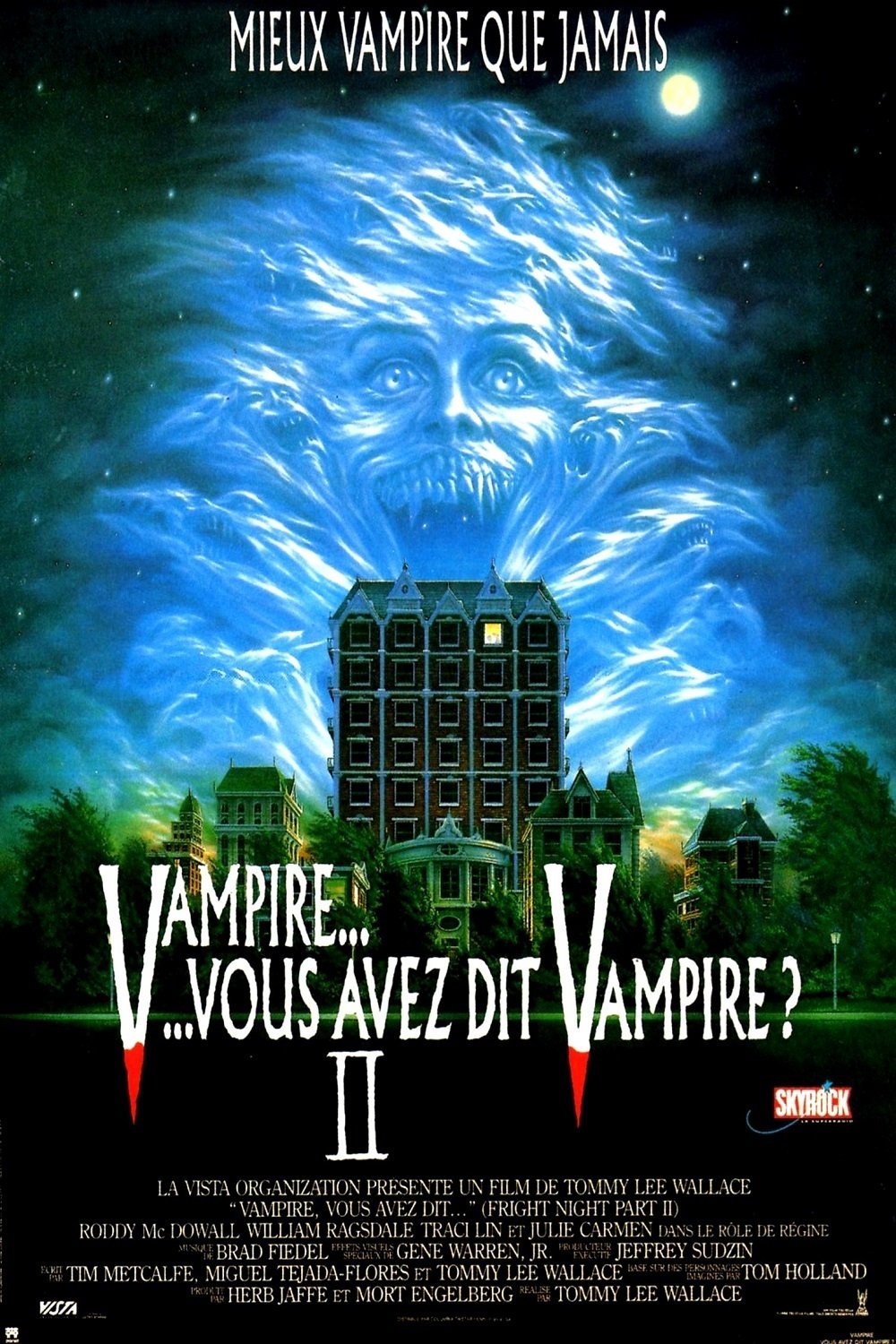
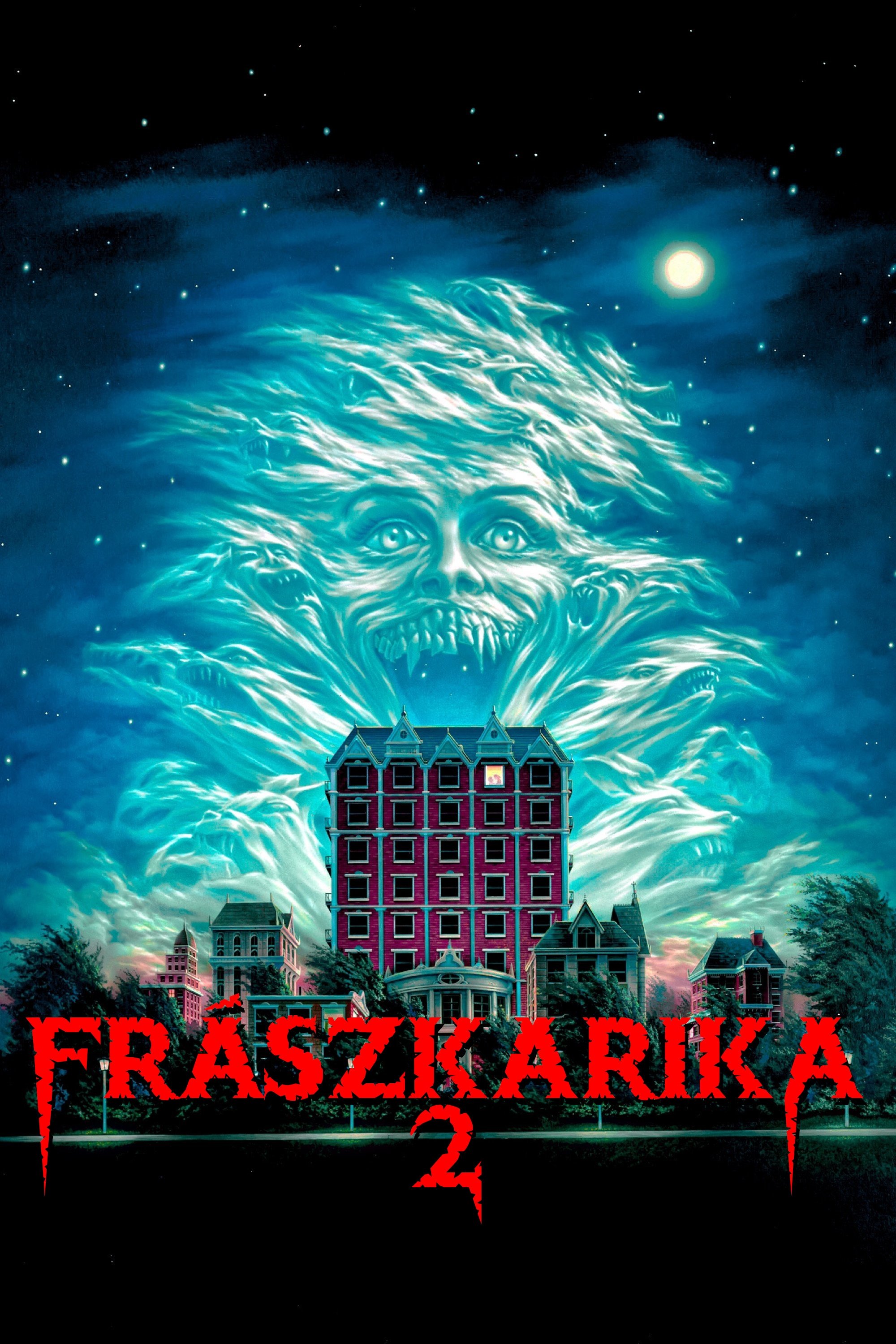
Fright Night Part 2 (1988) poster
Production Company
The Vista Organization
Plot

After three years of therapy Charley Brewster, now a college student, is convinced that Jerry Dandridge was a serial killer posing as a vampire. But when Regine, a mysterious actress and her entourage move into Peter Vincent's apartment block, the nightmare starts again - and this time it's personal!

Alternative Titles
Qorxu Gecəsi 2 (Azerbaijan) Нощта на ужасите 2 (Bulgaria) — Bulgarian A Hora do Espanto 2 (Brazil) Vampire... vous avez dit vampire ? II (Canada) — French 天师斗僵尸2 (China) — Chinese Hrůzná noc 2 (Czechia) — Czech Fright Night 2 - Mein Nachbar der Vampir (Germany) Fright Night II - Mein Nachbar, der Vampir (Germany)
Show all 27 alternative titles Mein Nachbar, der Vampir (Germany) — German Gysertimen 2 (Denmark) — Danish Noche de miedo II (Spain) — Spanish Vampire… vous avez dit vampire ? II (France) — French Νύχτα τρόμου Νούμερο 2 (Greece) — Greek 天師鬥殭屍續集 (Hong Kong SAR China) — Chinese Frászkarika 2. (Hungary) — Hungarian מי מפחד מהשכן ממול 2 (Israel) — Hebrew Ammazzavampiri 2 (Italy) — Italian 후라이트 나이트 2 (South Korea) — Korean La Hora del Espanto 2 (Mexico) — Spanish Postrach Nocy 2 (Poland) — Polish A Noite do Espanto - Parte 2 (Portugal) — Portuguese Noaptea groazei: Partea a 2-a (Romania) — Romanian Ночь страха 2 (Russia) — Russian Skräcknatten 2 (Sweden) — Swedish Komşum Bir Vampir 2 (Türkiye) — Turkish Fright Night Part II (United States) — alternative spelling Đêm Kinh Hoàng Phần 2 (Vietnam) — Vietnamese

Trailers & Videos

2 videos

Film Guide & Analysis

Tommy Lee Wallace returned Charley Brewster and Peter Vincent to a world of vampires while reversing the first film through trauma, disbelief, a female vampire antagonist and a considerably larger collection of practical creature effects.

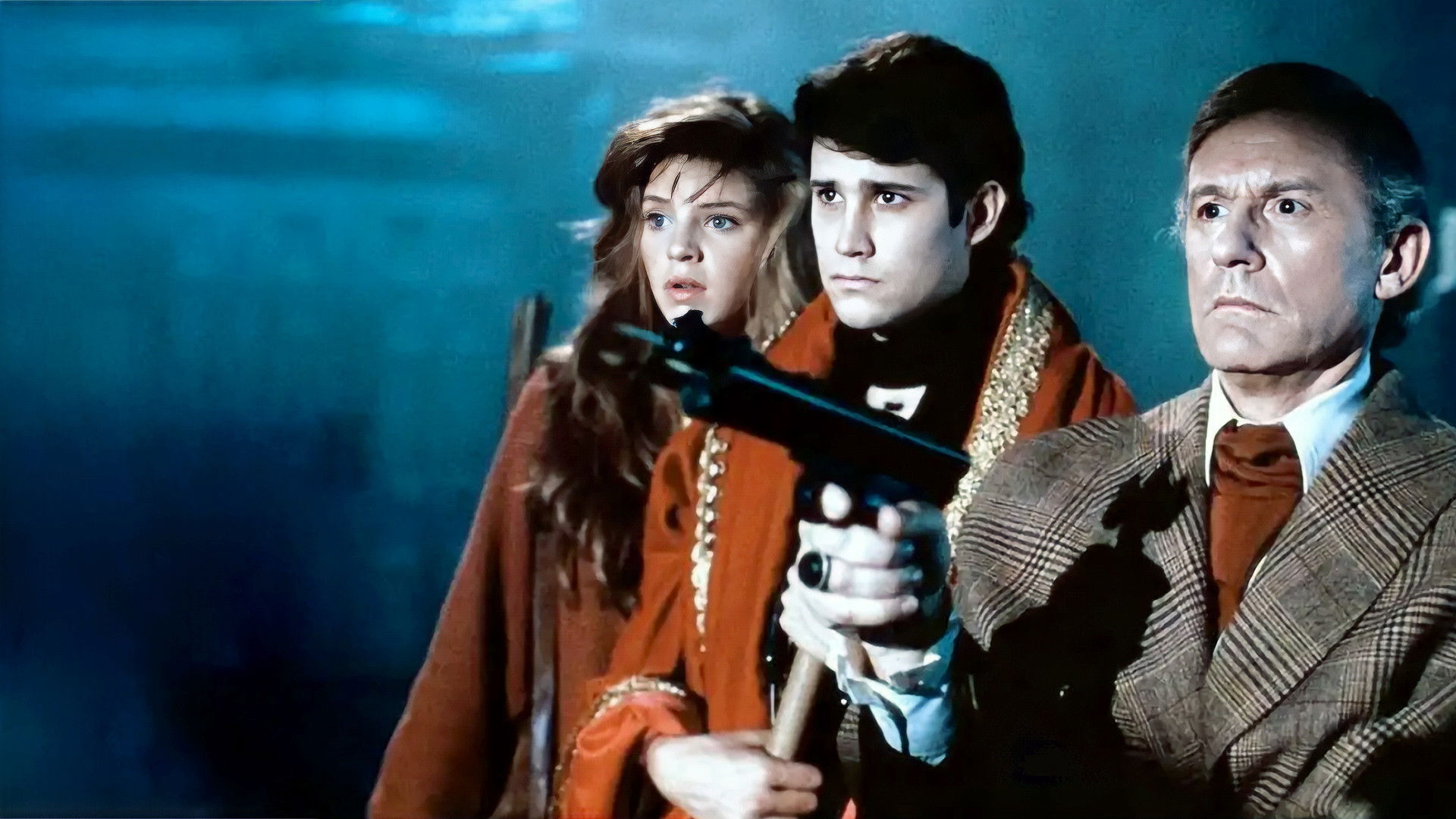
Fright Night Part 2 approaches the aftermath of the original film from an unexpectedly useful direction: Charley Brewster has been taught not to believe what happened to him. Three years of psychiatric treatment have converted his encounter with Jerry Dandridge into a supposedly rational memory of a human serial killer, leaving the young man determined to reject vampires as fantasy. Tommy Lee Wallace uses that reversal to restart the supernatural machinery without simply returning Charley to the same position he occupied in Fright Night. The former believer now needs to rediscover the reality that Peter Vincent once struggled to accept.

The sequel also expands the monster population surrounding its central vampire. Julie Carmen's Regine Dandridge arrives with an eccentric supernatural entourage and a personal connection to Jerry, replacing his comparatively private predation with a deliberate campaign of revenge. Wallace retains the first film's mixture of vampire mythology, comedy and affection for horror culture, but increases the emphasis on elaborate makeup and transformation effects. The result never achieved the theatrical visibility or cultural reach of Tom Holland's film, yet its unusual creatures, female vampire lead and continued use of Roddy McDowall and William Ragsdale have given it a distinct identity within 1980s vampire cinema.

Development Without Tom Holland

Producer Herb Jaffe was able to acquire sequel rights from Columbia Pictures after changes in the studio's management. Tom Holland, who had written and directed Fright Night, did not return. Contemporary reporting preserved by the American Film Institute states that Holland declined because he was committed to other work, and Holland later confirmed that he gave Tommy Lee Wallace his approval to continue with the characters. Wallace had already directed Halloween III: Season of the Witch and saw the project as an opportunity to return to a theatrical horror feature with considerably more creative control than he had recently experienced in television.

The screenplay is credited to Wallace, Tim Metcalfe and Miguel Tejada-Flores, using characters created by Holland. Principal photography began in Los Angeles on October 8, 1987. Contemporary trade reporting placed the budget at approximately $8 million, indicating a substantial production investment for the sequel. Wallace later remembered the situation positively because the producers gave the director genuine creative support and room to shape the material. That freedom helped the sequel preserve the mixture of comedy, sexuality and monster horror that had distinguished the original.
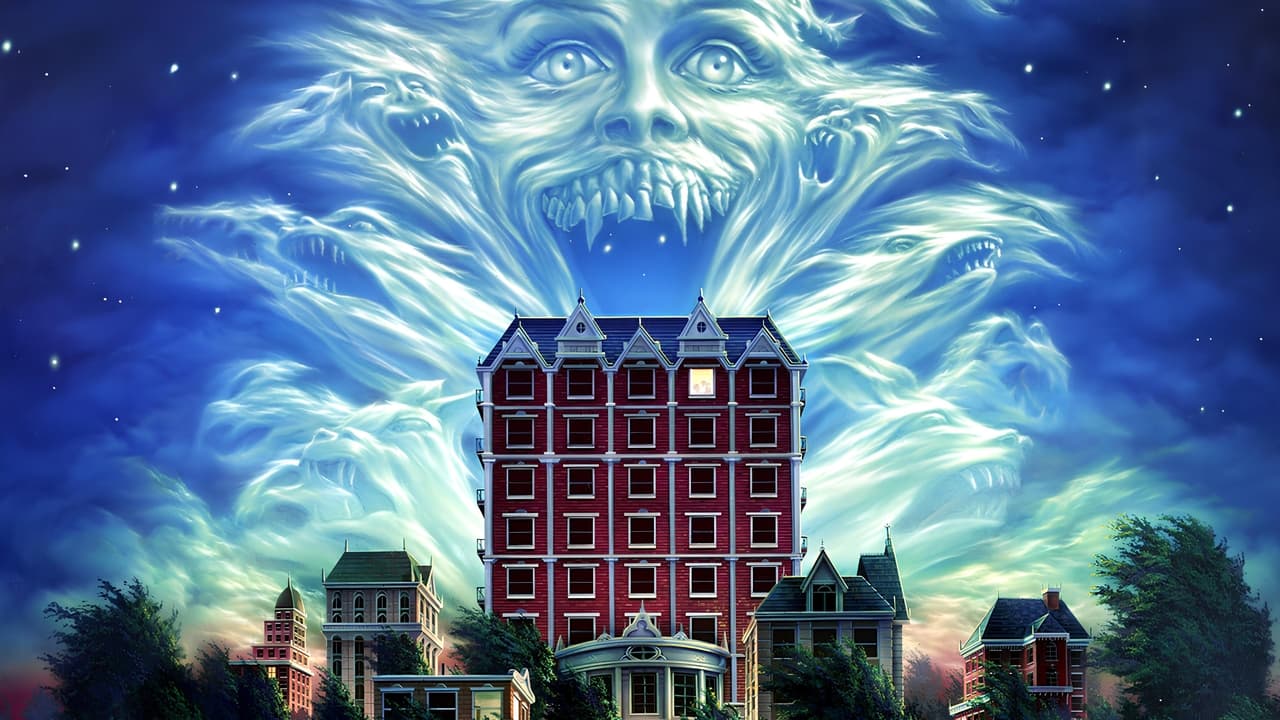
Trauma, Disbelief and Reversal

The strongest narrative idea in Fright Night Part 2 is Charley's psychological position at the beginning. The first film depended on his inability to convince anyone that Jerry was a vampire. The sequel begins after professional therapy has persuaded Charley himself that vampires never existed. He removes vampire-fighting objects from his life and interprets his memories through a rational explanation. The horror therefore returns through the collapse of a recovery that initially appears healthy.

Peter Vincent occupies the opposite position. He no longer needs Charley to persuade him that supernatural creatures exist because their previous experience permanently changed him. Their relationship consequently reverses. Peter becomes the believer trying to warn someone who considers vampire stories a symptom of trauma. Regine exploits that uncertainty by using seduction, performance and apparently rational explanations whenever Charley approaches the truth. The mechanism allows Wallace to reuse familiar vampire rules while changing who understands them and who requires convincing.

Regine and the Vampire Entourage

Regine Dandridge brings a different personality and method of predation to the vampire antagonist. The screenplay establishes her as his sister and gives her a specific reason to seek Charley and Peter: revenge for Jerry's destruction. Julie Carmen plays the character with an overtly performative quality that fits her public identity within the film. Regine can use glamour, sexuality and theatricality to make supernatural behavior look like part of an artistic persona, allowing her to expose flashes of monstrosity without immediately surrendering her disguise.

Her companions broaden the supernatural world beyond the elegant solitary vampire. Louie, Belle and Bozworth have sharply different appearances and behaviors, giving Regine's group the character of an eccentric traveling menagerie. This gives the sequel more opportunities for creature effects while also changing its visual rhythm. Jerry's threat had depended heavily on what might be hidden inside one neighboring house. Regine arrives already surrounded by beings whose strange behavior announces that the supernatural world is larger and more varied than Charley previously encountered.

Makeup, Creatures and Visual Effects

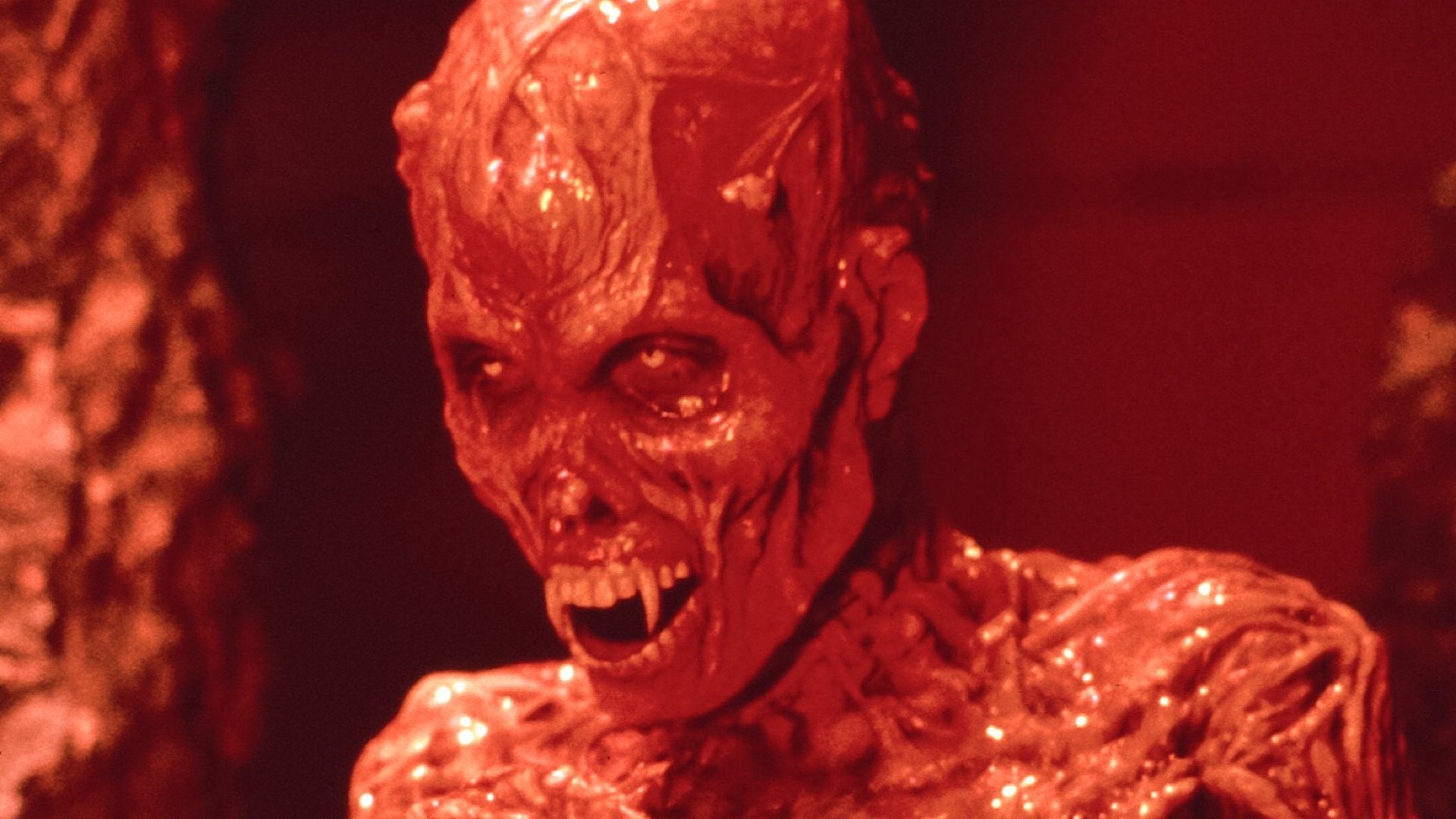
The effects workload was substantially larger than on the first film. Bart Mixon supervised the principal creature and prosthetic work through Make-Up FX Unlimited, working in conjunction with Gene Warren Jr.'s Fantasy II Film Effects. Mixon assembled a large rotating team that included Brian Wade, Aaron Sims, Jim McLoughlin, Norman Cabrera, Gabe Bartalos, Barney Burman and several other artists. Contemporary coverage in Fangoria reported that roughly ninety percent of the makeup work handled by Mixon's company involved Regine in some form.

Her transformations required multiple techniques. One intermediate facial design went through nine clay variations before approval, with separate brow, cheek and jaw appliances. Carmen was photographed both normally and in makeup using bluescreen and motion-control photography so that the two states could be combined optically. Her larger creature form was developed to relate visually to a giant bat, which eventually required both a stop-motion miniature and a full-sized puppet. The finale combined mechanical dummy heads, gelatin burn appliances, practical fire and additional optical effects.

Other monsters received similarly physical treatment. Richie's reaction to holy water used swelling foam-latex appliances and a mechanically enhanced dummy head, while Belle's destruction was created through gelatin heads containing different skull structures and photographed through time-lapse melting. Despite the quantity of effects, Mixon recalled Wallace repeatedly restraining designs that became too excessive because the director did not want the entire film to function as an effects showcase. That balance is important to the sequel's horror identity: the transformations are larger and remain tied to character development.

Release, Reception and Afterlife

Fright Night Part 2 had a far weaker American theatrical opportunity than its predecessor. Although generally catalogued as a 1988 production, the American Film Institute records its Los Angeles opening on May 19, 1989. New Century/Vista launched the film in only 148 theaters, and it never expanded beyond 161. Box Office Mojo records an opening weekend of $548,231 and a total domestic gross of $2,983,784. Those figures were modest against the approximately $8 million budget reported during production, although domestic theatrical revenue alone does not account for foreign-rights sales or later home-video income.

Reviews were mixed and the film never approached the cultural profile of Fright Night, but the limited release also meant that many viewers encountered it years after its limited theatrical run. It remains the only direct theatrical continuation of the original Charley Brewster and Peter Vincent storyline, with Ragsdale and McDowall returning to the roles that had defined the first film. Later Fright Night productions would reboot the property and abandon this specific continuity.

Its strongest legacy consequently lies less in franchise expansion than in the pleasures of the film itself. Wallace preserves the humor and affection for vampire mythology while moving the effects toward the elaborate creature work flourishing in late-1980s horror. Regine gives the sequel a different central presence, Charley's therapy provides an intelligent reversal of the first film's disbelief structure and the practical-effects team fills the story with transformations that remain distinctly handmade. Fright Night Part 2 never displaced its predecessor, but it became a particularly characteristic example of the period when even a commercially unsuccessful horror sequel could contain an extraordinarily ambitious physical-effects production.

Connections

Cast

View Full Cast & Crew →

Release & Distribution

Production Companies (1)

  • The Vista Organization US

Release History (9)

Release DateTerritoryRelease TypeFormatDistributorCertificationNotes
1988-04-07 United Kingdom Theatrical — — 18
1988-09-19 Australia Theatrical — — M
1988-11-12 Japan Theatrical — — —
1988-12-07 Germany Theatrical — — 18
1988-12-07 United States Theatrical — — R
1989-01-04 France Theatrical — — 12
1989-01-16 Australia Physical — — M
1989-02-10 Italy Theatrical — — VM14
1989-04-13 Brazil Theatrical — — 16
Do you have a taste for terror? The suckers are back.