From Dusk Till Dawn (1996)

US
HORROR FILM Action Crime
Runtime
108 min
Release
January 19, 1996
Budget
$19,000,000
Revenue
$25,800,000
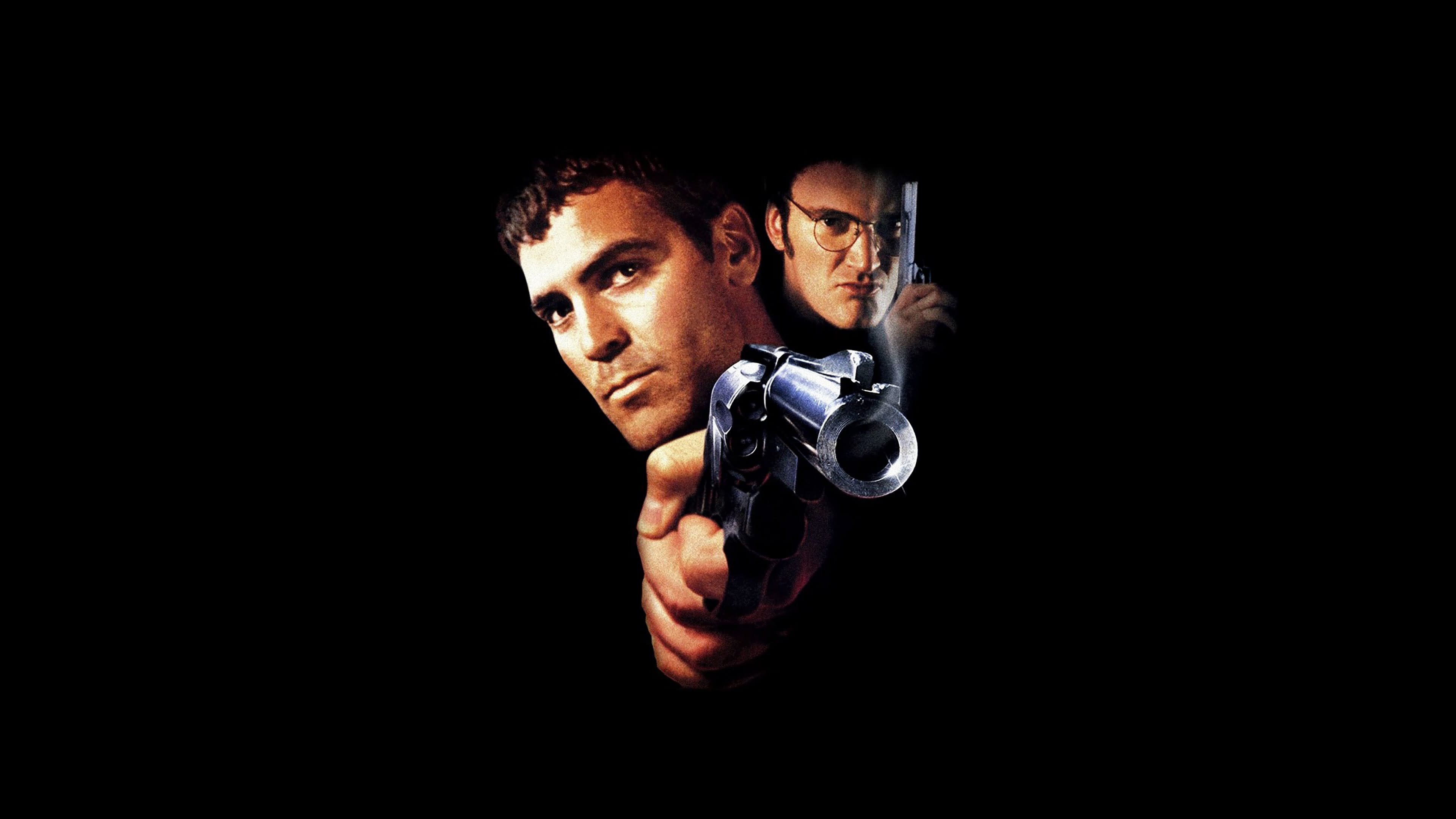
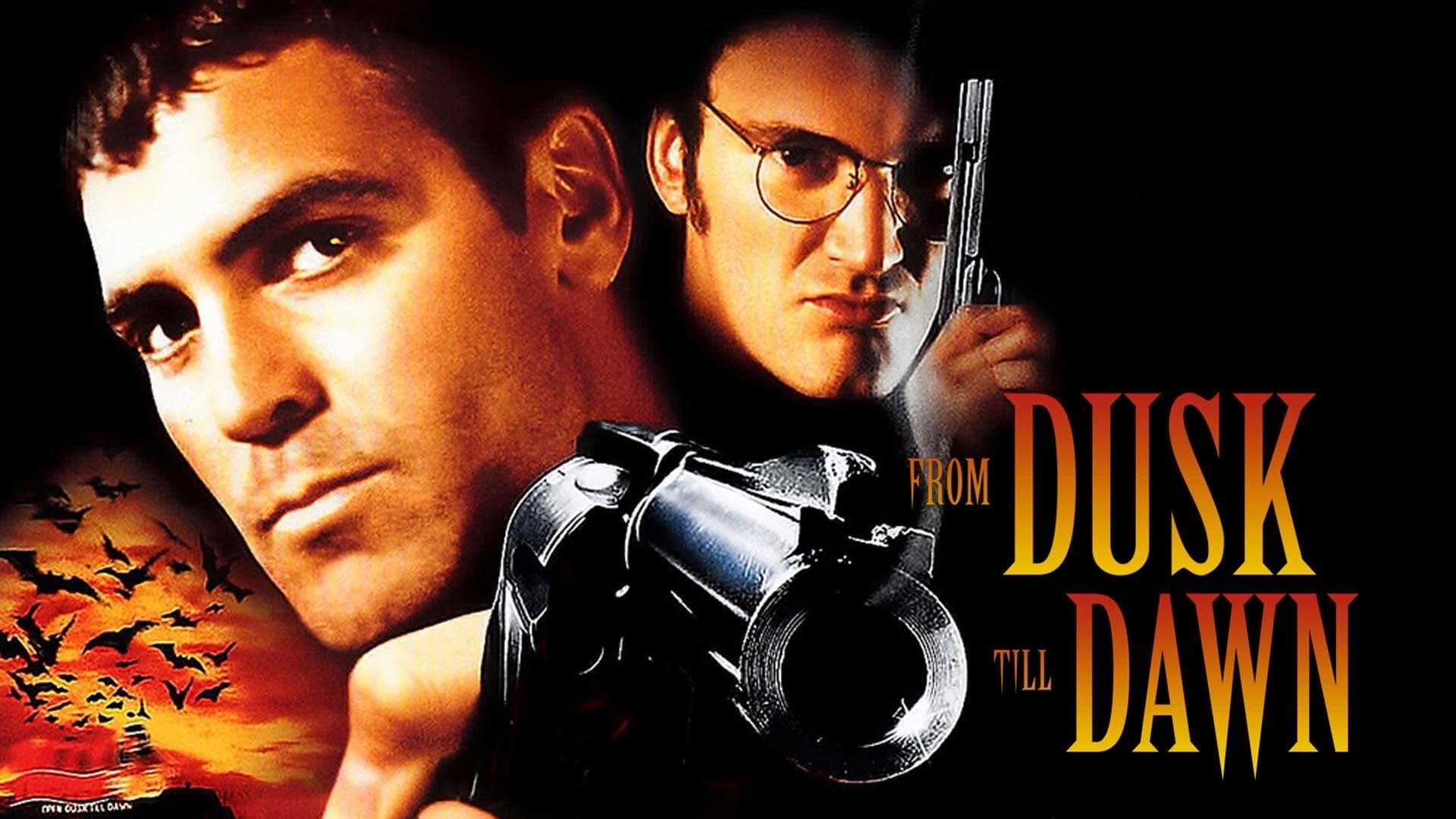
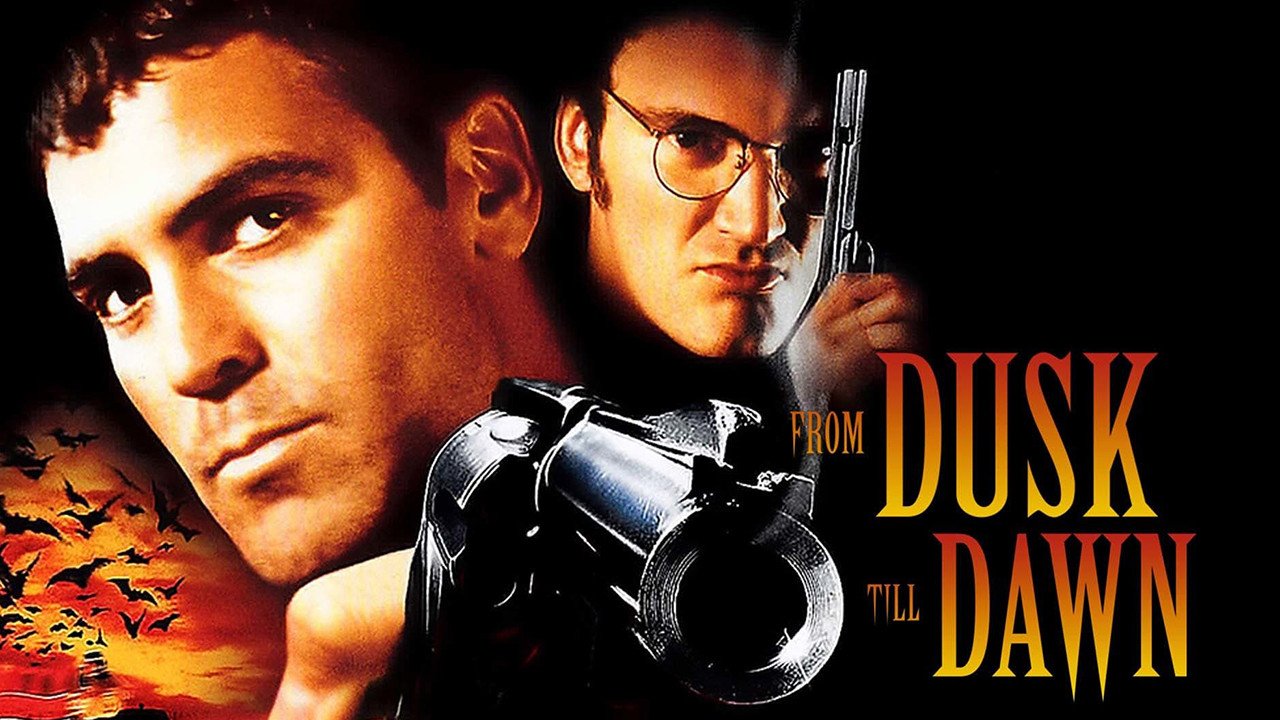
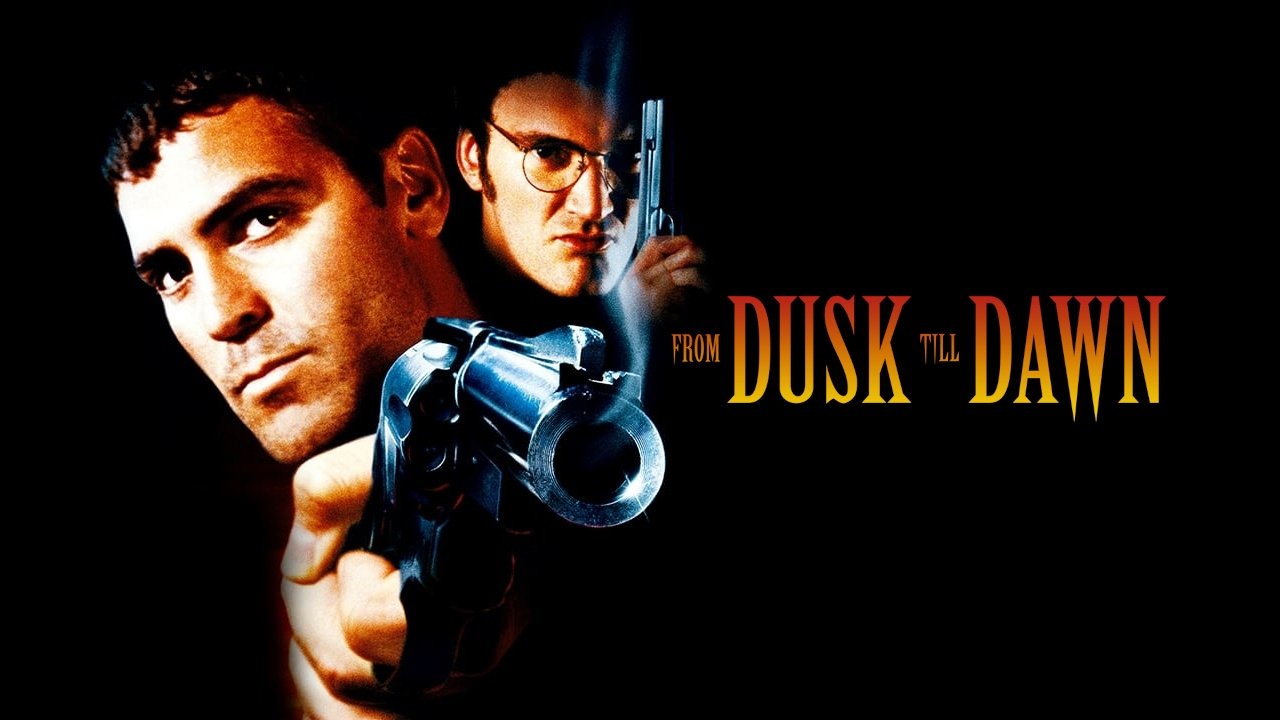
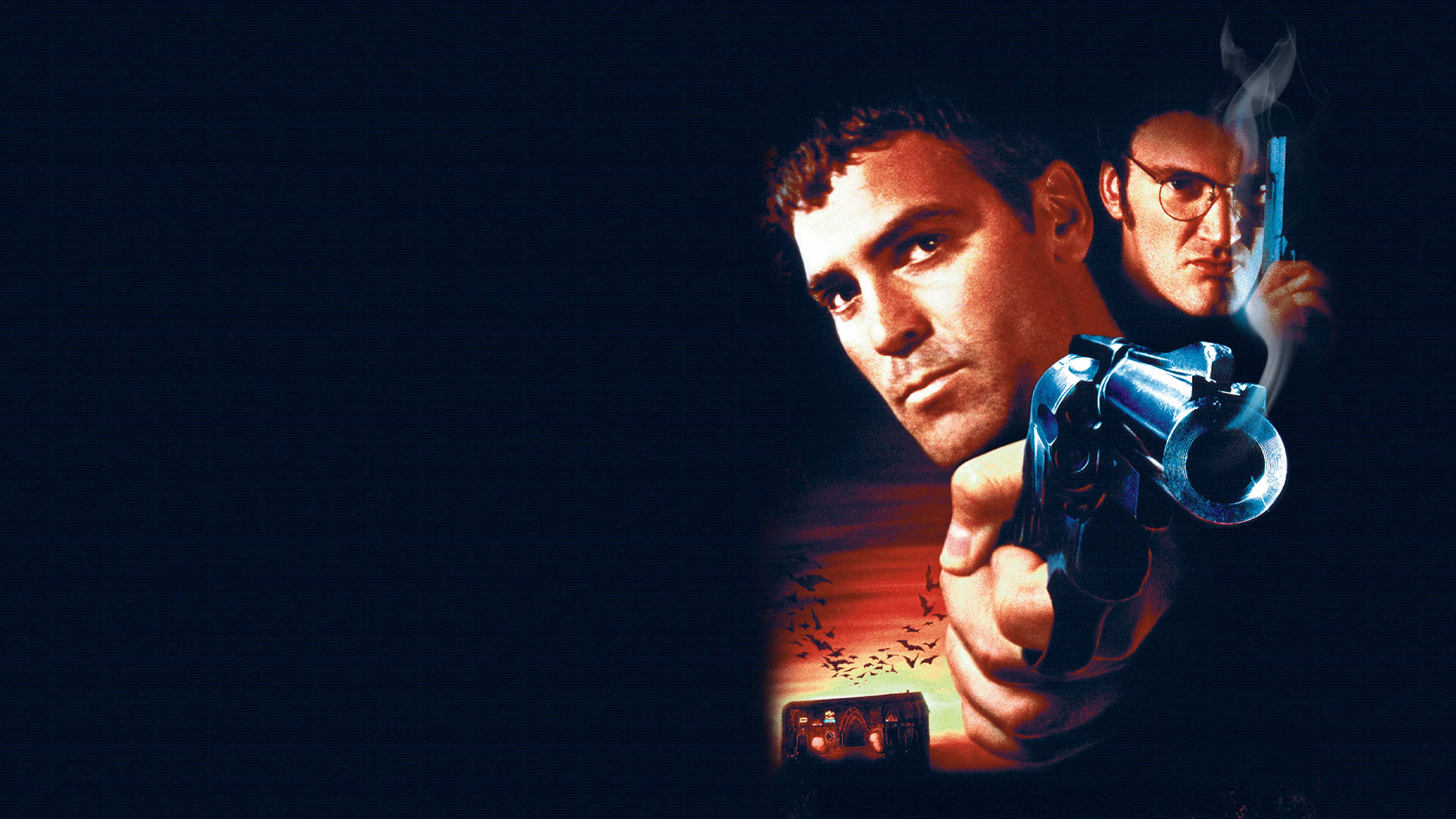
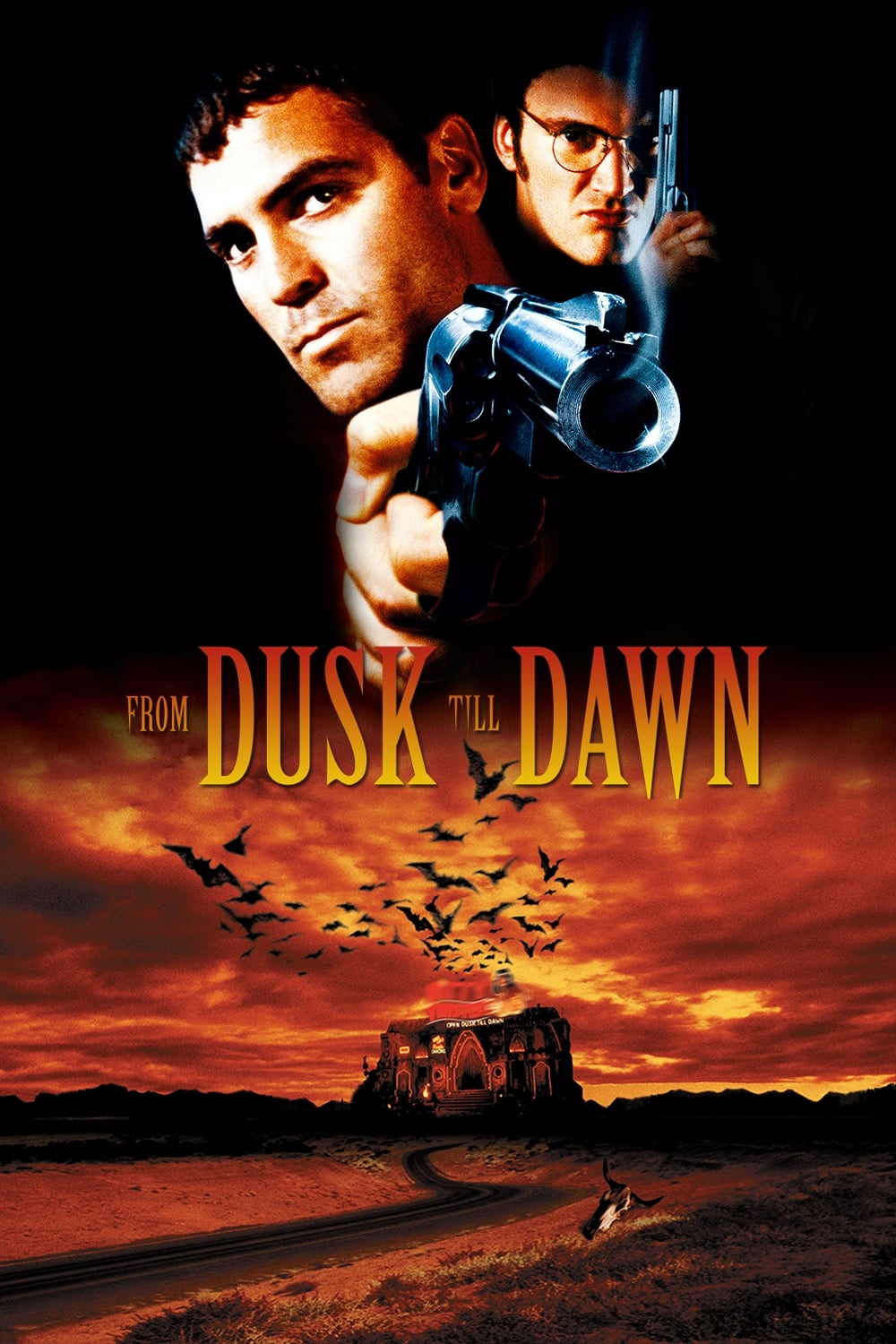
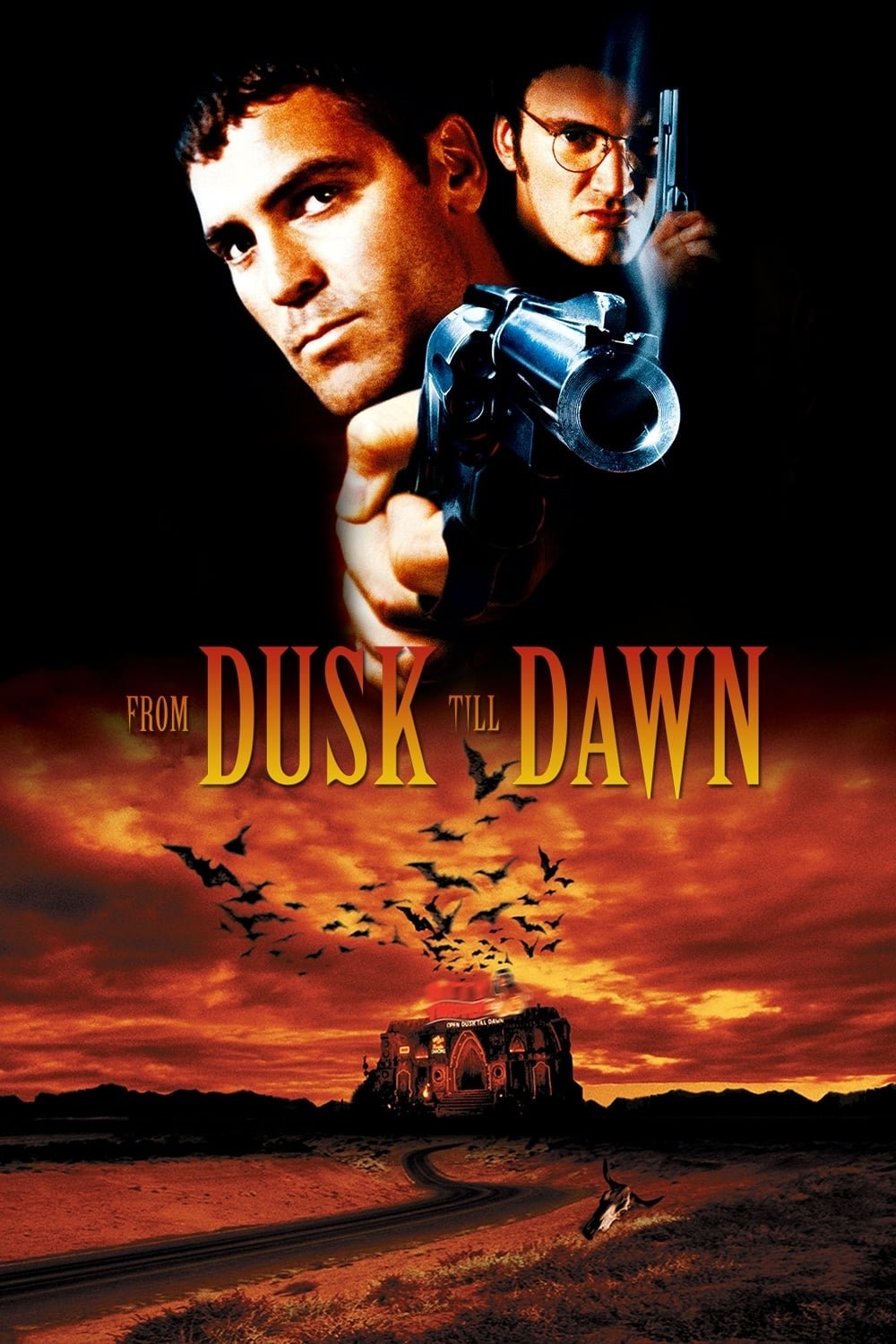
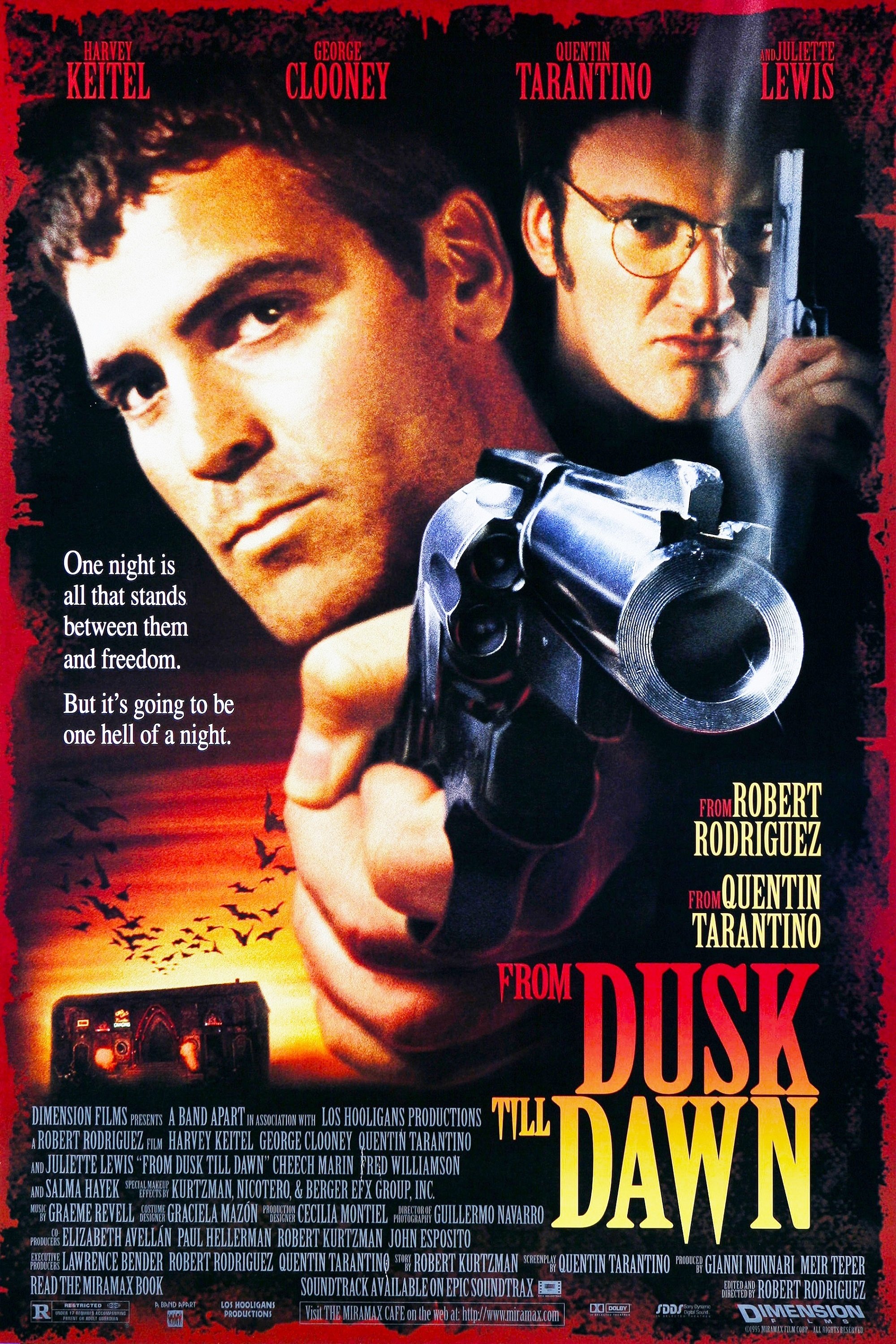
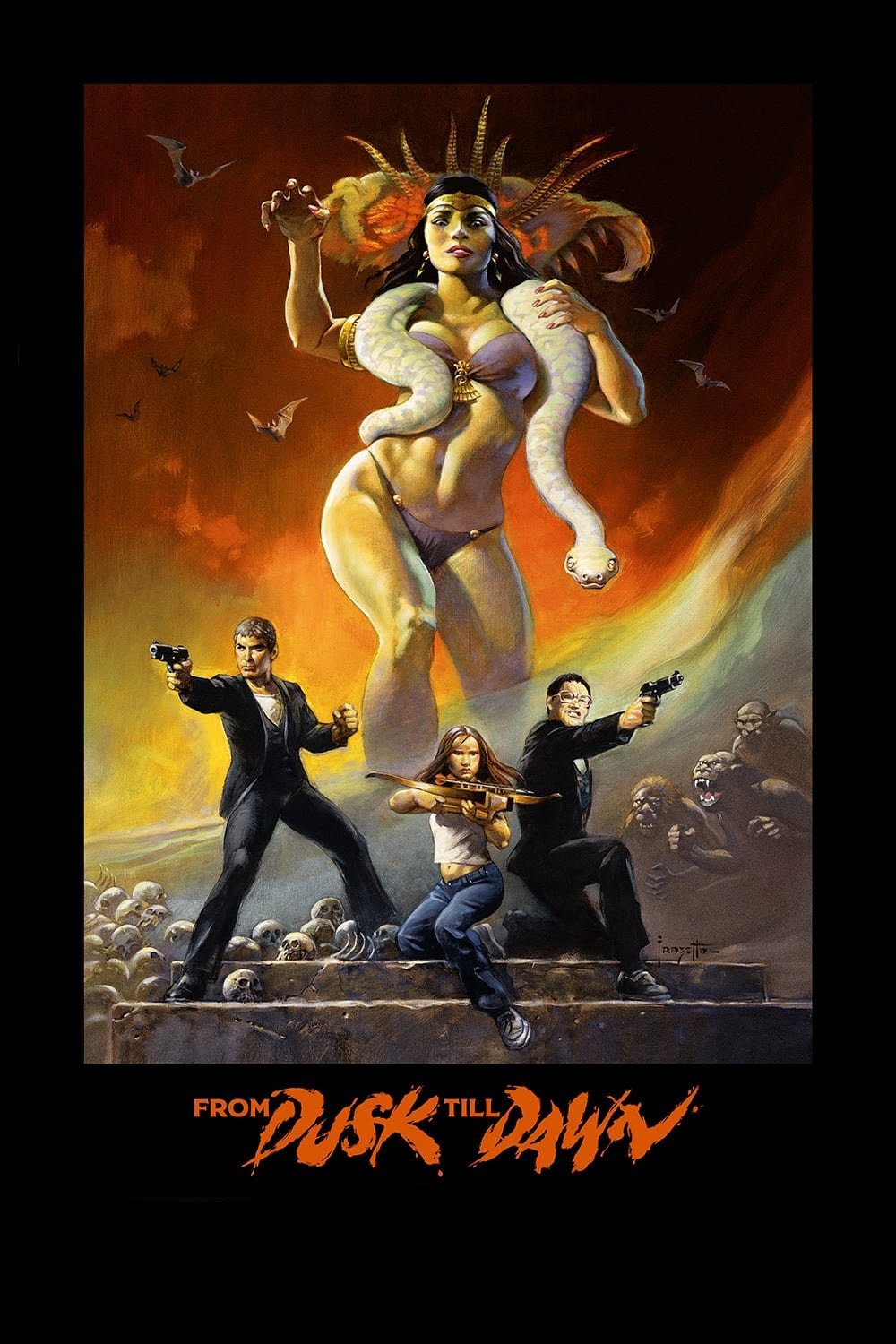
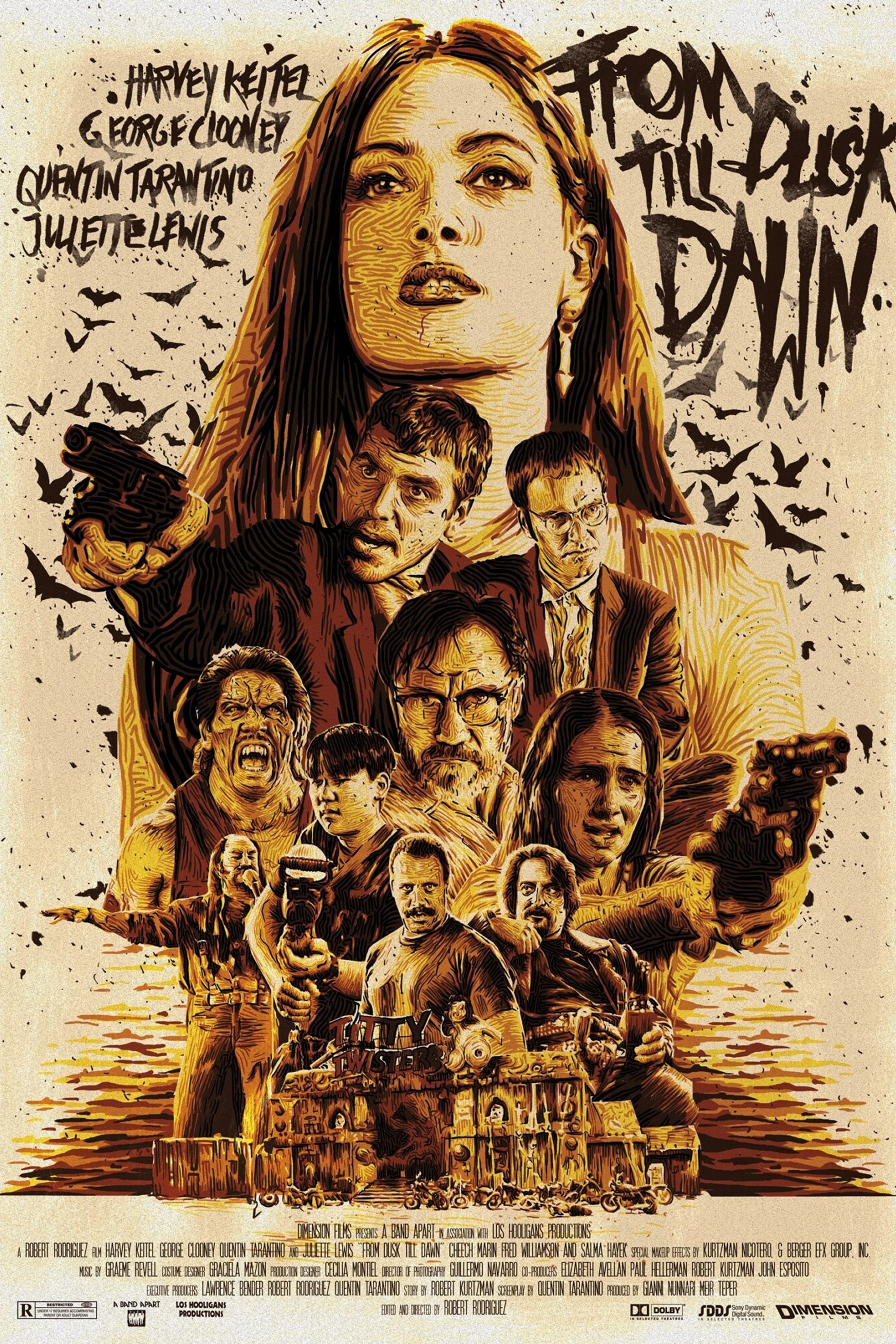
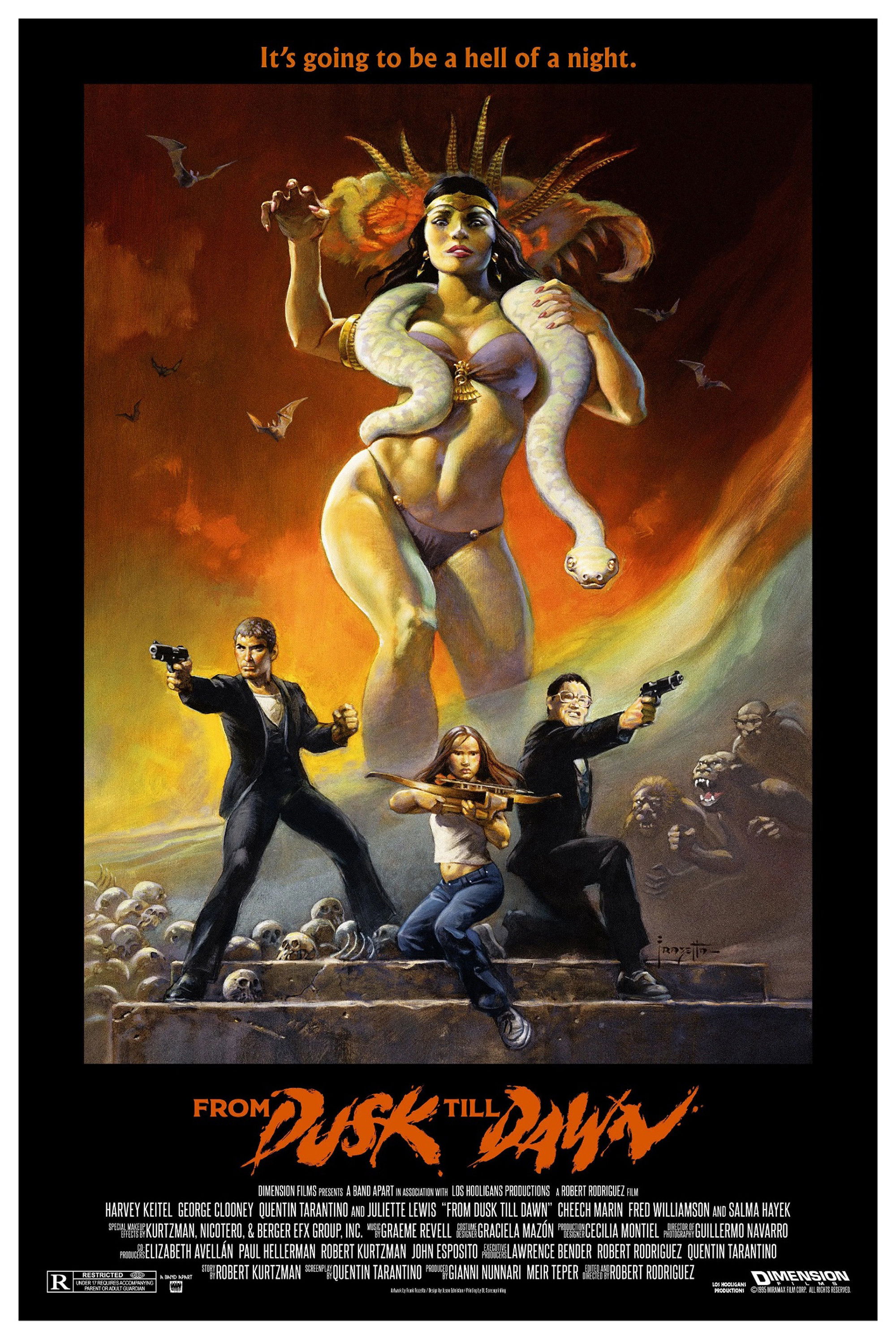
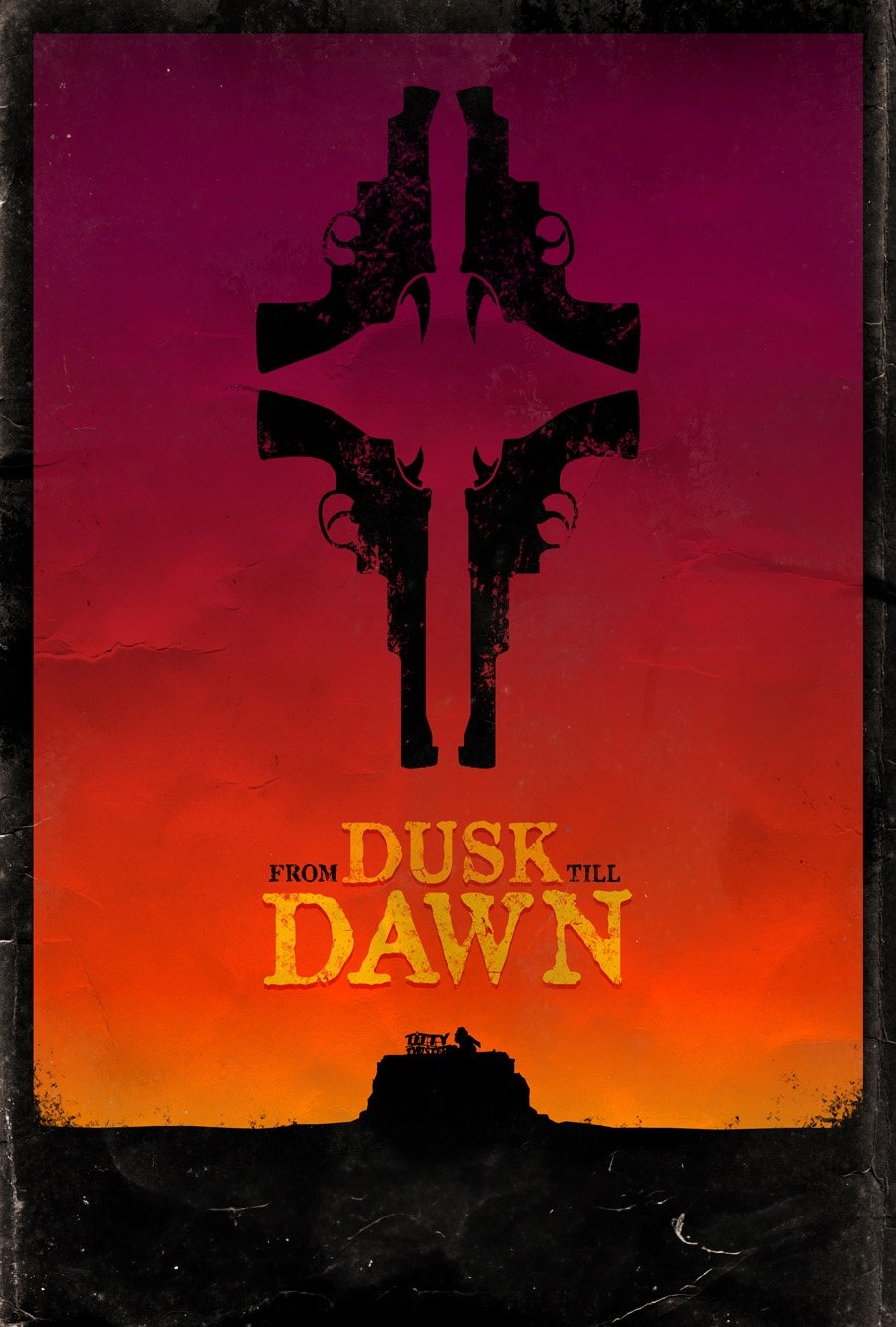
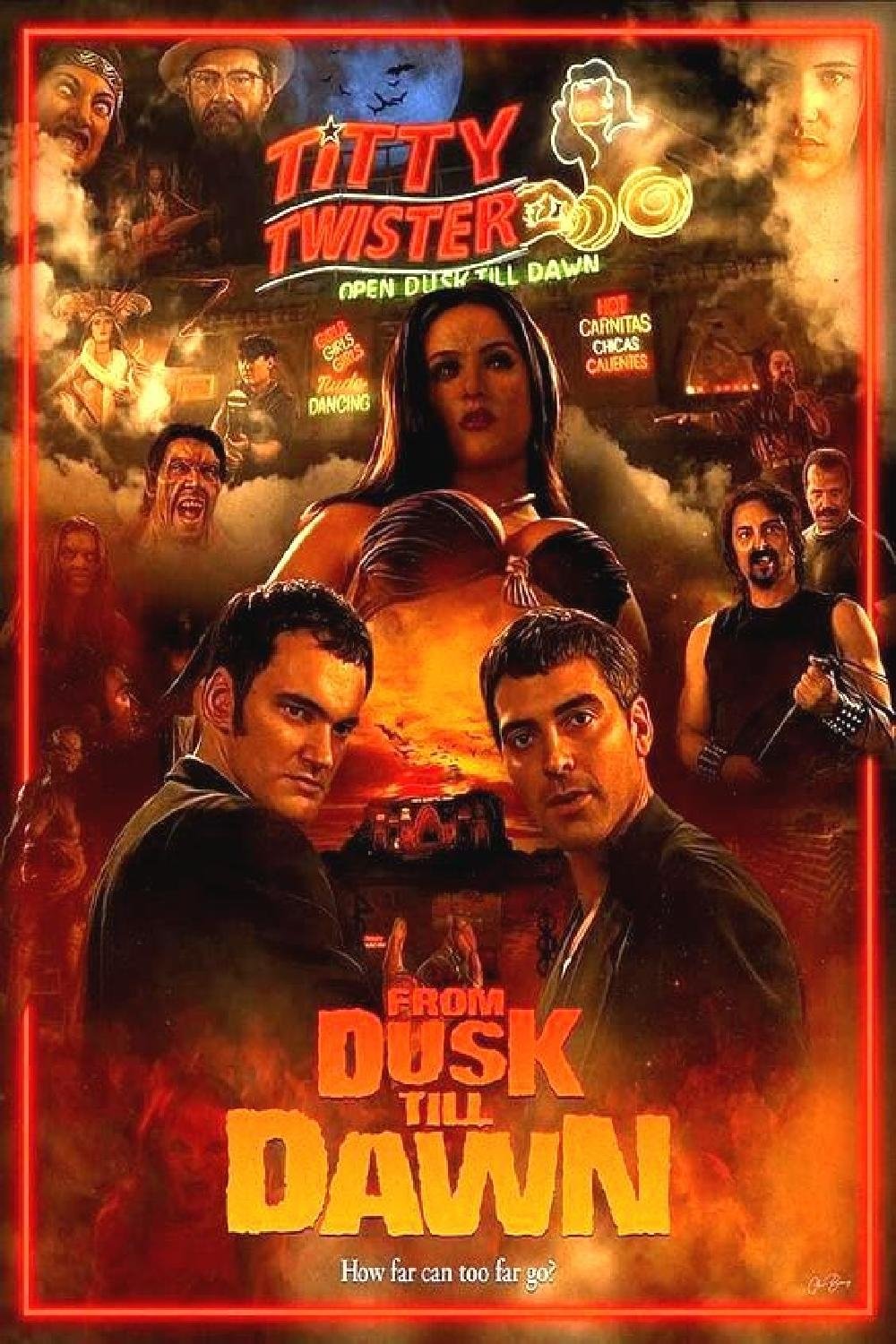
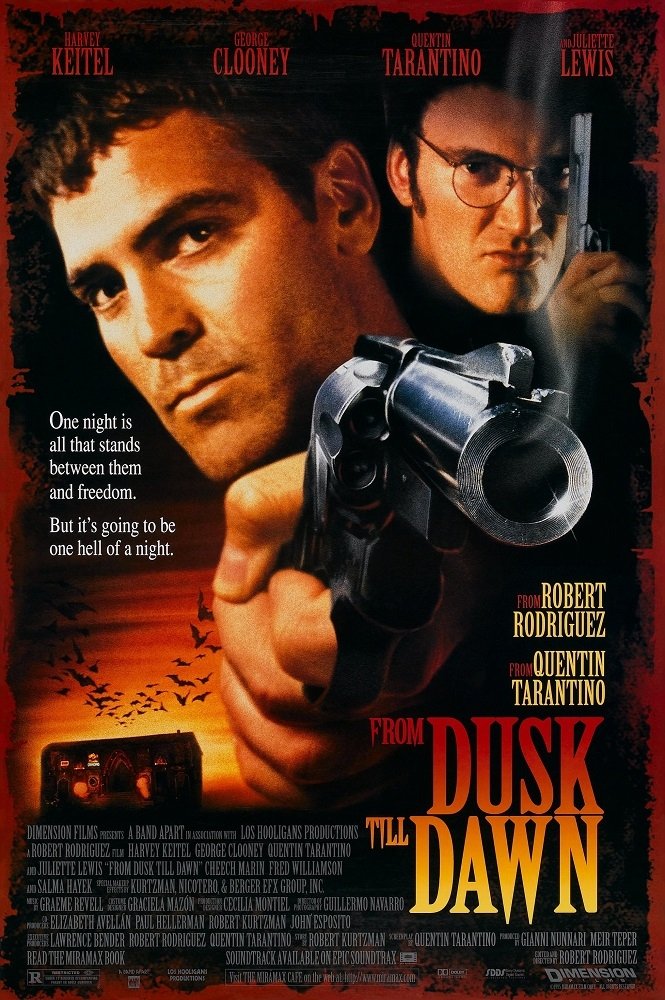
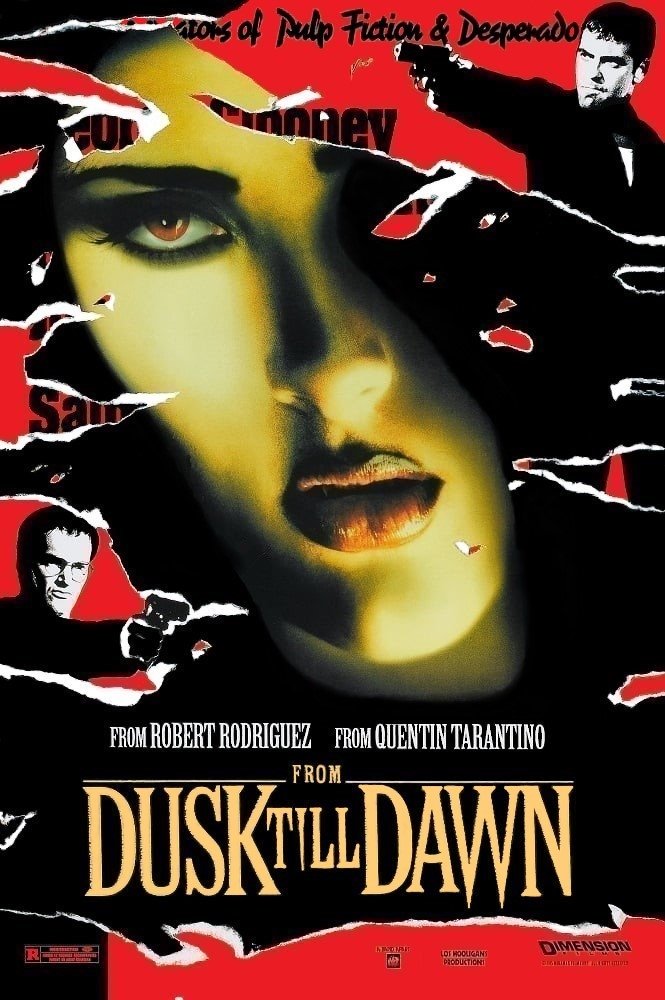
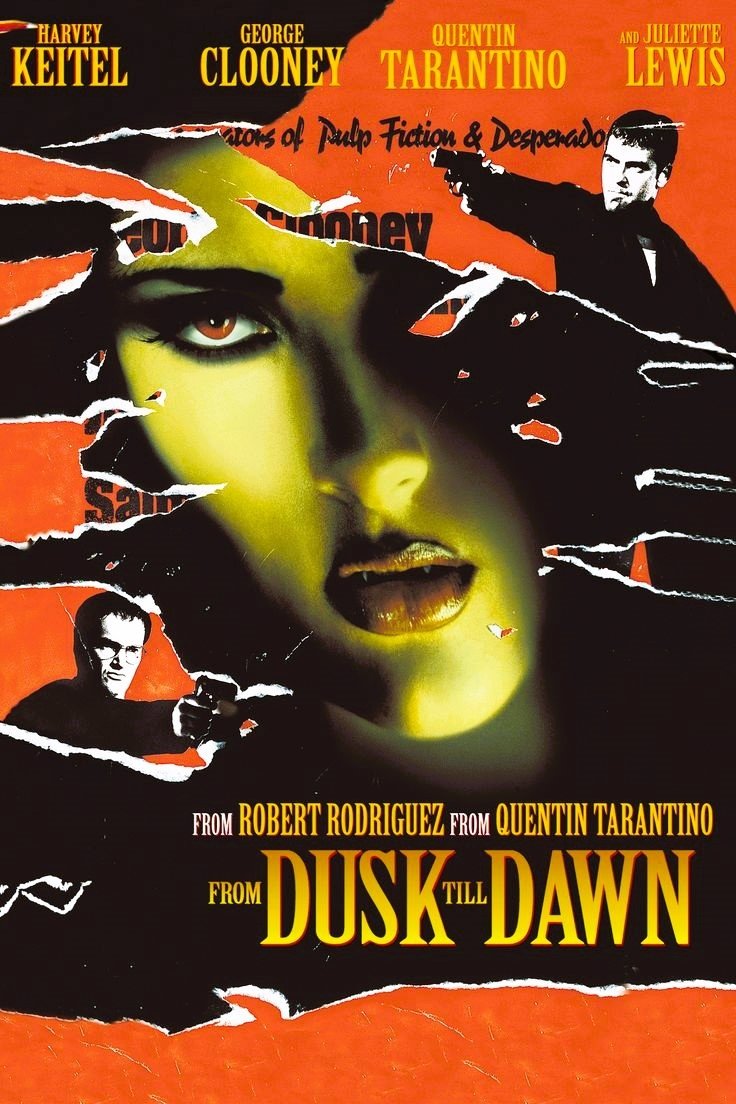
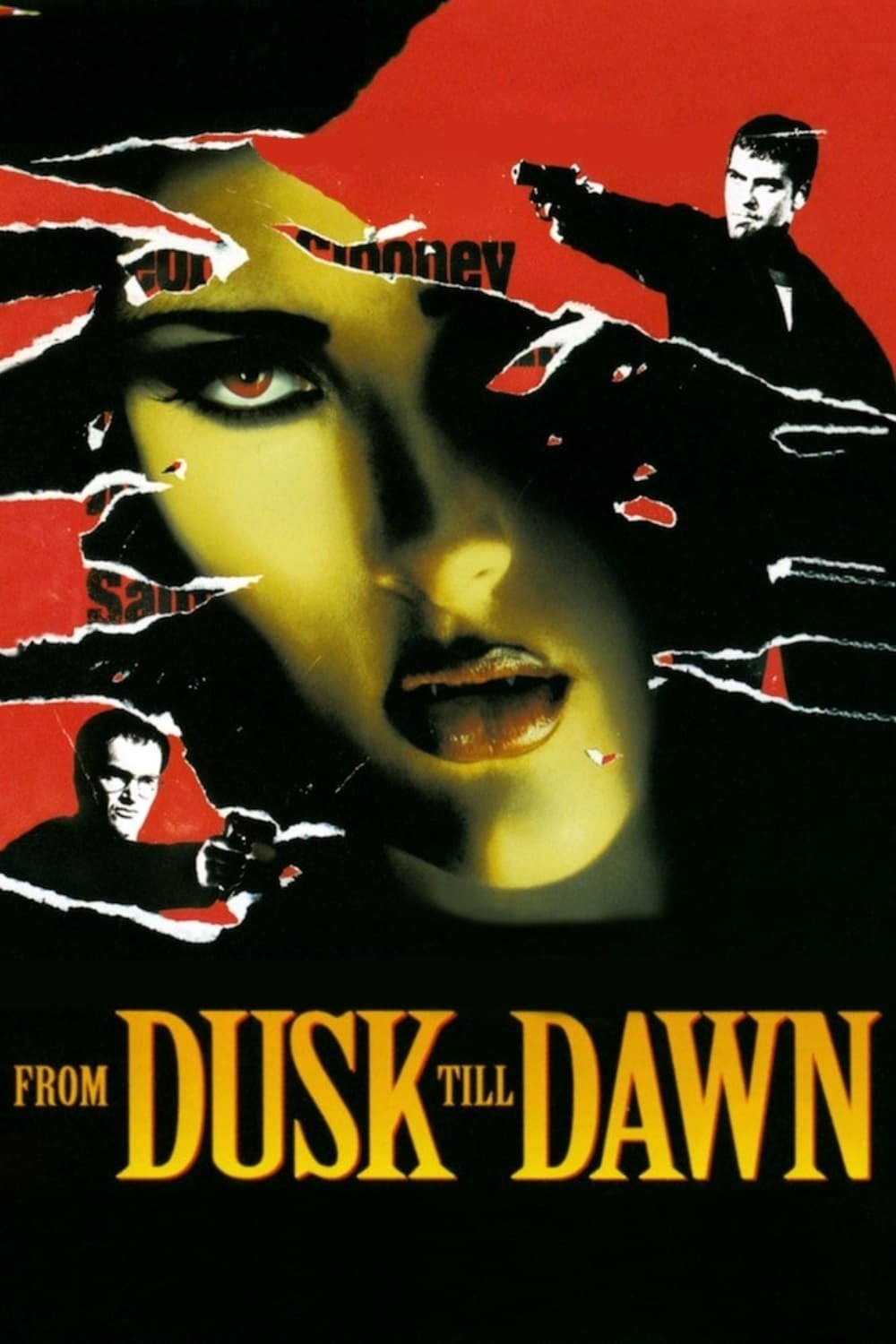
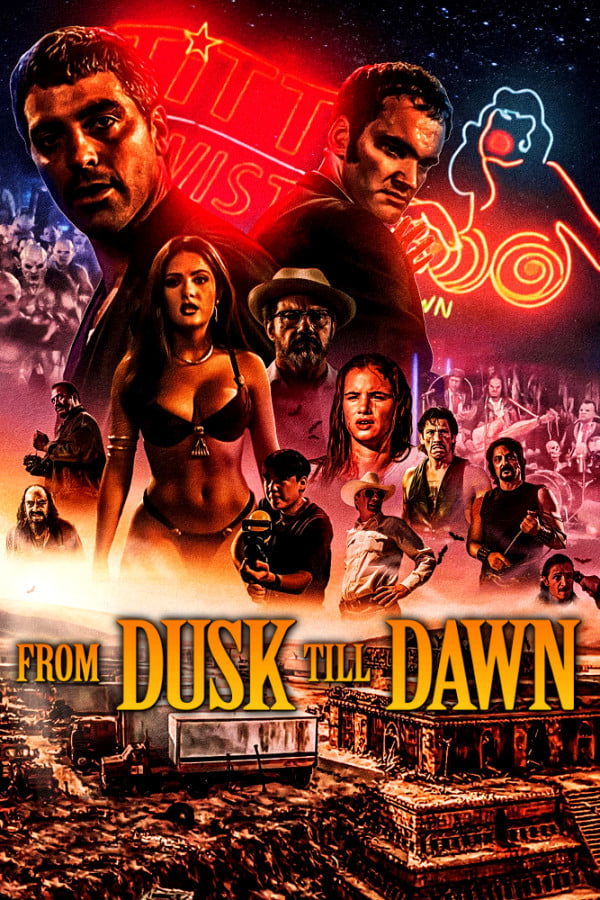
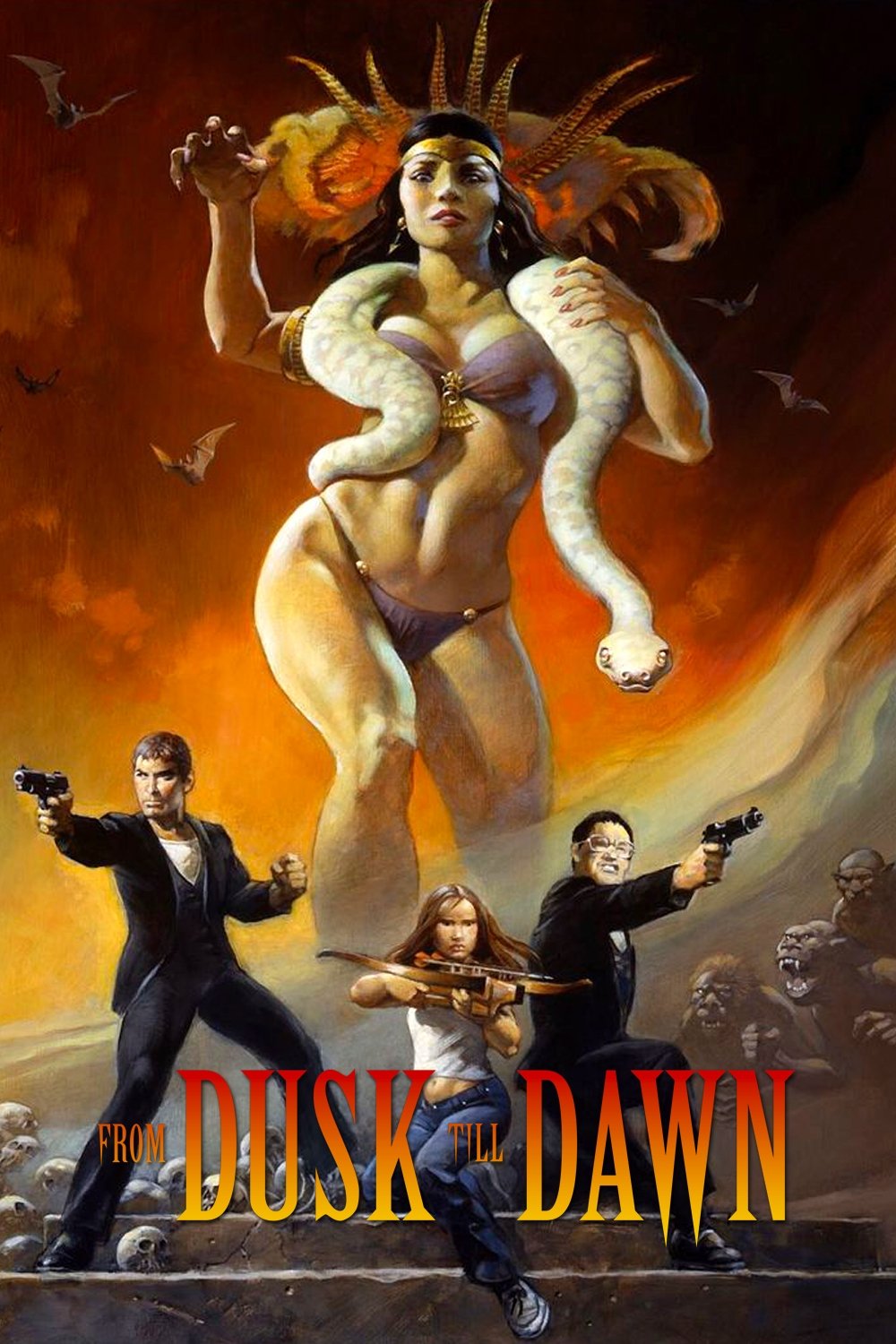
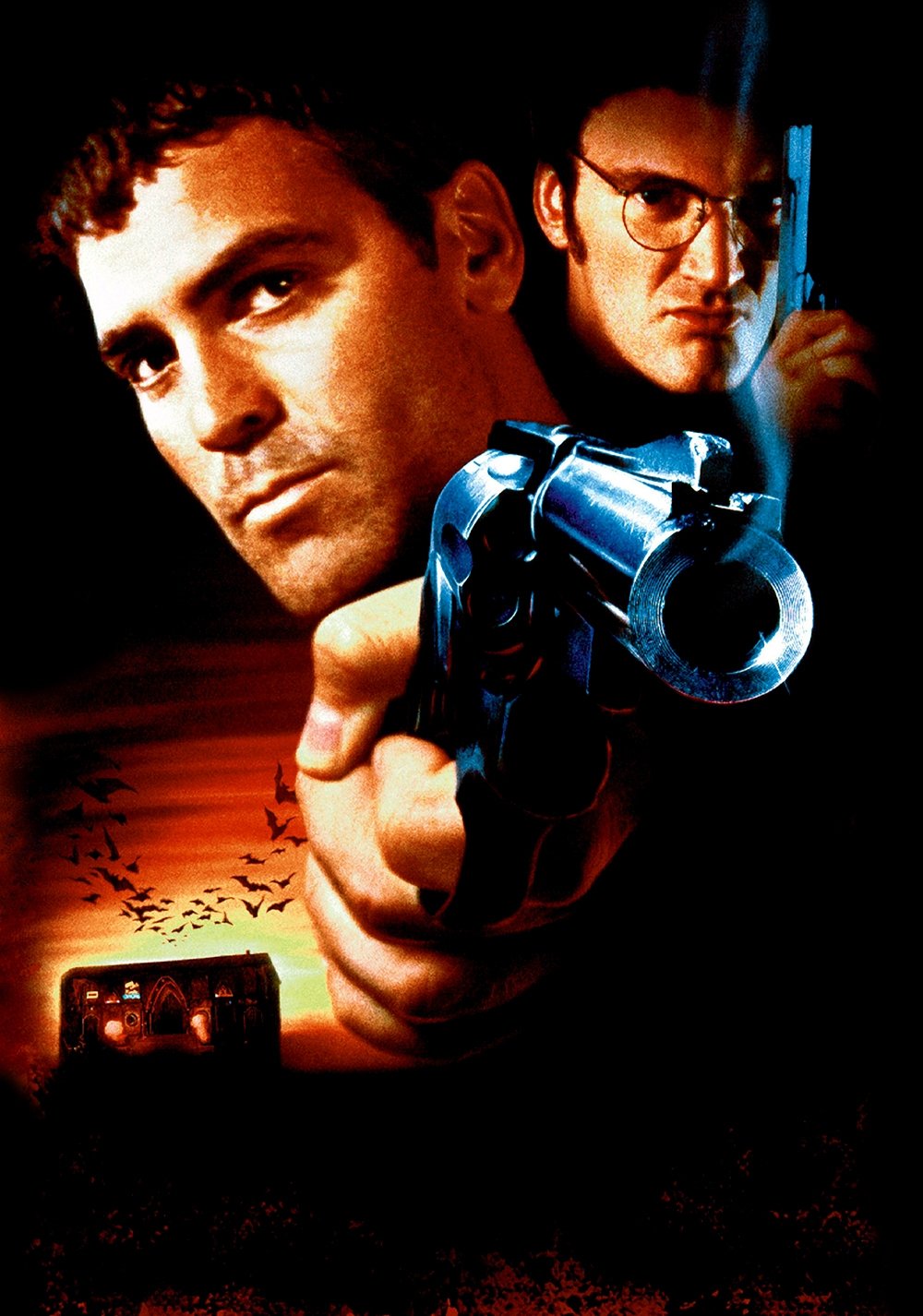
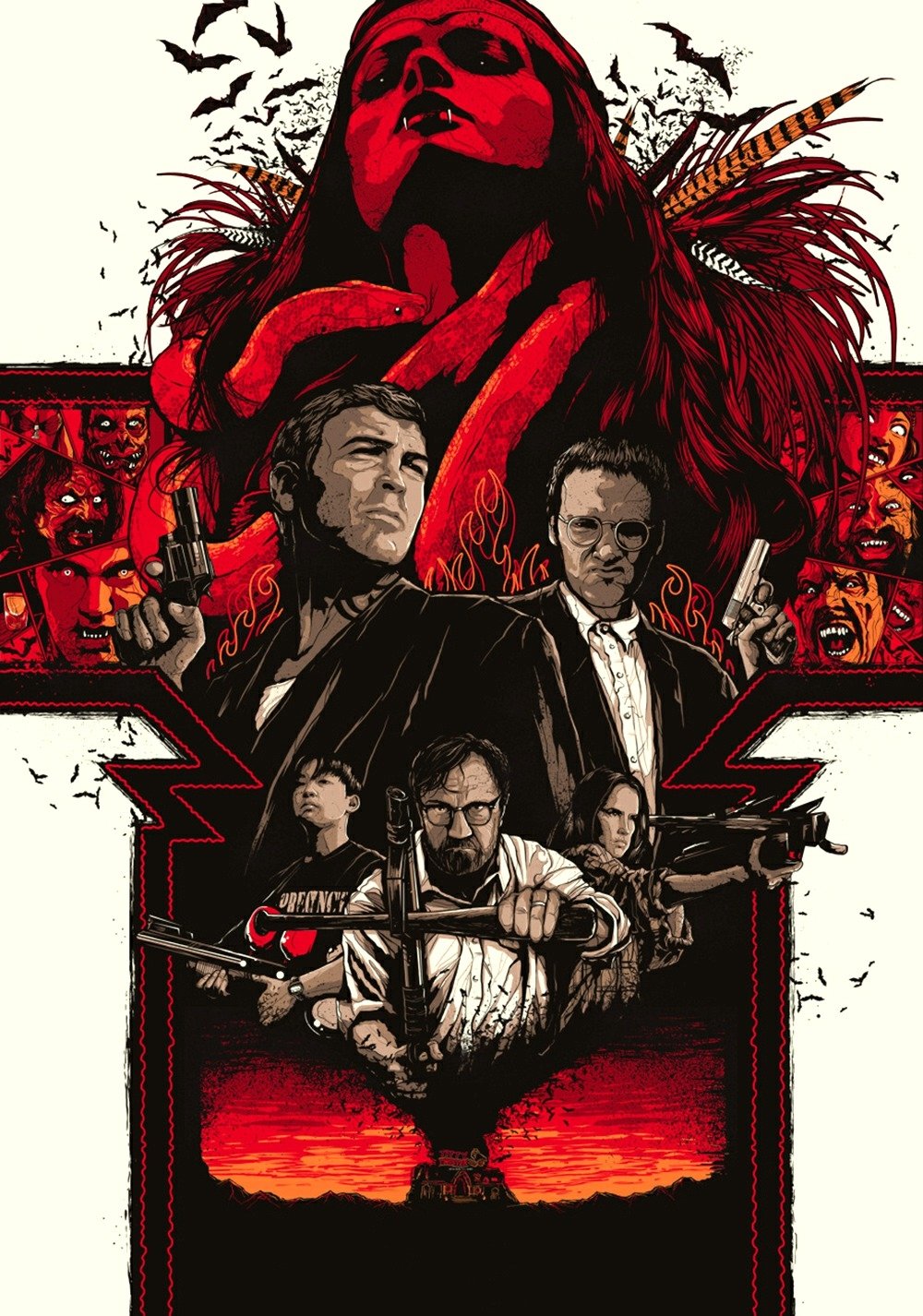
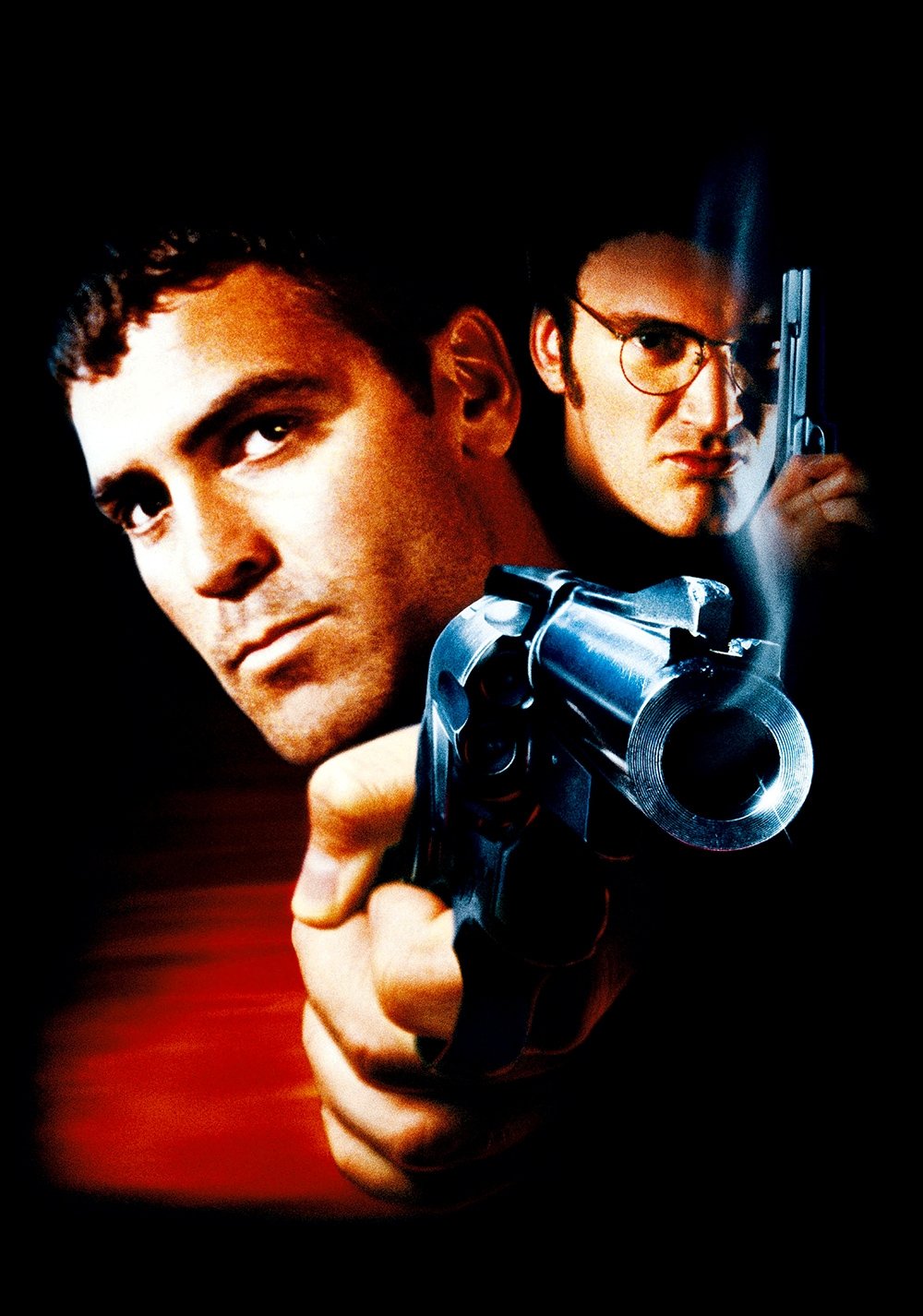
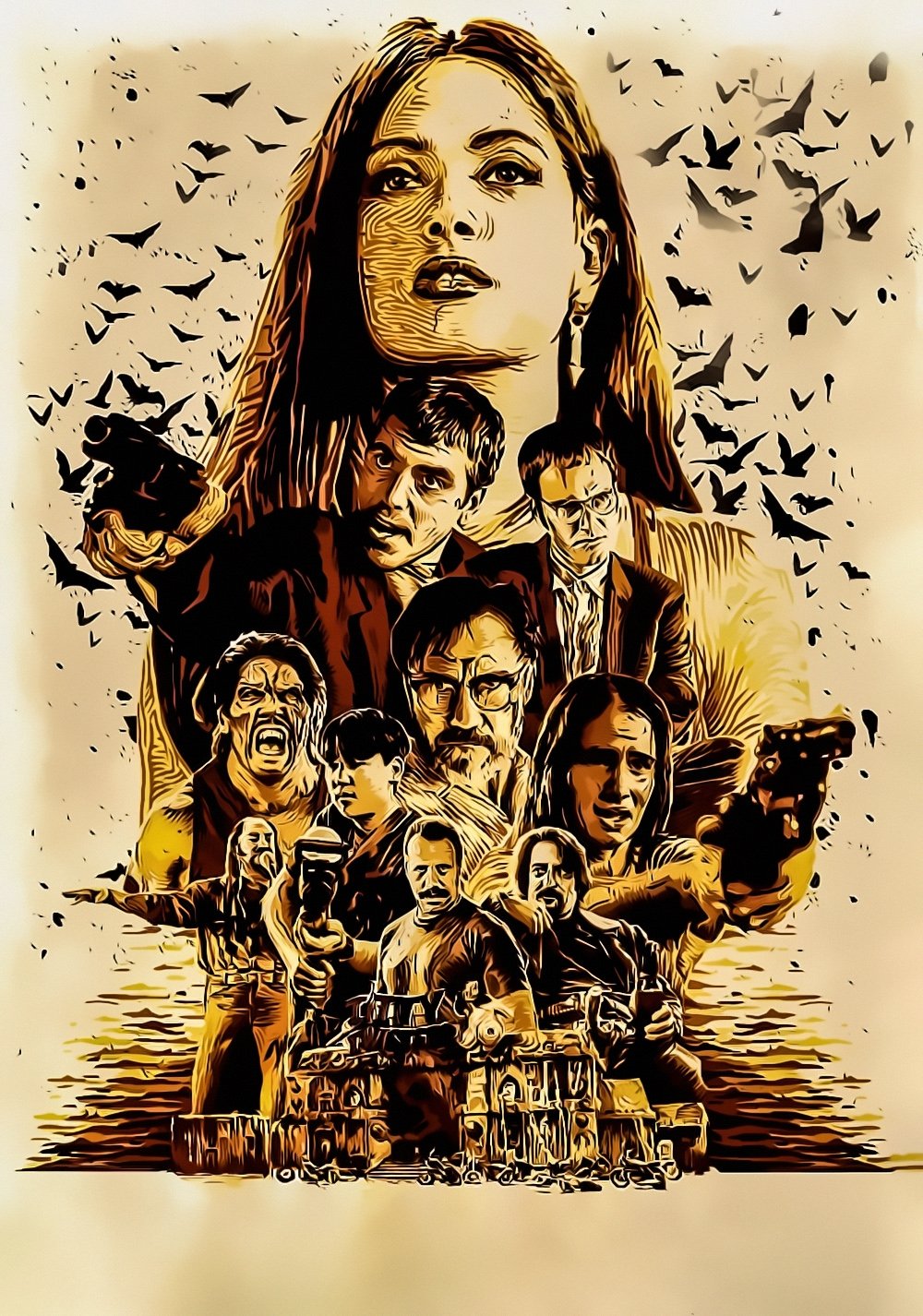
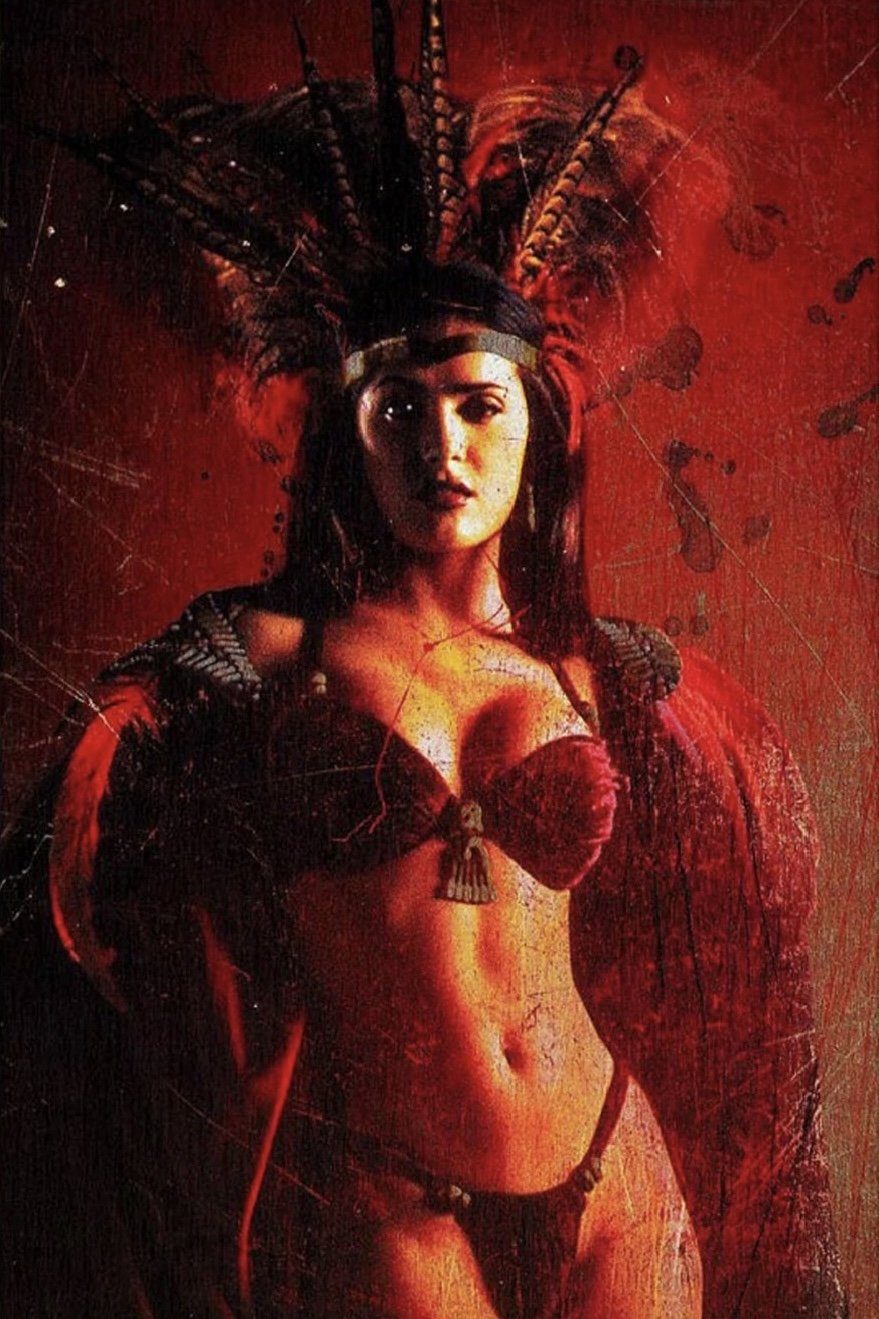
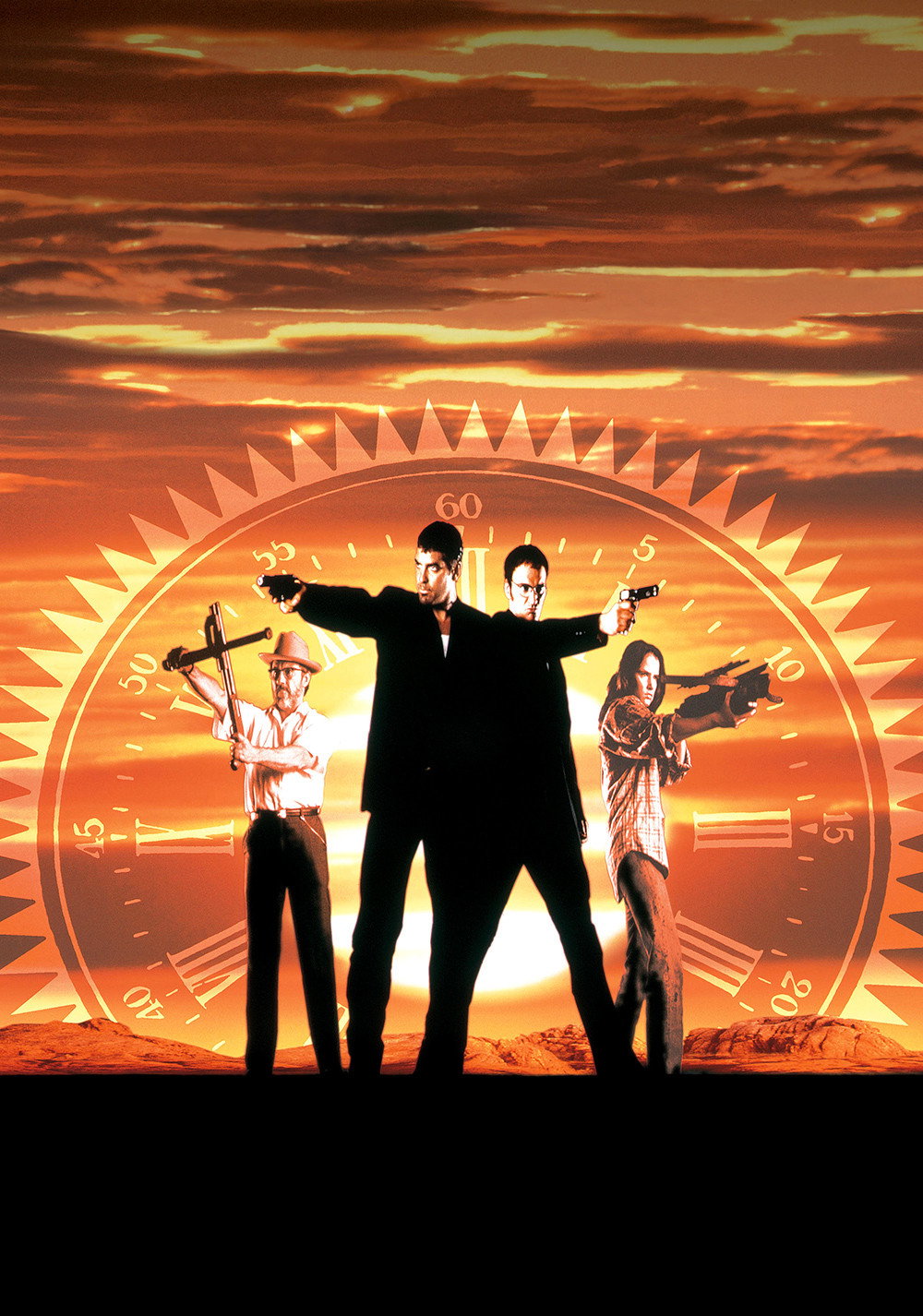
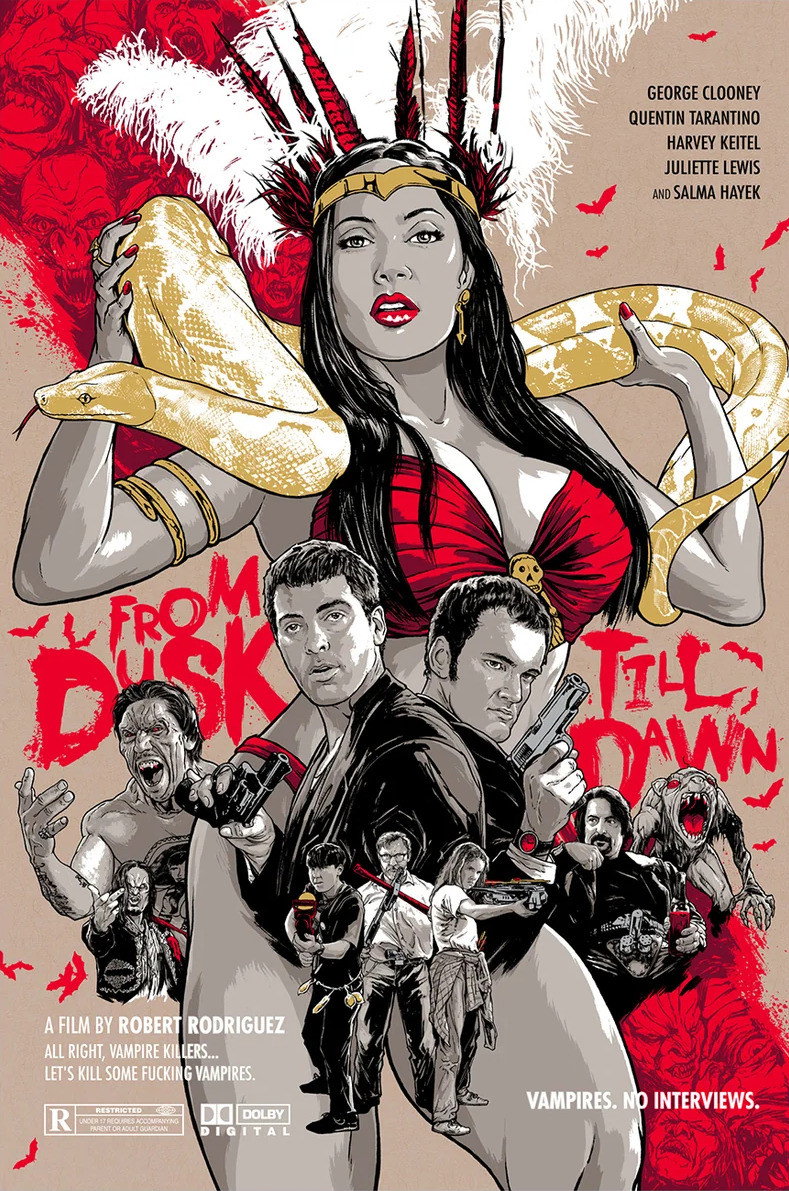
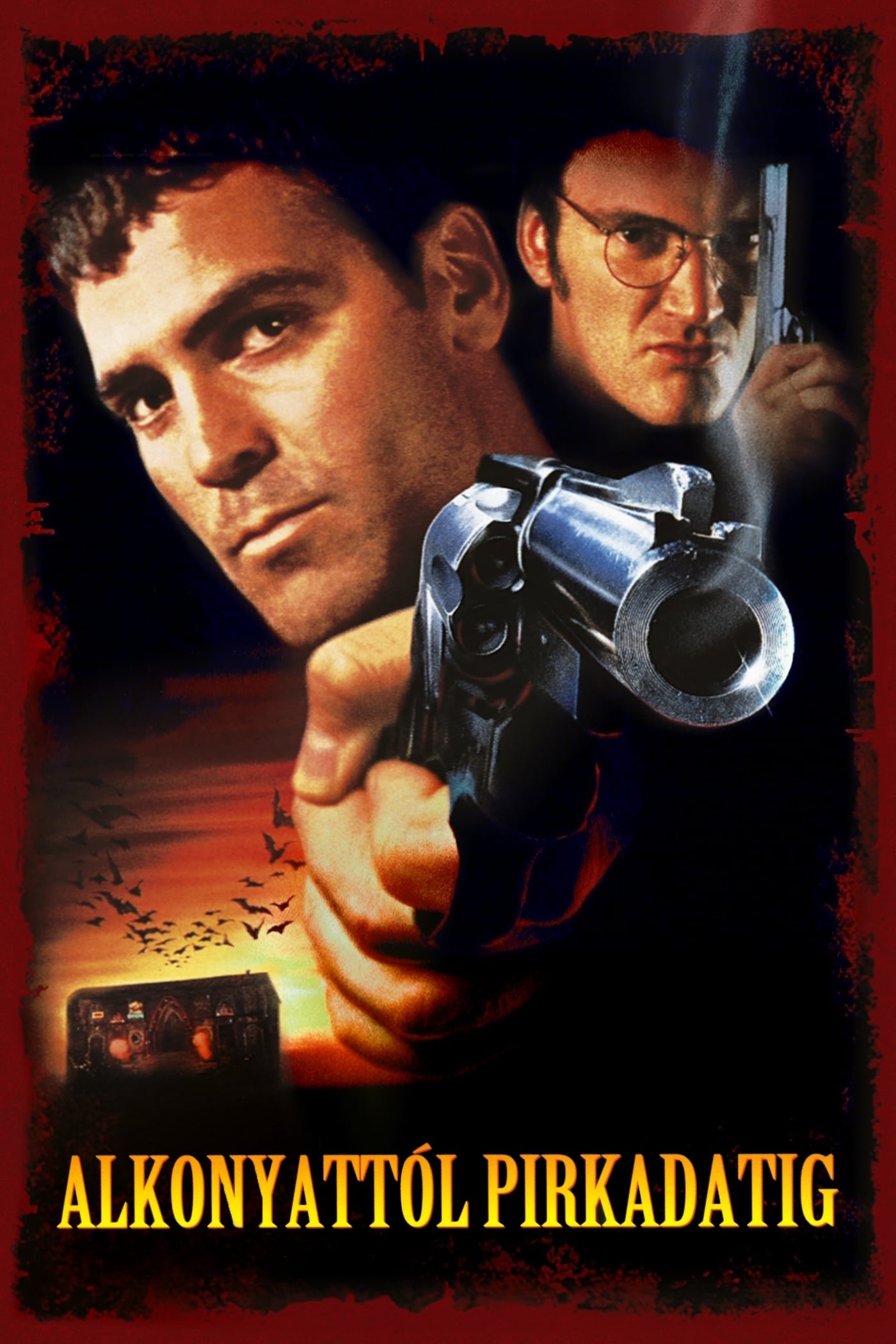
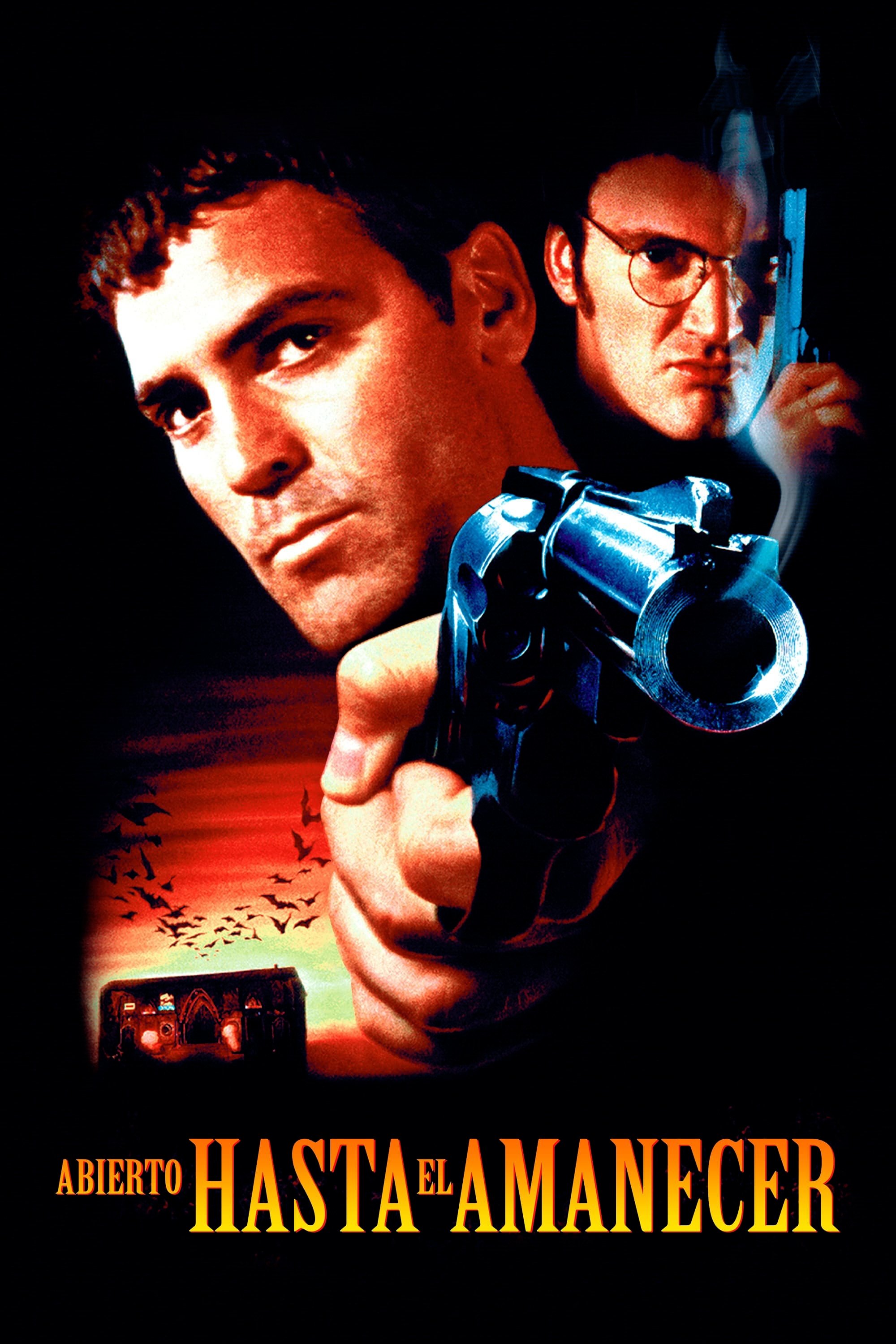
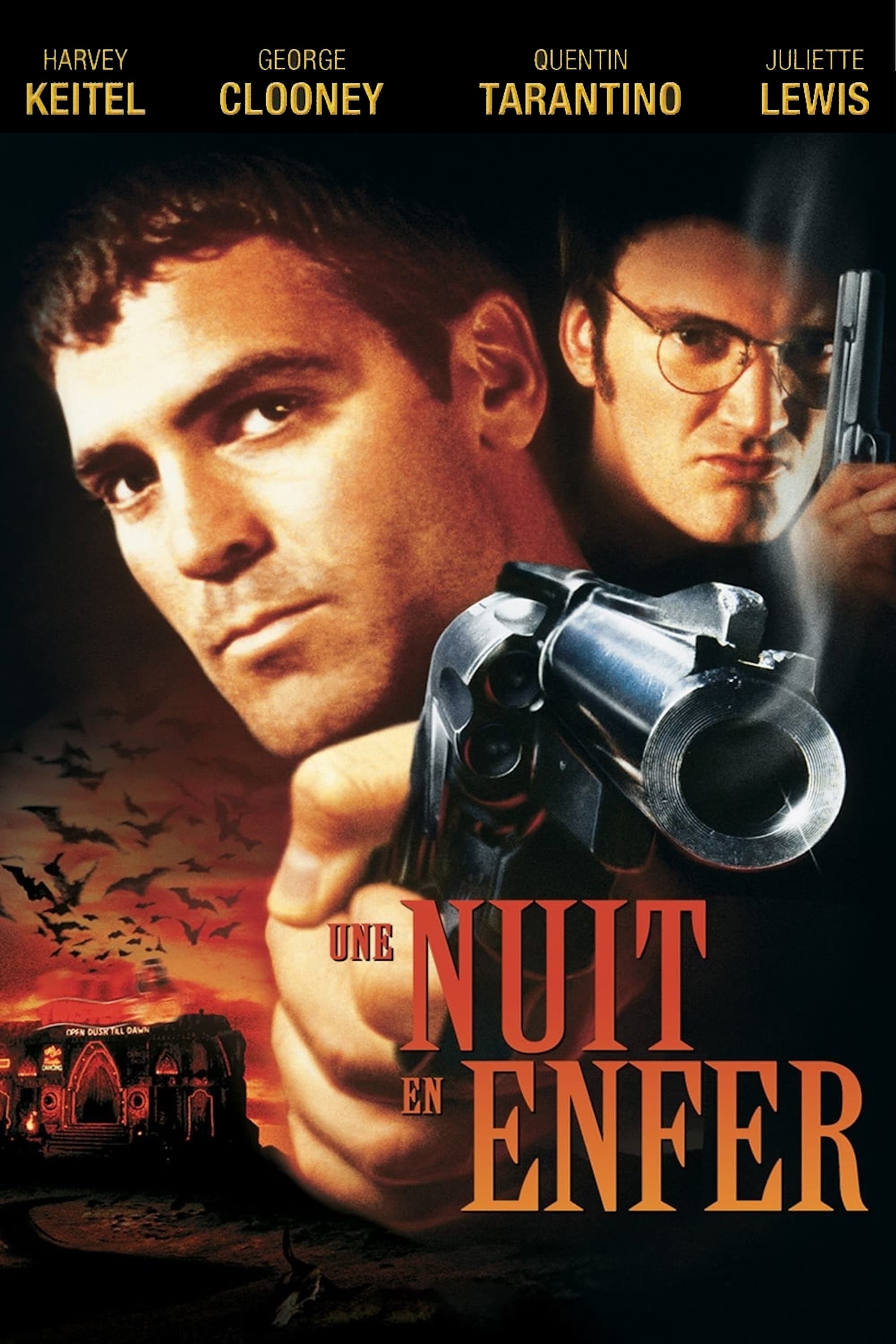
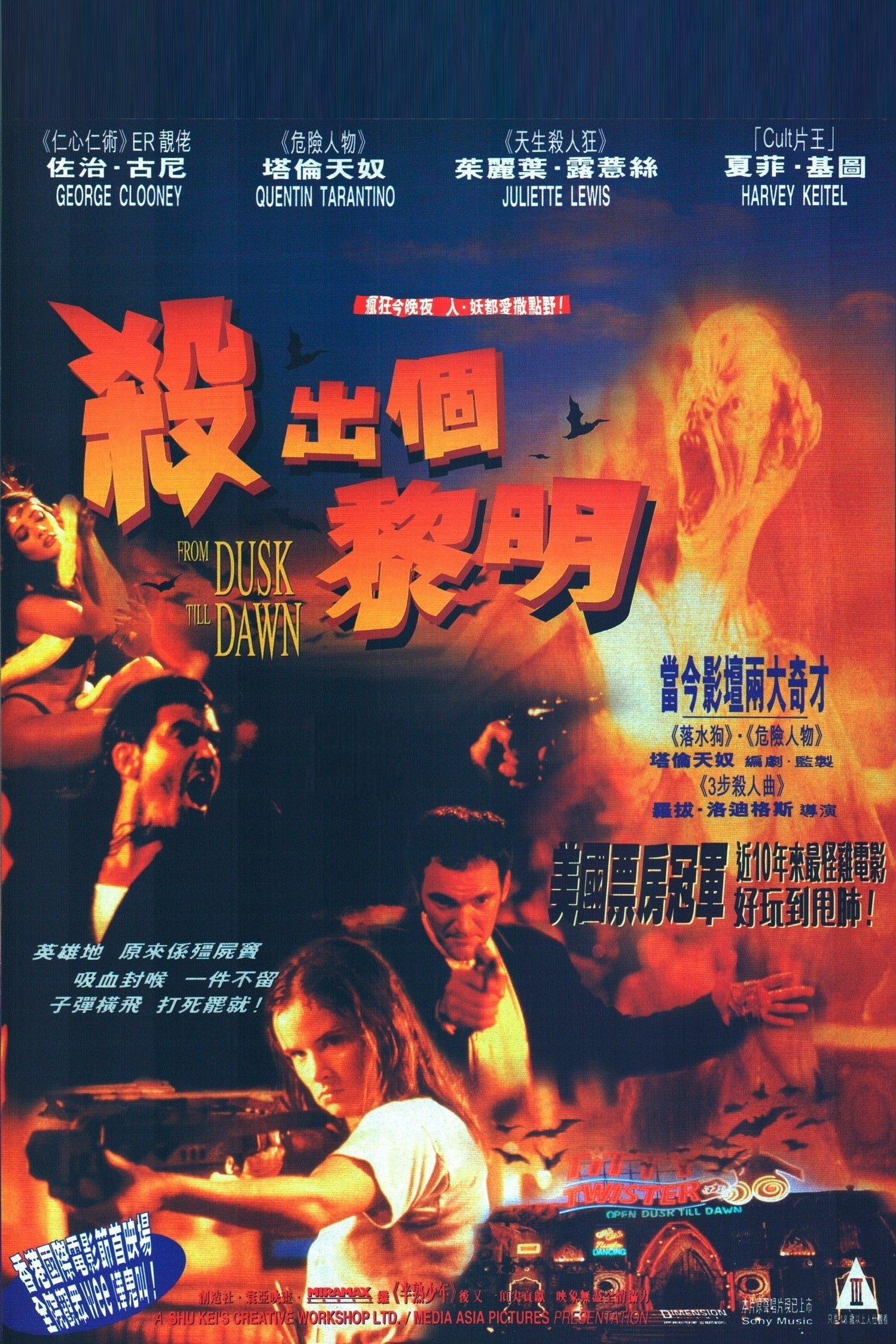
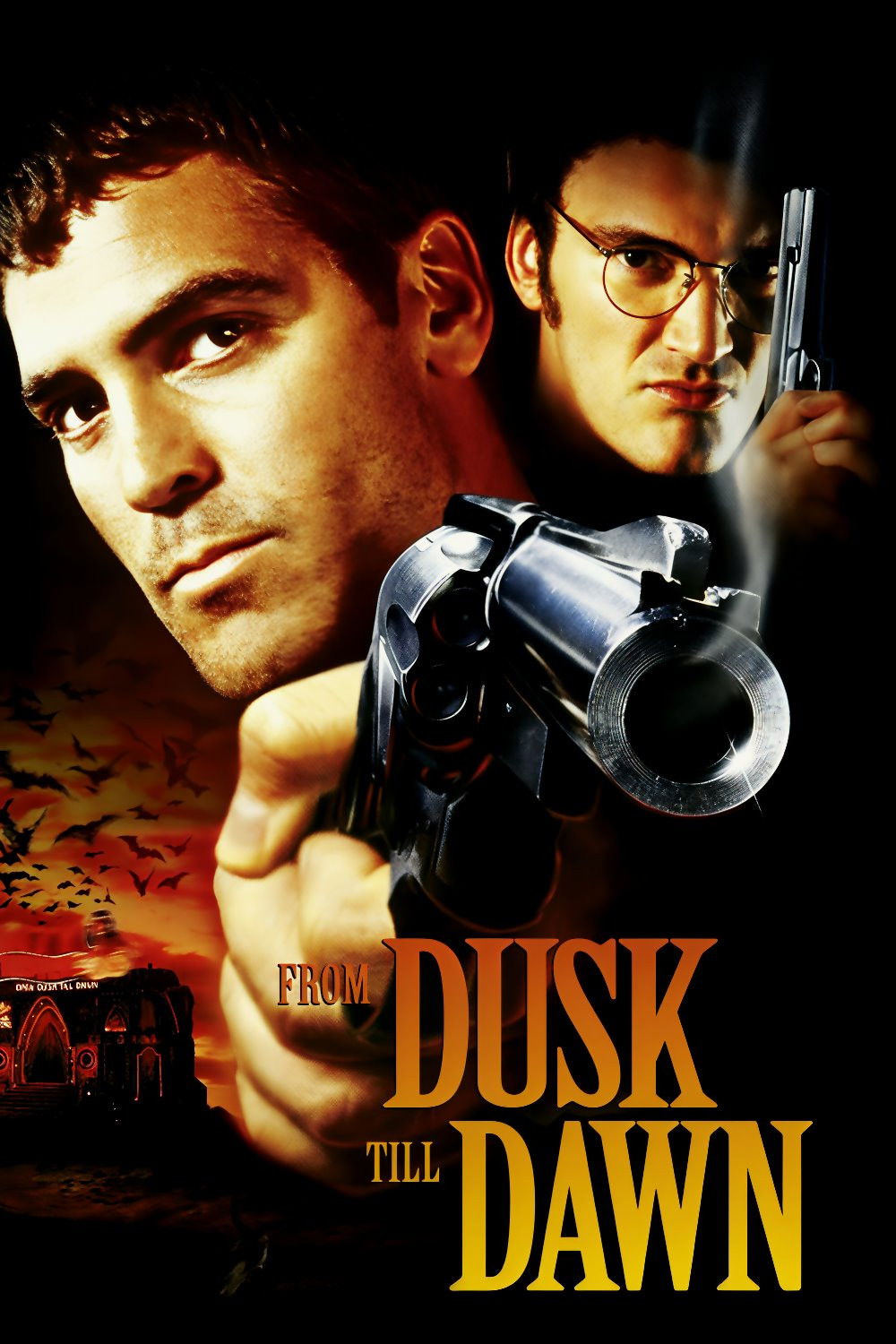
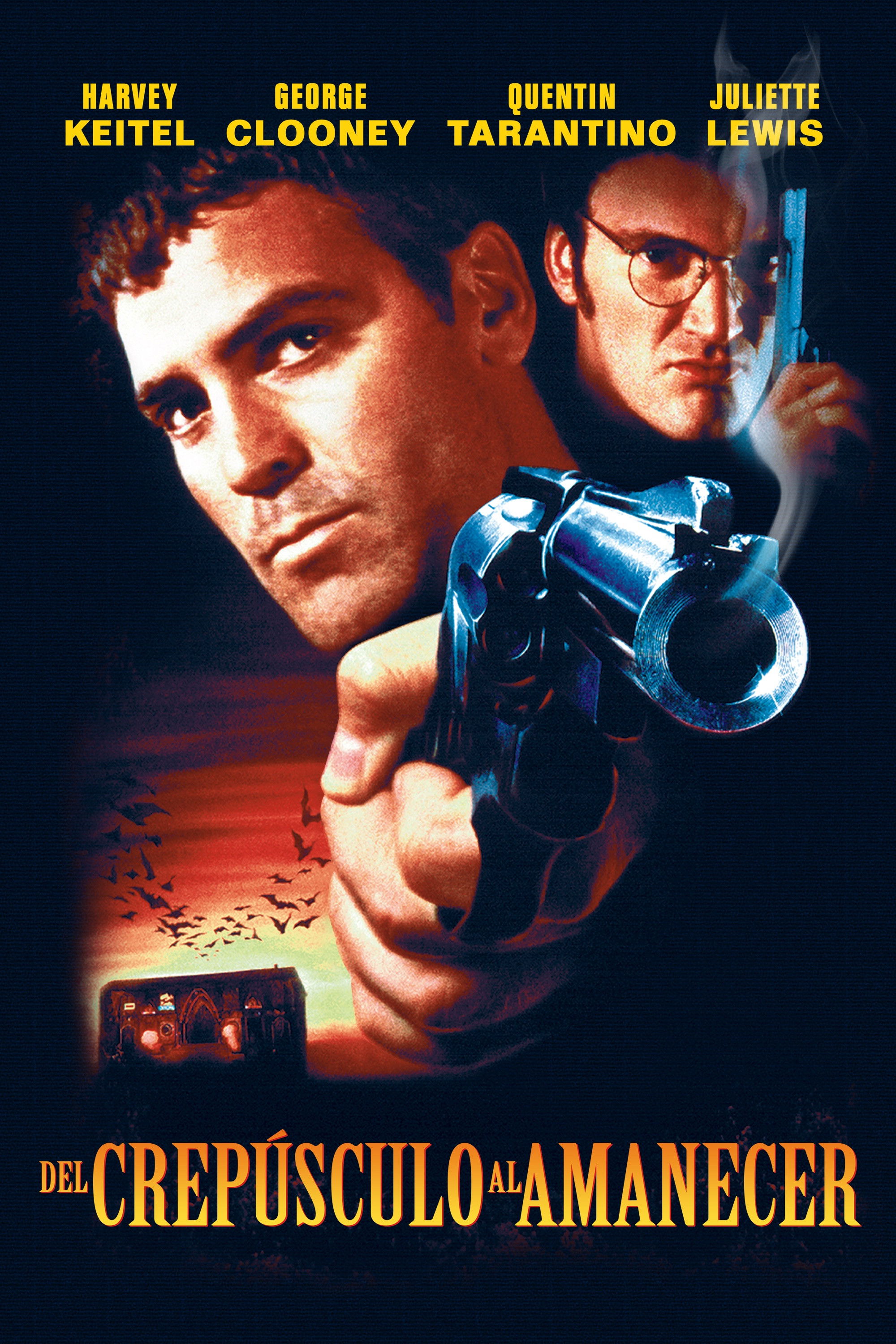
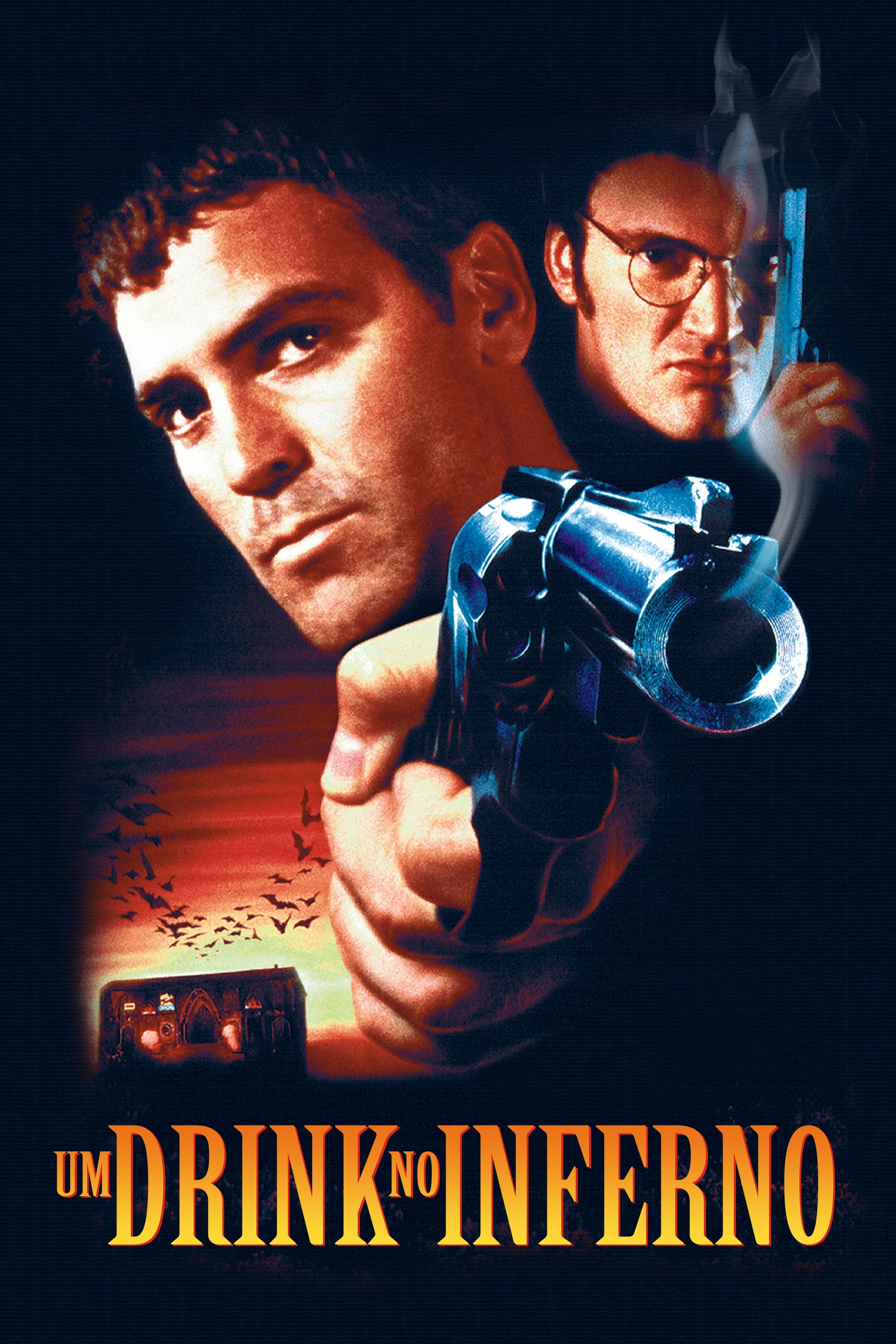
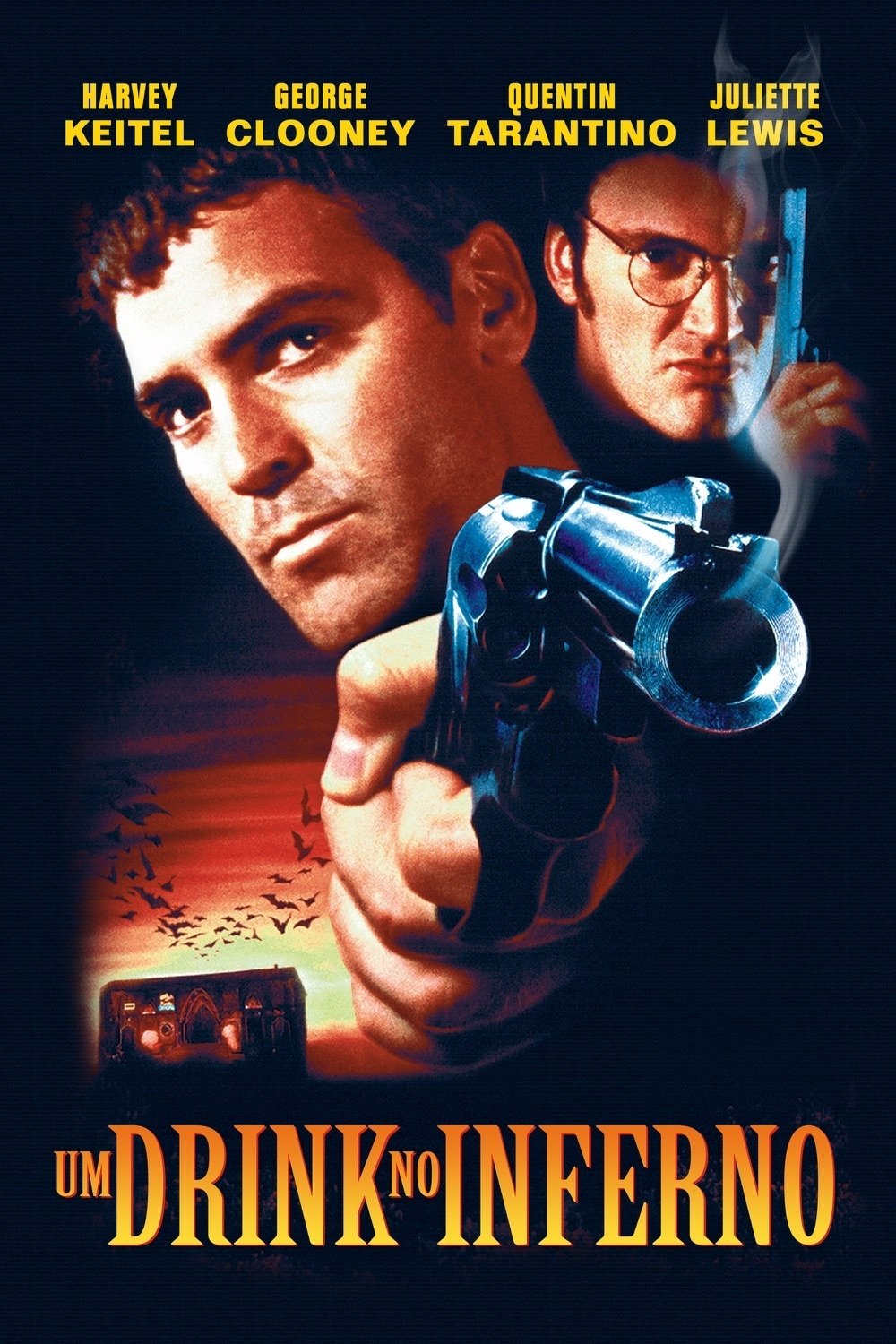
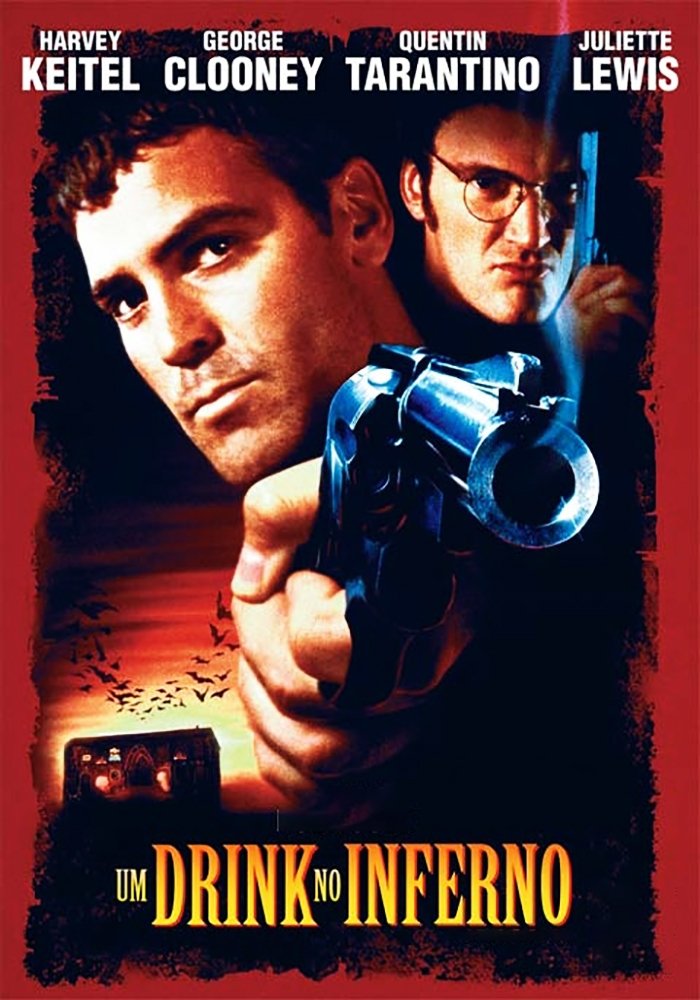
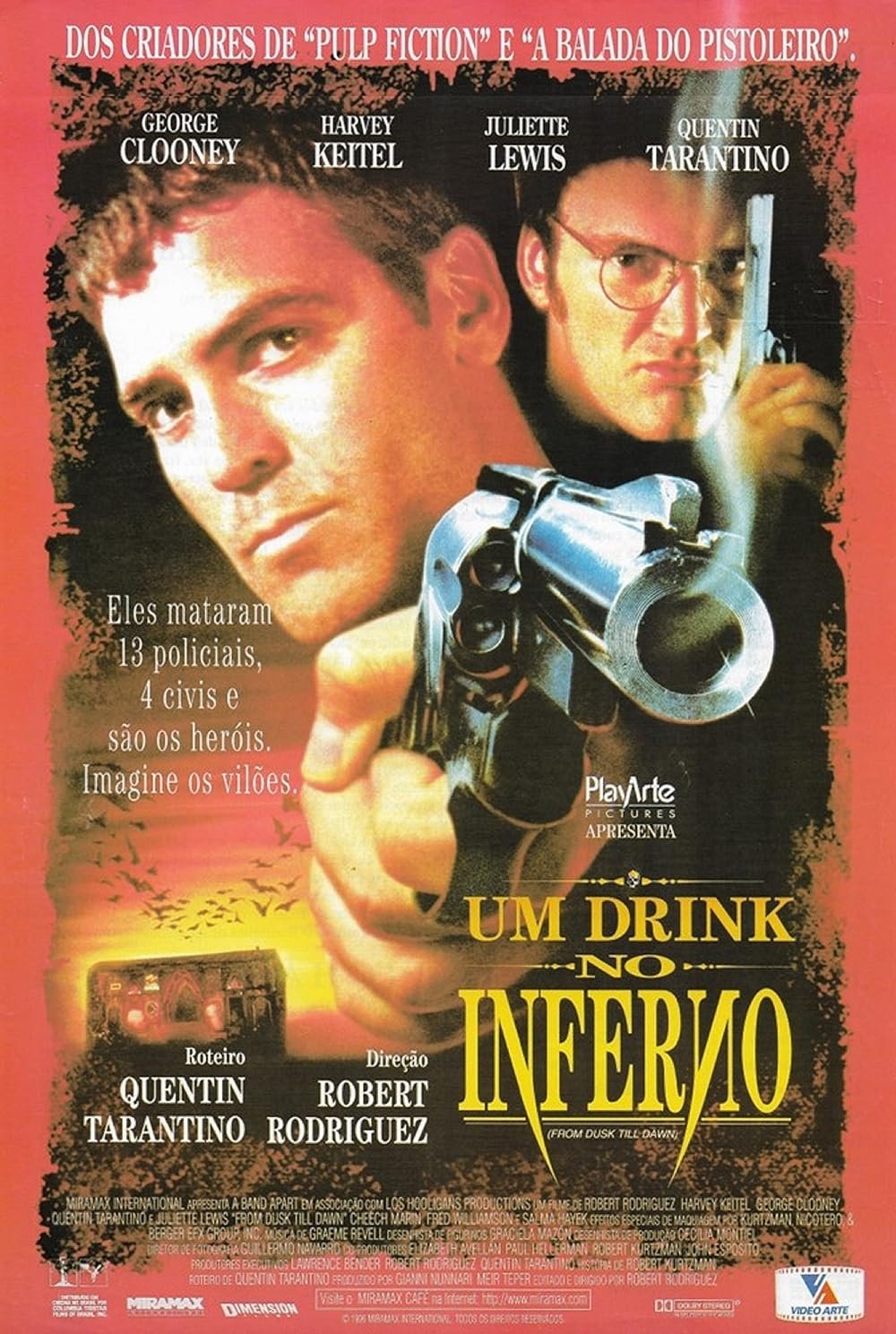
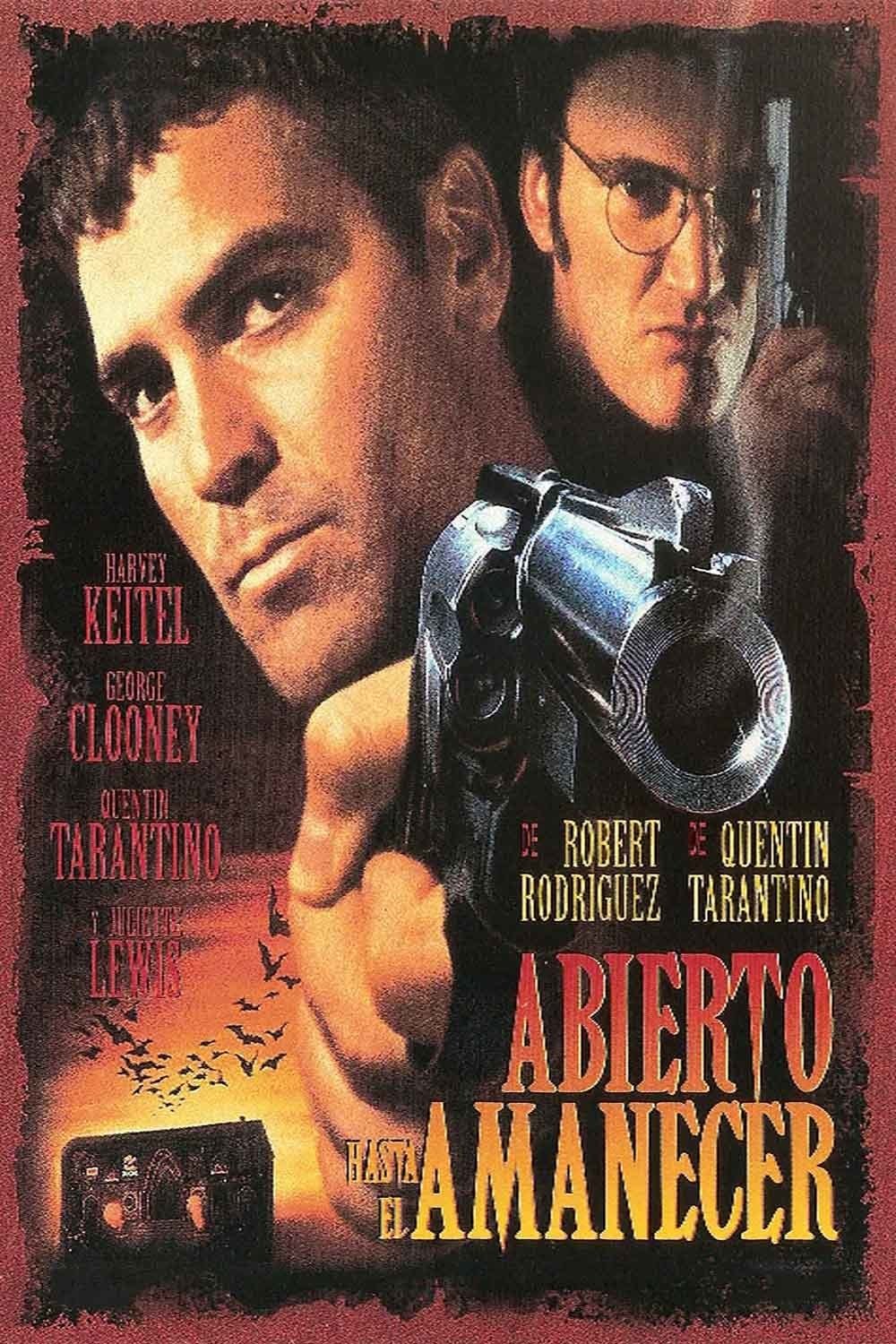
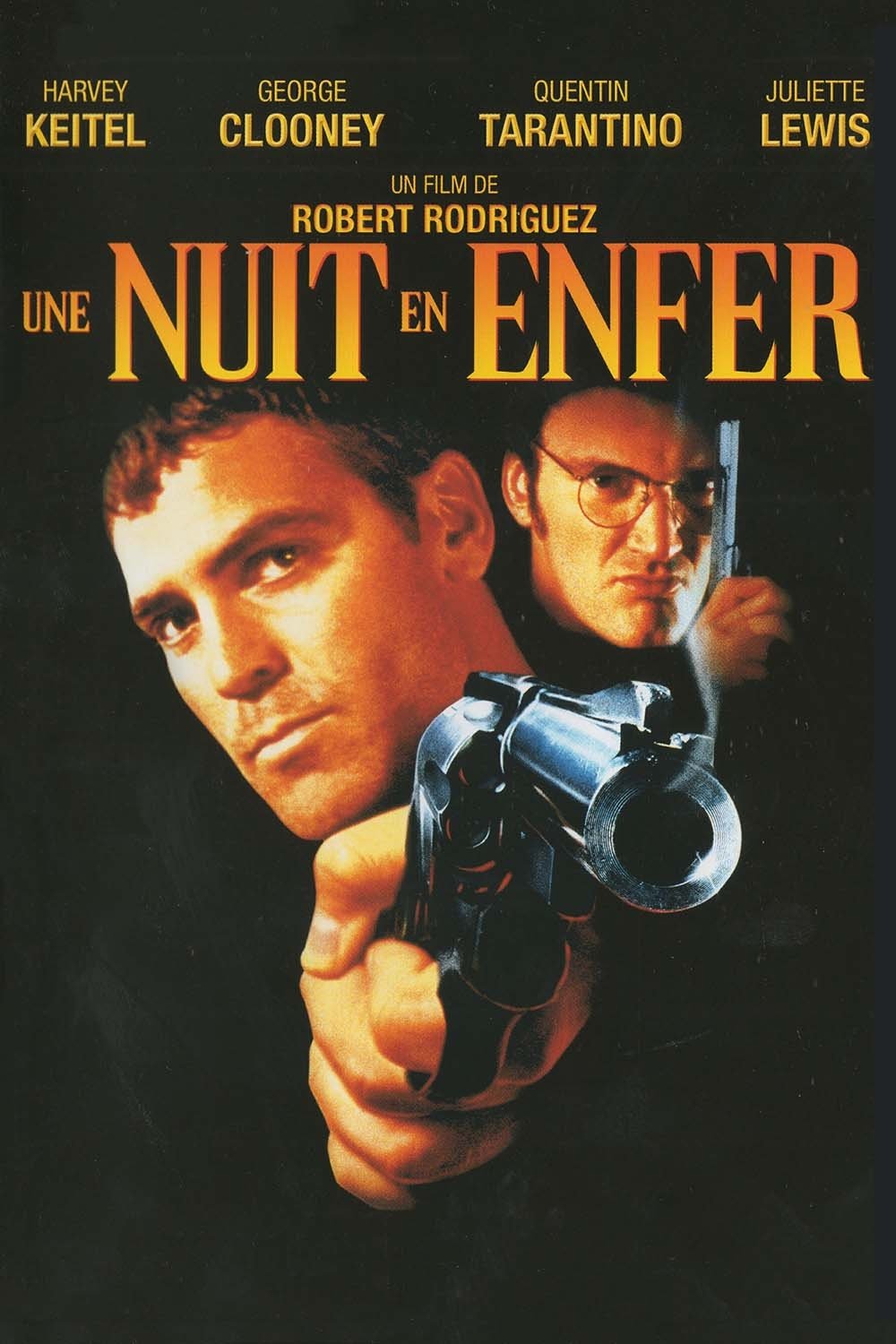
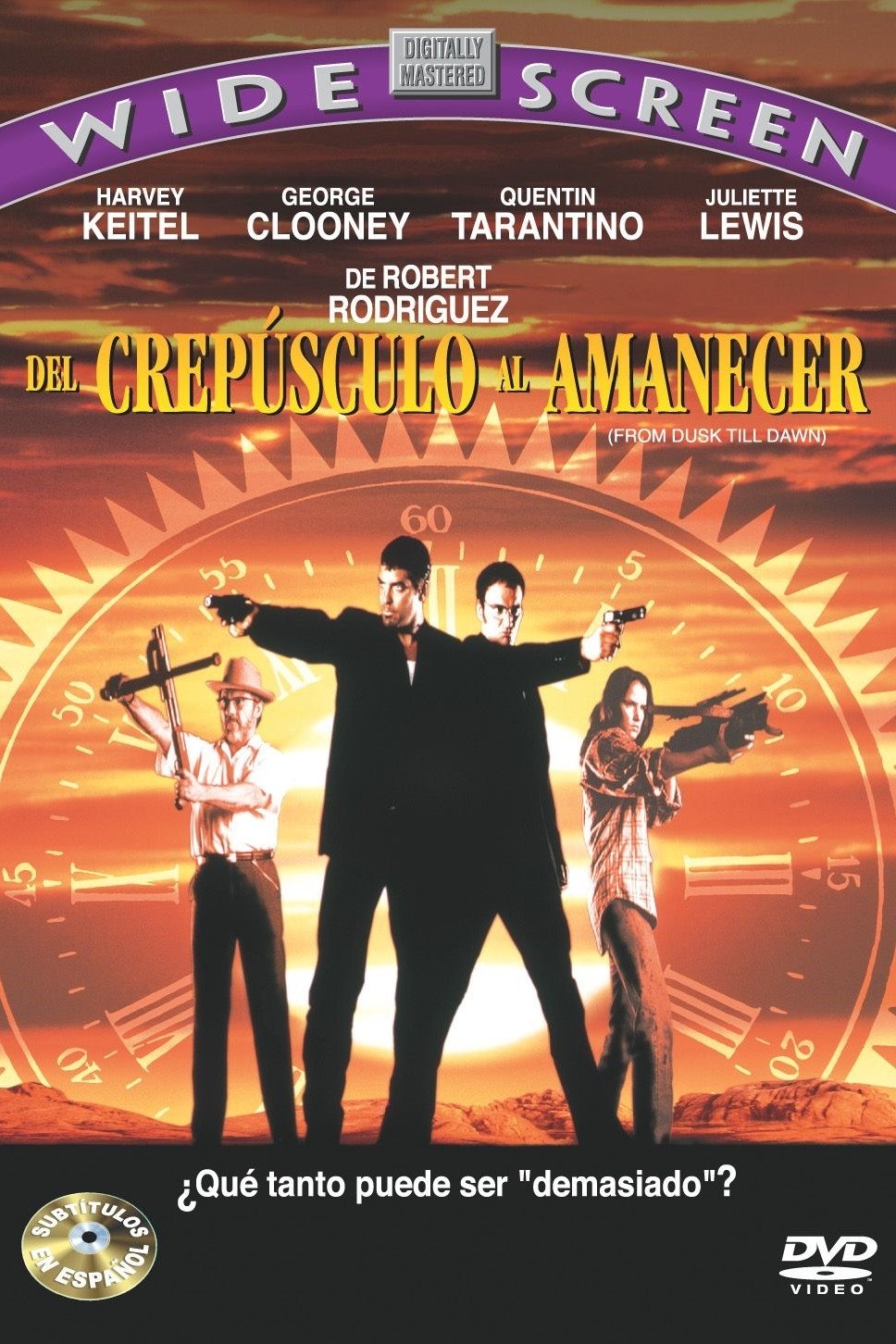
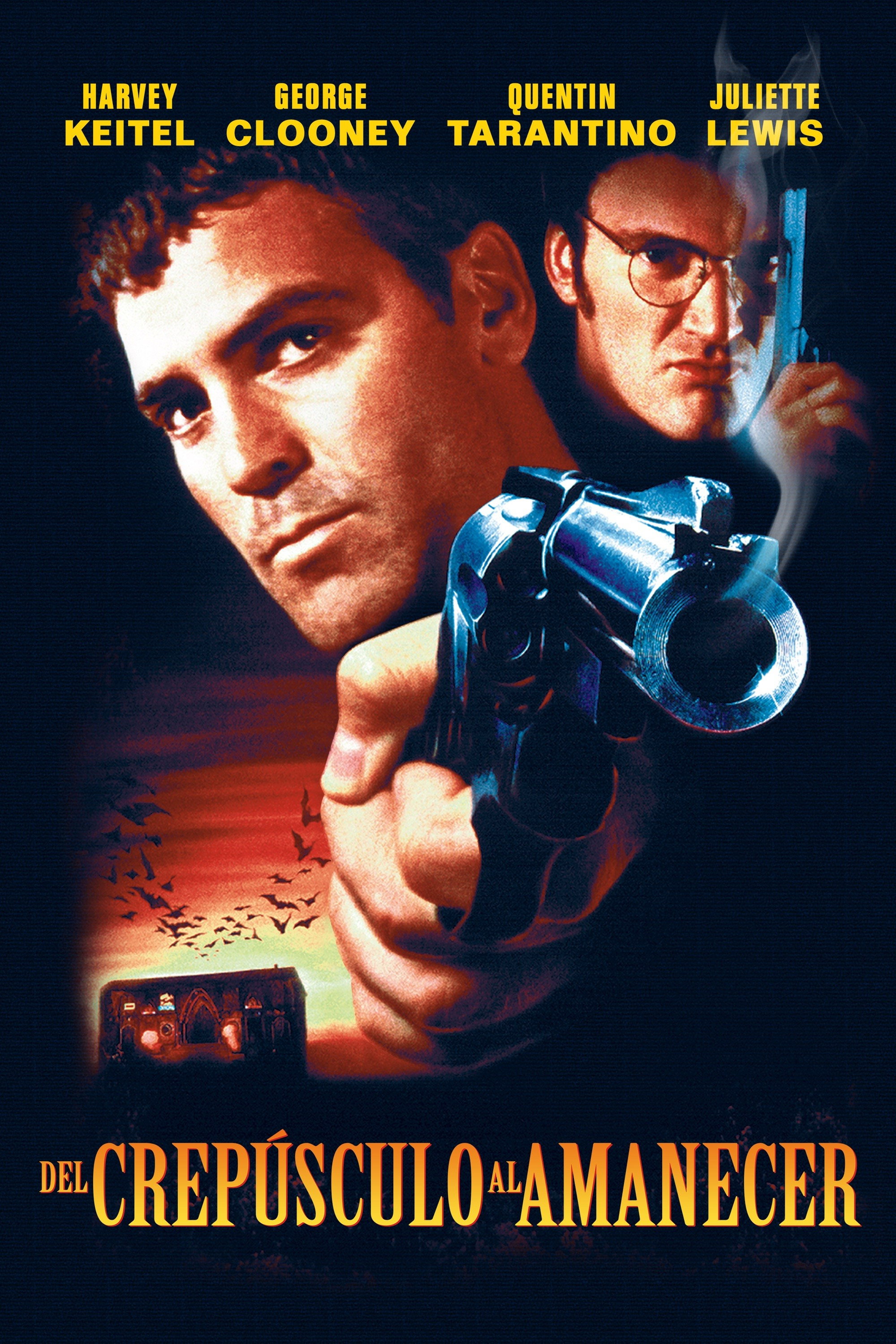
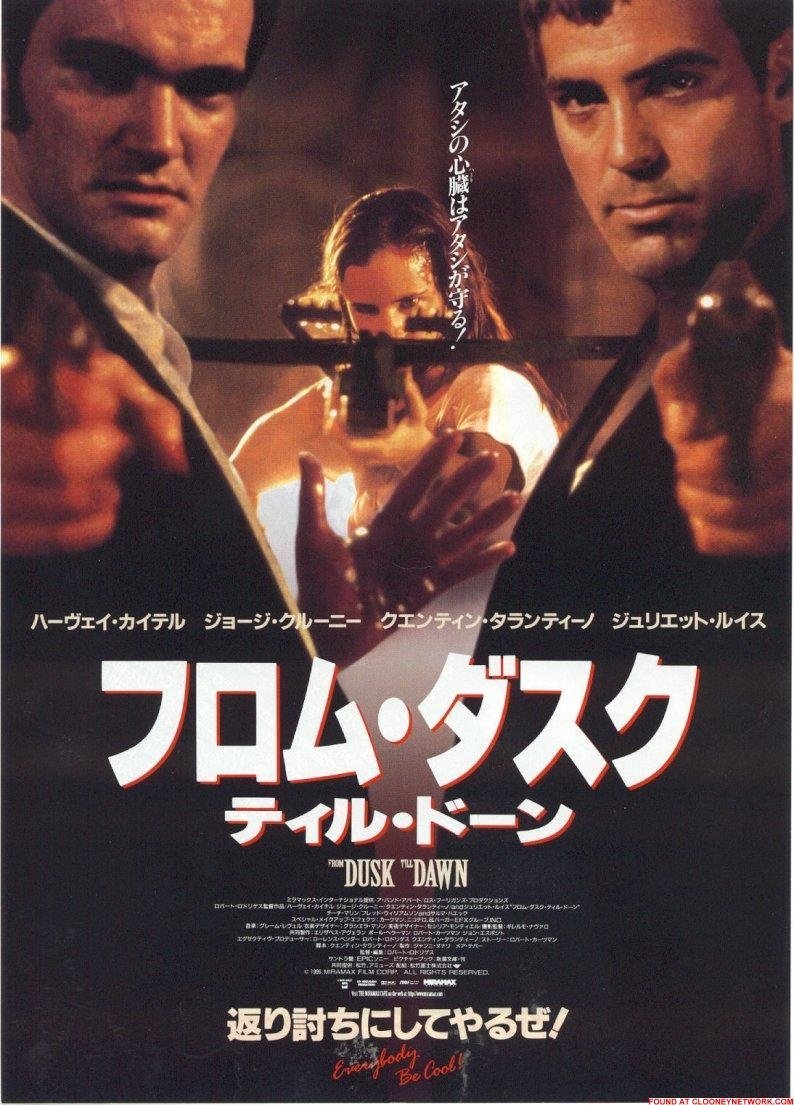
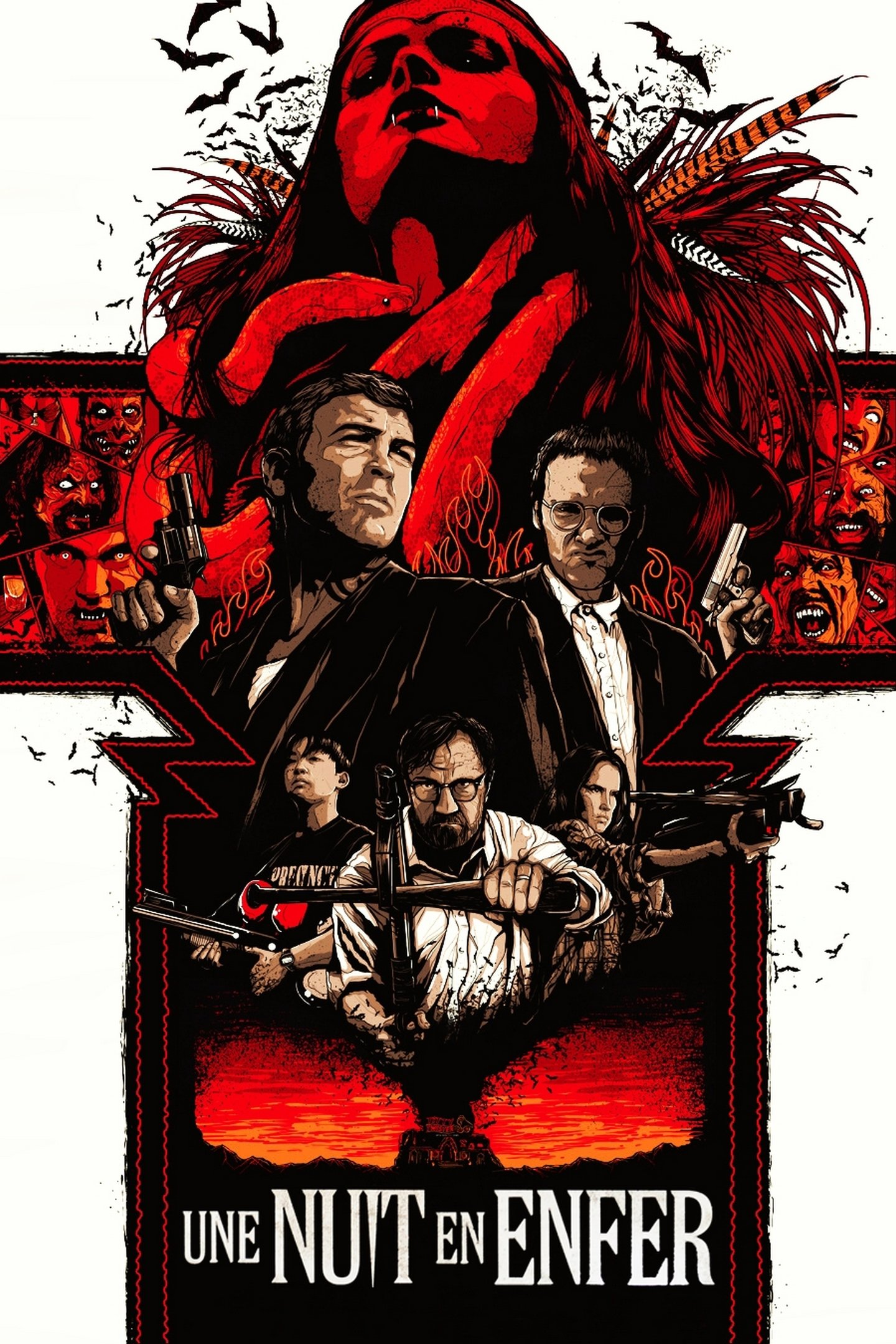
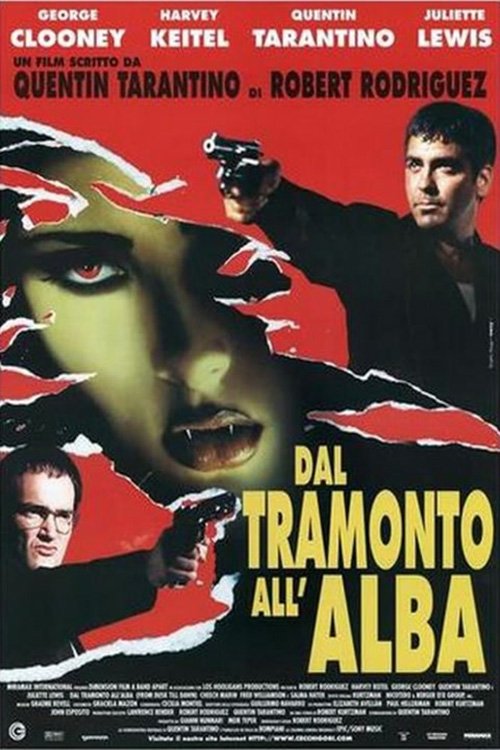
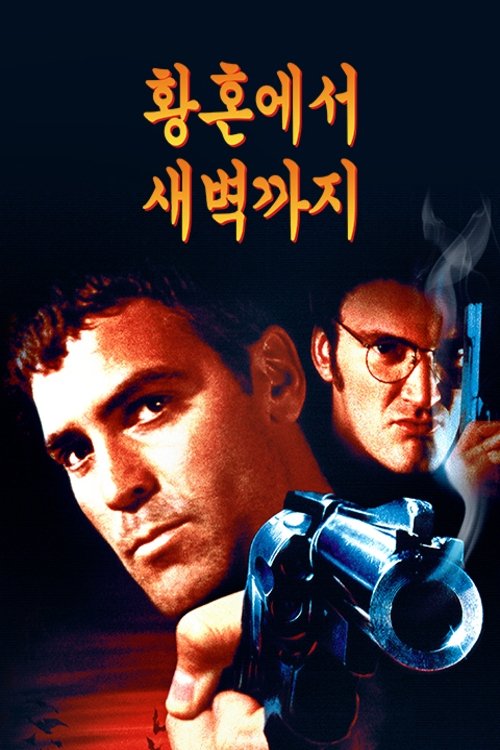
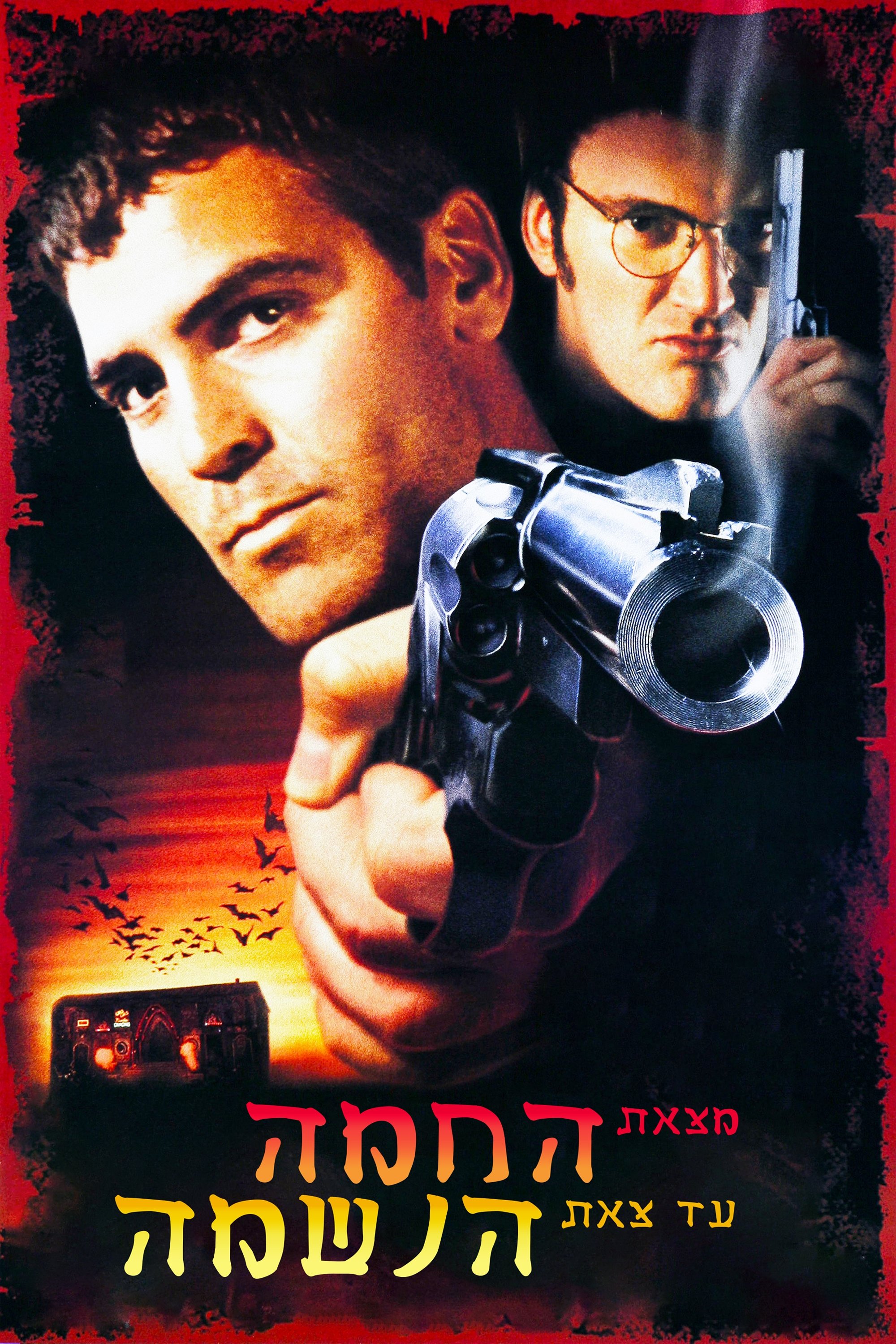
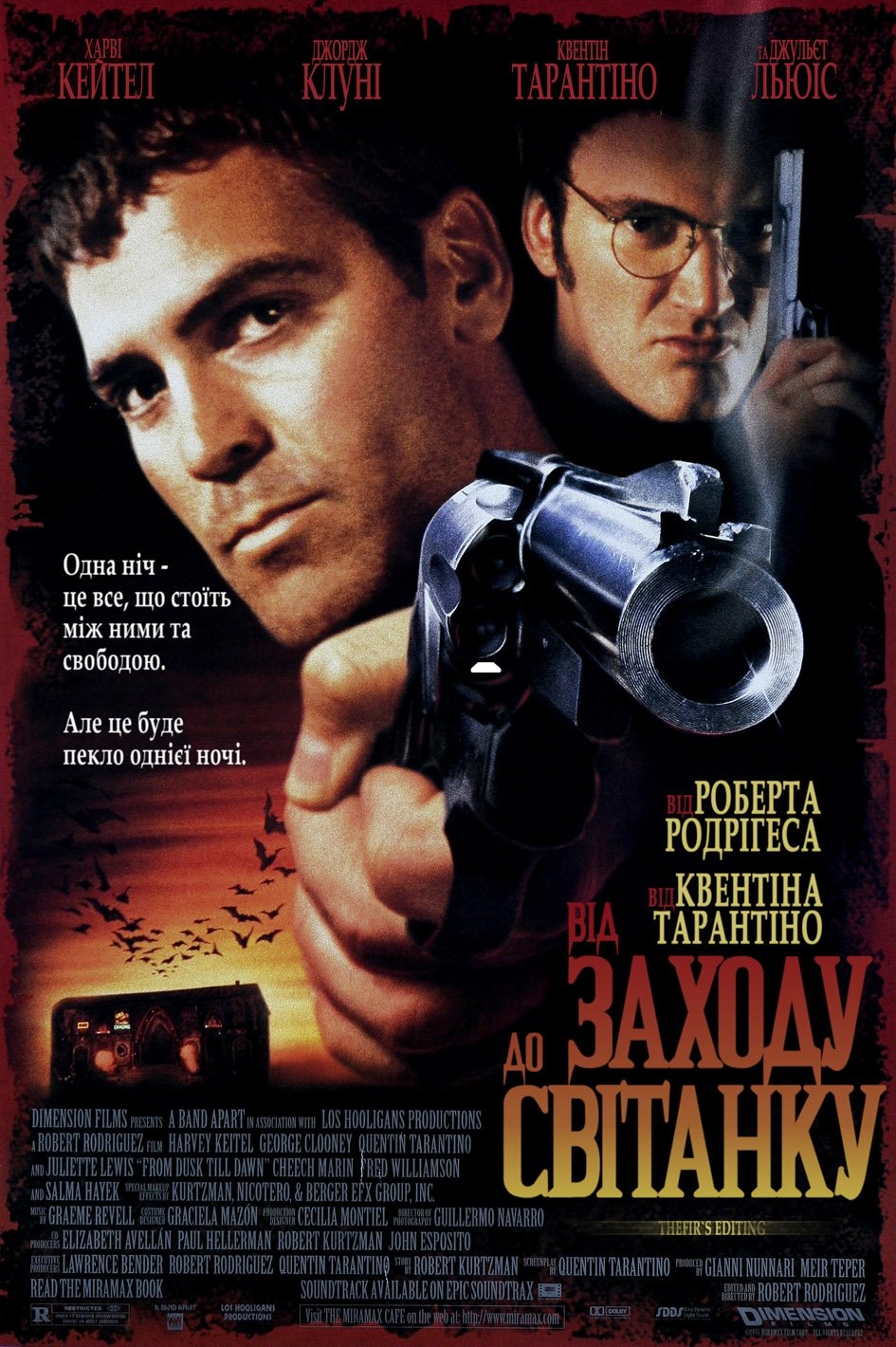
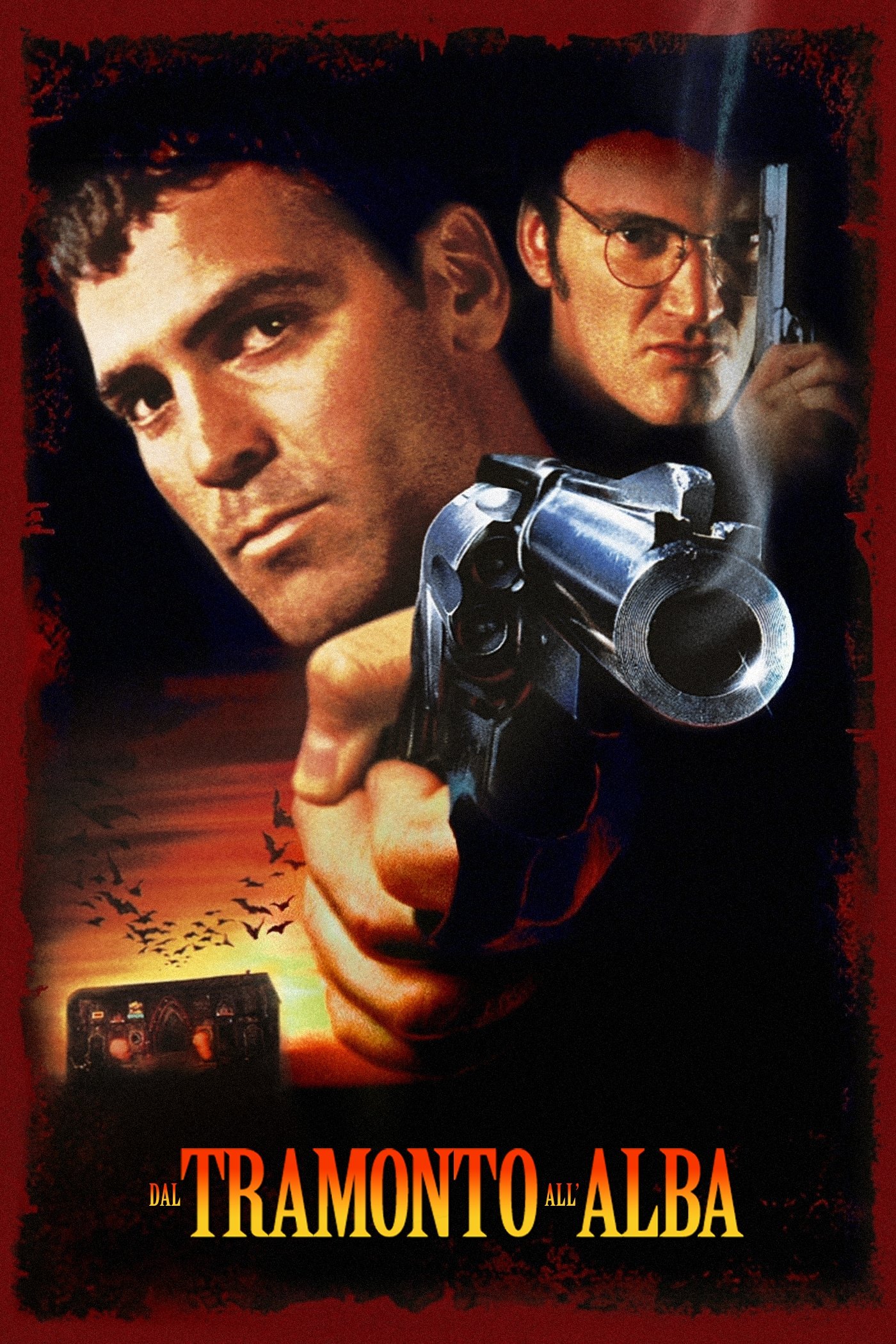
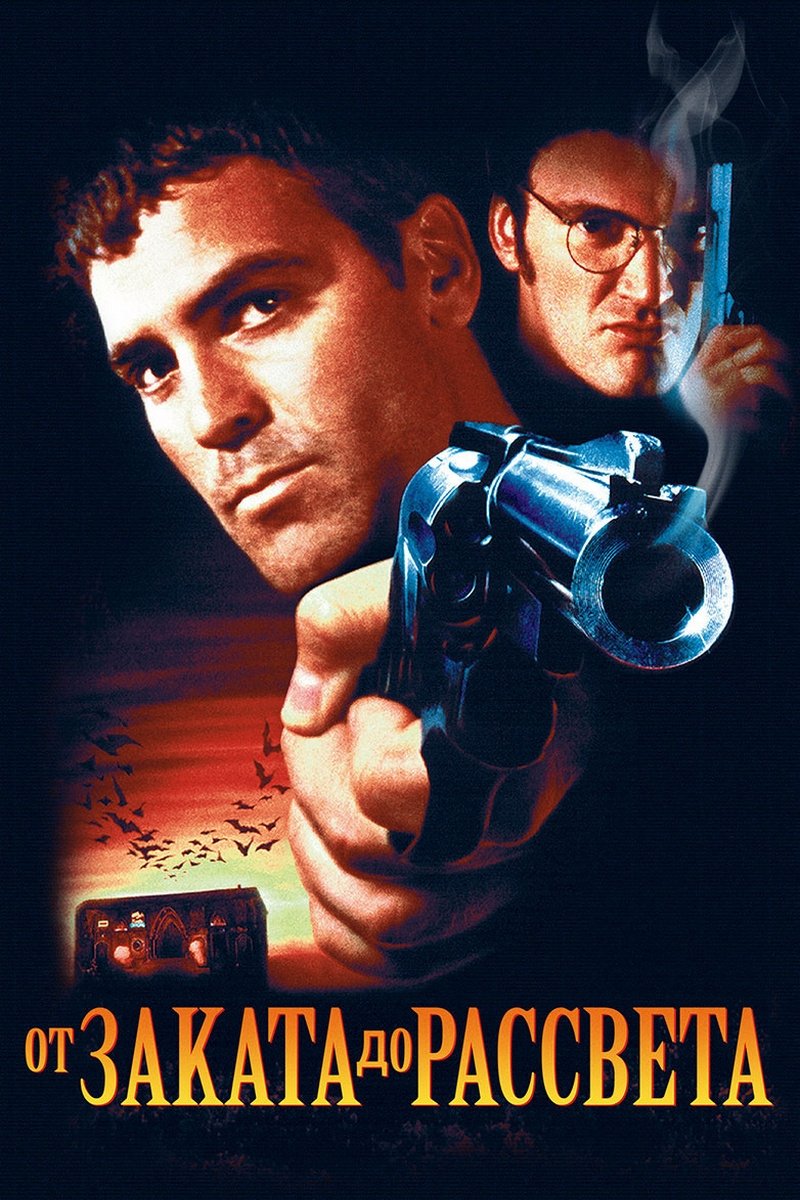
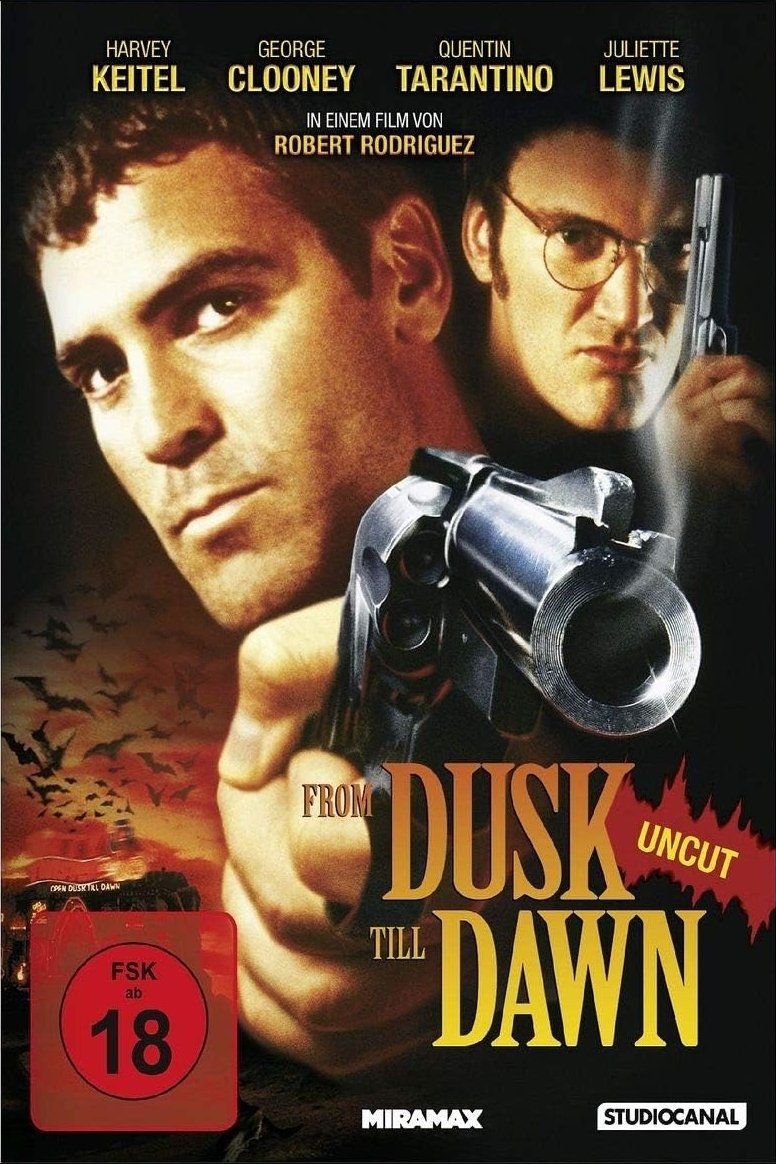
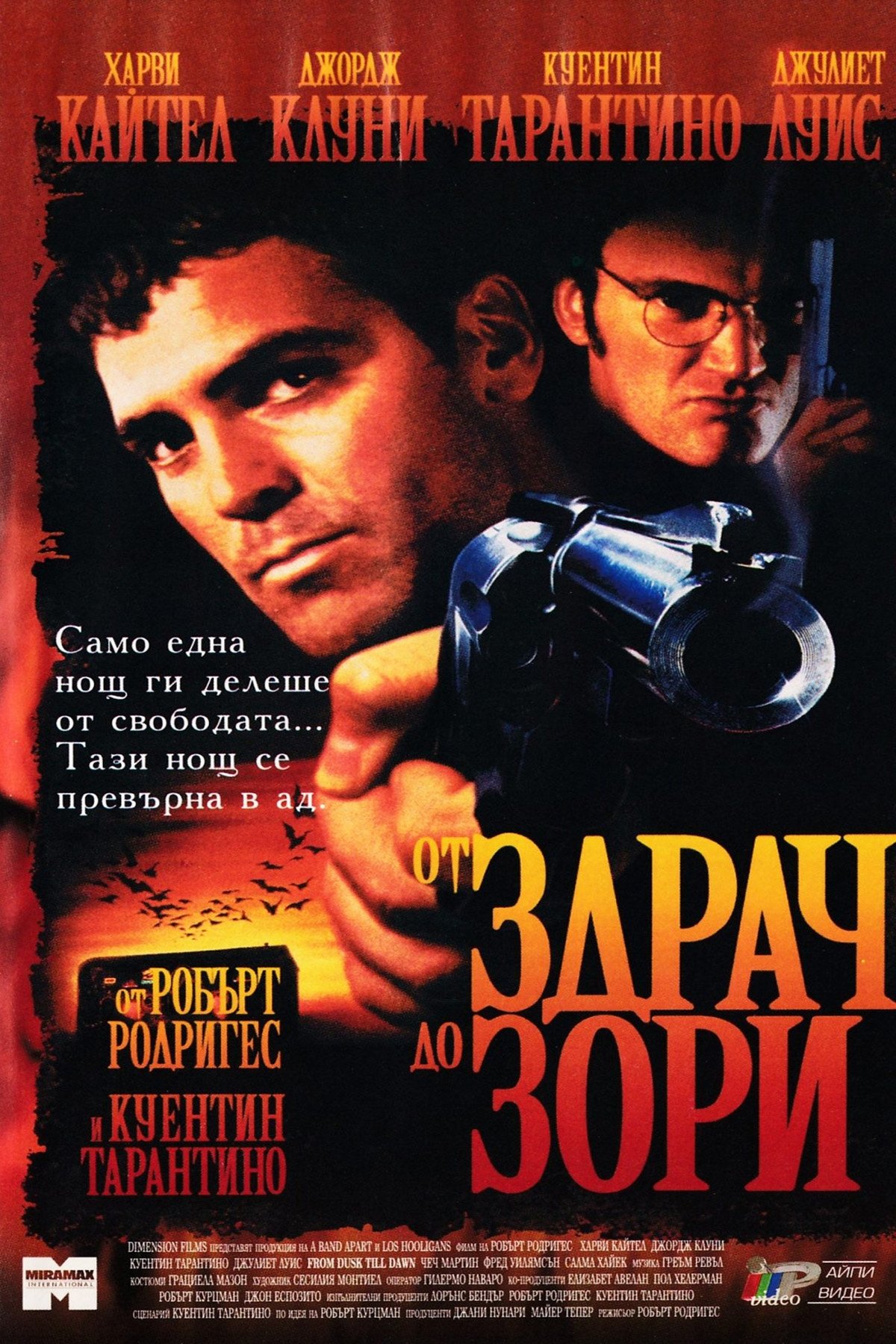
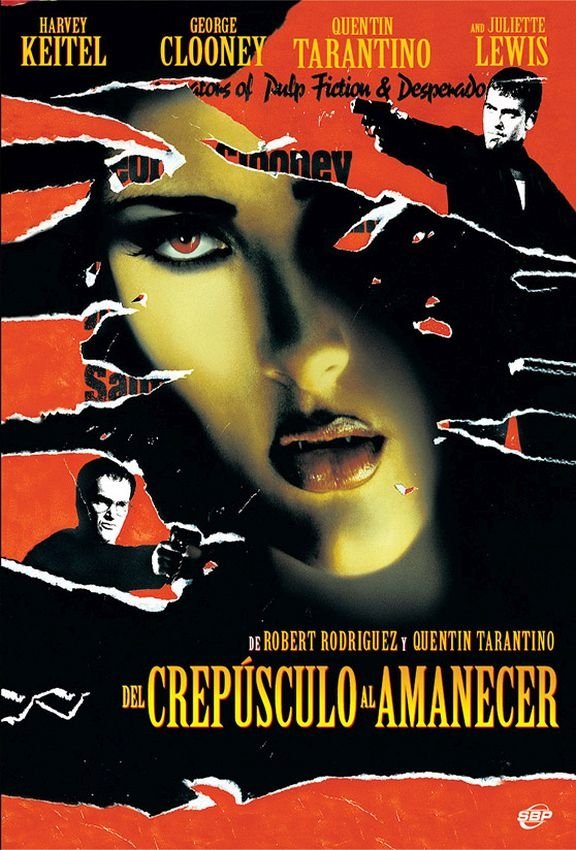
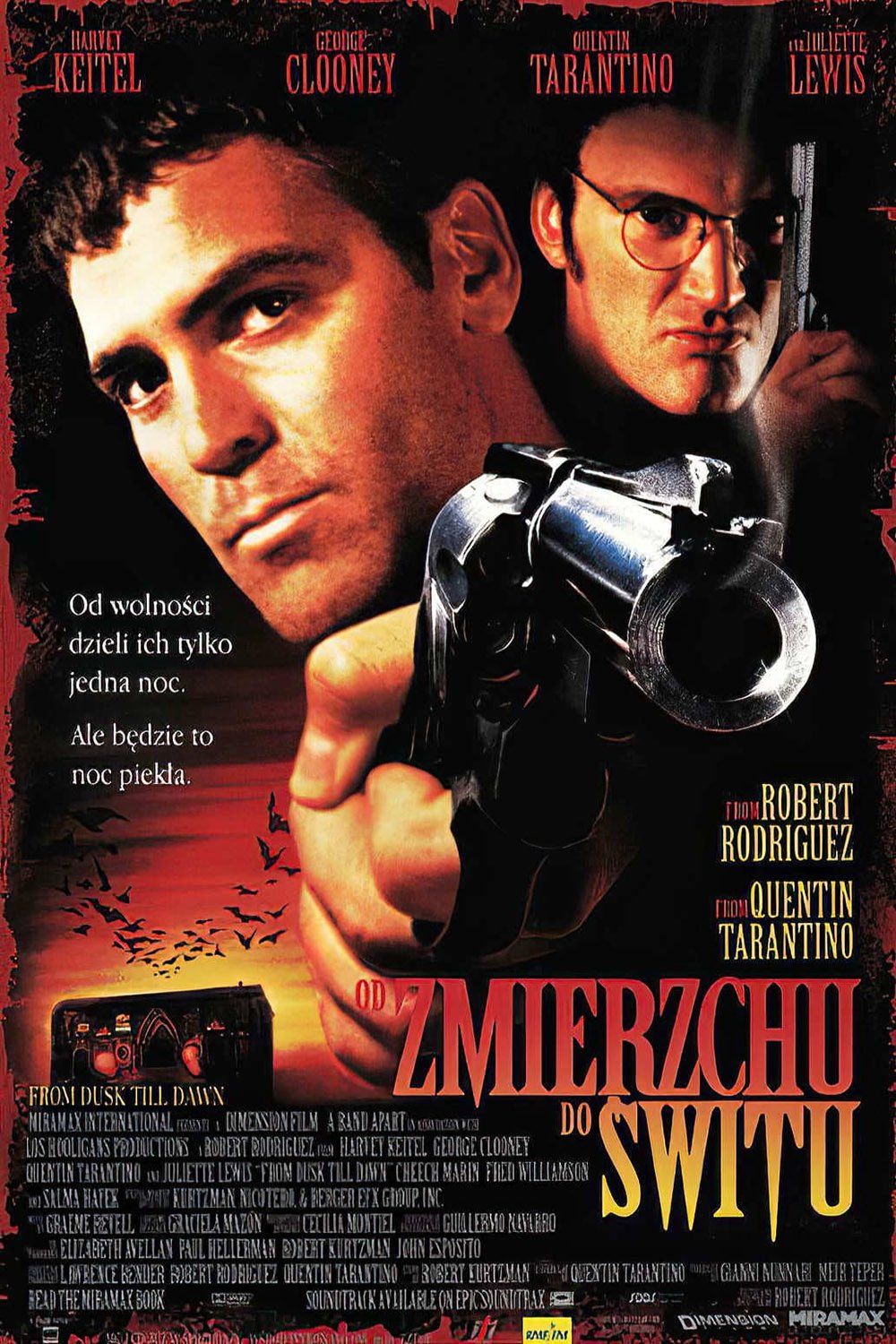
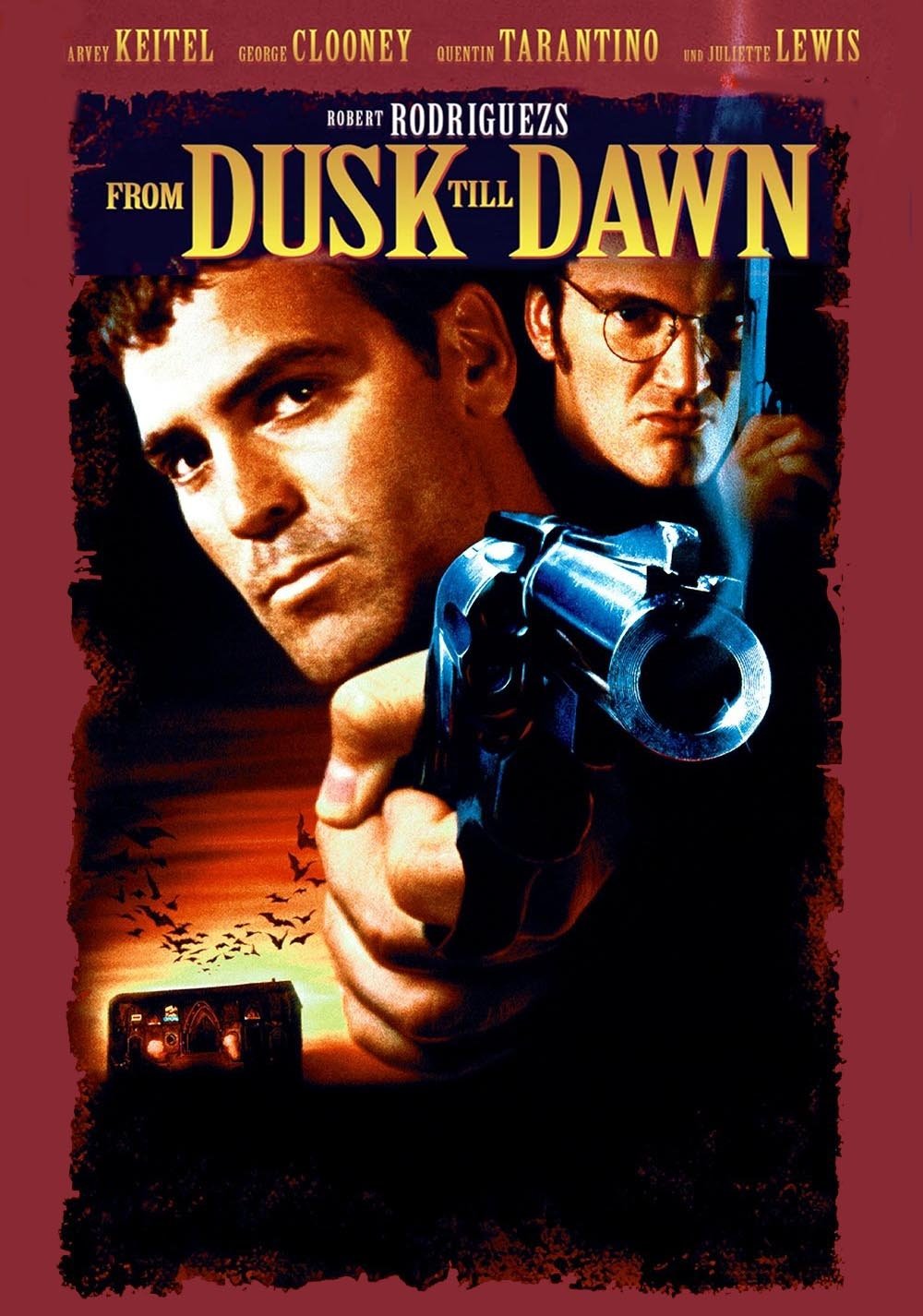
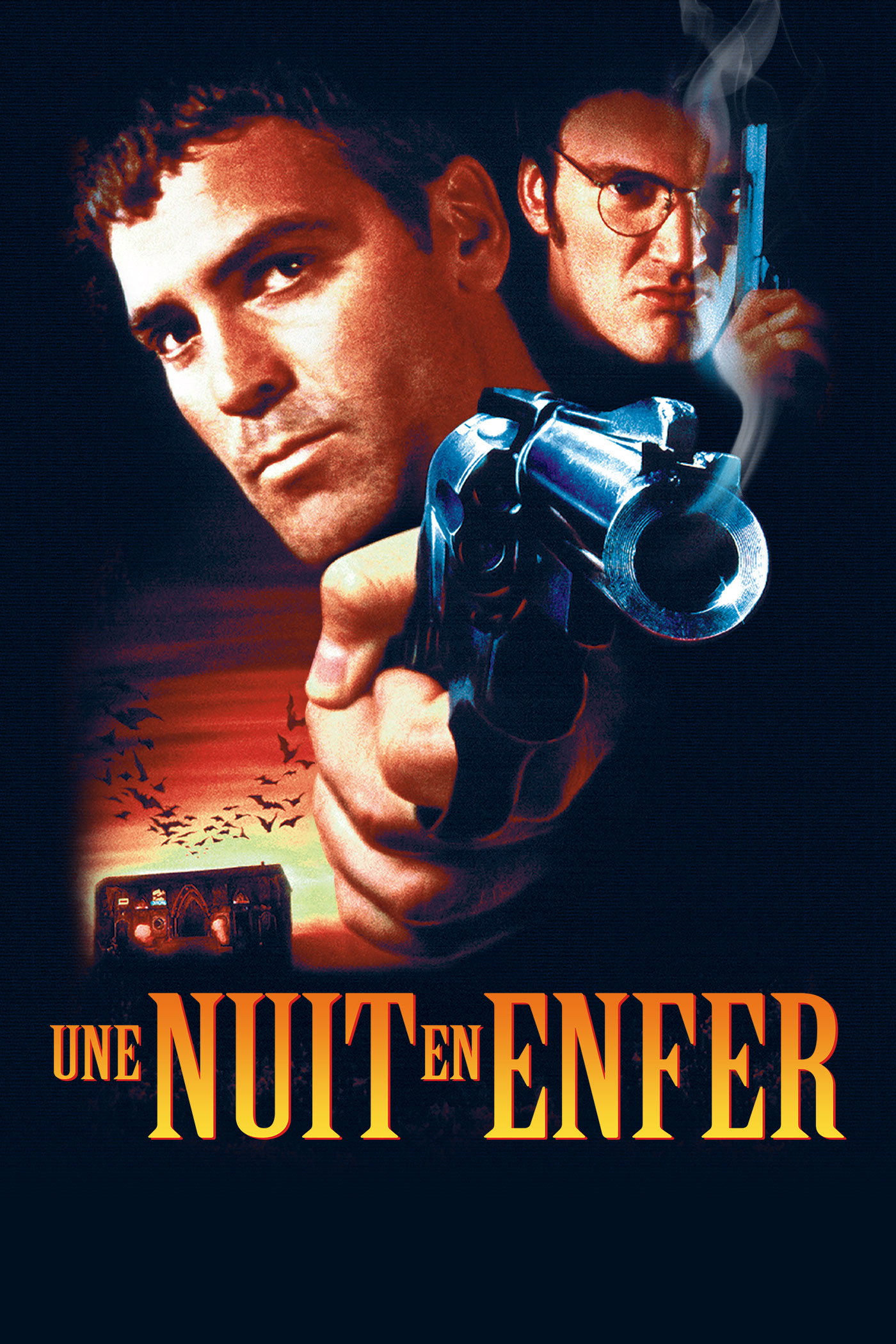
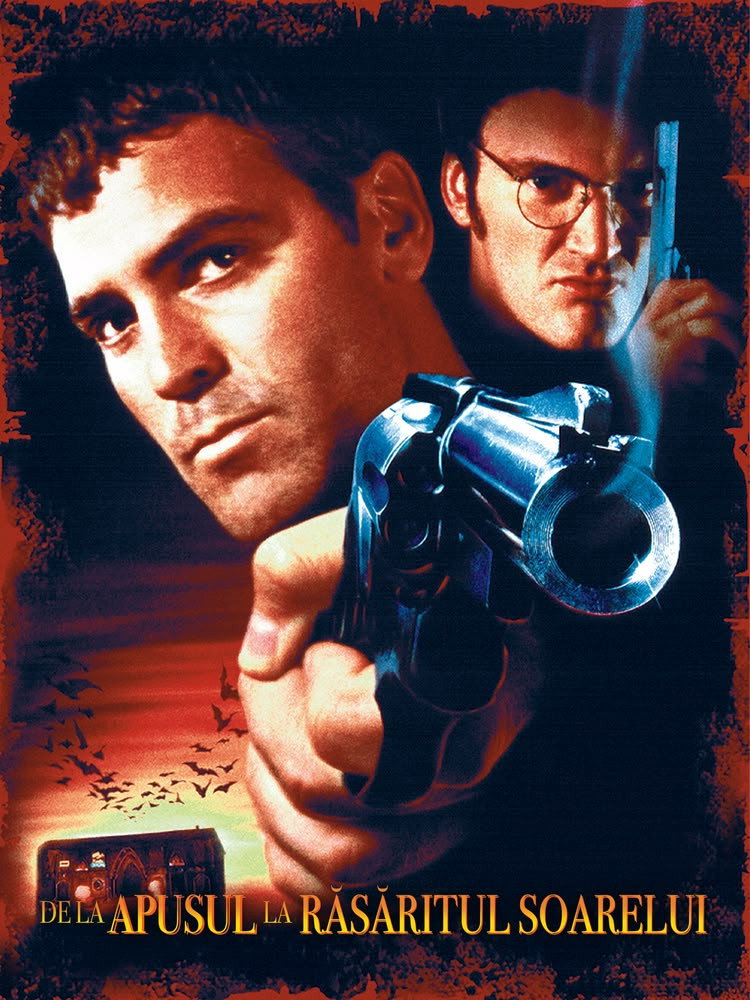
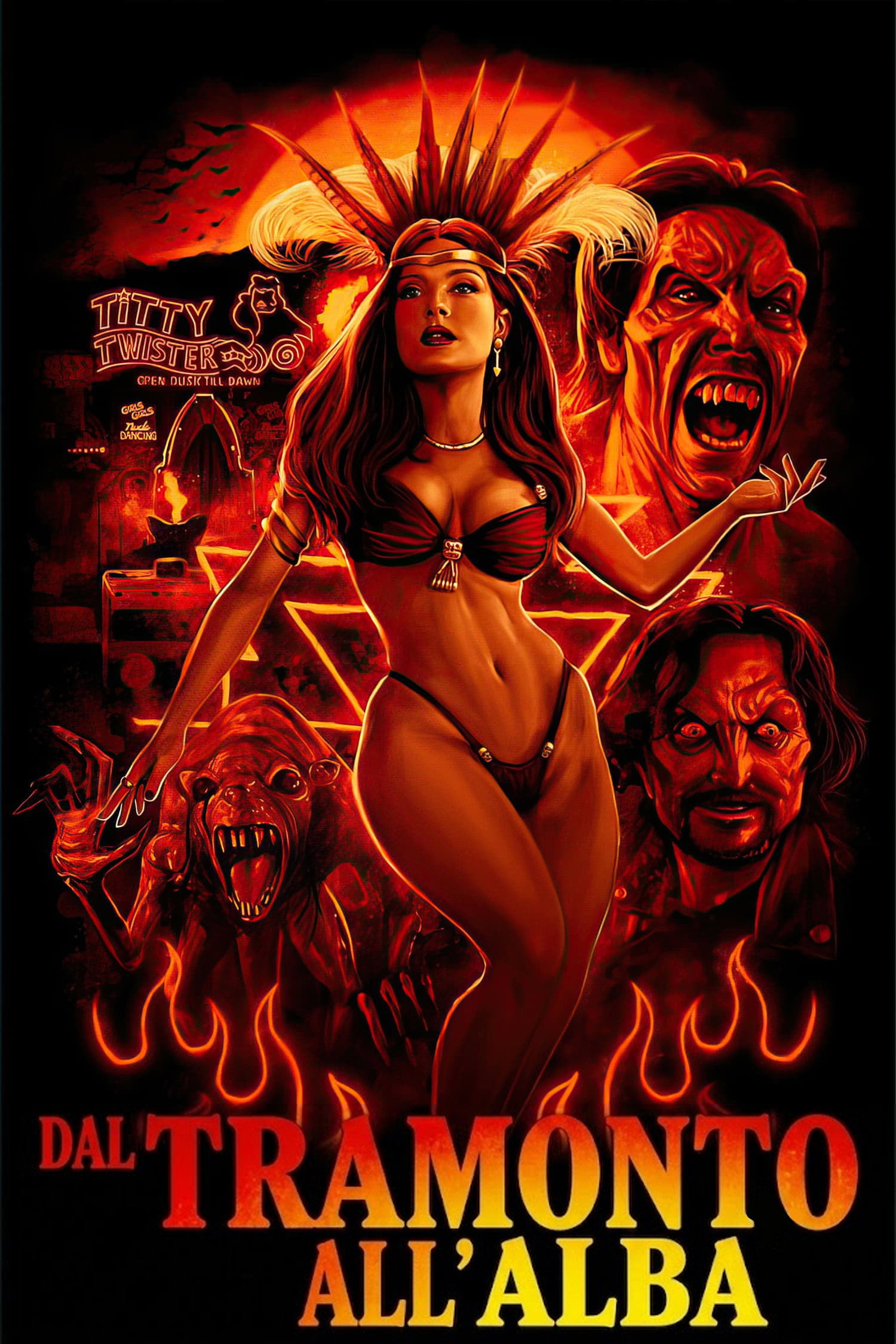
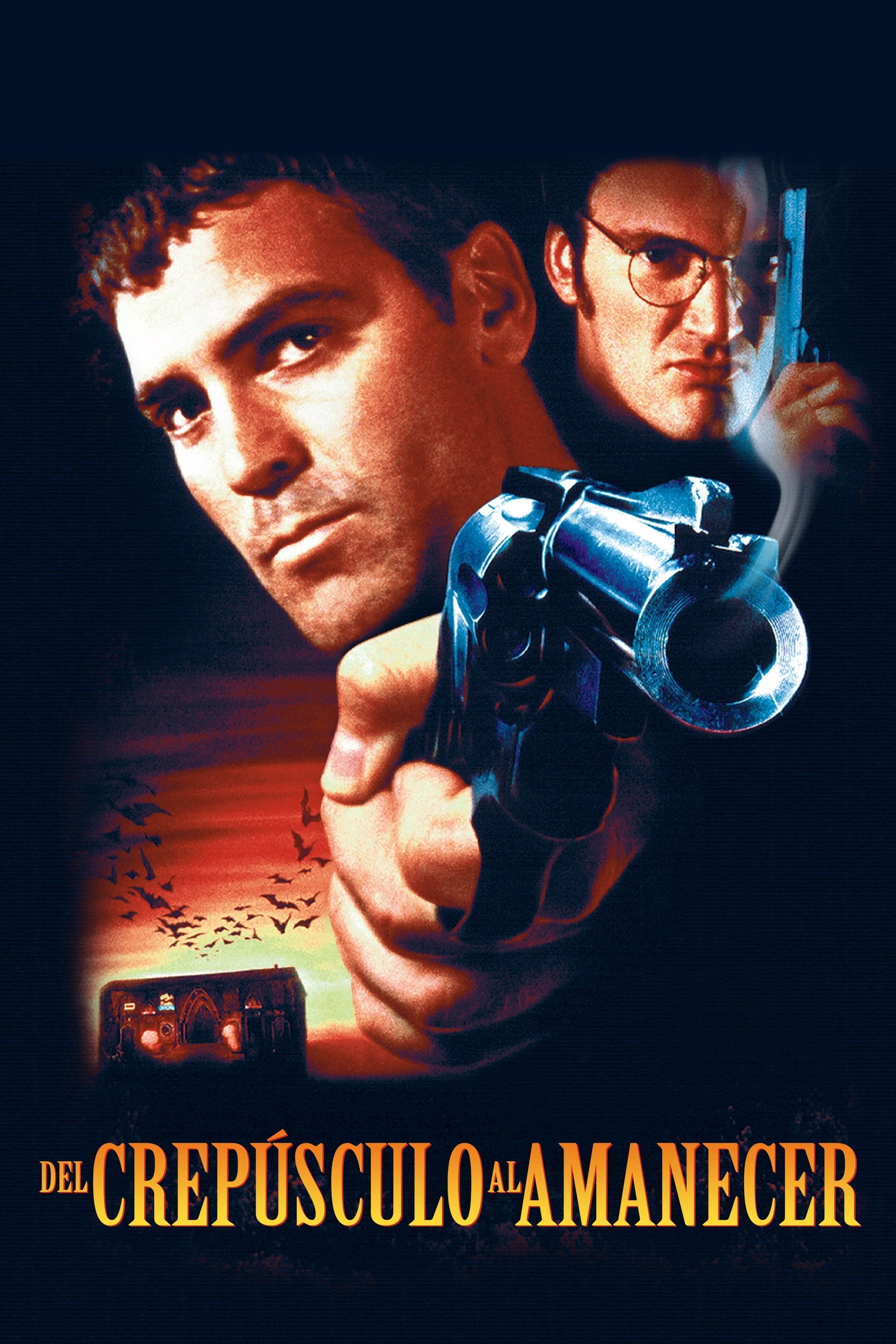
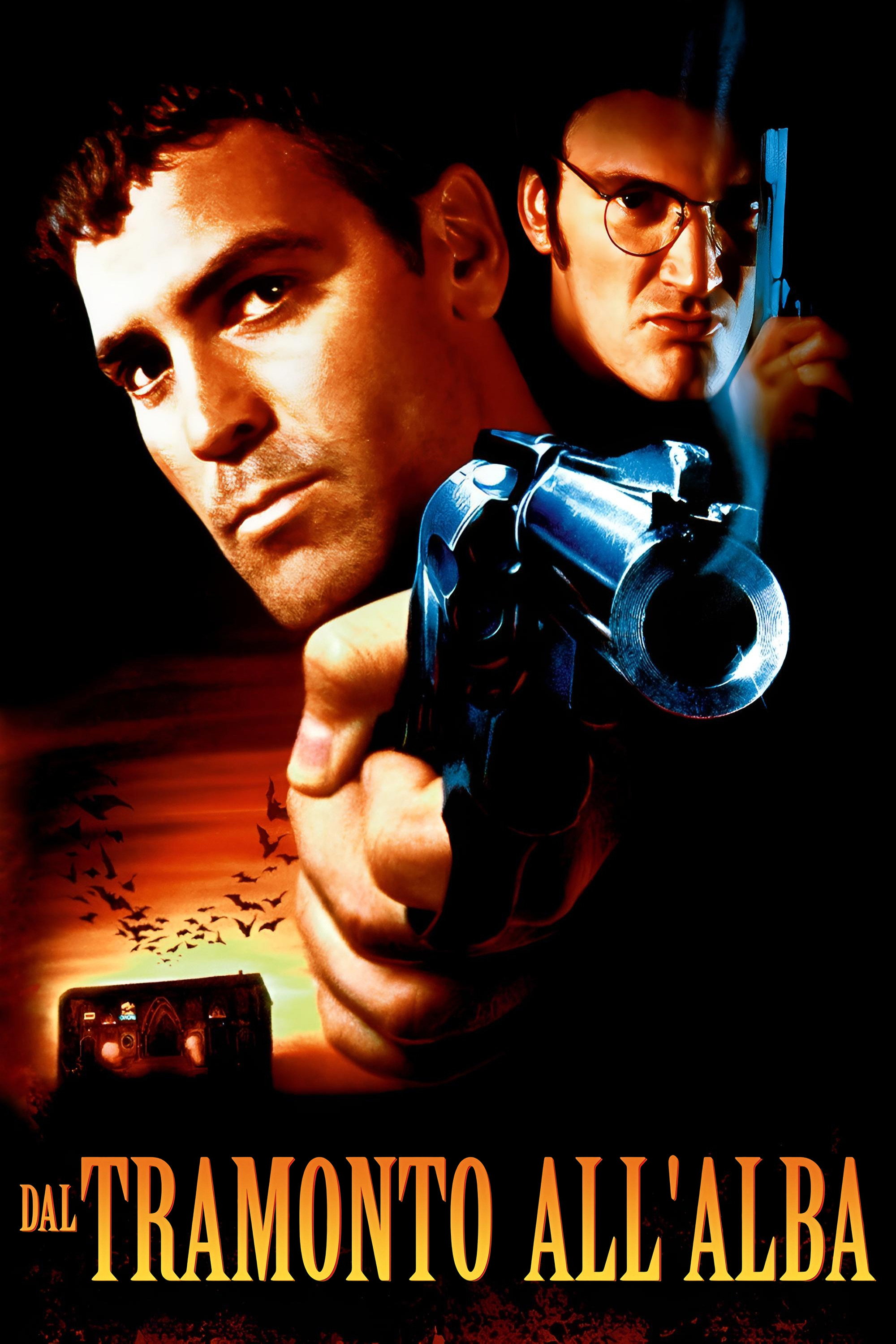
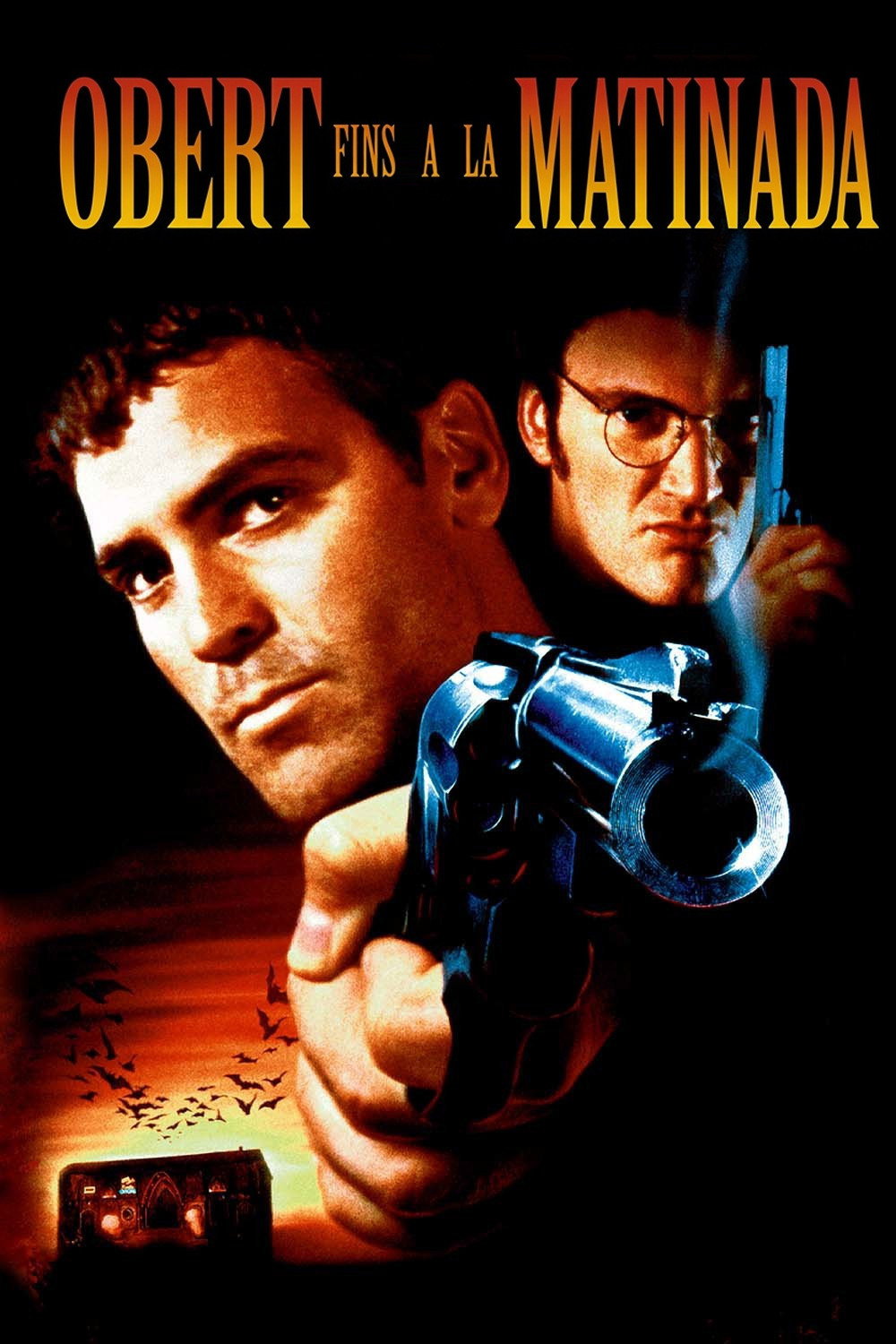
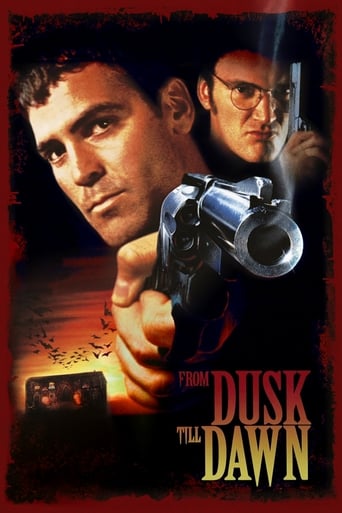
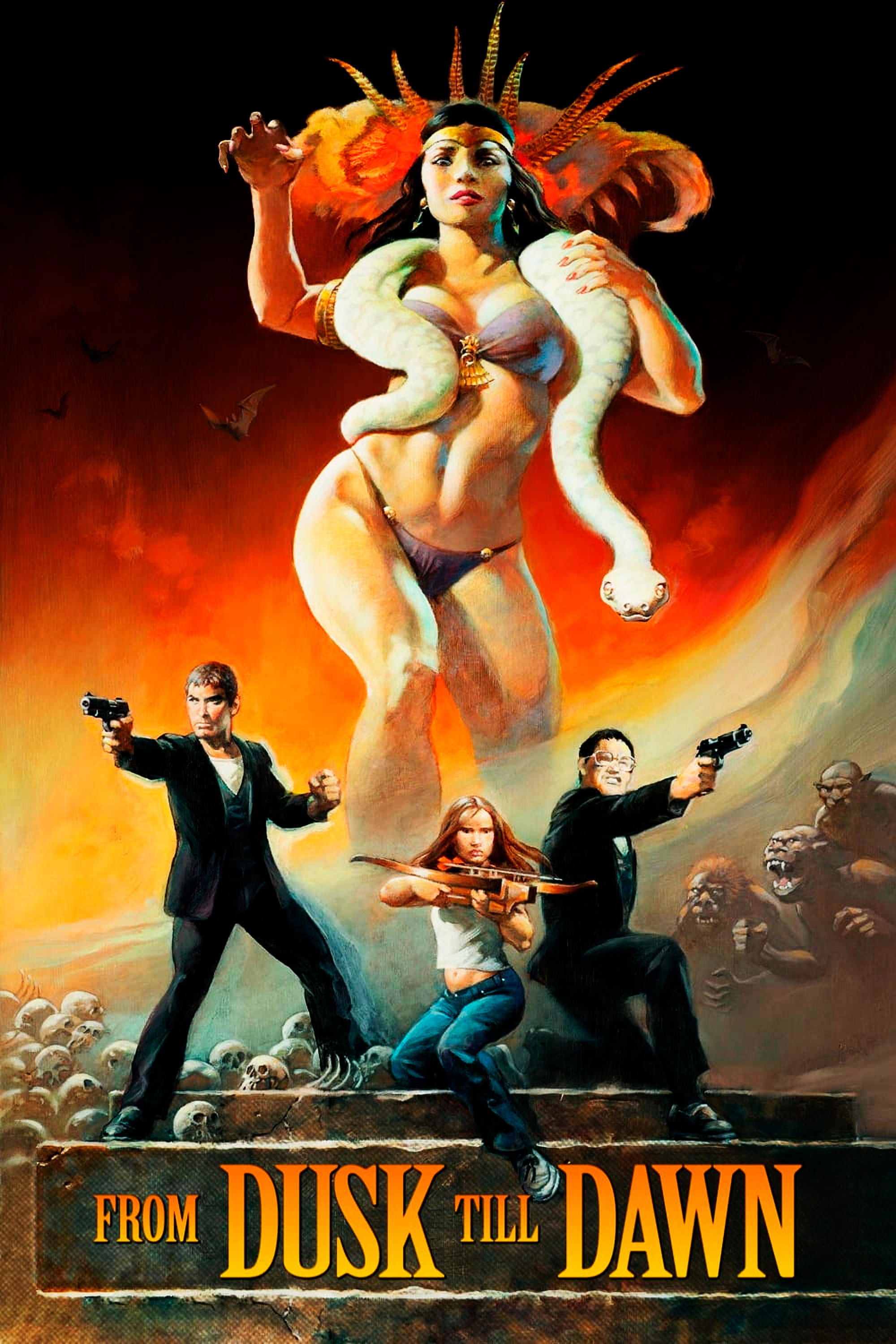
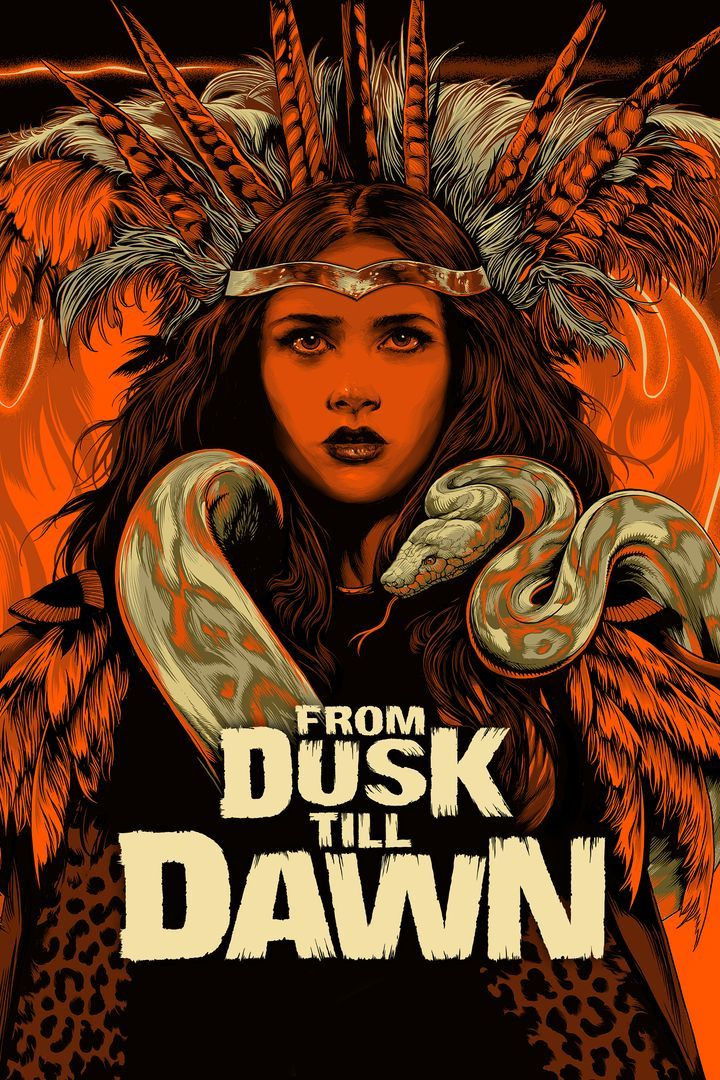
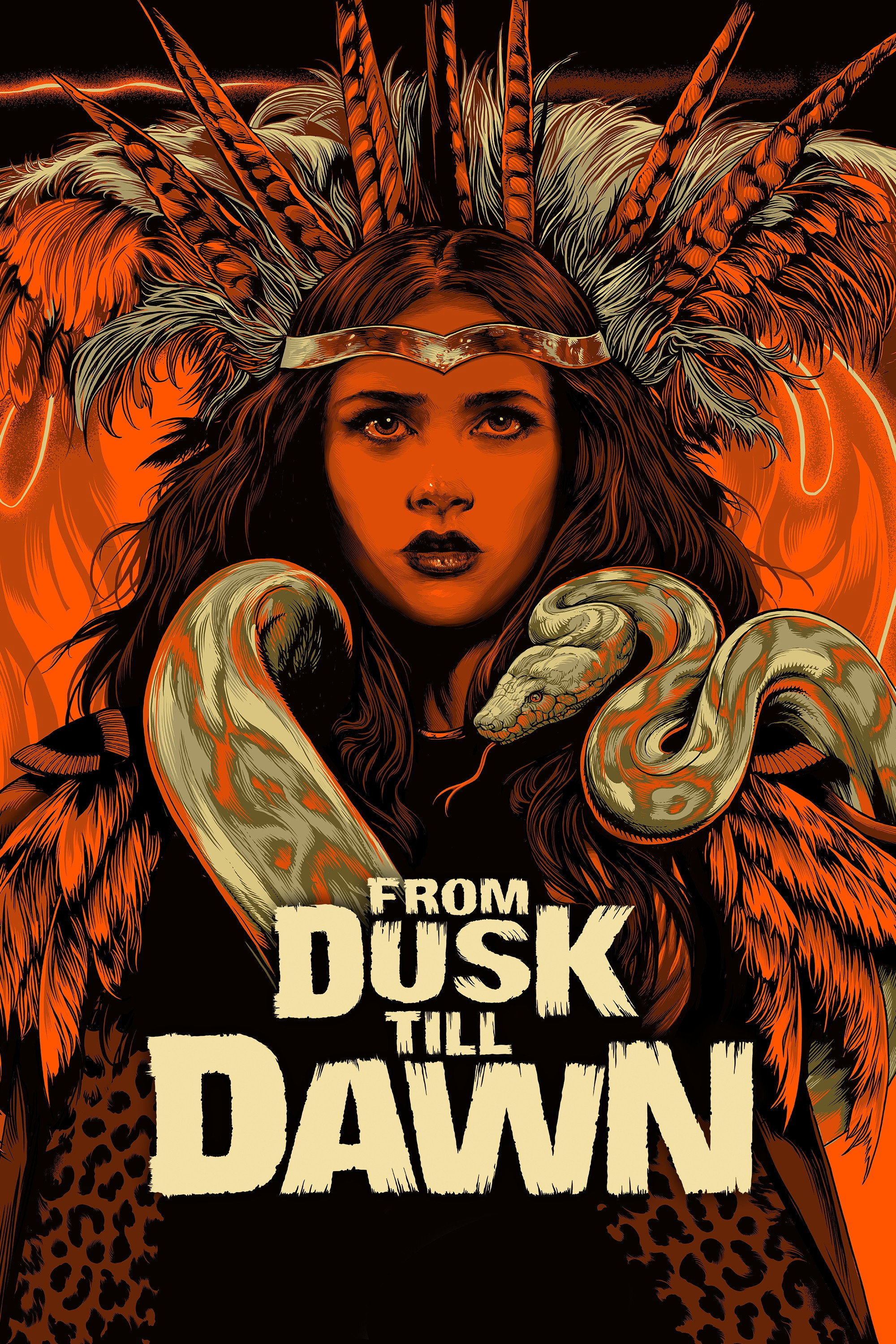
From Dusk Till Dawn (1996) poster
Production Companies
Los Hooligans Productions , A Band Apart , Dimension Films , Miramax
Plot

After kidnapping a father and his two kids, the Gecko brothers head south to a seedy Mexican bar to hide out in safety, unaware of its notorious clientele.

Alternative Titles
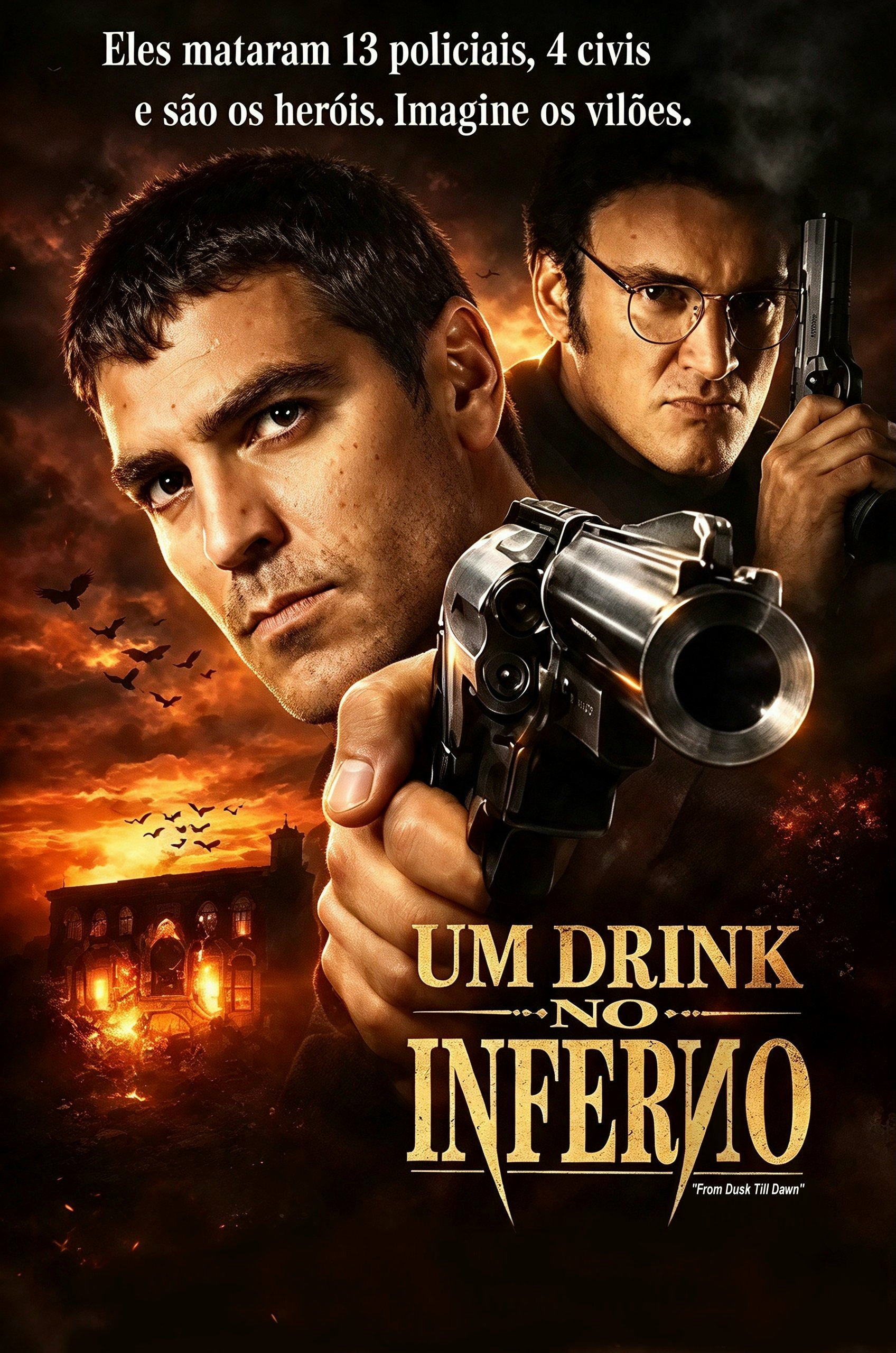
Del crepúsculo al amanecer (Argentina) Günbatandan Gündoğana (Azerbaijan) От здрач до зори (Bulgaria) Del crepúsculo al amanecer (Bolivia) Um Drink no Inferno (Brazil) La nuit la plus longue (Canada) — (French title) Del crepúsculo al amanecer (Chile) 从黄昏到黎明 (China)
Show all 51 alternative titles 杀出个黎明 (China) — Chinese Del crepúsculo al amanecer (Colombia) Del crepúsculo al amanecer (Costa Rica) Od soumraku do úsvitu (Czechia) Ehast koiduni (Estonia) Abierto hasta el amanecer (Spain) Del Crepusculo al amanecer 1 (Spain) Iluntzetik egunsentira arte (Spain) — Basque Obert fins a la matinada (Spain) — (Catalan title) Hämärästä aamunkoittoon (Finland) Une nuit en enfer (France) Από το σούρουπο ως την αυγή (Greece) 殺出個黎明 (Hong Kong SAR China) Od sumraka do zore (Croatia) Alkonyattól pirkadatig (Hungary) מצאת החמה עד צאת הנשמה (Israel) — Hebrew از گرگ و میش تا سحر (Iran) — Persian Dal tramonto all'alba (Italy) フロム・ダスク・ティル・ドーン (Japan) — Japanese 황혼에서 새벽까지 (South Korea) Nuo sutemų iki aušros (Lithuania) — Lithuanian No krēslas līdz rītausmai (Latvia) — Latvian Del crepúsculo al amanecer (Mexico) Del crepúsculo al amanecer (Panama) Del crepúsculo al amanecer (Peru) Od Zmierzchu do Świtu (Poland) Aberto Até de Madrugada (Portugal) De la apusul la răsăritul soarelui (Romania) Od sumraka do svitanja (Serbia) Од сумрака до свитања (Serbia) — Serbian От заката до рассвета (Russia) من الغسق حتى الفجر (Saudi Arabia) — Arabic Od mraka do zore (Slovenia) Od súmraku do úsvitu (Slovakia) ผ่านรกทะลุตะวัน (Thailand) — Thai Gün Batımından Şafağa (Türkiye) — Turkish Günbatimindan safaga (Türkiye) 惡夜追殺令 (Taiwan) — Chinese Вiд заходу до свiтанку (Ukraine) Від заходу до світанку (Ukraine) — Ukrainian Del Crepusculo al amanecer 1 (United States) Del crepúsculo al amanecer (Venezuela) Từ Hoàng Hôn Tới Bình Minh (Vietnam) — Vietnamese

Trailers & Videos

9 videos

Film Guide & Analysis

Robert Rodriguez and Quentin Tarantino unite a crime thriller with vampire siege horror: Robert Kurtzman, KNB effects, Salma Hayek and the cult afterlife.

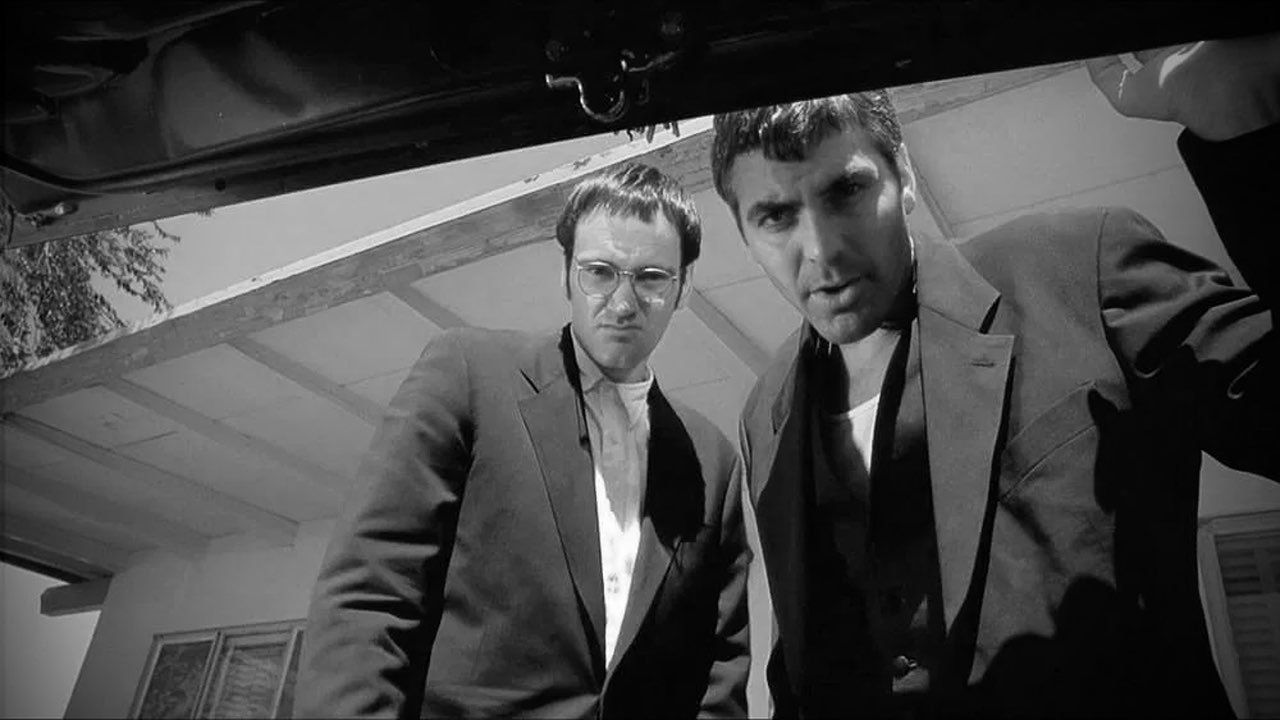
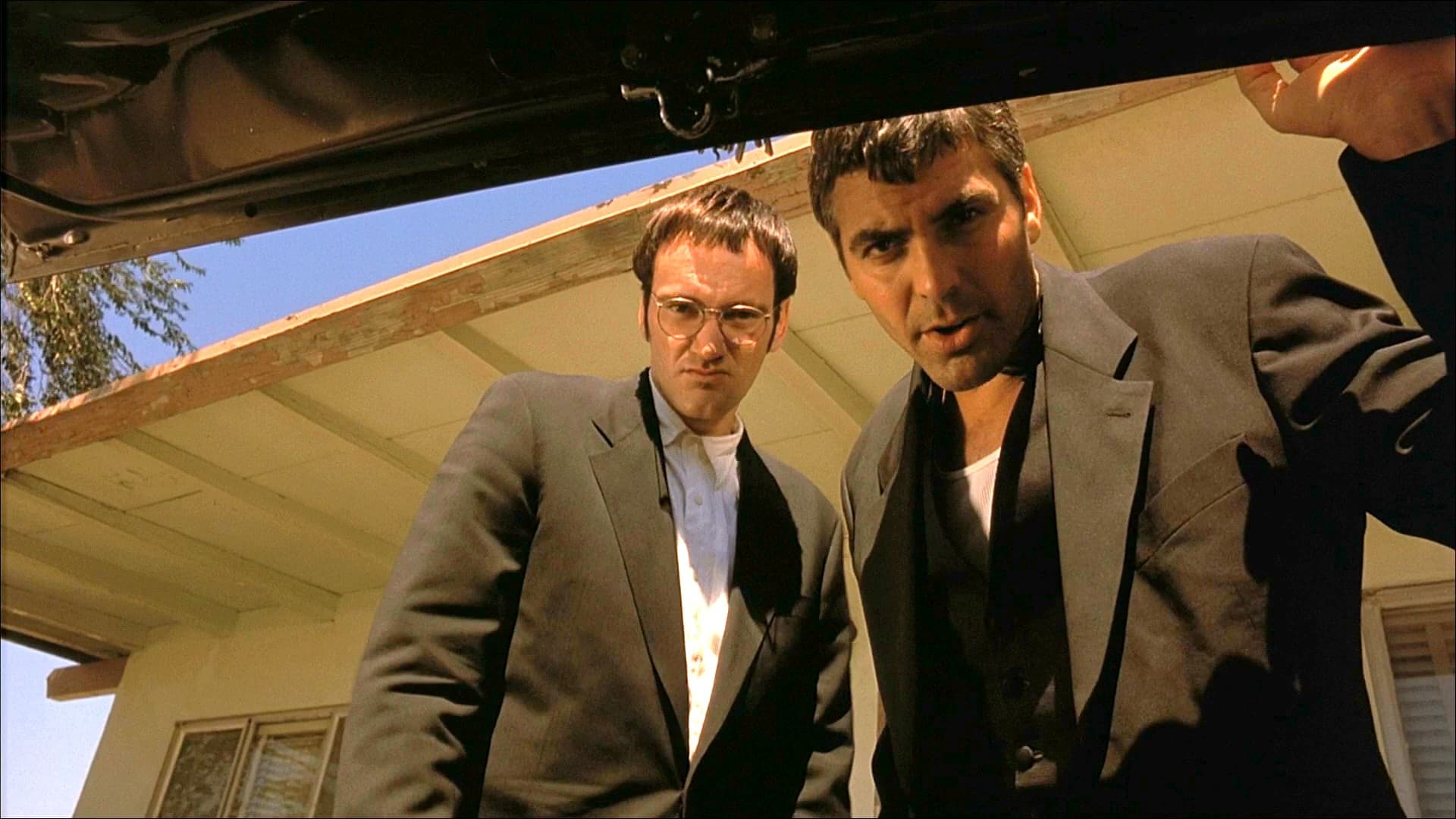
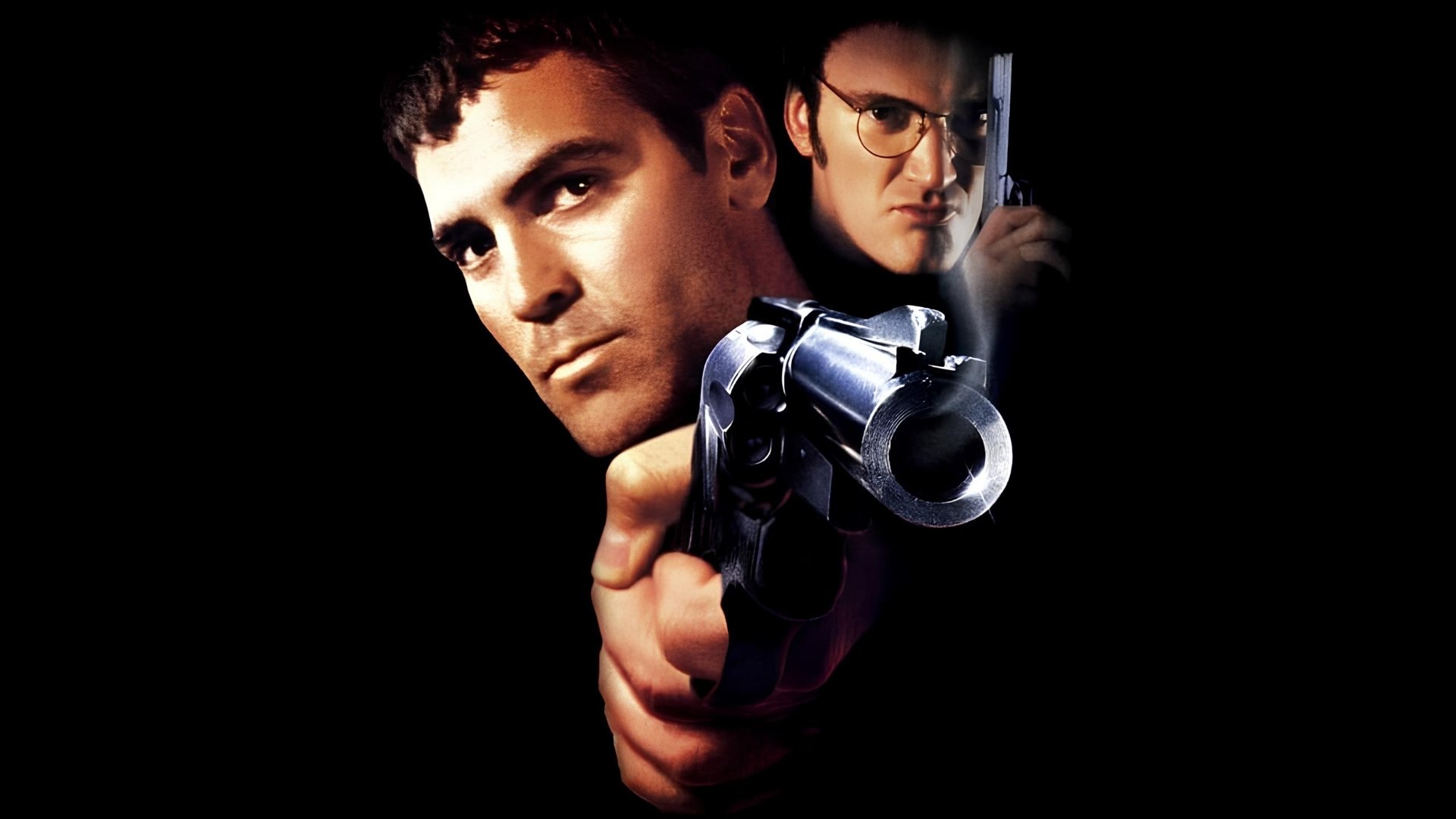
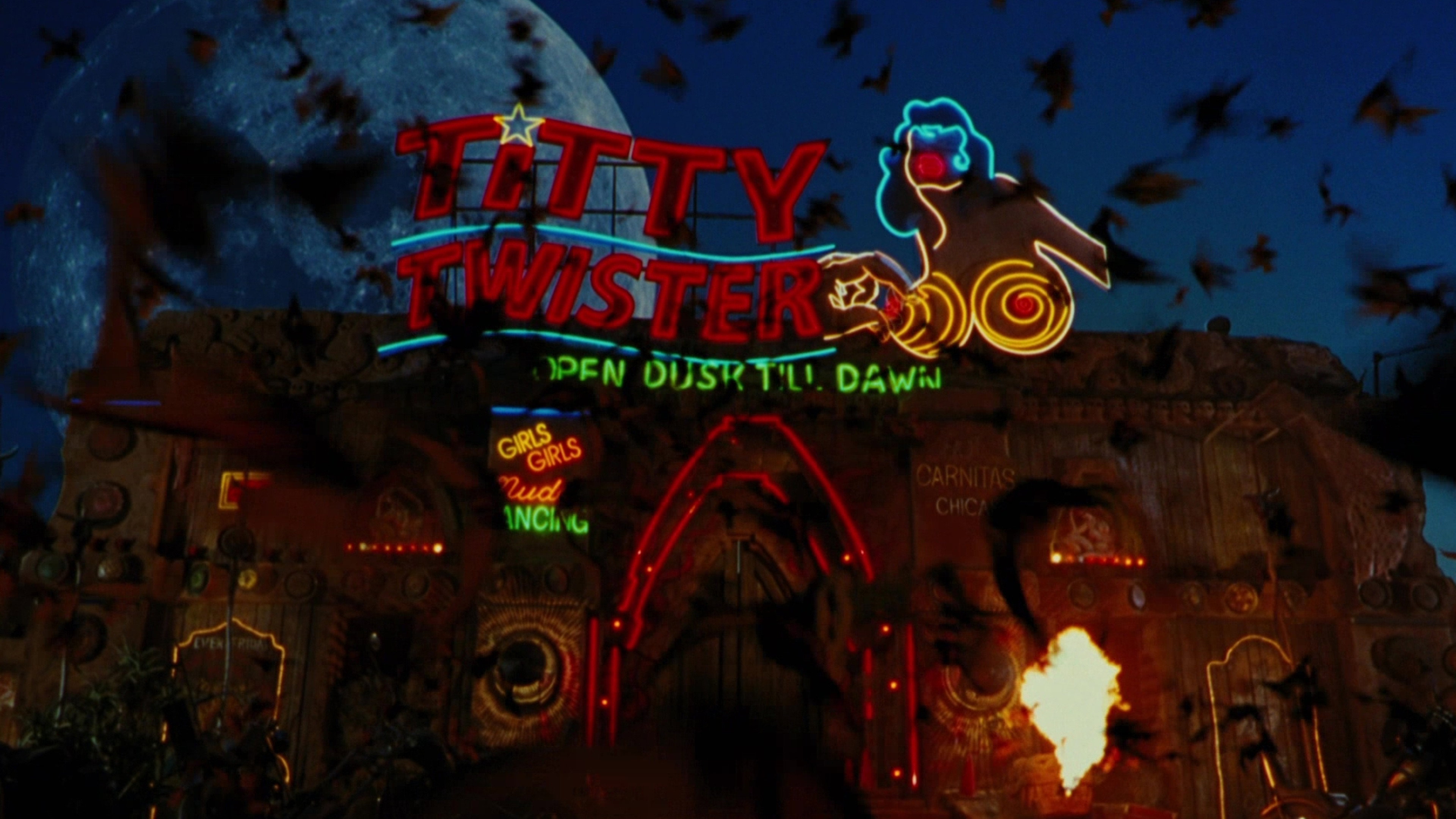
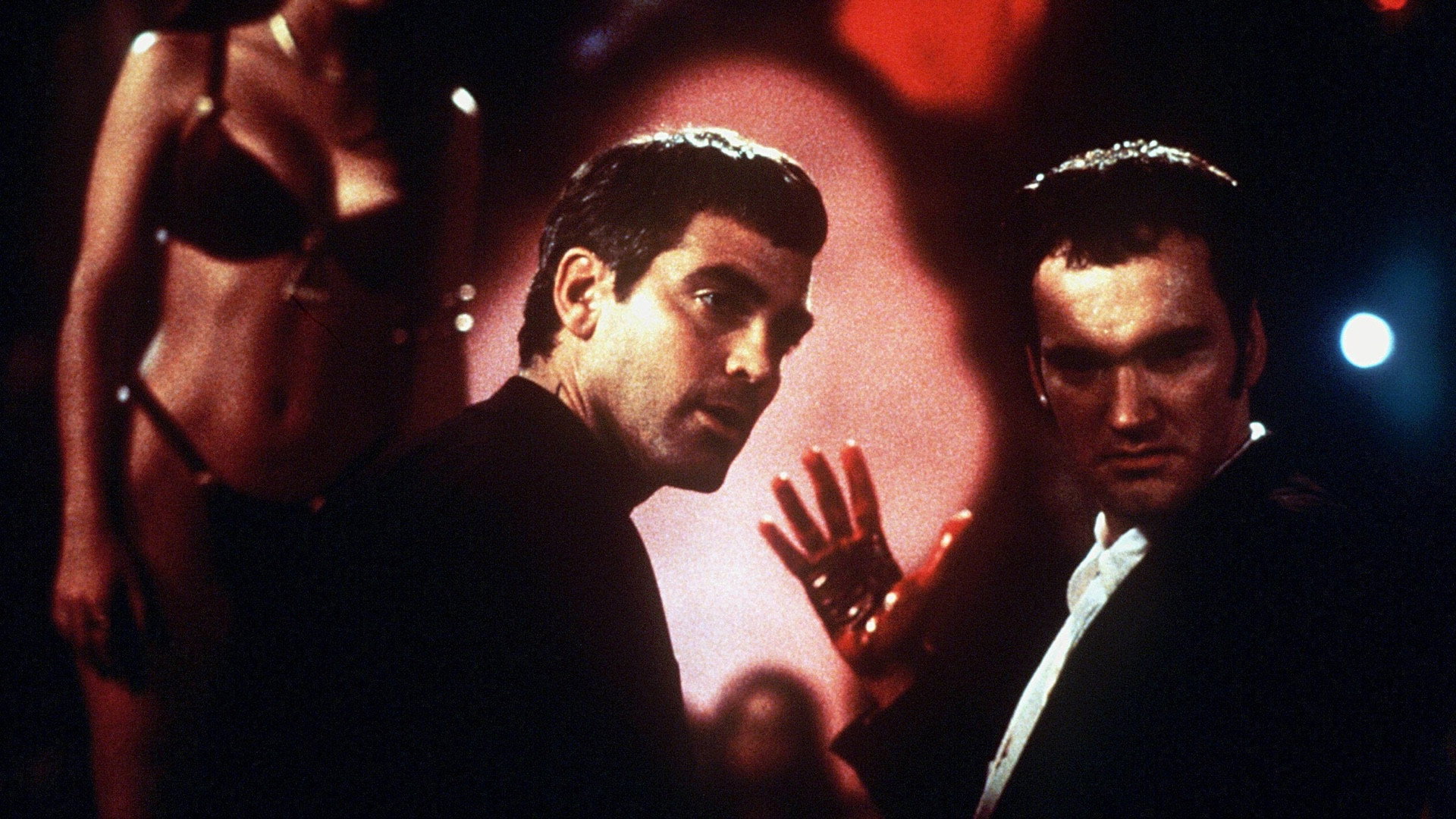
From Dusk Till Dawn (1996), directed by Robert Rodriguez from a screenplay by Quentin Tarantino, begins with two violent fugitives crossing the American Southwest and turns into a siege against vampires. George Clooney plays Seth Gecko, whose efforts to control his unstable brother Richie are inseparable from their willingness to threaten strangers. After taking former minister Jacob Fuller and his children hostage, the brothers enter Mexico and arrange to meet a contact at the Titty Twister, a roadside nightclub. Its staff and dancers reveal themselves as bloodthirsty creatures, forcing the criminals and their captives to fight together until sunrise.

The film grew from a story by practical-effects artist Robert Kurtzman, who wanted the abrupt change of genre to surprise viewers. Rodriguez brought a kinetic visual style to the material, while KNB EFX Group developed a gallery of individualized vampire designs. The clash between crime thriller and monster movie makes the film unusually revealing about how violence is treated in both genres: characters capable of brutality in the first half become prey in the second. Its production history, performances and divided contemporary reception are essential to understanding its place in 1990s horror.

Robert Kurtzman and the Origins of the Screenplay

Robert Kurtzman devised the basic story years before the completed feature entered production. In a 2026 interview with SYFY Wire, he recalled developing a contained siege narrative inspired by Assault on Precinct 13 and Night of the Living Dead. He wanted the audience to follow a recognizably criminal story before discovering that its apparent destination concealed a completely different threat. Kurtzman also cited the disruptive shock he experienced watching To Live and Die in L.A. as a model for overturning expectations. These are his documented creative references, rather than evidence that the film directly reproduces any particular sequence from those earlier works.

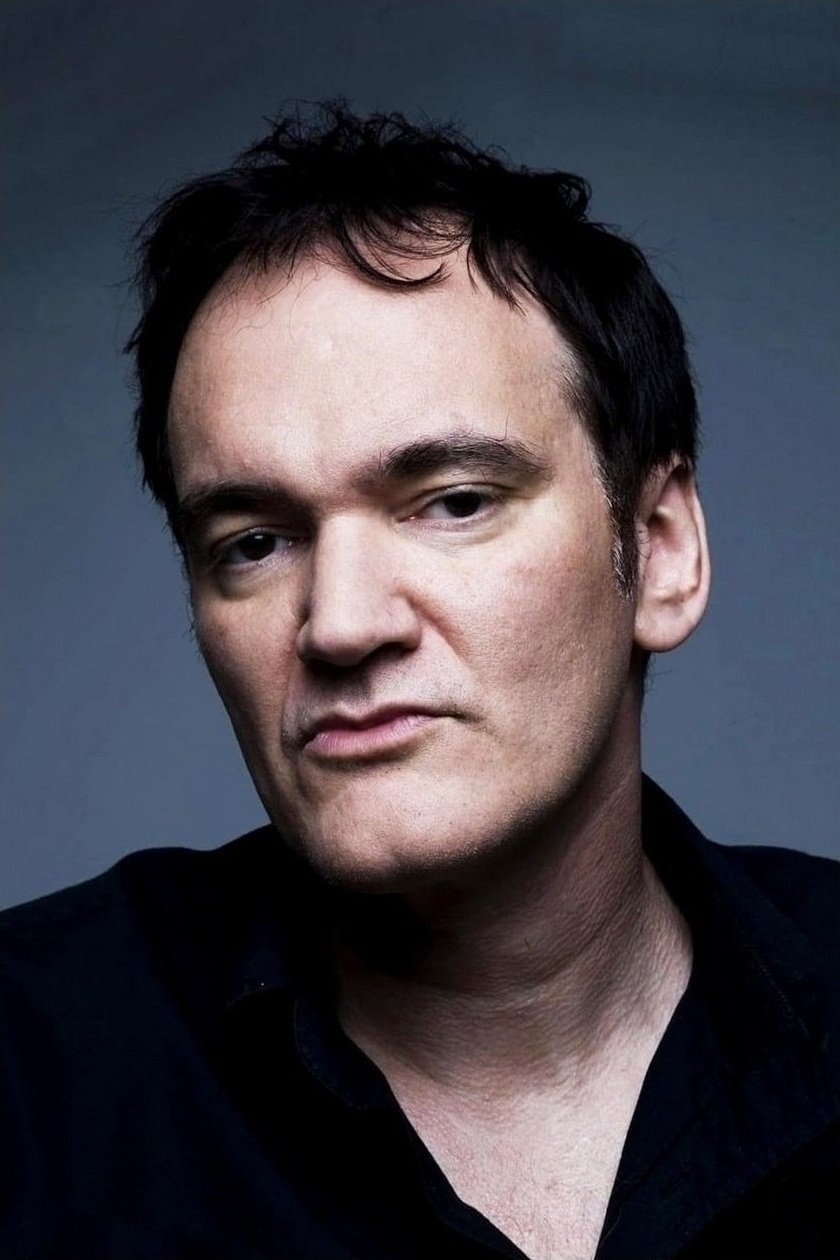
Quentin Tarantino entered the project while still establishing himself as a screenwriter. Kurtzman recalled paying him approximately $1,500 to turn the treatment into a screenplay. The arrangement also helped establish a relationship with KNB EFX Group, which later supplied the memorable ear-severing effect for Reservoir Dogs. Tarantino expanded the criminal characters, their dialogue and the long journey toward the promised nightclub. Kurtzman retained the original story credit, while Tarantino received the screenplay credit. The distinction matters: the collision between crime film and vampire siege originated with Kurtzman, although the film's verbal rhythms and much of its first act emerged from Tarantino's writing.

Kurtzman initially intended to direct a comparatively small independent production, but backers were reluctant to finance an unusual script under an untested director. After Rodriguez became interested following Desperado, Kurtzman agreed to a larger-scale version. He identified two conditions of the new arrangement: KNB would create the creature effects, and he would retain a producing and story credit. This sequence explains why the finished film combines three prominent creative identities without treating their contributions as interchangeable.
Crime-Film Construction and Rodriguez's Direction

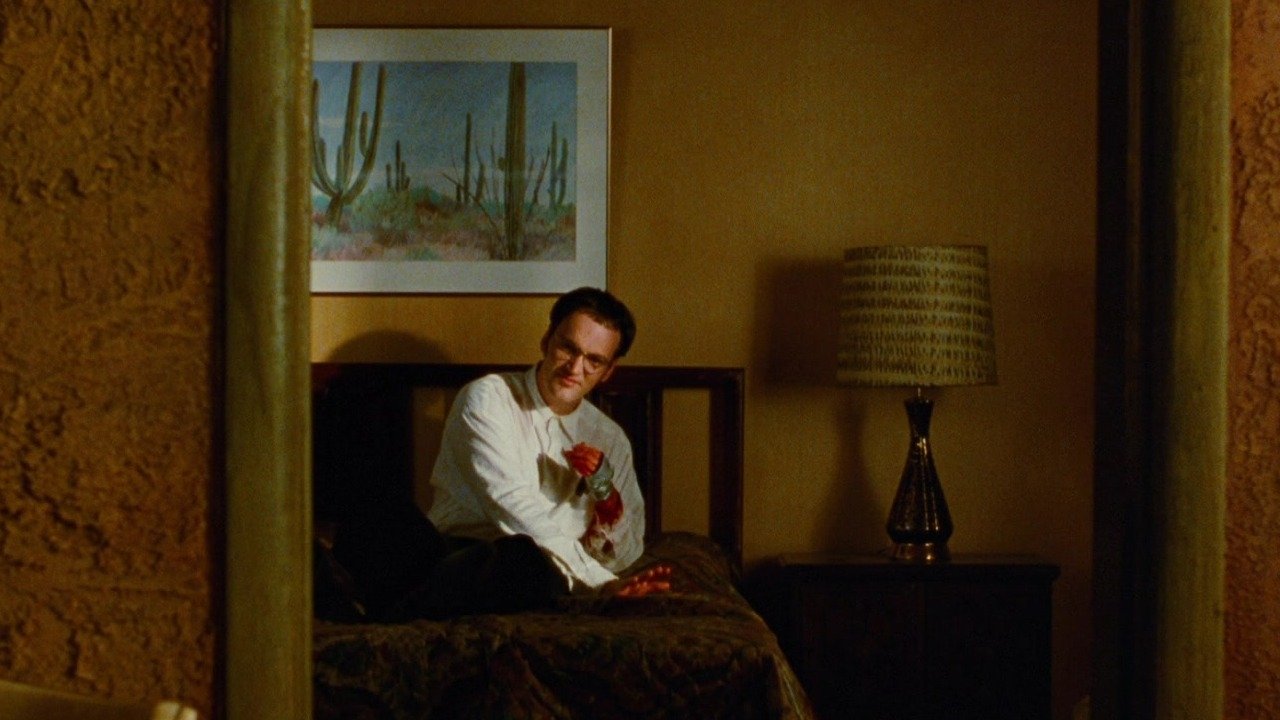
The first stretch is organized around escape, pursuit and the steadily worsening behavior of the Gecko brothers. The violent convenience-store opening introduces Seth as an efficient criminal whose control can collapse under pressure, while Richie's volatility creates an ongoing danger to everyone around him. Television reports and police attention establish the consequences of their crimes outside the immediate frame. The brothers' journey toward Mexico supplies a fixed destination, yet it remains uncertain whether Seth can keep his companion from provoking further violence before they reach it. These mechanisms belong to the crime thriller long before any overtly supernatural event is introduced.

Rodriguez's direction brings forceful camera movement, quick transitions and sharp shifts in physical scale to Tarantino's dialogue-heavy situations. Guillermo Navarro photographed the feature, while Rodriguez handled the editing. Motels, roads and border crossings appear as temporary spaces whose occupants have limited reasons to trust one another. When the story reaches the nightclub, that established suspicion has a practical consequence: the group enters a strange environment already accustomed to negotiating through threats.

The screenplay's leisurely movement toward the border is vital to the later reversal. Seth regards Mexico as a potential refuge from the authorities, and the promised meeting at the bar seems to belong to an ordinary criminal arrangement. A viewer who accepted the first hour as a self-contained crime movie must suddenly reconsider the narrative's rules. Rodriguez later explained that he added suggestions of Mesoamerican mythology, including the snake imagery and the closing view of a temple, to give the supernatural setting an older history. Those details enrich the film, but their more elaborate explanation belongs to the later television adaptation rather than to this feature.

The Geckos, the Fullers and Moral Conflict

George Clooney's Seth combines managerial authority with an erratic sense of obligation. He can organize a dangerous escape and bargain with other criminals, but his professed limits do little to protect the people he has already kidnapped. Tarantino's Richie is more openly unpredictable, responding to perceived insults and imagined sexual attention with threatening behavior. Their brotherhood prevents Seth from fully confronting the damage Richie causes. The two performances make the first half uncomfortable because the audience remains close to men who are violent long before they confront a supernatural enemy. Their eventual survival struggle does not retroactively make their earlier actions harmless.

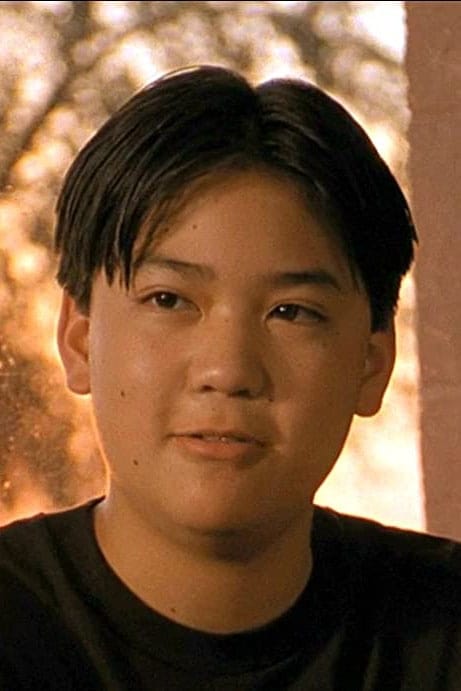
Harvey Keitel plays Jacob Fuller, a former minister who has lost his faith after a personal tragedy, while Juliette Lewis and Ernest Liu play his children Kate and Scott. The Fullers initially occupy the position of captives whose safety depends on people they cannot trust. Their family bond becomes more significant once the nightclub reveals its true nature. Jacob's familiarity with religious language, once apparently useless, acquires immediate practical relevance against the vampires. Keitel's restraint gives his change of purpose weight, while Kate gradually develops from a threatened passenger into a capable participant in the defense.

The film complicates identification by forcing the two families into a temporary alliance. Seth can be resourceful under attack without becoming an innocent protector, and Jacob's moral authority is challenged by the need to cooperate with criminals. Kate and Scott have no responsibility for the circumstances that brought them to the bar, yet they must confront the consequences of adult decisions. The eventual losses leave survival as a costly outcome rather than an uncomplicated victory.

The Titty Twister and the Genre Transformation

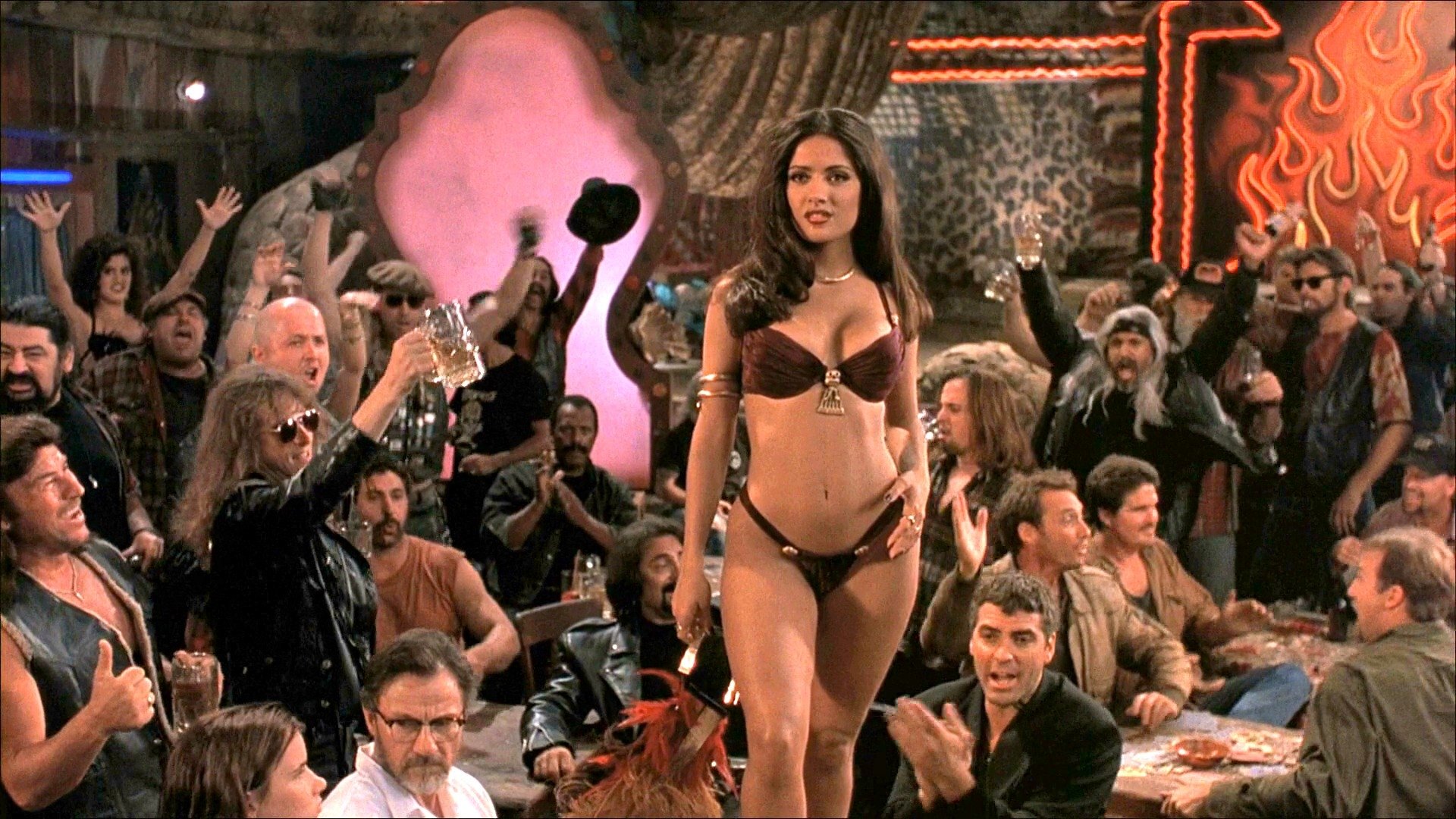
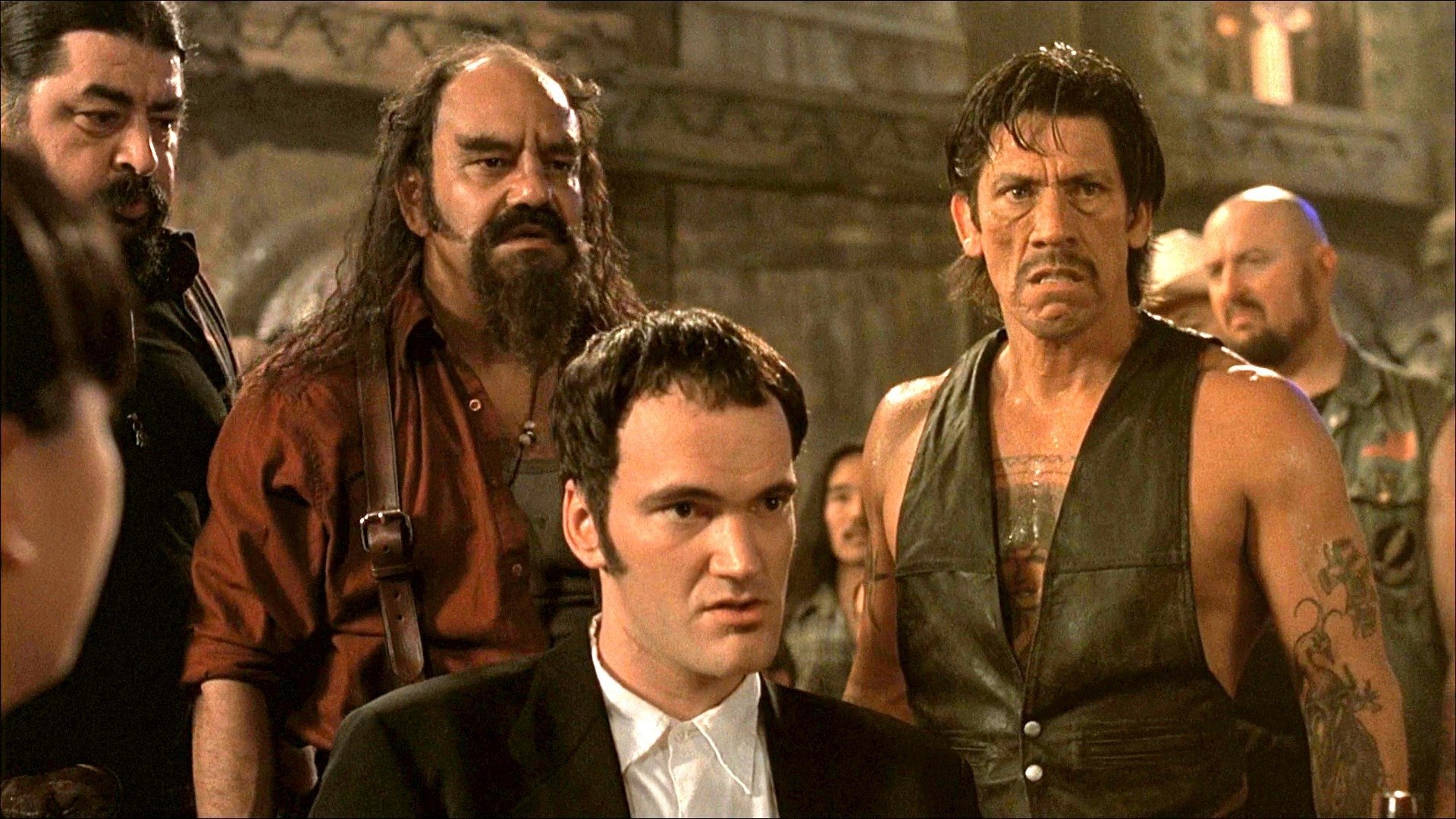
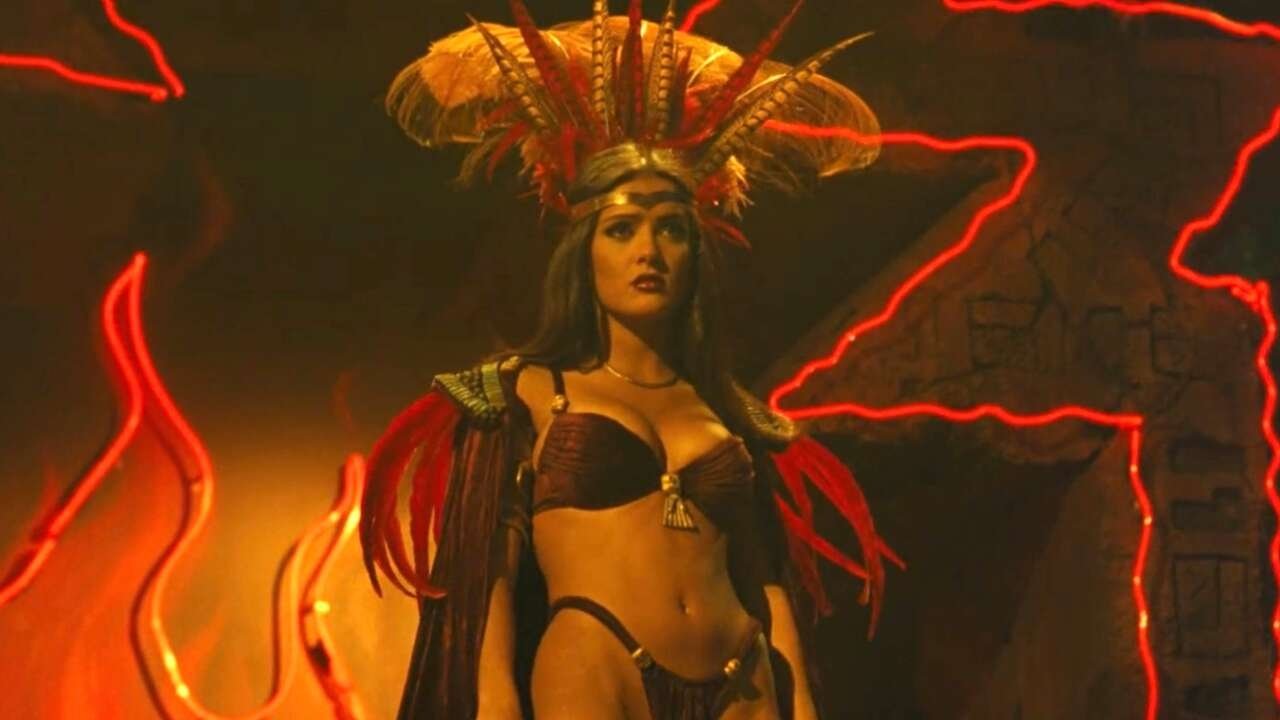
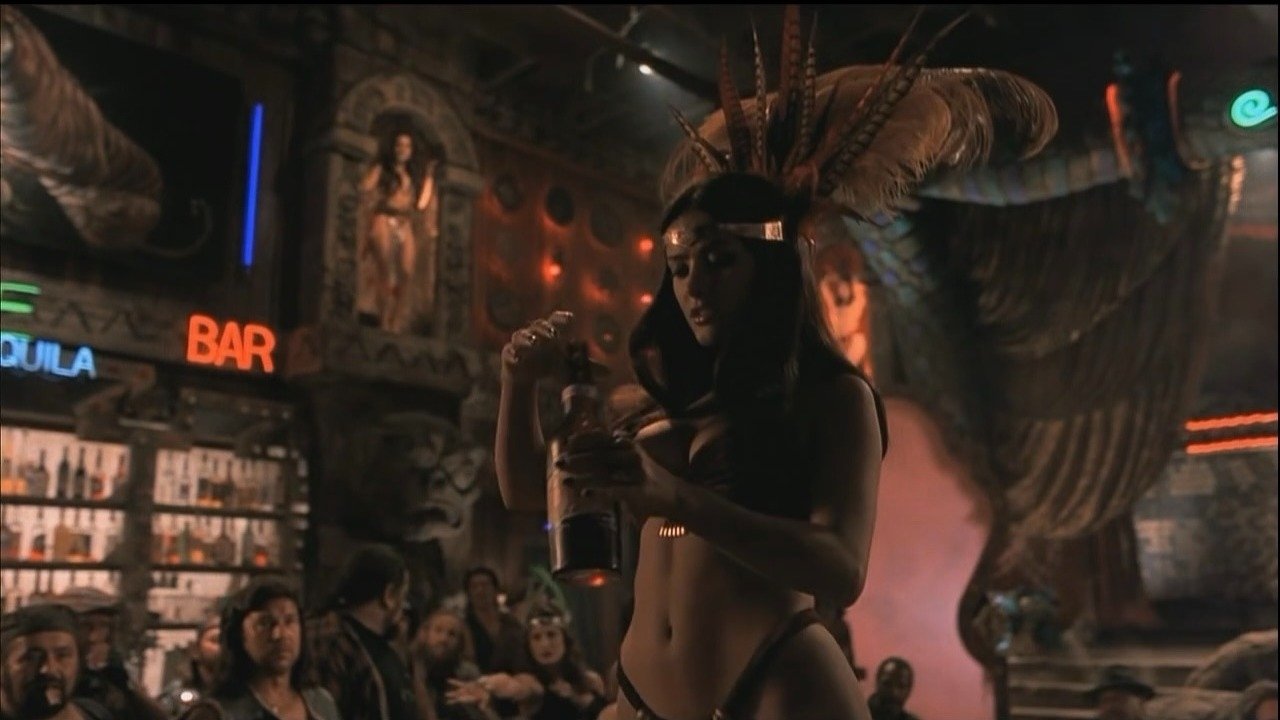
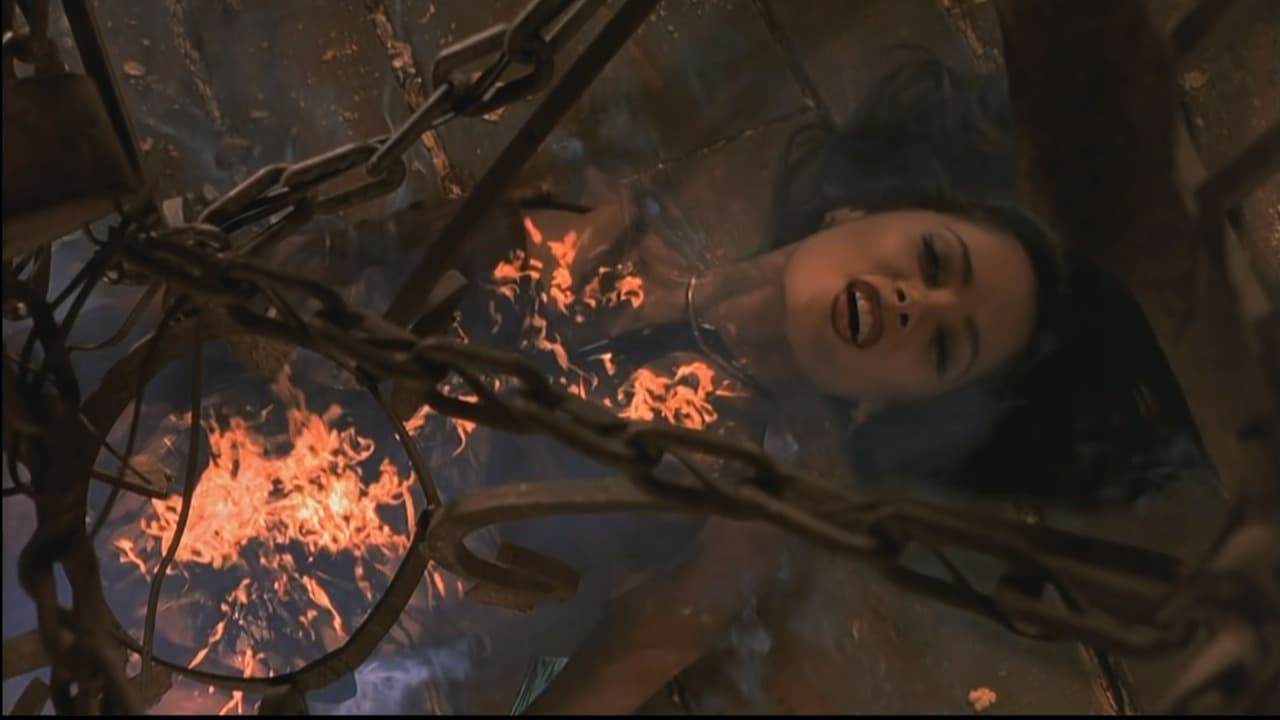
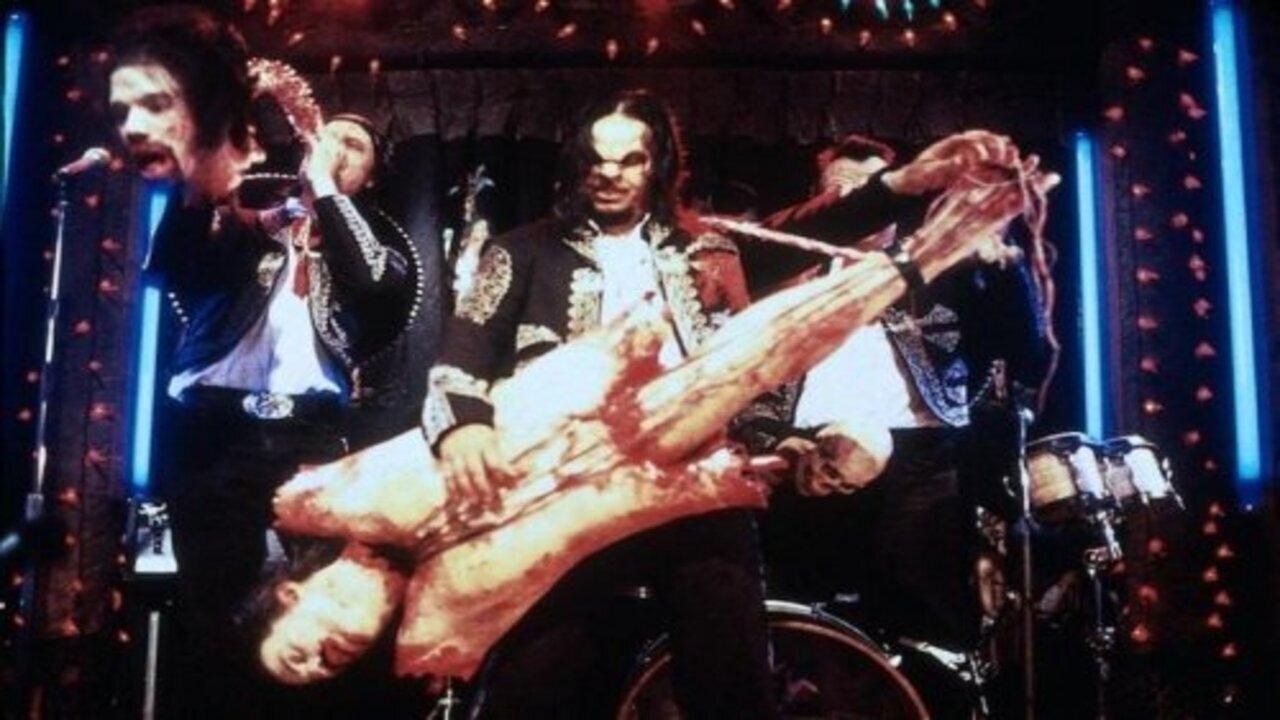
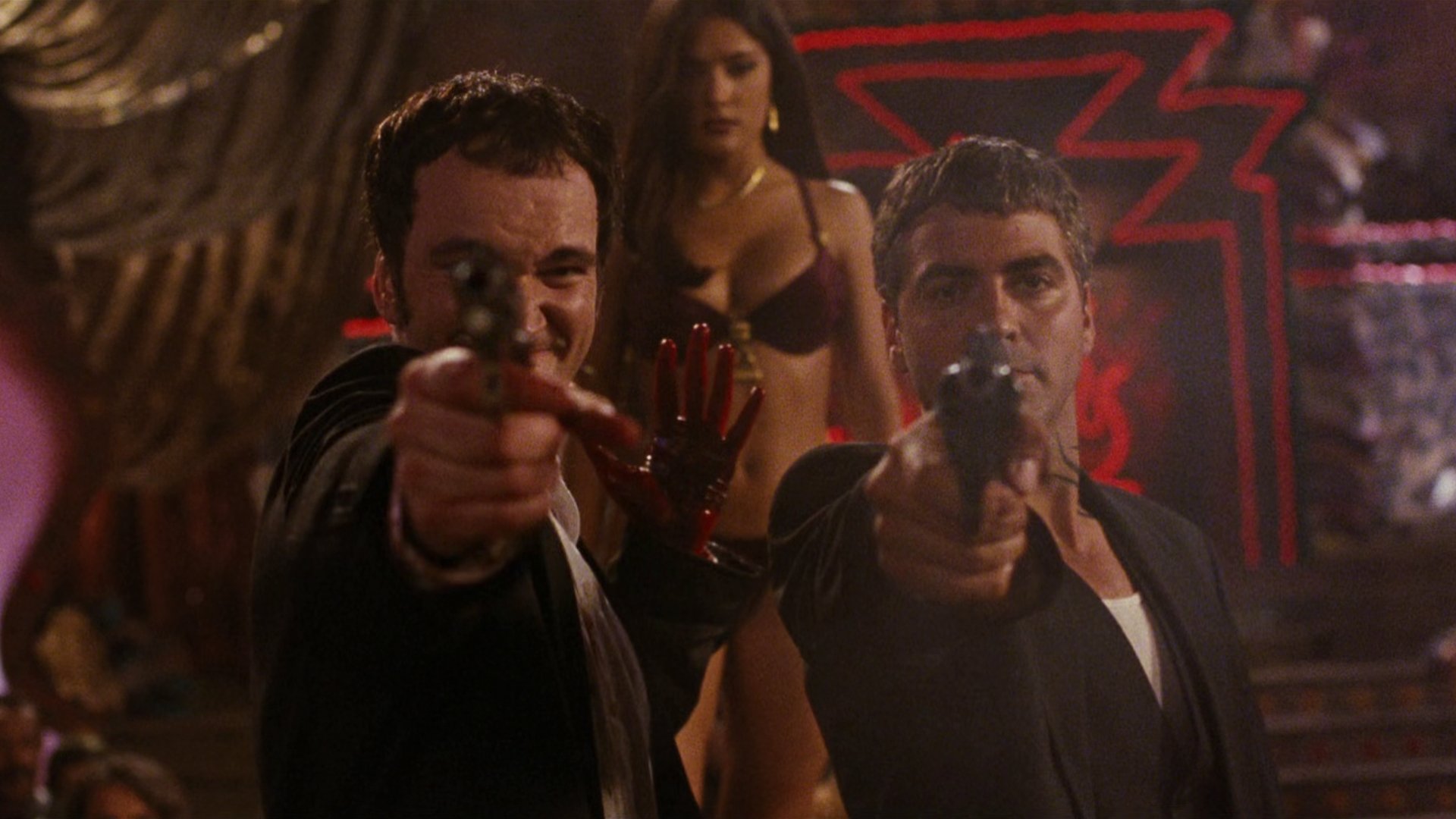
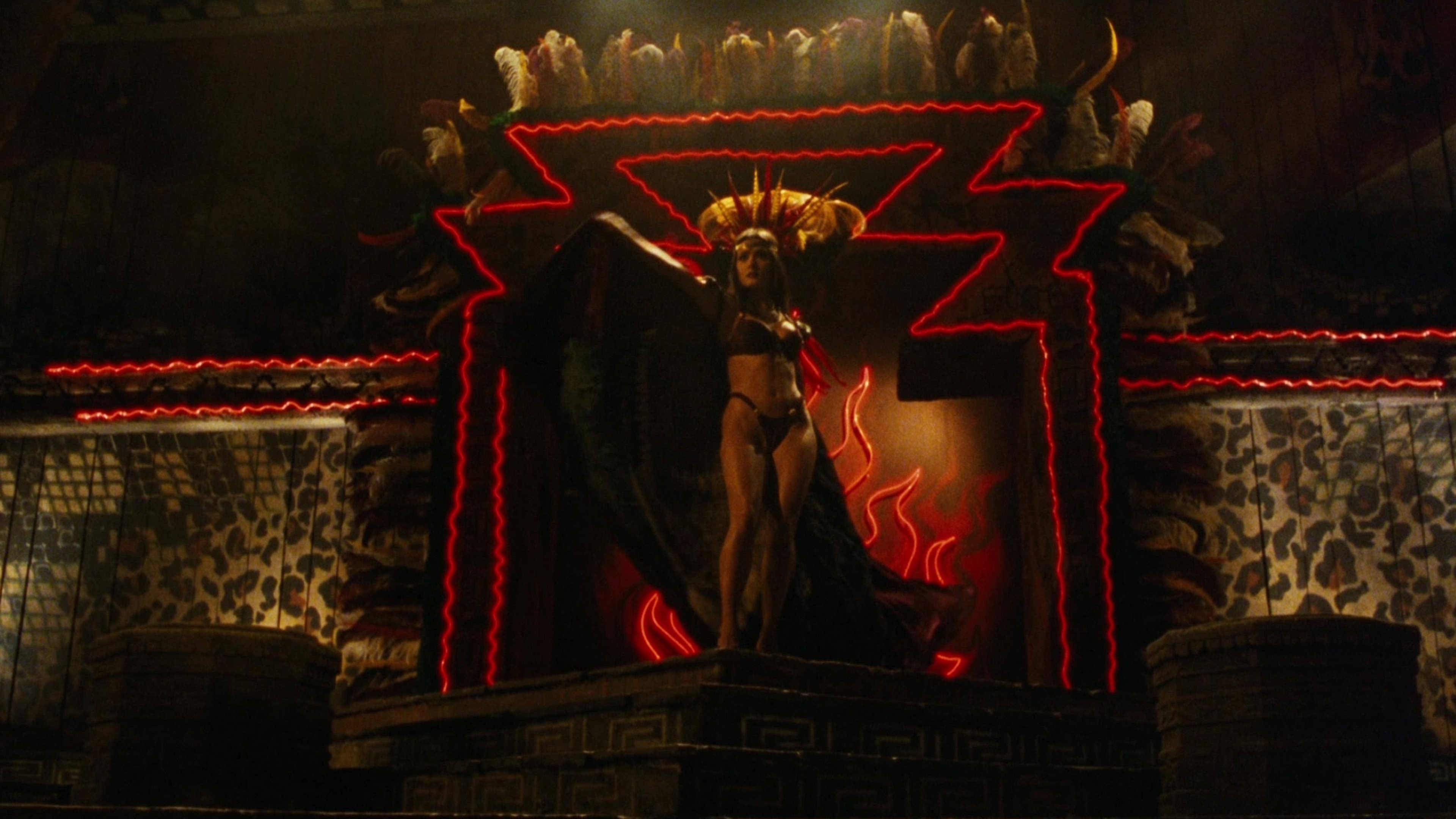
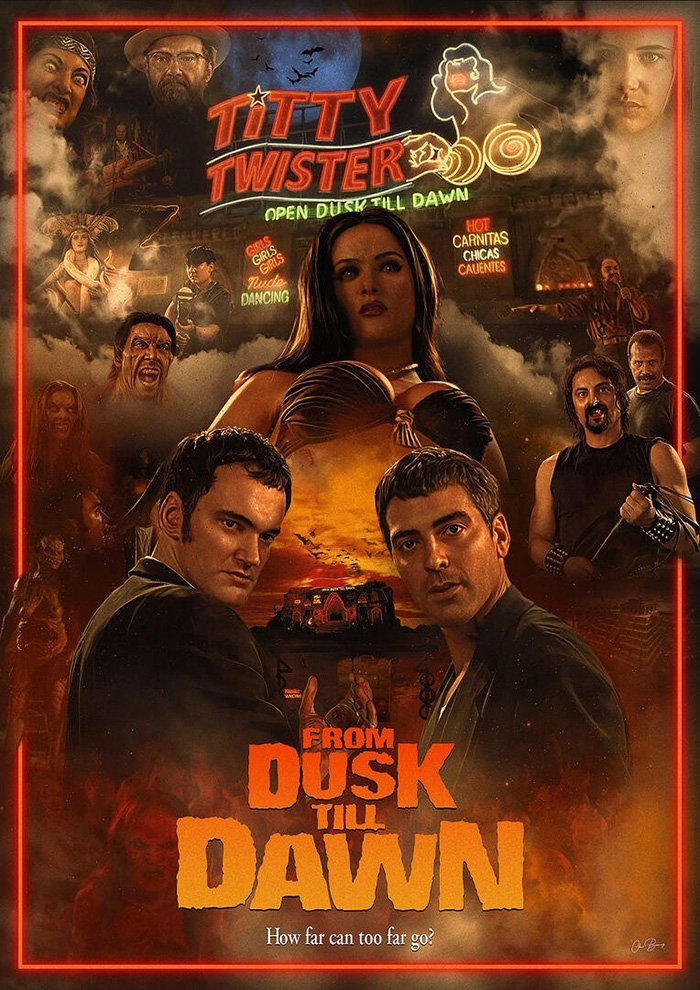
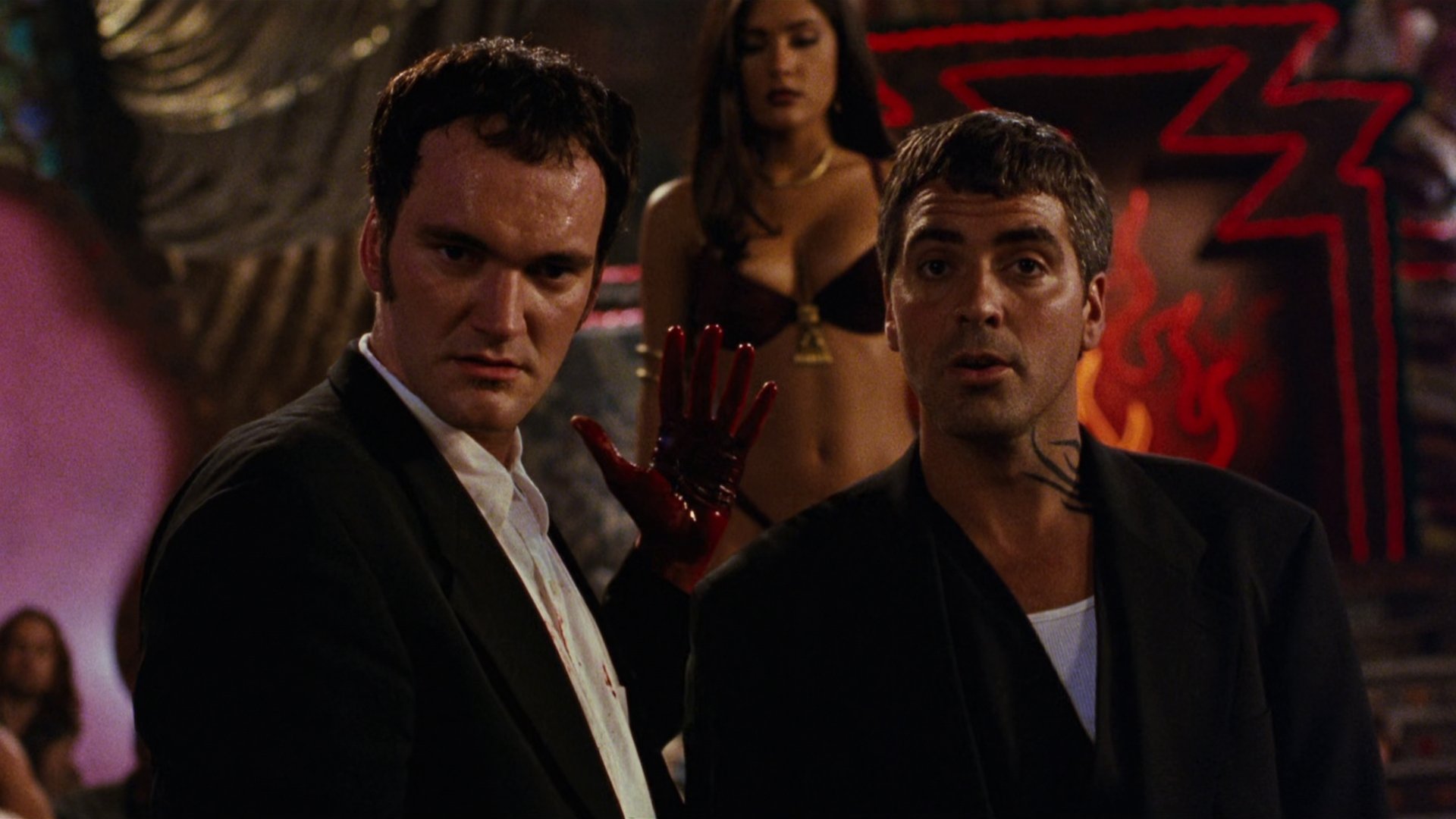
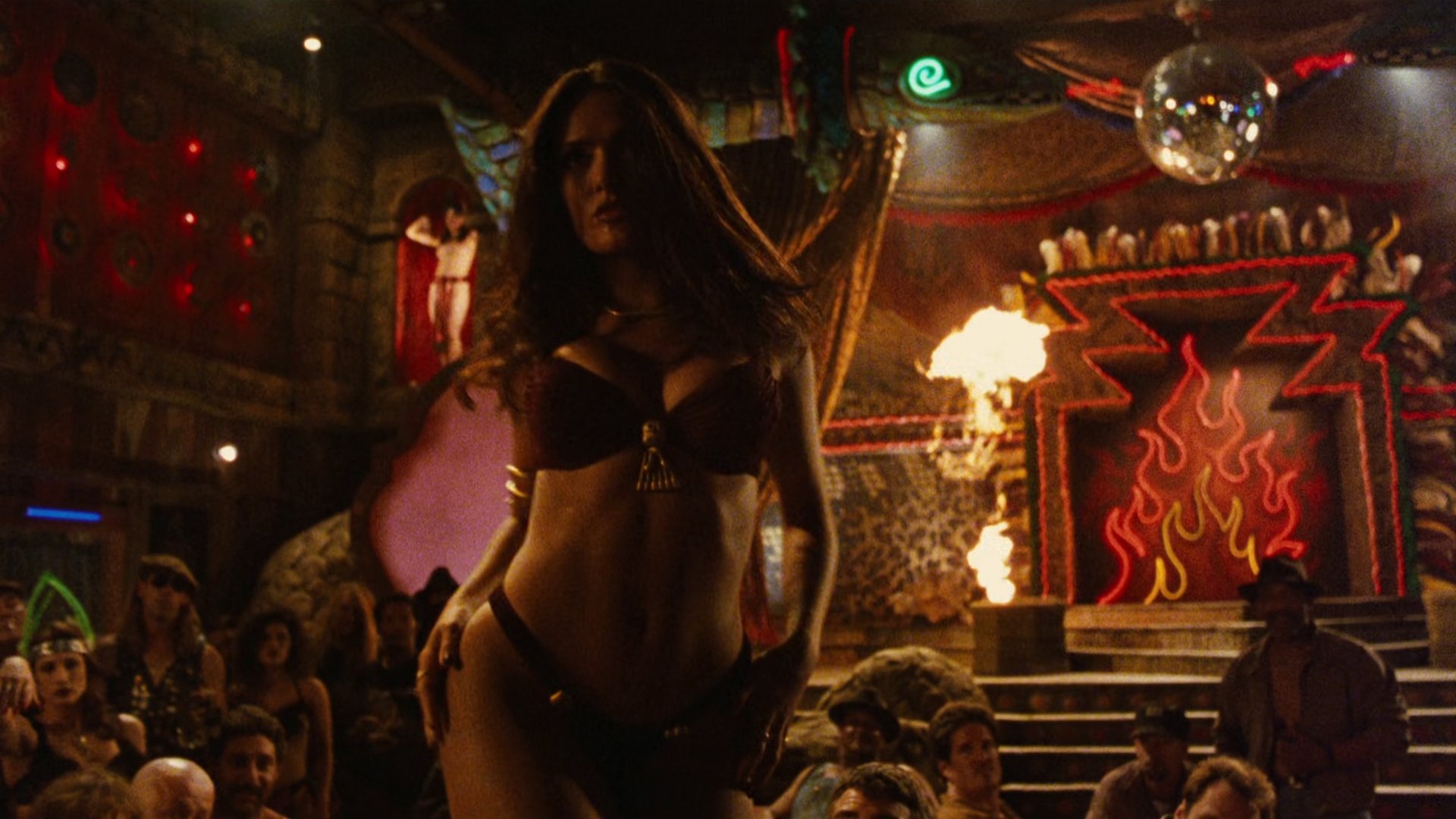
The Titty Twister is introduced as a rough drinking establishment filled with truck drivers, bikers and performers. Its doorman and staff challenge the newcomers, while the stage provides a deliberately lurid focus for the room. The bar is initially understood through social hierarchy: armed criminals, aggressive patrons and employees who appear capable of enforcing their own rules. Rodriguez allows these confrontations to develop in an environment that seems dangerous for entirely human reasons. The transformation begins when Santanico Pandemonium attacks Richie, and the staff and dancers disclose monstrous faces and appetites.

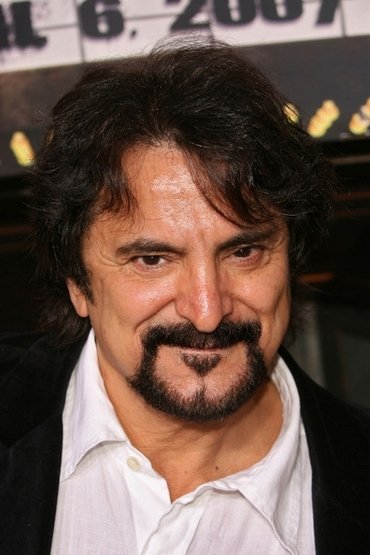
What follows is built on a siege structure. Survivors who were previously competing for space and authority must identify the properties of their attackers, secure entrances and improvise weapons. The confusion of the initial assault gives way to a series of practical questions: who has been bitten, which objects can be used defensively and how long the group can withstand additional creatures. Tom Savini's Sex Machine and Fred Williamson's Frost become important temporary allies, bringing familiar action- and horror-film presences into the combat. Their participation also makes the eventual spread of infection through the surviving group more destabilizing.

The abrupt change was a central source of disagreement among early reviewers. It refuses the normal expectation that the threats introduced at the beginning will determine the entire story. The brothers' criminal mission becomes irrelevant once the creatures emerge, yet the earlier characterization remains consequential. Seth must confront Richie's death and the limits of his authority, while Jacob's crisis of faith takes on a physical dimension. The film's willingness to abandon one kind of suspense in favor of another is its principal formal experiment; the second half does not merely add monsters to a crime plot already continuing unchanged.

KNB EFX and the Practical Vampire Creatures

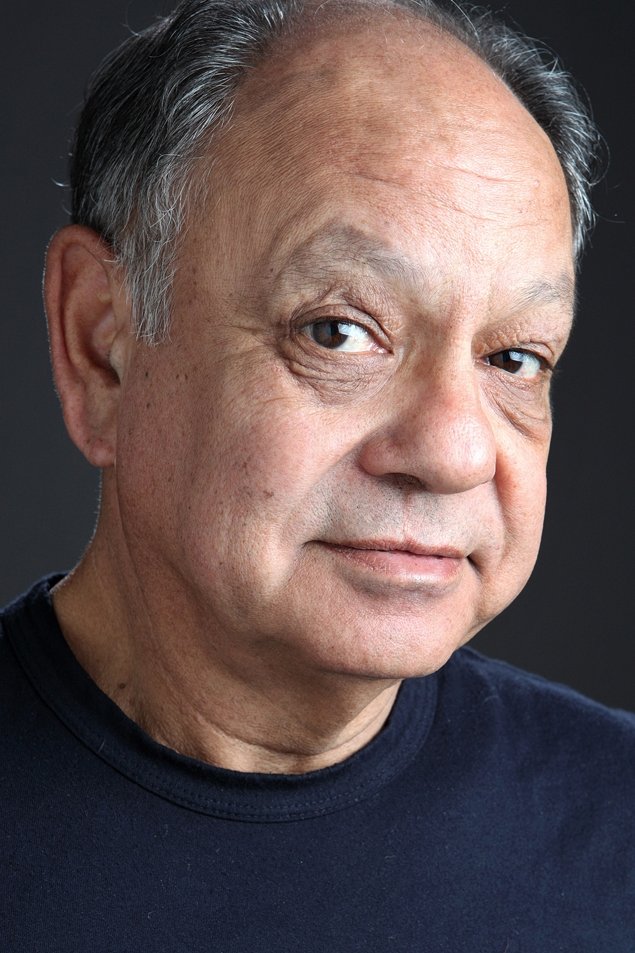
KNB EFX Group, founded by Robert Kurtzman, Greg Nicotero and Howard Berger, supervised the practical creature work. In a 2014 Fangoria interview, Nicotero explained that the team had roughly six months to design and construct the film's vampire effects. The artists concentrated on making the monsters distinct rather than producing one repeated facial appliance. He specifically recalled designs for Tarantino, Danny Trejo and Cheech Marin that emphasized the performers' recognizable features. The resulting creatures have different exaggerated mouths, foreheads and skin textures, so the nightclub's population does not become a crowd of visually identical attackers.

The design process treated transformation as an extension of each character's appearance. A patron who looked distinctive while human might become an equally individual creature, and the discovery of a bite can alter the audience's understanding of a previously dependable ally. Physical appliances, costumes, prosthetic heads and constructed gore effects allow performers and stunt artists to react to tangible objects on set. Digital techniques assisted some transformations, particularly where a change could not be achieved in one continuous physical action. The film belongs to a period in which practical makeup and emerging digital methods frequently complemented one another rather than existing as mutually exclusive production choices.

Sex Machine's later mutation into a ratlike vampire is a conspicuous example of the creature team's extravagant approach, while the burning and destruction of other vampires add successive bursts of physical spectacle. Nicotero has explained that the film's original designs were less dependent on a detailed ancient mythology than those created for the 2014 series. That distinction matters when interpreting the creatures: the movie foregrounds grotesque variety and the urgency of survival, whereas the television adaptation adds more systematic explanations of their origins. The practical work helped establish the 1996 film as a showcase for KNB's sculptural approach to horror.
Santanico Pandemonium, Music and Visual Style

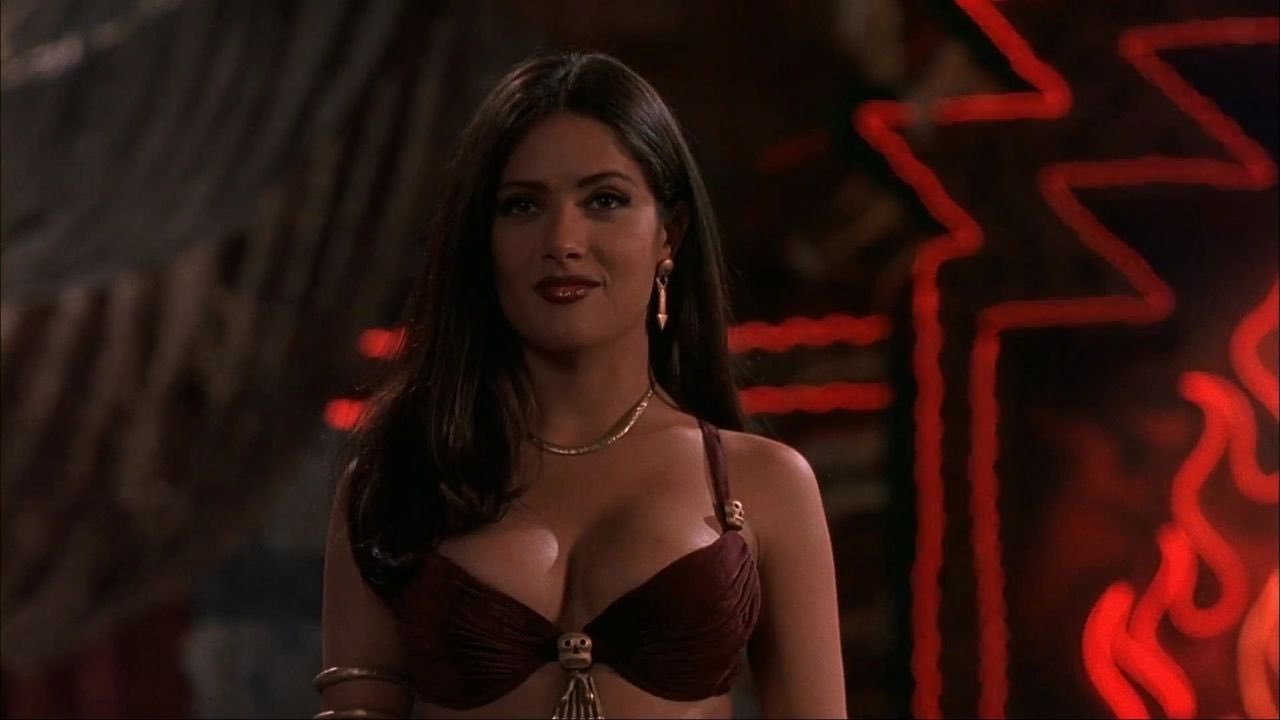
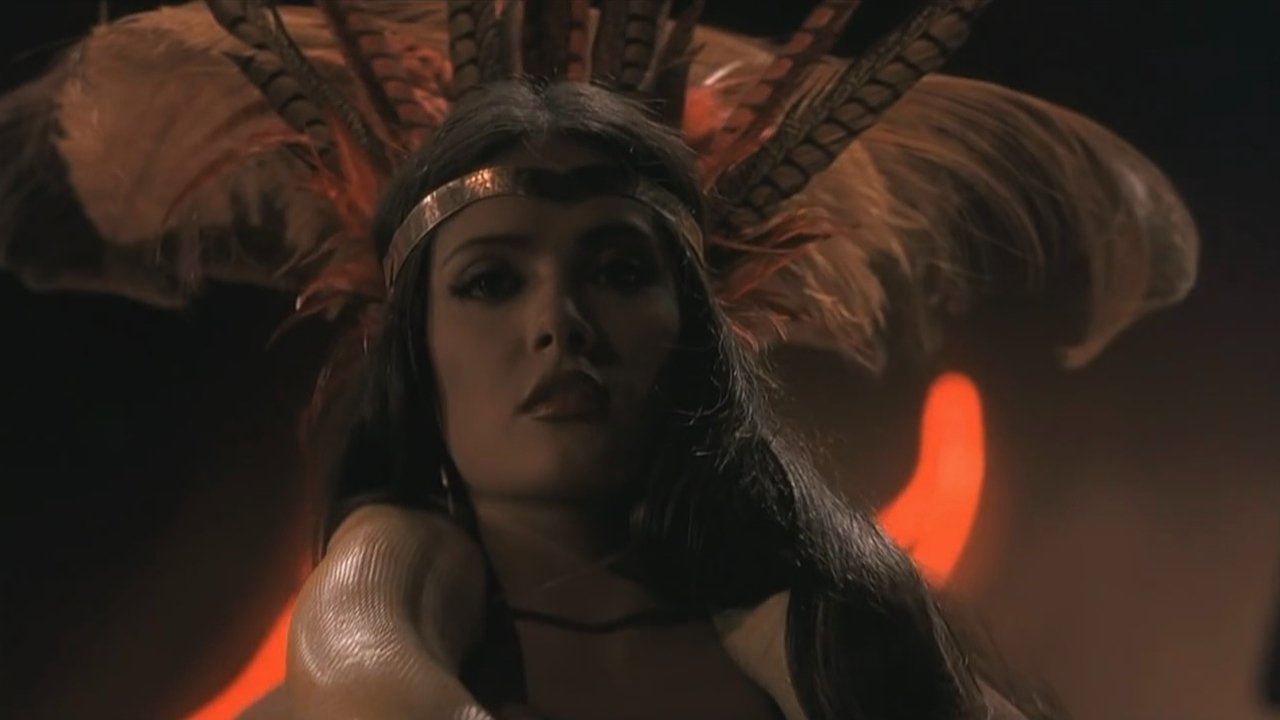
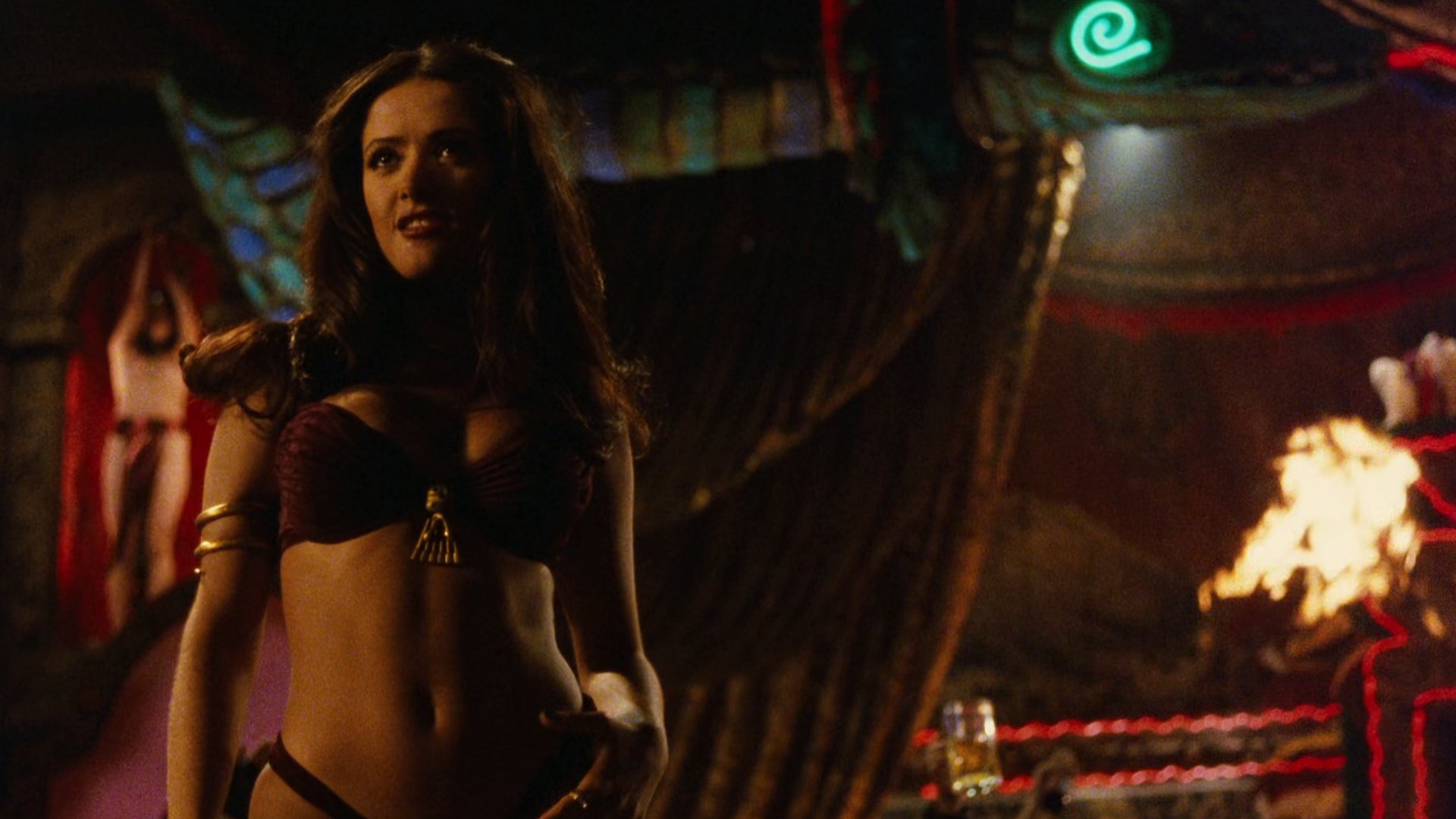
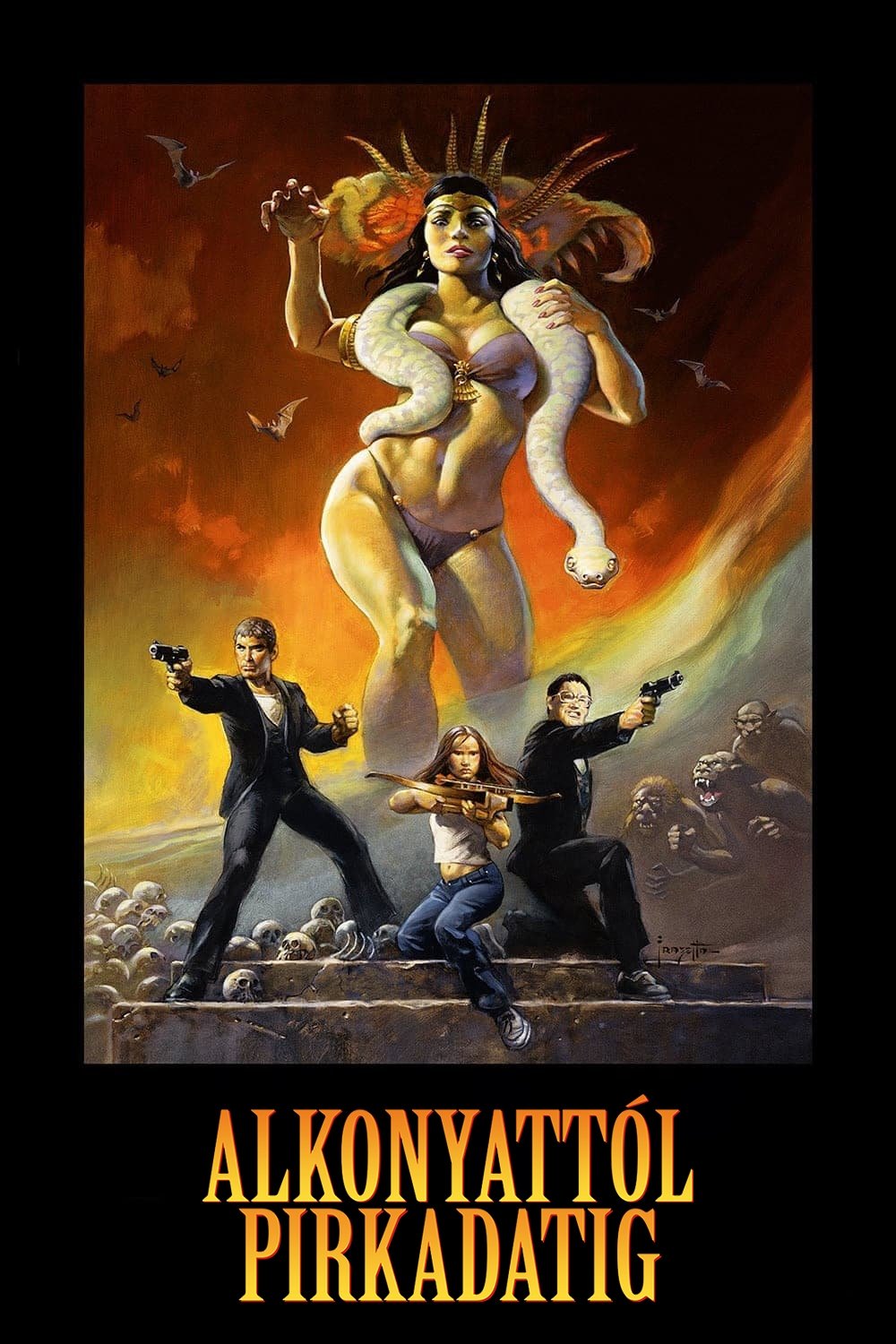
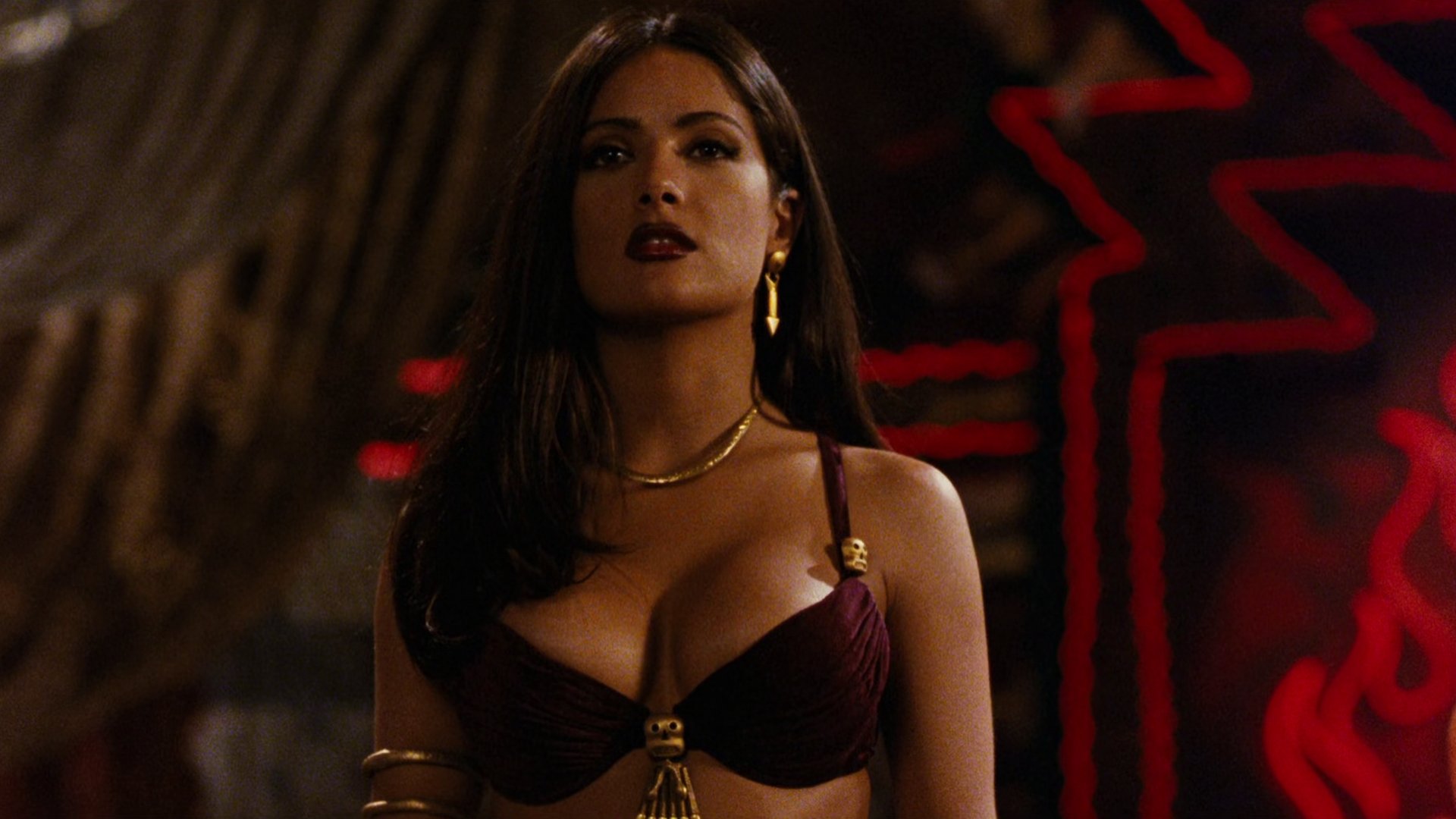
Salma Hayek's Santanico Pandemonium provides the nightclub's pivotal performance. Her dance, accompanied by a snake, interrupts the escalating tension among the human patrons before its culmination reveals the supernatural nature of the establishment. Hayek later described the sequence as especially difficult because she had a severe fear of snakes and learned of the requirement after accepting the role. In a 2018 interview with W, she recalled working to manage the fear and preparing herself mentally for the scene. The account is her own recollection of the experience; it does not require inventing additional hazards or rehearsals that she did not document.
The music moves between contemporary American roots styles and more aggressive scoring. Graeme Revell composed the original score, while recorded material contributes strongly to the film's sense of region and atmosphere. The Blasters' Dark Night accompanies the earlier road narrative, and Tito & Tarantula perform during the Titty Twister sequence, including After Dark. These selections give the bar an identity as a performance venue before the supernatural revelation changes how its occupants are seen. Music is consequently part of the genre transition, helping the crime-film landscape and the enclosed monster spectacle occupy different emotional registers.

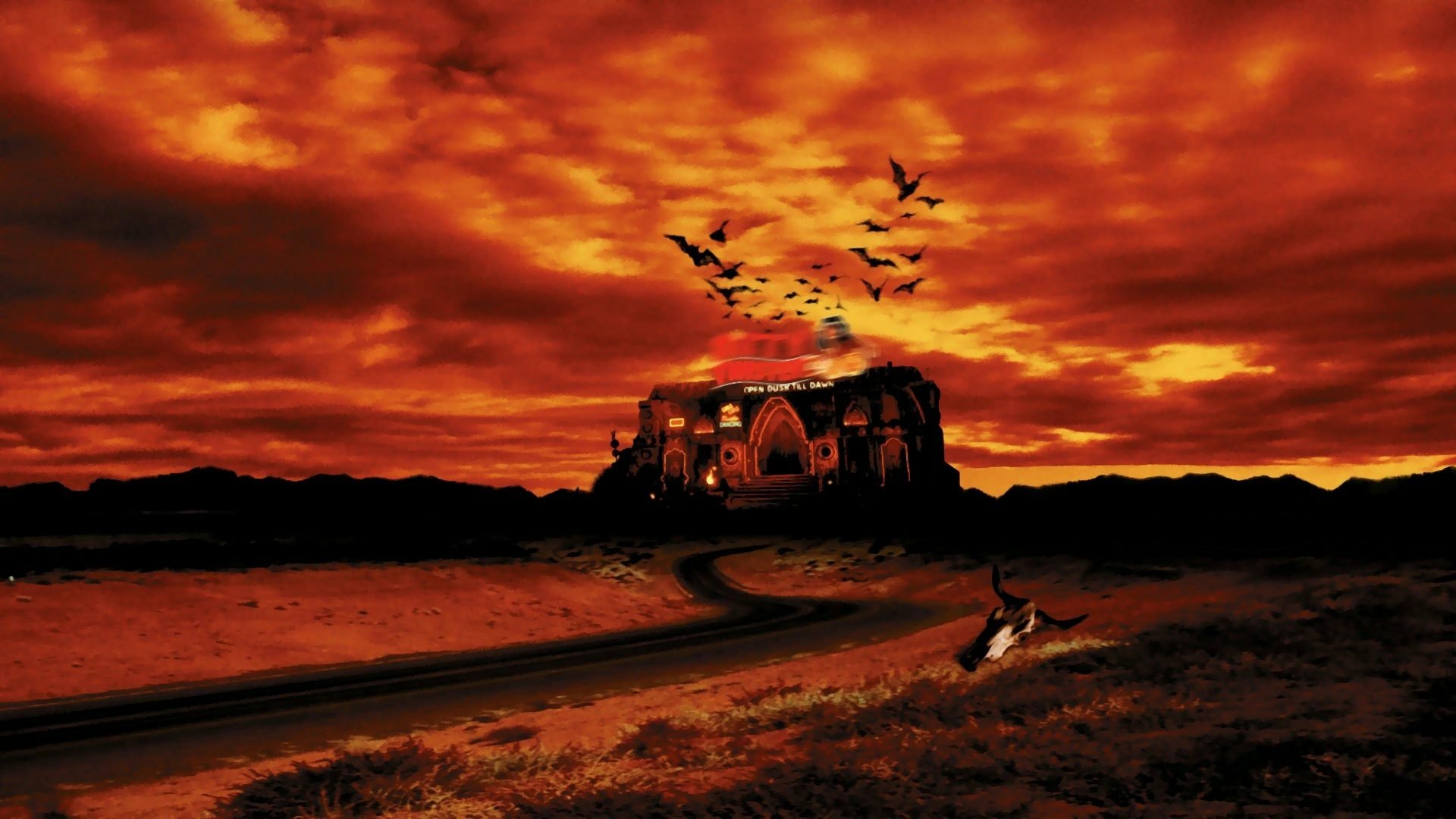
Production designer Cecilia Montiel and cinematographer Guillermo Navarro supply a visual contrast between the exposed desert journey and the nightclub's enclosed interiors. Once inside the bar, entrances, windows and the stage become features of a defensive battlefield. The final exterior reveal shows the establishment above a vast buried temple, suggesting an older history than its roadside facade disclosed. Rodriguez later said that he had introduced the Mesoamerican references as a foundation that could be expanded. The film presents that connection primarily through imagery rather than a detailed historical account.

Vampire Rules, Faith and the Ending

The vampires are vulnerable to sunlight, stakes and holy water, giving the survivors a collection of practical defenses drawn from familiar folklore. Religious symbols become useful when Jacob, the former minister, confronts the beliefs he has abandoned. The group improvises weapons from objects found in the building and prepares to fight creatures that can increase their numbers through bites. The effectiveness of these measures allows moments of frantic comedy, but the underlying threat remains serious: infection can turn a trusted companion into an attacker with very little warning. The problem of recognizing who is still human becomes as important as controlling the doors.

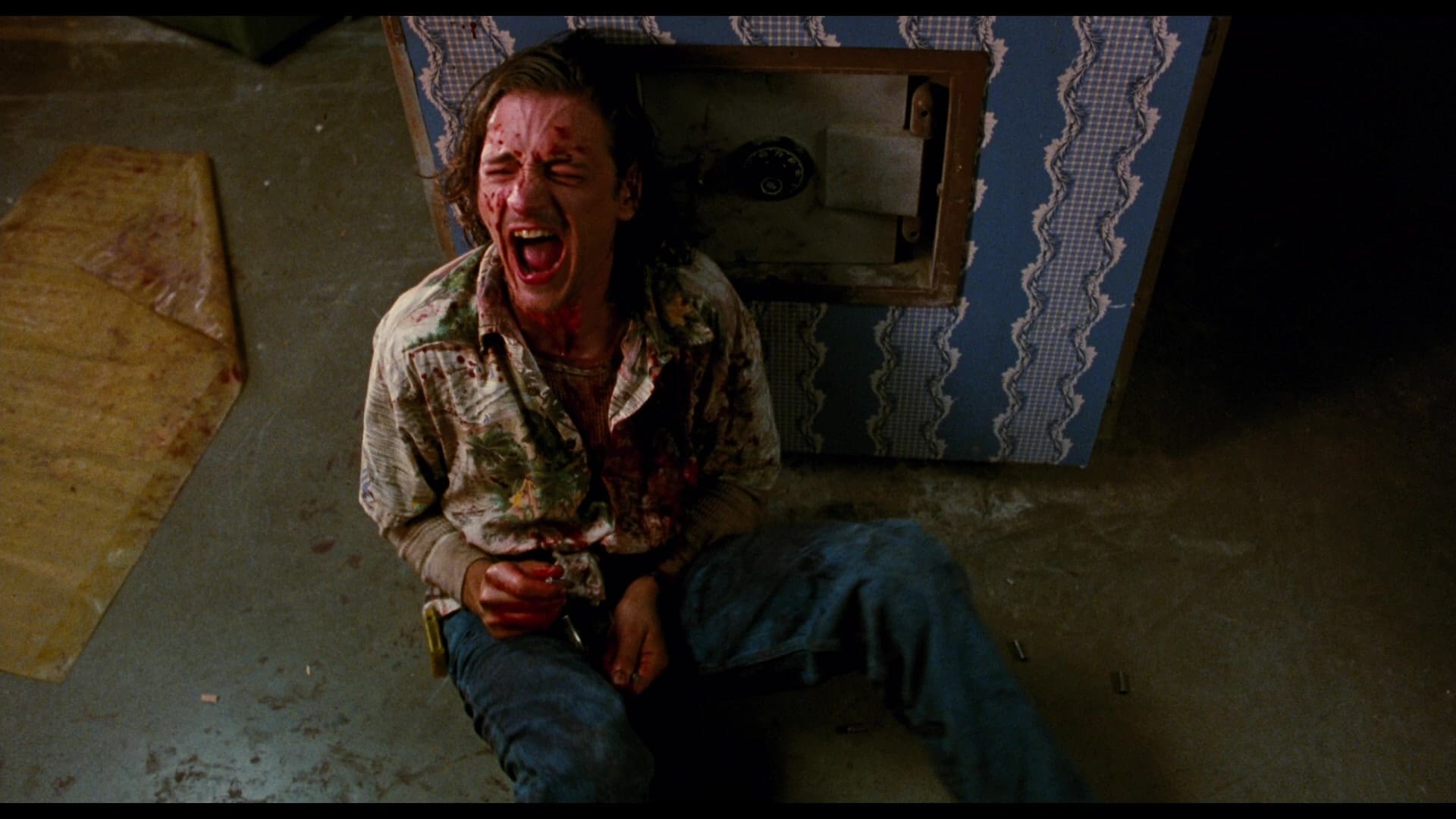
The siege destroys the temporary coalition. Seth is forced to kill Richie after his brother becomes a vampire. Jacob is bitten, and the children must face the prospect of their father's transformation; Scott subsequently becomes another victim of the fighting. Kate's survival demands actions she would never have contemplated during the earlier hostage journey. The supernatural violence therefore reaches back into the human relationships established before the film's change of genre. The deaths are not just opportunities for makeup effects: each one reduces the group, alters its moral responsibilities and makes the approaching sunrise more urgent.

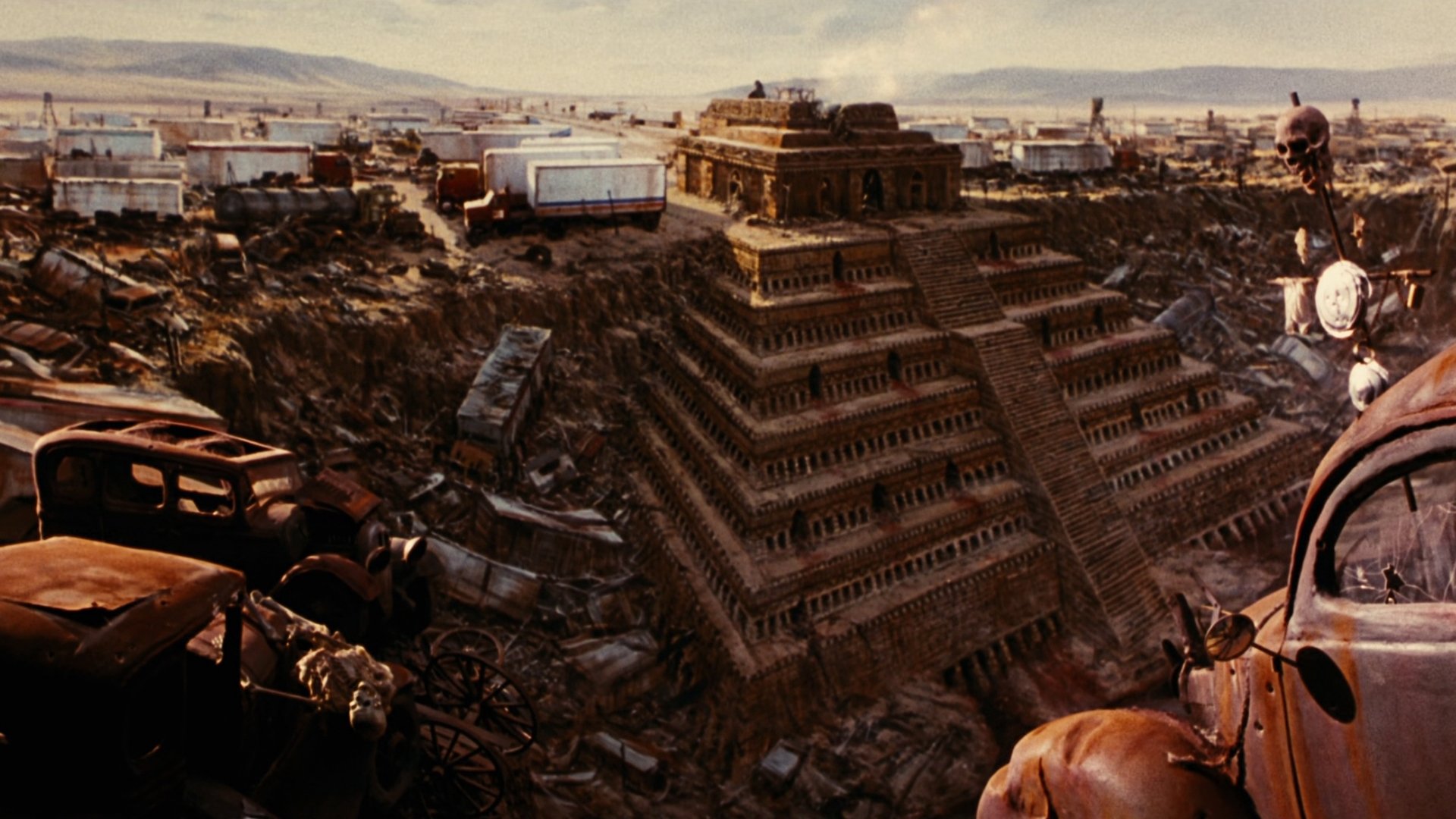
At daybreak, Carlos and his associates arrive for the intended criminal rendezvous and help expose the vampires to sunlight. Seth and Kate leave alive, but he refuses her offer to accompany him farther into the criminal world and instead sends her away with money. Their separation preserves a limit between the two characters without canceling what Seth did before entering the bar. The closing camera movement exposes the nightclub as the visible top of an enormous temple-like structure surrounded by abandoned vehicles. Its scale suggests repeated predation extending beyond the single night, while the precise history of the site remains unexplained within the 1996 film.

Release, Contemporary Reception and Franchise Afterlife

Dimension Films released From Dusk Till Dawn in the United States on January 19, 1996, with an R rating and a running time of approximately 108 minutes. The film opened at the top of the domestic weekend box-office chart, taking roughly $10.2 million over its first three days. Its final North American gross was approximately $25.7 million in the principal theatrical accounting. Published production-budget estimates vary around $19 million to $20 million, and international revenue records are incomplete; these figures cannot be combined into a reliable worldwide profit calculation. The film's American opening nevertheless demonstrates significant initial commercial interest in its unusual premise and recognizable cast.

Contemporary critics were sharply divided. In his January 19 review for the Los Angeles Times, Jack Mathews treated the film as a deliberately mismatched combination of crime drama and a vampire spectacular, noting the energy of Clooney's performance and Tarantino's dialogue while questioning the coherence of the result. Other reviewers admired its unabashed exploitation-film enthusiasm or considered the second half exhausting. These reactions concern the original release, and they should be distinguished from later fan enthusiasm. The film's structural change was already central to the critical debate in 1996; it was not a feature invented by subsequent cult reassessment.

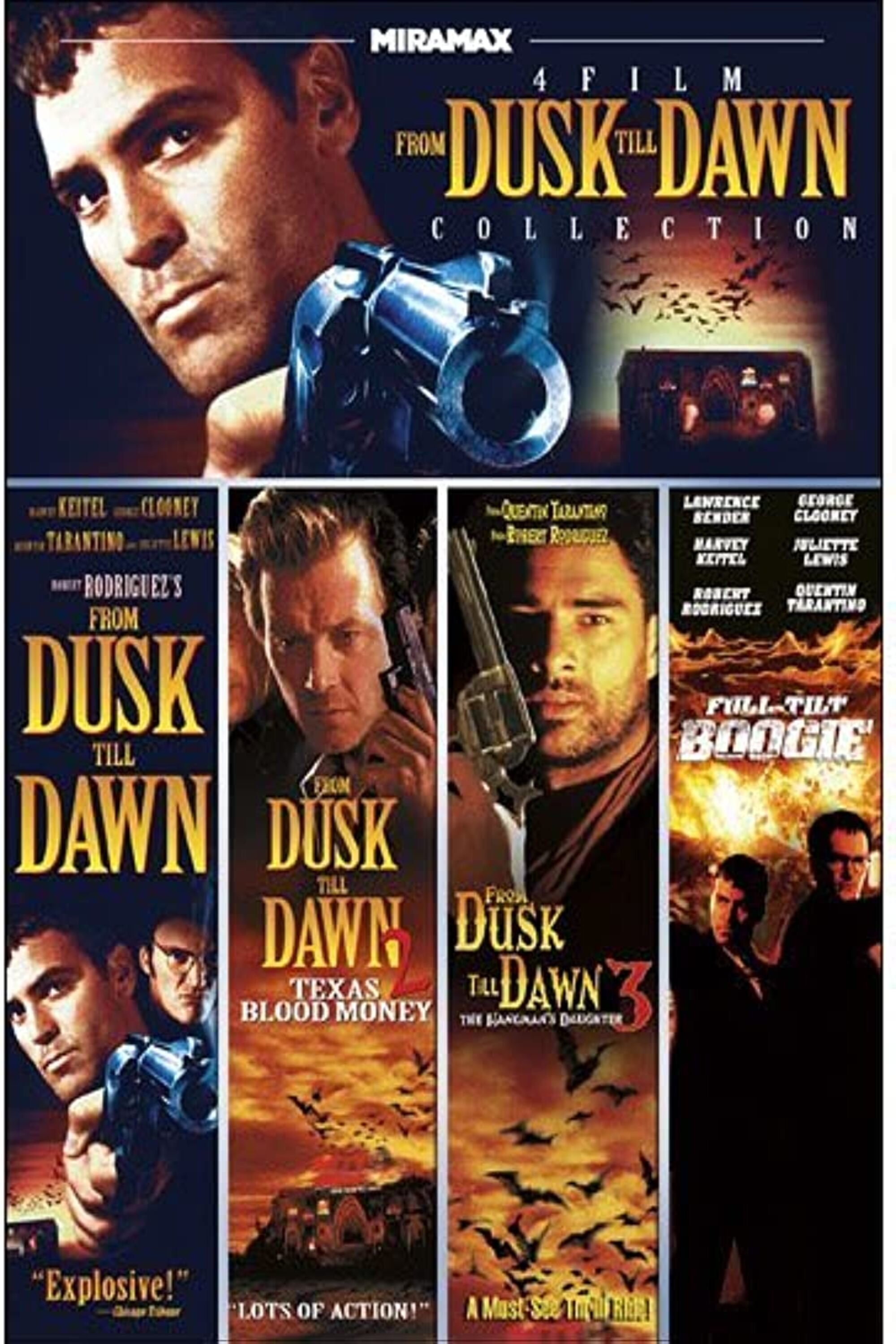
Two later films extended the property: From Dusk Till Dawn 2: Texas Blood Money (1999) and the prequel From Dusk Till Dawn 3: The Hangman's Daughter (2000). Robert Rodriguez subsequently developed From Dusk Till Dawn: The Series, which began in 2014 and retold the Gecko brothers' story while expanding the mythology suggested by the temple and snake imagery. In interviews, Rodriguez and Nicotero emphasized that this elaboration belonged to the television version.

References

  1. SYFY Wire From Dusk till Dawn at 30: Creator Details Movie's Cult Following, Sinners Parallels & More

    Josh Weiss 2026 interview with Robert Kurtzman concerning the siege-film concept, early Tarantino screenplay, development delays and KNB effects arrangement.

  2. Fangoria Q&A: Makeup Master Greg Nicotero Talks From Dusk Till Dawn: The Series

    Michael Gingold firsthand interview with Greg Nicotero documenting the 1996 film creature designs, six-month construction period and differences from the later television makeup.

  3. Mandatory / CraveOnline Exclusive Interview: Robert Rodriguez on From Dusk Till Dawn: The Series

    Fred Topel 2014 interview in which Rodriguez explains the temple finale, snake symbolism and how he expanded the film mythology for television.

  4. W Magazine Salma Hayek Tells the Complete Story of Her First Kiss, Without Skipping Any of the Embarrassing Details

    Lynn Hirschberg 2018 interview documenting Hayek recollections of filming the snake dance and the preparation required to overcome her fear.

  5. Los Angeles Times Movie Review: Add Horror, Drama, Robbers, a Biker Bar; Blend on High

    Jack Mathews opening-day review documenting contemporary reaction to the abrupt genre change, cast performances and exploitation-film style.

Connections

Cast

View Full Cast & Crew →

Release & Distribution

Production Companies (4)

  • A Band Apart US
  • Dimension Films US
  • Los Hooligans Productions US
  • Miramax US

Distributors (1)

  • MOKÉP HU

Release History (44)

Release DateTerritoryRelease TypeFormatDistributorCertificationNotes
1996-01-17 United States Premiere — — — Hollywood, California
1996-01-19 Canada Theatrical — — 18A
1996-01-19 United States Theatrical — — R
1996-04-17 Spain Theatrical — — 18
1996-04-18 Australia Theatrical — — R 18+
1996-04-21 Netherlands Premiere — — 16 Amsterdam Fantastic Film Festival
1996-04-26 Brazil Theatrical — — 18
1996-05-09 Hong Kong SAR China Theatrical — — —
1996-05-31 United Kingdom Theatrical — — 18
1996-05-31 Ireland Theatrical — — 18
1996-06-12 Philippines Theatrical — — —
1996-06-14 Denmark Theatrical — — 15
1996-06-14 Mexico Theatrical — — —
1996-06-15 Japan Theatrical — — —
1996-06-26 France Theatrical — — 16 Visa CNC 90146
1996-07-04 Germany Theatrical — — 18
1996-07-04 Netherlands Theatrical — — 16
1996-07-12 Norway Theatrical — — 15
1996-07-26 Sweden Theatrical — — 15
1996-08-02 Finland Theatrical — — K-16
1996-08-20 Argentina Physical — — — Video
1996-09-05 Slovenia Theatrical — — —
1996-10-24 Czechia Theatrical — — 18+
1996-10-27 Morocco Theatrical — — —
1996-11-01 South Africa Theatrical — — —
1996-11-08 Poland Theatrical — — 12
1996-11-15 Türkiye Theatrical — — —
1997-01-03 Italy Theatrical — — VM18
1997-01-31 Greece Theatrical — — —
1997-01-31 Portugal Theatrical — — —
1997-02-06 Hungary Theatrical — — 18
1998-06-05 France TV — — 16 Canal +
1998-06-17 United States Physical DVD — R DVD Release
1998-09-05 South Korea Theatrical — — 19
1999-05-01 Germany TV — — — ProSieben
2004-07-01 Netherlands TV — — 16 Veronica
2005-06-27 Czechia Physical DVD — — DVD
2008-01-31 Czechia Physical DVD — — DVD, FilmX
2009-10-19 France TV — — 16 Paris Première (Soirée Tarantino)
2011-04-15 Netherlands Physical DVD — 16 DVD
2011-05-03 United States Physical Blu-ray — R Blu-Ray Release
2015-04-22 Netherlands Physical Blu-ray — 16 Blu ray
2016-11-06 United States Limited Theatrical — — R 20th Anniversary Fathom Events re-release
2020-08-01 New Zealand Digital — — 18
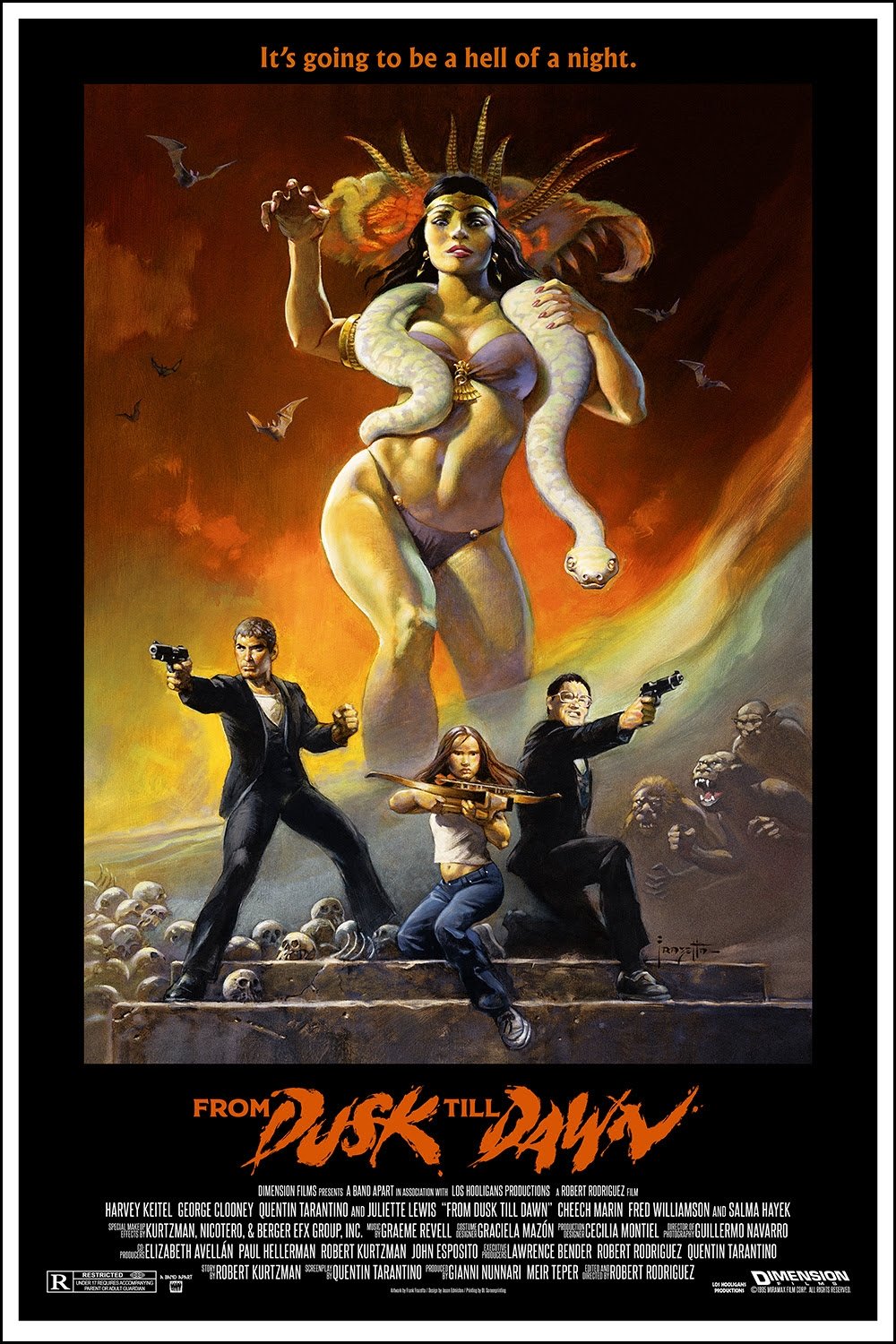
One night is all that stands between them and freedom. But it's going to be one hell of a night.