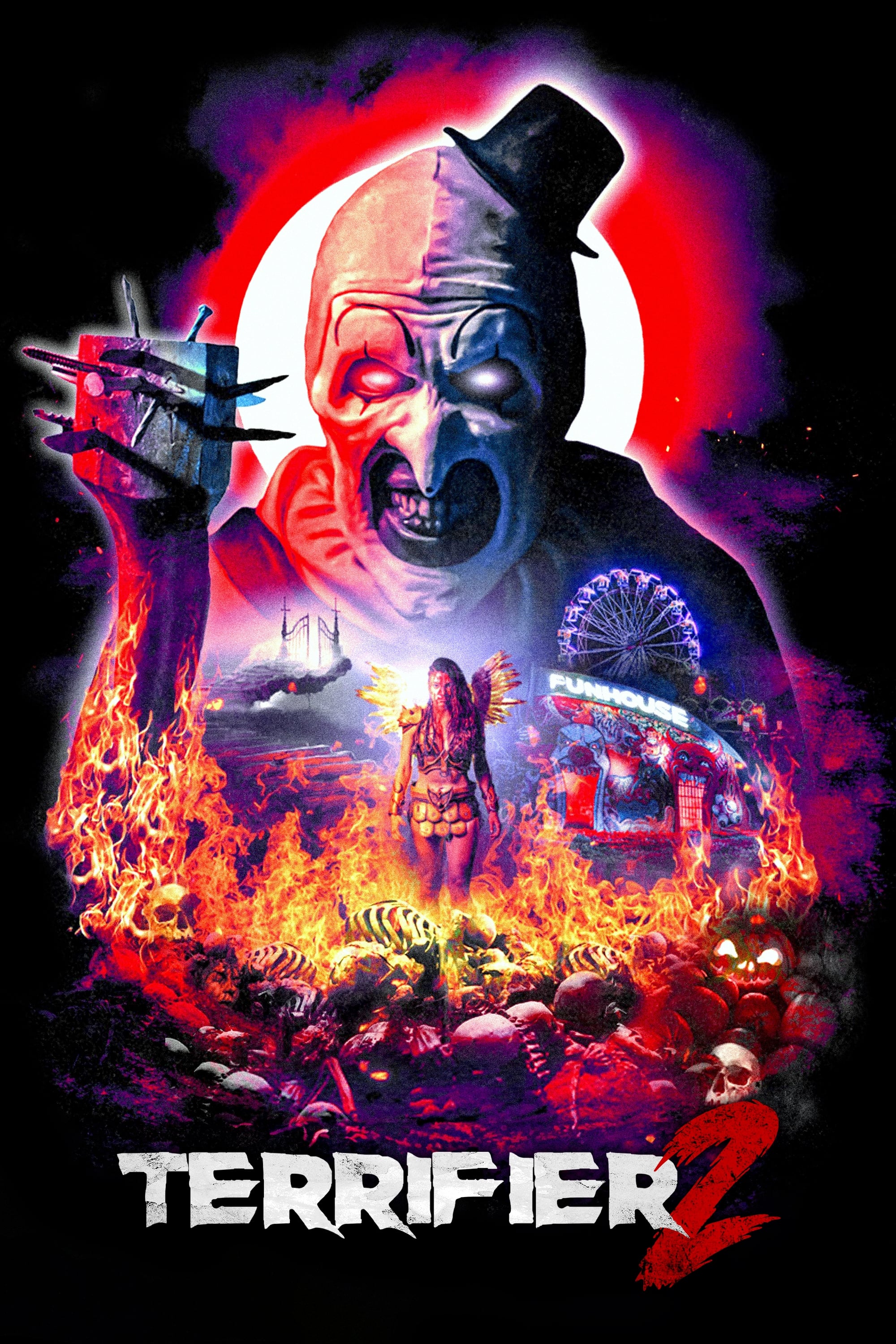
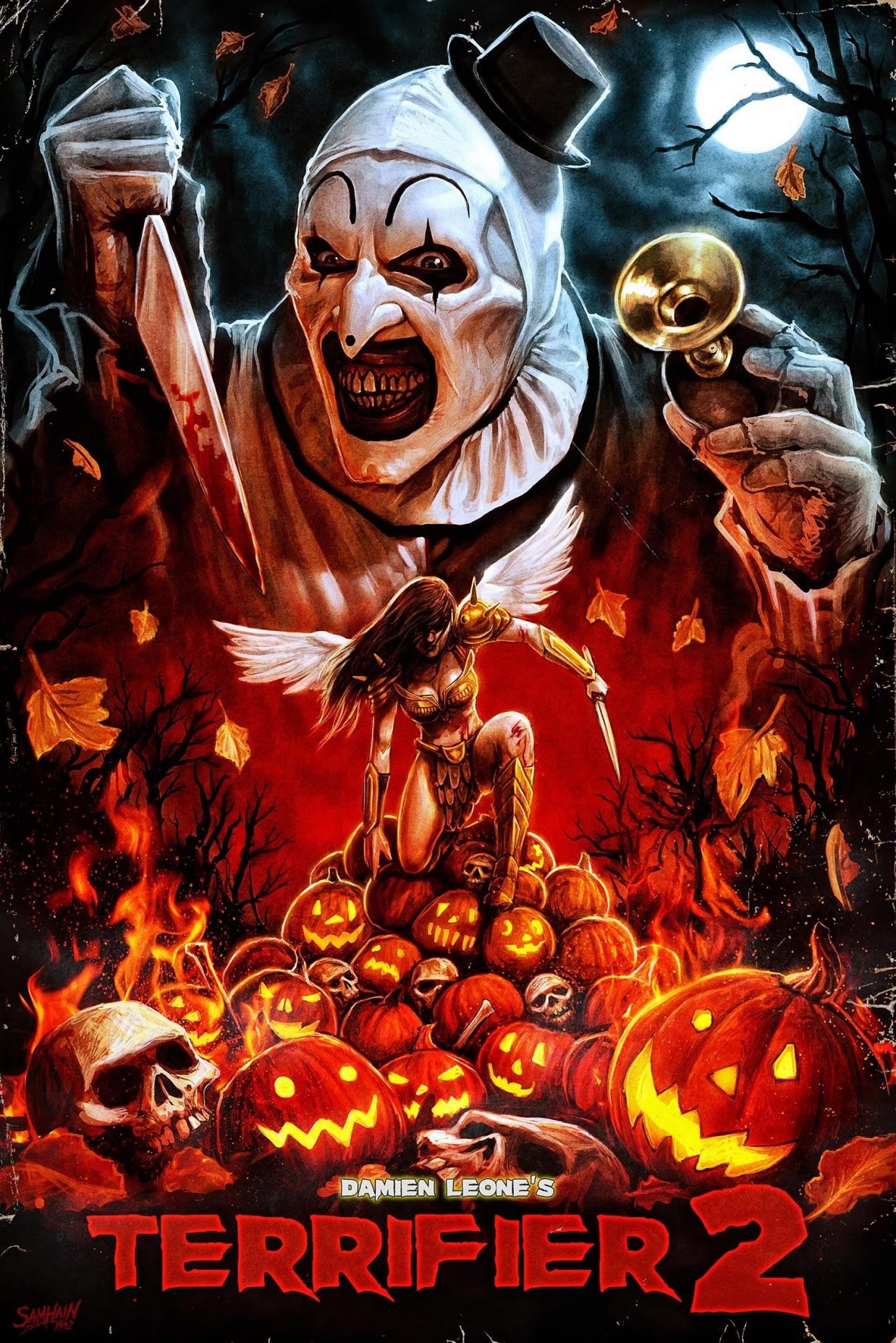
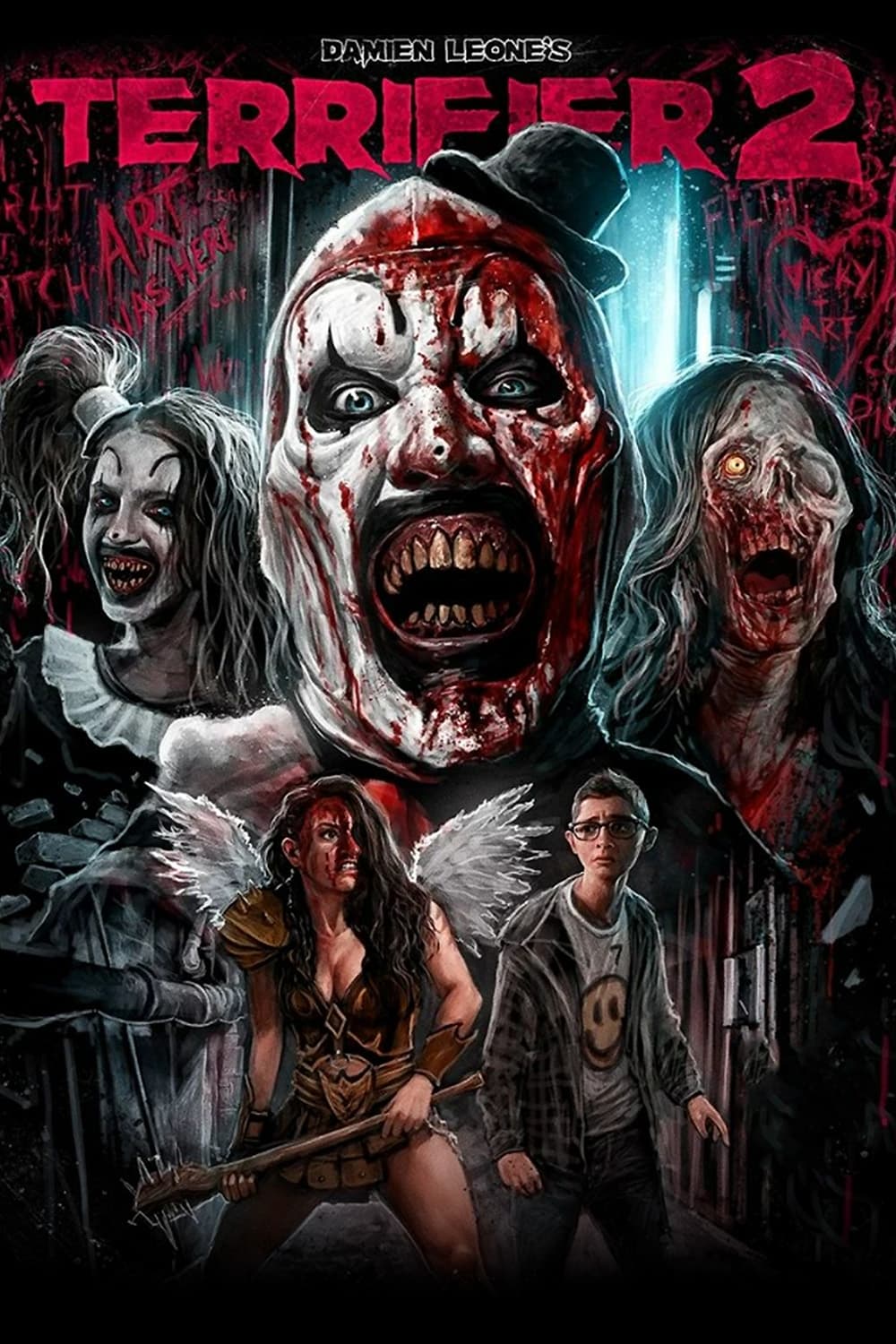
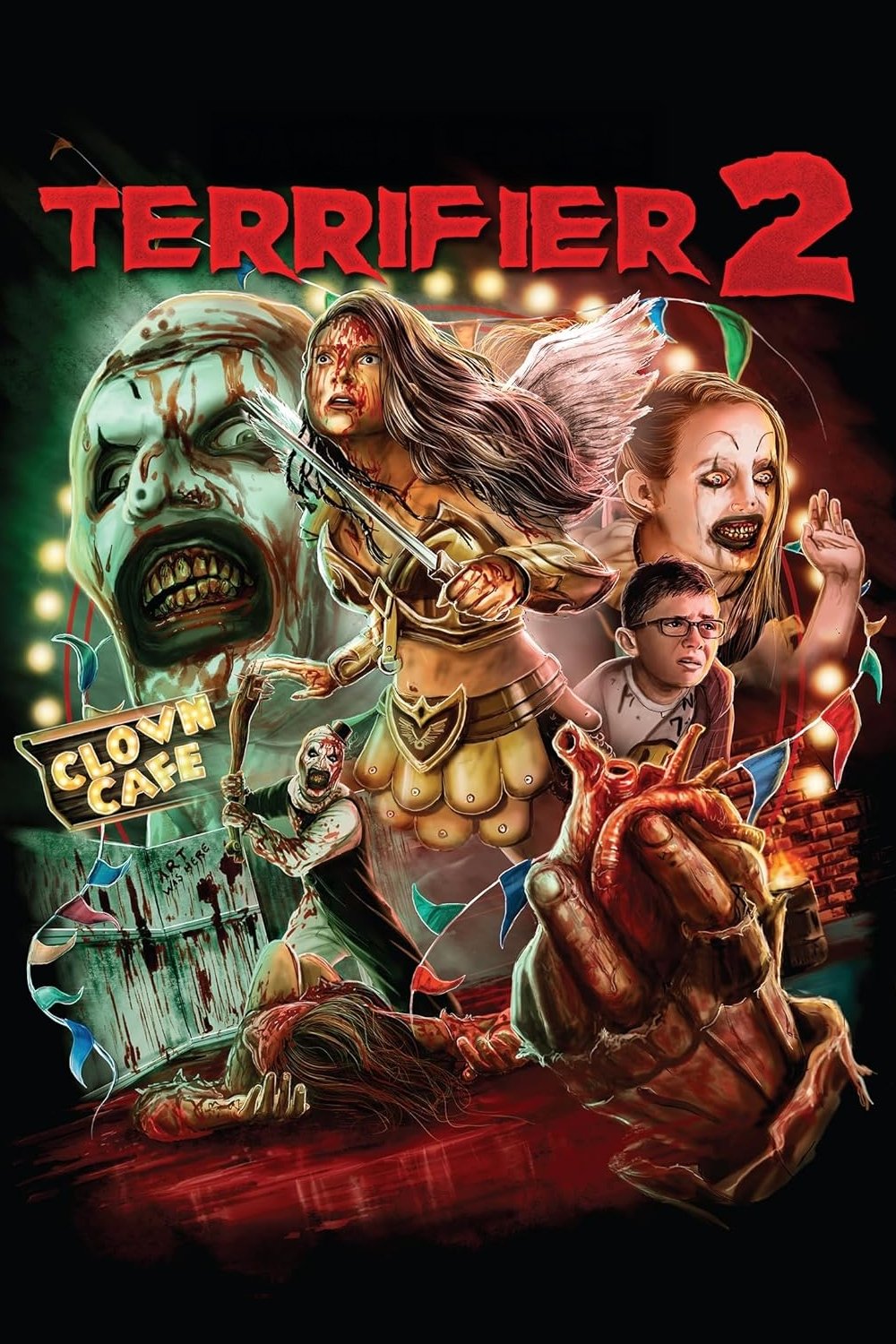
Development, Financing, and an Extended Shoot
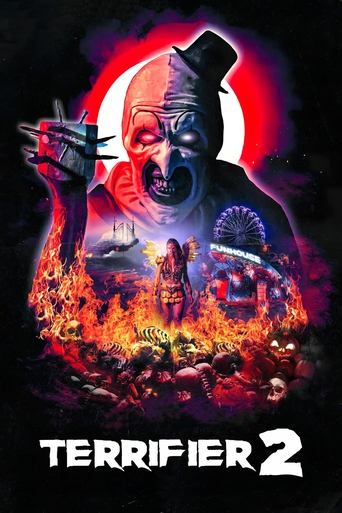
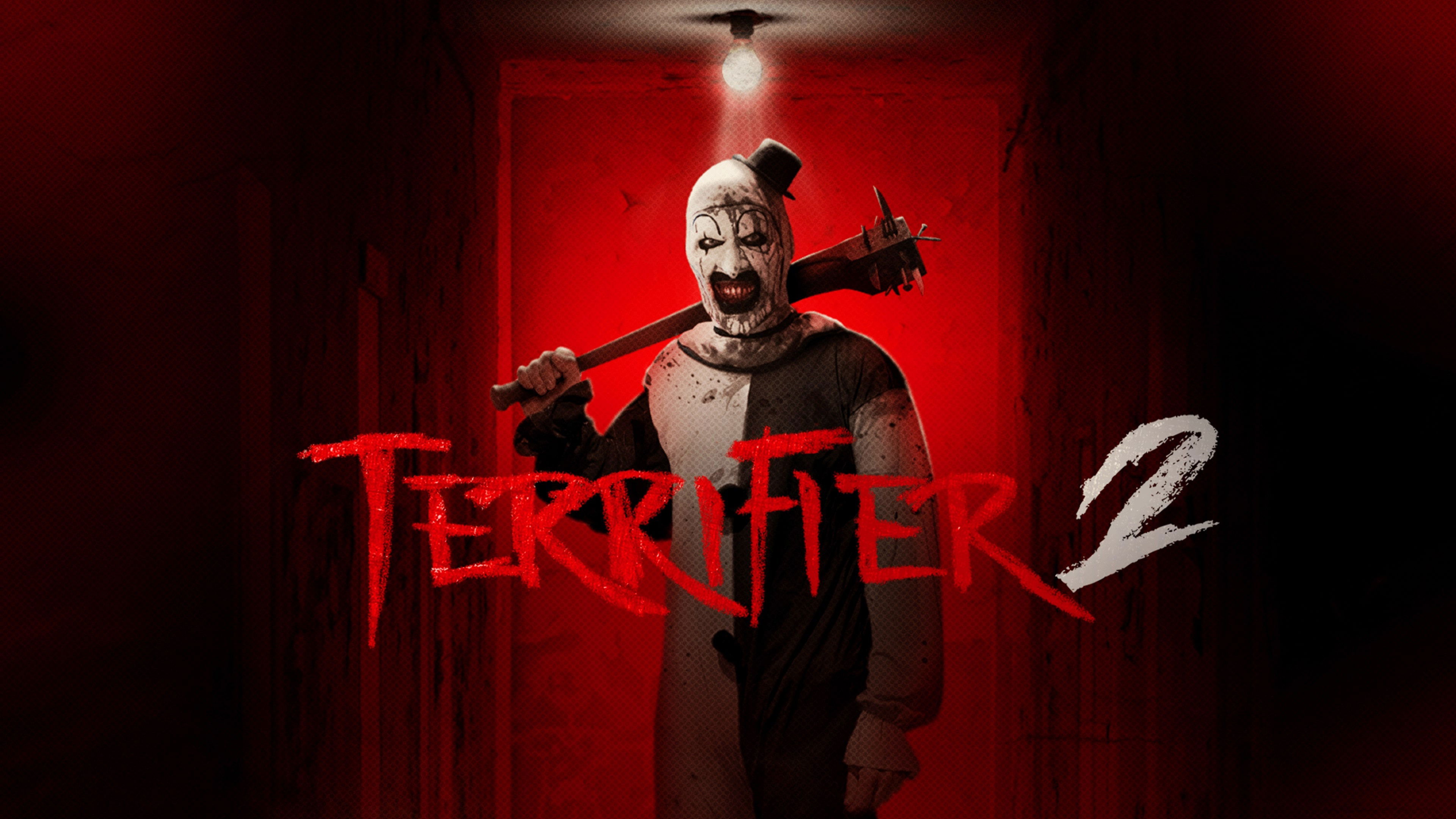
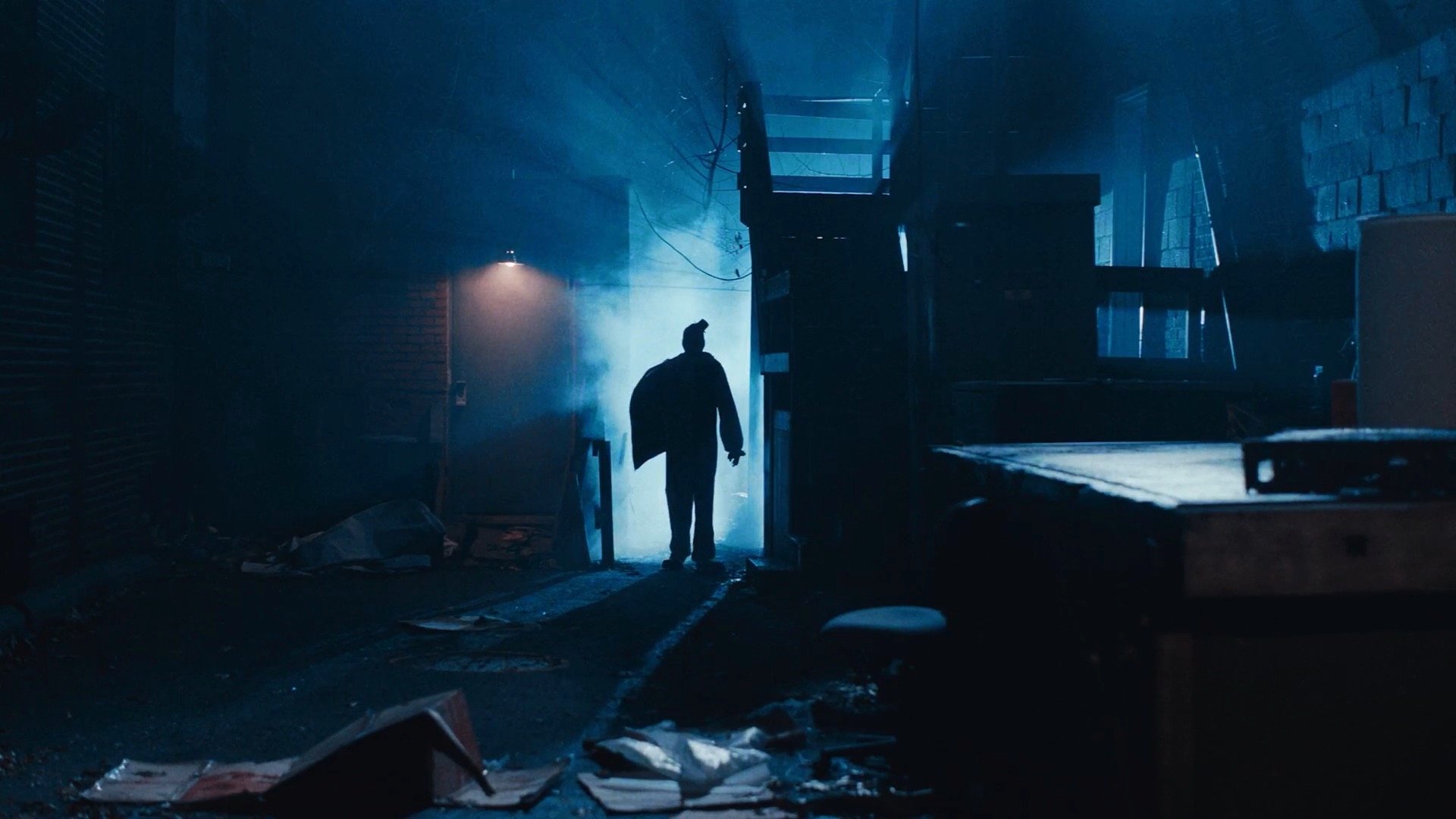
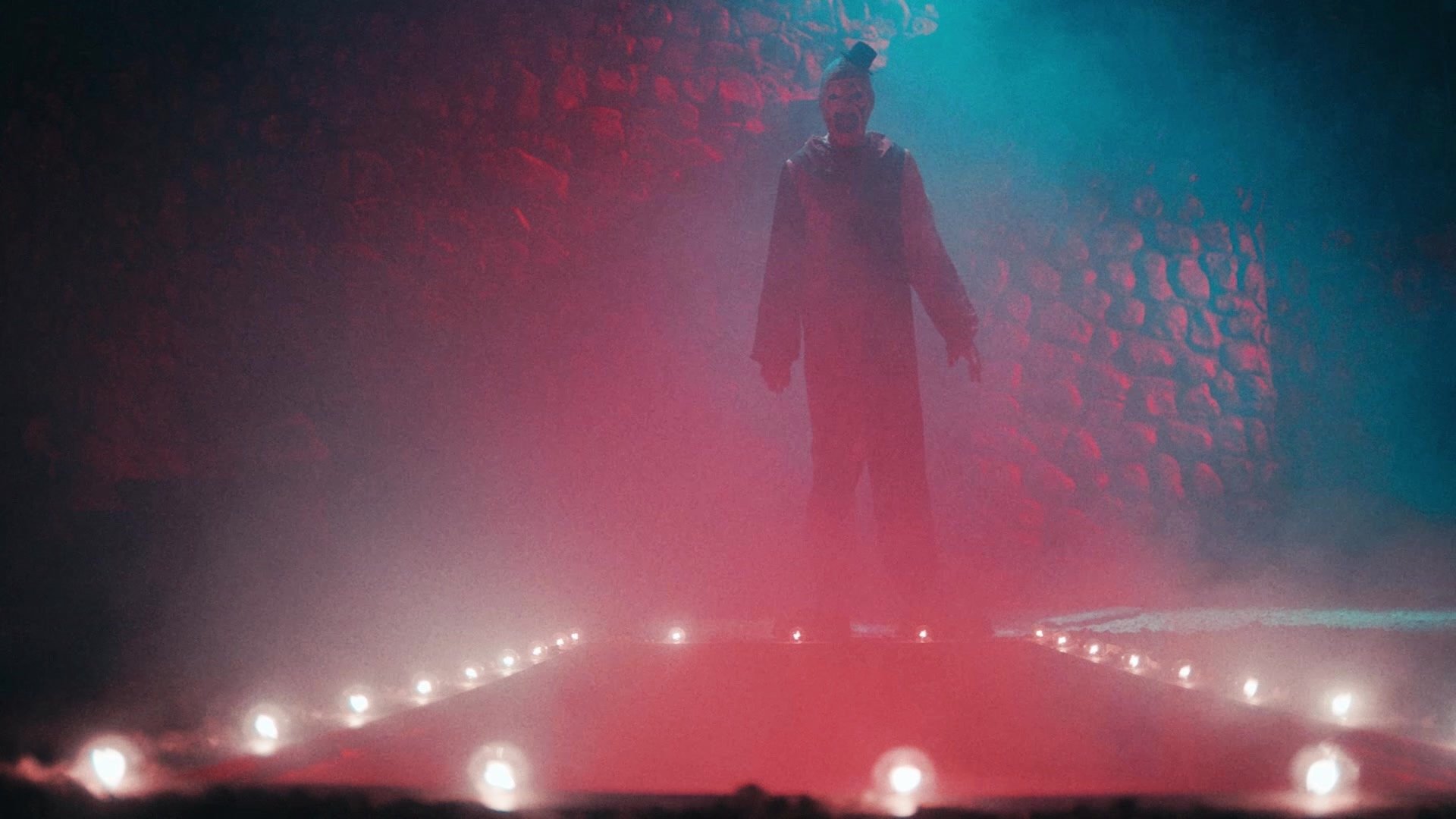
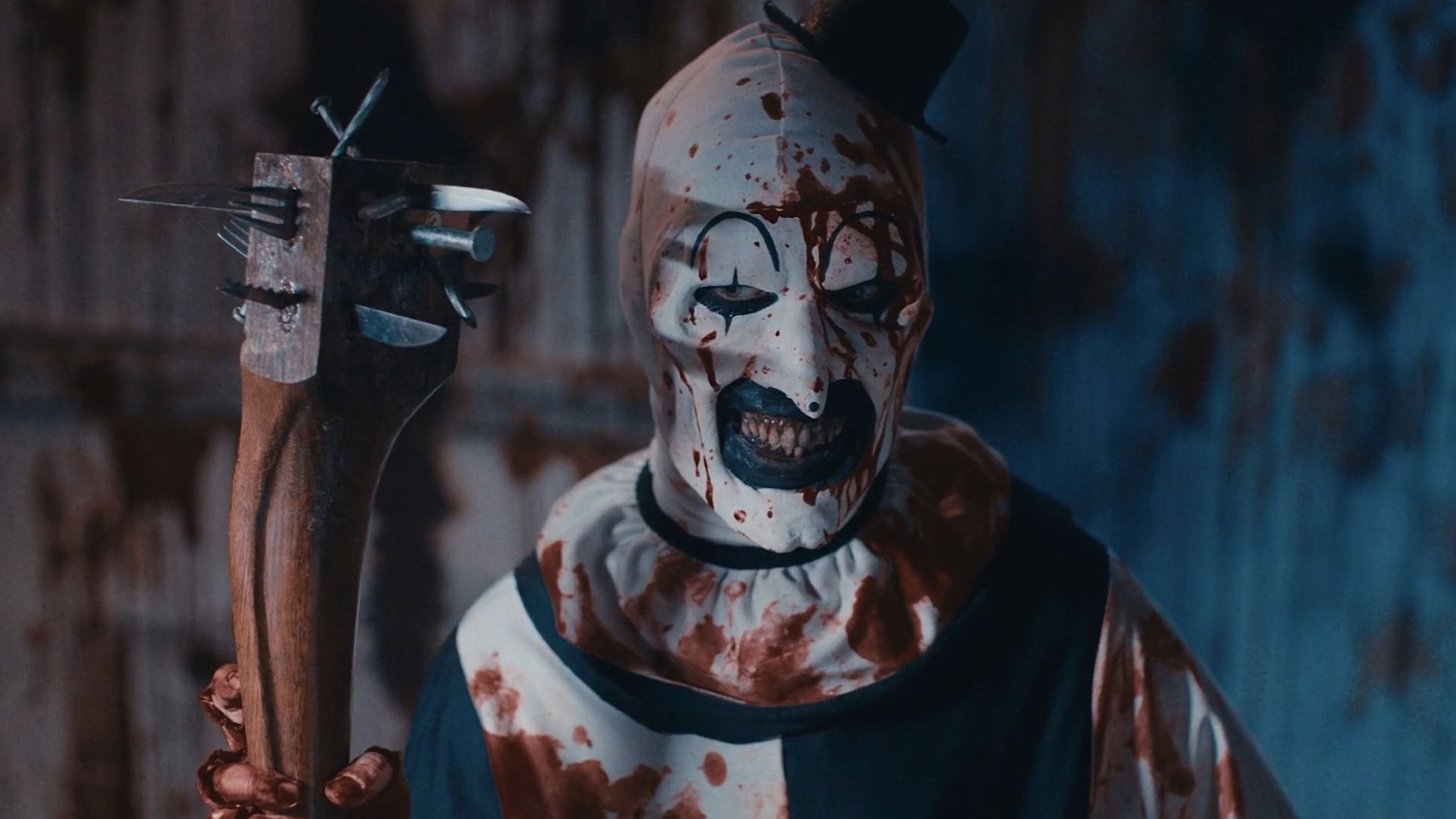
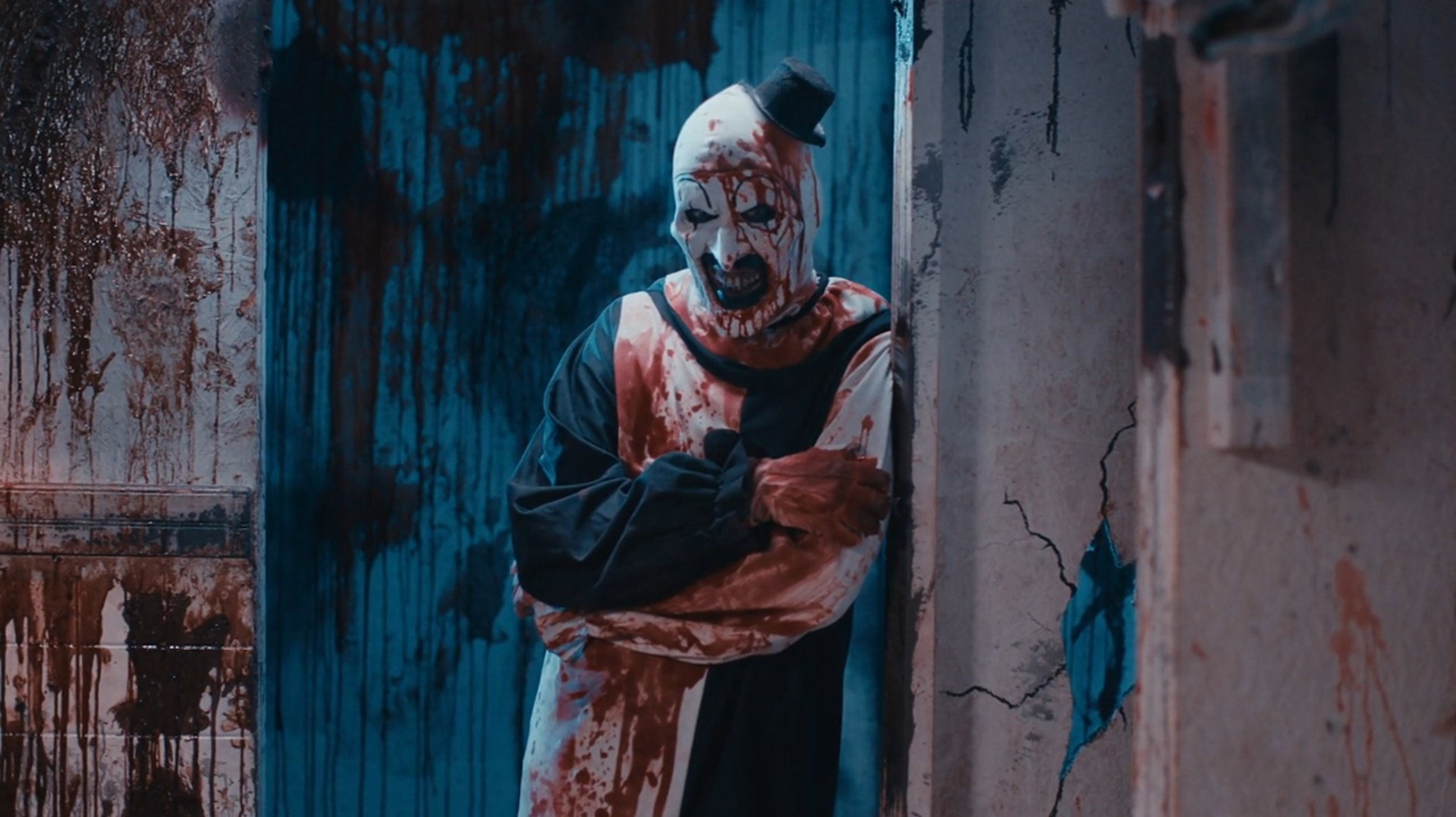
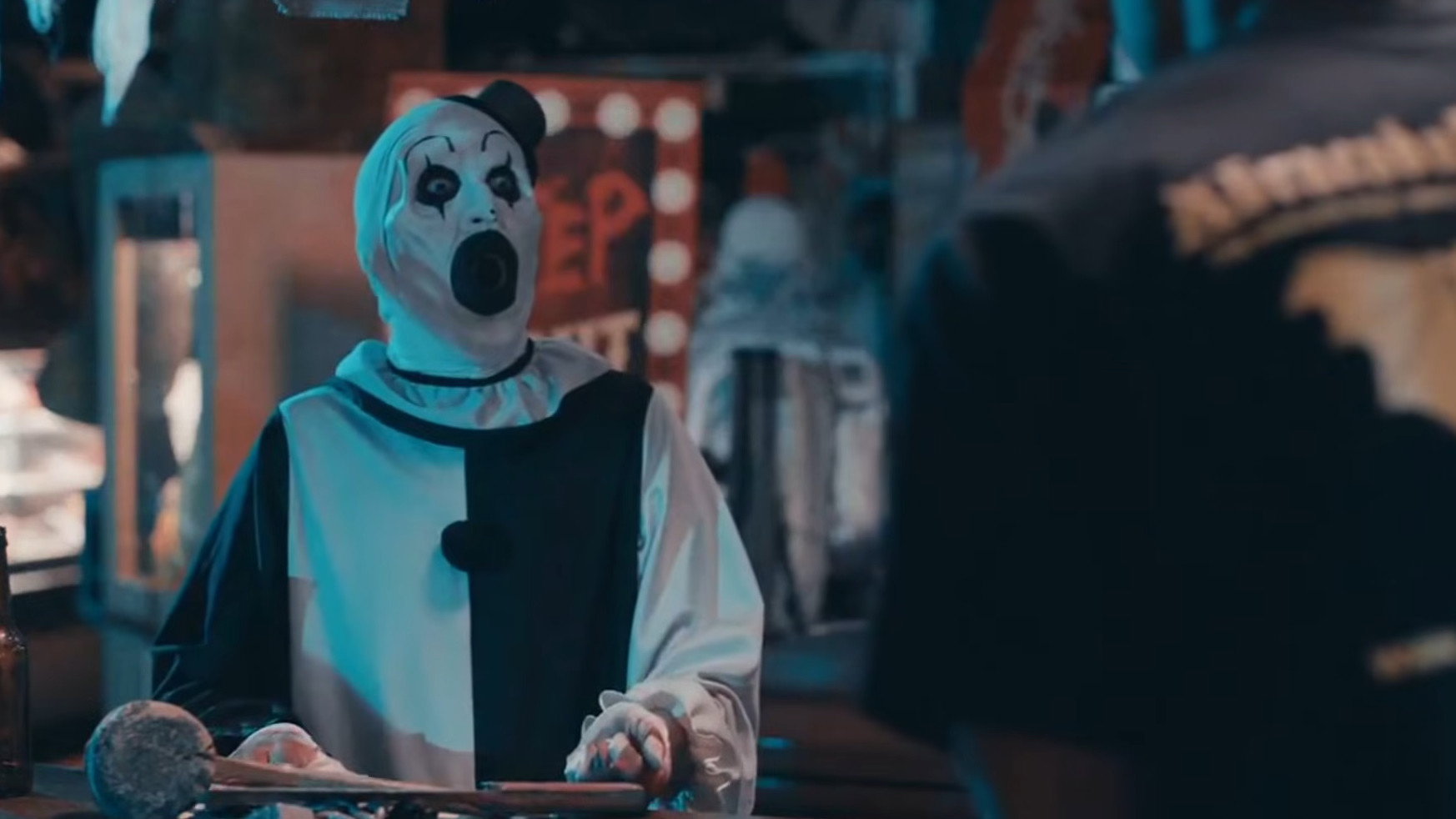
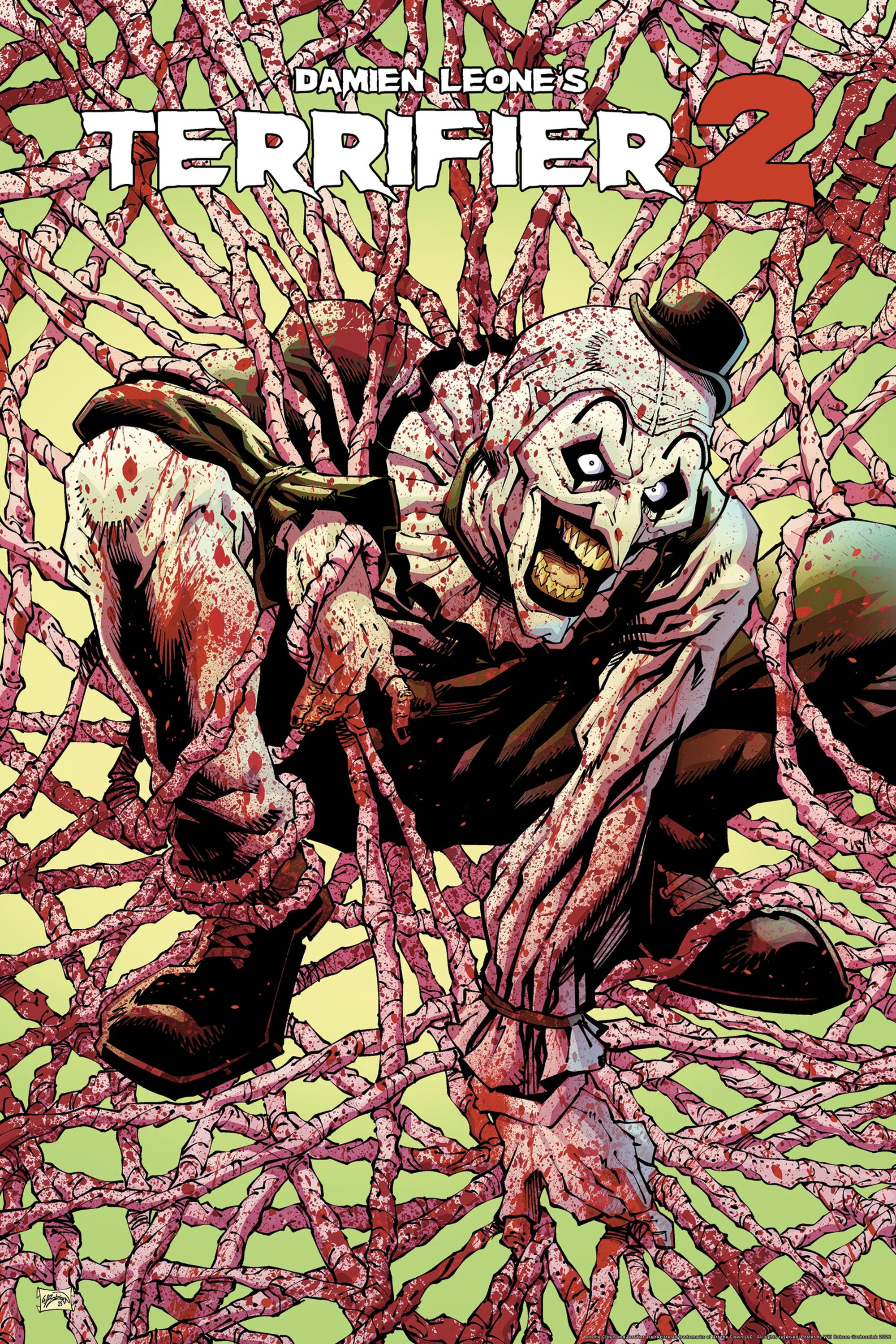
Leone approached the sequel with ambitions substantially greater than those of the first Terrifier feature. He told Rue Morgue that he wanted a more developed protagonist and had carried the idea for Sienna for years before writing the screenplay. He completed the script in approximately three months of concentrated work. Another production decision had already established the direction of the story: Leone said he reshot the original feature's morgue ending to make Art's return explicit. The follow-up could therefore proceed from an established resurrection while broadening the mythology around the clown.
The additional scale created financing problems. The filmmaker sought crowdfunding for the elaborate Clown Café sequence, whose sets, performers and effects exceeded what the existing resources could support. A campaign initially seeking $50,000 attracted substantially more than its target, allowing the team to build material that would otherwise have been impractical. Contemporary reporting placed the production budget at approximately $250,000. This figure describes the reported cost of making the film; it should not be treated as a comprehensive accounting of distribution, publicity or theatrical expenses.
Principal photography began in 2019, and completion took far longer than planned. Speaking at Fantastic Fest in 2022, Leone recalled promising a shoot of about three months that stretched across almost three years. Pandemic restrictions accounted for several months of interruption, but he identified the small crew and the time needed to fabricate sets and prosthetics as more persistent obstacles. Scenes requiring major effects sometimes had to be postponed until the necessary pieces were ready. During a pandemic-related break, Leone also redesigned a particularly elaborate killing rather than simply waiting to resume filming.
Sienna Shaw and the Expanded Slasher Narrative
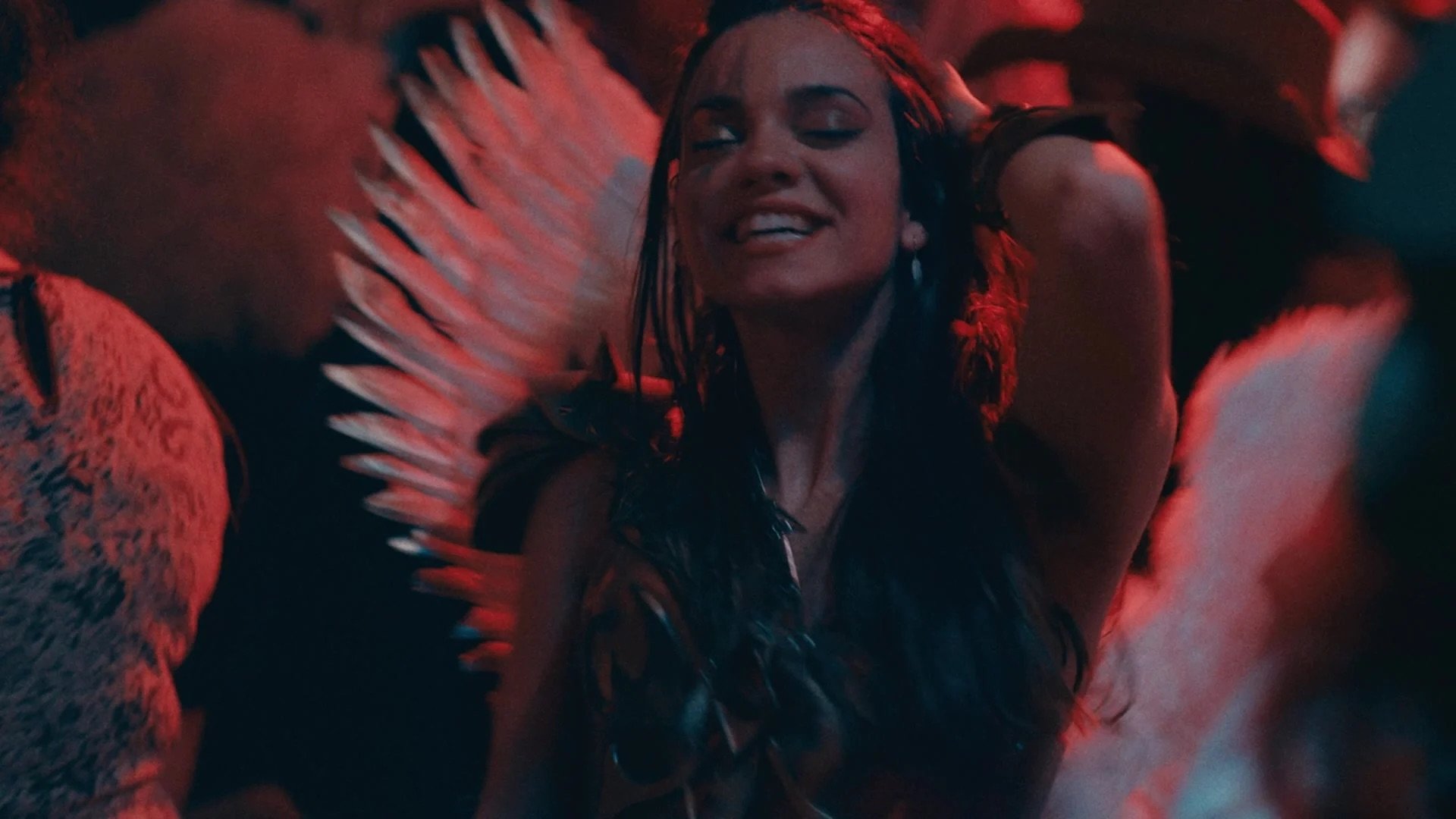
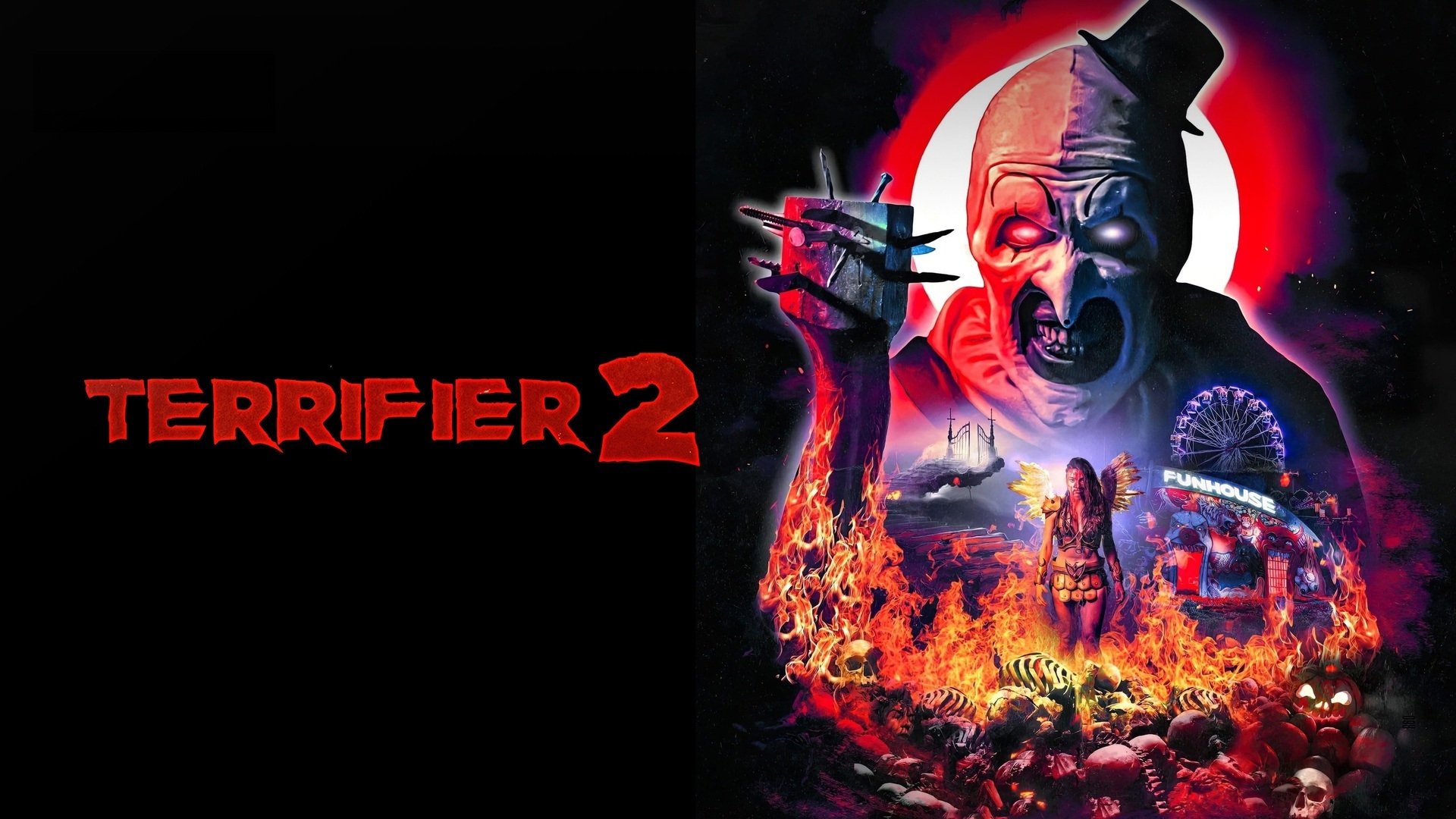
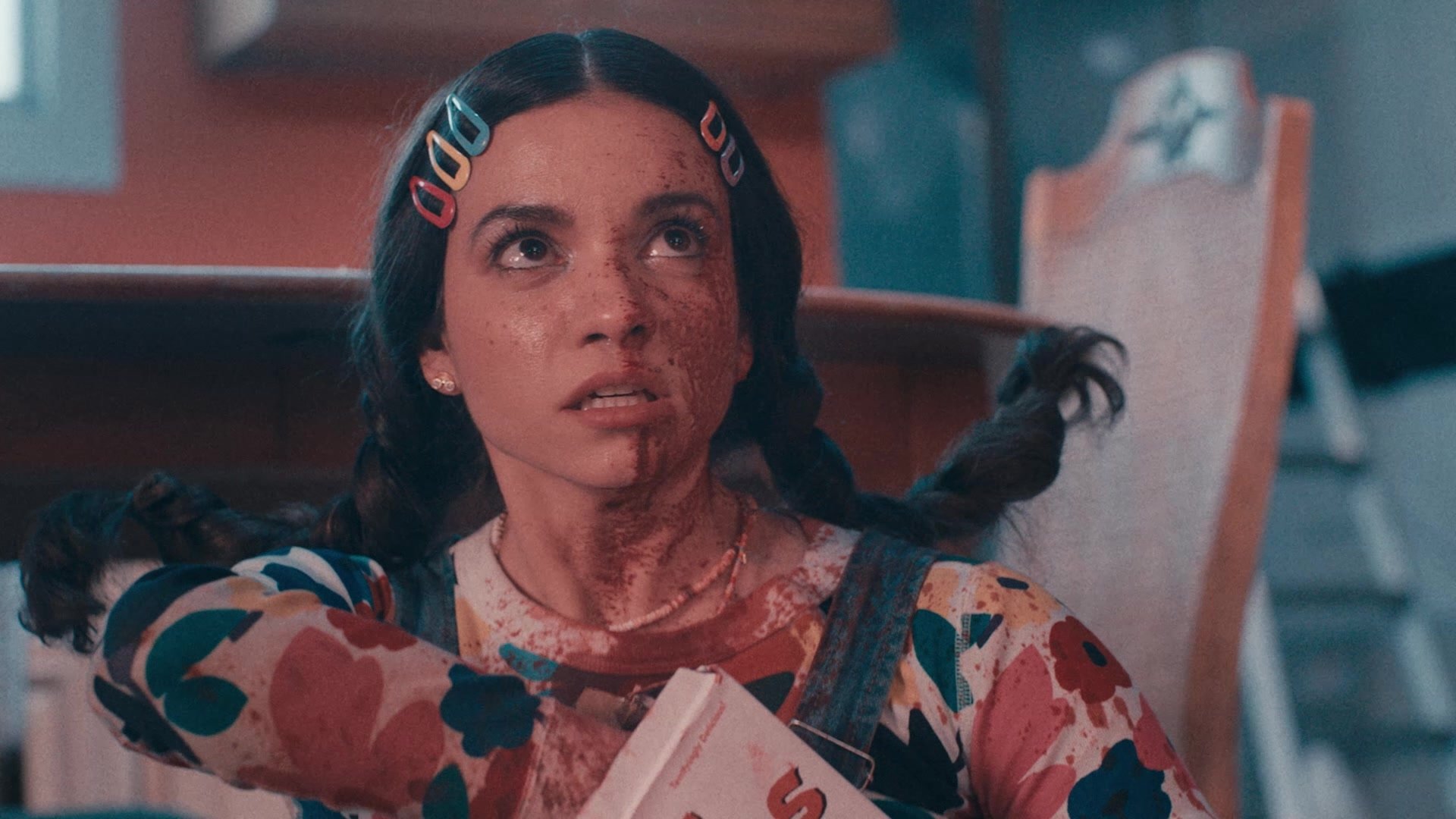
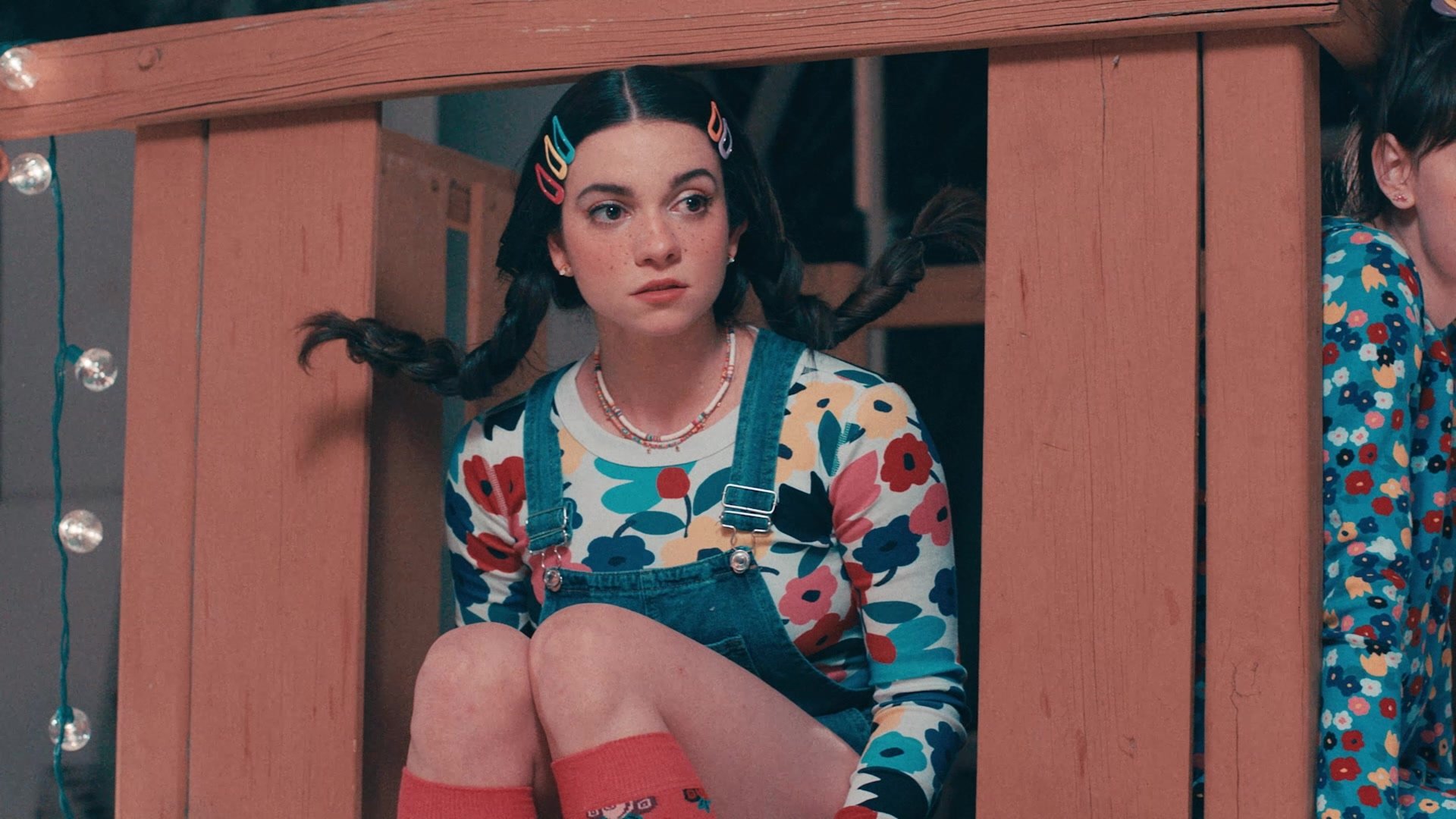
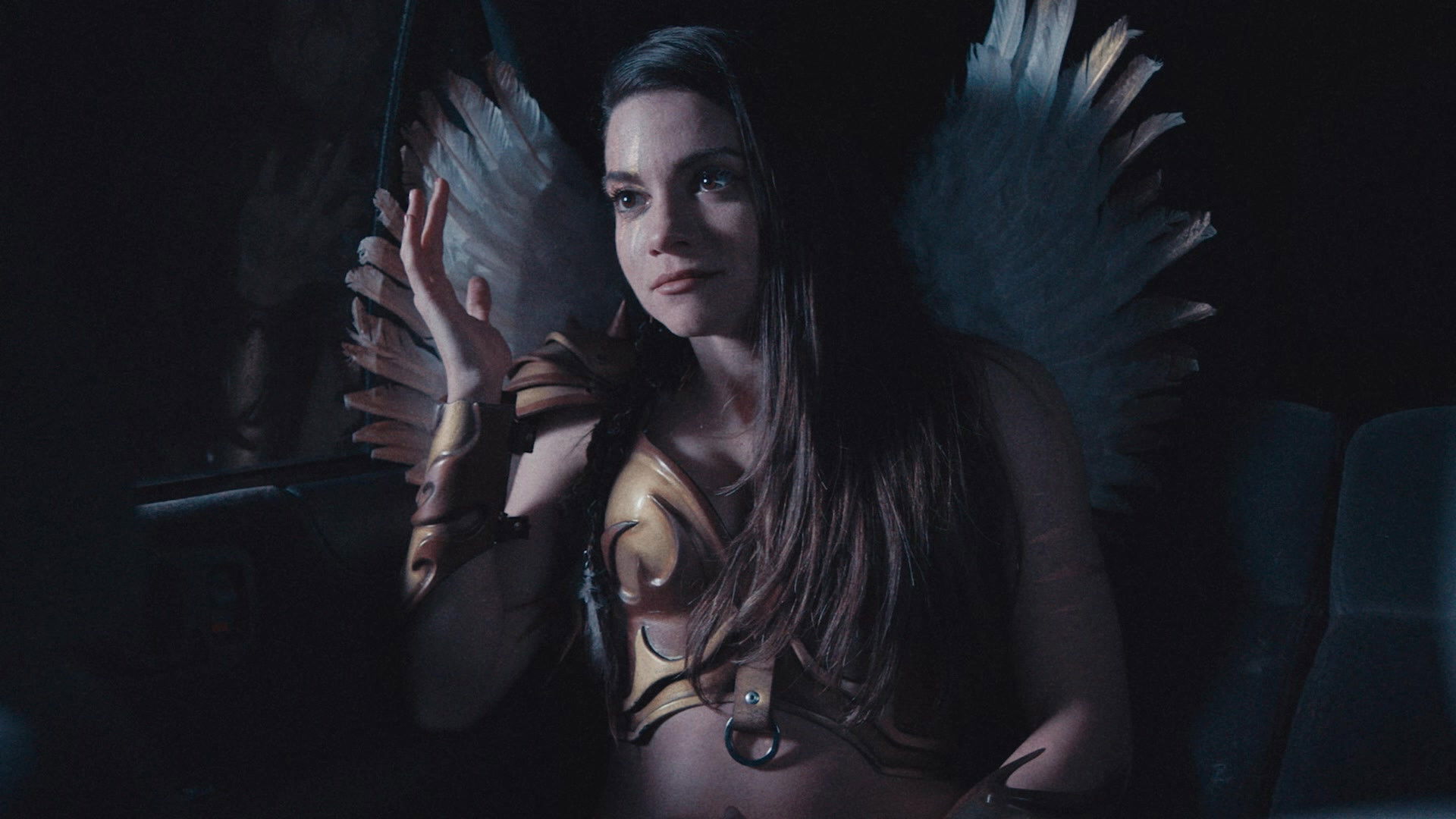
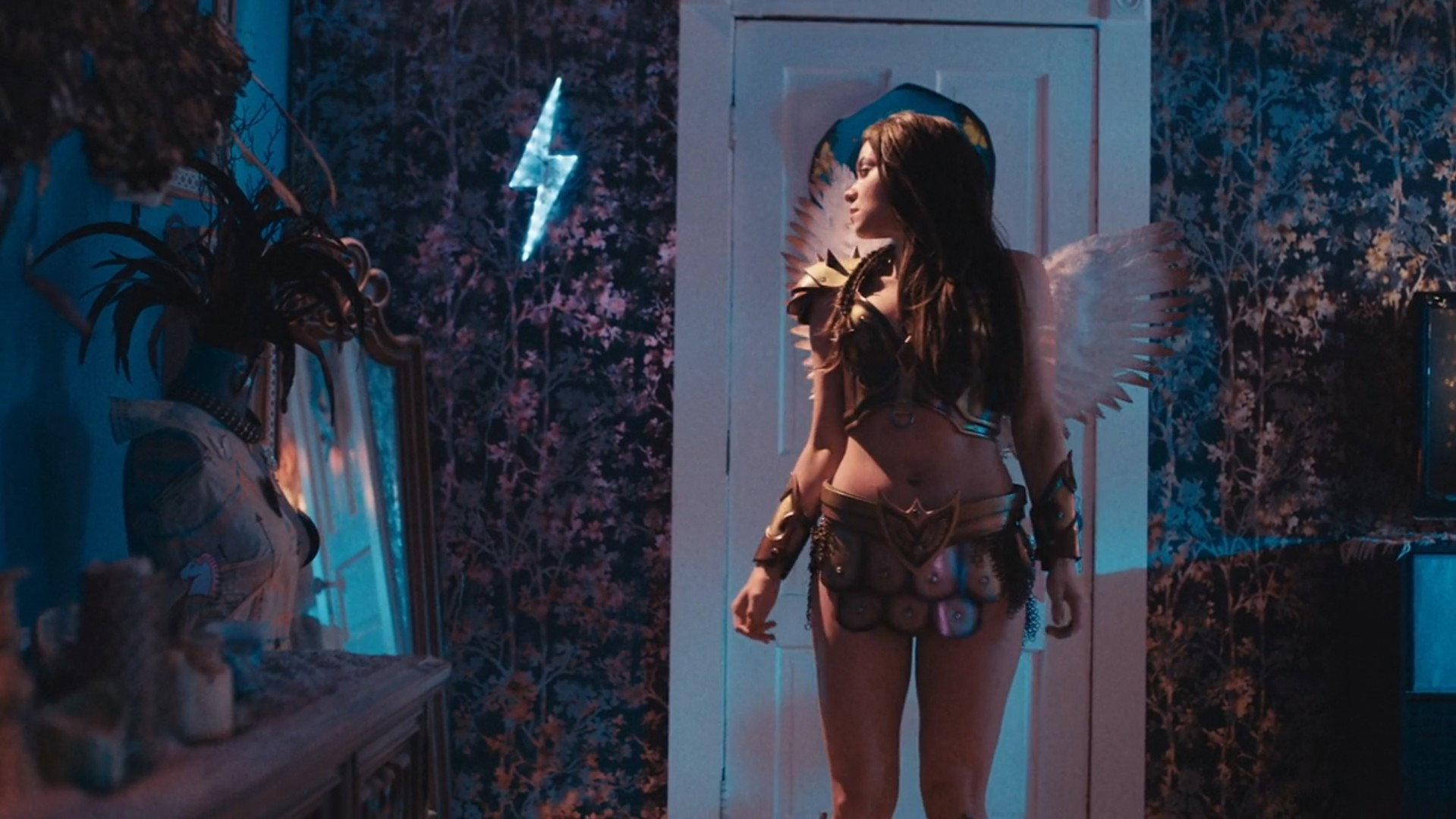
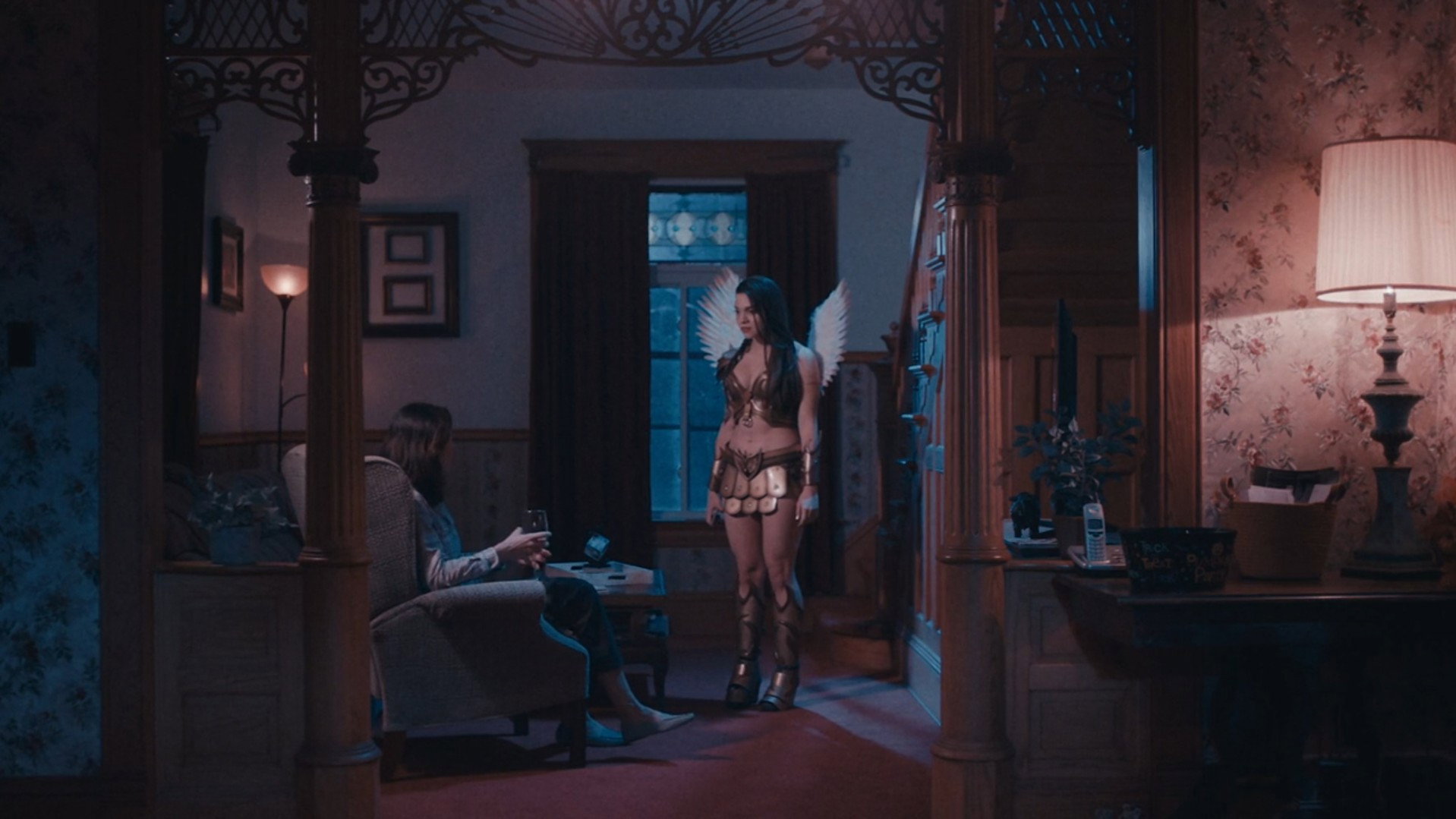
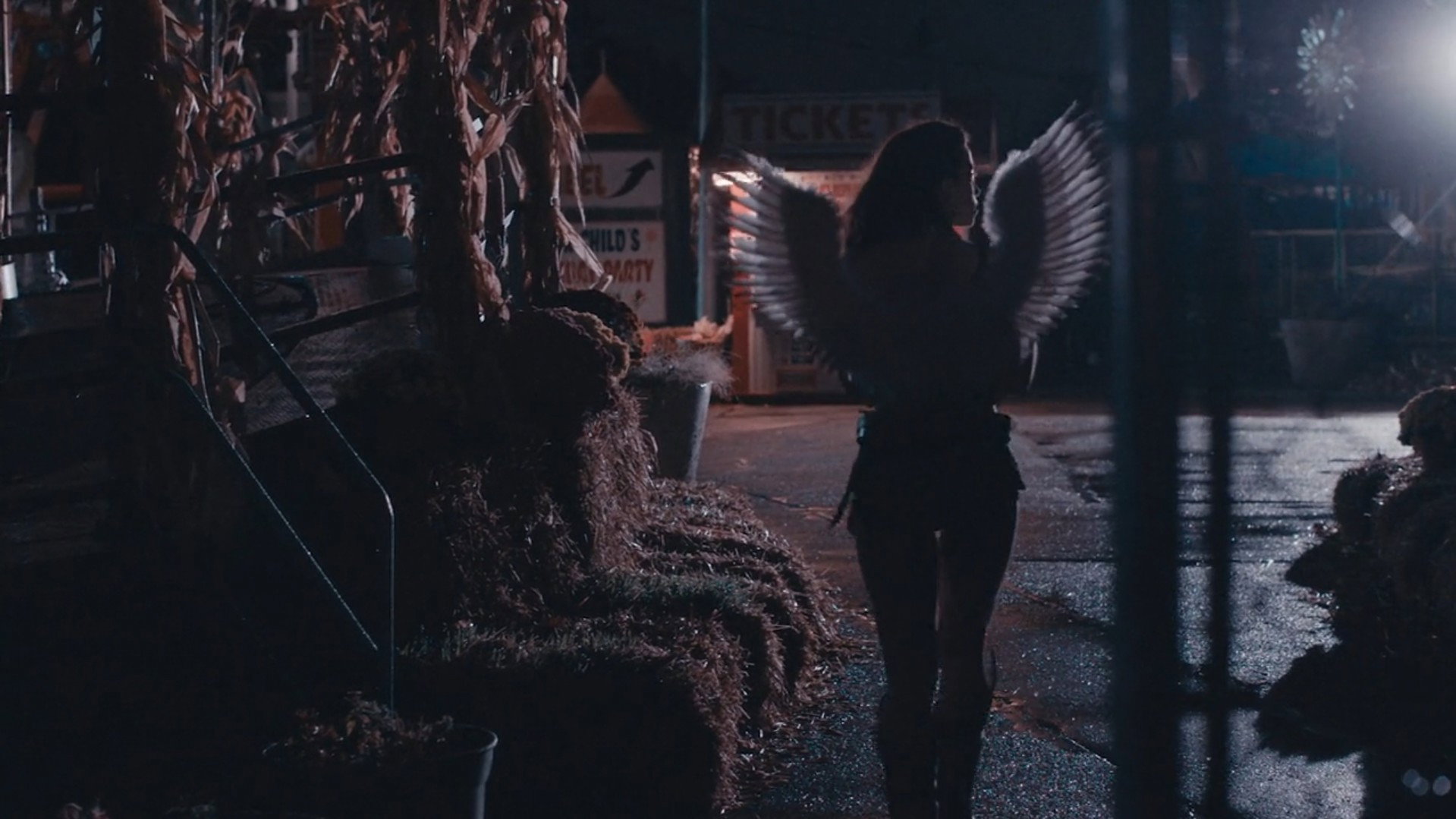
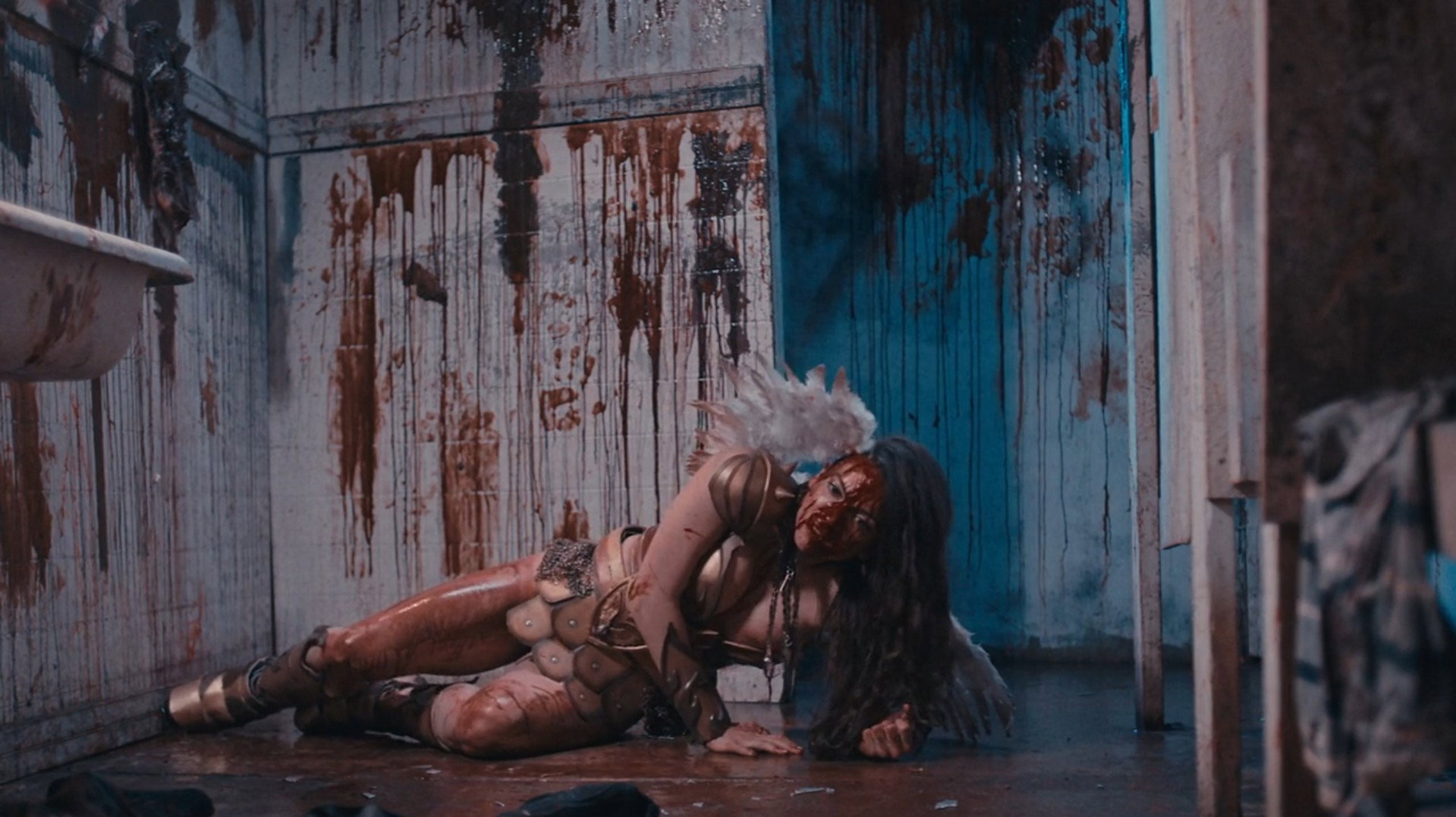
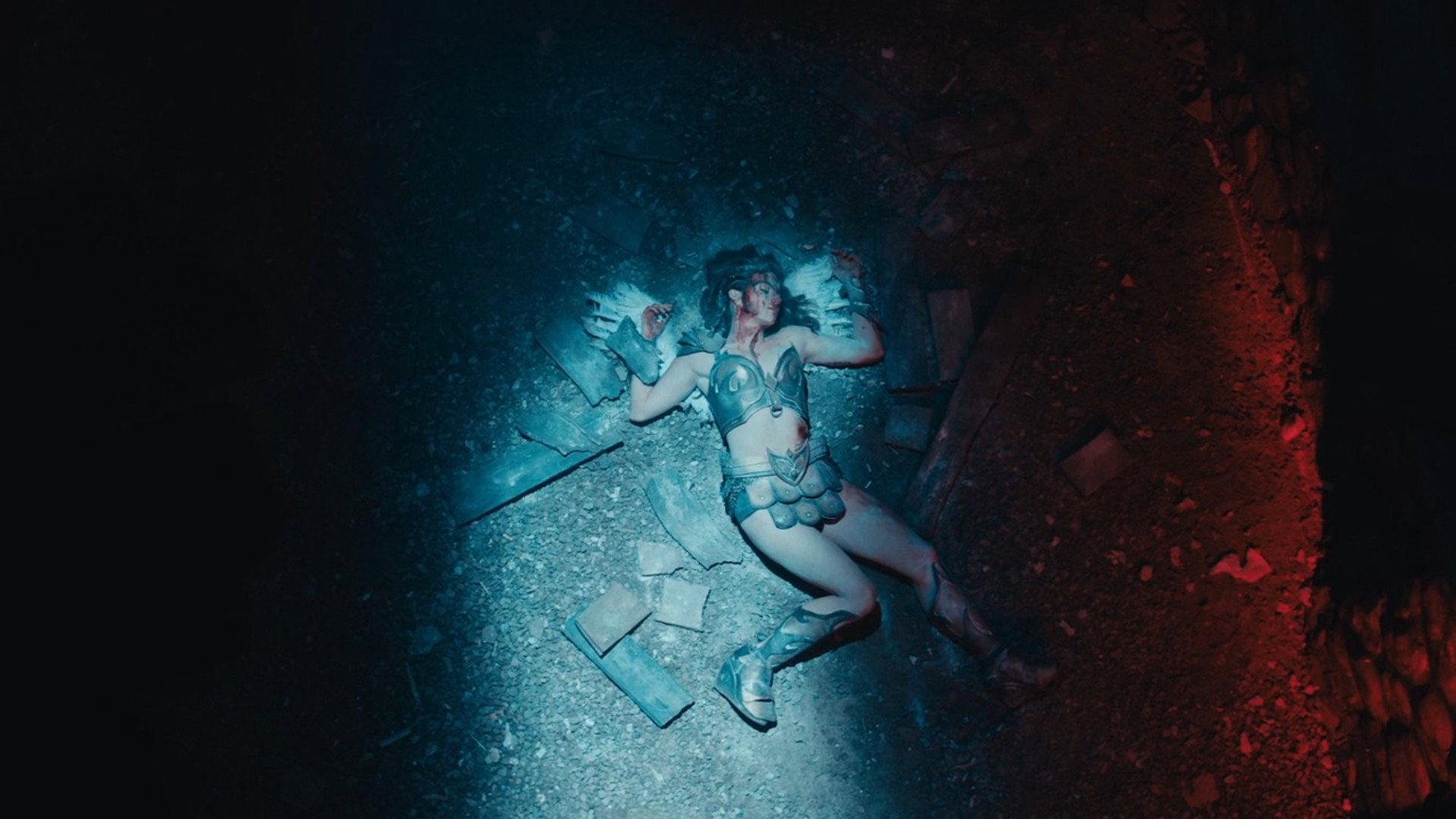
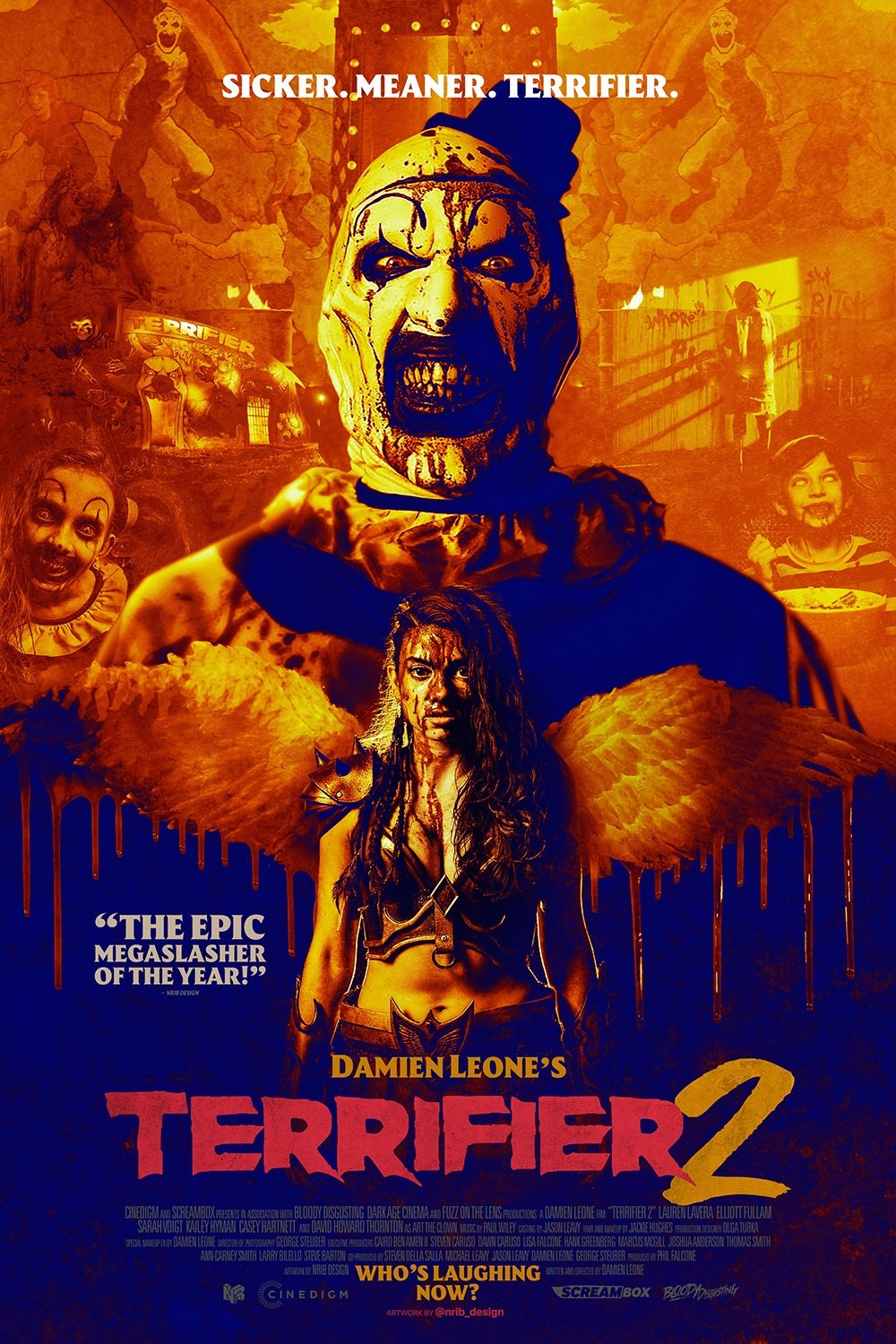
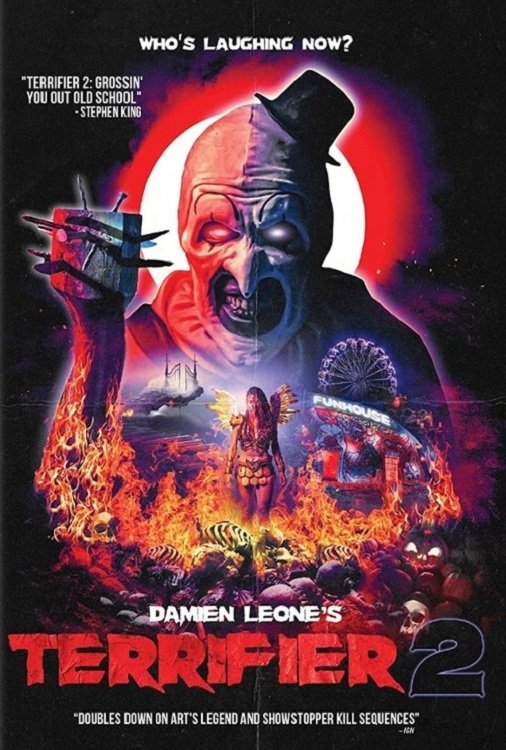
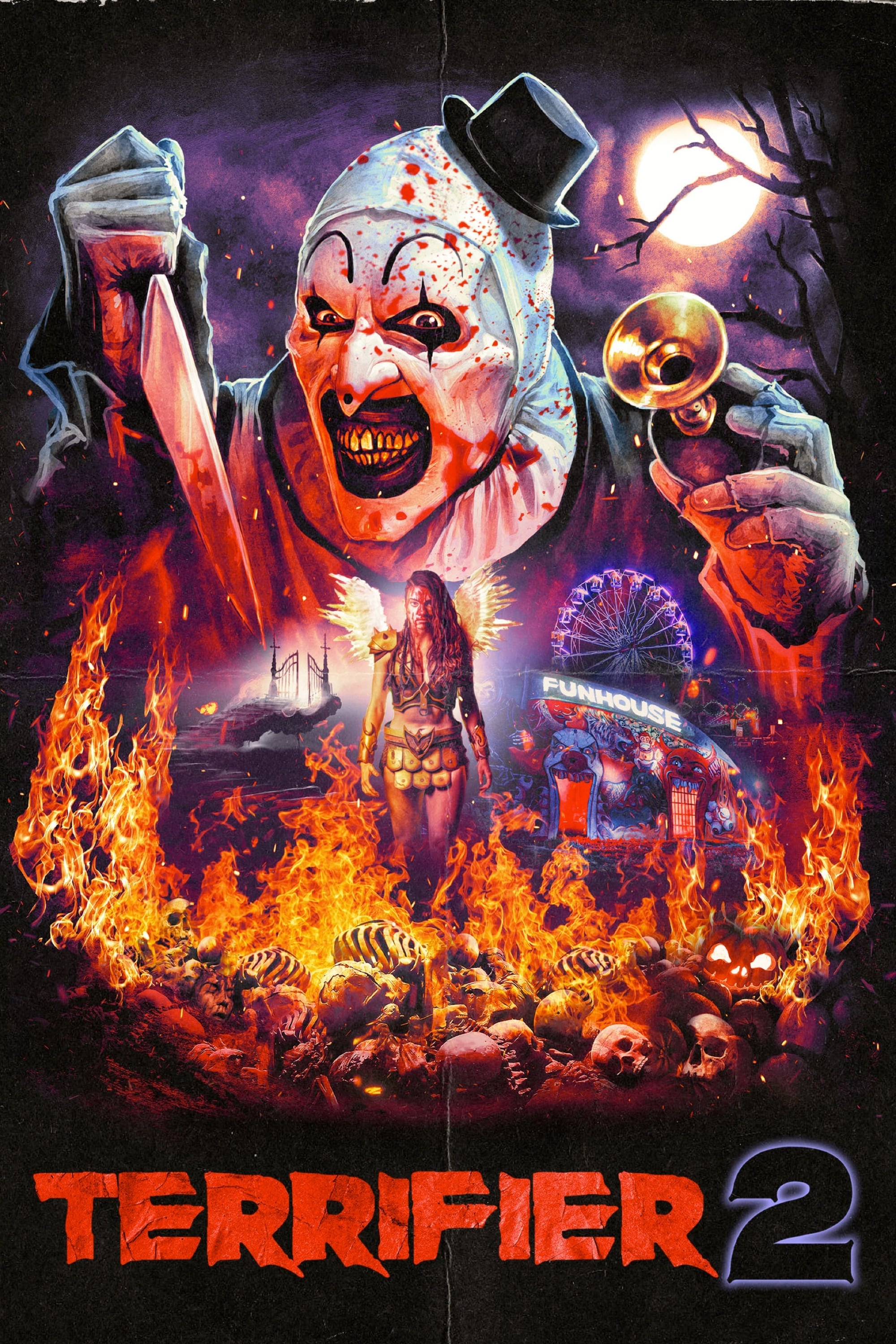
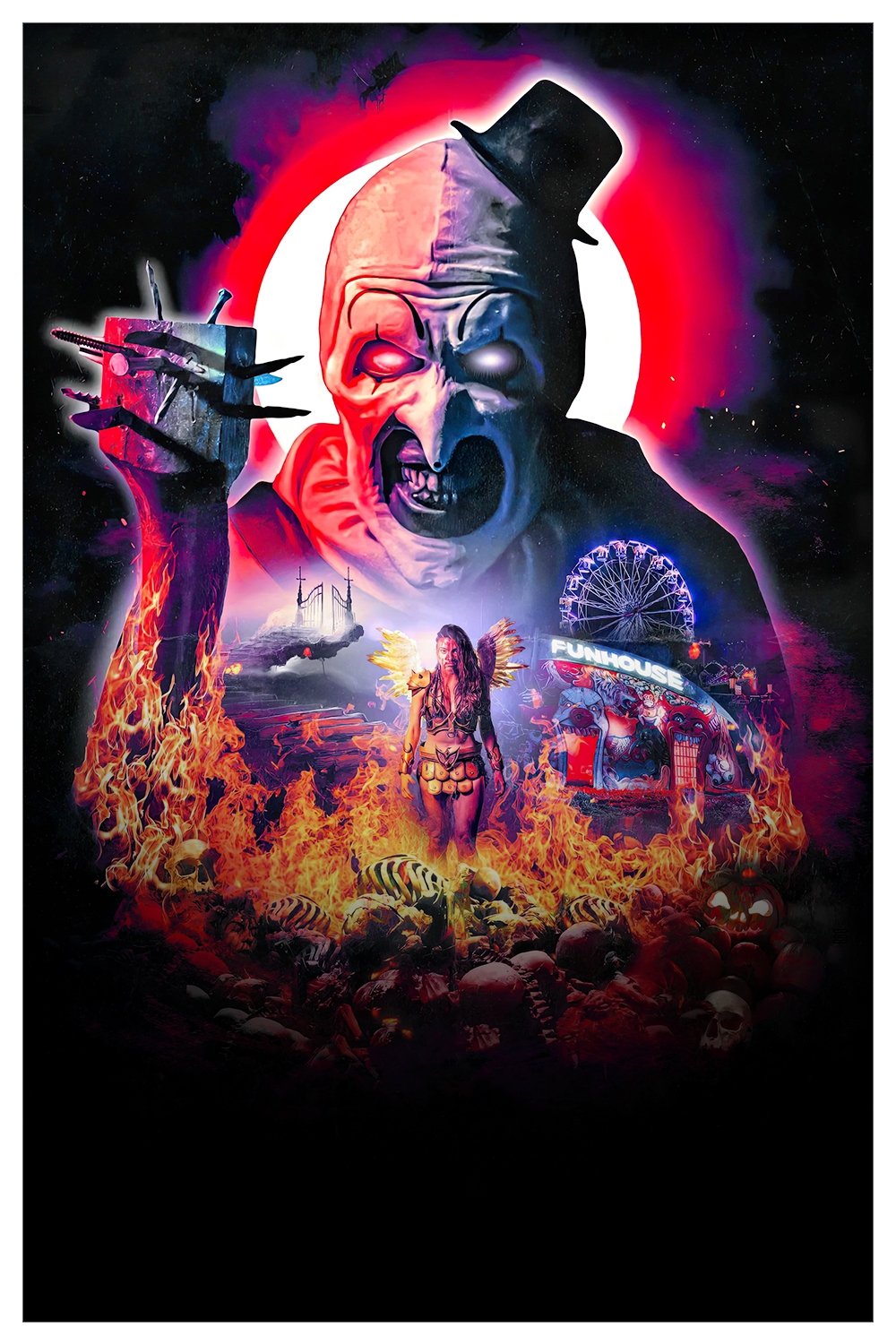
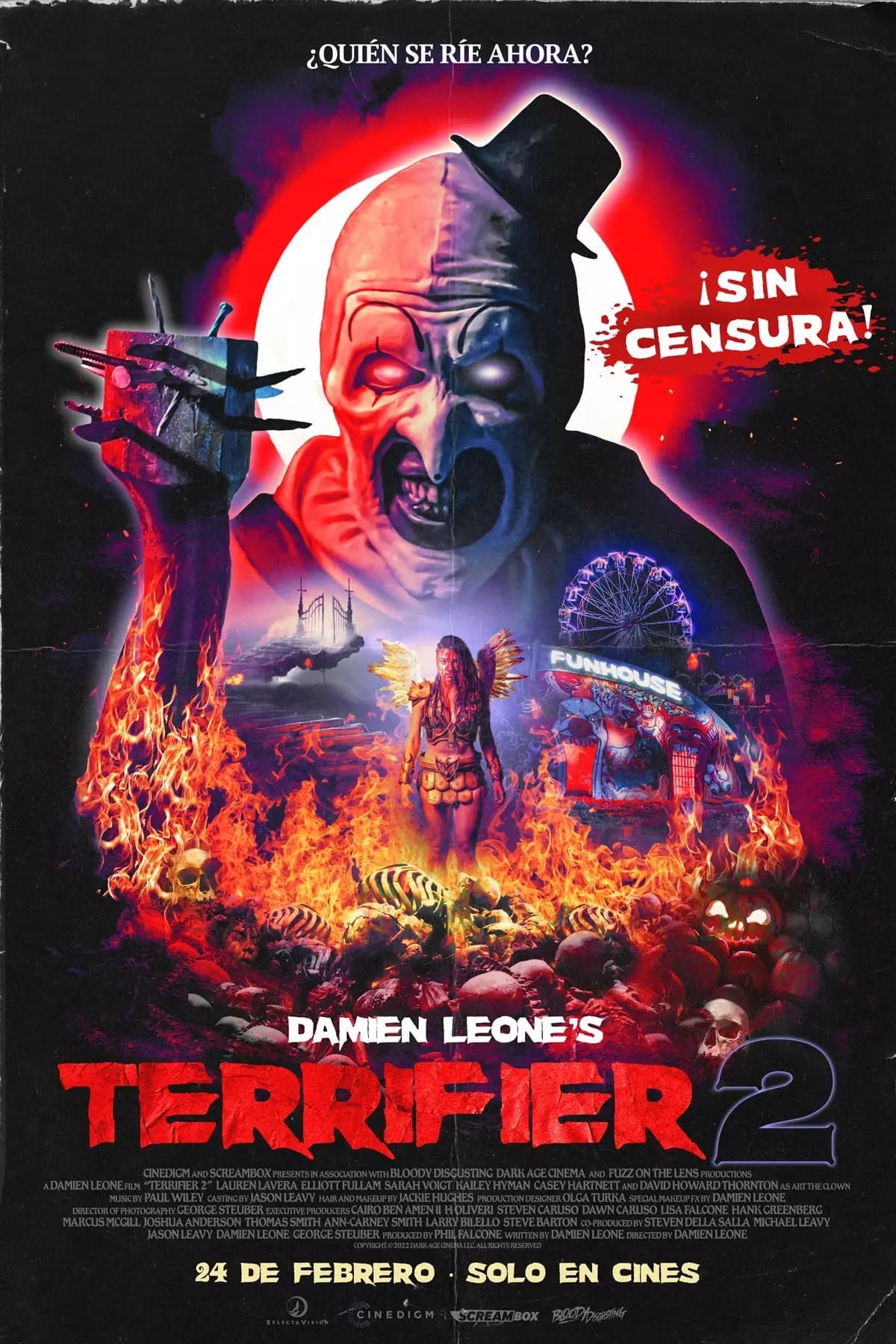
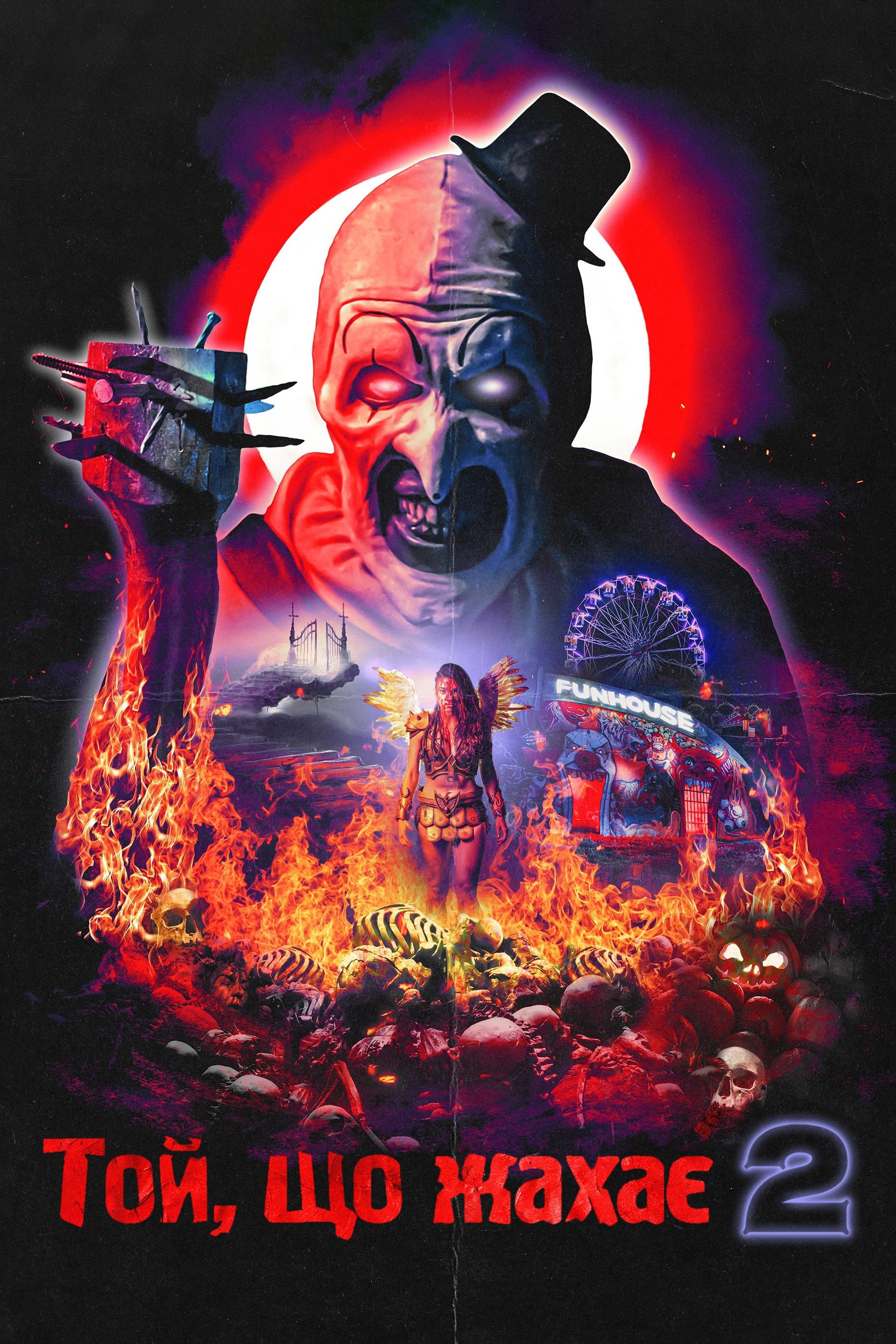
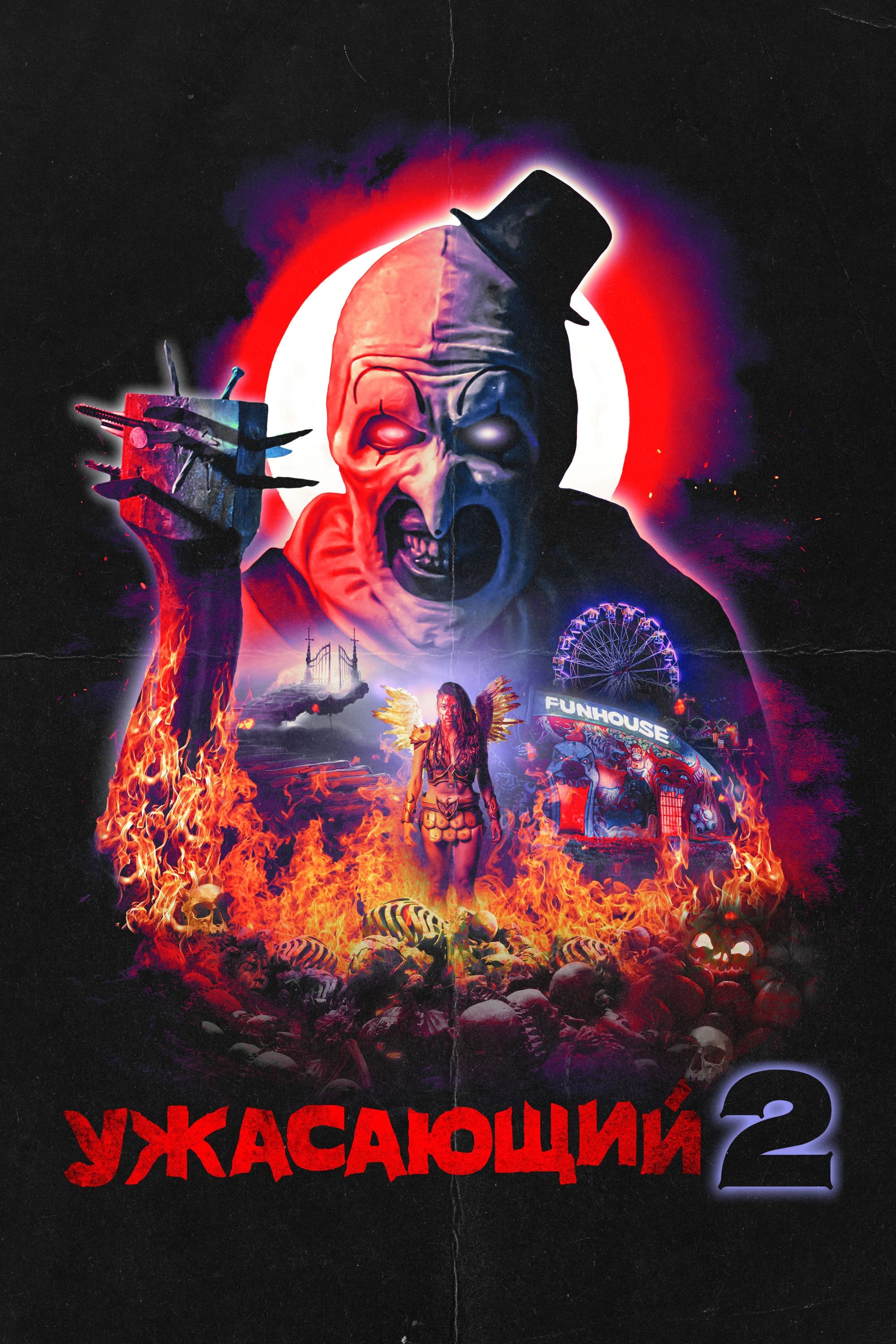
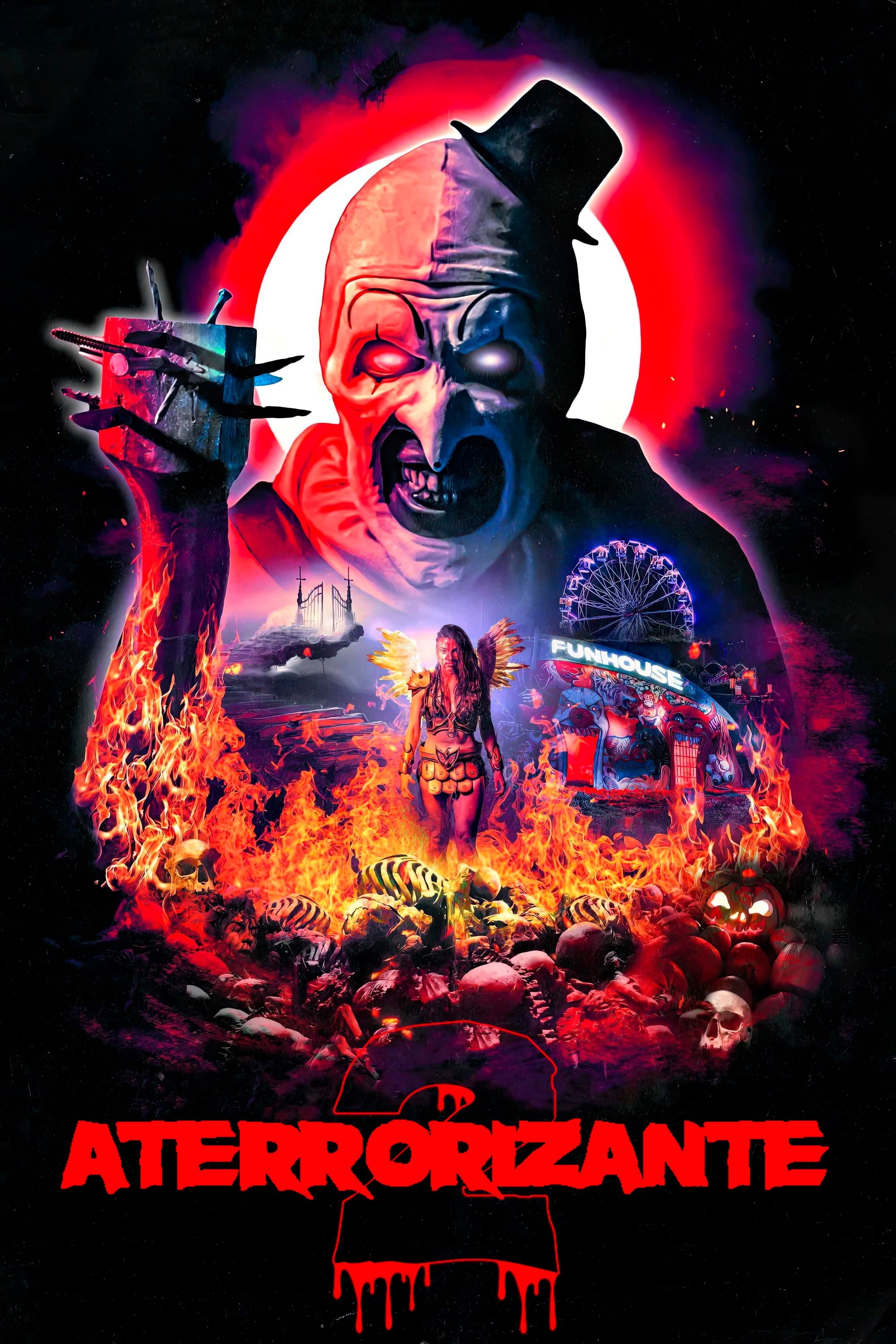
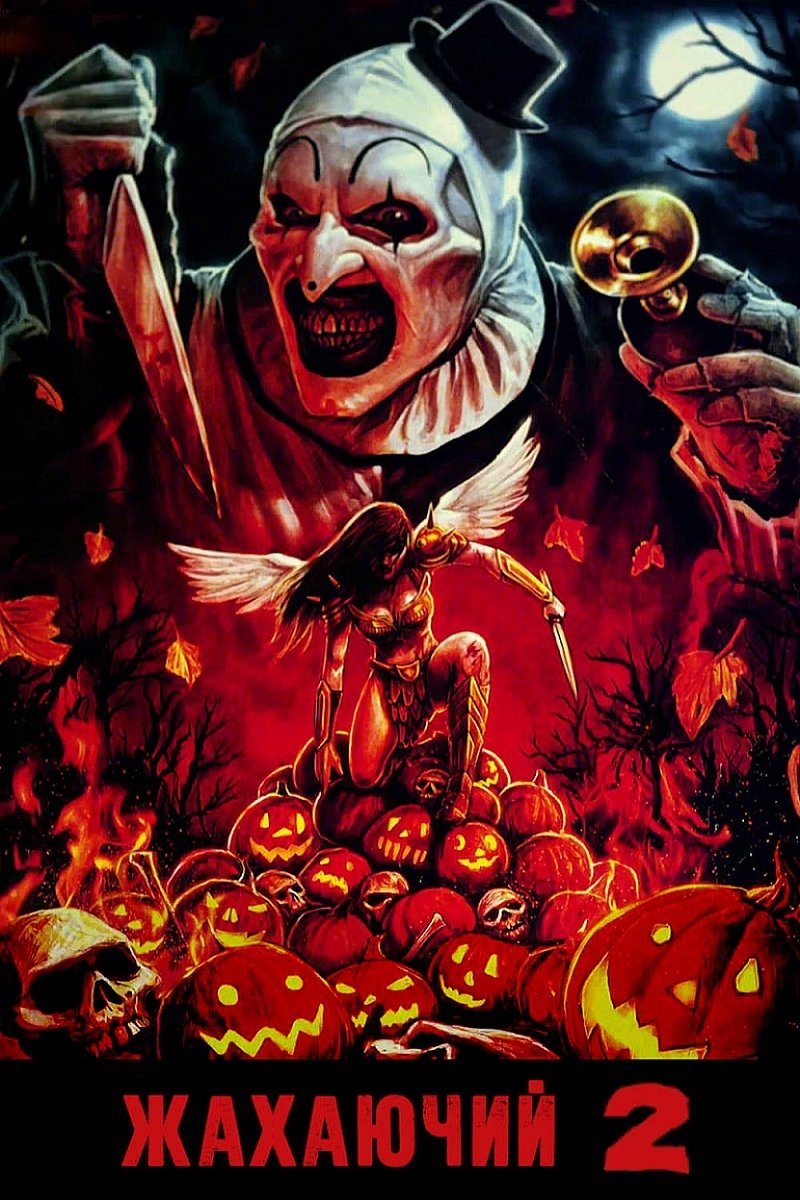
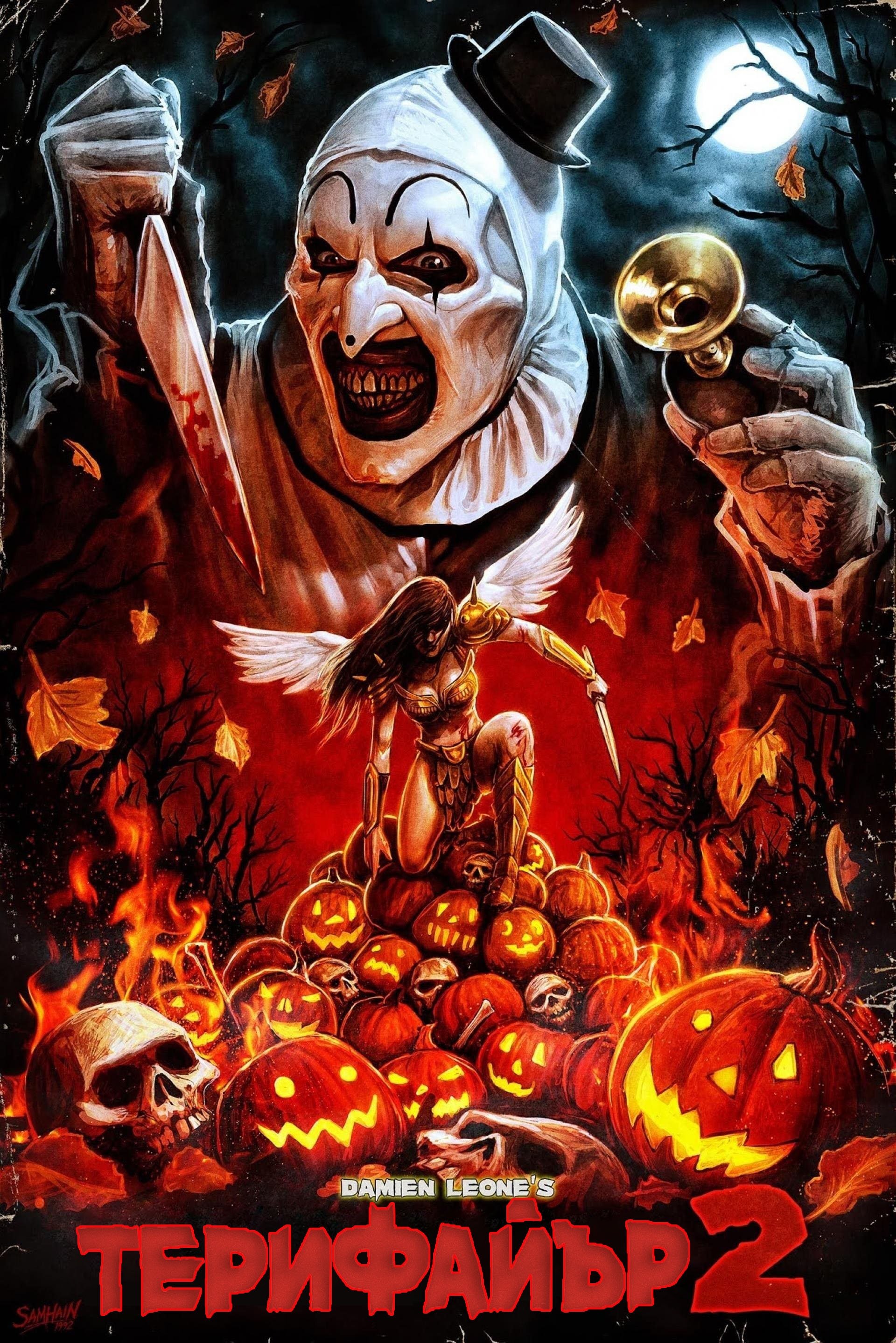
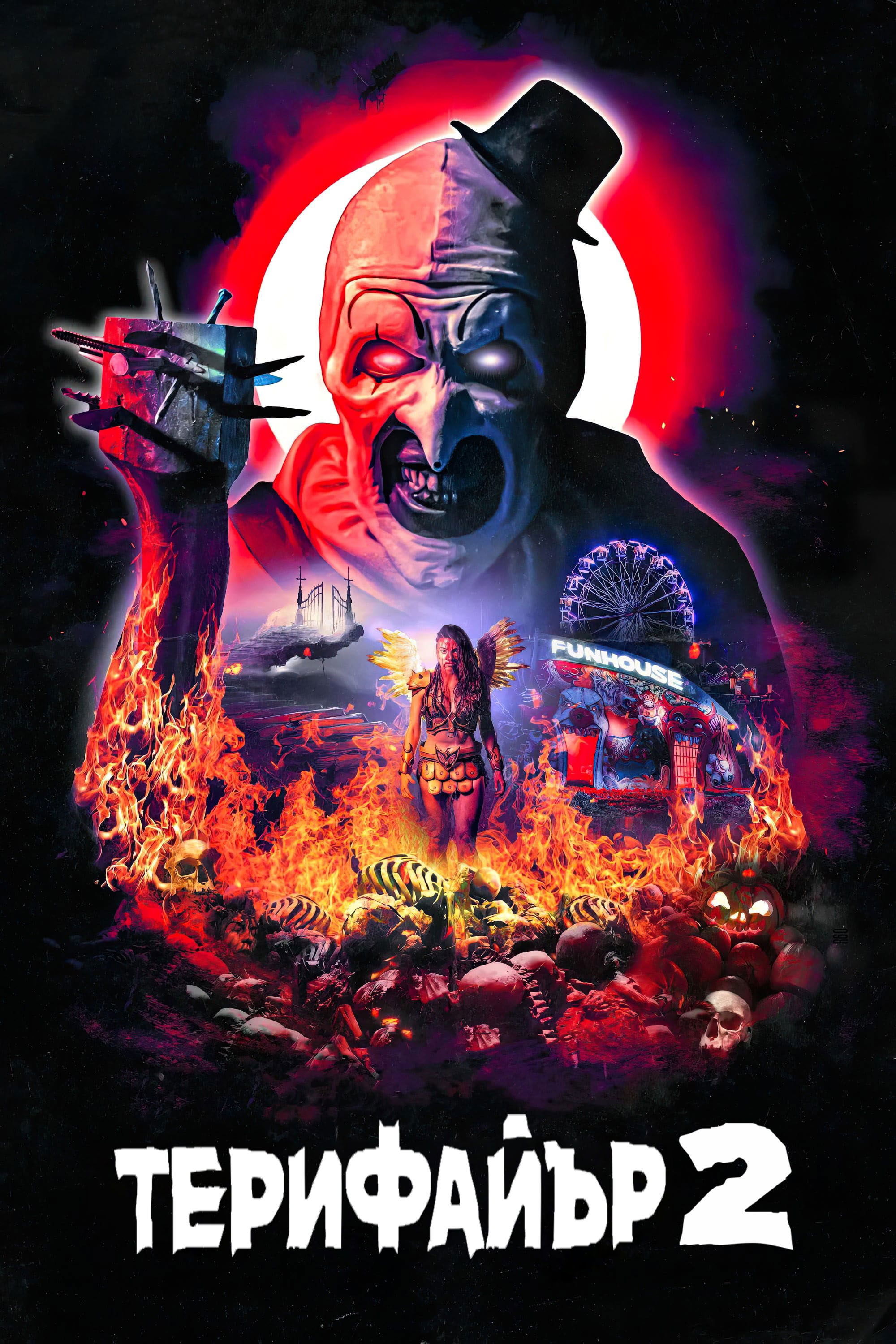
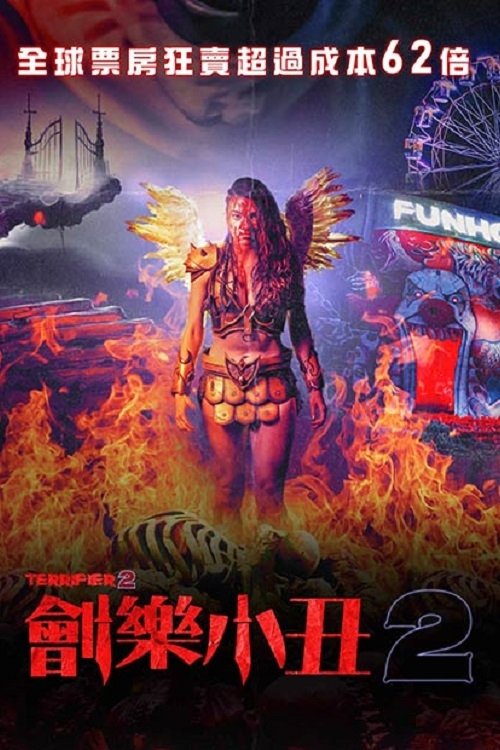
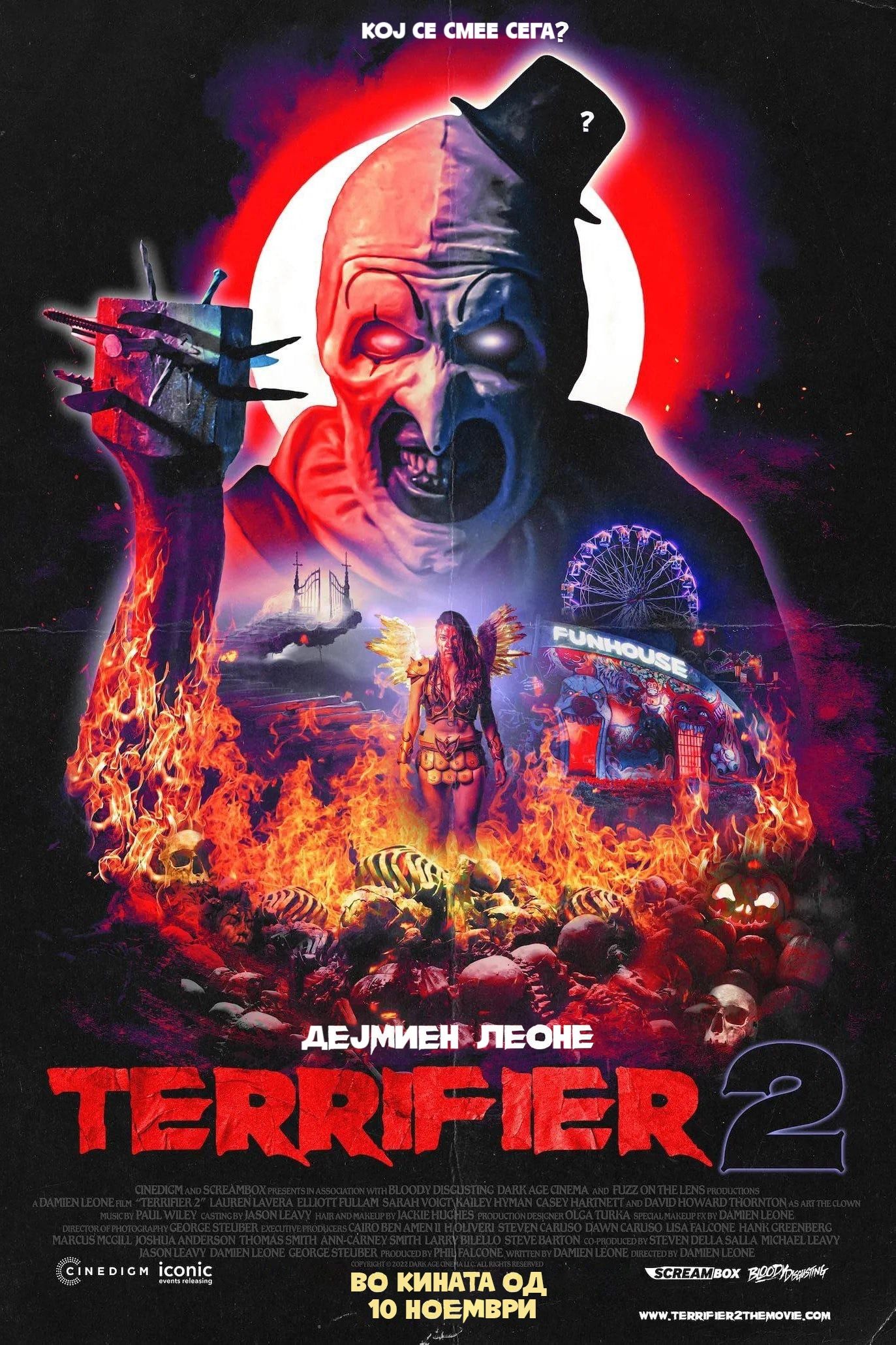
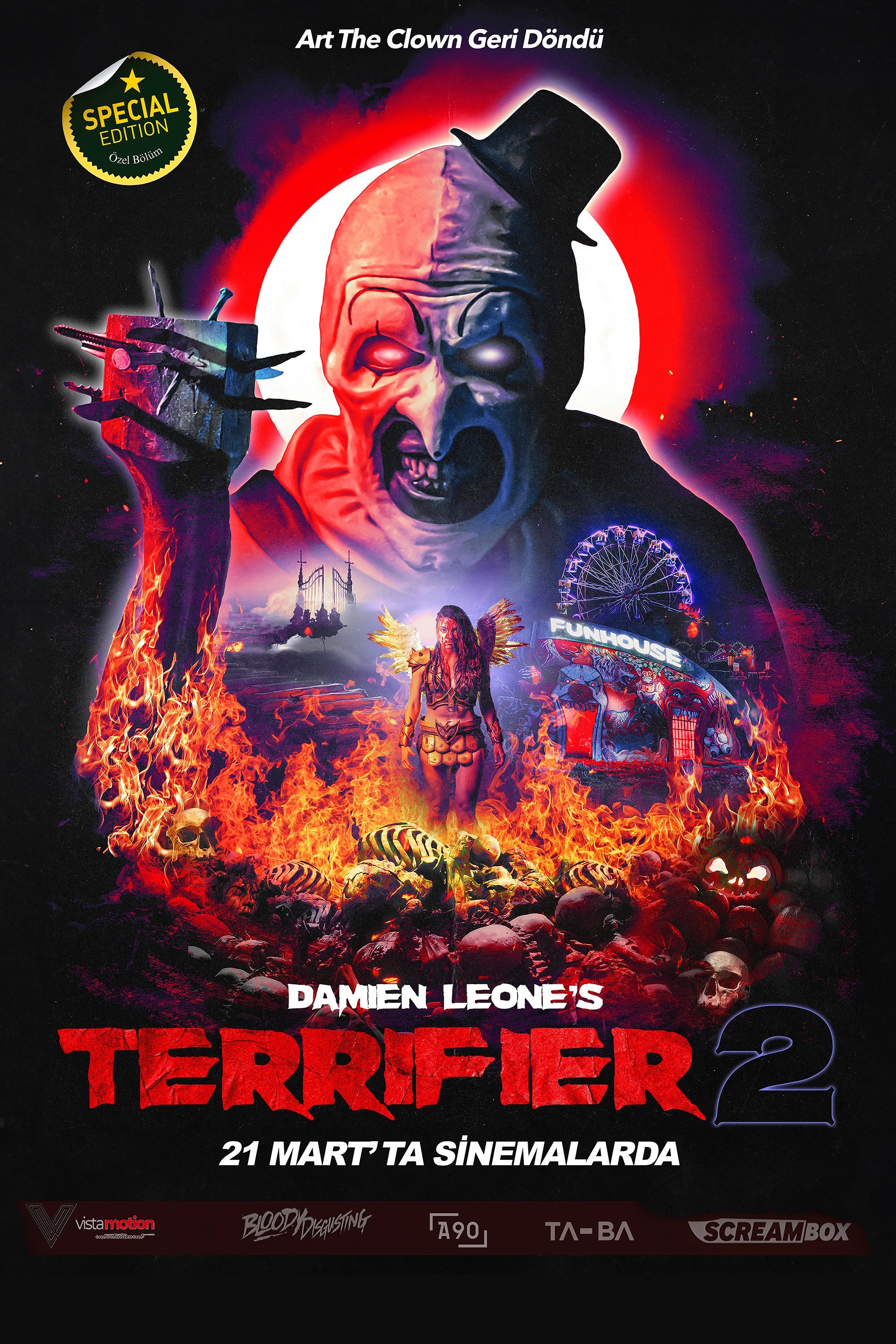
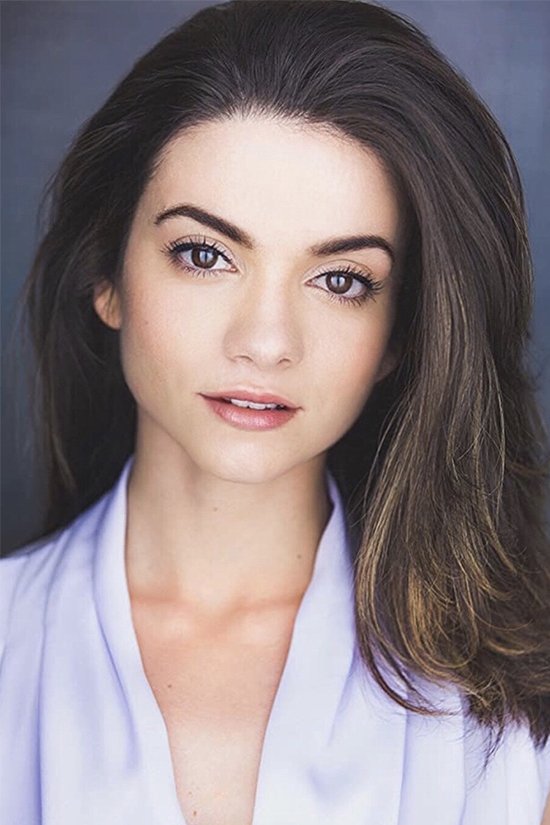
Sienna's introduction alters the structure that had made the earlier film a relatively direct pursuit narrative. Leone described the character as a tribute to heroines including Laurie Strode, Ellen Ripley and the fantasy warrior Red Sonja, while emphasizing her vulnerability and emotional strain. Her bond with Jonathan, the absence of their father and tensions within the family make Art's attacks part of a continuing story rather than a sequence of isolated encounters. LaVera's performance carries much of this change, particularly when Sienna must move from fear and uncertainty toward direct resistance.
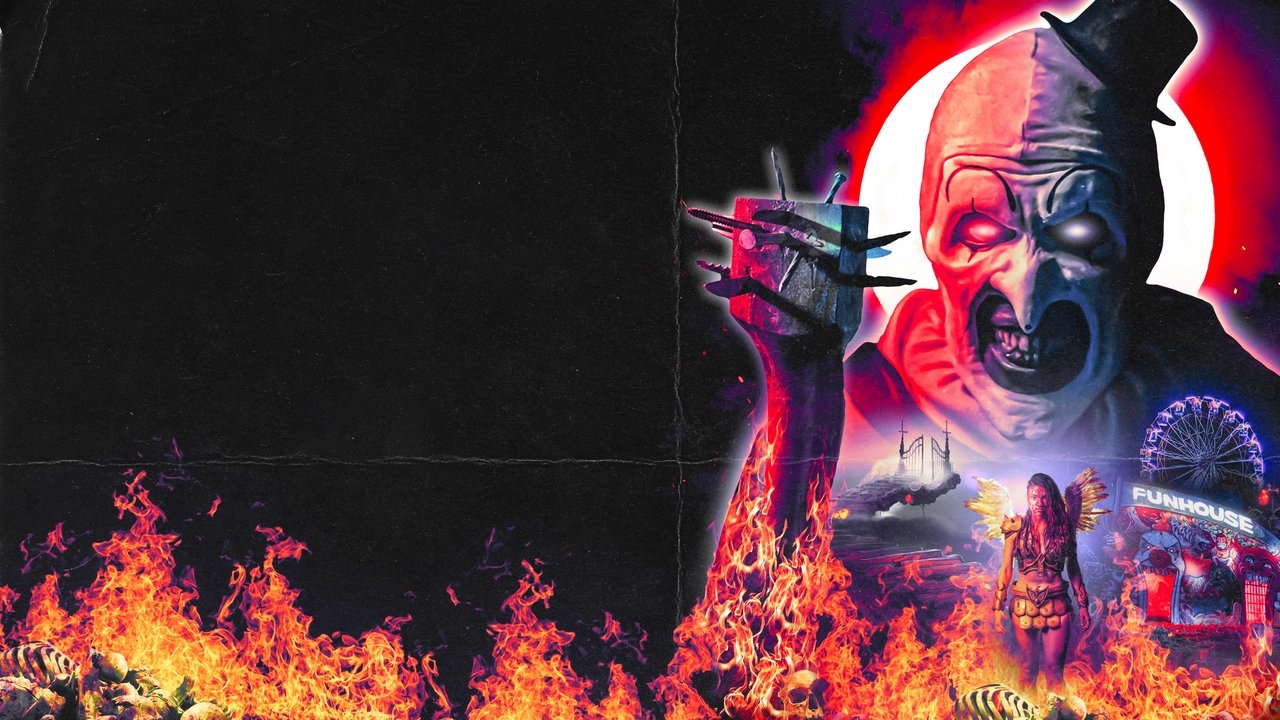
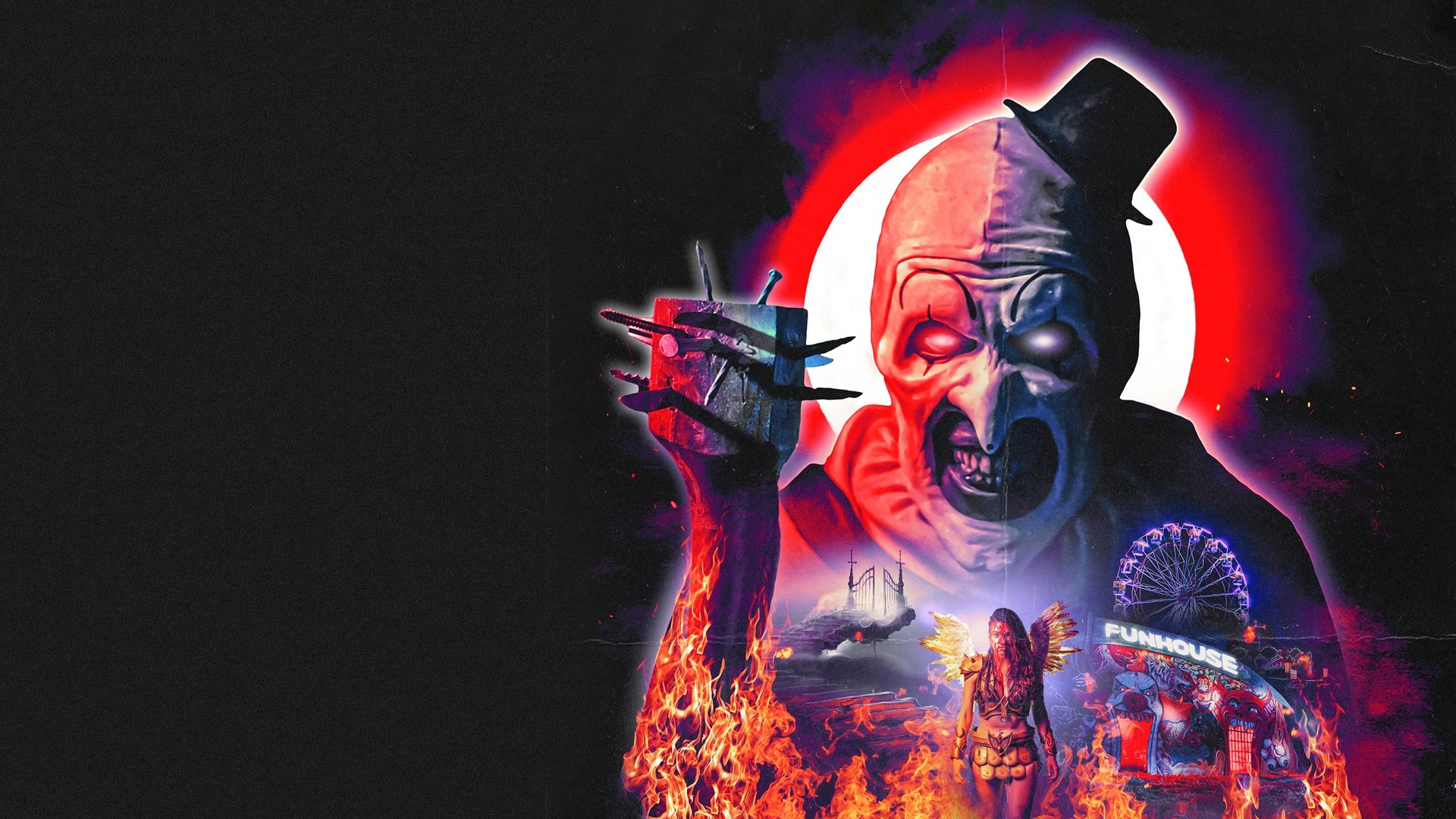
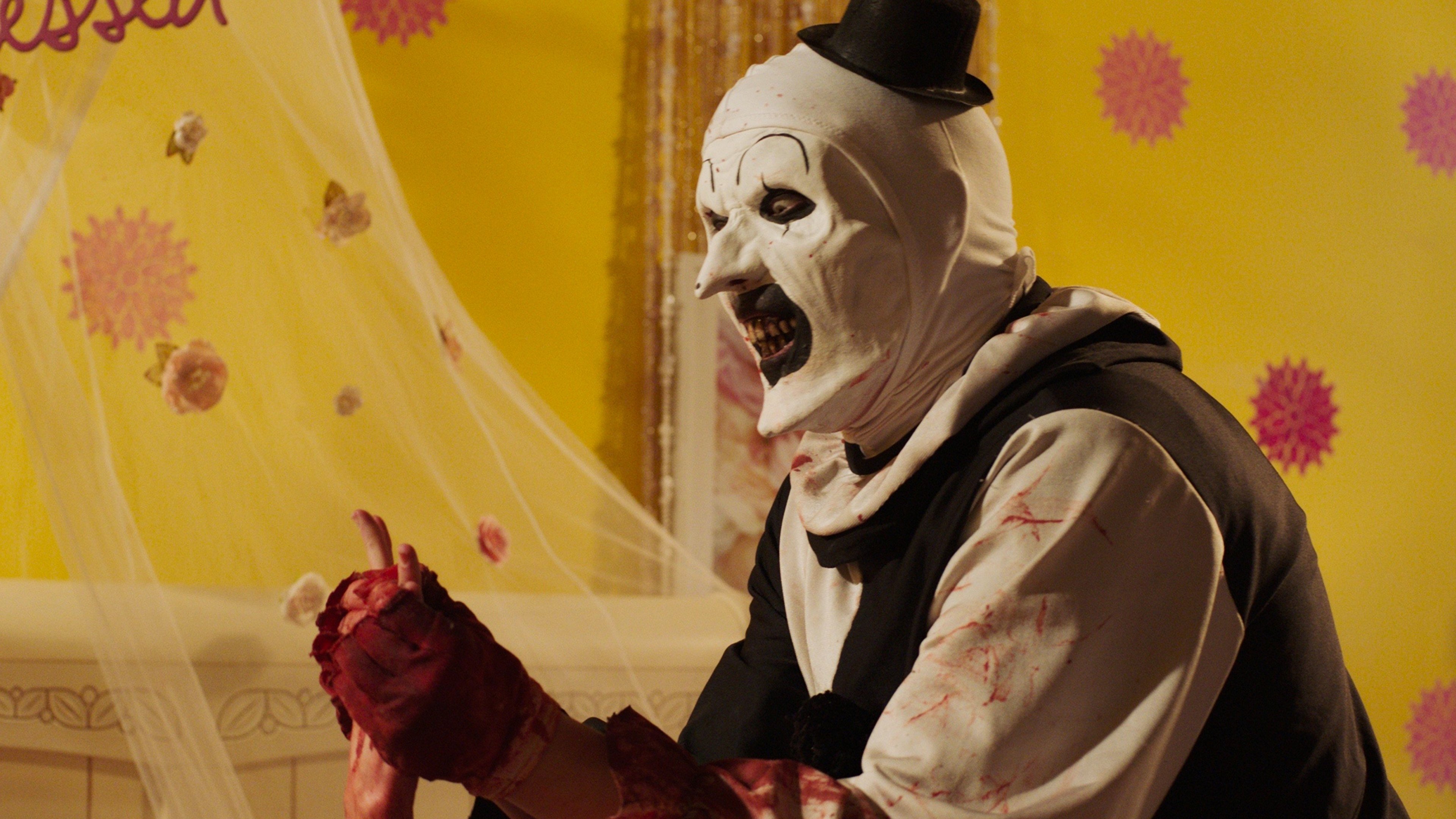
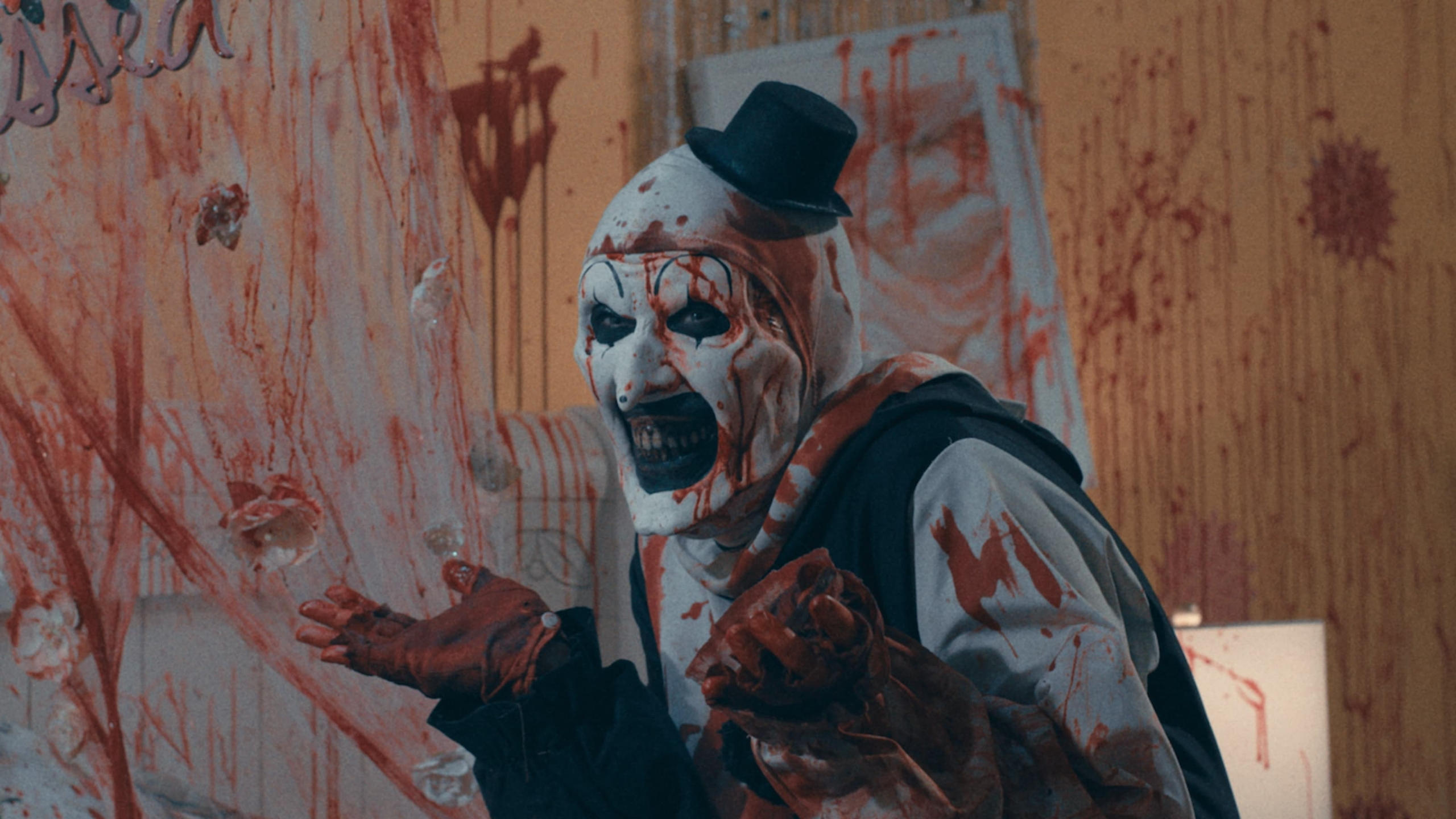
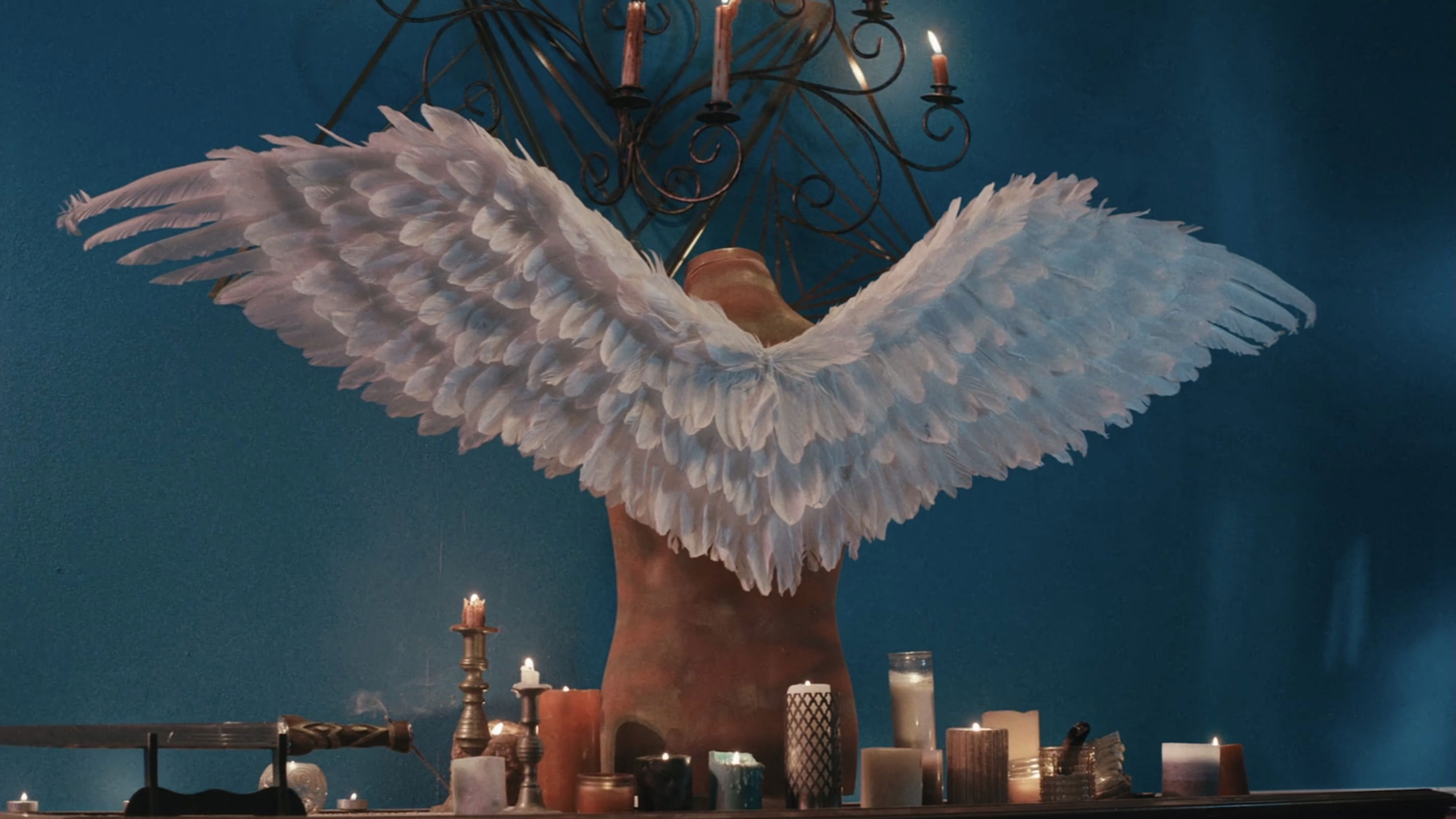
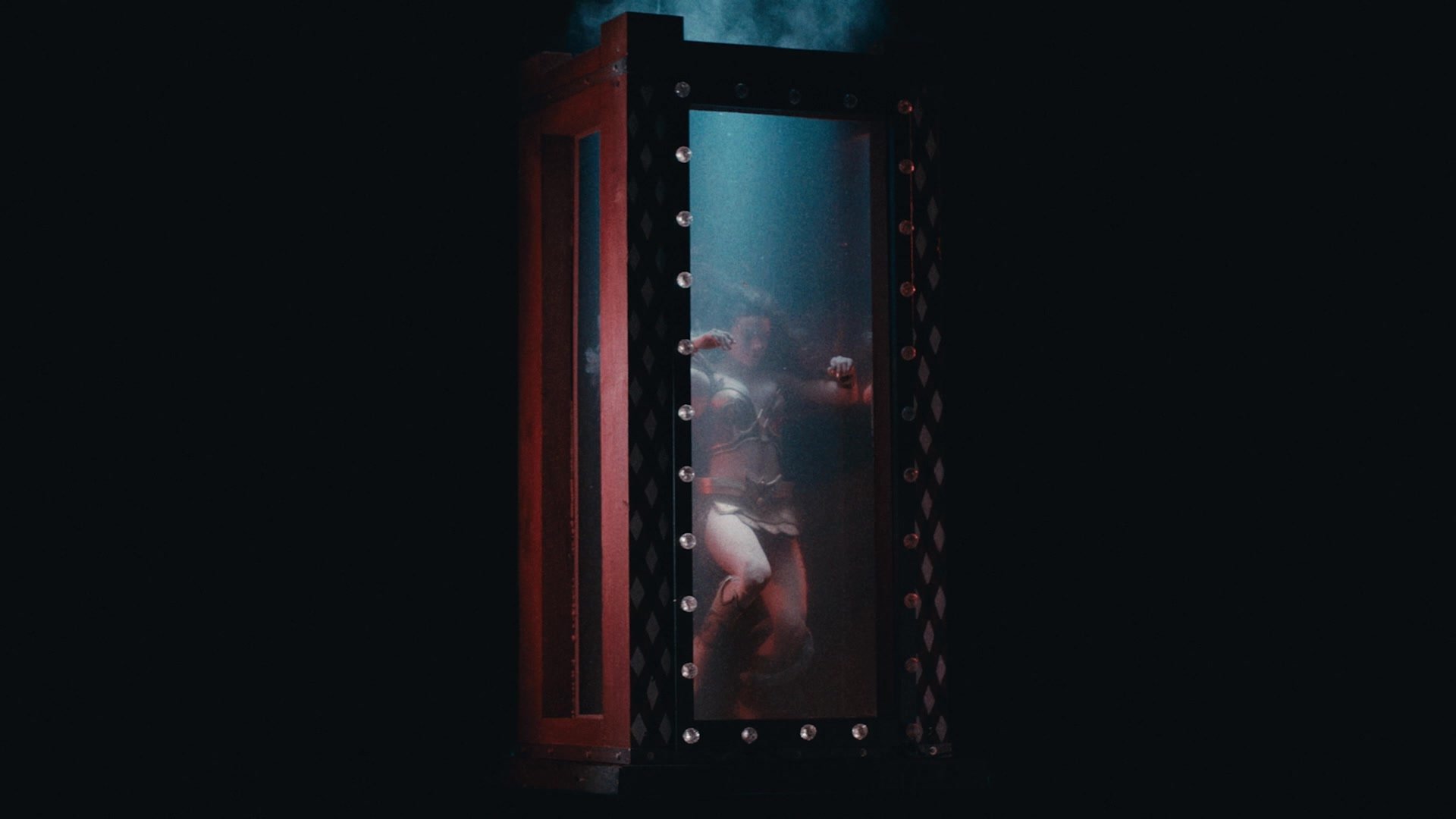
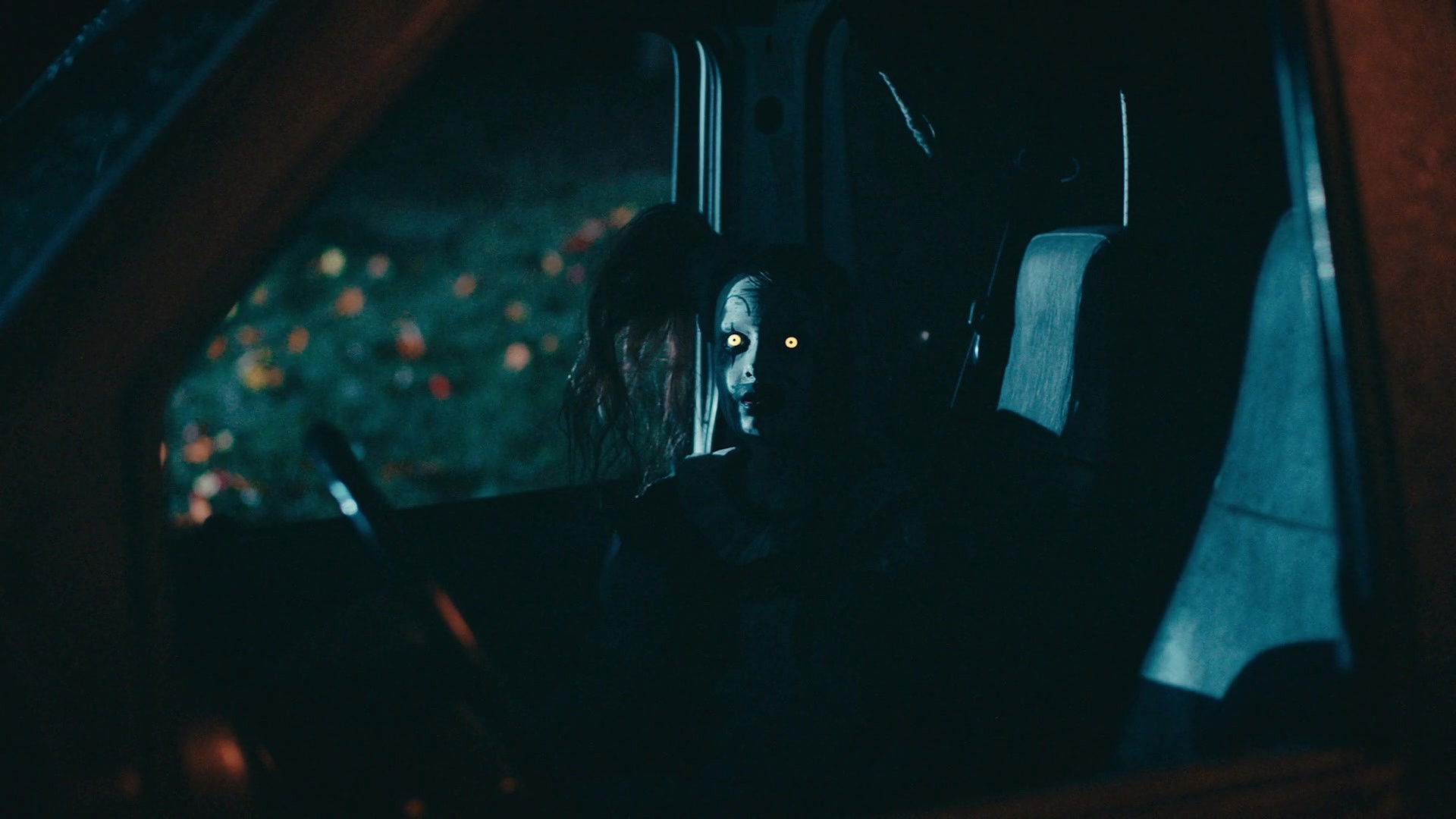
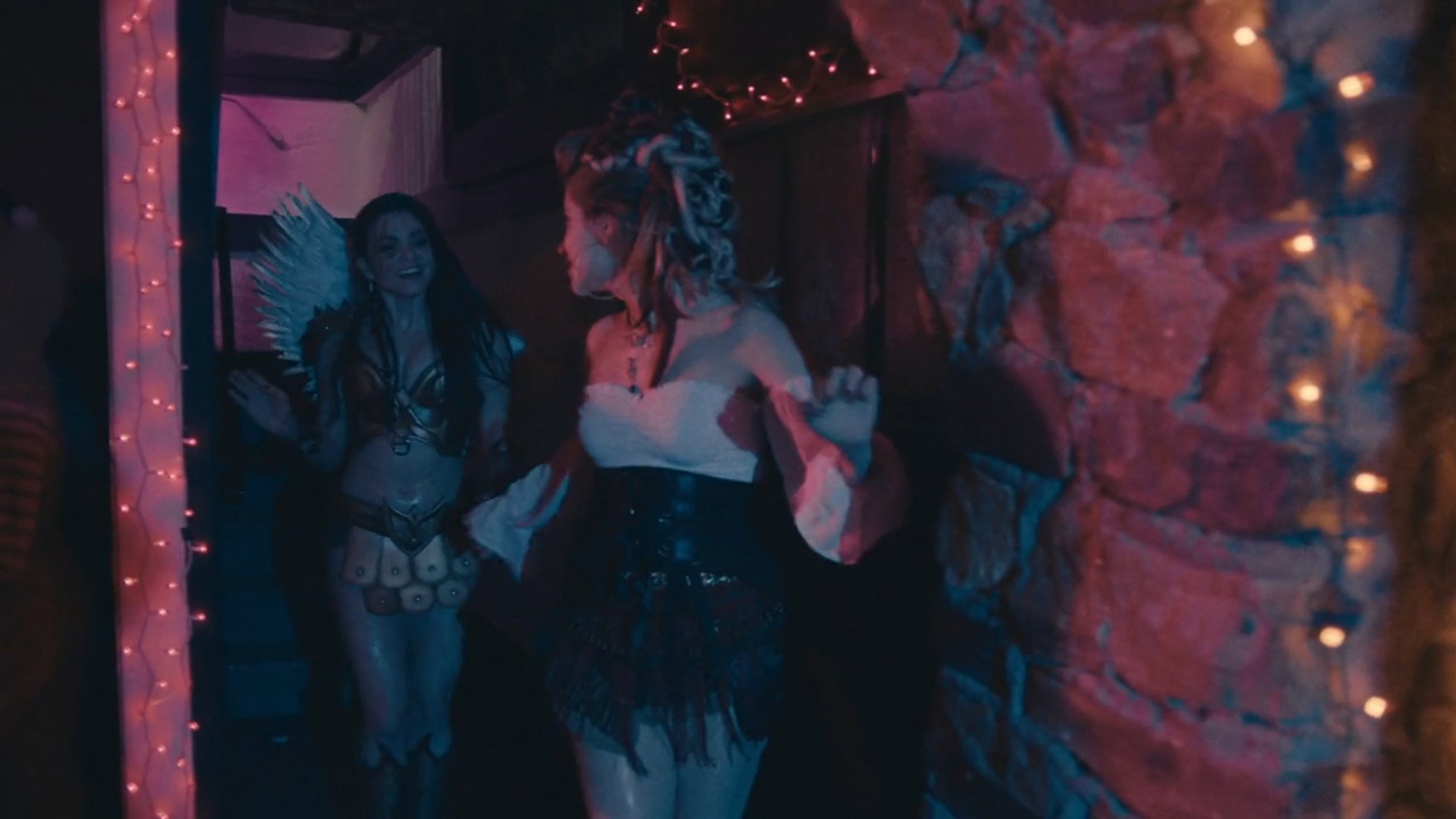
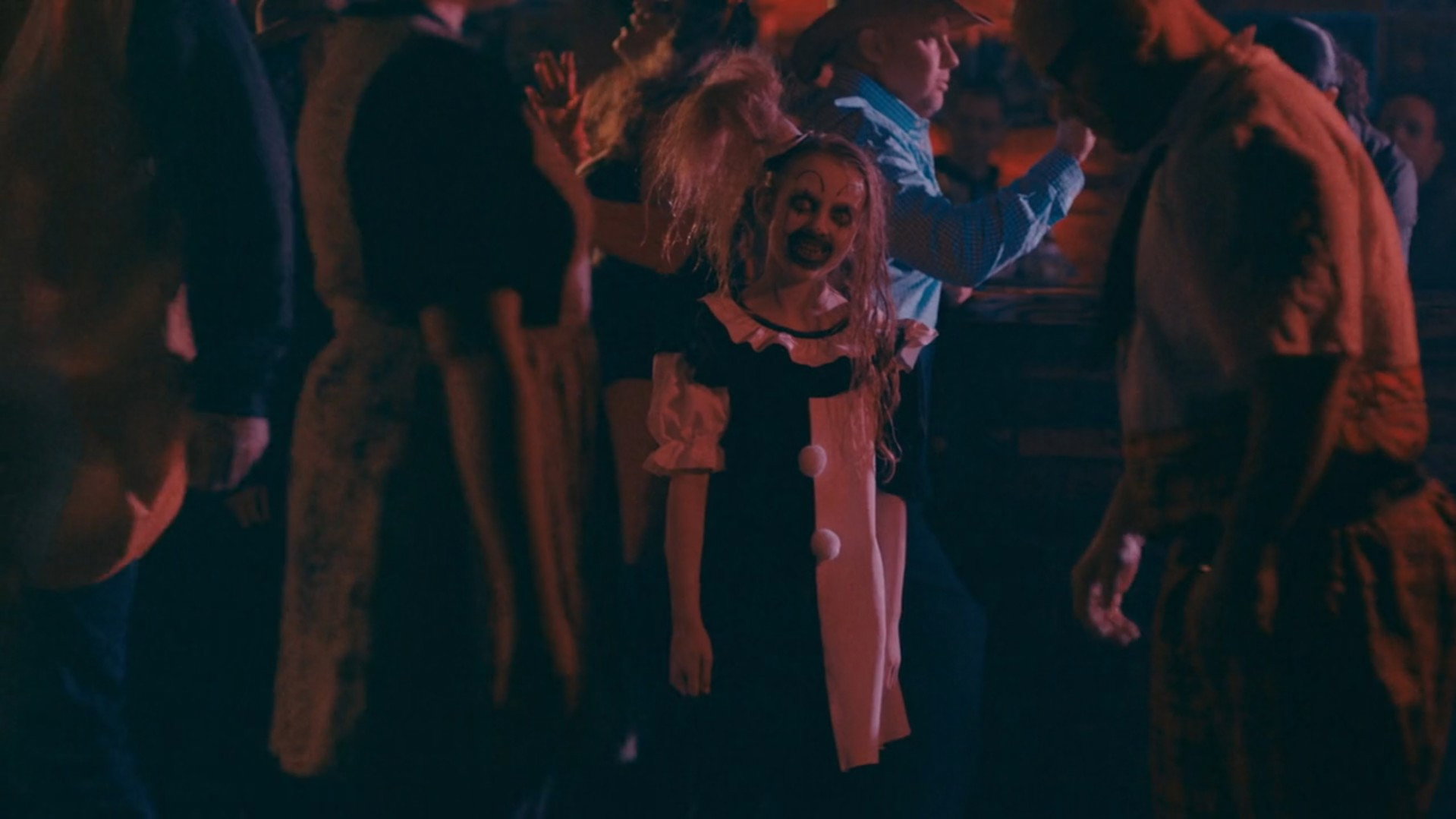
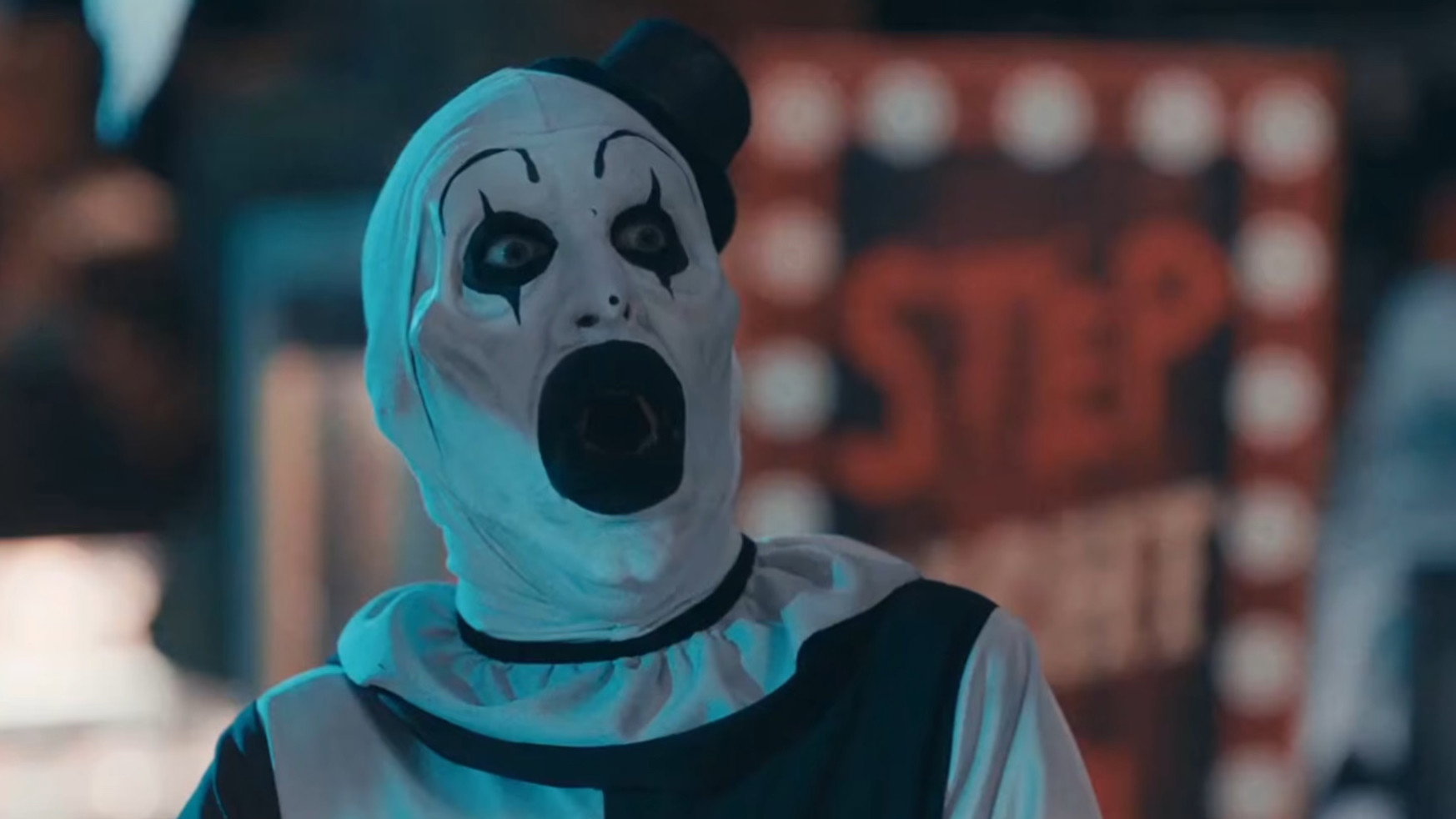
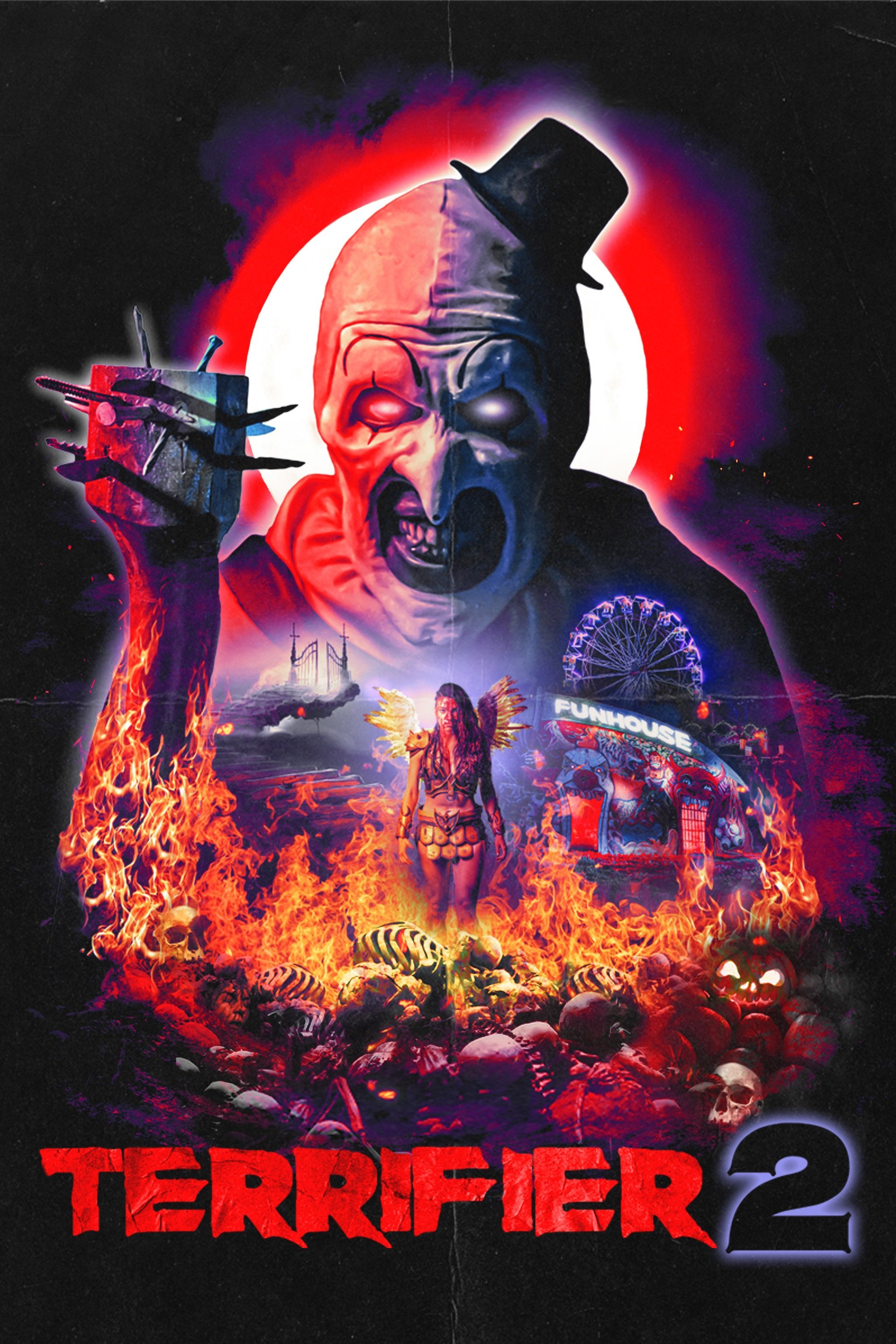
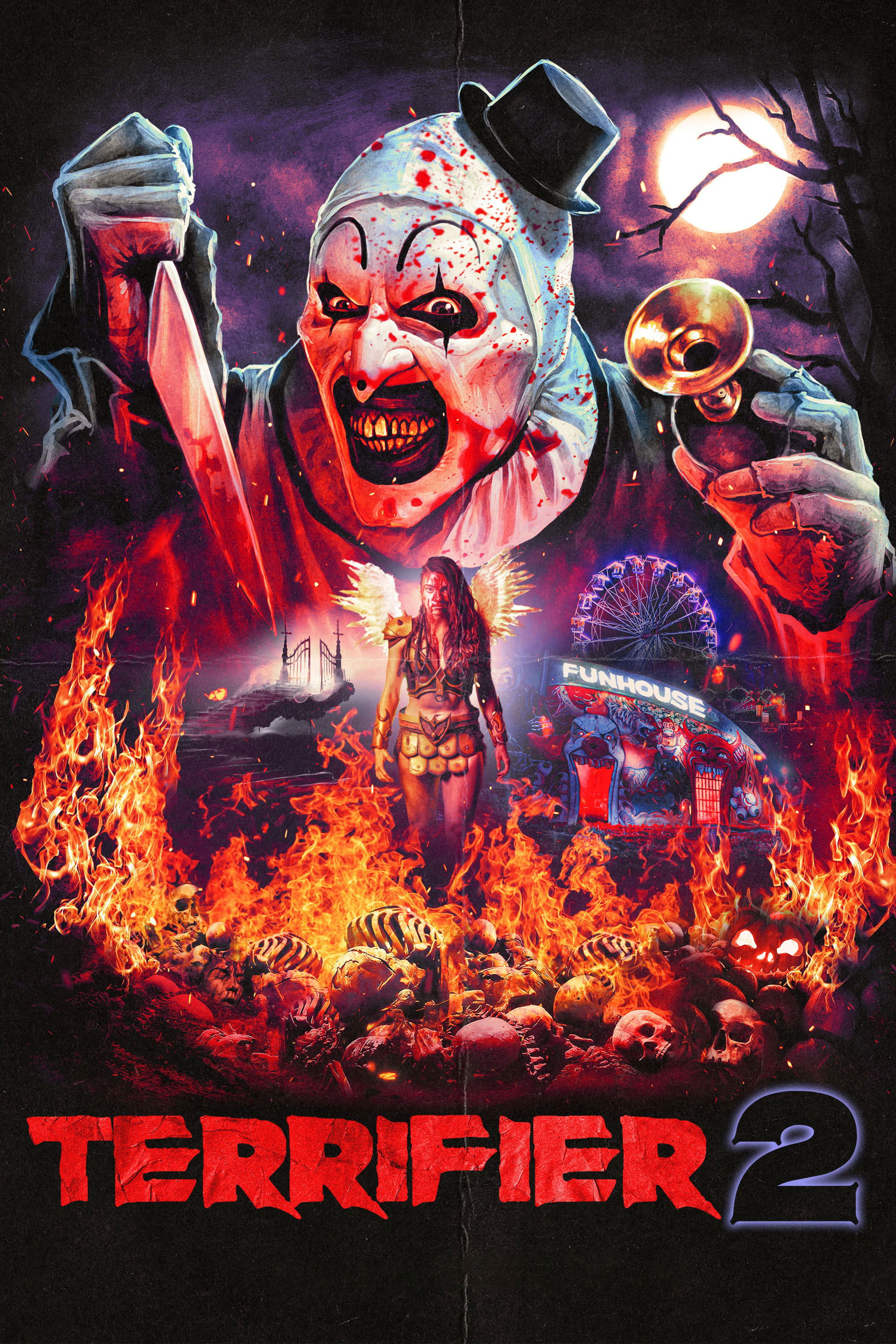
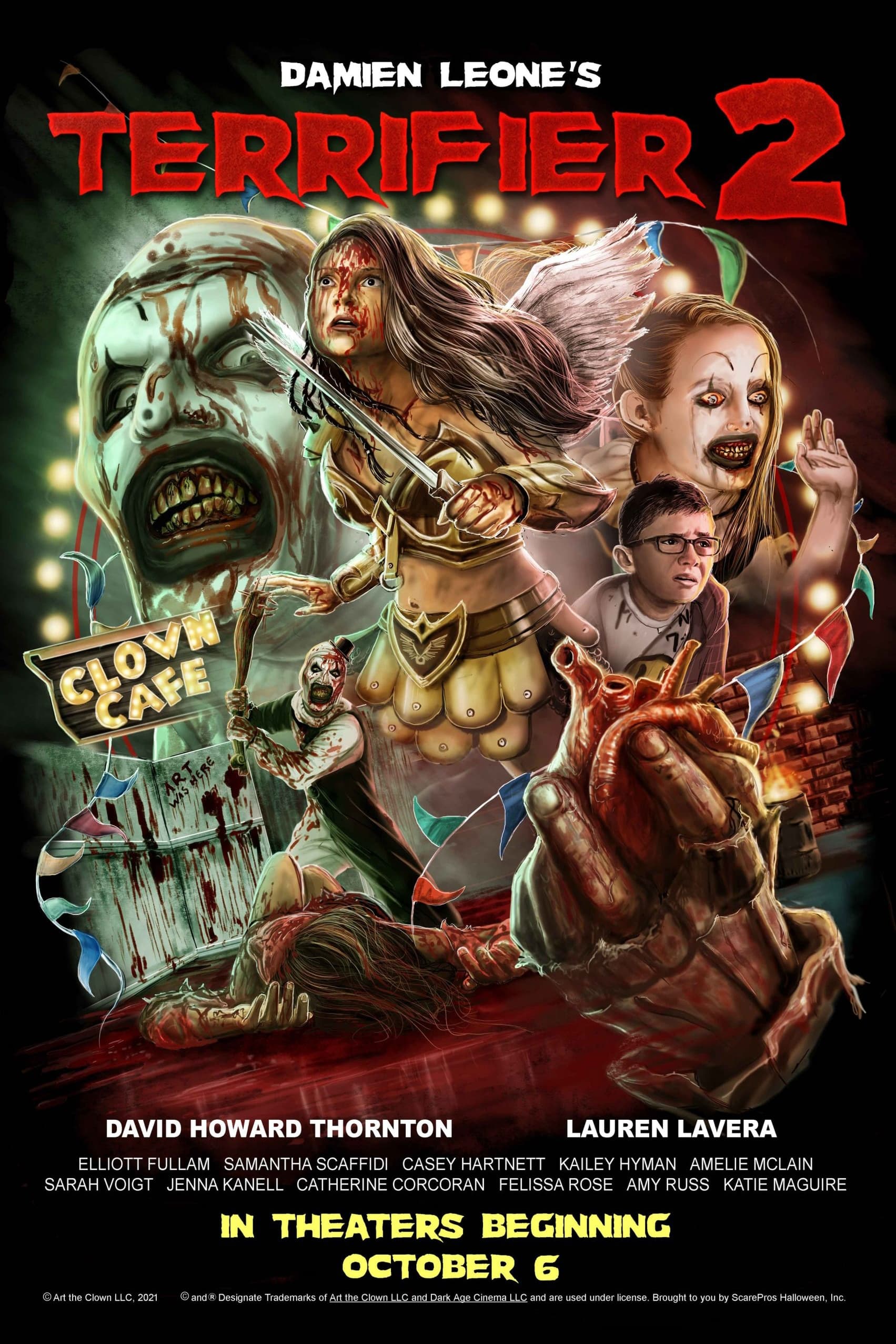
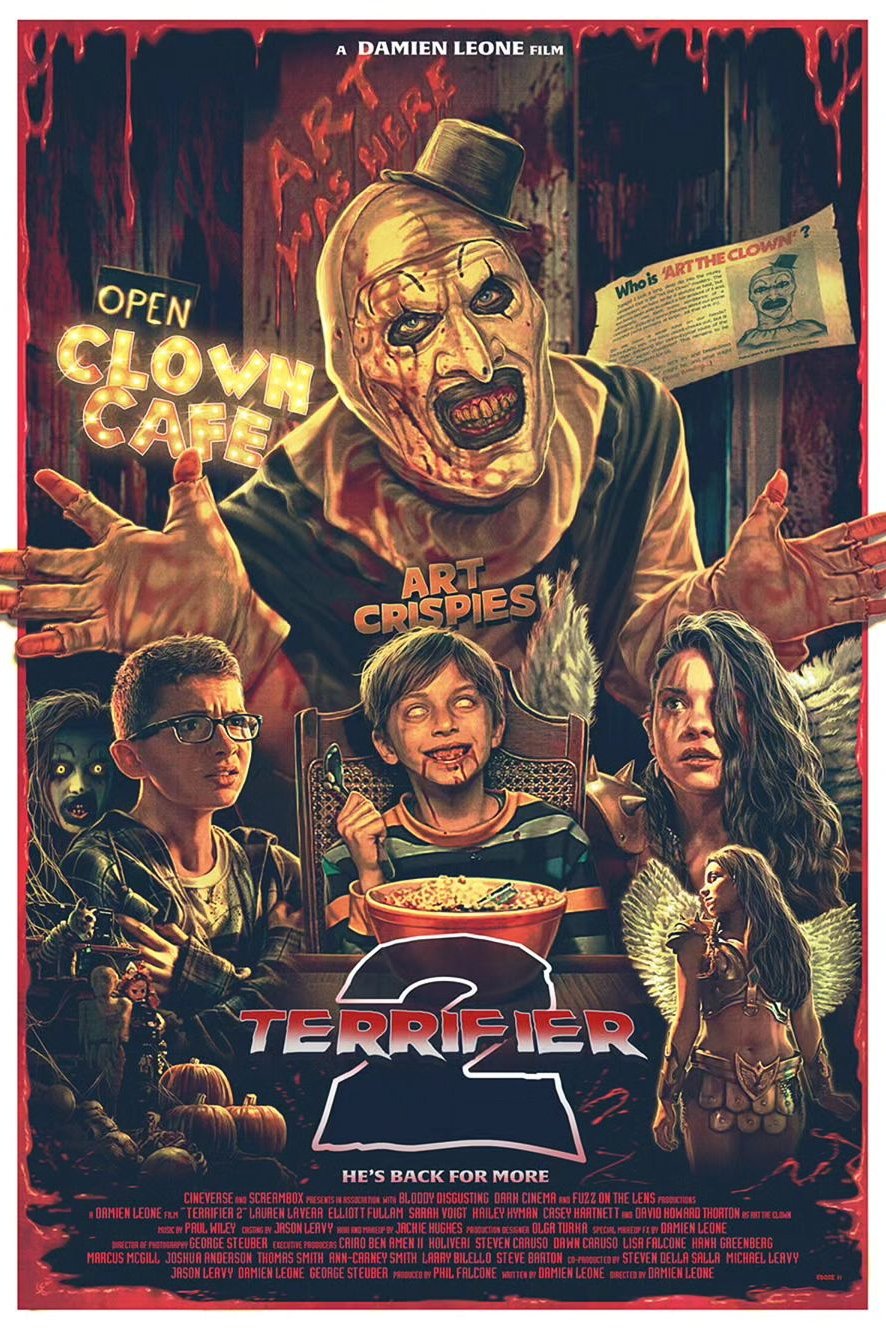
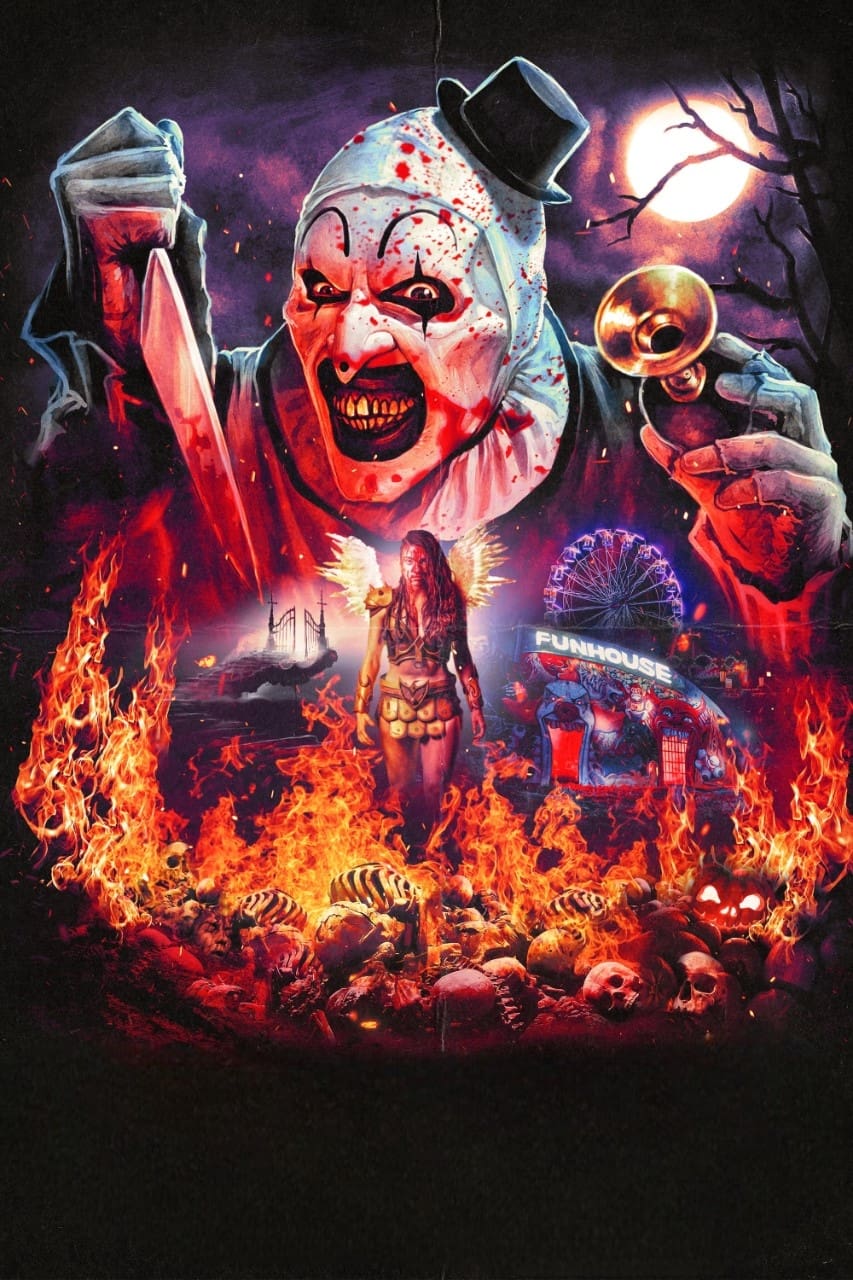
The design of Sienna's winged costume and her father's sword becomes increasingly important as the film develops. The Clown Café dream combines a brightly coloured children's-show setting with gunfire, fire and grotesque clown imagery. It also links the seemingly ordinary Halloween preparations to the film's more fantastic events. The Little Pale Girl, played by Amelie McLain, introduces further uncertainty about the forces responsible for Art's return. These elements are presented within the film as developing supernatural mysteries; the precise mechanics of the entity and its relationship to Sienna are not exhaustively explained.
Leone defended the length of the screenplay by arguing that the additional scenes were intended to reveal character, supply information and increase the stakes. At 138 minutes, Terrifier 2 is unusually long for a contemporary independent slasher. The family storyline creates intervals between attacks and makes the concluding confrontation depend on more than the survival of an unidentified victim. The extended duration nevertheless became a point of disagreement among reviewers, demonstrating that the attempt to combine traditional slasher excess with a more elaborate heroic narrative was not received uniformly.
Practical Gore and Digital Compositing
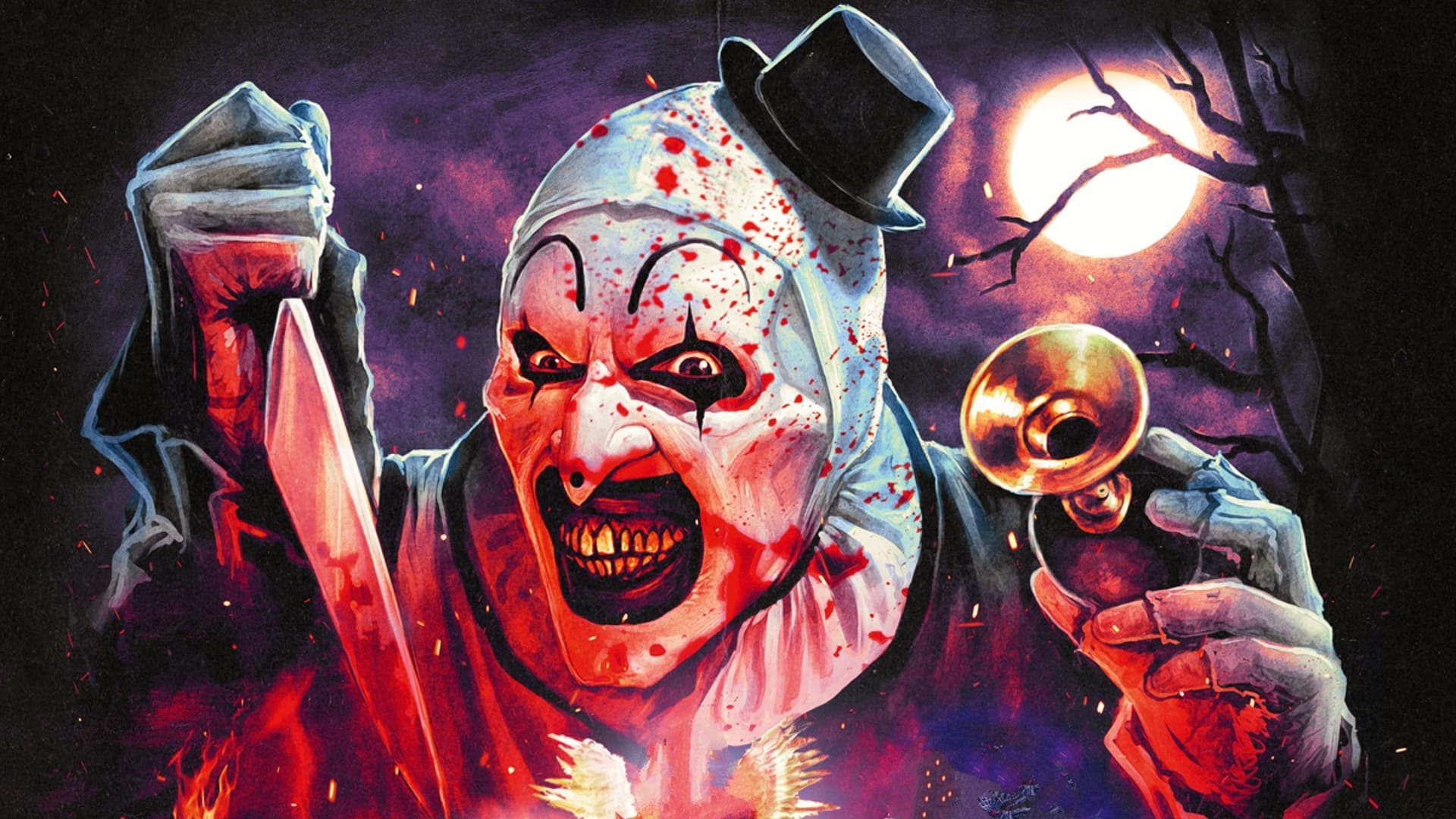
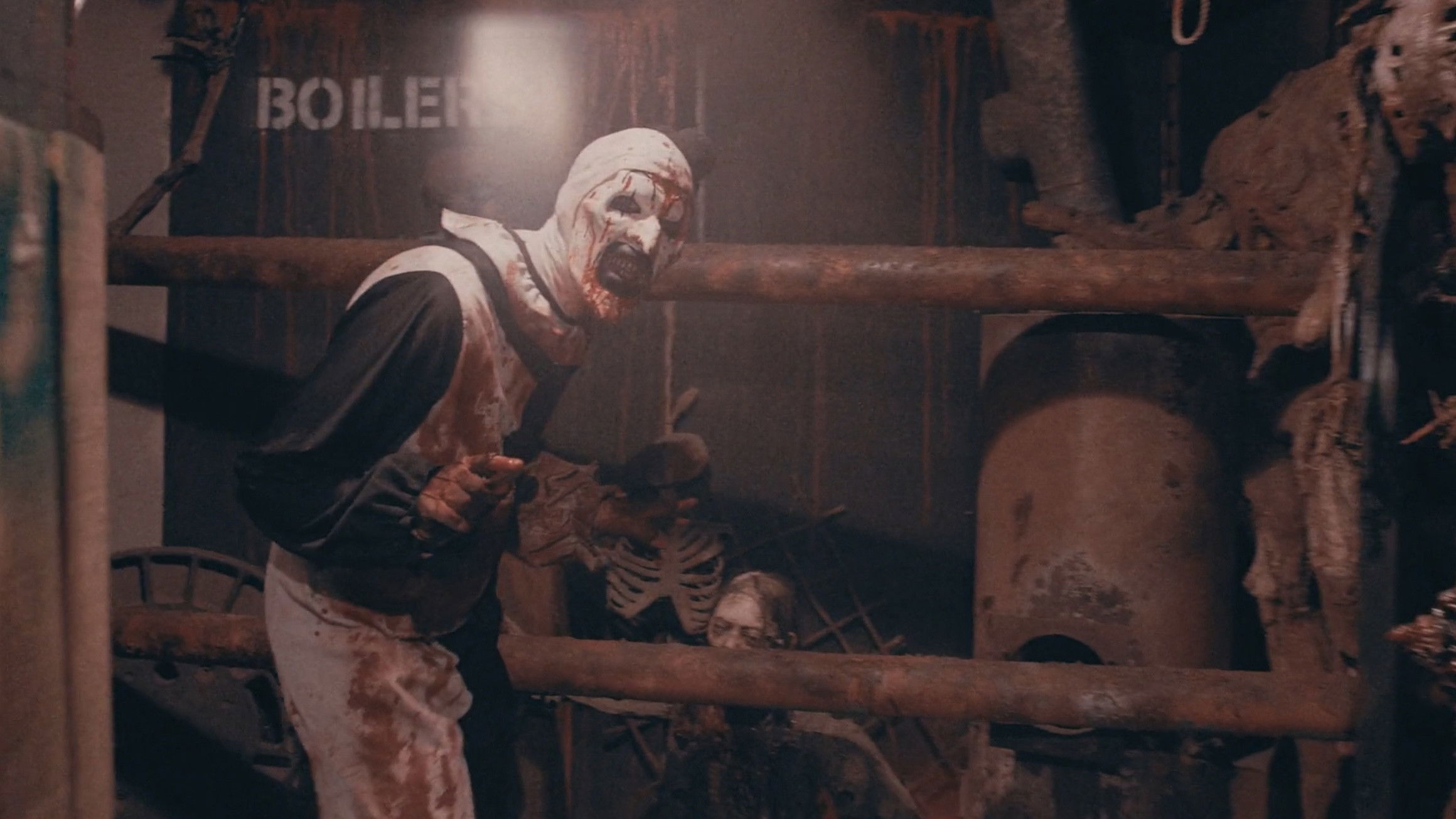
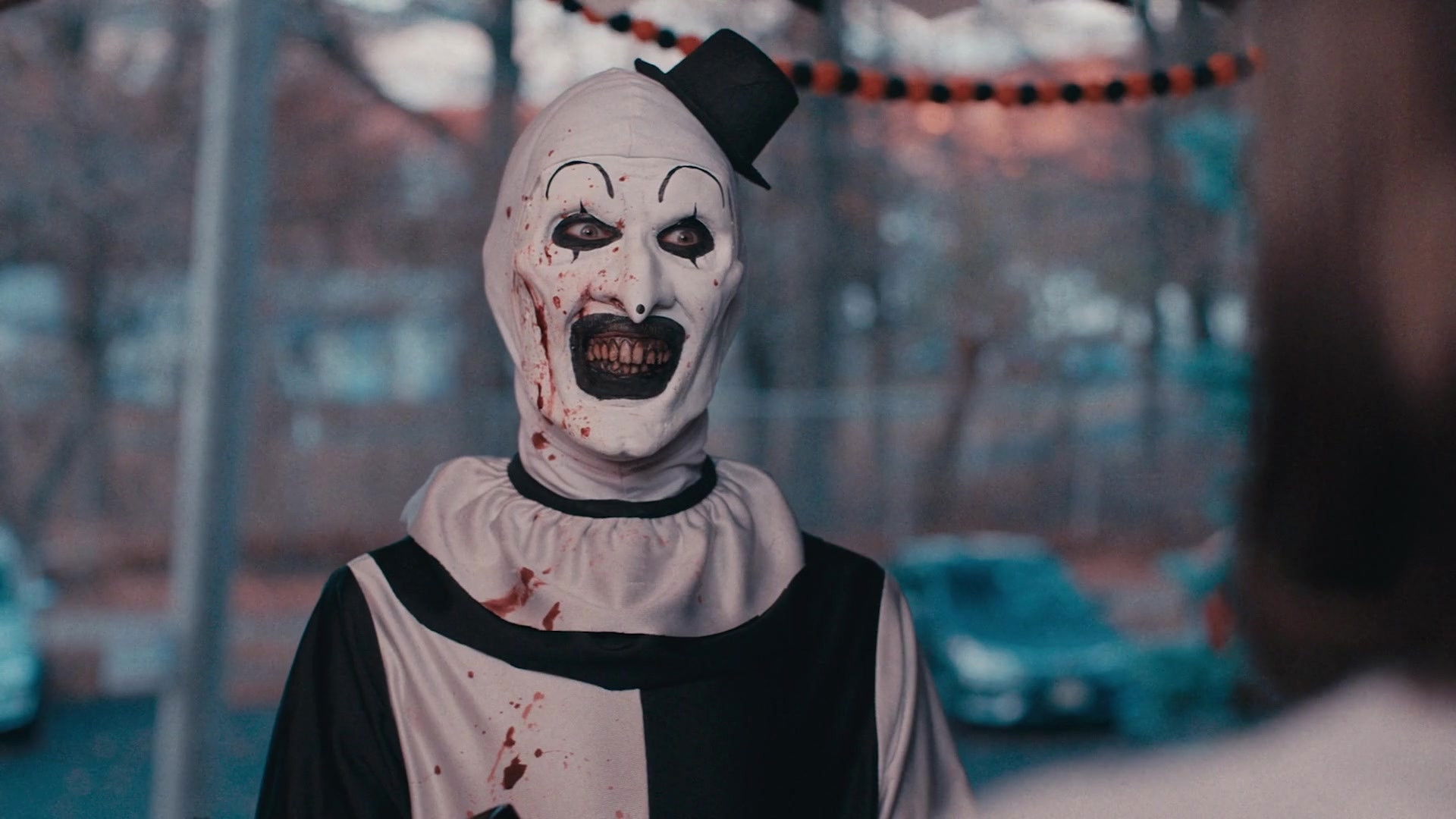
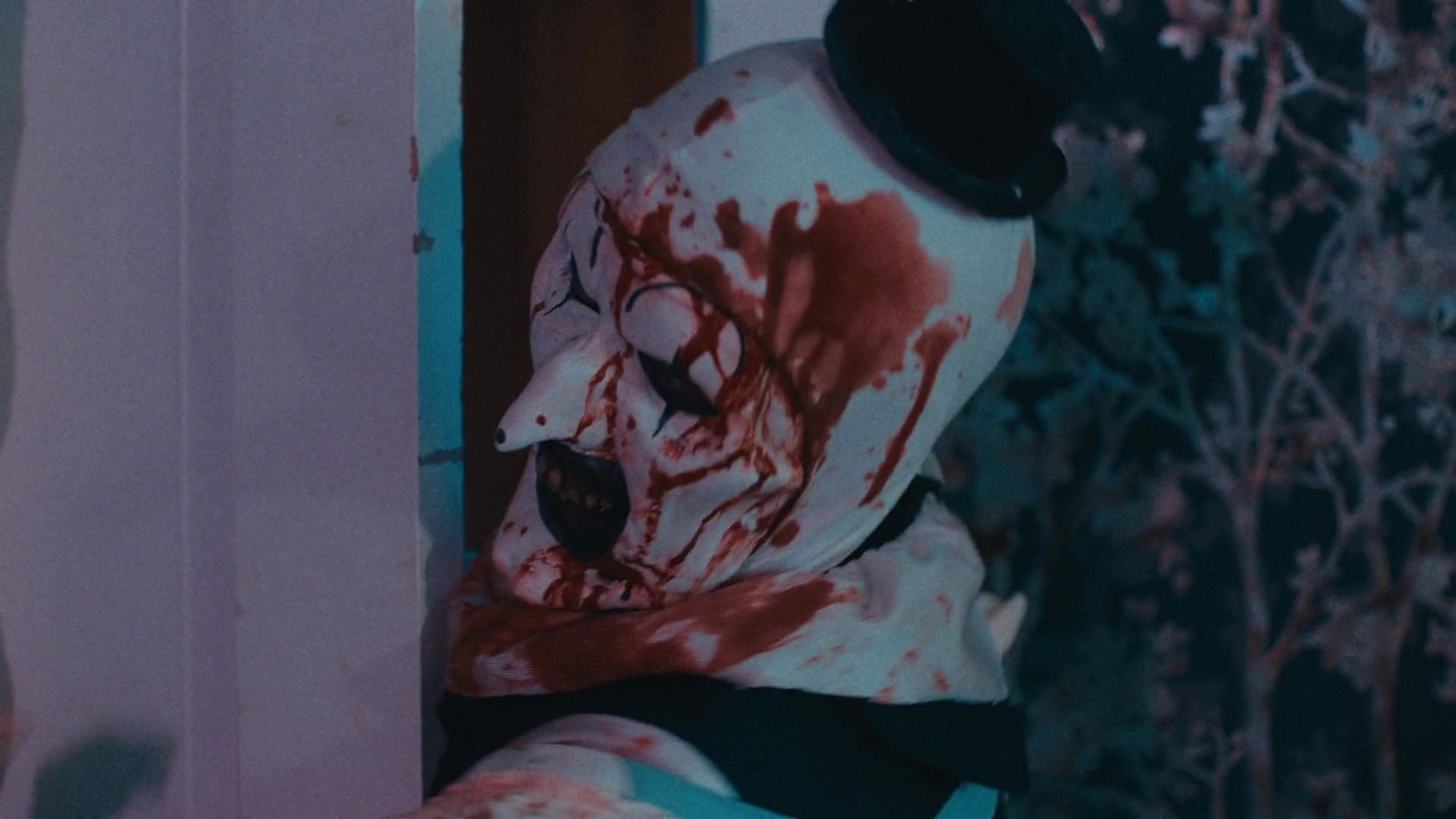
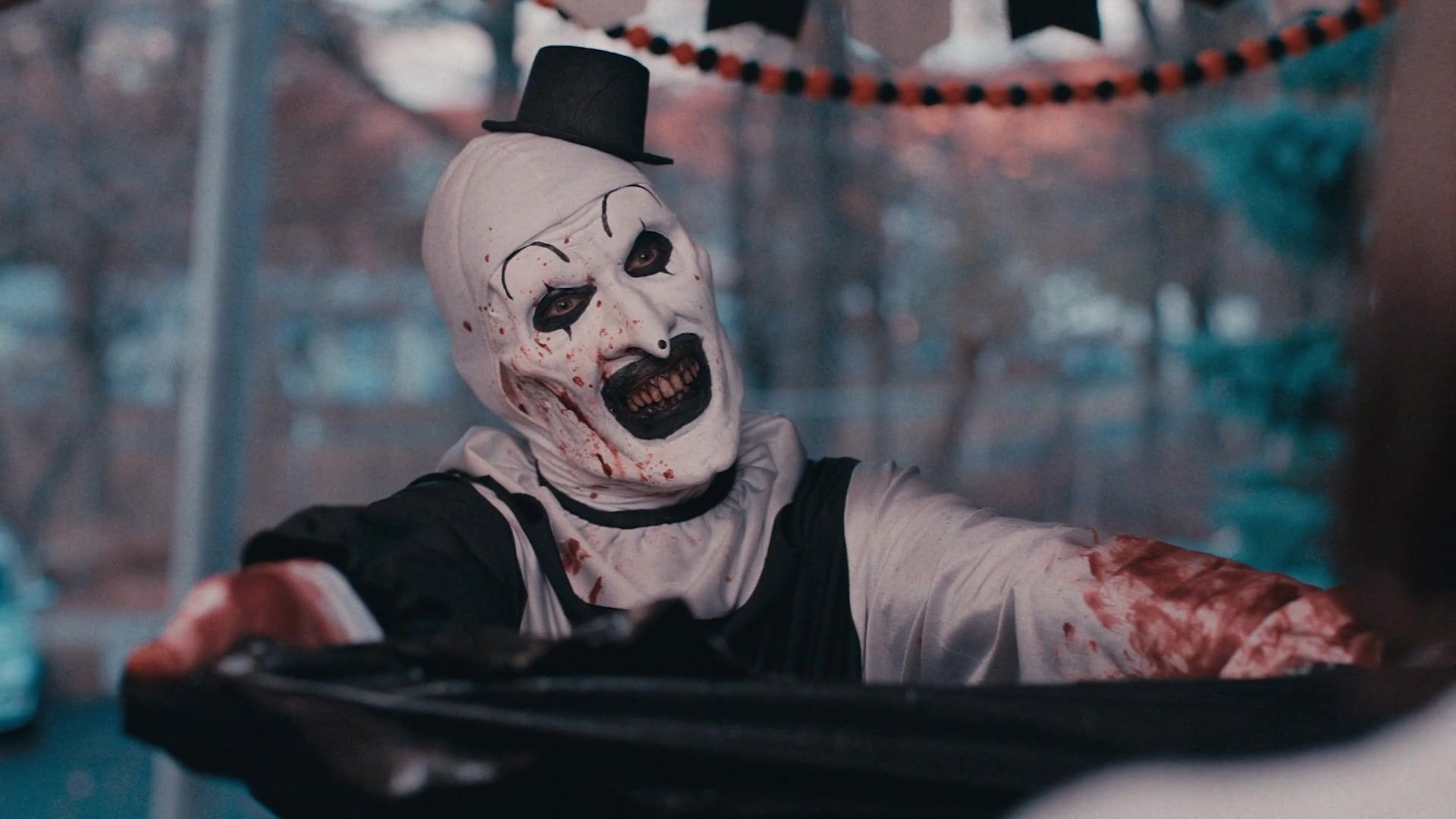
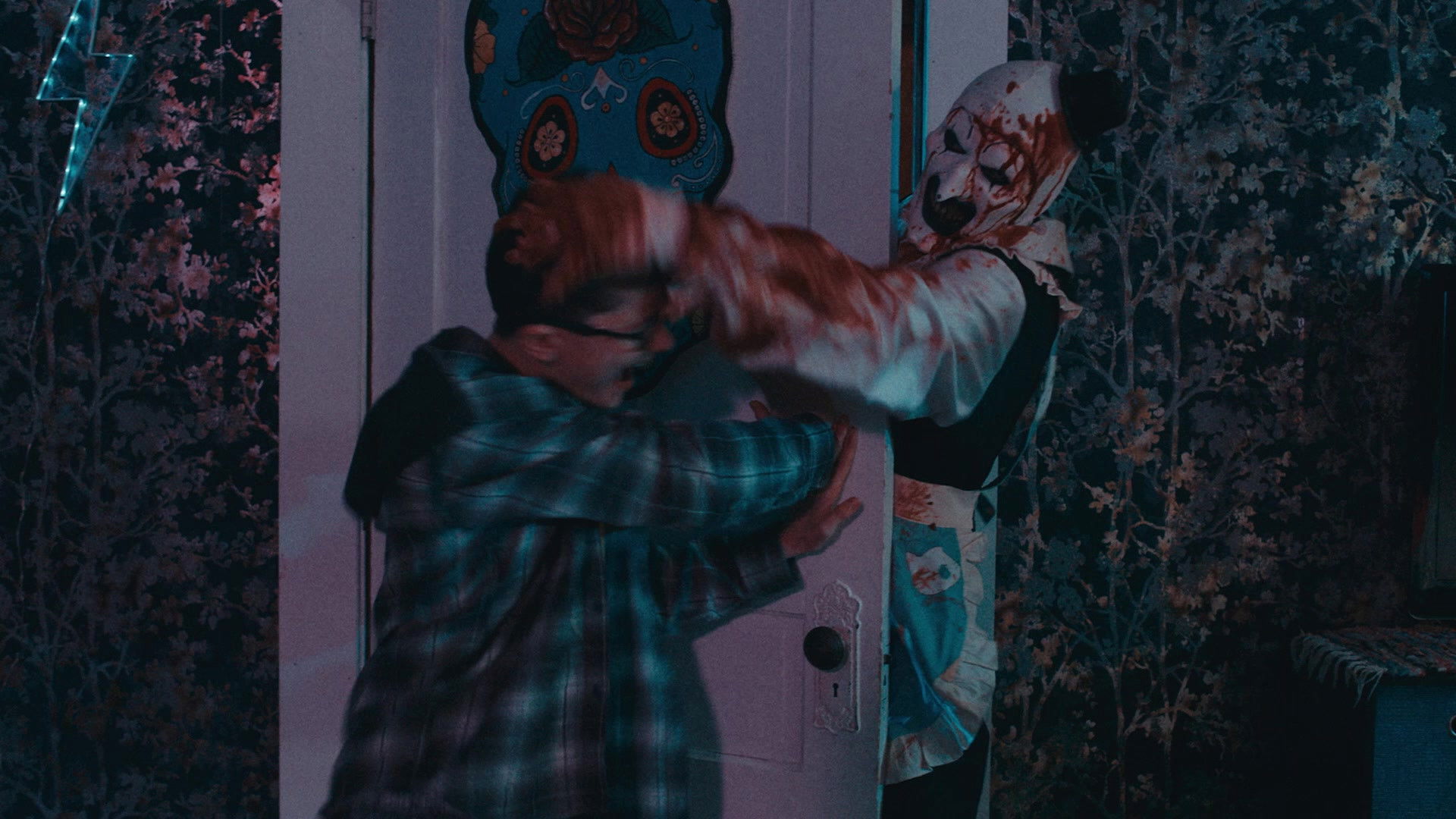
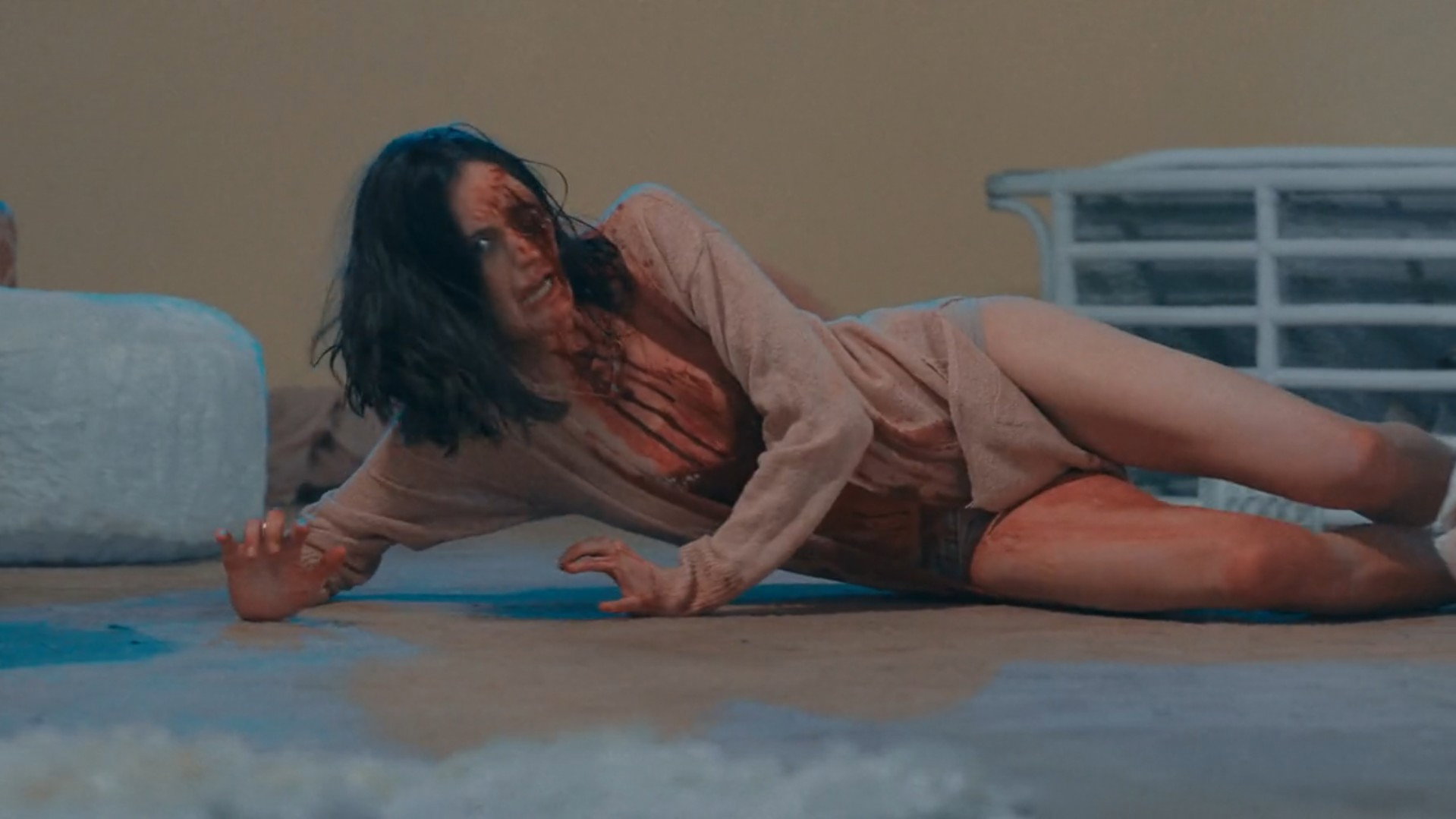
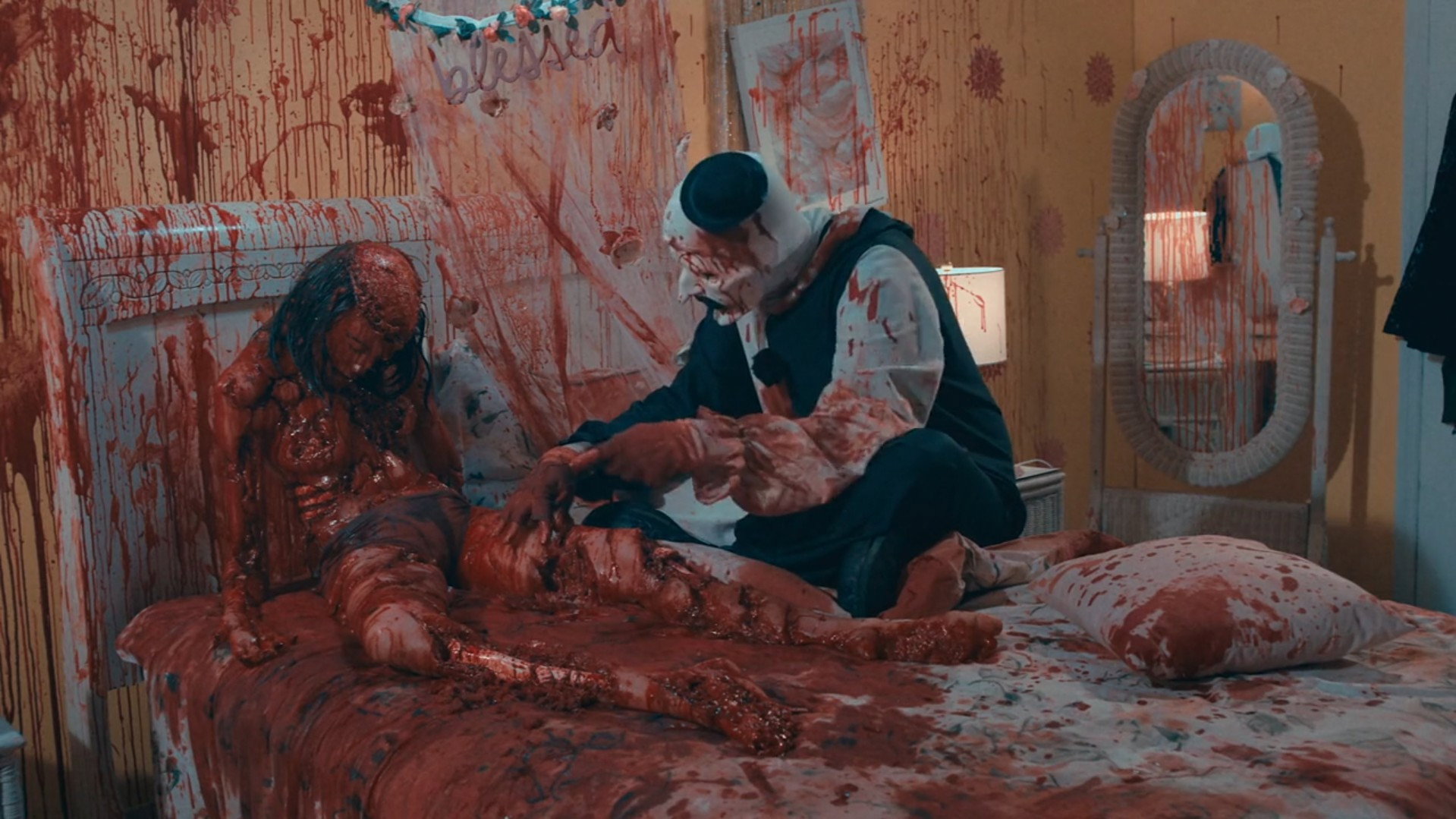
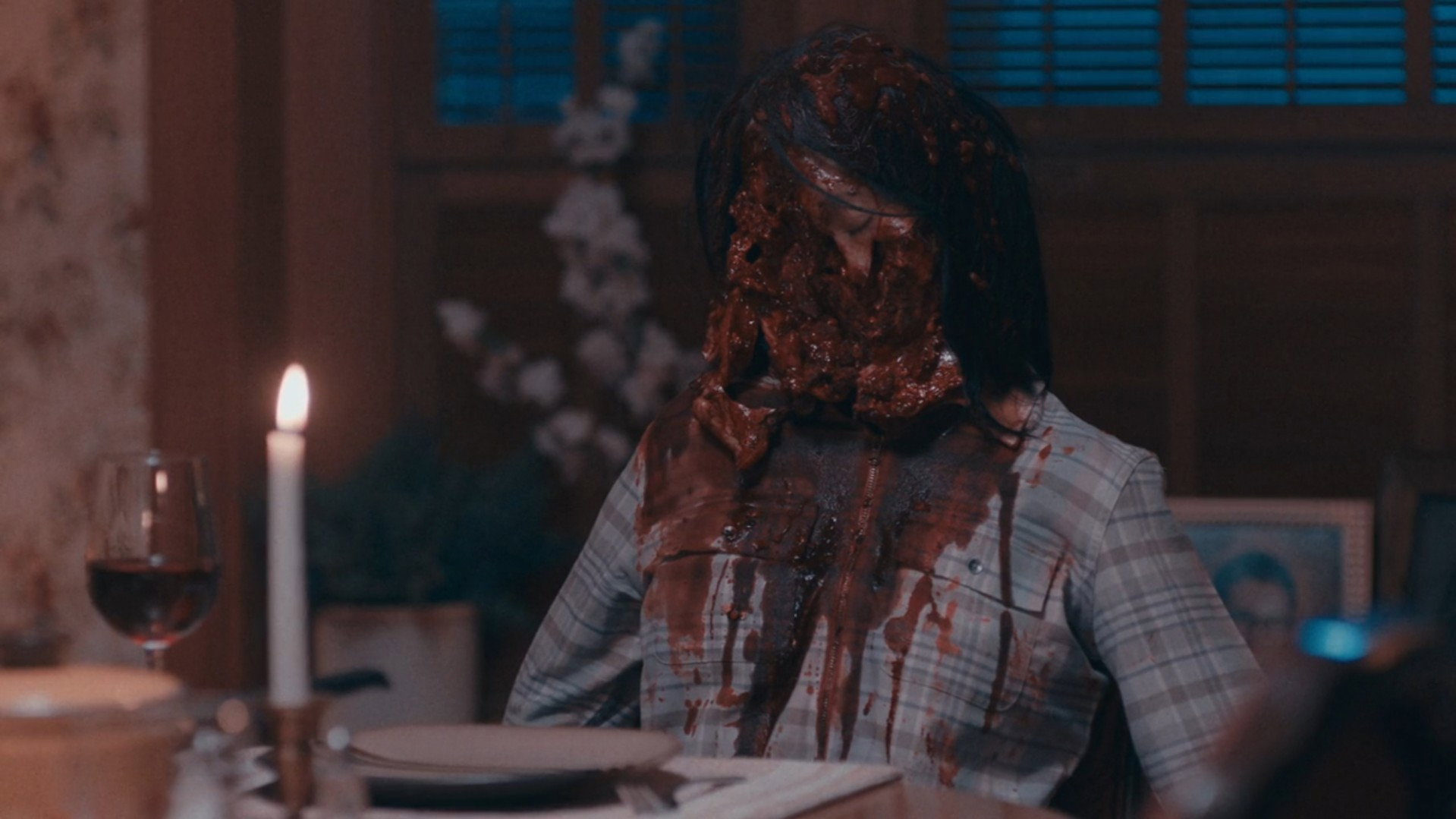
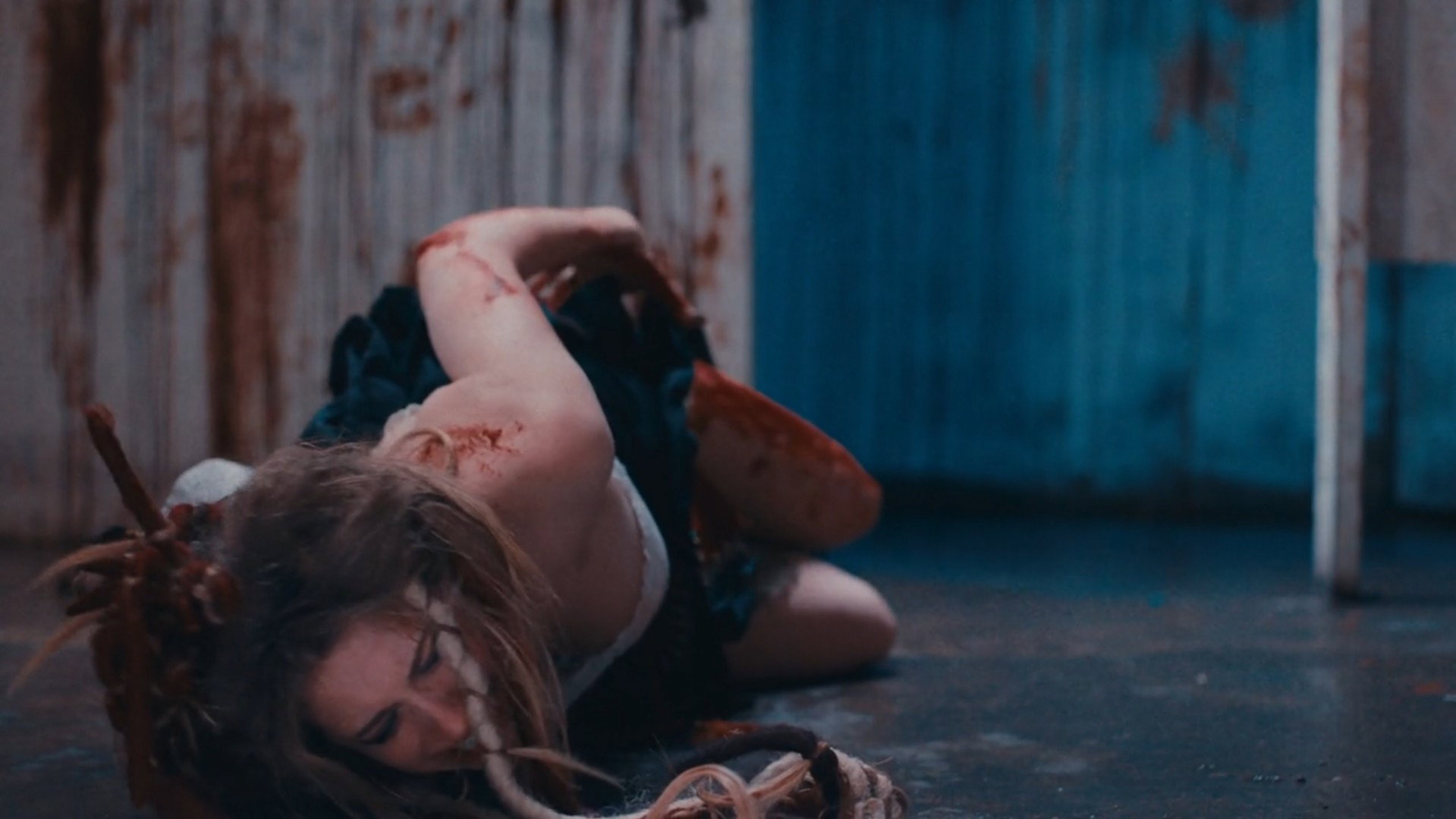
The effects workload was a major reason for the lengthy production. Leone reported that he and producer Phil Falcone created the overwhelming majority of the practical material themselves, with additional help on mould-making, painting and makeup from artists including Jackie Hughes and Alana Rose. Prosthetic heads, body parts and mechanical arrangements supported the long sequences of mutilation. The prolonged attack on Allie, for example, involved a fabricated body manipulated by members of the crew. The scene's duration makes the audience attend to the physical effects rather than treating the violence as a fleeting edit.
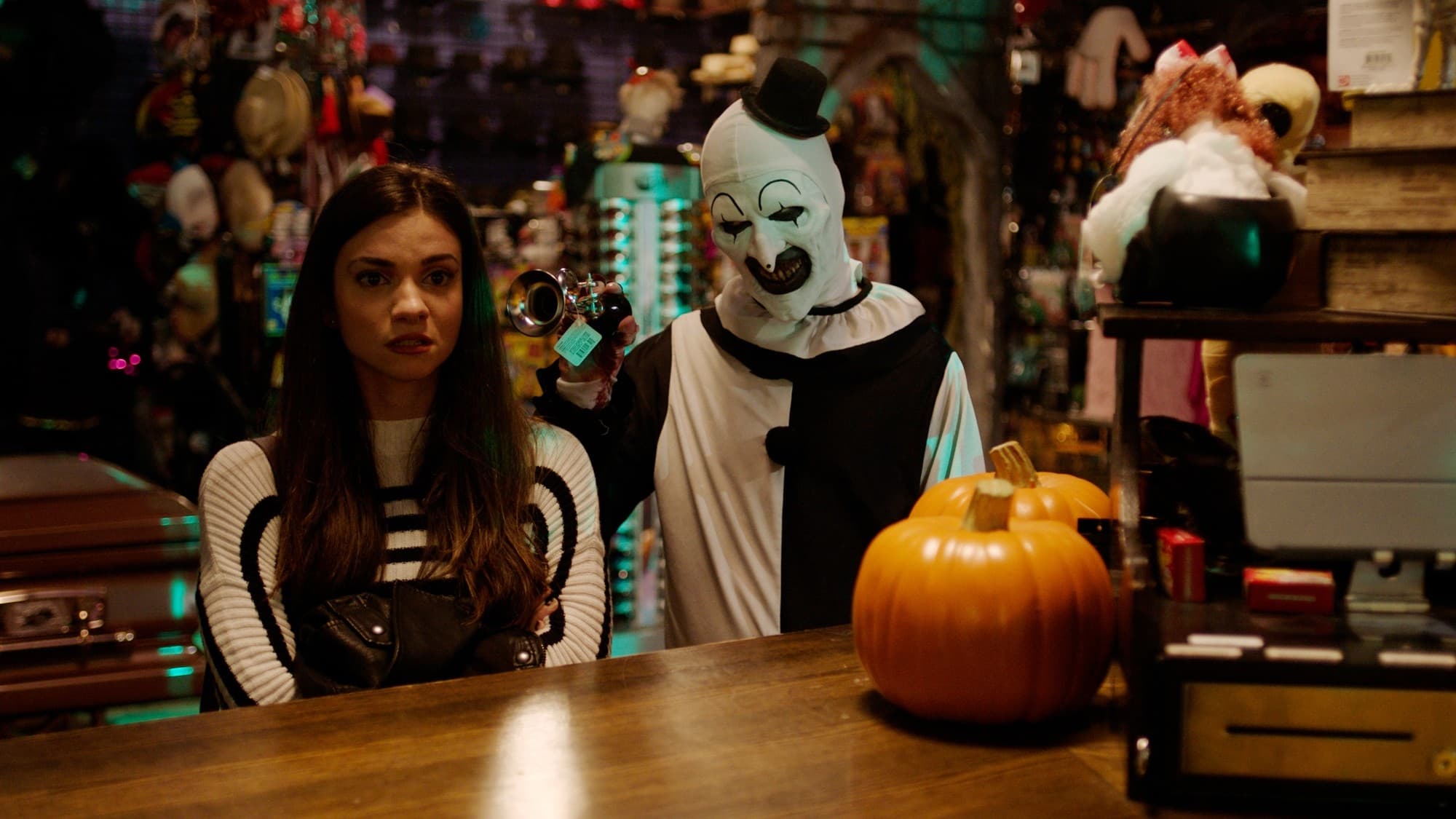
The film's reputation for practical gore can obscure the extensive digital work used to complete those effects. Visual-effects artist Josh Petrino described matching performers' faces and eye movements to prosthetic doubles, removing support wires and blood tubes, and replacing details within shots. For Allie's sequence, footage of the actress was aligned with the dummy so that its eyes appeared to move. In the costume-shop killing, an unstable prosthetic head caused tracking problems that required further editing and painstaking compositing. These accounts establish that the final image often depended on cooperation between physical fabrication, performance and post-production.
Other interventions were deliberately conspicuous: digital light contributes to the supernatural sword and imagery associated with the Little Pale Girl. Petrino also described adding fire and removing a visible stunt performer during the Clown Café sequence. Those details matter because they complicate the common description of the sequel as entirely practical. Leone and his collaborators built most of the violence around tangible props, then used digital tools to conceal mechanisms, preserve facial expression and support moments that could not be achieved safely or convincingly on set.
Music, Silence, and the Clown Caf?
Paul Wiley returned as composer after scoring the first feature. In a 2023 interview with the San Antonio Current, he described using dissonant textures and string sounds that an audience might feel before consciously recognizing them. He regarded the music as especially important to a villain who does not speak, with soundscapes helping supply Art's threatening presence. Wiley also cautioned against treating his music as straightforward 1980s synthwave: he said he had consciously avoided that idiom in his score, although other music heard in the film has a markedly retro electronic character.
The Clown Café provides a contrasting use of music. Its bright, repetitive song accompanies imagery styled after children's television, allowing a familiar entertainment format to become increasingly hostile. The sound of that sequence functions differently from the threatening musical underscoring of the murders. Elsewhere, the mixture of original score and licensed songs gives quieter character scenes a distinct atmosphere before another outbreak of violence. Wiley's soundtrack was issued separately in 2022, preserving compositions such as 'Morgue', 'Sienna' and 'Home Invasion' beyond their immediate film contexts.
Release, Box Office, and Contemporary Reception
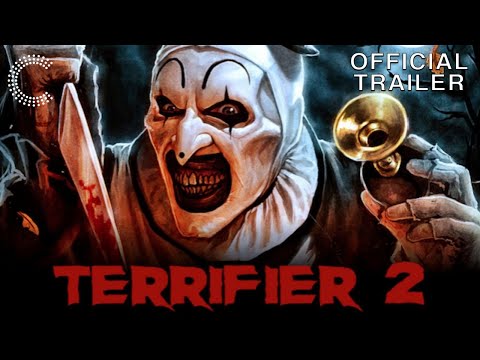
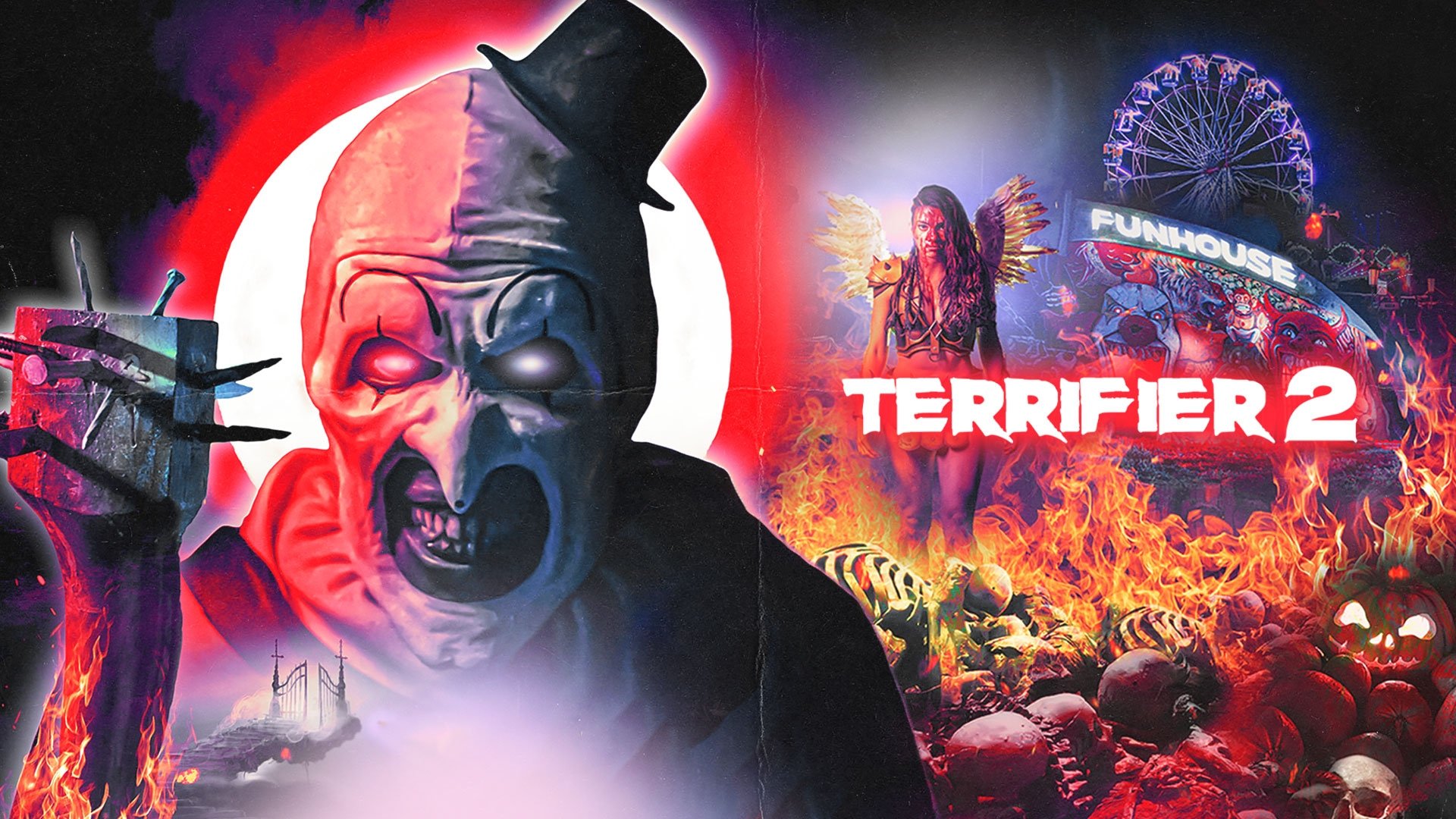
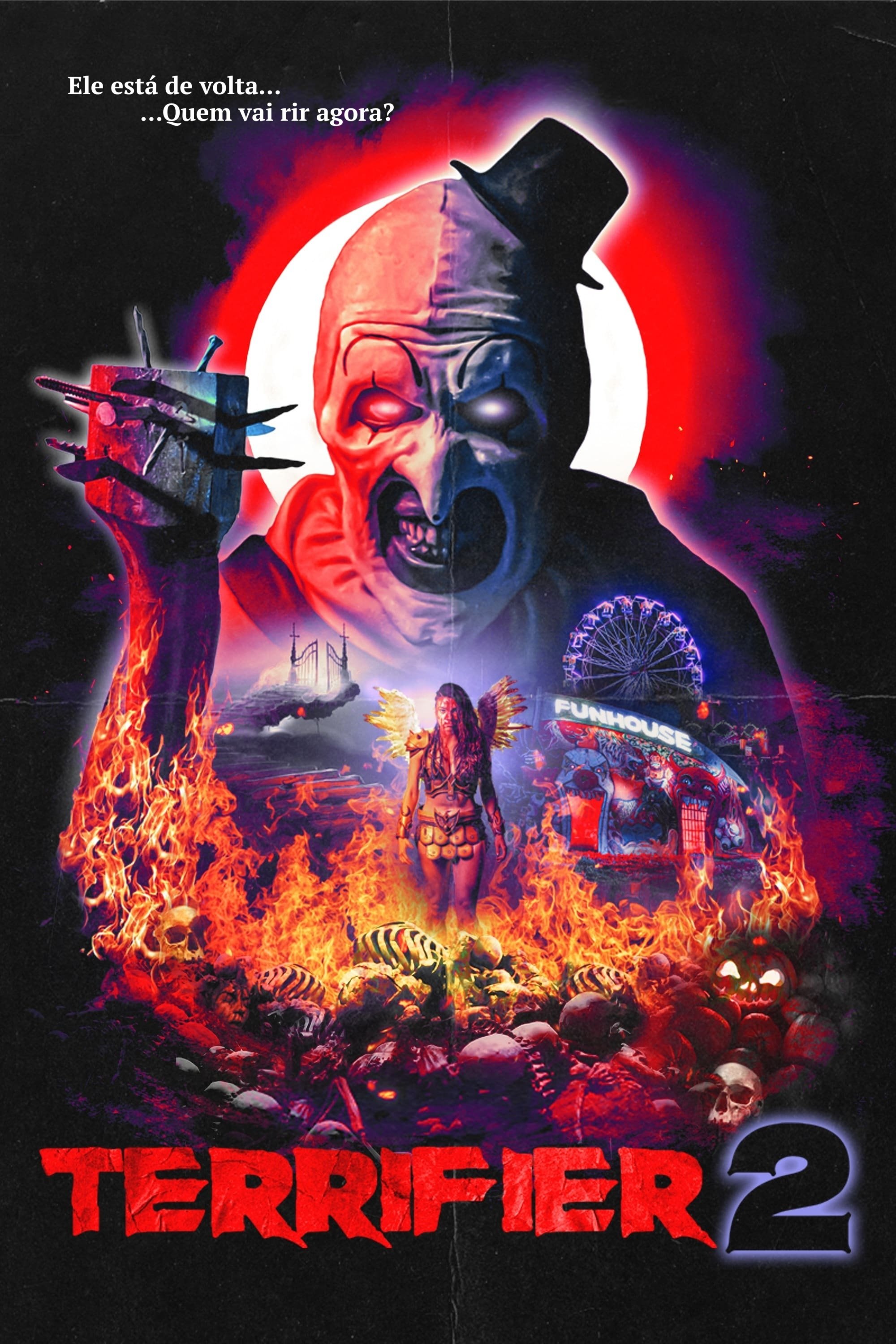
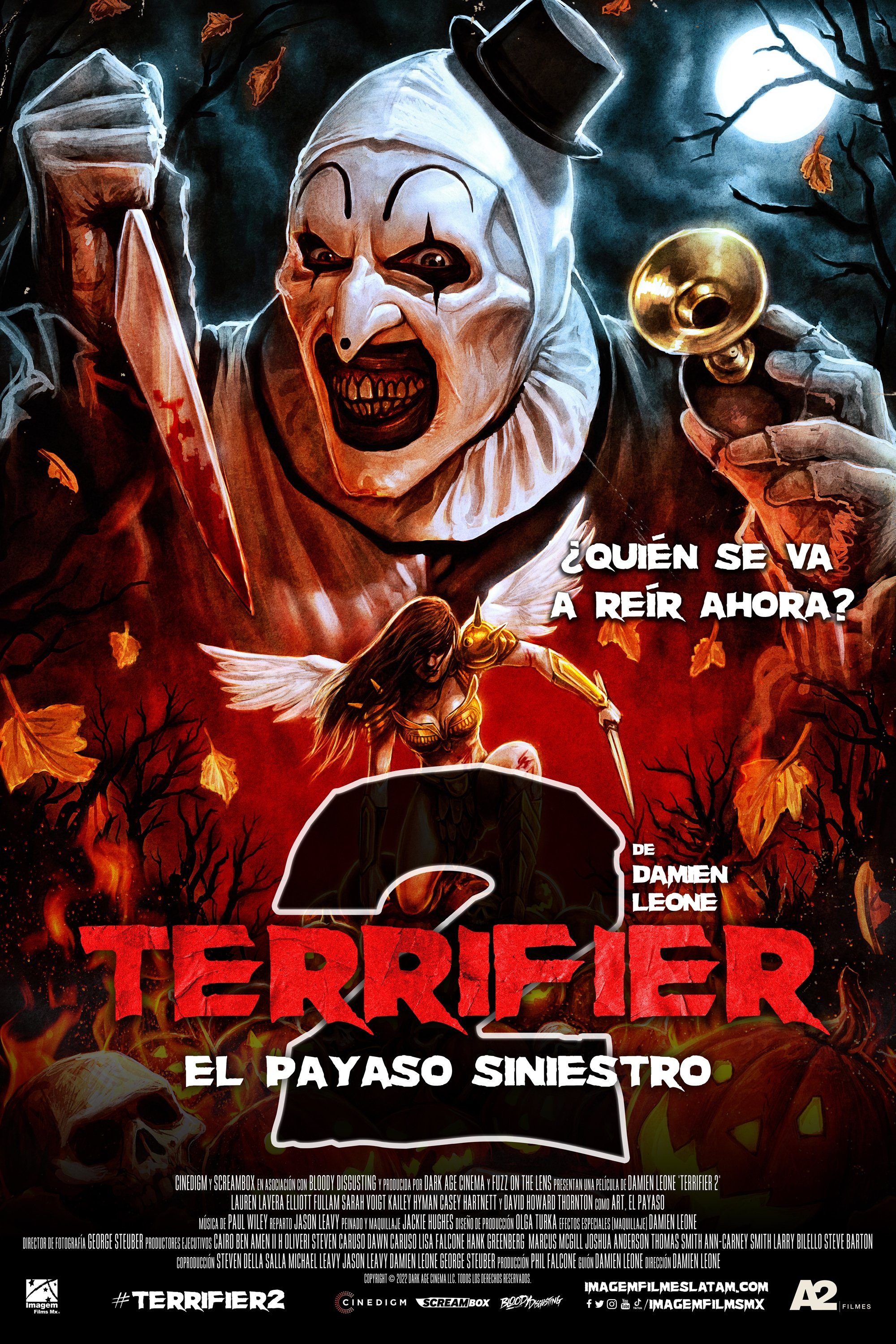
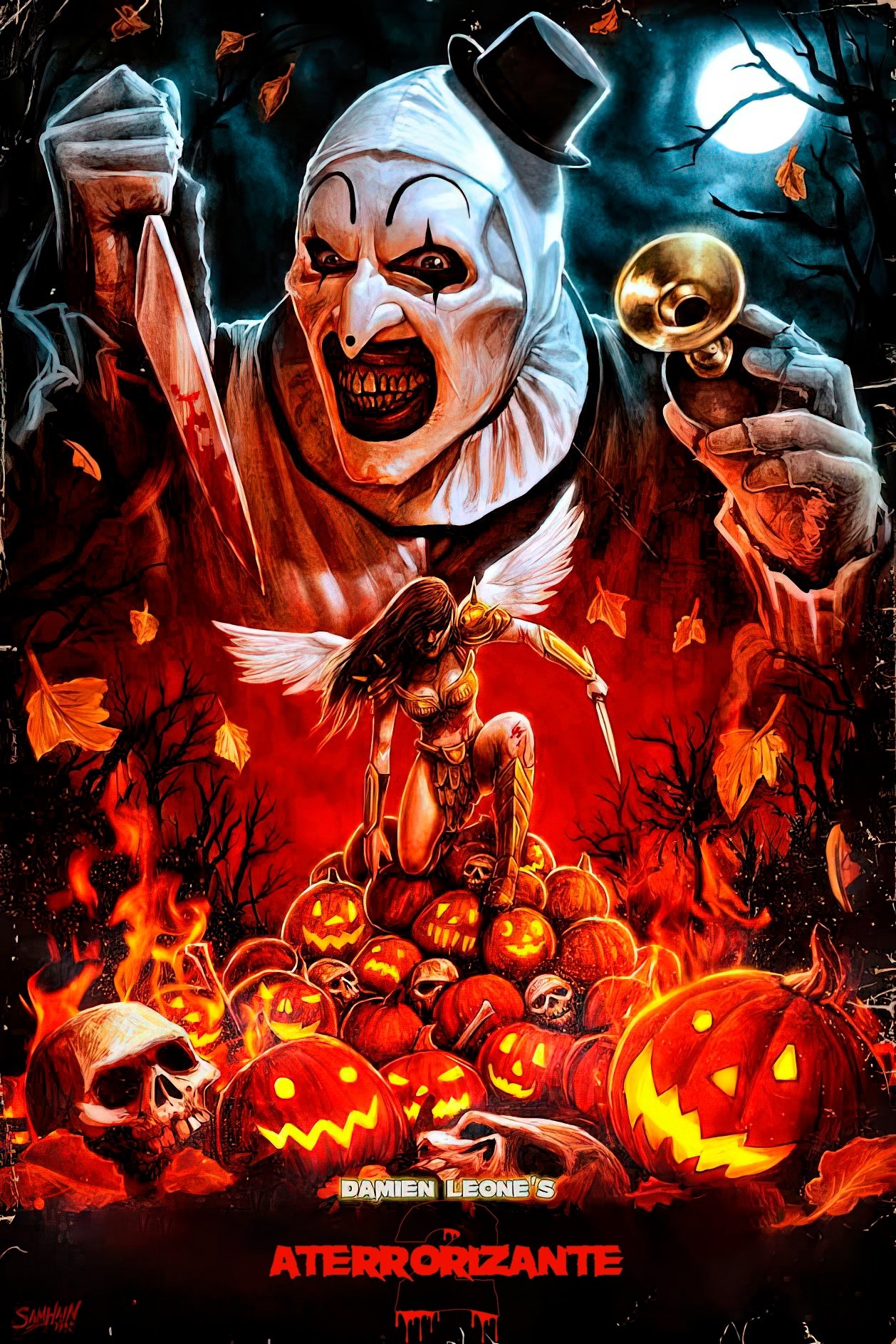
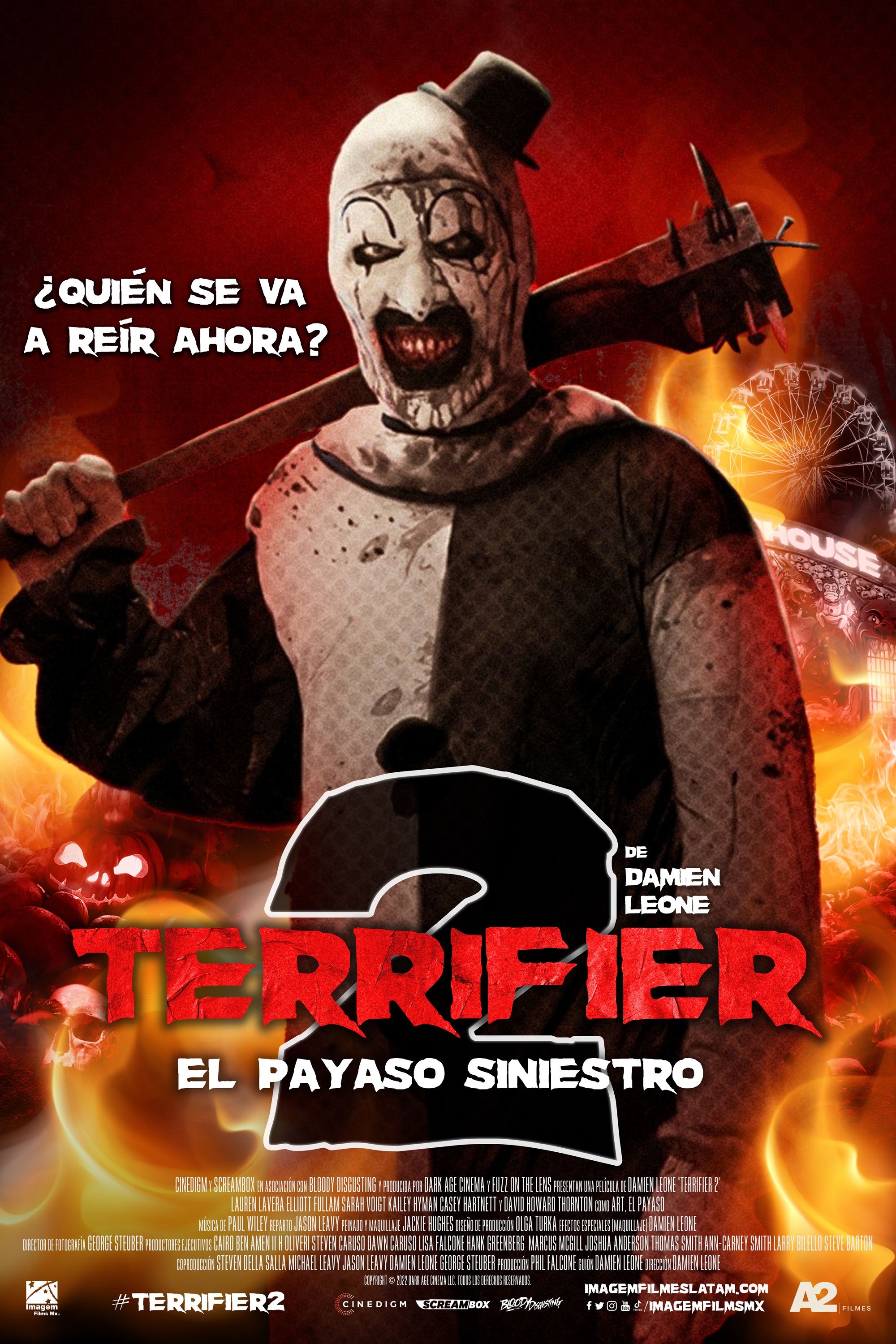
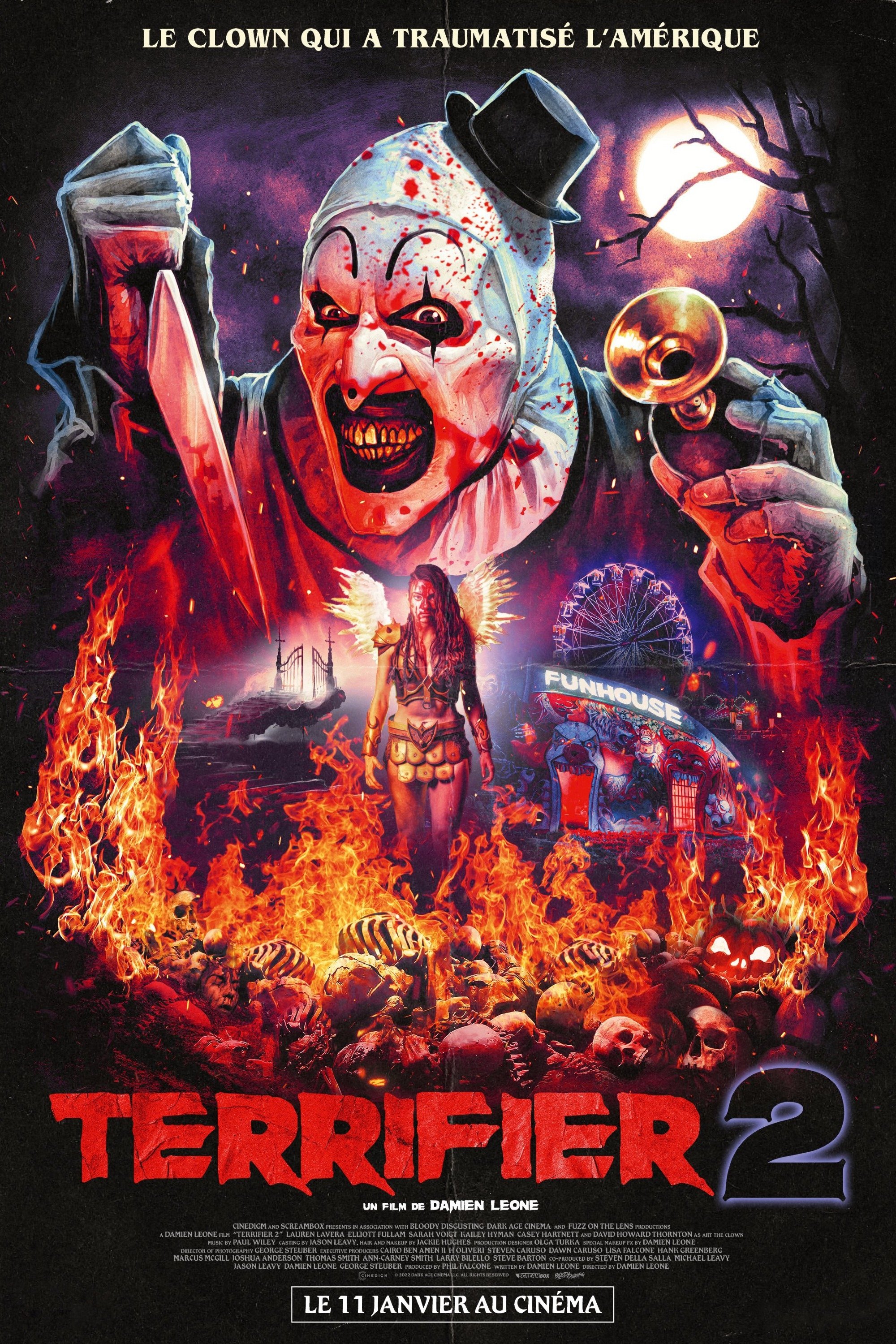
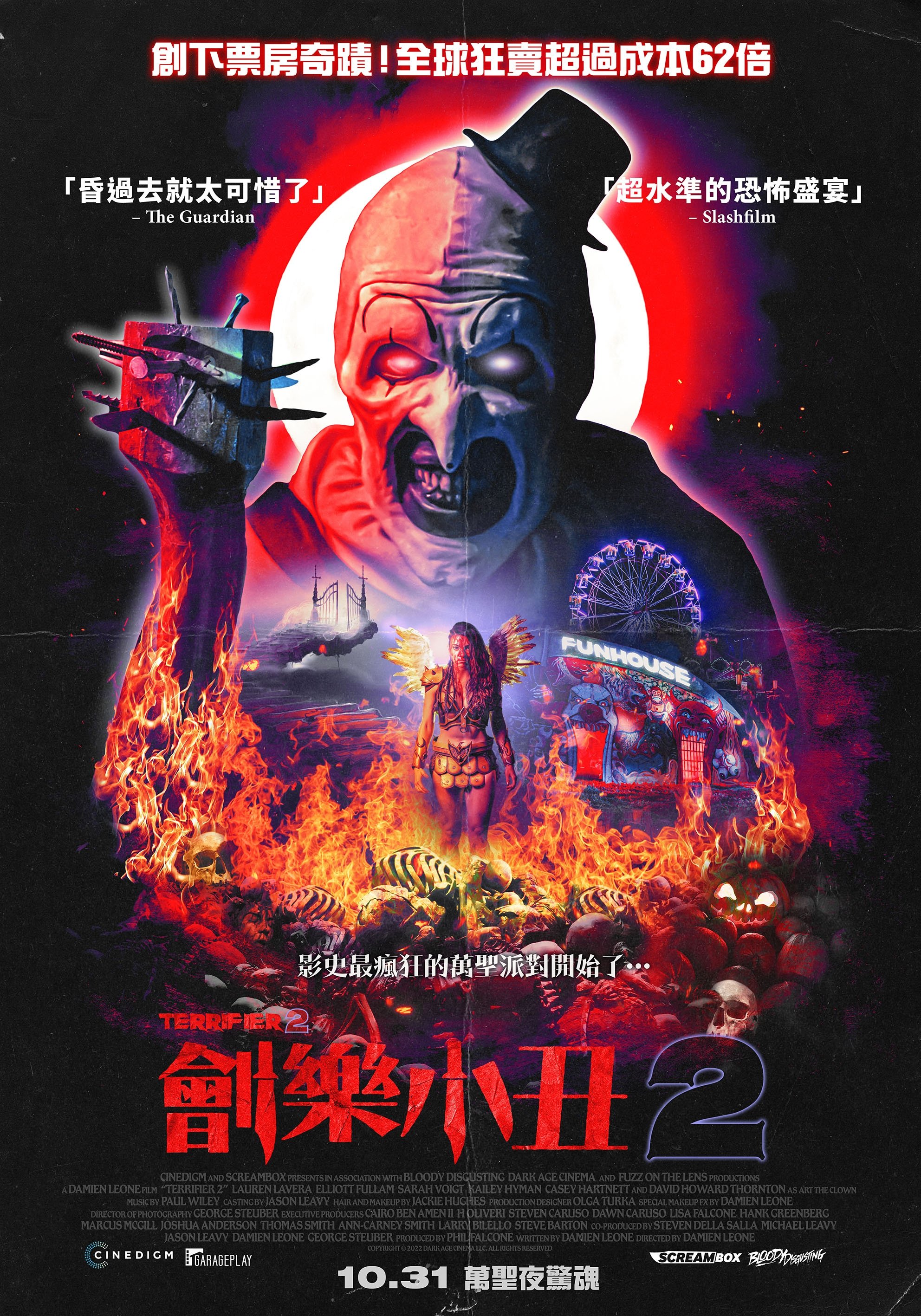
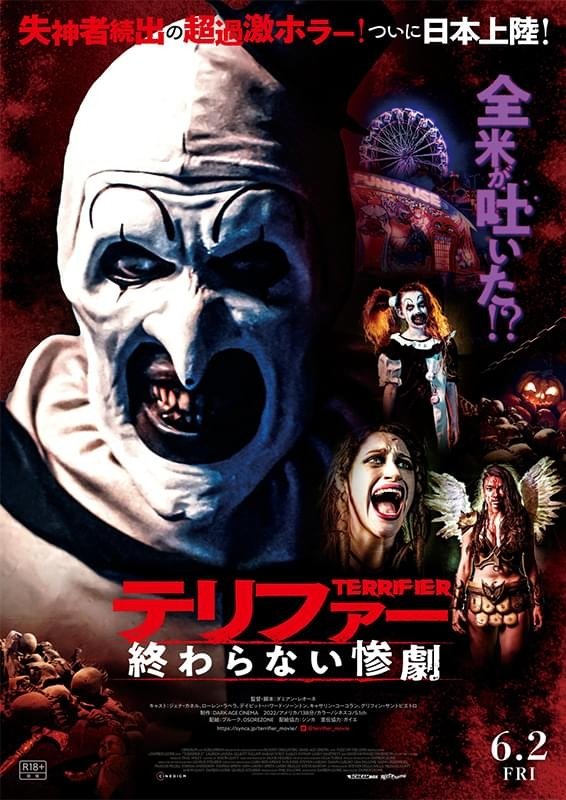
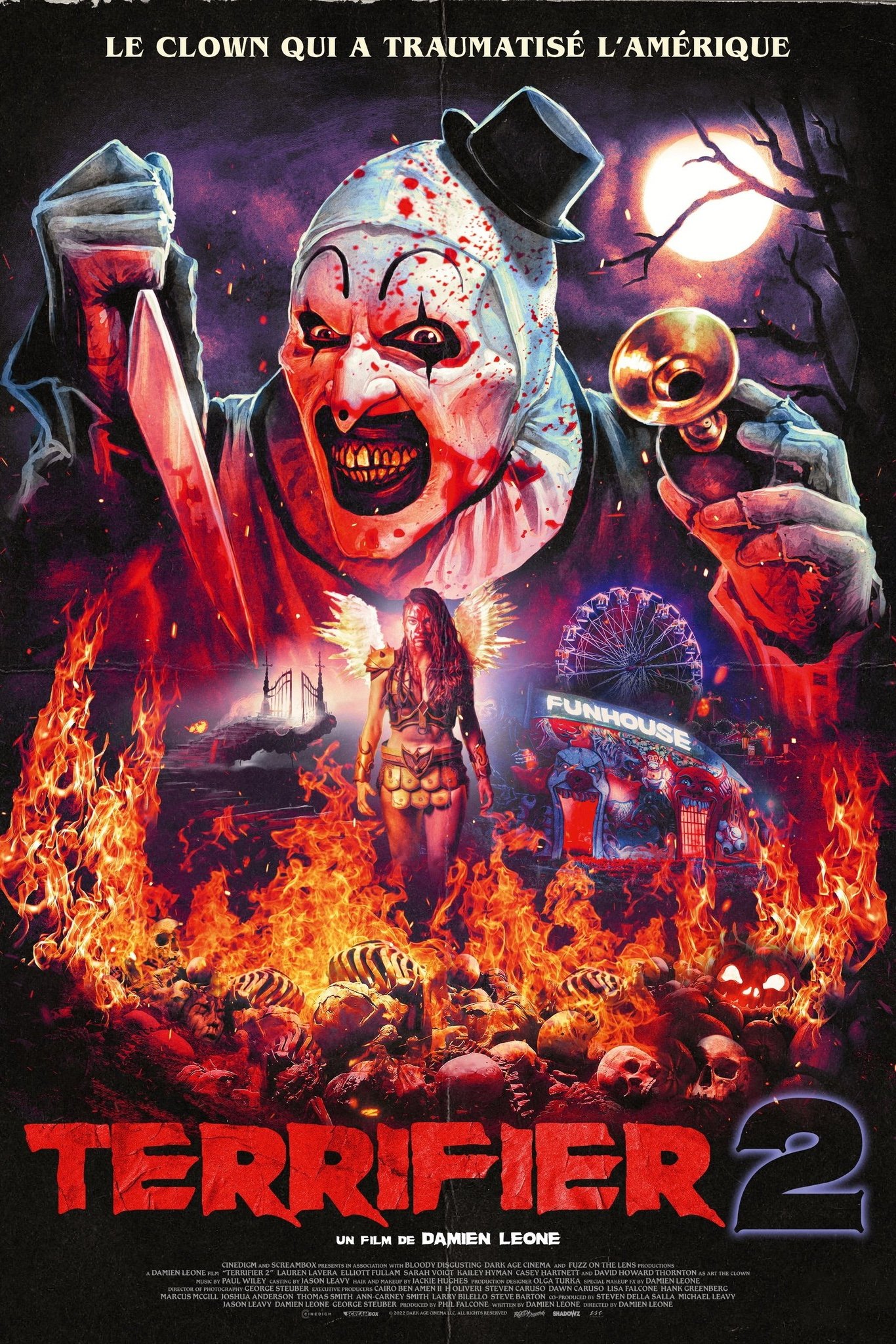
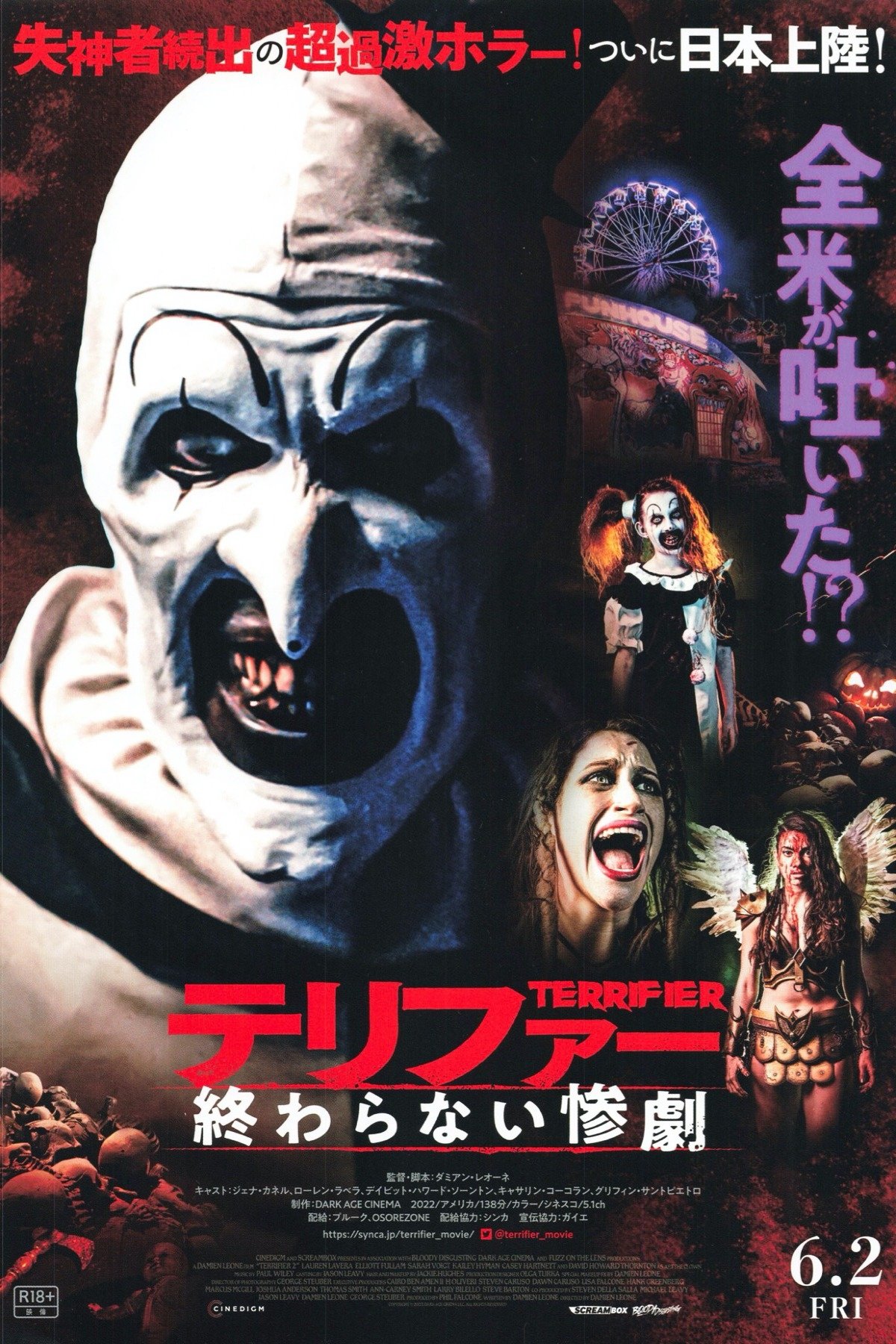
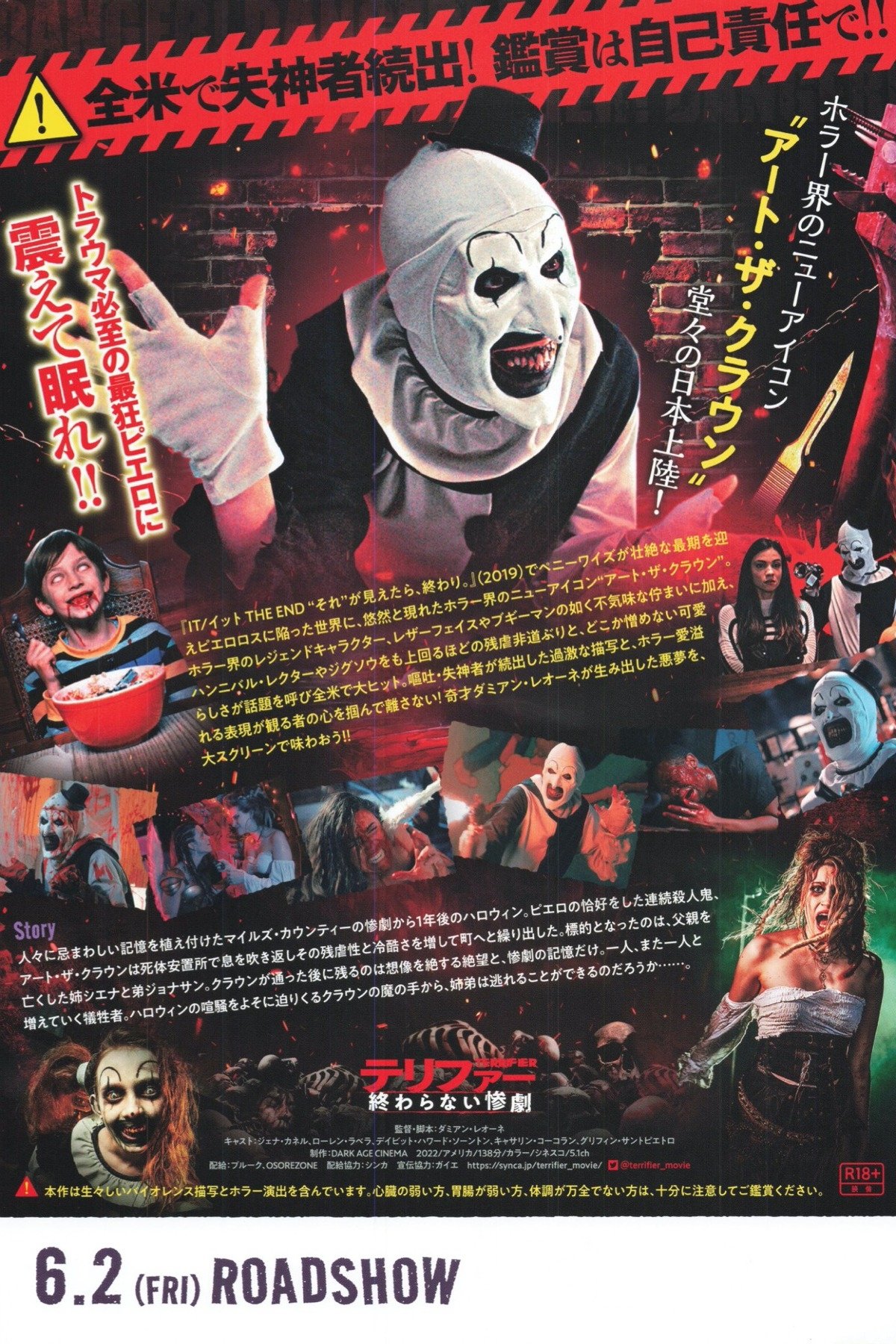
Terrifier 2 premiered at London's FrightFest in August 2022 and screened at Fantastic Fest in Texas the following month. Its American theatrical opening followed on October 6 through a release involving Cinedigm, Bloody Disgusting and Iconic Events. The film played without an MPA rating, which is distinct from receiving a restrictive classification or being formally banned. Its 138-minute version was shown substantially uncut in cinemas. Distribution expanded in response to ticket sales, eventually reaching approximately 1,550 North American theatres during its original run. The film subsequently became available through digital and physical releases, followed by a further American theatrical engagement in 2023.
The reported production budget was about $250,000, while the original American run earned more than $10 million at the box office. Later international engagements and re-releases took cumulative worldwide theatrical revenue beyond $15 million, although published totals differ according to reporting dates and territories. These figures indicate an exceptional result for an independently financed splatter film of this scale. Gross ticket sales are not equivalent to net profit, and budget-to-gross comparisons do not account for cinema shares, distribution costs or marketing. The unusual expansion of the theatrical run remains a better-documented measure of the release's momentum than claims of a precisely calculated financial return.
Contemporary criticism divided over the same qualities that attracted the film's audience. In The Guardian, Sammy Gecsoyler found the gore inventive and at times absurdly entertaining but judged the running time excessive. Other reviews questioned whether the expanded mythology and character material justified the long sequences of cruelty. Reports that some spectators fainted or became physically ill circulated widely during the release; such accounts should be understood as reports about particular screenings, not as a verified general reaction. The film's measurable theatrical performance and the attention given to its handmade effects help explain its place in the early-2020s revival of interest in independently produced extreme slasher cinema.