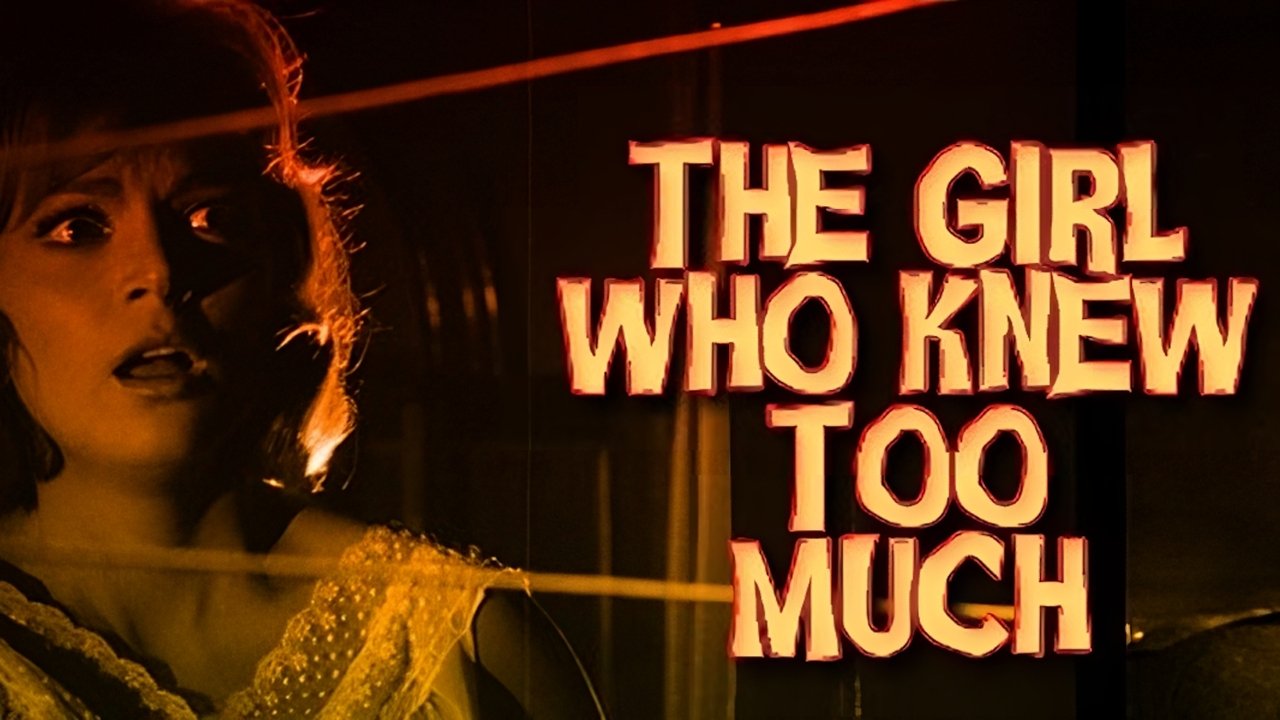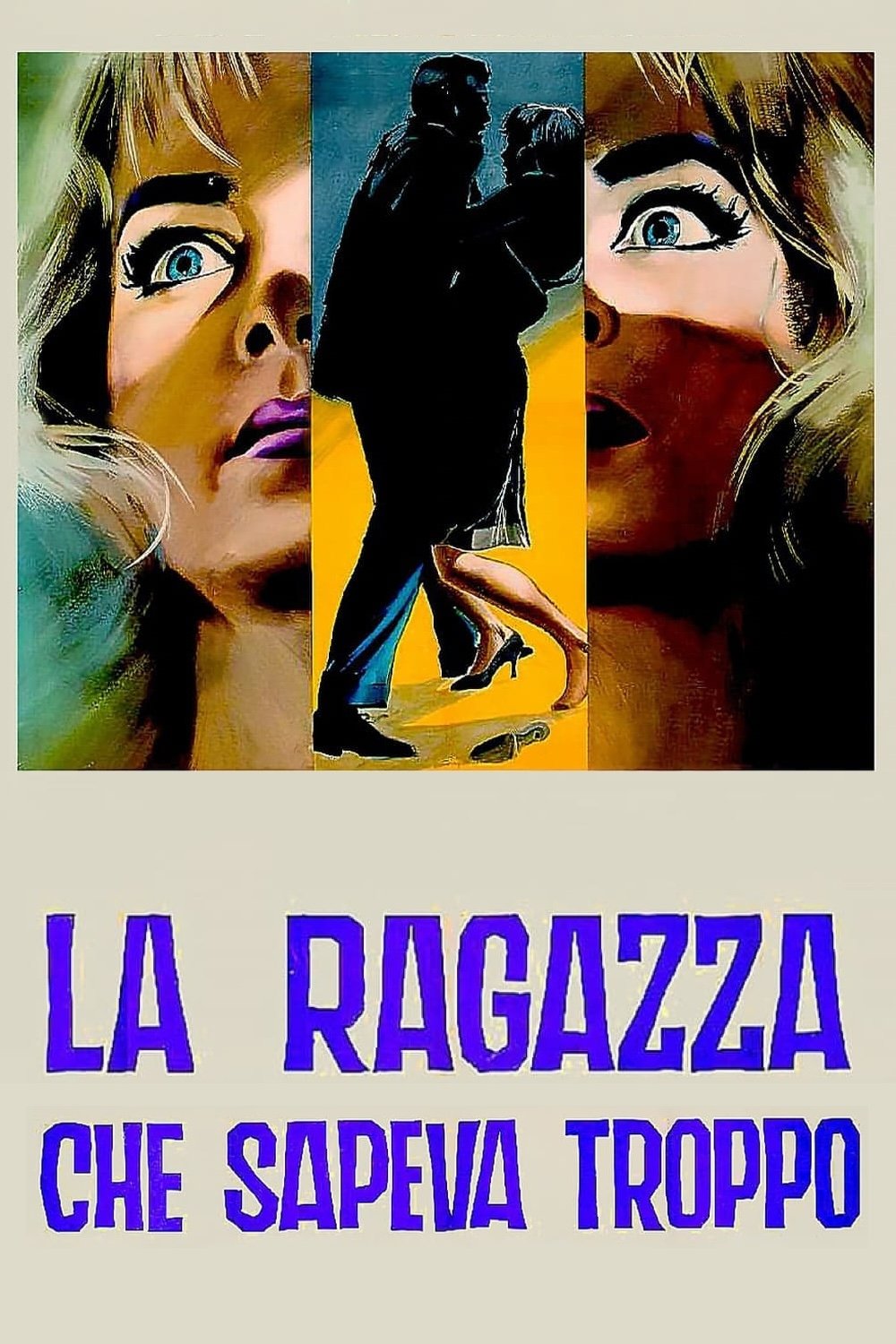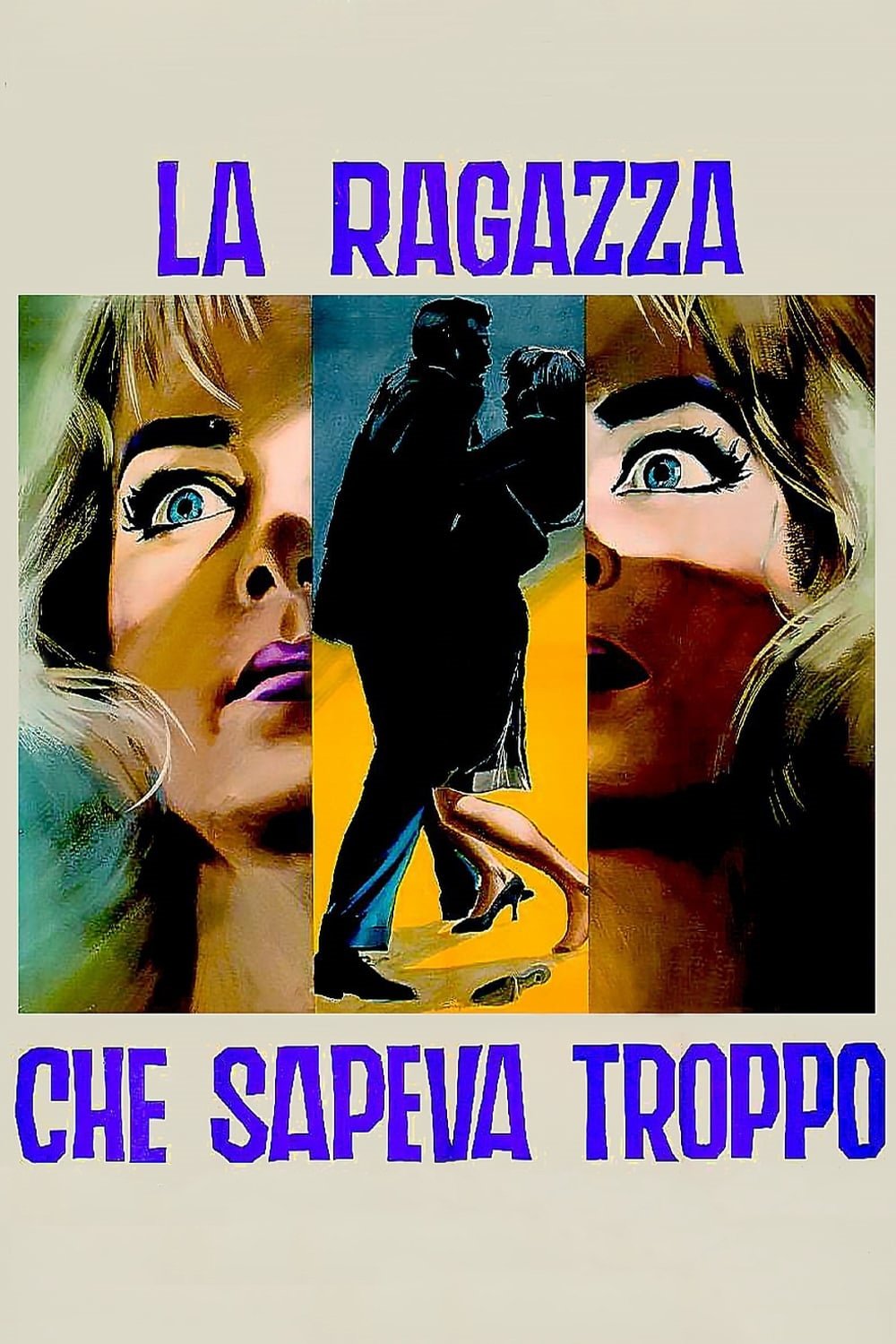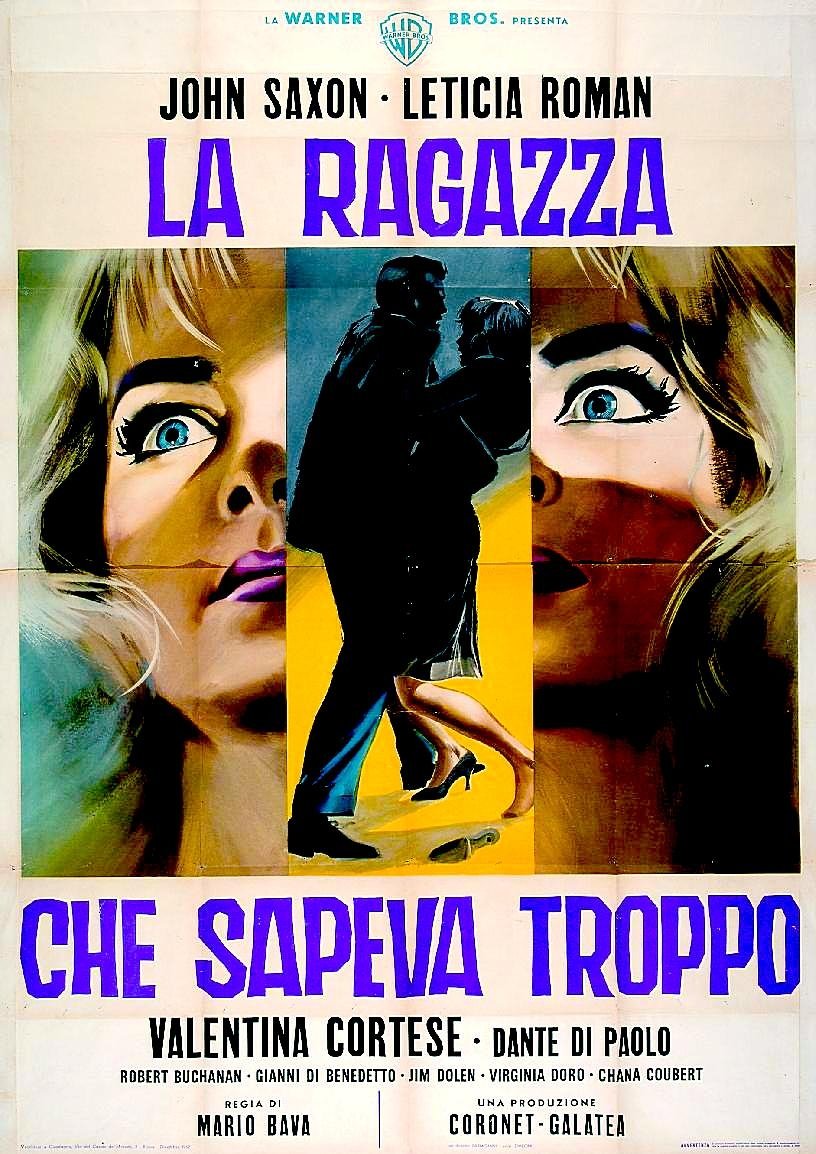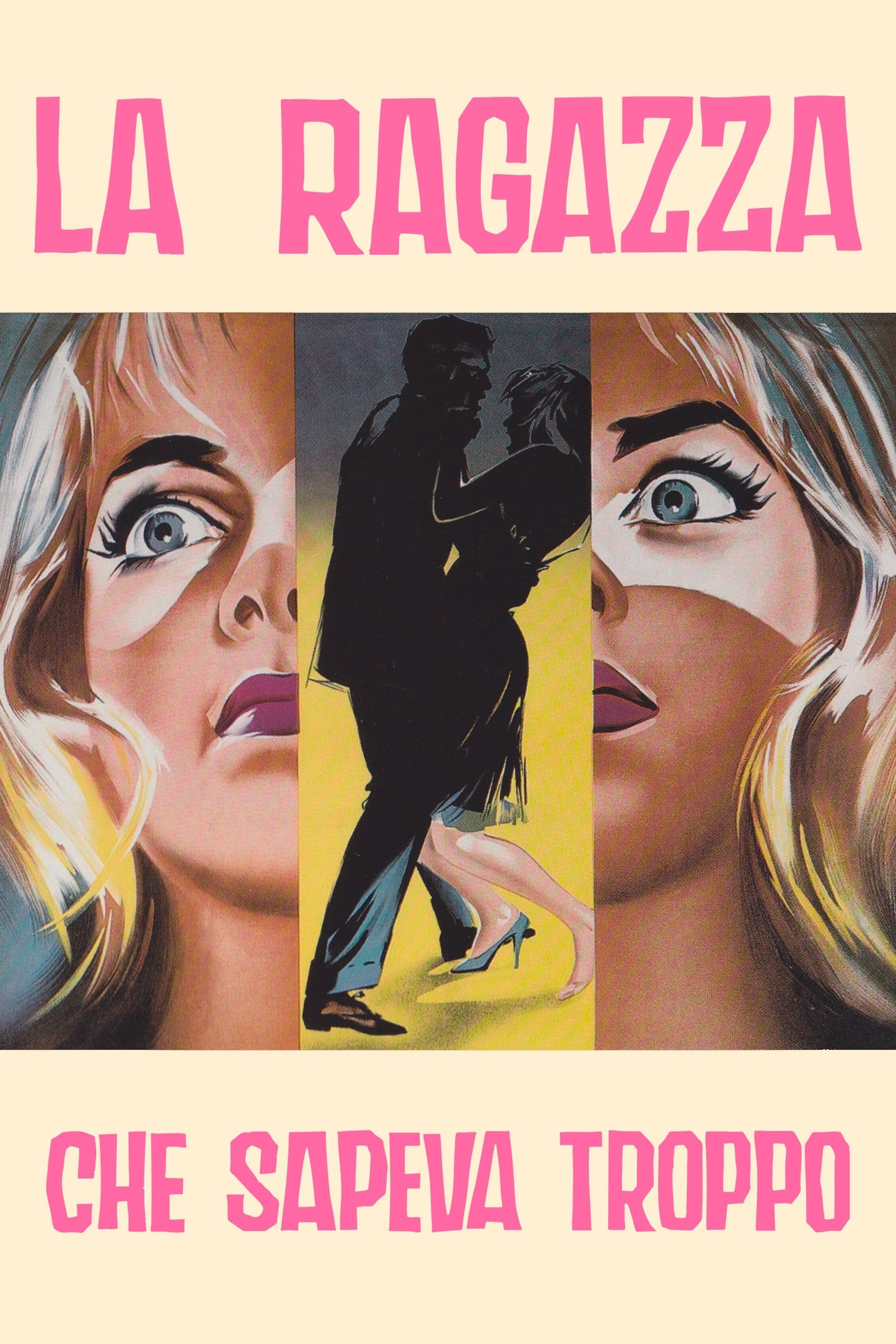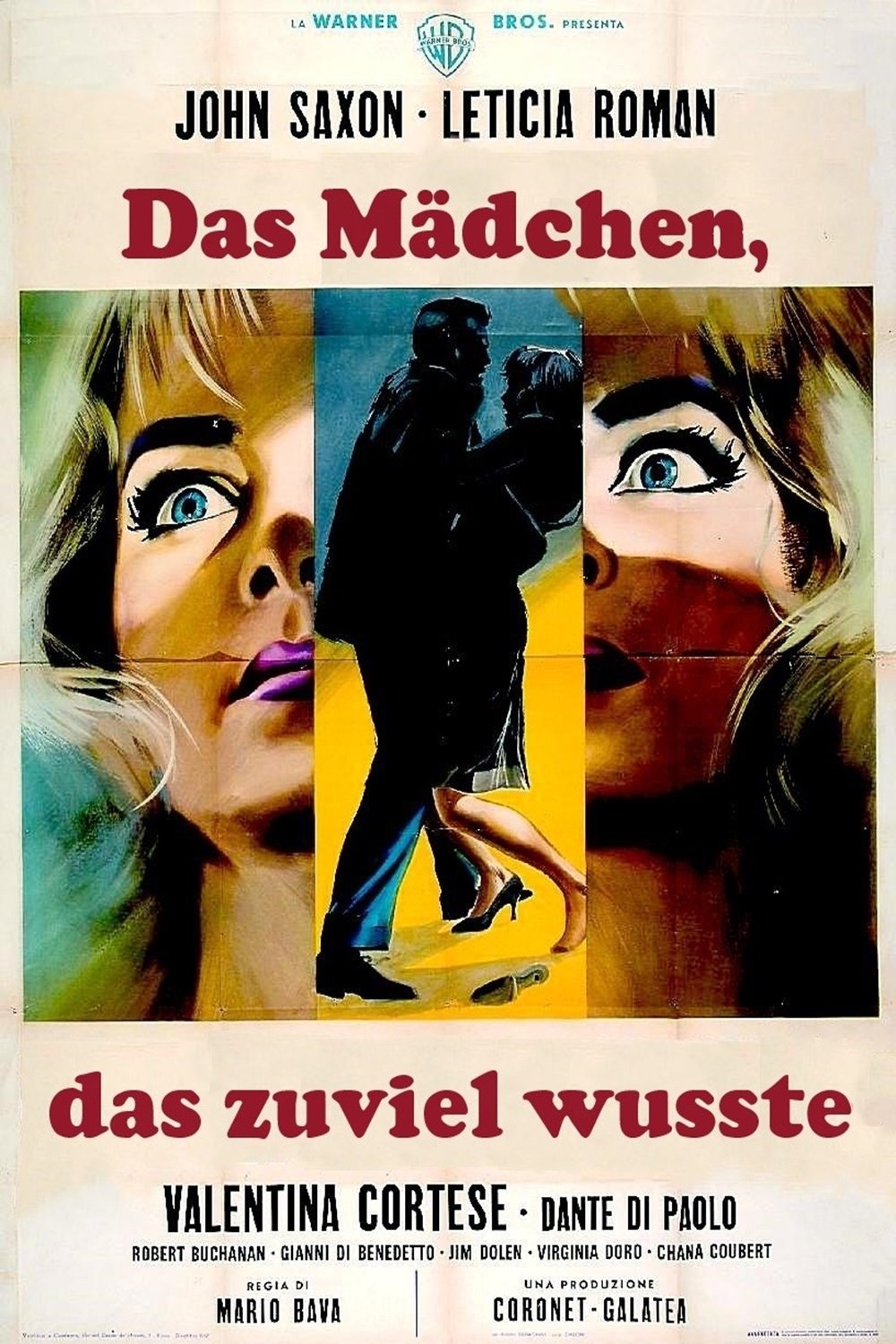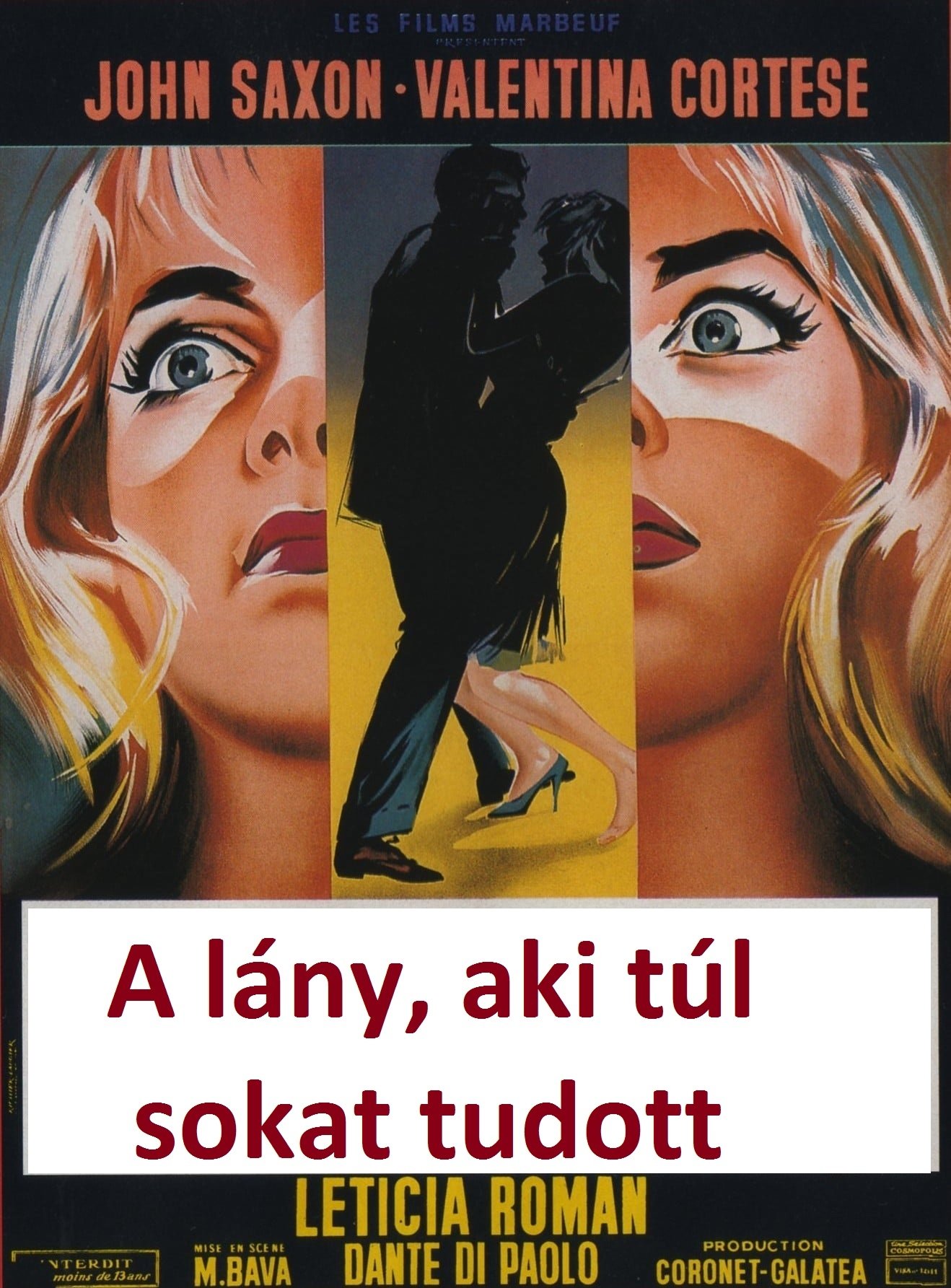
The Girl Who Knew Too Much (1963)

IT
Runtime
86 min
Release
February 10, 1963
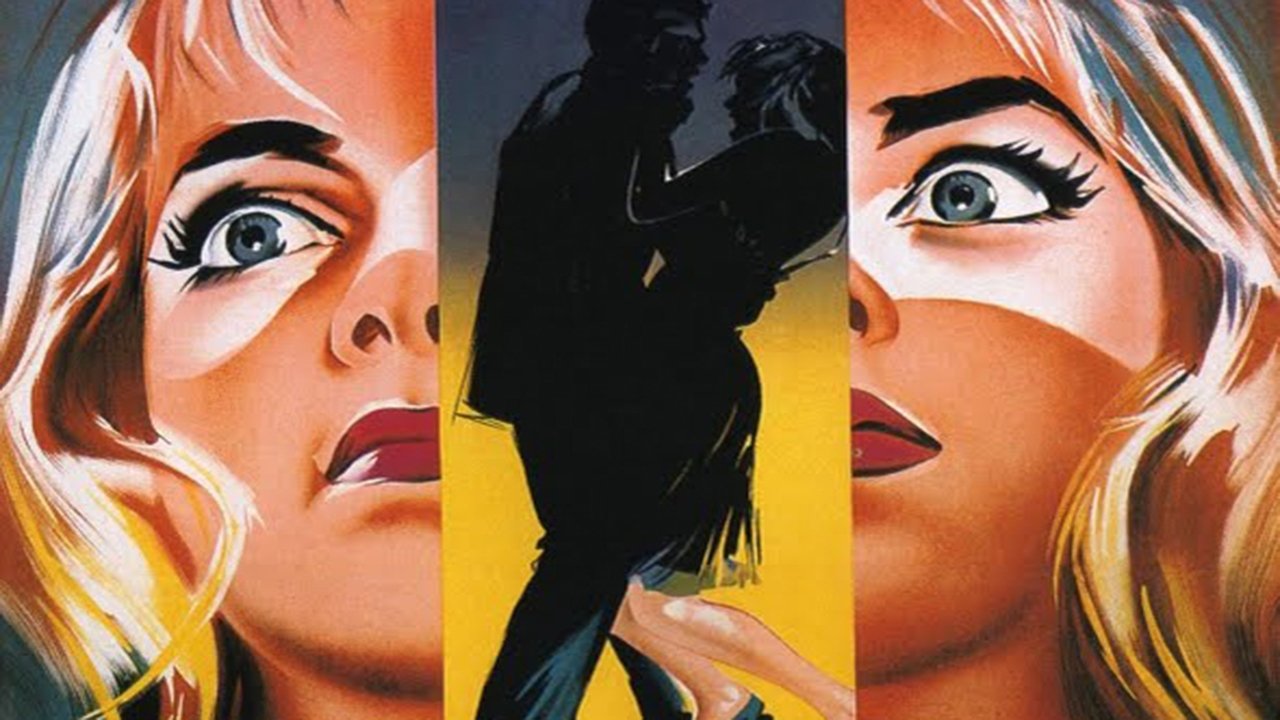
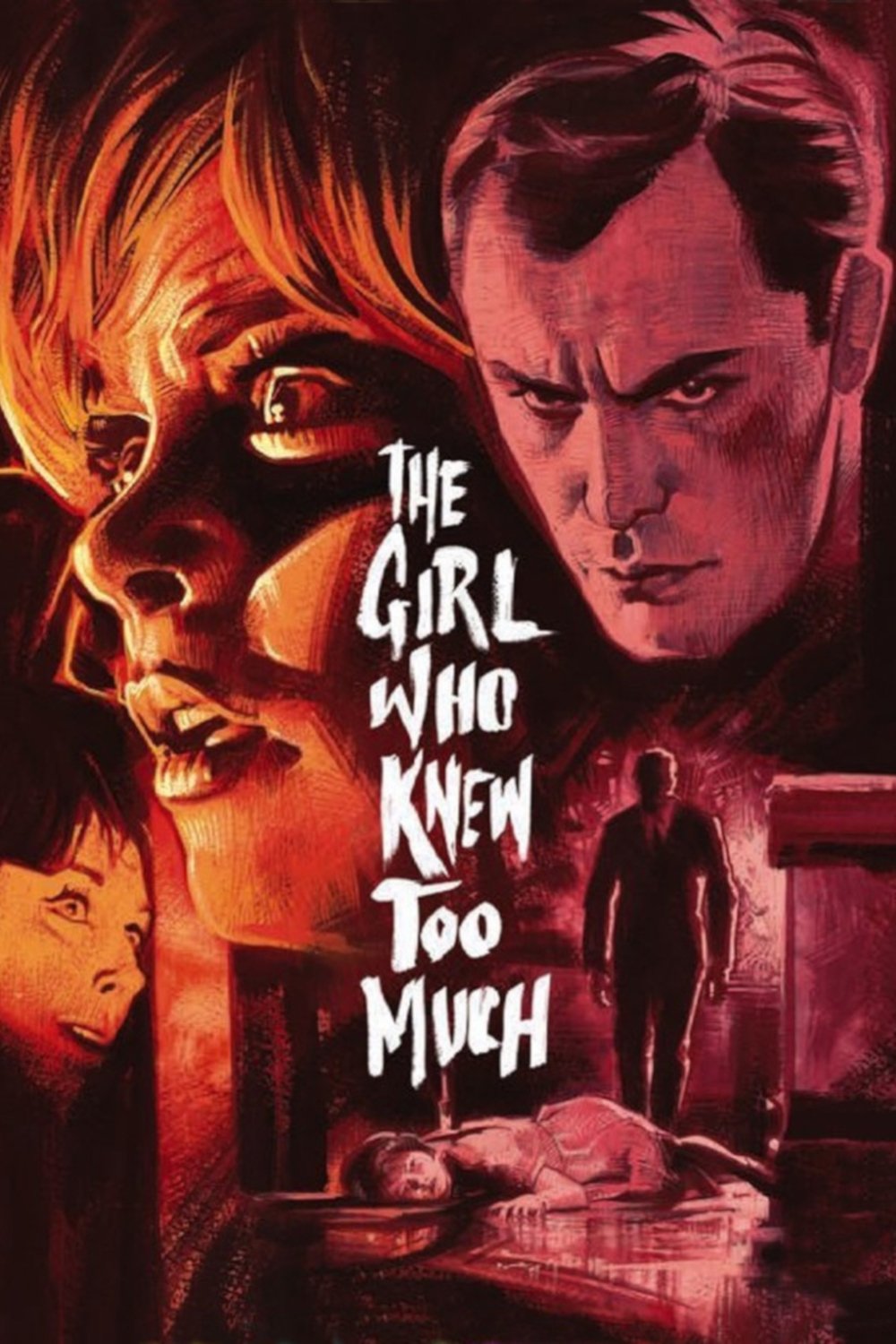
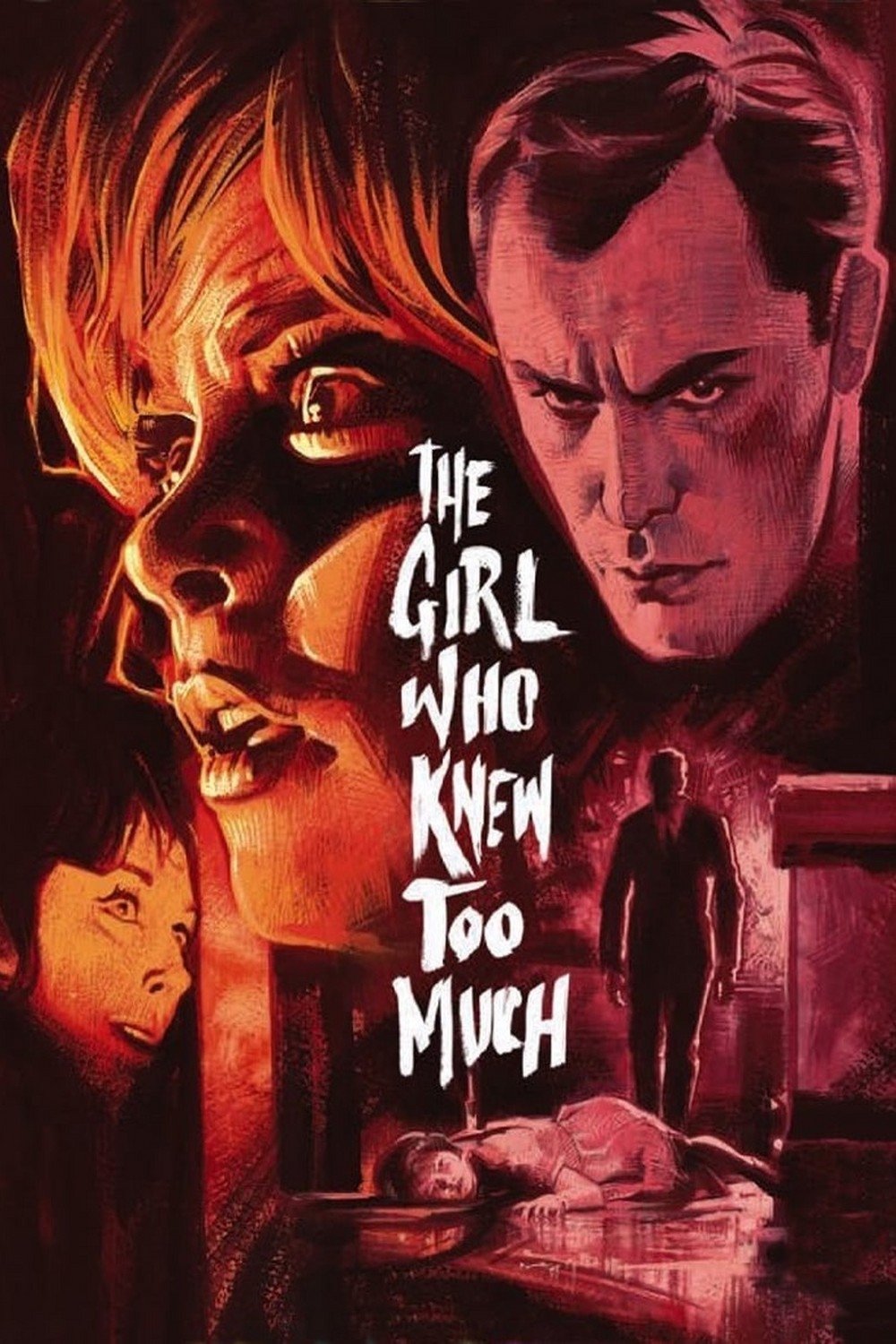
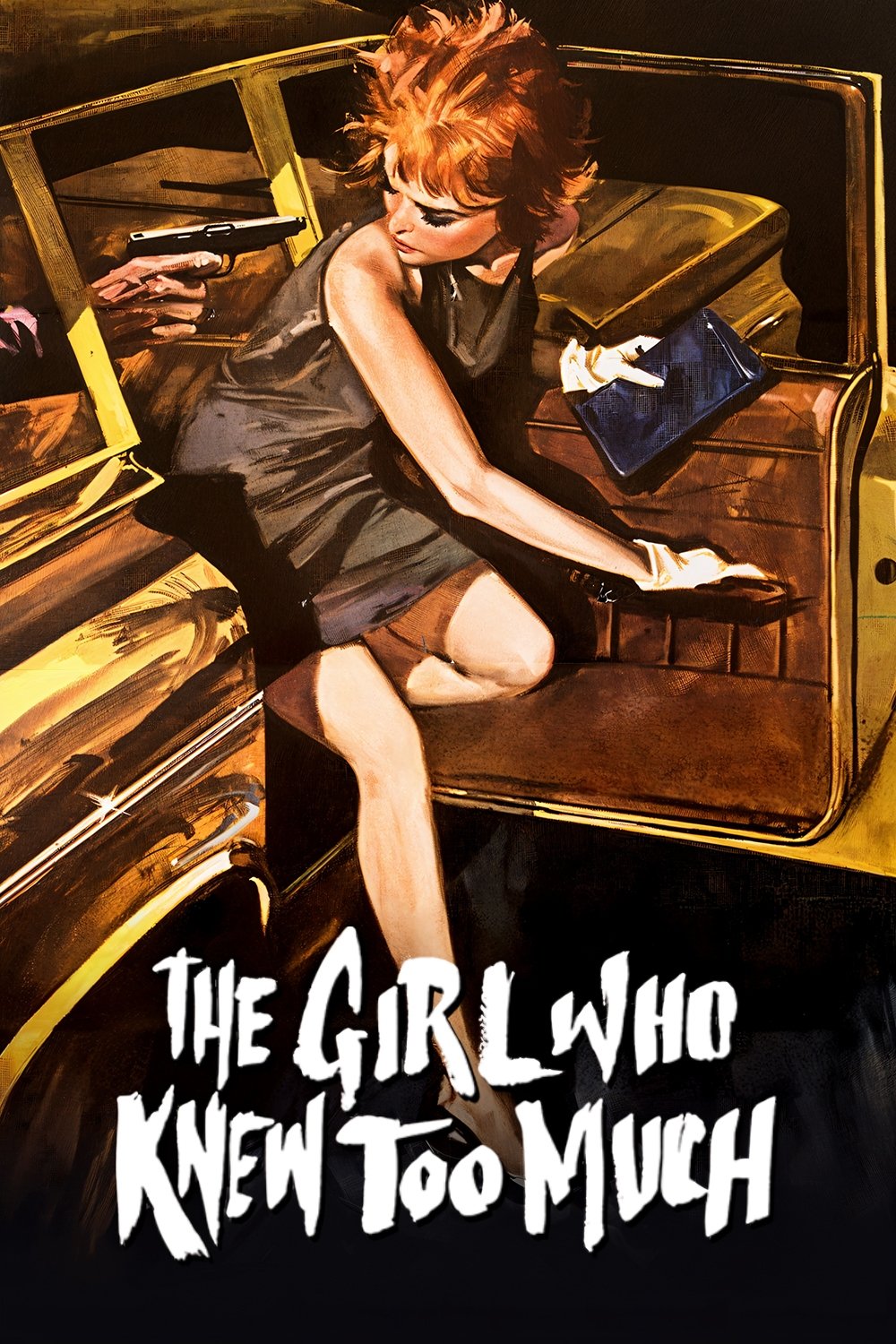
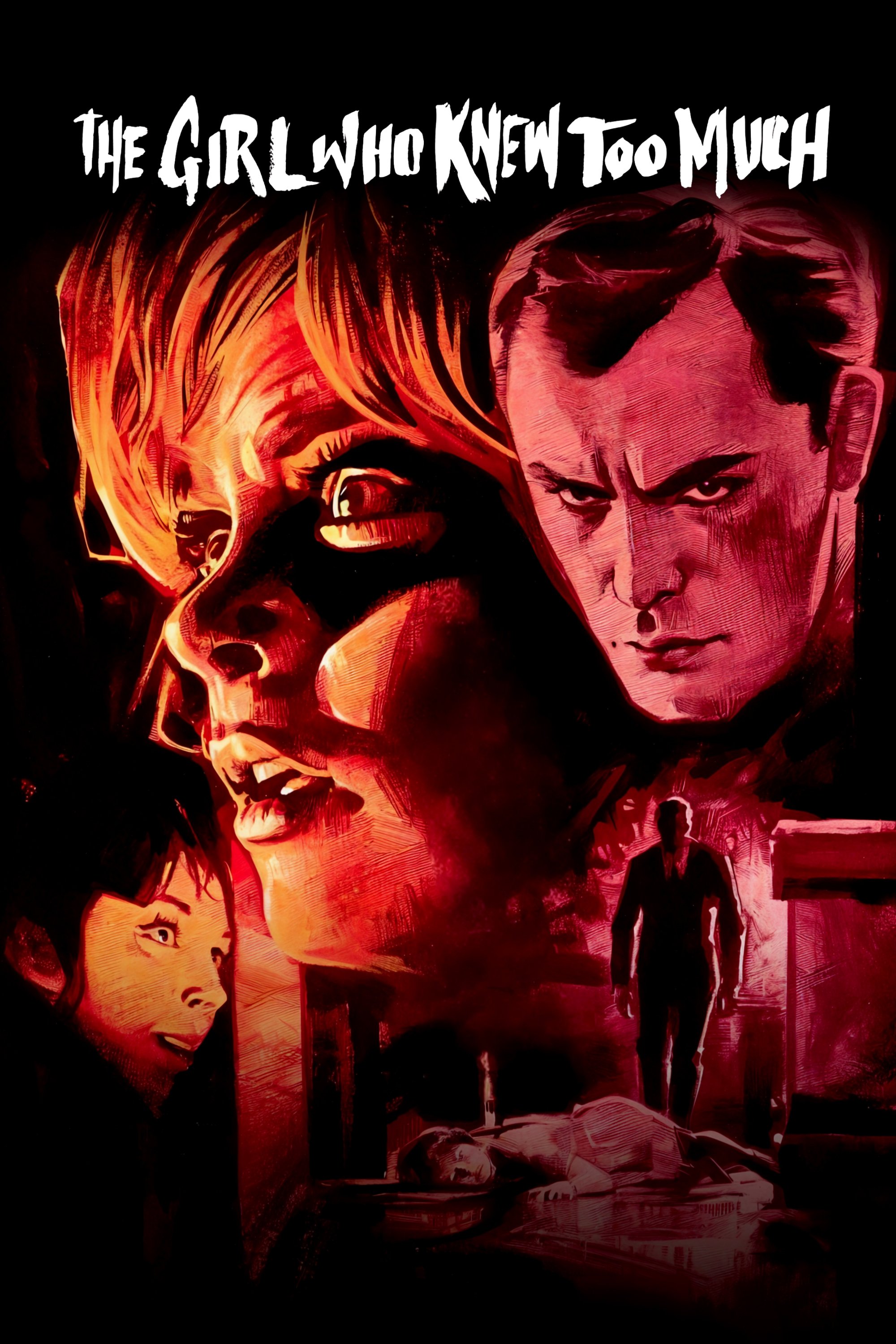
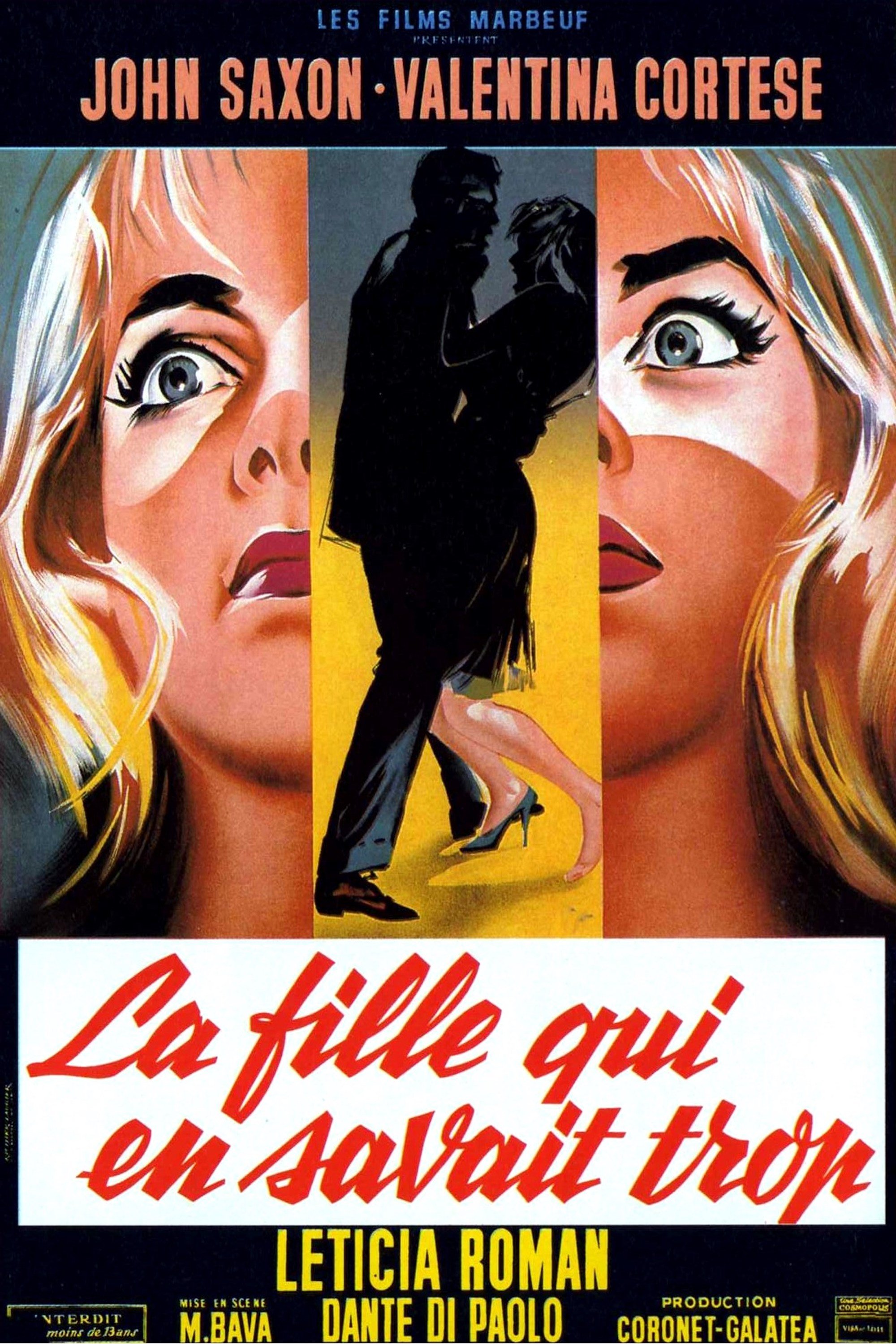
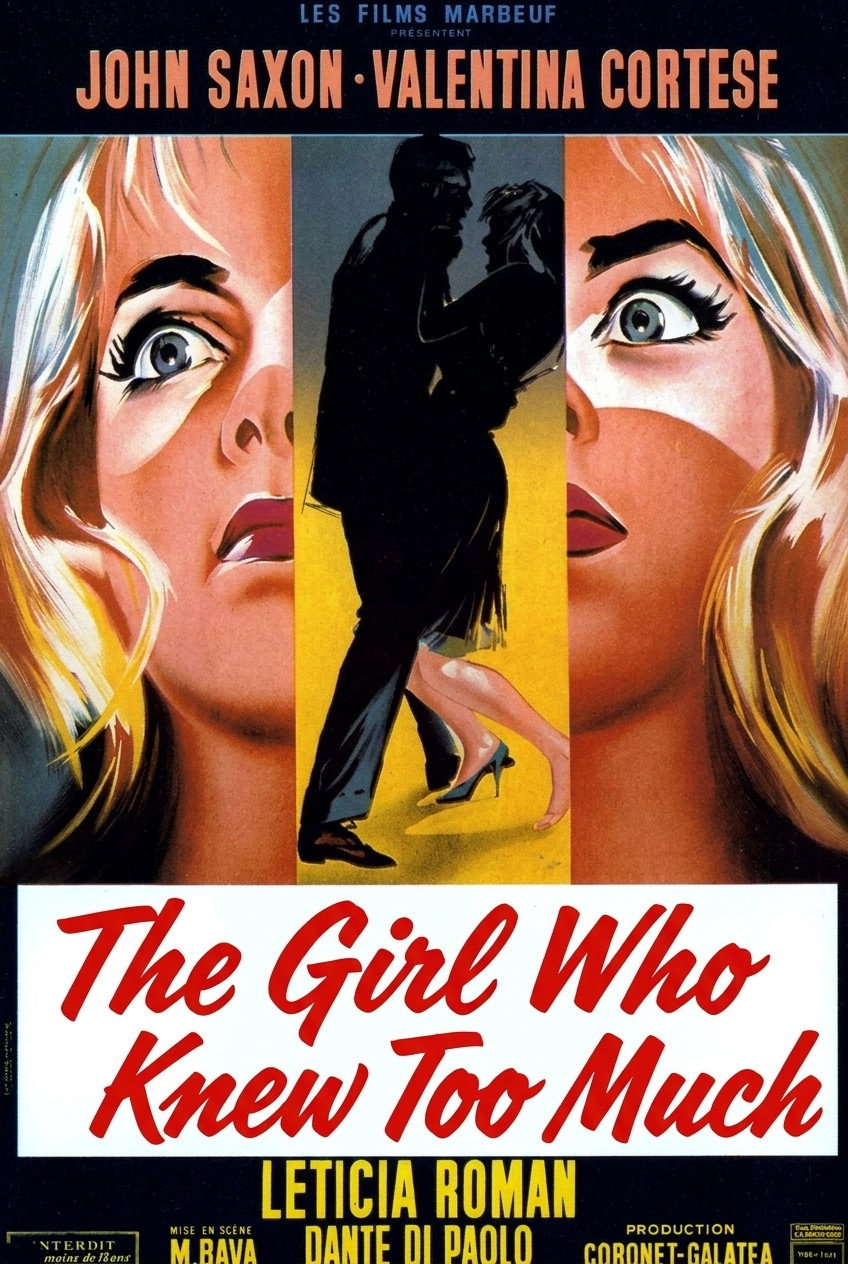
The Girl Who Knew Too Much (1963) poster
Director
Production Companies
Galatea Film , Coronet s.r.l.
Plot

A tourist witnesses a murder and finds herself caught up in a series of bloody killings.

Alternative Titles
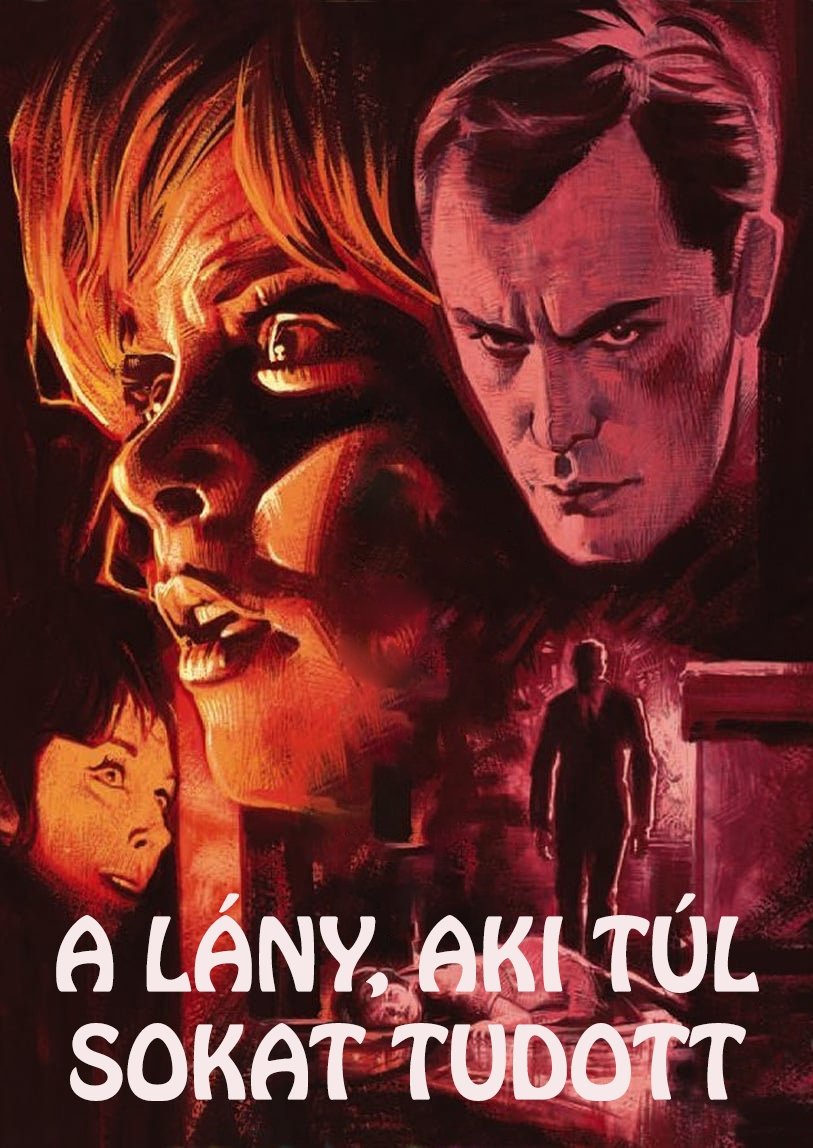
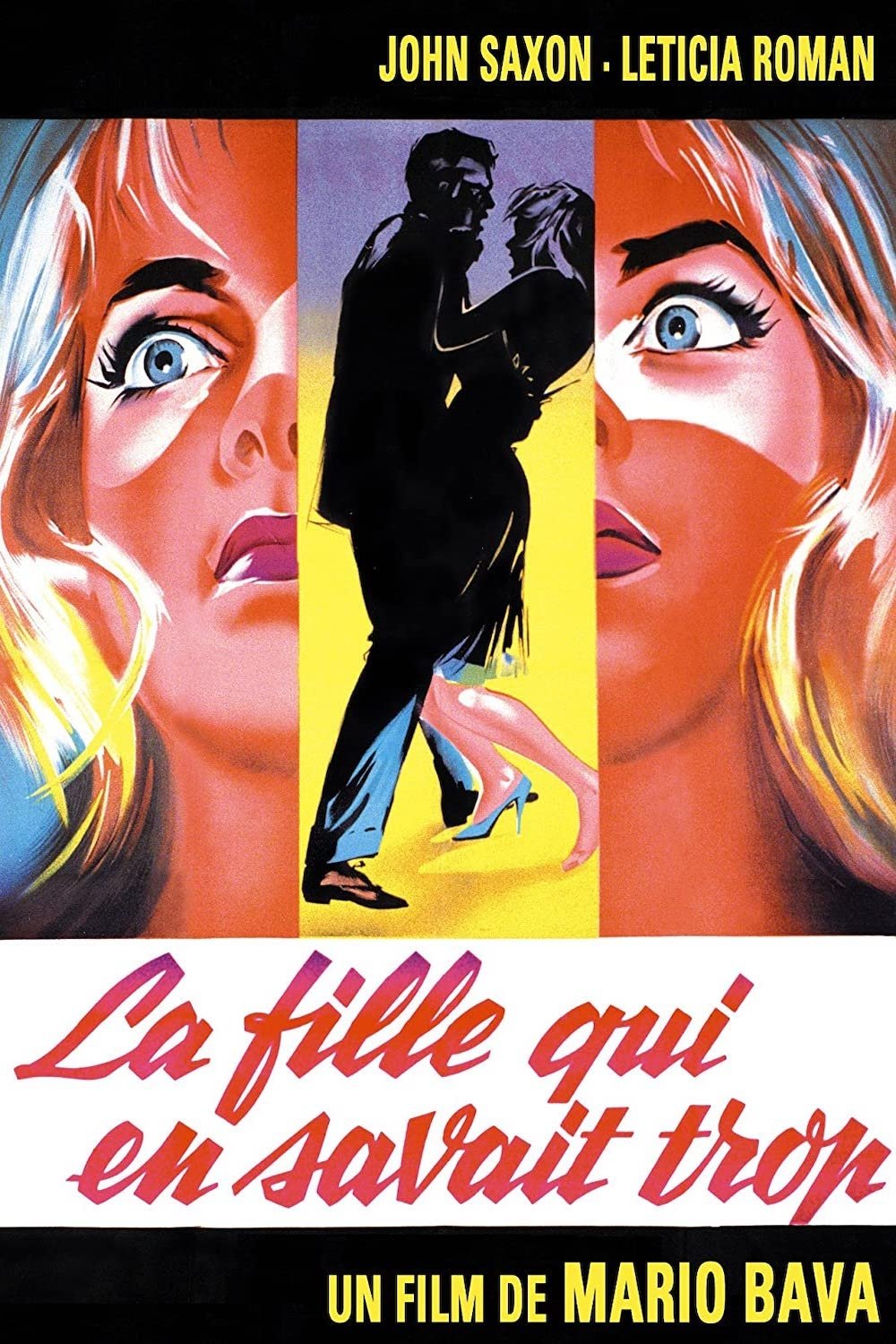
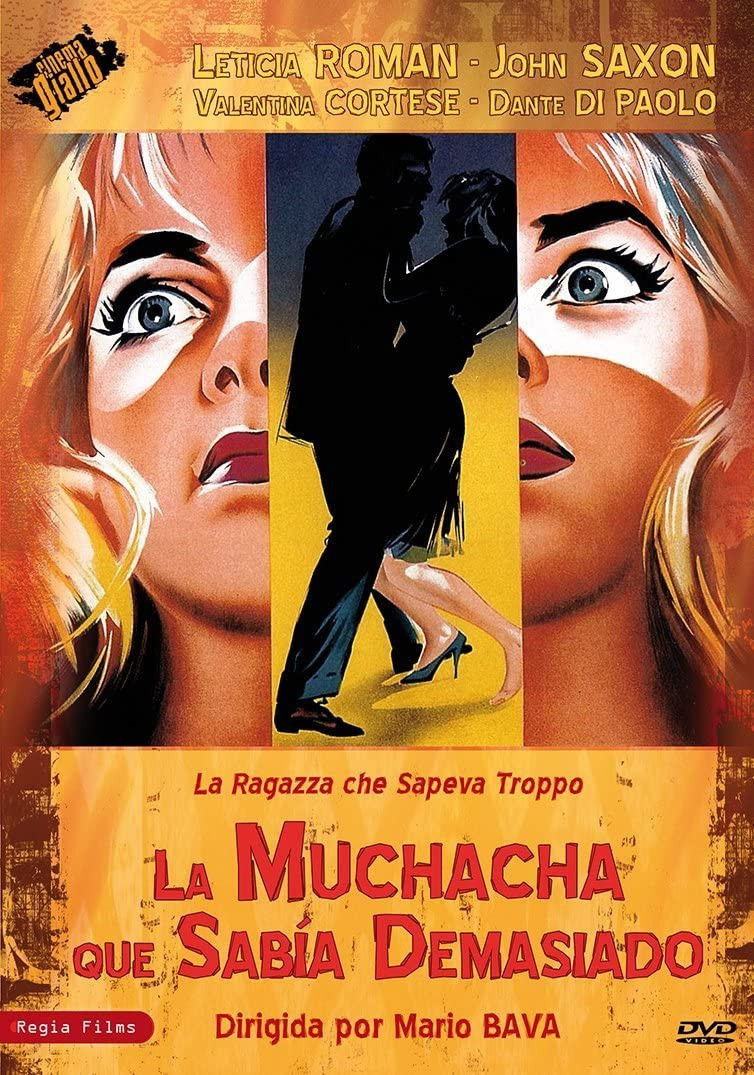
Olhos Diabólicos (BR) — translation:pt 知道太多的女孩 (CN) — translation:zh Oko ďábla (CZ) — translation:cs Das Mädchen, das zuviel wusste (DE) — translation:de La muchacha que sabía demasiado (ES) — translation:es La noia que sabia més del compte (ES) — translation:ca La fille qui en savait trop (FR) A lány, aki túl sokat tudott (HU) — translation:hu
Show all 17 alternative titles 知りすぎた少女 (JP) — translation:ja 너무 많은 것을 안 여자 (KR) — translation:ko Meitene, kas zināja par daudz (LV) — translation:lv A Rapariga que Sabia Demais (PT) — translation:pt Девушка, которая слишком много знала (RU) — translation:ru Дівчина, яка занадто багато знала (UA) — translation:uk Evil Eye (US) Incubus (US) The Evil Eye (US)

Trailers & Videos

2 videos

Film Guide

Mario Bava’s foundational giallo transforms Rome into a landscape of paranoia, uncertain memories and murder, establishing the accidental witness as a central figure of Italian suspense cinema.

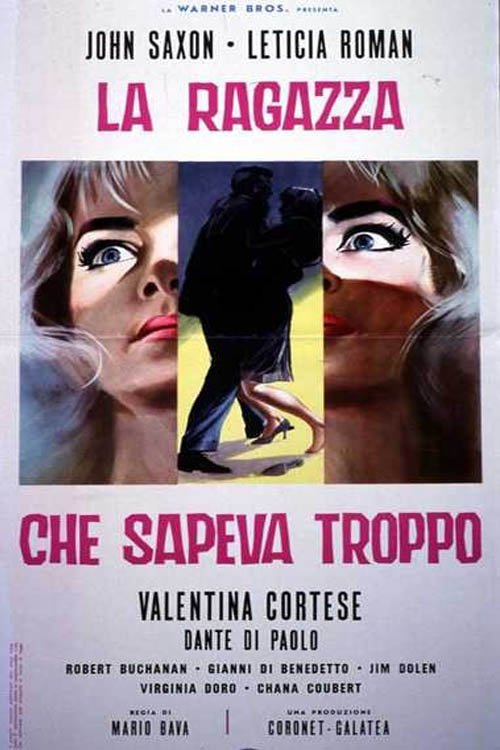
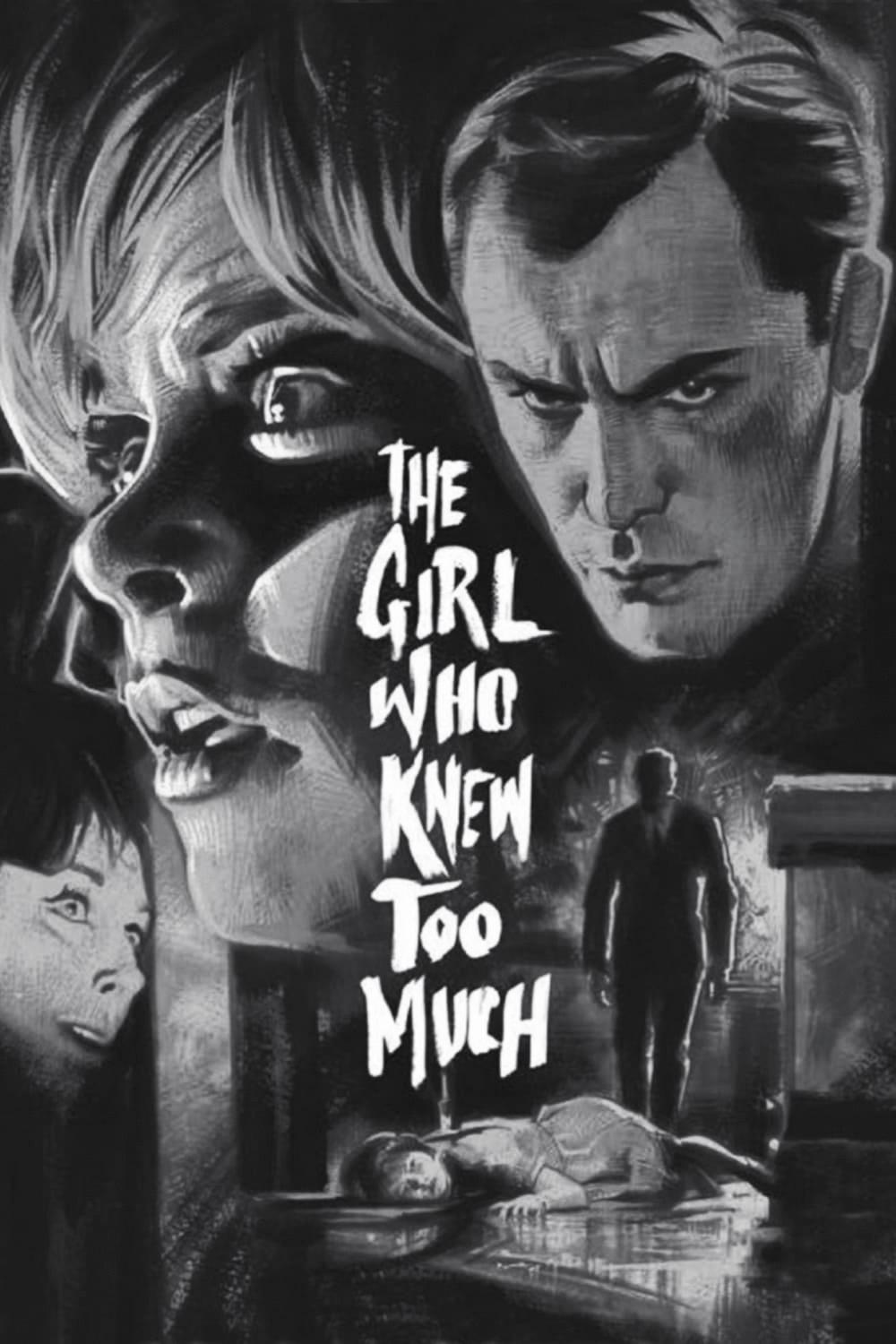
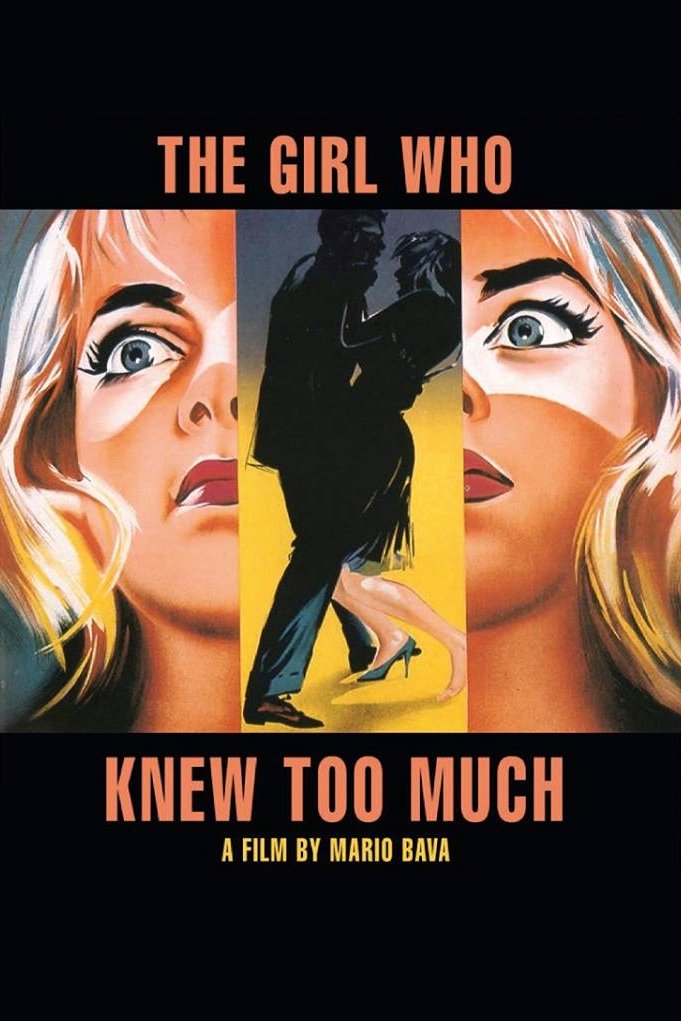
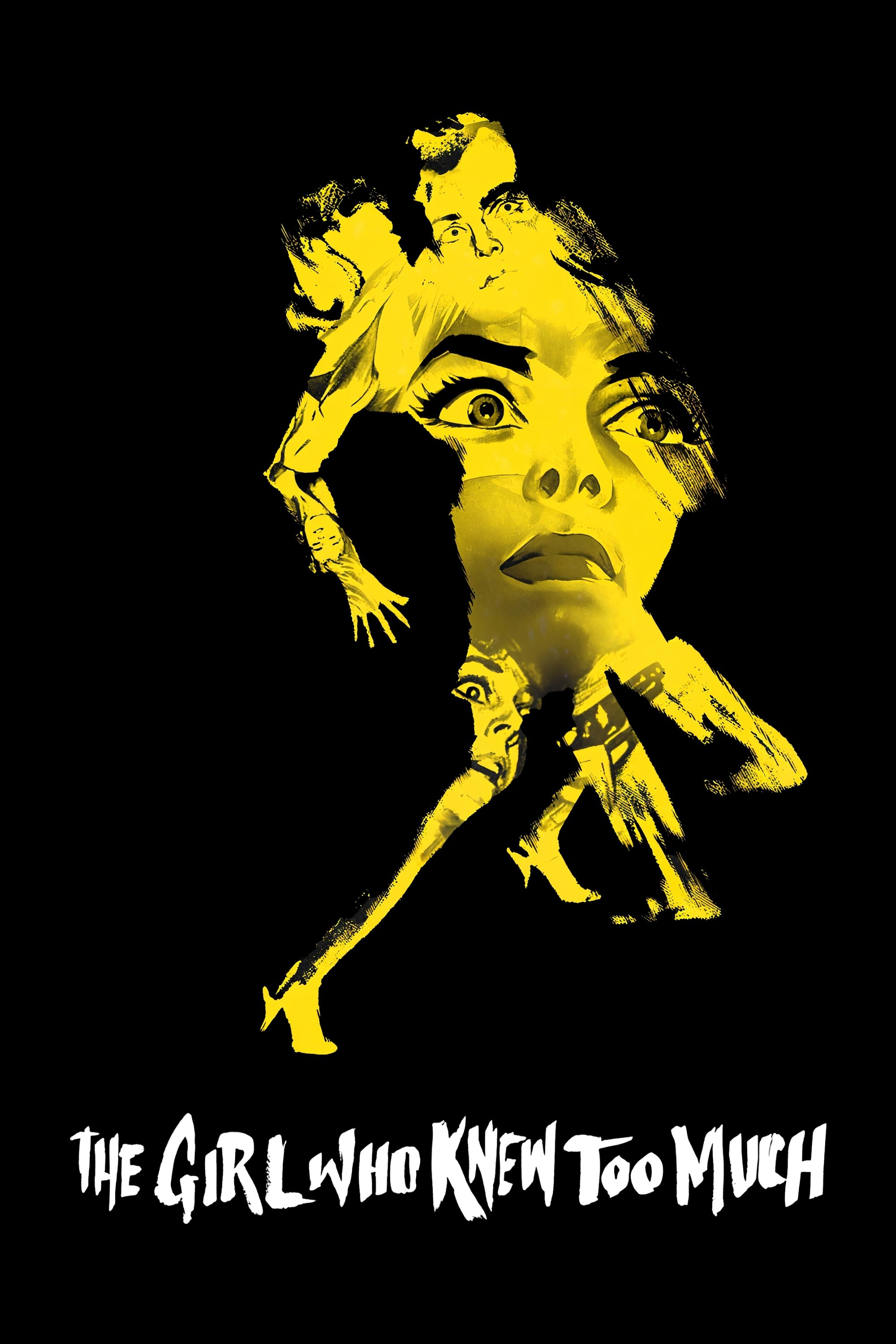
Released in Italy in February 1963, La ragazza che sapeva troppo (The Girl Who Knew Too Much) is a foundational work in the development of the Italian cinematic giallo. Directed and photographed by Mario Bava, it follows Nora Davis, an American tourist whose holiday in Rome becomes a frightening investigation after she apparently witnesses a murder near the Spanish Steps. Her account is dismissed by the authorities, and the absence of physical evidence leaves her uncertain about what she has seen. Drawing upon mystery fiction, Hitchcockian suspense and elements of film noir, Bava transforms the familiar story of a visitor discovering Rome into an investigation of violence hidden within the modern city. The film is widely identified as the earliest fully recognizable cinematic giallo, although the conventions associated with the genre would continue developing over the following decade.

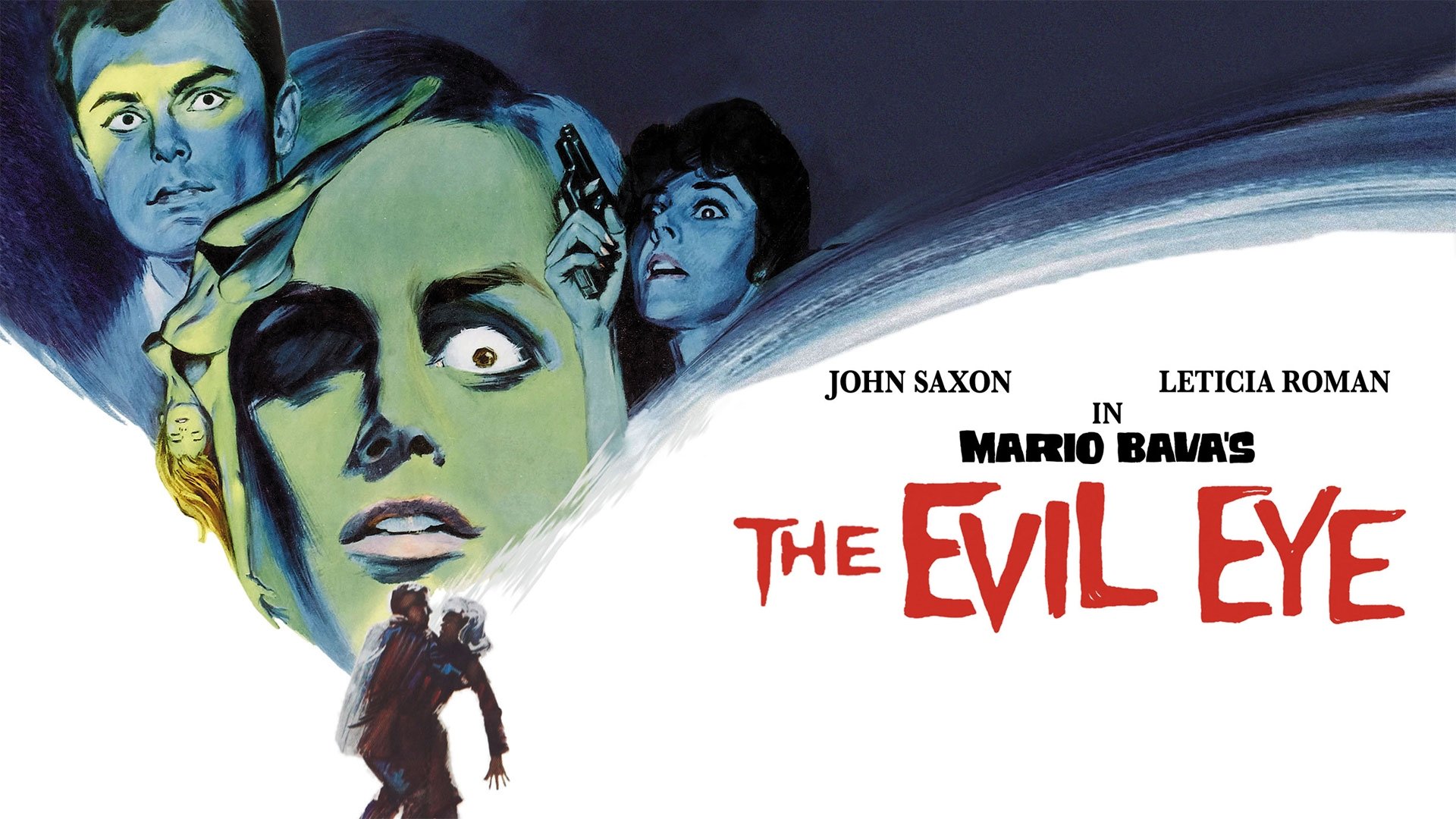
Made between Black Sunday (1960) and Blood and Black Lace (1964), The Girl Who Knew Too Much occupies a distinctive position in Bava’s career. Its black-and-white photography replaces the supernatural environments of his Gothic films with streets, apartments and recognizable landmarks made threatening through shadow, framing and subjective perception. Letícia Román’s Nora represents an early version of the amateur witness whose uncertain memory becomes essential to a murder investigation, while the film’s mixture of menace, romantic comedy and self-conscious references to crime literature establishes an unusual tone. The substantially altered American release, titled The Evil Eye, further demonstrates how national distribution could reshape the narration, music and characterization of a European genre production.

Production & Development

The Girl Who Knew Too Much emerged during a period of changing conditions for Italian genre filmmaking. Mario Bava had established his reputation as a director through Black Sunday, while his technical experience as a cinematographer provided an unusually strong foundation for visually elaborate productions. The new project was developed through Galatea Film and Coronet Films, with a story credited to Ennio De Concini, Sergio Corbucci and Eliana De Sabata. The screenplay involved contributions from additional collaborators, including Mino Guerrini, Franco Prosperi and Bava. The resulting narrative combined a criminal mystery with romantic comedy and the visual methods associated with contemporary suspense cinema.

The production’s relationship with international distribution was particularly important. American International Pictures had already achieved success with its American presentation of Black Sunday and subsequently developed a commercial relationship with Galatea. The Girl Who Knew Too Much emerged within an industrial environment in which Italian producers increasingly looked toward English-language markets. The film’s recognizable American protagonist, international cast and Hitchcockian title provided elements that could attract audiences familiar with British and American thrillers. These circumstances help explain its movement away from the historical supernatural settings of Bava’s earlier horror work.

The title openly invokes Alfred Hitchcock’s The Man Who Knew Too Much, filmed in 1934 and remade in 1956. Bava’s production nevertheless develops a different narrative centered upon a young woman whose enthusiasm for detective novels shapes her interpretation of unfamiliar circumstances. The connection with Hitchcock extends to problems of witnessing, credibility, mistaken assumptions and the vulnerability of an individual caught in events beyond her understanding. The title functions as both a commercial reference and an acknowledgement of an established suspense tradition.

Rather than relying upon elaborate Gothic sets, the film transforms recognizable Roman locations into spaces of uncertainty. Its visual construction depends upon the contrast between the city’s familiar public identity and the frightening possibilities concealed within its streets and residences. This approach permitted Bava to redirect his command of lighting and composition toward a contemporary environment. The production also demonstrated how the familiar conventions of mystery literature could provide the foundation for a more specifically cinematic treatment of psychological tension and violent crime.

Narrative & the Alphabet Murders

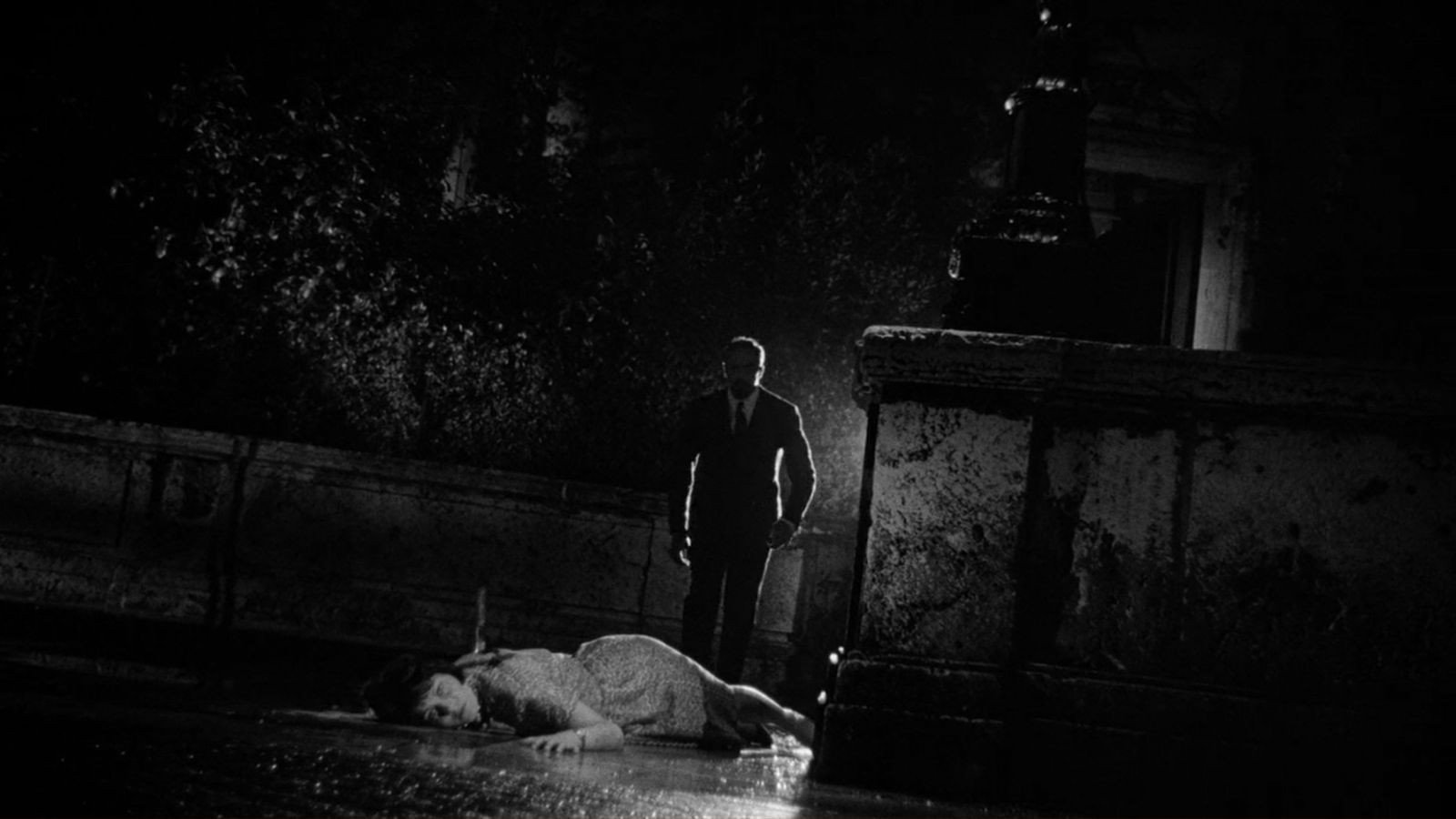
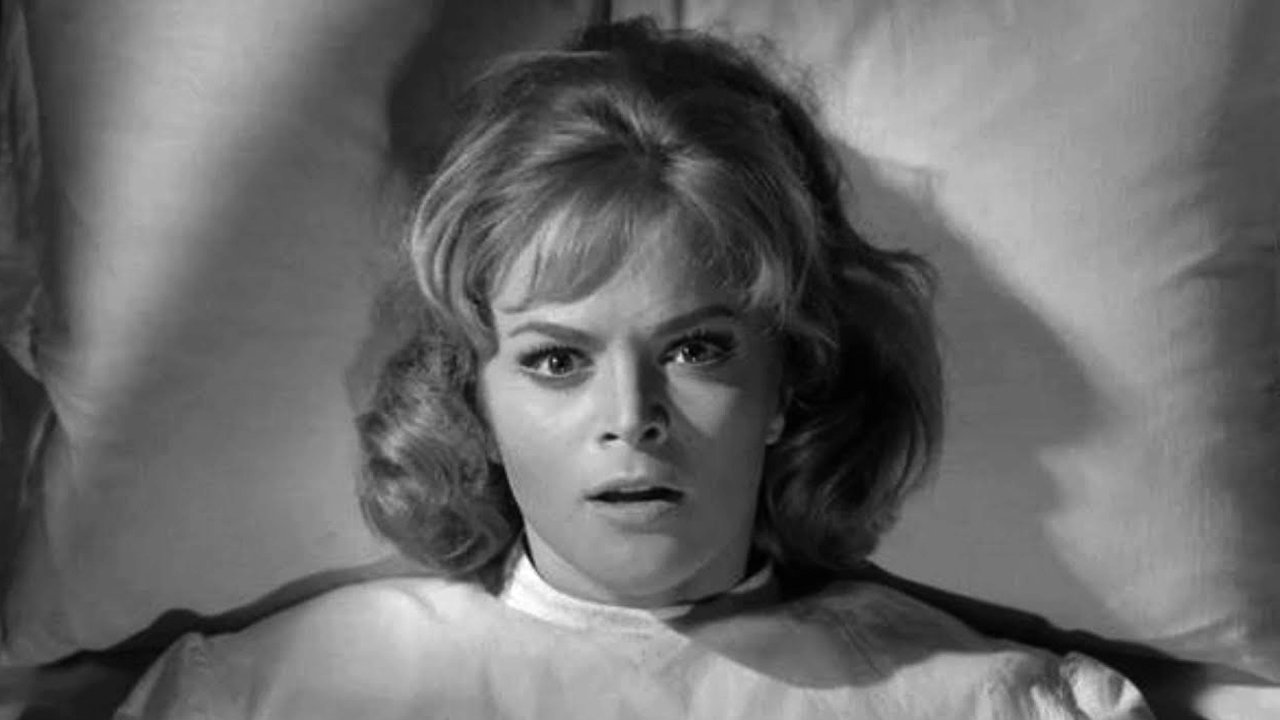
Nora Davis arrives in Rome to visit an elderly family friend and immediately encounters circumstances resembling the sensational mysteries she enjoys reading. During the flight, she becomes acquainted with a passenger subsequently arrested for drug smuggling. Her host dies shortly after Nora reaches the apartment, forcing the young visitor to seek assistance during the night. While crossing Piazza di Spagna, Nora is attacked by a thief and loses consciousness. When she awakens, she sees a wounded woman and a man apparently removing a knife from the victim. The incident leaves Nora terrified, but the authorities find no convincing evidence that the murder occurred.

Dr. Marcello Bassi attempts to reassure Nora, encouraging her to enjoy the city rather than remain preoccupied with an apparently inexplicable event. The young woman cannot accept this explanation. Her investigation brings her into contact with Laura Craven-Torrani, an acquaintance of the deceased host, who provides temporary accommodation. Nora subsequently discovers information concerning a series of killings committed years earlier. The victims were associated with an alphabetical sequence, suggesting the work of a murderer who selected women according to their surnames.

The historical crimes become increasingly relevant when Nora finds reason to believe that the killer may be active again. Her attempts to investigate introduce Andrea Landini, whose knowledge of the earlier murders complicates the interpretation of the surviving evidence. Objects, documents and apparently suspicious behavior provide possible explanations without immediately establishing the identity of the murderer. Nora’s own position becomes dangerous because she may have witnessed information capable of exposing the person responsible.

The eventual revelation connects the crimes with concealed personal motives rather than an explicitly supernatural force. The solution also challenges assumptions Nora has developed through her reading of detective fiction. Her investigation demonstrates the value of observation while exposing the limitations of interpreting actual events through familiar literary formulas. The narrative combines moments of genuine danger with romantic comedy and deliberate misdirection, creating a tonal instability that distinguishes the film from the more consistently violent gialli produced later.

Rome as a Landscape of Fear

Rome plays a central role in the visual construction of The Girl Who Knew Too Much. The city initially appears through the expectations of a foreign visitor seeking a recognizable tourist experience. Famous monuments, crowded public spaces and the attractions of a modern European capital supply an apparently reassuring environment. Bava gradually undermines this image by presenting the same locations under threatening circumstances. The Spanish Steps, normally associated with leisure and tourism, become the setting for Nora’s traumatic encounter with violence.

The contrast between daylight and darkness transforms the spectator’s relationship with the city. During daytime sequences, Marcello attempts to convince Nora that Rome is an ordinary and welcoming environment, while her memories of the apparent murder remain unresolved. At night, familiar architecture becomes difficult to interpret. Streets appear deserted, figures emerge unexpectedly and locations previously associated with public activity become sources of danger. The city acquires the characteristics of a Gothic environment even though its buildings and surroundings remain recognizably contemporary.

Alexia Kannas has examined this contradiction through the relationship between tourist imagery and the subjective experiences of Nora. The protagonist attempts to reconcile an idealized representation of Rome with evidence of violence that other characters refuse to acknowledge. The discrepancy produces a particular form of uncertainty: the surrounding environment seems both familiar and fundamentally unreliable. Bava reinforces the tension by repeatedly returning to recognizable landmarks under conditions that alter their emotional significance.

The transformation of ordinary urban space became an important characteristic of later Italian thrillers. Murders and investigations would increasingly occur within modern apartments, galleries, streets and other environments apparently removed from traditional Gothic horror. The Girl Who Knew Too Much provides an early example of this approach, showing how the threatening qualities of a location can emerge through photography, subjective perception and the association of familiar architecture with concealed violence.

Black-and-White Cinematography & Visual Suspense

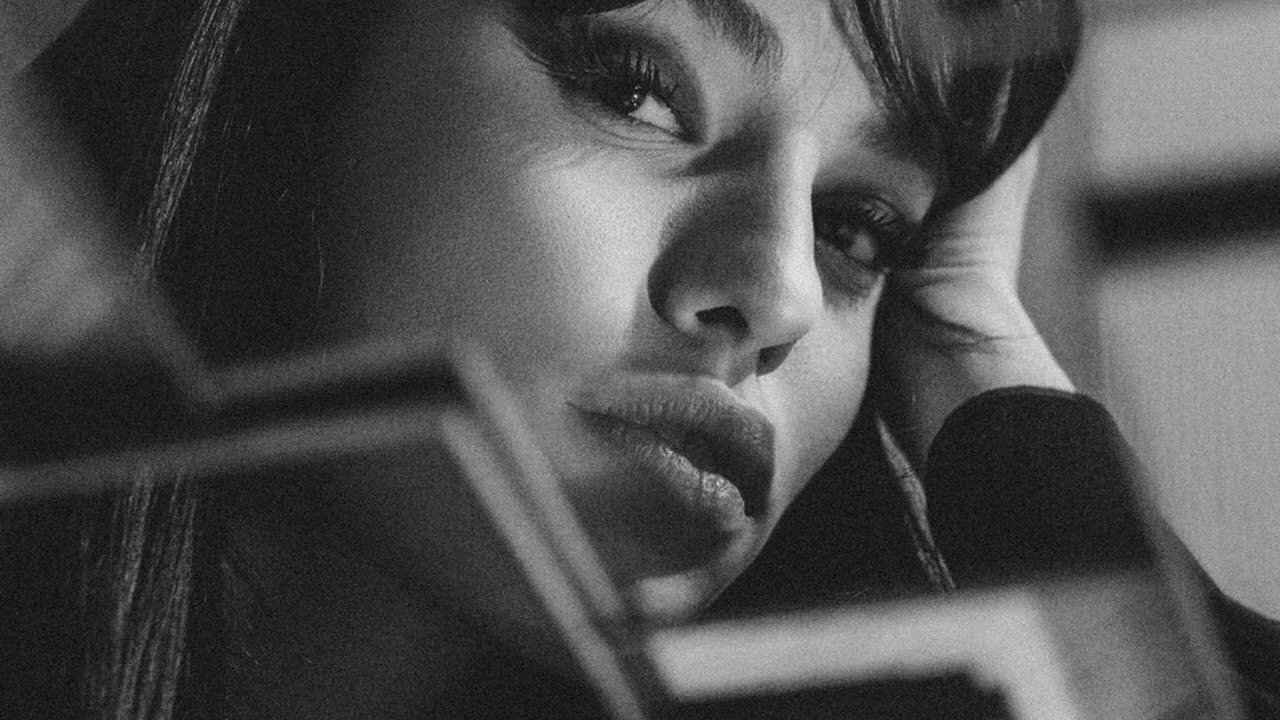
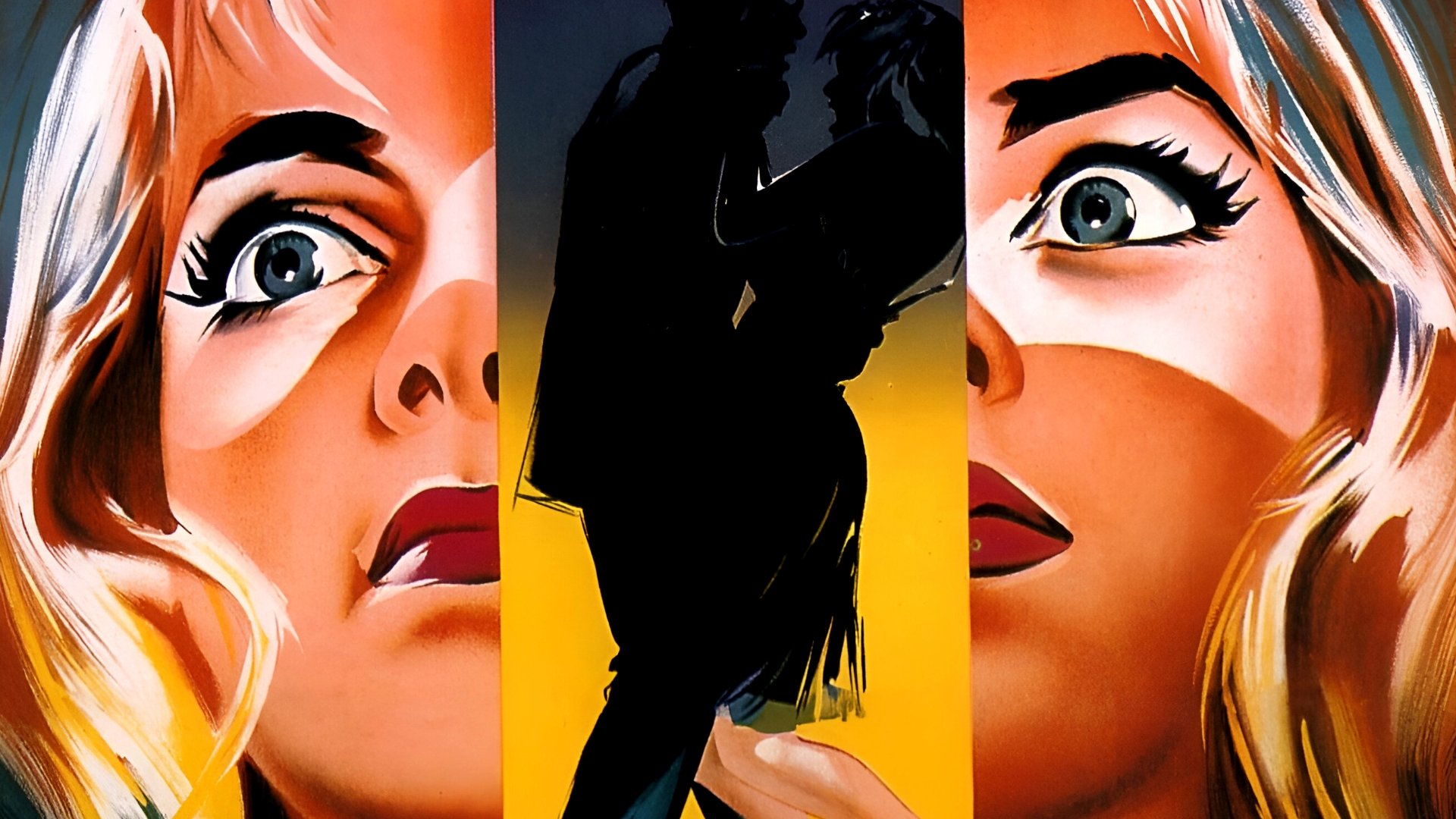
Bava’s black-and-white photography gives the film much of its distinctive atmosphere. The images emphasize contrasting areas of illumination, pronounced shadows and the relationship between foreground figures and threatening background spaces. Rather than employing the saturated colours that would characterize his later thrillers, the director uses tonal separation to establish uncertainty about the presence and intentions of other characters. The approach recalls film noir and the chiaroscuro traditions of earlier Gothic horror, adapted to modern urban environments.

Camera placement becomes particularly important during Nora’s attempts to understand what she has witnessed. Subjective compositions reproduce her limited knowledge, while close views of her eyes emphasize the act of observation itself. The camera may isolate apparently insignificant details before their importance becomes clear. Doorways, staircases and windows repeatedly divide the visual field, suggesting that danger can exist beyond the protagonist’s immediate awareness. These arrangements provide suspense through the organization of space rather than requiring continuous physical violence.

The apparent murder near the Spanish Steps establishes a visual pattern that returns throughout the film. Nora sees an event under circumstances that make accurate interpretation difficult. Her physical condition, the darkness and the brief duration of the encounter all contribute to uncertainty. The absence of evidence subsequently transforms the memory of the scene into a continuing source of distress. The spectator shares the problem because the camera has provided a limited perspective rather than an objective reconstruction of the crime.
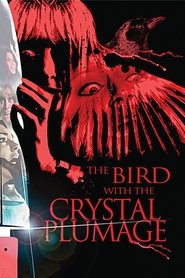
Bava’s visual style also gives the film an identifiable relationship with later giallo cinema. Close attention to the eye, the uncertain recollection of violence and the manipulation of spatial information became recurring devices in Italian murder mysteries. The resemblance is particularly visible when compared with the elaborate witness sequences of Dario Argento’s The Bird with the Crystal Plumage (1970). The connection concerns the development of a visual and narrative tradition in which seeing a crime does not necessarily mean understanding it.

Crime Fiction & the Emergence of the Giallo

The film’s historical importance is closely connected with the relationship between Italian crime literature and the development of a recognizable cinematic form. The term giallo derives from the yellow covers associated with mystery novels published by Mondadori beginning in 1929. The literary category included detective fiction, suspense narratives and works by international writers whose stories introduced Italian readers to different traditions of criminal investigation. Gary Needham has emphasized that the cinematic giallo developed as a flexible category rather than a genre defined by one immutable collection of characteristics.

Nora’s enthusiasm for crime novels makes this literary inheritance explicit within the narrative. She approaches the threatening situation through the expectations established by familiar mystery fiction. Her reading supplies possible strategies for investigation, but it also encourages her to interpret events according to conventional narrative patterns. The film therefore examines the relationship between fictional expertise and actual danger. Its protagonist becomes an amateur detective partly because she imagines herself capable of applying the lessons of literature to the circumstances surrounding her.

The Girl Who Knew Too Much anticipates several conventions that would become particularly visible in subsequent Italian thrillers. A foreign visitor becomes involved in a criminal investigation after witnessing violence. The authorities initially fail to accept the witness’s account, forcing the protagonist to conduct an independent inquiry. A sequence of murders contains a pattern that demands interpretation, while apparently ordinary people may conceal dangerous motives. The investigation develops through uncertain memories, misleading clues and the repeated possibility that the protagonist has misunderstood what was seen.

The film nevertheless differs from the later giallo cycle in important respects. Its violence is comparatively restrained, romantic comedy remains a substantial element and the black-and-white photography lacks the conspicuous chromatic design associated with Bava’s Blood and Black Lace (1964). These differences demonstrate the gradual development of the cinematic form. The 1963 production established a significant combination of narrative and visual devices, while subsequent filmmakers transformed the relationship between mystery, murder, sexuality and stylized spectacle.

Music, American Re-edit & International Versions

The original Italian soundtrack was composed by Roberto Nicolosi, whose music accompanies a narrative alternating suspense with moments of romantic and comic relief. The film also features Furore, performed by Adriano Celentano, introducing a recognizable element of contemporary Italian popular music. The inclusion of the song contributes to the film’s modern urban identity, contrasting with the historical and supernatural settings commonly associated with Bava’s earlier horror productions. The soundtrack forms part of a broader tonal mixture that combines danger, youthful romance and playful references to genre fiction.

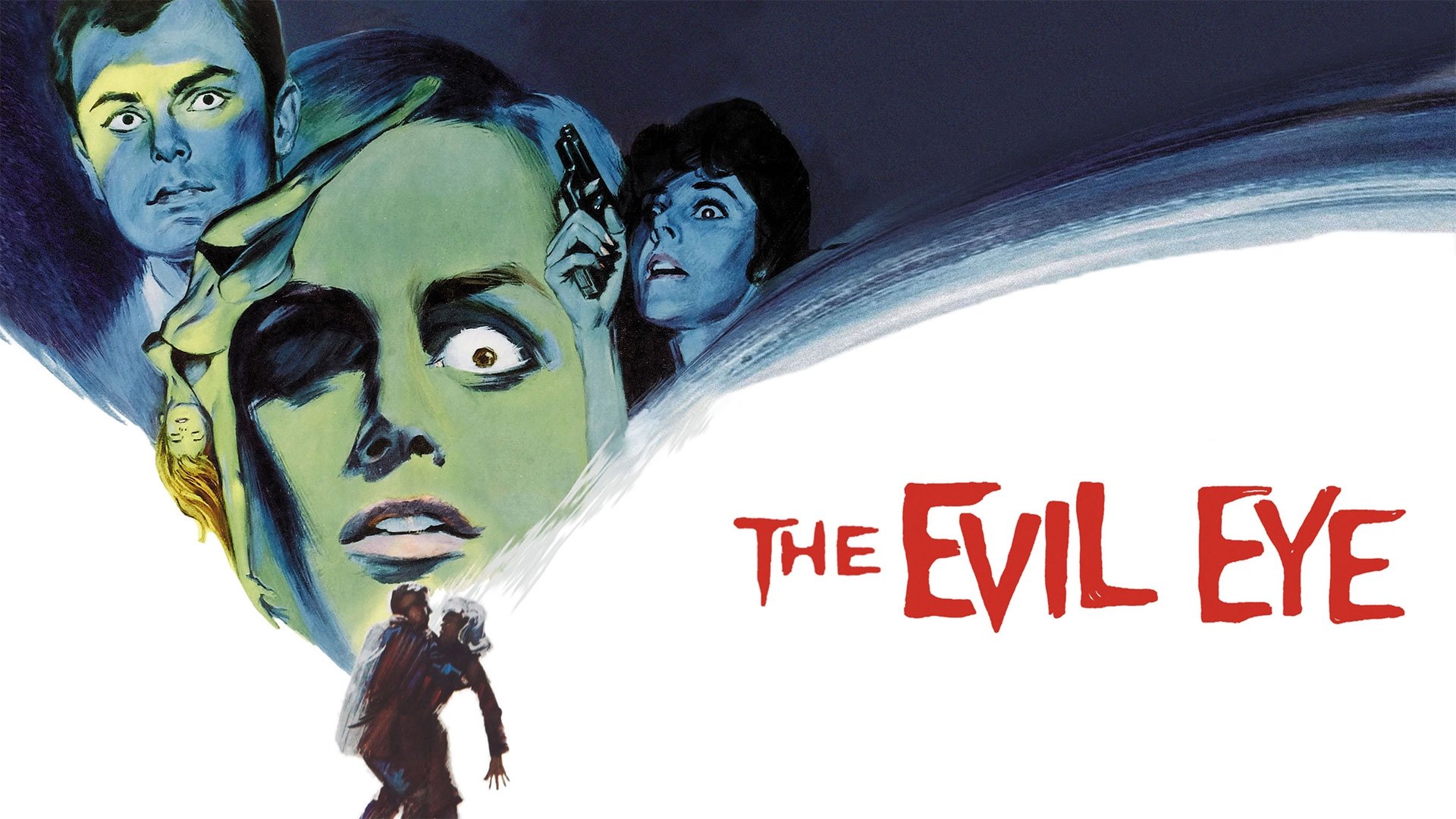
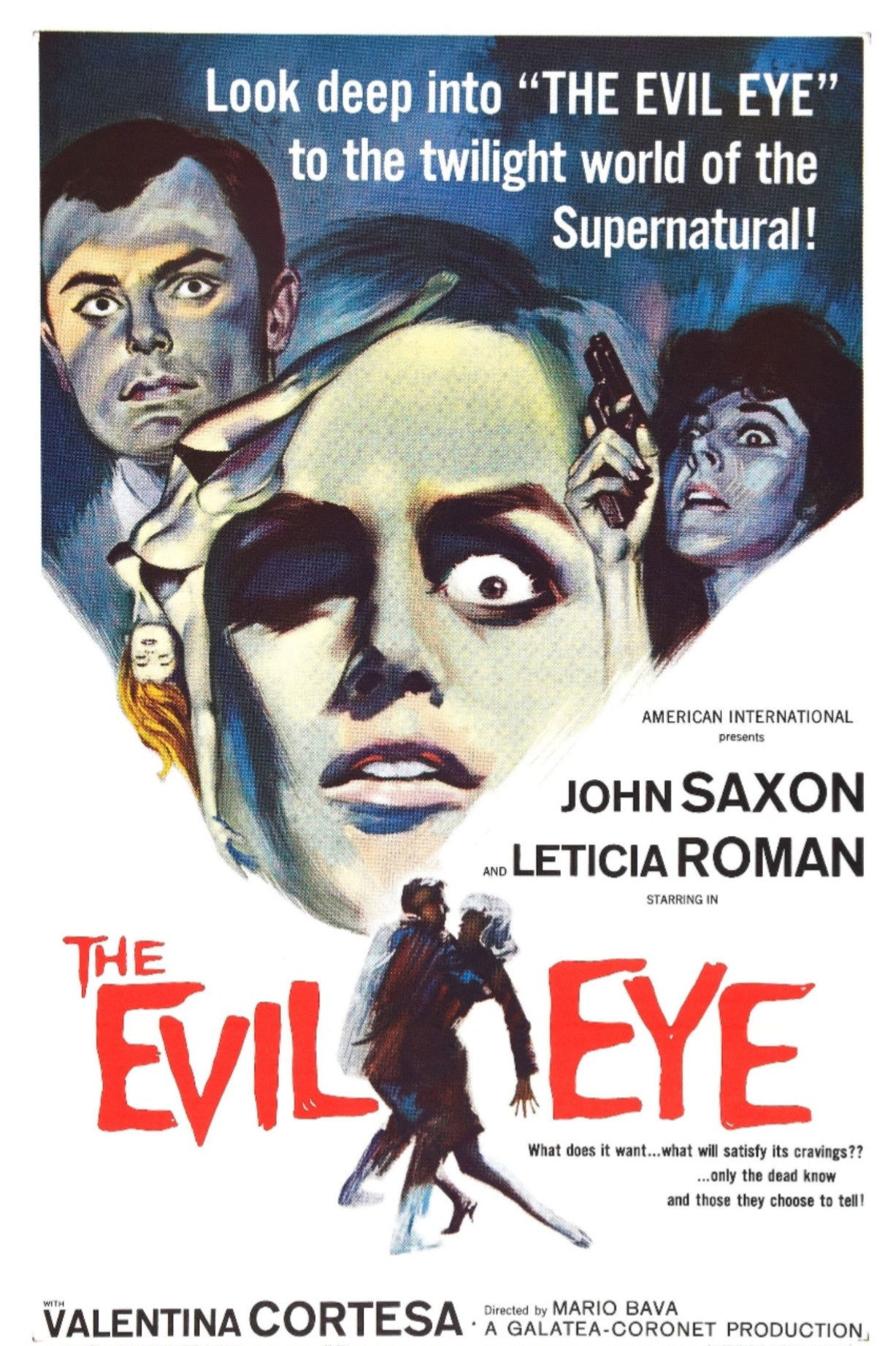
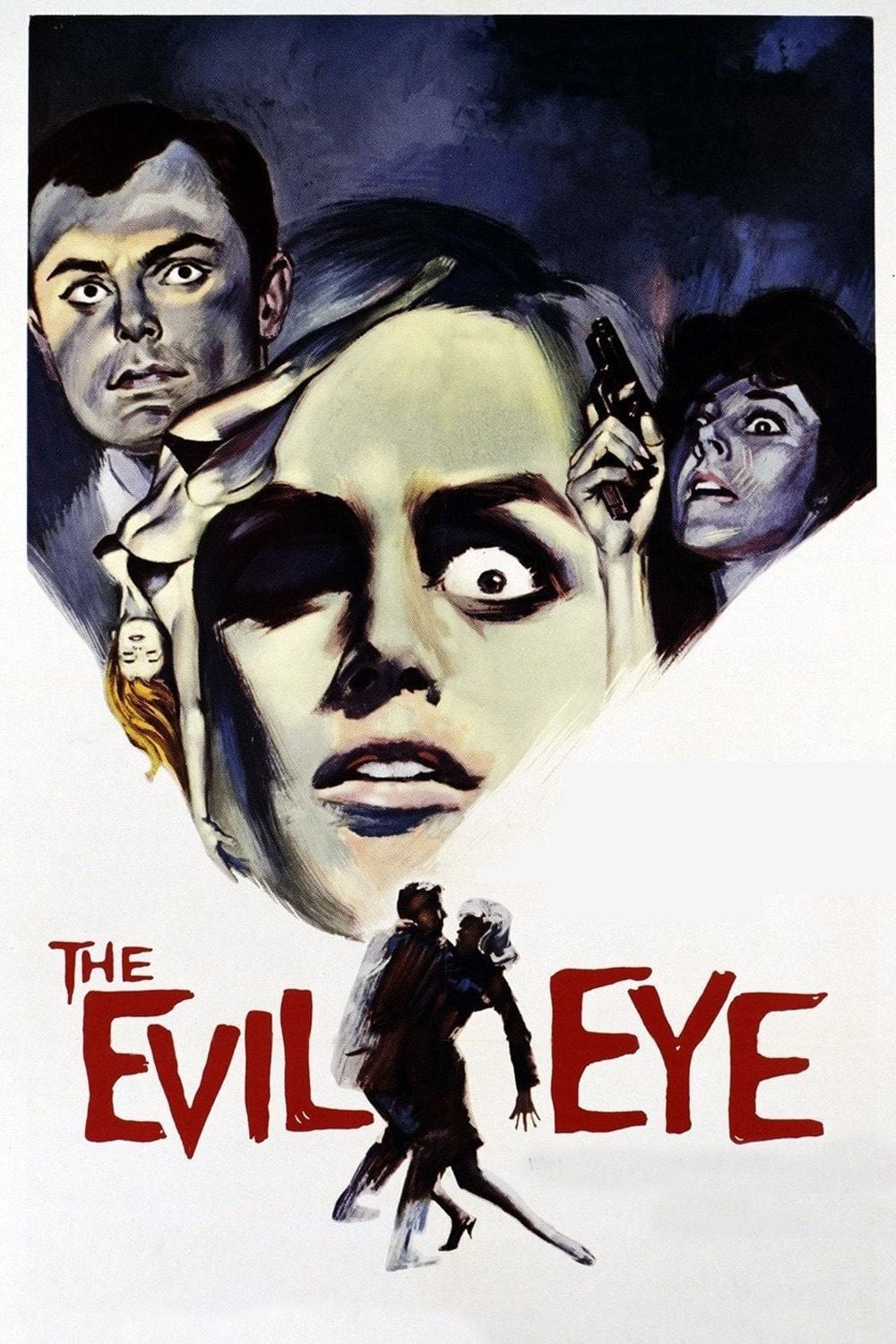
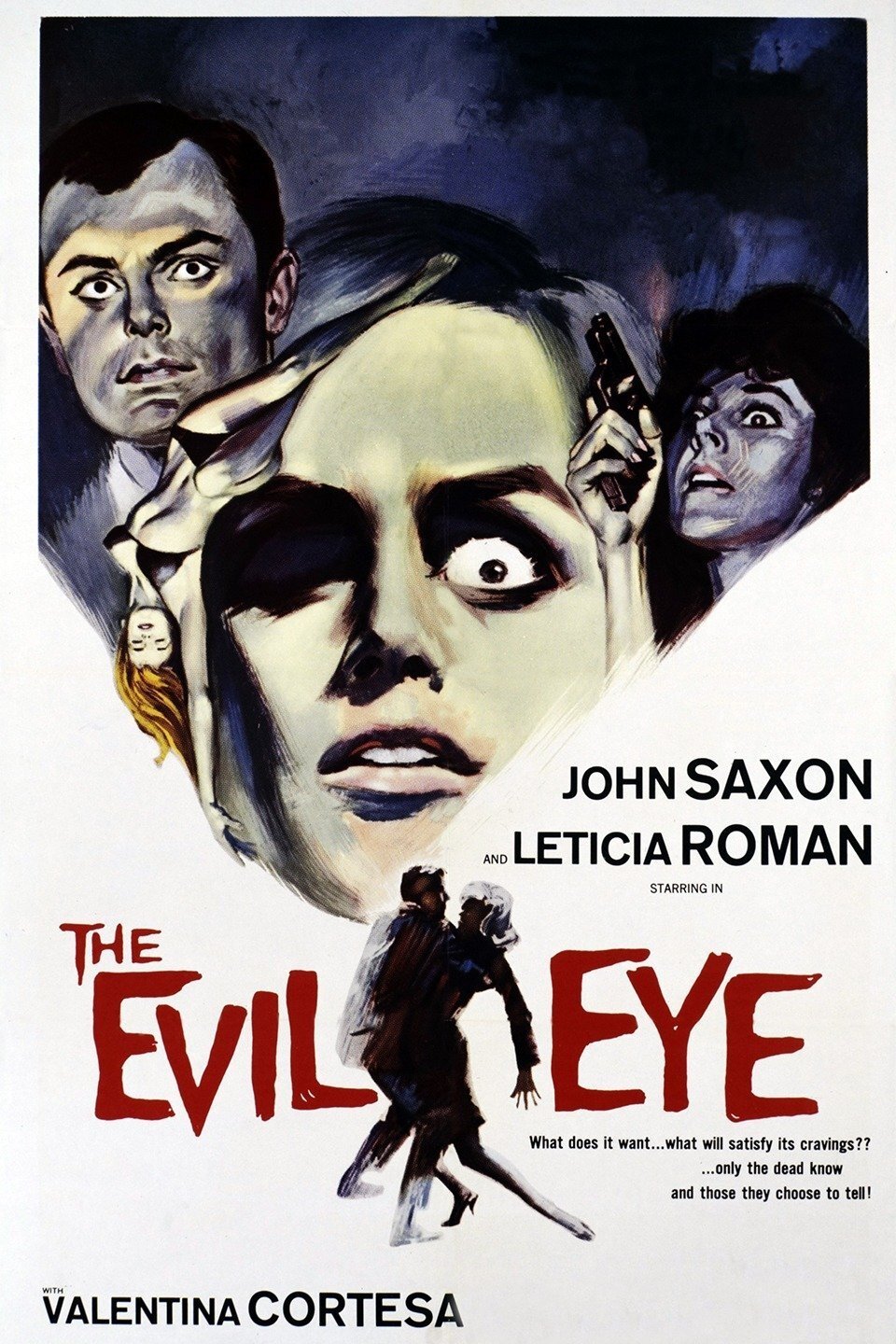
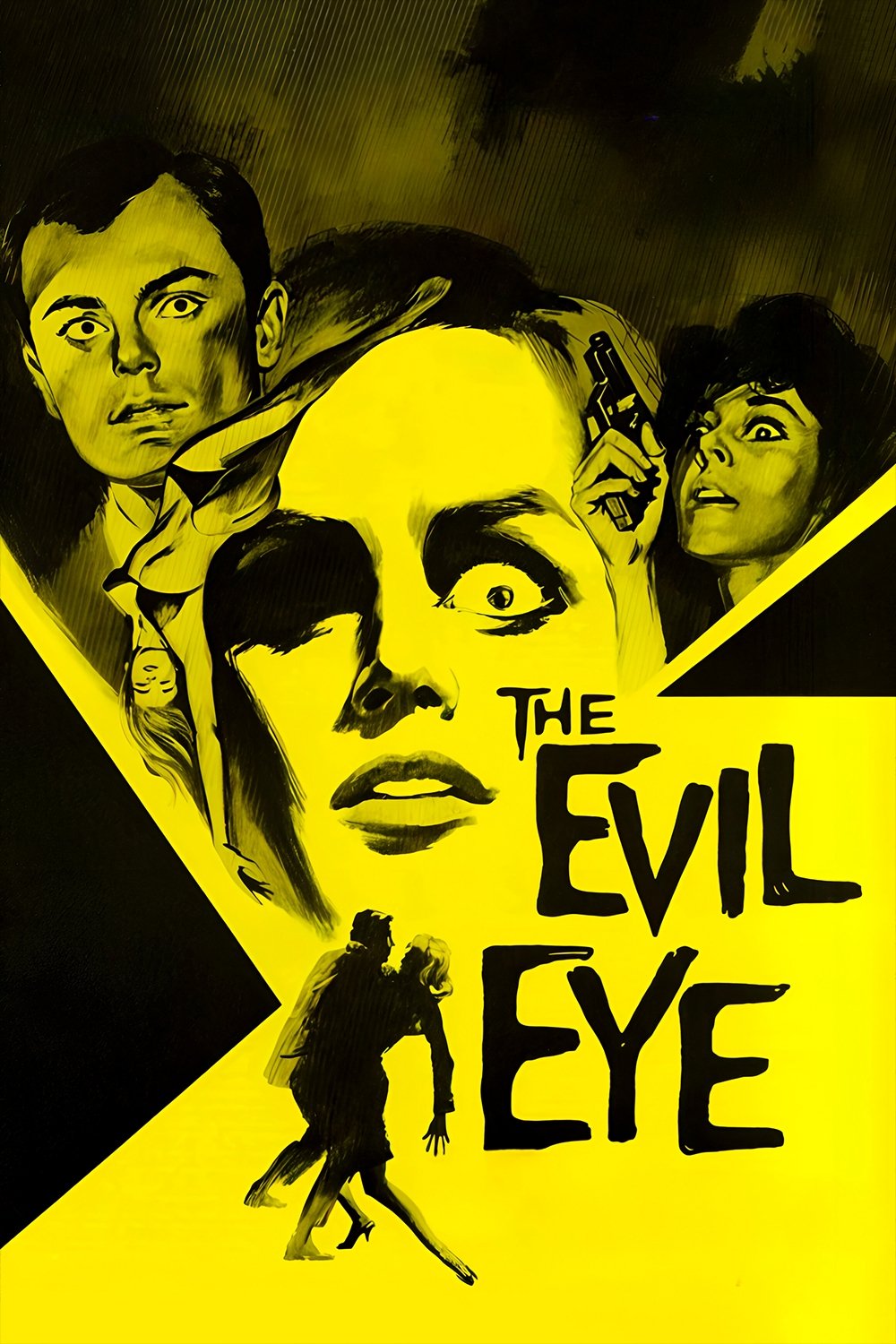
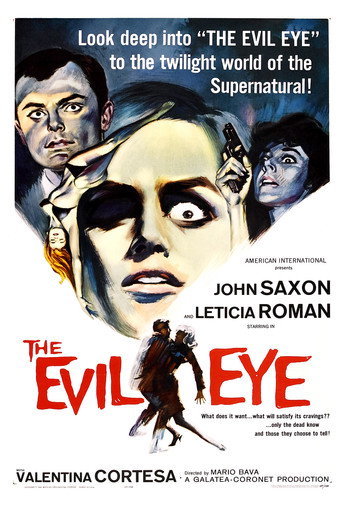
American International Pictures substantially altered the film for its United States release under the title The Evil Eye. The English-language version replaced Nicolosi’s score with music by Les Baxter and removed the original use of Celentano’s song. The changes extended to narration and dramatic construction. The Italian edition employs an external narrator, while the American presentation gives Nora a first-person voice-over that communicates her thoughts more directly. This revision changes the relationship between the spectator and the protagonist by providing greater access to her interpretation of events.

The American version also modifies the opening and conclusion and includes comic material absent from the Italian release. Its revised dialogue changes or removes certain narrative details, creating a presentation with a noticeably different emotional balance. Tim Lucas has argued that the American cut possesses a more coherent comic tone, while Kier-La Janisse has examined how its narration strengthens Nora’s subjective position. These interpretations demonstrate that the alternate edition can be studied as a distinctive historical version rather than merely an inferior copy of the Italian film.

The two versions have circulated through different television, theatrical and home-video editions. Arrow Video presented both The Girl Who Knew Too Much and The Evil Eye in a restored home-video release in 2014, using original pre-print elements for the Italian presentation. The variations make it important to associate running times, dialogue and musical credits with the correct version. The Italian film is commonly listed at approximately 86 minutes, while some presentations of the American edition have longer durations. These figures should be interpreted in relation to the particular materials used rather than regarded as interchangeable.

Censorship, Reception & Historical Legacy

The film was submitted to the Italian censorship authorities on 21 January 1963 and received authorization on 26 January. The commission imposed a prohibition on admission for audiences younger than fourteen, citing scenes considered unsuitable for the sensitivity of younger viewers. The ruling also authorized export. The surviving record does not specify compulsory cuts, so the age restriction should not be confused with evidence of an altered Italian theatrical version. The film entered domestic distribution in February 1963, although published sources differ concerning the precise opening date.

The contemporary Italian critical response included recognition of Bava’s ability to construct threatening environments through apparently ordinary locations. A review published in Nuovo Spettatore Cinematografico on 2 April 1963 characterized the film as a Hitchcockian mystery distinguished by its atmosphere and its unusual representation of Rome. The notice recognized the relationship between realistic urban settings and the fantastic sensibility Bava had previously demonstrated in Gothic horror. This contemporary assessment provides evidence that the film’s visual qualities were identified before its later reputation as a founding work of the giallo.
Its initial commercial performance was comparatively disappointing within Bava’s career, despite the film’s subsequent historical importance. Later appreciation has increasingly emphasized its role in consolidating the figure of the accidental witness whose attempt to understand a murder places that person in further danger. The British Film Institute identifies it as the earliest widely recognized example of the cinematic giallo, while Gary Needham’s historical analysis explains how its references to crime literature and foreign tourism contributed to the emergence of the form.
Bava developed a more violent and visually elaborate approach to the giallo in Blood and Black Lace the following year. The later film introduced the saturated colours, spectacular murders and fashion-world setting that became strongly associated with the genre. The Girl Who Knew Too Much remains important because it reveals an earlier stage of the same development, when comedy, detective fiction, psychological uncertainty and noir photography converged within Italian popular cinema. Its lasting significance lies in the organization of the witness’s experience and the transformation of a familiar city into a landscape where danger can exist behind apparently reassuring appearances.

References

  1. Senses of Cinema The Girl Who Knew Too Much — Alexia Kannas

    Scholarly analysis of Bava’s urban imagery, female spectatorship, industrial context, narrative structure and differences between the Italian and American versions.

  2. Kinoeye An Introduction to the Italian Giallo — Gary Needham

    Historical and theoretical study of the literary origins of giallo, its development as a cinematic category and the foundational position of Bava’s film.

  3. British Film Institute Where to Begin with Giallo — Chris Gallant

    Institutional critical essay discussing the origins of cinematic giallo, the visual methods of Mario Bava and the film’s relationship to later Italian thrillers.

  4. Turner Classic Movies The Evil Eye — Jeff Stafford

    Historical analysis of the film’s suspense techniques, photography, musical identity and changes introduced for its American theatrical distribution.

  5. CHANGES — Università degli Studi di Milano La ragazza che sapeva troppo — Fascicolo 39415

    Original Italian censorship record confirming the application of 21 January 1963, authorization of 26 January and restriction to audiences aged fourteen or over.

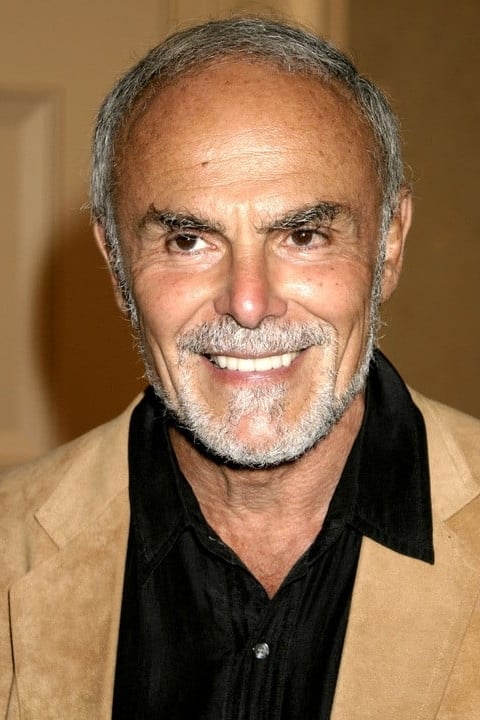
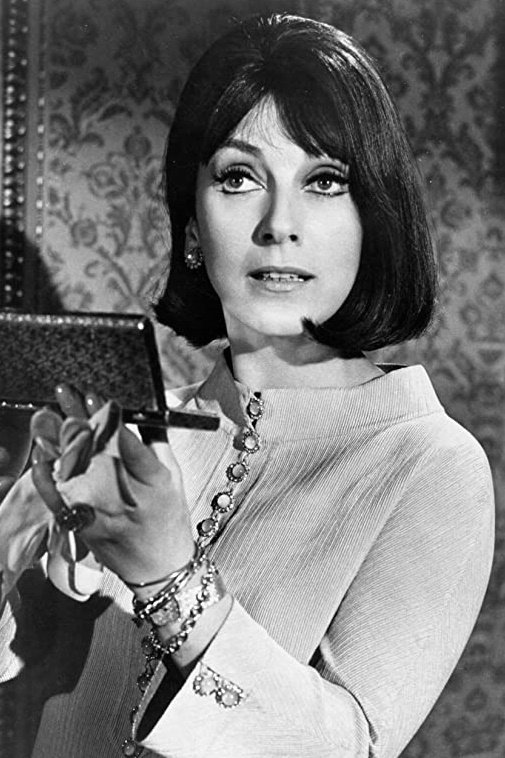
Cast

View Full Cast & Crew →

Release & Distribution

Production Companies (2)

  • Coronet s.r.l. IT
  • Galatea Film IT

Distributors (1)

  • Warner Bros. Entertainment US

Release History (2)

Release DateTerritoryRelease TypeFormatDistributorCertificationNotes
1963-02-10 IT theatrical — — —
1964-05-20 US theatrical — — — 92-minute re-cut version
LOOK... and you cannot look away for everywhere you turn it's there... watching... waiting to strike!