Son of Dracula (1943)

US
5.8/10 4 votes
Runtime
80 min
Release
November 5, 1943
Budget
$10,000,000
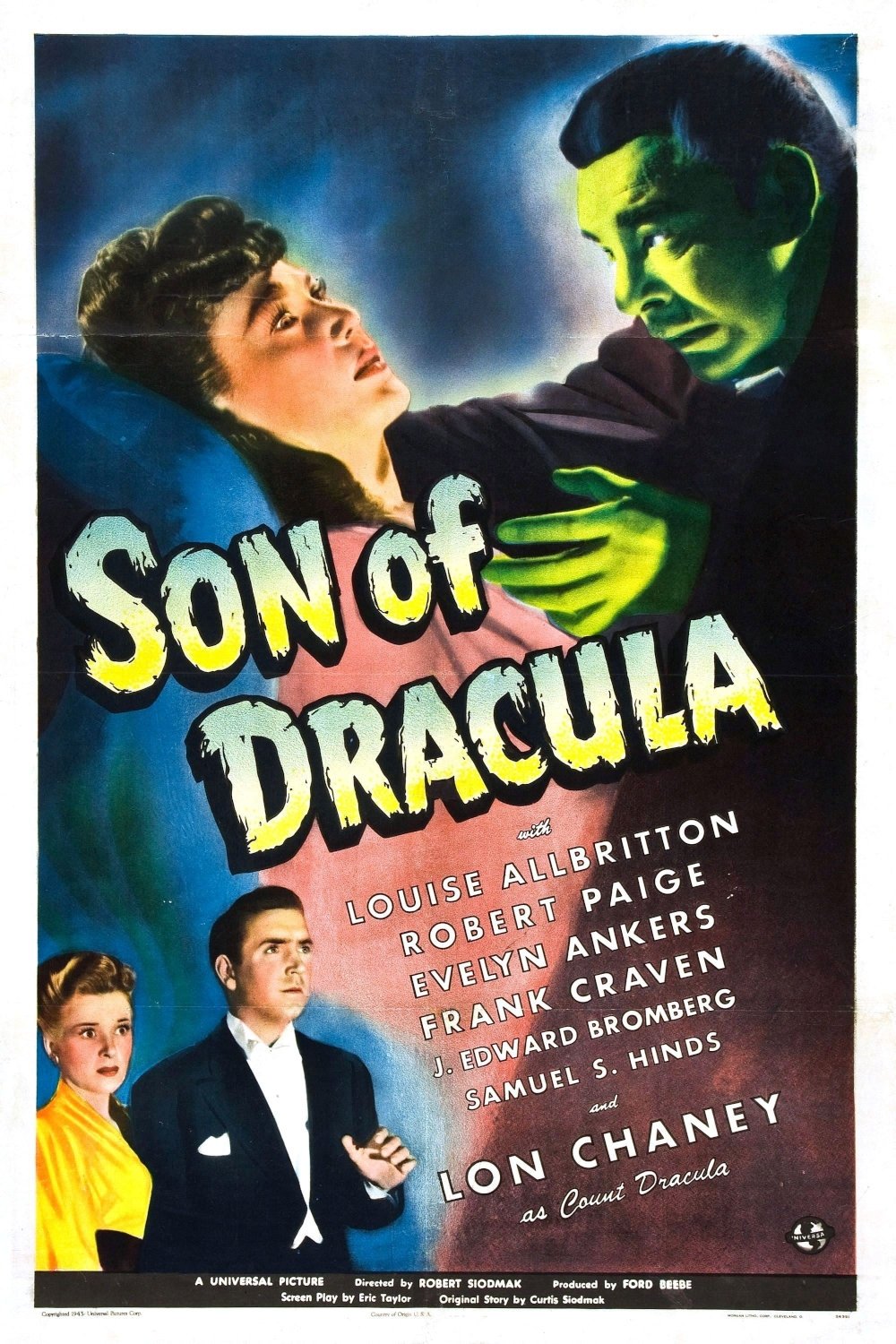
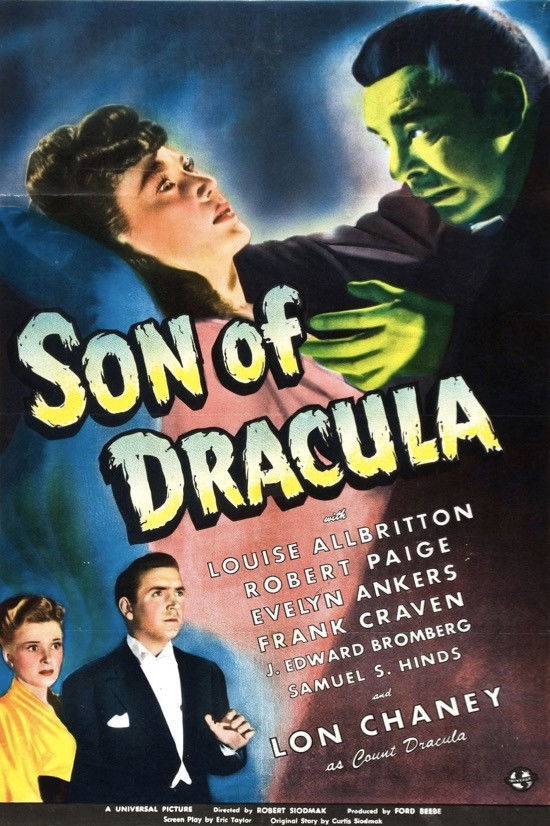
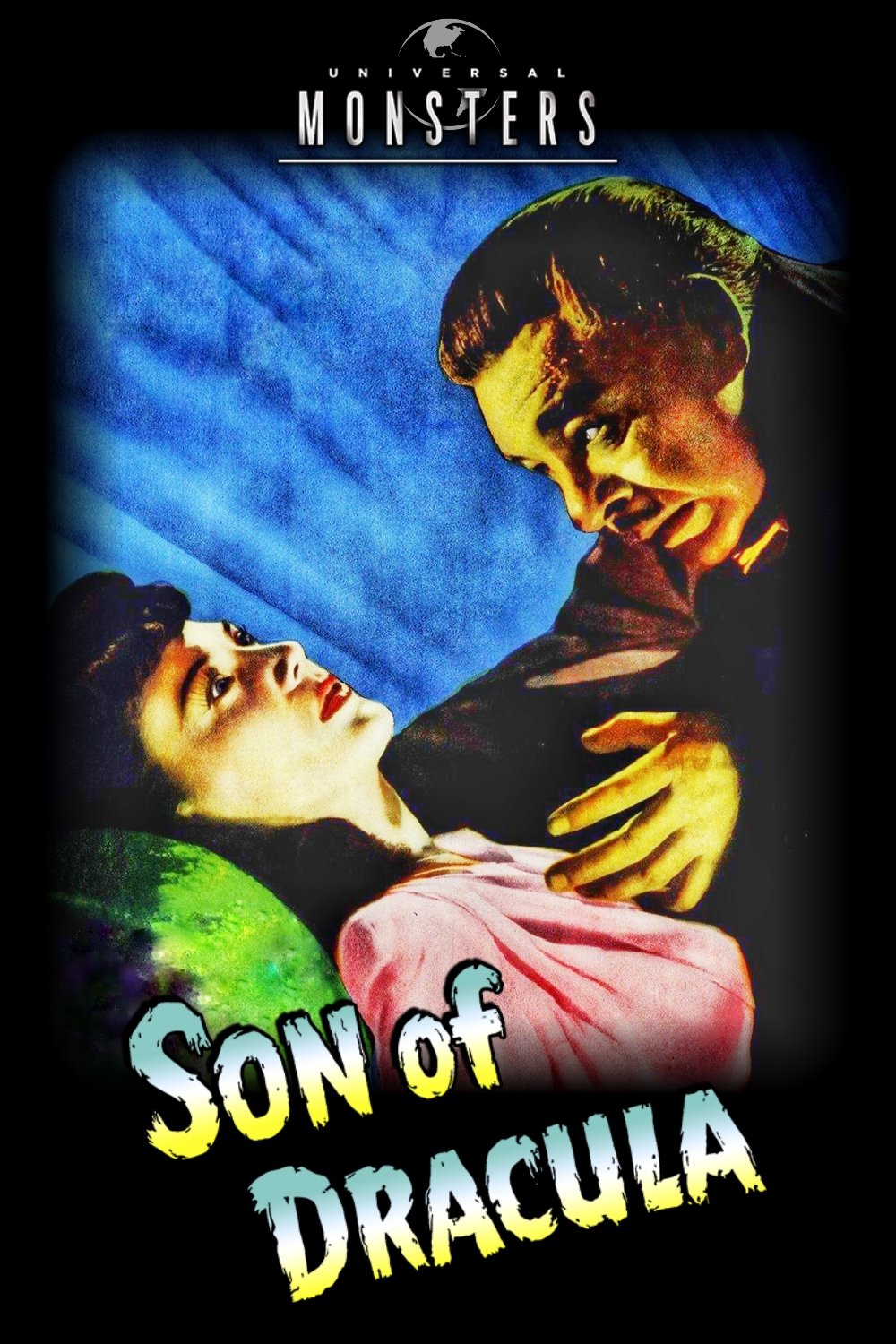
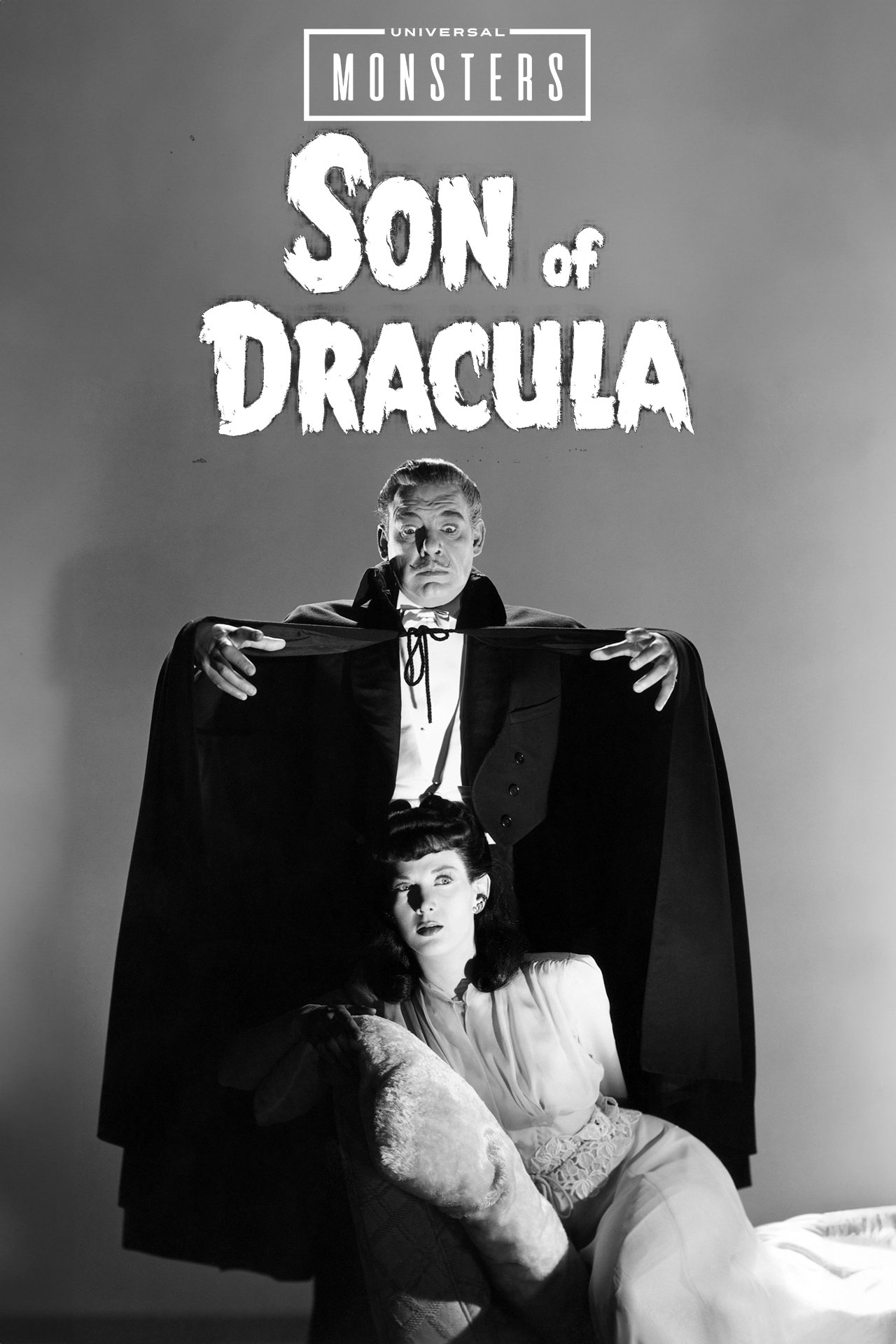
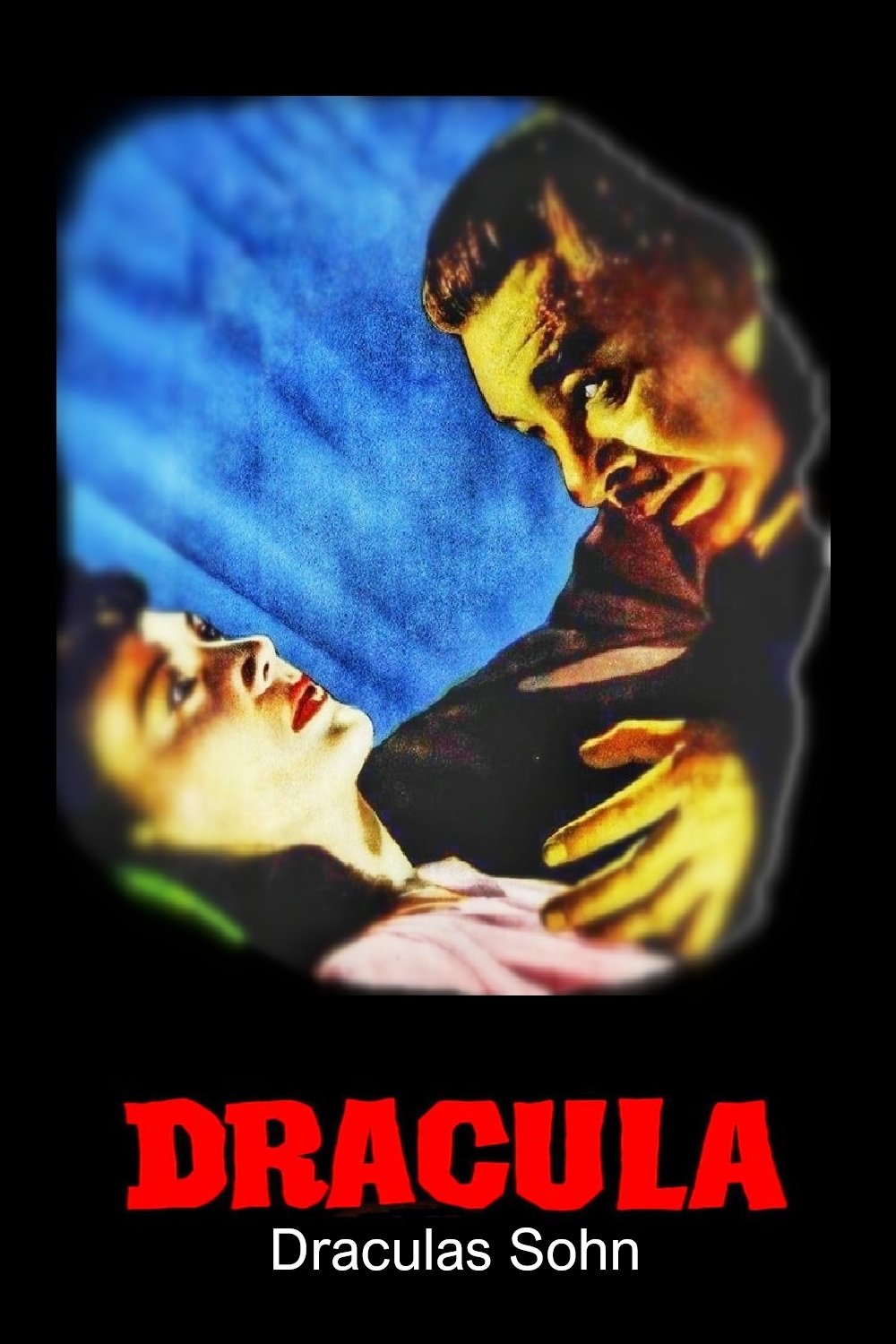
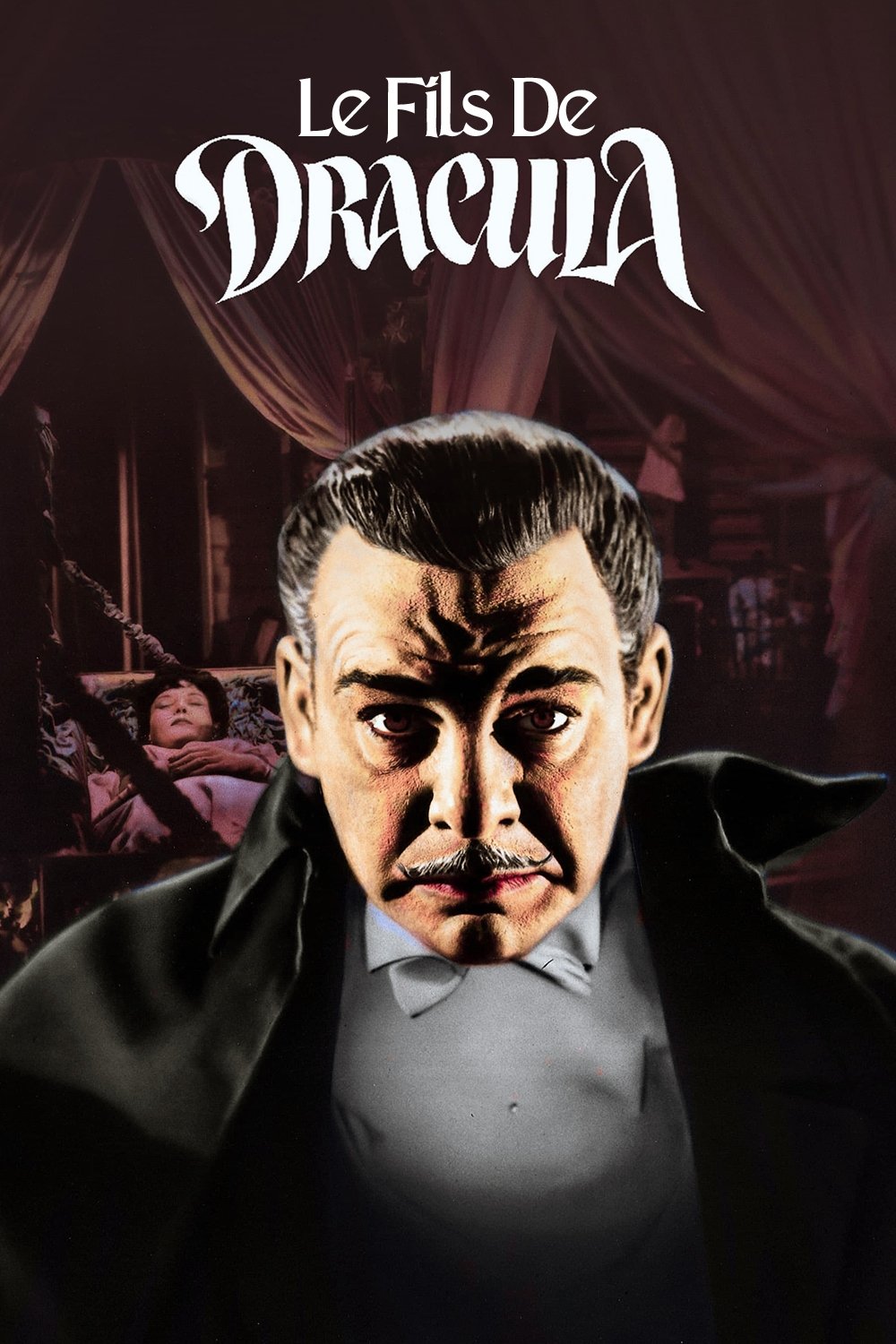
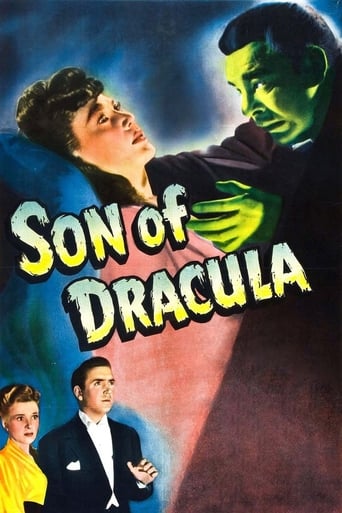
Son of Dracula (1943) poster
Director
Production Company
Universal Pictures
Plot

Carpathian Count Alucard is invited to the U.S. by a young heiress. Her boyfriend and local officials are suspicious of the newcomer, who is interested in the "virile" soil of the new world.

Alternative Titles
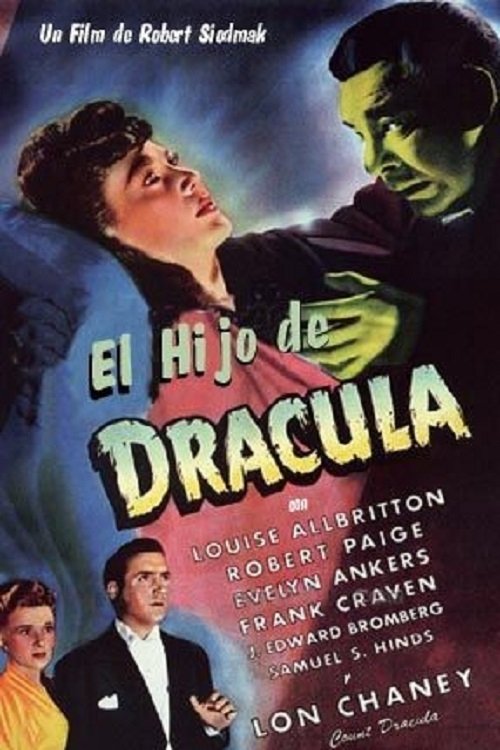
Drakulanın Oğlu (Azerbaijan) O Filho do Drácula (Brazil) — Portuguese 德古拉之子 (China) — Chinese Drákulův syn (Czechia) — Czech Draculas Sohn (Germany) — German El hijo de Drácula (Spain) — Spanish Le fils de Dracula (France) — French Drakula fia (Hungary) — Hungarian
Show all 21 alternative titles בנו של דרקולה (Israel) — Hebrew Il figlio di Dracula (Italy) — Italian 夜の悪魔 (Japan) — Japanese 드라큐라의 아들 (South Korea) — Korean El hijo de Drácula (Mexico) — Spanish De Zoon van Dracula (Netherlands) Syn Draculi (Poland) — Polish Fiul lui Dracula (Romania) — Romanian Сын Дракулы (Russia) — Russian Draculas son (Sweden) — Swedish Drakula'nın Oğlu (Türkiye) — Turkish Син Дракули (Ukraine) — Ukrainian Dracula 3: Son of Dracula (United States) — Working Title

Trailers & Videos

2 videos

Son of Dracula (1943): Robert Siodmak and the Reinvention of Universal’s Vampire

Robert Siodmak brings Gothic horror to the Louisiana bayous in Universal’s third Dracula film, starring Lon Chaney Jr. and Louise Allbritton in a story of immortality, desire, and supernatural deception.

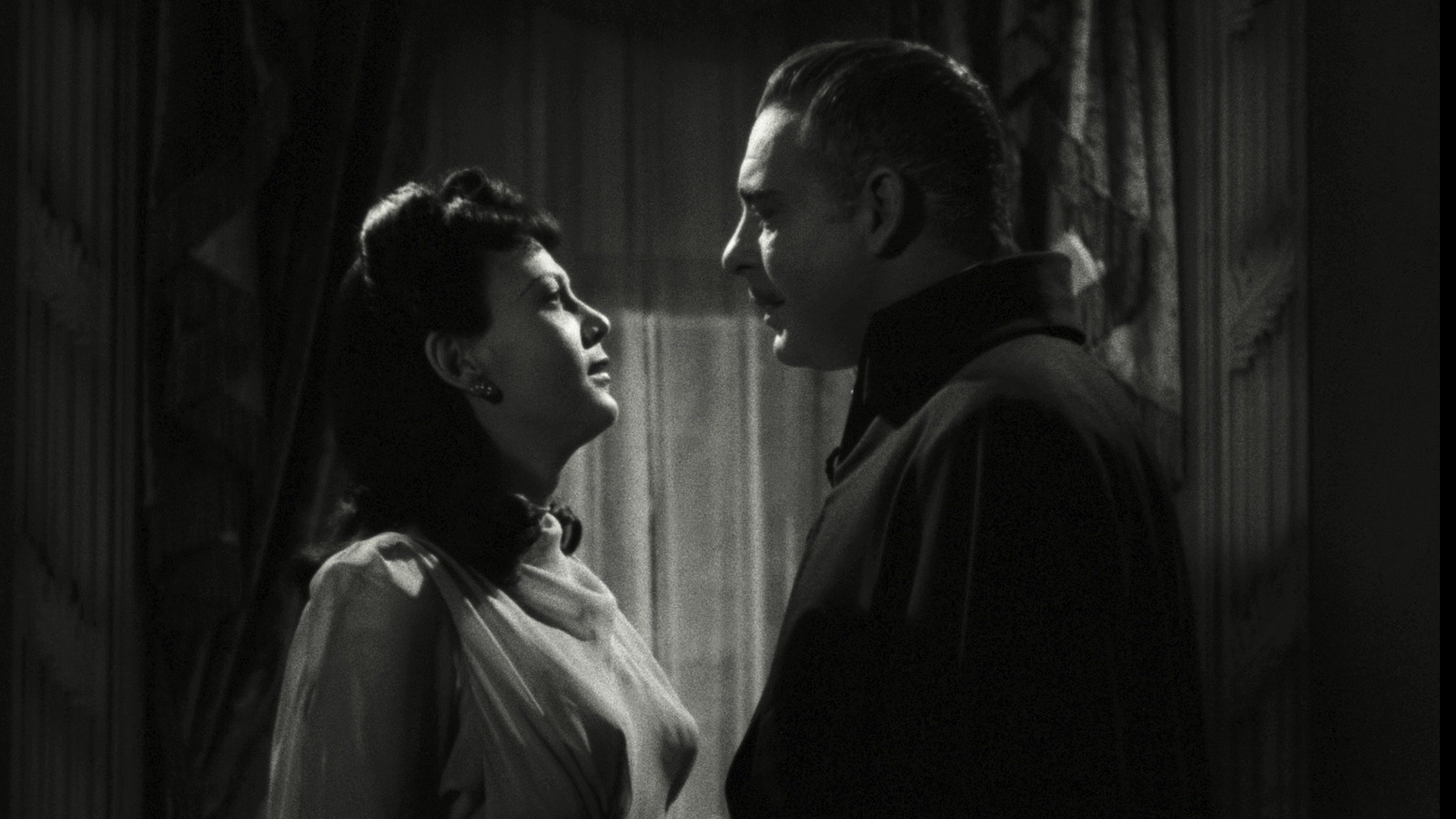
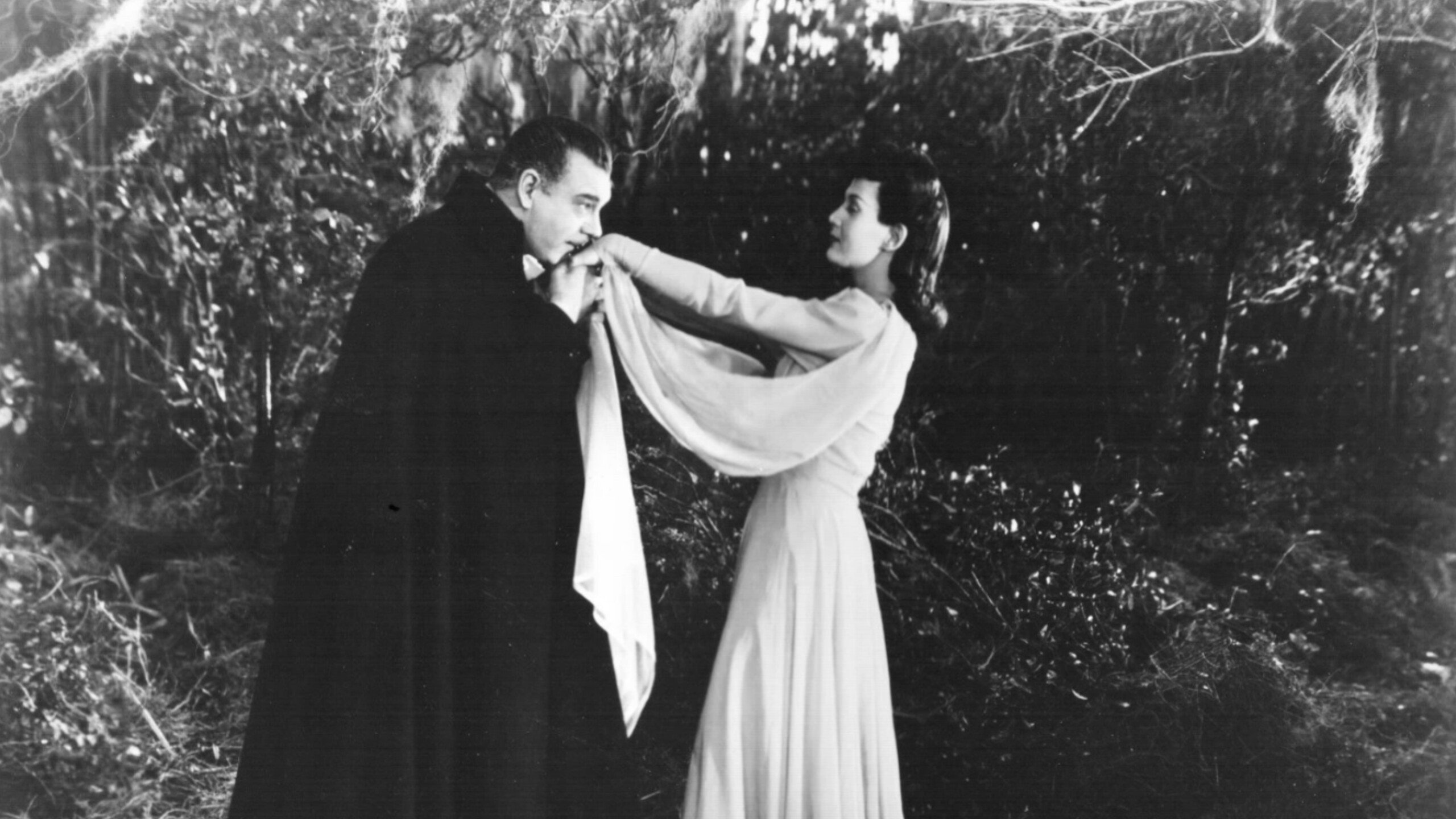
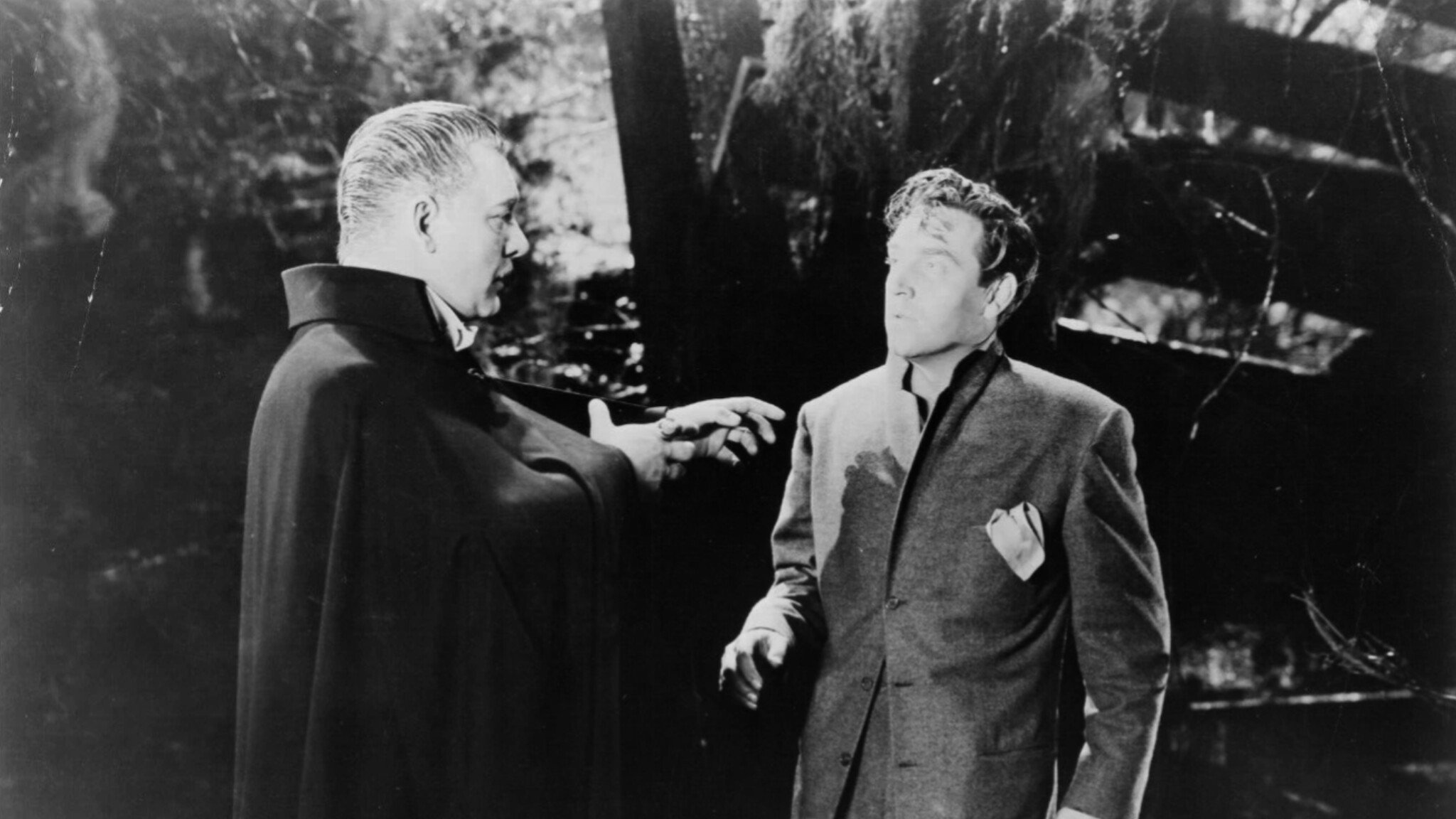
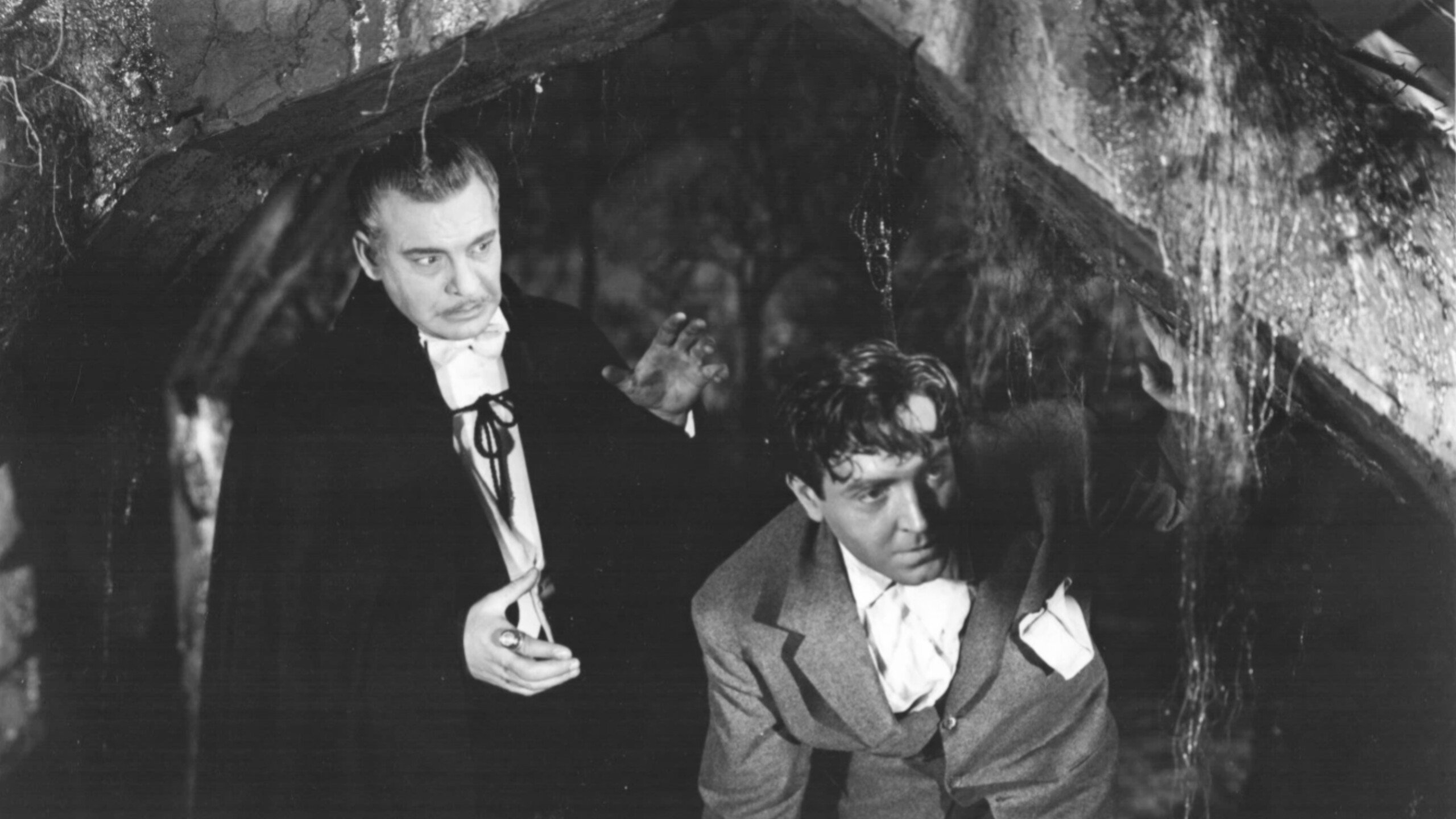
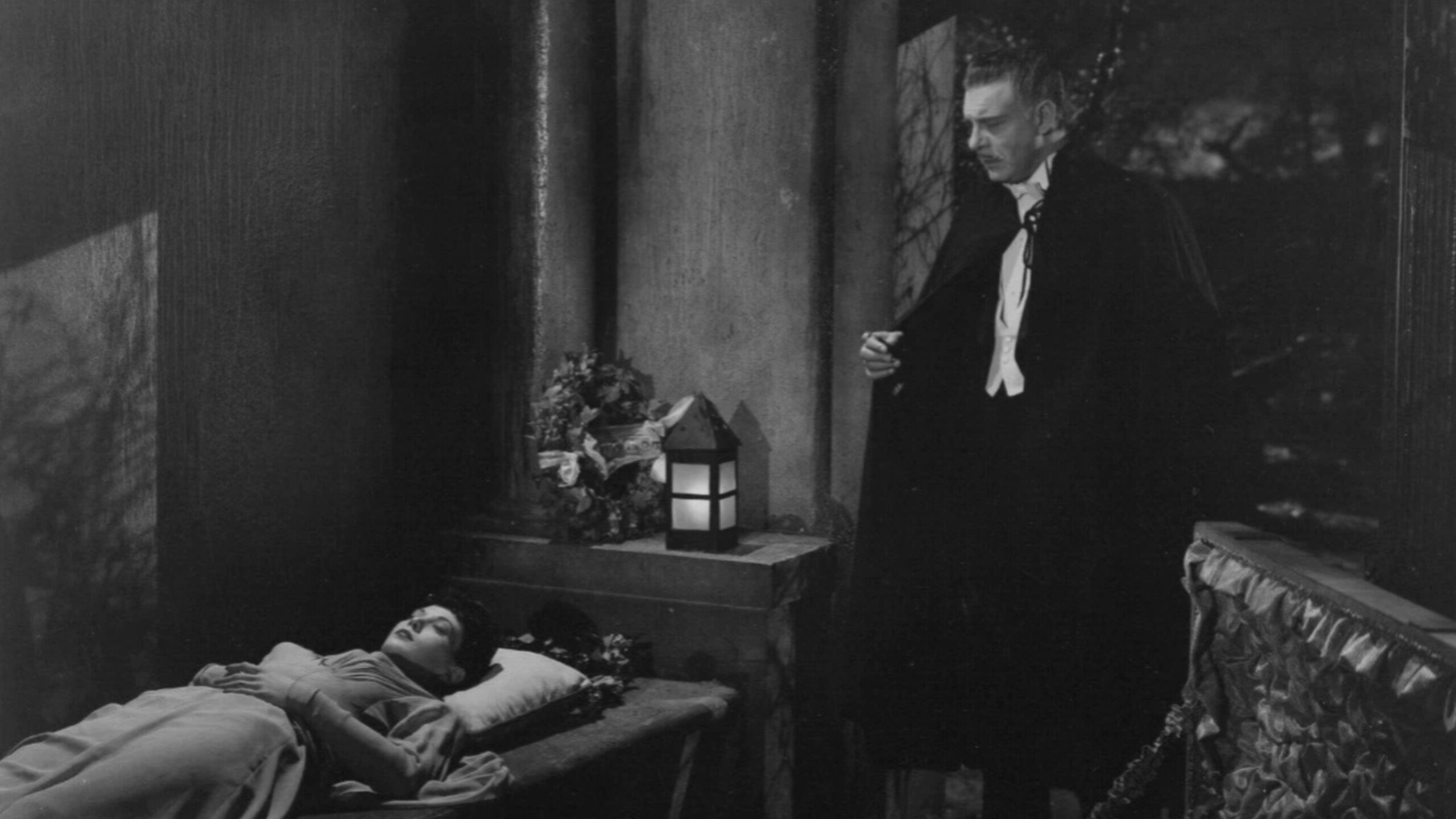
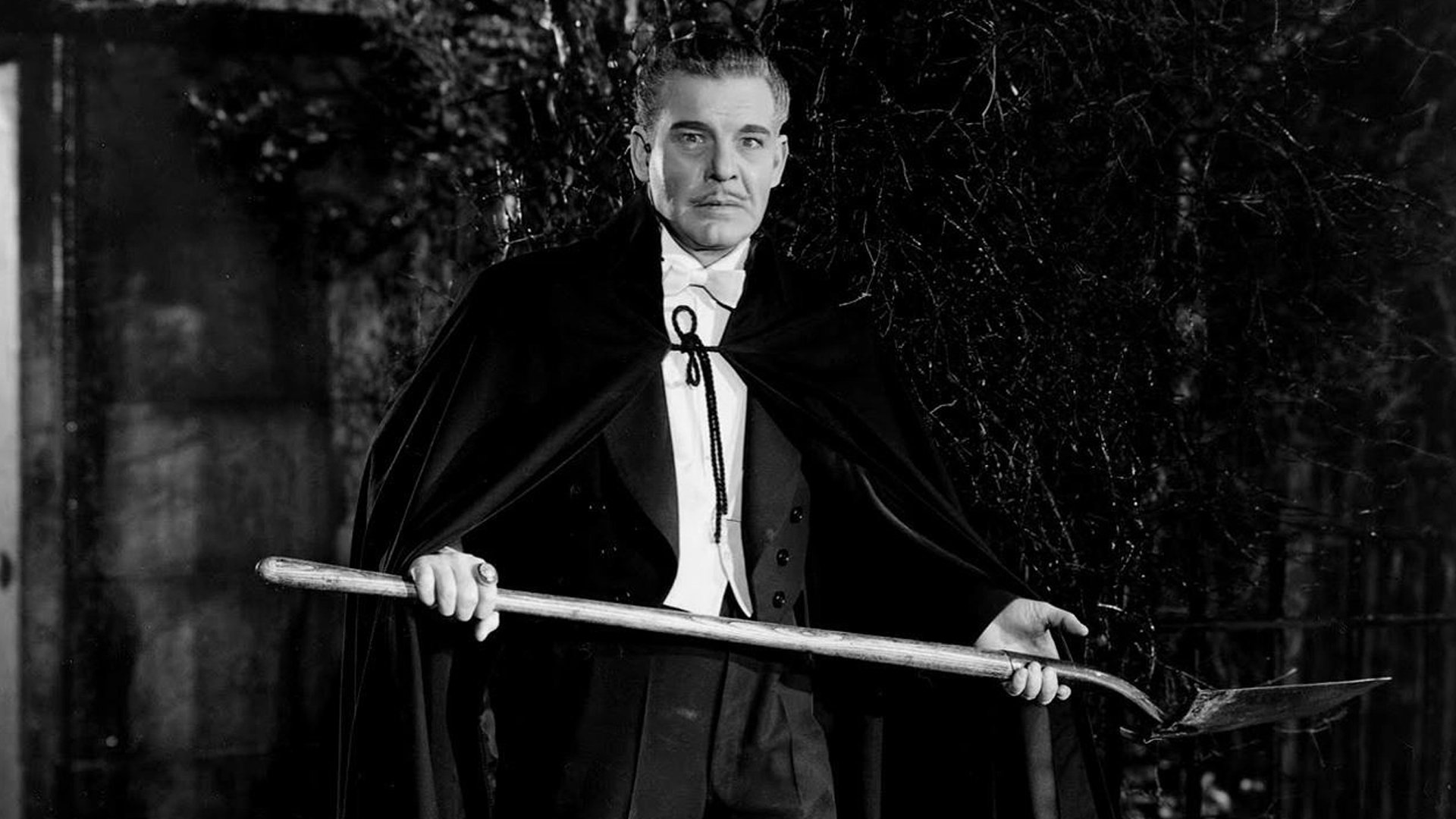
Son of Dracula (1943) is an American supernatural horror film directed by Robert Siodmak and produced by Universal Pictures. The third installment in the studio’s Dracula cycle stars Lon Chaney Jr. as Count Alucard, a mysterious European nobleman who arrives in the American South at the invitation of Katherine Caldwell, a wealthy young woman fascinated by occultism and immortality. Louise Allbritton portrays Katherine, while Robert Paige plays her fiancé Frank Stanley. Set among Louisiana plantations, swamps, and isolated burial grounds, the film relocates Universal’s vampire mythology from its customary European surroundings to a landscape of mist, stagnant water, and Southern Gothic decay.

The production marked Siodmak’s first assignment for Universal, preceding his celebrated contributions to American film noir, including Phantom Lady (1944), The Killers (1946), and Criss Cross (1949). Developed from an original story by his brother Curt Siodmak and a screenplay by Eric Taylor, Son of Dracula places unusual emphasis on Katherine’s pursuit of eternal life and the destructive consequences of her ambitions. Its black-and-white photography, supernatural transformations, and carefully staged encounters with the vampire distinguish it within the studio’s 1940s horror output. The film also introduced a particularly elaborate bat-to-human transformation that became an important milestone in the visual representation of cinematic vampires.

Development and the Siodmak Brothers

Son of Dracula was developed during Universal’s renewed investment in established horror properties during the early 1940s. The studio had already revived its Frankenstein and Dracula cycles while introducing new monsters, including the Wolf Man. Curt Siodmak, whose screenplay for The Wolf Man (1941) had provided the studio with another enduring supernatural character, developed the original story. The working title was Destiny. According to the American Film Institute’s production history, filming began on January 7, 1943, and continued into early February, with Ford Beebe serving as producer.

The assignment brought Robert Siodmak into the same production as his brother Curt. Both had left Europe and established careers in the American film industry, but their collaboration became strained. In a retrospective interview documented by AFI and Turner Classic Movies, Curt recalled that he had originally been hired to write the screenplay before Robert assumed directorial responsibilities. Curt attributed his removal to a conflict over authority between the brothers. Eric Taylor ultimately received screenplay credit, while Curt retained credit for the original story. This account represents Curt’s retrospective explanation of the disagreement rather than an independently documented statement of Robert’s motives.

The production also experienced a significant casting change. Alan Curtis had initially been selected to play Frank Stanley, but an injury sustained while working on another Universal production, Flesh and Fantasy (1943), prevented him from taking the role. Robert Paige replaced him. AFI also records retrospective accounts that George Waggner had originally been considered as producer before becoming unavailable because of work on Phantom of the Opera (1943). These changes occurred within the studio’s established production system, where performers and personnel frequently moved between several productions during the same period.

Katherine Caldwell and the Vampire Myth

The narrative begins when Count Alucard arrives in Louisiana at the invitation of Katherine Caldwell, whose interest in supernatural knowledge has separated her from the expectations of her family and fiancé. Katherine’s father owns the Dark Oaks plantation, and her inheritance gives her the material freedom to pursue her fascination with the mysterious visitor. Frank Stanley regards Alucard with suspicion, while Dr. Harry Brewster attempts to understand the increasingly strange events surrounding the family. The count’s name, Dracula spelled backward, provides a direct clue to his identity, although the characters require further evidence to recognize his supernatural nature.

Katherine becomes the central figure in the film’s treatment of immortality. Her willingness to approach the vampire is connected to a deliberate desire to escape ordinary human mortality. The relationship differs from the conventional situation in which an unsuspecting victim encounters Dracula without anticipating the consequences. Katherine enters the arrangement with ambitions of her own, creating a conflict between the power she hopes to acquire and the control exercised by Alucard. Her behavior also destabilizes Frank’s understanding of their relationship, eventually drawing him into a sequence of increasingly desperate decisions.
The screenplay retains familiar vampire characteristics, including nocturnal activity, coffins, transformations, and vulnerability to traditional methods of destruction. Professor Lazlo contributes knowledge of European vampirism, helping Brewster interpret events that initially appear to involve murder and psychological disturbance. The Louisiana setting adds distinctive imagery without substantially changing these established supernatural rules. Katherine’s actions and the changing relationship between the living and the undead give the story its principal dramatic tension, particularly as her apparent romantic intentions become increasingly difficult for Frank to interpret.

Lon Chaney Jr. and Louise Allbritton

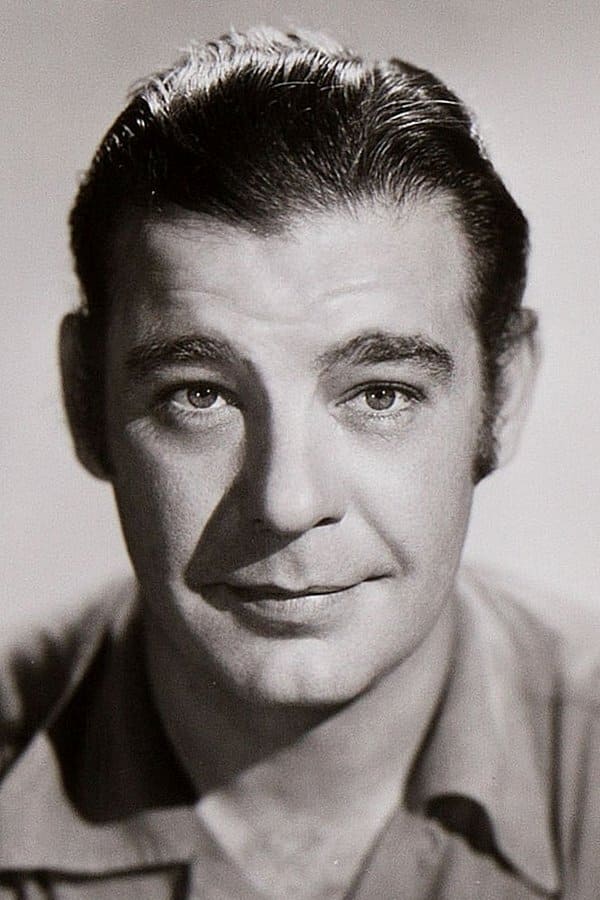
Lon Chaney Jr. assumed the role of Dracula more than a decade after Bela Lugosi’s interpretation had established the vampire’s appearance in Universal’s 1931 film. Chaney had become an important horror performer through The Wolf Man and had also portrayed Frankenstein’s Monster in The Ghost of Frankenstein (1942). His casting therefore extended an existing relationship with the studio’s monster cycle. In Son of Dracula, he approaches the count through a comparatively restrained performance, using deliberate movements, formal speech, and a physically imposing presence rather than the aristocratic characterization associated with Lugosi.

The casting has remained a subject of disagreement among critics. Andrea Passafiume’s historical essay for Turner Classic Movies documents contrasting assessments of Chaney’s performance, with some viewers regarding his physical manner as unsuitable for the vampire and others finding his interpretation effective. The difference is especially visible in scenes where Alucard appears in conventional clothing among the plantation guests. His size and physical bearing create an identity distinct from Lugosi’s more theatrical manner, while the photography and supernatural effects establish much of the character’s threatening presence.

Louise Allbritton’s Katherine has an unusually active role in determining the story’s course. Her pursuit of immortality makes her more than a passive target of the vampire, and her increasingly concealed intentions drive the conflict with Frank. Robert Paige portrays Frank through a progression from romantic suspicion to emotional crisis, while Frank Craven’s Dr. Brewster provides a more investigative response to the disturbances. The contrasting performances establish different relationships with the supernatural threat: attraction, jealousy, rational inquiry, and eventual recognition. Katherine’s position remains particularly significant because her personal ambitions complicate the conventional division between the vampire and his victims.

Southern Gothic Photography and Special Effects

George Robinson’s black-and-white cinematography establishes the Louisiana setting through misty waterways, dark plantation interiors, and isolated outdoor locations. The film’s most recognizable supernatural images involve Alucard appearing from a coffin that rises through the surface of a lake and moving across the water toward Katherine. These scenes exploit the unusual geography of the American South, replacing the mountainous castles traditionally associated with Dracula with marshland and humid nocturnal environments. The visual treatment of the swamp gives the vampire an appearance suited to the surrounding landscape while maintaining the conventions of Gothic horror.

The production’s special effects are particularly important to the history of cinematic vampire transformations. Turner Classic Movies and the British Film Institute identify Son of Dracula as an early landmark in the depiction of a bat visibly changing into human form. John P. Fulton is credited with special effects in historical production accounts cited by AFI. The transformations combine photographic techniques with the careful staging of the actor and the supernatural imagery. These scenes allow the vampire to move between different physical states within the same dramatic environment, making powers that earlier films often suggested through editing or offscreen action more directly visible.

Robert Siodmak’s direction also introduces stylistic qualities later associated with his film noir work. Strong contrasts between light and darkness, suspicious relationships, and characters whose desires produce destructive consequences contribute to the film’s atmosphere. The relationship with noir should not obscure the production’s established identity as a supernatural horror film. The British Film Institute has examined Siodmak’s ability to bring expressionist menace into this assignment, while a later Film at Lincoln Center retrospective described it as a crime narrative permeated by the supernatural. These critical interpretations identify a meaningful connection between the director’s horror work and his subsequent films.

Universal Horror and Film Noir

Son of Dracula occupies an unusual position between Universal’s established monster cycle and the darker crime cinema that Robert Siodmak would develop during the following decade. Its story incorporates familiar supernatural conventions while organizing several crucial developments around concealment, jealousy, inheritance, and a potentially fatal romantic alliance. Katherine’s actions create uncertainty about the intentions of the principal characters, and the investigation undertaken by Brewster brings the structure closer to a mystery than many earlier Dracula narratives. The relationship between desire and destruction consequently gives the film a psychological dimension beyond the vampire’s immediate physical threat.

Film historians have examined these qualities in relation to the development of film noir. The British Film Institute identifies Son of Dracula as an early example of Siodmak bringing expressionist visual methods into a Universal production. Film at Lincoln Center included the film in its 2024 Robert Siodmak retrospective, emphasizing its relationship with crime cinema and supernatural dread. These assessments concern the film’s dramatic and visual characteristics rather than a claim that it belongs straightforwardly to the noir genre. Its supernatural premise remains essential, but its interest in deception and compromised relationships anticipates concerns associated with Siodmak’s later thrillers.

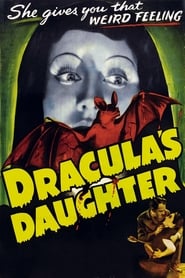
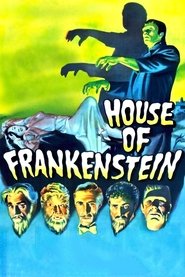
The film also marks a change in Universal’s development of its vampire mythology. Dracula and Dracula’s Daughter (1936) had established the principal conventions through contrasting approaches to the undead aristocrat and his descendants. Son of Dracula retains the European vampire’s authority while giving a wealthy American woman a central role in pursuing the supernatural condition. The apparent distinction between Dracula and his son is complicated by the count’s identity and the use of the Alucard name. Universal subsequently brought Dracula into crossover productions, beginning with House of Frankenstein (1944), where individual monster identities became components of a larger studio franchise.

Release, Reception, and Preservation

Son of Dracula was released in the United States in the autumn of 1943. The American Film Institute records November 5 as the release date and a running time of approximately 79 to 80 minutes. The film’s copyright was registered on October 7, 1943, while contemporary trade publications reviewed or discussed the production during late October and early November. Differences between these dates should not automatically be interpreted as evidence of separate versions. Universal’s modern digital listing gives a duration of approximately 81 minutes, a minor discrepancy that does not by itself establish substantial alterations to the original narrative.

Contemporary critical reactions were mixed. The American Film Institute documents reviews in Variety, The Hollywood Reporter, and The New York Times, published around the original release. Later historical assessments have emphasized different elements of the production. Turner Classic Movies identifies the casting of Chaney as the count as a persistent point of disagreement while drawing attention to the film’s distinctive supernatural effects and Southern Gothic atmosphere. These retrospective evaluations provide a more specific understanding of its historical significance than general claims about the contemporary popularity of Universal’s monsters.

The film has also benefited from modern preservation work. Film at Lincoln Center presented a 4K restoration by Universal Pictures during its December 2024 Robert Siodmak retrospective. The restoration used the original 35mm nitrate negative and a 35mm nitrate composite fine-grain element, with restoration services performed by NBCUniversal StudioPost. This presentation supported renewed examination of the cinematography and supernatural effects within the director’s broader career. Son of Dracula remains an important transitional work in Universal horror, distinguished by its unusual setting, the prominence of Katherine Caldwell, the performance of Lon Chaney Jr., and Siodmak’s approach to the established vampire narrative.

References

  1. American Film Institute Son of Dracula (1943) — AFI Catalog

    Institutional production history documenting the original story, screenplay changes, casting replacement, filming dates, release information, production credits, and contemporary trade references.

  2. Turner Classic Movies Son of Dracula

    Andrea Passafiume’s detailed historical article covering Universal’s Dracula cycle, the Siodmak brothers, Lon Chaney Jr.’s casting, supernatural transformations, and the film’s Gothic atmosphere.

  3. British Film Institute How to Get into Film Noir Master Robert Siodmak

    Historical overview examining Siodmak’s filmmaking career and the place of Son of Dracula in his development of expressionist lighting, supernatural menace, and later noir techniques.

  4. Film at Lincoln Center Son of Dracula — Robert Siodmak: Dark Visionary

    Institutional retrospective documenting the film’s place in Siodmak’s career and Universal’s 4K restoration from original 35mm nitrate preservation elements.

Connections

Cast

View Full Cast & Crew →

Release & Distribution

Production Companies (1)

  • Universal Pictures US

Distributors (1)

  • Universal Pictures US

Release History (5)

Release DateTerritoryRelease TypeFormatDistributorCertificationNotes
1943-10-20 Mexico Theatrical — — —
1943-10-20 United States Theatrical — — —
1946-01-03 United Kingdom Theatrical — — — Rated A
2004-11-02 United Kingdom Physical — — PG
2012-09-26 Netherlands Physical DVD — 12 DVD
BLOOD on his lips...! DOOM in his eyes...! an accursed VAMPIRE!