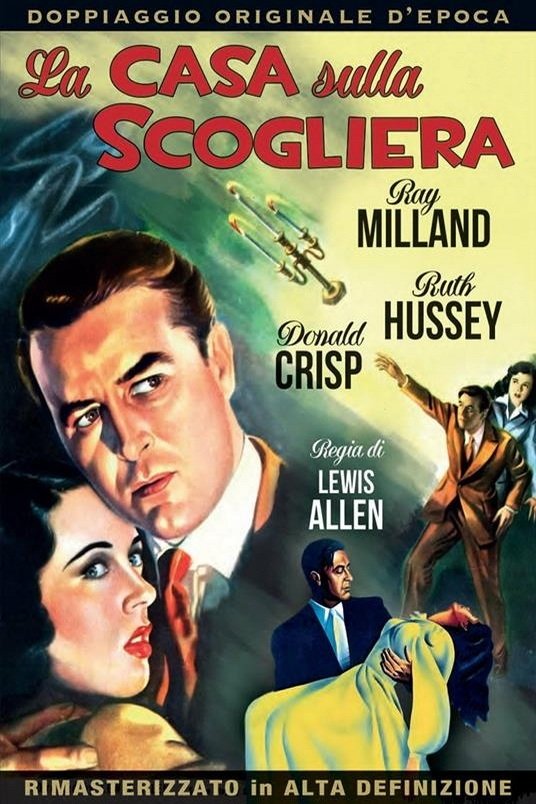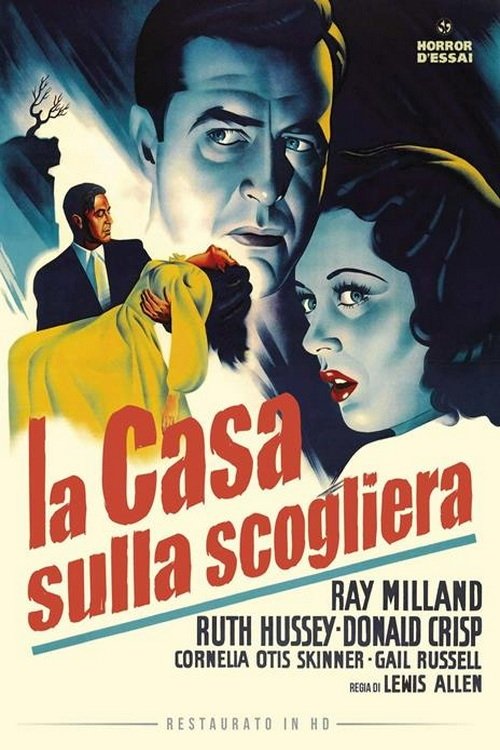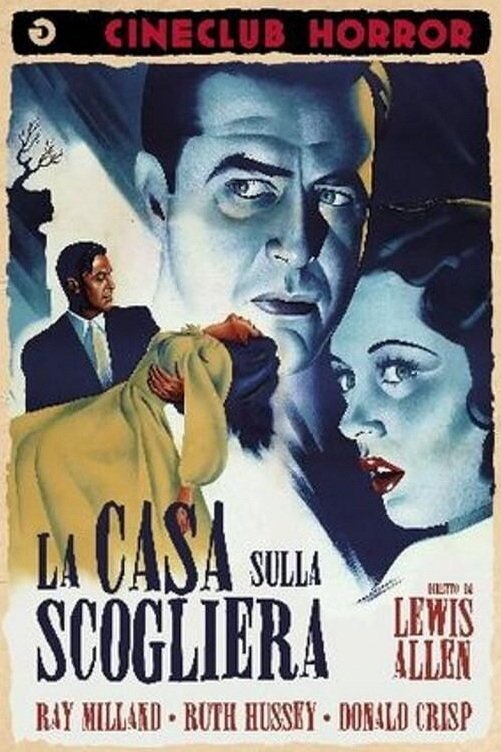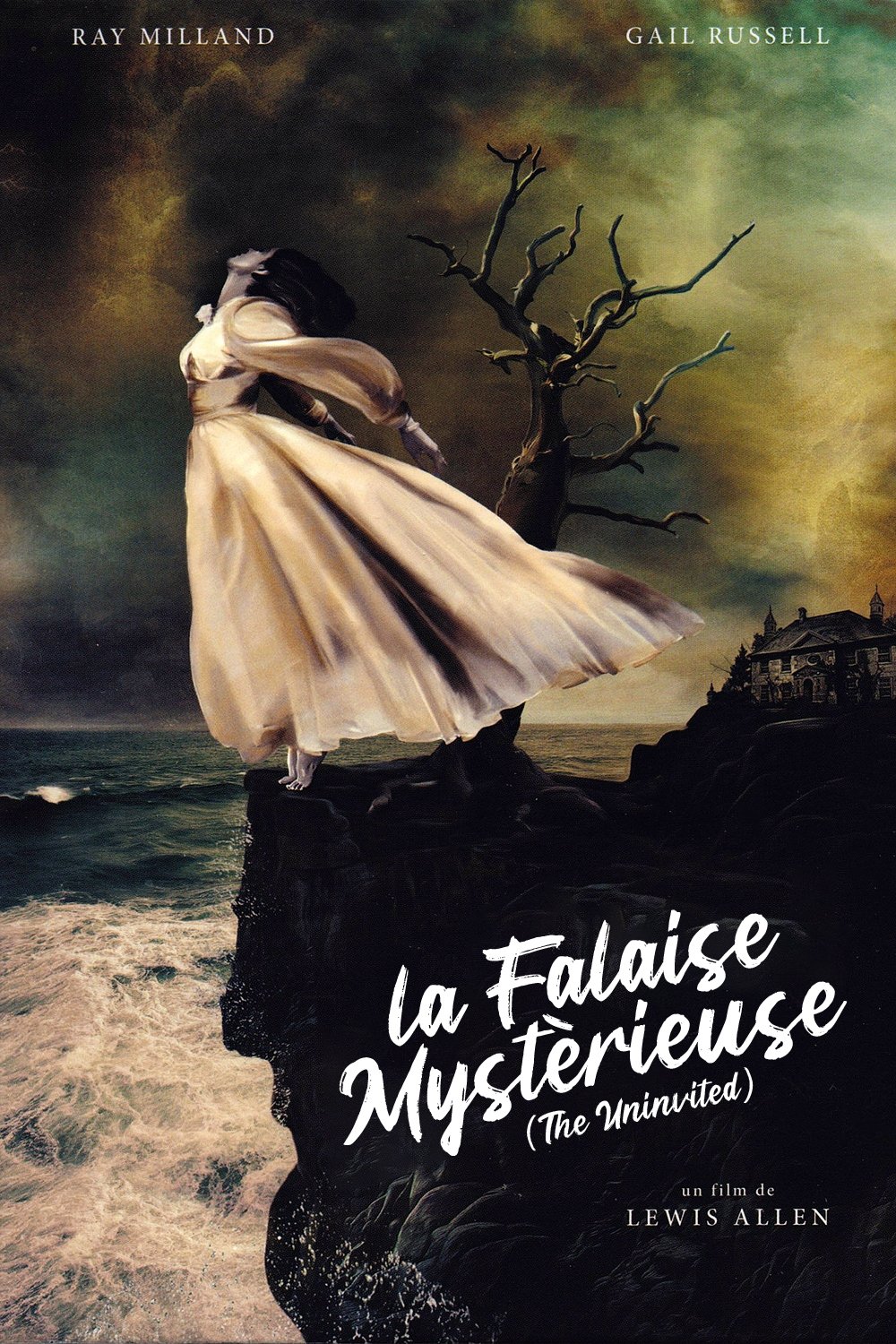


Dorothy Macardle’s Novel and the Paramount Production
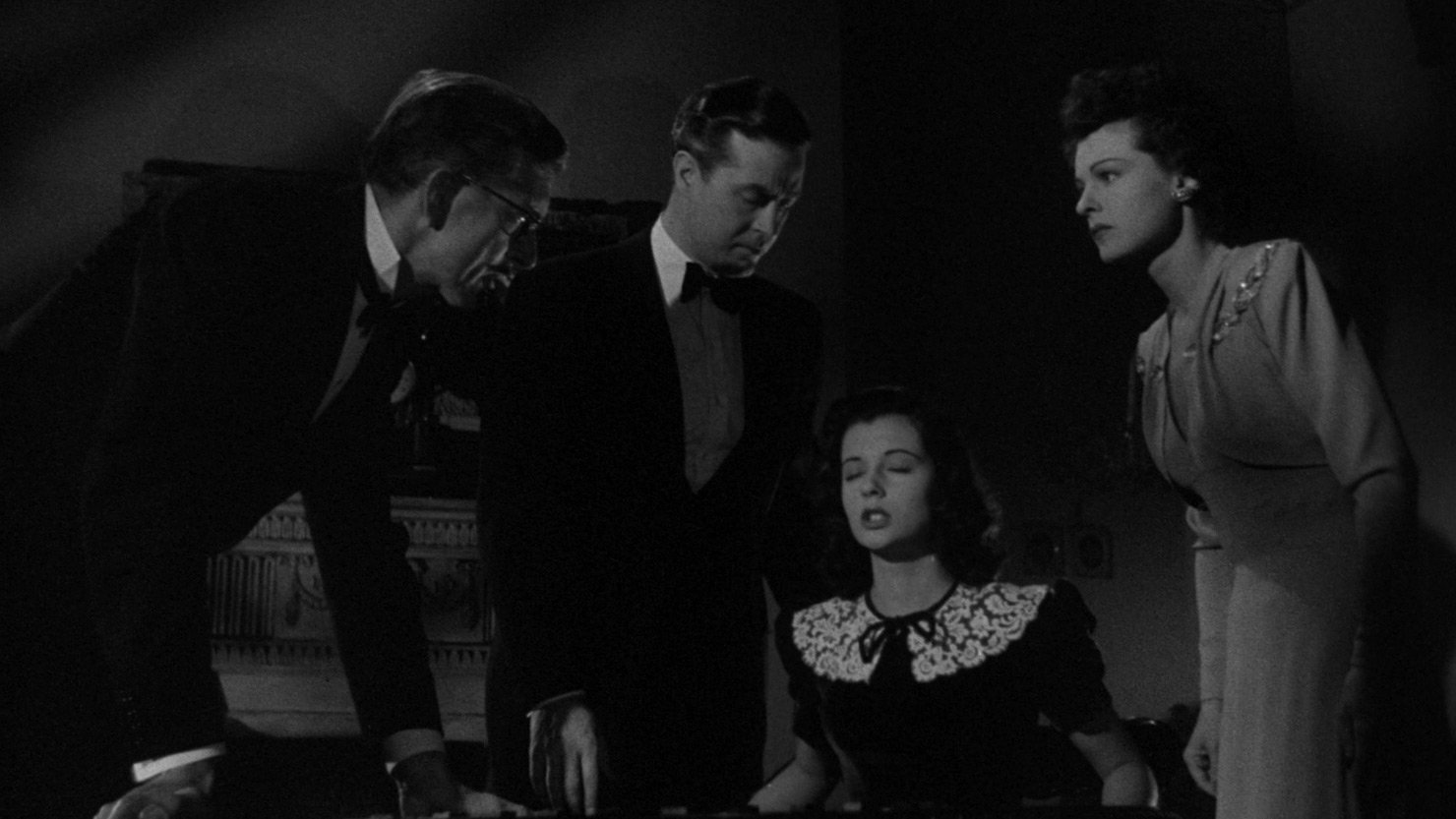
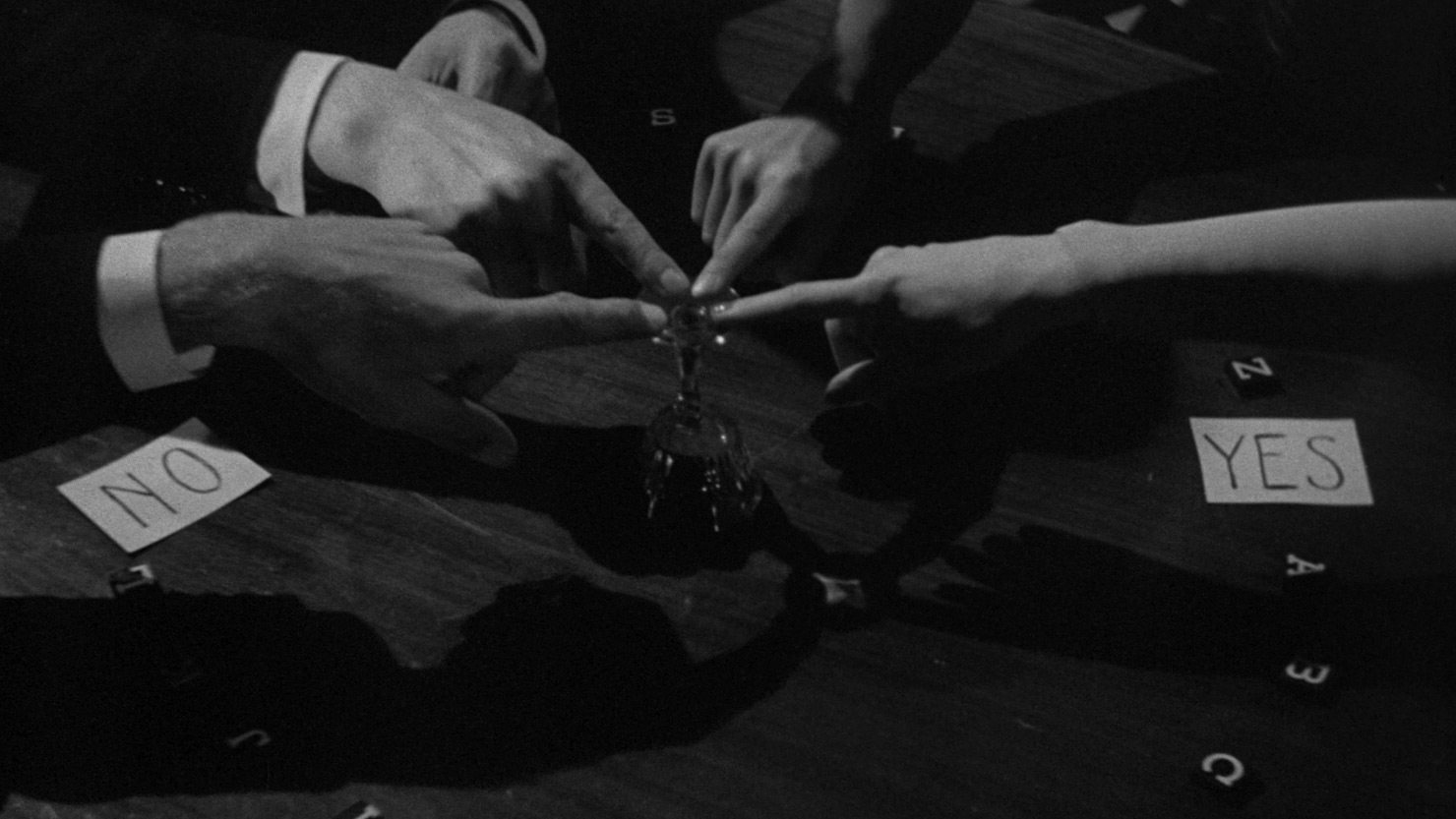
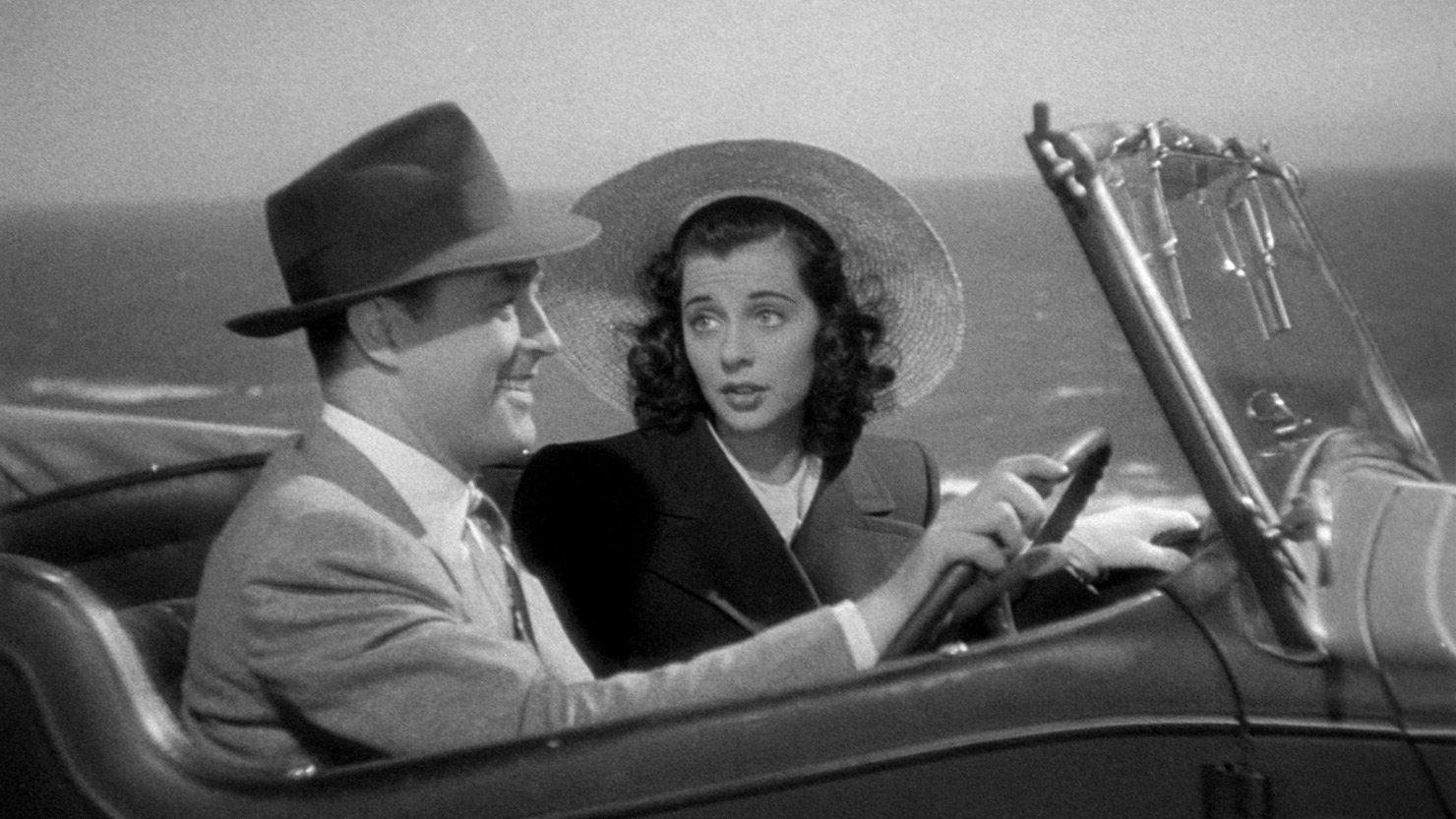
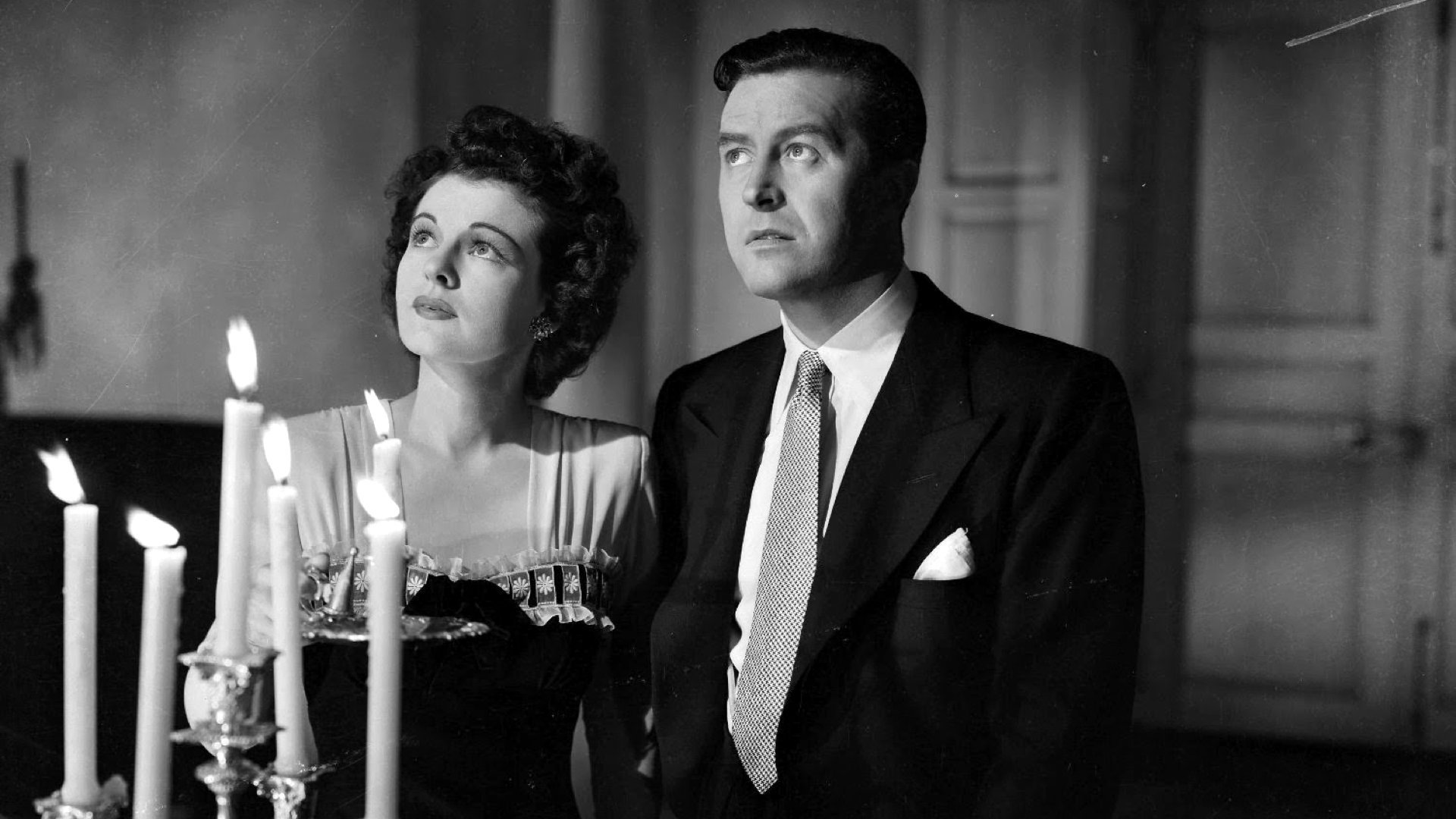
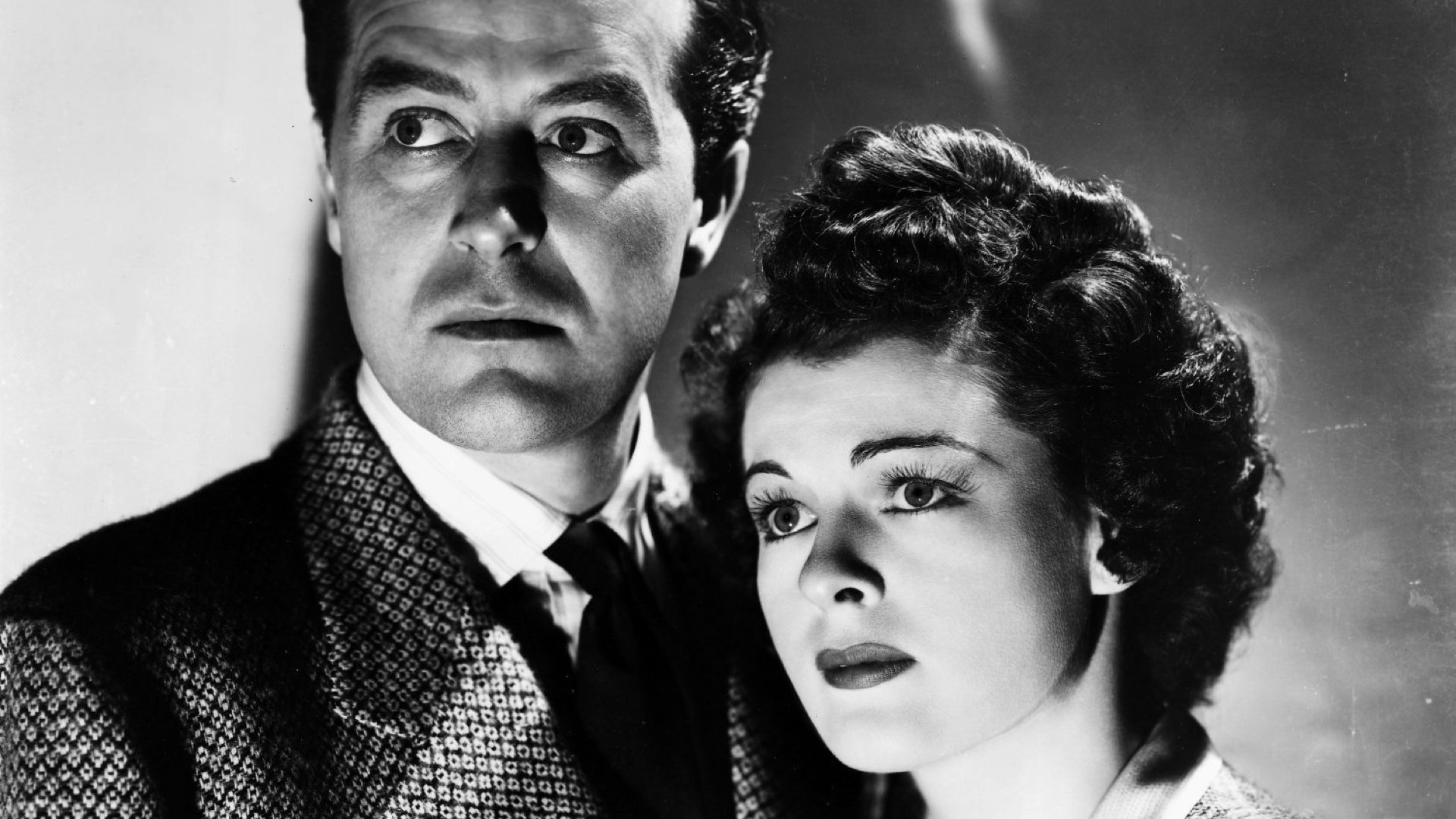
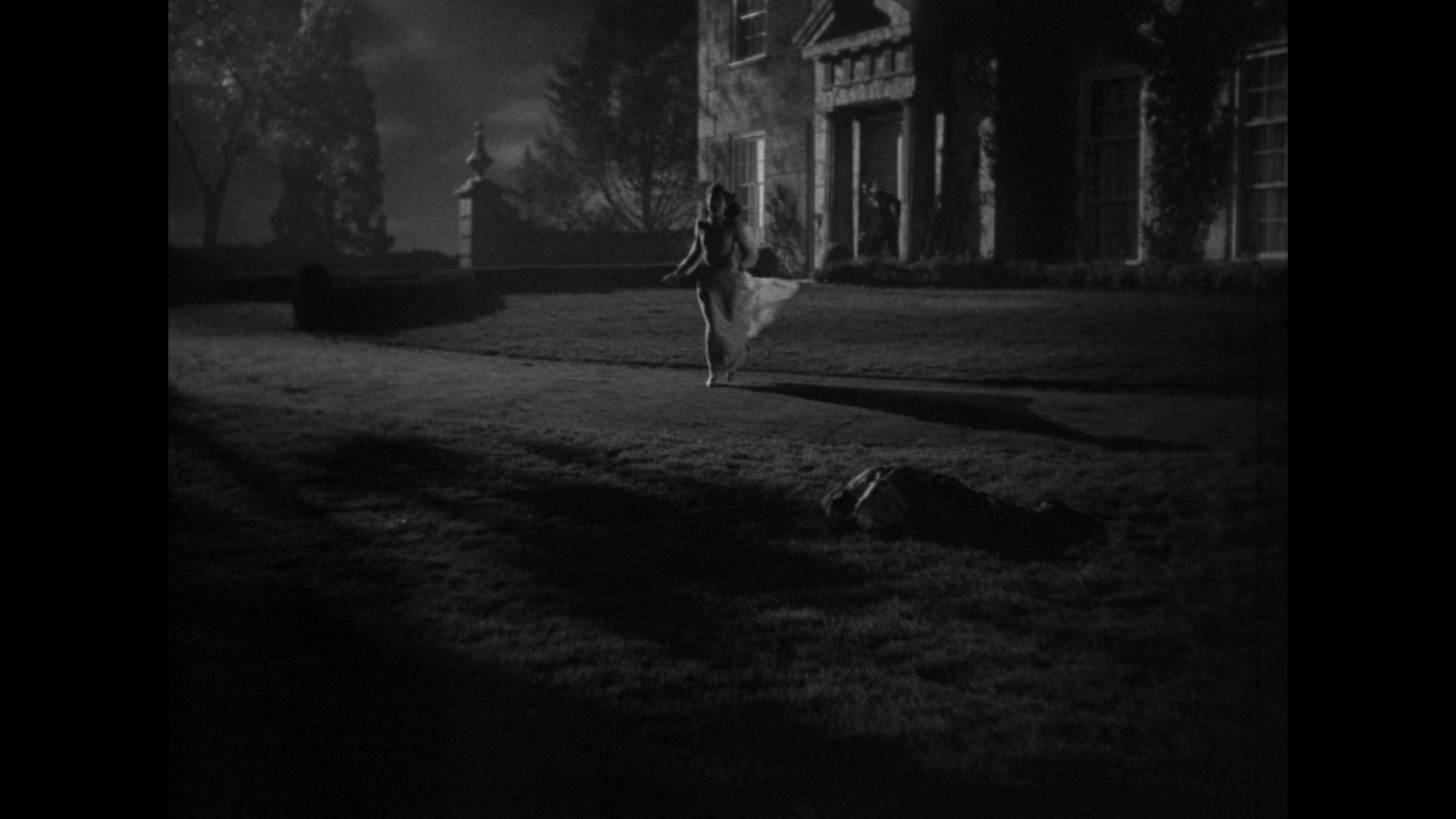
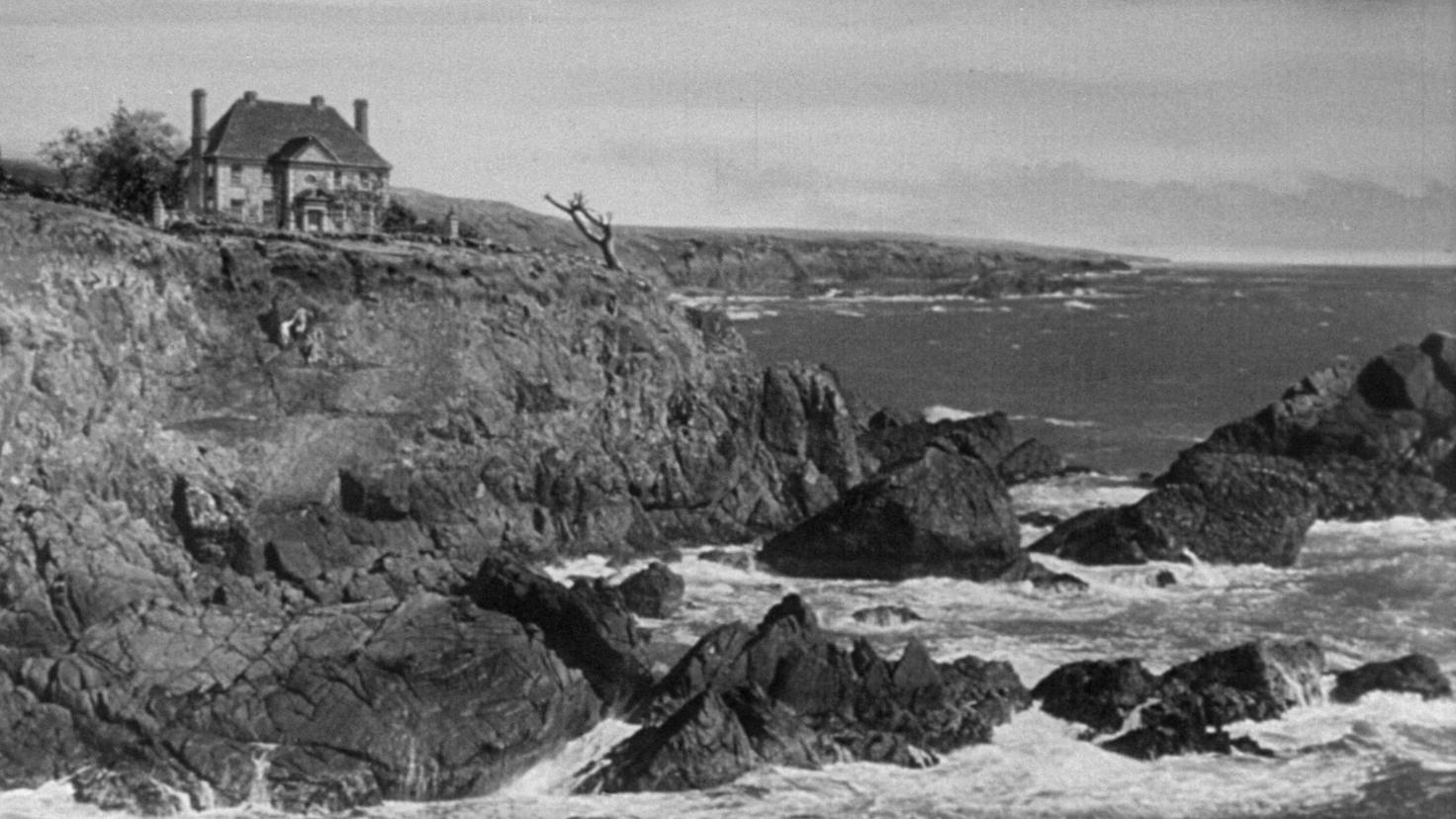
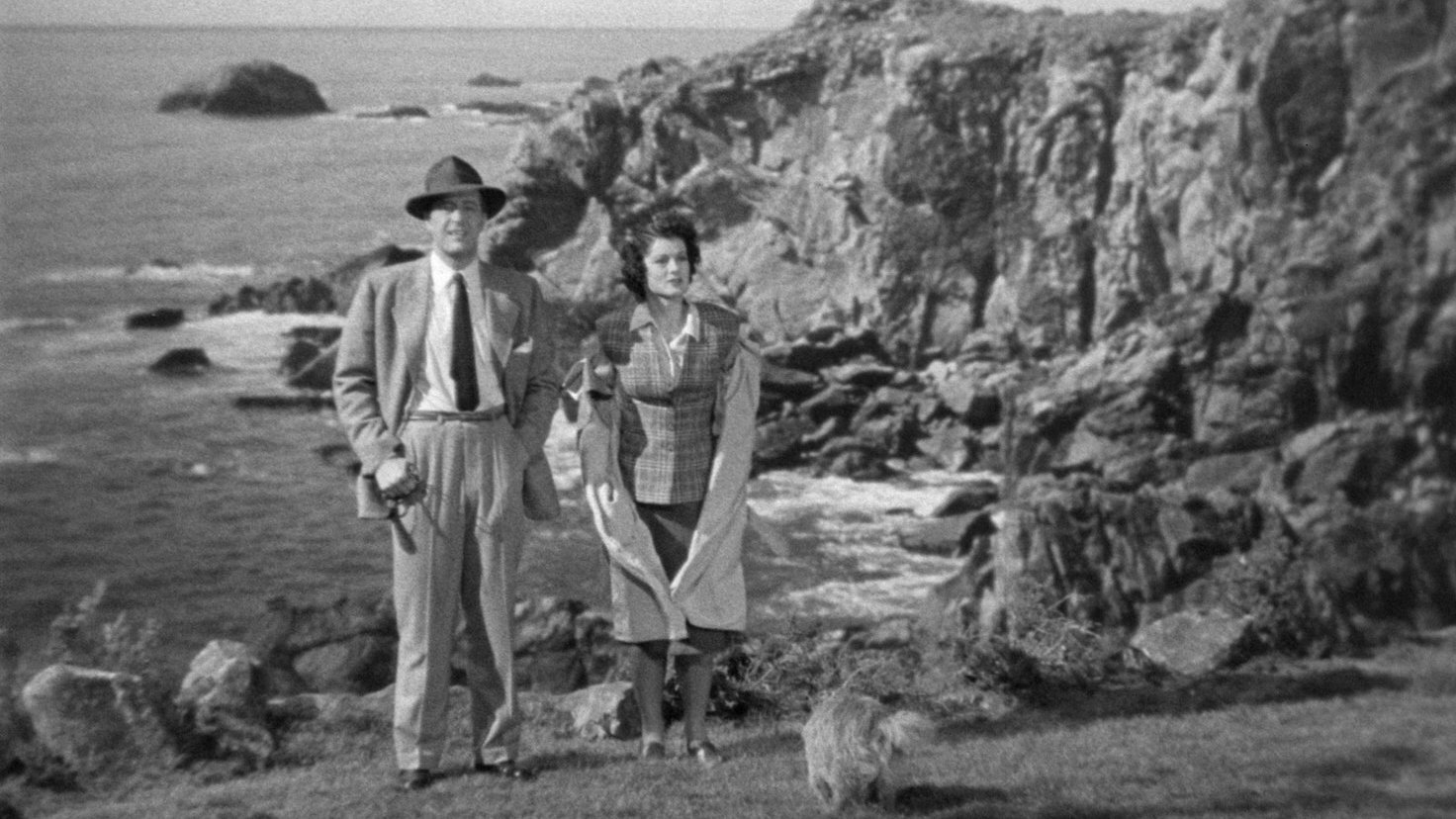
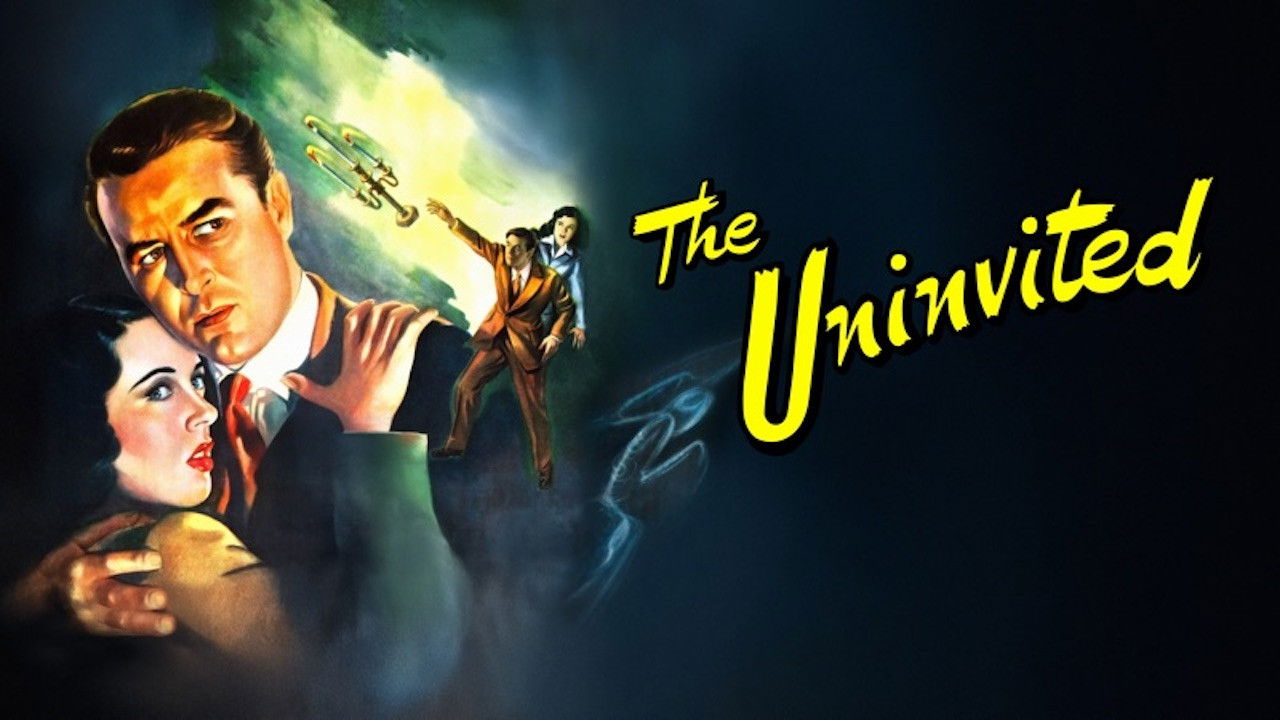
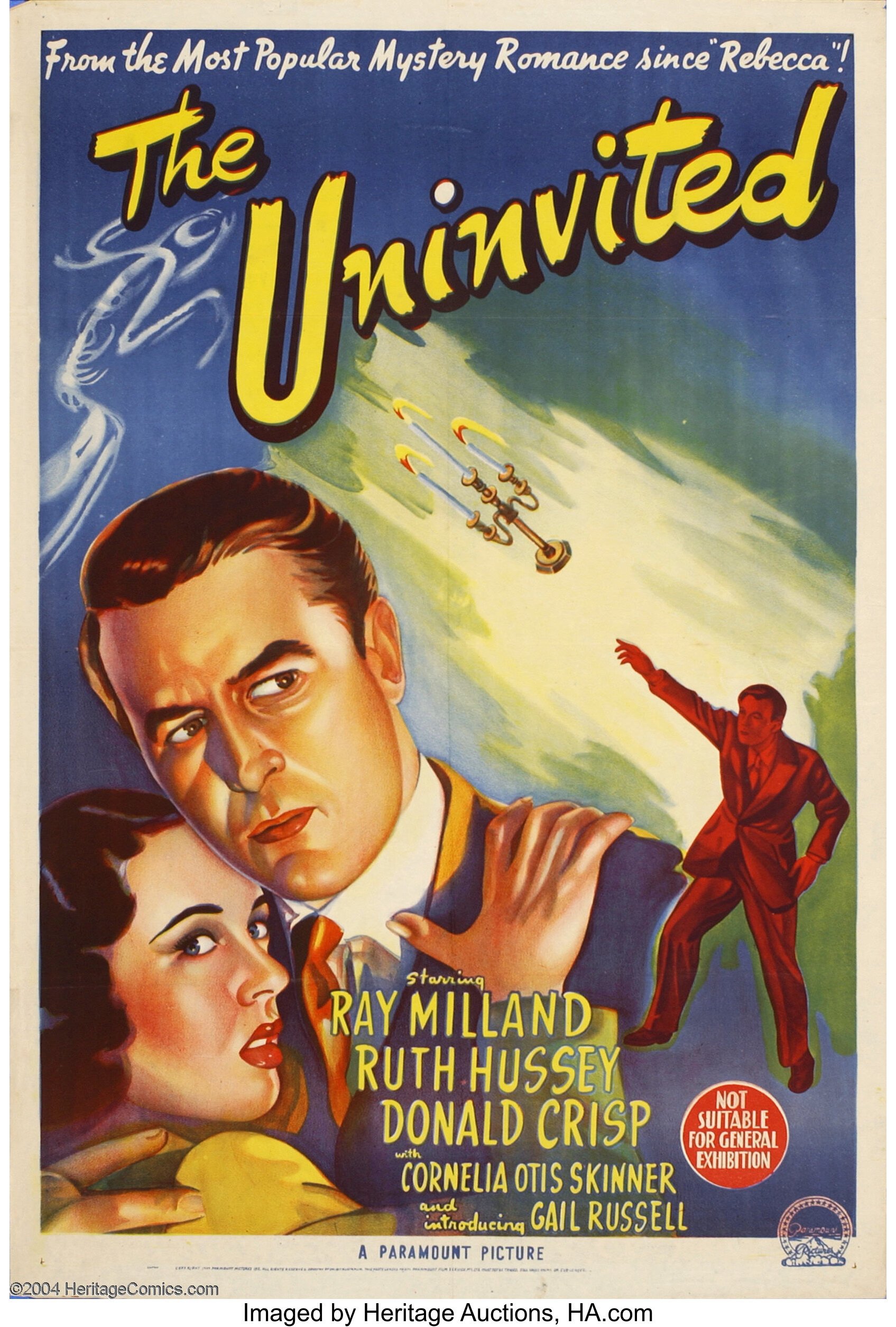
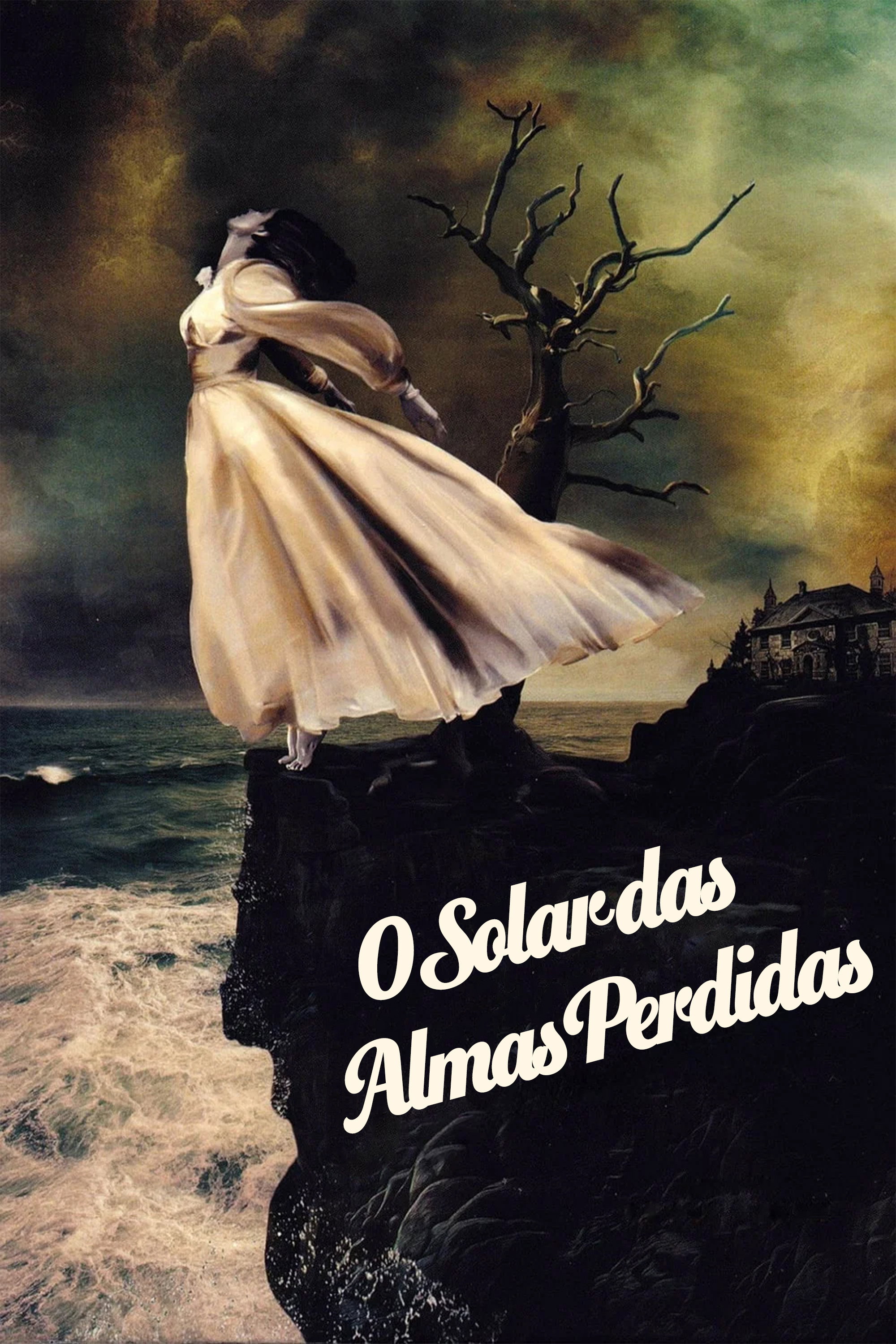
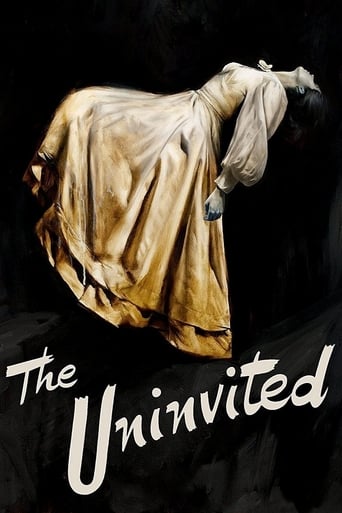
The story originated in Uneasy Freehold, a novel by Irish writer Dorothy Macardle that was published in the United States under the title The Uninvited. Its central premise places a brother and sister in a beautiful country house whose hidden past becomes increasingly difficult to ignore. The screenplay by Dodie Smith and Frank Partos adapts that premise for a studio feature, shaping the supernatural investigation around romance, family secrets and episodes of comic relief. Allen later recalled that he worked extensively with both writers but had no direct contact with Macardle. The film therefore reflects the choices of an adaptation team rather than an intervention by the novelist during production.
Associate producer Charles Brackett was central to bringing the property to the screen. In a 1997 interview with Tom Weaver, Allen remembered Brackett approaching him about a book whose screen rights he had acquired and recommending him to Paramount executive Buddy DeSylva. Allen had previously worked in British and American theatre and had joined Paramount in a variety of assignments before receiving the opportunity to direct. The Uninvited consequently became his feature-directing debut. His account provides unusually direct evidence for the selection of the director, although such memories should be understood as retrospective testimony rather than a complete record of studio negotiations.
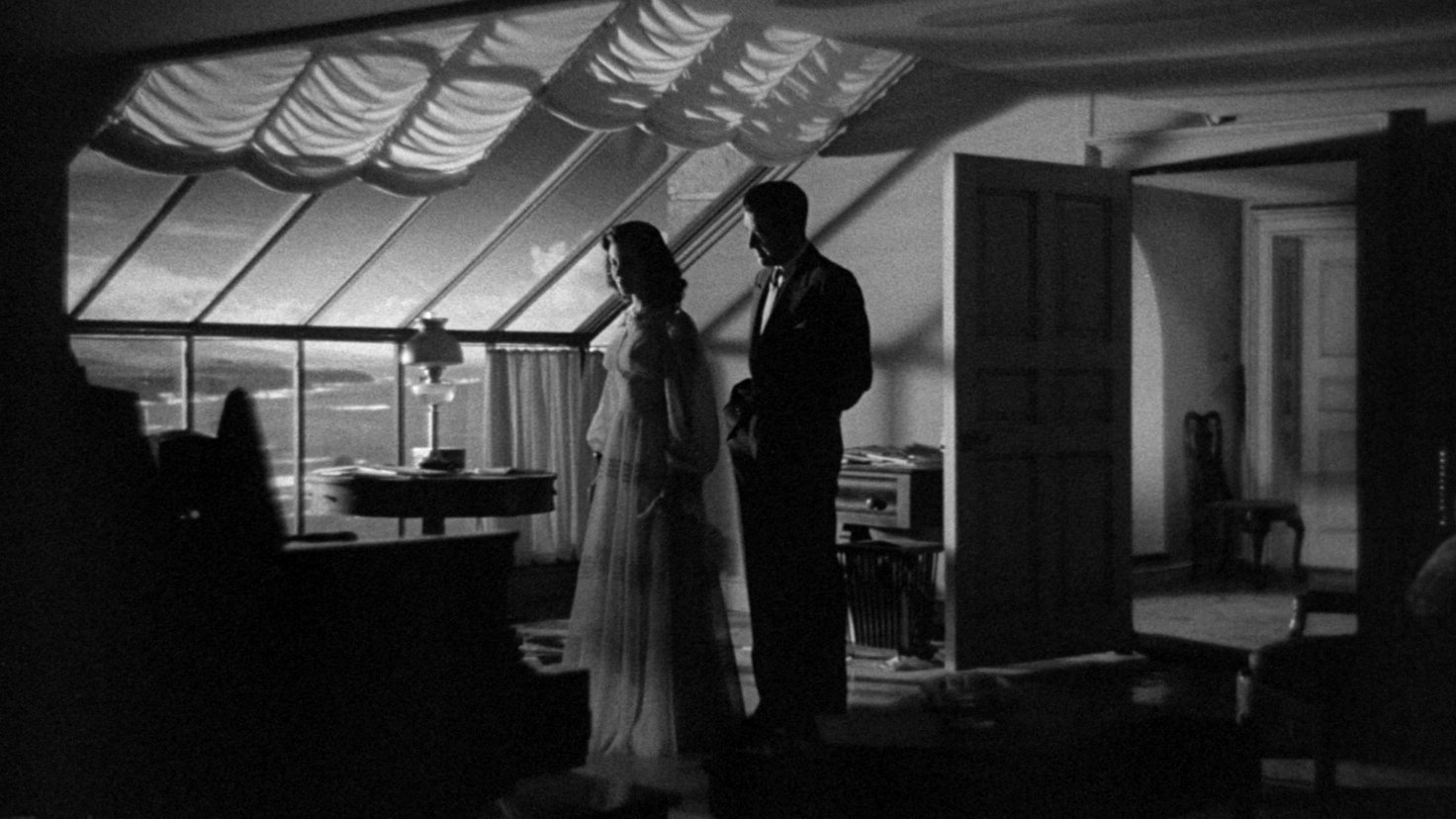
Paramount treated the project as a substantial production. Allen estimated its cost at approximately $1.5 million in his later interview, while also recalling a shooting schedule of around forty to forty-eight days; these are his recollections, not independently audited figures. The American Film Institute documents production from 16 April to mid-June 1943. The combination of a literary source, established performers and sophisticated technical departments allowed Allen to approach the supernatural with more resources than were available to many contemporary low-budget thrillers. The picture nonetheless depends on a restricted number of locations and a gradually developing mystery rather than on a continuous exhibition of effects.