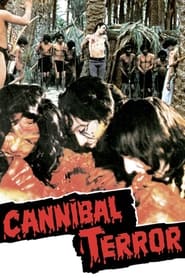
The Cannibal Man (1972)

ES
Runtime
98 min
Release
April 13, 1972
Revenue
$57,696
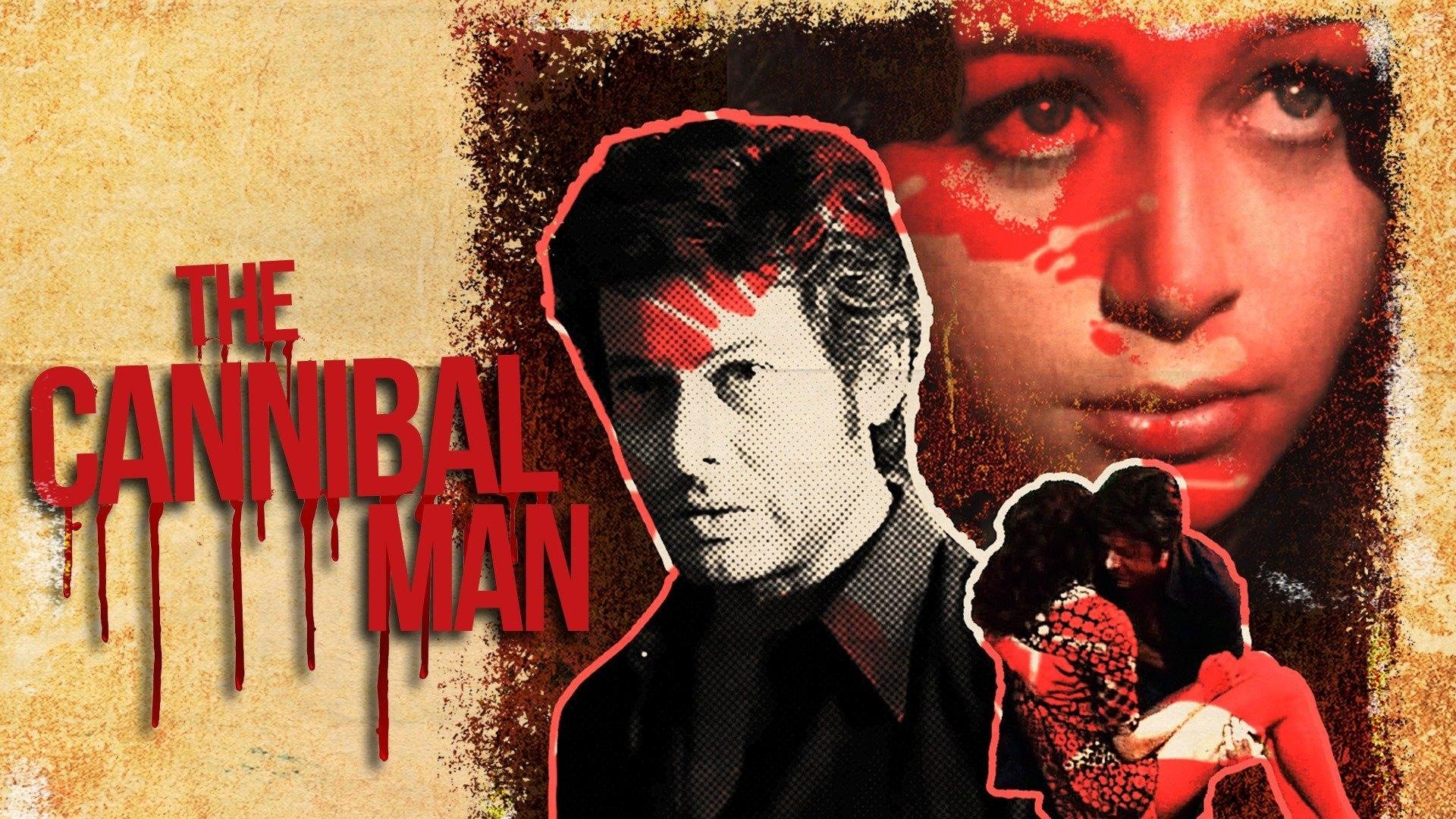
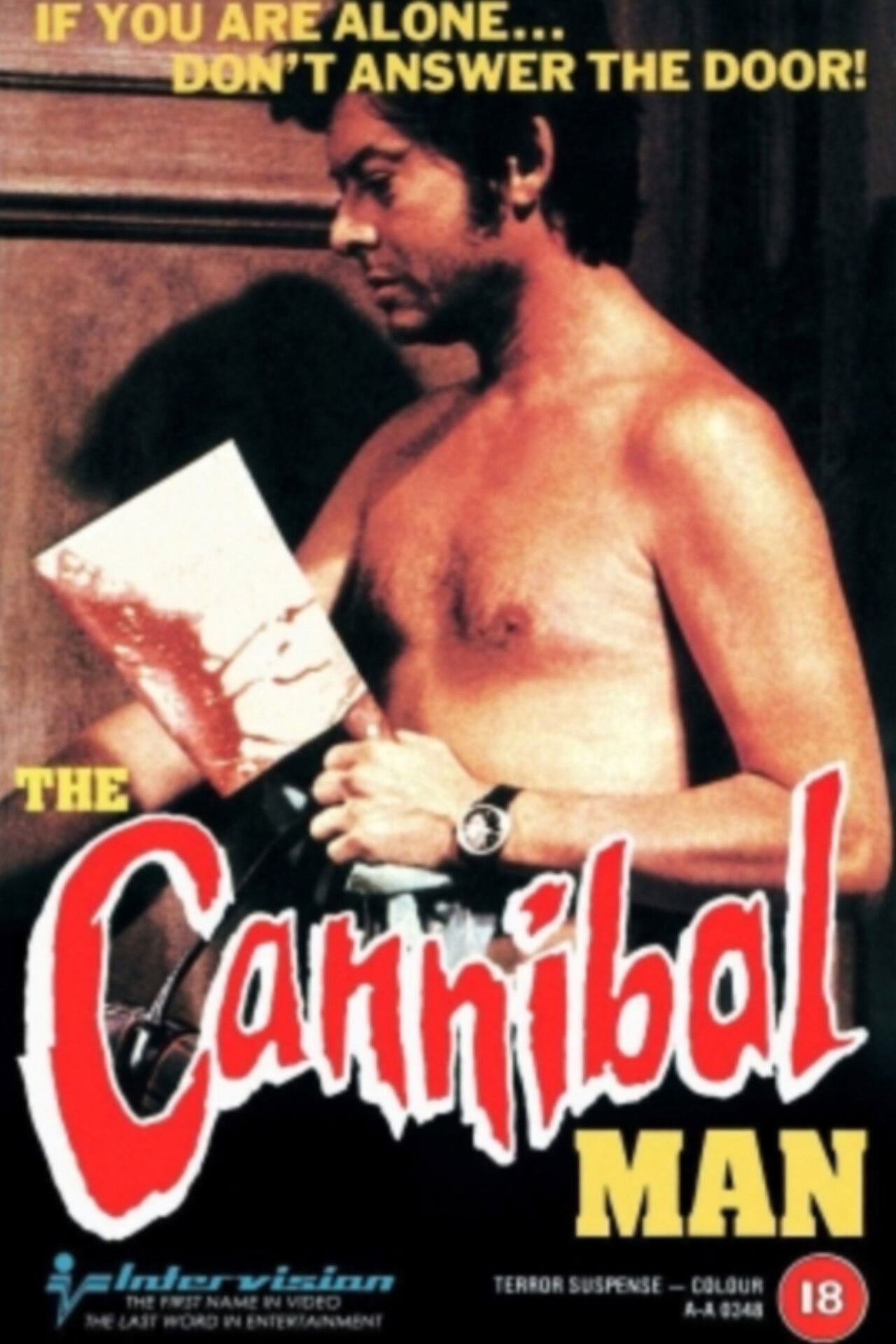
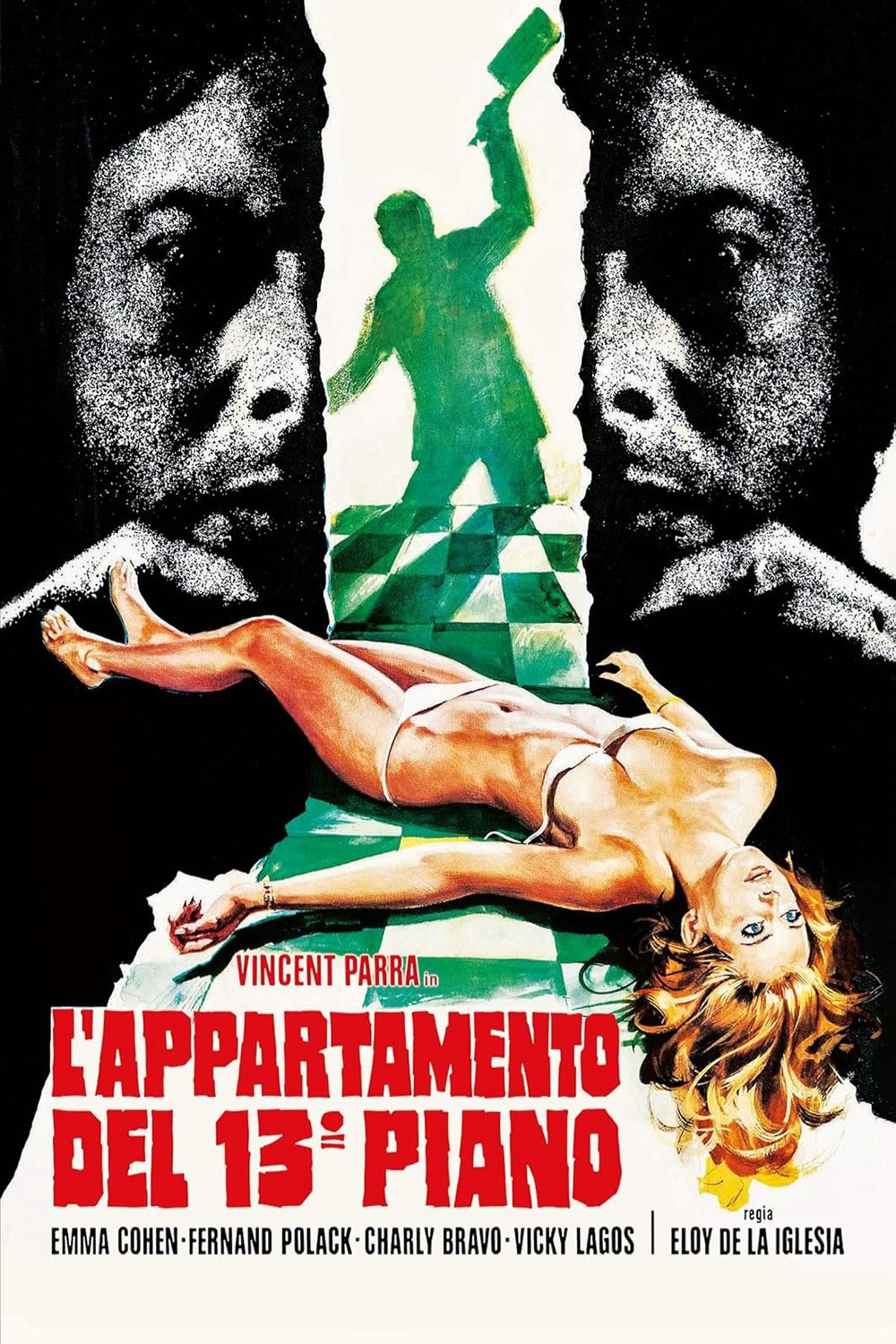
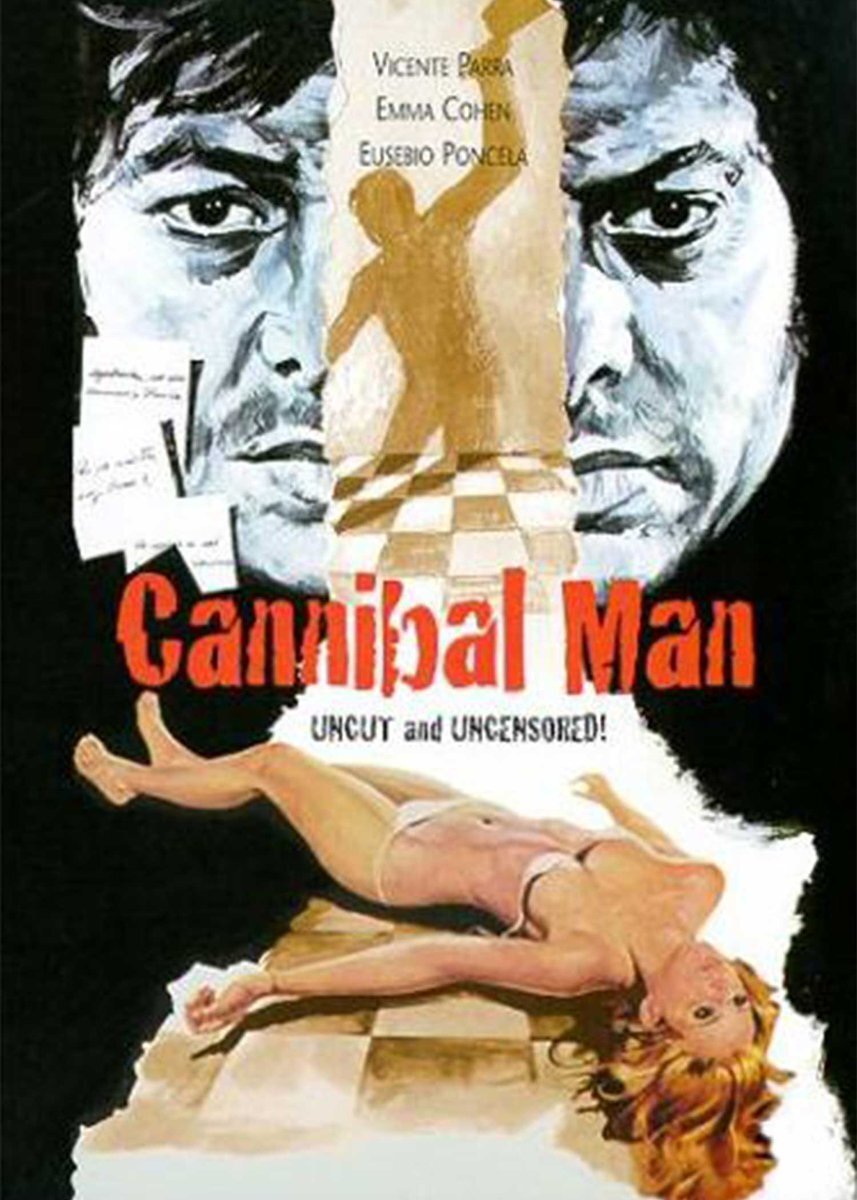
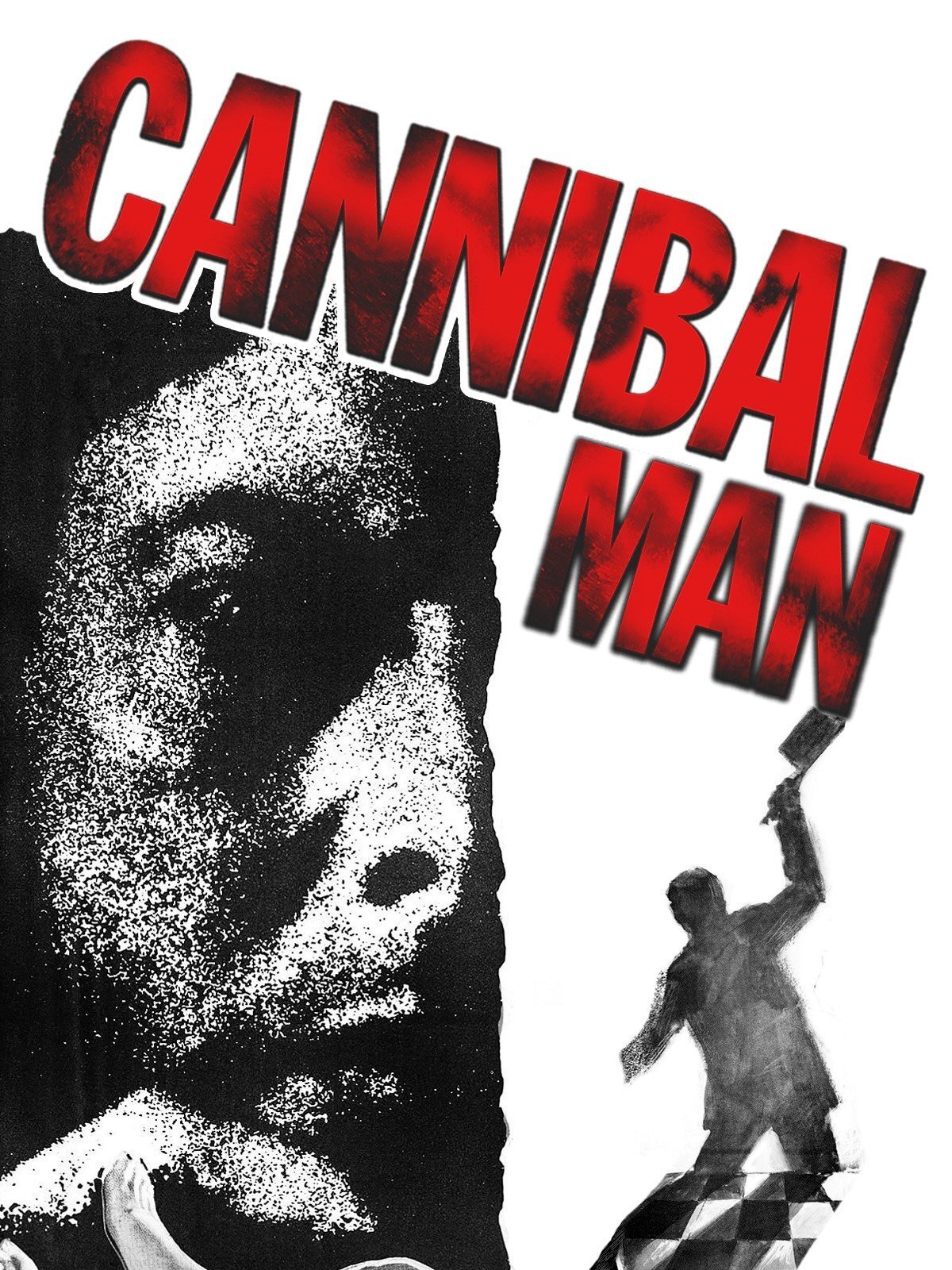
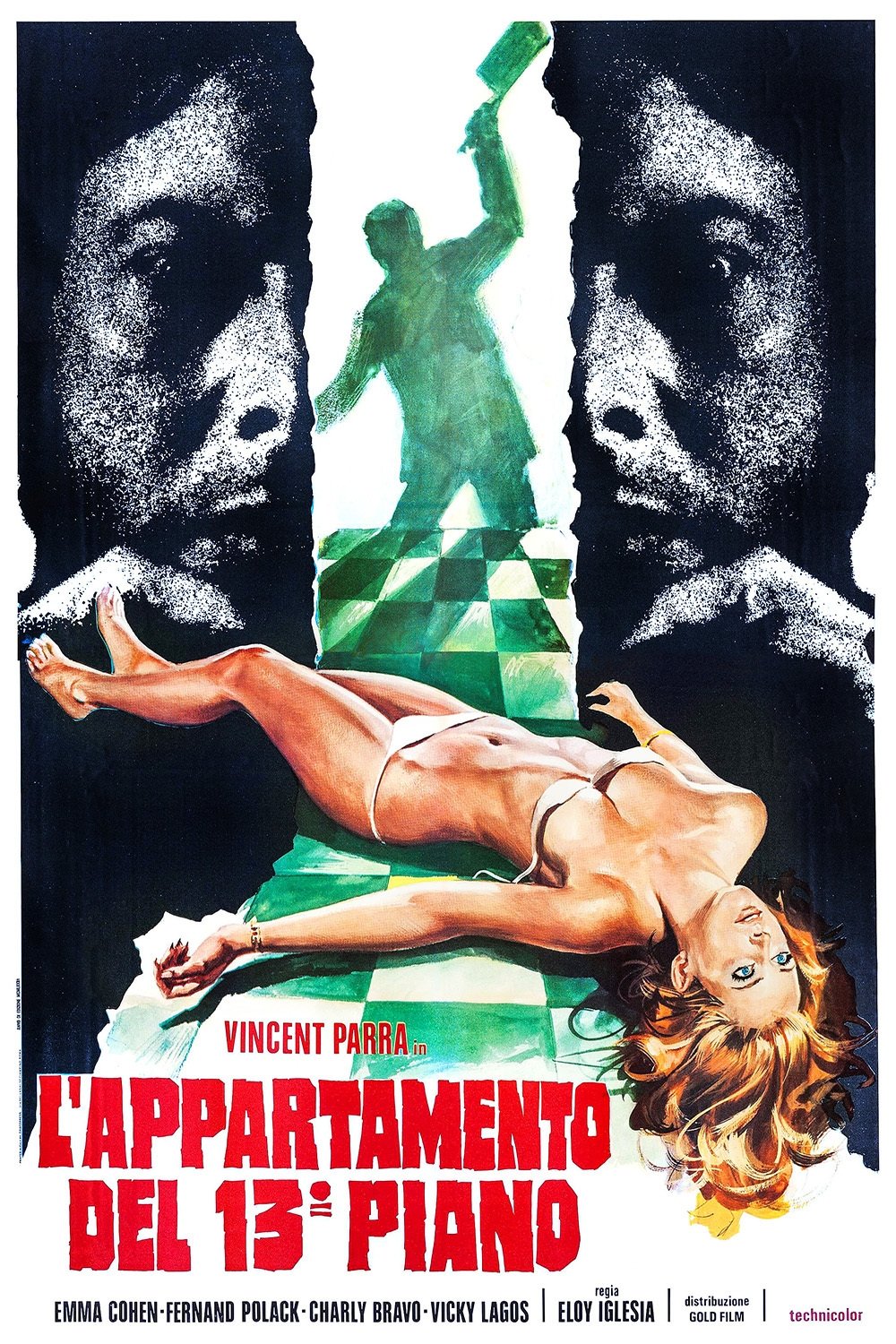
The Cannibal Man (1972) poster
Production Company
Atlas International Film
Plot

A young man, Marco, working as a butcher, accidentally kills a taxi driver. His girlfriend Paula wants to go to the police so he has to kill her too. He then has to kill his brother, his brother’s fiancée and his father, who have become suspicious. He gets rid of the bodies by taking them to a slaughter house.

Alternative Titles
食人族 (CN) Cannibal Man (DE) — translation:de Cannibal Man (Die Woche eines Mörders) (DE) — video box title Das Haus des blutigen Grauens (DE) — reissue title Cannibal man (FR) — translation:fr Cannibal man - La semaine d'un assassin (FR) 食人族 (HK) — translation:zh L'appartamento del 13° piano (IT)
Show all 15 alternative titles 카니발 맨 (KR) — translation:ko A Semana do Assassino (PT) Неделя убийцы (RU) — translation:ru Cannibal Man (US) — video box title The Apartment on the 13th Floor (US) The Week of the Killer (US) Week of the Killer (US)

Trailers & Videos

2 videos

Film Guide

Eloy de la Iglesia's 1972 Spanish horror thriller: slaughterhouse imagery, Vicente Parra's serial killer, sexuality and class under Franco, extensive censorship, international versions and restoration.

The Cannibal Man (La semana del asesino, 1972) is a Spanish psychological horror film directed by Eloy de la Iglesia and starring Vicente Parra, Emma Cohen and Eusebio Poncela. Set in the industrial outskirts of Madrid during the final years of Francisco Franco's dictatorship, it follows a slaughterhouse worker whose involvement in a fatal confrontation leads to successive murders and the concealment of bodies inside his increasingly unbearable home. Although internationally marketed as a cannibal film, it contains no actual human cannibalism by its central character. Its horror emerges instead from the handling of corpses, the industrial processing of meat, claustrophobic domestic spaces and the gradual destruction of a man already trapped within a restrictive social environment.

The film occupies an important position within the Spanish horror cinema of the early 1970s because it brings serial-killer violence into direct contact with questions of class, sexuality and authoritarian control. De la Iglesia developed the screenplay with Antonio Fos and encountered extensive difficulties with Francoist censorship, which affected the treatment of violence, the relationship between the protagonist and his male neighbor, and the ending. Separate Spanish and international versions subsequently circulated with substantial differences in editing and content. The production has since received renewed attention through academic studies, retrospective interviews and restored editions that preserve material absent from earlier releases. Its relationship with horror is inseparable from the political and social circumstances in which it was made.

Development and Filmmaking under Franco

La semana del asesino belongs to the early career of Eloy de la Iglesia, whose work increasingly challenged the political and moral restrictions of Spanish cinema. Following The Glass Ceiling (El techo de cristal, 1971), he developed the new screenplay with Antonio Fos. The project took the form of a serial-murder thriller, but its setting and characterization brought it into contact with subjects that were particularly sensitive during the dictatorship. The protagonist was a working-class man living on the outskirts of Madrid, while his relationship with another male character introduced sexual possibilities that could not be represented openly under the prevailing censorship system.

The production was associated with Atlas International Film and producer José Truchado, while Vicente Parra also played an important role in securing the project. In an interview published by El País in 2022, Eusebio Poncela recalled that Parra had helped make the film possible. Poncela described the shoot as a precarious undertaking held together by the director's determination and clarity of purpose. His testimony also suggests the importance of casting an established Spanish leading man in material considerably more disturbing than the romantic roles through which much of the public knew him. These recollections provide a participant's perspective on the production rather than a detailed financial account.

The screenplay encountered censorship problems even before the film was completed. Later accounts describe de la Iglesia proceeding with production while presenting a modified or misleading version of the script to the authorities. Film critic Carlos F. Heredero discussed this tactic in a retrospective Spanish television presentation subsequently examined by Carmen Vinolo in her analysis of the film. The production therefore involved negotiations with censorship at the level of writing as well as editing. De la Iglesia later characterized the released film as substantially damaged by official intervention. This context is essential when examining its surviving versions, because important differences between them resulted from the political conditions of production rather than ordinary decisions about international marketing.

Madrid, the Slaughterhouse and the Geography of Horror

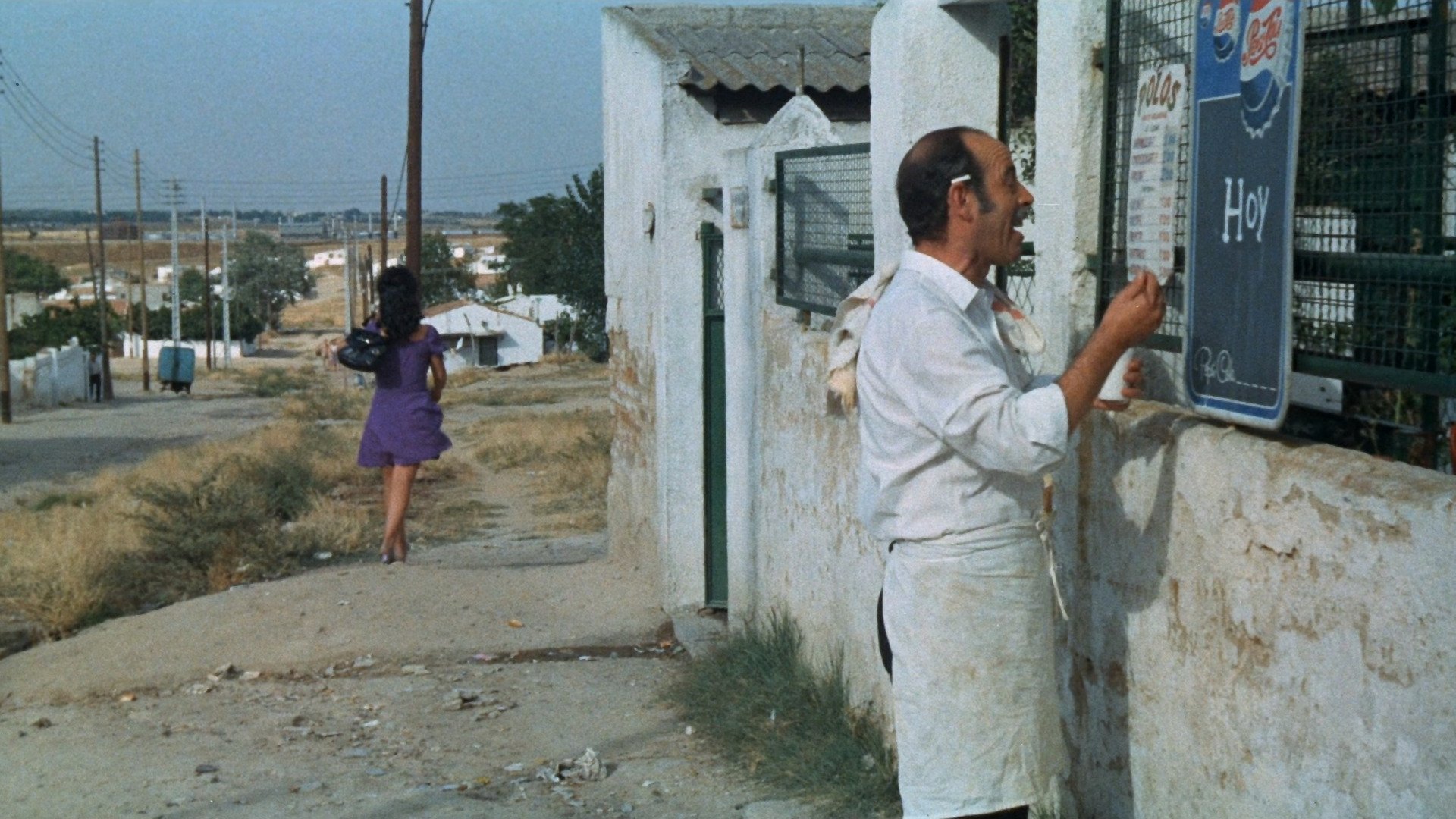
The film was photographed in Madrid, using recognizable urban environments rather than an isolated Gothic setting. Its principal locations include a working-class district undergoing development, commercial streets and the meat-processing facilities where Marcos is employed. The Madrid Film Office identifies locations in the Carabanchel and Ciudad Lineal districts, documenting the use of the city itself as a central production resource. Raúl Artigot's color cinematography emphasizes the differences between crowded streets, newly developed residential areas and the neglected surroundings of the protagonist's home. The setting establishes a particular social geography in which access to comfort, privacy and security is distributed unequally.

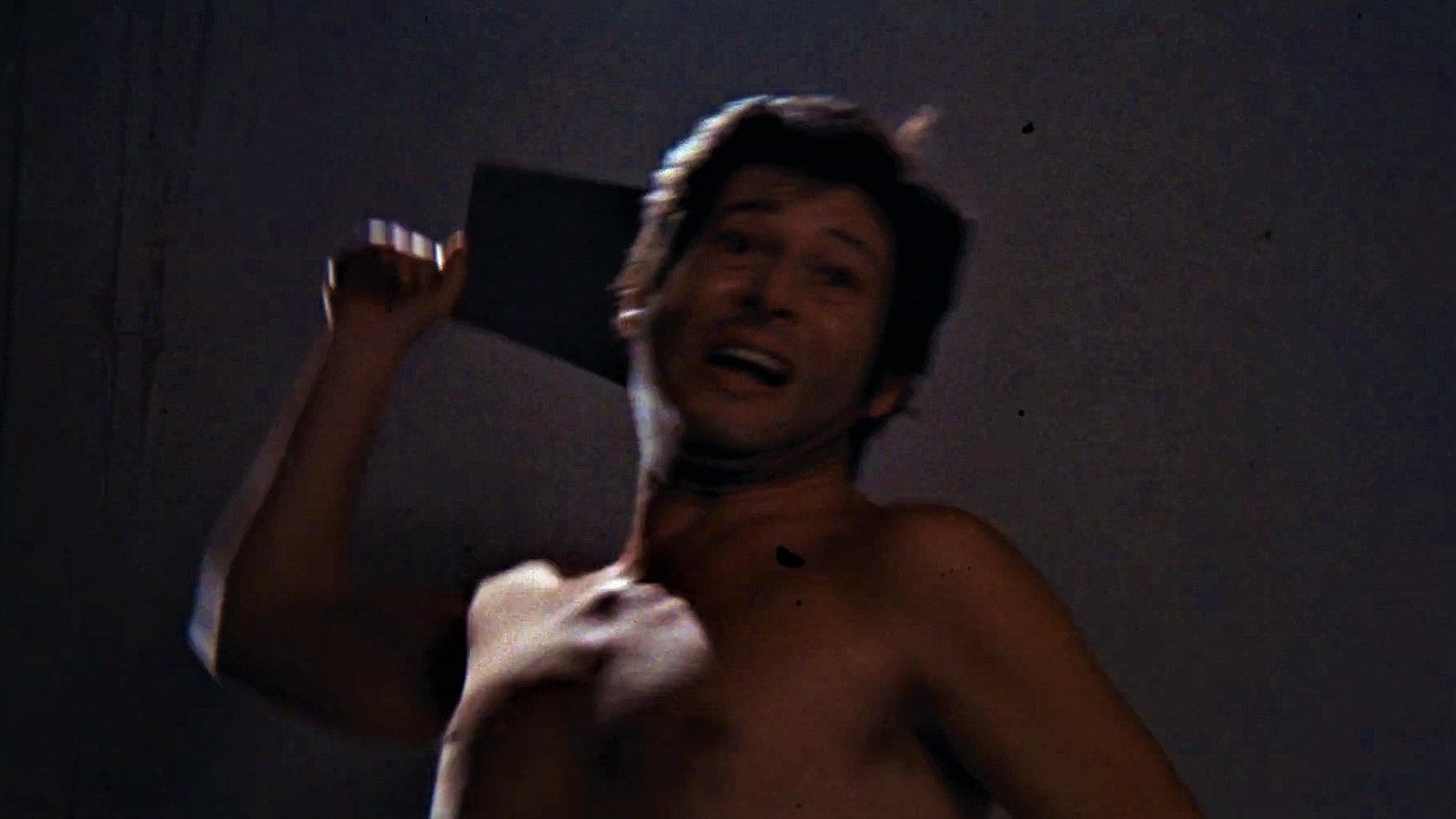
The slaughterhouse material provides the film with some of its most disturbing imagery. Footage of cattle being killed and processed introduces the ordinary industrial treatment of animal bodies into a narrative about human murder. The film repeatedly draws attention to the similarity between the protagonist's employment and the disposal of his victims. Such material does not demonstrate that animals were killed specifically for the production, and the surviving sources do not establish that claim. What is documented is the extensive use of slaughterhouse imagery and the important differences in how it was presented in Spanish and international versions. The exposure of industrial processes normally kept away from everyday view becomes a central part of the film's horror.

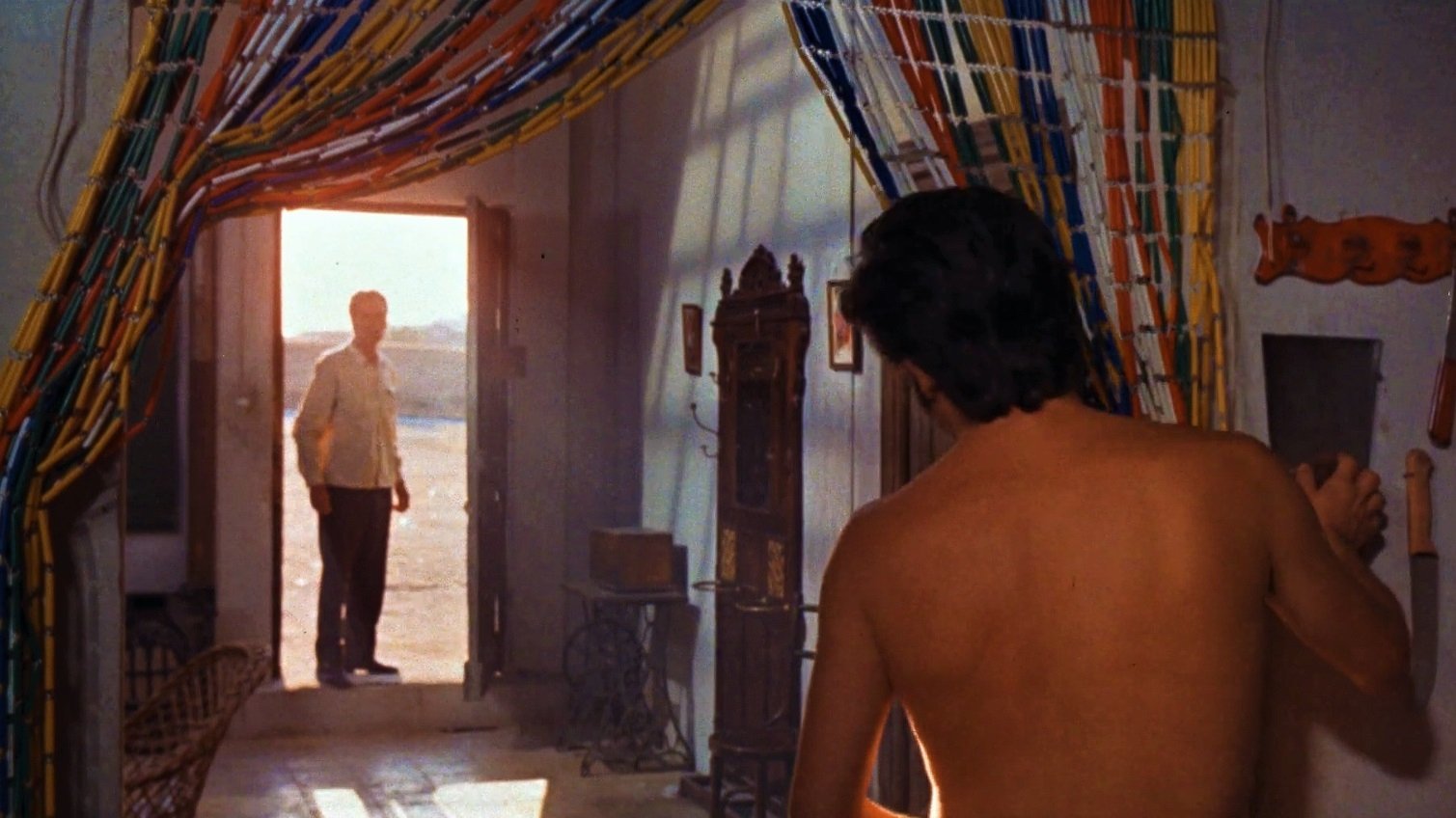
The home occupied by Marcos is equally significant. Its position on a comparatively undeveloped site places it in visual opposition to the modern apartment building inhabited by his neighbor Néstor. The house gradually fills with concealed bodies, producing anxiety through the accumulation of evidence, heat and decomposition. Santiago Ontañon's production design contributes to the sense of physical deterioration, and later accounts describe the principal house as having been constructed specifically for the film. Its restricted interior creates a space where every new visitor threatens to discover the previous murders. The distinction between the two residences establishes the conditions under which the characters observe one another and makes architecture part of the social and psychological tension.

Vicente Parra and the Escalation of Serial Murder

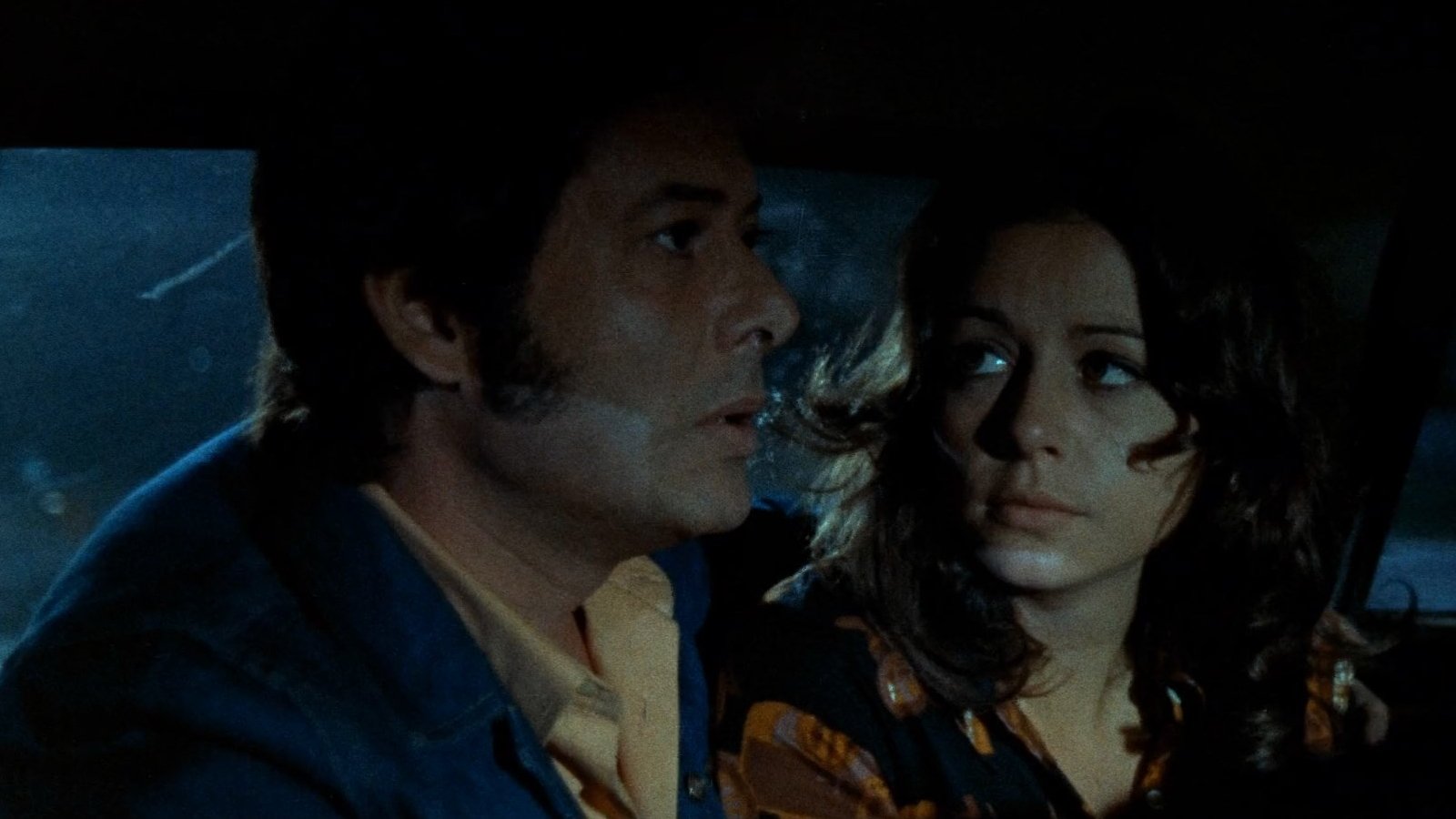
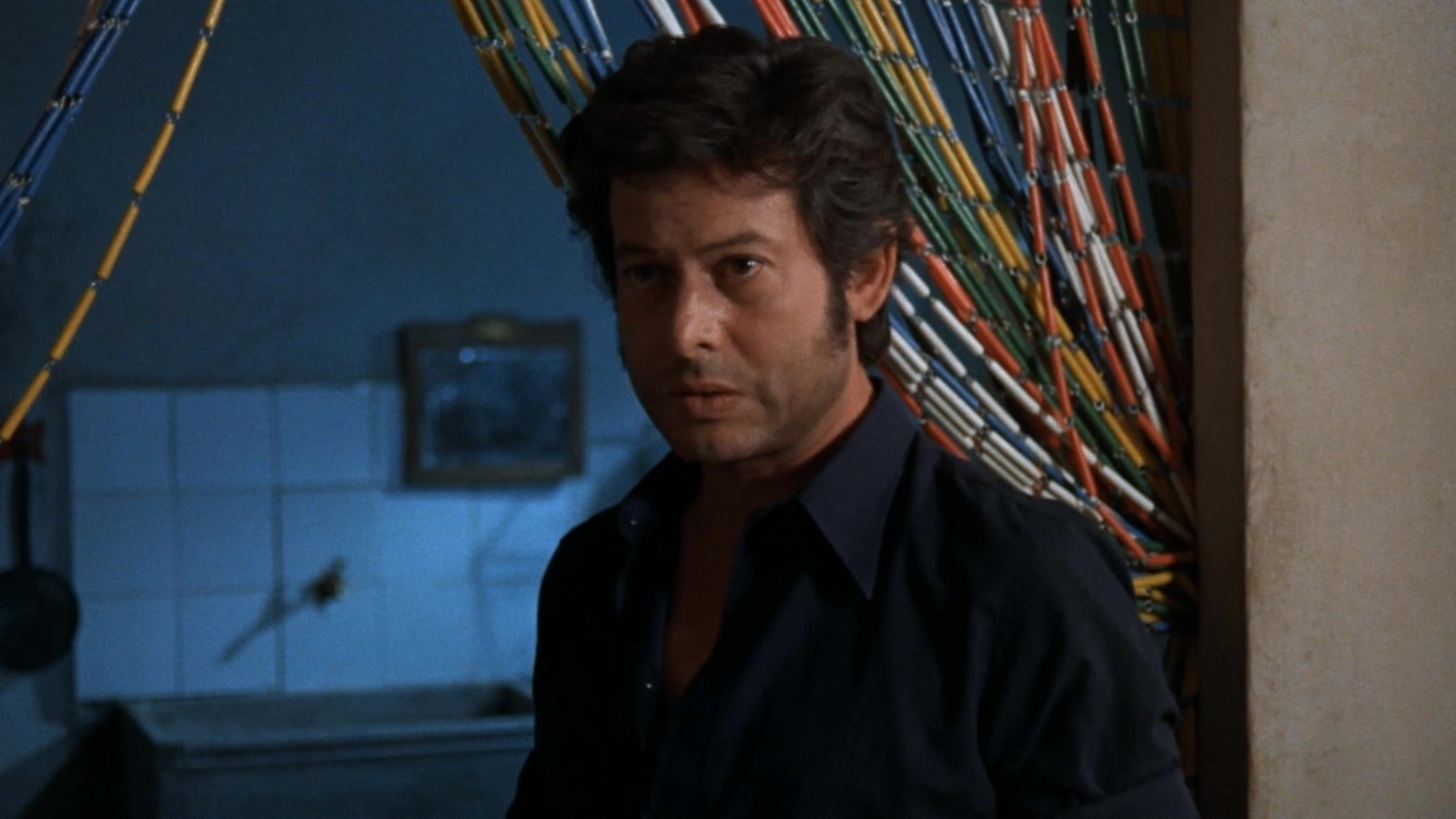
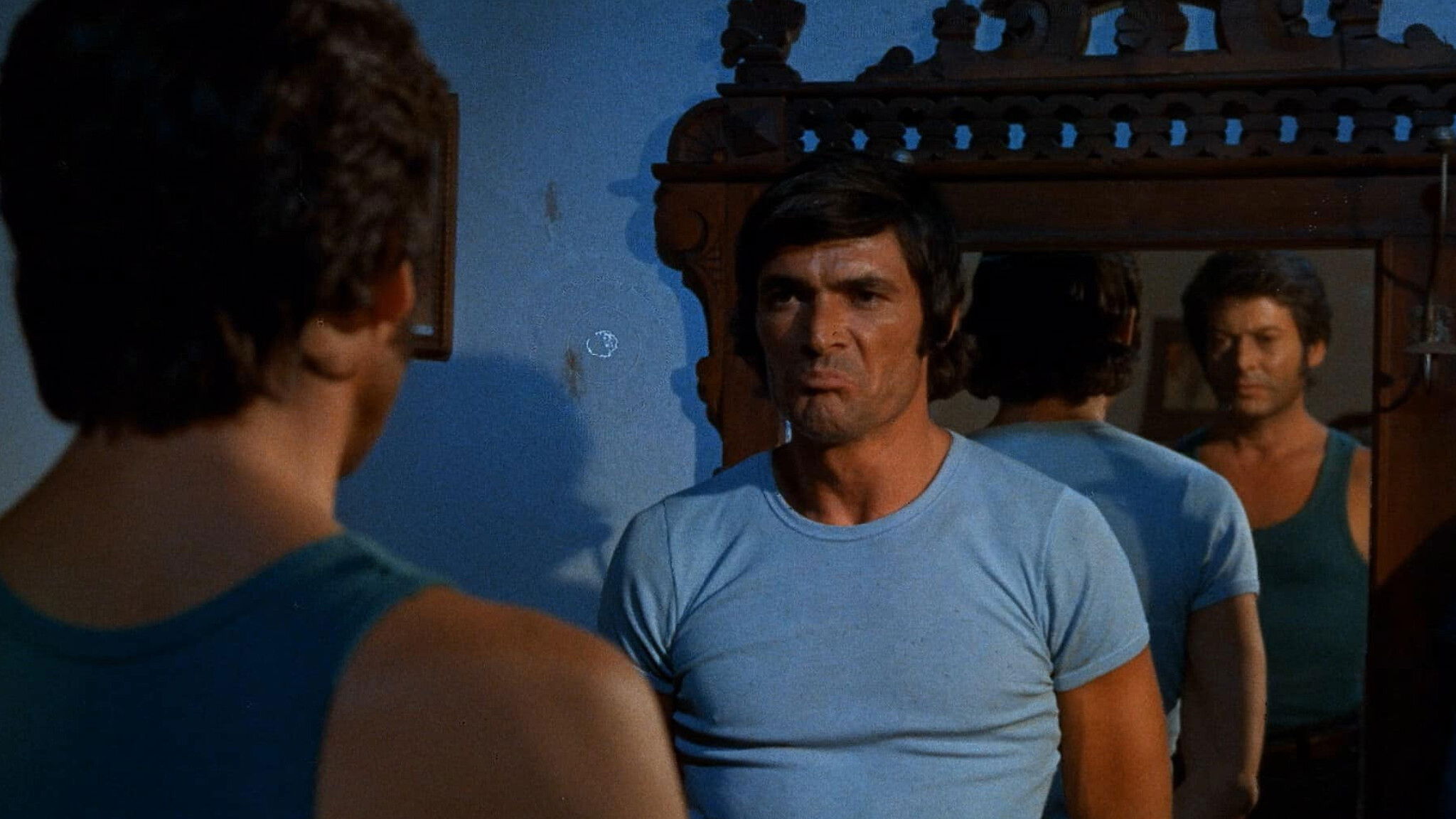
Vicente Parra plays Marcos, a slaughterhouse worker whose involvement in an altercation with a taxi driver results in a death that initiates the subsequent crimes. The incident is significant because Marcos is initially presented as someone with an ordinary job, a relationship and recognizable daily routines. His later actions arise through attempts to conceal what has happened, turning the avoidance of punishment into a progressively destructive obsession. The screenplay concentrates on his behavior rather than giving the audience a police investigation through which to understand the crimes. Marcos consequently remains the principal point of identification even as his decisions become increasingly violent.

Parra had established a very different public image through successful Spanish romantic and historical films, especially Where Are You Going, Alfonso XII? (1958). His casting gave the production a recognizable performer whose previous roles contrasted with the degraded condition of Marcos. Eusebio Poncela later described the difficulties of working with Parra and the unusual atmosphere surrounding the production, while emphasizing de la Iglesia's determination to complete the film. The casting also changed the relationship between the characters and the screenplay's original conception. Retrospective production accounts indicate that Marcos had initially been imagined as a considerably younger man, before the role developed around Parra.

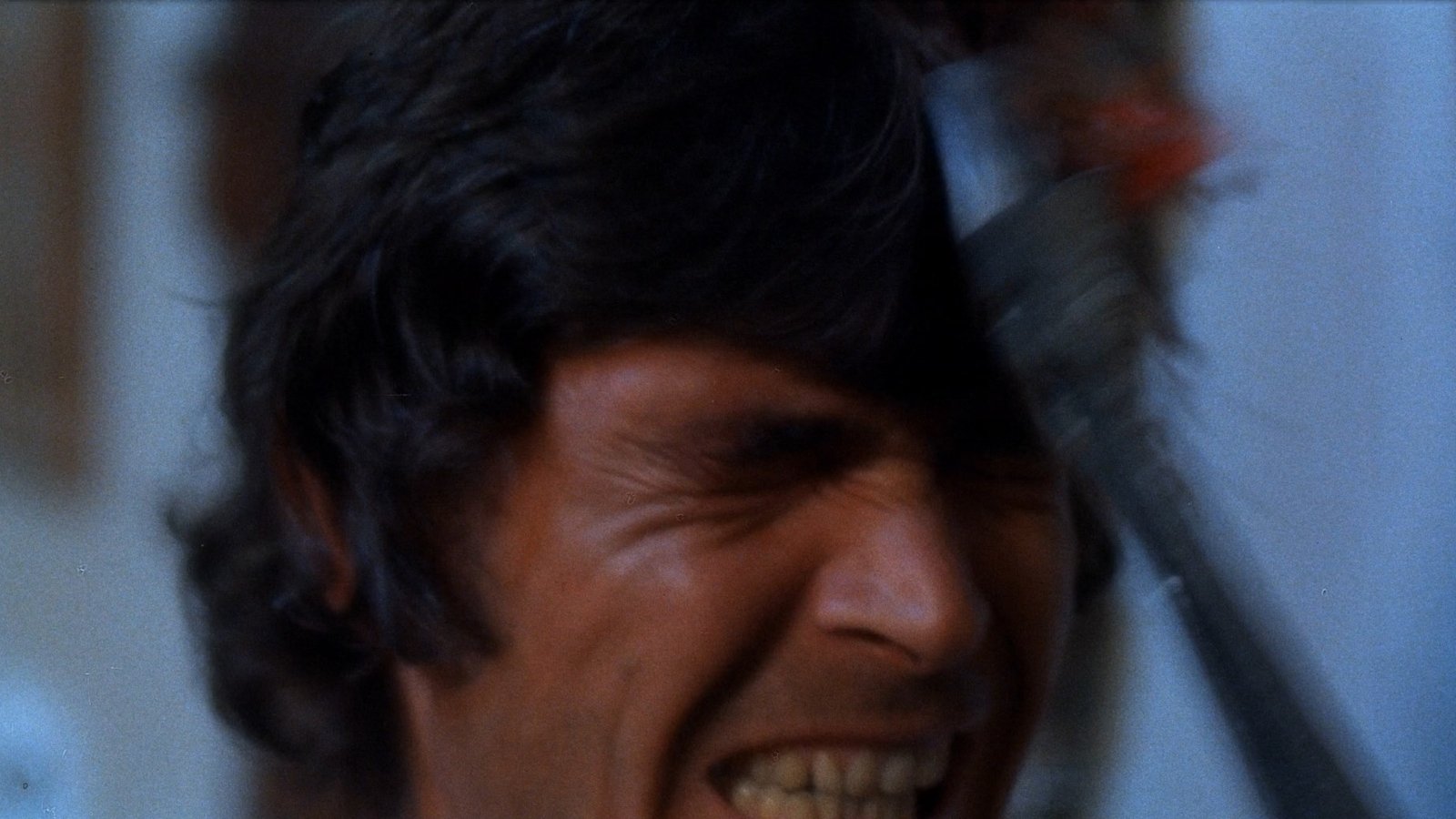
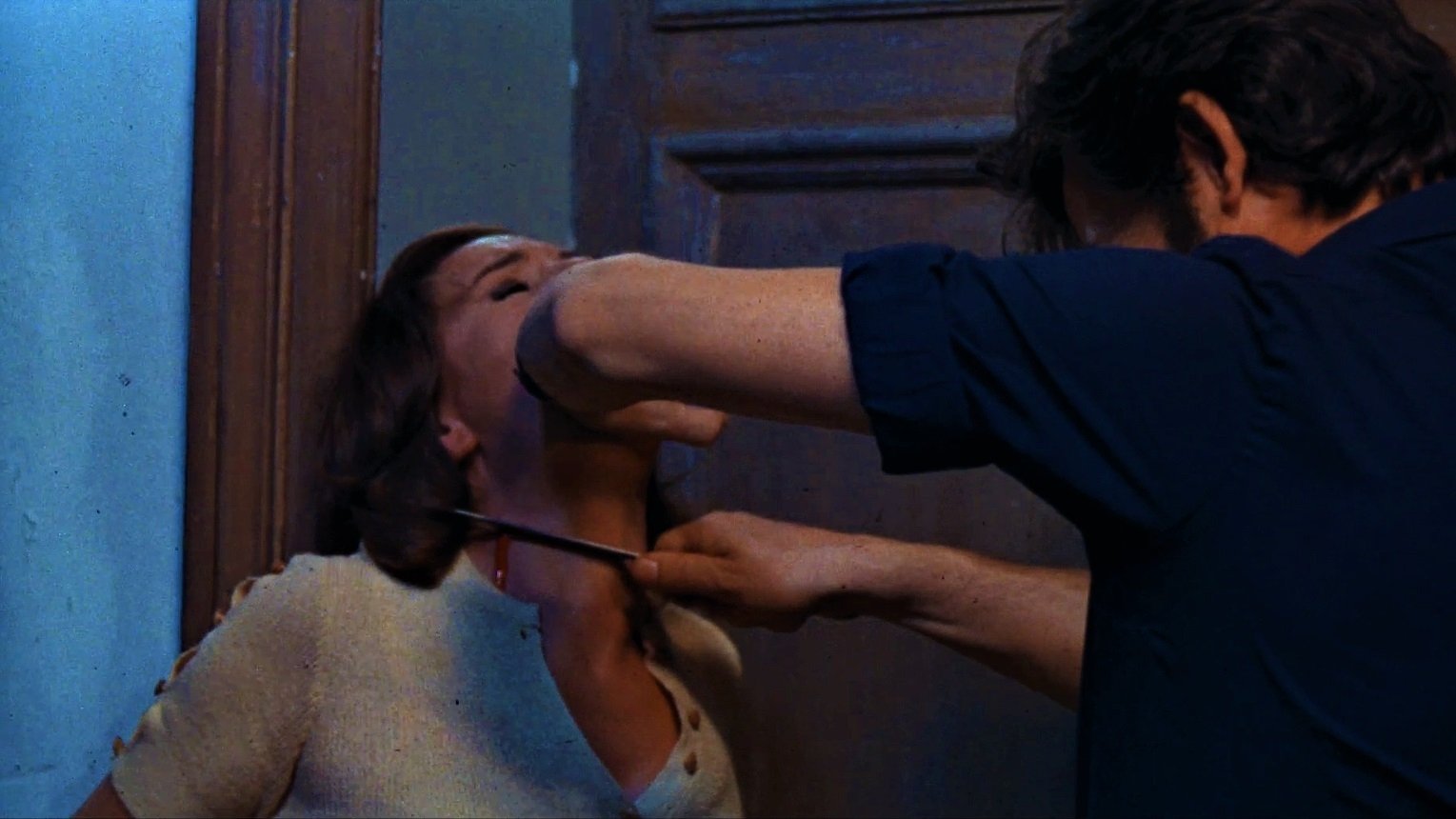
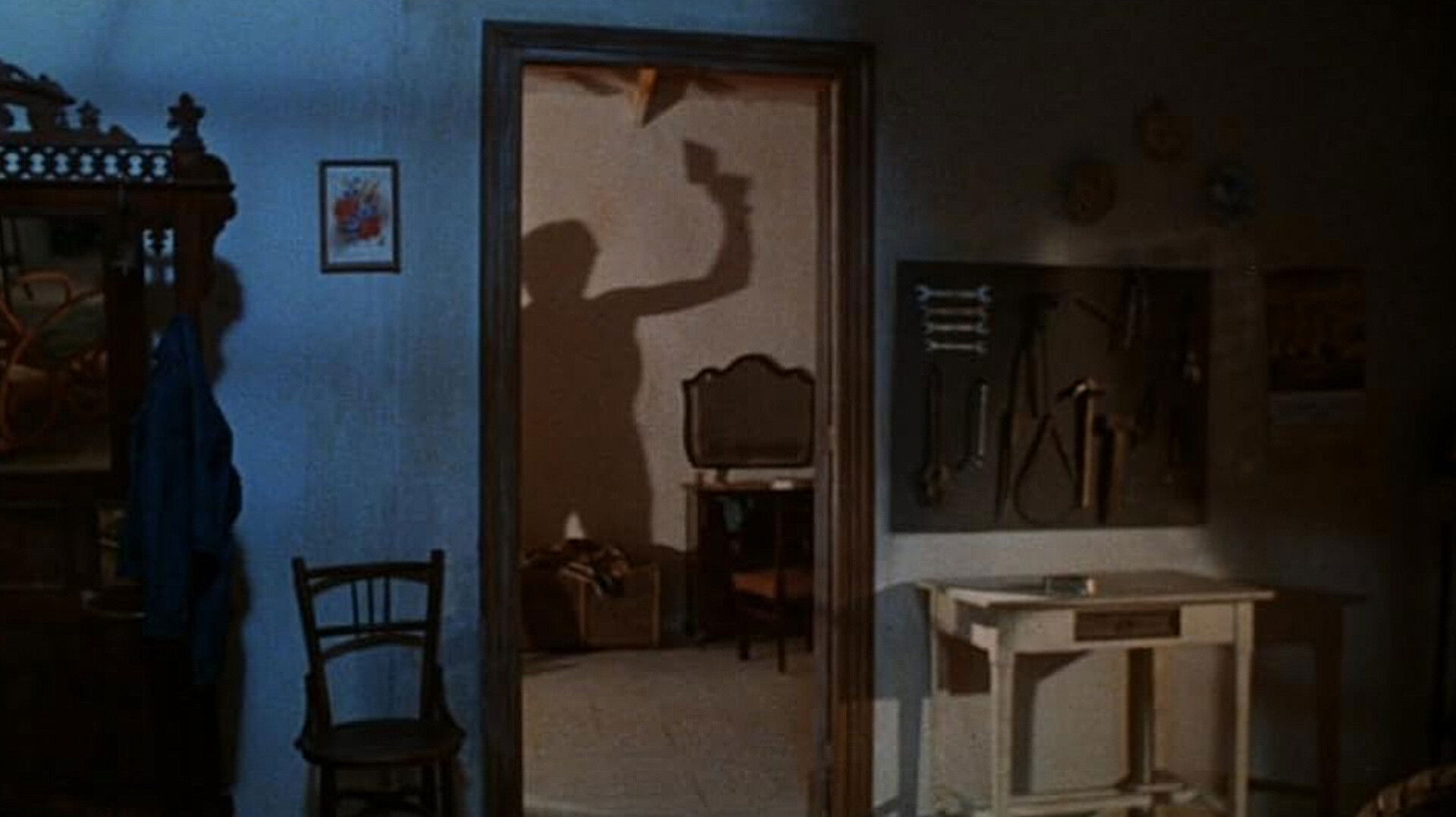
The film's killings are staged with an emphasis on physical proximity and improvised violence. The attacks involve objects and tools available within the protagonist's everyday environment rather than the specialized weapon of a masked slasher. Their dramatic importance comes from the increasing difficulty of concealing the consequences. As the number of corpses grows, the house becomes an immediate physical threat to Marcos because smell, visible traces and the curiosity of visitors can expose him. The progression also introduces an element of grotesque black humor: attempts to restore domestic normality only deepen the disorder. These qualities distinguish the film from later slashers constructed around the pursuit of victims by a relatively mysterious killer.

Sexuality, Class and the Relationship with Néstor

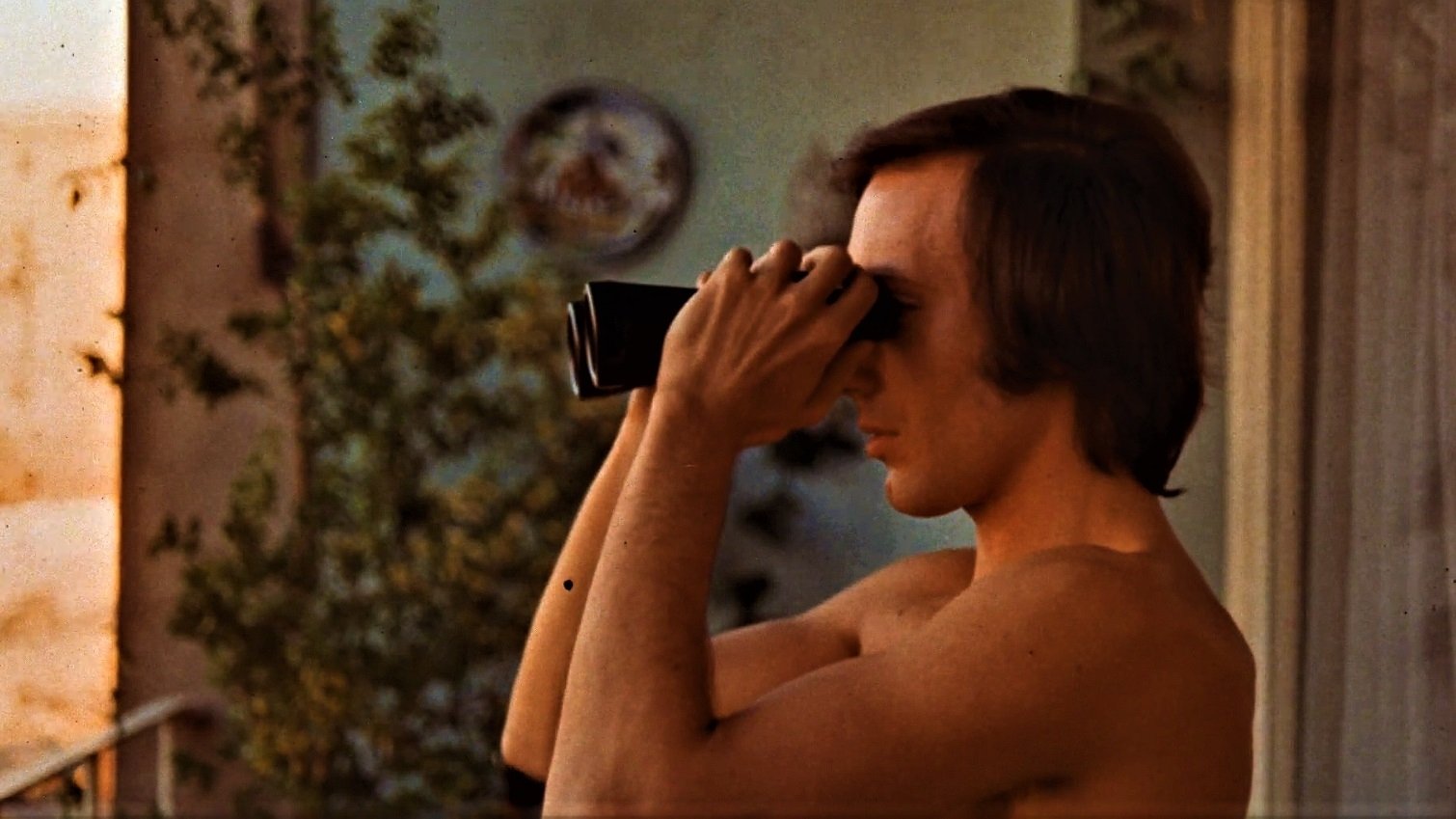
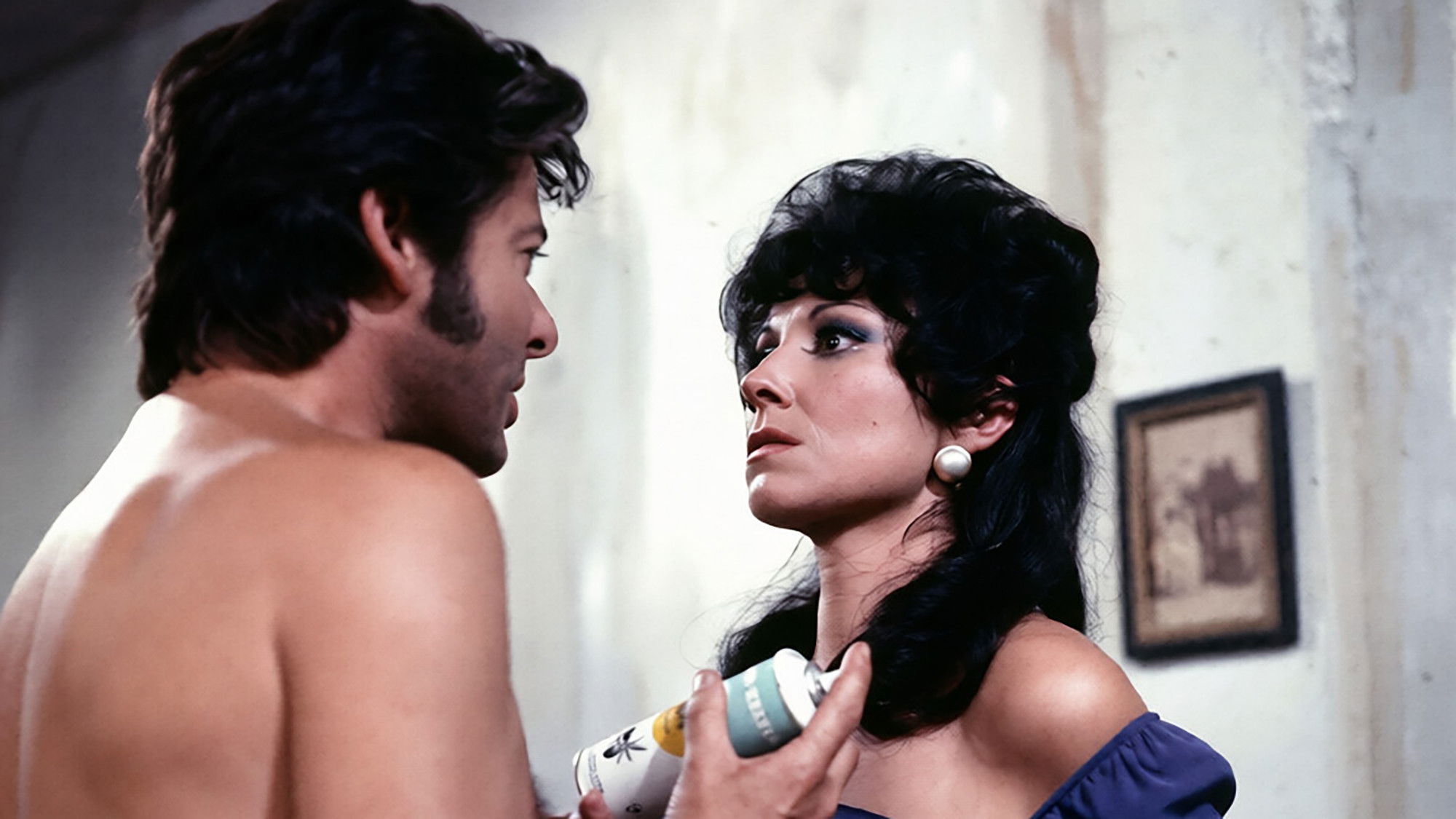
The relationship between Marcos and Néstor, played by Eusebio Poncela, gives the film a dimension unusual within Spanish horror of the period. Néstor lives in a modern apartment overlooking the more impoverished home occupied by Marcos. His privileged vantage point permits him to observe the protagonist through binoculars, establishing a connection between social position, spectatorship and desire. Unlike the other characters who enter Marcos's immediate environment, Néstor watches from a distance and gradually becomes aware of what is happening. His interest in Marcos introduces a sexual dimension into their encounters that the film could not present with complete freedom under Francoist censorship.

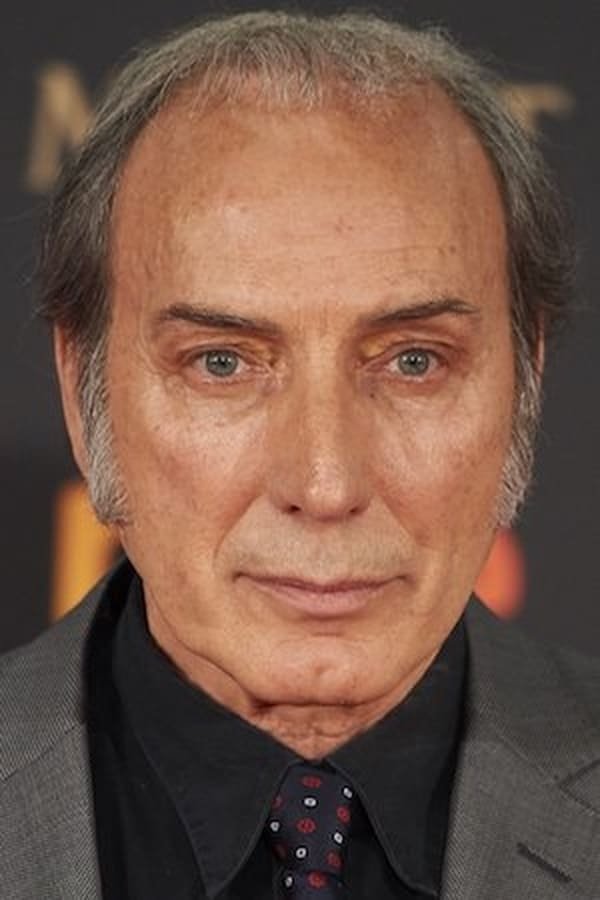
Carlos Gómez Méndez examined the relationship in a 2017 study published by L'Atalante, identifying Néstor as the first explicitly gay character in de la Iglesia's filmography. His analysis connects the film's treatment of sexuality with the reproduction of conventional social identities under the dictatorship. Néstor's attraction to Marcos complicates the familiar arrangement in which the murderer is presented only as a threat. The relationship introduces an alternative form of recognition, although the unequal social position of the two men prevents it from becoming a simple image of liberation. This interpretation belongs to the film's critical reception and should not be confused with an explicit statement of Marcos's sexual identity within every surviving version.

The scenes involving the two men were particularly vulnerable to censorship. Their encounter at a swimming pool remains one of the principal expressions of intimacy in the film, but additional material made the relationship more explicit. A surviving deleted sequence shows a kiss, and its removal altered the degree to which the attraction could be recognized by audiences. In his later interviews, Poncela recalled the difficulty of making such material under the dictatorship and the importance of de la Iglesia's commitment to the project. The relationship anticipates the more direct treatment of homosexuality in the director's later films, particularly Hidden Pleasures (Los placeres ocultos, 1977) and The Deputy (El diputado, 1978). Its presence gives The Cannibal Man a historical importance extending beyond its exploitation reputation.

Visual Construction, Sound and Bodily Horror

The film's visual organization repeatedly contrasts physical confinement with the surrounding city. Artigot's photography records the dusty outskirts of Madrid, the cramped domestic interior and the more comfortable spaces inhabited by Néstor. The transitions between these locations develop a sense of social separation without requiring an explanatory narrator. Close attention to the protagonist's gestures and reactions becomes important because the film frequently remains with Marcos after an act of violence, when the practical consequences begin to dominate his behavior. Ordinary objects acquire threatening significance as potential evidence of the murders, while the increasingly crowded house limits the possibility of separating his daily life from the crimes.

Fernando García Morcillo composed the music, which contributes to the contrast between routine activity and the protagonist's deteriorating psychological condition. The soundtrack also uses environmental sounds associated with the slaughterhouse and ordinary urban life. The relationship between sound and physical space becomes particularly important once decomposition and the concealment of bodies dominate the narrative. References to smell, heat and bodily waste create an oppressive sensory world that extends beyond the injuries shown directly. Carmen Vinolo's critical essay on the film emphasizes the relationship among violence, sexual anxiety and the perception of passing time. The completed work uses these elements to construct horror from familiar spaces and the repetitive conditions of everyday existence.

Spanish Censorship, International Versions and Restoration

The original production encountered unusually extensive interference from the Francoist censorship authorities. The Filmoteca de Catalunya records that as many as sixty-two cuts were imposed and that the director was required to alter the ending. Other historical accounts give slightly different totals, making the exact number dependent on which stages of the censorship process are being counted. The objectionable material included violence, sexuality and implications concerning the relationship between Marcos and Néstor. The imposed ending emphasized the protagonist's submission to police authority, changing the moral and dramatic implications of the conclusion. De la Iglesia subsequently described the result as a severely altered film.
Separate Spanish and international editions circulated with important differences. The Spanish presentation retained material showing conditions inside the slaughterhouse and workplace scenes involving Marcos and his employers, but reduced sexual material and the relationship with Néstor. The English-language export version, marketed as The Cannibal Man, included more intimate material while shortening or removing several factory scenes. It also rearranged slaughterhouse footage into an opening sequence designed to emphasize the production's disturbing imagery. The Filmoteca de Catalunya documented these differences in connection with a 2013 screening, while Proyecto Naschy later published a detailed comparison of the surviving material. The contrasting versions demonstrate how political censorship and export marketing produced different presentations of the same film.

British distribution introduced another layer of controversy. The Cannibal Man became associated with the Director of Public Prosecutions' video nasties list during the early 1980s, although its sensational English title created expectations of cannibal exploitation that the film itself does not fulfill. The British Board of Film Classification records a cut home-video release submitted by Redemption Films on November 11, 1993, with a running time of 94 minutes and 7 seconds. A new submission from 88 Films was classified on January 6, 2025, at 98 minutes and 33 seconds without a recorded cuts requirement. These entries concern specific British editions and do not resolve the separate question of Francoist alterations to the original Spanish release.

The surviving material has received increasing attention through archival and specialist home-video editions. German and Spanish Blu-ray releases during the 2010s recovered scenes missing from earlier international copies. In 2021, Severin Films issued a new restoration sourced from original negative elements, including the international version at approximately 98 minutes and an extended presentation at approximately 107 minutes. The longer edition incorporates footage surviving from different historical versions and should not automatically be described as an untouched original director's cut. It also preserves deleted material, including fragments associated with the suppressed relationship between Marcos and Néstor. Supplementary interviews with Stephen Thrower, Shelagh Rowan-Legg and Carlos Aguilar provide historical and critical context.

The film's later reassessment has increasingly emphasized its relationship to Spanish social history rather than treating it only as a notorious exploitation title. Academic studies have examined the contrast between working-class and privileged spaces, the connection between murder and industrial labor, and the importance of same-sex desire within the dictatorship's restrictions. Its place in horror history rests on the transformation of ordinary domestic and industrial environments into sites of bodily degradation. The international title may have supported its circulation alongside cannibal and gore films, but the original La semana del asesino belongs to a more specific tradition of Spanish psychological and political horror. Its survival in multiple versions also provides unusually concrete evidence of the ways censorship and distribution could transform the meaning of a film.

References

  1. L'Atalante Efectos subversivos de la perversion: sexualidad y construccion social en La semana del asesino - Carlos Gómez Méndez

    Peer-reviewed 2017 academic study examining Francoist censorship, homosexuality, class relations, social identity and the subversive construction of sexuality in Eloy de la Iglesia's film.

  2. Proyecto Naschy La semana del asesino: descubriendo la version mas completa

    Extensive historical and comparative study of the Spanish, international and restored versions, examining censorship, previously missing workplace scenes, the swimming-pool sequence, the altered ending, production design and surviving deleted footage.

  3. El País Eusebio Poncela: Hui de Madrid porque la gente con las drogas no te deja en paz. Mi casa parecia la de Keith Richards

    Original 2022 interview with Eusebio Poncela, including first-hand recollections of the film's production, the importance of Vicente Parra, Eloy de la Iglesia's working methods and the difficulty of making a sexually and politically provocative film under Franco.

Cast

View Full Cast & Crew →

Release & Distribution

Production Companies (1)

  • Atlas International Film DE

Distributors (1)

  • Anchor Bay Entertainment US

Release History (3)

Release DateTerritoryRelease TypeFormatDistributorCertificationNotes
1972-04-13 ES theatrical — — 18
1973-06-01 US theatrical — — R
2022-10-05 DE physical — — 16
When the butcher goes berserk....