Production & Development
The origins of L’Inferno predate its 1911 release. The project began under SAFFI-Comerio, a company associated with pioneering Italian cinematographer Luca Comerio. Portions of the production were already sufficiently advanced to be presented at a Milan film competition in 1909 under the title Saggi dell’Inferno dantesco. Financial difficulties threatened its continuation, but the reorganization of the company as Milano Films brought additional capital and renewed institutional support. A new studio complex was financed in 1910, allowing the ambitious adaptation to move toward completion.
The project reflected the determination of Italian producers to establish cinema as a respectable cultural medium. Dante’s poem offered a subject with exceptional national prestige, while its succession of infernal locations supplied opportunities for visual spectacle. The involvement of aristocratic investors also reflected an educational conception of filmmaking: a literary monument could be made accessible to audiences through a popular form of entertainment. The finished production consequently occupied a position between the established tradition of short trick films and the emerging model of the feature-length literary adaptation.
Contemporary accounts and subsequent historical research describe a costly and technically demanding enterprise, although reported production figures require caution. The film is frequently associated with an expenditure of approximately 100,000 lire, but that figure should be understood as a historical estimate rather than an independently audited budget. Its scale nevertheless exceeded that of ordinary Italian releases of the period. The production required elaborate sets, numerous performers, specially devised visual effects and a sustained organizational effort to transform Dante’s episodic journey into a continuous cinematic presentation.
Narrative Structure & Literary Adaptation
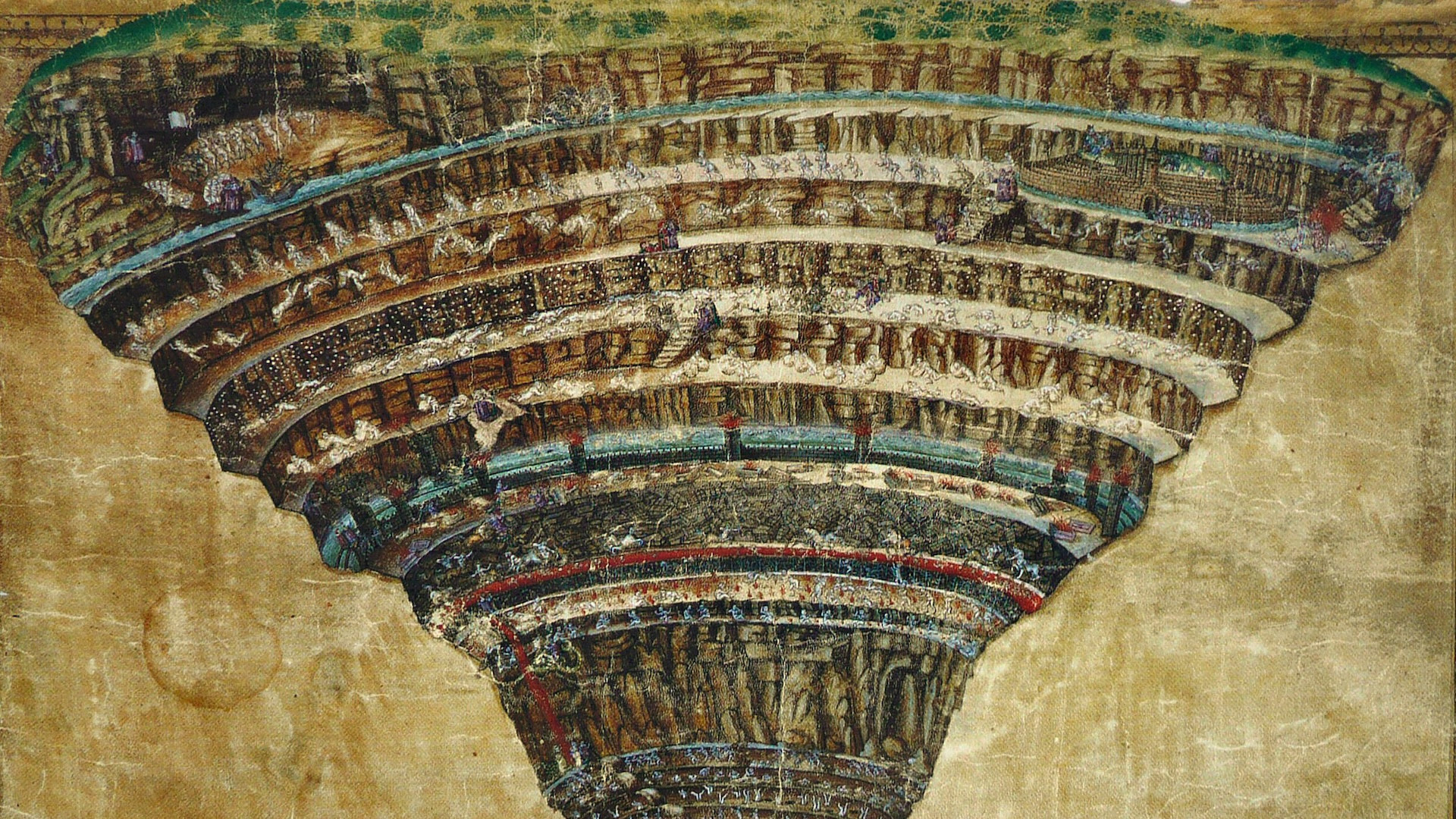
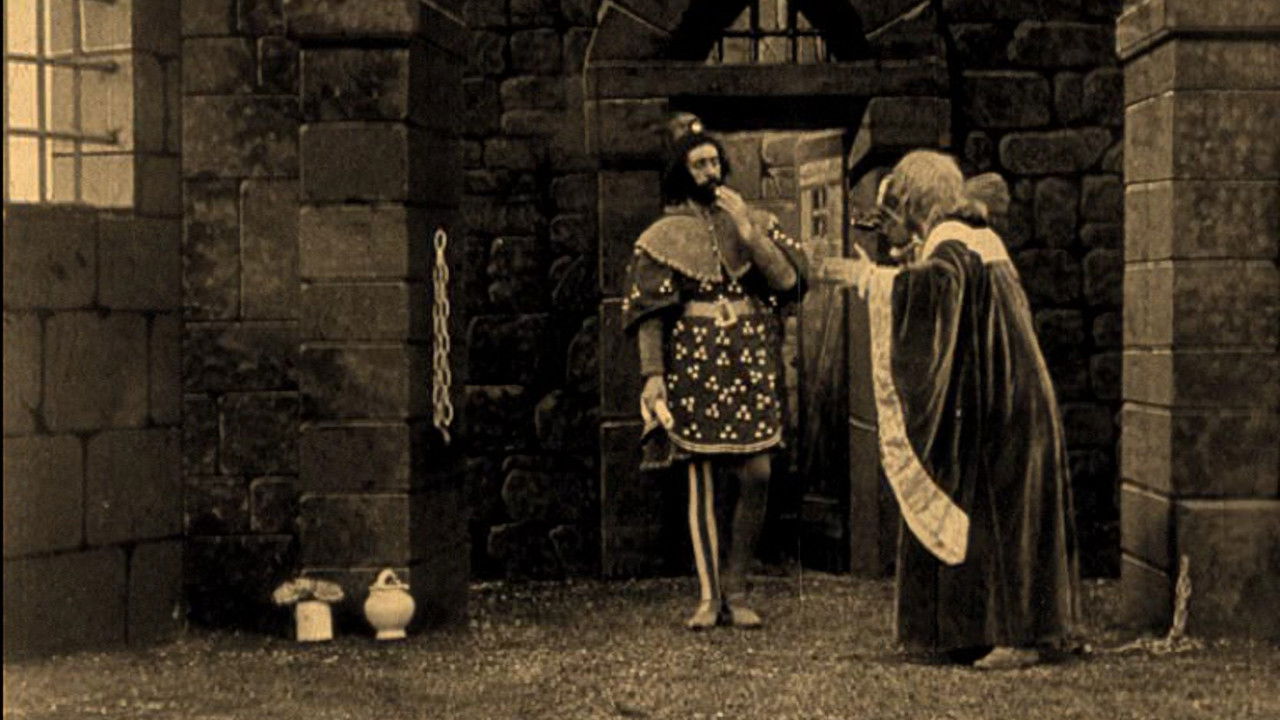
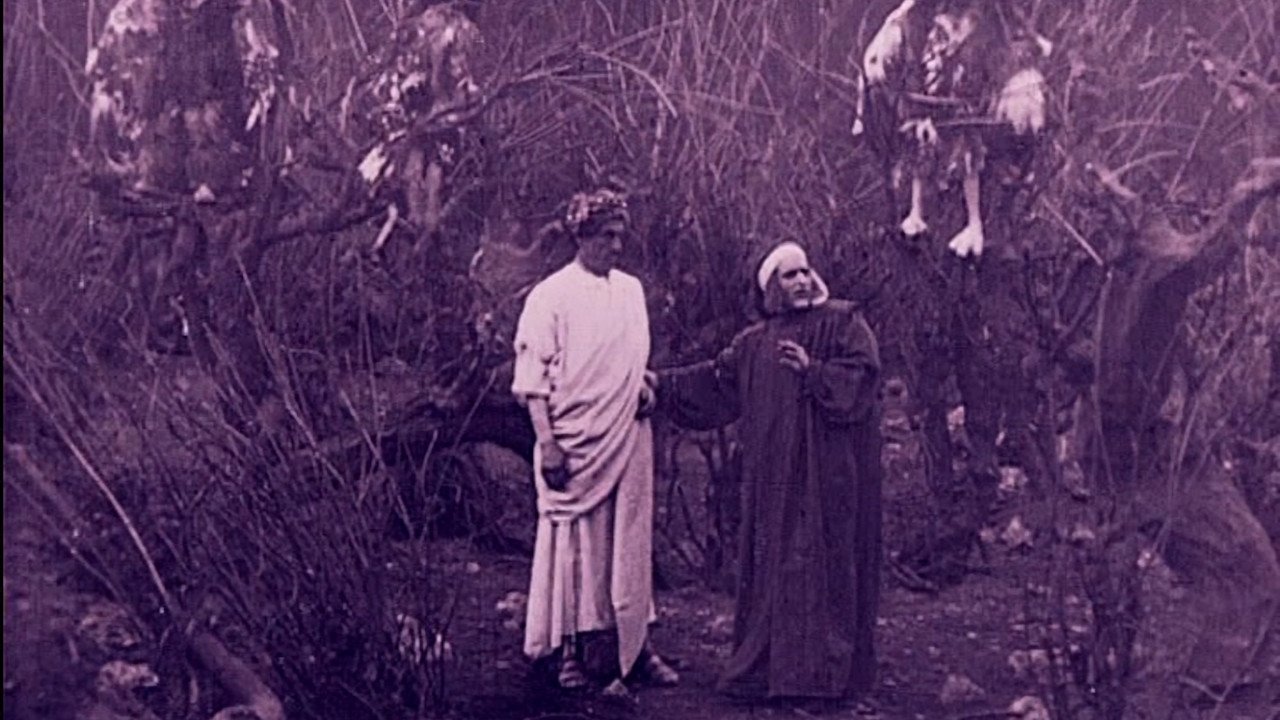
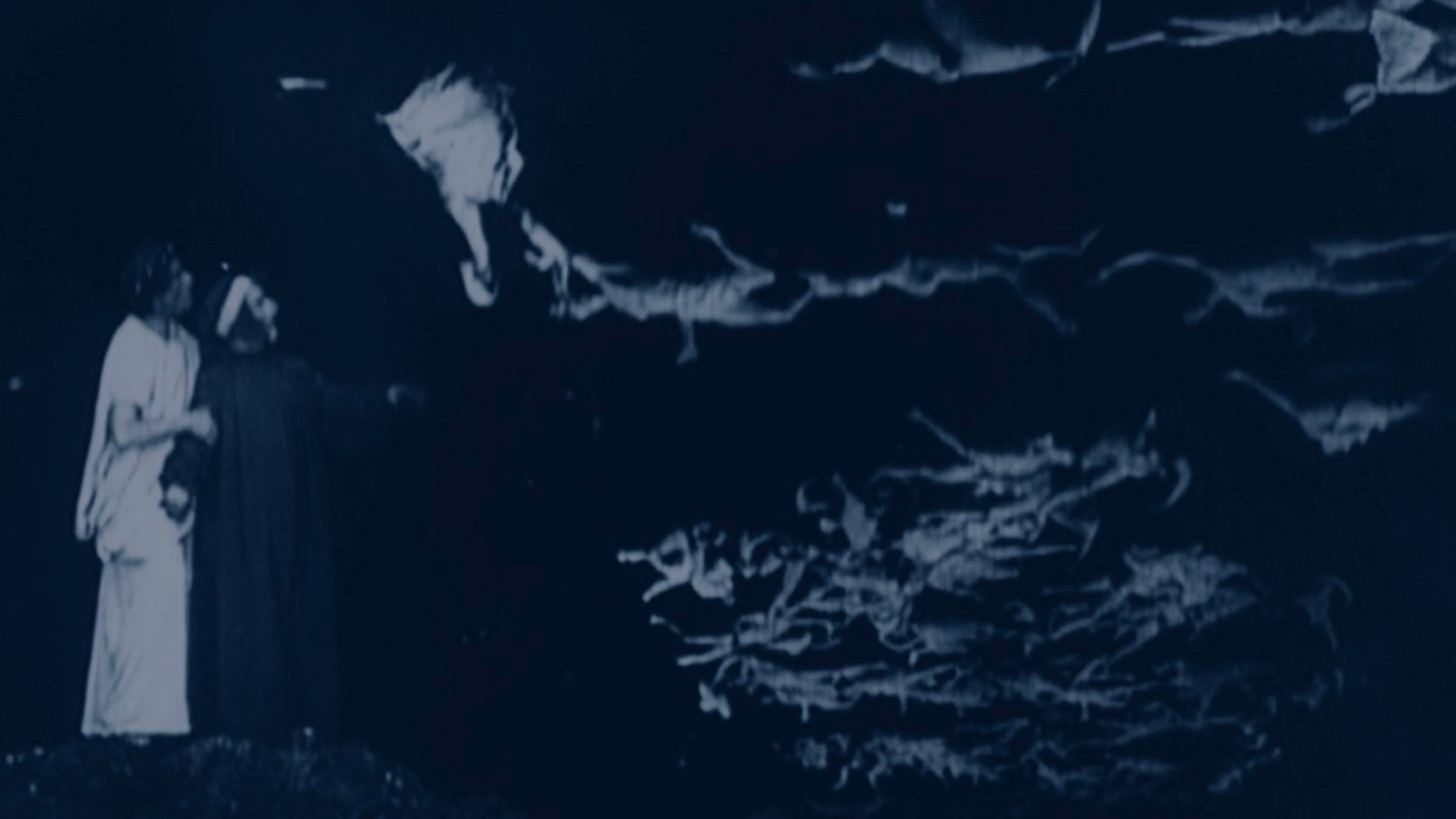
The film follows Dante and Virgil through a succession of encounters corresponding to the moral geography of the Inferno. The descent begins with the poet’s bewilderment and progresses through regions assigned to different categories of sin. Punishments are presented as visible manifestations of the spiritual conditions described in the poem. The suffering of individual souls becomes a succession of dramatic episodes, while the repeated presence of the two travelers provides continuity between otherwise distinct environments.
Unlike a modern adaptation built around extensive dialogue or psychological flashbacks, L’Inferno relies on recognizable figures, written intertitles and visual action. The encounters with Francesca da Rimini, Count Ugolino and other figures from Dante’s narrative become demonstrations of how literary episodes could be represented through bodily movement, scenery and optical effects. The film’s extended format permitted a substantially more systematic treatment of the poem than the abbreviated Dante-inspired productions that preceded it.
The journey also develops a changing relationship between the traveler and the condemned. Dante initially approaches certain sufferers with sympathy, while the later stages of his descent present increasingly severe manifestations of punishment. His progress through Hell therefore has an ethical dimension as well as a geographical one. The adaptation necessarily compresses the complexity of the written work, but it preserves the fundamental movement through a structured universe in which physical torment communicates moral judgment.
Cinematography, Visual Style & Gustave Doré
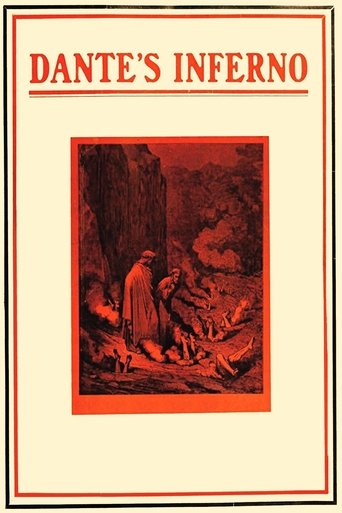
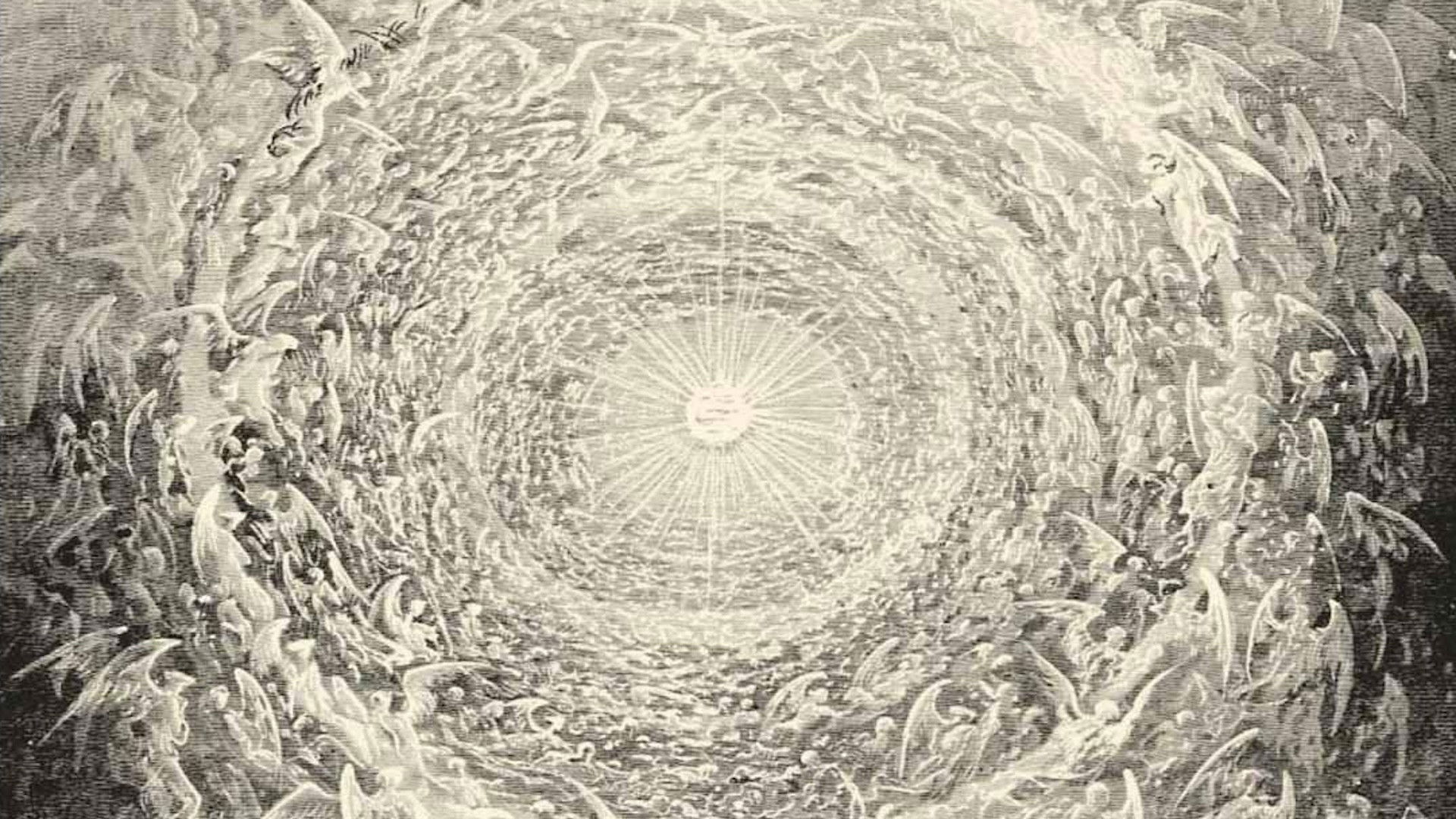
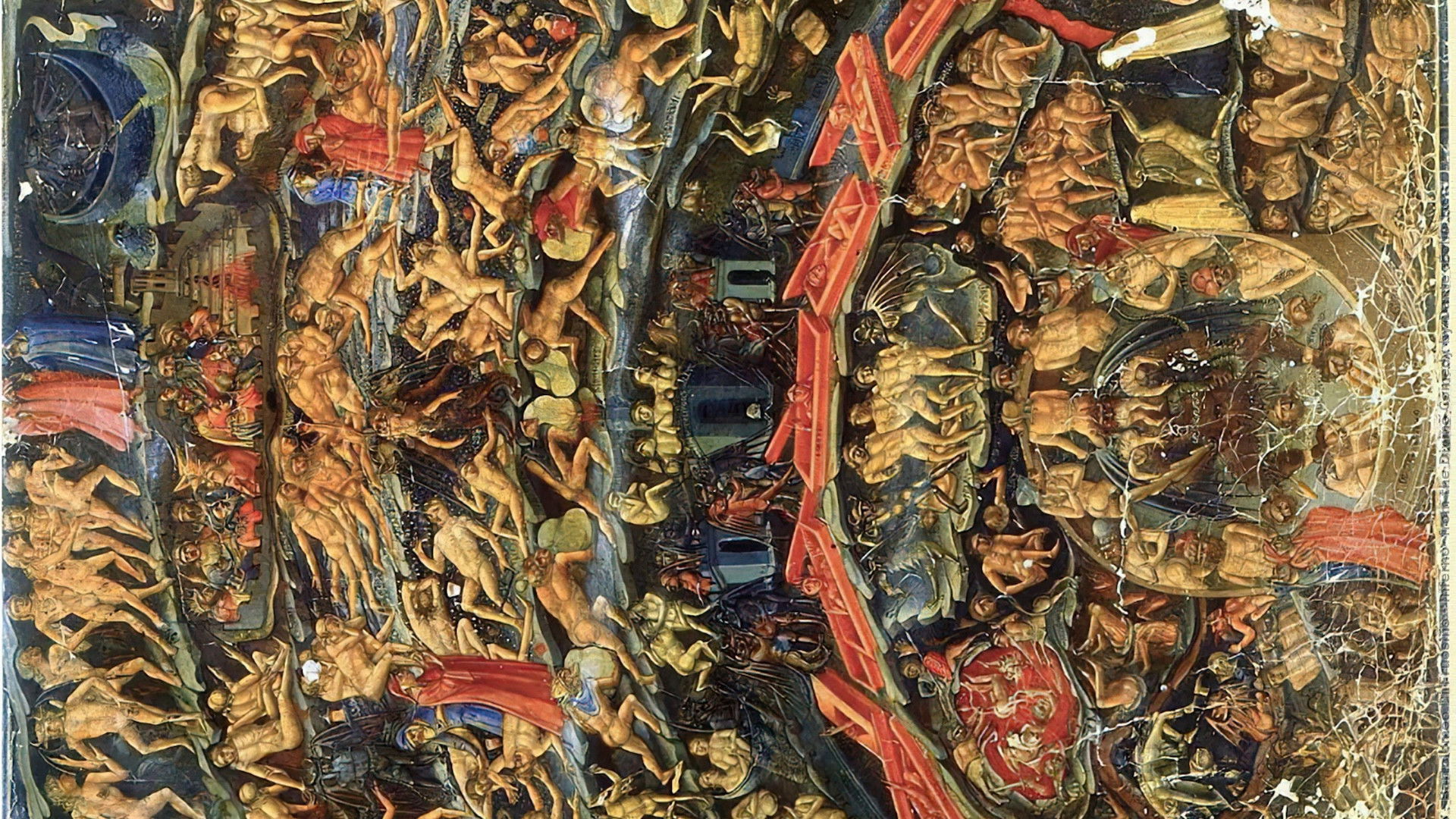
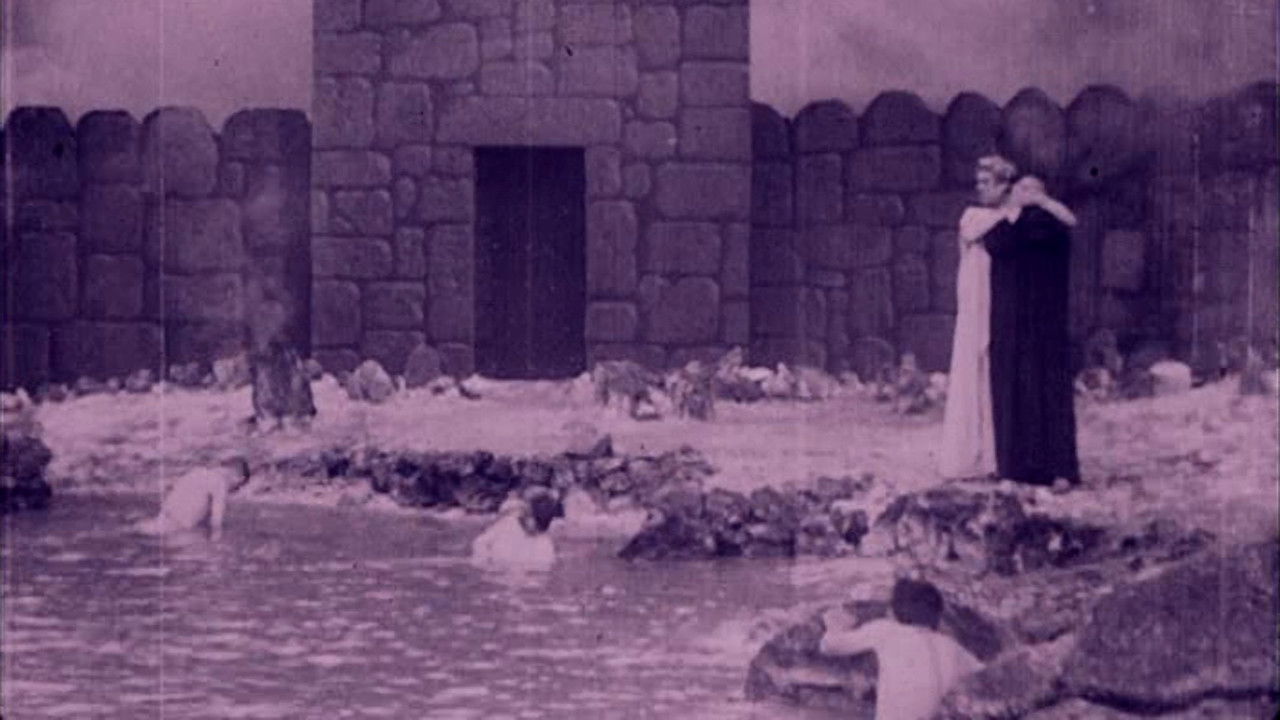
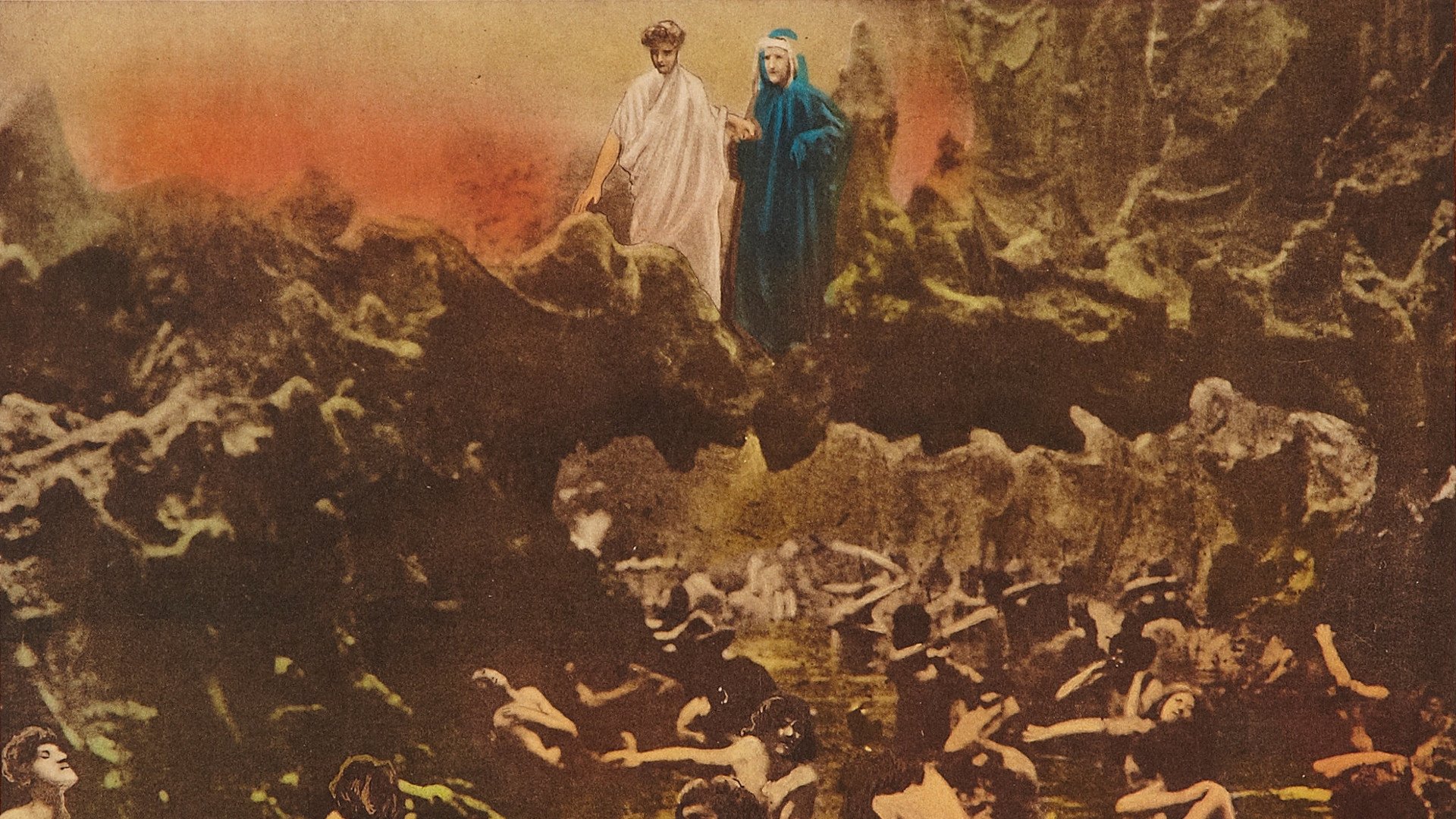
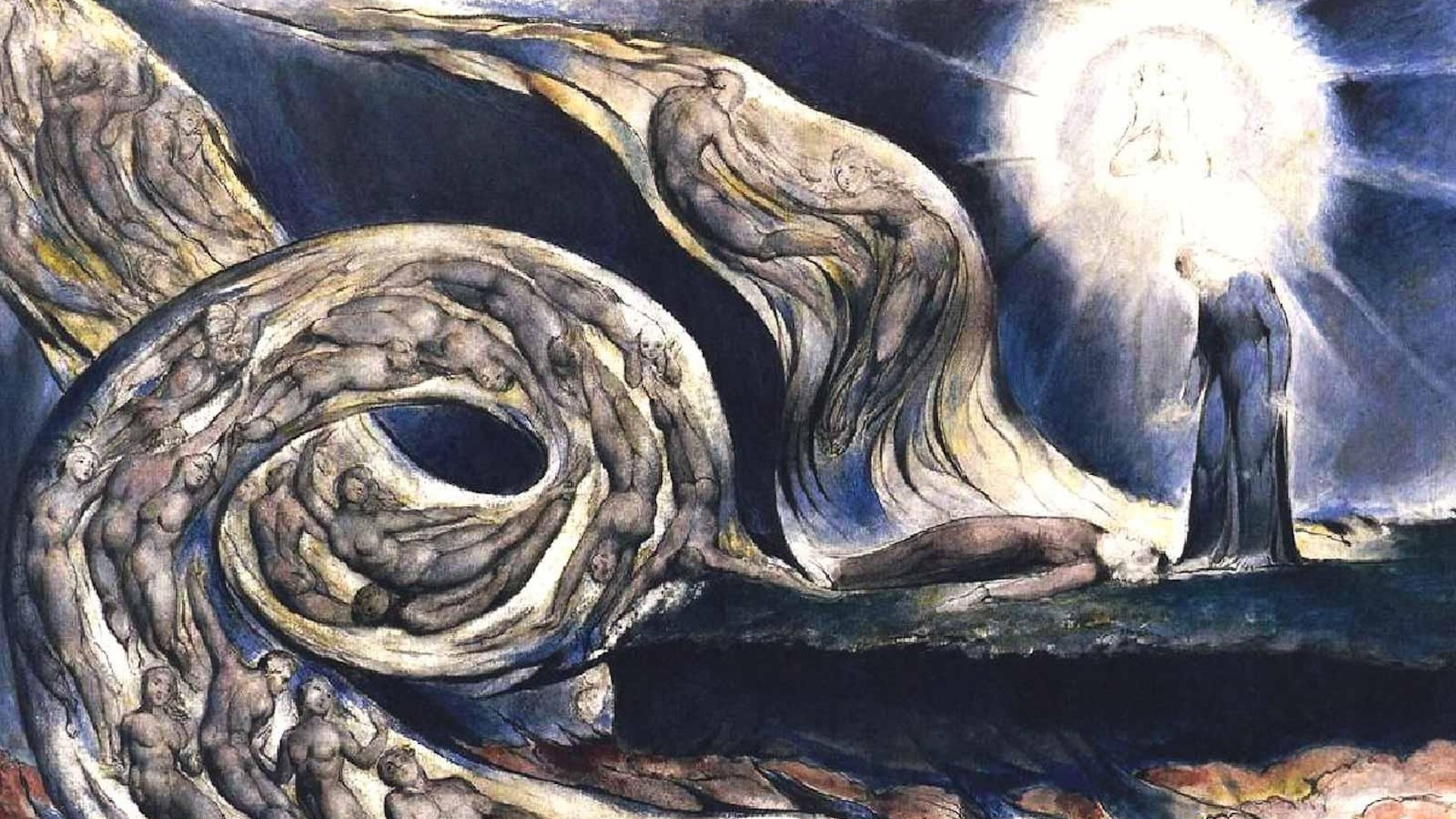
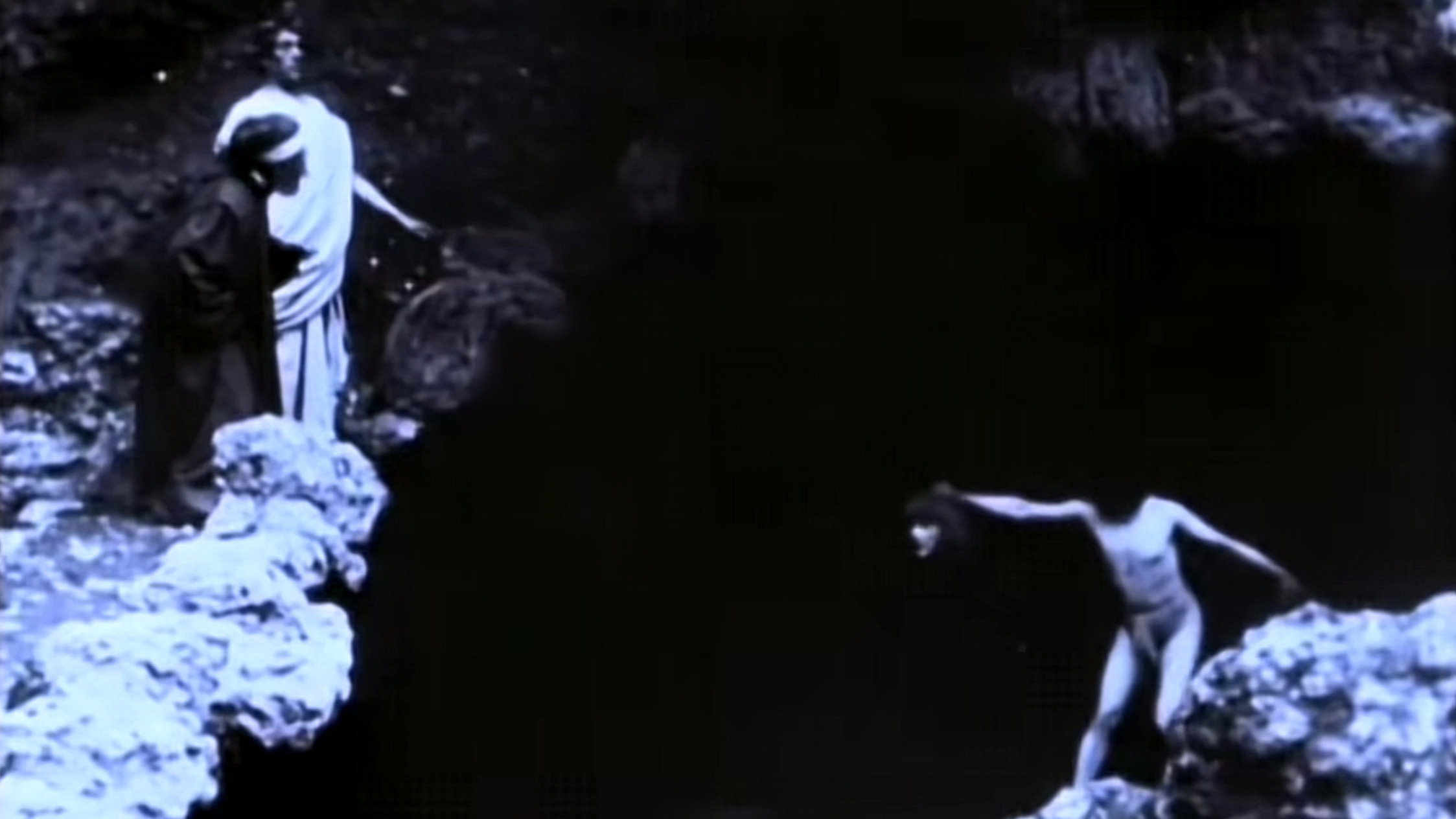
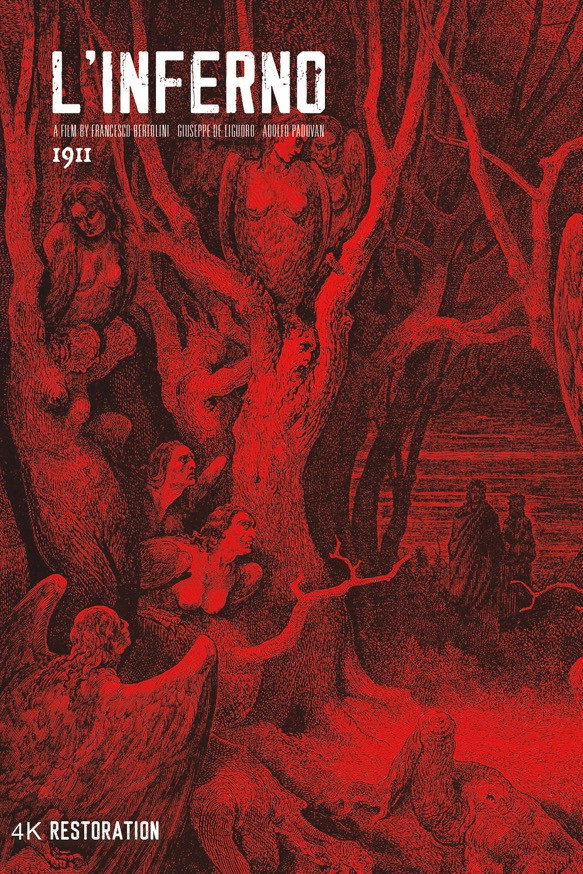
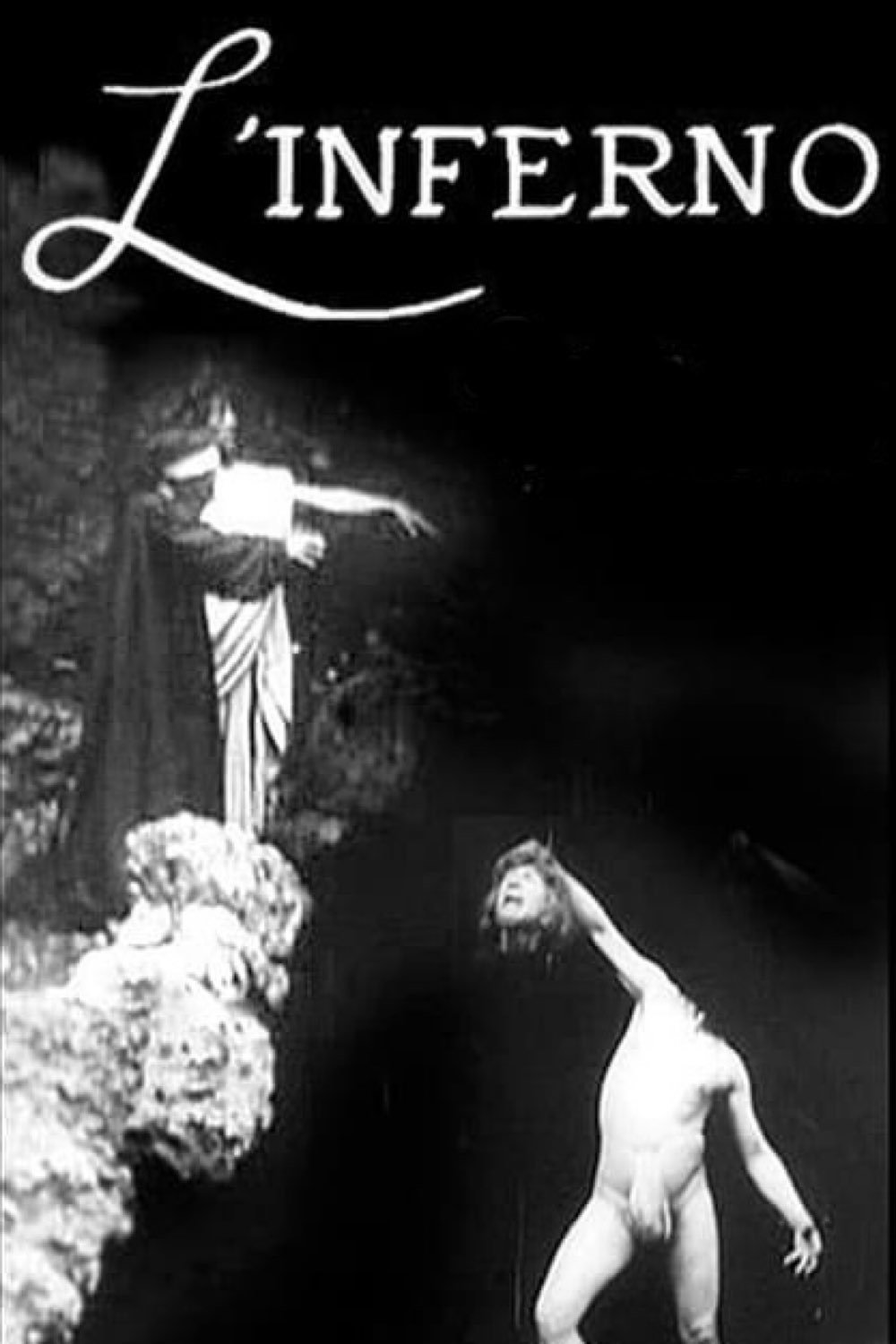
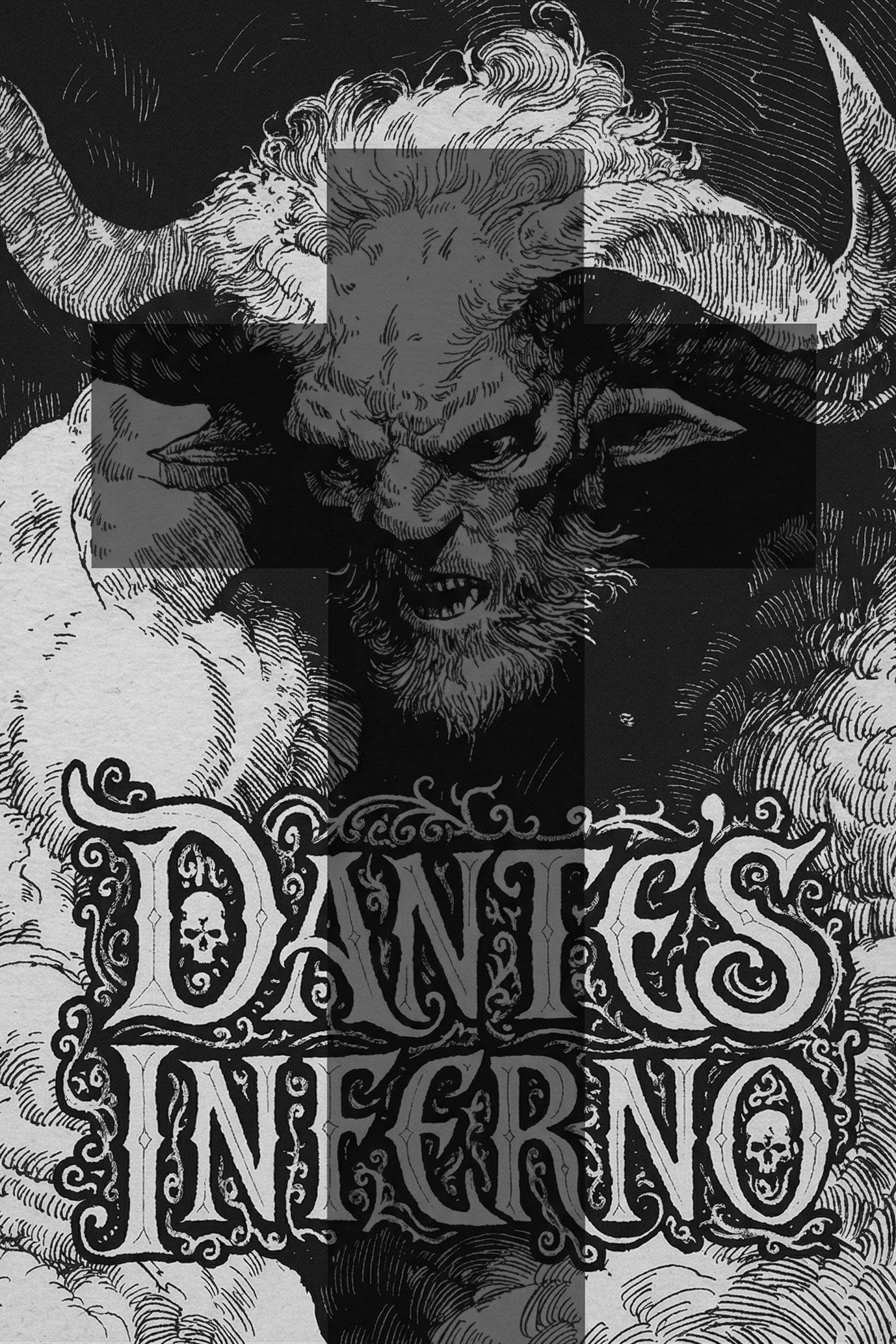
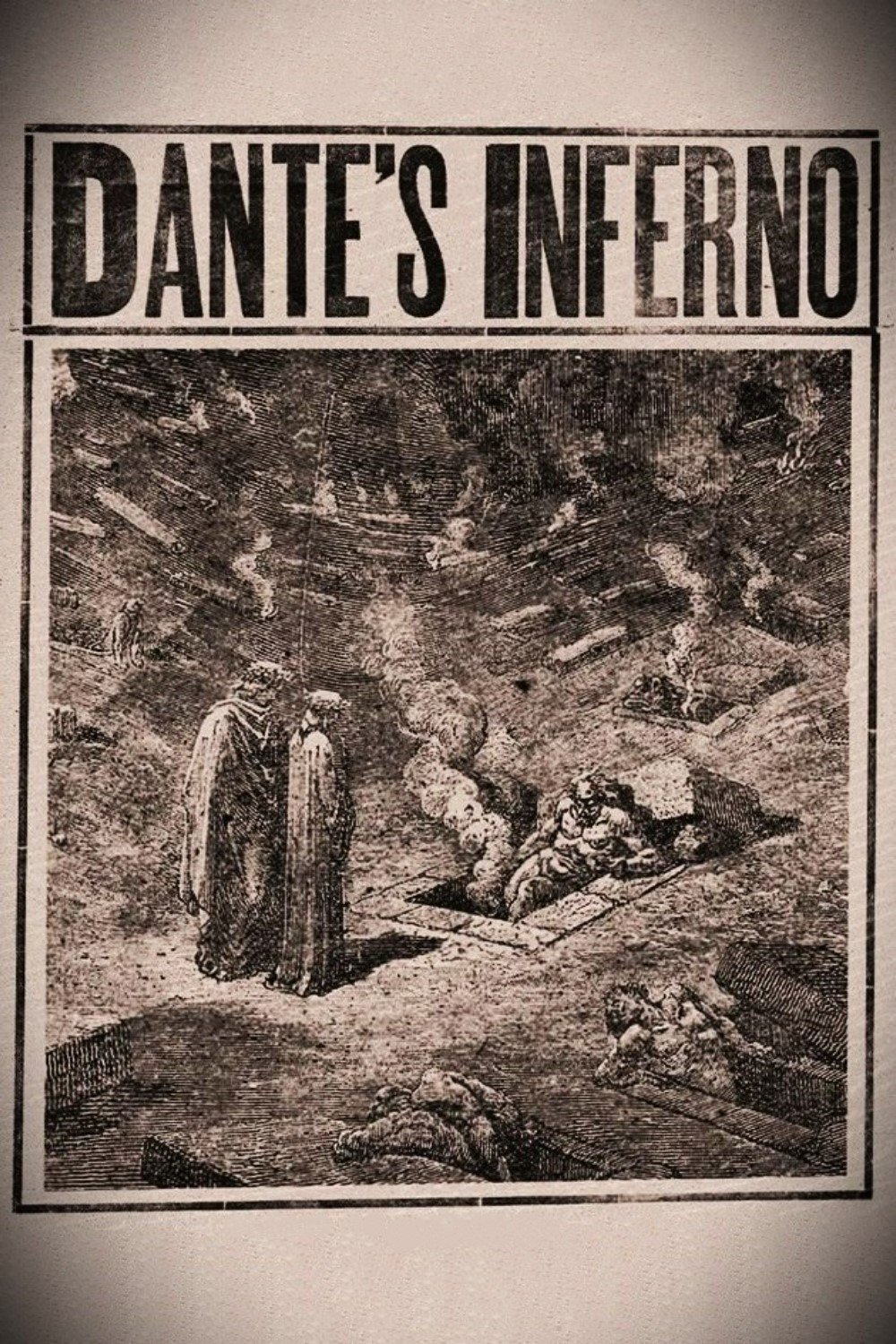
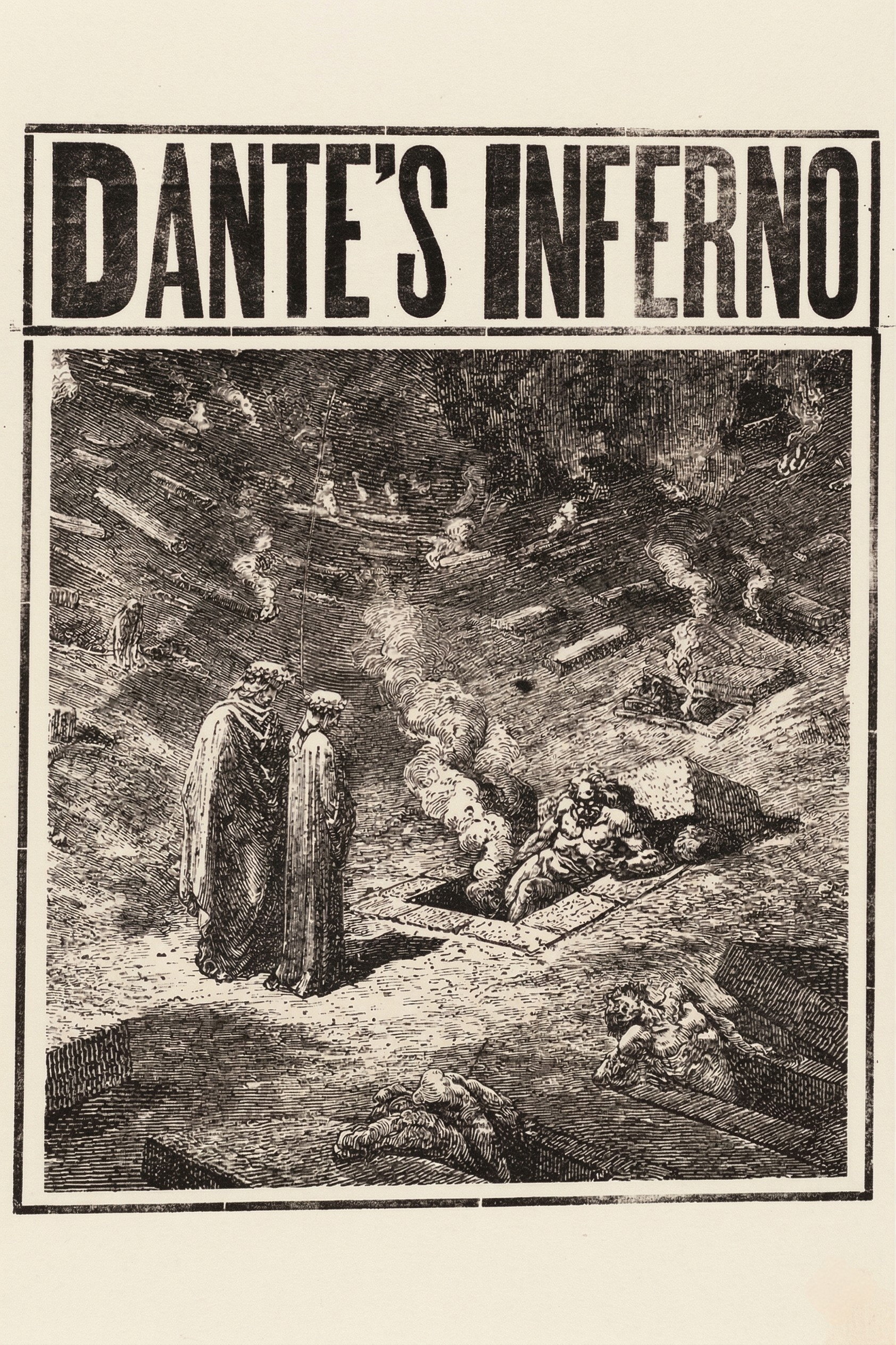
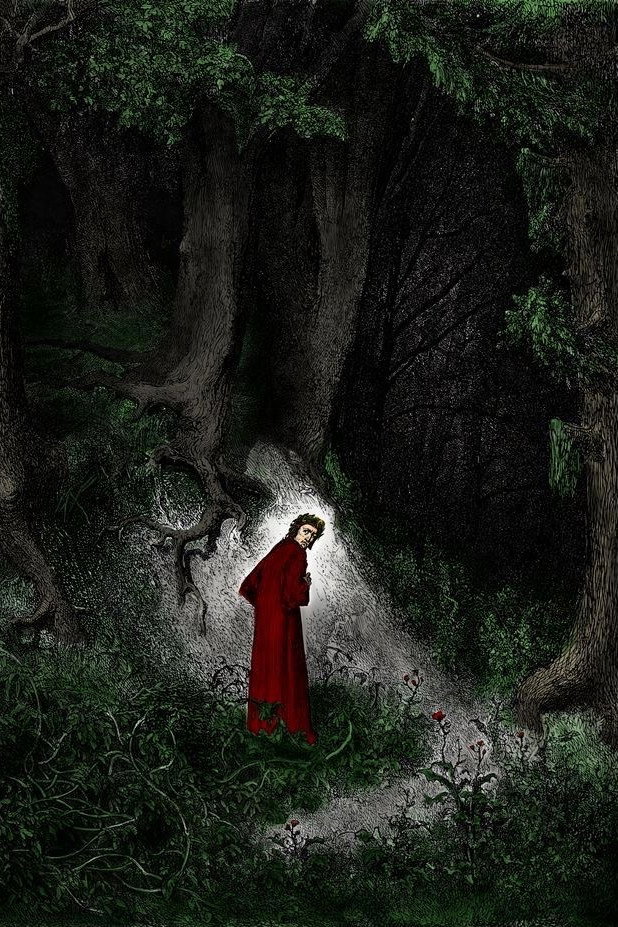
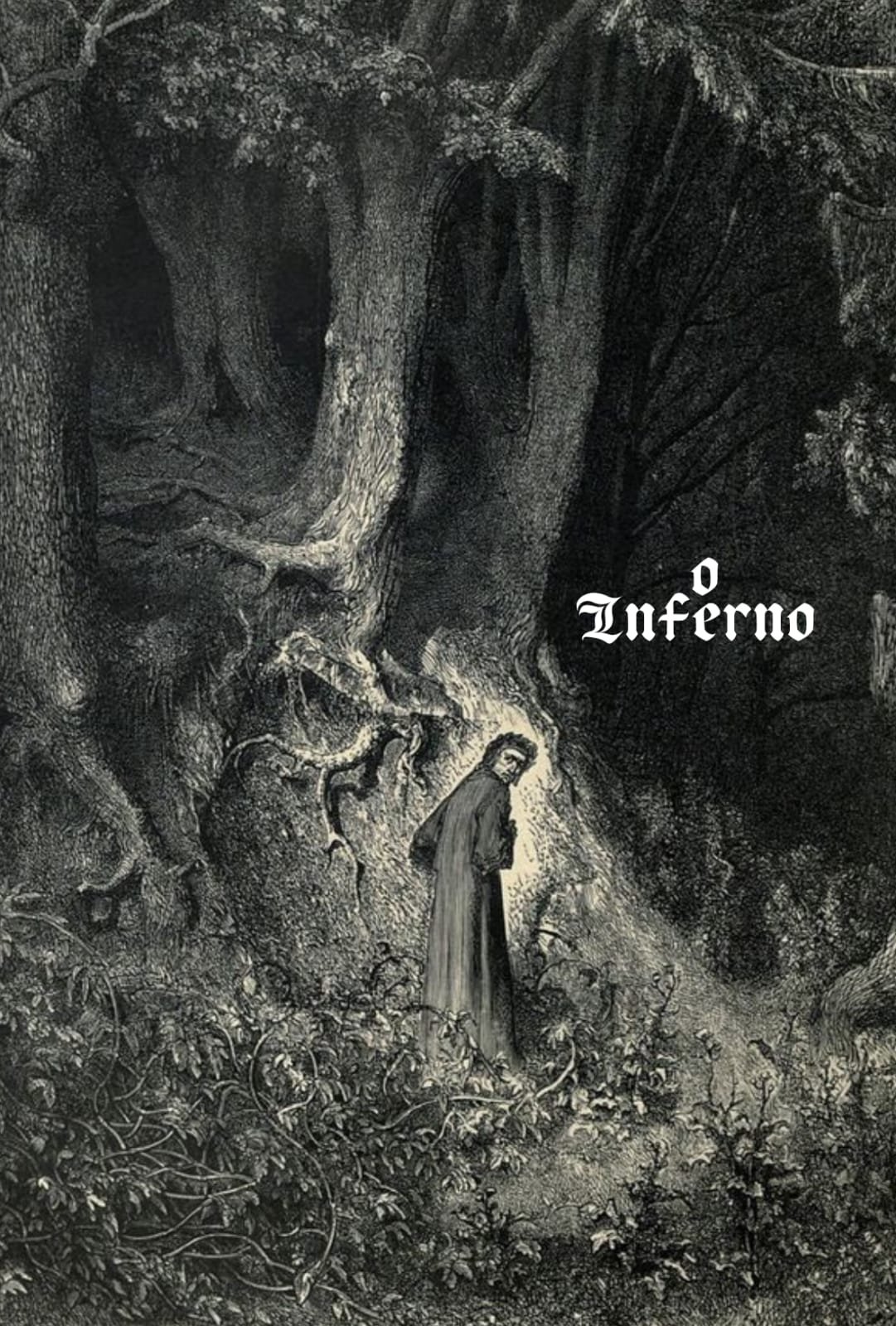
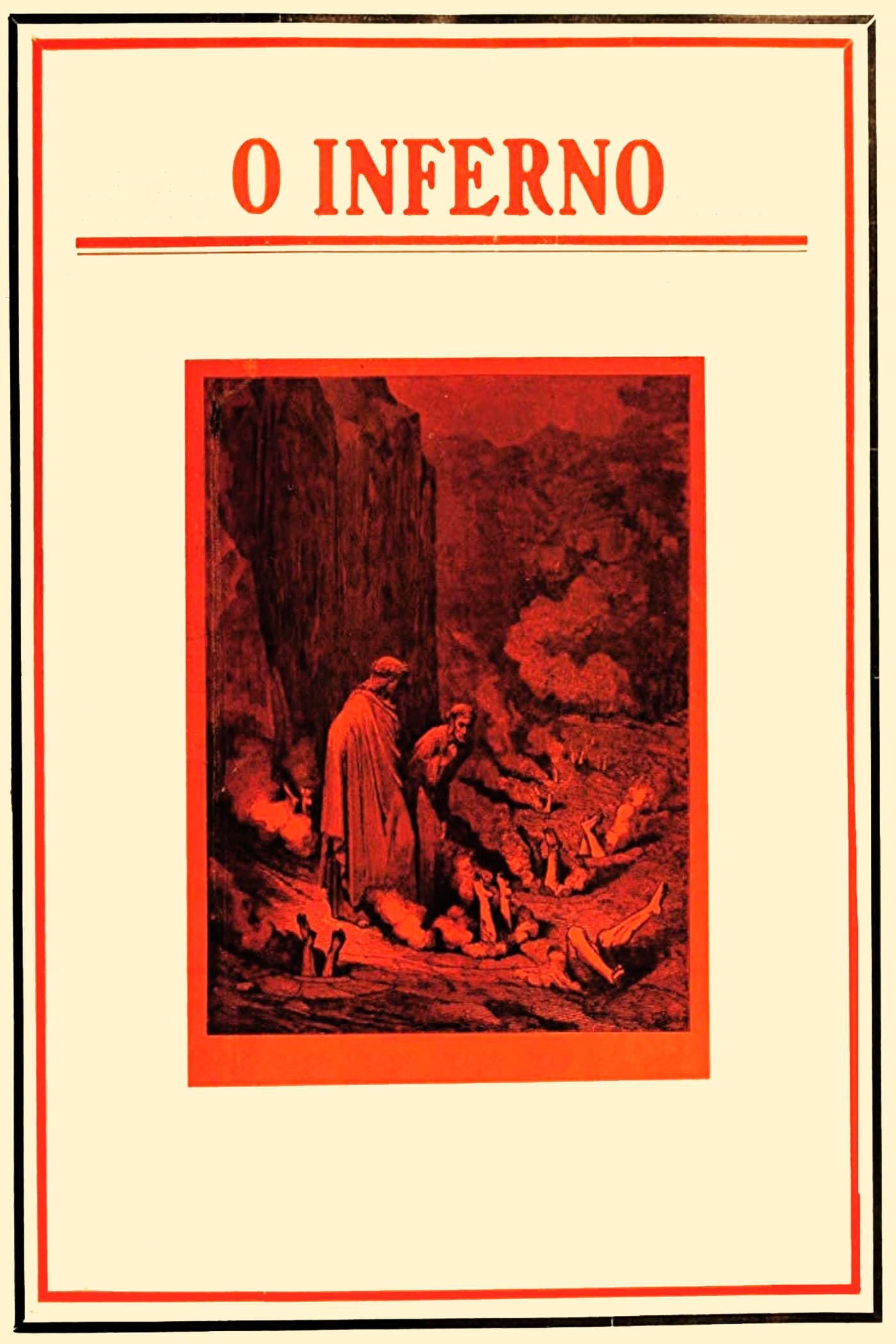
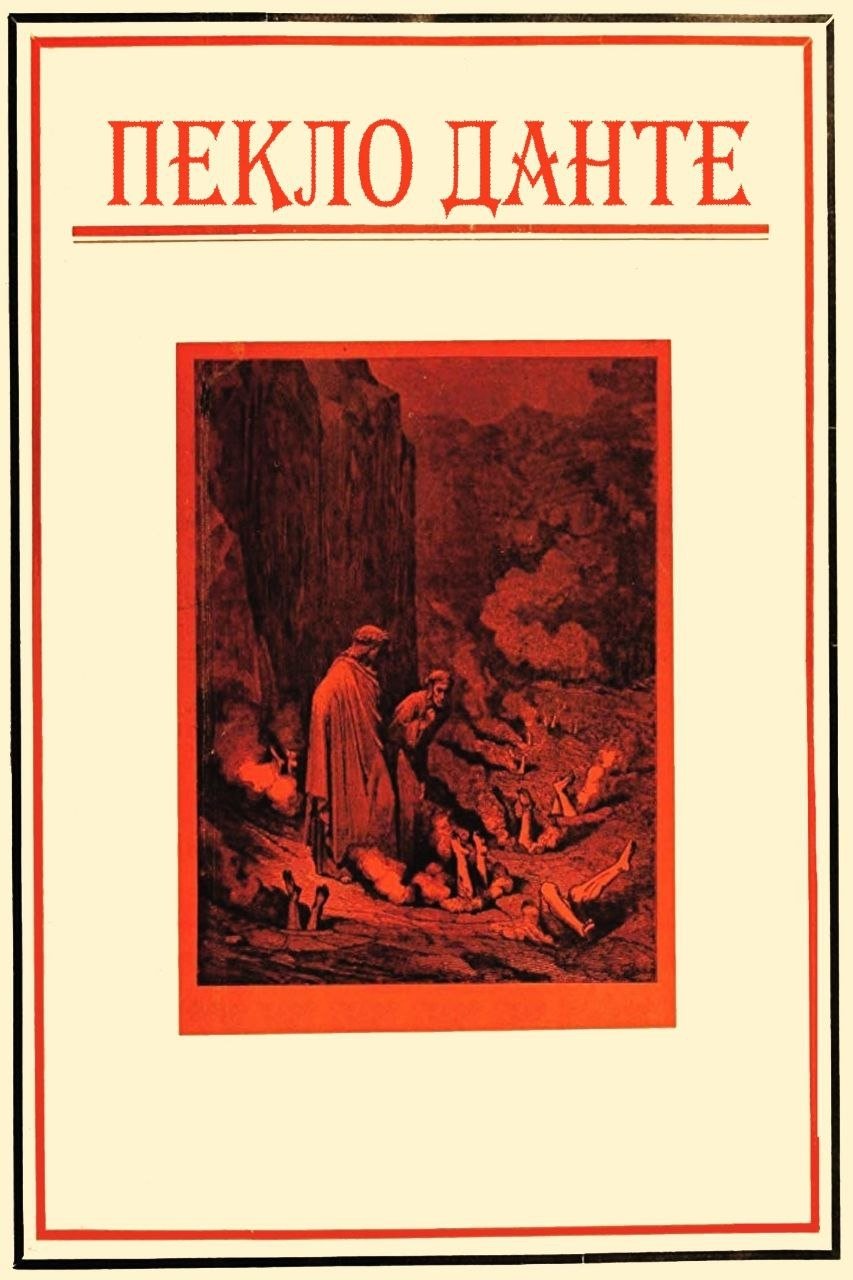
The film’s imagery is closely associated with the engravings created by Gustave Doré for Dante’s poem in the nineteenth century. Doré’s towering precipices, rocky wastelands, distorted bodies and monumental supernatural figures provided a recognizable pictorial language. The filmmakers transformed these compositions into theatrical spaces, placing human performers within environments that emphasized scale and the vulnerability of the body. The result retains the organized appearance of an illustrated tableau while introducing movement into previously static arrangements.
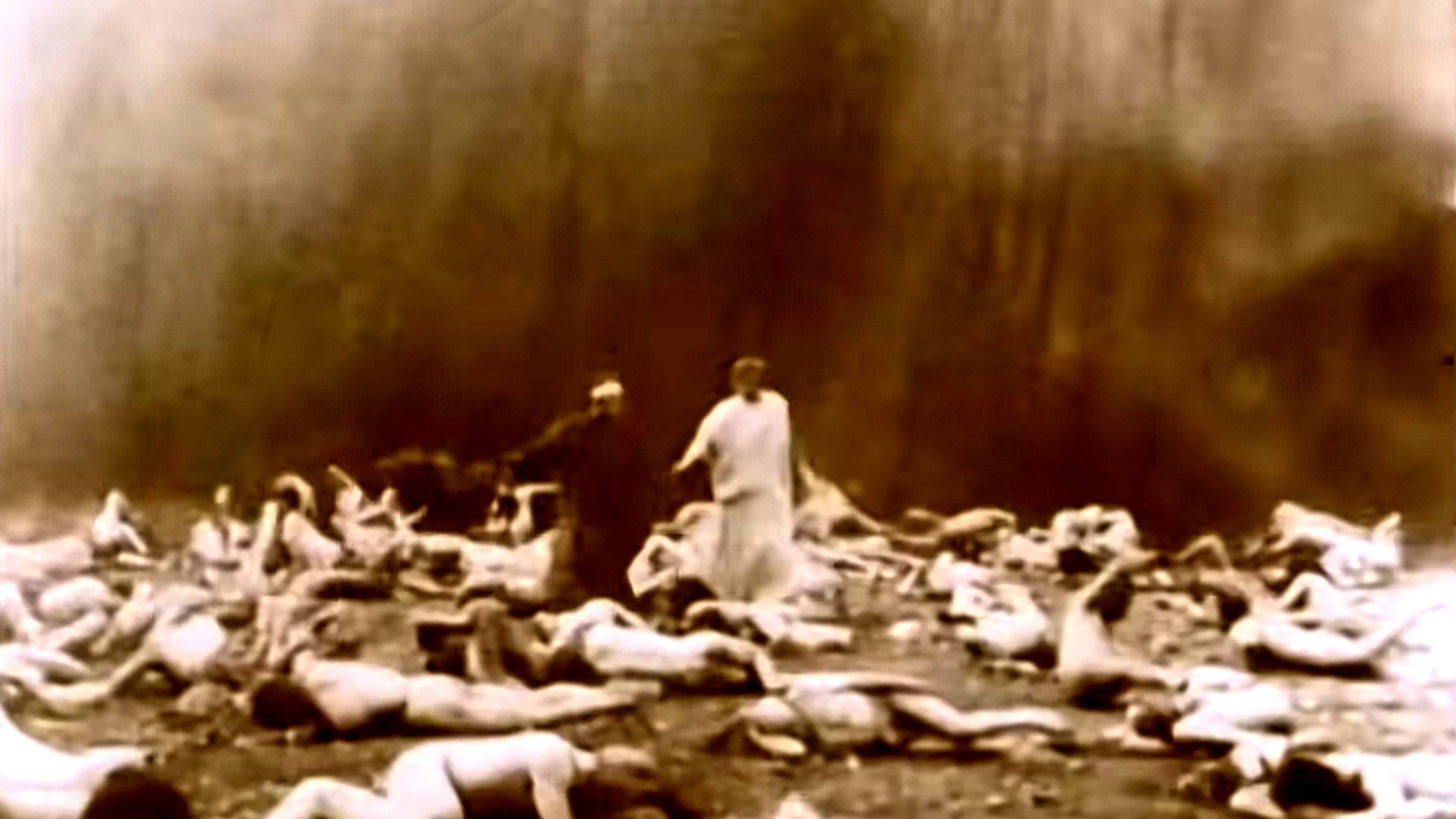
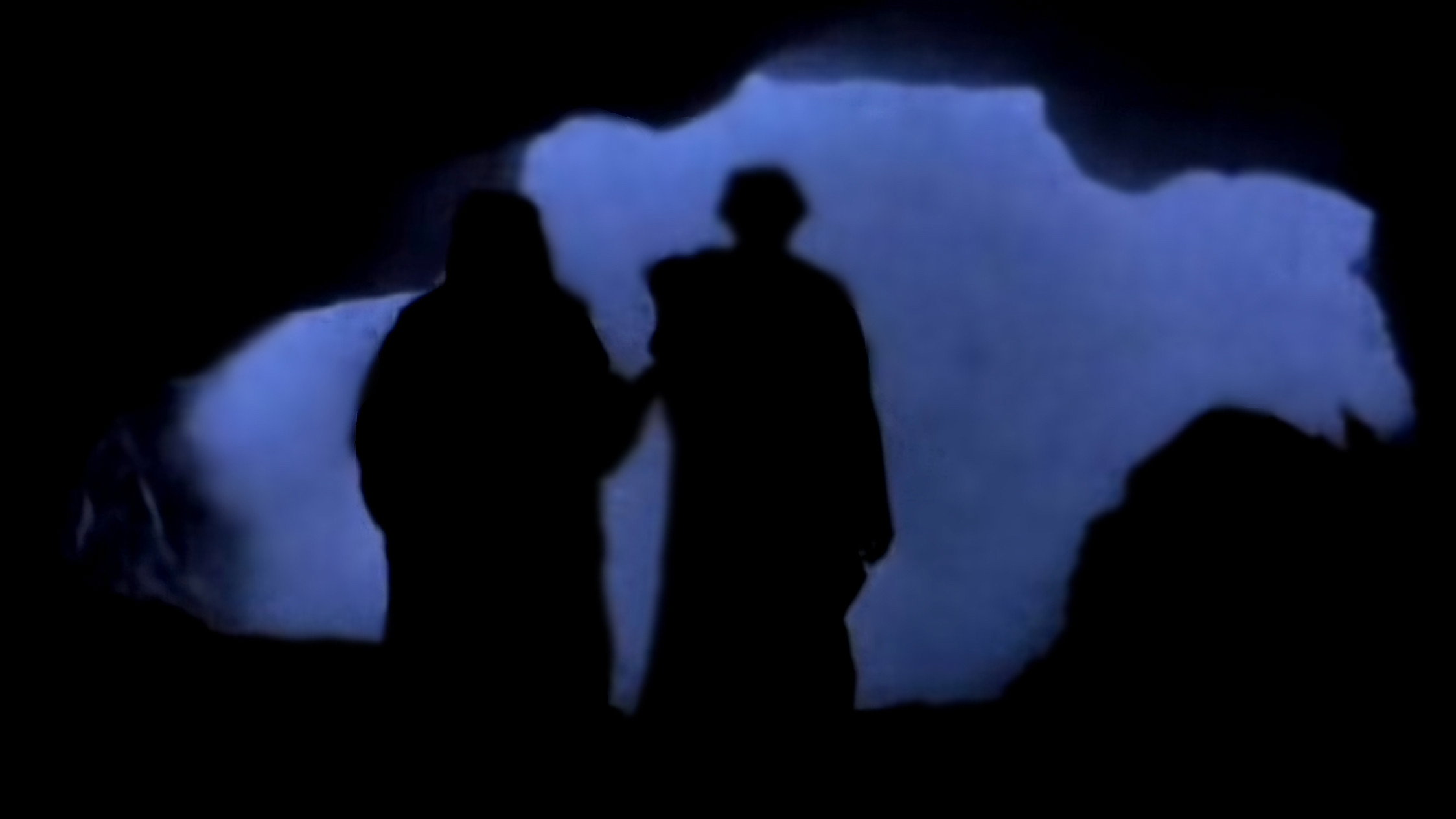
Much of the action is presented through relatively stable compositions, with figures distributed across carefully constructed spaces. This approach allows the spectator to examine complex scenic arrangements and follow the movements of groups of condemned souls. The imagery often organizes the human body as one component within a larger infernal landscape. Rocky surfaces, threatening expanses and cavernous settings create a persistent sense of enclosure or exposure, depending on the particular circle represented.
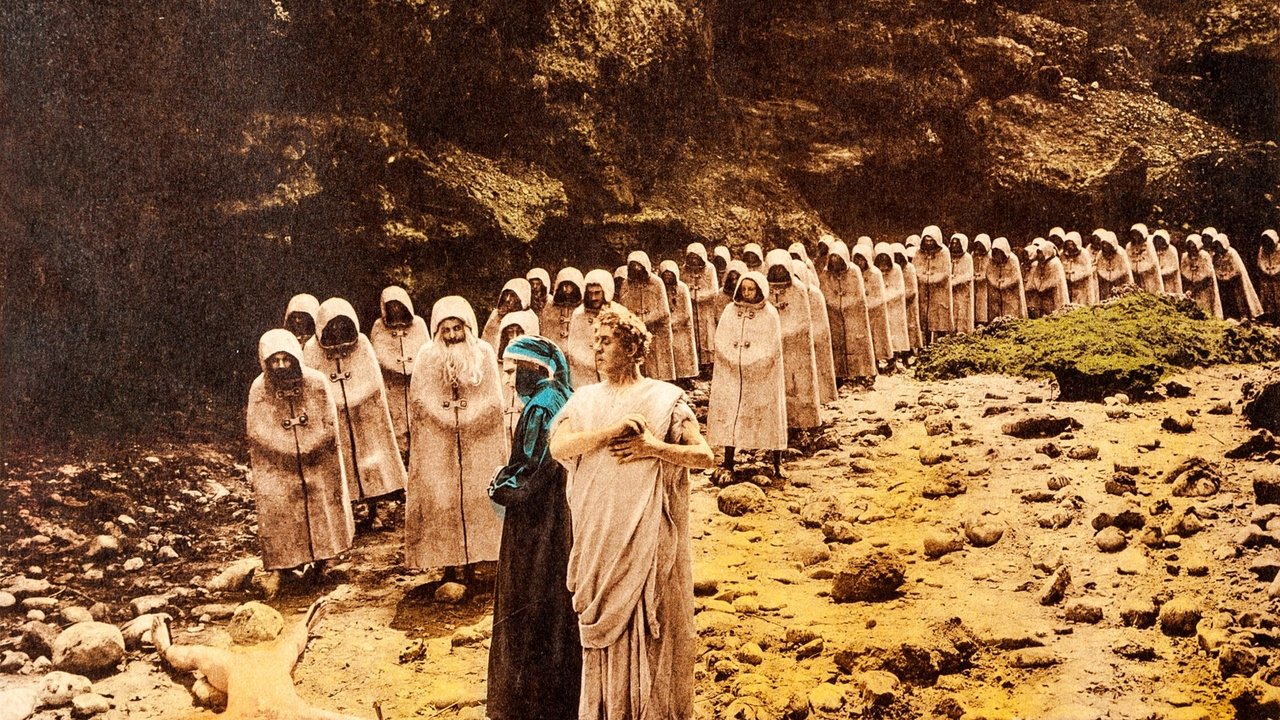
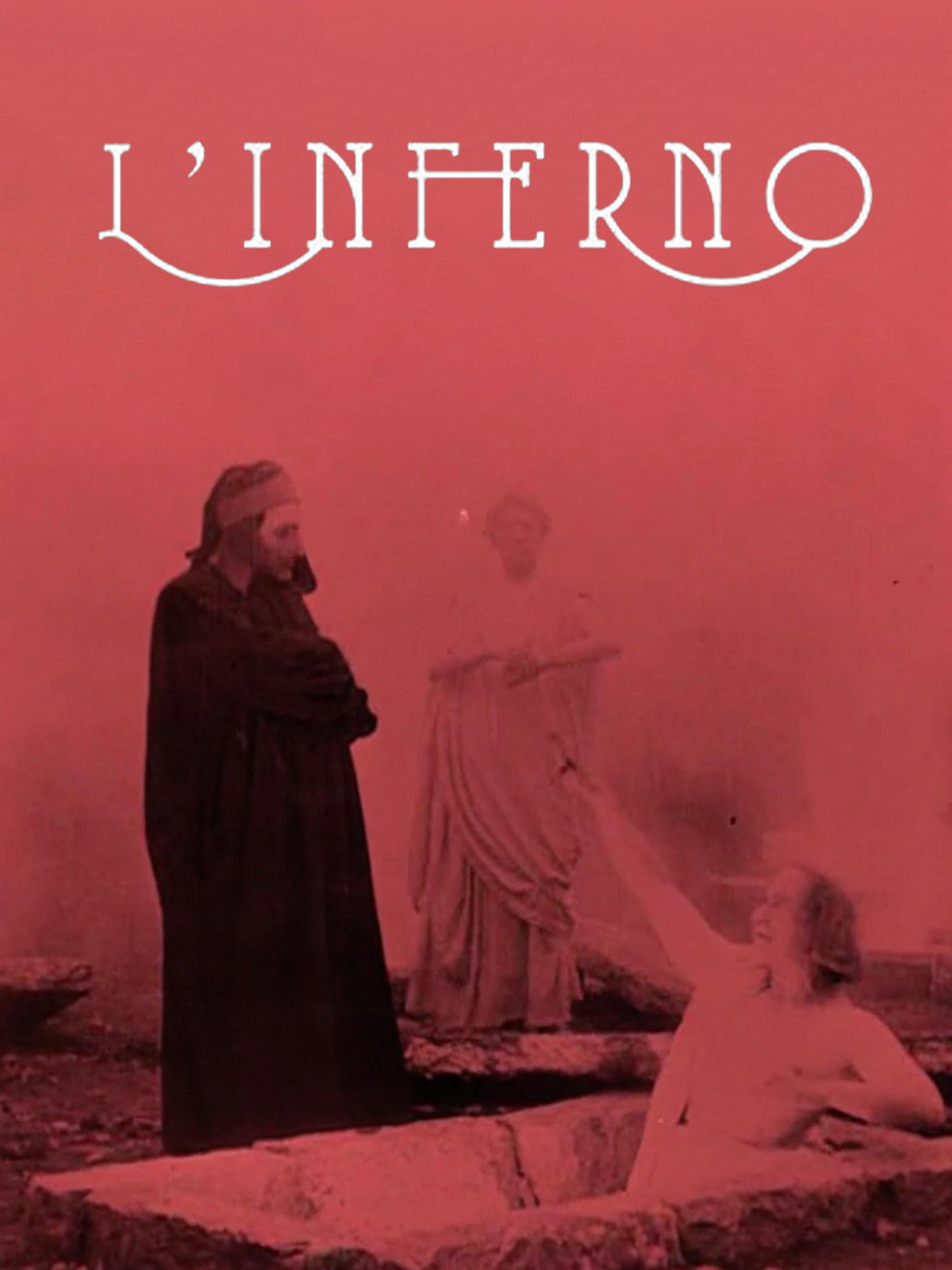
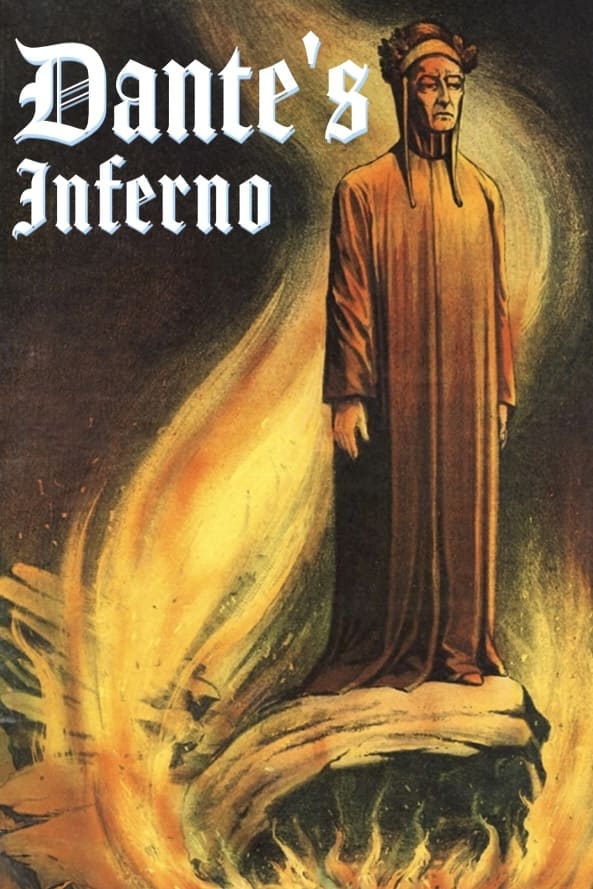
The pictorial strategy also reveals the relationship between the film and older traditions of representing the sublime, the grotesque and the supernatural. The adaptation draws on familiar art-historical imagery while exploiting cinema’s ability to animate monstrous figures and supernatural phenomena. The restored presentation further demonstrates the significance of the film’s historical coloring, challenging the assumption that its original visual character can be adequately understood through uniformly black-and-white copies.
Special Effects & Infernal Horror
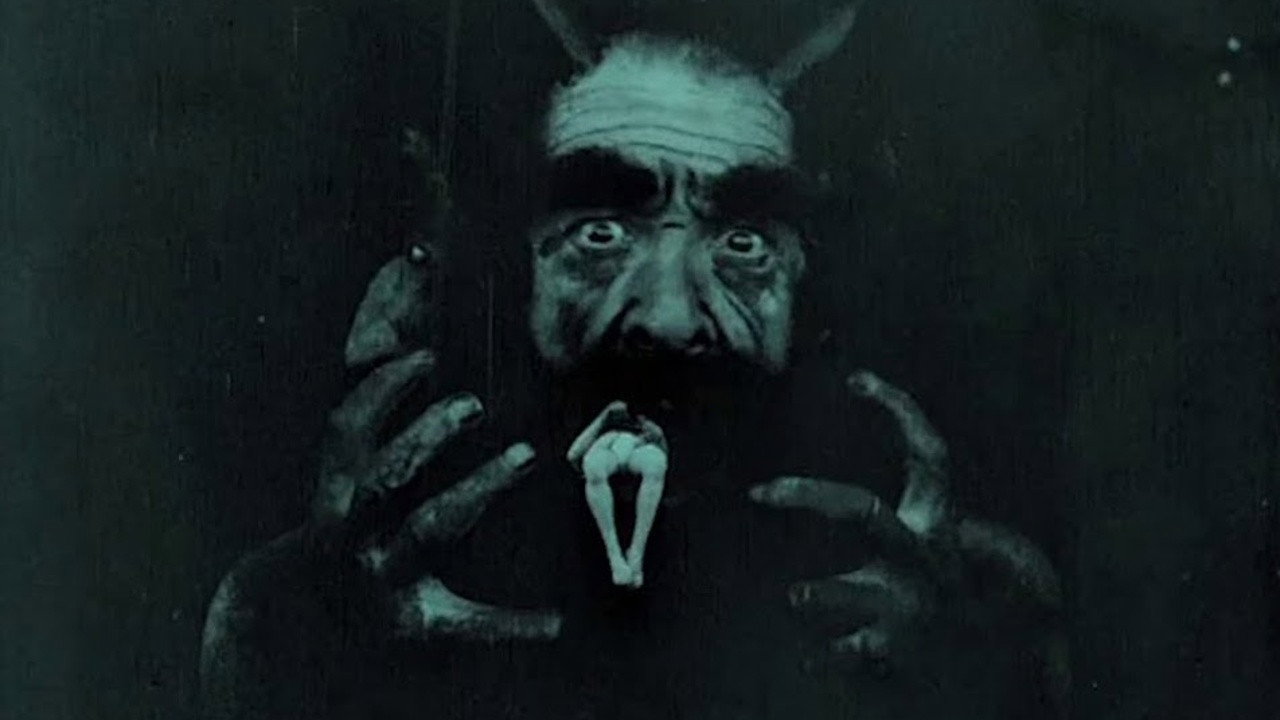
The most striking contribution of L’Inferno to the history of horror imagery lies in its representation of impossible bodily and supernatural events. Demons, mythological monsters and suffering human figures inhabit a succession of threatening environments. The condemned are blown through infernal winds, subjected to physical injury or transformed into spectacles of punishment. These sequences give material form to an imagined realm that exists beyond ordinary human experience.
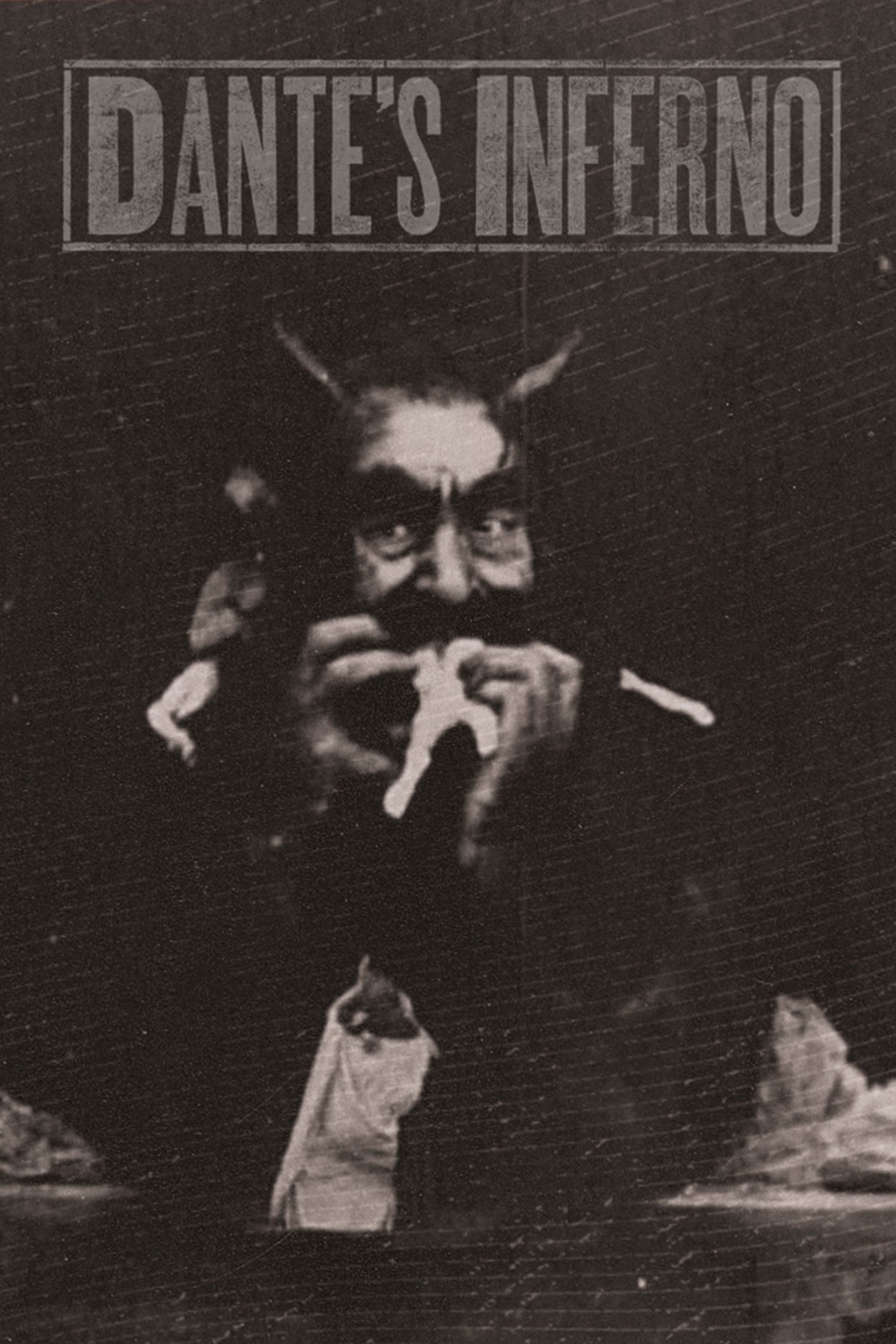
The filmmakers employed techniques associated with early trick cinema, including multiple exposures, superimpositions, substitution effects and manipulations of scale. Such devices could make bodies appear to float, multiply or occupy spaces impossible to construct through conventional theatrical staging alone. Practical costumes, scenic constructions and specially fabricated creatures contributed to the illusion. The different methods were integrated into the presentation of Dante’s world, where apparently miraculous occurrences were integral to the narrative rather than isolated demonstrations of technical novelty.
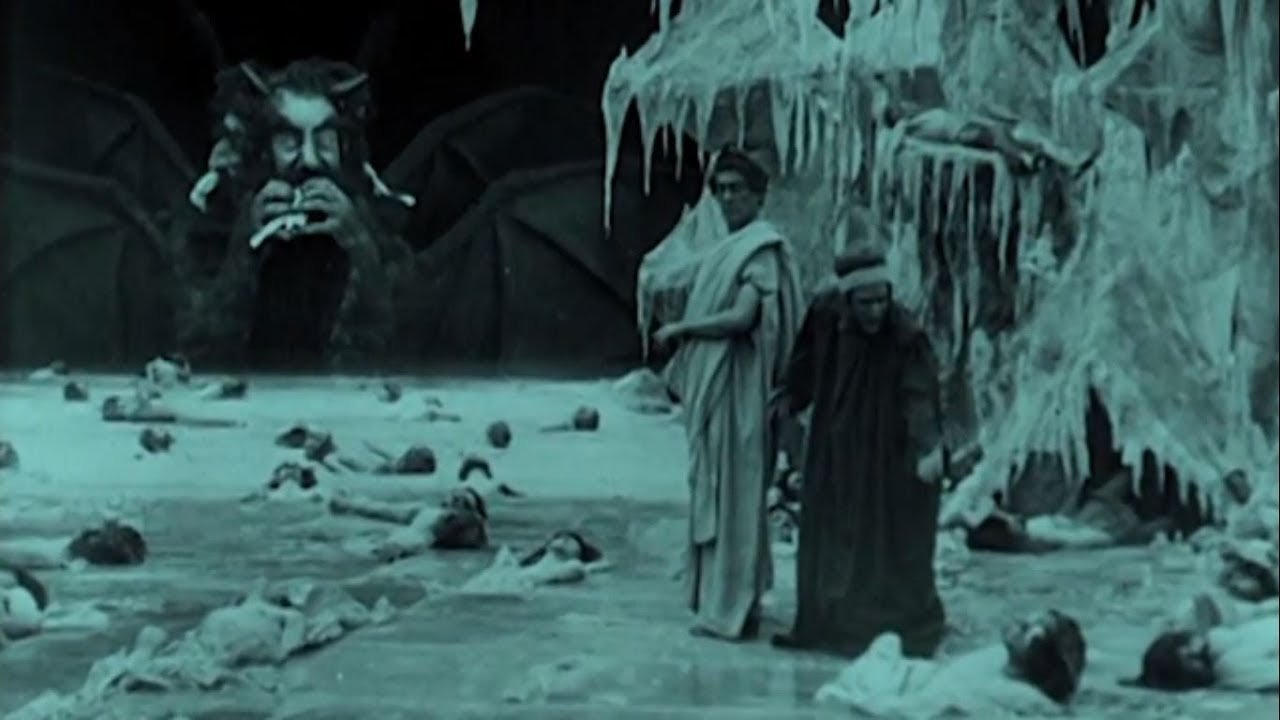
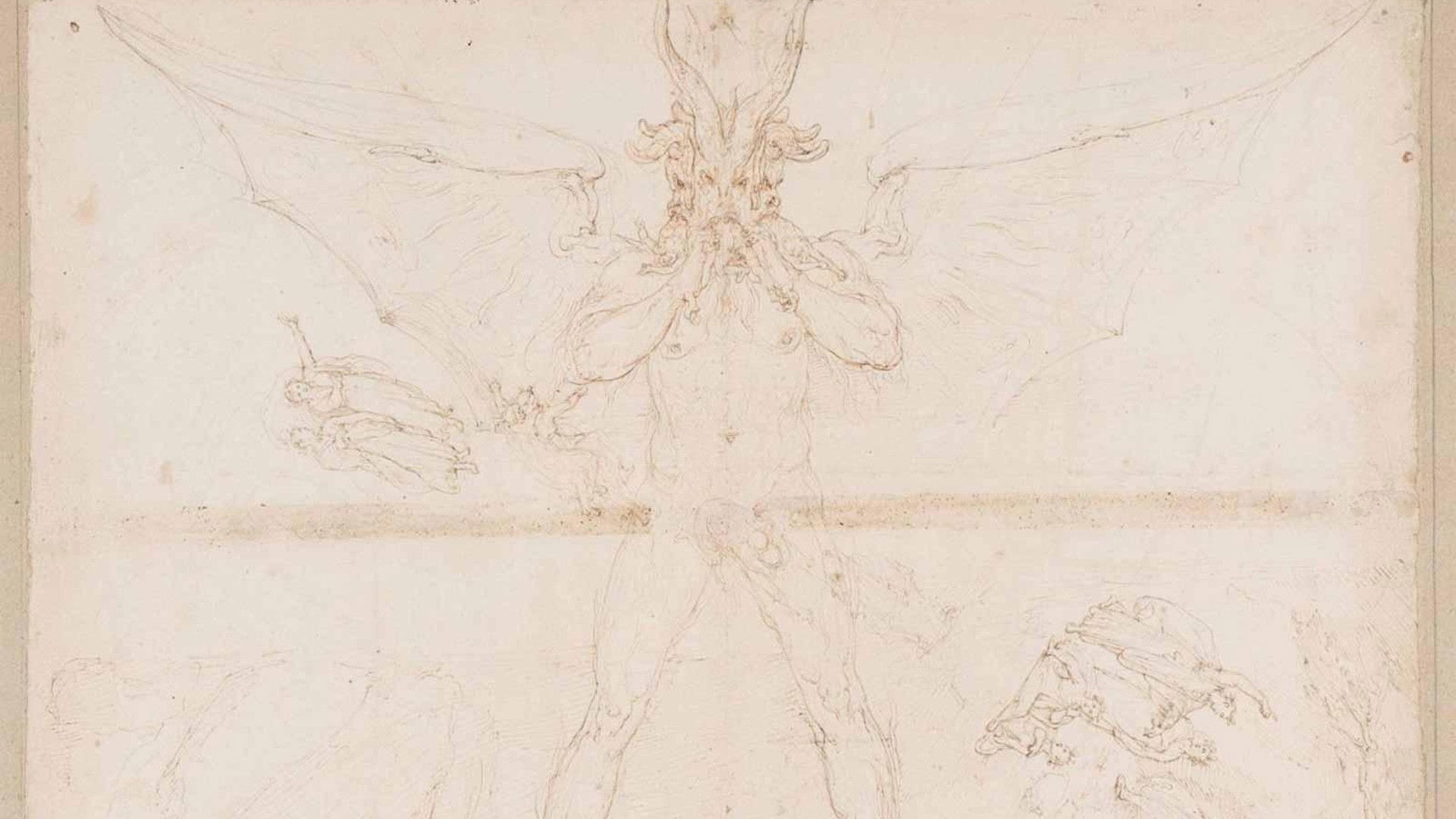
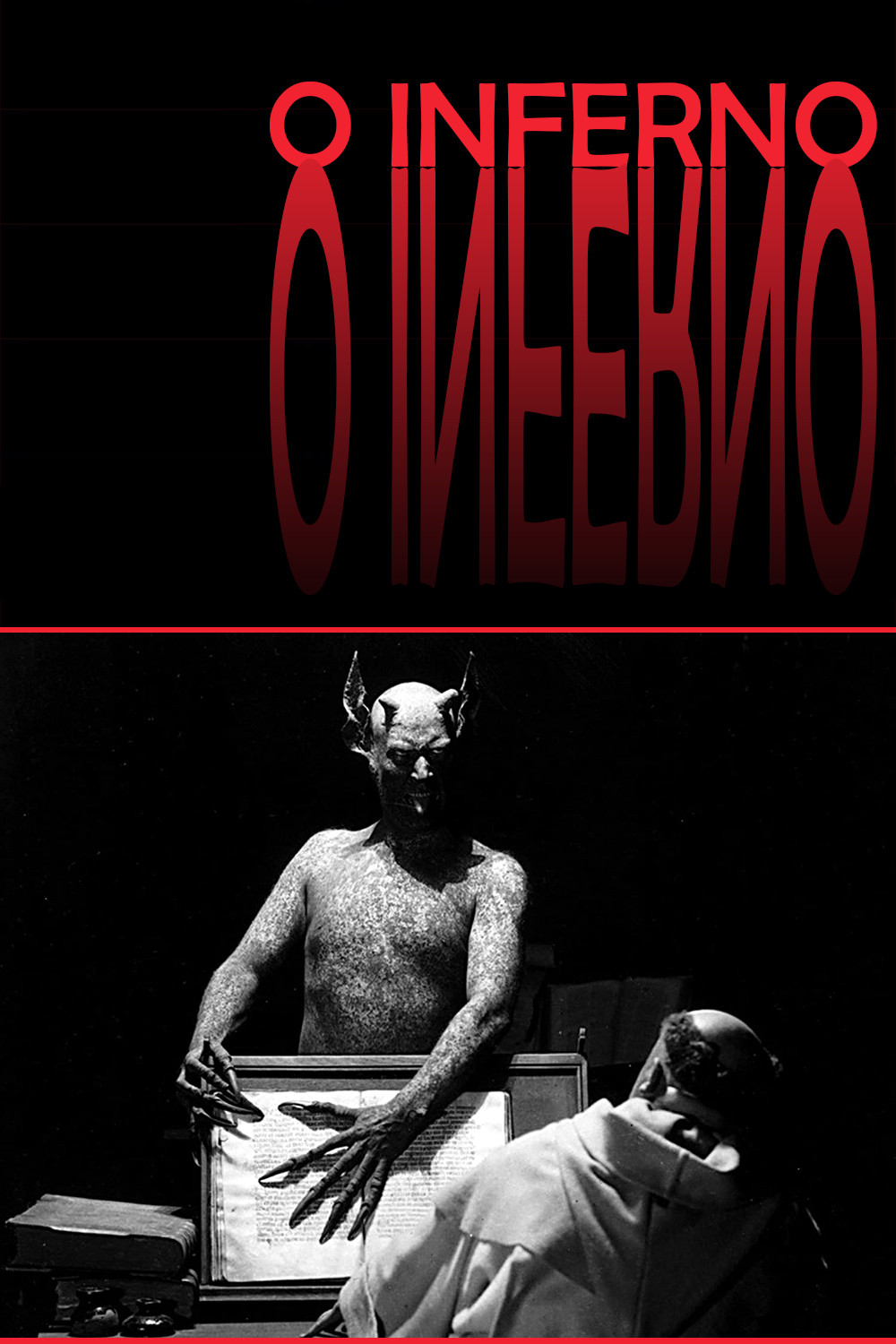
Several figures provide particularly direct points of contact with later horror iconography. The monstrous guardians of Hell establish a visual language of threatening hybrid bodies, while the condemned display violence, mutilation and unnatural forms of physical suffering. Lucifer’s appearance within the frozen depths of Cocytus gives the journey an imposing supernatural culmination. These elements predate the consolidation of horror as a recognizable feature-film genre, yet they show that its eventual visual vocabulary drew from much older traditions of religious terror, fantasy, illustration and theatrical spectacle.
Release, Promotion & Rival Productions
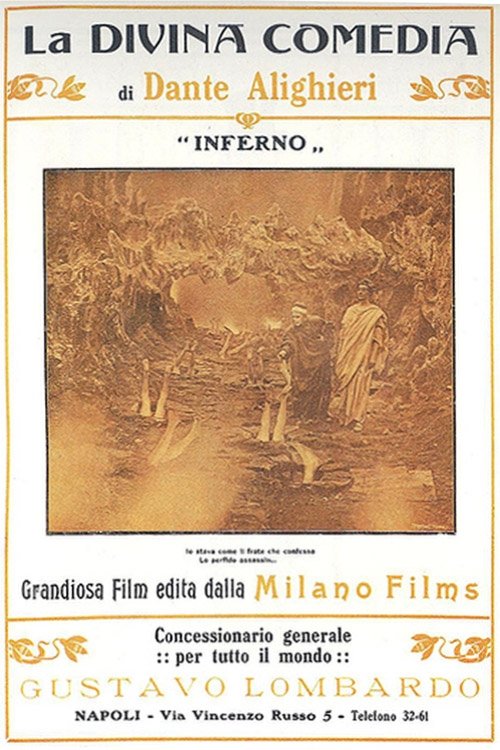
The appearance of L’Inferno in 1911 was accompanied by an unusually ambitious publicity campaign. Distributor Gustavo Lombardo played an important role in organizing the commercial launch and international exploitation of the production. Contemporary accounts describe large-scale promotion designed to position the film as a prestigious cultural event. The release also coincided with the fiftieth anniversary of Italian unification, a context in which Dante’s cultural authority carried additional national significance.
The most consequential complication was the competing adaptation produced by Helios Film of Velletri. That company completed a much shorter version, often identified as Visioni dell’Inferno, and released it in January 1911 before Milano Films could present its far larger production. The rivalry demonstrates the commercial value attached to Dante’s subject and the speed with which early film companies could respond to a competitor’s publicity. The two works also represented distinct production strategies: Helios favored compressed spectacle, while Milano Films pursued a systematic adaptation of the poem.
Accounts of the original Naples debut differ in their precise dating, and the film’s subsequent circulation involved multiple national markets and versions. Its reputation as a major early Italian feature is better established than any single modernized release chronology. Contemporary promotion emphasized the exceptional length, cultural prestige and visual ambition of the project. These qualities helped present cinema as a medium capable of sustained artistic and literary interpretation rather than merely short-form entertainment.
Surviving Versions, Restoration & Music
The historical identity of L’Inferno has been complicated by the circulation of incomplete, damaged and altered copies. The surviving film cannot be understood solely through the running time attached to an individual release or modern screening. Differences in projection speed, print condition, editing and restoration may affect the duration of silent films. The original production was also subject to changes in circulation, making the reconstruction of its earliest form an important archival problem.
The Cineteca di Bologna and its restoration laboratory L’Immagine Ritrovata undertook a major reconstruction designed to recover the original order of shots and the film’s historical visual qualities. The work restored elements of the coloring and composition that had been obscured in damaged or incomplete copies. This intervention made it possible to reconsider the scale of the production and the precision with which its infernal environments were constructed. The restoration has consequently contributed to the film’s renewed visibility in historical study and archival programming.
The original musical score associated with early screenings has not survived. Modern presentations therefore employ newly prepared accompaniments rather than a recoverable definitive soundtrack from 1911. A restoration edition issued by the Cineteca di Bologna includes an electroacoustic score by Edison Studio, involving Mauro Cardi, Luigi Ceccarelli, Fabio Cifariello Ciardi and Alessandro Cipriani, alongside a separate piano interpretation by Marco Dalpane. The electroacoustic version combines voices, ambient sounds and composed material, demonstrating how contemporary musical interpretation can change the experience of silent-era supernatural imagery.
Reception, Cultural Context & Legacy
L’Inferno appeared during a period when Italian cinema was seeking legitimacy through increasingly elaborate historical and literary productions. Its association with Dante gave the emerging medium an opportunity to demonstrate cultural seriousness, while the infernal imagery supplied the visual excitement that remained central to early film exhibition. The combination helped connect audiences with literary material through a form of spectacle that could appeal beyond established theatrical and academic circles.
The film’s historical importance has been examined in relation to both the development of feature-length narrative and the older cinema of attractions. Its sustained literary structure reflects an expanding ambition for narrative continuity, but its most memorable passages retain the fascination with photographic transformation characteristic of early trick filmmaking. Scholars have also situated the work within the visual history of the sublime, emphasizing how representations of overwhelming landscapes and threatening supernatural forces crossed between painting, engraving, theatre and cinema.
For horror history, the film is significant as an extensive surviving example of supernatural terror before the genre acquired its later industrial conventions. Its imagery includes monsters, violence, tormented bodies and frightening environments, all organized within a recognizable vision of Hell. The work provides evidence of how early filmmakers used photographic illusion to make fantastic and disturbing subjects visible. Its preservation and restoration allow those strategies to be studied within the broader histories of Italian cinema, literary adaptation and the evolution of screen horror.