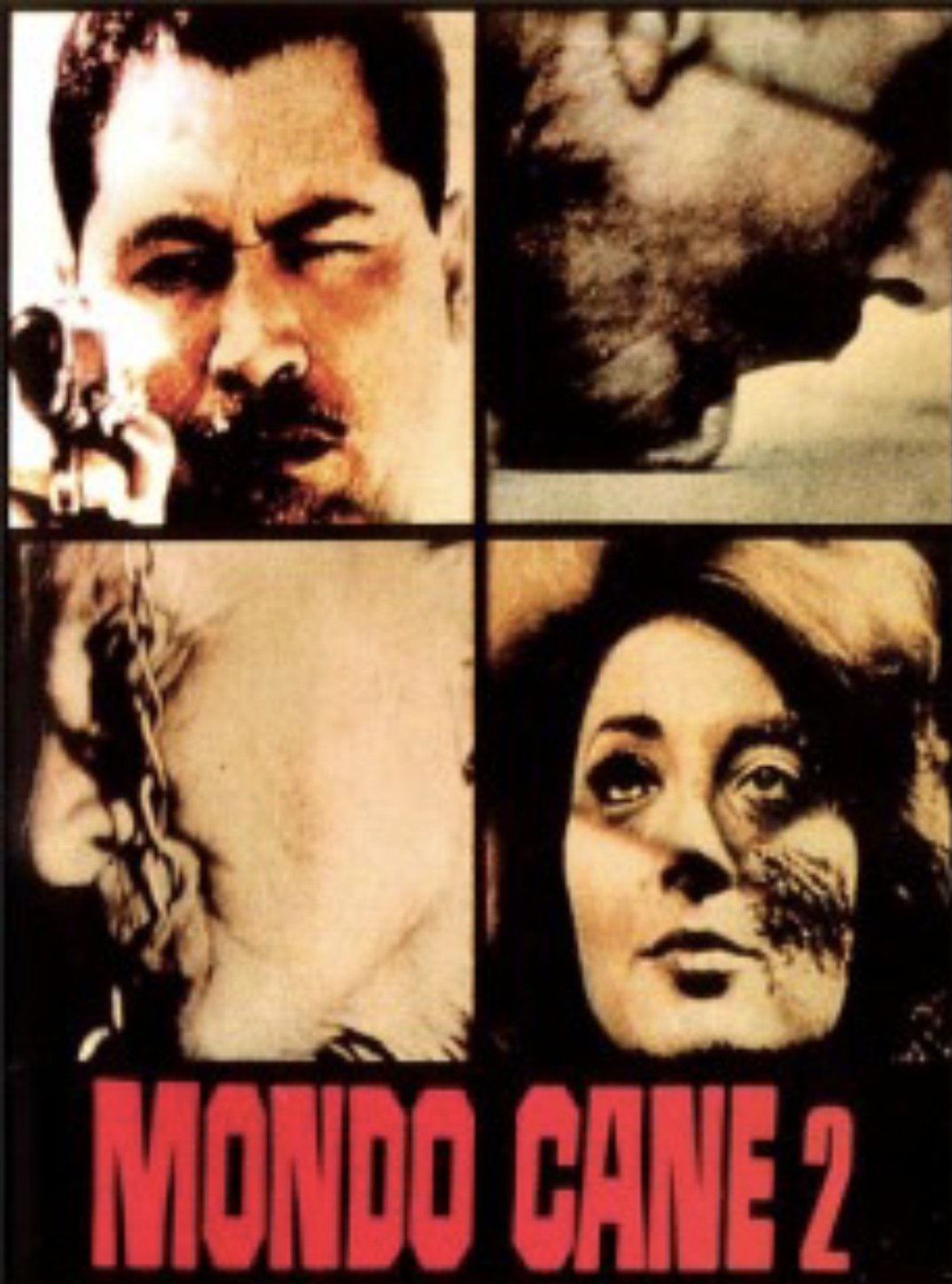
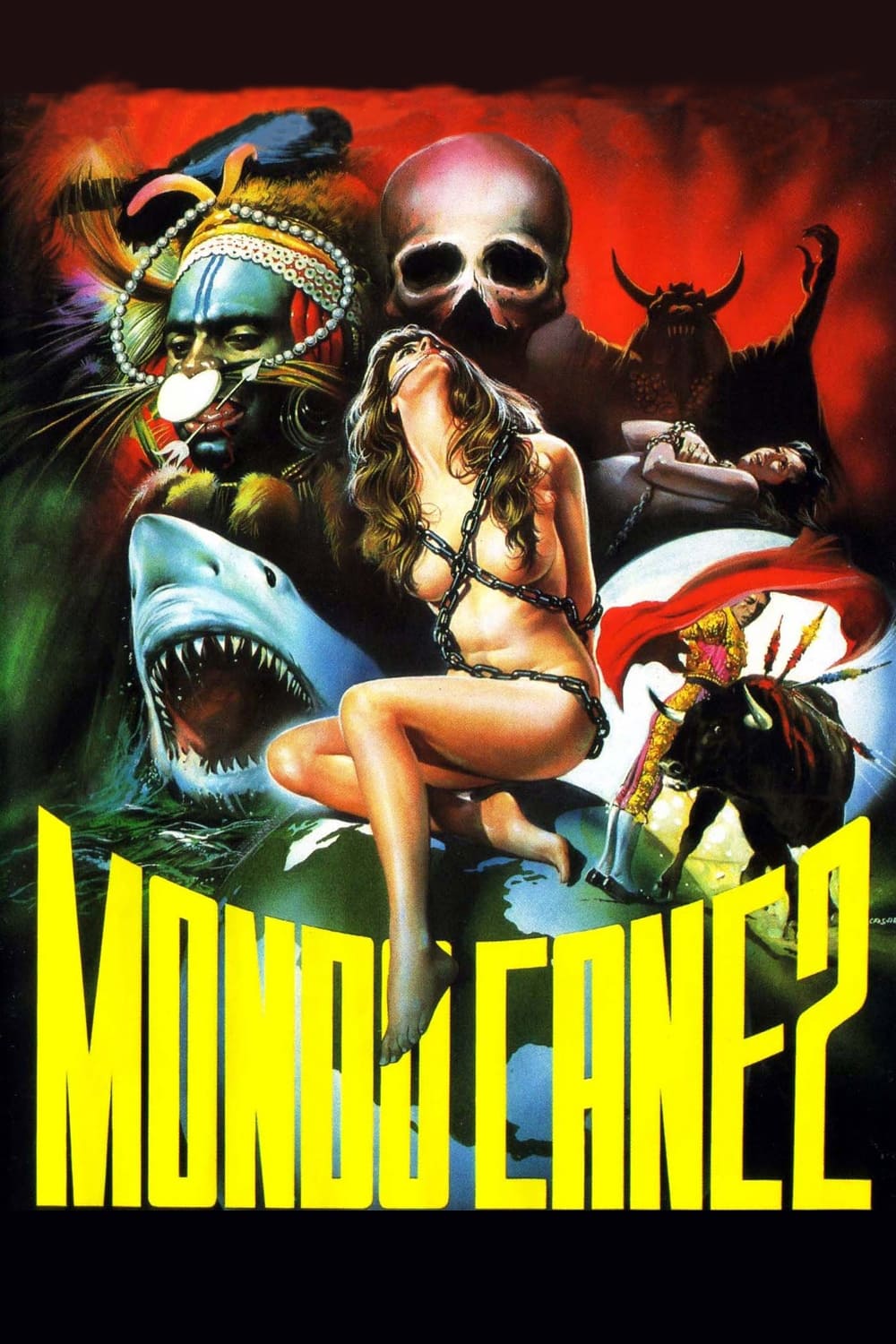
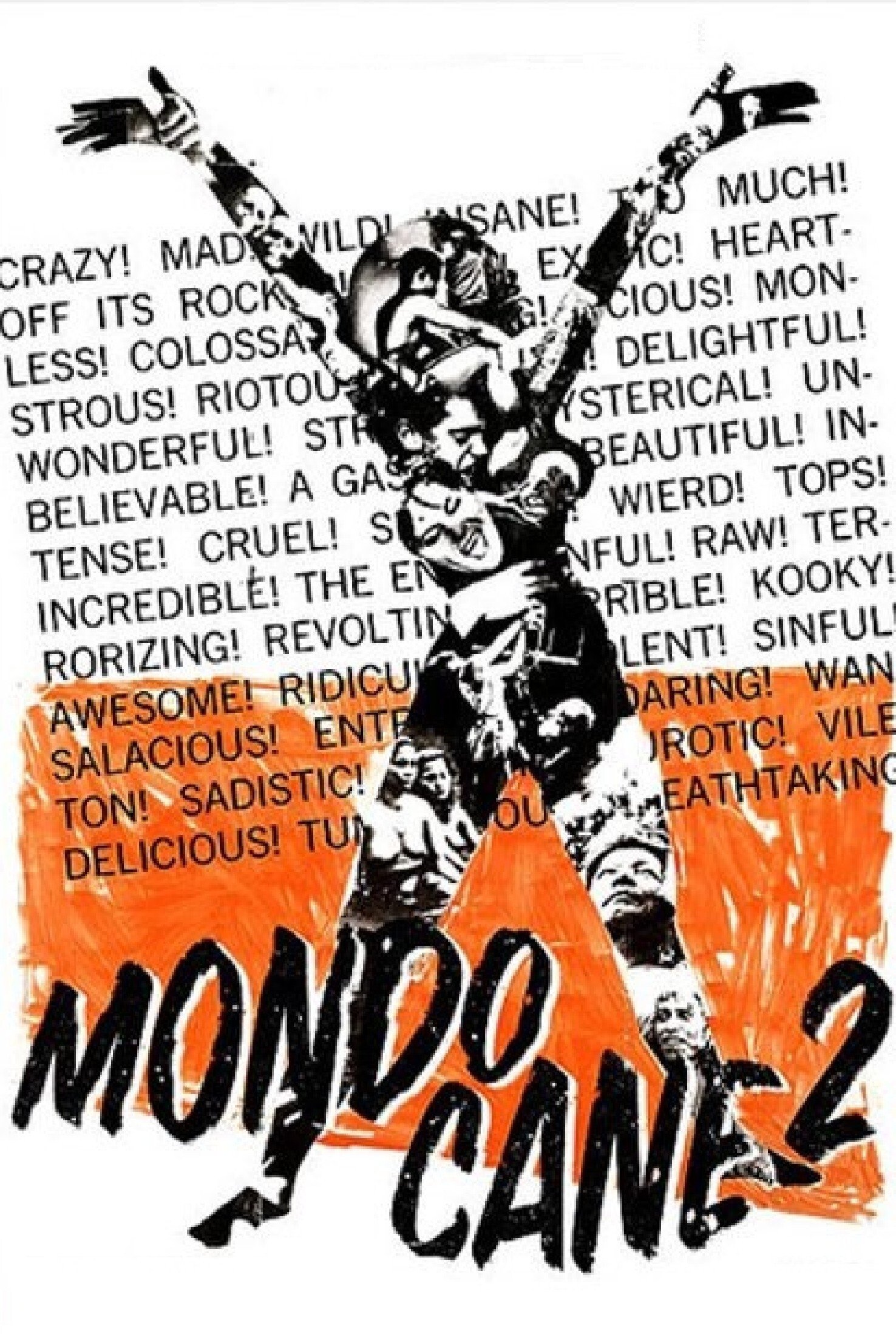
A Sequel Shaped by an Existing Success
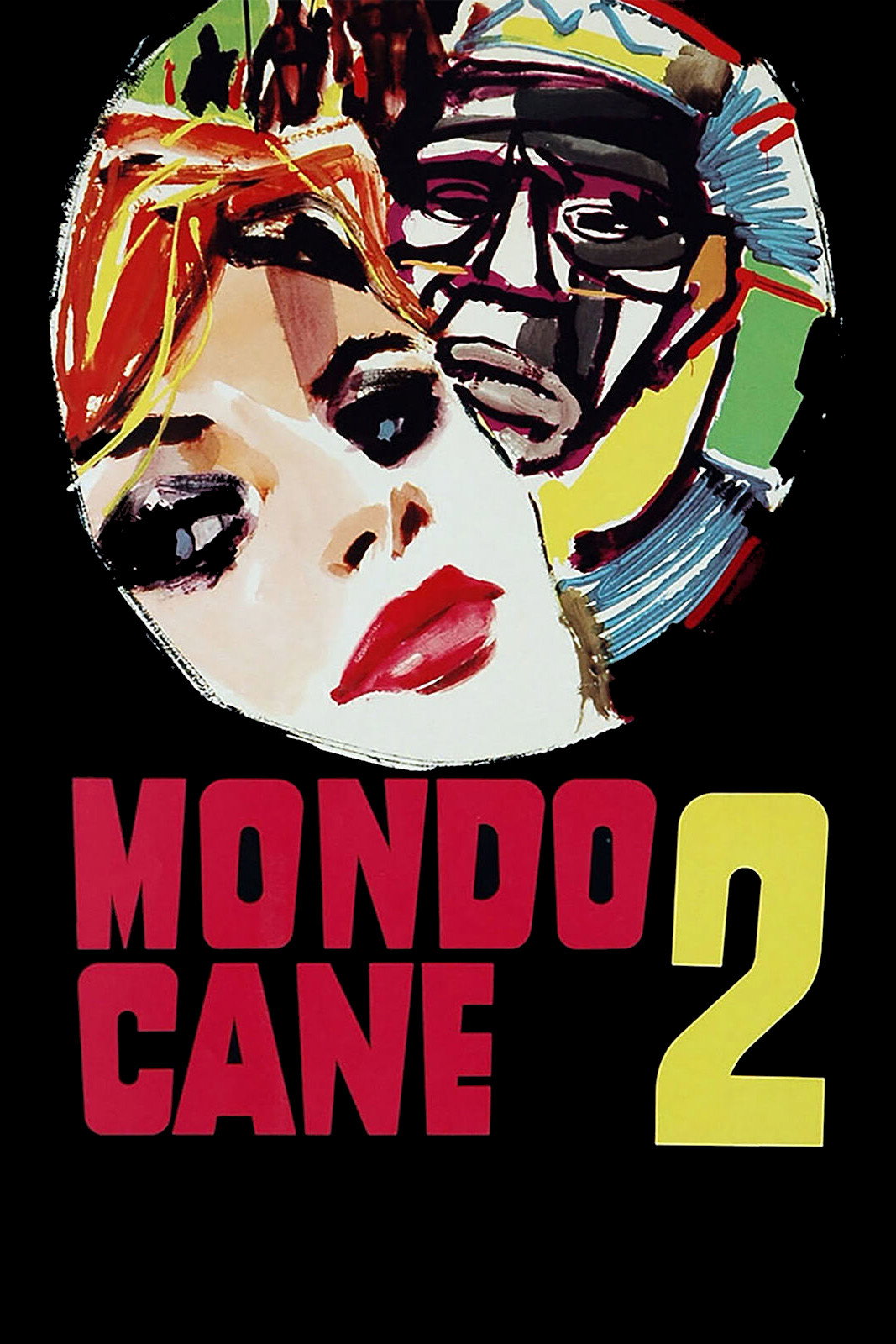
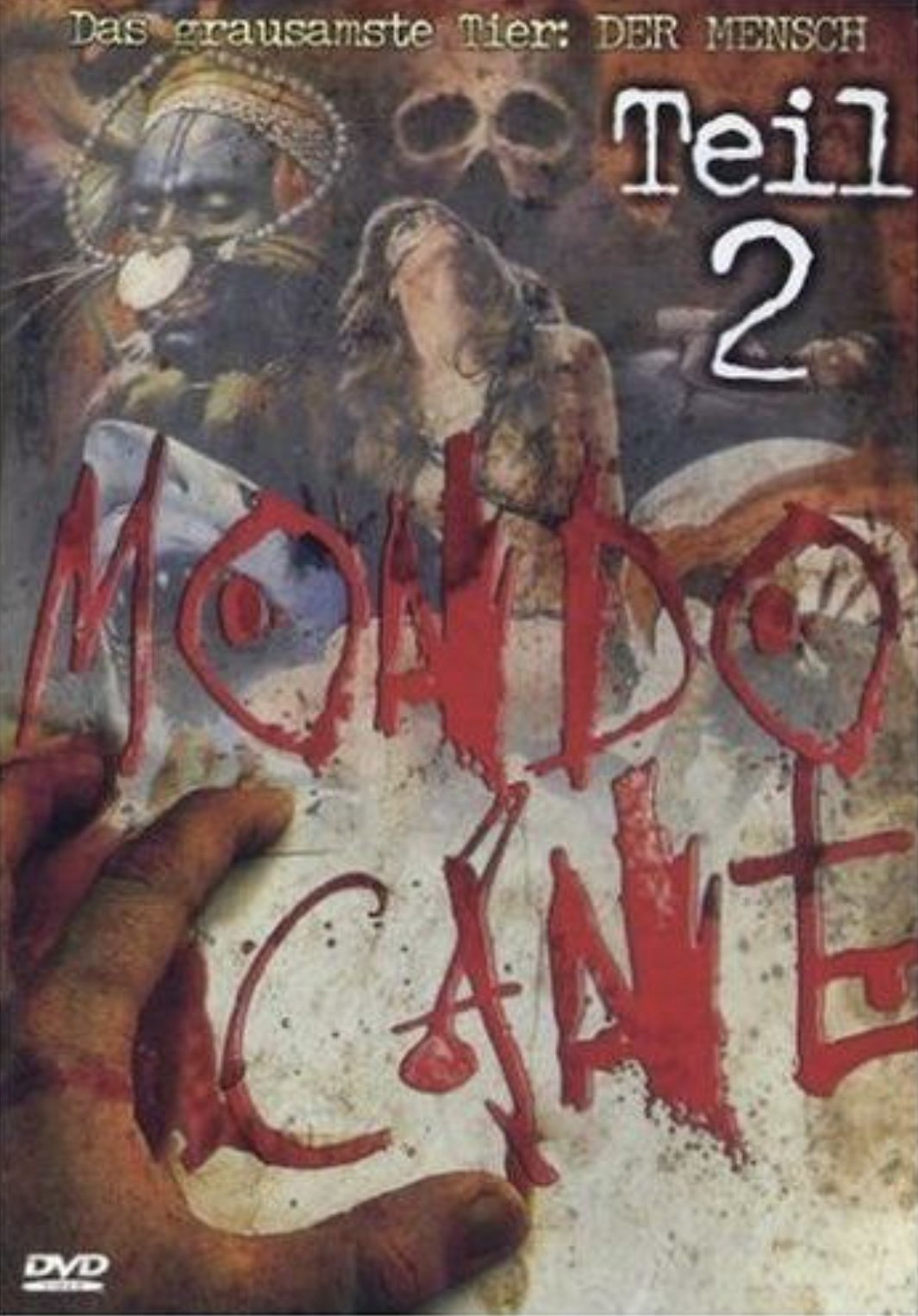
The original Mondo Cane became a recognizable international phenomenon in 1962, and its success made a second feature commercially attractive almost immediately. Later accounts of the production describe Mondo Cane 2 as assembled partly from material left unused during the earlier project, with additional sequences and acquired footage contributing to the new program. That account helps explain the sequel's continuation of the travelogue formula and its uneven succession of subjects. It should be treated as a retrospective description of how the film was assembled, since the surviving public catalogue records do not assign a precise origin to each individual shot.
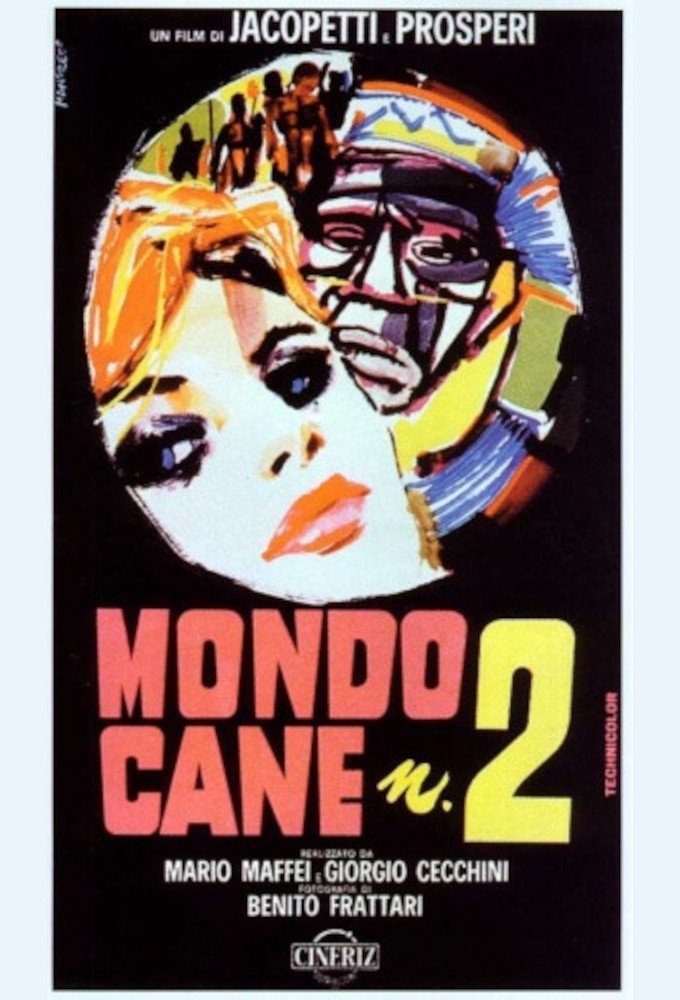
The Italian Cinema Archive credits Jacopetti and Prosperi with direction, writing and story, while identifying Cinematografica Federiz as the production company and Cineriz as distributor. Paolo Cavara, a co-director of the 1962 picture, is absent from the official directing credit for the sequel. The same record identifies Benito Romano Frattari for cinematography, Mario Morra for editing and Nino Oliviero for music. These changes matter because the sequel's main creative problem concerned the selection and arrangement of material: an existing documentary format had to be made compelling again without the surprise of its first appearance.
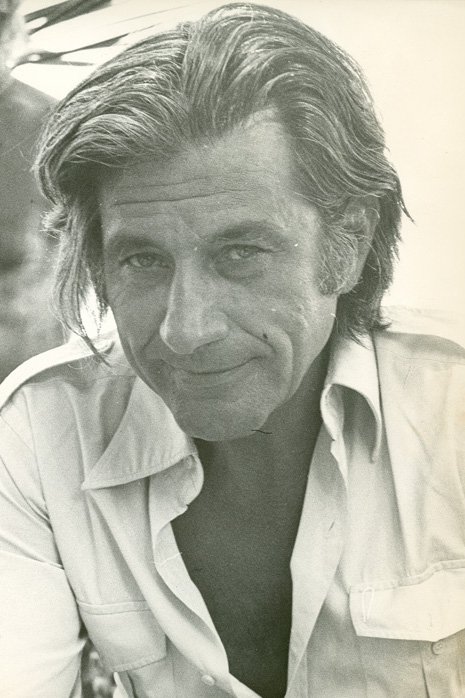
Jacopetti's subsequent attitude to the picture complicates a straightforward account of authorship. Retrospective coverage of the filmmakers describes his dissatisfaction with the sequel and his view that it had been driven by commercial pressures. That later position does not erase the original credits or prove that another individual conceived particular scenes. It does illustrate a tension between an officially credited collaboration and the way an established filmmaker later wanted his body of work understood. A historical account must keep the documented production record separate from personal recollections made years after release.