Stevenson, Burke and Hare, and the Anatomy Trade
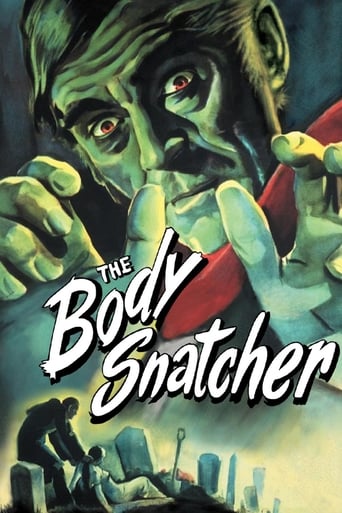
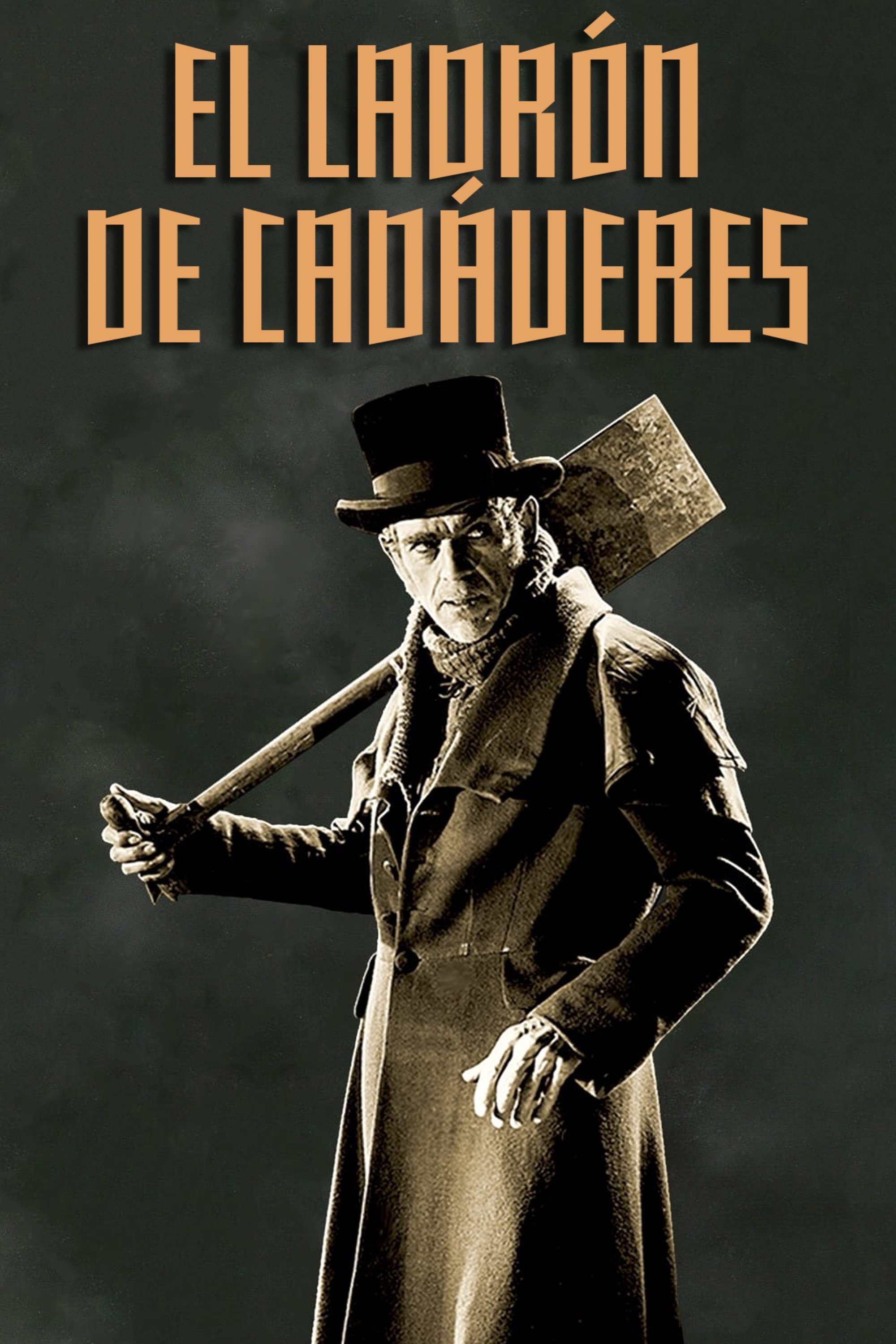
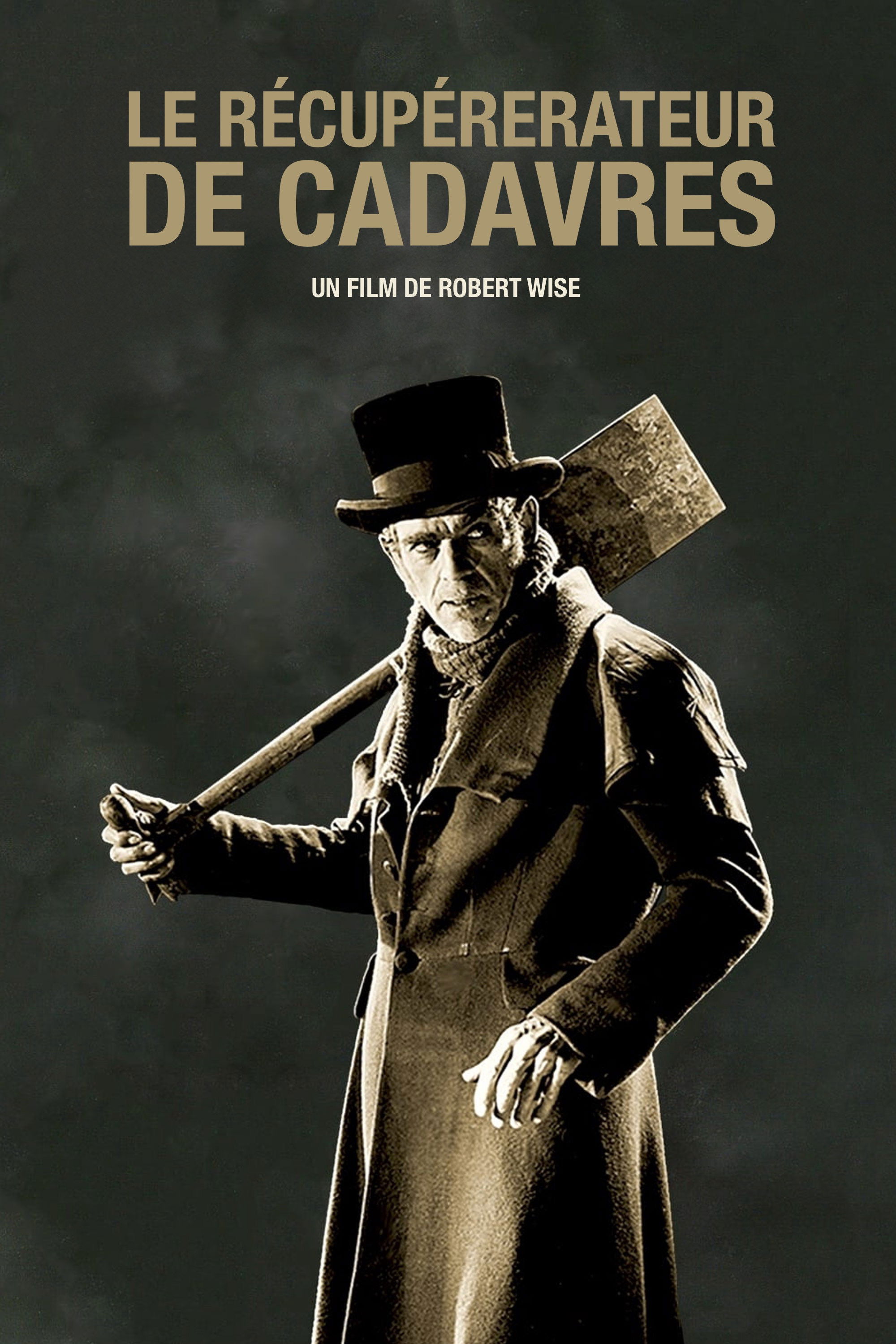
Robert Louis Stevenson’s short story The Body Snatcher appeared in the Christmas 1884 number of Pall Mall Magazine. It drew upon the notorious Edinburgh trade in corpses for anatomy schools and the crimes associated with William Burke and William Hare, who supplied bodies to the anatomist Robert Knox in the late 1820s. Their murders exposed the consequences of a market in which human remains could be obtained through clandestine means. Stevenson fictionalized that history through the relationship between medical men and the people who delivered bodies to them. The RKO film preserves the core conflict between scientific ambition and criminal procurement while developing a new set of dramatic relationships around it.
The historical setting matters because the anatomical study of the human body had become central to medical training, while lawful supplies of cadavers were restricted. Demand encouraged so-called resurrection men to steal recently buried bodies, and the possibility of murder placed the profession under intense scrutiny. The film’s repeated references to the Burke and Hare affair establish that its characters inhabit a world already aware of such abuses. MacFarlane therefore cannot plausibly claim ignorance of what an unscrupulous supplier might do. His willingness to accept increasingly convenient corpses becomes an ethical decision rather than an unfortunate consequence of working in a difficult period.
Stevenson’s original narrative is darker and more concentrated than a conventional investigation, returning to a past from which its surviving participants cannot escape. The film enlarges the circumstances surrounding medical student Donald Fettes, adds the sick child Georgina Marsh, and makes the servant Joseph a participant in the chain of blackmail. These alterations bring the moral problem into the present tense of the story: viewers see why medical knowledge is needed and what happens when the demand for it is transferred to Gray. The adaptation does not present a factual reconstruction of the real Burke and Hare murders, whose place in the narrative is historical background and a warning.
Val Lewton, RKO, and the Adaptation
Val Lewton had developed a recognizable approach to horror at RKO through Cat People (1942), I Walked with a Zombie (1943) and other productions that found disturbing possibilities in ordinary spaces and unseen threats. After working with Jacques Tourneur, he collaborated with former editors Mark Robson and Robert Wise as directors. Wise had shared a directorial credit on The Curse of the Cat People (1944) and then directed Mademoiselle Fifi (1944), also for Lewton, before taking on The Body Snatcher. RKO’s decision to employ Boris Karloff brought an established horror star into a production operation better known for atmosphere than for celebrated monster performers.
The American Film Institute’s research into surviving RKO files documents disagreements over the project’s scale. Executive producer Jack J. Gross wanted to restrict expenditure to $125,000, excluding Karloff’s fee, while Lewton argued for a larger production with greater star resources. The same records show that Lewton wanted to hire Michael Hogan to write the screenplay, but the studio considered his price too high. Philip MacDonald ultimately received writing credit alongside Carlos Keith, Lewton’s own pseudonym. These records identify concrete points of conflict between the producer’s ambitions and the studio’s commercial restrictions, rather than requiring speculation about hidden motives behind every creative choice.
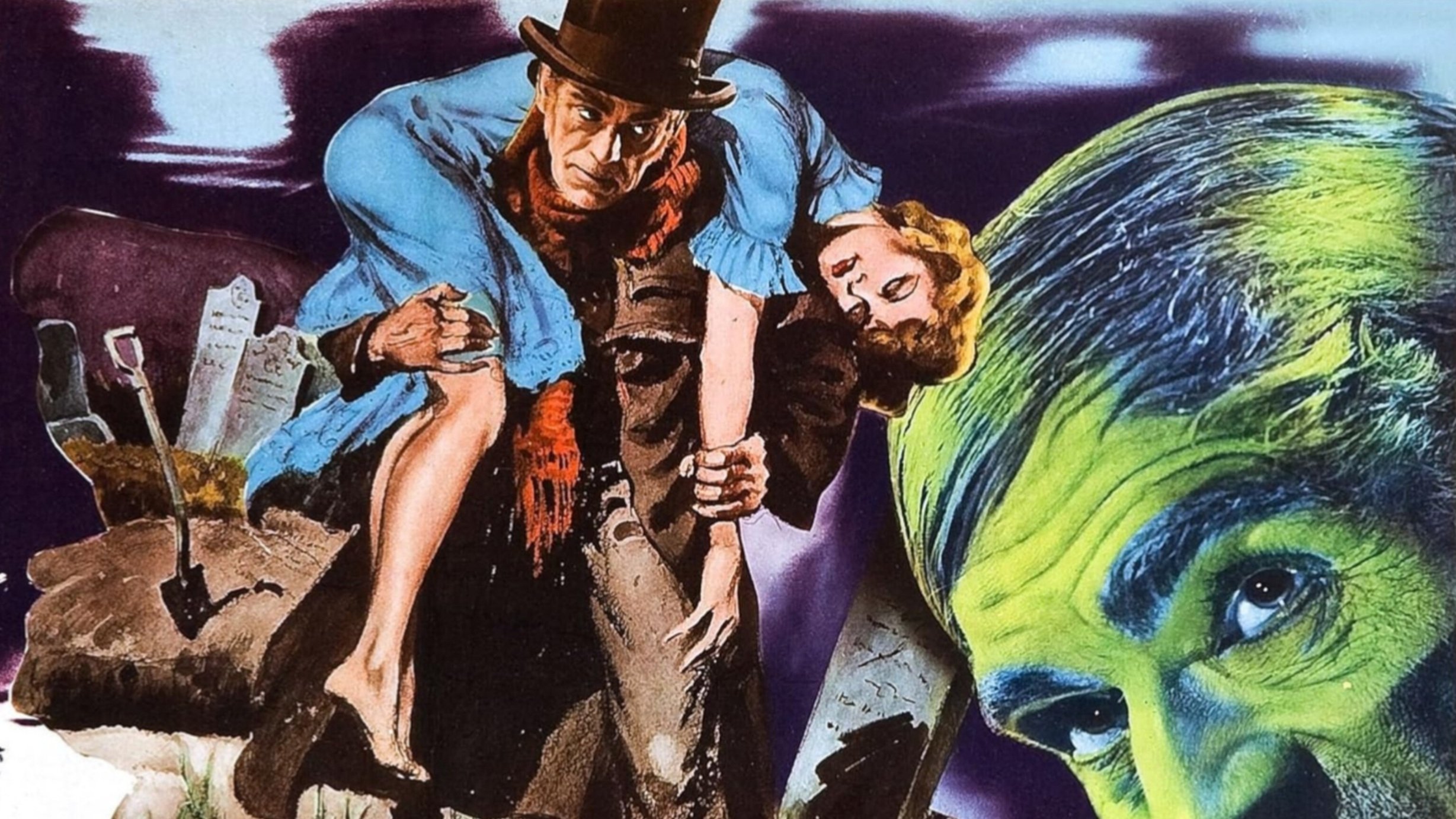
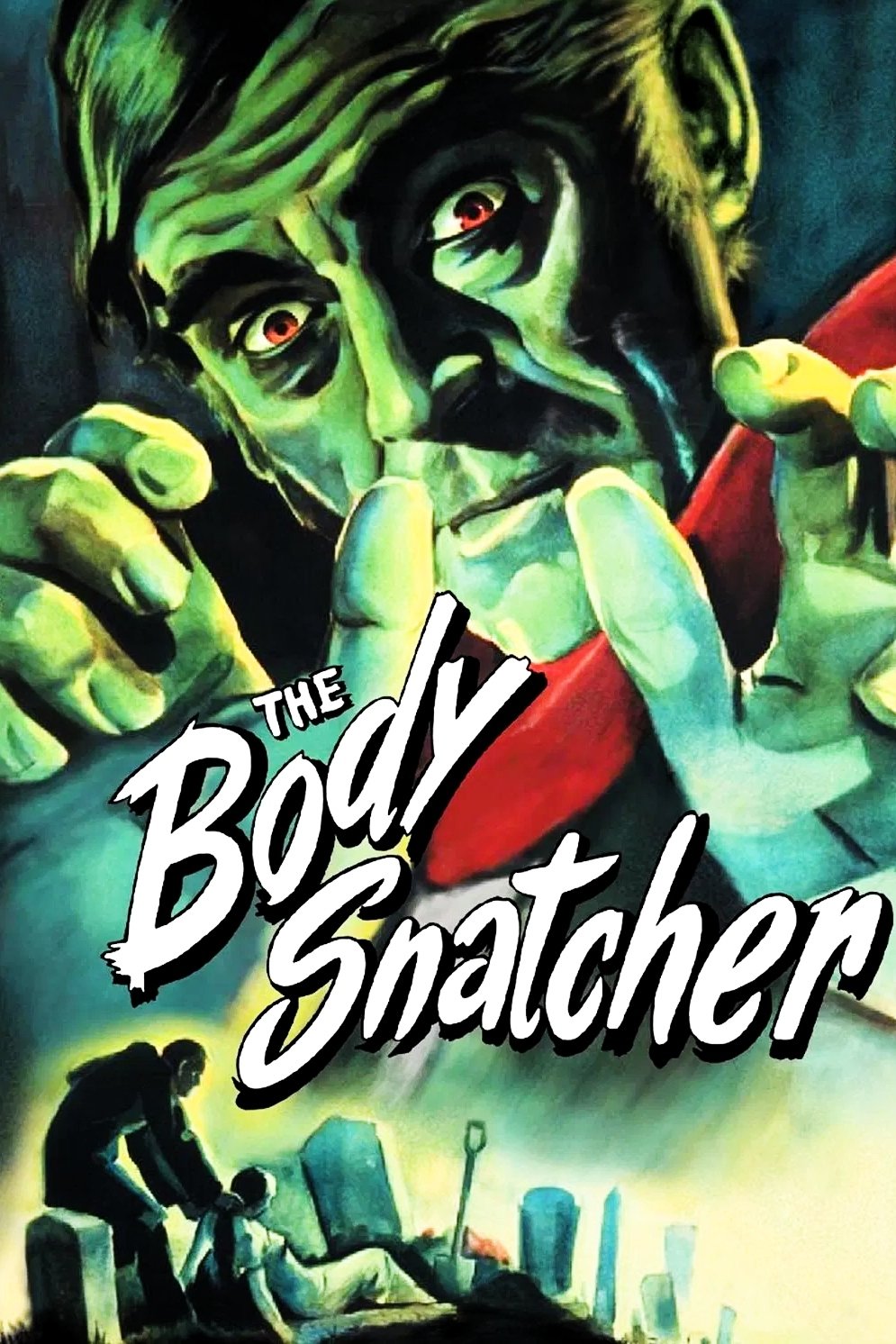
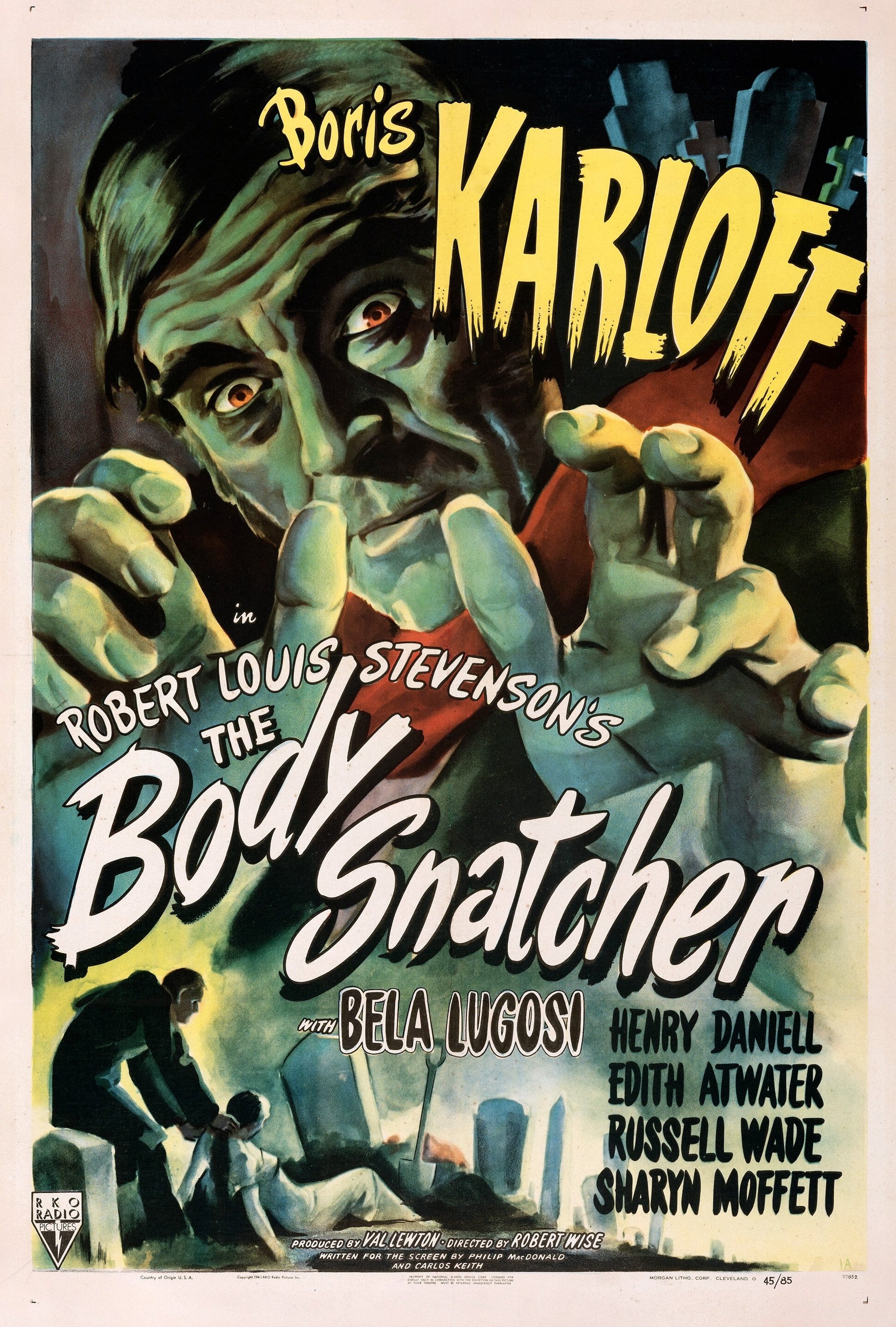
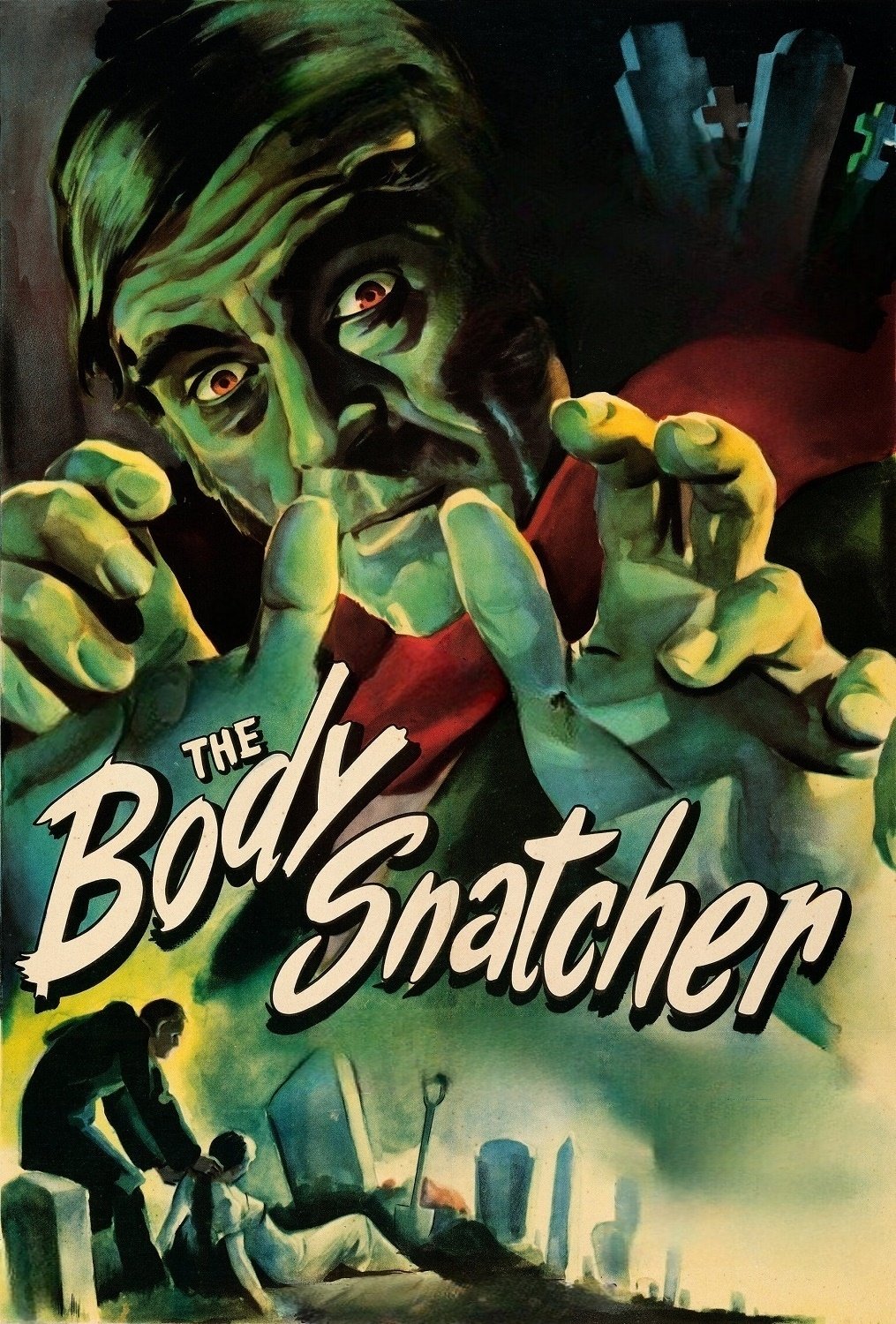
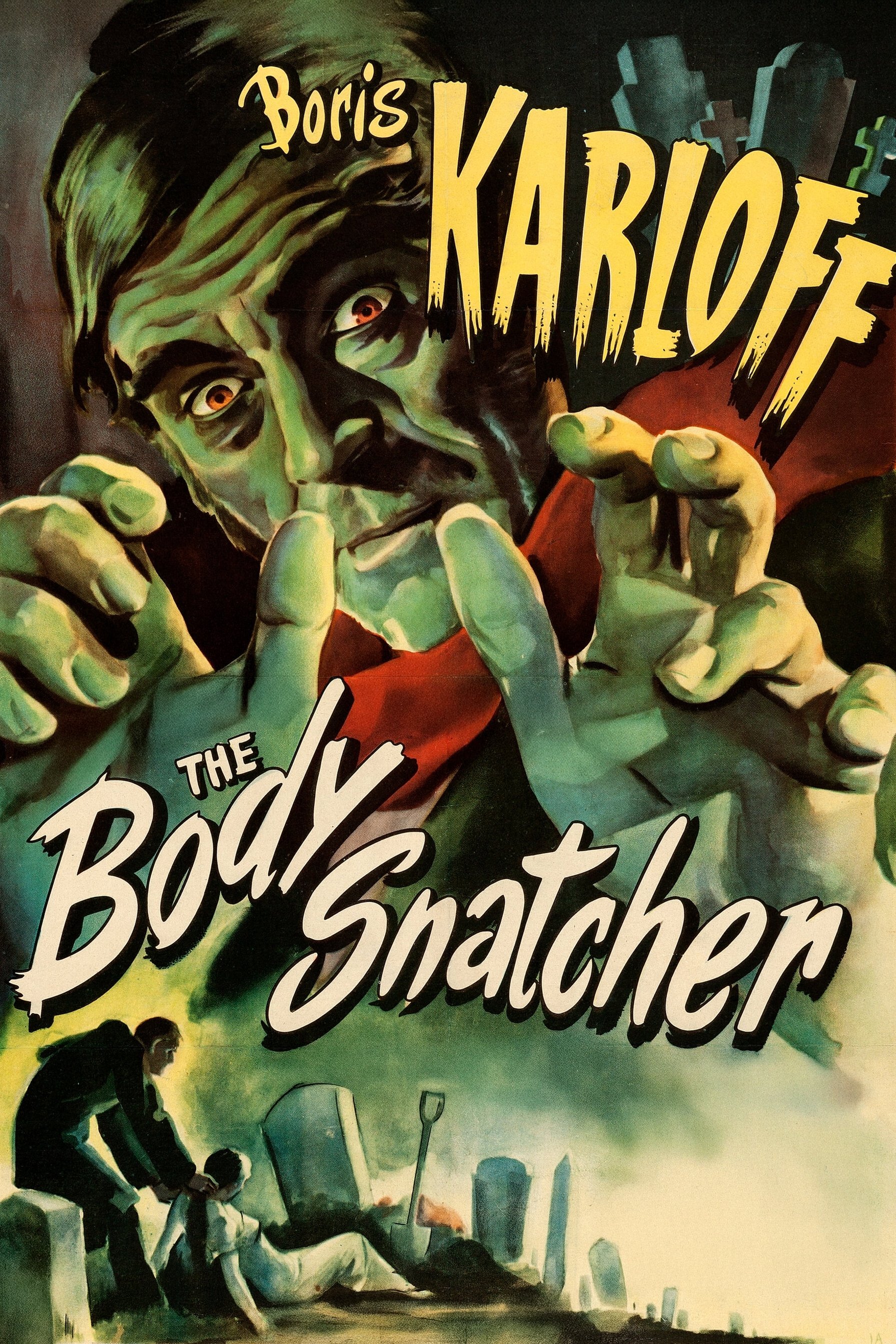
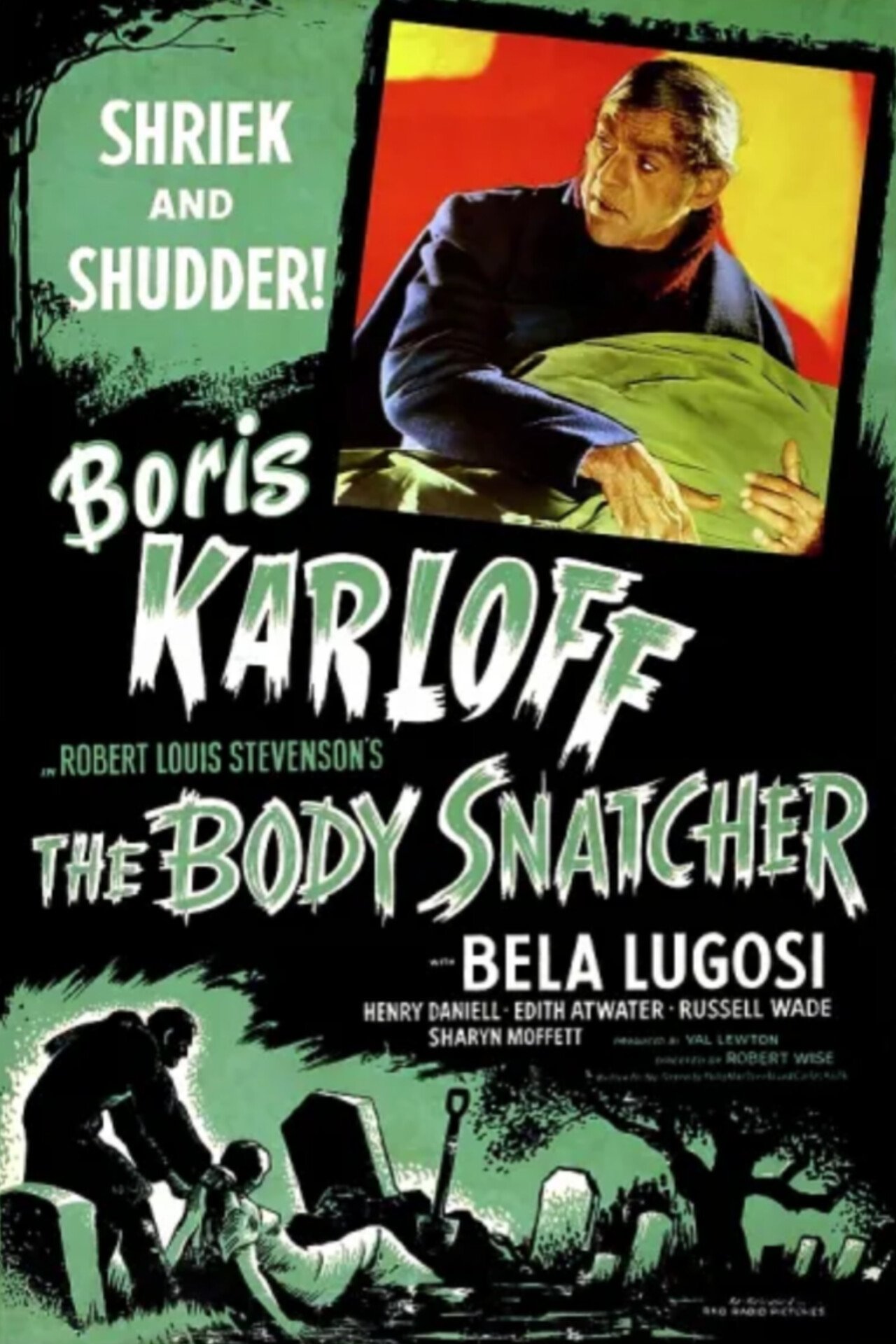
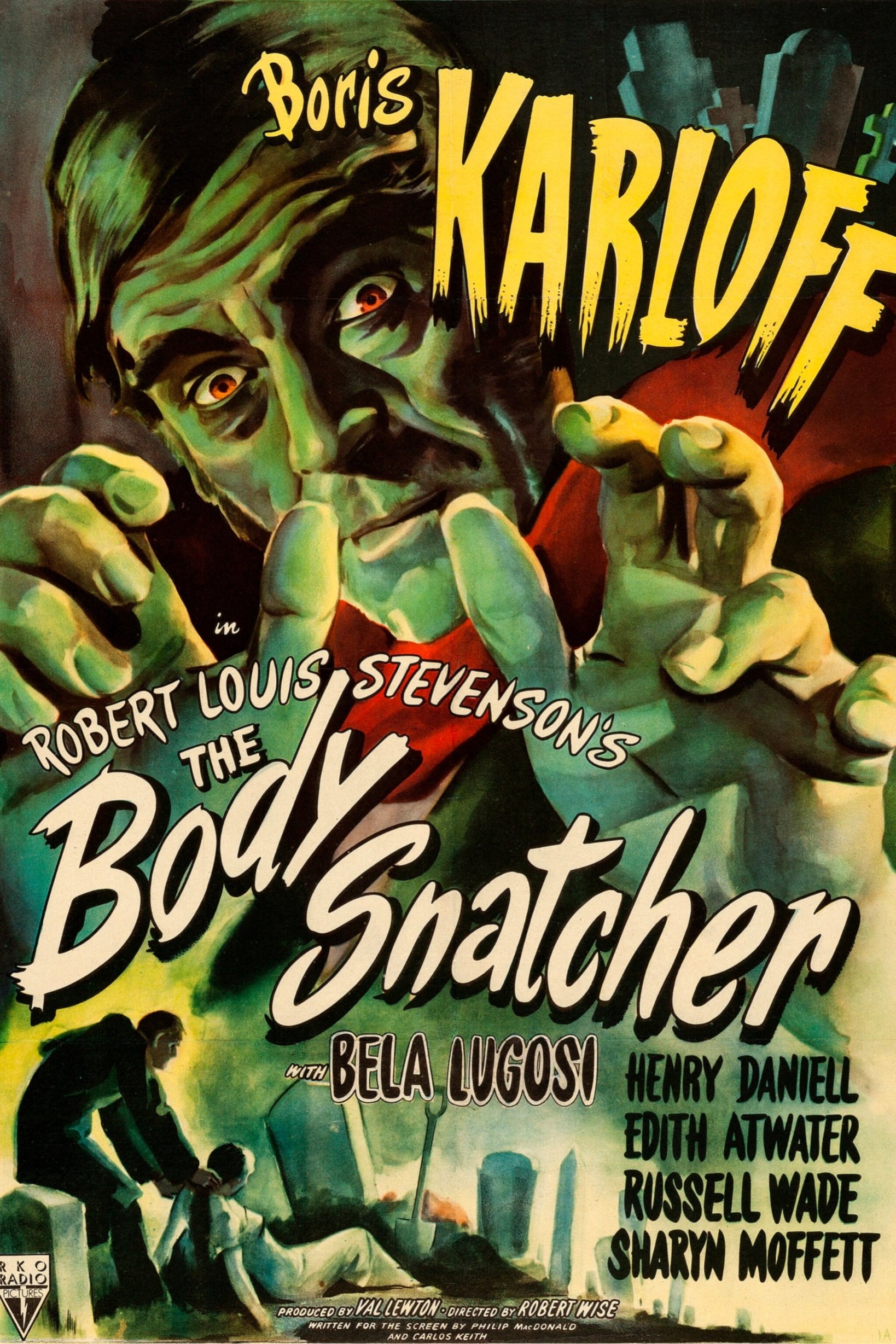
Filming ran from 25 October to 17 November 1944, a notably short schedule for a period picture requiring graveyards, surgical interiors and street scenes. Lewton’s literary interests remained visible in the reliance on character conflict and carefully paced revelations. The film’s advertising, however, emphasized the lurid possibilities of stolen bodies, murder and blackmail. Jeff Stafford’s account for Turner Classic Movies places that promotion beside Lewton’s efforts to preserve a more controlled style. The contrast is central to the production’s history: RKO sold the picture through sensational promises, while Wise and Lewton made much of the horror depend upon what viewers were not permitted to see directly.
Robert Wise, Robert de Grasse, and the Edinburgh Setting
The film constructs nineteenth-century Edinburgh through studio interiors, cobbled streets, graveyard walls and the recurring movement of Gray’s horse-drawn cab. Cinematographer Robert de Grasse and art directors Albert S. D’Agostino and Walter E. Keller give these spaces a coherent visual character despite the limited production schedule. Dark streets are not merely transitional locations between the doctor’s home and his laboratory. They conceal the movement of bodies and create opportunities for attacks that are understood through a fragment of sound or a change in light. The physical proximity of the cemetery, medical school and public thoroughfares makes the city a working system in which respectability and criminal activity are intimately connected.
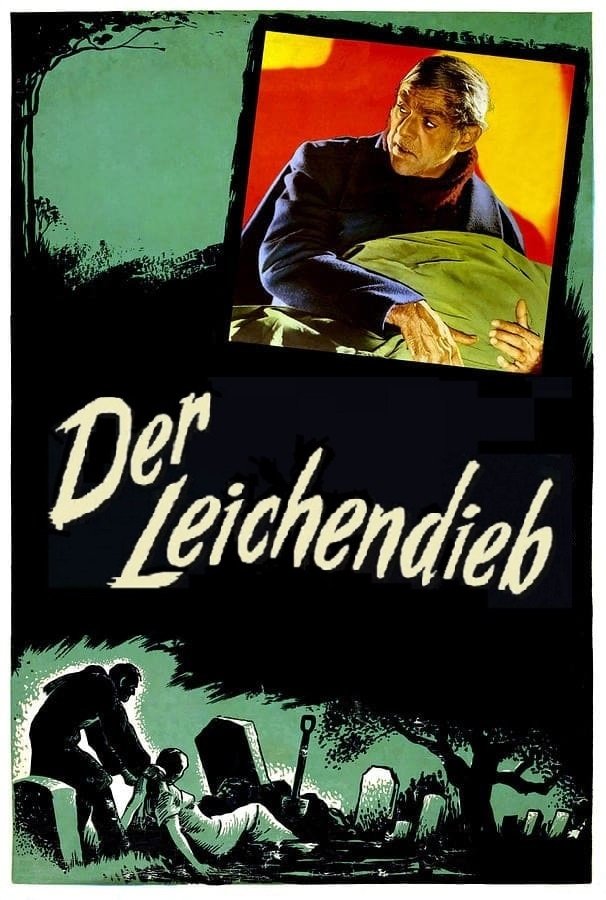
Wise places figures at different distances within the frame to control what the spectator can anticipate. The cab may enter a wide view before its purpose is clear, or an object may appear first as a shadow thrown against a wall. In the graveyard, the removal of a child’s body is suggested through Gray’s movements and the fate of a dog guarding the grave. Instead of displaying the corpse or dwelling upon the act of exhumation, the scene turns attention to the living animal and the absence that follows its cries. This economy also allows the small production to make an environment appear larger and more threatening than the number of its visible sets might suggest.
The interiors establish a different relation to violence. MacFarlane’s laboratory looks like a place of professional study, furnished with instruments and specimens whose presence can be explained as scientific necessities. Gray’s stable is rougher and more openly associated with physical labour, yet the surgeon’s genteel rooms depend upon what happens there. These spaces expose the class division underlying their arrangement. Wise does not treat the doctor’s education as a safeguard against cruelty; the respectable workplace provides the demand that makes the cabman’s business profitable. The film’s settings therefore help organize its ethical conflict without the need for lengthy explanations of the city’s history.
Karloff, Daniell, and Lugosi: Power and Blackmail
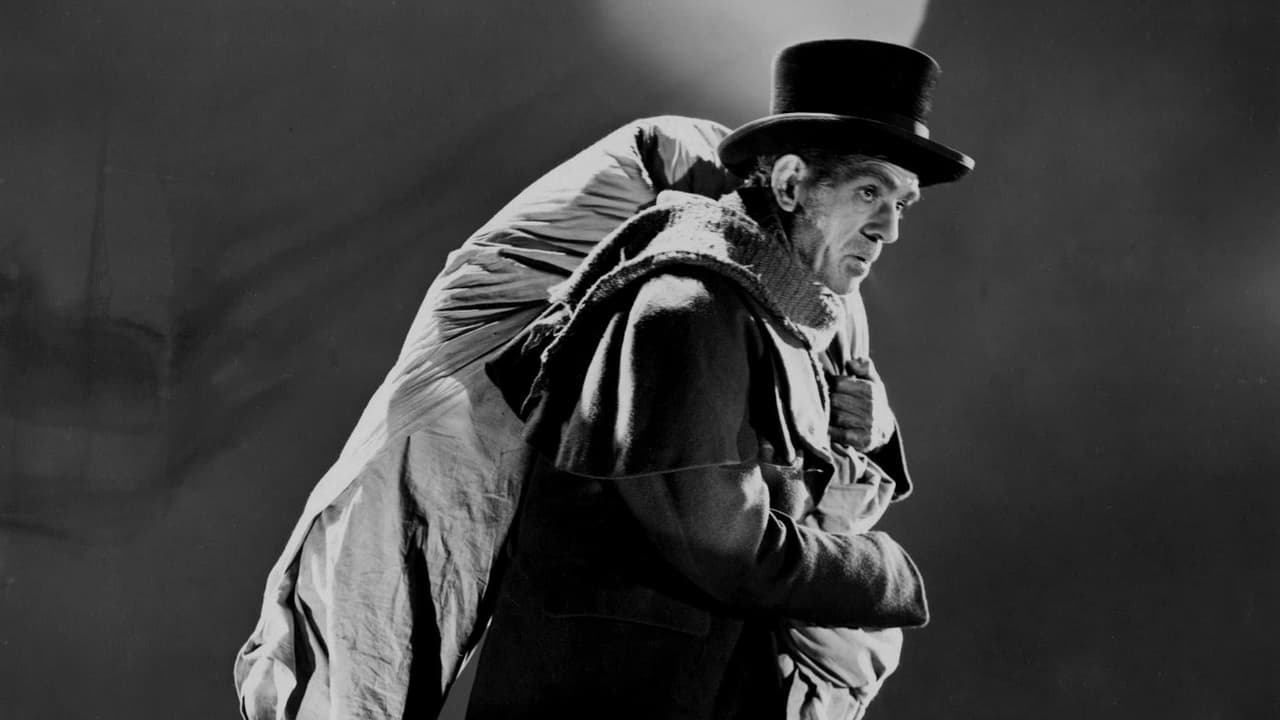
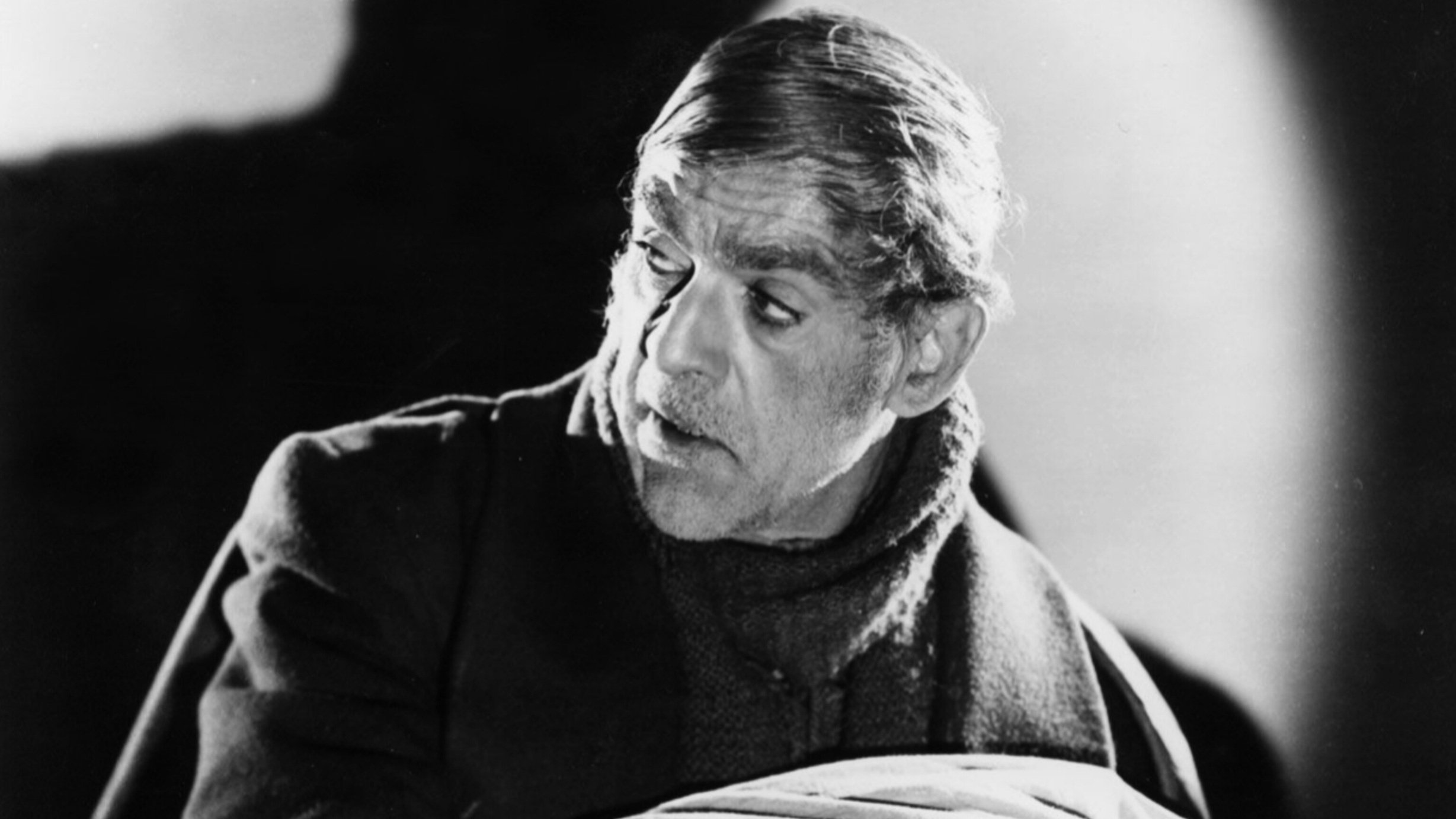
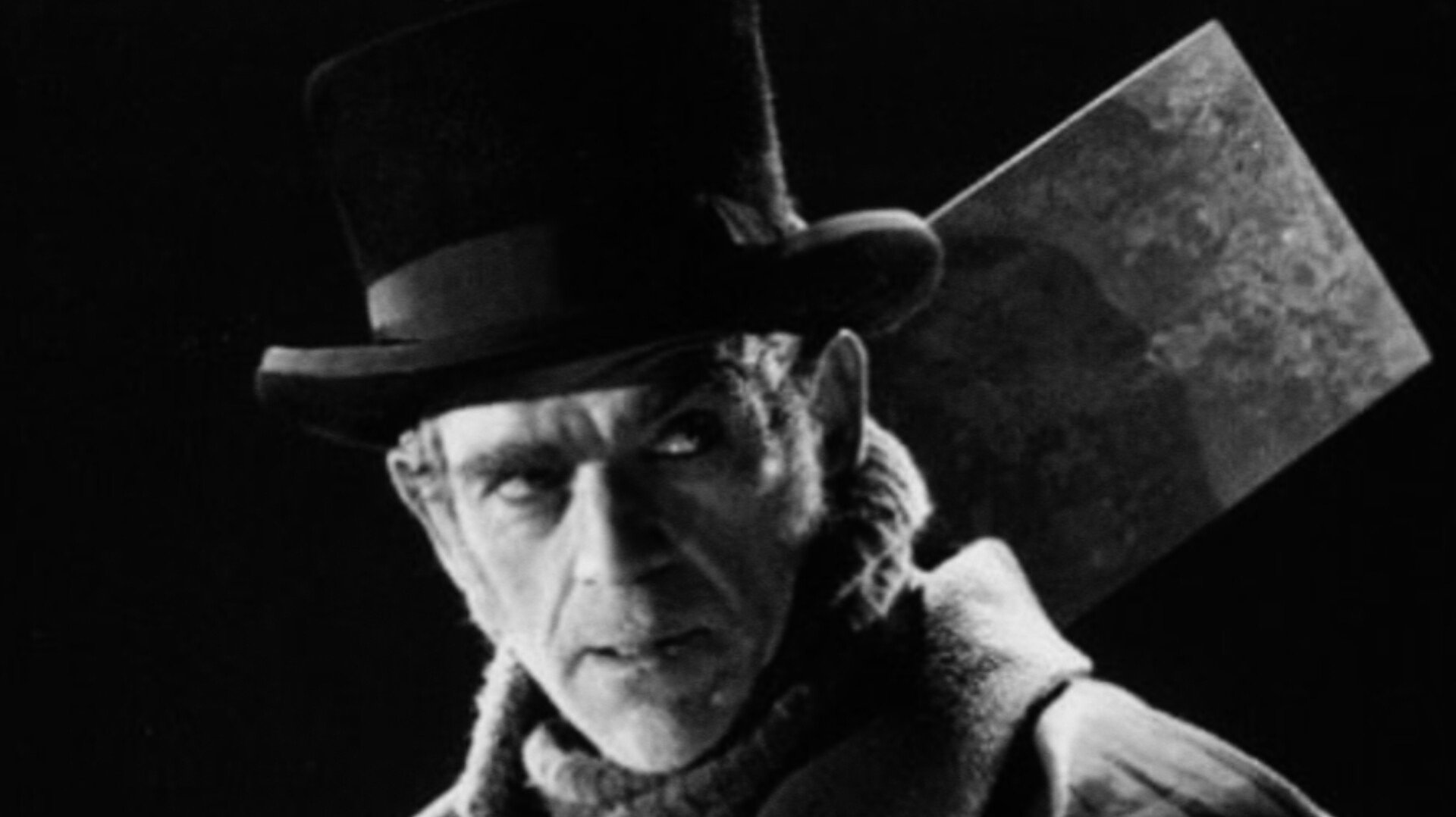
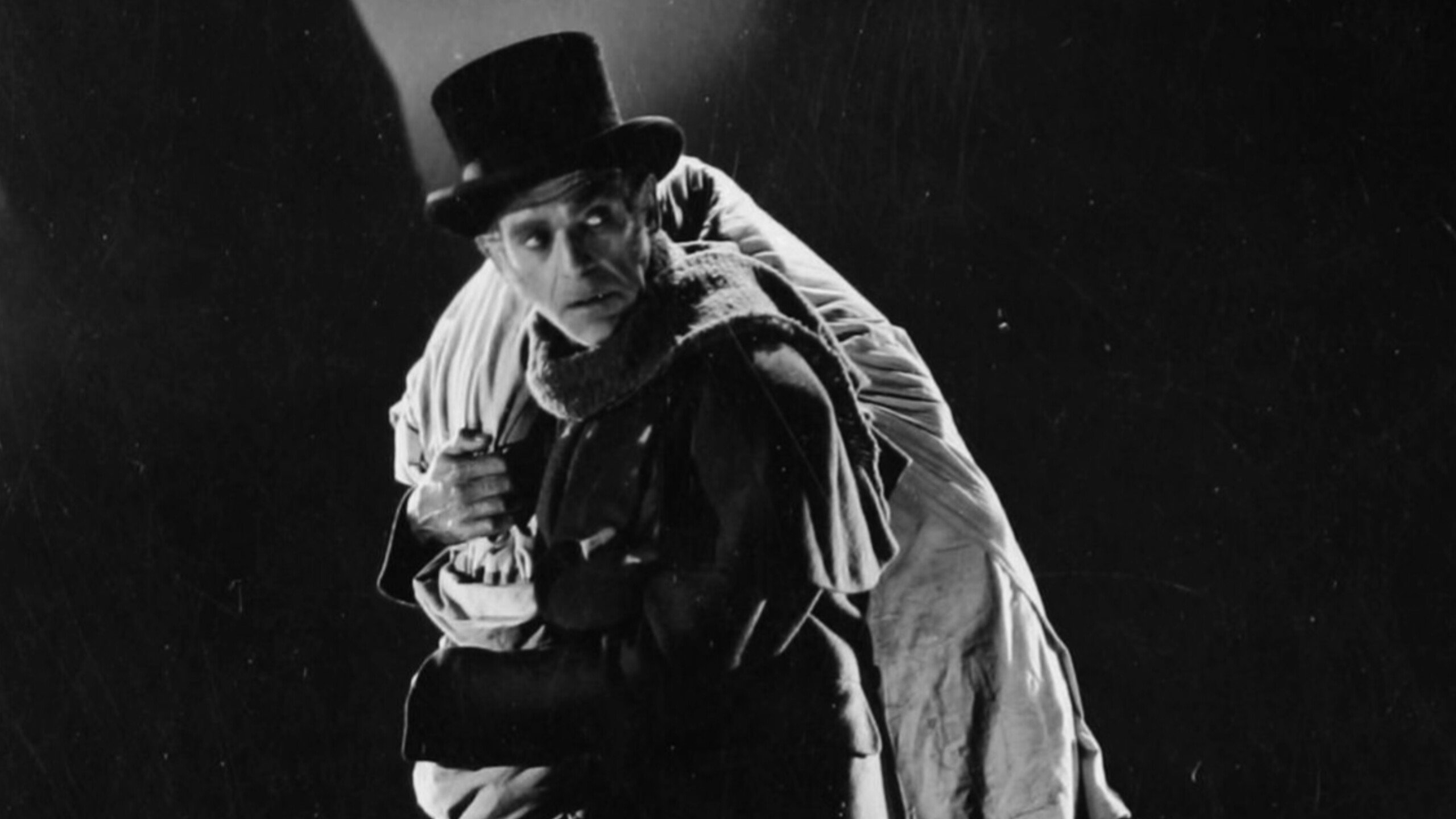
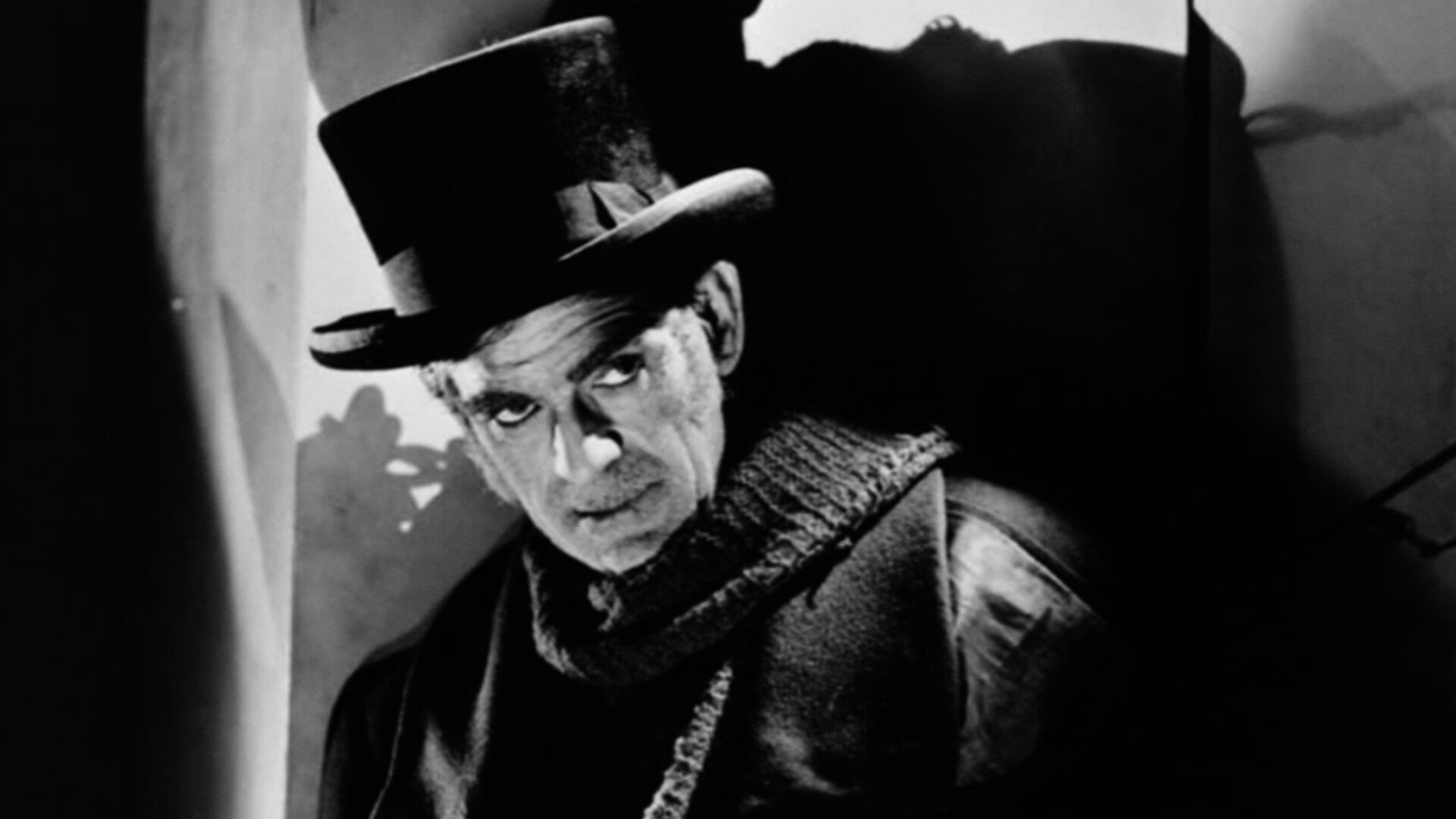
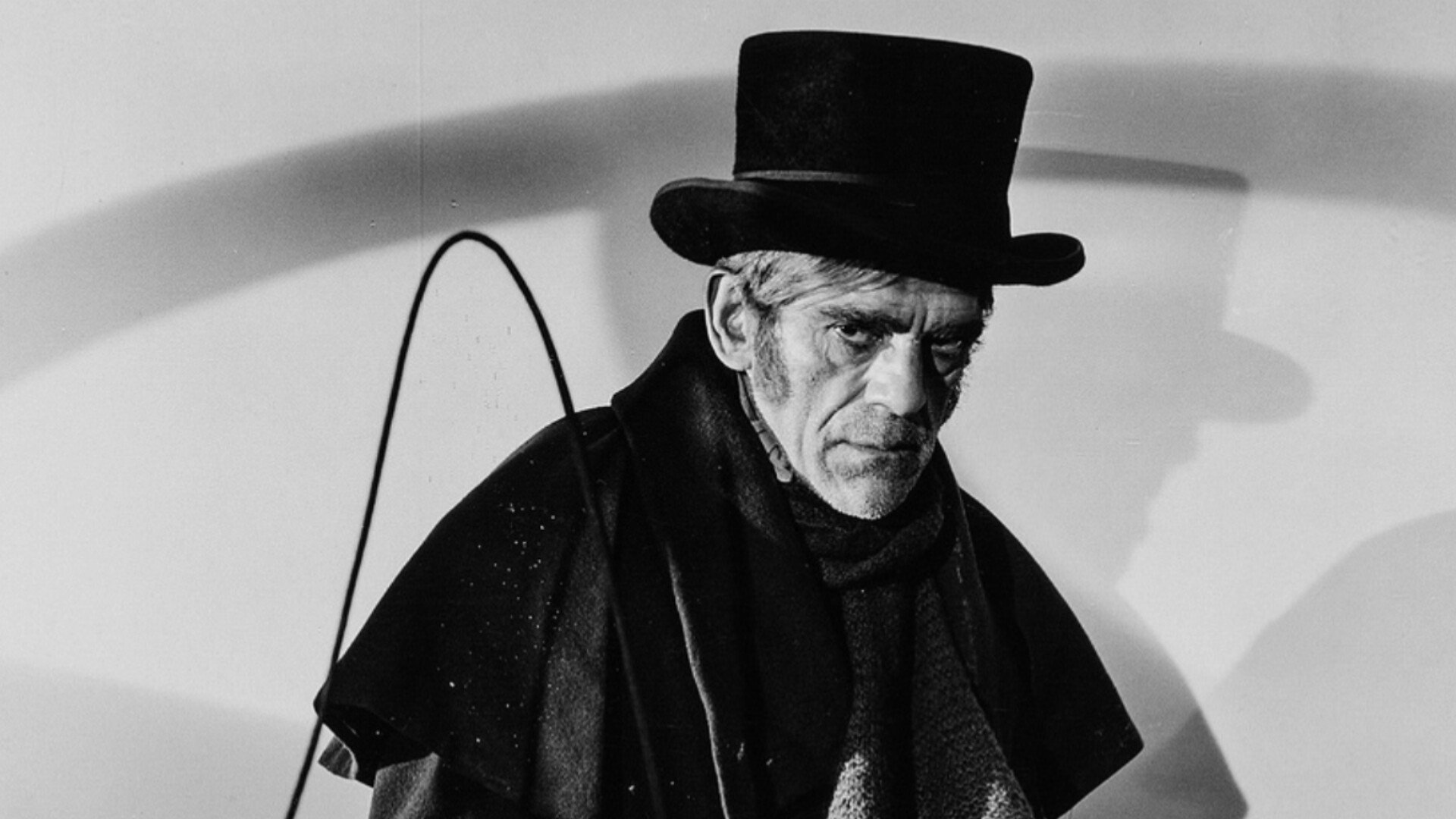
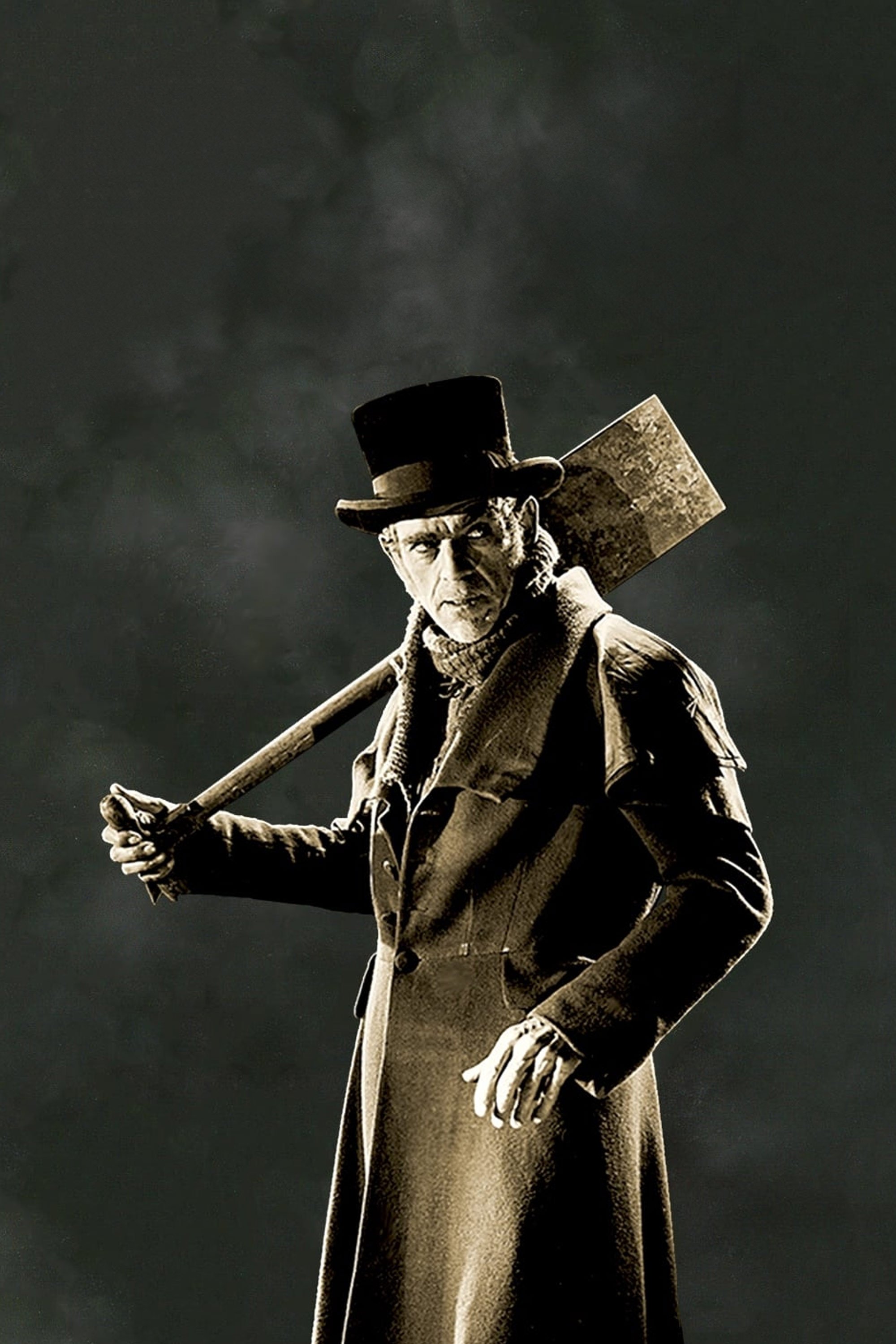
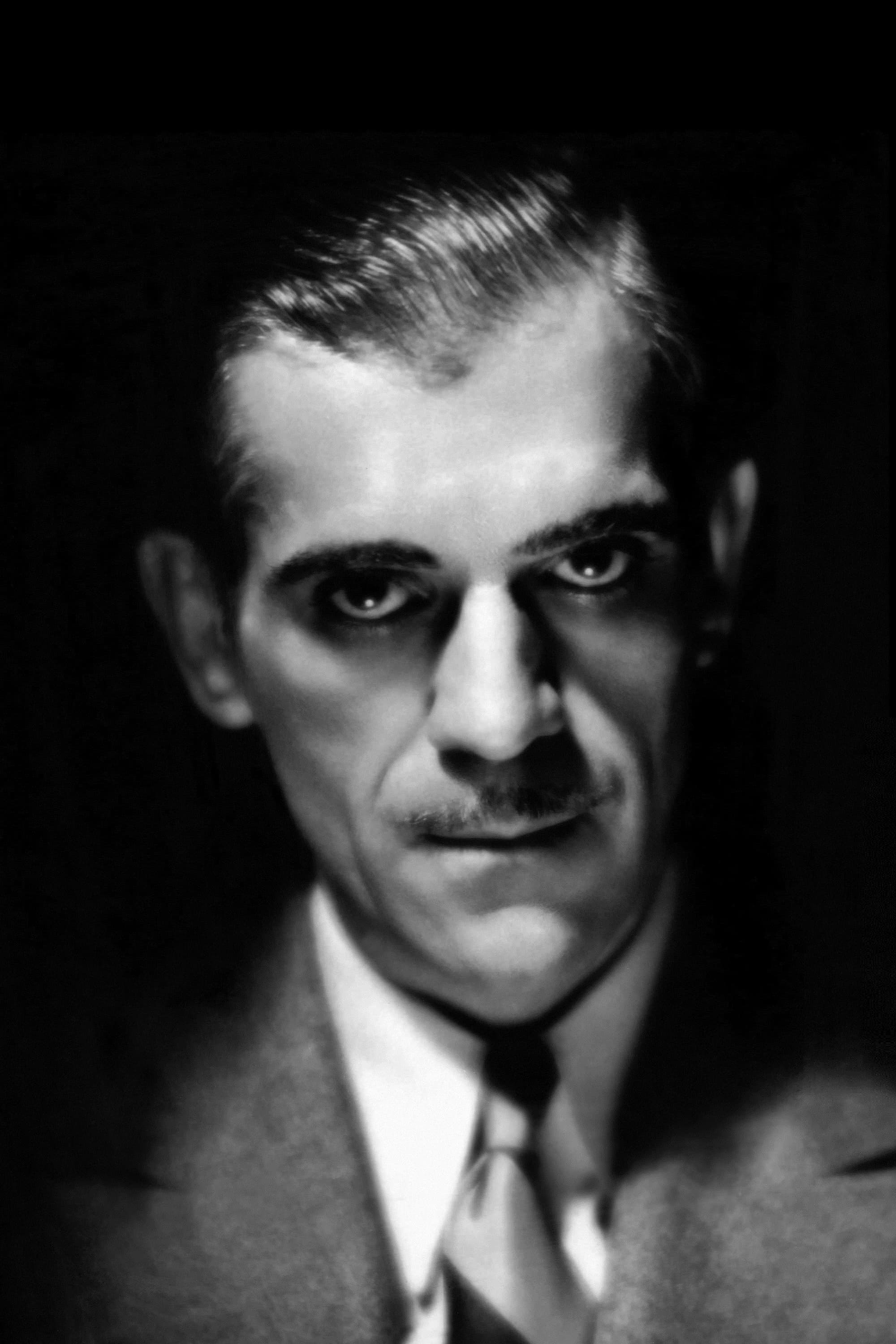
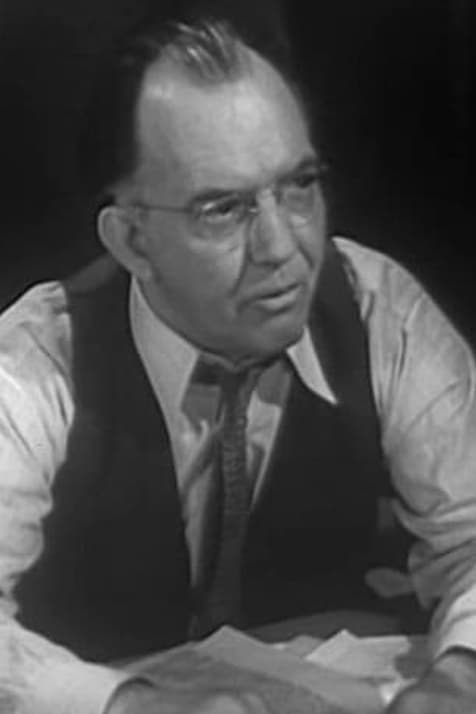
Karloff’s John Gray is one of the film’s most forceful characters. His charm has a mocking quality, and he knows that his apparent social inferiority can become a source of power over a physician who needs his services. Gray approaches MacFarlane with familiar ease, refuses to be dismissed and repeatedly invokes knowledge of the doctor’s former activities. His dominance emerges through conversation as often as through murder. Karloff’s performance avoids an elaborate disguise or a monstrous physical transformation; the horror comes from a man who understands the compromises of others and uses them to protect himself.
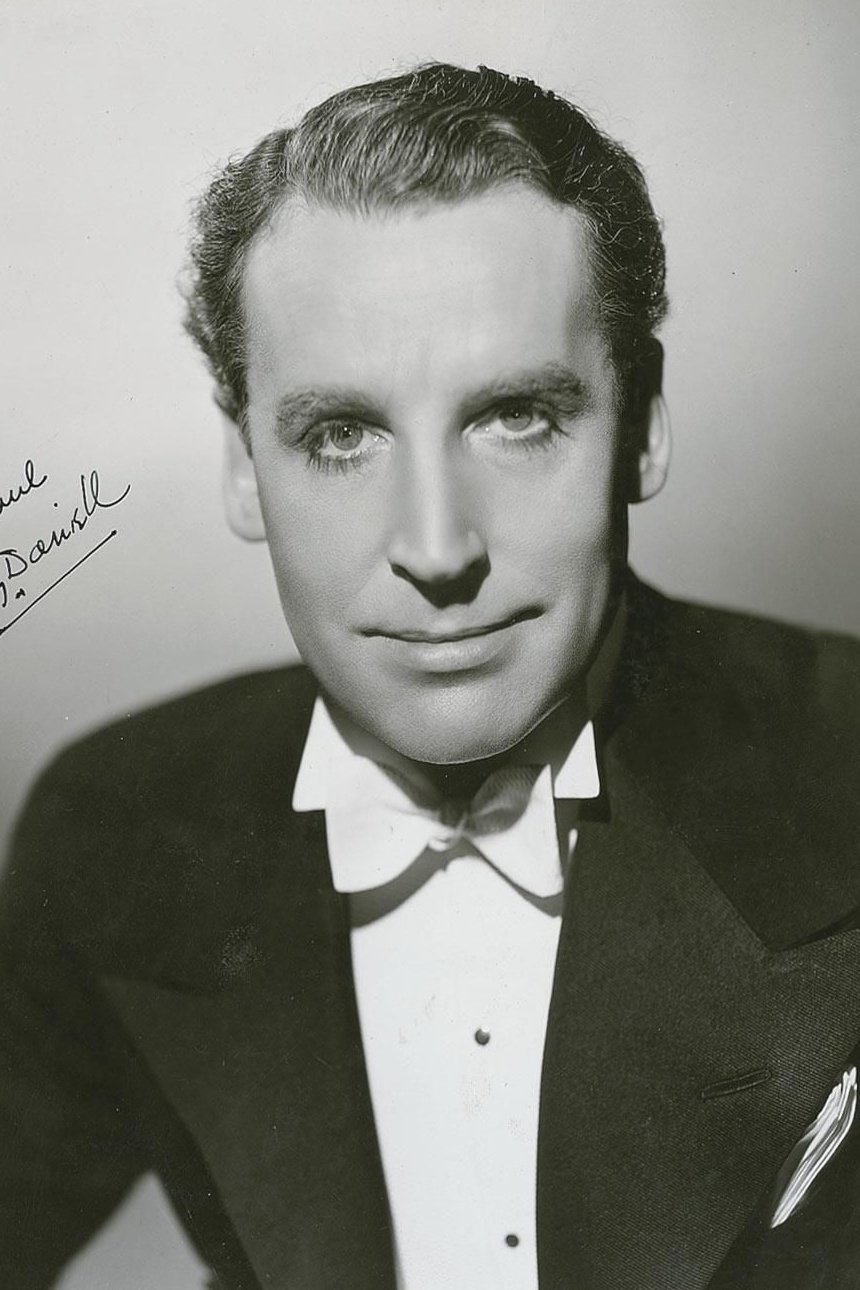
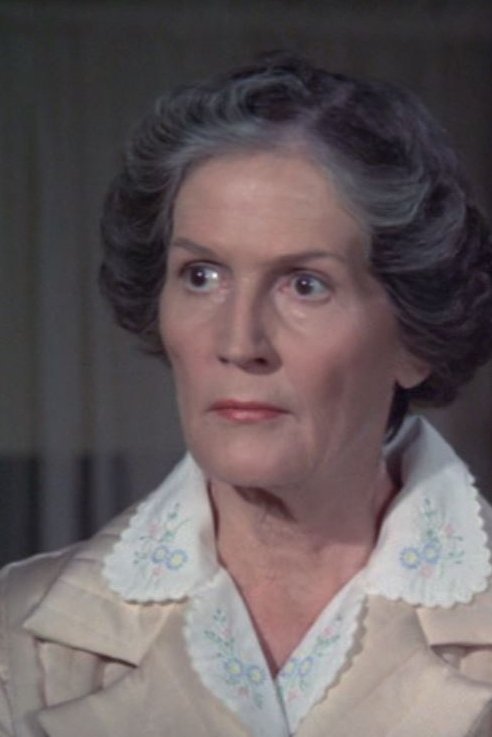
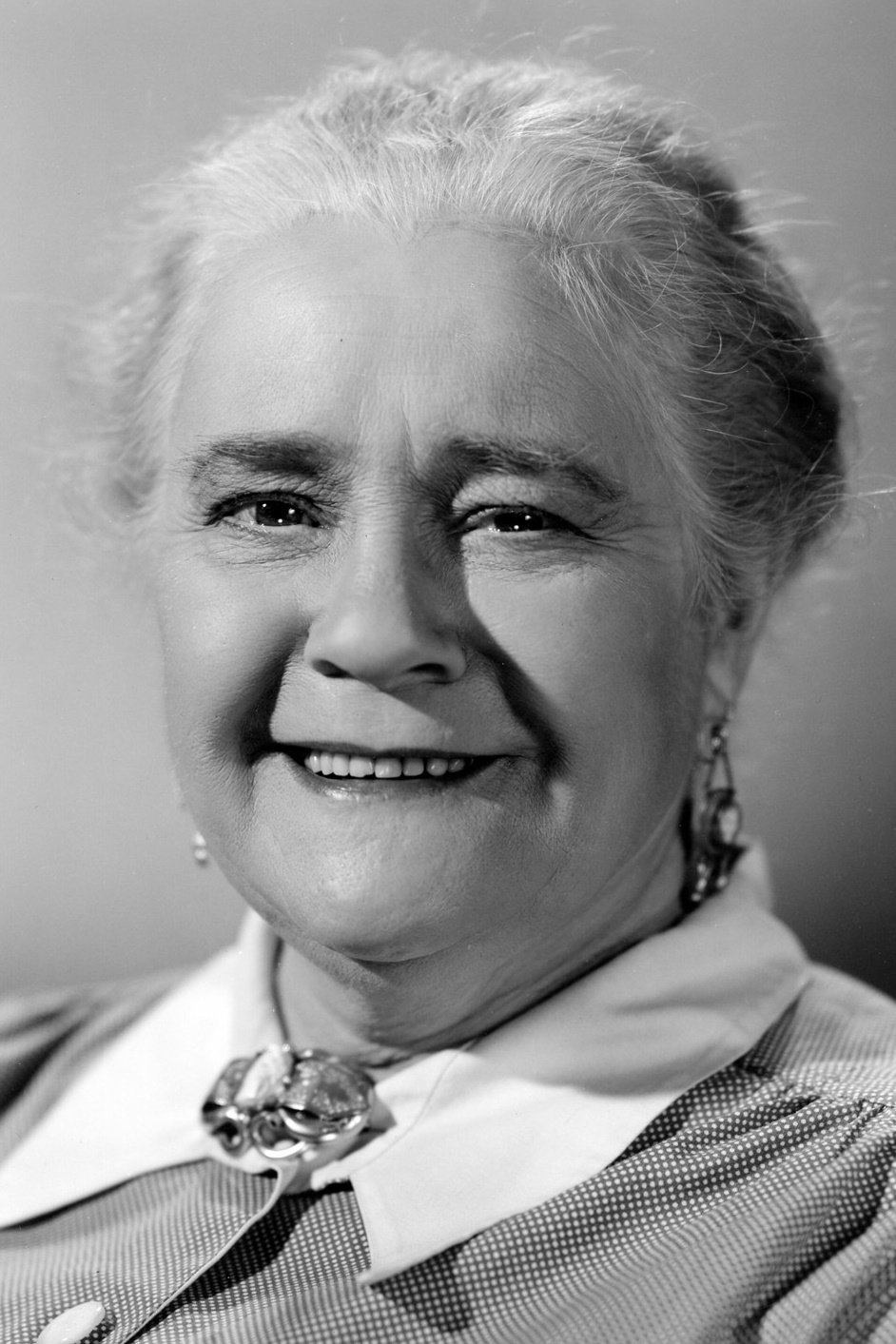
Henry Daniell’s MacFarlane presents himself as a demanding teacher whose concern for medical progress justifies the unpleasant necessities of anatomical education. His composure steadily weakens under Gray’s pressure. He is capable of genuine professional care, especially when encouraged to treat Georgina Marsh, but remains responsible for the circumstances that supply him with human bodies. Edith Atwater plays Meg Cameron, the housekeeper whose relationship with MacFarlane and knowledge of his earlier disgrace give her a more complicated position than that of a conventional domestic servant. She has reasons to protect him but ultimately recognizes how dangerous his dependence on Gray has become.
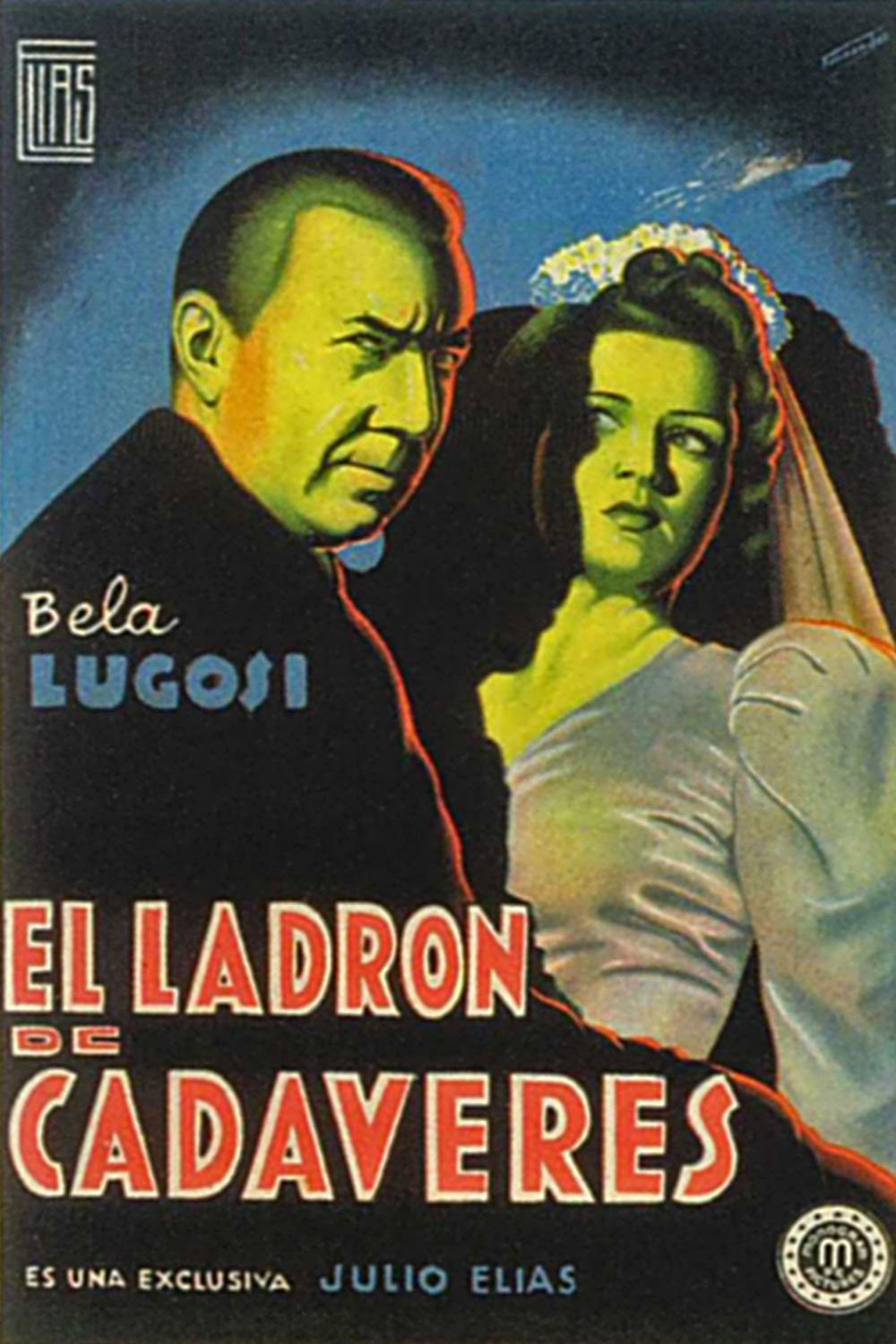
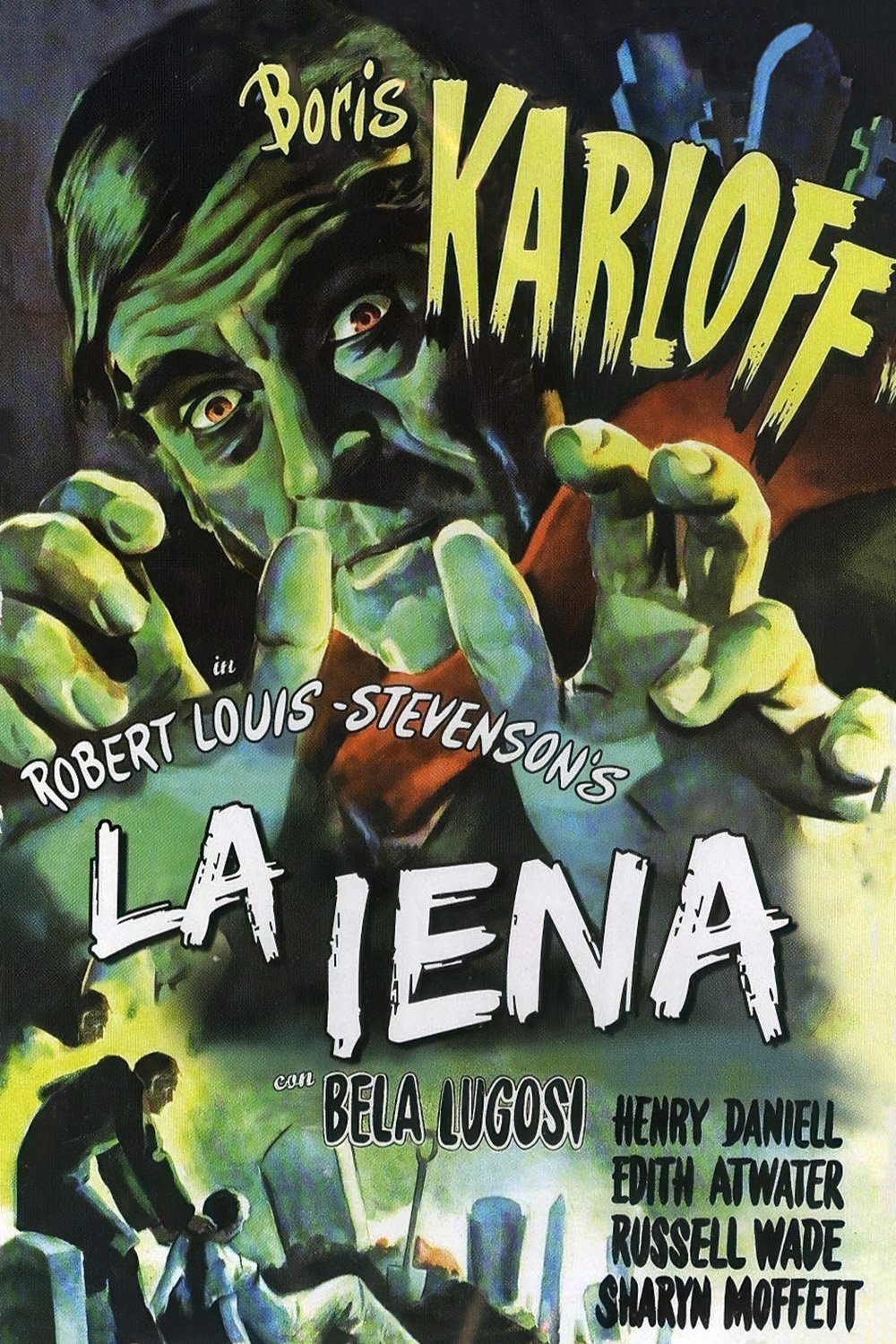
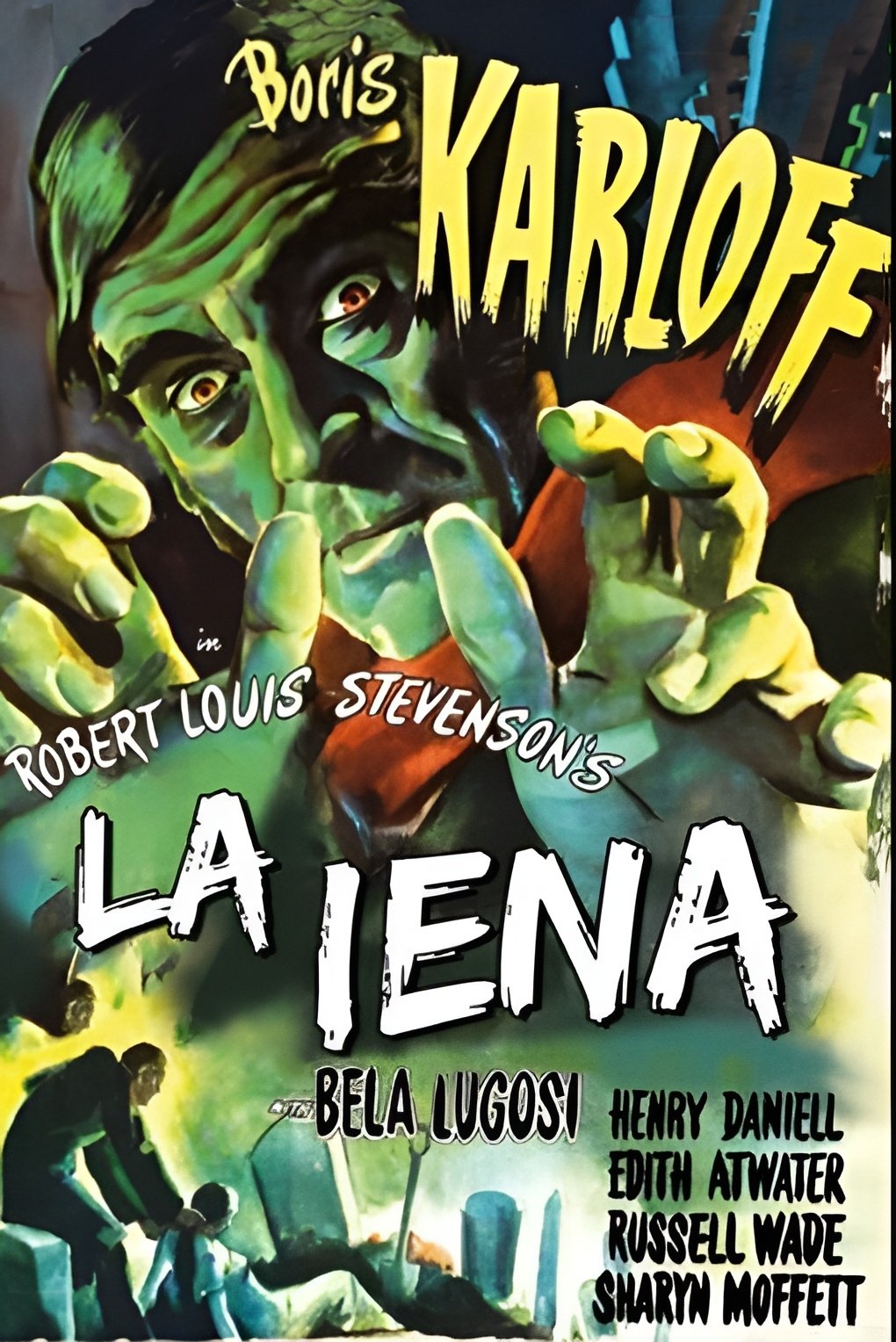
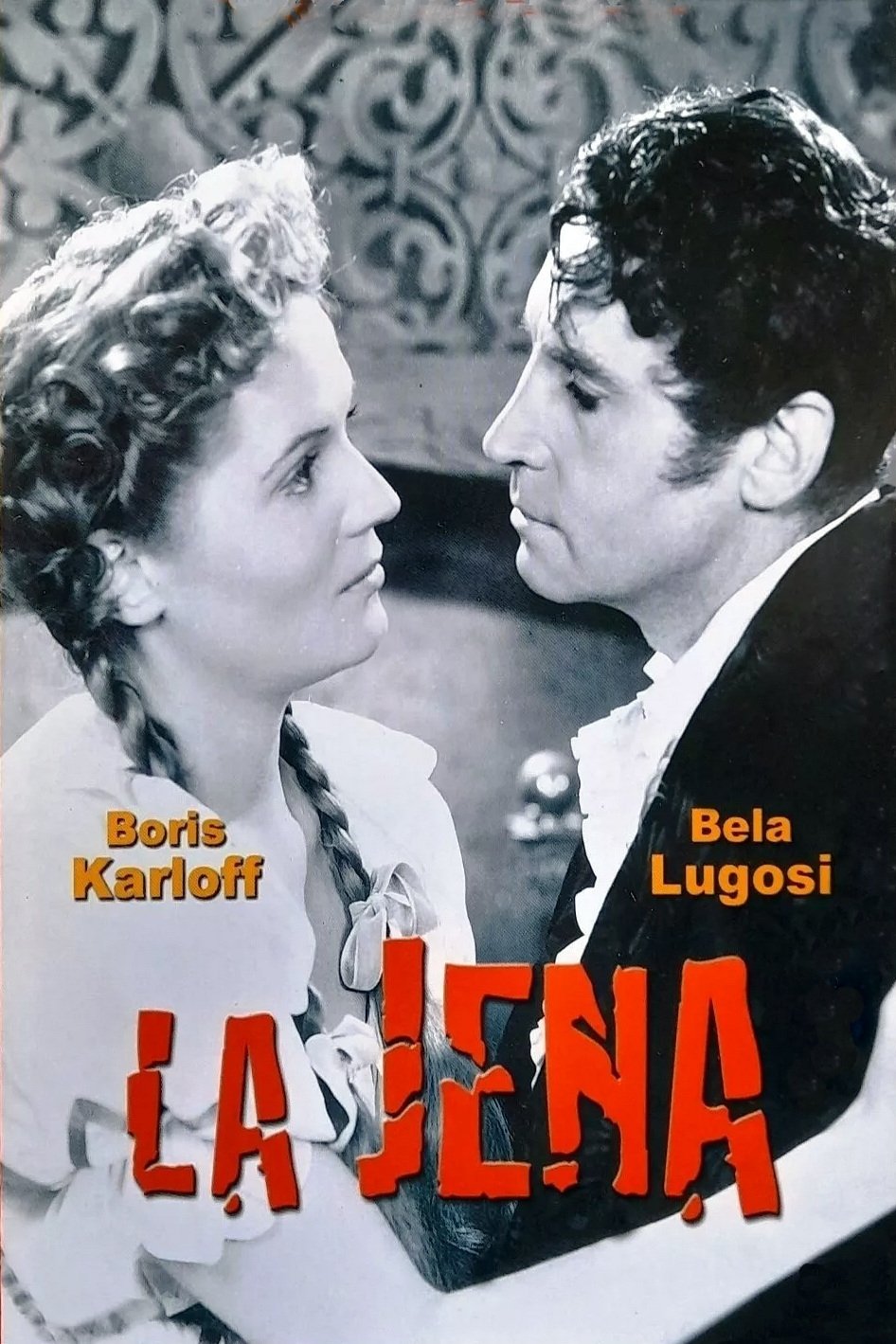
Bela Lugosi plays Joseph, an assistant who discovers the arrangement and attempts to profit from it through blackmail. The role was added during adaptation and is smaller than the billing might lead a viewer to expect. Joseph’s meeting with Gray supplies one of the film’s few direct encounters between the two screen performers so strongly associated with Universal’s horror cycle. Gray’s response to the attempted extortion establishes that even a fellow opportunist cannot safely exercise power over him. The Body Snatcher was the last film in which Karloff and Lugosi appeared together, but their shared celebrity is less important to the drama than the unequal contest between Gray and the surgeon he can ruin.
Donald Fettes, Georgina Marsh, and Medical Responsibility
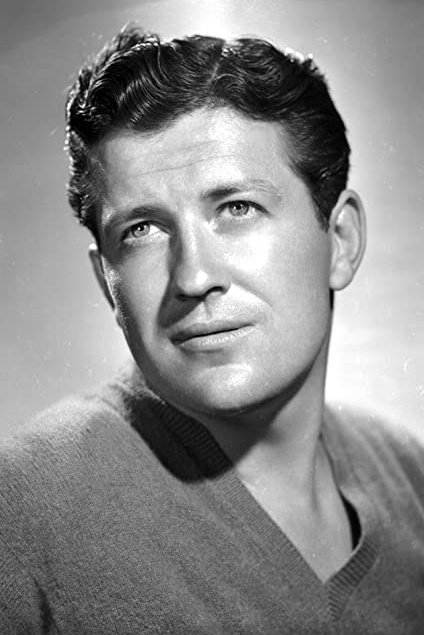
Russell Wade’s Donald Fettes enters the story as an ambitious student concerned about the cost of continuing his studies. MacFarlane offers him employment and access to professional training, placing him in a position where refusing a questionable order may threaten his future. When a recently buried child is brought into the laboratory, Fettes recognizes that the supplier’s work reaches into the lives of bereaved families. His disquiet becomes more urgent when Gray delivers a young woman whose body cannot plausibly have come from an ordinary grave. The assistant’s changing response makes him a witness to wrongdoing as well as a beneficiary of the material it provides.
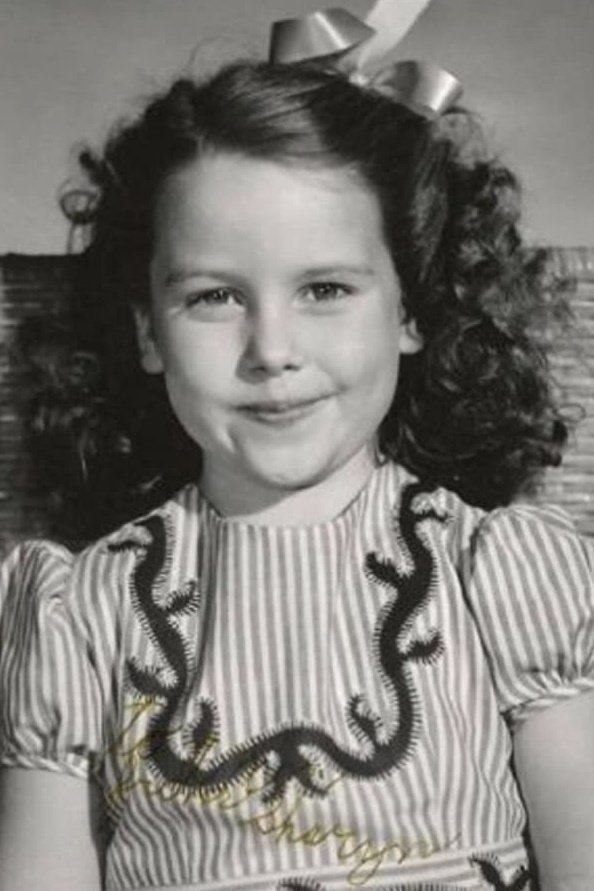
The case of Georgina Marsh introduces a competing demand upon the surgeon’s abilities. Her mother hopes that MacFarlane can help her daughter walk, but he initially avoids the operation. The shortage of anatomical material is then used to explain why he cannot properly prepare. Gray exploits this hesitation, and Fettes becomes involved in procuring another body. The operation appears at first to fail, intensifying MacFarlane’s bitterness and his vulnerability to Gray’s taunts. Later, Georgina stands and moves after hearing a horse, revealing that the surgery had a beneficial result whose timing the doctor could not control. The episode connects real medical care to the illegal means by which the surgeon chooses to pursue it.
The film’s central argument is not that scientific inquiry necessarily corrupts the physician. It asks what happens when a doctor treats the value of a successful procedure as permission to ignore the circumstances in which necessary knowledge is obtained. Fettes’s horror is not a simple refusal of medical study; he wants the child to recover and understands the importance of anatomical training. His dilemma is whether professional duty can remain intact when its daily practice depends on secrecy and murder. MacFarlane’s failure lies in allowing Gray’s services to become a permanent condition of his career, even after the moral cost has become unmistakable.
Sound, Unseen Violence, and the Final Vision
The sequence involving a blind street singer is the clearest expression of Lewton’s preference for implication. Donna Lee’s character moves through a largely deserted street, singing as she walks. Gray’s carriage follows at a measured distance, and the camera remains behind as both disappear from view. The song stops abruptly. The spectator never sees the act of murder, but the sound’s disappearance confirms that something terrible has happened. Its precision depends upon withholding the expected image. A short interval of silence can carry more dread than a graphic depiction would, while the later appearance of the woman’s body supplies the horrifying consequence of the unseen action.
Sound also animates the graveyard and the enclosed world of the laboratory. The distressed dog beside the child’s grave and the intermittent approach of the horse create recognizable acoustic patterns that acquire threatening associations. Roy Webb is credited with the score, while C. Bakaleinikoff served as musical director; their roles should not be conflated when discussing the production. More important than any particular musical cue is the deliberate contrast between human voices, everyday noises and moments when a familiar sound disappears. Wise’s control over these changes encourages the viewer to imagine events beyond the visible frame, a principle already associated with Lewton’s earlier films.
The final journey alters the meaning of Gray’s persistent presence. MacFarlane has killed the cabman, yet during a stormy carriage ride he hears Gray and imagines the corpse beside him assuming the dead man’s form. The frightened horses carry the vehicle to destruction, and Fettes discovers that the actual body is that of a woman. The episode does not establish that Gray literally returned from the dead; the revelation allows his reappearance to be understood through MacFarlane’s guilt and terror. The apparent supernatural climax grows from a chain of human crimes, with the doctor unable to escape the consequences of a relationship he once believed he could control.
Censorship, Release, and Critical Afterlife
The film’s treatment of human remains presented difficulties with contemporary authorities. The American Film Institute cites Production Code files indicating objections from the city of Chicago and the state of Ohio, along with a restrictive assessment by the National Legion of Decency over gruesome material. RKO reduced the visibility of grave robbery and dissection in response to concerns about what could be shown. Paul Frith’s research in the journal Horror Studies examines the negotiations surrounding British horror censorship and argues that the wartime restrictions on the genre were less uniform than later summaries have often suggested. That scholarship is especially useful here because accounts of British exhibition and alleged cuts have sometimes been repeated without distinguishing different prints and regulatory decisions.
RKO copyrighted The Body Snatcher on 15 February 1945, and AFI records its New York opening during the week of 25 May. The film is generally catalogued at approximately 78 to 79 minutes, although individual archive and home-video records may differ. Its publicity made conspicuous use of Karloff and Lugosi, and the meeting of two famous horror performers could attract audiences beyond those already familiar with Lewton’s atmospheric productions. Contemporary critic James Agee praised the force of the film’s frightening moments, as quoted by Turner Classic Movies, and its final confrontation became one of the sequences most frequently discussed in subsequent evaluations. No single box-office figure should be treated as a verified worldwide total without an appropriate contemporary financial source.
The Body Snatcher forms part of the final group of horror pictures Lewton made with Karloff, alongside Isle of the Dead (1945) and Bedlam (1946). Its place within the cycle is distinctive because its threat is grounded in an economic and medical arrangement rather than a creature with supernatural powers. Later critical writing, including the British Film Institute’s overview of Lewton and Josh Martin’s 2024 essay for Screen Slate, has stressed the film’s use of moral ambiguity and its exacting control of unseen violence. Wise would return to the haunted-house tradition with The Haunting (1963), but this earlier work had already demonstrated how carefully selected sounds and offscreen space could make an audience confront what a camera refuses to show.