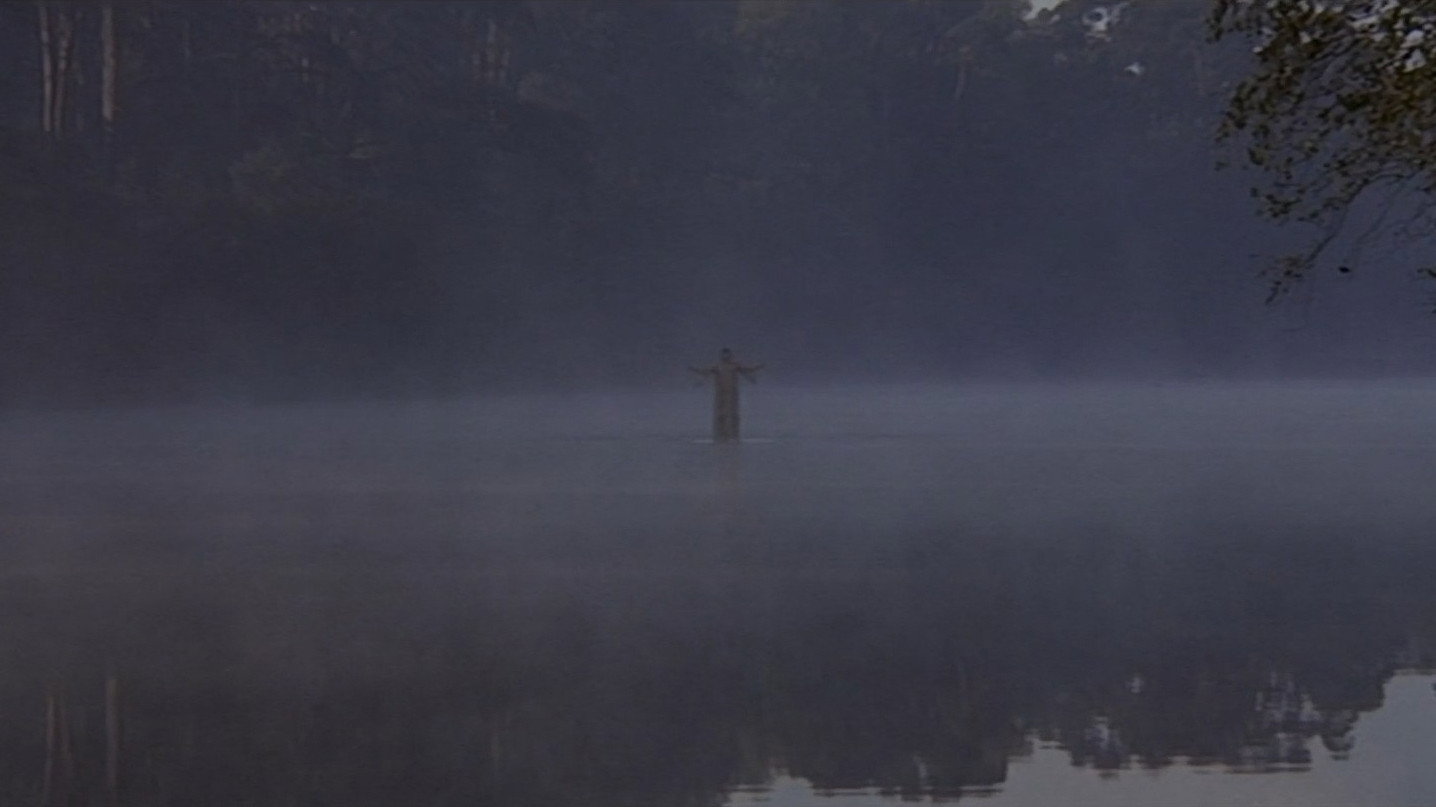
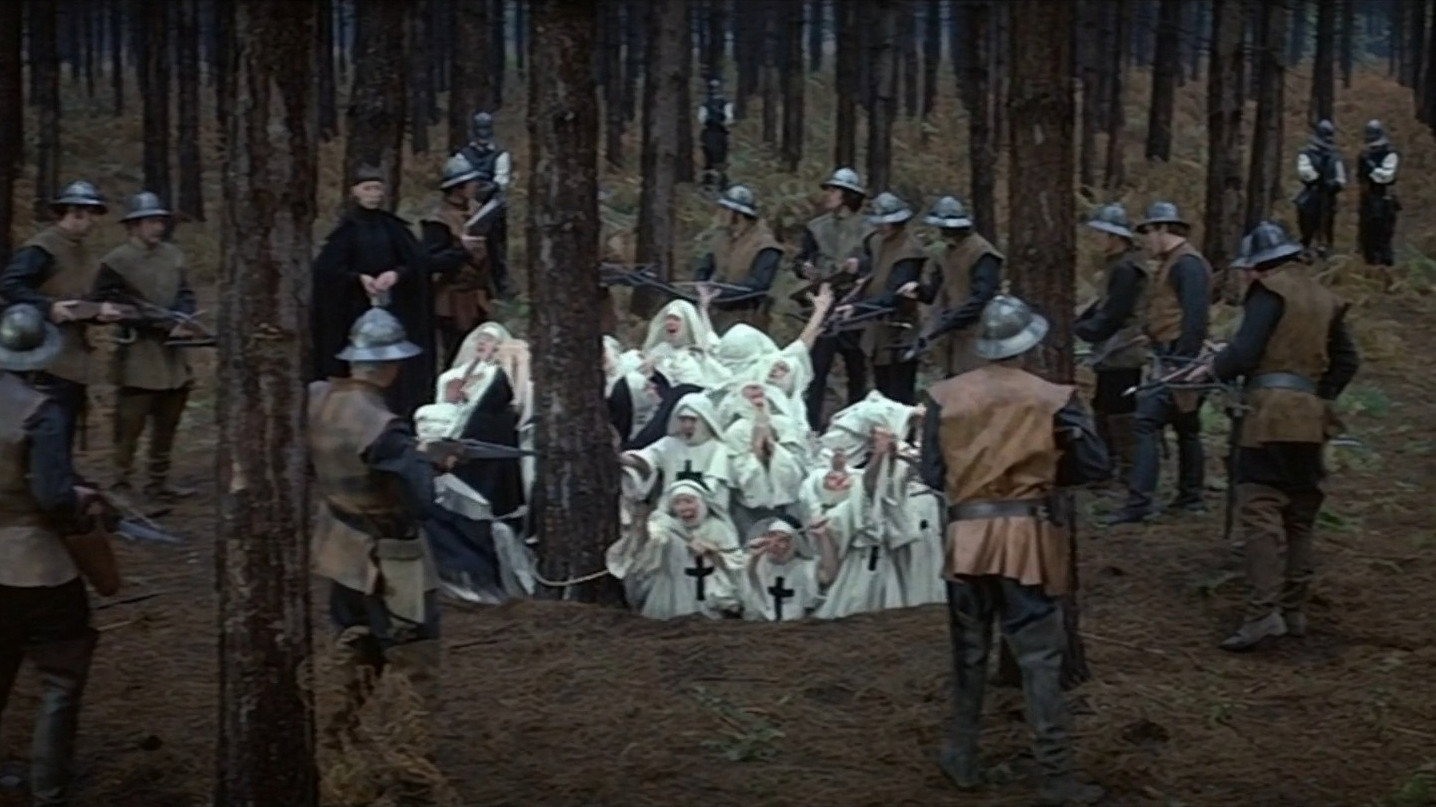
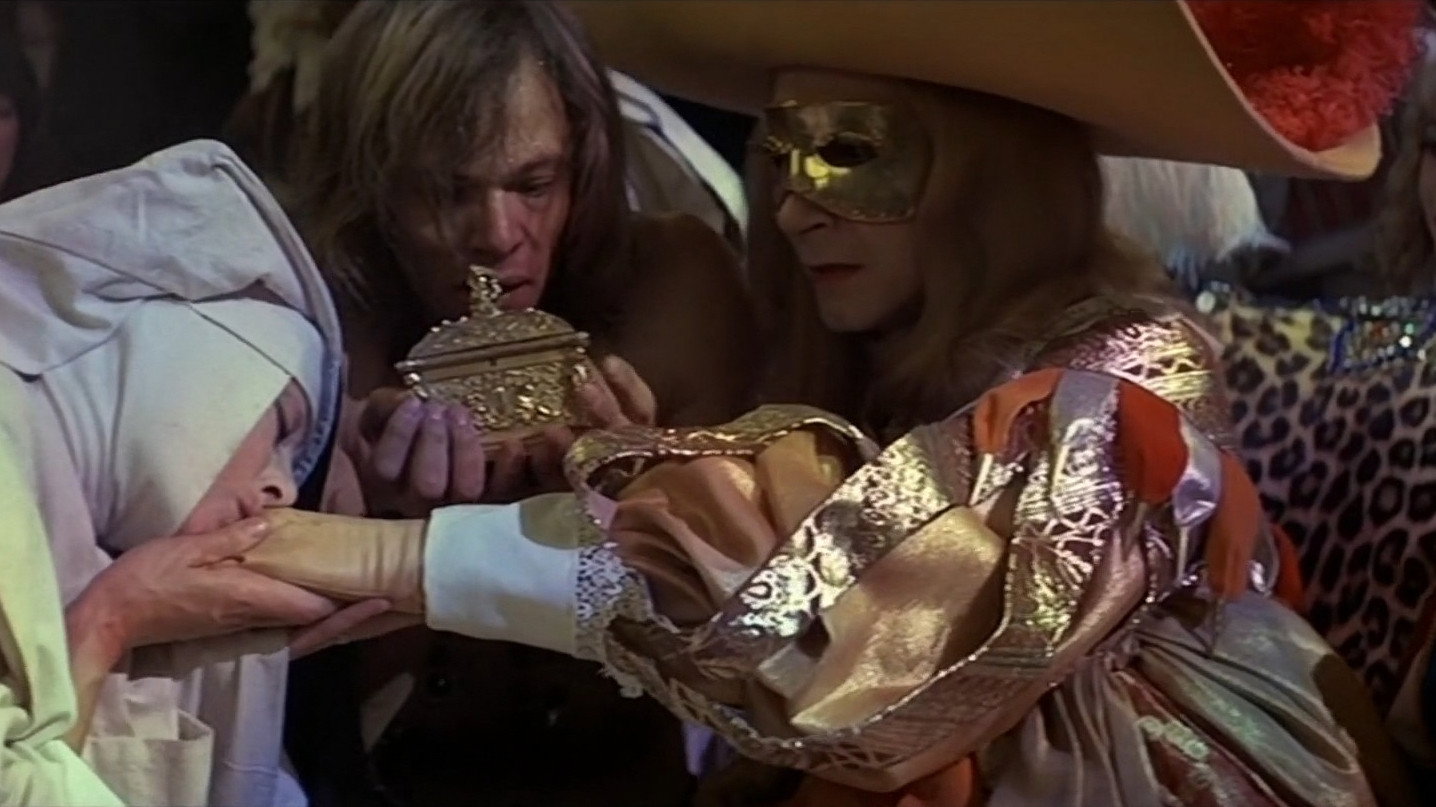
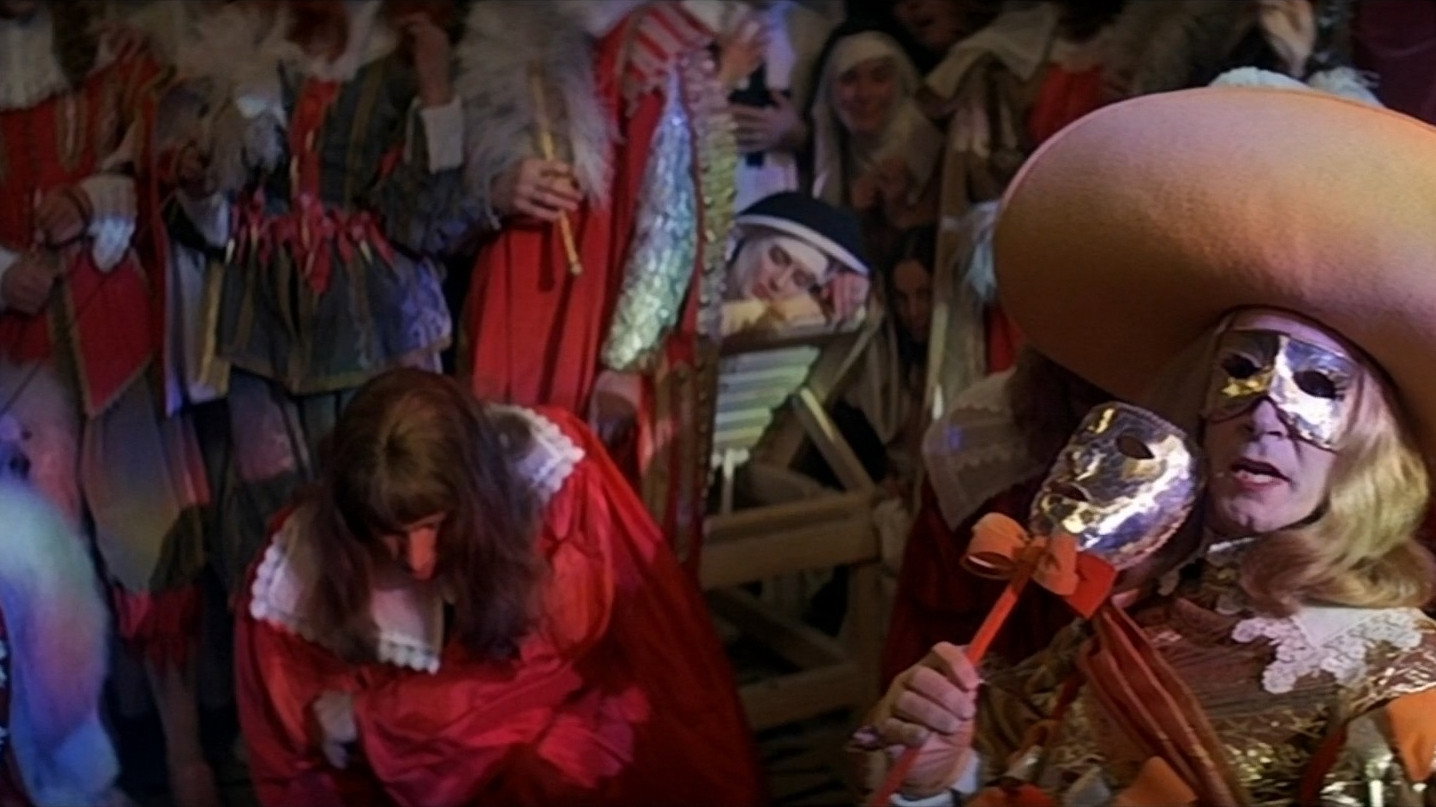
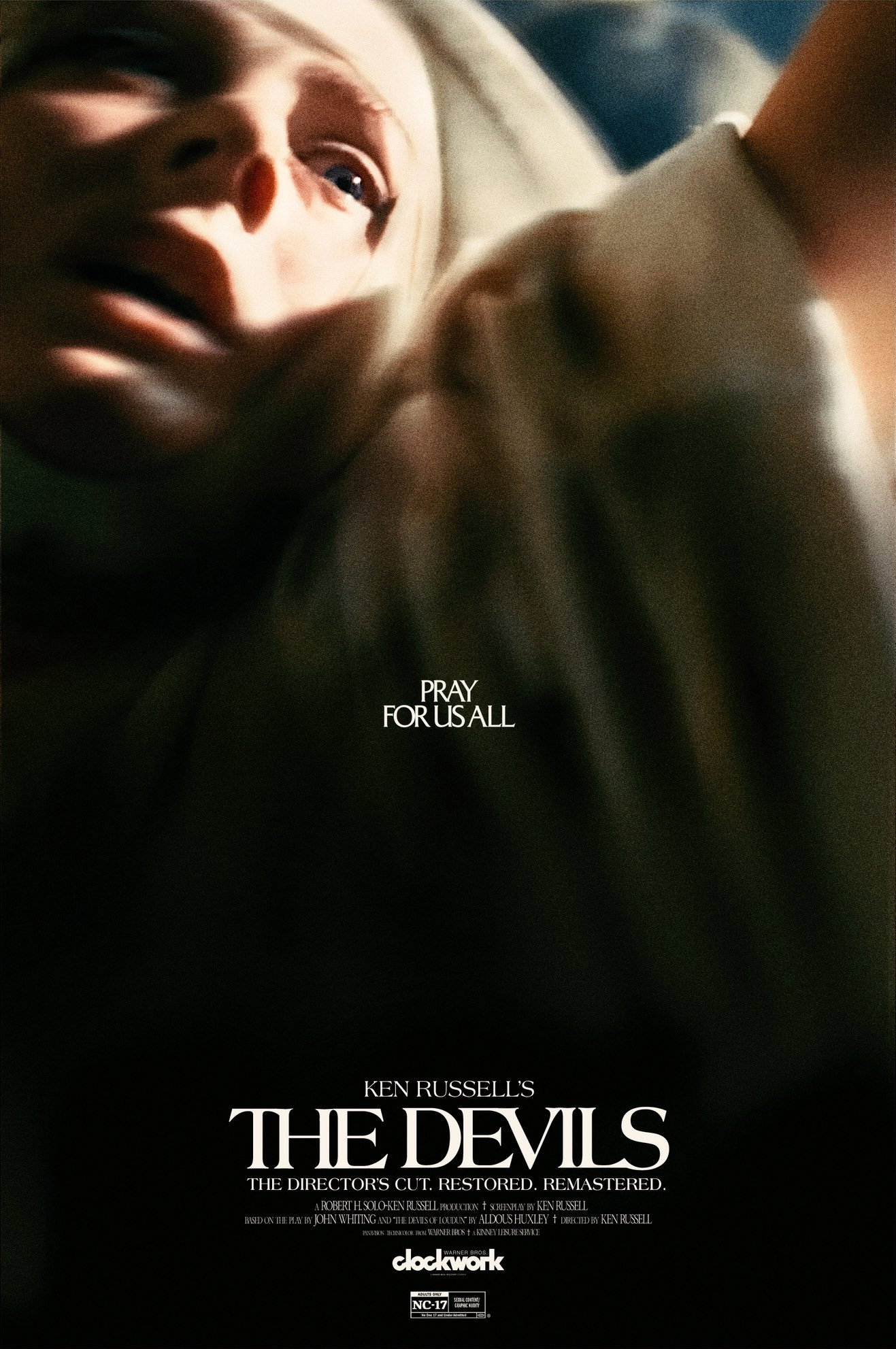
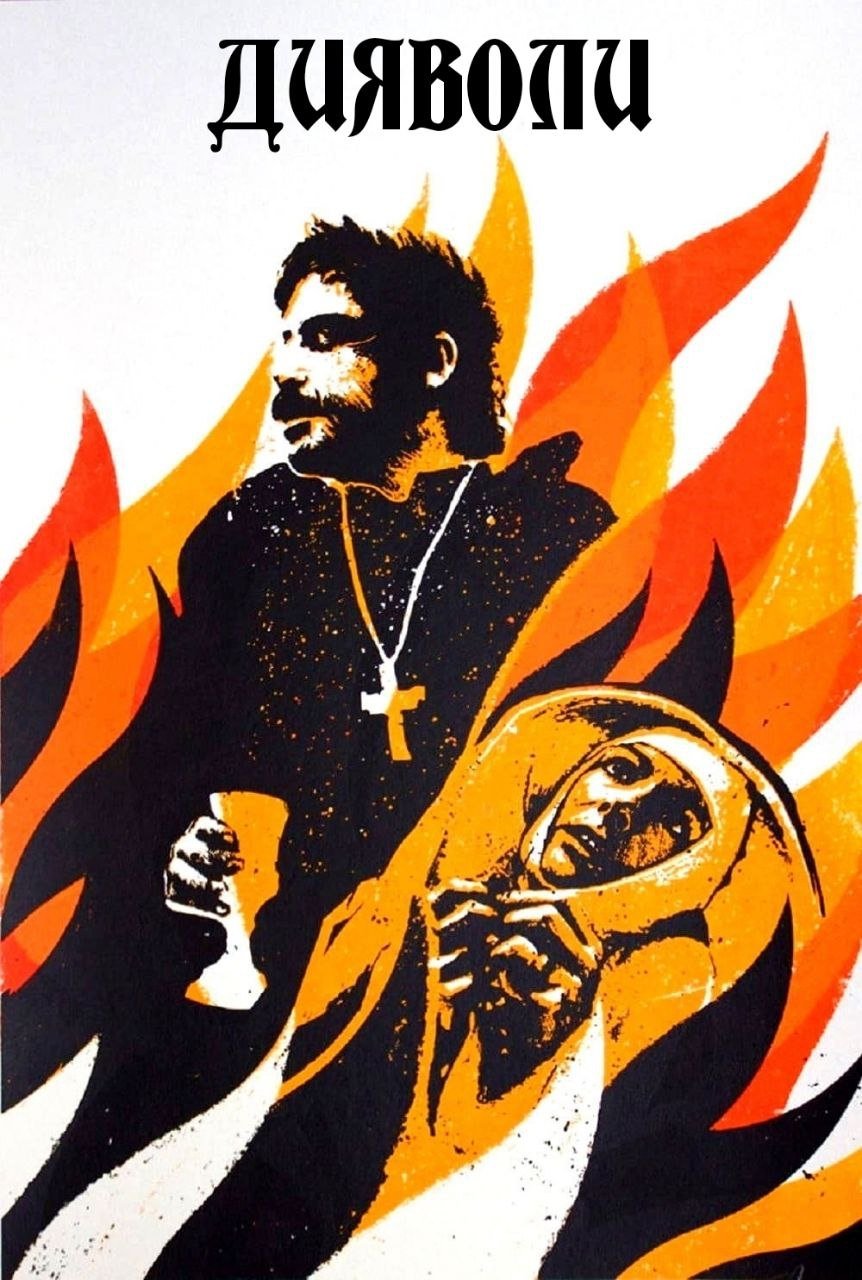
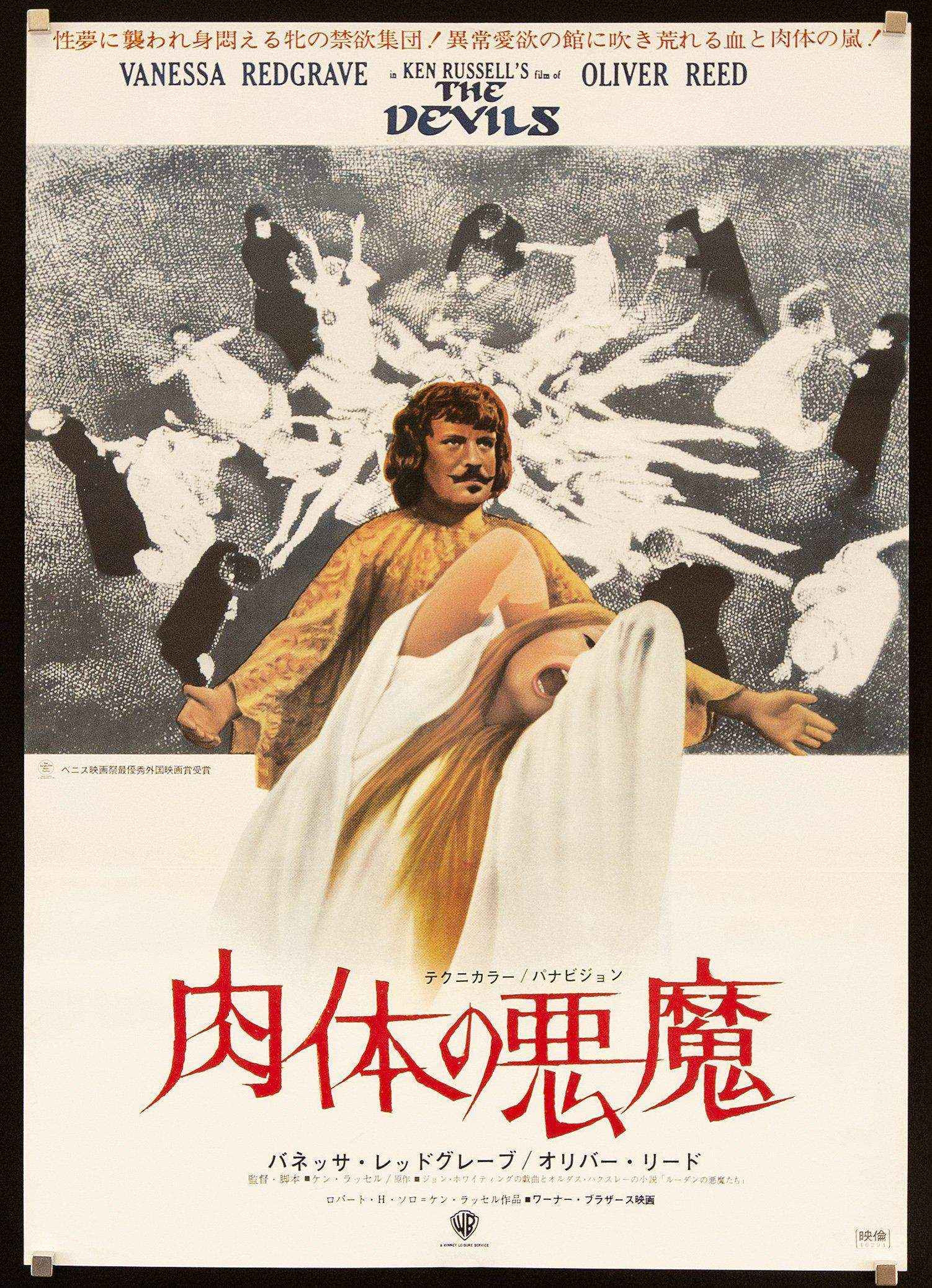
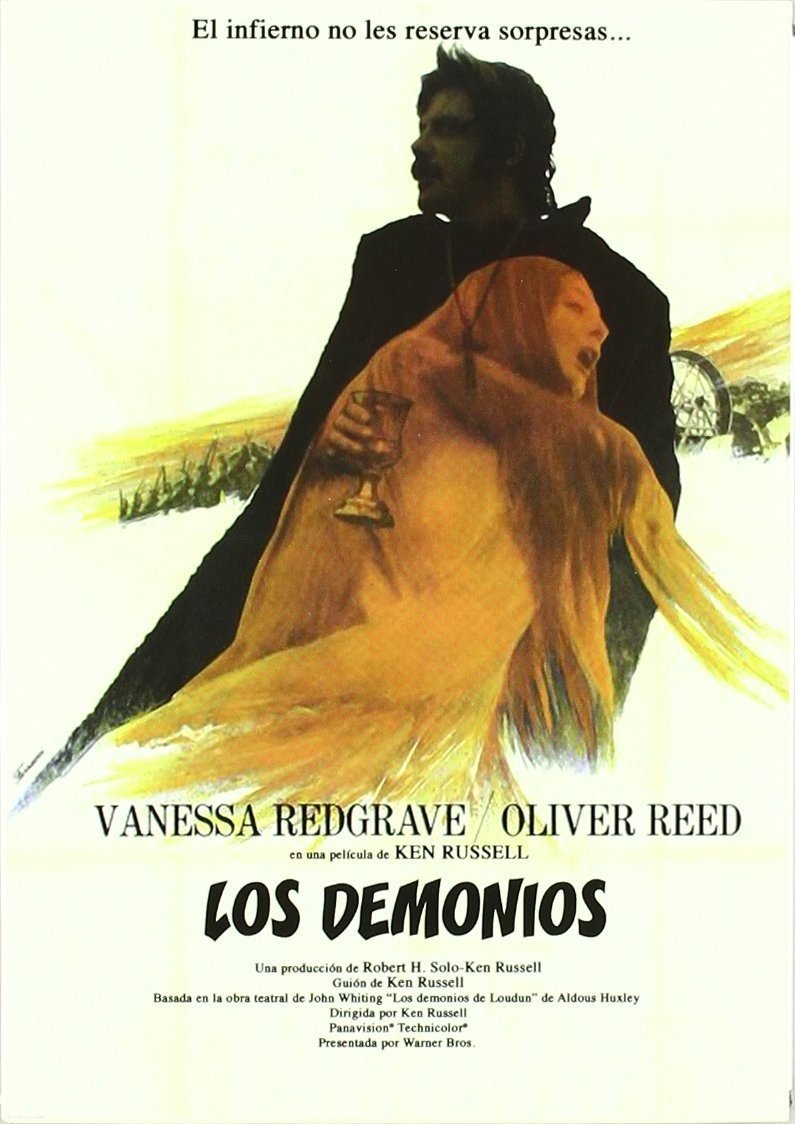
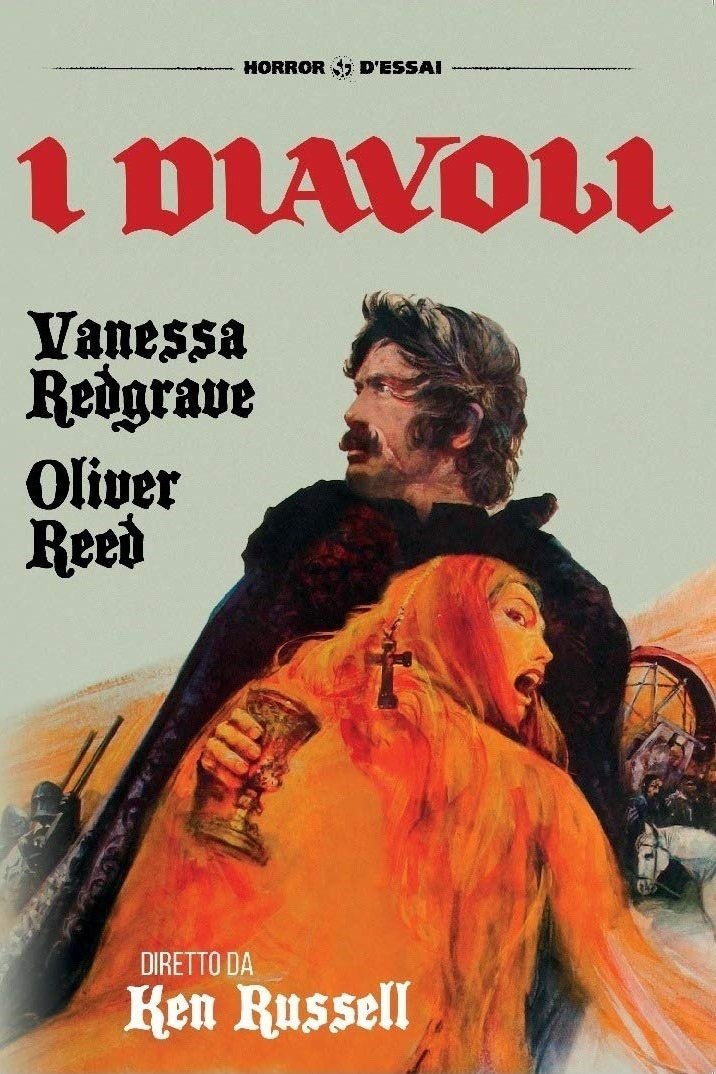
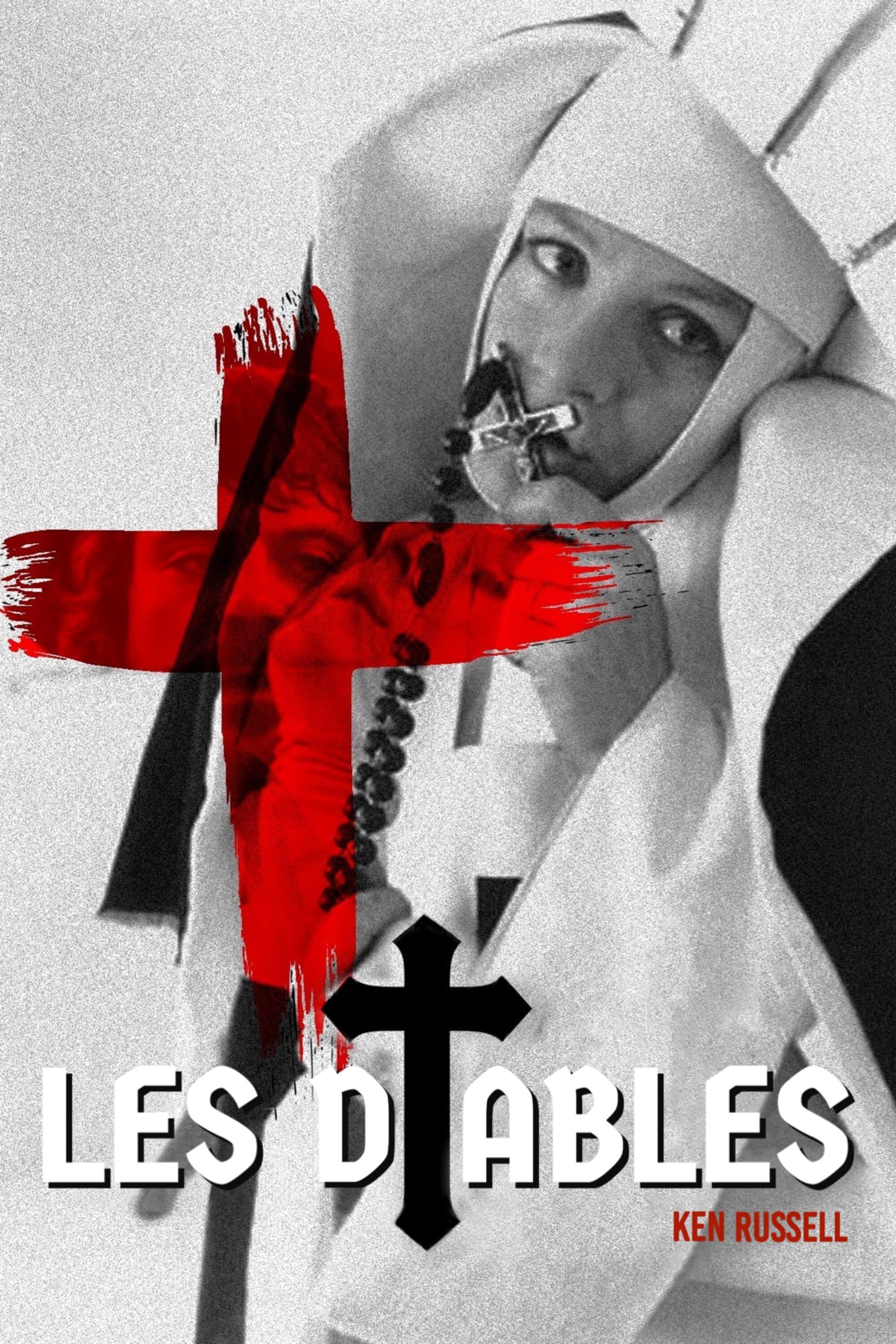
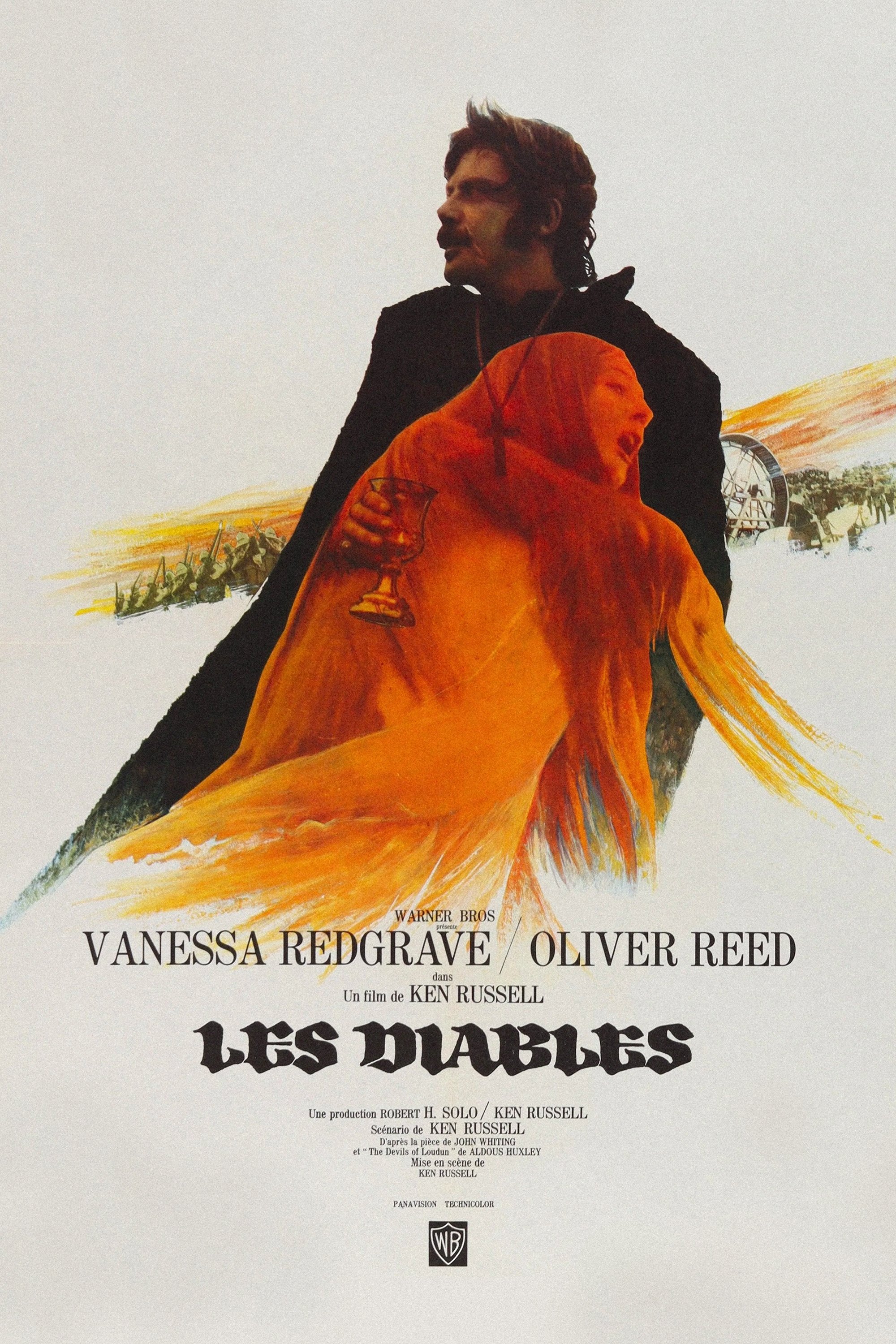
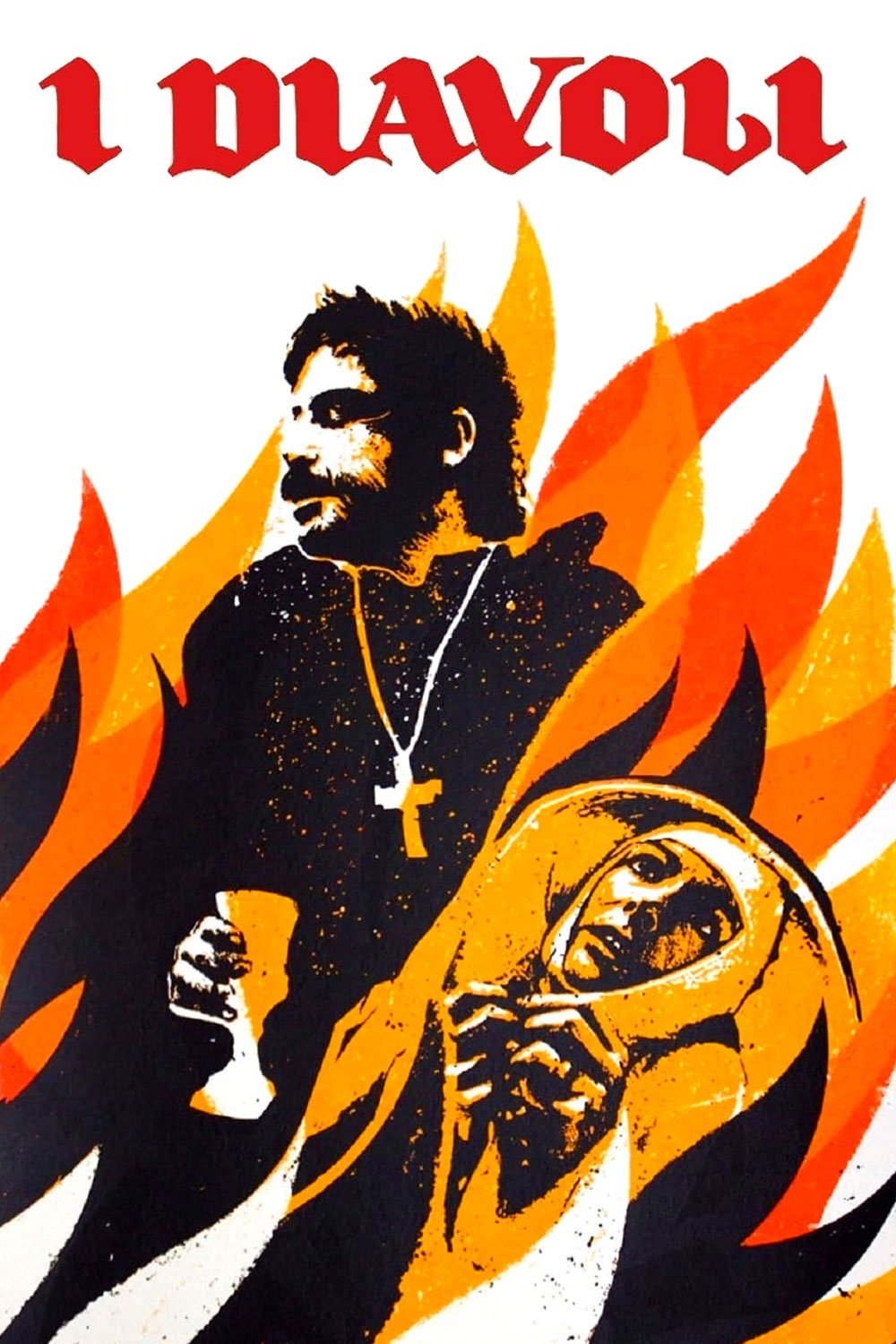
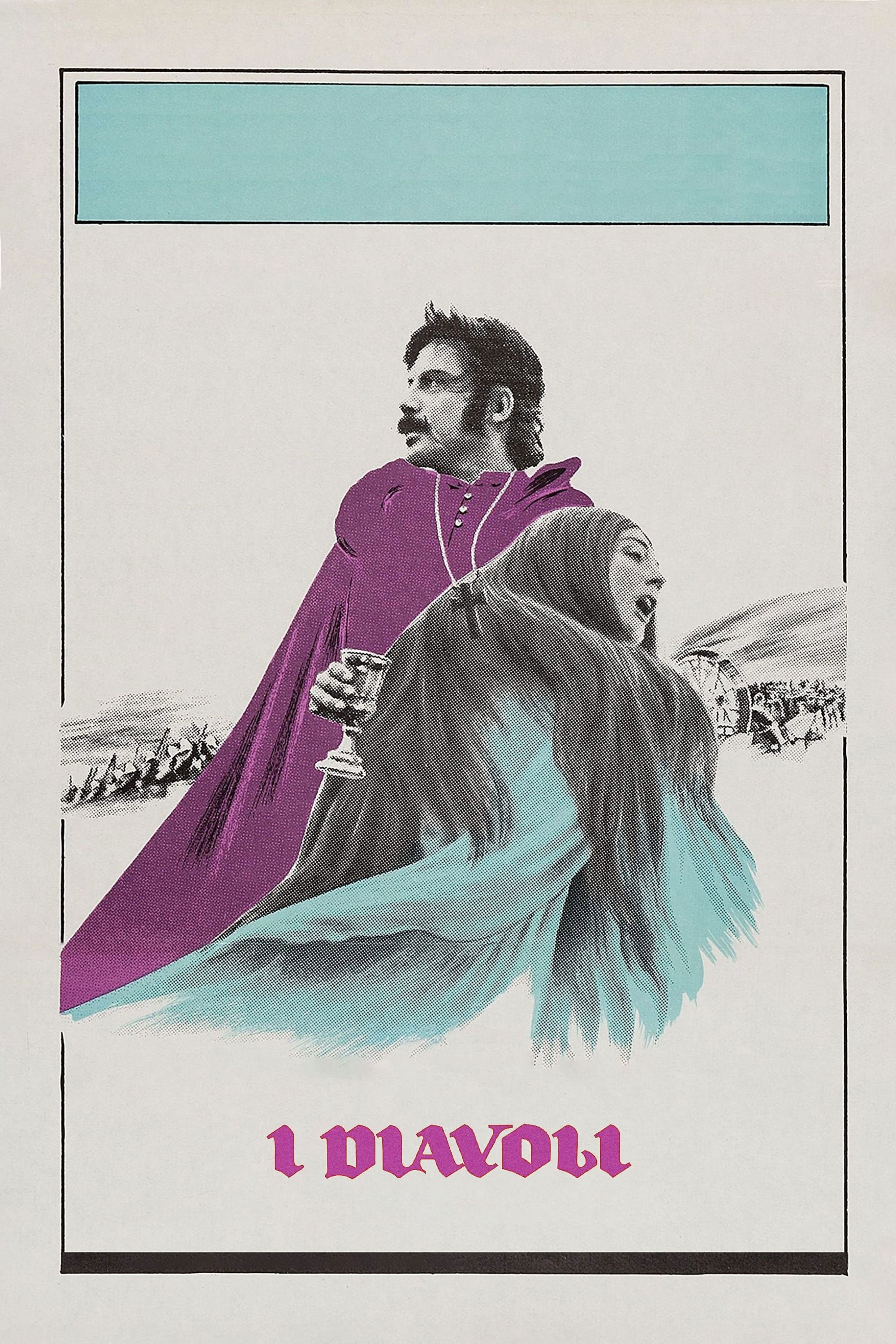
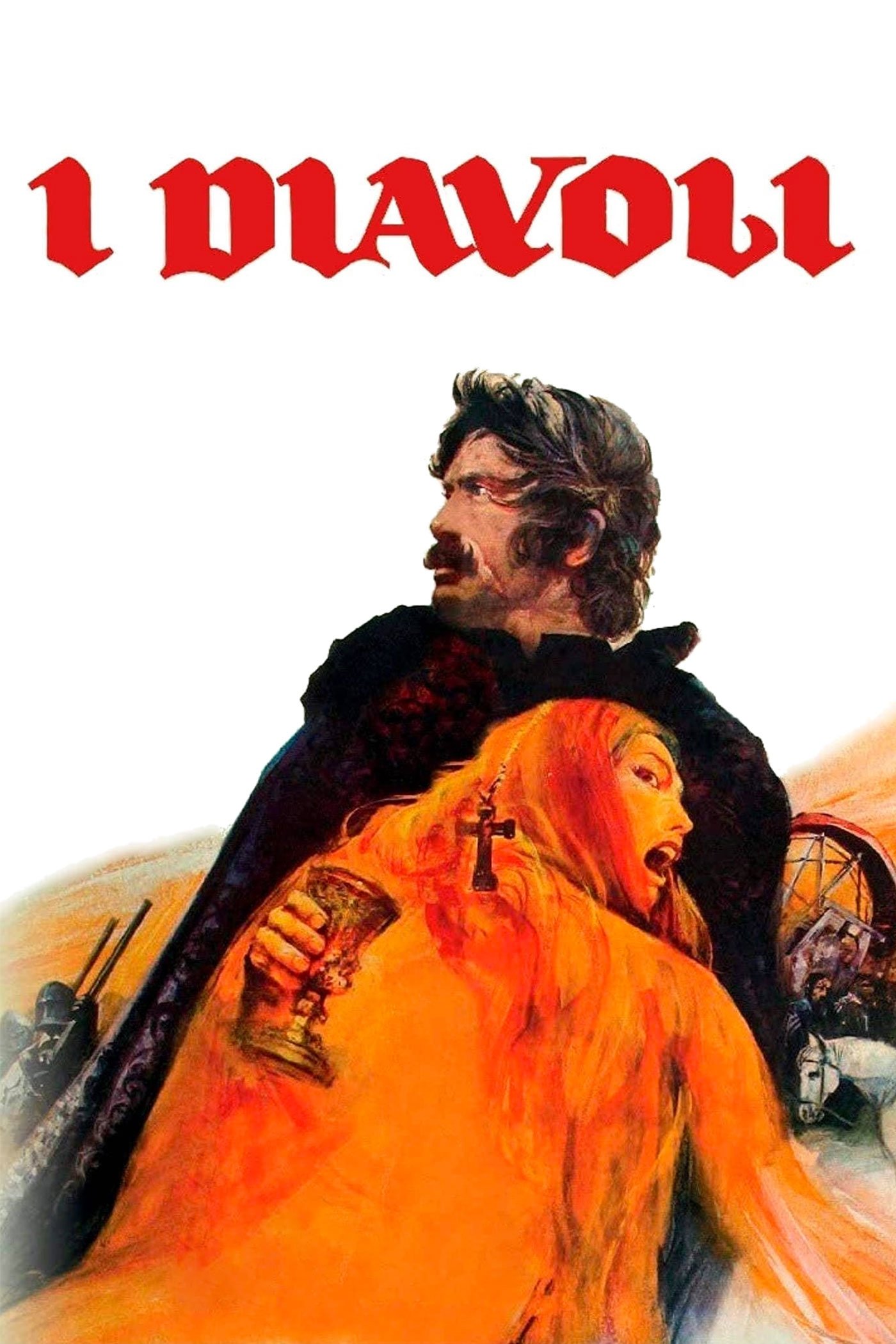
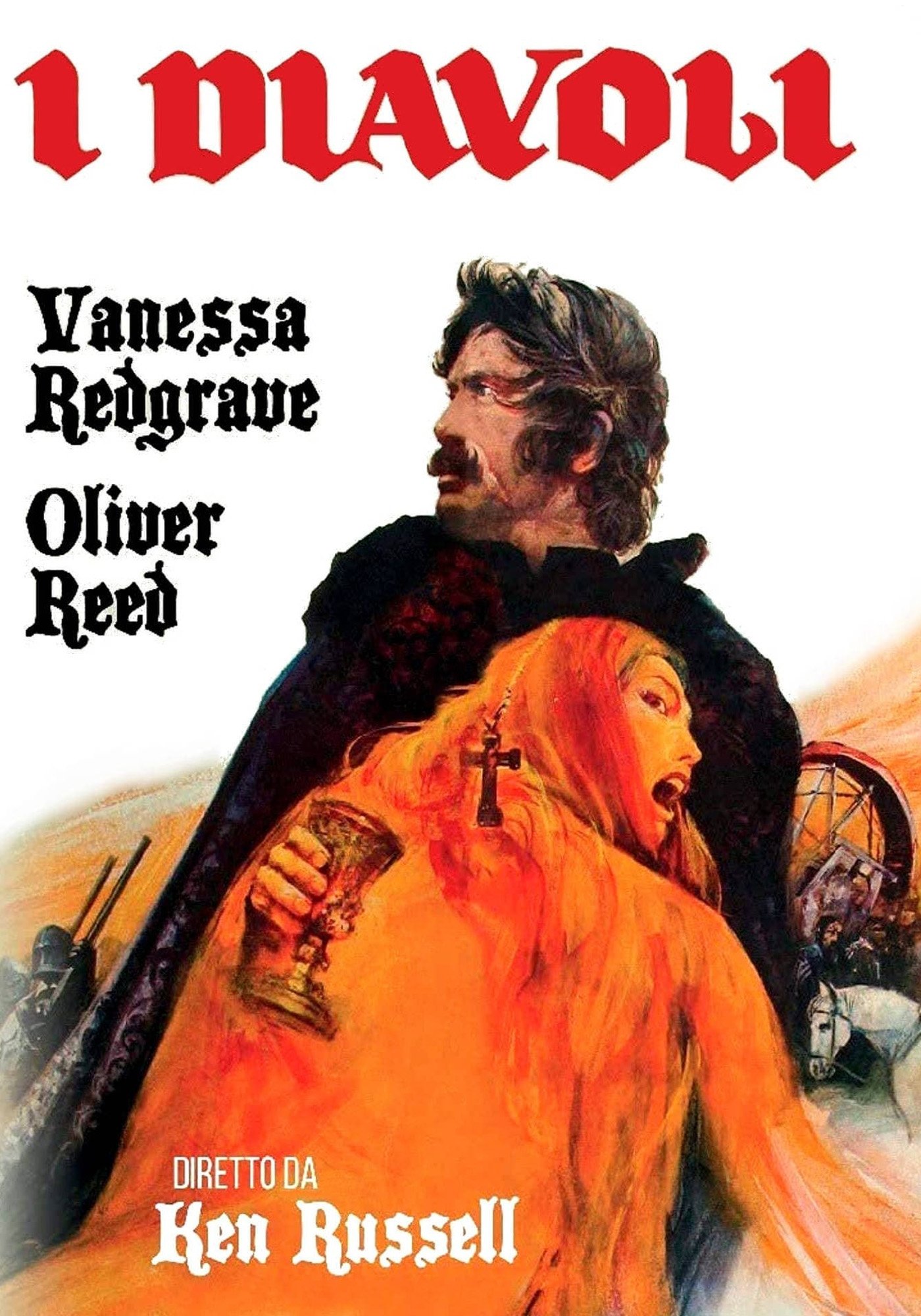
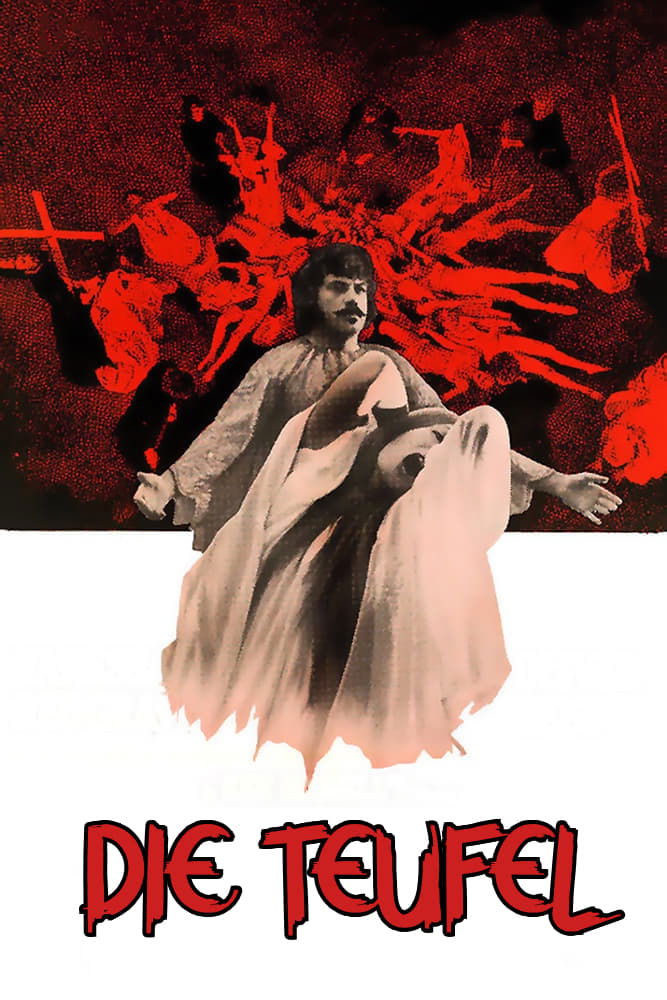
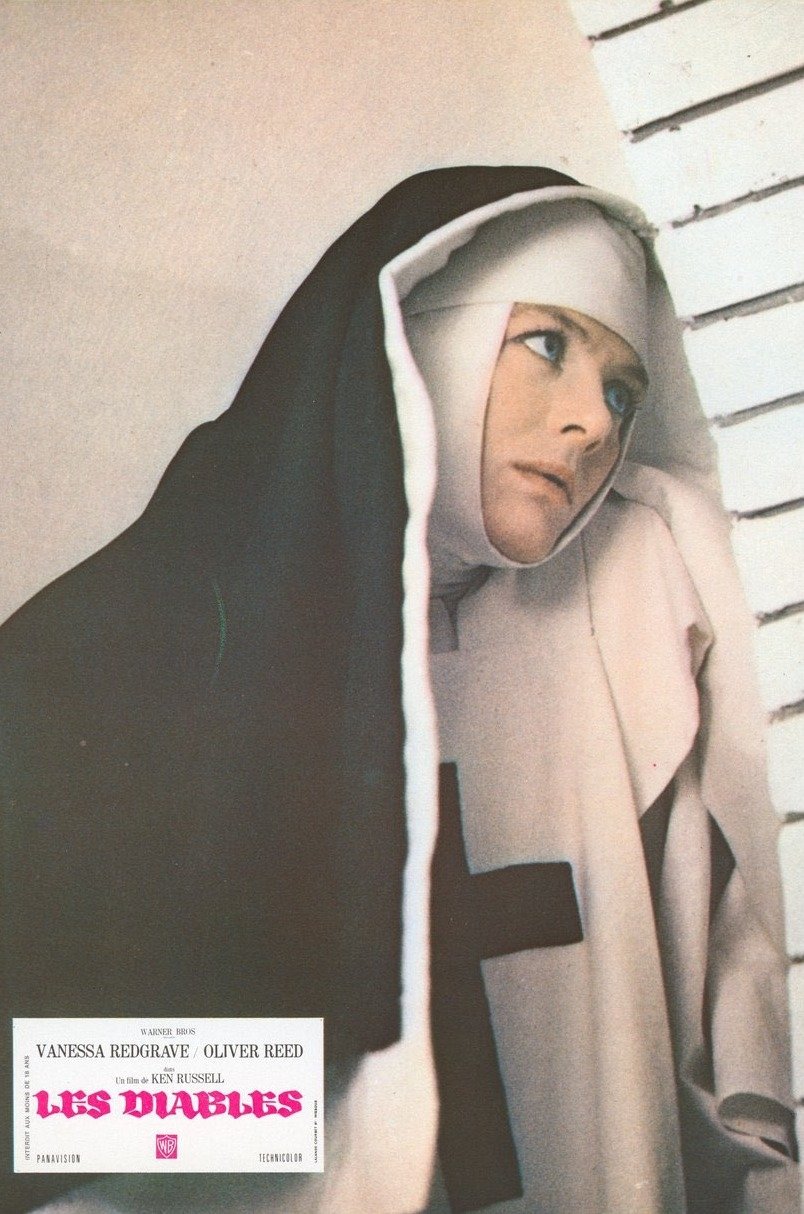
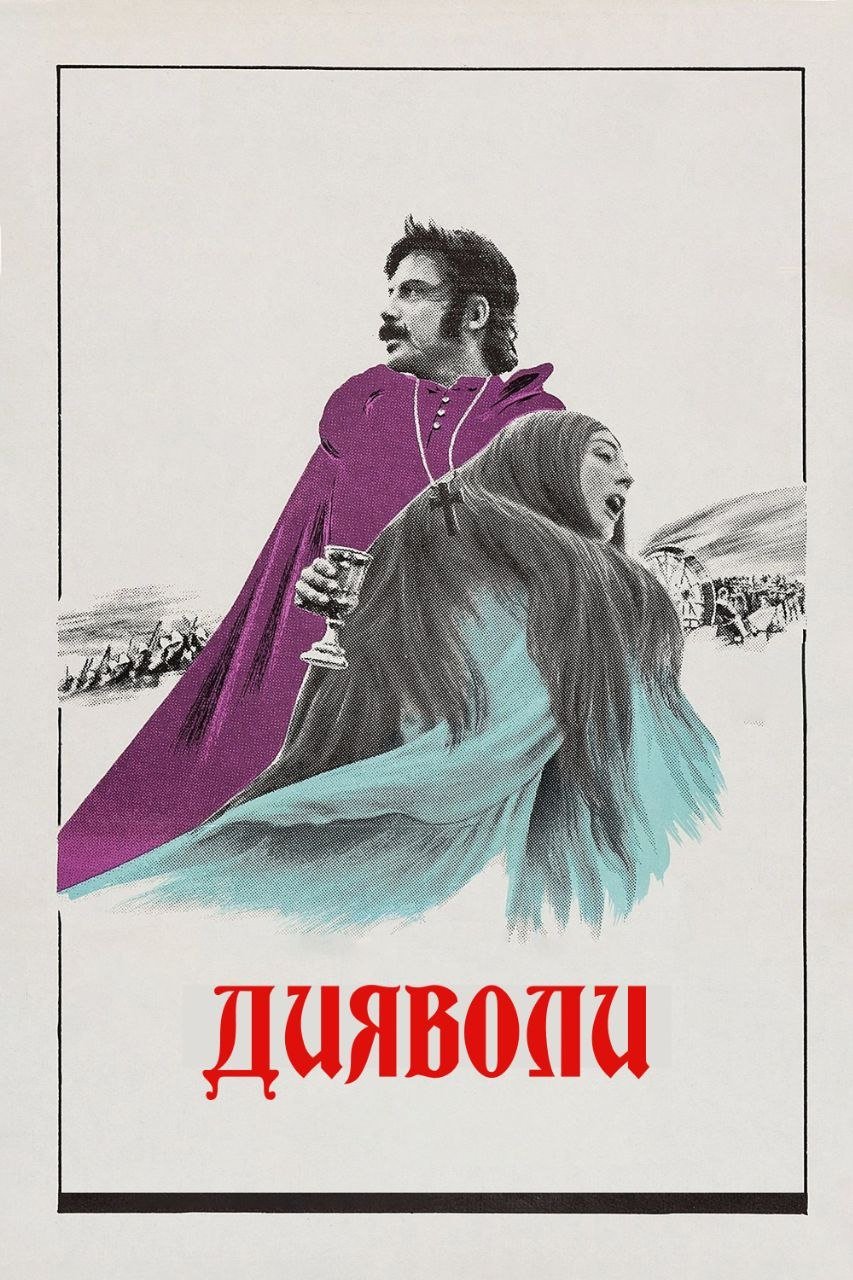
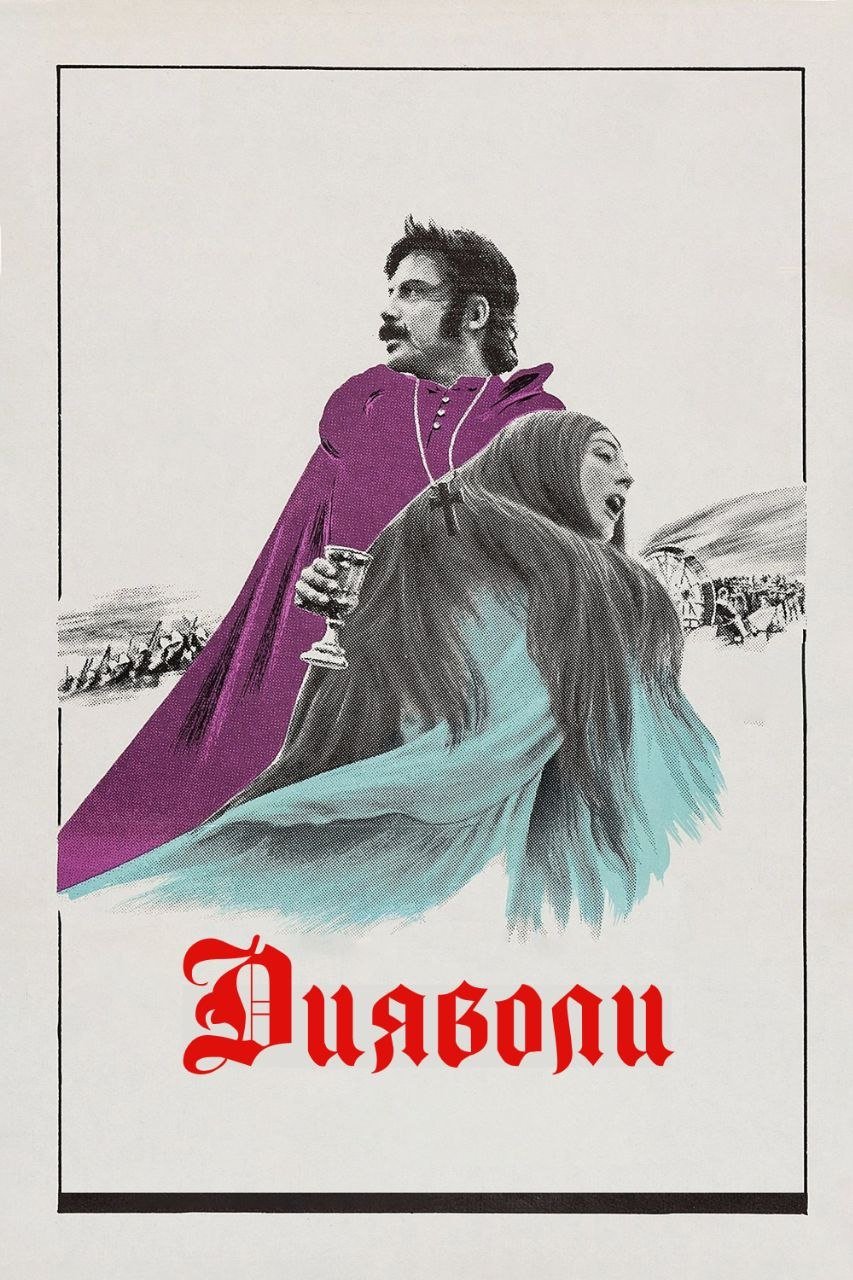
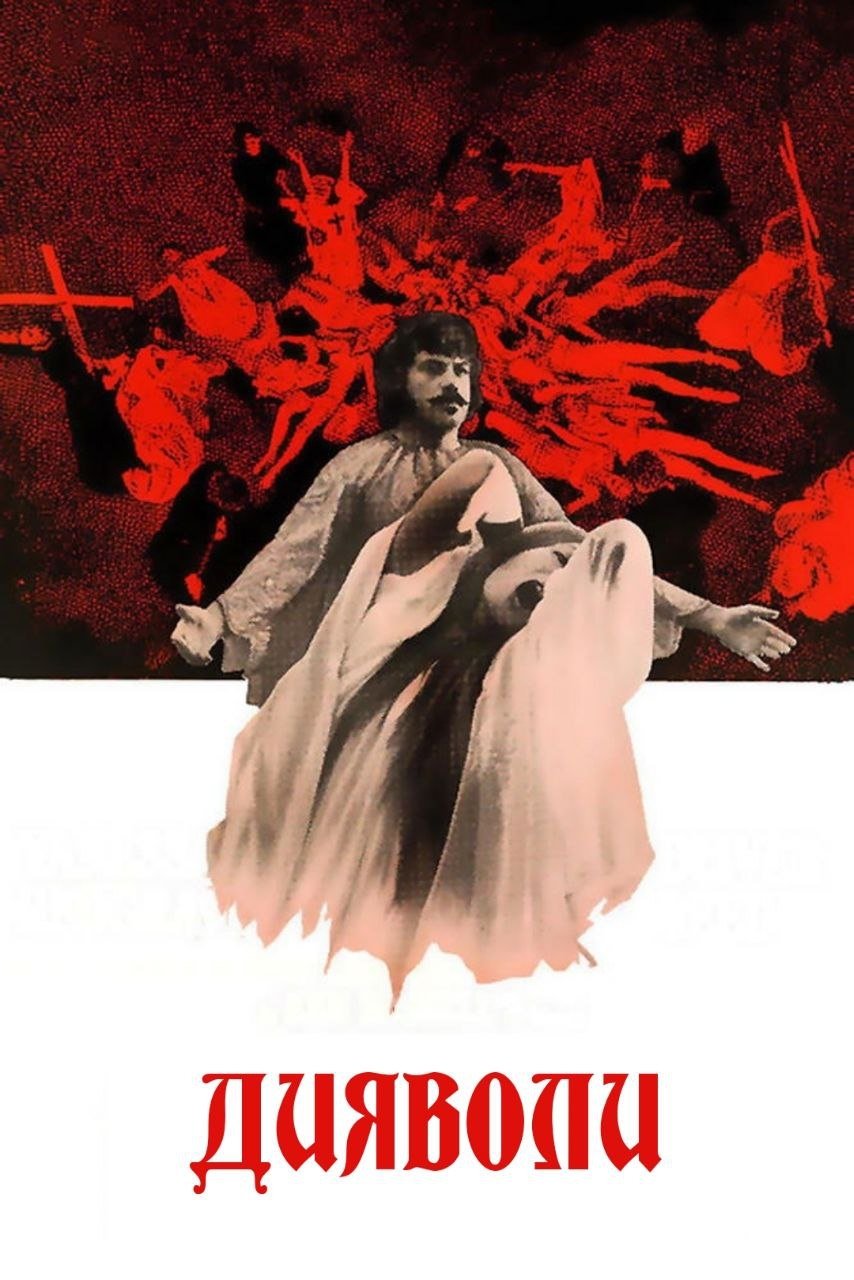
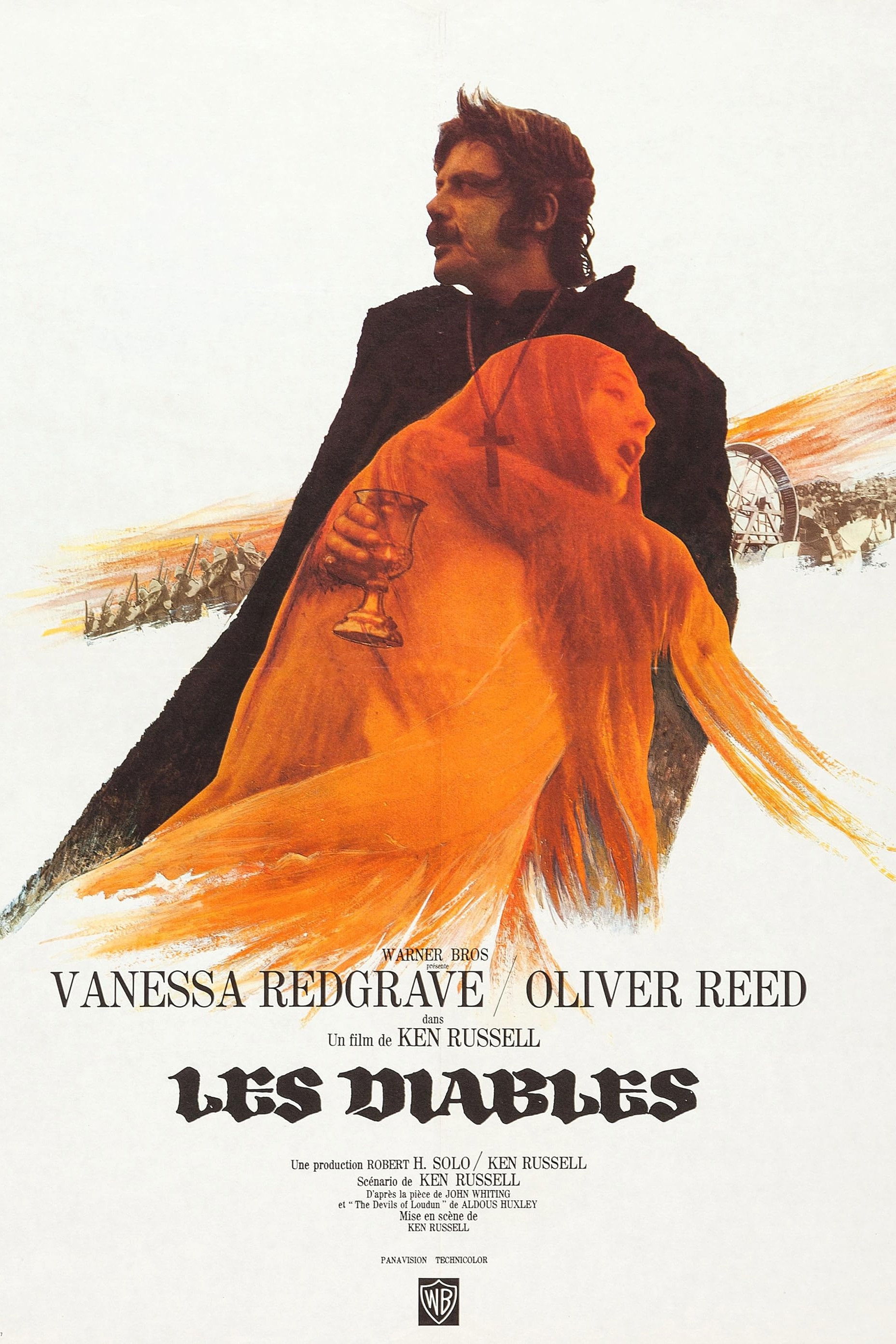
The Devils (1971)

GB
Runtime
112 min
Release
July 16, 1971
Budget
$2,000,000
Revenue
$23,640,000
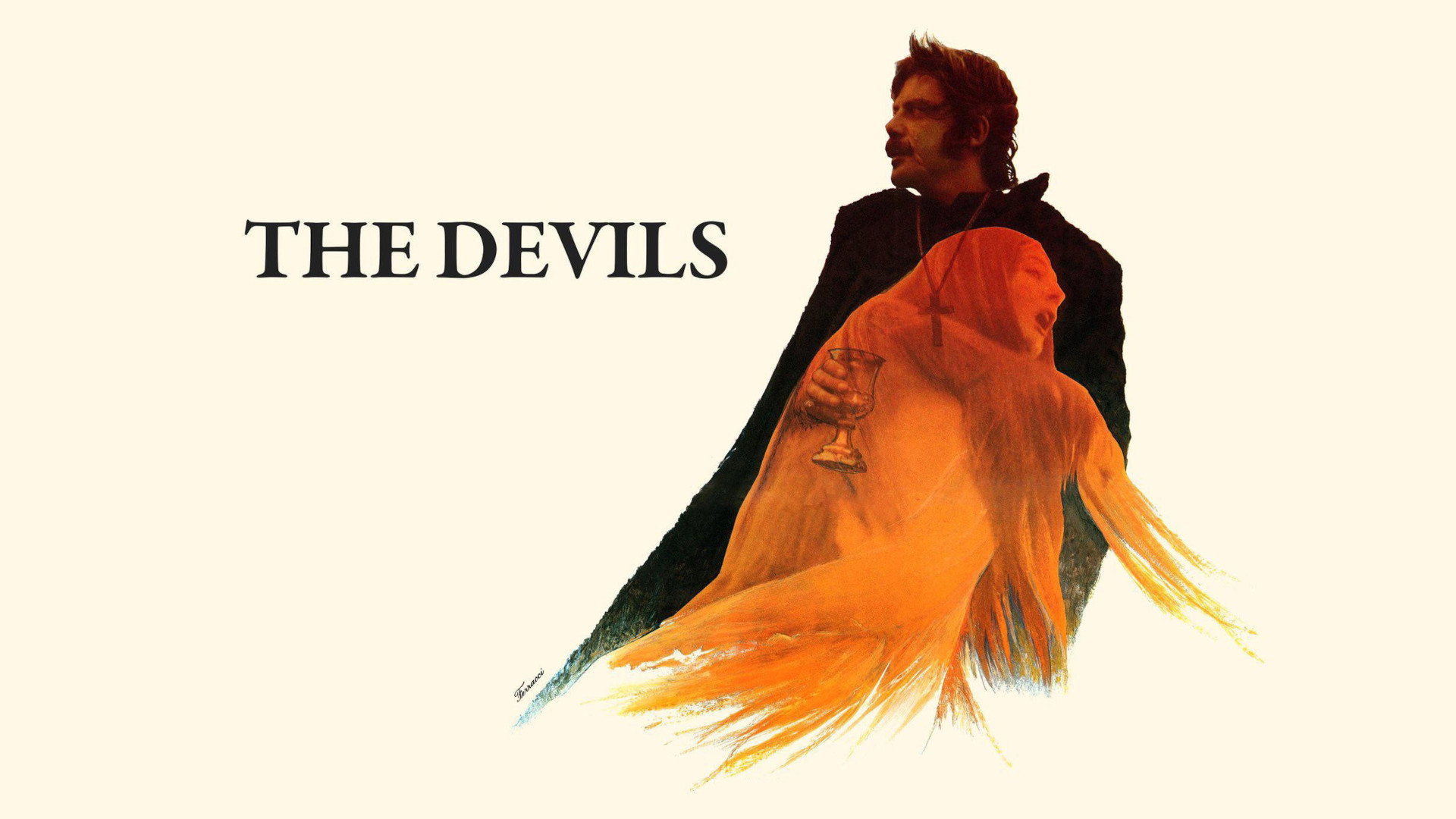
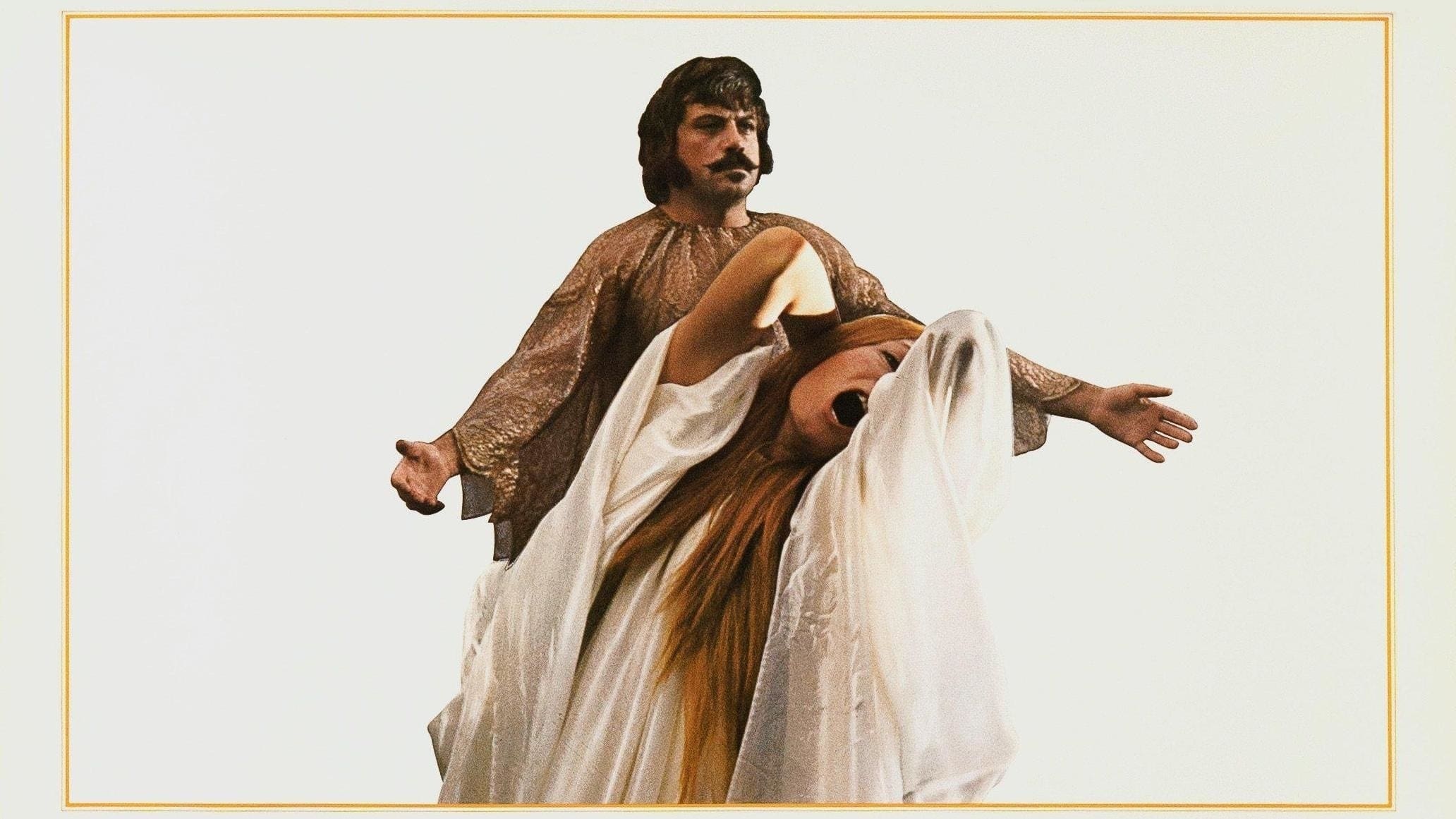
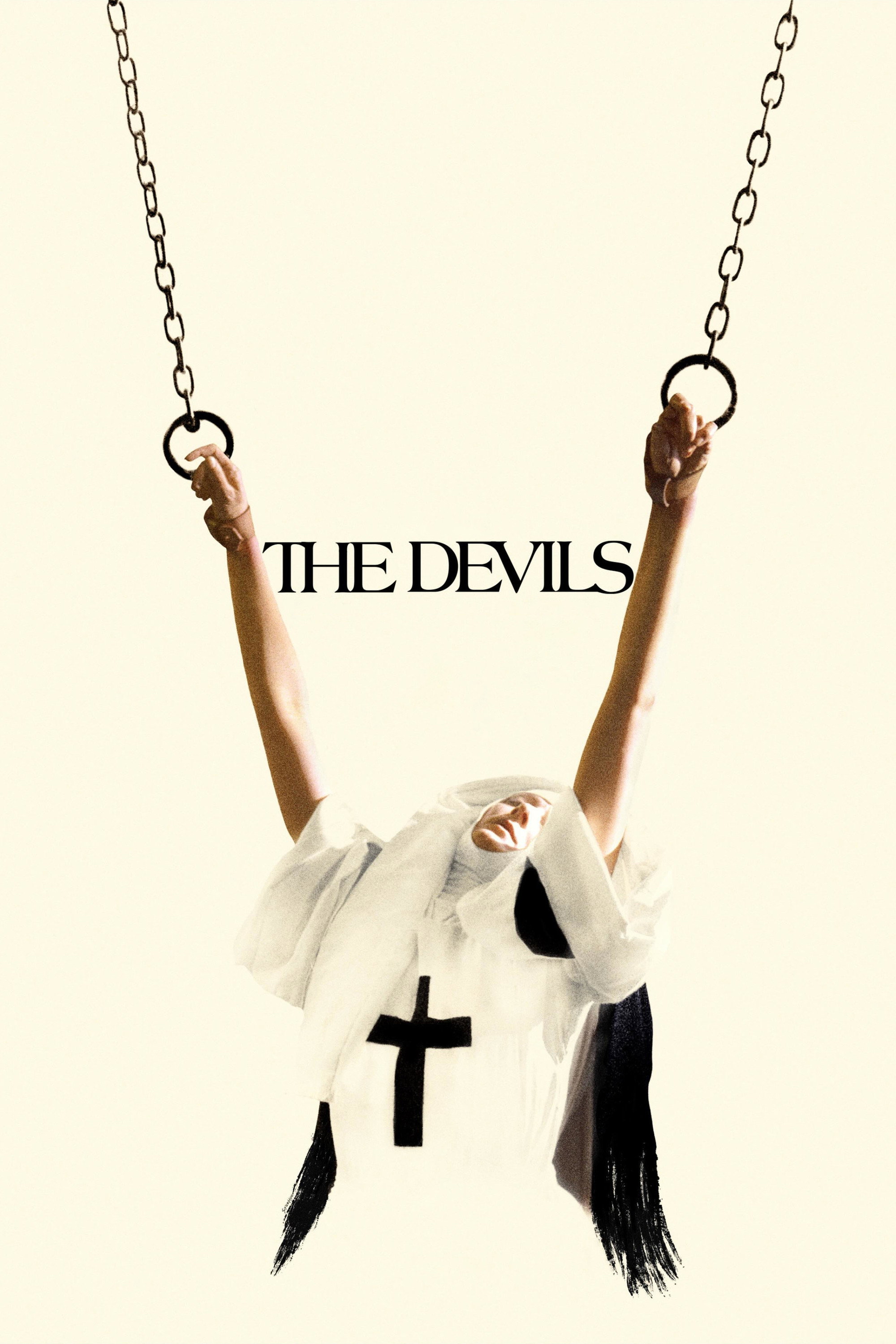
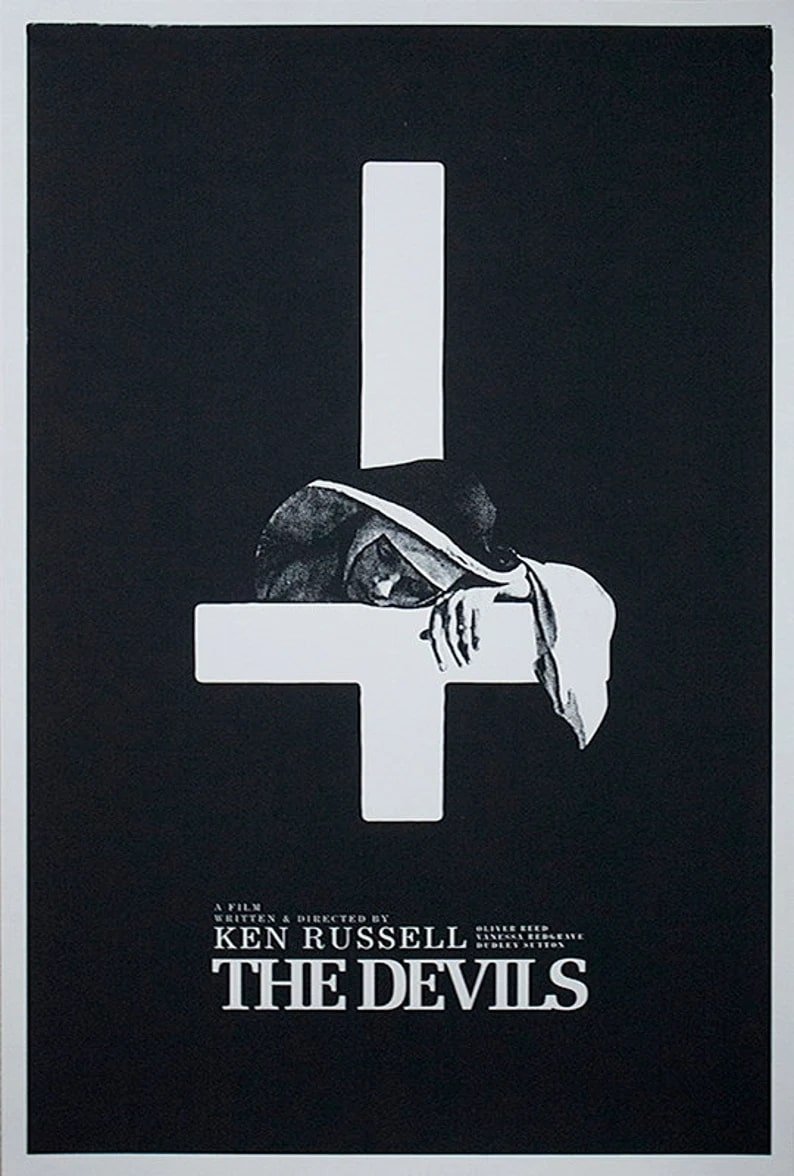
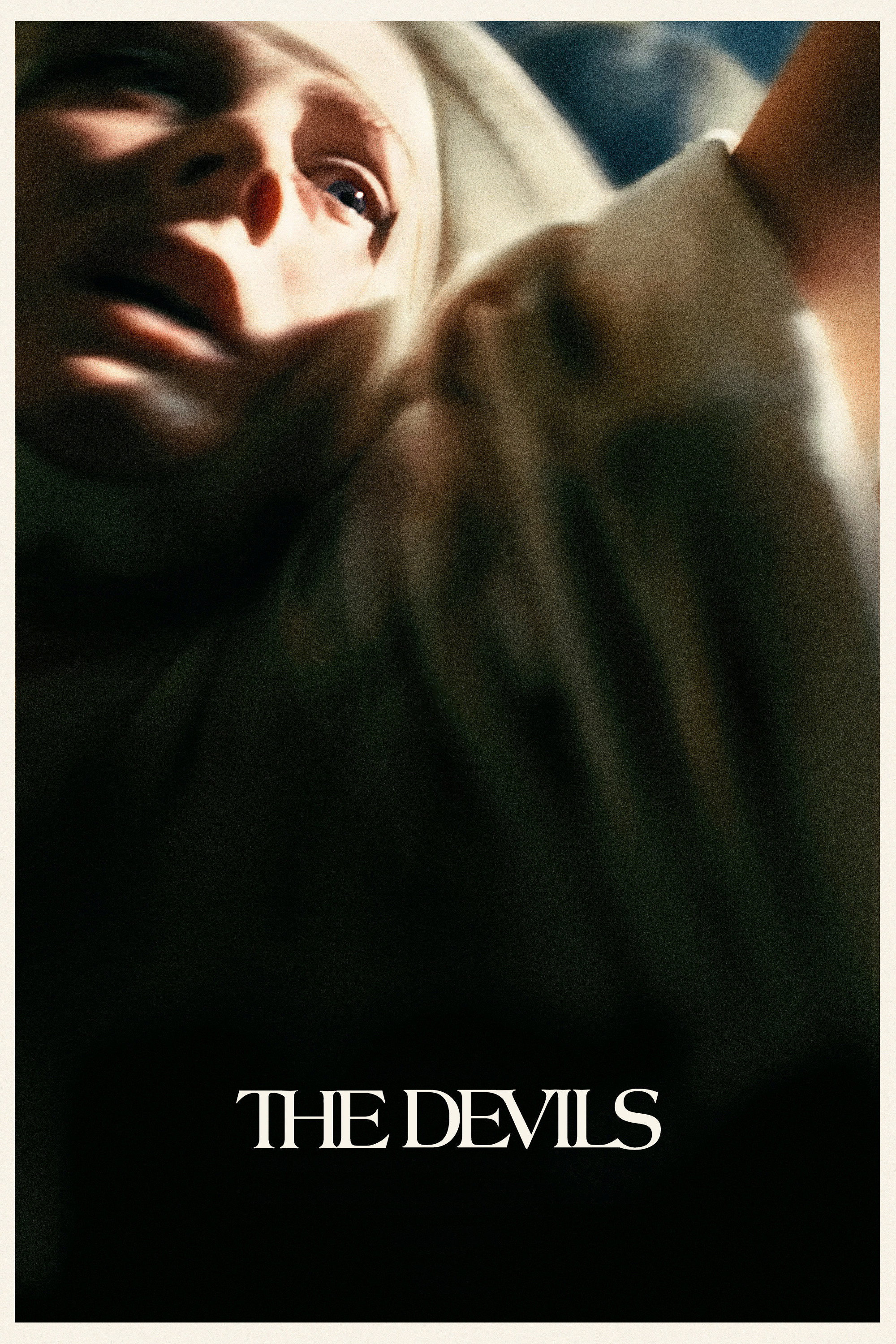
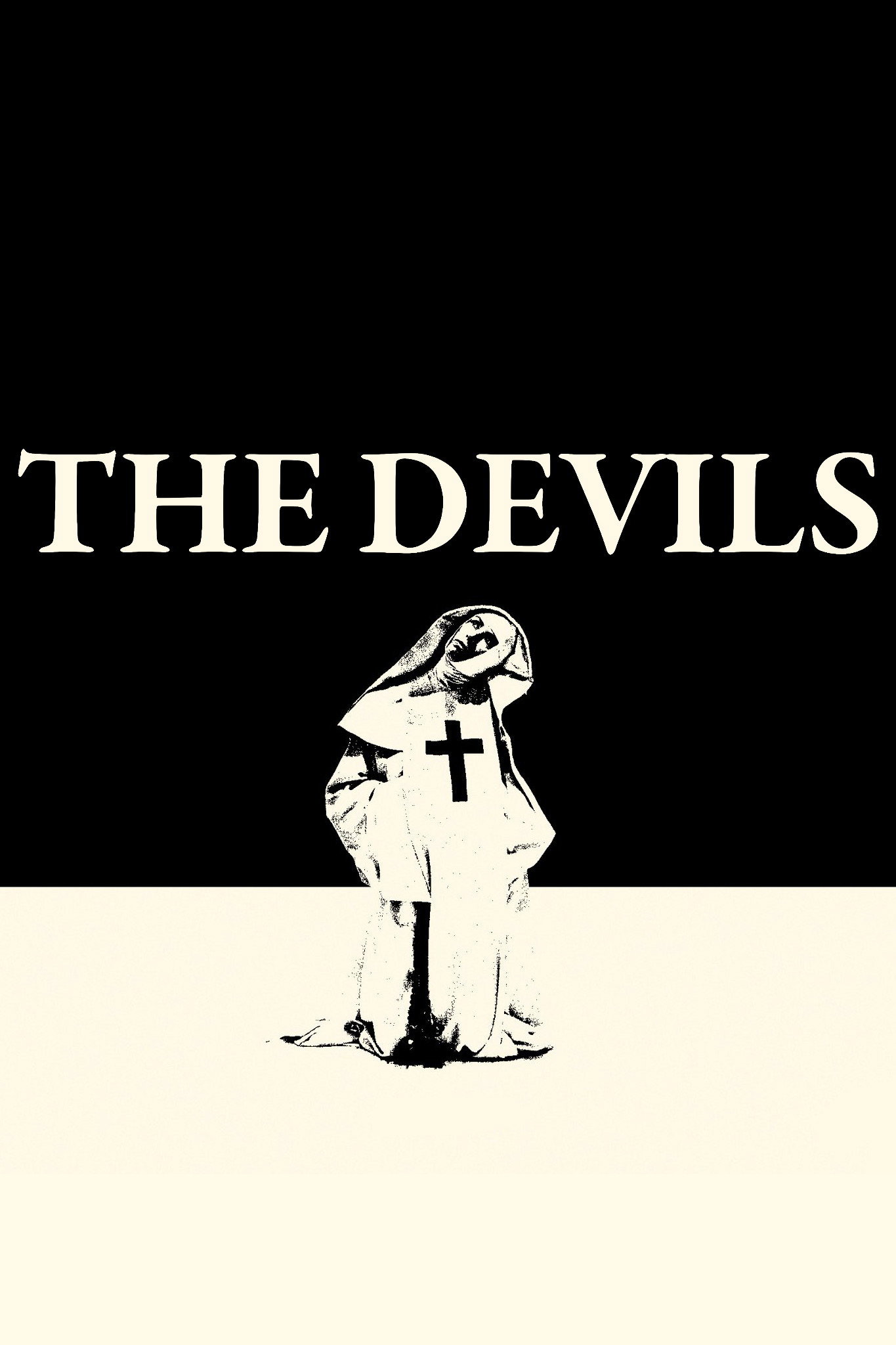
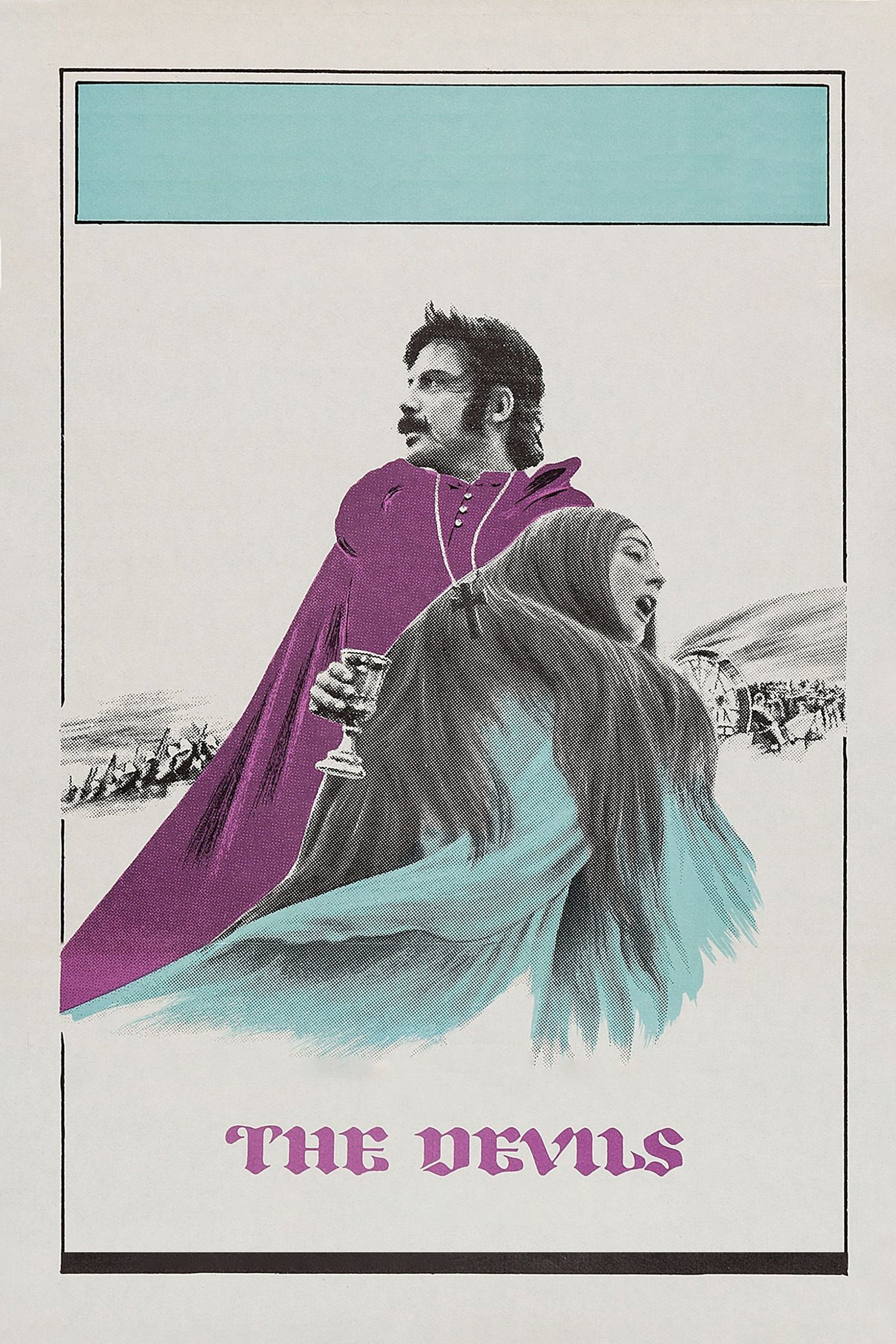
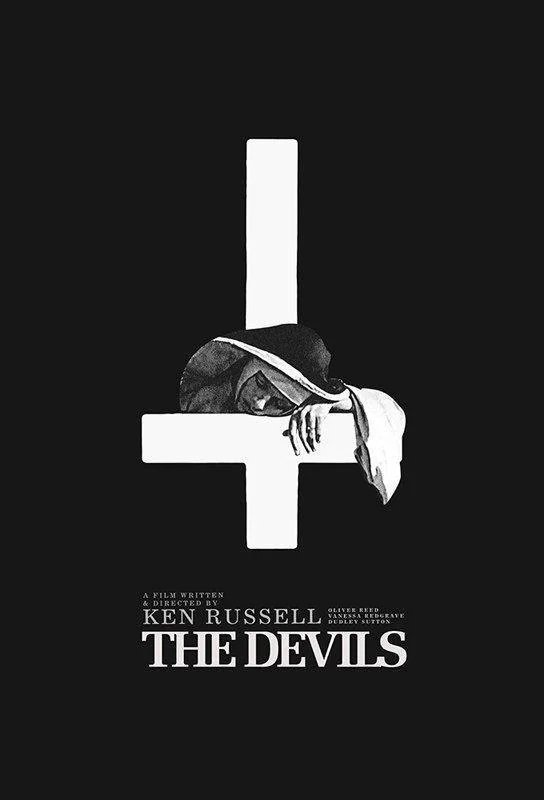
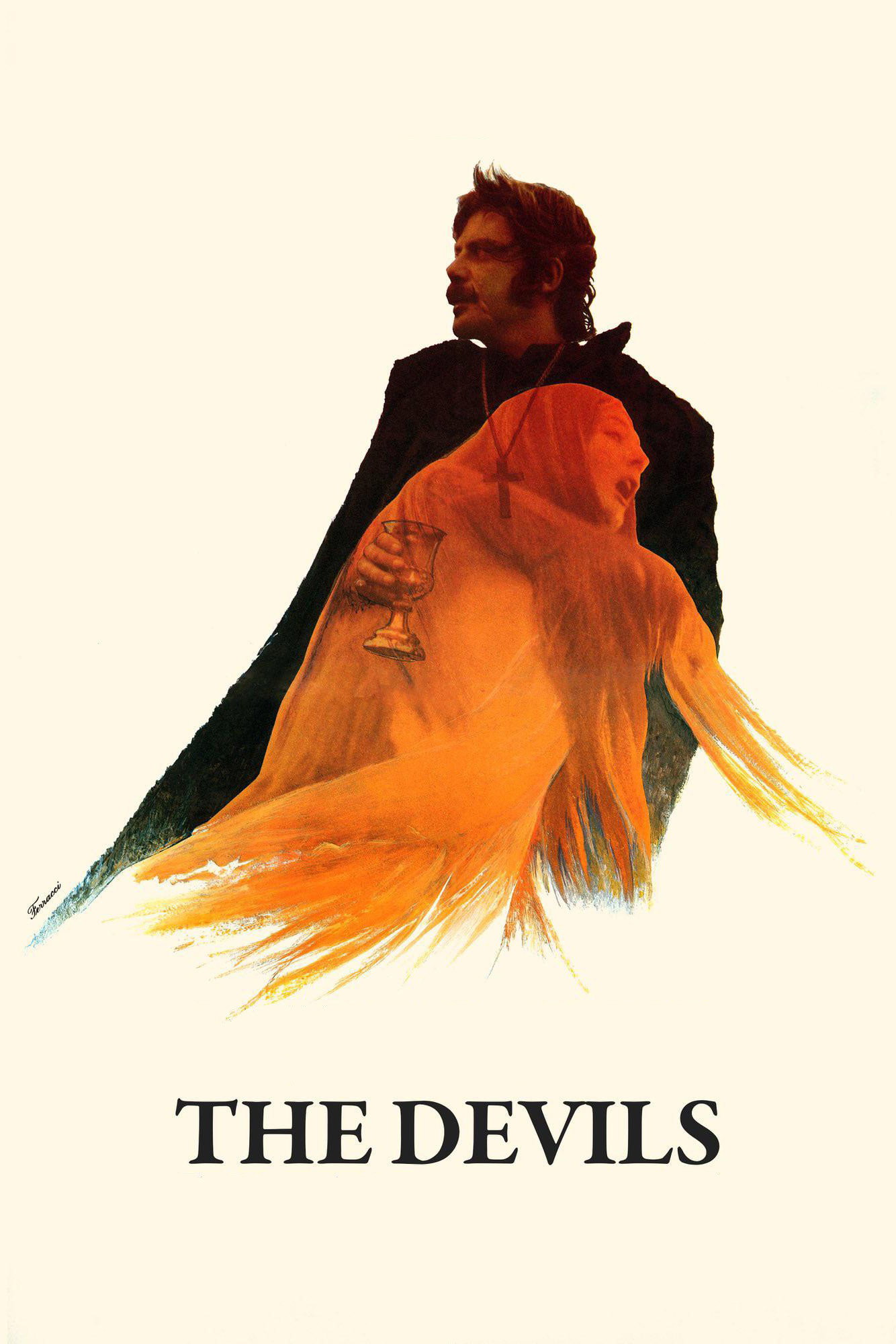
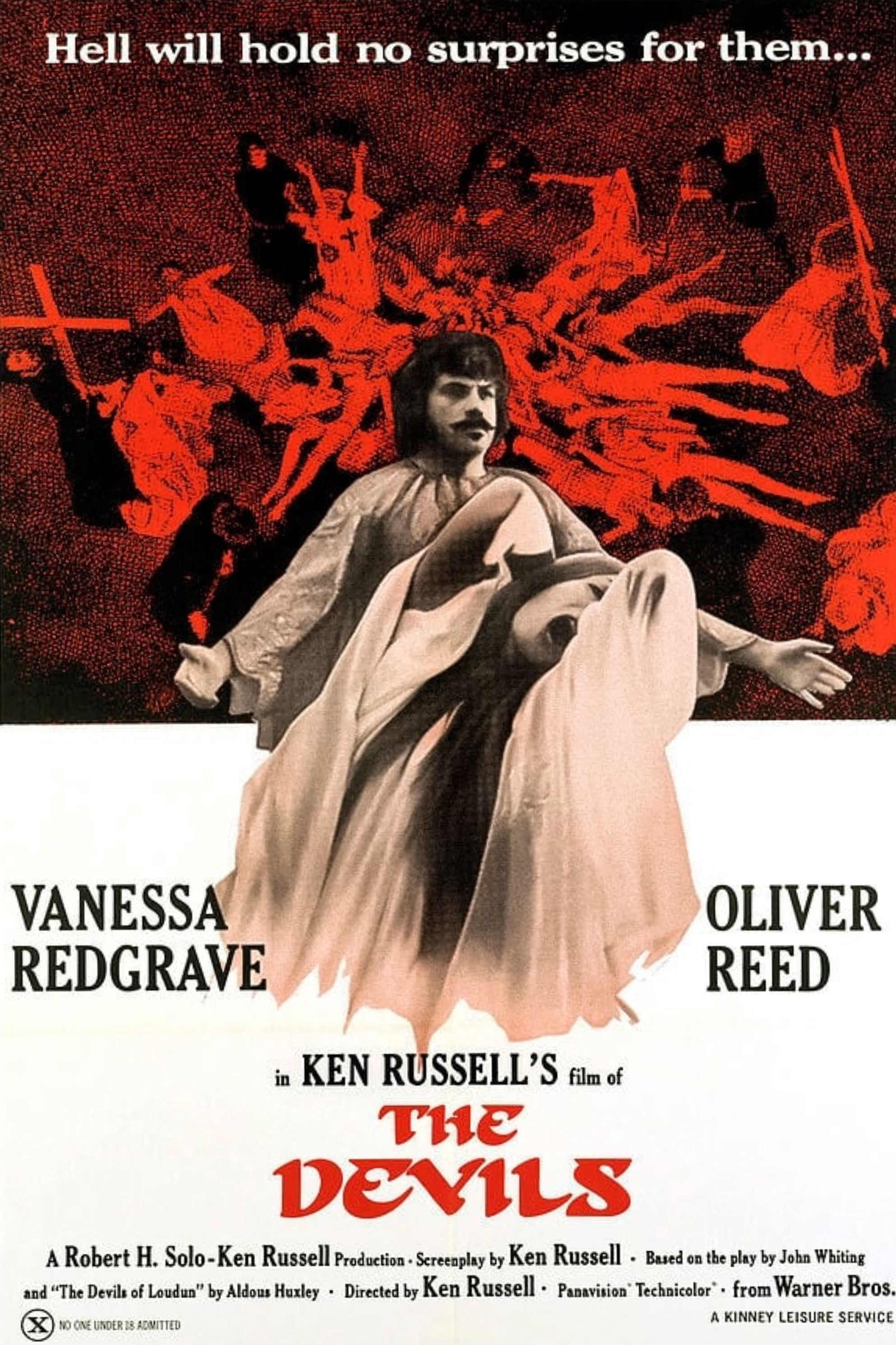
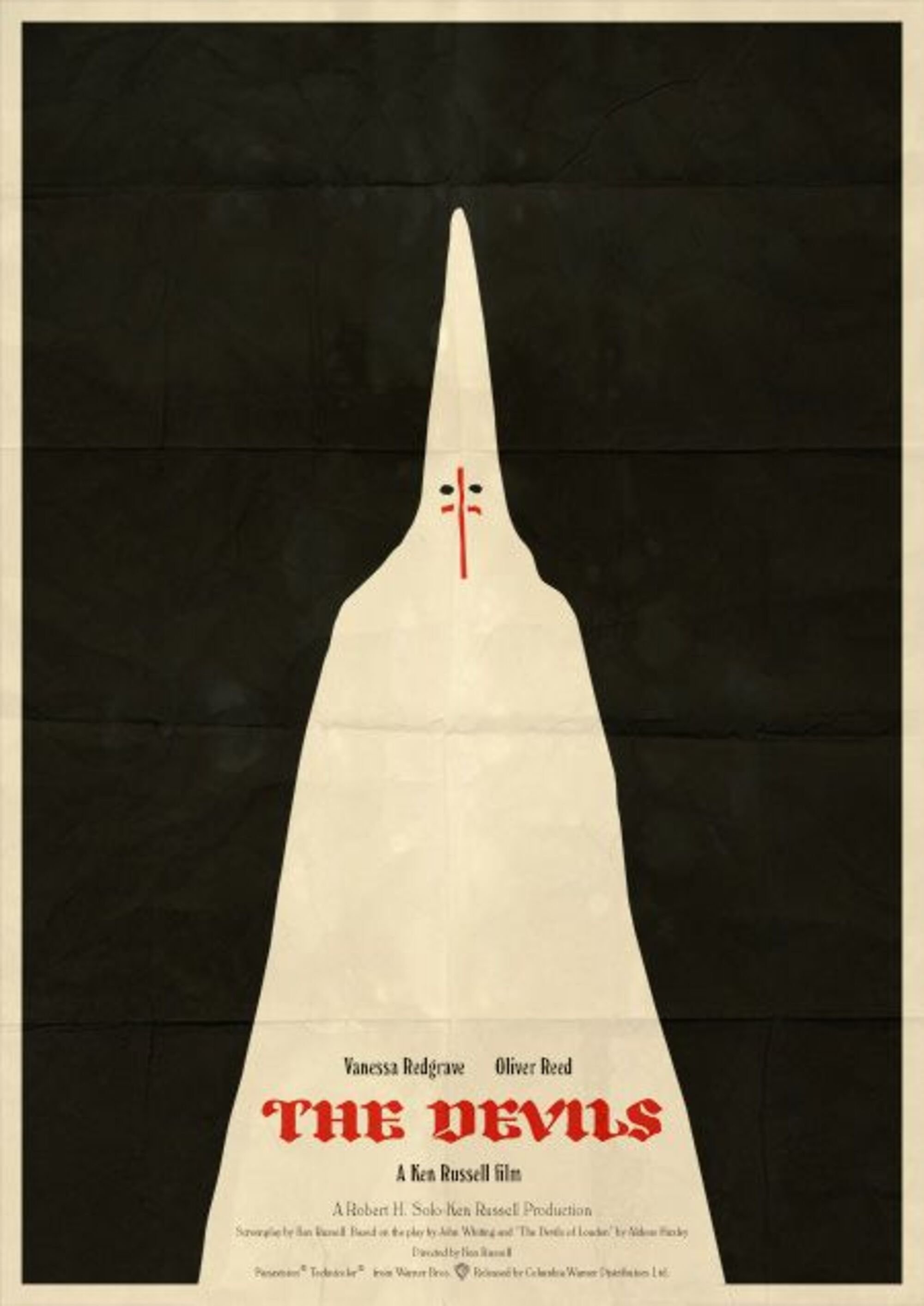
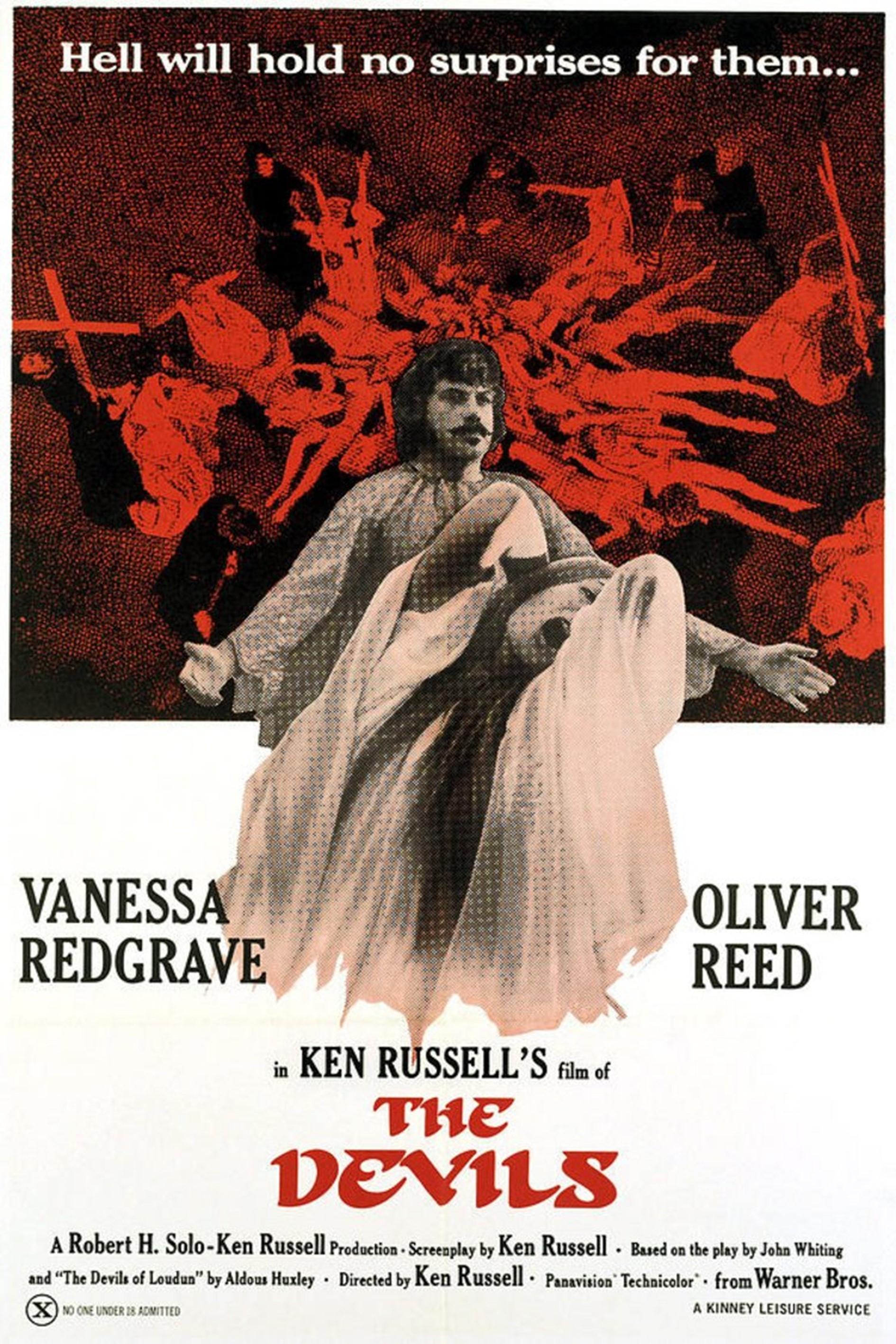
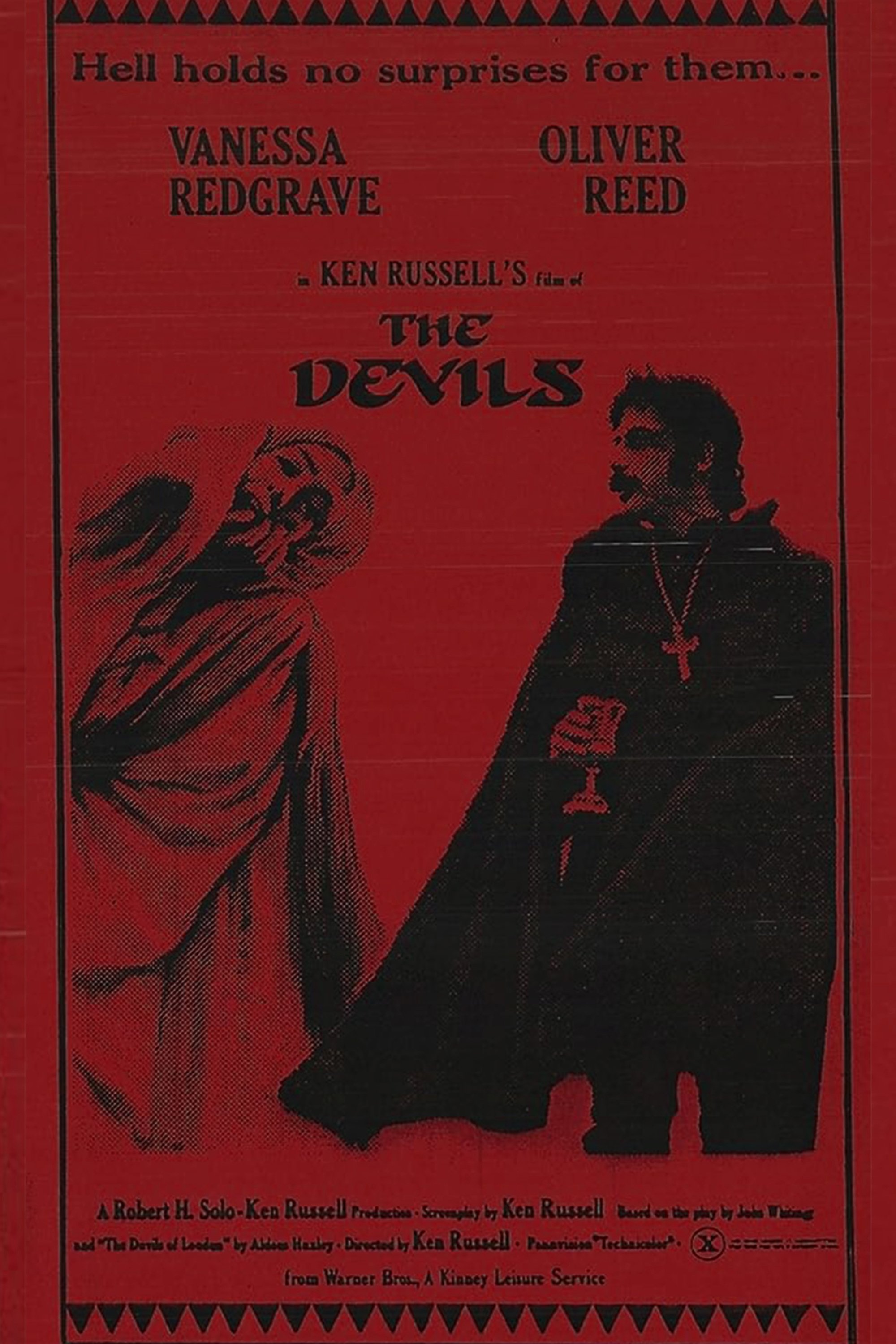
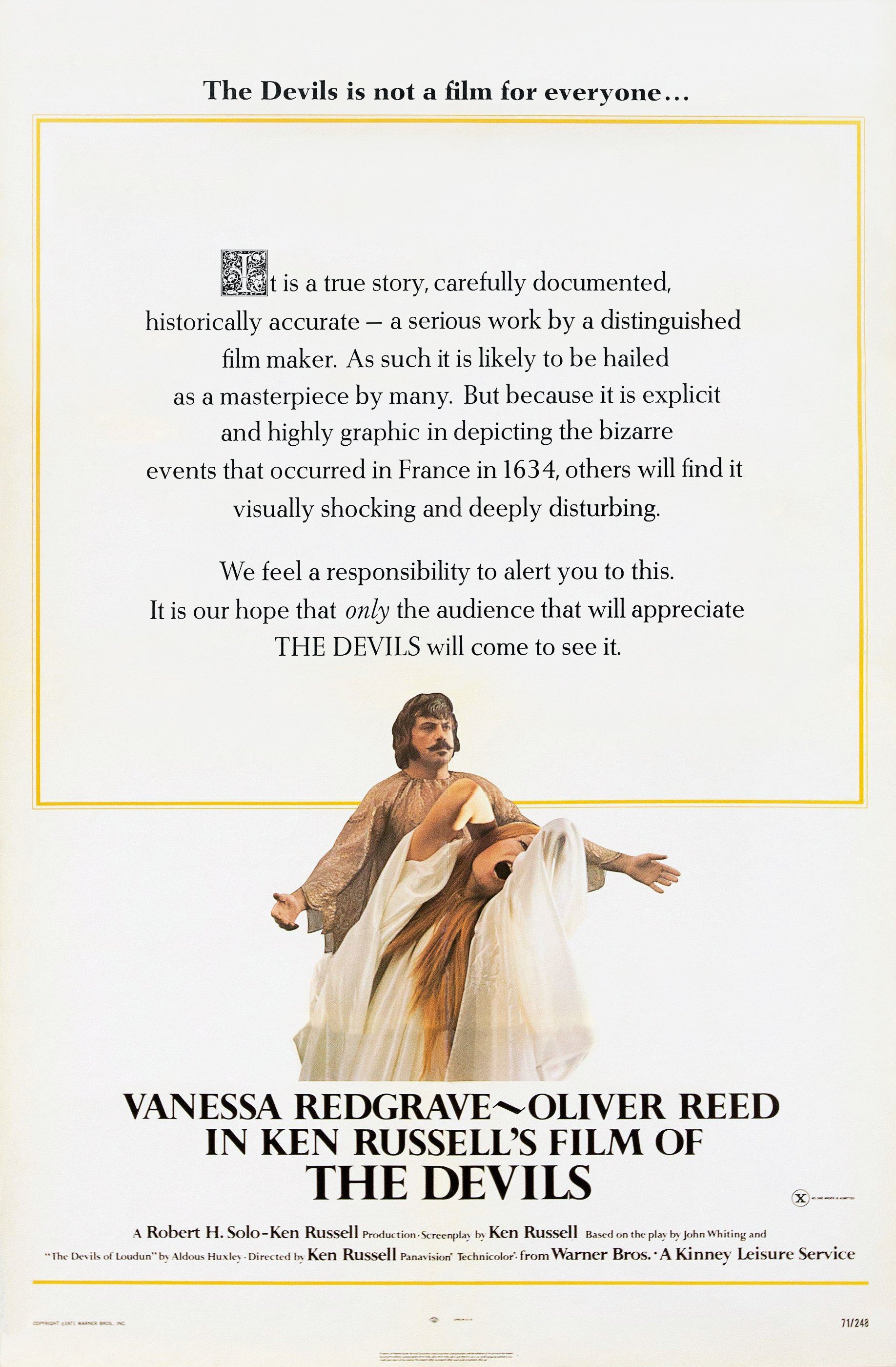
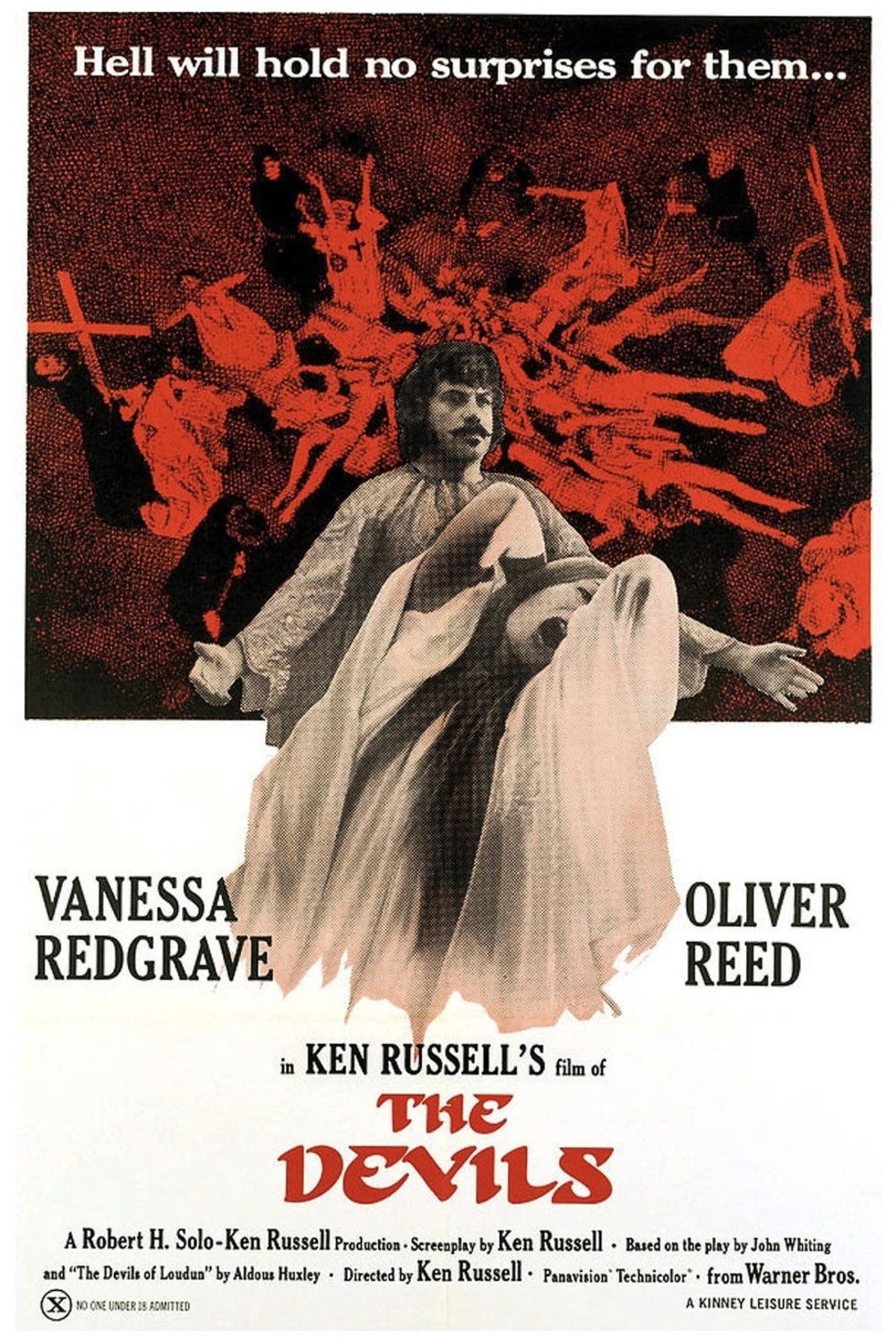
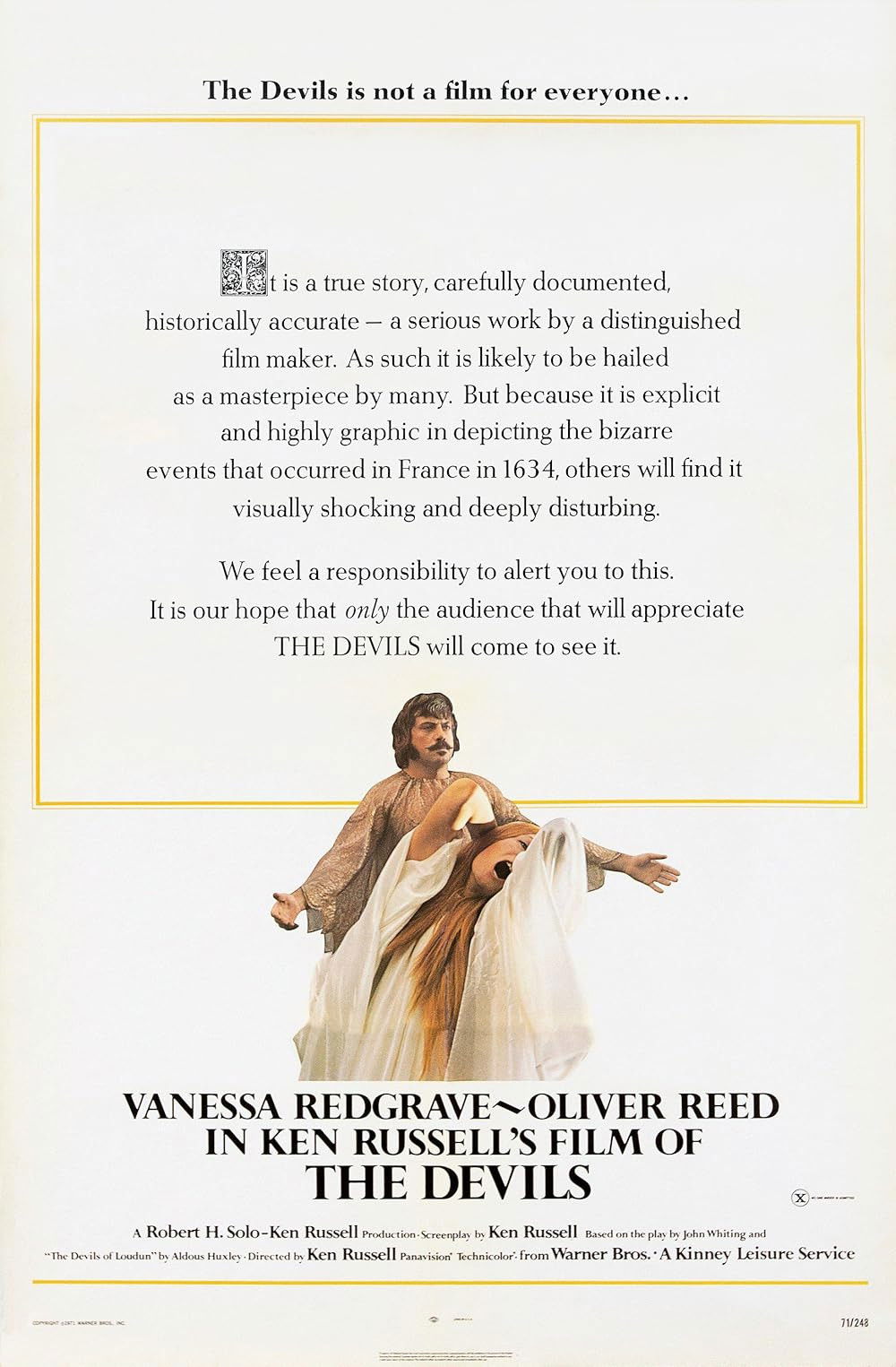
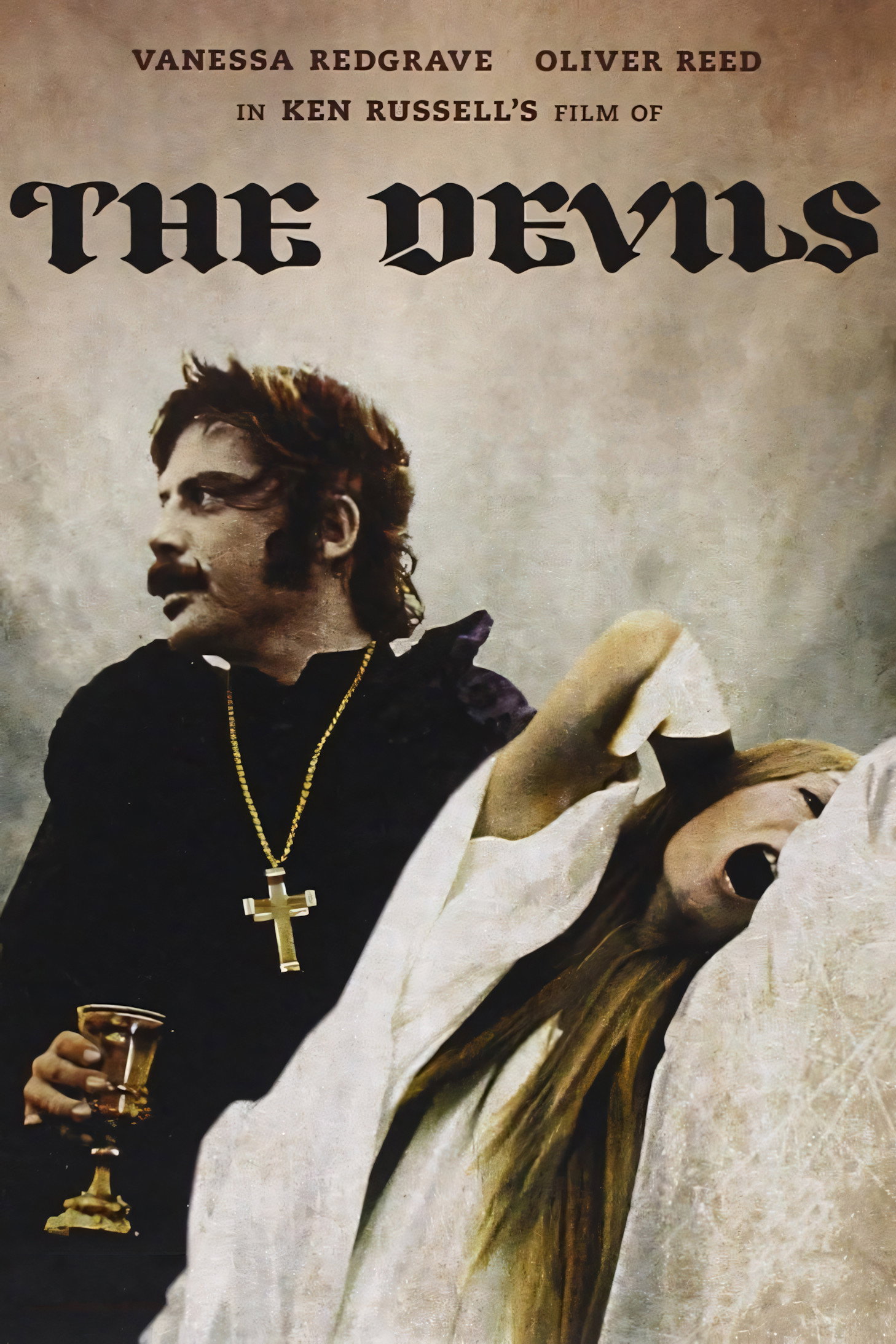
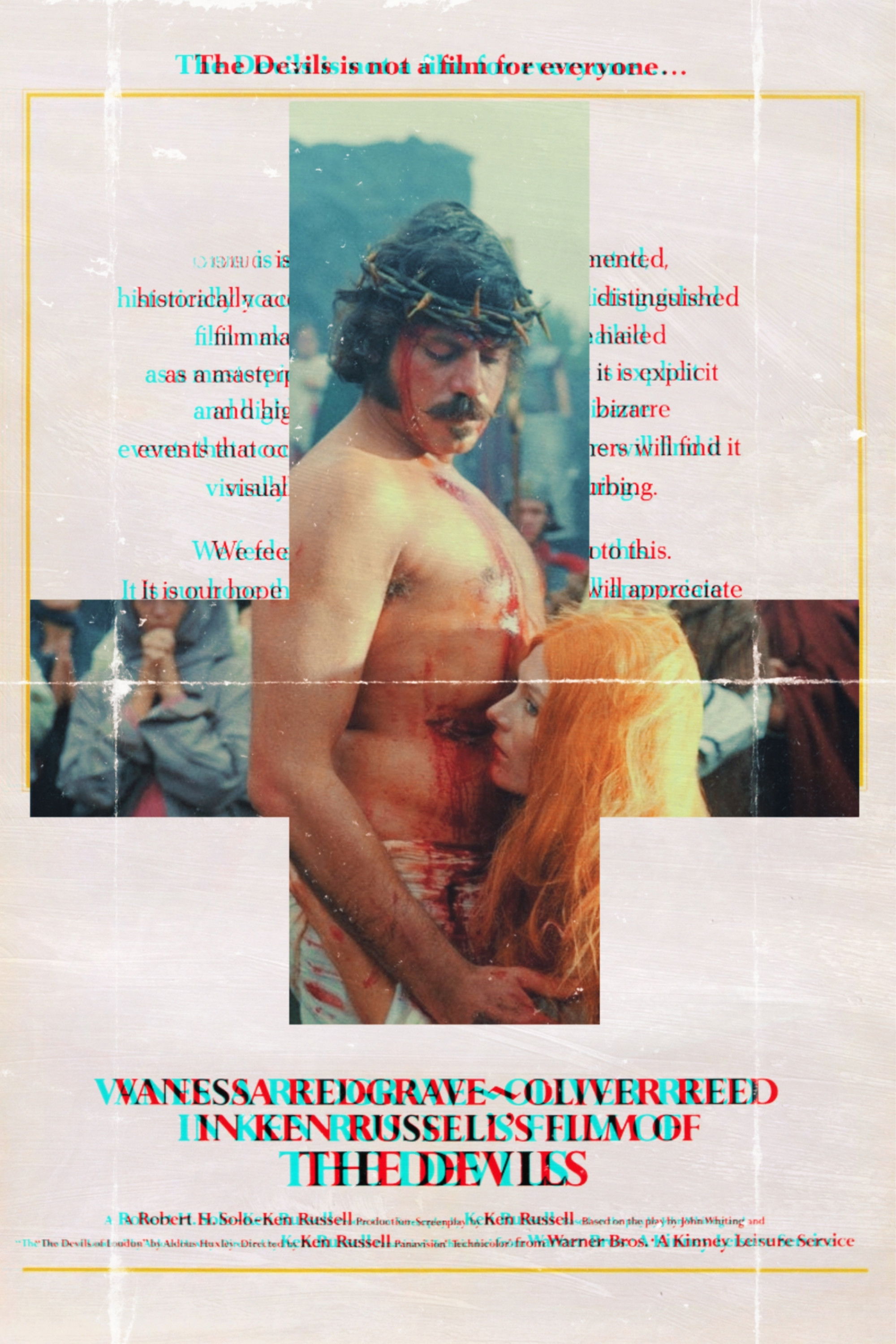
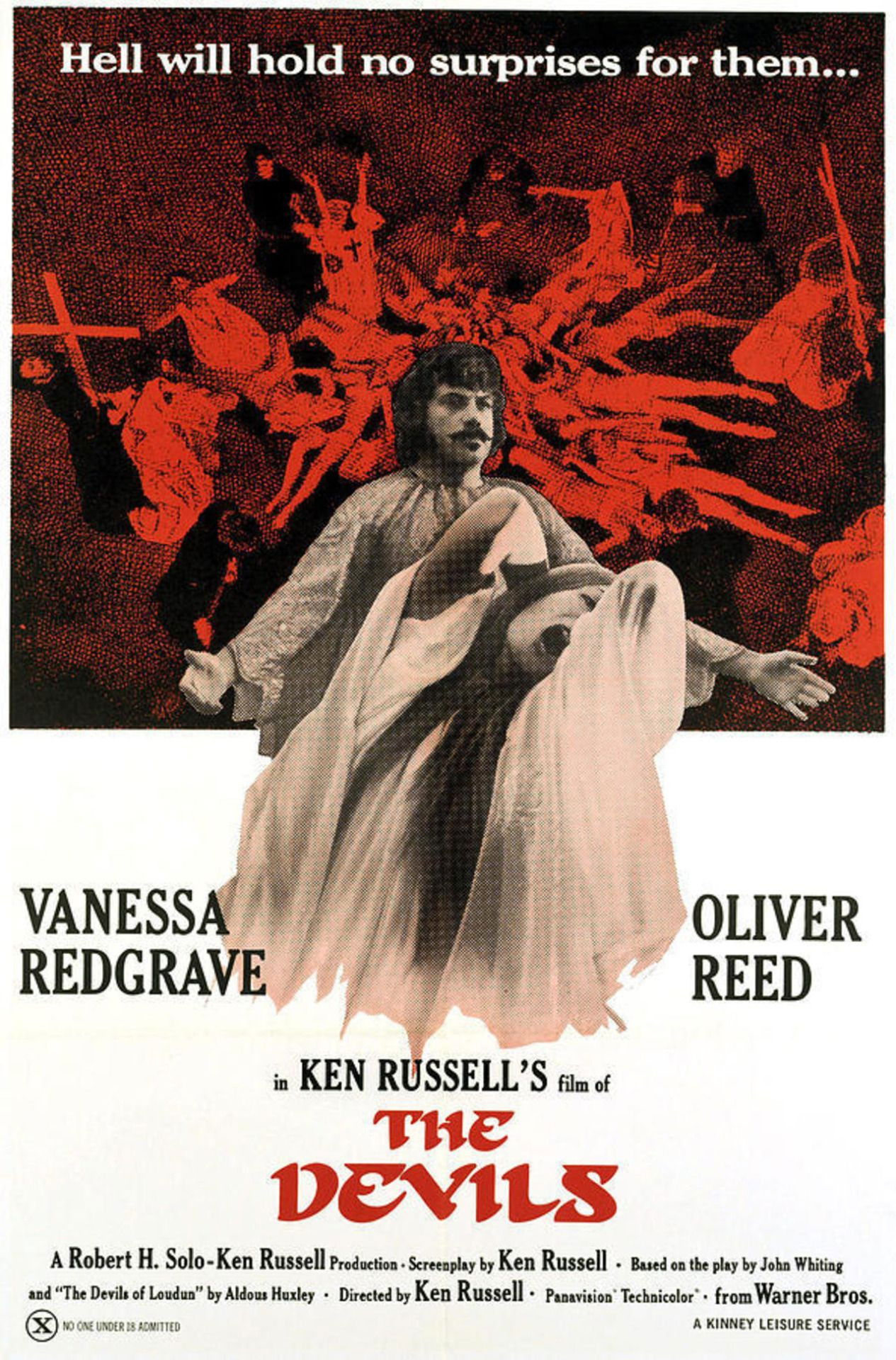
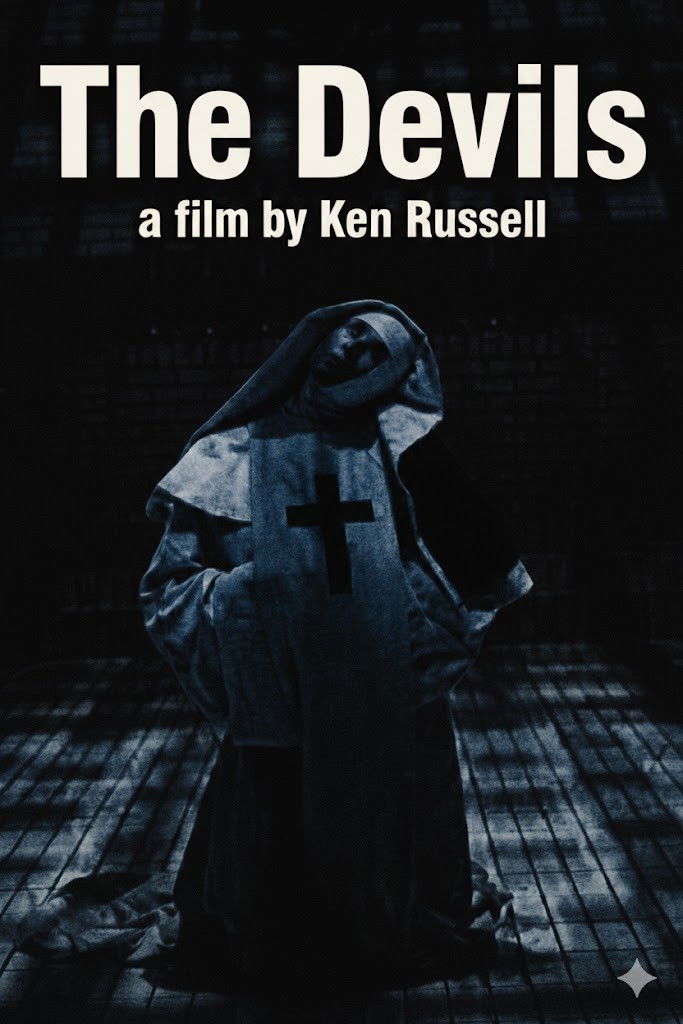
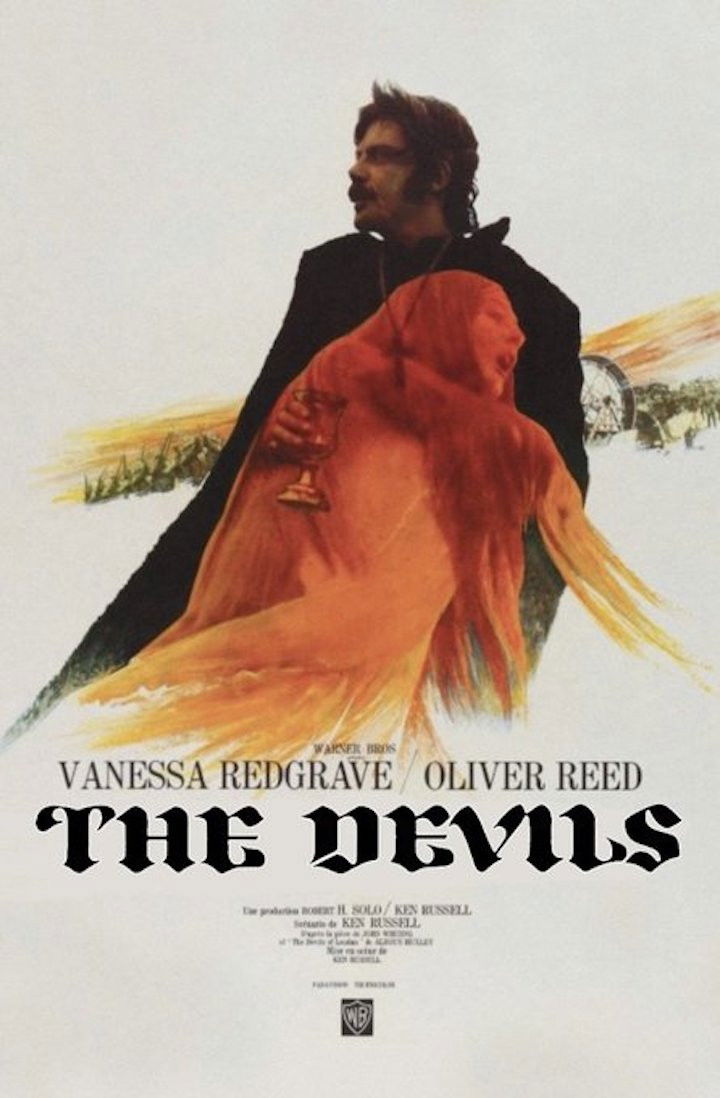
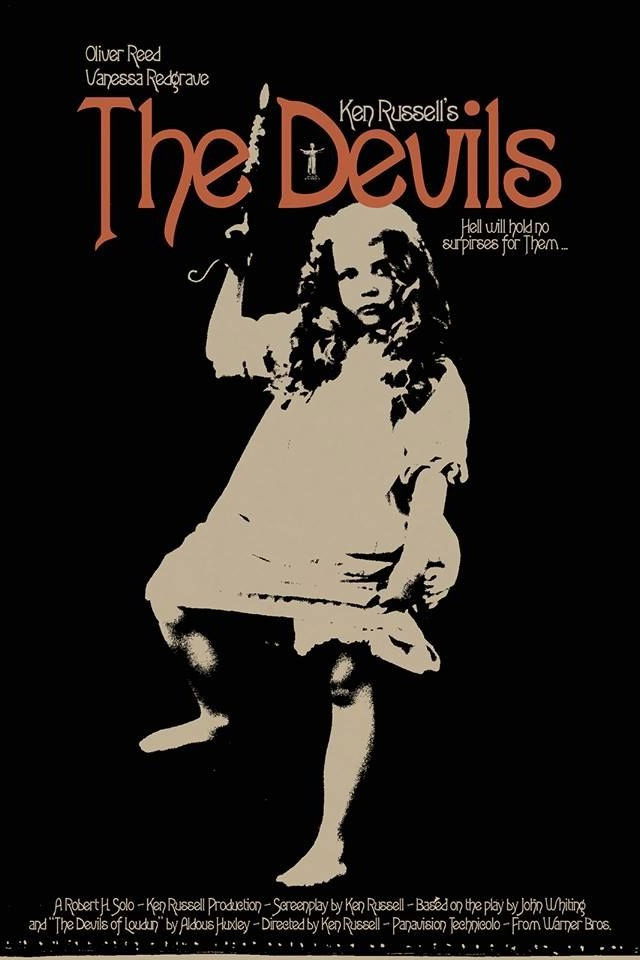
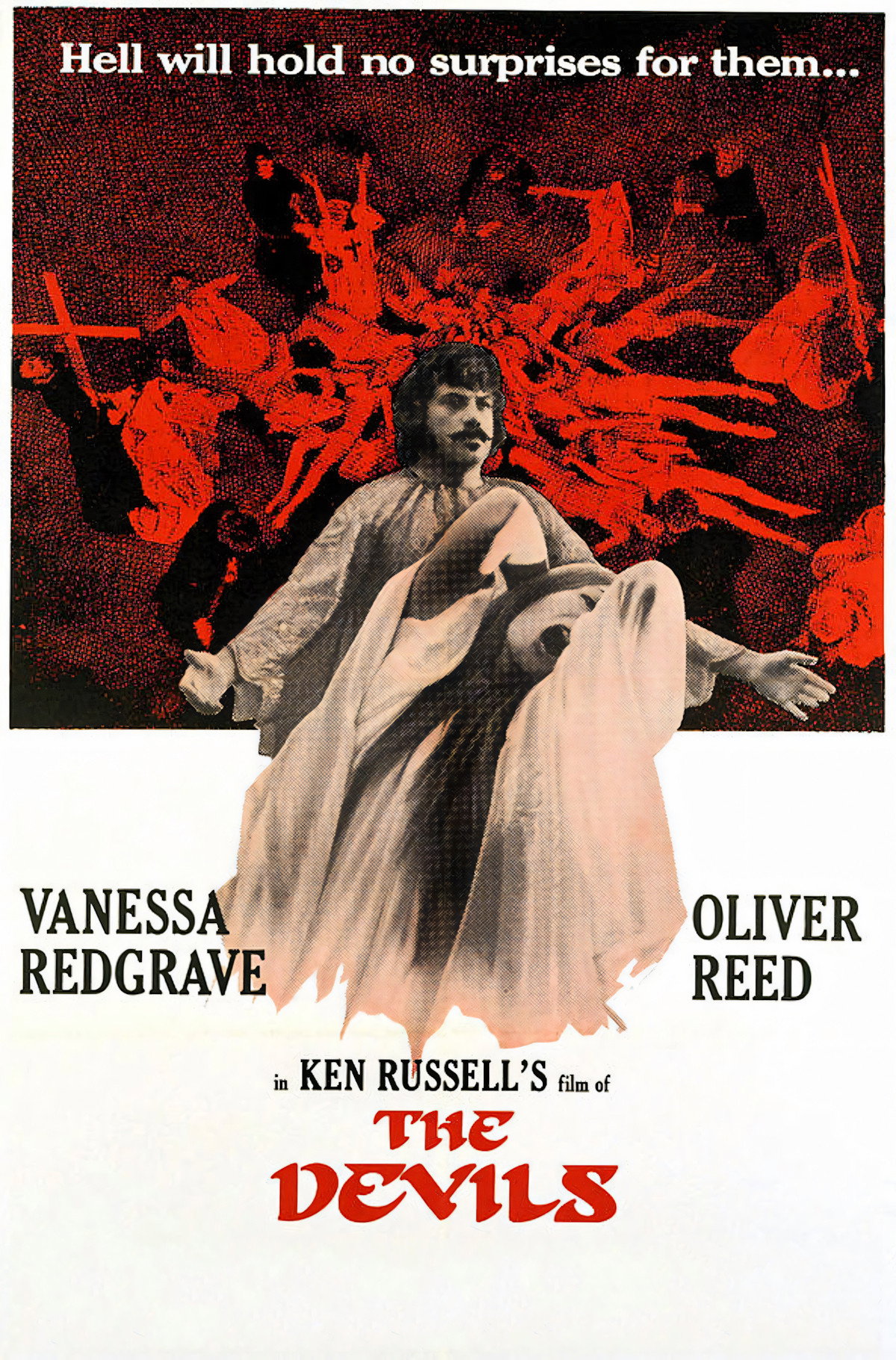
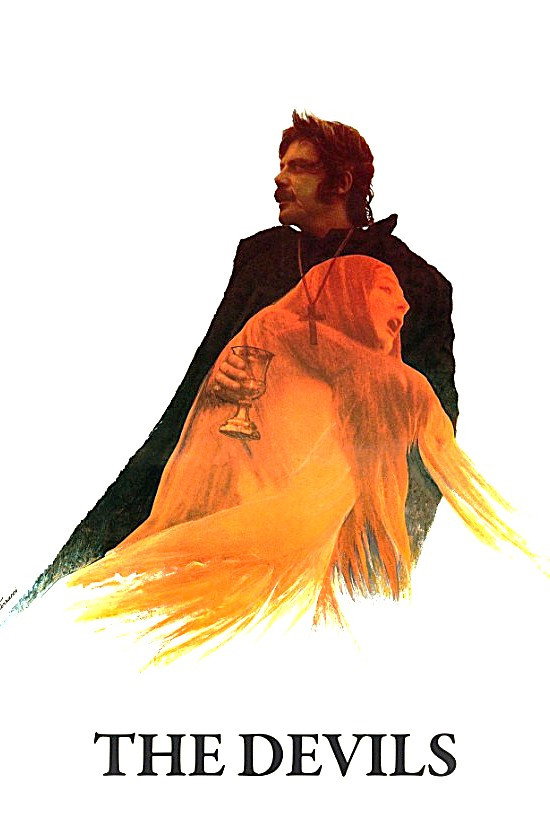
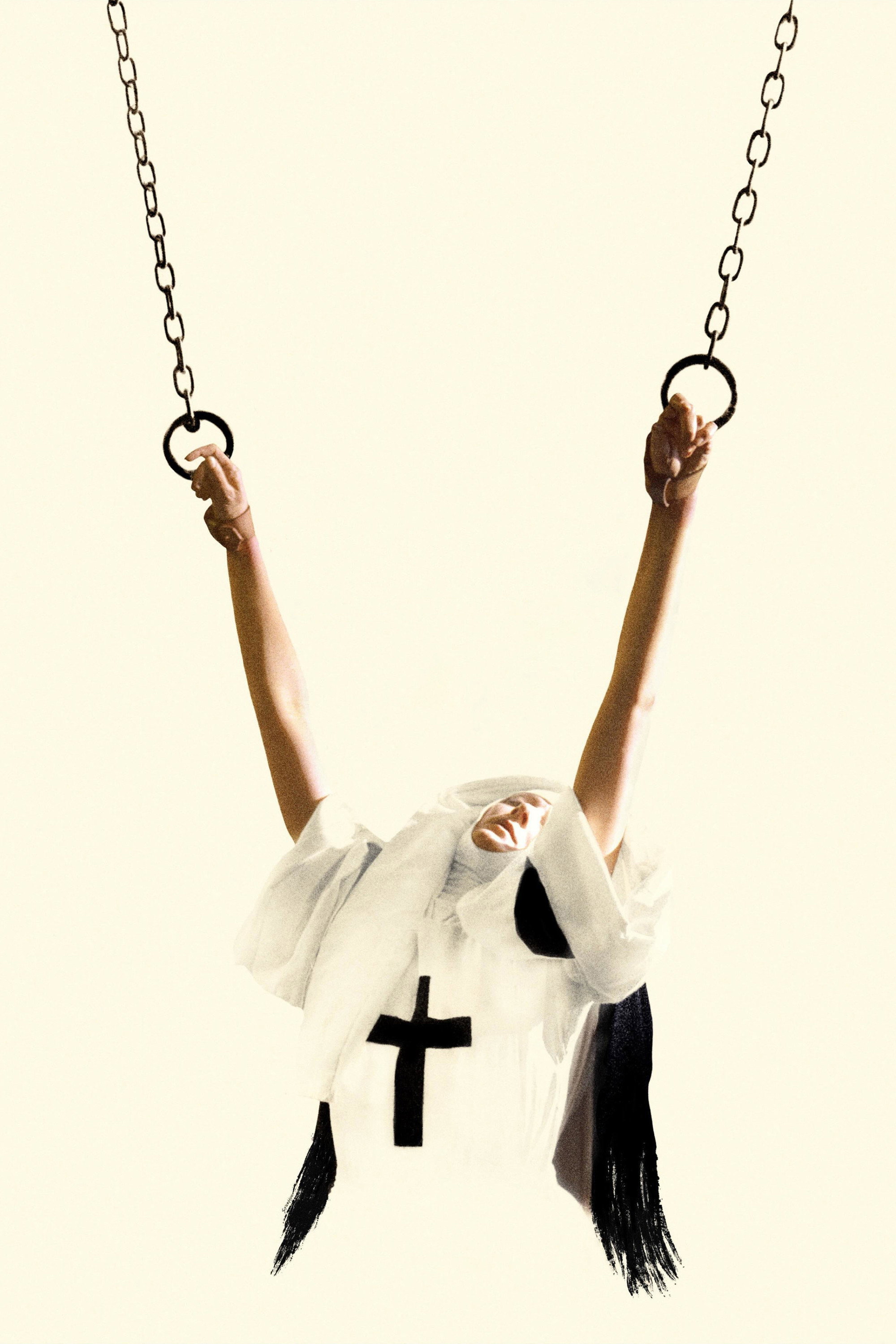
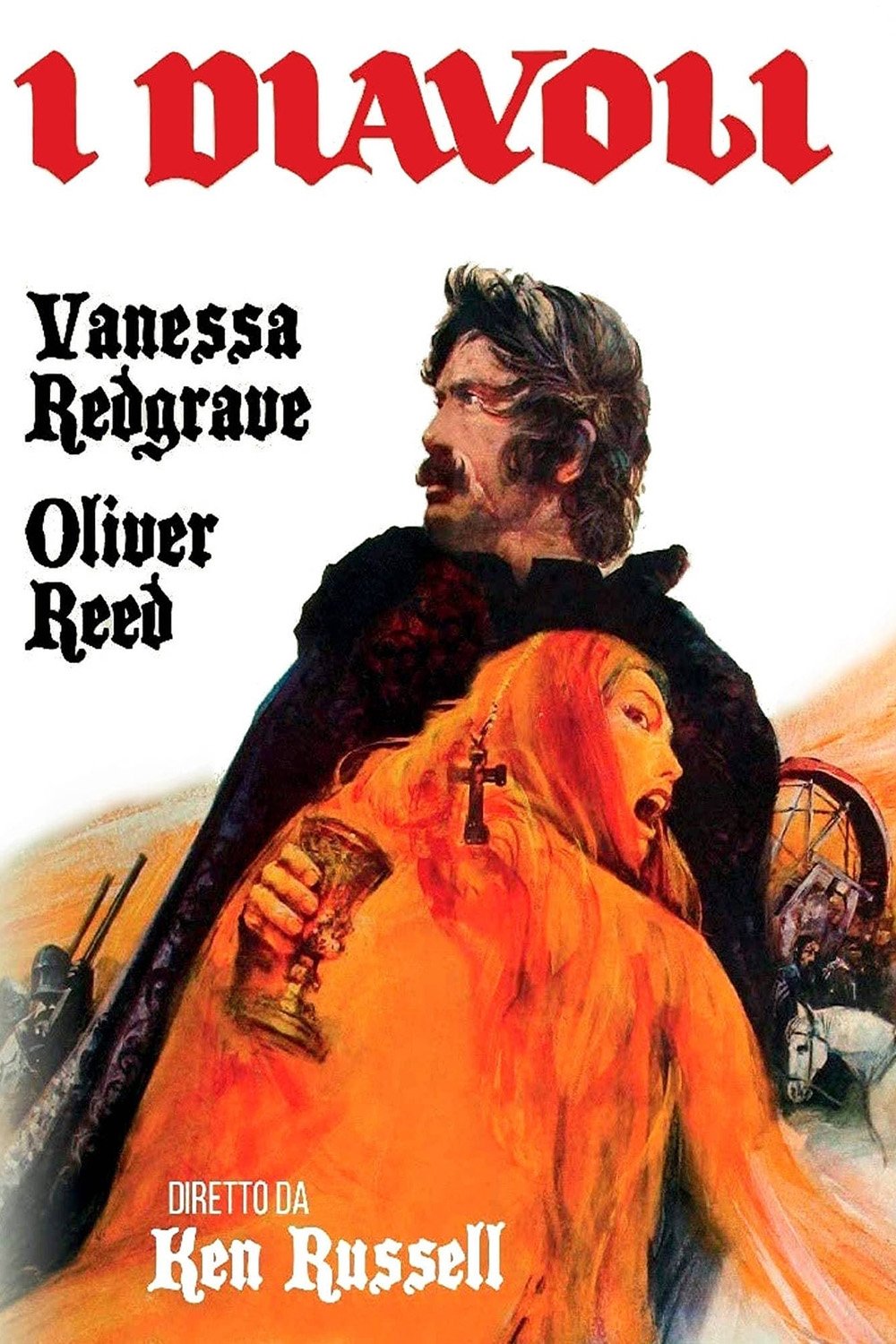
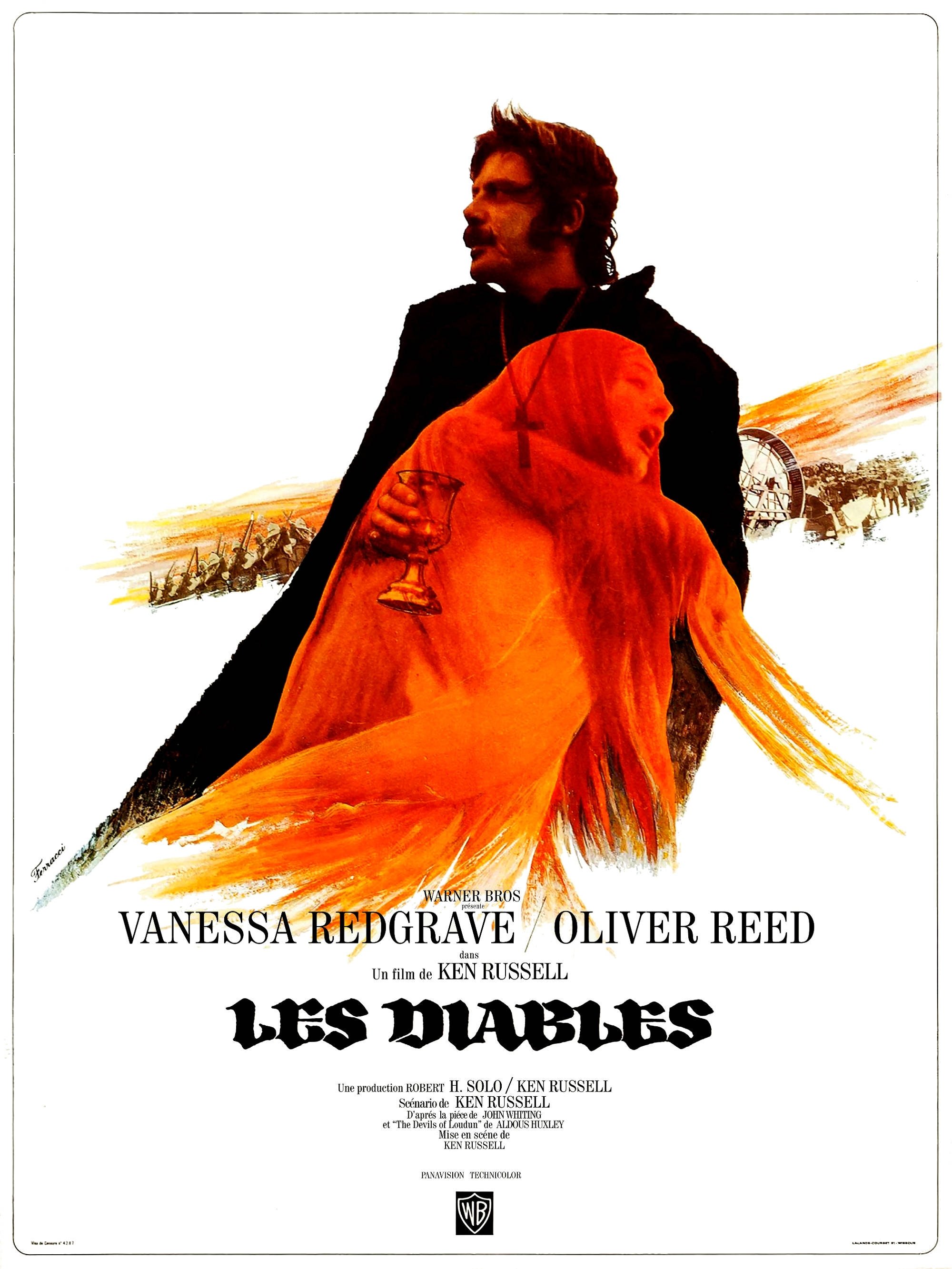
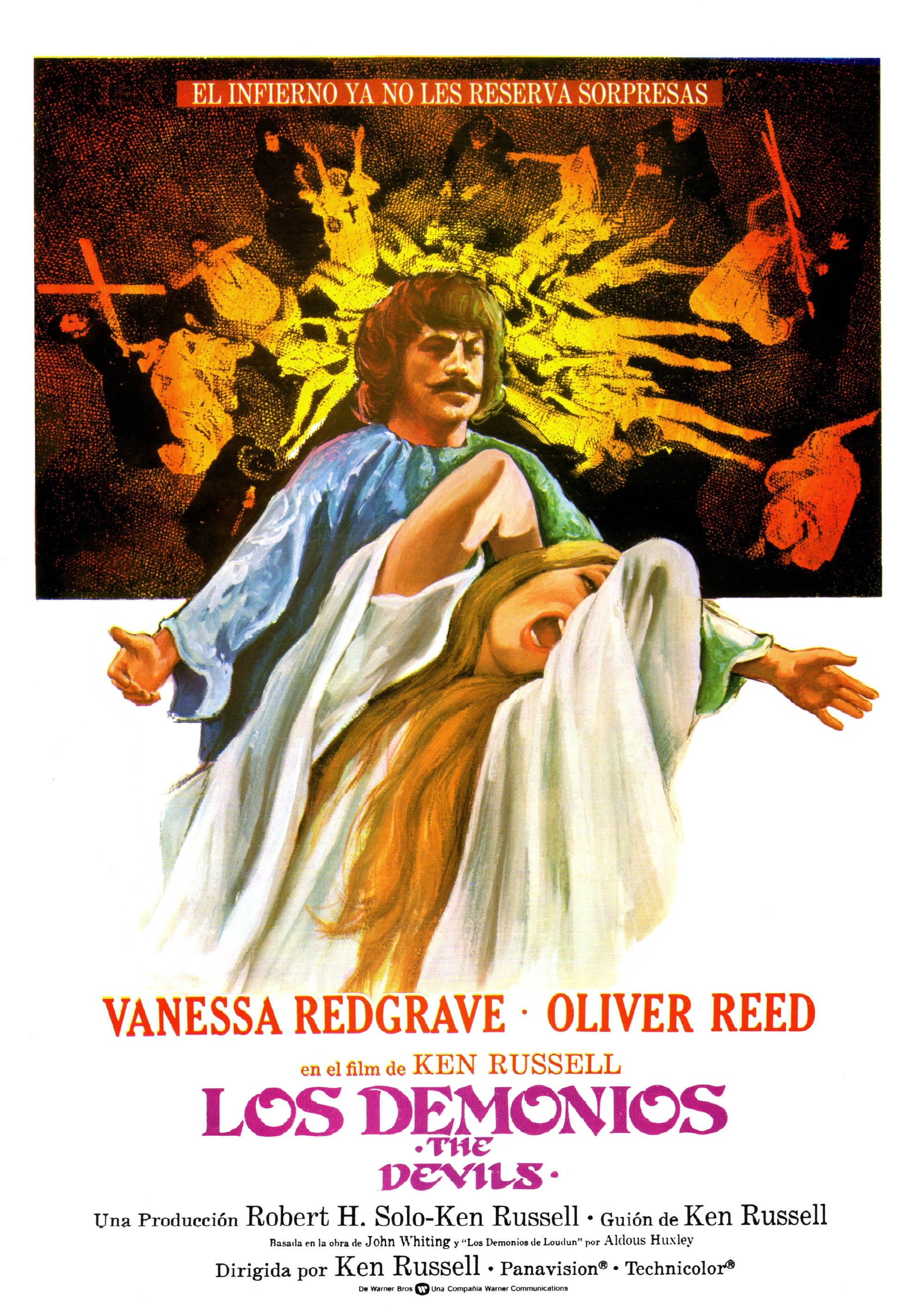
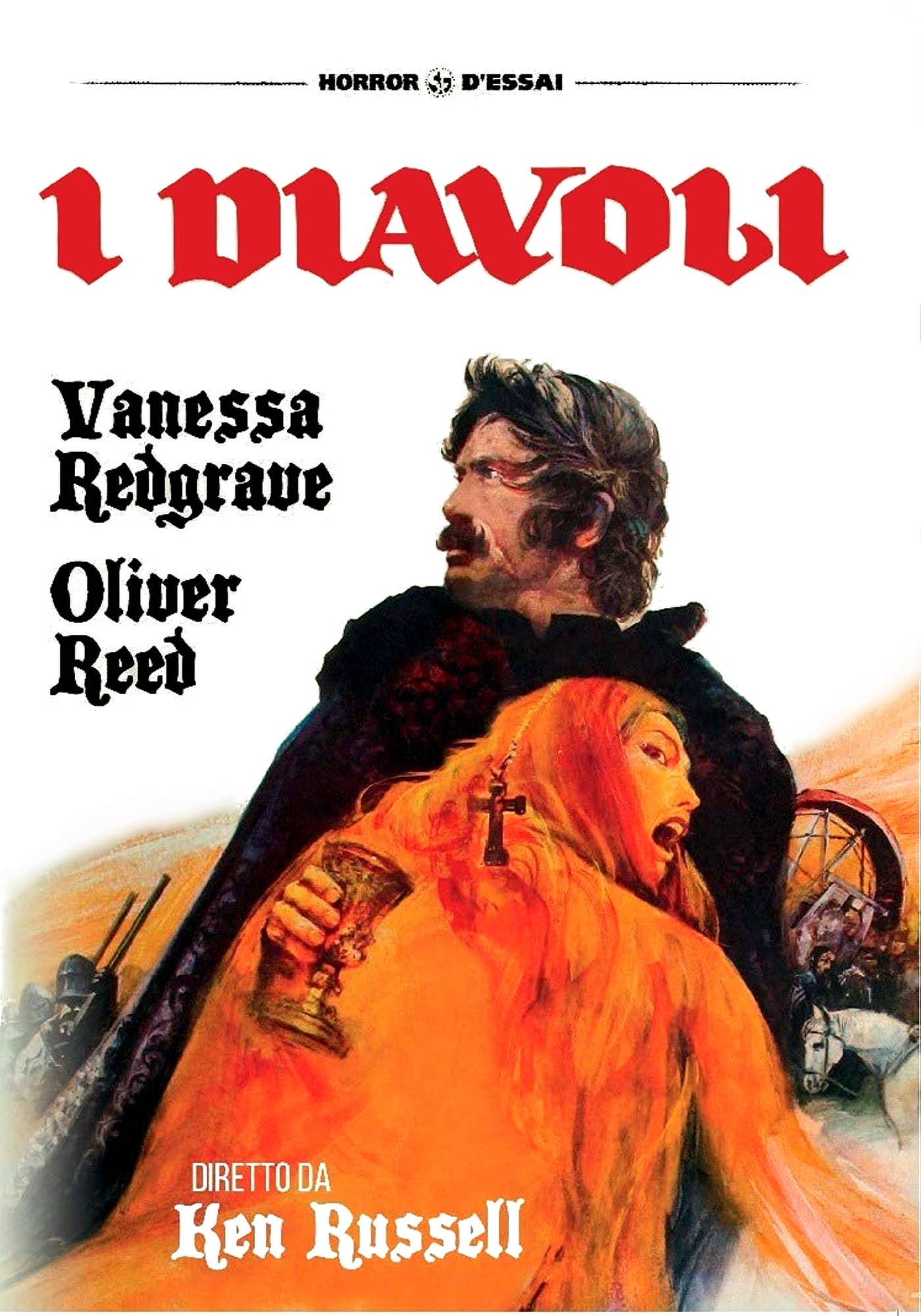
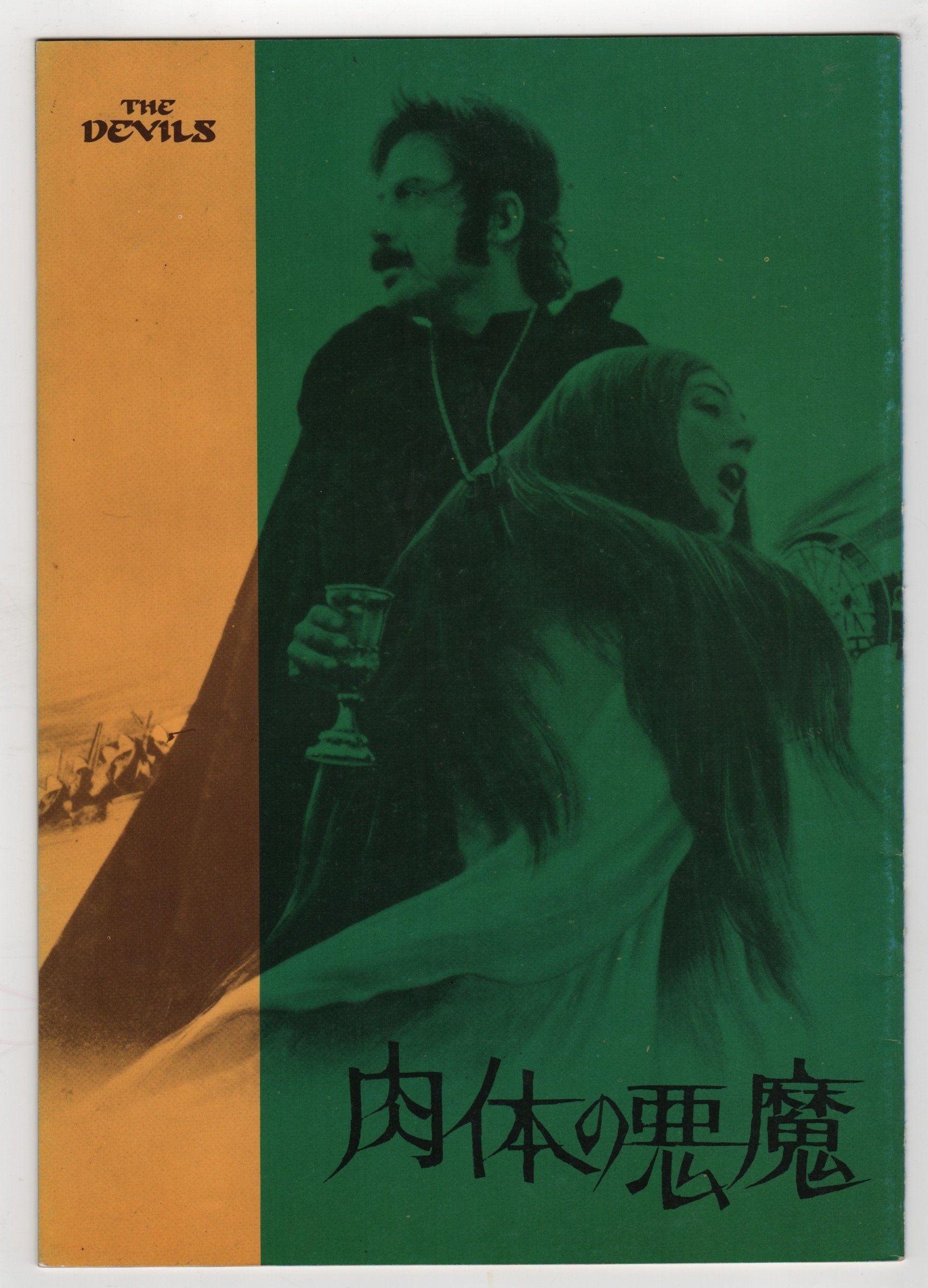
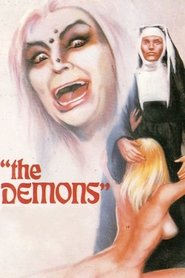
The Devils (1971) poster
Director
Production Company
Russo Productions
Plot

In 1634 France, charismatic Father Urbain Grandier becomes the target of a sexually obsessed nun’s witchcraft accusations, which corrupt church and state officials are all too happy to exploit.​​​​​​​​​​​​​​​​

Alternative Titles
Дяволите (Bulgaria) — Bulgarian Os Demônios (Brazil) — Portuguese Les Diables (Canada) — French 卢丹的恶魔 (China) — Chinese Ďáblové (Czechia) — Czech Die Teufel (Germany) — German Djævlene (Denmark) — Danish Los demonios (Spain) — Spanish
Show all 31 alternative titles Paholaiset (Finland) — Finnish Les Diables (France) — French Ken Russell's Film of The Devils (United Kingdom) — complete title Ken Russell's The Devils (United Kingdom) Οι Δαιμονισμένες (Greece) — Greek 盧丹的惡魔 (Hong Kong SAR China) — Chinese Ördögök (Hungary) — Hungarian شیاطین (Iran) — Persian I diavoli (Italy) — Italian 肉体の悪魔 (Japan) — Japanese 악령들 (South Korea) — Korean Los demonios (Mexico) — Spanish Djevlene (Norway) Diabły (Poland) — Polish Os Diabos (Portugal) — Portuguese Diavolii (Romania) — Romanian Дьяволы (Russia) — Russian الشياطين (Saudi Arabia) — Arabic Djävlarna (Sweden) — Swedish Şeytanlar (Türkiye) — Turkish 盧丹的惡魔 (Taiwan) — Chinese Дияволи (Ukraine) — Ukrainian Ken Russell's The Devils (United States) — 4K restoration title

Trailers & Videos

10 videos

Film Guide

Ken Russell transformed the Loudun witchcraft trials into a radical historical horror film through Derek Jarman's monumental production design, David Watkin's expressive cinematography, Peter Maxwell Davies' experimental score and an uncompromising depiction of religious and political persecution.

The Devils (1971) is a British historical horror drama written and directed by Ken Russell, adapted from John Whiting's play The Devils and Aldous Huxley's historical study The Devils of Loudun. Set in seventeenth-century France, it dramatizes the persecution of Urbain Grandier, a Catholic priest whose position within the fortified town of Loudun places him in conflict with political authorities seeking to consolidate royal power. When Sister Jeanne des Anges, the superior of an Ursuline convent, accuses him of supernatural influence, allegations of demonic possession become instruments in a campaign that culminates in his trial, torture and execution.

The film occupies an exceptional position in British cinema because its historical subject was reconstructed through deliberately modern visual methods. Production designer Derek Jarman created monumental white environments that depart from conventional seventeenth-century realism, while cinematographer David Watkin used lighting and composition to emphasize the relationship between individual bodies and institutional architecture. Shirley Russell designed the costumes, Michael Bradsell edited the film, and Peter Maxwell Davies composed an experimental score performed alongside historically informed music. These departments contributed to a production that treats religious hysteria as a public spectacle manufactured through architecture, ceremony, physical coercion and political authority. Its original release was severely affected by censorship, but a definitive reconstruction of the intended version finally reached commercial audiences through a 4K restoration in 2026.

Historical Sources and the Loudun Affair

The historical basis of The Devils is the Loudun possession affair, a series of accusations and investigations that culminated in the execution of Urbain Grandier in 1634. Grandier was a Catholic priest whose personal conduct and political position had brought him into conflict with influential opponents. When members of an Ursuline convent reported possession and identified him as responsible, religious authorities initiated proceedings that eventually resulted in his conviction for witchcraft. The case developed within a wider struggle over royal authority and the independence of fortified French towns.

Russell approached the material principally through John Whiting's 1961 play and Aldous Huxley's 1952 book The Devils of Loudun. Huxley had examined the affair through historical documents, religious disputes and contemporary psychological interpretations. Russell retained the underlying political conflict while transforming the material into a strongly visual dramatic structure. His film connects the accusations against Grandier with the campaign to dismantle the walls of Loudun, making the priest an obstacle to the consolidation of authority represented by Cardinal Richelieu and the royal administration.

The film should not be treated as a literal reconstruction of every event depicted. The principal figures, accusations, persecution and execution are historical, but Russell compresses circumstances, exaggerates selected personalities and introduces deliberately theatrical imagery. His representation of Louis XIII, the convent and several public rituals is interpretive rather than documentary. Russell nevertheless maintained that important elements of the torture and judicial proceedings were drawn from historical research rather than invented solely to produce shock.

In a retrospective interview originally published in Sight and Sound in 1995, Russell identified The Devils as his most explicitly political film. He explained that his central concern was the relationship between authoritarian power and the manipulation of religious belief. He also recalled that United Artists, which had supported several of his previous films, initially expressed interest before rejecting the screenplay. Warner Bros. subsequently became the distributor and principal studio associated with the production.

Derek Jarman and the Architecture of Loudun

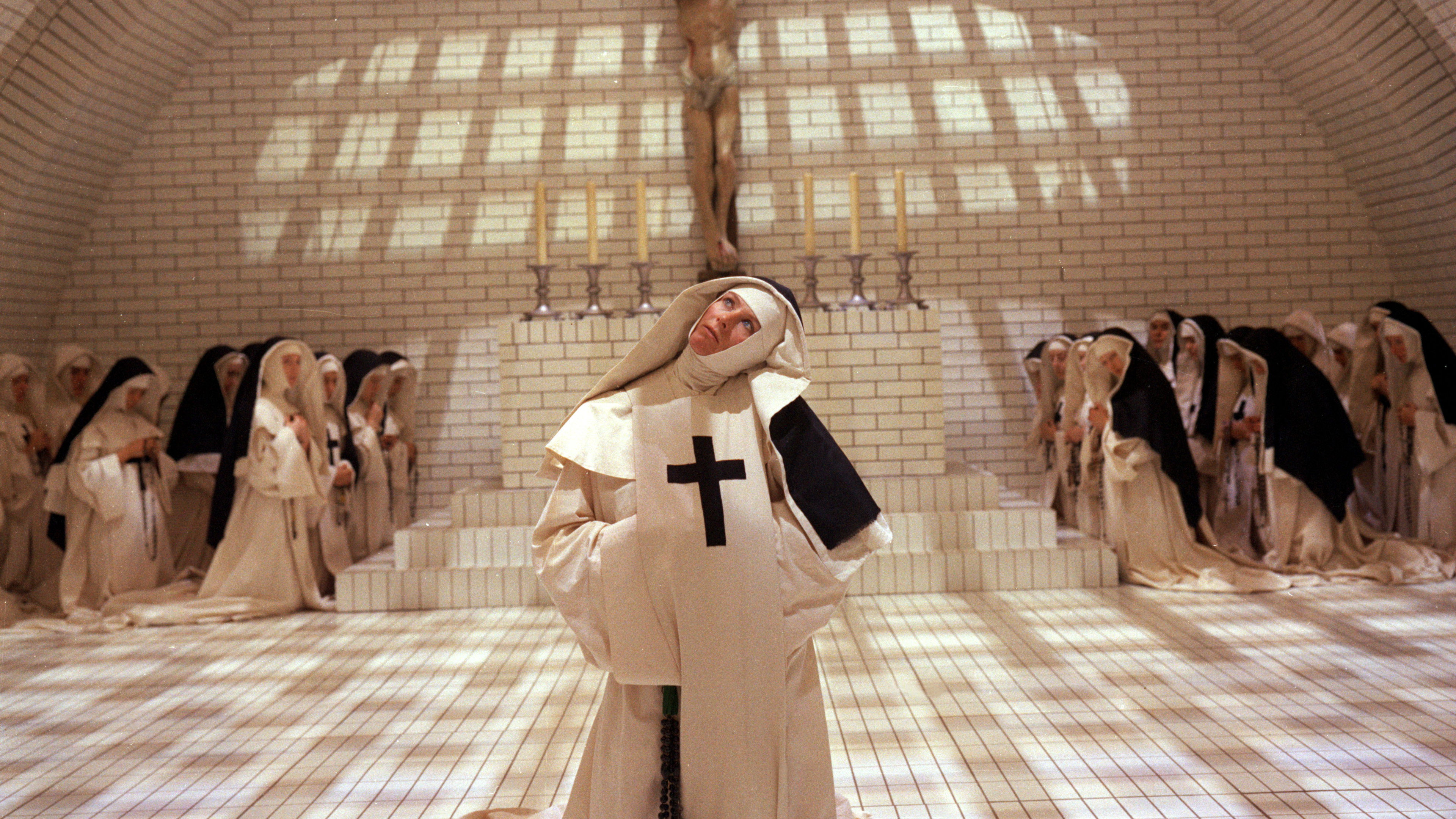
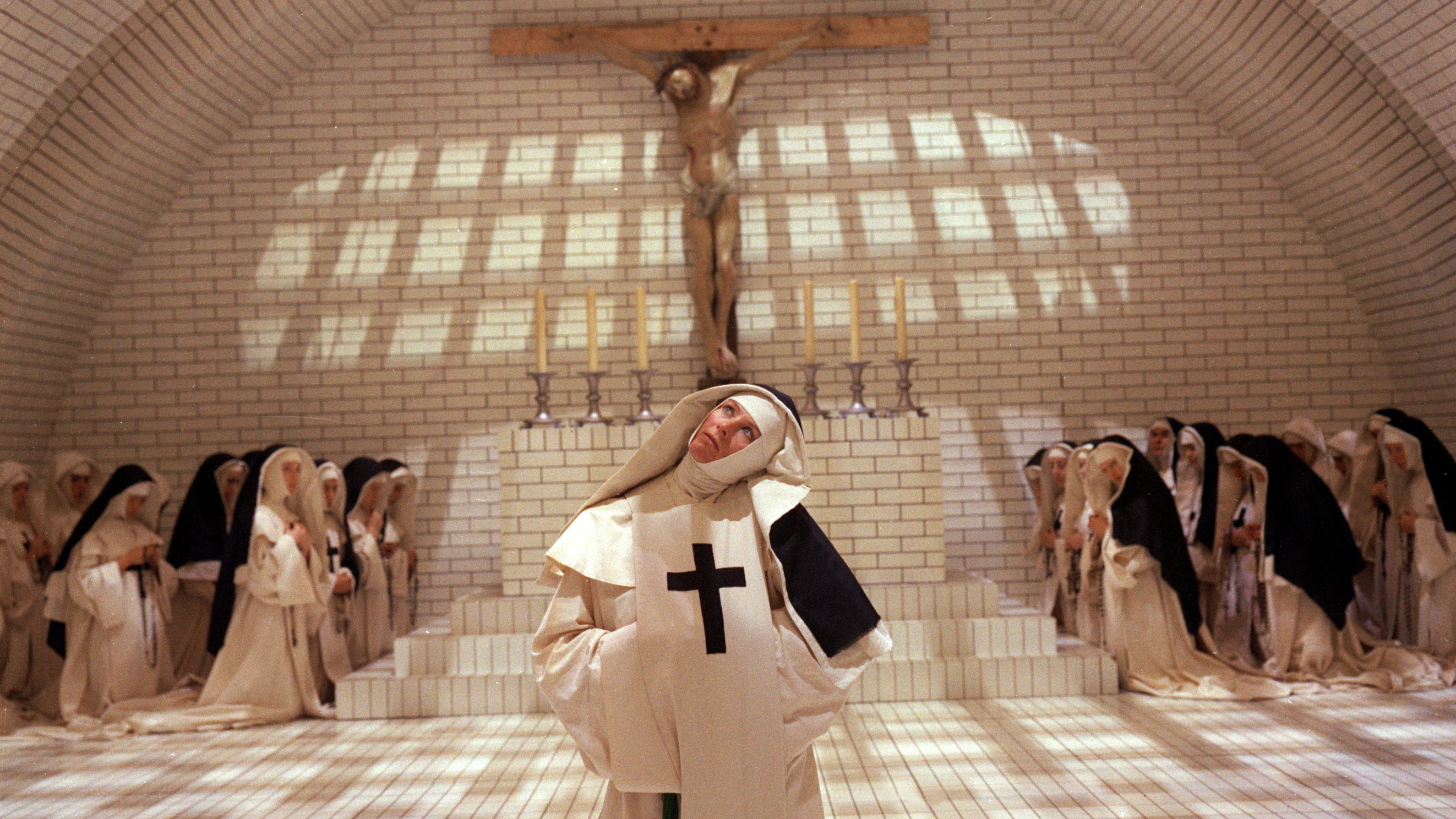
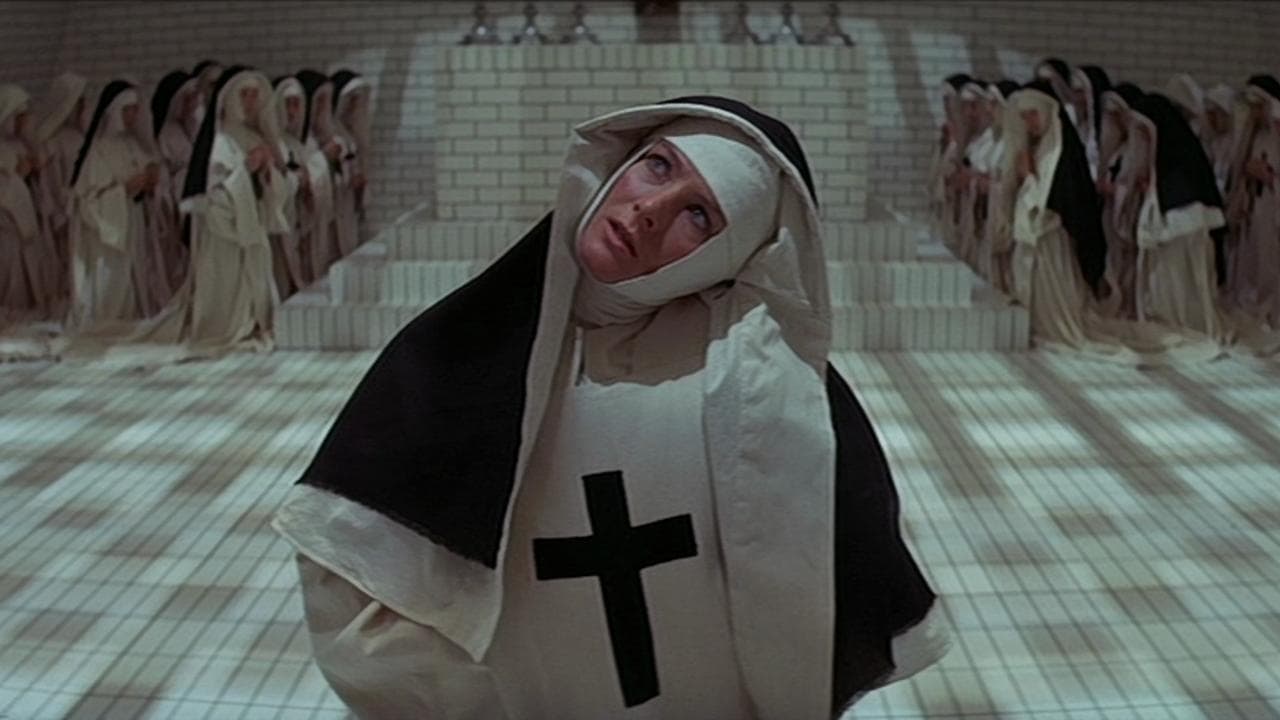
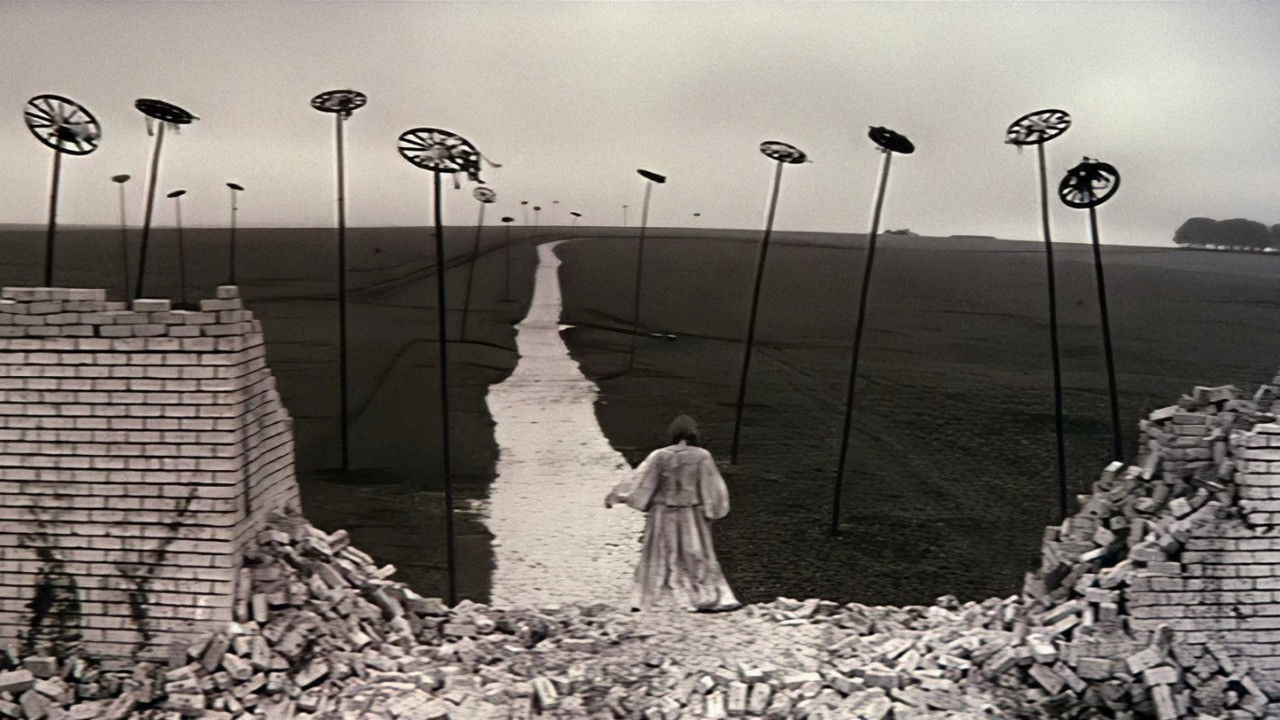
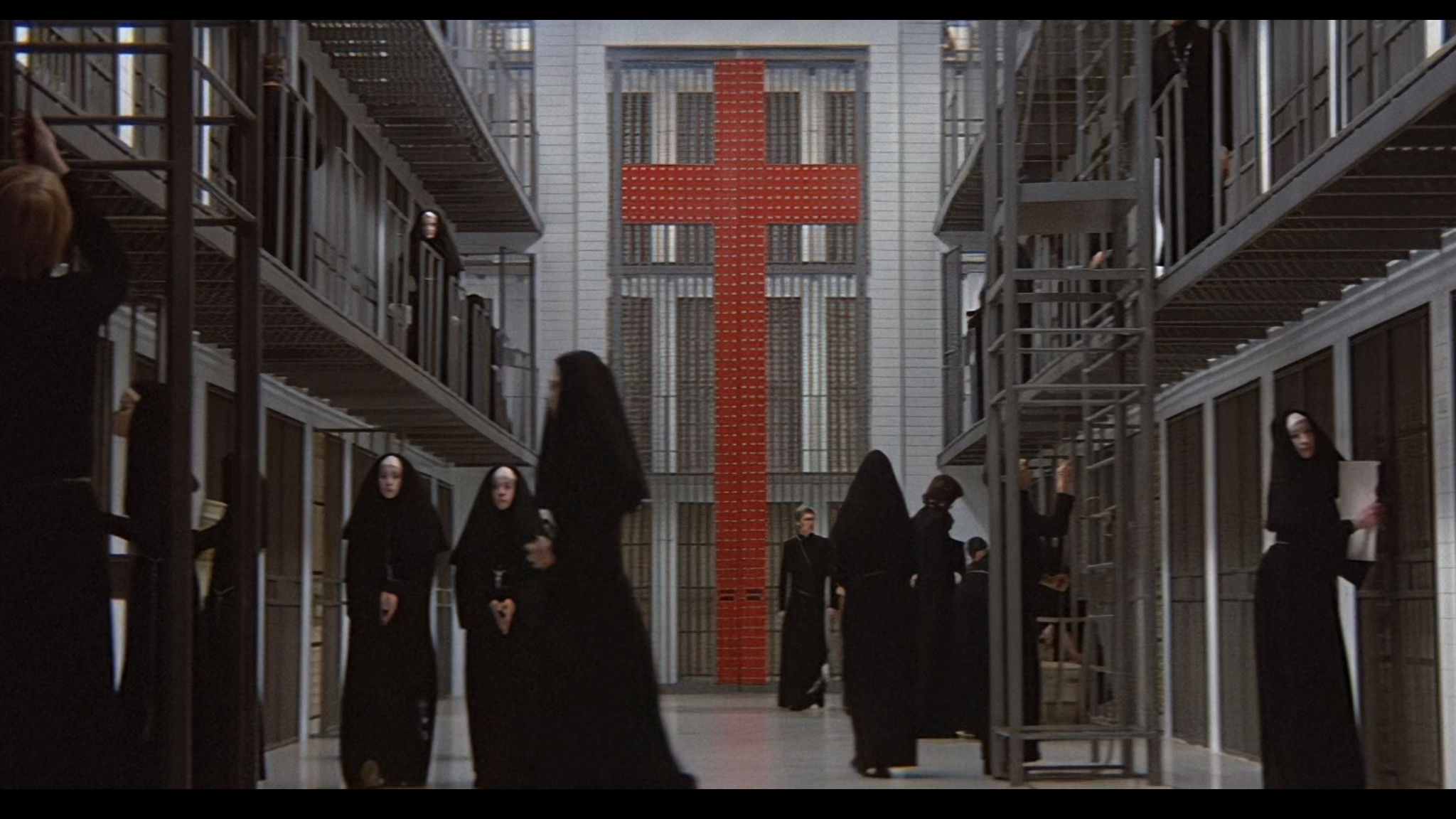
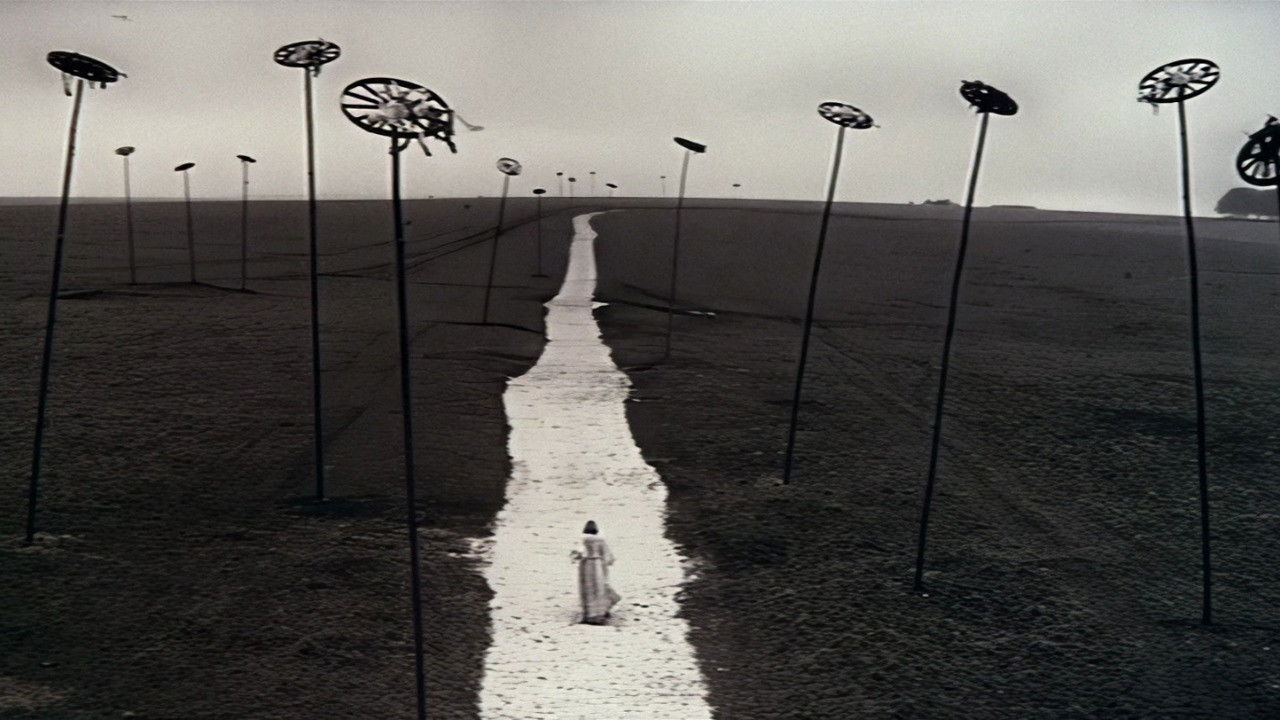
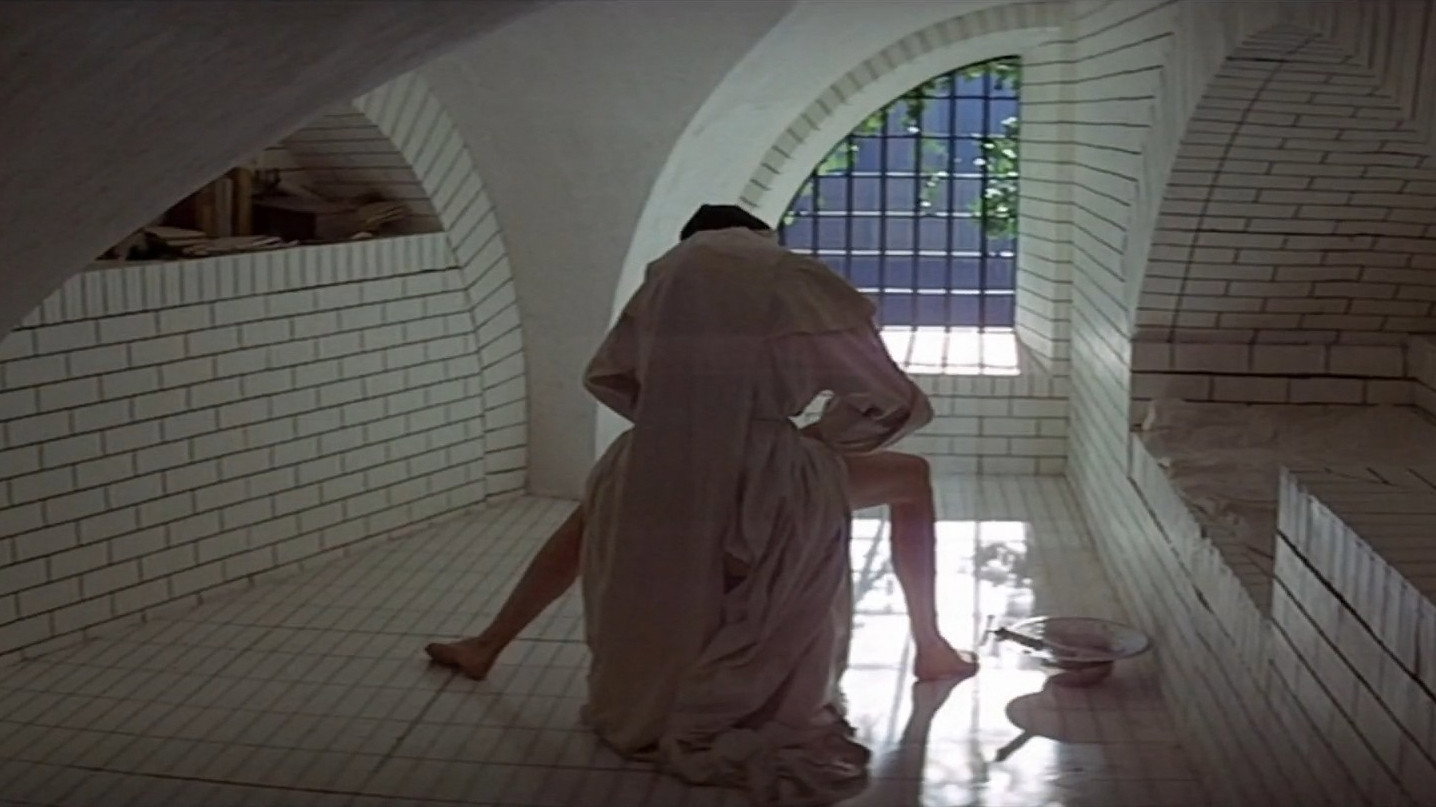
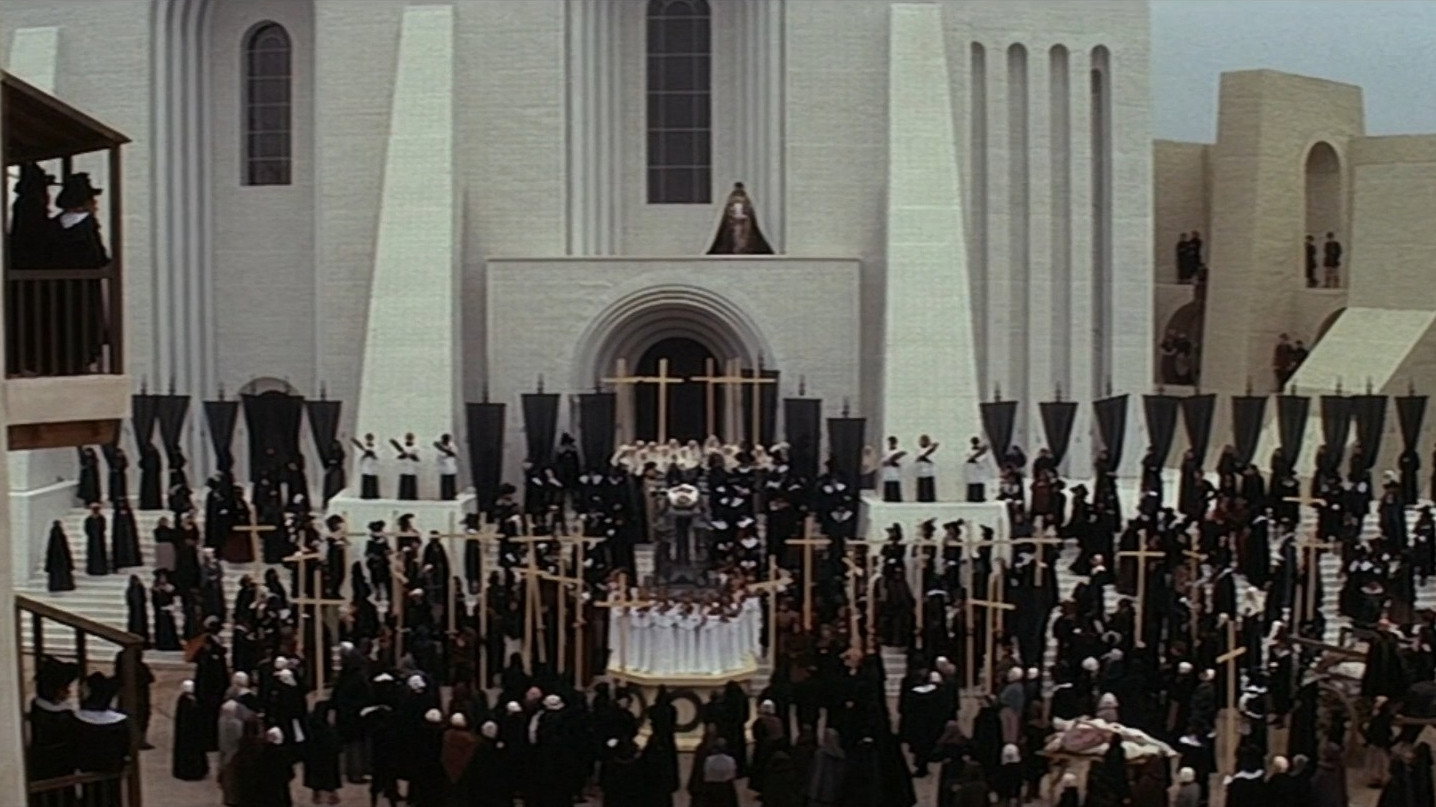
Derek Jarman made his feature-film production-design debut on The Devils. His work established one of the most distinctive visual environments in British historical cinema. Rather than reproduce Loudun through conventional weathered stone buildings, narrow medieval streets and picturesque historical detail, Jarman designed large architectural spaces dominated by pale surfaces, geometric structures and a restricted palette. These choices reflected Russell's conviction that the city should appear modern to the people who inhabited it rather than resemble an ancient ruin.

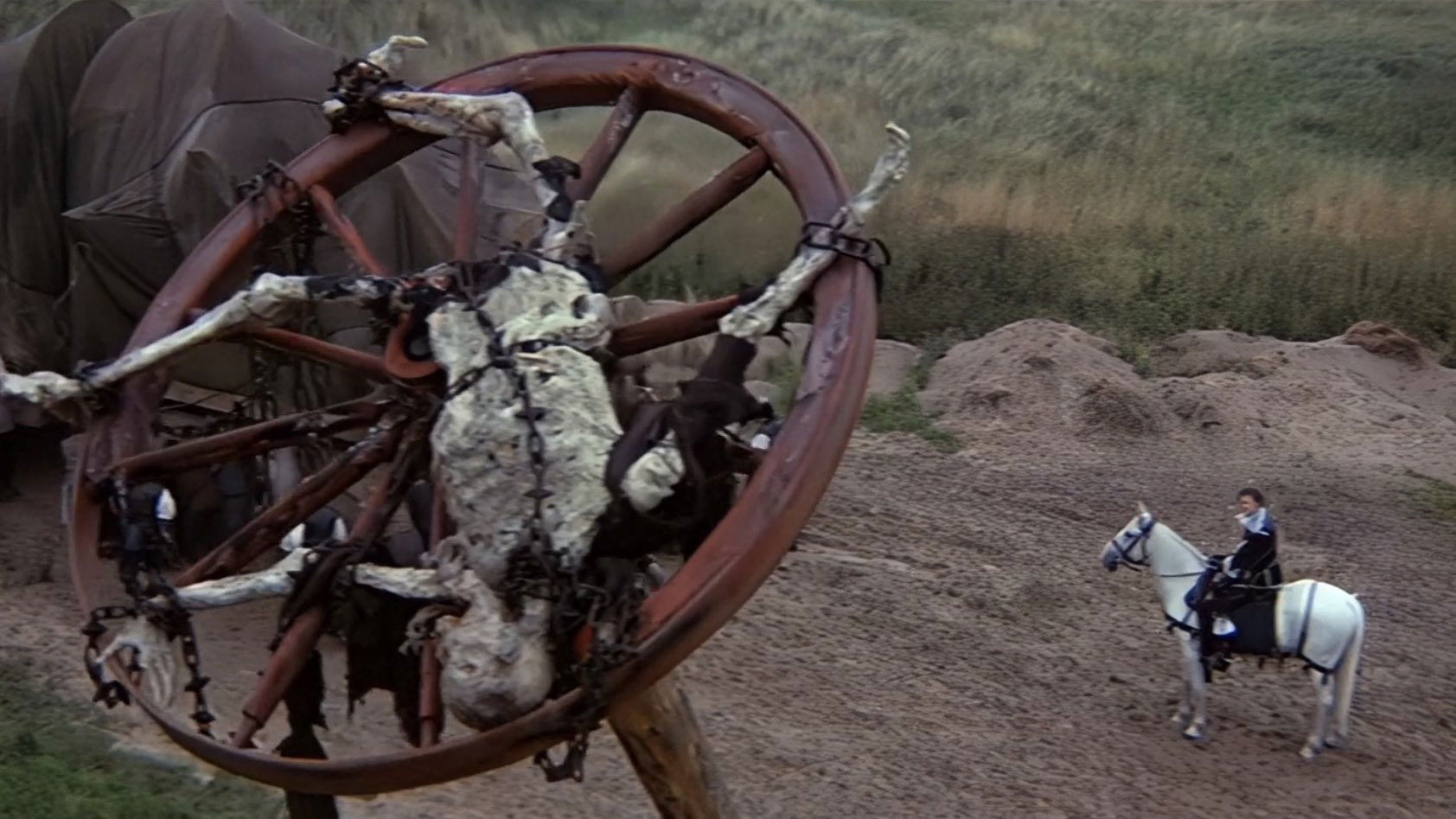
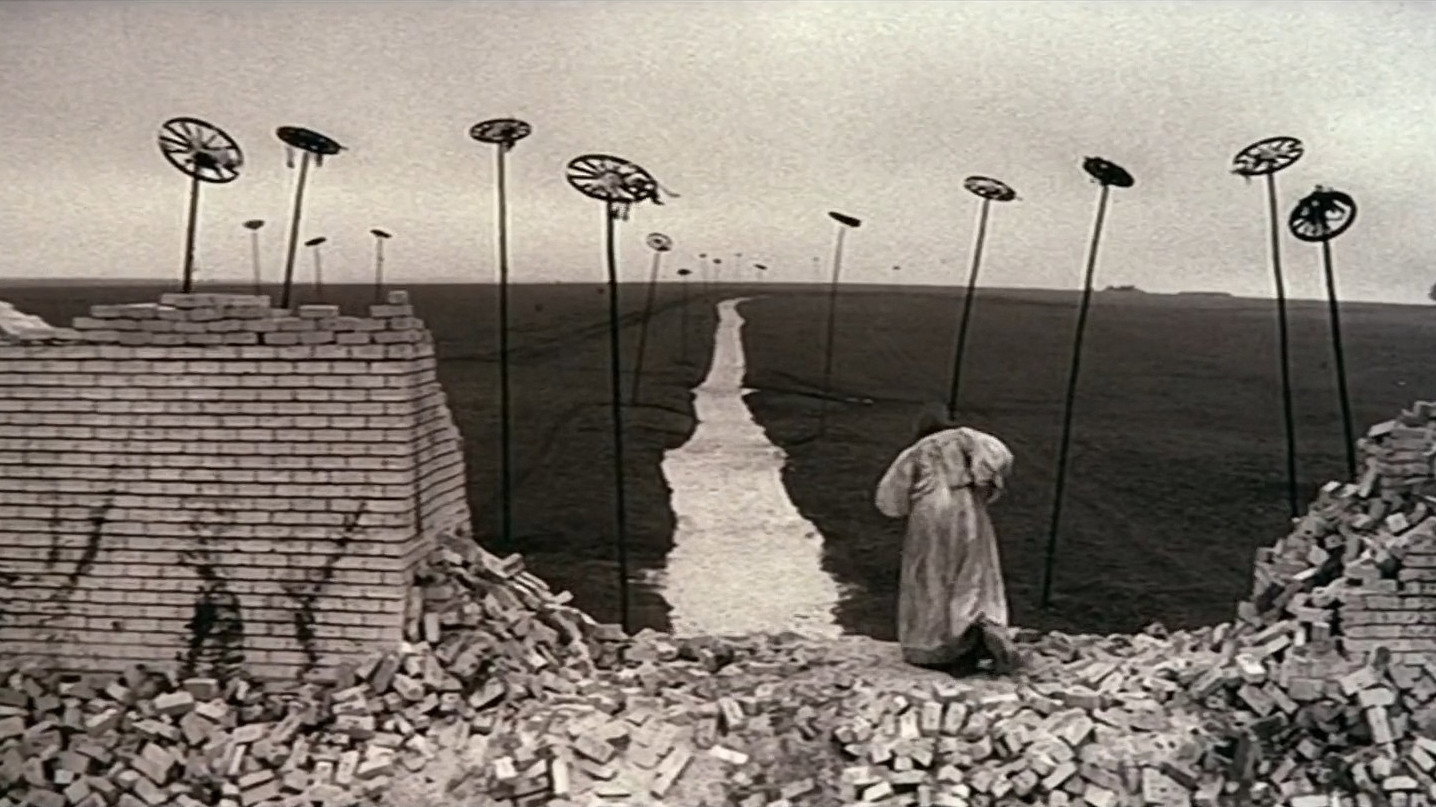
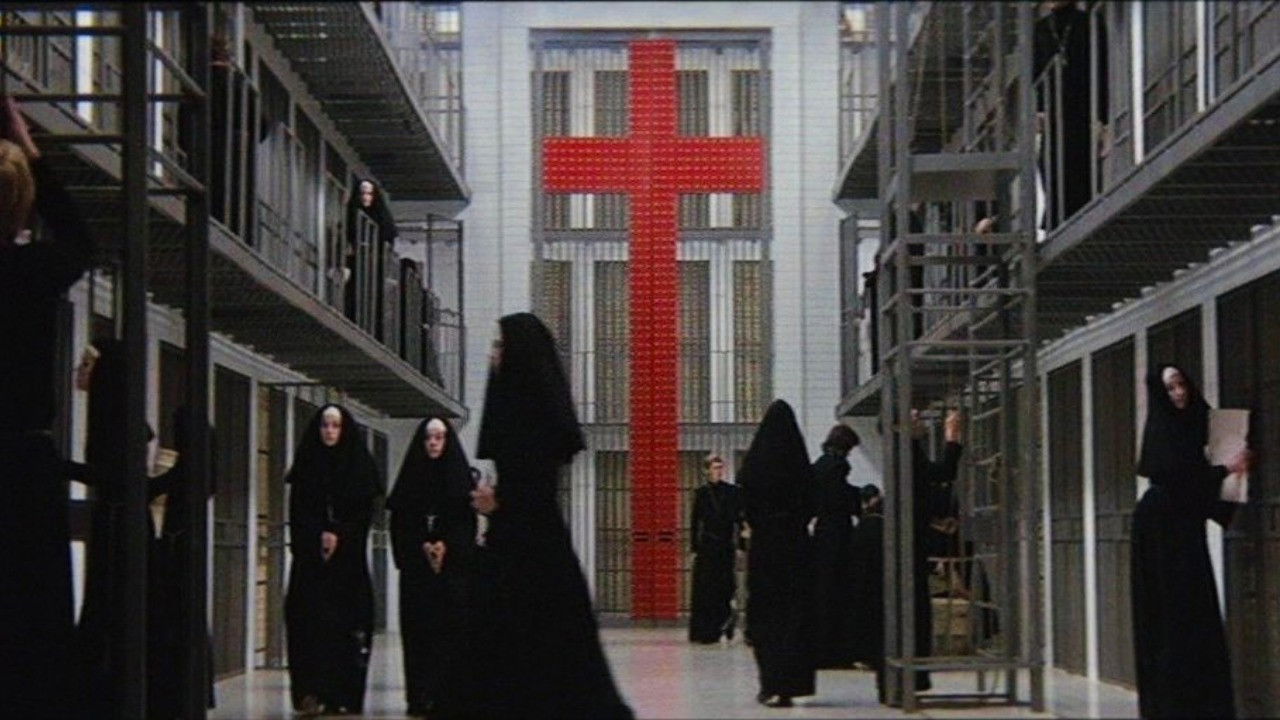
The principal environments were constructed at Pinewood Studios, including a substantial representation of the fortified city. The scale allowed Russell to stage processions, public confrontations and large groups of performers against architecture that communicated authority through proportion and spatial organization. The clean surfaces also provided a contrasting background for saturated costumes, exposed bodies and violent physical action. The architecture is therefore an active element of the images rather than a neutral reconstruction of historical surroundings.

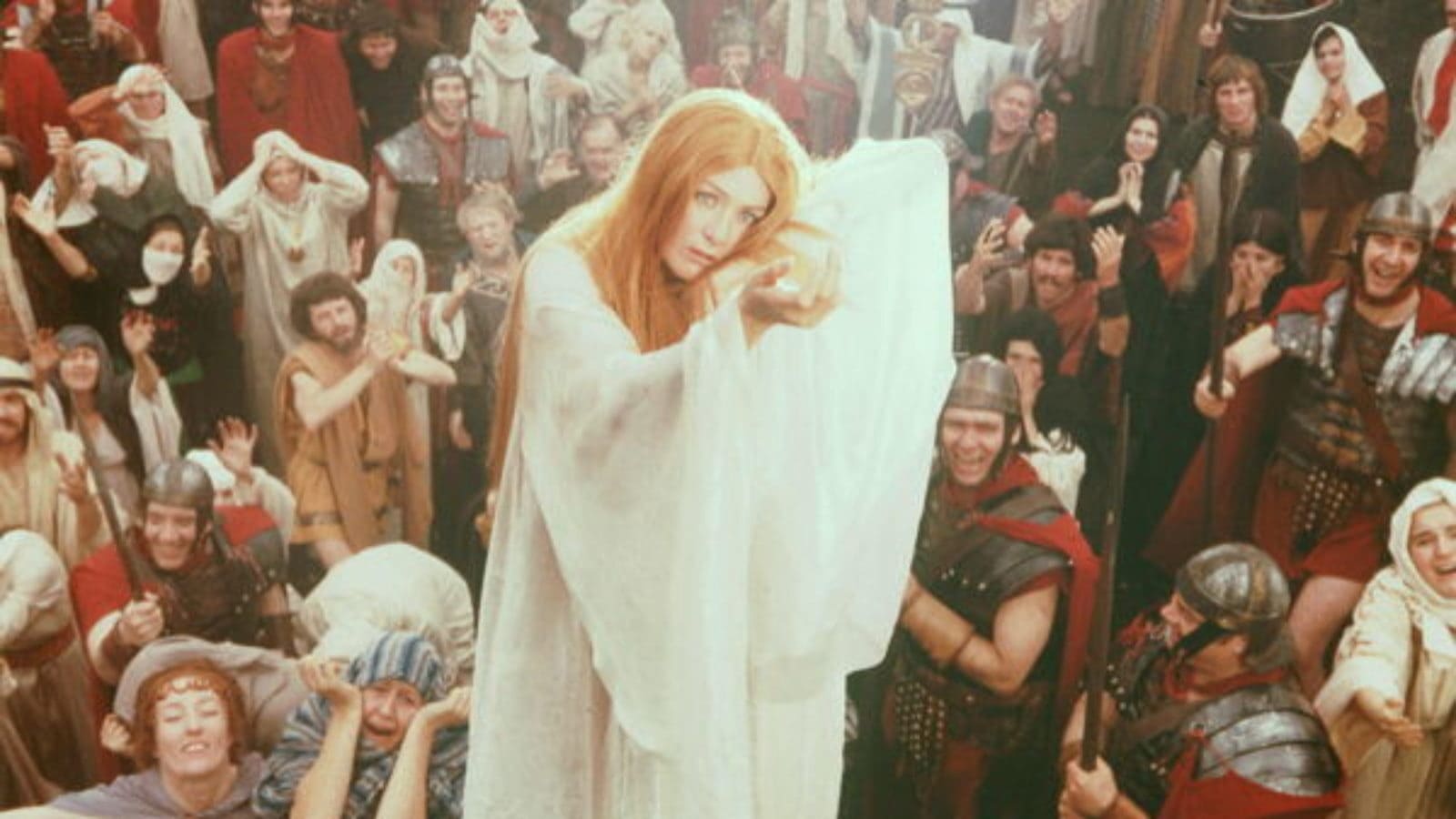
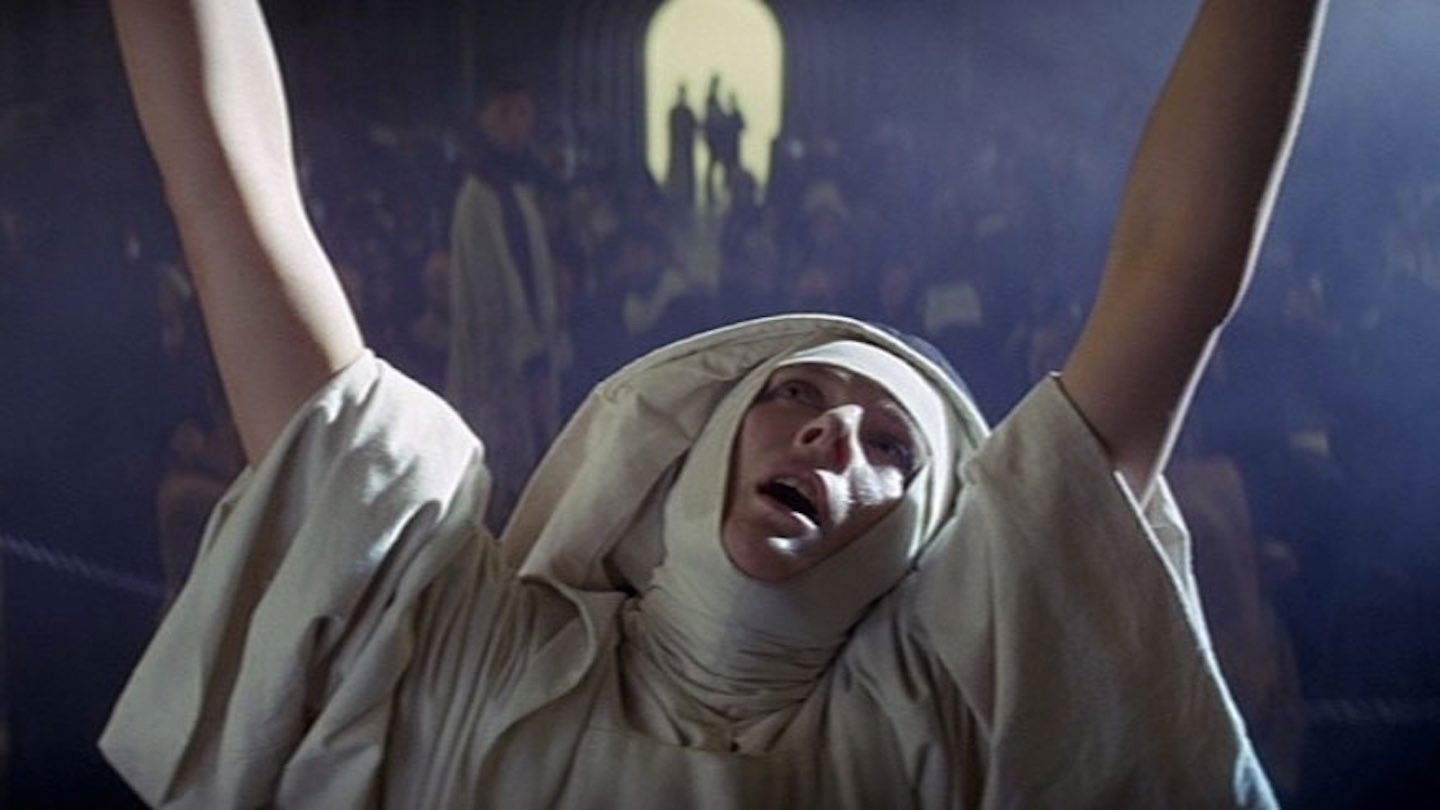
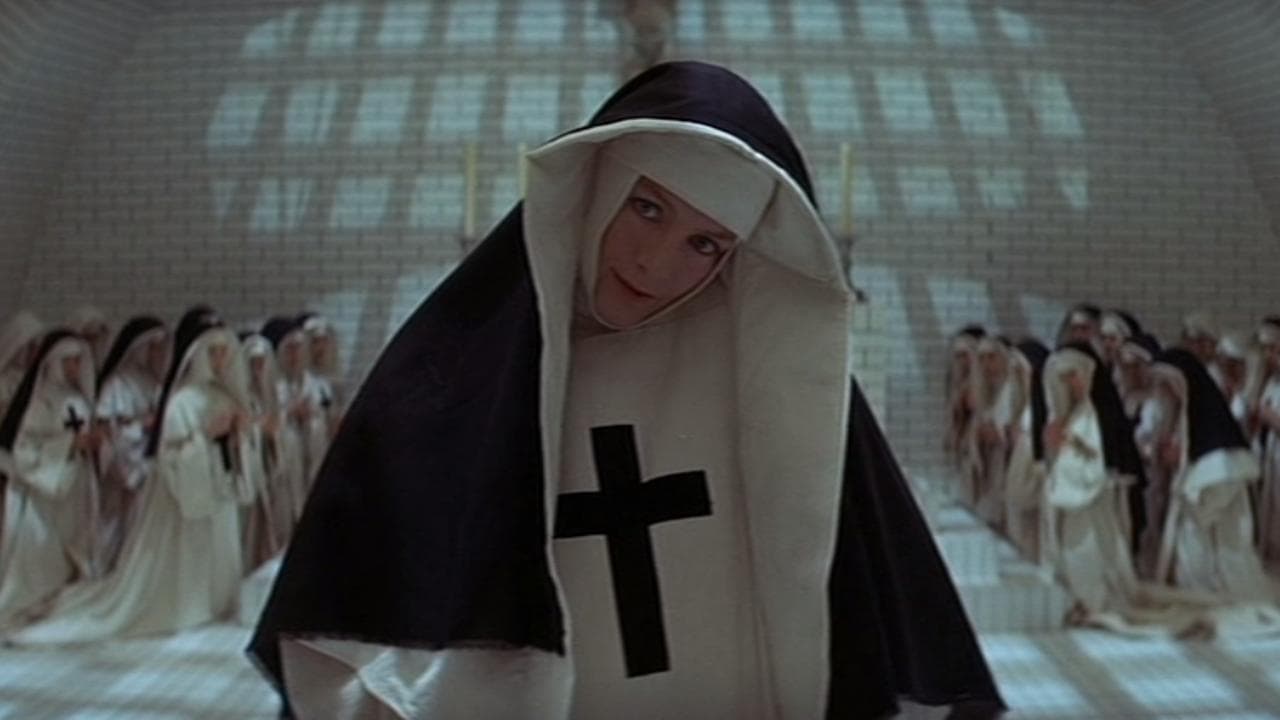
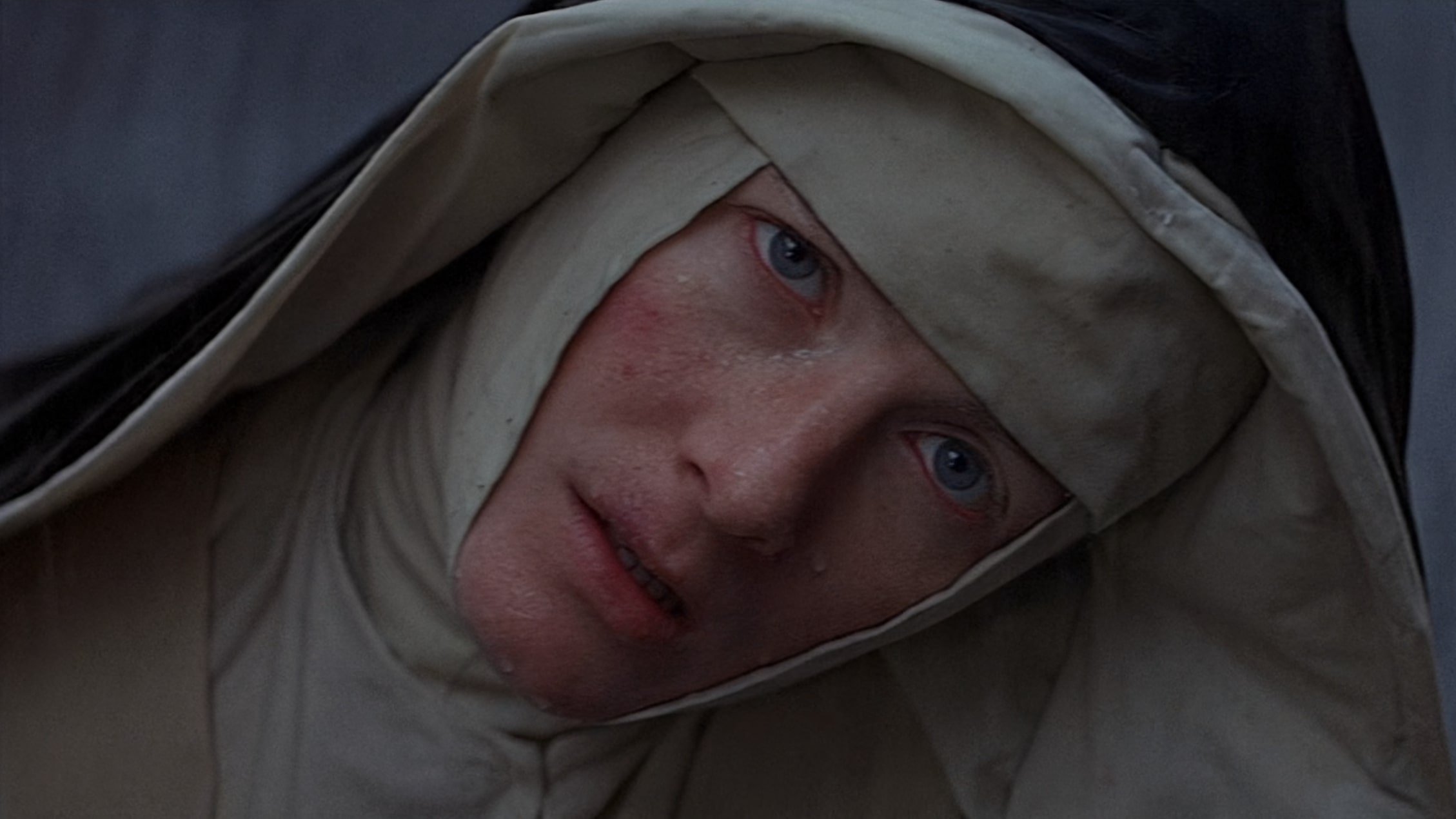
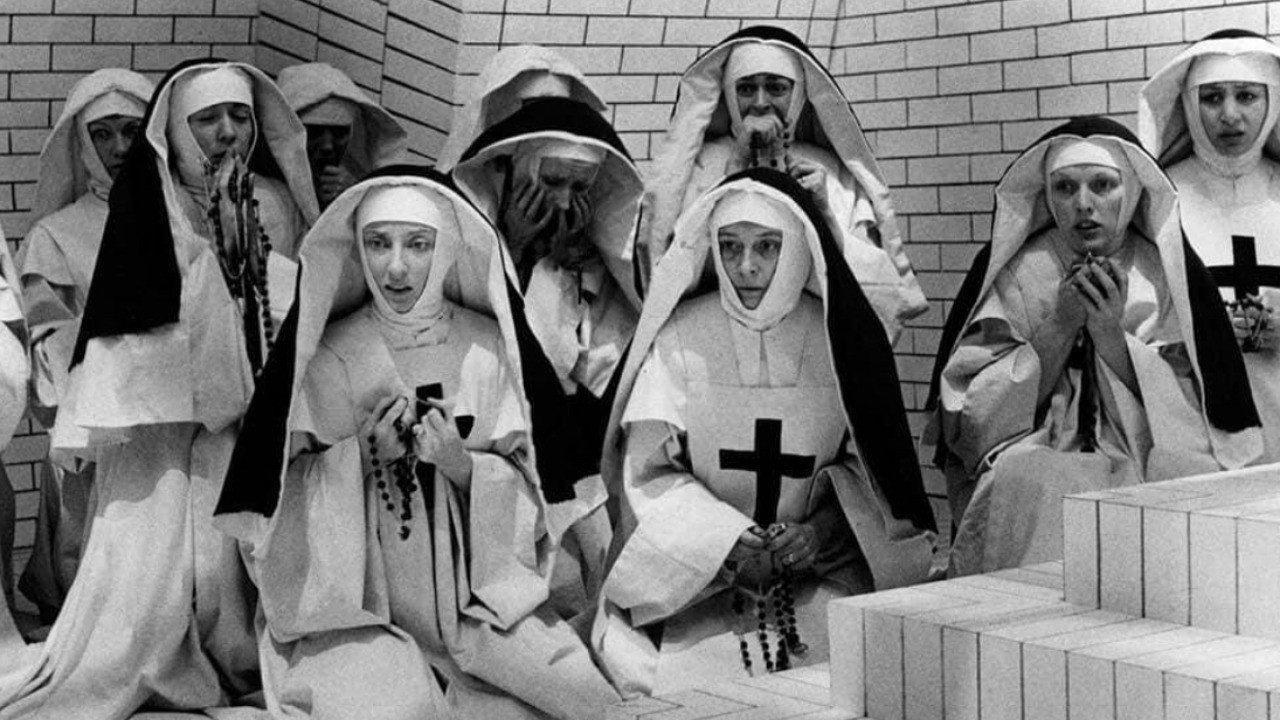
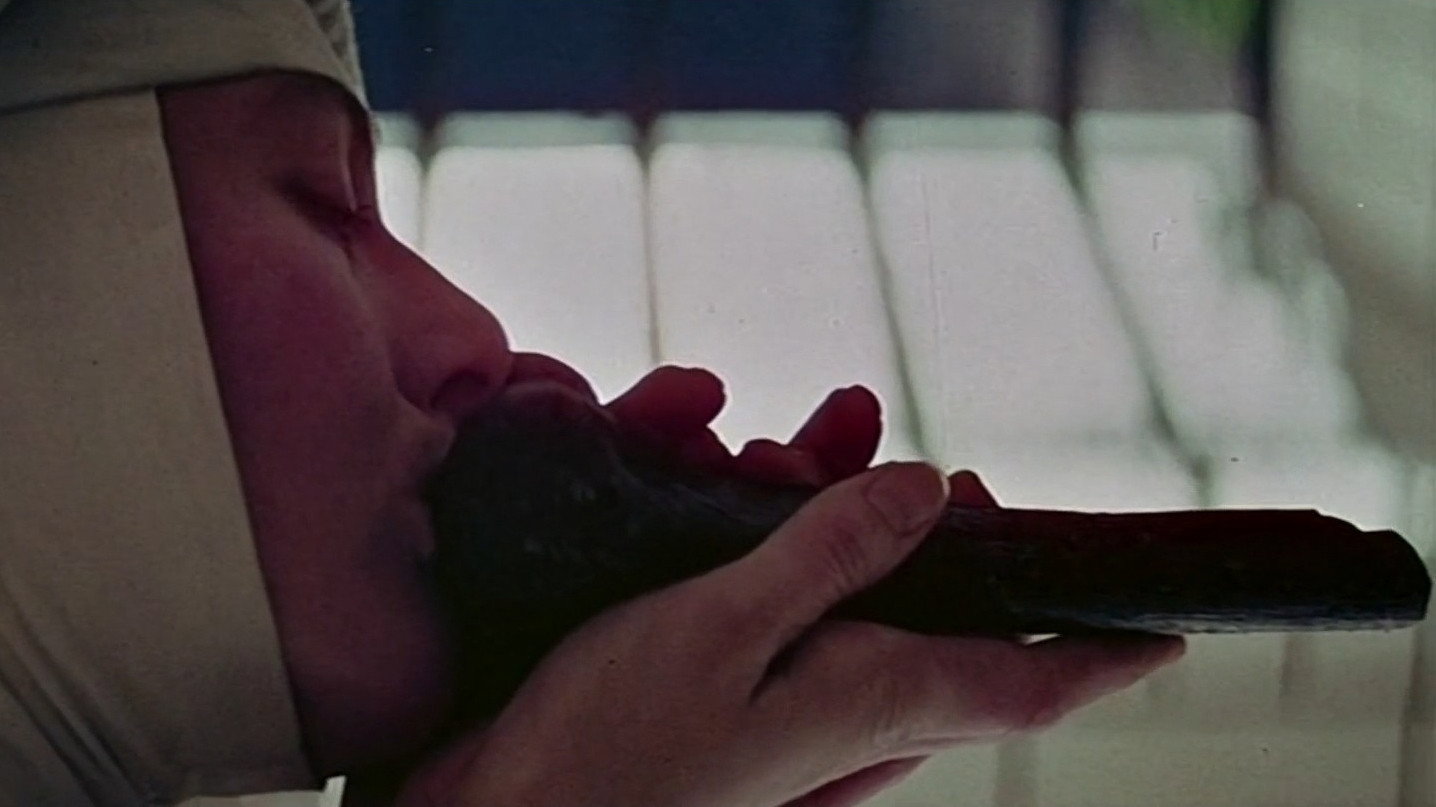
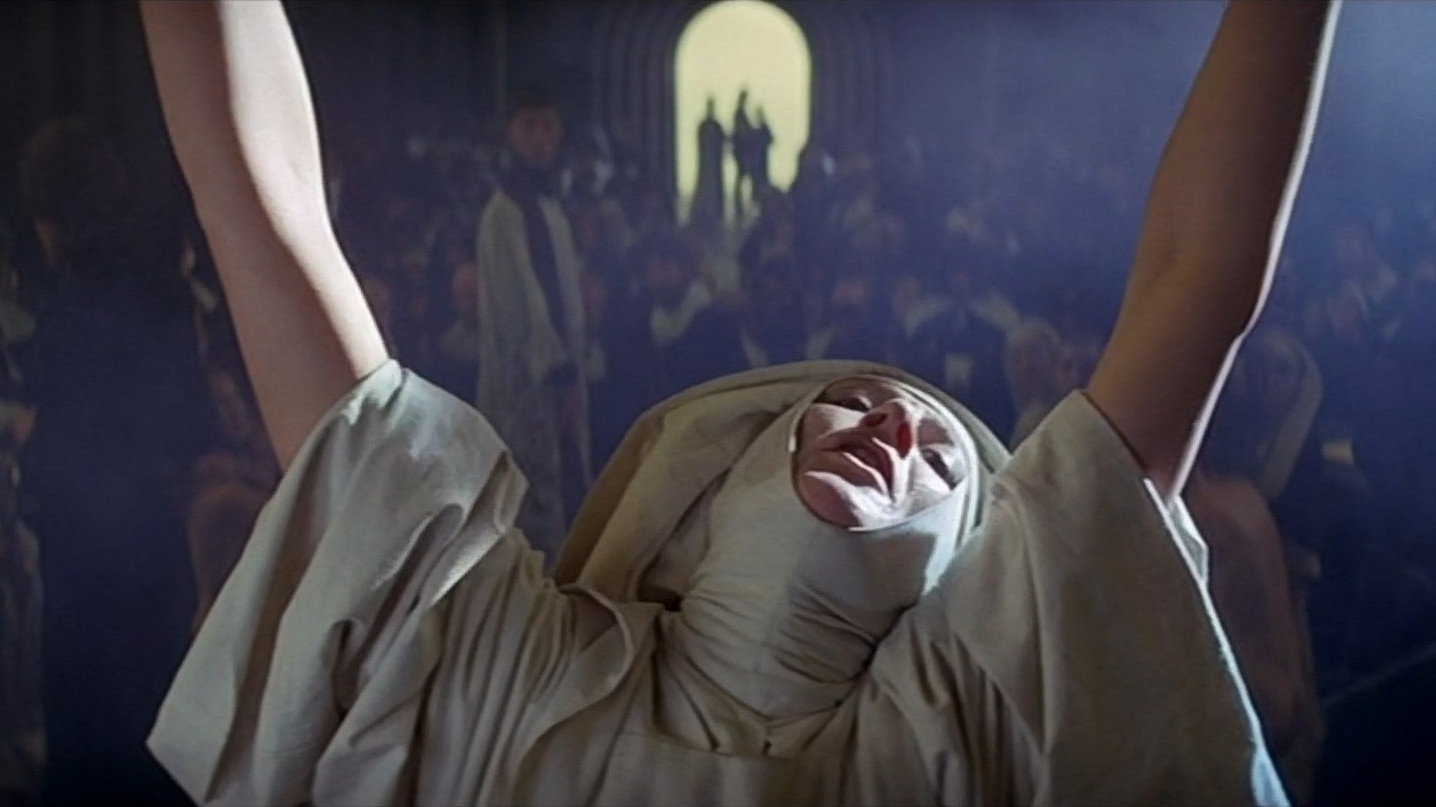
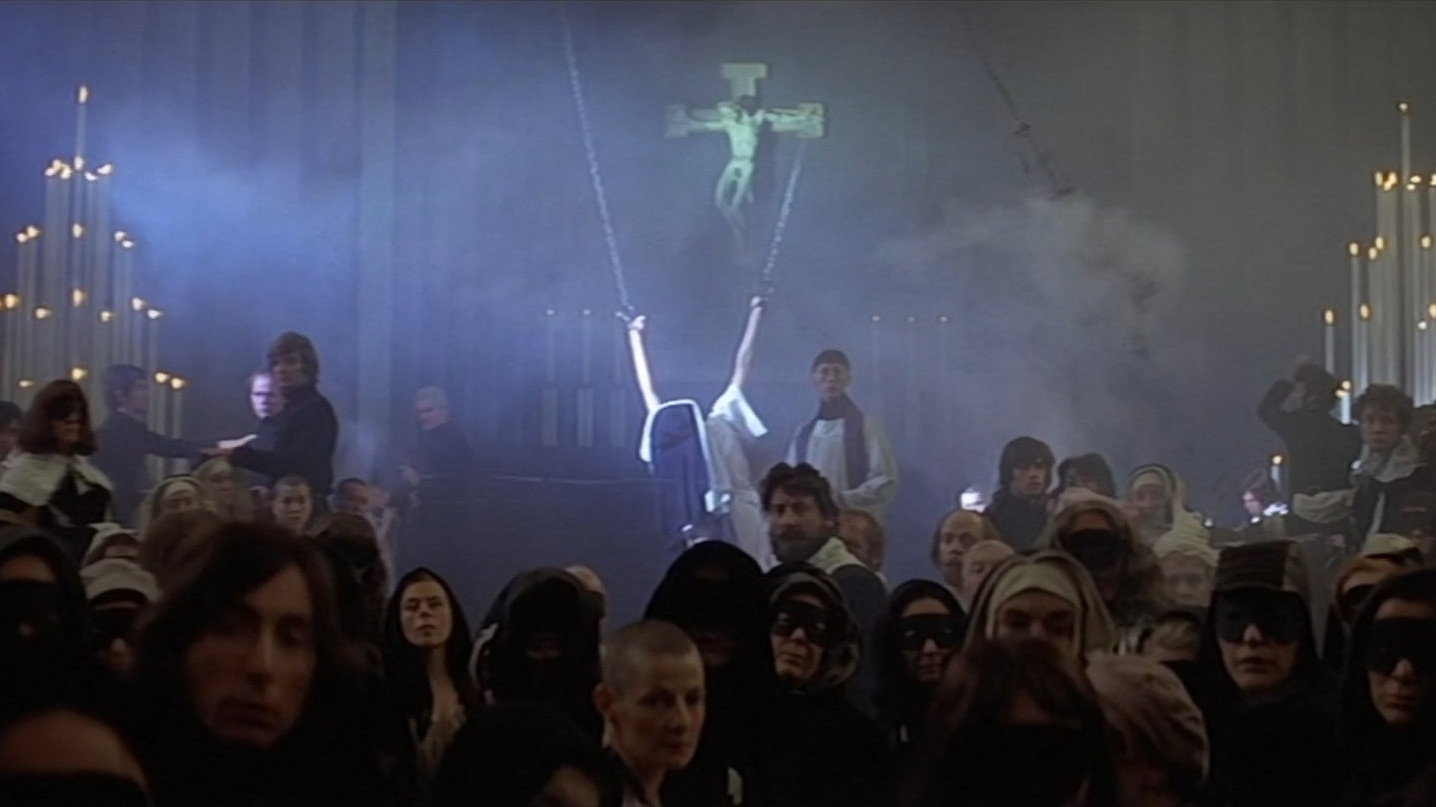
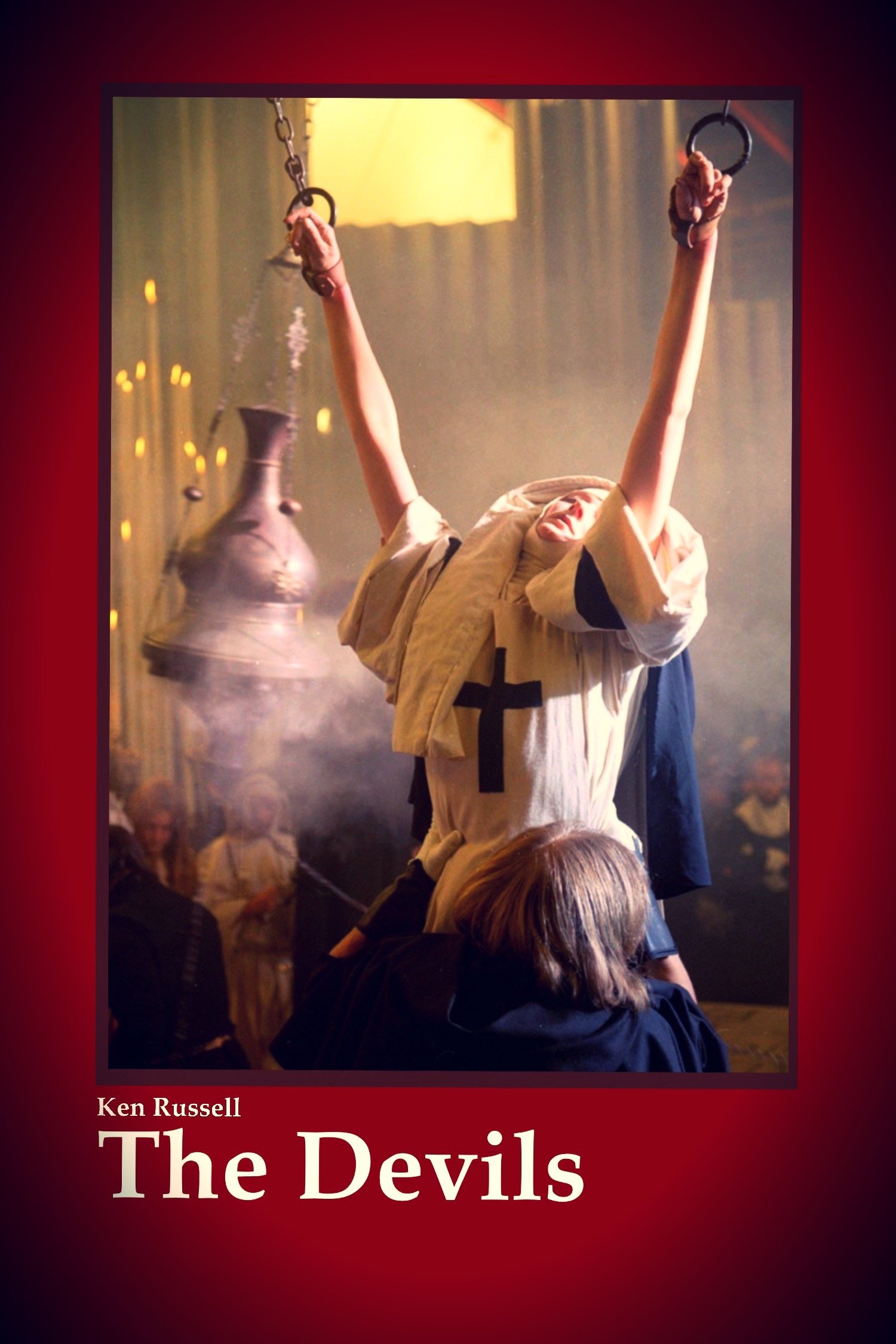
The convent interiors are especially distinctive. Their pale surfaces and tiled appearance suggest a modern institutional environment as much as a religious residence. Russell explained that the conception was partly influenced by Huxley's comparison between the public exorcisms and forms of sexual degradation. The design consequently establishes a disturbing visual relationship between religious purity, bodily exposure and institutional control. White walls that conventionally imply cleanliness become the setting for coercion, humiliation and increasingly uncontrolled performances.

The visual language also separates Loudun from the royal court. Scenes involving political power incorporate theatrical costumes, exaggerated gestures and elaborate ceremonial arrangements, while spaces associated with investigation and punishment become increasingly severe. This opposition allows architecture to reinforce differences between political spectacle and the physical consequences of state action.

The destruction of the town walls provides the production design with a final dramatic function. The buildings and fortifications that previously represented Loudun's political independence are physically dismantled. The ending transforms architecture into evidence of the outcome of Grandier's persecution. Jarman's monumental sets therefore establish both the town's identity and the visual scale of its destruction.

David Watkin: Photography and Visual Staging

David Watkin served as cinematographer, bringing a sophisticated approach to lighting and composition to a production whose visual style depended heavily on constructed environments. The film was photographed on 35 mm color negative, and the collaboration between Watkin, Russell and Jarman allowed large architectural spaces to be treated as expressive compositions rather than conventional period interiors.

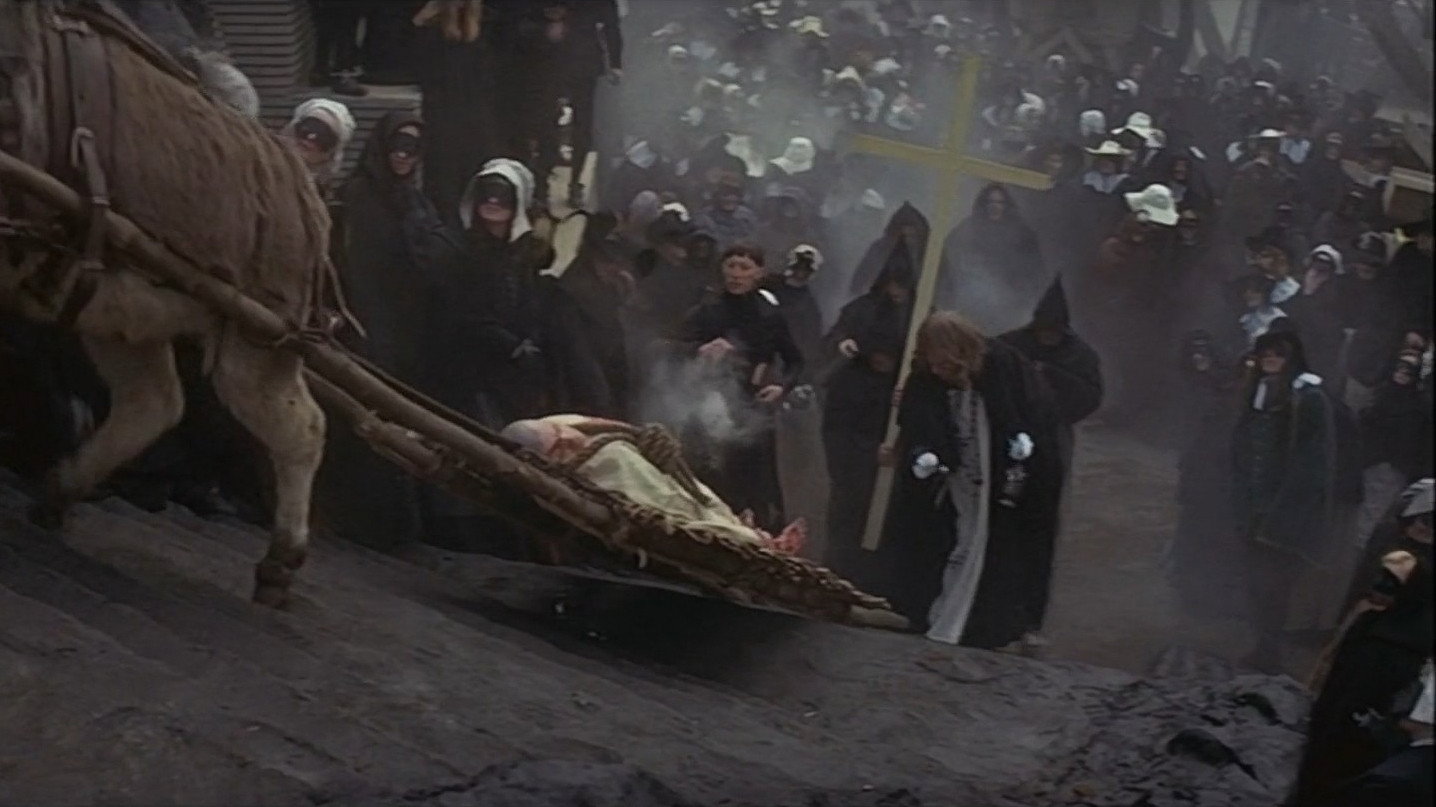
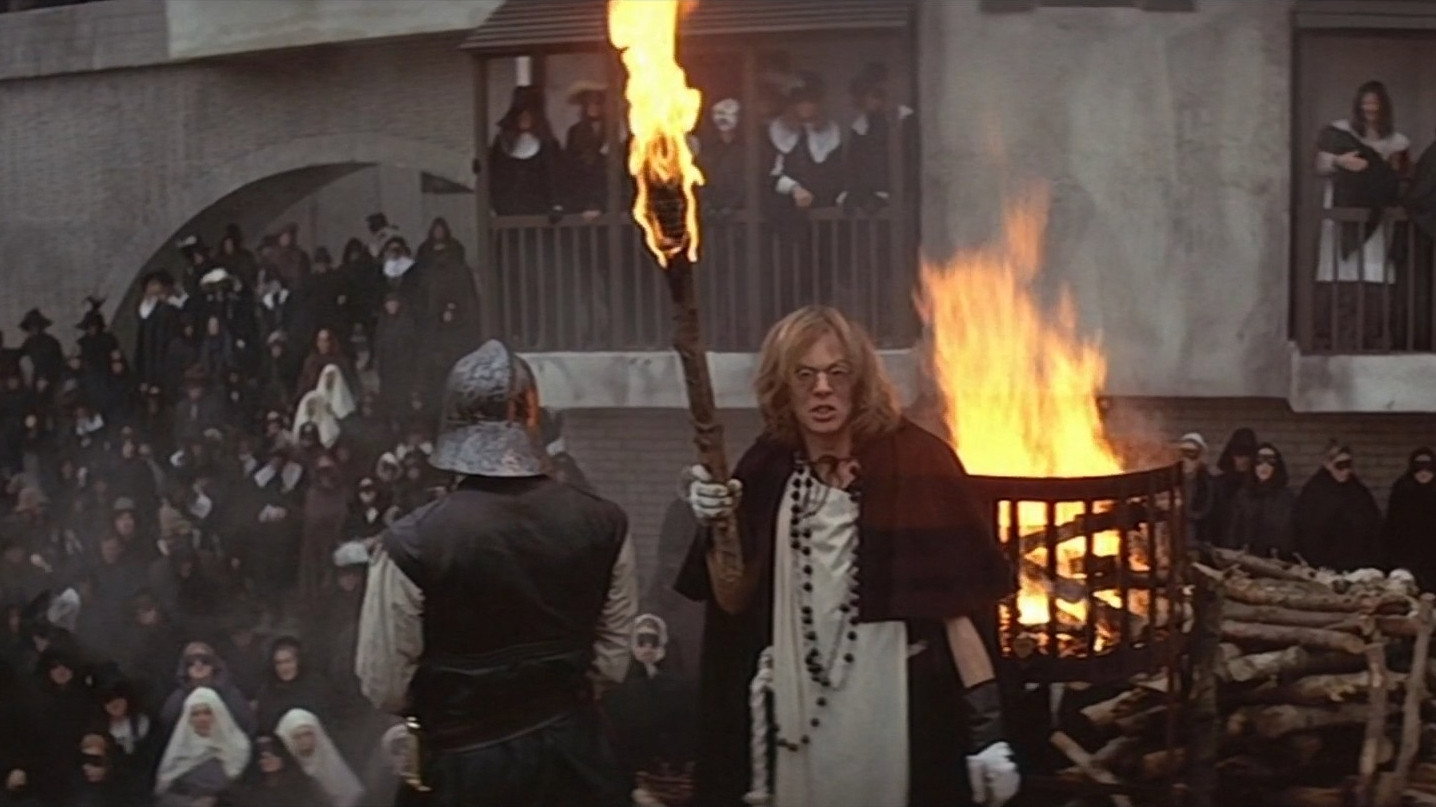
The relationship between the camera and production design is particularly important. Broad compositions establish the geometry of the city, religious interiors and ceremonial spaces, while closer framing isolates performers within environments that often overwhelm them. The visual contrast between institutional scale and vulnerable individuals becomes increasingly pronounced during Grandier's interrogation and execution. The buildings appear stable and impersonal even as the people occupying them behave unpredictably.

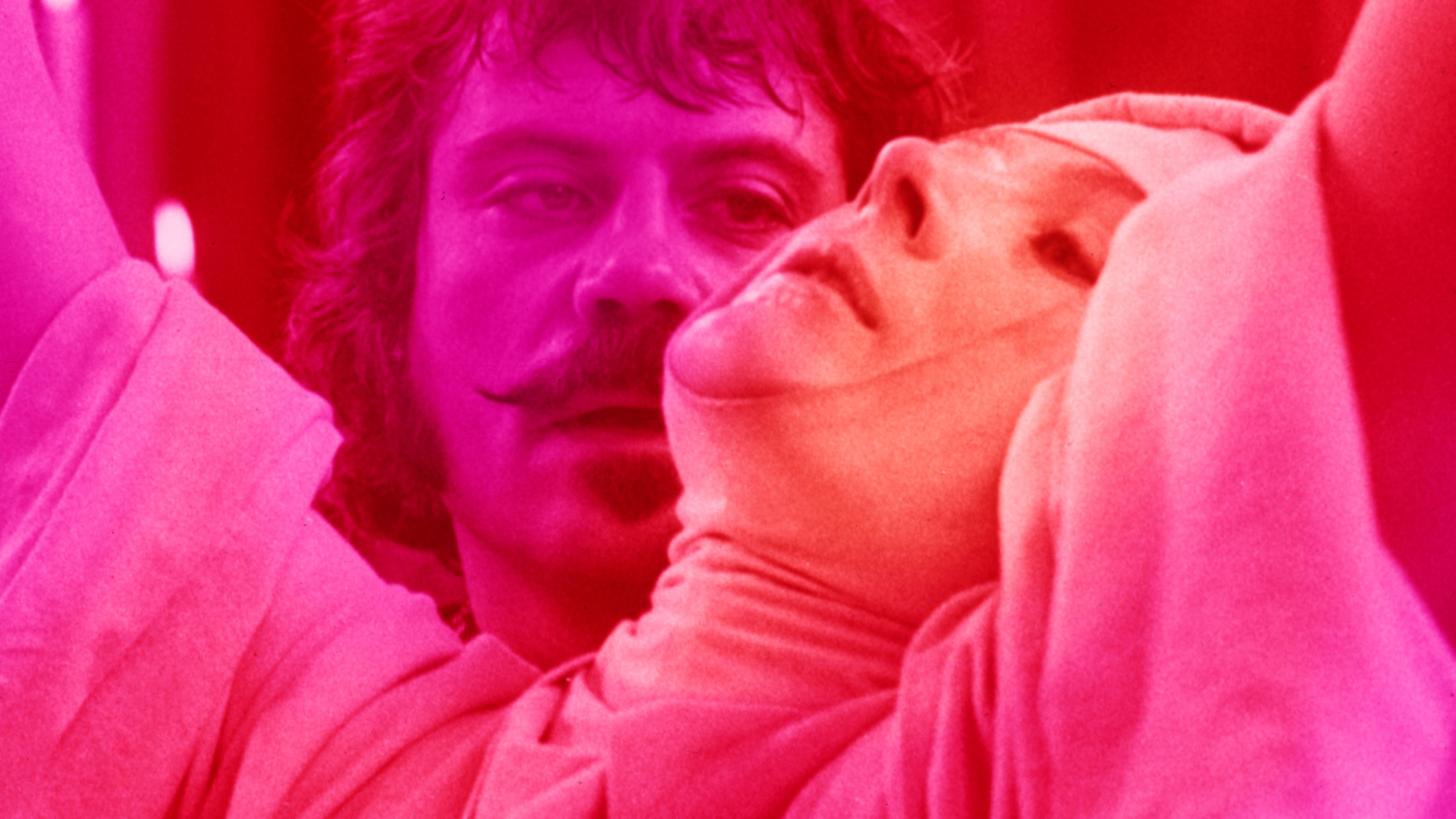
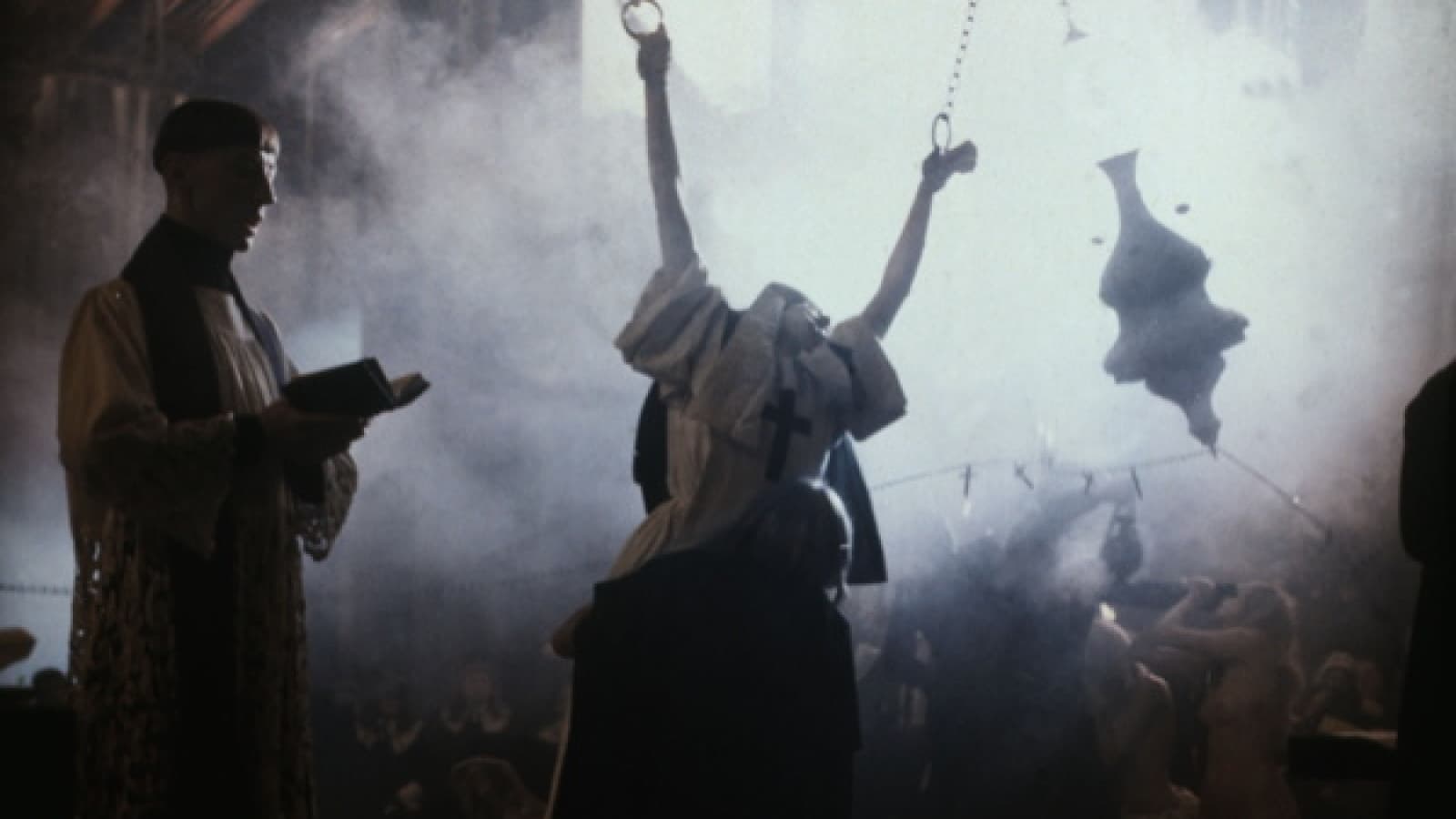
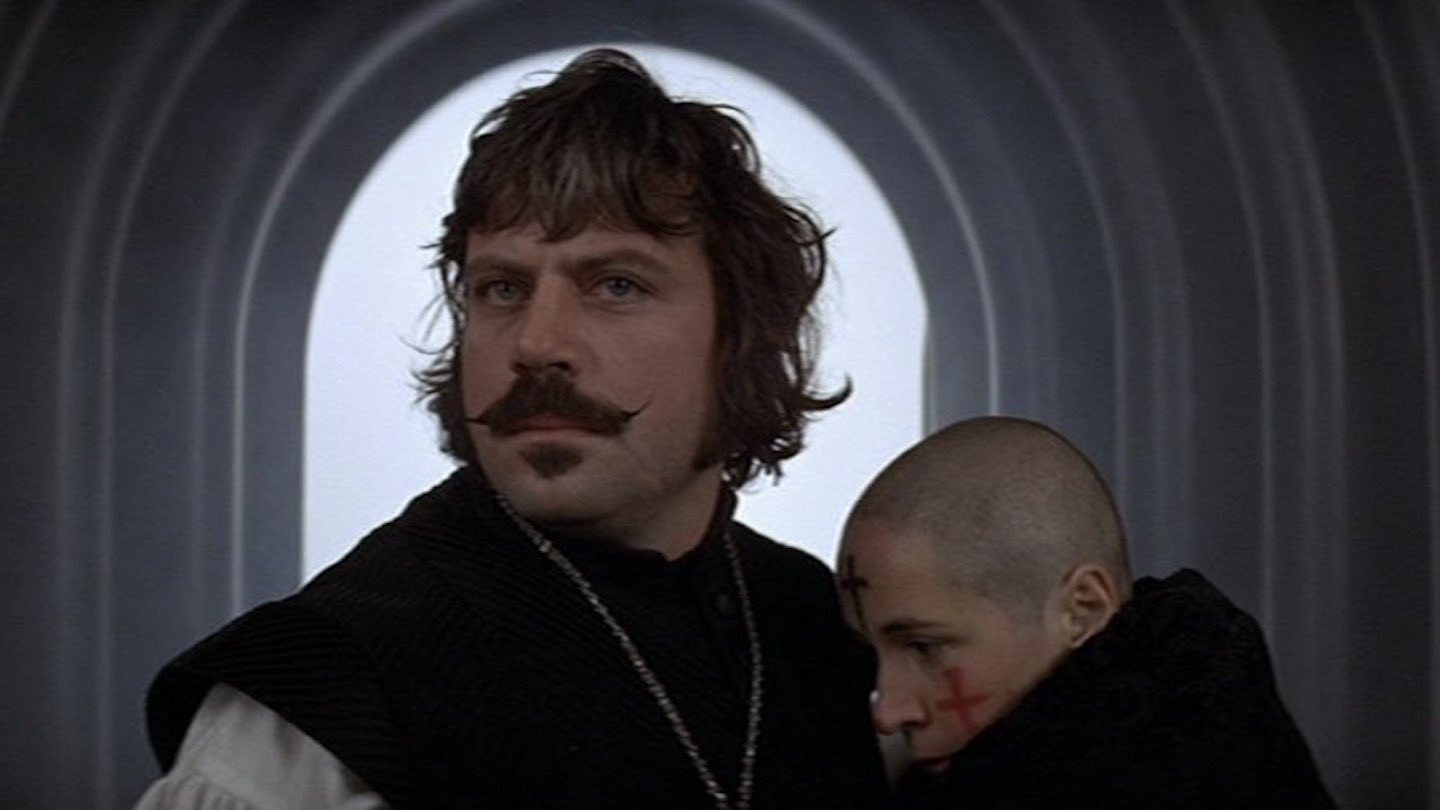
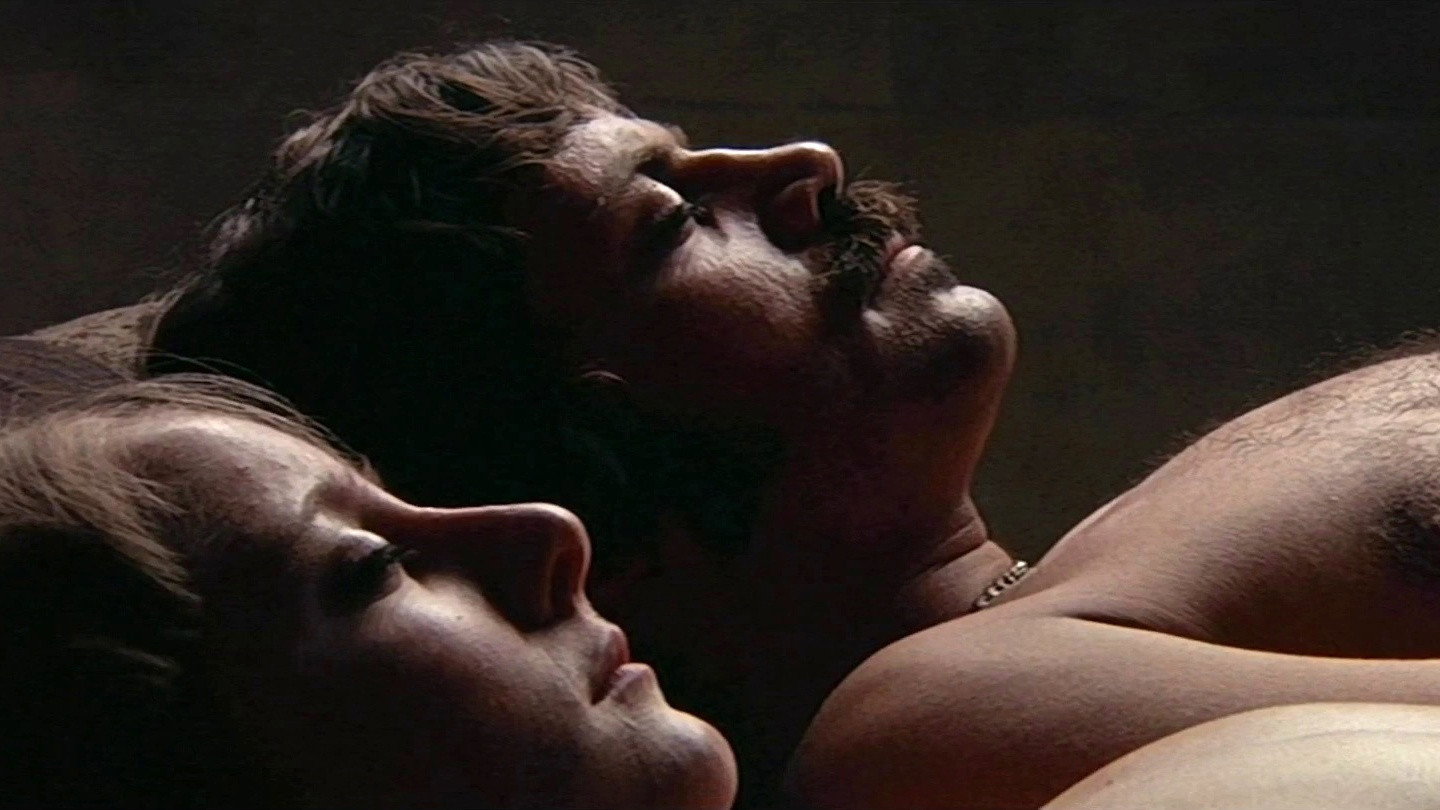
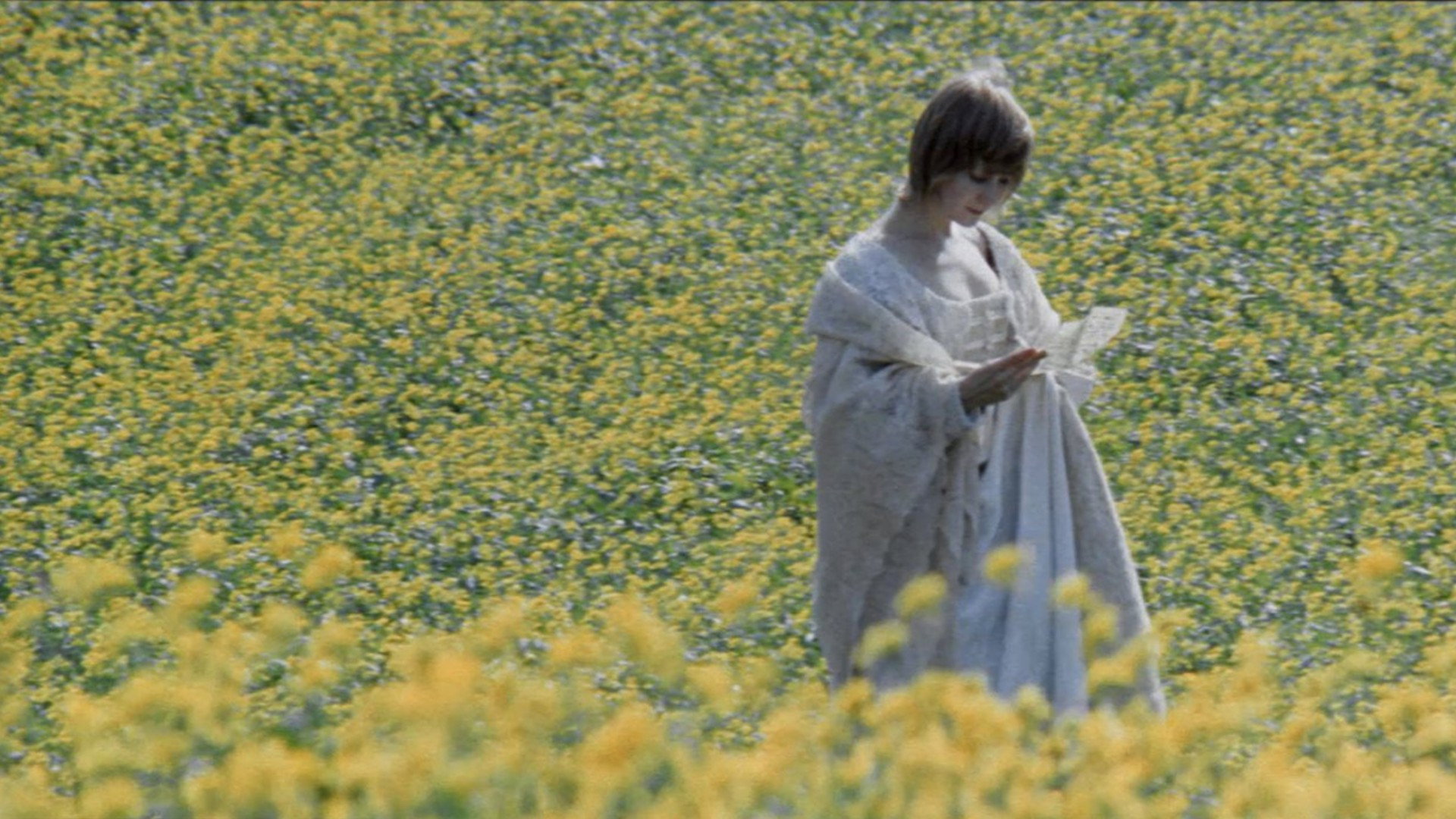
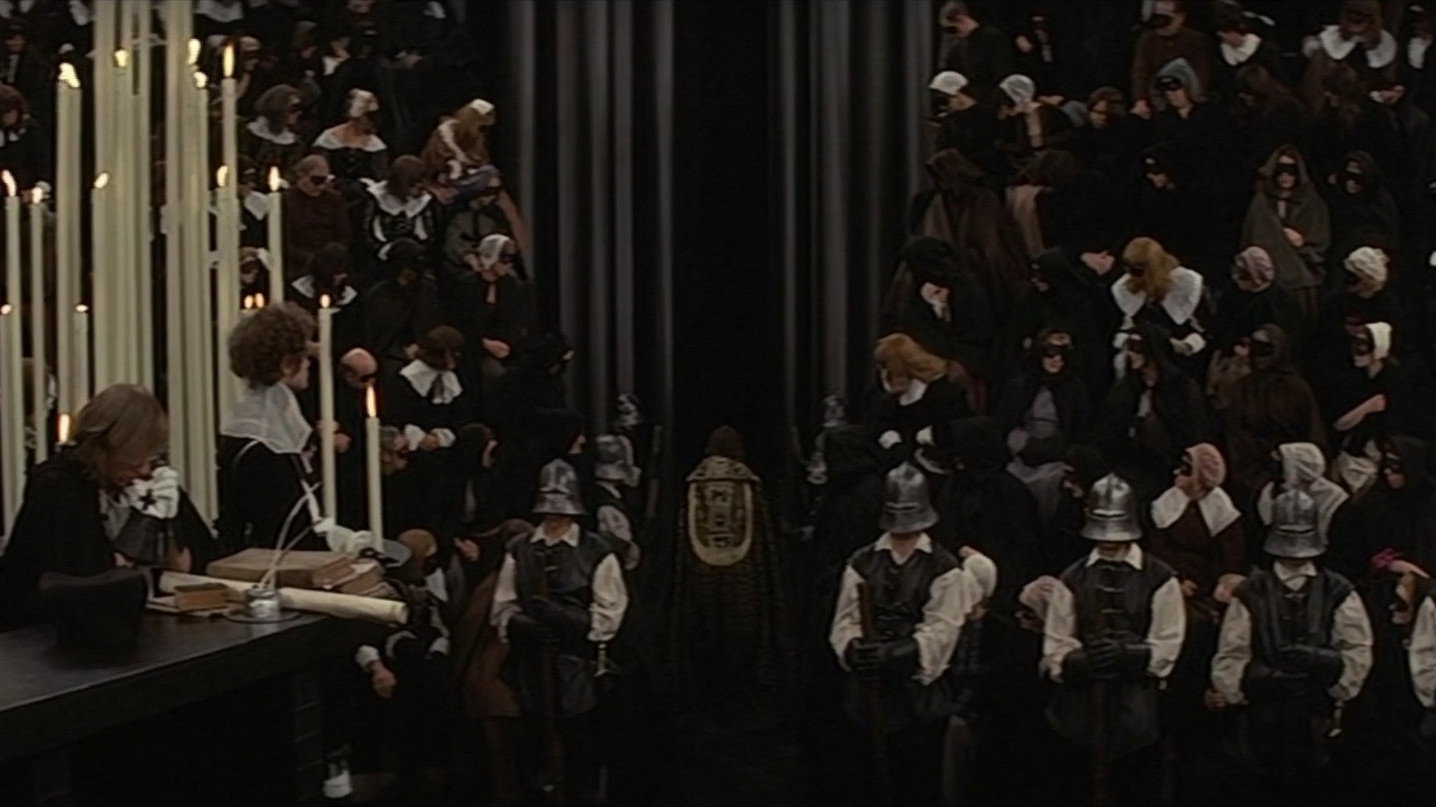
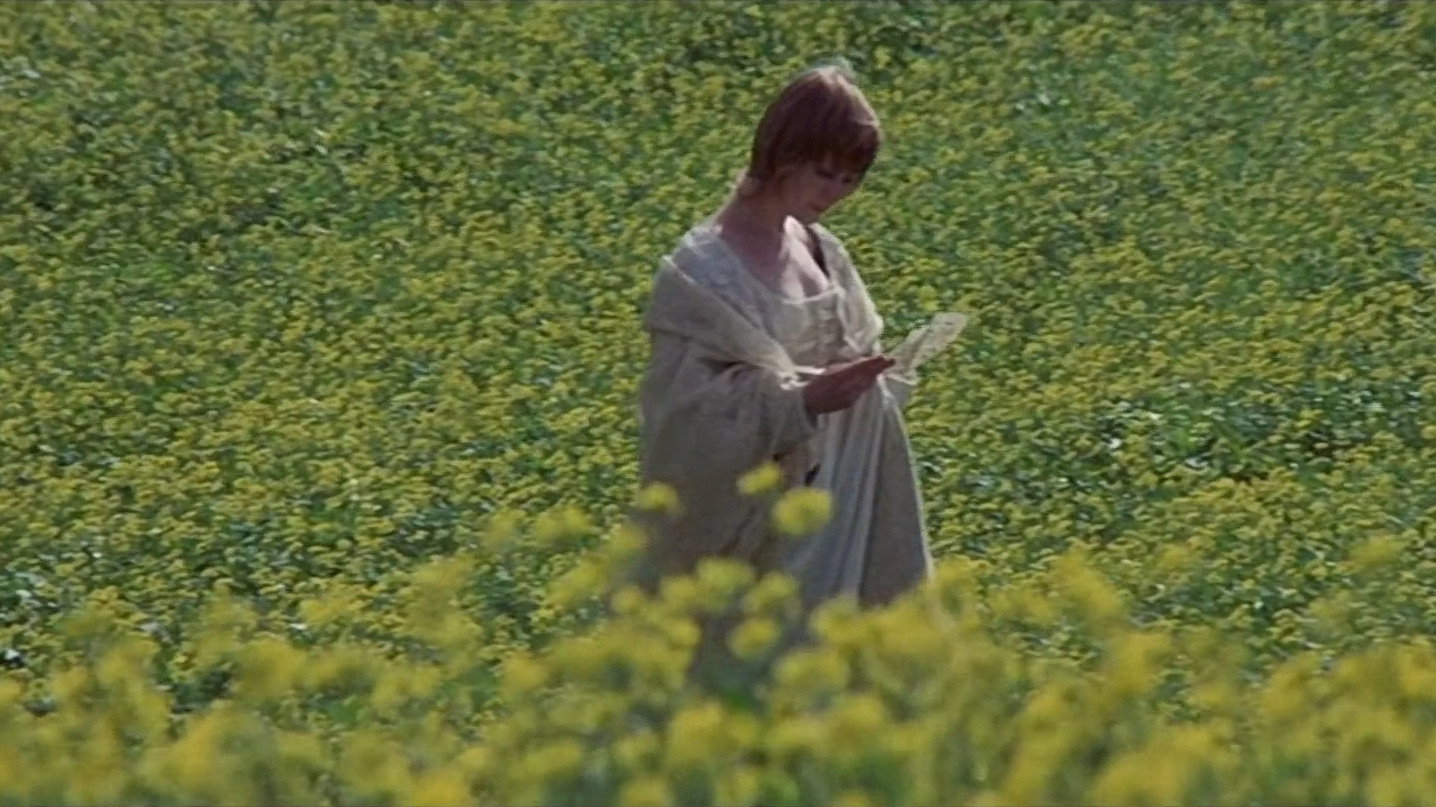
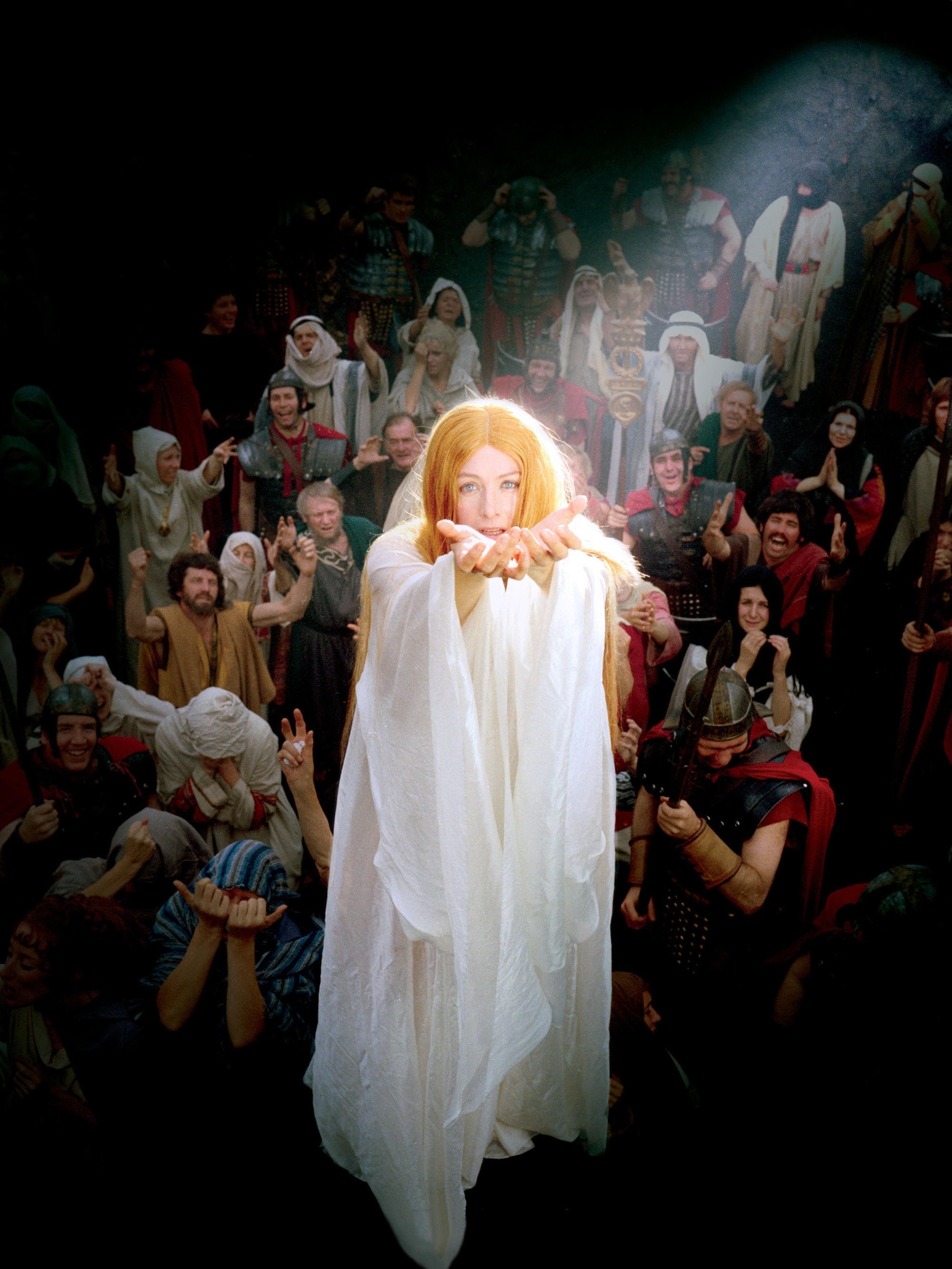
Watkin's photography makes extensive use of controlled illumination across large surfaces. The bright architectural settings create opportunities for light to spread through the image, while costumes and human figures provide contrasting areas of color and density. Black clothing and pale walls frequently separate authority figures from their surroundings. Skin tones become particularly prominent during scenes of possession and public punishment, reinforcing the emphasis on physical bodies within supposedly sacred institutions.

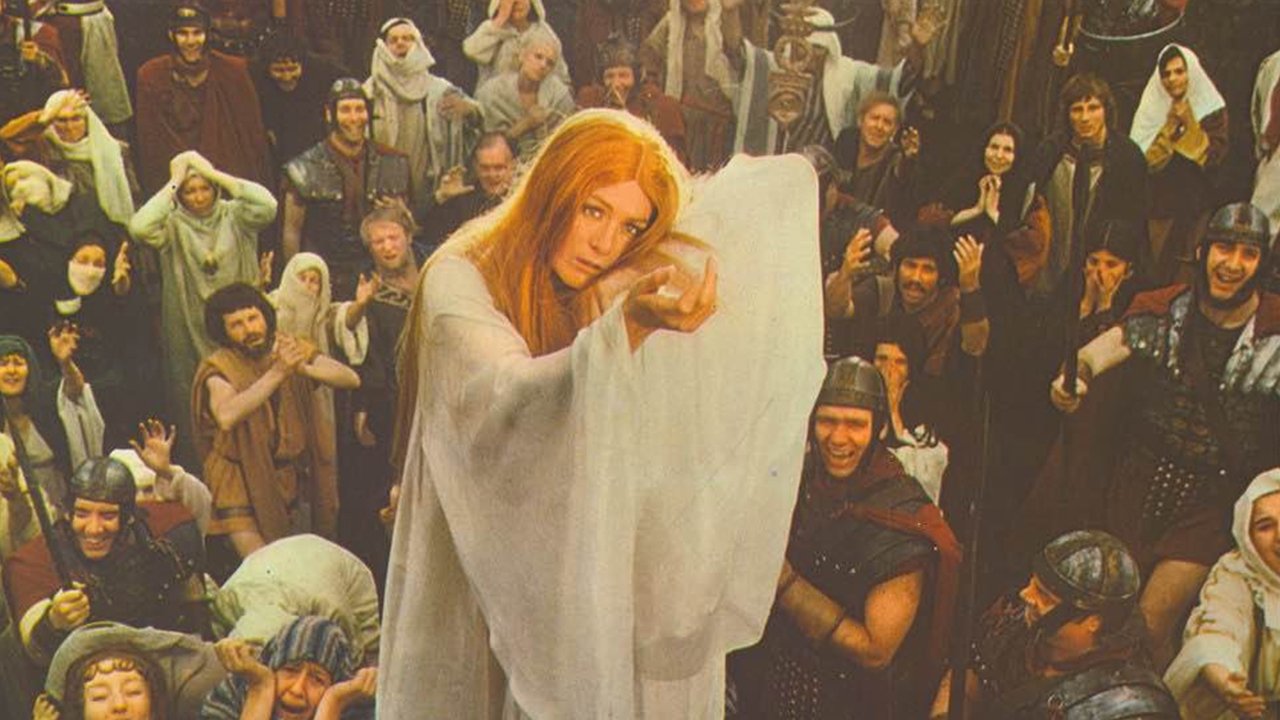
Russell also uses movement and changes in camera distance to organize the sequences of collective hysteria. The camera alternates between broad views of groups and more aggressive framings of individual performers. This allows the same event to be understood simultaneously as a public ritual and a succession of personal experiences. The camera does not simply record a theatrical performance from a fixed audience position; it moves through the event, selecting expressions and gestures that change the apparent relationship between participant and spectator.

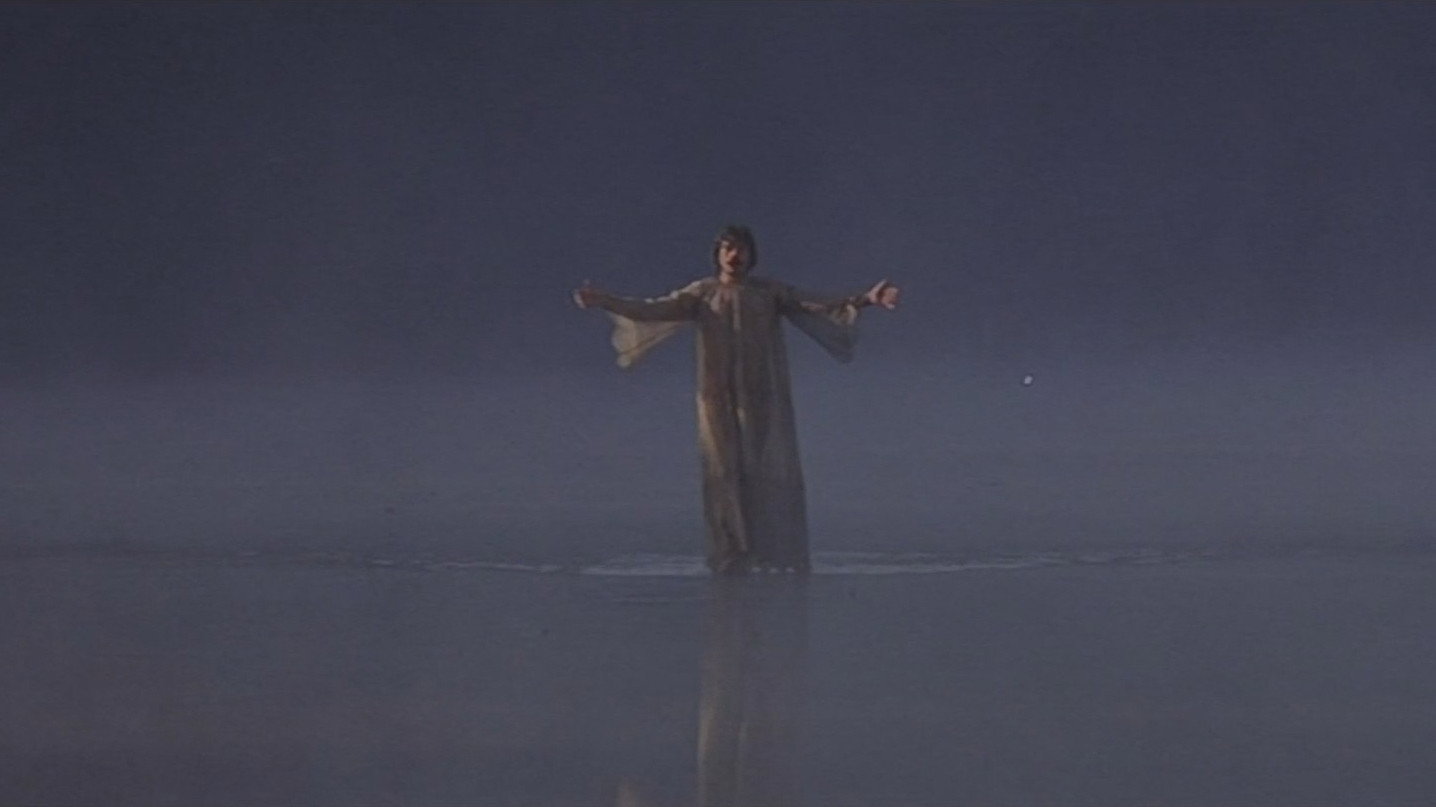
The resulting visual style is markedly different from historical naturalism. Architecture, lighting, blocking and camera movement frequently emphasize ideas of surveillance, exposure and public control. Religious ceremony becomes a form of organized spectacle, while the treatment of Grandier increasingly reduces a person to an object placed before political and religious institutions.

The film's color photography also gives the violence a different material presence from that of black-and-white historical cinema. Skin, blood, clothing and architectural surfaces remain visually distinct within crowded compositions. The effect contributes to the tension between Jarman's abstract design and the increasingly physical events Russell places inside it.

Performance, Ritual and Physical Horror

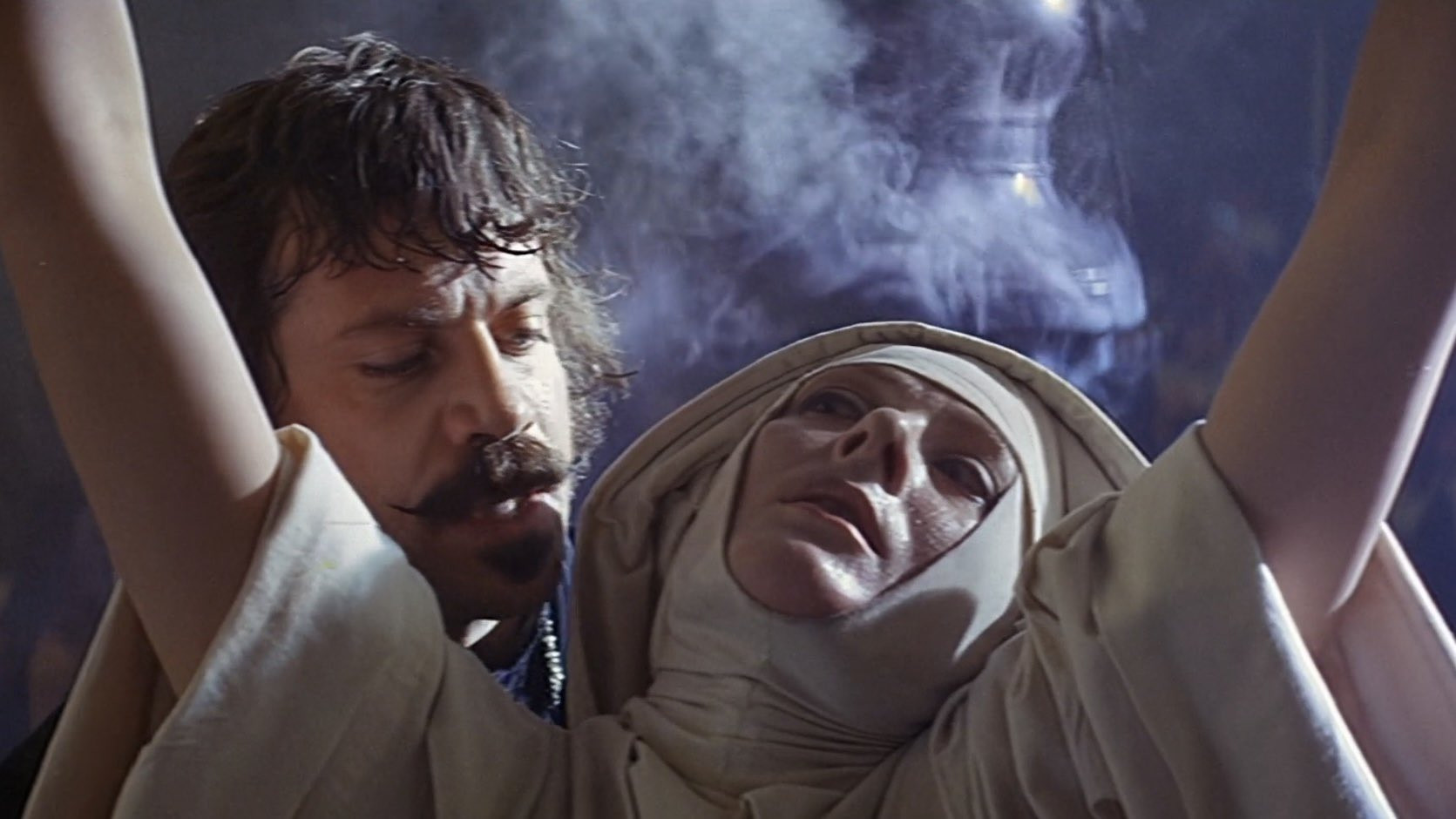
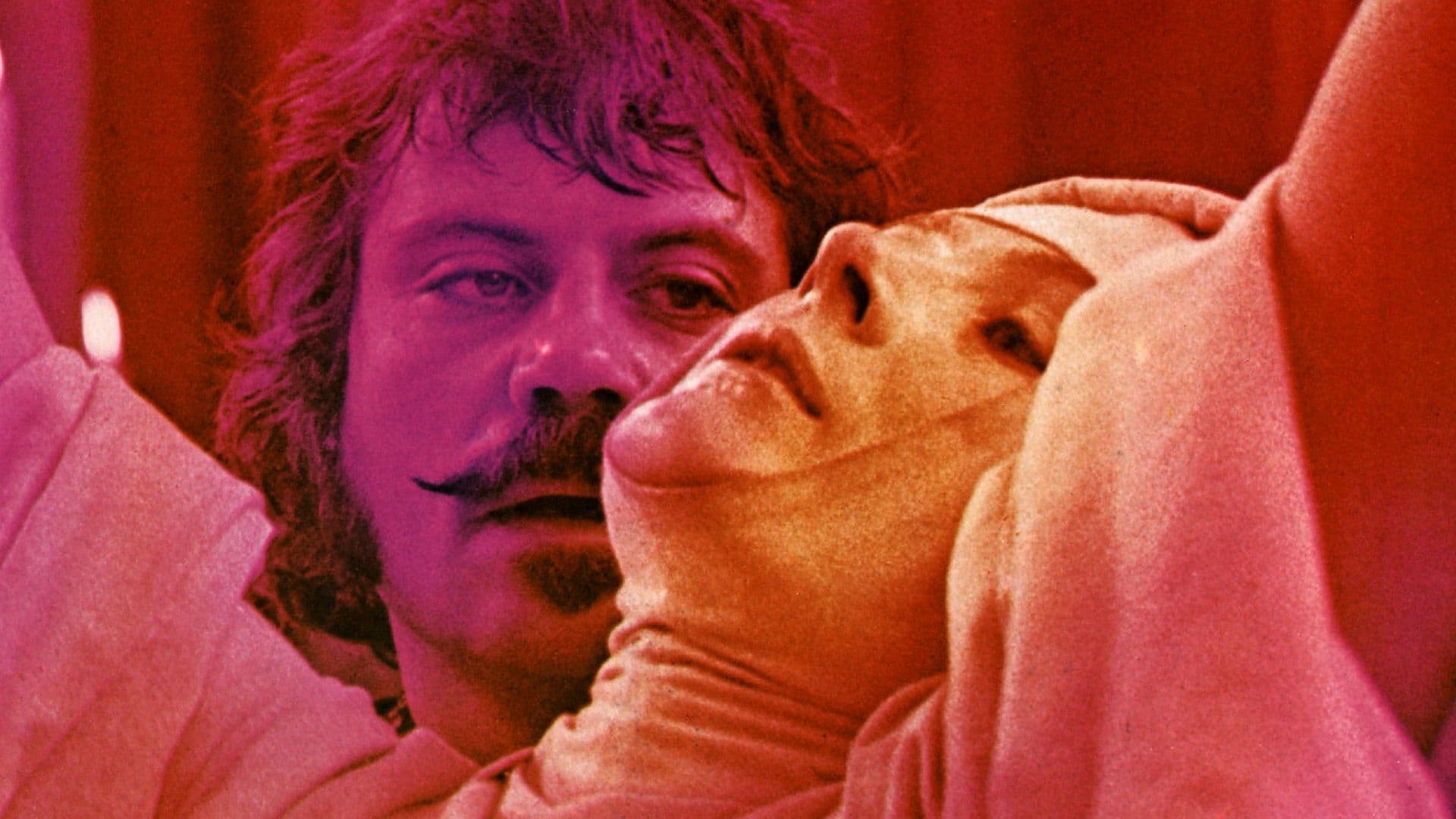
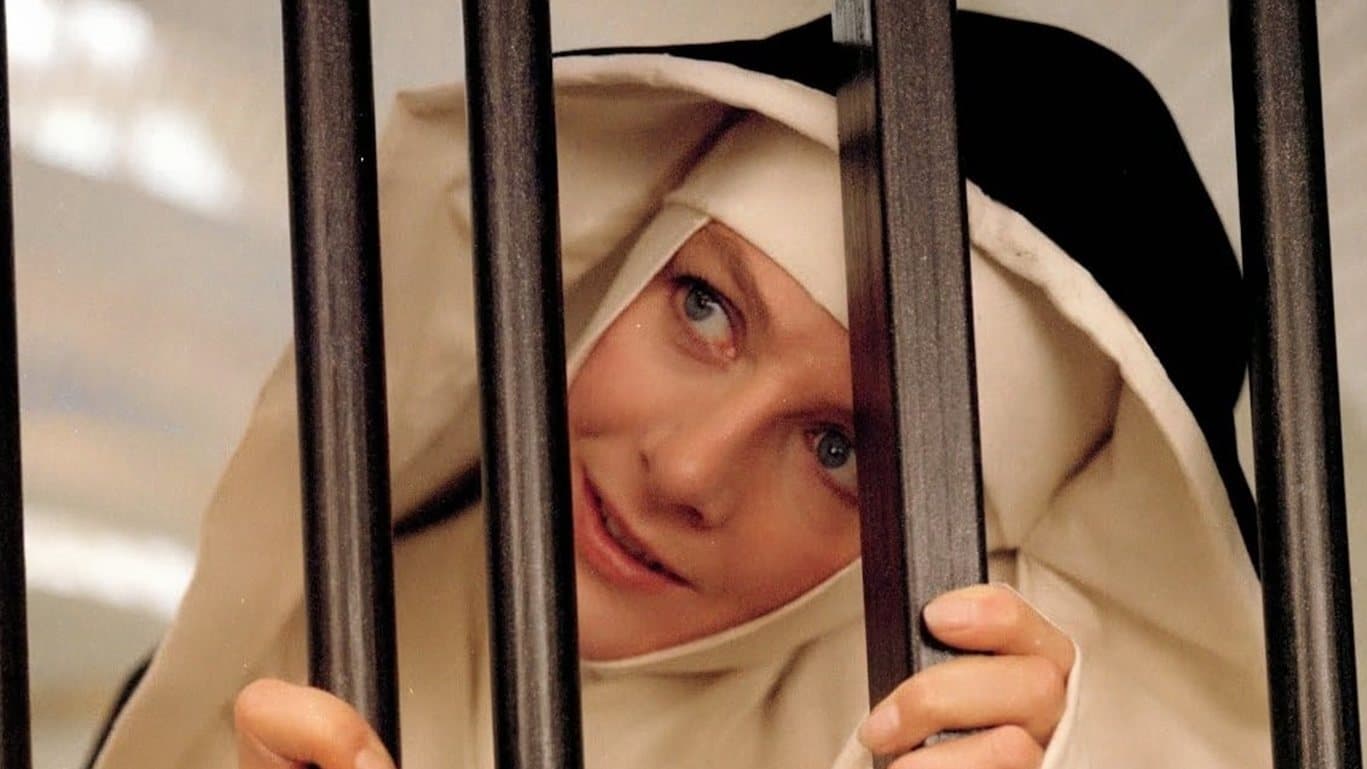
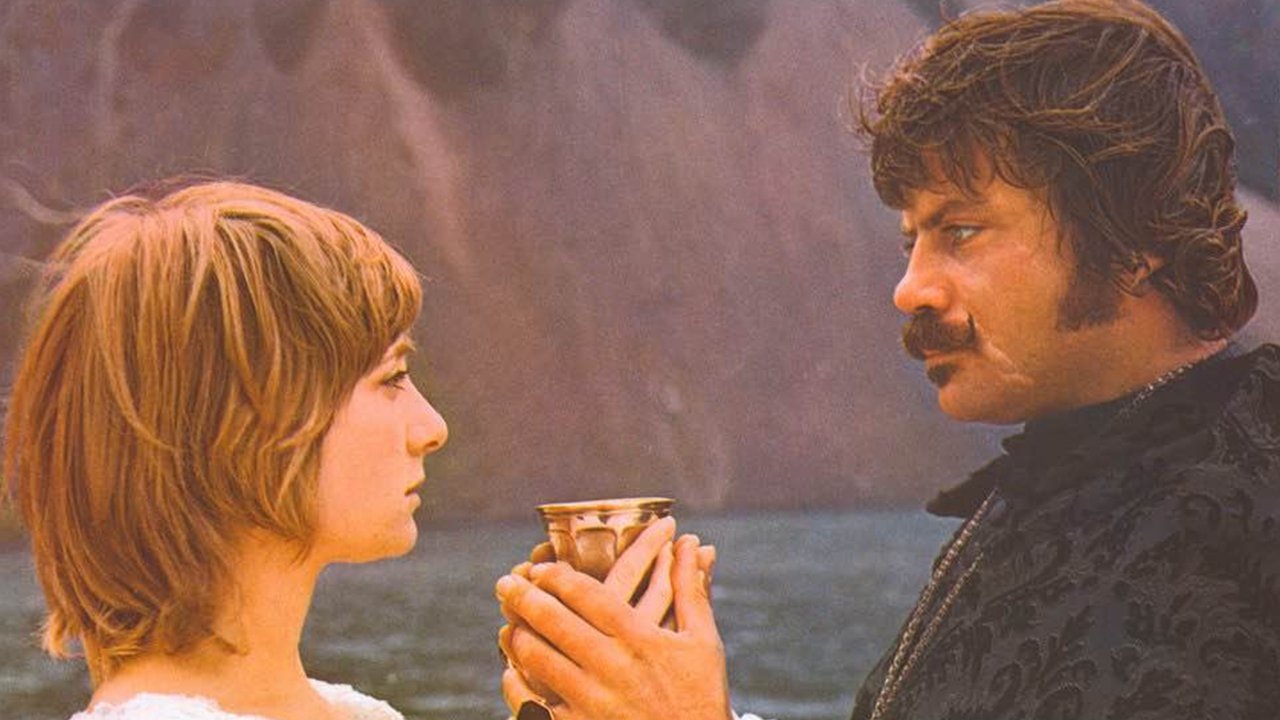
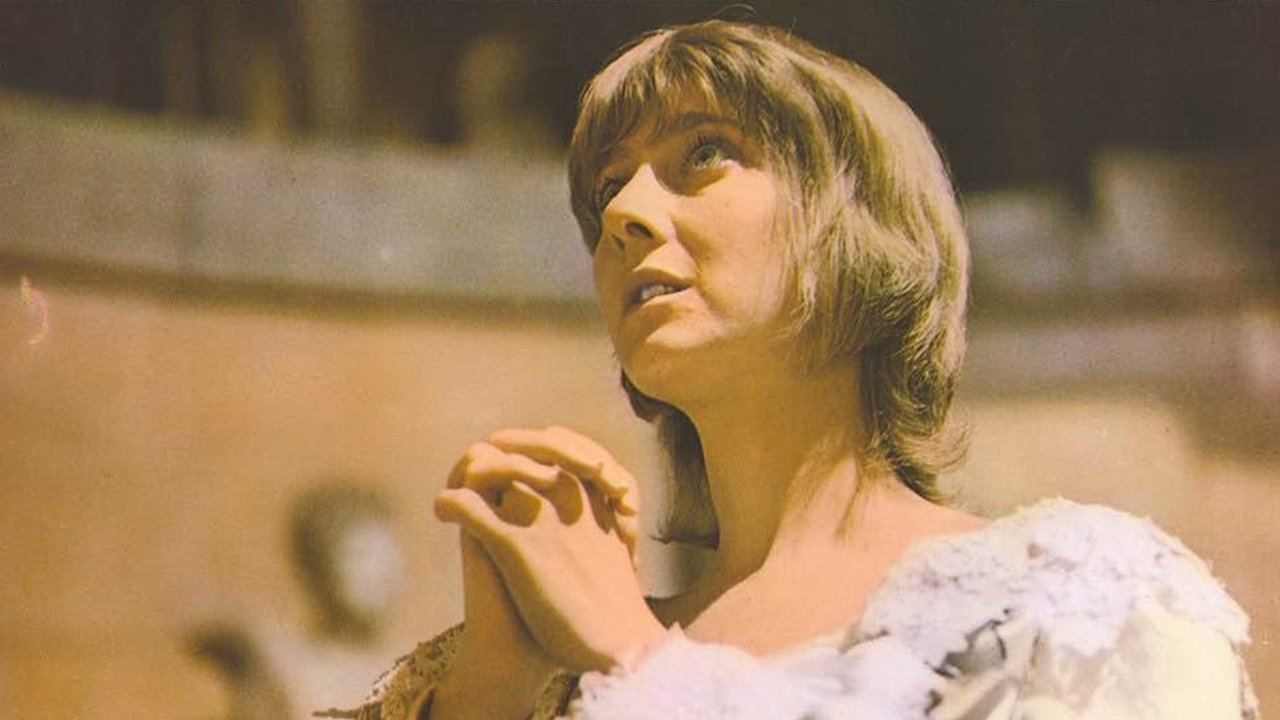
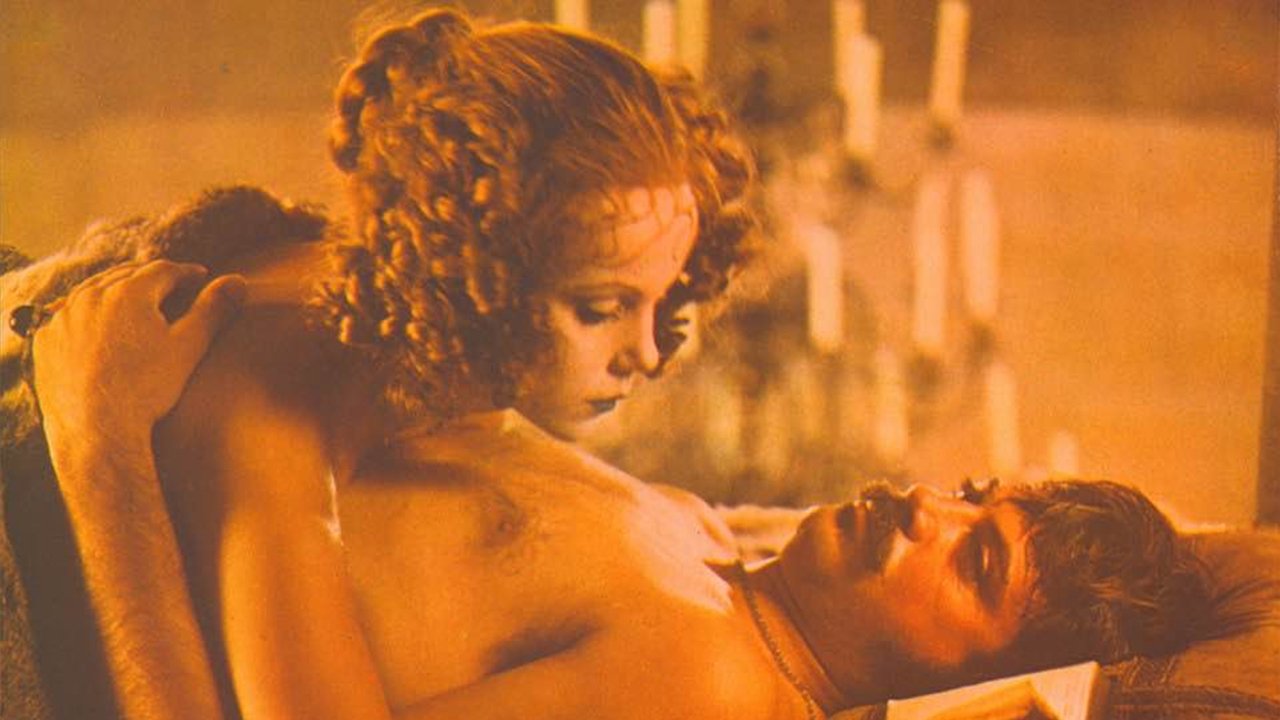
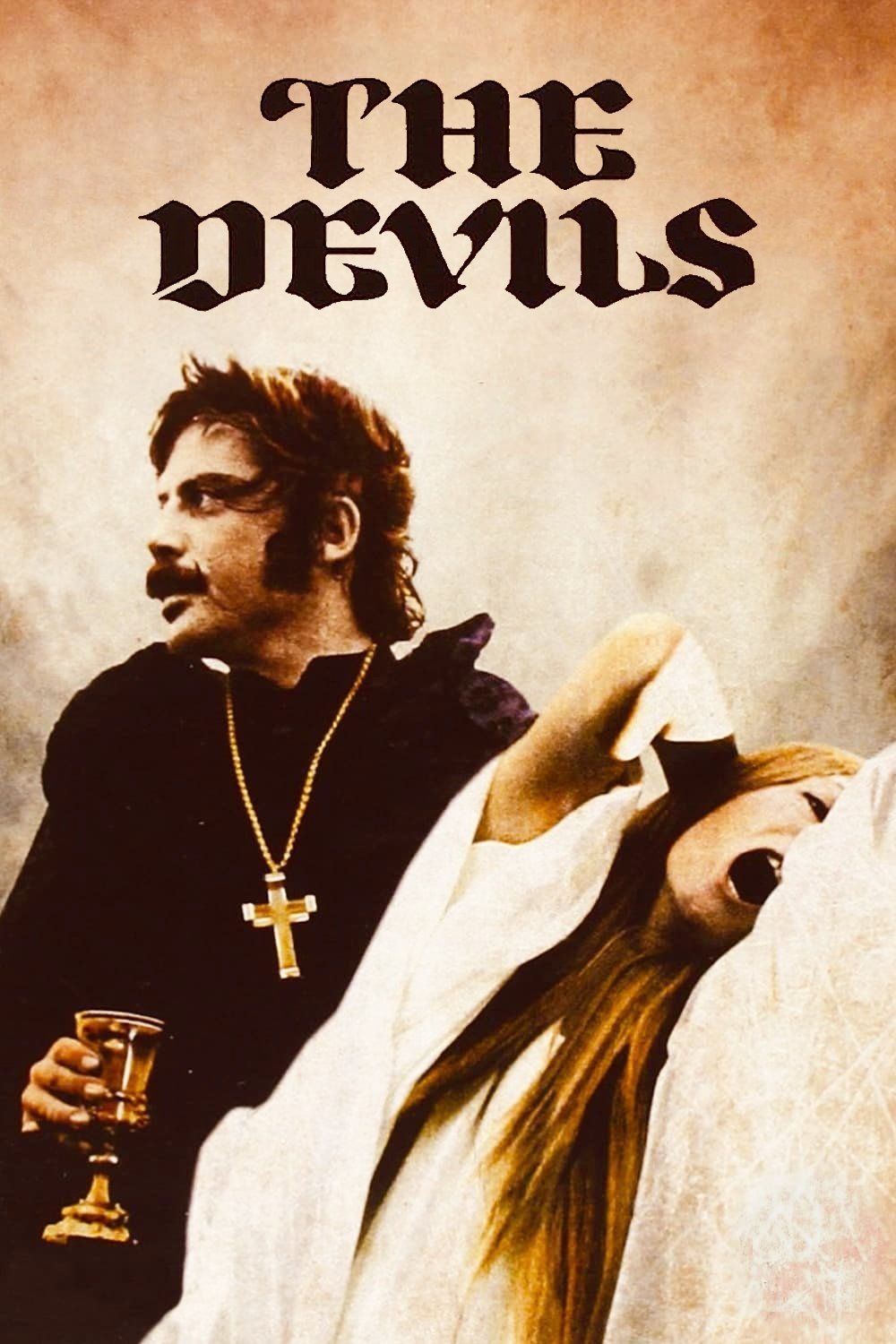
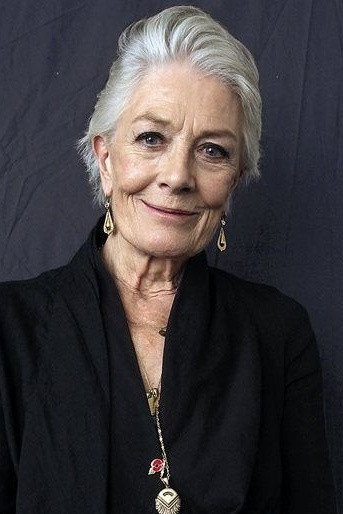
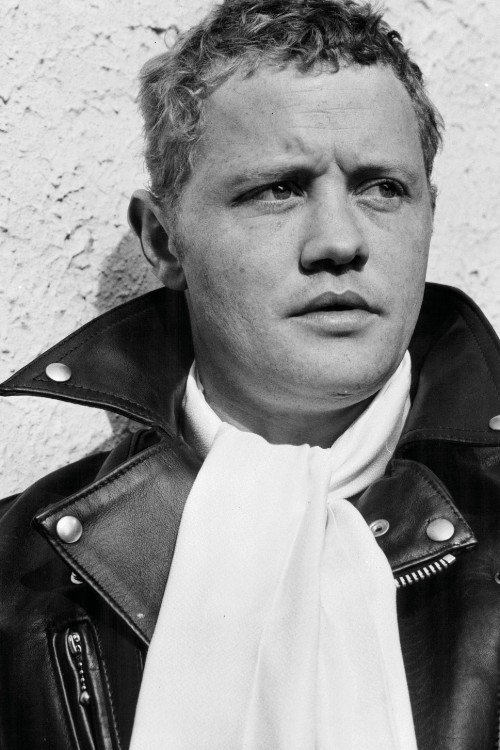
Oliver Reed portrays Grandier as an independent and often contradictory figure whose confidence becomes increasingly strained as the authorities close around him. Vanessa Redgrave presents Sister Jeanne through a sharply different physical vocabulary, combining restrained behavior, religious devotion and episodes of extreme emotional disturbance. Their performances establish opposing centers of dramatic intensity even when the characters are physically separated for substantial portions of the film.

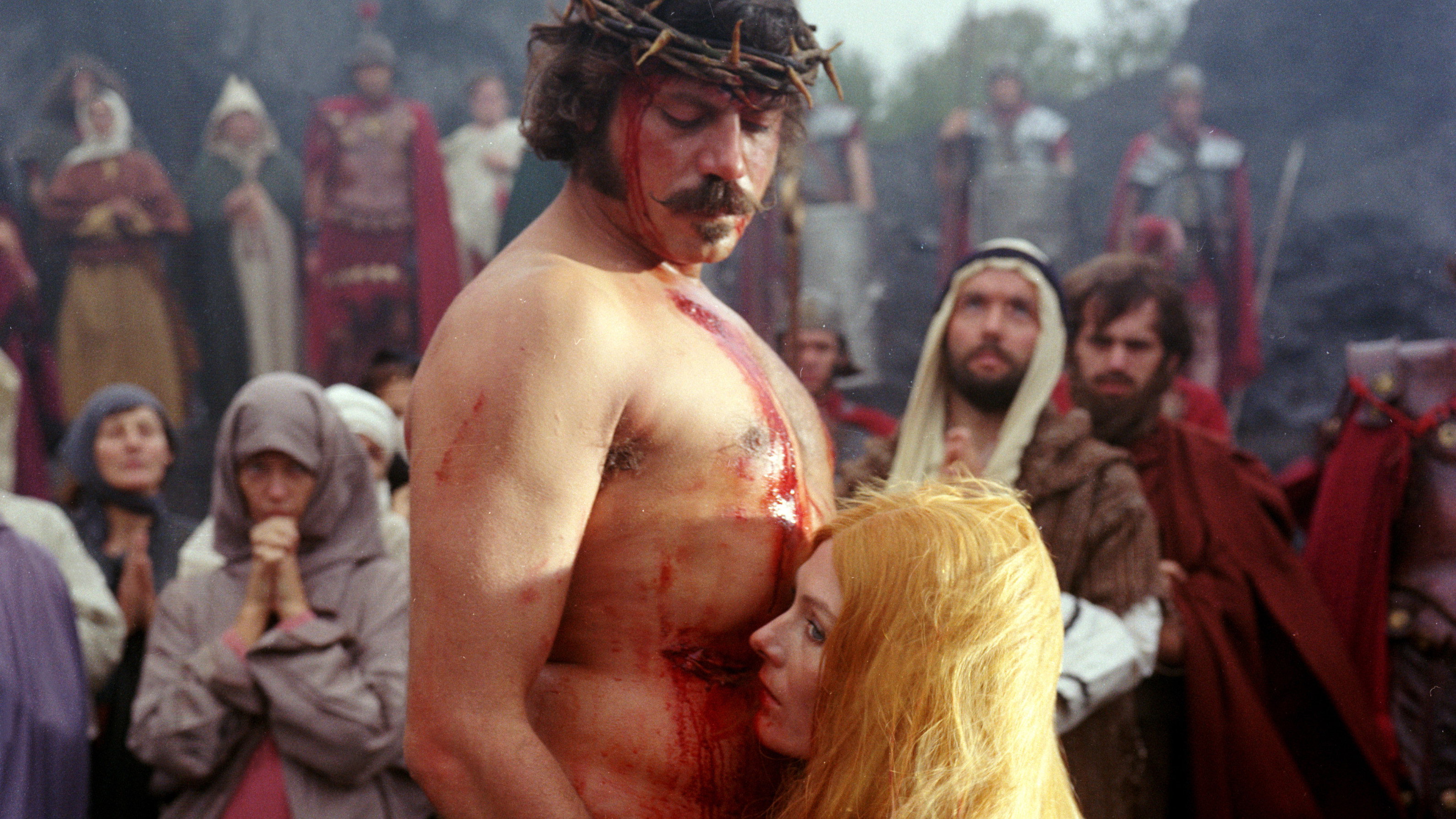
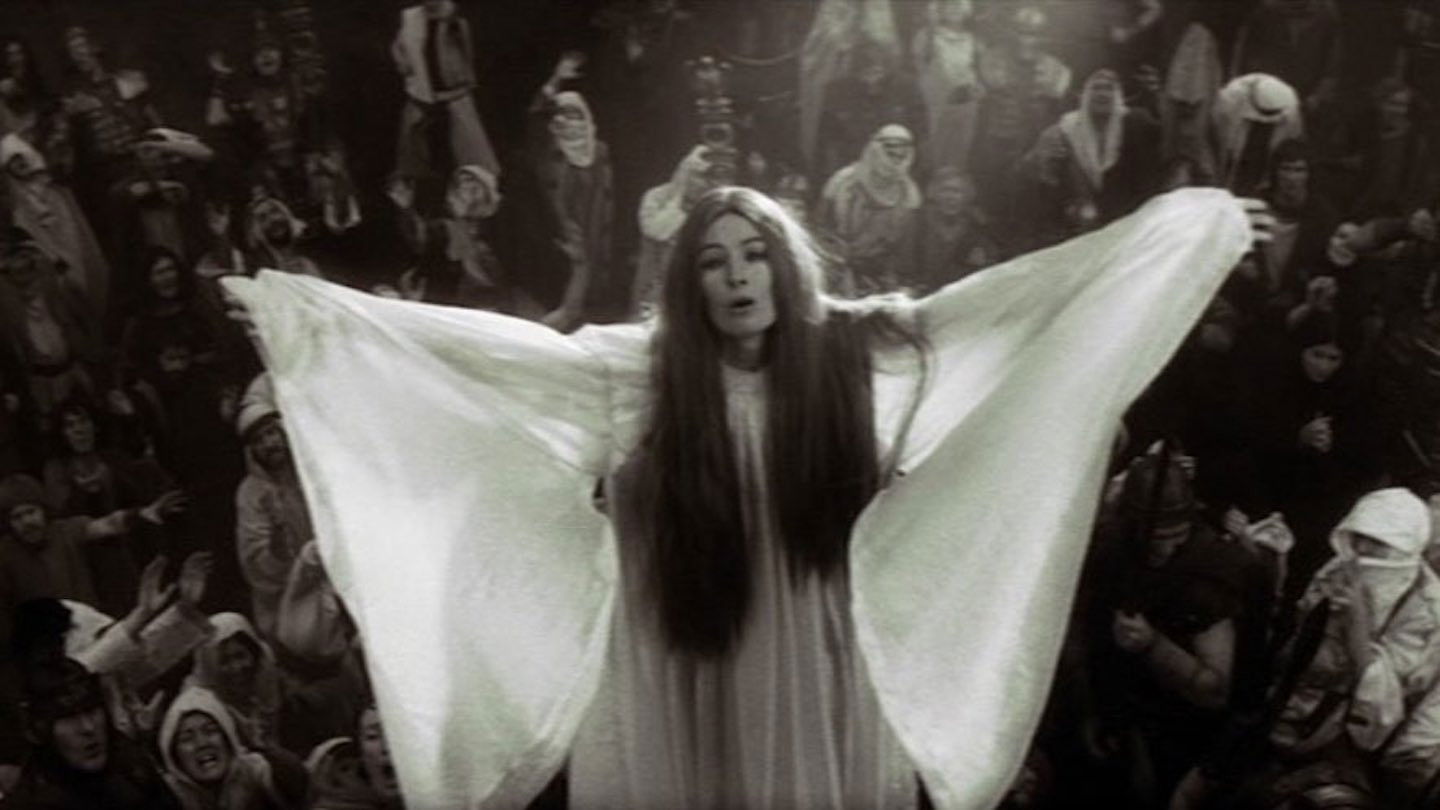
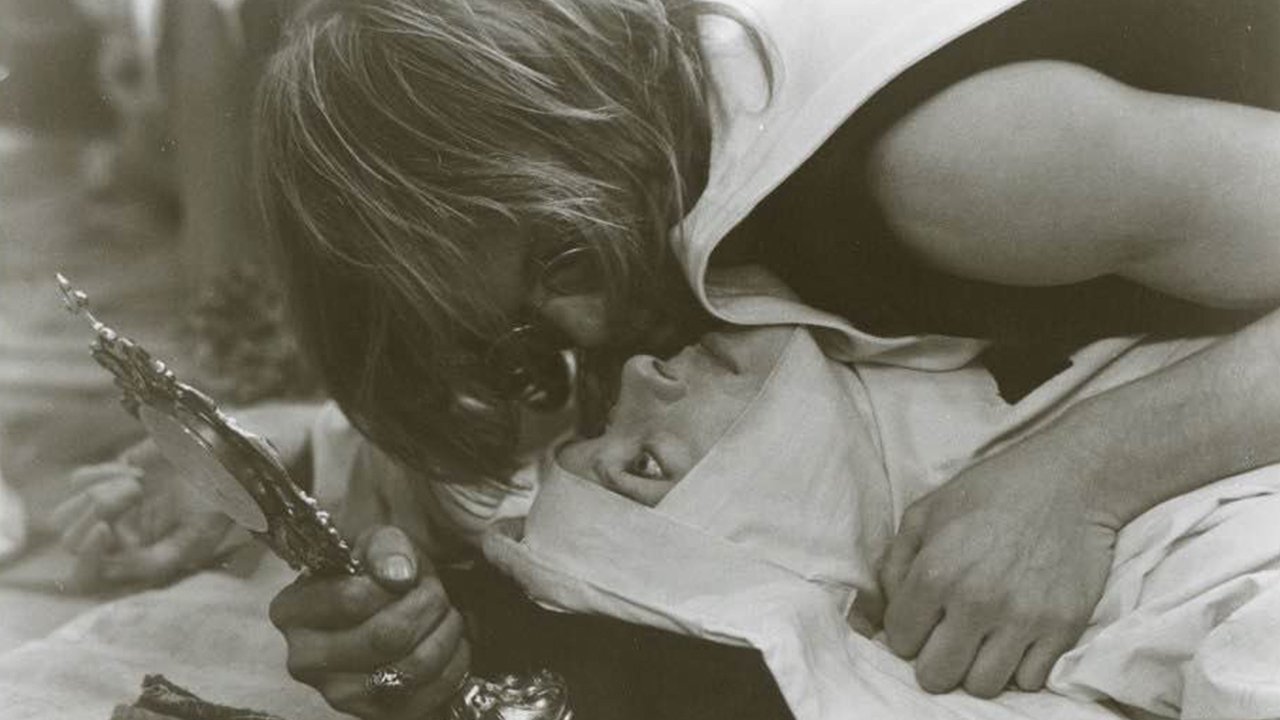
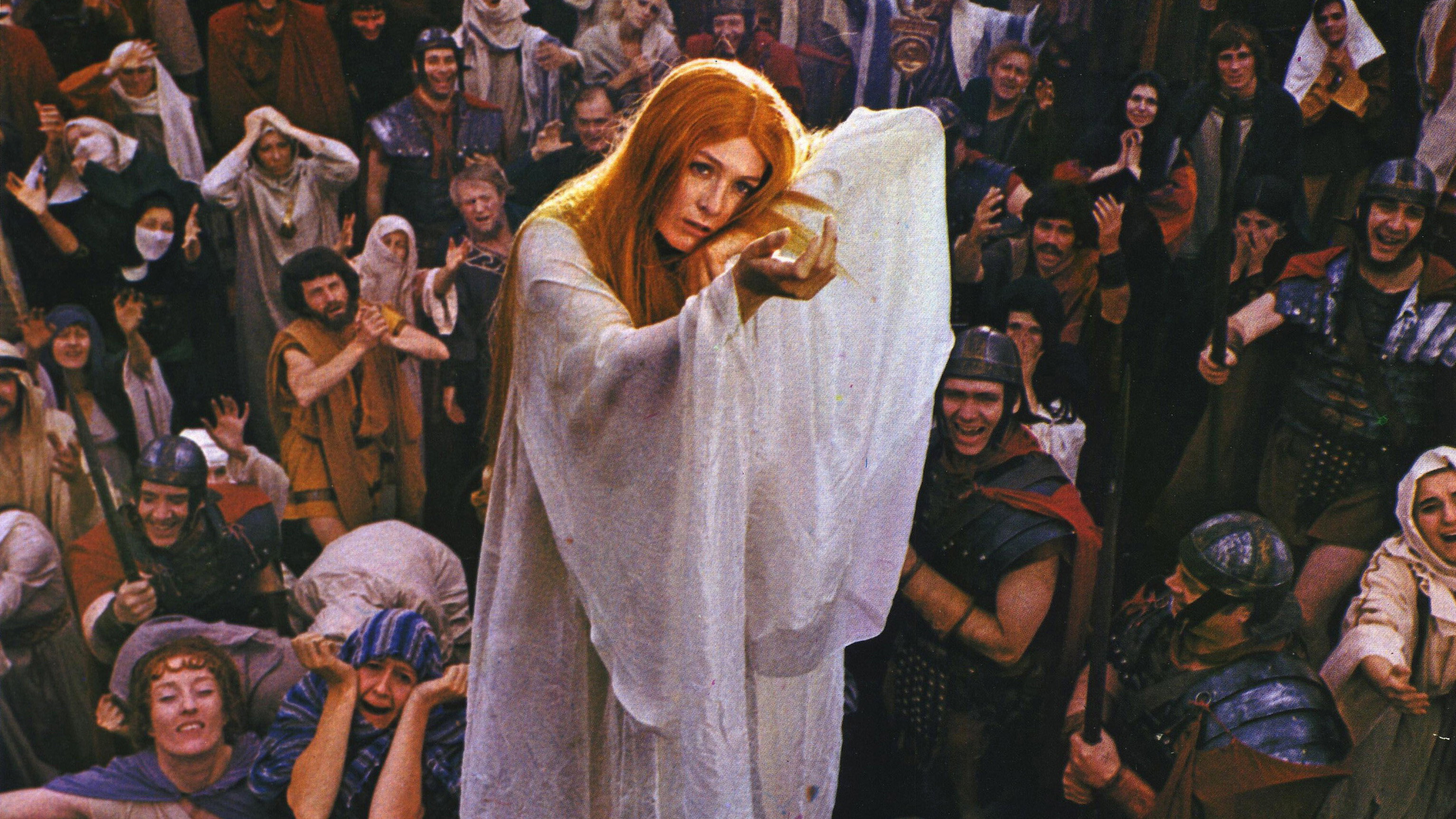
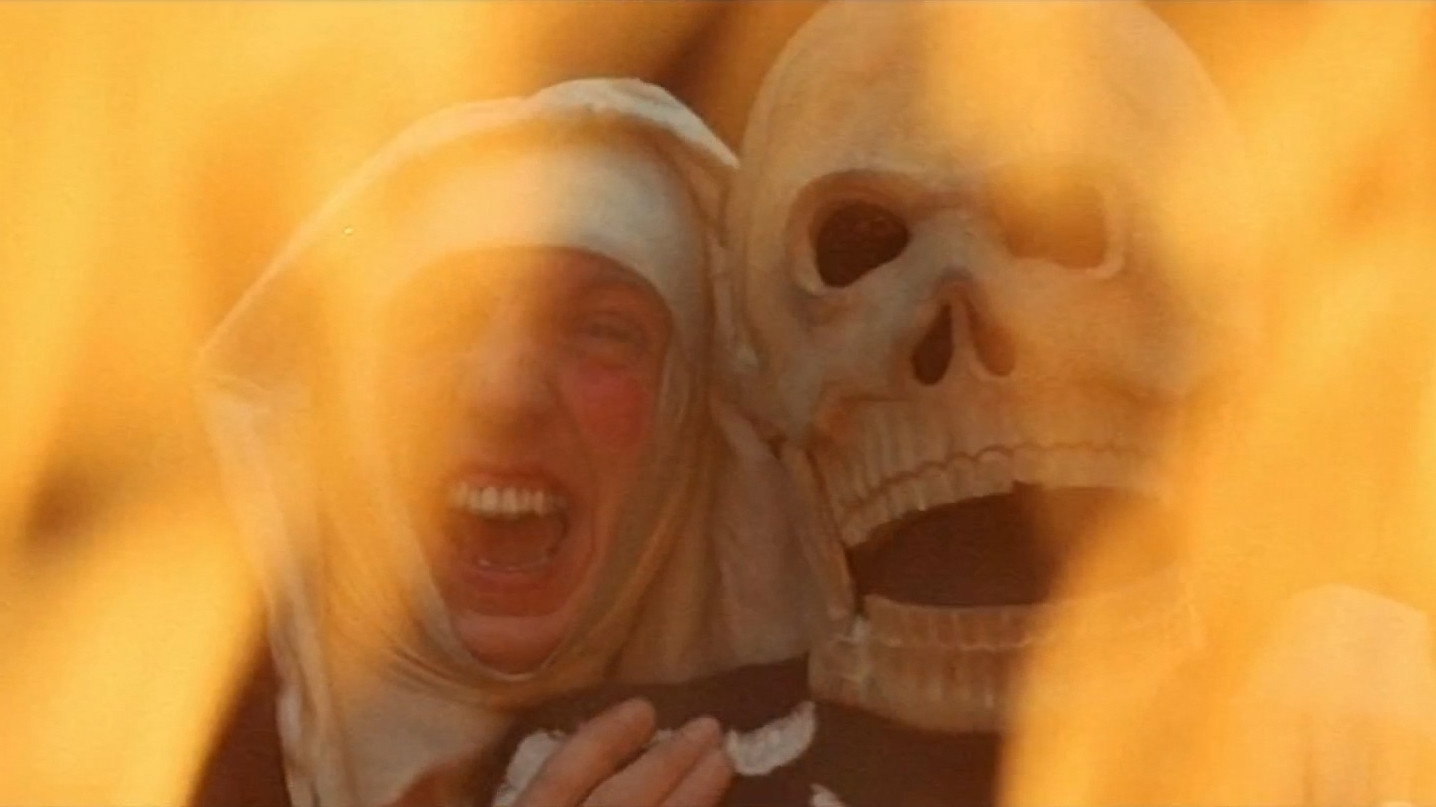
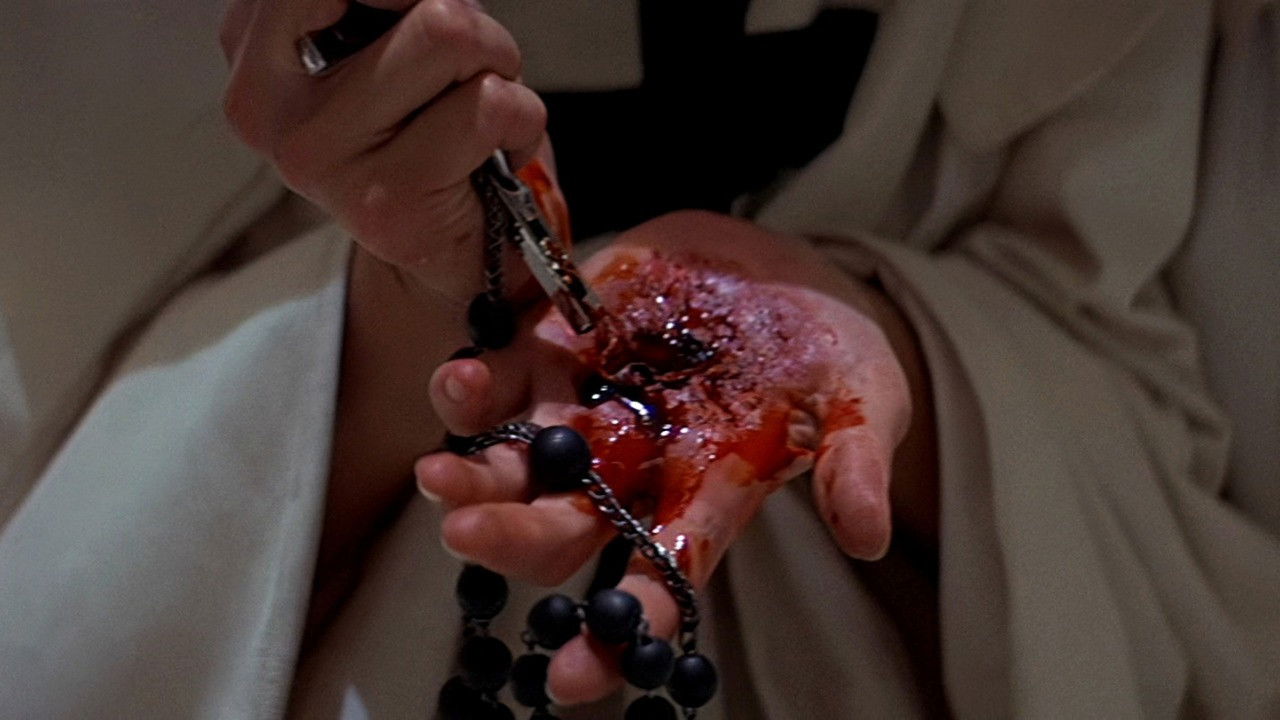
The scenes of alleged possession depend on the coordinated movement of large groups rather than sophisticated supernatural makeup. Performers are arranged across the convent interiors in increasingly elaborate physical patterns. Their gestures, exposure and interaction with religious objects transform the episodes into confrontational public performances. The source of the horror lies partly in the possibility that religious authorities are manipulating behavior that they publicly claim to be investigating.

Russell deliberately connects these scenes with the historical practices of public exorcism and judicial interrogation. His interpretation emphasizes the audience surrounding the supposed victims and the authority acquired by those directing the proceedings. This staging makes the body a site through which political and religious claims are demonstrated. The spectacle is disturbing because the people conducting it can define almost any action as evidence supporting the accusations they have already made.

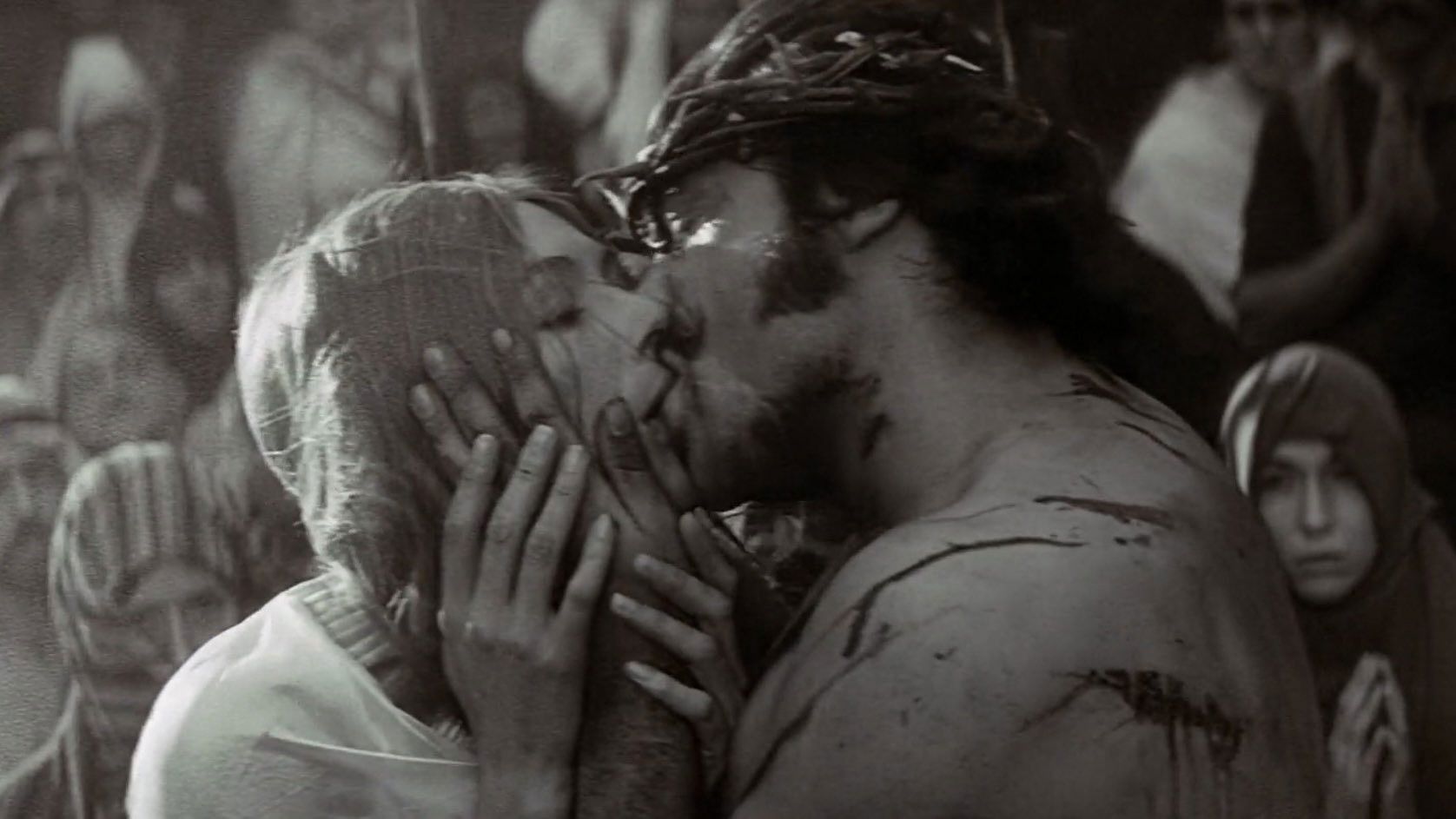
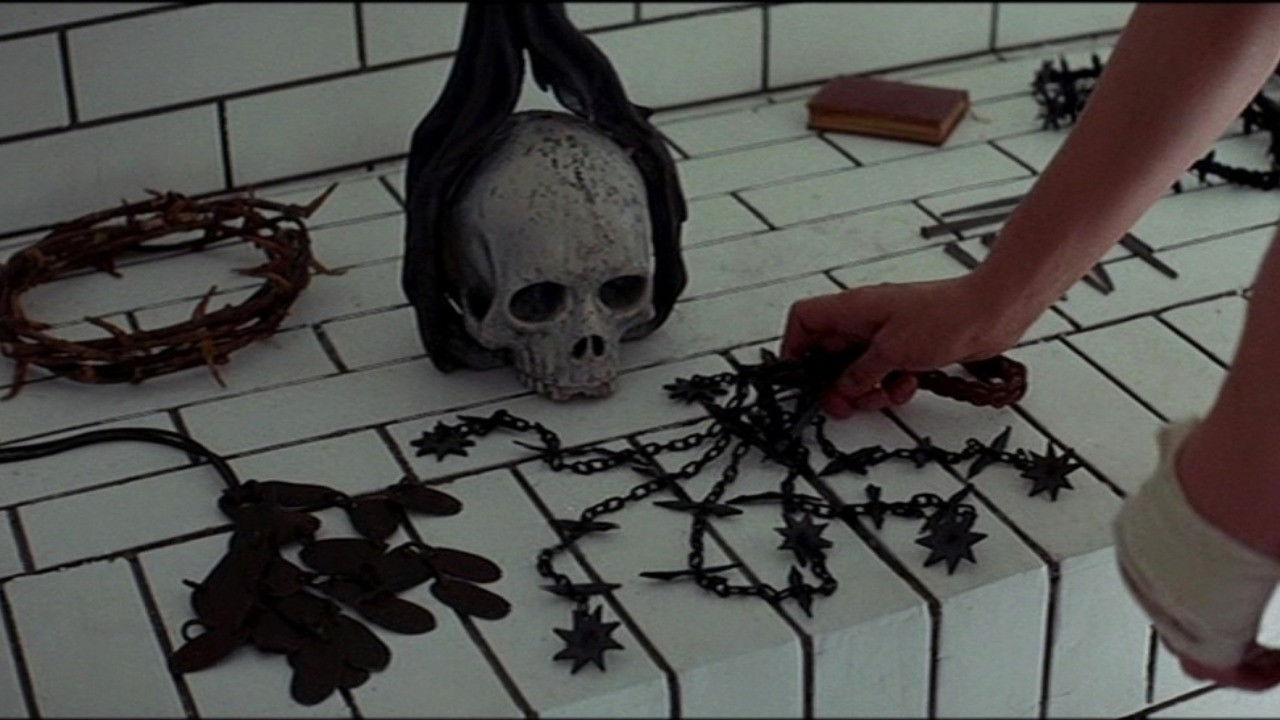
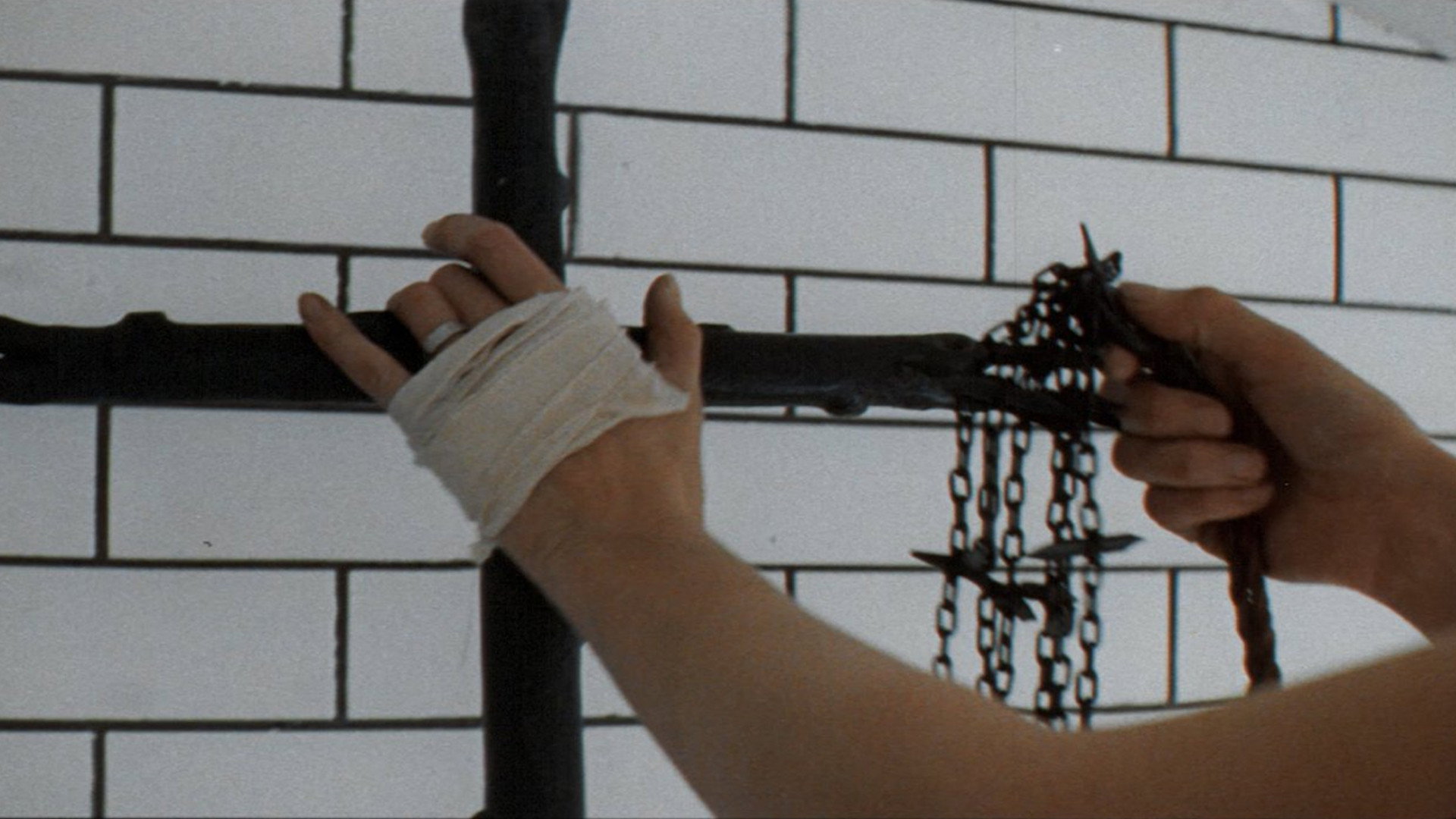
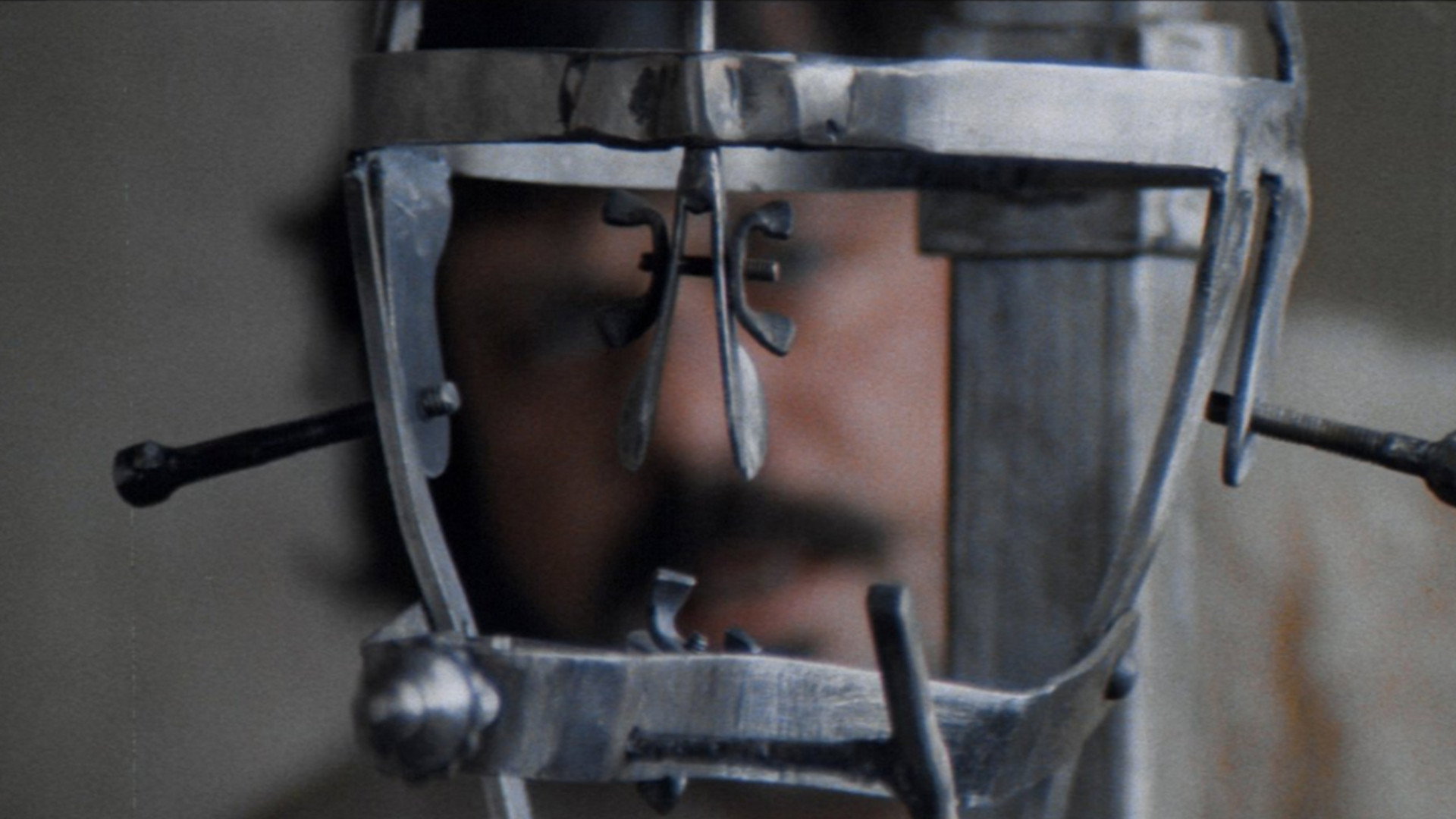
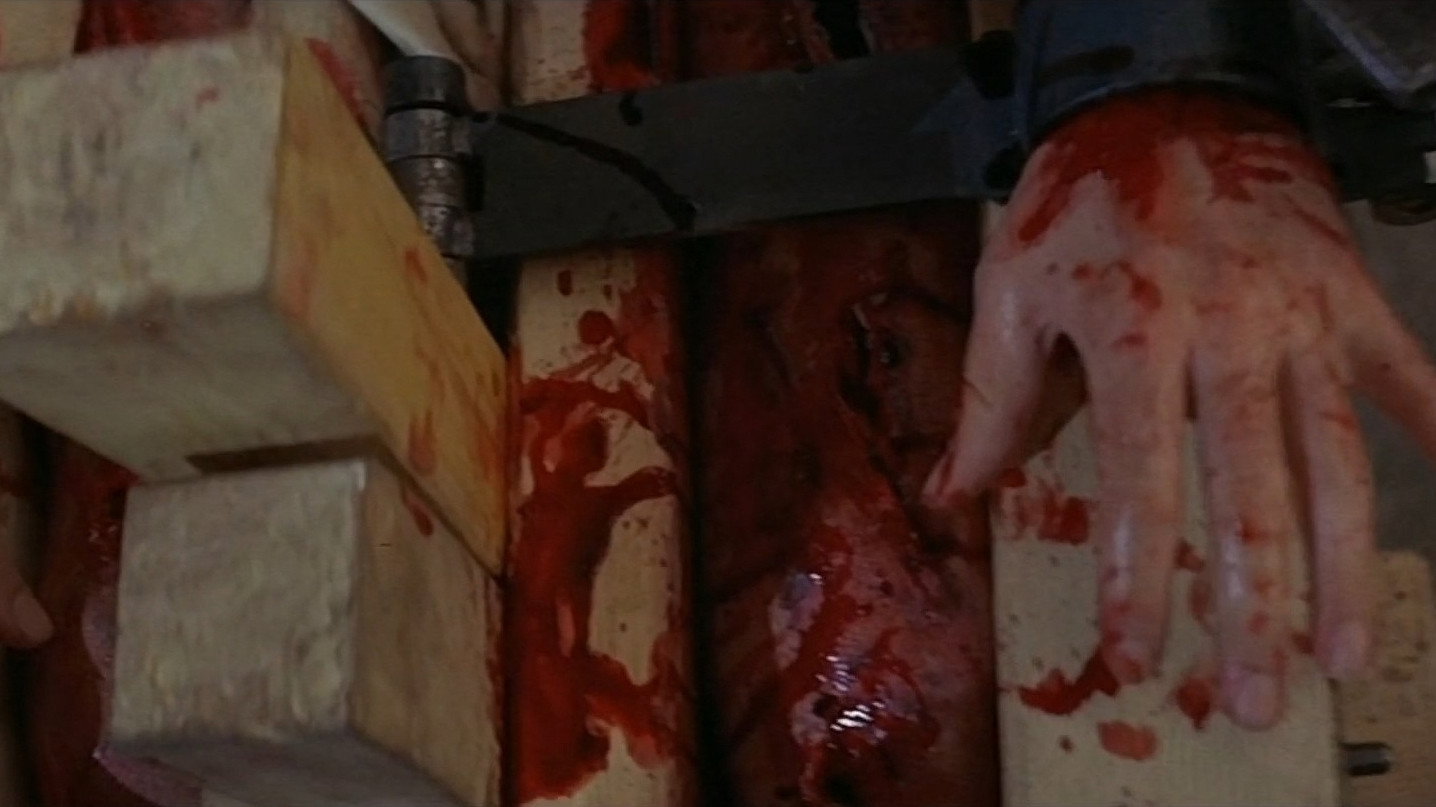
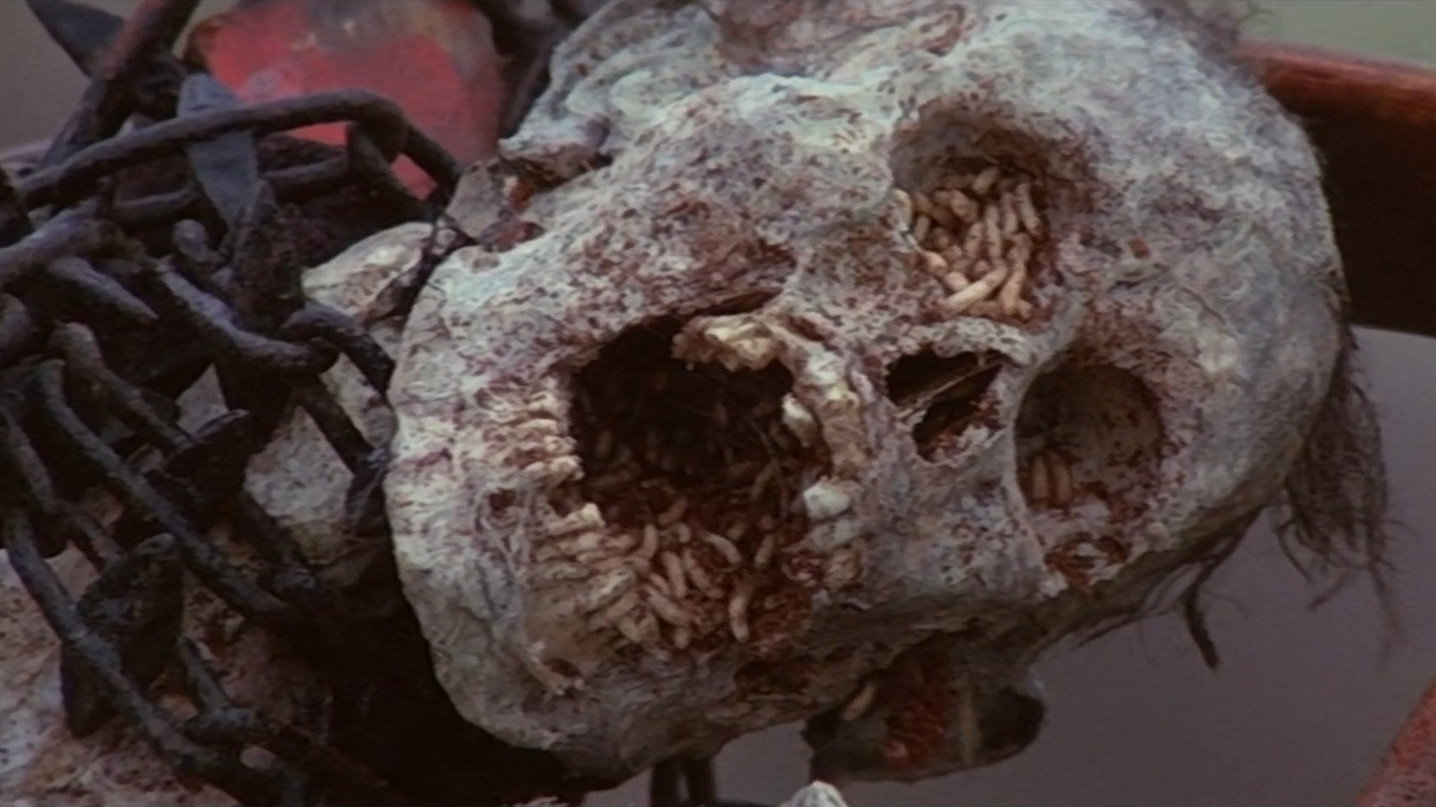
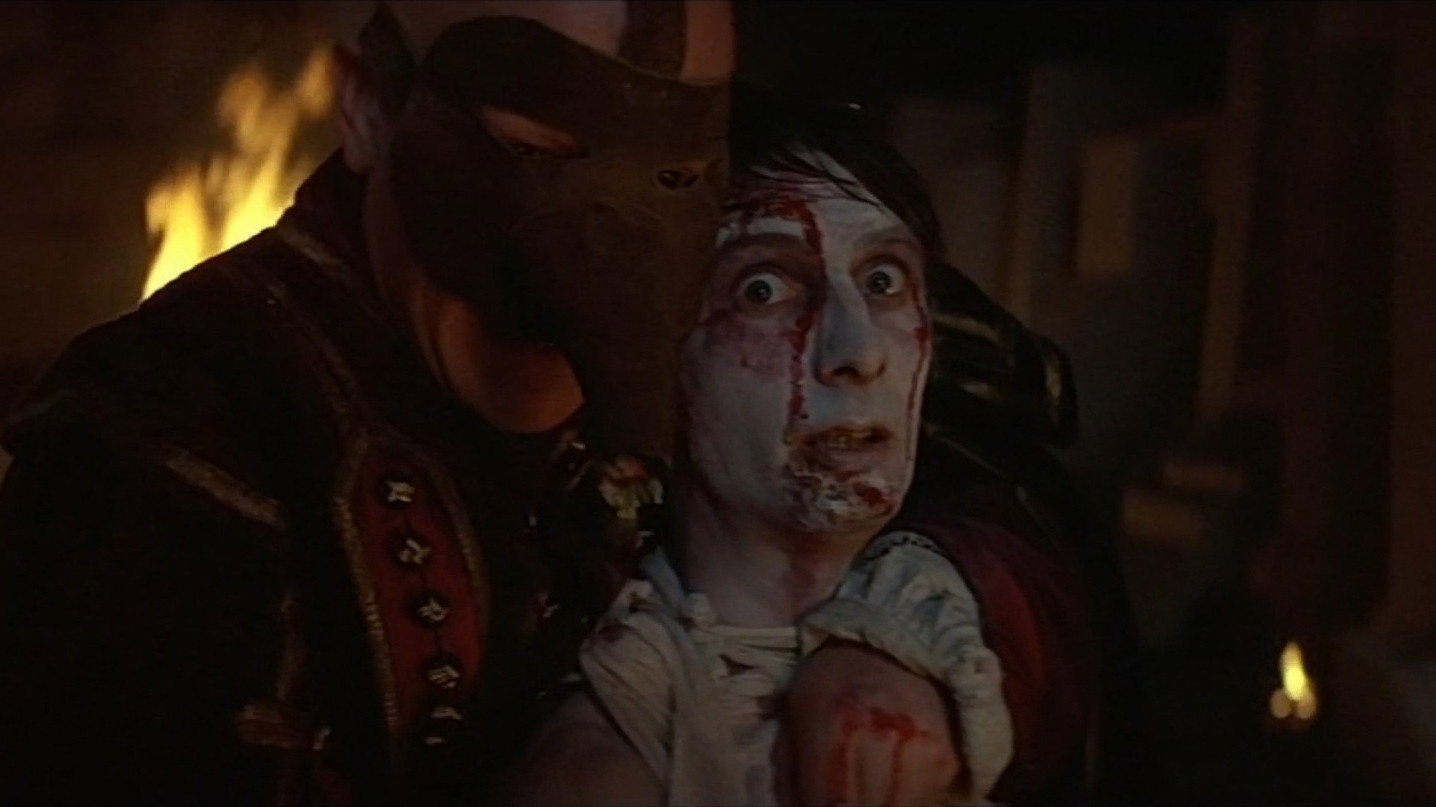
The torture of Grandier required additional physical staging. Russell later explained that the instruments used in the film, including the device designed to crush the legs, had been researched through historical accounts. He defended the inclusion of the procedures as necessary to communicate the actual nature of the persecution. The effects were performed through cinematic illusion, with makeup, prepared apparatus, actor performance and editing creating the appearance of severe physical injury.

Russell declined to explain every effects mechanism when questioned retrospectively, but explicitly confirmed that scenes involving apparent injuries to Reed were simulated. He also recalled that Reed experienced significant heat while performing the execution sequence. The production therefore combined practical physical conditions with constructed effects, requiring the actor to respond convincingly to procedures that could not actually be inflicted.

The distinction between theatrical excess and real historical suffering is central to the film. Russell uses exaggerated performance to represent collective religious hysteria, but his treatment of Grandier becomes progressively more direct and physically grounded. The surrounding spectacle continues, while the human consequences of the accusations become increasingly difficult to dismiss as ceremony.

Peter Maxwell Davies and the Musical Construction

Peter Maxwell Davies composed the original score, creating a musical approach that differs substantially from conventional historical-drama accompaniment. Davies was a prominent British modernist composer whose work combined historical musical interests with experimental techniques. His participation brought a distinct contemporary musical vocabulary into a film set during the seventeenth century.

The score was performed alongside historically informed music involving David Munrow and the Early Music Consort of London. Research published in the Journal of the Royal Musical Association identifies this combination as essential to the film's musical structure. The soundtrack juxtaposes musical traditions whose relationships can become deliberately uncomfortable.

Davies's compositions incorporate dissonance, irregular rhythmic activity and sharply contrasting musical textures. The material is particularly effective during scenes of public ritual and religious disturbance, where music can intensify movement without functioning as a conventional melodic description of individual emotions. The collision between historical instrumental associations and modernist writing parallels the visual relationship between seventeenth-century costumes and Jarman's abstract architectural settings.

The collaboration has been examined through surviving manuscripts and recordings, including documentation of Davies working with the Fires of London. His score also shares artistic concerns with Taverner, the opera that premiered in 1972 and drew on historical religious conflict. The similarity is not simply thematic: both works explore the relationship between historical musical material and modern compositional language.

Russell used additional recorded classical music during production. In his retrospective interview, he remembered playing Prokofiev's Third Symphony at exceptionally high volume while filming several demanding sequences. He believed that the music helped performers commit physically and emotionally to the scenes. This production practice must be distinguished from the finished film score, but it illustrates the director's reliance on music as a practical tool for shaping performance.
The soundtrack is consequently important both musically and structurally. Davies's score does not merely reproduce historical atmosphere. It contributes to the deliberate collision between period setting, modern visual design and theatrical excess that defines the film.

Michael Bradsell, Editing and Censorship

Michael Bradsell edited The Devils, a task subsequently complicated by unusually extensive censorship intervention. The production contained scenes whose narrative purpose depended on the relationship between religious performance, sexual repression and physical violence. Removing material therefore affected more than the amount of explicit imagery visible to the audience. Some cuts disrupted transitions and altered the balance between institutional spectacle and the consequences of persecution.
The British Board of Film Censors first examined an unfinished rough cut on January 27, 1971. Warner Bros. executives viewed the film during approximately the same period. Both the regulator and the distributor objected to aspects of the sexual and religious material, but their lists of proposed changes were not identical. Warner wanted alterations for commercial and corporate reasons in addition to those required by the BBFC.

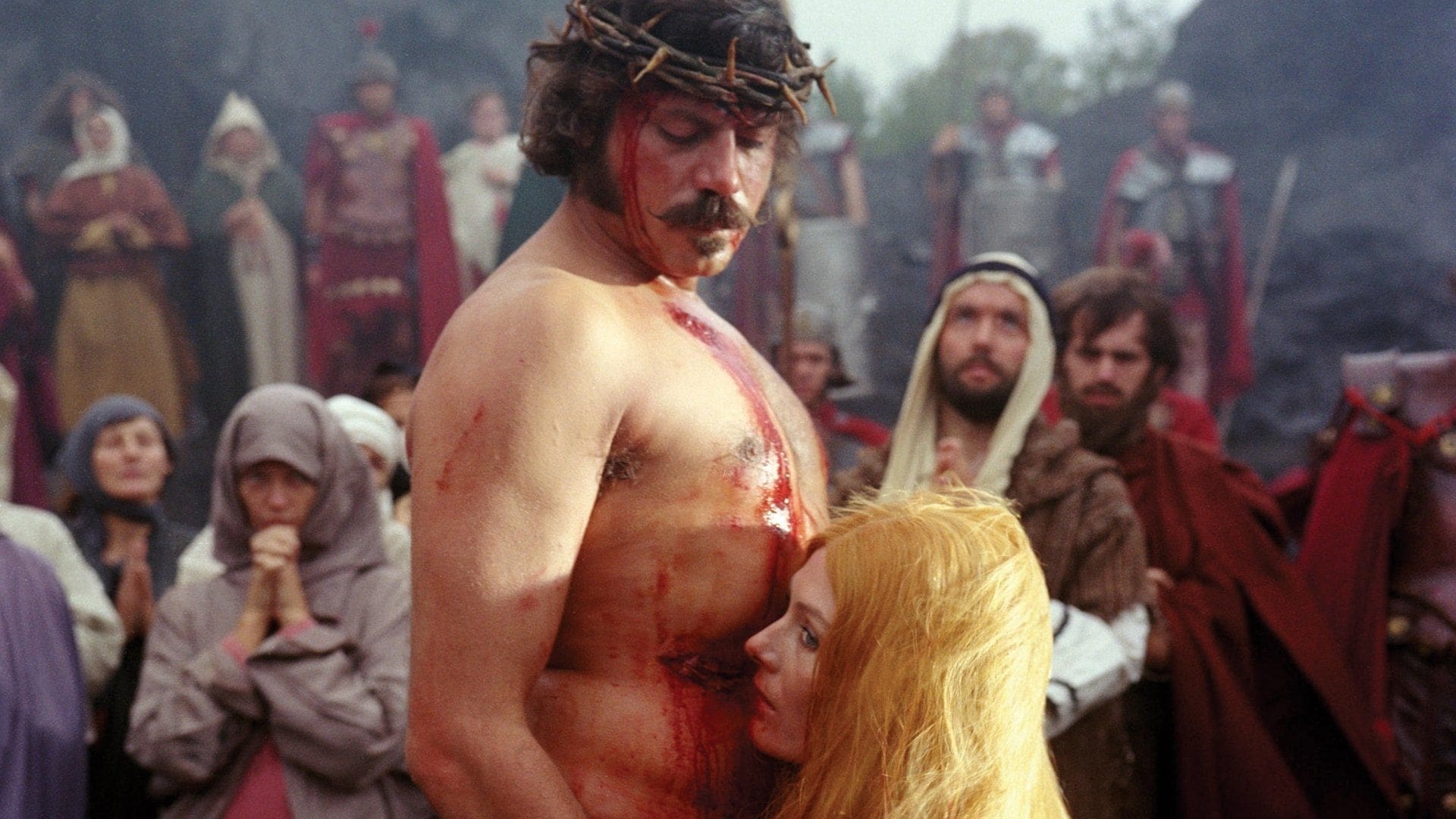
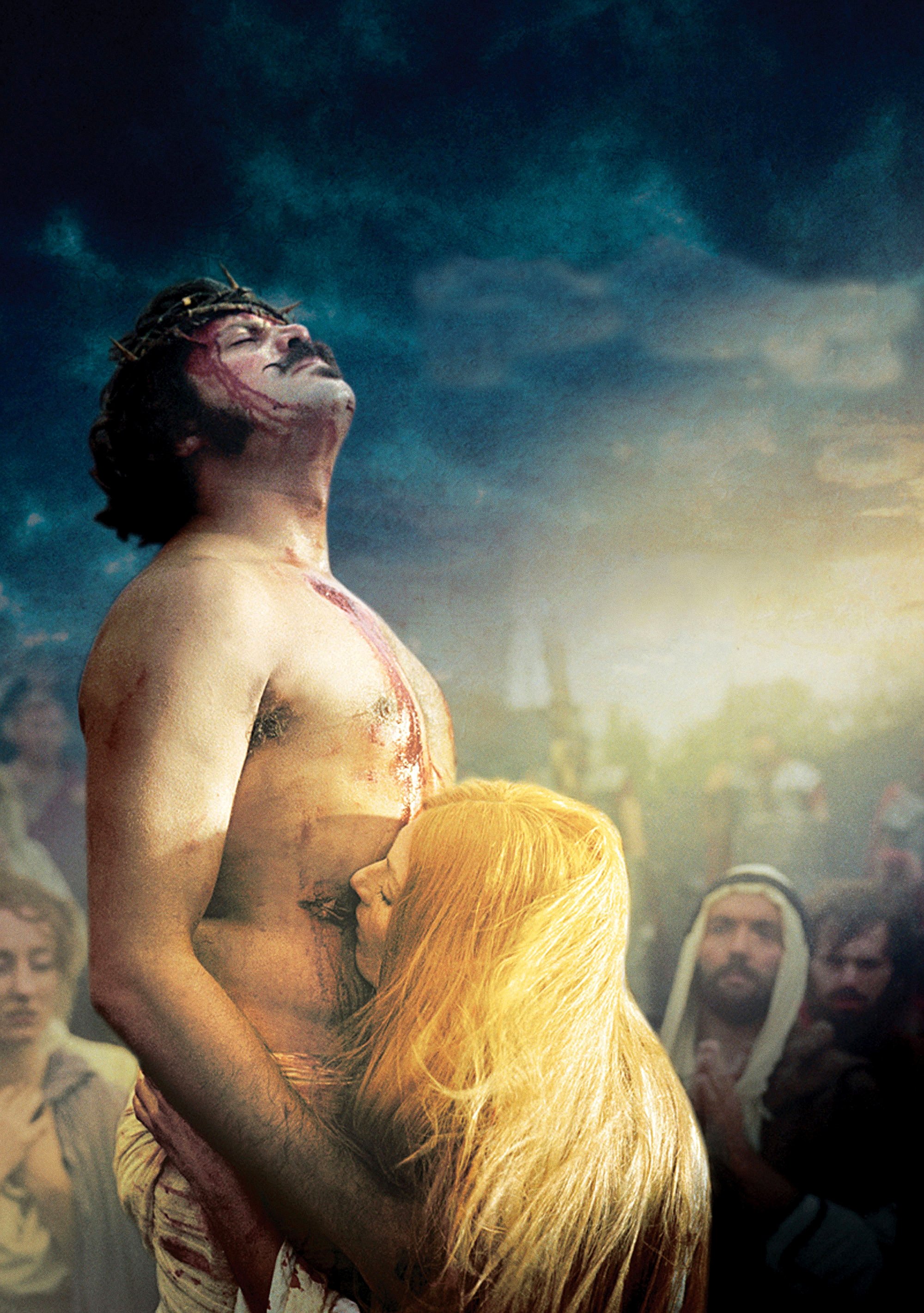
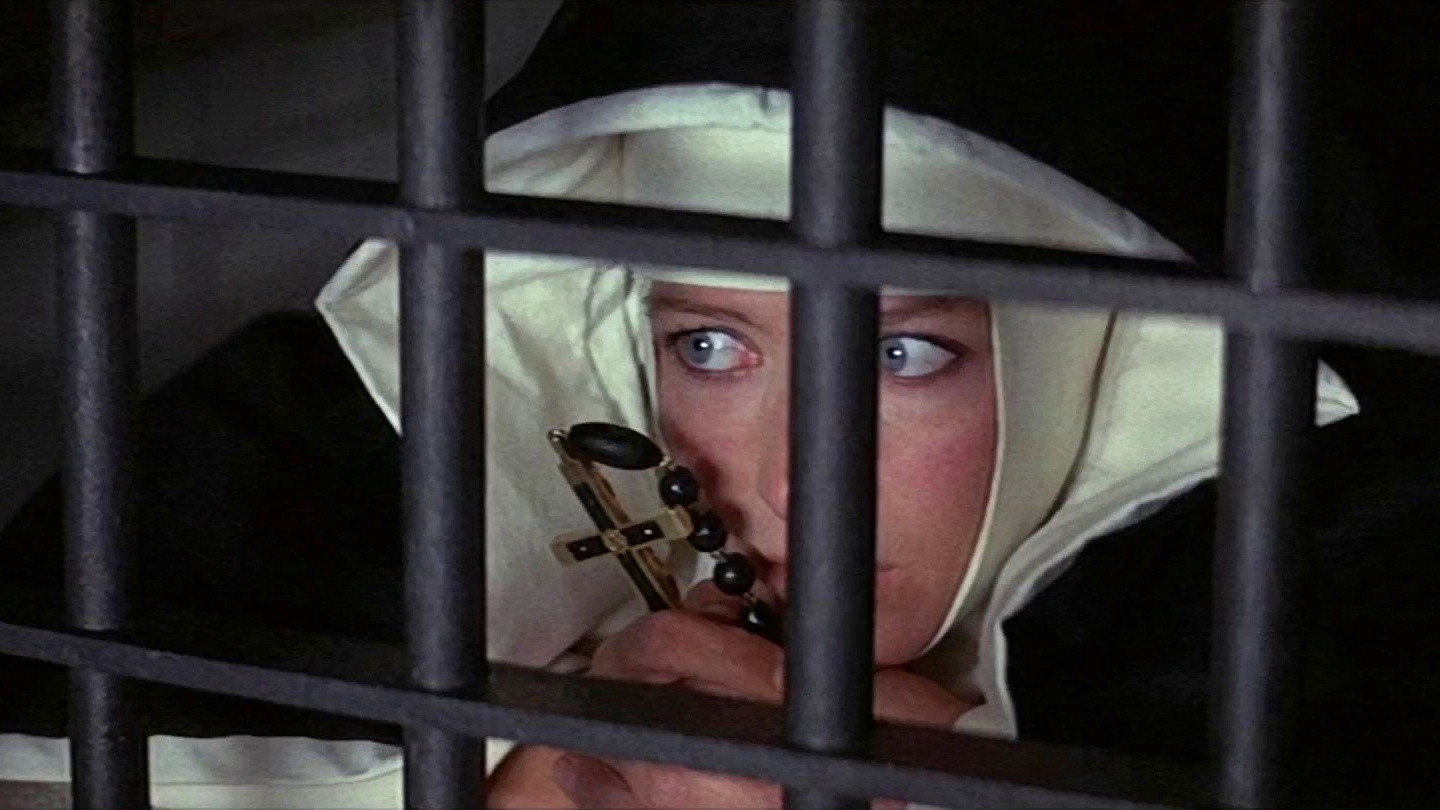
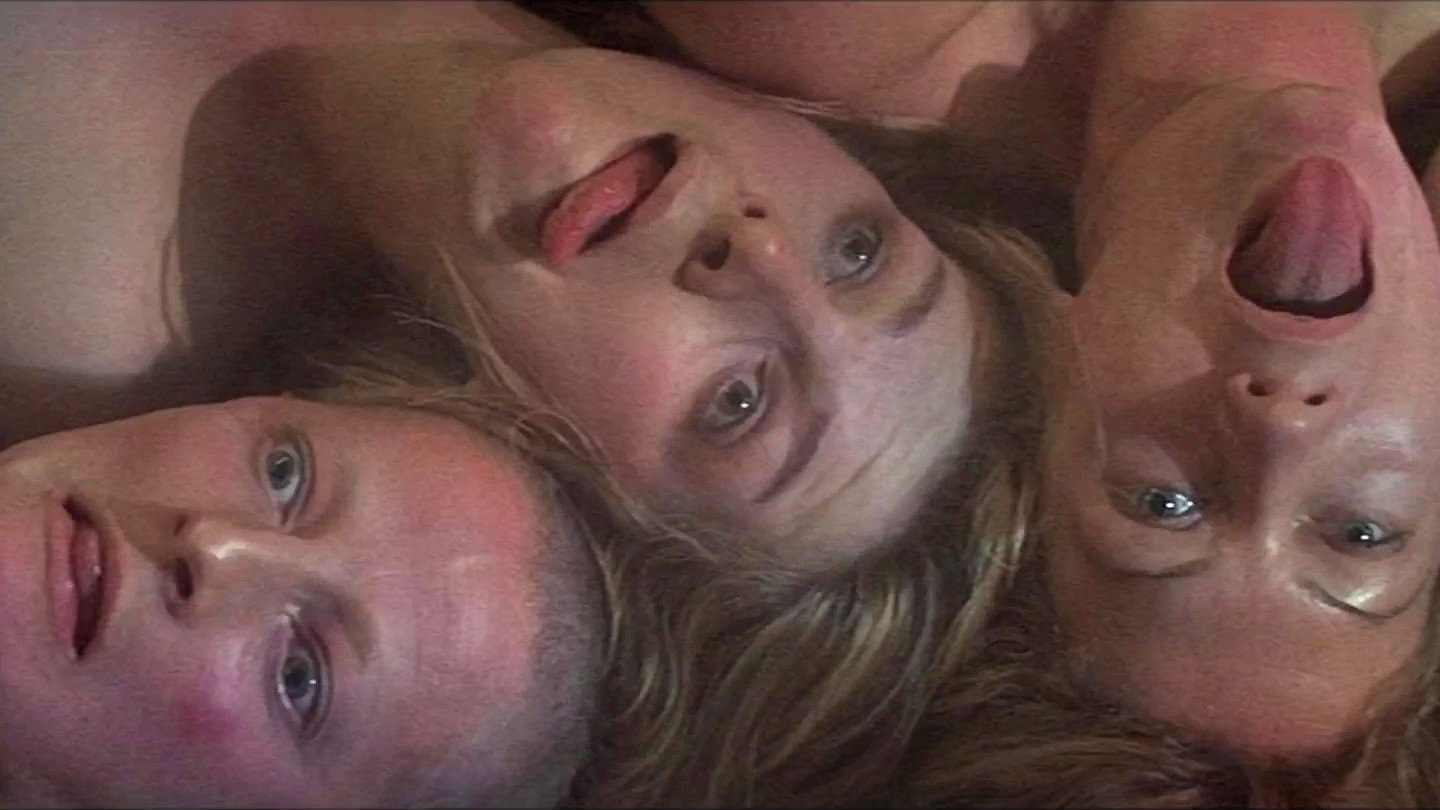
Russell subsequently prepared a modified version, which was examined again on April 8, 1971. It had already lost substantial material, including the sequence commonly known as the Rape of Christ, in which nuns engage in sexualized behavior around a crucifix. The BBFC considered the revised film broadly acceptable for an X certificate but requested further reductions. Russell made most of those changes while contesting one cut that he believed would damage continuity.

The BBFC approved a cut version in May 1971. Its archival case study records that the total amount removed is difficult to calculate precisely because the editing continued while the film was still unfinished. Russell later explained that many of the required changes reduced the duration of disturbing material rather than removing an entire narrative event. A torture scene could remain recognizable even after several of its most explicit images had been shortened.

The American situation was different. The film initially received an X rating from the Motion Picture Association of America, severely restricting access to mainstream theatrical venues and advertising. Warner Bros. required approximately six additional minutes of cuts to create an R-rated version. Russell believed that these changes damaged the coherence of the film and particularly objected to the removal of material associated with sexuality and religious imagery.
Different versions subsequently circulated on television and home video. The shorter American edit appeared on early British videotapes, while the longer British theatrical version remained unavailable in that format for many years. The BBFC later classified the British version for home viewing, including a 2011 submission used for the BFI DVD edition released in 2012.

The editing history is therefore central to understanding The Devils. Its versions do not merely differ in running time. They reflect distinct institutional decisions about which relationships between religion, sexuality, coercion and state violence could be presented publicly.

The 2026 4K Restoration and Historical Significance

For decades The Devils remained one of the most difficult major British films to see in a version corresponding closely to the director's intentions. Although the original production materials had not entirely disappeared, distribution rights, censorship history and the existence of multiple edited releases complicated its preservation. Portions of previously removed footage resurfaced during research associated with the 2002 documentary Hell on Earth: The Desecration and Resurrection of The Devils.
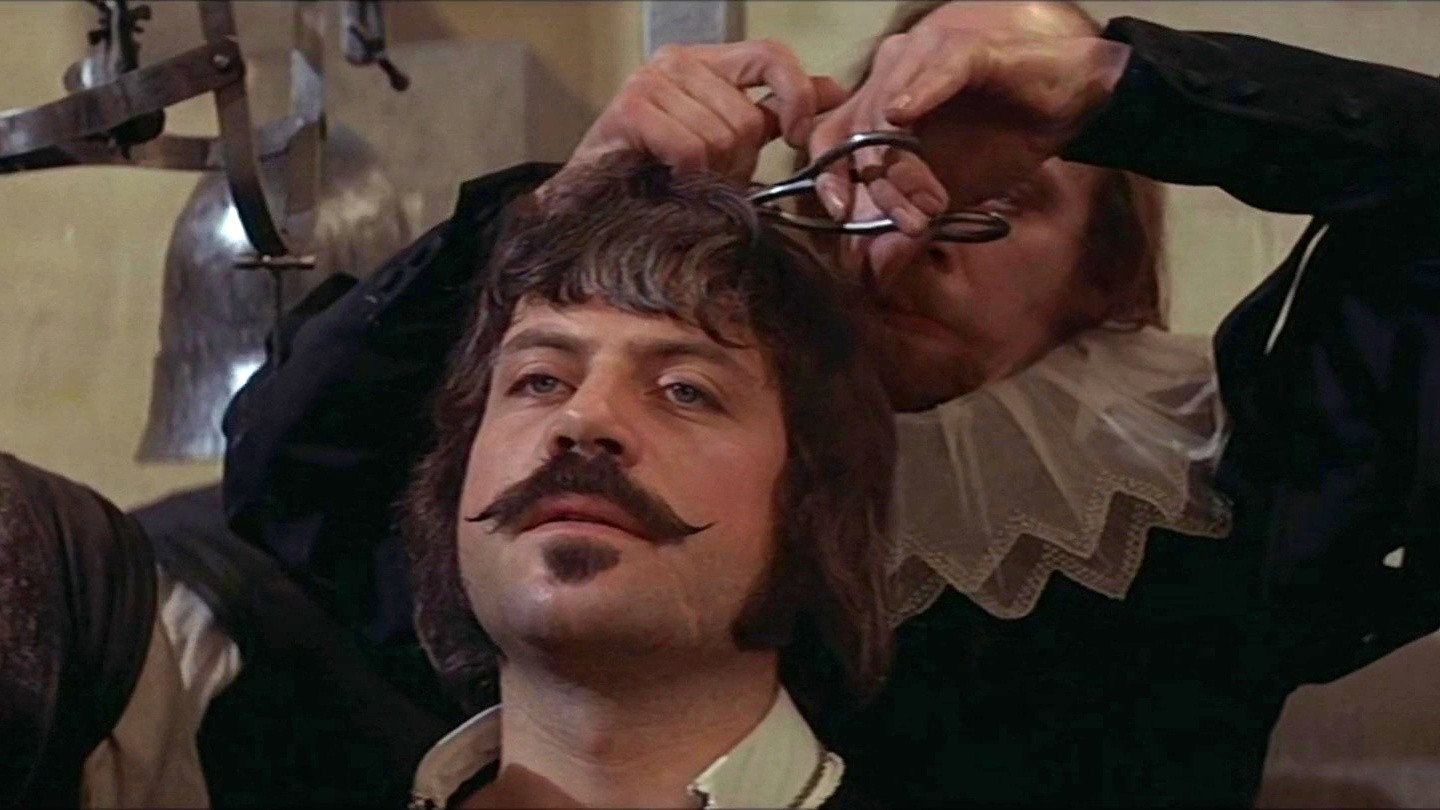
A reconstruction of Russell's preferred version was completed in 2004 under the supervision of the director and editor Michael Bradsell, in collaboration with Mark Kermode and Paul Joyce. The reconstruction was distinct from the original unfinished rough cut submitted to the BBFC in January 1971. It represented a later attempt to recover the director's intended presentation using surviving materials and his direct involvement.

The decisive development occurred in 2026. Warner Bros. Clockwork and the British Film Institute announced a definitive 4K restoration based on the reconstruction supervised by Russell and Bradsell. The image restoration was completed from the original camera negative at Warner Bros. Water Tower Color. The soundtrack was restored from the original composite 35 mm magnetic film through Warner Bros. Sound, with the material transferred at 96 kHz.

The restored version premiered in the Cannes Classics section of the 79th Cannes Film Festival in May 2026. It subsequently reached American cinemas through Warner Bros. Clockwork beginning October 16, while the BFI scheduled its British and Irish theatrical release for October 30. The BBFC classified the new version at 18 on October 16, recording a running time of 114 minutes and 32 seconds.

This version should not be confused with the earlier British theatrical or home-video editions. The BBFC records a 112-minute theatrical classification from 1971, as well as shorter versions classified for video. Differences in source material, editing and playback standards have also contributed to the multiple durations associated with the film. The 2026 restoration establishes an officially released presentation corresponding to the reconstruction undertaken with Russell's participation.

The historical importance of the restoration extends beyond recovering explicit material. It allows the relationship between Jarman's architecture, Watkin's cinematography, Bradsell's editing and Davies's score to be evaluated more completely. Sequences previously removed or shortened can now be understood within the intended dramatic progression, rather than encountered as isolated fragments in censorship documentaries.

The Devils remains a major work of historical horror because it treats supernatural accusation as an instrument through which human institutions justify physical persecution. The film depicts demonic possession as a contested public phenomenon while locating much of its actual horror in interrogation, coercion, humiliation and execution. Its distinctive production design, expressive photography, experimental music and turbulent censorship history make it an unusually important meeting point between British art cinema, political drama and the horror tradition.

References

  1. British Film Institute My One Political Film: Ken Russell on The Devils

    Original interview with the director concerning adaptation, historical research, torture sequences, censorship and the political intentions of the film.

  2. British Board of Film Classification The Devils (1971): Case Study

    Official archival history of the 1971 censorship proceedings, Warner Bros. alterations and subsequent British video classifications.

  3. Cambridge University Press A Crazy Clutter of the Mediaeval, Medical Mind: Ken Russell, Peter Maxwell Davies and Modernist Medievalism in The Devils

    Academic research based on musical manuscripts and archival documentation of the original score.

  4. Festival de Cannes Ken Russell's The Devils: A Look Back at the Scandal Surrounding Its Release

    Official Cannes Classics presentation documenting the film's historical reception and the 2026 restoration from original photographic and magnetic sound materials.

  5. British Film Institute Ken Russell's The Devils Definitive 4K Restoration to Launch Ahead of Major BFI Retrospective

    Official confirmation of the Russell-supervised reconstruction, restoration process and theatrical distribution in 2026.

Cast

View Full Cast & Crew →

Release & Distribution

Production Companies (1)

  • Russo Productions GB

Distributors (1)

  • Warner Bros. Entertainment US

Release History (35)

Release DateTerritoryRelease TypeFormatDistributorCertificationNotes
1971-07-16 United States Theatrical — — R
1971-07-25 United Kingdom Theatrical — — 18
1971-08-28 Italy Premiere — — — Venice Film Festival
1971-09-11 Italy Theatrical — — VM18
1971-09-16 Germany Theatrical — — 16
1971-10-14 Netherlands Theatrical — — 18
1971-10-23 Japan Theatrical — — R18+
1971-10-29 France Theatrical — — 16
1972-01-01 Denmark Theatrical — — F
1972-02-21 Sweden Theatrical — — 15
1972-03-01 Australia Theatrical — — R 18+
1972-05-19 Belgium Theatrical — — 18
1972-07-13 Norway Theatrical — — 18
1973-02-15 Argentina Theatrical — — X
1973-03-01 Colombia Theatrical — — —
1977-10-13 Mexico Theatrical — — D
2002-05-21 Finland Physical DVD — K-18 DVD
2012-03-19 United Kingdom Physical DVD — 18 DVD Special Edition
2012-03-20 Netherlands Physical DVD — 16 DVD
2026-05-14 France Premiere — — — Cannes Film Festival
2026-09-10 Canada Premiere — — — Toronto International Film Festival
2026-09-18 Finland Premiere — — K-18 Helsinki International Film Festival
2026-09-26 United States Premiere — — — New York Film Festival
2026-10-05 United States Premiere — — — Beyond Fest
2026-10-15 Puerto Rico Limited Theatrical — — NC-17 Fine Arts. Director's Cut (4K Restoration)
2026-10-16 Finland Theatrical — — K-18
2026-10-16 United States Theatrical — — NC-17 Director's Cut (4K restoration)
2026-10-16 United States Limited Theatrical — — NC-17 Director's Cut (4K restoration)
2026-10-28 France Theatrical — — — Ressortie française
2026-10-28 France Limited Theatrical — — 18 Ressortie française
2026-10-29 Australia Theatrical — — R 18+
2026-10-29 Germany Theatrical — — — Re-release
2026-10-29 Germany Limited Theatrical — — 16 re-release
2026-10-30 United Kingdom Theatrical — — 18 Director's Cut (4k Restoration)
2026-10-30 United Kingdom Limited Theatrical — — 18 Director's Cut (4K Restoration)

News & Features

All horror news
Hell will hold no surprises for them...