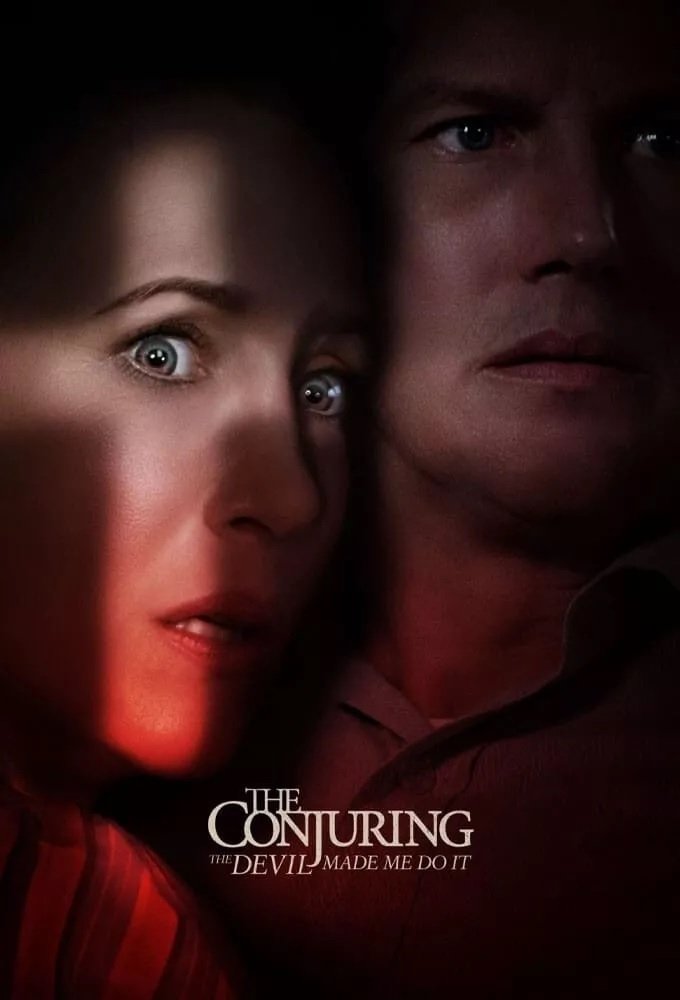
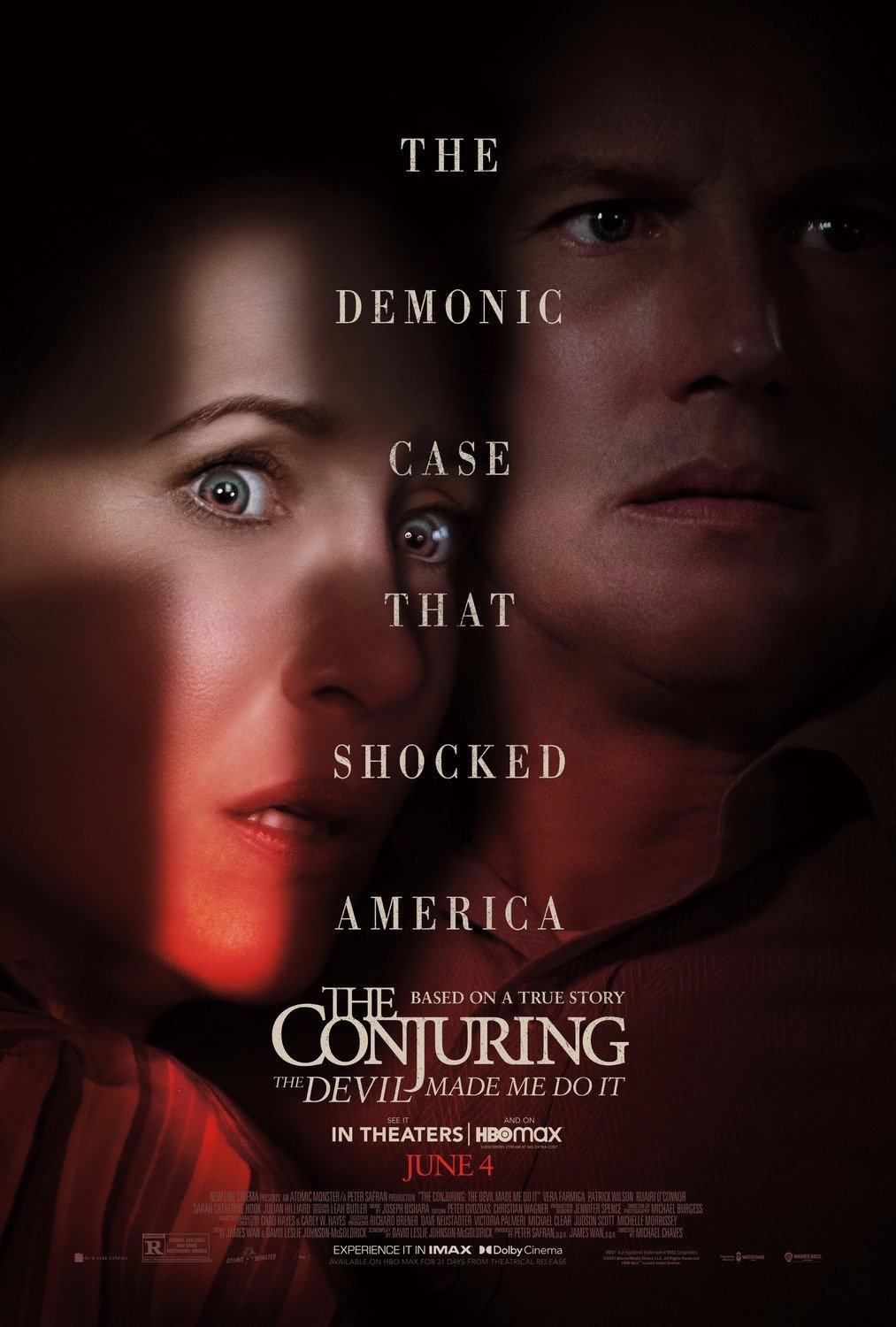
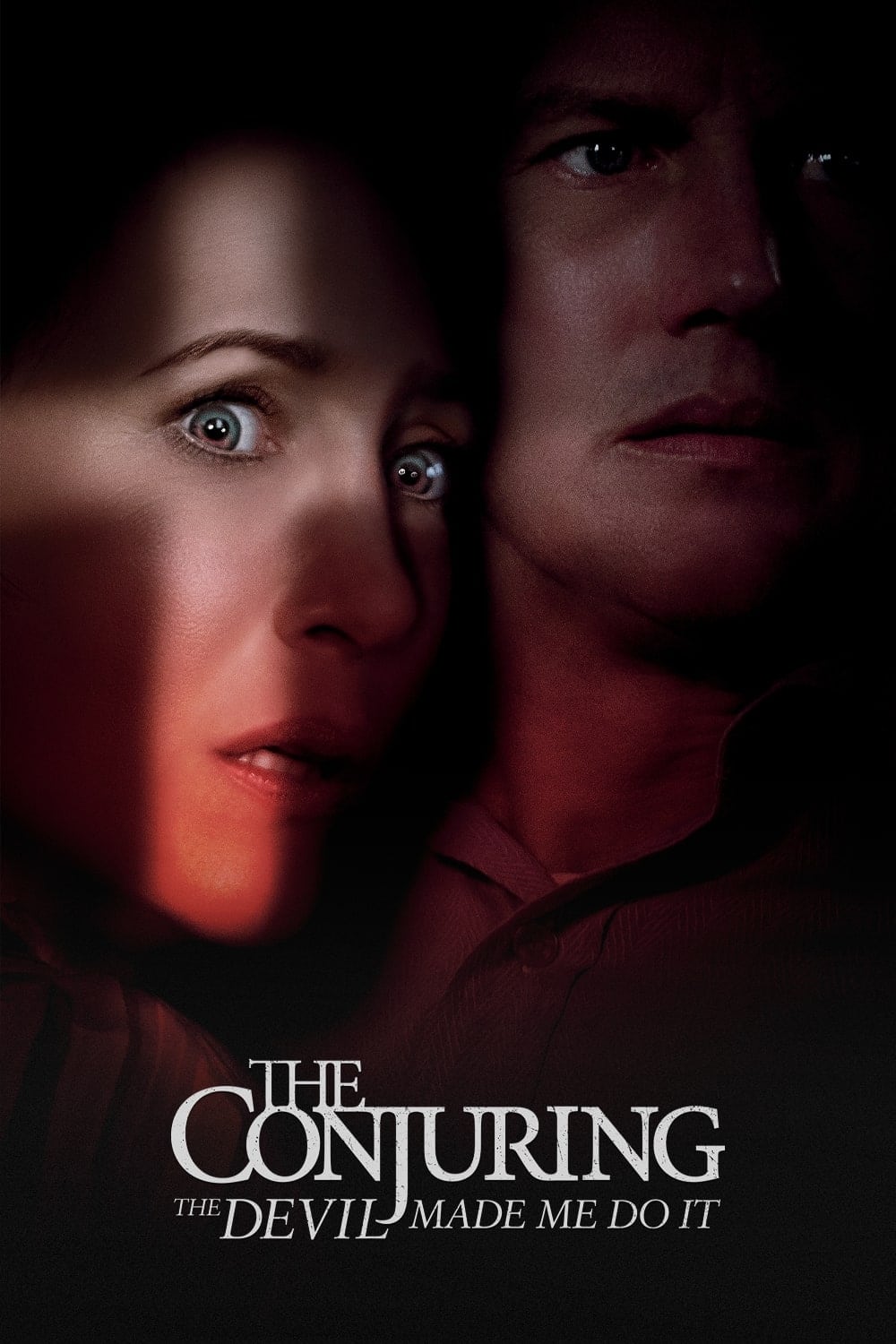
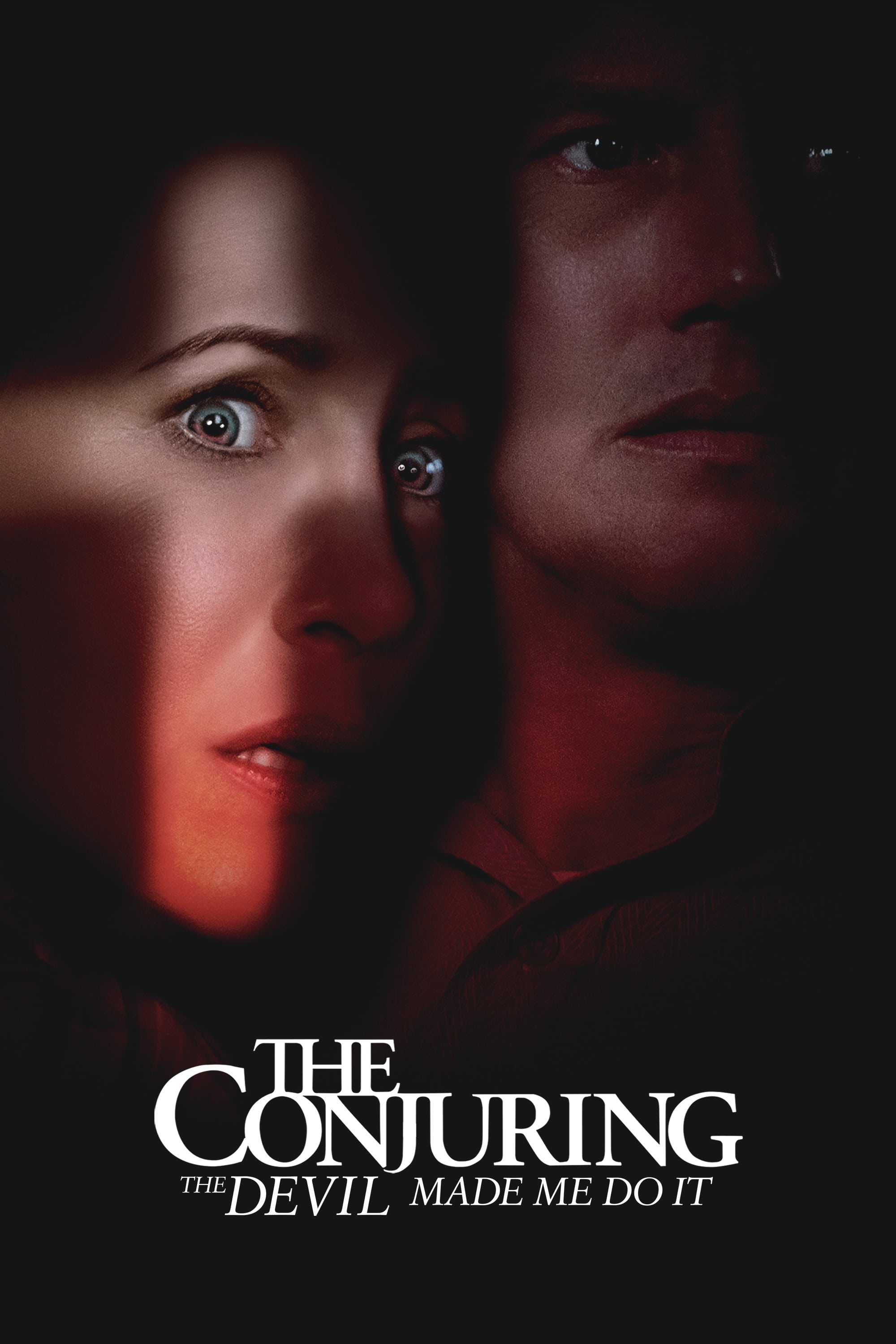
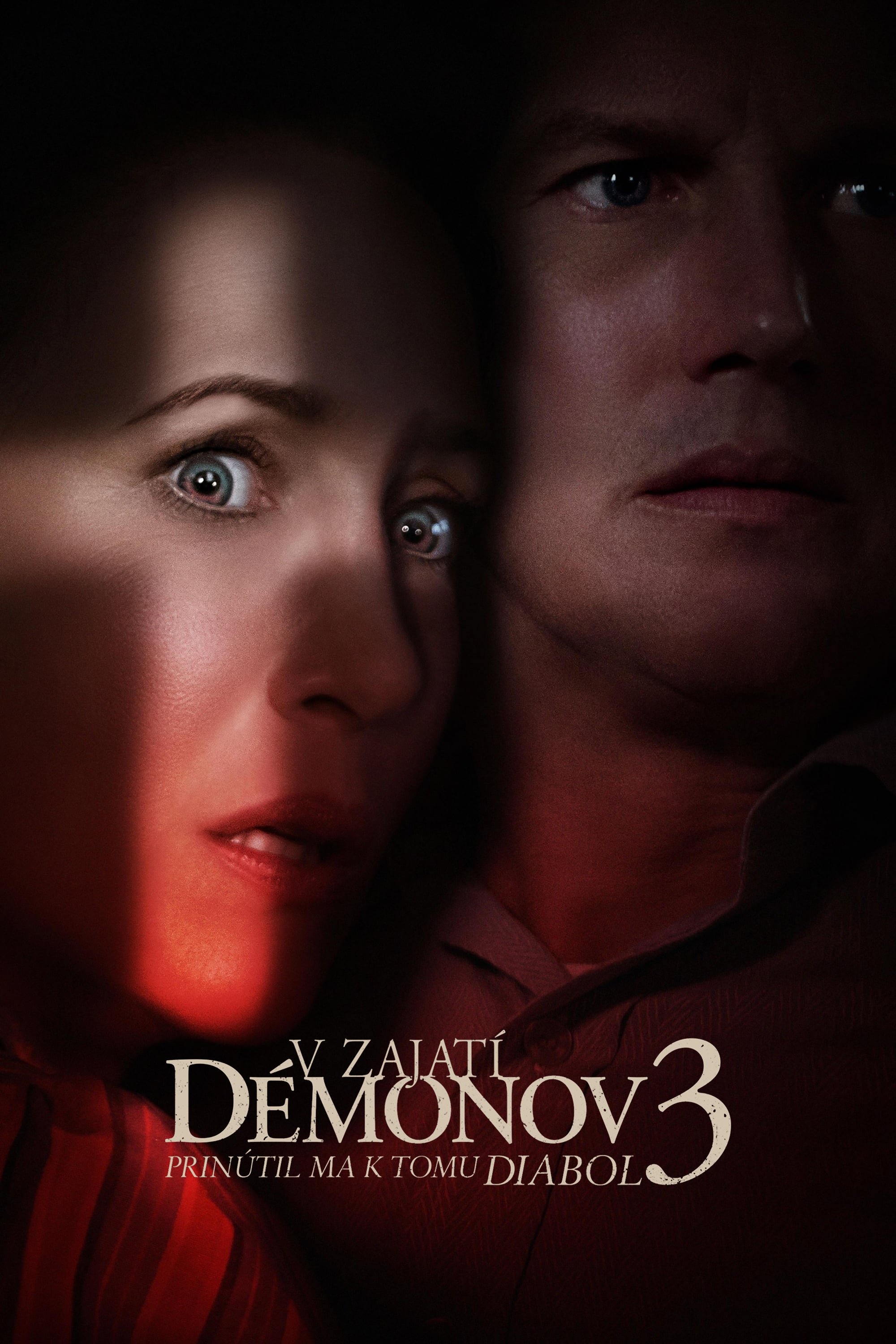
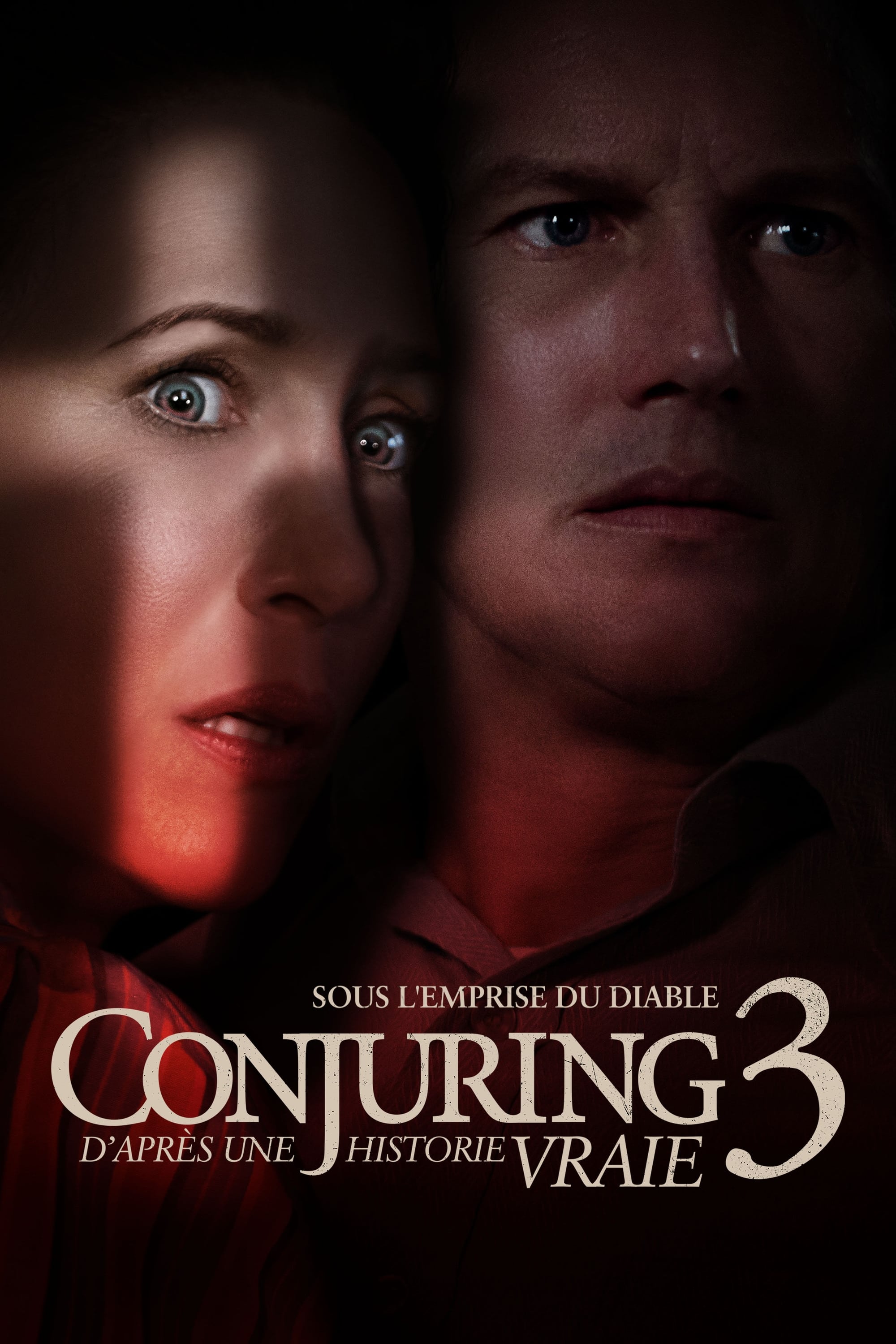
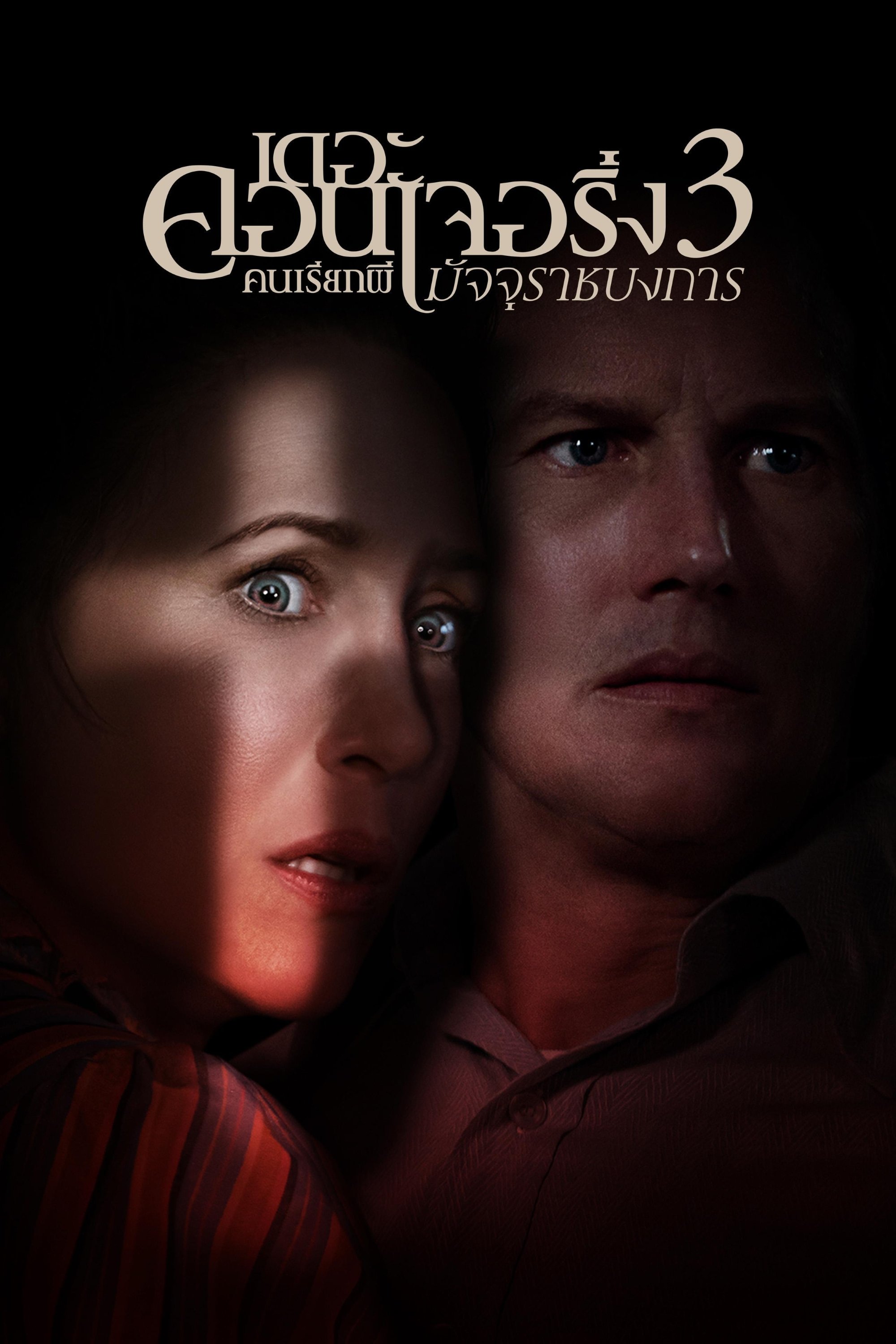
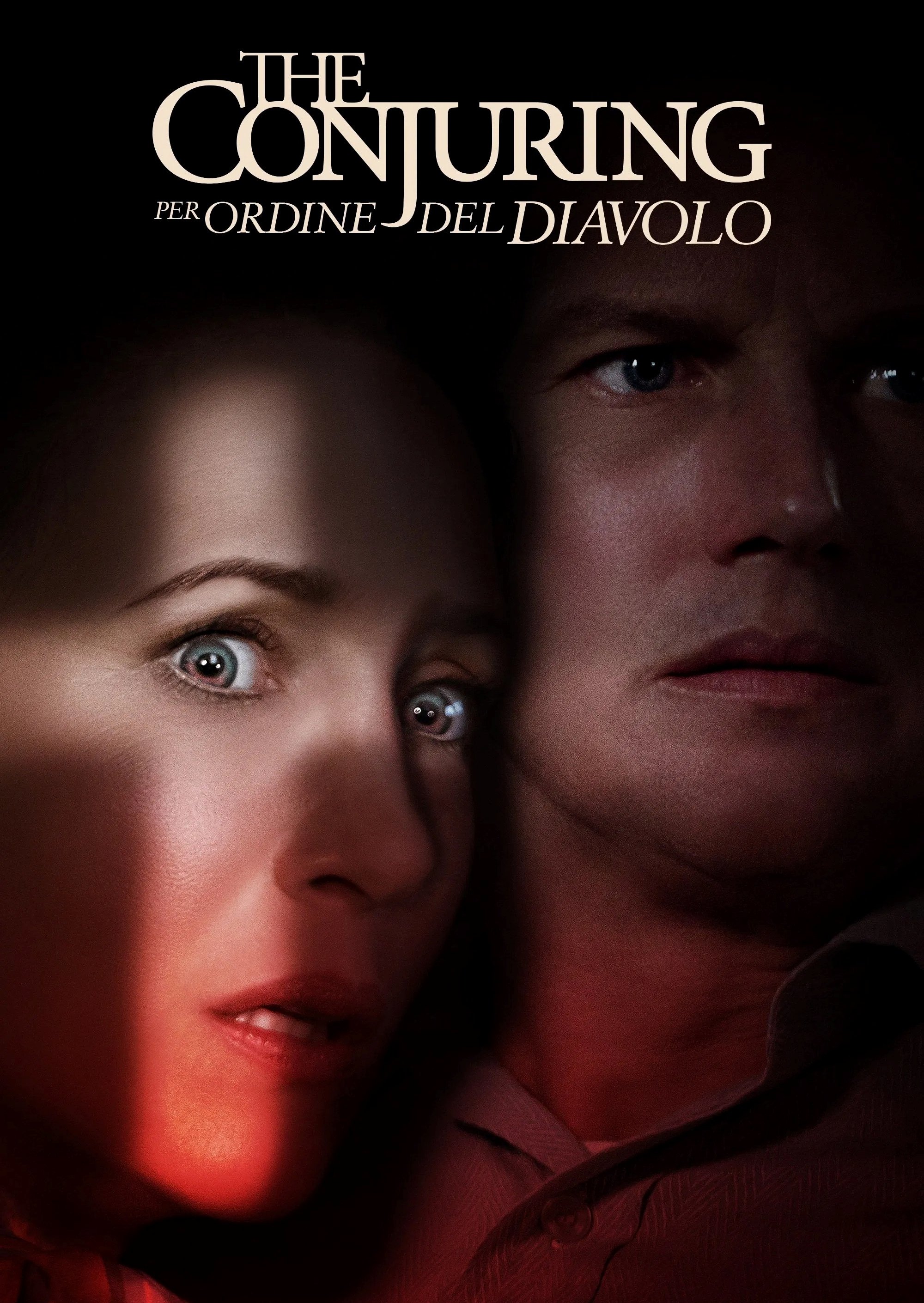
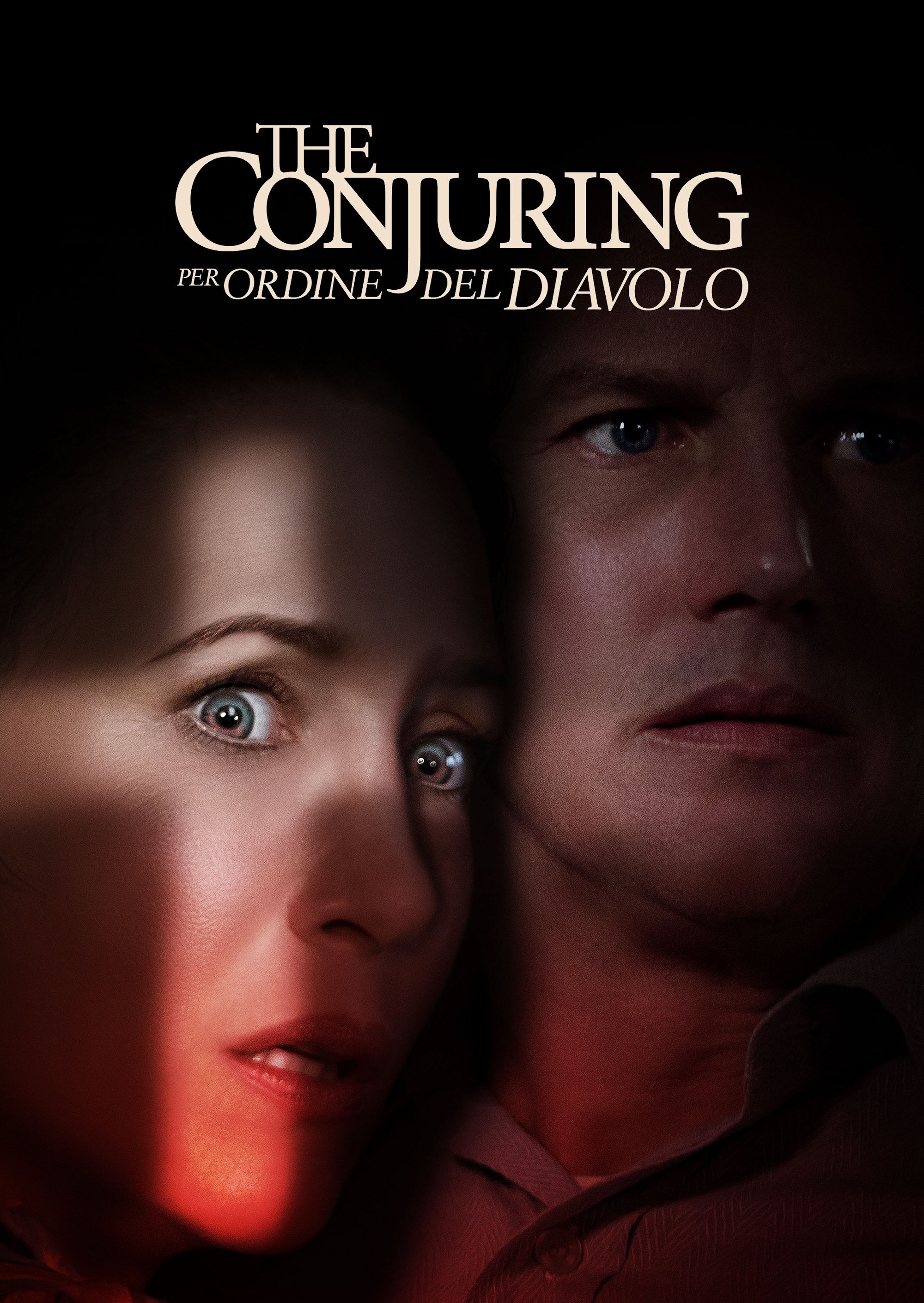
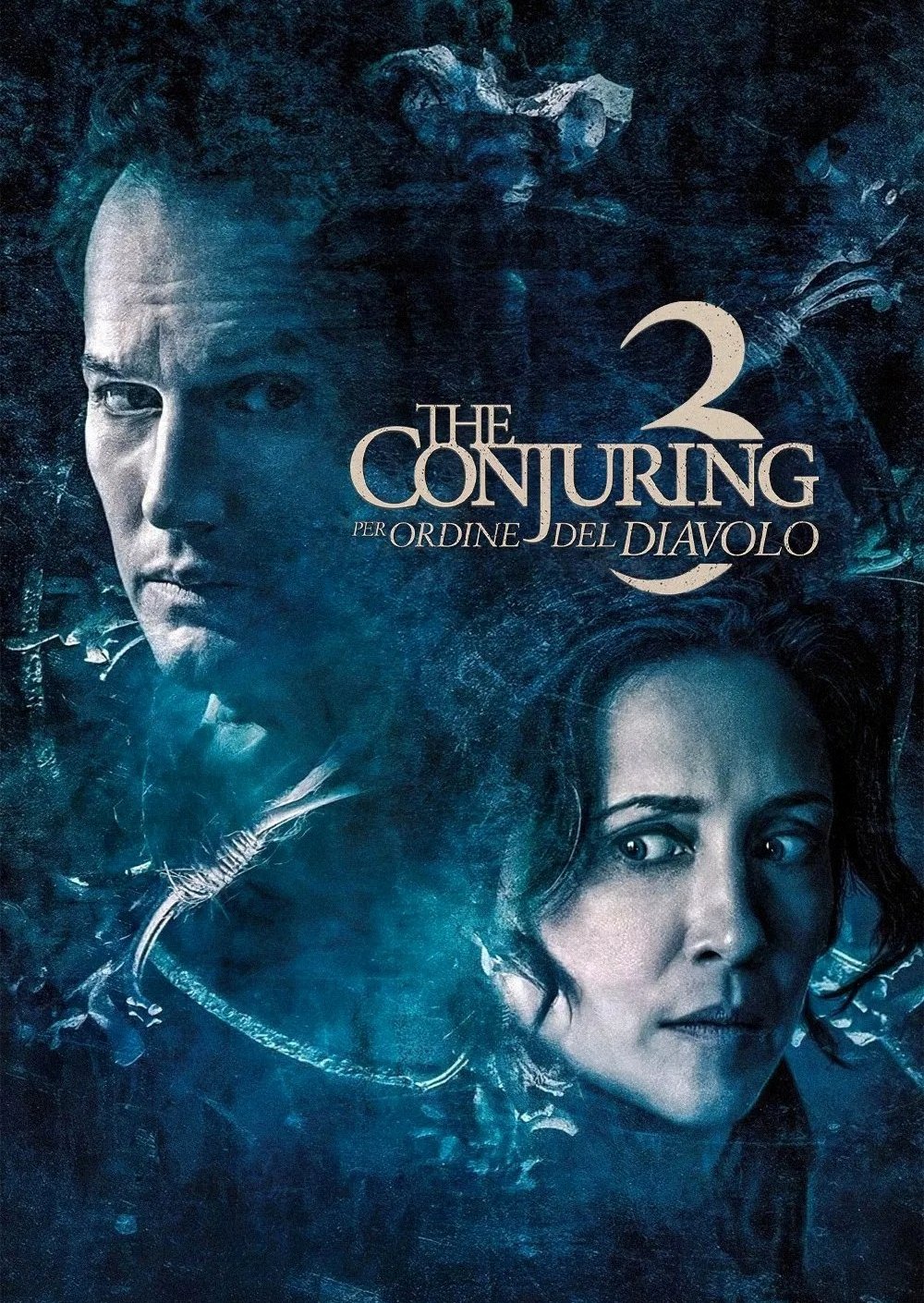
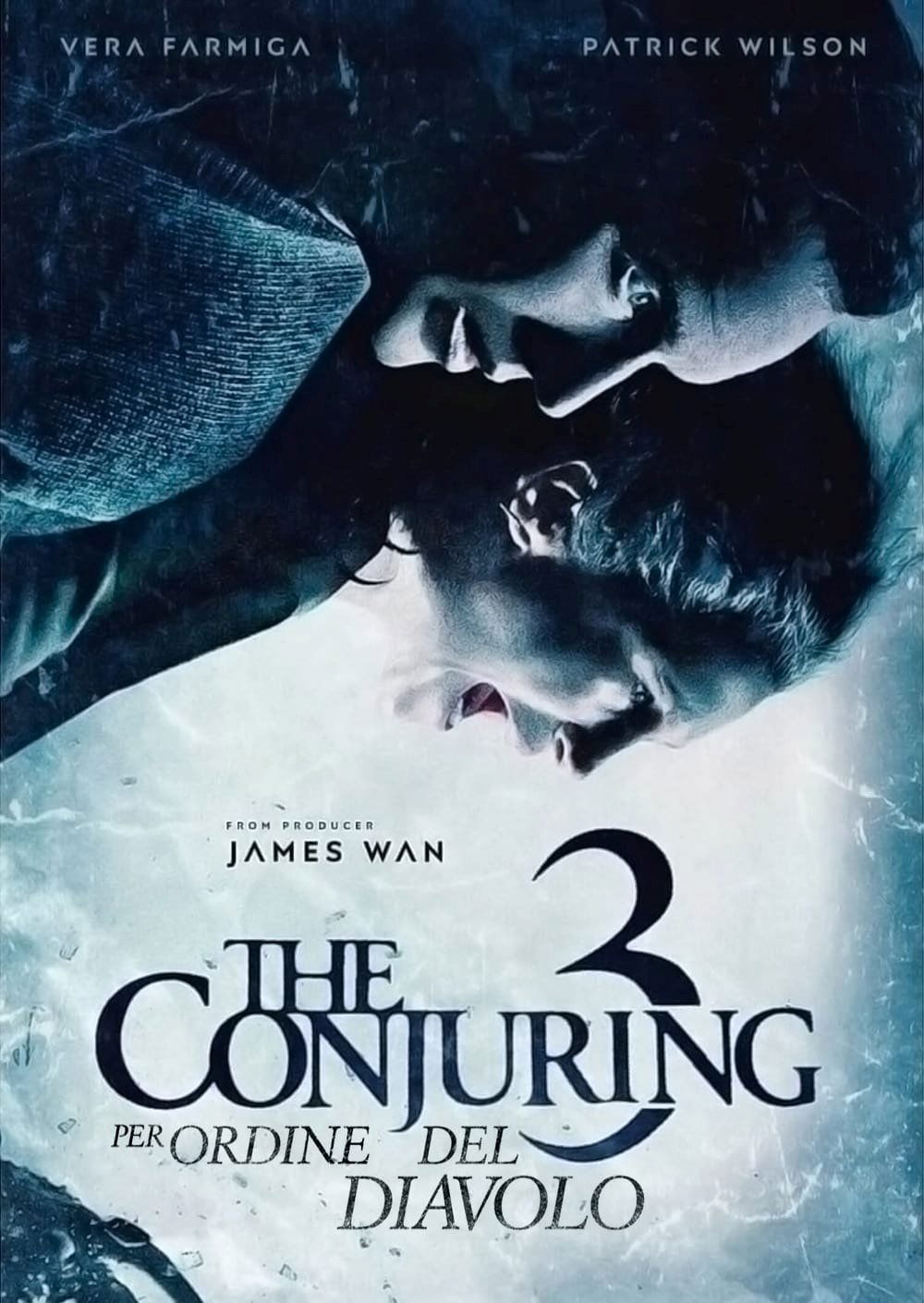
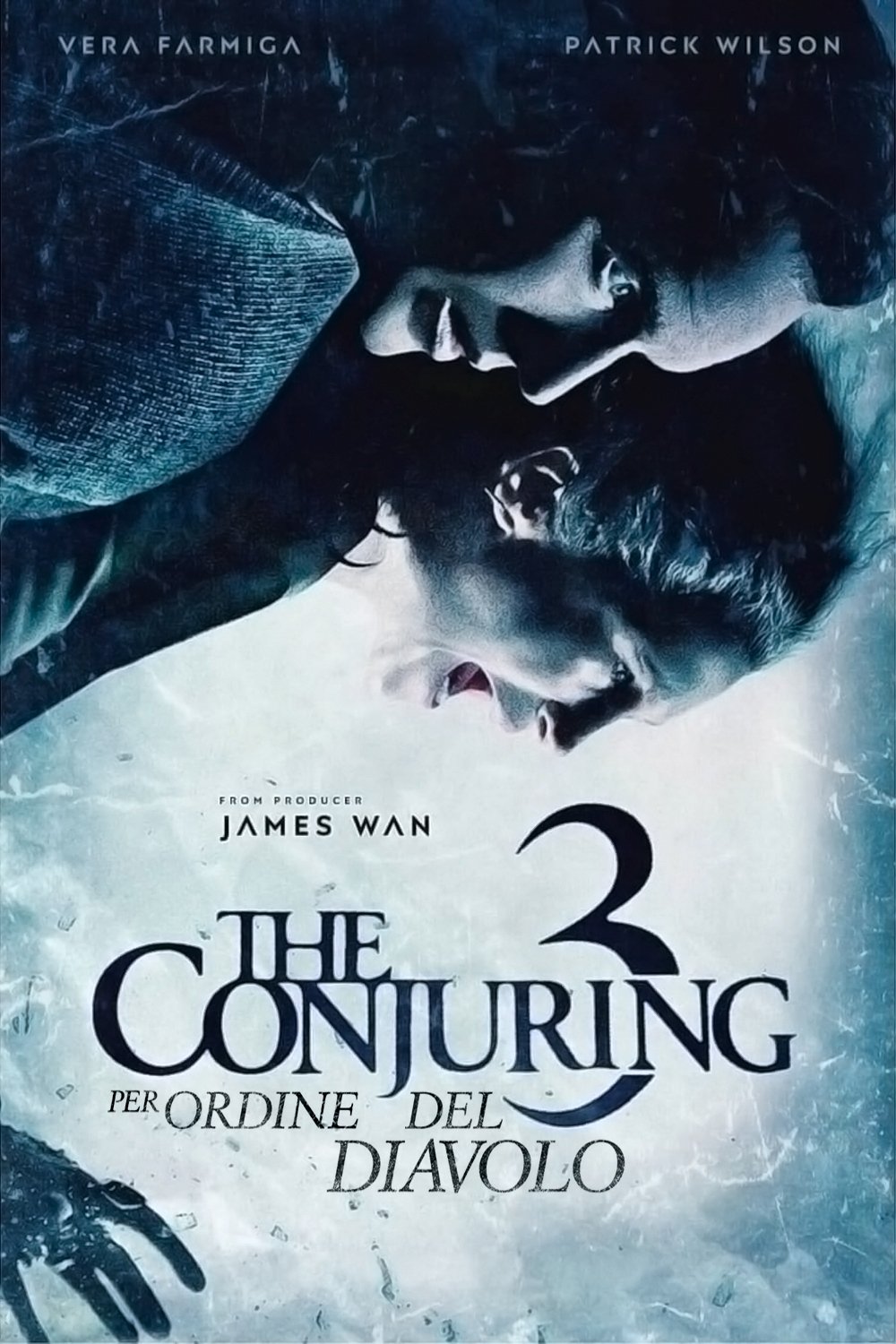
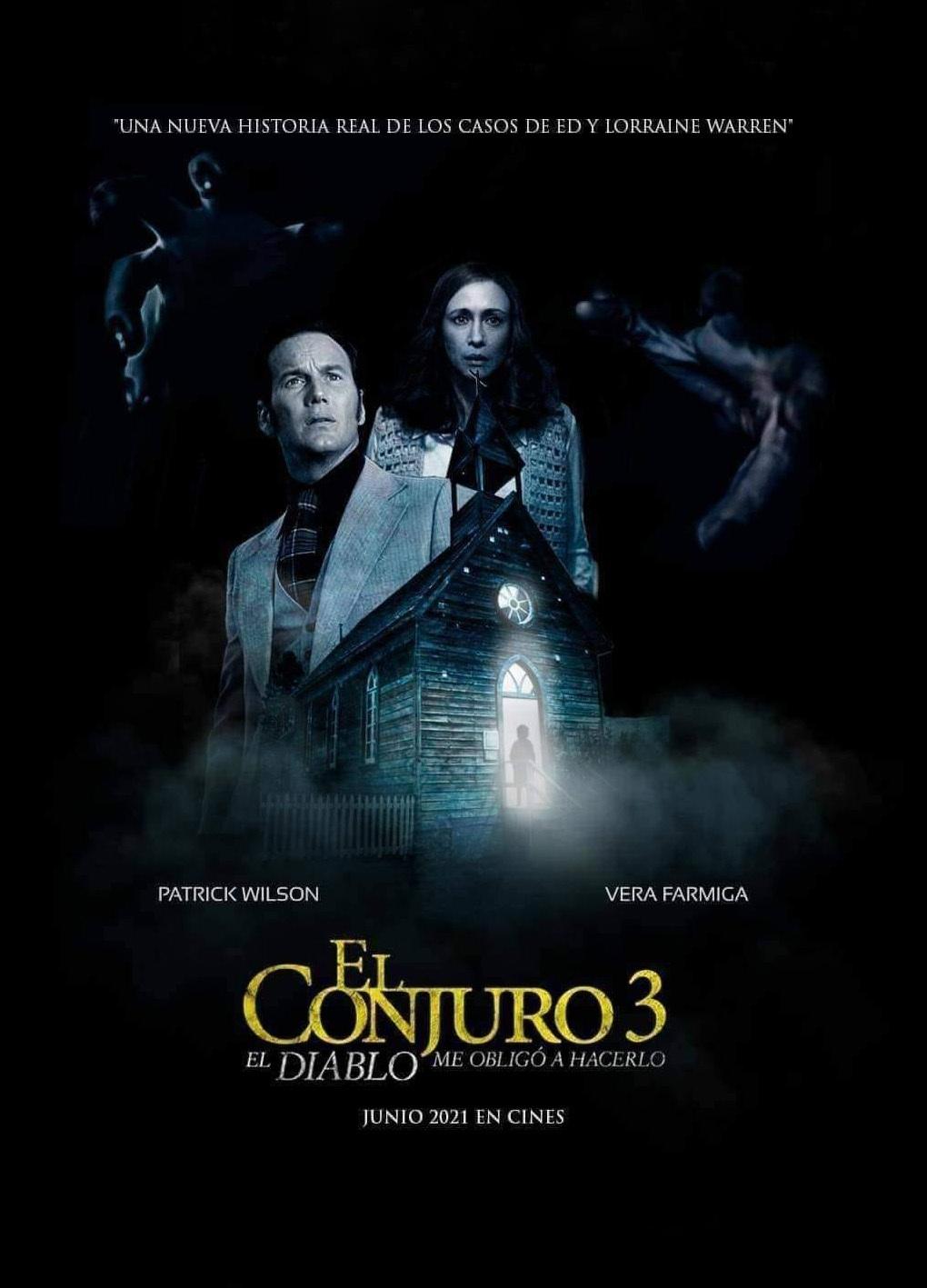
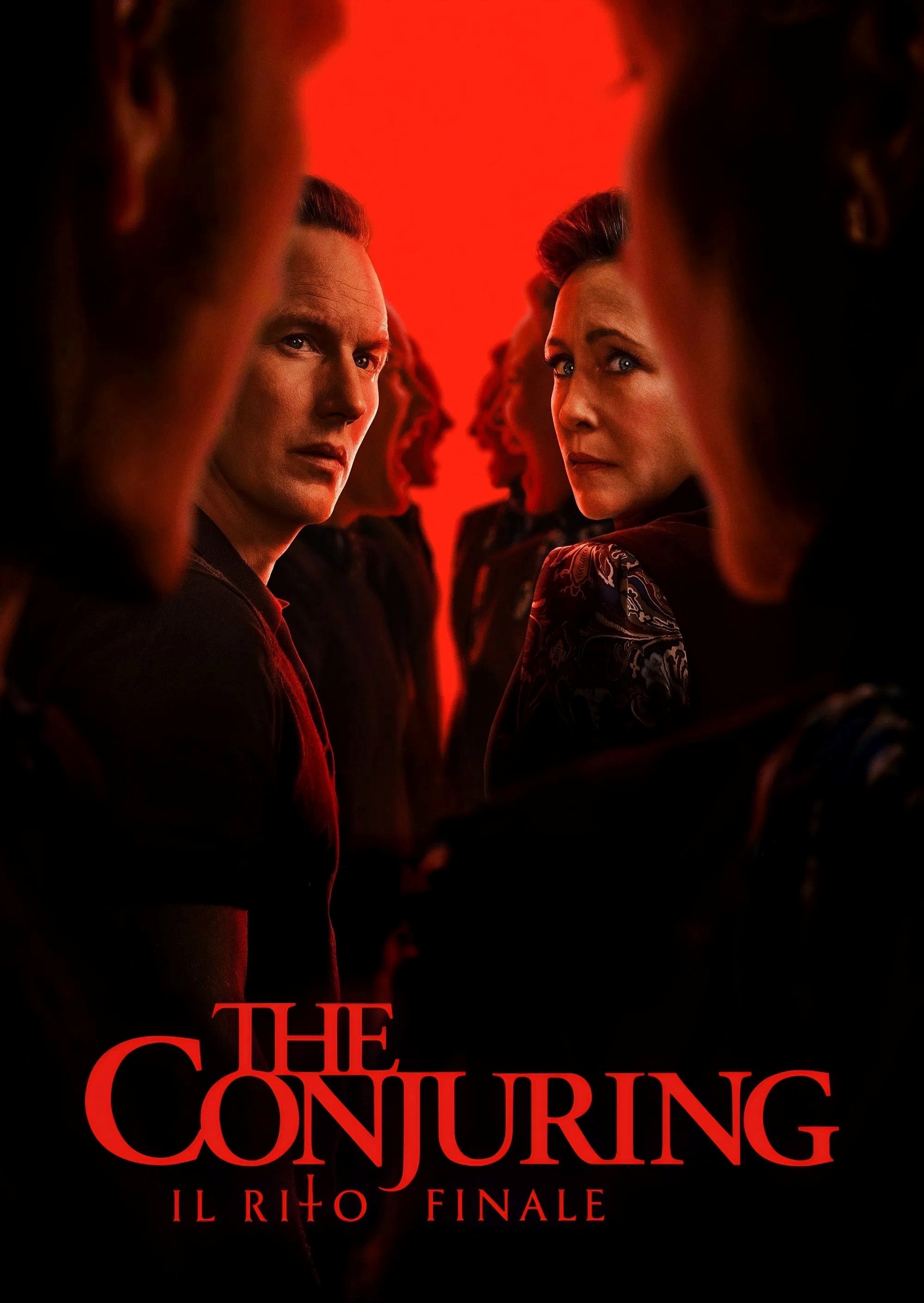
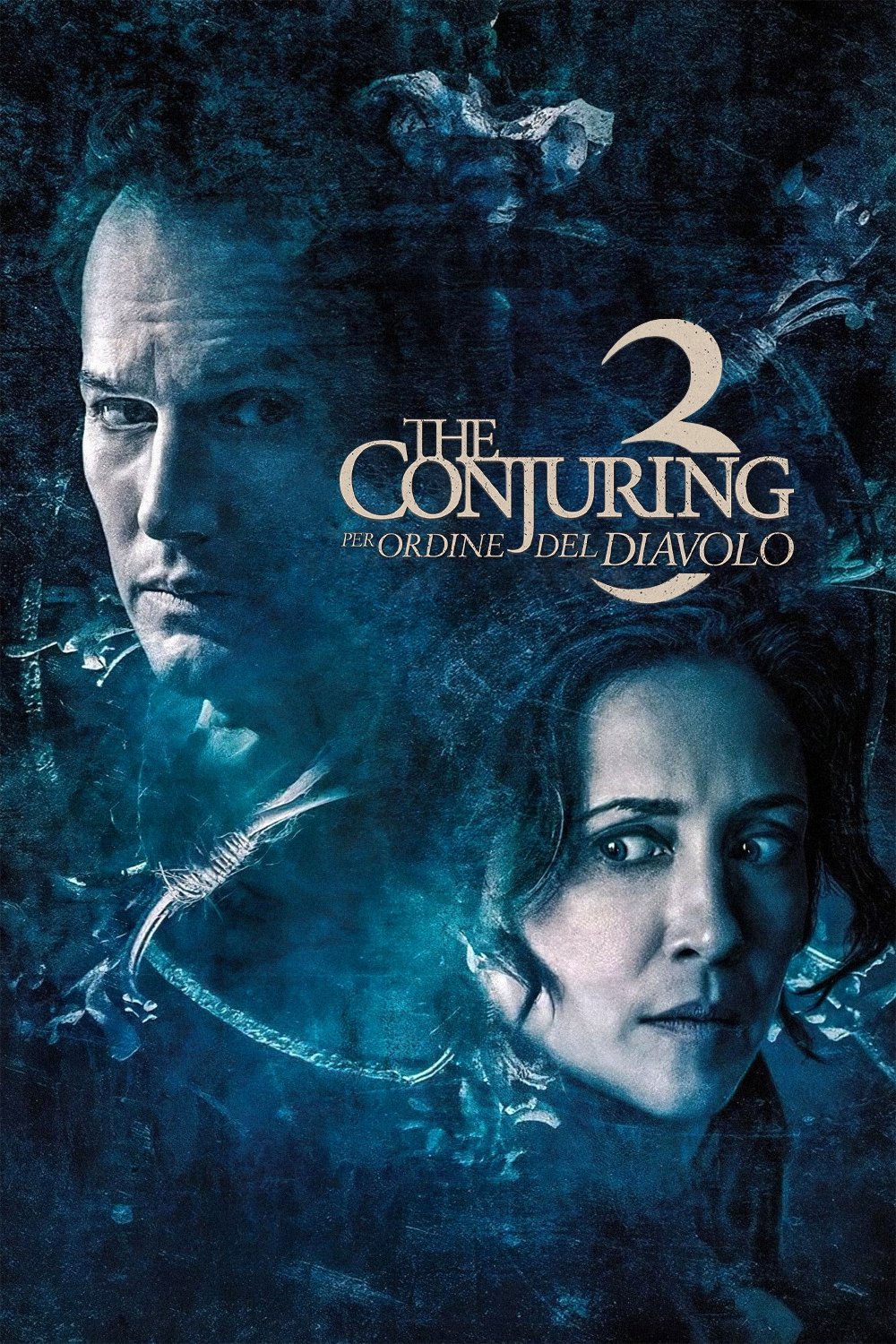
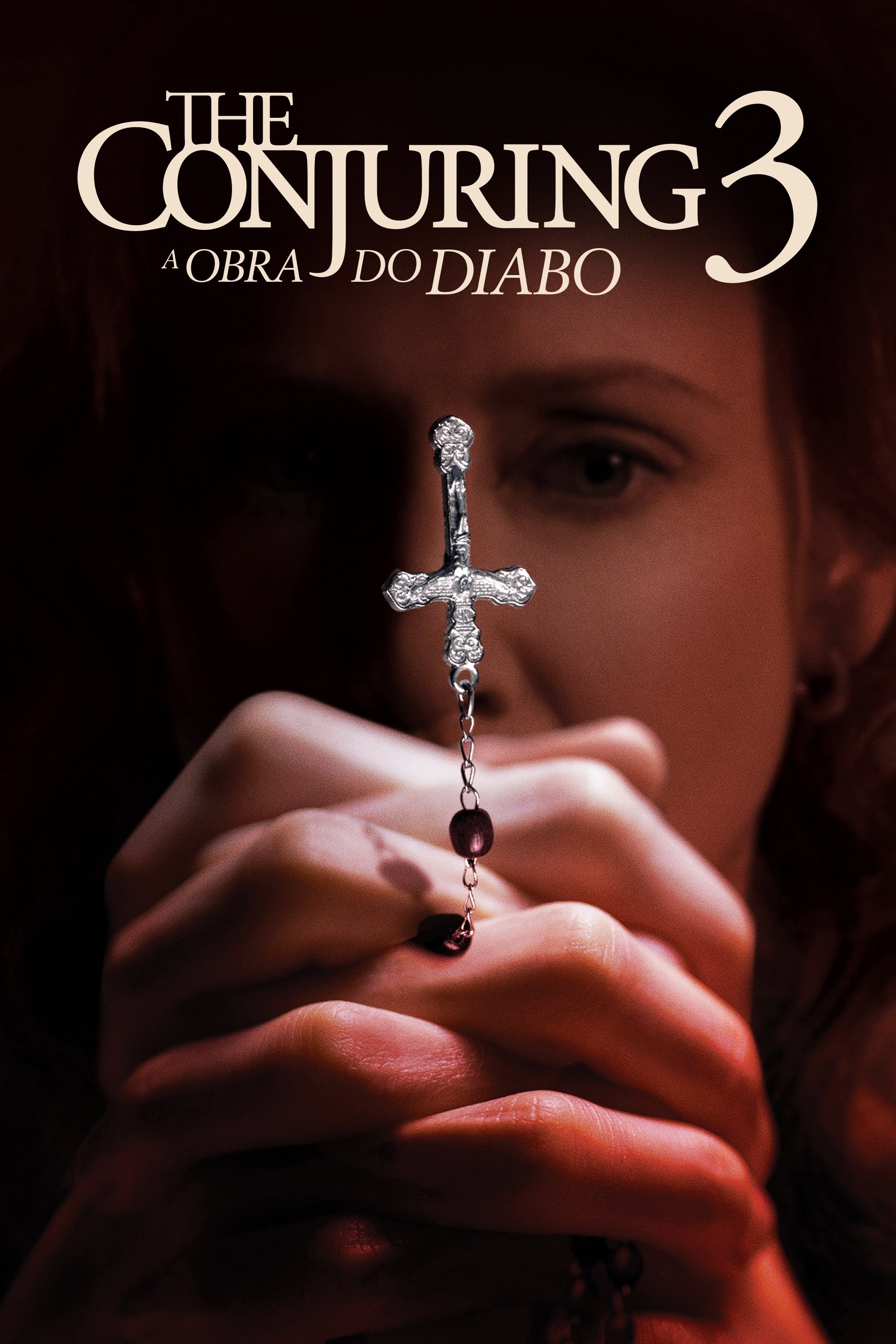
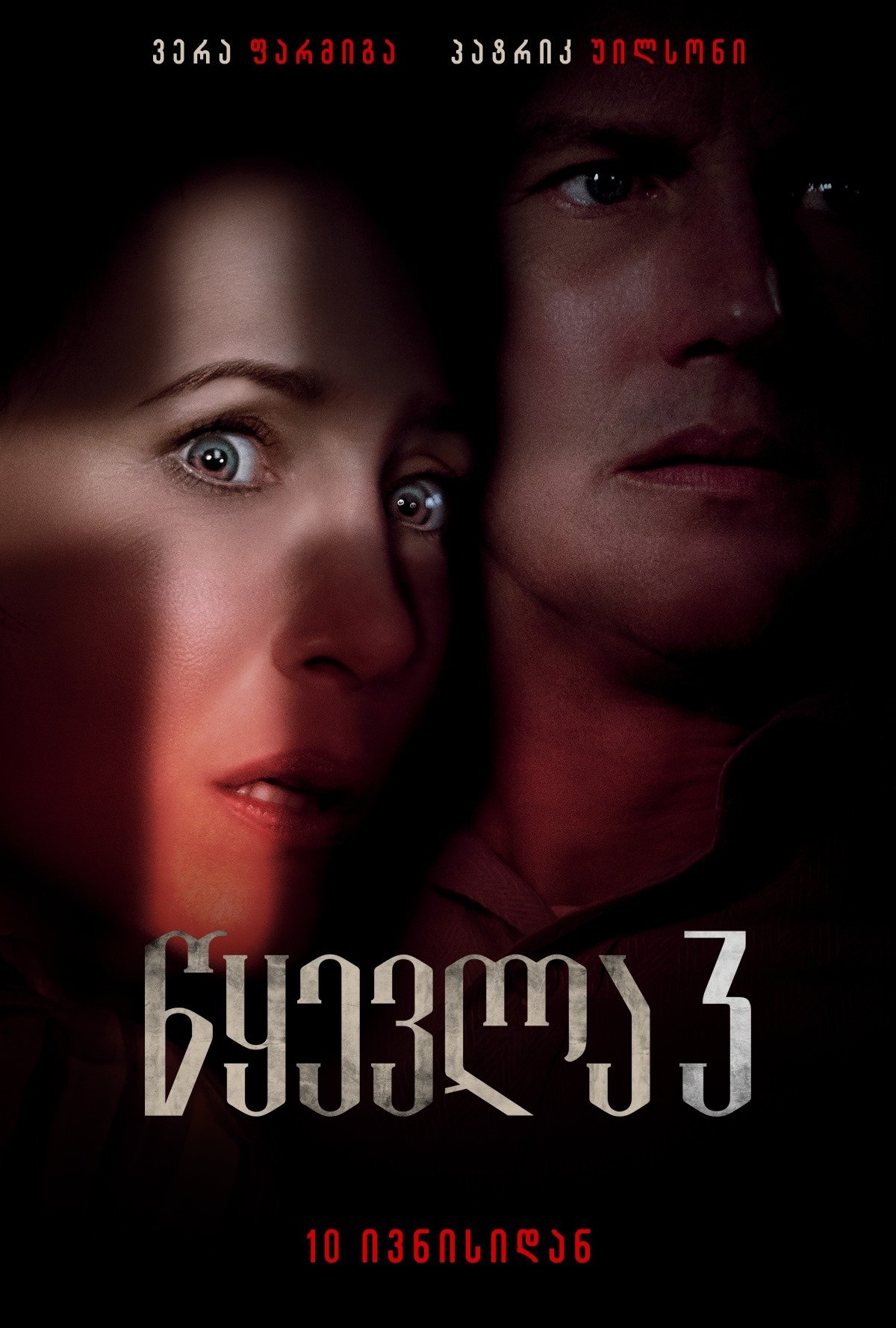
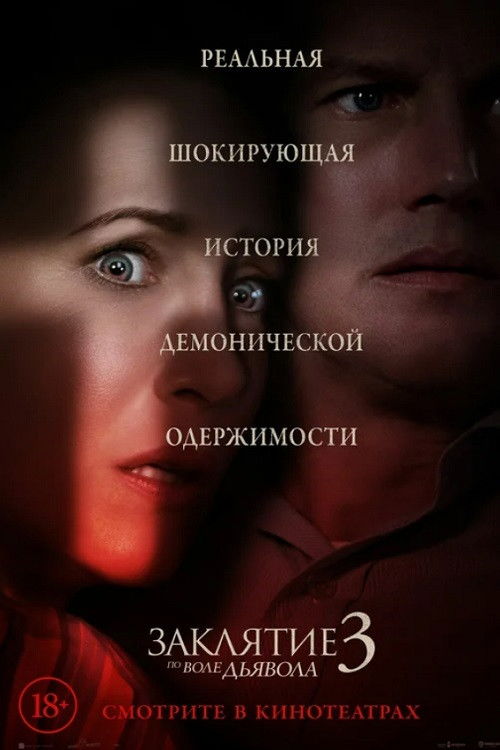
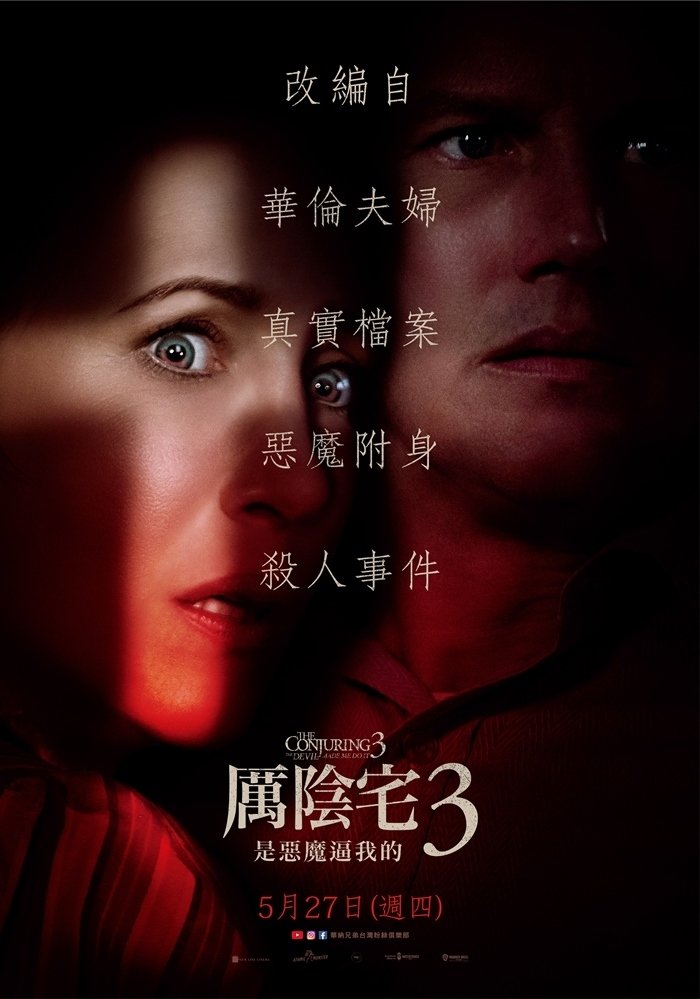
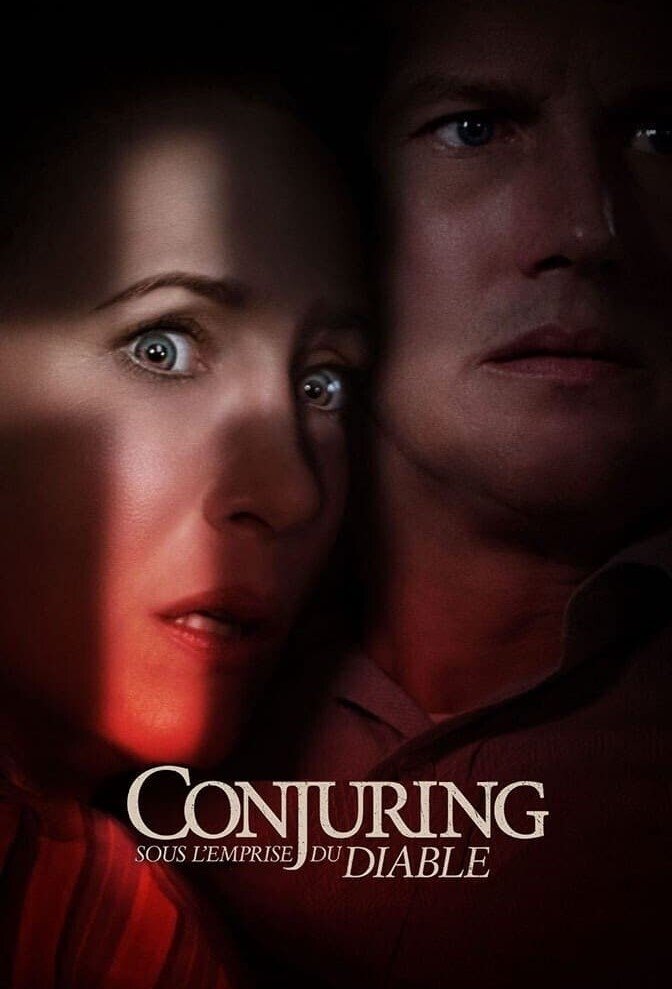
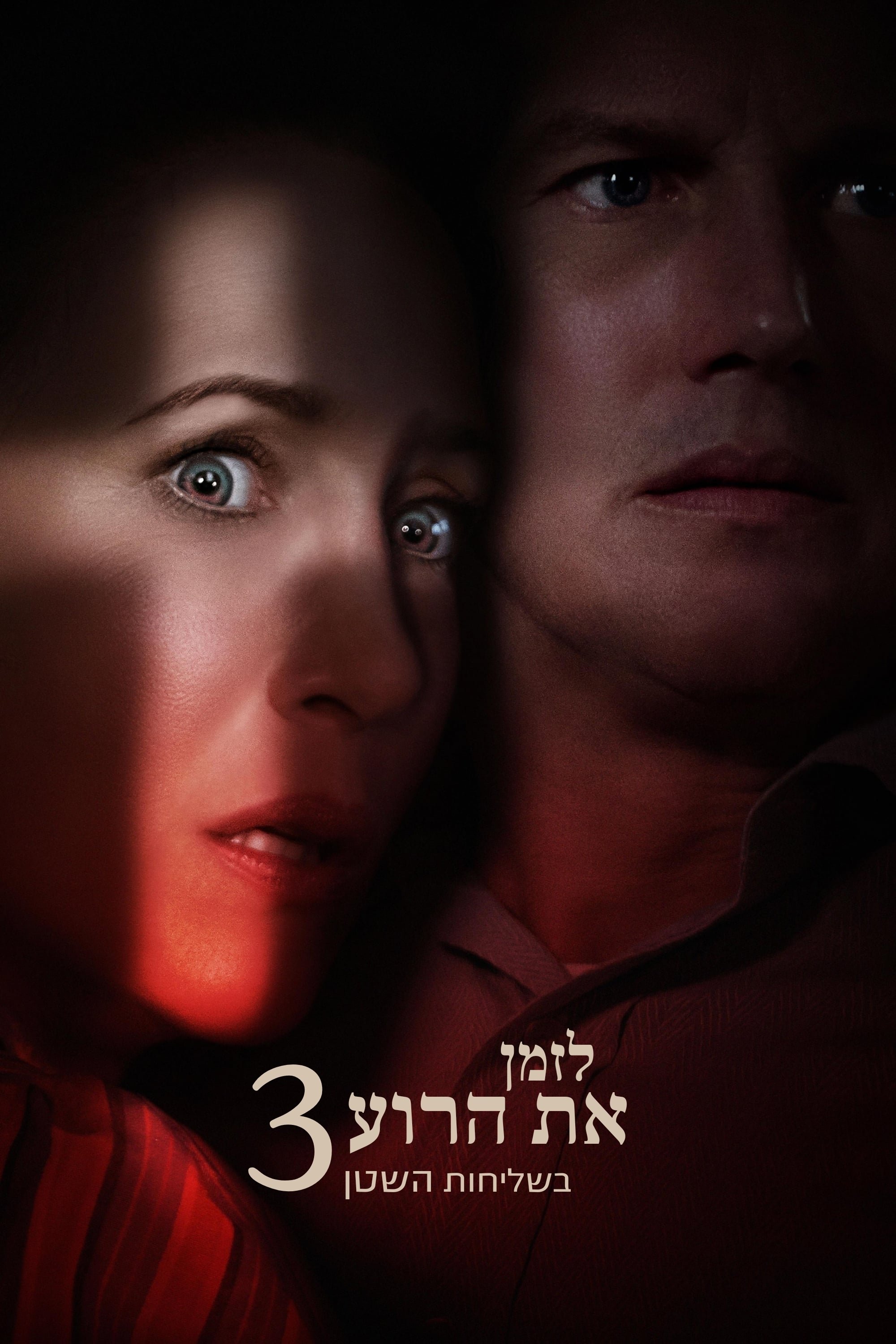
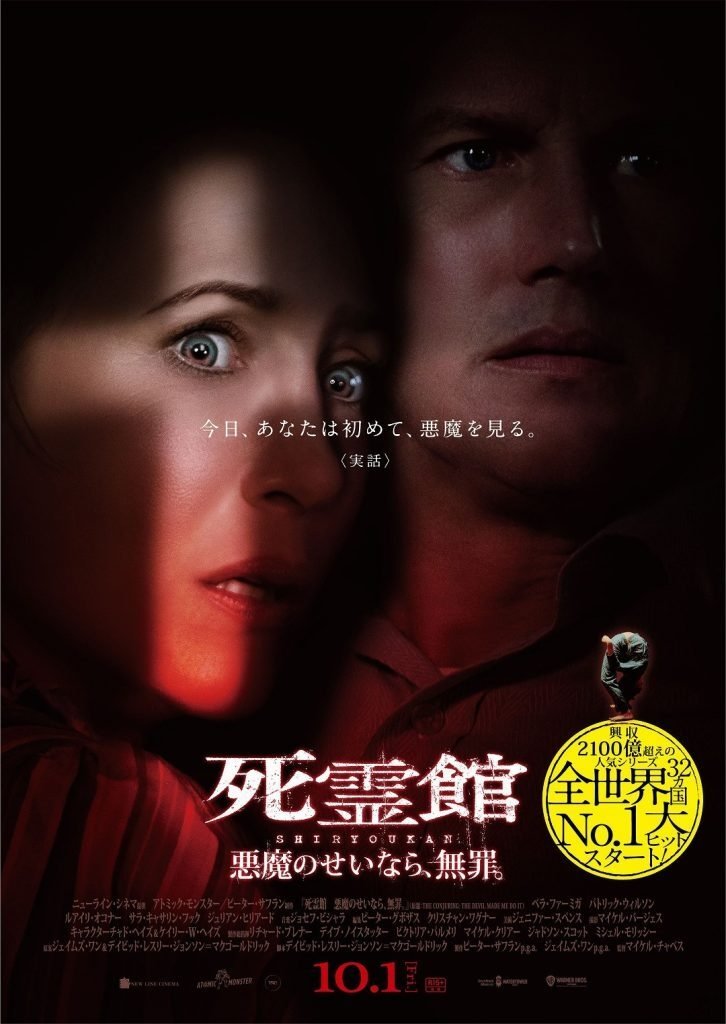
A Franchise Moves Beyond the Haunted House
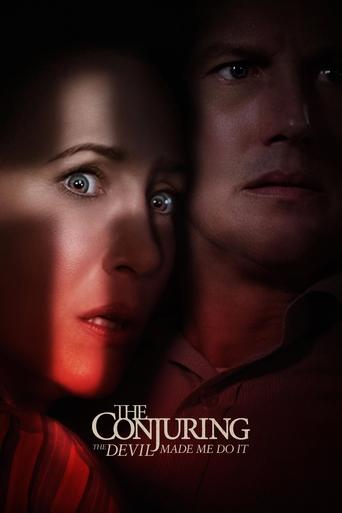
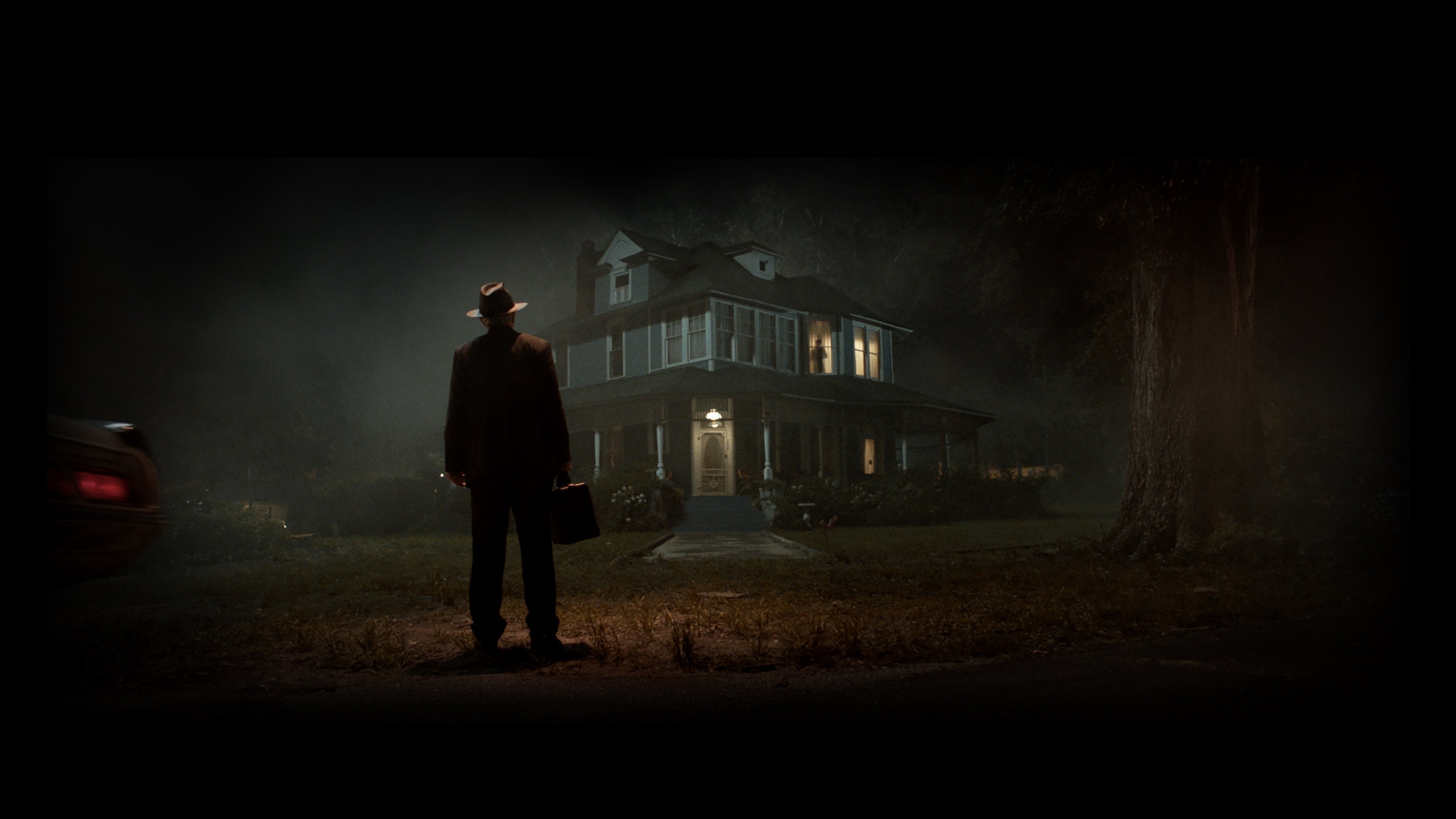
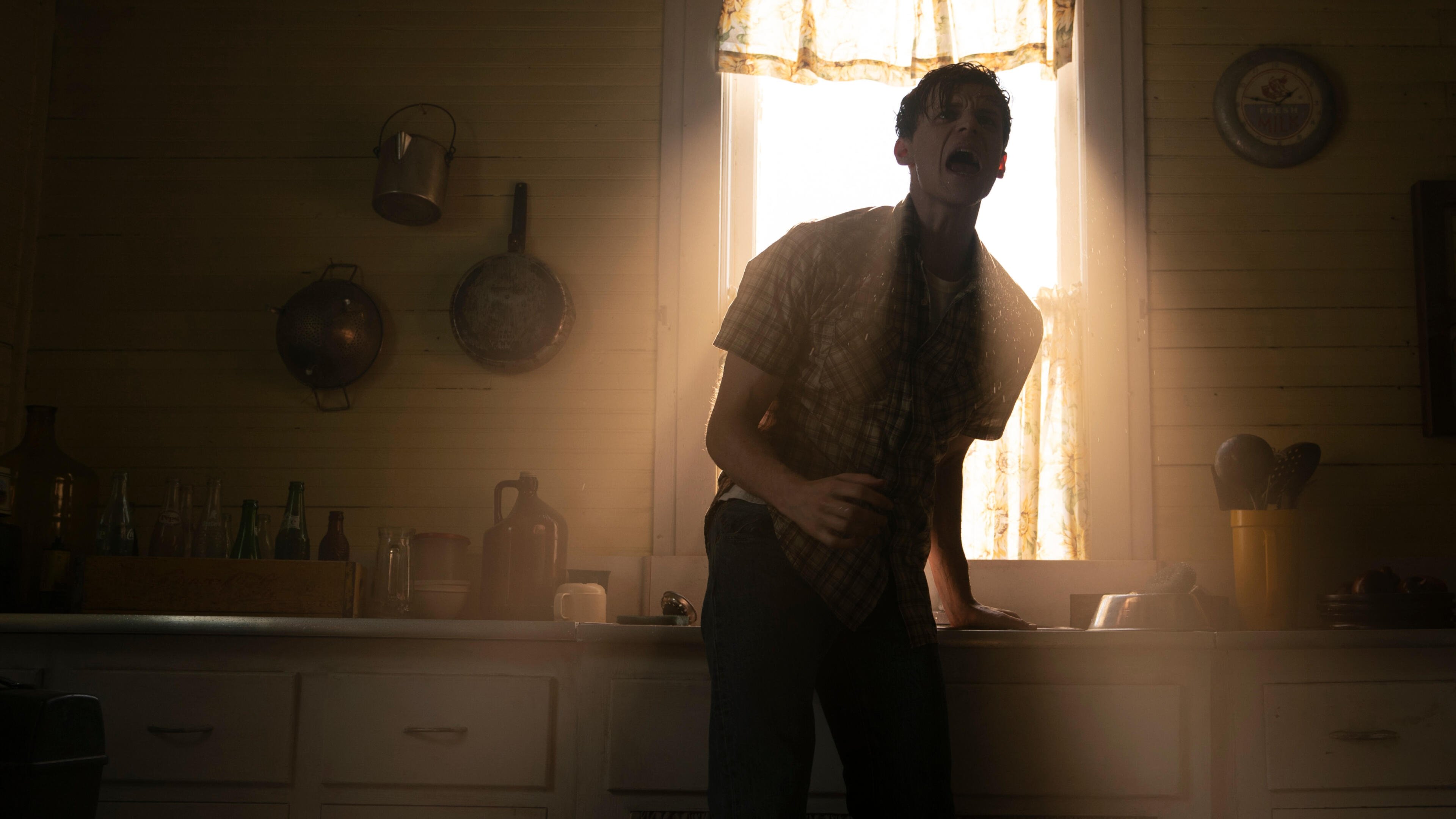
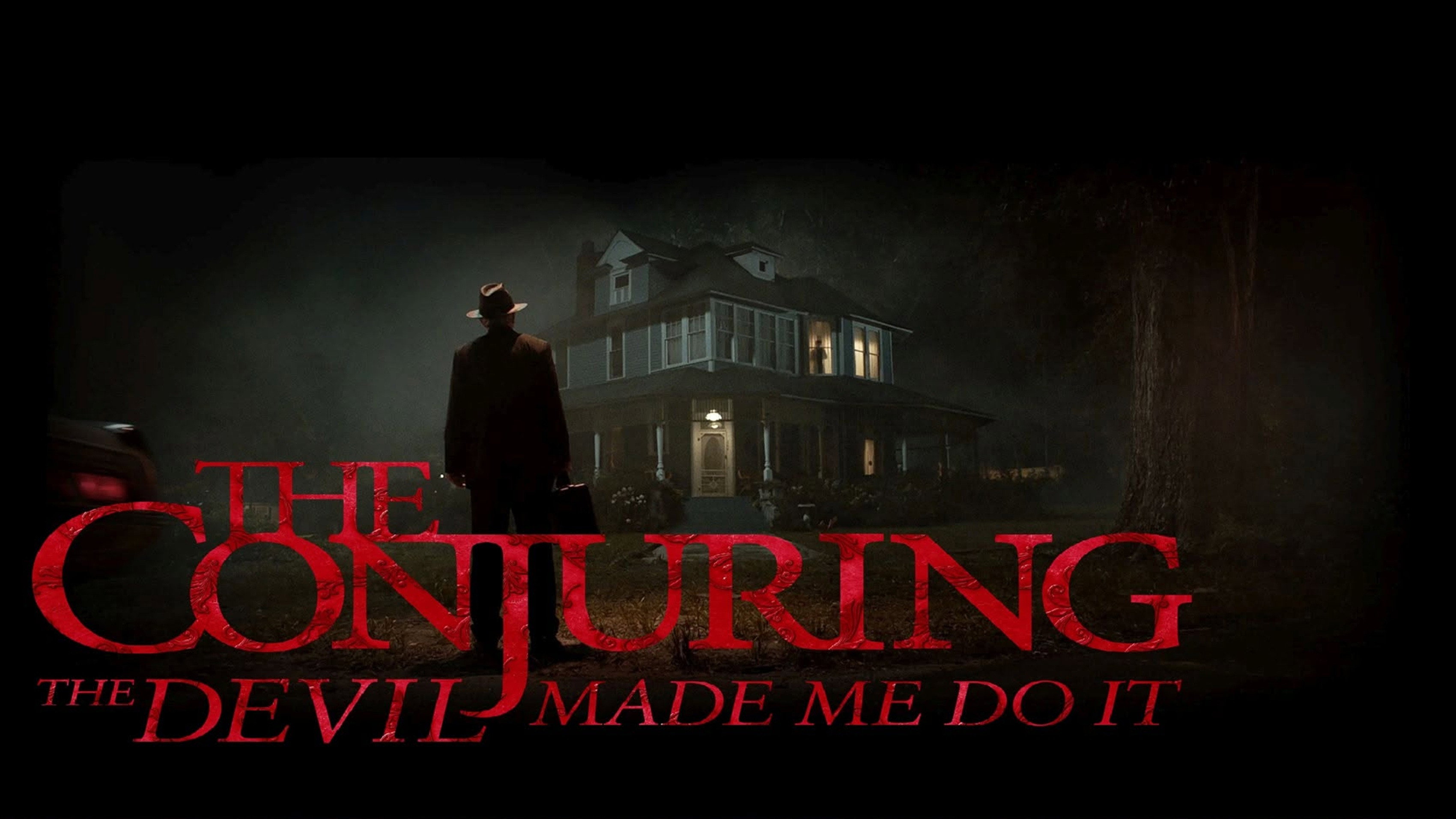
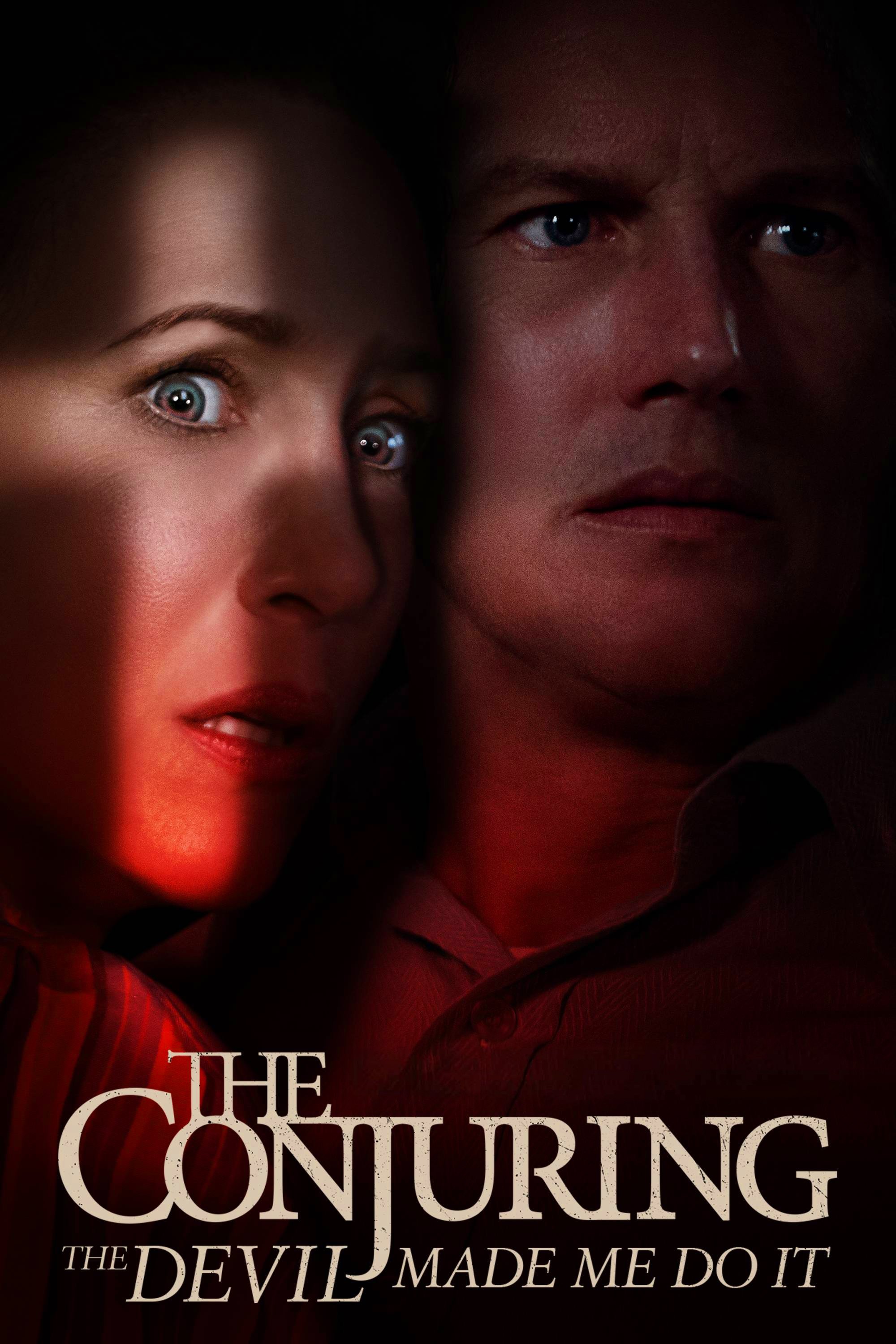
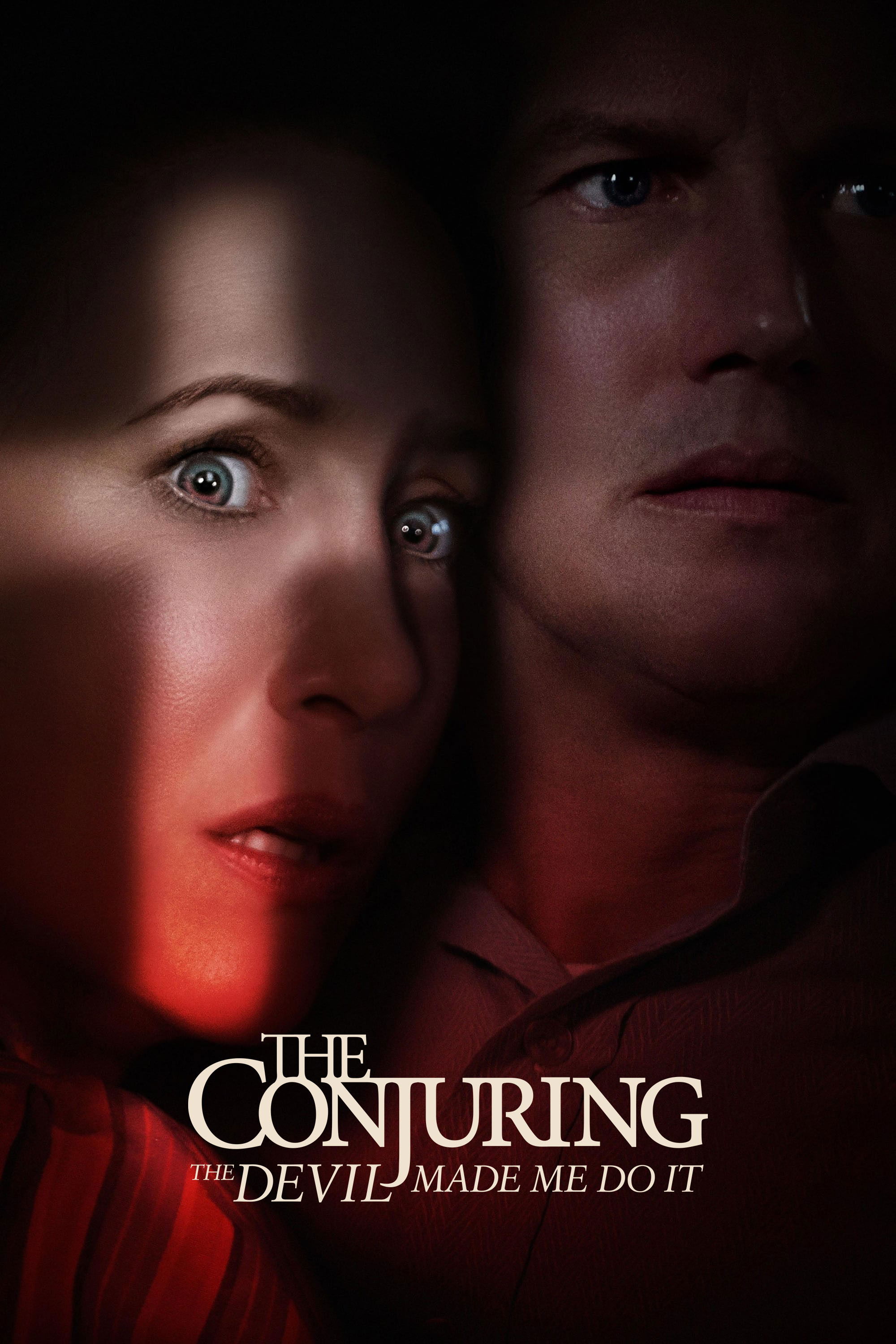
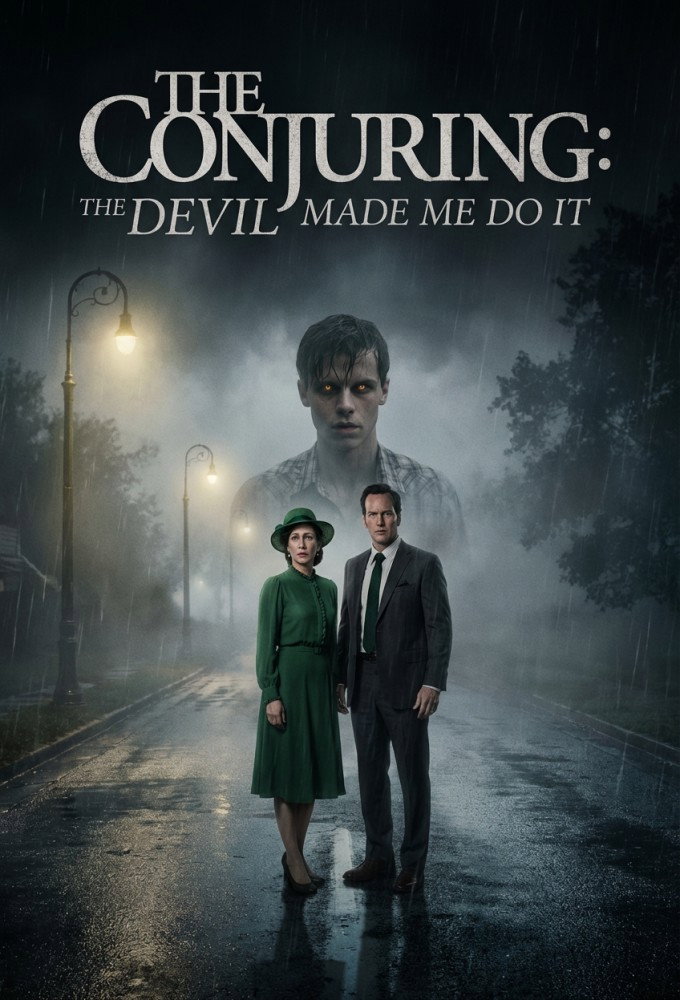
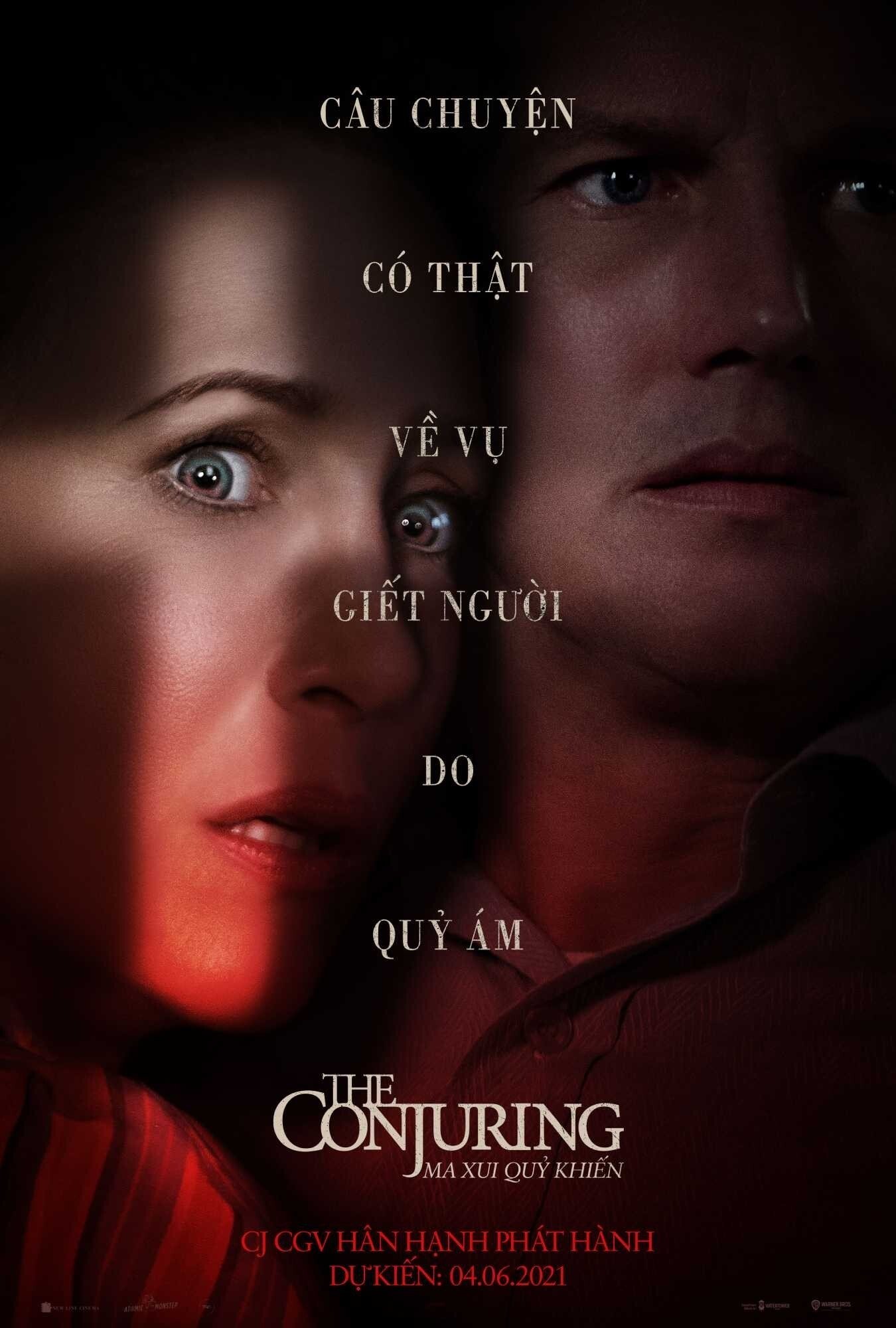
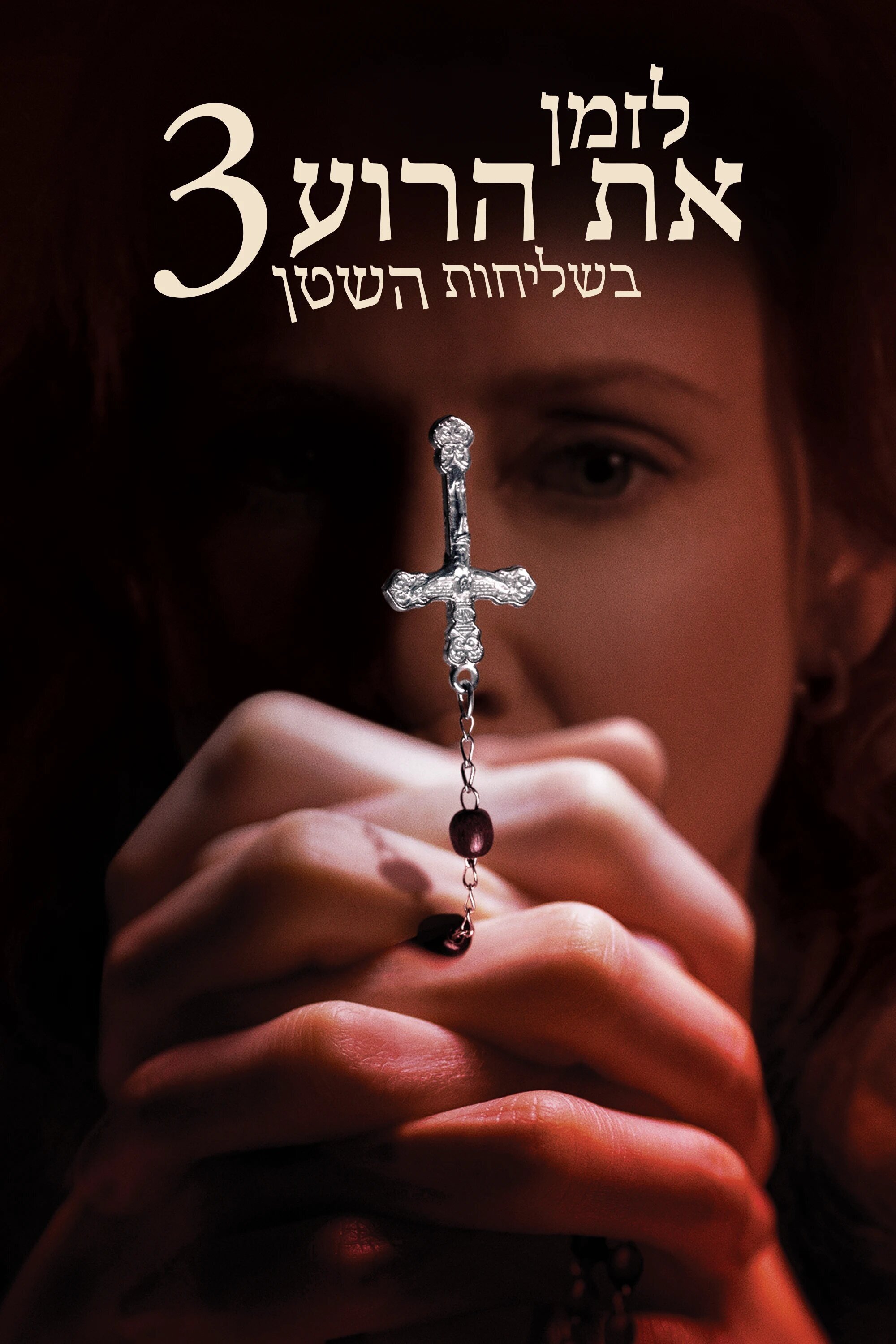
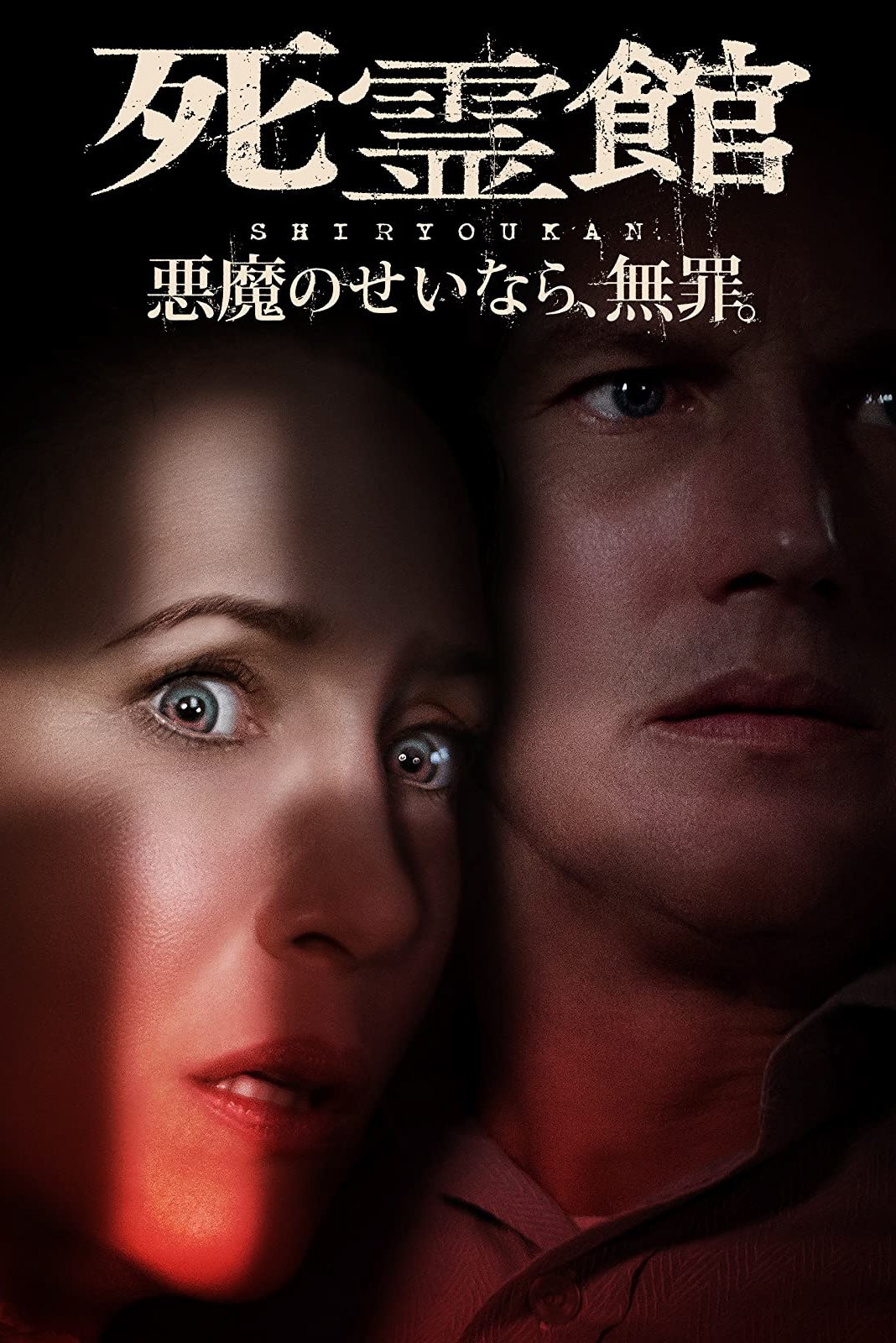
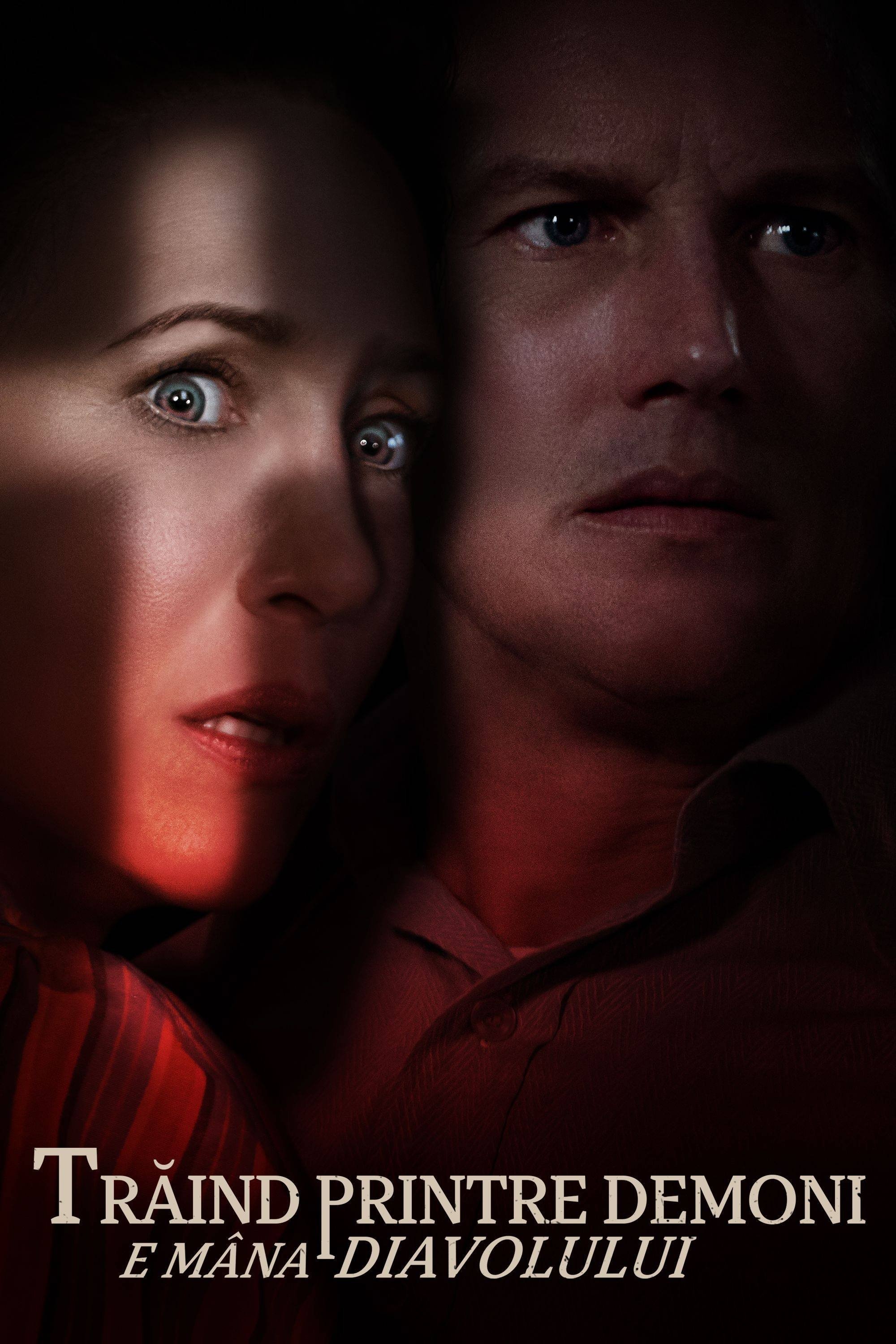
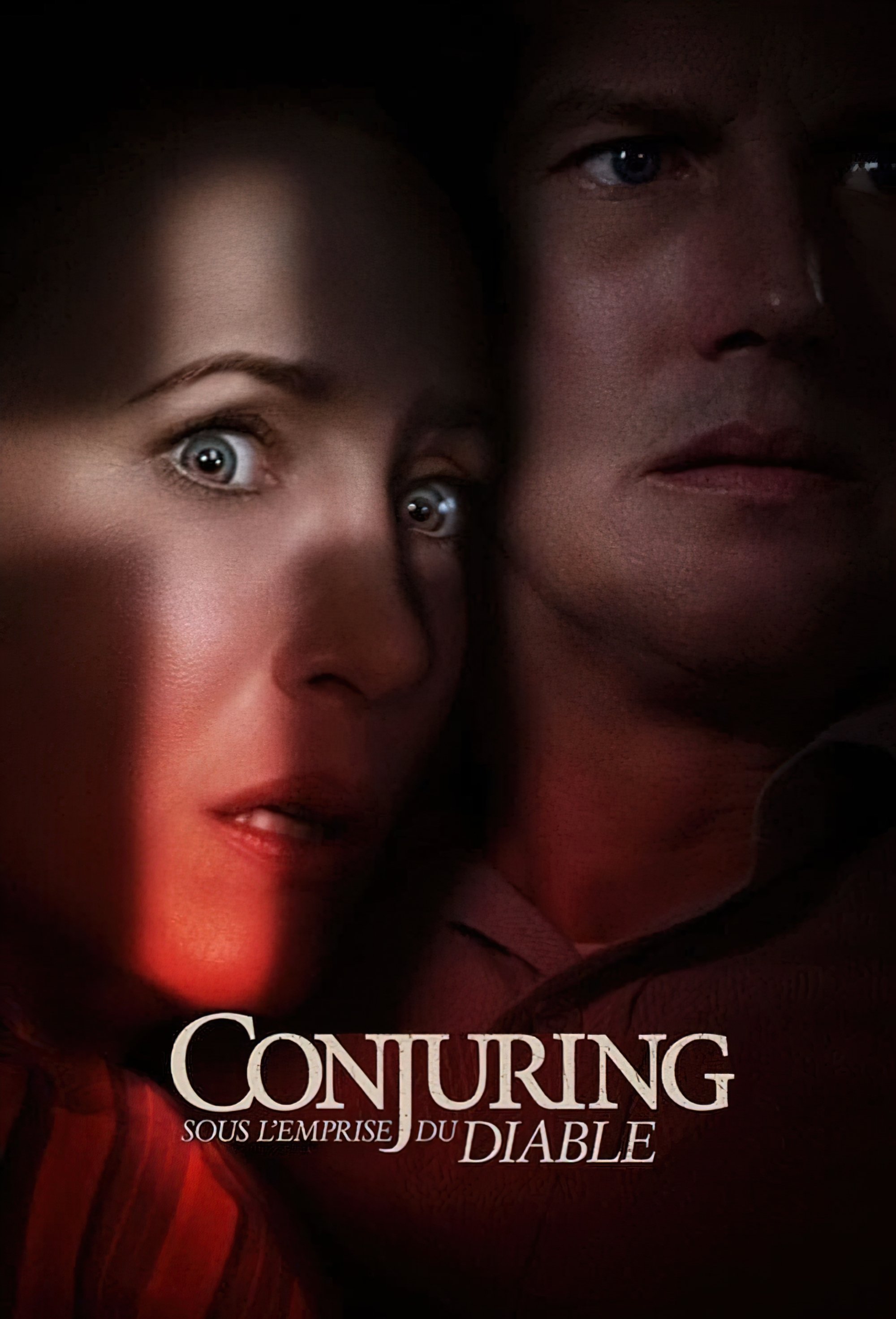
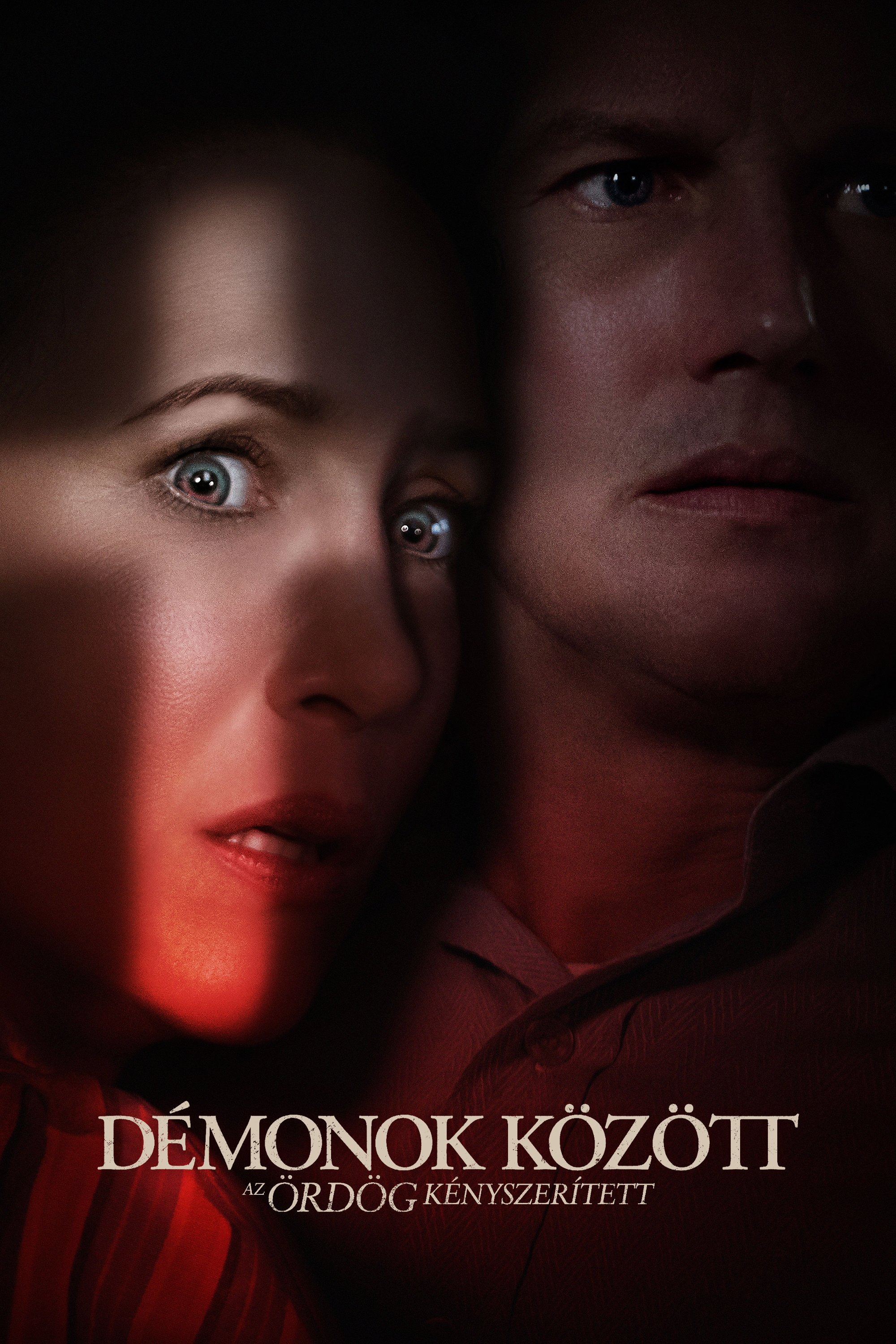
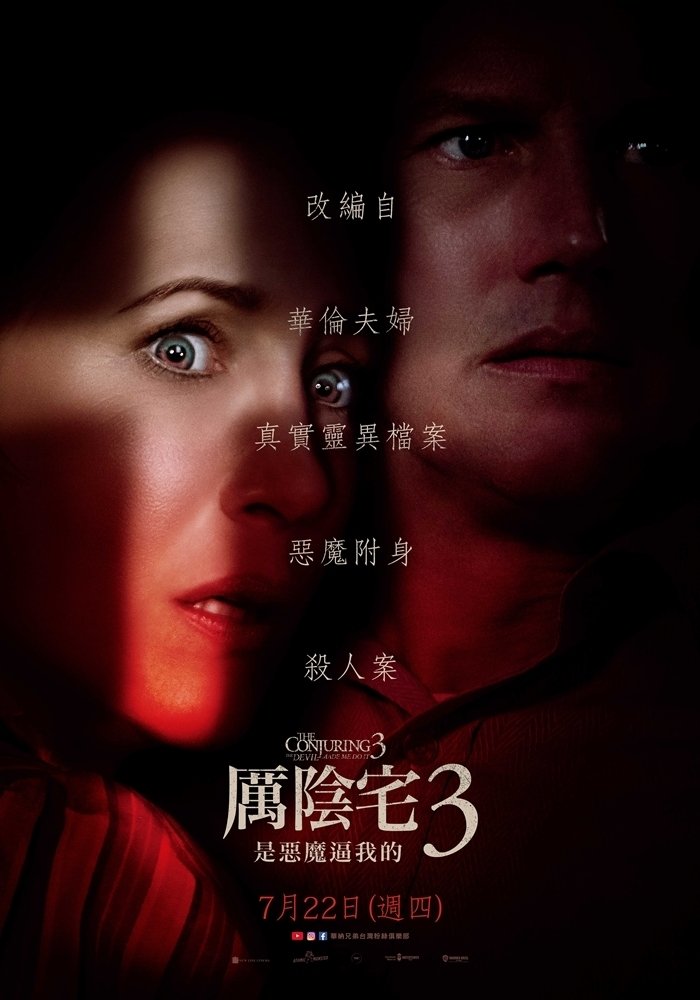
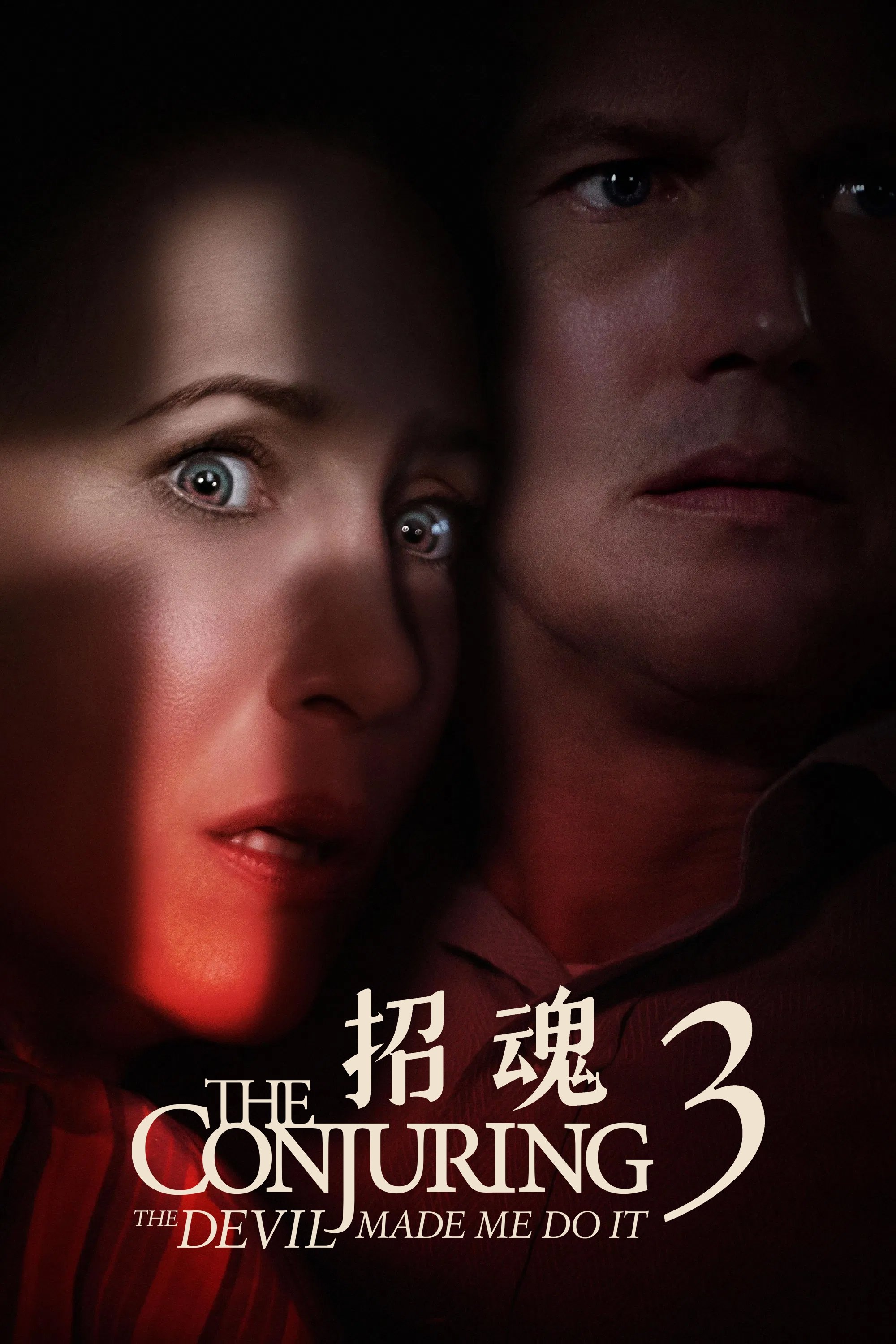
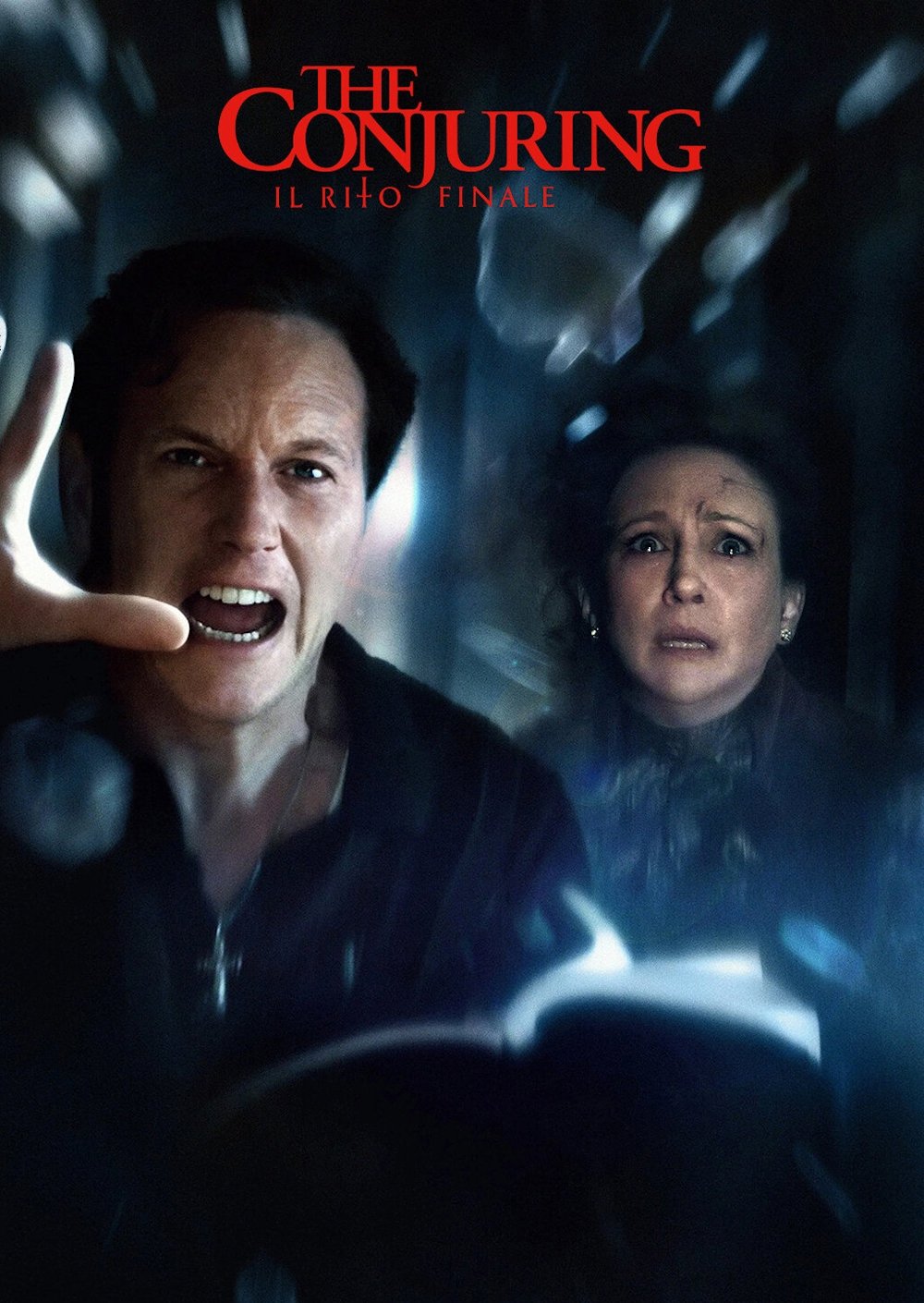
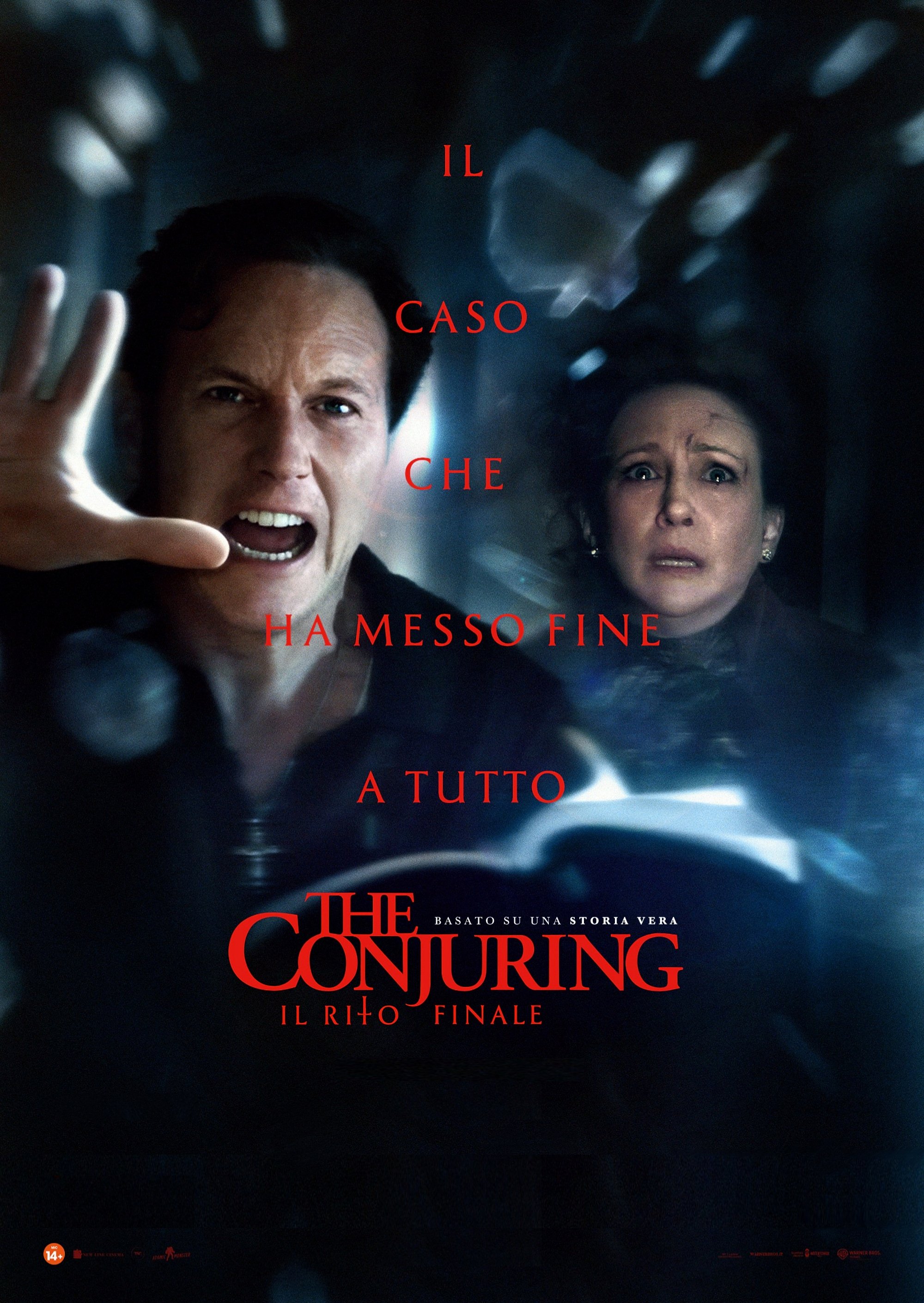
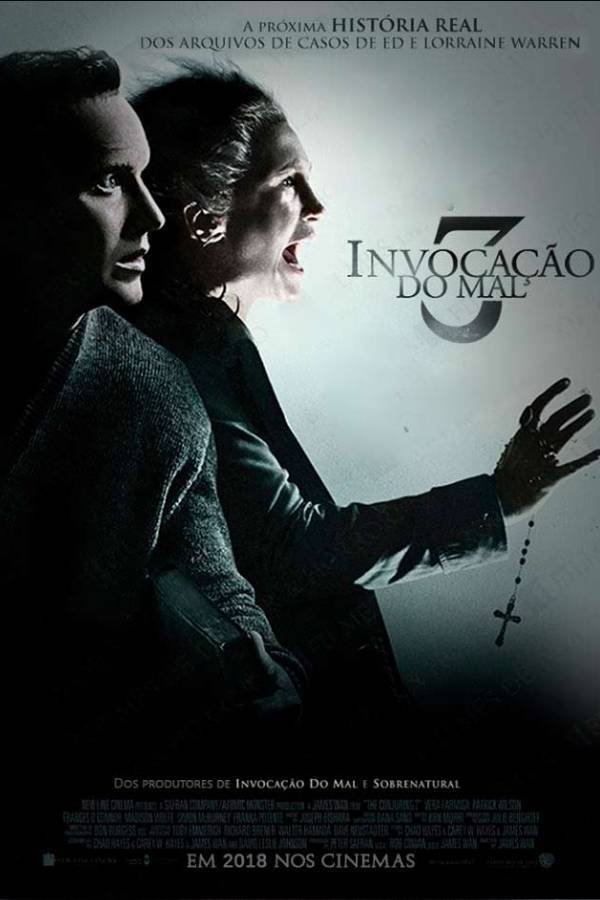
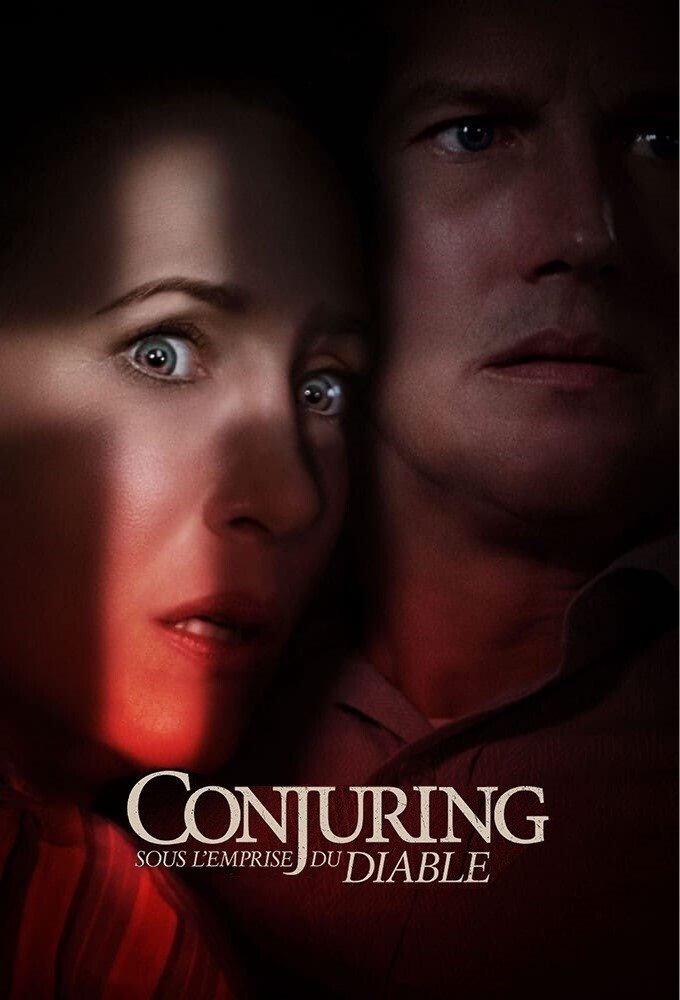
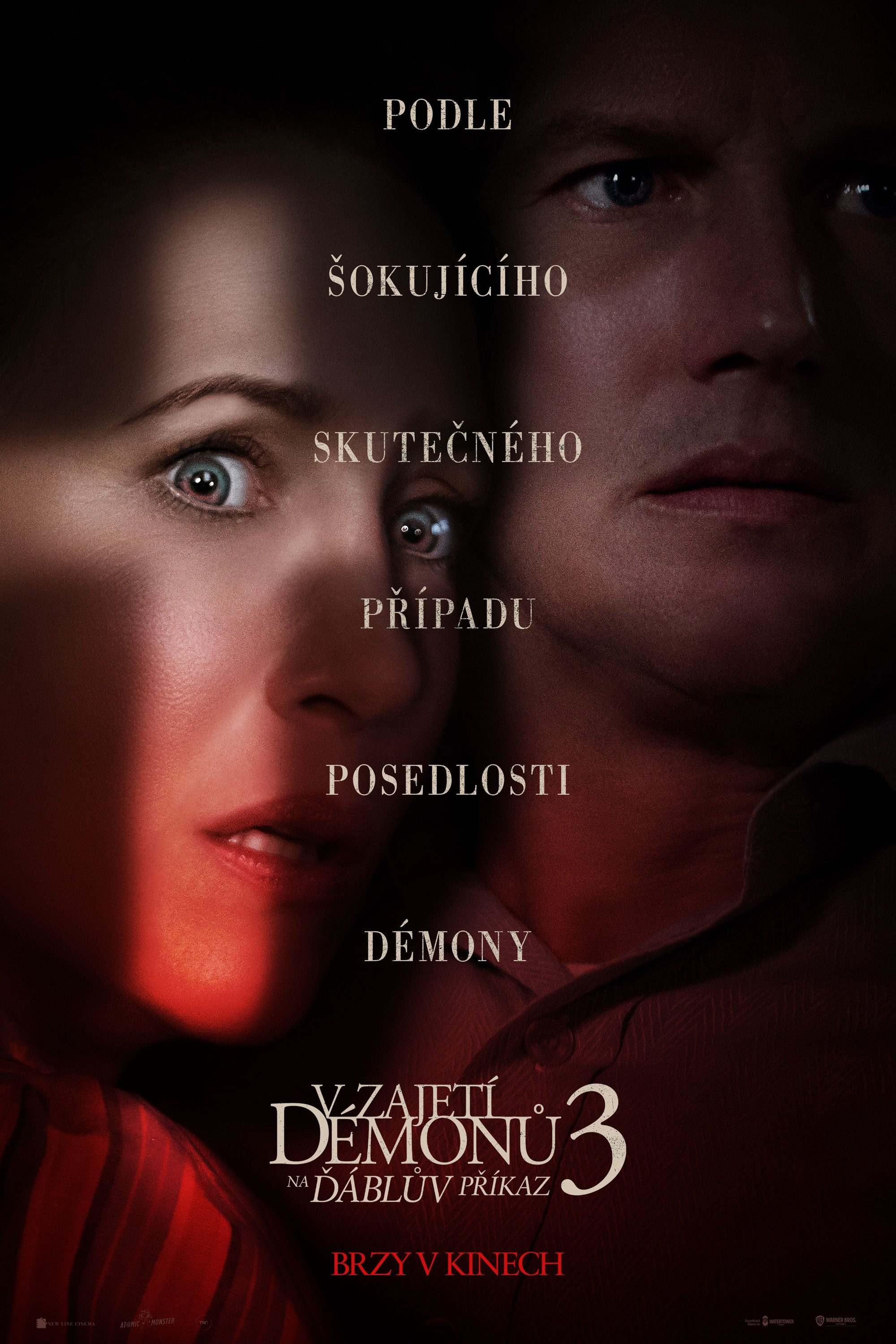
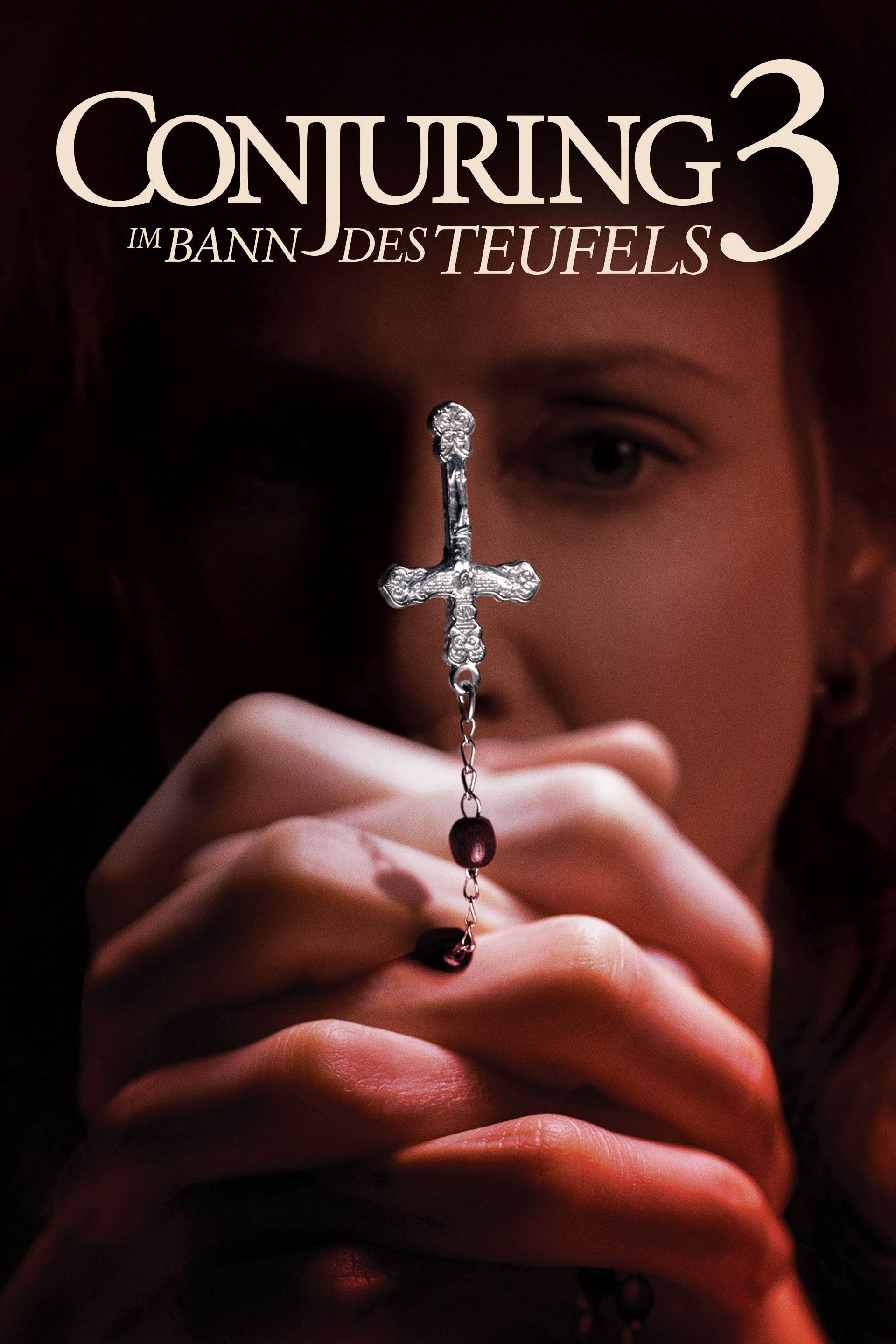
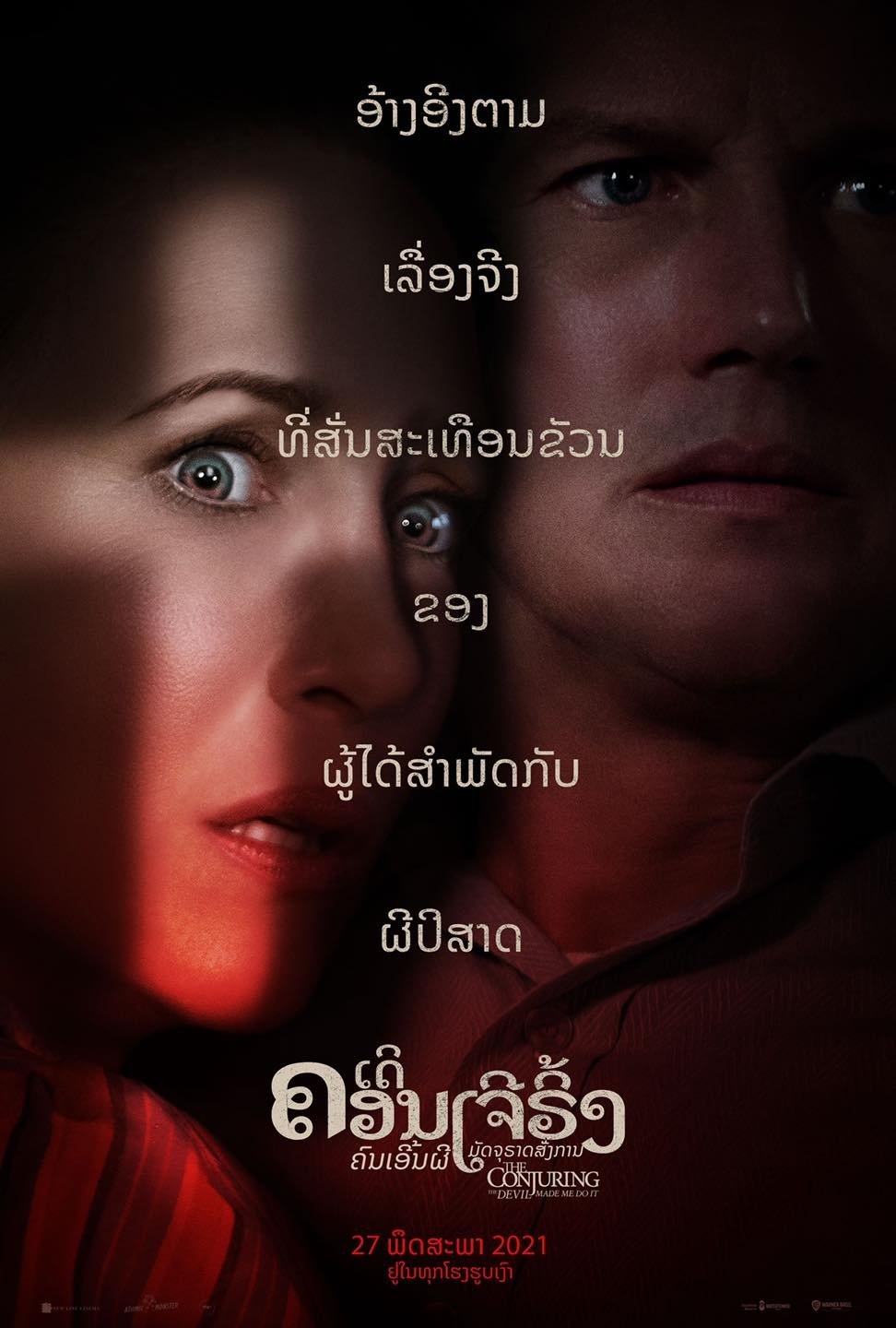
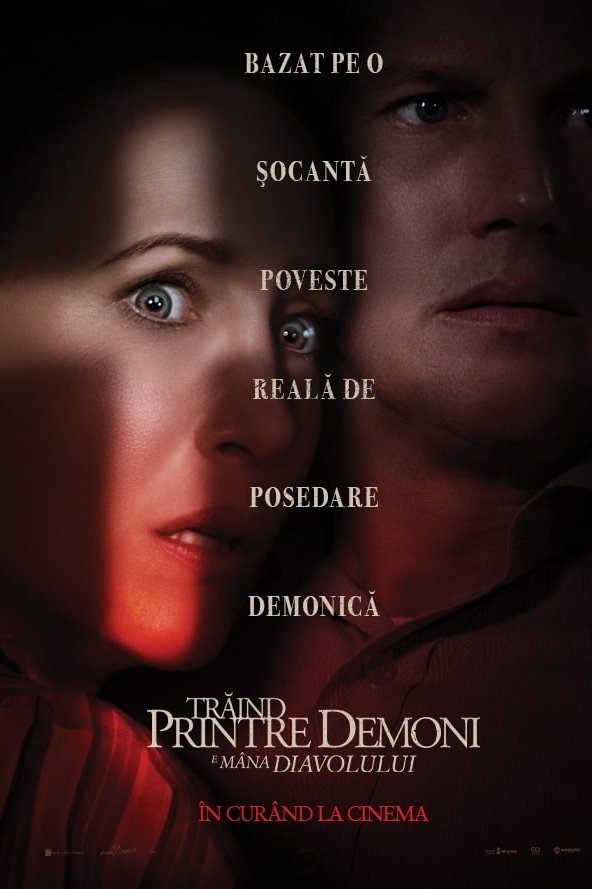
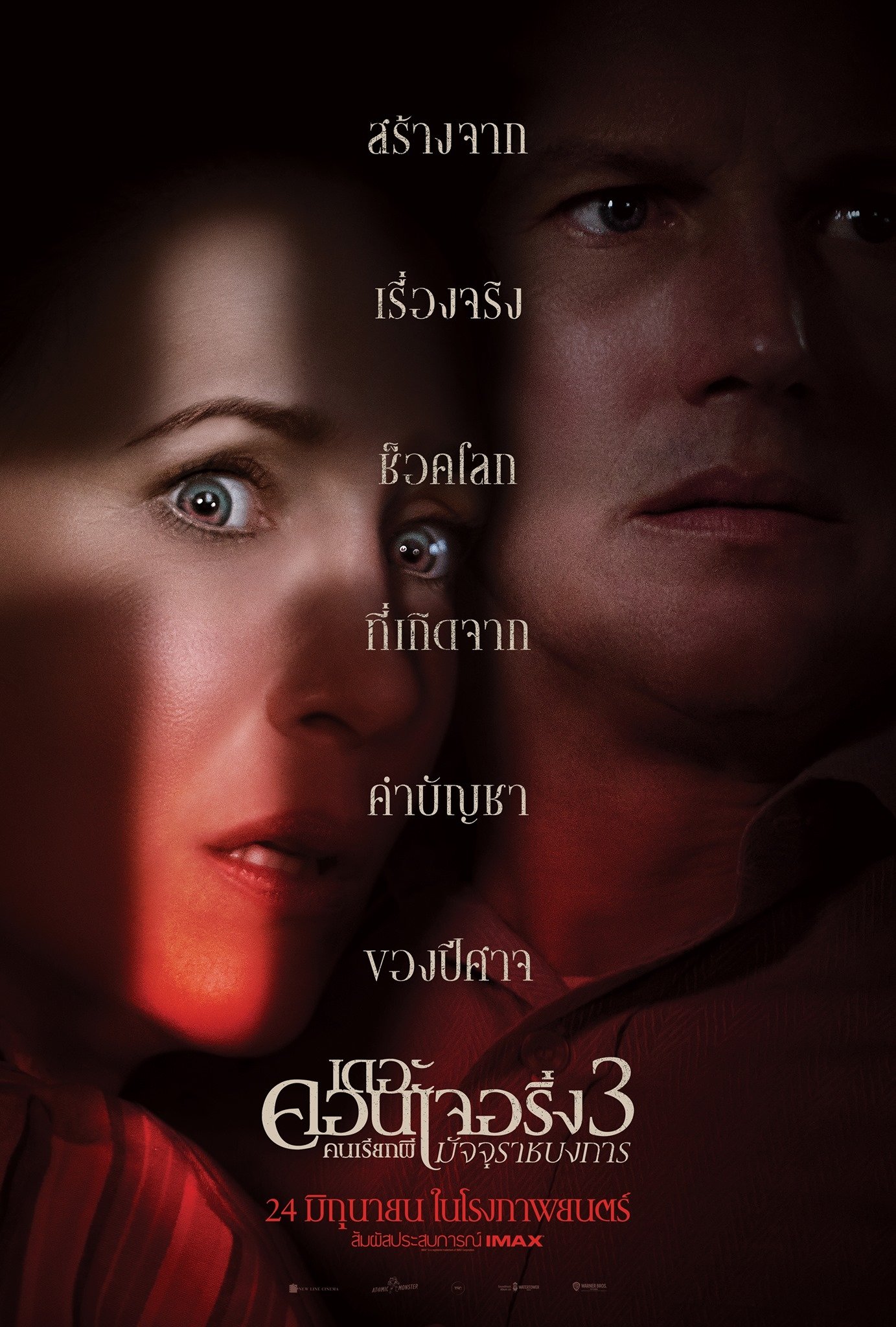
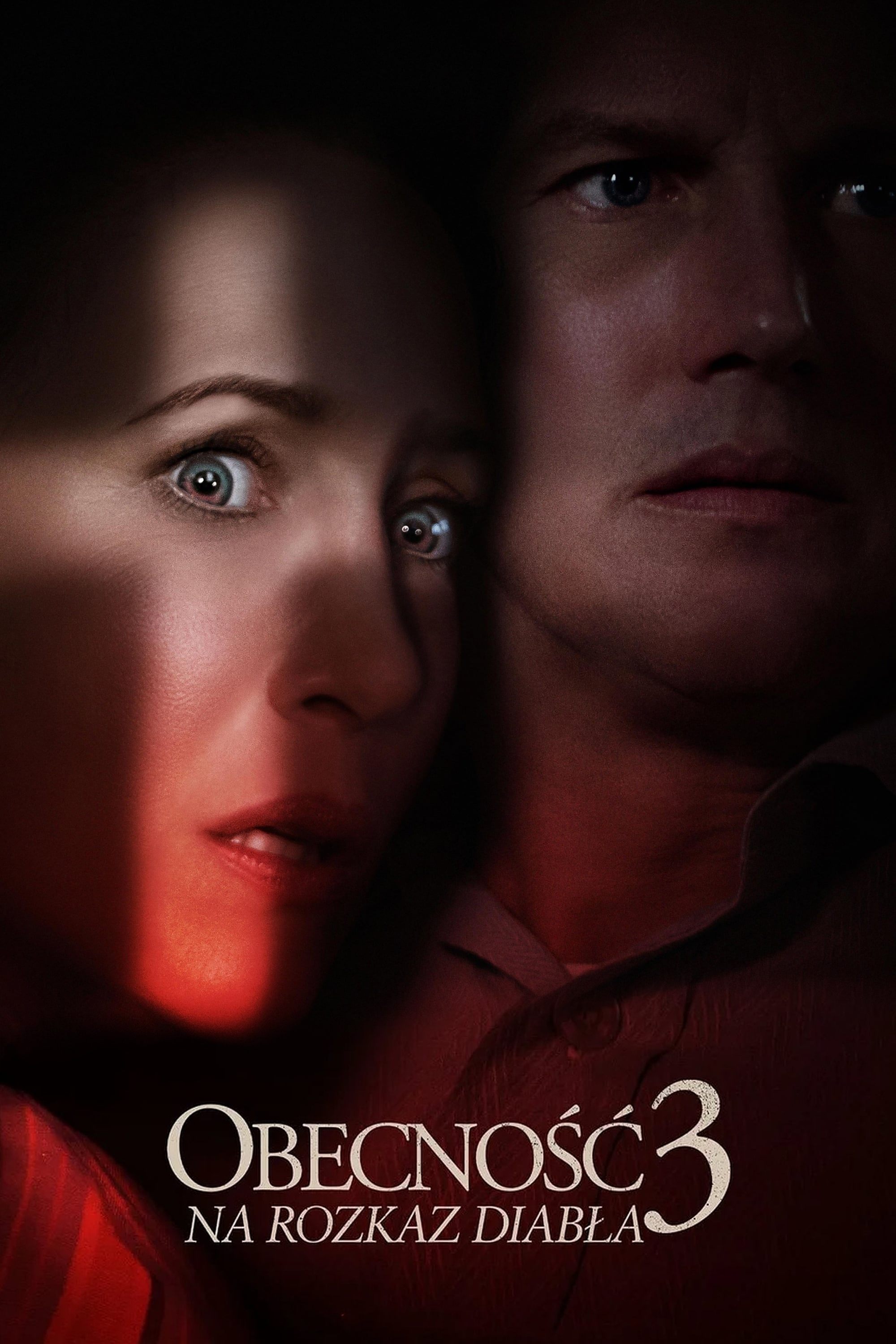
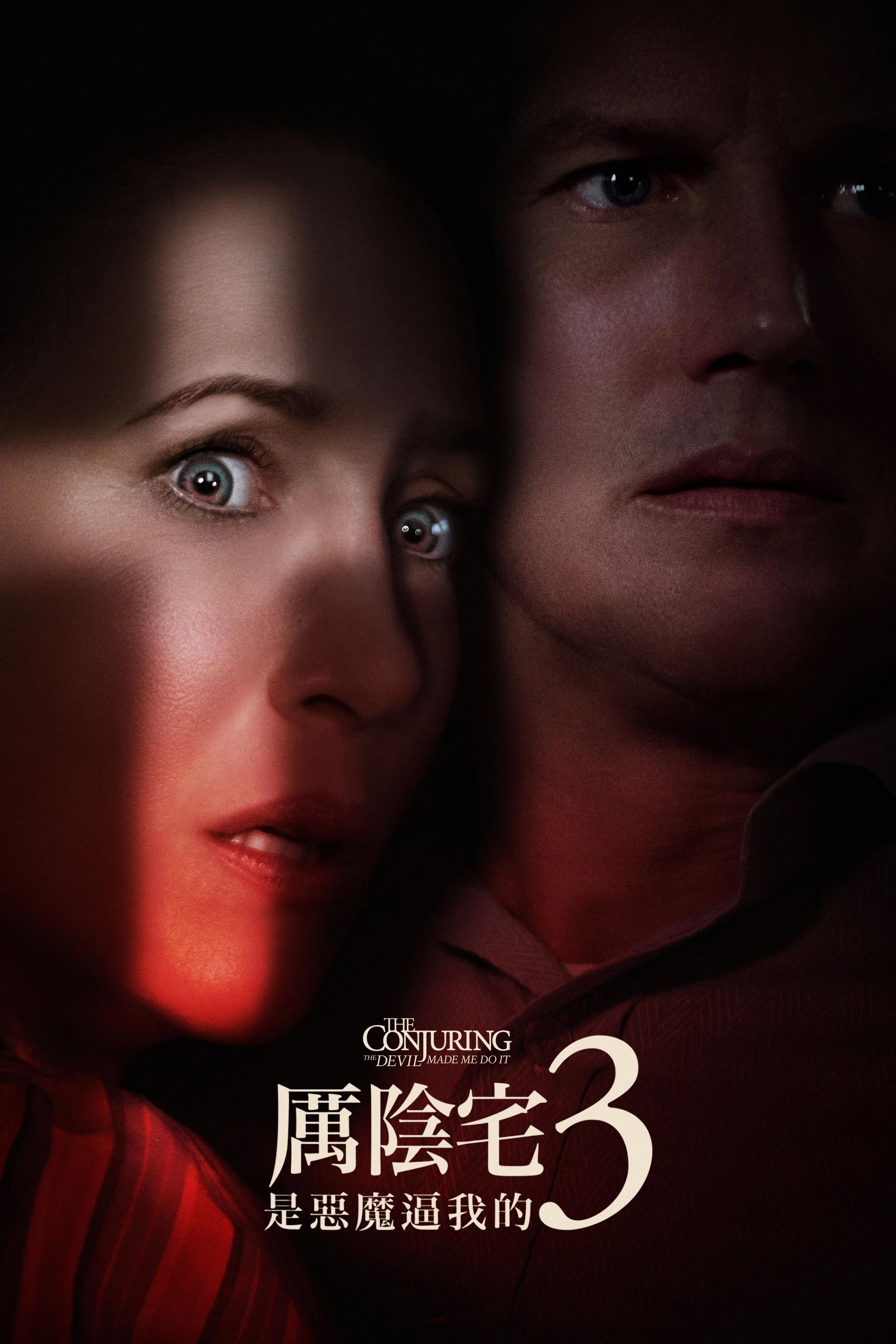
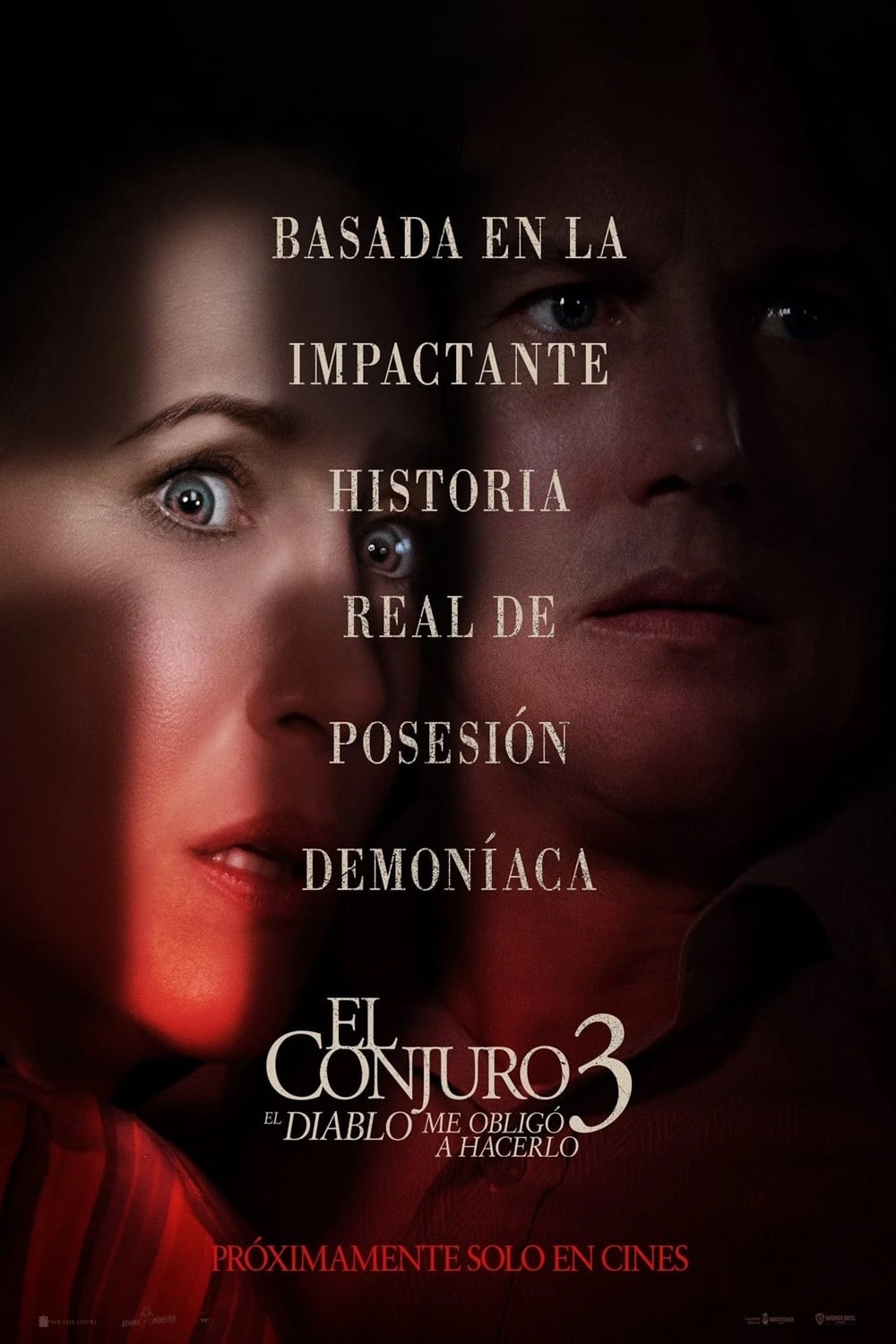
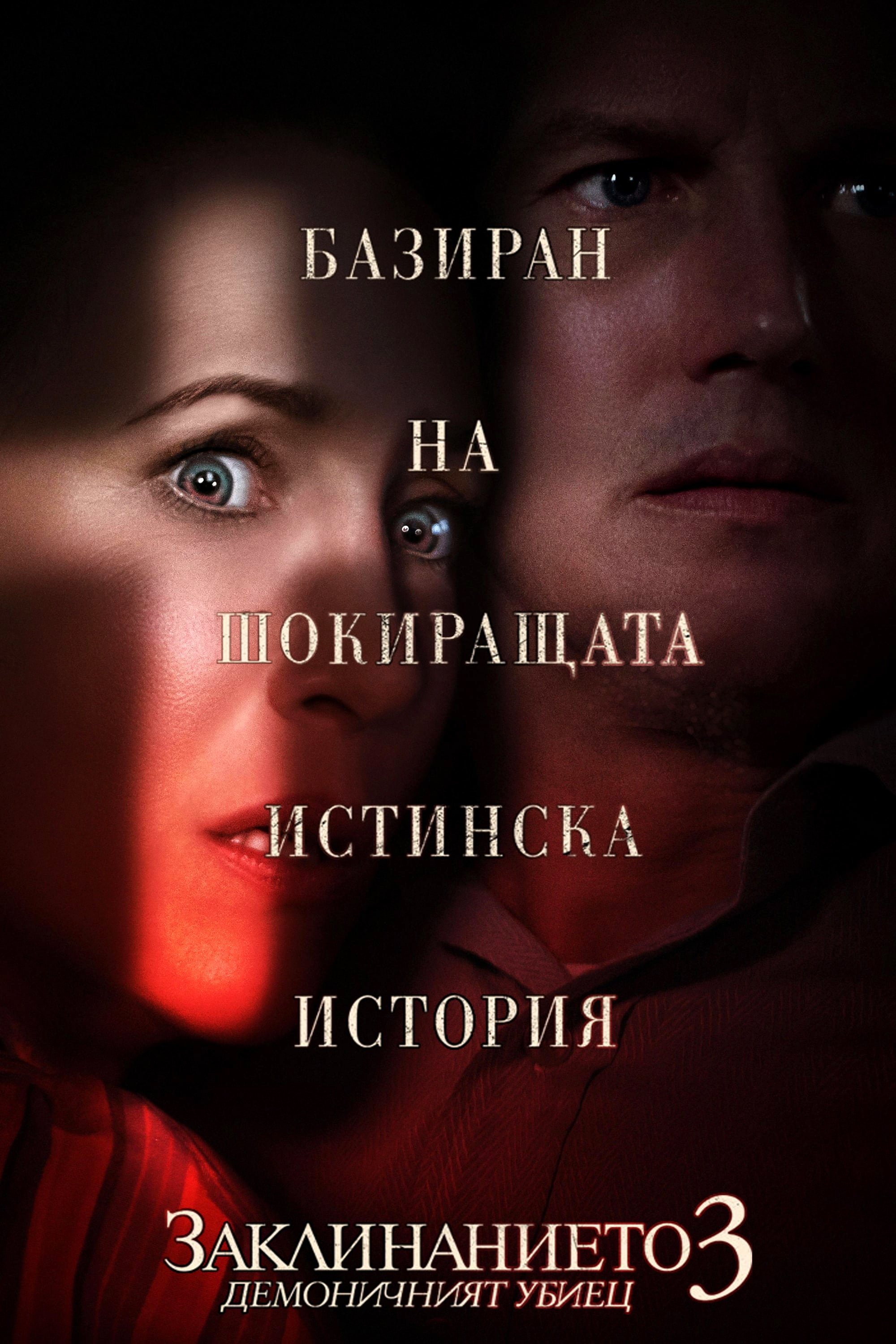
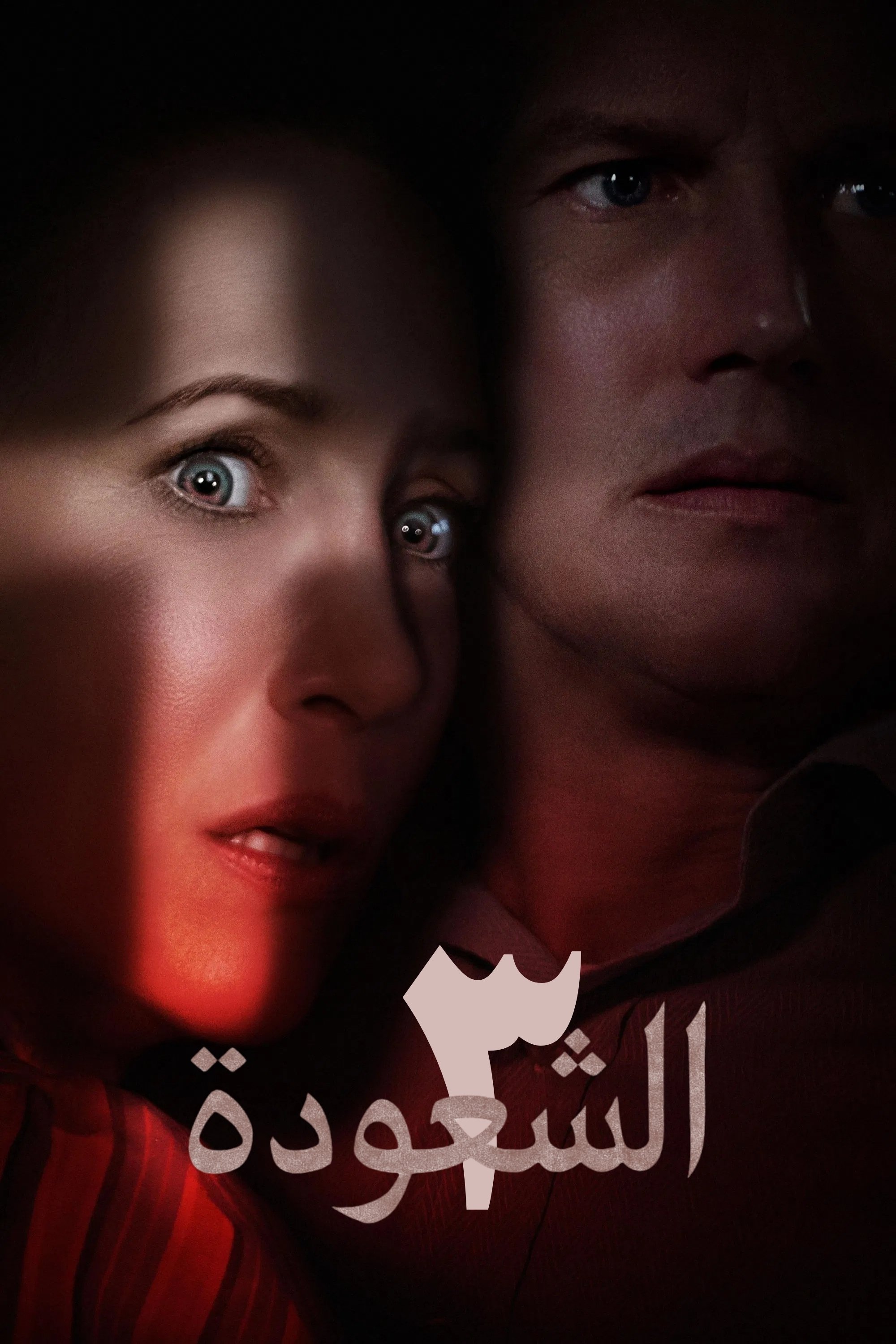
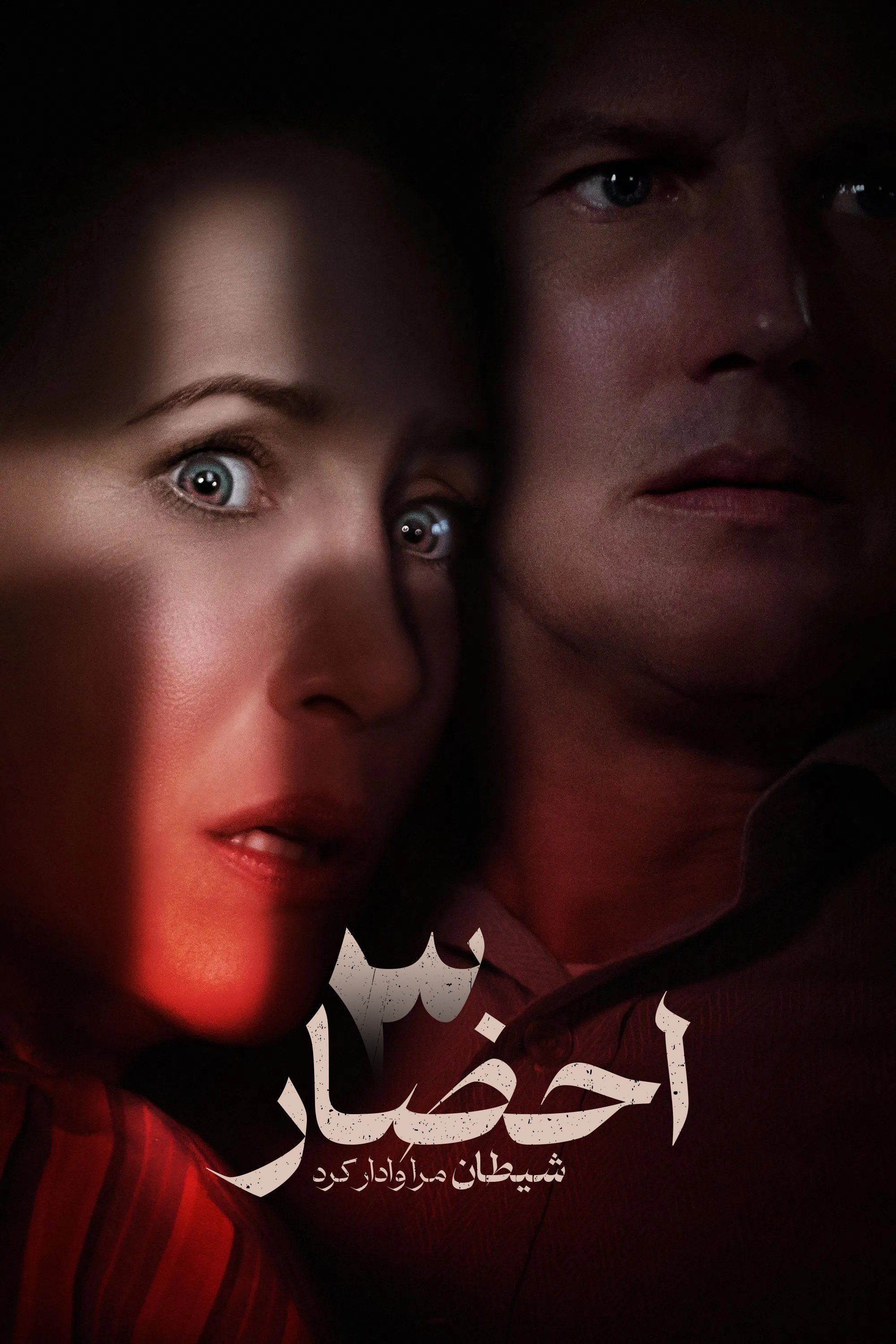
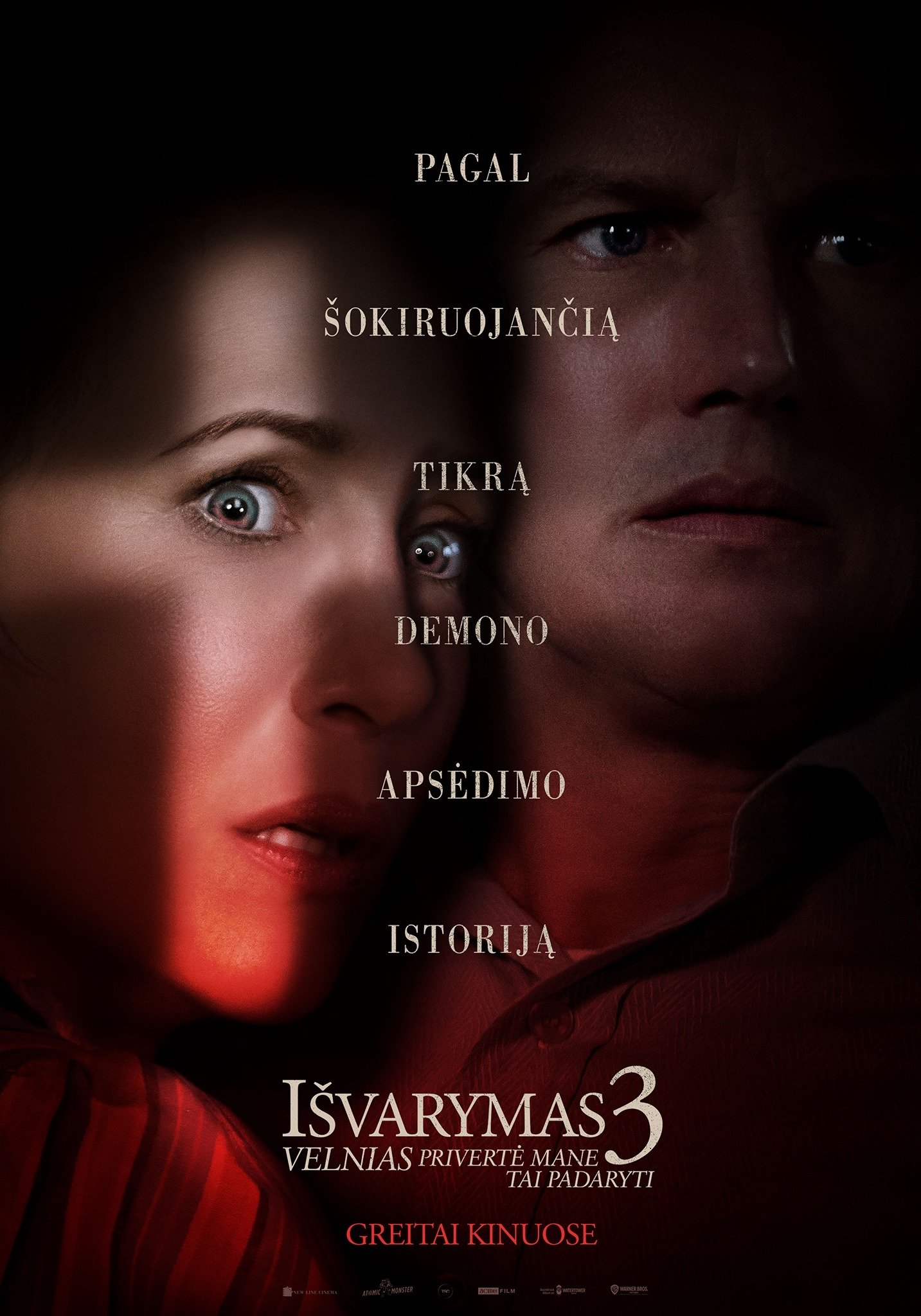
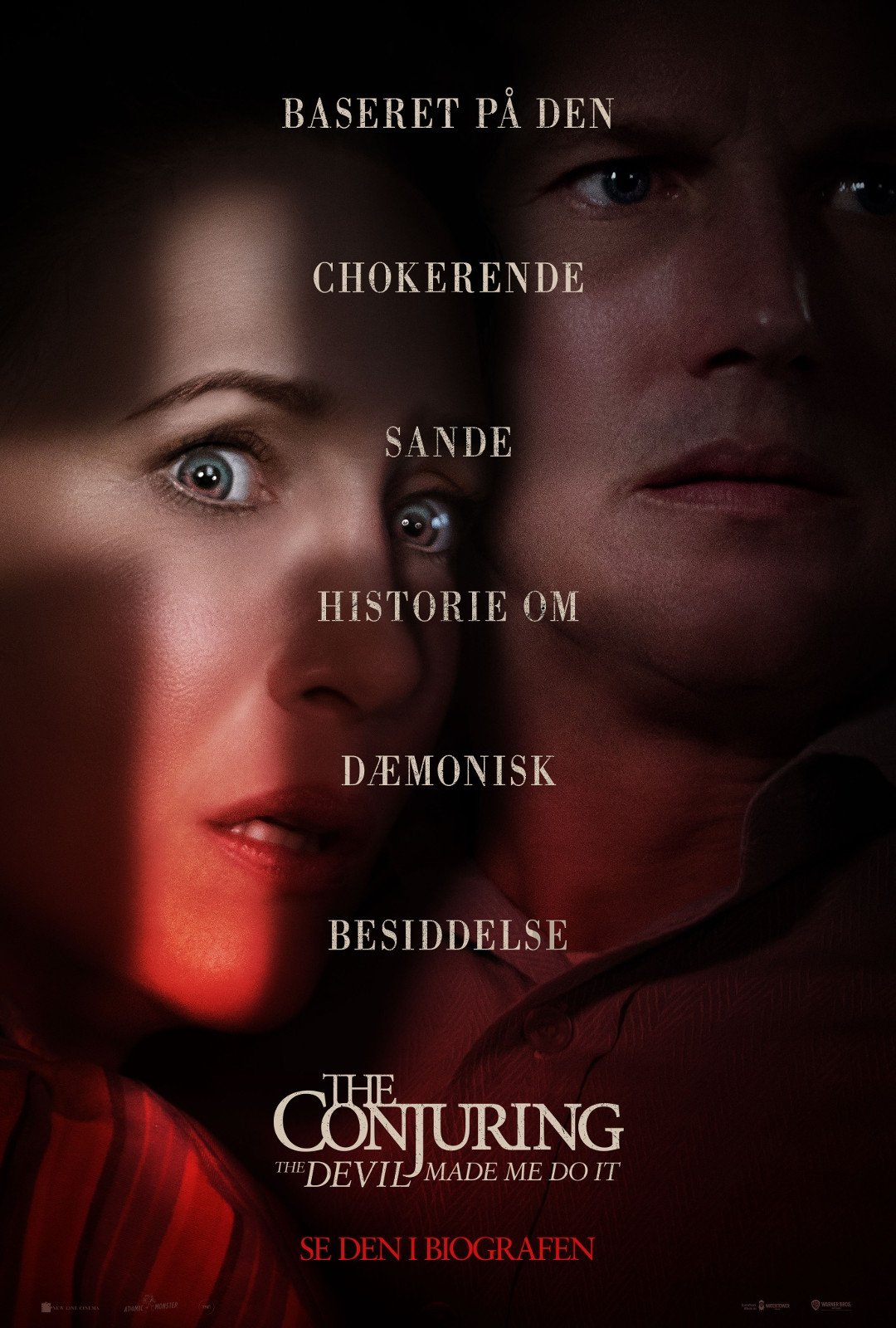
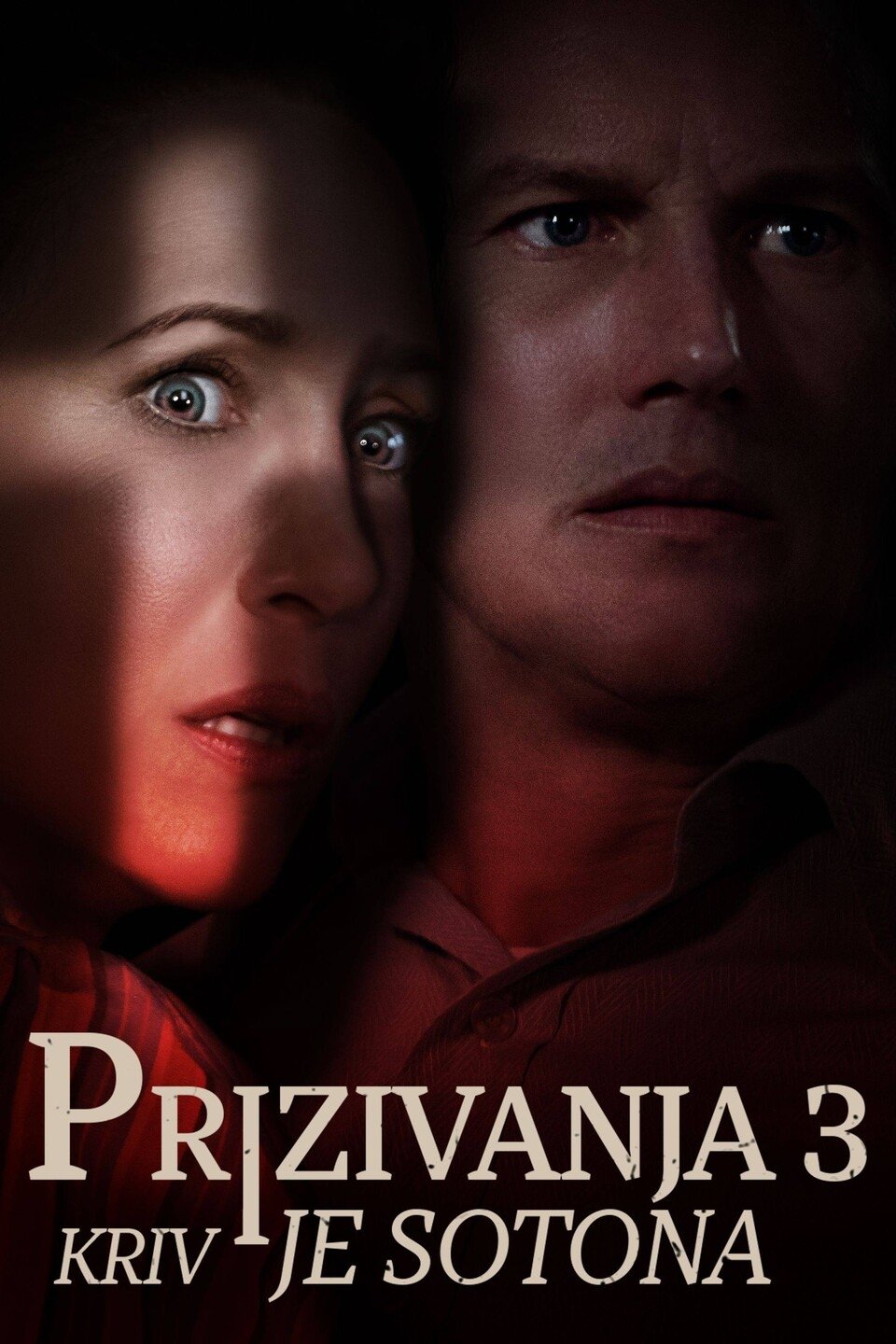
The first two main Conjuring films built much of their tension around families confined by inexplicable events in a particular residence. For the third entry, Chaves wanted the Warrens to travel between locations and collect evidence as investigators. In an extended Daily Dead interview recorded before release, he described the decision to begin with the sort of exorcism that an earlier film might have reserved for its climax. The operation fails to settle the danger, leaving the characters to discover what has followed them into another setting. His testimony establishes the intended change in structure, without proving how audiences would judge the result.
Wan remained a producer and explained at a 2021 press conference that he wanted a filmmaker capable of respecting the established characters while introducing a distinct visual approach. Chaves had previously directed The Curse of La Llorona and worked with members of Wan's production circle. The transfer of directing responsibilities therefore preserved personal and technical relationships, even as the story took a different shape. The recurring protagonists replace the threatened household as the principal point of continuity, making their methods and disagreements central to a film whose supernatural threat moves through several environments.
The procedural framework also changes how clues function. Lorraine's visions supply information unavailable to the police, but the film requires the pair to interpret physical traces, consult other people and travel to unfamiliar locations. The possibility that an unseen opponent is arranging events gives the investigation a more deliberate adversarial structure than a haunting confined to one building. The film's certainty about occult agency belongs to its fiction. Its mystery mechanisms should be examined as narrative decisions, especially because the murder underlying the opening premise was not the result of a supernatural finding by any court.
The 1981 Killing and the Limits of the True Story
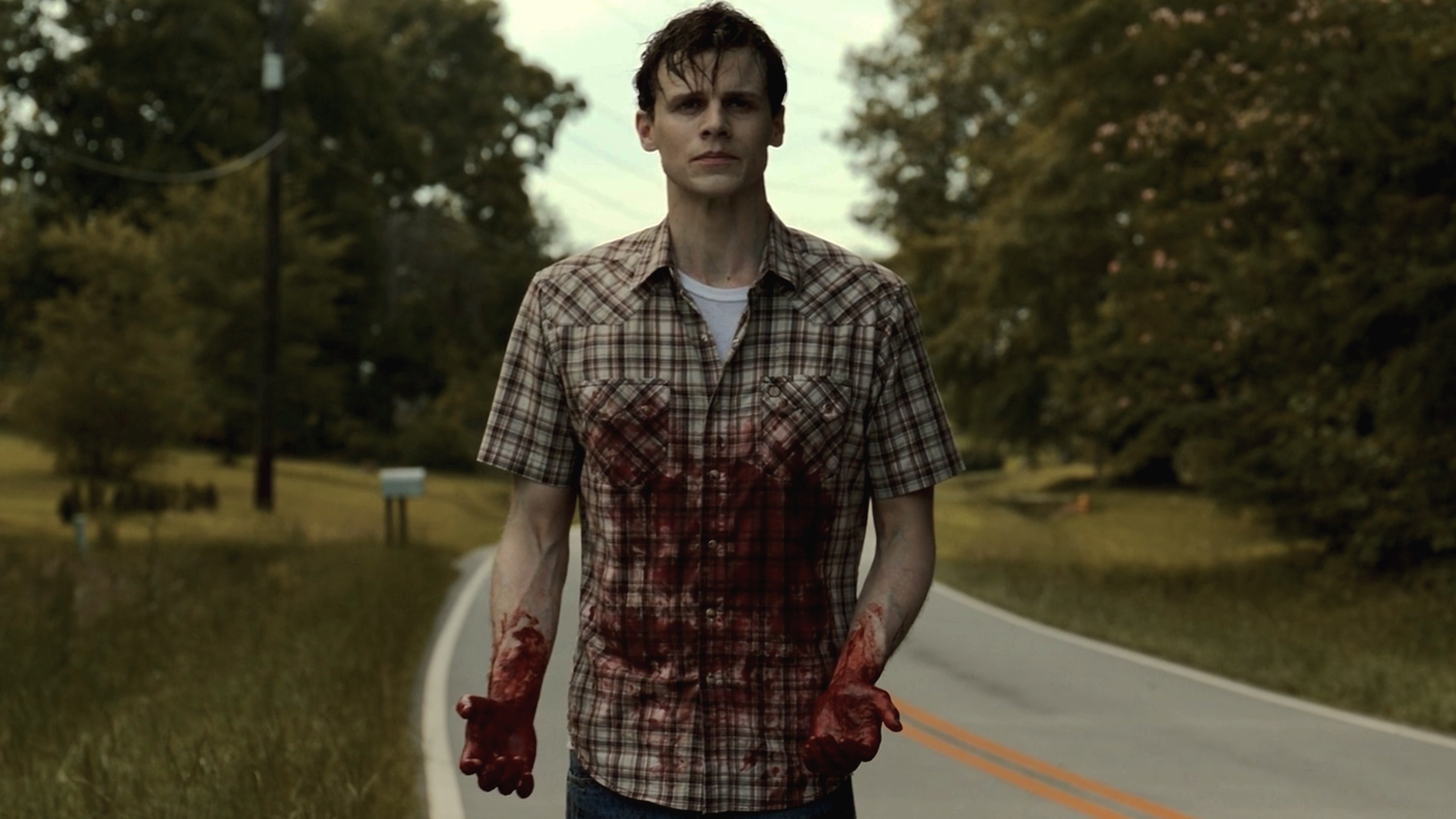
On February 16, 1981, Arne Cheyenne Johnson fatally stabbed Alan Bono in Brookfield, Connecticut. Lynn Darling's contemporary Washington Post investigation interviewed people close to both men and recorded the competing accounts surrounding the altercation. Johnson's relatives and the Warrens attributed his behavior to possession, while police approached the death as a homicide. The reporter also documented how the extraordinary defense proposal attracted media and entertainment-industry interest before the trial. Those interviews capture what participants were claiming in 1981; they do not establish that demonic activity occurred or that particular paranormal events can be independently verified.
The proposed supernatural defense was never accepted by the court. Judge Robert Callahan excluded demonic possession as a permissible explanation for the killing, and Johnson was convicted of first-degree manslaughter in November 1981. The outcome is documented in contemporary reporting and legal-archive summaries. The movie instead supplies its own occult causal chain and follows the Warrens' attempt to uncover it. The invented curse, the figure directing it and the connected investigations are devices of horror fiction, not findings from the criminal proceedings. Maintaining this distinction is necessary when treating a real death as the starting point for a supernatural thriller.
Darling's feature is valuable for another reason: it records the Warrens speaking openly about press attention, their public appearances and possible publishing projects before the trial. The film emphasizes their compassion and sincerity, a choice that differs from the reporter's more skeptical portrait. Producer Peter Safran acknowledged in a Fangoria press conference that the involvement of an actual murder victim made the material unusually sensitive. Such a statement records an intention to handle the case respectfully; whether the finished narrative accomplishes that is a separate critical question. Alan Bono's death cannot be reduced to an atmospheric detail in an otherwise fictional mythology.
Cinematography and Spaces of Investigation
Cinematographer Michael Burgess discussed the film's camera and lighting choices in an August 2021 Definition feature. He reported using ARRI Alexa SXT and Mini cameras with Panavision lenses, favoring the smaller equipment where movement or restricted spaces made it useful. Burgess and Chaves sought continuity with the established Conjuring appearance without reproducing every decision from Wan's earlier films. The photographer also described the need for comparatively natural light in courthouse scenes, so the legal material would feel grounded before supernatural events disrupted it. These statements connect a specific technical method with the different settings required by the screenplay.
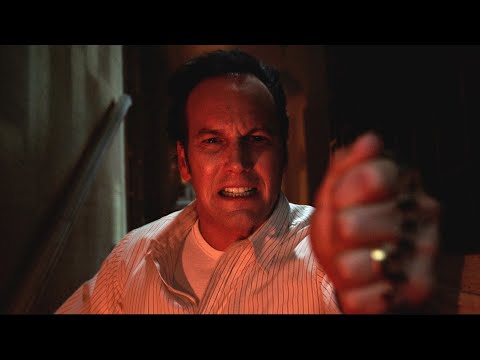
The underground passages demanded another lighting strategy. Burgess recalled warm accents that suggested a furnace-like environment and a deliberately restricted view in which a flashlight could become the main visible source. Hidden bounce surfaces helped expose the actors' faces without making their movements appear safely illuminated. The effect depends on carefully rationed visual knowledge: a viewer can follow Ed and Lorraine through the tunnels while remaining uncertain about the space beyond each beam. That environment extends the franchise's fascination with concealed threats outside the traditional haunted house, giving the investigation a darker physical destination.
A transition in the woods was achieved through moving lights during photography. Burgess described sending a large lamp along a crane and track to simulate a setting sun, then changing the ambient illumination toward night. His published account names the equipment and explains how practical lighting produced the shift. Chaves independently described the shot to Daily Dead as an in-camera effect. The agreement between their accounts makes it an especially useful production example: what appears to be a supernatural change in time and atmosphere used controlled lighting on a physical location.
The Occult Conspiracy and the Warren Partnership
The screenplay places a human practitioner of occult rituals behind the attacks, giving the Warrens an adversary whose choices organize apparently scattered incidents. This device separates the film from a simple reconstruction of the Johnson case. The investigation's links between murders and cursed objects provide escalation, but they are invented dramatic material. Treating them as evidence about Connecticut in 1981 would erase the distance between a producer's supernatural premise and the actual criminal record. The film asks viewers to accept the existence of curses for its own suspense, an imaginative contract different from historical proof.
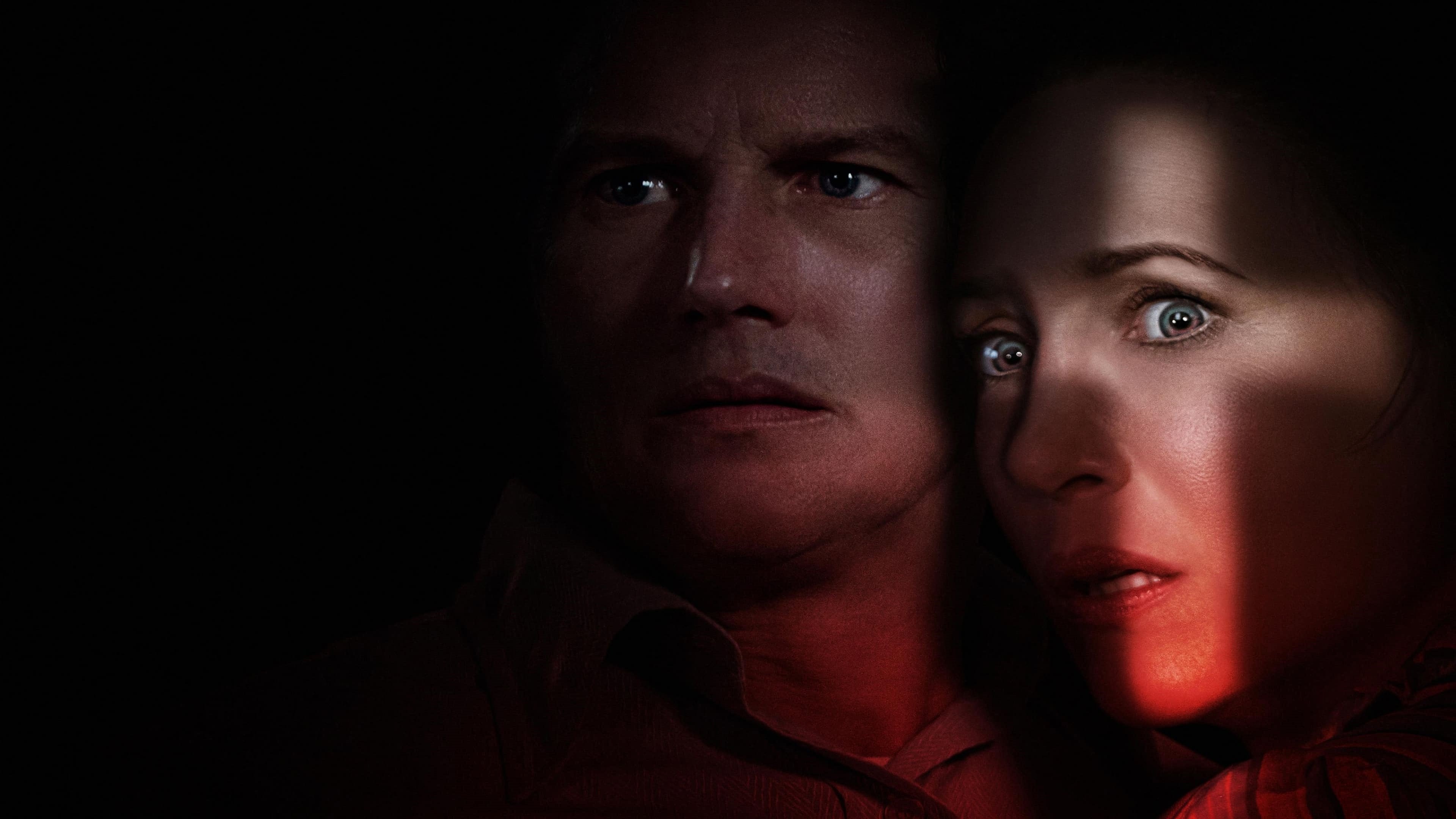
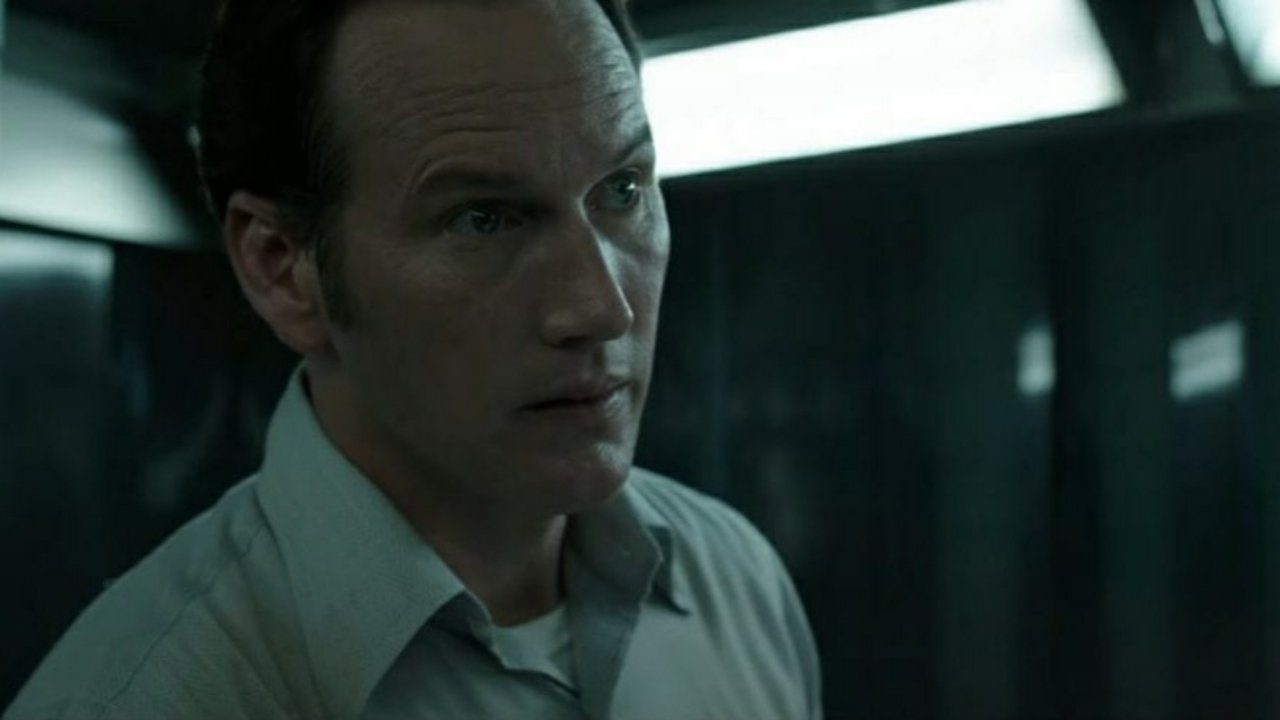
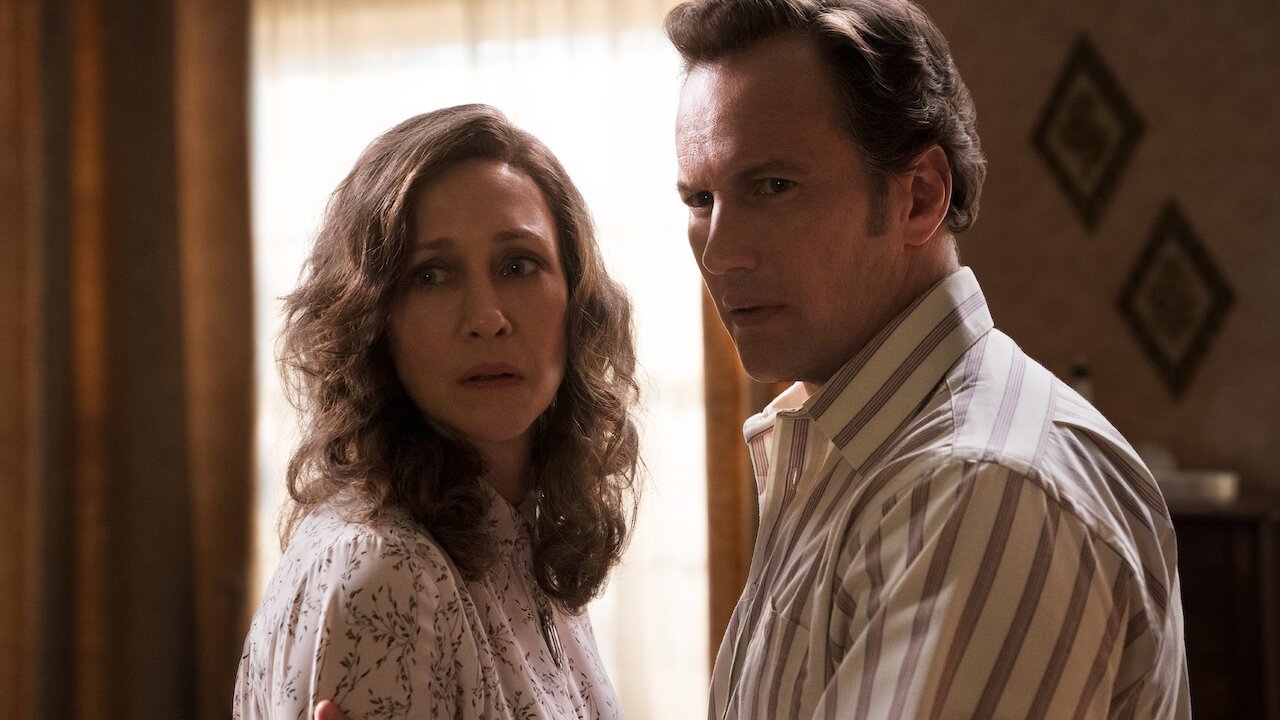
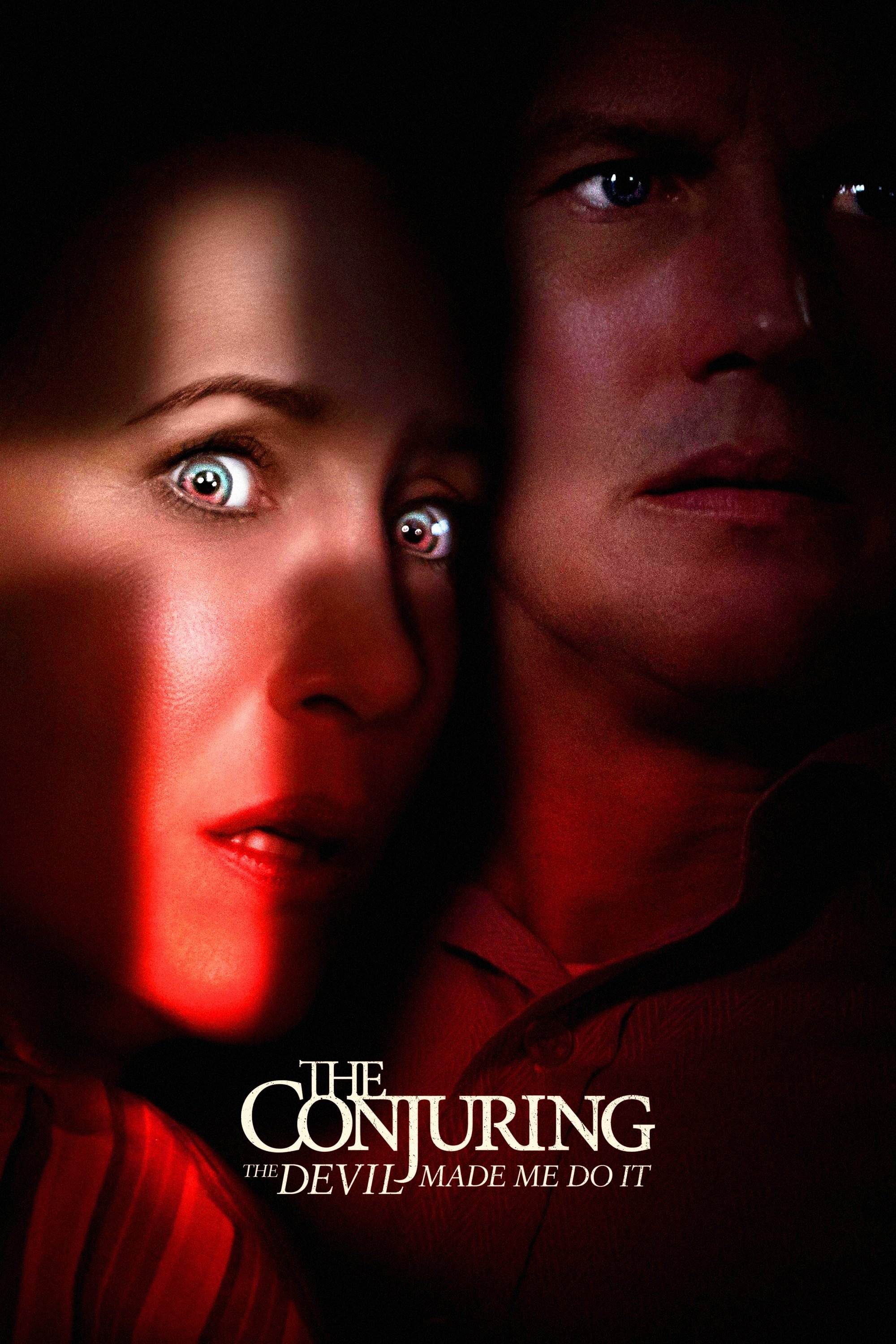
At the May 2021 Fangoria press conference, Farmiga described the marriage between Ed and Lorraine as the emotional foundation of her performance. Wilson likewise explained that following the investigators themselves, instead of a recurring monster, had shaped the series from its beginning. Their comments clarify why the third film devotes substantial attention to Ed's vulnerability and Lorraine's efforts to protect him. The danger threatens a relationship that the audience already knows, giving the travelling investigation a recurring emotional point of reference. That emphasis is part of the filmmakers' design, while claims about the private lives of the real Warrens require independent evidence.
The 2021 Release and Contemporary Criticism
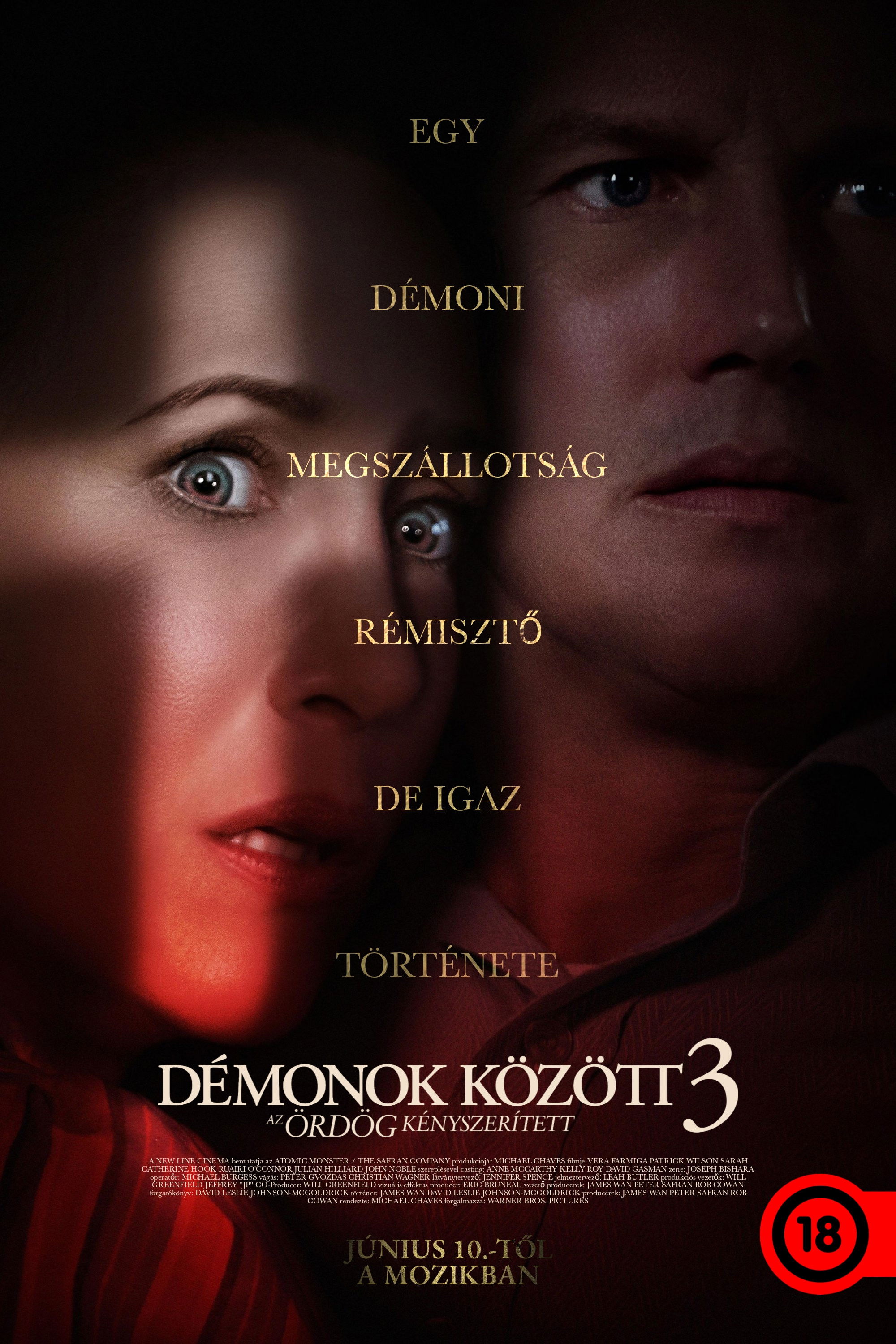
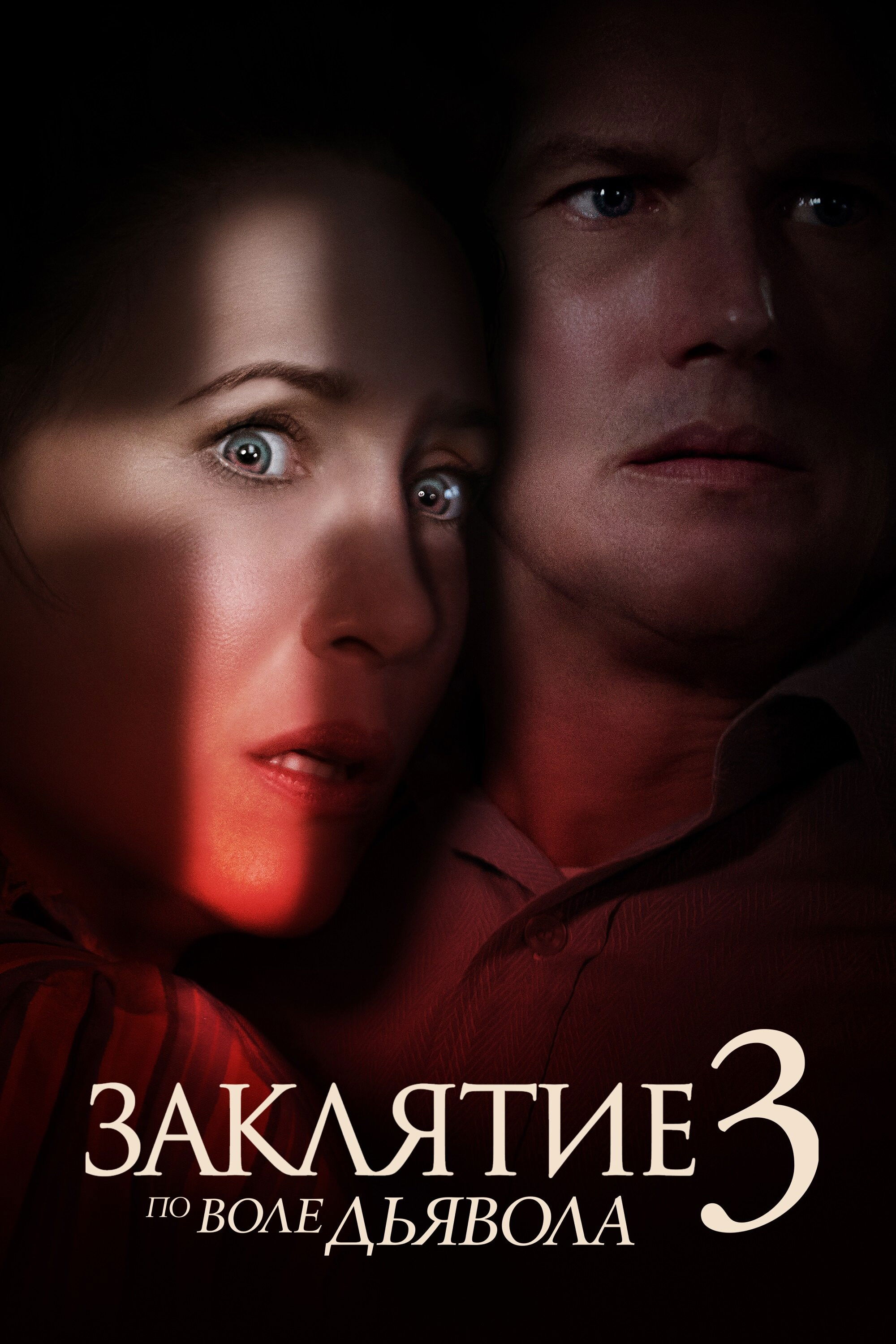
Warner Bros. released the film in American theaters and on HBO Max on June 4, 2021, when the pandemic was still affecting how major releases reached audiences. Its simultaneous availability at home distinguished this opening from the theatrical launches of the first two Conjuring features. By then the franchise had expanded through spin-offs, making the change in the main series' format a visible creative decision. The release history documents a shift in distribution conditions as well as directing personnel; it does not by itself establish that the audience preferred investigation to haunted-house storytelling.
Justin Chang's contemporary Los Angeles Times review recognized the pleasures of the Warrens as a supernatural detective pair but questioned the effectiveness of the new film's extended occult plotting. He was also skeptical of the sympathetic presentation of investigators whose real-life publicity practices had attracted scrutiny. Those are judgments about the completed feature, distinct from Chaves's explanations of his intentions. The discrepancy between a confident studio account of a dramatic reinvention and an ambivalent critical response is historically useful: the same departure from a fixed haunted location could offer fresh possibilities while weakening the atmosphere associated with the earlier entries.
The third feature occupies a distinct place in the Conjuring cycle because it makes the difficulty of adapting a real murder impossible to ignore. Its constructed villain and supernatural explanation advance the franchise narrative, while historical reporting supplies a far less settled picture of the events invoked by its marketing. The physical exorcism performance and Burgess's lighting techniques reveal substantial craft within that approach. Understanding the film requires keeping those achievements separate from any claim that its version of Johnson's actions has been authenticated. Its genre interest rests in the collision of investigative form, occult spectacle and a documented criminal case.