Euro International Films
, Euro International Film
Plot
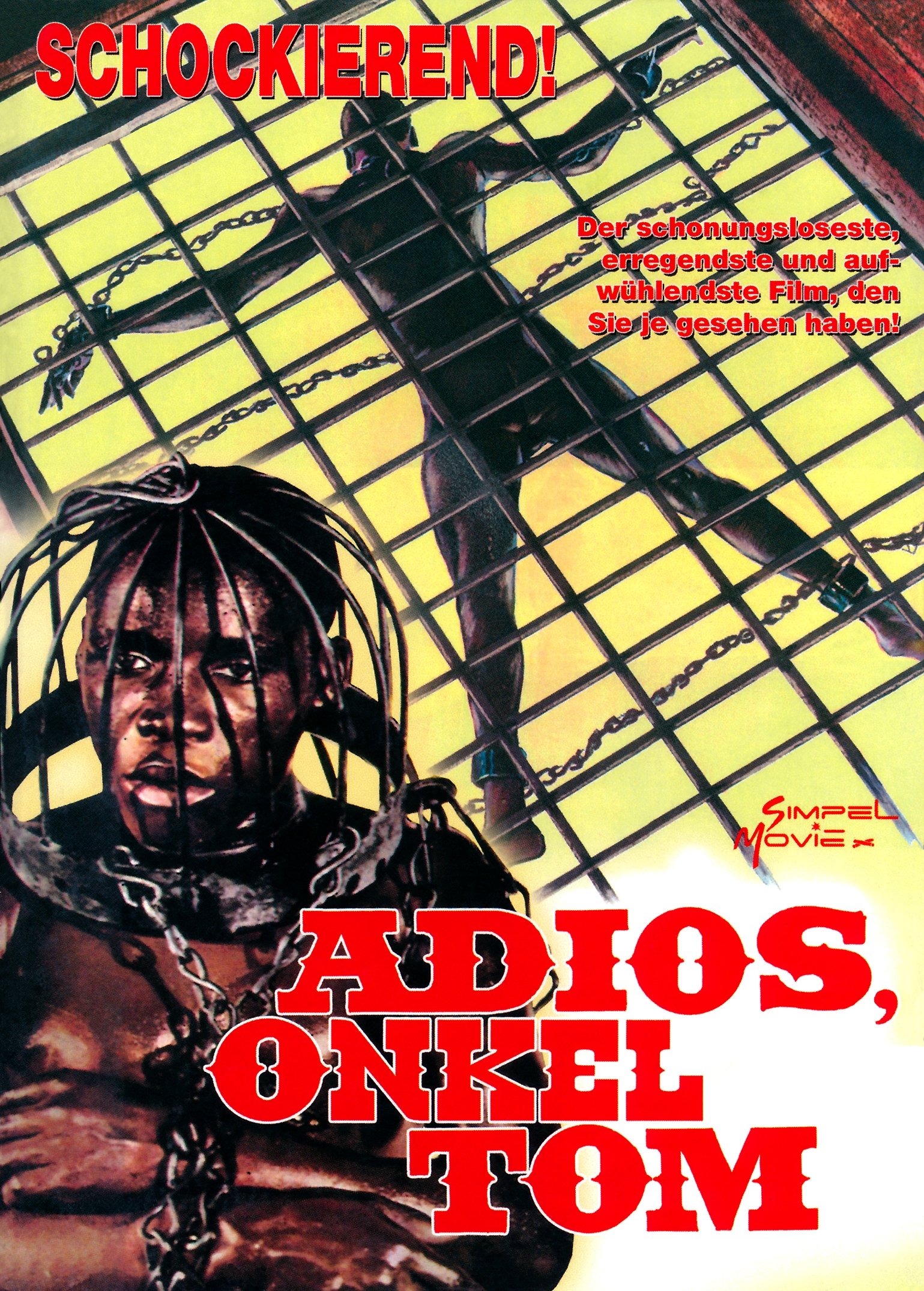
Two documentary filmmakers go back in time to the pre-Civil War American South, to film the slave trade.
Alternative Titles
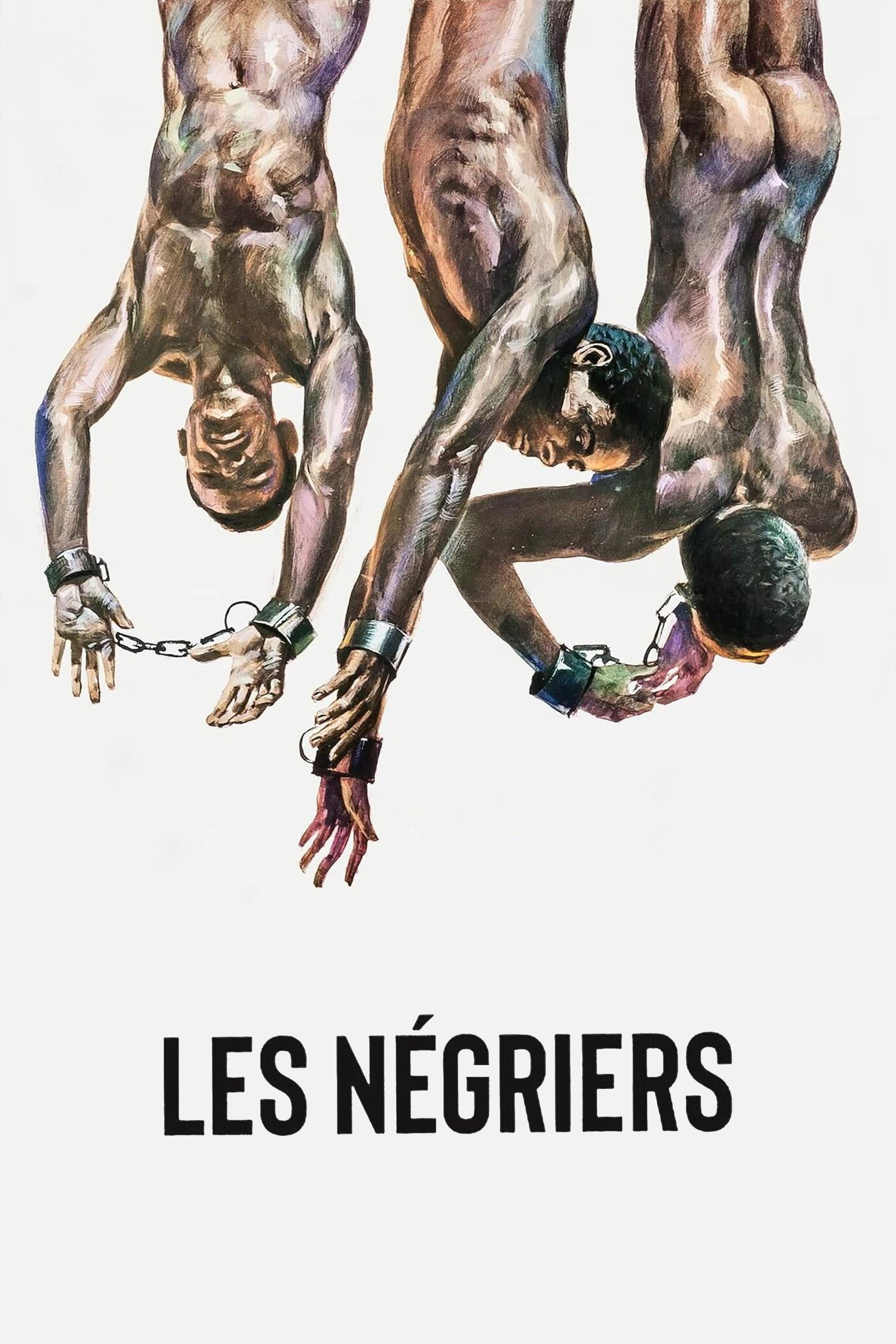
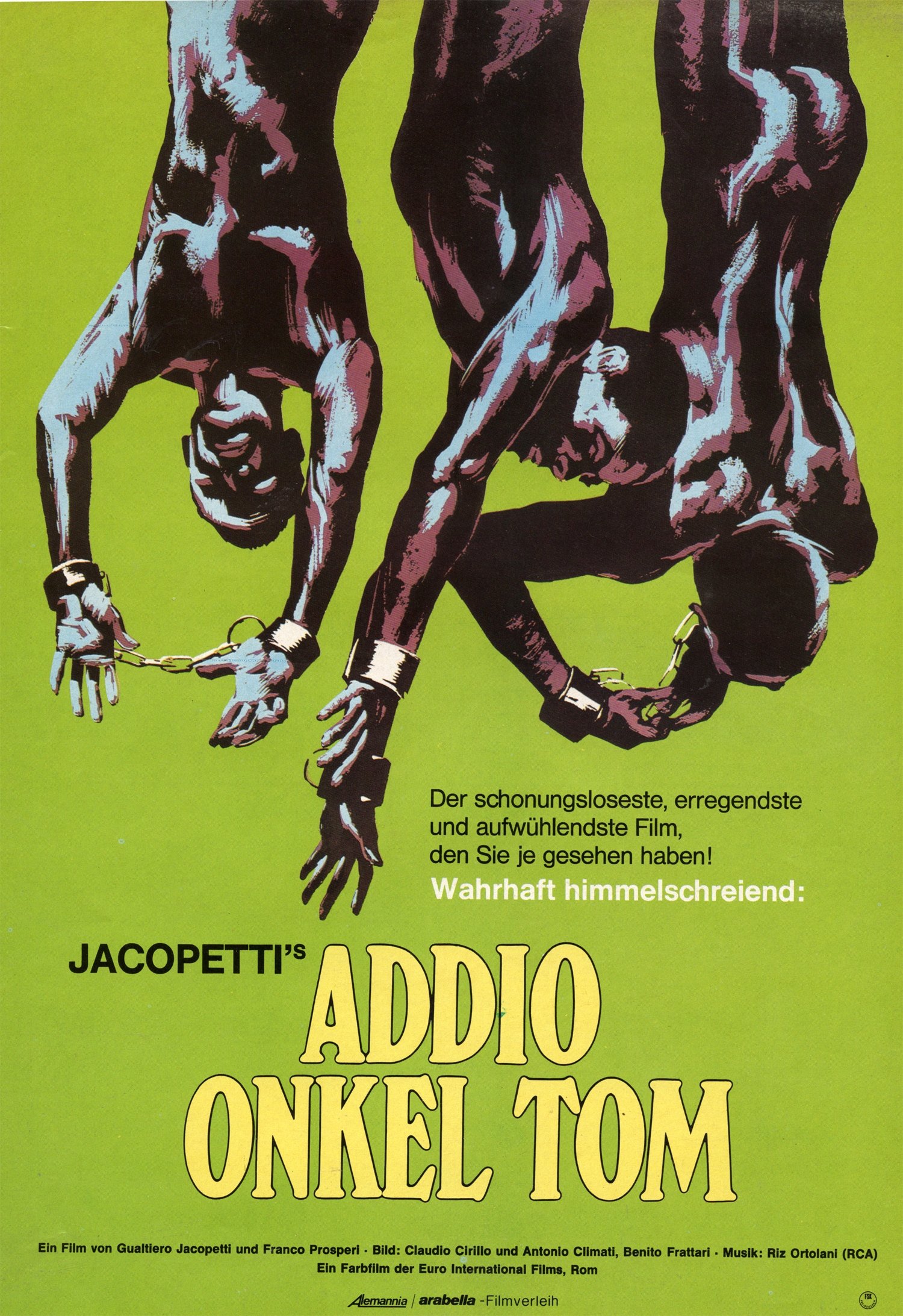
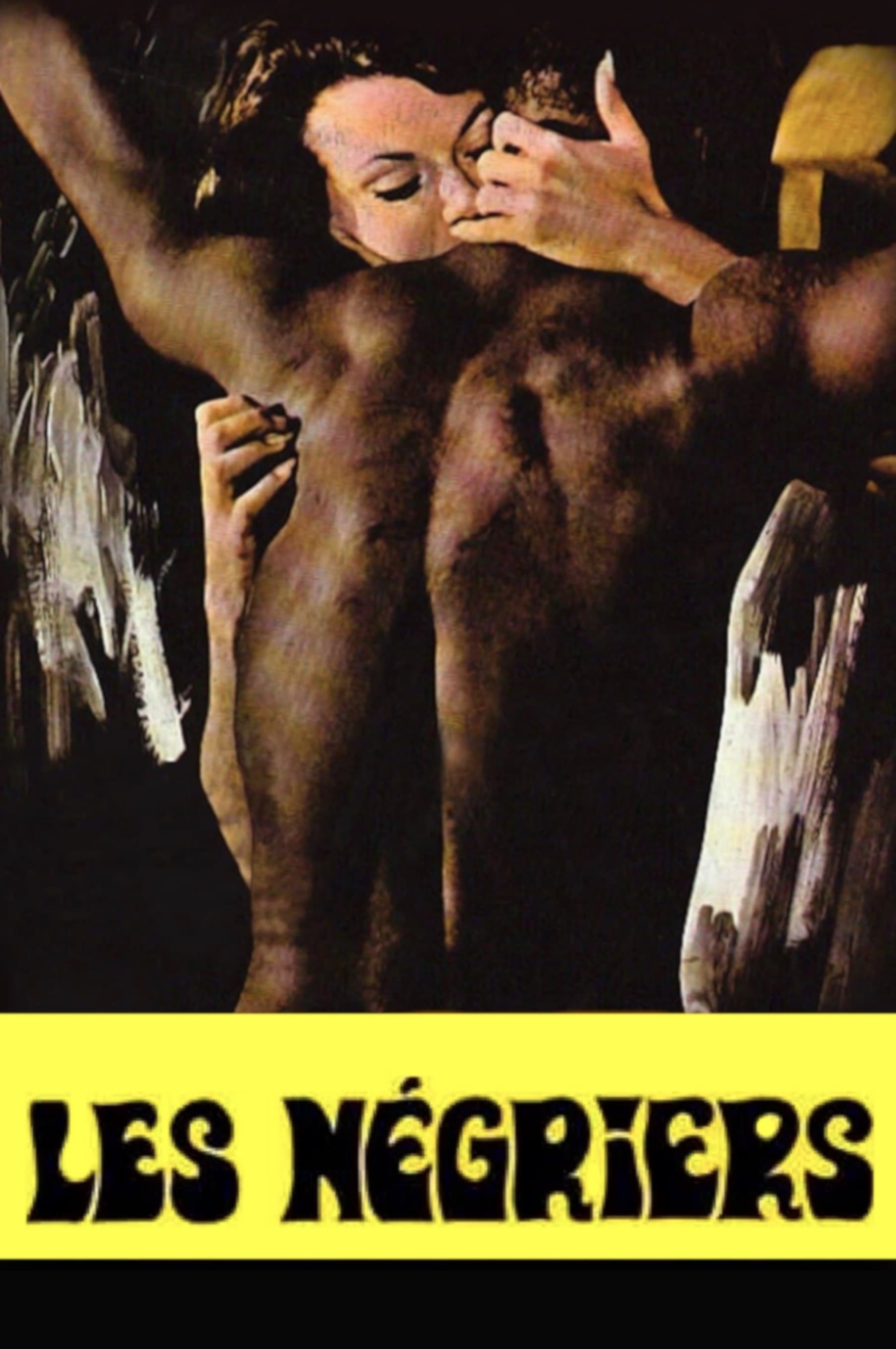
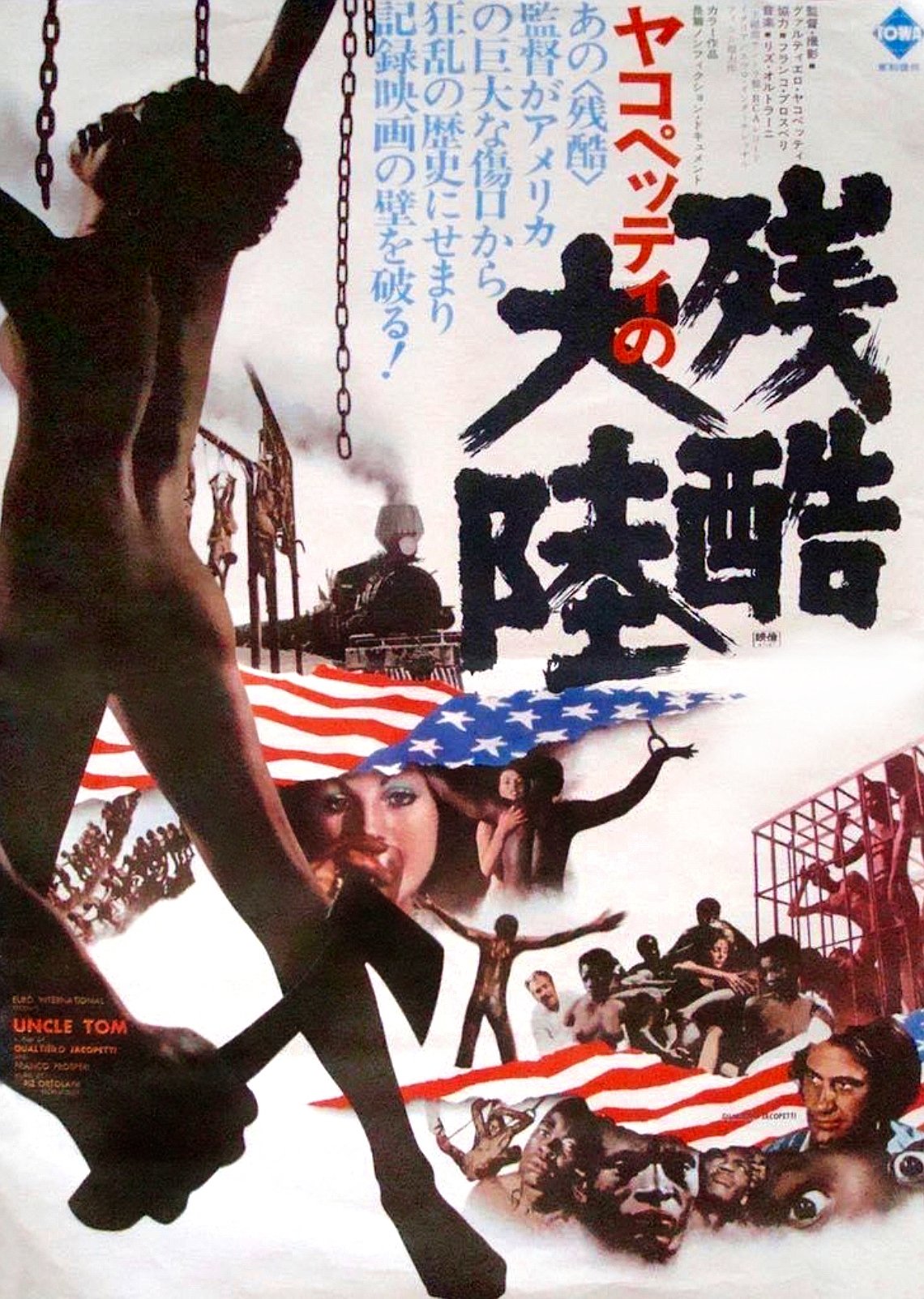
Jacopetti's: Uncle Tom (Curaçao) Farewell Uncle Tom (Australia) Adieu oncle Tom (Belgium) — French titleСбогом, чичо Том (Bulgaria) Adeus Tio Tom (Brazil) 再见,汤姆叔叔 (China) — ChineseAddio Onkel Tom (Germany) — GermanAdios, Onkel Tom (Germany) — DVDShow all 28 alternative titlesWeißer Teufel, Schwarze Hölle (Germany) — Video reissueFarvel, onkel Tom (Denmark) Adiós tío Tom (Spain) Adjö människan (Finland) — SwedishHyvästi ihminen (Finland) Cargaison noire (France) — alternative titleCargaison noire pour négriers (France) — alternative titleLes Négriers (France) — Frenchმშვიდობით ბიძია ტომ (Georgia) — GeorgianΑντίο, θείε Τομ (Greece) 再見,湯姆叔叔 (Hong Kong SAR China) — ChineseBúcsúzás Tamás bátyától (Hungary) ヤコペッティの残酷大陸 (Japan) 굿바이엉클톰 (South Korea) Żegnaj wujku Tom (Poland) — PolishПрощай, дядя Том (Russia) — RussianПрощай, дядя Том (Russia) Farewell Uncle Tom (United States) White Devil: Black Hell (United States) — X-rated versionAdiós, tío Tom (Uruguay) — Original subtitled version
A confrontational mondo docudrama about American slavery, filmed in Haiti and altered for different theatrical markets.
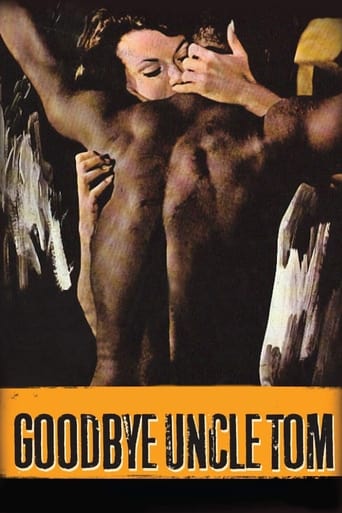
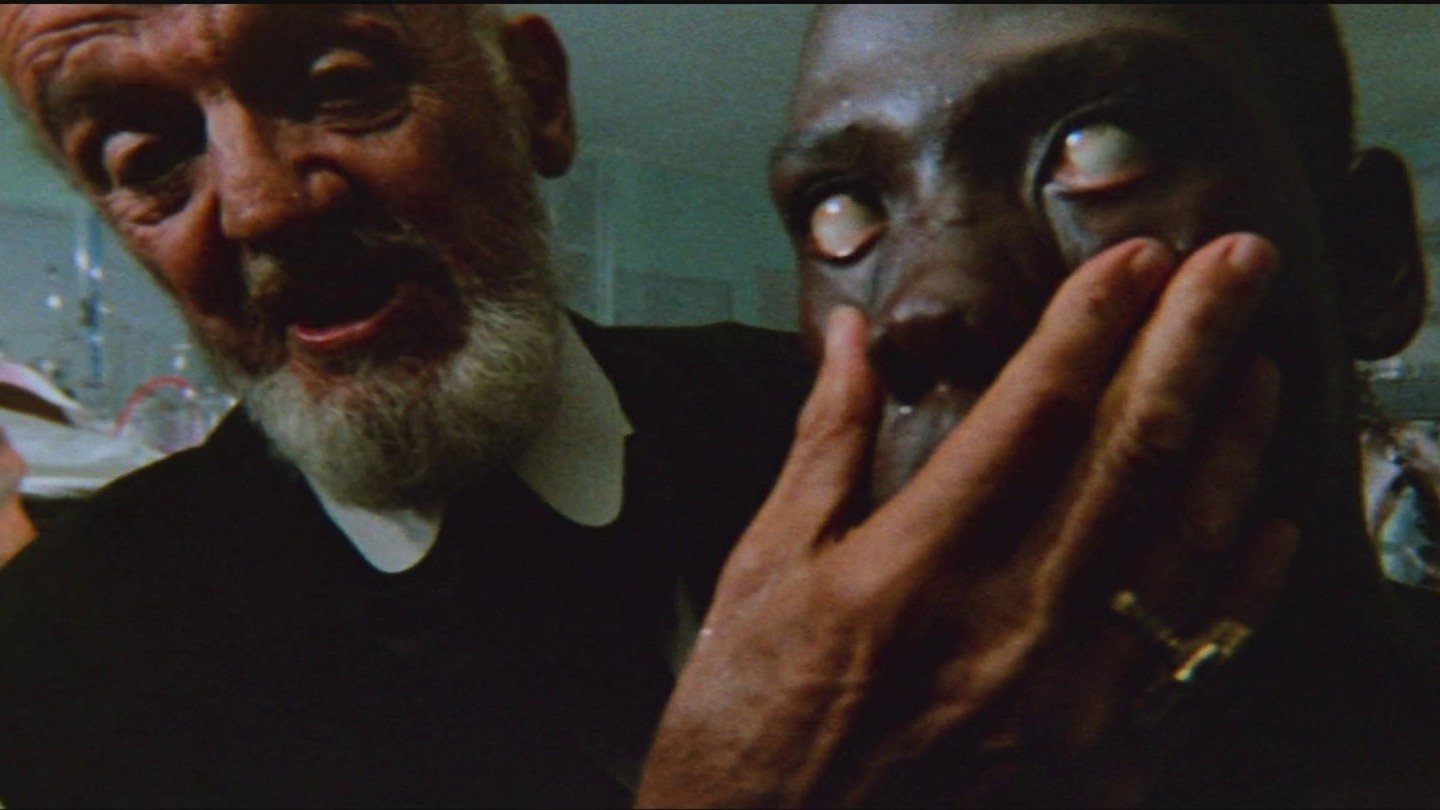
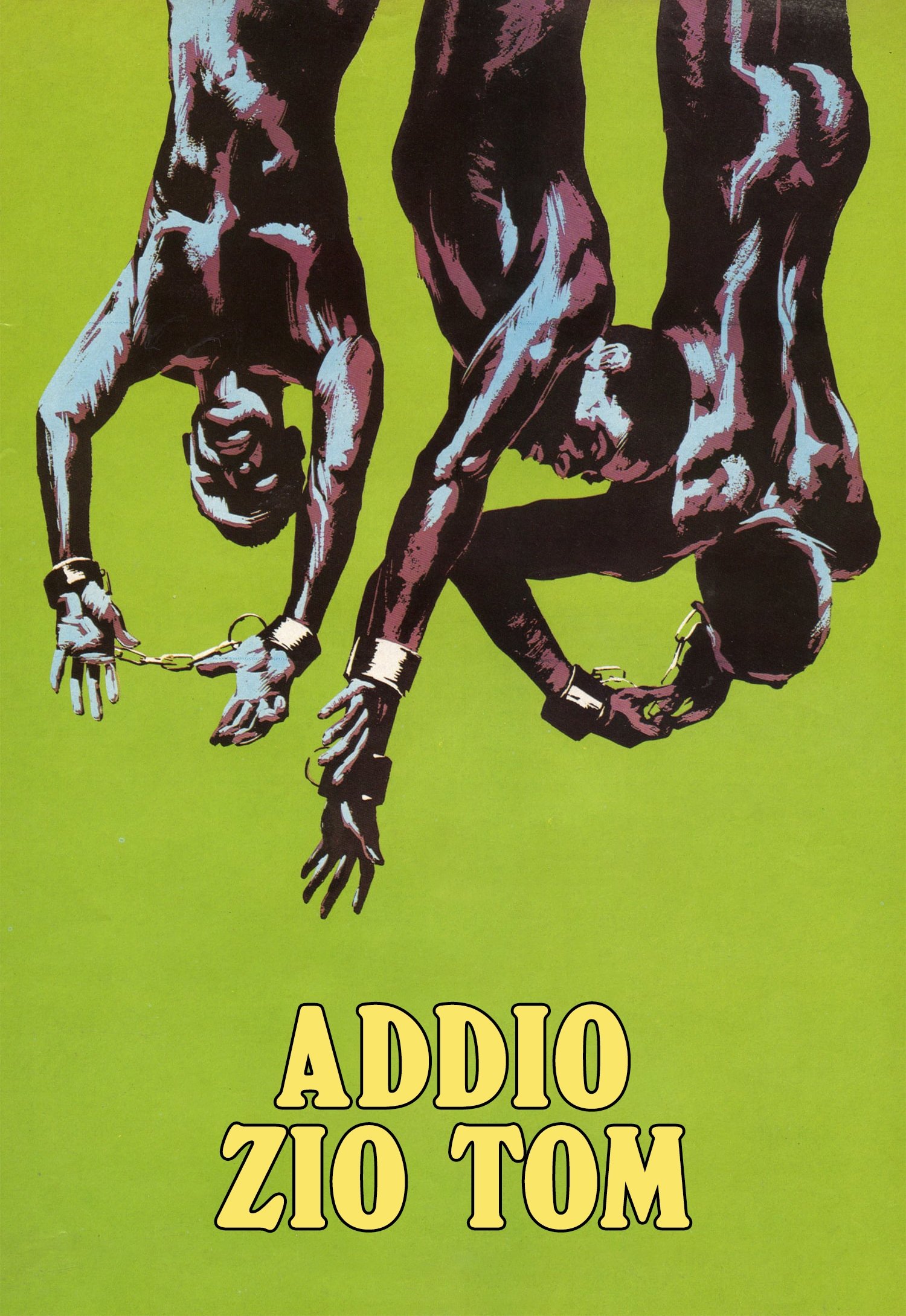
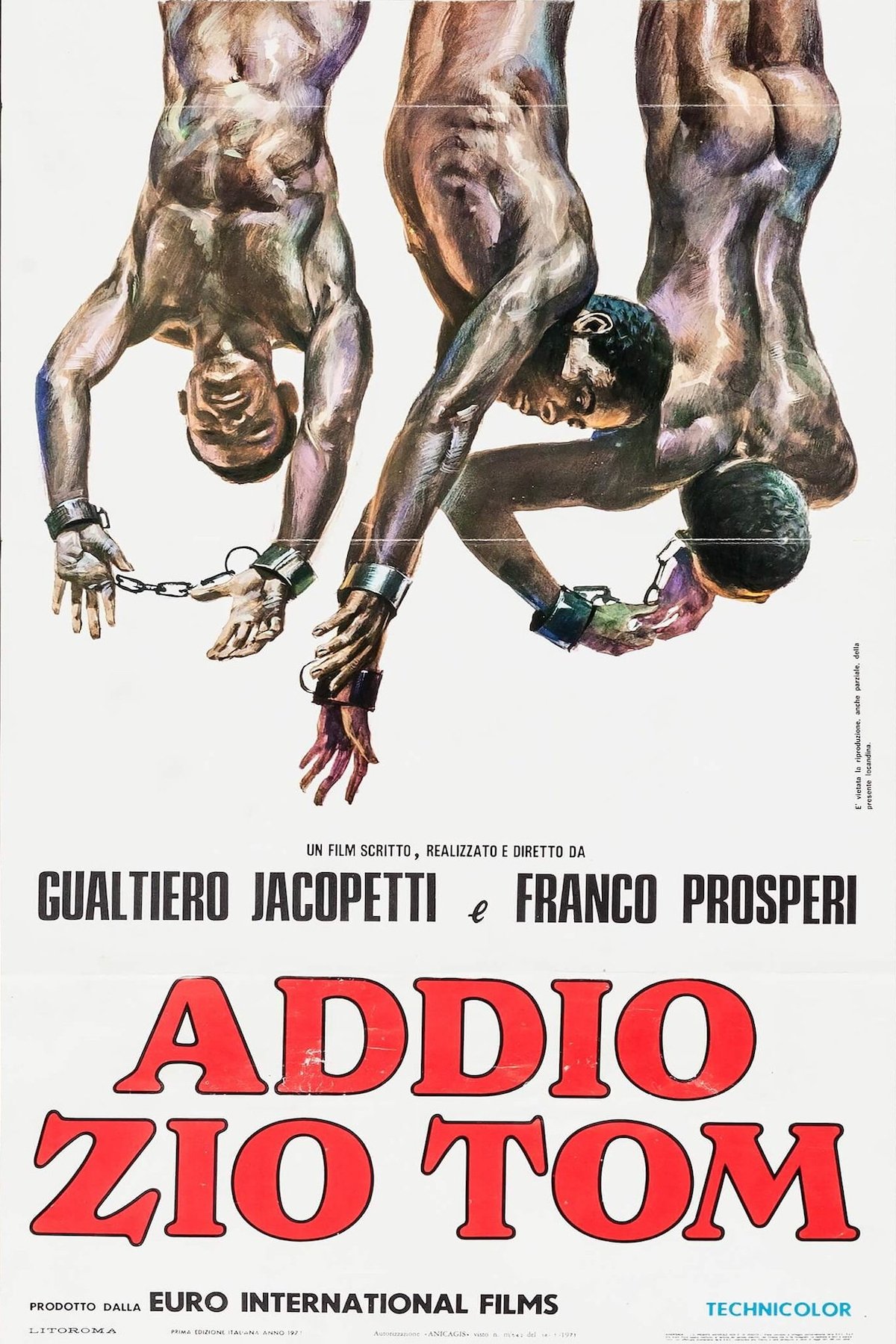
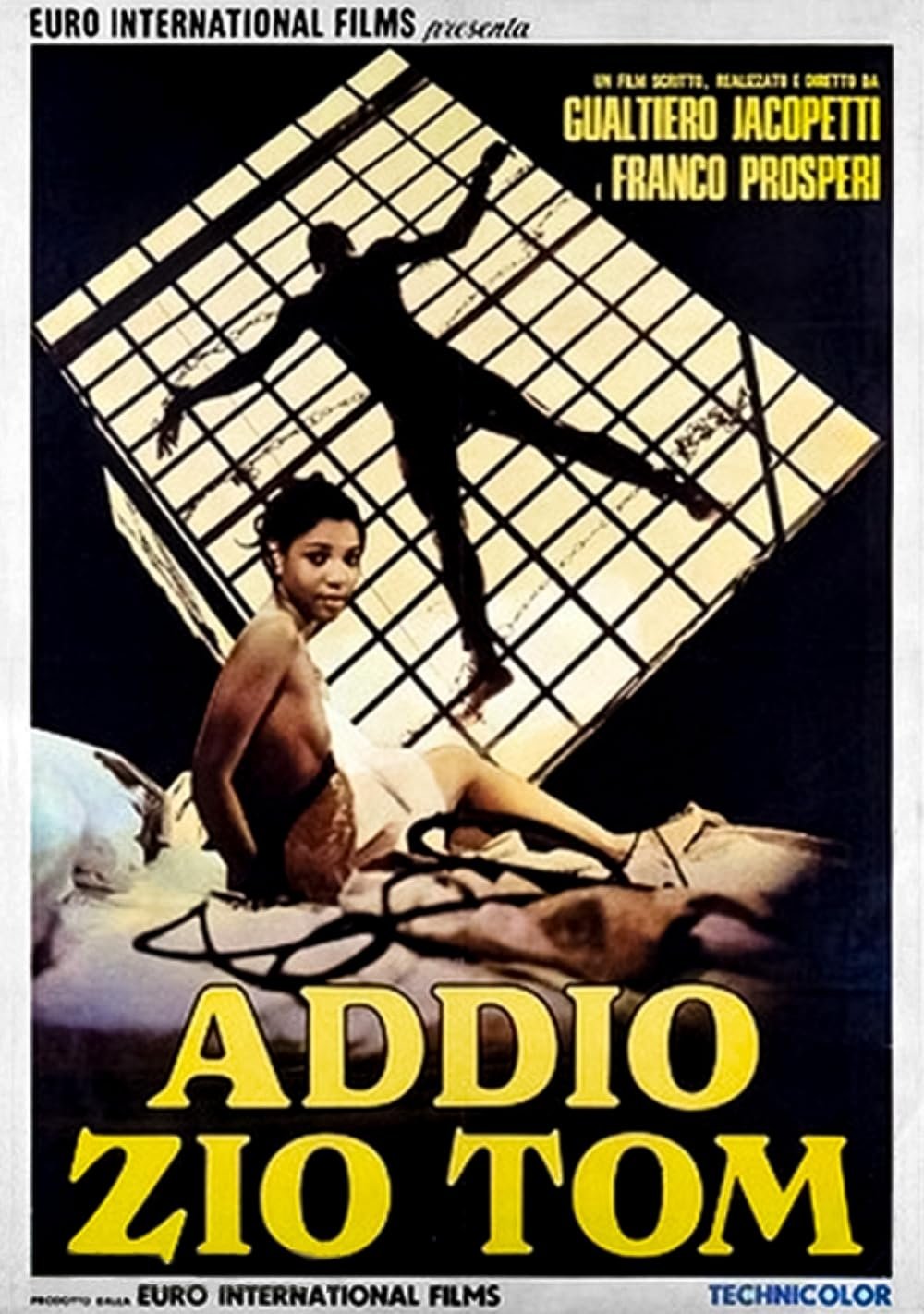
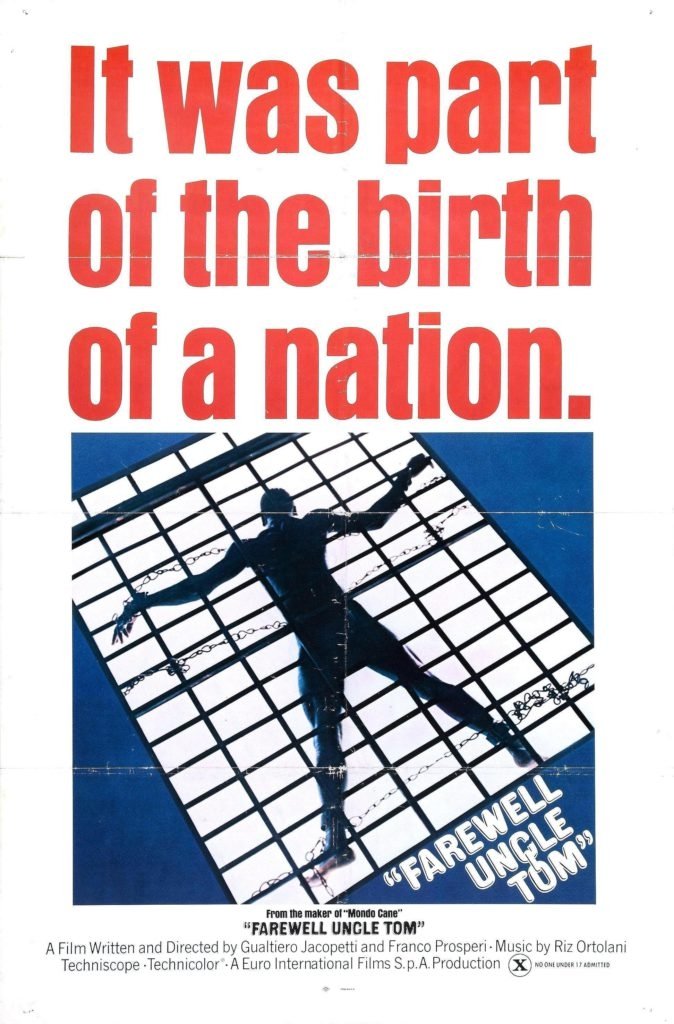
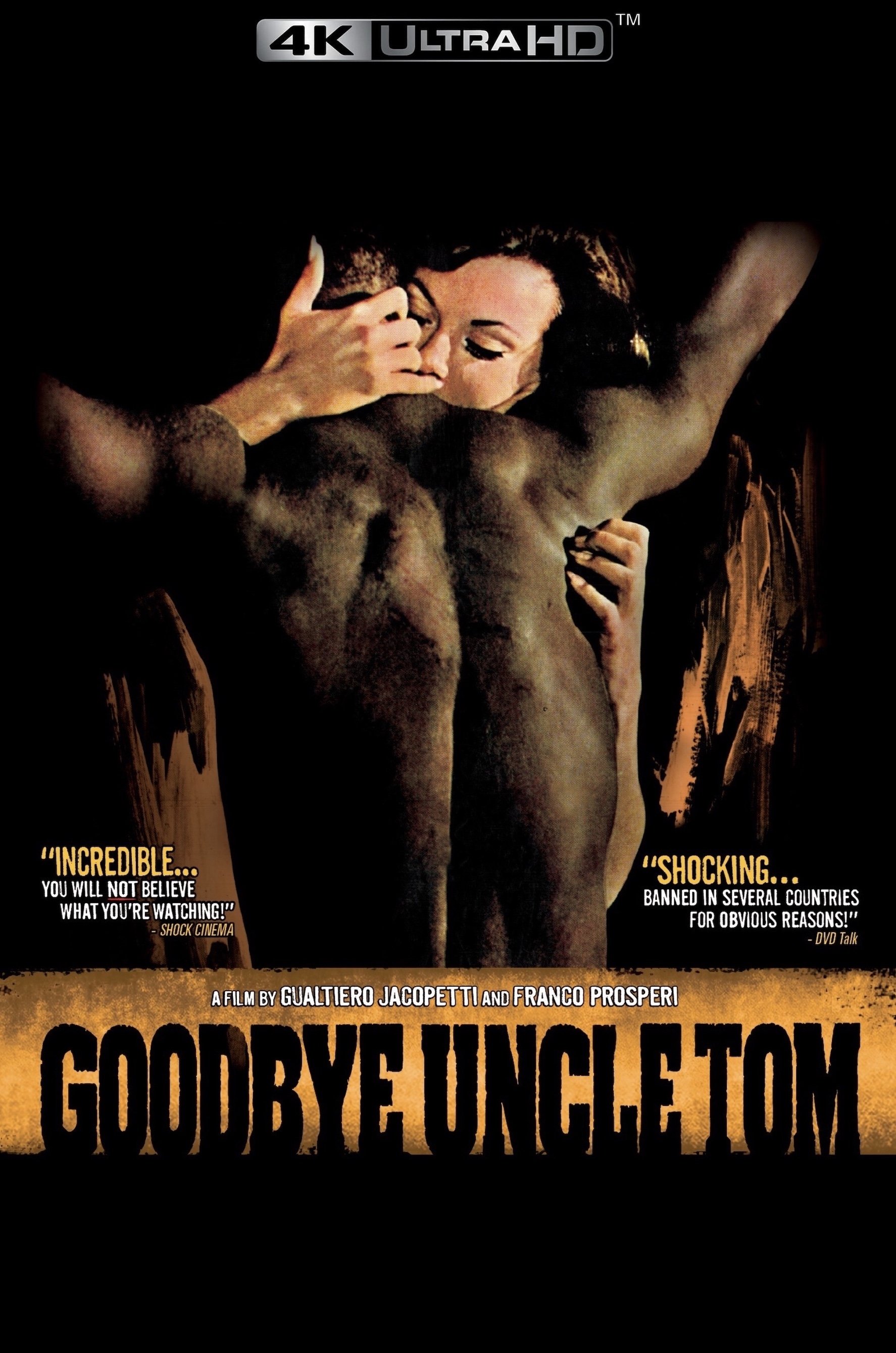
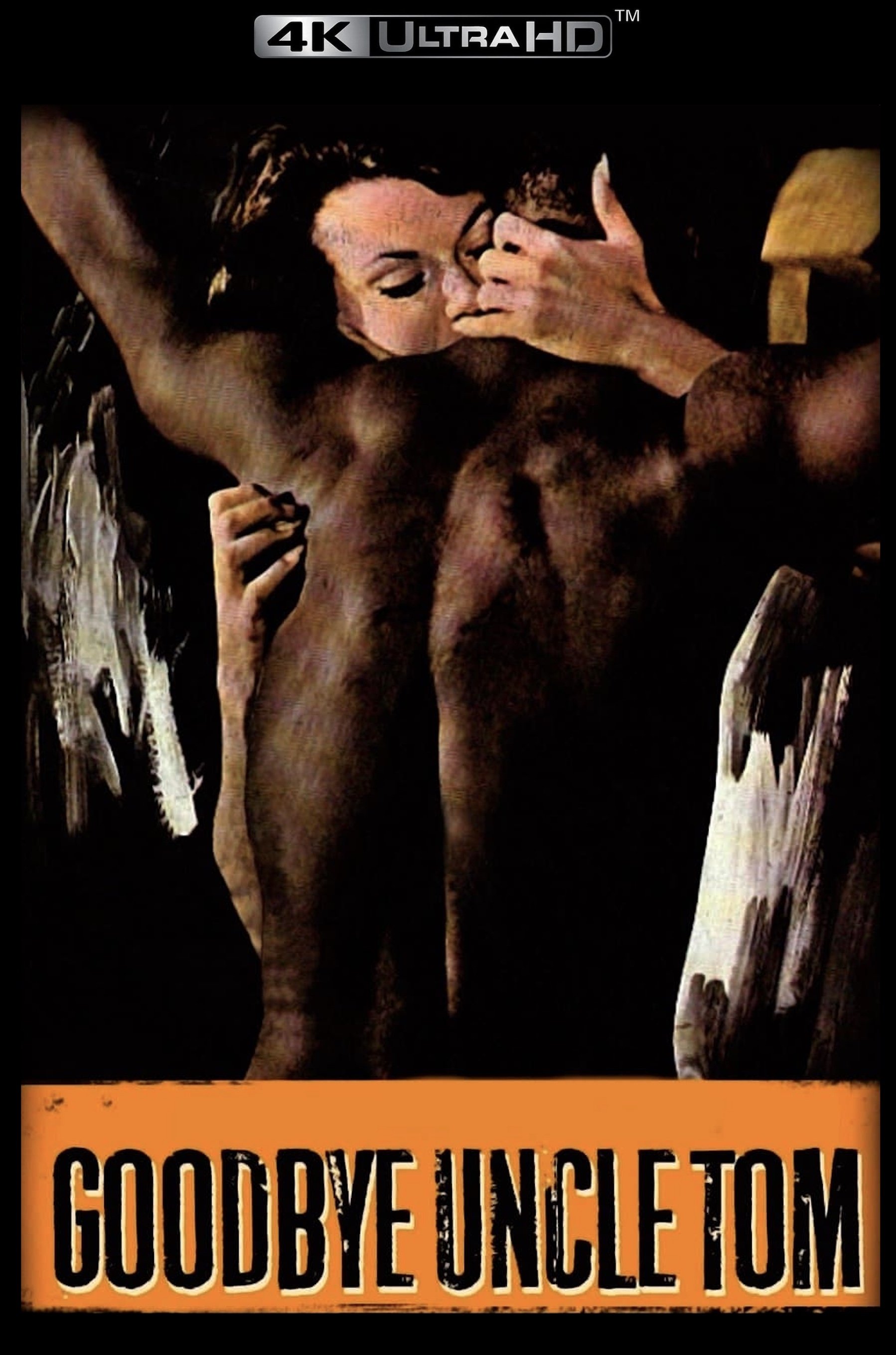
Released in Italy in 1971, Goodbye Uncle Tom (Addio zio Tom) pushed the methods of Italian mondo cinema into historical reconstruction. Gualtiero Jacopetti and Franco Prosperi staged scenes of slavery in the United States before the Civil War, framing their cameras as though they were visiting reporters documenting an actual society. The film presents auctions, coerced labor and sexual violence with a graphic intensity associated with exploitation cinema. Its proximity to horror lies in its deliberate use of bodily degradation and institutional cruelty as spectacle. That approach raised an immediate ethical question: what is the value of a purported historical investigation when its images are created through contemporary reenactments?
The production occupies a disputed position within the filmmakers' work after Mondo Cane (1962) and Africa Addio (1966). Jacopetti and Prosperi defended the project as a denunciation of racism, while critics and later scholars challenged the film's representation of Black people and the conditions under which its images were made. Its history is further complicated by substantially different Italian and English-language versions. Any account of the film needs to distinguish the events of slavery, the filmmakers' dramatization of those events and the political arguments imposed through editing and narration.
A Historical Mondo Experiment
The previous Jacopetti and Prosperi documentaries had relied on the authority of a traveling camera, assembling startling customs, violence and social conflict into a chain of episodes. Goodbye Uncle Tom adopts the outward manner of reportage while declaring an impossible journey into the nineteenth century. The filmmakers' fictional presence as visiting observers gives the images the immediacy of a news assignment, despite the staged historical setting. Tatiana Petrovich Njegosh describes this structure as a meeting point between mock-documentary and the shock-driven mondo form. The method allows the film to reproduce the visual claims of journalism while openly constructing the world under examination.
That alteration has consequences for its historical argument. Plantation settings, slave auctions and the treatment of enslaved people are represented by performers within designed situations; the resulting images cannot independently verify the words attributed to real historical figures. The Italian industry archive preserves the production's stated aim of exposing the intellectual and moral foundations of racism. Such promotional framing documents what the filmmakers wanted audiences to accept, rather than establishing the accuracy of every episode. The film's alternating gestures toward education and provocation are therefore best understood through the form of the spectacle itself, including what the camera selects and whose experiences receive an explanatory voice.
Filming in Haiti
The production was photographed in Haiti, which served as the setting for its reconstruction of slavery in the American South. Gaia Giuliani's study in Modern Italy identifies Haiti as the location of the historical scenes and places the project within the Italian mondo industry's treatment of formerly colonized populations. The setting created an especially fraught relationship between subject and production: Haitian performers embodied people held in bondage in a film made for international commercial exhibition. Surviving academic analysis raises questions about the direction and display of those bodies. It does not supply a reliable scene-by-scene record of working arrangements or the conditions experienced by every participant.
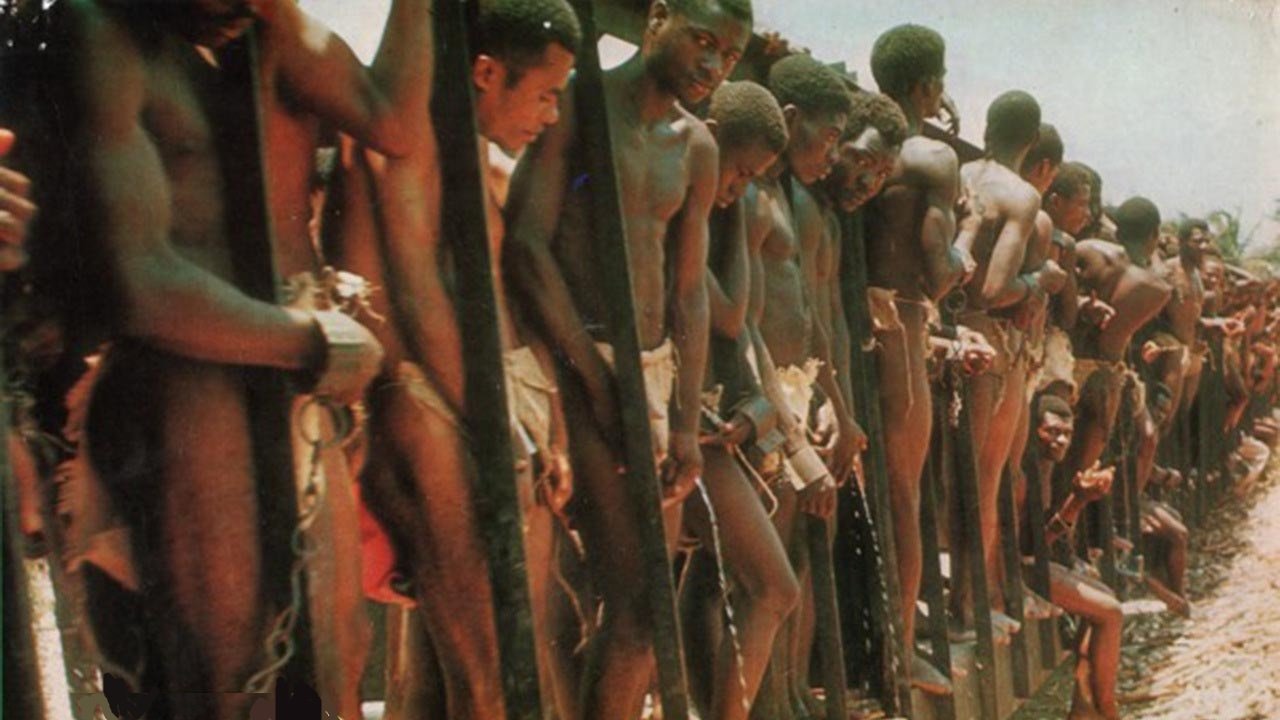
The official Italian credits identify Euro International Films as producer and distributor. The scale of the period tableaux is visible in crowded plantation scenes and organized group movement, while graphic episodes are shaped around the camera's ability to look closely at suffering. Production accounts have sometimes circulated as stories about unlimited access or exceptional privileges; these claims require evidence beyond their repetition in retrospectives. The historically secure facts are the filmmakers' authorship, the Haitian setting and the deliberate construction of images that imitate documentary discovery. The distance between a real location and a fictionalized American past is fundamental to the result.
Violence, Race and the Camera
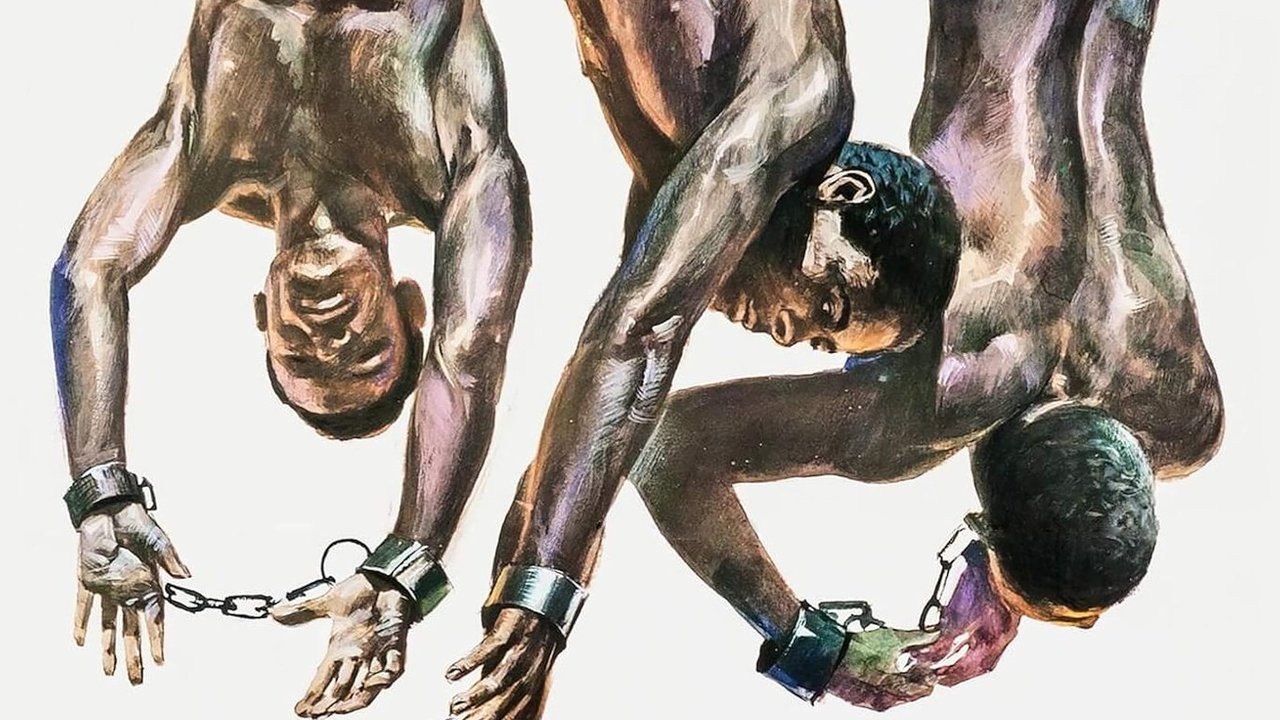
Goodbye Uncle Tom depicts enslavement through scenes of punishment, sexual assault, forced inspection and commercial exchange. Those subjects belong to the history the film claims to examine, but the precise incidents on screen remain dramatizations unless separately documented. The film frequently places the camera near exposed bodies and extends humiliating situations beyond what is needed to communicate their premise. Giuliani argues that this gaze reproduces racial hierarchies within the act of representation. Her criticism identifies a contradiction between a professed opposition to slavery and an aesthetic that repeatedly transforms Black vulnerability into an attraction for spectators.
The disturbing material also creates a problem for the label documentary. A reconstructed atrocity is an enacted image of violence, carrying choices about performance, framing, editing and sound. Its appearance cannot serve as evidence that the depicted event unfolded in precisely that way. Njegosh situates the work within Italian mass culture's wider racial imagination, including the influence of colonial stereotypes on representations of Black identity. These analyses address the film's visual rhetoric and historical setting. They should not be converted into unsupported claims about the personal intentions of individual performers or the authenticity of particular assaults shown in the reconstruction.
Political Claims and Contemporary Protest
The directors presented their work as an attack on racism, a characterization Franco Prosperi repeated in a later documentary interview quoted by Giuliani. The response to the 1971 release demonstrates how sharply that claim was disputed. Contemporary Italian press reports record clashes during a Bologna screening involving Italian and African students. Scholarly reconstructions connect those protests to the public controversy over the film's racial imagery. The existence of opposition at the time is significant: criticism of its method did not emerge solely through later reassessment or changing tastes in exploitation cinema.
Giuliani offers a more stringent interpretation of the images, arguing that the narration and compositions leave little room for the political agency of enslaved people. The portrayal of oppression is inseparable from recurring stereotypes that present Black characters as degraded or incapable. That reading conflicts with the filmmakers' self-description, and the disagreement remains part of the film's documented reception. A review or protest should be understood as evidence of a response, rather than a substitute for analysing the images. Equally, the directors' asserted purpose cannot resolve what their staging communicates to spectators. The controversy concerns the politics of representation as well as the explicit content.
Censorship and Competing Versions
Italian censorship records provide an unusually precise chronology. The first review application was submitted on September 7, 1971, and the commission issued its decision on September 9, allowing public exhibition with admission restricted to adults over eighteen. Its written reasoning identified extreme violence and erotic material. Following legal controversy and renewed review, a second application was considered in March 1972. The commission again authorized the film for adults, describing the depiction of grave acts of violence as unsuitable for younger viewers. These decisions are age classifications attached to approved exhibitions; neither document alone establishes the precise length or contents of every print that circulated.
Scholarly accounts describe an initial Italian version followed by a substantially re-edited release under the shortened title Zio Tom. The later cut incorporates material linked to the contemporary civil rights era, while English-language editions adopted another structure. Reported durations differ across sources, so the safer distinction is between identifiable edits and markets instead of treating one number as universal. British records identify a cinema submission titled Uncle Tom classified on January 24, 1973, at approximately ninety-four minutes, with cuts. The BBFC entry documents the particular print examined in Britain and cannot be used to infer that the Italian original had an equivalent running time.
An Unsettled Place in Shock Cinema
Goodbye Uncle Tom is often placed beside the mondo documentaries that preceded it, yet its use of acted historical scenes gives it a different relationship to filmed reality. It borrows the movement of a reporter through unfamiliar spaces while manufacturing the encounter in front of the lens. Later extreme documentary and horror films would continue testing the distinction between actual evidence and staged disturbance, although a direct line of influence requires specific testimony. The immediate significance of this production lies in how a recognizable documentary grammar could be used to make dramatized cruelty appear close, present and available for inspection.
Its successive editions have also complicated critical judgment. A viewer encountering the English-language cut may receive a different political emphasis from someone examining a longer Italian reconstruction; neither experience should be treated as a complete description of all versions. Recent scholarship treats the film as evidence of how popular cinema can represent racial oppression while reproducing the hierarchies it professes to condemn. Its disturbing reputation rests on real controversy over the images, their production and their circulation. Those questions remain central to understanding the work within the history of mondo and exploitation cinema, independent of claims about its value as a record of slavery.