Delirium (1972)

IT
8.0/10 1 votes
Runtime
102 min
Release
July 5, 1972
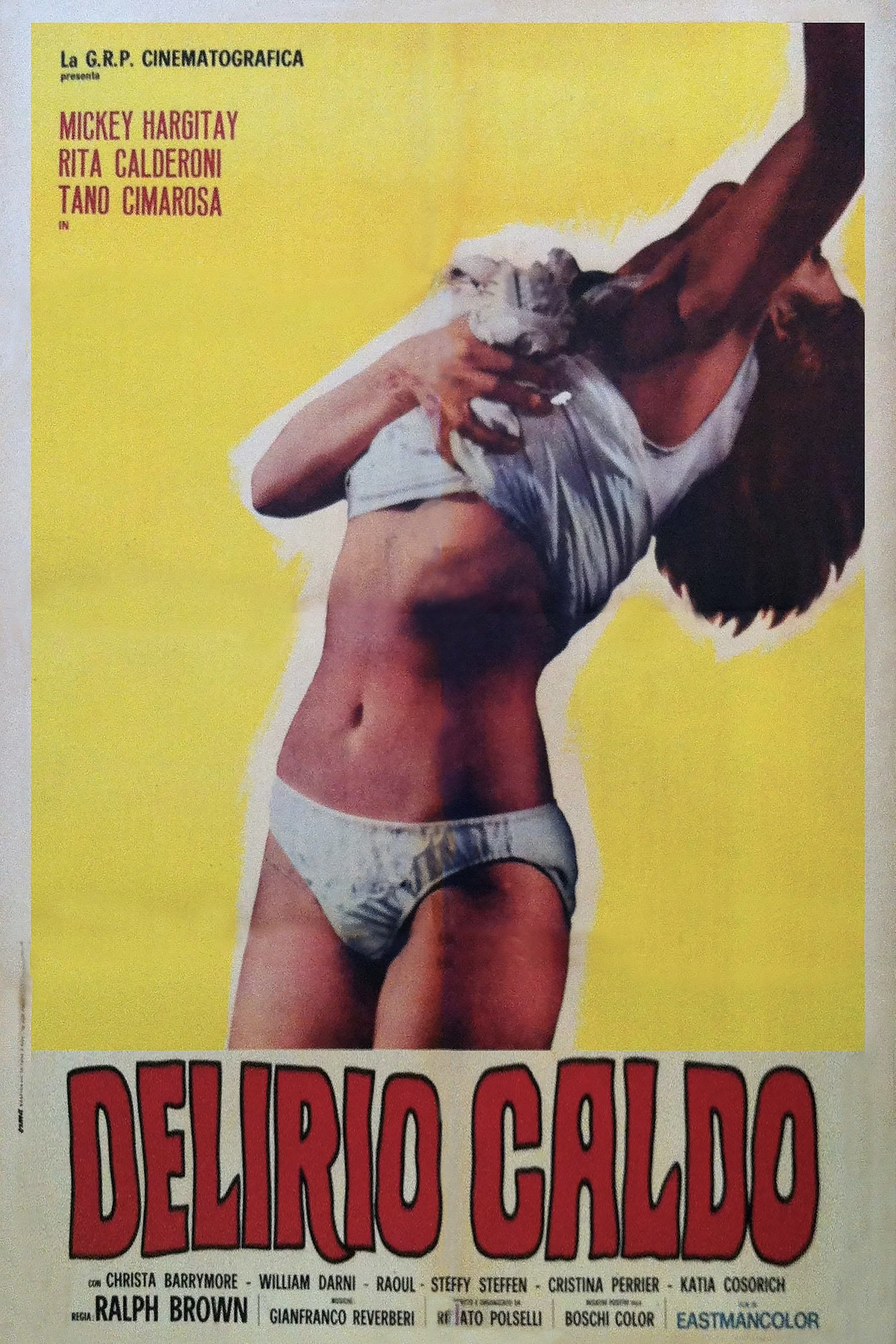
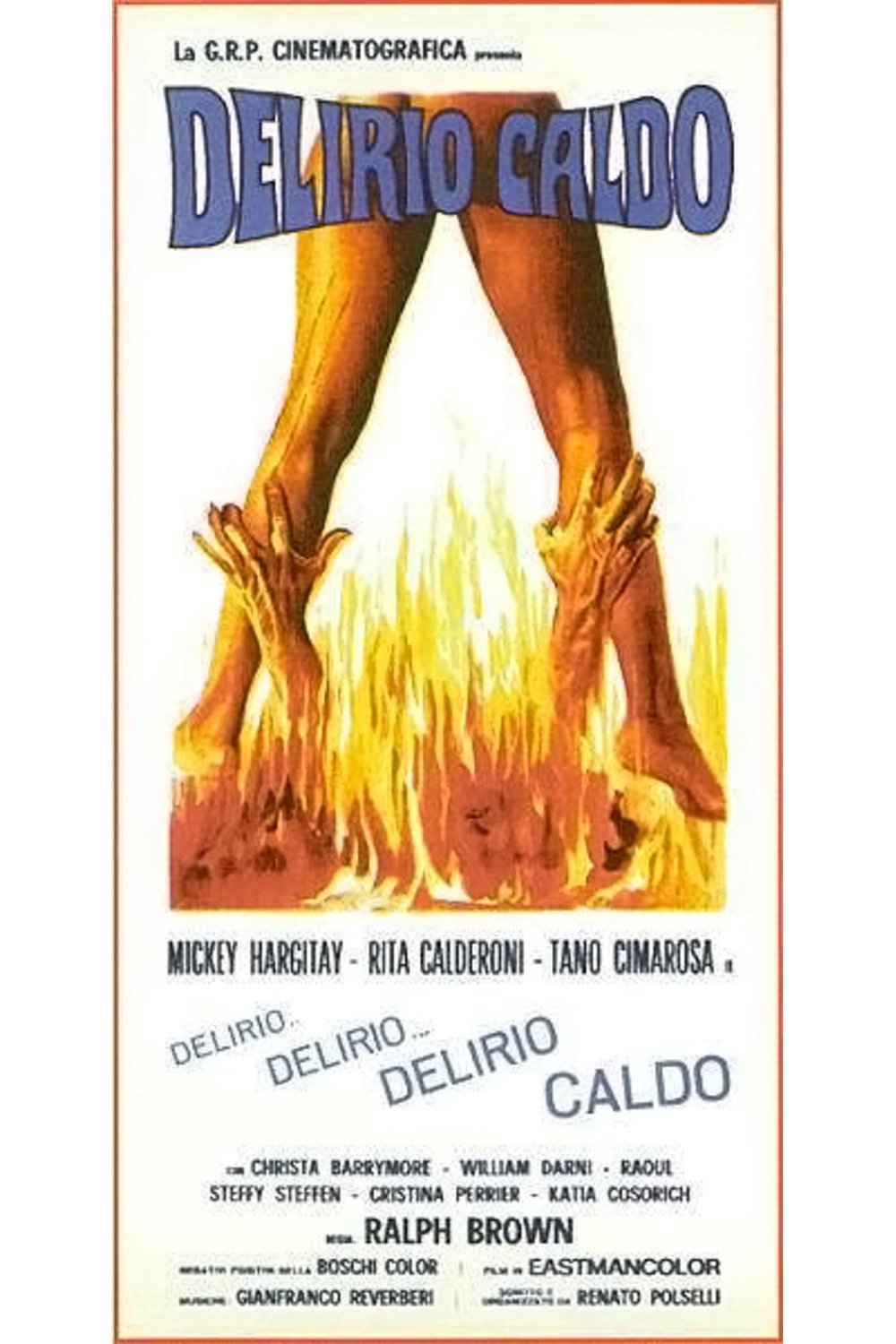
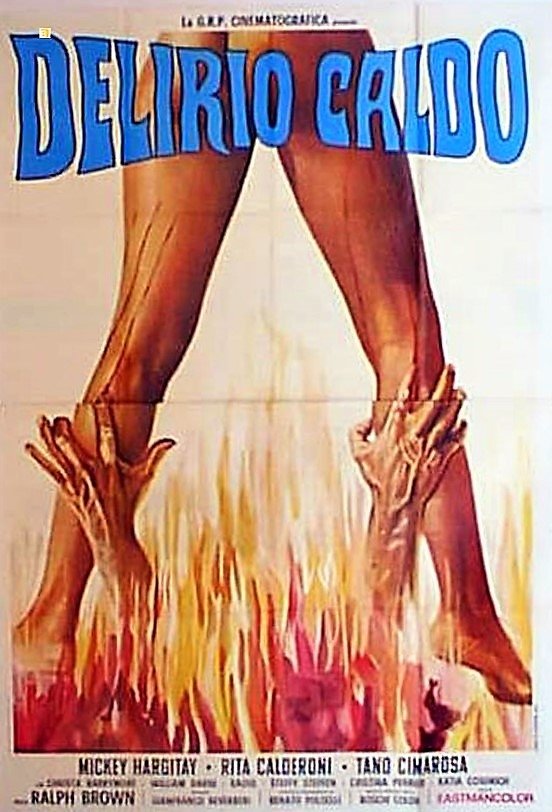
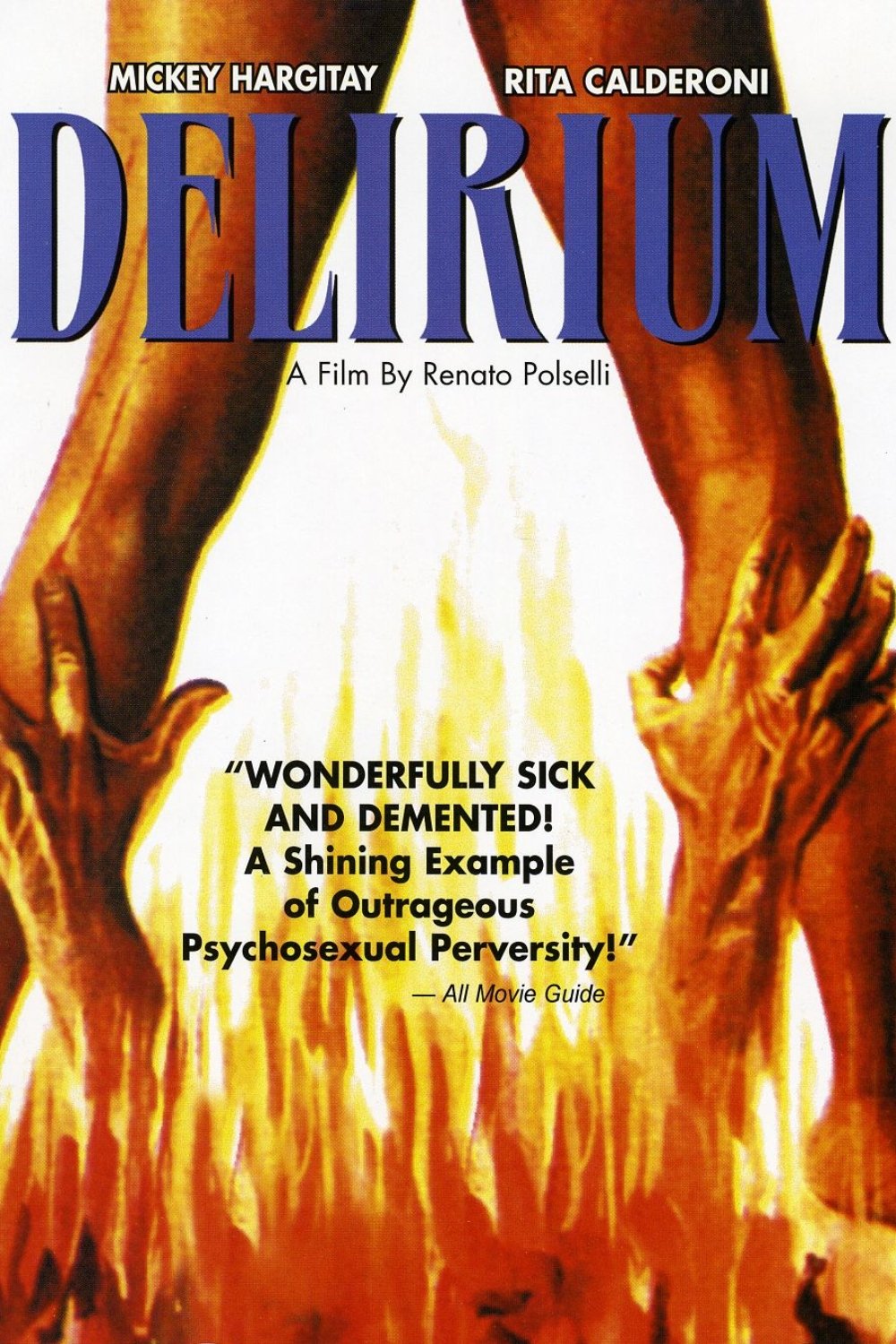
Delirium (1972) poster
Director
Production Company
G.R.P. Cinematografica
Plot

A respected doctor becomes the prime suspect in a series of gruesome murders.

Alternative Titles
偷天惊情 (China) — Chinese Das Grauen kommt nachts (Germany) — German Au-delà du désir (France) — French 偷天驚情 (Hong Kong SAR China) — Chinese Forró delírium (Hungary) — Hungarian Death at the Villa (United States) — longer version

Trailers & Videos

2 videos

Delirium (1972)

Renato Polselli combines serial murder, sexual obsession, and marital conspiracy in an Italian exploitation thriller whose American version substantially changes the original narrative.

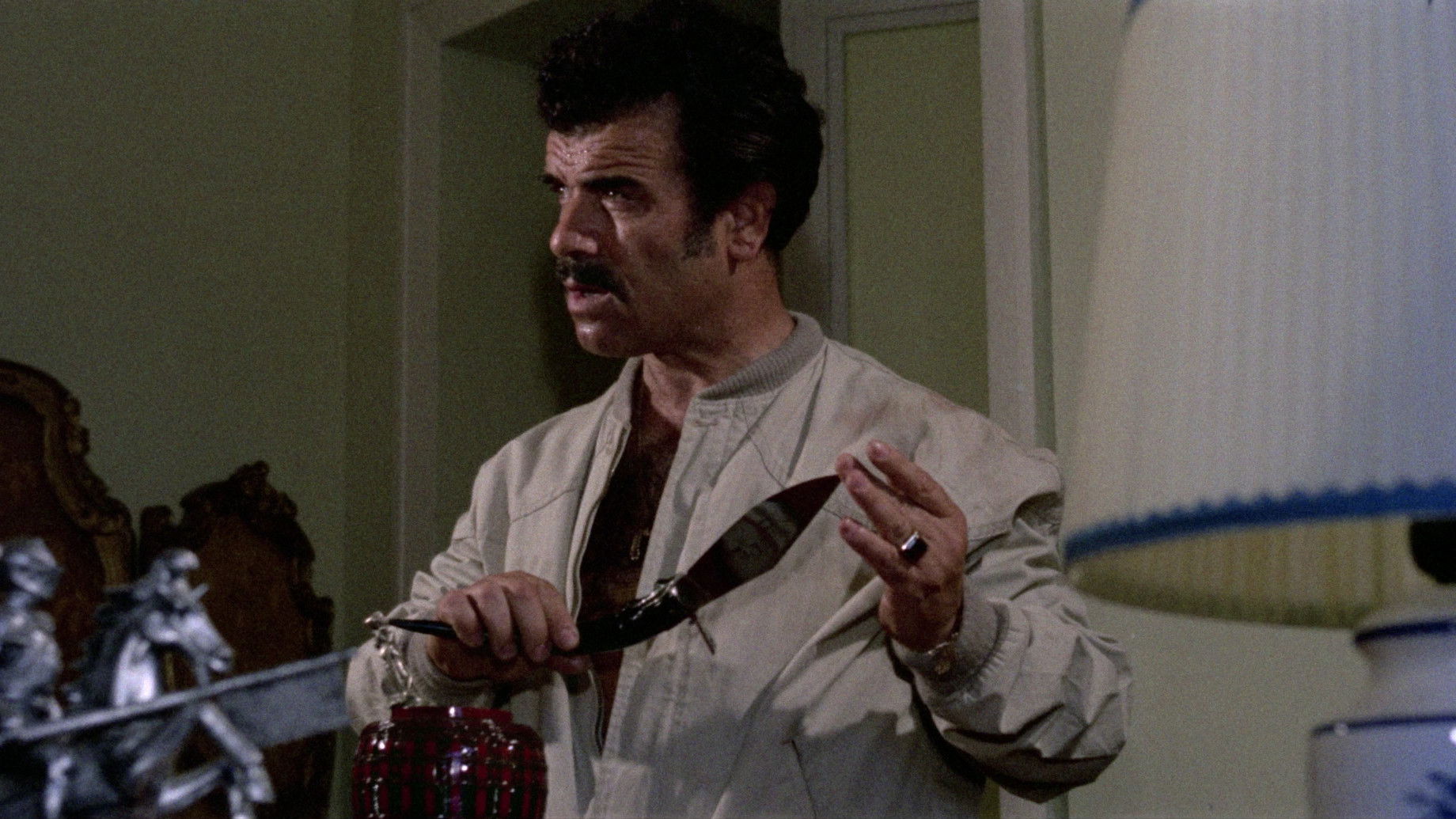
Delirium (Delirio caldo, 1972) is an Italian psychological horror thriller written and directed by Renato Polselli, who also used the pseudonym Ralph Brown. Starring Mickey Hargitay, Rita Calderoni, and Raul Lovecchio, the film follows Herbert Lyutak, a psychiatrist who assists the police while secretly committing violent attacks against young women. His wife Marcia discovers evidence of his crimes and becomes involved in an increasingly destructive attempt to protect him. The investigation develops around the relationship between the apparent respectability of a medical professional, his sexual disturbances, and the violent behavior concealed within his marriage.

Produced during the expansion of the Italian giallo, the film incorporates elements of erotic exploitation and psychological horror already familiar from Polselli’s earlier work. Its extreme emotional performances, vivid colors, sadomasochistic imagery, and shifting narrative perspectives distinguish it from the more procedural thrillers of the period. Two substantially different versions were prepared for international circulation, with the American edition introducing material about the Vietnam War and altering important characters and events. The differences extend to the film’s ending, making the version history essential to its narrative identity.

Production and Genre Context

Renato Polselli made Delirium through G.R.P. Cinematografica, his own production company, during a period when Italian filmmakers were responding to the commercial popularity of the giallo. Polselli had previously directed Gothic horror films including The Vampire and the Ballerina (1960) and The Monster of the Opera (1964). His subsequent work increasingly incorporated erotic material, psychological disturbance, and unconventional narrative structures. Delirium brought those interests into a contemporary murder investigation, combining familiar thriller situations with the sexual transgression and exaggerated behavior associated with his exploitation productions.

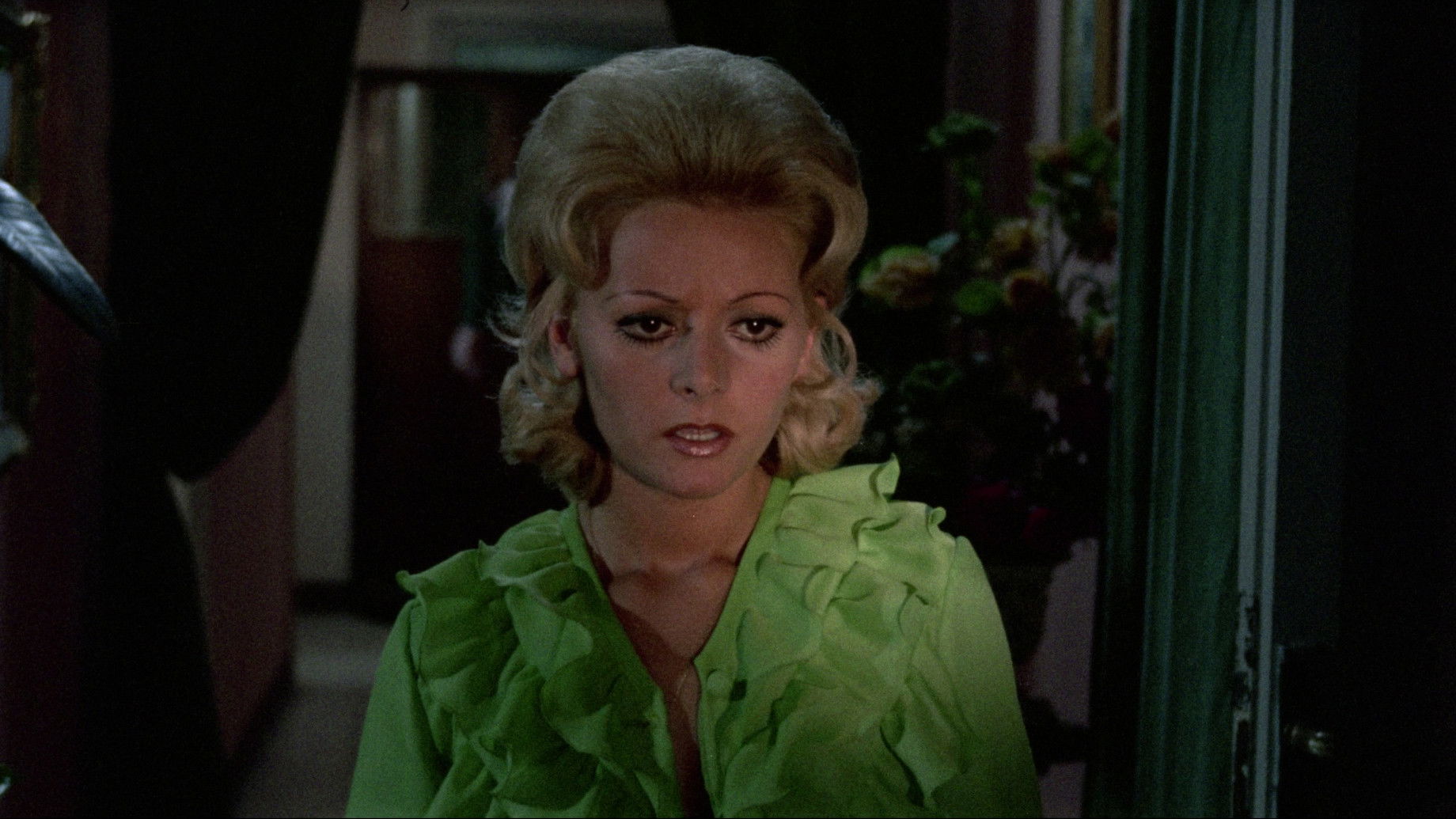
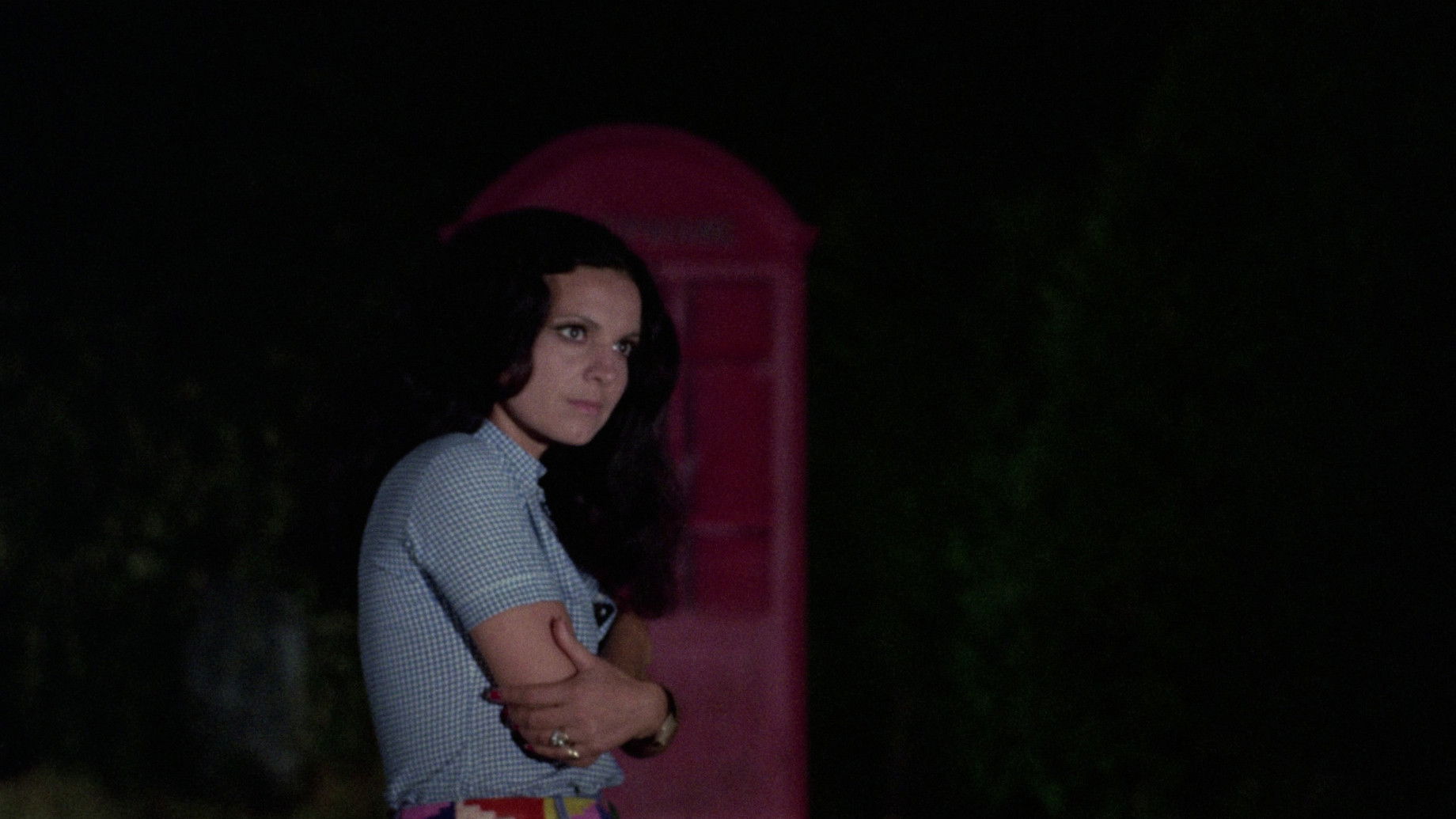
The film reunited Polselli with Mickey Hargitay, who had appeared in Bloody Pit of Horror (1965), and Rita Calderoni, one of the director’s frequent collaborators. Hargitay plays psychiatrist Herbert Lyutak, while Calderoni portrays his wife Marcia. The supporting cast includes Raul Lovecchio as Inspector Edwards and Tano Cimarosa as John Lacey. Polselli also employed several performers associated with his other productions, giving the film continuity with his established circle of actors. The script places the psychiatrist’s professional authority in conflict with his private behavior, while the police investigation gradually becomes entangled with the actions of his wife.

Polselli’s approach reflects the commercial intersection of the giallo and erotic horror in the early 1970s. The murders supply the investigative framework, but considerable attention is given to sexual frustration, domination, jealousy, and the unstable relationships between the characters. The production also prepared distinct material for foreign distribution rather than relying exclusively on changes to dialogue or titles. This decision resulted in versions with different narrative information, including an American presentation that supplies a wartime history for Herbert. The surviving editions consequently preserve different arrangements of the same central premise.

Psychological Horror and Marital Violence

Herbert Lyutak occupies a position of professional respectability as a psychiatrist who cooperates with the police. His medical knowledge and participation in criminal investigations provide an apparent separation between his public identity and the violence he commits in private. The film establishes this contradiction early, showing him approaching women before attacking them. His relationship with Marcia is characterized by sexual frustration and a refusal to maintain ordinary physical intimacy. The marriage becomes increasingly unstable as she attempts to understand his behavior and discovers evidence connecting him to the murders.

Marcia’s response introduces a second criminal element into the investigation. Rather than immediately exposing Herbert, she attempts to protect him by committing another murder using a similar method. The new killing appears to support his innocence when the police suspect or detain him. Her intervention also creates additional complications because people connected with the household begin discovering information that threatens the couple. The investigation consequently involves two individuals whose actions interfere with the interpretation of physical evidence and the reconstruction of events. Their attempts to conceal the crimes produce further violence.

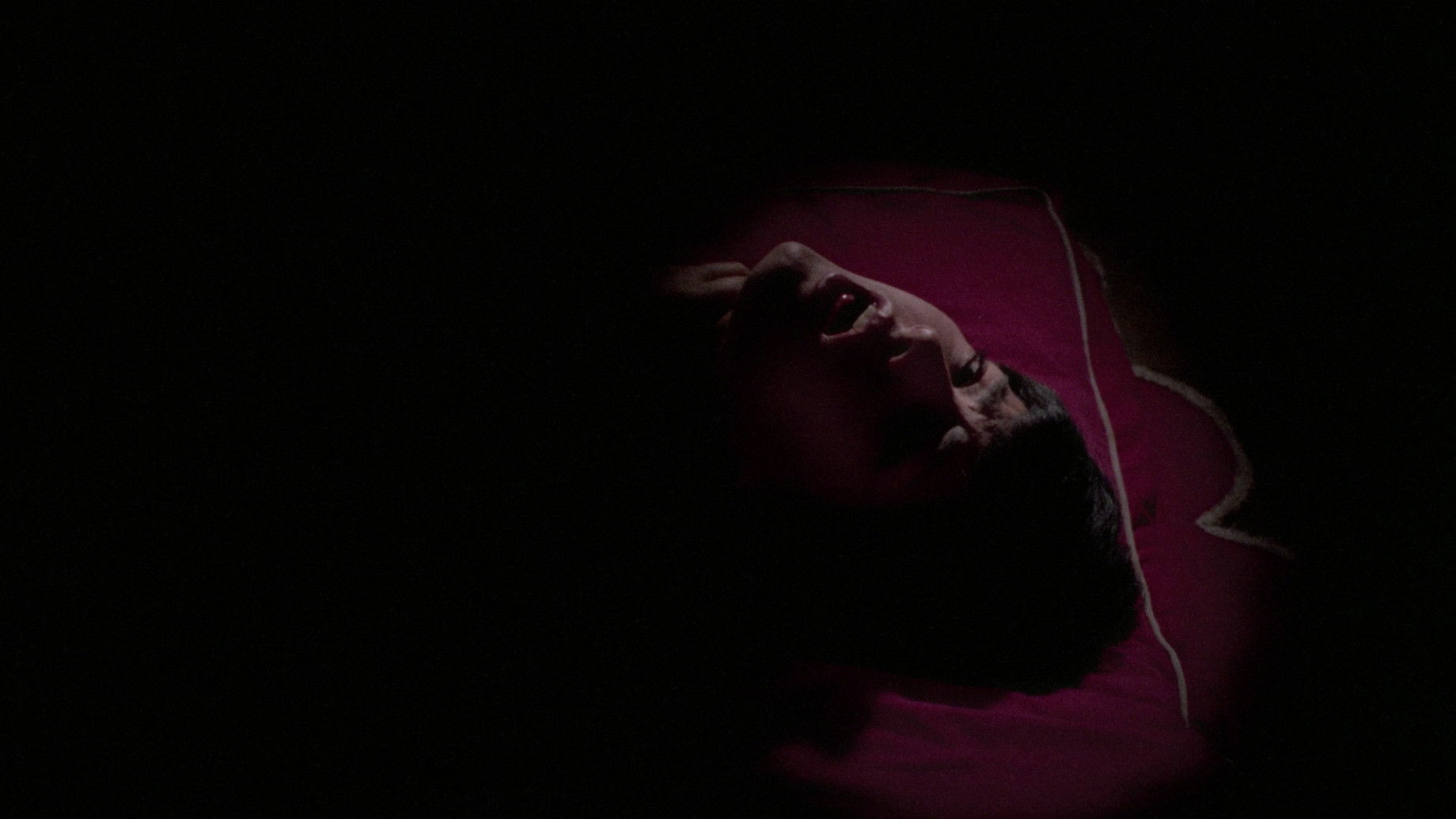
The film associates Herbert’s murderous impulses with sexual impotence, disturbed desire, and fantasies of domination. His clinical authority becomes particularly troubling because his professional role involves interpreting the mental states of others. Polselli presents these conflicts through confrontational dialogue, scenes of physical aggression, and images associated with sadomasochistic practices. Hallucinatory passages introduce chains, restraints, and sexualized violence, placing Marcia’s anxieties within the visual vocabulary of erotic horror. The final developments intensify the conflicts within the marriage as the investigation approaches a resolution involving the couple and those who have become implicated in their crimes.

Visual Style and Music

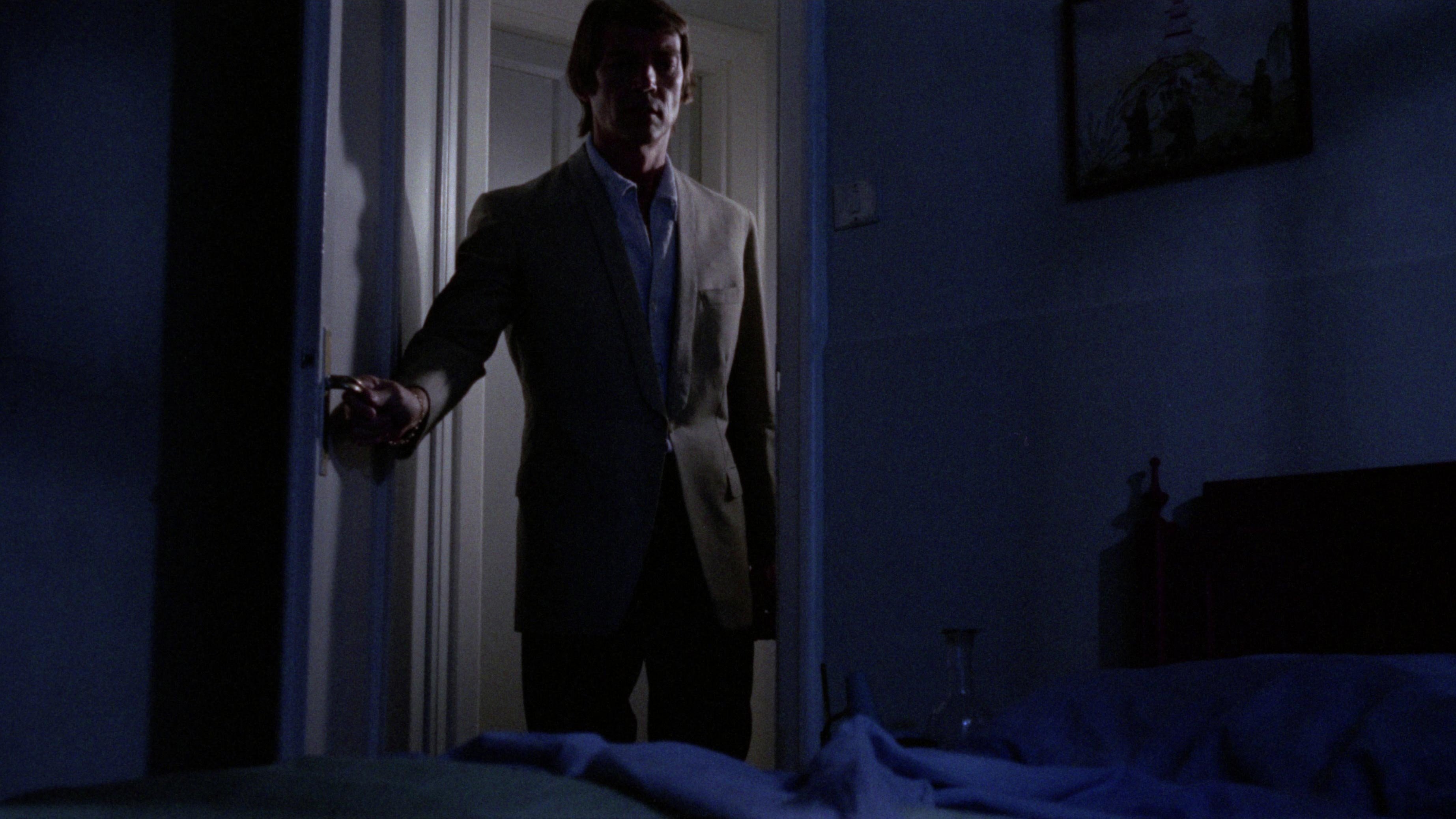
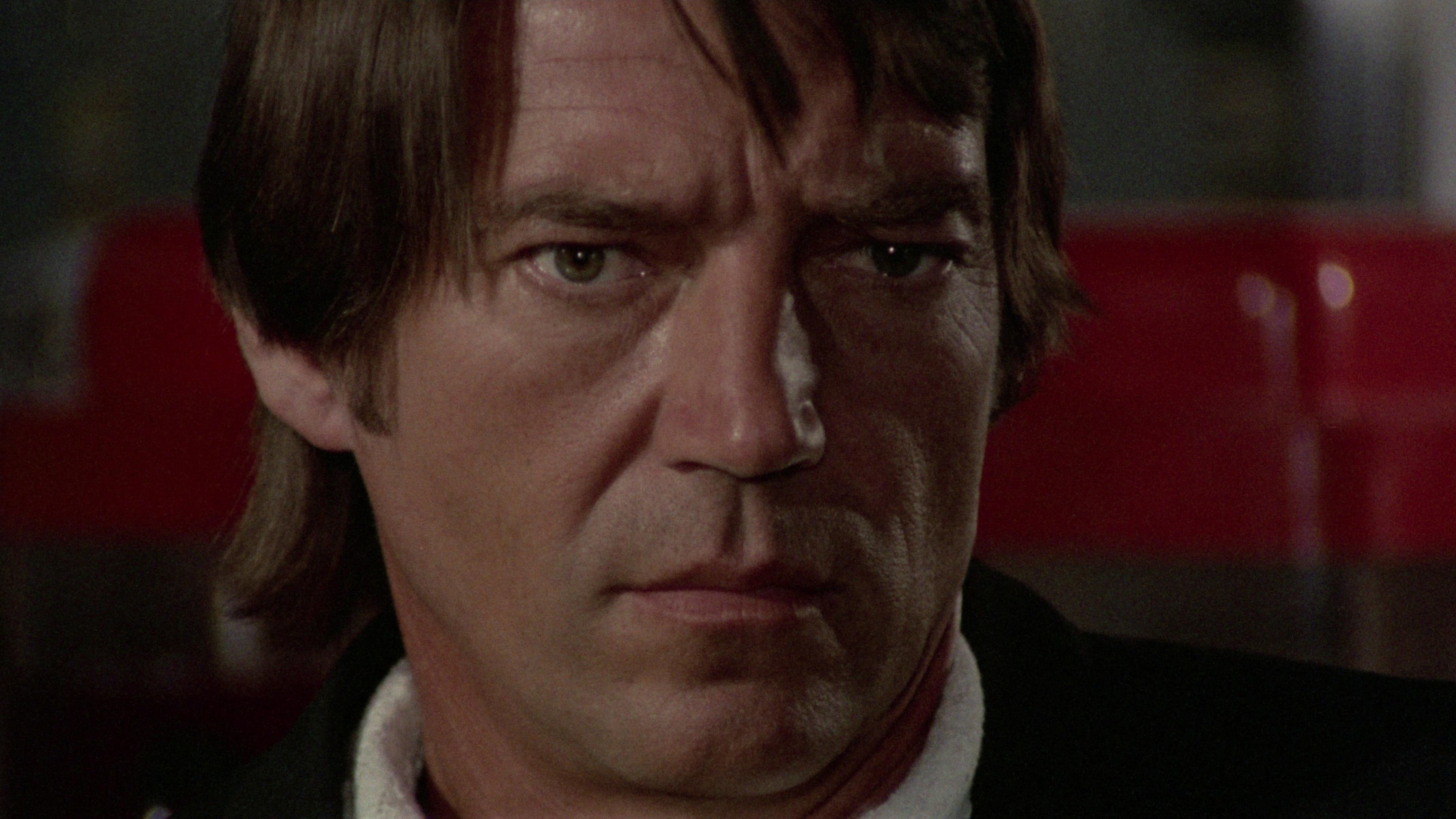
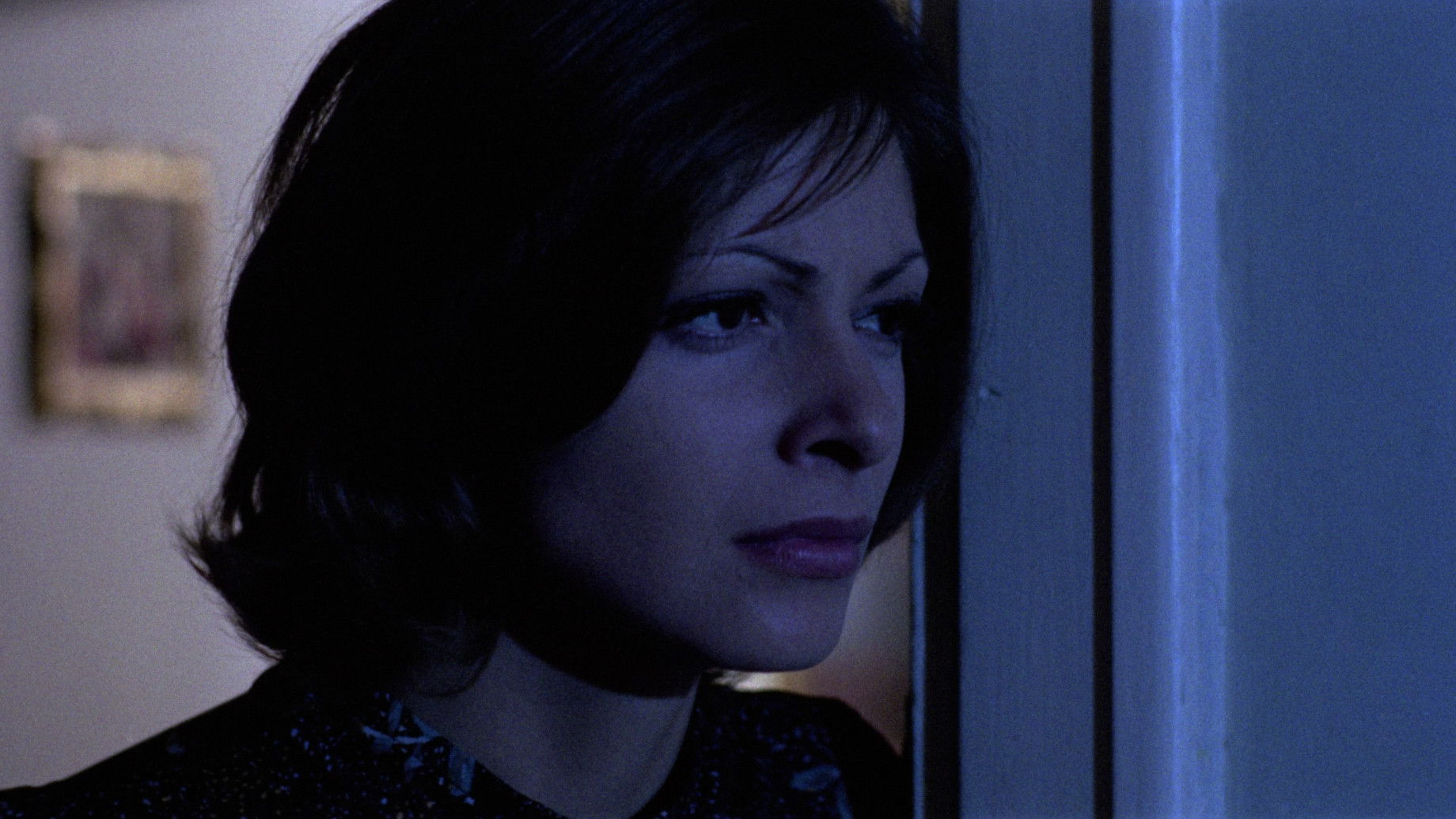
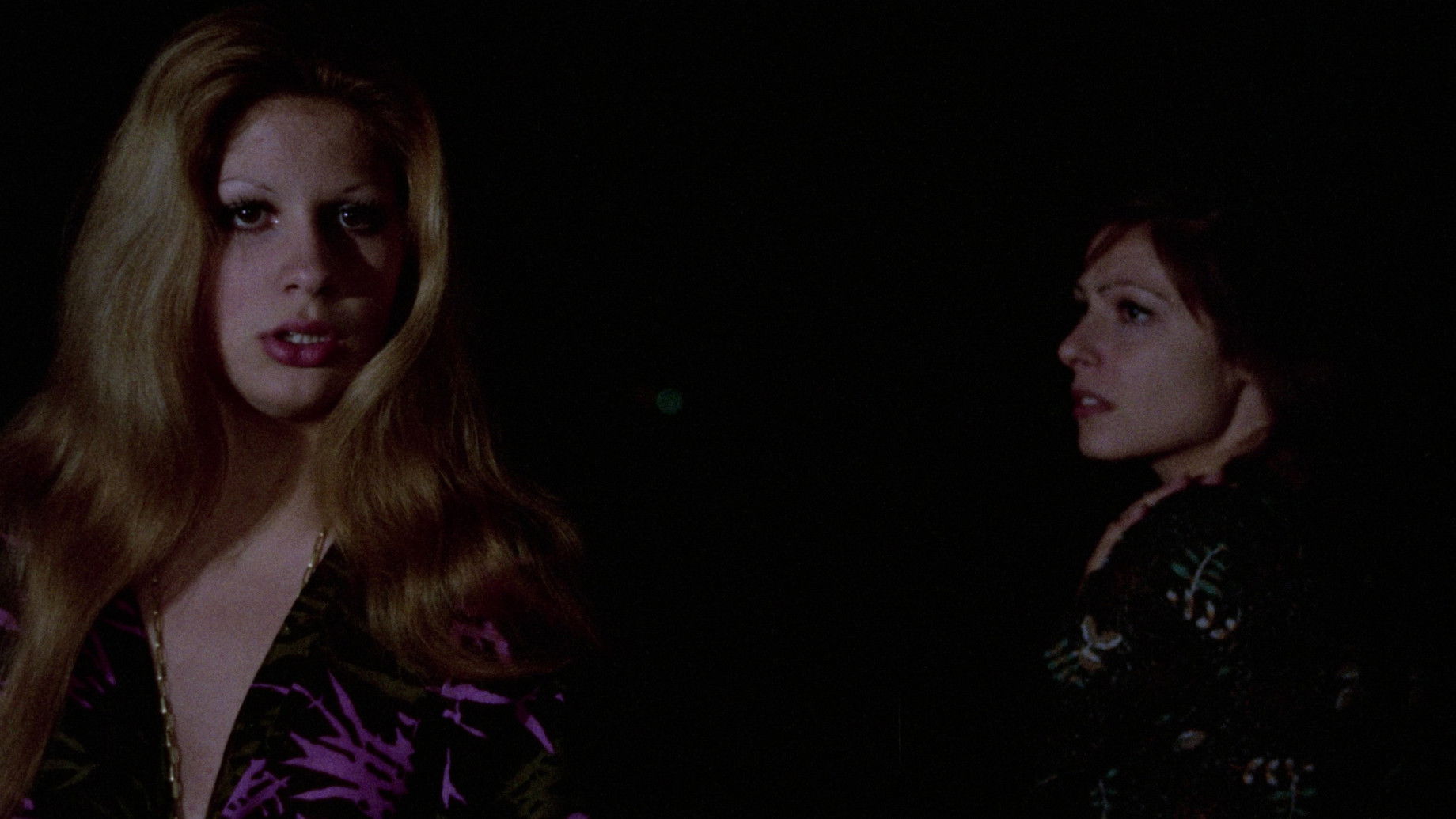
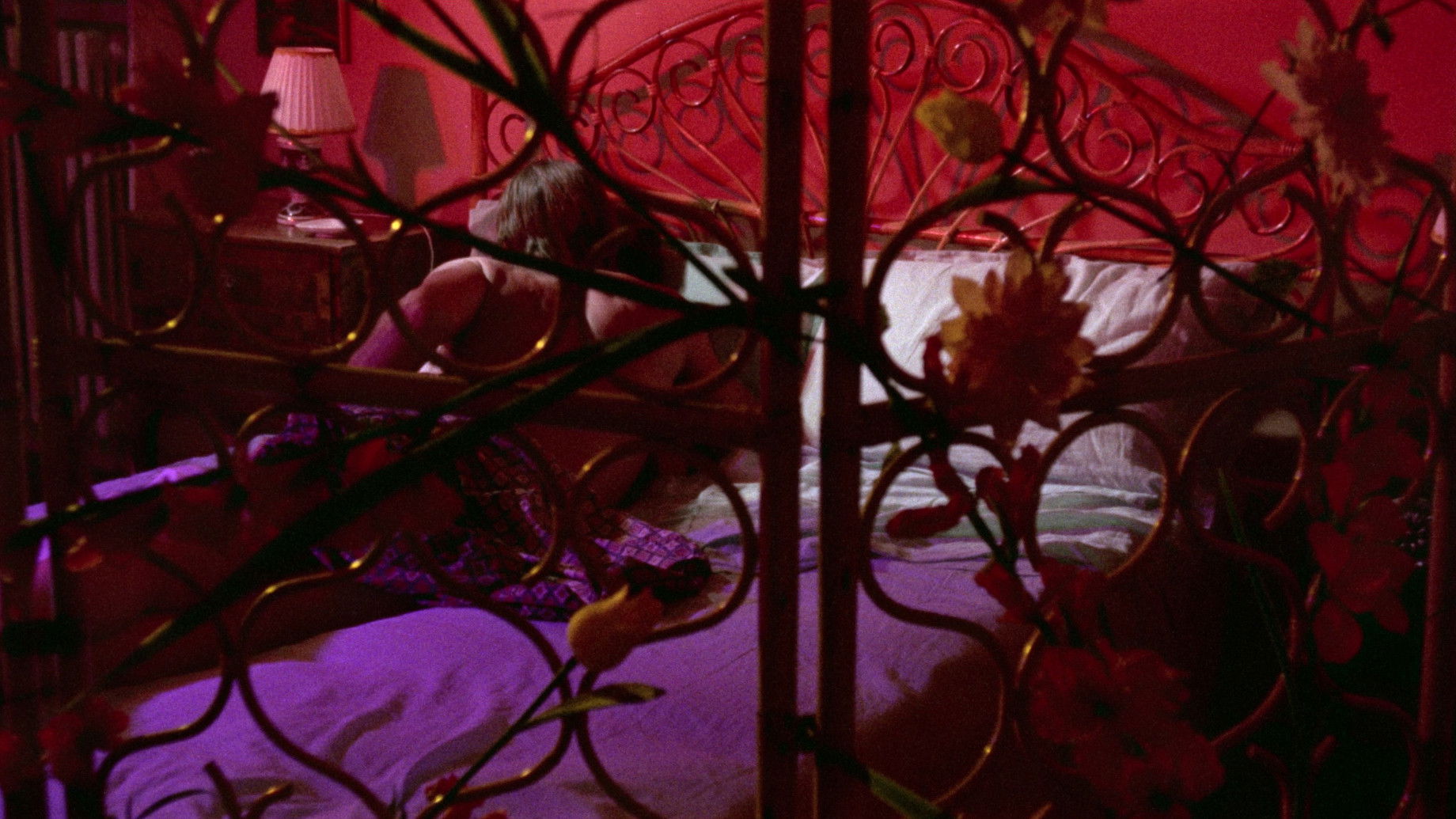
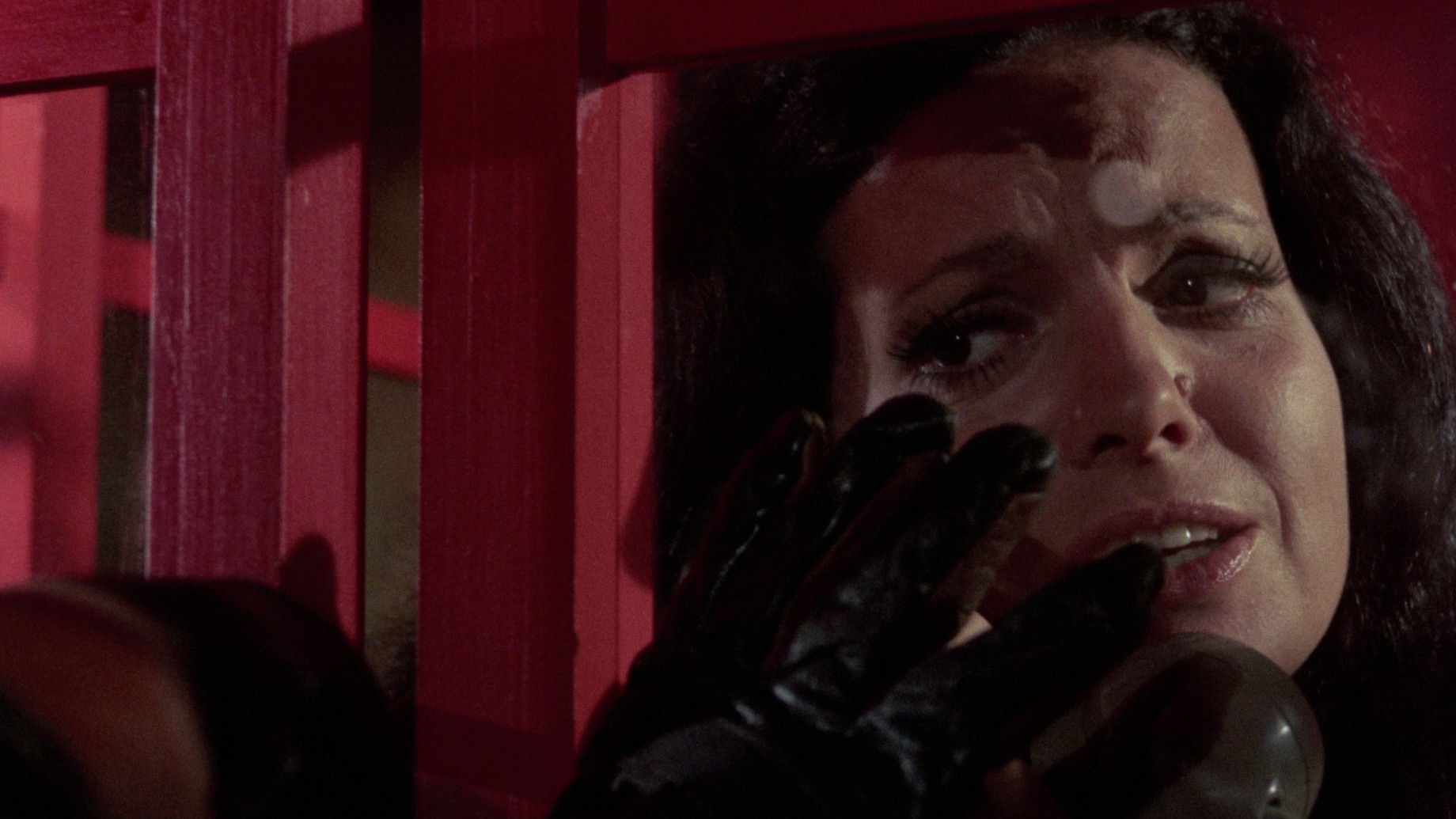
The cinematography of Ugo Brunelli gives Delirium a striking visual identity through saturated colors, conspicuous lighting contrasts, and elaborate interior compositions. Polselli frequently employs close-ups and unusual camera positions to emphasize emotional reactions and moments of psychological instability. The contemporary interiors contain carefully arranged furnishings, vivid decorative elements, and spaces that accommodate the film’s erotic and violent encounters. The use of strong color contrasts is particularly evident during scenes involving hallucination and sexual disturbance, where the lighting contributes to the separation between ordinary surroundings and the characters’ subjective experiences.

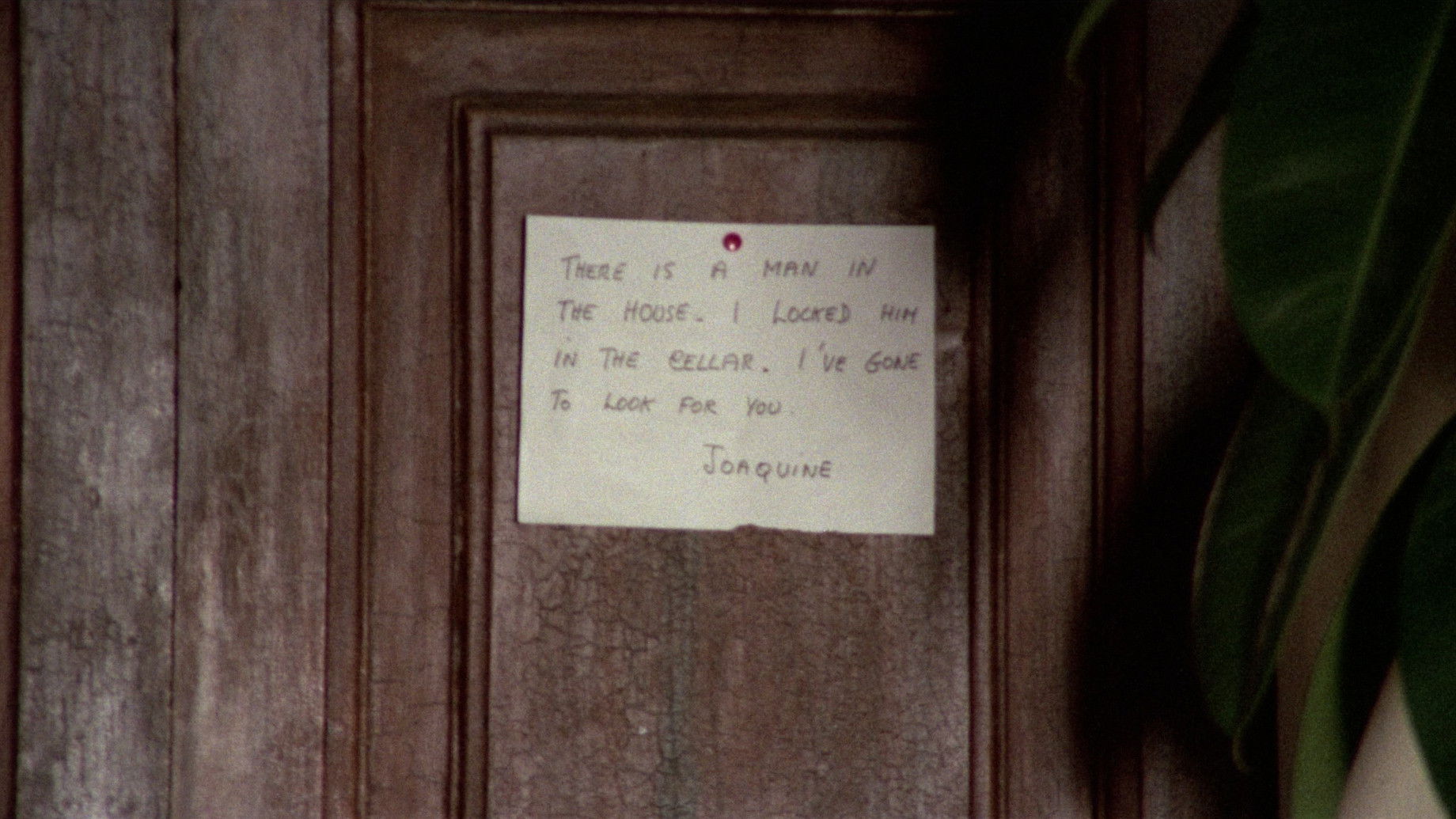
The murder sequences combine physical aggression with abrupt changes in rhythm and perspective. One episode involves an attempt to stage a death as an accident by positioning a victim near an open window. Other scenes take place in domestic environments that become locations of confinement, intimidation, and assault. The film’s increasingly elaborate situations require the spectator to follow overlapping acts of deception, particularly after Marcia becomes involved in the crimes. The editing by Otello Colangeli accommodates shifts between the police investigation, the couple’s private life, and episodes involving individuals threatened by their attempts to avoid discovery.

Gianfranco Reverberi is credited with the score, whose rhythmic and melodic material contributes to the film’s distinctly early-1970s atmosphere. The music includes prominent beat-oriented passages, contrasting with the aggressive dialogue and psychological instability of the central characters. Its use during transitions and the concluding sequences creates a recognizable musical identity alongside the strong visual emphasis on color. The soundtrack accompanies a production in which erotic imagery, criminal violence, and domestic confrontation repeatedly intersect. Contemporary popular-music influences are especially appropriate to Polselli’s movement away from the historical Gothic settings of his earlier horror films.

Censorship, Versions and Reception

Delirium was submitted to the Italian film censorship commission on May 17, 1972. The surviving documentation, preserved in fascicle 60379, records the commission’s decision of May 27 and the alterations required before public exhibition. Three groups of scenes were identified for removal or reduction. These concerned sexual touching involving Herbert and women, a hallucination depicting sexual activity between women, and a sequence in which Herbert cuts his wife’s back. After examining the revised material, the commission authorized the film with a prohibition on admission for viewers under eighteen years of age. The official justification referred to repeated nudity and violence.

The film’s international circulation produced substantially different versions. The Italian presentation runs approximately 102 minutes, while the American edit is generally reported at around 85 to 86 minutes. The shorter version introduces a prologue set during the Vietnam War, presenting Herbert as a veteran whose wartime experiences contribute to his disturbed psychological condition. It also establishes a military connection with Marcia. Carmen Young appears as Bonita, a character absent from the Italian narrative. Additional differences affect the depiction of violence, the fate of a female character, and the events of the final confrontation. A detailed comparison published by Il Davinotti in 2008 documents these alterations through corresponding sequences from both editions.

The original Italian release was handled through regional distribution, with the film entering theatrical circulation in July 1972. Contemporary criticism was generally unfavorable. Segnalazioni Cinematografiche, in its 1973 volume, criticized the implausible setting, exaggerated performances, and narrative development, finding little effective suspense in the increasingly grotesque events. Later specialist writing has paid greater attention to Polselli’s use of color, his elaborate staging of erotic violence, and the unusual relationship between the Italian and American cuts. The 2008 version comparison identifies the distinctive photographic treatment and production design while also noting the narrative discontinuities present in both editions.

References

  1. CHANGES – Università degli Studi di Milano Fascicolo 60379 — Delirio caldo

    Original Italian censorship documentation recording the May 1972 examination, three groups of required cuts, and the final authorization restricting admission to adults.

  2. Il Davinotti "Delirio caldo" in 2 versioni: Usa vs Italia

    Detailed illustrated comparison of the Italian and American versions, including their different running times, Vietnam prologue, additional characters, altered killings, and divergent endings.

Cast

View Full Cast & Crew →

Release & Distribution

Production Companies (1)

  • G.R.P. Cinematografica

Release History (1)

Release DateTerritoryRelease TypeFormatDistributorCertificationNotes
1972-07-05 Italy Theatrical — — —

User Reviews

1 public reviews
DA84 8/10

After a savage murder, a respected psychologist is brought in to help understand the specifics of the case with the police, unaware he’s the culprit all along brought about by his own psychosis and impudence, bringing him dangerously close to being discovered during his rampage. This was an immensely offkilter though incredibly enjoyable genre effort. Among the better features found here is the incredibly wacky storyline that plays things with a straight sensibility despite carrying out incredibly bizarre behavior while doing it. On the whole, the idea of this one following the psychiatrist involved in a series of murders with several other police officers interested in cracking the case which devolves a series of clues that suggest him as the culprit but is never able to pinpoint anything to him which is an immensely effective and workable starting point. The connection to the various murders occurring, pointing to the doctor but the detectives believing otherwise for the story to move along, creates an intriguing angle here with how flimsy the manner is for believing that, and with the series of murders taking place that lead to a worthwhile ending point, which makes everything here incredibly fun to play out. What makes the ensuing investigation all the more deranged, however, is the relationship status that we see play out between the professor and his wife, which is incredibly bizarre and unconventional. The whole idea of the doctor keeping himself from sexually gratifying his wife and doing everything he can to prevent himself from tarnishing his image of her perfect beauty and desire ends up causing a state of impudence that’s wholly comical to see laid out. With a sequence involving him being reluctant to her affections and offering a belated anniversary card that announces his intentions, him as a successful scientist but a failure otherwise, the relationship they share should be ended, the exaggerated and wholly ludicrous manner this takes from there gives this the kind of unnatural atmosphere that helps to paint him as the delusional, unhinged psychopath that this needs him to be for everything to make sense of his psychotic rampage. On top of this bizarre and wholly unconventional setup, the film’s giallo trappings are quite fun and manage to bring up some intriguing elements. The opening encounter showing him picking up the young woman from the bar, taking her on a suspenseful ride home before letting her out and going after her into a local river where she knocked off, sets the stage for a really bizarre series of interactions that focus on the clearly deranged and psychotic lunatic walking around trying to play nice with everyone, making all kinds of unhinged faces at them when things don’t go his way, and then finally snapping into a fun, extended chase that takes place afterward. Later scenes, including a victim grabbed out on the streets and taken back to their house where they’re stripped, dumped into a running bathtub, and whipped until they’re dead, or a fun brawl with a victim in a cellar filled with S&M equipment, give this some more fun moments, and alongside the fine nudity, allow for the positive points here. There are a few elements here that bring this one down. The main issue here is the demented sense of reality present while trying to make sense of everything throughout here, as it’s so offkilter and bizarre that it’s hard to stay invested in this at times. The relationship dynamics and general behavior of everyone here are so ludicrously over-the-top and unhinged that it becomes an exercise to see how ridiculous this can get, and it never gets even close to coherent or logical throughout here. The hallucinogenic visuals and absurd reactions to everything make it even harder to do anything, and it becomes so much more obvious at the finale, where the dynamics and hysterics are at such a fever pitch that everything is just completely impossible to take seriously, especially the type of concepts at play here, where it doesn’t make any sense anyway before going through such weird performances to accomplish it all. These bring the film down overall. An immensely bizarre and unconventional giallo, there are some worthwhile factors to be had here with how goofy and generally bizarre this is, which is a personal preference for how effective that really is. Those with an appreciation for that style or approach, who enjoy this era of the genre, or who are fans of the creative crew will have the most to like here, while most others out there should heed caution. Rated R: Full Nudity, Graphic Violence, Graphic Language, and sex scenes.

More perverted than FRENZY... Bloodier than PSYCHO... More sadistic than BLUEBEARD!