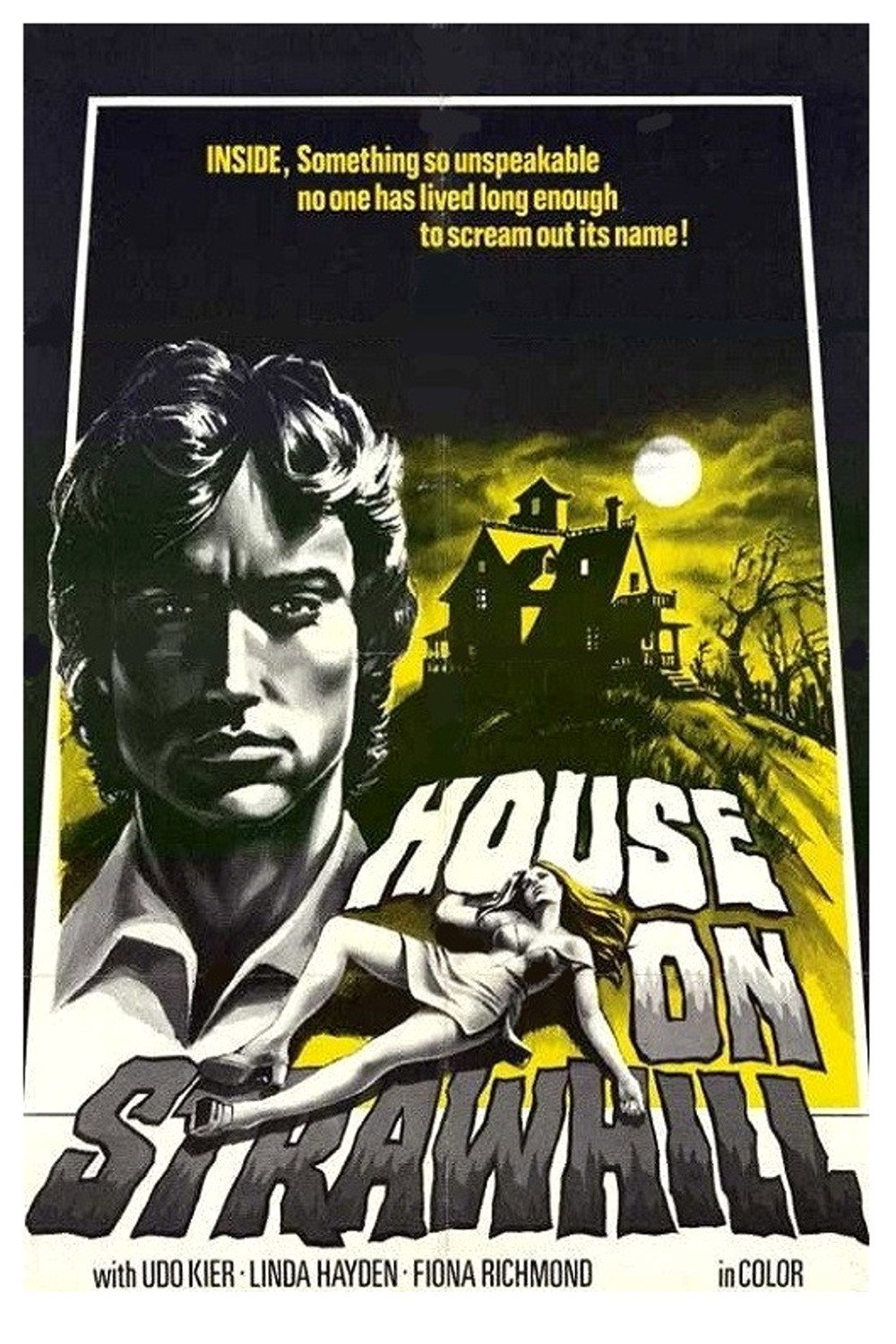
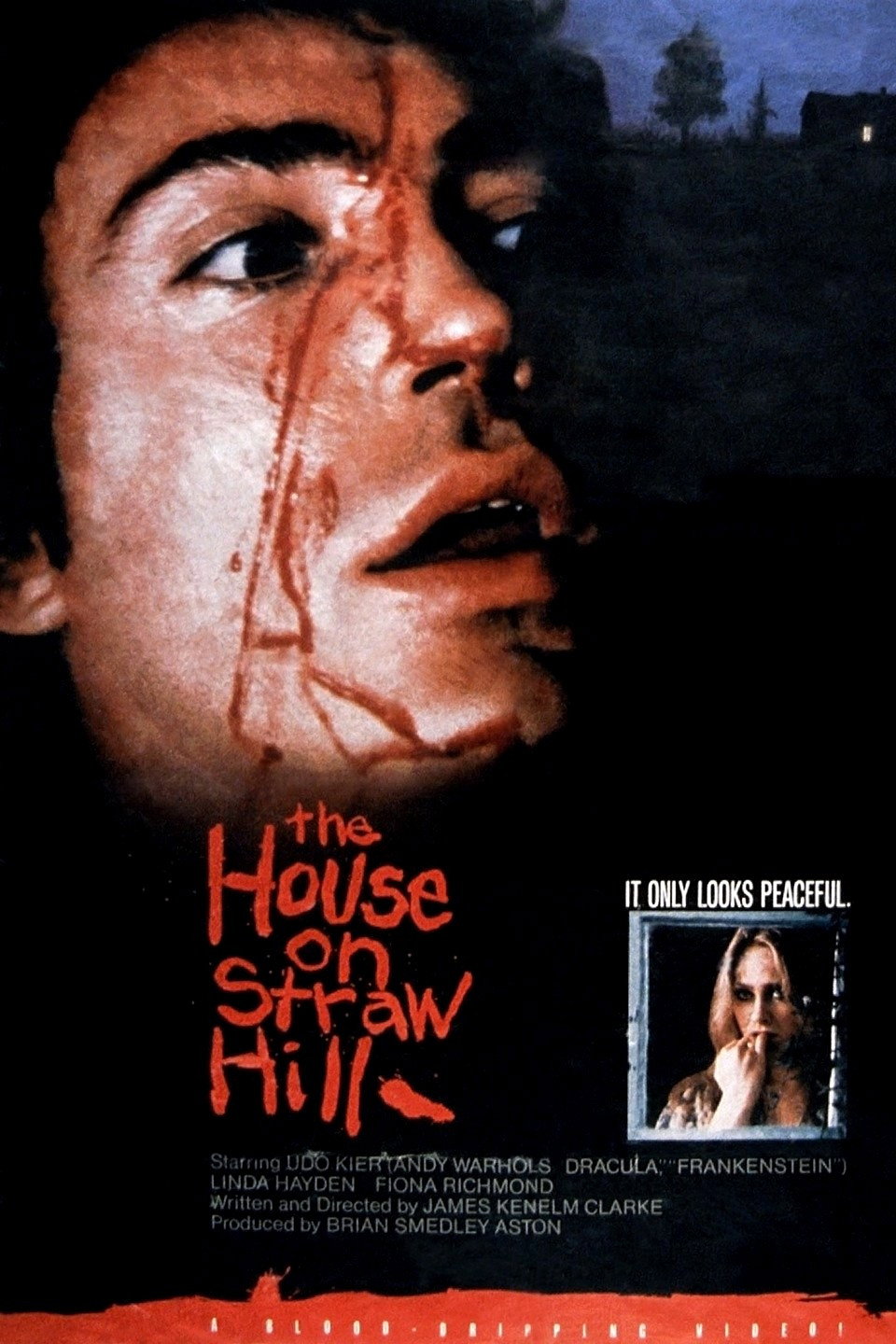
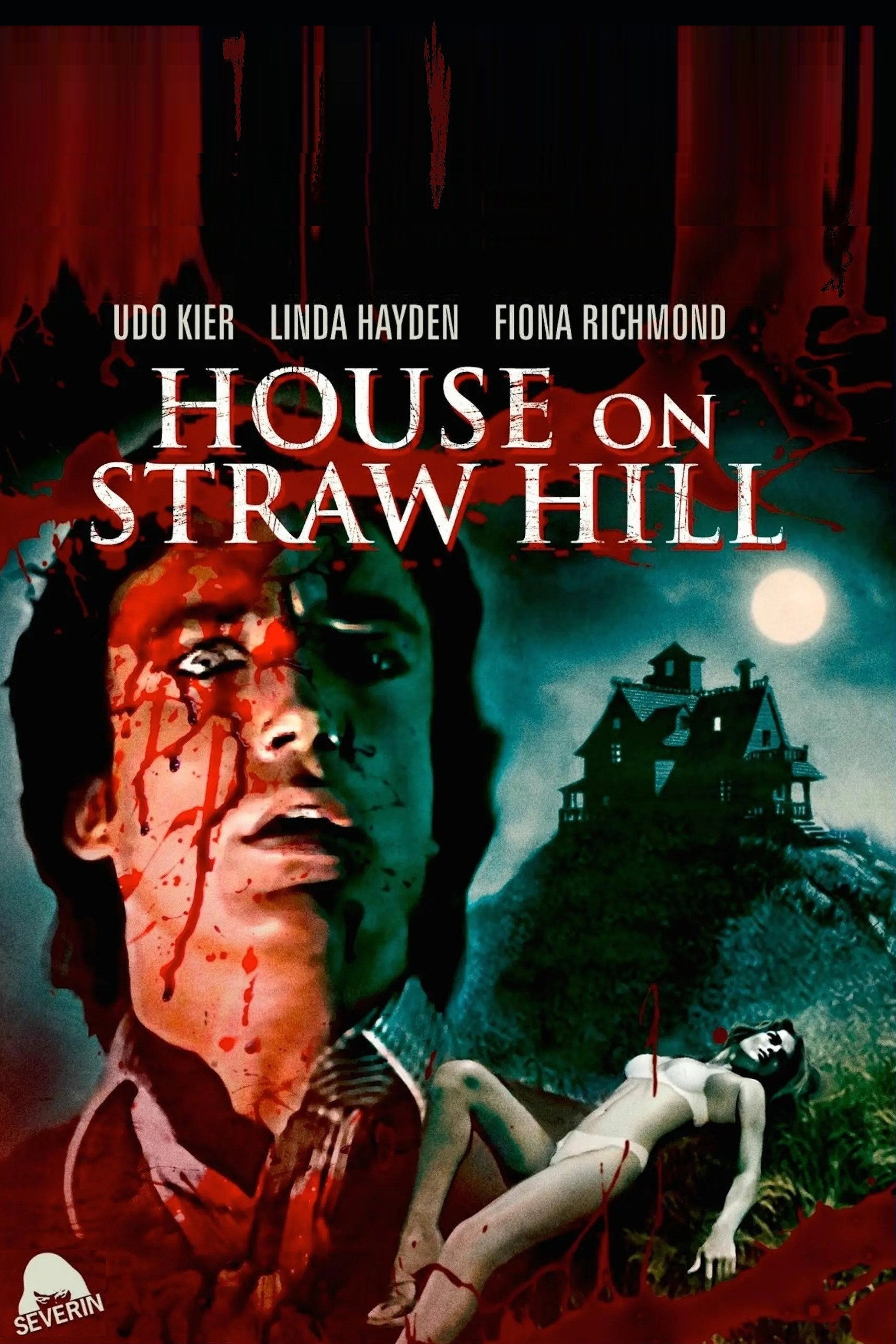
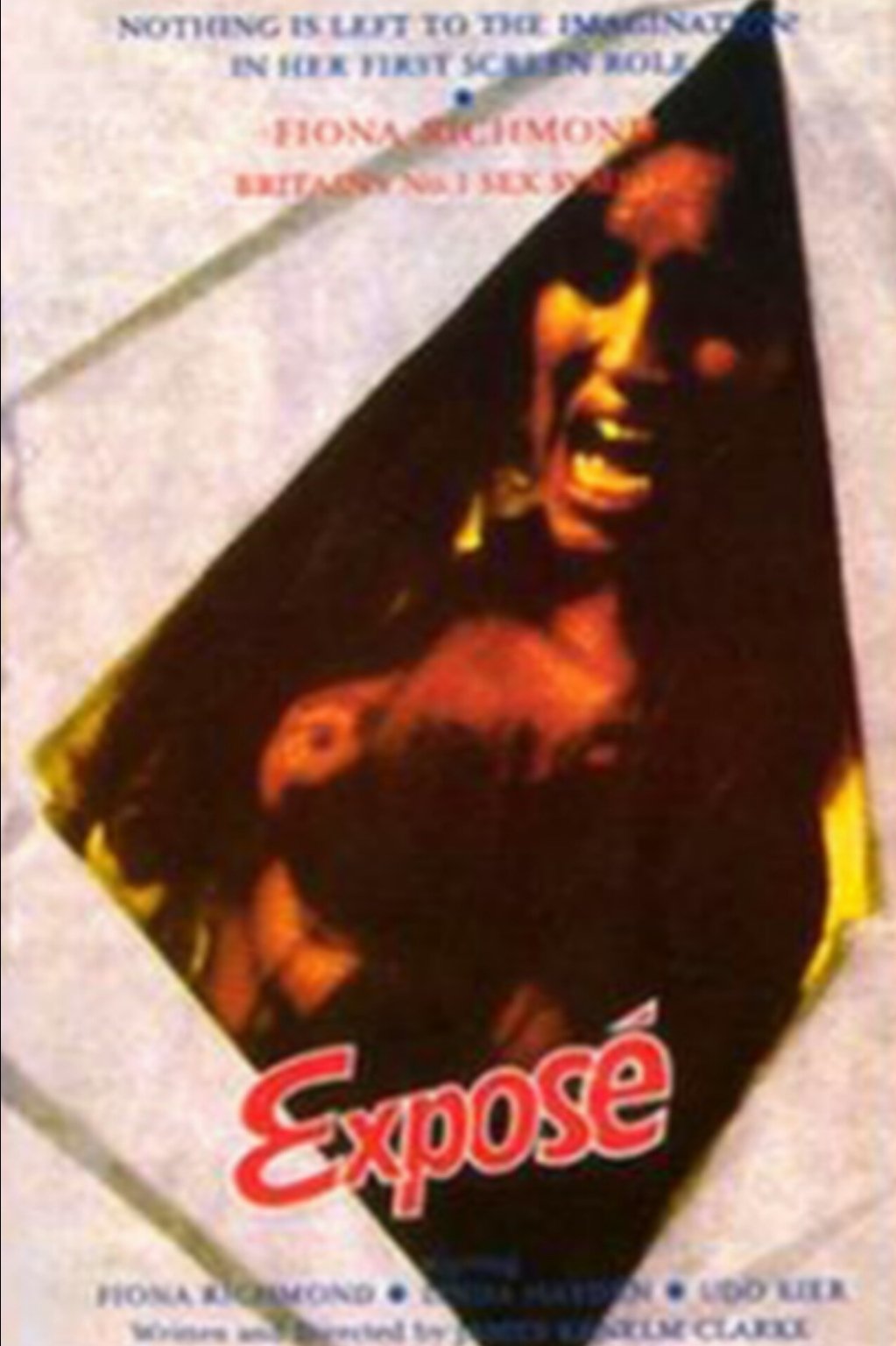
Development, Financing and the British Exploitation Market
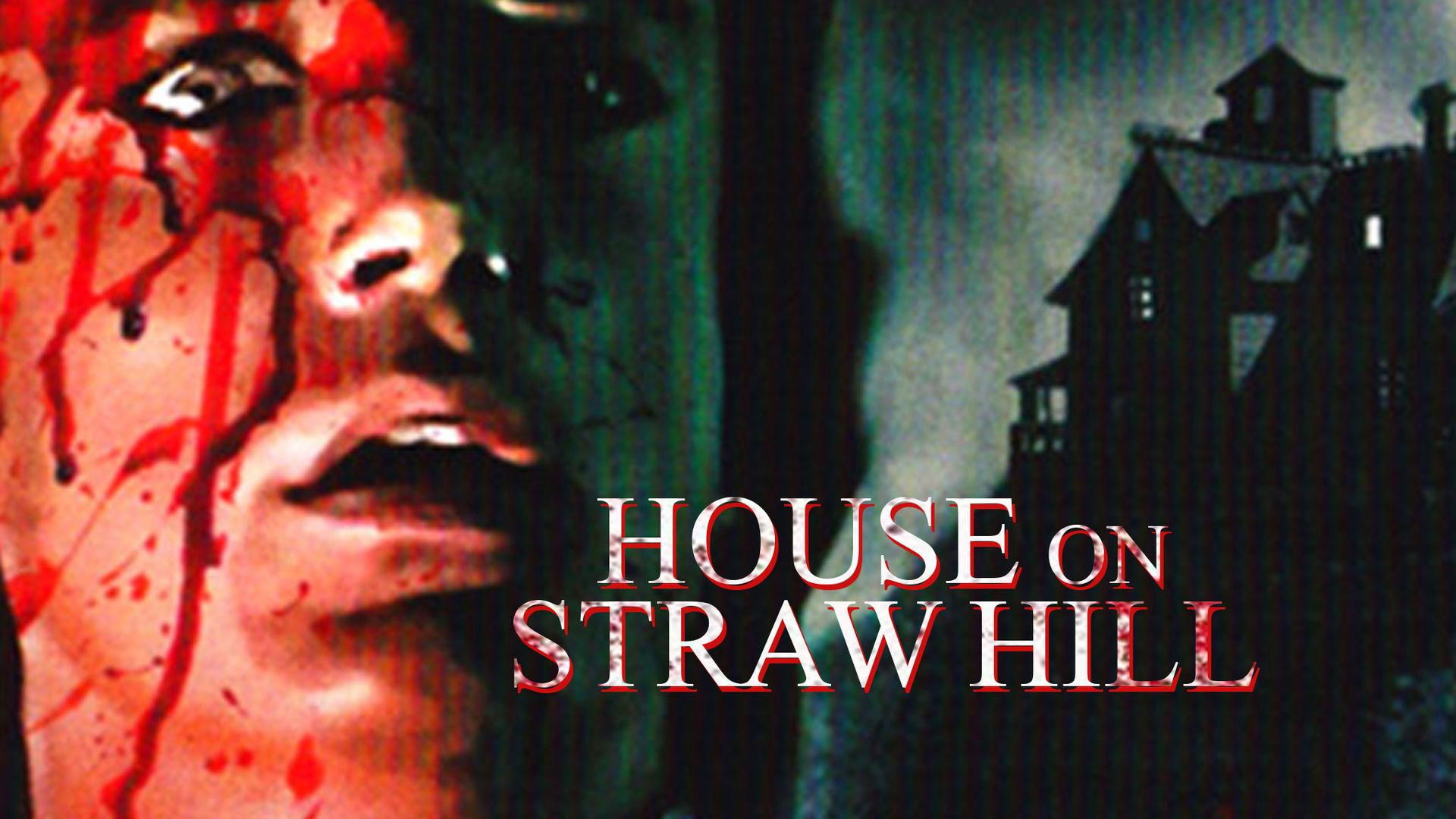
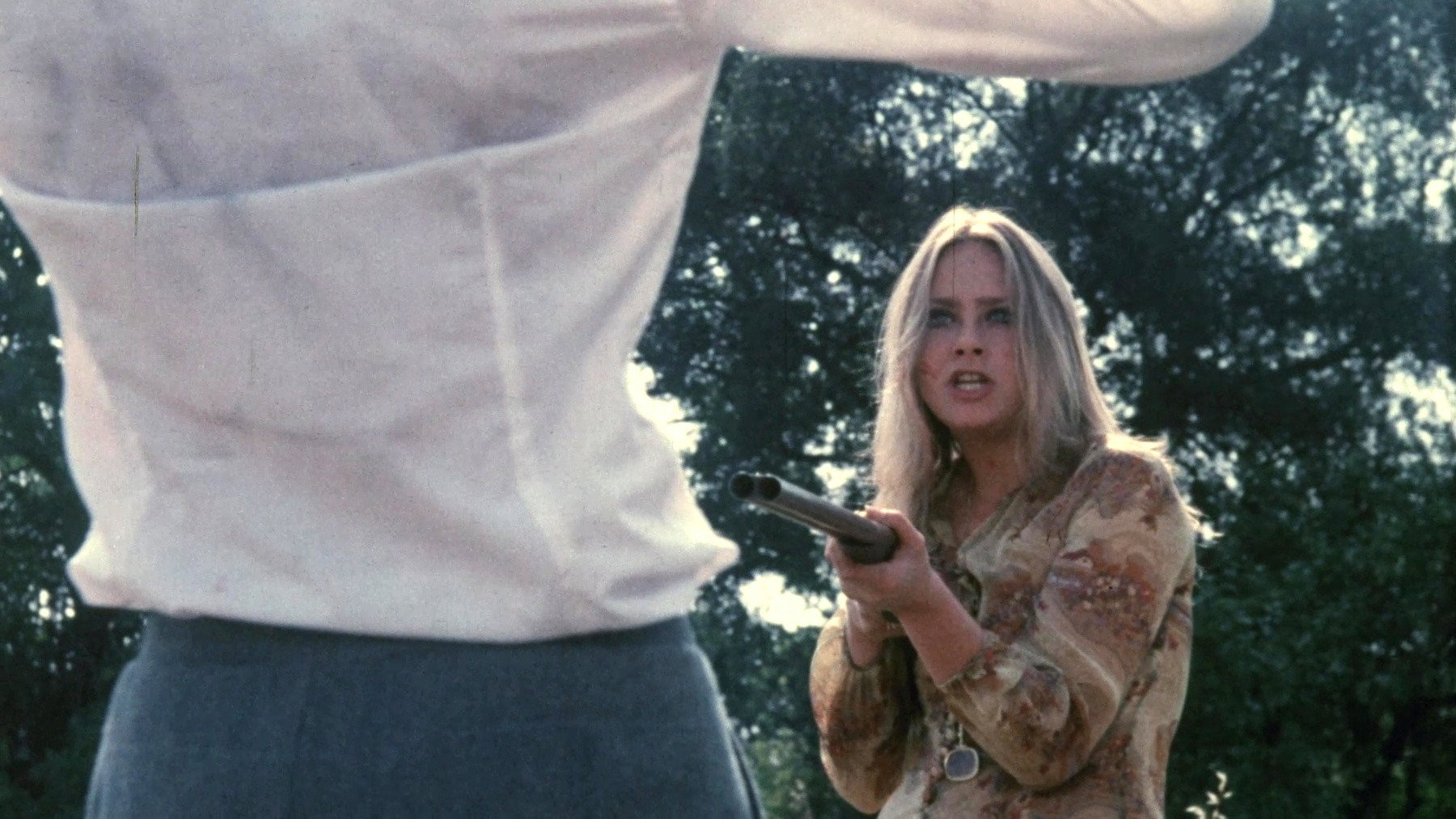
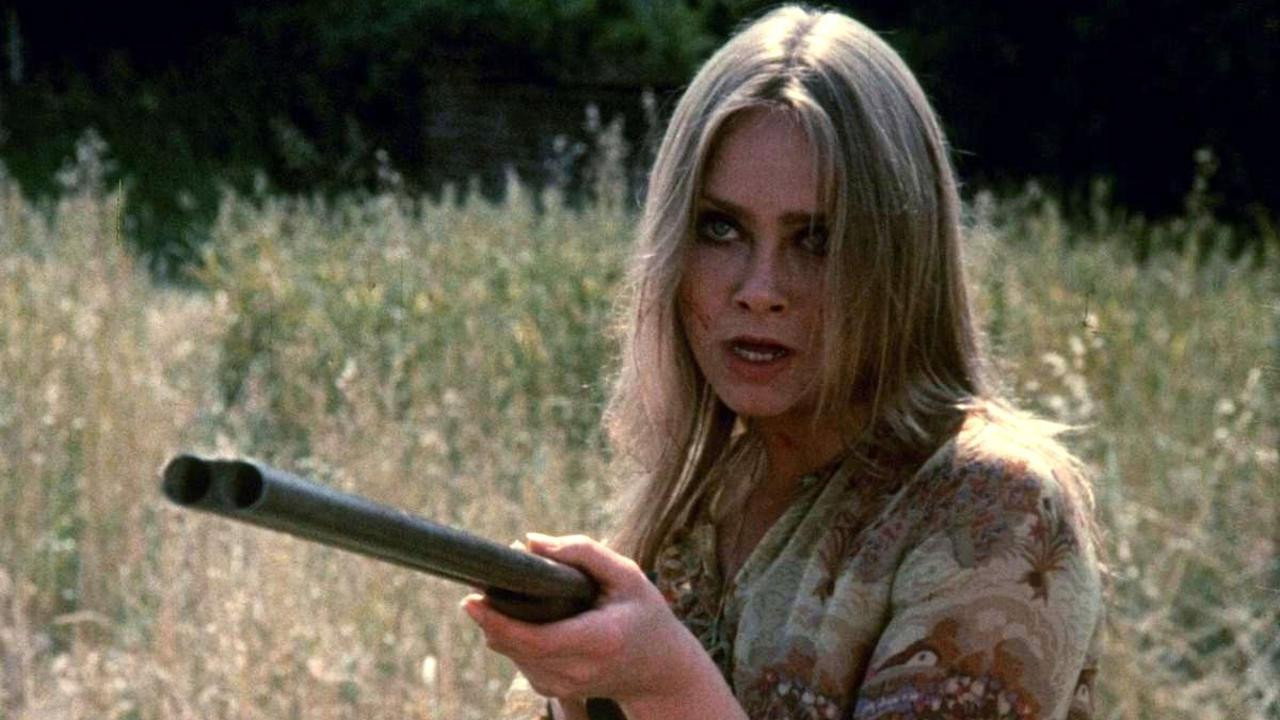
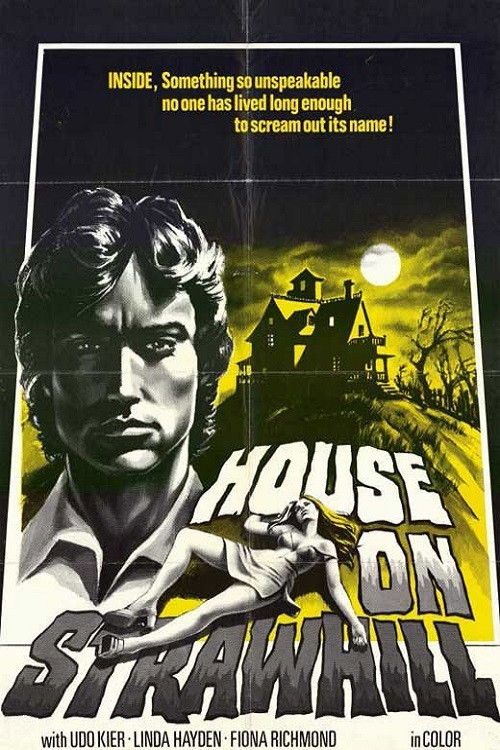
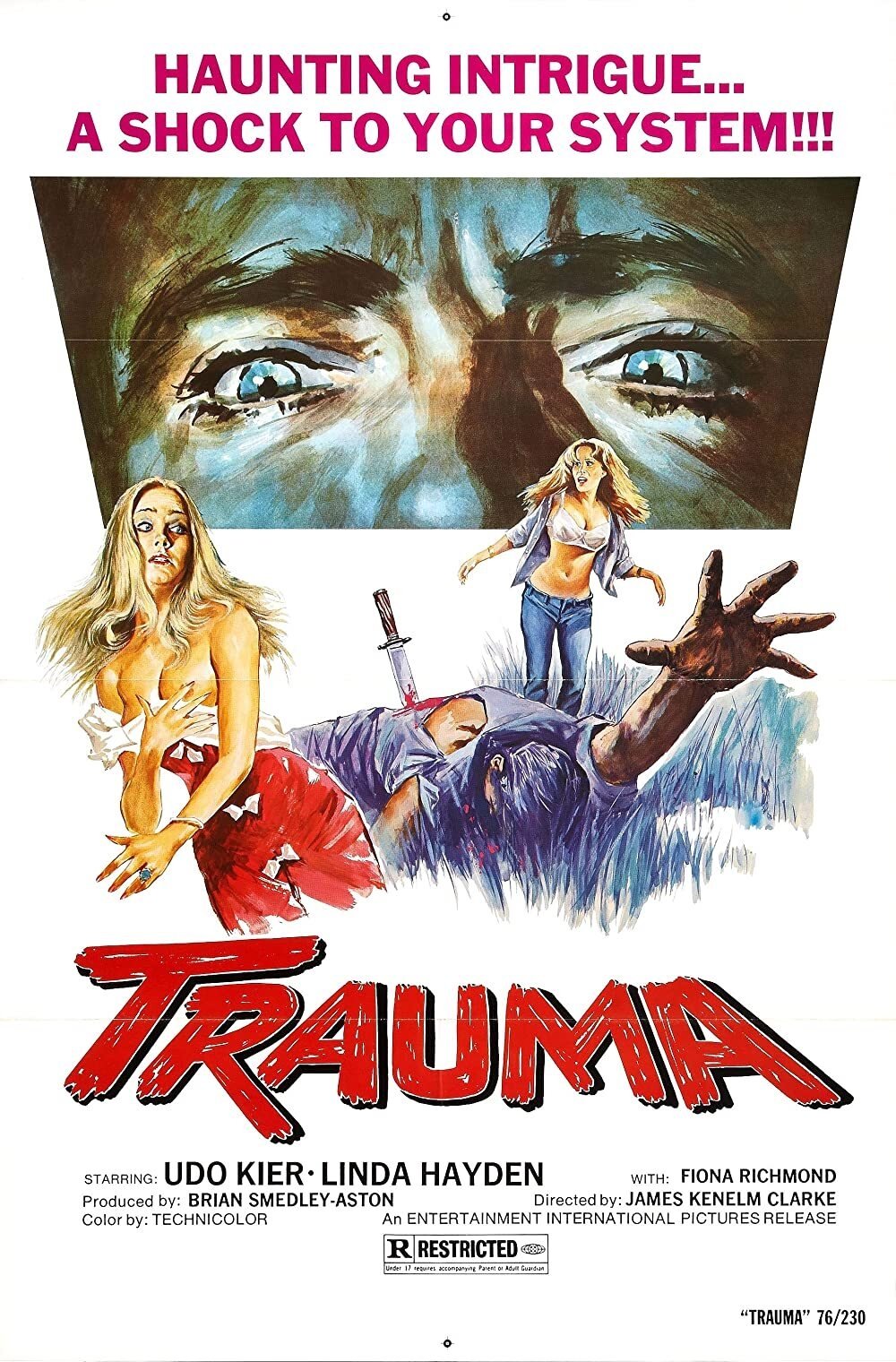
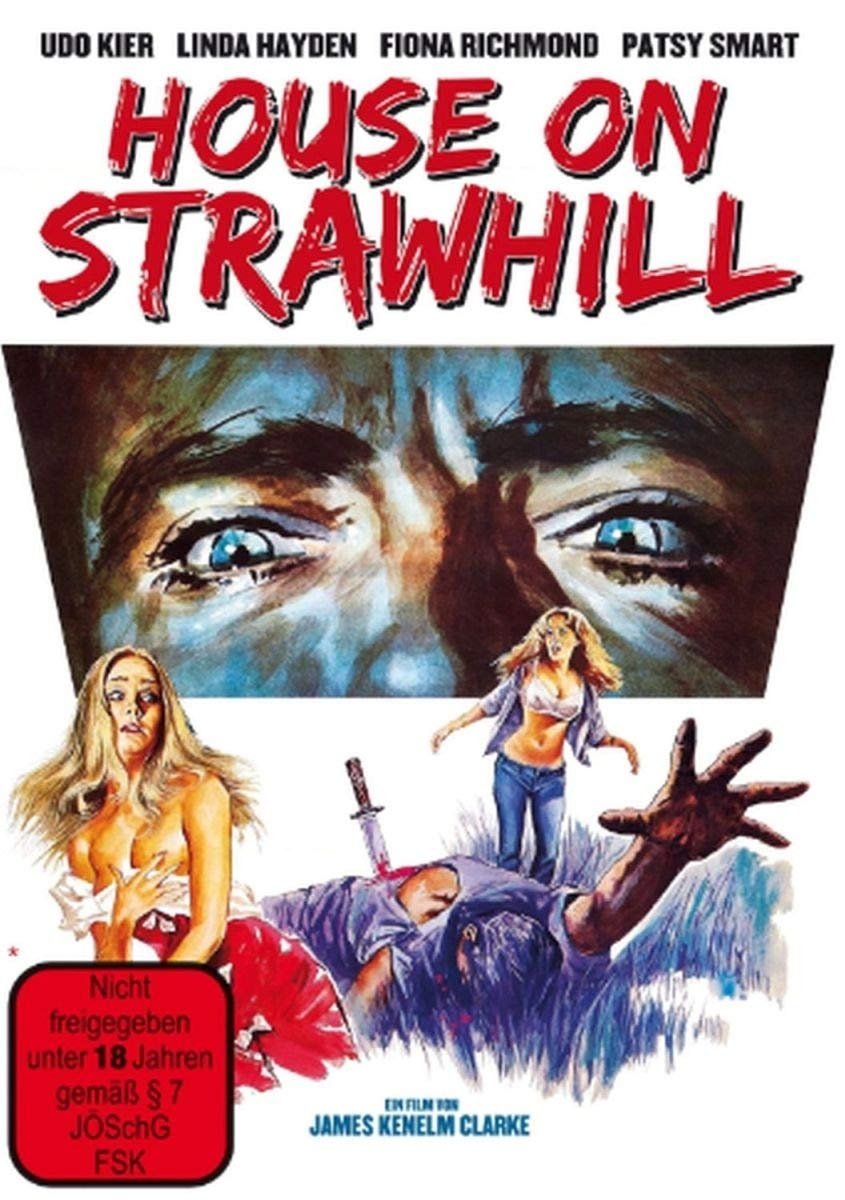
James Kenelm Clarke entered feature filmmaking after working extensively in British television and music. His earlier career included documentary production for the BBC and work on the series Man Alive. The move into independent features proved financially difficult. Got It Made, released in 1974, failed to provide the commercial success Clarke had hoped for, placing considerable pressure on his company Norfolk International Pictures. In a 2013 interview with Rock! Shock! Pop!, Clarke described House on Straw Hill as a project undertaken to recover from that experience. He recalled a budget of approximately 50000 pounds, a figure representing the director's retrospective account rather than an independently audited final production cost.
Clarke developed the film with producer Brian Smedley-Aston, who had already worked on the erotic vampire picture Vampyres. The success of British exploitation producers such as Pete Walker demonstrated that relatively inexpensive films combining sex, violence and suspense could find theatrical distribution. Clarke had also interviewed American International Pictures executive Samuel Z. Arkoff and British exploitation filmmakers for television, giving him direct knowledge of the commercial strategies used in that market. The new screenplay was conceived as a contained psychological thriller whose limited number of settings and performers could accommodate the available resources. Its eventual presentation became considerably more explicit than the project's original Hitchcockian conception.
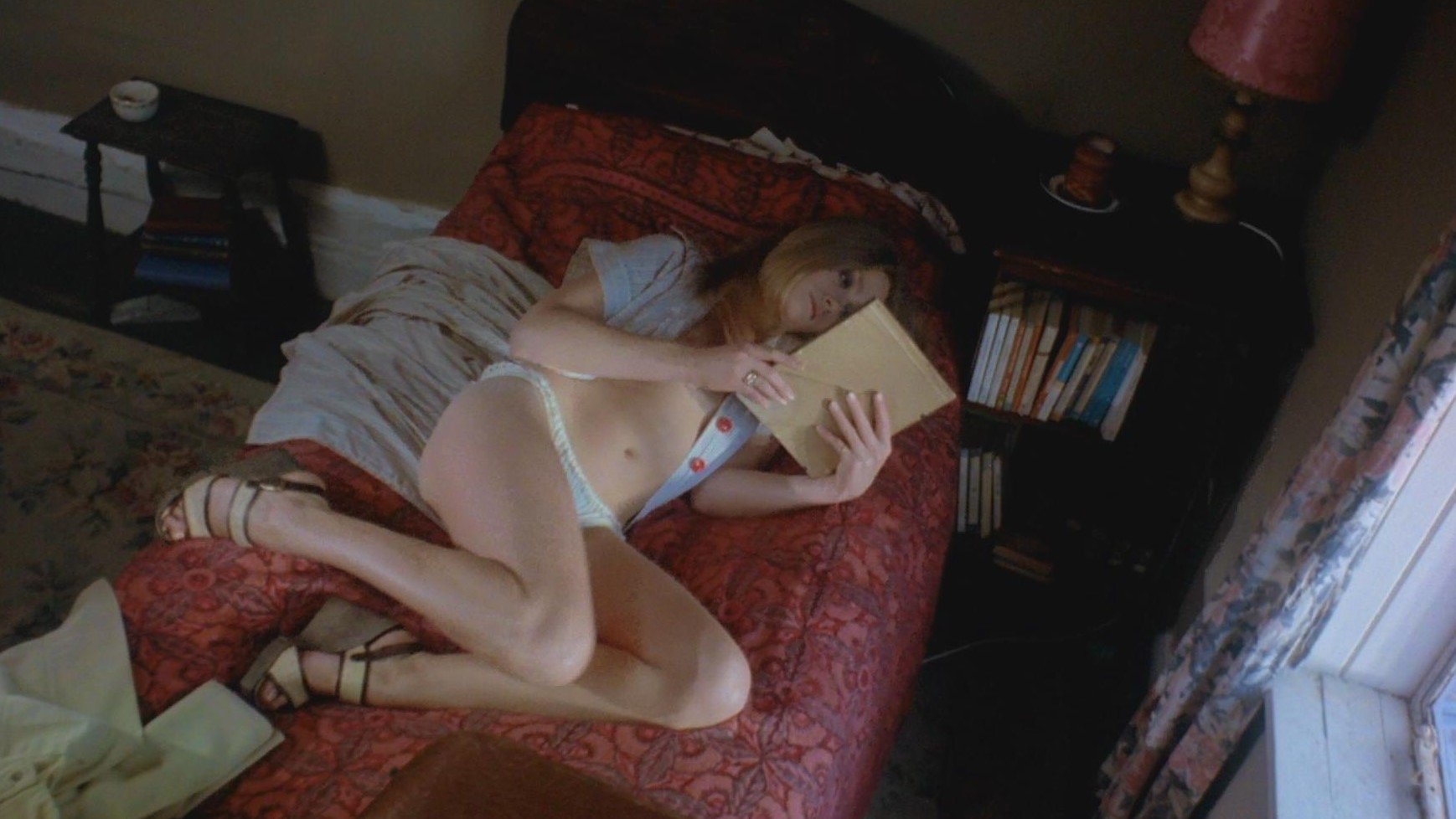
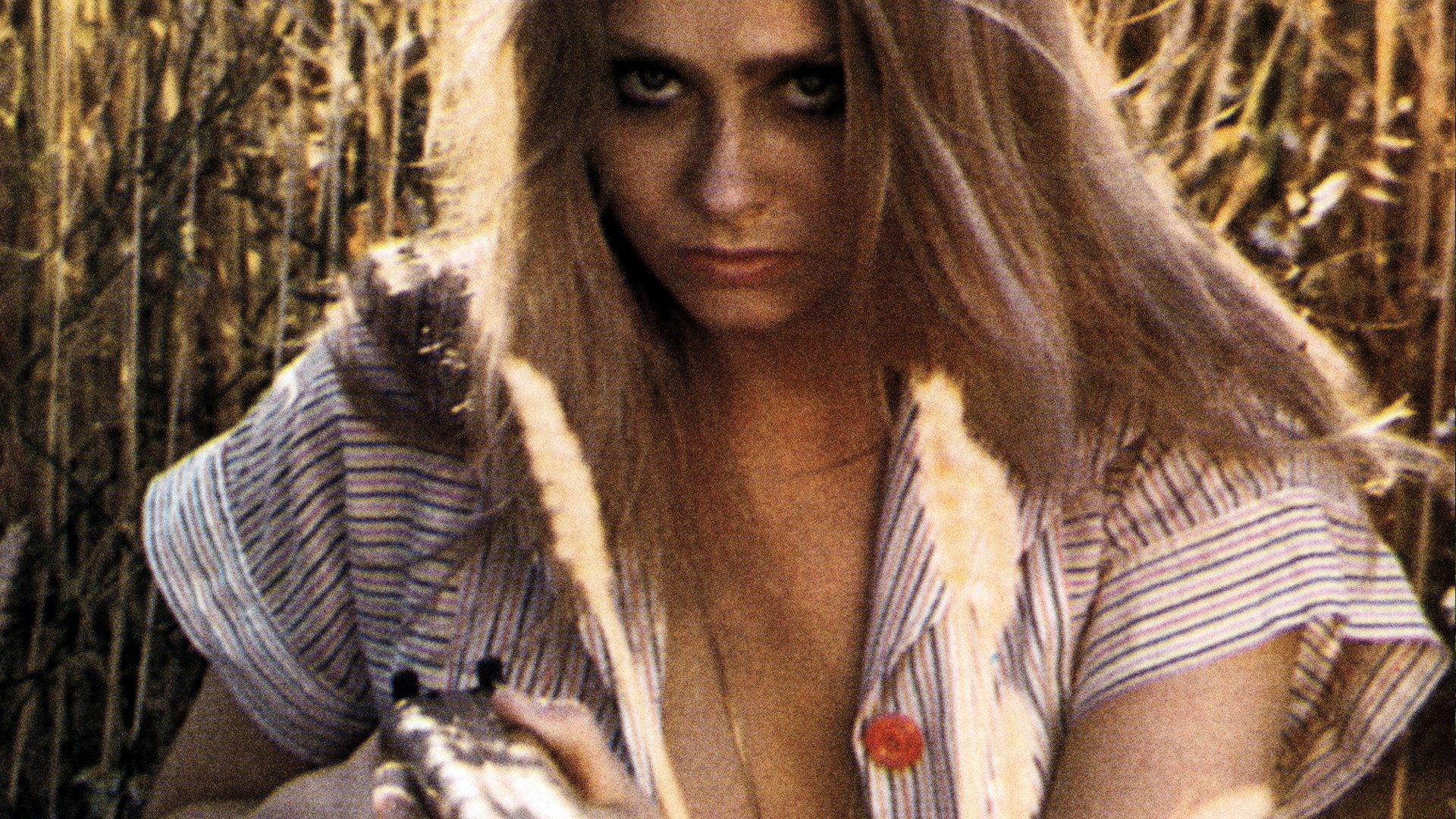
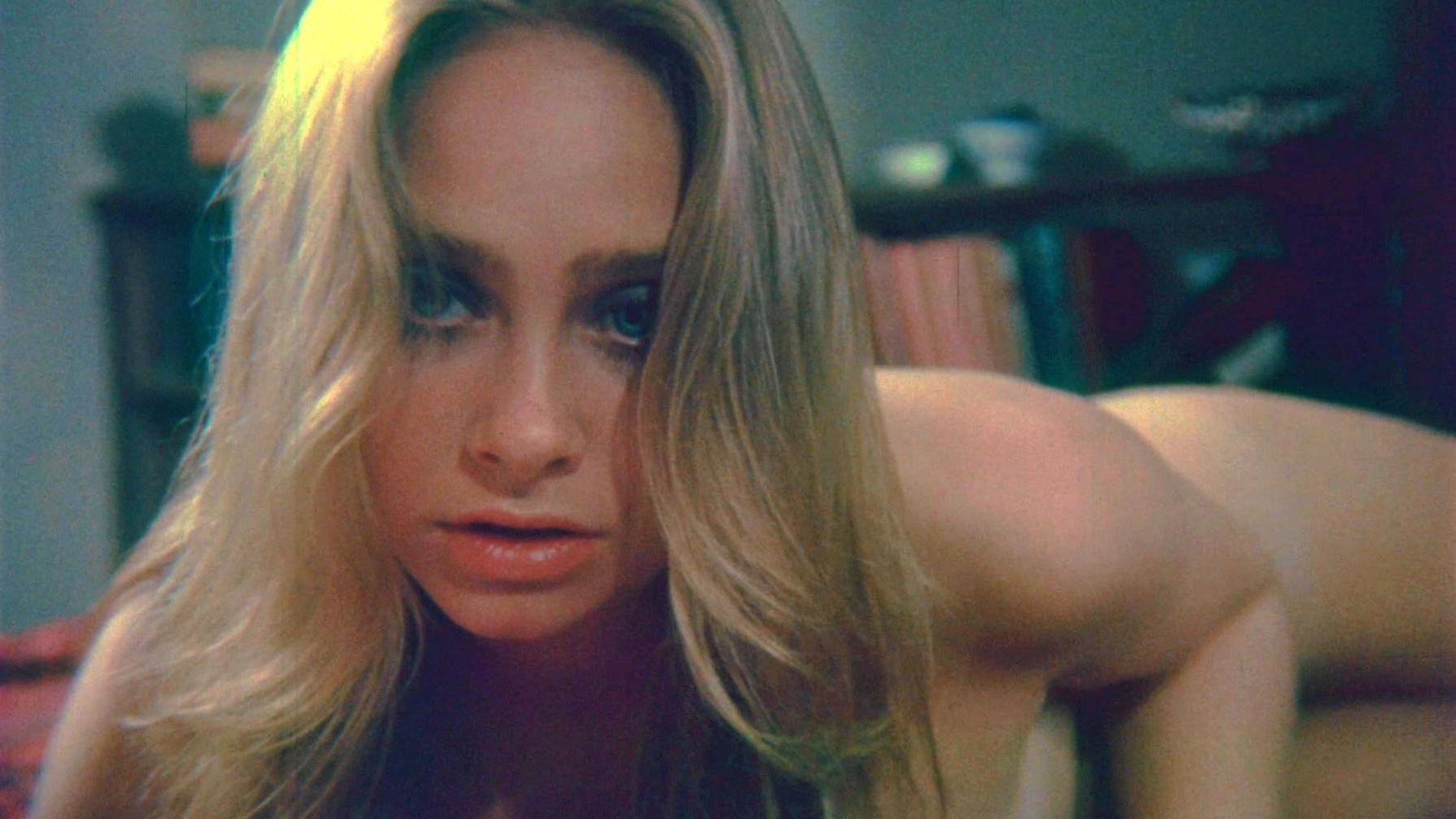
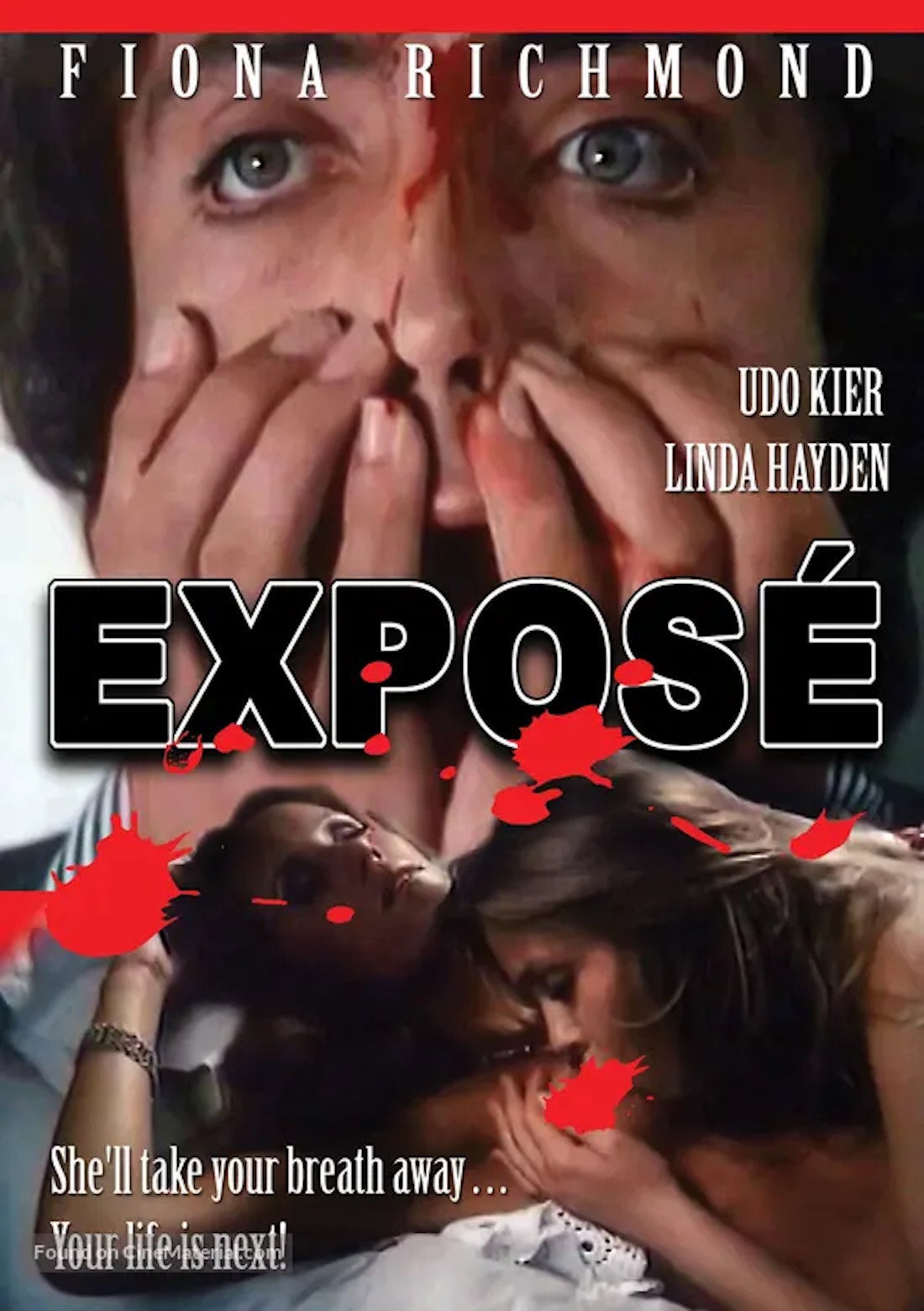
Financing was assisted by Paul Raymond, whose publishing and entertainment interests made him an important figure in the British adult-entertainment industry. Fiona Richmond, who was closely associated with Raymond and his publications, was cast as Suzanne. Clarke recalled that casting director Miriam Brickman proposed Richmond and that Raymond contributed money toward the production. The arrangement brought an established public personality into a film whose commercial identity depended partly on erotic material. Clarke later maintained that sexual scenes involving Linda Hayden had already existed in the screenplay, while other retrospective accounts describe additional erotic passages and montages introduced during the editing process. The distinction matters because the production was reshaped over time, and the recollections of participants do not agree completely about the extent of those changes.