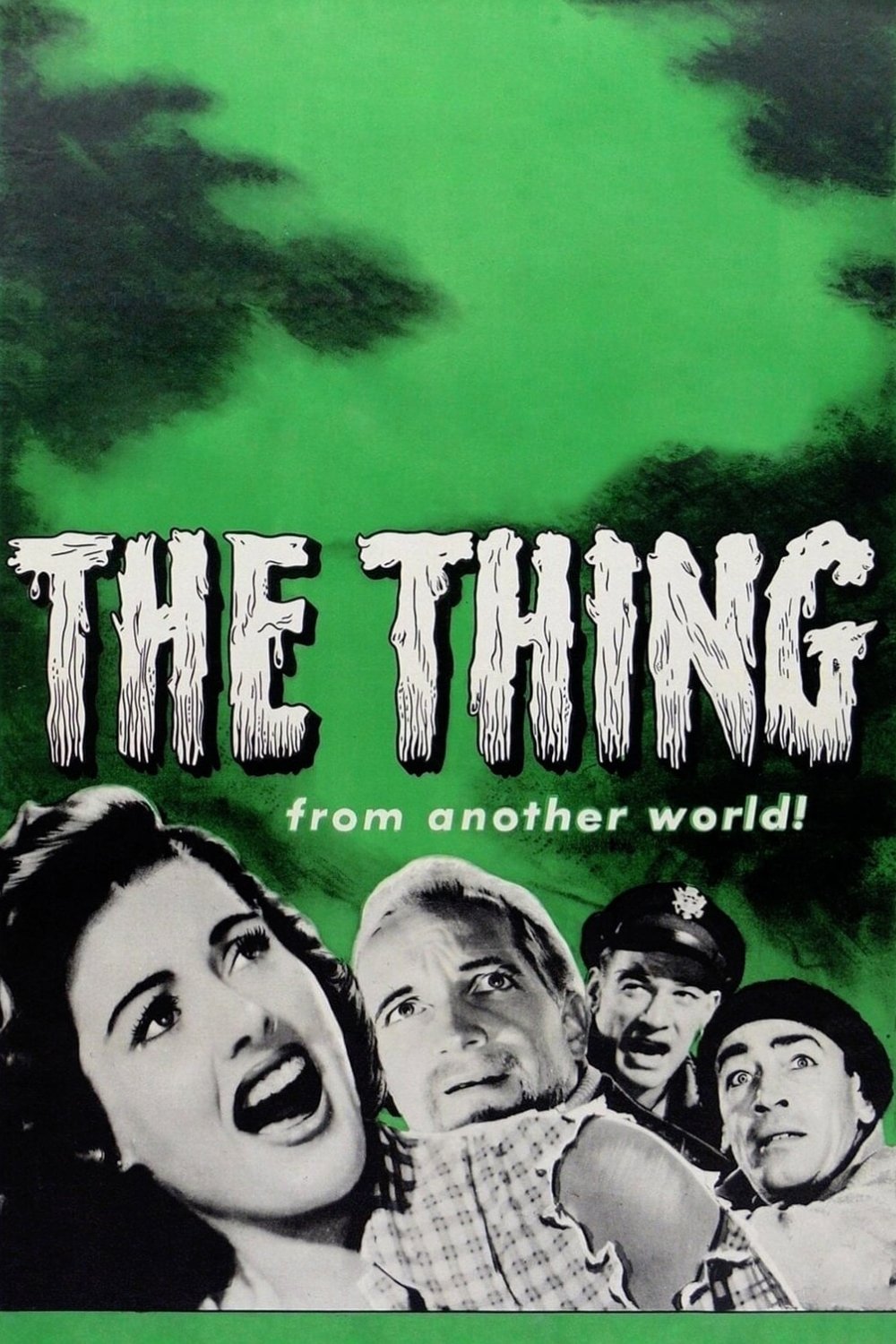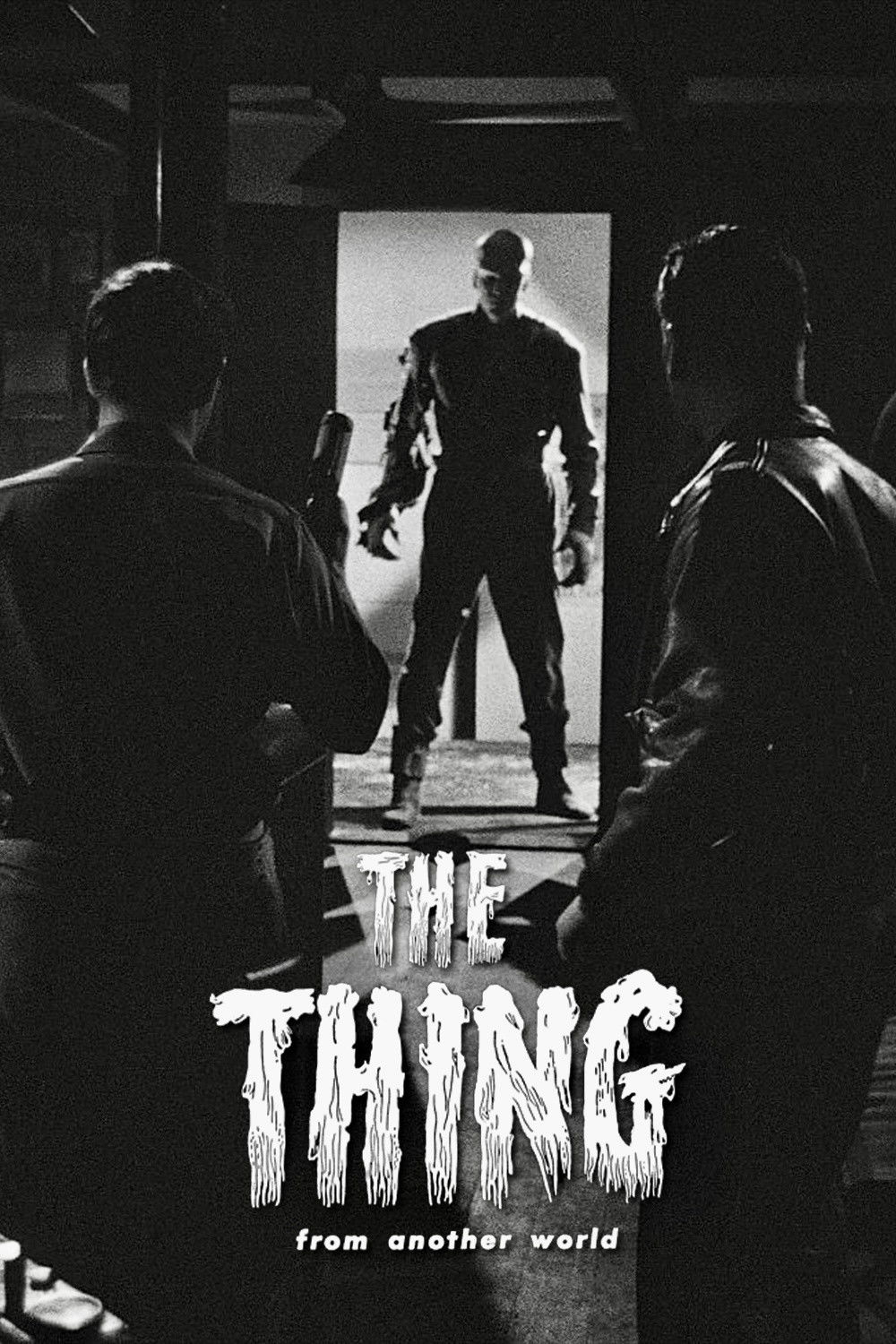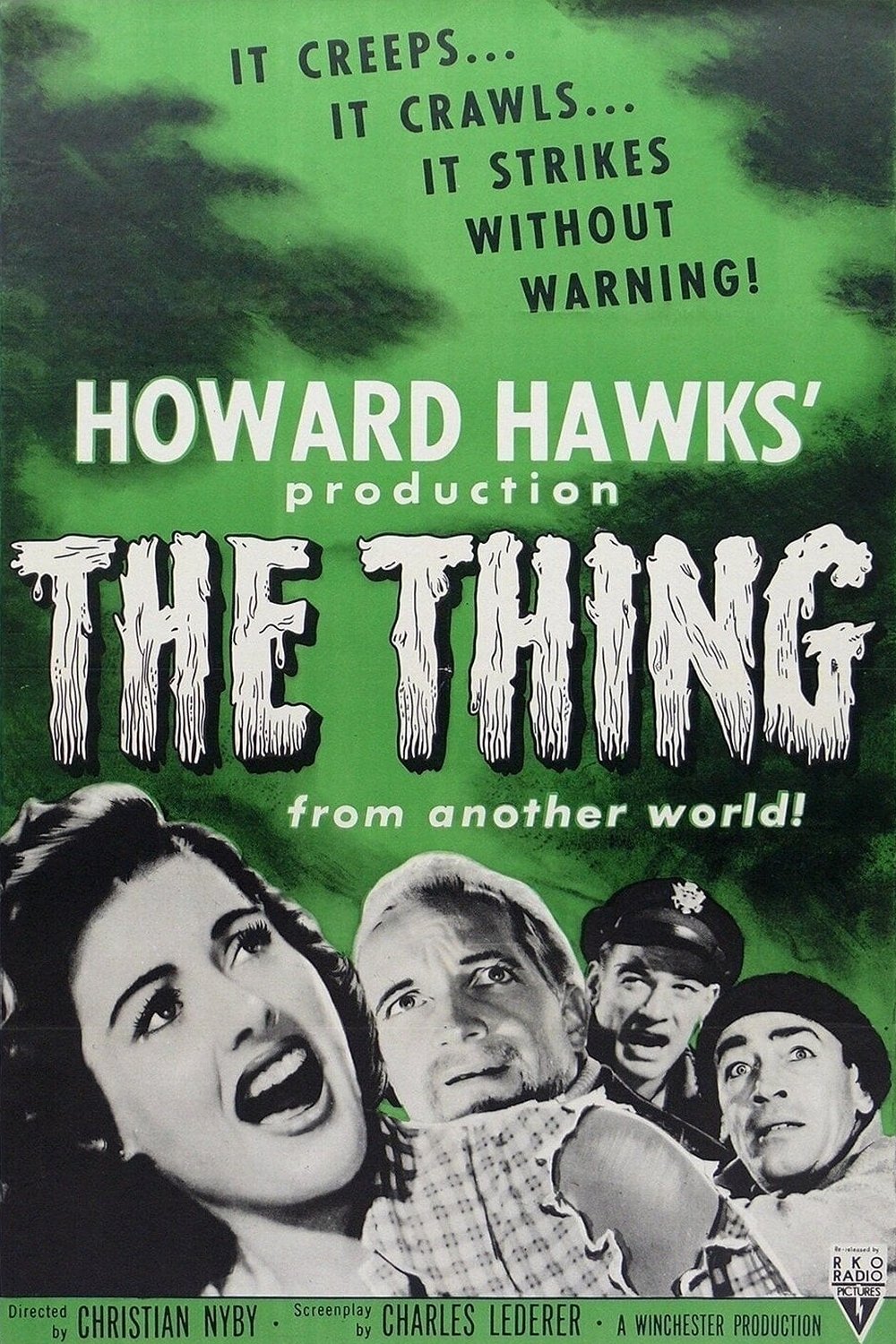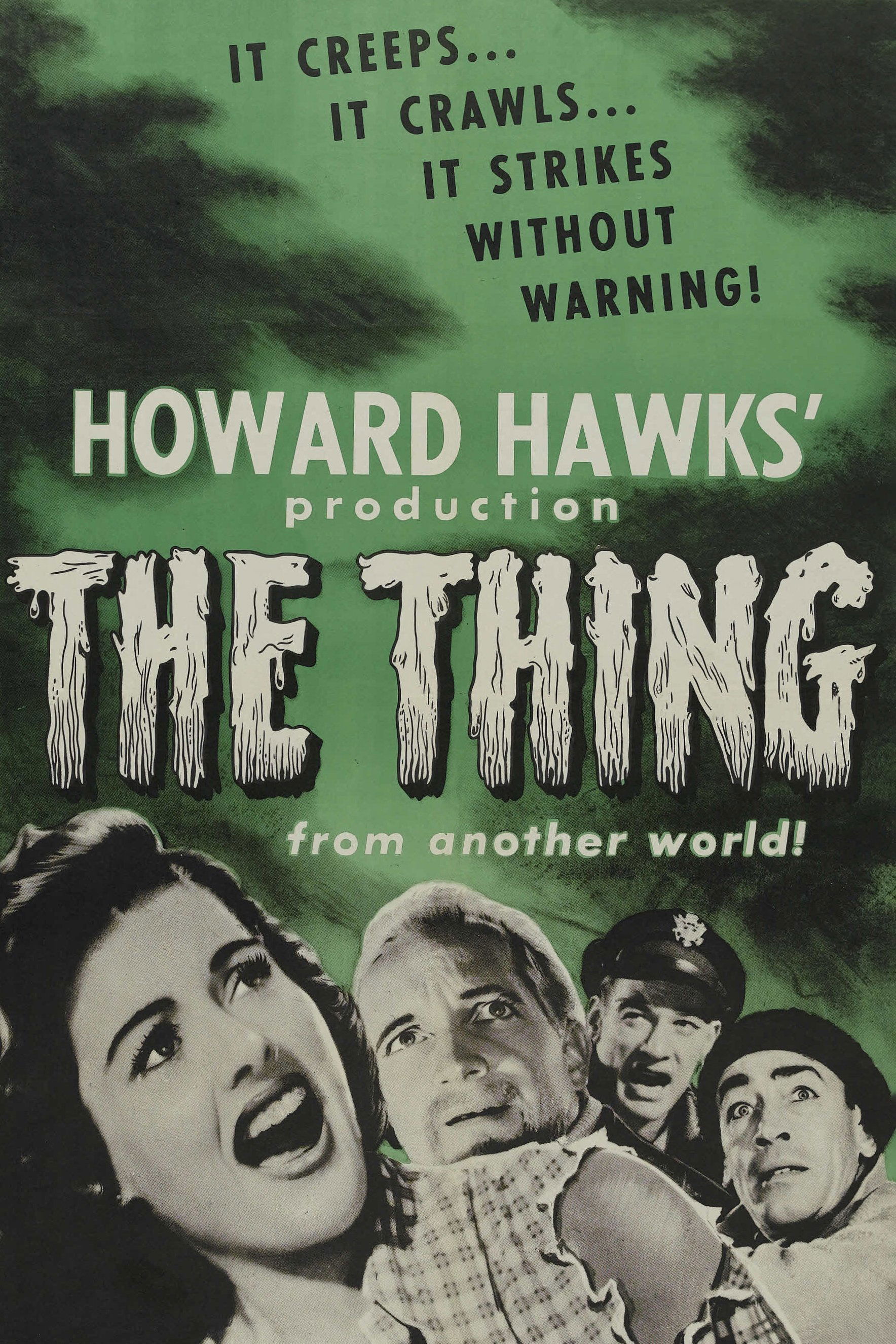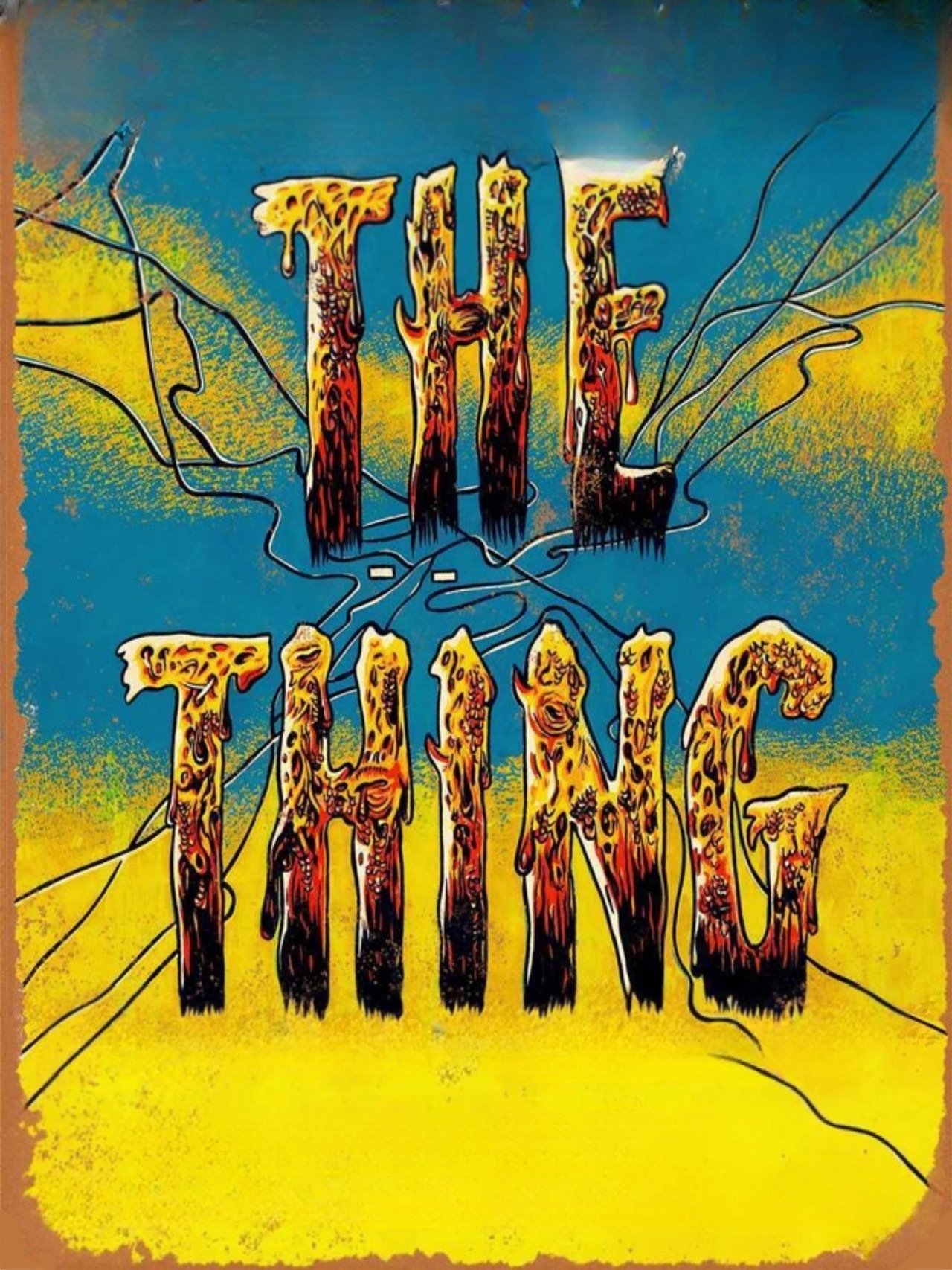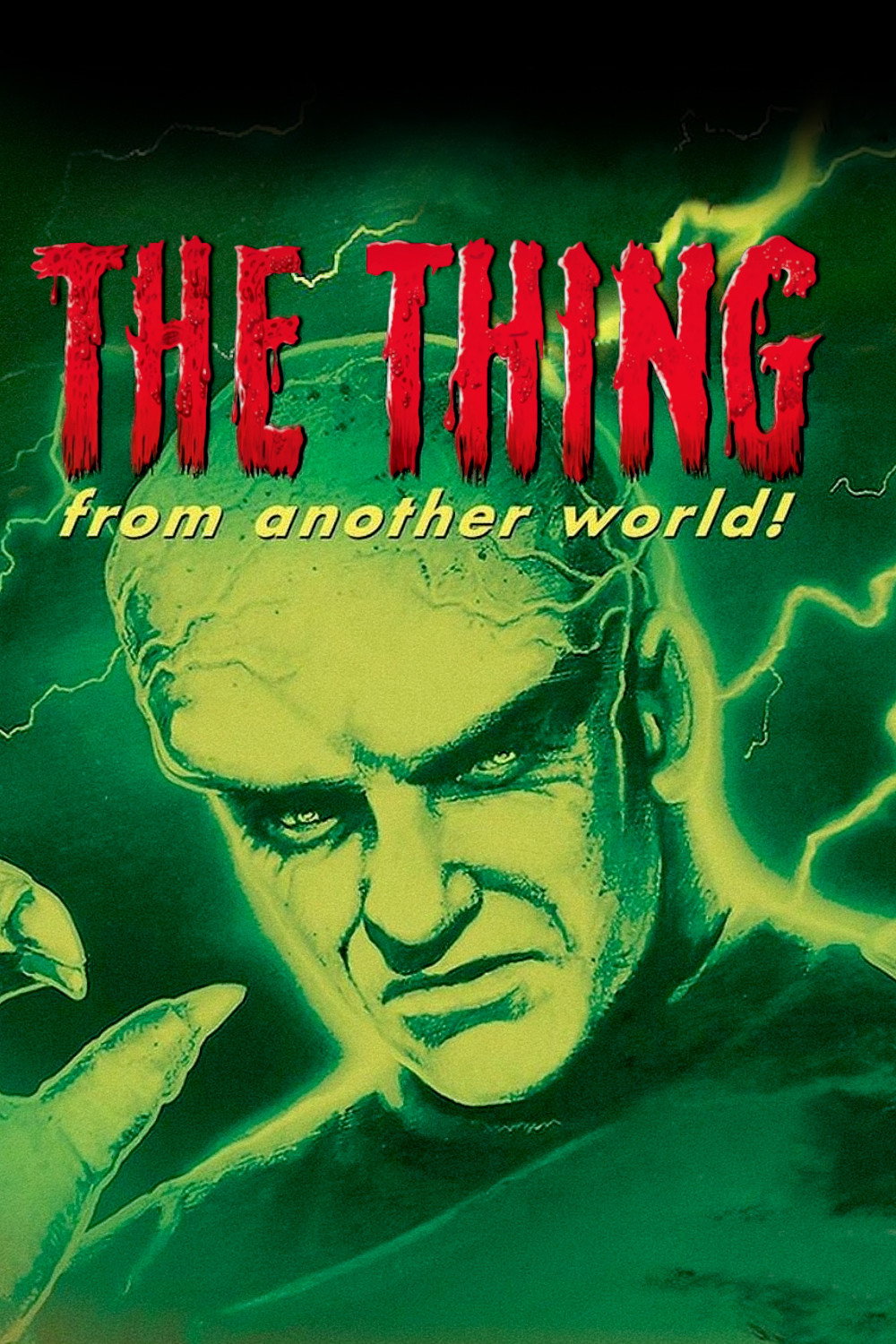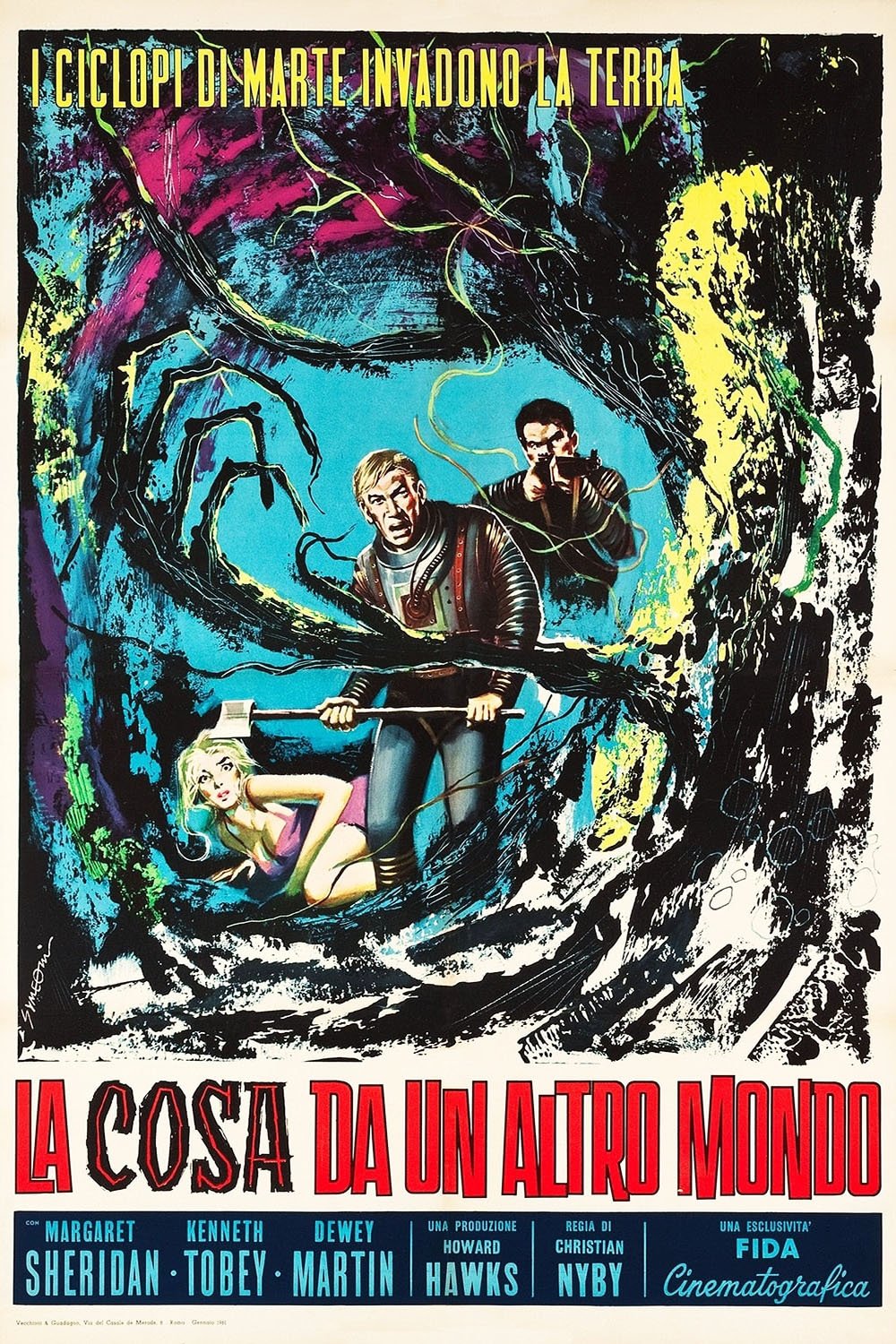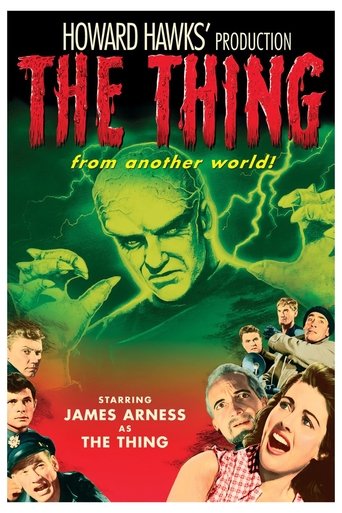
The Thing from Another World (1951)

US
HORROR FILM Science Fiction Drama
7.3/10 4 votes
Runtime
87 min
Release
April 5, 1951
Budget
$1,300,000
Revenue
$1,950,000
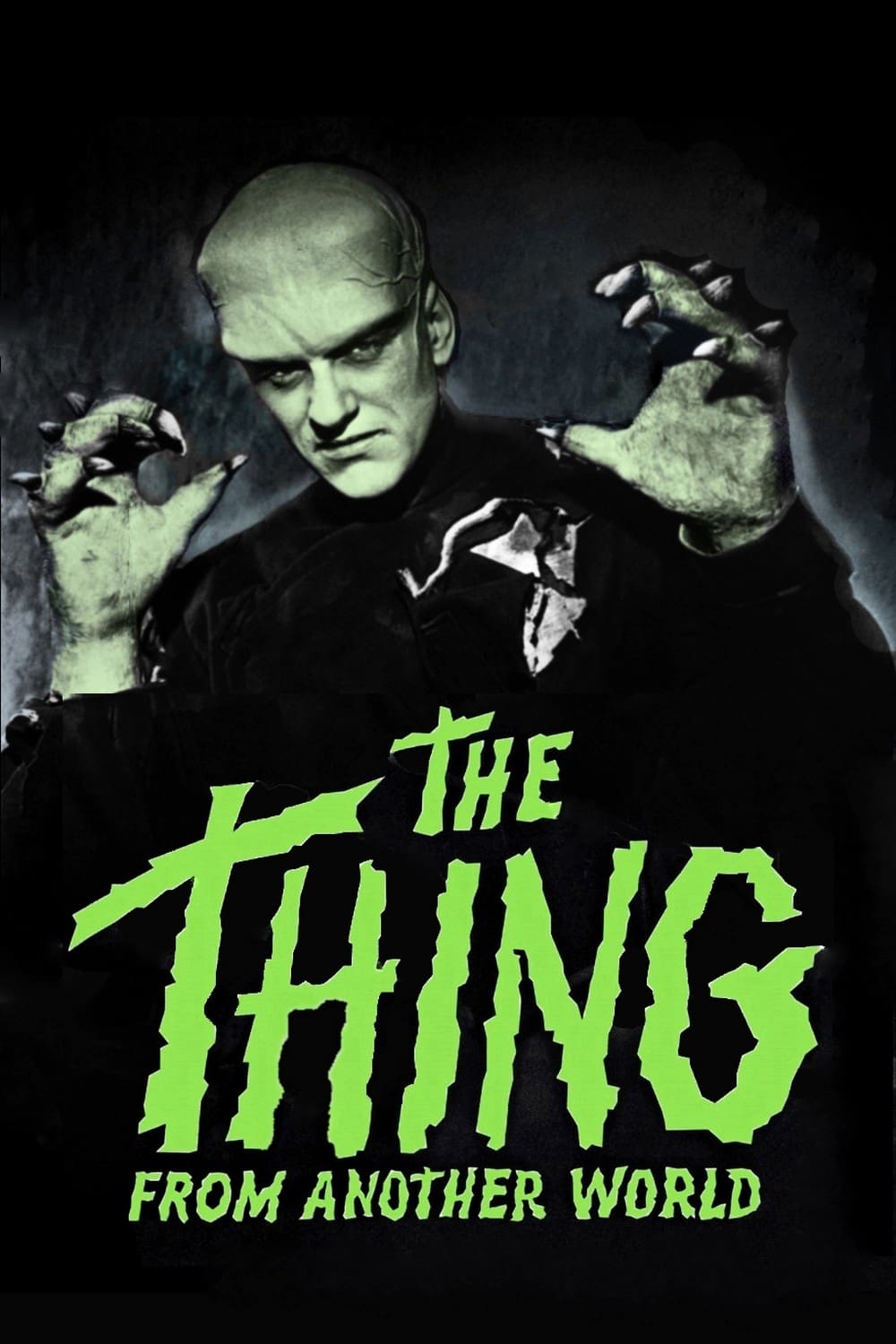
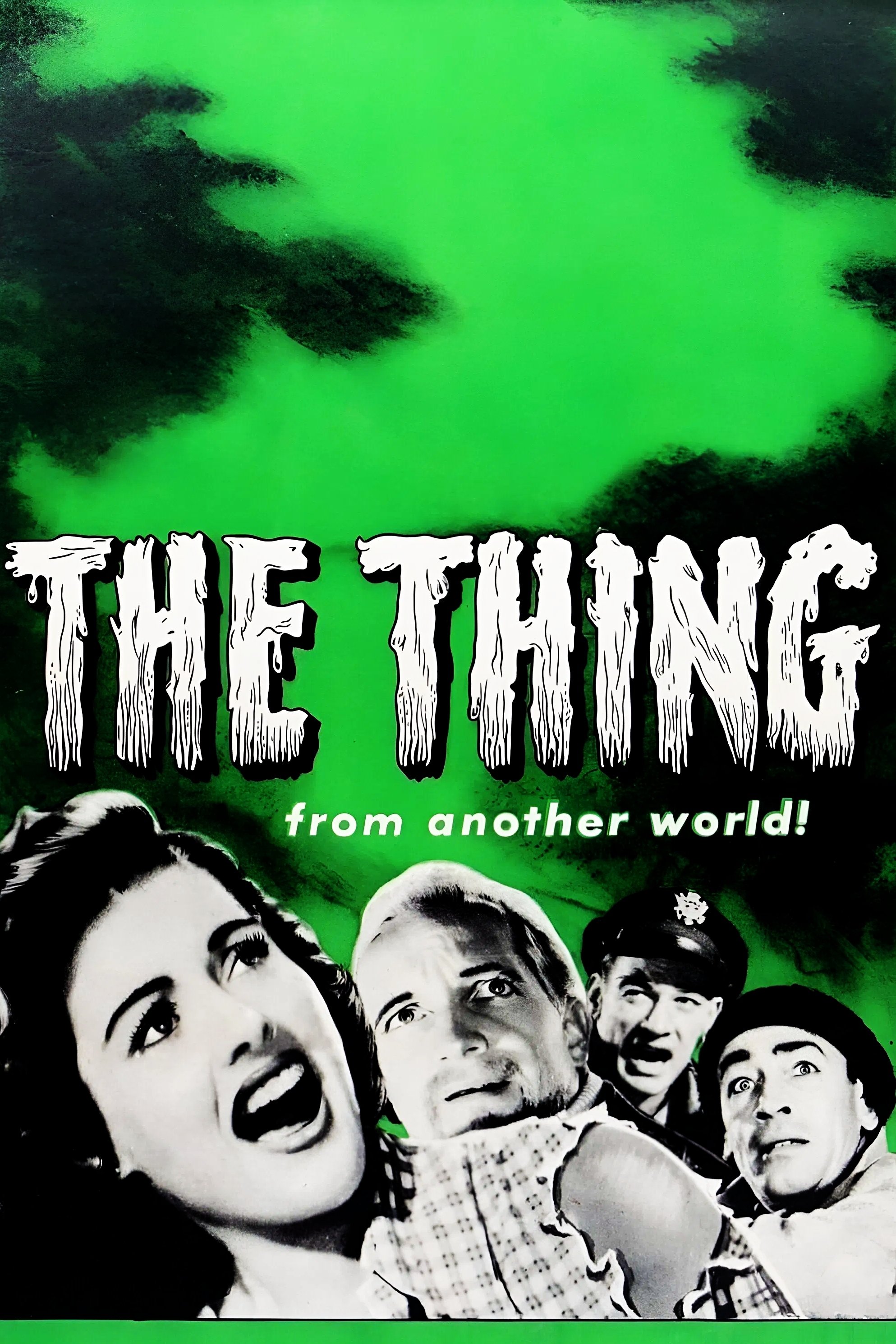
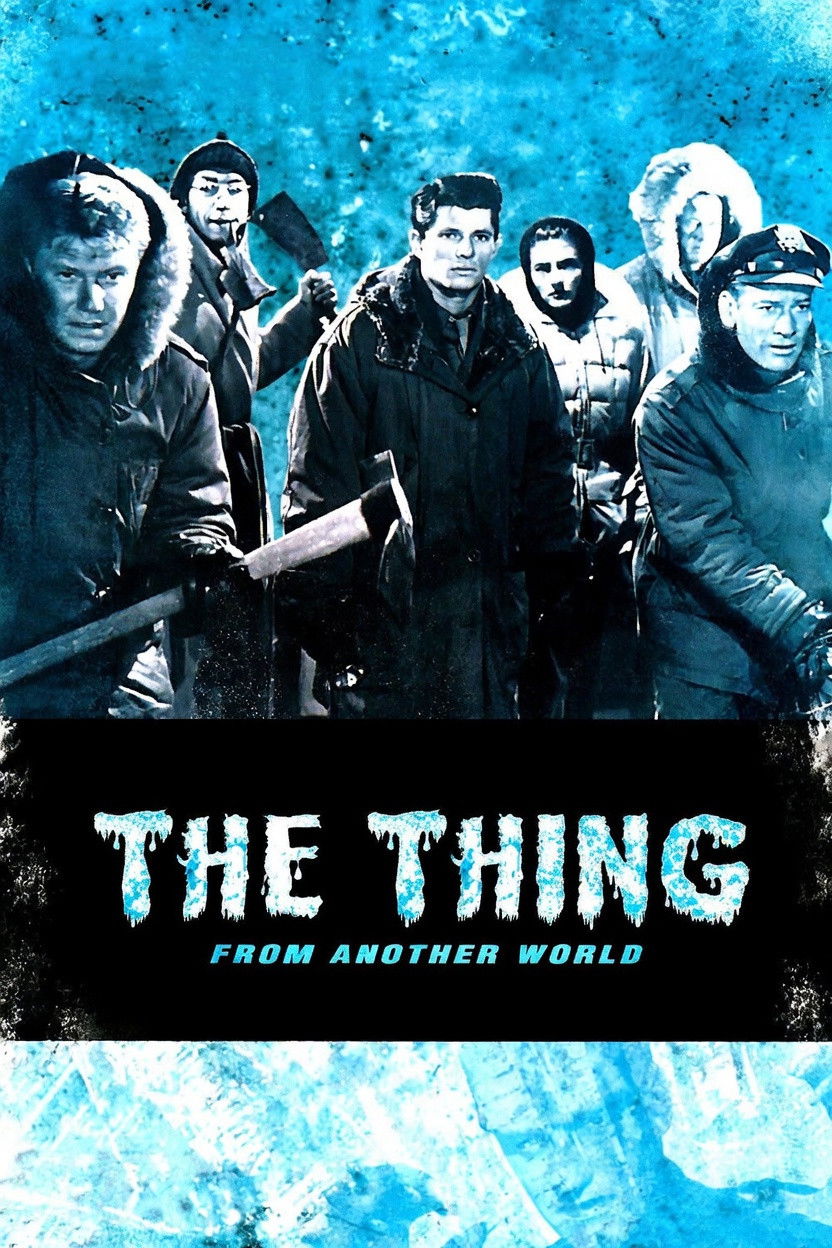
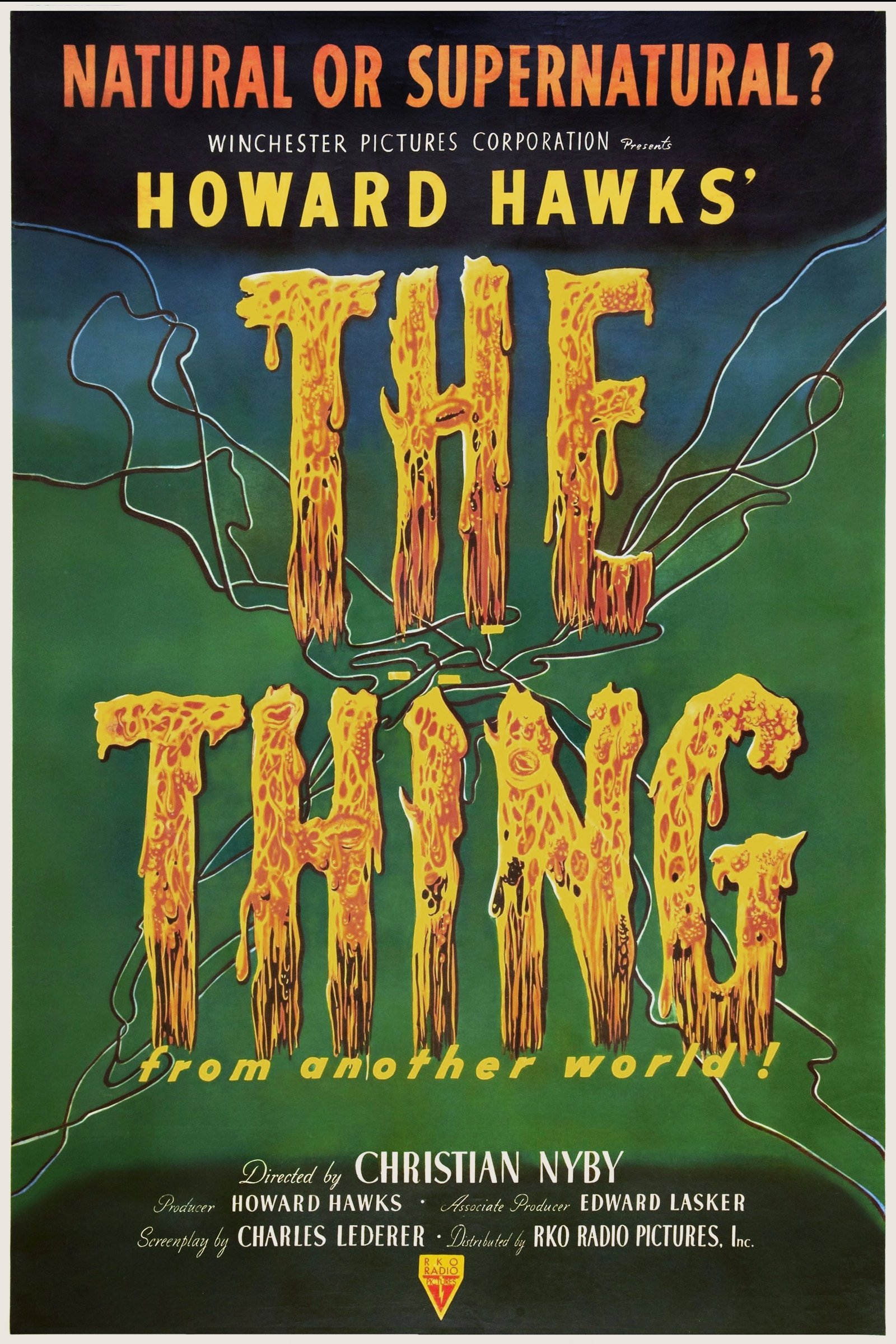
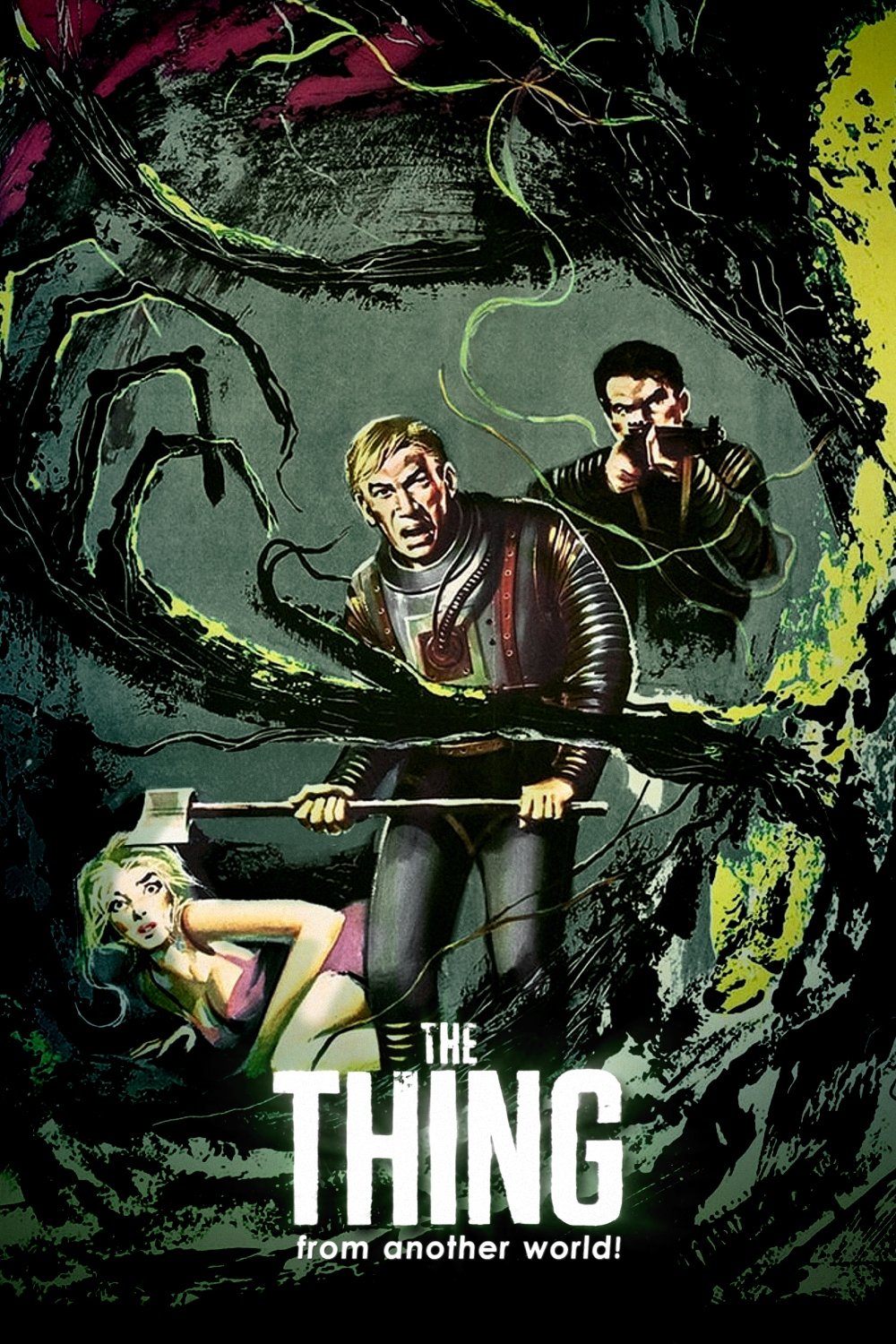
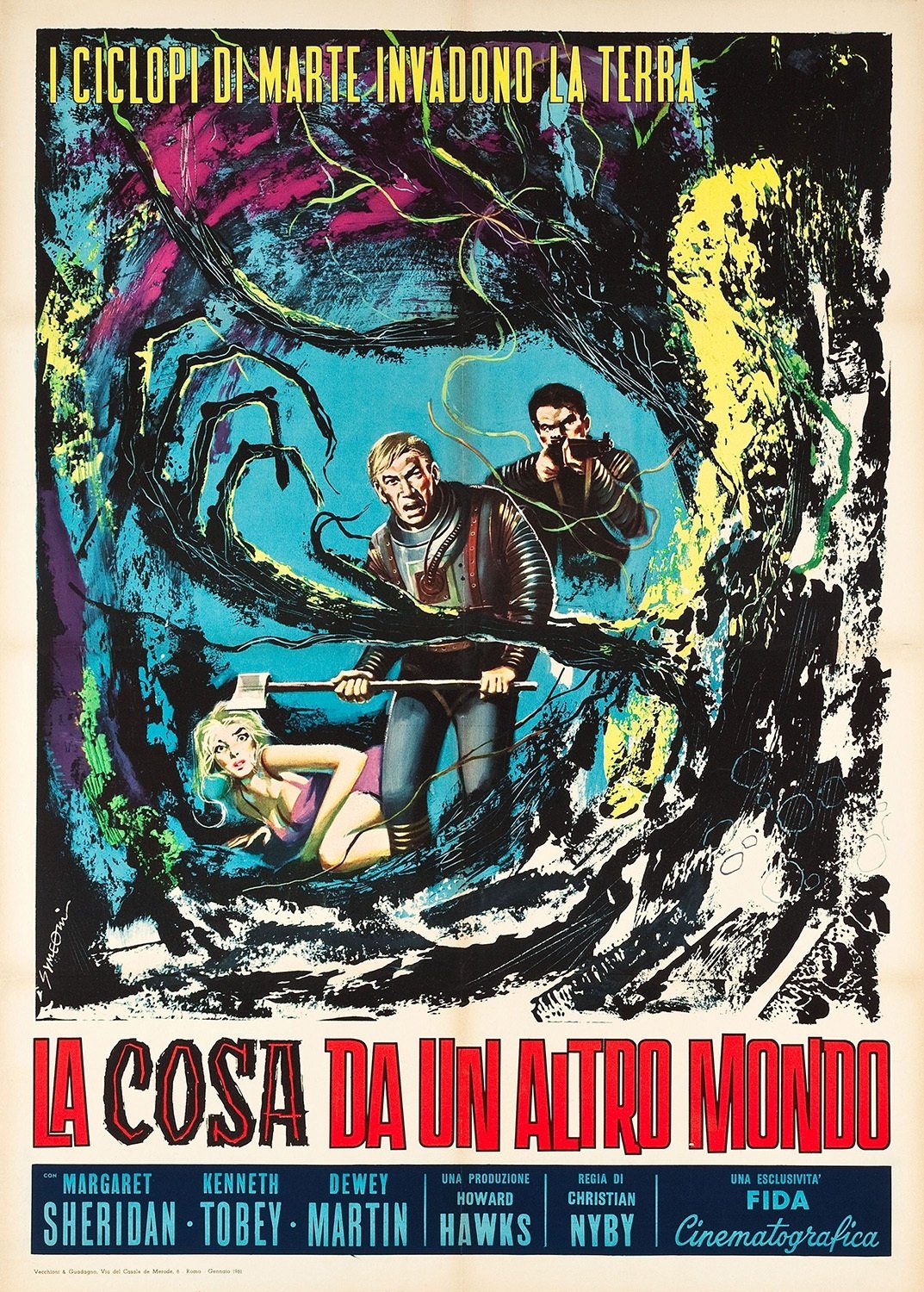
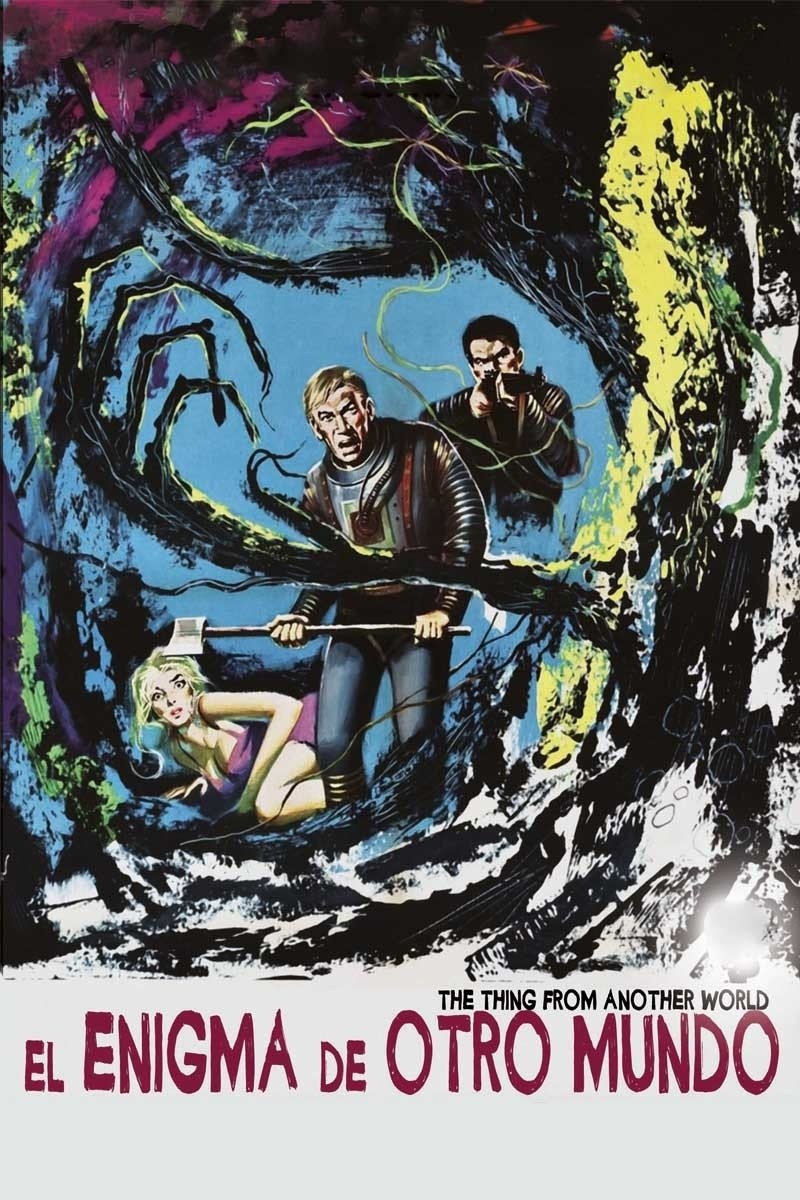
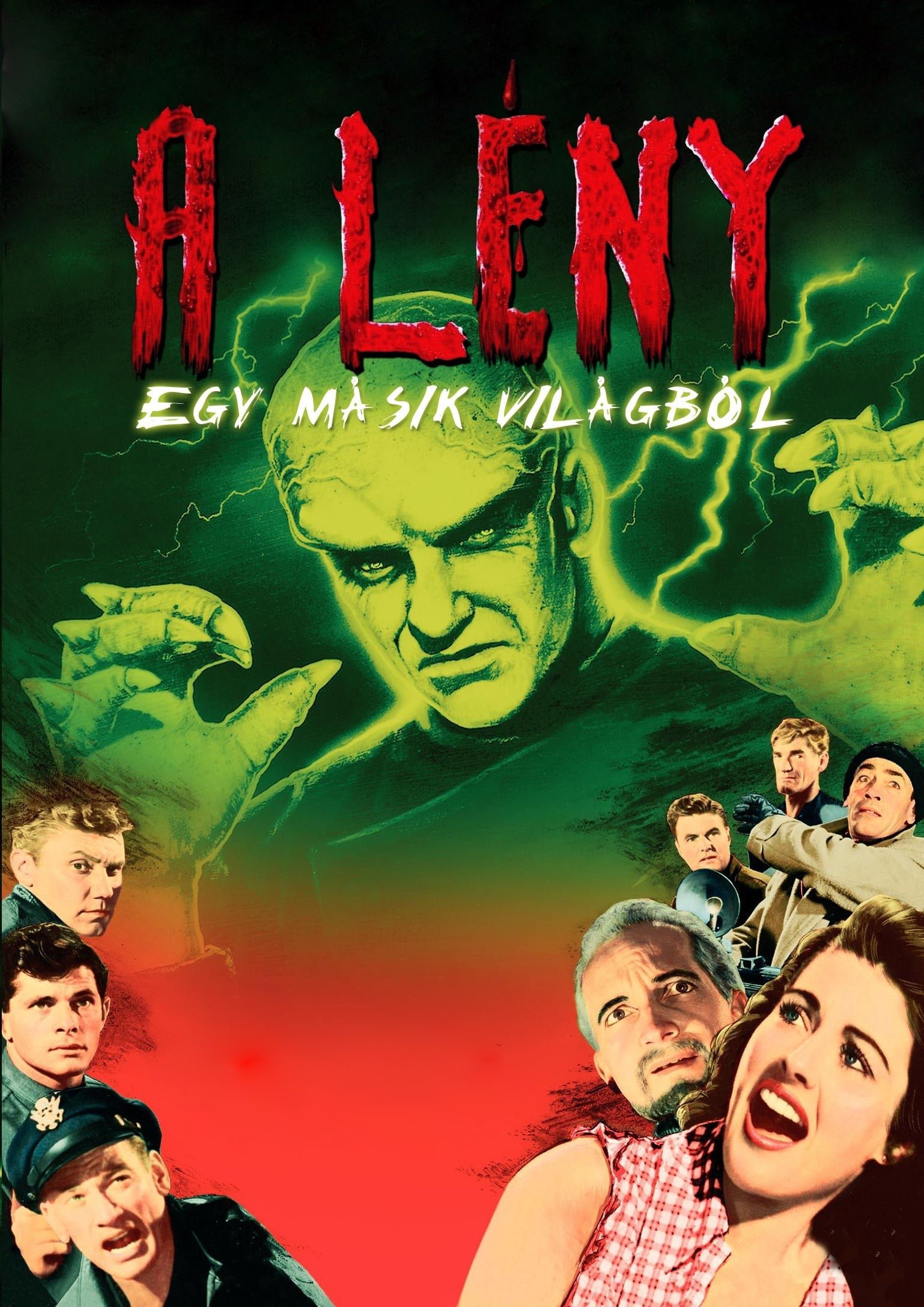
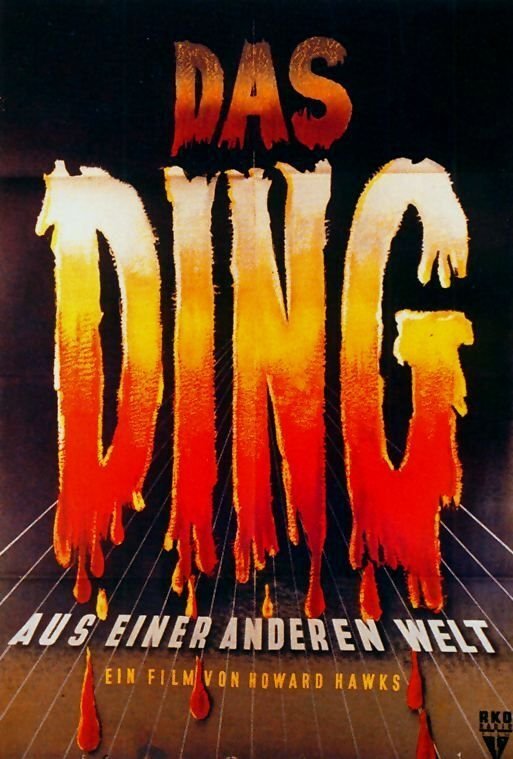
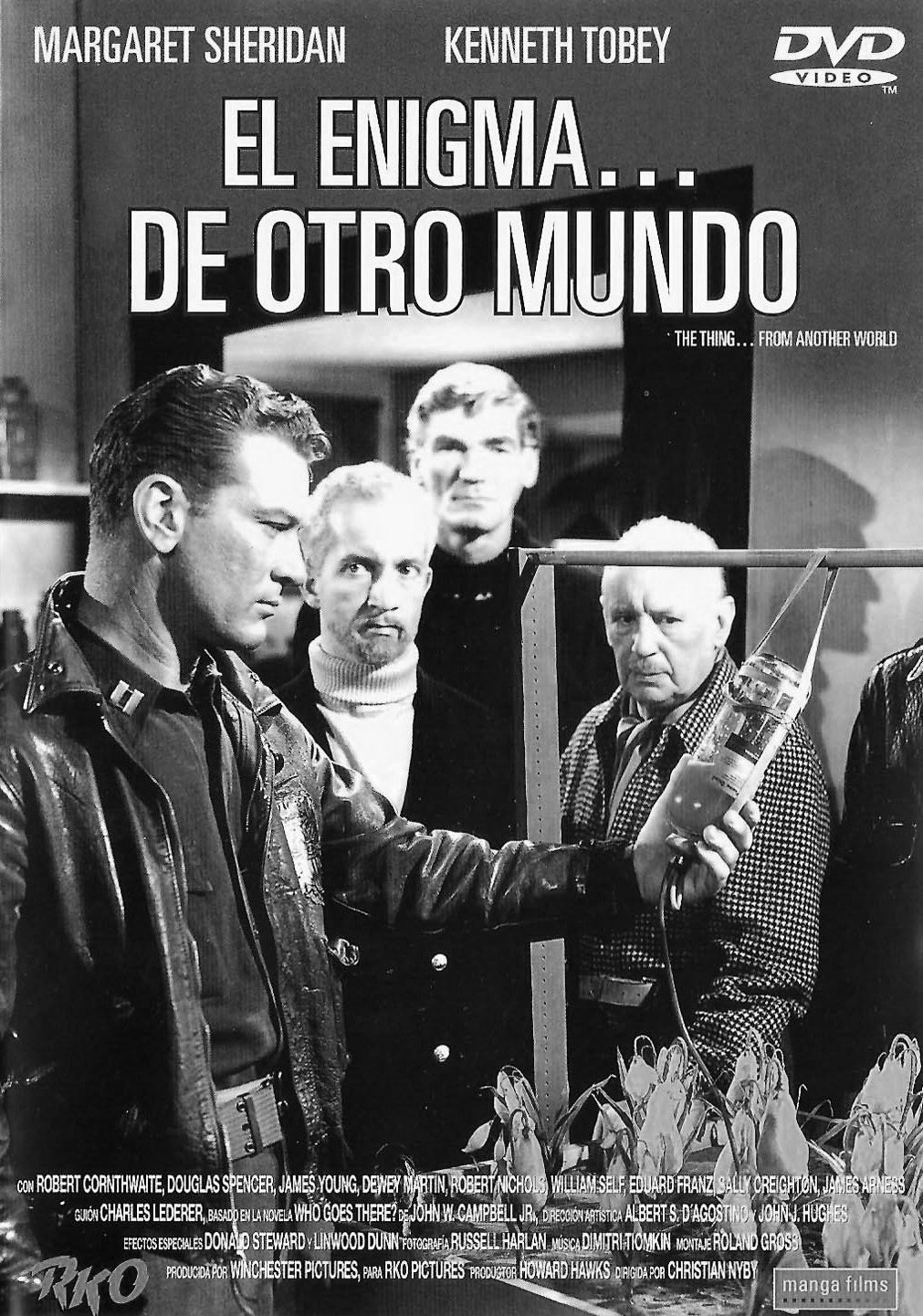
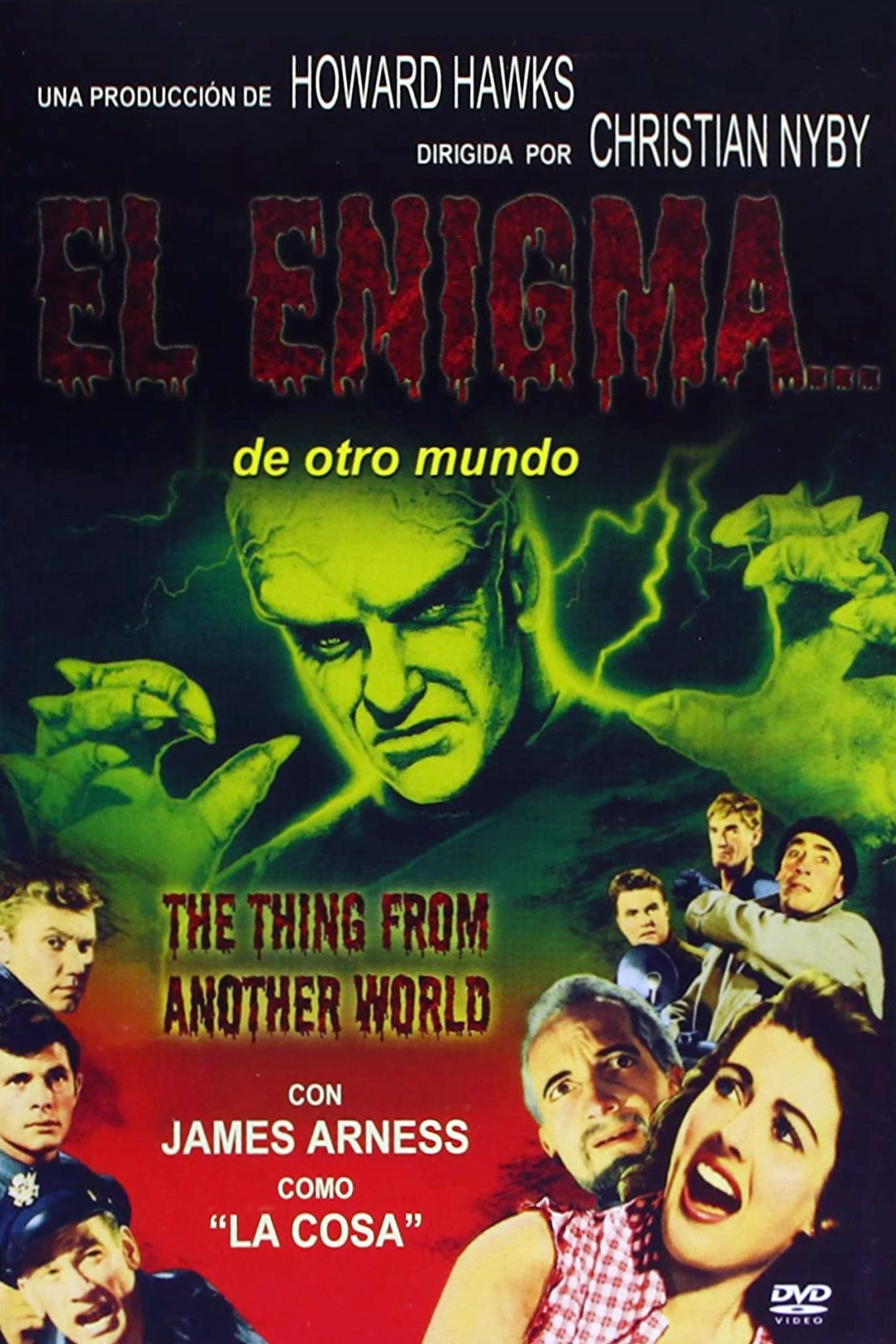
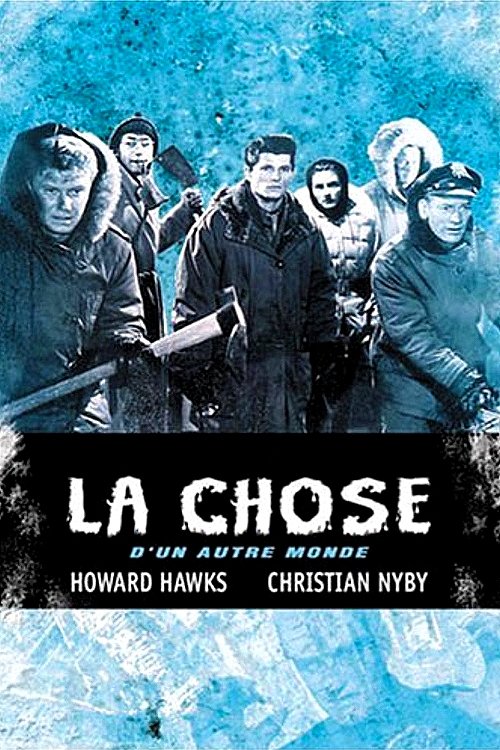
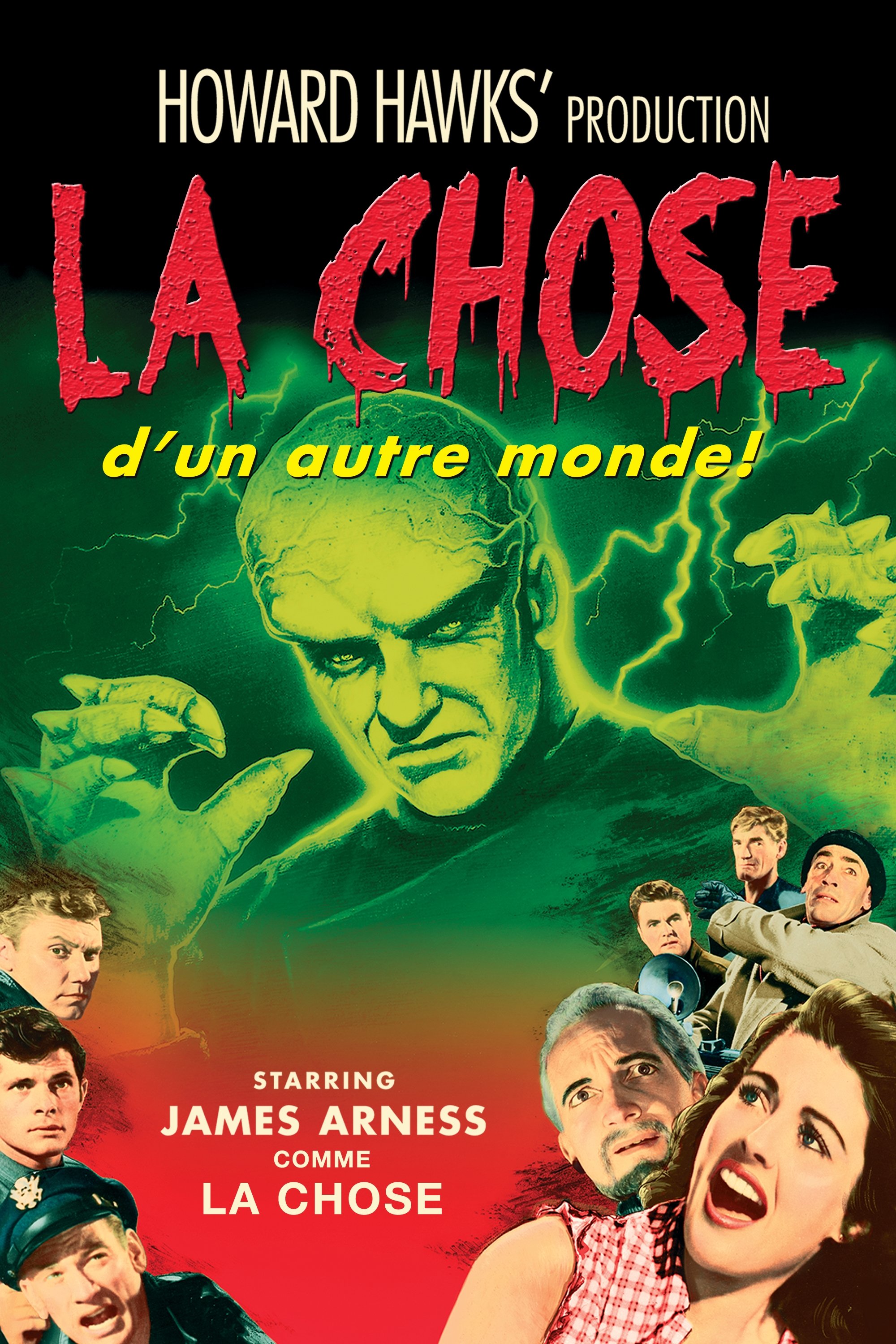
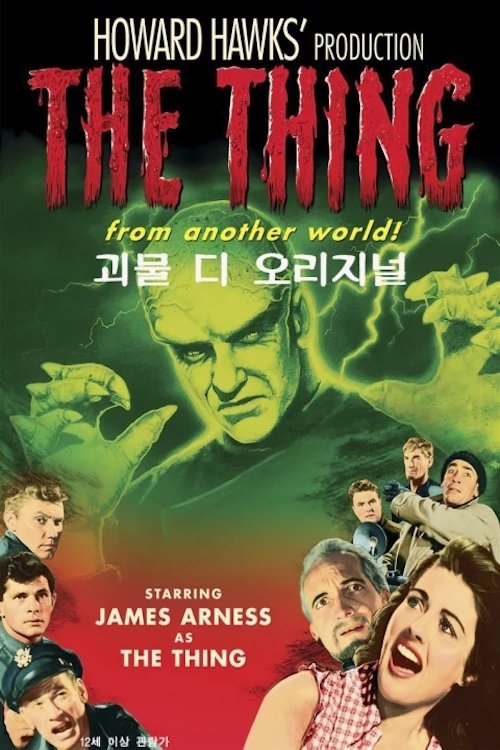
The Thing from Another World (1951) poster
Director
Production Companies
Winchester Pictures Corporation , RKO Pictures
Plot

Scientists and U.S. Air Force officials fend off a blood-thirsty alien organism while at a remote arctic outpost.

Alternative Titles
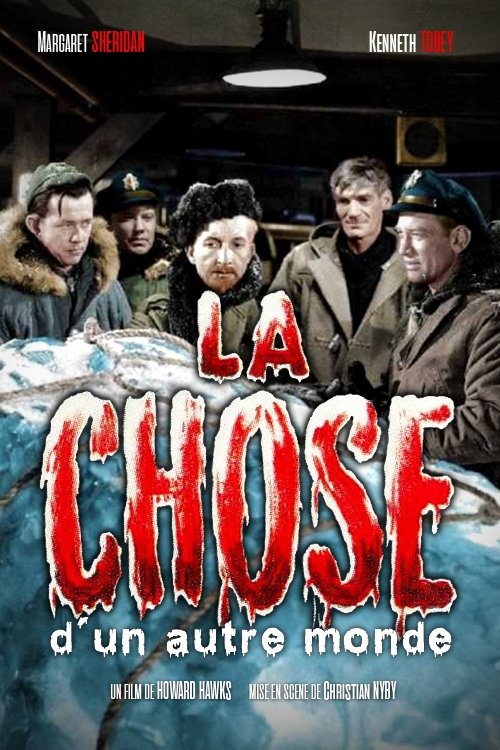
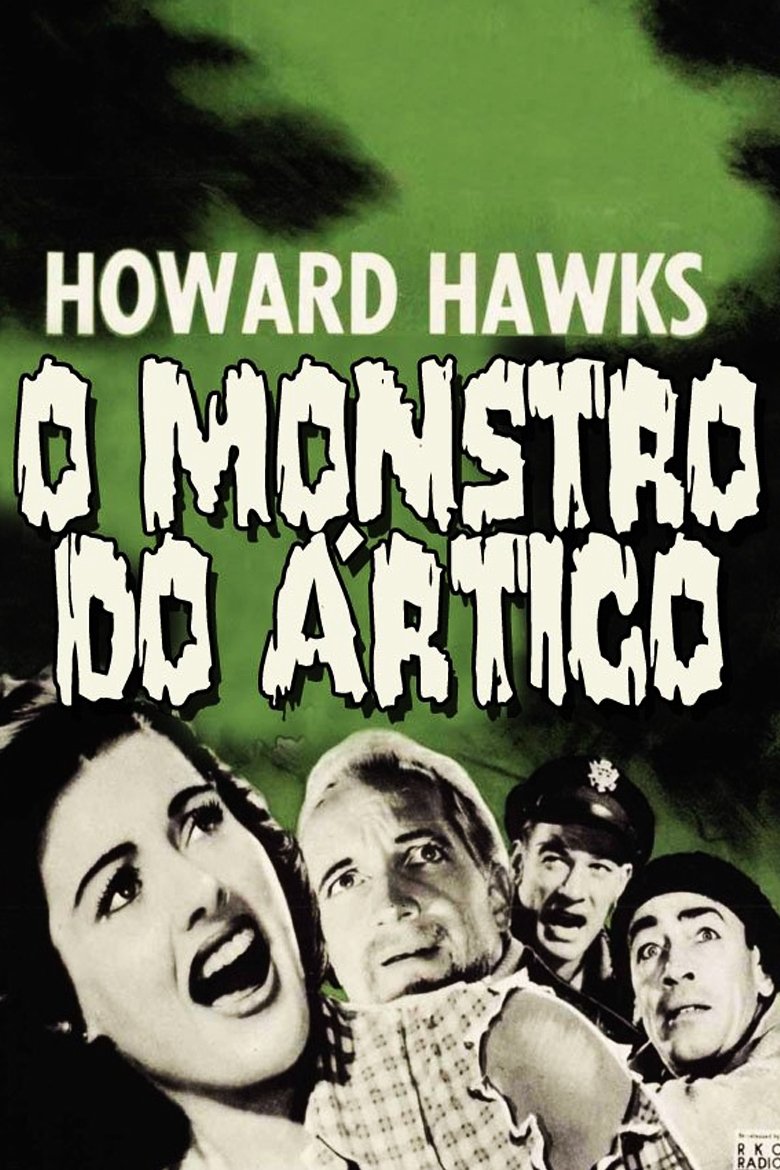
Das Ding aus einer anderen Welt (Austria) — German O Enigma de Outro Mundo (Brazil) — DVD O Monstro do Ártico (Brazil) La Chose d'un autre monde (Canada) — French 怪人 (China) Věc (Czechia) — Czech Das Ding aus einer anderen Welt (Germany) — German Manden fra Mars (Denmark) — Danish
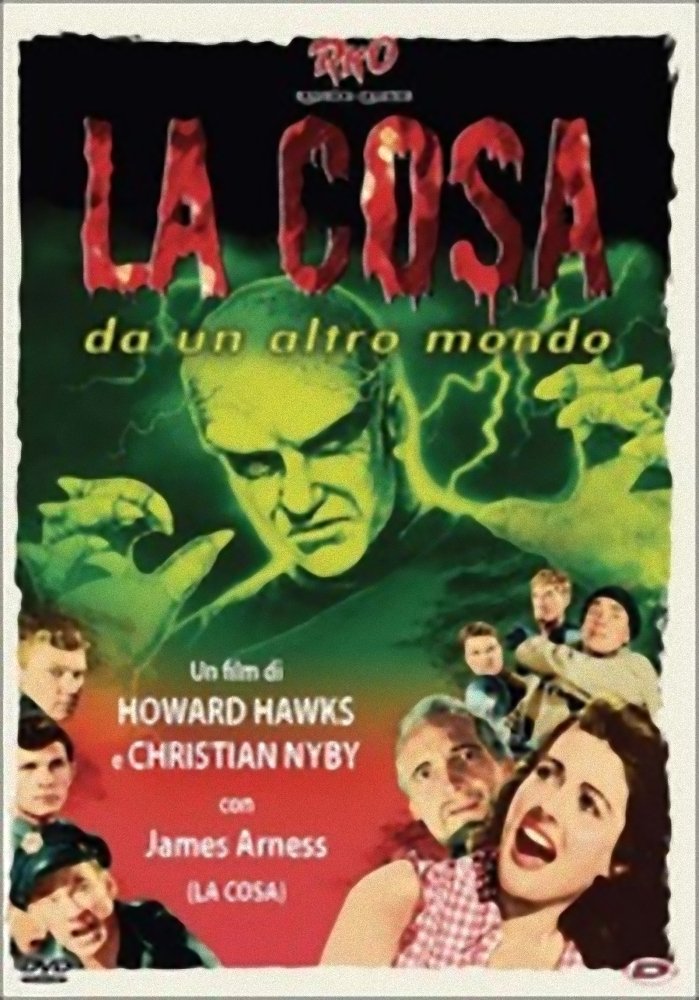
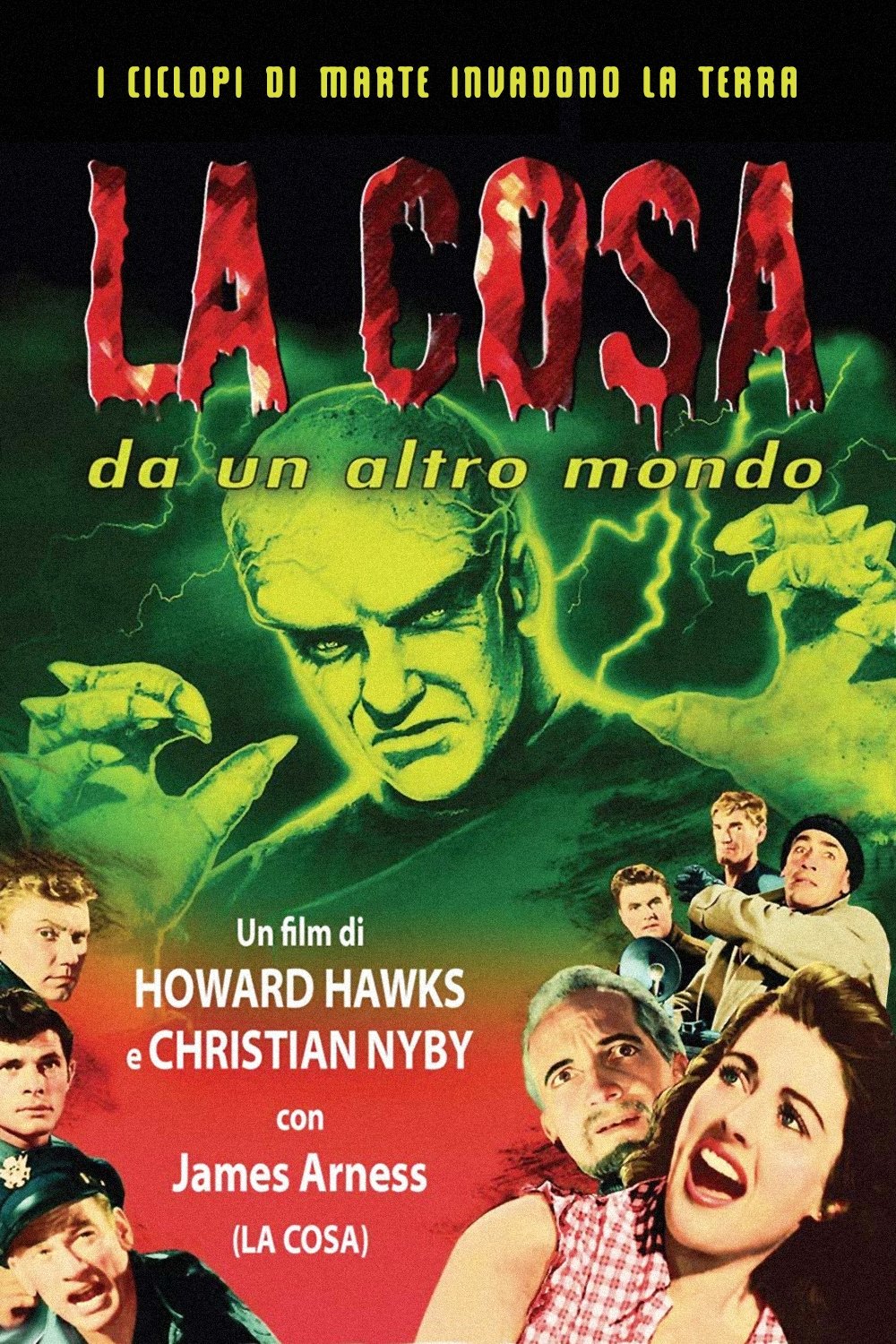
Show all 30 alternative titles El enigma de otro mundo (Spain) L’enigma d’un altre món (Spain) — Catalan Se toisesta maailmasta (Finland) — Finnish La Chose d'un autre monde (France) 來自異世界之物 (Hong Kong SAR China) — Chinese Stvor sa drugog svijeta (Croatia) — Croatian A lény - egy másik világból (Hungary) — Hungarian יצור מכוכב אחר (Israel) — Hebrew La cosa da un altro mondo (Italy) — Italian 遊星よりの物体X (Japan) — Japanese 괴물 (South Korea) 괴물 디 오리지널 (South Korea) — Korean La cosa del otro mundo (Mexico) Istota z innego świata (Poland) — Polish A Ameaça (Portugal) Нечто (Russia) Нечто из другого мира (Russia) ذلك الشيء من العالم الآخر (Saudi Arabia) — Arabic Fantomen från Mars (Sweden) — Swedish Başka Dünyadan Gelen Şey (Türkiye) — Turkish 來自異世界之物 (Taiwan) — Chinese Щось з іншого світу (Ukraine) — Ukrainian

Trailers & Videos

2 videos

Film Guide & Analysis

Christian Nyby’s 1951 Arctic science-fiction horror, produced by Howard Hawks, transforms John W. Campbell’s Who Goes There? into a landmark alien-invasion film featuring James Arness’s creature, elaborate practical effects and Cold War tensions.

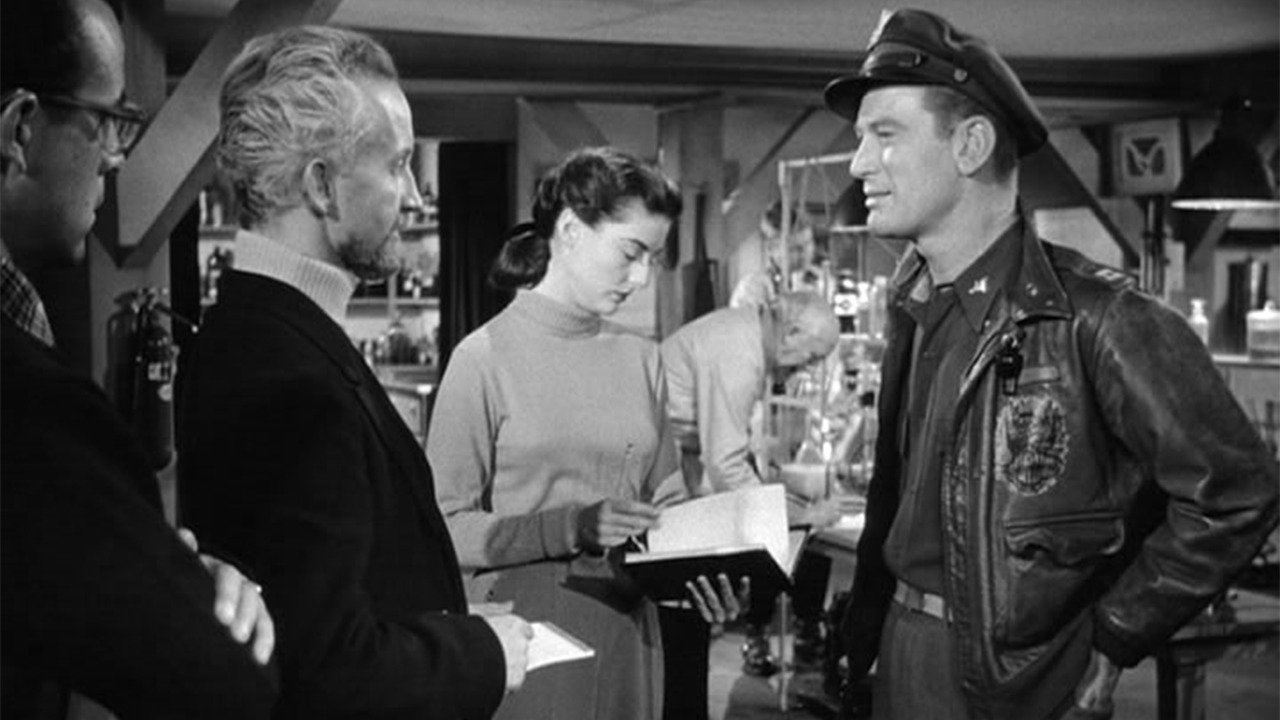
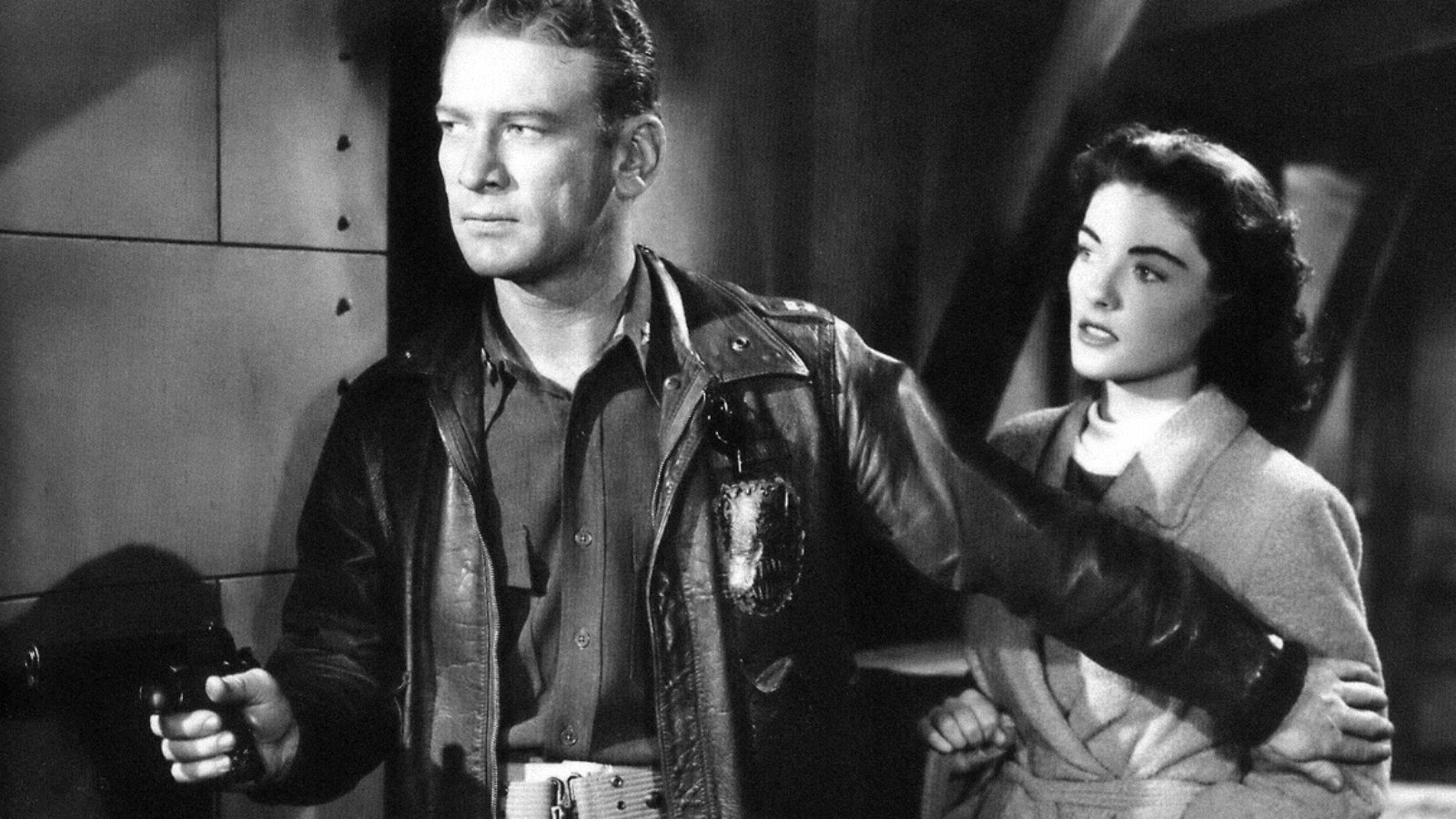
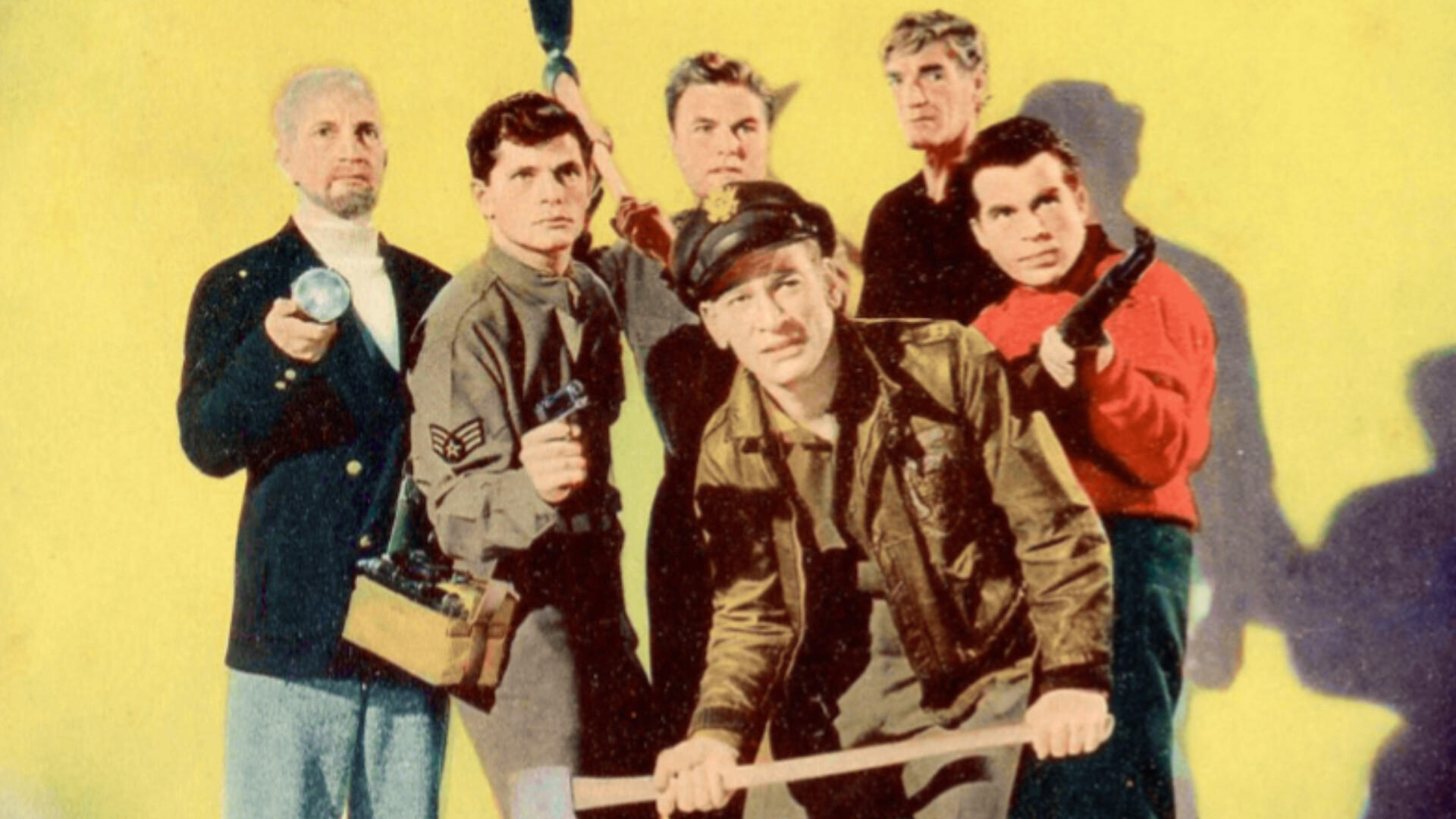
The Thing from Another World (1951) is an American science-fiction horror film directed by Christian Nyby and produced by Howard Hawks for Winchester Pictures and RKO Radio Pictures. Adapted by Charles Lederer from John W. Campbell Jr.’s novella Who Goes There? (1938), it follows American military personnel and scientists stationed in the Arctic who discover an extraterrestrial spacecraft buried beneath the ice. After recovering its frozen occupant, they accidentally release a hostile organism whose biological nature and reproductive capacity threaten human survival. Kenneth Tobey portrays Captain Patrick Hendry, while Robert Cornthwaite plays the scientist Arthur Carrington and James Arness performs as the alien creature.

Photographed in black and white by Russell Harlan, the film combines isolated-location horror with the rapid ensemble dialogue and professional camaraderie associated with Hawks’s productions. Its practical effects include an elaborate creature makeup designed by Lee Greenway, a dangerous full-body fire stunt and optical photography supervised by Linwood Dunn. Dimitri Tiomkin’s original score supports the changing atmosphere of scientific investigation and physical danger. Released in April 1951, The Thing from Another World became an influential work of early Cold War science-fiction horror, distinguished by its depiction of an extraterrestrial threat and its conflict between scientific inquiry and immediate collective survival.

Literary Origins & Adaptation

The film originated from Who Goes There?, a novella published in the August 1938 issue of Astounding Science Fiction under the pseudonym Don A. Stuart. Its author, John W. Campbell Jr., was also the magazine’s influential editor. The story concerns an Antarctic scientific expedition that discovers an ancient extraterrestrial organism preserved in the ice. When revived, the creature proves capable of absorbing and imitating other living beings, reproducing their physical appearance and memories. The survivors must identify individuals who may already have been replaced. Its central horror therefore depends upon uncertainty about personal identity within a small, isolated community.

Howard Hawks acquired the screen rights through his Winchester Pictures Corporation and developed the project with associate producer Edward Lasker. Hawks recognized the increasing popularity of science-fiction literature after the Second World War and regarded the genre as an opportunity to construct suspense around unfamiliar phenomena. Charles Lederer received the screenplay credit. His adaptation substantially changed Campbell’s narrative, moving the expedition from Antarctica to an Arctic station and replacing the imitating organism with a physically recognizable extraterrestrial. The revised creature belongs to a plantlike species capable of regenerating damaged tissue and producing new organisms from seeds nourished by blood.

The change altered the principal source of fear. Campbell’s survivors distrust one another because their companions may already have become alien copies. The film instead builds suspense around a visibly dangerous intruder attempting to enter a confined human environment. The screenplay also introduces an extended disagreement between military personnel and scientists over whether the creature should be preserved. Production records examined by the American Film Institute document additional, uncredited rewriting by Ben Hecht, although Lederer remains the officially credited screenwriter. Rumors concerning other supposed contributors have circulated, but the surviving records do not justify treating every attribution as established fact.
The Arctic Invasion & Biological Horror

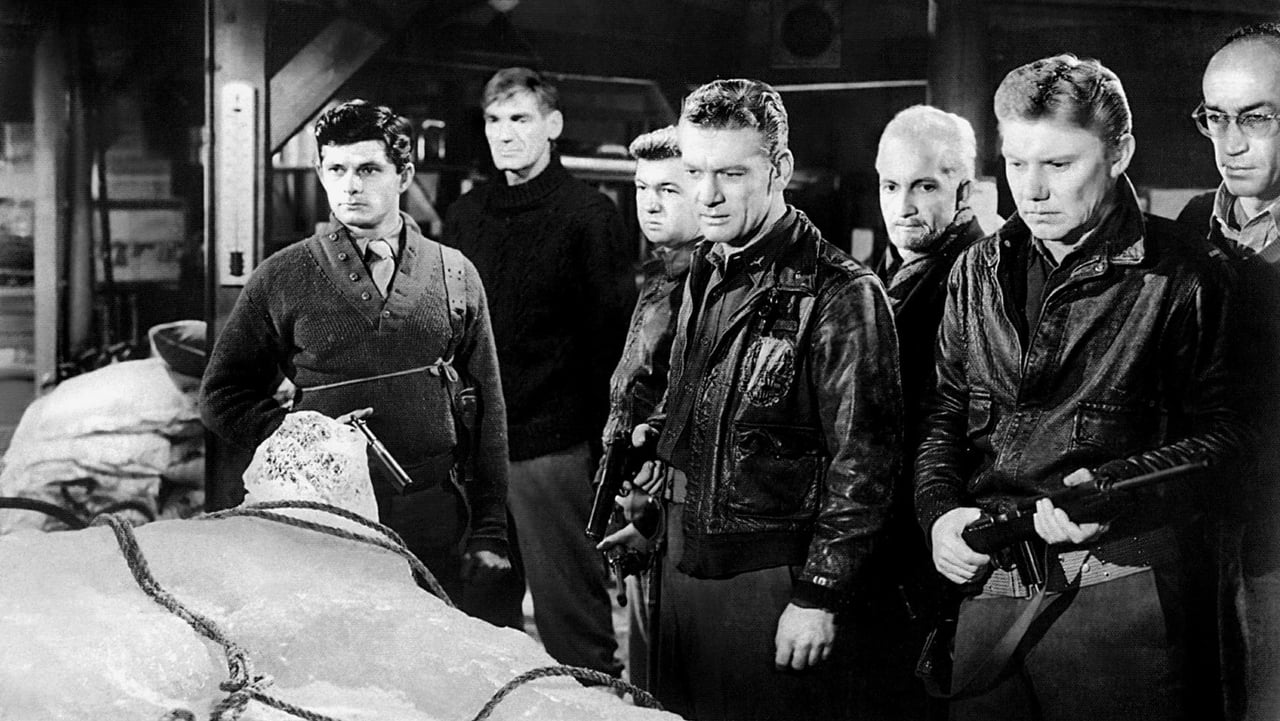
The narrative begins when Captain Patrick Hendry and his Air Force crew travel from Anchorage to a remote scientific research station near the North Pole. Dr. Arthur Carrington has reported unusual aerial activity and disturbances affecting scientific instruments. Journalist Ned Scott accompanies the expedition, hoping to document the discovery. Investigators locate a circular object buried beneath the ice and conclude that it is an aircraft of extraterrestrial origin. Their attempt to expose the vessel with thermite destroys it, but instruments reveal another object nearby. The men recover a humanoid figure frozen within a block of ice and transport it to the station.

The creature escapes after a guard unknowingly allows an electric blanket to melt the ice surrounding it. Its first encounters with the station’s inhabitants establish considerable physical strength and an ability to survive injuries. Sled dogs attack the alien and sever one of its arms, which the scientists subsequently examine. Carrington discovers that the tissue resembles vegetable matter and responds to blood. Further investigation reveals an organism able to regenerate and reproduce through seeds. The discovery changes the implications of the invasion: even a single extraterrestrial might establish a multiplying population capable of using earthly life as nourishment.

The confined station becomes a dangerous environment as communications deteriorate and the creature begins attacking personnel. Carrington secretly cultivates alien seedlings with blood plasma, convinced that the organism represents an extraordinary scientific opportunity. Hendry increasingly regards the experiments as an immediate threat. The survivors attempt to destroy the creature with fire, but it escapes and interferes with the station’s heating system. Their final defense involves an electrical trap constructed around the generator room. Carrington makes a last attempt to communicate with the intruder before it enters the apparatus and is destroyed. The conclusion restores the immediate safety of the station while leaving the larger possibility of extraterrestrial contact unresolved.

Christian Nyby, Howard Hawks & the Ensemble

Christian Nyby received the official directing credit, although the extent of Howard Hawks’s involvement has remained controversial. Nyby had worked as an editor on Hawks productions including To Have and Have Not (1944), The Big Sleep (1946) and Red River (1948). The Thing from Another World marked his directorial debut. Its naturalistic ensemble performances and overlapping dialogue resemble techniques associated with Hawks, encouraging later commentators to suggest that the producer had directed substantially more of the film than the credits acknowledged. Stylistic similarities alone cannot establish which filmmaker directed every scene.

The surviving production documentation provides a more precise account. In a 1982 interview cited by the American Film Institute, Nyby acknowledged discussing scenes extensively with Hawks and described the producer’s involvement in adjusting performances. RKO records held by UCLA also identify Hawks as the director of the sequence in which the alien is set on fire. Hawks himself told Peter Bogdanovich that he had attended rehearsals and assisted with the overlapping dialogue while considering Nyby responsible for the film’s direction. These sources establish an unusually close working relationship without resolving every claim made about authorship. Nyby should therefore retain the directing credit alongside an acknowledgment of Hawks’s substantial creative participation.

The cast reinforces the emphasis on a cooperative group under pressure. Kenneth Tobey portrays Hendry as a practical officer whose authority depends upon the ability to make decisions quickly. Margaret Sheridan, making her feature-film debut, plays Nikki Nicholson with independence and an informal manner that allows her to challenge Hendry’s assumptions. Their exchanges introduce humor and affection into a narrative of escalating danger. Douglas Spencer’s journalist Ned Scott supplies another perspective, repeatedly attempting to report the extraordinary discovery. Robert Cornthwaite gives Carrington a contrasting style of authority through precise speech and a conviction that scientific knowledge must be preserved regardless of immediate consequences.

Production, Cinematography & Suspense

Principal photography began on 25 October 1950 and concluded on 3 March 1951. The production combined studio work in California with exterior photography in northern Montana. Cut Bank supplied snow-covered landscapes intended to represent the Arctic, while additional background photography was obtained in Alaska. Difficult weather disrupted the Montana schedule and required the reconstruction of several snowbound environments at the RKO ranch in Encino. George E. Turner’s historical investigation for American Cinematographer describes the use of photographic solution to create artificial ice in sunlight. The location work and studio construction were integrated to present an isolated research station surrounded by an apparently continuous frozen landscape.

Russell Harlan served as director of photography, with additional camera work by Archie Stout, Harold Stine and other specialists. The production required convincing cold-weather imagery even when scenes were photographed inside California facilities. Some interiors were filmed in a commercial icehouse in Los Angeles so that the actors’ breath would become visible. The method helped establish the physical danger of the damaged heating system later in the story. Art directors Albert S. D’Agostino and John J. Hughes developed the station interiors, including laboratories, communal rooms and connecting passageways whose ordinary working functions become important during the defense against the creature.

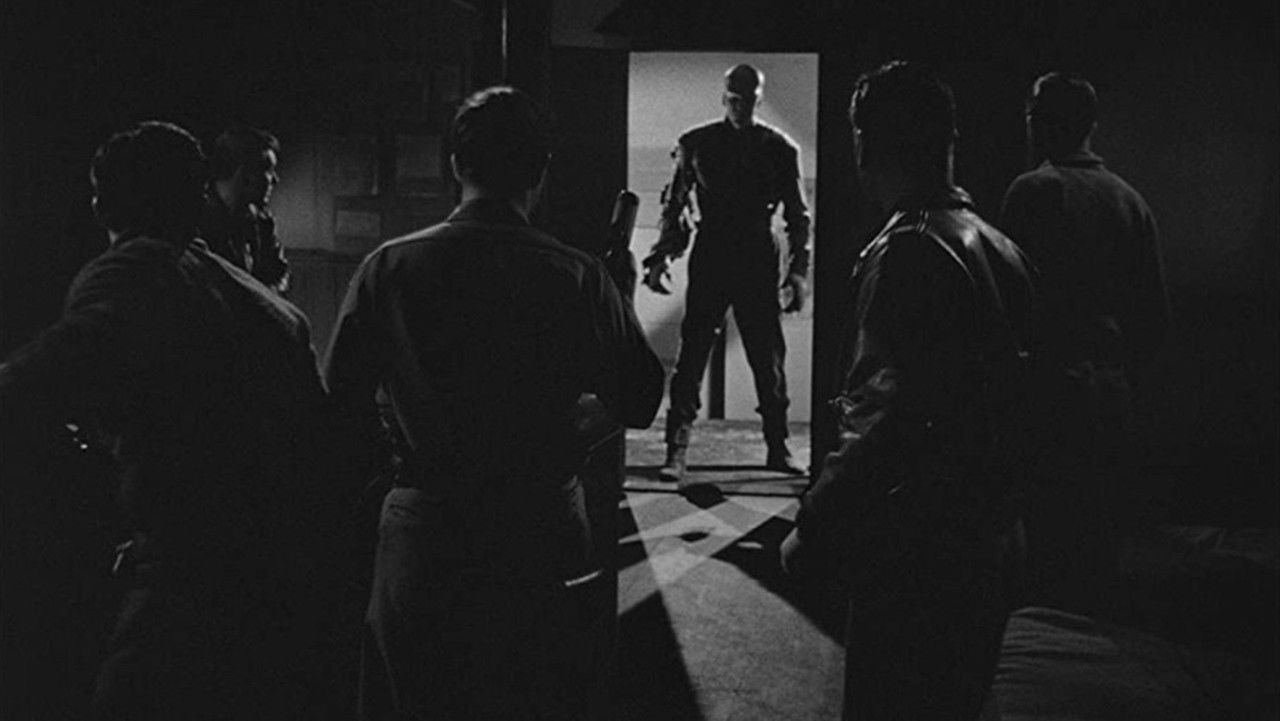
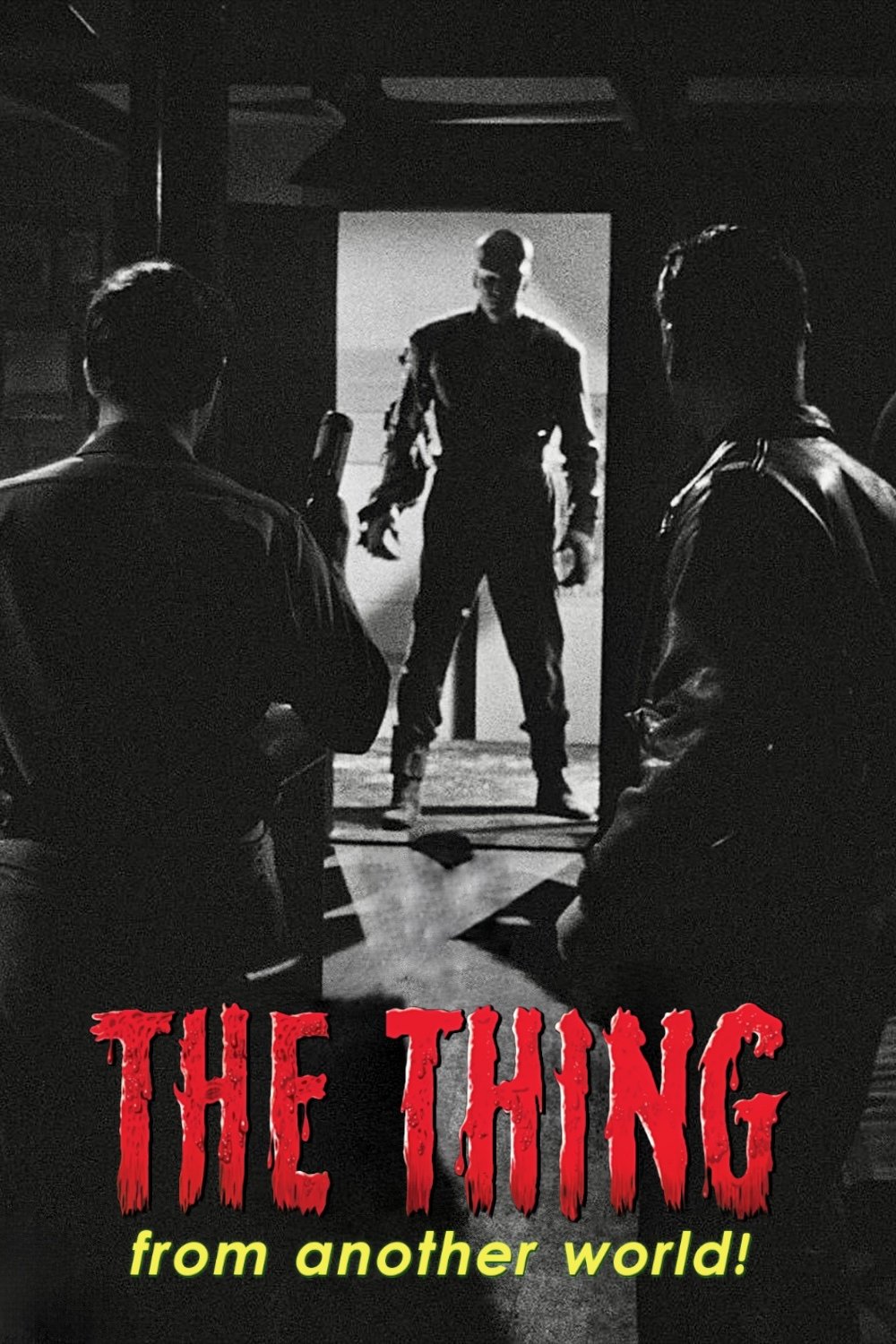
The film’s suspense frequently depends upon the relationship between enclosed spaces and unseen movement. Doors and corridors separate the characters from an organism whose precise location remains uncertain. The sudden appearance of the creature within a doorway is particularly effective because the scene briefly interrupts the rapid verbal activity that otherwise dominates the station. Roland Gross edited the picture, maintaining a brisk pace between conversations, scientific demonstrations and attacks. After an early preview, several closer views of the monster were removed. Gross later recalled that the revised approach deliberately reduced the creature’s visibility, allowing its size and behavior to be suggested through reactions and interrupted glimpses.

Creature Makeup & Practical Effects

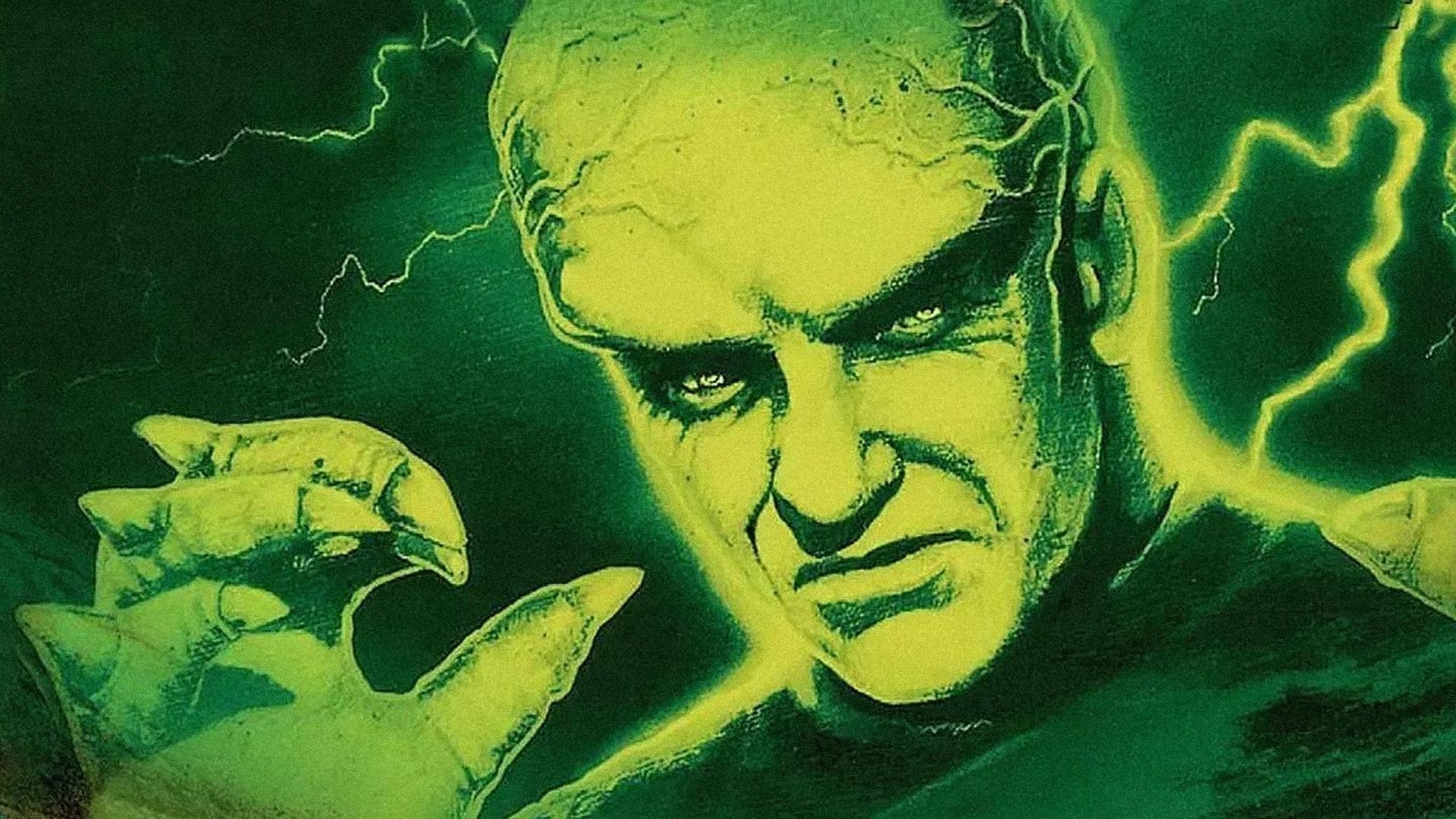
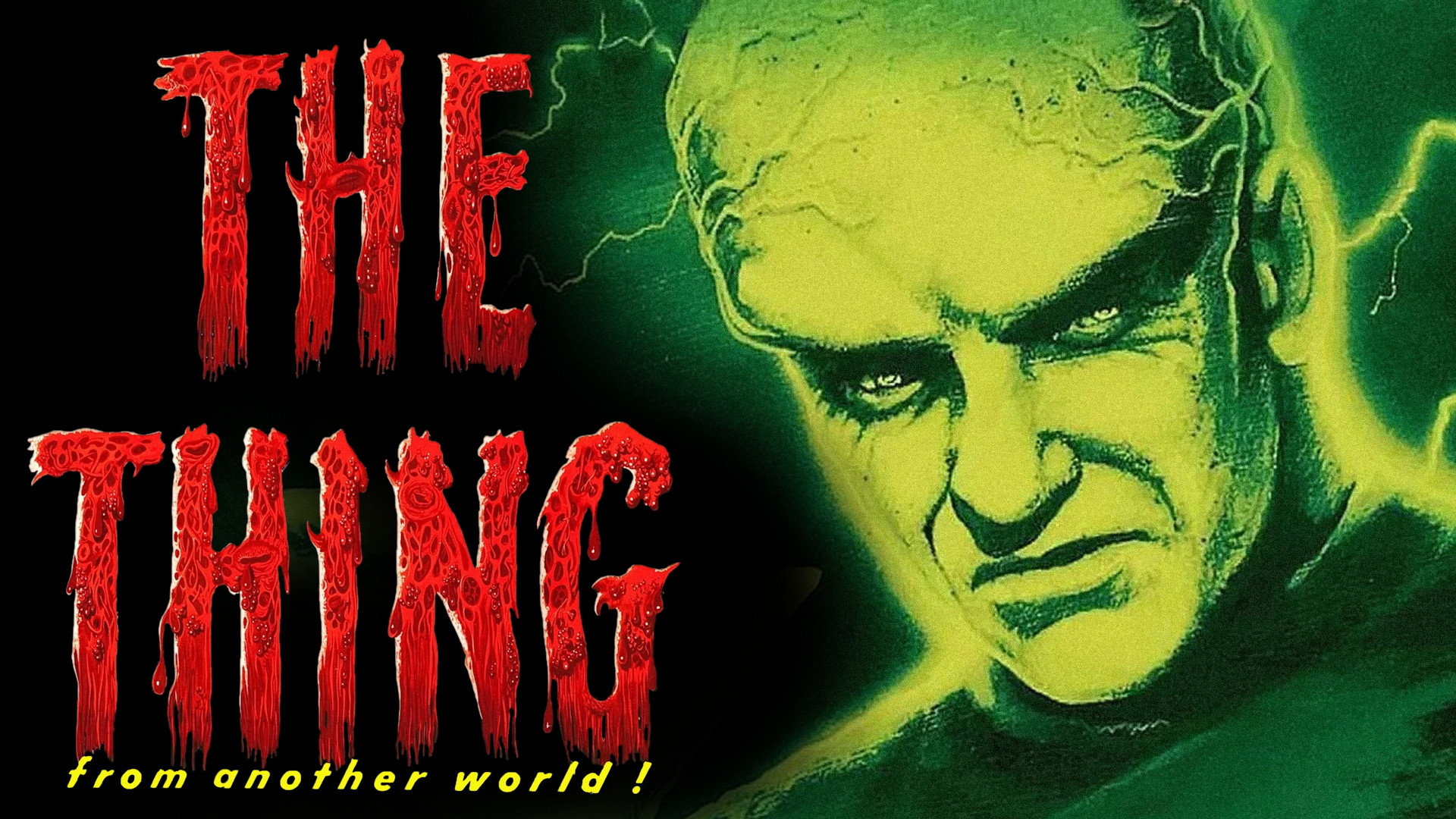
James Arness was selected to portray the extraterrestrial before its final physical design had been established. His considerable height made him suitable for a creature intended to dominate the human performers. Makeup supervisor Lee Greenway experimented with several approaches before producing the approved prosthetic design. According to American Cinematographer, the final construction employed foam rubber and additional materials that extended the skull and altered the appearance of the face, hands and neck. Artificial veins and thornlike projections emphasized the organism’s unusual biology. The design bears a recognizable resemblance to classical cinematic monsters, particularly the artificial body of Frankenstein’s creature, while retaining features intended to suggest vegetable rather than animal tissue.

The film’s most demanding physical effects involved setting the alien on fire. The sequence was staged on an RKO soundstage with extensive safety preparations and coordinated participation by stunt performers, camera crews and special-effects technicians. Tom Steele doubled Arness during the principal fire action, wearing protective clothing and a specially constructed head appliance. The stunt required the burning figure to move through the room while other performers attempted to contain it. Turner’s archival account records that two stuntmen suffered burns during the production. The scene’s danger was achieved through controlled practical action rather than by substituting an animated representation of the creature.

The electrical destruction in the climax required another combination of techniques. Donald Steward supervised the principal mechanical effects, while electrical specialist Kenneth Strickfaden contributed equipment associated with his earlier work on Frankenstein (1931). Performers of different heights were photographed in the creature costume to create the impression that the body diminished under the electrical discharge. Linwood Dunn subsequently refined the sequence through optical printing, controlled dissolves and animated electrical flashes. His work integrated the separate elements into a continuous visual effect. The changing scale of the figure and the apparent disintegration of its body create a conclusion based upon physical destruction, consistent with the film’s treatment of the alien as a material organism.

Cold War Interpretations, Music & Sound

The isolation of the research station places the film within the wider atmosphere of Cold War uncertainty. Its characters represent institutions associated with national defense, scientific advancement and public communication, but their responses to the alien do not remain consistent. Carrington wishes to preserve the organism because its existence might transform biological knowledge. Hendry regards the immediate deaths and the possibility of reproduction as sufficient reasons to destroy it. The disagreement resembles contemporary debates about the responsibilities of scientists whose discoveries might create consequences beyond their control. The film’s emphasis on technical expertise and military judgment reflects the period in which increasingly destructive technologies were being developed and assessed.
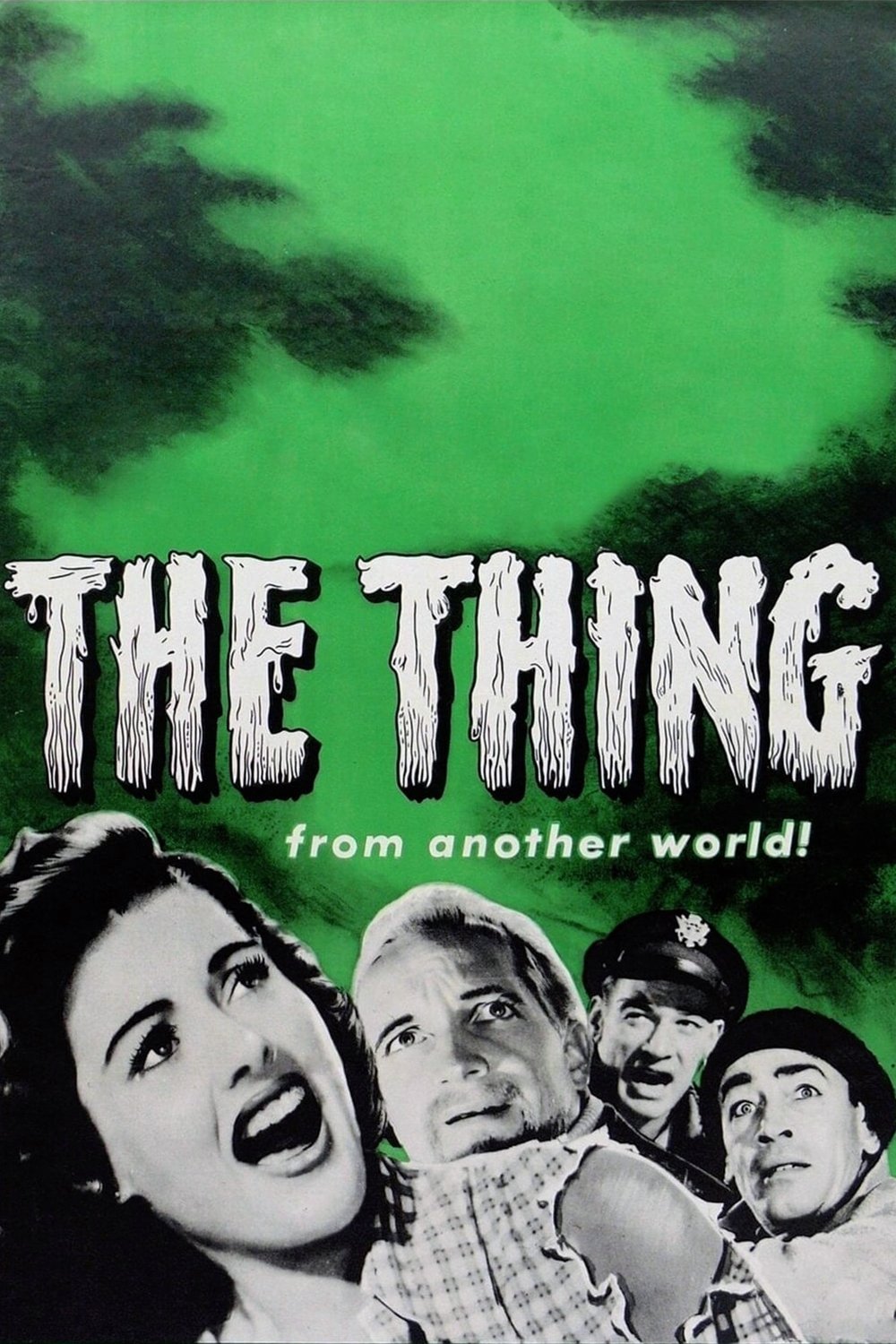
The extraterrestrial’s biological structure also invites political interpretation. Its lack of familiar emotional behavior and ability to reproduce without conventional sexual relationships distinguish it from the social organization of the human group. Film historian Mark Jancovich has interpreted Carrington’s admiration for the alien as a representation of scientific and technical rationality detached from individual feeling. His analysis complicates the common reading of the creature as a simple metaphor for Soviet communism, since the film also questions forms of authority within the American establishment. The conflict consequently accommodates competing interpretations of expertise, collectivism and the value of independent judgment.

Dimitri Tiomkin’s original score contributes to the contrast between professional camaraderie and supernatural threat. American Cinematographer documents his use of strings and four female voices to create an eerie vocal texture. The resulting sound has often been associated with the electronic timbres familiar from contemporary science-fiction cinema, although the documented vocal method should not be confused automatically with the use of a theremin. More energetic passages accompany the personnel’s cooperative activities, while the threatening material emphasizes the alien’s unfamiliarity. Sound effects also communicate the creature’s physical presence. Its vocalization was developed by manipulating recorded animal cries, giving it a disturbing identity distinct from ordinary human speech.

Release, Reception & Historical Legacy

RKO Radio Pictures released The Thing from Another World in April 1951. The American Film Institute records the Los Angeles opening on 27 April, although contemporary listings document other engagements during the same month. The picture was originally developed under the shorter title The Thing. According to archival publicity materials, the longer title was adopted to avoid confusion with a popular novelty song of the same name. The production was photographed in black and white and distributed in a version running approximately eighty-seven minutes. The British release received an X certificate, despite objections from RKO concerning the classification.

Contemporary critical response recognized the film’s energetic direction and effective suspense. A New York Times review published in May 1951 praised its treatment of a scientific-fantasy premise and its unexpected moments of danger. The picture was also a commercial success, contributing to the rapid expansion of American science-fiction monster cinema during the decade. It returned to circulation through theatrical reissues in 1954 and 1957. Its original presentation emphasized the monster’s threatening presence, but later criticism increasingly examined the relationship between the collective behavior of the survivors and the conflicting authorities represented by Hendry and Carrington.

The film’s relationship to later adaptations requires particular care. John Carpenter’s The Thing (1982) returns to Campbell’s original premise of an organism capable of assimilating and imitating living beings. Although often described as a remake of the 1951 film, Carpenter’s production is also a separate adaptation of the same literary source and retains important narrative elements that Nyby’s version discarded. The difference between the two creatures produces contrasting forms of horror: one threatens an isolated group through physical intrusion, while the other makes every member of the group a possible imitation. Both versions became important reference points within the development of science-fiction horror.

In 2001, the Library of Congress selected The Thing from Another World for preservation in the National Film Registry. The recognition confirmed its established importance within American screen history. Its influence remains associated with the combination of a threatening extraterrestrial, a geographically isolated setting and a community forced to respond under conditions of limited information. The film also demonstrates the expressive possibilities of practical monster effects and controlled offscreen violence. Its distinctive approach to group behavior has helped sustain critical interest beyond the circumstances of its original Cold War reception.

References

  1. American Film Institute The Thing (1951) — AFI Catalog

    Archival production and release history documenting the literary adaptation, credited director and screenwriter, Hawks’s documented direction of the fire sequence, filming dates, British classification and original theatrical circulation.

  2. American Cinematographer The Thing From Another World

    George E. Turner’s detailed production history originally published in January 1991, drawing on production documentation and firsthand crew recollections to examine casting, Montana photography, creature makeup, fire stunts, optical effects and Dimitri Tiomkin’s score.

  3. Turner Classic Movies The Thing (from Another World)

    Lang Thompson and Jeff Stafford’s historical study of the disputed Nyby–Hawks directing relationship, changes to Campbell’s original story, theatrical reception and the later adaptation directed by John Carpenter.

  4. British Association for American Studies American Horror from 1951

    Mark Jancovich’s scholarly study, first published in 1994, examining the film’s relationship to scientific authority, collective identity, Cold War ideology and the contrast between hierarchical expertise and cooperative behavior.

  5. Library of Congress The Thing from Another World — Film Collection Record

    Official archival catalog record identifying the 1951 RKO production, original copyright information, principal creative contributors and preservation through the 2001 National Film Registry selection.

Connections

Cast

View Full Cast & Crew →

Release & Distribution

Production Companies (2)

  • RKO Pictures US
  • Winchester Pictures Corporation

Distributors (1)

  • RKO Pictures US

Release History (14)

Release DateTerritoryRelease TypeFormatDistributorCertificationNotes
1951-04-05 Canada Theatrical — — PG
1951-04-05 Mexico Theatrical — — B
1951-04-05 United States Limited Theatrical — — NR Ohio
1951-04-06 United States Limited Theatrical — — NR Washington, D.C.
1951-04-07 United States Theatrical — — —
1951-05-02 United Kingdom Theatrical — — — Rated X
1951-10-26 Austria Theatrical — — 16
1951-10-26 Germany Theatrical — — 12
1951-12-17 Brazil Theatrical — — 16 IMDB
1952-02-07 Italy Theatrical — — T
1997-11-12 United Kingdom Physical DVD — 12 DVD
2012-06-20 Brazil Physical — — 16 mj.gov.br - Universal BR
2012-09-26 Netherlands Physical DVD — 14 DVD
2019-11-14 United Kingdom Digital — — PG
Natural or Supernatural?