Delirium (1979)

US
HORROR FILM Thriller Action
UK censorship history DPP · Withdrawn / unsuccessful
Runtime
88 min
Release
July 19, 1979
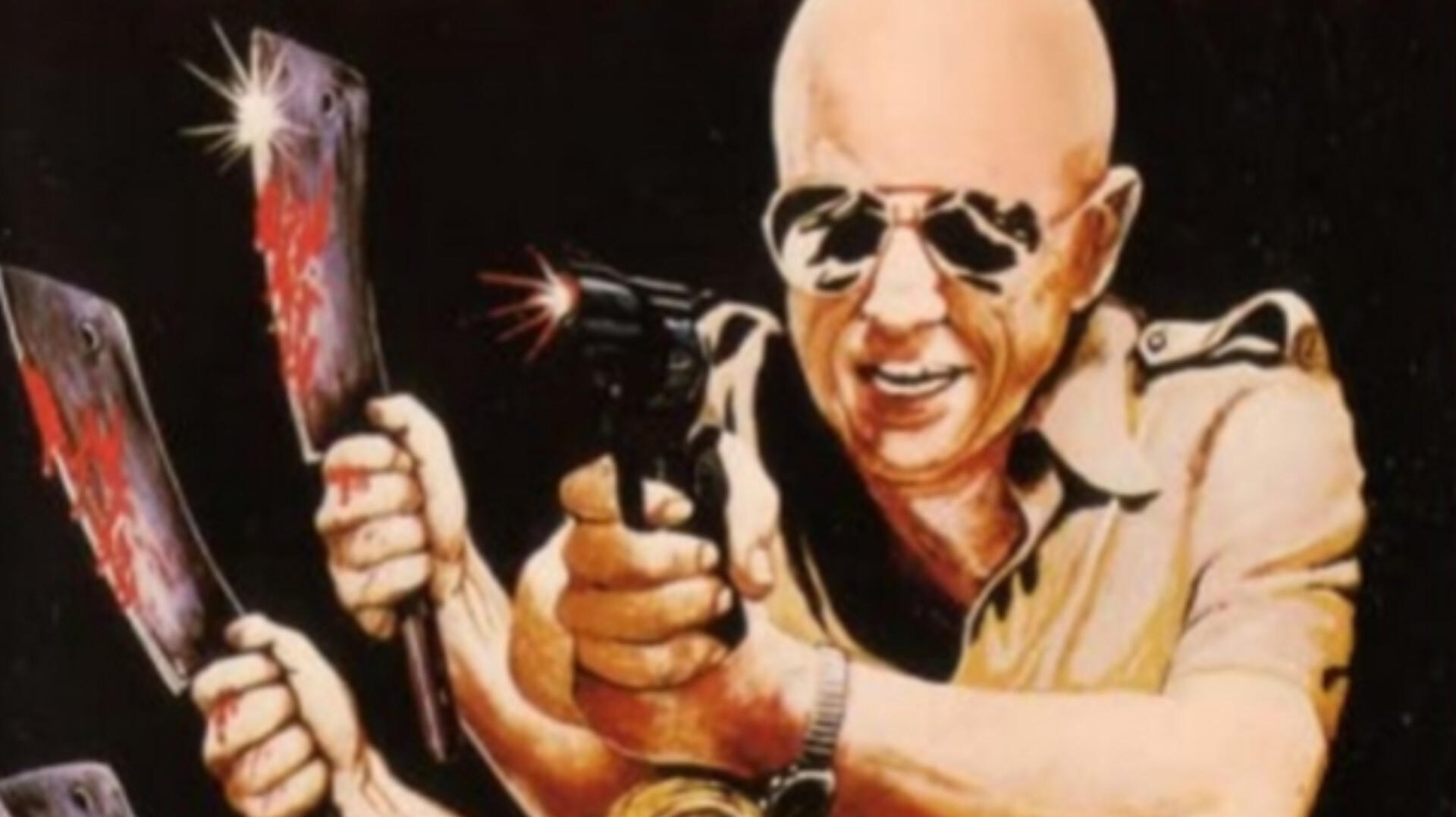
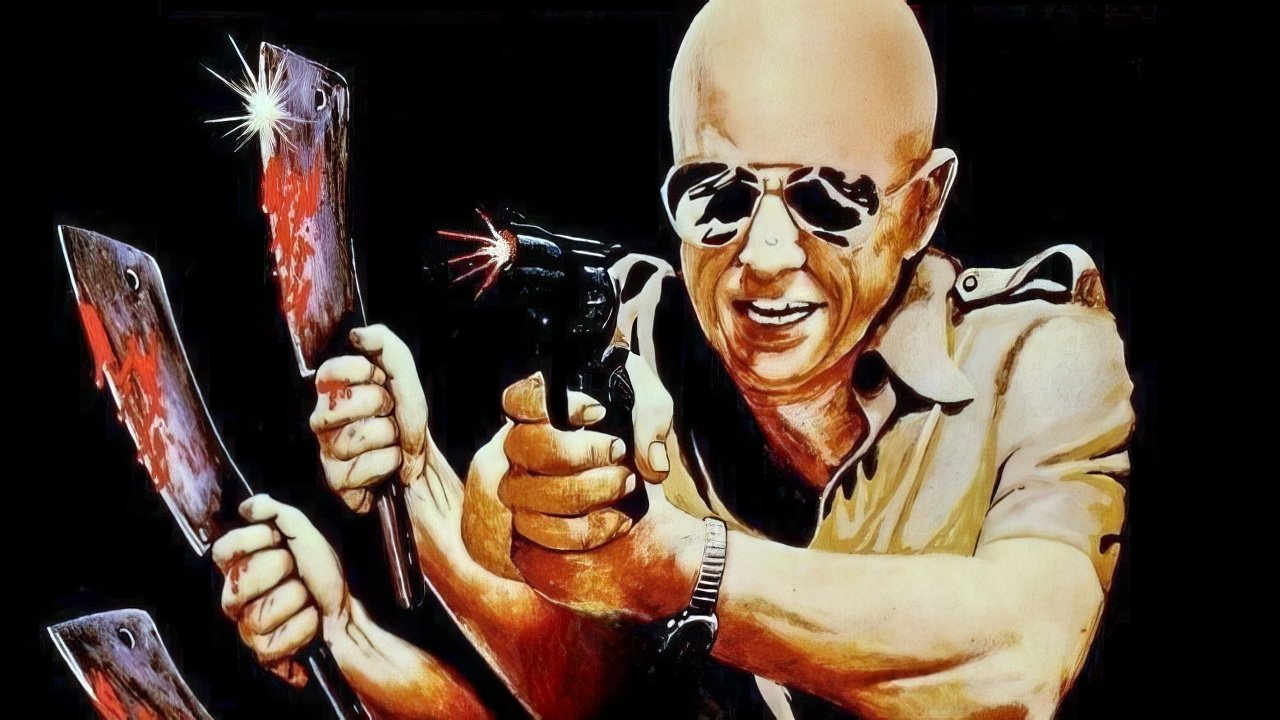
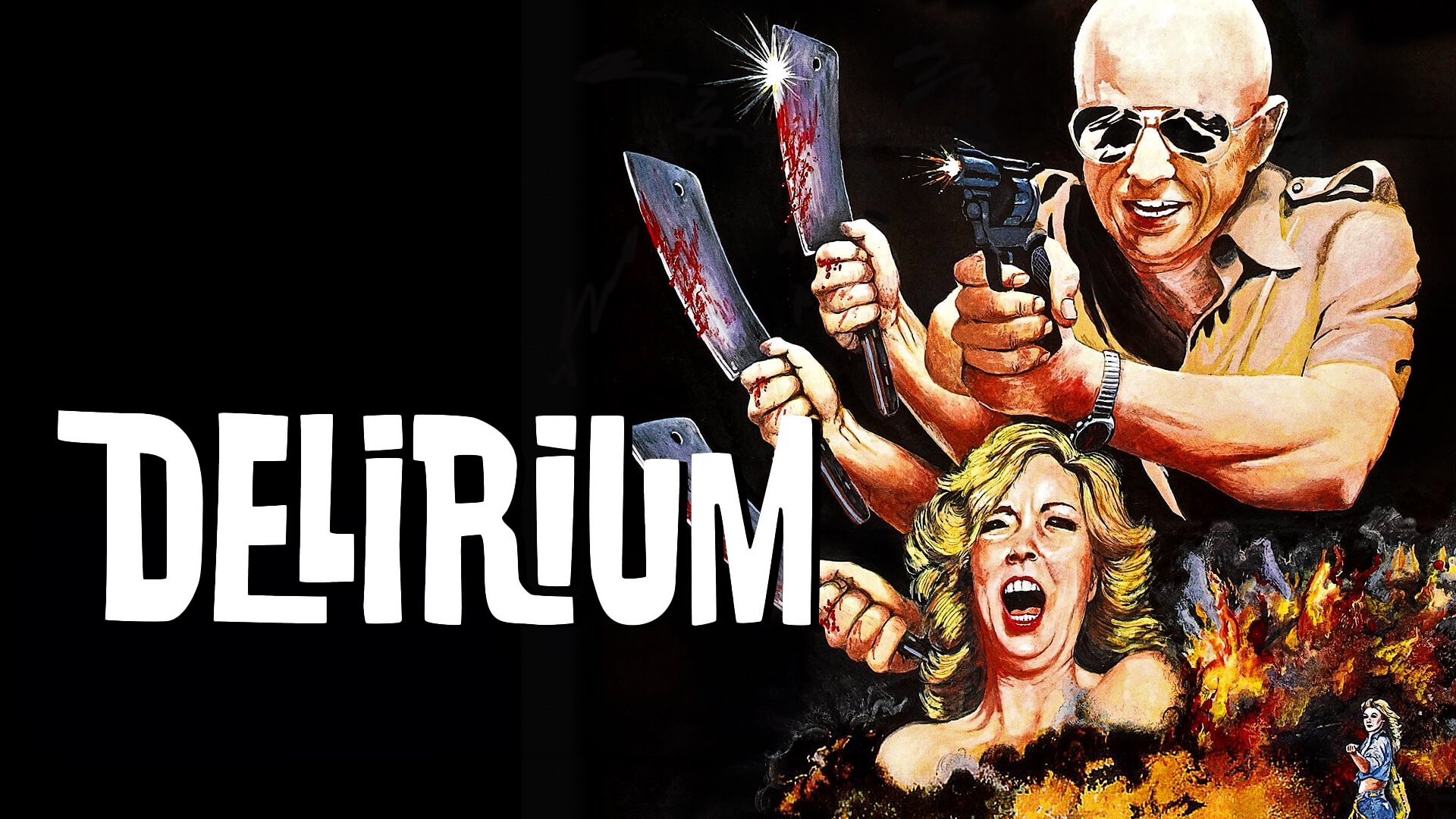
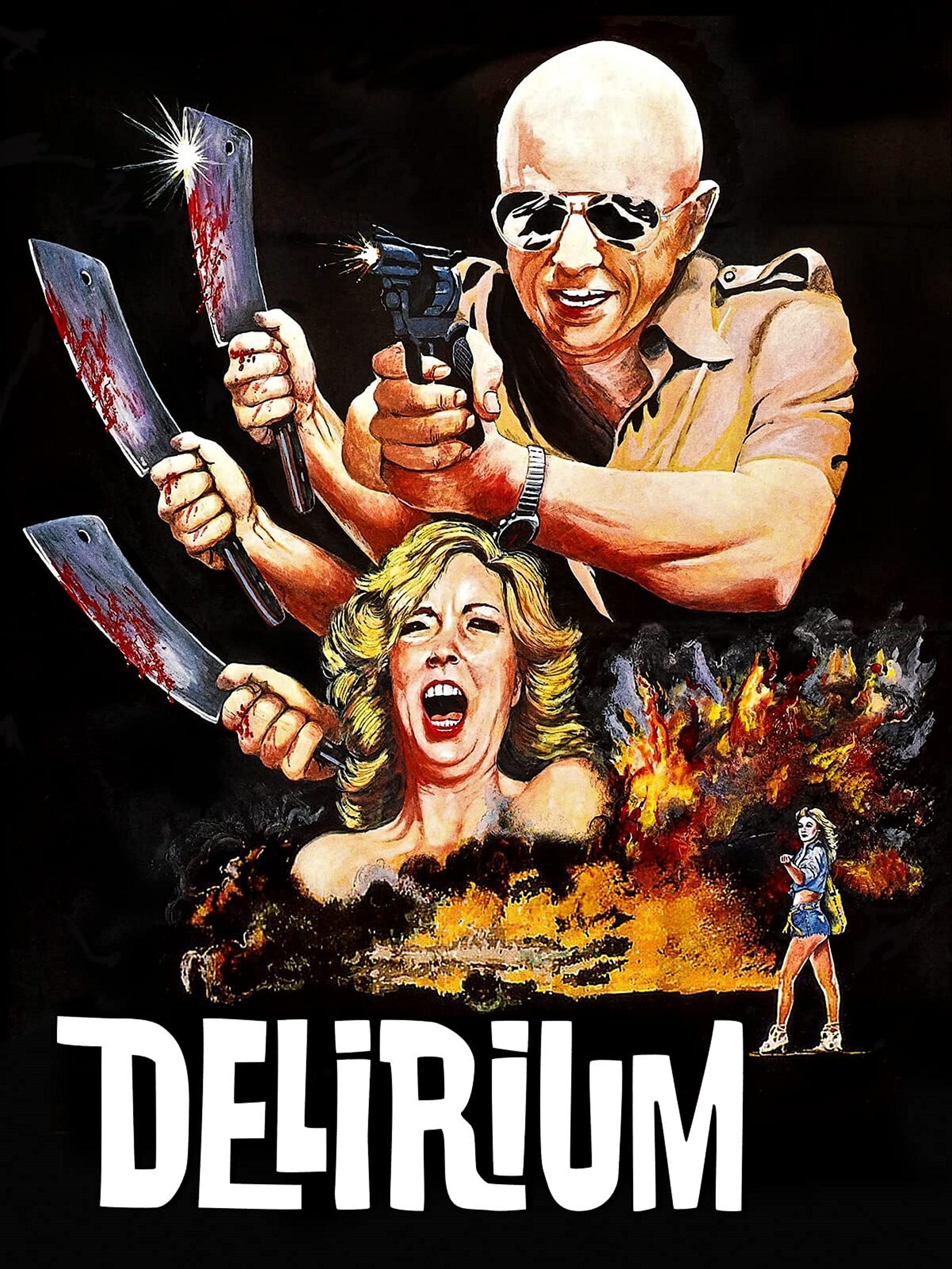
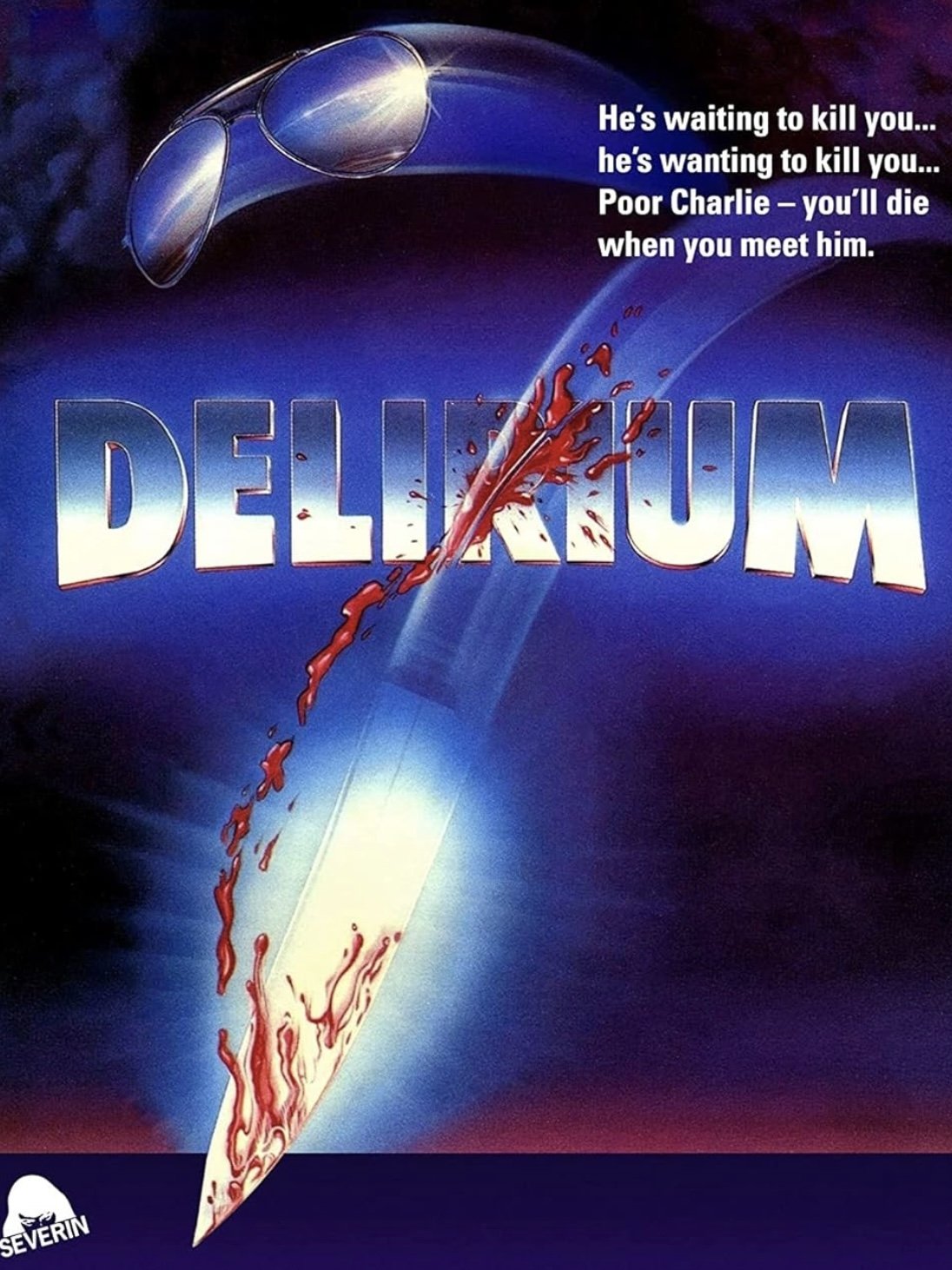
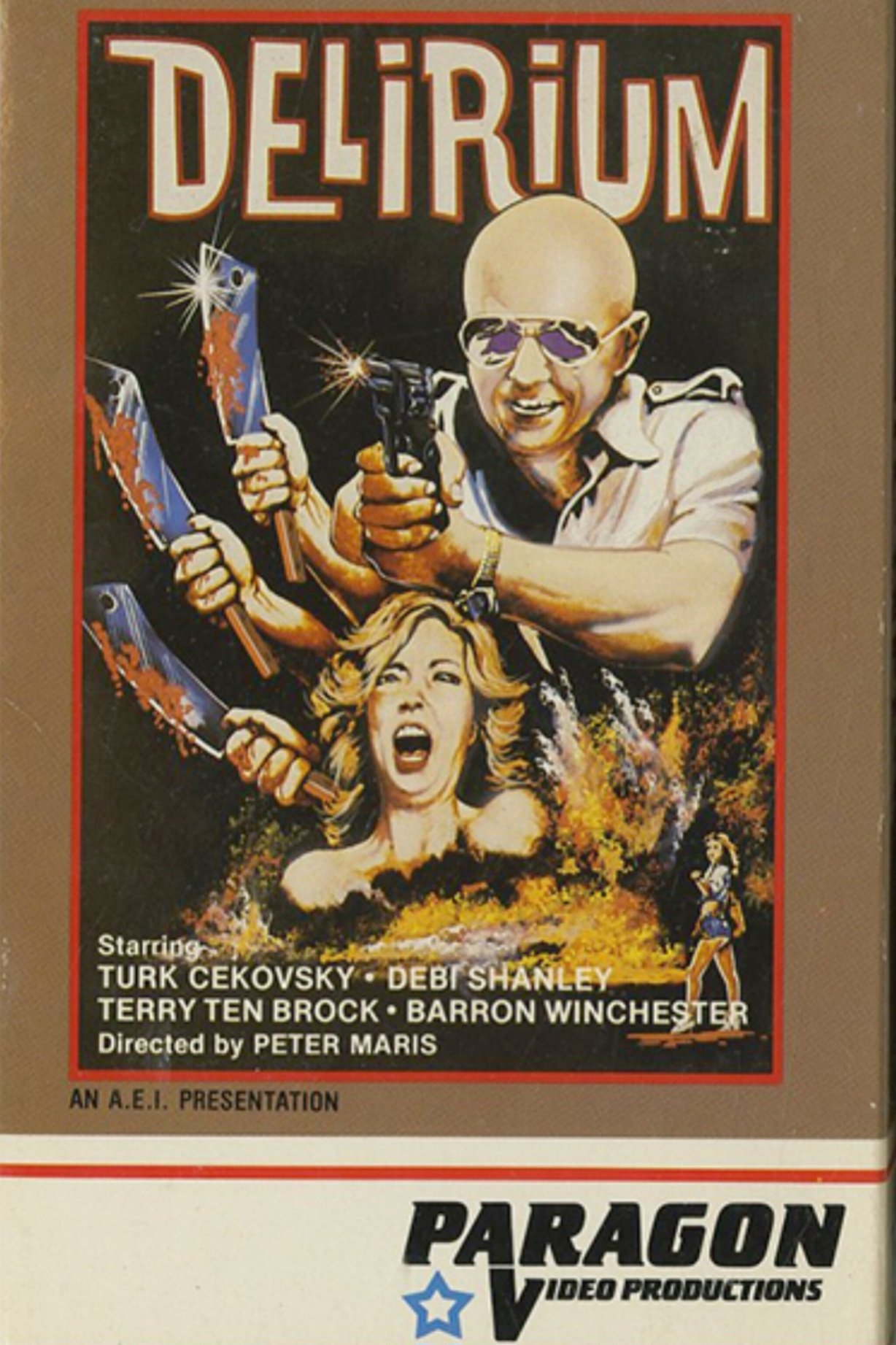
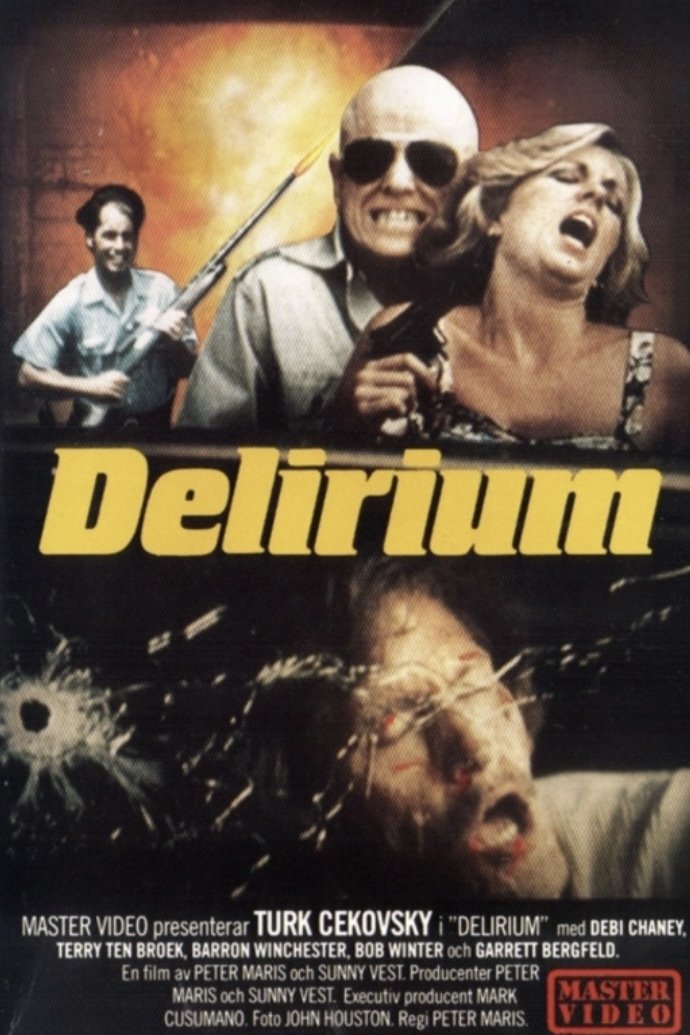
Delirium (1979) poster
Director
Production Company
Worldwide Productions (III)
Plot

An ex-soldier is hired by local right-wingers as a vigilante to clean up criminals and street people. However, he freaks out and starts killing off everybody.

Alternative Titles
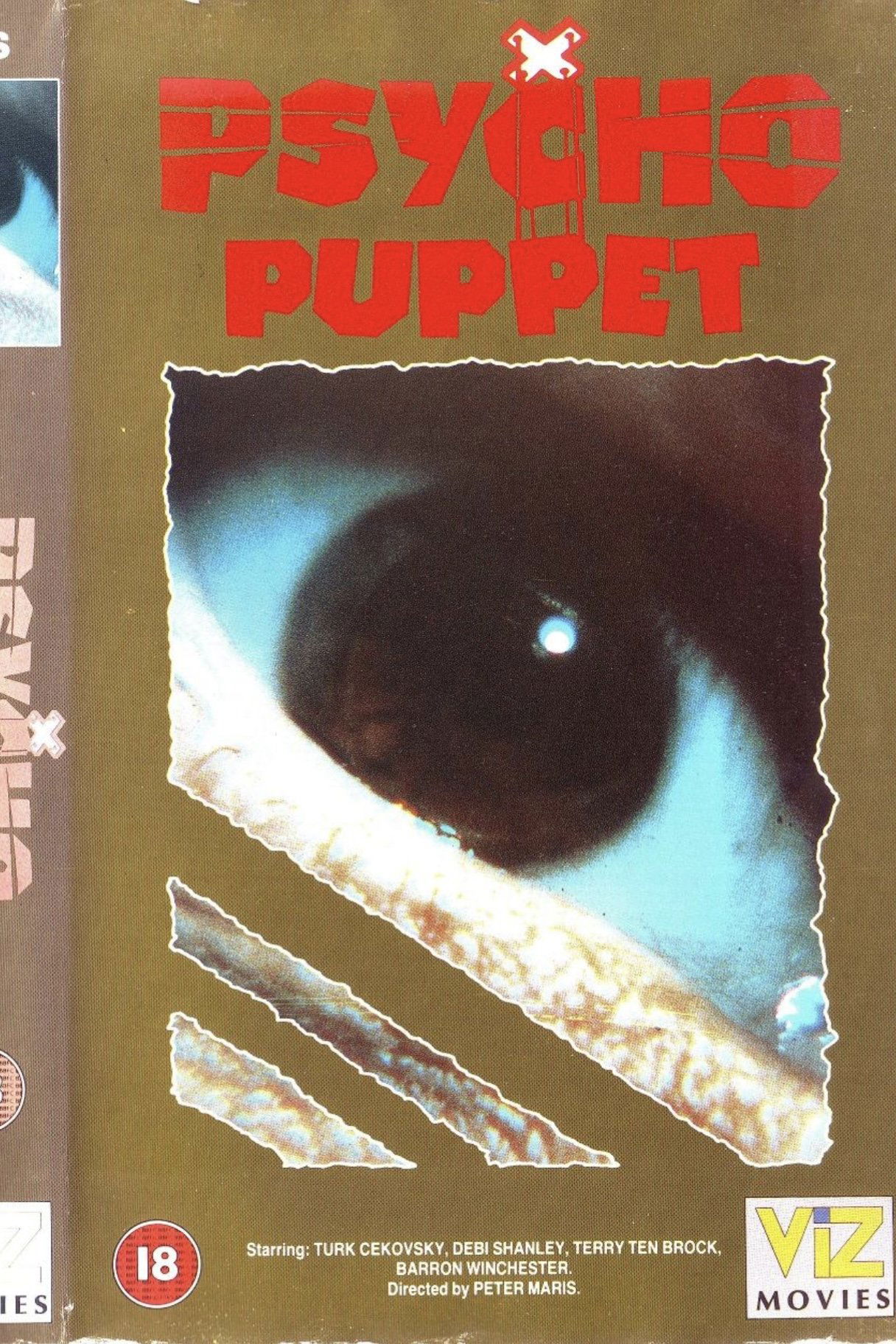
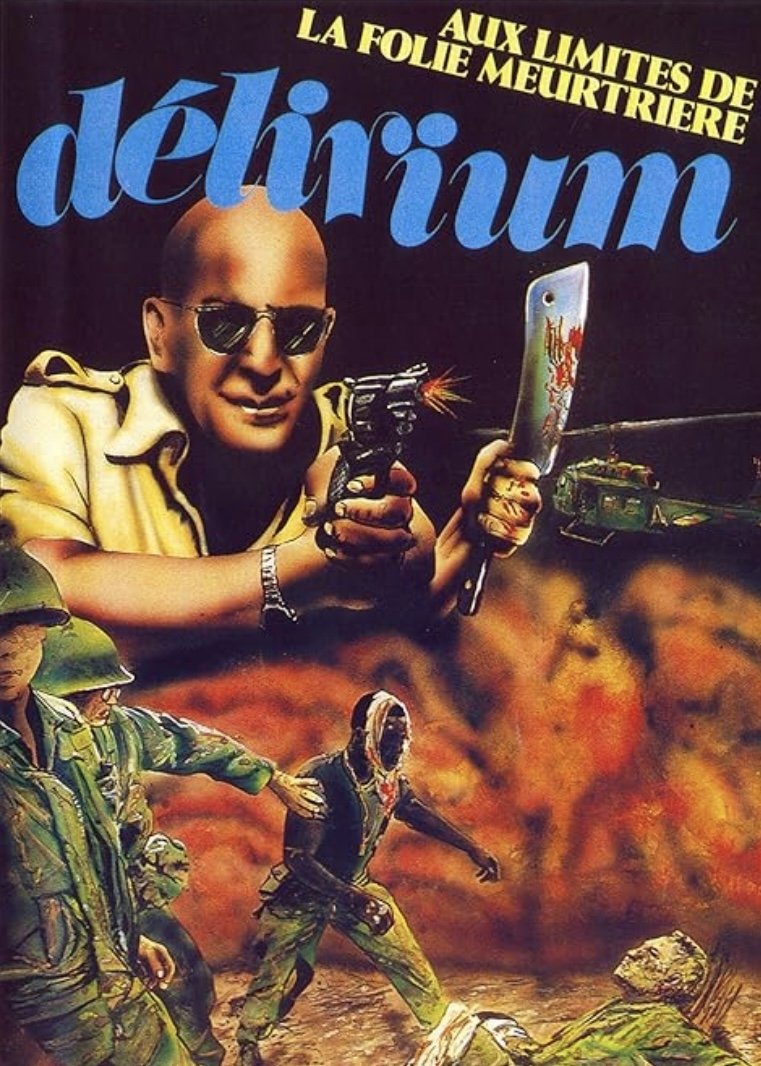
狂魔 (China) — Chinese Kuolemaan tuomittu (Finland) Sentences de mort (France) Psycho Puppet (United States) — censored version

Trailers & Videos

2 videos

Film Guide & Analysis

Peter Maris combines St. Louis slasher violence, vigilante conspiracy and regional exploitation in an American video-nasty obscurity.

Delirium (1979), also circulated as Psycho Puppet, is a regional American horror thriller whose early murders resemble the emerging slasher cycle before the story turns toward an organized campaign of vigilante violence. Set in St. Louis, Peter Maris's feature follows Charlie Gunther, a Vietnam veteran employed by a clandestine group that claims to punish criminals beyond the reach of the courts. His attacks on women expose the danger of placing lethal authority in the hands of men already prepared to disregard the law. The shift toward conspiracy gives the violence a political context.

Maris assembled the project from material associated with an unfinished conspiracy thriller and newly developed psycho-killer scenes. Trade reports document Missouri production in 1978 and later screenings in 1979 and 1980. Britain added another chapter when the film entered the video-nasty controversy and appeared in a censored edition under a different title. Restoration from a surviving 35mm print renewed access to this obscure regional feature.

Regional Production & an Unfinished Thriller

Delirium emerged through the independent production company Worldwide Productions. The American Film Institute cites a Daily Variety notice announcing the start of principal photography in St. Louis on 15 June 1978 and a Box Office report that the work was complete by 6 November. Neither report establishes a reliable production budget. The credits assembled by the AFI include Richard Yalem, Eddie Krell and Jim Loew in the writing history, with Maris directing and producing alongside Sunny Vest. The archival credits partly reflect trade reviews, so individual writing contributions remain uncertain.

The American Genre Film Archive (AGFA) describes Maris's feature debut as an attempt to combine parts of an unfinished urban conspiracy film with a new sequence of murders and police inquiries. A later review of the restoration reports that the director discussed a failed earlier project and a script developed through several contributors. That origin helps account for the dramatic change in emphasis as the film progresses. The killings first appear to form an independent psychopath story; subsequent scenes introduce wealthy conspirators who have organized secret executions. Their uneven transitions place the feature between slasher and crime thriller.

Charlie Gunther & Proto-Slasher Violence

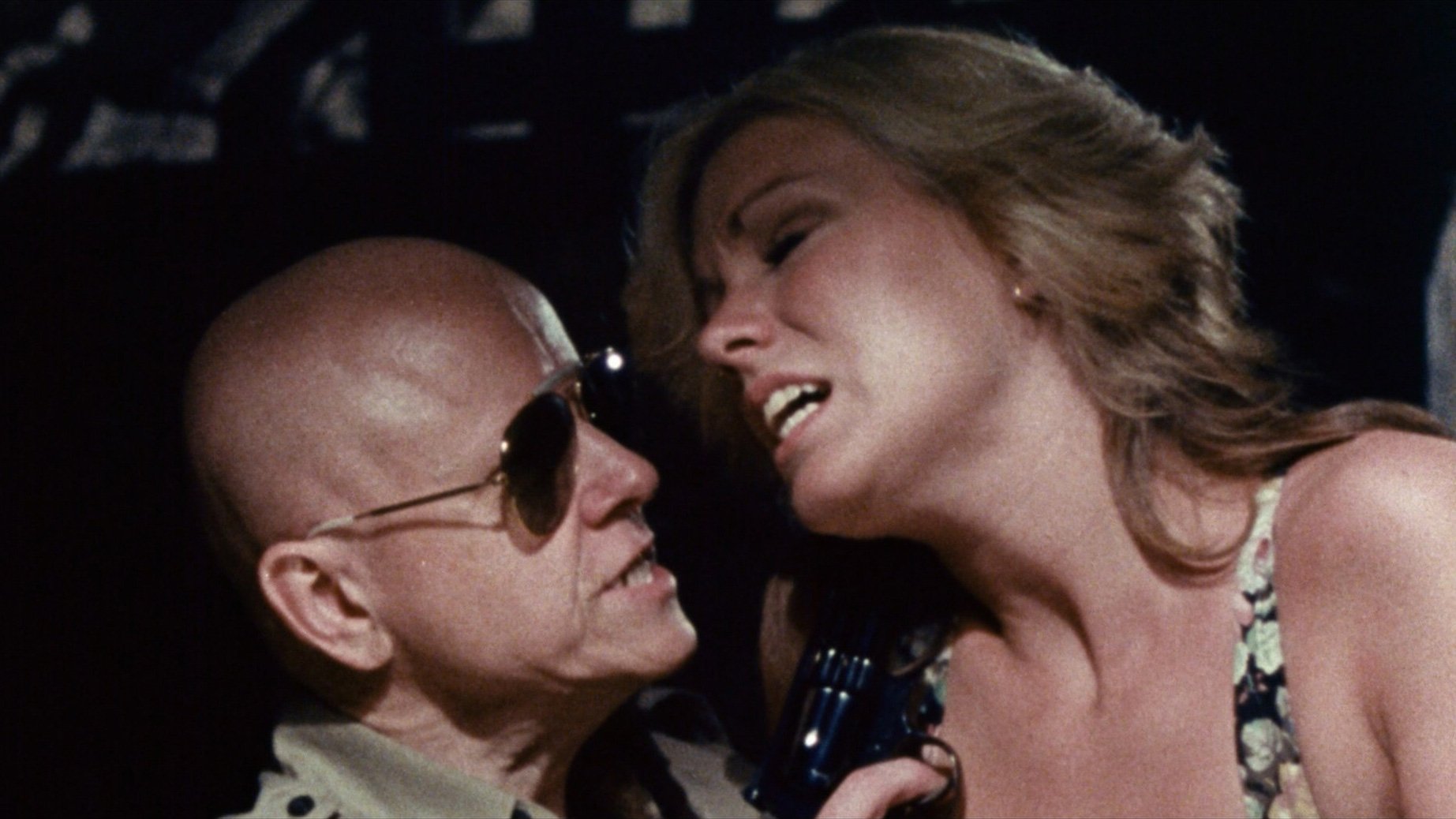
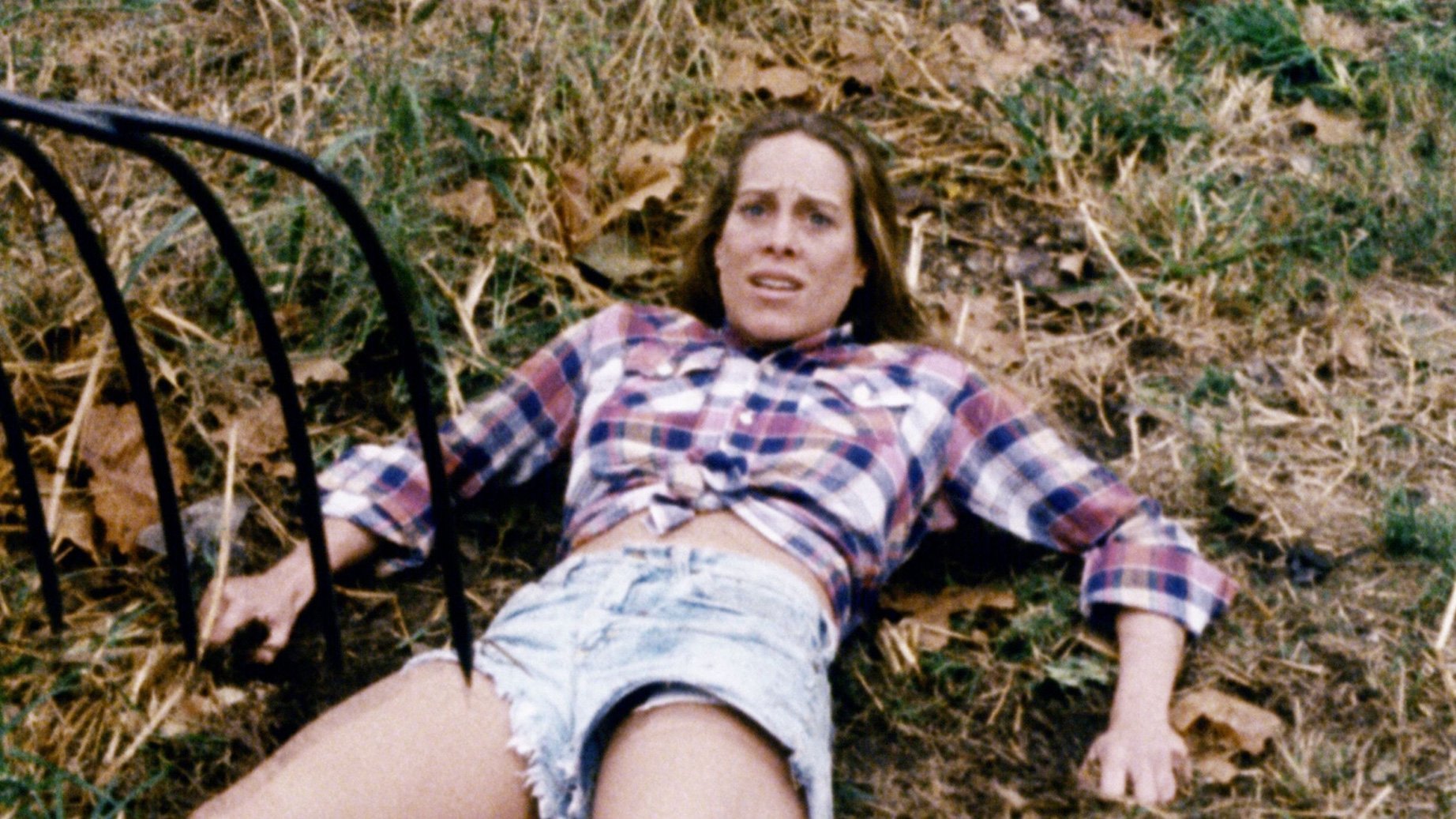
Charlie Gunther provides the most immediate horror. His encounters with women unfold as isolated attacks, using private interiors and outdoor locations to leave potential victims exposed. One woman is threatened while swimming, while another attack involves a bladed agricultural implement. The violence is presented through pursuit, abrupt physical contact and bloodied aftermaths; the BBFC's later content advice specifically identifies attacks on undressed women and a drowning. This material places the film near early stalk-and-kill cinema even though the investigation and conspiracy occupy considerable time. Gunther's appearance as an ordinary man gives the assaults a disturbing lack of theatrical disguise.

Fragments associated with the Vietnam War are used to suggest a history of combat trauma behind his instability. The representation is schematic, and it should not be confused with a clinical account of veterans or their experiences. Gunther's victims are largely unrelated to the alleged criminals targeted by his employers, exposing the failure of the conspiracy's claim to administer controlled justice. The film nevertheless repeatedly frames female vulnerability through nudity and surprise intrusion. That combination of sexualized threat and sudden bodily violence is more relevant to its slasher identity than the simple number of murders shown onscreen.

Vigilantes, Police & the Horror of Complicity

A circle of influential local men recruits military veterans to kill suspects who have escaped punishment through legal procedures. Investigators Paul Dollinger and Larry Mead gradually uncover the relationship between these murders and the influential figures directing them. The conspiracy widens the scope of danger beyond one unstable attacker: a network of socially respectable figures has created a mechanism for selecting victims and arranging executions. Scenes of meetings and police questioning consequently belong to the film's horror structure, revealing the apparently ordinary institutions that enable the violence.

The thriller plot also introduces ambiguity about the language of law and order. Characters condemn criminals who avoid conviction, yet their remedy authorizes killing without evidence tested in court. Gunther's uncontrolled attacks demonstrate a practical consequence of that choice without producing a sustained political argument. The story gradually gives the detectives more prominence than the killer, shifting suspense toward the exposure of the organization. This uneven allocation of screen time distinguishes Delirium from slashers centered on a single final confrontation, and helps explain why contemporary and retrospective descriptions have classified it as both horror and crime cinema.

St. Louis Locations, Image & Sound

The city is an identifiable part of the production. Local writer Tom Stockman recalls attending a St. Louis drive-in screening in July 1979 and identifies Market Street, Kingshighway, Laclede's Landing and other recognizable areas in the film. Its locations combine ordinary offices, roads and residential spaces with the sites of violent attacks. Abrupt transitions and variable lighting reveal production constraints, while the urban exteriors preserve local specificity. Murder enters recognizable city spaces.

A detailed review of the 2022 restoration describes heavy grain, uneven contrast and print damage. These characteristics should not be mistaken for proof of a particular original camera format. The soundtrack also combines dialogue, abrupt action noises and pre-existing music cues. Reviewer Gabe Powers identifies the library composition Approaching Menace, familiar to British audiences as the theme of the television programme Mastermind. Its recognizable use can work against the intended tension for those viewers. No sufficiently detailed primary account establishes a distinctive original scoring process, so the evidence supports discussion of the finished sound mix without inventing one.

Release, British Censorship & Preservation

The film's usual 1979 date corresponds to its early circulation and a Variety review dated 25 July that year. Stockman recalls a screening on 20 July in St. Louis, a valuable eyewitness detail distinct from an audited national release schedule. The AFI, however, files the picture under 1980 because it documents a Los Angeles opening on 10 November 1980. These records describe separate theatrical engagements. The film was later distributed on American videotape, while British viewers encountered it both as Delirium and as Psycho Puppet.

Julian Petley's published appendix to the history of British film and video censorship identifies Delirium on the changing list maintained by the Director of Public Prosecutions. Inclusion on that list did not automatically mean conviction under the Obscene Publications Act. The BBFC records an 18-rated home-video submission titled Psycho Puppet, dated 21 May 1987, with cuts or alterations, running 84 minutes and 5 seconds. Its public entry does not specify the exact footage removed, and transfer speeds complicate direct comparisons based only on duration. The later Delirium submission was classified on 26 November 2021 at 88 minutes, with no cuts indicated on the public record.

For decades the film remained difficult to encounter outside older videocassettes. Severin's 2022 edition used the only known surviving 35mm print, while AGFA made a digital cinema presentation available. Despite visible print wear, the restoration reveals the regional locations more clearly than old VHS copies. Its historical interest comes from the documented mixture of independent filmmaking, brutal early slasher imagery and a vigilantism narrative, together with a censorship history that frequently overshadowed the film itself.

References

  1. AFI Catalog Delirium - Historical Production Notes

    Contemporary trade-paper documentation of the 1978 St. Louis production, the July 1979 Variety review and the November 1980 Los Angeles opening.

  2. We Are Movie Geeks Delirium - The Greatest Movie Ever Shot in St. Louis Finally Gets a Blu-ray Release

    Local eyewitness account of a July 1979 screening and specific St. Louis shooting locations, accompanied by contemporary publicity material.

  3. Genre Grinder Delirium (1979) Blu-ray Review

    Detailed film analysis including the mixed screenplay origins, regional production, soundtrack cues and technical condition of the restored print.

  4. British Board of Film Classification Psycho Puppet - Classification History

    Official records distinguishing the cut 1987 video submission from the 2021 Delirium classification.

  5. Cambridge Core Appendix: The DPP List of Video Nasties

    Julian Petley documents the film on the changing DPP list and explains the legal context of British video censorship.

Cast

View Full Cast & Crew →

Release & Distribution

Production Companies (1)

  • Worldwide Productions (III)

Release History (2)

Release DateTerritoryRelease TypeFormatDistributorCertificationNotes
1979-07-19 Mexico Theatrical — — C
1979-07-19 United States Theatrical — — R
Explores the limits to which the human mind can be stretched.