Development & Reimagining the Original
The project developed from Jordan Peele’s longstanding interest in the original Candyman. Peele and fellow Monkeypaw producer Ian Cooper had watched Bernard Rose’s film repeatedly during their adolescence and regarded Tony Todd’s portrayal of the supernatural murderer as an unusually commanding presence in American horror. Yet the original film also raised questions about whose experience occupied the center of a story involving racial persecution. Clive Barker’s short story The Forbidden had been set in Liverpool, while Rose relocated the material to Chicago and made the investigation of urban folklore the responsibility of a white graduate student.
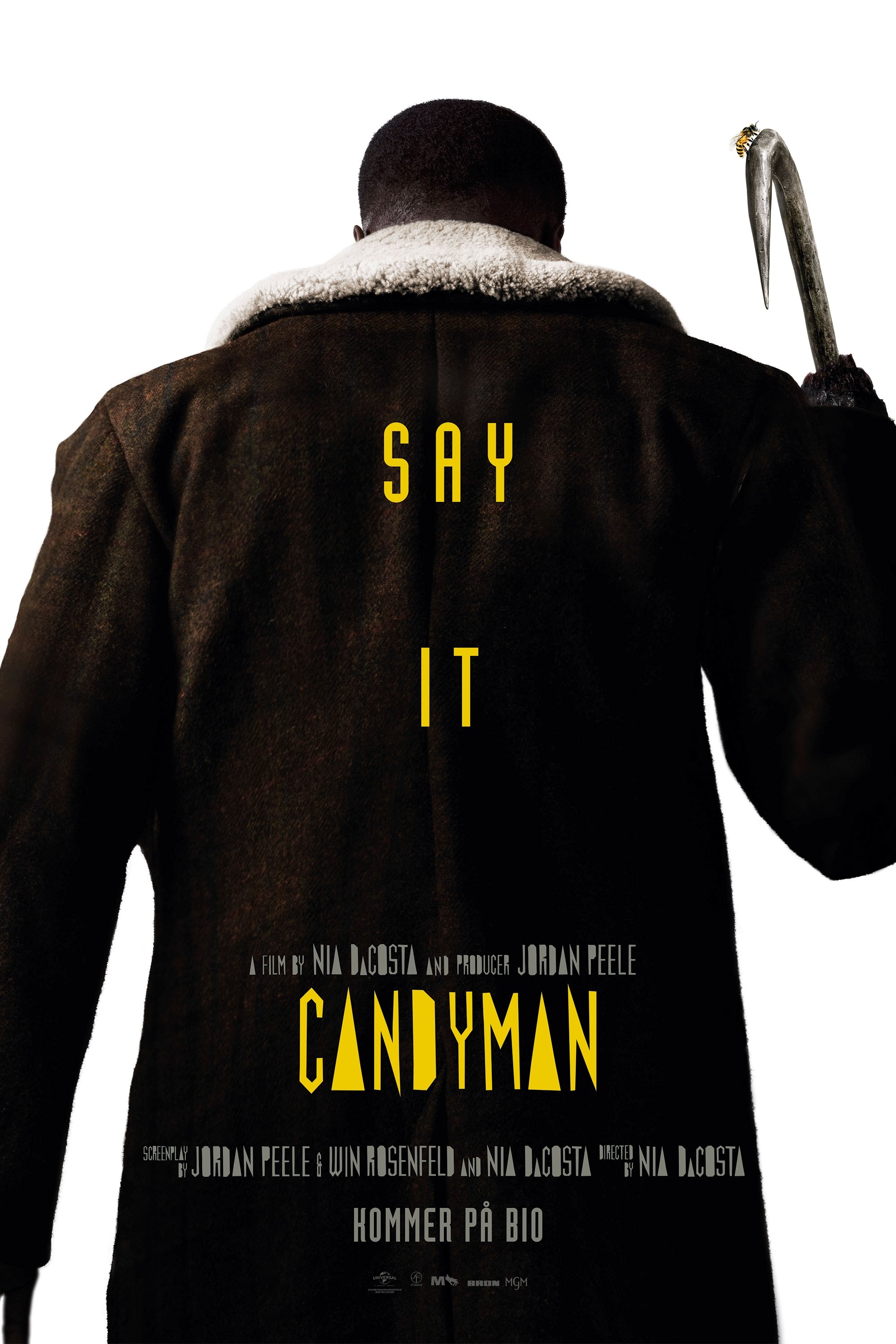
Peele and Win Rosenfeld began developing a screenplay that would return to Cabrini-Green from a different perspective. They sought a director capable of combining the continuing mythology with contemporary social concerns. Nia DaCosta was selected after her feature debut Little Woods (2018), whose treatment of vulnerable characters had impressed the producers. DaCosta subsequently joined the writing process, bringing her own interpretation of the original film and its relationship to Black experience. In an August 2021 interview with Little White Lies, she explained that the central task involved reconsidering the racial perspective through which the earlier story had been presented.
The filmmakers described the result as a spiritual sequel, allowing the new production to preserve important events from the 1992 film while developing a different structure. DaCosta wanted to clarify the relationship between the murdered figure of Daniel Robitaille and the community that supposedly feared him. She also questioned the earlier narrative’s concentration on Helen Lyle, whose investigation had made a white outsider the principal interpreter of Black suffering. The revised screenplay consequently introduced a Black artist whose professional ambitions, personal history and relationship with Cabrini-Green were connected to the legend itself.
Cabrini-Green, Art & the Expanding Mythology
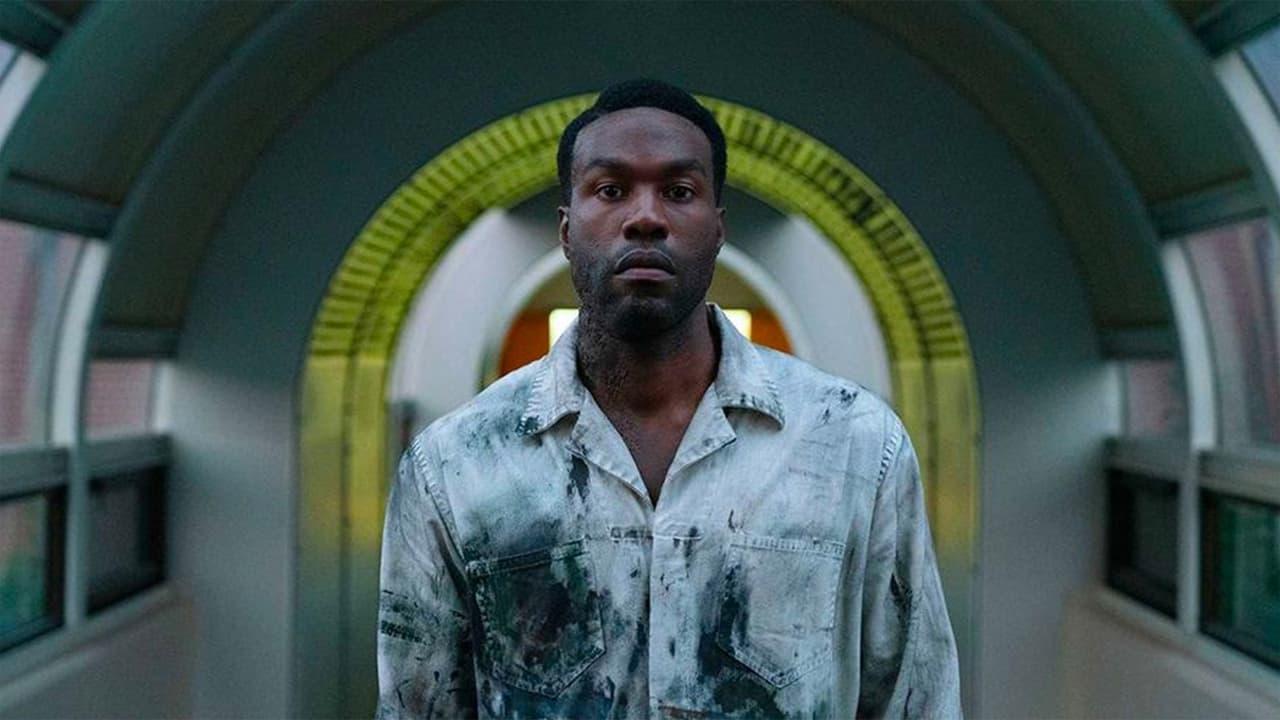
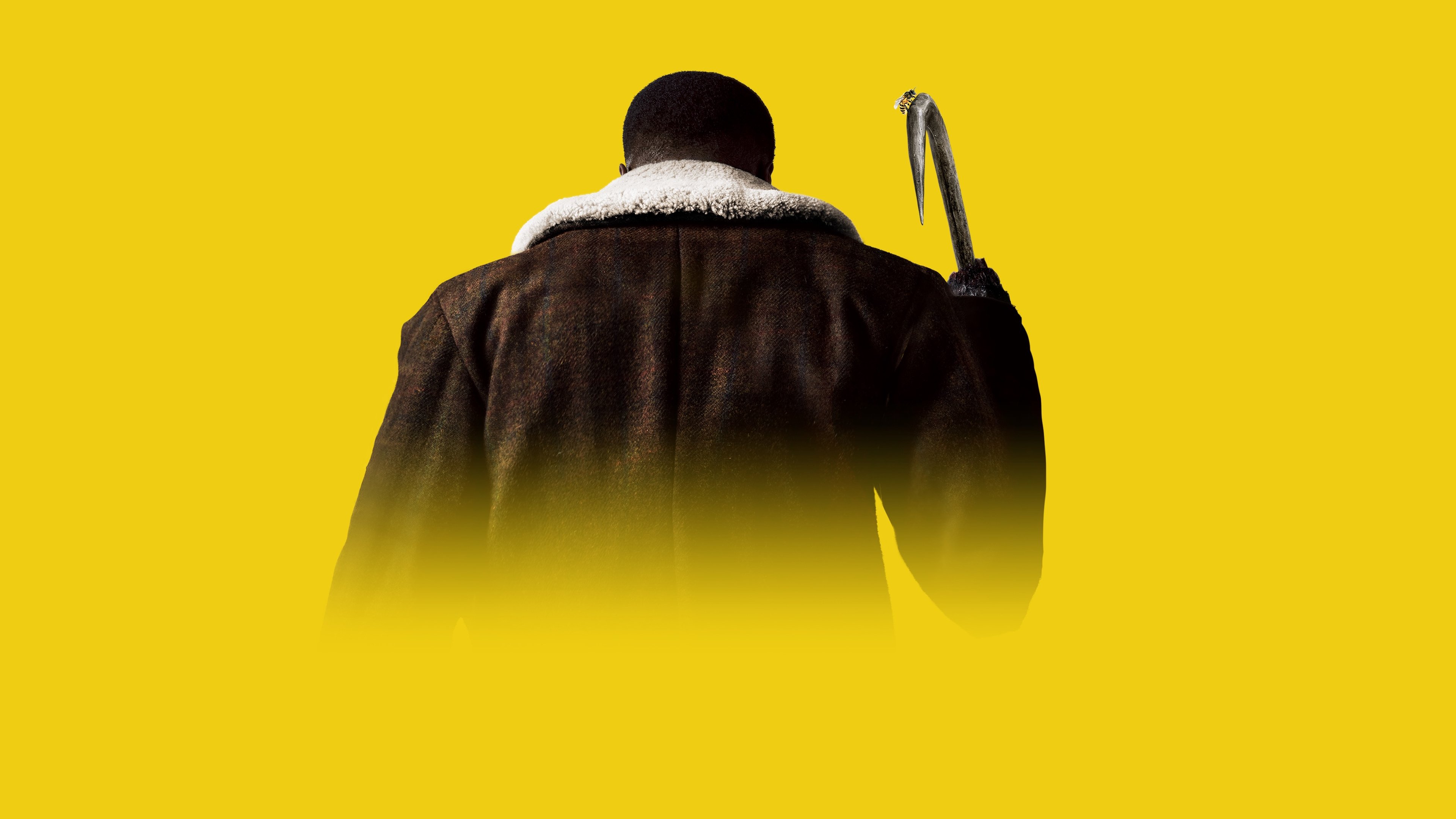
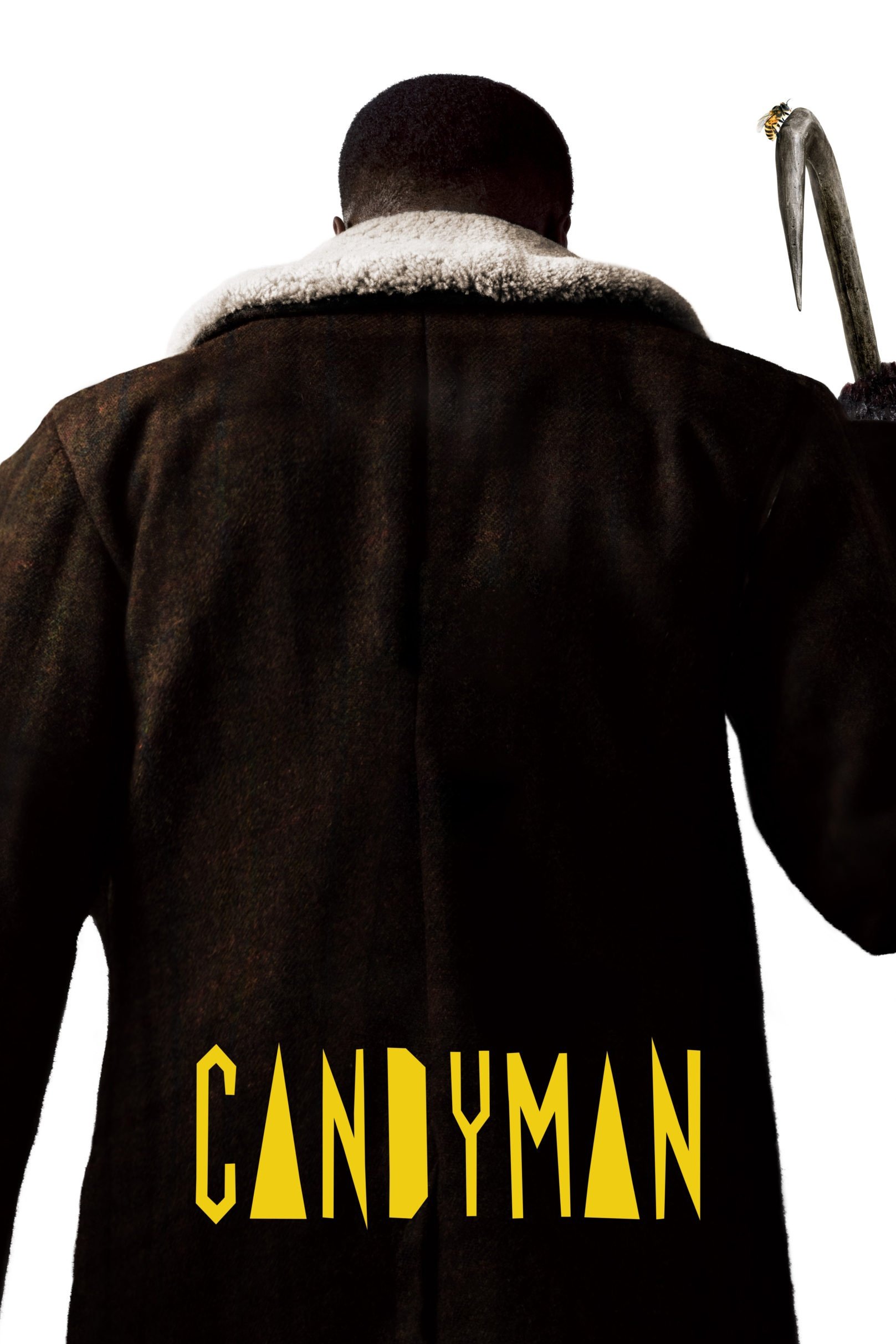
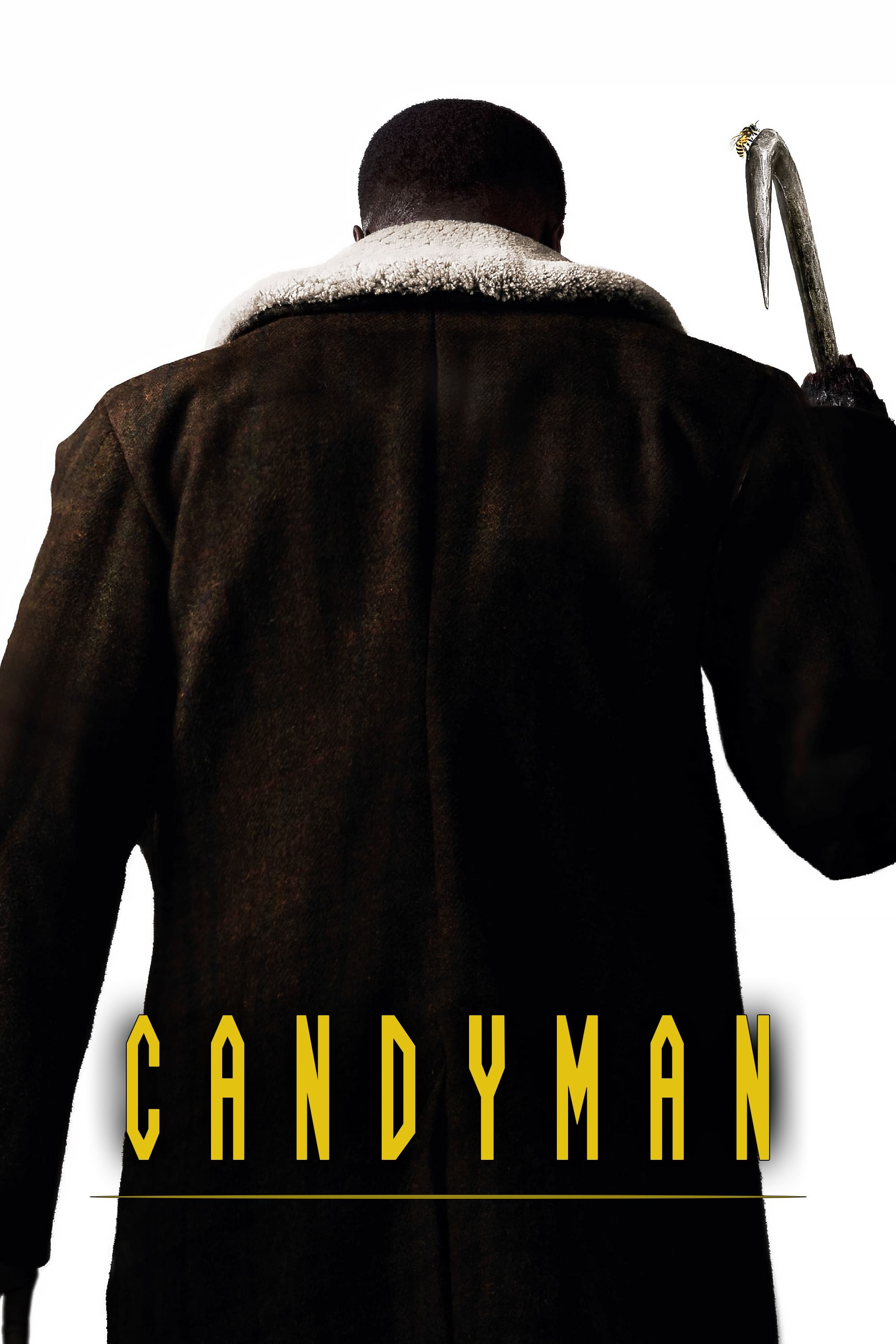
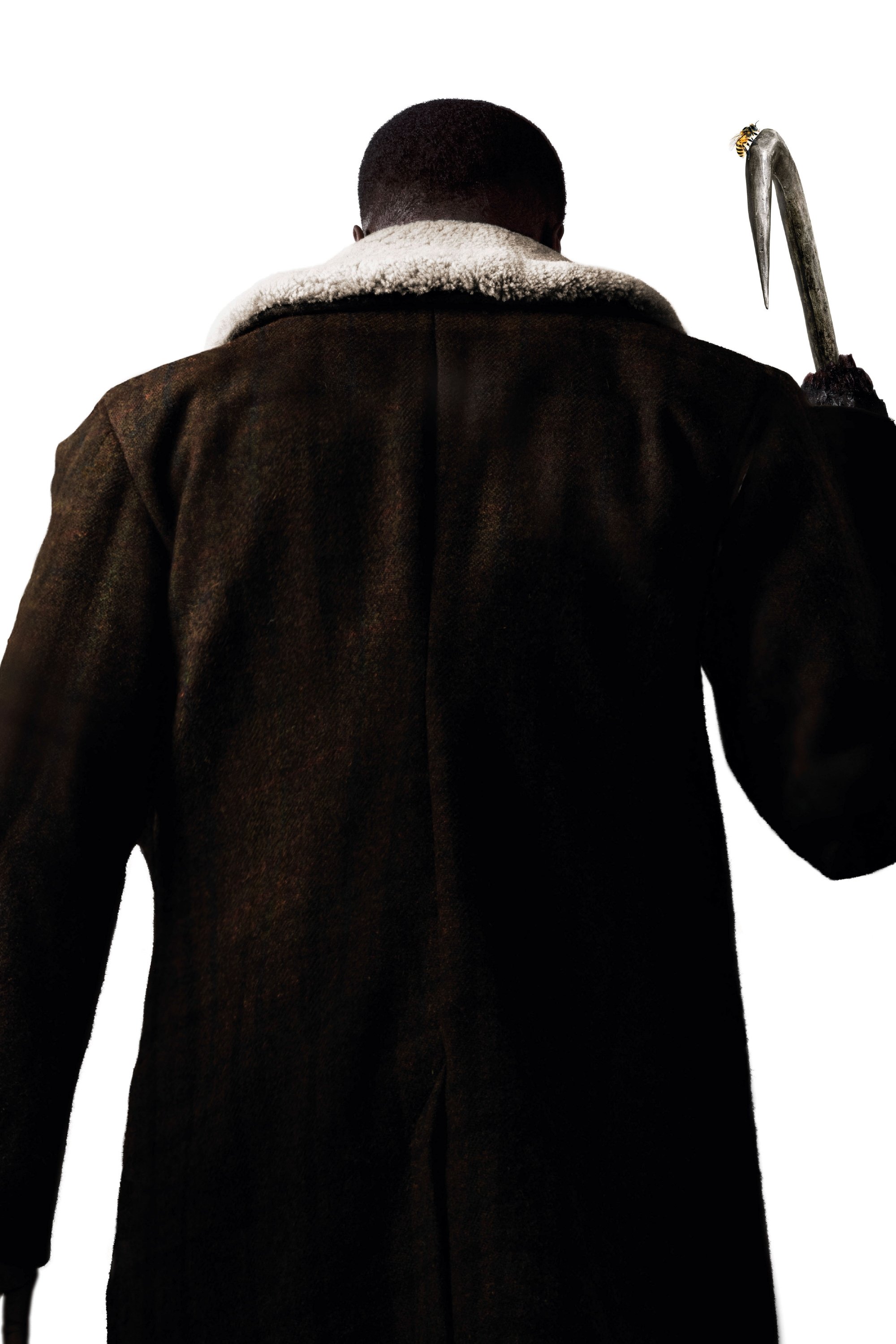
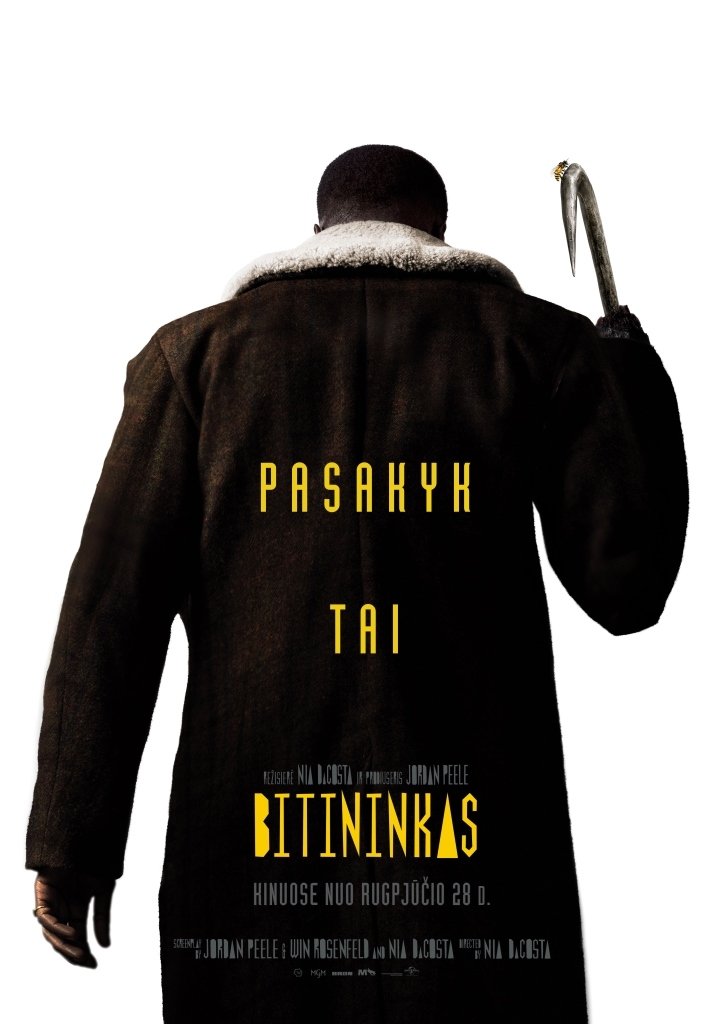
The story takes place in a transformed Cabrini-Green, where luxury residential developments stand near the remnants of the former public housing community. Anthony McCoy, played by Yahya Abdul-Mateen II, lives with gallery director Brianna Cartwright, played by Teyonah Parris. Anthony is experiencing difficulties establishing his artistic identity when an encounter with longtime neighborhood resident William Burke introduces him to the history of Candyman. His subsequent installation, Say My Name, incorporates mirrors and the legend’s summoning ritual. As the work attracts attention, increasingly violent events connect the artwork to the supernatural figure it invokes.
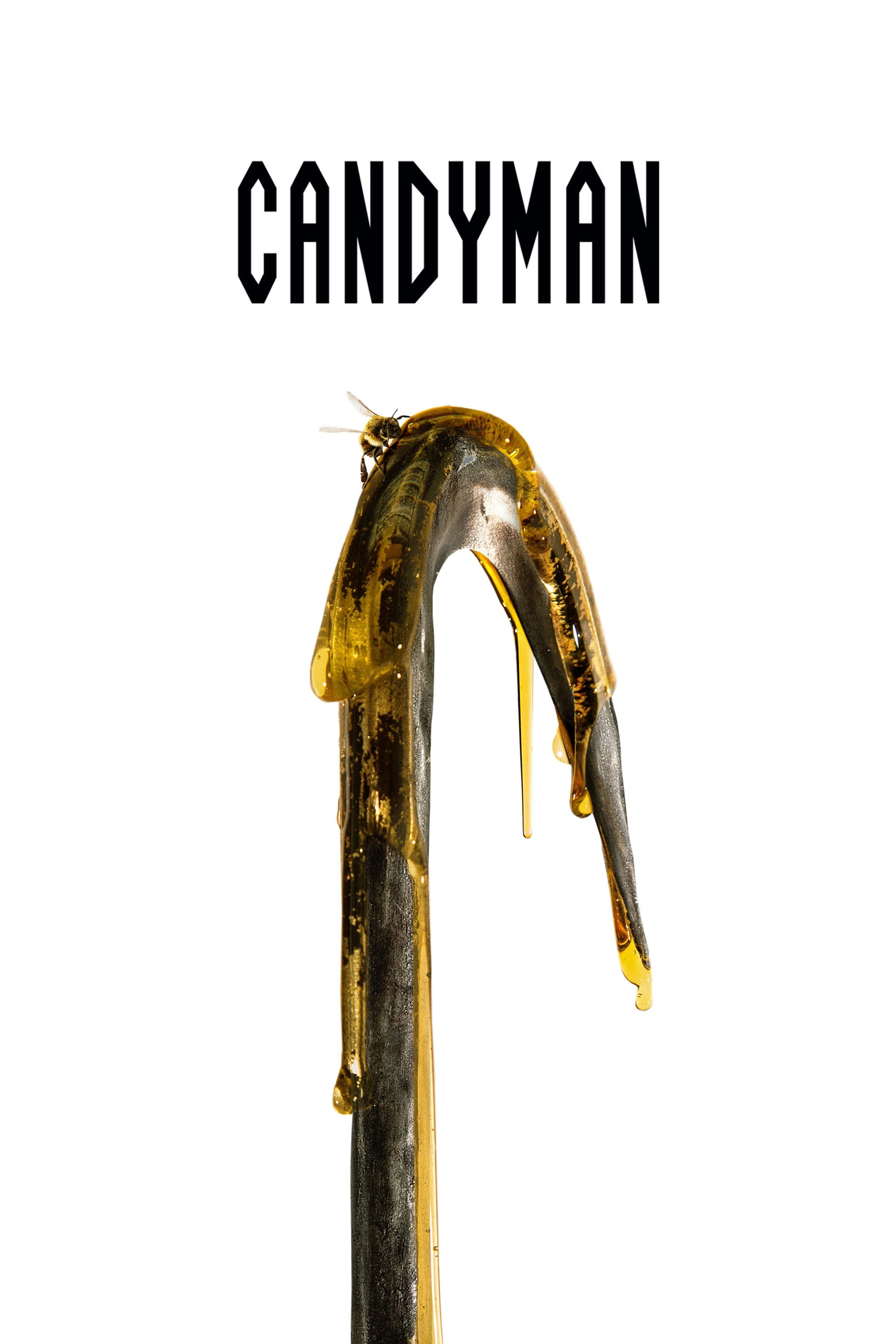
The screenplay develops the legend through several victims of racist violence rather than treating Daniel Robitaille as its sole historical embodiment. Burke recounts the death of Sherman Fields, a man killed by police in 1977 after being wrongly associated with a series of incidents involving candy. His story becomes another element in the mythology surrounding the hook-handed apparition. The film presents these figures as fictional characters whose experiences reflect recurring patterns of racial persecution. The distinction matters because the historical violence that informed the screenplay should not be confused with evidence that the supernatural individuals depicted in the narrative actually existed.
Anthony’s investigation also establishes a direct connection to the events of the original Candyman. His identity as the infant rescued from the climactic fire in 1992 gives his involvement a personal dimension concealed from him during the early narrative. Vanessa Williams returns as Anne-Marie McCoy, connecting the family history to the earlier film, while Tony Todd reprises Daniel Robitaille. These appearances allow the screenplay to preserve the established continuity while expanding the meaning of the legend. The process through which Anthony becomes associated with Candyman also makes artistic representation dangerous: his attempt to recover a forgotten history exposes him to the forces sustained by that history.
Production, Locations & Cinematography
Principal photography took place in Chicago during 2019, with the production seeking locations that preserved visible connections to the former Cabrini-Green neighborhood. Production designer Cara Brower studied the area’s history and worked with DaCosta to incorporate surviving structures and newly developed properties into the screenplay. One particularly significant location was the Northside Stranger’s Home Church, a remaining building associated with the older community. Brower recalled that the production spent weeks locating its owner and undertaking repairs necessary to make the interior safe for filming. The building provided a tangible connection to the neighborhood represented in the original film.
Anthony and Brianna’s apartment was located in a luxury development built over an older warehouse, a short distance from the original shooting area. Its position overlooking the former tower sites made the changing geography visible through the characters’ everyday surroundings. The film contrasts this environment with surviving streets and buildings whose occupants remain exposed to a different form of urban life. Brower explained that the location research influenced the screenplay while scouting was underway. The production therefore integrated real architectural changes into the fictional investigation, giving the story a geographical foundation beyond the historical setting supplied by the first film.
Cinematographer John Guleserian photographed most of the production with the ARRI Alexa LF and ARRI Signature Prime lenses. He sought a colorful image that could accommodate the contemporary art world while maintaining a threatening atmosphere. The gallery sequences required close coordination between lighting, photography and installed artworks, some of which incorporated reflective or illuminated surfaces. Guleserian and colorist Natasha Leonnet developed a show-specific look-up table, while planned camera movements and visual-effects compositions were tested through storyboards and previs. Reflections in mirrors and windows became particularly important because Candyman frequently appears within an image rather than standing directly before the characters.
Shadow Puppetry & Visual Storytelling
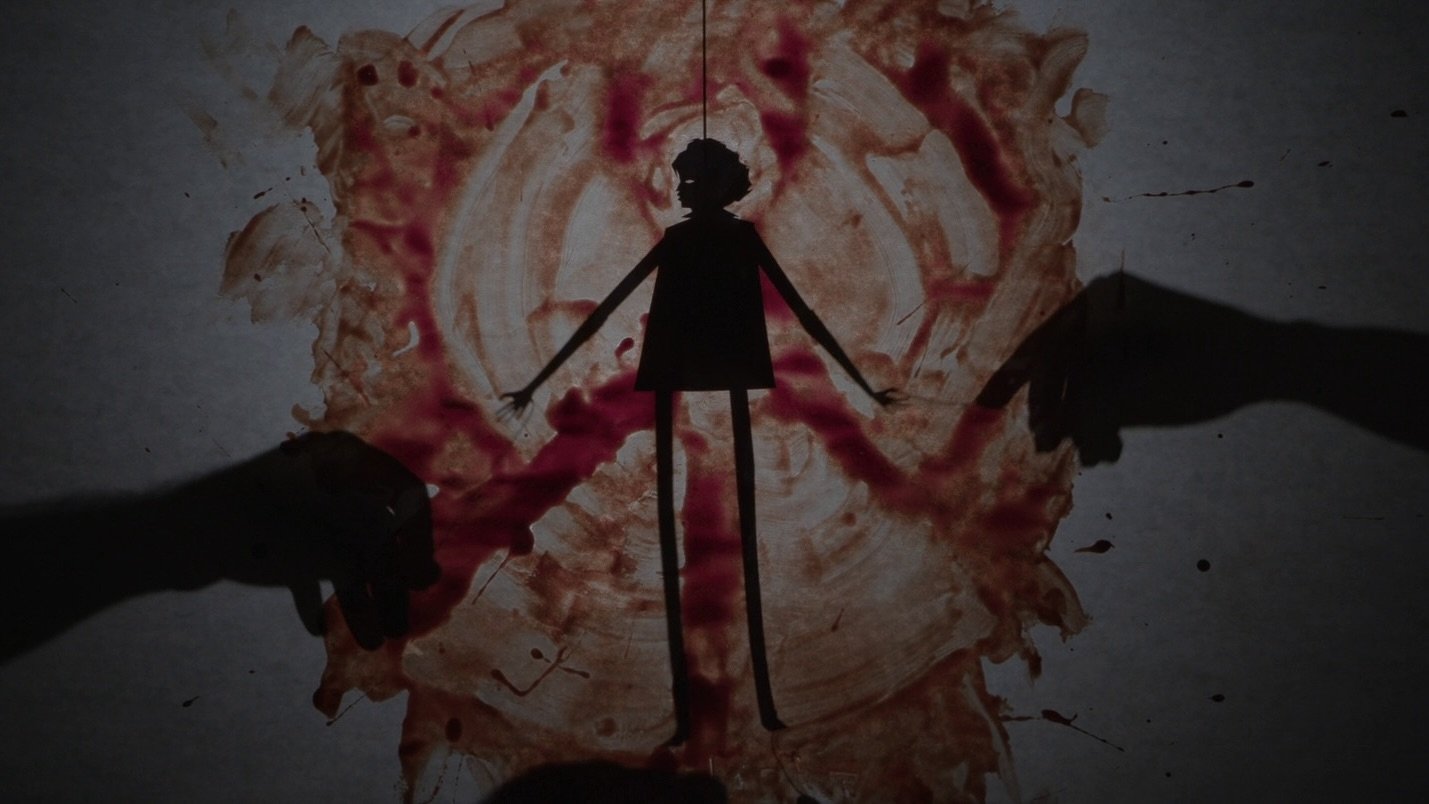
The shadow-puppet sequences were created by Manual Cinema, a Chicago-based collective whose work combines theatrical performance, cinema and handmade animation. Production designer Cara Brower introduced the group to the filmmakers, who wanted a distinctive means of presenting the legend’s historical material. Co-artistic director Drew Dir recalled that the original assignment involved several sequences recounting the events of the 1992 film. The collaboration expanded to include additional figures representing racial violence and the collective memory from which the supernatural legend develops. The artists were encouraged to construct imagery that retained the physical qualities of a traditional storytelling medium.
The puppets were made from paper, articulated with wires and photographed against illuminated screens. Manual Cinema worked with cinematographer Andrew J. Morgan to develop the lighting and movement required for the sequences. The animations were produced in camera through practical shadow manipulation. DaCosta and the artists deliberately allowed the silhouettes of the puppeteers’ hands and control mechanisms to remain visible. Drew Dir explained that this choice preserved the theatrical nature of the images, making the audience aware that the stories were being actively performed and passed between people.
The animated material became particularly important during the pandemic-related postponement. The filmmakers assembled some of the shadow sequences into a promotional short that depicted acts of racial persecution without relying on footage of the principal actors. Robert Aiki Aubrey Lowe supplied music for the piece. The finished feature uses related images to communicate histories that cannot be recovered through conventional flashbacks alone. Their handmade appearance also differentiates those accounts from the live-action murders, allowing the film to represent traumatic collective memories through stylized figures rather than literal reconstructions of historical violence.
Music & Sound
Robert Aiki Aubrey Lowe composed the original score, replacing the musical identity associated with Philip Glass’s work on the 1992 film. DaCosta wanted a soundtrack that would be equally distinctive while reflecting the expanded conception of Candyman as a figure associated with multiple lives and histories. Lowe, whose performances under the name Lichens incorporate extended vocal techniques and electronic processing, developed much of the music from layers of his own voice. The approach gave the score an unusual range of textures, from low resonances to high, unstable vocal tones.
In a January 2022 interview with the Los Angeles Times, Lowe explained that the piece Rows and Towers was constructed from overlapping vocal registers intended to evoke the accumulated human experiences associated with Cabrini-Green. For the scene in which Anthony encounters Candyman’s appearance within his reflection, the composer recorded approximately eighteen separate vocal passes. Hildur Guðnadóttir contributed cello and additional vocals. Lowe also gathered sounds from Chicago, including electrical equipment and insects, then manipulated those recordings into atmospheric material. Spoken dialogue, including the name Candyman, became another source for electronic transformation.
The score draws attention to changes in Anthony’s psychological condition without relying on continuous orchestral suspense. Lowe used repetition and clusters of voices to create sounds that seem to emerge from the film’s physical environment. His main title contains a limited musical reference to Glass’s minimalism, while the larger soundtrack follows a different compositional method. DaCosta described her intention as creating music that would attract and disturb the listener simultaneously. The resulting soundtrack connects the supernatural mythology to the film’s emphasis on voices, inherited experience and stories that continue after the deaths of the people associated with them.
Release, Reception & Historical Position
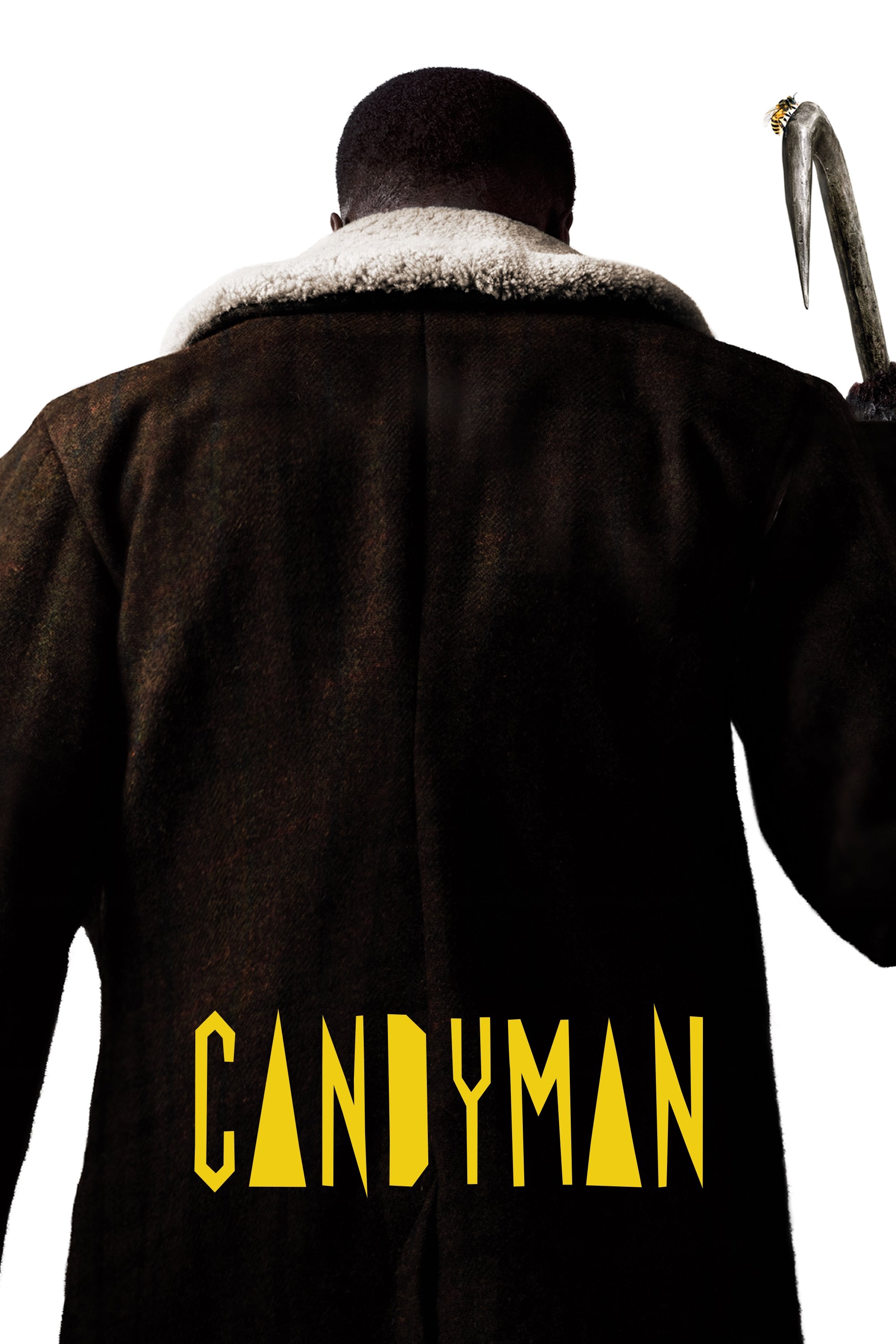
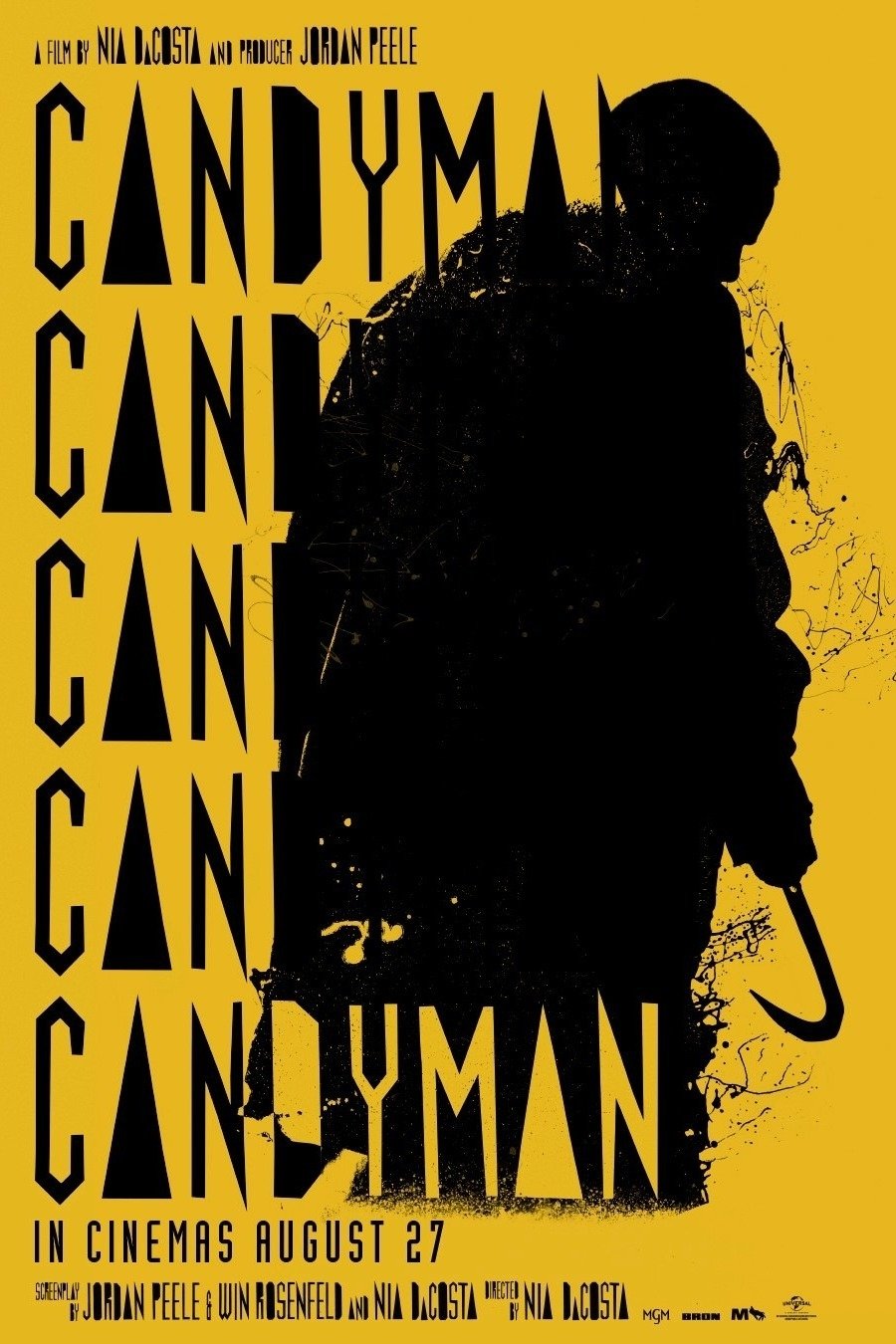
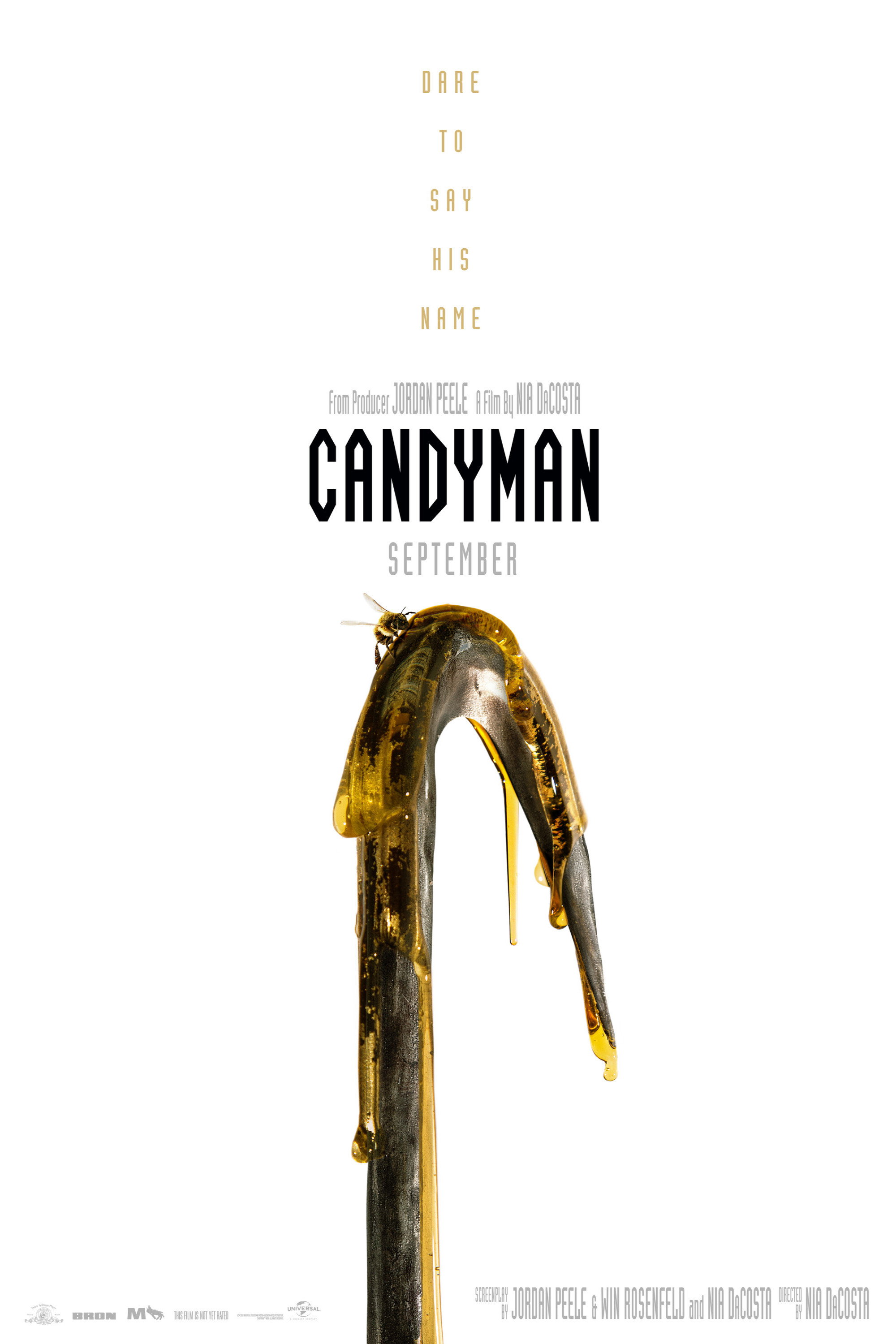
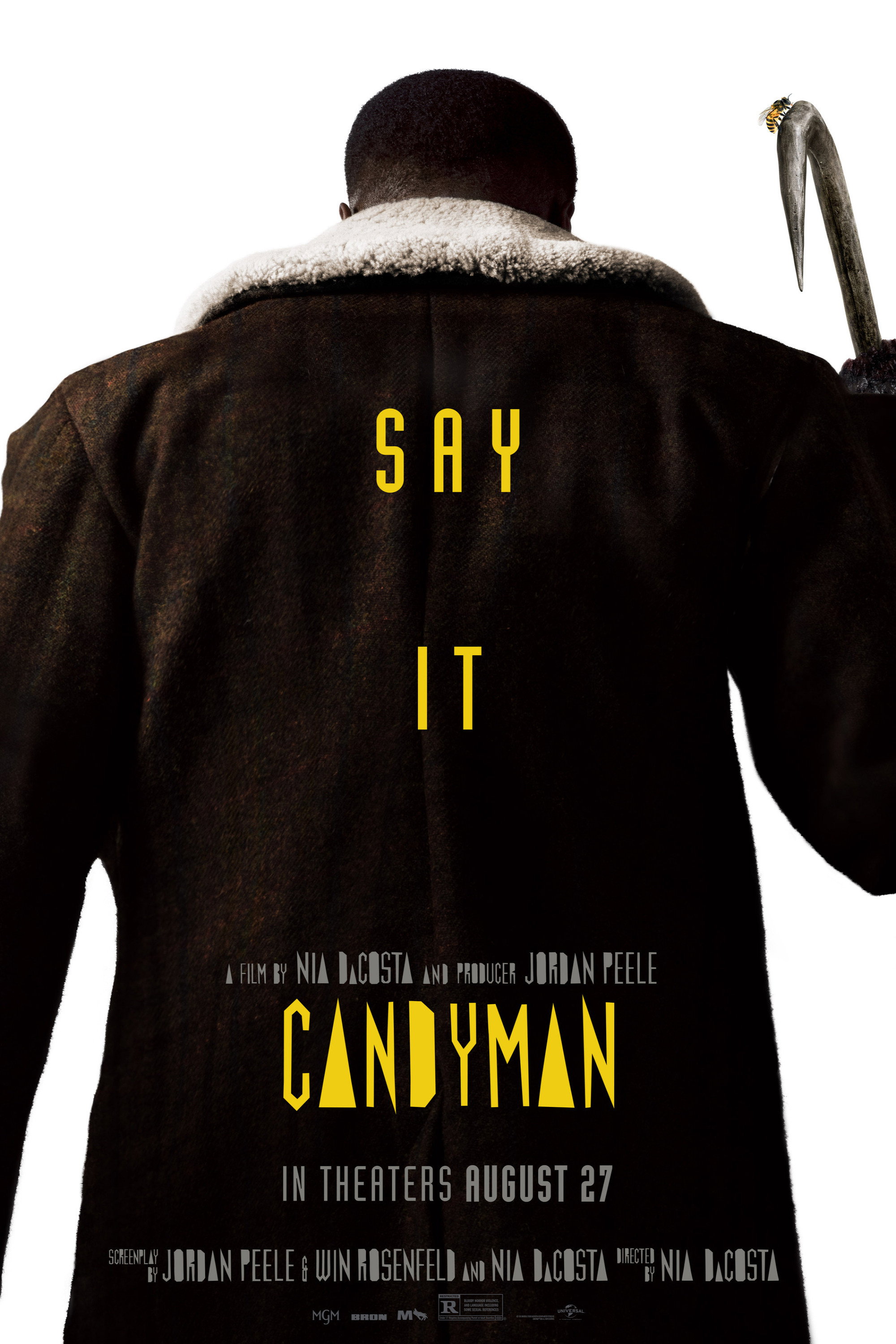
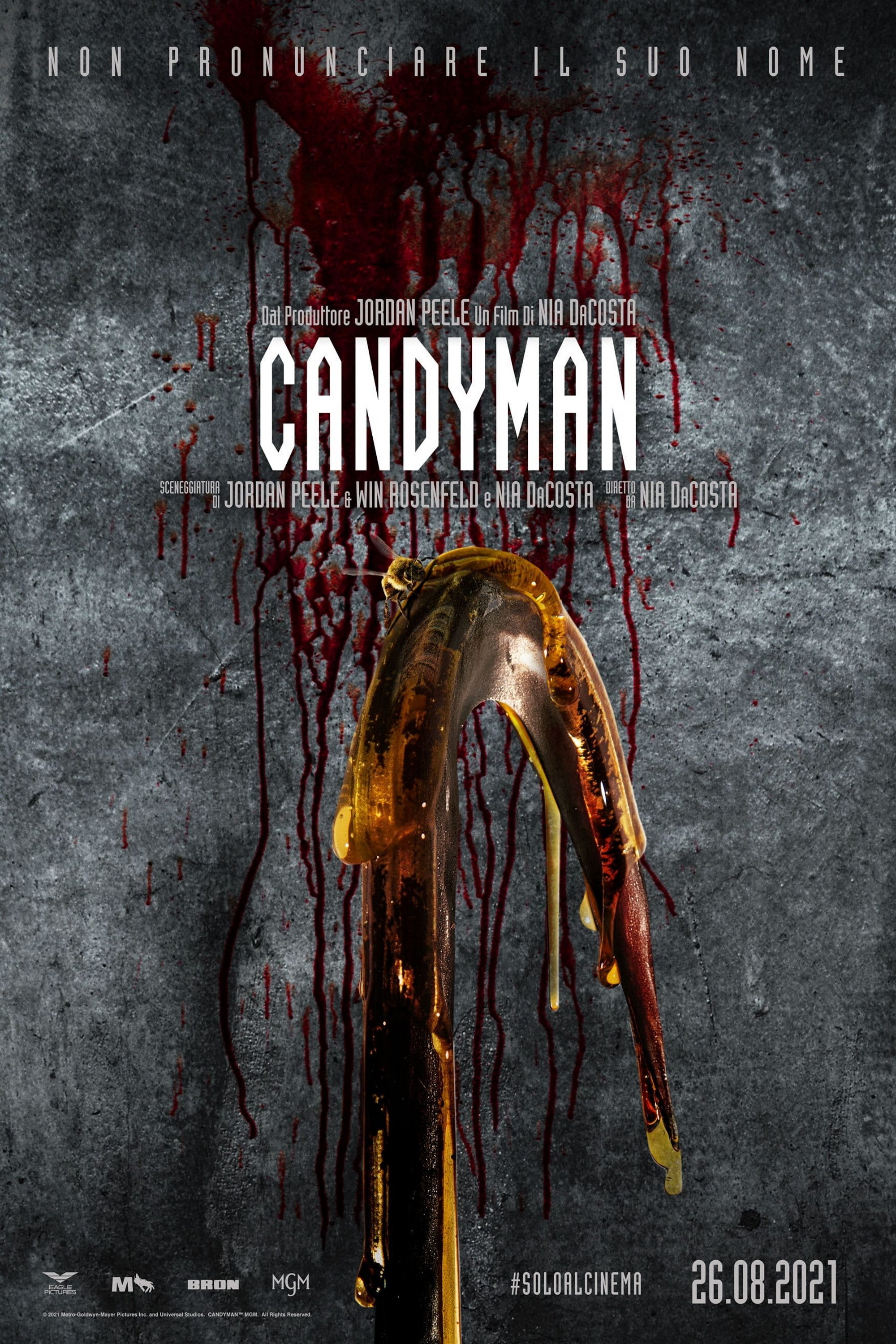
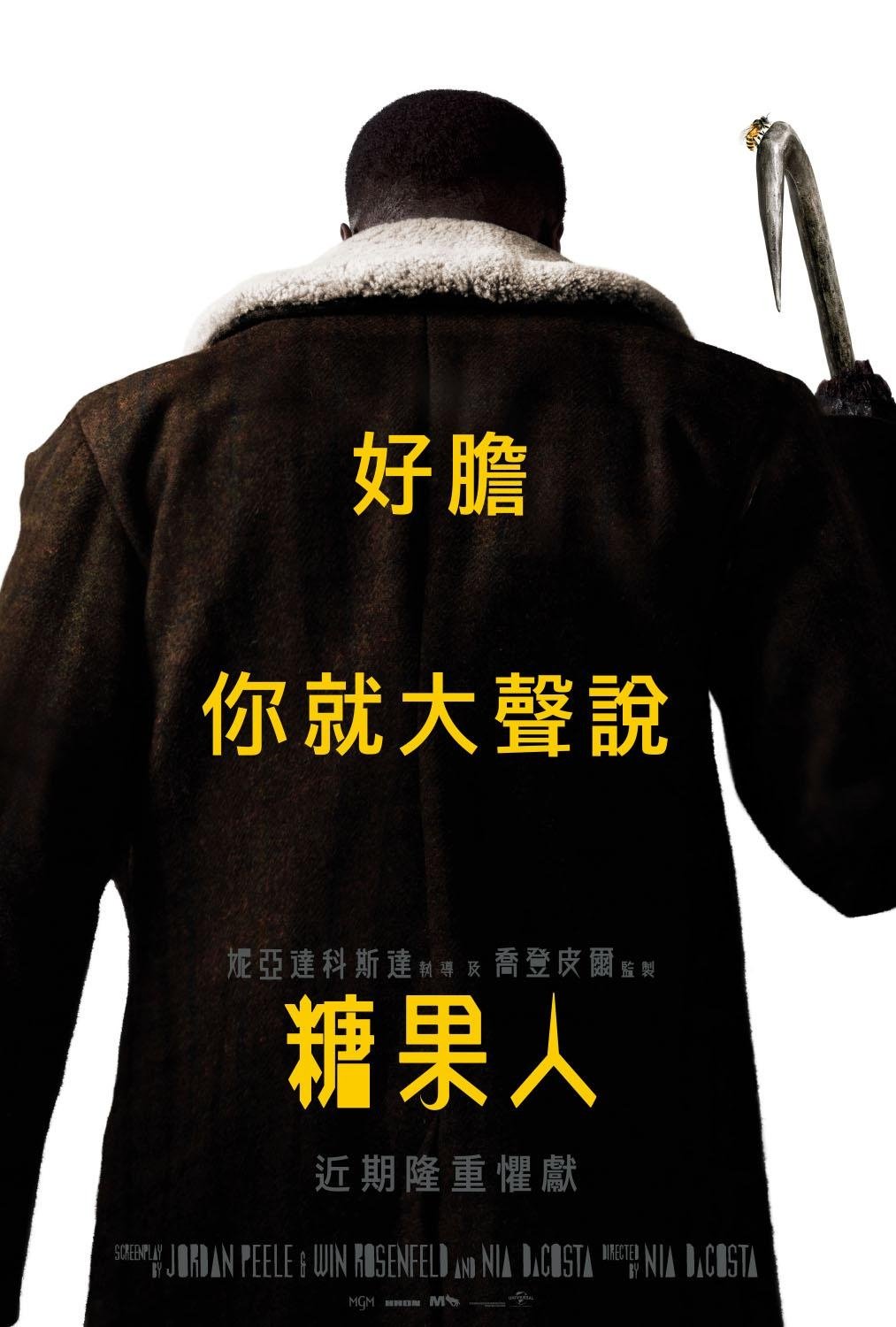
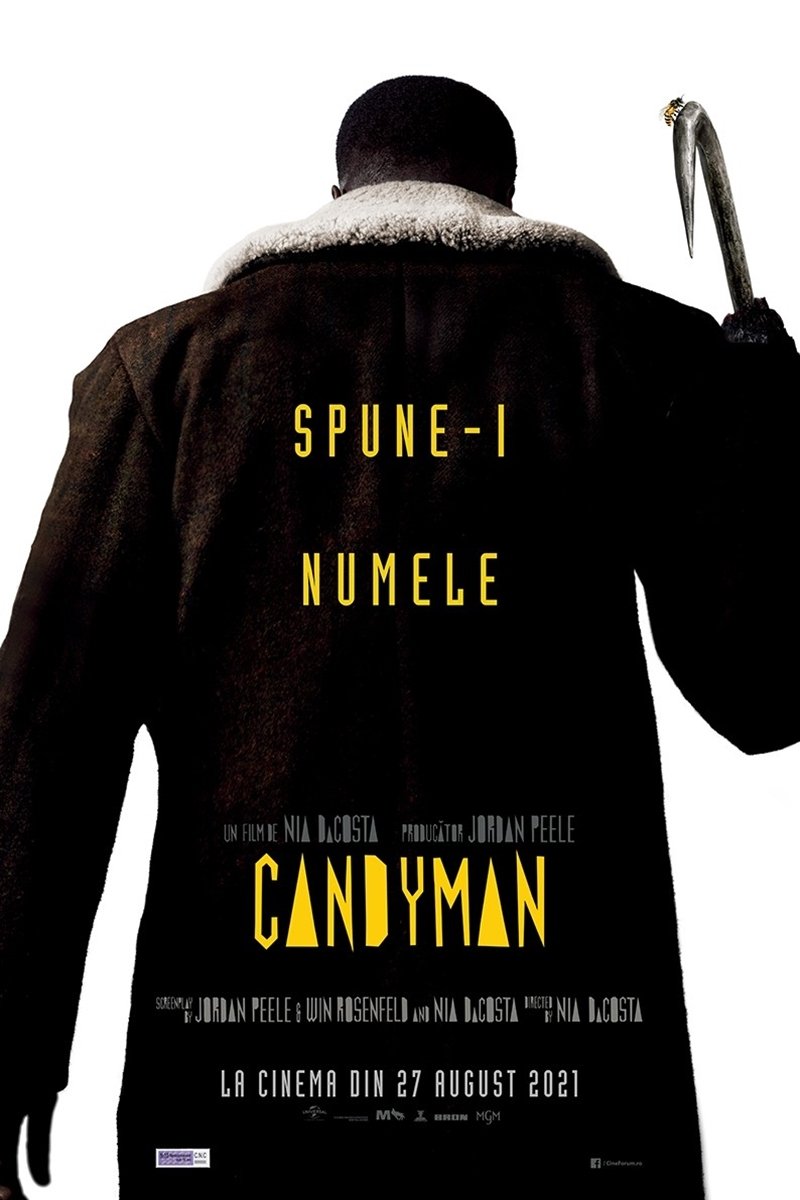
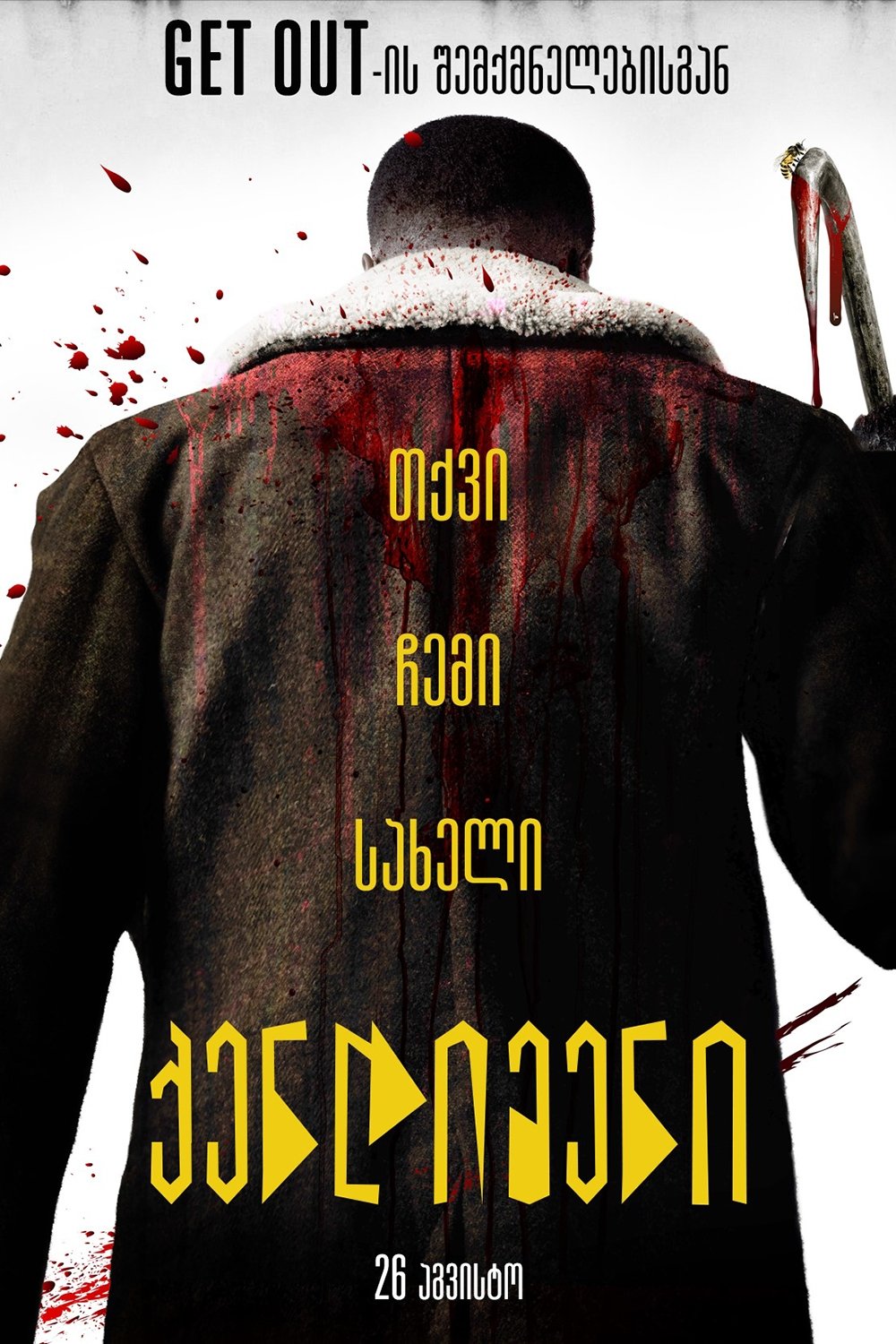
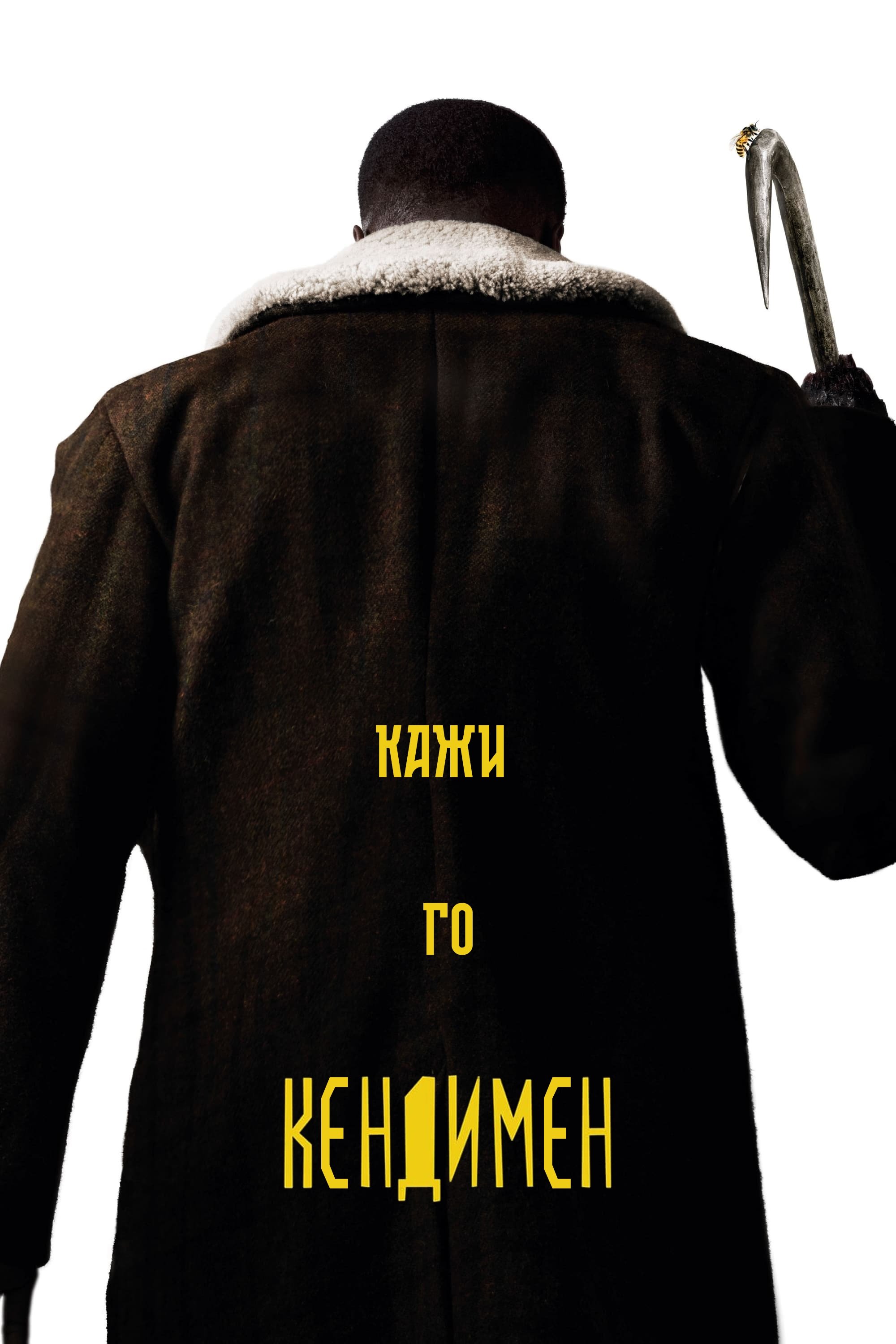
Candyman was originally scheduled for release in 2020, but Universal postponed its theatrical opening during the COVID-19 pandemic. The film ultimately reached American cinemas on 27 August 2021, with an R classification for bloody horror violence, language and sexual references. Its release followed a marketing campaign that emphasized both the return of the familiar supernatural character and the new film’s treatment of racial history. The approximately $25 million production opened in 3,569 North American theaters and earned $22,001,750 during its first weekend, placing it at number one. Its domestic theatrical total eventually reached $61,186,570.
The opening represented a notable milestone in American theatrical distribution: DaCosta became the first Black woman to direct a film debuting at number one in the North American weekend box office. Contemporary critics recognized the film’s attention to gentrification and the consequences of racial violence, while differing over its narrative construction. In Sight and Sound, Kaleem Aftab examined the shift from the white-centered perspective of the original to a story about Black artistic production and historical memory. He considered the new approach valuable but criticized the concluding movement for becoming an overly compressed slasher confrontation. The review reflects a broader disagreement about whether the film’s explicit thematic ambitions were fully sustained by its final act.
The 2021 film occupies a distinct position within the Candyman series because it reconnects the mythology directly to the events of the original while reconsidering the perspective from which those events are understood. Its use of Cabrini-Green’s transformed geography, shadow puppetry and experimental music gives the continuation a different formal identity from the earlier sequels. The production also expanded the commercial visibility of Black-led horror within a major studio release. These developments are historically documentable, although the film’s longer-term influence upon subsequent productions requires separate evidence rather than an assumption based solely on its theatrical success.